If your concrete porch has been bothering you for longer than you’d like to admit, this is the guide for you. We spent serious time browsing designer portfolios and real home tours to bring you only what’s worth your attention this year. Inside this guide, you’ll find 29 curated ideas covering styles from modern rustic to classic colonial, proving that concrete is anything but boring. In 2026, it’s all about pairing long-lasting, practical materials with high-style finishes, which is why thoughtfully designed concrete porches are leading the charge. And stay until the end — we break down the most common mistakes that can ruin these looks. 📌 Save this to Pinterest for later — you’ll want to revisit these ideas.
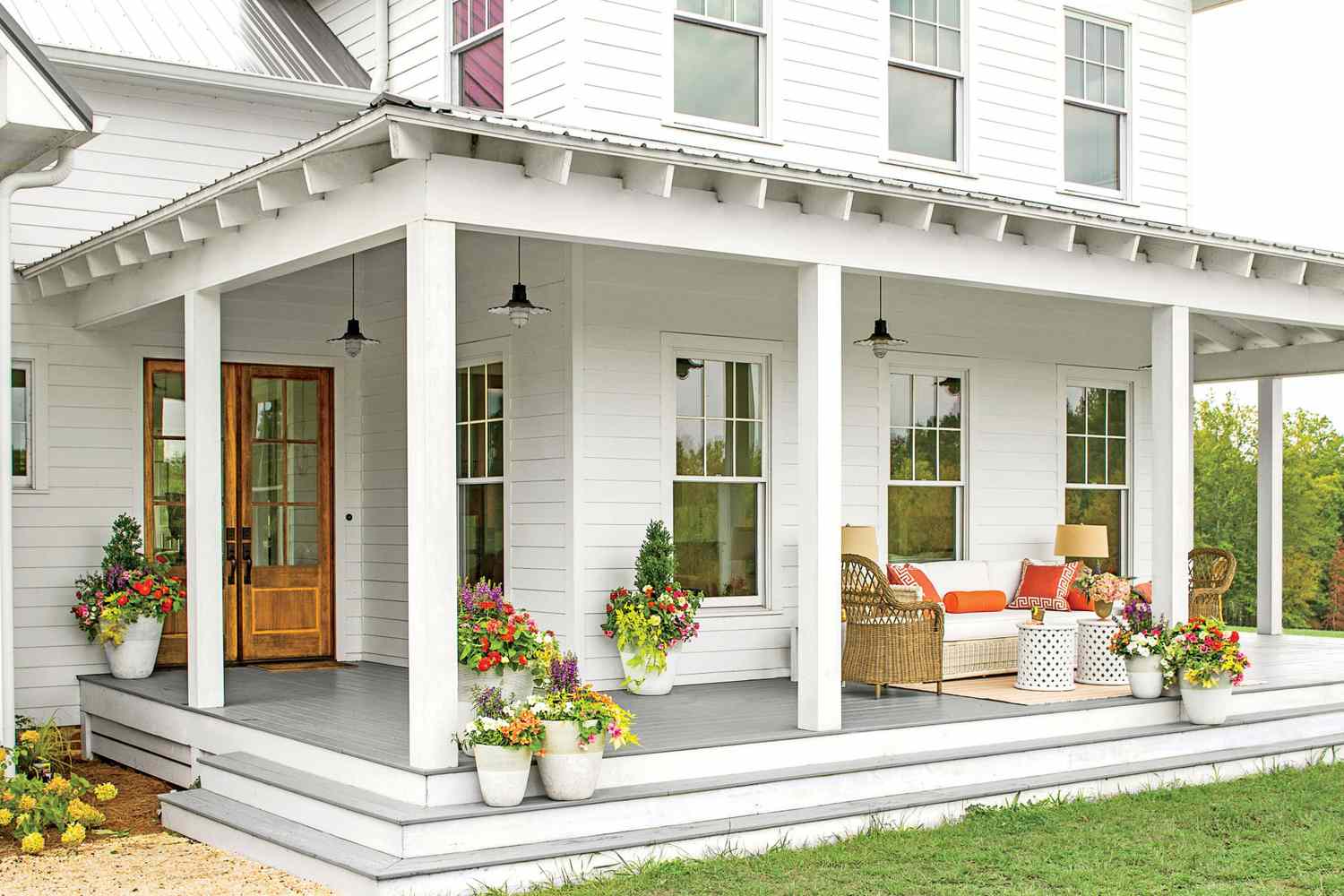
1. White Farmhouse Porch with a Cool Grey Floor
There’s a reason this combination is a classic. The cool, grounding grey of the porch floor provides a modern, clean base that keeps the bright white from feeling overwhelming. It creates a subtle contrast that highlights the architecture of the columns and siding. The pops of vibrant orange in the pillows and the lush greens from the many planters add life and energy, preventing the black-and-white scheme from feeling too sterile. The warm wood of the front doors ties it all together, adding a necessary touch of organic warmth.
|
📋 Copy HEX 🔗 Share |
💡 Designer Tip
When painting a concrete porch floor grey, the undertone is everything. For a classic farmhouse look like this, stick to a neutral, true grey or one with a slight blue undertone. Avoid greys with strong brown or beige undertones (greige), as they can look muddy against crisp white siding. Always test your paint sample on the concrete itself and look at it in the morning, noon, and evening light, as the color can shift dramatically throughout the day. A satin or low-lustre finish is ideal; it’s durable, easy to clean, and has a slight sheen that isn’t overly glossy.
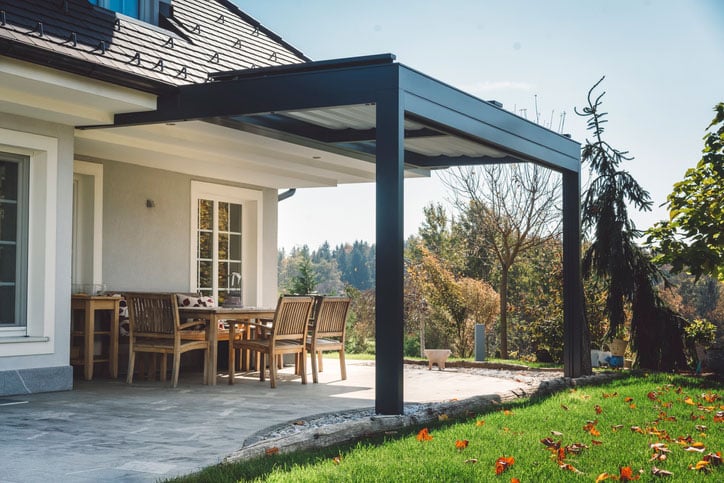
2. Modern Dark Pergola Over a Light Stone Patio
This look is a beautiful exercise in modern, minimalist design. Think of it as: 60% sleek architectural elements + 30% natural materials + 10% soft comfort. The dark metal pergola and light grey stone tiles create the strong, neutral foundation. The teak wood dining set introduces organic texture and warmth, keeping the space from feeling cold. Finally, the retractable white fabric roof adds a touch of softness and practical comfort. You could swap the teak for acacia wood or even a high-quality poly-wood and exchange the grey stone for large-format concrete pavers to maintain the same sophisticated formula.
|
📋 Copy HEX 🔗 Share |
⭐ The One Thing
A retractable fabric pergola roof is a fantastic feature for flexible shade, but it requires some babysitting. These systems are not designed to handle heavy rain or high winds. You must be diligent about retracting the canopy before a storm rolls in to prevent water from pooling and stretching the fabric, or worse, damaging the tracks and motor. Regular cleaning is also a must, as dirt, pollen, and bird droppings can lead to staining and mildew. A gentle scrub with mild soap and water a few times a season will keep it looking fresh.
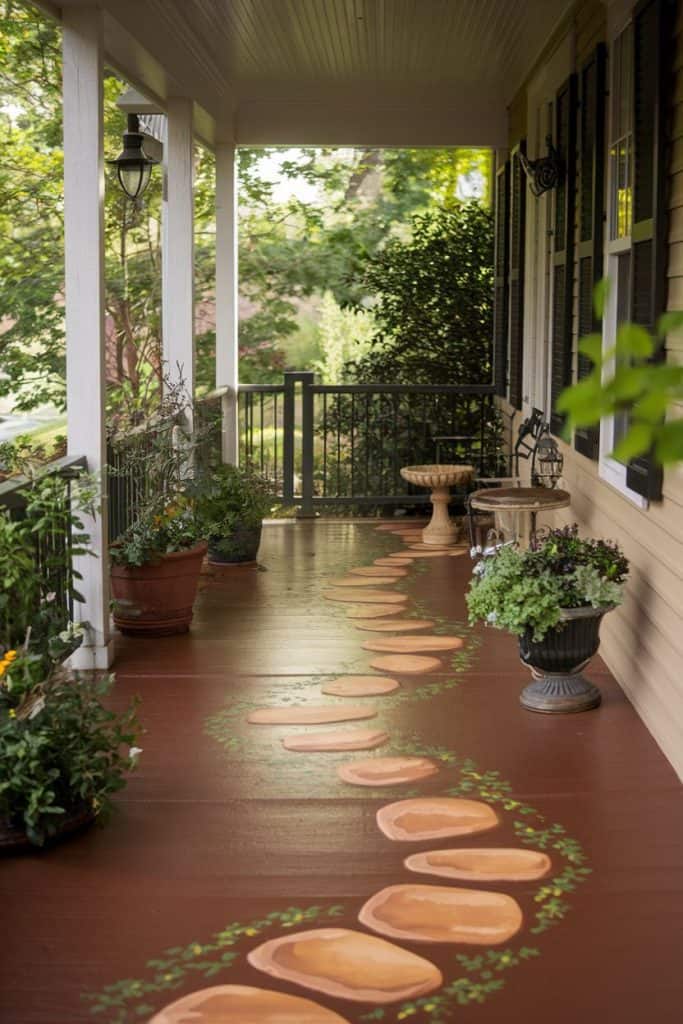
3. Whimsical Painted Stepping Stone Path on a Dark Porch
The painted stepping stone path is, without a doubt, the single element that gives this porch its charm. Without it, you’d have a simple, dark-floored porch. With it, you have a story. It introduces a sense of whimsy and personality that store-bought decor can’t replicate. This hand-painted feature transforms the floor from a purely functional surface into a piece of art, guiding the eye and creating a delightful journey from the edge of the porch to the door. It proves that you don’t need expensive materials to create a high-impact design; you just need a little creativity.
|
📋 Copy HEX 🔗 Share |
⚠️ Real Talk
You can absolutely achieve this look on a shoestring budget. All you need is time and a few key supplies. Start with a thoroughly cleaned and prepped concrete porch. Use a good quality porch and floor paint for your dark brown base coat ($40-$60 per gallon). For the “stones” and vines, you can get small sample pots of exterior paint in your desired colors for about $5-$10 each. Use chalk to sketch out your design first, then go to work with a few small artist brushes. The entire project could easily come in under $100, especially if you already have brushes on hand.
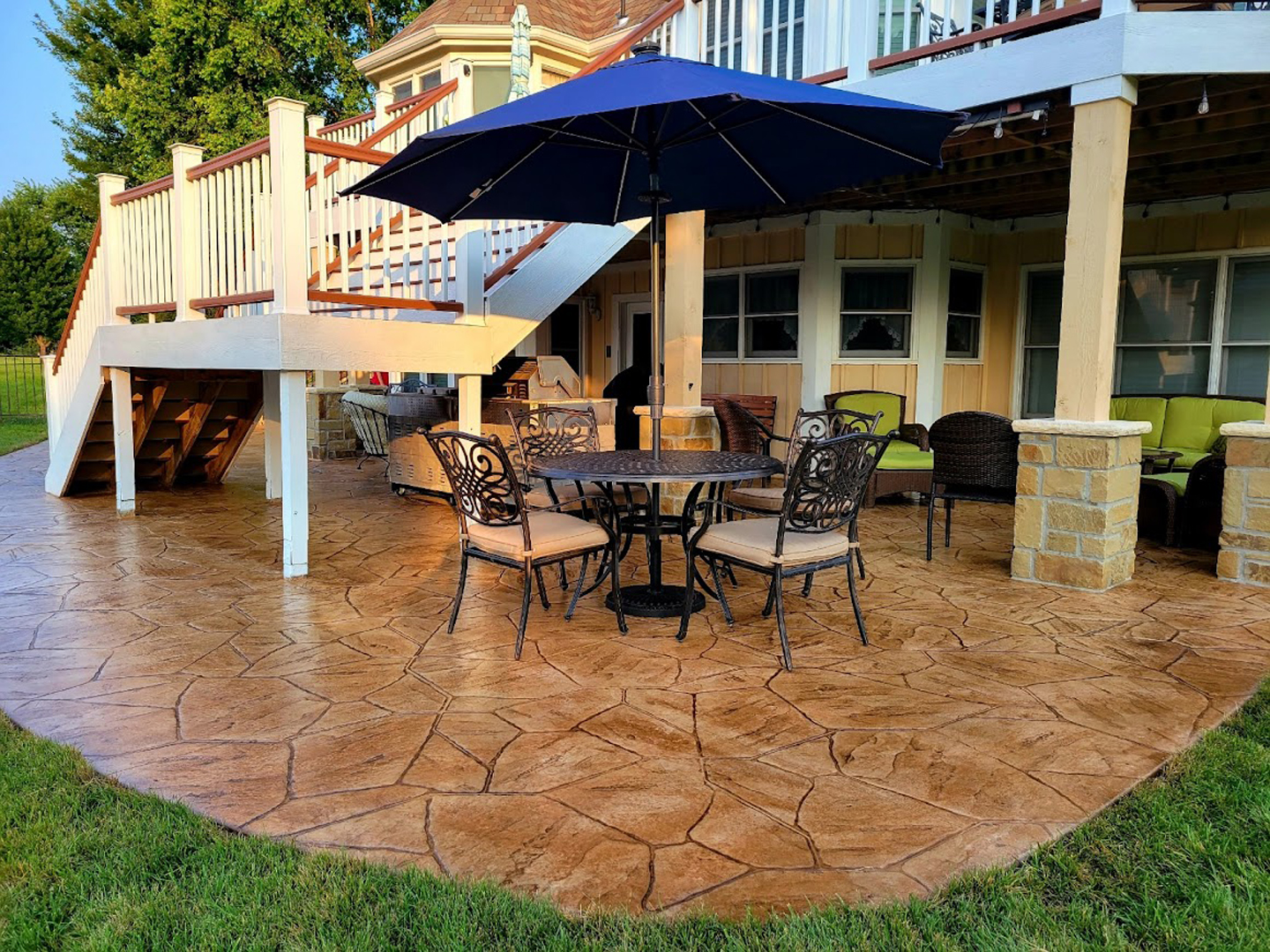
4. Stamped Flagstone Patio with an Umbrella-Shaded Dining Area
Creating this relaxed outdoor dining zone involves a few key investments, with the patio surface itself being the largest. Here’s a potential cost breakdown to recreate this look:
|
📋 Copy HEX 🔗 Share |
✅ Before You Start
- Stamped Concrete (Flagstone Pattern): $12 – $18 per sq. ft. professionally installed. For a 200 sq. ft. patio, that’s $2,400 – $3,600.
- Wrought Iron Dining Set (4 chairs): $500 – $1,200
- Market Umbrella & Stand: $150 – $400
- Decor & Planters: $200 – $500
- TOTAL: $3,250 – $5,700
- Budget alternative: Get a similar vibe for about 40-50% less by using a stencil kit on existing concrete, sourcing a dining set from Facebook Marketplace, and choosing more affordable planters.
This idea is perfectly suited for medium to large backyards where you can designate distinct “zones.” You’ll want a minimum of 150-200 square feet for the dining area alone to comfortably fit the table, chairs, and allow for circulation around it without feeling cramped, especially with the umbrella open. The under-deck seating area seen in the background requires even more space and a second-story deck to make it possible. If you have a smaller footprint, you can adapt this by using a bistro set for two instead of a full dining table. Compare this expansive setup to the more intimate feel of Idea #24.
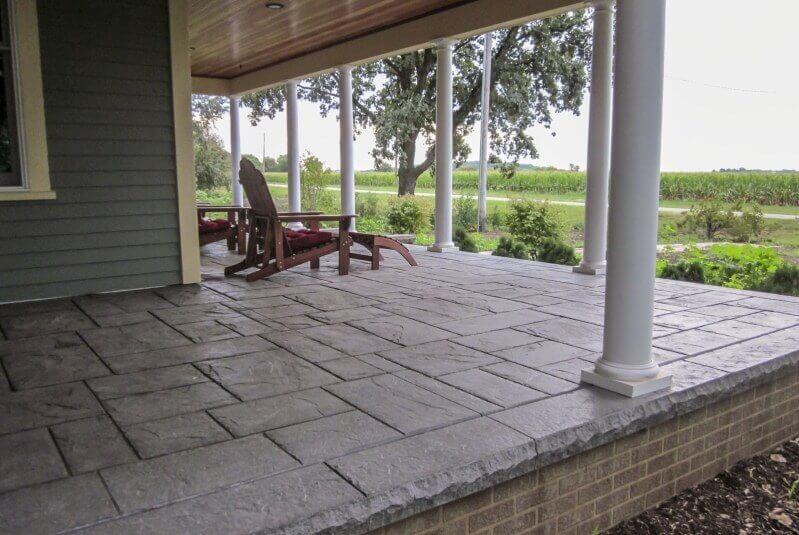
5. Textured Stonework-Pattern Concrete with Colonial Columns
This porch design works so well because of its masterful blend of textures. You have the rough, organic pattern of the stamped concrete, the smooth, classic silhouette of the Colonial columns, the warm, natural grain of the wooden Adirondack chairs, and the fine-grained surface of the brick foundation. Each material is distinct, yet they all work in harmony. The color palette is also key; the dark grey concrete grounds the space, allowing the crisp white columns and warm cedar ceiling to stand out. The pop of red from the cushions adds just the right amount of energy. Compare the irregular pattern here with the more uniform flagstone look in Idea #4.
|
📋 Copy HEX 🔗 Share |
🔧 How-To Brief
A textured concrete surface like this does a great job of hiding dirt, but it can be a bit tricky to clean. Unlike a smooth slab, dust, pollen, and debris love to settle into the grooves and crevices of the stamp pattern. A regular leaf blower or powerful shop vac can handle most of the dry mess. For a deep clean, a pressure washer is your best friend, but use a fan tip (not a pinpoint jet) to avoid damaging the sealer or the concrete itself. You’ll want to reseal the surface every 2-3 years to protect it from stains and wear, which will cost between $150-$300 in materials or more for professional application.
6. Gray Concrete Porch with a Faux Wood-Plank Finish
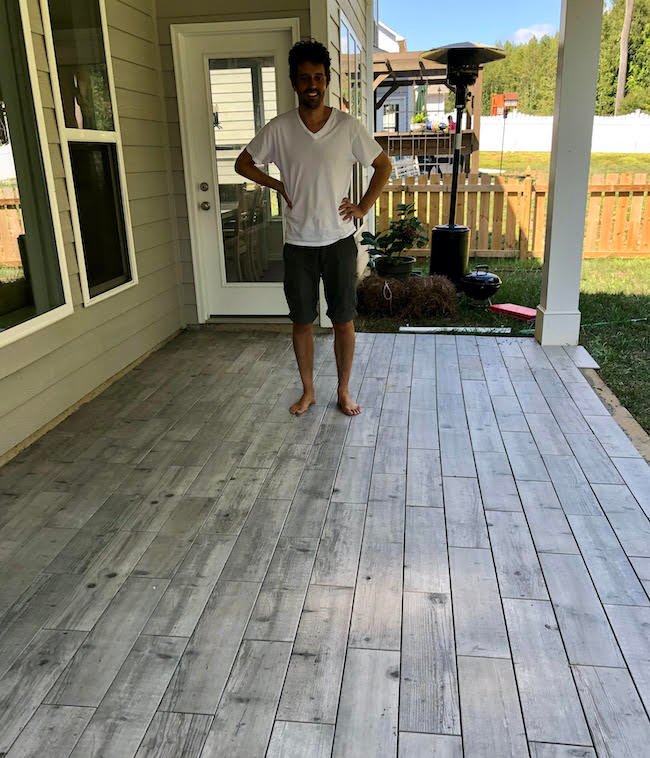
Concrete that looks like wood is a major trend for a reason: it combines the warmth and charm of wood with the durability and low maintenance of concrete. Homeowners are increasingly looking for materials that are both beautiful and practical, especially for outdoor spaces that take a beating from the elements. This gray wood-look plank tile hits that sweet spot perfectly. It offers a more contemporary, sleek alternative to traditional brown wood tones, and it pairs beautifully with the popular beige and white exterior color palettes we’re seeing everywhere on Pinterest.
|
📋 Copy HEX 🔗 Share |
🔥 Trending Context
When installing wood-look tile or creating a stamped wood-plank pattern on a concrete porch, the grout or joint line color is crucial. For a realistic look, choose a color that is a few shades darker than the main plank color. A high-contrast grout line (like black grout on light gray tile) will look busy and unnatural, emphasizing the grid and shattering the illusion of real wood. Your goal is for the grout line to recede, mimicking the natural shadow line between actual deck boards. Test a few options in a small, inconspicuous area before committing to the entire porch.
7. Weathered Wood-Look Concrete Planks by the Pool
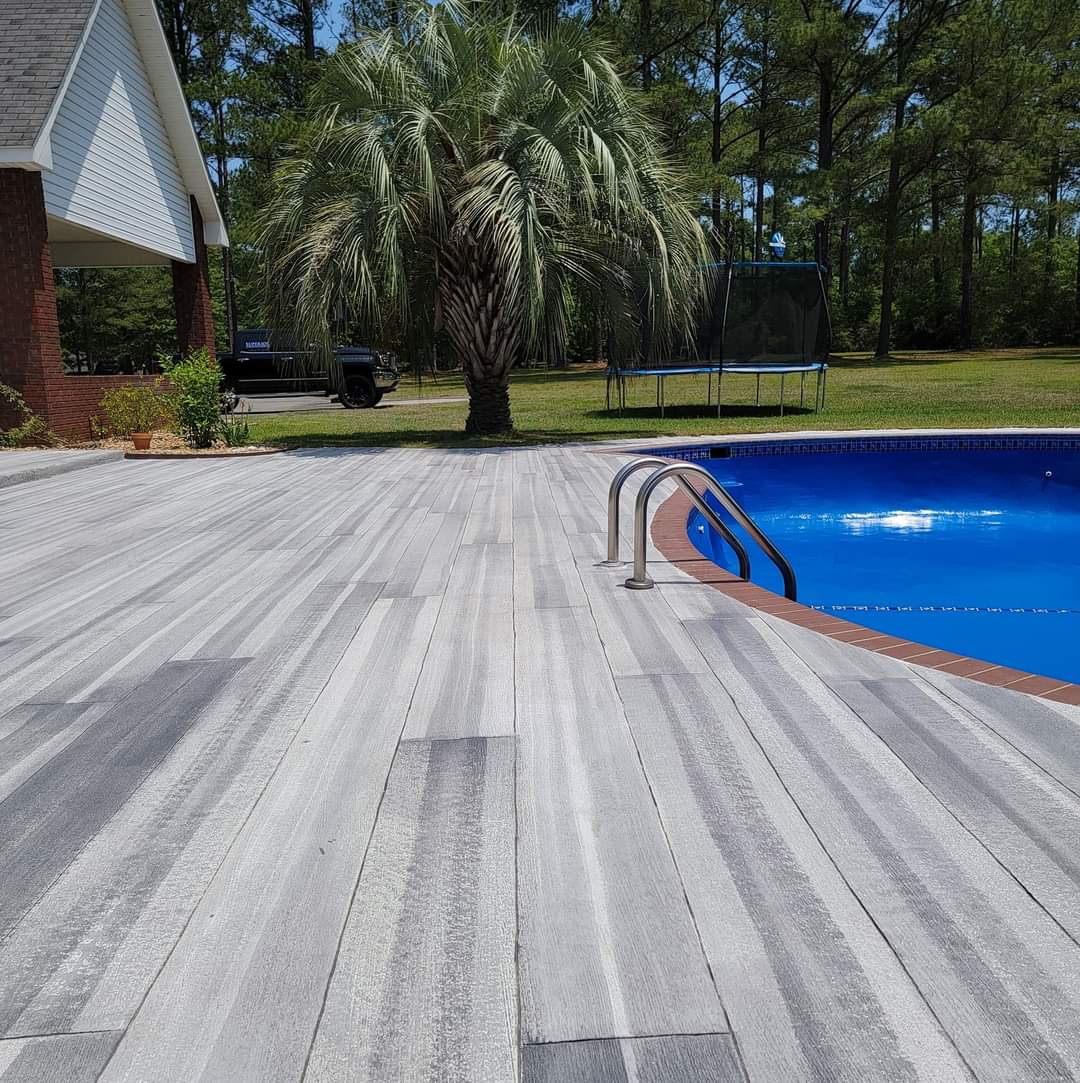
If you’re considering concrete planks like these for a pool deck, slip resistance is your number one priority. Not all “wood-look” concrete is created equal. Look for products specifically rated for wet areas and with a noticeable texture. A smooth or highly polished finish, while beautiful, can become dangerously slick when wet. Before you buy, get a sample, pour water on it, and feel the surface. While concrete is generally more slip-resistant than some types of natural stone, you should still consider applying a non-slip sealer additive for extra peace of mind, especially if you have kids.
|
📋 Copy HEX 🔗 Share |
🧹 Maintenance Reality
The success of this poolside area lies in its carefully balanced color formula. It’s approximately 50% cool neutrals (the light grey and white concrete planks), 30% vibrant color (the bright blue of the pool water), and 20% earthy tones (the brick-red coping and green lawn). This structure keeps the look feeling both exciting and grounded. The neutral deck acts as a perfect canvas, allowing the blue of the water to be the star. The pop of red brick adds a touch of classic warmth that keeps the grey and blue from feeling too chilly. This offers a more weathered, coastal vibe than the sleek gray planks in Idea #5.
8. Expansive Concrete Patio with Red-Accented Seating Zones
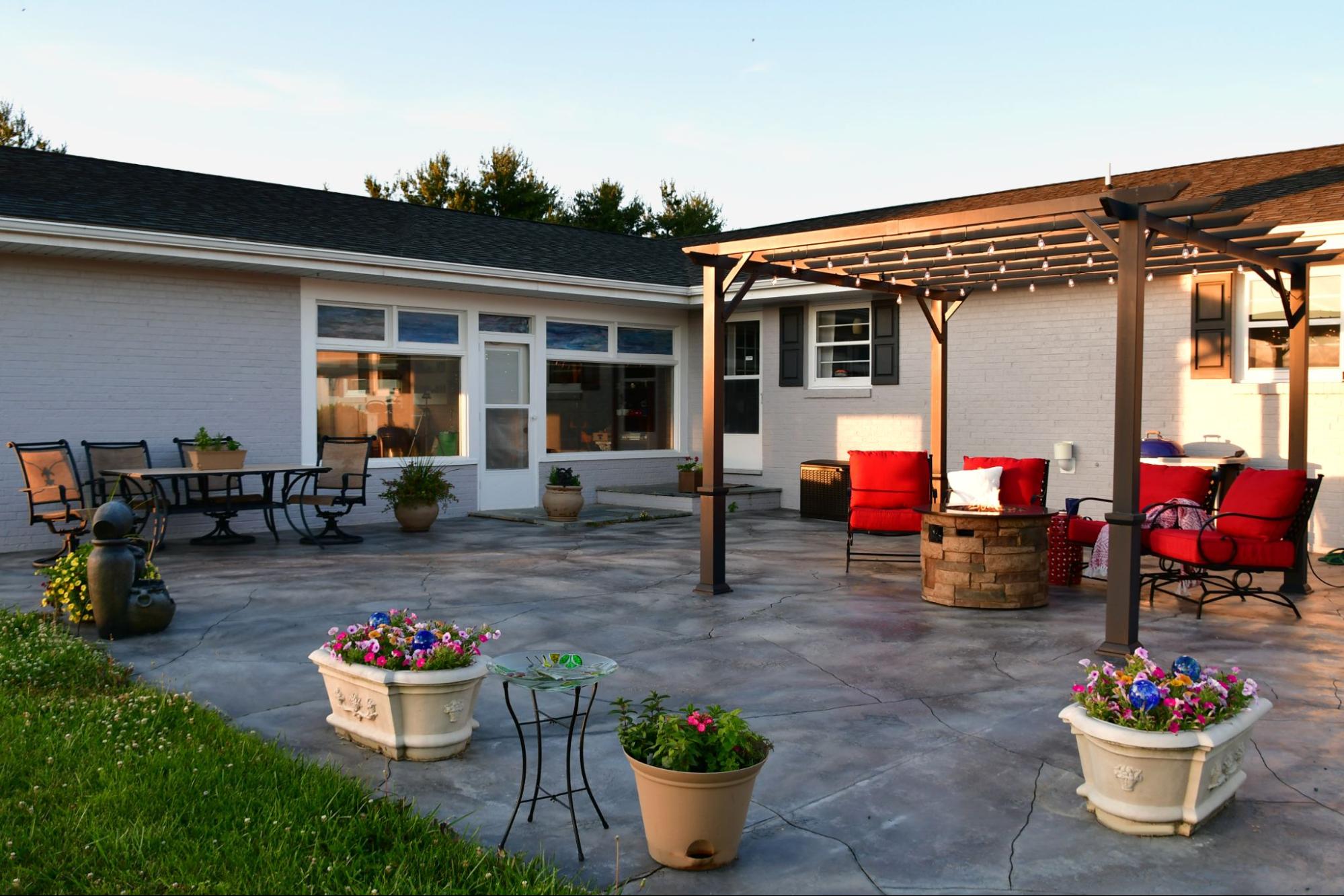
An “expansive” patio like this one truly begins to feel grand when it exceeds 400-500 square feet. This size allows you to create multiple, distinct “rooms” without them feeling crammed together. Here, you see a dedicated dining zone, a fire pit conversation area, and a separate lounge space under the pergola. To achieve this, your backyard needs to have a significant, relatively flat area. A minimum width of 20 feet is ideal to allow for comfortable furniture arrangements and clear pathways between the zones. A ceiling height, provided by the pergola, of at least 8-9 feet keeps the covered area from feeling oppressive.
|
📋 Copy HEX 🔗 Share |
🎯 What Makes It Work
You don’t need a massive budget to create a patio with this much inviting energy. The key elements are zoned seating and warm lighting. You can find affordable outdoor sectionals and dining sets at big-box stores like Target or Walmart, especially during end-of-season sales. A simple metal fire pit can be had for under $100. The real star for a budget-friendly glow-up is string lighting. A few strands of heavy-duty outdoor string lights, often available for $30-$50 per strand, can instantly define a space and make it feel magical and intimate, no expensive pergola required.
9. Planning a Successful Stamped Concrete Porch Makeover
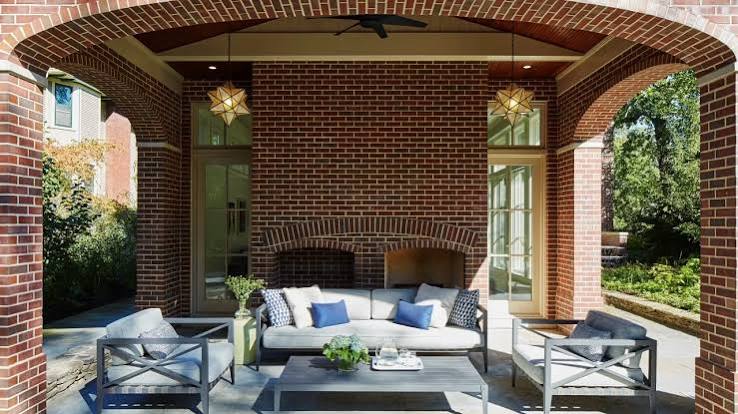
Before you dive into a stamped concrete project, ticking off a few boxes can save you a world of headaches. A little prep work ensures the final product is beautiful and durable.
|
📋 Copy HEX 🔗 Share |
💸 Get This Look For Less
- Is your existing concrete slab in good condition? Stamping is an overlay. It won’t fix deep, structural cracks or heaving sections. The base needs to be stable.
- Have you pressure washed the surface thoroughly? Any oil, old paint, or sealed surfaces must be removed for the new concrete to adhere properly.
- Do you have your pattern and color picked out? There are dozens of options. Make a firm decision before the crew shows up.
- Is the weather forecast clear? You’ll need several consecutive days without rain for the concrete to be poured, stamped, and cured properly.
Stamped concrete is a recurring star on home makeover shows for a very good reason: it delivers a dramatic transformation with maximum visual impact in a relatively short amount of time. It allows designers to get the look of expensive materials like slate, flagstone, or wood without the complex installation or high cost. This “bang for your buck” factor is what makes it so appealing for television and for real-life homeowners who want a serious upgrade without a complete demolition and rebuild. It’s the perfect blend of practical and photogenic.
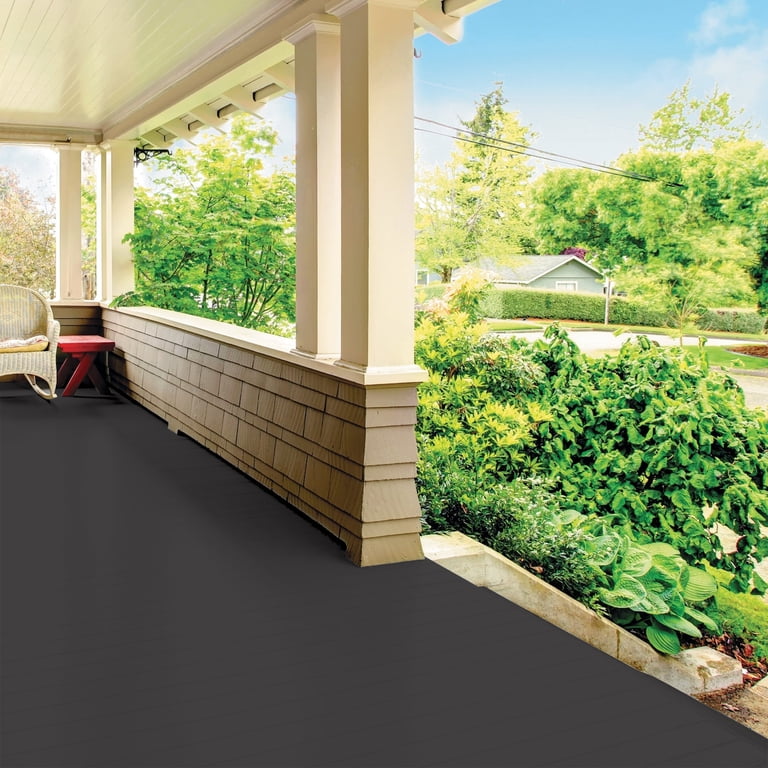
10. Deep Gray Floor and Creamy White Columns with a Shingled Railing
This porch design is a lesson in classic color and texture pairing. The deep, moody gray of the floor provides a strong anchor for the entire scheme, allowing the creamy white elements to appear brighter and more crisp in contrast. This high-contrast pairing feels both traditional and fresh. The introduction of the natural wood shingles on the railing adds a layer of rustic, textural warmth that keeps the gray-and-white palette from feeling too stark or formal. The small red side table is the perfect finishing touch, a tiny injection of energy in an otherwise calm and serene space.
|
📋 Copy HEX 🔗 Share |
📐 Style Math
The single element that elevates this porch from pretty to truly special is the shingled lower railing. It’s an unexpected and brilliant design choice. A standard painted baluster would have been fine, but the shingles introduce a natural, rustic texture that connects the home to its surrounding landscape. This detail adds character and a sense of history, suggesting a classic coastal or cottage style. It’s a textural surprise that breaks up the painted surfaces and gives the entire porch a custom, high-end feel.
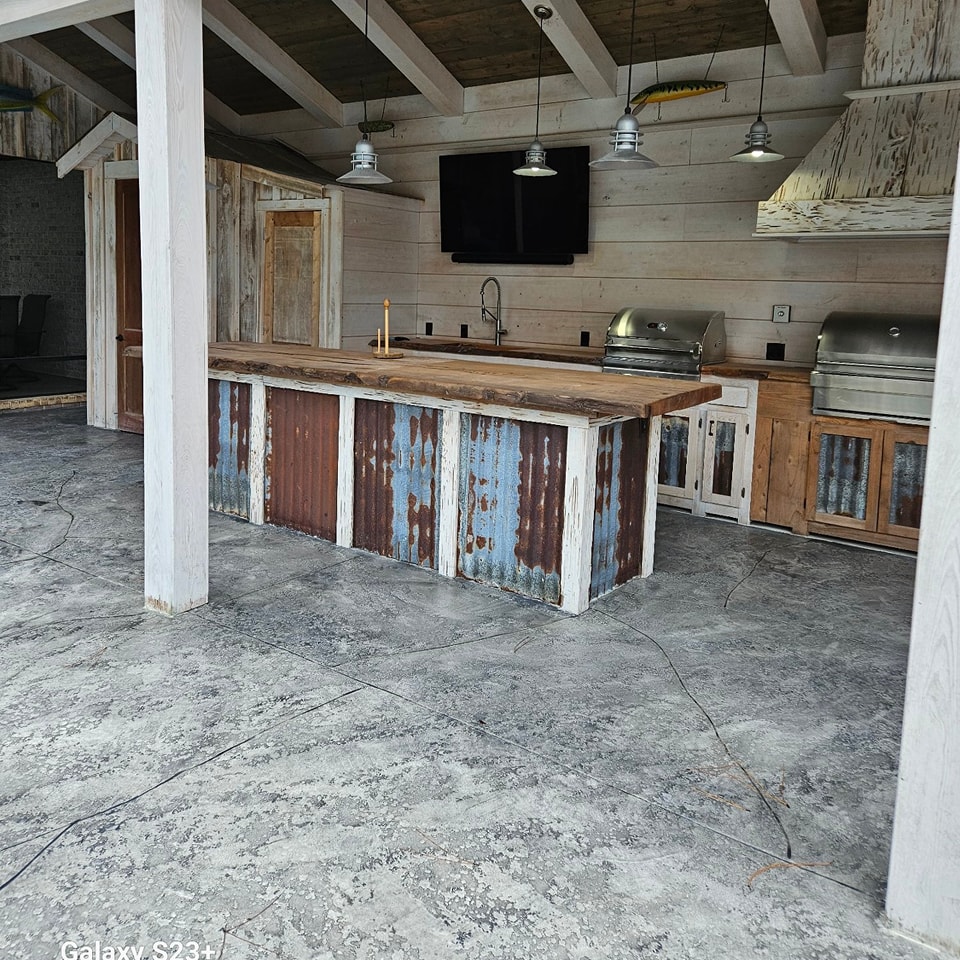
11. Rustic-Industrial Outdoor Kitchen with a Corrugated Metal Bar
This kitchen’s unique personality comes from a perfectly balanced style equation: 50% raw industrial materials + 30% rustic finishes + 20% modern function. The corrugated metal and exposed beams provide the raw, industrial edge. The live-edge wood countertop and distressed finishes on the metal bring in the rustic, weathered charm. Finally, the gleaming stainless steel appliances and mottled grey concrete floors add a clean, modern functionality. You could tweak the formula—for example, swapping the shiplap for brick—and still maintain that cool, collected vibe.
|
📋 Copy HEX 🔗 Share |
💰 Budget Breakdown
A live-edge wood countertop is a stunning focal point, but it requires more care than a stone or quartz surface, especially outdoors. It must be sealed with a high-quality marine-grade varnish or exterior-rated oil to protect it from moisture and UV rays, which can cause it to warp, crack, or fade. You’ll need to reapply the finish every year or two. Spills should be wiped up immediately. As for the cool, distressed corrugated metal? Its ridges can trap dust and grime, so a quick hose down or wipe with a soft brush will be needed to keep it looking its best.
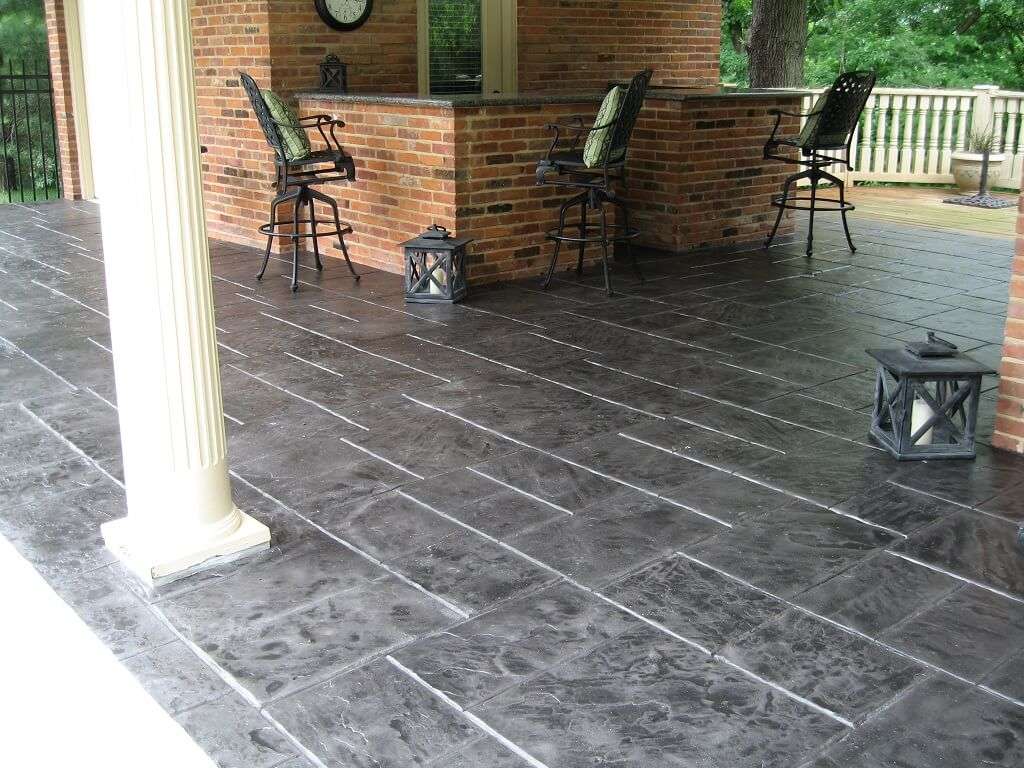
12. Understanding Wood-Look Concrete Overlays
A wood-look overlay can be a fantastic way to upgrade a tired concrete porch without the cost and hassle of a full tear-out. However, it’s not a magic bullet. The success of an overlay is entirely dependent on the condition of the concrete slab underneath. If your existing porch has major structural issues like heaving, sinking, or extensive, deep cracks, an overlay will just be a temporary cosmetic fix that will likely crack and fail as the base continues to move. For a stable, solid slab with only surface-level imperfections, it’s a great option.
|
📋 Copy HEX 🔗 Share |
📏 Scale Guide
Before you even get a quote for a wood-stamped overlay, do a simple “water test” to check the state of your existing concrete. After cleaning a small area, pour about a cup of water onto the slab. If the water soaks in within a few minutes, creating a darker spot, your concrete is porous and will likely accept an overlay well. If the water beads up and sits on the surface for a long time, it means the concrete is sealed or is so dense that adhesion will be a problem. That old sealer would need to be chemically stripped or mechanically ground off before any new material could be applied.
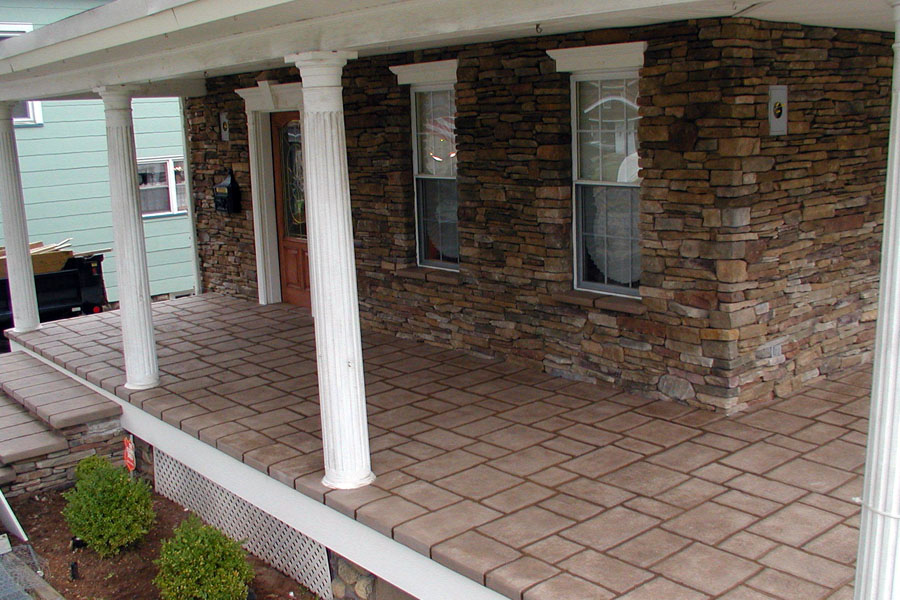
13. A Traditional Tiled Porch with a Stacked Stone Wall
This entry makes a strong statement by layering durable, classic materials. The rich brown floor tiles establish a warm, solid foundation. The variegated stacked stone wall adds immense texture and visual interest, giving the home a sense of permanence and quality. Finally, the crisp white of the fluted columns cuts through the earthy tones, providing a clean, classical structure that keeps the stone and tile from feeling too heavy. It’s a trio of textures that says “sturdy, traditional, and built to last.”
|
📋 Copy HEX 🔗 Share |
💡 Designer Tip
A design featuring heavy materials like stacked stone and substantial tile work is best suited for a medium to large porch on a proportional home. On a very small porch, this combination could feel overwhelming and visually cluttered. This look requires a footprint of at least 80-100 square feet to allow the different materials to breathe. The height of the porch also matters; the grandeur of the fluted columns and stone wall is best appreciated with a ceiling height of 9 feet or more. This is a more formal look than the relaxed, open feel of Idea #8.
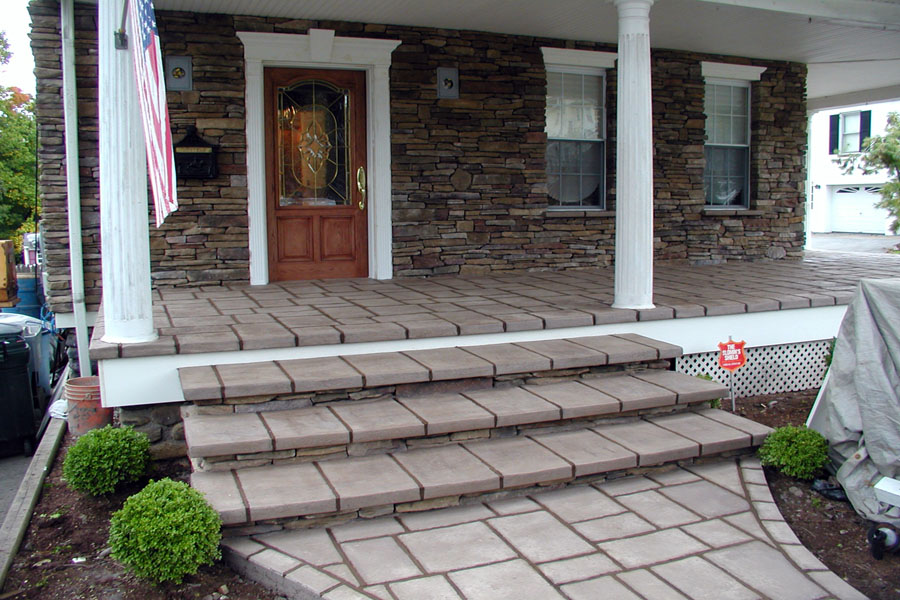
14. Stone Veneer Facade with a Formal Paver Porch
When choosing between pavers and stamped concrete for your porch surface, cost is a major factor. Generally, installing concrete pavers costs between $15-$25 per square foot, while stamped concrete is slightly less, ranging from $12-$18 per square foot. While pavers may have a higher upfront cost, one major advantage is repairability. If a paver cracks or gets stained, you can simply lift it out and replace it. Repairing a crack or chip in stamped concrete is a more involved process and can be difficult to blend seamlessly. While Idea #12 uses tile for a smooth finish, pavers offer a more textural, interlocking look.
|
📋 Copy HEX 🔗 Share |
⭐ The One Thing
The key to pairing pavers with a stone veneer facade is to choose a paver color that complements, rather than matches, the stone. Look at the various tones within your stone veneer—there are likely several shades of brown, grey, and tan. Select a paver that picks up on one of the secondary or tertiary colors in the stone. Here, the pavers have a warm, earthy tone that echoes some of the lighter shades in the varied stone wall. This creates a cohesive look without being boringly monochromatic. A perfect match would have flattened the entire look.
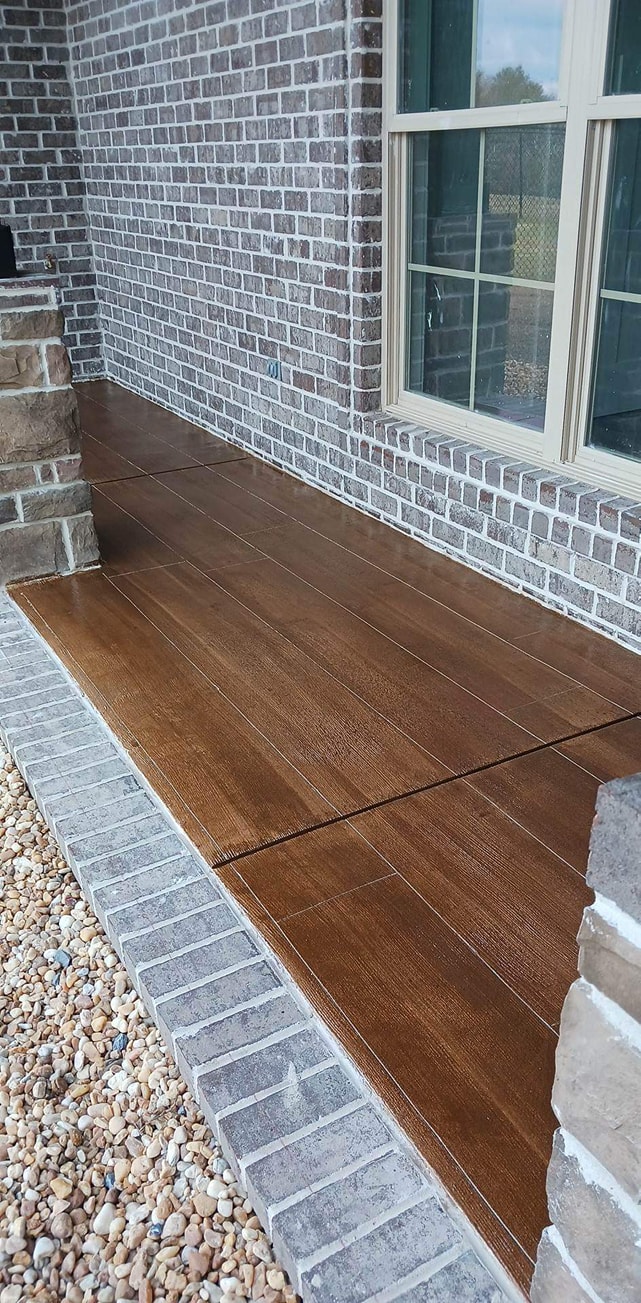
15. Wood-Grain Stamped Concrete with a Brick and Gravel Border
A gravel border is a fantastic way to frame a concrete porch and help with drainage. It’s a simple but sharp-looking detail. Time: 2-3 hours. Cost: $50-$150.
- Dig a trench about 4-6 inches deep and 8-12 inches wide along the edge of your porch.
- Lay down a strip of landscape fabric in the trench. This is critical to prevent weeds from growing up through the gravel.
- Install a border material like metal or plastic landscape edging on the lawn side of the trench to keep the gravel contained and the edge looking crisp.
- Fill the trench with your choice of decorative gravel or pebbles. Pea gravel is a popular and affordable choice.
- Rake the gravel smooth for a clean, professional finish.
|
📋 Copy HEX 🔗 Share |
⚠️ Real Talk
This design is a masterclass in texture mixing. It successfully combines four distinct materials: the faux wood grain of the stamped concrete, the classic running bond pattern of the grey brick wall, the smooth manufactured surface of the window frame, and the loose, organic texture of the light-colored gravel. The reason it works is that while the textures are all different, the color palette is tightly controlled, revolving around shades of brown, grey, and beige. This harmonious color story allows the different textures to stand out and create interest without overwhelming the eye.
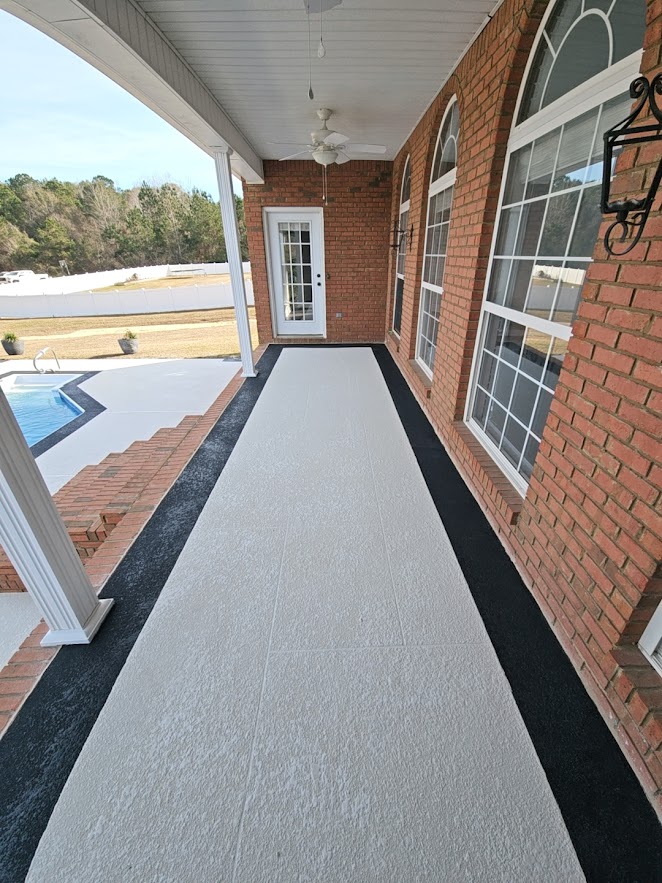
16. Faux-Tile Concrete Floor Against a Red Brick Wall
The dark gray border is the unsung hero of this porch floor. It might seem like a minor detail, but it does so much work. It acts like a frame for the lighter, faux-tiled center, making the whole design feel intentional and complete. It also creates a visual separation between the floor and the red brick wall, preventing the two busy textures from clashing. By running a coarse, contrasting band around the perimeter, the designer has created a custom, rug-like effect that elevates the entire space from a simple concrete slab to a polished outdoor room.
|
📋 Copy HEX 🔗 Share |
✅ Before You Start
This porch beautifully demonstrates a classic design principle: pairing traditional architecture with modern finishes. The formula is roughly 60% traditional structure + 40% contemporary surface. The red brick facade, large arched windows, and white fluted columns are all hallmarks of very traditional design. Instead of a predictable brick or slate floor, however, the choice of a sleek, light gray faux-tiled concrete provides a fantastic modern counterpoint. This contrast is what makes the design feel fresh and current, not like a historical reproduction.
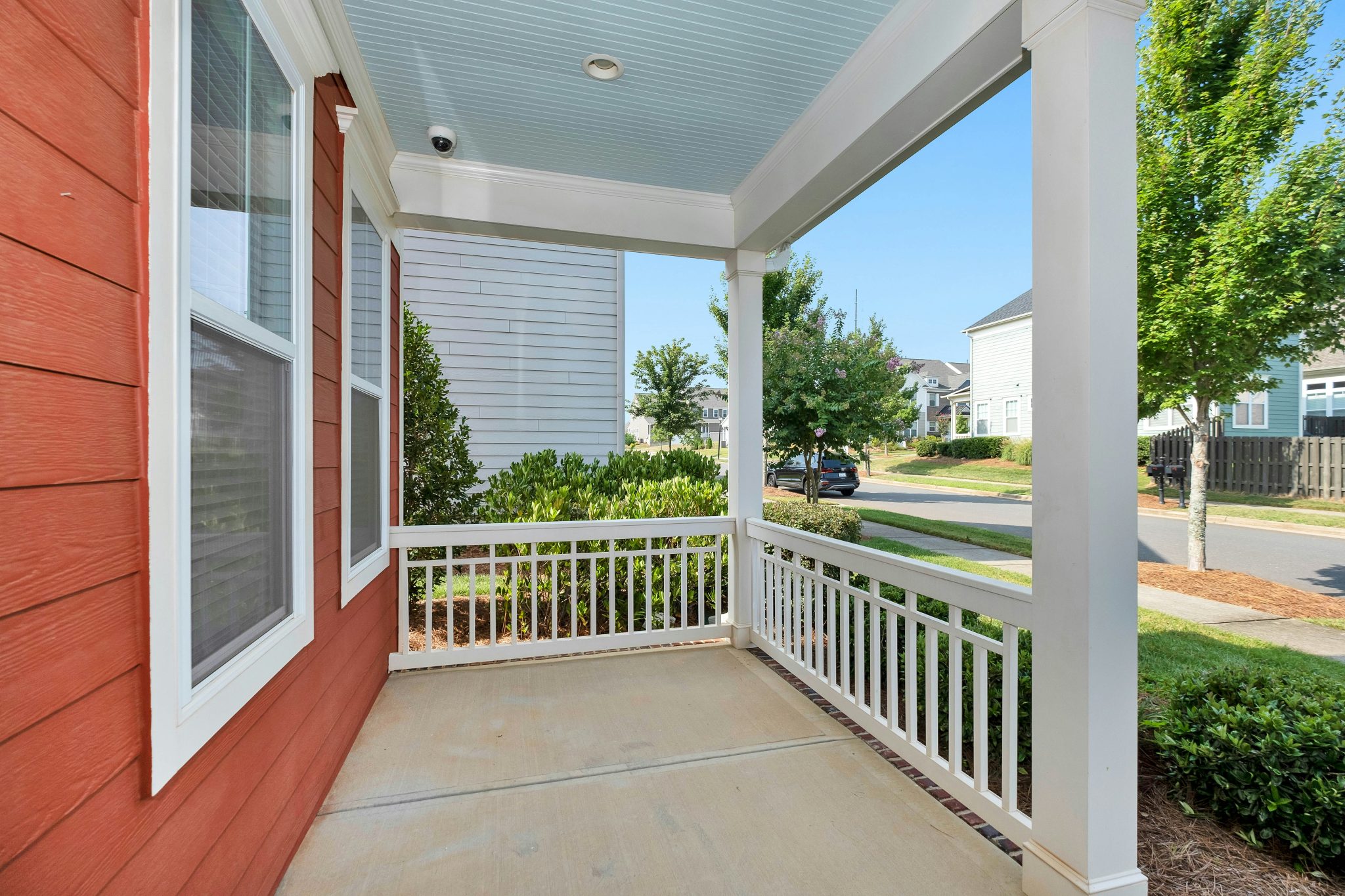
17. Simple Concrete Porch with a “Haint Blue” Beadboard Ceiling
Choosing the perfect “Haint Blue” for a porch ceiling is a Southern tradition that’s both beautiful and steeped in folklore. The key is to avoid anything too bright or saturated. You’re looking for a soft, ethereal light blue with a hint of grey or green. Great paint color names to look for are “Palladian Blue,” “Whispering Spring,” or “Atmospheric.” The goal is a color that mimics the sky on a perfect clear day. Always get a sample and paint a small patch on the ceiling, as the color will look much lighter overhead than it does on the chip in your hand.
|
📋 Copy HEX 🔗 Share |
🔧 How-To Brief
There’s a simple, powerful reason why a blue ceiling and a neutral floor work so well together. The light blue beadboard ceiling draws the eye upward, creating a sense of height and openness, mimicking the feeling of an open sky. This makes the entire porch feel larger and more airy. The simple, light brown concrete floor acts as a warm, neutral ground plane, anchoring the space without competing for attention. It’s a classic trick: keep the floor simple and let the ceiling be the star.
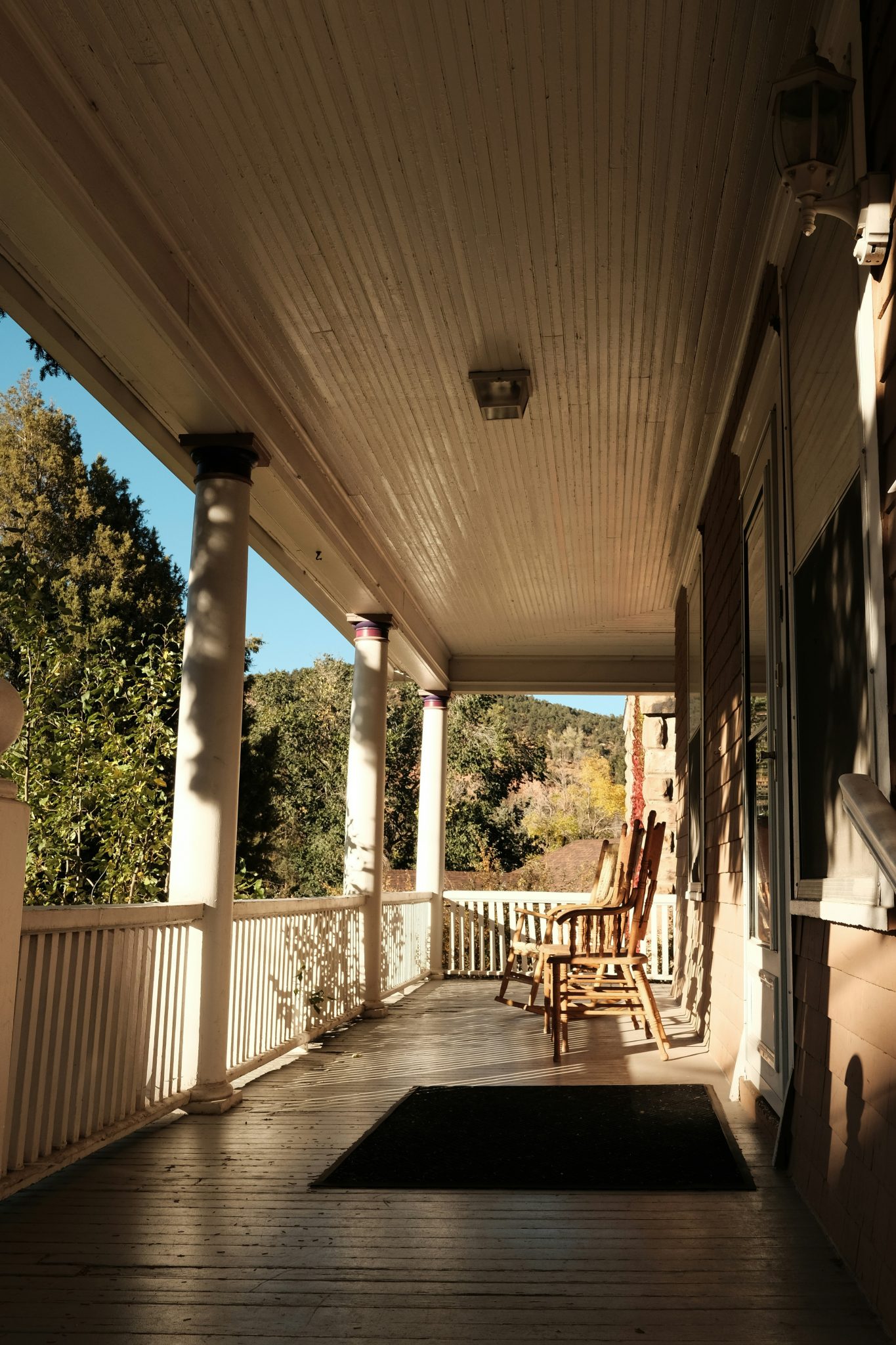
18. Historic Porch with Dark Floors and a V-Groove Ceiling
There’s a growing appreciation for heritage aesthetics and designs that feel rooted in history, and this porch is a prime example. After years of modern farmhouse dominance, people are craving authenticity and character. The combination of dark painted floors, a traditional V-groove ceiling, and classic rocking chairs speaks to a slower, more intentional way of living. It feels less like a trend and more like a timeless style that has been lovingly preserved. This look tells a story, which is something many homeowners are looking for in 2026.
|
📋 Copy HEX 🔗 Share |
🔥 Trending Context
A dark, painted floor, whether it’s wood or concrete, looks incredibly sharp and sophisticated, but it’s not for the faint of heart when it comes to upkeep. Dark colors, especially in a gloss or satin finish, will show every speck of dust, pollen, and footprints. You’ll be sweeping or blowing it off constantly to keep it looking clean. It’s also more likely to show scratches and scuffs than a lighter color. To keep it looking its best, you’ll need to commit to regular, gentle cleaning and expect to do touch-ups or a full recoat every 3-5 years, depending on foot traffic and weather exposure.
19. Sleek Black Awning Over a Deck with a Foosball Table
An awning is an excellent way to create a defined, usable zone on a larger concrete patio or deck, especially when you don’t have a pre-existing roof. This modern, slanted awning carves out a comfortable living room-sized area, likely about 10×12 feet, from a larger space. It signals that this specific spot is for lounging and relaxing. This visual cue is powerful, breaking up a vast, empty expanse into more intimate, functional areas without needing walls or railings. It’s a perfect solution for adding a shaded lounge spot to an existing patio.
![25 Best Concrete Patio Ideas to Enjoy the Outdoors in Style [2025]](https://nimorix.com/wp-content/uploads/2026/07/25-best-concrete-patio-ideas-to-enjoy-th-3.webp)
|
📋 Copy HEX 🔗 Share |
🧹 Maintenance Reality
While this black awning looks incredibly chic and modern, be mindful of the material’s heat absorption. A black or very dark-colored awning will absorb more solar radiation than a light-colored one. While it provides excellent shade from direct sun, it can also radiate that stored heat downward, making the air underneath feel warmer than you might expect. This is less of a problem in breezy locations or milder climates, but in a hot, sunny climate like the American South or Southwest, a lighter color like white, cream, or light grey might be a more comfortable choice for keeping your seating area cool.
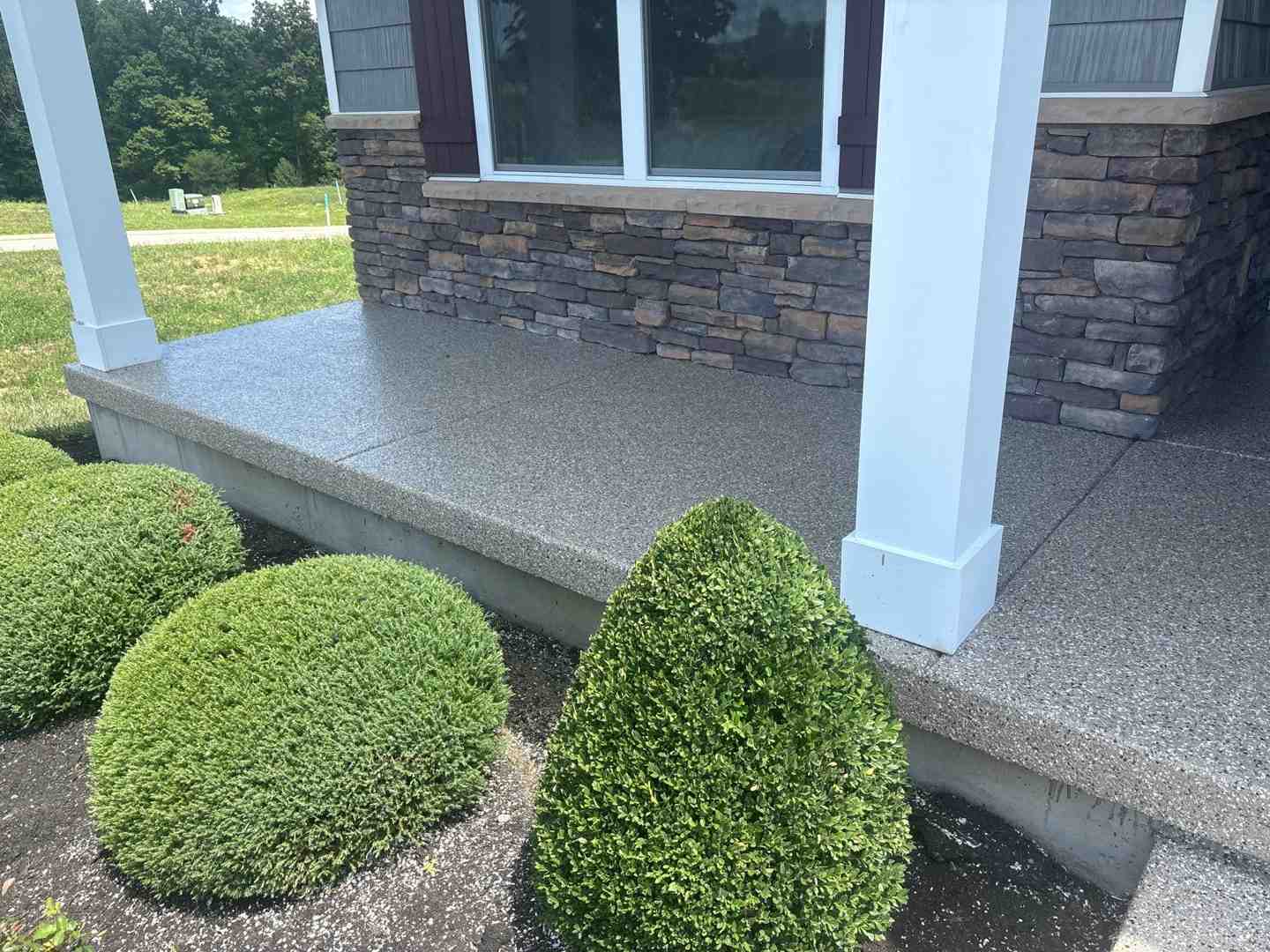
20. Modern Porch with Grey Aggregate Concrete and a Stone Facade
When pouring a new concrete porch, you have options that affect the final price tag. Here’s a general comparison for a 150 sq. ft. porch:
|
📋 Copy HEX 🔗 Share |
🎯 What Makes It Work
- Standard Broom-Finished Concrete: The most basic option. Typically runs $6 – $10 per sq. ft. ($900 – $1,500 total).
- Exposed Aggregate Concrete (as shown): This requires an extra step to wash away the top layer of cement and reveal the stones. Runs about $8 – $14 per sq. ft. ($1,200 – $2,100 total).
- Stamped Concrete: More labor-intensive. Can run $12 – $18+ per sq. ft. ($1,800 – $2,700+ total).
- TOTAL for this look (Aggregate): $1,200 – $2,100
- Budget alternative: Get a similar speckled look for less by adding a decorative epoxy flake coating to an existing standard concrete slab.
This porch design succeeds by playing with scale and texture. The aggregate concrete has a fine, speckled texture—a collection of many small stones. In contrast, the house facade uses large, chunky stacked stones with deep grout lines. Placing these two different scales of texture next to each other creates a sophisticated visual contrast. The smooth, simple white of the support column and window trim acts as a palate cleanser, giving the eye a place to rest and making the different stone textures pop even more.
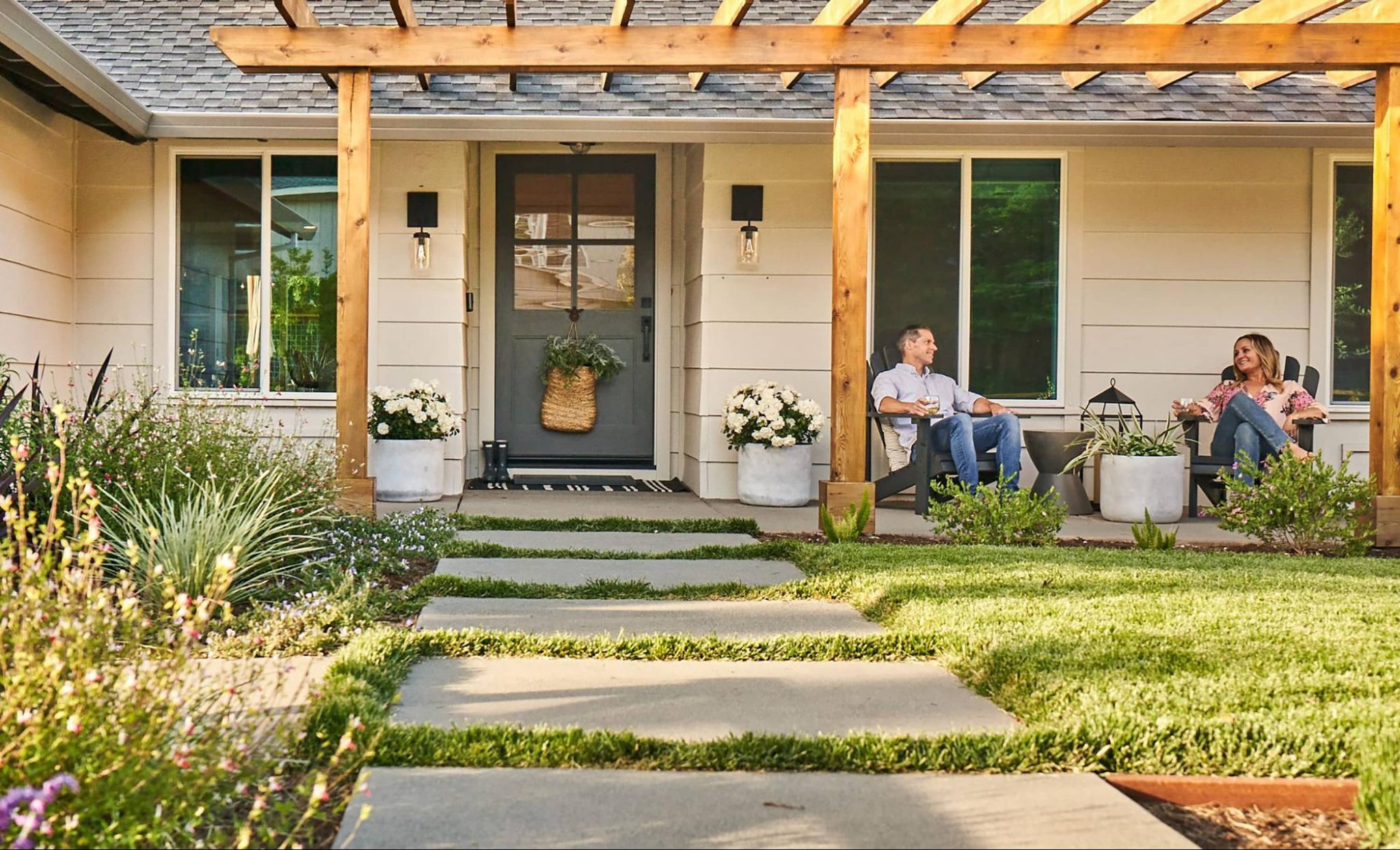
21. Modern Entry with Concrete Stepping Stones and a Wood Pergola
Installing large-format concrete pavers with grass between them is a chic, modern look you can achieve in a weekend. Time: 4-6 hours. Cost: $150-$400.
- Lay out your pavers on the lawn to perfect your desired spacing. A 4-6 inch gap is typical.
- One by one, trace around each paver with a spade or knife, cutting through the sod.
- Move the paver aside and excavate the sod and soil within the outline to a depth equal to the paver’s height plus one inch.
- Add a one-inch layer of leveling sand to the bottom of the hole and tamp it flat.
- Set your paver in place, wiggling it to ensure it’s level and flush with the surrounding lawn. Use a rubber mallet to make fine adjustments.
- Fill the gaps with topsoil and grass seed.
|
📋 Copy HEX 🔗 Share |
💸 Get This Look For Less
You can get this high-end look for less with a bit of DIY spirit. Instead of buying expensive pre-cast 24×24 inch concrete pavers (which can be $20-$40 each), you can make your own. Buy a reusable paver mold online for around $30 and bags of high-strength concrete mix for about $5 each. For a fraction of the cost, you can pour your own custom stepping stones. It takes more time and labor, but the savings can be significant, allowing you to splurge elsewhere, perhaps on those stylish grey planters.
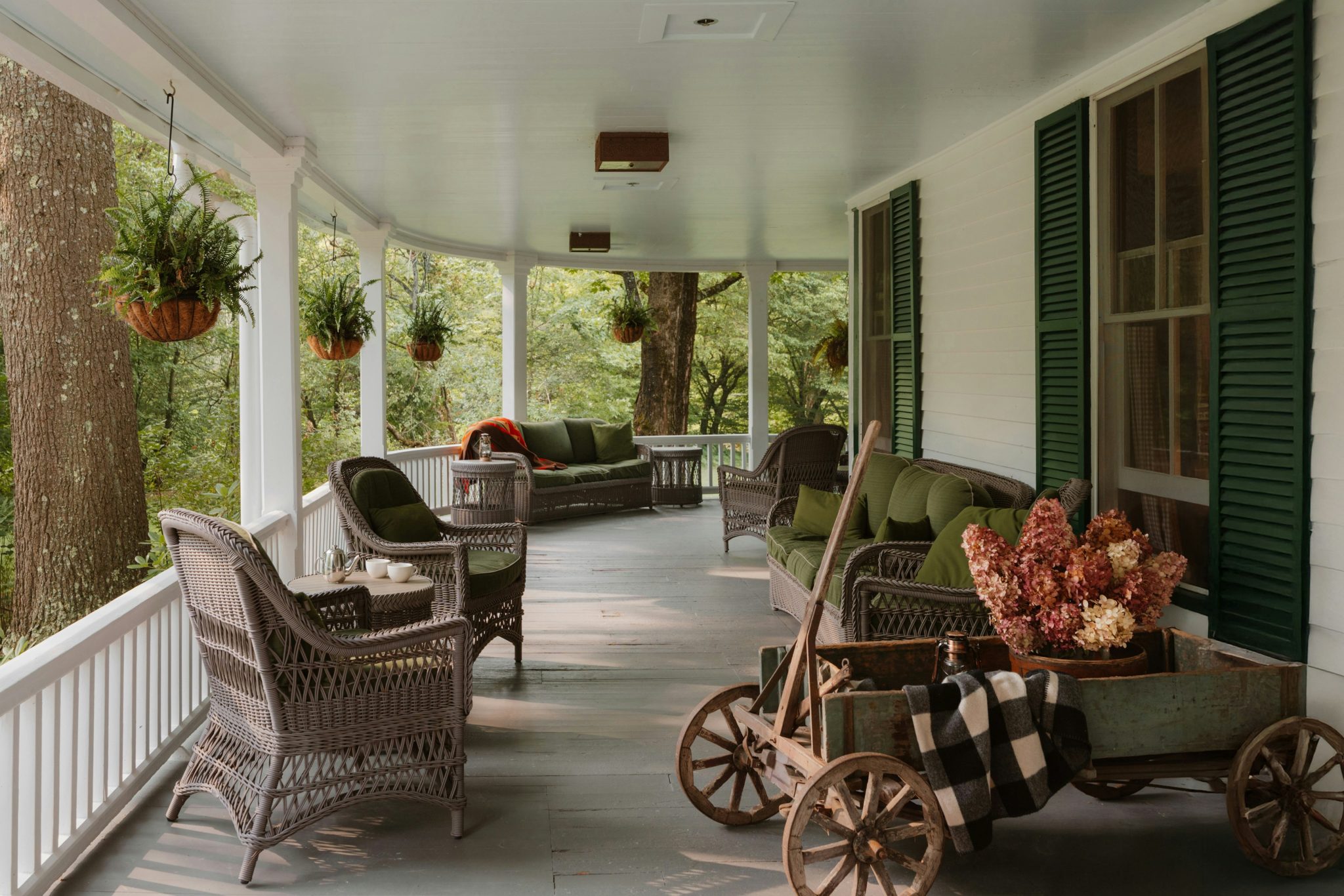
22. Classic Covered Porch with Woven Furniture and Olive Green Accents
When selecting cushion and shutter colors for your porch, look to the natural landscape that surrounds your home for inspiration. This designer didn’t just pick a random green; they chose a deep, earthy olive tone that perfectly complements the lush foliage and hanging ferns. This approach ensures a harmonious, cohesive look that feels connected to the environment. Before you head to the paint or fabric store, take a walk around your yard. Snap photos of the leaves, the bark on the trees, and the flowers to help you find shades that will tie your porch directly to its setting.
|
📋 Copy HEX 🔗 Share |
📐 Style Math
The single most important element in this space is the confident use of deep olive and forest green. It’s everywhere—on the cushions, the shutters, and in the hanging plants. This repetition of a single, strong color family is what makes the design feel so cohesive, intentional, and incredibly calming. If you replaced the green with a collection of mismatched colors, the entire space would lose its serene, retreat-like quality. The green is the thread that ties the furniture, the architecture, and the natural world together into a single, beautiful story.
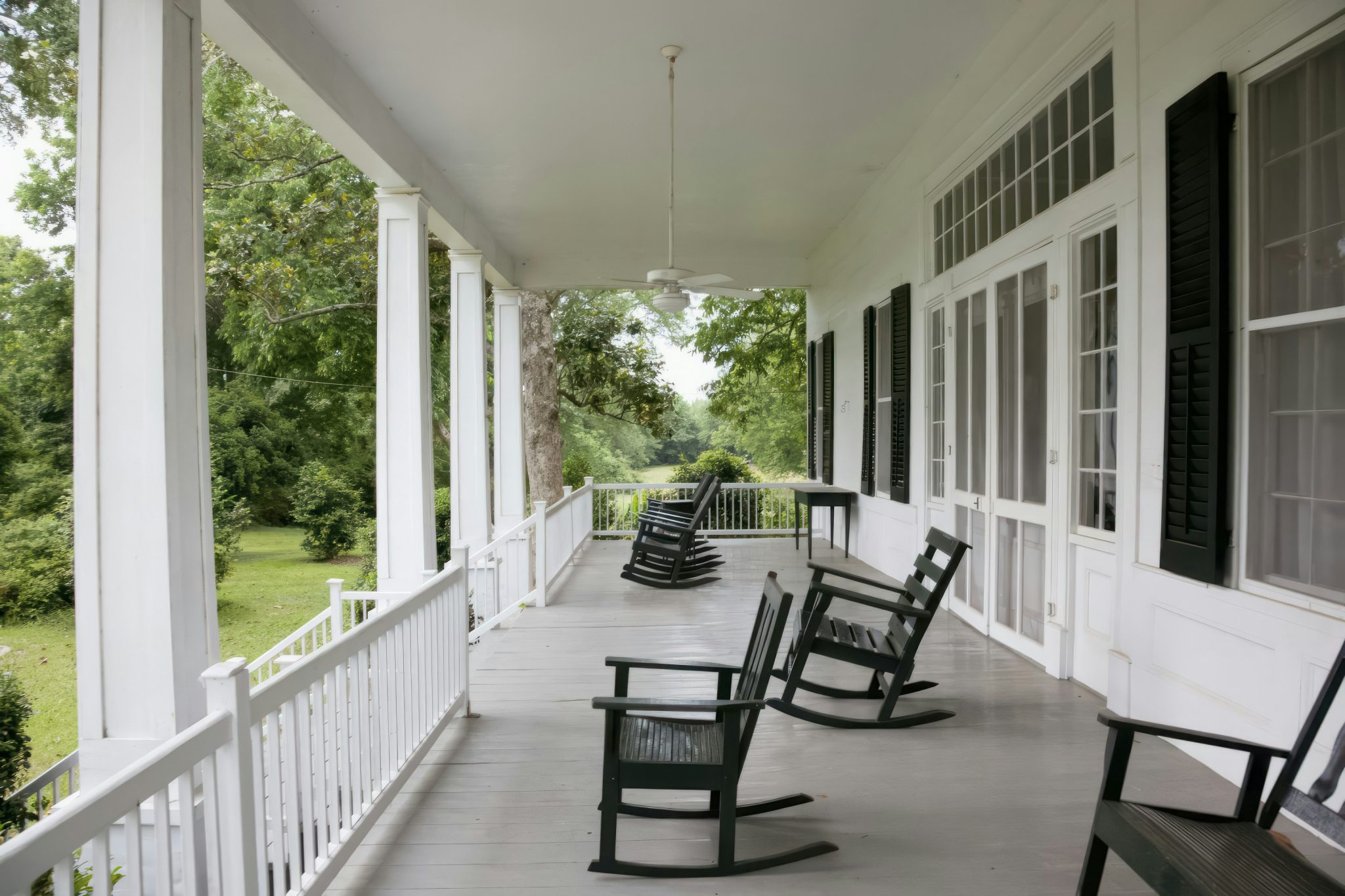
23. Traditional Southern Porch with White Columns and Dark Green Rockers
The timeless Southern porch has a simple but powerful formula: 70% crisp white structure + 20% dark accent color + 10% natural view. The vast majority of the visual space—the columns, railing, facade, and ceiling—is bright white, creating an open, airy feel. The dark green of the rocking chairs and shutters provides a classic, grounding contrast. The final 10% is the view itself; these porches are designed as a place to sit and look out at the landscape, which becomes a key part of the decor. This uses a cooler, more formal green than the earthy olive tones in Idea #21.
|
📋 Copy HEX 🔗 Share |
💰 Budget Breakdown
This long, linear porch design is ideal for homes with a wide facade, typical of classic Southern and Colonial architecture. It works best when the porch is at least 6-8 feet deep, which allows enough space for rocking chairs or a porch swing with room to walk comfortably in front of them. The length can vary greatly, but the rhythmic repetition of the columns looks best when you have at least three or four in a row. It’s less suited for a small, square entry porch, which would feel cluttered by this much furniture and architectural detail.
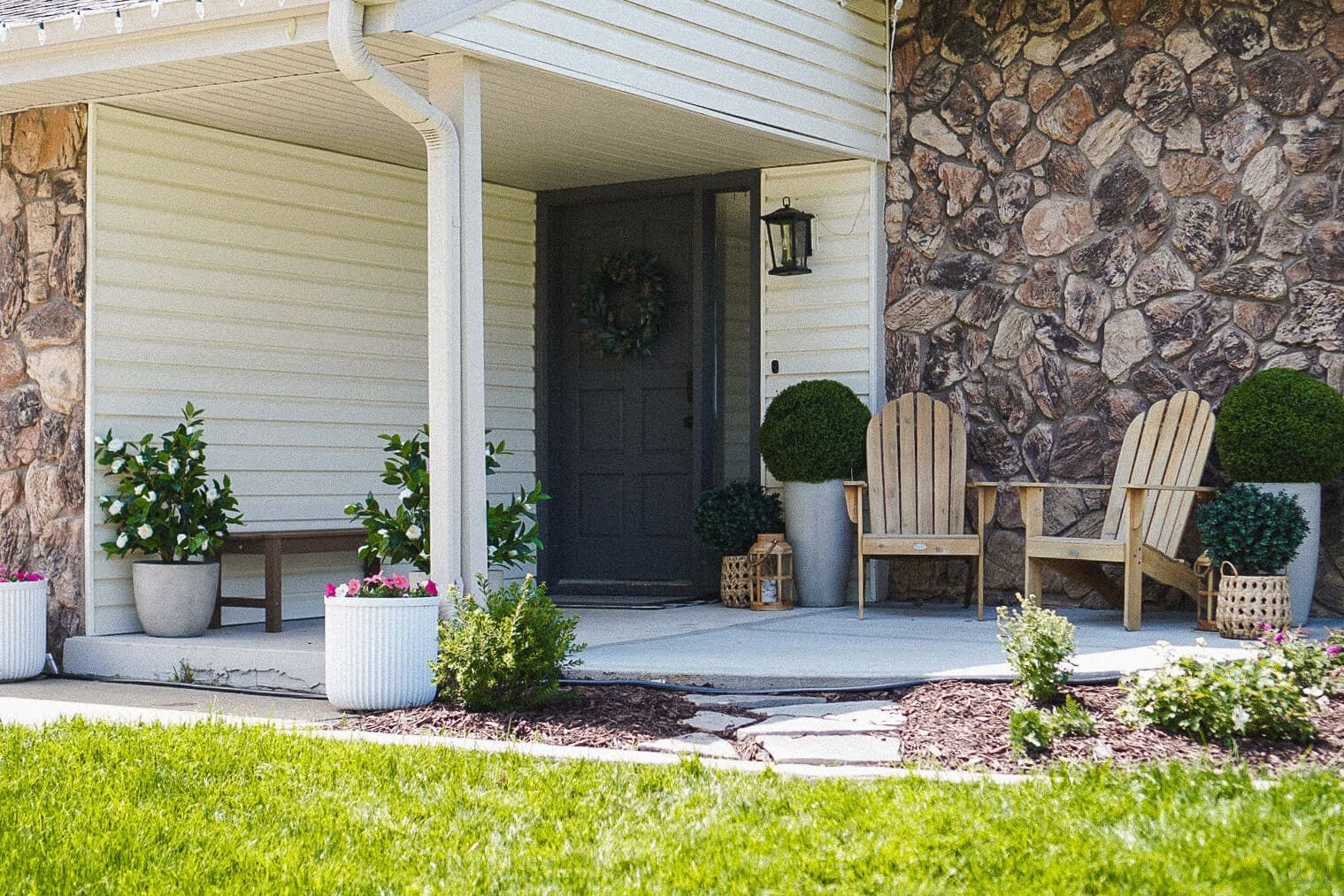
24. Cozy Concrete Nook with Adirondack Chairs and Topiaries
The inviting, cozy feeling of this porch comes down to one key design principle: symmetry. The two identical Adirondack chairs create a balanced and stable composition, which is inherently pleasing to the eye. This sense of order is reinforced by the matching pair of large planters with their neatly clipped topiary spheres. This symmetrical arrangement frames the doorway, creating a clear and welcoming focal point. It’s a simple, classic technique that instantly makes a space feel more put-together and intentional. The mix of natural wood, stone, and greenery adds just the right amount of rustic texture.
|
📋 Copy HEX 🔗 Share |
📏 Scale Guide
You don’t need to spend a fortune to get this welcoming, rustic look. Classic wooden Adirondack chairs are a design that’s widely available at various price points. Instead of pricey designer versions, look to Target or Walmart, where you can often find them for under $100 each, especially in the spring. For the large planters, check out home improvement stores or even discount stores like HomeGoods. You can get the look of expensive pottery with much more affordable fiberglass or resin versions. A little savvy shopping can bring this entire look home for less than $300.
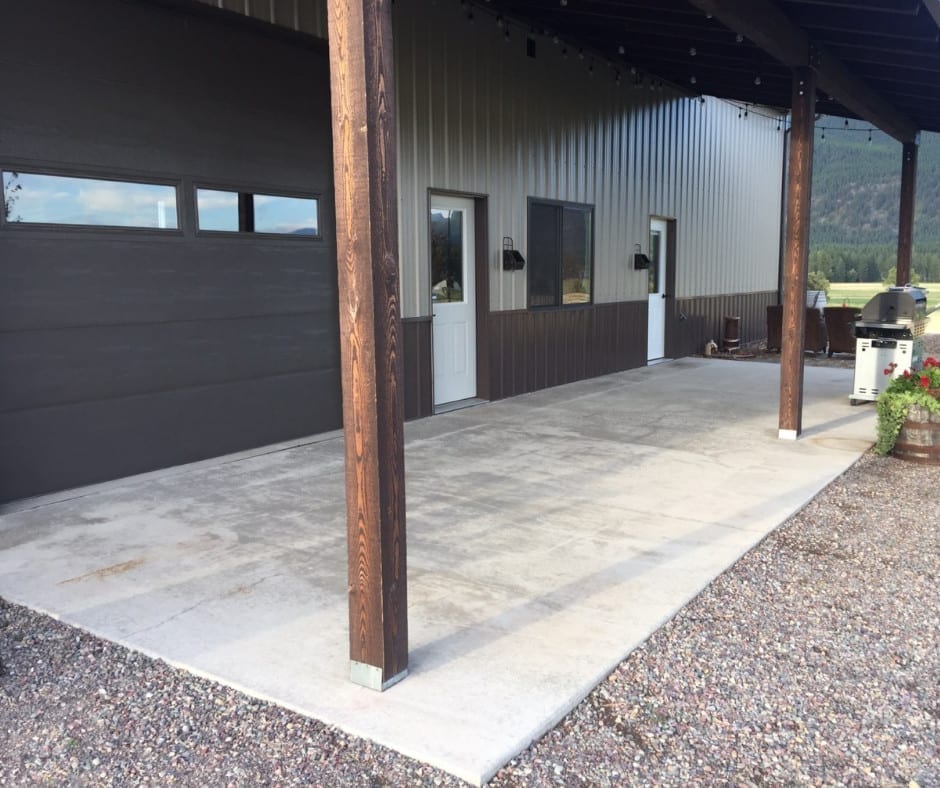
25. Modern-Rustic Porch with Grey Concrete and Dark Wood Pillars
This look beautifully blends rustic wood with functional concrete, but both materials need protection. The poured grey concrete should be sealed every 2-3 years to protect it from stains, salt, and moisture penetration, which can cause cracking over time. Most importantly, the dark wood pillars must be sealed, especially at their bases where they meet the concrete. This is where water will puddle, leading to rot. Ensure the posts are installed on metal stand-offs that lift the wood an inch off the concrete. This small, often unseen detail is critical for the long-term health of the wood.
|
📋 Copy HEX 🔗 Share |
💡 Designer Tip
This design achieves its modern-rustic or “industrial farmhouse” vibe through a balanced material equation: 40% raw concrete + 40% rustic wood + 20% industrial metal. The poured concrete floor and dark wood pillars set the primary tone. The corrugated metal siding, in two different shades, introduces that industrial, utilitarian element. The clean white of the doors provides a necessary crisp, modern break from all the texture. Keeping the palette limited to grey, brown, and white allows the different materials to be the focus without the space feeling chaotic.
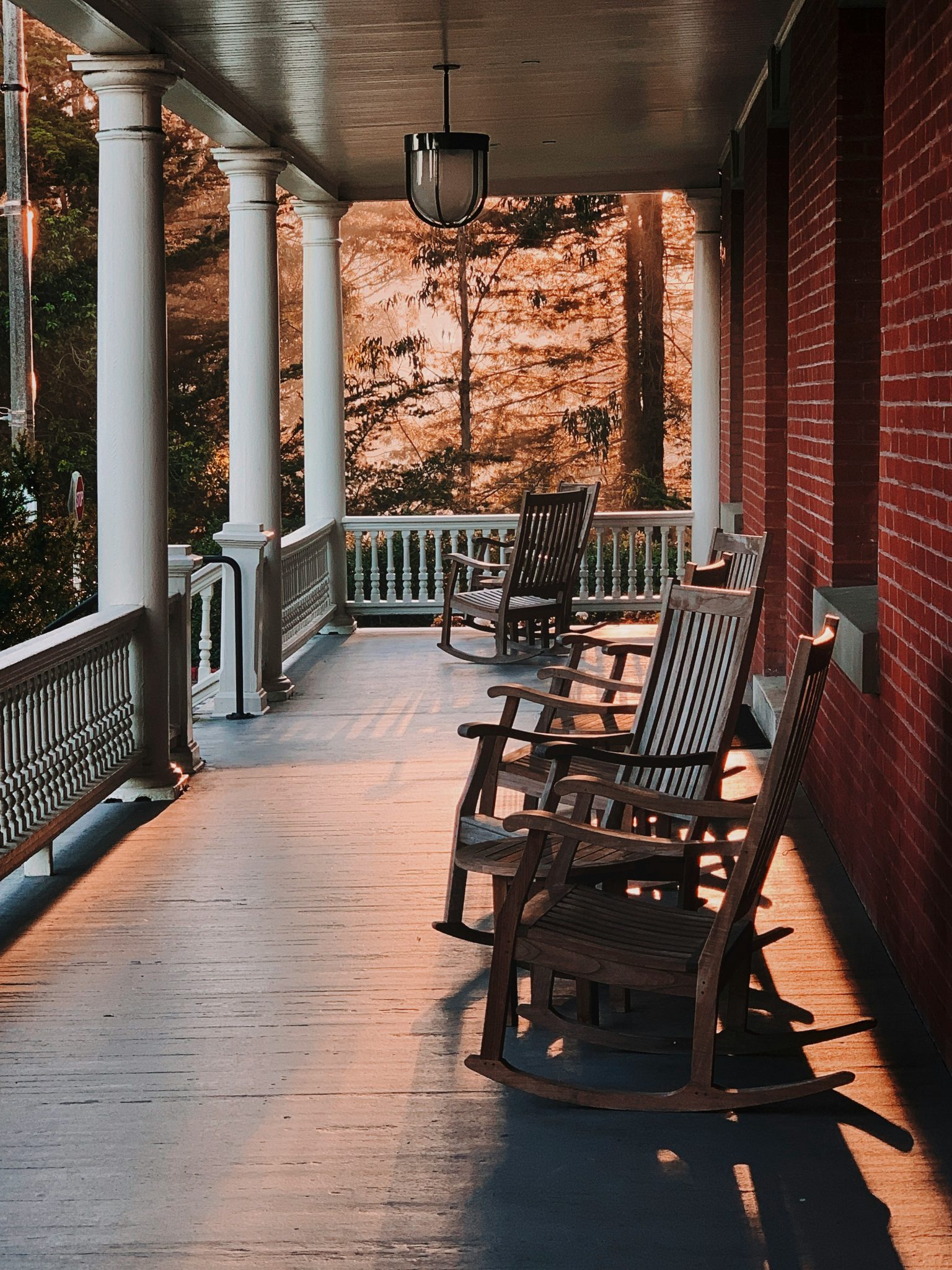
26. Historic Brick Porch with Dark Rocking Chairs and White Columns
The “New Traditional” trend is all about honoring classic design while making it feel comfortable and relevant for today, and this porch is a perfect example. It has all the formal elements of historic architecture: red brick, fluted columns, a decorative balustrade. But the choice of simple, dark wooden rocking chairs instead of more formal seating makes it feel accessible and inviting. It’s a space that respects its history but isn’t a stuffy museum piece. This blend of formal and casual is a huge trend as people look for spaces that are beautiful but also genuinely livable. A more formal, colonial take compared to the farmhouse charm of Idea #0.
|
📋 Copy HEX 🔗 Share |
⭐ The One Thing
Rocking chairs on a hard surface like wood, tile, or concrete can be a noisy, floor-scratching affair. The constant back-and-forth movement will inevitably scuff and wear down the finish on your porch floor over time. Before you set up your rockers, invest in a set of rocking chair runners. These are typically clear, plastic strips that attach to the bottom of the rockers. They provide a smooth, quiet gliding motion and, most importantly, protect your floor from getting scratched to bits. It’s a small, inexpensive detail that makes a world of difference.
27. Variegated Stained Concrete with a Dark Stained Border
The single element that elevates this patio from a simple stained slab to a custom-designed outdoor floor is the dark brown border. It acts as a picture frame, defining the space and giving it crisp, intentional edges. This border provides a strong visual anchor, containing the more varied, multi-toned stain in the center. Without this frame, the variegated brown could look accidental or splotchy. With the border, it looks like a deliberate, high-end finish, similar to an inset area rug. It’s a detail that takes more time, but the payoff in polish is huge.
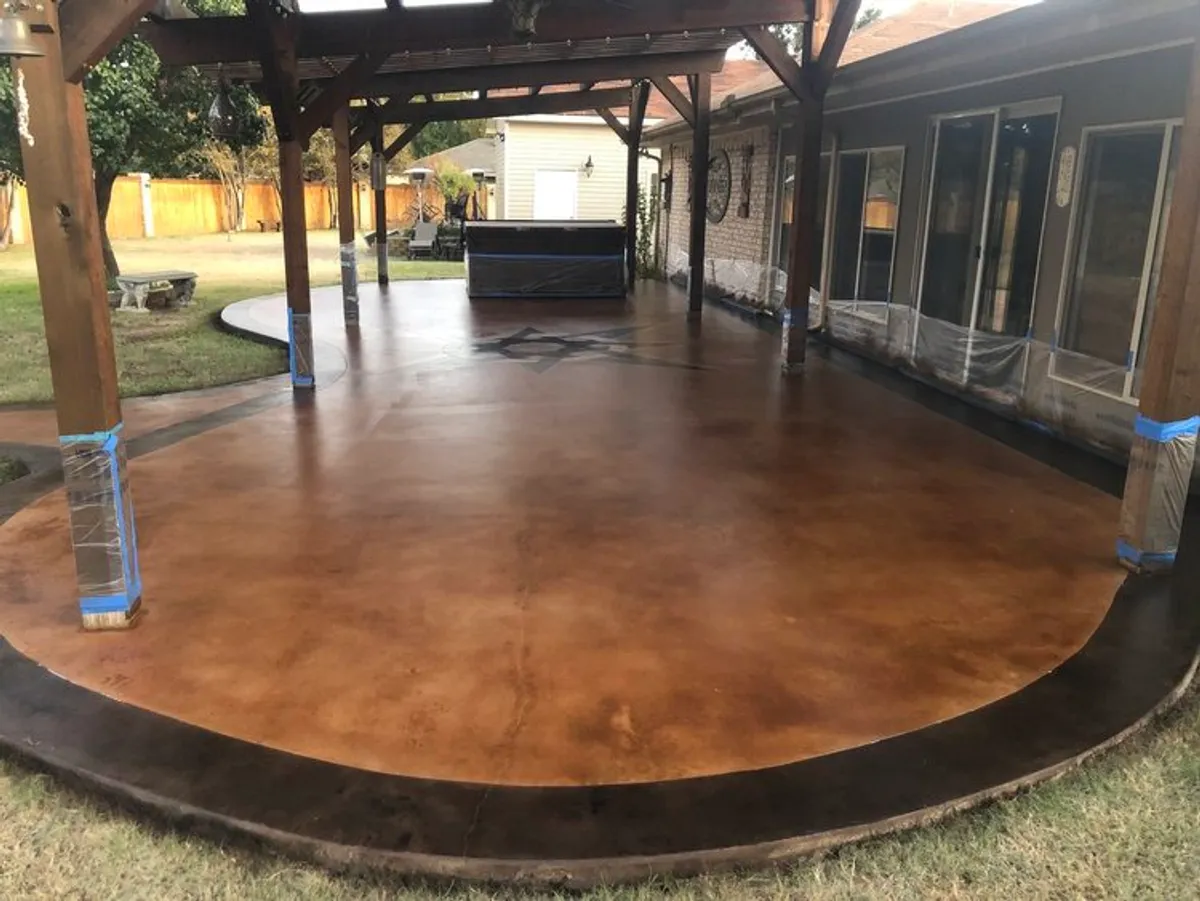
|
📋 Copy HEX 🔗 Share |
⚠️ Real Talk
Adding a decorative border is a fantastic way to customize a stained concrete project. The process is straightforward but requires precision. Time: 4-5 hours extra. Cost: $30-$50 for supplies.
- Once the main area is stained and dry, measure and mark your border lines using a chalk line. A 6-12 inch width is common.
- Apply high-quality painter’s tape (like FrogTape) along the outside of your chalk lines, pressing the edges down firmly to prevent bleeding.
- Use a sponge or small roller to apply your darker border stain. It’s better to apply two thin coats than one thick one to avoid pools of color.
- Let the stain penetrate for the manufacturer-recommended time.
- Carefully pull up the tape *while the stain is still slightly wet* to get the cleanest possible line.
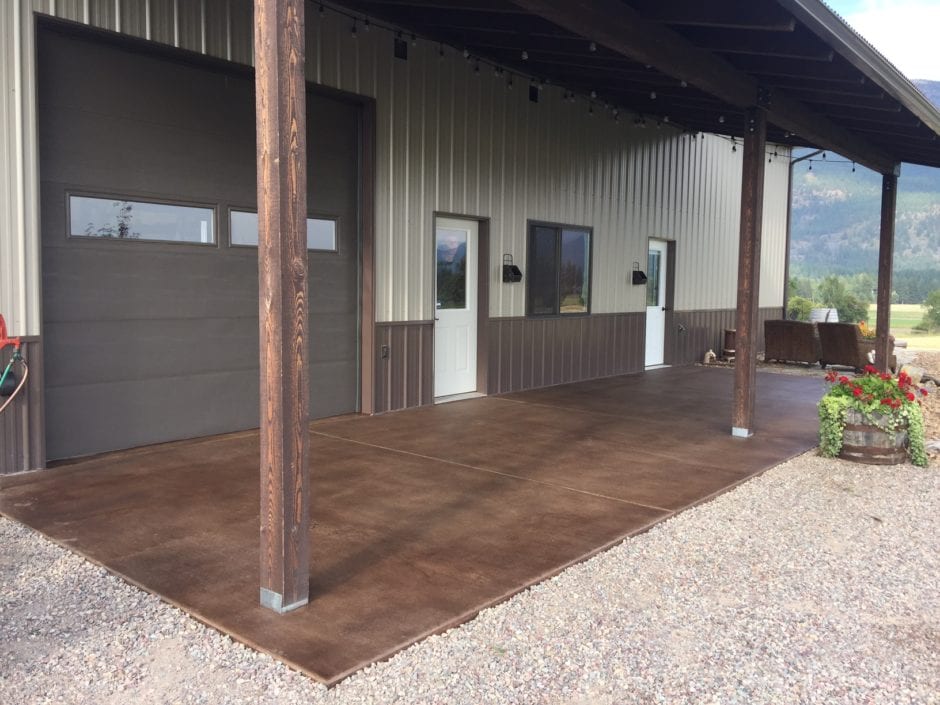
28. Deep Brown Stained Concrete with String Lights and Wood Columns
This rustic, welcoming porch look is highly achievable on a modest budget. The most significant expense is the concrete stain, which runs about $50-$70 for a gallon that can cover up to 400 square feet. The real magic comes from the atmosphere. A set of commercial-grade outdoor string lights costs between $40 and $80. You can find rustic wooden barrel planters at most home improvement or garden stores for under $50, and filling them with seasonal flowers adds a pop of color for another $20. For well under $200, you can completely transform a plain concrete slab into a cozy evening retreat.
|
📋 Copy HEX 🔗 Share |
✅ Before You Start
When hanging string lights from wooden posts or a pergola, avoid simply wrapping the wires tightly around the wood. This can damage both the wire’s insulation and the wood itself over time. The professional way to do it is to install small, screw-in cup hooks or eye bolts at your desired attachment points. This gives you a secure anchor to string the lights from and makes it much easier to take them down for cleaning, bulb replacement, or winter storage. Use a guide wire for longer spans to prevent sagging and reduce tension on the light cord itself.
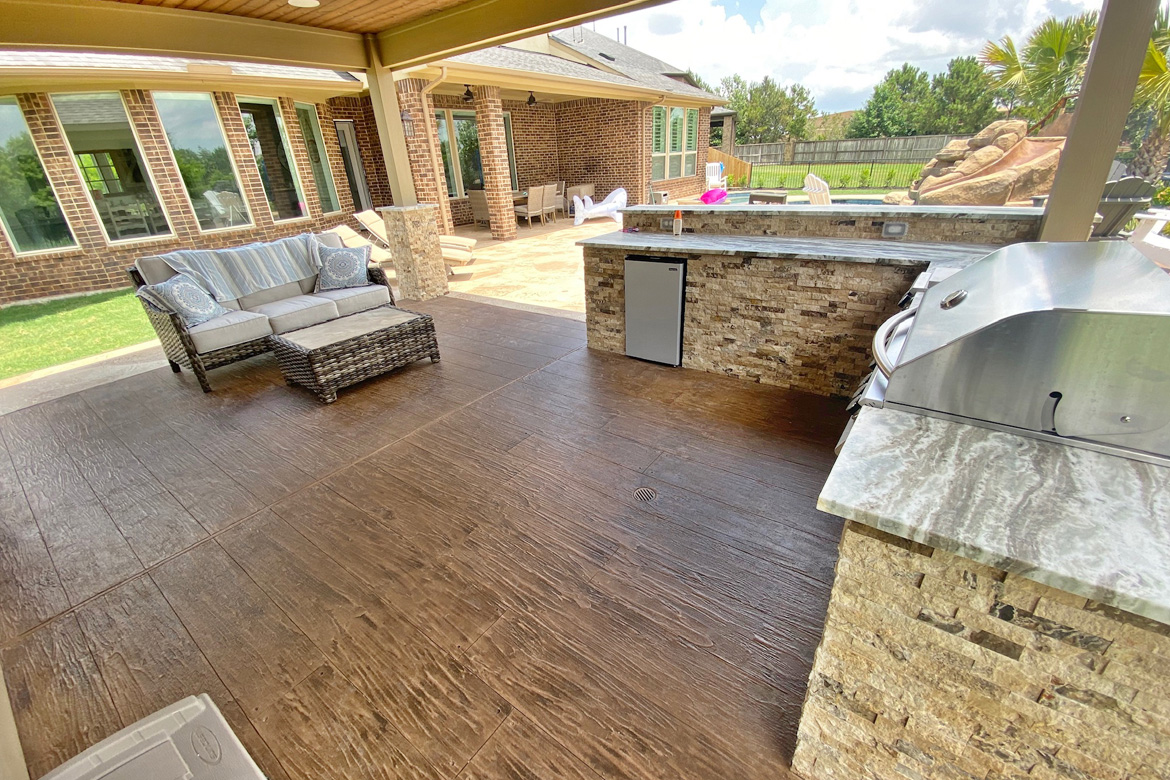
29. Outdoor Kitchen and Lounge with Wood-Grain Concrete Flooring
This outdoor area feels so functional and spacious because the continuous wood-grain concrete floor serves as a unifying foundation for two distinct zones. Rather than breaking up the patio with different materials, the single flooring type makes the entire area feel larger. The zones are created by the strategic placement of “anchors”—the heavy, permanent stacked stone kitchen island on one side, and the large, grouped sectional sofa on the other. This clear division of function on a seamless surface signals how to use the space without needing walls or railings, creating an open, flowing layout.
|
📋 Copy HEX 🔗 Share |
🔧 How-To Brief
A built-in outdoor kitchen is a major investment, but it adds incredible function and value. Here’s a rough idea of the costs for a setup like this:
- Stacked Stone Veneer Island Structure: $2,000 – $5,000 (materials & labor)
- Built-in Stainless Steel Grill: $800 – $3,000+
- Outdoor Mini-Fridge: $300 – $800
- Countertop (granite/quartz look): $1,000 – $2,500
- TOTAL: $4,100 – $11,300+
- Budget alternative: Get a similar function for 70-80% less with a high-quality standalone grill, a rolling stainless steel prep cart, and a separate outdoor beverage cooler.
Your Perfect Porch Awaits
Now that you’re armed with 29 distinct ideas, from simple stains to dramatic overlays, the porch you’ve been dreaming of is within reach. Pick the look that speaks to you, be mindful of the prep work, and get ready to enjoy your new favorite spot. Don’t forget to save your top picks to Pinterest to keep the inspiration flowing!