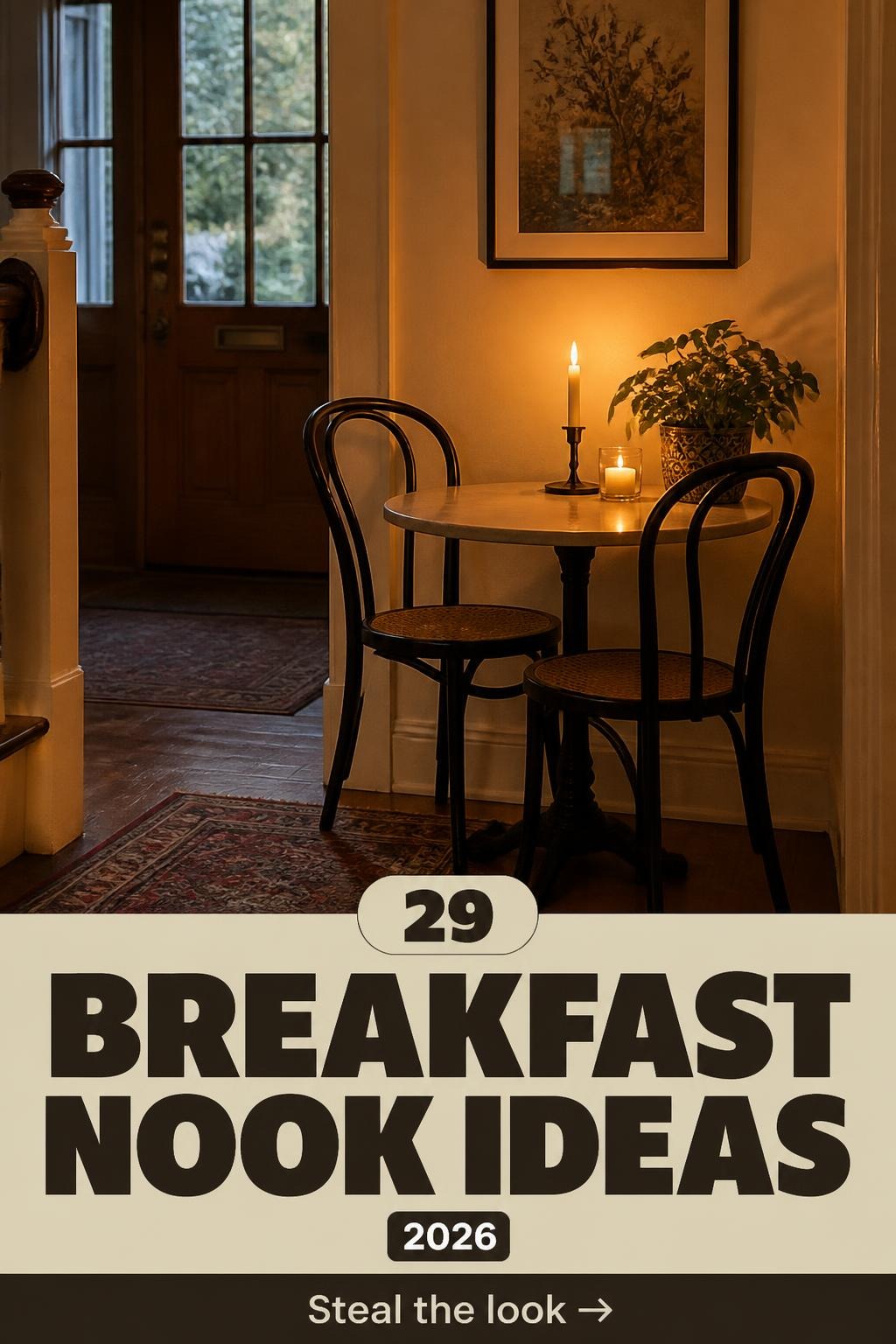
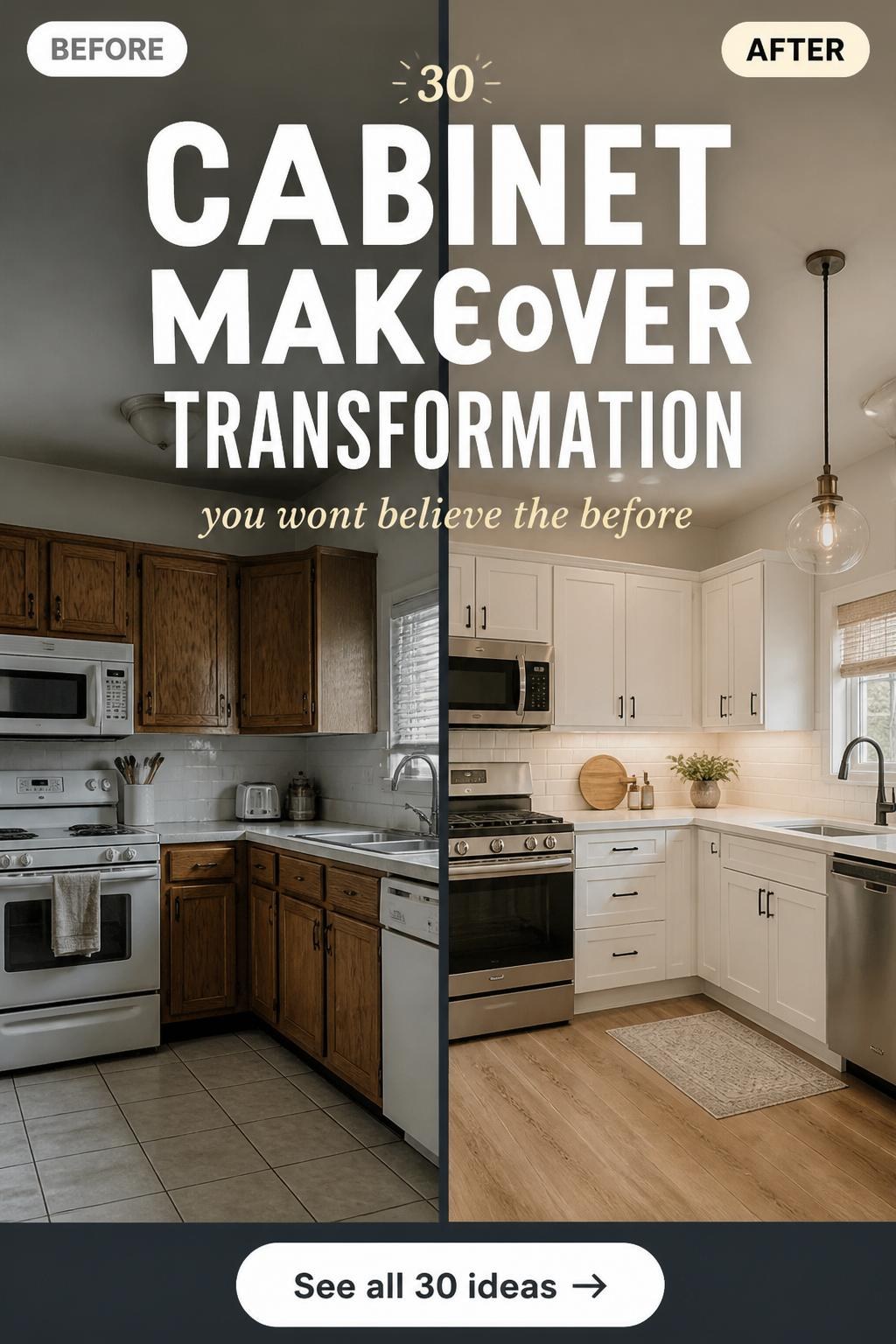
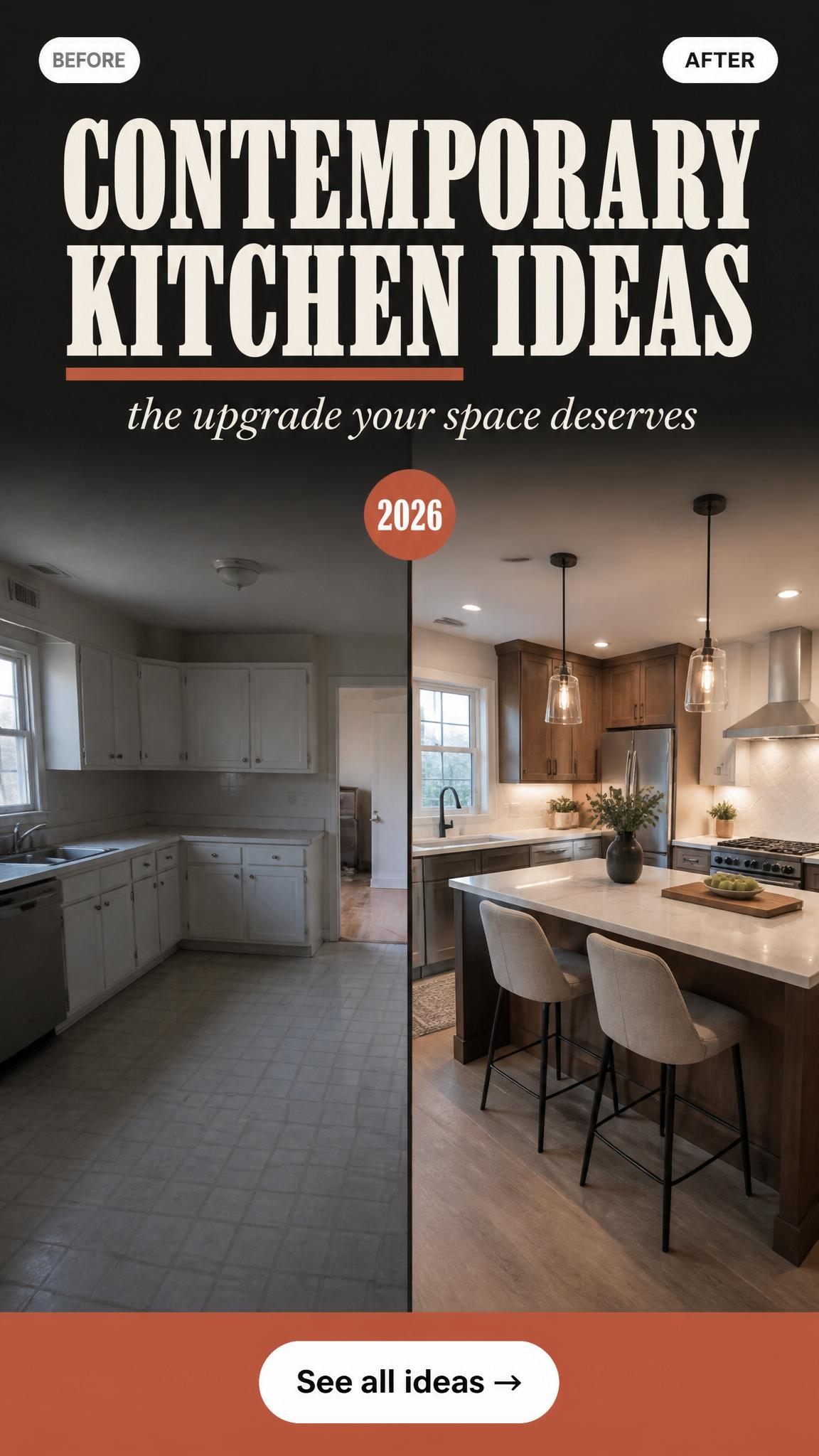
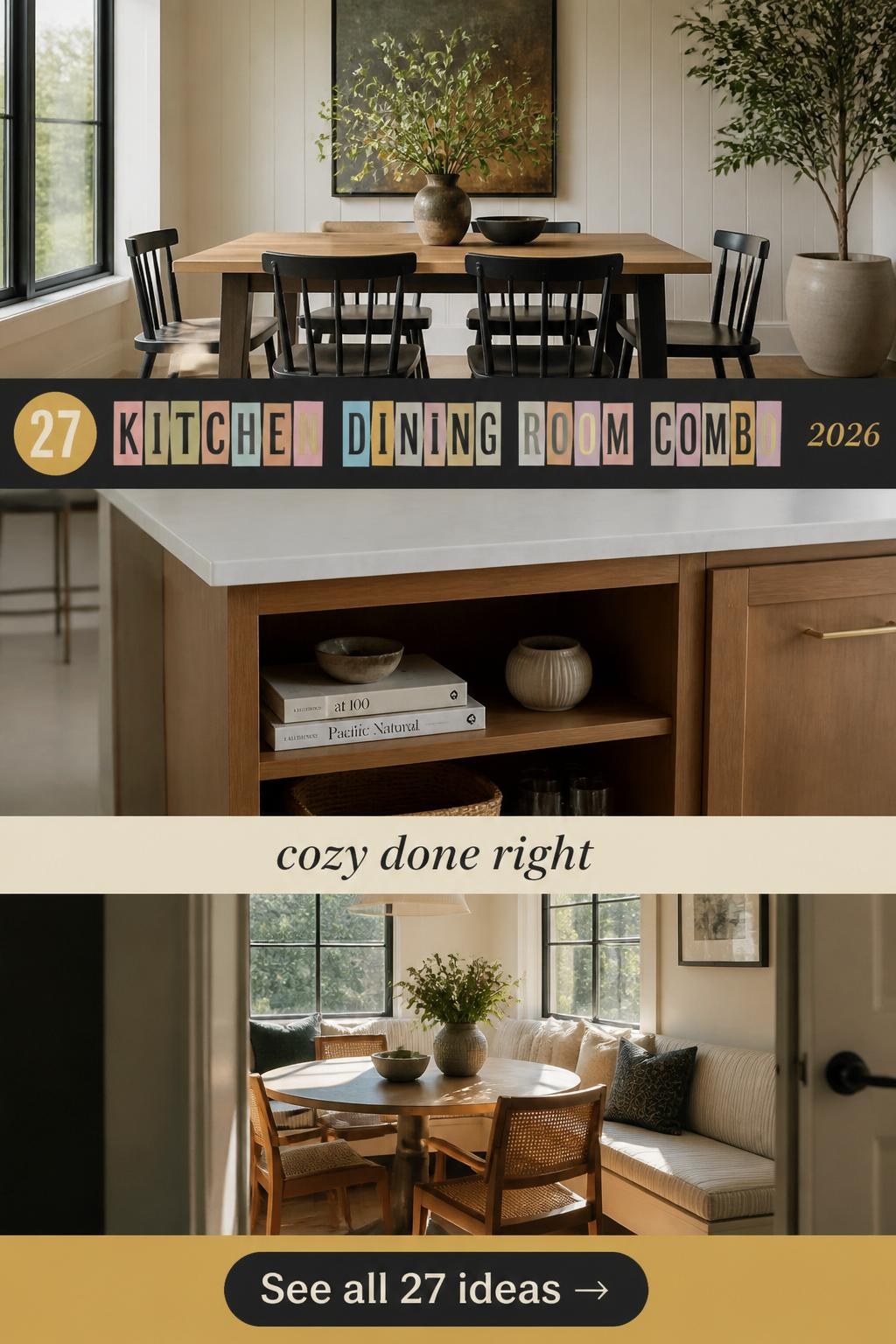
You know that feeling when you finally find the rustic kitchen that looks *exactly* right for your space? That perfect blend of cozy, modern, and personal that you’ve saved on Pinterest a hundred times. After filtering through hundreds of options across Crate & Barrel, Rejuvenation, and Pottery Barn, we narrowed it down to the very best ideas that actually deliver in 2026. Inside, you’ll find 31 curated kitchens—from modern farmhouse to industrial rustic and warm minimalism—covering every price point from around $150 to $8,000. Rustic is leaning away from kitsch and towards authenticity this year, driven by a desire for natural materials and handcrafted quality. And stay until the end — we break down the most common mistakes that can ruin these looks. 📌 Save this to Pinterest for later — you’ll want to revisit these ideas.
1. Crisp White Cabinets Meet Rustic Ceiling Beams
What makes this kitchen so inviting is the powerful contrast between clean, contemporary lines and rugged, natural textures. The smooth, bright white cabinets and simple backsplash act as a quiet backdrop, allowing the heavy, reclaimed wood beams on the ceiling to become the undeniable star of the show. This high-contrast pairing feels both modern and timeless, preventing the rustic elements from overwhelming the space and keeping it light and airy.

To ensure your wood tones look rich and warm (not yellow or dingy), pay close attention to your lighting’s color temperature. Look for LED bulbs in the 2700K to 3000K range. This ‘warm white’ light enhances the natural grain and honeyed hues in wood, whereas cooler bulbs (4000K+) can make wood look flat or even slightly green. It’s a small detail that makes a world-class difference in the evening ambiance.
2. The Unbeatable Charm of a Deep Apron-Front Sink
The single element pulling this whole kitchen together is the deep, cast iron apron-front sink. It’s more than just a place to wash dishes; it’s a nod to classic farmhouse functionality that anchors the entire design. Remove it, and you’d be left with a lovely but generic kitchen. The sink provides a sense of history and permanence that shaker cabinets and stone countertops alone can’t achieve. It’s a workhorse with a soul.

That beautiful cast iron or fireclay sink requires a bit of specific care. Abrasive cleaners and steel wool are a huge no-no, as they can scratch the enamel surface. A gentle dish soap and a soft sponge are best for daily cleaning. For stubborn stains, a paste of baking soda and water can work wonders. Be mindful of dropping heavy cast iron pans, as a direct, sharp impact can cause chipping over time. It’s durable, but not indestructible.
3. Black Shaker Cabinets and a Warm Butcher Block Island
The formula here is a brilliant balancing act: 50% moody black cabinets provide a dramatic, modern foundation. 30% warm wood tones on the island countertop and floor introduce natural warmth and prevent the black from feeling too stark. The final 20% is a mix of white (the perimeter countertops) and metallic accents (the hardware and lighting), which lift the design and reflect light. You could swap the black for navy or deep forest green and still get the same perfectly balanced effect.

Let’s be honest: a dark kitchen, while stunning, isn’t for everyone. If your kitchen is small or lacks abundant natural light, a full wall of black cabinets can feel a bit cavernous. And while beautiful, dark matte surfaces are notorious for showing every speck of dust, flour, and fingerprint. It’s a high-impact look that comes with a slightly higher-maintenance cleaning routine. Consider it the black t-shirt of kitchen design.
4. Floor-to-Ceiling Fieldstone and a Statement Range Hood
- Stone & Masonry (Floor-to-Ceiling): $8,000 – $15,000
- Custom Range Hood: $3,000 – $7,000
- High-End Range: $4,000 – $10,000
- Decor & Accessories: $500 – $1,500
- TOTAL: $15,500 – $33,500
- Budget alternative: Get a similar vibe by using stone veneer panels ($2,000 – $4,000) and a pre-made wood range hood ($1,000 – $2,500).

It’s the floor-to-ceiling fieldstone accent wall, without a doubt. This single design choice defines the entire room. It provides texture, history, and a massive sense of scale that cabinetry and countertops can’t compete with. The stone is the immovable, foundational element that everything else is built around. Without it, the handsome range and hood would feel far less significant. It’s a commitment, but it’s what gives the space its soul. Compare the texture here with the sleek tile in Idea #7.
5. Open Shelving with Perfectly Mismatched Dinnerware
When styling open shelves with everyday items, stick to a tight color palette to keep it from looking chaotic. Choose just three main colors for your dinnerware and glassware (e.g., cream, slate blue, and clear glass). Then, create visual rhythm by arranging items in stacks of varying heights. Place a short stack of bowls next to a tall stack of plates. This creates a landscape of peaks and valleys that is much more interesting than uniform rows.

The charm here comes from repetition with slight variation. The shelves themselves are a repeated horizontal line, creating a sense of order and stability. On those shelves, the curated collection of plates, bowls, and mugs repeats a limited color palette of earthy neutrals. This allows the subtle differences in shape, texture, and finish of each piece to shine without creating visual clutter. It feels personal and collected, not messy.
6. The Warm Glow of Copper Accents
Copper is having a major comeback in rustic design, moving away from the shiny, lacquered look of the 2010s. The 2026 version is all about unlacquered, living finishes that develop a natural patina over time. This trend is tied to a broader appreciation for wabi-sabi—the beauty of imperfection. Homeowners want materials that tell a story and show their age gracefully, and a slowly darkening copper pot rack or faucet does exactly that.

Real, unlacquered copper is beautiful because it changes, but that’s also its main maintenance challenge. It will react to everything—water, oils from your hands, acidic foods. Some people love the evolving patina of greens and deep browns; others find it looks messy. To keep it shiny, you’ll need regular polishing with a dedicated copper cleaner. If you want the color without the work, look for sealed copper or PVD brass fixtures that have a similar rosy tone but won’t change over time.
7. A Modern Waterfall Island with a Reclaimed Wood Face
This is a masterclass in mixing design languages. The waterfall countertop—where the surface material continues down the vertical sides—is a hallmark of sleek, modern design. But by facing the front of the island with warm, heavily textured reclaimed wood, the entire piece is transformed. The sharp, clean edge of the waterfall frames the rustic wood, making each element feel more dramatic and intentional. It’s the visual equivalent of putting on a blazer with your favorite old jeans.

This idea truly shines in a kitchen with at least 150 square feet of open floor space. The waterfall design needs room to be appreciated from the side. For the island itself, aim for a minimum of 7 feet in length to make the wood-and-stone combination feel substantial, not like an afterthought. It also requires a standard ceiling height of 9 feet or more to prevent the solid island from feeling too blocky and heavy in the room.
8. Zellige Tile Backsplash: Perfectly Imperfect Texture
The handmade Zellige tile is the quiet hero of this kitchen. While the cabinets and countertops are beautiful, it’s the subtle, light-reflecting variation in the tile backsplash that gives the room its character and depth. Each tile is slightly different in color, texture, and sheen, creating a surface that feels alive and artisanal. Swap this for a standard, uniform subway tile, and you’d lose all the handcrafted charm that makes the space feel special and curated.

Authentic Zellige tiles can be pricey, often running $20-$40 per square foot. To get a similar look for less, check out the ‘Zellige-look’ porcelain and ceramic options from big box stores like Floor & Decor or The Tile Shop. They do a fantastic job of replicating the color variation and wavy, irregular surface for a fraction of the cost, typically $5-$10 per square foot. You get 90% of the vibe for about 25% of the price.
9. Recreating a Classic: The English Scullery Look
The charming English scullery formula is all about texture and utility: 40% simple, painted cabinetry (often in a muted green, blue, or cream), 30% open shelving made of thick, sturdy wood, 20% hardworking surfaces like soapstone or butcher block, and 10% authentic metal finishes like unlacquered brass. The key is that nothing feels too precious; everything is meant to be used. The charm is in the function itself.

To really sell the scullery look, add a ‘cafe curtain’ along one of your open shelves or a glass-front cabinet. Use a simple brass tension rod and a natural fabric like linen or cotton. Mount it about two-thirds of the way up the opening, so you can still see a bit of what’s behind it. This adds a soft, textural layer and a touch of old-world charm for less than $40 and takes about 15 minutes to install.
10. Mixing Metals: Black Steel and Polished Brass
This kitchen successfully mixes metals by assigning them clear roles. The black steel—seen in the window frames and island base—acts as a grounding, architectural element. It’s the bold, graphic outline. The polished brass—used for the ‘jewelry’ like faucets and cabinet pulls—provides warmth and a touch of luxury. By giving each metal a distinct job (structure vs. detail), they complement each other instead of competing, creating a look that’s layered and sophisticated.

Mixing metals is a great designer trick, but it can go wrong if you don’t commit. Dabbling with just one or two brass pulls on a sea of black hardware can look like a mistake or a work in progress. The key is to have at least two or three instances of each metal finish to make the choice feel intentional. For example, a brass faucet, brass pulls, and brass light fixtures will create a clear ‘story’. Compare this to the single-metal approach in Idea #5.
11. A Dramatic, Full-Wall Plate Rack
A grand, wall-mounted plate rack works best on a dedicated feature wall, ideally one that’s between 6 and 10 feet wide. It needs visual breathing room so it doesn’t feel cramped. This design is particularly effective in kitchens with higher ceilings (10 feet or more), as it draws the eye upward and emphasizes the room’s height. In a smaller space, this much open storage can feel cluttered; see Idea #4 for a more compact shelving idea.

You can build a custom plate rack like this in a weekend. Here’s a quick guide:
- Time: 4-6 hours. Cost: $80-$150.
- Measure your wall and determine the desired height and width of your rack.
- Build a simple rectangular frame using 1×3 poplar boards.
- Cut 1/2-inch dowels to fit the depth of your frame. These will hold the plates.
- Drill holes every 2-3 inches along the top and bottom boards of the frame for the dowels. The holes should not go all the way through.
- Assemble the frame, using wood glue and screws to secure the dowels in place.
- Sand, prime, and paint the rack to match your cabinetry. Secure it to the wall studs.
12. Vintage-Style Appliances in an Unexpected Color
The absolute centerpiece of this kitchen is the vintage-style range in a beautiful buttercup yellow. In a world of stainless steel, a colorful, retro-inspired appliance feels bold, personal, and joyful. It instantly sets the tone for the entire room, telling you this isn’t a cookie-cutter kitchen. If you replaced it with a standard range, the room would still be nice, but it would lose its most defining and memorable feature.

- Vintage-Style Range (Big Chill, Smeg, etc.): $4,000 – $8,000
- Matching Refrigerator: $3,000 – $5,000
- Custom Cabinetry: $10,000 – $20,000
- Soapstone Countertops: $5,000 – $9,000
- TOTAL: $22,000 – $42,000
- Budget alternative: Get a similar feel by keeping your standard appliances and painting your kitchen island a bold, unexpected color for about $100.
13. Wide-Plank Oak Flooring for a Solid Foundation
The wide-plank oak flooring is doing more work than you think. Using planks that are 7 inches or wider reduces the number of seams on the floor, creating a less busy, more expansive feeling. This visual simplicity in the flooring allows the more detailed elements, like the cabinetry and backsplash, to stand out. The warm, natural tone of the oak also provides a perfect mid-tone that bridges the gap between dark countertops and light cabinets.

Solid hardwood floors in a kitchen are beautiful but require some specific attention. You must wipe up spills immediately, as standing water can seep between the boards and cause warping or staining. Use felt pads under all chairs and tables to prevent scratches. Every 5-10 years, depending on wear, it will need to be professionally sanded and refinished, which can cost $4-$7 per square foot. The tradeoff for this maintenance is a floor that can last for 100+ years.
14. A Cozy Breakfast Nook with a Built-In Bench
When designing a built-in breakfast nook, don’t forget about storage. Make the bench seat a lid on hinges. This instantly creates a massive, hidden storage chest for bulky kitchen items, seasonal decor, or kids’ craft supplies. It’s some of the most useful and invisible storage you can add to a kitchen, and the only extra cost is a pair of sturdy hinges and a handle.

Before you commit to building a breakfast nook, check these items off your list:
- Measure your space carefully. You need a minimum of 60 inches of wall length for even a small two-person bench.
- Confirm the location of any outlets, vents, or radiators that might be blocked by the bench.
- Choose your table *before* you finalize the bench depth. The table’s width will dictate how deep the bench can be while still allowing for comfortable entry.
- Get a quote from a carpenter unless you are an advanced DIYer. This is a project where precise cuts are critical.
15. The Light-Filtering Magic of Linen Roman Shades
The simple, unlined linen Roman shades are the key to this kitchen’s soft, ethereal glow. They are the perfect window treatment because they don’t block the light completely. Instead, they filter it, softening harsh midday sun and providing privacy while still keeping the room bright. They add a layer of texture and softness that stark, bare windows or heavy blinds can’t replicate. It’s this gentle light management that makes the space feel so serene.

Custom linen Roman shades can be expensive, but you can get this look for much less. Stores like IKEA and Target sell affordable off-the-shelf bamboo or fabric Roman shades. For a DIY approach, you can buy inexpensive mini-blinds and a few yards of linen fabric. There are countless online tutorials showing how to convert the blinds into a functional Roman shade for under $50 per window. It’s a bit of a project, but the savings are huge.
16. Exposed Brick Wall: Industrial Edge Meets Rustic Warmth
An exposed brick wall is an amazing feature, but it’s not without its quirks. Real, old brick is porous and can absorb cooking grease and moisture, leading to stains that are difficult to remove. It also sheds a fine red dust. Most designers recommend sealing the brick with a matte, impregnating sealer. This protects it without adding a fake-looking shine. Also, hanging anything on it requires a masonry drill bit and some patience; it’s not as simple as drywall.

The visual recipe for this look is about balance: 60% rustic warmth from the red tones and rough texture of the brick. 30% sleek industrial coolness from black metal accents, like the pendant lights and cabinet hardware. 10% organic softness from wood shelves and green plants. This formula ensures the brick feels like a feature in a cohesive design, not just a random wall. For a lighter feel, check out the stone wall in Idea #3.
17. A Freestanding Hutch as a Charming Focal Point
The move towards freestanding furniture in the kitchen is a direct reaction against the overly-fitted, built-in look of the past two decades. In 2026, there’s a strong desire for kitchens that feel more like living rooms—collected, personal, and flexible. A vintage hutch or a standalone cabinet breaks up the monotony of endless cabinetry and offers a chance to introduce a piece with unique character, color, or finish. It feels less like a laboratory and more like a home.

Give a new or thrifted hutch a rustic makeover in an afternoon.
- Time: 3-4 hours. Cost: $50-$90.
- Clean the piece thoroughly and give it a light sanding.
- Apply one coat of a bonding primer, like shellac-based BIN. This is key for a durable finish.
- Paint with two coats of a high-quality milk paint or chalk paint for a soft, matte, slightly aged finish.
- Once dry, gently distress the edges and high points with 220-grit sandpaper to simulate natural wear.
- Swap out the hardware for aged brass or cast iron knobs to complete the look.
18. Painted Wood Floors for a Touch of Scandi-Rustic Style
Painted wood floors look incredible, but they are a commitment. The paint will inevitably chip and wear over time, especially in high-traffic areas like the path from the sink to the stove. This chipping is part of the charm for some, creating a lived-in patina. For others, it just looks damaged. High-quality porch and floor paint is a must. Minor touch-ups will be needed every year or so, and a full repaint might be necessary every 5-7 years.

The key to a successful painted floor is choosing the right sheen. Avoid matte or eggshell finishes, as they will be impossible to clean. Instead, opt for a satin or semi-gloss finish. These sheens have enough durability and slickness to be wiped clean easily without being so shiny that they reflect every imperfection and look like a gym floor. A satin finish offers the perfect balance of practicality and aesthetics for a rustic kitchen.
19. Combining Glass-Front and Solid Cabinet Doors
Using a mix of glass-front and solid cabinet doors is a classic design strategy for a reason: it creates balance. The solid doors provide necessary hidden storage for messy, everyday items. The glass doors, used sparingly, break up the visual weight of a long bank of cabinets. They create a focal point and a place to display your best glassware or pottery, adding a decorative element without sacrificing storage. It’s the best of both worlds—practicality and display.

If new glass-front cabinets aren’t in the budget, you can DIY the look. Carefully remove the center wood panel from a few of your existing upper cabinet doors using a router or jigsaw. Lightly sand the inside edges, then prime and paint. You can then get glass cut to size at a local hardware or glass shop for about $30-$60 per pane. Secure the glass from the inside with clear silicone or small glazier’s points. Check out Idea #4 for an all-open-shelving alternative.
20. An Oversized, Forged-Iron Pot Rack
An oversized pot rack is a statement piece that needs a room with appropriate scale. This idea is best suited for kitchens with ceilings that are 10 feet high or taller. In a room with standard 8-foot ceilings, a large pot rack will feel oppressive and make the ceiling feel even lower. It also works best over an island rather than a peninsula, as you need to be able to walk around it freely without it feeling like an obstacle.

Think carefully about what you’ll actually hang on a pot rack. It looks wonderful when styled with a curated set of beautiful copper or stainless steel pans. However, if your daily cookware is a motley crew of mismatched, scratched non-stick pans and plastic-handled pots, they won’t create the same high-end, rustic look when on display. An open pot rack forces you to have display-worthy cookware; otherwise, it just looks like clutter.
21. Honed Black Granite for a Matte, Organic Feel
The choice of a honed (matte) finish on the black granite countertops is the single detail that elevates this kitchen. Polished black granite can look dated and corporate. The honed finish, however, is soft, velvety, and absorbs light rather than reflecting it. This gives the stone a more organic, slate-like appearance that perfectly complements the warm wood tones, making the entire space feel more natural and less slick.

Honed black granite is gorgeous, but it’s different to care for than its polished counterpart. Its matte surface is more porous, so it needs to be sealed properly and regularly (probably once a year) to prevent staining. The most common complaint is that it can show oily fingerprints or water marks more readily. These can be cleaned with a dedicated stone cleaner, but it’s less ‘wipe-and-go’ than polished granite. It’s a trade-off of a little maintenance for a lot of style.
22. A Library Ladder for Accessing High Cabinets
If you’re installing a library ladder, make sure the hardware has a ‘brake’ or locking mechanism. This allows you to secure the ladder in place when you’re climbing it, preventing any wiggling or sliding. Also, specify a ‘non-marking’ material for the wheels, like a soft polyurethane, to protect your hardwood floors from scratches or dents as the ladder glides along its track. These small hardware details make a huge difference in safety and daily use.

The library ladder does more than just provide access to high storage. It serves as a powerful vertical design element that draws the eye upward, making the ceilings feel much taller. The rolling hardware and the ladder itself introduce a dynamic, industrial-inspired element that adds a layer of functional artistry to the room. It transforms simple upper cabinets into a grand, library-like feature wall.
23. Shiplap Walls for a Touch of Farmhouse Charm
Installing real tongue-and-groove shiplap can be time-consuming and expensive. For a much cheaper and faster alternative, you can create a faux shiplap effect using 1/4-inch thick plywood underlayment. Rip the plywood into 6-inch or 8-inch wide strips at the hardware store. Nail them to the wall horizontally, using a nickel or a tile spacer to create a consistent gap between boards. The cost is typically less than $1.50 per square foot, compared to $5-$10 for the real thing.

Here’s how to install that budget-friendly plywood shiplap:
- Time: 6-8 hours for a 12’x8′ wall. Cost: $75-$125.
- Have a 4×8 sheet of 1/4-inch plywood ripped into 5 7/8-inch wide planks at the hardware store.
- Find and mark the studs on your wall.
- Starting from the top, nail the first plank to the wall into the studs, making sure it’s level.
- Place nickels or tile spacers on top of the first board to create the gap, then install the next board.
- Repeat down the wall, cutting planks as needed to fit.
- Fill nail holes, then prime and paint.
24. Muted Green Cabinets and a Soapstone Counter
The sophisticated, earthy vibe comes from this color and texture equation: 60% soft, sage or moss green cabinets provide a calming, natural base. 30% dark, moody soapstone countertops add weight, depth, and a historical feel. 10% warm accents, through brass hardware and wood details, prevent the cool tones from feeling chilly. The success of this palette lies in its subtlety; all the elements are grounded in nature-inspired colors.

Thinking about a similar color palette? Here’s what to do first:
- Get paint samples. Paint a large poster board with your chosen green and move it around the kitchen at different times of day. The color will look dramatically different in morning sun versus afternoon shade.
- Get a real sample of the soapstone. Take it to your kitchen to see how its veining and undertones look next to your paint choice in your home’s actual lighting.
- Confirm your kitchen has enough natural light to support a darker countertop without feeling gloomy.
25. A Long Galley Kitchen with a Runner Rug
In a long, narrow galley kitchen, choose a runner that leaves about 12-18 inches of exposed flooring on either side. You want it to define a clear walkway, but not be so wide that it’s constantly under the edge of your cabinets. For length, aim for it to stop about 6 inches before the cabinetry ends on each side. This creates visual ‘breathing room’ and prevents the rug from looking like wall-to-wall carpeting.

The runner rug is the key to making this galley layout feel cozy and intentional. Its long, linear shape accentuates the length of the kitchen, turning what could be a narrow drawback into a strong design feature. It also adds a crucial layer of softness, color, and pattern, breaking up the hard surfaces of the floor, cabinets, and countertops. It transforms a purely functional corridor into a welcoming, decorated space.
26. Layered Textures: Jute, Linen, and Worn Wood
The magic of this space comes from the rich layering of natural textures. You have the coarse, rustic weave of the jute rug, the soft, relaxed feel of the linen window shades, and the weathered grain of the wooden stools and shelves. Even though the color palette is very simple and neutral, the room feels incredibly rich and complex because of this tactile variety. It’s proof that texture can be more powerful than color when creating an inviting atmosphere.

This focus on layering natural, humble materials is a key part of the ‘Quiet Luxury’ trend influencing rustic design in 2026. People are moving away from flashy finishes and towards high-quality, authentic materials that feel good to the touch. Jute, linen, wool, and real wood are popular because they are timeless and evoke a sense of calm and well-being. It’s a less-is-more approach that prioritizes tactile experience over loud visual statements.
27. A Collection of Vintage Art in Mismatched Frames
Creating a charming art collection for your kitchen doesn’t have to be expensive. Instead of pricey galleries, scour local thrift stores, flea markets, and Facebook Marketplace for vintage paintings and prints. Look for landscapes, still lifes, and simple portraits. The key is to buy what you love, not what you think is valuable. A collection of five to six small, interesting pieces found for $10-$30 each will have far more personality than one large, expensive print. This is a much cheaper approach than the large-scale stone in Idea #3.

This eclectic gallery wall works because it follows two simple rules. First, a common theme: all the pieces are vintage oil paintings with a pastoral or still-life subject. This provides thematic cohesion. Second, a loose color palette: the canvases share muted, earthy tones of green, ochre, and brown that harmonize with the kitchen’s rustic elements. The mismatched frames add to the charm, but the consistent subject matter and color story prevent it from looking chaotic.
28. Pale Wood Cabinets for a Scandinavian-Inspired Rustic Look
Achieving this light and airy Scandi-rustic blend follows a simple recipe: 60% pale wood (like white oak or maple) on the cabinets and floors to create a bright, natural base. 30% crisp white on countertops and walls to keep the space feeling clean and open. Finally, 10% black accents in the hardware, lighting, and faucet to provide a much-needed graphic punch and keep the design from feeling washed out. The interplay of these three elements is key.

Pale, natural wood cabinets are beautiful but can be susceptible to yellowing over time, especially if they are in a kitchen that gets a lot of direct, bright sunlight. This is caused by the UV rays breaking down lignin in the wood. To prevent this, ensure your cabinets are finished with a high-quality, UV-blocking, non-yellowing water-based polyurethane. Avoid oil-based finishes, which can impart a yellow or amber tone from the start.
29. An Integrated Dish-Drying Rack Above the Sink
When designing a built-in dish rack cabinet, make the bottom removable. Instead of drilling holes in a fixed cabinet bottom, use a sturdy metal rack or a slatted wood insert that can be easily lifted out. This allows you to thoroughly clean the drip area and the rack itself, preventing mildew or hard water buildup. A removable tray underneath to catch drips is also a smart addition for easy cleaning.

You can retrofit an existing cabinet over your sink to create a dish-drying rack.
- Time: 1-2 hours. Cost: $40-$80.
- Carefully remove the doors and bottom panel of the cabinet directly over your sink.
- Measure the interior width and depth of the cabinet.
- Purchase a stainless steel, wall-mounted dish rack (like those from Simplehuman or IKEA) that fits these dimensions.
- Screw the rack securely into the sides or back of the cabinet frame.
- Re-install the doors. Now you have a hidden drying rack, and drips fall right into the sink.
30. A Mirrored Backsplash to Double the Light
A mirrored backsplash is a clever design trick in a smaller or darker kitchen. It works by bouncing light—both natural and artificial—back into the room, making the space feel brighter and more expansive. It also reflects the view from the opposite side of the room, which can create the illusion of depth or bring a pleasant view of a window into your prep space. The ‘antiqued’ finish adds a rustic texture that is more forgiving than a perfect, clear mirror.

While an antiqued mirror backsplash looks stunning, it requires diligent cleaning. Just like any mirror, it will show every single splash from the sink and every splatter from the stove. The antiqued finish is great for hiding minor smudges, but you’ll still be wiping it down frequently with glass cleaner to keep it looking its best. It’s a high-style choice that is definitely not low-maintenance, especially behind a busy cooking or washing area.
31. A Kitchen Island That Looks Like a Piece of Furniture
The single most important decision here was designing the kitchen island to look like a freestanding piece of furniture rather than a block of built-in cabinets. Features like turned legs, a contrasting paint color, and an open shelf at the bottom give it the character of a vintage worktable. This makes the entire kitchen feel less ‘installed’ and more curated, as if it were assembled over time with beautiful, functional objects.

Want to use a piece of furniture as your island? Run through this checklist first:
- Is the height right? A comfortable work surface height is 36 inches. A dining table (around 30 inches) will be too low.
- Is it stable? The piece needs to be heavy and sturdy enough not to shift or wobble when you’re leaning on it or chopping.
- Can the top be sealed? If it’s a wood top, it will need to be sealed with a food-safe finish to protect it from stains and water.
- What about electricity? If you need outlets in your island, you’ll have to plan for how to run wiring to a freestanding piece.
Your Rustic Kitchen Story Starts Here
With a little bit of planning and a clear vision, you can create a rustic kitchen that feels both timeless and perfectly you. It’s all about choosing authentic materials and focusing on the details that tell your story. Ready to start planning? Pin your favorite ideas from this article to your kitchen board, and let the transformation begin!