As winter fades and the first signs of spring appear, American homeowners turn to Pinterest in search of fresh ways to welcome the season at their front door. Spring porch decor in 2026 is all about blending timeless charm with modern touches—think layered textures, natural materials, and pops of color that reflect the energy of renewal. Whether you’re working with a sprawling farmhouse porch or a compact apartment entryway, these ideas will help you create an inviting space that captures the essence of spring. From vintage finds to easy DIY projects, you’ll discover inspiration that suits every style and budget.
1. Farmhouse Style French Country Welcome
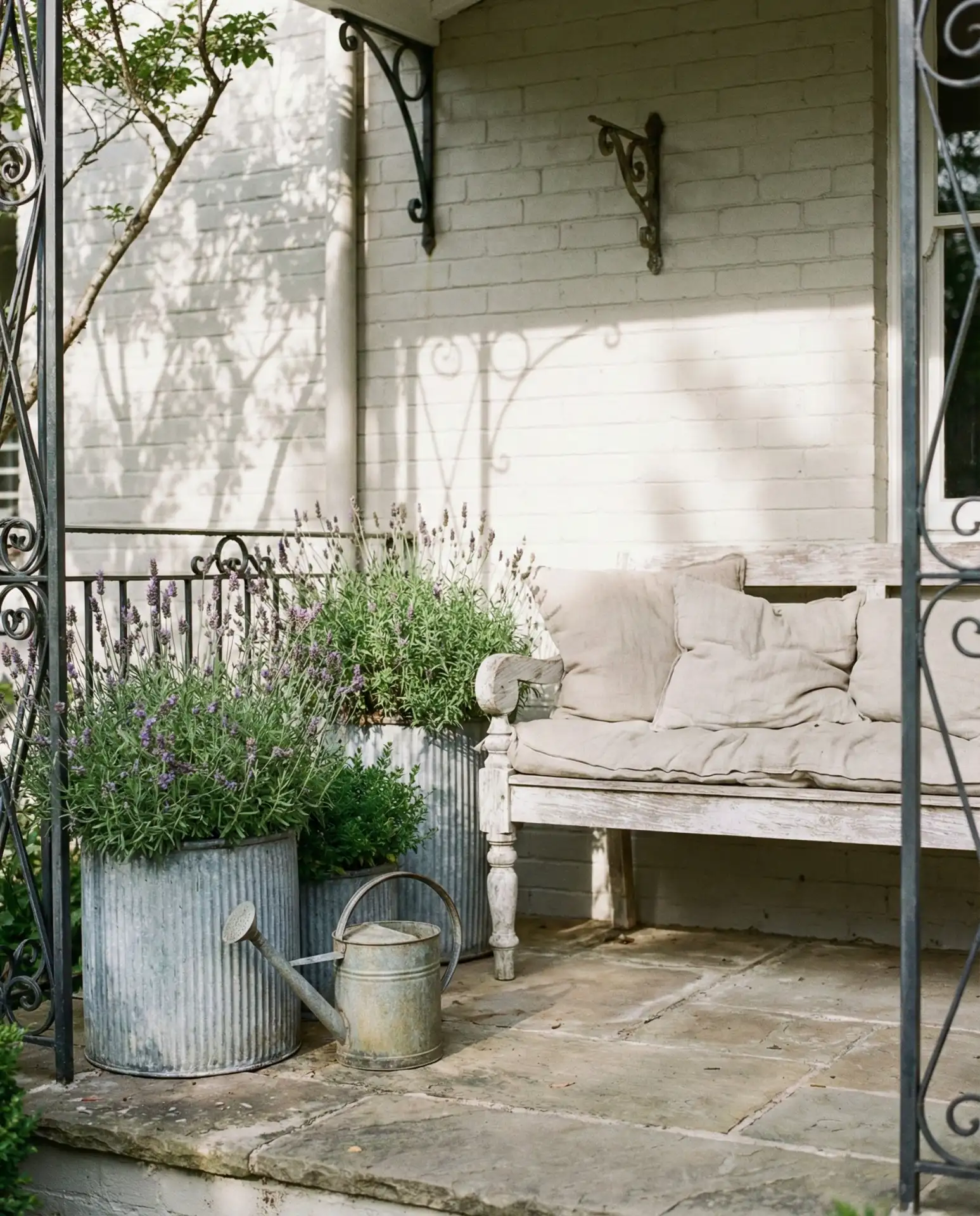
A farmhouse style french country porch combines rustic charm with European elegance, creating a front entry that feels both collected and intentional. Think whitewashed wooden furniture, galvanized metal containers filled with lavender or tulips, and linen textiles in soft neutrals. This approach works beautifully on covered porches where you can layer vintage elements like an antique watering can or a distressed wooden sign. The key is balancing farmhouse style simplicity with refined French touches—perhaps a wrought-iron plant stand or a vintage bistro chair. 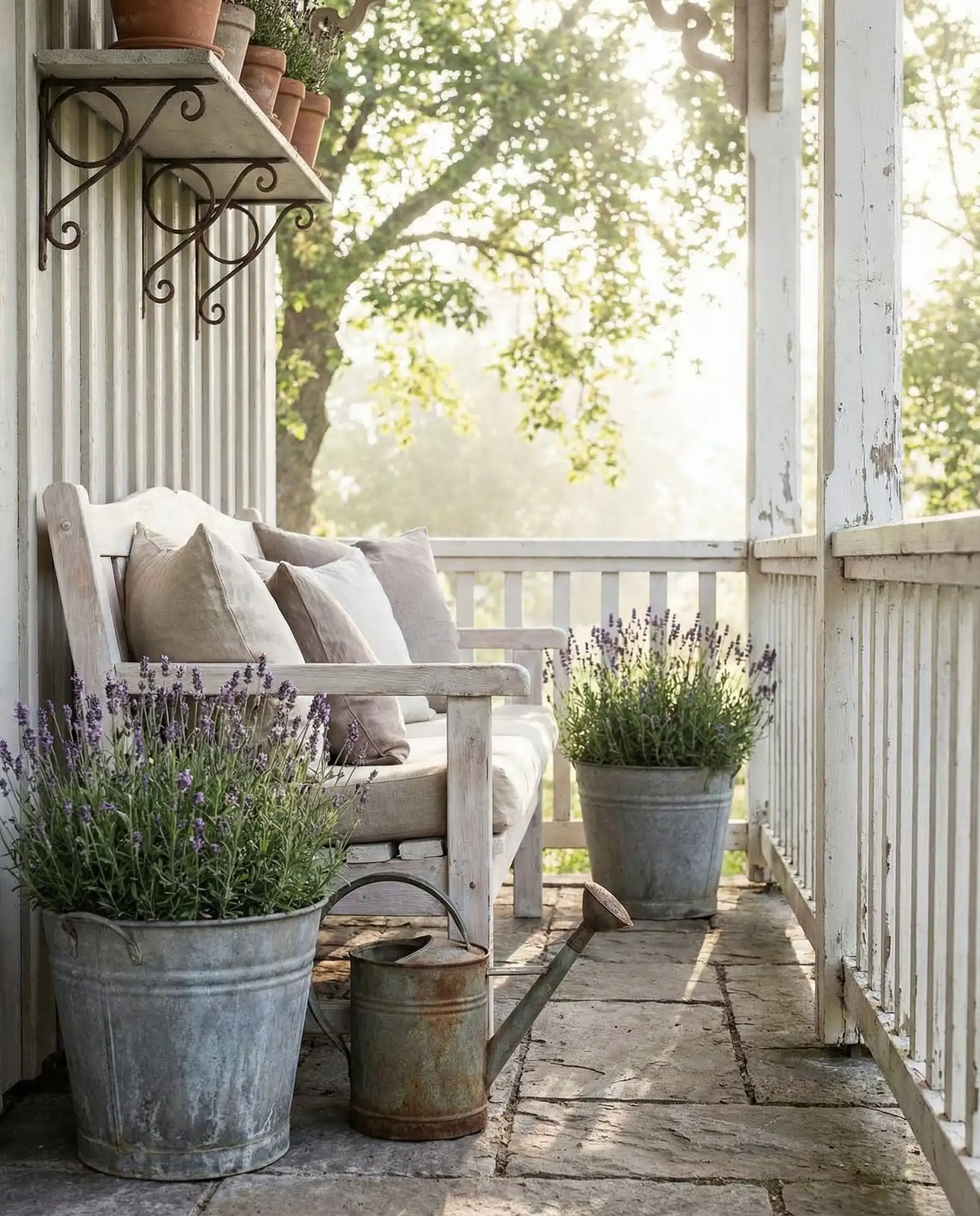
This style works best in suburban neighborhoods and rural settings where there’s room to create vignettes. A common mistake is over-cluttering—instead, choose three to five statement pieces and let each one breathe. Consider mixing materials: weathered wood, aged metal, and fresh greenery create visual interest without overwhelming the space. If you’re working with a smaller porch, focus on one standout piece like a French-style planter box rather than trying to incorporate every element.
2. Modern Minimalist Spring Refresh
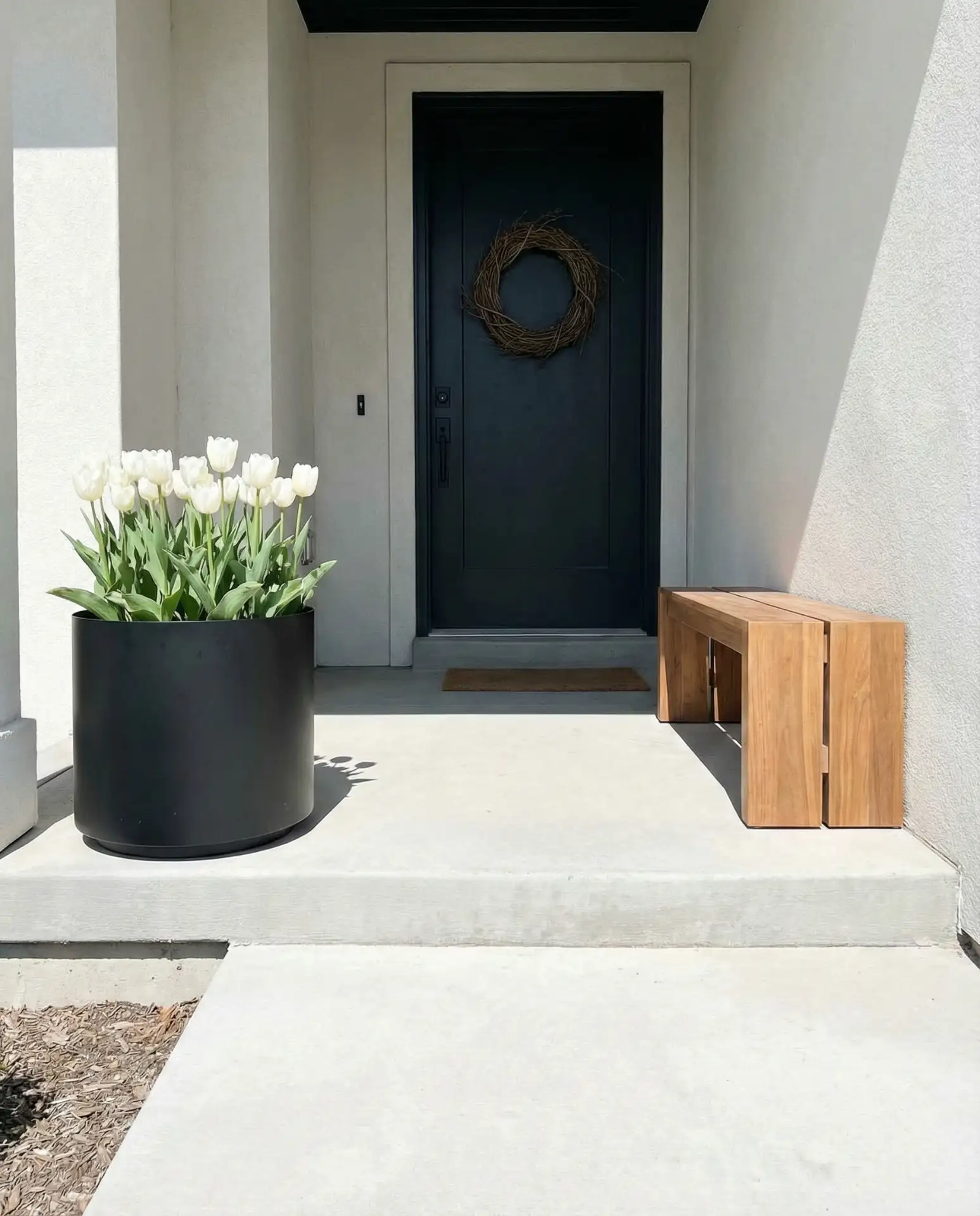
For those who appreciate clean lines and uncluttered spaces, a modern spring porch focuses on quality over quantity. Choose one or two large planters in matte black or concrete, filled with architectural plants like ornamental grasses or white tulips. The beauty of modern design lies in restraint—a simple bench with geometric lines, a single statement wreath in natural materials, and perhaps one piece of abstract outdoor art. This approach is especially popular in urban areas where apartment dwellers want to make an impact in limited square footage. 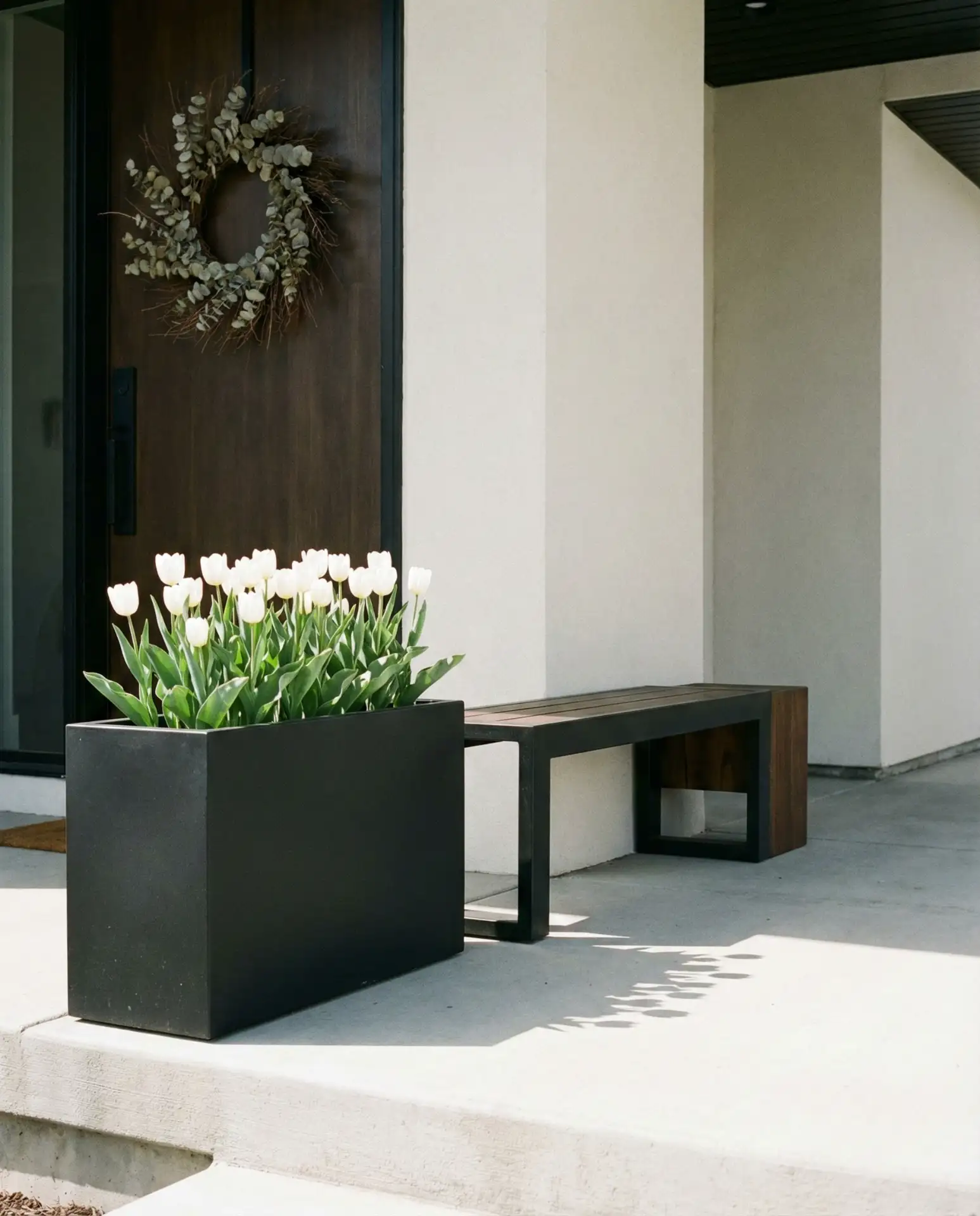
In cities like Seattle, San Francisco, and Austin, modern porch decor has become the go-to for homeowners who want a fresh, unfussy welcome. The key is investing in fewer, higher-quality pieces that can transition through seasons. A $150 planter that lasts for years beats replacing cheap plastic containers annually. Stick to a tight color palette—typically neutrals with one accent color—to maintain that signature modern cohesion.
3. Cottage Garden Overflow
A cottage style porch celebrates abundance and the joyful chaos of a cutting garden in full bloom. Layer vintage terra cotta pots of varying heights, fill them with a mix of pansies, primrose, and trailing ivy, and tuck in small garden tools as decorative elements. This look embraces the philosophy that more is more—the goal is to create the feeling that your garden has spilled onto your porch. Cottage decor works particularly well when you incorporate found objects: an old wooden ladder as a plant stand, mismatched watering cans, or a weathered garden gate propped against the wall. 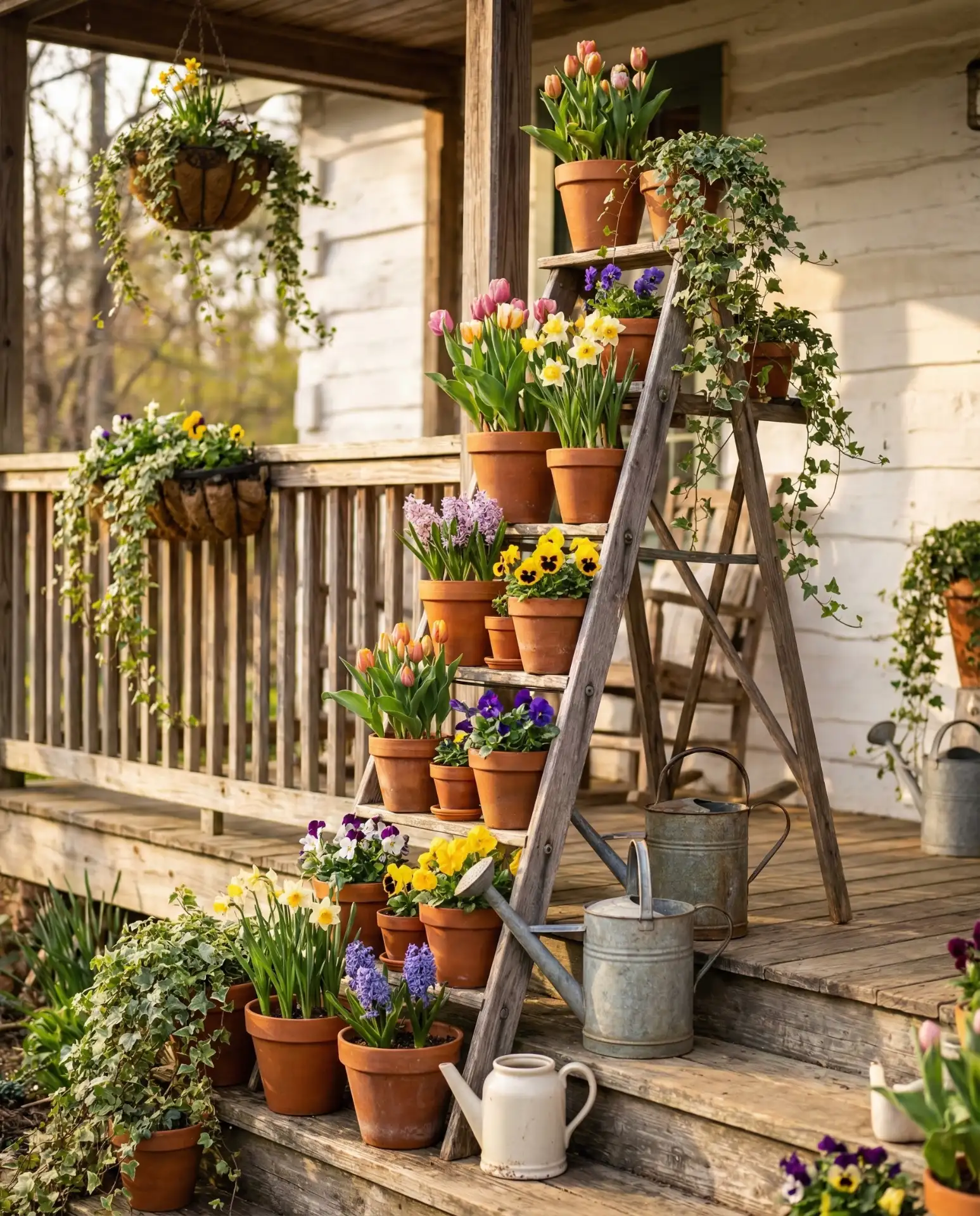
My neighbor in North Carolina transformed her basic concrete porch into a cottage dream by visiting local estate sales every Saturday for a month. She found mismatched pots for under $5 each and an antique ladder for $20. The cottage approach thrives on imperfection—chipped paint and weathered finishes add character rather than detract from the overall effect. It’s ideal for covered porches that protect more delicate arrangements from harsh weather.
4. Primitive Americana Heritage
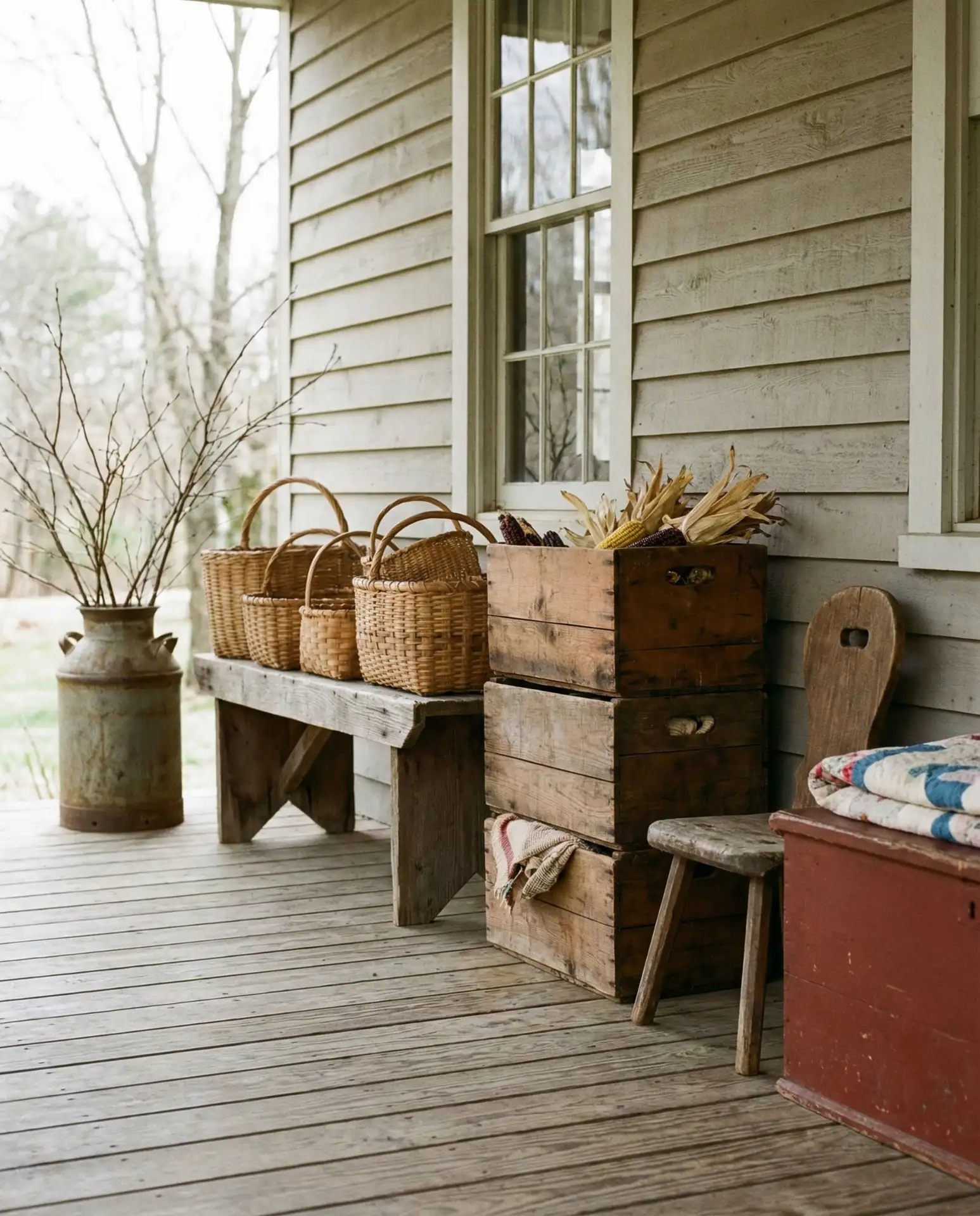
The primitive style draws on early American folk art and handcrafted simplicity, creating a porch that feels rooted in tradition. Think handwoven baskets filled with dried branches, primitive wooden signs with simple spring messages, and a color palette of barn red, mustard yellow, and cream. Primitive decor often incorporates functional antiques—an old milk jug used as a vase, wooden crates stacked to create shelving, or a handmade broom leaning beside the door. This aesthetic values authenticity and the passage of time over polished perfection. 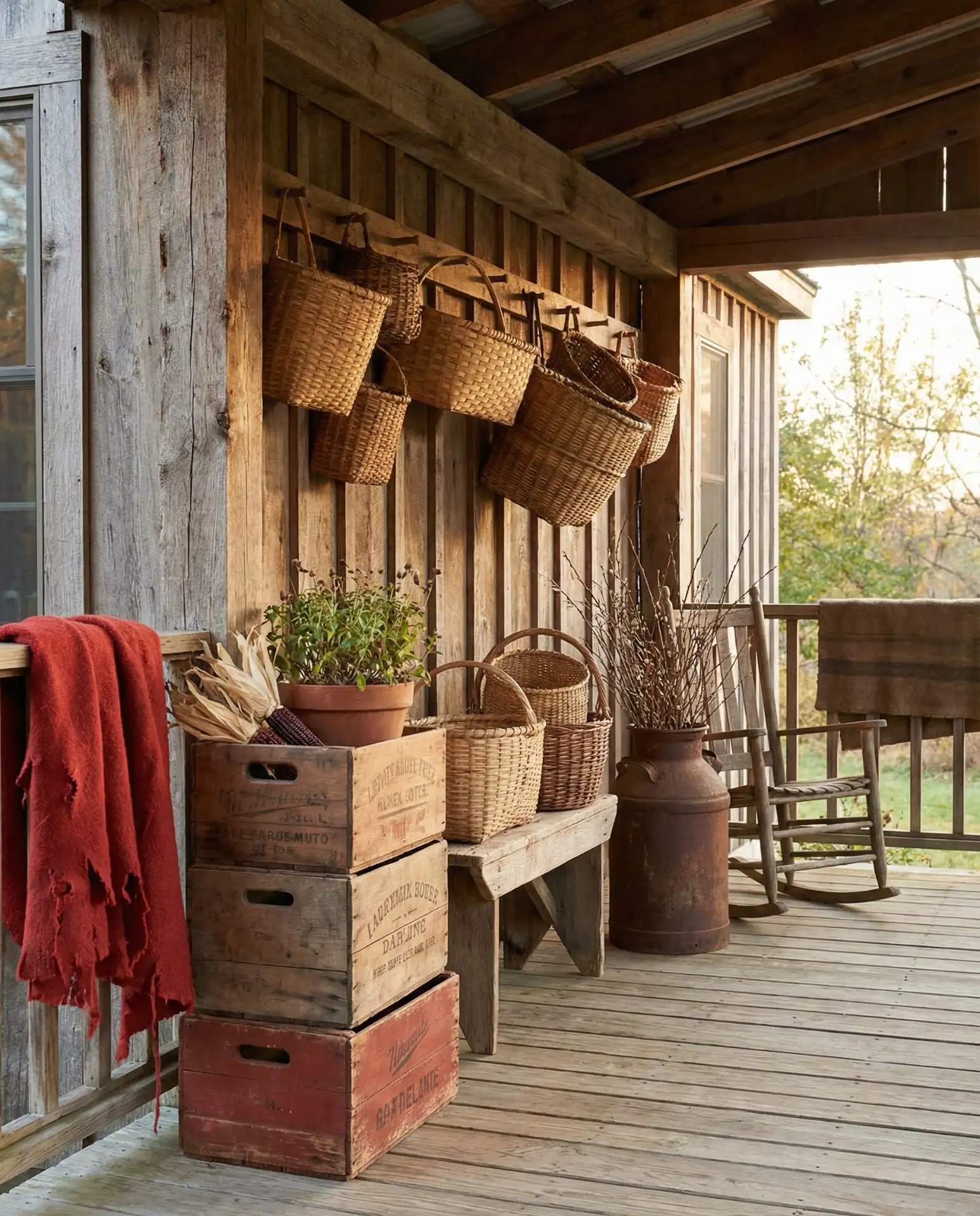
Primitive style is particularly popular in New England and the Mid-Atlantic states, where homeowners appreciate the connection to colonial heritage. Budget-conscious decorators love this approach because thrift stores and antique barns are treasure troves of affordable primitive pieces. A common mistake is mixing primitive with too many modern elements—maintain consistency in your material choices (wood, iron, natural fibers) to preserve the authentic feel of the style.
5. Vintage Flea Market Finds
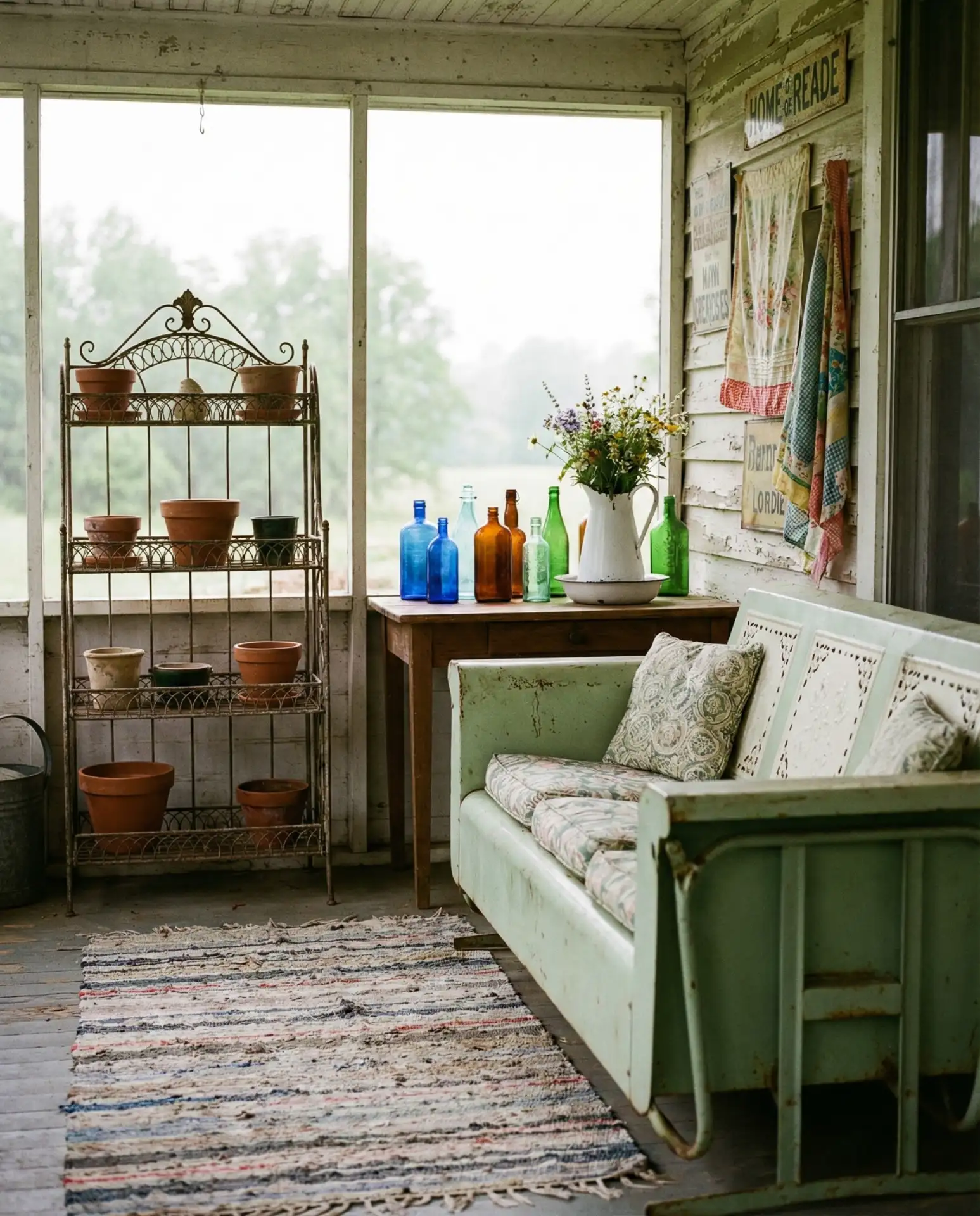
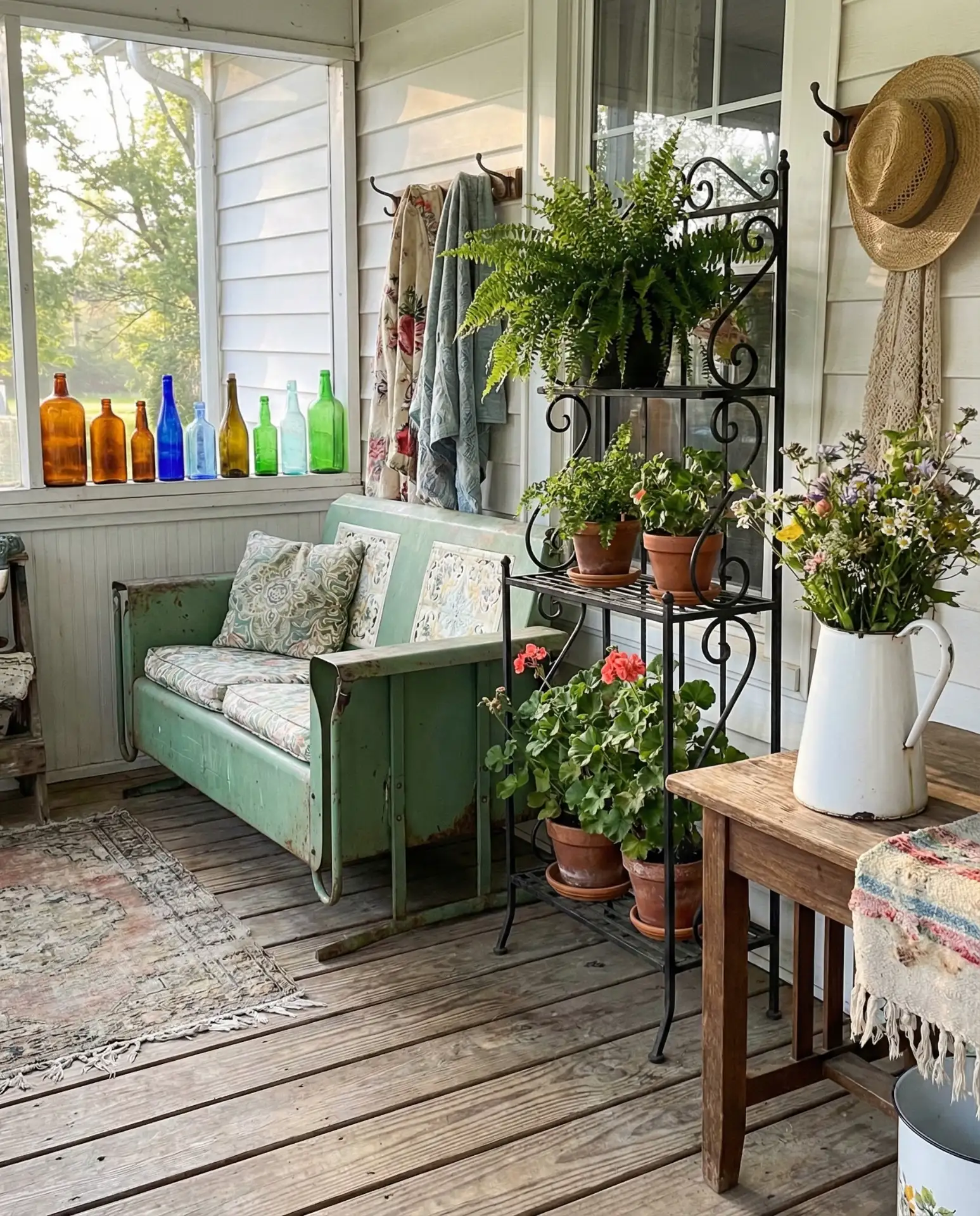
A vintage spring porch tells a story through carefully curated secondhand treasures that span different eras. Mix a 1950s metal glider with Victorian-era plant stands, add a collection of vintage glass bottles in shades of green and amber, and arrange flowers in an old enamelware pitcher. The magic happens when pieces from different decades somehow work together—perhaps unified by a soft pastel color scheme or a shared patina of age. This approach requires patience and a good eye, but the result is a porch that feels uniquely personal and impossible to replicate. 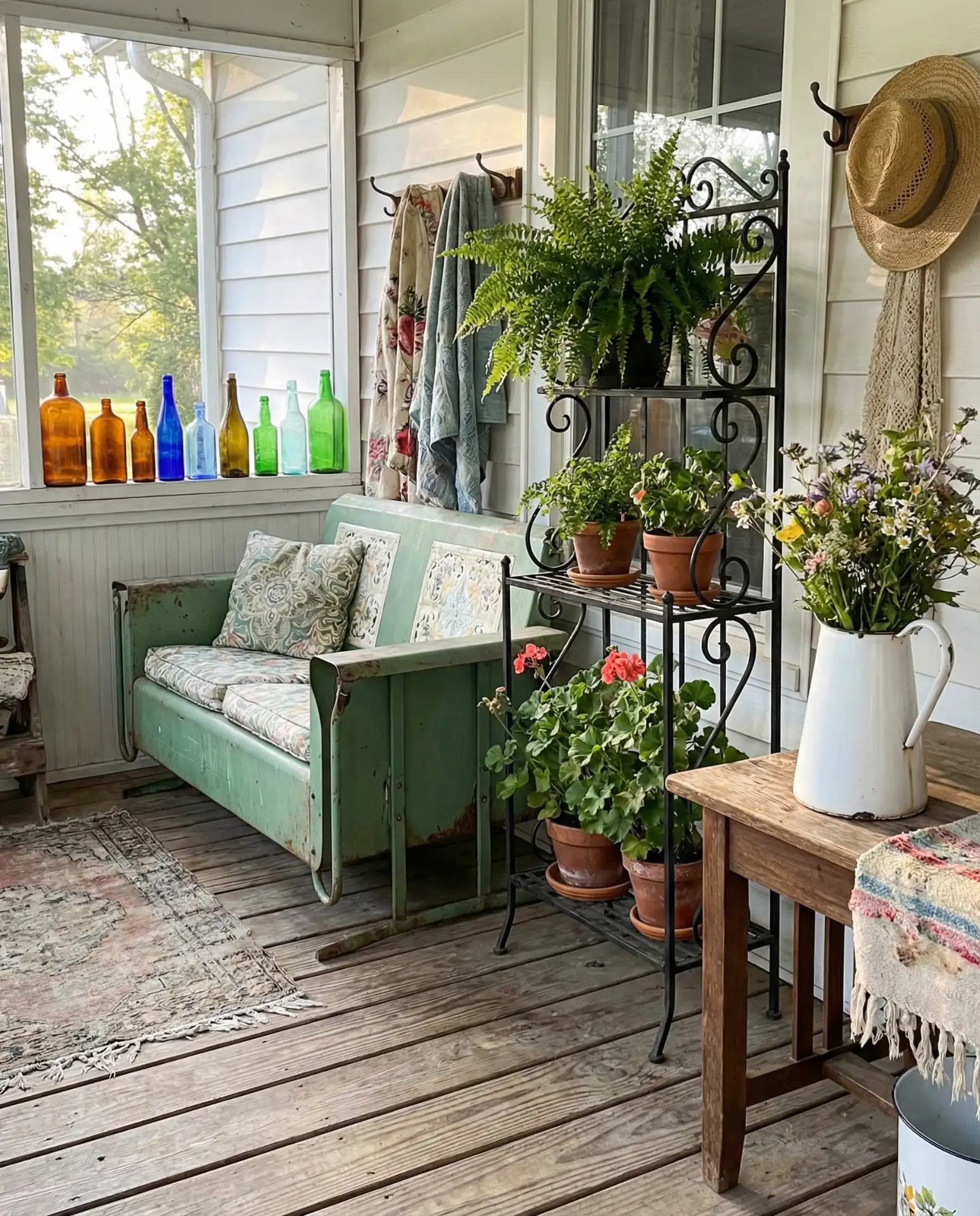
Many vintage enthusiasts budget $50–$100 per season and spend several weekends hunting for the perfect pieces rather than buying everything at once. This slow-collecting approach not only saves money but creates a more authentic, personal space. Focus on items that can transition through seasons—a vintage bench works as well in fall as it does in spring—while swapping out smaller seasonal accents like pillows and floral arrangements.
6. Late Winter Early Spring Transition
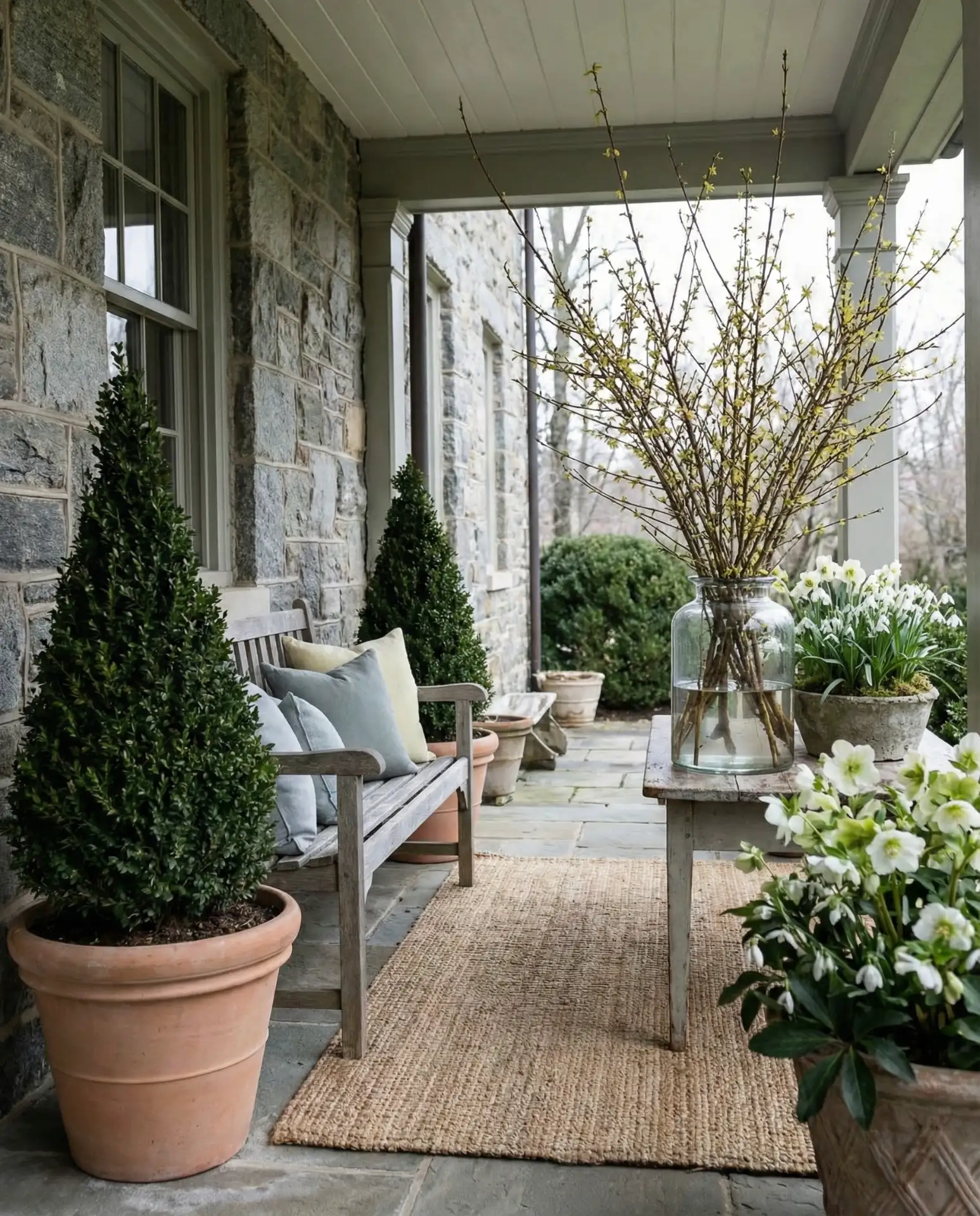
The late winter early spring period requires a delicate balance—acknowledging that winter isn’t quite finished while welcoming the first hints of the season ahead. Start with evergreen elements like boxwood topiaries or pine branches, then layer in early bloomers like hellebores, snowdrops, or forced branches of forsythia. Keep the color palette cool and fresh with whites, silvers, and pale greens, gradually adding warmer tones as true spring arrives. This transitional approach works beautifully for those unpredictable March and early April days when snow is still possible. 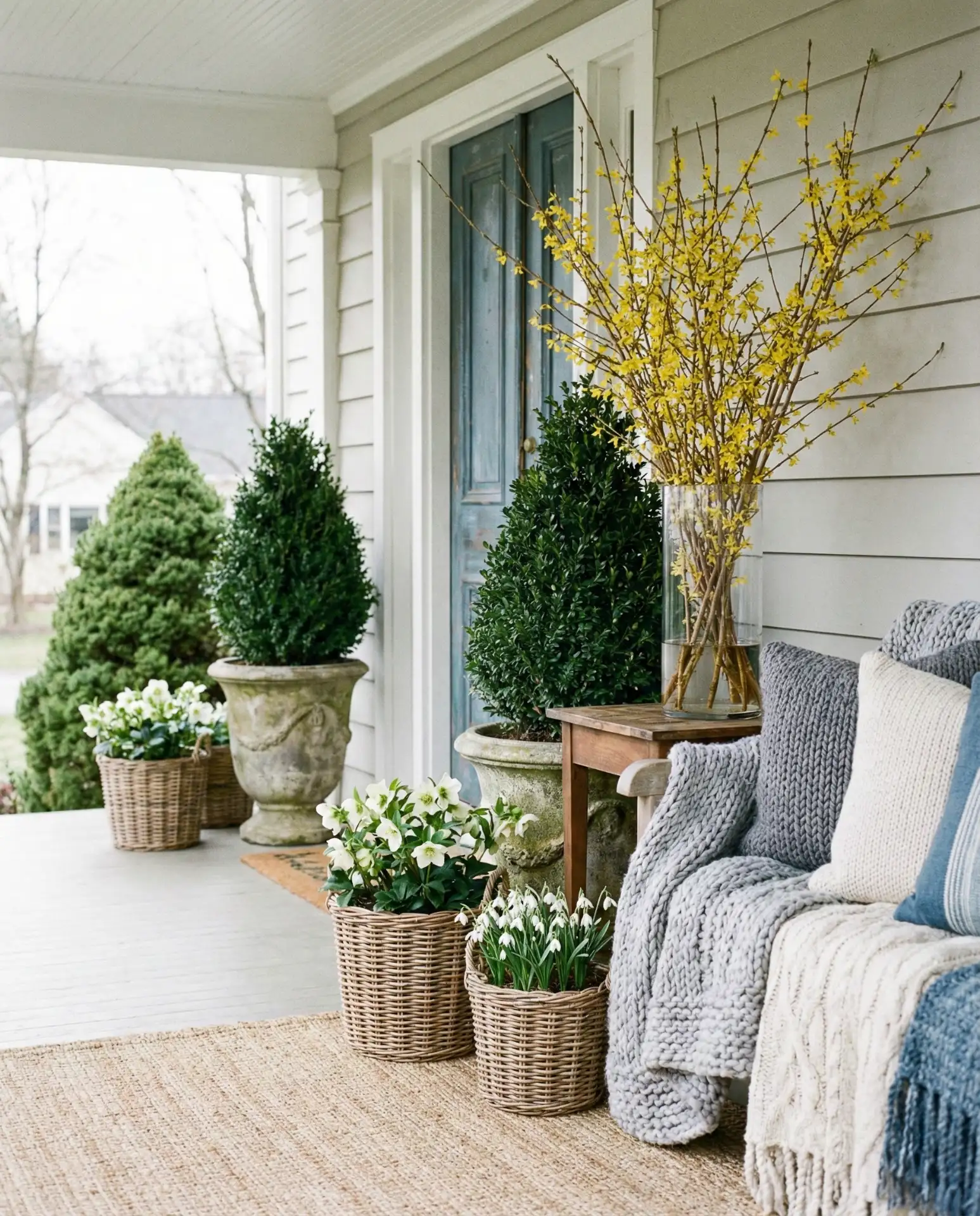
This approach is especially practical in the Midwest and Northeast, where spring arrives gradually and winter often lingers into March. Homeowners in Minnesota and Michigan, for example, know better than to put away winter elements too early. By keeping sturdy evergreens as your base, you can simply add spring flowers in containers that can be quickly moved indoors if a late frost threatens. It’s about flexibility and reading your local climate.
7. Double Doors Grand Entrance
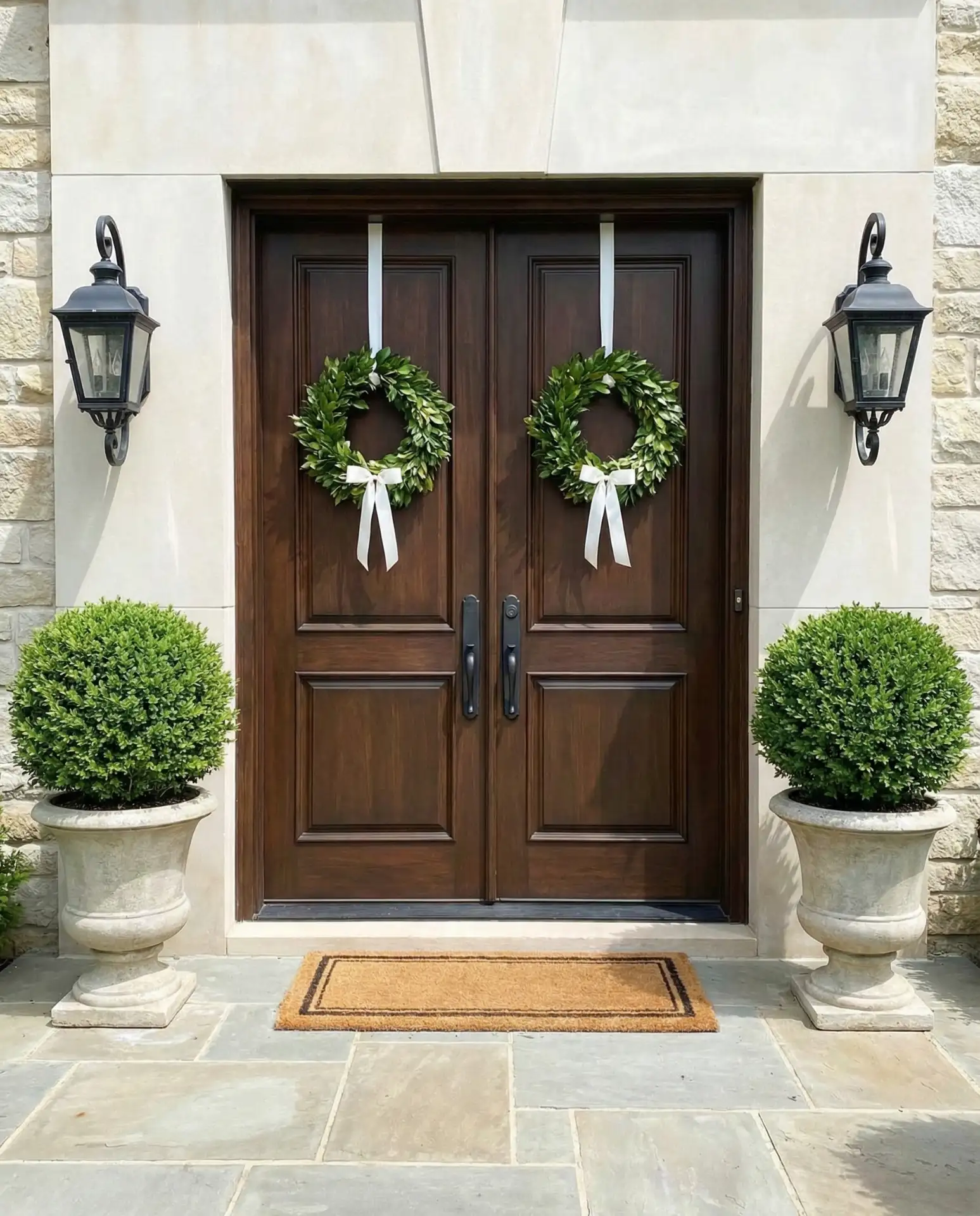
Homes with double doors have the advantage of architectural symmetry that begs to be highlighted. Create mirror-image arrangements on either side—matching planters filled with identical boxwoods or topiaries, coordinating wreaths hung at the same height, or twin lanterns flanking the entrance. The key to double doors decor is perfect balance; even a slight difference in height or fullness between the two sides disrupts the formal elegance this setup provides. Consider adding a central element between the doors, like a large doormat or a seasonal floor arrangement, to anchor the composition. 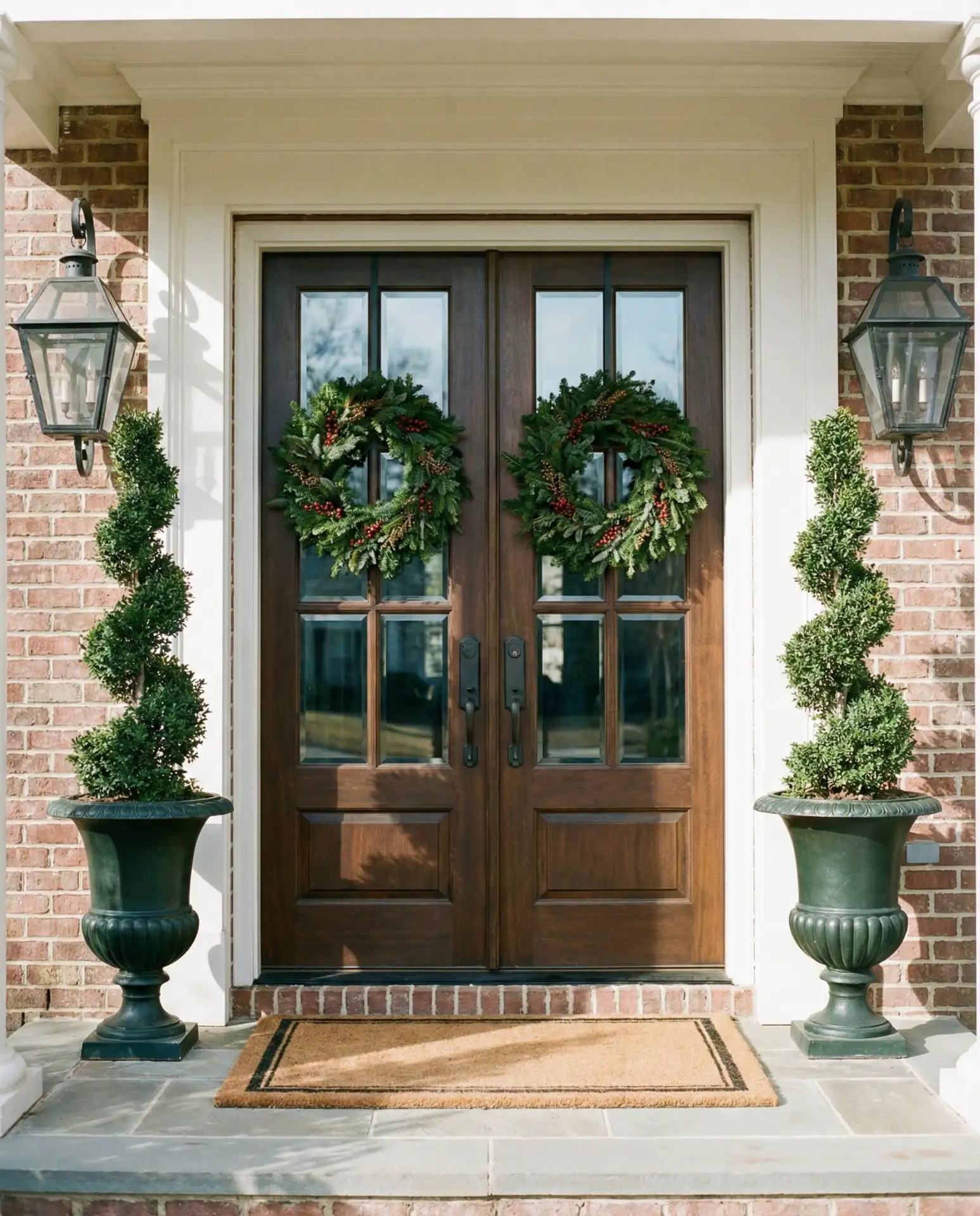
Real estate agents consistently note that well-decorated double door entries create powerful first impressions and can even influence home values. The investment in quality matching pieces pays off not just in curb appeal but in creating that sought-after sense of arrival. Many homeowners with double doors make the mistake of decorating them as two separate doors rather than as one unified entrance—always step back and view the entire facade as a single composition.
8. Apartment Balcony Spring Oasis
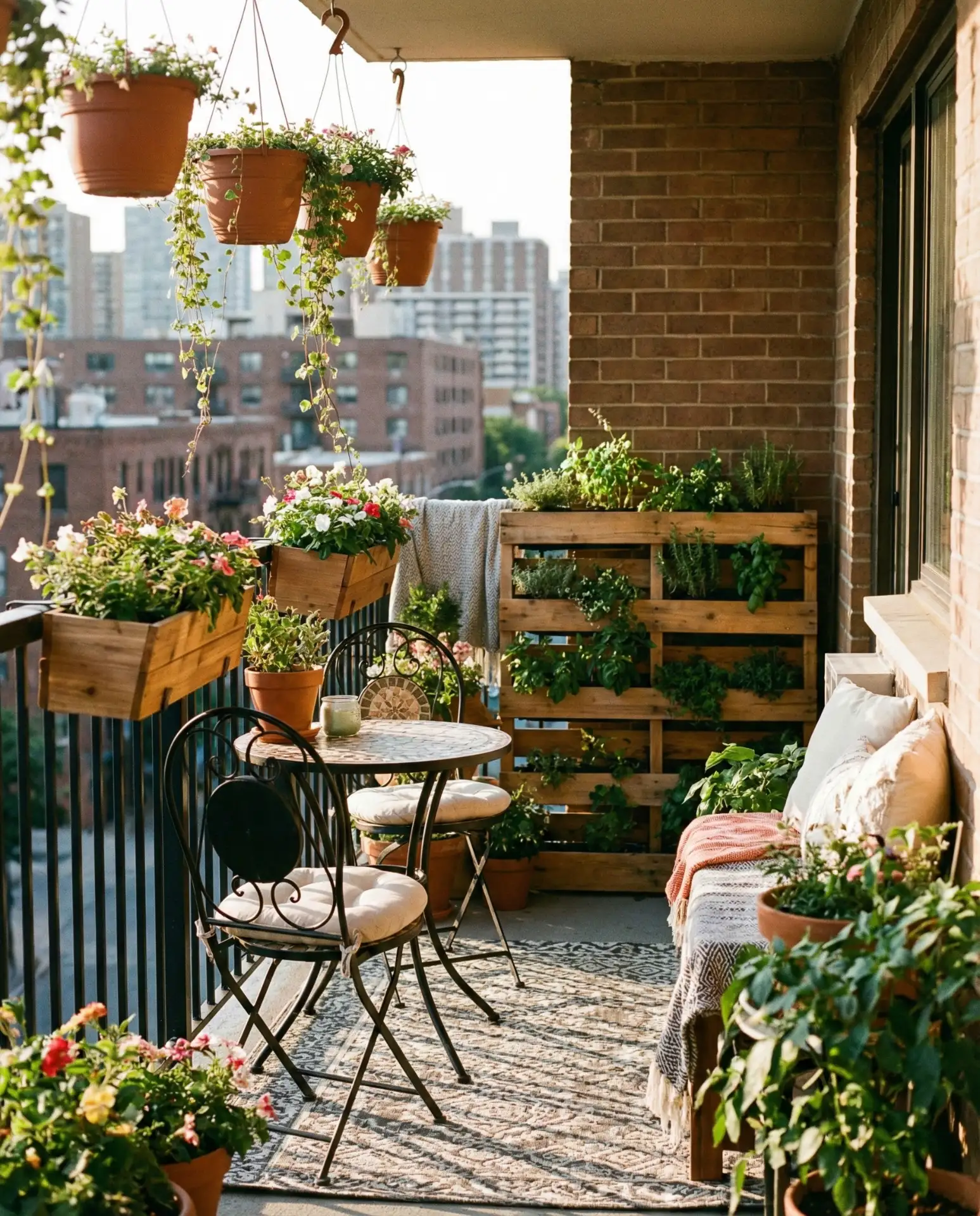
An apartment balcony might not be a traditional porch, but it serves the same purpose as your personal outdoor threshold. Maximize vertical space with hanging planters, use railing planters to avoid taking up precious floor space, and choose compact furniture that can serve multiple purposes. Even a small balcony can feel like a spring retreat with the right approach: a bistro set for two, a vertical herb garden, and perhaps a small outdoor rug to define the space. The trick is thinking in layers—floor, railing, wall, and overhead—to create depth in a limited footprint. 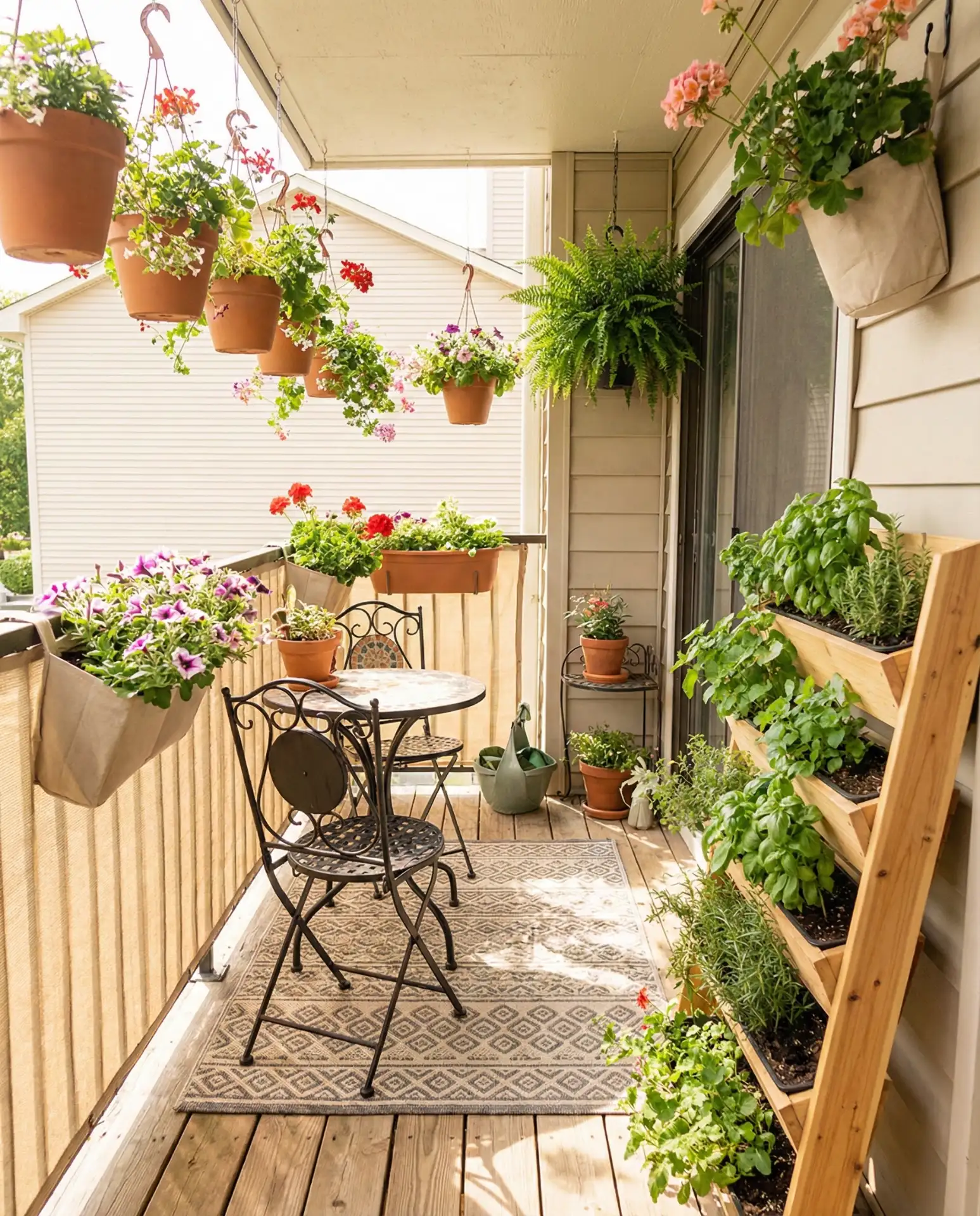
In cities like New York, Chicago, and Boston, apartment dwellers have become expert at maximizing outdoor space. One common pitfall is choosing furniture that’s too large—measure carefully and remember you need room to move comfortably. Many successful balcony decorators invest in lightweight, foldable pieces that can be easily rearranged or stored when hosting. Focus your budget on quality planters and plants that will thrive in your specific light conditions rather than decorative items that might overcrowd the space.
9. Outdoor Decorations Springtime Florals
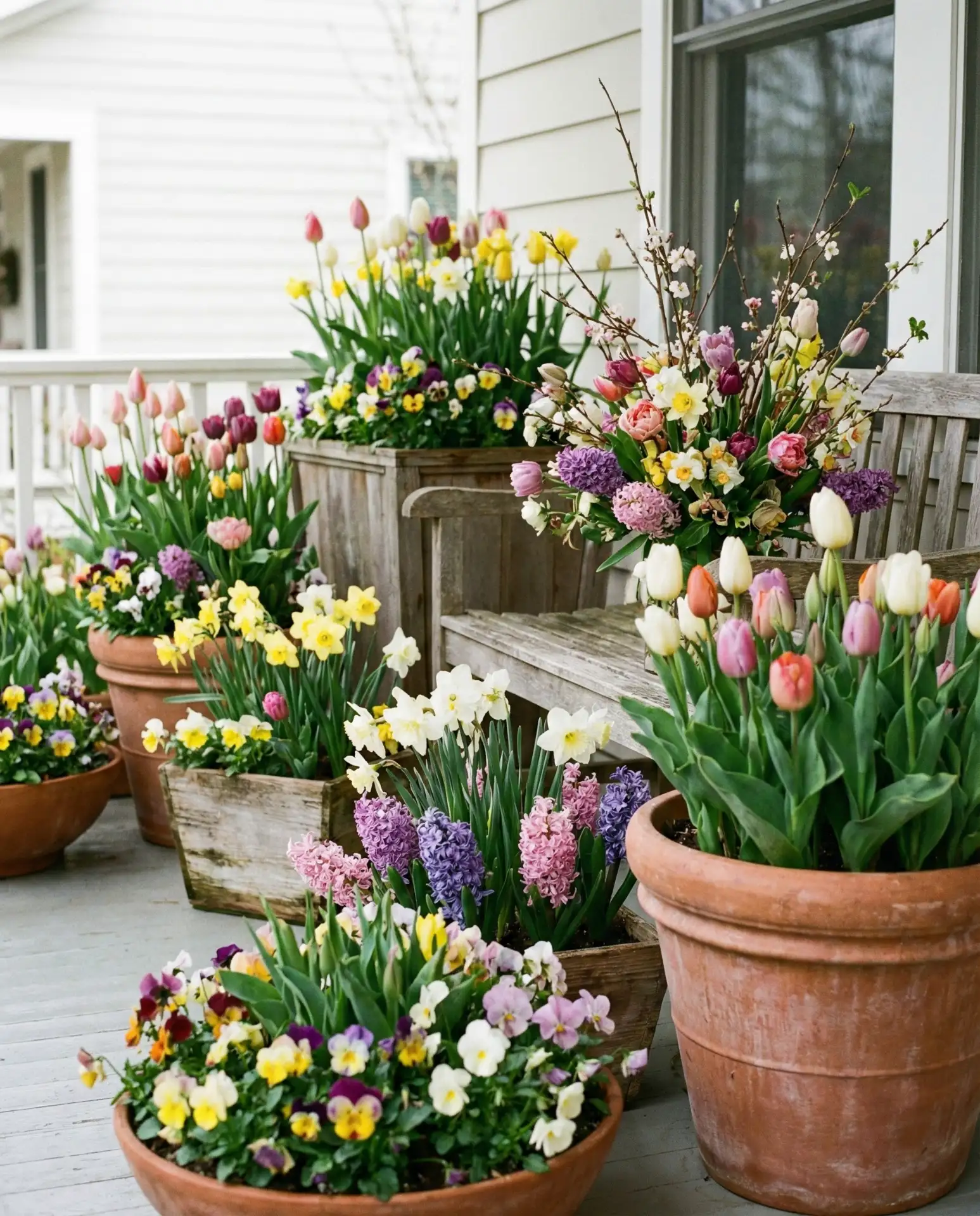
When it comes to outdoor decorations springtime arrangements, fresh flowers make the most immediate impact. Fill large planters with a progression of bulbs—early tulips and daffodils giving way to later hyacinths and alliums—to ensure continuous color throughout the season. Mix in cool-season annuals like pansies and violas that can handle temperature fluctuations. The beauty of focusing on outdoor decorations centered around flowers is their natural ability to signal seasonal change; as your bulbs emerge and bloom, they create a living calendar that marks spring’s progression. 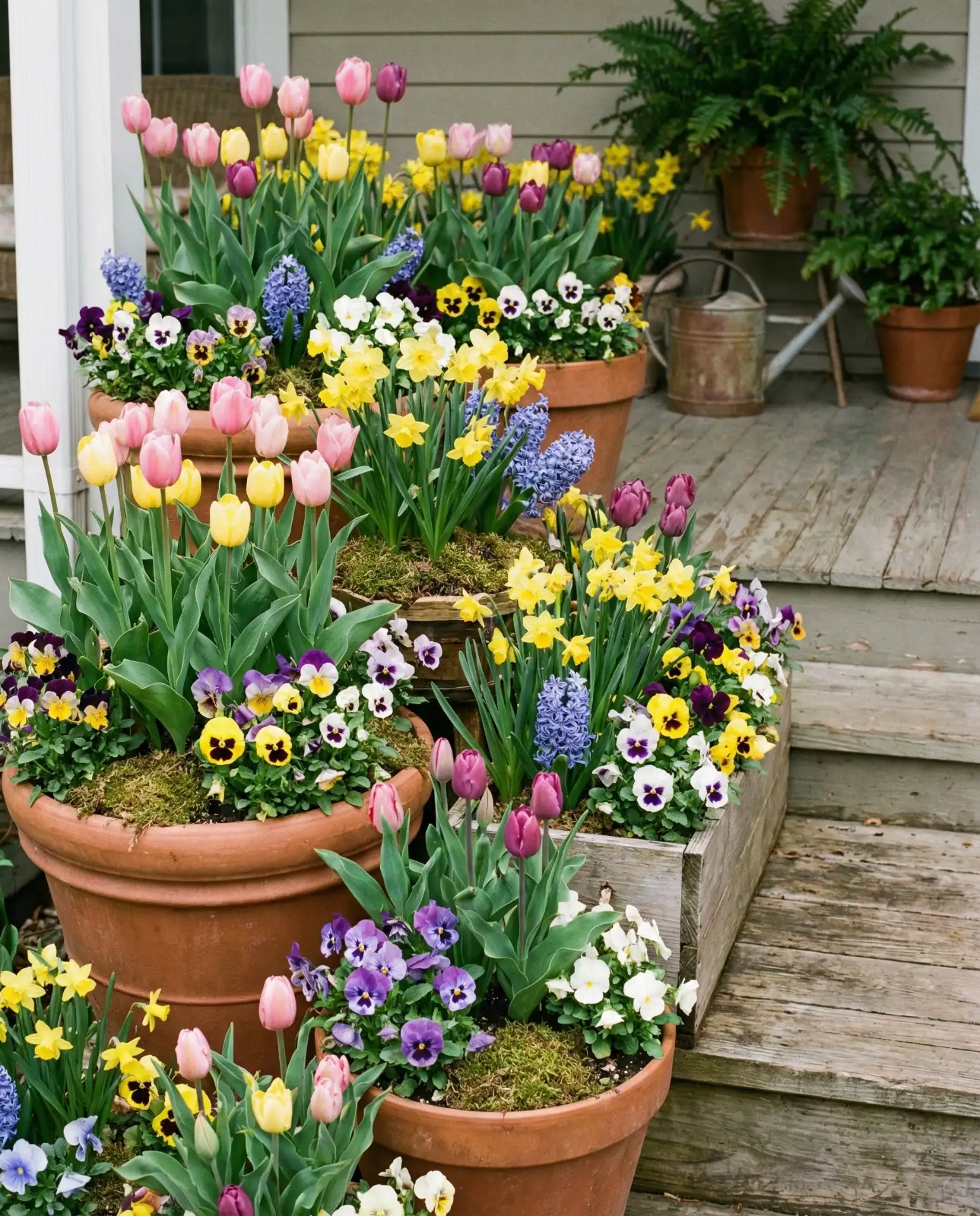
Garden centers see their highest sales in March and April as Americans rush to add color to their porches. An expert tip: plant bulbs in plastic nursery pots that can be dropped into decorative containers. This allows you to rotate displays as different bulbs peak and makes fall planting easier since you can prepare the pots in advance and simply swap them into your display containers when spring arrives.
10. Wooden Rustic Elements
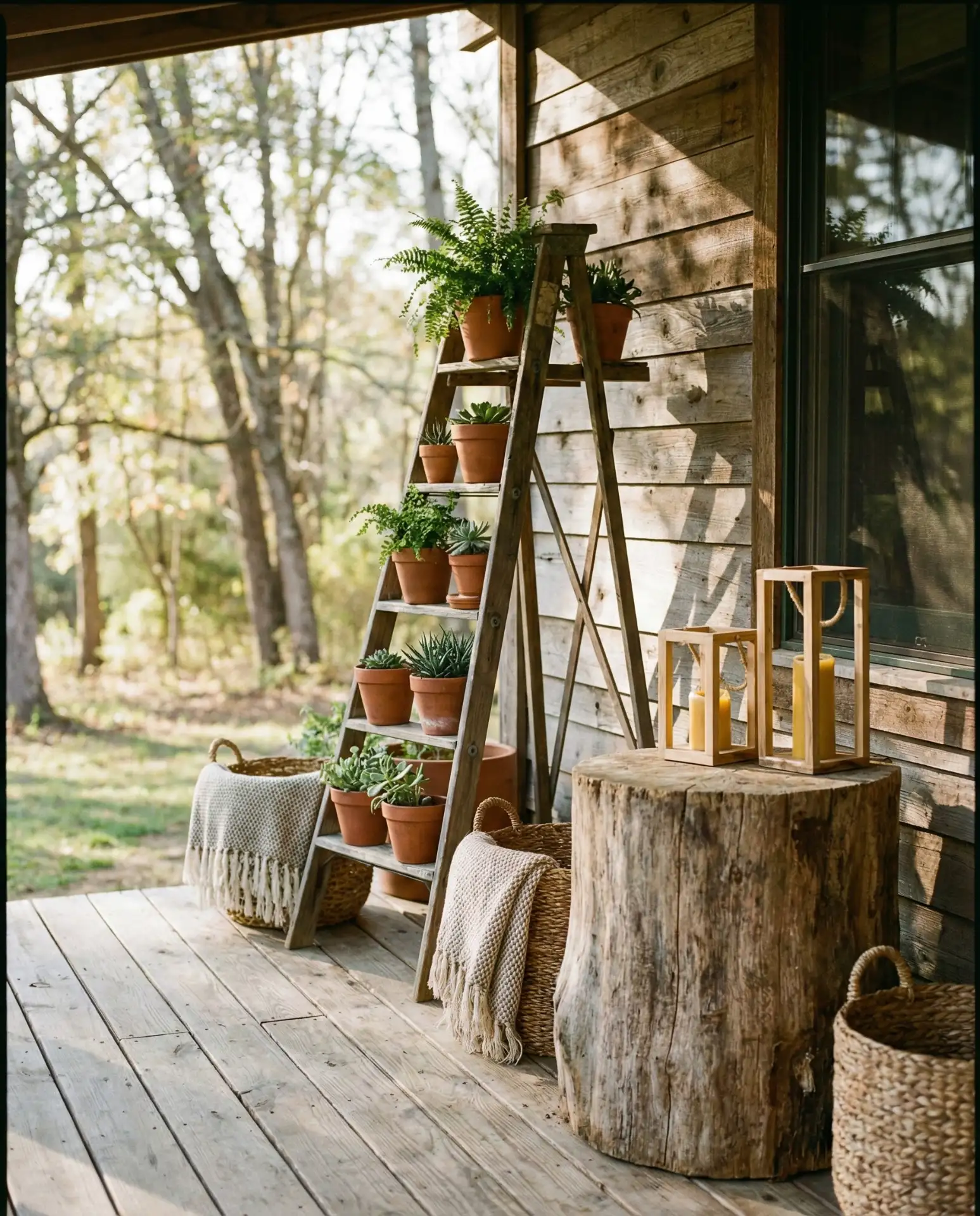
A wooden porch or one decorated with natural wood elements brings warmth and organic texture that pairs beautifully with spring greenery. Incorporate reclaimed wood signs, chunky wooden lanterns, tree stump side tables, or a weathered ladder repurposed as a plant display. The grain and knots in wooden pieces add visual interest that synthetic materials simply can’t match. Look for woods with natural patina—grayed barn wood, driftwood-style finishes, or honey-toned pine—that complement rather than compete with your spring florals and foliage. 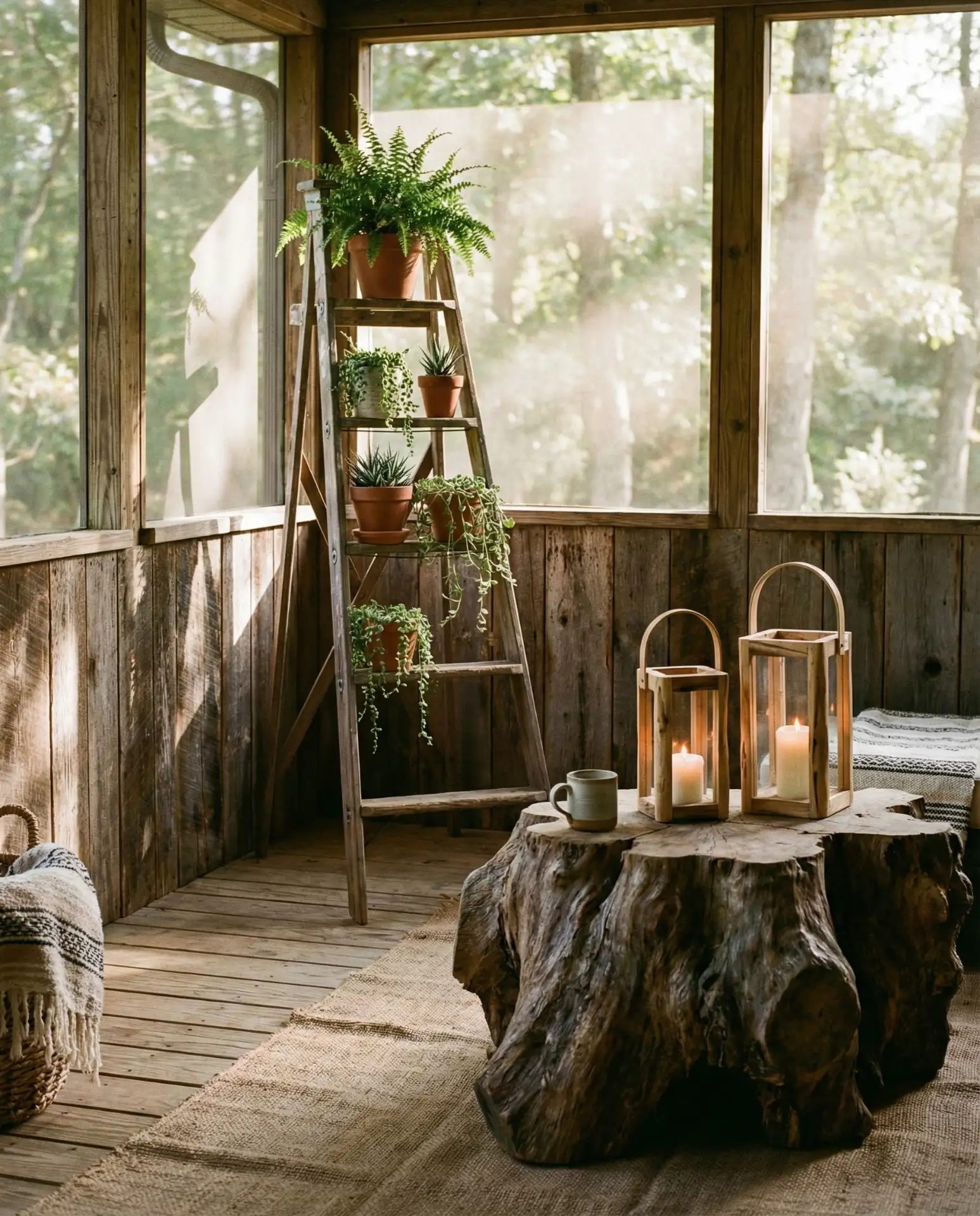
This style works exceptionally well in Pacific Northwest homes and mountain regions where the surrounding landscape naturally incorporates wood tones. A frequent mistake is mixing too many different wood finishes—stick to two or three complementary tones (perhaps whitewashed, natural, and dark stain) for a cohesive look. Wooden elements also offer excellent value as they withstand weather well and develop character over time rather than simply looking worn.
11. Yellow Sunshine Accents
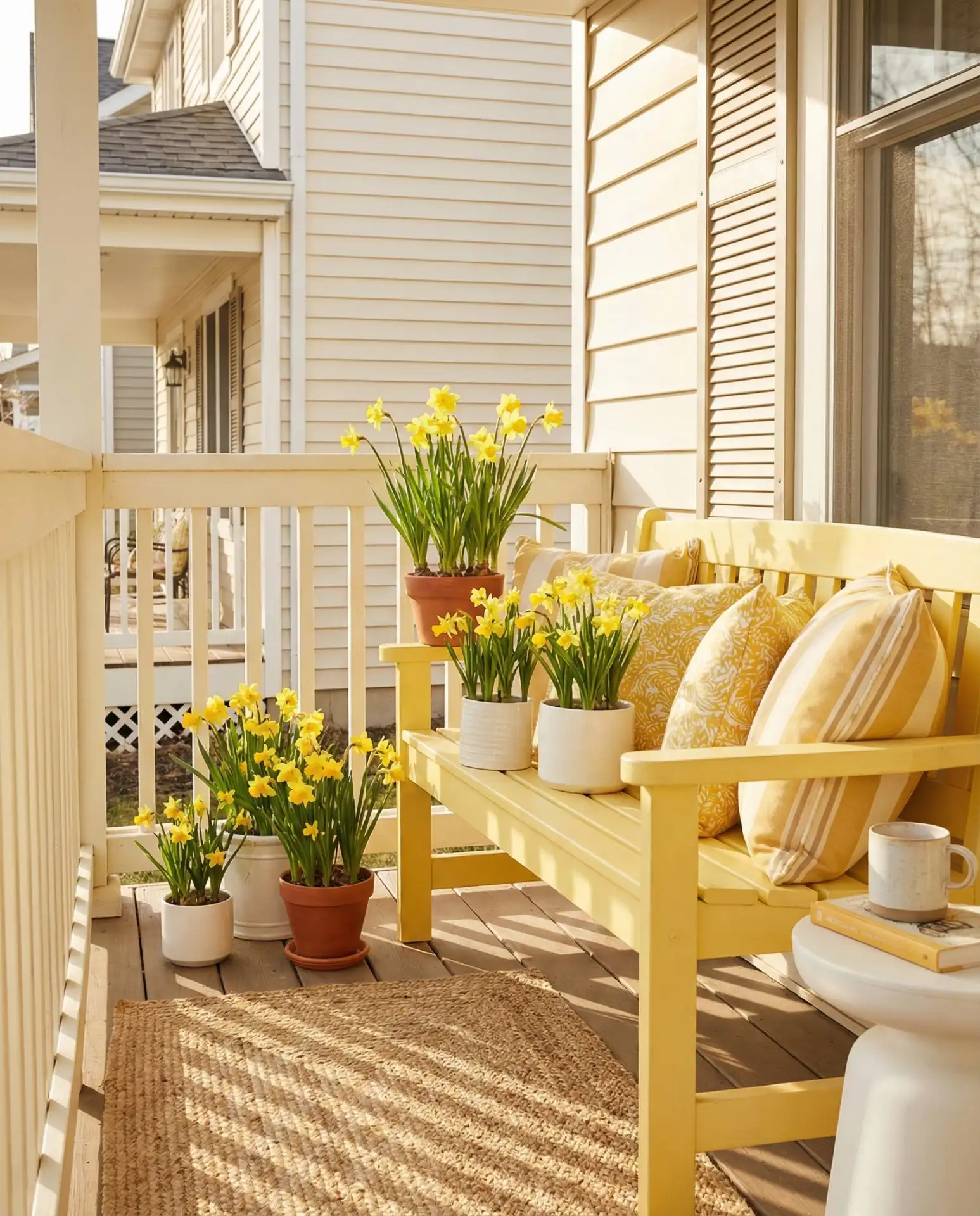
Nothing says spring quite like cheerful yellow touches that capture the energy of longer, brighter days. Incorporate yellow through painted furniture (a sunny yellow bench or side table), cushions and textiles, or of course, flowers like daffodils, tulips, and forsythia. The key is using yellow strategically rather than overwhelming the space—it works best as an accent color paired with neutrals like white, cream, or soft gray. Even small doses of yellow create significant visual impact, drawing the eye and creating focal points that energize the entire porch. 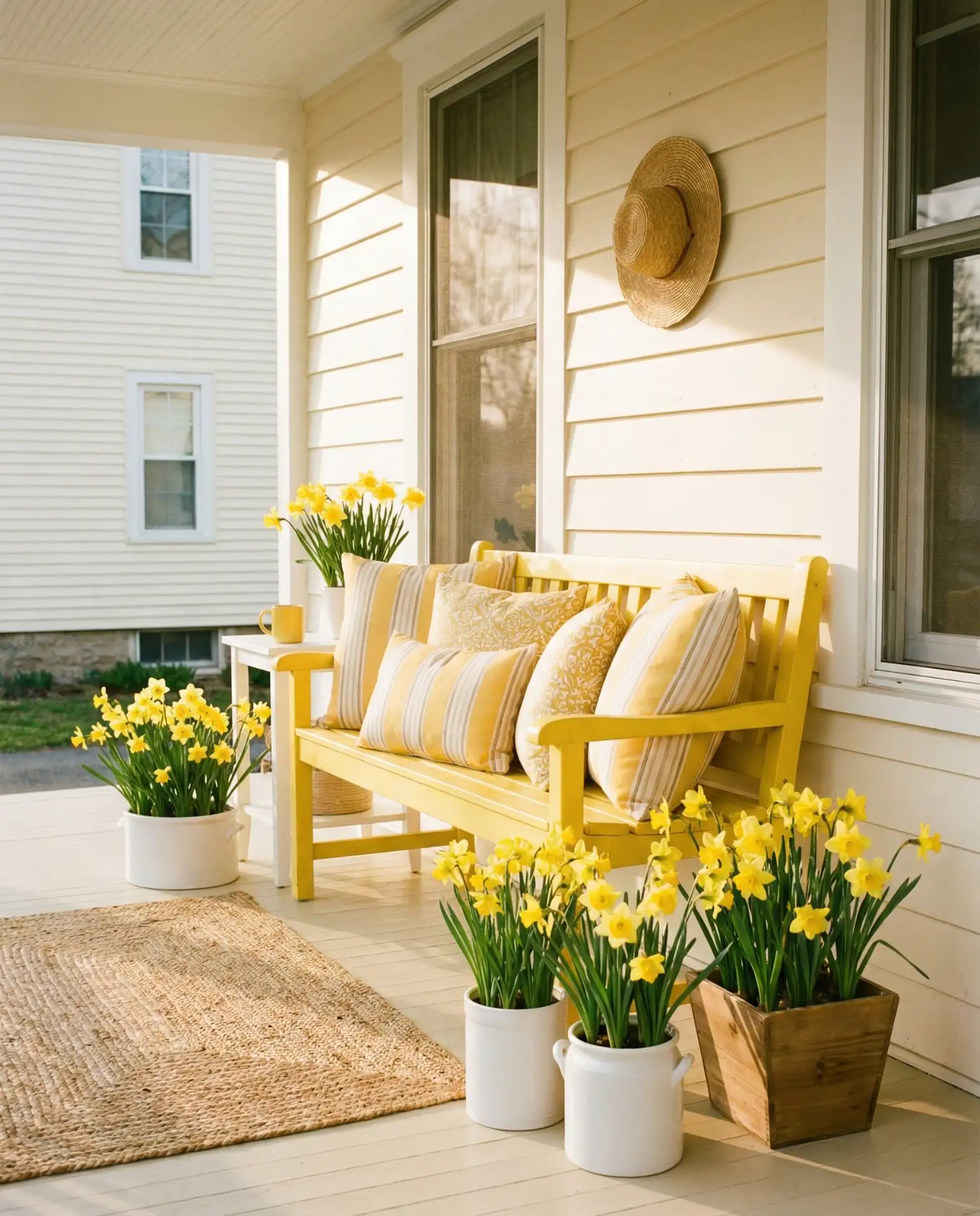
Color psychology research shows that yellow evokes feelings of optimism and energy—exactly what people crave after a long winter. In the South, where spring arrives earlier, yellow decor often appears as early as February. For those hesitant to commit to painted furniture, start with easily changeable elements like throw pillows, planters, or a cheerful doormat. These can be swapped out if you decide yellow isn’t your color, while still giving you the immediate mood boost.
12. Front Entry Statement Making
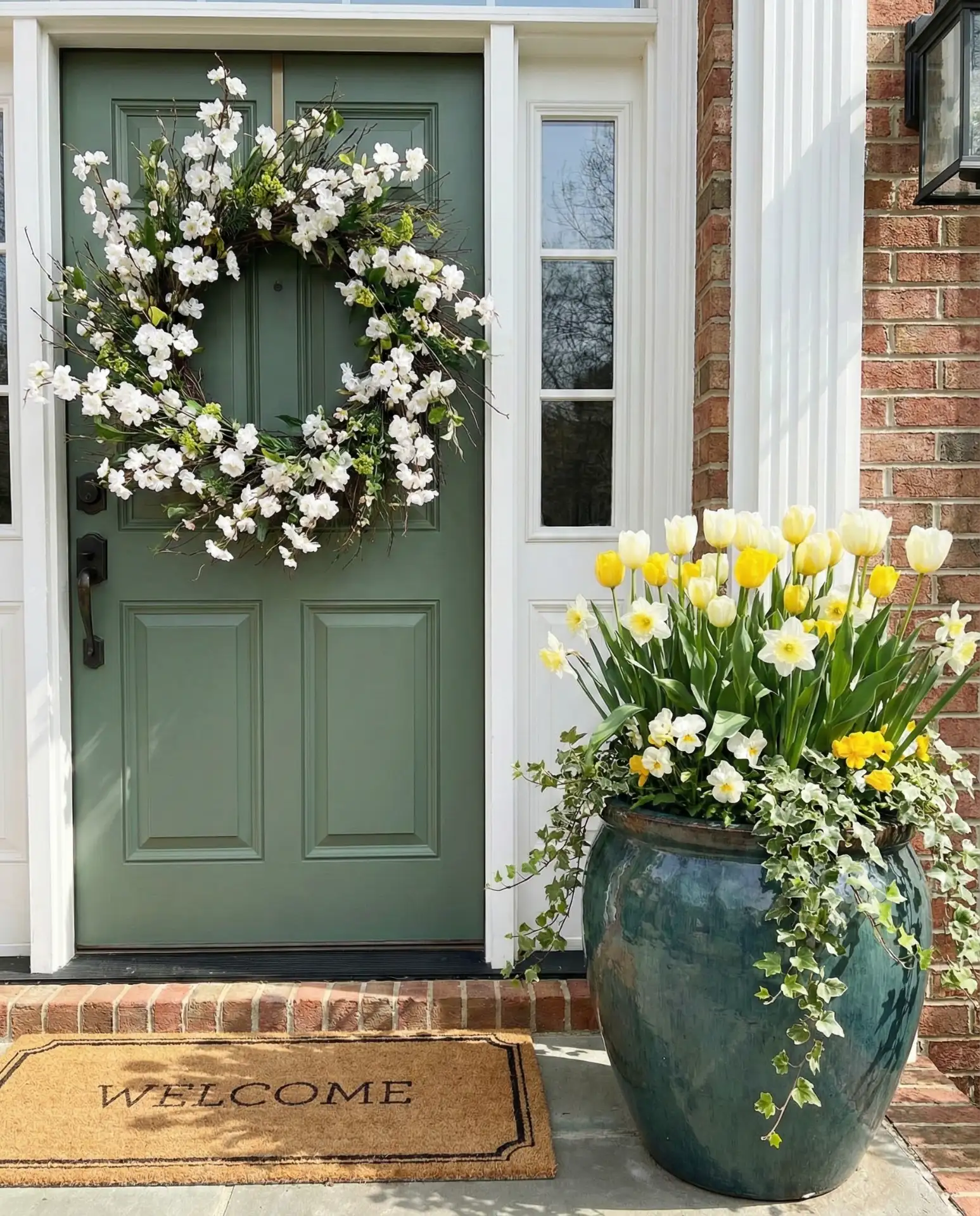
Your front entry sets the tone for your entire home, making it worth the investment to create a memorable first impression. Focus on one or two oversized elements—a large-scale wreath (24-30 inches in diameter), an impressive planter arrangement, or a stunning door color paired with coordinating decor. The front entry should feel intentional and polished, reflecting your personal style while being welcoming to visitors. Consider the view from the street: your porch should look balanced and inviting from a distance, not just when standing directly at the door. 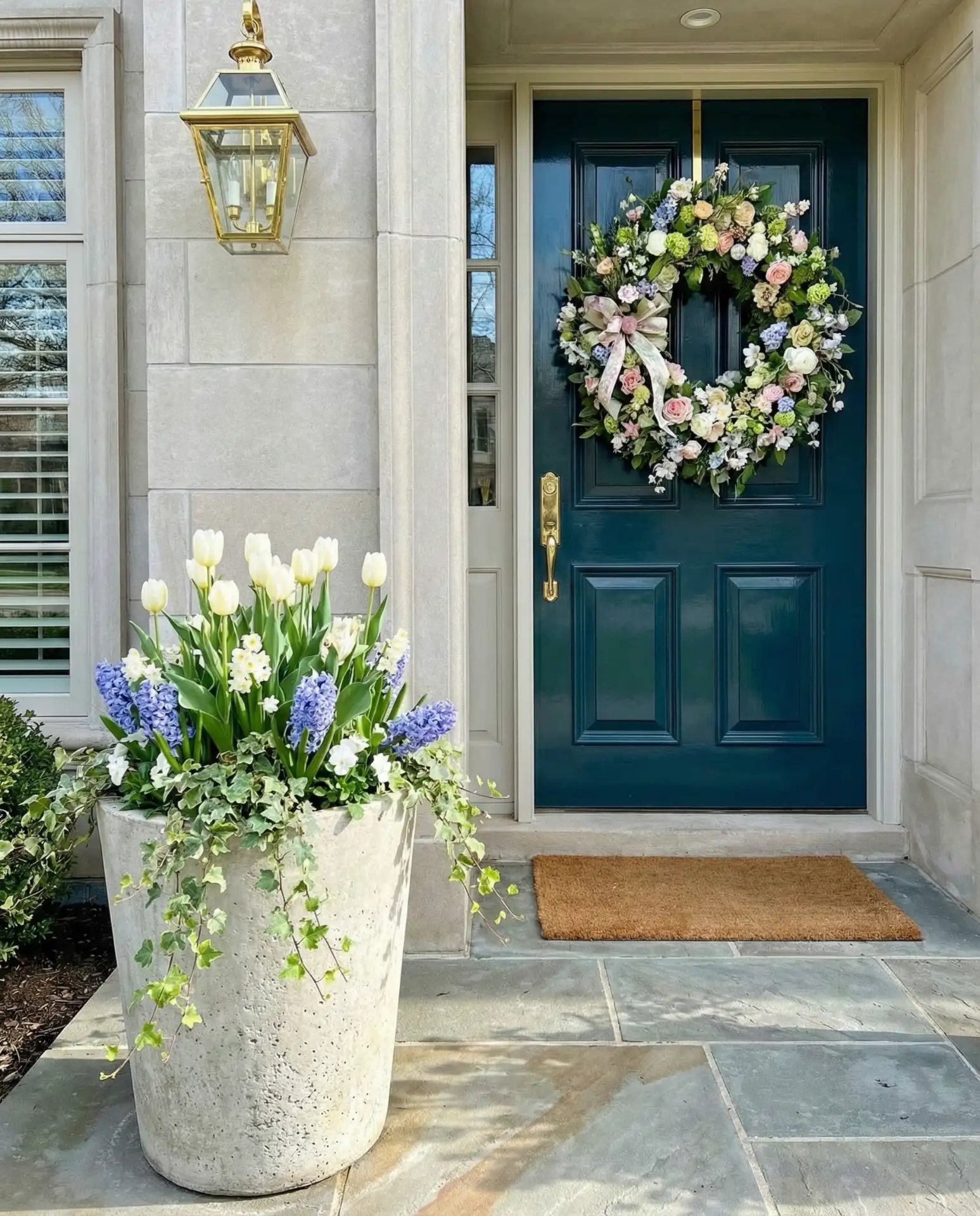
Where this works best is on homes with good architectural bones—a well-proportioned door, interesting trim details, or attractive siding. If your entry lacks these features, your decor works harder to create impact. Real estate photographers consistently emphasize front entry styling because it’s proven to influence buyer perception. Even if you’re not selling, coming home to a beautiful entry daily improves your own quality of life and sense of pride in your space.
13. Elegant Sophisticated Simplicity
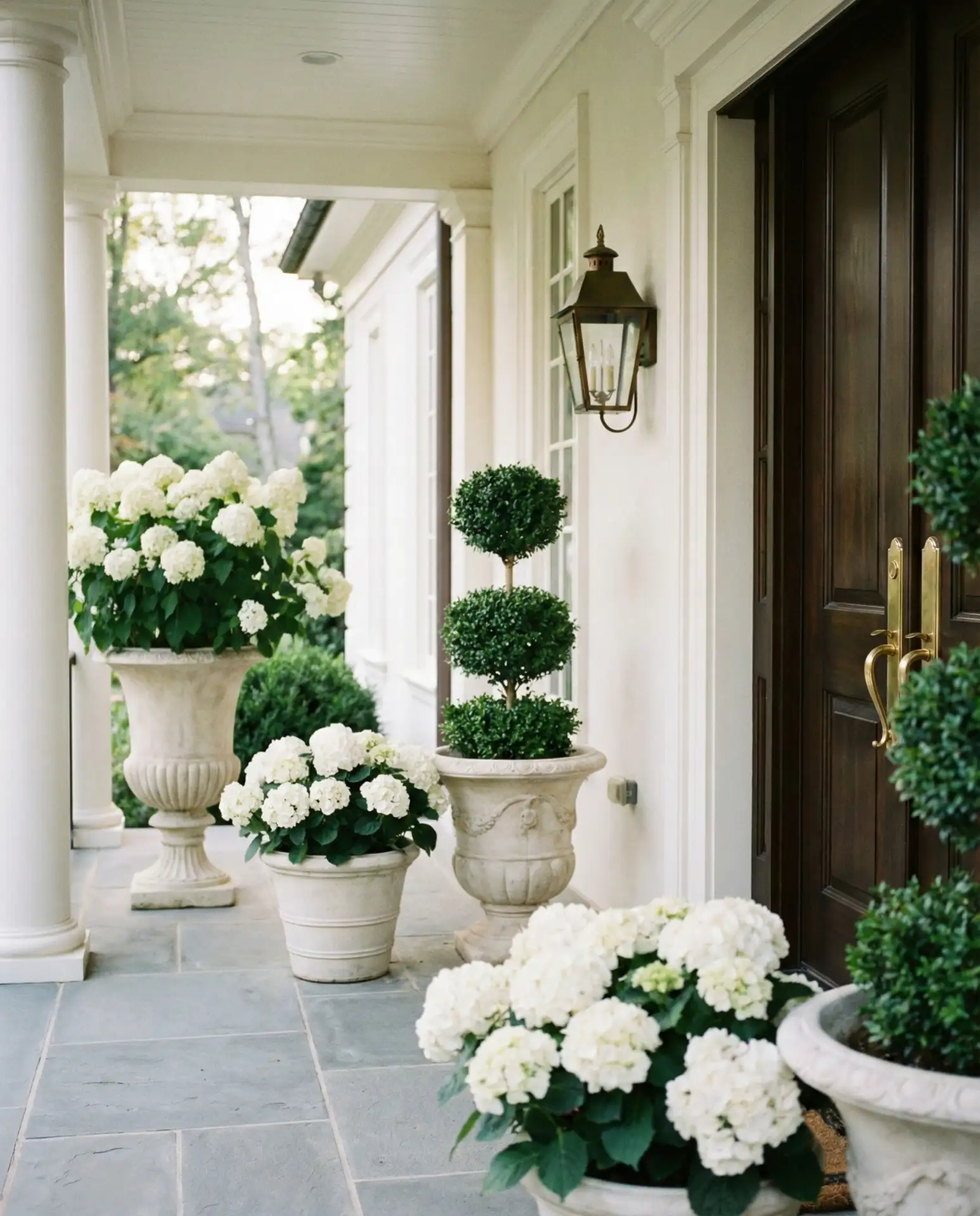
An elegant spring porch relies on refined materials, restrained color palettes, and carefully edited arrangements. Choose classical planters in stone or glazed ceramic, stick to white and green florals with perhaps one accent color, and incorporate subtle metallic touches through brass or copper accents. Elegant style avoids busy patterns and excessive ornamentation, instead letting quality materials and perfect proportions create impact. Think of upscale hotel entrances or designer showhouses—the look is polished, timeless, and quietly confident. 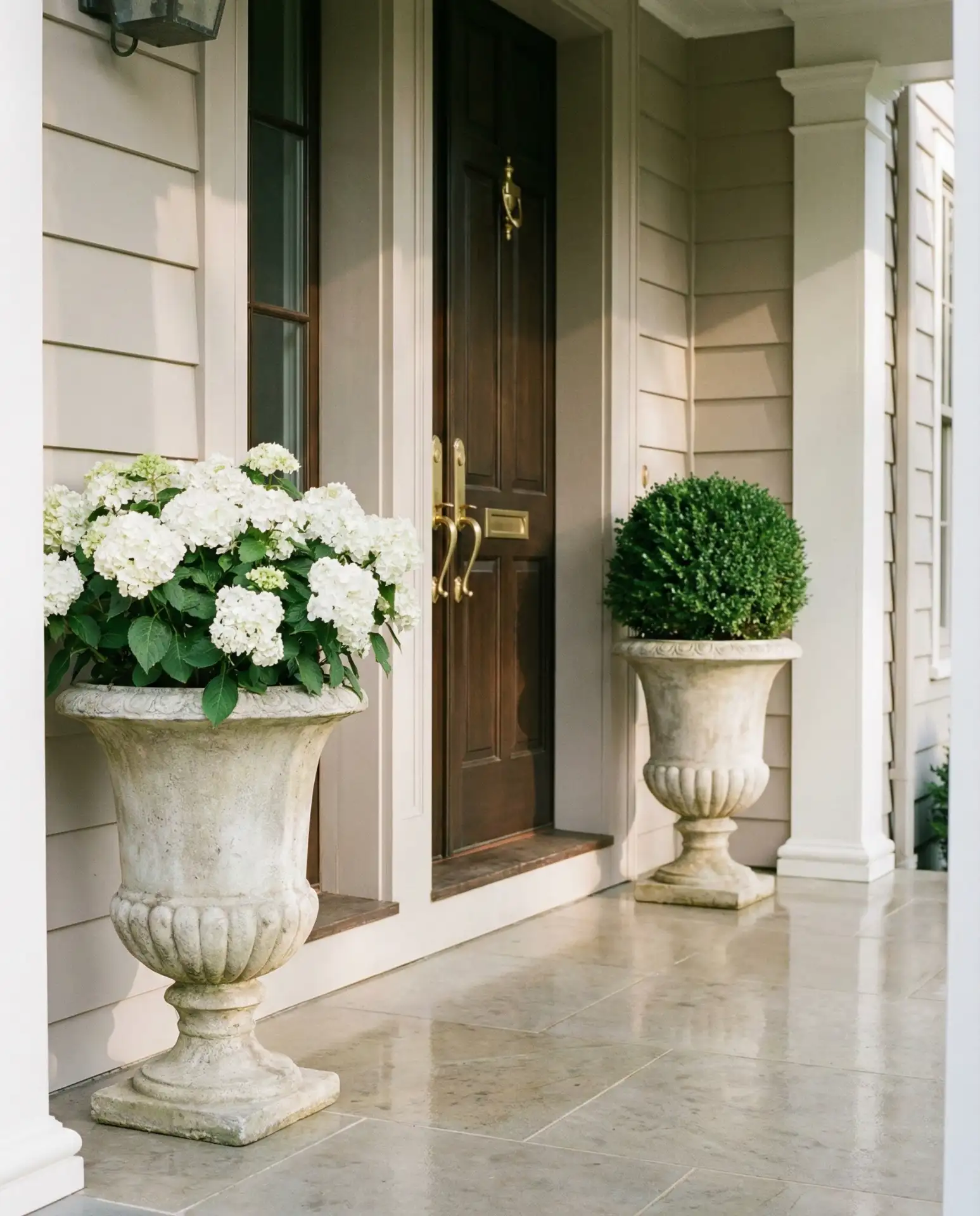
A neighbor who’s an interior designer once explained that elegant style is actually about what you leave out rather than what you add. Each piece should earn its place through either function or beauty—ideally both. This approach typically requires a higher per-item budget since you’re buying fewer pieces of better quality. The payoff is a timeless look that won’t feel dated next year and pieces that can easily transition between seasons with minor styling adjustments.
14. Western Ranch House Character
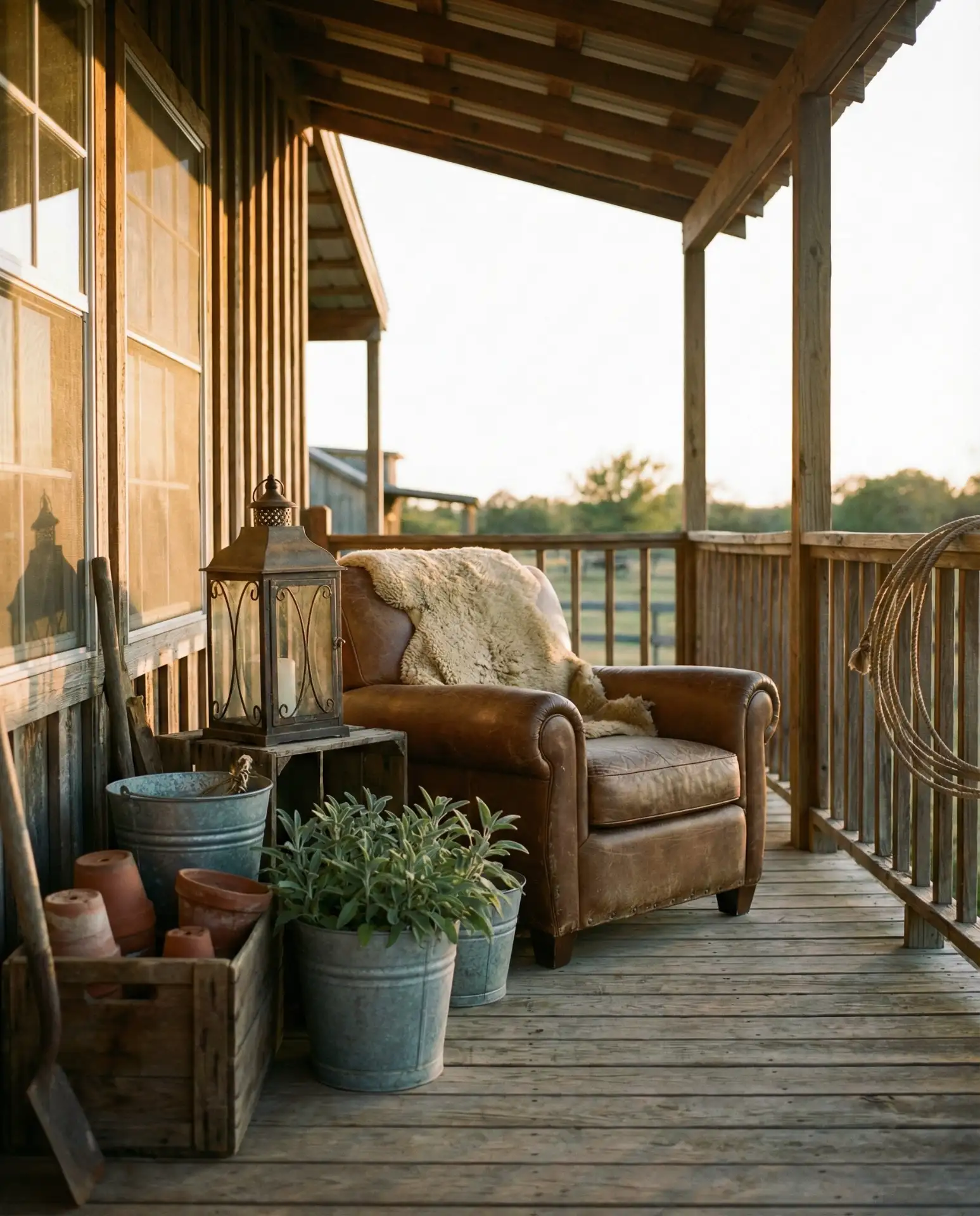
A western inspired spring porch embraces the rugged beauty of ranch life with natural materials and utilitarian charm. Incorporate weathered leather, rustic iron, and natural stone or terracotta. Think about functional items with character: a vintage saddle stand repurposed as a plant holder, galvanized metal buckets, wrought iron lanterns, and native plants like sage or ornamental grasses. The western aesthetic celebrates durability and authenticity—pieces that could genuinely serve a purpose on a working ranch, just given new life in a decorative context. 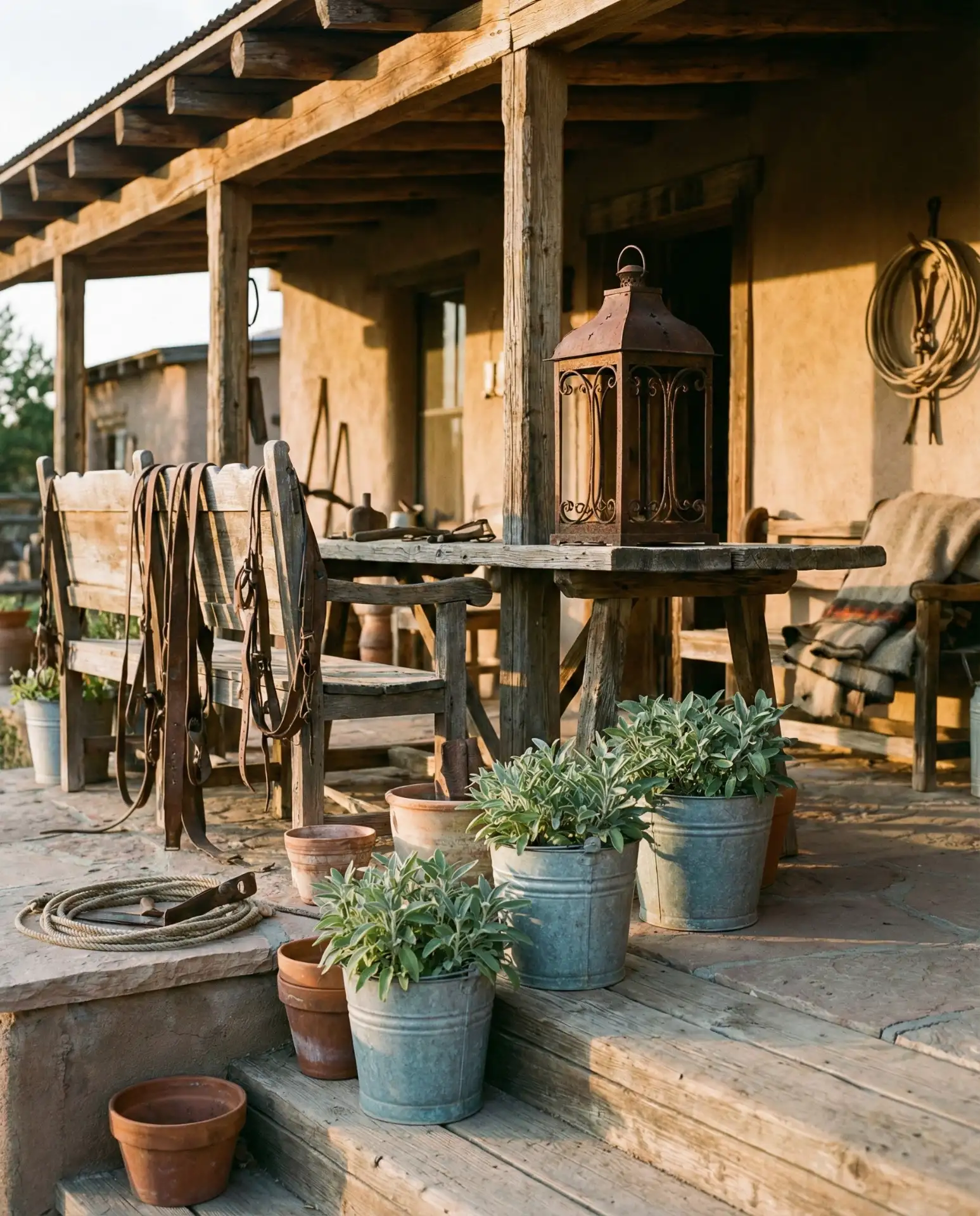
This style is particularly authentic in Texas, Arizona, New Mexico, and Montana, where western heritage runs deep. The beauty of western decor is its inherent toughness—these pieces can handle sun, wind, and temperature swings without looking worse for wear. Many ranchers and homeowners in western states already have authentic pieces in barns or sheds that just need cleaning and repurposing, making this an unexpectedly budget-friendly approach if you know where to look.
15. Easy DIY Projects
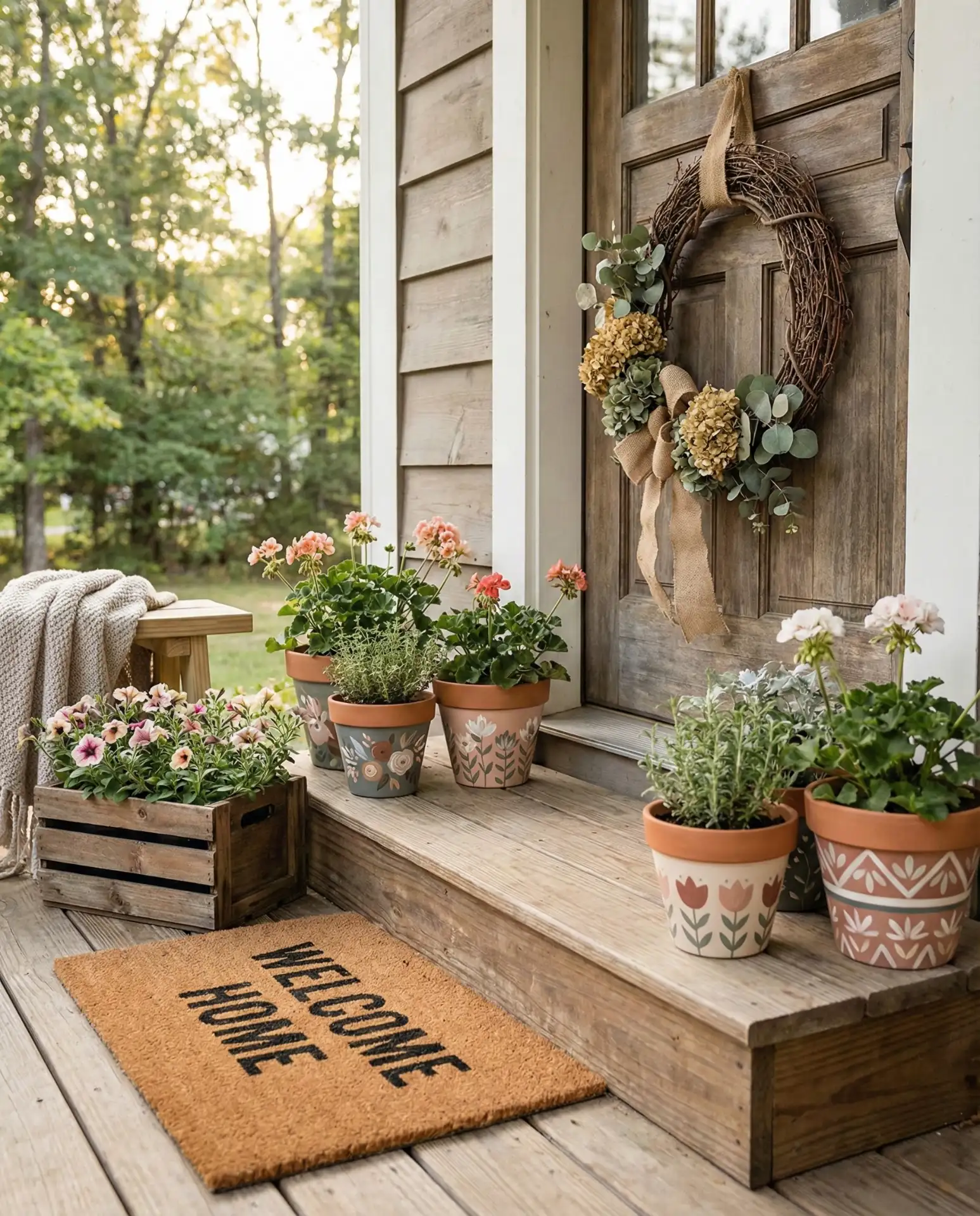
Spring porch decor doesn’t require professional help or expensive purchases—many of the most charming elements come from easy diy projects that take an afternoon or less. Paint terracotta pots in custom colors, create a simple wreath using grapevine and faux florals, build a basic wooden crate planter box, or stencil a welcome message on a doormat. Easy diy projects add personal touches that make your porch feel unique while saving money. The bonus is the satisfaction of creating something with your own hands and the flexibility to customize colors and sizes to fit your exact needs. 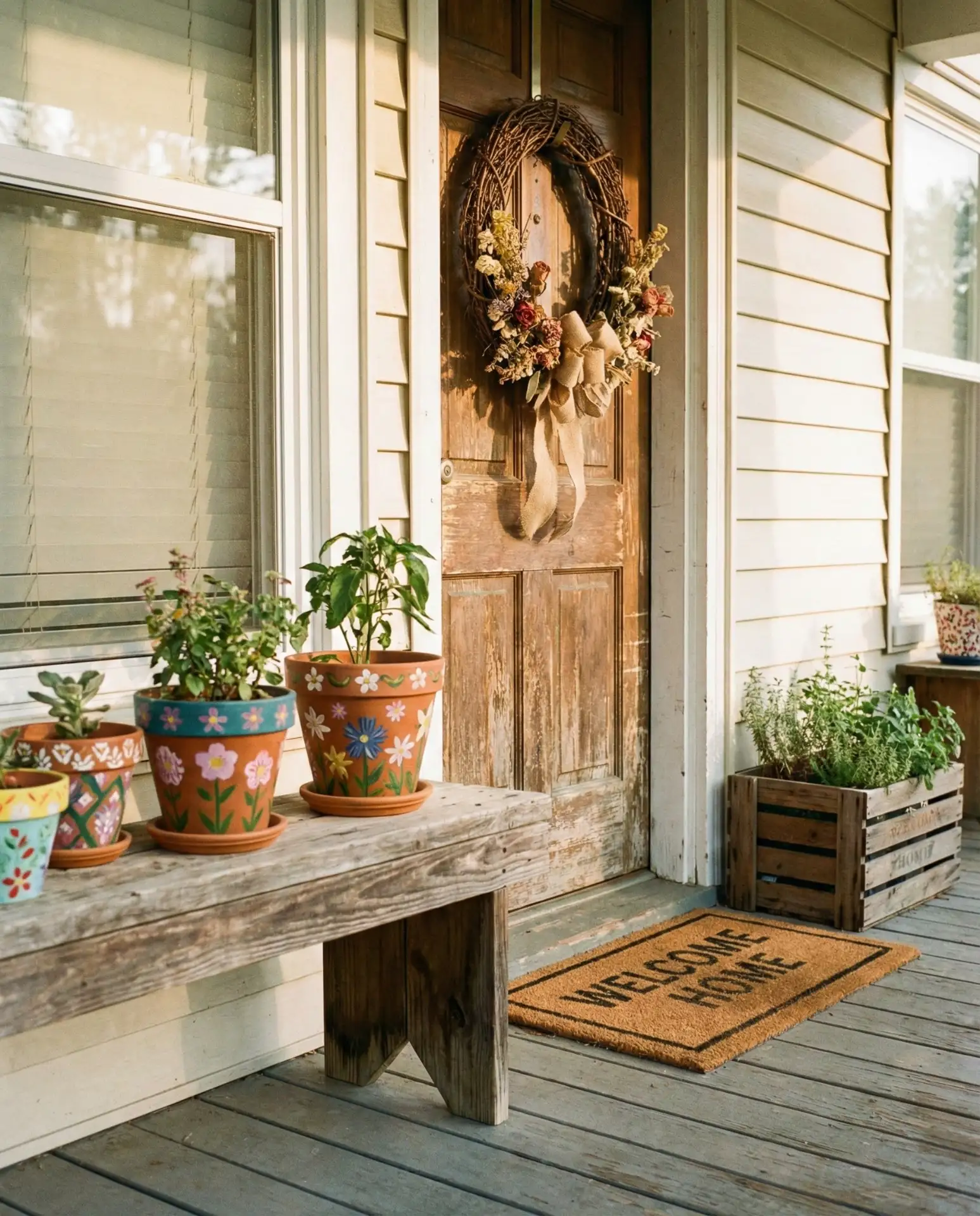
YouTube and Pinterest have democratized home decor, making DIY accessible even to beginners with no prior crafting experience. Start with simple projects that require minimal tools—painting and basic assembly rather than complex woodworking. A common mistake is choosing overly ambitious first projects; begin with something achievable to build confidence. Many homeowners discover that DIY becomes a relaxing hobby rather than a chore, spending Sunday afternoons creating seasonal decor that evolves with their growing skills.
16. Luxury Investment Pieces
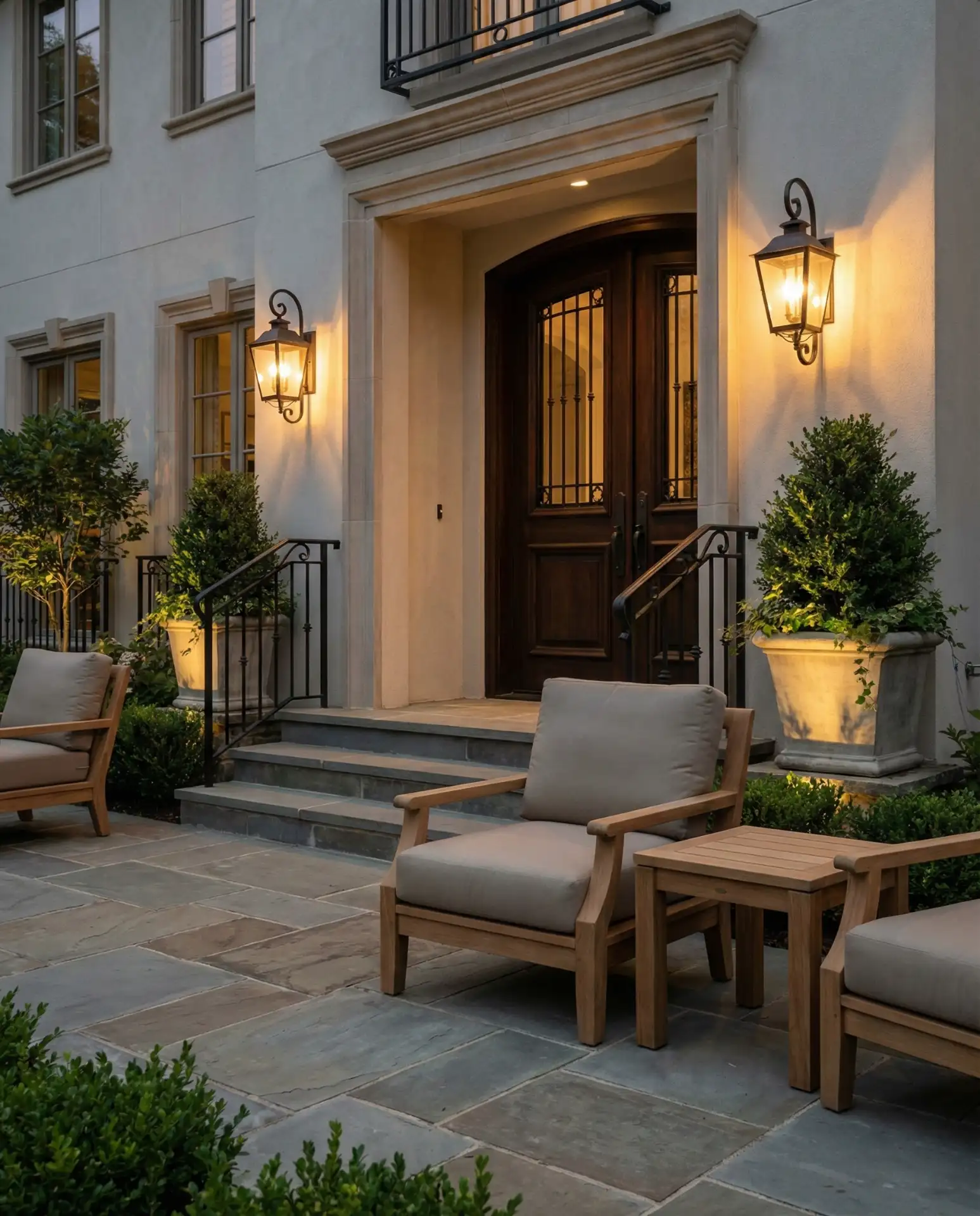
Sometimes a single luxury piece elevates an entire porch from ordinary to exceptional. Consider investing in one showstopping element: a designer-quality front door, premium outdoor furniture that’s built to last decades, custom ironwork, or professional landscape lighting that highlights your entrance after dark. Luxury isn’t about covering every surface with expensive items—it’s about choosing one or two exceptional pieces that demonstrate quality and craftsmanship. These investments pay dividends in durability, beauty, and the daily pleasure of interacting with well-made objects. 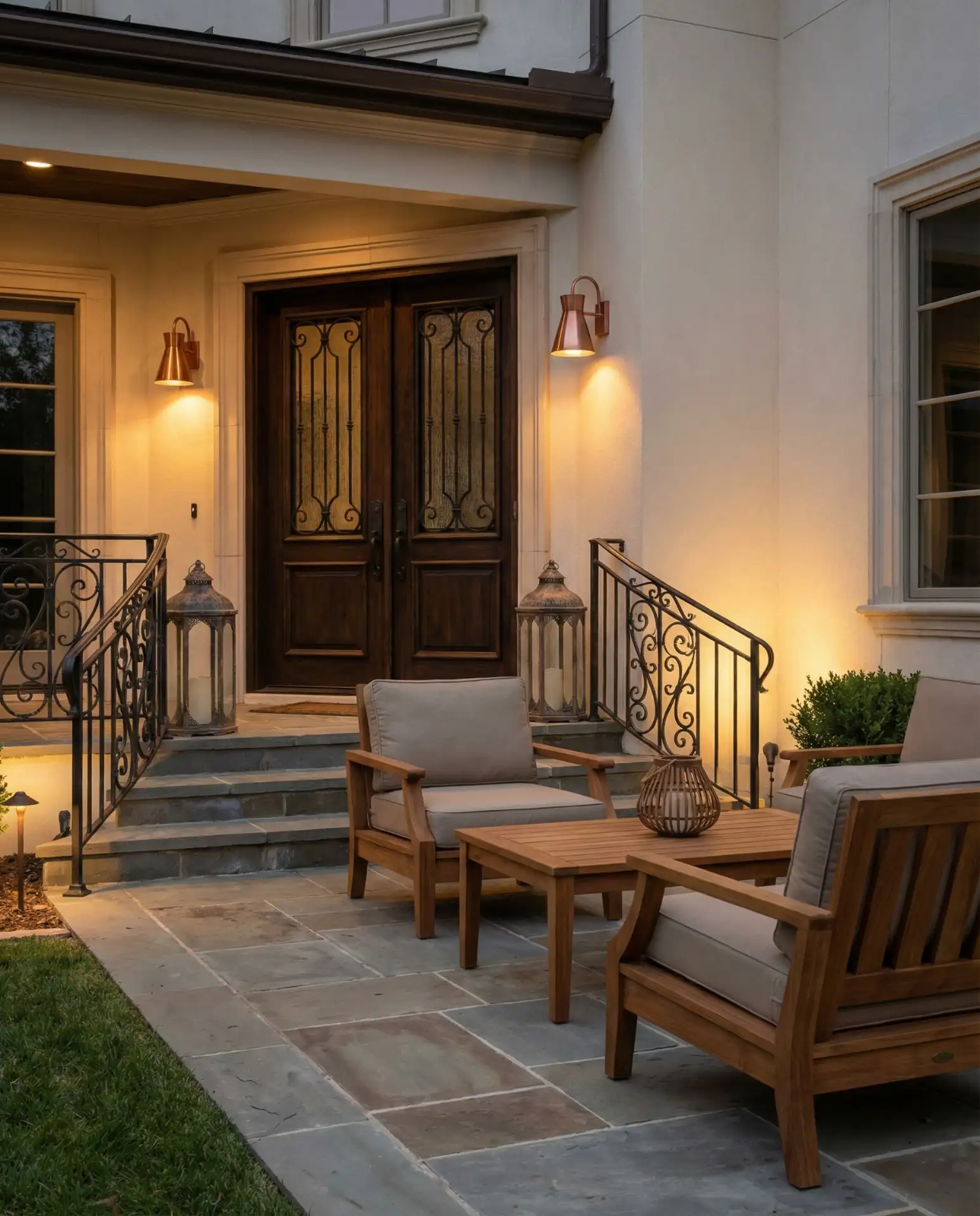
Financial advisors note that strategic home improvements, including high-quality front entrance upgrades, often return 50-80% of their cost in increased home value. Beyond resale considerations, luxury pieces simply perform better—they’re more comfortable, require less maintenance, and maintain their appearance through years of use. If budget is a concern, consider saving for one luxury piece per year rather than furnishing everything at once with mediocre quality items that will need replacement.
17. Amazon Convenient Solutions
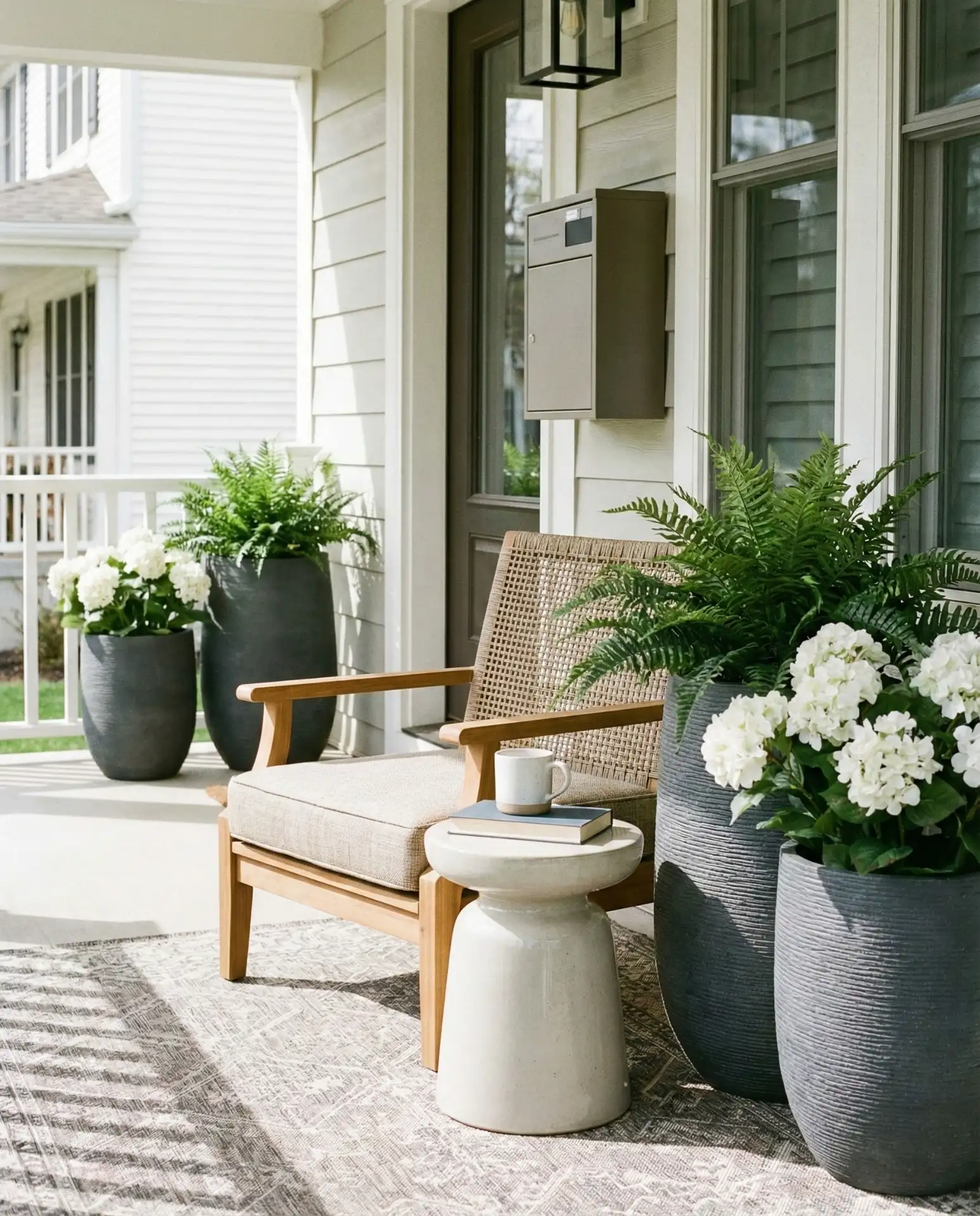
For busy homeowners who want results without the treasure hunt, Amazon offers an impressive selection of porch decor with the convenience of fast delivery. From realistic faux florals and weather-resistant planters to outdoor furniture and decorative accents, Amazon makes it possible to style an entire porch in a weekend. The key is reading reviews carefully—look for items with hundreds of verified purchases and recent photos from actual customers. Prime delivery means you can order Wednesday and be decorating by Saturday, perfect for last-minute gatherings or when you need to capitalize on a sudden burst of motivation. 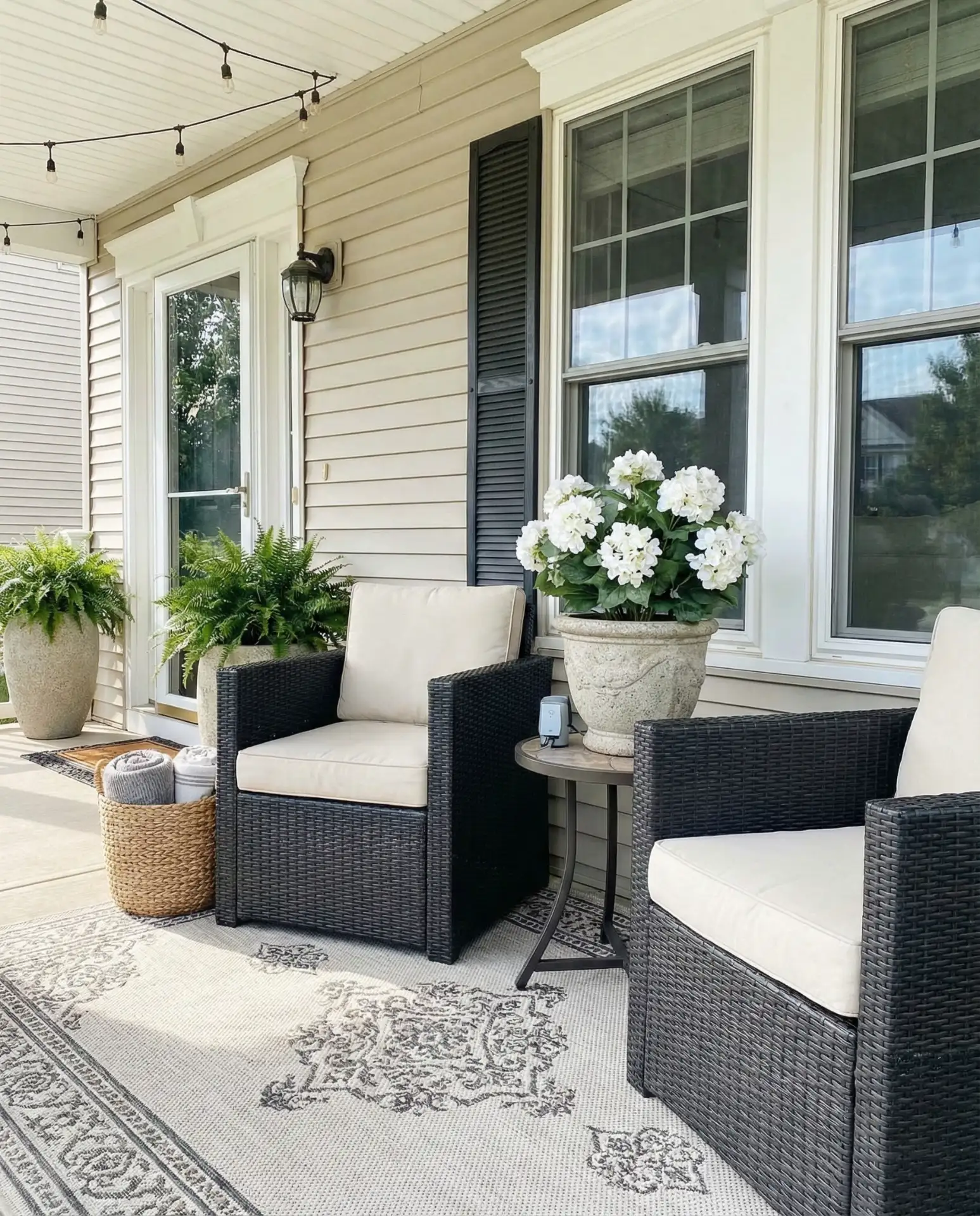
One practical approach is creating Amazon lists throughout the year as you spot appealing items, then purchasing during major sales events like Prime Day or Black Friday when porch decor often sees 30-50% discounts. While Amazon won’t give you the one-of-a-kind finds of antique stores, it excels at providing reliable, affordable basics. Mix Amazon convenience items with a few unique thrifted or DIY pieces to maintain personality while enjoying the ease of doorstep delivery.
18. Late Season Extended Spring
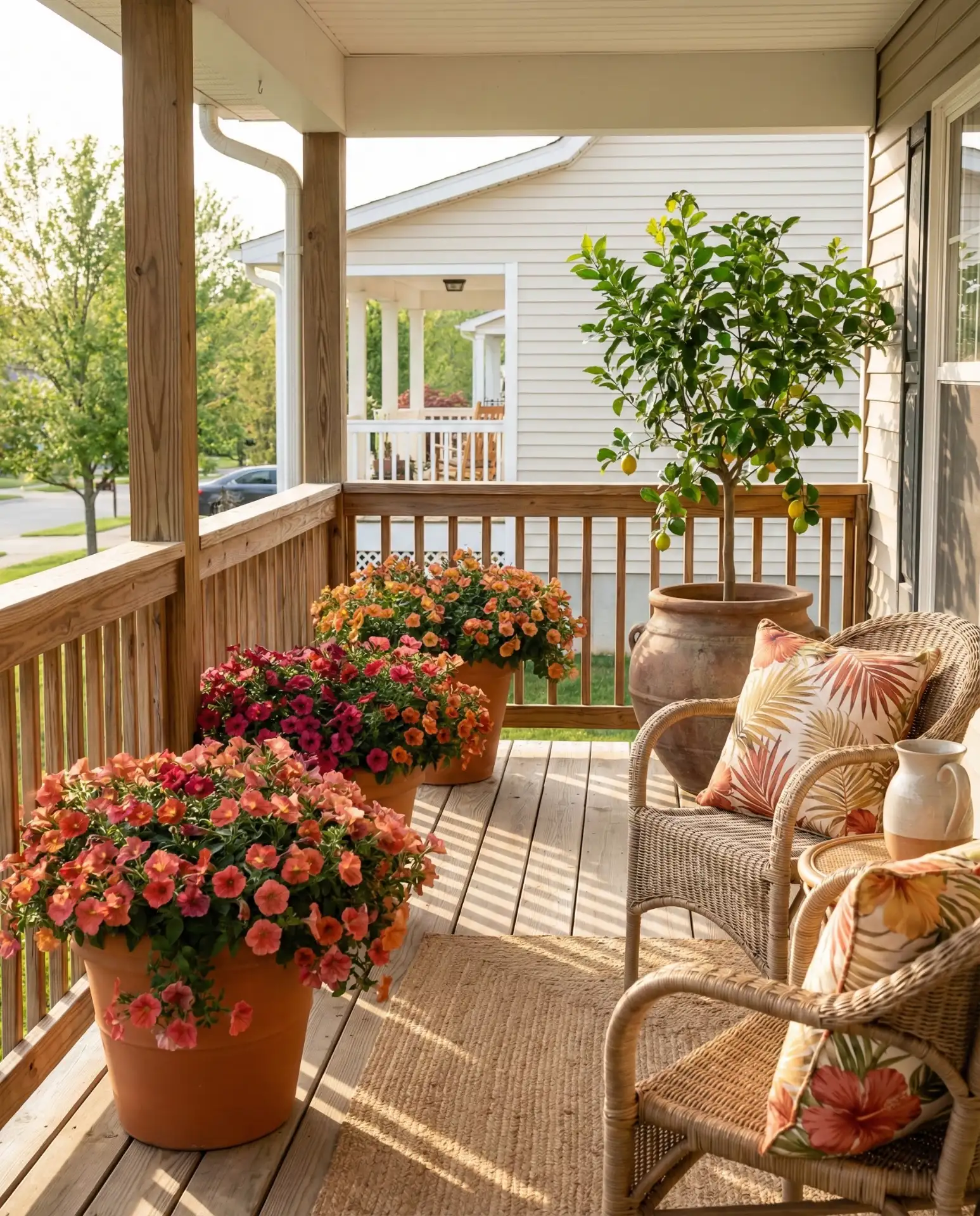
As spring matures into late May and early June, shift your porch decor to reflect the season’s progression toward summer. Replace cool-season pansies with heat-tolerant impatiens or petunias, swap winter to spring transitional elements for full-on summer previews, and introduce warmer accent colors like coral or bright pink alongside spring’s pastels. This late spring period is perfect for adding tropical-inspired elements—banana leaf pillows, bamboo accents, or citrus trees in planters—that hint at the warmth to come while maintaining spring’s fresh energy. 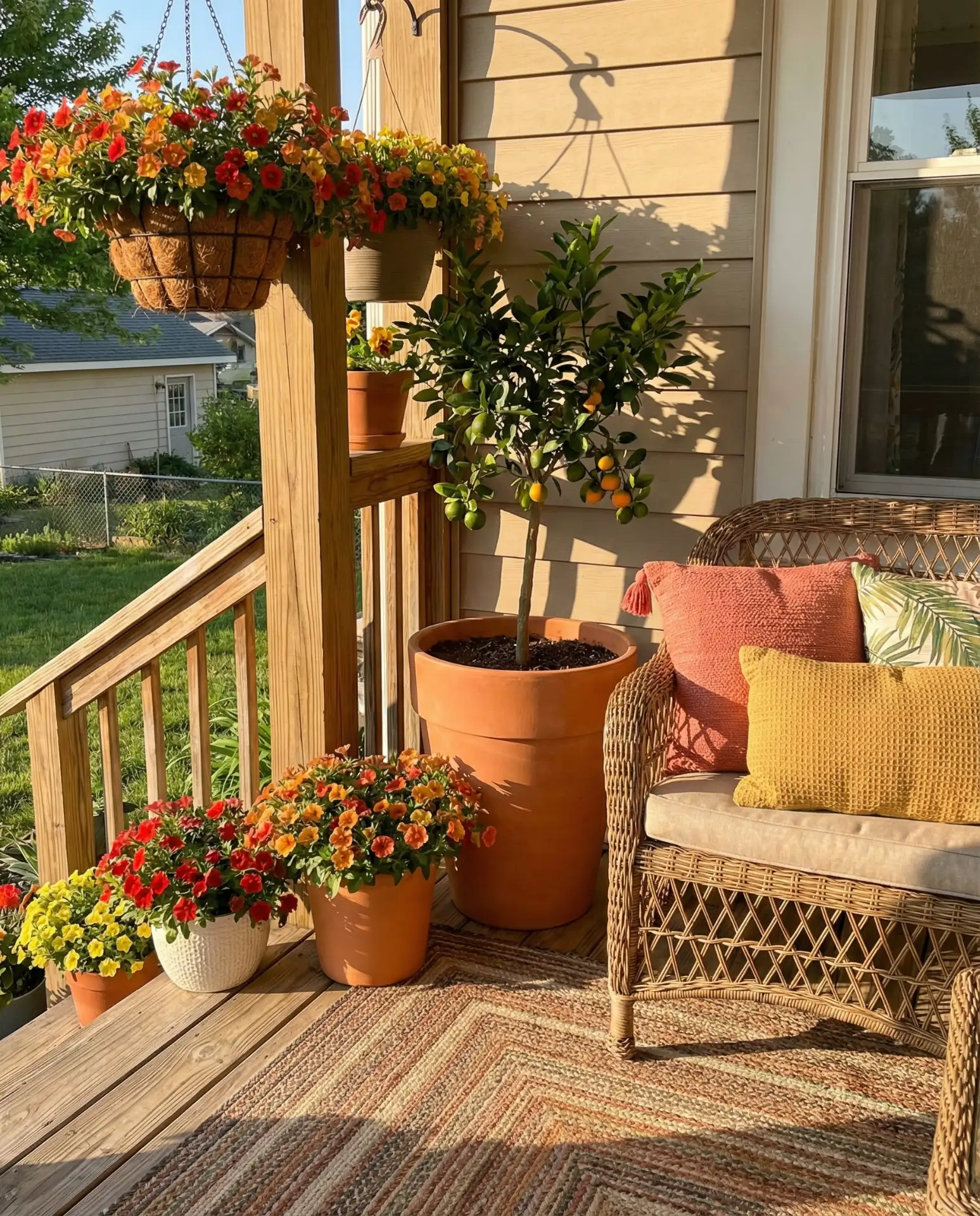
Expert gardeners know that late spring is actually ideal for planting summer annuals since they’ll establish better before intense heat arrives. This transition period also allows you to use up spring elements while gradually introducing summer pieces, avoiding the jarring effect of completely changing your porch overnight. In southern states, this transition happens in April, while northern climates might not shift until June—always let your local weather and plant availability guide your timing.
19. Wooden Crates Rustic Storage
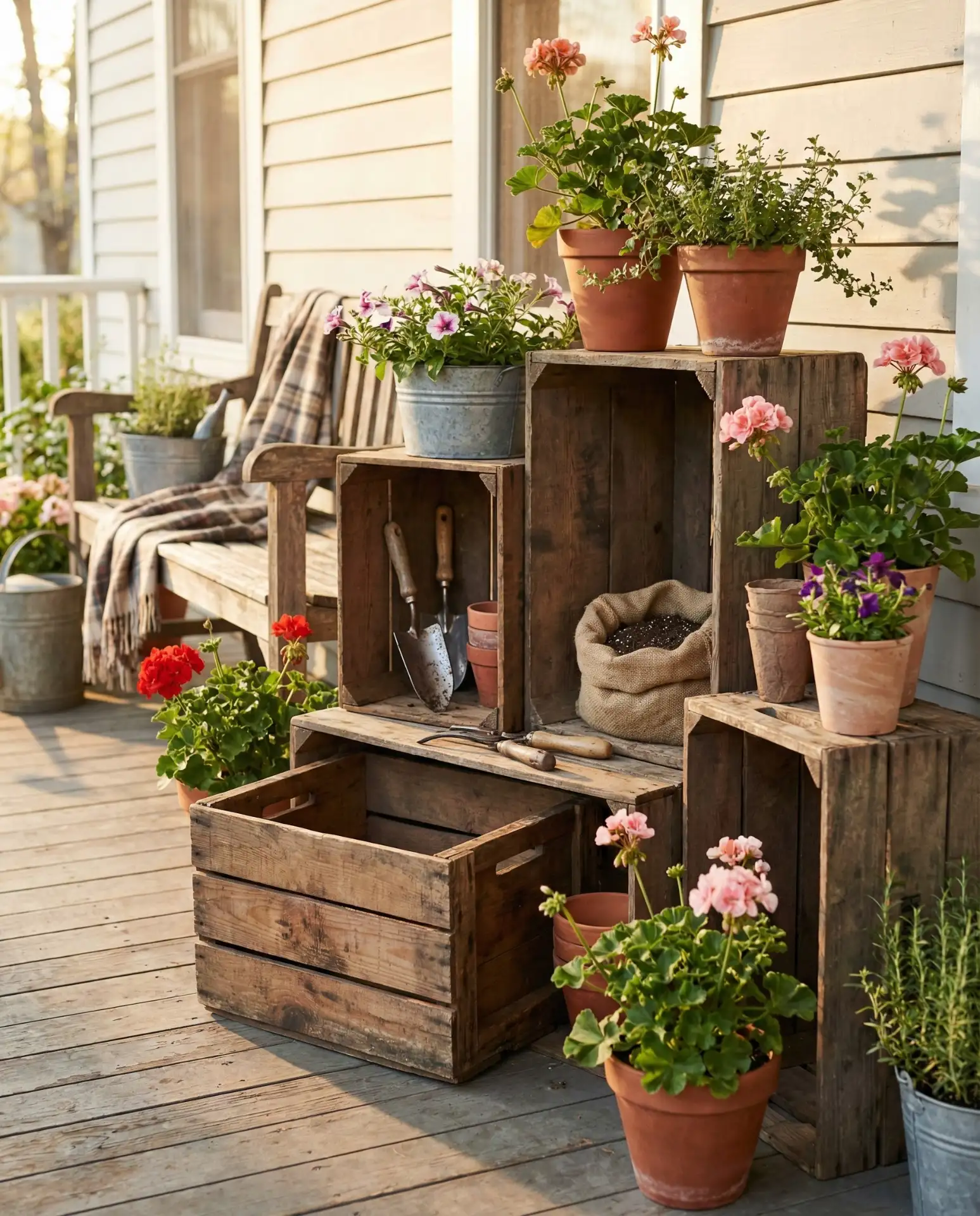
Old crates offer both function and farmhouse charm, solving storage needs while adding rustic character. Stack vintage apple crates to create multi-level plant displays, use them on their sides as shelving for gardening supplies or decorative objects, or stand them upright as unique planters lined with plastic to hold soil and flowers. The beauty of crates lies in their versatility—they can be left natural, painted to match your color scheme, or stenciled with seasonal messages. Hardware stores and farm supply shops often sell new crates affordably, while authentic vintage versions add extra character. 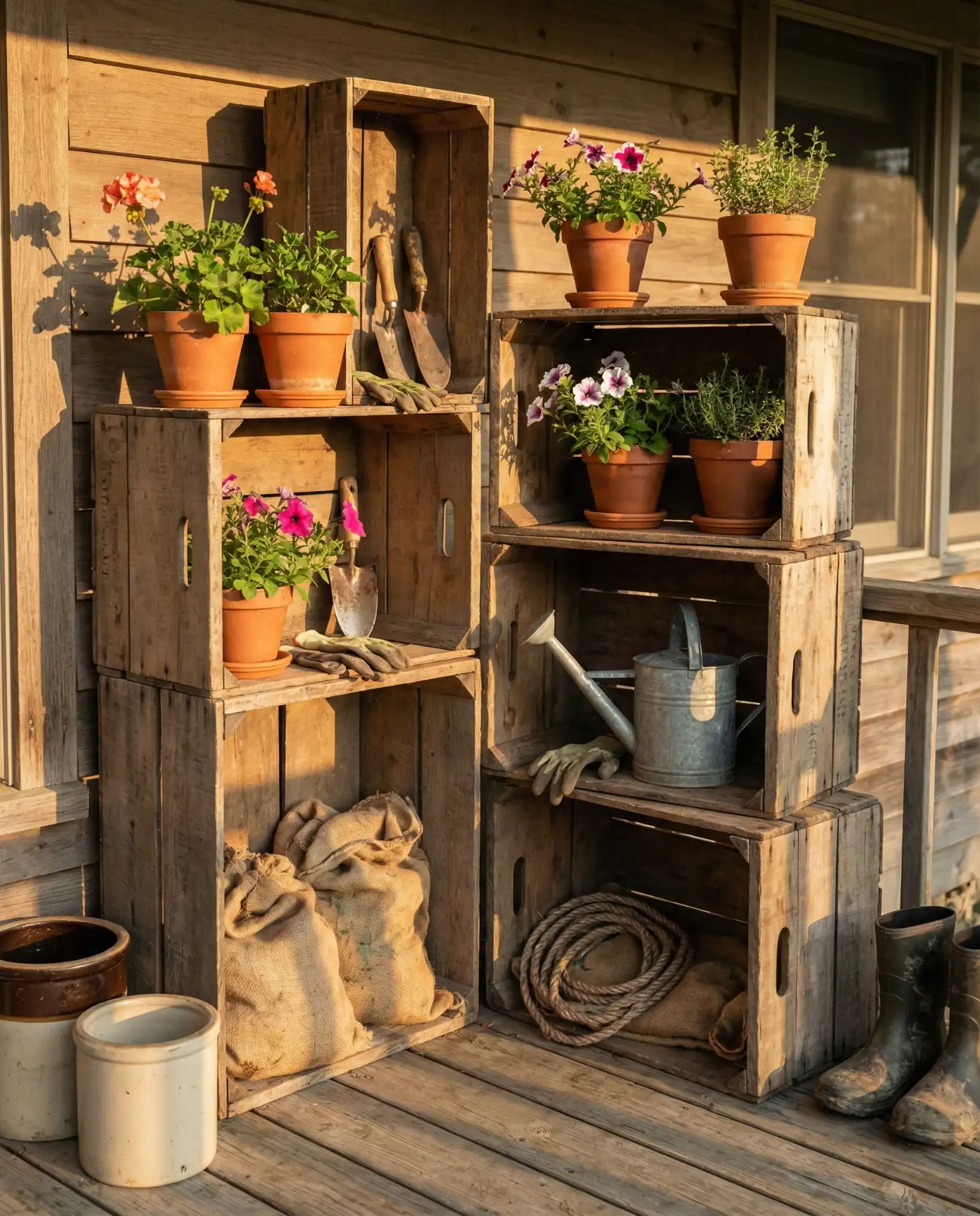
Homeowners in agricultural regions often find authentic crates at estate sales or directly from orchards for $5-15 each. A common mistake is using crates that are too damaged—look for sturdy construction even if the finish is weathered. Stack no more than three high without additional support to maintain safety. Crates work particularly well on covered porches where they’re protected from direct rain, extending their lifespan significantly.
20. Outdoor Decorations Easter Theme
For those celebrating Easter, outdoor decorations easter themes add festive charm to spring porch decor. Incorporate pastel eggs in decorative nests, bunny figurines tucked among planters, spring wreaths featuring eggs and chicks, and soft colors like robin’s egg blue, butter yellow, and pale pink. The key to successful outdoor decorations easter styling is keeping it sophisticated rather than overly cartoonish—think natural materials like real pussy willow branches, wooden eggs, and subtle bunny silhouettes rather than bright plastic decorations. This approach creates Easter atmosphere that complements rather than overwhelms your overall spring aesthetic. 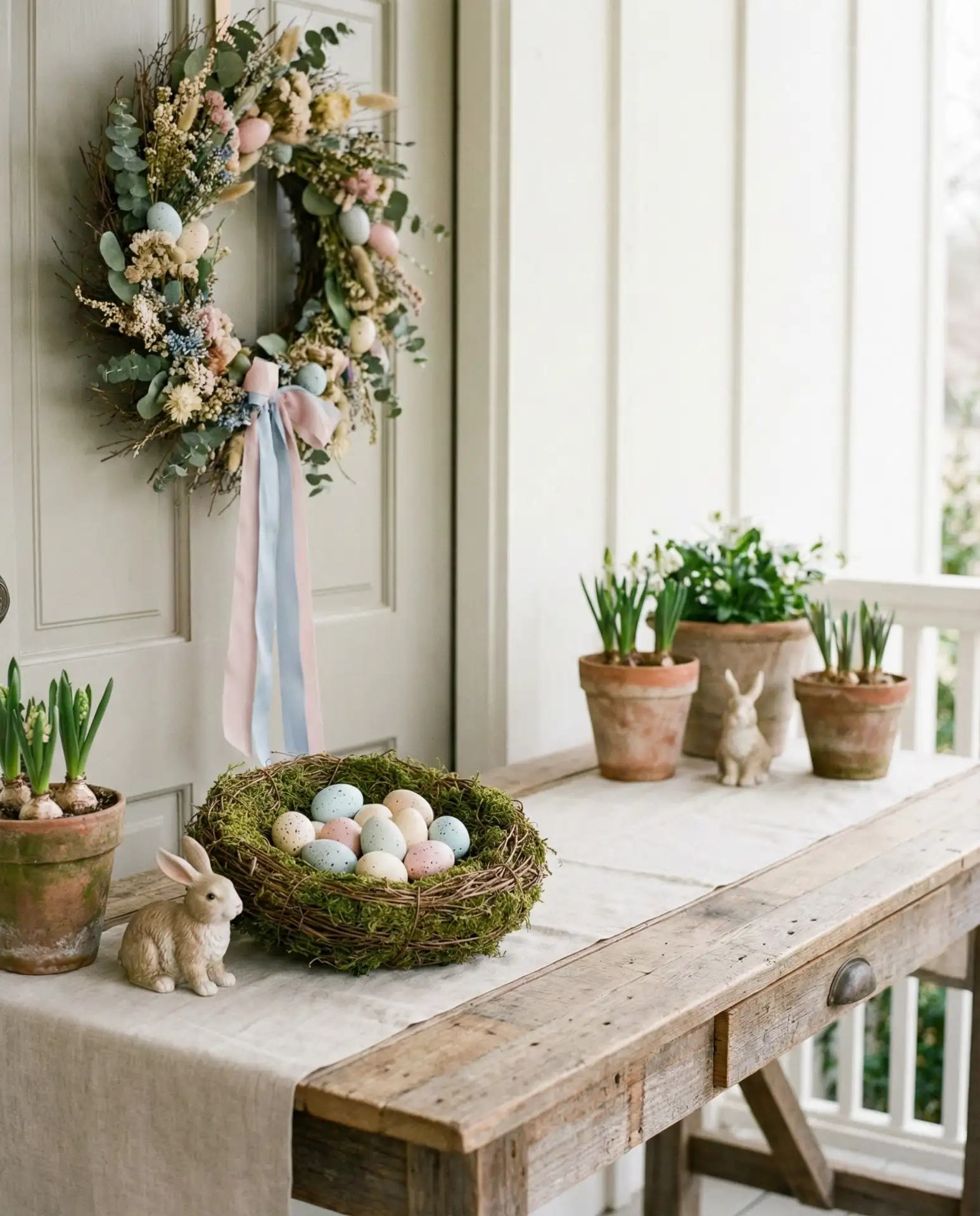
Many families decorate for Easter in early to mid-March, enjoying the decorations for 4-6 weeks before Easter arrives. This makes the investment worthwhile—unlike decorations used for just a single day. Choose elements that transition easily from Easter into general spring by removing the obviously holiday-specific items while keeping the pastels and floral arrangements. Craft stores typically discount Easter decor by 50% or more immediately after the holiday, making it the perfect time to stock up for next year.
21. Easy Beginner-Friendly Approach
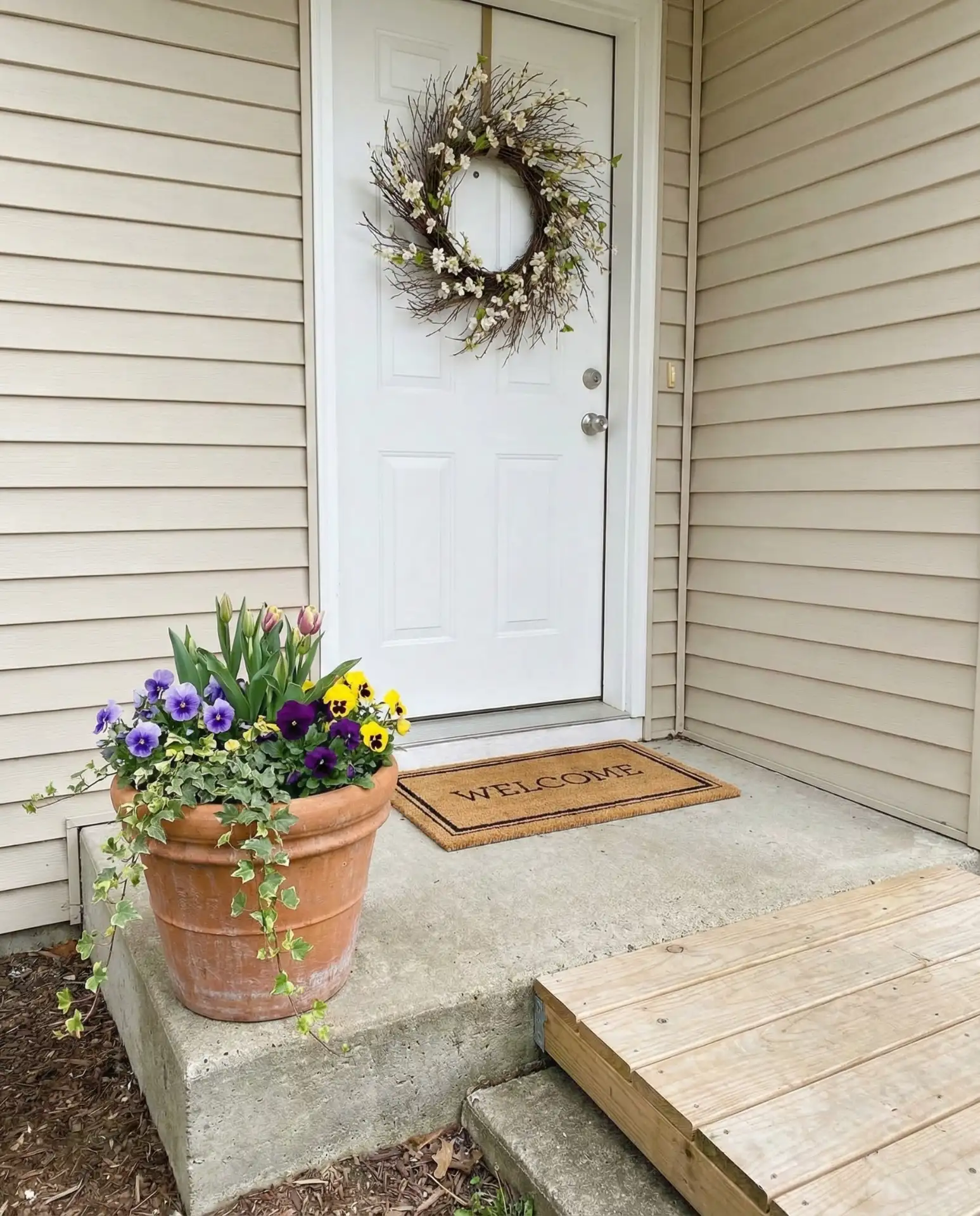
If you’ve never decorated a porch before, start with an easy approach that builds confidence without overwhelming you. Begin with three elements: one oversized planter with pre-planted flowers from a garden center, a simple wreath for your door, and a new doormat. These three items alone will transform your entrance from bare to welcoming. As you gain comfort, add layers like a bench, additional smaller planters, or lanterns. The easy path focuses on ready-made solutions and simple styling that doesn’t require special skills or tools. 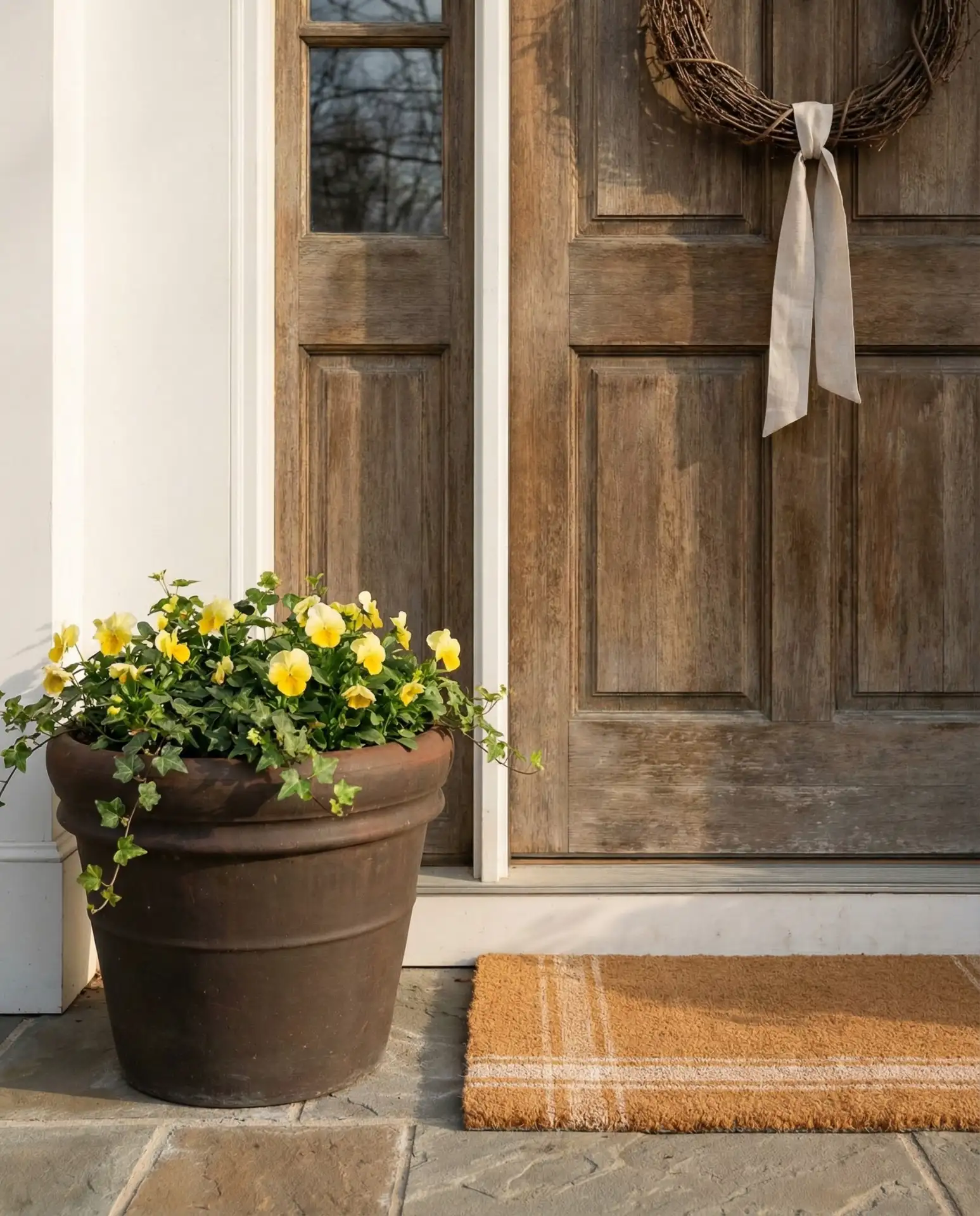
First-time decorators often make the mistake of trying to replicate complex Pinterest boards on their first attempt, leading to frustration and disappointment. Instead, set a budget of $75-150 for your first season and buy quality basics that you’ll use year after year. A well-made wreath lasts 3-5 years, a good planter is permanent, and a doormat gets replaced seasonally anyway. Master these fundamentals before moving to more complex arrangements—you’ll develop your eye and confidence naturally over time.
22. Container Garden Flexibility
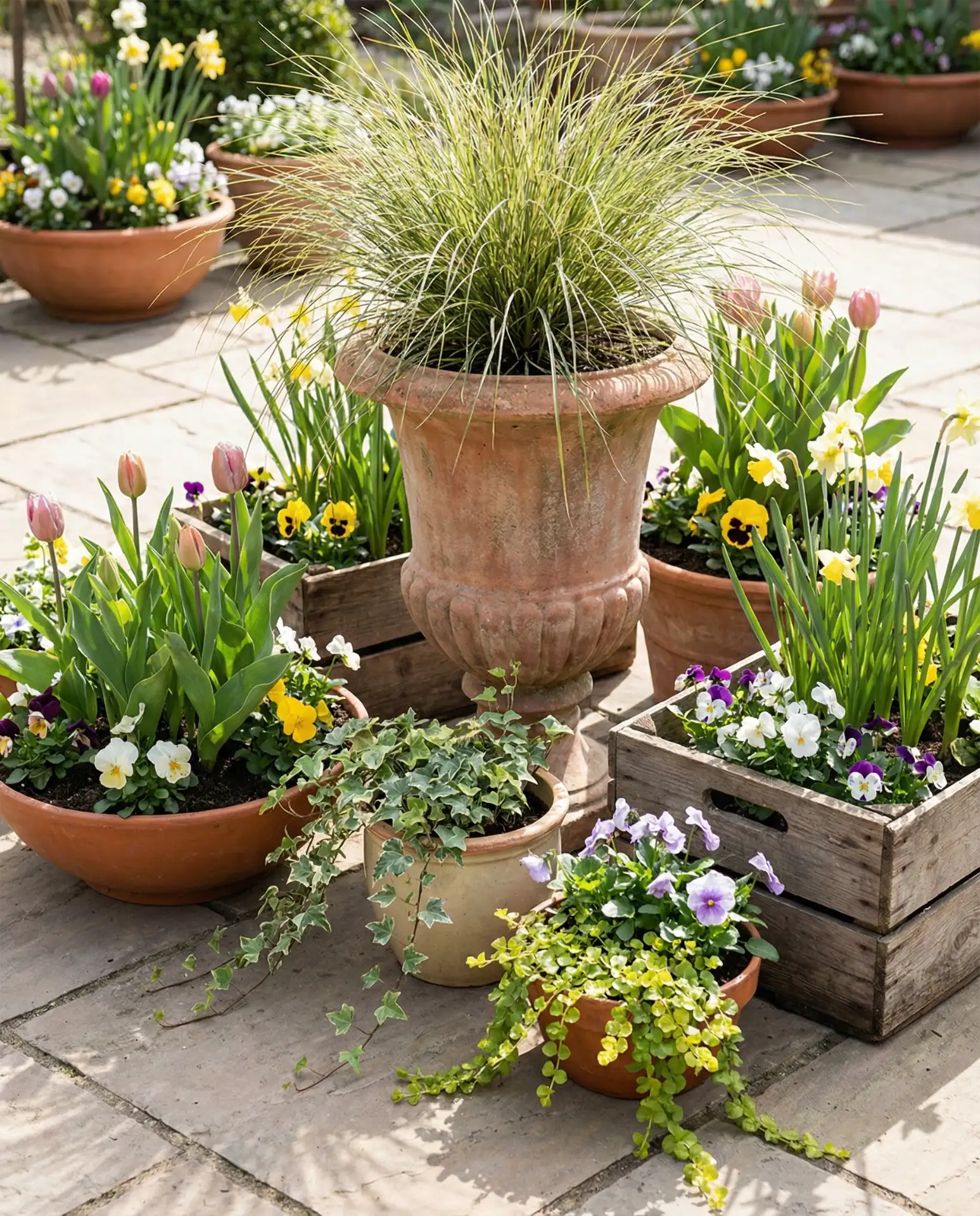
Container gardens offer unmatched flexibility for spring porch styling, allowing you to rearrange, refresh, and respond to changing light conditions throughout the season. Mix container sizes—pair tall urns with medium bowls and small accent pots—to create visual rhythm and accommodate different plant types. Use the thriller-filler-spiller formula: one tall focal plant (thriller), several mid-height flowers (filler), and trailing plants that cascade over the edge (spiller). Containers also solve practical problems like poor soil conditions, pest control, and the ability to move tender plants indoors if late frosts threaten. 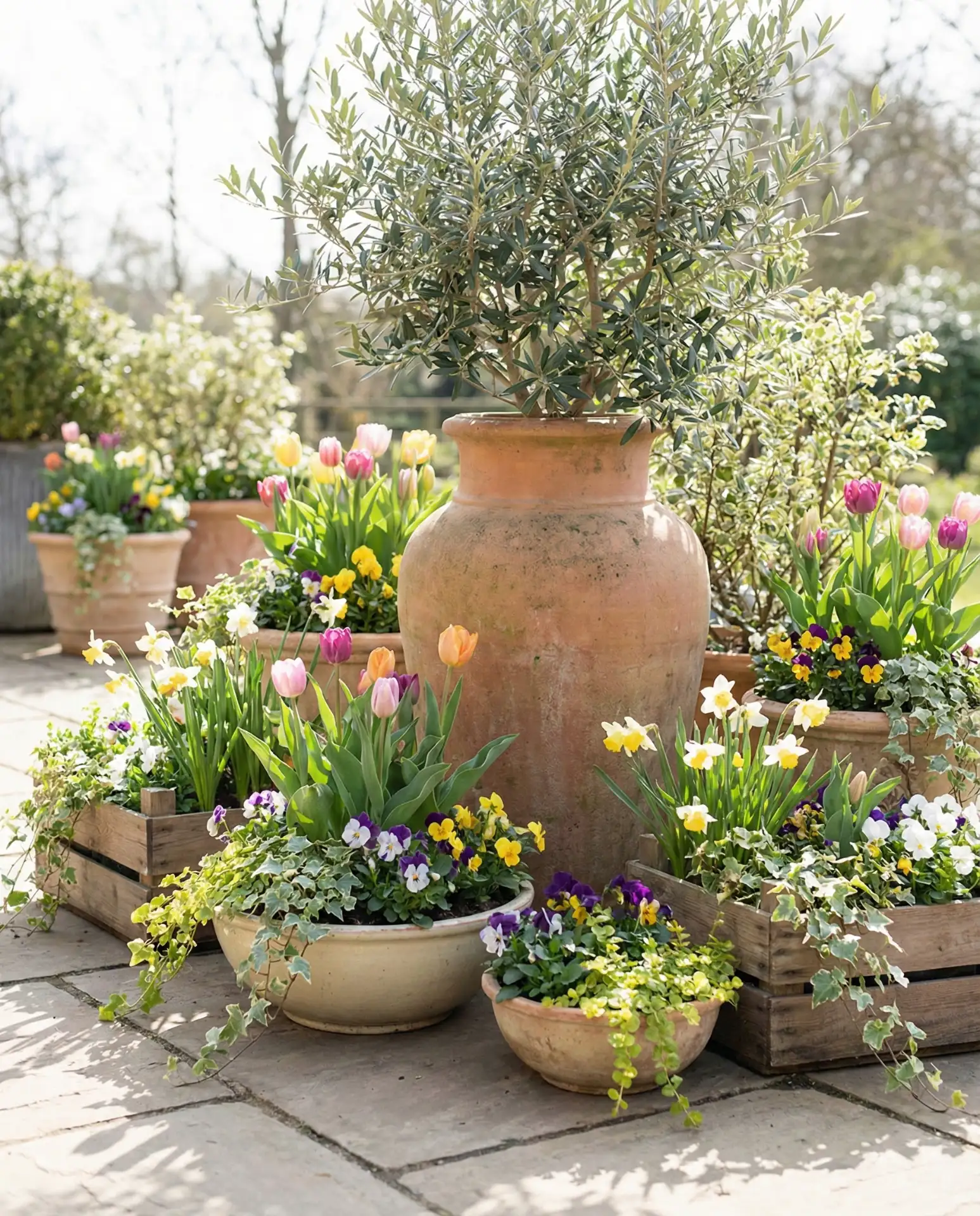
This approach works exceptionally well for renters or anyone who moves frequently, since containers travel with you. Invest in lightweight resin or fiberglass planters that look like stone or ceramic but weigh a fraction as much—you’ll thank yourself when it’s time to rearrange. Group containers in odd numbers (3, 5, 7) for more natural-looking arrangements, and don’t be afraid to move them around until the composition feels right. Many successful container gardeners spend the first few weeks of spring experimenting with different arrangements before settling on their final layout.
23. Layered Texture Technique
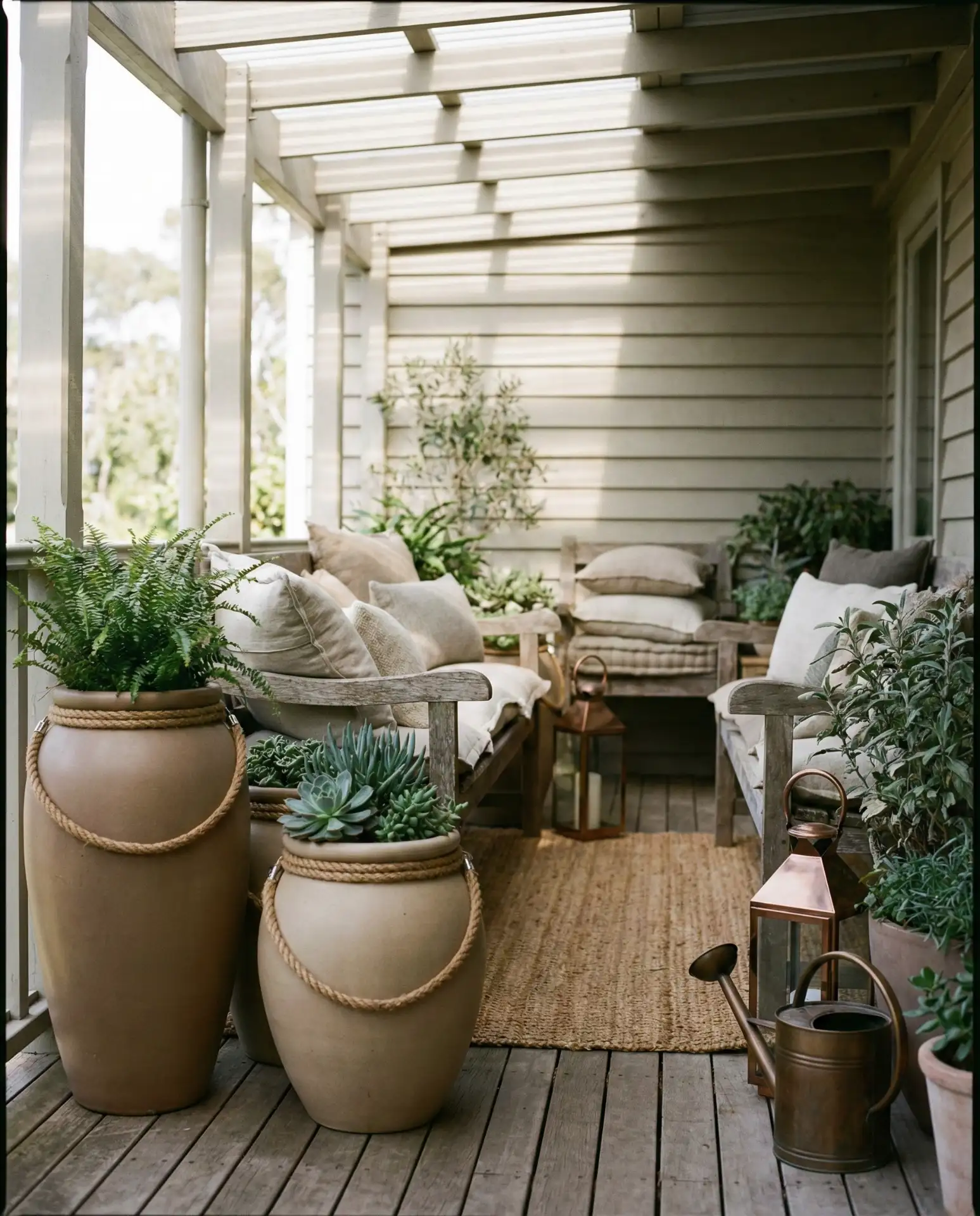
Professional designers know that texture creates depth and interest even within a limited color palette. Layer different materials and surfaces: smooth ceramic planters with rough jute rope accents, soft cushions against weathered wood furniture, glossy leaves combined with fuzzy lamb’s ear plants, and matte finishes paired with metallic touches. This layering technique prevents your porch from feeling flat or one-dimensional. Pay attention to both visual texture (patterns and surfaces you see) and tactile texture (what things feel like), as both contribute to the overall sensory experience of your space. 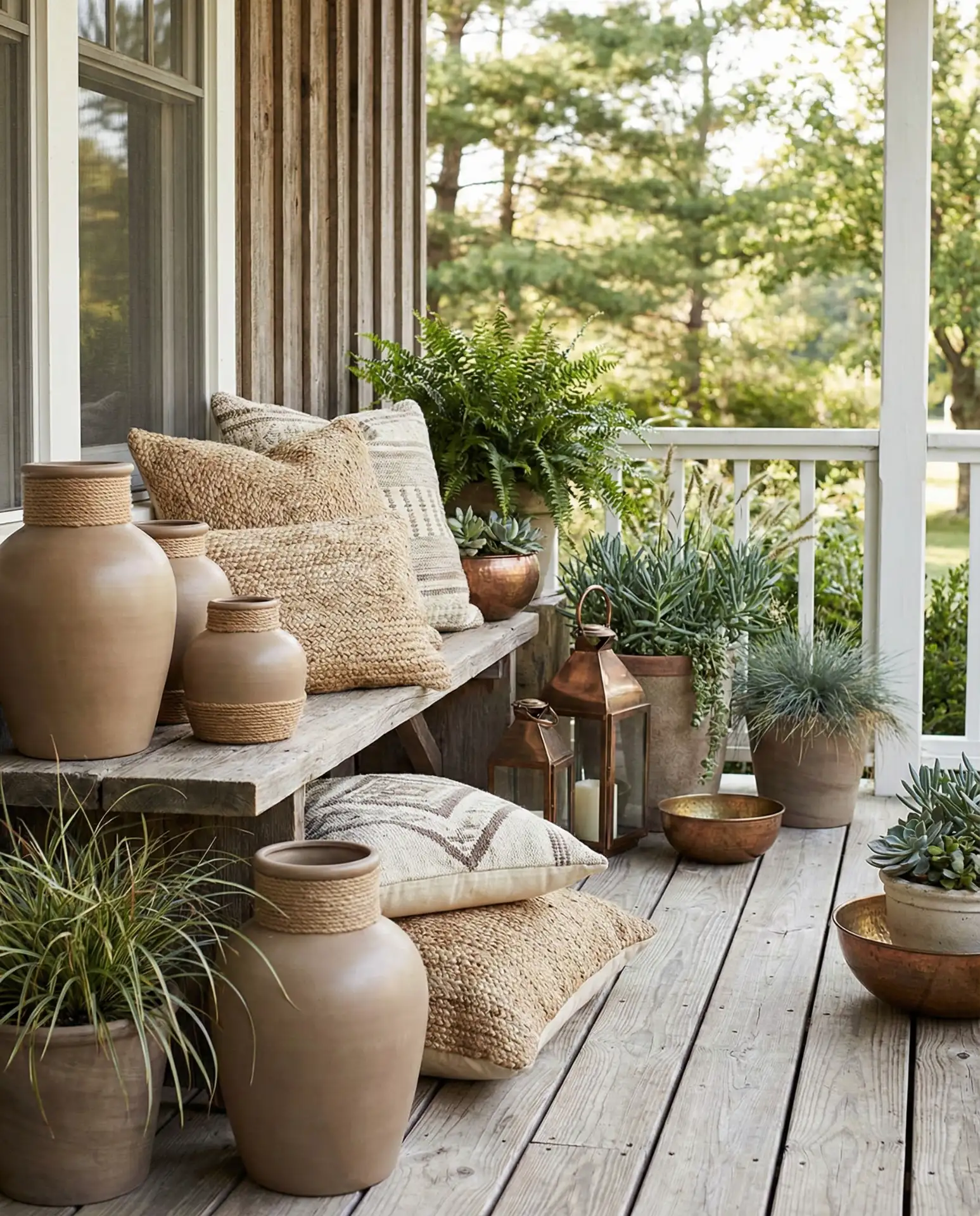
In the Pacific Northwest and New England, where gray days are common, texture becomes especially important since it creates visual interest even without bright colors or strong shadows. The technique costs nothing—it’s simply about being mindful of material variety as you select pieces. A common mistake is choosing everything in the same finish (all matte or all glossy, all smooth or all rough), which creates a monotonous effect. Instead, aim for deliberate contrast that makes each element more noticeable through comparison with its neighbors.
Conclusion
Your spring porch is more than just decoration—it’s the daily welcome home you give yourself and the first impression you share with visitors. Whether you’ve chosen one of these ideas or mixed several together to create your own unique style, the goal is a space that makes you smile every time you walk through the door. Share your favorite spring porch ideas in the comments below, and let us know which approach you’re planning to try this year.