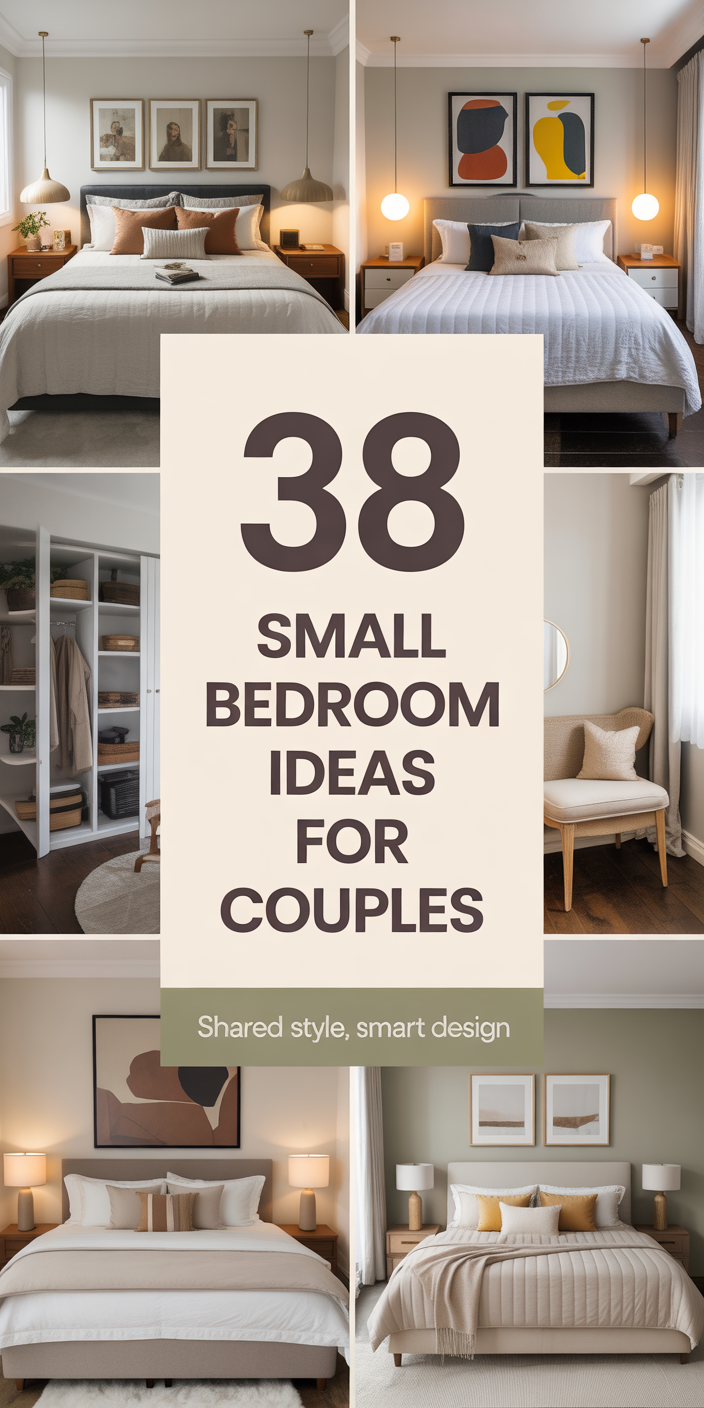
Small bedroom layouts have become one of the most searched home design topics on Pinterest in 2026, especially as urban living continues to grow and housing costs remain high across the U.S. Whether you’re furnishing a first apartment in Brooklyn, downsizing in Phoenix, or helping a teen create their own space in the suburbs, making a compact bedroom feel both functional and beautiful is more relevant than ever. From strategic furniture placement to clever storage hacks, small bedrooms offer endless opportunities for creative design. In this article, you’ll discover fresh layout ideas that blend style, comfort, and practicality—perfect for anyone looking to maximize every square foot.
1. Floating Desk Corner Setup
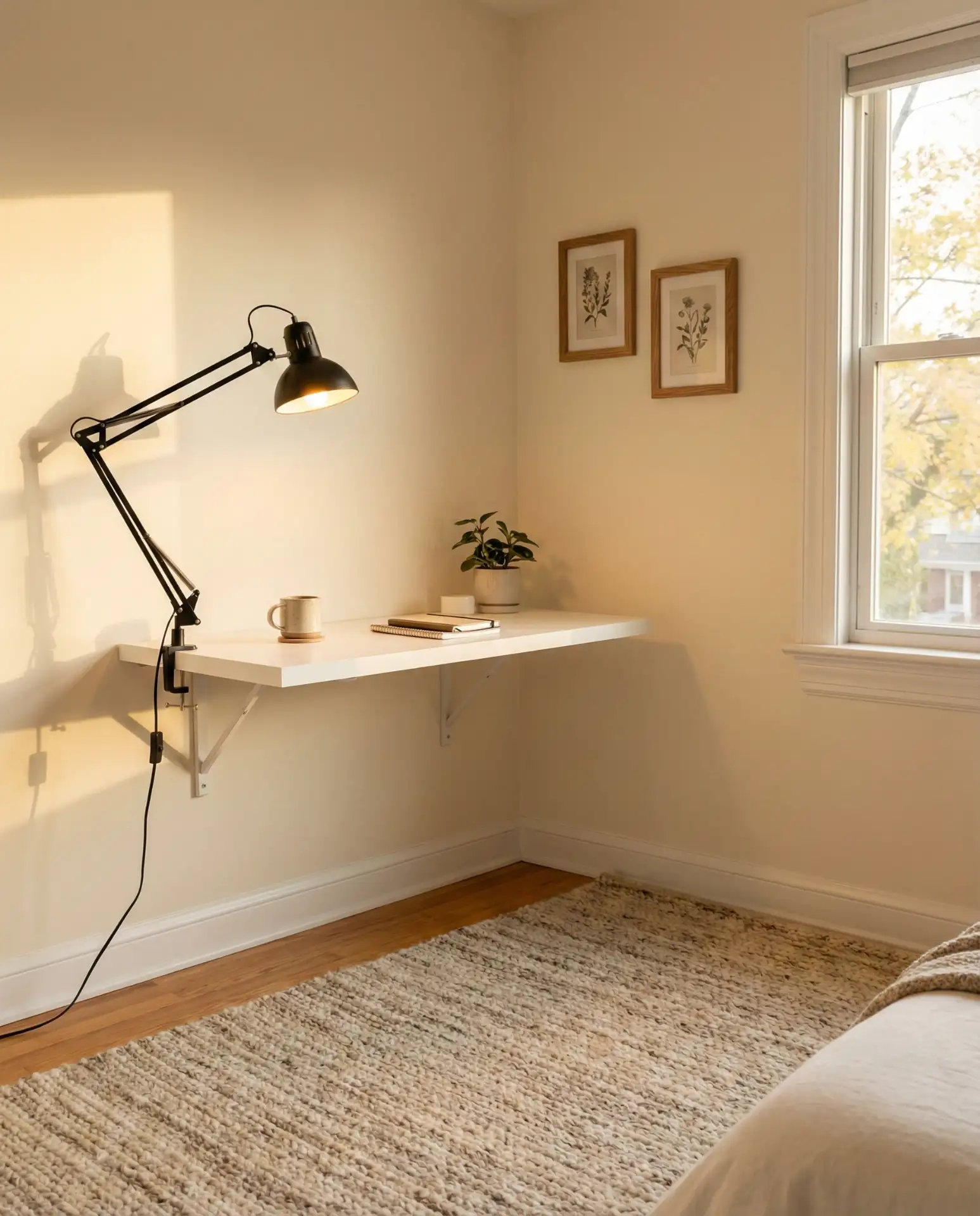
A floating desk tucked into an underused corner transforms wasted space into a productive zone without crowding the floor. These small bedroom layout ideas with a desk approach work especially well in rooms where a queen bed dominates the floor plan. Mount a slim wooden or white lacquered desk directly to the wall, pair it with a compact chair, and add a small shelf above for books or décor. The result is a clean, airy workspace that doesn’t compete with your sleeping area, making it ideal for remote workers or students.
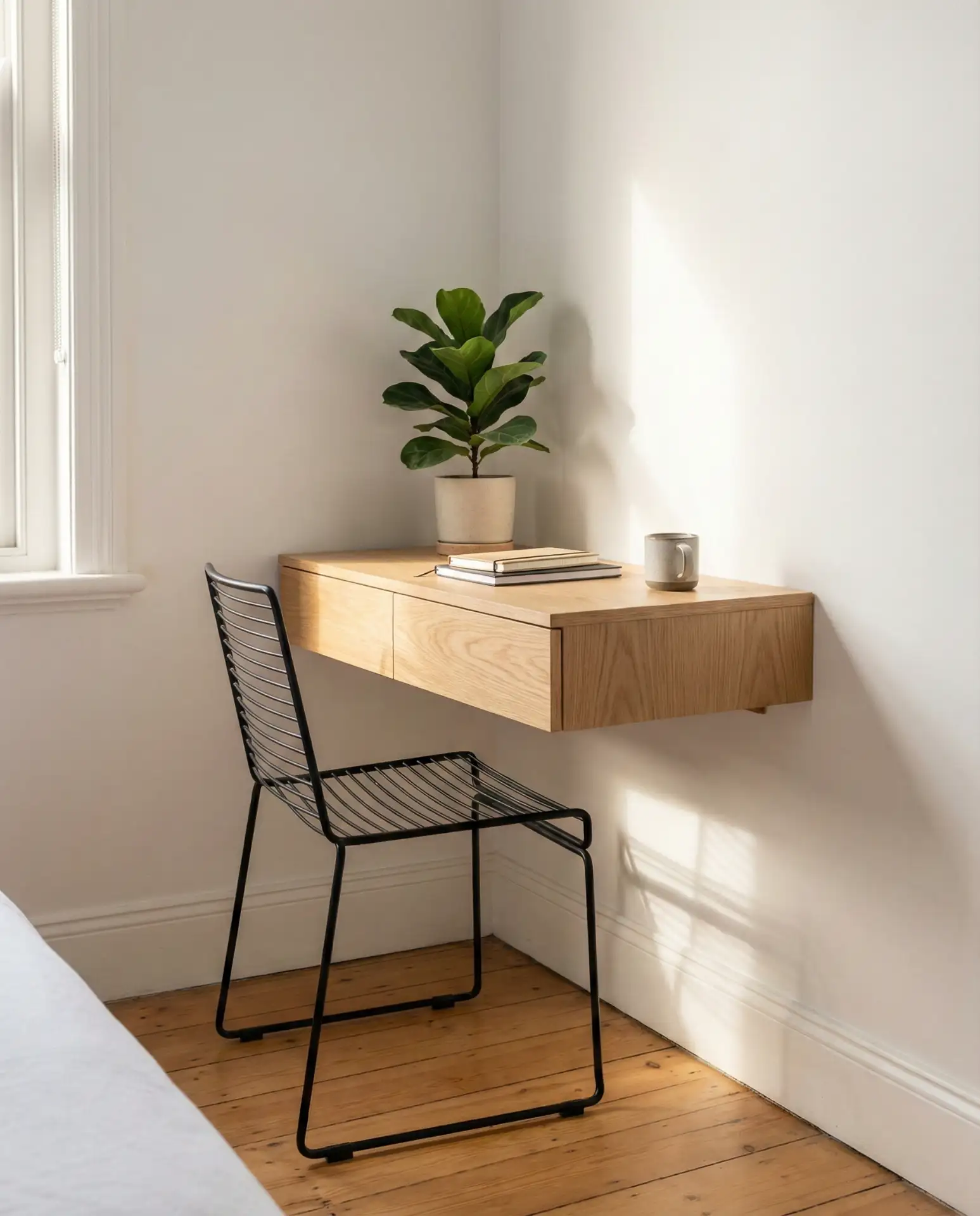
One common mistake here is mounting the desk too high—aim for 28 to 30 inches from the floor so your elbows rest comfortably when typing. Pair the setup with a wall-mounted lamp or a small LED strip underneath the desk to avoid cluttering the surface with a bulky table lamp. This layout is especially popular in studio apartments and college dorms where every inch counts, and it keeps the room feeling open while still offering a dedicated work zone.
2. Bed Against the Window
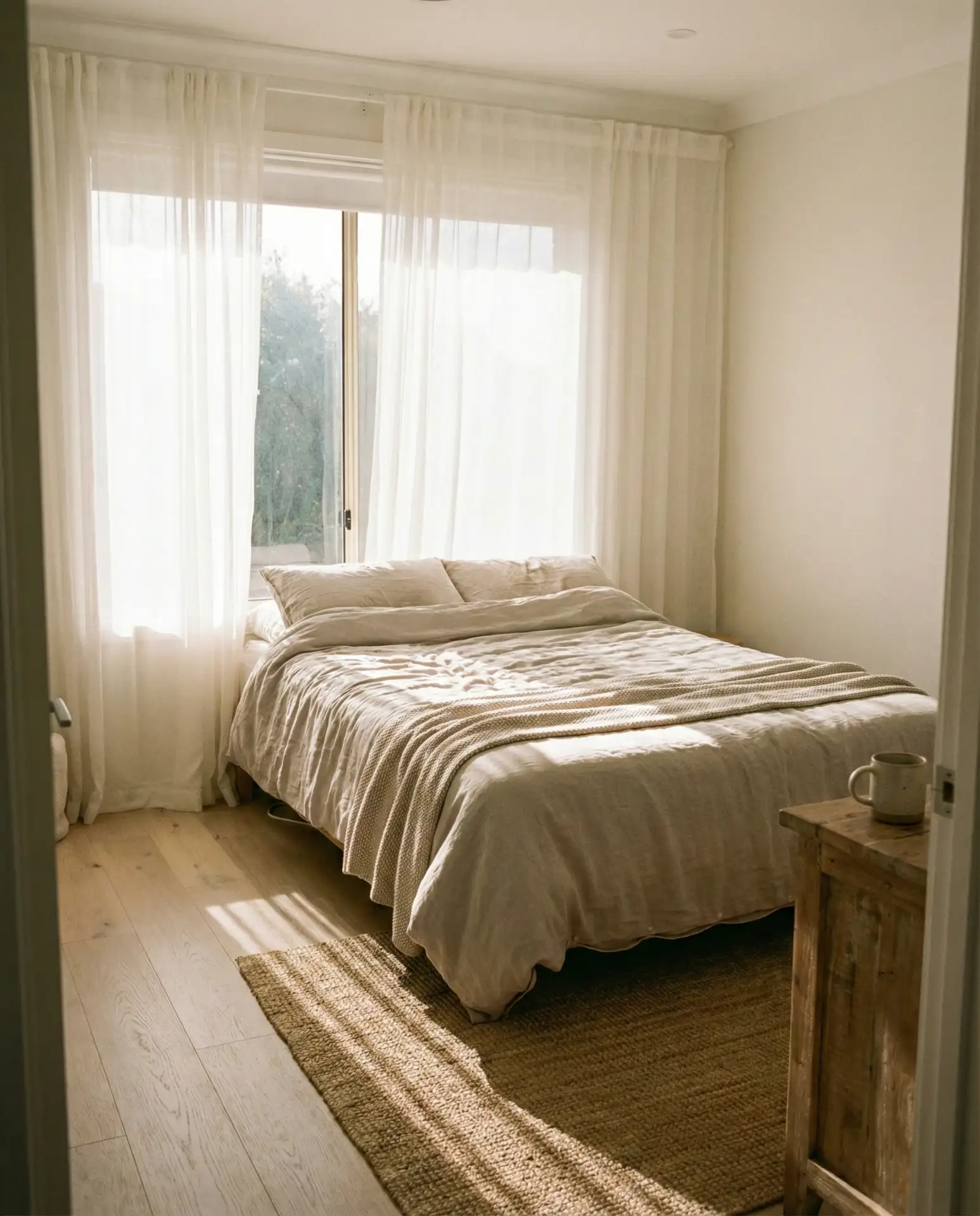
Placing your bed directly under a window might feel unconventional, but it’s a smart small bedroom furniture placement strategy when wall space is limited. This approach frees up side walls for a dresser, bookshelf, or even a narrow desk. Use blackout curtains or a Roman shade to control light and privacy, and add a low upholstered headboard or a row of firm pillows to create a cozy backing without blocking the window entirely.
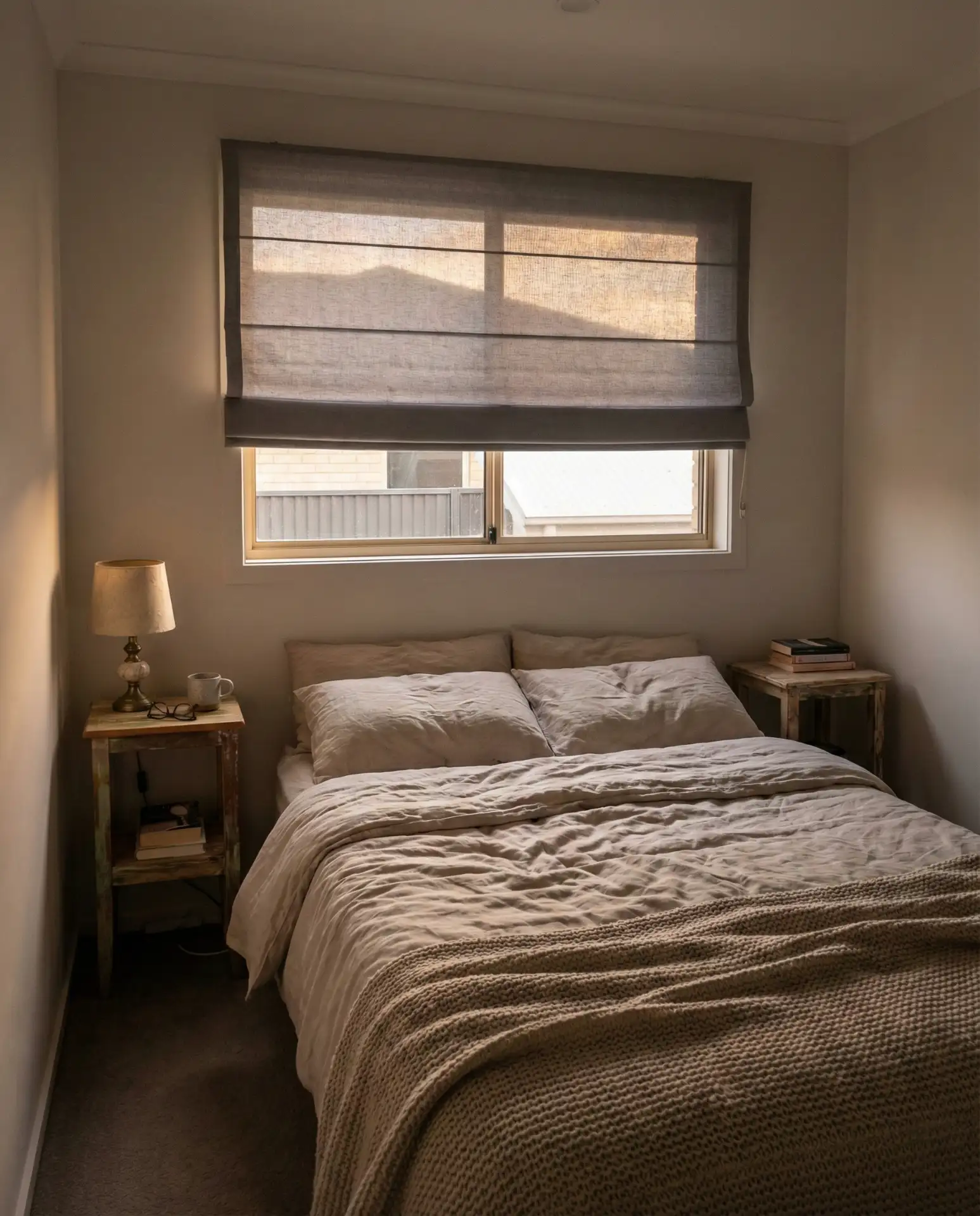
This layout works best in mild climates or well-insulated homes where drafts aren’t a concern. In colder regions like the Midwest or Northeast, consider adding a quilted throw or heavier drapes during winter months. Many renters in cities like Seattle and Portland use this setup to make narrow bedrooms feel more spacious, and it’s a favorite among minimalist decorators who want to emphasize natural light and simplicity.
3. Murphy Bed with Built-In Shelving
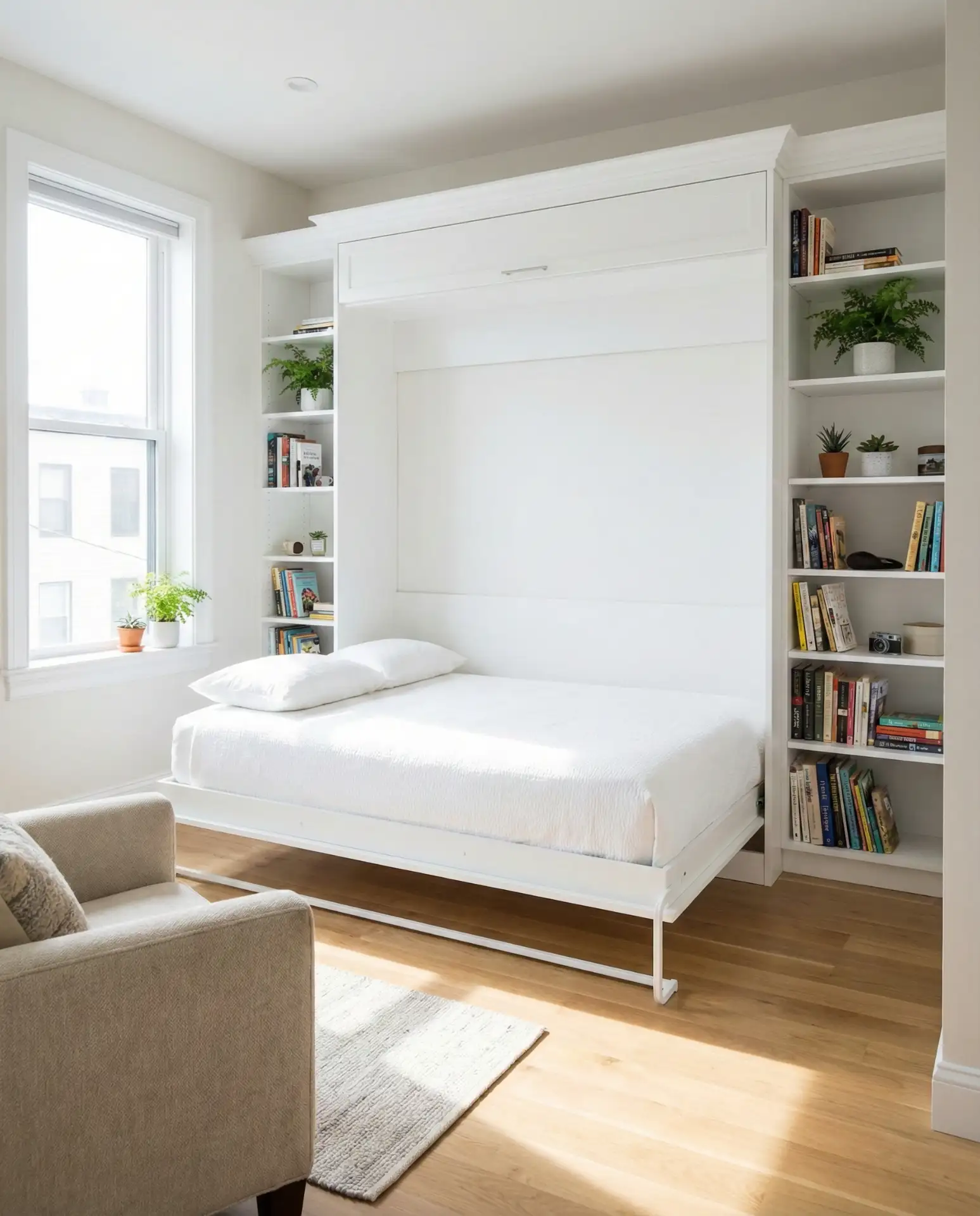
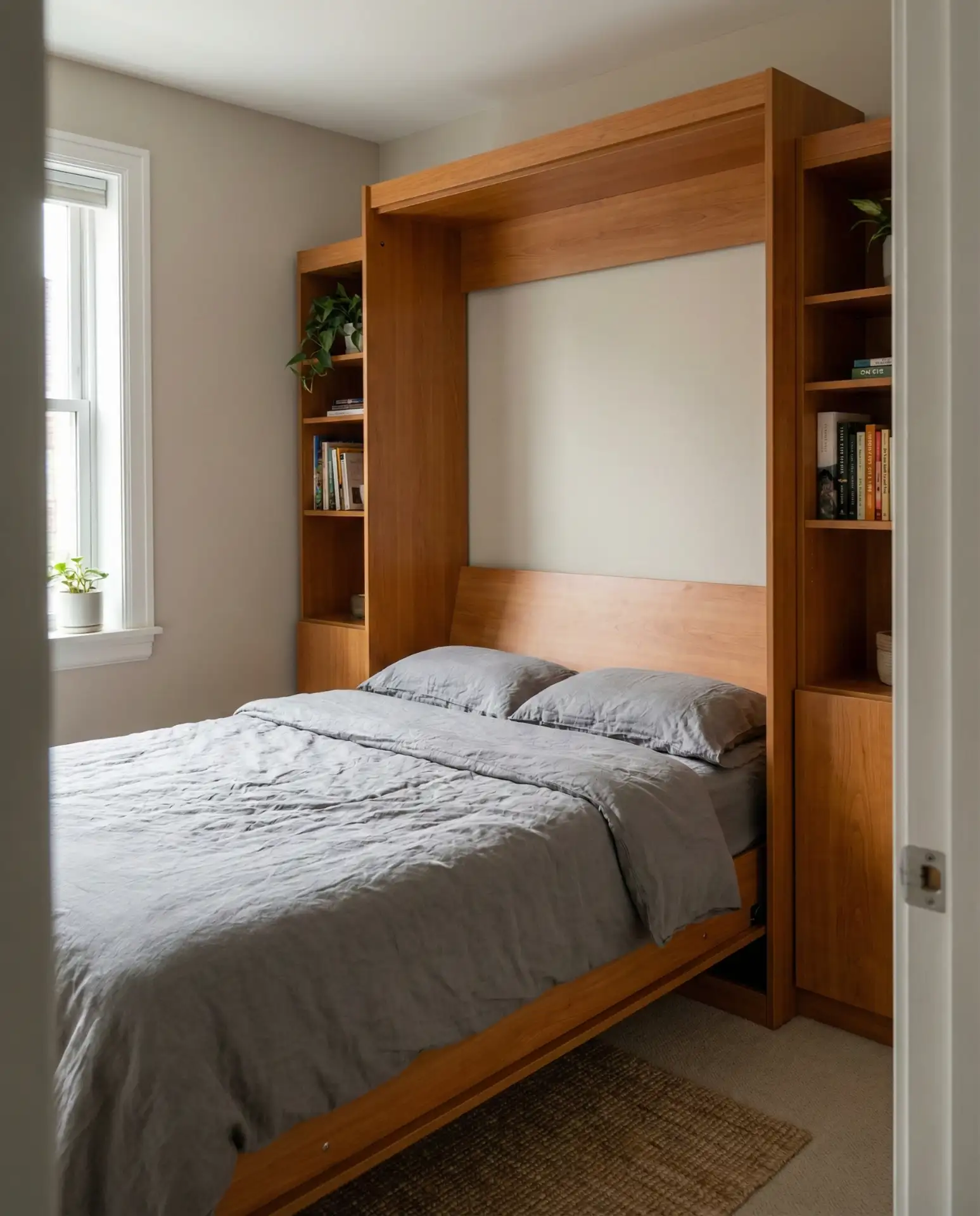
A Murphy bed—also called a wall bed—offers the ultimate flexibility for very small bedroom layout ideas by folding up into a cabinet when not in use. Modern versions come with integrated shelving, LED lighting, and even small desks that flip down. This is a game-changer for studio apartments or multipurpose guest rooms where the bed needs to disappear during the day. Choose a model with soft-close hinges and a sturdy frame rated for a full-size bed or queen-size bed to ensure durability.
I once visited a friend’s 400-square-foot apartment in San Francisco, where her Murphy bed transformed the living room into a bedroom every night. She kept throw pillows and a small rug stored in the cabinet’s base, and the whole transition took less than a minute. It’s a layout that demands a bit of discipline—bedding has to stay neat or be removed daily—but the payoff in usable daytime space is substantial, especially for freelancers or artists who work from home.
4. Platform Bed with Under-Bed Drawers
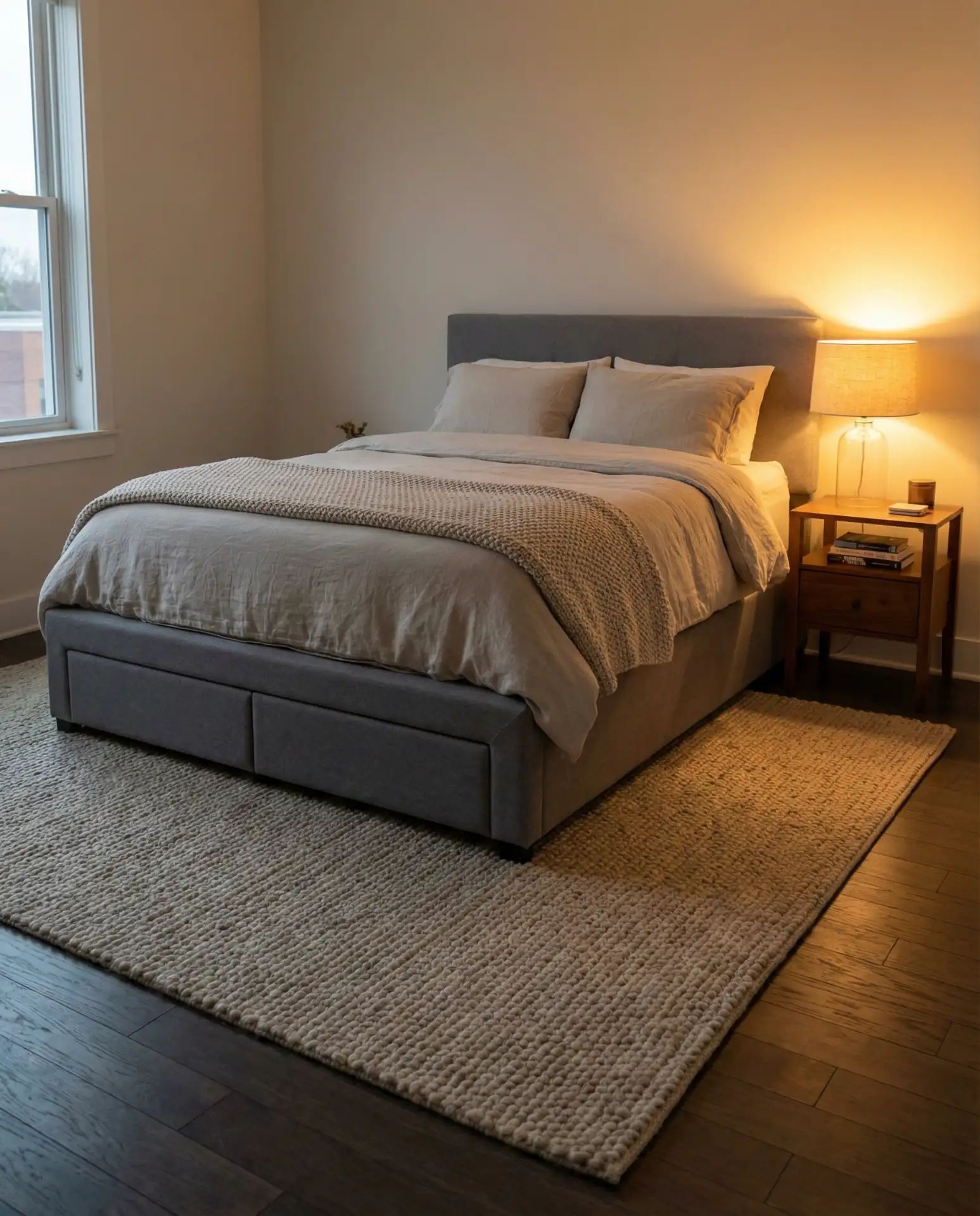
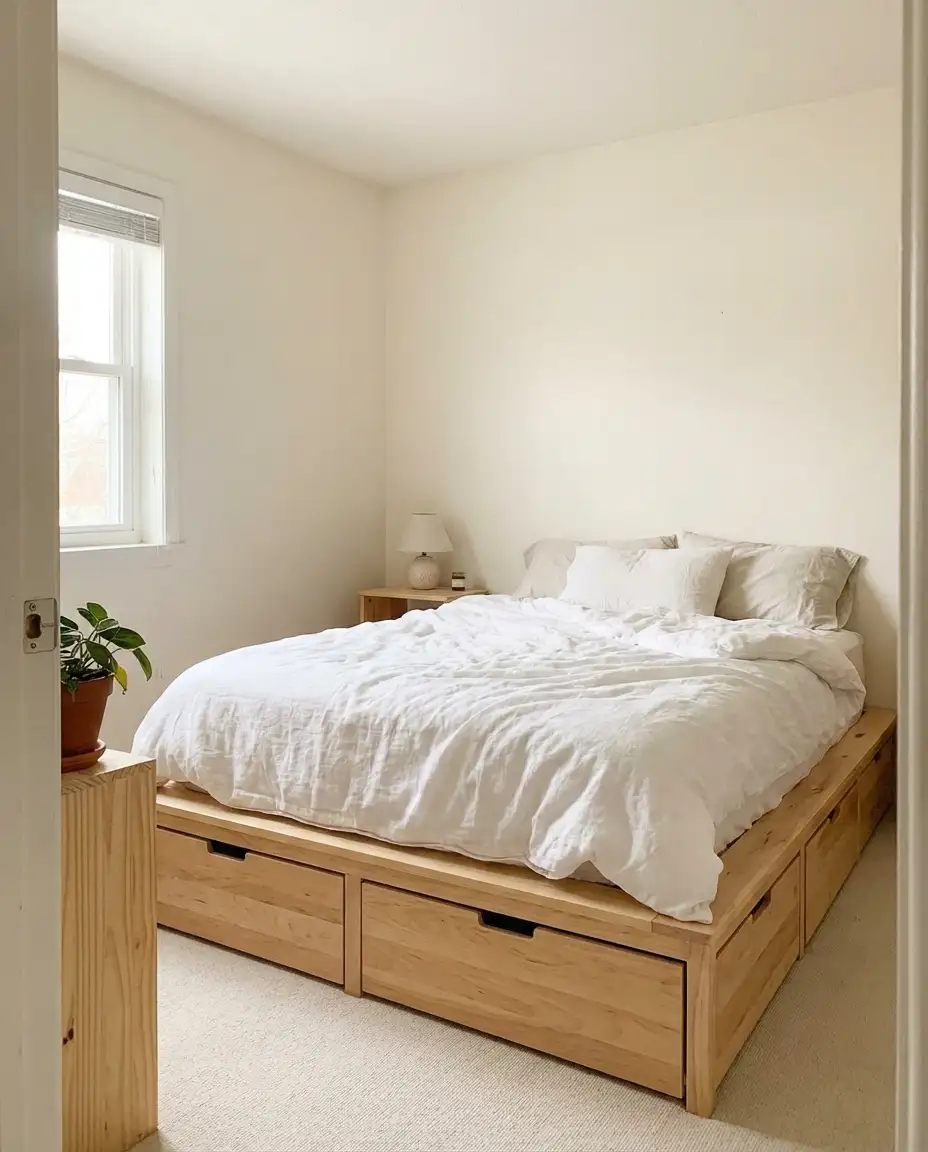
A platform bed with built-in storage drawers is one of the most practical small bedroom layout ideas for furniture placement and bed solutions available. These beds eliminate the need for a separate dresser, freeing up floor space for other furniture or simply making the room feel less cramped. Look for models with four to six deep drawers that glide smoothly on metal tracks, and choose a low-profile design to keep sightlines open. This setup is especially popular for small bedroom layout ideas for couples who need shared storage without doubling up on bulky furniture.
Expect to spend anywhere from $400 to $1,200 depending on materials and brand. IKEA and Wayfair offer affordable options, while brands like Thuma and Floyd provide higher-end designs with modular components. Avoid beds with drawers that require full extension to open—those can be tough to use if your bed sits close to a wall. This layout is a favorite among young professionals in cities like Austin and Denver who want clean, functional design without sacrificing storage capacity.
5. Lofted Bed with Desk Underneath
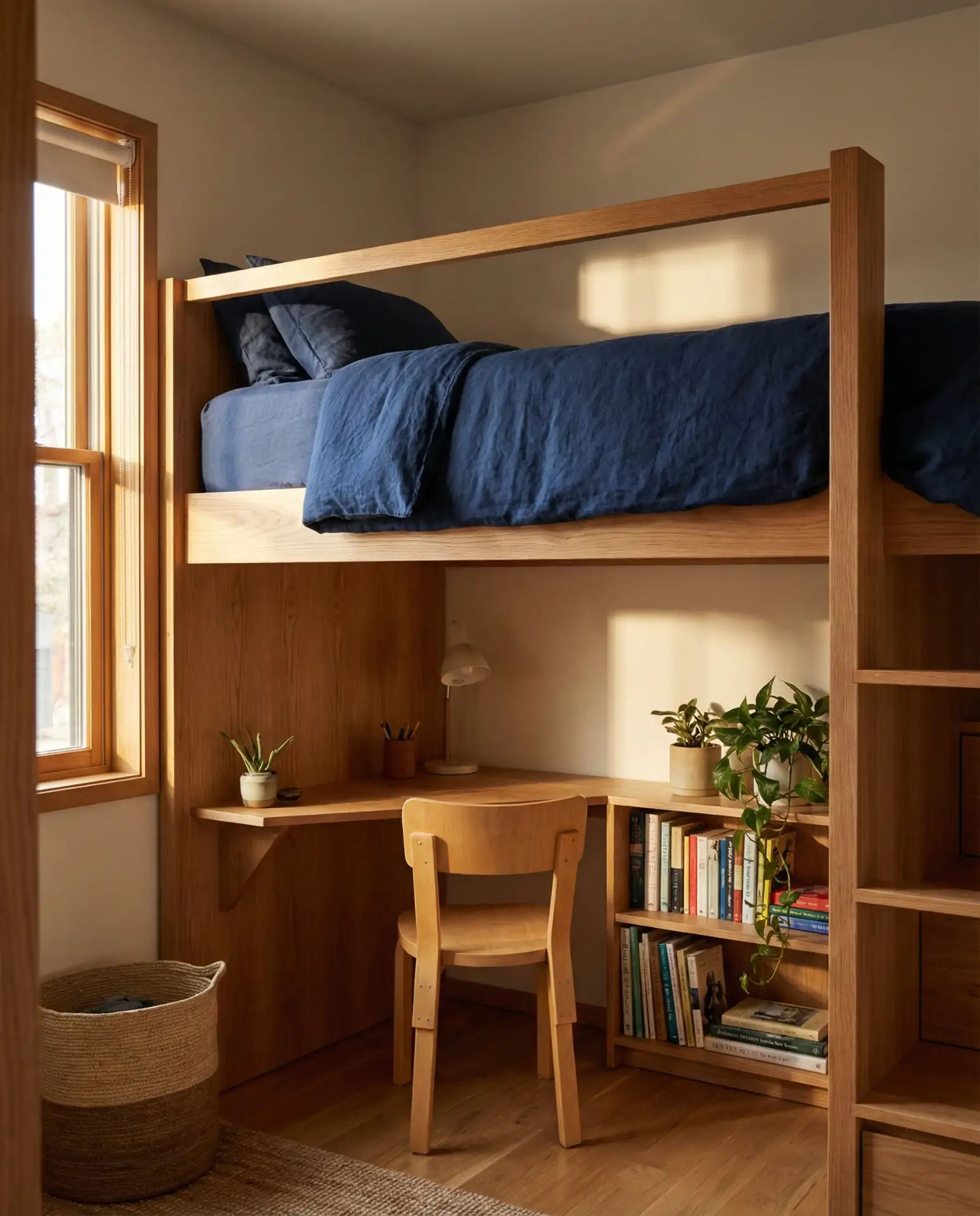
Lofted beds aren’t just for kids—they’re ingenious small bedroom layout ideas for teens and young adults who need both sleeping and working zones in a tight footprint. By elevating the bed four to six feet off the ground, you create room for a full desk setup, a reading nook, or even a compact closet below. Choose a sturdy metal or solid wood frame rated for adult weight, and make sure there’s at least 36 inches of clearance above the mattress so you don’t feel cramped when sitting up.
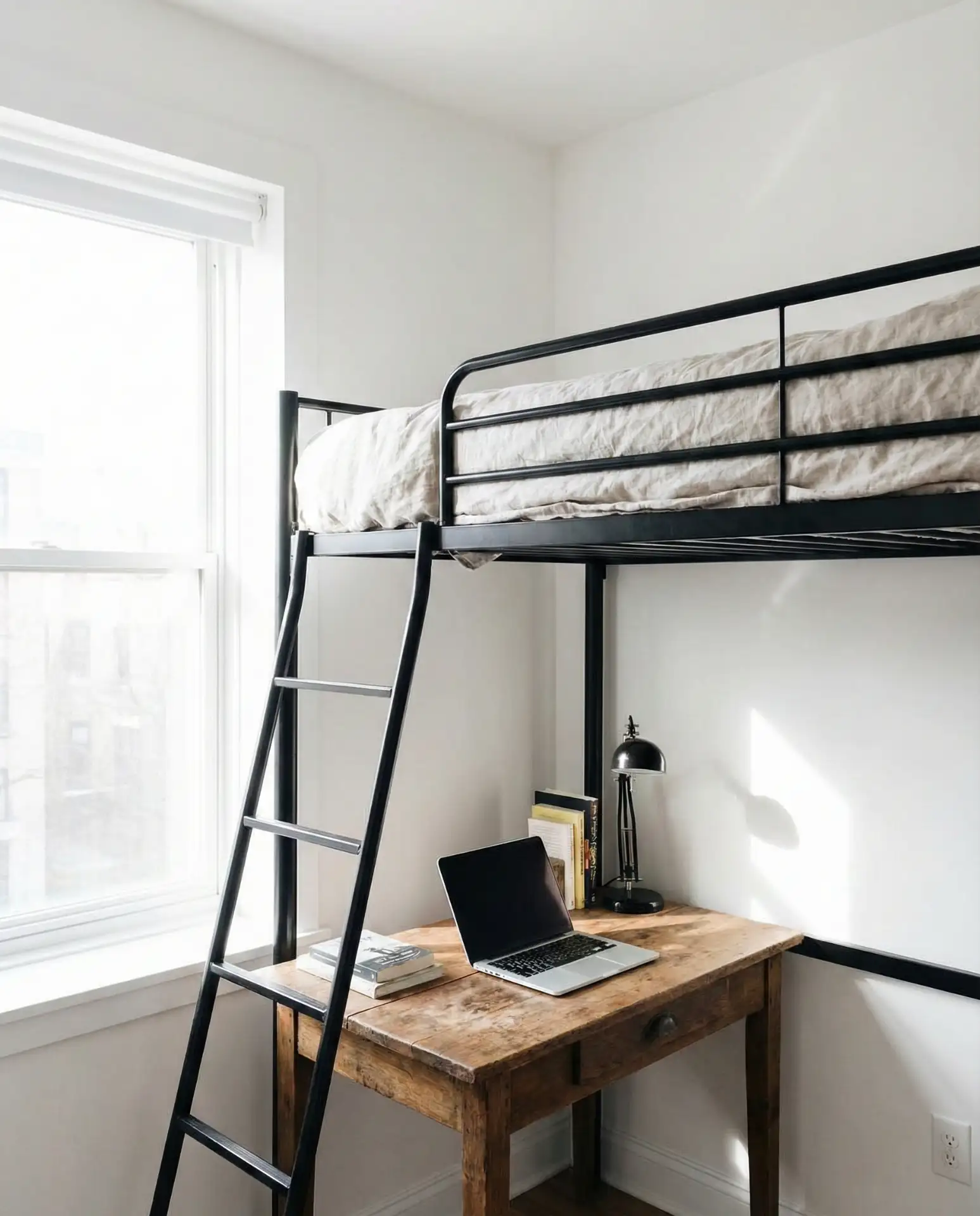
This layout is particularly effective in college dorms, urban studios, and shared teenage bedrooms where floor space is at a premium. It’s also a smart choice for remote workers who need a dedicated desk but don’t have a separate home office. One practical tip: add a clip-on fan or a small window nearby to keep air circulating, as lofted sleeping areas can feel warm and stuffy, especially in the summer months.
6. Diagonal Bed Placement
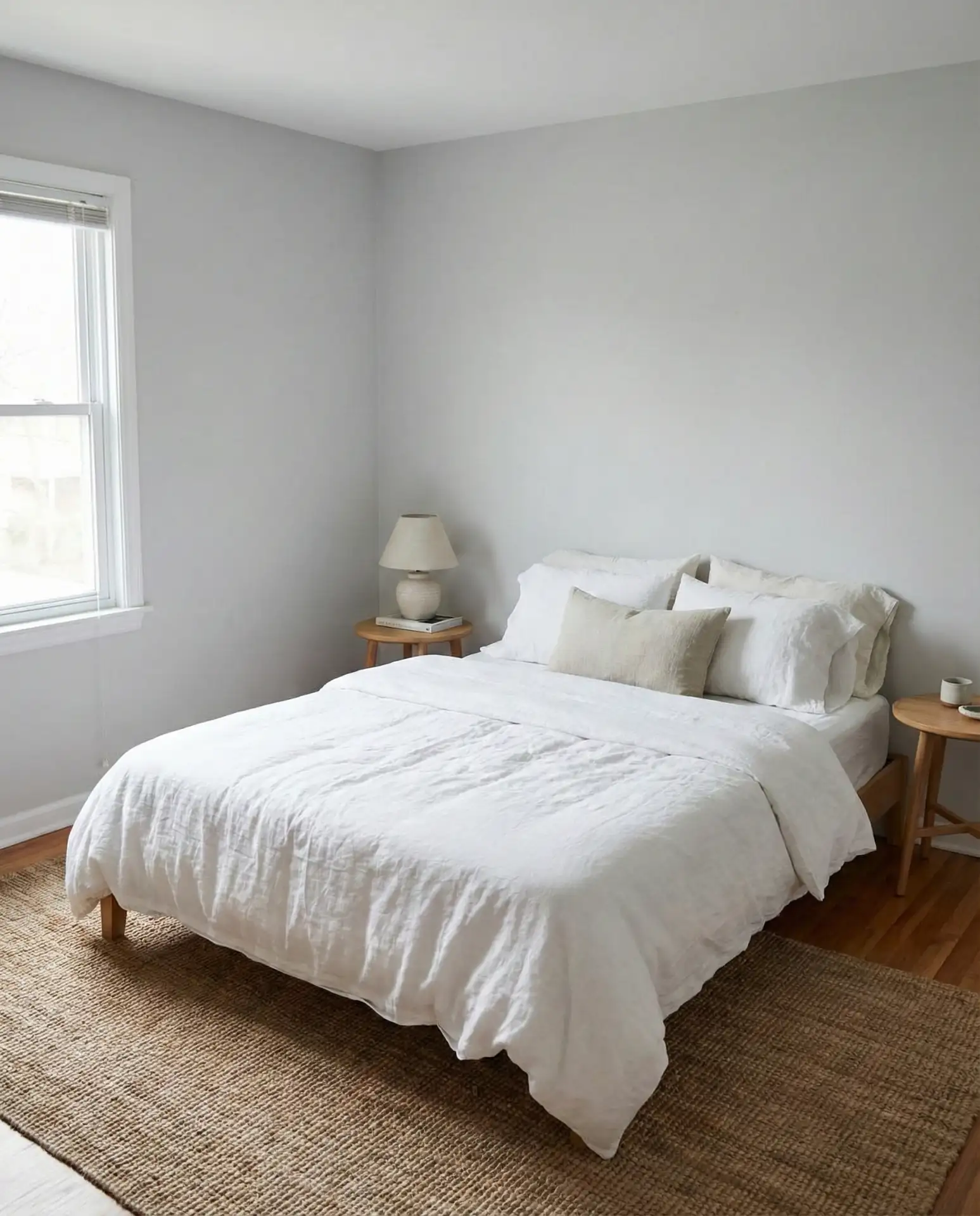
Positioning your bed diagonally across a corner is an unexpected small bedroom layout design trick that can make a boxy room feel more dynamic and spacious. This layout works best in square or nearly square bedrooms, and it frees up two adjacent walls for a dresser, desk, or seating area. The angled placement naturally draws the eye and creates a sense of movement, breaking up the rigid geometry of the space. Use corner nightstands or floating shelves to flank the bed without blocking pathways.
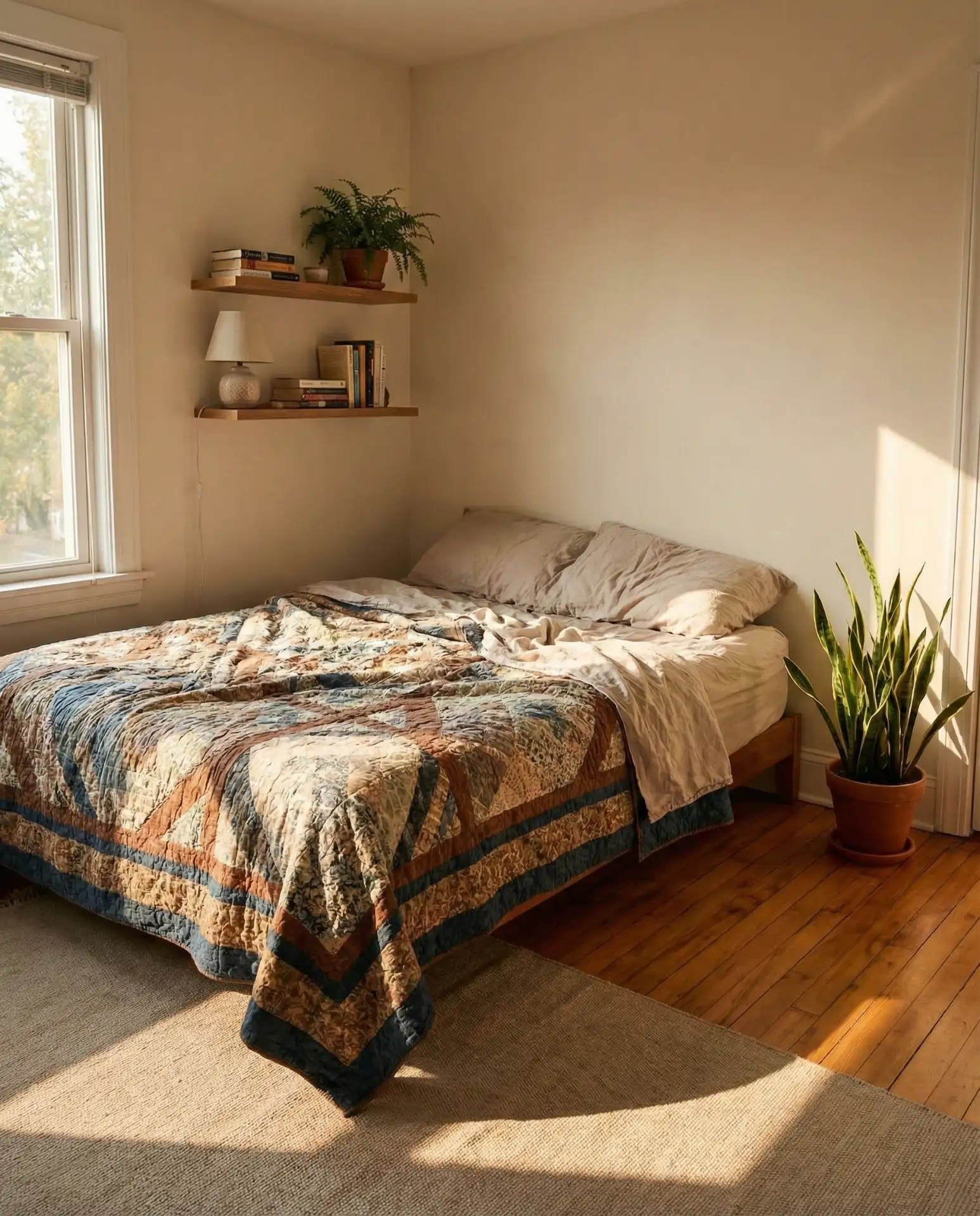
This arrangement is a favorite among interior designers who want to add visual interest without major renovations. It’s also practical in bedrooms with awkward door or window placements that make traditional layouts feel cramped. However, avoid this setup if your room is very narrow or if you need maximum clearance for a closet door—diagonal placement works best when you have at least a few feet of open floor space on either side of the bed.
7. Closet Integration with Sliding Doors
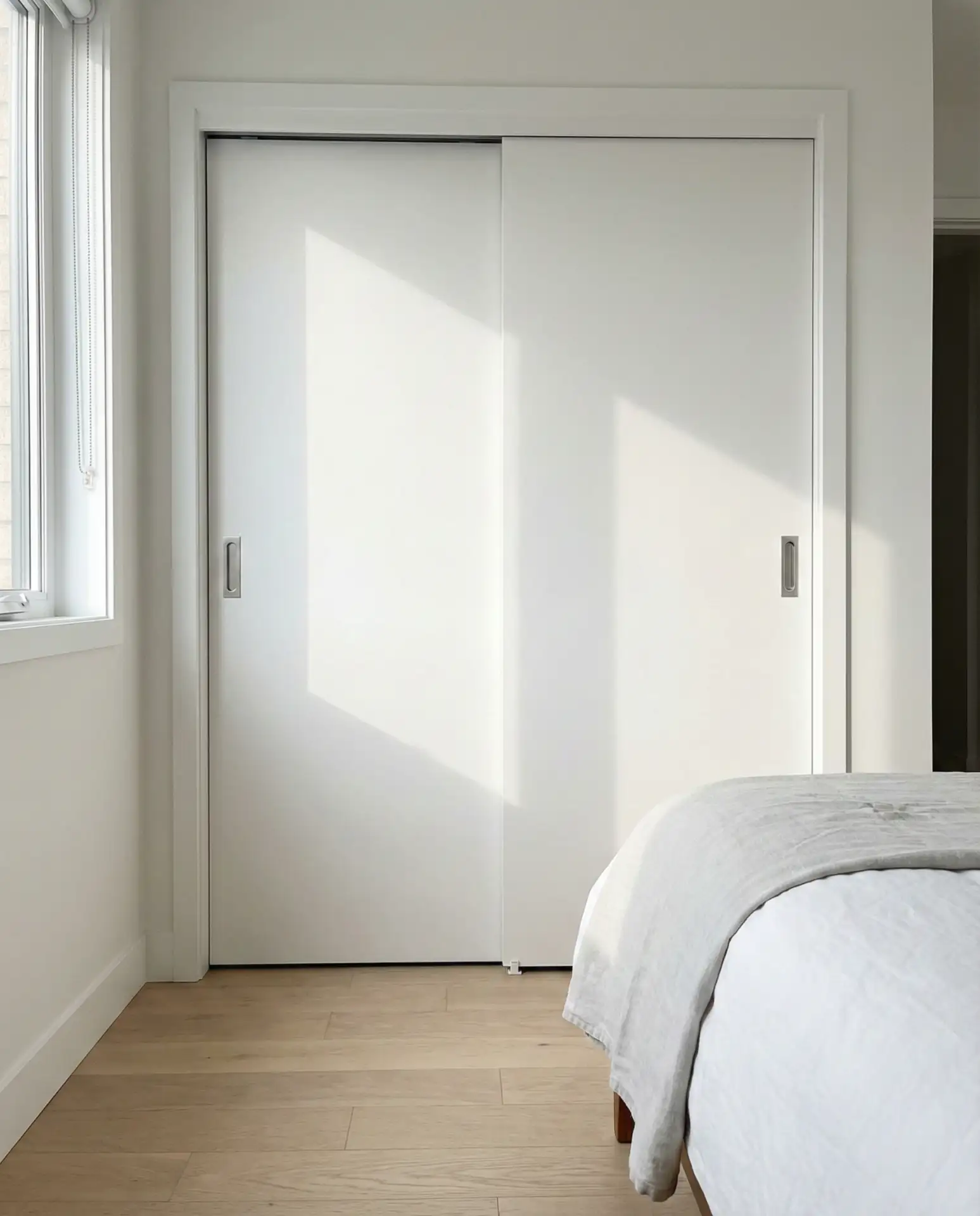
Replacing traditional hinged closet doors with sleek sliding or barn-style doors is a simple upgrade that saves floor space and modernizes your small bedroom layout closet area. Sliding doors don’t swing out into the room, which means you can place furniture closer to the closet without blocking access. Choose mirrored panels to reflect light and make the room feel larger, or opt for frosted glass or wood finishes for a warmer, more textured look.
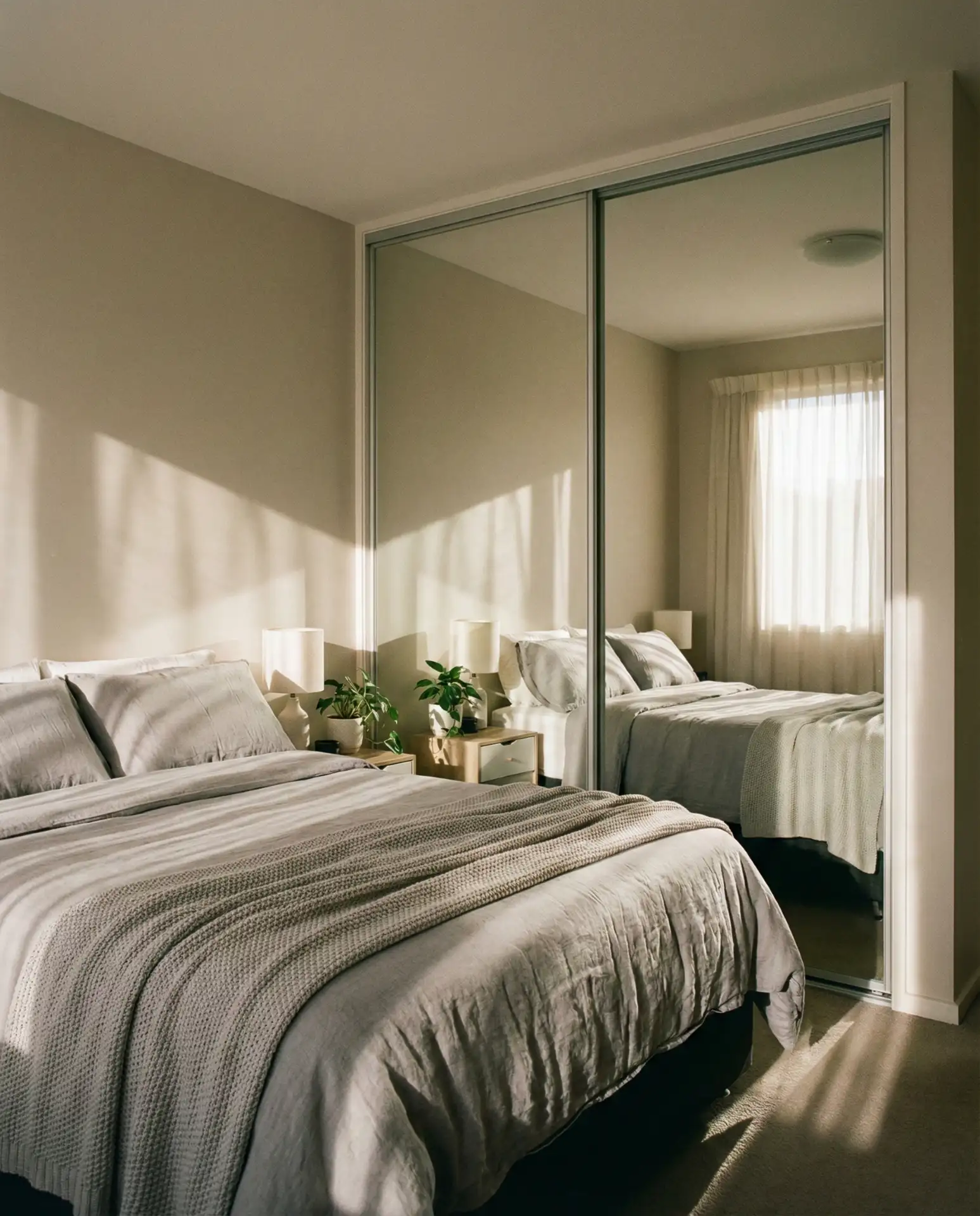
Many homeowners in tight urban markets like New York and Chicago have adopted this layout to maximize every inch of usable space. It’s also a renter-friendly upgrade if you choose tension-mounted barn door kits that don’t require permanent hardware. Inside the closet, add double rods, shelf dividers, and hanging organizers to make the most of vertical space—this is especially helpful in bedrooms where a standalone dresser would feel too bulky.
8. Compact L-Shaped Layout
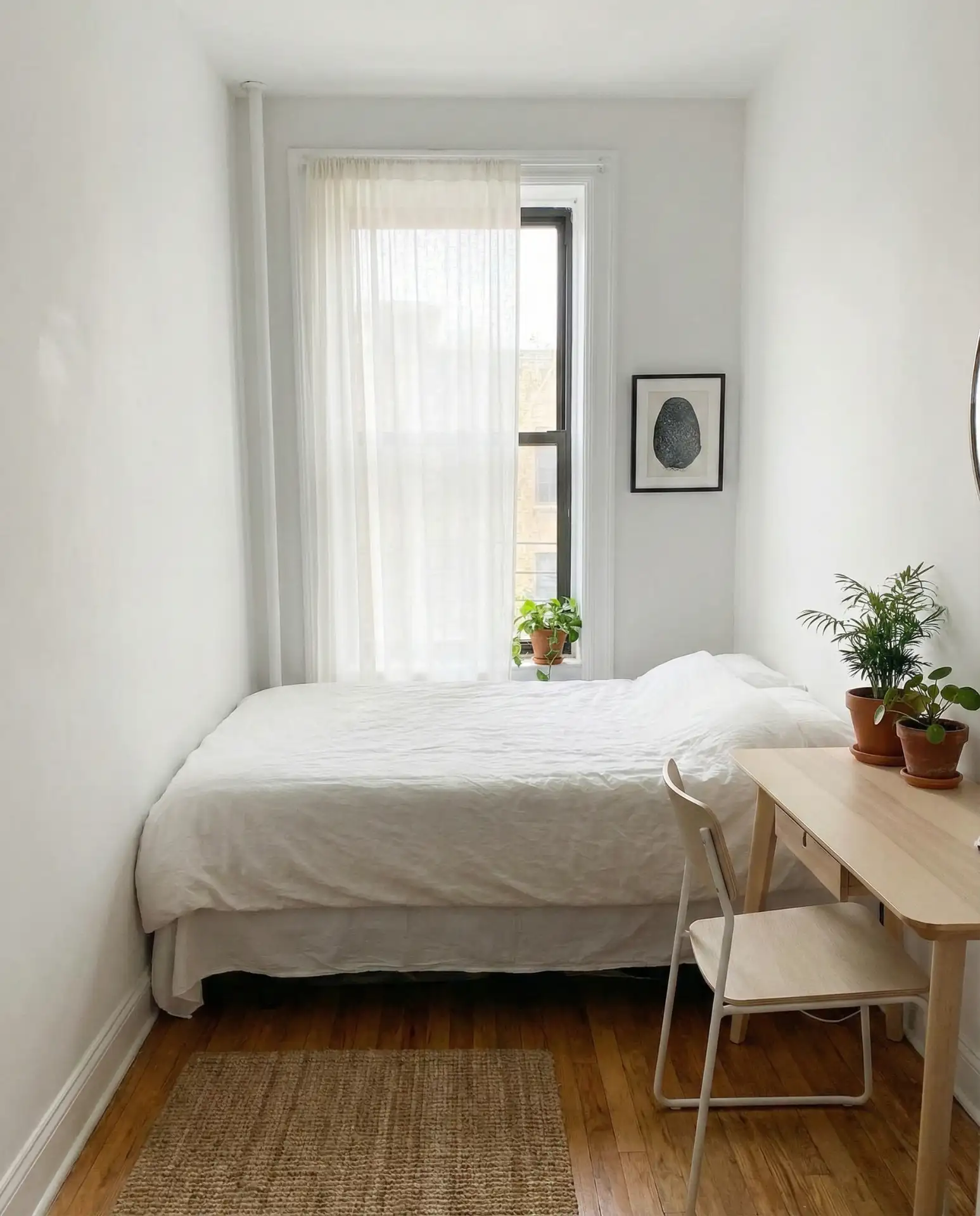
An L-shaped furniture arrangement—where the bed runs along one wall and a desk or dresser extends perpendicularly along an adjacent wall—creates a natural flow and maximizes corner space. This small bedroom layout idea, the 10×10 solution, is especially effective in rooms with a single window, as it leaves the window wall open for light and air circulation. Use low-profile furniture to keep sightlines clear, and anchor the layout with a small area rug that defines the sleeping zone.
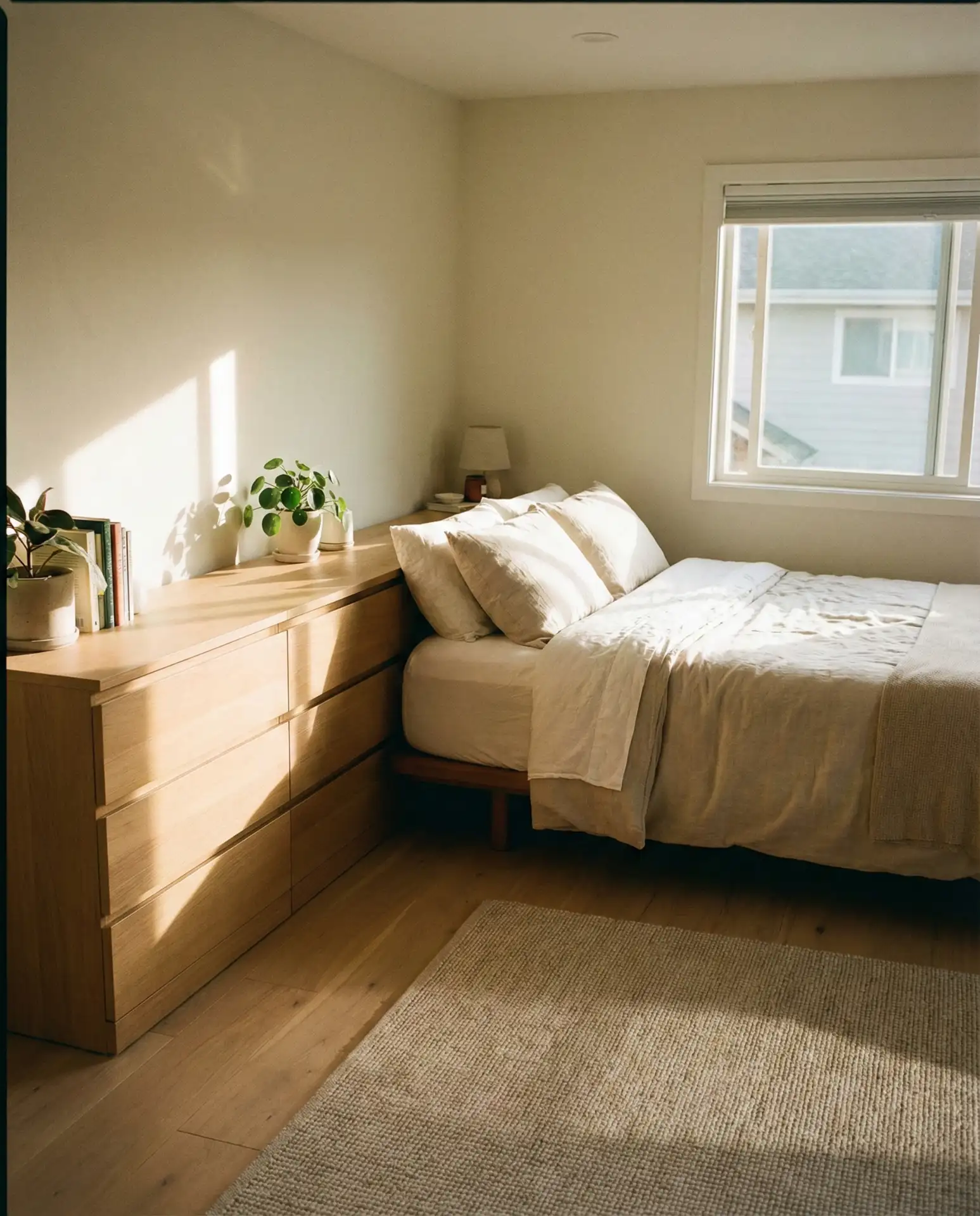
A neighbor of mine in Portland used this exact setup in her 10×10 guest room, and it transformed what felt like a cramped box into a functional retreat. She placed a twin bed along the shorter wall and a narrow desk along the longer one, leaving just enough space for a small armchair in the corner. The L-shape created natural zones without needing dividers, and guests appreciated having both a place to sleep and a spot to work or read.
9. Minimalist King Bed in Center
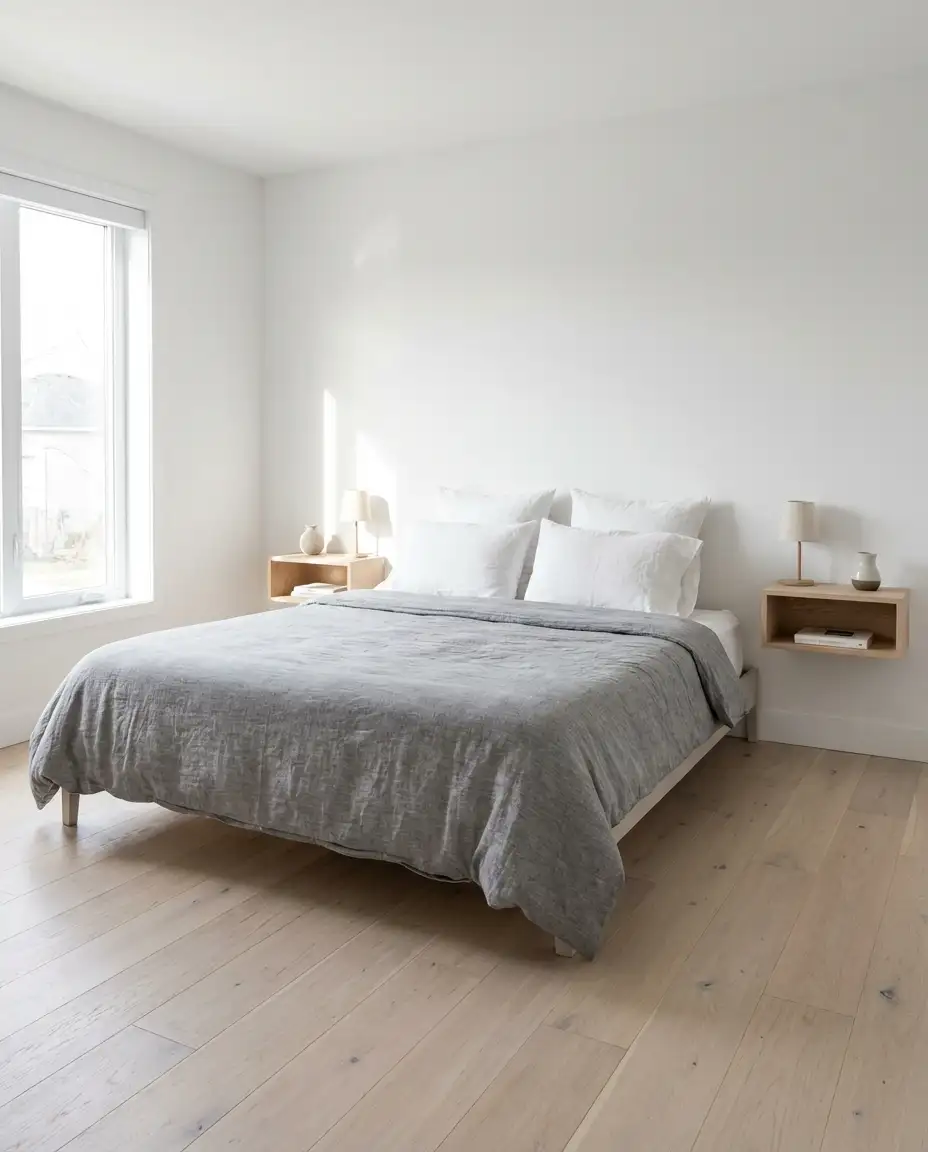
Centering a king bed in a small bedroom layout might seem counterintuitive, but in a rectangular room with enough width, it creates a balanced, hotel-like aesthetic. This approach works best when you embrace minimalism—keep nightstands small or use wall-mounted shelves, skip the dresser in favor of closet storage, and let the bed become the focal point. The symmetry creates a sense of calm, and you’ll have equal access on both sides, which is ideal for couples.
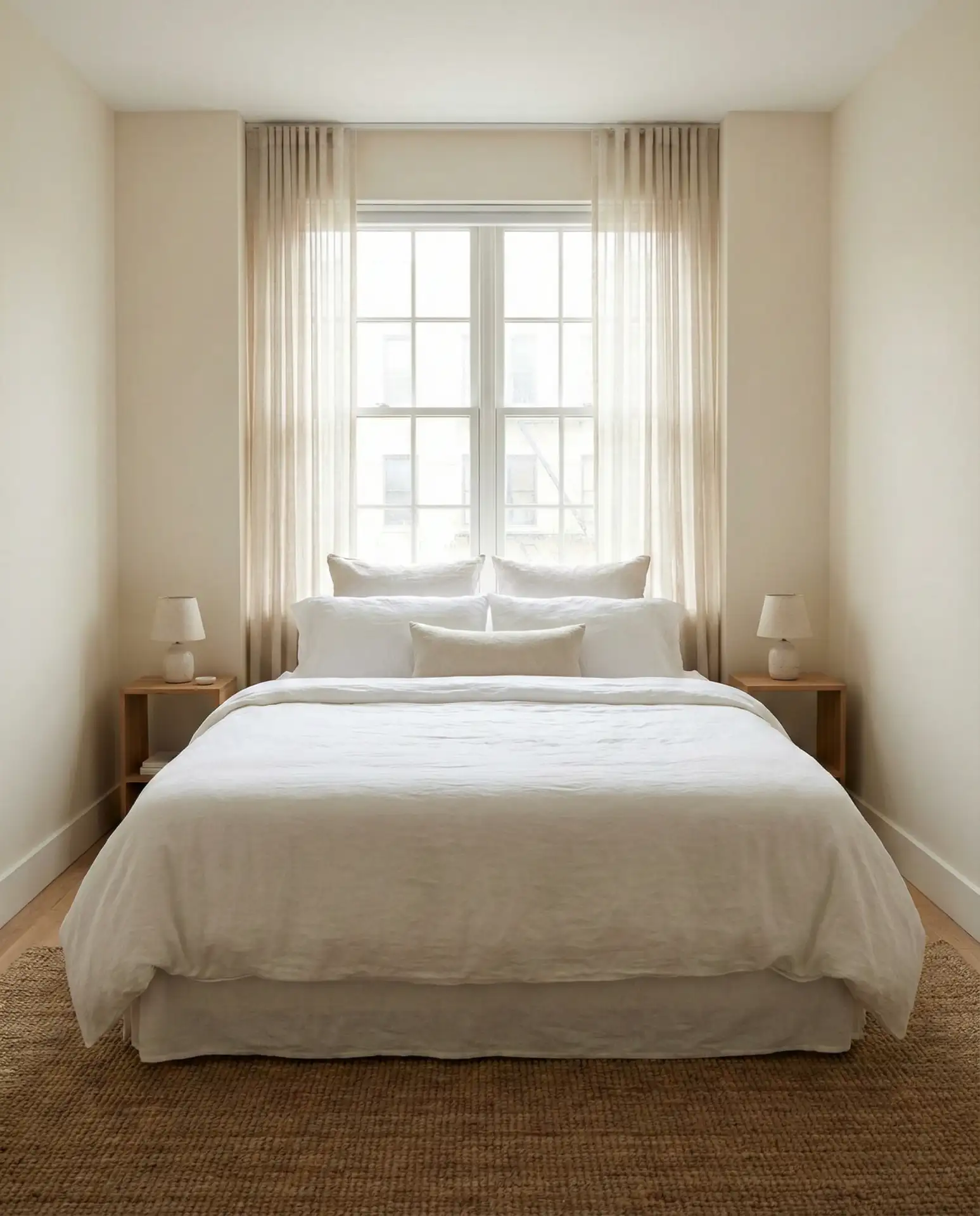
This layout is most successful in bedrooms that are at least 12 feet wide, allowing for 24 to 30 inches of clearance on either side of the bed. It’s a favorite in master bedrooms where closets are walk-in or built-in, eliminating the need for additional furniture. Avoid this setup if your room is narrow or if you need space for a desk or sitting area—the king bed will dominate, and the room may feel cramped rather than serene.
10. Built-In Window Seat with Storage
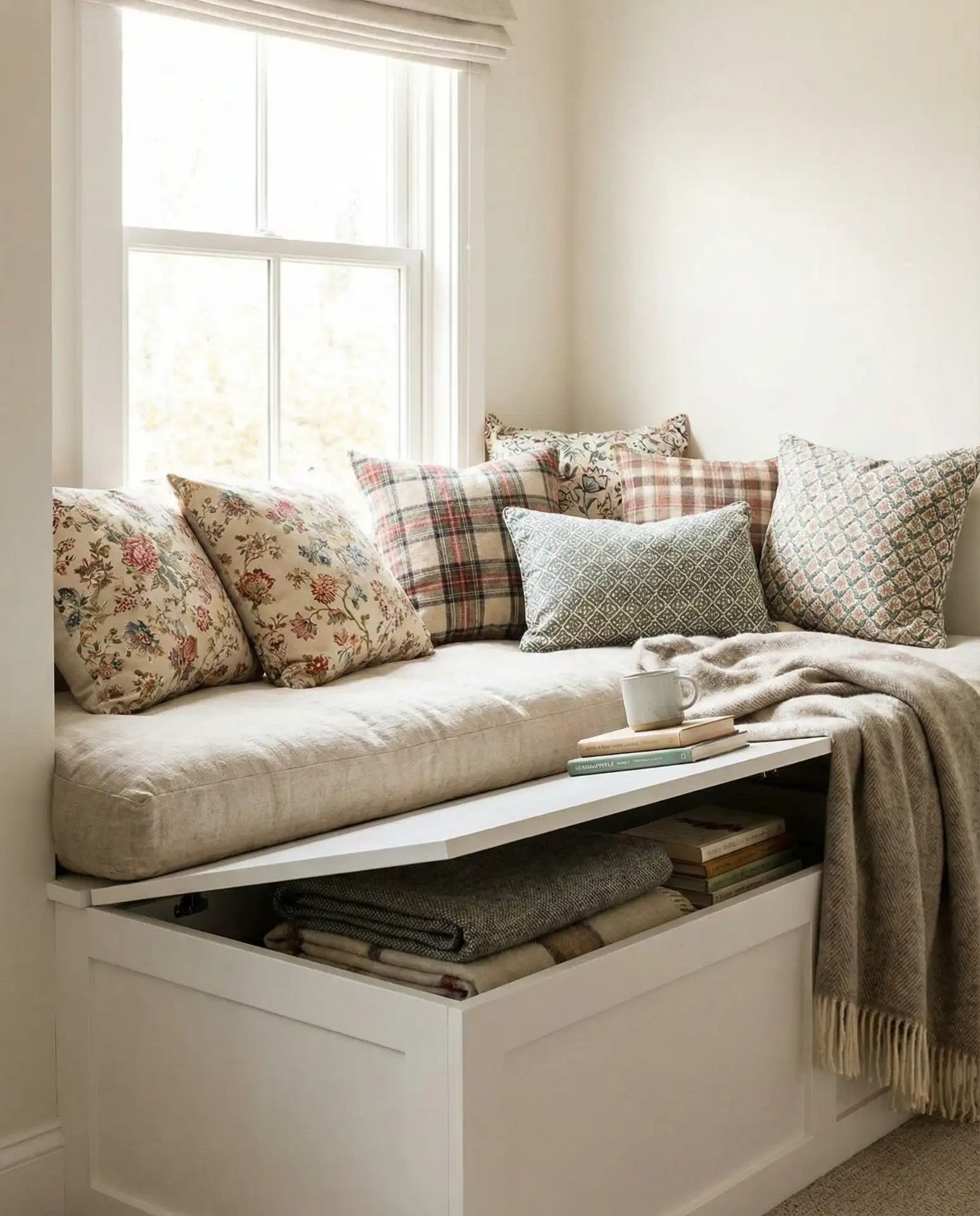
A custom or DIY window seat with lift-top storage beneath turns an awkward window nook into a charming, functional feature. This small bedroom layout inspiration works beautifully in rooms with bay windows or wide sills, and it provides extra seating, a reading spot, and hidden storage for off-season clothes or extra bedding. Add a cushion in a durable fabric, a few throw pillows, and a small side table to complete the look.
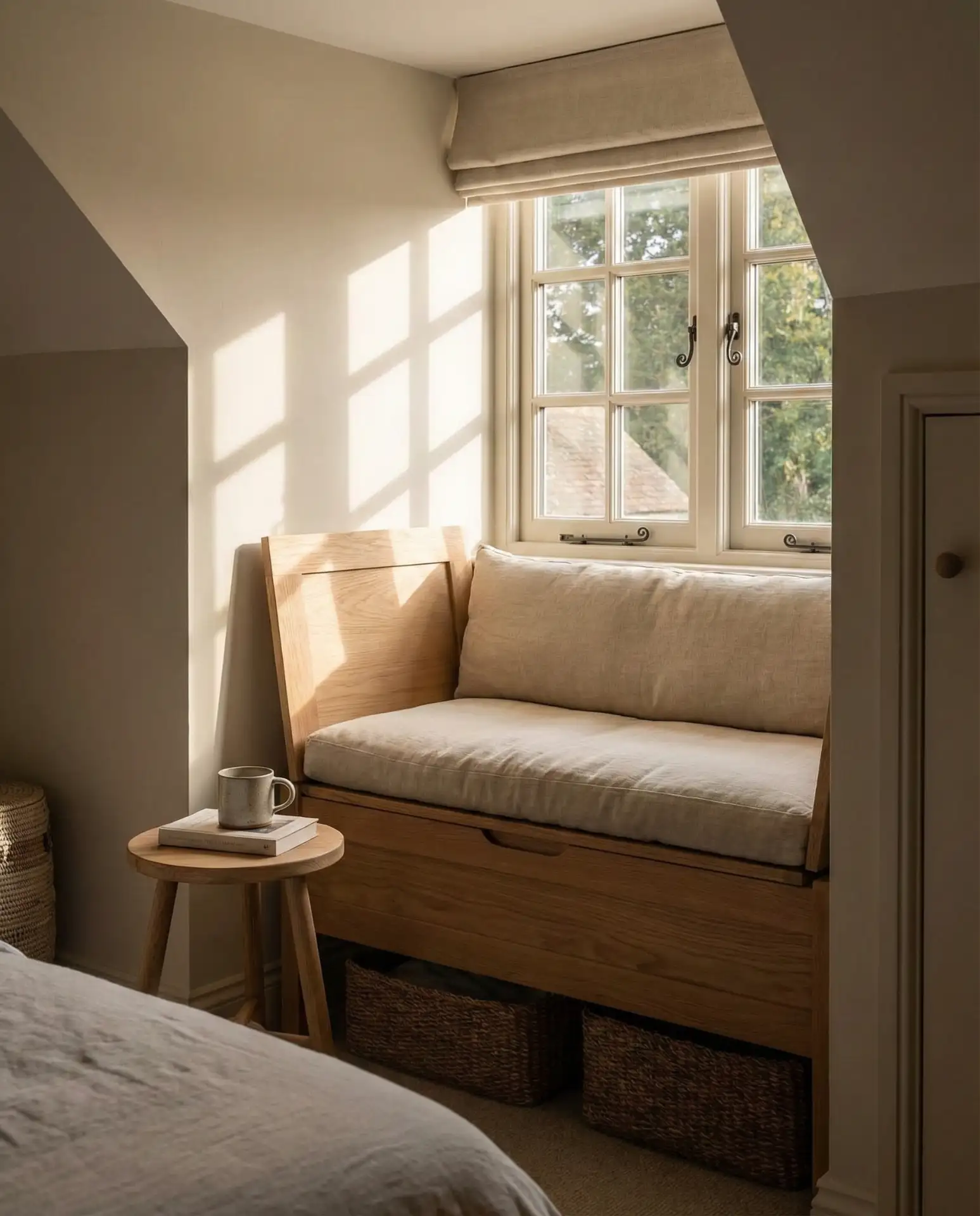
Where it works best: homes with older architecture, Cape Cod-style bungalows, or Victorian row houses where window seats are a traditional feature. It’s also popular in modern renovations where homeowners want to maximize every nook. If you’re renting, consider a freestanding storage bench that can be positioned under a window to achieve a similar effect without permanent modifications.
11. Double Bed with Symmetrical Nightstands
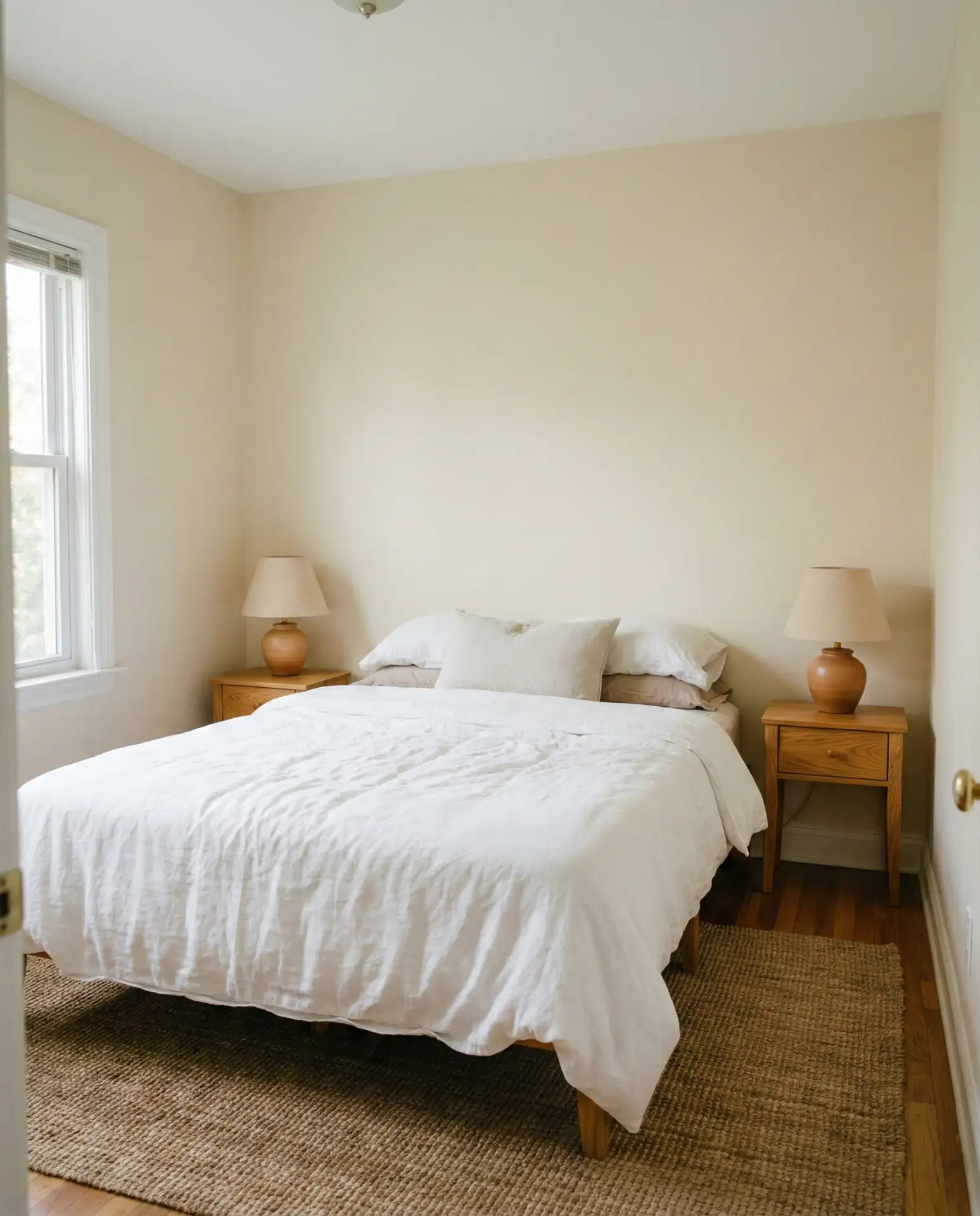
A double bed small bedroom layout offers a sweet spot between space efficiency and sleeping comfort, especially for single sleepers or couples who don’t need the width of a queen. Flank the bed with matching nightstands—whether classic wood, modern metal, or floating shelves—to create a balanced, magazine-ready look. Keep the nightstands narrow (15 to 18 inches deep) to preserve walking space, and use table lamps or wall sconces to avoid cluttering the surfaces.
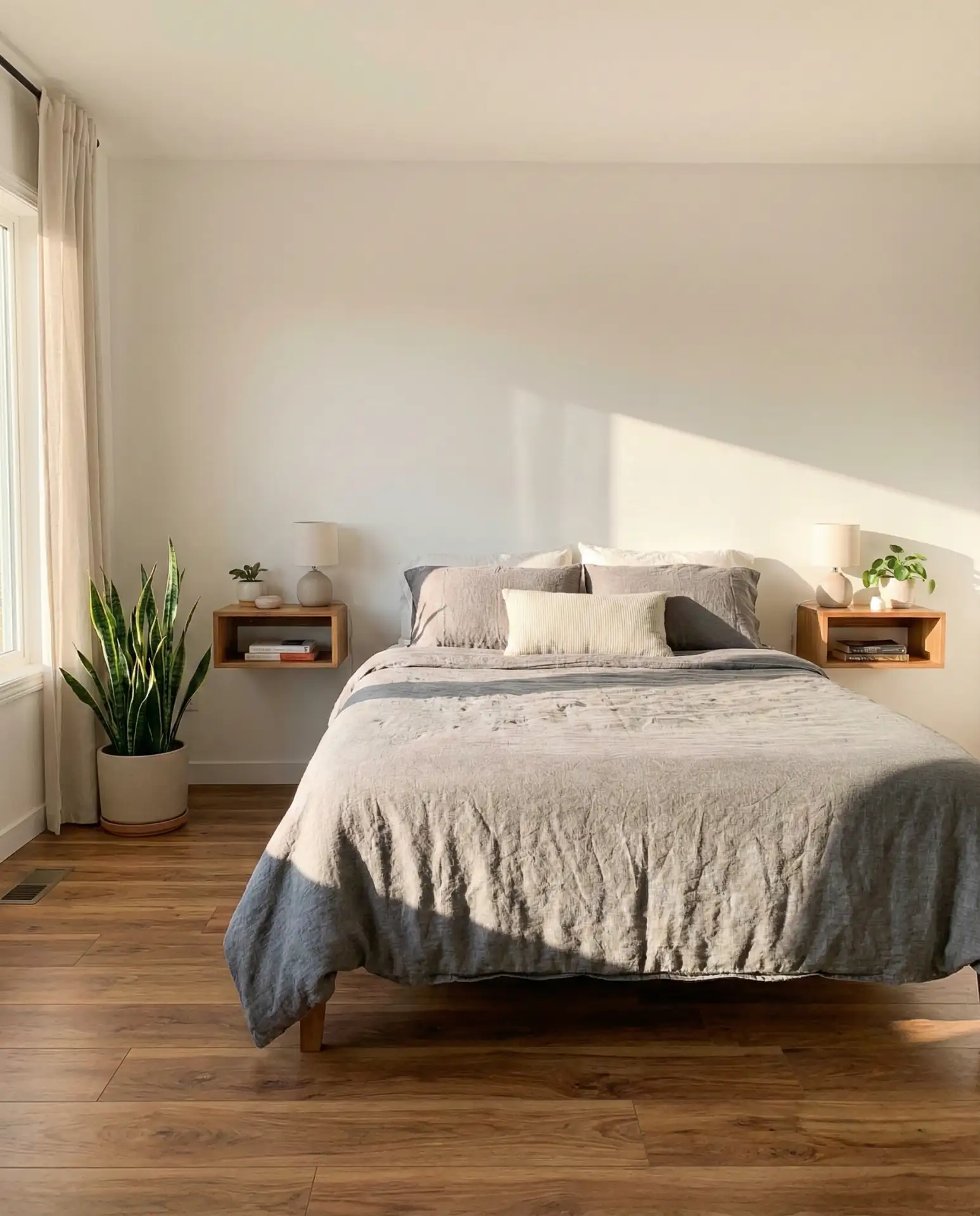
Real homeowners often choose this layout when upgrading from a twin but don’t have room for a queen. It’s a practical choice for guest rooms, teenager bedrooms, or small master bedrooms in older homes. Symmetry creates a sense of order and calm, which is especially helpful in tight spaces where visual clutter can quickly feel overwhelming. Just make sure the bed isn’t pushed so tightly against the wall that you can only access one side—leaving equal clearance on both sides keeps the layout functional and attractive.
12. Walk-In Closet as Dressing Zone
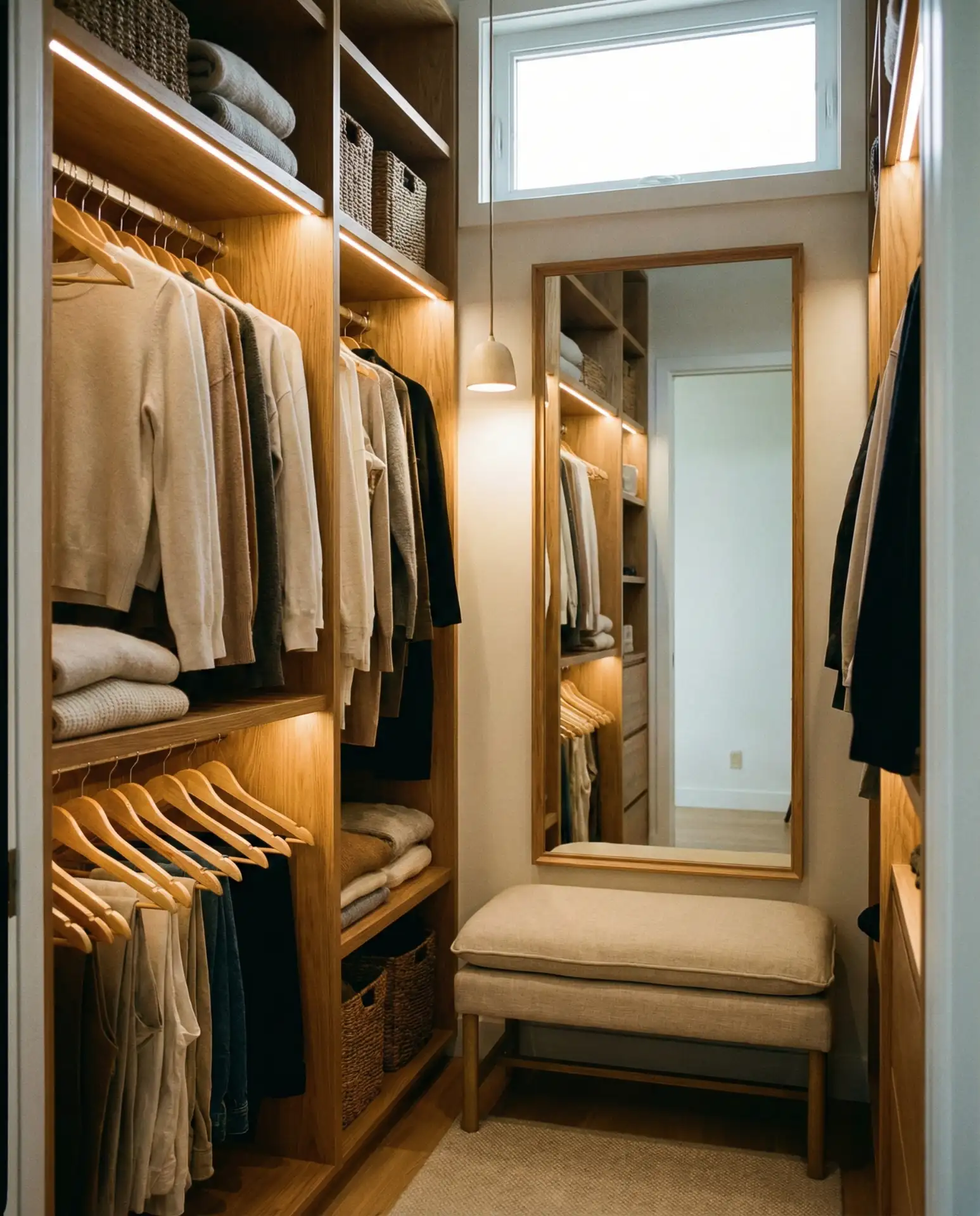
If your small bedroom includes a walk-in closet, treat it as a separate dressing zone rather than trying to fit a dresser into the bedroom itself. Install rods at multiple heights, and add a small mirror, a stool, and LED strip lighting to create a boutique-like experience. This approach keeps your sleeping area uncluttered and allows you to dedicate the bedroom entirely to rest and relaxation, which is a key small bedroom layout tip strategy for maintaining a calm environment.
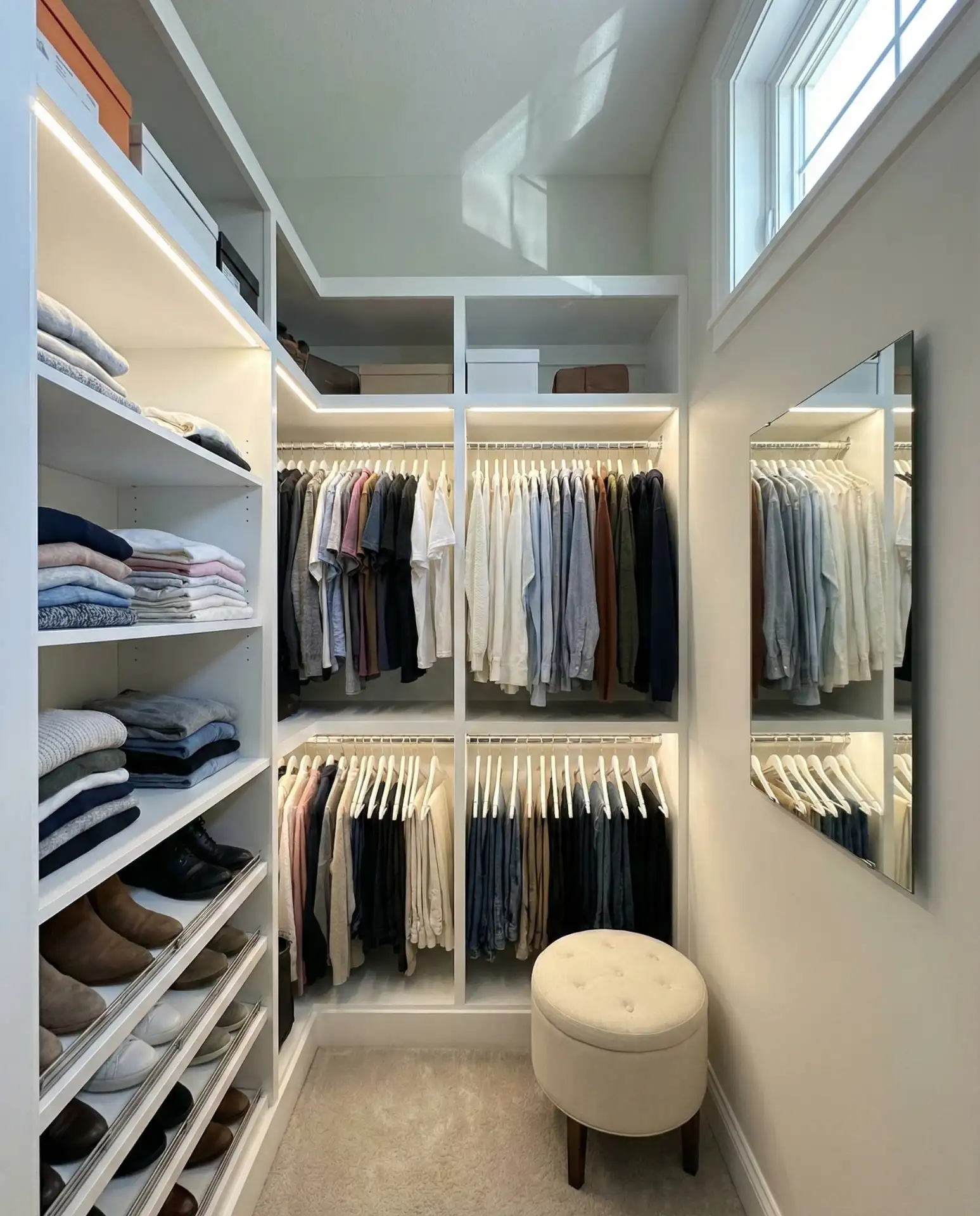
Expert designers recommend using vertical space aggressively in walk-in closets—add shelves all the way to the ceiling for seasonal items, and use bins or baskets to keep smaller accessories tidy. This layout is especially popular in newer suburban homes and renovated condos where walk-in closets are standard. It’s also a smart way to avoid the common mistake of overfilling a small bedroom with bulky furniture that makes the space feel cramped and dark.
13. Bed and Desk in Parallel Formation
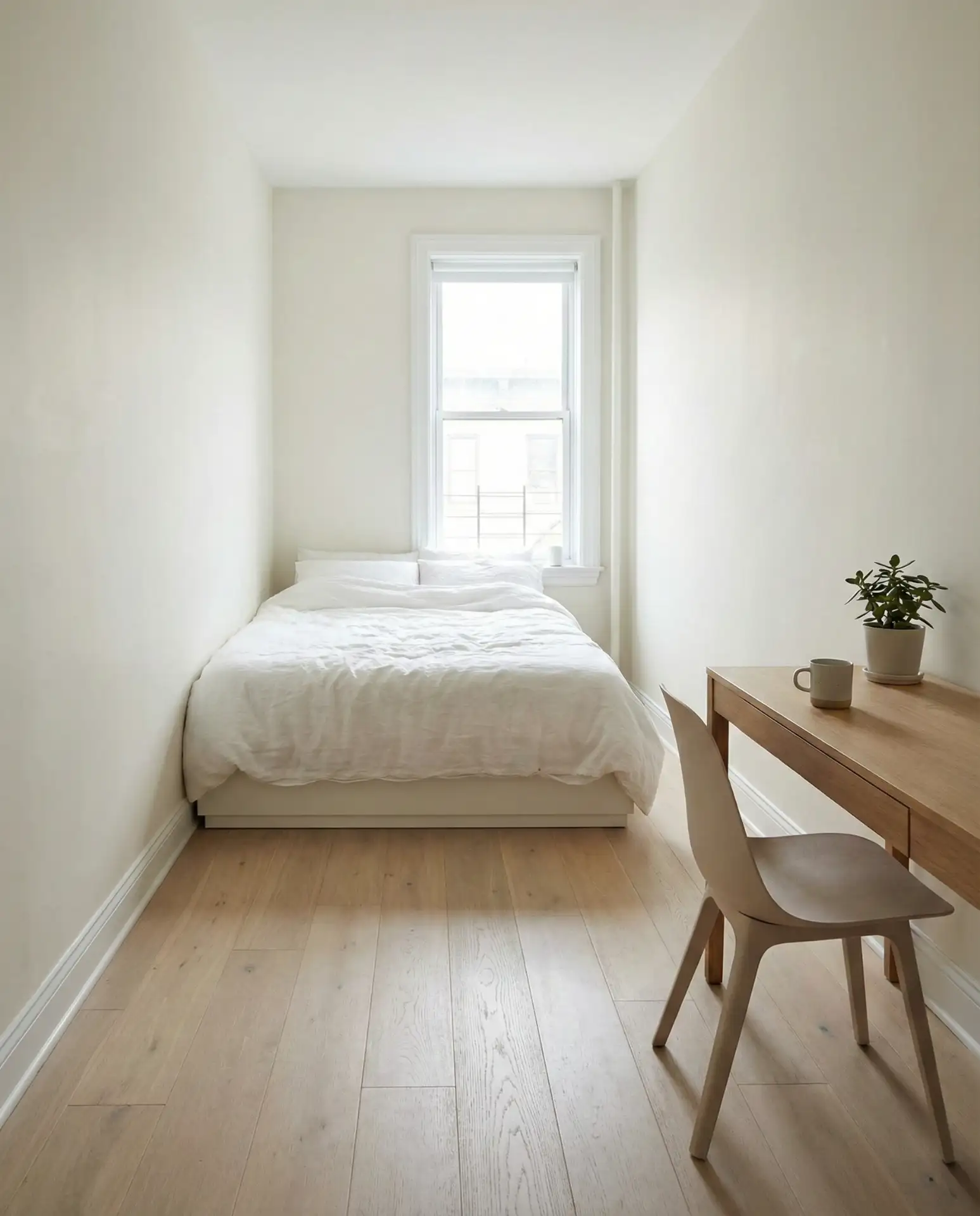
Placing your bed along one long wall and a desk along the opposite wall creates a streamlined, galley-style small bedroom layout plan that’s both functional and easy to navigate. This setup works especially well in narrow rooms—think 8×12 or 9×14 feet—where side-by-side furniture would block natural pathways. Keep the desk simple and the bed low to maintain an open feel, and use a runner rug down the center to visually connect the two zones.
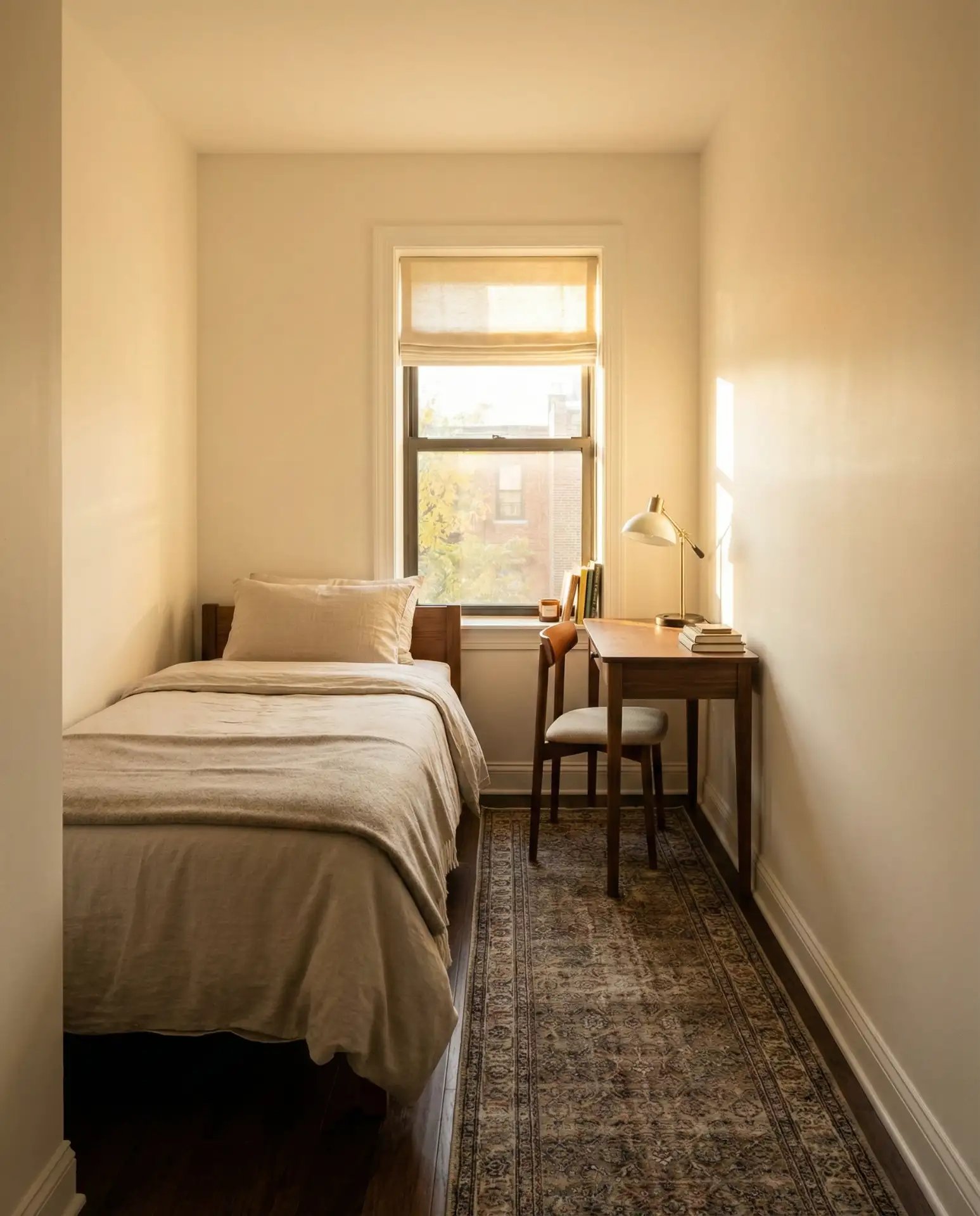
This layout is a go-to for students and remote workers who need both sleeping and working areas but don’t have the luxury of a separate office. It’s also common in older apartment buildings with long, narrow bedrooms. One practical insight: mount a pegboard or wall organizer above the desk to keep supplies off the surface, and use under-bed storage for bedding or clothes to avoid needing a dresser in the already tight space.
14. Daybed with Trundle for Guests
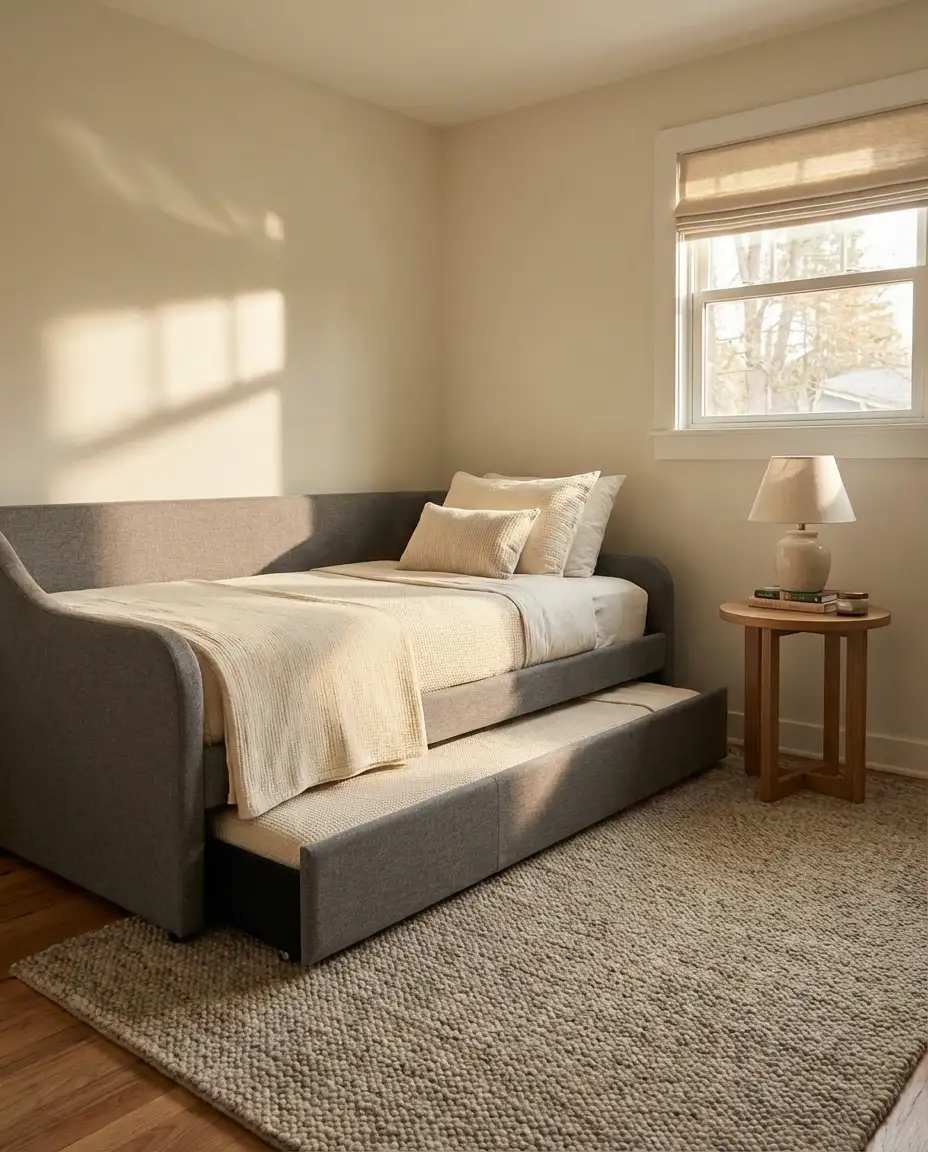
A daybed with a pull-out trundle is a clever small bedroom layout solution for guest rooms, kids’ rooms, or multipurpose spaces that need to function as both a bedroom and a lounge. During the day, the daybed serves as a sofa with throw pillows and a cozy blanket; at night, pull out the trundle for a second sleeping surface. This setup is especially useful for sleepovers, visiting relatives, or siblings who share a room but want separate beds.
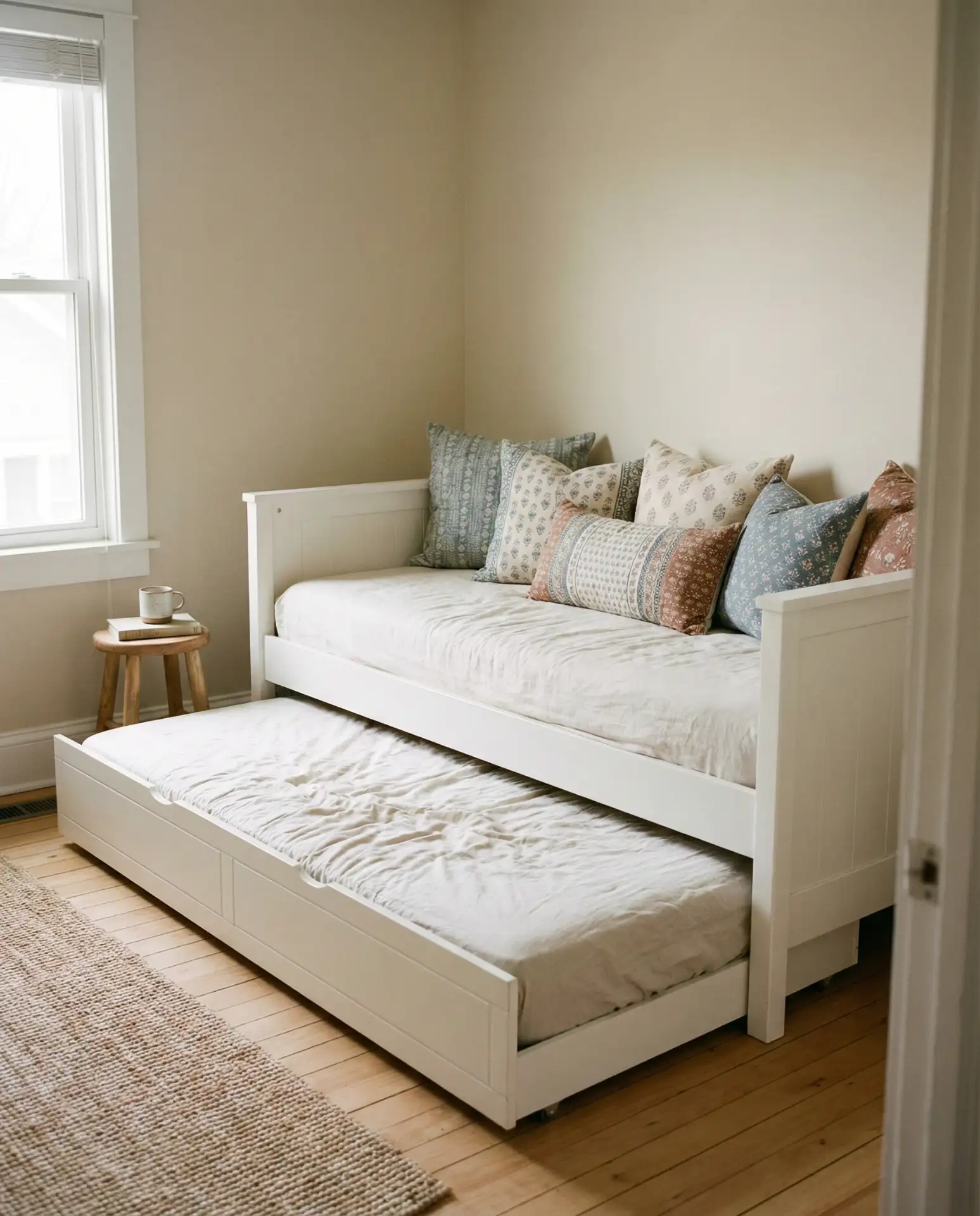
Expect to spend $300 to $800 for a quality daybed with trundle, depending on whether you choose metal, wood, or upholstered frames. IKEA’s Hemnes and West Elm’s Mid-Century options are popular picks. This layout is particularly effective in homes where a dedicated guest room doesn’t exist, and it’s a favorite among families who want to maximize the flexibility of a spare bedroom without committing to a full-size bed that dominates the space.
15. Accent Wall Behind the Bed
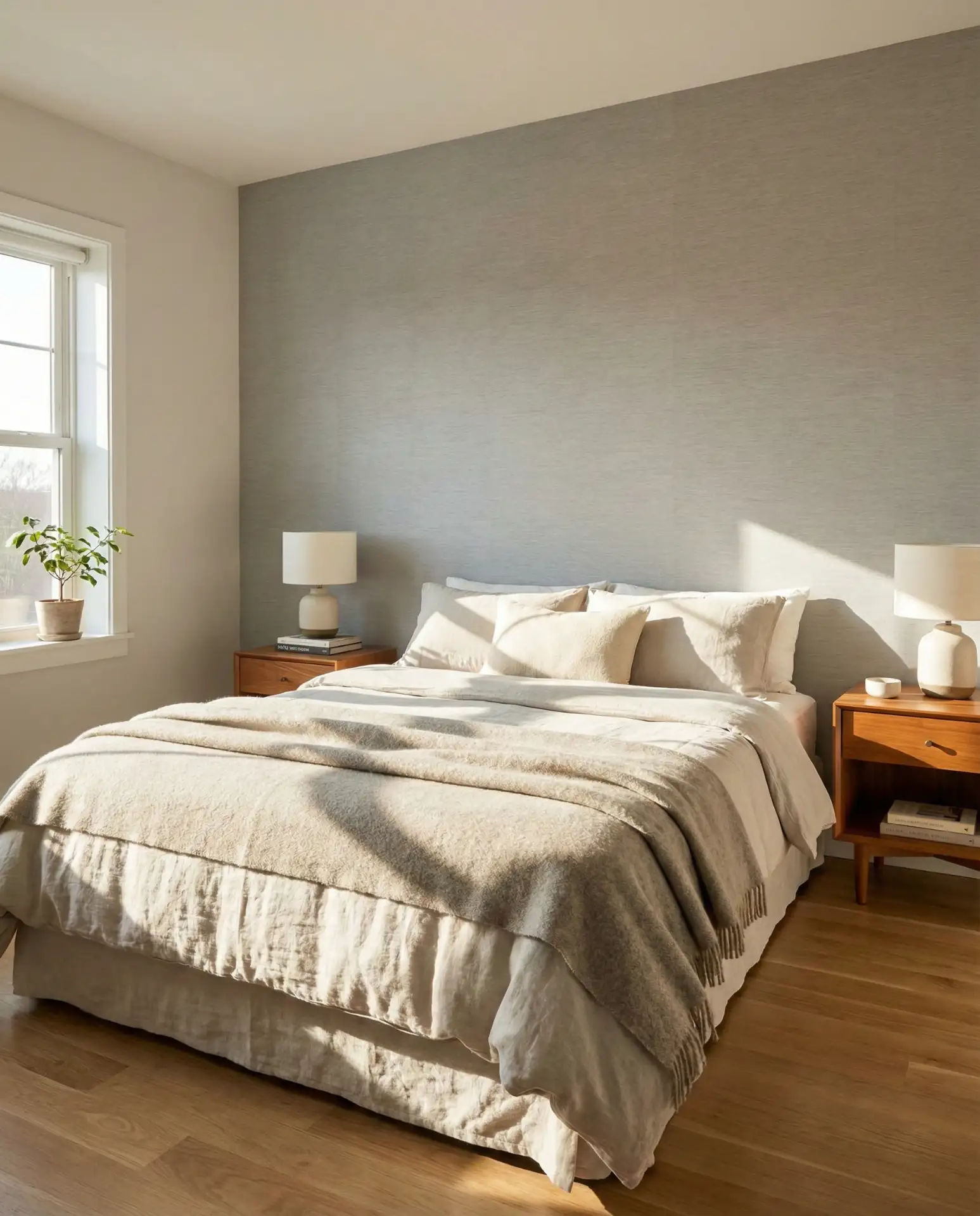
Painting or wallpapering a single accent wall behind the bed is a simple design trick that adds depth and personality without overwhelming a small space. Choose a bold color, a subtle texture, or a removable wallpaper in a geometric or botanical print to create a focal point. This small bedroom layout inspo strategy works best when the rest of the room is kept neutral, allowing the accent wall to stand out without competing with furniture or décor.
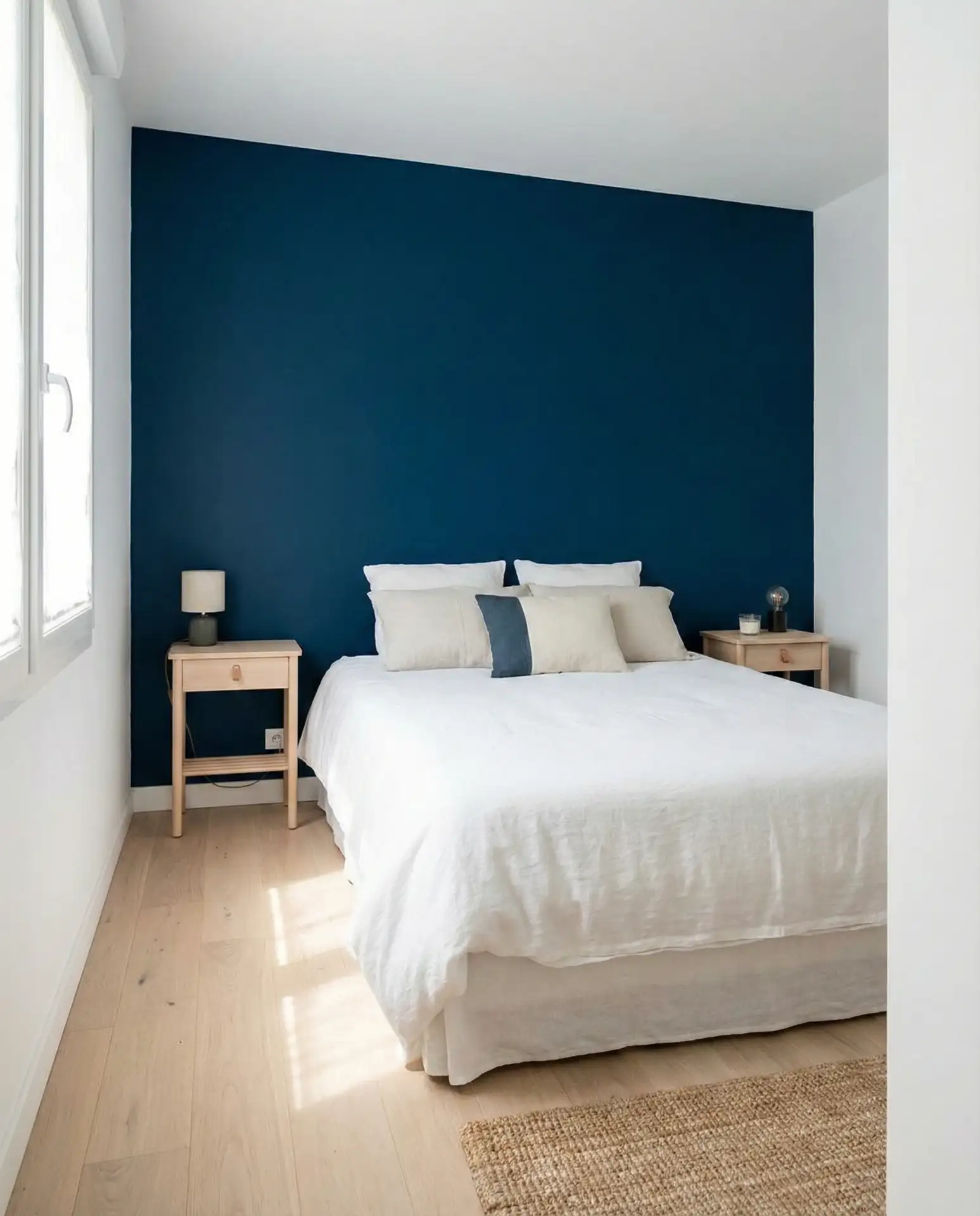
Real homeowners often choose this approach when they want to refresh a bedroom on a budget—paint and peel-and-stick wallpaper are affordable and renter-friendly. It’s also a popular choice in bedrooms with awkward layouts or low ceilings, as a well-chosen accent wall can draw the eye and create the illusion of height or width. Just avoid overly busy patterns in very small rooms, as they can make the space feel even more confined.
16. Small Bathroom En Suite Integration
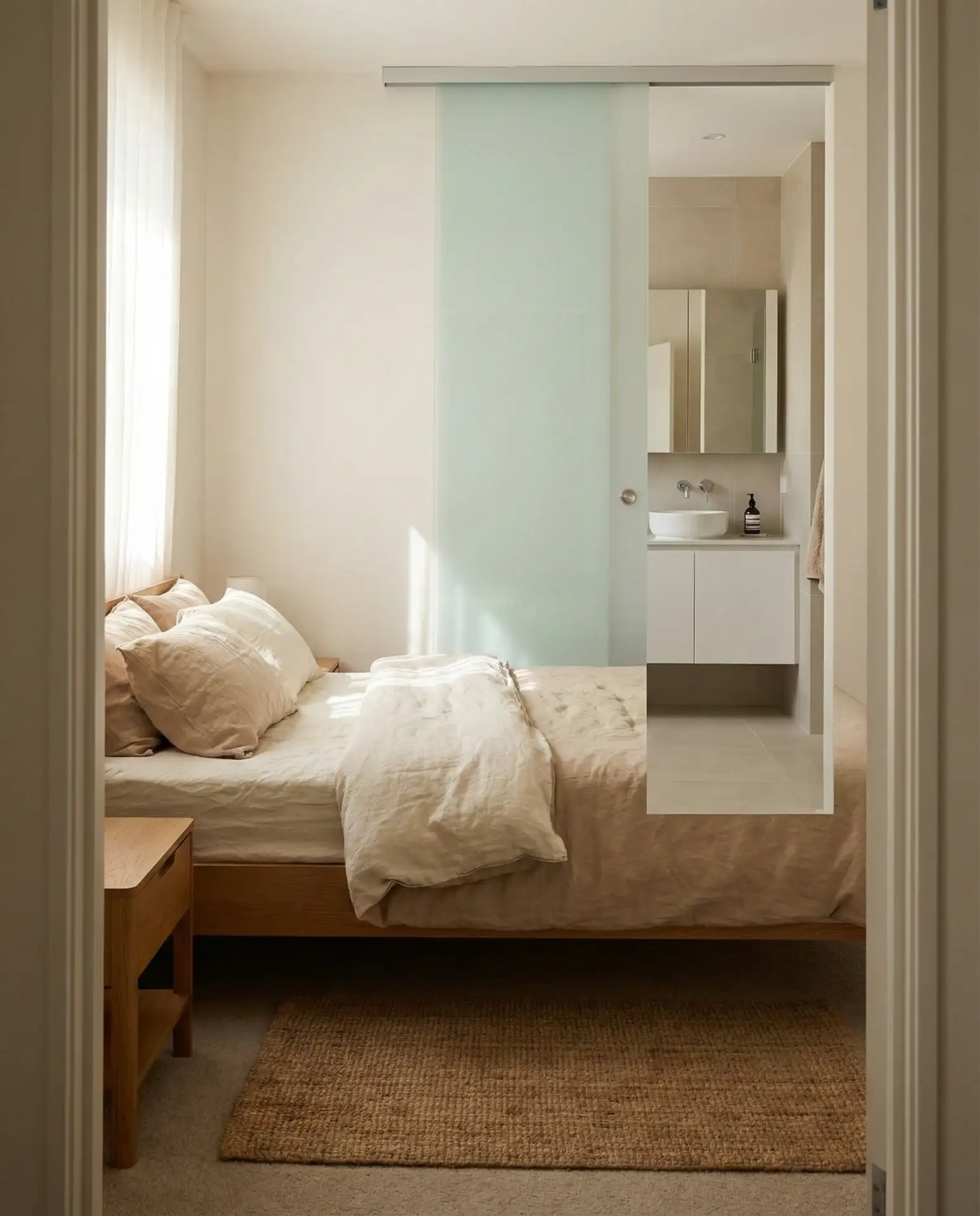
If your small bedroom layout bathroom includes an en suite, treat the transition between the two spaces as an opportunity to create visual flow. Use matching colors, flooring, or hardware to unify the design, and consider a frosted glass or barn door to separate the spaces without making the bedroom feel smaller. This layout is especially popular in master bedrooms where the bathroom is compact but needs to feel connected and cohesive.
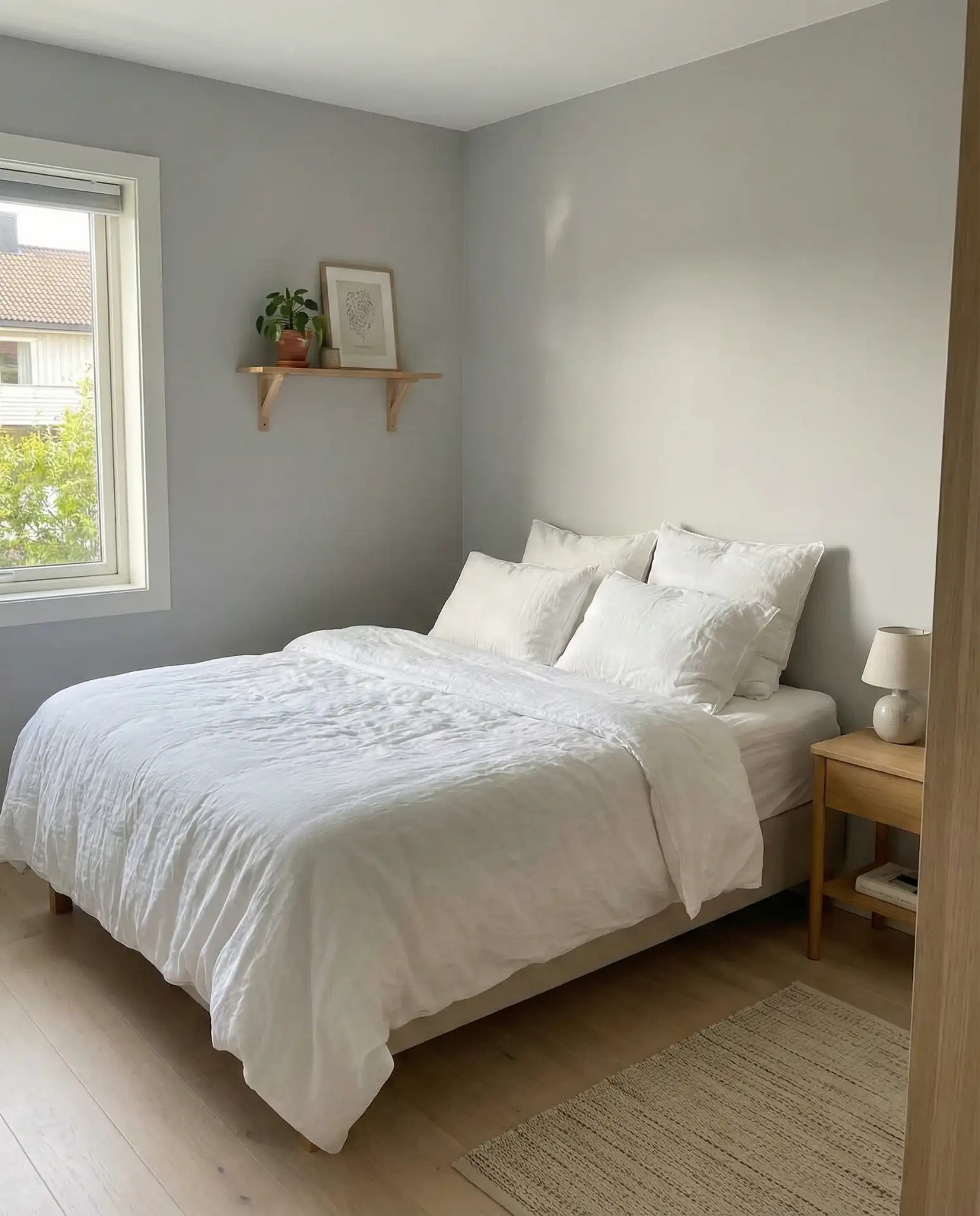
Where it works best: newer condos, renovated homes, and urban apartments where en suite bathrooms are standard but often small. Designers recommend using the same flooring material—like large-format tile or vinyl plank—in both the bedroom and bathroom to create a seamless look that visually expands the space. Avoid heavy curtains or solid doors if possible; lighter, translucent options keep the bedroom feeling open while still providing privacy.
17. Queen Bed with Nightstand on One Side
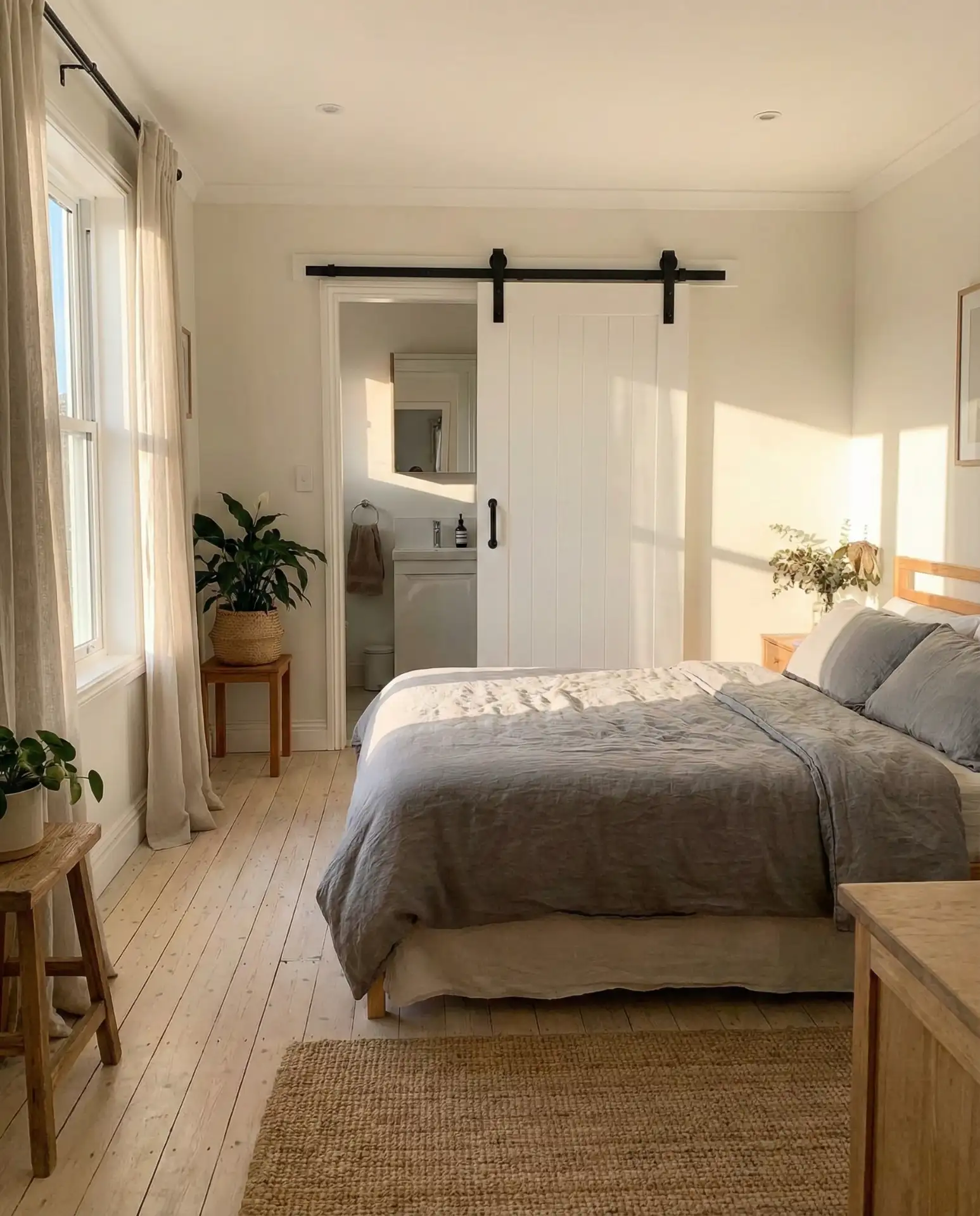
In a truly tight space, placing a queen bed against one wall and using a nightstand on only the accessible side is a practical compromise. This approach maximizes floor space and leaves room for other essentials like a dresser or desk. Use a floating shelf or a small ledge on the wall side of the bed to hold a phone, book, or alarm clock, and keep the single nightstand streamlined with just a lamp and a drawer for basics.
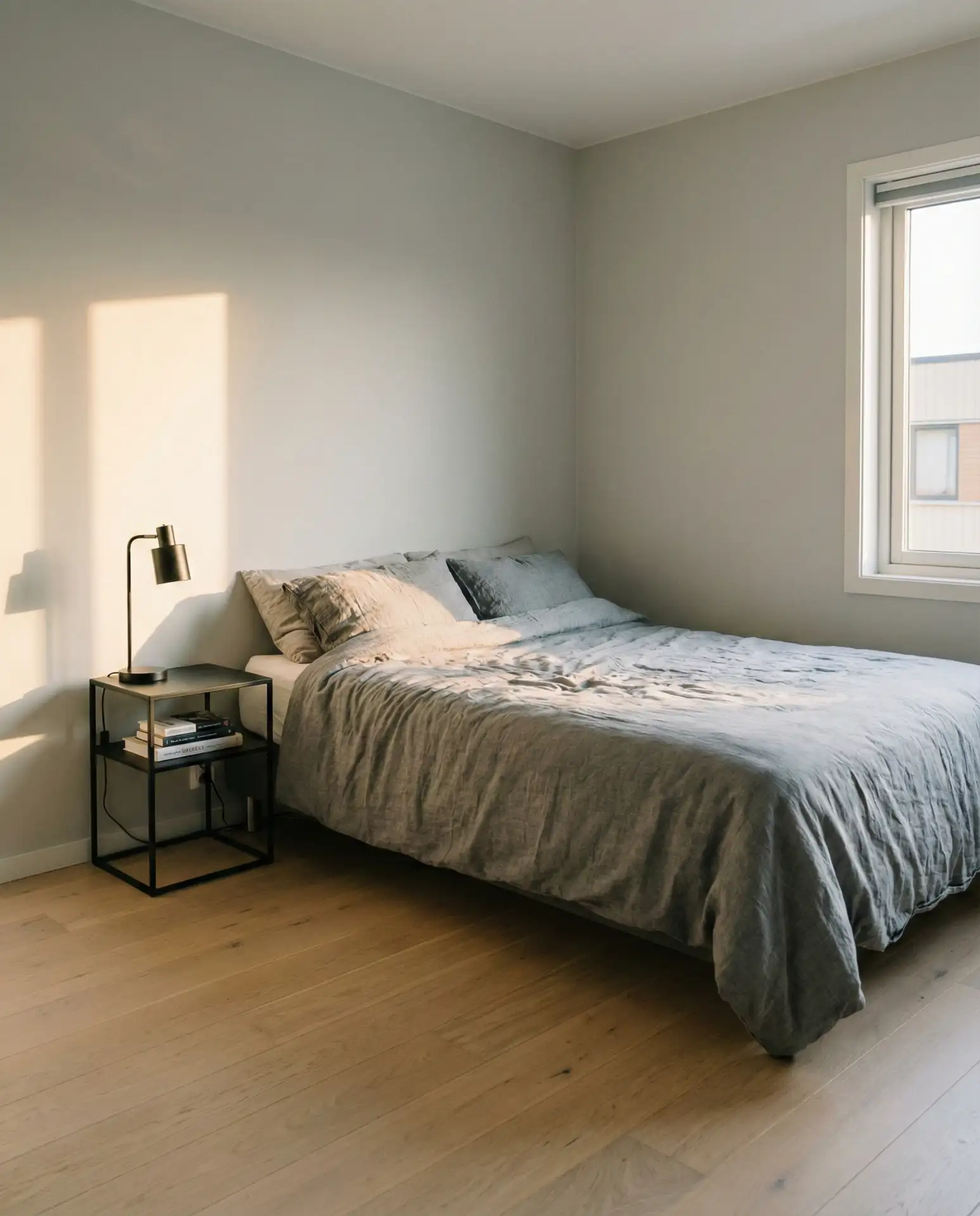
This layout is common in studio apartments, small master bedrooms, and older homes where room dimensions are inflexible. It’s also a favorite among solo dwellers who value floor space over symmetry. One common mistake is forgetting to anchor the bed with a headboard or wall-mounted light on the side against the wall—without this, the setup can feel incomplete and awkward, so invest in a simple upholstered headboard or a wall sconce to balance the look.
18. Open Shelving Above the Bed
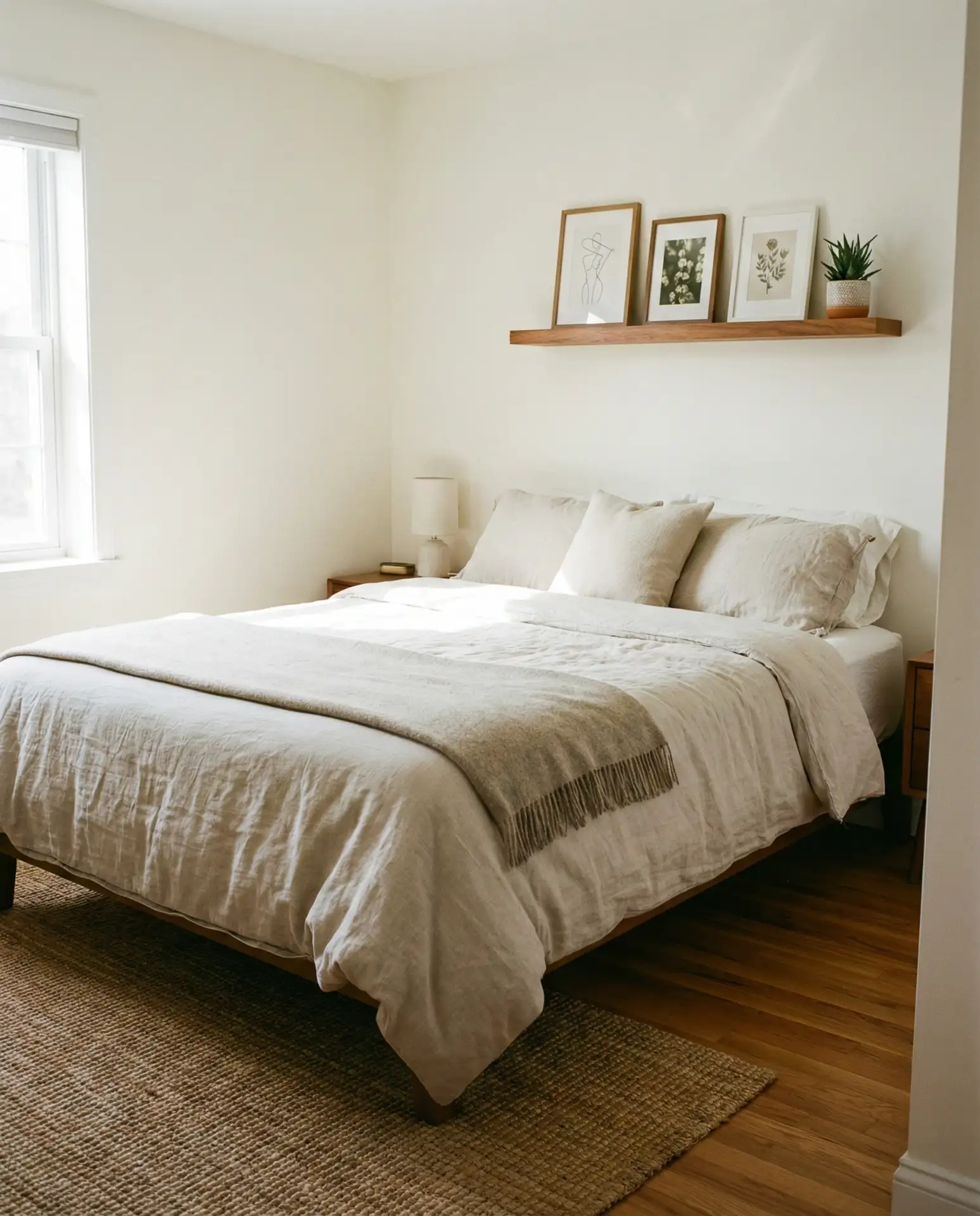
Installing a pair of floating shelves or a simple shelf unit above the bed is a smart way to add storage and display space without taking up floor area. Use the shelves to showcase books, small plants, framed photos, or decorative objects, and keep the styling minimal to avoid a cluttered look. This small bedroom layout idea, the 8 x 10 approach, works particularly well in rooms where traditional nightstands don’t fit or where you want to emphasize vertical space.
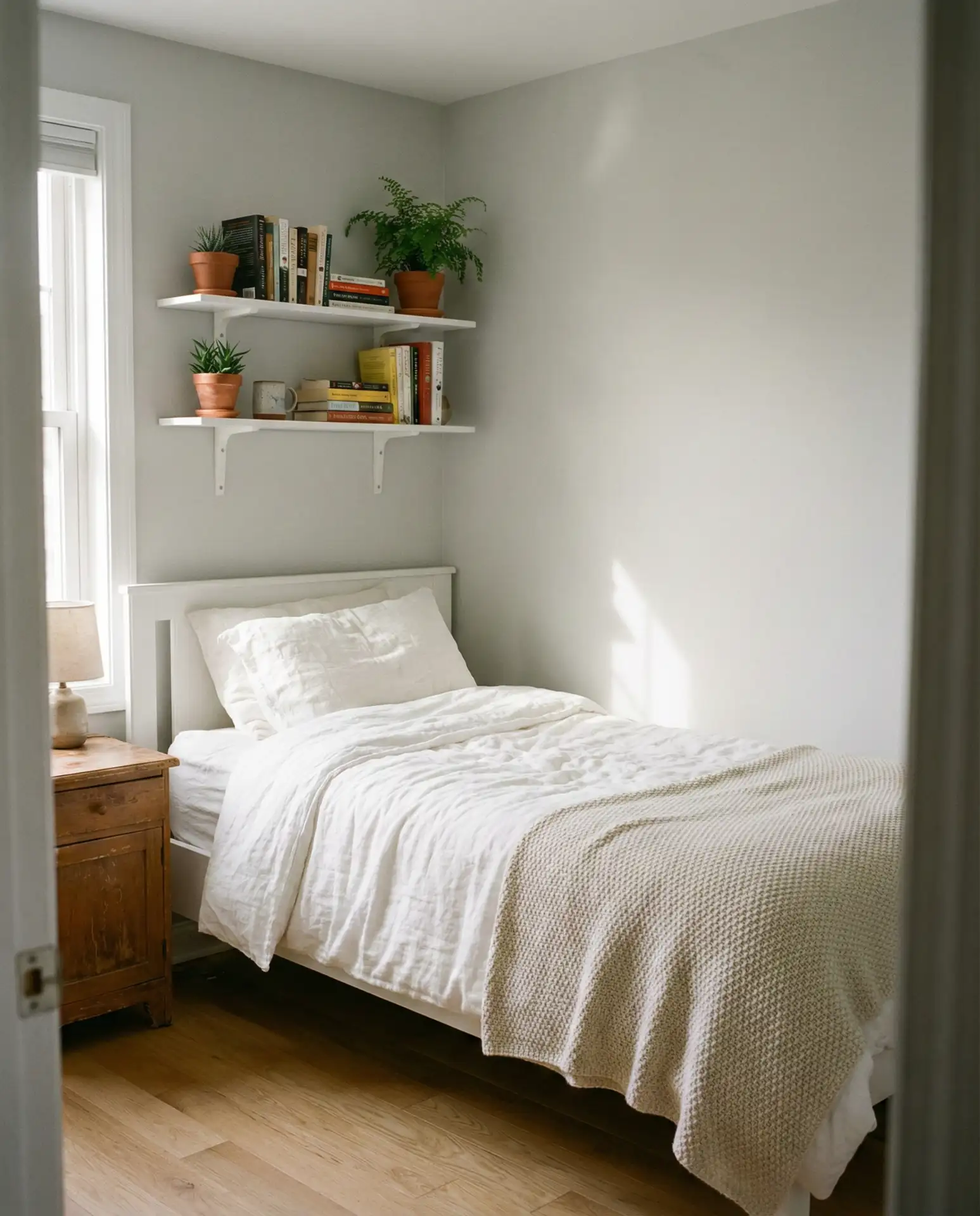
A cousin of mine in Chicago used this exact setup in her 8×10 bedroom, and it became a surprisingly practical solution. She mounted two shelves about 18 inches above the headboard, which gave her just enough space for a small alarm clock, a book she was reading, and a trailing pothos plant. The shelves freed up her single nightstand for more essential items, and the greenery added a fresh, calming touch to the space.
19. Wardrobe as Room Divider
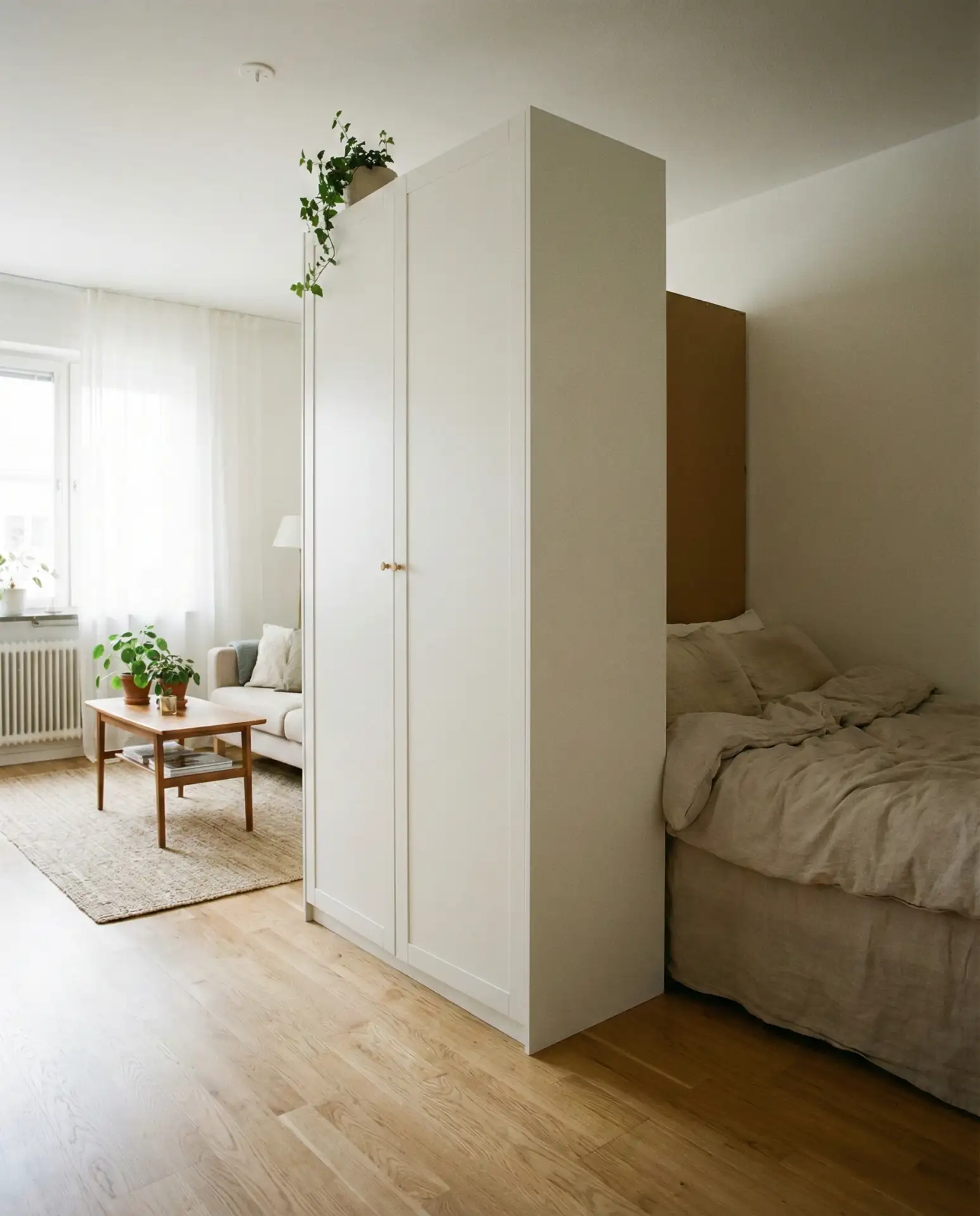
In a studio or a shared bedroom, a tall wardrobe can double as a small bedroom layout divider, creating distinct zones for sleeping and living without the permanence of a wall. Choose a wardrobe that’s finished on both sides so it looks intentional, and position it perpendicular to a wall to define the sleeping area. This approach maintains airflow and light while offering privacy and storage, making it ideal for open-plan spaces or multi-use rooms.
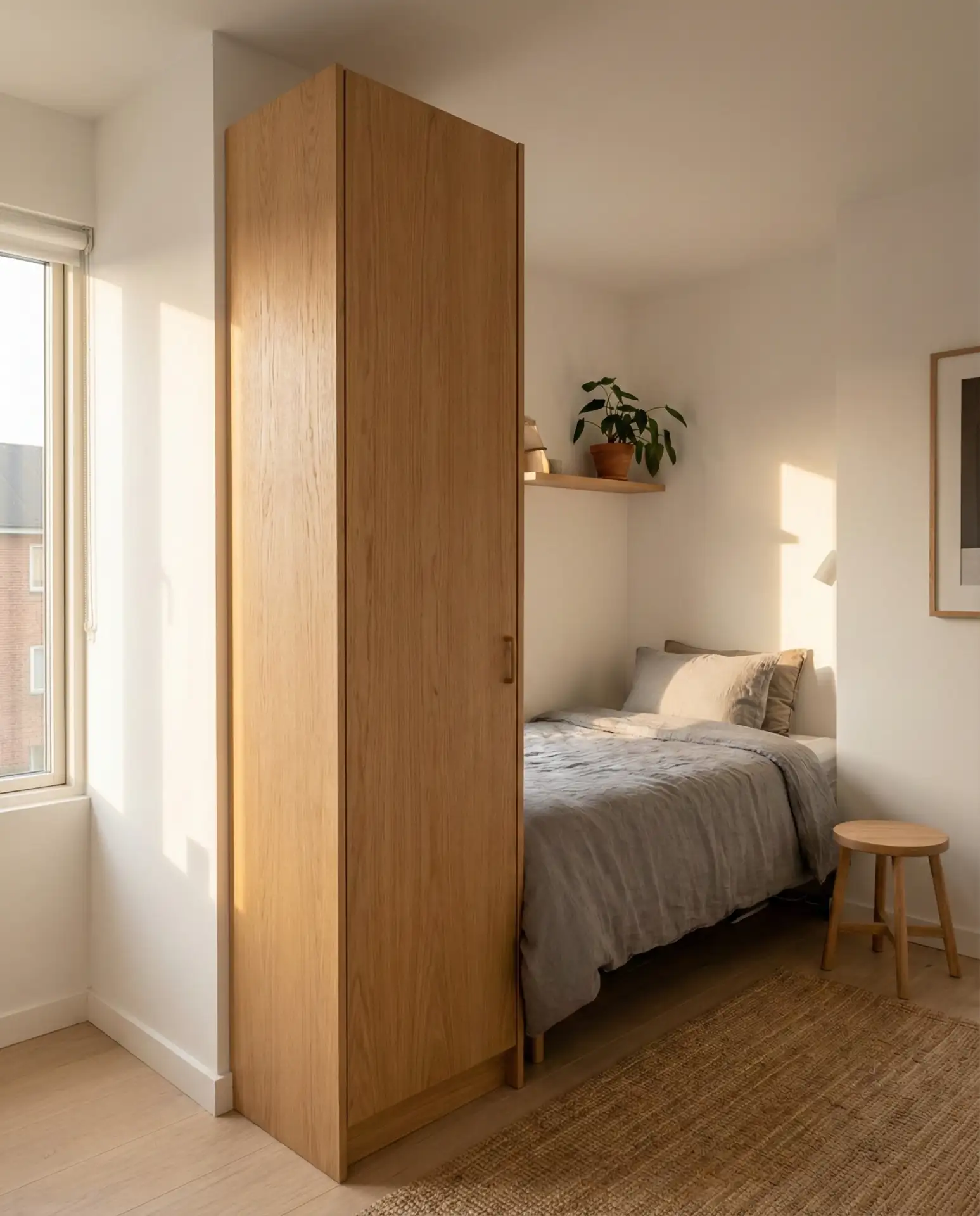
Where it works best: studio apartments in cities like Los Angeles or Boston, college housing, or guest rooms that double as home offices. It’s also a smart solution for siblings sharing a bedroom who want a sense of separation. Make sure the wardrobe is sturdy and anchored to the wall or floor to prevent tipping, and avoid overly tall units in rooms with low ceilings, as they can make the space feel cramped rather than divided.
20. 10×10 Room with Queen Bed and Dresser
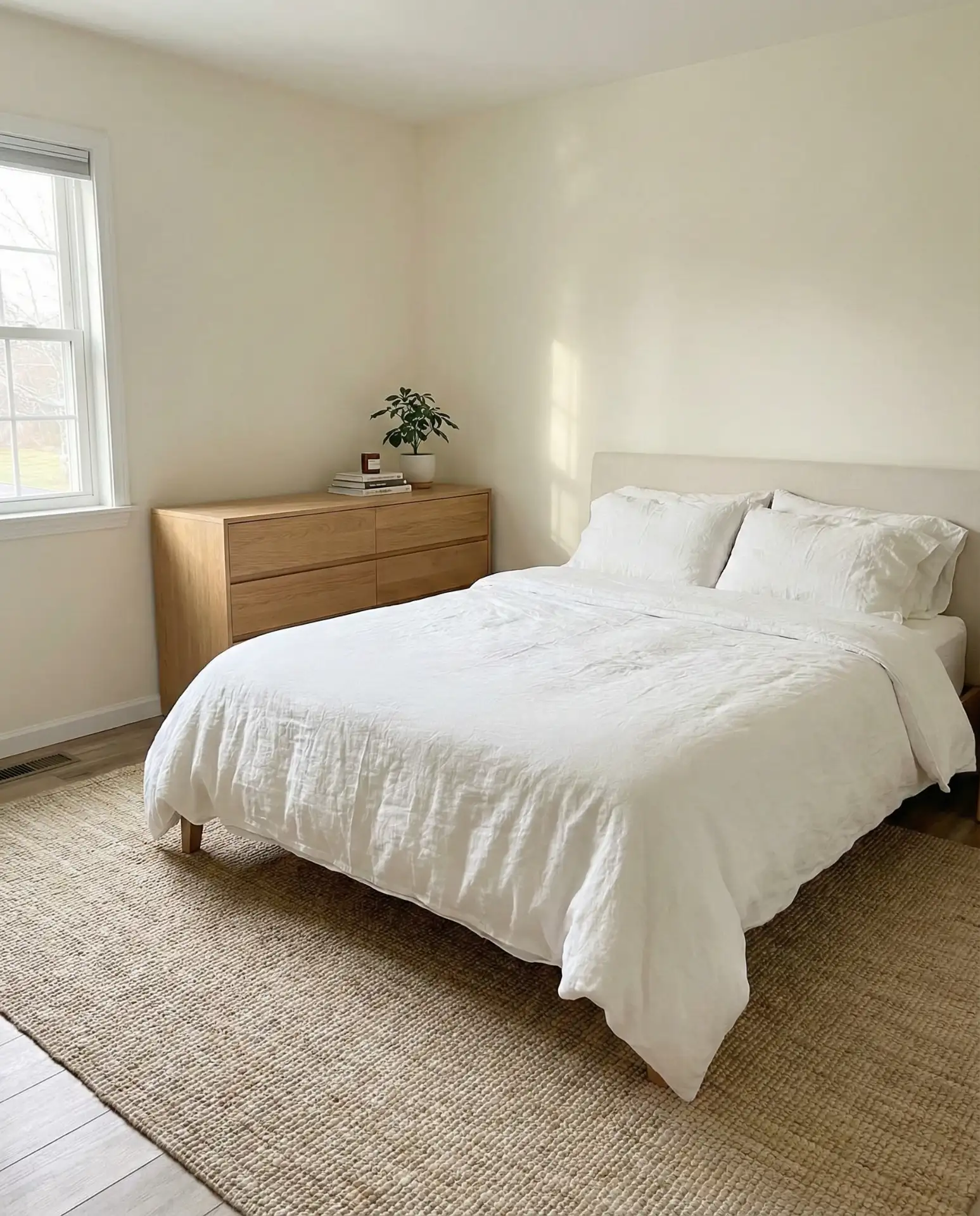
A classic small bedroom layout idea, a 10×10 queen bed configuration pairs a queen bed centered on one wall with a low, wide dresser on the opposite or adjacent wall. This layout maximizes symmetry and function, leaving just enough space for a small rug and walking clearance. Keep the dresser height under 36 inches so it can double as a TV stand or display surface, and use drawer dividers to make the most of the storage.
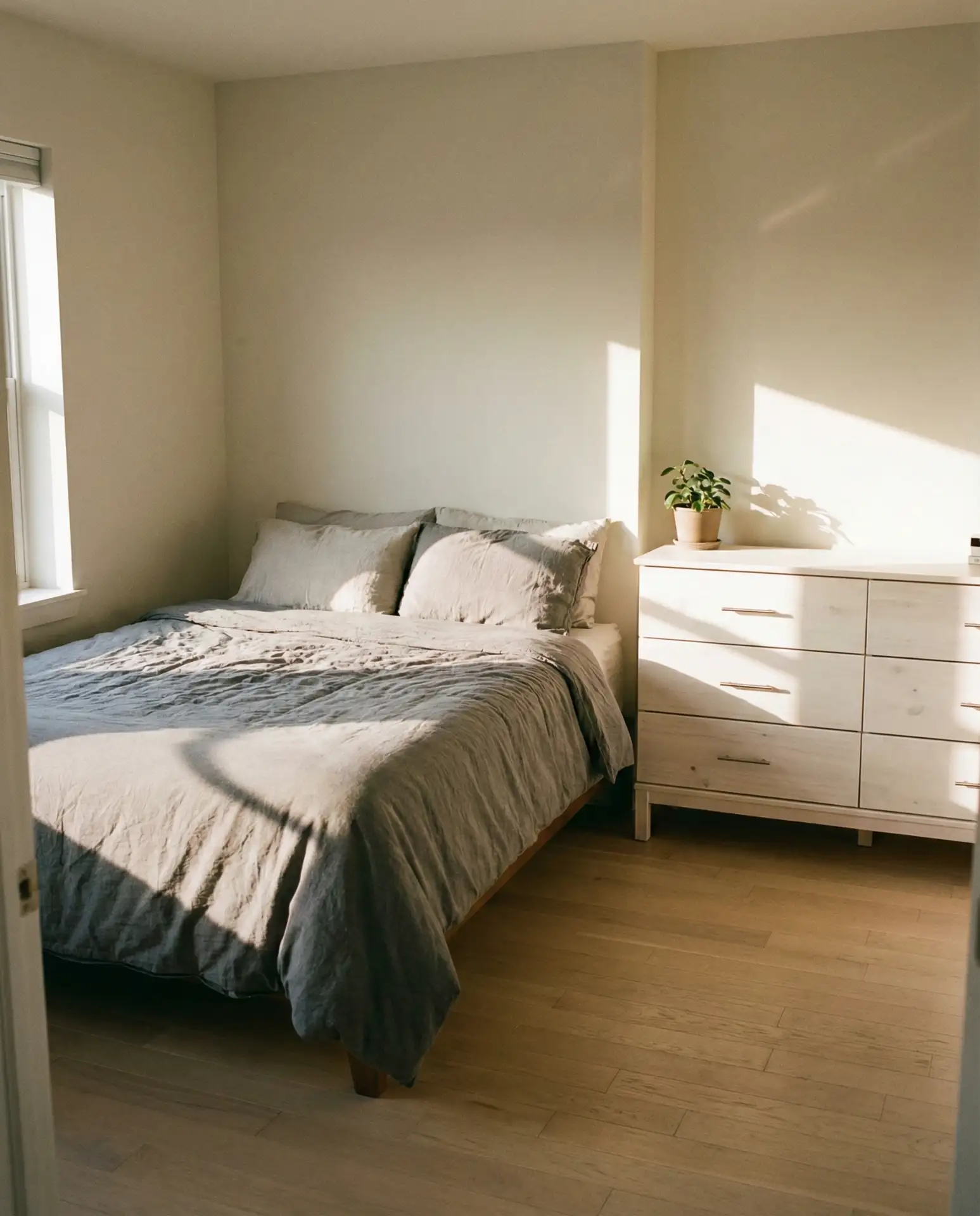
Expert designers suggest leaving at least 24 inches between the bed and dresser for comfortable movement. If your 10×10 room has a closet, you may be able to skip the dresser entirely and use a narrow console or bench at the foot of the bed instead. This layout is a staple in starter homes, condos, and apartments across the U.S., and it’s one of the most forgiving setups if you’re working with standard furniture sizes.
21. Headboard with Integrated Storage
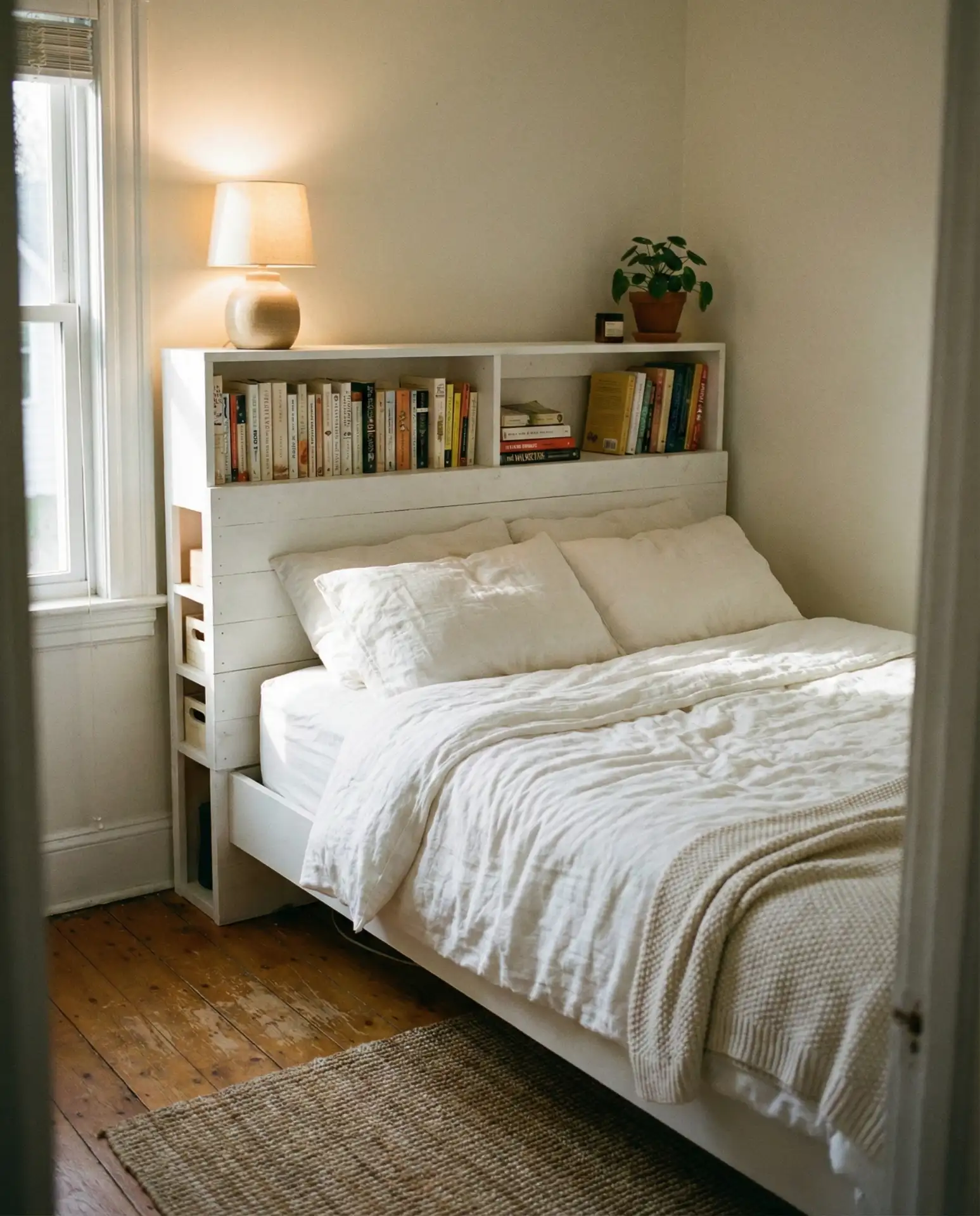
A headboard with built-in shelves, cubbies, or even small cabinets is a space-saving marvel for small bedroom layout ideas with desk and dresser needs. These multifunctional pieces eliminate the need for nightstands, freeing up floor space while keeping books, glasses, and devices within easy reach. Look for models with LED lighting or USB ports for added convenience, and choose a style that complements your overall décor—whether modern, rustic, or transitional.
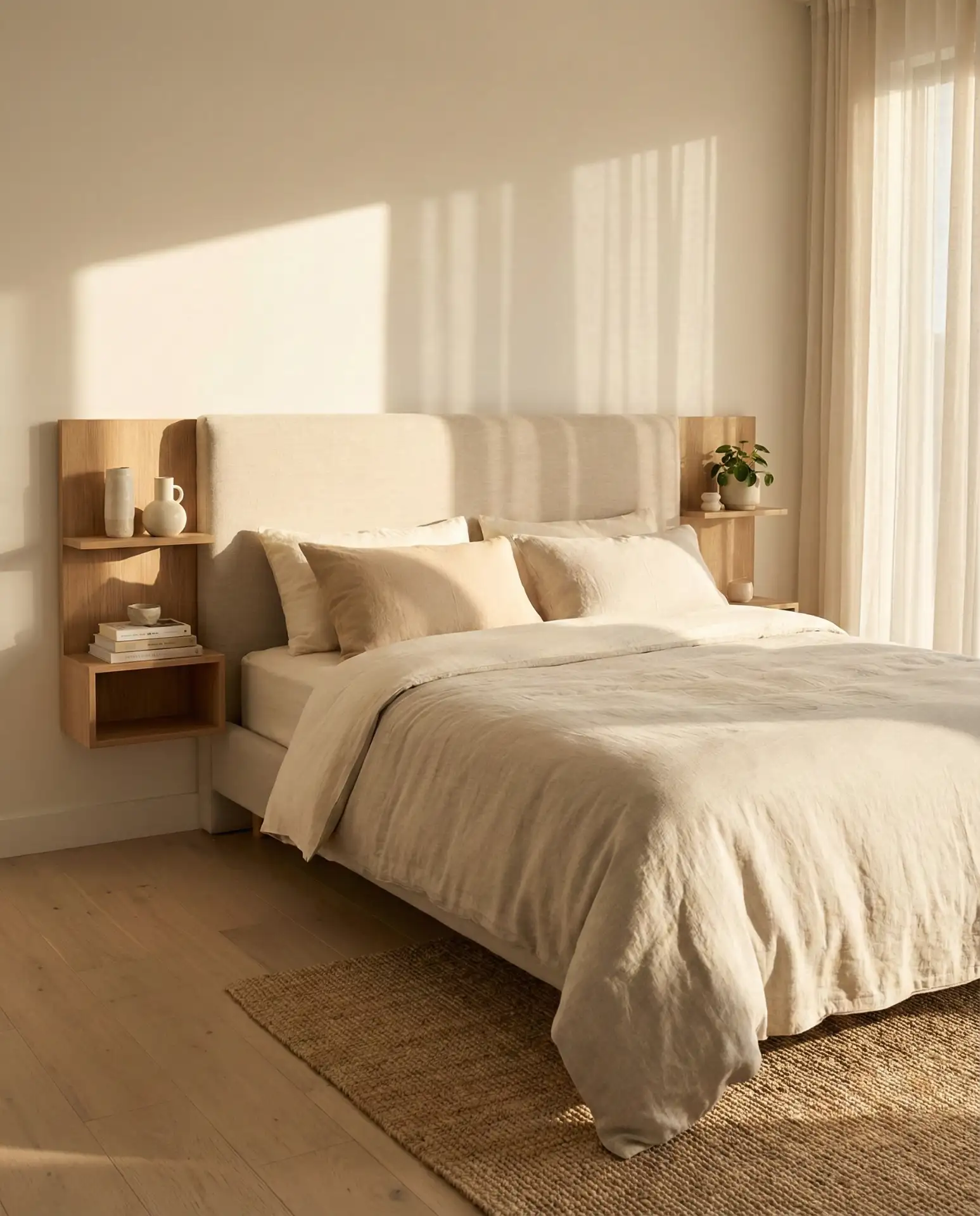
Expect to spend $200 to $600 for a quality storage headboard, with brands like West Elm, CB2, and IKEA offering a range of sizes and finishes. This layout is particularly popular among renters and first-time homeowners who want maximum functionality without investing in multiple furniture pieces. It’s also a favorite in guest rooms where space is tight but you still want to provide guests with everything they need within arm’s reach.
22. Scandinavian-Inspired Minimal Layout
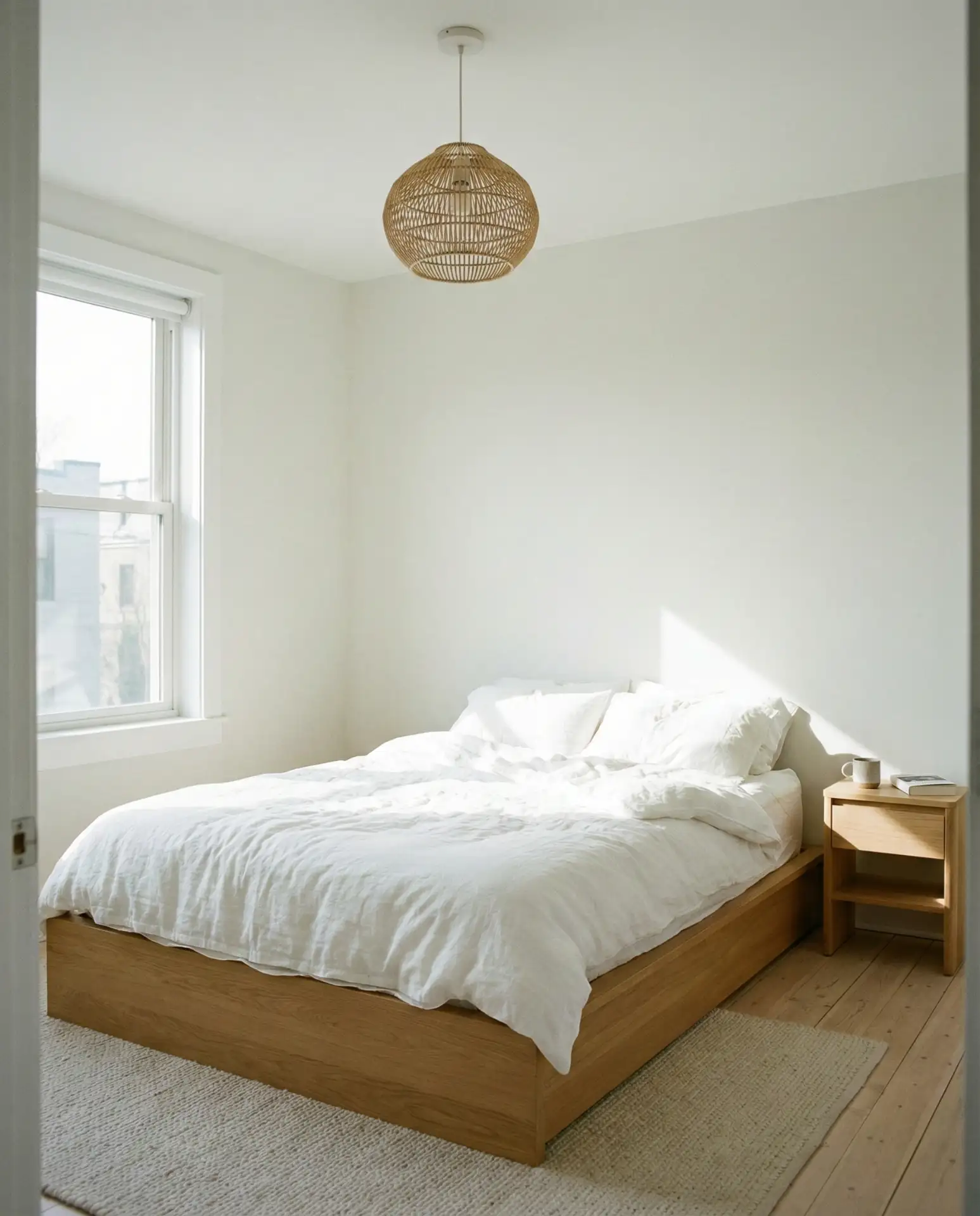
A Scandinavian-inspired layout embraces simplicity, natural materials, and a muted color palette to make even the smallest bedroom feel open and serene. Keep furniture low and streamlined—think a platform bed with a light wood frame, a single nightstand, and a simple pendant light or sconce. Add texture with a wool throw, linen bedding, and a small potted plant, and resist the urge to fill every corner. This small bedroom layout ideas philosophy prioritizes quality over quantity and creates a calm, clutter-free retreat.
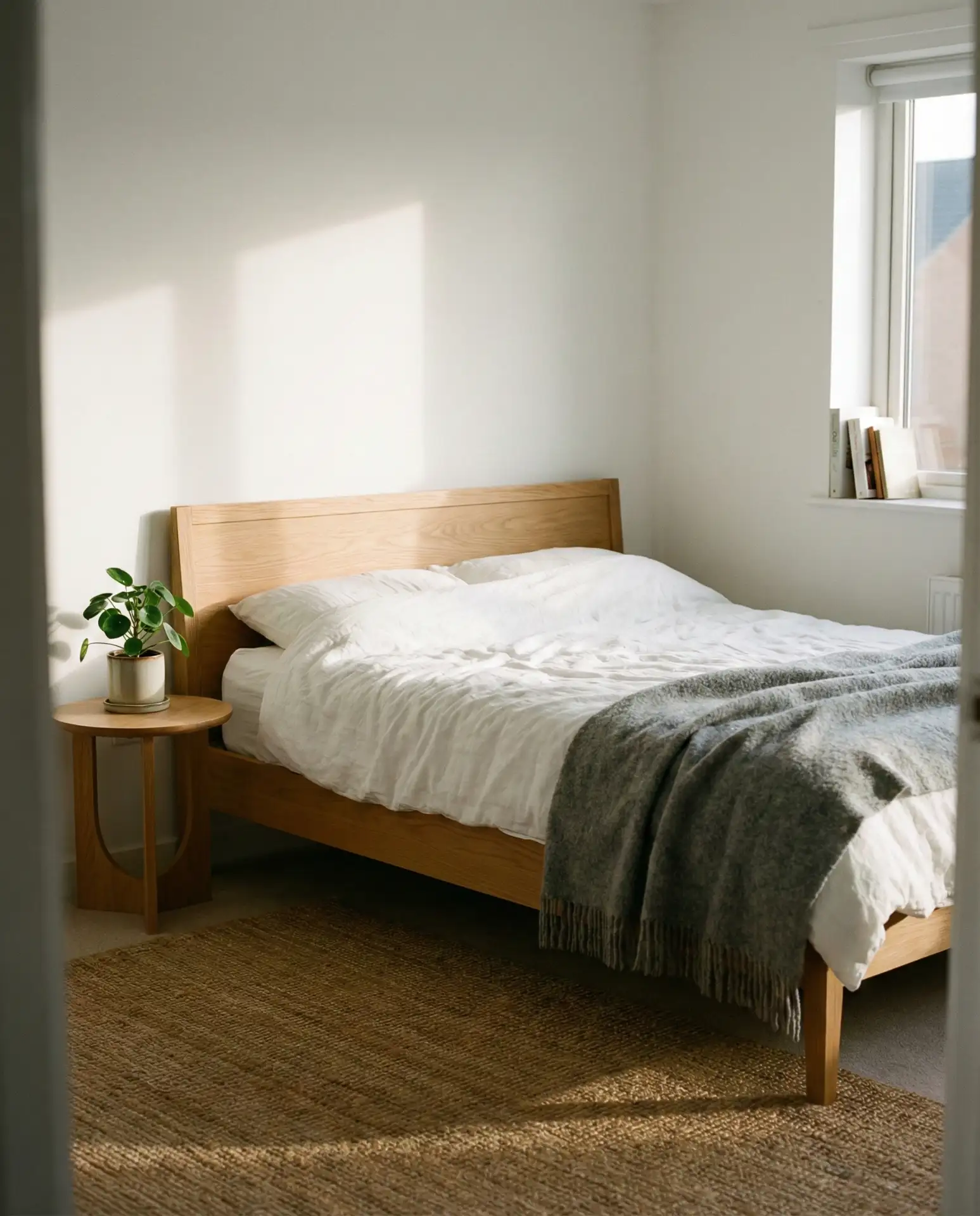
This approach is most effective in bedrooms that receive good natural light, as the bright, neutral palette enhances the sense of space. It’s also a favorite among minimalists and those who find visual clutter stressful or distracting. Real homeowners in cities like Seattle, Minneapolis, and Boulder—where Nordic design is already popular—often adopt this layout to create a restful, Instagram-worthy retreat that feels both timeless and deeply personal.
Conclusion
Small bedrooms are all about thoughtful choices and creative problem-solving, and with the right layout, even the tiniest space can feel comfortable, functional, and uniquely yours. Whether you’re drawn to minimalist Scandinavian vibes, clever storage hacks, or bold design statements, there’s a solution here that fits your needs and your style. Try one of these ideas, mix and match elements, or put your own spin on the classics—and don’t forget to share your results in the comments below. We’d love to see how you’ve transformed your small bedroom!