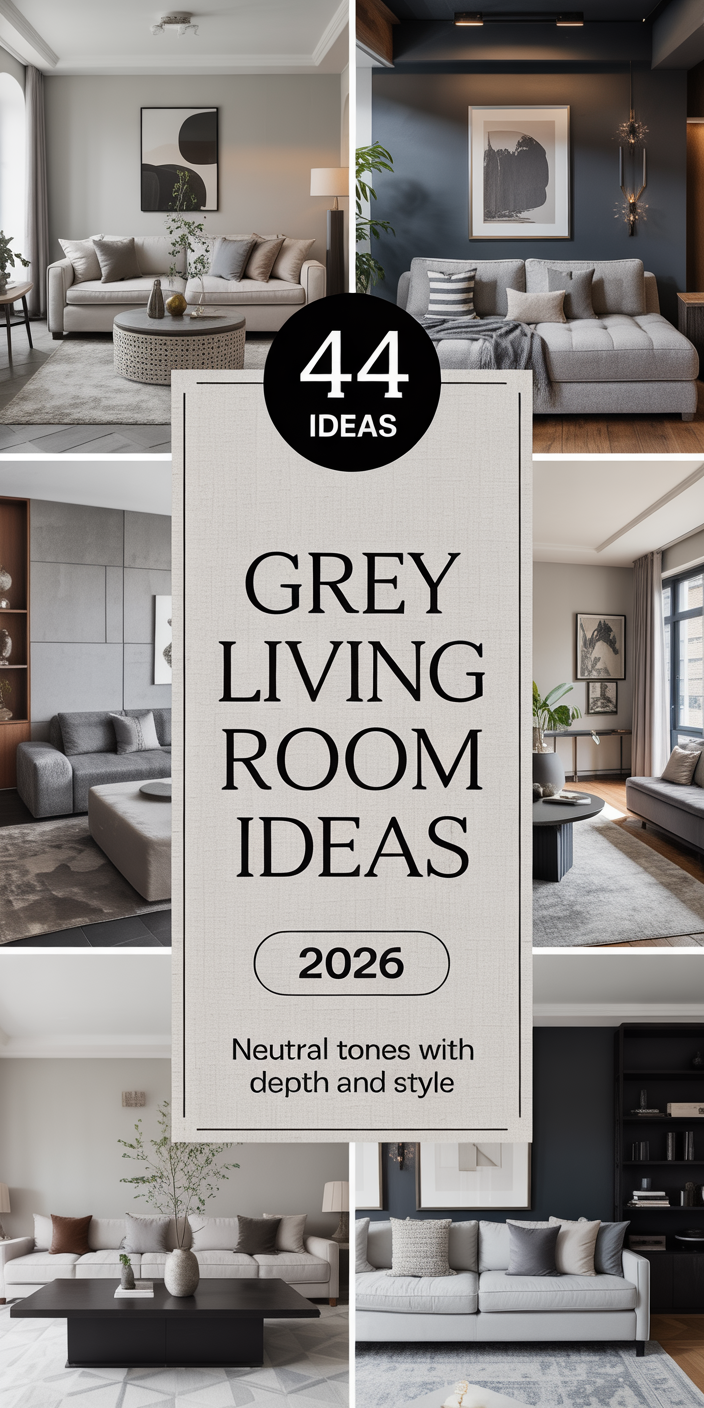
Small apartment living rooms have become the heart of modern American homes in 2026, especially as more people embrace downsized urban and suburban lifestyles. Whether you’re furnishing your first studio in Brooklyn or refreshing a compact one-bedroom in Austin, the challenge remains the same: how do you create a space that feels open, functional, and genuinely inviting? Pinterest searches for small living room solutions have surged this year, with renters and homeowners alike hunting for clever layouts, cozy decor ideas, and multi-functional furniture that doesn’t sacrifice style. In this article, you’ll discover expertly curated ideas that blend smart design with real-world livability, covering everything from Japandi minimalism to romantic cozy setups, layout strategies, and storage hacks that actually work.
1. Japandi Minimalist Seating with Natural Light
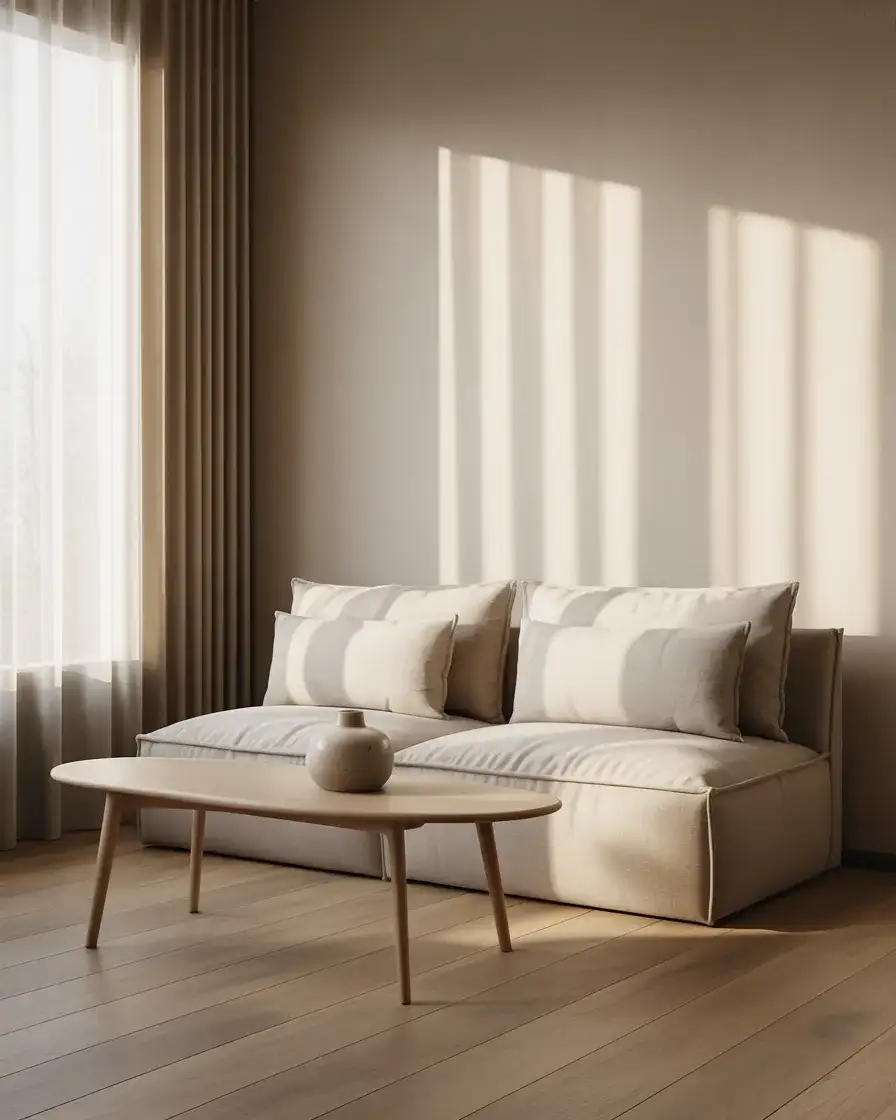
This Japandi approach marries Scandinavian simplicity with Japanese craftsmanship, creating a serene backdrop perfect for small spaces. A low-profile linen sofa in oatmeal or charcoal anchors the room, flanked by a slim wooden coffee table and a single ceramic vase. The design prioritizes negative space, allowing natural light to bounce off pale walls and blonde wood floors. It’s an ideal style for anyone craving calm after a long day, and it scales beautifully whether you’re working with 200 or 400 square feet.
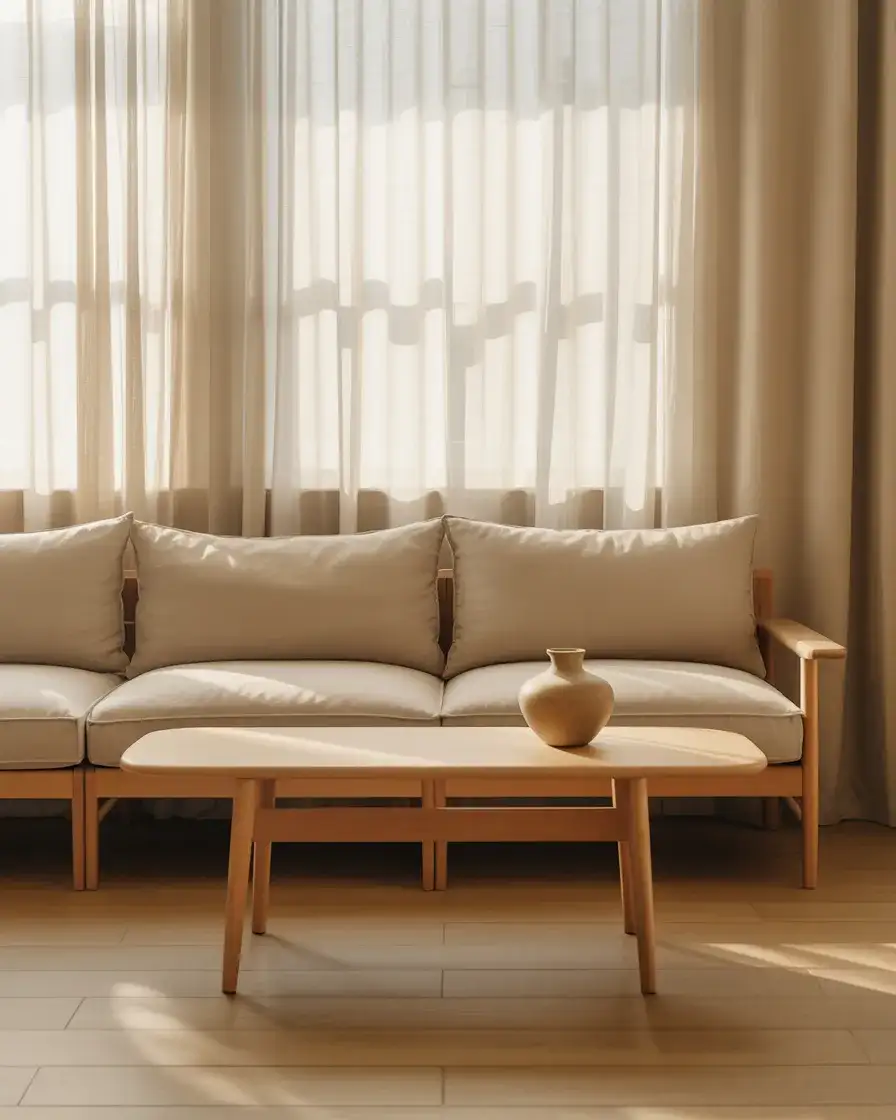
Practical insight: keep accessories to a strict maximum of three per surface. A single book, a ceramic bowl, and a small plant are enough to add warmth without visual noise. This restraint makes the room feel larger and prevents the “cluttered corner” syndrome that plagues many small apartments. Stick to a neutral palette with one or two muted accent tones—sage green or terracotta—to maintain cohesion and avoid overwhelming the eye.
2. Cozy Reading Nook with Built-In Shelving
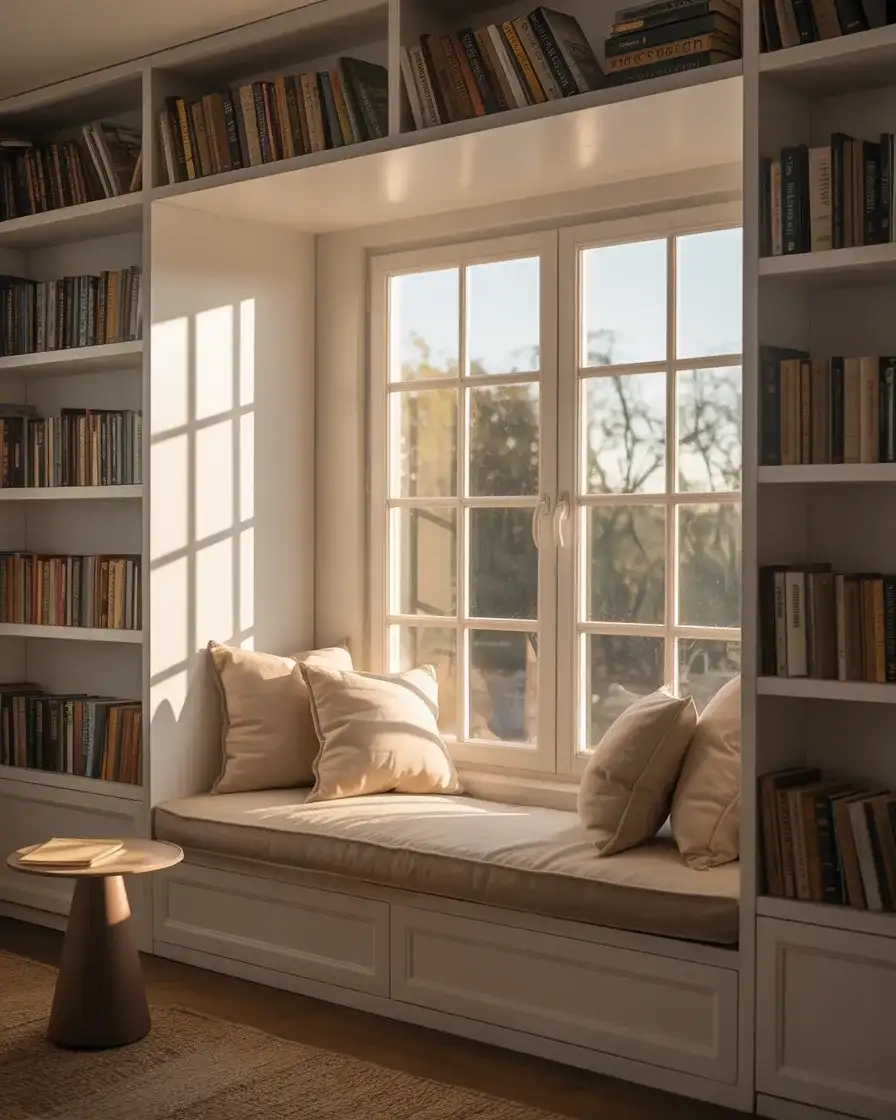
Carving out a dedicated reading corner transforms an underused alcove into a functional retreat, especially in studio or one-bedroom setups where every inch counts. A cushioned window seat or compact armchair paired with floor-to-ceiling shelving creates a cozy zone that doubles as organization for books, plants, and personal treasures. Soft throw pillows in textured fabrics and a small side table for your coffee or e-reader complete the vignette. This setup is perfect for renters who can’t modify walls but want built-in character.
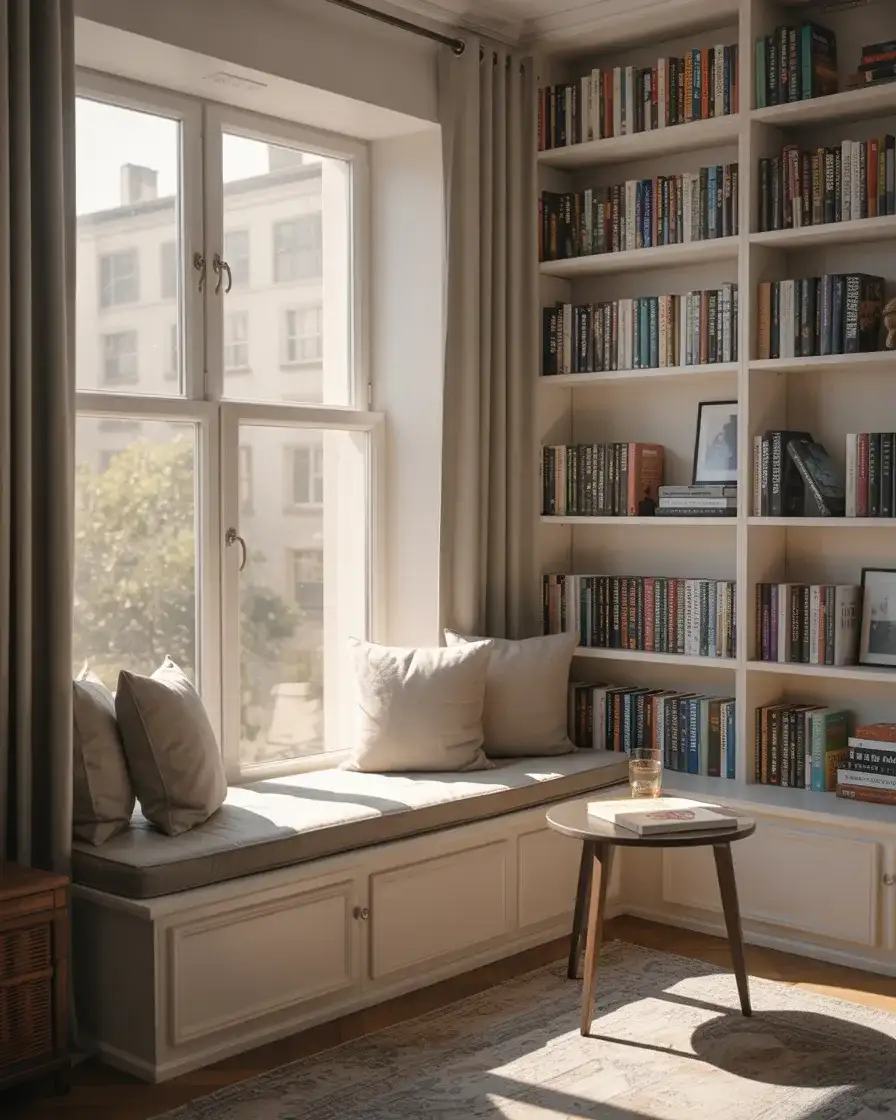
Where it works best: homes with bay windows, unused corners near natural light, or even the space beside a bedroom door in a studio. If your apartment lacks architectural interest, a freestanding ladder shelf or modular cube system can mimic the built-in look without drilling. Paint the back panel of open shelves in a soft contrast color—dusty blue or warm gray—to add depth without closing off the room visually.
3. Modular Sofa with Reversible Chaise
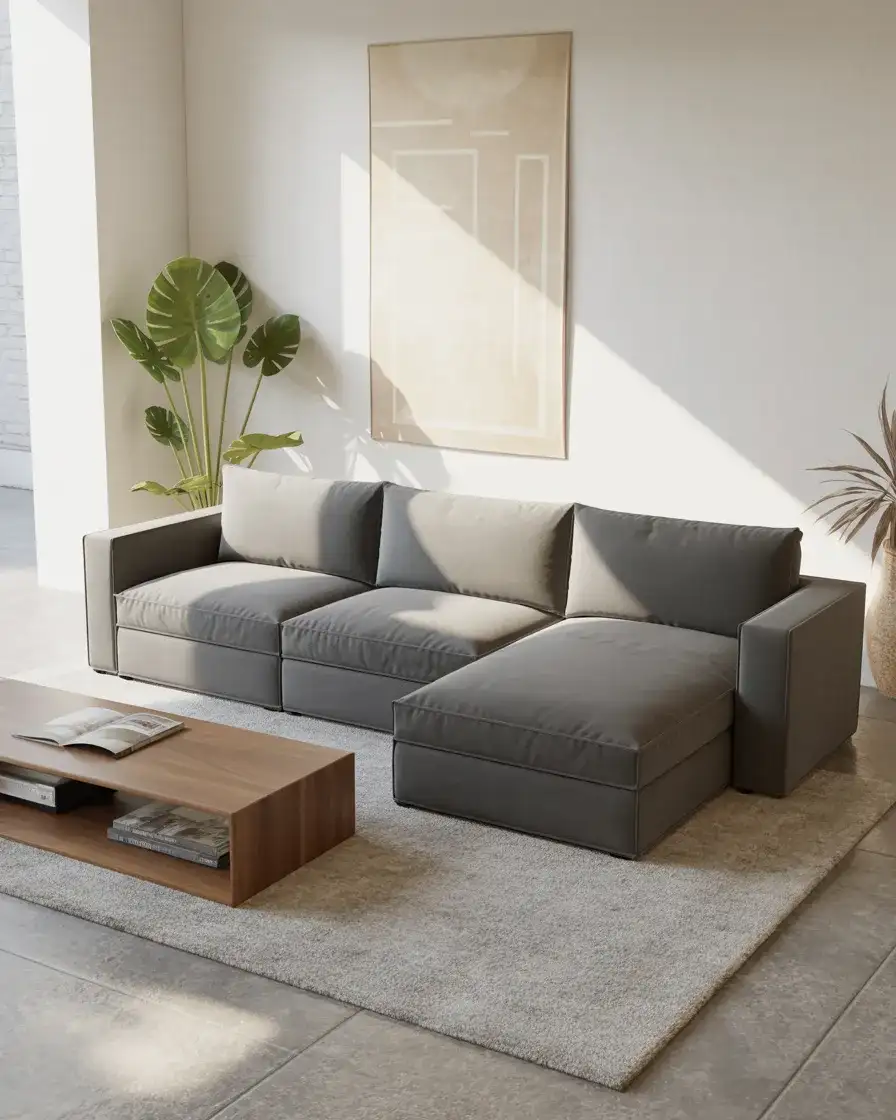
A modular sofa system offers unmatched flexibility for renters who move every couple of years or simply like to refresh their layout seasonally. Look for designs with a reversible chaise that can shift from left to right, allowing you to adapt to different room shapes or doorway placements. Upholstery in performance fabrics—like stain-resistant velvet or washable linen—keeps maintenance low, which is essential in high-traffic living rooms. Pair it with a streamlined media console to maintain visual balance.
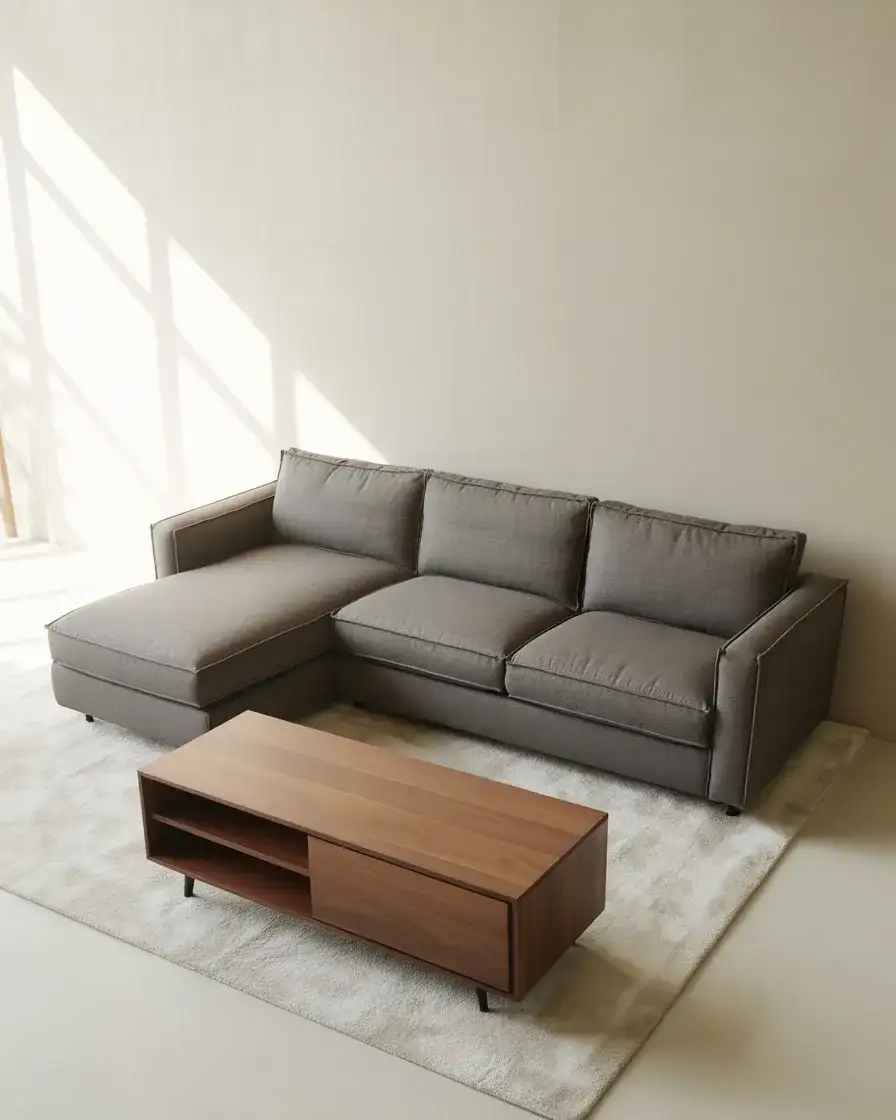
Budget angle: mid-range modular sofas from brands like Burrow or Albany Park start around $1,200 and include free shipping, which is a solid investment if you plan to stay put for at least two years. Avoid ultra-cheap versions with flimsy frames; they sag quickly and end up costing more in replacements. If you’re on a tighter budget, check Facebook Marketplace or OfferUp for gently used pieces—modulars hold their value well because they’re easy to disassemble and transport.
4. Wall-Mounted Desk with Floating Shelves
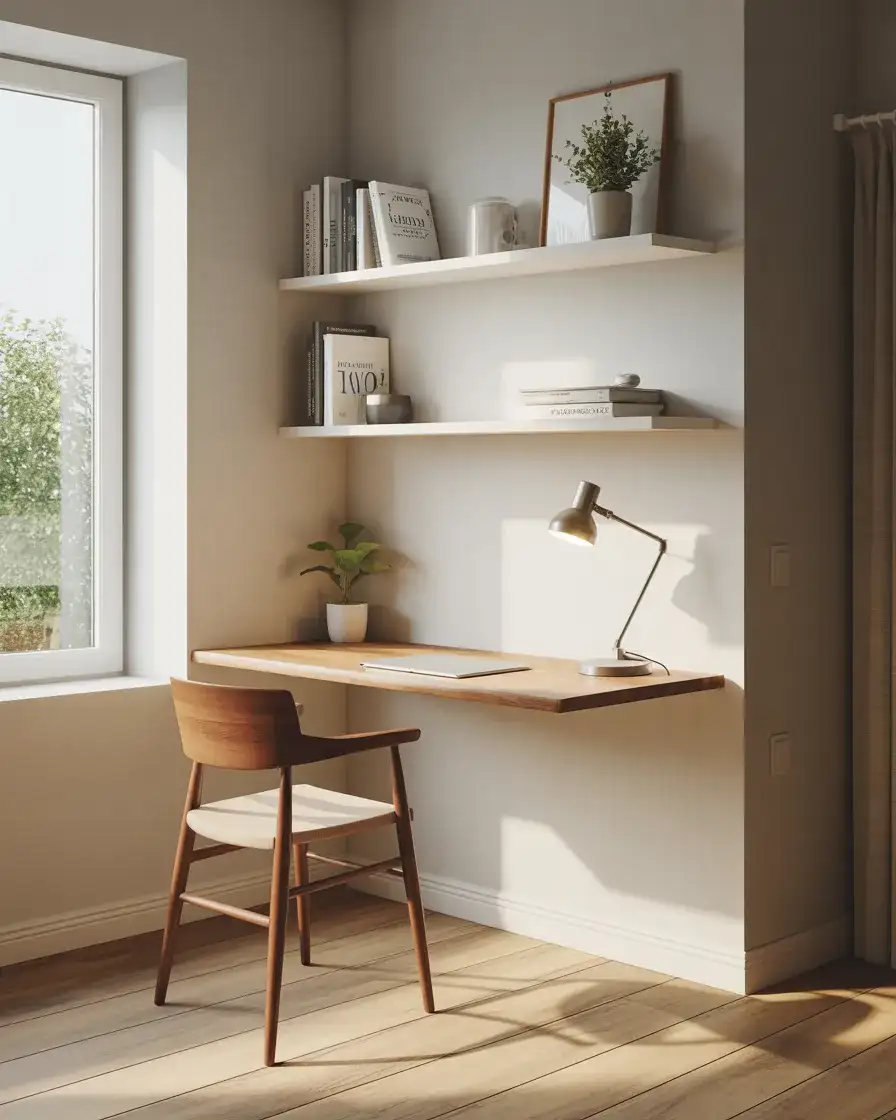
Integrating a desk into your living room doesn’t mean sacrificing style or square footage. A wall-mounted workspace with floating shelves above keeps the floor clear and makes the room feel more spacious. Choose a fold-down model if you need to reclaim the area for entertaining, or go with a slim fixed design in matching wood tones to blend with your existing furniture. Add a task lamp with an adjustable arm and a small organizer tray to keep cables and supplies tidy. This setup is especially popular in cities like San Francisco and Seattle, where remote work remains the norm.
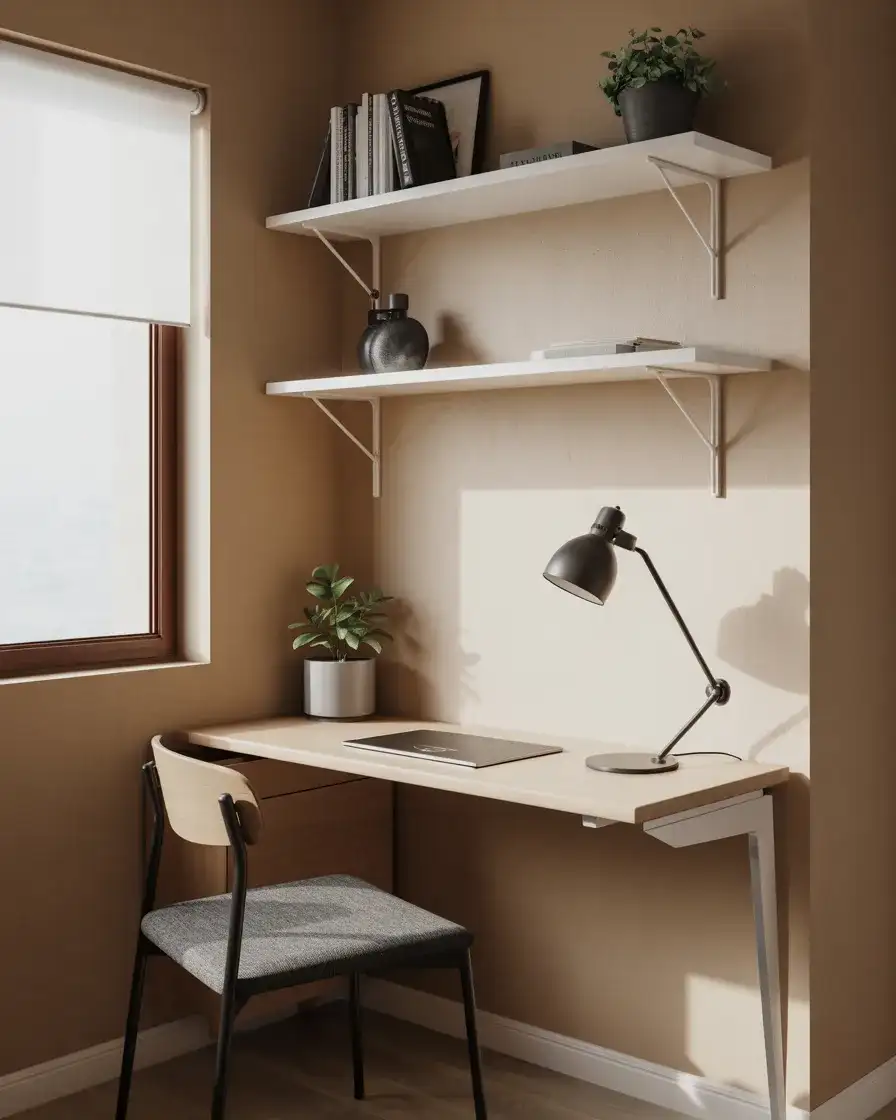
Micro anecdote: One Brooklyn renter mounted a 36-inch desk beside her living room window and claimed it transformed her productivity overnight. She painted the wall behind it in a soft sage to visually separate work from relaxation zones, even though they shared the same room. The trick is choosing a chair that looks intentional—upholstered or sculptural—rather than a generic office model, so it doubles as extra seating when guests arrive.
5. Open-Concept Kitchen Integration
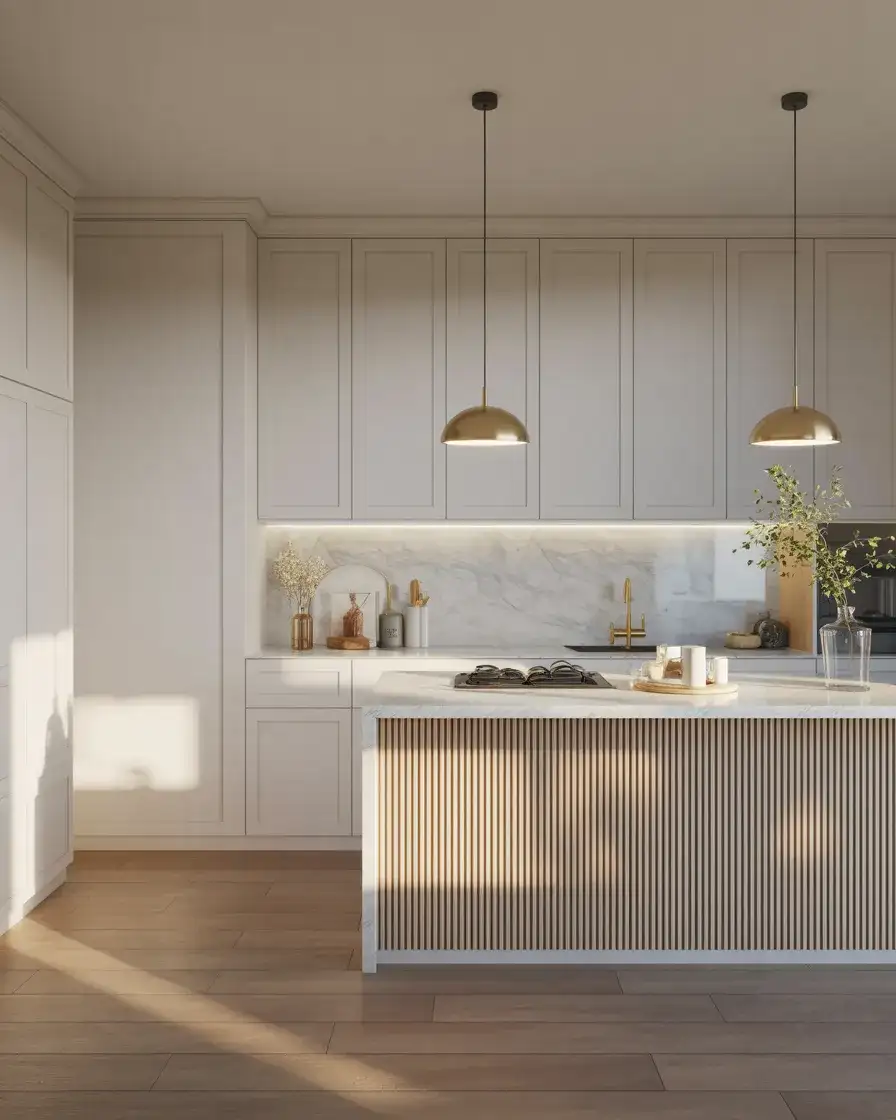
When your kitchen flows directly into the living room, cohesive design becomes critical. Use matching color palettes, coordinated hardware finishes, and complementary materials—think marble countertops echoed in a coffee table or cabinet pulls that match your media console handles. A bar cart or slim console between the two zones can serve as a visual divider without blocking sightlines. Pendant lights over the kitchen island should align stylistically with your living room fixtures to unify the space. This approach is common in newer apartment buildings across Austin, Denver, and Portland.
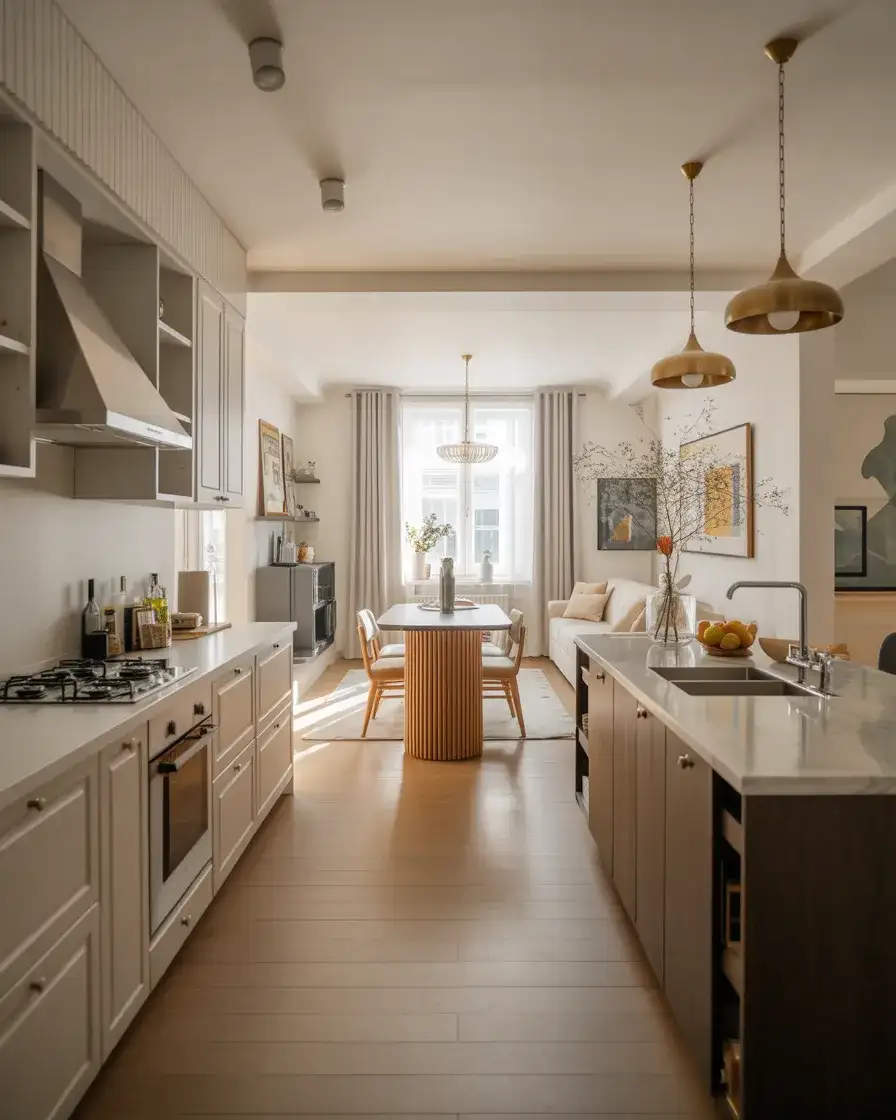
Real homeowner behavior: Many people install a short curtain or tension rod with sheer fabric to visually separate cooking smells from the living area during dinner prep, then pull it aside when entertaining. It’s a low-commitment solution that doesn’t require landlord approval and adds a layer of softness to an otherwise hard-edged space. Just make sure the fabric is washable and fire-rated if it’s near the stove.
6. Layered Textiles for Cozy Romantic Vibes
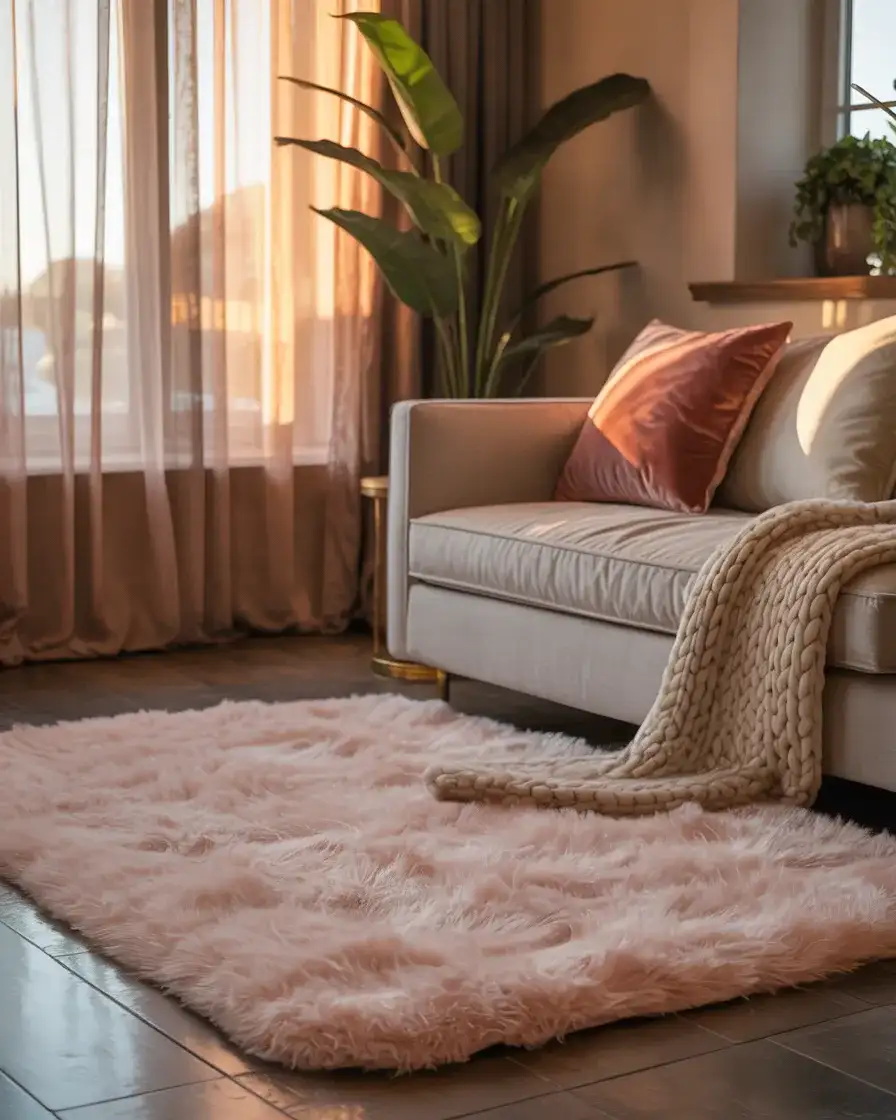
Achieving a cozy romantic atmosphere in a small living room relies heavily on layering soft textiles in warm, muted tones. Start with a plush area rug in blush, terracotta, or camel, then add linen or velvet throw pillows in complementary shades. Drape a chunky knit blanket over the arm of your sofa and hang sheer curtains that diffuse evening light into a golden glow. Swap out harsh overhead bulbs for dimmable floor lamps or string lights to complete the mood. This aesthetic has surged in inspiration boards on Pinterest, especially among younger renters seeking sanctuary from busy city life.
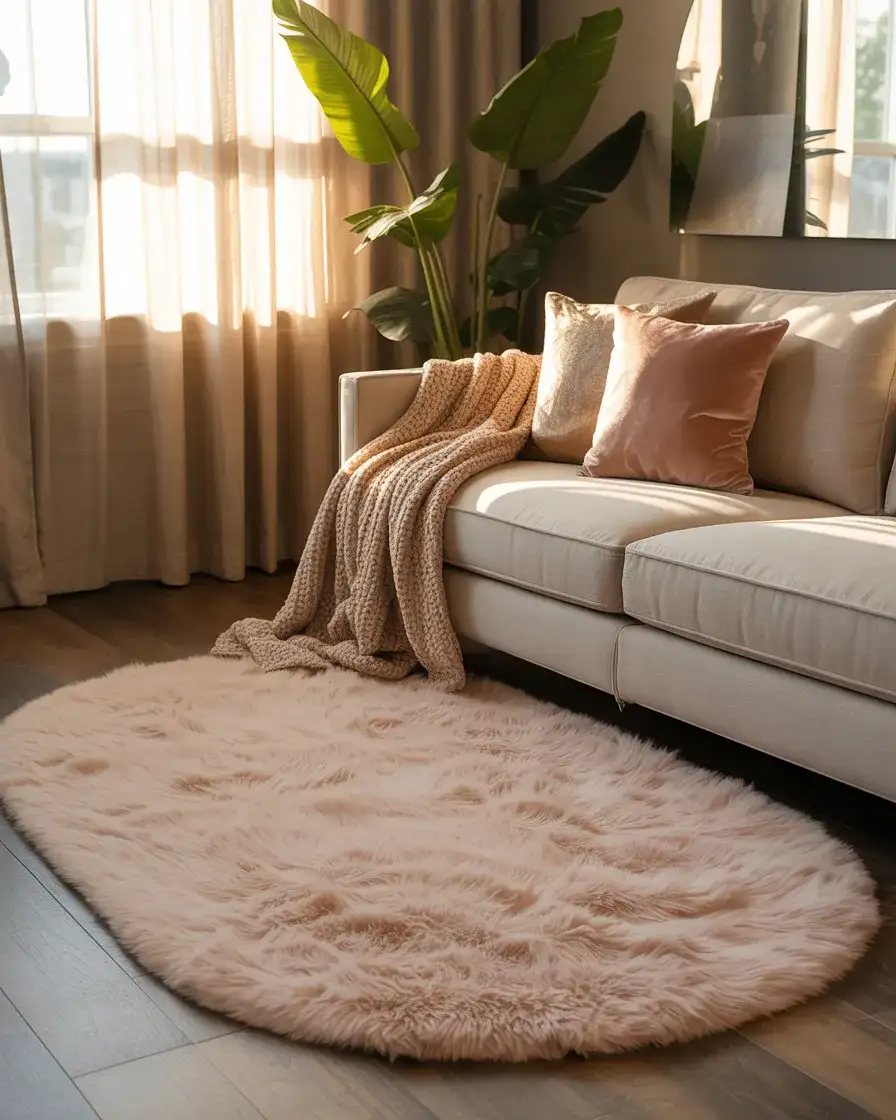
Expert-style commentary: Interior stylists recommend sticking to a maximum of three textile textures per room to avoid visual chaos. For example, pair a smooth velvet pillow with a nubby linen throw and a jute rug—each texture adds interest without competing. Avoid synthetic fabrics that pill or look cheap under natural light; investing in natural fibers pays off in both longevity and aesthetic quality.
7. TV Entertainment Center with Hidden Storage
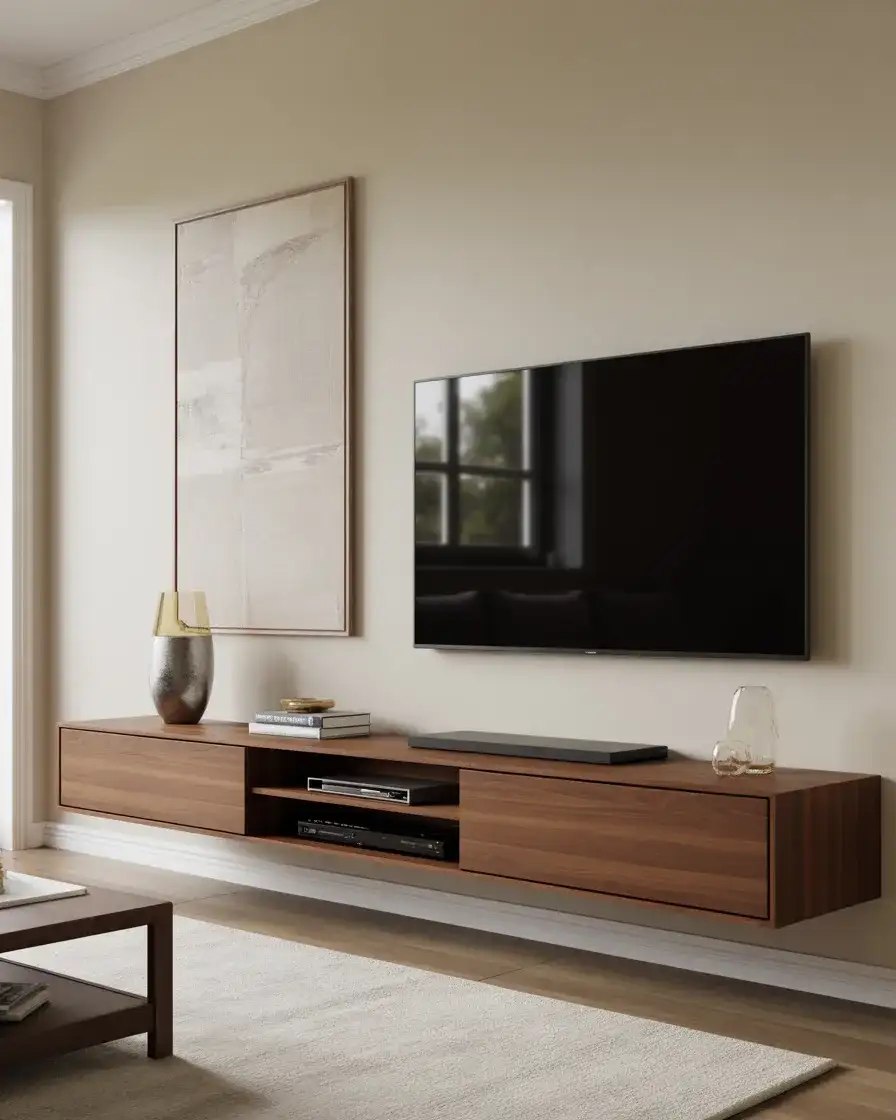
A sleek TV entertainment center with concealed storage keeps cables, remotes, and gaming consoles out of sight, which is essential in a small space where clutter quickly overwhelms. Look for units with soft-close drawers, cable management channels, and adjustable shelving to accommodate different device sizes. Floating media consoles are especially popular because they free up floor space and make vacuuming easier. Pair yours with a gallery wall or single large artwork above the TV to draw the eye upward and balance the horizontal mass of the console
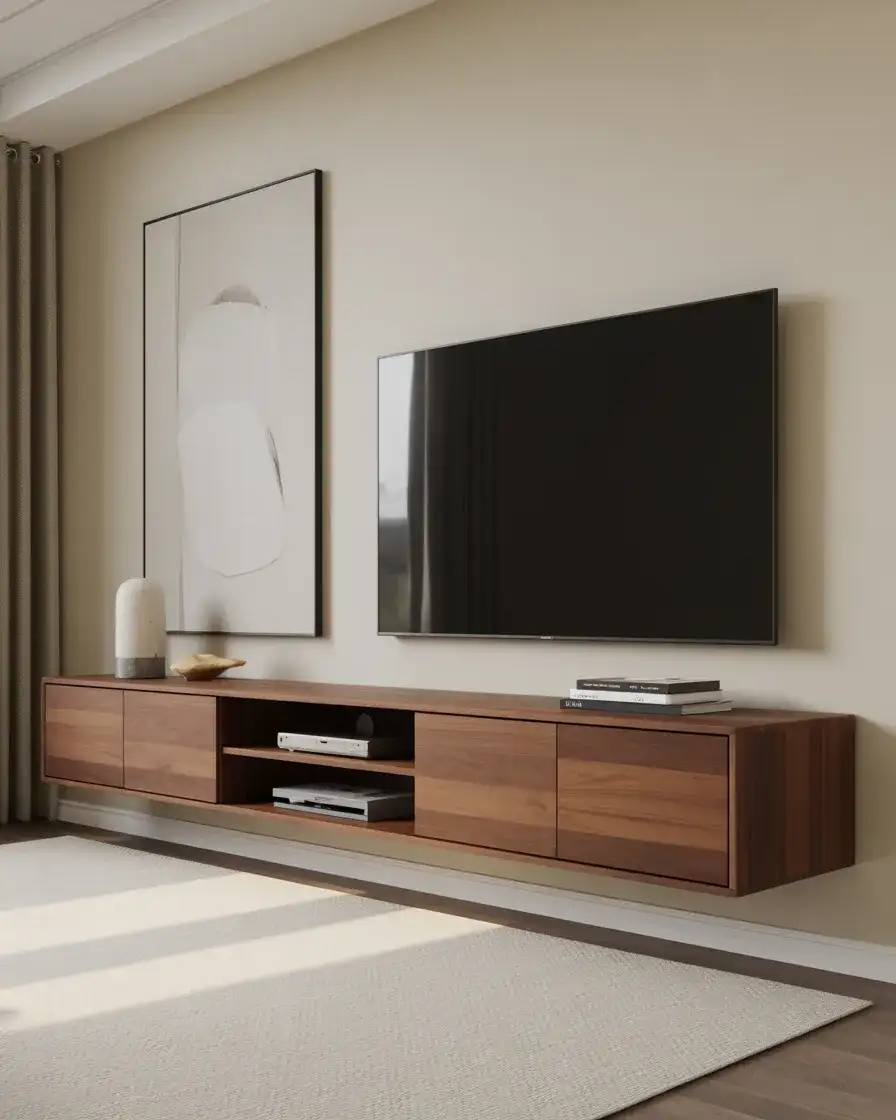
Common mistake: mounting the TV too high. Your eye level when seated should align with the center of the screen, typically around 42 inches from the floor. Many renters default to mounting above the console without measuring, resulting in neck strain during long Netflix sessions. Use painter’s tape to mark the intended height before drilling, or invest in a tilting mount if you must go higher for structural reasons.
8. Dining Nook with Banquette Seating
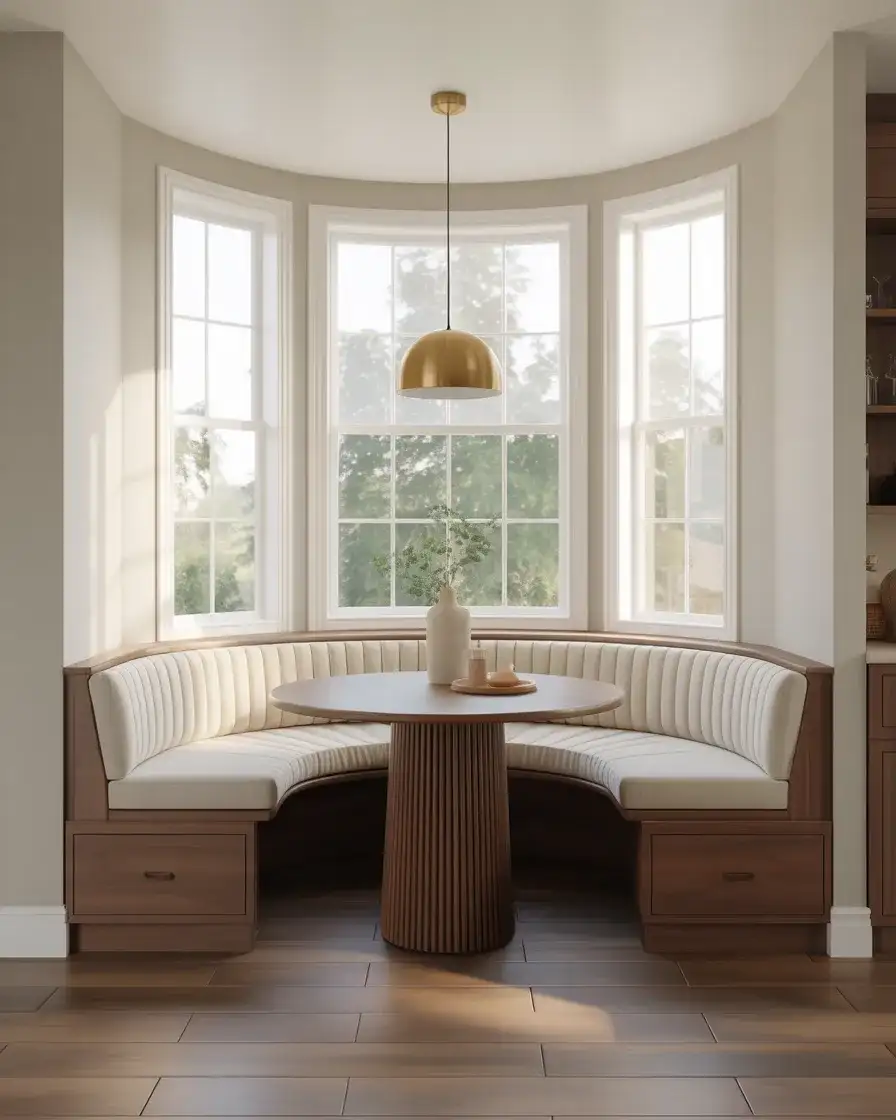
Incorporating a dining area into your living room becomes seamless with banquette seating that hugs the wall and maximizes every inch. A built-in bench with storage underneath paired with a compact round or square table creates a charming breakfast nook or dinner spot without dominating the room. Add a pendant light directly above to define the zone, and choose upholstery that complements your sofa fabric. This layout works beautifully in studios or open-plan apartments where traditional dining tables feel too bulky.
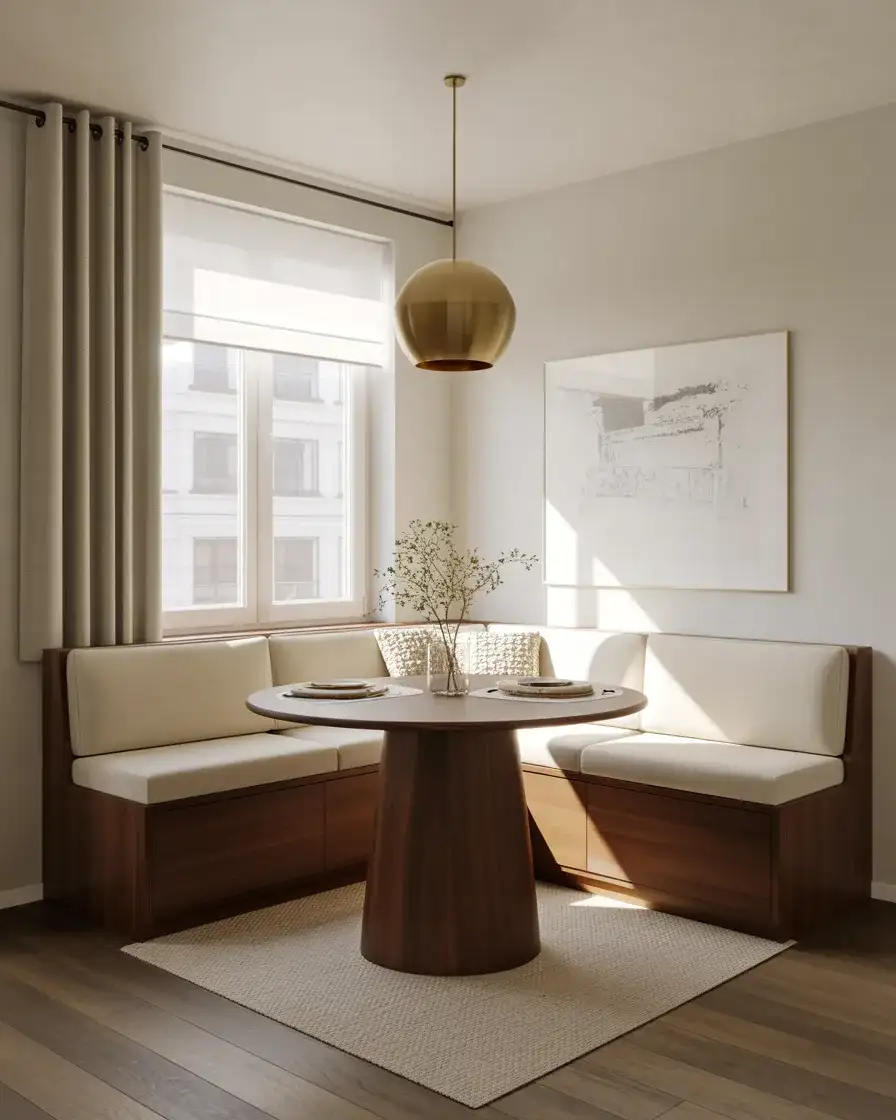
American lifestyle context: In cities like Chicago and Boston, where apartments often have awkward alcoves or bay windows, banquette seating makes use of otherwise wasted space. It’s also a favorite among families with young kids because the enclosed sides create a safer, more contained eating area. Opt for vinyl or performance fabric if you have pets or tend to spill—easy-to-clean materials are worth the upcharge.
9. Vertical Garden Wall for Greenery
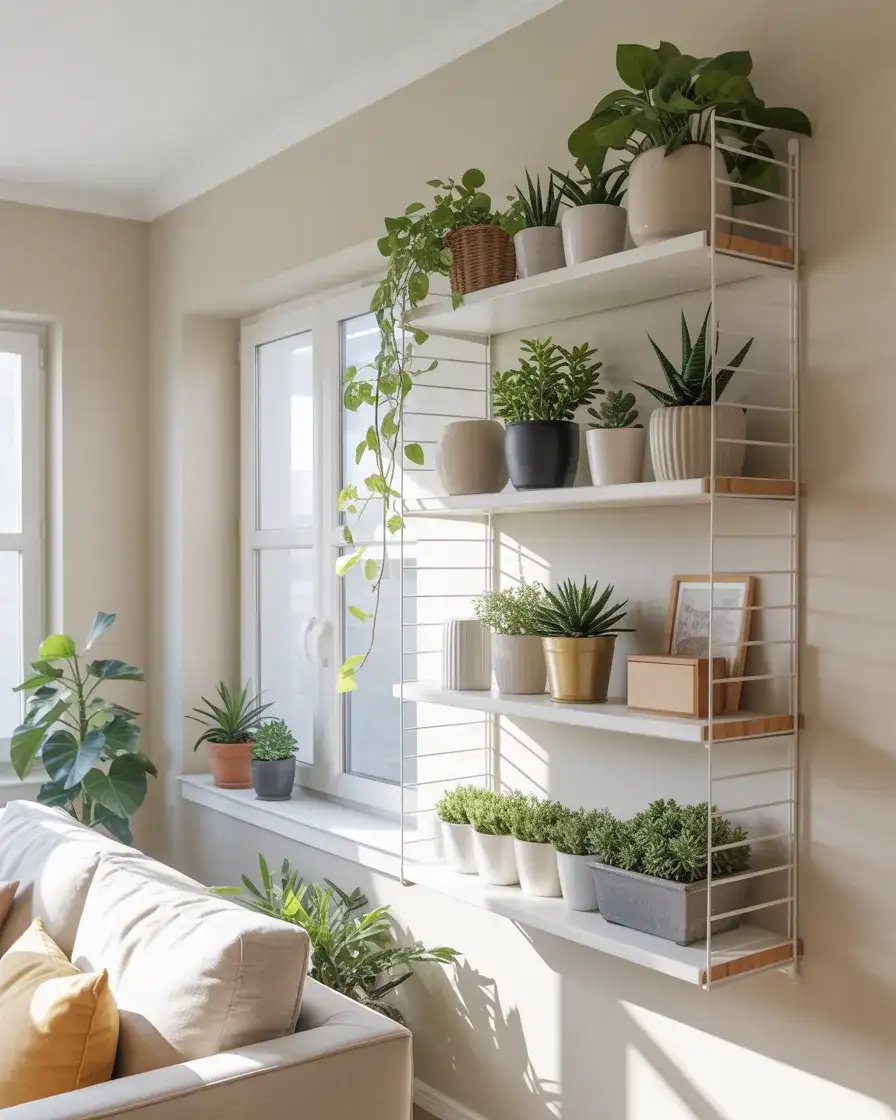
A vertical garden or plant wall brings life and texture to a small living room without eating into precious floor space. Install tiered shelving, wall-mounted planters, or a modular grid system that holds potted herbs, trailing pothos, or succulents. Choose low-maintenance varieties if you’re not a green thumb, and position the display near a window for natural light. This solution is especially popular in dense urban areas where access to outdoor space is limited. It also improves air quality and adds a refreshing pop of green that complements neutral decor.
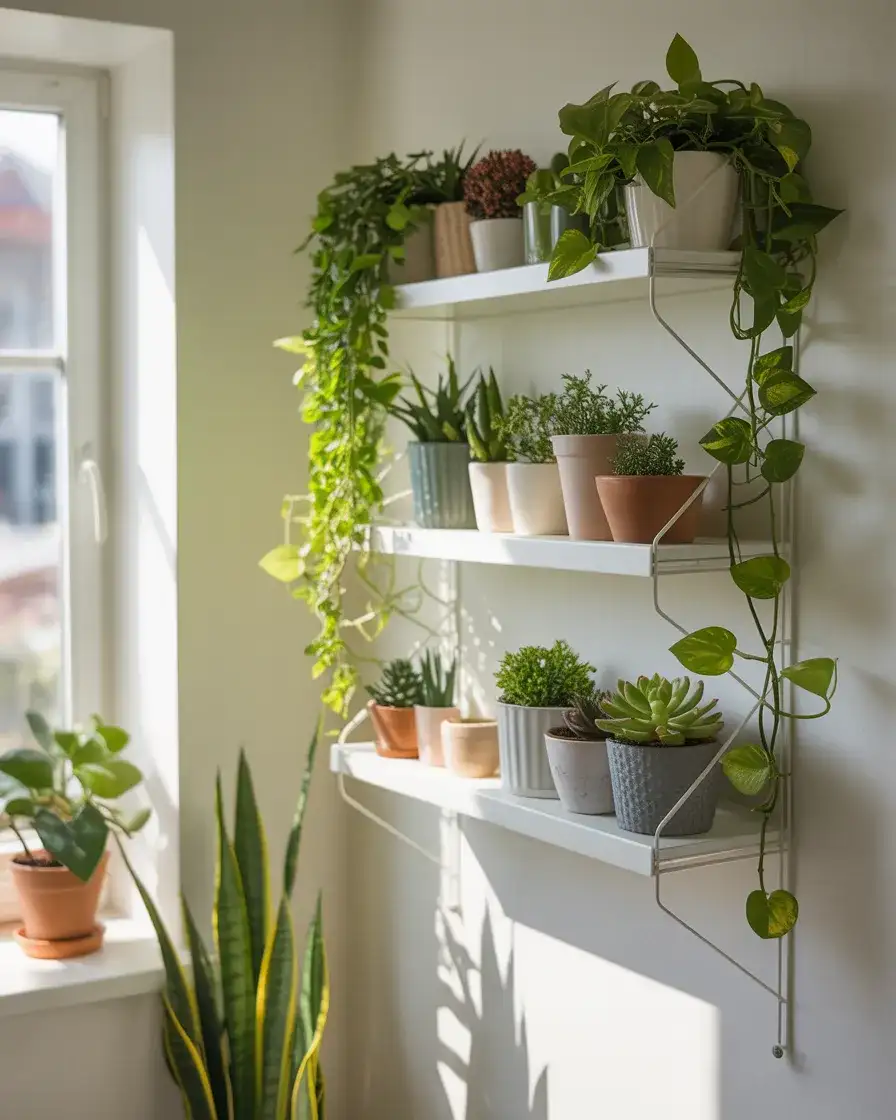
Practical insight: Water drainage is critical—use saucers or trays beneath each planter to prevent damage to walls or flooring. If you’re renting, removable adhesive hooks or tension rods can support lightweight planters without drilling. Rotate plants every few weeks to ensure even light exposure, and group humidity-loving species together to create a microclimate that reduces watering frequency.
10. Neutral Color Palette with Bold Accent
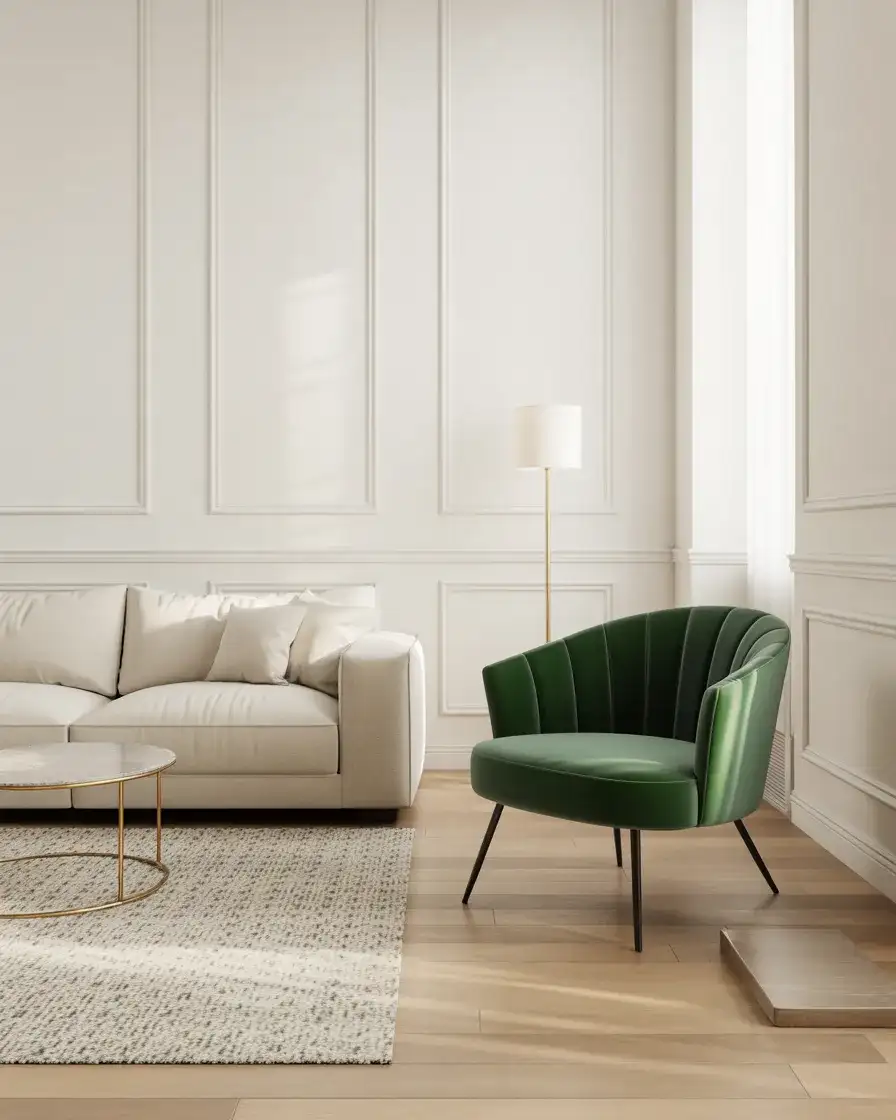
A neutral foundation of whites, beiges, and soft grays gives a small living room an airy, expansive feel, but a single bold accent color prevents it from looking sterile. Choose one saturated hue—emerald green, navy blue, or burnt orange—and apply it sparingly through a statement chair, a gallery wall frame, or a set of throw pillows. This approach keeps the space feeling cohesive while injecting personality. It’s a go-to strategy for designers working on modern apartments where clients want flexibility to swap out accessories seasonally.
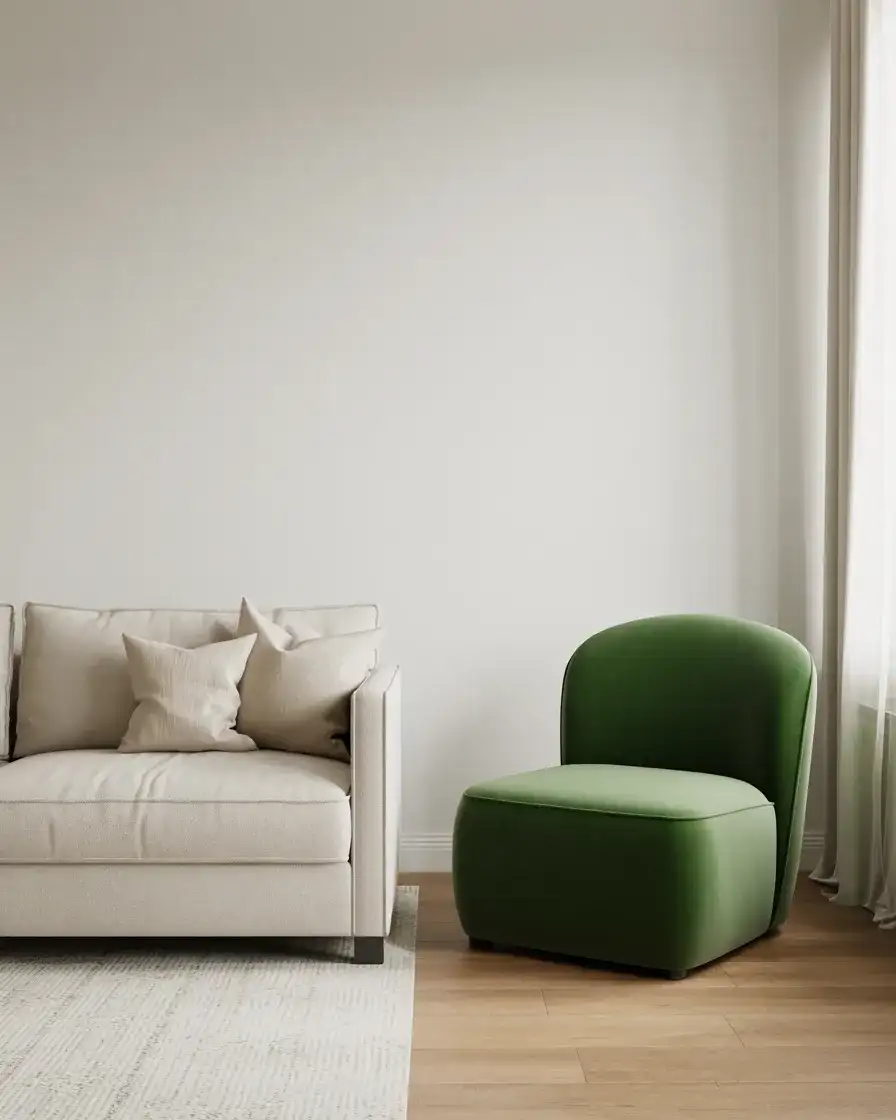
Where it works best: Open-plan layouts where multiple zones need visual continuity, or apartments with limited natural light that benefit from reflective, pale surfaces. If you choose a warm neutral palette, your bold accent should lean warm (terracotta, mustard); for cool neutrals, pick a cool accent (teal, plum). This harmony prevents the room from feeling disjointed and makes shopping for accessories much easier.
11. Multifunctional Ottoman with Storage
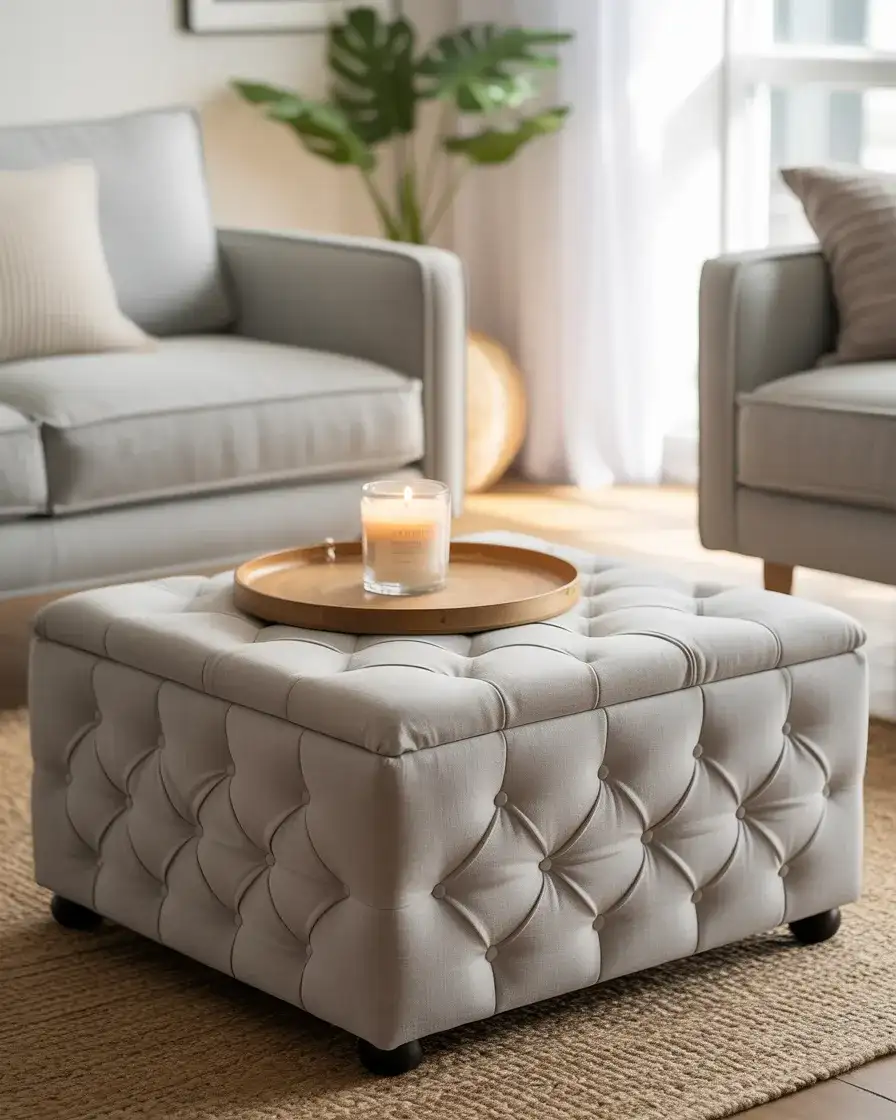
An ottoman that opens to reveal hidden storage is a small-space hero, serving as extra seating, a coffee table, and a place to stash blankets, board games, or seasonal decor. Look for designs with sturdy lids that can support a tray when you need a flat surface for drinks. Upholstered versions in leather or performance fabric blend seamlessly with existing furniture, while woven or tufted styles add textural interest. Place it in front of your sofa or tuck it into a corner where it can be pulled out as needed.
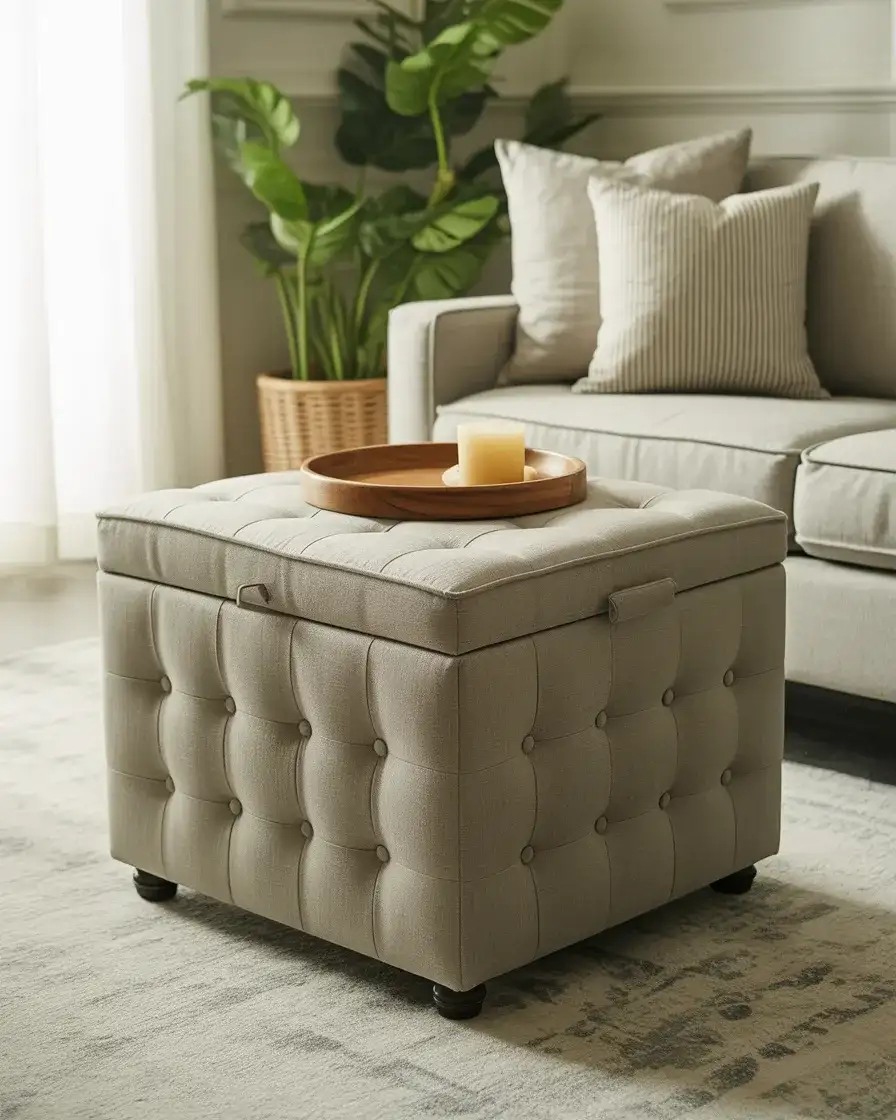
Budget angle: Quality storage ottomans range from $150 to $400 depending on size and materials. Target and West Elm often run sales, and you can find solid mid-century or contemporary options at those price points. Avoid flimsy particle board frames that sag under weight; a well-constructed hardwood or plywood frame will last through multiple moves and maintain its shape over time.
12. Gallery Wall with Mixed Media
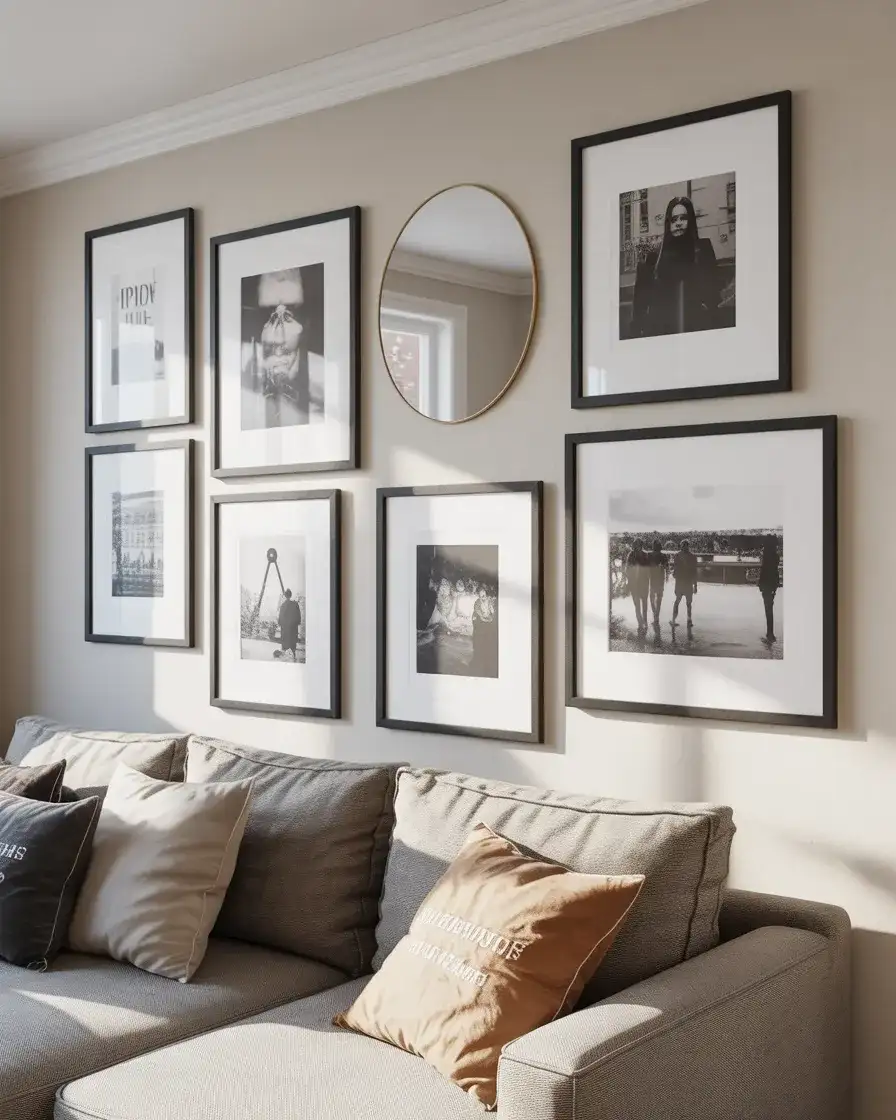
A curated gallery wall adds personality and visual interest to a small living room without taking up floor space. Mix framed prints, photographs, small mirrors, and textured pieces like woven wall hangings or metal sculptures to create depth. Stick to a cohesive color story—black frames with white mats, gold frames with warm-toned art—to unify the collection. Lay out your arrangement on the floor first, then transfer it to the wall using painter’s tape as guides. This approach is endlessly customizable and works for every decor style, from bohemian to minimalist.
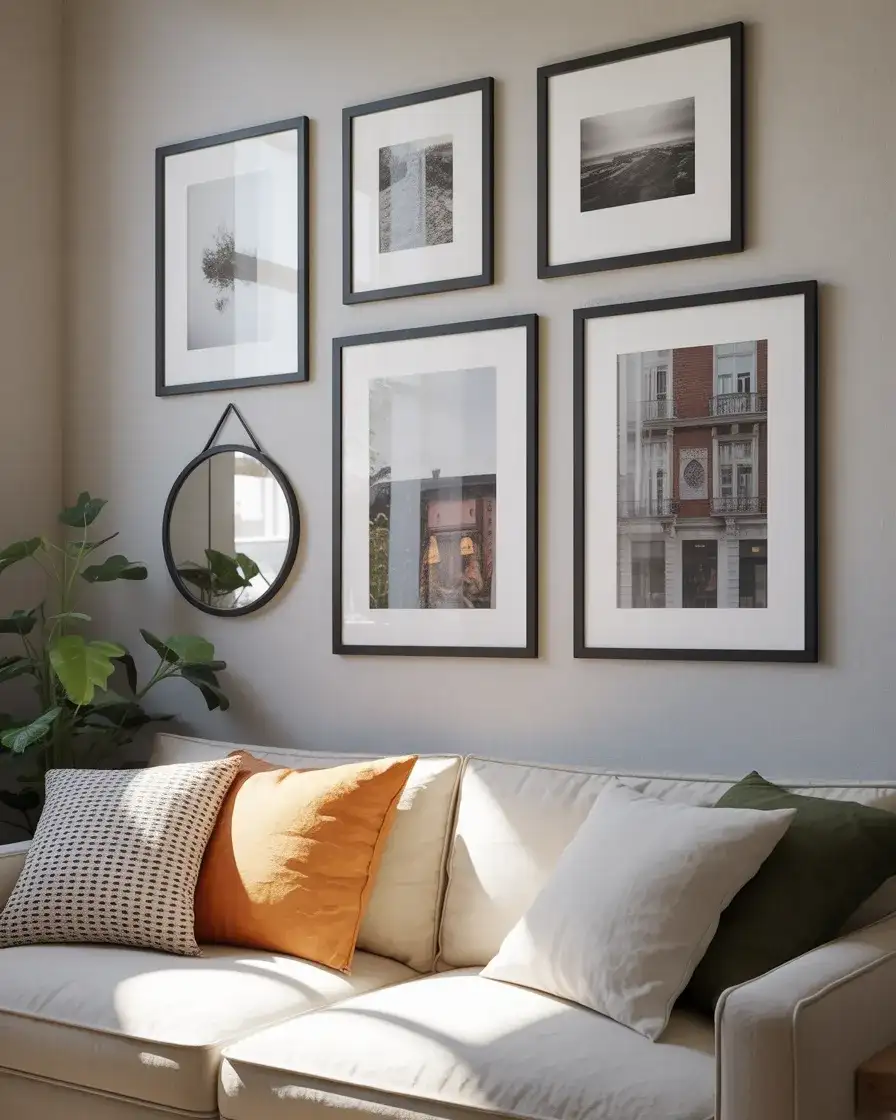
Common mistake: hanging pieces too high or too far apart, which makes the wall feel disjointed. The center of your gallery should sit at eye level (around 57–60 inches from the floor), and individual frames should be spaced 2–3 inches apart for visual cohesion. Use a level and measure carefully—rushed installations look haphazard and undermine an otherwise thoughtful design.
13. Corner Sectional for Awkward Layouts
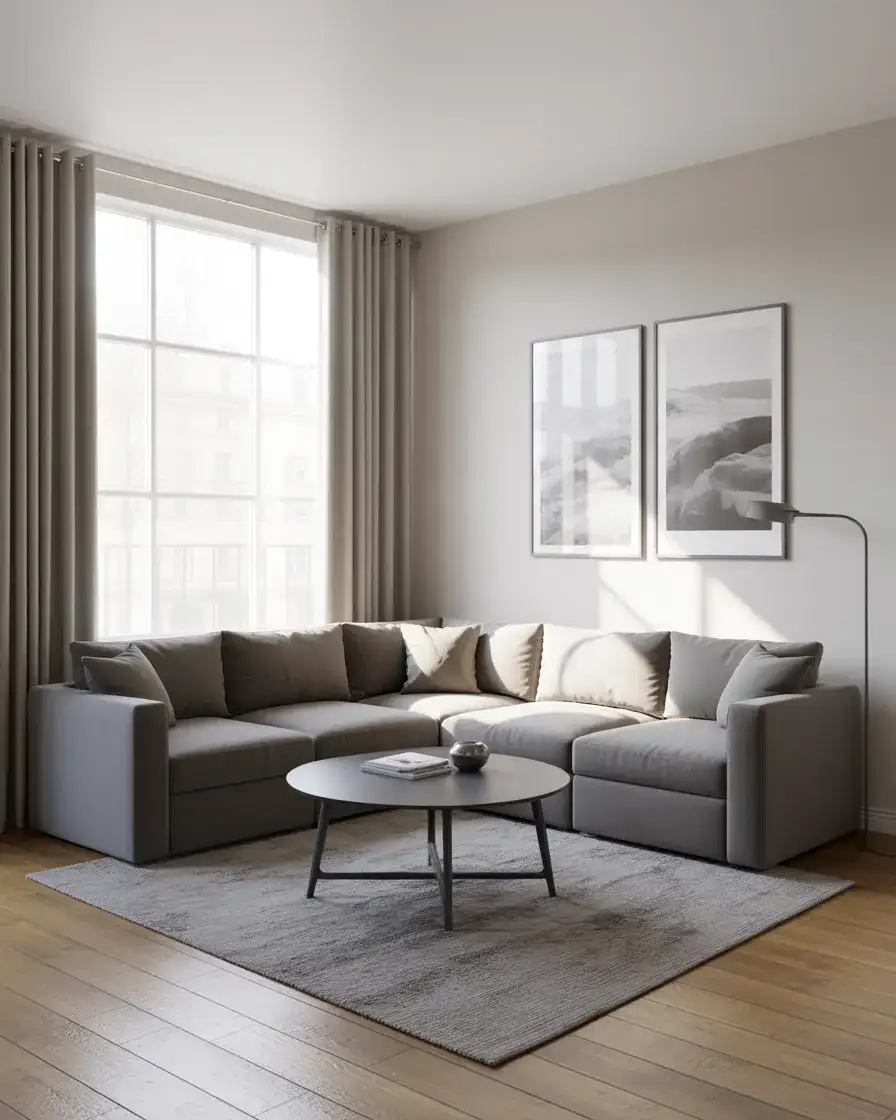
When your living room has an odd shape or challenging doorways, a corner sectional can anchor the space and maximize seating without blocking flow. Choose a compact L-shape that fits snugly into the corner, leaving the center of the room open for a coffee table and movement. Upholstered arms and low backs prevent the piece from feeling too heavy in a small area. This layout is especially effective in older apartment buildings with quirky floor plans, where traditional sofa arrangements just don’t work.
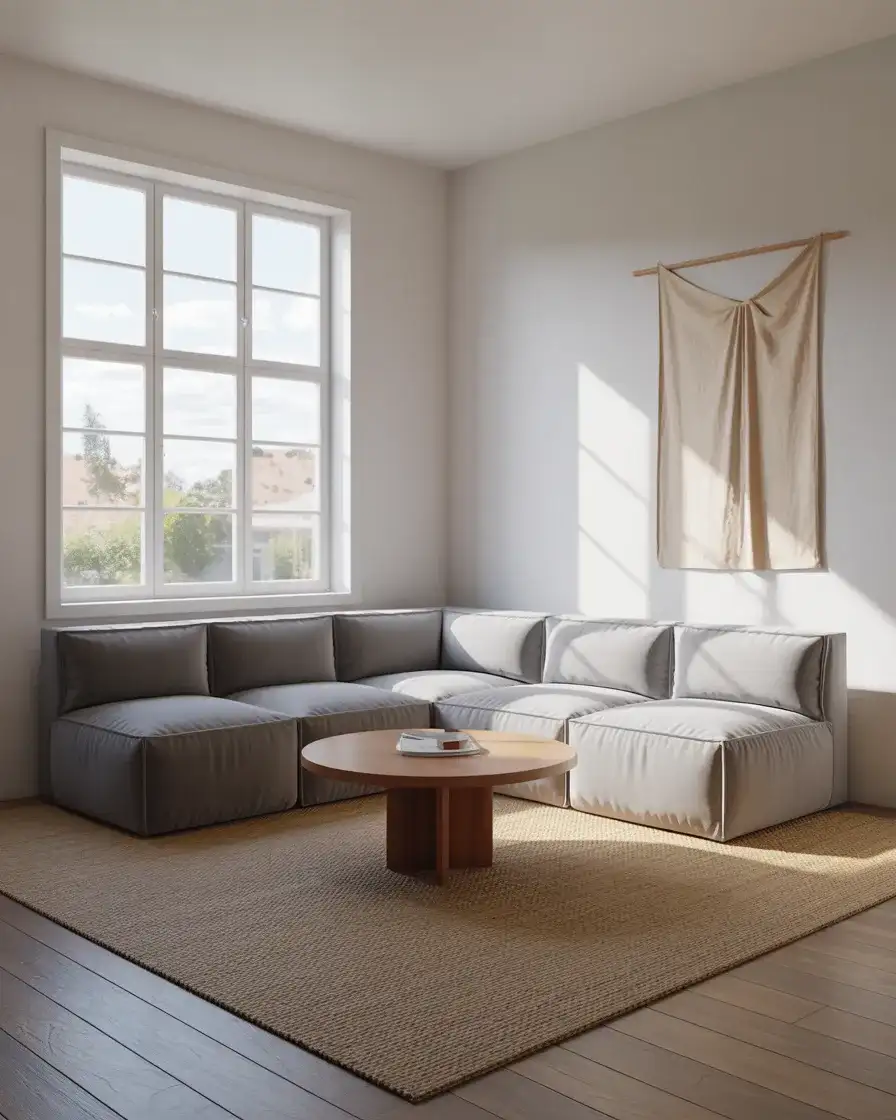
Real homeowner behavior: Many renters place a floor lamp or tall plant in the dead corner behind a sectional to soften the hard angle and add warmth. It’s a simple trick that makes the space feel intentional rather than like an afterthought. If your sectional is against a window, use a console table behind it to create a “floating” effect and provide a landing spot for keys, mail, or a small speaker.
14. Sliding Room Divider for Flexible Zones
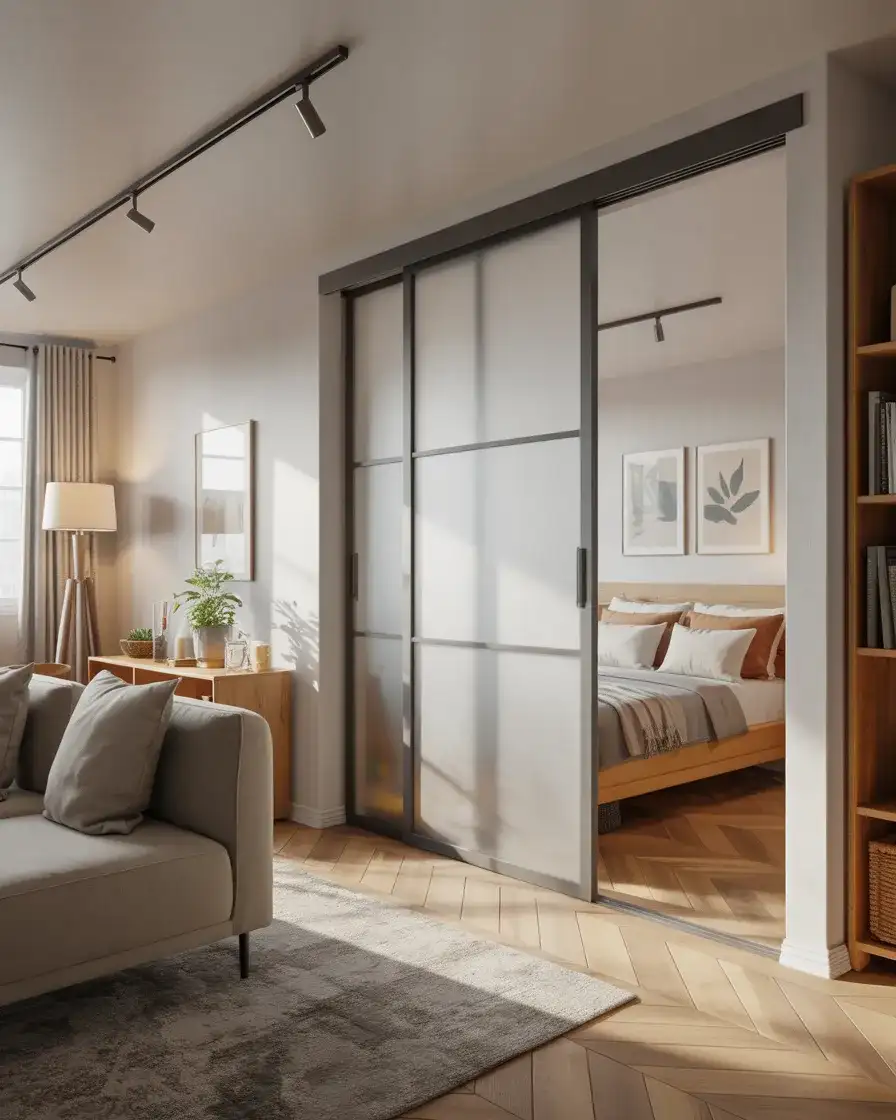
A sliding or folding room divider lets you carve out private zones within a studio or open flat, perfect for separating a sleeping area from the living room or hiding a home office after work hours. Choose lightweight panels in frosted glass, fabric, or wood slats that slide on a ceiling track for easy operation. Unlike permanent walls, dividers can be opened to restore flow when you’re entertaining or need more space. This flexibility is invaluable in smaller apartments where every room serves multiple functions.
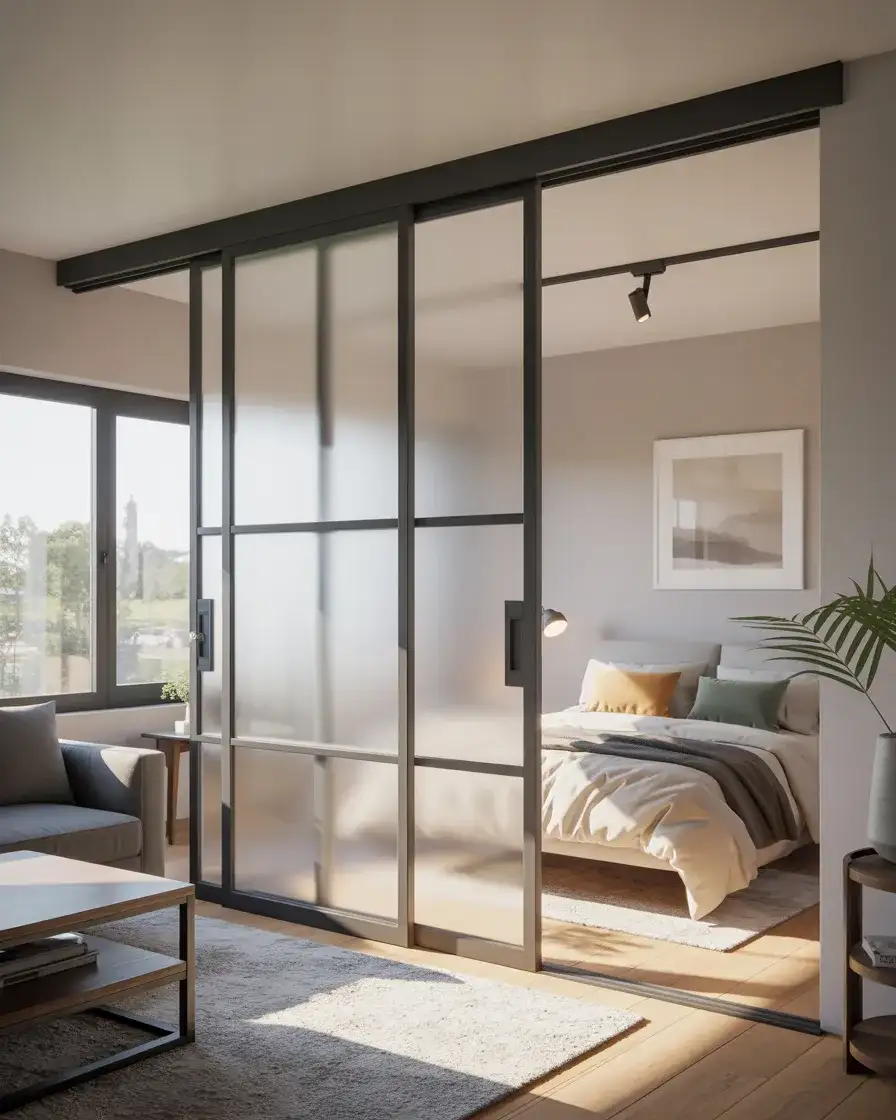
Expert-style commentary: Designers often recommend dividers that are semi-transparent to preserve natural light flow throughout the space. Opaque screens can make both zones feel darker and more cramped, while frosted glass or sheer fabric panels maintain brightness and a sense of openness. Ensure the track is securely mounted to the ceiling joists, especially if the panels are heavy, to avoid sagging or misalignment over time.
15. Window Bench with Cushions and Pillows
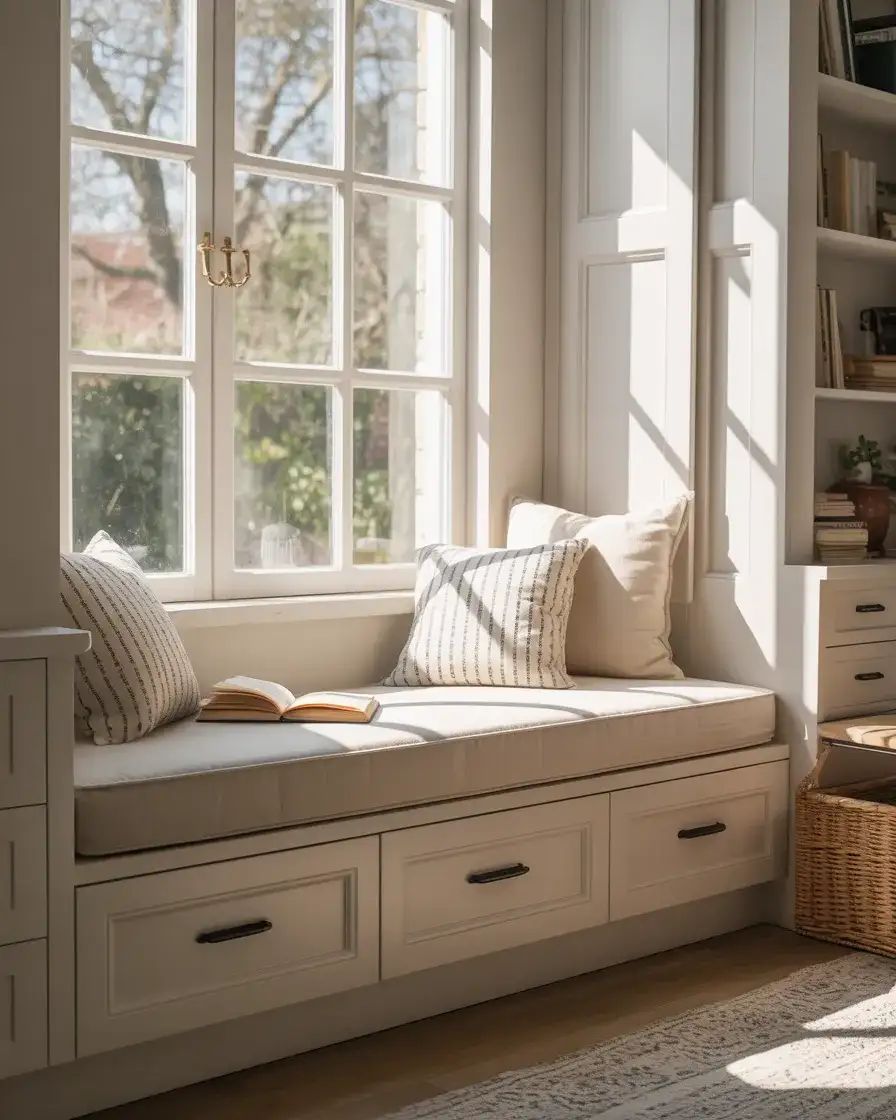
Transforming a window ledge into a padded bench creates a charming spot for morning coffee, reading, or simply watching the world outside. Add a custom-cut foam cushion wrapped in durable fabric, then layer throw pillows for comfort and style. Built-in storage beneath the seat is a bonus, providing a home for shoes, seasonal items, or extra linens. This feature is especially beloved in apartments with large windows and good views, common in cities like San Francisco, Seattle, and Minneapolis.
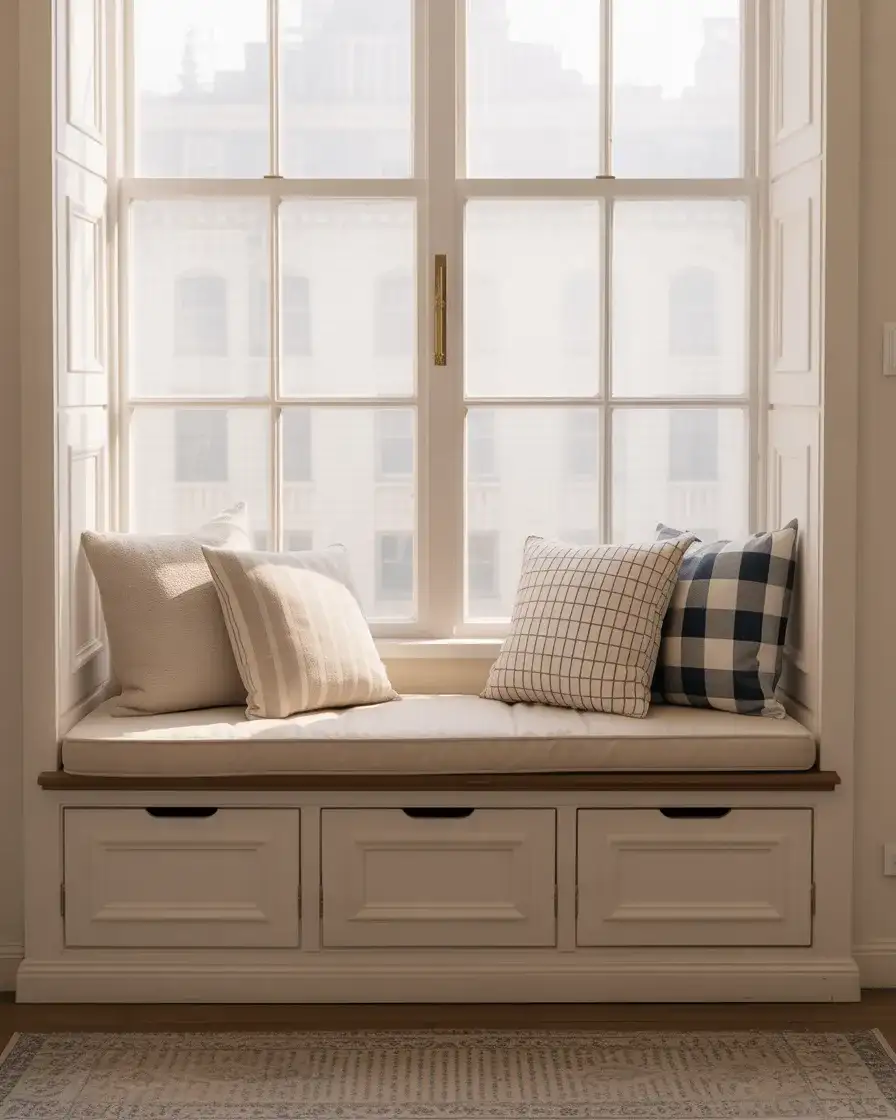
Micro anecdote: A friend in Portland installed a DIY window bench using IKEA kitchen cabinets topped with a plywood platform and foam from a local upholstery shop. Total cost was under $300, and it instantly became her favorite spot in the apartment. She chose a water-resistant fabric because her cats love to nap there, and it’s held up beautifully for over two years with minimal maintenance.
16. Statement Lighting with Sculptural Fixture
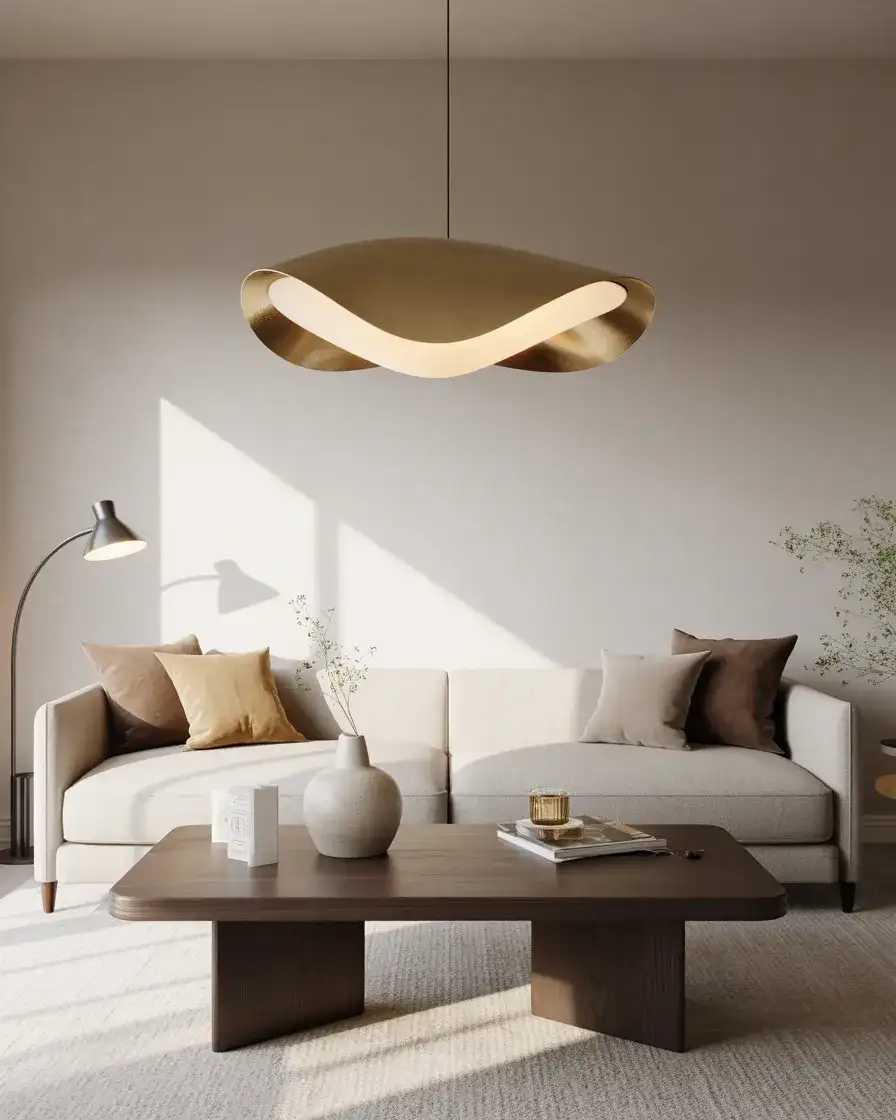
A bold pendant light or chandelier draws the eye upward and adds architectural interest to a small living room without occupying floor space. Look for sculptural designs in brass, matte black, or natural materials like rattan that complement your overall aesthetic. Position the fixture over a key zone—above the coffee table, near a reading chair, or in the center of the room—to create a focal point. Dimmer switches let you adjust the ambiance from bright task lighting to soft mood lighting for evenings.
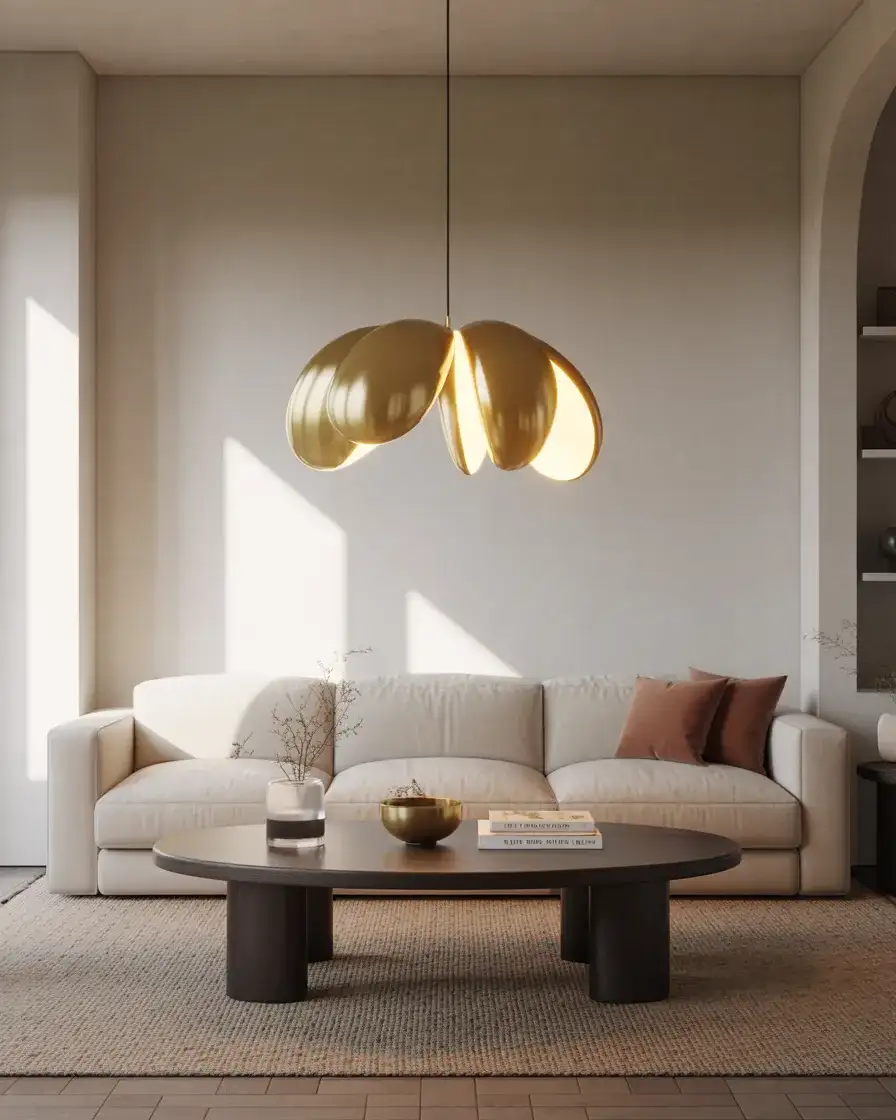
Where it works best: Rooms with ceilings at least 8 feet high, where a pendant can hang 30–36 inches above the coffee table without obstructing sightlines. In apartments with low ceilings, opt for a semi-flush mount fixture that hugs the ceiling but still offers visual interest. Always check the wattage and bulb type to ensure adequate brightness—many sculptural fixtures look stunning but provide insufficient light if you choose the wrong bulbs.
17. Minimalist Console Table as Room Divider
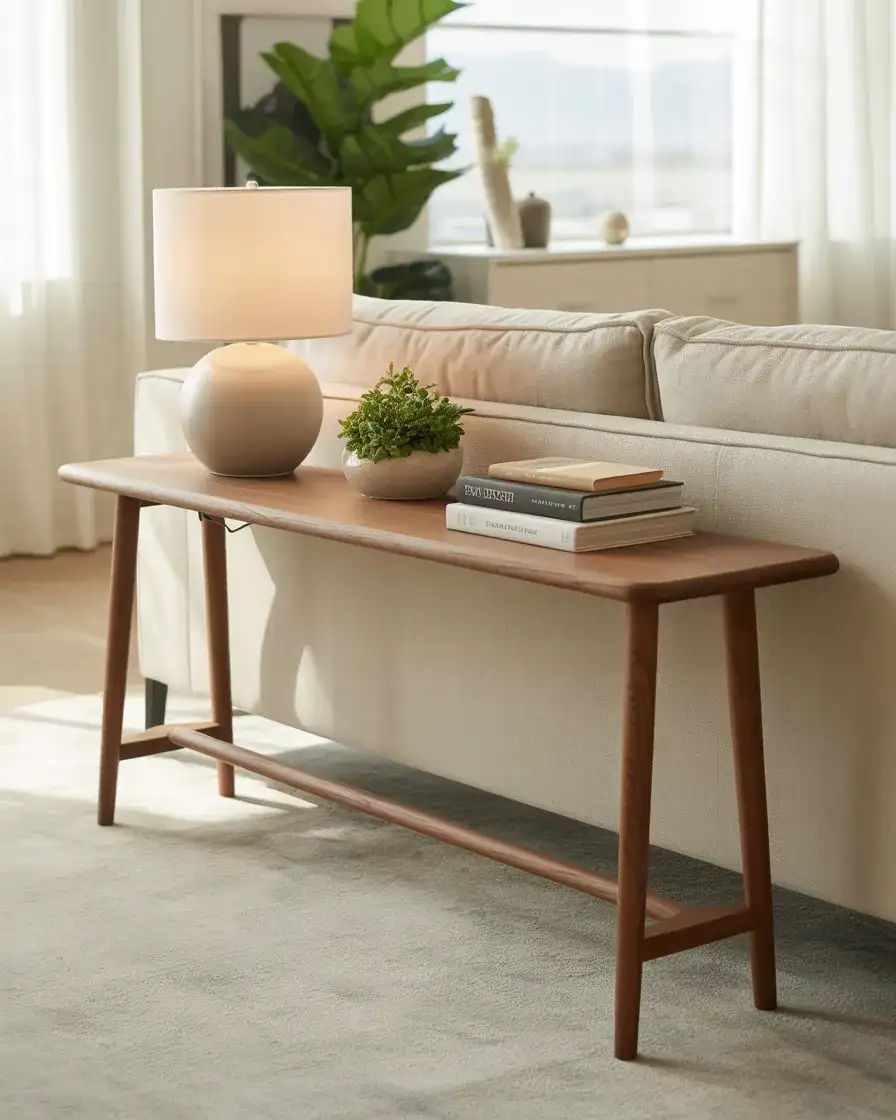
A slim console table positioned behind your sofa creates a visual boundary between the living area and other zones without blocking light or flow. Use it to display a table lamp, a few books, and a small plant, or add a set of baskets underneath for hidden storage. This setup is particularly useful in open-plan layouts where you want to define spaces without adding walls. Choose a console height that matches your sofa back for a cohesive look, and stick to materials that echo your existing furniture.
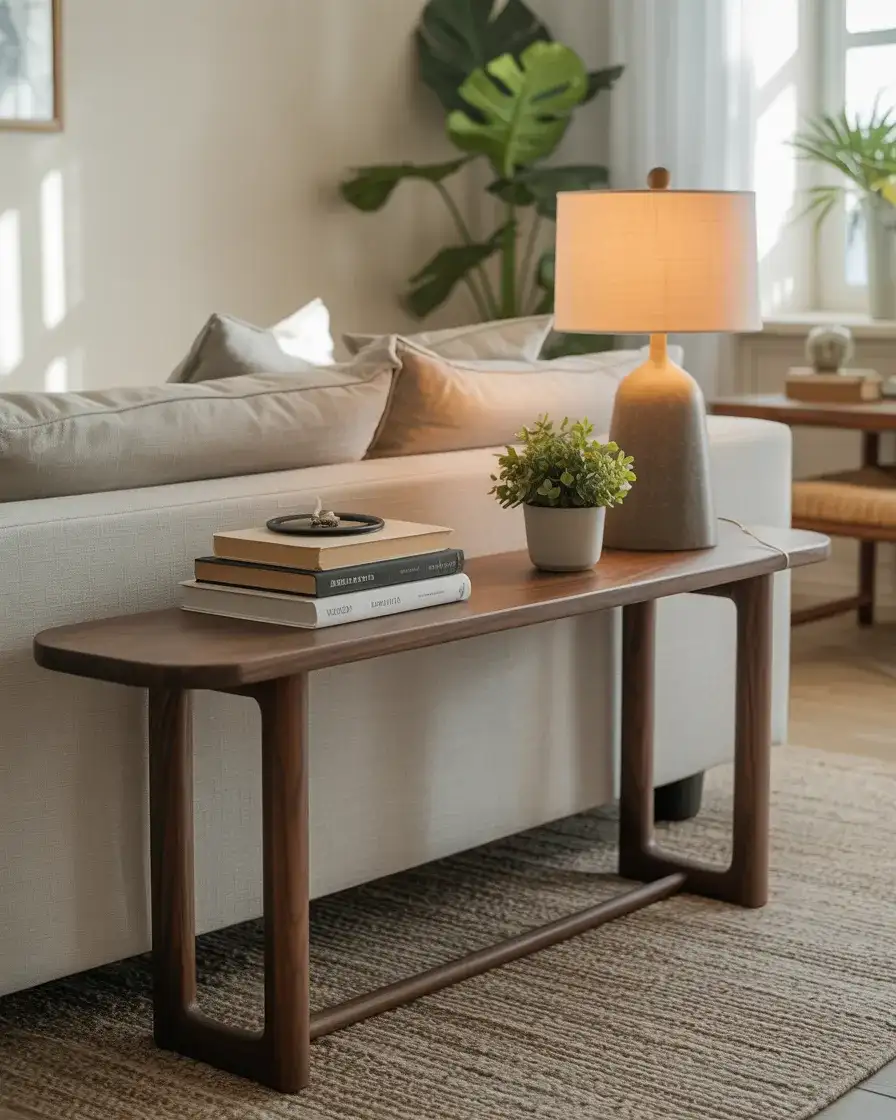
Practical insight: Keep the console surface clutter-free by limiting items to three or four carefully chosen objects. Overcrowding defeats the purpose of a clean, minimal divider and makes the room feel smaller. If you need more storage, use the lower shelf or add matching bins that slide neatly underneath, keeping the top surface open and uncluttered.
18. Compact Bar Cart for Entertaining
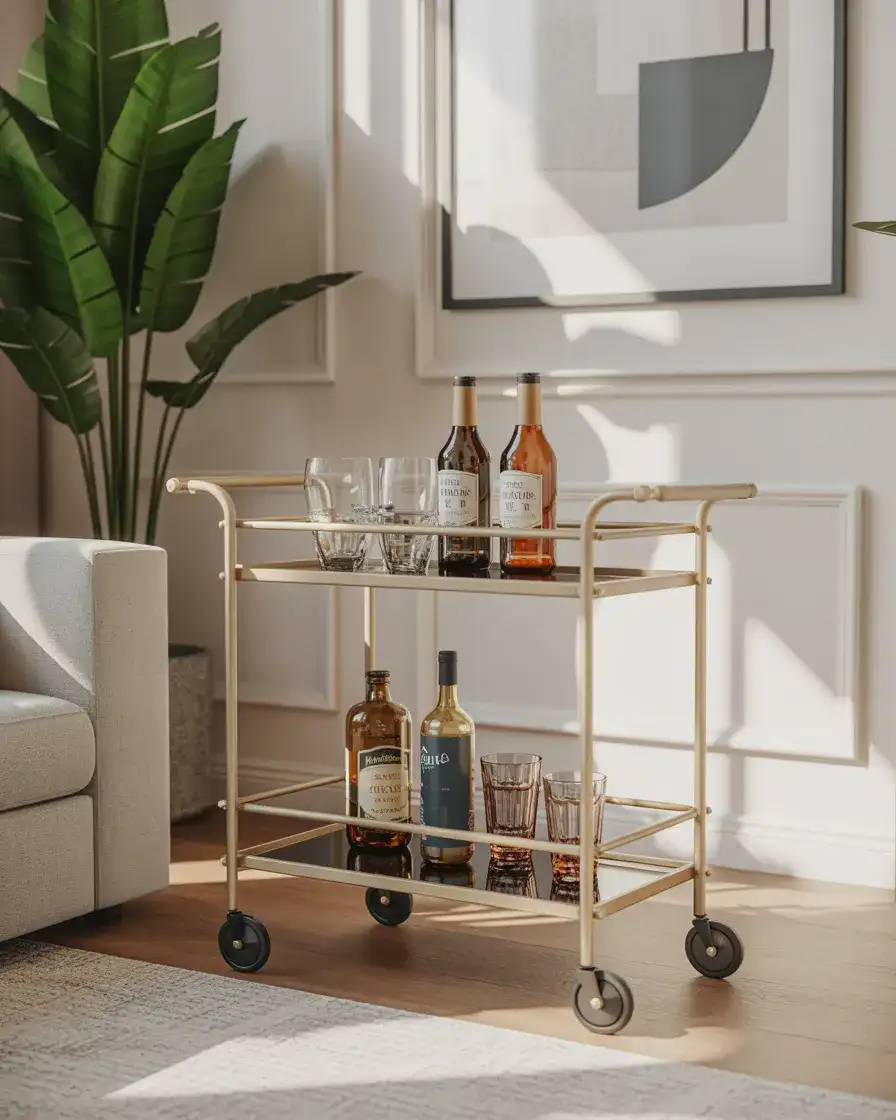
A small bar cart on wheels brings functionality and style to a tight living room, serving as a mobile bar during parties and a decorative accent the rest of the time. Stock the top shelf with glassware and your favorite spirits, the lower tier with mixers and garnishes, and roll it into a corner when not in use. Choose metal finishes like brass or gold for a glam look, or go with wood and matte black for a more understated vibe. This piece is especially popular in cities with active social scenes, where apartment entertaining is a regular occurrence.
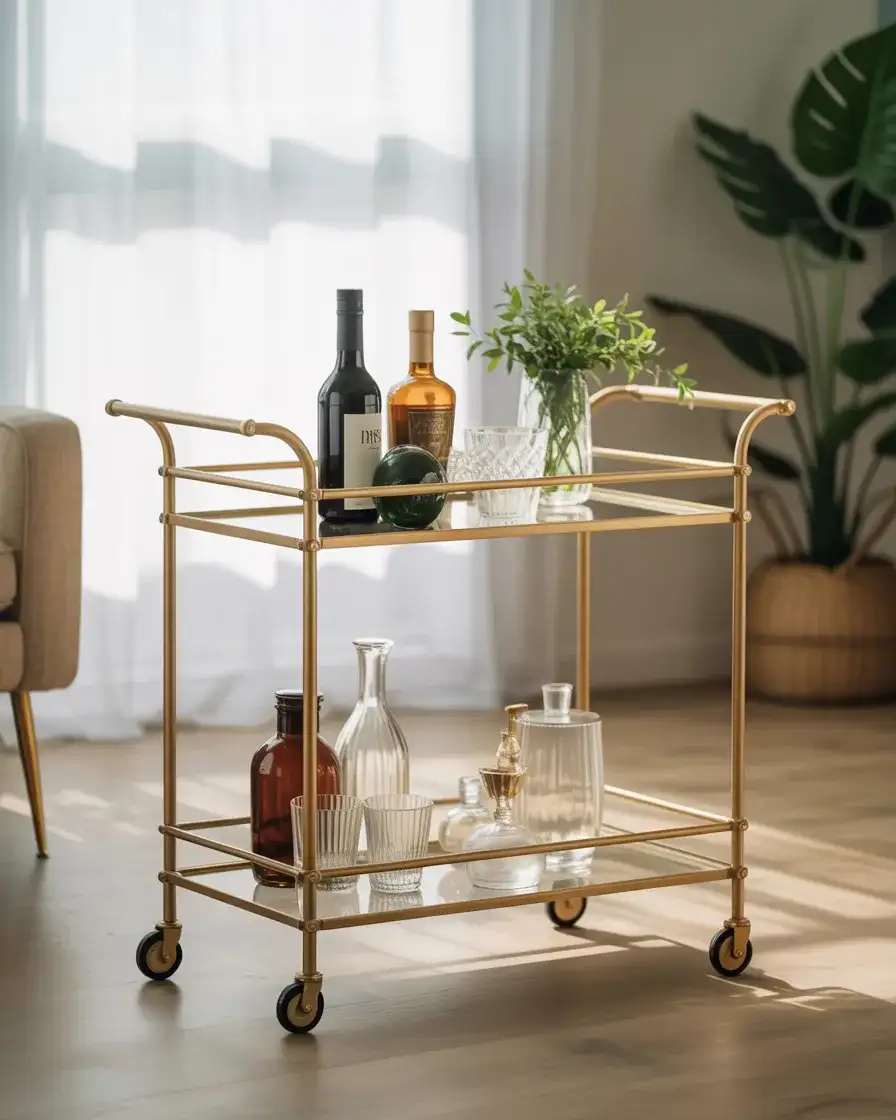
Real homeowner behavior: Many people repurpose bar carts as plant stands, coffee stations, or even bathroom storage when they’re not entertaining. The mobility is key—you can wheel it wherever it’s most useful at the moment. Just make sure the wheels lock or the cart sits on a flat, stable surface to prevent spills or accidental rolling.
19. Low-Profile Media Console with Open Shelving
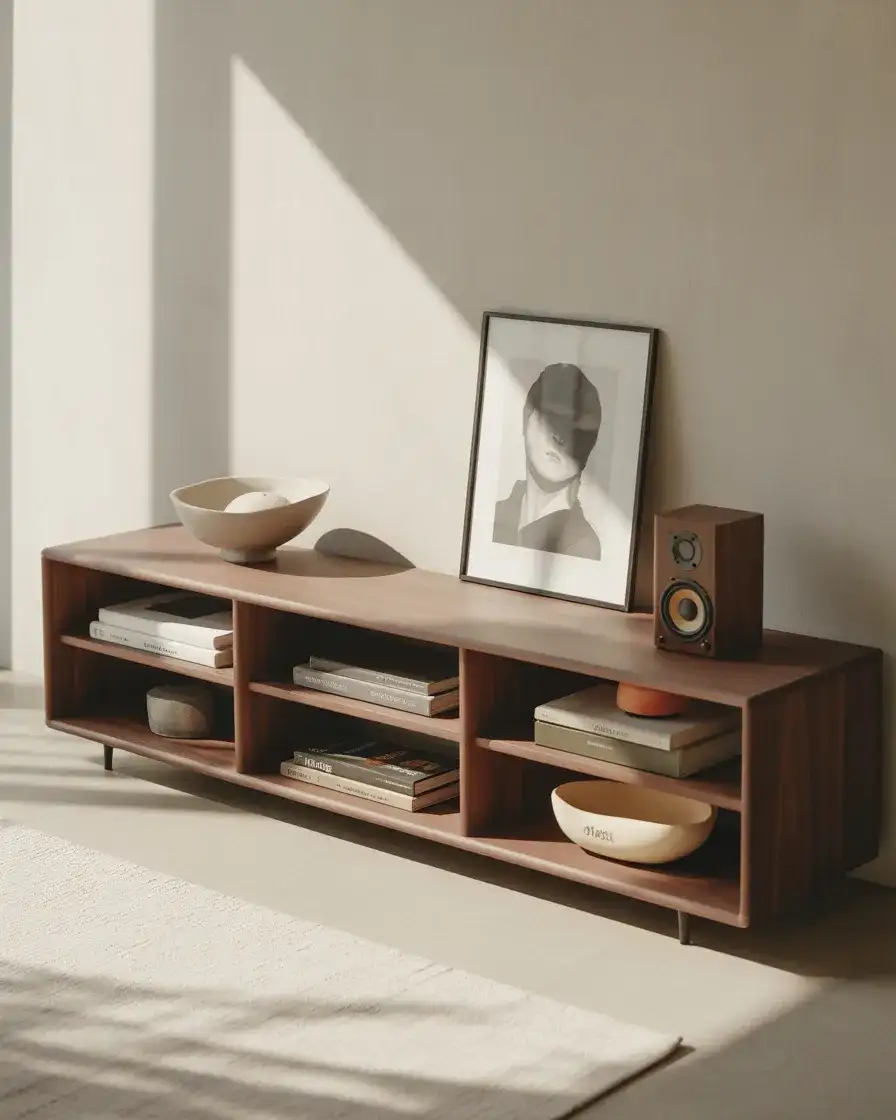
A low-profile media console with open shelving keeps electronics accessible while maintaining an airy, uncluttered feel. The horizontal emphasis makes ceilings feel higher, a visual trick that’s invaluable in small apartments. Display a few decorative objects—ceramic bowls, art books, a small sculpture—alongside your devices to blend function and form. Choose a finish that matches your flooring or other furniture to create continuity, and add LED strips behind the console for a soft, ambient glow during movie nights.
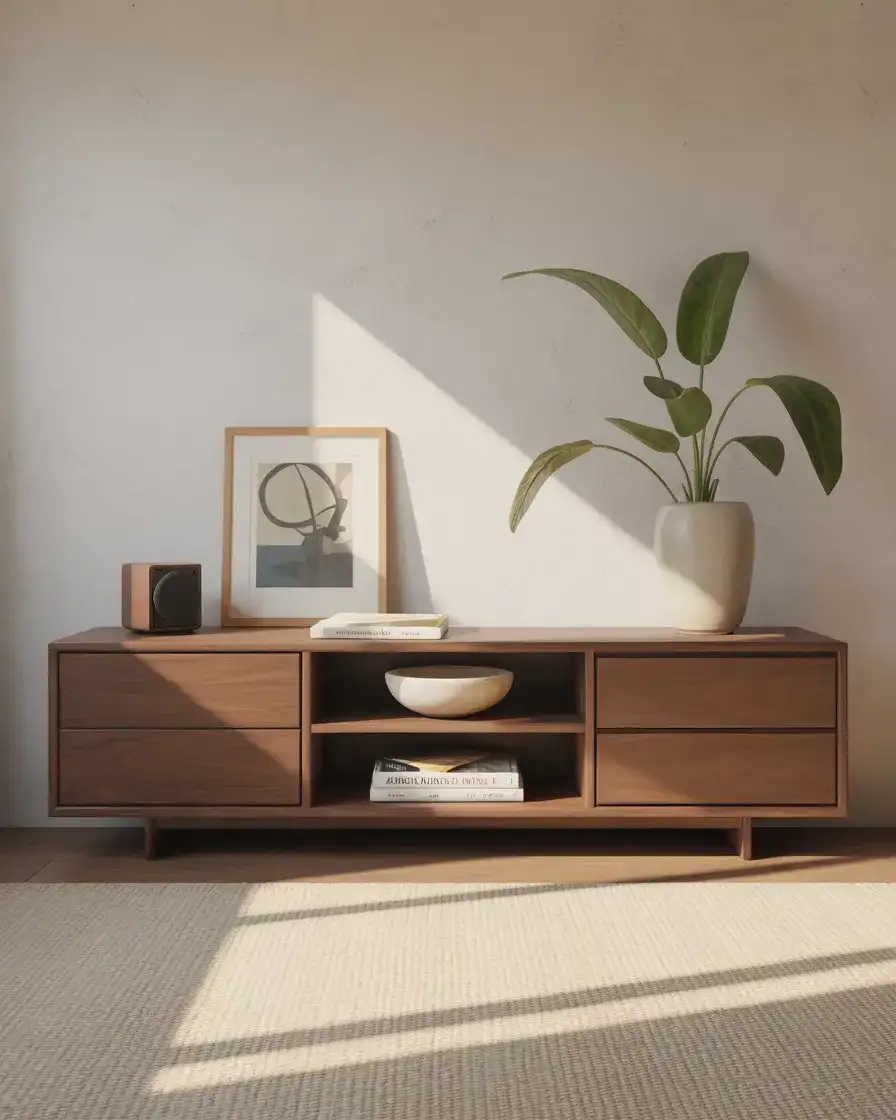
Budget angle: Open-shelf consoles start around $200 at stores like IKEA, Target, or CB2, and you can upgrade them with new hardware or a coat of paint to match your aesthetic. Avoid overcrowding the shelves—each cube should hold no more than one or two items to maintain the clean, low-profile look that makes the piece so effective in small spaces.
20. Accent Wall with Removable Wallpaper
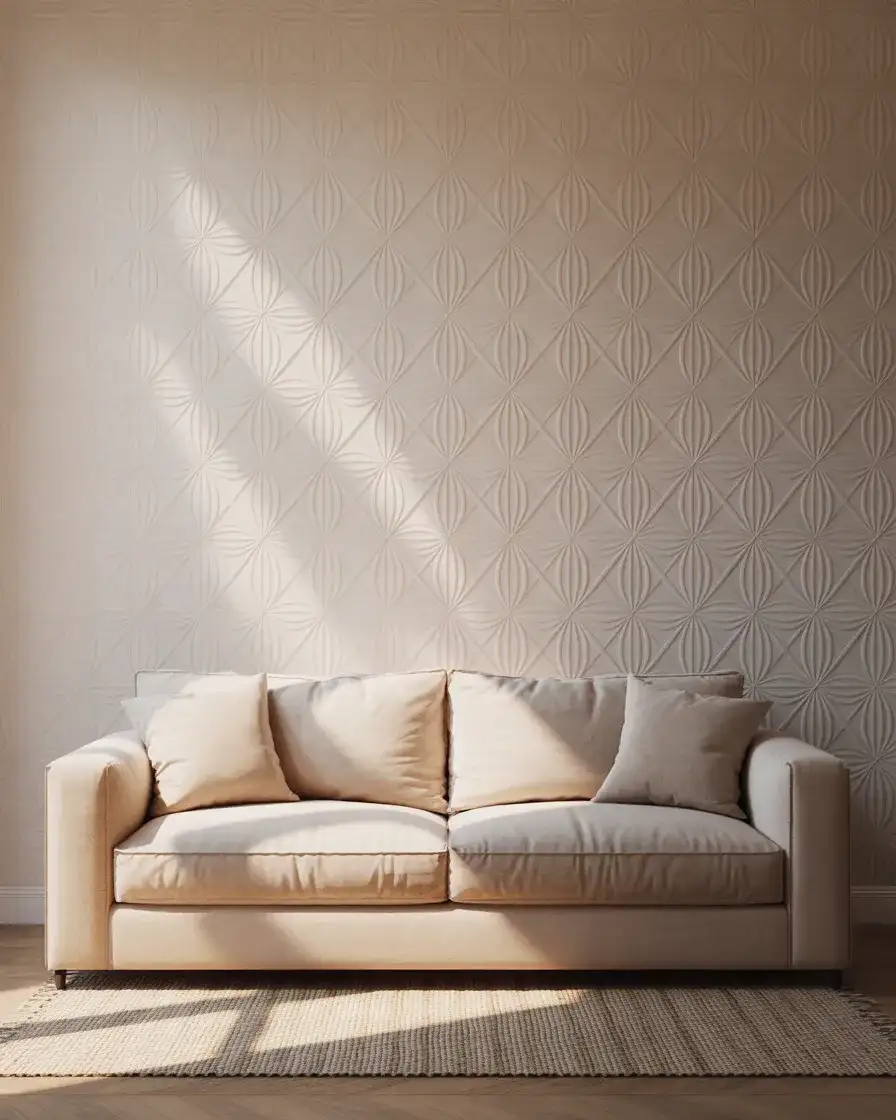
Removable wallpaper lets renters add bold patterns or texture to a single wall without risking their security deposit. Choose a modern design—geometric, botanical, or abstract—that complements your existing furniture and color scheme. Apply it to the wall behind your sofa or opposite the entryway to create an instant focal point. The peel-and-stick application takes just a few hours and comes off cleanly when you move, making it a renter-friendly alternative to paint or permanent wallpaper.
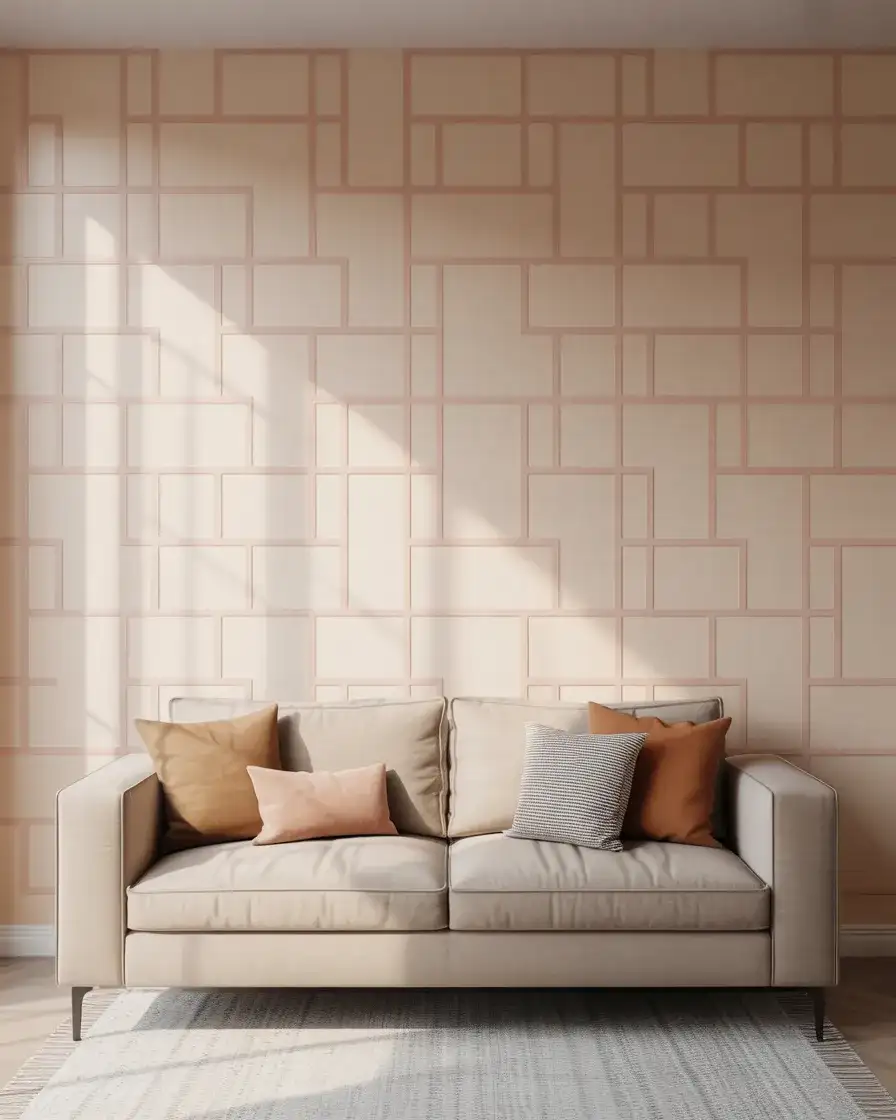
Common mistake: not prepping the wall surface before applying wallpaper. Dust, grease, or uneven paint can prevent adhesion and cause bubbles or peeling. Wipe the wall down with a damp cloth, let it dry completely, then smooth out any imperfections with a putty knife before you start. This small step makes a huge difference in the final result and ensures the wallpaper looks professional.
21. Floating TV Mount with Cable Management
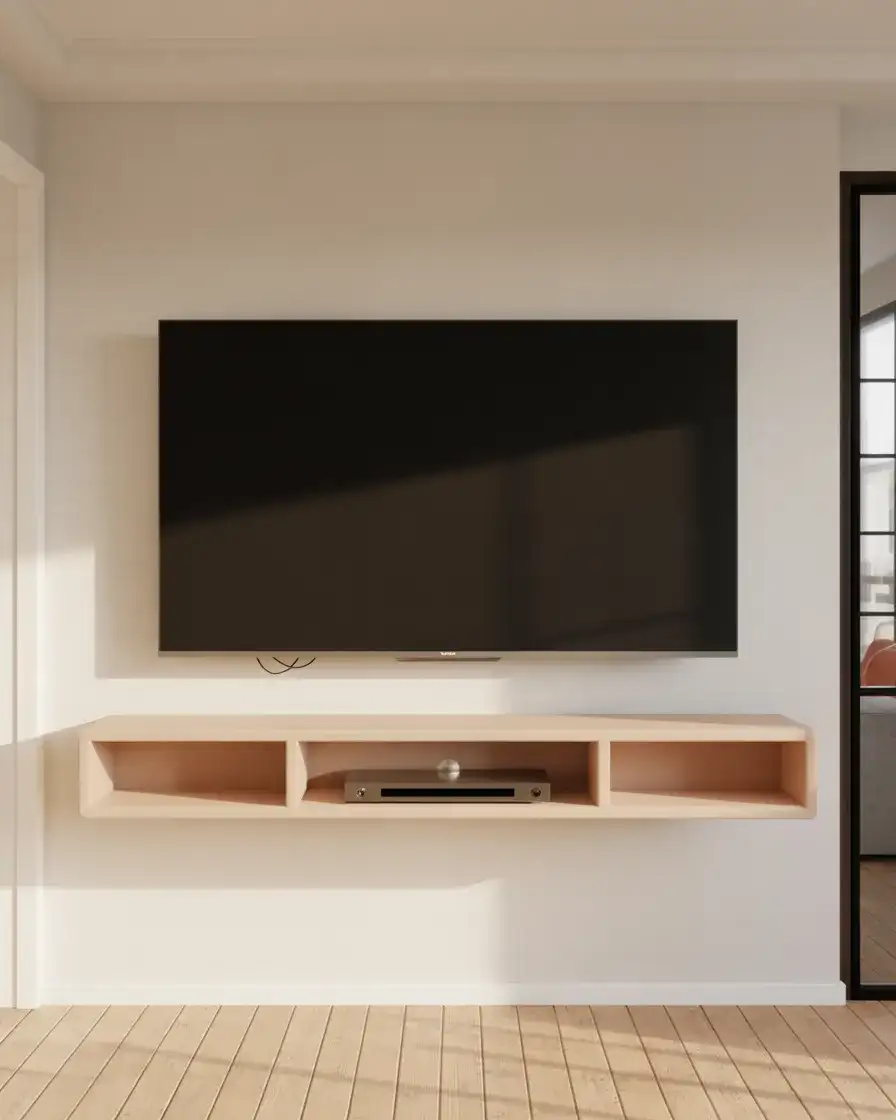
Mounting your TV directly to the wall frees up floor space and creates a sleek, contemporary look that’s perfect for small living rooms. Use a cable management kit to conceal wires inside the wall or along the baseboard, eliminating the tangled mess that undermines an otherwise clean setup. Position the mount at eye level when seated, and ensure it’s anchored into studs for safety. This approach pairs beautifully with a very minimal aesthetic where every piece of furniture serves a clear purpose.
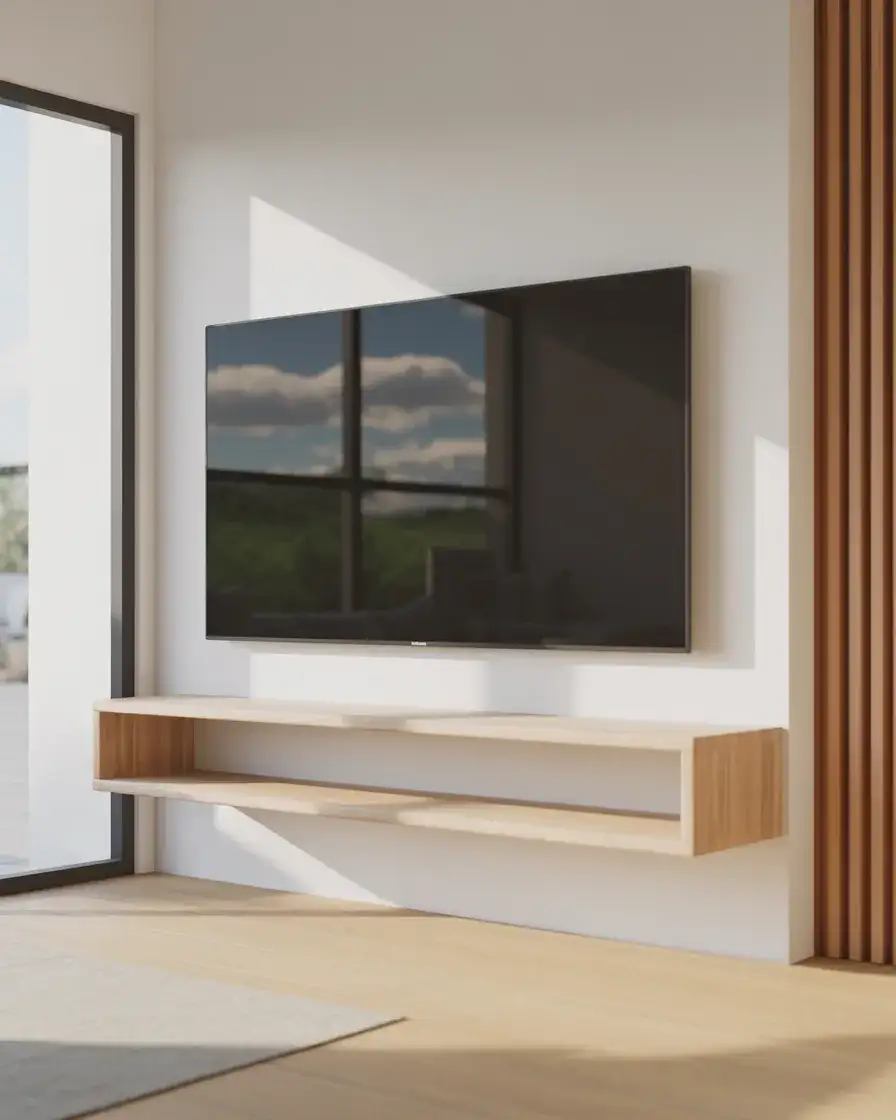
American lifestyle context: In newer apartment buildings with concrete or metal stud walls, mounting can be tricky and may require professional installation to avoid damage. Many renters hire a handyman service for $100–$150 to ensure the job is done correctly and safely. If you’re in an older building with traditional wood studs, this is a straightforward DIY project that takes about an hour with the right tools.
22. Nested Coffee Tables for Flexibility
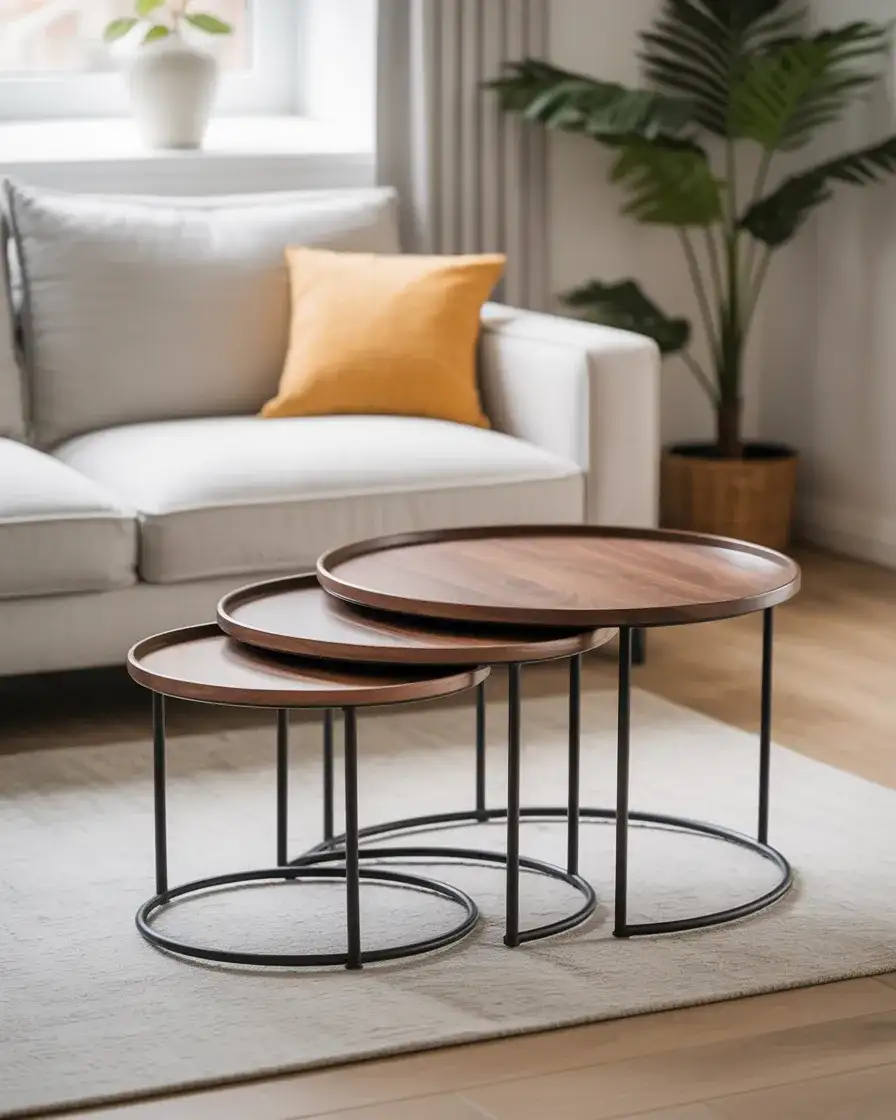
Nested coffee tables offer the flexibility to expand your surface area when entertaining and tuck away when you need more floor space. Typically sold in sets of two or three, these tables can be arranged in various configurations or separated to serve different zones. Choose designs in mixed materials—wood and metal, glass and marble—to add visual interest without overwhelming the room. This setup is ideal for very small living rooms where adaptability is key, and it’s a favorite among young professionals who like to reconfigure their space regularly.
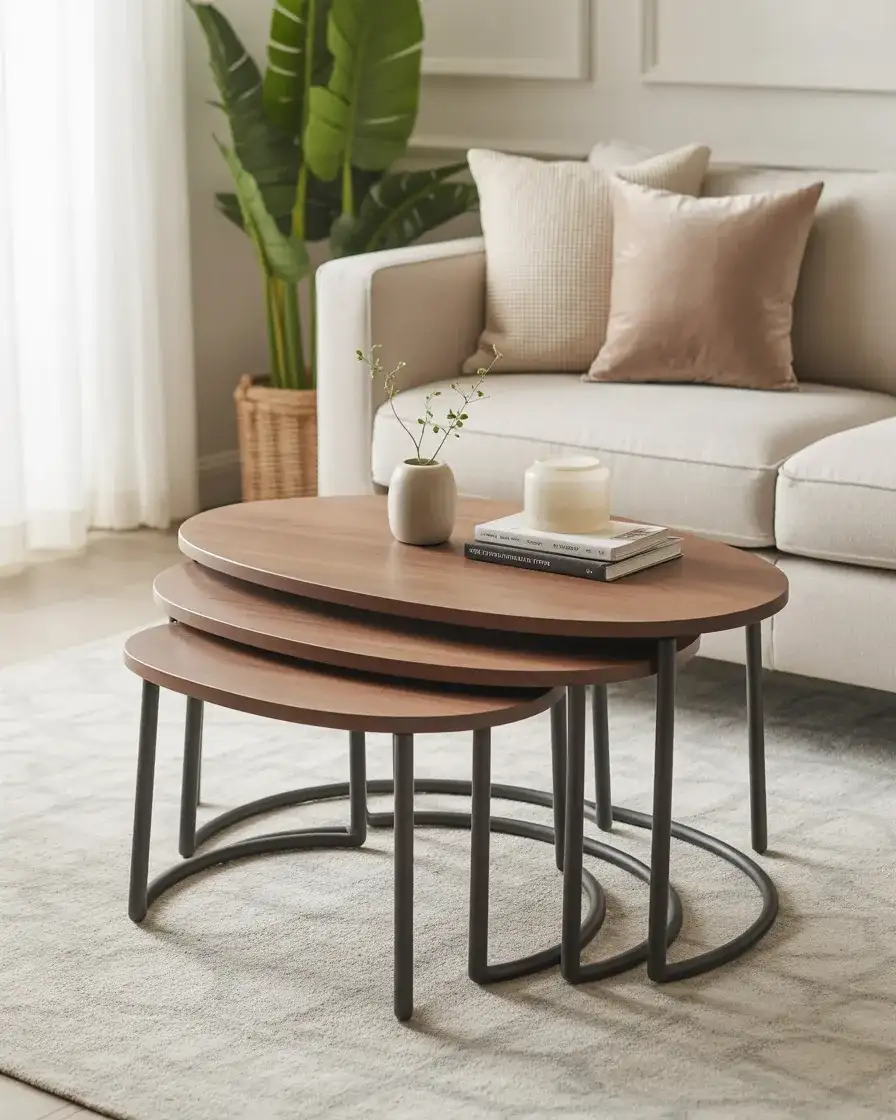
Expert-style commentary: Interior designers love nesting tables because they solve the “too much or too little” surface area problem in small spaces. You can pull out an extra table when friends visit, then nest it back under the larger table afterward. Just make sure there’s enough clearance—aim for at least half an inch between tables so they glide smoothly rather than scraping or sticking.
23. Large Mirror to Reflect Light
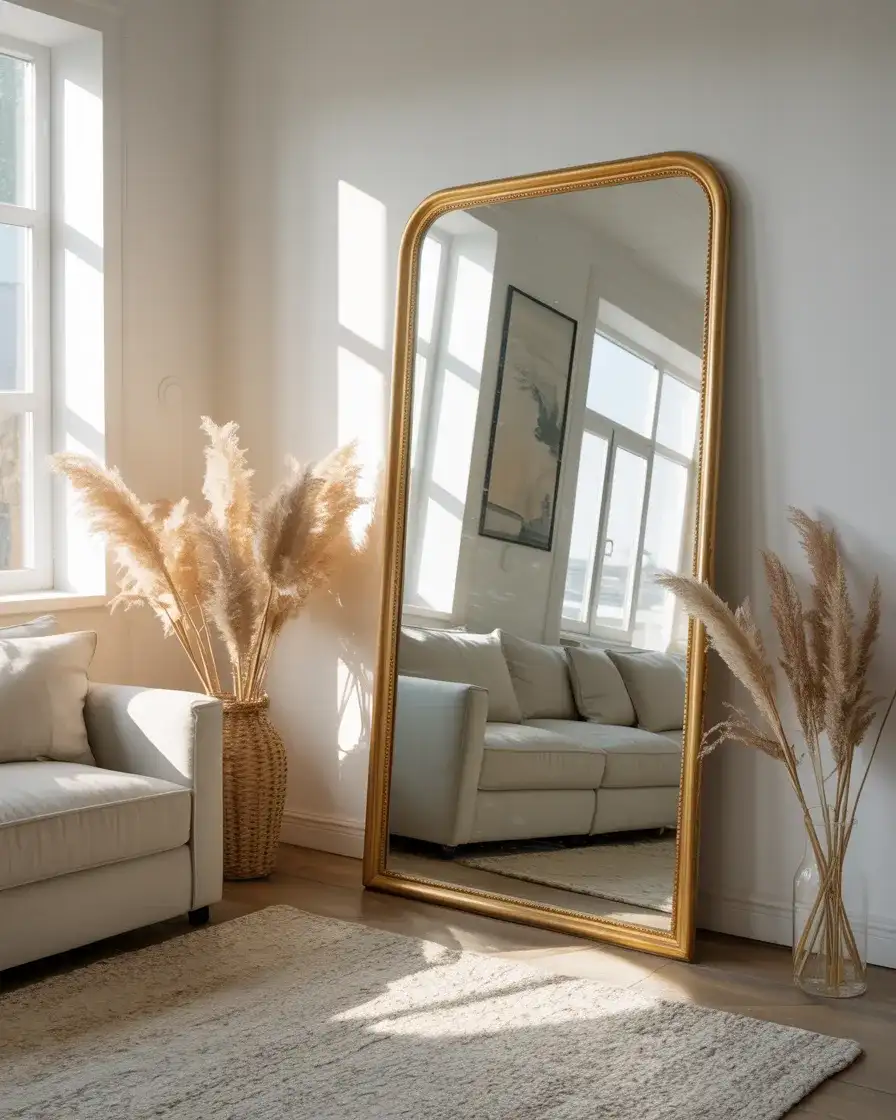
A large floor or wall mirror visually doubles the size of a small living room by reflecting both natural and artificial light. Position it opposite a window to maximize brightness, or lean a full-length mirror against the wall for a casual, modern look. Choose a frame that complements your decor—brass for warmth, matte black for edge, or natural wood for a softer vibe. This trick is a staple in inspiration blogs and Pinterest boards because it delivers dramatic impact with minimal effort and cost.
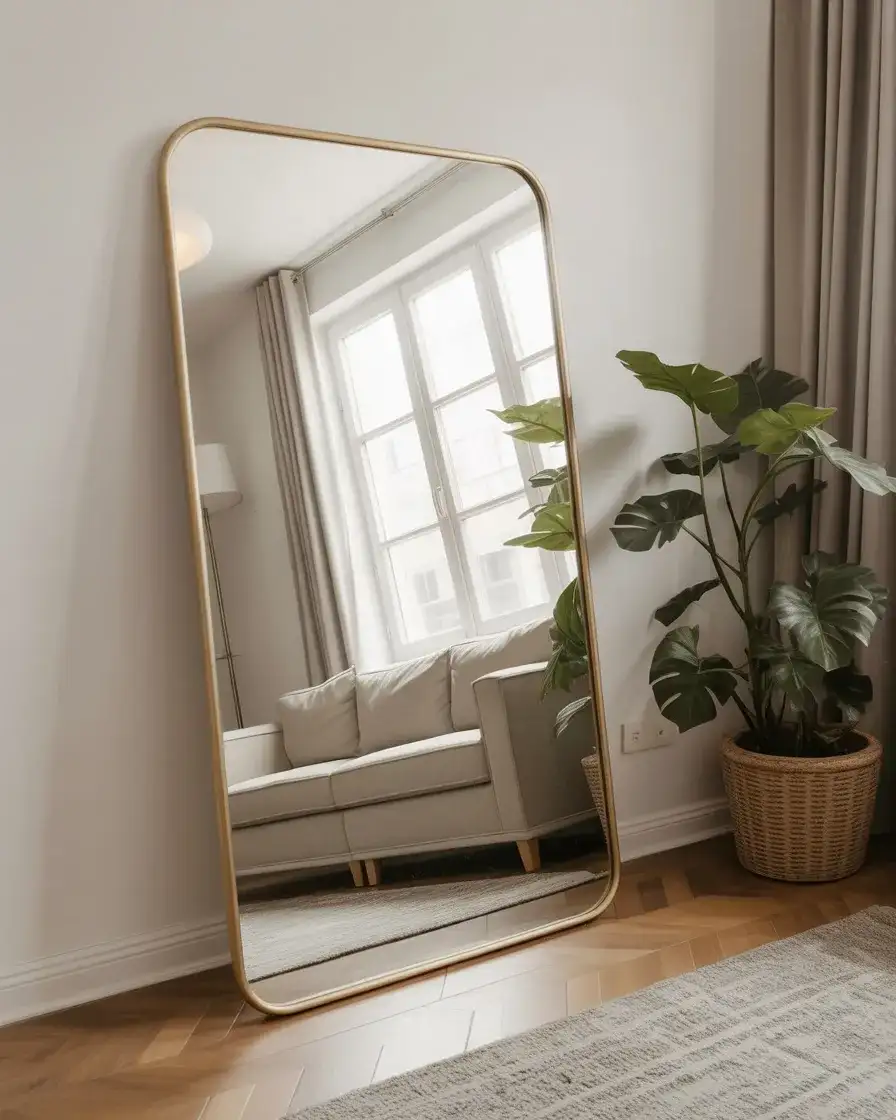
Practical insight: Secure wall-mounted mirrors with proper anchors rated for the weight, and lean-to mirrors should be anchored with safety straps to prevent tipping, especially in earthquake-prone areas or homes with pets and children. Clean glass regularly with a streak-free cleaner to maintain the reflective quality that makes this trick so effective. A dusty or smudged mirror loses its visual impact and can make the room feel dingy rather than bright.
Conclusion
Small apartment living rooms in 2026 are all about maximizing every inch while keeping the space beautiful, functional, and true to your personal style. Whether you’re drawn to Japandi minimalism, cozy romantic layers, or modern multifunctional furniture, the key is choosing solutions that adapt to your lifestyle and make you excited to come home. We’d love to hear which ideas resonate with you—drop a comment below and let us know how you’re transforming your own space this year!