Secret gardens have always held a special place in home design, but in 2026, they’re evolving into something even more personal and intentional. Americans are searching for ways to carve out private, enchanting outdoor spaces that feel like an escape from everyday life—whether that’s a backyard retreat, a side yard transformation, or even a front yard reimagined with whimsy and charm. Pinterest is flooded with inspiration for these hidden sanctuaries, and for good reason: they offer beauty, privacy, and a sense of discovery right at home. In this article, you’ll find fresh ideas to help you create your own secret garden, no matter the size or style of your outdoor space.
1. Moonlit Archway Entry with Climbing Vines
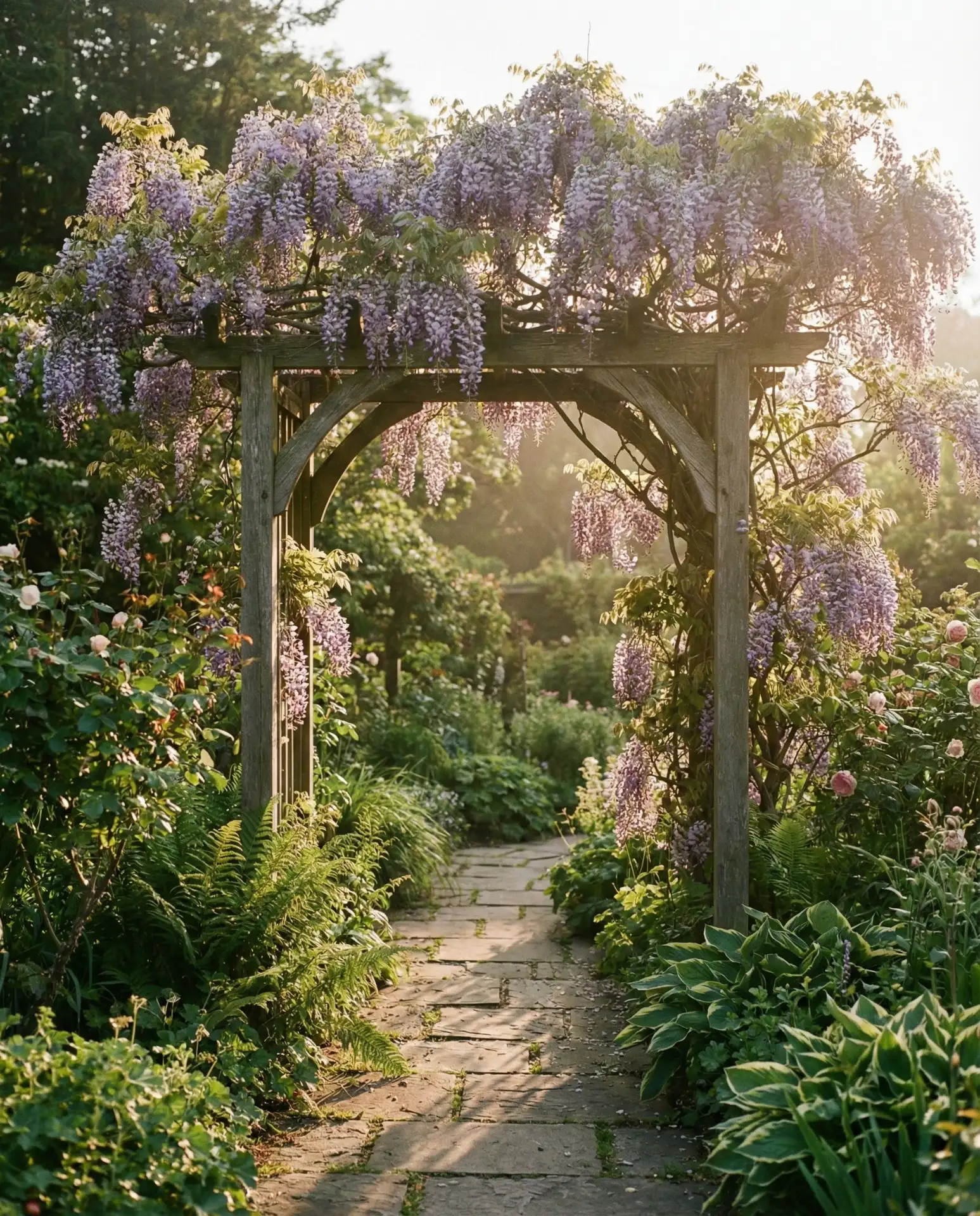
Create an entrance that feels like stepping into another world by installing a vine-covered archway at the threshold of your garden. This works beautifully in a backyard or side yard, where the arch frames the view and signals a transition into your private sanctuary. Choose jasmine, wisteria, or climbing roses for fragrance and visual drama. The archway becomes both a physical and emotional boundary, inviting guests to slow down and appreciate what lies beyond. 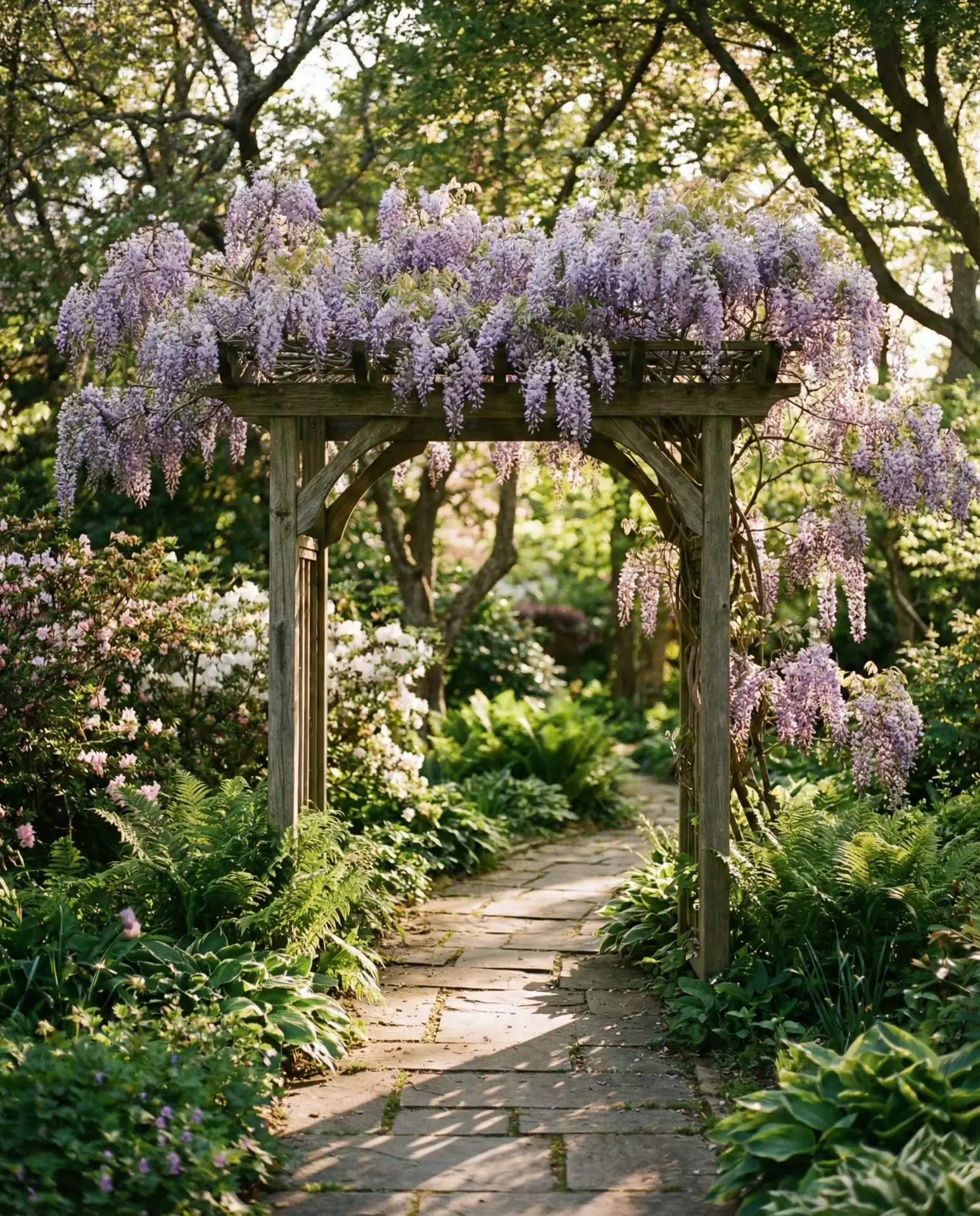
In the American South, where humidity encourages vigorous vine growth, homeowners often underestimate how quickly plants will cover structures. A common mistake is choosing invasive species like English ivy, which can damage wood and masonry over time. Opt for well-behaved climbers and install a sturdy trellis or wire frame to guide growth. This ensures your archway stays beautiful without becoming a maintenance burden.
2. Gravel Pathways Through Wildflower Meadows
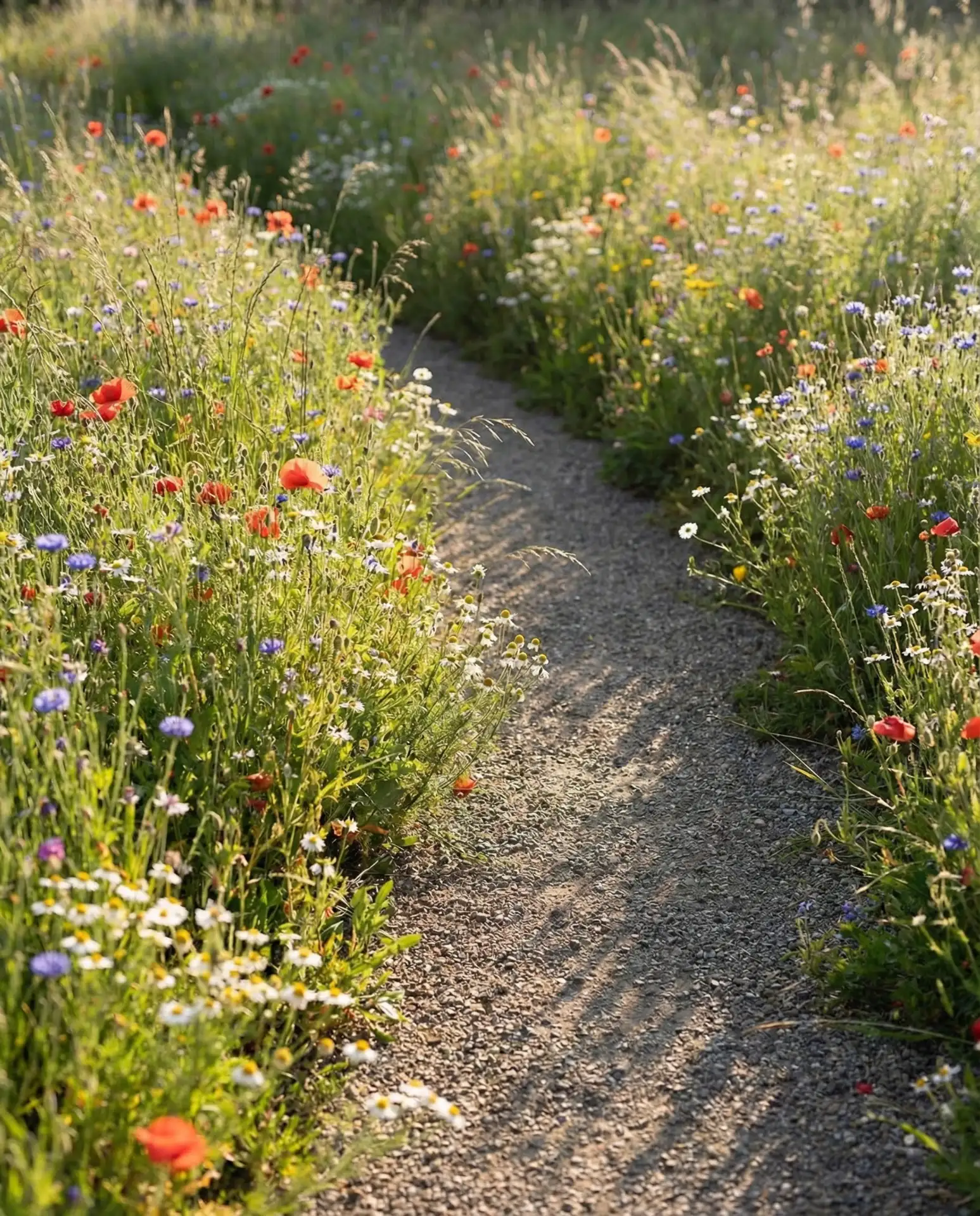
A simple gravel path winding through a wildflower meadow brings an effortless, naturalistic charm to any backyard landscaping project. This approach works especially well in larger yards where you want to encourage pollinators and reduce mowing. The crunch of gravel underfoot adds sensory appeal, while the meadow itself changes with the seasons—offering bursts of color from spring through fall. 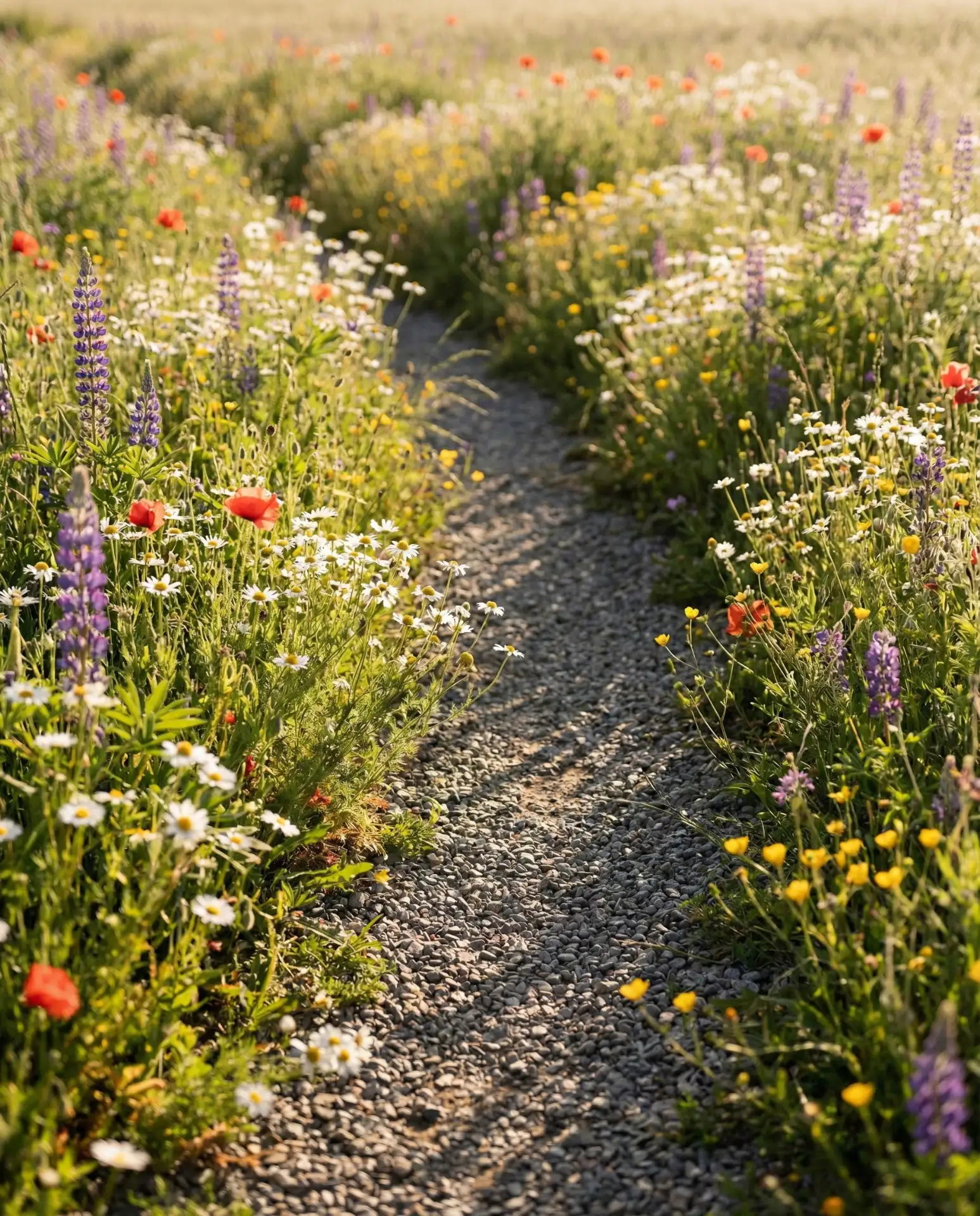
This style works best in suburban or rural settings where you have at least a quarter-acre to play with. In drought-prone regions like Southern California or Texas, native wildflower mixes are both water-wise and low-maintenance. The key is to mow the path edges once or twice a season to keep the design intentional, not overgrown.
3. Tucked-Away Reading Nook Under Pergola
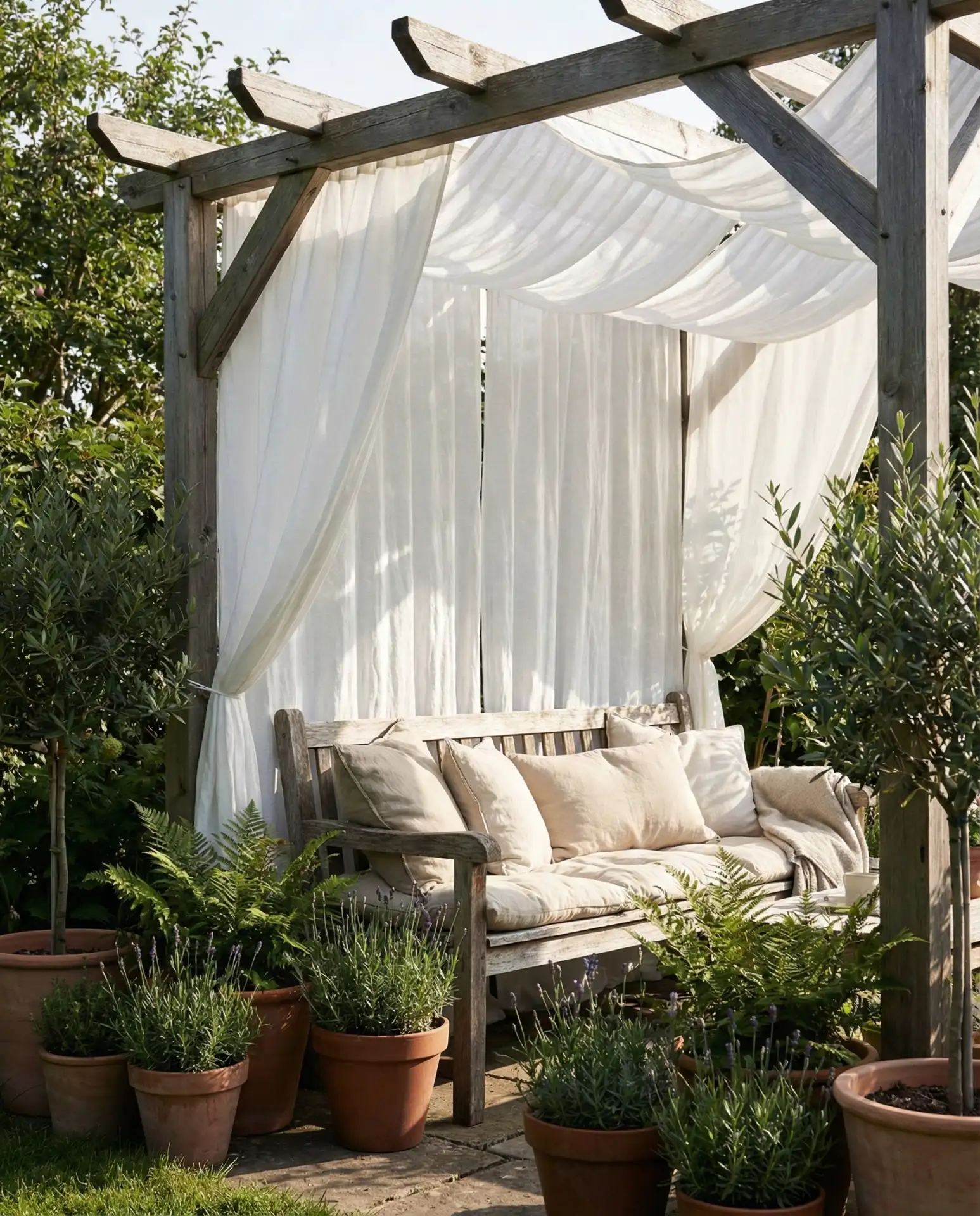
Transform a quiet corner of your yard into a hiding place by building a small pergola draped with fabric or vines. Add a cushioned bench or a pair of Adirondack chairs, and you’ve created the perfect spot to disappear with a book. This idea shines in backyard design where you want to define zones without walls. The dappled shade from the pergola creates a cozy microclimate, even on hot summer afternoons. 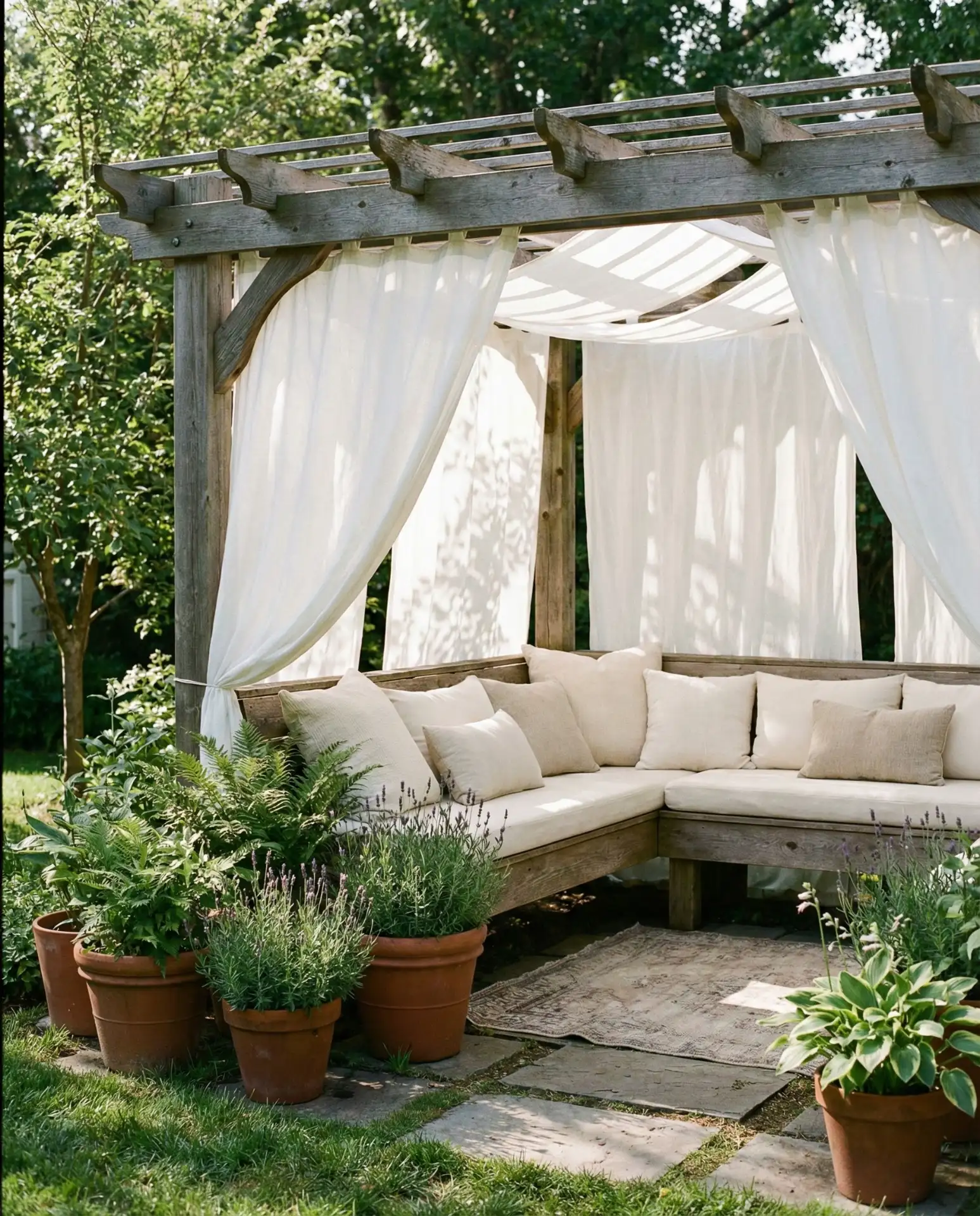
A neighbor of mine installed one of these in her side yard, and it quickly became her favorite place to work from home on mild days. She added a small side table and a solar lantern, turning it into a functional outdoor office. The pergola cost her about $400 in materials from a local hardware store, and she built it over a single weekend with help from a friend.
4. Stone Wall with Trailing Ground Cover
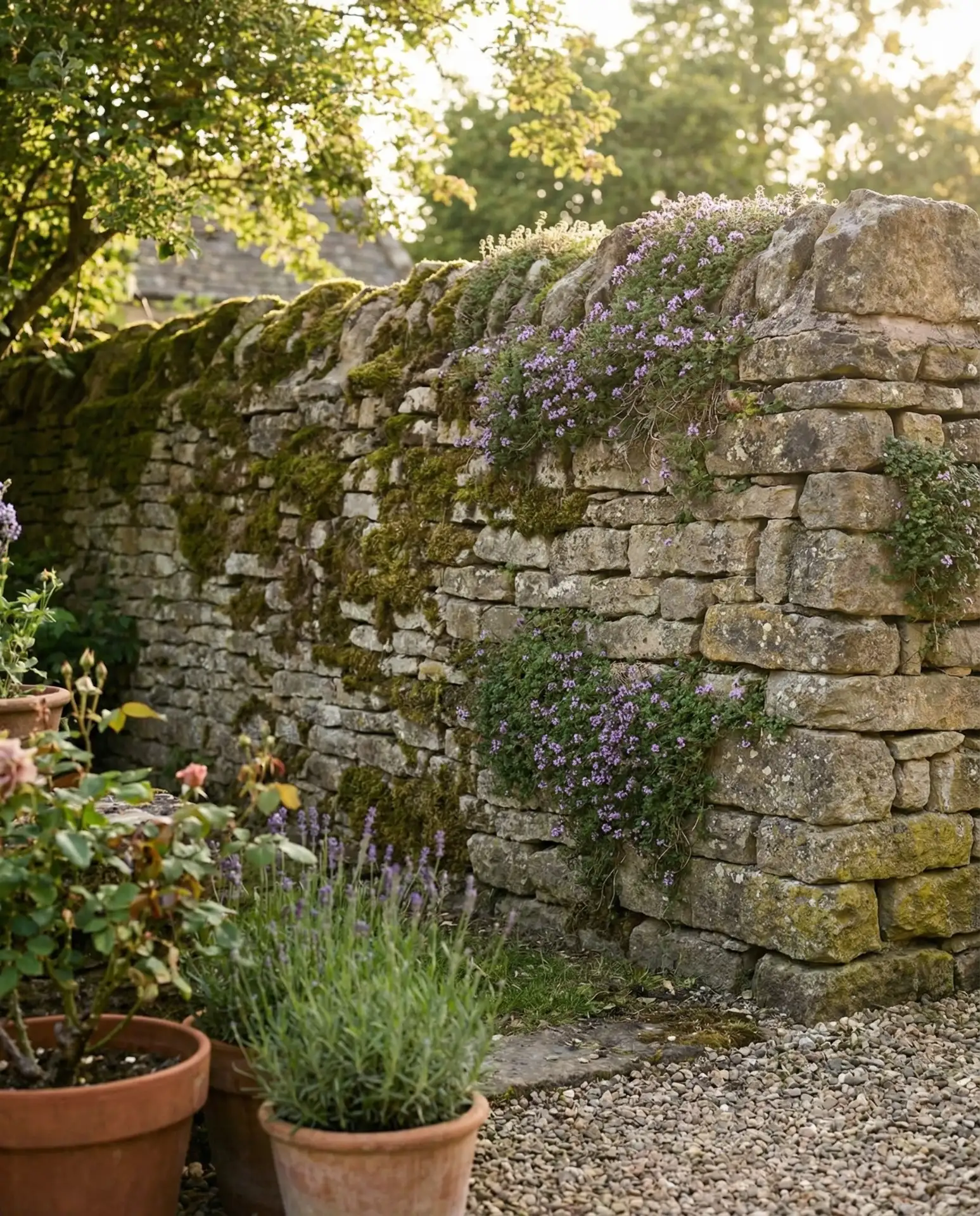
Low stone walls create natural boundaries and add texture to backyard privacy designs without feeling closed off. Let creeping thyme, sedum, or moss spill over the edges for a softened, aged look. This technique is especially effective in English country cottage style gardens, where imperfection and overgrowth are part of the charm. The wall can also serve as informal seating or a display ledge for potted plants. 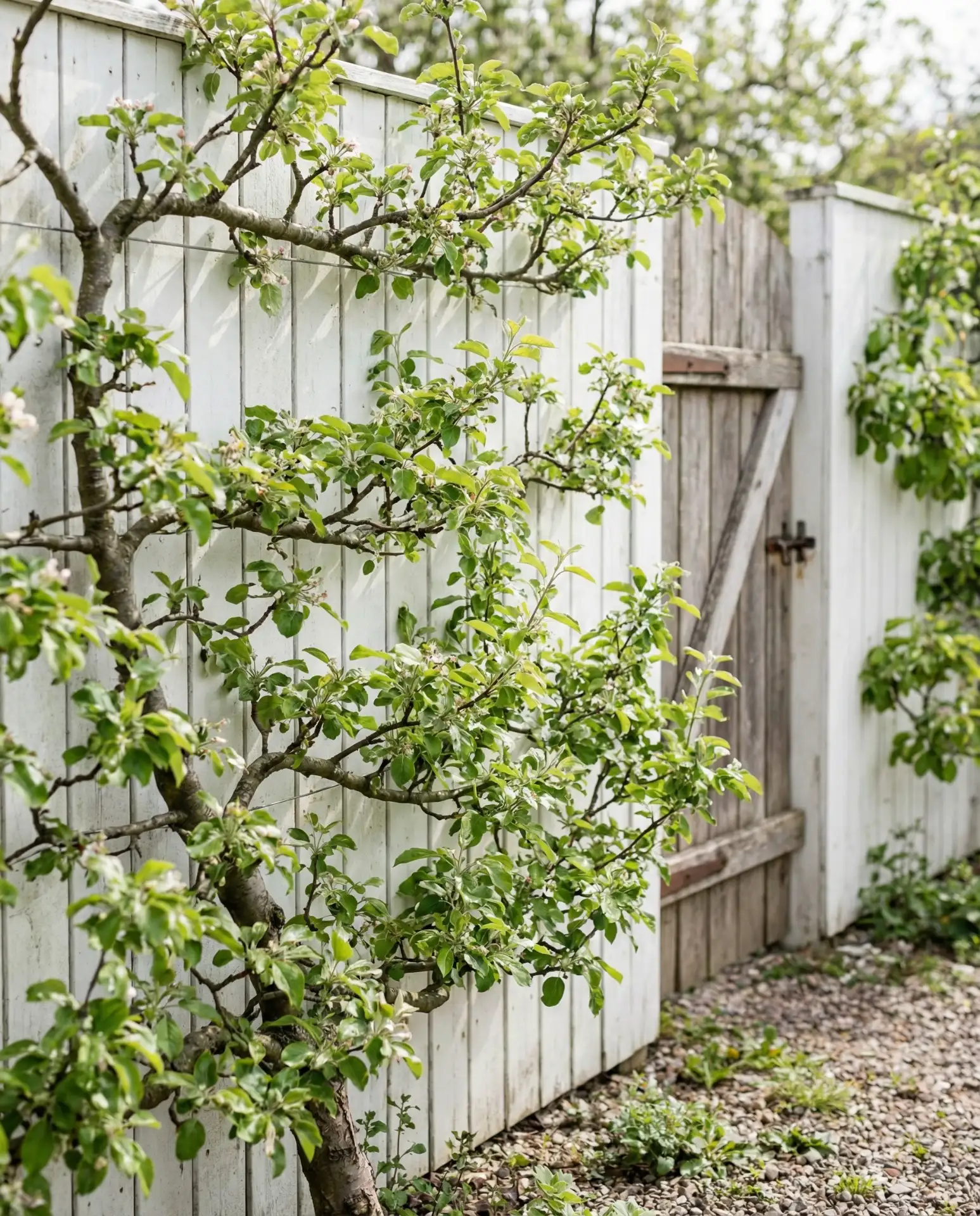
Budget-conscious homeowners often use reclaimed stone or concrete blocks, which can be sourced for a fraction of the cost of new materials. A 10-foot section of dry-stacked stone wall typically runs between $150 and $300 if you do the labor yourself. Skip the mortar for a more organic, cottage-style look that also allows for better drainage and root growth.
5. Hidden Gate Behind Espaliered Fruit Trees
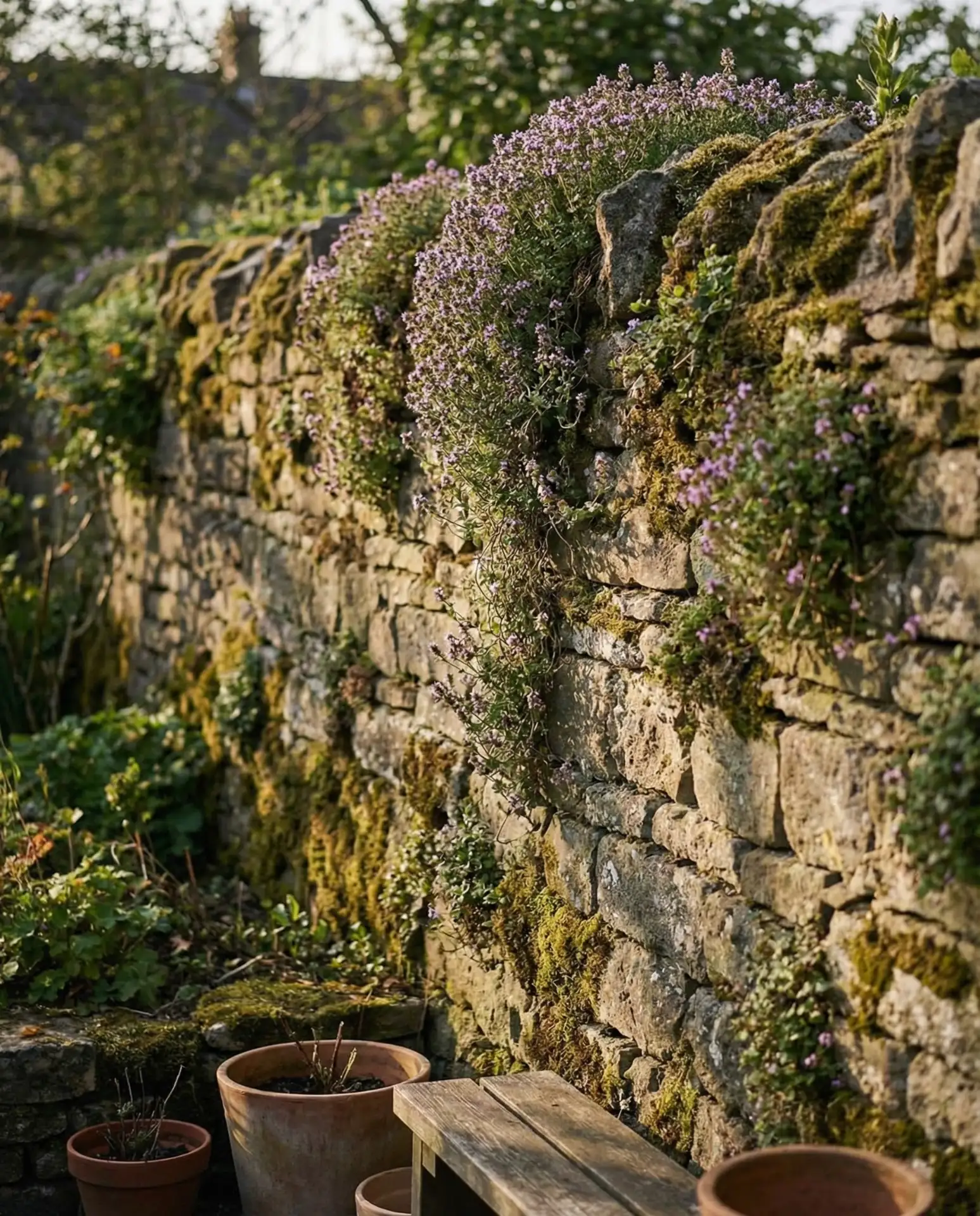
Train apple or pear trees flat against a fence or wall using the espalier technique, and tuck a narrow gate behind them for a secret entrance. This combines beauty, function, and a touch of mystery—perfect for a magical garden vibe. The flattened trees take up minimal space, making this ideal for small spaces or tiny yards. In spring, the blossoms create a stunning backdrop, and by fall, you’ll have fresh fruit within arm’s reach. 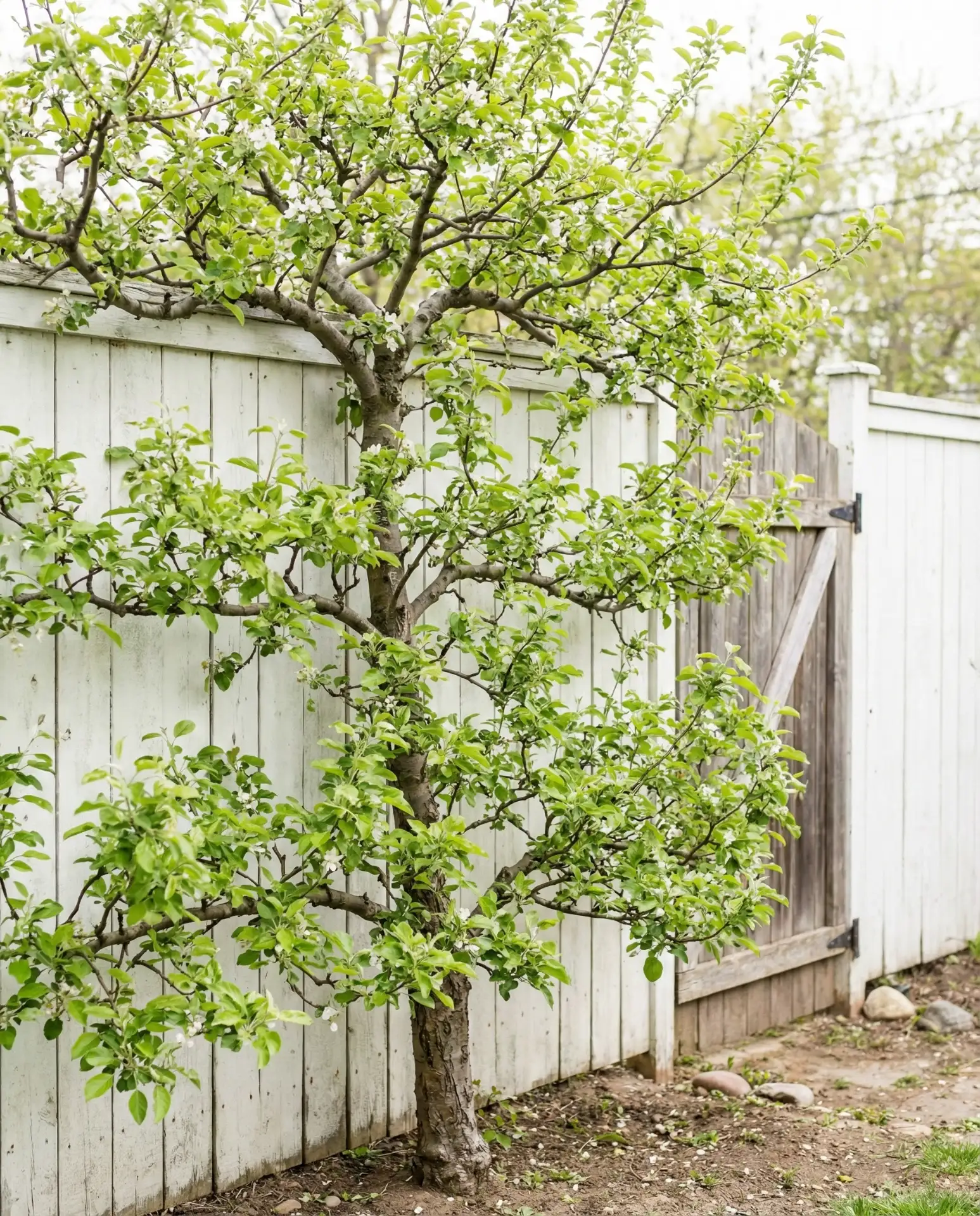
This works best in climates with distinct seasons, such as the Pacific Northwest or New England, where fruit trees thrive. Expert gardeners recommend starting with young whips (one-year-old trees) and training them over three to four years. The result is both a living sculpture and a productive addition to your garden, with minimal footprint.
6. Sunken Fire Pit Surrounded by Lavender
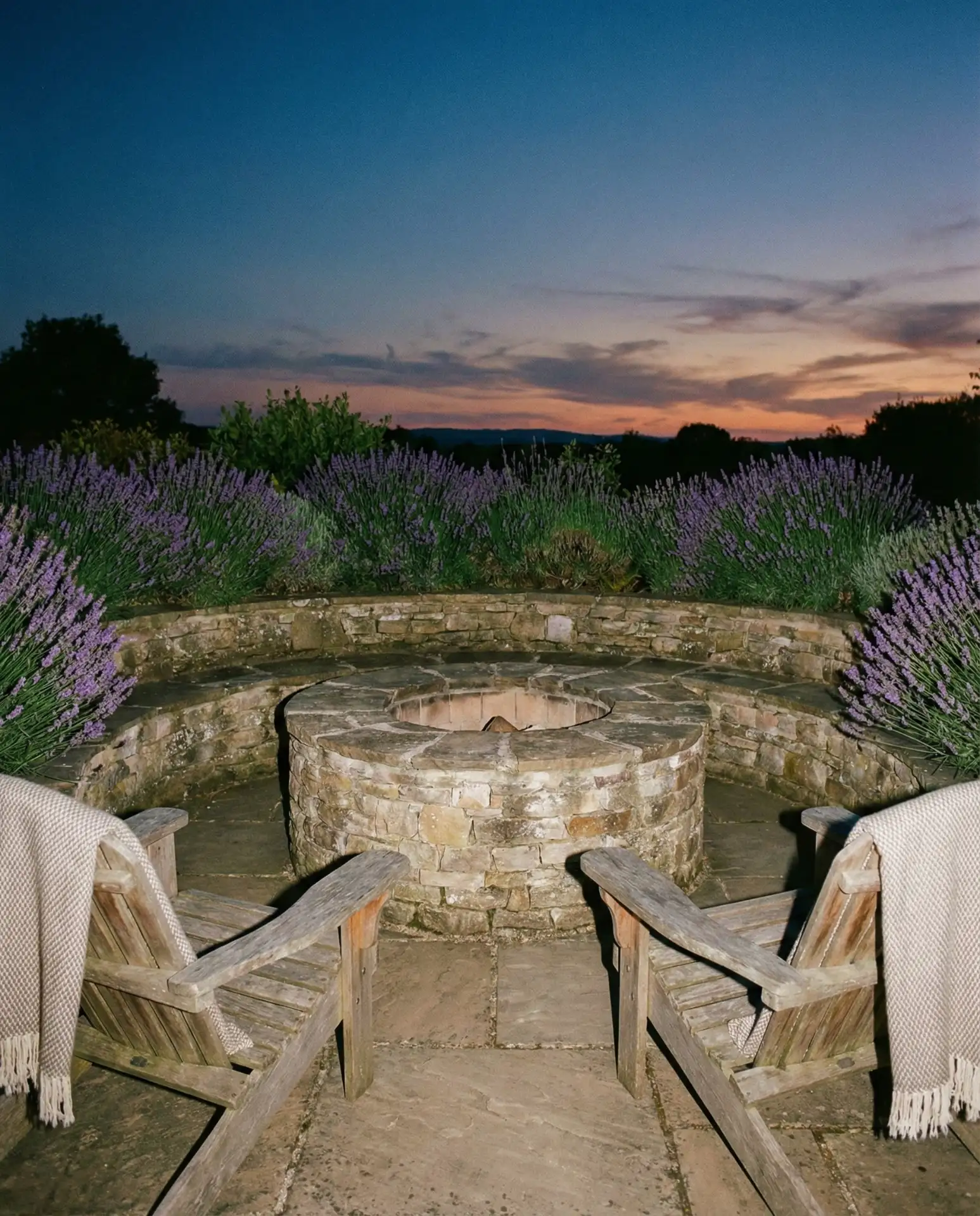
A fire pit set a few steps below grade feels intimate and sheltered, like a hiding place carved into the earth itself. Ring the pit with fragrant lavender for a sensory experience that’s both calming and memorable. This design works beautifully for outdoor entertaining, especially in the cooler months when you want guests to gather close. The sunken layout also provides natural wind protection, so flames stay steady and conversations flow easily. 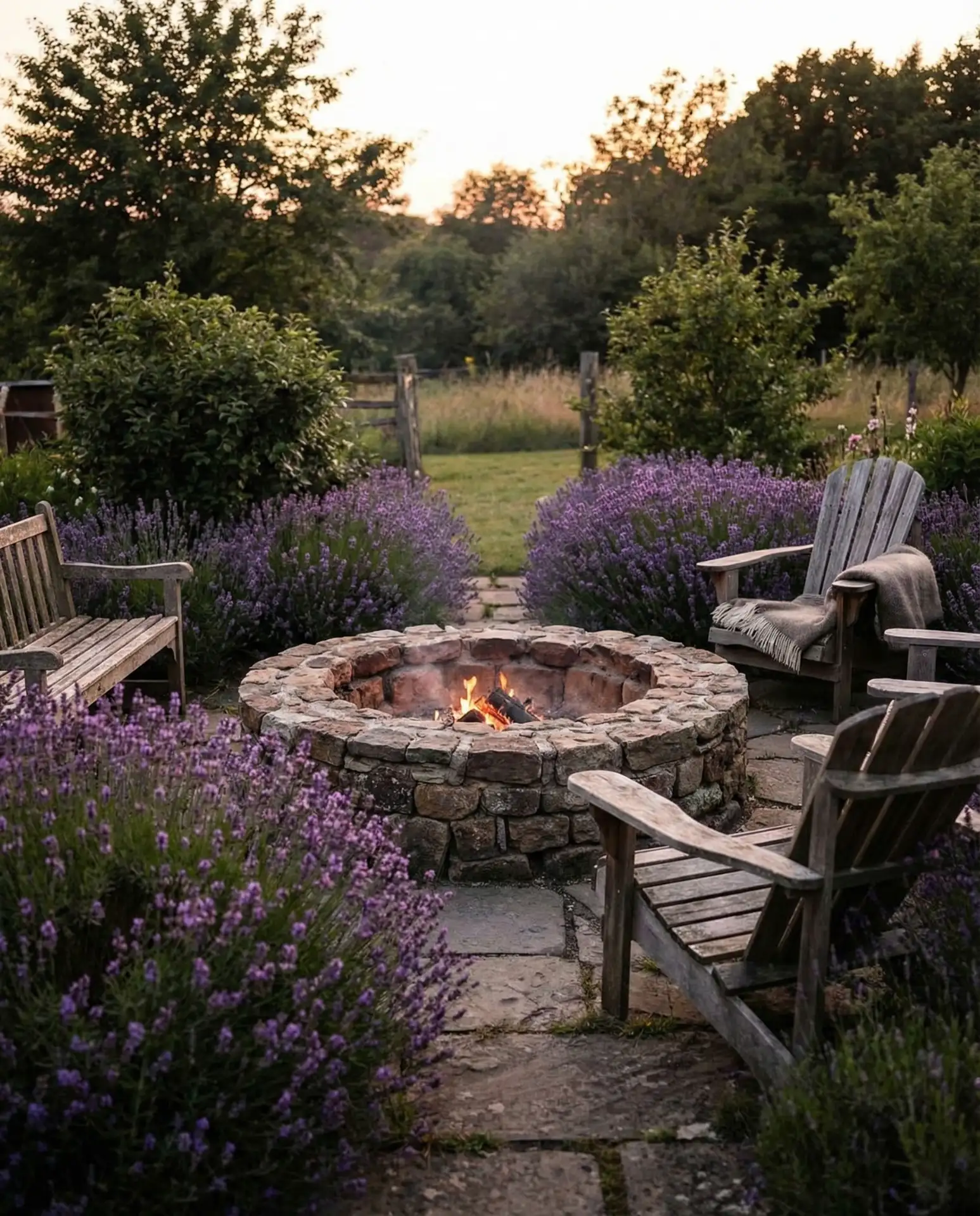
In the Midwest, where summer evenings can be buggy, the smoke from the fire and the scent of lavender work together as a natural insect deterrent. Real homeowners often add built-in stone benches around the perimeter, which eliminates the need to haul chairs in and out. It’s a small detail that makes the space feel more permanent and inviting.
7. Vintage Door as Garden Focal Point
Mount an old wooden door in the middle of a garden bed or against a fence to create the illusion of a secret passage. This whimsical touch adds instant personality and makes your garden feel like it has layers and stories to tell. Surround the door with climbing plants, potted herbs, or colorful annuals to soften the edges. It’s a favorite DIY project that costs almost nothing if you source the door from a salvage yard or estate sale. 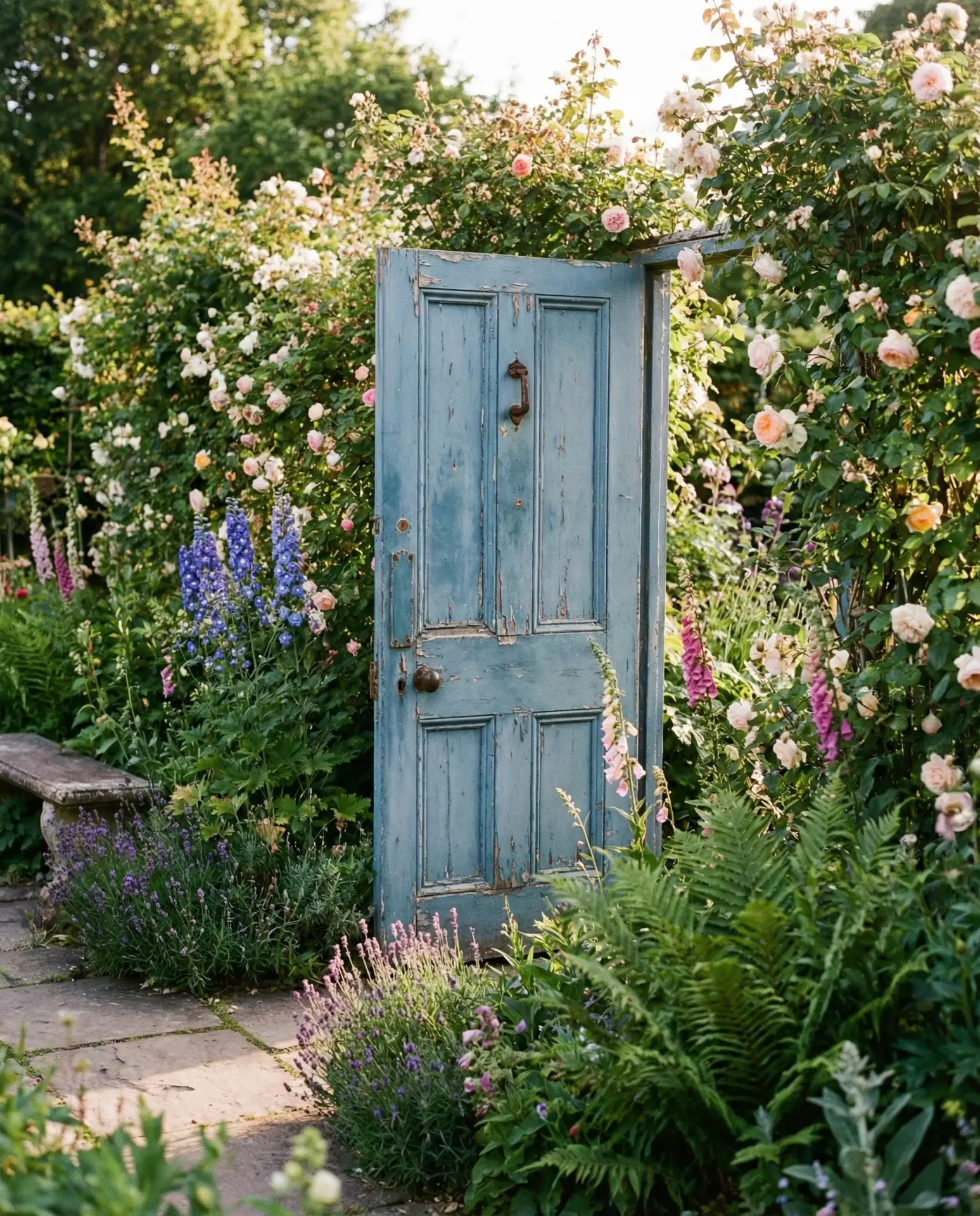
This idea has taken off on Pinterest because it photographs beautifully and costs next to nothing. Vintage doors run anywhere from $20 to $100 at architectural salvage shops, depending on condition and detail. Paint it a bold color or leave it weathered for authenticity. Just make sure to seal the wood if it’s exposed to the elements year-round.
8. Checkerboard Herb Garden with Stone Dividers
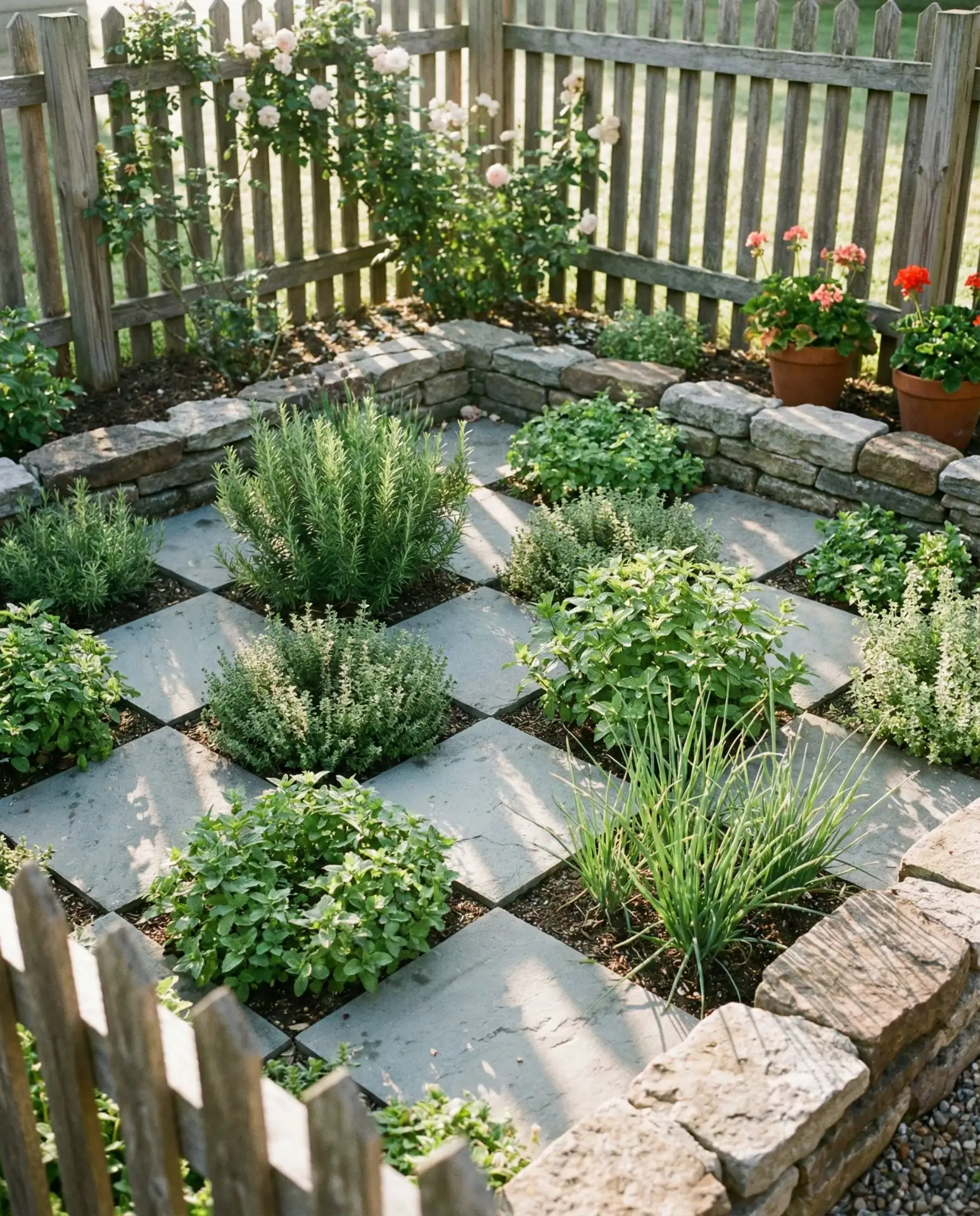
Divide a small plot into a checkerboard pattern using flat stones or pavers, alternating with squares of herbs like basil, mint, thyme, and parsley. This simple layout brings structure to small spaces while keeping the garden productive and easy to maintain. Each square becomes its own mini garden, and the stone pathways between them make harvesting a breeze—even after a rain. It’s a practical yet visually striking way to grow herbs for cooking. 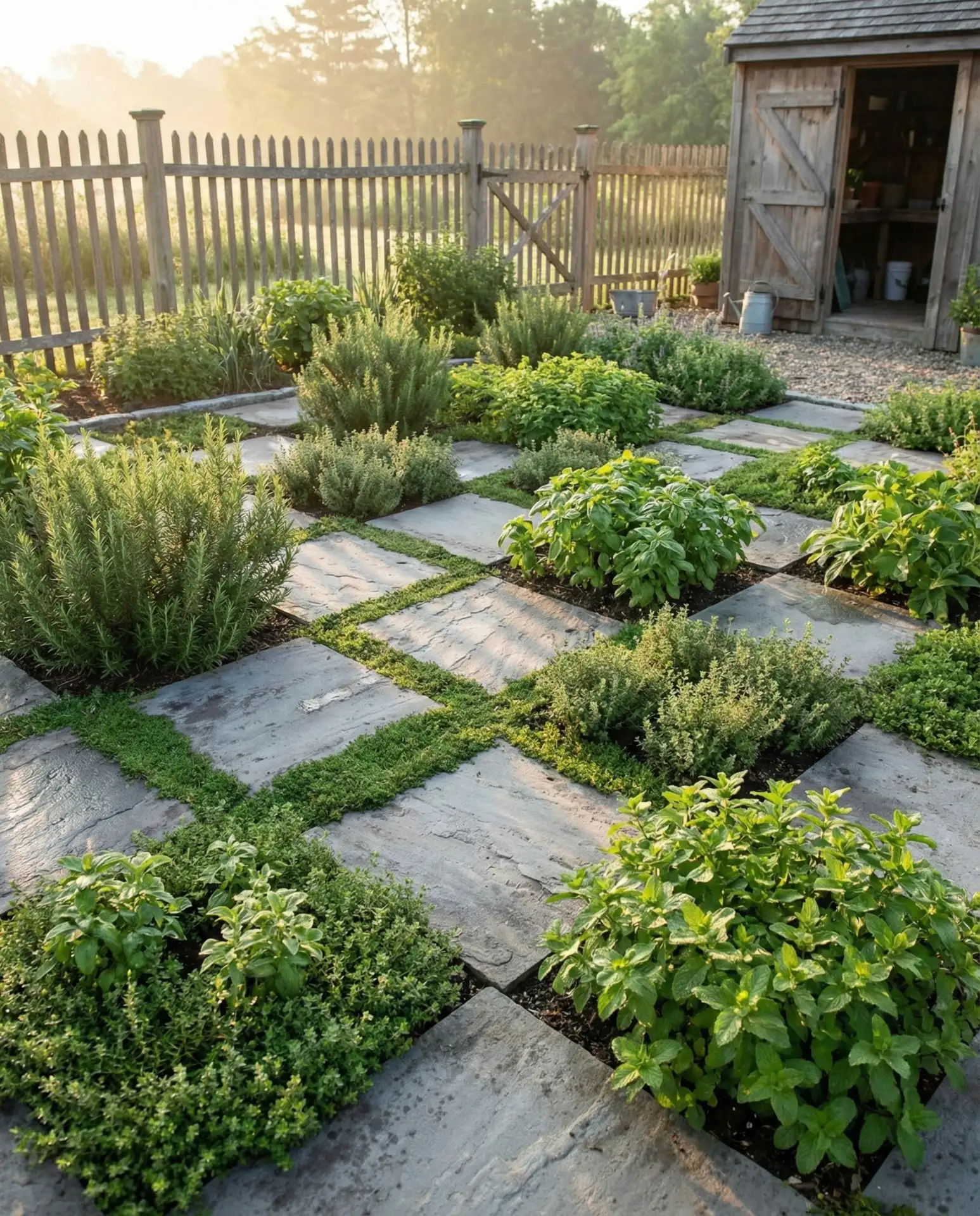
Practical insight: use landscape fabric underneath the stones to prevent weeds from creeping through the cracks. Many gardeners also recommend planting invasive herbs like mint in their own squares to keep them from taking over the entire bed. This keeps the design clean and makes each herb easy to identify and access.
9. Reflecting Pool with Floating Water Lilies

A shallow reflecting pool adds a sense of stillness and elegance to any garden, doubling the beauty of the sky, trees, and surrounding plants. Add floating water lilies for texture and color, and you’ve created a magical centerpiece that feels both serene and alive. This works especially well in backyard settings where you want to introduce water without the complexity of a koi pond or fountain. The mirror-like surface creates a moment of pause in the landscape. 
Where it works best: suburban backyards with level ground and good drainage. In areas with hard freezes, you’ll need to winterize the pool by removing plants and draining partway to prevent ice damage. In warmer climates like Florida or Southern California, the pool can stay active year-round with minimal upkeep.
10. Tunnel of Hanging Wisteria
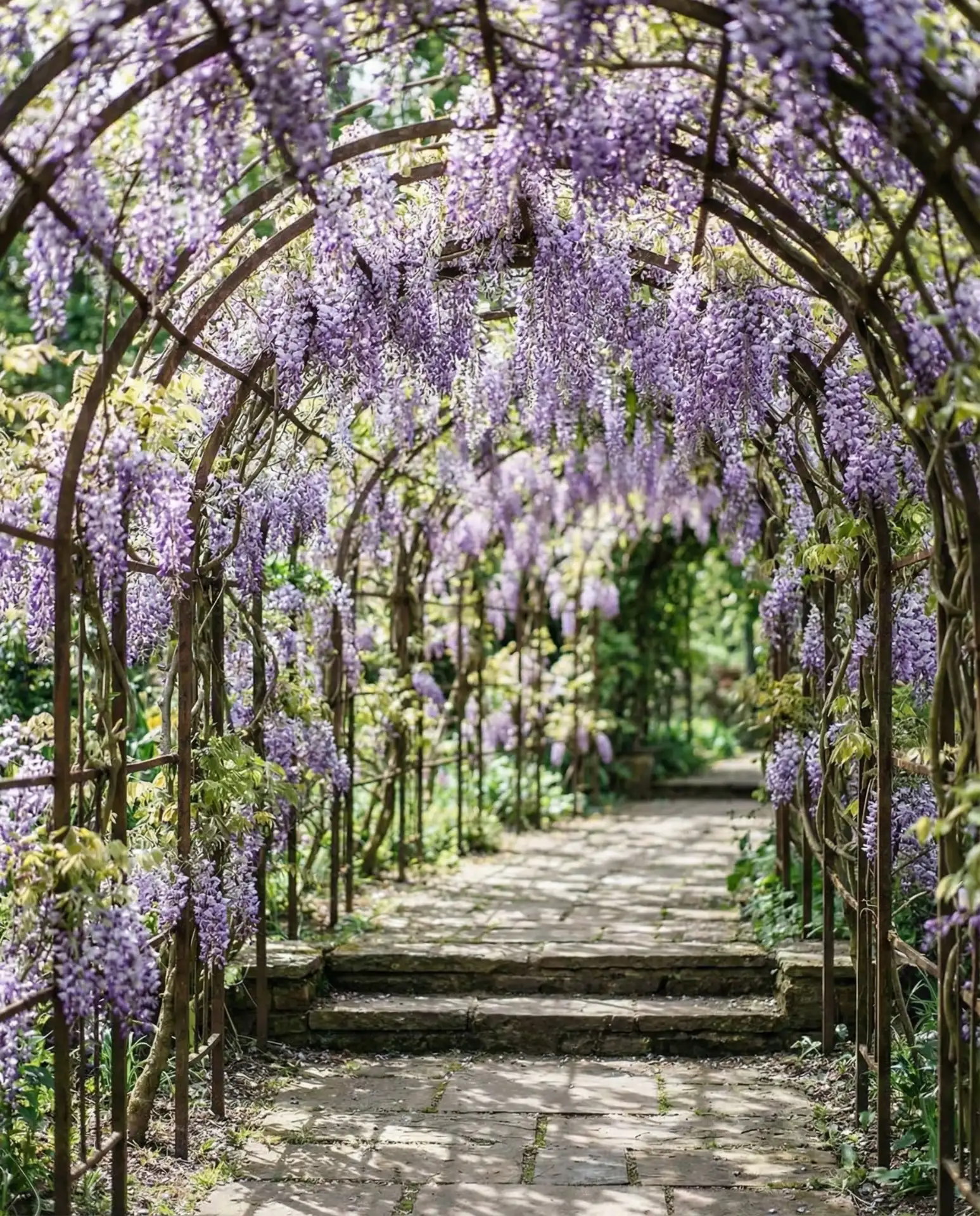
Train wisteria over a series of arched supports to create a living tunnel that blooms in cascading purple or white clusters each spring. Walking through it feels like entering a dream—making it one of the most magical garden experiences you can design. This works best along a path that connects two areas of your yard, adding drama and anticipation to the journey. The structure itself can be simple metal hoops or a custom wooden frame, depending on your budget and style. 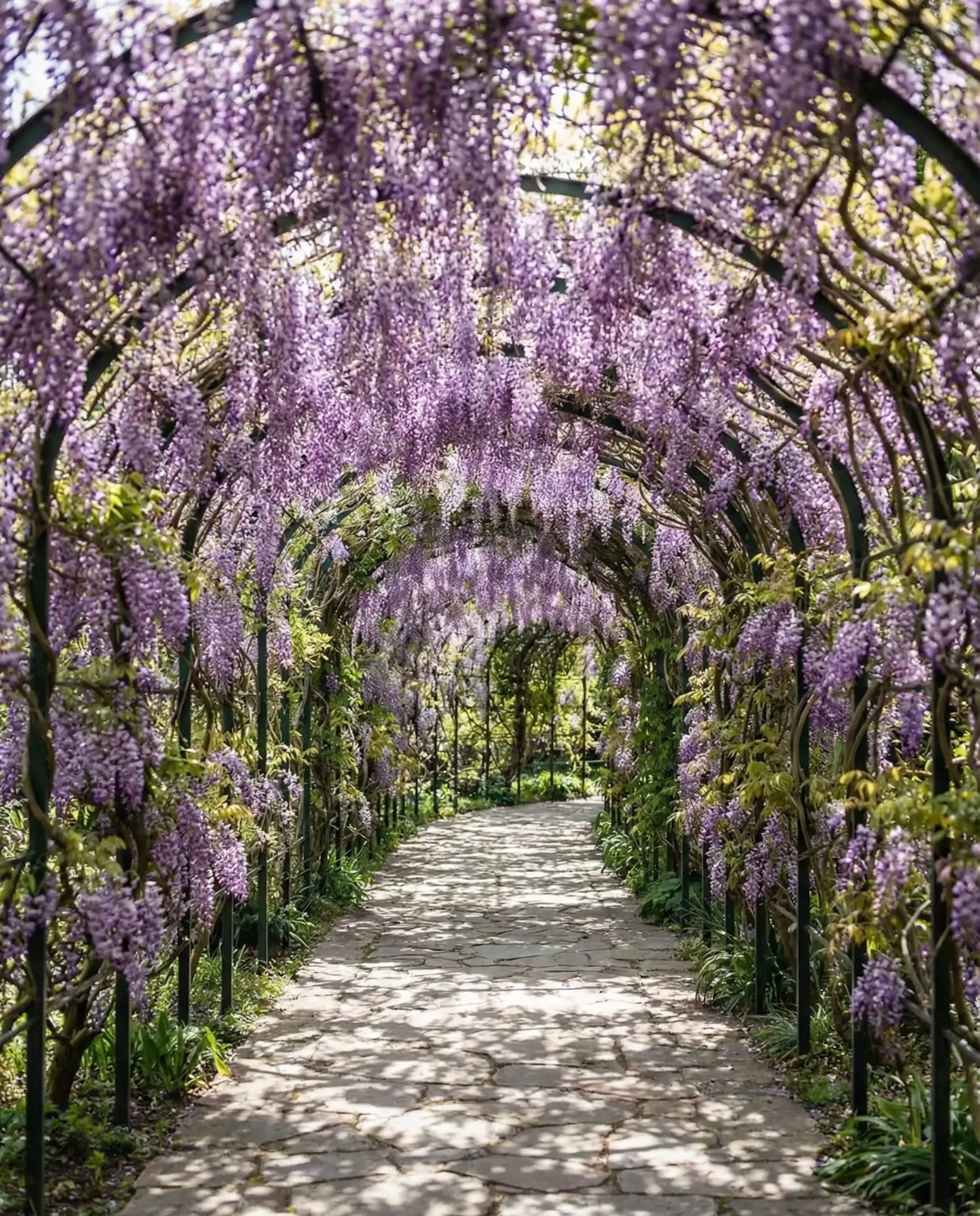
Expert-style commentary: wisteria is vigorous and can become invasive if not pruned twice a year. In the American South and Mid-Atlantic, where humidity supports rapid growth, homeowners should expect to spend a few hours each summer trimming back runners. Choose American wisteria over Chinese or Japanese varieties for a less aggressive plant that’s easier to control.
11. Moss-Covered Stone Steps Through Woodland
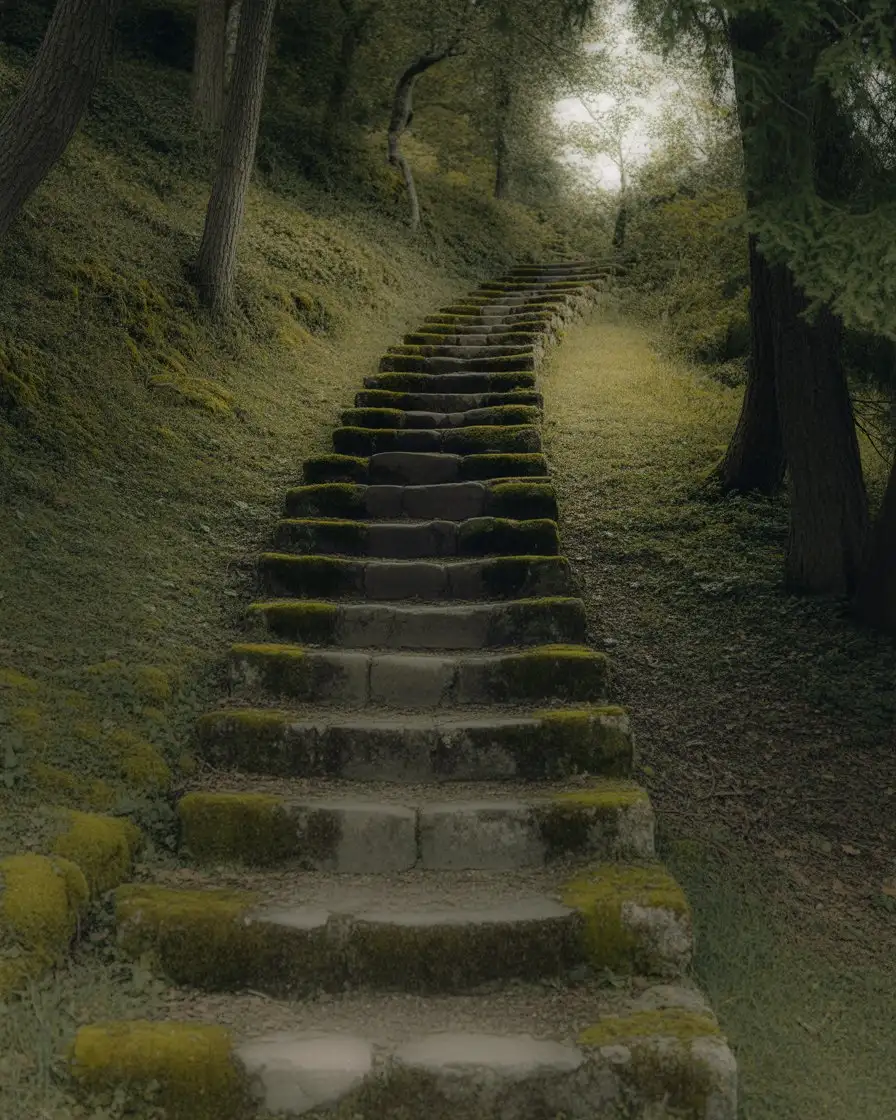
If your yard has a slope or wooded area, carve a path of stone steps and let moss naturally colonize the surfaces. This creates an aged, fairy-tale quality that feels like a secret passage through the trees. It’s especially effective in hiding places where you want to encourage exploration and discovery. The steps themselves can be irregularly shaped fieldstone for a rustic look, or cut stone for something more refined. 
In the Pacific Northwest, moss grows effortlessly in shaded, damp conditions. In drier climates, you can encourage moss by applying a slurry of blended moss and buttermilk to the stone surfaces. Real homeowners often combine this with ferns and hostas planted along the edges, which thrive in the same low-light, moist conditions.
12. Trellis Wall Covered in Jasmine
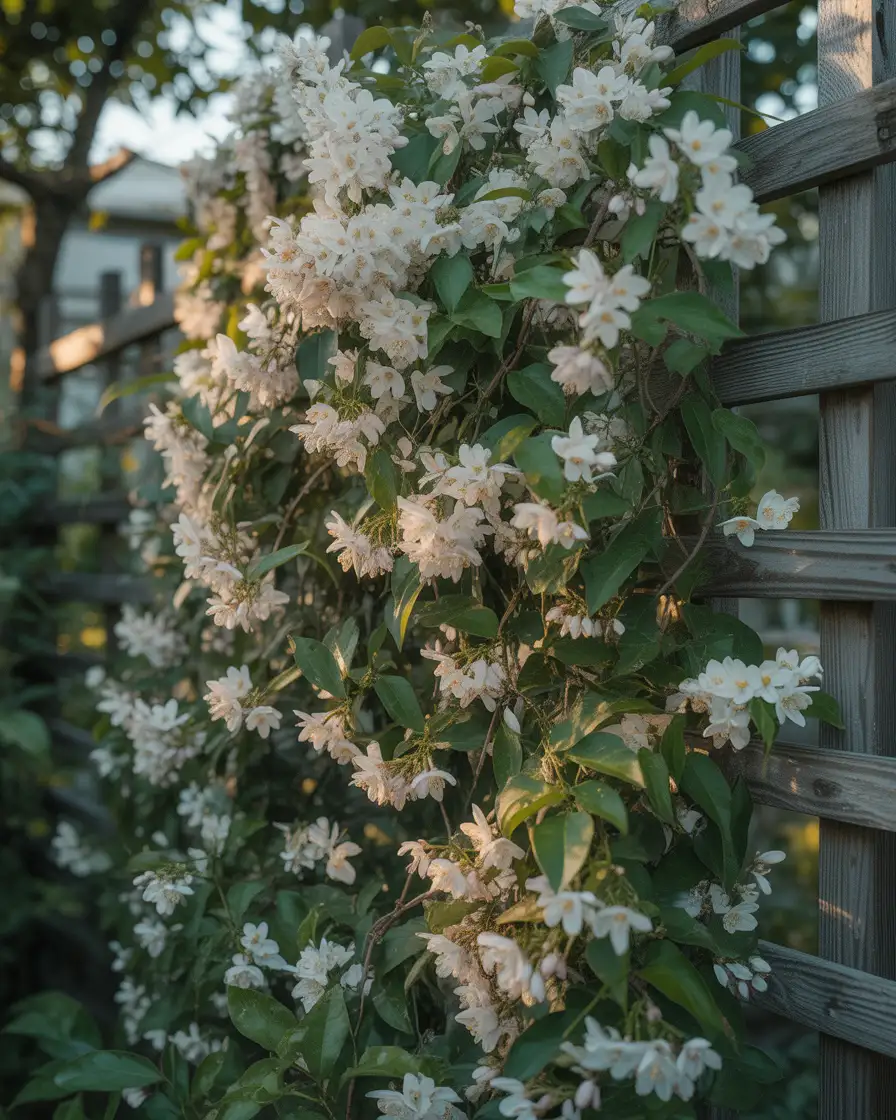
A vertical trellis draped in star jasmine transforms a plain fence or wall into a living, fragrant screen. This is one of the most effective ways to add backyard privacy without sacrificing beauty or natural light. The jasmine blooms in late spring and early summer, filling the air with a sweet scent that makes the garden feel immersive. It’s also evergreen in mild climates, so the screen stays lush year-round. 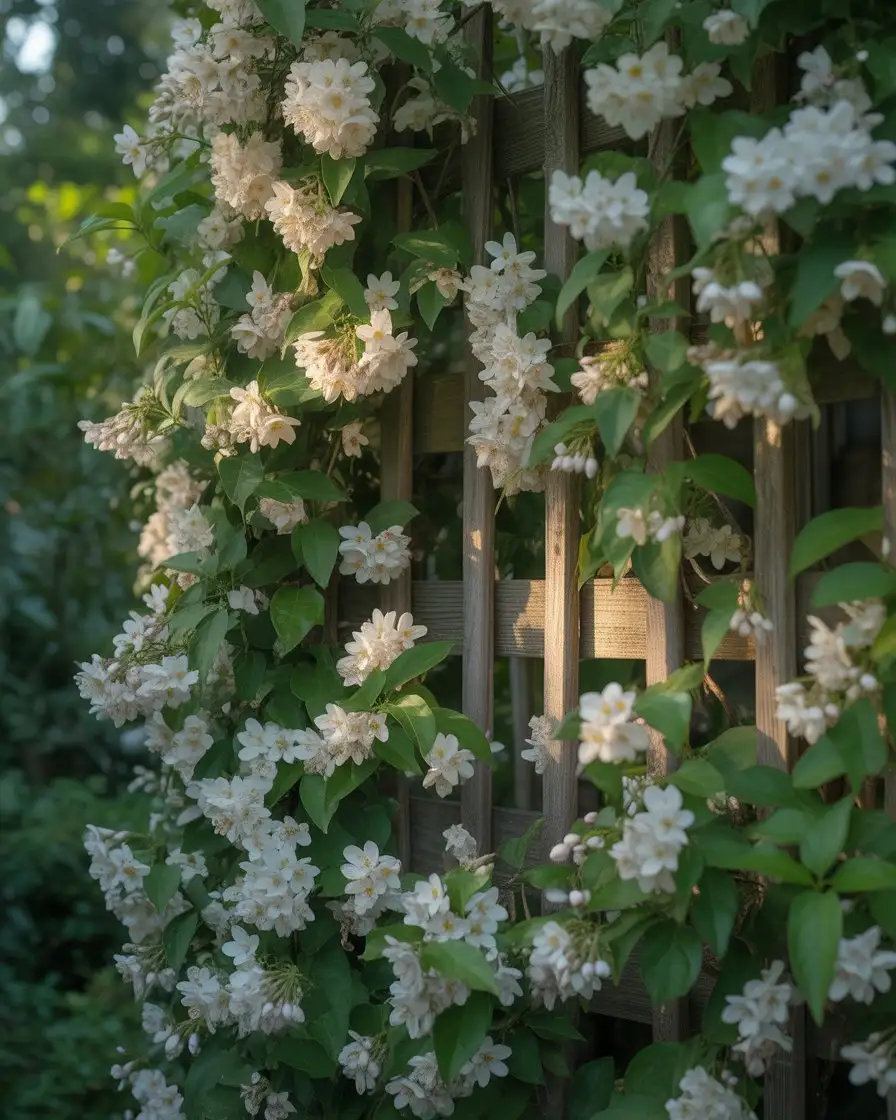
Budget angle: a basic wooden trellis kit costs around $50 to $100, and a single jasmine plant in a 5-gallon pot runs about $30 to $50. Within two to three growing seasons, the plant will fully cover a 6-foot section of trellis. This makes it one of the most cost-effective ways to create privacy and beauty in a small yard.
13. Raised Bed Garden with Painted Cottage Borders
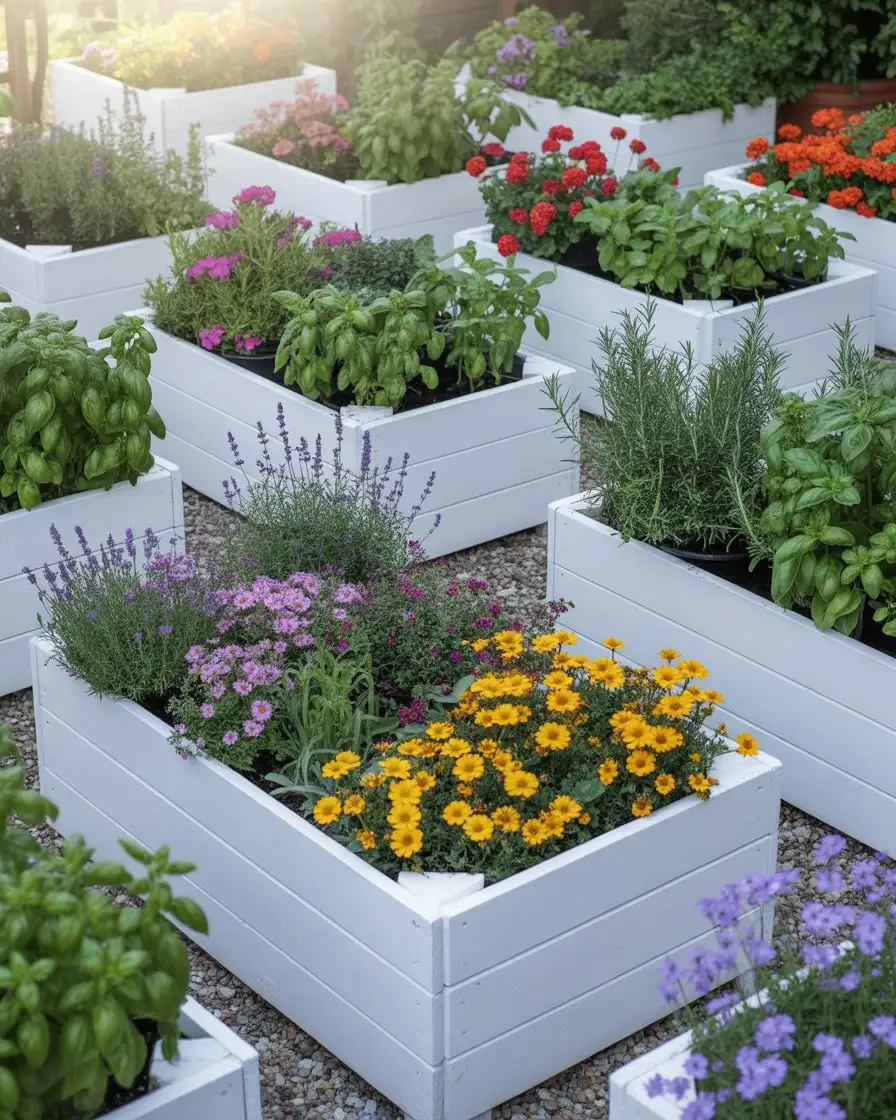
Build raised beds from wood or composite material and paint them in soft pastels or classic white for an English country cottage style look. Fill them with a mix of vegetables, herbs, and flowers for a productive yet ornamental garden. This approach works beautifully in tiny yards where every square foot counts. The raised beds also make gardening more accessible and reduce strain on your back and knees. 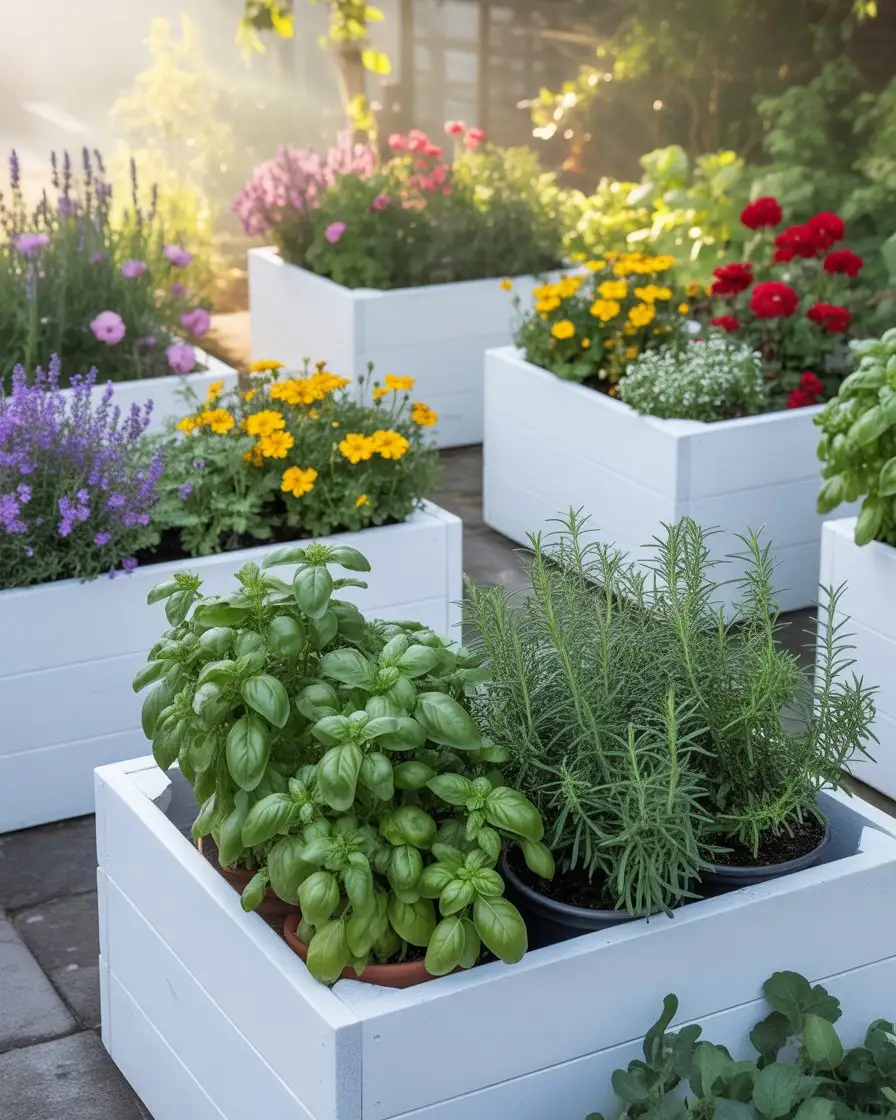
A friend built three 4×8 raised beds in her suburban backyard and painted them a soft sage green. She grows tomatoes, lettuce, and marigolds together, and the beds have become the focal point of her yard. Total cost was around $200 for lumber and paint, and she assembled them in a single afternoon with pre-cut boards from the hardware store.
14. Gazebo Draped with String Lights
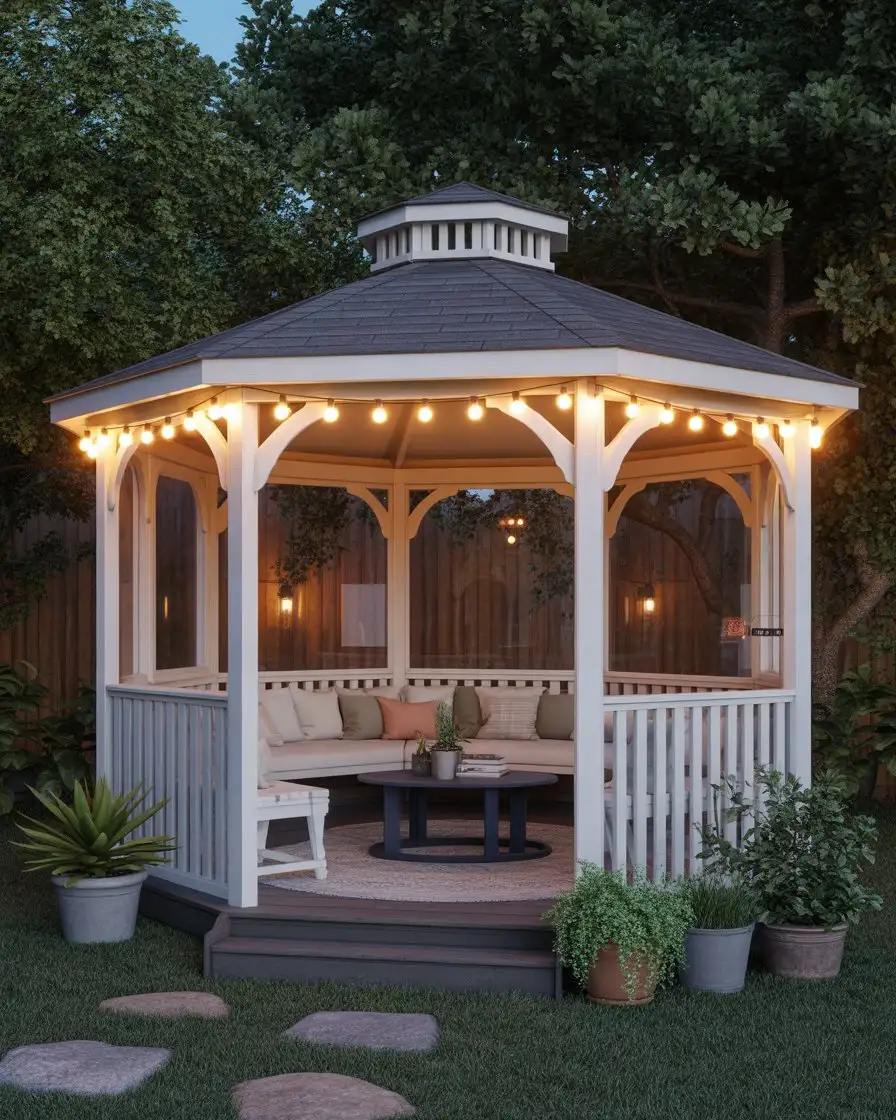
A gazebo becomes a magical gathering spot when you add warm string lights overhead. This creates the perfect setting for a party, or simply a quiet evening with family. The structure provides both shade during the day and a defined outdoor room at night. Add cushioned seating, potted plants, and lanterns to make it feel complete. It’s a central element in many backyard design plans because it anchors the space and invites people to linger. 
Where it works best: suburban and rural yards with enough space for a 10×10 or 12×12 structure. Many homeowners use solar-powered string lights to avoid running electrical lines, which keeps installation simple and energy costs low. In regions with heavy snow, opt for a gazebo with a pitched roof to prevent winter damage.
15. Secret Bench Behind Tall Ornamental Grasses

Plant a semicircle of tall grasses like miscanthus or fountain grass to create a natural screen, then tuck a simple bench inside. This creates an intimate hiding place that feels private without being closed off. The grasses sway in the breeze and rustle softly, adding movement and sound to the space. In fall, many varieties turn golden or bronze, giving the nook seasonal drama. 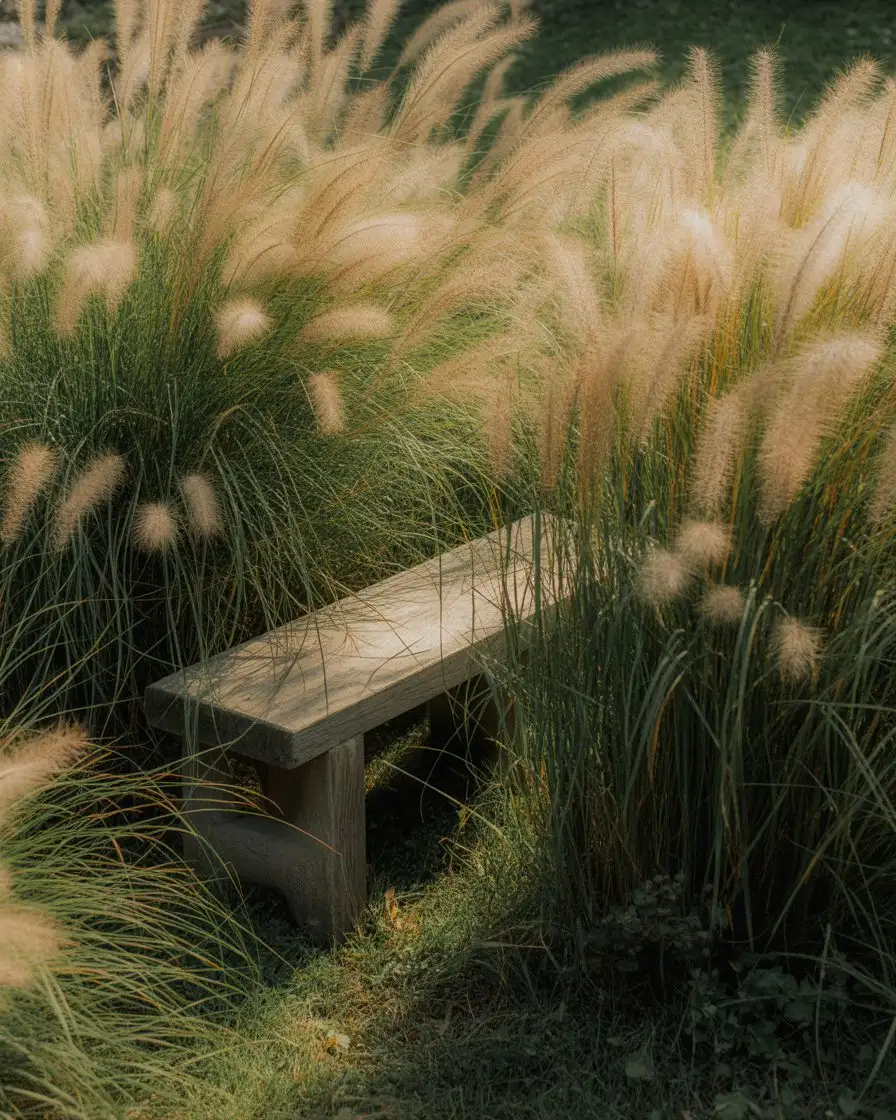
Common mistake: planting grasses too close to pathways or patios, where they drop seeds and become messy. Instead, set the planting bed at least three feet back from high-traffic areas, and choose clump-forming varieties rather than runners to keep the design tidy. Cut grasses back in late winter for fresh growth in spring.
16. Cobblestone Courtyard with Central Fountain
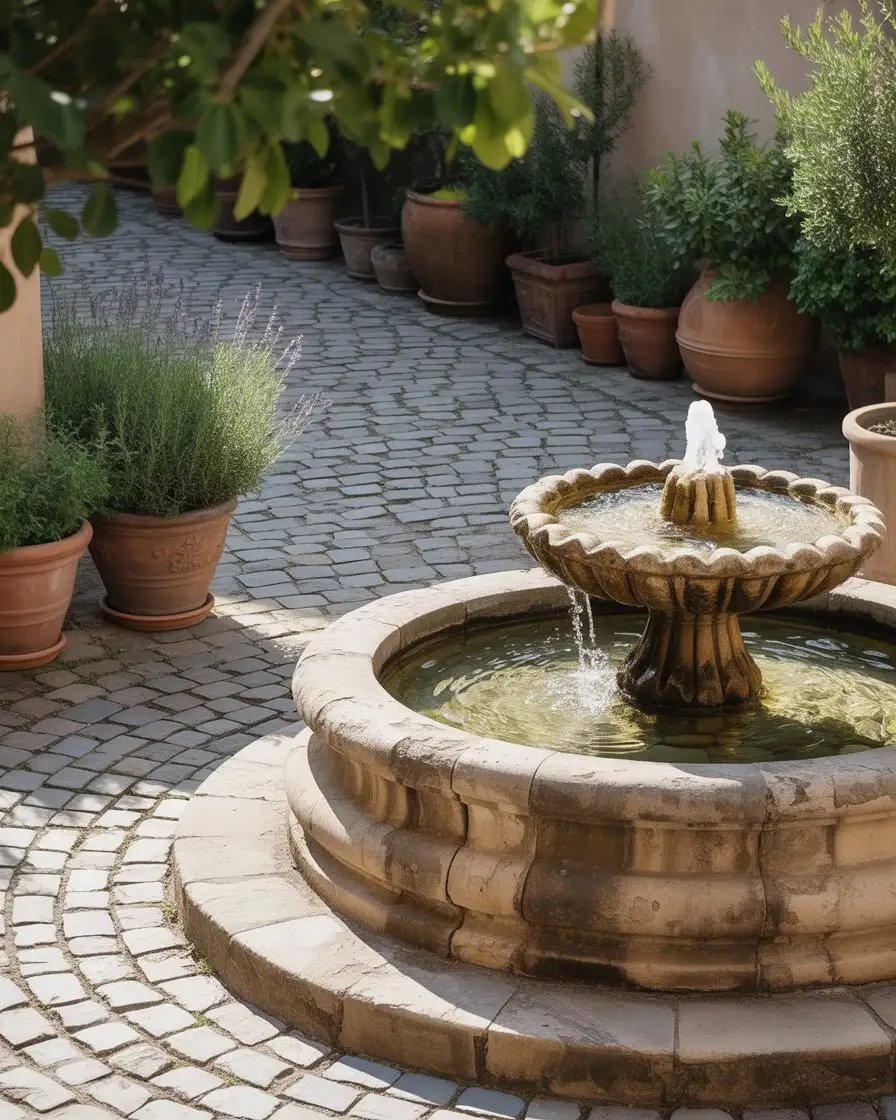
A small courtyard paved with cobblestones and centered around a bubbling fountain brings European elegance to American backyards. This works beautifully in backyard patio designs where you want to create a formal yet inviting gathering space. The sound of water adds tranquility, and the cobblestones provide texture and old-world charm. Surround the courtyard with potted citrus, boxwood, or topiaries to complete the look. 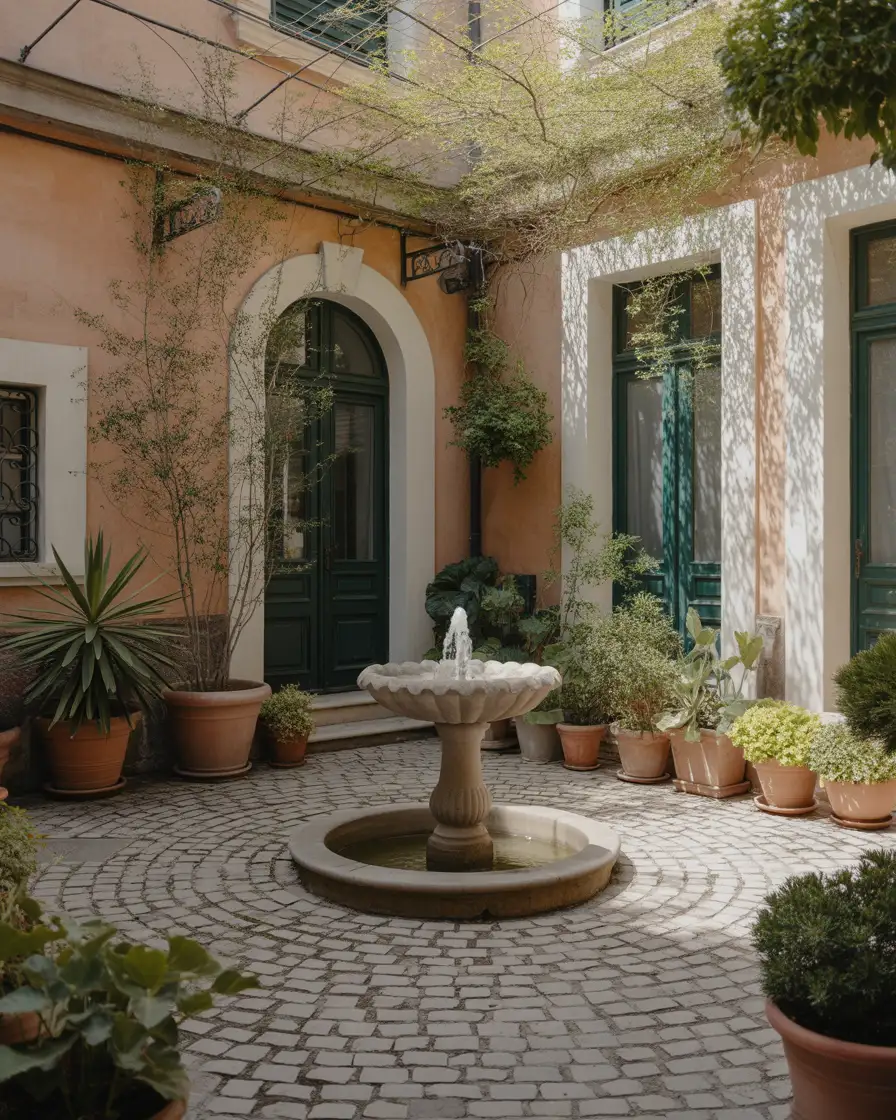
This design works best in warm, dry climates like Southern California or the Southwest, where outdoor living is year-round. Reclaimed cobblestones can be sourced from salvage yards for about $3 to $8 per square foot, making this a mid-range investment. Homeowners often add bistro seating and café lights to transform the space into an outdoor dining room.
17. Living Roof on Garden Shed
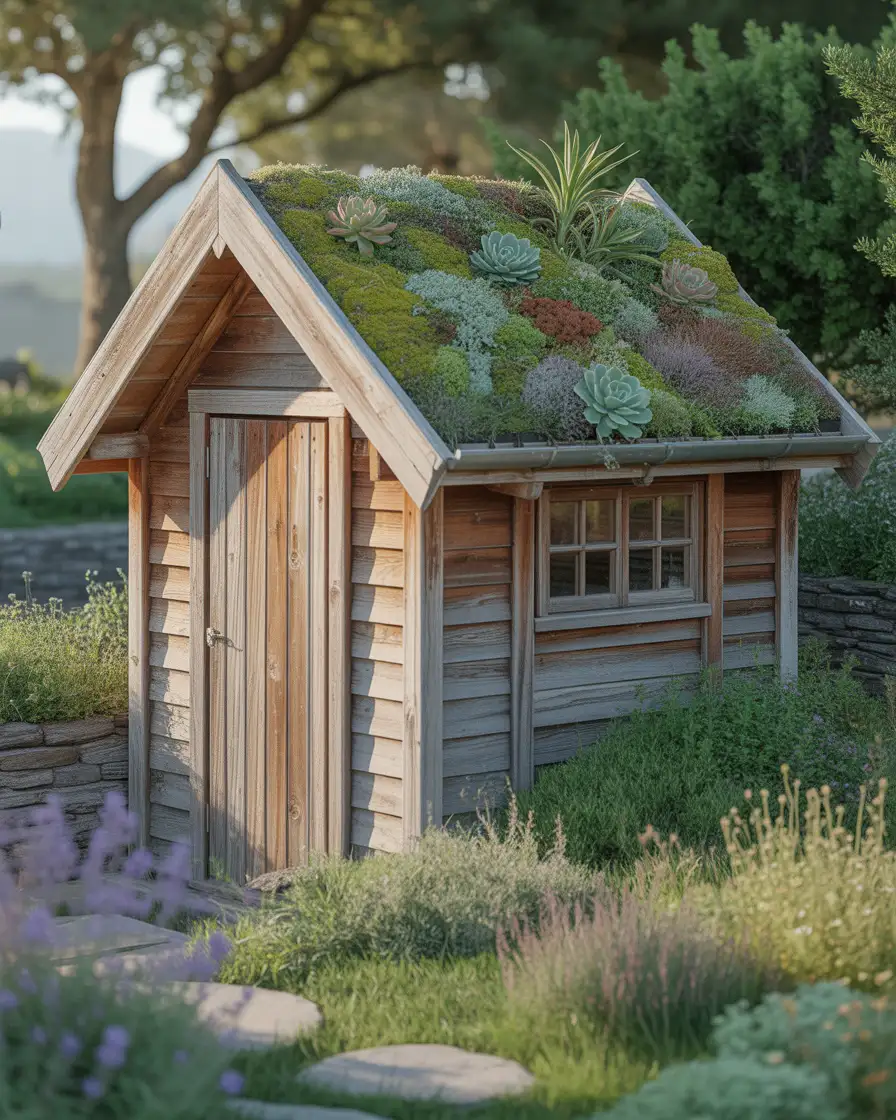
Install a green roof on a garden shed using sedum or other low-maintenance succulents. This turns a utilitarian structure into a whimsical garden feature that blends into the landscape. The living roof provides insulation, absorbs rainwater, and attracts pollinators—all while looking like something out of a storybook. It’s a statement piece that shows thoughtfulness and creativity in backyard landscaping. 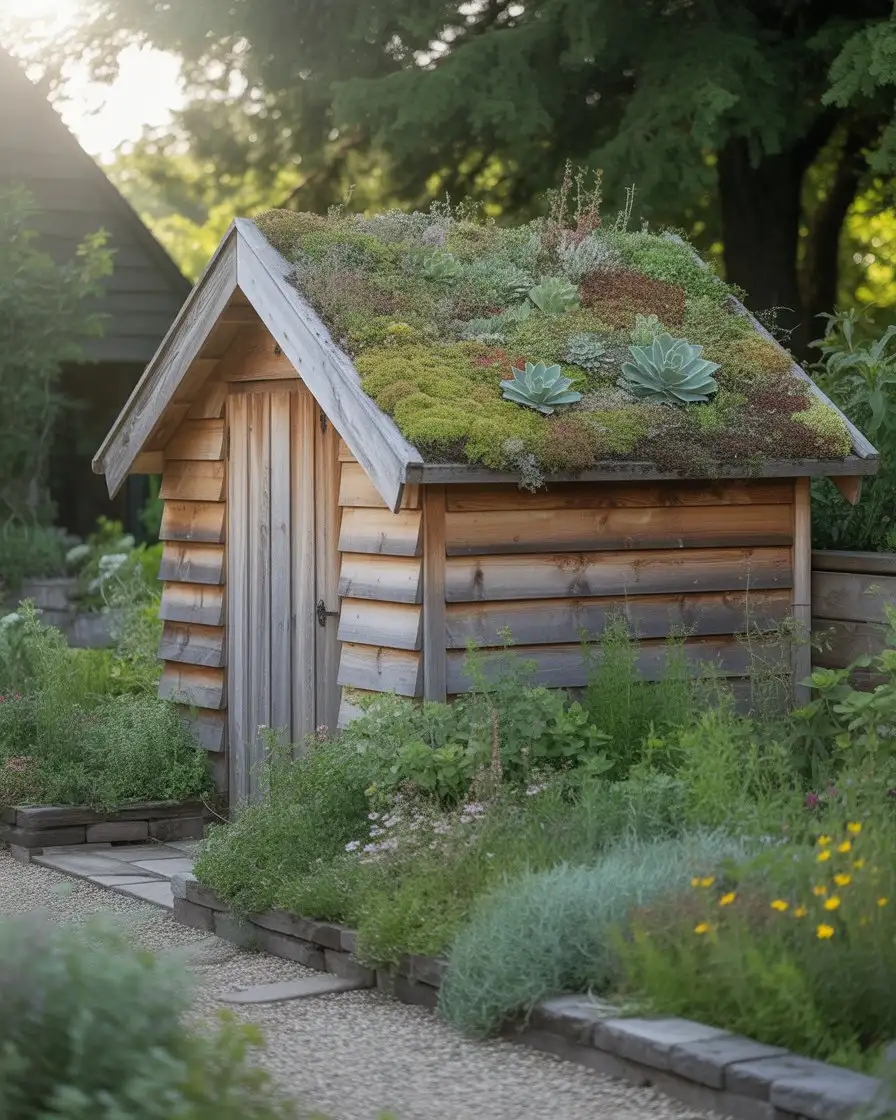
Expert-style commentary: living roofs require a waterproof membrane, a drainage layer, and lightweight growing medium. Sedum is ideal because it tolerates drought and extreme temperatures. In climates with harsh winters, choose cold-hardy varieties like Sedum acre or Sedum spurium. Installation costs range from $500 to $1,500 depending on shed size and complexity.
18. Moonlight Garden with White Blooms
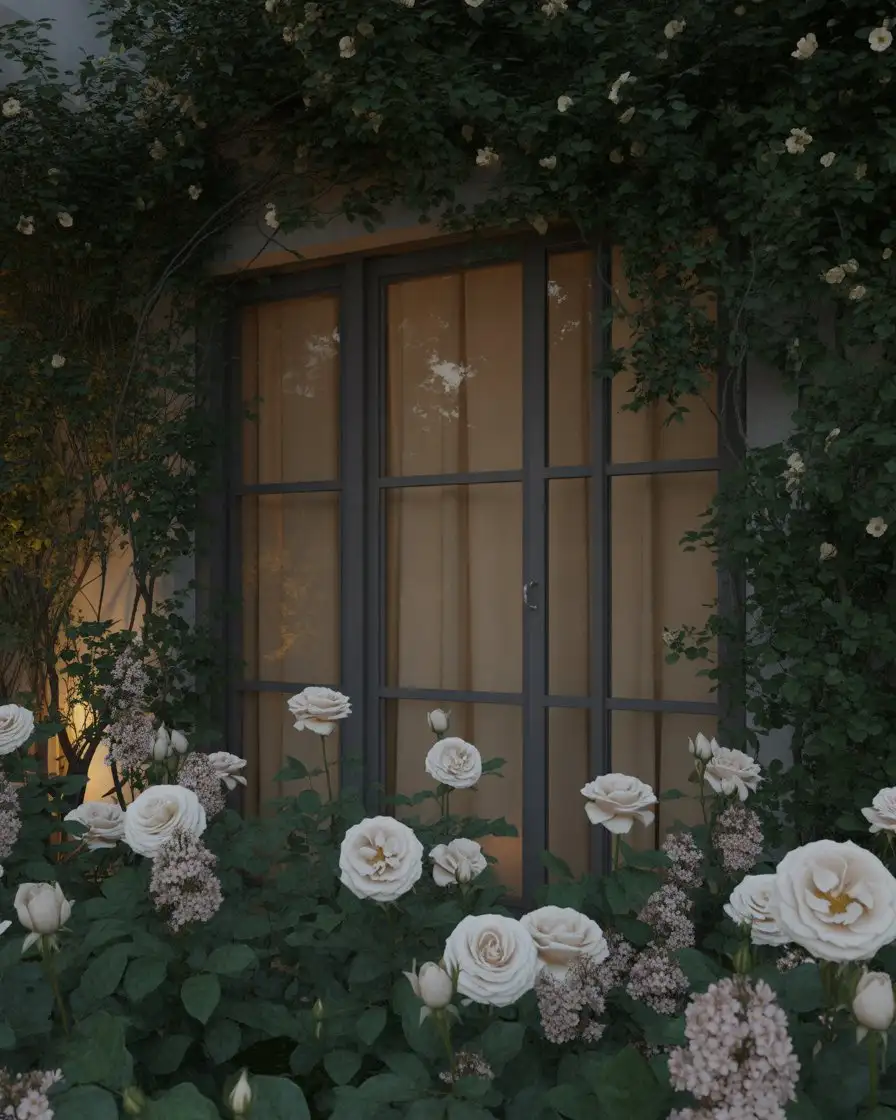
Design a garden bed filled entirely with white or pale-colored flowers—like white roses, gardenias, moonflowers, and white cosmos. These blooms glow softly in evening light and create a serene, almost ethereal atmosphere. This concept is perfect for hiding places where you want to enjoy the garden after dark. The pale tones reflect moonlight and make the space feel larger and more open. 
Where it works best: gardens with southern or western exposure that receive evening light. Pair the white blooms with silvery foliage plants like lamb’s ear or dusty miller for added texture. In the South, many gardeners add night-blooming jasmine, which releases a powerful fragrance after sunset and enhances the sensory experience.
19. Pebble Mosaic Pathway
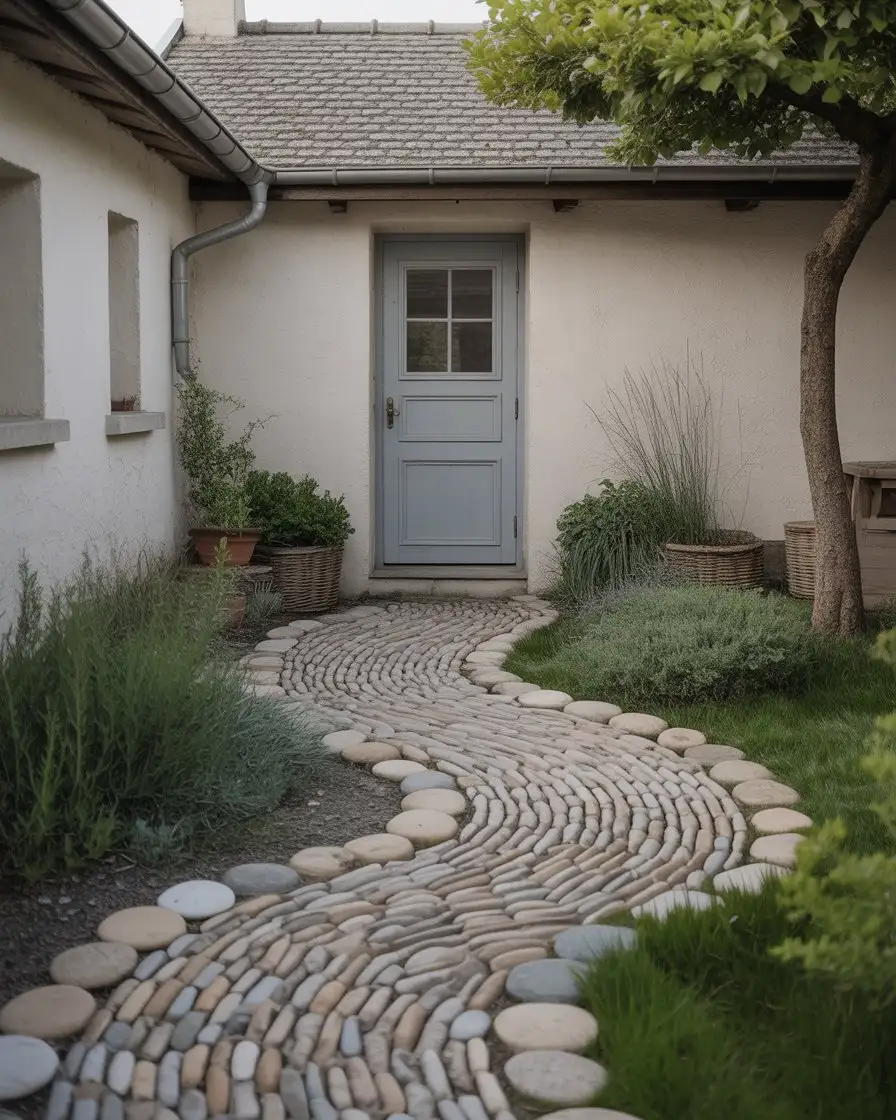
Create a unique pathway by arranging river pebbles into mosaic patterns—spirals, waves, or geometric designs. This DIY project adds artistry and texture to your garden while staying budget-friendly. The pebbles can be set in sand, mortar, or concrete depending on your skill level and the permanence you want. It’s a labor-intensive project, but the result is a one-of-a-kind feature that makes your garden feel handcrafted and personal. 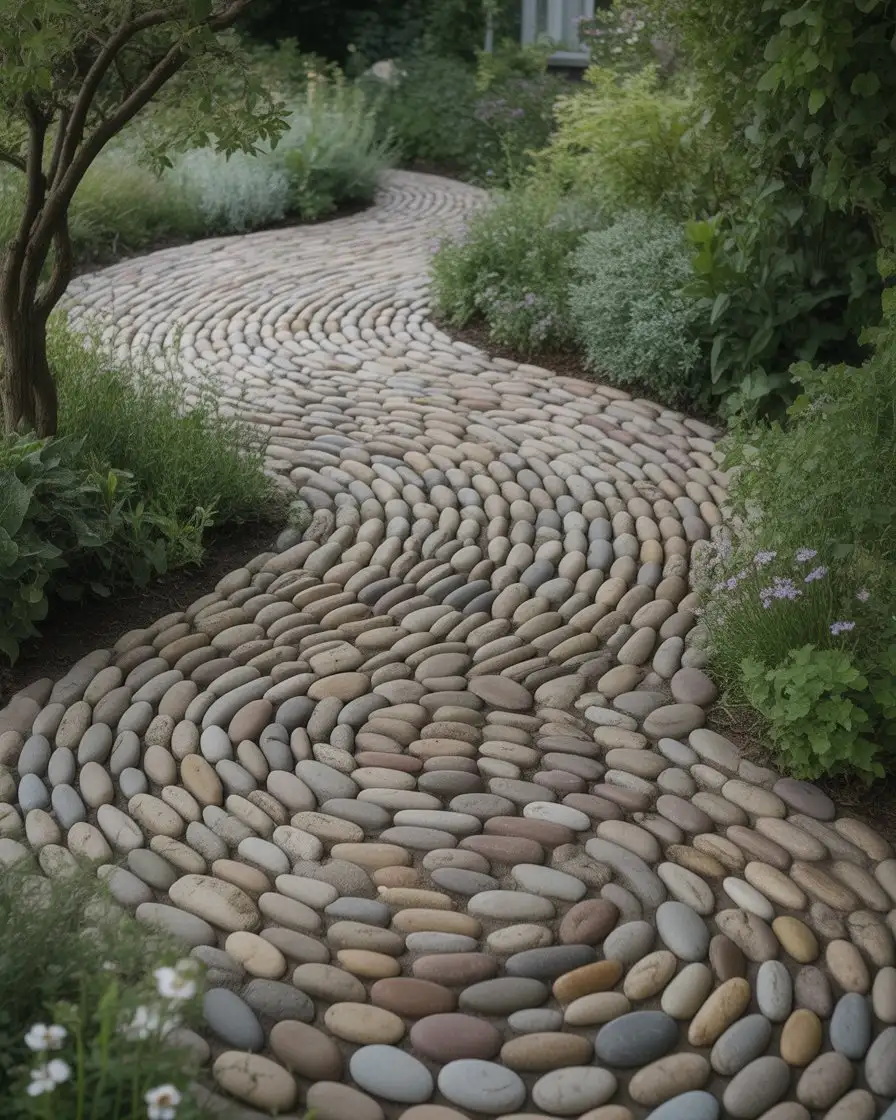
Real homeowner behavior: many people start with a small 3×3 foot section to test their design skills before committing to a longer path. Pebbles can be purchased in bulk from landscaping suppliers for about $50 to $100 per ton, which is enough to cover a 10-foot pathway. The project typically takes a weekend to complete for a beginner.
20. Fern Grotto with Shaded Seating
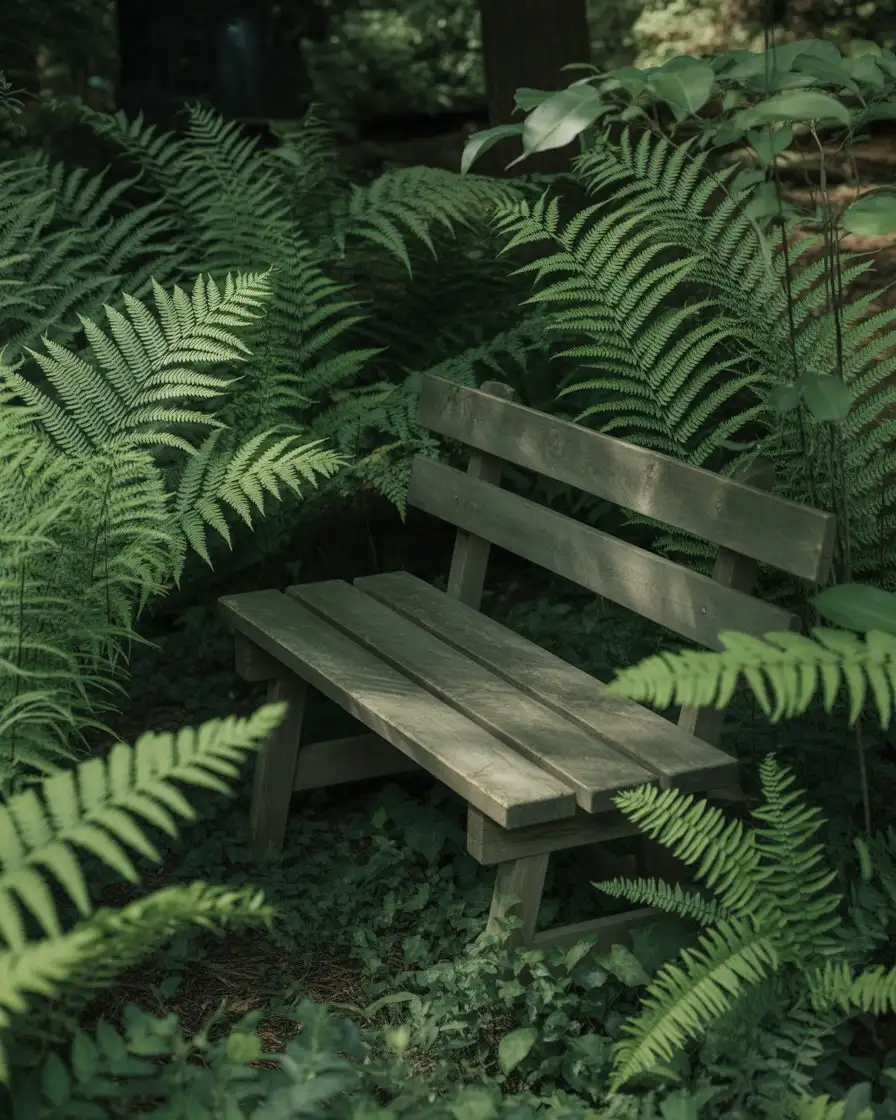
Transform a shady corner into a lush fern grotto by layering different fern varieties—maidenhair, ostrich, and Japanese painted ferns—around a simple bench or stone seat. This creates a cool, green retreat that feels like stepping into a forest glen. It’s ideal for hiding places where you want a low-maintenance, shade-loving garden that stays green all season. The dense foliage muffles sound and creates a sense of seclusion. 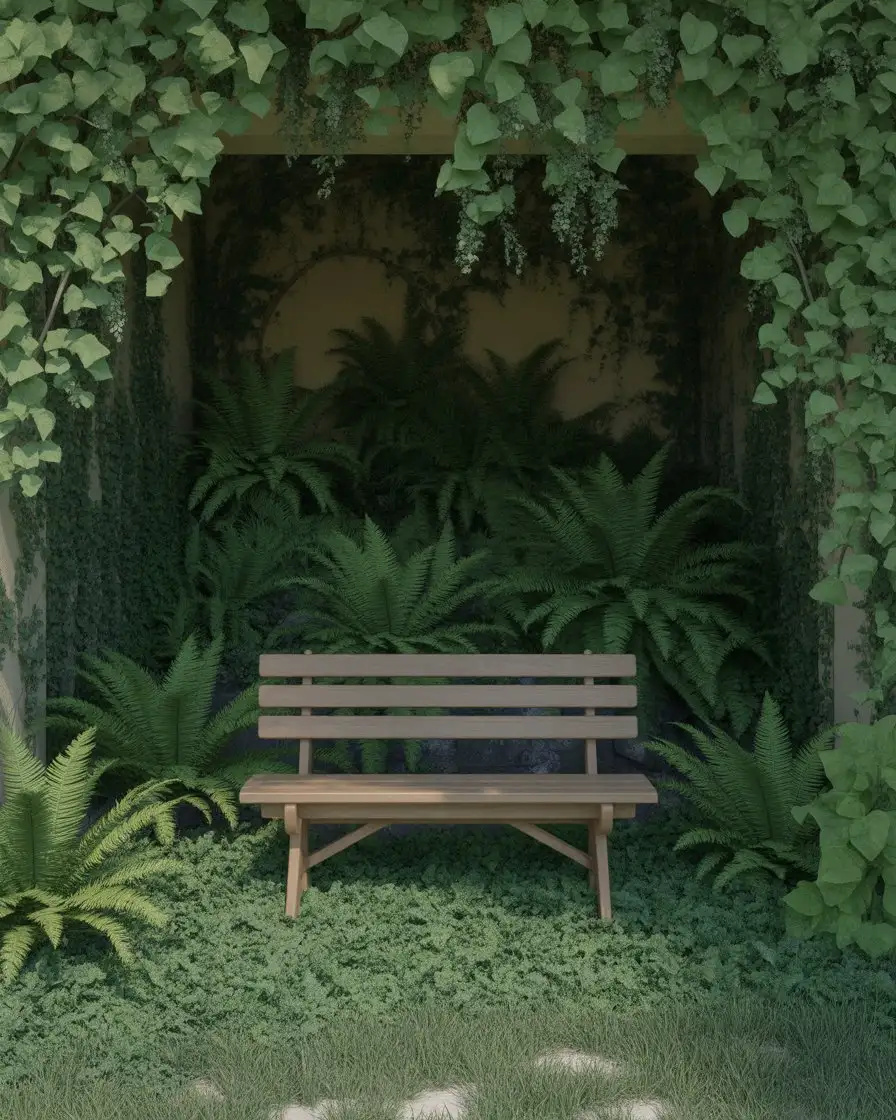
Practical insight: ferns thrive in consistent moisture and indirect light, making them perfect for areas beneath large trees or along north-facing walls. In the Northeast and Pacific Northwest, ferns require almost no maintenance once established. Add a layer of mulch each spring to retain moisture and suppress weeds, and you’ll have a self-sustaining garden corner.
21. Vintage Bicycle Planter Display
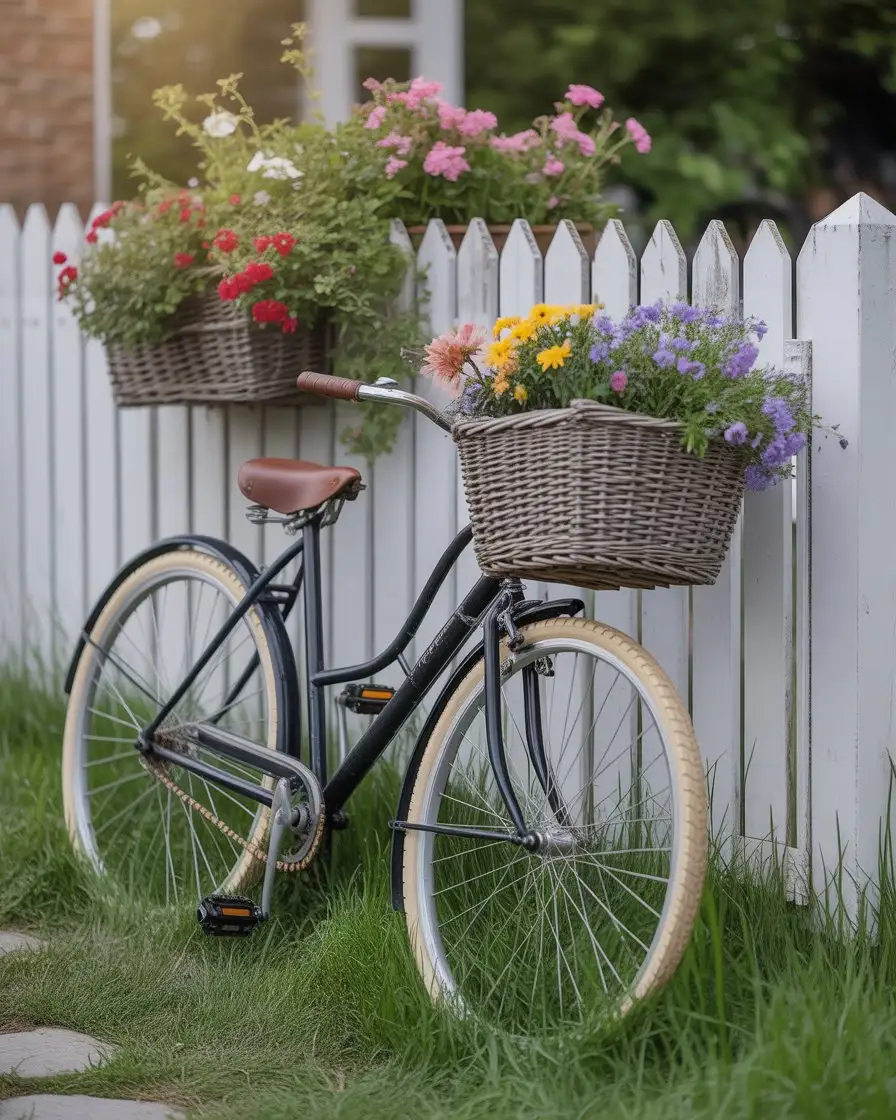
Prop an old bicycle against a fence or tree and fill its baskets with trailing flowers like petunias, lobelia, or ivy. This whimsical touch brings charm and personality to front yard or side yard spaces without taking up much room. The bicycle becomes a sculptural element that catches the eye and invites curiosity. It’s especially popular on Pinterest because it photographs beautifully and costs almost nothing to create. 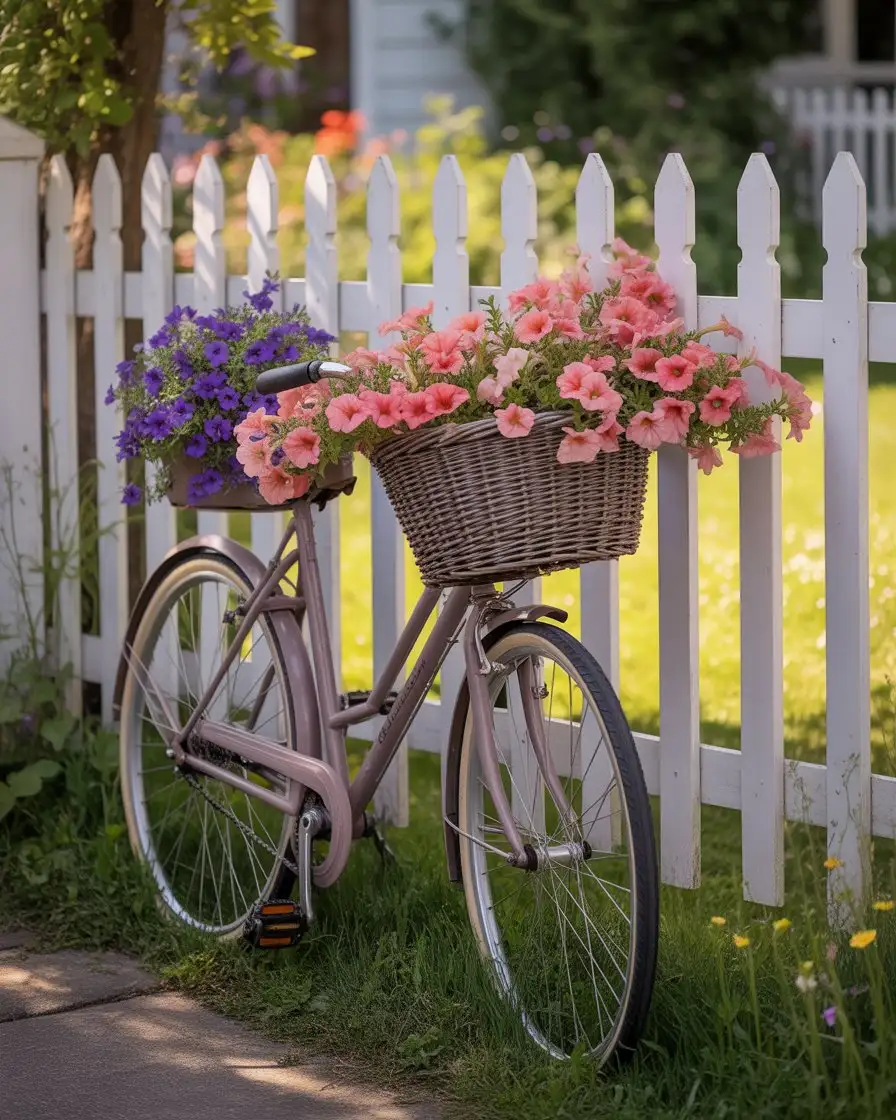
Budget angle: you can often find vintage bikes at yard sales, thrift stores, or online marketplaces for $20 to $50. Spray paint it a fun color or leave it rusty for a shabby-chic look. Fill the baskets with inexpensive annuals, and you’ve created a garden feature for under $75 that lasts the entire growing season.
22. Painted Mural on Garden Wall
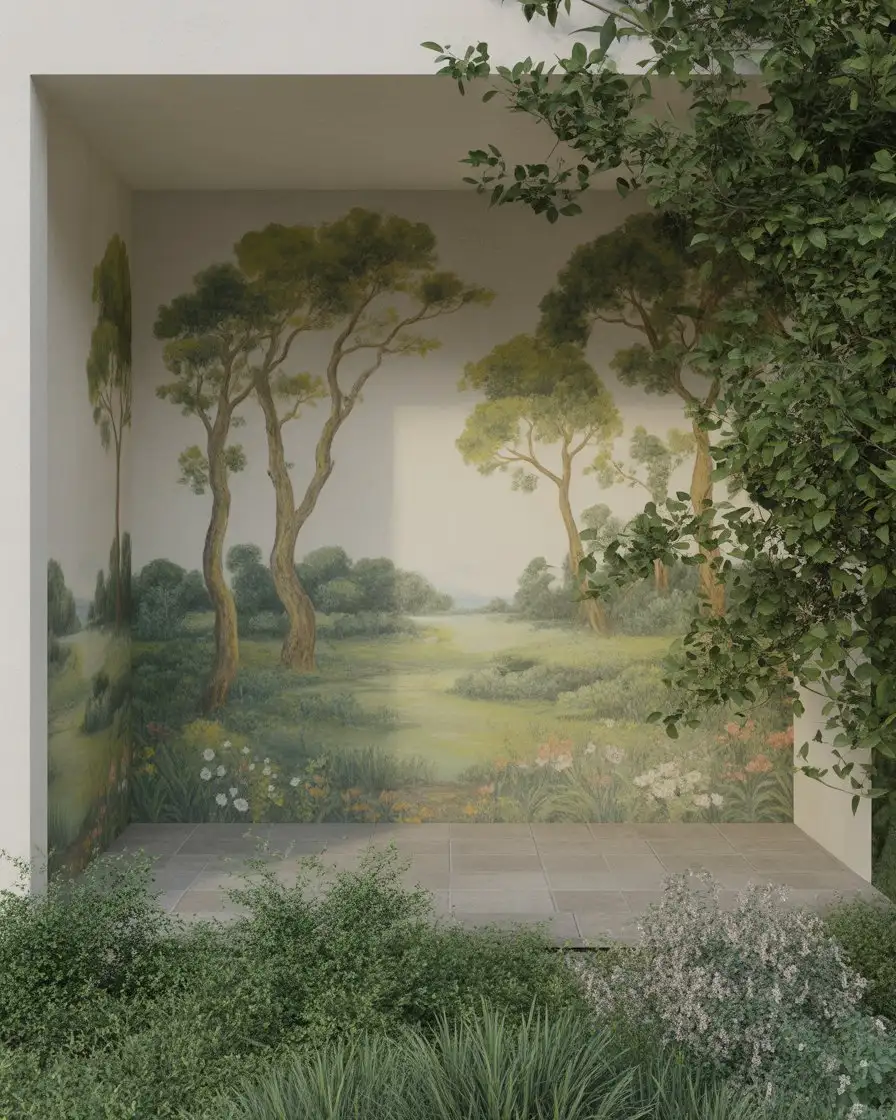
Commission or paint your own garden mural on a fence, shed, or retaining wall to add depth and personality. This transforms a flat surface into a focal point and can depict anything from a forest scene to abstract painting to a trompe-l’oeil doorway. It’s especially effective in small spaces where you want to create the illusion of more room or a window to another world. The mural can be as simple or detailed as you like, depending on your artistic skill or budget. 
Common mistakes: using indoor paint or failing to prime the surface, which leads to peeling and fading. Always use exterior-grade acrylic paint and a weather-resistant sealer. Murals on wood fences typically need refreshing every three to five years, while those on stucco or brick last longer. Hiring a local artist costs $500 to $2,000 depending on size and detail, but DIY versions can be done for under $100 in supplies.

Conclusion
Your secret garden is more than just a beautiful outdoor space—it’s a personal retreat that reflects your creativity and brings joy every time you step outside. Whether you’re drawn to the romance of moonlit archways, the practicality of herb gardens, or the whimsy of vintage planters, these ideas offer endless ways to transform your yard into a sanctuary. Try one or combine several to create a layered, evolving garden that grows with you. What’s your favorite secret garden idea? Share your thoughts in the comments below!