Rock gardens have surged in popularity across the United States as homeowners seek low-maintenance, drought-tolerant landscapes that offer visual interest year-round. Whether you’re working with a challenging slope, designing a serene Zen retreat, or simply looking to reduce water consumption without sacrificing beauty, rock garden landscaping offers endless creative possibilities. Pinterest users are flocking to these ideas for inspiration that blends natural stone with strategic plantings, transforming everything from front yards to intimate backyard corners. In 2026, the trend leans toward personalized designs that reflect regional aesthetics while embracing sustainability. Here are rock garden landscaping ideas that will help you reimagine your outdoor space with texture, color, and enduring style.
1. Desert Succulent Rock Garden
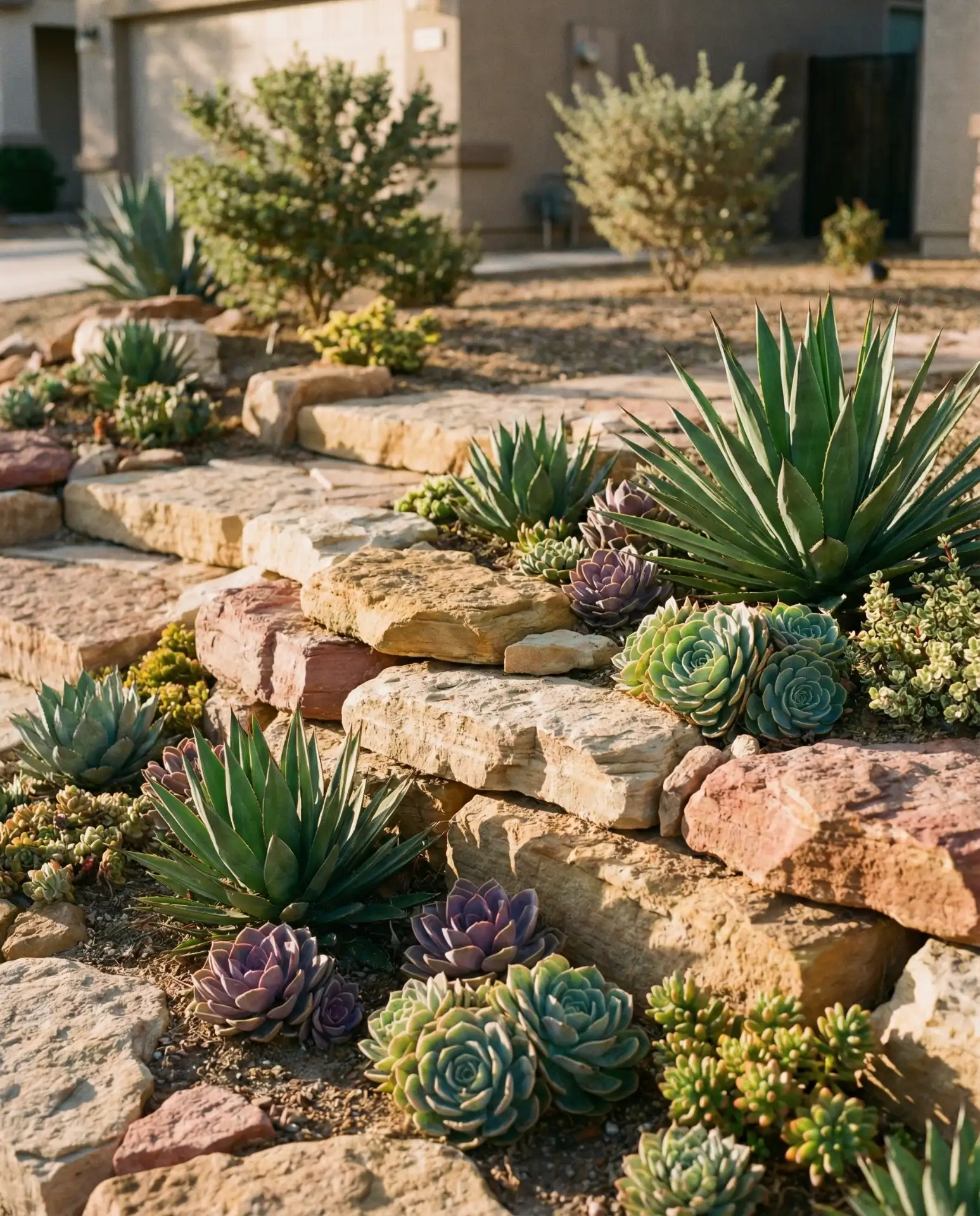
A succulent-focused rock garden brings the beauty of arid climates to any front yard, combining drought-resistant plants with layered stone for a striking, low-maintenance display. Arrange smooth river rocks around clusters of echeveria, sedum, and agave to create visual rhythm while allowing excellent drainage. The textural contrast between fleshy leaves and rough stone creates depth that photographs beautifully and thrives in full sun exposure across much of the Southwest and coastal California. 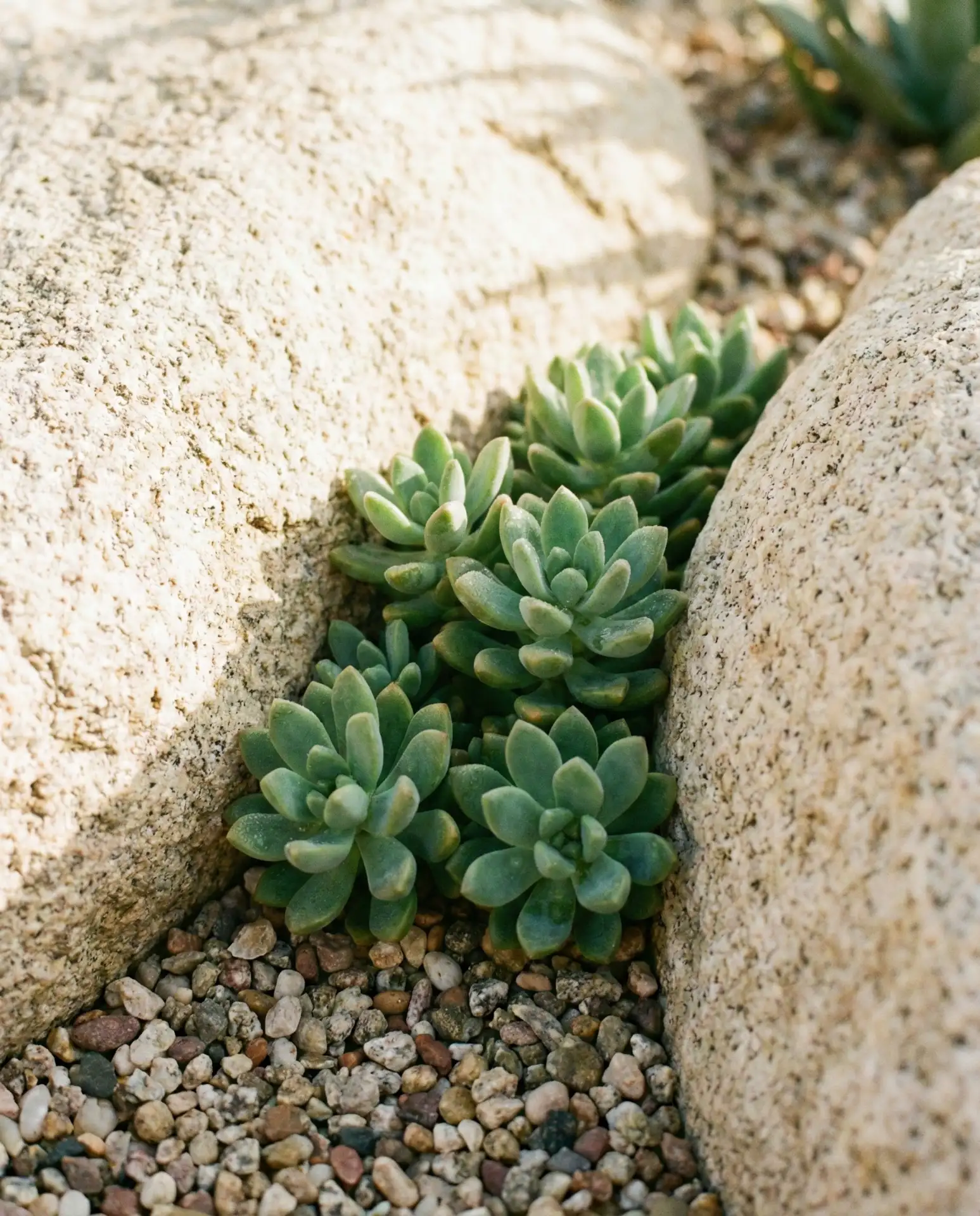
This style works particularly well in regions experiencing water restrictions, where traditional lawns have become impractical. Many California and Arizona homeowners report cutting irrigation costs by seventy percent after transitioning to succulent rock gardens. The key is selecting stone colors that complement your home’s exterior—warm sandstone for Mediterranean styles, cool gray granite for modern architecture—and grouping succulents by water needs to simplify maintenance throughout the growing season.
2. Painted Rock Garden Border
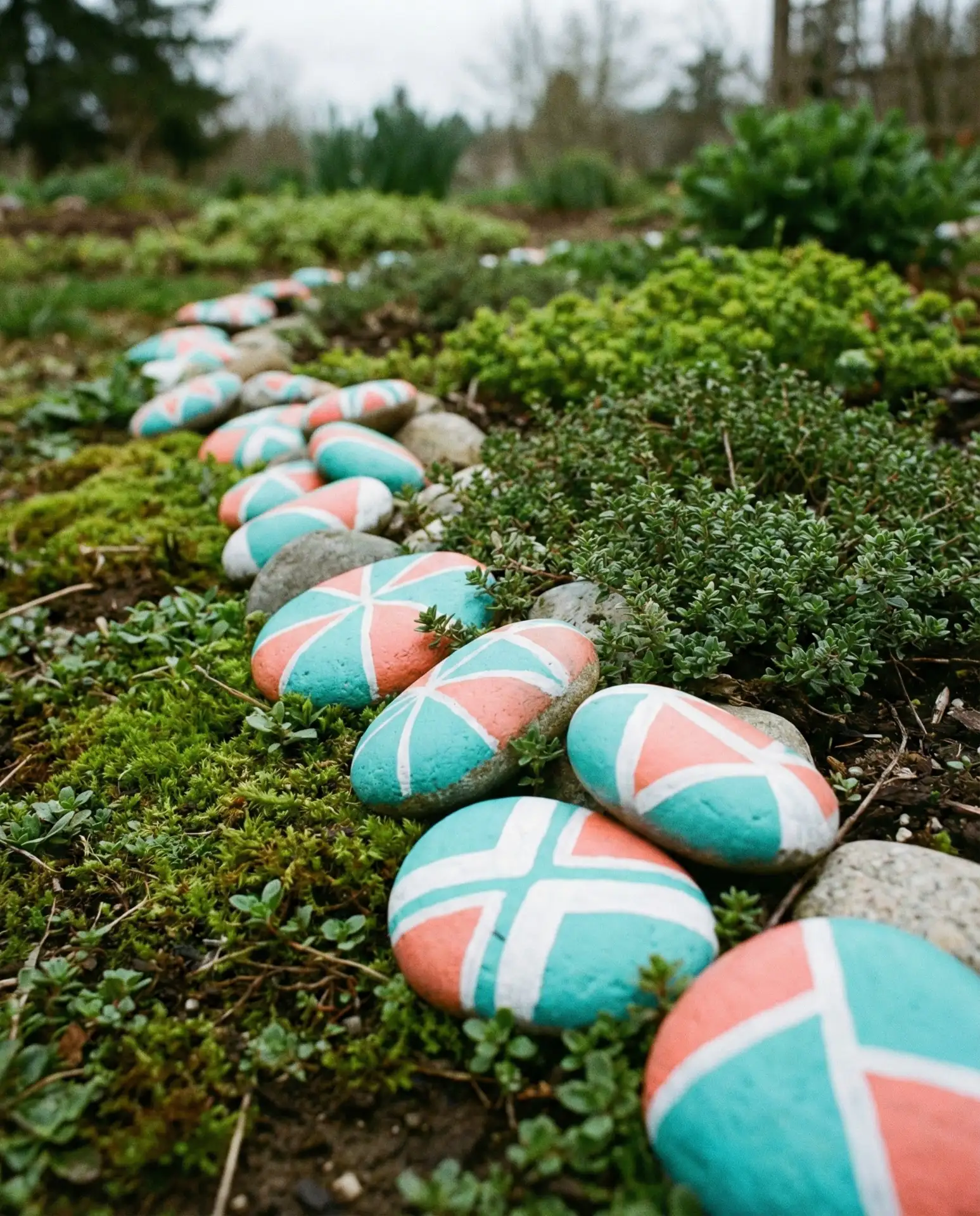
Transform ordinary landscape rocks into colorful art pieces by incorporating painted stones along garden borders, adding whimsy and personality to your outdoor space. Use weather-resistant acrylic paints to create patterns, mandalas, or even simple color blocks that echo your home’s palette. This approach is especially popular in family gardens, where children can participate in the creative process, turning landscaping into a collaborative project that evolves with the seasons. 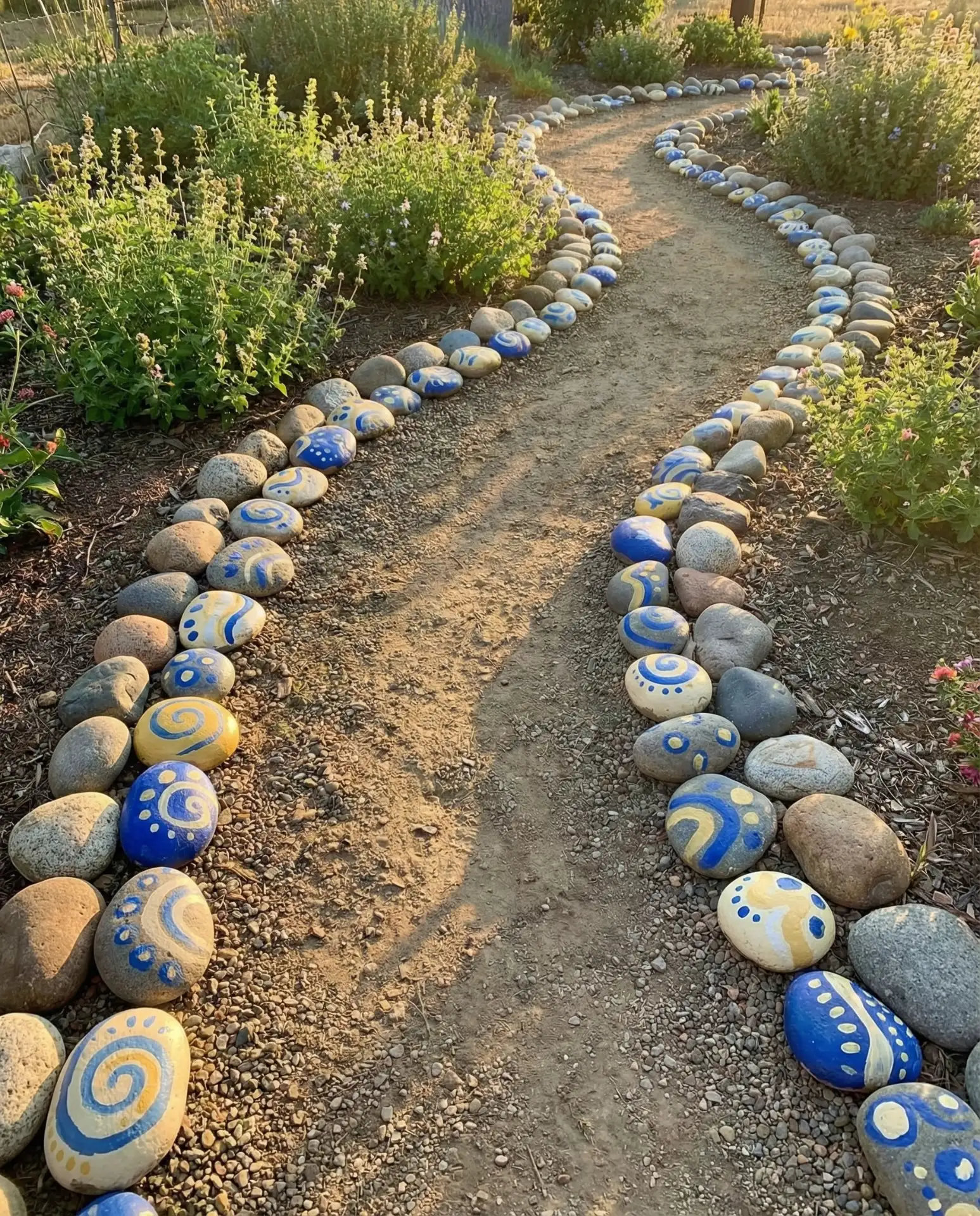
One common mistake is using non-outdoor paint that fades within a single season or chips after the first frost. Always seal painted rocks with a UV-resistant clear coat rated for exterior use, and choose stones with smooth surfaces that allow paint to adhere properly. Reapply sealant annually in harsh climates to maintain vibrant colors. Position painted rocks where they’ll receive adequate sunlight to showcase their designs but won’t be subjected to constant foot traffic that causes premature wear.
3. Hillside Terraced Rock Garden
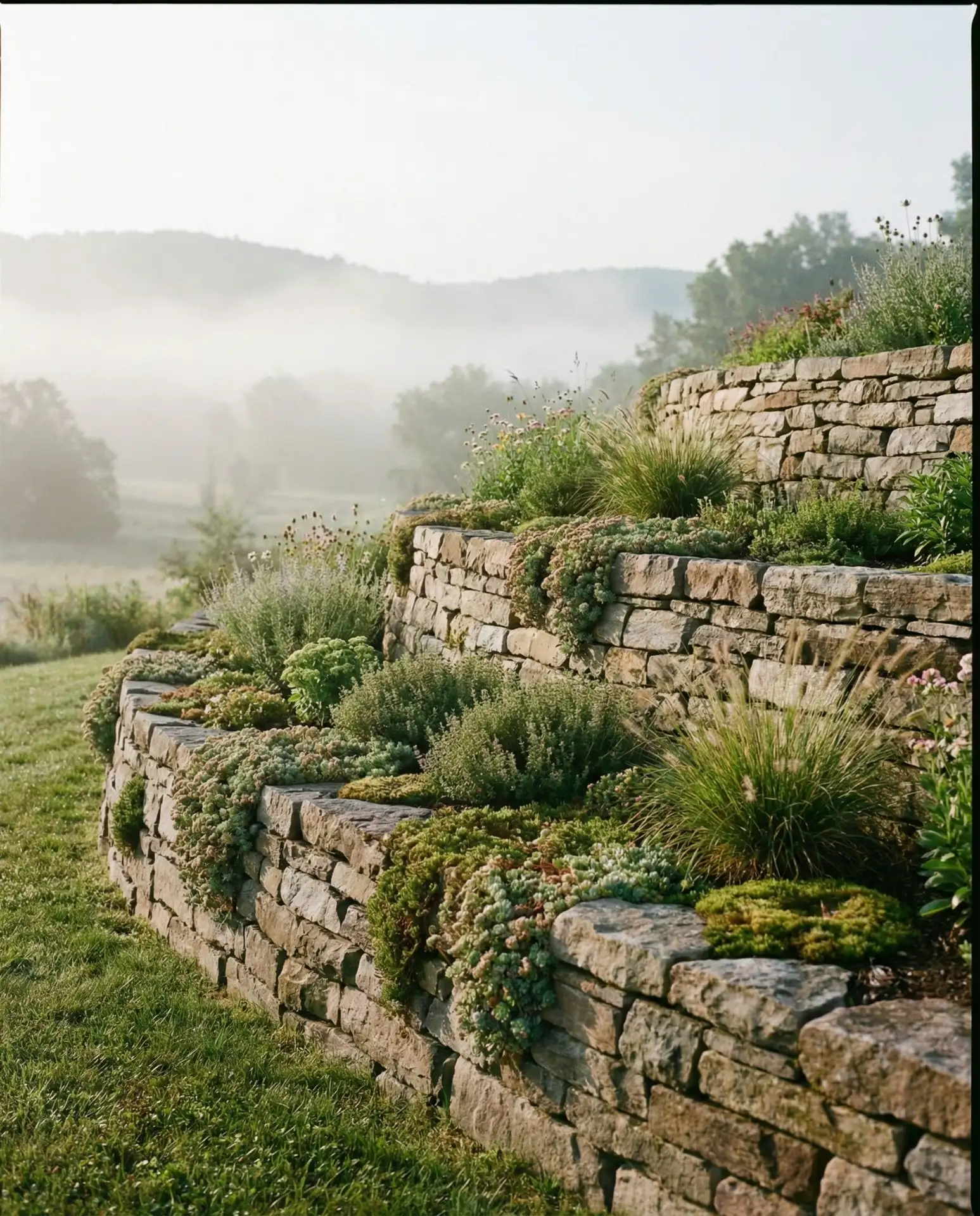
When dealing with a challenging slope, terraced rock walls create functional planting beds while preventing erosion and adding architectural dimension to your landscape. Stack natural stone to form retaining walls at varying heights, filling each level with soil amended for the specific plants you intend to grow. This technique works beautifully in hilly regions like the Pacific Northwest or Appalachian foothills, where steep yards often go underutilized due to drainage issues and difficulty mowing. 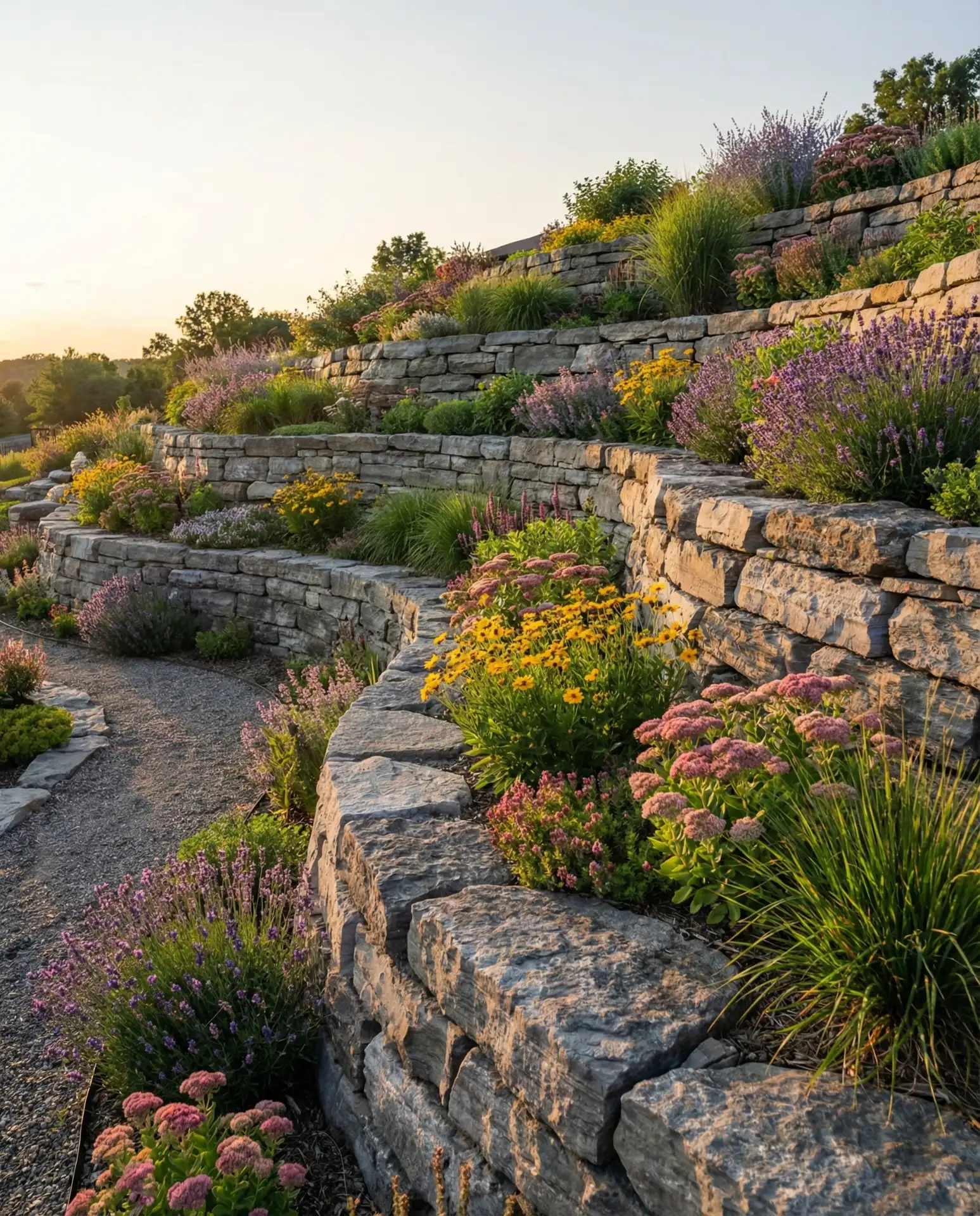
The practical advantage of terracing is that it transforms unusable space into prime real estate for sun-loving perennials, herbs, or even small vegetable plots. Each terrace level creates a microclimate—upper tiers receive more direct sun and drain faster, perfect for lavender and thyme, while lower levels retain moisture for plants like astilbe or ferns. Professional installation of retaining walls typically ranges from fifteen to thirty dollars per square foot depending on stone type and site accessibility, but DIY approaches using stackable stone can reduce costs significantly for smaller projects.
4. Japanese-Inspired Zen Garden
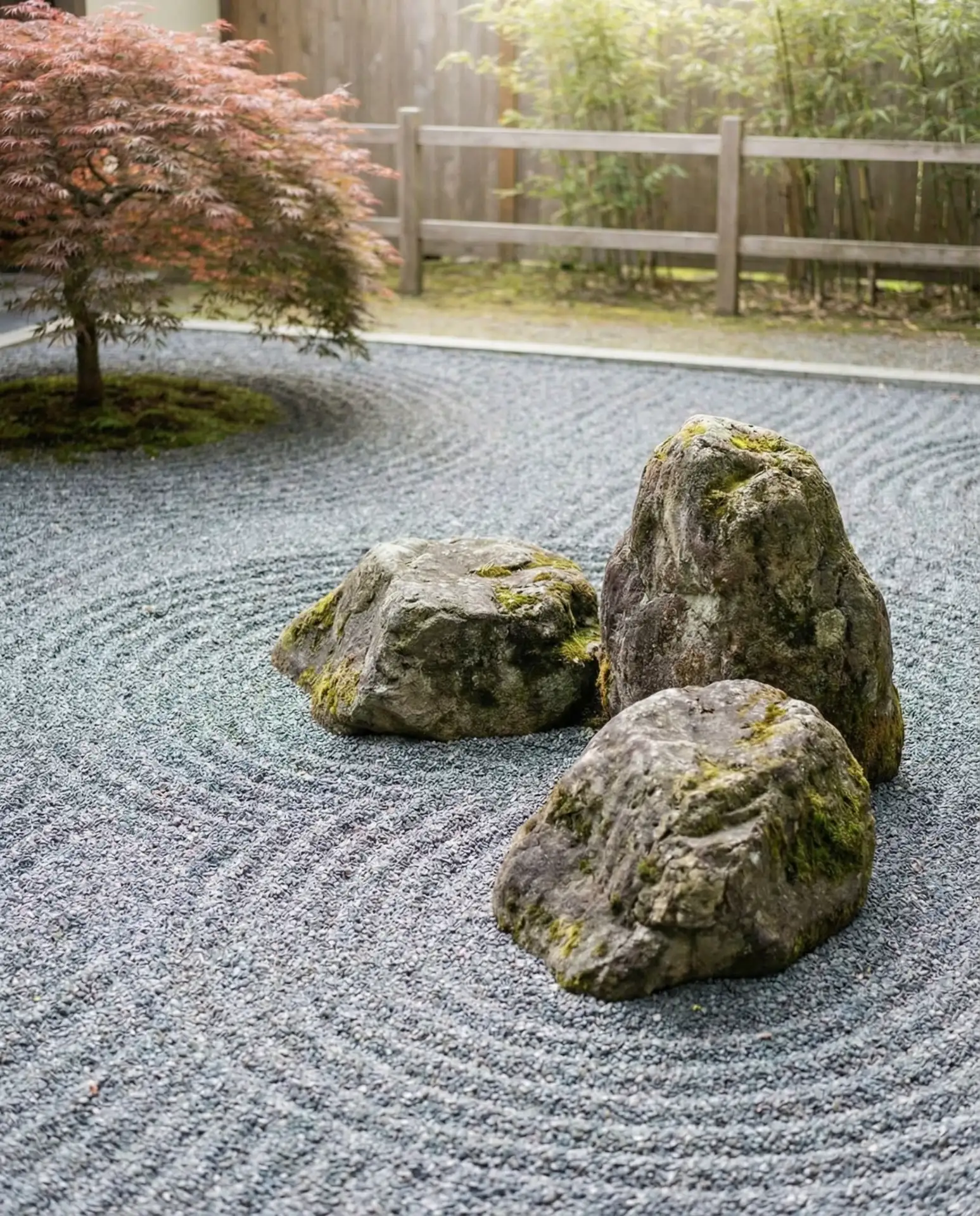
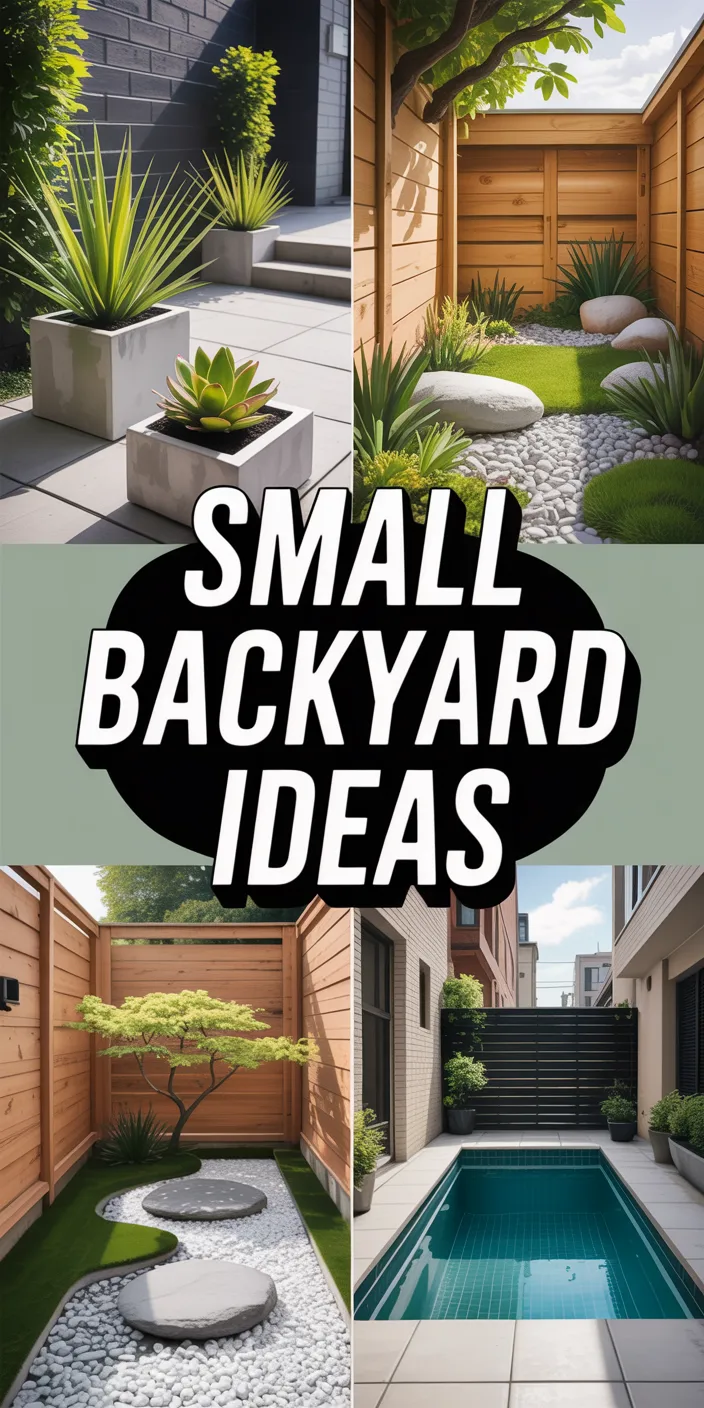
A Japanese rock garden emphasizes simplicity, balance, and meditation, using carefully raked gravel, strategically placed boulders, and minimal plantings to create a space for contemplation. The philosophy centers on representing natural landscapes in miniature—islands in the sea, mountain ranges—through the artful arrangement of stone. This style has gained traction among American homeowners seeking outdoor spaces that promote mindfulness and provide a visual counterpoint to busy modern life. 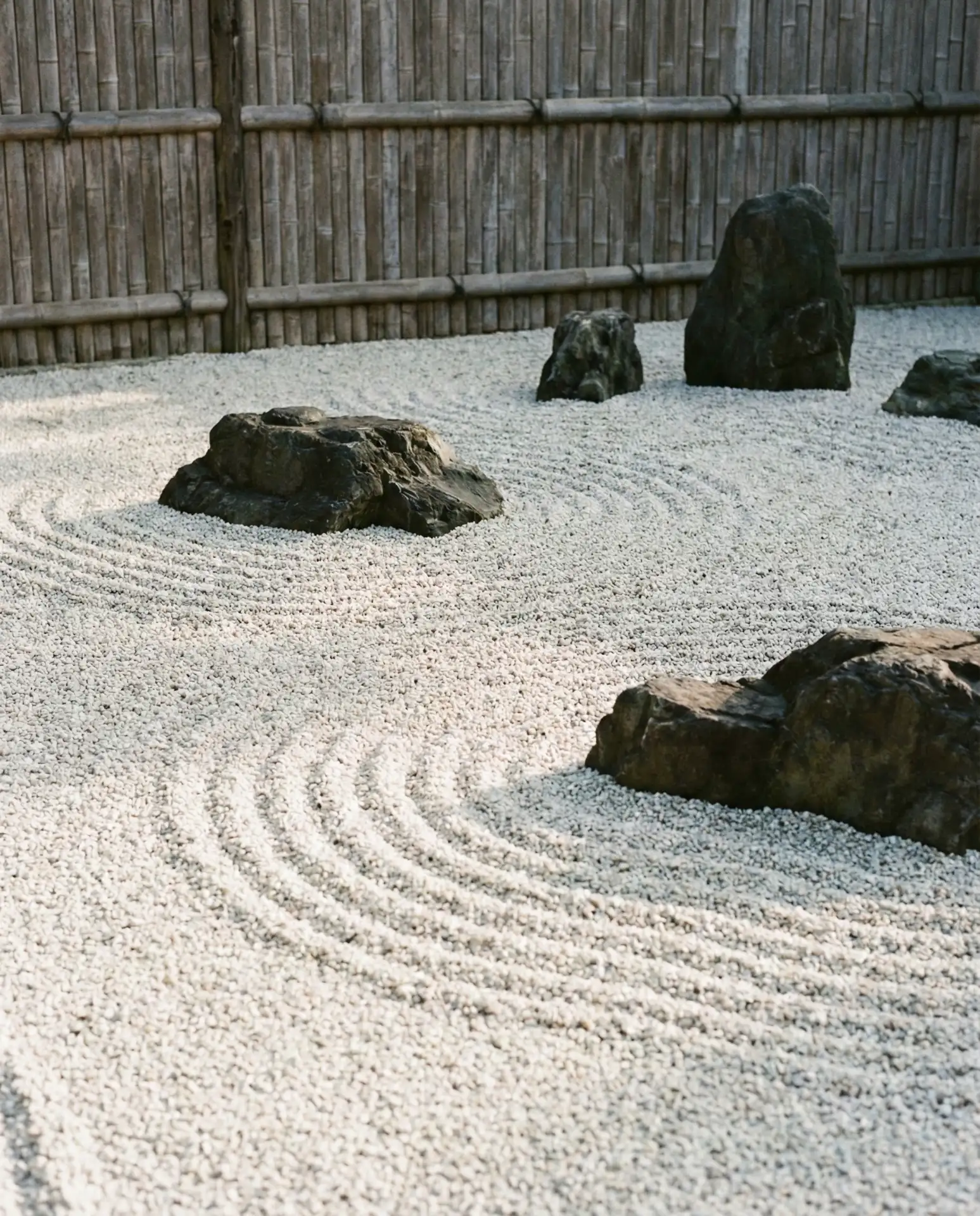
A neighbor of mine in Portland installed a small Zen garden outside her home office window last spring. She mentioned that the daily ritual of raking the gravel before starting work became unexpectedly meaningful—a five-minute practice that helped her transition from home chaos to focused productivity. The garden required almost no maintenance beyond the meditative raking and occasional moss trimming, proving that beauty doesn’t always demand constant intervention.
5. White Rock Modern Minimalist Garden
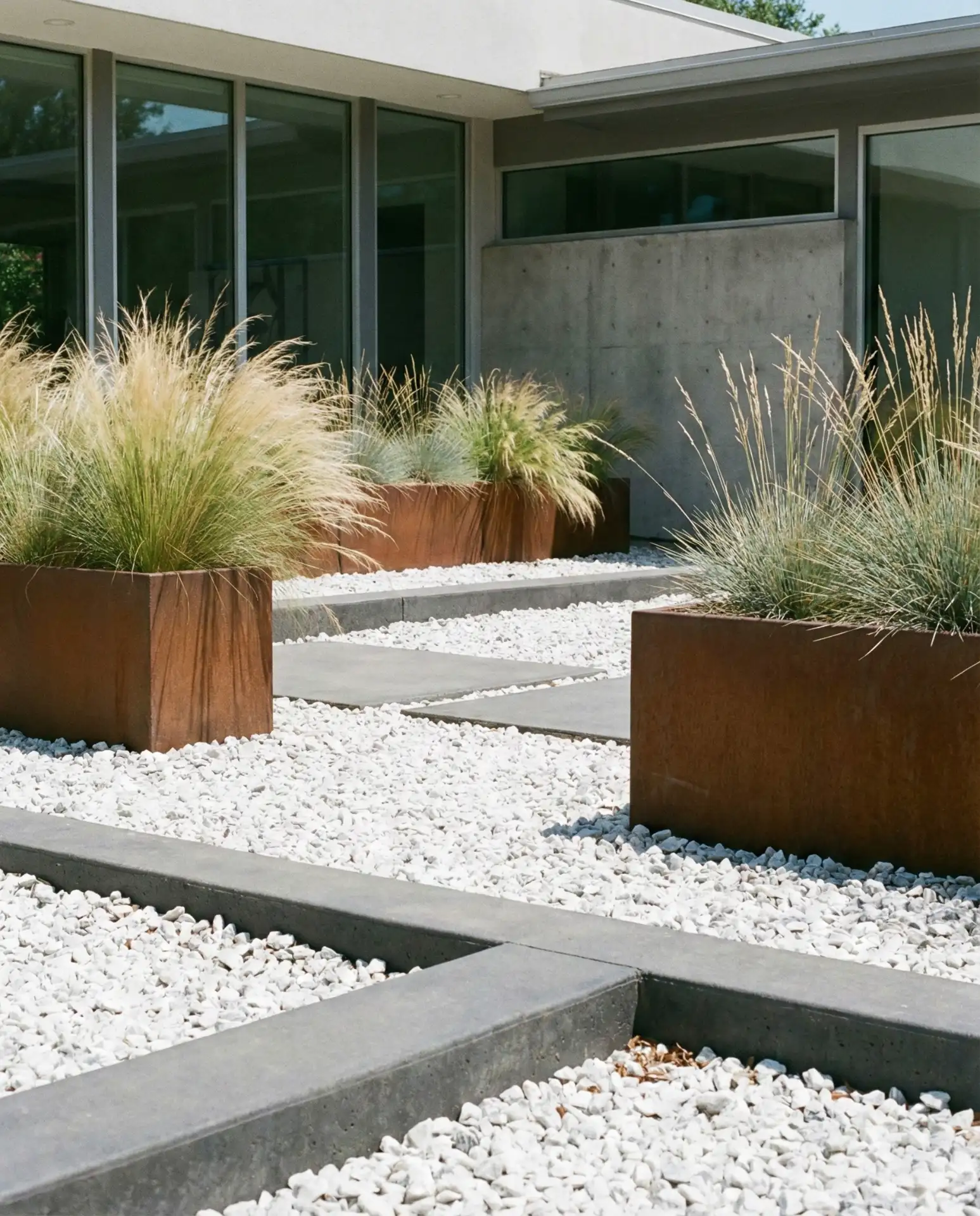
Brilliant white decorative rocks create clean, contemporary contrast in modern landscapes, especially when paired with dark mulch, architectural grasses, or sculptural evergreens. Marble chips, white river stones, or crushed quartz reflect light beautifully, making smaller spaces feel more open and providing a neutral backdrop that allows plant colors to pop. This approach dominates Pinterest boards for good reason—it photographs exceptionally well and suits everything from sleek urban courtyards to minimalist suburban front yard designs. 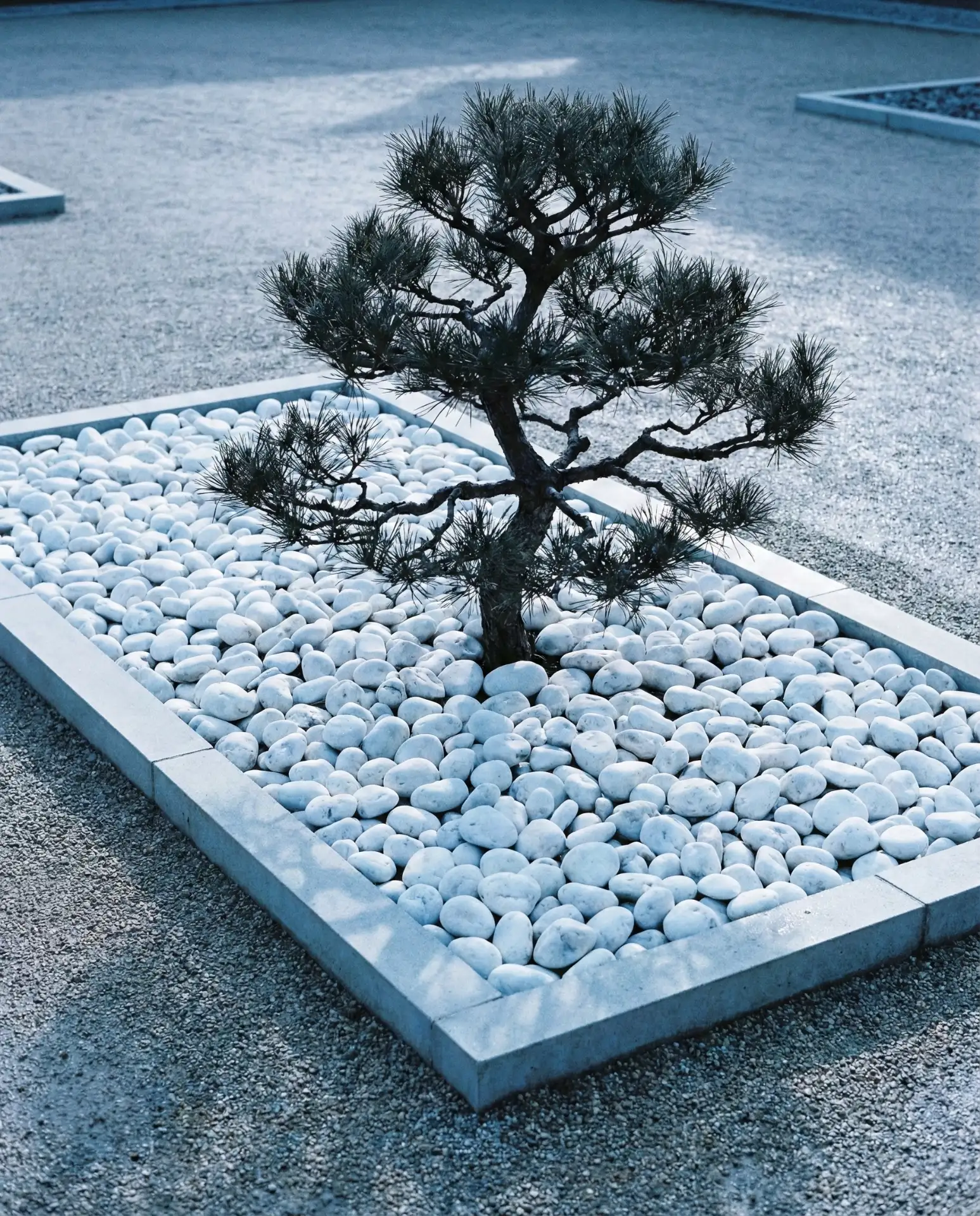
This style works best in contemporary neighborhoods where homes feature clean lines and neutral color schemes—think mid-century modern architecture or new construction with metal and glass elements. White rock provides year-round visual interest without the seasonal fluctuations of flowering plants, making it ideal for homeowners who travel frequently or prefer low-maintenance solutions. The brightness also helps illuminate darker areas of yards, though you’ll want to avoid placing white rock directly against white siding or walls where the effect can wash out rather than create contrast.
6. Backyard Water Feature Rock Garden
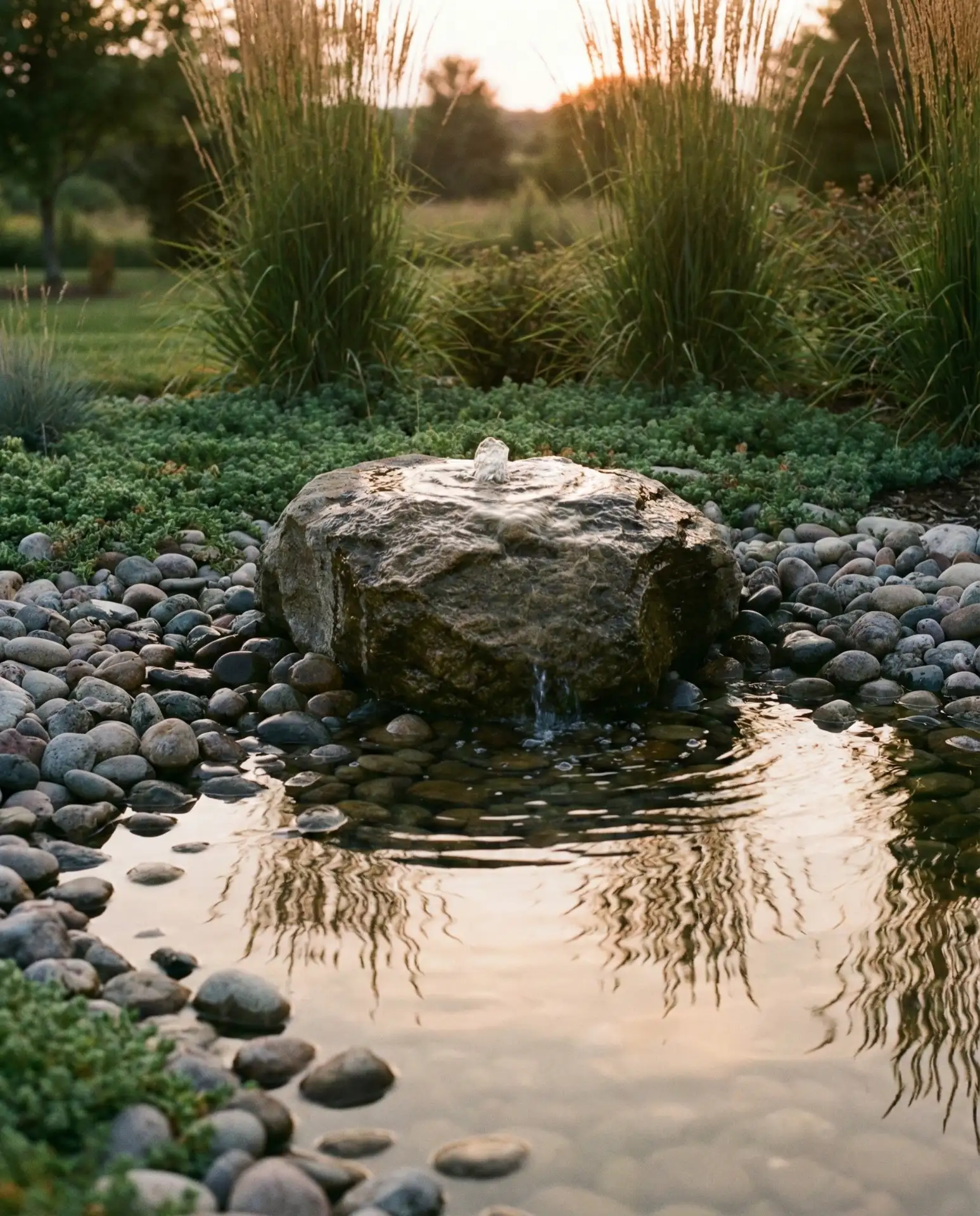
Combining natural stone with backyard water fountain ideas creates a sensory-rich garden space where the sound of trickling water enhances relaxation and attracts beneficial wildlife. Position a bubbling fountain or pondless waterfall among boulders and moisture-loving plants like hostas, ferns, and cardinal flowers to establish a naturalistic scene. The movement and sound of water introduce a dynamic element that static rock arrangements can’t match, transforming an ordinary backyard corner into a destination spot for morning coffee or evening unwinding. 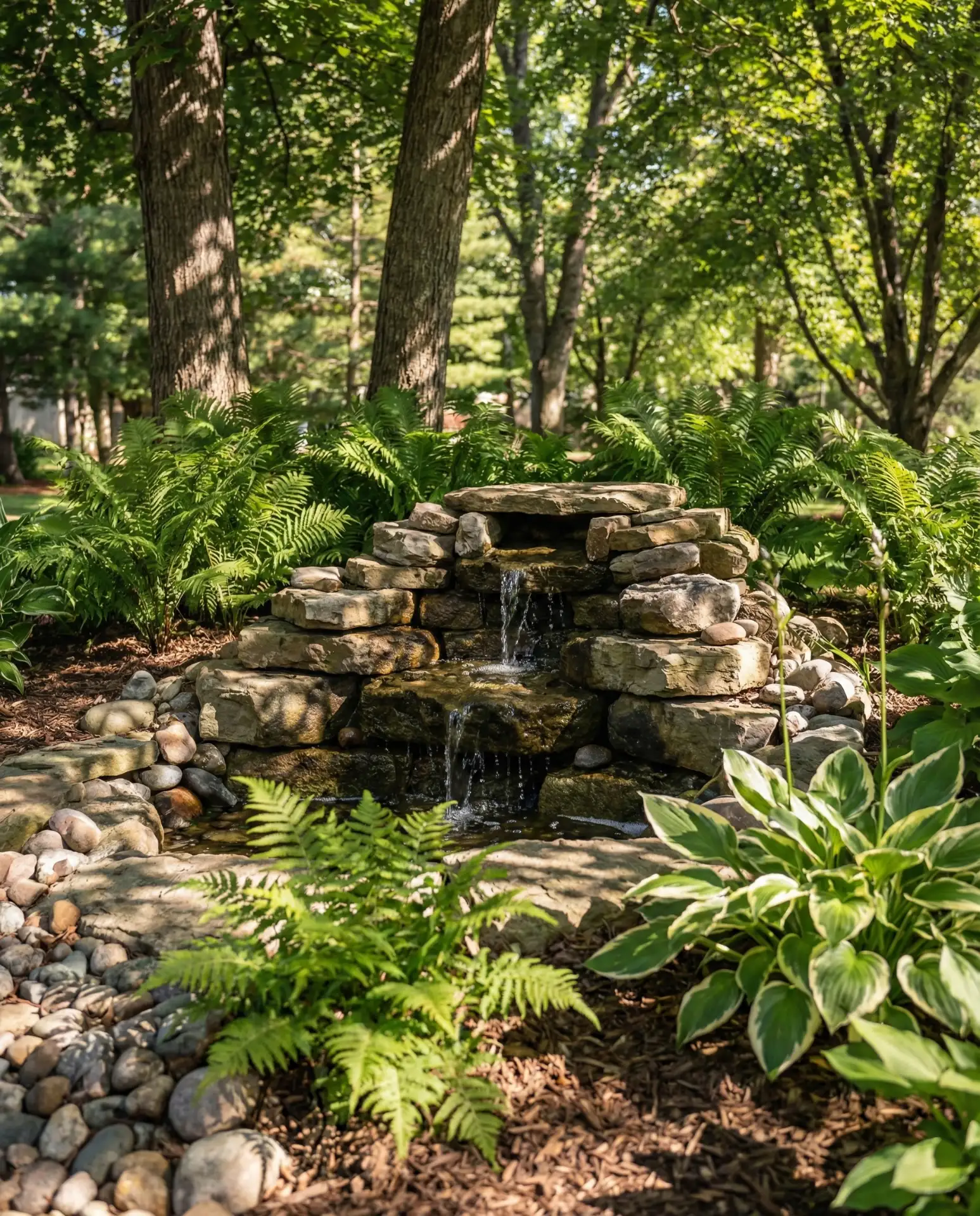
Homeowners in suburban areas often discover that water features significantly increase wildlife activity—birds visit for drinking and bathing, while the ecosystem around the water source becomes a focal point for local fauna. The key to success is matching your pump capacity to the size of your feature and ensuring proper circulation to prevent mosquito breeding. Solar-powered fountain pumps have become remarkably affordable and effective, typically ranging from forty to one hundred twenty dollars, eliminating the need for electrical wiring and reducing operating costs to essentially zero.
7. Concrete Paver and Rock Pathway
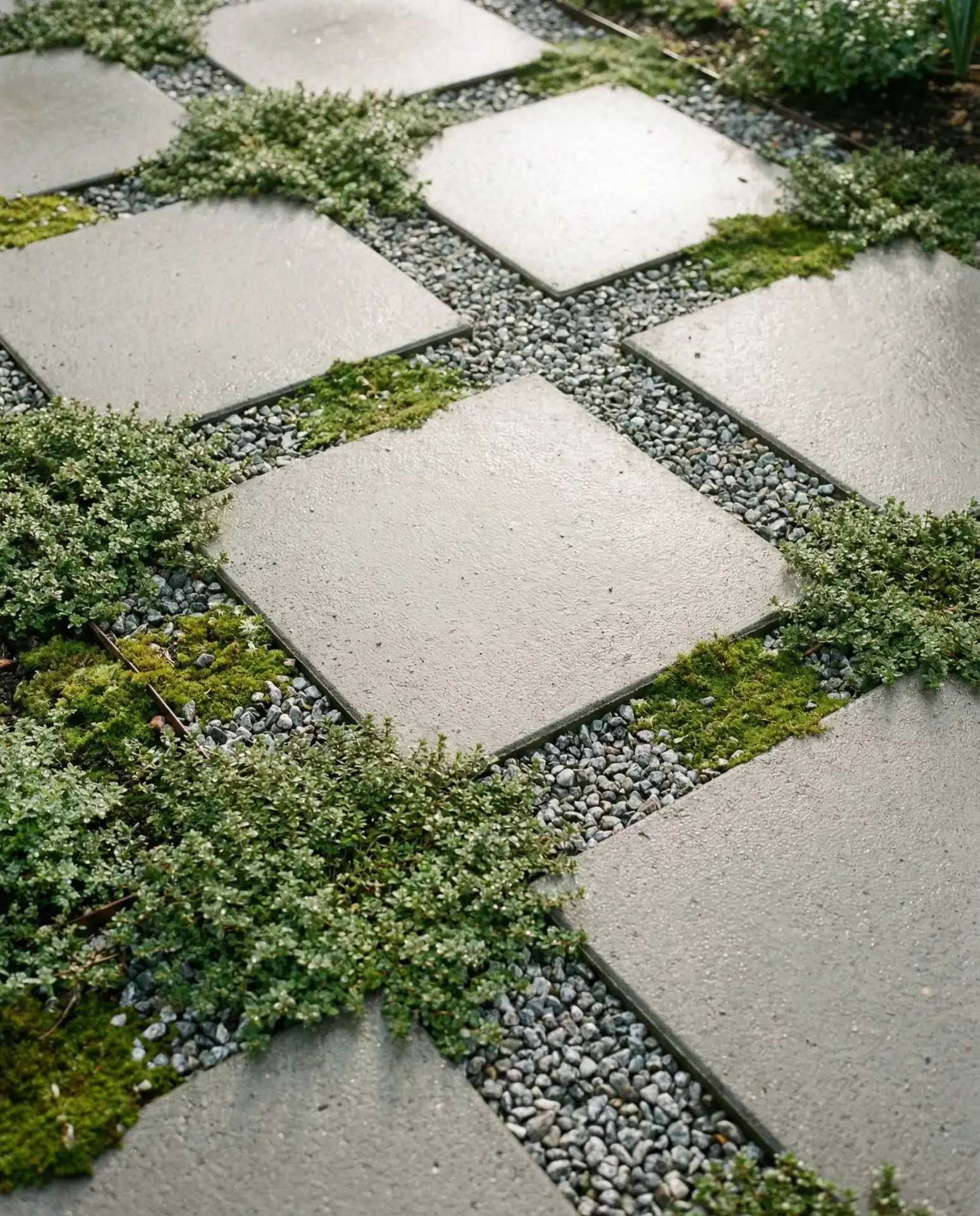
Integrate backyard ideas with concrete pavers and decorative rock to create pathways that balance durability with visual softness, providing firm footing while maintaining the natural aesthetic of a rock garden. Space square or rectangular pavers eighteen to twenty-four inches apart, filling the gaps with pea gravel, crushed granite, or small river stones that allow for drainage and prevent mud. This combination works particularly well in regions with frequent rain, where solid concrete paths can feel too rigid but pure gravel becomes difficult to navigate when wet. 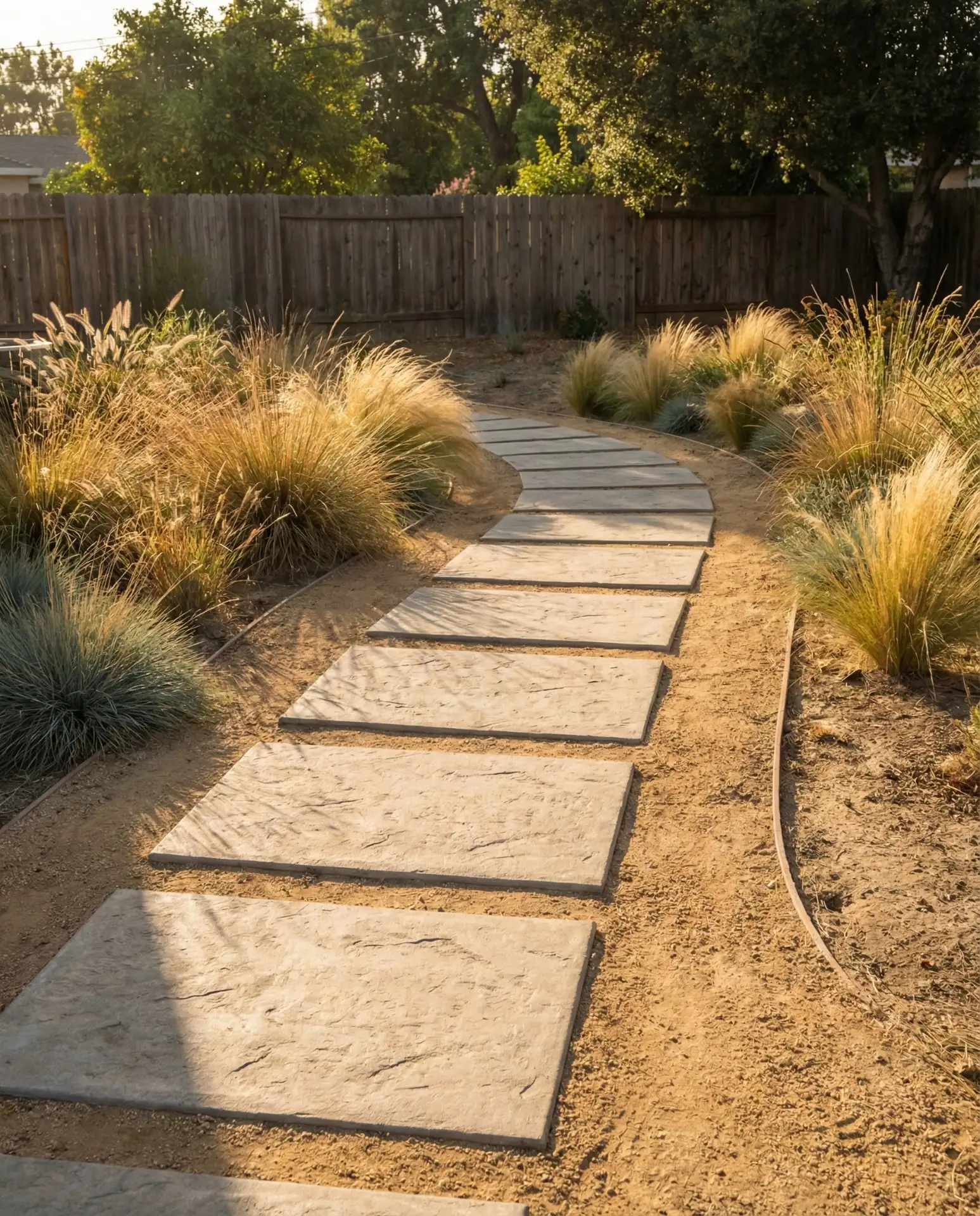
Budget-conscious homeowners appreciate that this approach costs significantly less than full paver installations while still providing structure and accessibility. A typical twelve-foot pathway might use twenty to thirty pavers at two to five dollars each, plus a few bags of gravel totaling another fifteen to thirty dollars—keeping the entire project under two hundred dollars for materials. The gaps between pavers also accommodate creeping thyme, Irish moss, or other low-growing plants that soften the hardscape and release pleasant scents when stepped on.
8. Container Rock Garden with Pots
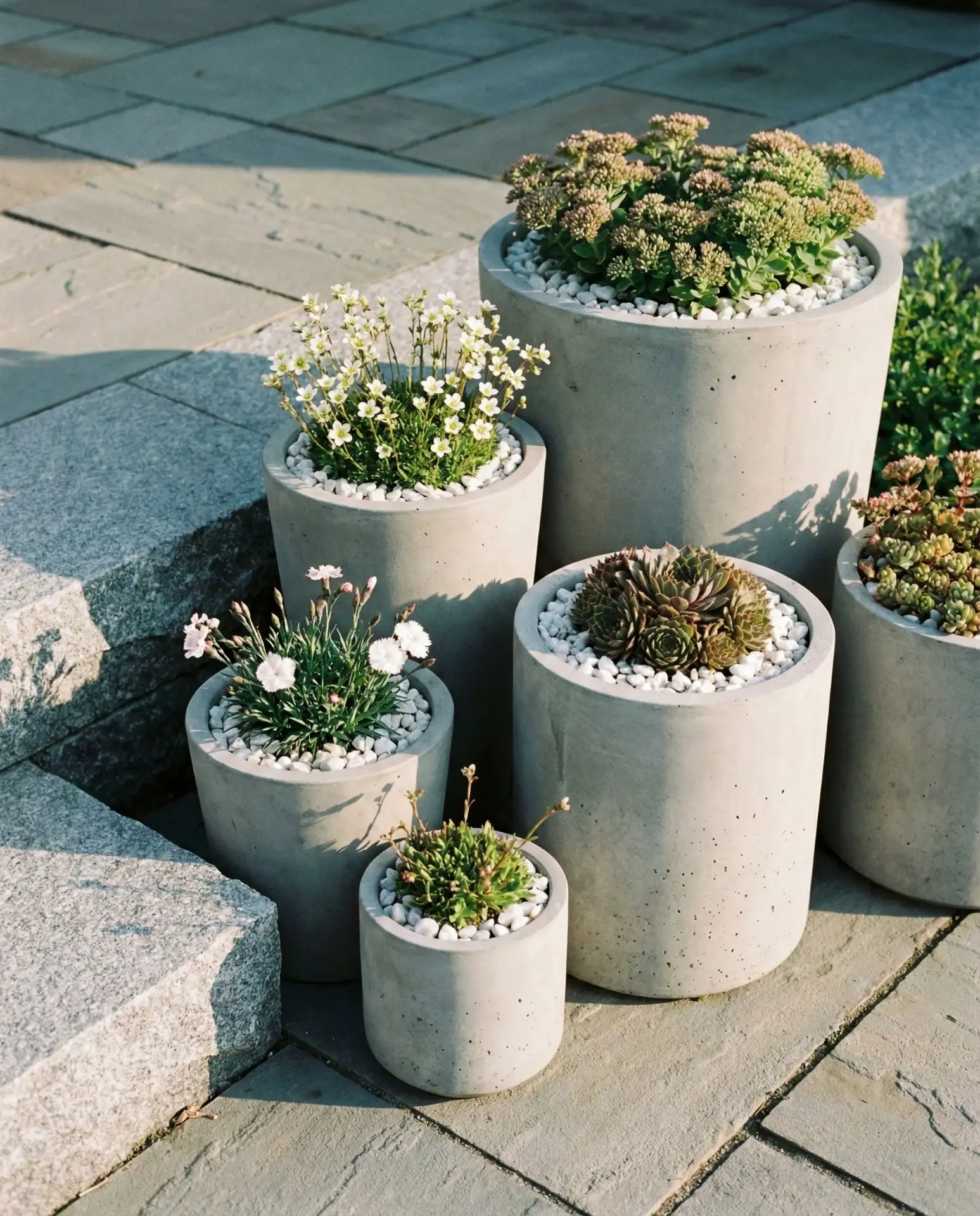
Create portable rock gardens using pots and planters filled with layered stone, succulents, and alpine plants, offering flexibility for renters or homeowners who want to experiment before committing to in-ground installations. Choose containers with drainage holes, add a base layer of larger rocks for drainage, then top with quality potting mix suitable for your chosen plants. This format shines on patios, balconies, and entryways where ground planting isn’t possible but you still want the texture and interest of a rock garden design. 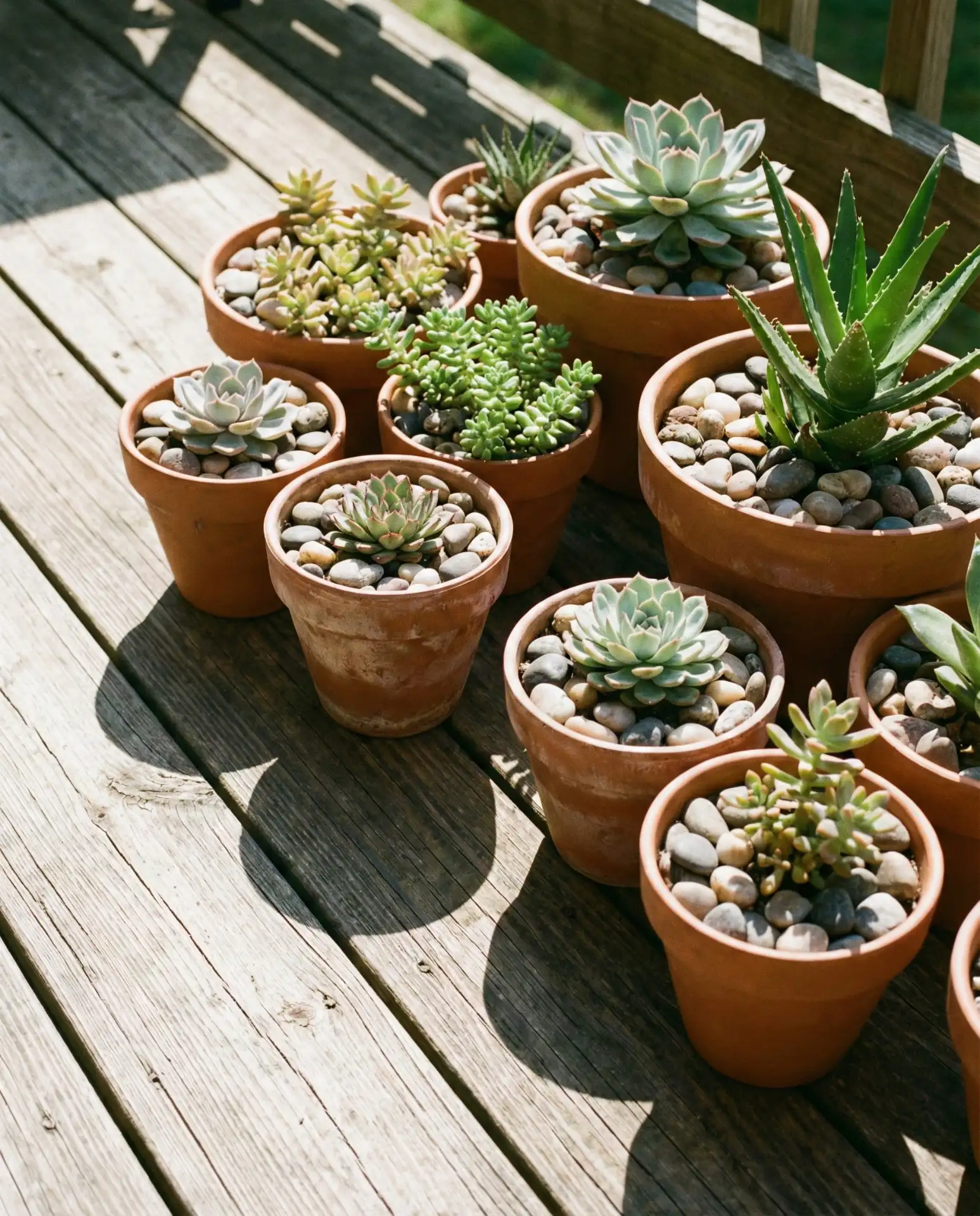
Expert landscapers note that container rock gardens allow you to control soil composition with precision—crucial for plants with specific pH or drainage requirements that your native soil can’t provide. Mix different pot sizes and materials to create visual interest: glazed ceramic for pops of color, weathered terracotta for rustic charm, and sleek concrete for modern spaces. Group containers in odd numbers for the most pleasing compositions, and elevate some on plant stands to create height variation that mimics the natural undulation of in-ground rock gardens.
9. Black Lava Rock Dramatic Accent
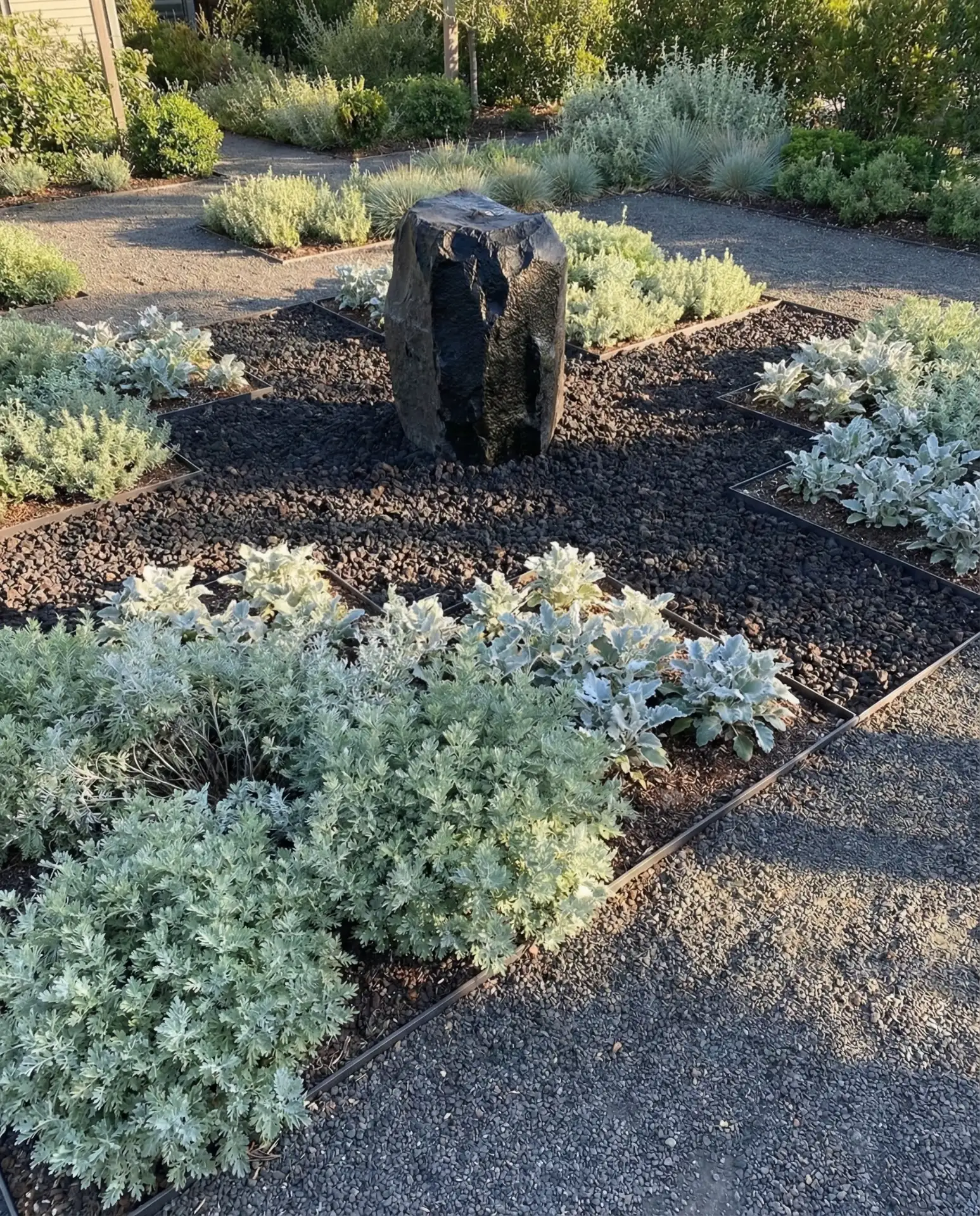
Bold black lava rock creates striking contrast in contemporary landscapes, especially when paired with bright foliage or used as mulch around specimen trees and shrubs. The porous volcanic stone provides excellent drainage, while its deep color absorbs heat during the day and radiates it back at night—beneficial for heat-loving plants in cooler climates. This material has become increasingly popular in desert landscaping across Nevada and New Mexico, where its natural appearance complements native vegetation and reduces water evaporation from soil surfaces. 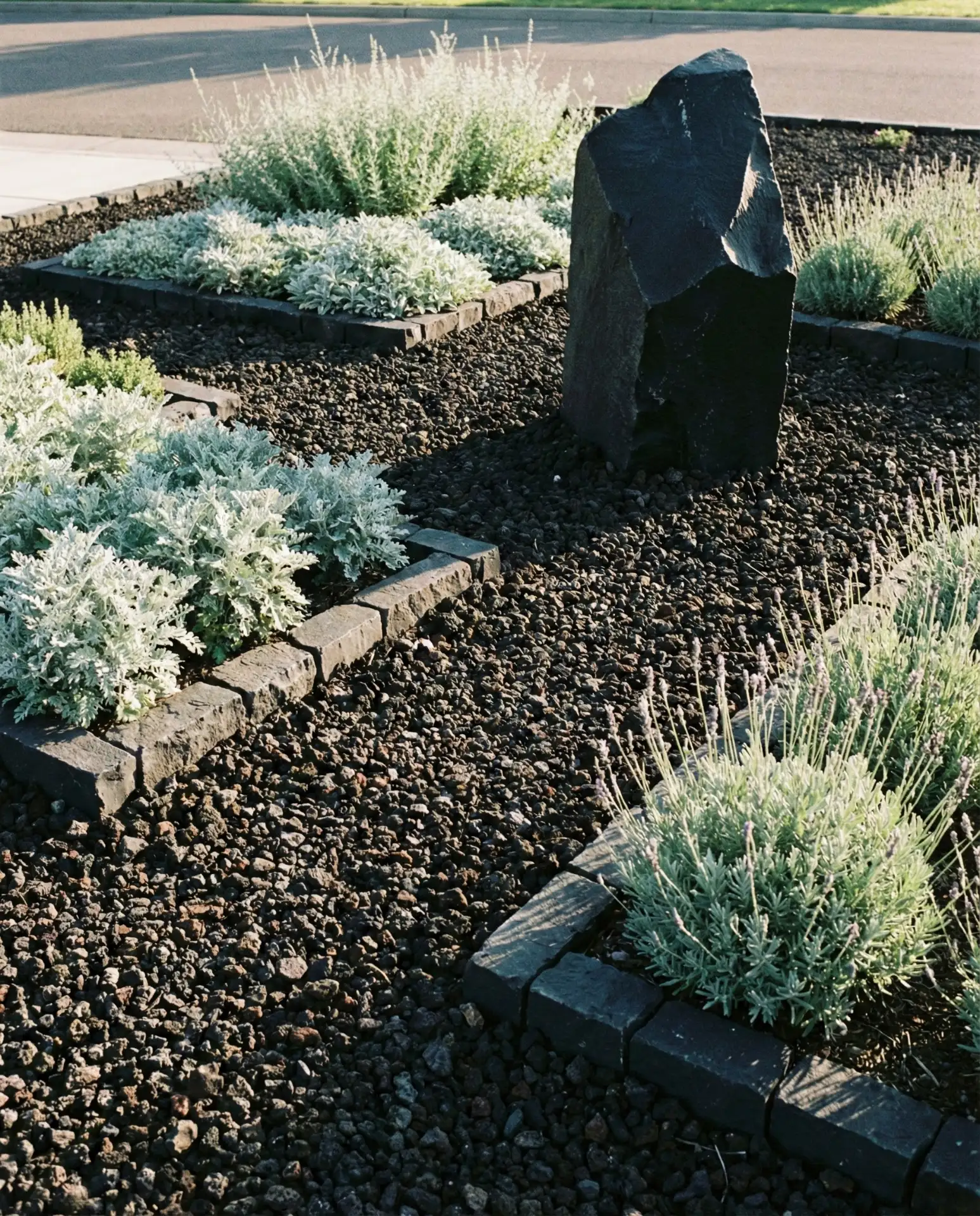
Many homeowners mistakenly apply lava rock too thickly, creating an impenetrable barrier that prevents water from reaching plant roots despite the material’s porous nature. A two- to three-inch layer provides adequate coverage and weed suppression without excess. The rough texture of lava rock also makes it less comfortable for pets and children to walk on compared to smooth river stones, which can be either an advantage for protecting planted areas or a consideration for high-traffic zones where you’ll want to choose gentler materials.
10. DIY Rock Garden Project
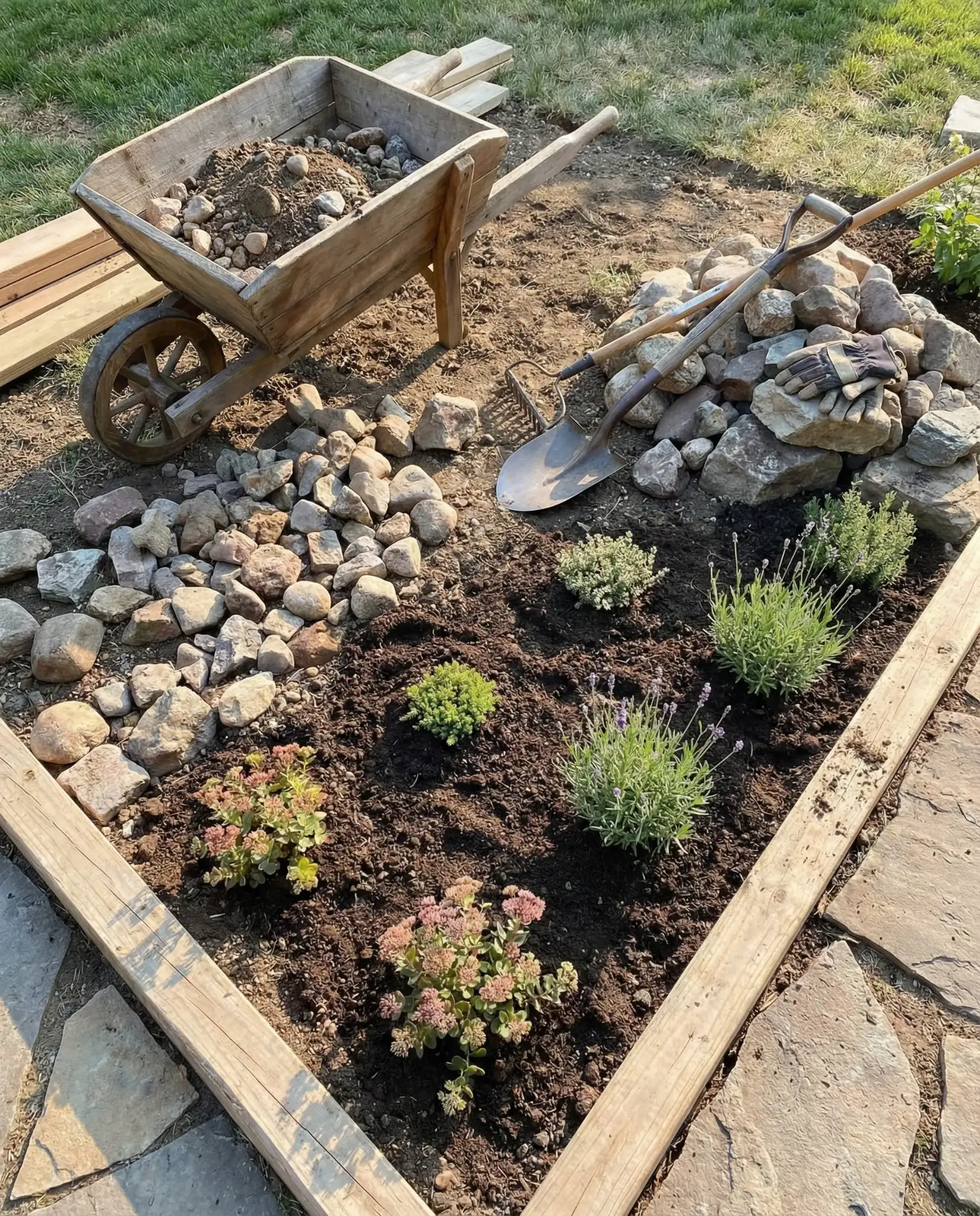
Tackle a backyard ideas DIY project like a rock garden installation over a weekend using locally sourced stone, repurposed materials, and strategic plant selection to keep costs manageable while achieving professional-looking results. Start by clearing and leveling your chosen area, laying landscape fabric to suppress weeds, then arranging larger boulders first to establish focal points before filling in with smaller rocks and plants. The satisfaction of creating something permanent with your own hands, plus the hundreds or thousands saved compared to hiring landscapers, makes this a rewarding project for moderately experienced DIYers. 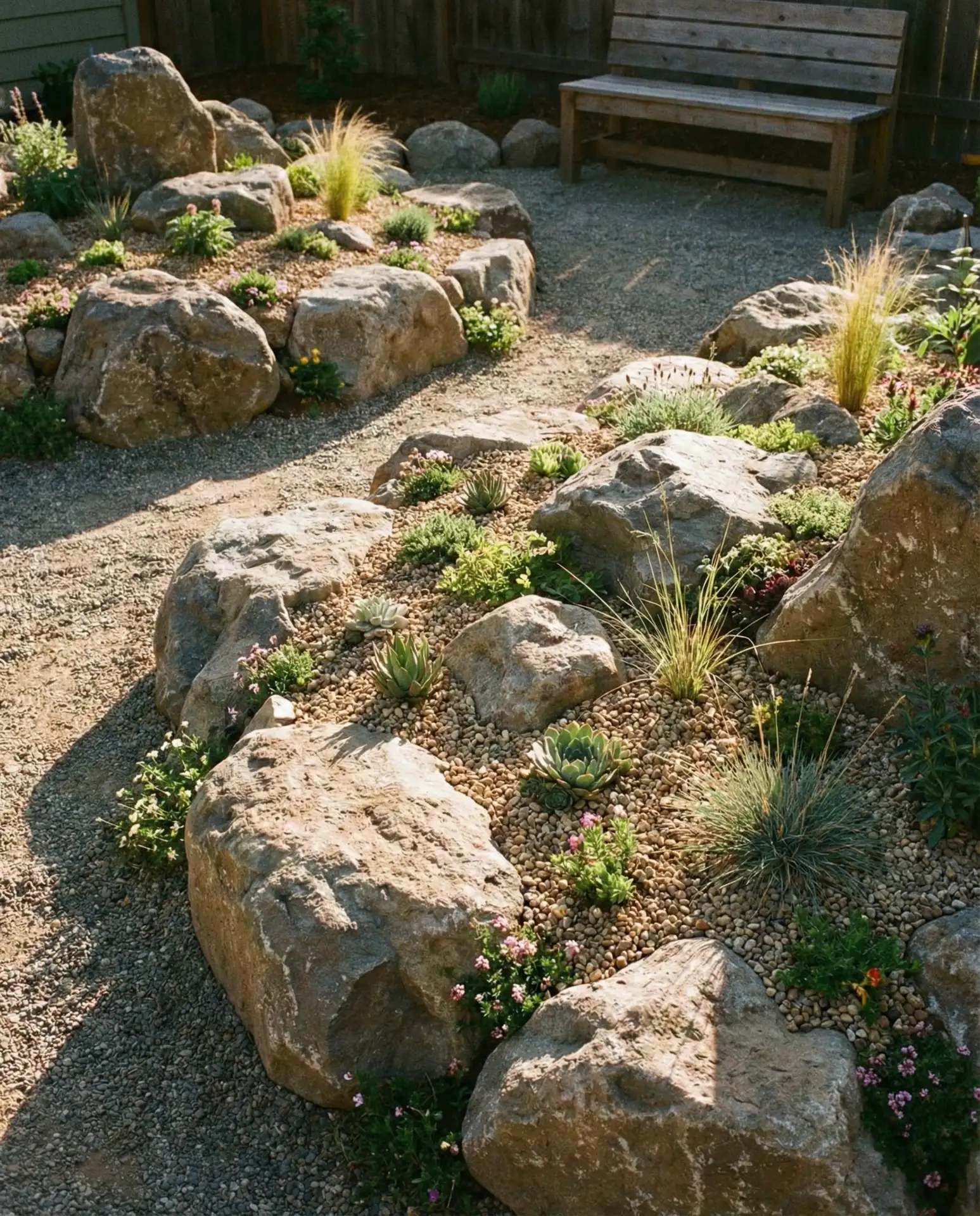
Real homeowners often underestimate the physical labor involved in moving large rocks—a single boulder can easily weigh several hundred pounds. Rent or borrow a hand truck, recruit helpers, and consider having stone delivered rather than transporting it yourself if working with significant quantities. Many stone yards offer delivery for fifty to one hundred dollars, which is money well spent to avoid vehicle damage and back injuries. Take photos at each stage of your project to document progress and share on social media, where DIY garden transformations consistently generate engagement and helpful feedback from the community.
11. Pea Gravel Courtyard Garden
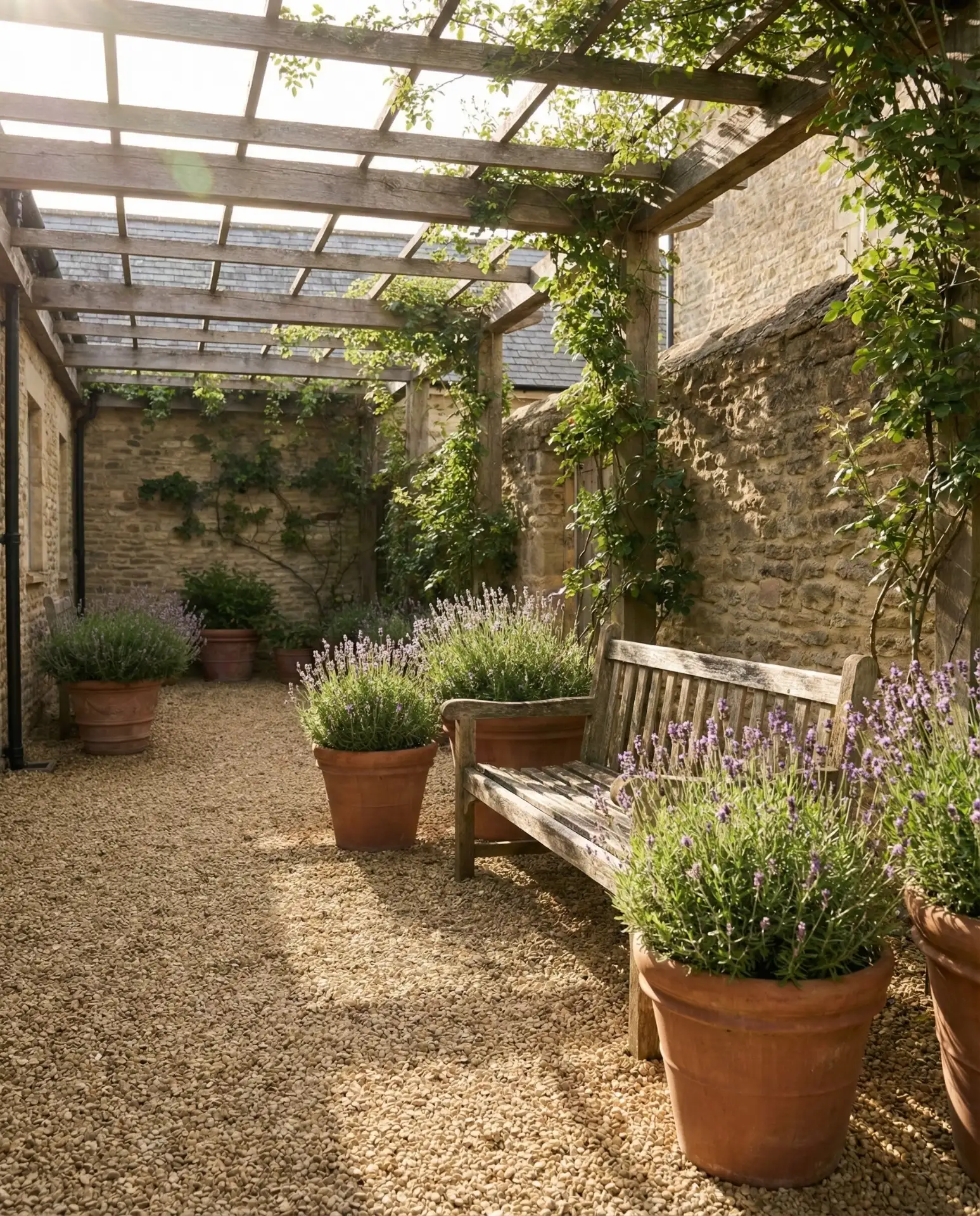
Backyard ideas A pea gravel base creates an affordable, permeable surface for courtyard-style rock gardens that drain beautifully and provide a soft crunch underfoot. The small, rounded stones (typically pea-sized, hence the name) create a casual Mediterranean feel that pairs well with terracotta pots, wrought iron furniture, and drought-tolerant plantings. This approach has become enormously popular in California and the Southwest, where it replaces water-hungry lawns with attractive, functional outdoor living spaces that actually improve with age as the gravel settles and weathers. 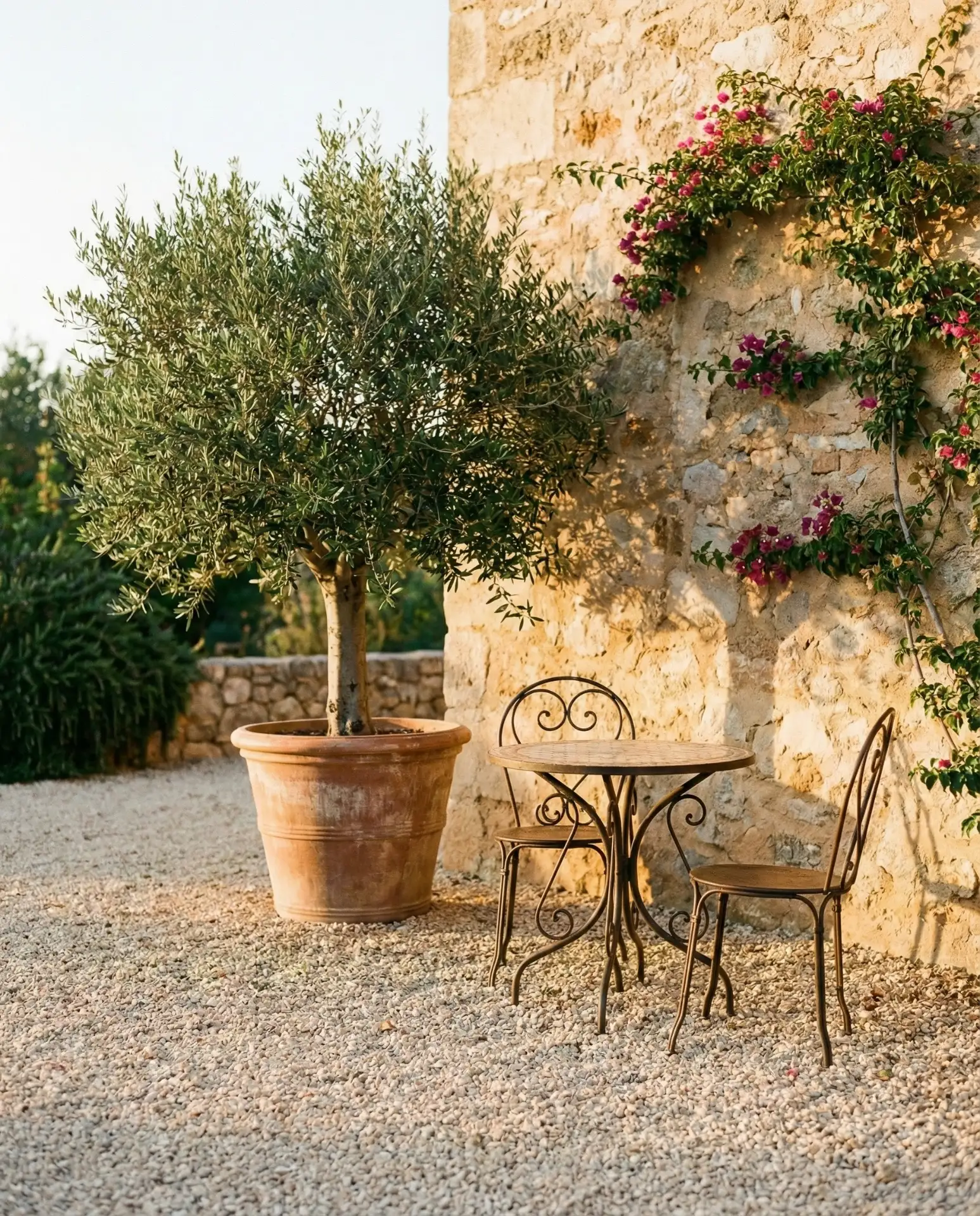
Where pea gravel courtyards shine brightest is in transitional zones between indoor and outdoor living—the space immediately outside French doors or adjacent to kitchen patios where you want a finished look without the maintenance demands of decking or pavers. The material costs roughly one to two dollars per square foot for a three-inch depth, making it one of the most economical hardscaping options. Edge your gravel area with steel, stone, or wood borders to prevent migration into planted beds, and refresh the surface with an additional layer every two to three years as the gravel naturally compacts and settles.
12. Alpine Rock Garden with Hardy Plants
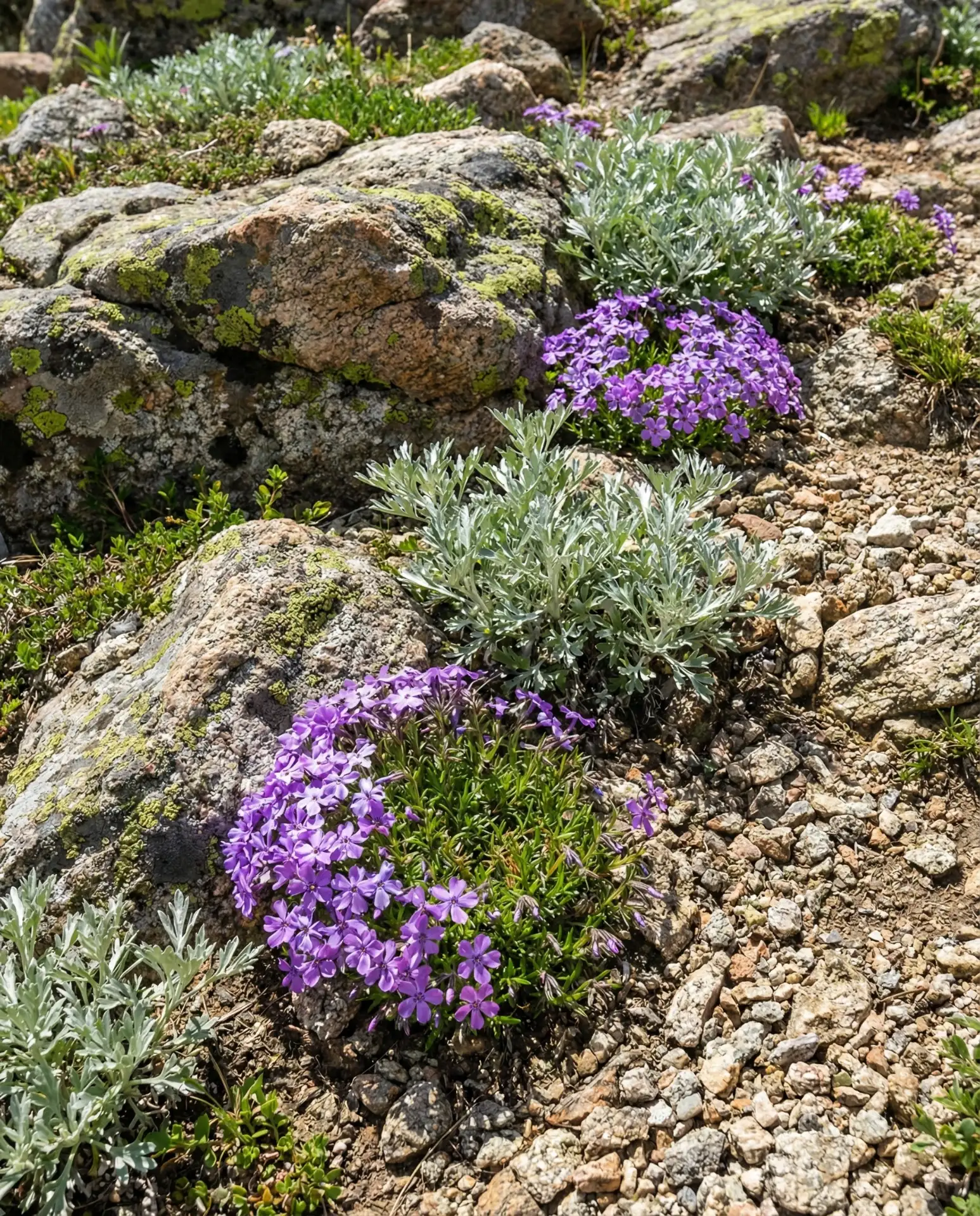
Recreate the drama of mountain landscapes with an alpine rock garden featuring cold-hardy plants like saxifrage, alpine phlox, and creeping thyme nestled among weathered stone. This style mimics the conditions found above the tree line, where plants have adapted to intense sun, excellent drainage, and temperature extremes. The result is a garden that looks spectacular spring through fall with waves of delicate blooms, yet requires minimal intervention once established—perfect for regions with harsh winters where traditional perennials struggle. 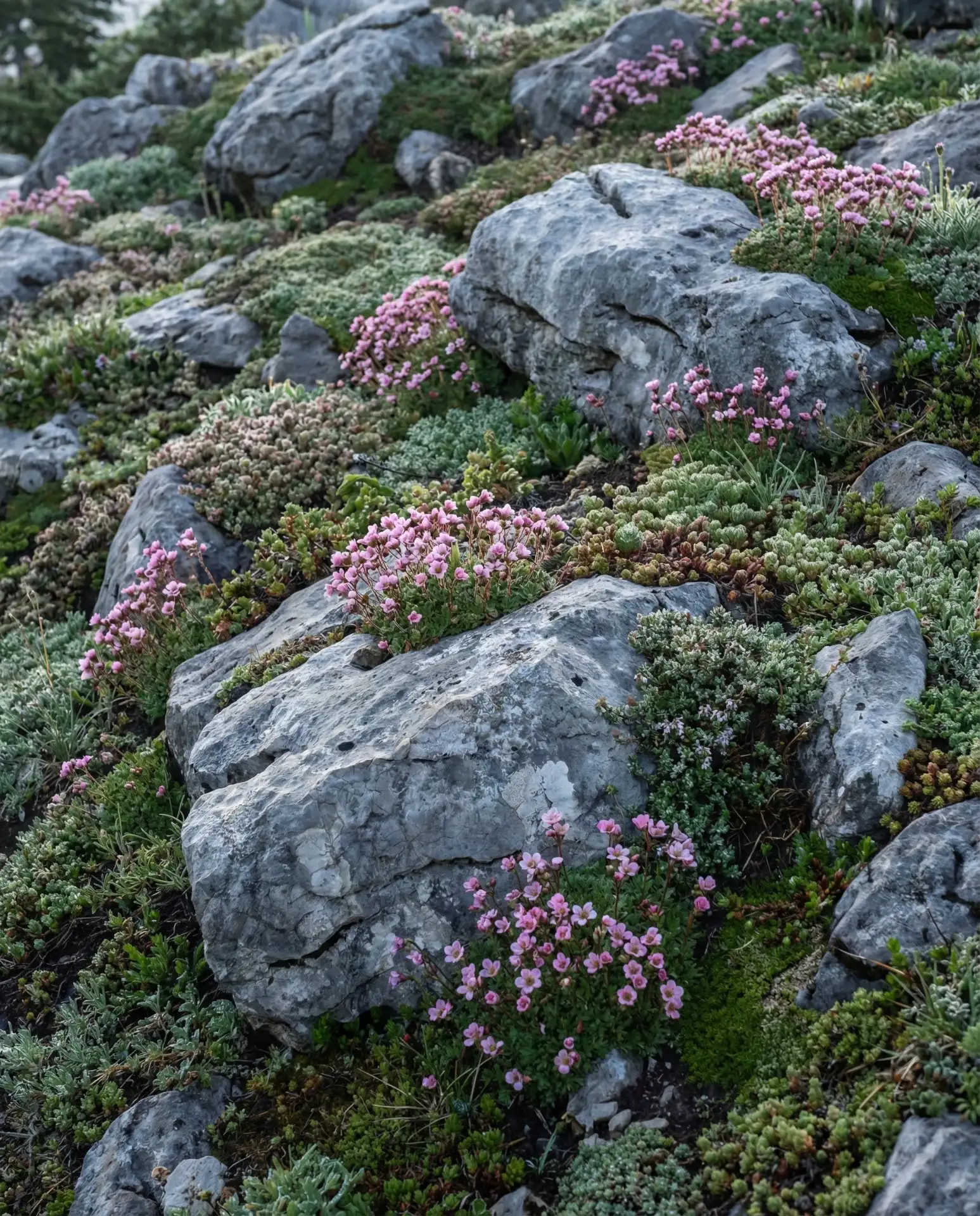
My friend in Colorado installed an alpine rock garden after years of fighting with her lawn at seven thousand feet elevation. She discovered that once the plants were established—typically taking two growing seasons—they actually thrived on neglect, blooming reliably each spring without fertilizer, pesticides, or supplemental water. The initial plant investment was higher than annuals, around eight to fifteen dollars per alpine perennial, but the long-term payoff in both beauty and reduced maintenance made it worthwhile for her mountain lifestyle.
13. Red Rock Southwestern Garden
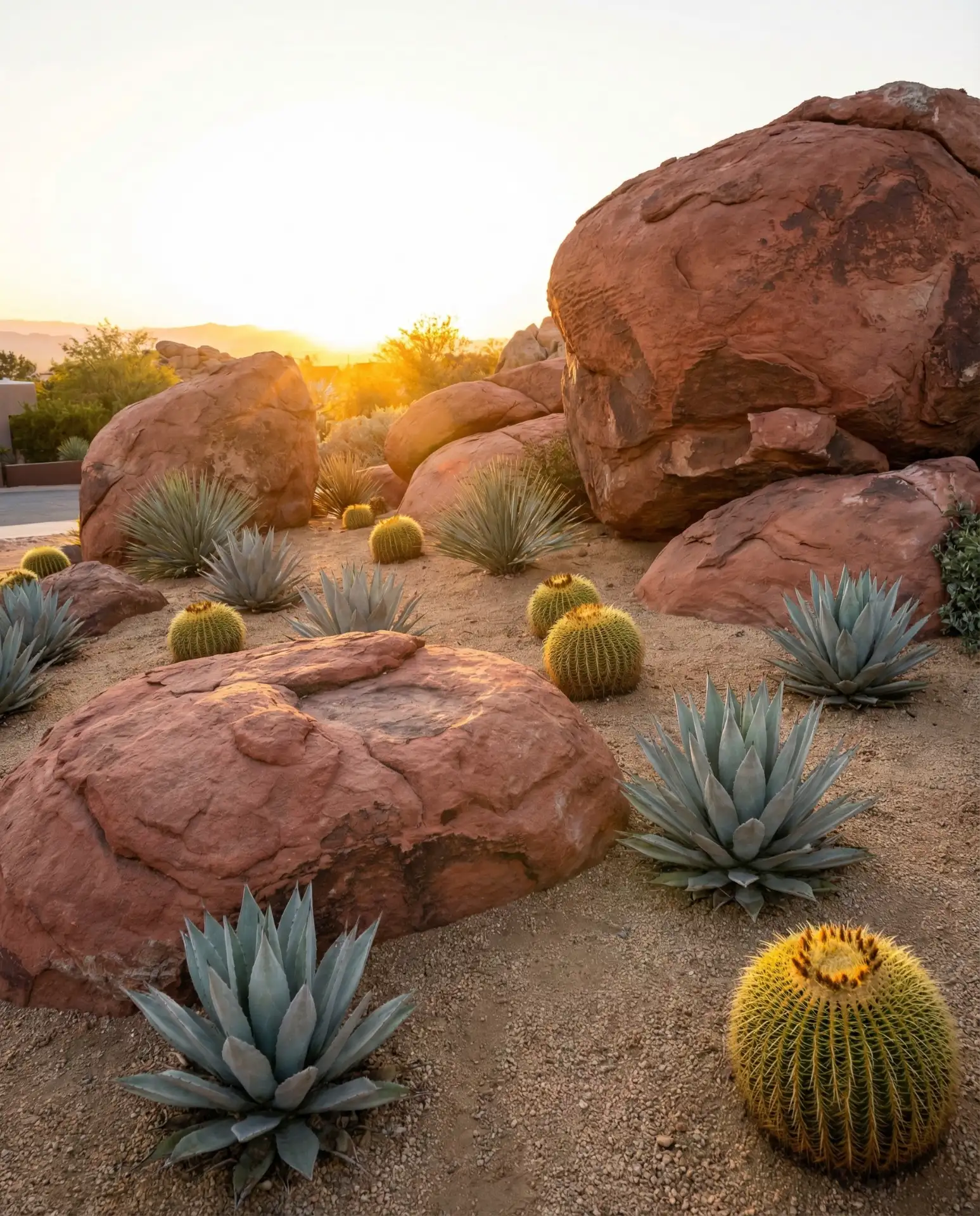
Embrace the distinctive beauty of red sandstone and iron-rich boulders to create a Southwestern-style rock garden that celebrates the natural landscapes of Arizona, Utah, and New Mexico. The warm terracotta and rust tones provide a stunning backdrop for silver-leafed plants like dusty miller, artemisia, and desert marigold, while complementing adobe or stucco architecture. This regional aesthetic has transcended its geographic origins to become popular nationwide among homeowners seeking bold, warm color palettes in their landscaping. 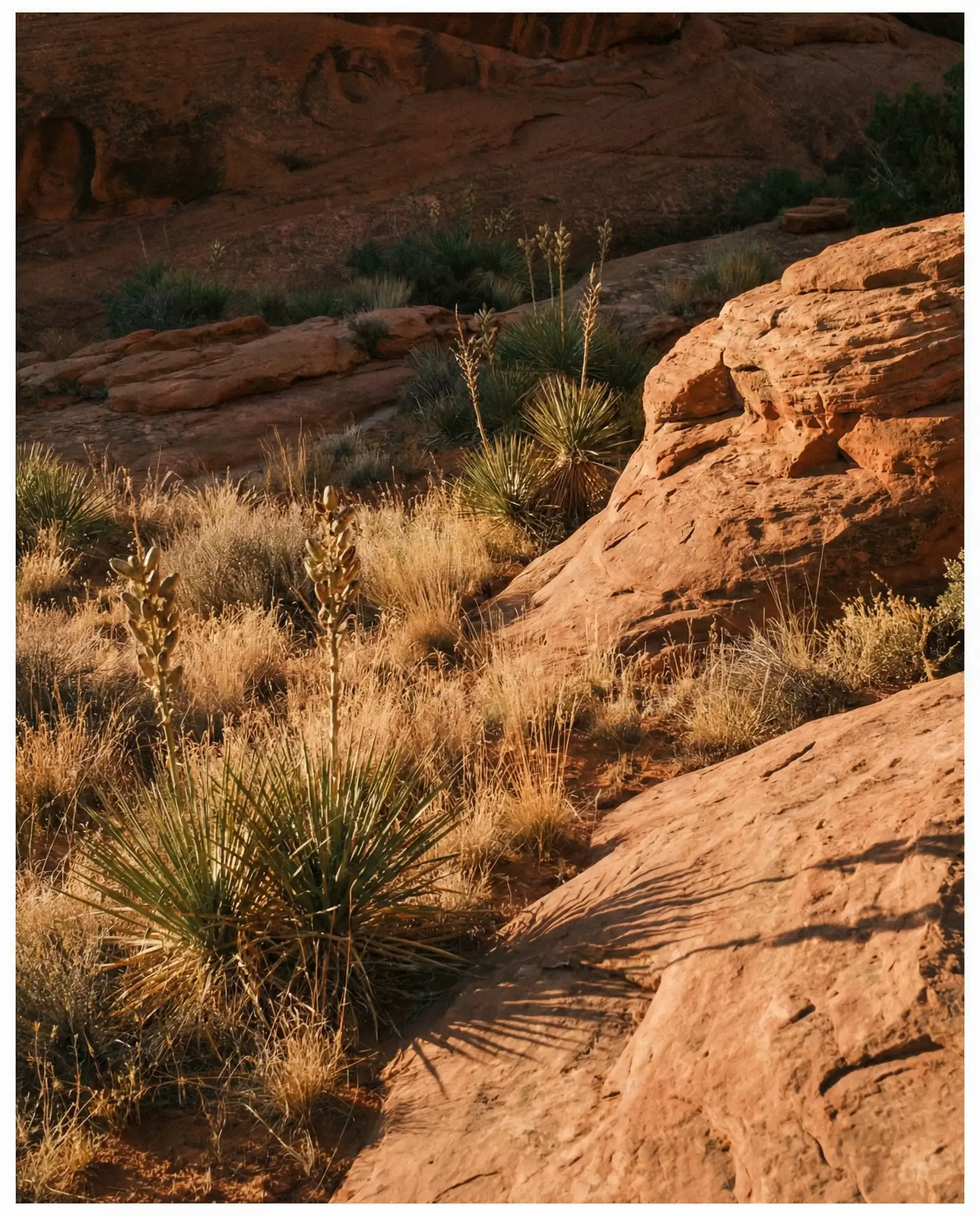
The practical advantage of using local red rock in appropriate regions goes beyond aesthetics—native stone typically costs less to purchase and transport, supports regional economies, and naturally harmonizes with the existing geology visible in surrounding landscapes. A cubic yard of red sandstone boulders typically ranges from one hundred fifty to three hundred dollars depending on size and quality. These warm-toned rocks also retain heat longer than lighter-colored alternatives, creating favorable microclimates for heat-loving plants and extending their active growing season by several weeks in spring and fall.
14. Formal Front Yard Rock Garden
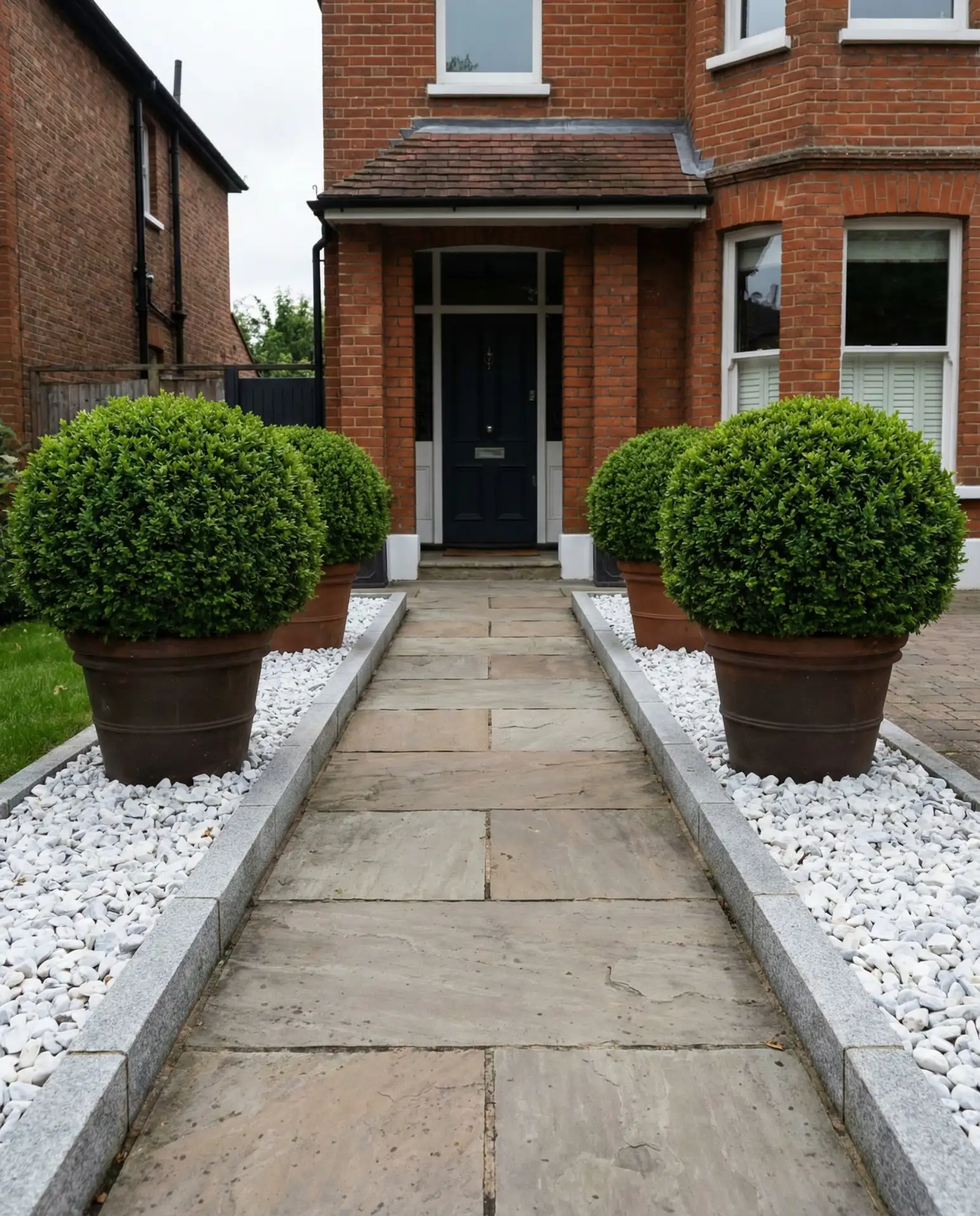
Design a structured front yard rock garden with geometric beds, uniform stone sizes, and symmetrical plantings to complement traditional or colonial-style architecture. Use cut stone or uniform river rocks to create crisp edges and define planting zones, filling beds with evergreens like boxwood, holly, or dwarf conifers that maintain year-round structure. This approach respects the formal aesthetic of classic American homes while dramatically reducing maintenance compared to traditional foundation plantings and lawn expanses that demand constant attention. 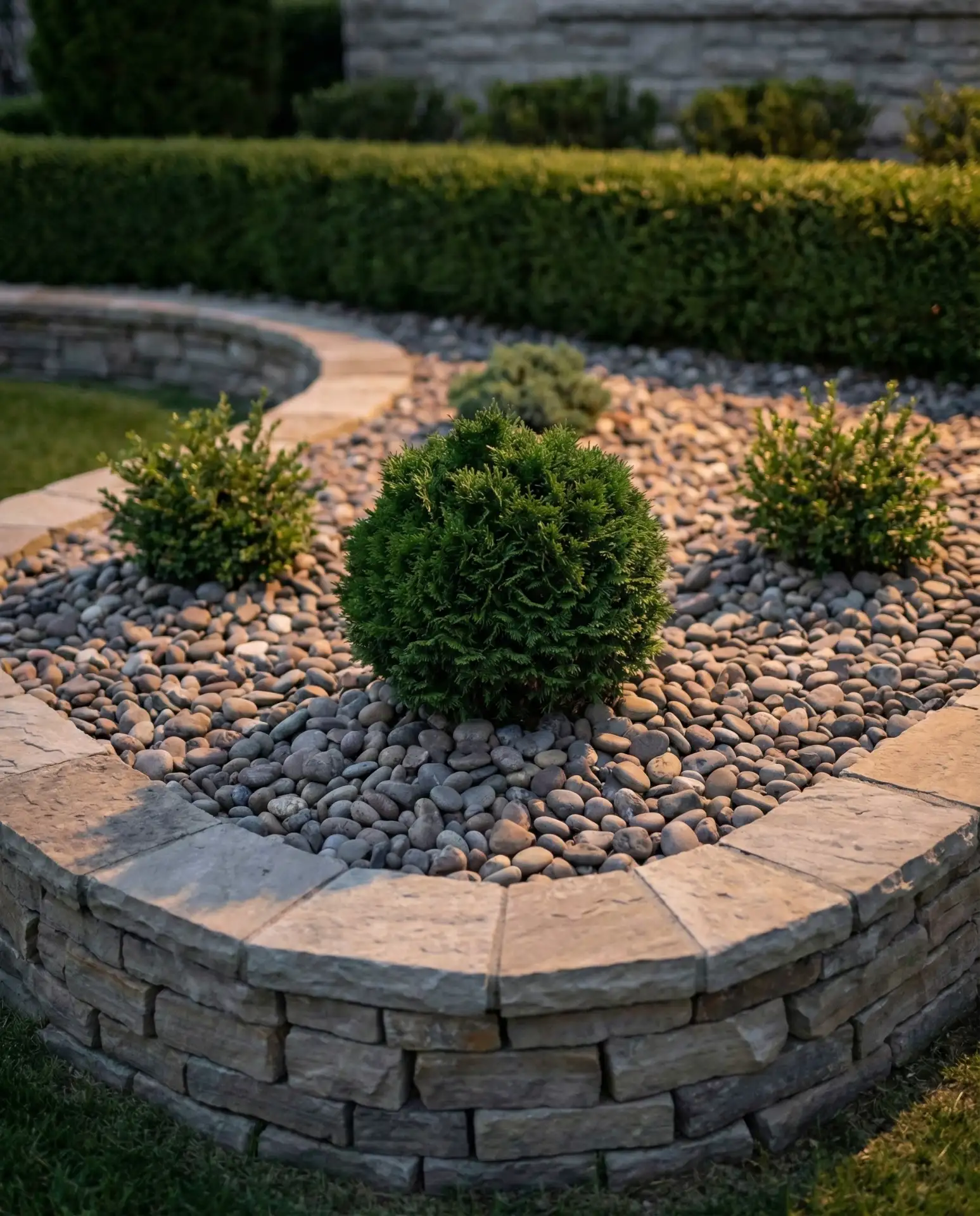
Homeowners in suburban subdivisions with strict HOA guidelines often find that formal rock gardens satisfy aesthetic requirements while incorporating sustainable, low-water principles. The key is maintaining sharp, clean lines through regular edging and weed control—any casualness or overgrowth quickly undermines the intentional formality. Install a professional-grade landscape edging system, either steel or heavy-duty plastic, at least four inches deep to prevent grass encroachment and keep the rock contained. An annual spring refresh where you rake and level the stone takes about an hour but keeps the garden looking crisp all season.
15. Naturalistic Woodland Rock Garden
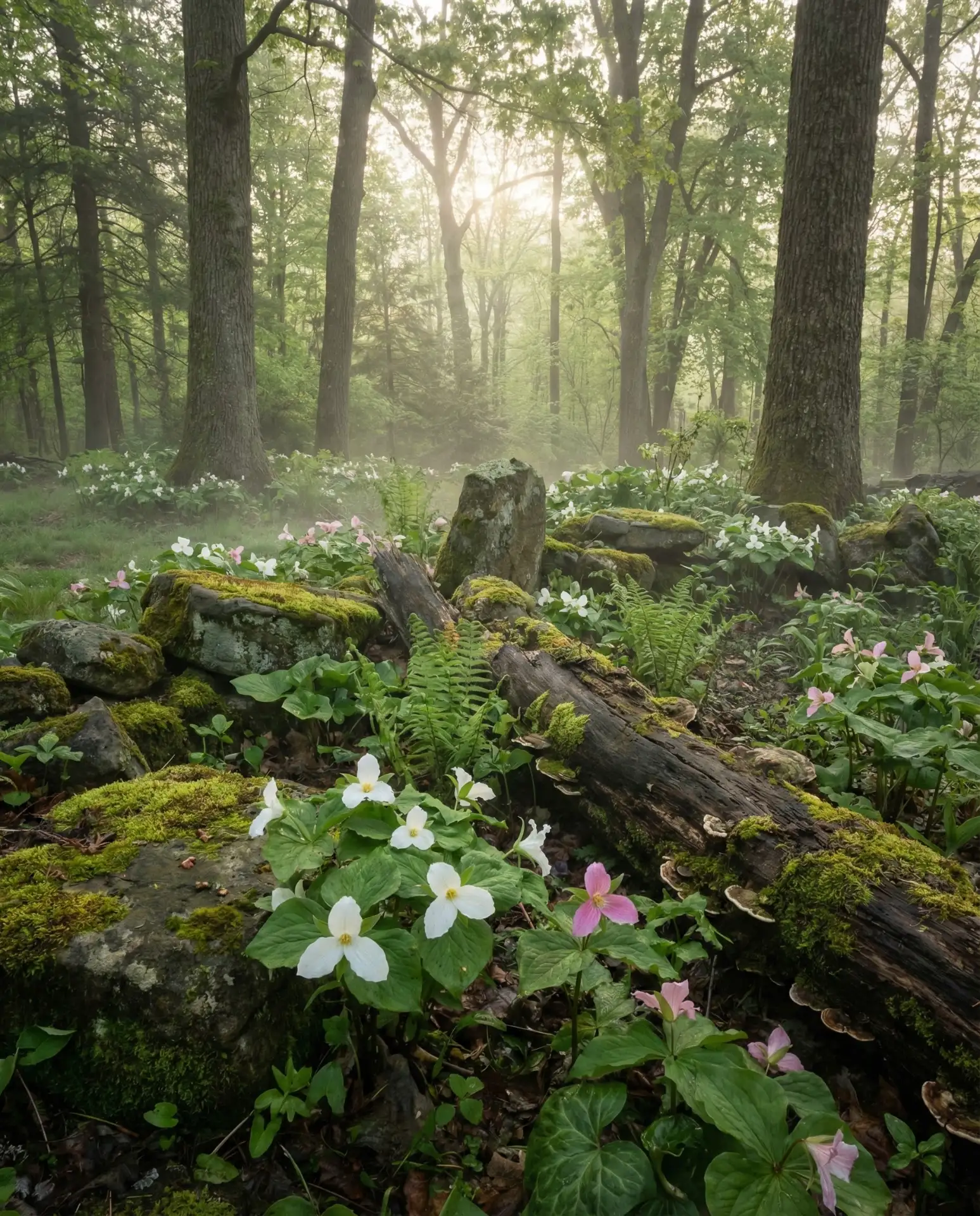
Create a shade-friendly rock garden beneath mature trees using moss-covered boulders, native woodland plants like trillium and jack-in-the-pulpit, and leaf mulch to establish a forest floor aesthetic. This approach works brilliantly in Eastern and Pacific Northwest landscapes, where attempting sun-loving rock gardens in wooded areas fails miserably. The cool, moist conditions that challenge most gardeners become assets when you embrace shade-adapted species and allow natural materials like fallen leaves and emerging moss to contribute to the design. 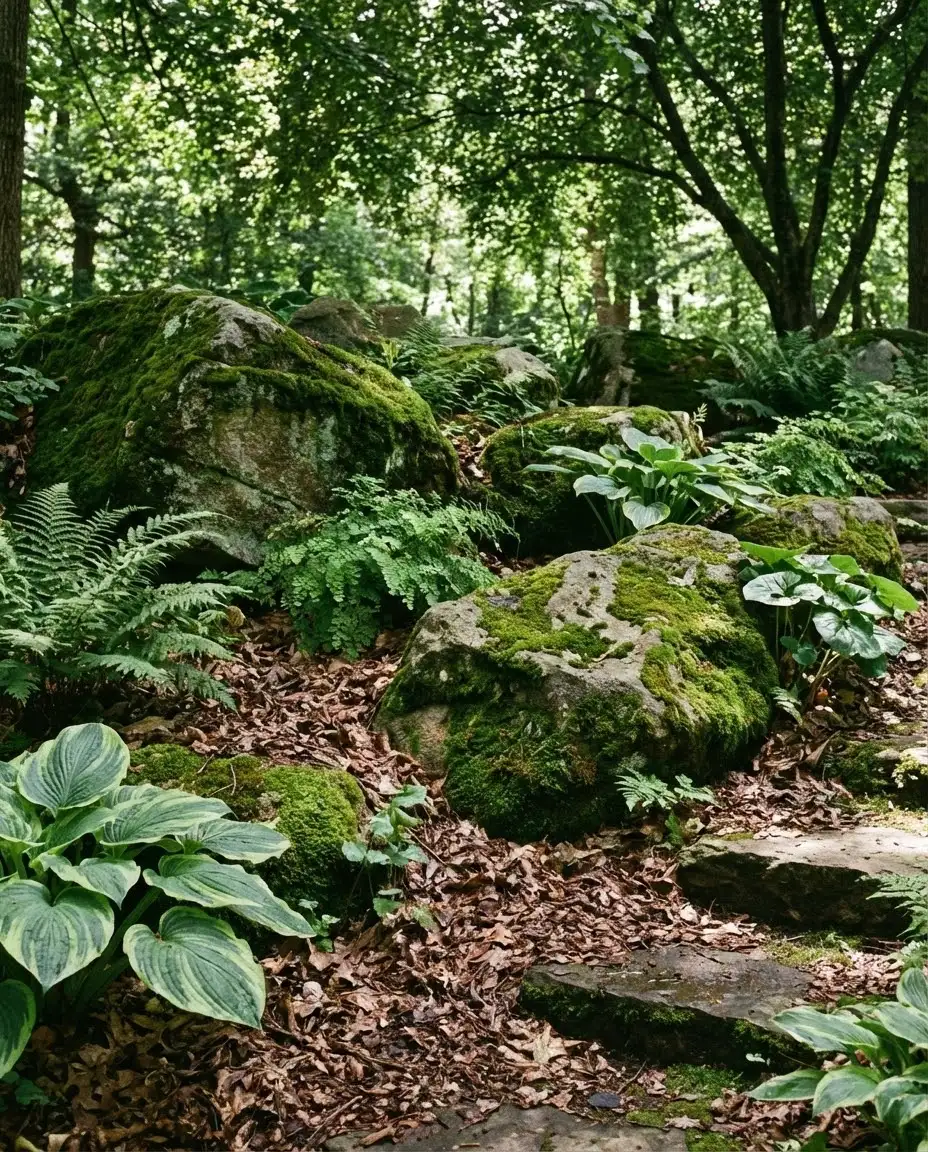
Expert woodland gardeners emphasize that success comes from working with existing conditions rather than fighting them—attempting to clear leaves or suppress moss in a forest setting creates endless work and disrupts the ecosystem. Instead, select stones that already show signs of natural weathering and moss colonization, which happens faster in humid climates. Position rocks to look like natural outcroppings rather than obvious human placement, partially burying larger stones so they appear to be emerging from the earth rather than sitting on top of it.
16. Contemporary Concrete and Stone Mix
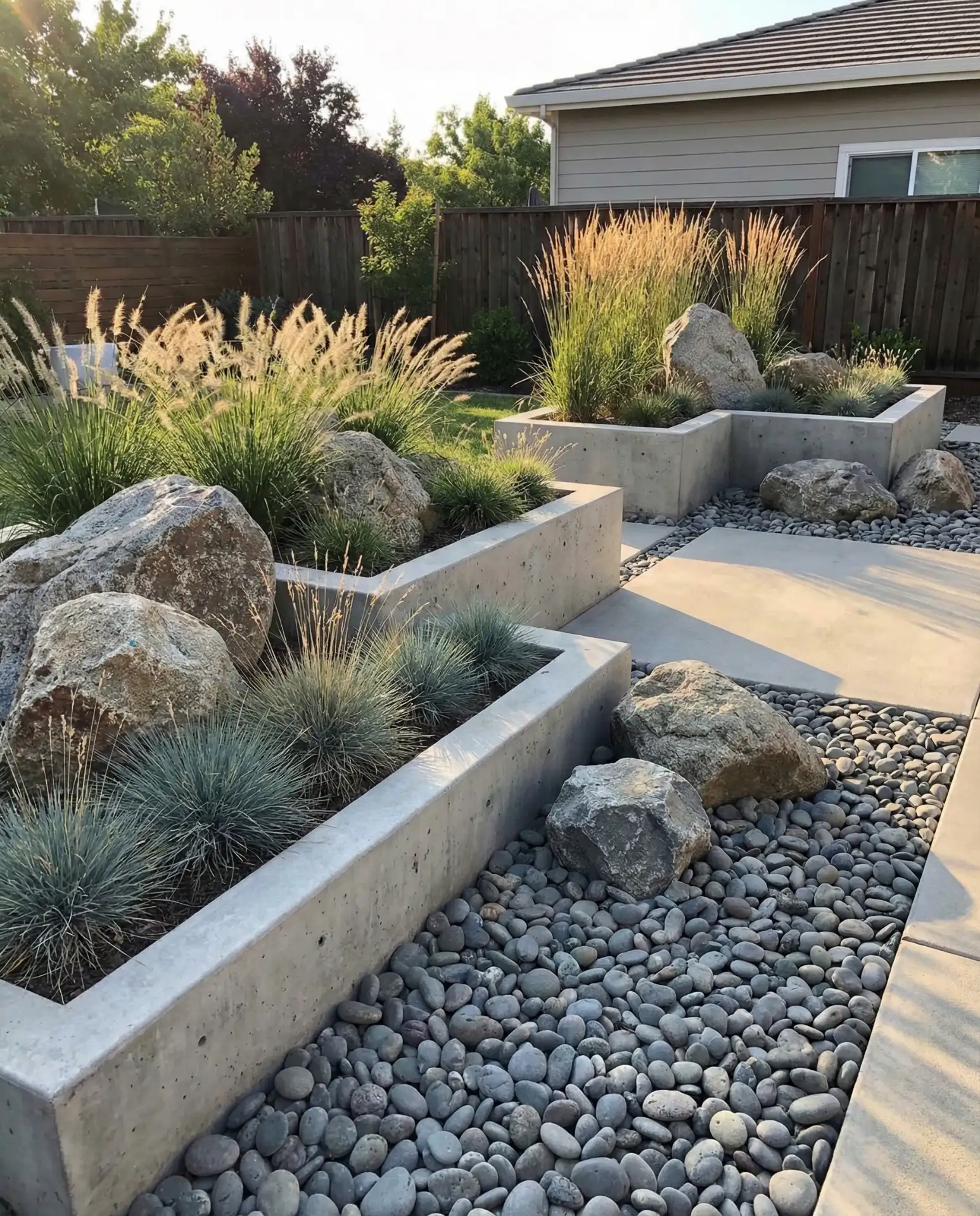
Blend modern backyard ideas with concrete pavers and natural stone elements to achieve a transitional aesthetic that bridges contemporary architecture with organic landscaping. Pour concrete borders or geometric planters, then soften them with river rock mulch, boulder accents, and ornamental grasses that introduce movement and texture. This hybrid approach has gained momentum in new construction neighborhoods where homeowners want their outdoor spaces to feel current yet connected to nature rather than purely industrial or artificial. 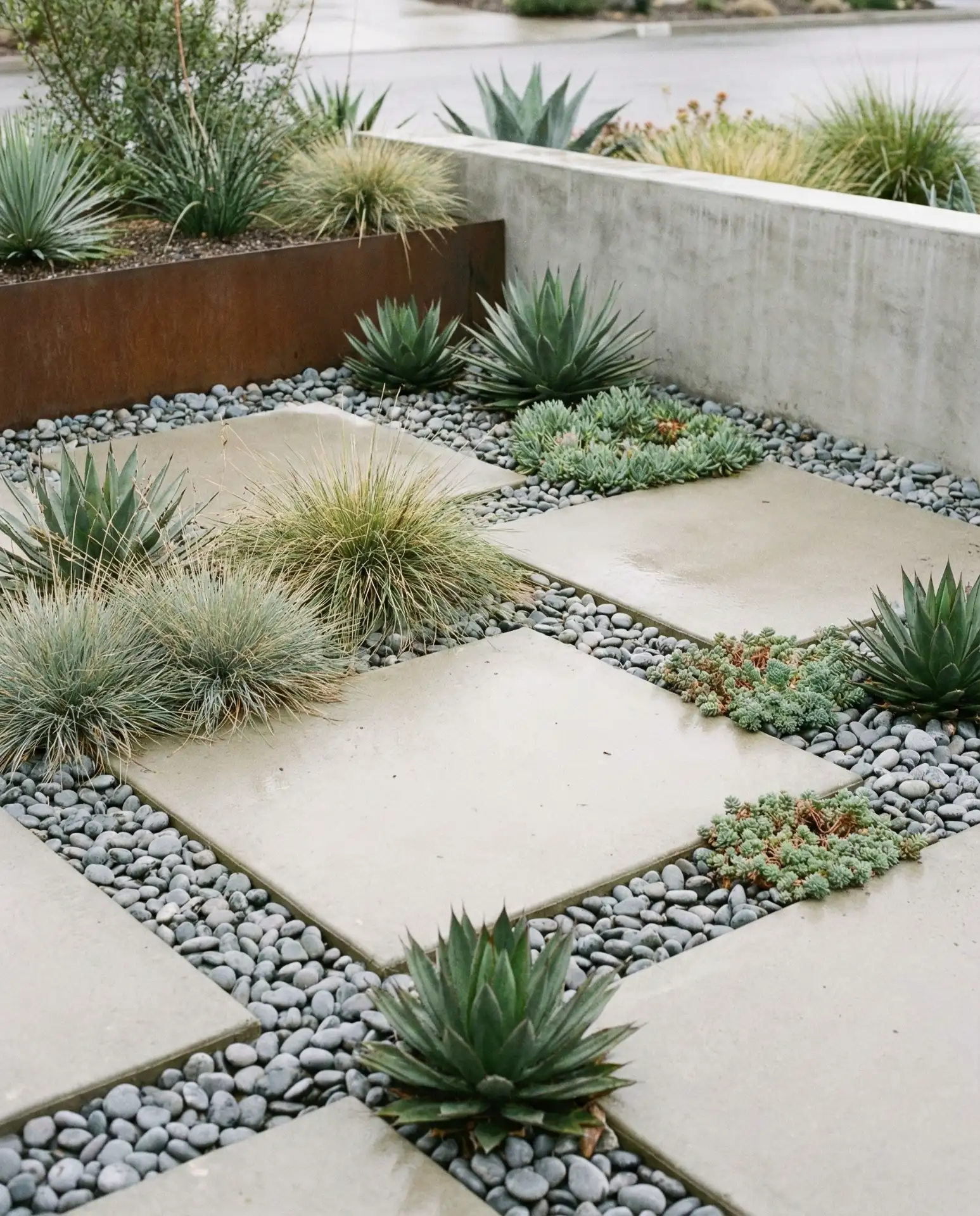
Budget considerations for this style typically fall between pure rock gardens (least expensive) and full concrete hardscaping (most expensive). A concrete-stone hybrid might cost eight to fifteen dollars per square foot for materials when DIY-ing, compared to three to five for simple rock beds or twenty-five-plus for professionally poured and finished concrete. The advantage is flexibility—you can phase the project over multiple seasons, starting with concrete structural elements and adding stone accents as budget allows, without the design looking unfinished during the interim.
17. Drought-Tolerant Native Plant Rock Garden
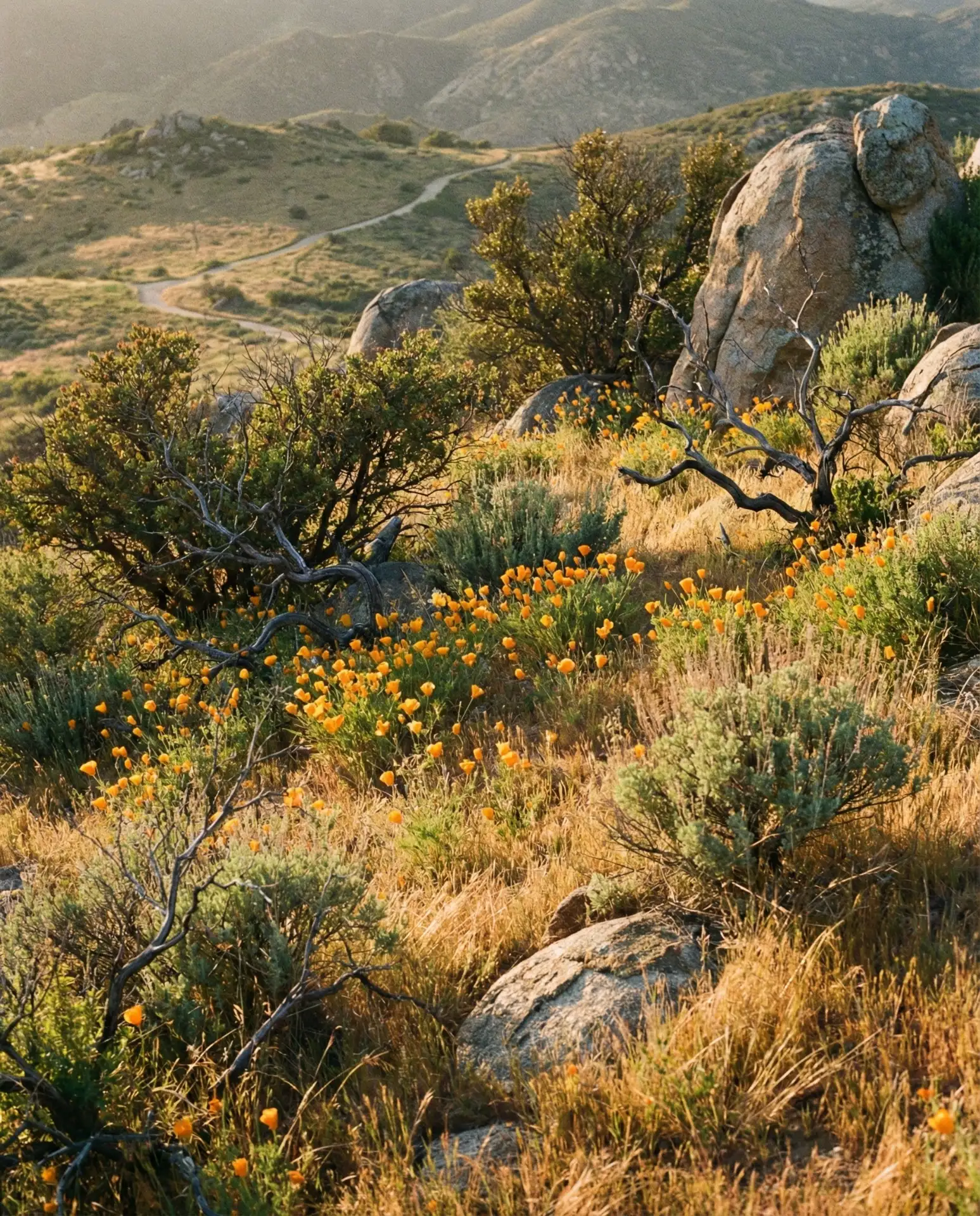
Build an ecologically responsible rock garden using native plants adapted to your specific region—prairie grasses and coneflowers for the Midwest, manzanita and California poppies for the West Coast, or native azaleas and mountain laurel for Southeastern climates. Combine these with locally sourced stone to create landscapes that support pollinators, require minimal water once established, and look authentically rooted in place rather than imported from gardening catalogs. This approach aligns with the growing movement toward regenerative landscaping practices that benefit wildlife and reduce resource consumption. 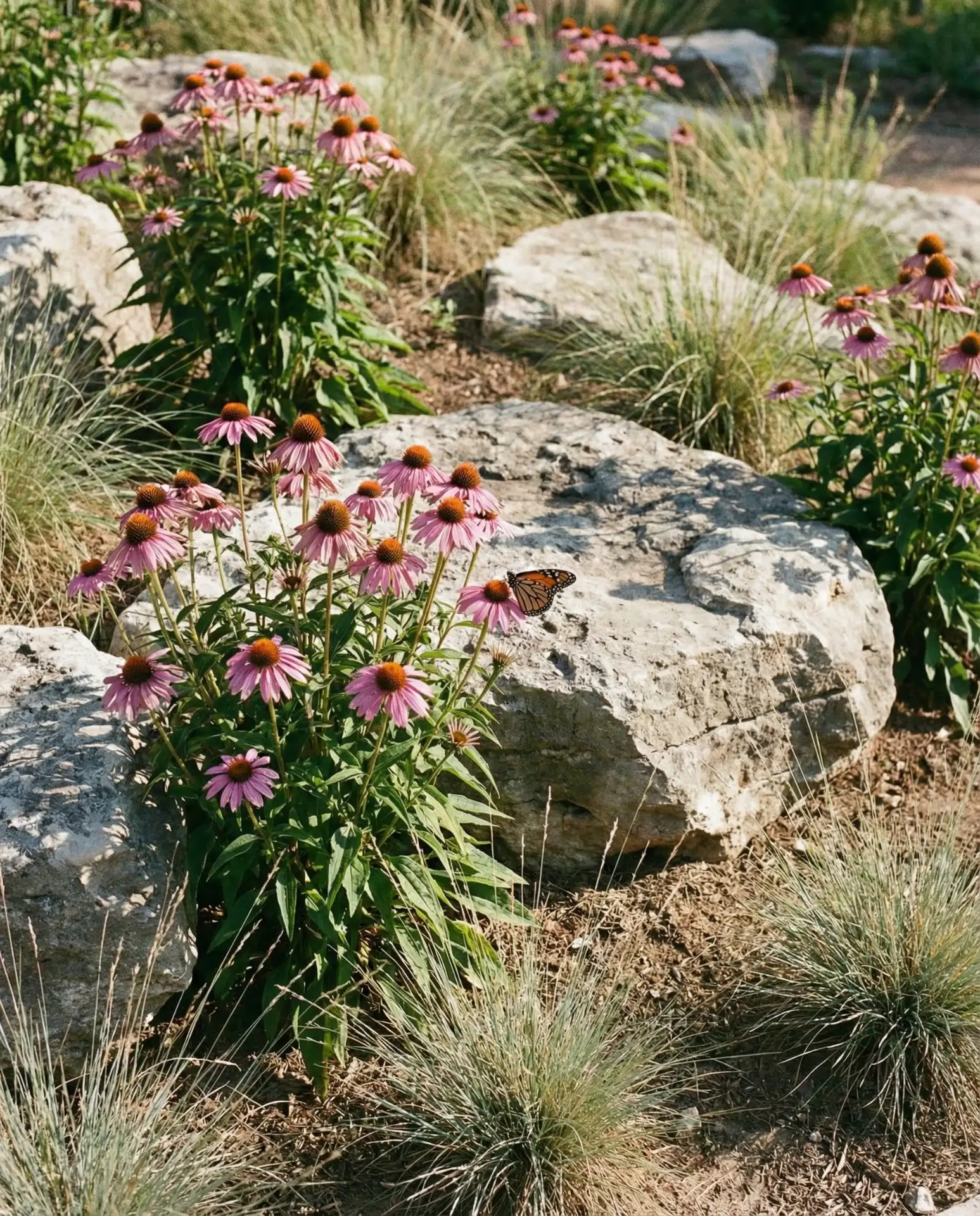
Homeowners consistently report that native plant rock gardens attract dramatically more beneficial insects, birds, and butterflies compared to conventional landscapes filled with exotic ornamentals. Local extension offices and native plant societies offer resources for identifying which plants naturally occur in your area and will thrive with minimal intervention. While native plants sometimes cost slightly more initially—ten to twenty dollars per gallon pot versus five to eight for common perennials—their survival rates and minimal maintenance requirements create long-term savings that more than compensate for the upfront investment.
18. Vertical Rock Garden Wall Feature
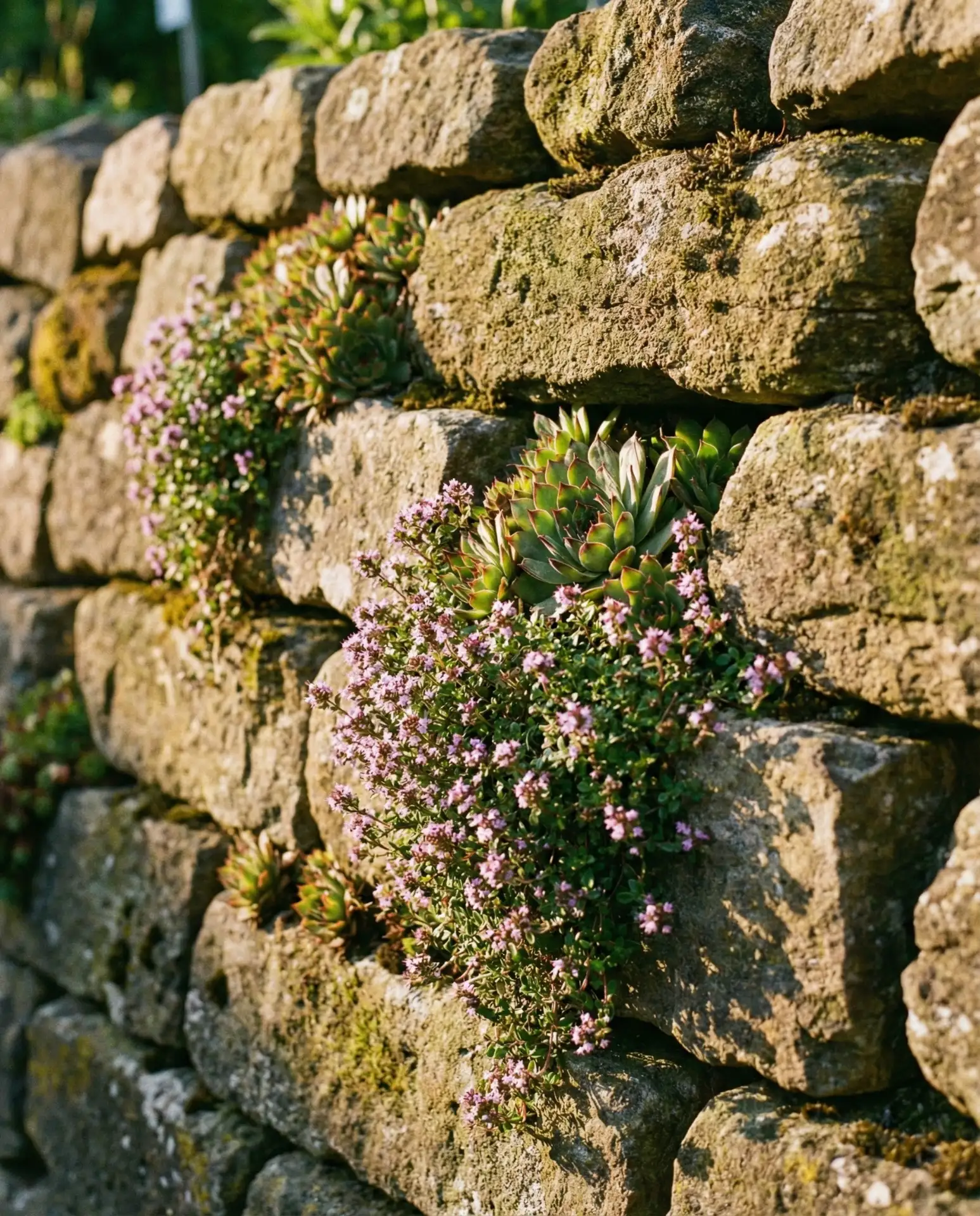
Transform a vertical surface into a living rock garden by installing a stacked stone wall with planting pockets, allowing cascading succulents and alpines to create a dramatic green facade. This technique works exceptionally well for maximizing planting space in small urban yards or adding interest to blank walls and fences. The vertical dimension introduces architectural drama, while the combination of hard stone and soft plantings creates textural richness that photographs beautifully—explaining why these installations dominate landscape design boards on Pinterest. 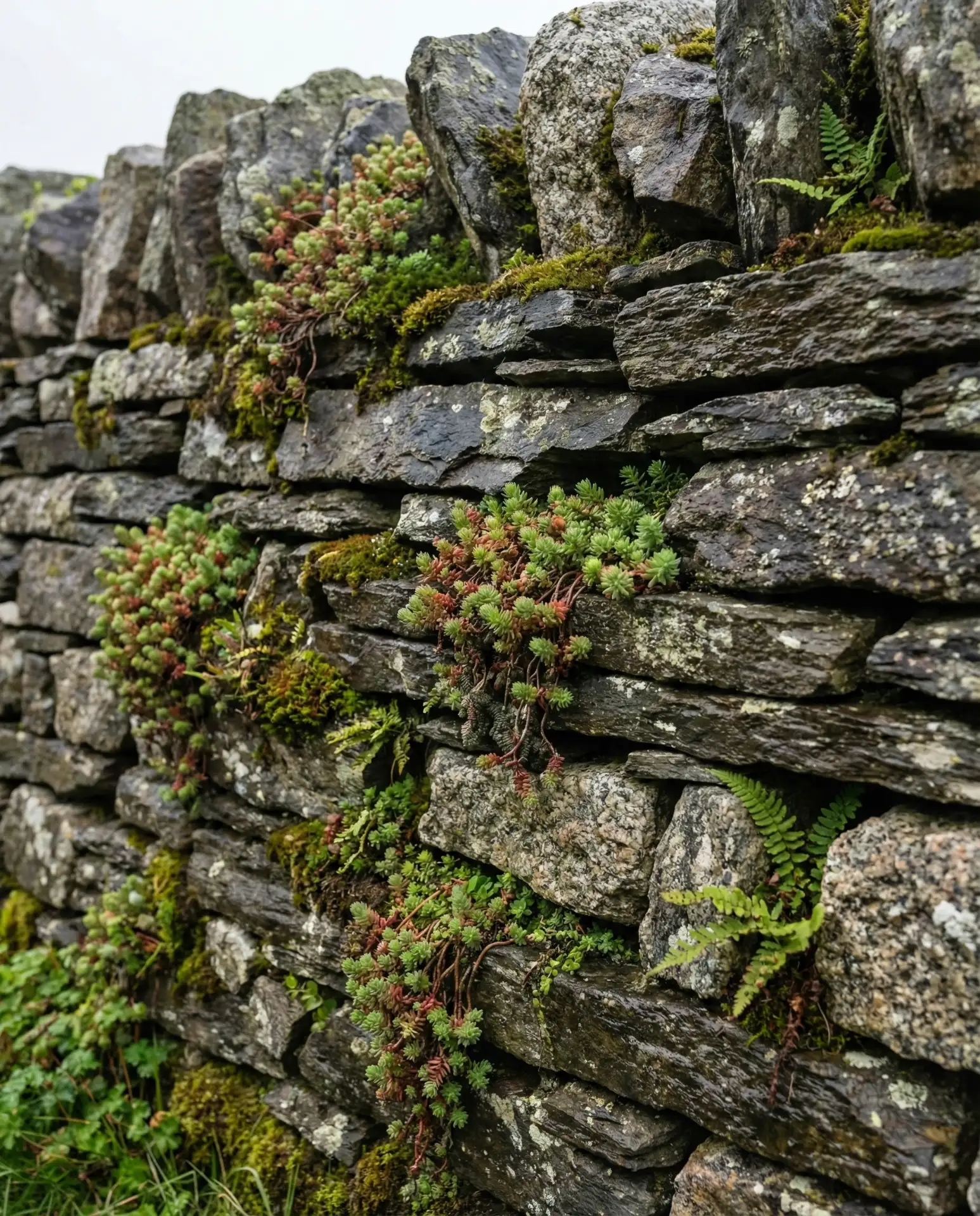
Common mistakes with vertical rock gardens include inadequate drainage, which causes plant rot, and selecting plants unsuited to vertical growing conditions. Success requires building the wall with a slight backward lean (about fifteen degrees), incorporating drainage layers behind the stone, and choosing shallow-rooted species that naturally grow in crevices. Initial establishment demands consistent watering for the first season, but once roots penetrate deeply into the wall structure, maintenance drops to occasional trimming and dividing. These features work best on walls receiving at least six hours of direct sun, though shade-tolerant ferns and moss can succeed in less light.
19. Meditation Circle Rock Garden
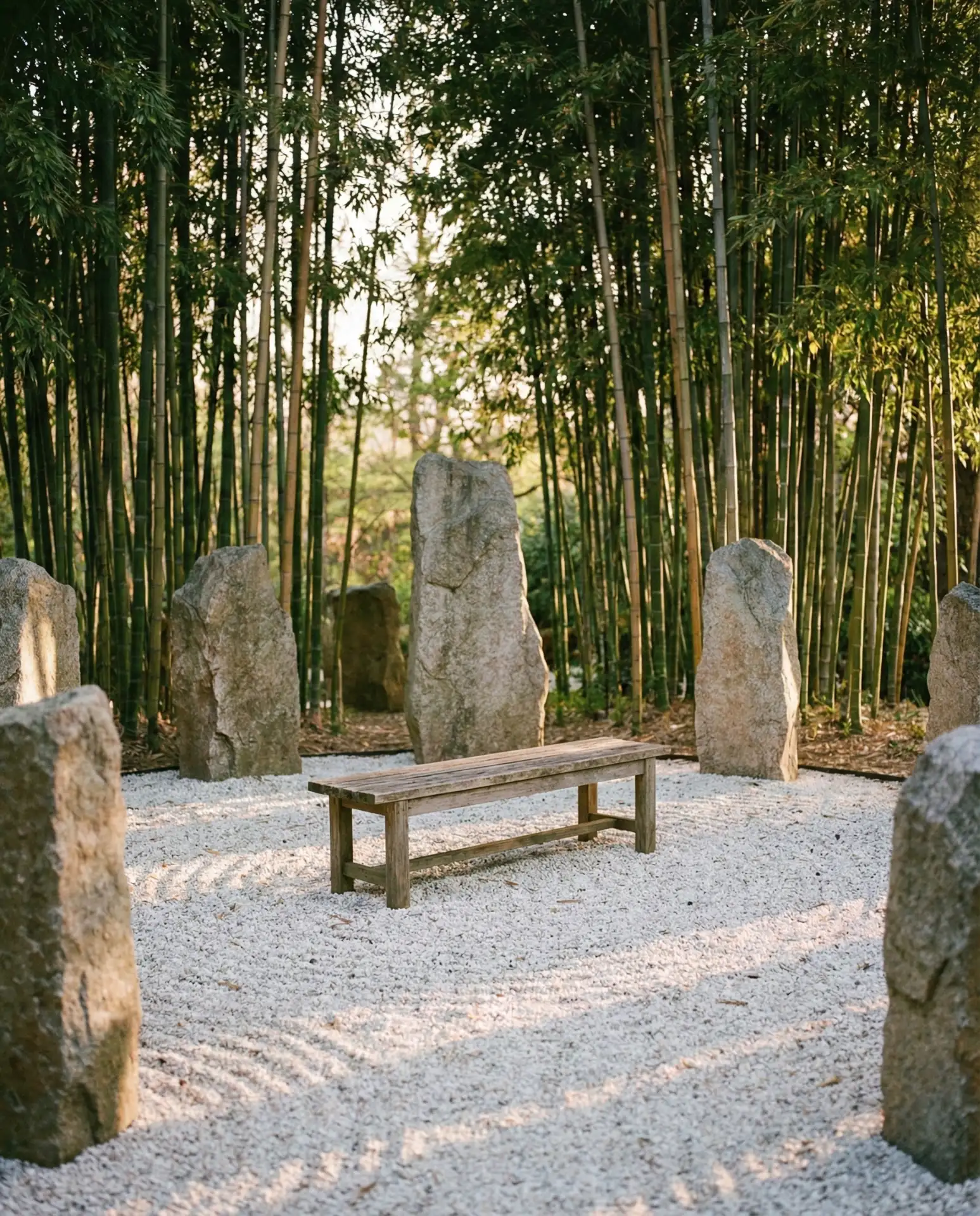
Design a circular Zen rock garden space with a central seating area surrounded by carefully arranged stones and low-maintenance plantings, creating an intentional destination for mindfulness practice or quiet reflection. This functional approach to rock gardening serves a specific purpose beyond aesthetics—establishing an outdoor room dedicated to mental wellness and stress reduction. The circular form has a psychological impact, creating a sense of enclosure and protection, while the rock elements provide grounding visual anchors that calm racing thoughts. 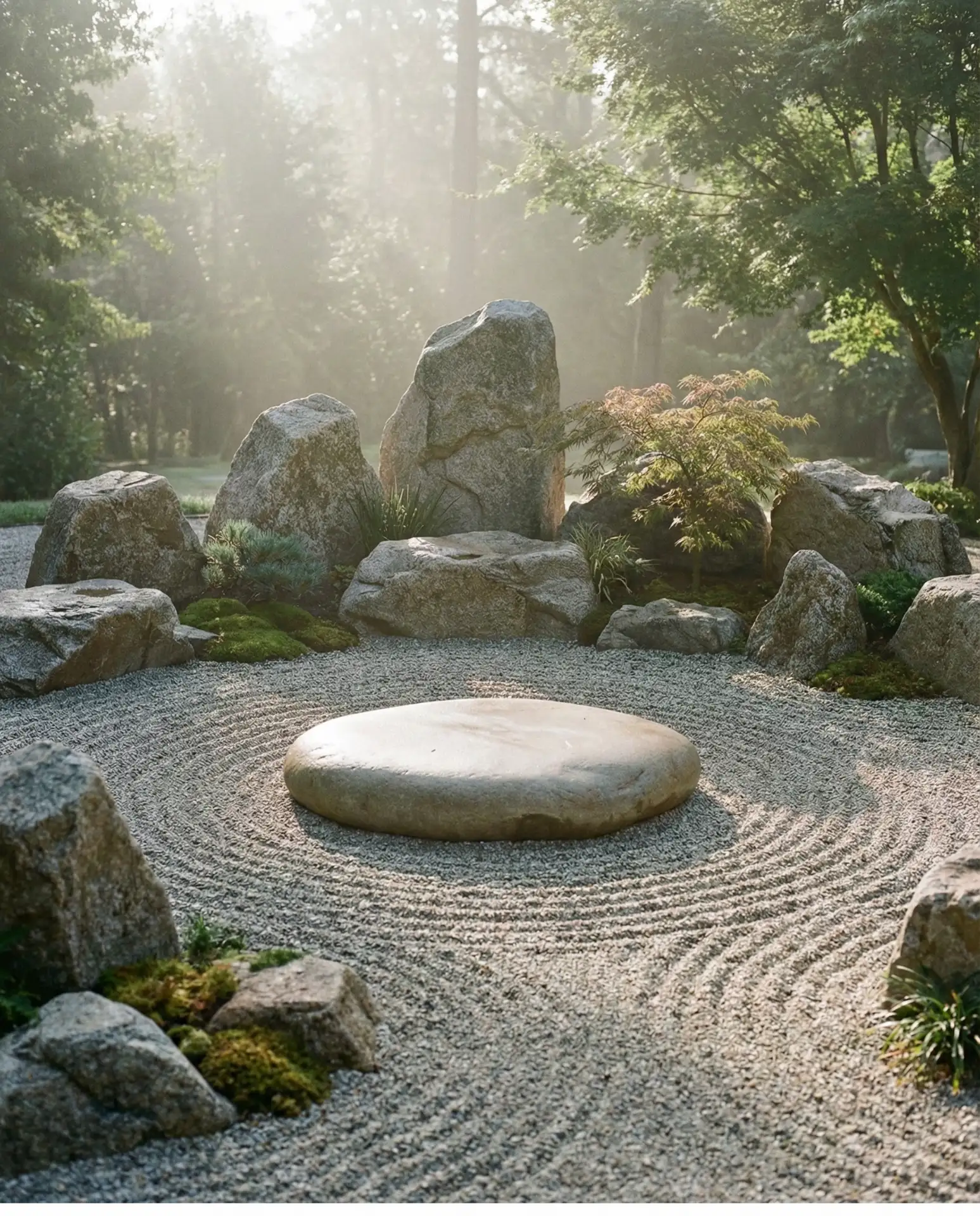
Where meditation circles work best is in corners of yards that feel naturally separate from main activity areas—not in direct sightlines from windows or adjacent to play spaces. The distance and separation enhance the psychological shift that happens when entering the space. Include a simple bench, large flat stone, or weathered stump as a seating element, and consider adding a small water feature for ambient sound. Scale matters: a circle diameter of eight to twelve feet feels intimate enough for personal practice without being claustrophobic, while larger spaces (fifteen-plus feet) can accommodate small group activities like outdoor yoga or family discussions.
20. Cottage Garden Rock Border
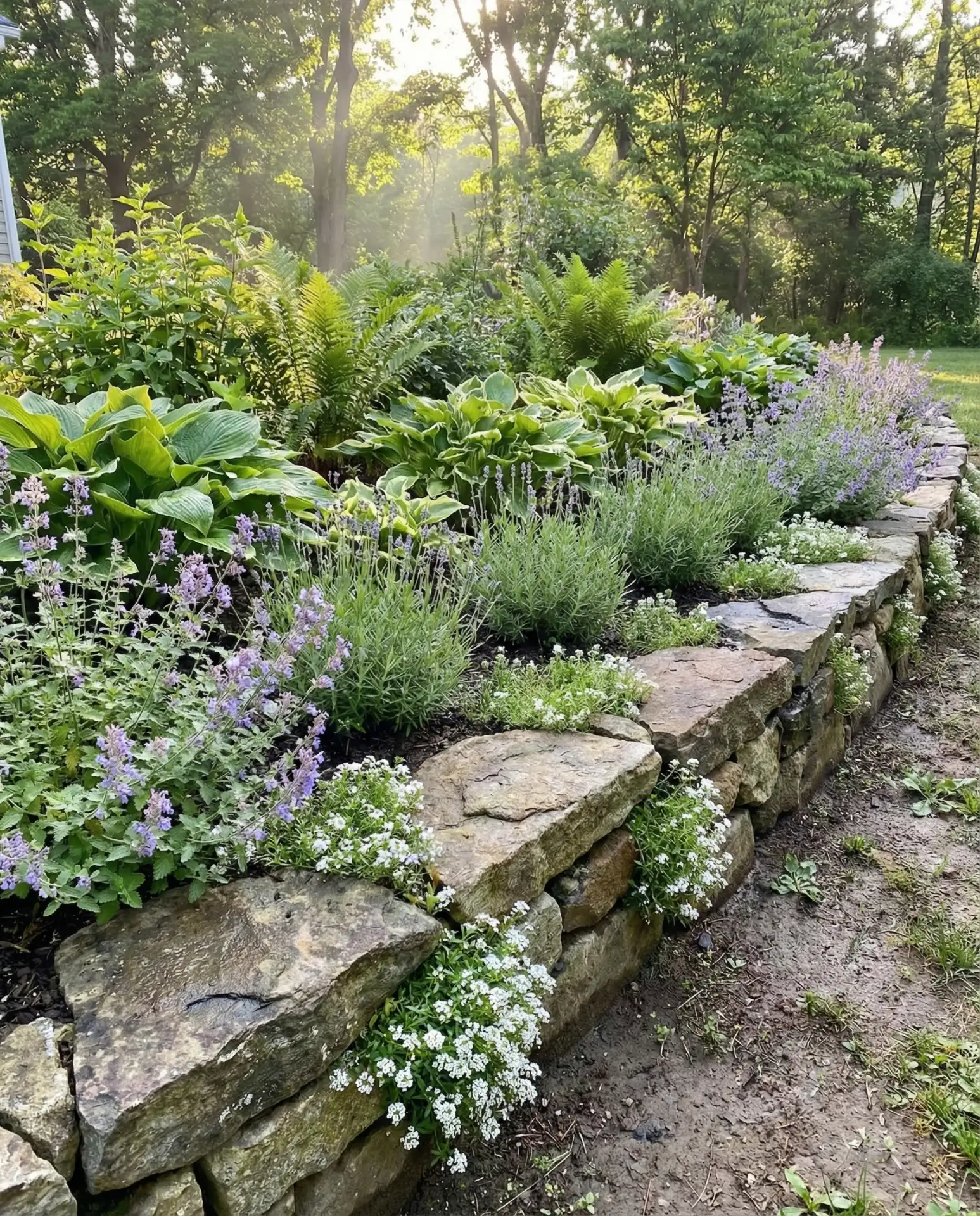
Soften the edges of a traditional cottage garden with informal rock borders that define beds while allowing plants to spill over and naturalize, creating the romantic, slightly wild aesthetic characteristic of English country gardens. Use weathered fieldstone or rounded river rocks stacked loosely rather than mortared, permitting gaps where self-seeding annuals and creeping perennials can establish themselves. This style celebrates controlled chaos and seasonal change—qualities that appeal to gardeners who love abundant blooms and evolving compositions rather than static, manicured perfection. 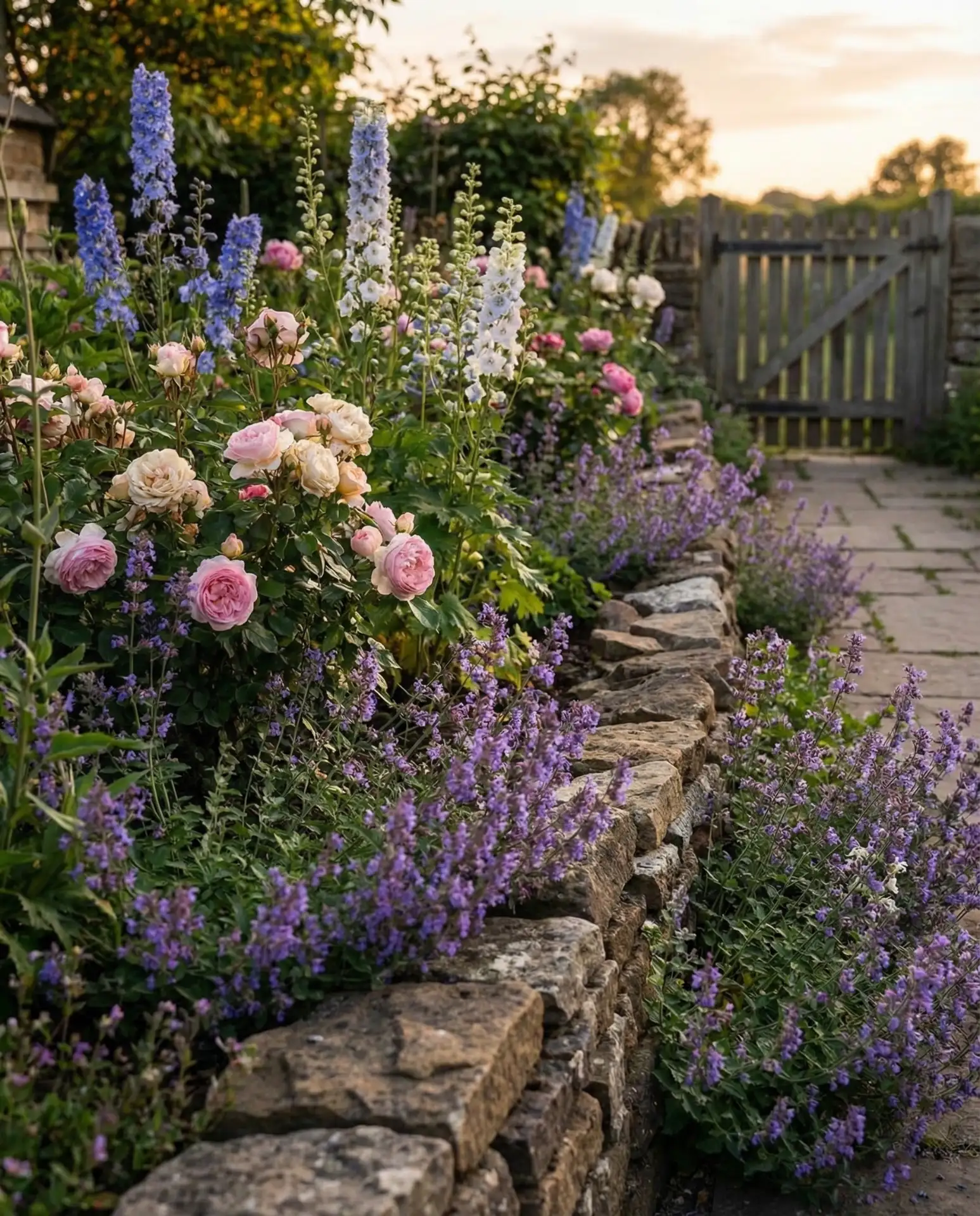
My aunt maintains a spectacular cottage garden in rural Pennsylvania, where the original stone borders date back to the 1940s when the property was a working farm. She’s never moved or repositioned those rocks, just allowed decades of gardens to grow around them. The stones have developed character—covered in moss and lichen, partially buried by spreading plants, looking completely integrated with the landscape. Her advice: don’t overthink placement or worry about perfection when installing rock borders; time and plant growth will create the desired effect naturally if you choose the right stones to begin with.
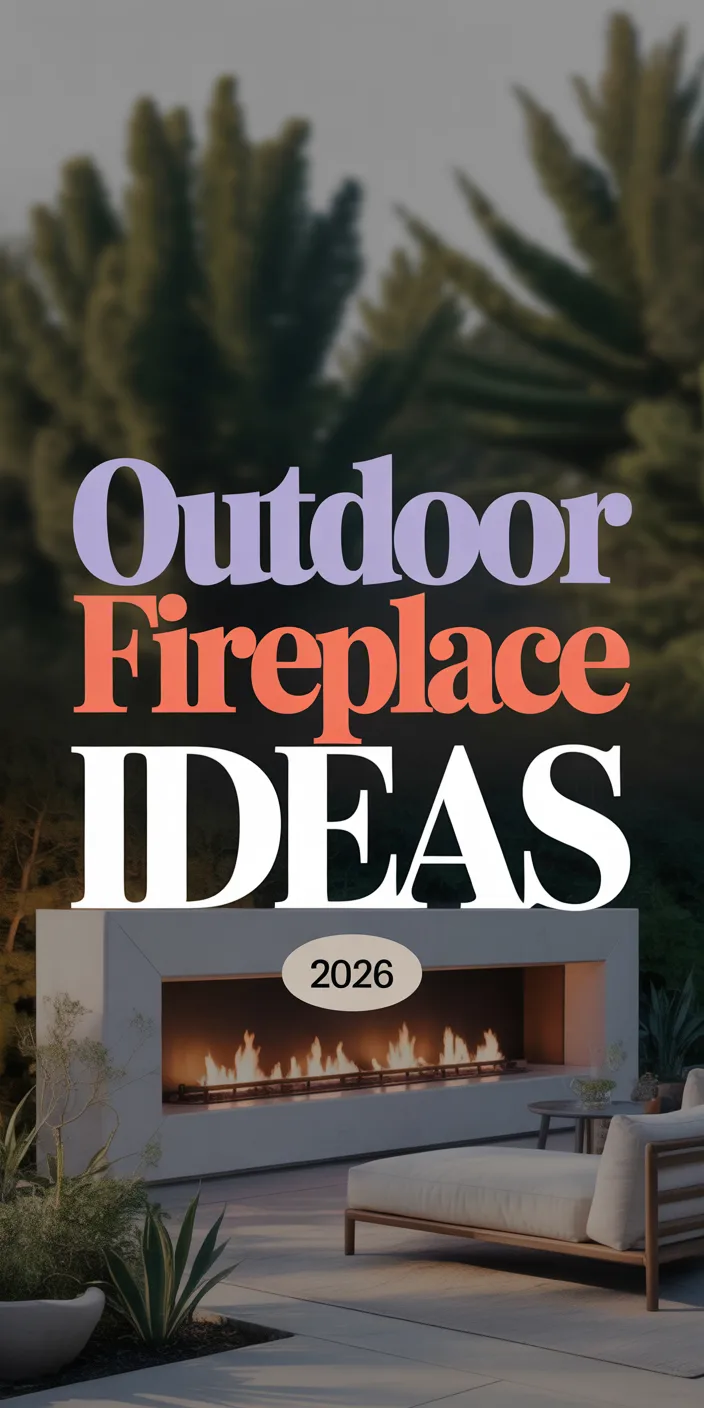
21. Fire Pit Rock Gathering Space
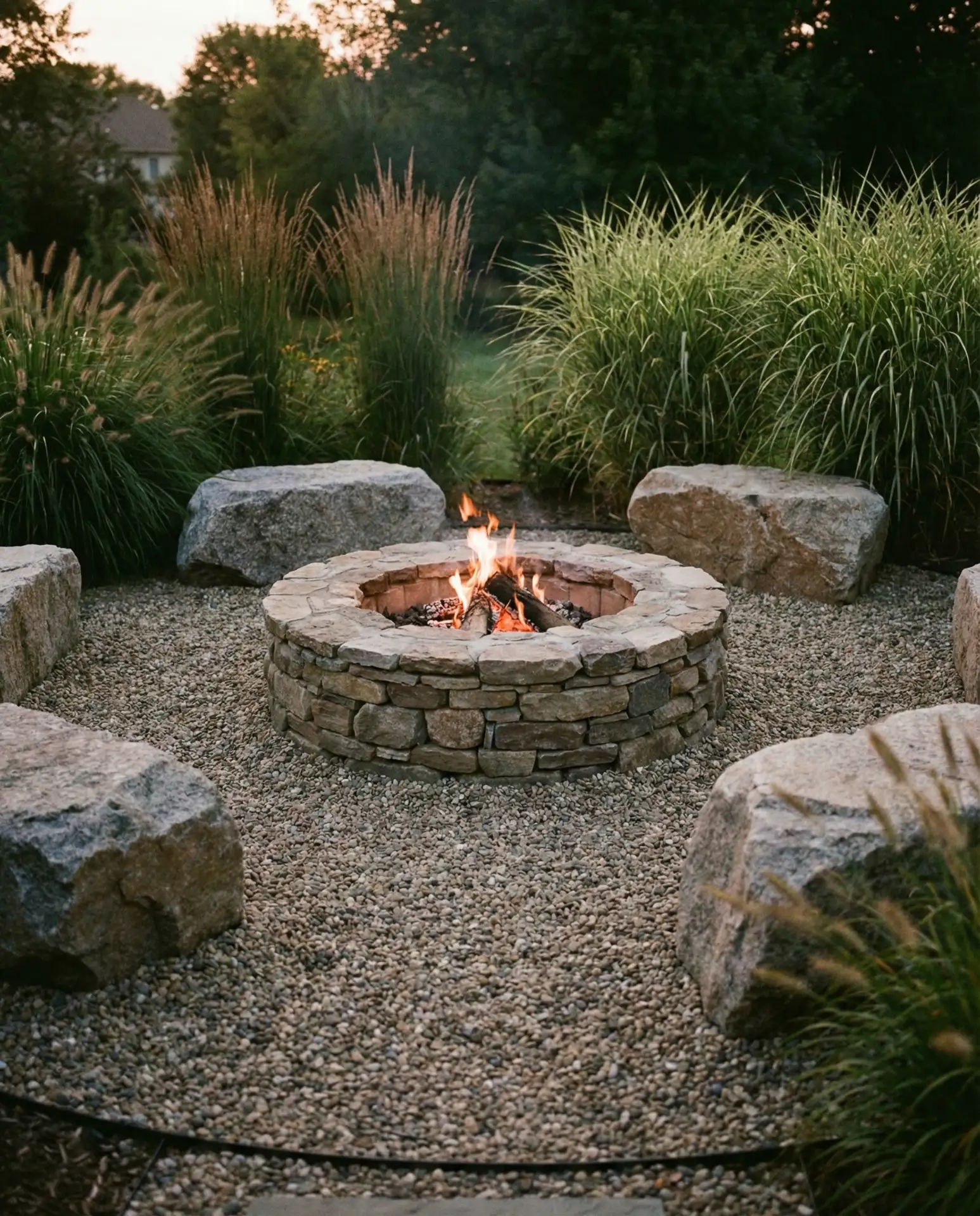
Center your backyard ideas DIY projects around a rock-built fire pit surrounded by stone seating, gravel flooring, and heat-tolerant plantings to create an outdoor gathering space that functions year-round. Construct the pit itself from fire-rated stones like granite or basalt (never river rock, which can explode when heated), then extend the rock theme into the surrounding landscape with boulders for casual perching and pathways leading to the fire area. This configuration has become essential in American backyards, particularly in regions with mild winters where outdoor entertaining extends well beyond summer months. 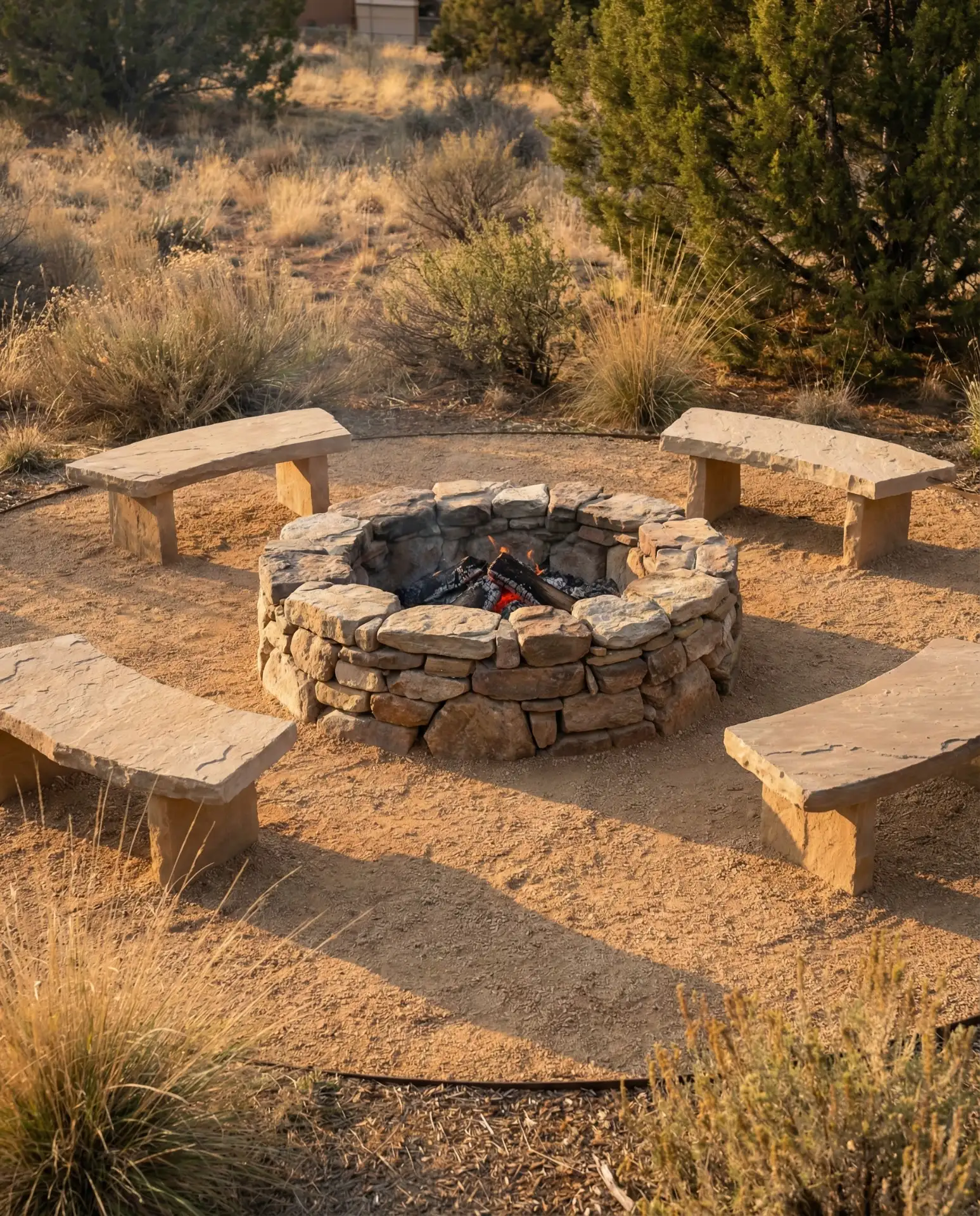
Real homeowner behavior shows that fire pit areas see surprisingly heavy use—typically two to four times per week during cool seasons for families who install them, according to outdoor living surveys. The rock-based construction provides crucial fire safety by creating non-combustible zones around open flames, with gravel or decomposed granite extending at least eight to ten feet in all directions. Position the fire pit at least fifteen feet from structures and overhanging trees, and check local regulations, as some municipalities require permits for permanent fire features or restrict usage during dry seasons.
22. Rain Garden Rock Filtration System
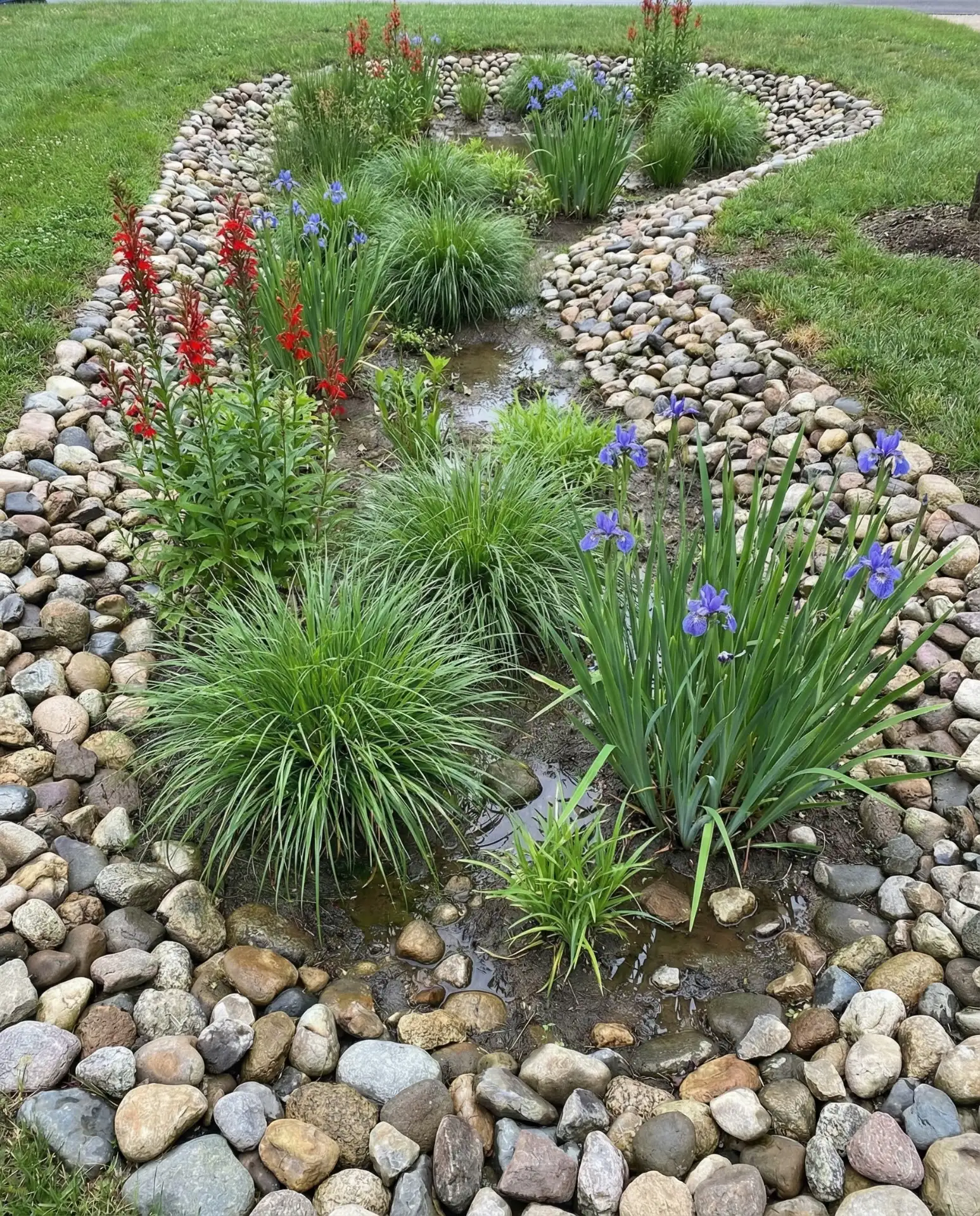
Build a functional rock garden that serves as a rain garden, using layered stone to slow and filter stormwater runoff while supporting moisture-loving plants like sedges, cardinal flowers, and blue flag irises. Create a shallow depression in the landscape, line it with river rocks and larger boulders to prevent erosion, then select plants that tolerate both periodic flooding and dry spells. This design addresses practical drainage problems while contributing to watershed health—a combination that appeals to environmentally conscious homeowners and often qualifies for local green infrastructure rebates or incentives. 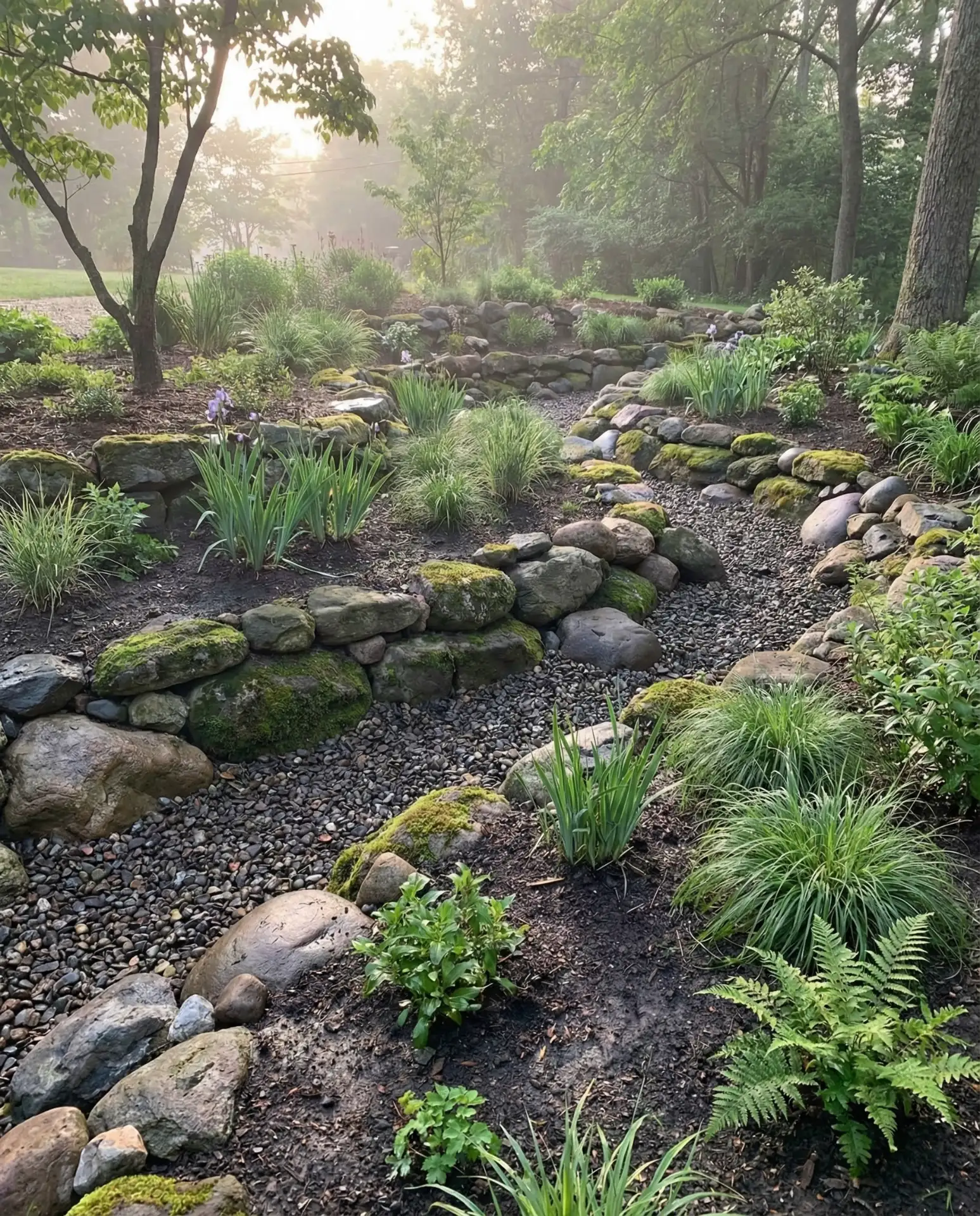
The practical benefit of rain gardens extends beyond aesthetics—they can reduce basement flooding, prevent erosion, recharge groundwater, and remove pollutants from runoff before it enters storm sewers. Position rain gardens at the bottom of slopes where water naturally collects, typically eight to ten feet from building foundations to avoid moisture issues. Size the garden to handle roughly thirty percent of the runoff from the drainage area feeding it, using a simple calculation: measure the impervious area (roof, driveway) and multiply by point-three to determine needed square footage. Many municipalities now offer free design consultations and partial funding for residential rain gardens as part of stormwater management initiatives.
23. Mixed-Color River Rock Mosaic
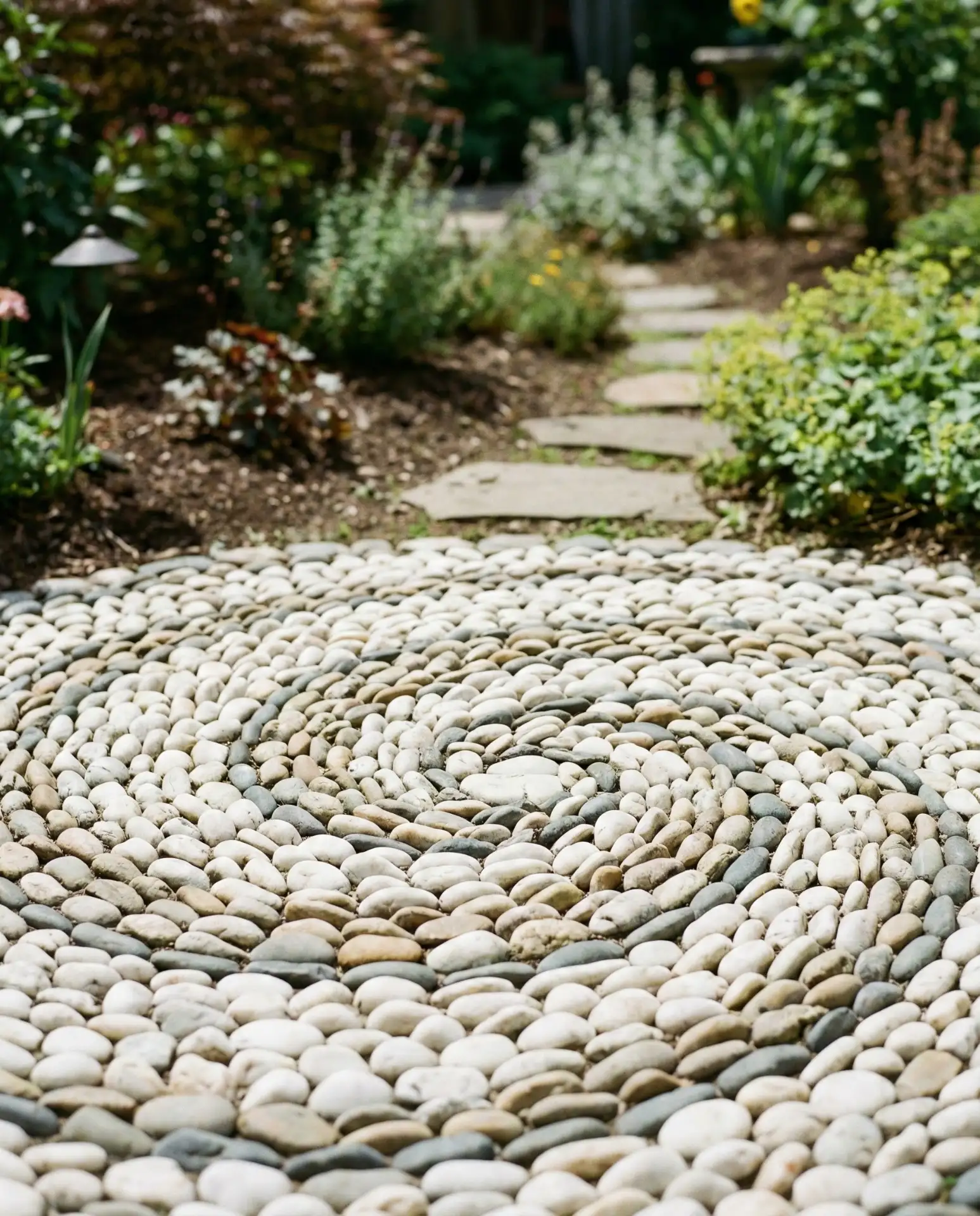
Create artistic patterns using river rocks in multiple colors—white, gray, tan, red, and black—arranged in swirls, spirals, or geometric designs that transform functional pathways into garden art. This technique draws inspiration from ancient pebble mosaics found in Mediterranean courtyards and Asian temple gardens, adapted to contemporary American landscapes through simplified patterns and larger-scale stones. The investment of time in careful placement yields a permanent, maintenance-free feature that becomes more beautiful as stones weather and settle, developing a patina that only improves with age. 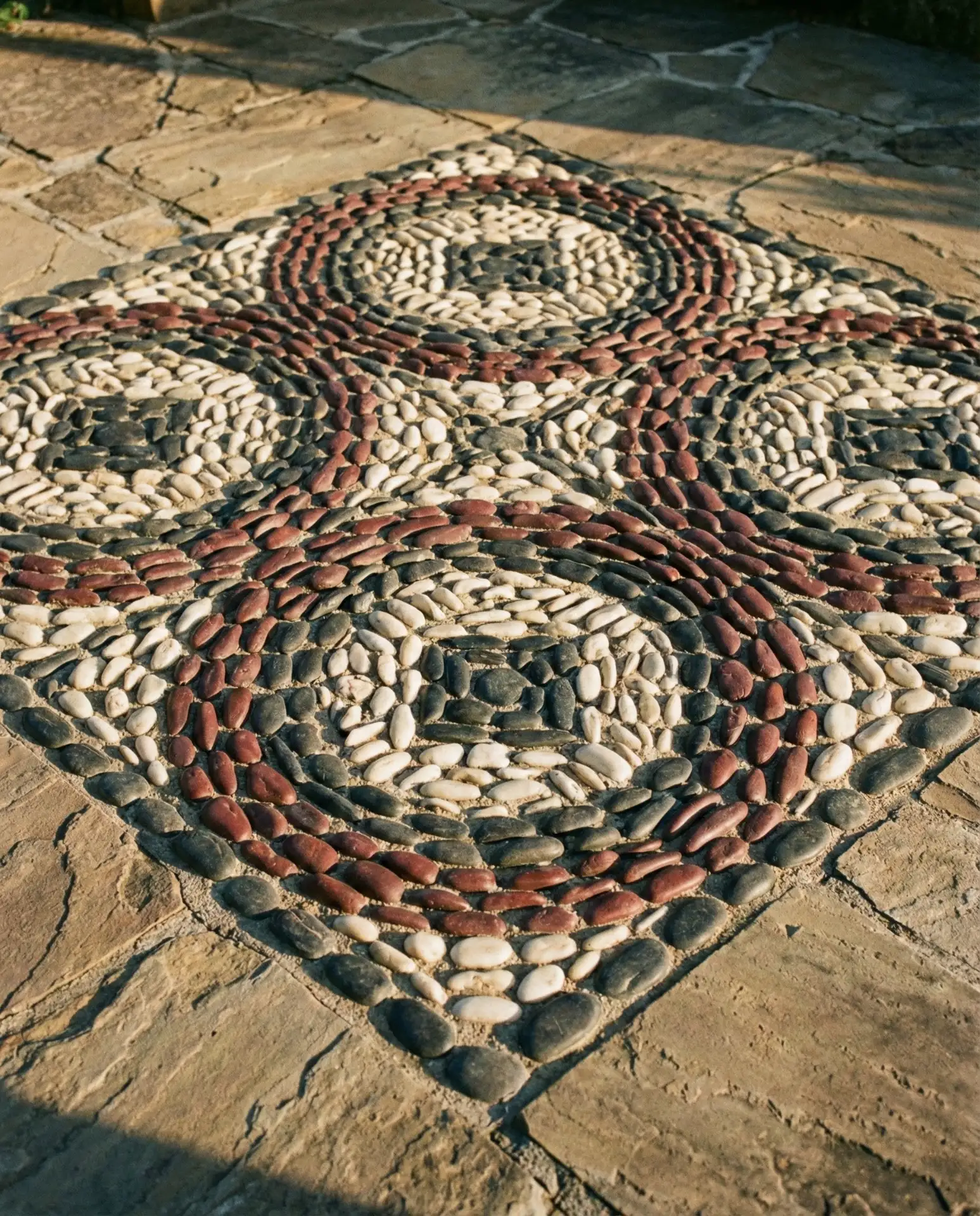
Expert stonemasons recommend sketching your design on graph paper first, calculating quantities needed for each color (typically sold by weight, with forty pounds covering about two square feet at two inches deep), and working in small sections to avoid disturbing completed areas. Set stones into a stable base of packed gravel topped with sand, pressing each rock firmly and ensuring tops are level for comfortable walking. The process is meditative but time-consuming—a simple four-foot square spiral pattern might take eight to twelve hours to complete—making this an ideal project for patient creators who value handcrafted uniqueness over speed.
Conclusion
These rock garden landscaping ideas offer versatile solutions for every yard size, climate, and aesthetic preference. Whether you’re drawn to the serene minimalism of a Zen garden, the practicality of drought-tolerant plantings, or the artistic expression of painted stones and mosaics, there’s an approach that will transform your outdoor space into something truly special. We’d love to hear which idea resonates with your vision—share your thoughts, experiences, or questions in the comments below, and let’s continue the conversation about creating beautiful, sustainable rock gardens that reflect your personal style.