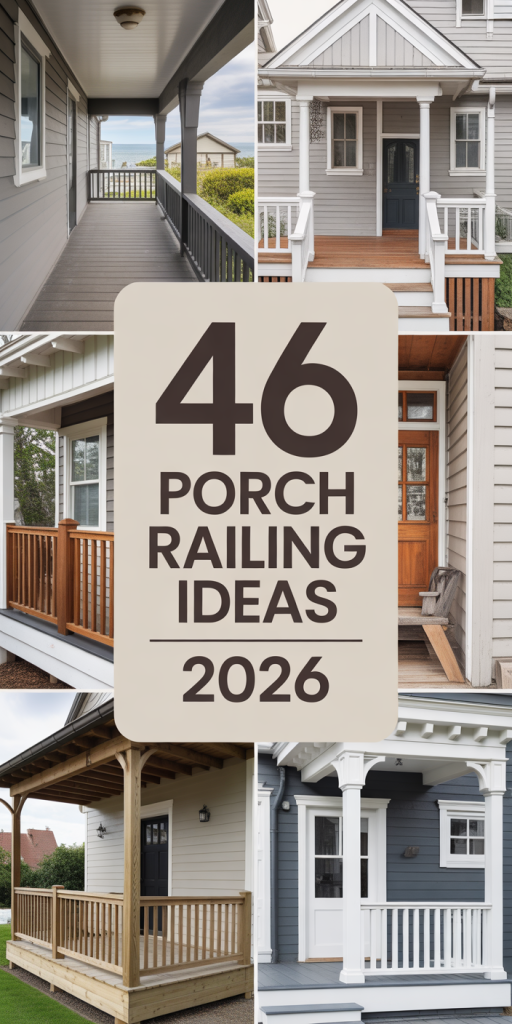
Porch railings are no longer just a safety feature—they’re a design statement that can define your home’s curb appeal and outdoor personality. As we move into 2026, homeowners across America are reimagining their porches with railings that balance style, durability, and personal expression. Whether you’re drawn to sleek modern lines, cozy farmhouse charm, or bold architectural details, the right railing can transform your porch from functional to unforgettable. In this guide, we’ve gathered 23 inspiring porch railing ideas that reflect the latest trends and timeless classics, perfect for anyone seeking fresh inspiration on Pinterest and beyond.
1. Classic White Picket Front Porch Railing
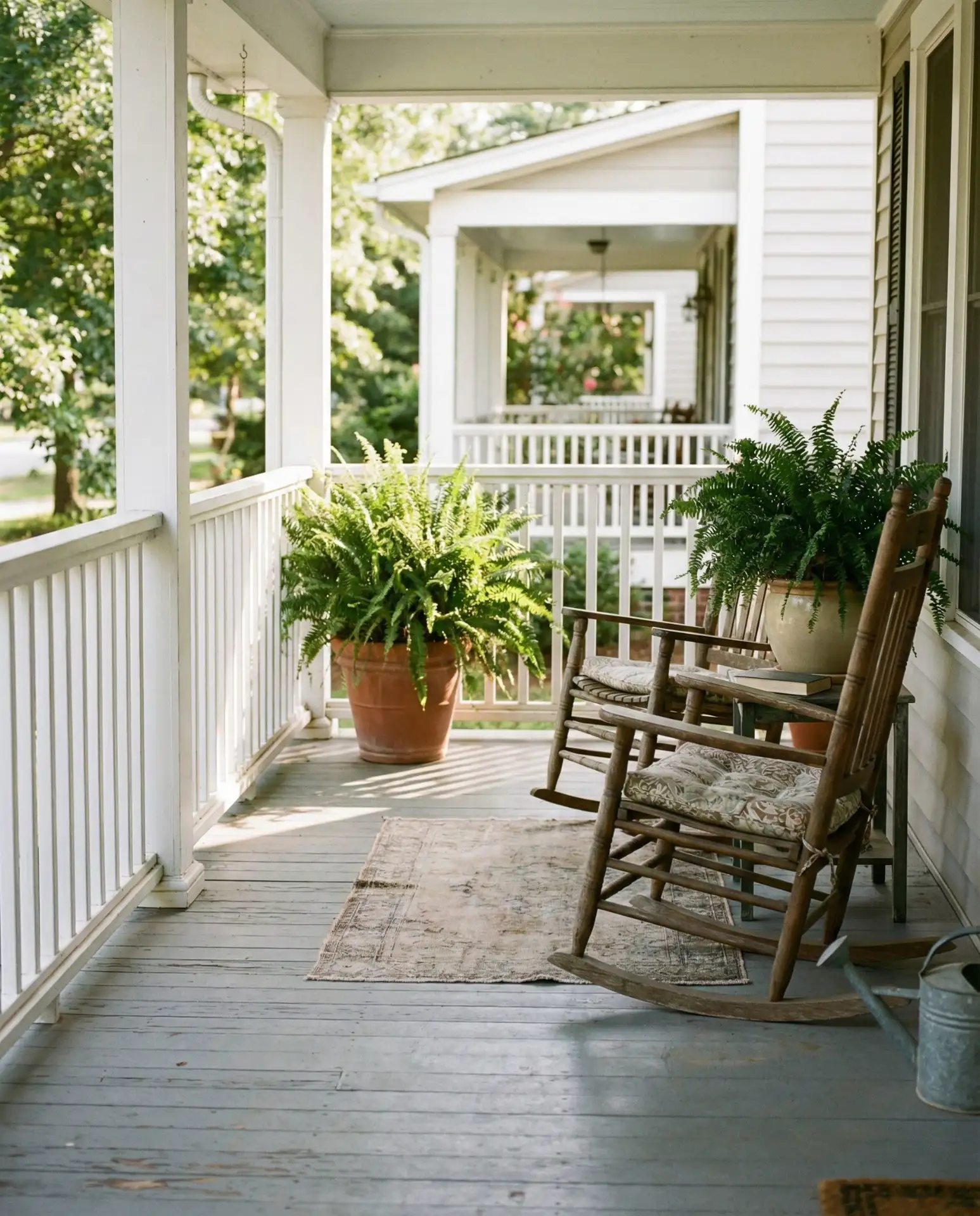
A classic front porch railing painted in crisp white brings instant charm and curb appeal to any home. This front design works beautifully on traditional colonials, cottages, and Cape Cod-style houses, offering a clean, welcoming frame for your entryway. The vertical pickets create visual height while maintaining an open, airy feel that doesn’t block your view of the street or garden. 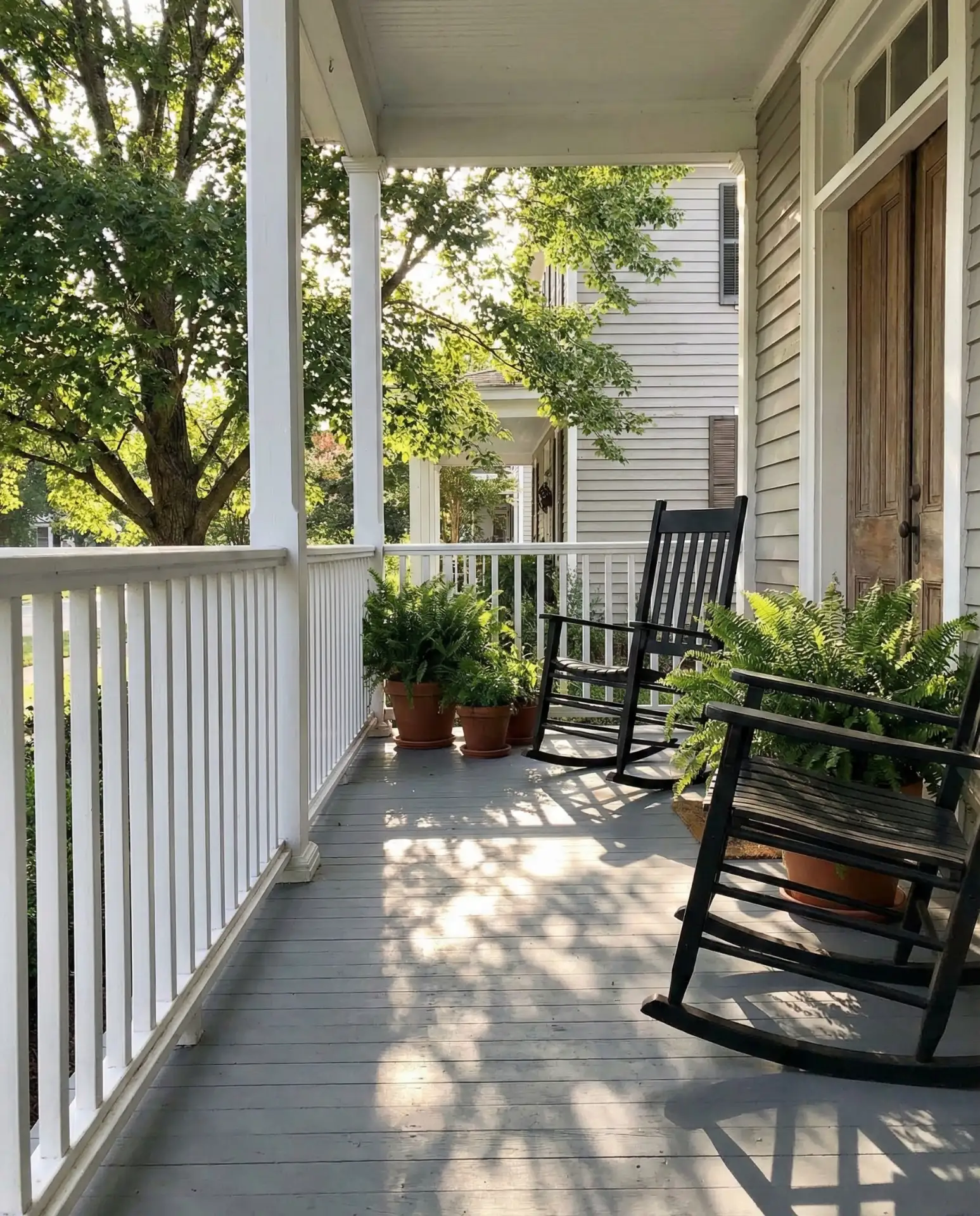
This style thrives in neighborhoods where classic architecture dominates—think New England villages or Southern suburbs with tree-lined streets. Homeowners often pair white railings with darker siding or brick to create striking contrast. One common mistake is skipping primer on raw wood, which leads to peeling paint within two years; always prime first for a finish that lasts through rain, snow, and summer sun.
2. Horizontal Black Metal Modern Porch Railing
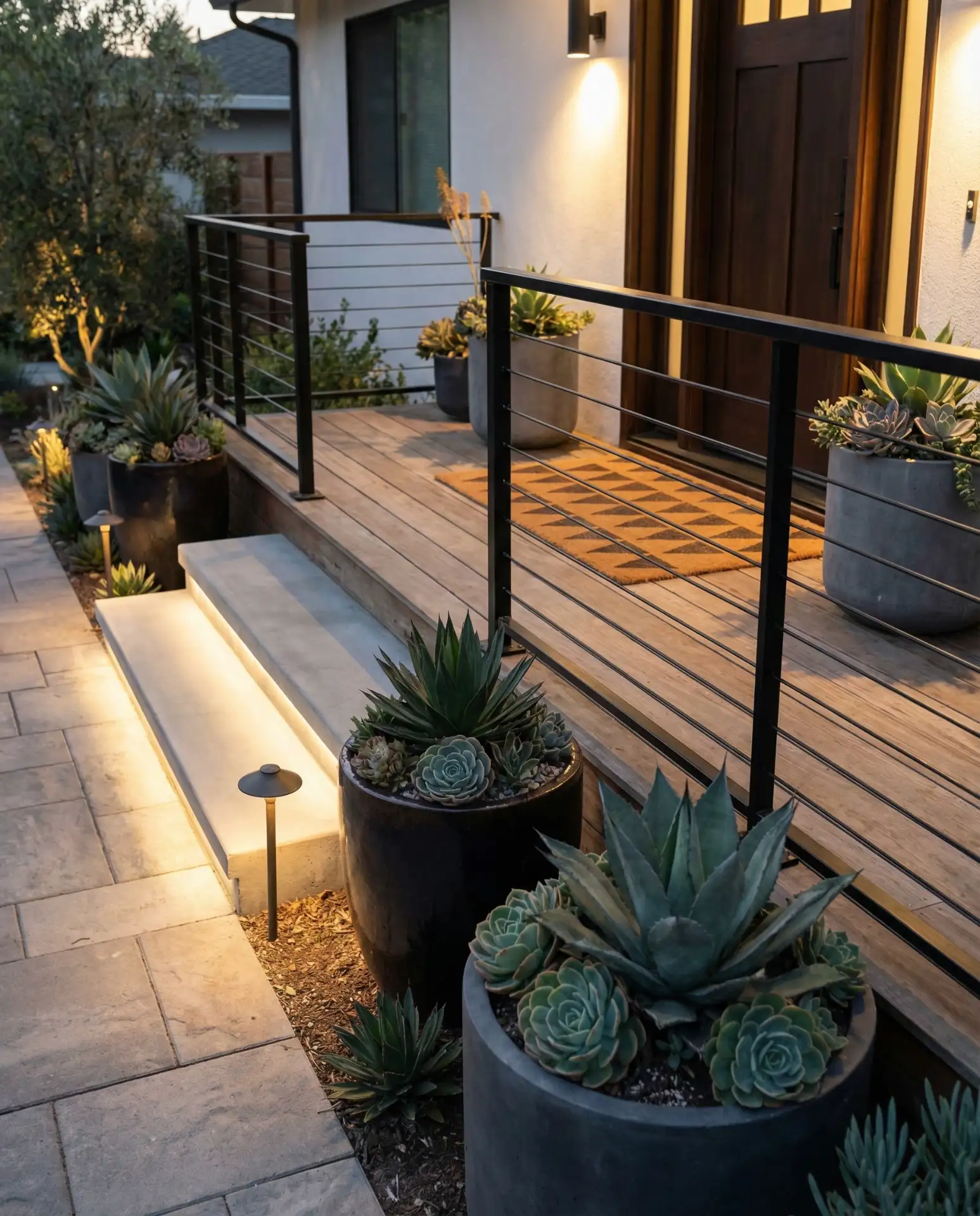
Sleek horizontal lines in black metal define contemporary porch design, offering a modern aesthetic that complements minimalist homes and urban architecture. These metal railings use flat bar or cable systems running parallel to the ground, creating a streamlined look that emphasizes width rather than height and preserves unobstructed views. 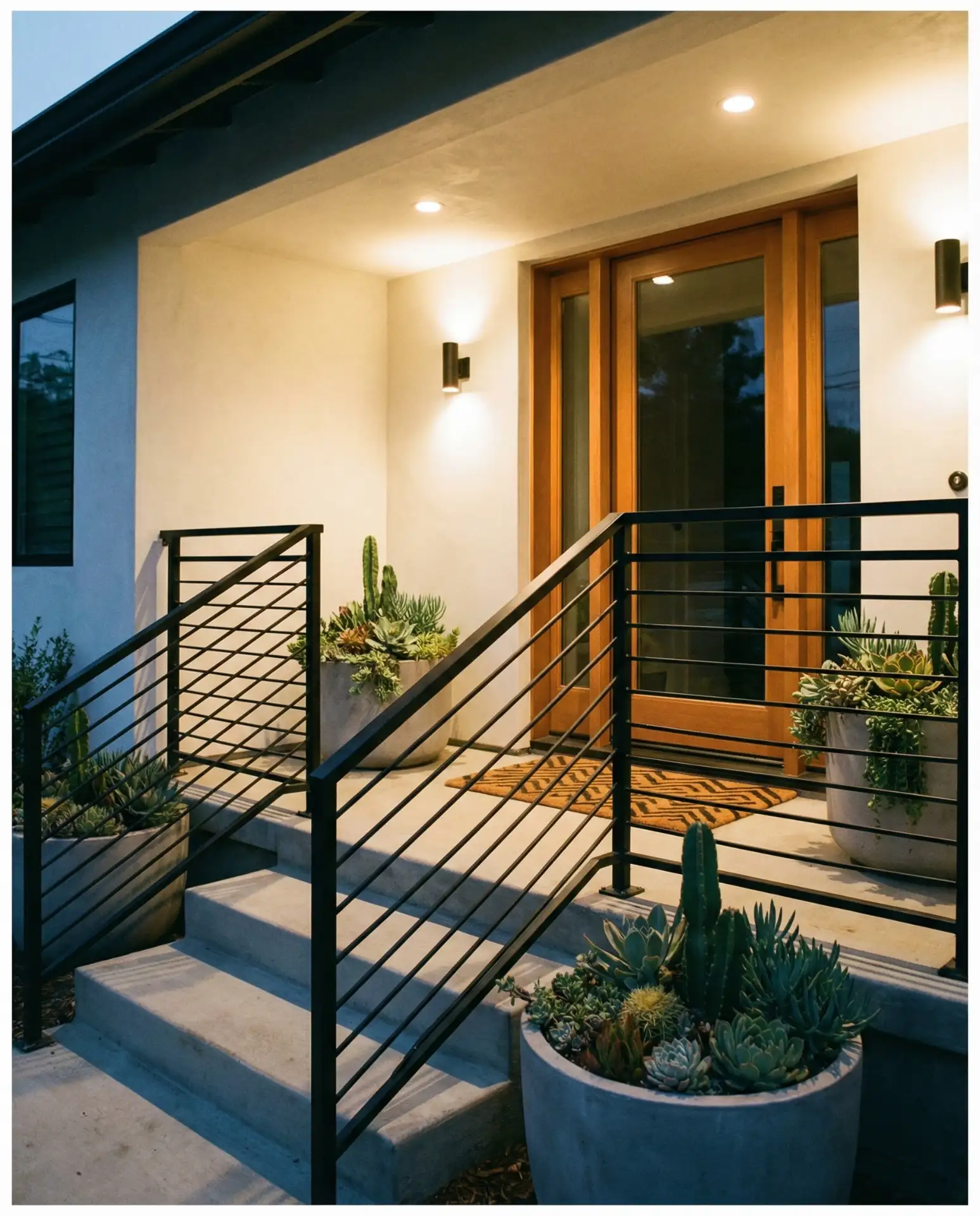
In mid-Atlantic and West Coast markets, horizontal metal railings have become the go-to choice for new builds and renovations. The powder-coated finish resists rust and requires minimal maintenance—just an occasional wipe-down. My neighbor installed this style last spring and loves how it makes her small front porch feel larger by drawing the eye across rather than up and down.
3. Rustic Cedar Wood Farmhouse Railing
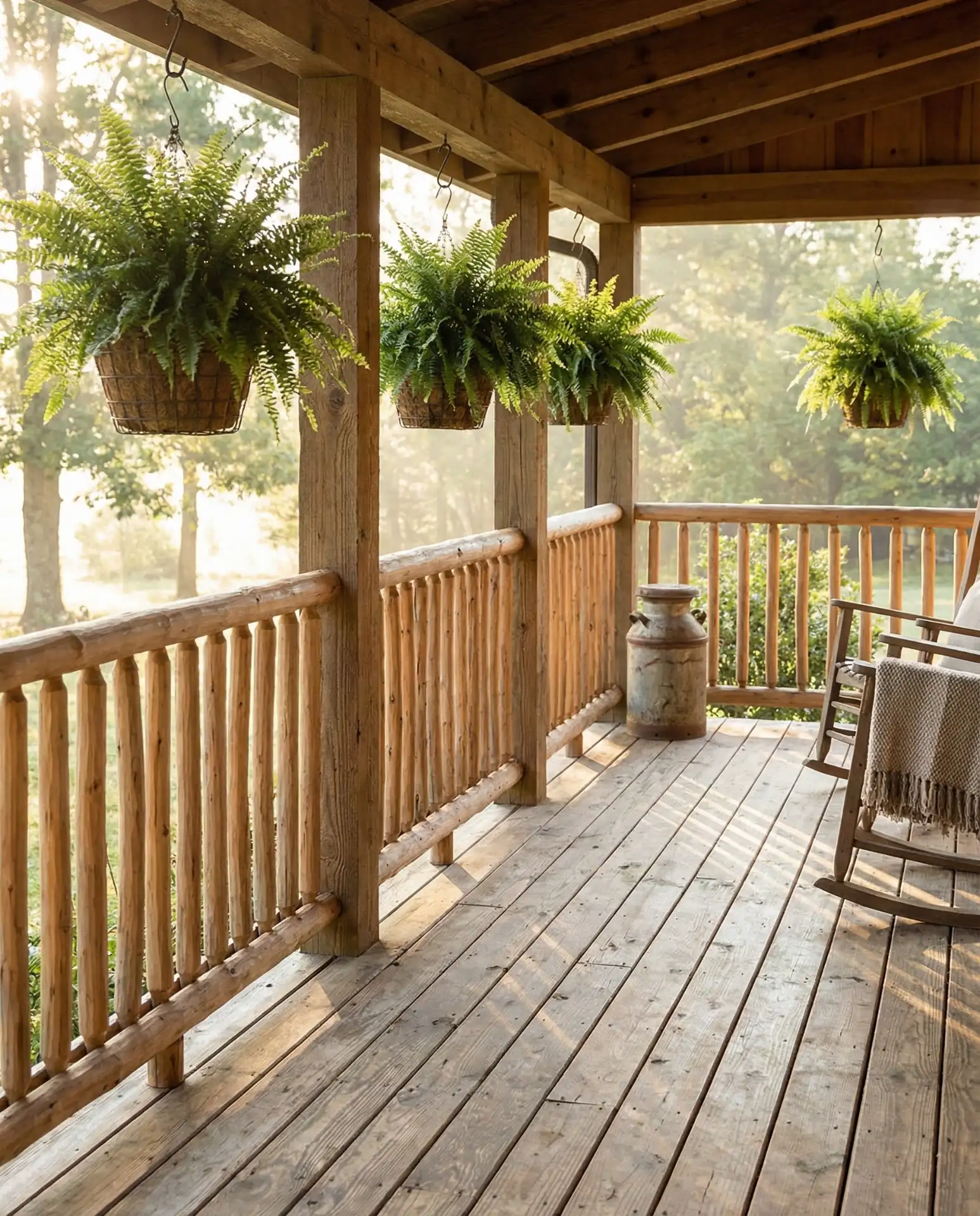
Natural cedar railings bring rustic warmth and organic texture to farmhouse porches, celebrating the beauty of real wood grain and knots. This wooden option ages gracefully, developing a silvery patina over time that many homeowners actually prefer to the fresh-cut look, making it ideal for country homes and rural properties. 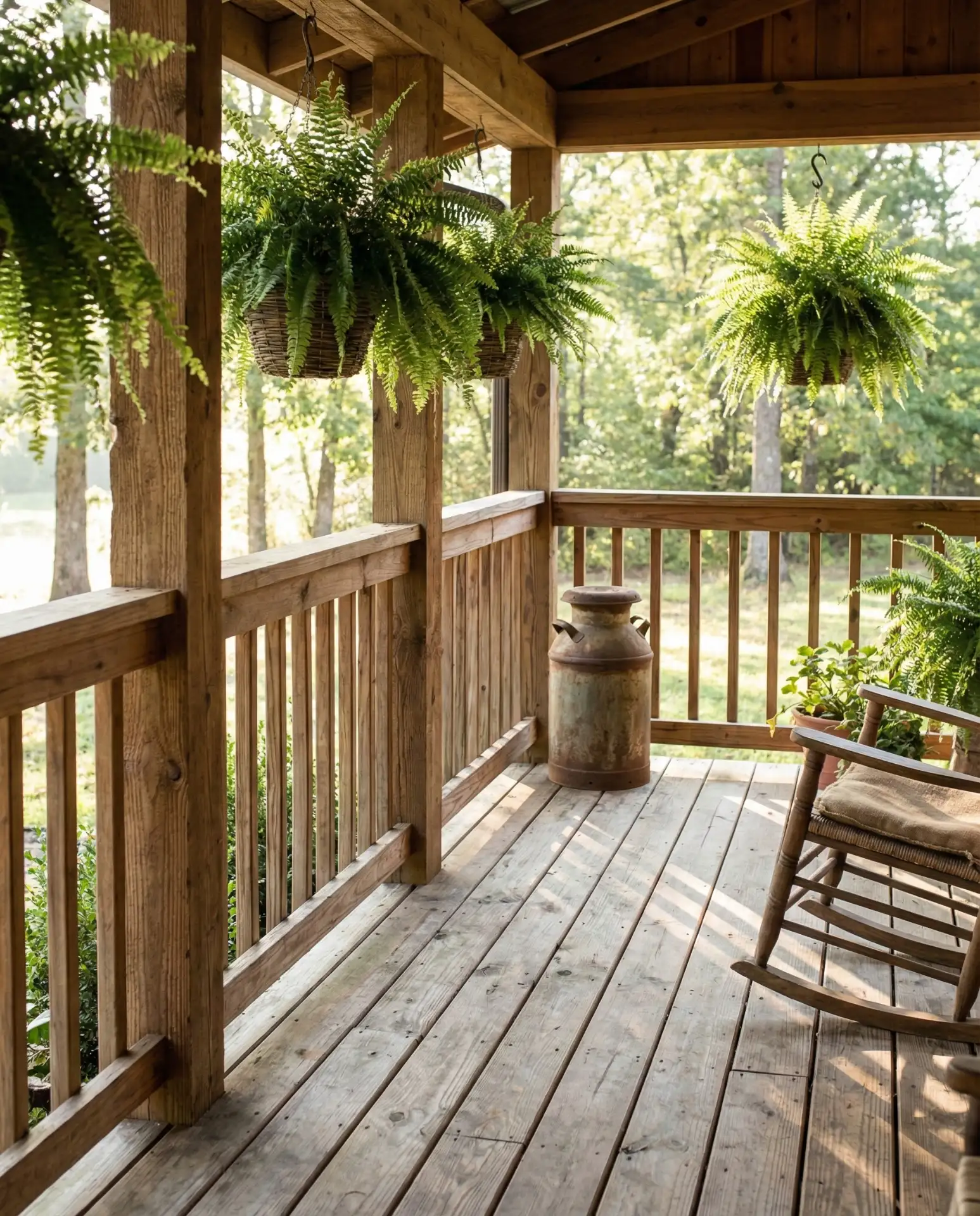
Cedar naturally resists rot and insect damage, which explains why it’s been a porch staple in the Pacific Northwest and mountain regions for generations. Budget-conscious homeowners appreciate that cedar costs roughly 30-40% less than composite materials while delivering authentic character. If you’re aiming for a lived-in farmhouse aesthetic, skip the stain and let the wood weather naturally—it’s lower maintenance and more authentic.
4. Wrought Iron Scrollwork for Traditional Homes

Ornate iron railings with decorative scrollwork add old-world elegance and architectural gravitas to front porches on historic homes. These metal designs feature hand-forged details, curved patterns, and sometimes floral motifs that create shadow play throughout the day, transforming a simple porch into an outdoor gallery. 
This style works best on Victorian, Craftsman, or Mediterranean-revival homes where ornamental details are part of the architectural DNA. In cities like Charleston, Savannah, and New Orleans, wrought iron remains the standard for historic district properties. The weight and permanence of real iron communicate quality—expect to invest $100-150 per linear foot, but it’s a lifetime installation that adds measurable resale value.
5. Budget-Friendly Pressure-Treated Wood Railing
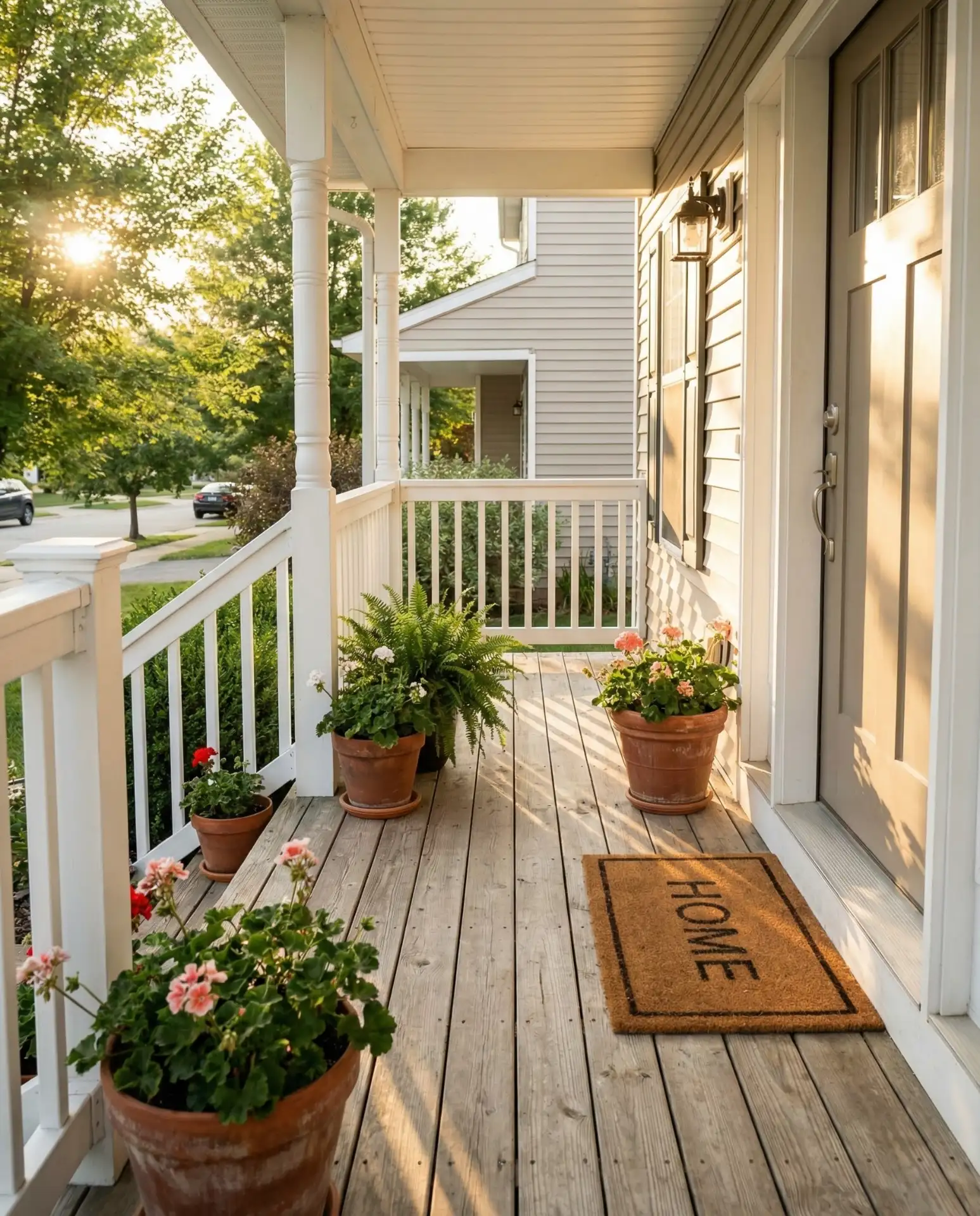
For cheap yet durable porch solutions, pressure-treated lumber offers structural integrity without the premium price tag. This wooden option can be painted or stained to match any style, making it a versatile foundation for DIY projects on small front porches and back decks where budget constraints matter most. 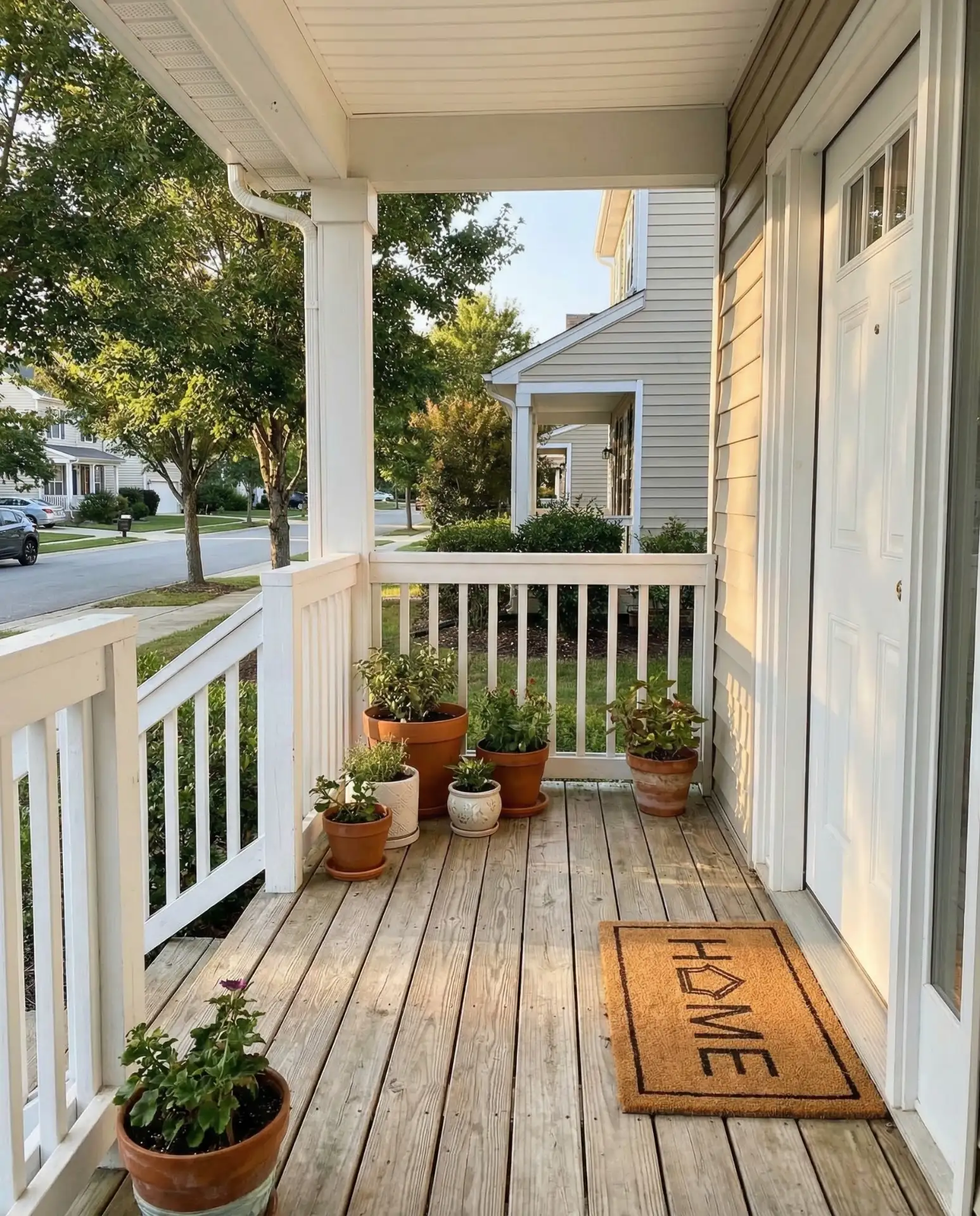
Many first-time homeowners choose pressure-treated pine or fir because materials run just $3-5 per linear foot at big-box stores. The key is proper finishing—let the wood dry for several weeks before painting to prevent moisture from getting trapped under the coating. In Midwest and Northeast climates where freeze-thaw cycles are harsh, this approach delivers 10-15 years of service when maintained correctly.
6. Black and White Contrast Railing Design
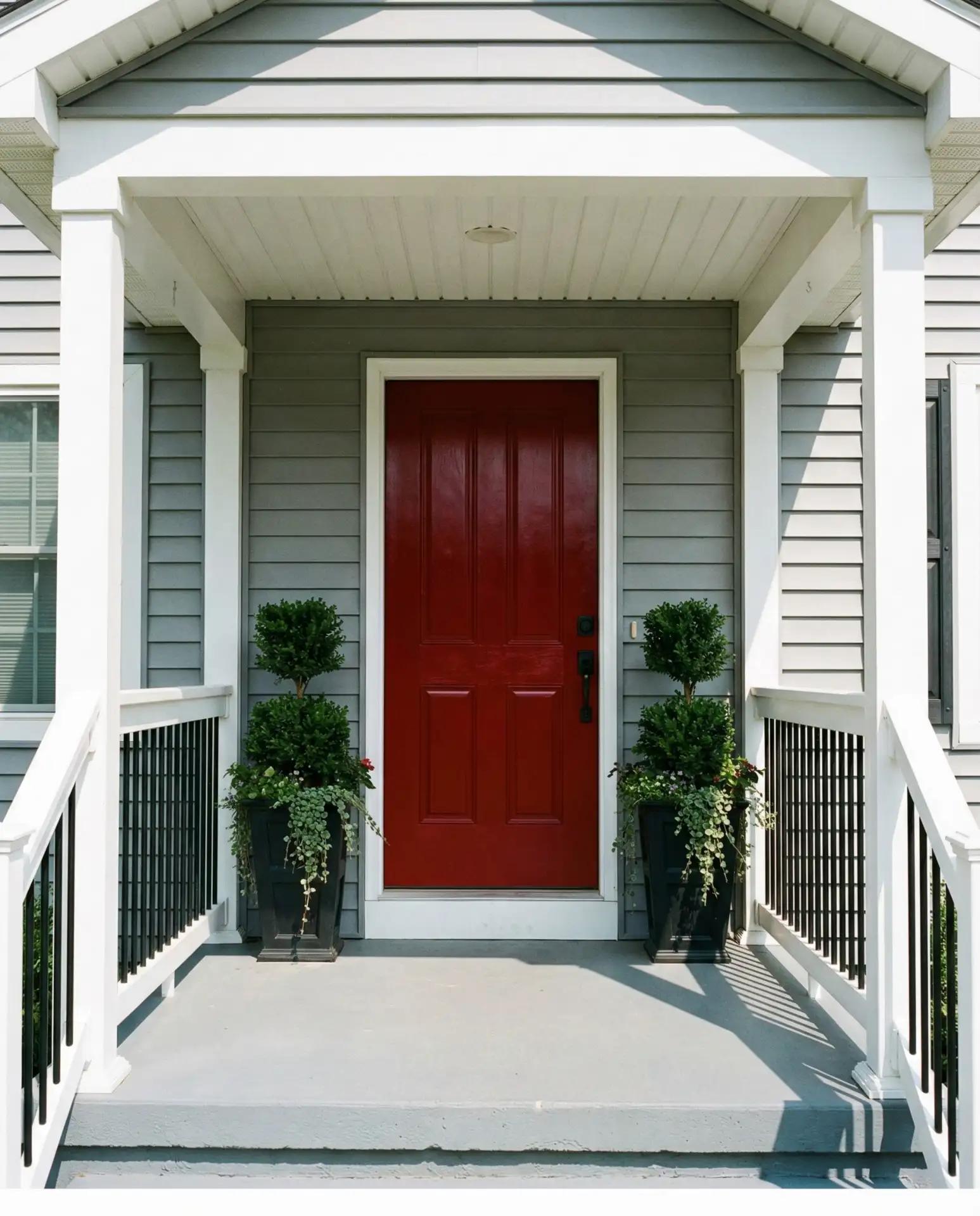
Pairing black balusters with white handrails and posts creates a striking black and white visual that adds drama and sophistication to any front porch. This two-tone approach works across multiple styles—from colonial to contemporary—and allows you to incorporate metal or wood components depending on your budget and aesthetic preferences. 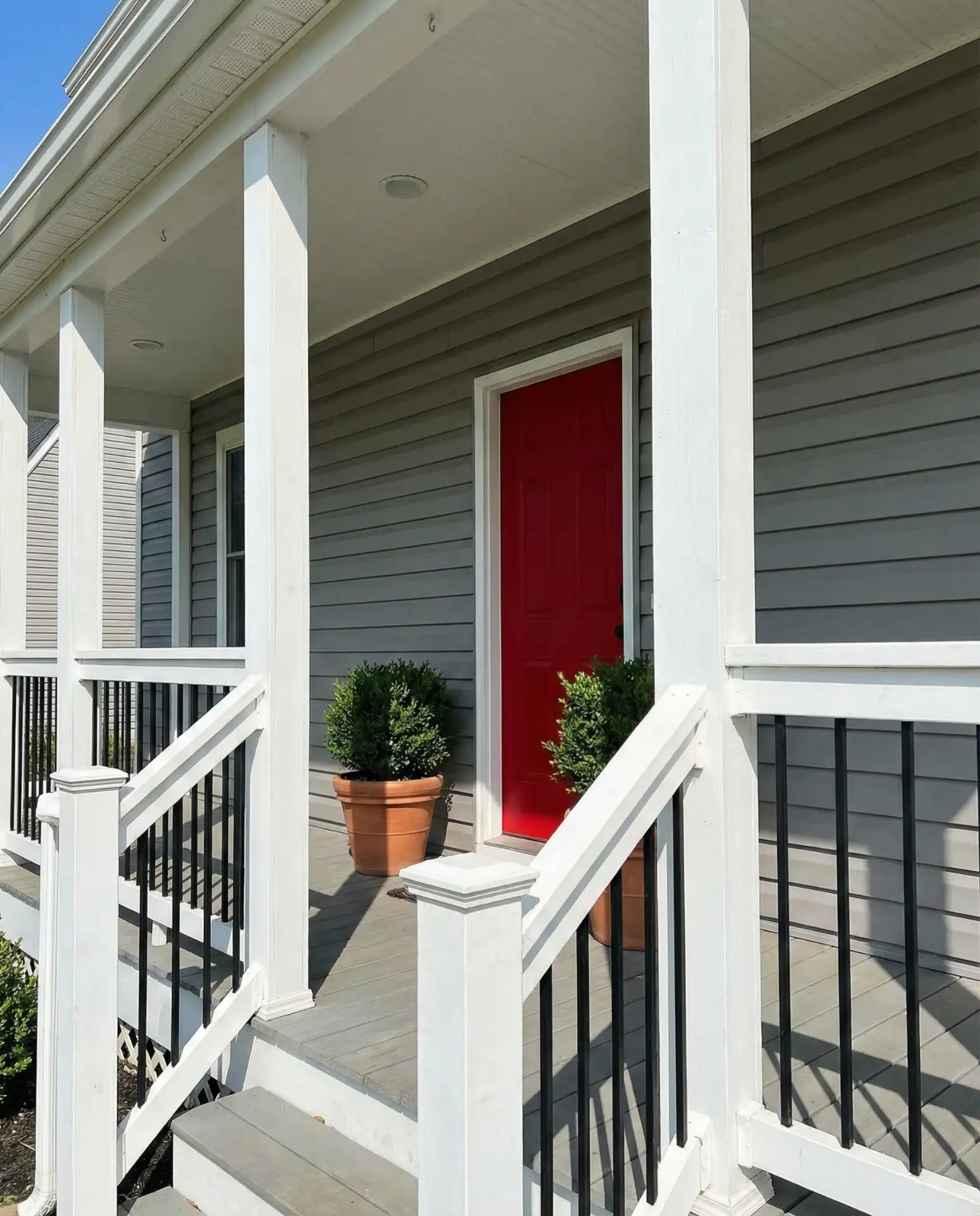
Interior designers often recommend this color combination because it bridges traditional and modern sensibilities without committing fully to either extreme. The contrast also makes architectural details more visible from the street, boosting curb appeal. A practical insight: black surfaces show dust less than white, while white highlights structural elements—together they balance maintenance needs with visual impact.
7. Craftsman-Style Square Balusters
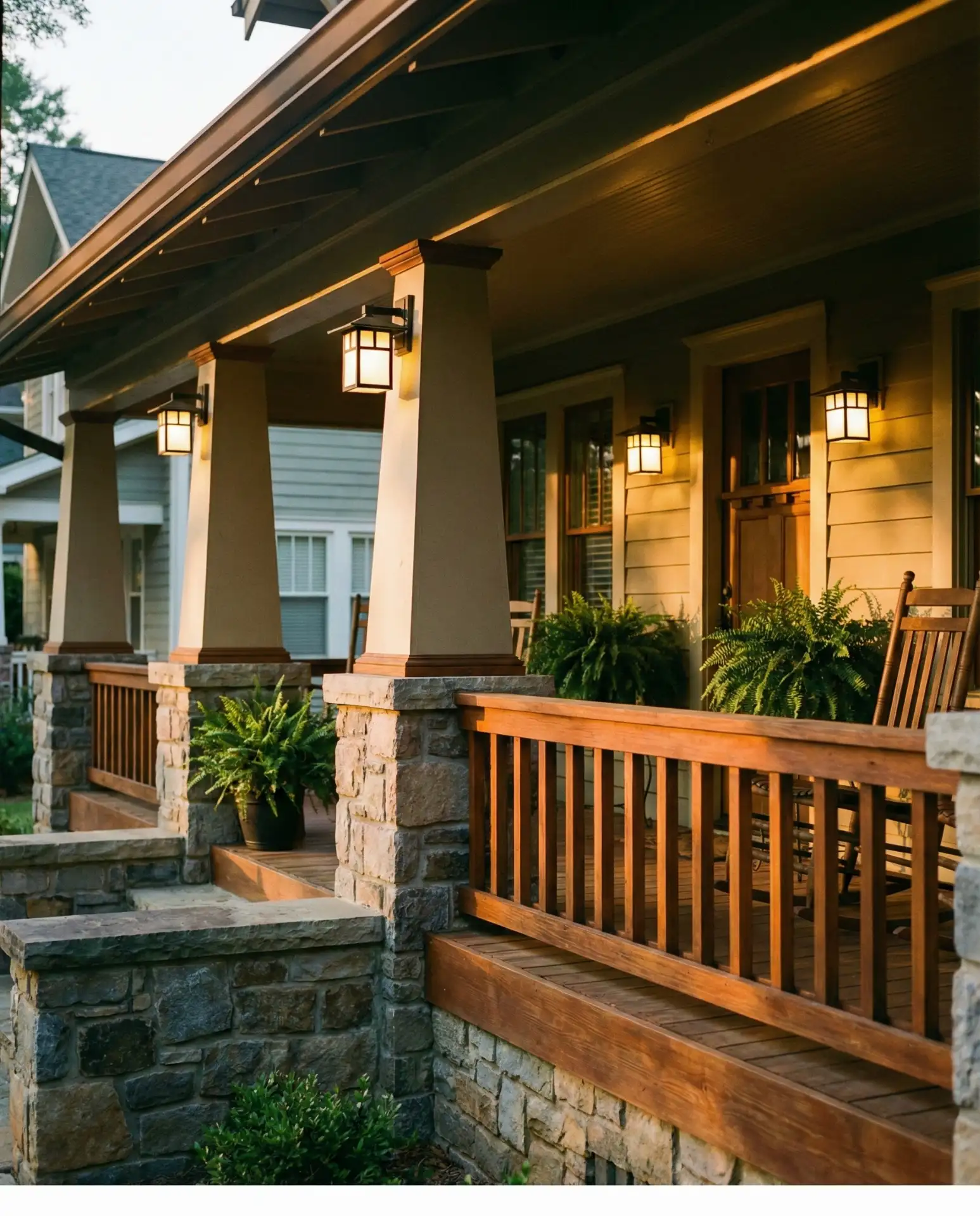
Thick square balusters with visible joinery epitomize Craftsman design principles, emphasizing quality materials and honest construction. These wooden railings typically feature lower horizontal rails positioned closer to the porch floor, creating a signature look that’s instantly recognizable on front porches throughout America’s bungalow neighborhoods. 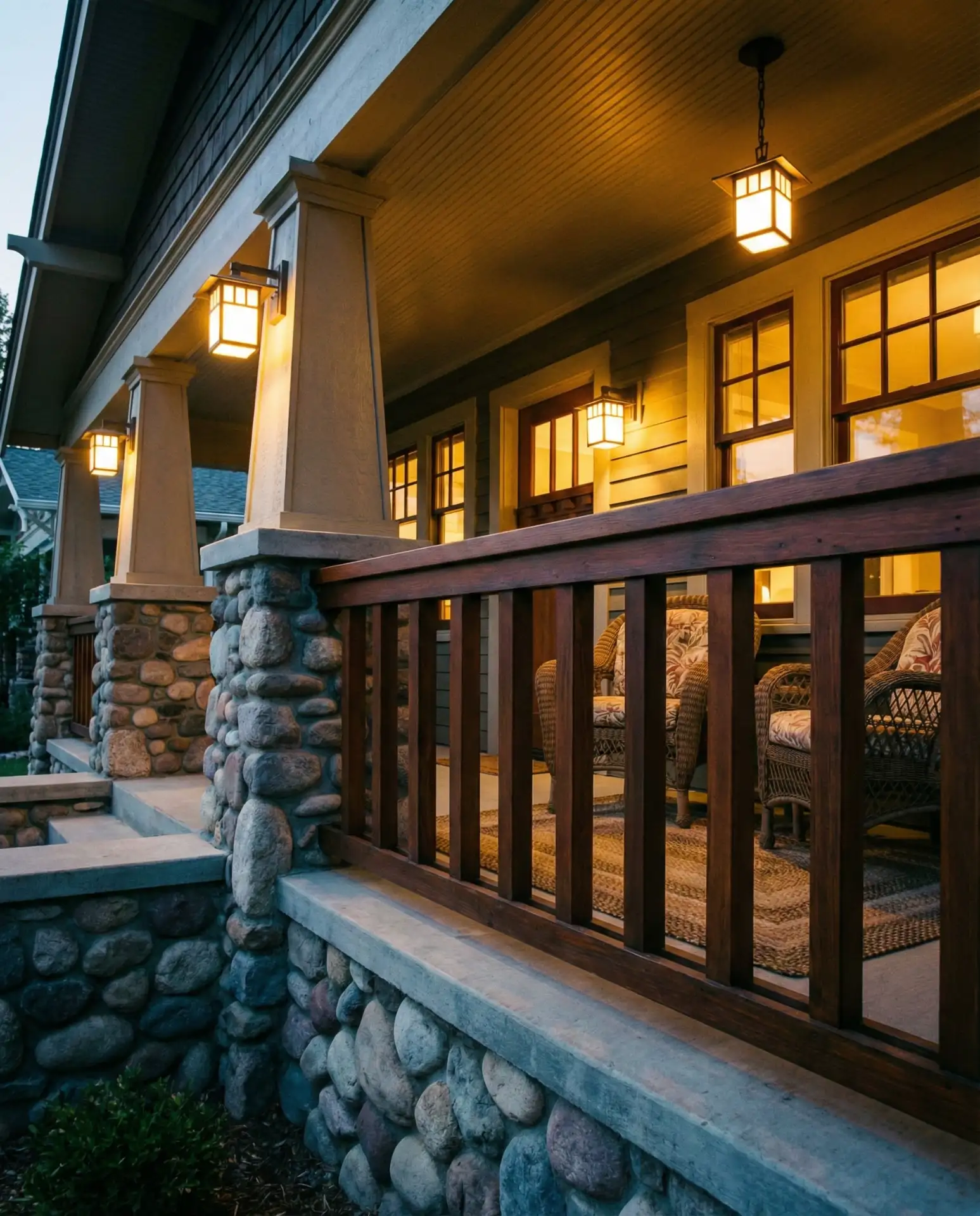
In cities like Portland, Seattle, and Pasadena where Craftsman homes dominate historic districts, maintaining period-appropriate railings is often required by preservation guidelines. Homeowners typically stain rather than paint these railings to showcase the wood species—usually fir or oak. The substantial proportions communicate permanence and craftsmanship, values central to the Arts and Crafts movement that birthed this style over a century ago.
8. Cable Rail System for Unobstructed Views
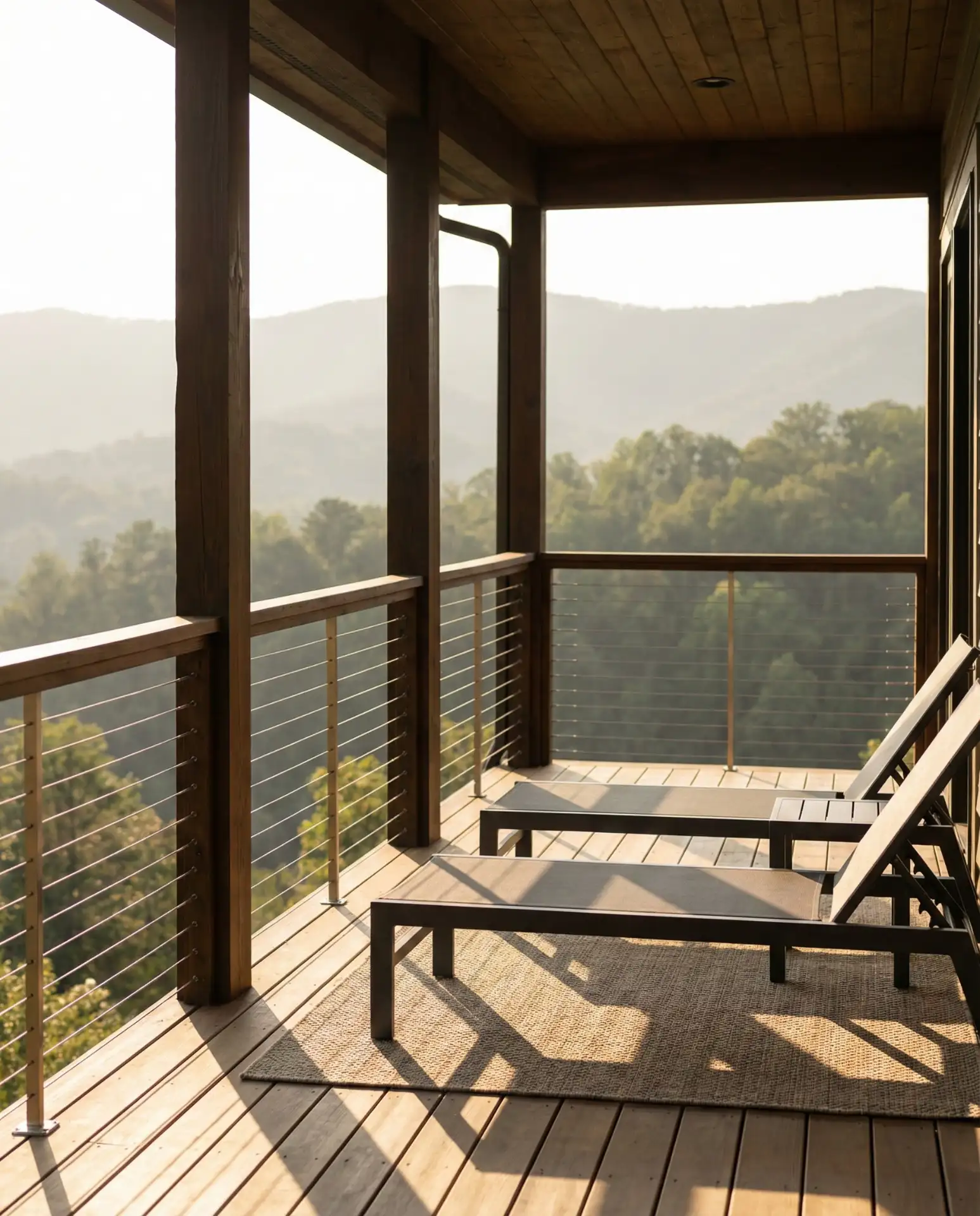
Stainless steel cable railings maximize sightlines while providing code-compliant safety, making them ideal for modern homes with scenic surroundings. The horizontal cables—typically spaced 3 inches apart—create an almost invisible barrier that’s particularly popular on back porches overlooking gardens, lakes, or mountain views. 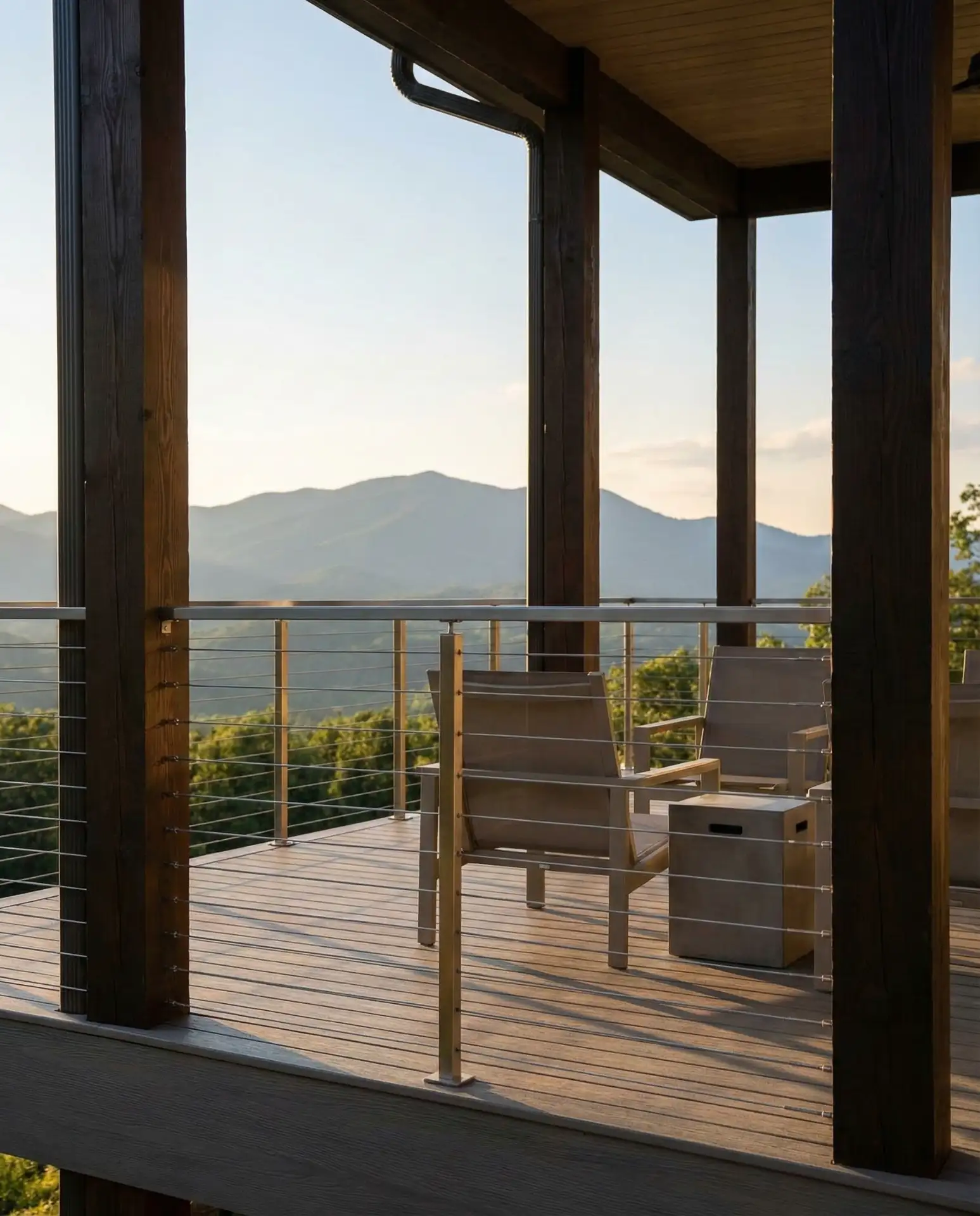
Cable systems work best on properties where the view is a primary asset—coastal homes, hillside lots, or rural acreage. Installation requires tensioning tools and precise spacing, so most homeowners hire professionals. One real behavior pattern: people initially worry about cables being less “substantial,” but after installation, they invariably appreciate how the transparency makes outdoor spaces feel more expansive and integrated with the landscape.
9. Reclaimed Barn Wood Rustic Railing
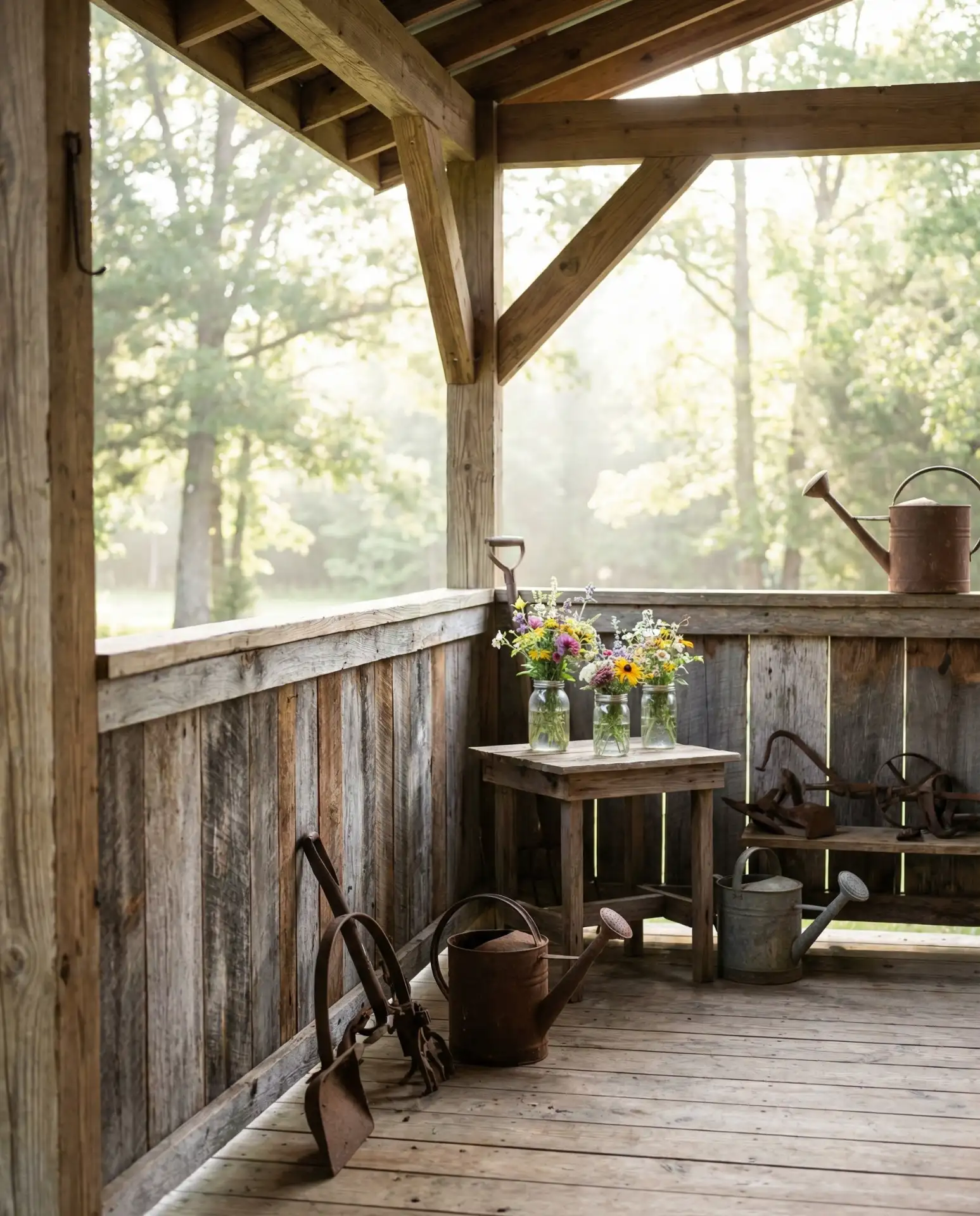
Using weathered barn wood for porch railings brings instant history and character to rustic and farmhouse designs. Each board tells a story through nail holes, saw marks, and natural aging, creating one-of-a-kind wooden railings that can’t be replicated with new materials. 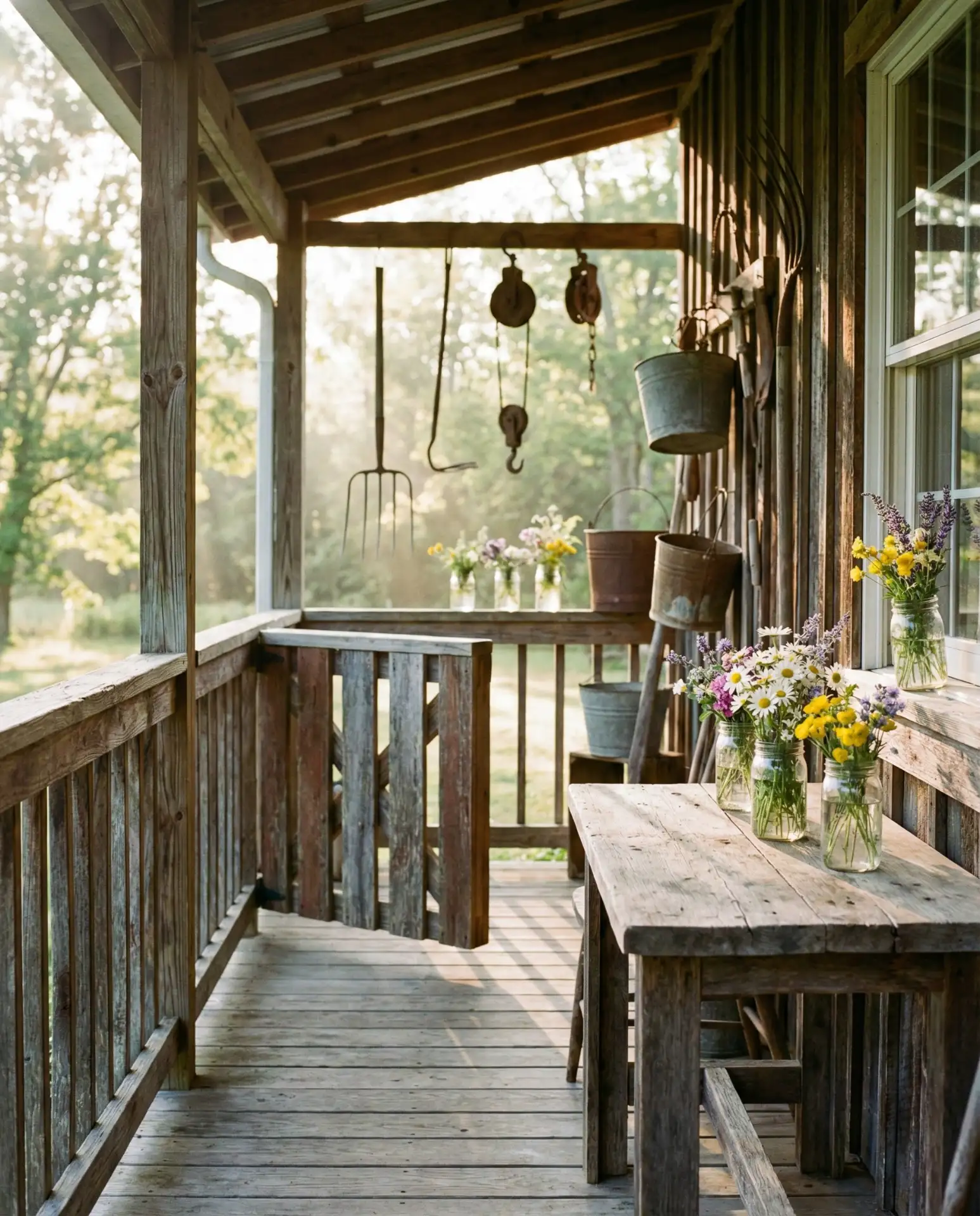
Across the Midwest and Texas, architectural salvage yards stock reclaimed lumber from demolished barns and industrial buildings. A common mistake is using barn wood without proper cleaning and treatment—old timber can harbor insects or mold. Strip, sand, and seal all reclaimed materials before installation. The upfront effort is worth it: you’ll have a railing with authentic texture that new wood simply can’t match, even with distressing techniques.
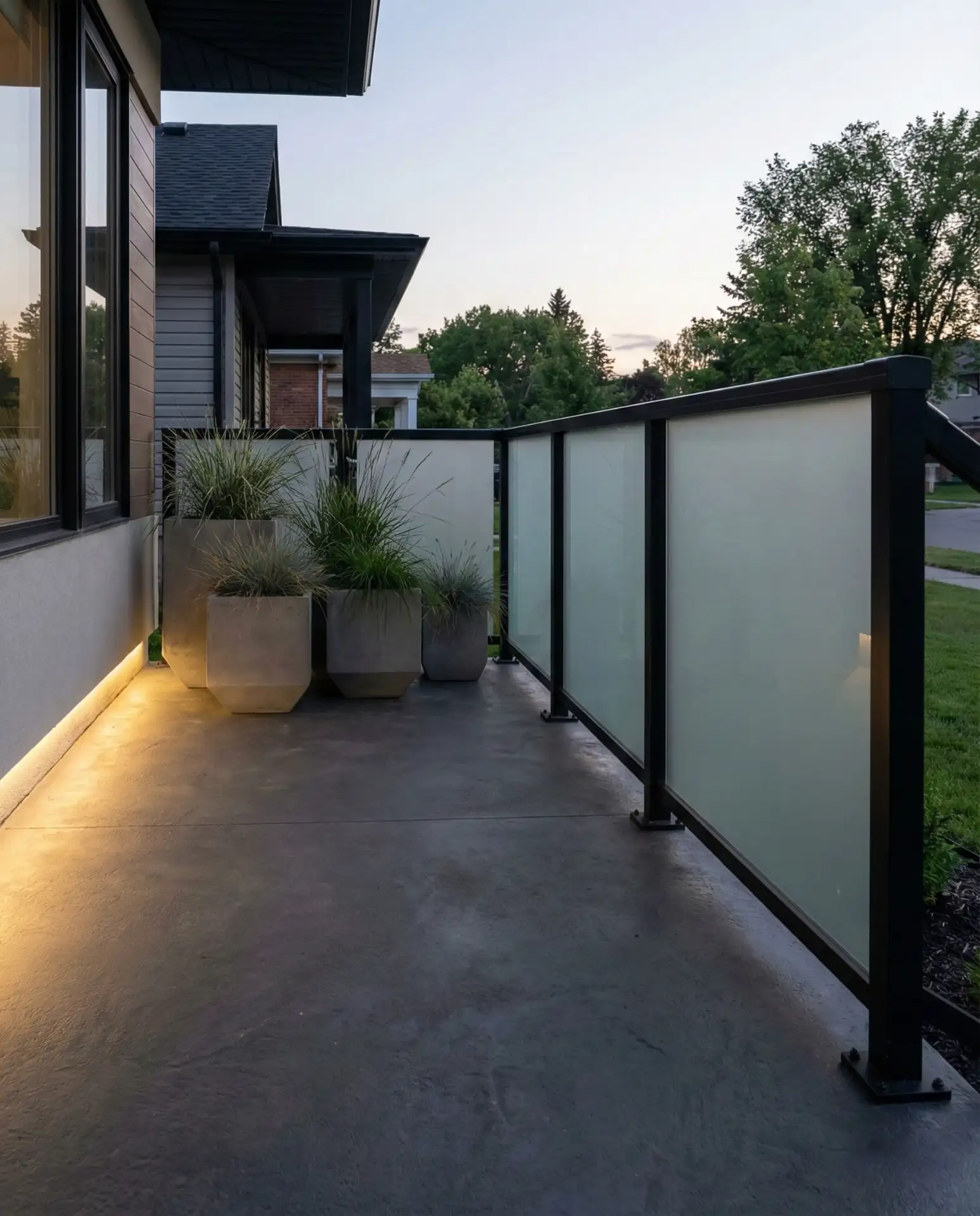
10. Sleek Aluminum Railing with Glass Panels

Powder-coated aluminum frames with tempered glass inserts deliver a modern look that’s both elegant and low-maintenance. This metal and glass combination suits contemporary front porches where clean lines and transparency are paramount, especially on modern front entries with architectural lighting. 
Glass railings work exceptionally well in coastal regions where homeowners want weather protection without blocking ocean breezes or sunset views. Aluminum won’t rust like steel, making it perfect for humid or salty environments. Budget around $150-200 per linear foot for this system—it’s a premium option, but the combination of durability, safety, and aesthetics justifies the investment for design-focused homeowners.
11. Traditional White Spindle Balusters

Turned wooden spindles painted white remain a timeless choice for classic front porches, offering intricate detail that adds visual interest without overwhelming the architecture. These front railings feature traditional lathe-work with subtle curves and profiles that catch light beautifully throughout the day. 
Where this works best: Colonial, Greek Revival, and Southern plantation-style homes where ornamental detailing is expected. The turned profiles add dimensionality that flat boards can’t achieve. An expert tip—use exterior-grade synthetic spindles instead of solid wood in humid climates; they maintain crisp detail indefinitely without the splitting and warping that plague traditional lumber in places like Georgia or Louisiana.
12. Industrial Pipe Railing for Urban Porches
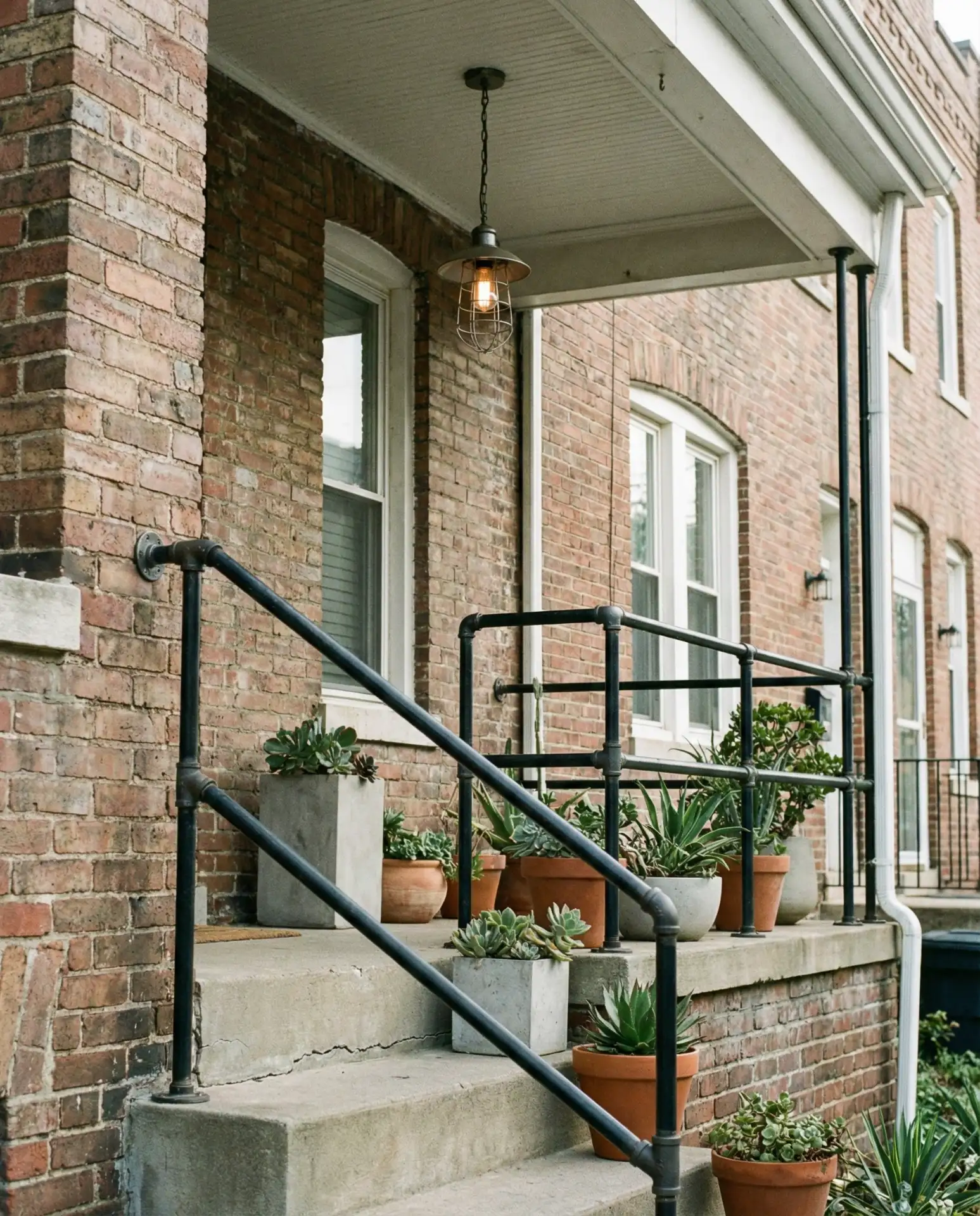
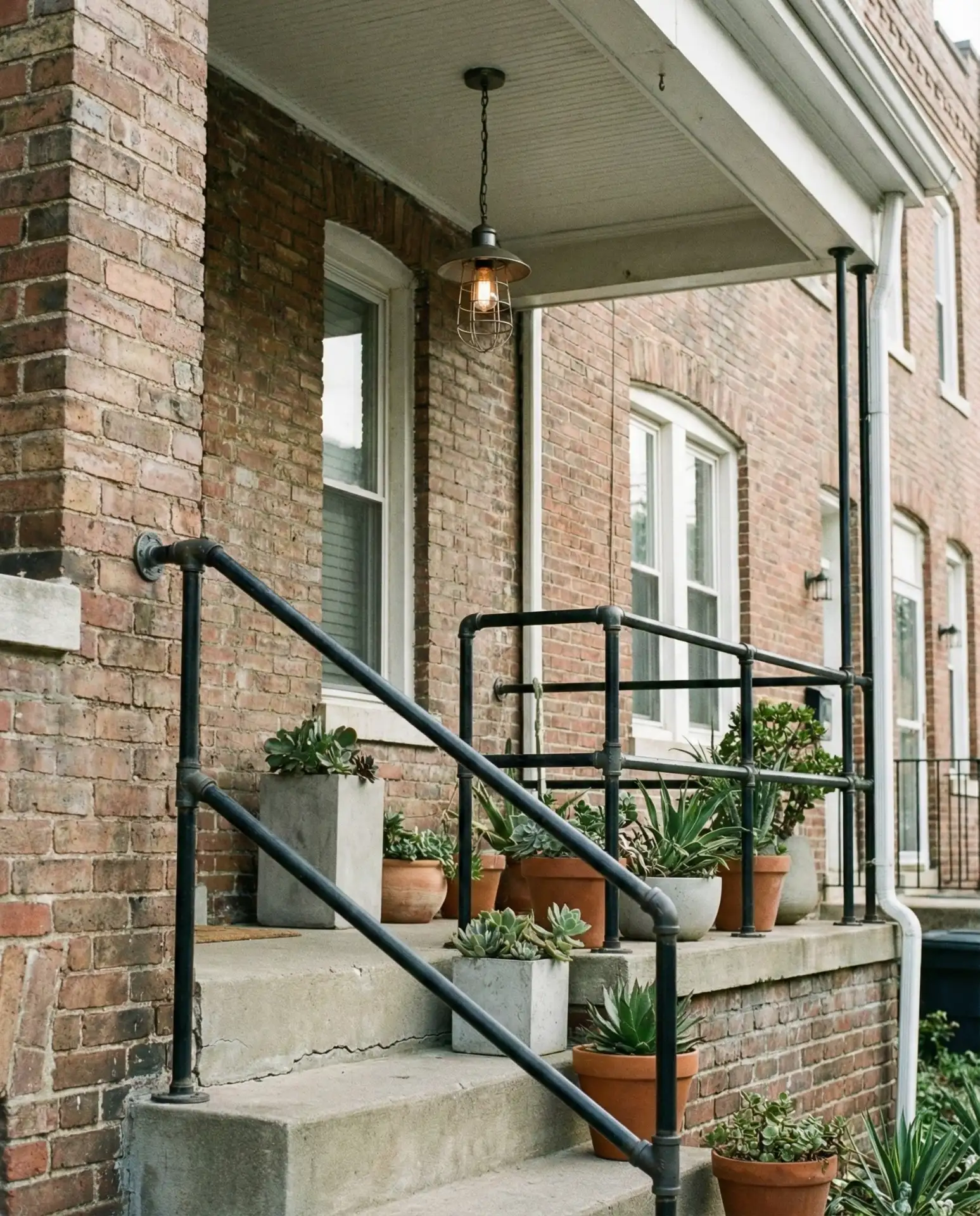
Black iron pipe fittings assembled into unique railing systems bring industrial character to small front porches in urban settings. This DIY-friendly metal approach uses standard plumbing components configured into custom designs, creating cheap alternatives to commercial railing systems with authentic warehouse style. 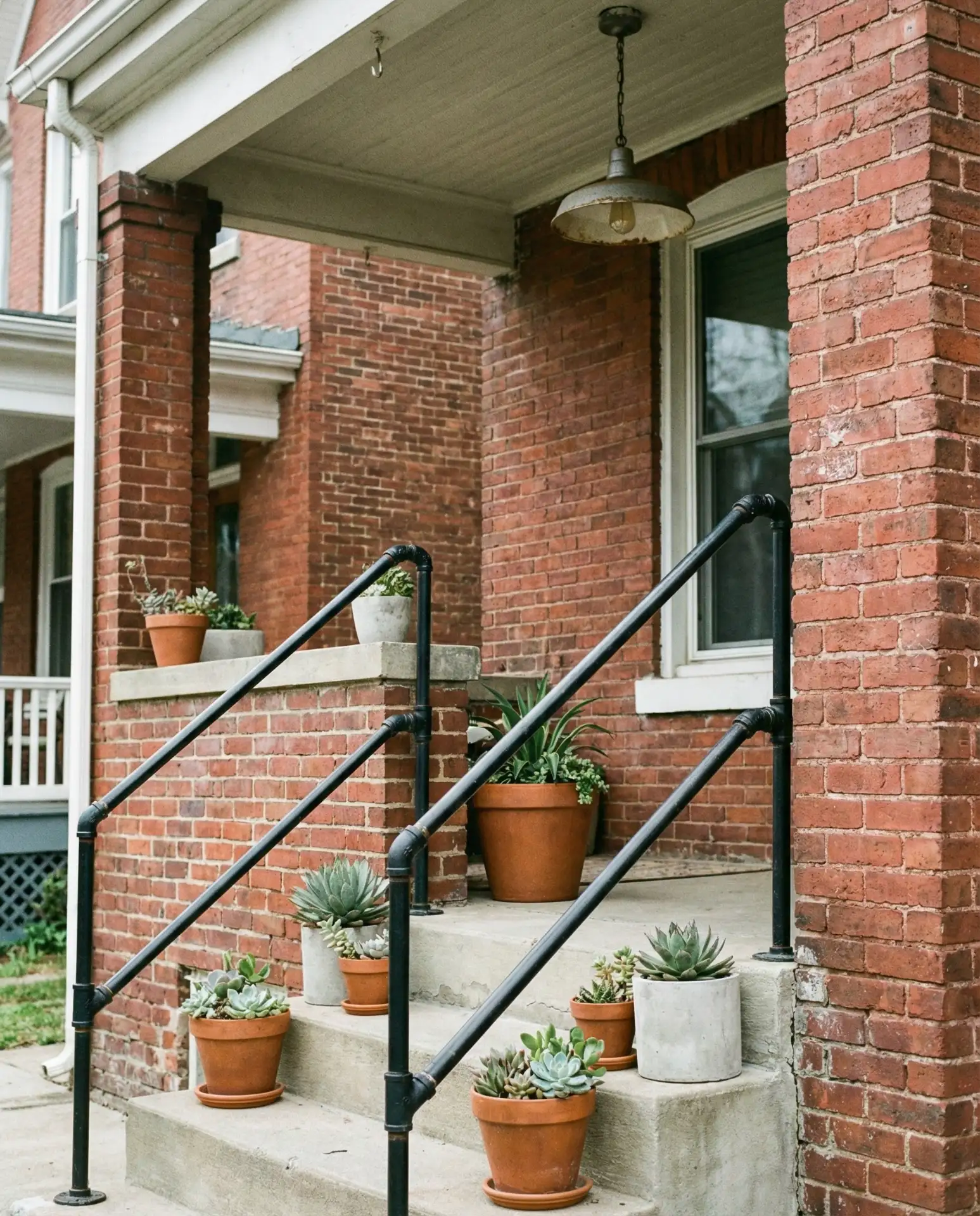
Real homeowner behavior: DIY enthusiasts love this project because pipes and fittings from hardware stores cost significantly less than prefabricated systems, and the modular nature means you can customize dimensions exactly. In Brooklyn, Portland, and Denver lofts-turned-homes, this aesthetic feels right at home. Just remember to apply clear coat to prevent rust, and check local codes—some jurisdictions have specific requirements about horizontal rail spacing that might affect your design.
13. Composite Decking Board Railings
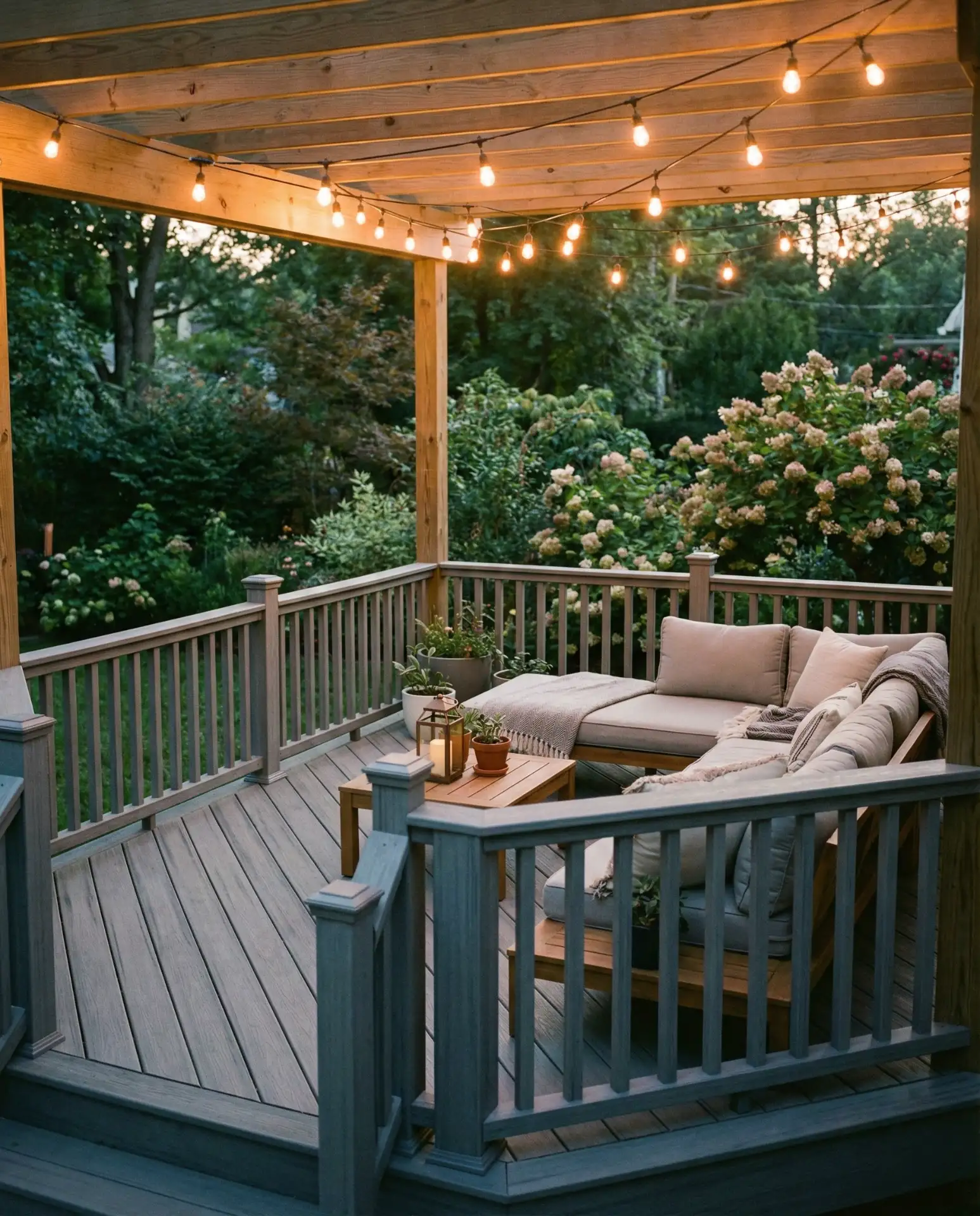
Composite materials that blend recycled plastic and wood fibers create virtually maintenance-free outdoor railings in colors ranging from natural wood tones to modern grays. These systems resist rot, insects, and fading, making them practical choices for back porches and screened in areas exposed to harsh weather. 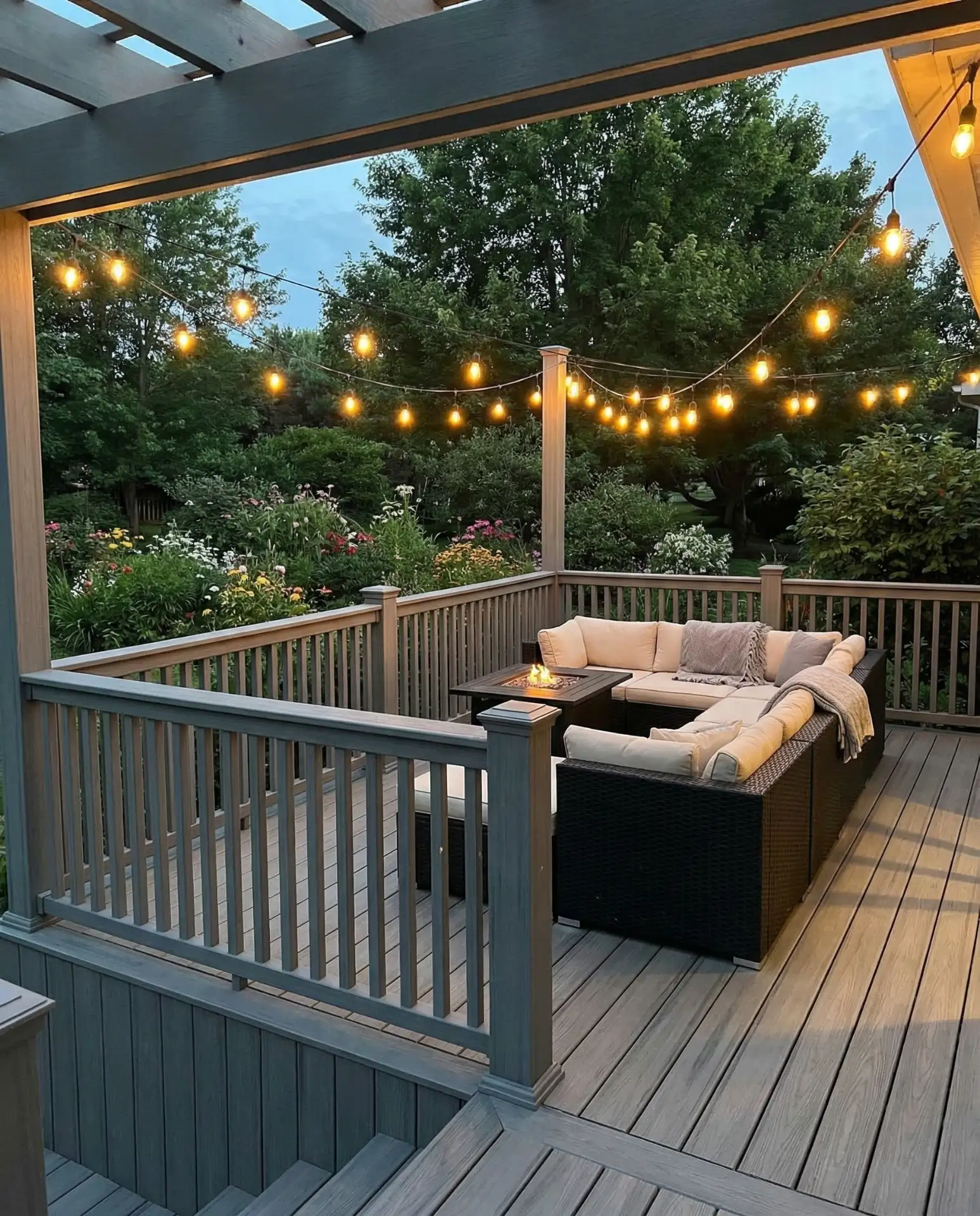
Composite railings dominate the market in regions with temperature extremes—both the sun-baked Southwest and freeze-thaw Northeast. Homeowners appreciate that these systems never need painting or staining, just occasional soap-and-water cleaning. A micro-budget comparison: composite costs 50-70% more upfront than pressure-treated wood, but when you factor in zero maintenance over 25+ years, the lifetime value equation flips in composite’s favor.
14. X-Pattern Wood Railing for Farmhouse Charm

Diagonal wooden boards arranged in repeating X-patterns deliver signature farmhouse style with a nod to historic barn architecture. This rustic front design works beautifully when executed in natural wood tones or painted classic white, creating visual rhythm along the porch perimeter. 
This pattern originated in rural America where practicality met aesthetics—the diagonal bracing provides excellent structural support while creating distinctive shadow patterns. In Tennessee, Kentucky, and rural Pennsylvania, you’ll see this detail on restored farmhouses and new-builds alike. One tip from experienced builders: miter the X-joints perfectly and pre-drill screw holes to prevent splitting, especially when working with pine or fir.
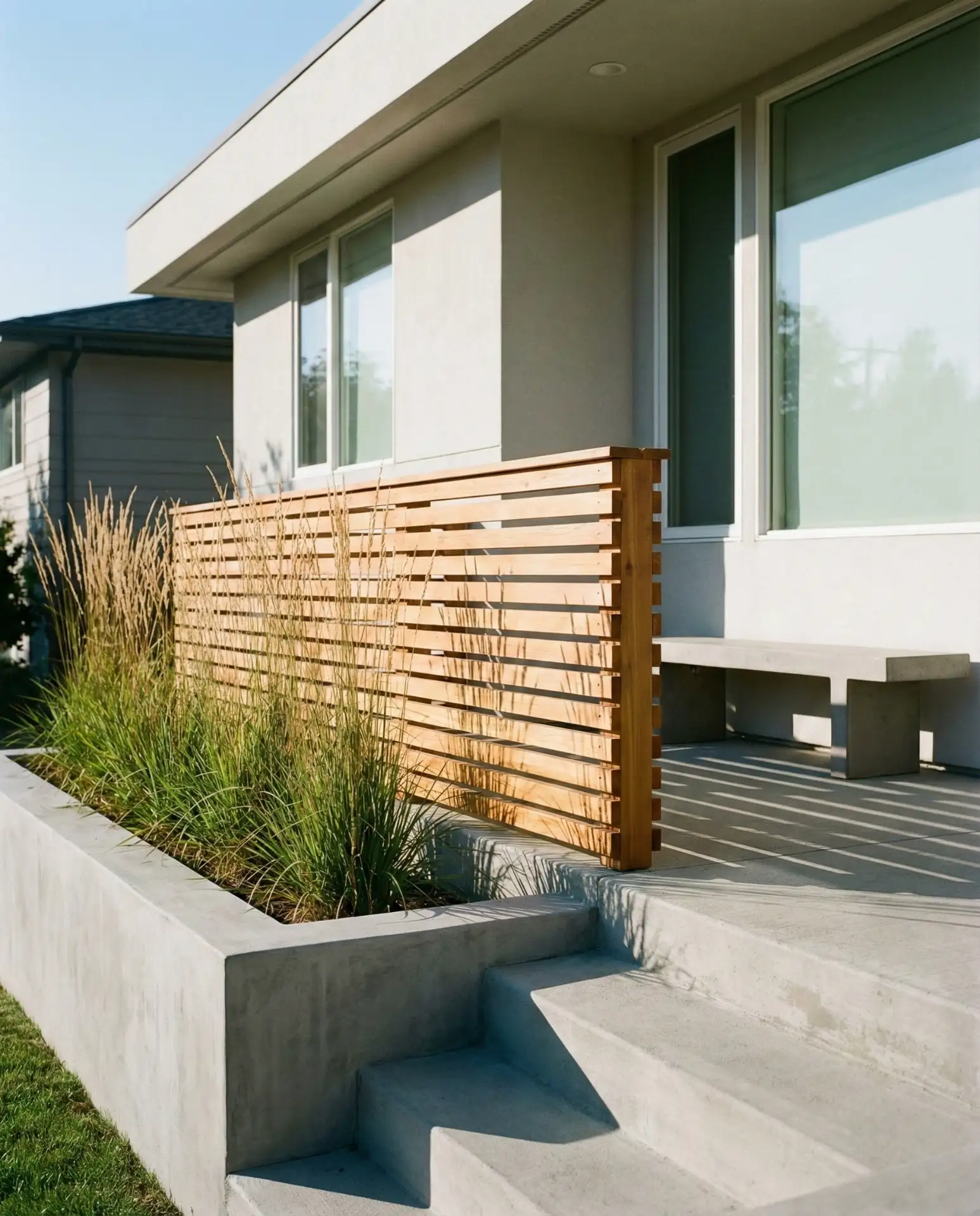
15. Minimalist Horizontal Slat Railing
Narrow horizontal slats spaced evenly create a contemporary screen effect that’s popular on modern and mid-century inspired homes. This outdoor railing style uses wood , composite, or metal slats to balance privacy with openness, making it ideal for front porches in dense suburban neighborhoods. 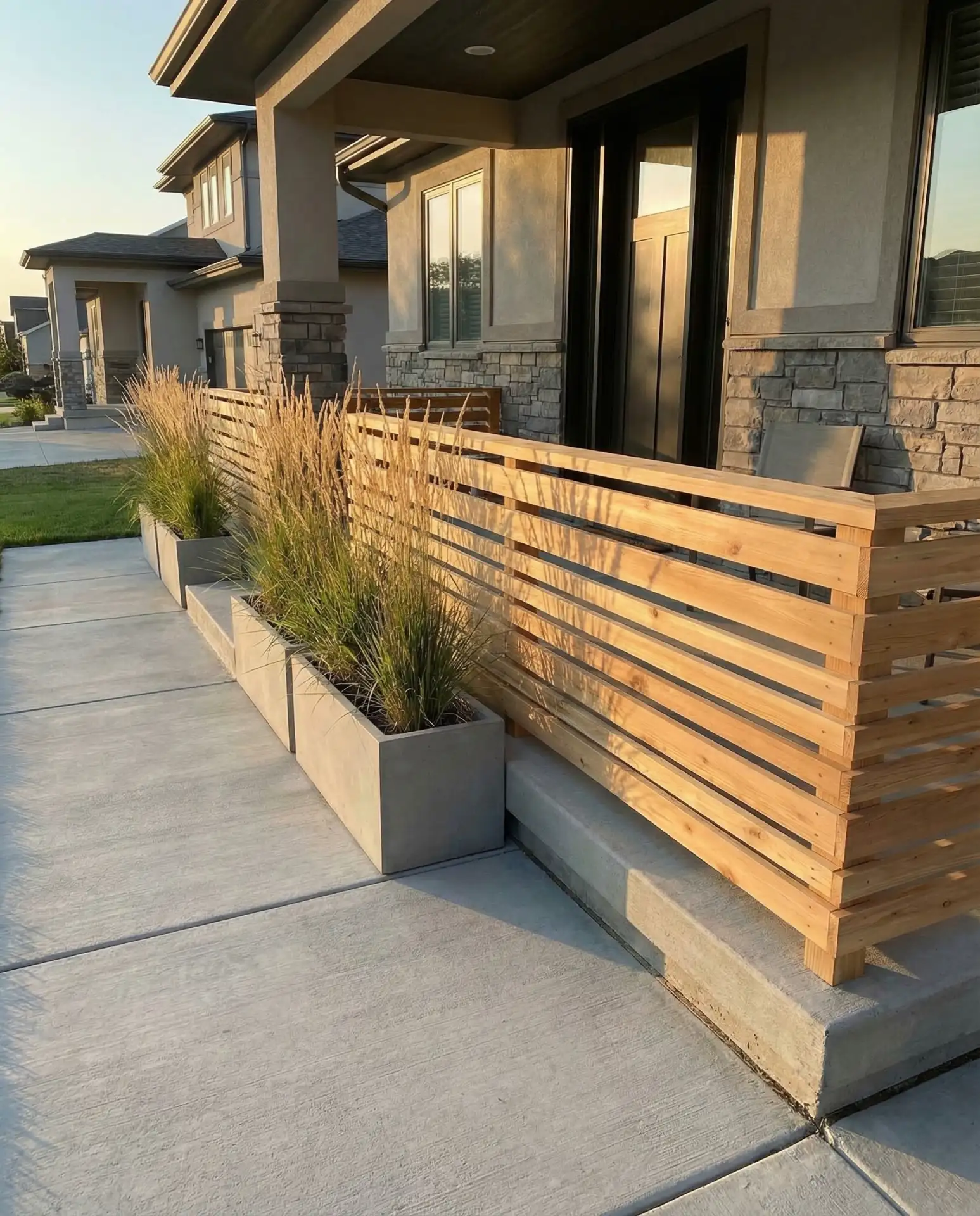
In California and Arizona, where indoor-outdoor living is a lifestyle, horizontal slats provide just enough screening to create definition without walls. The spacing between slats—typically 2 to 4 inches—affects both aesthetics and function. Expert commentary: tighter spacing feels more private and contemporary, while wider gaps read as more open and casual. Either way, this design language signals modern sensibility to visitors approaching your front door.
16. Copper Pipe Railing with Patina Finish
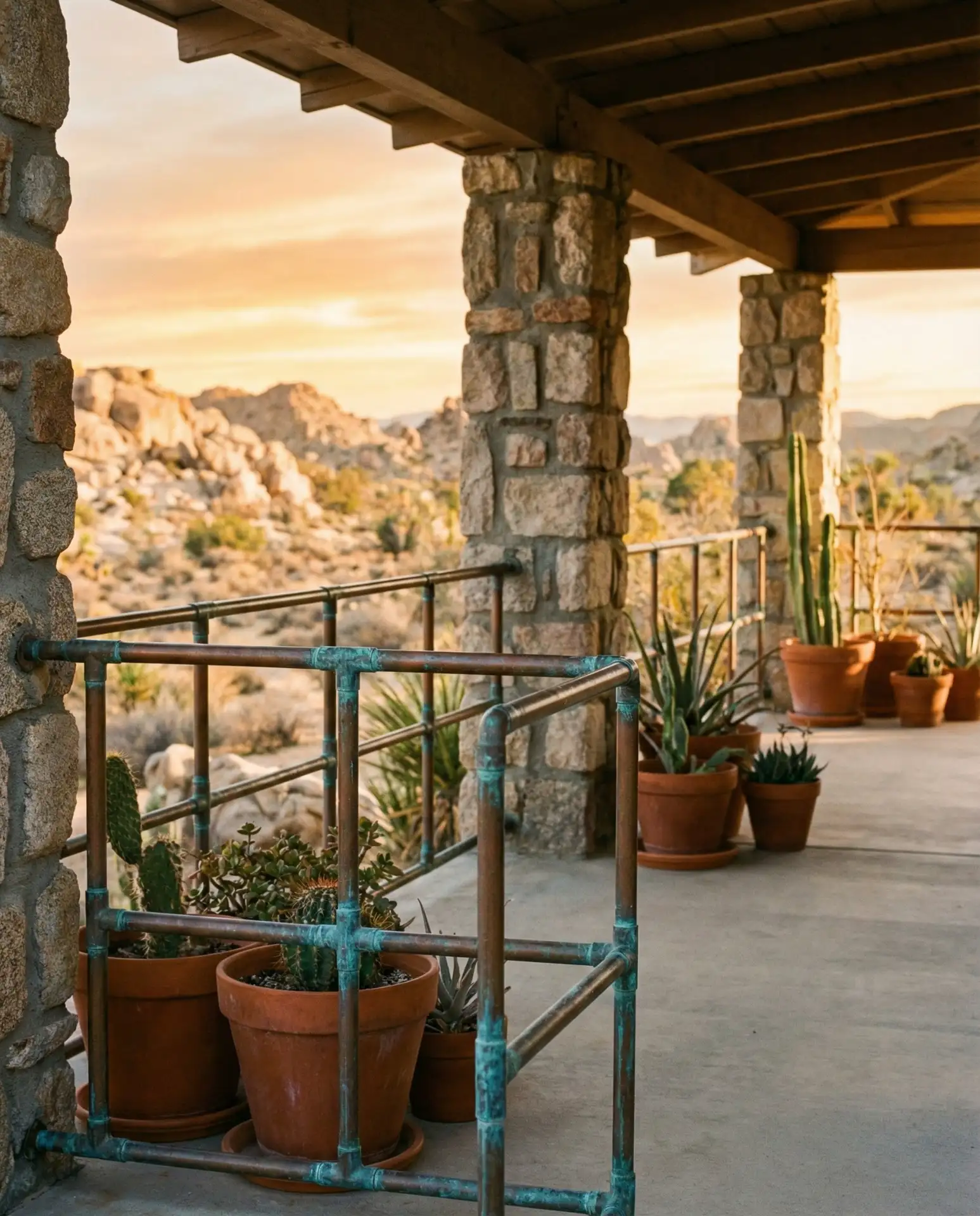
Copper piping develops a living verdigris patina over time, transforming unique metal railings into ever-changing art pieces on outdoor porches. This warm-toned material pairs exceptionally well with natural stone, stucco, and brick, making it a standout choice for homes with earthy, organic design palettes. 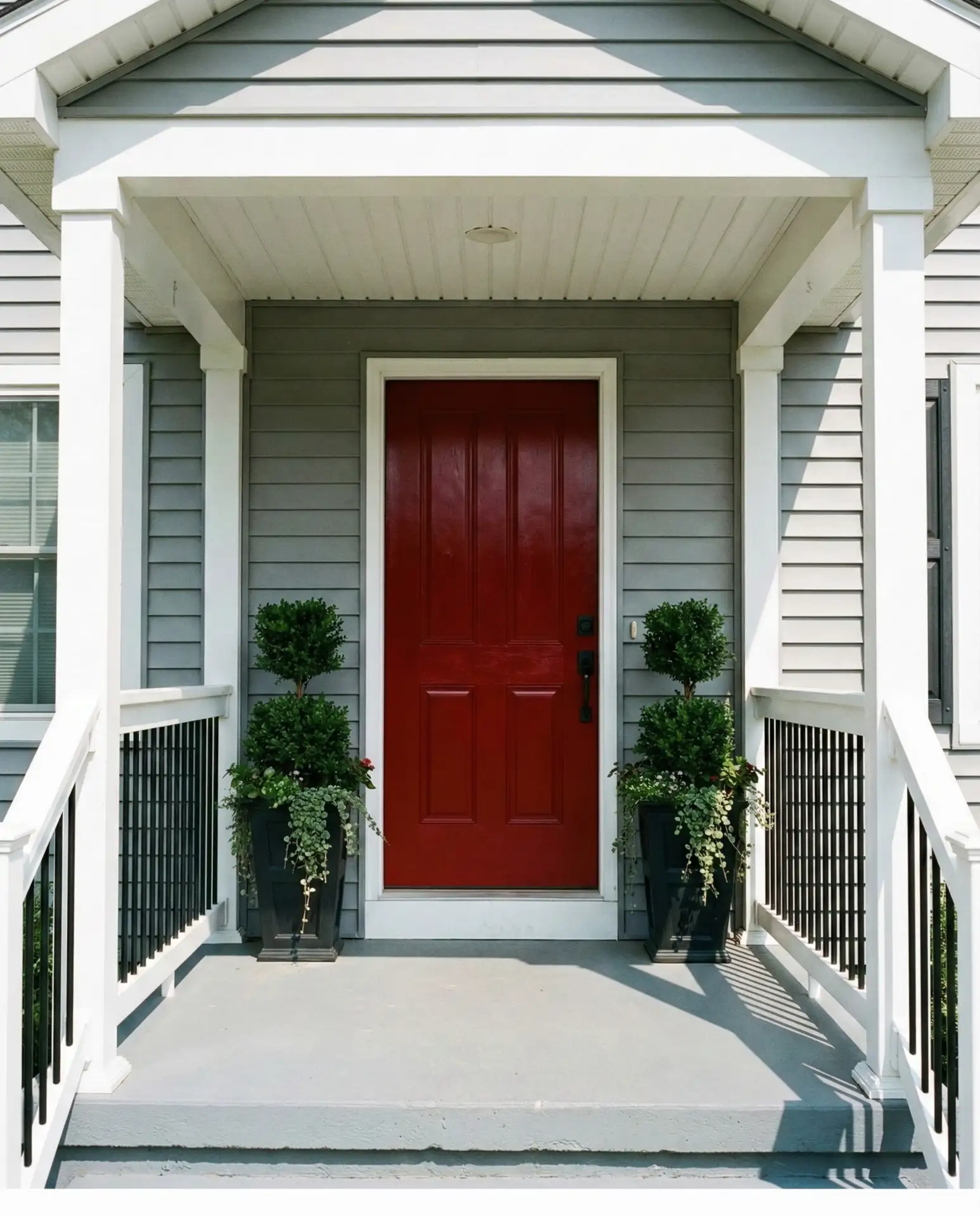
Copper’s natural antibacterial properties make it a surprisingly hygienic handrail material—a feature hospitals have known for years. In the Southwest, where Spanish Colonial and Adobe architecture thrives, copper accents feel culturally appropriate. The material costs more than steel or aluminum (expect $40-60 per linear foot for materials alone), but its self-finishing nature means zero maintenance beyond enjoying the gradual color evolution from bright orange to rich turquoise.
17. Mixed Material Railing: Wood Posts with Metal Balusters

Combining substantial wooden posts with slim black metal balusters creates a transitional style that bridges traditional and modern aesthetics. This approach lets homeowners enjoy the warmth of wood framing while benefiting from the durability and clean lines of metal infill on their front porch. 
This combination has surged in popularity because it offers the best of both worlds—wood’s organic appeal at touchpoints (posts, handrails) and metal’s slender profile for the infill, which keeps sight lines open. Common mistakes include mismatched proportions; the wood elements should be visually substantial enough to anchor the lighter metal work. When executed correctly, this detail looks custom and considered, elevating perceived home value.
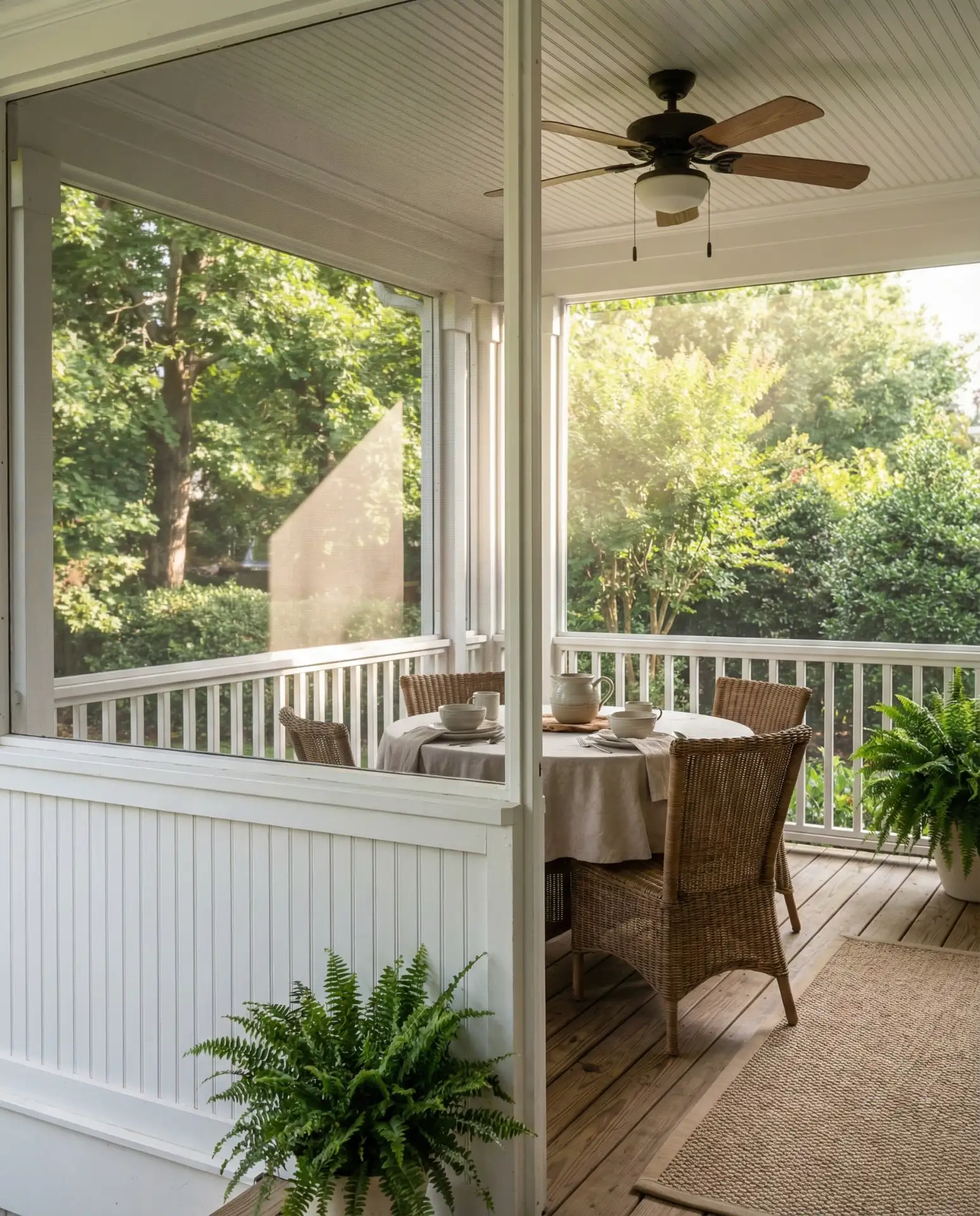
18. Screened-In Porch with Half-Wall Railing

A solid half-wall topped with screening creates a screened in porch that feels protected yet open, perfect for back porches where bug-free outdoor dining is a priority. The lower wall—typically 24 to 36 inches high—can be finished in wood , composite, or painted siding to match the home’s exterior. 
Where this works best: Southern states and humid climates where mosquitos and other insects make unscreened porches unusable during prime summer months. The half-wall provides visual weight and privacy from ground level while the screening above preserves airflow and views. Last June, friends renovated their Virginia porch this way and said it completely changed how they use the space—suddenly it became their summer living room rather than a pass-through zone.
19. Rope Railing for Coastal Cottage Style
Nautical rope strung between wooden posts brings beachy, relaxed vibes to small front or back porches on coastal properties. This unique approach uses marine-grade manila or synthetic rope in natural tones, creating casual boundaries that feel vacation-inspired even in everyday settings. 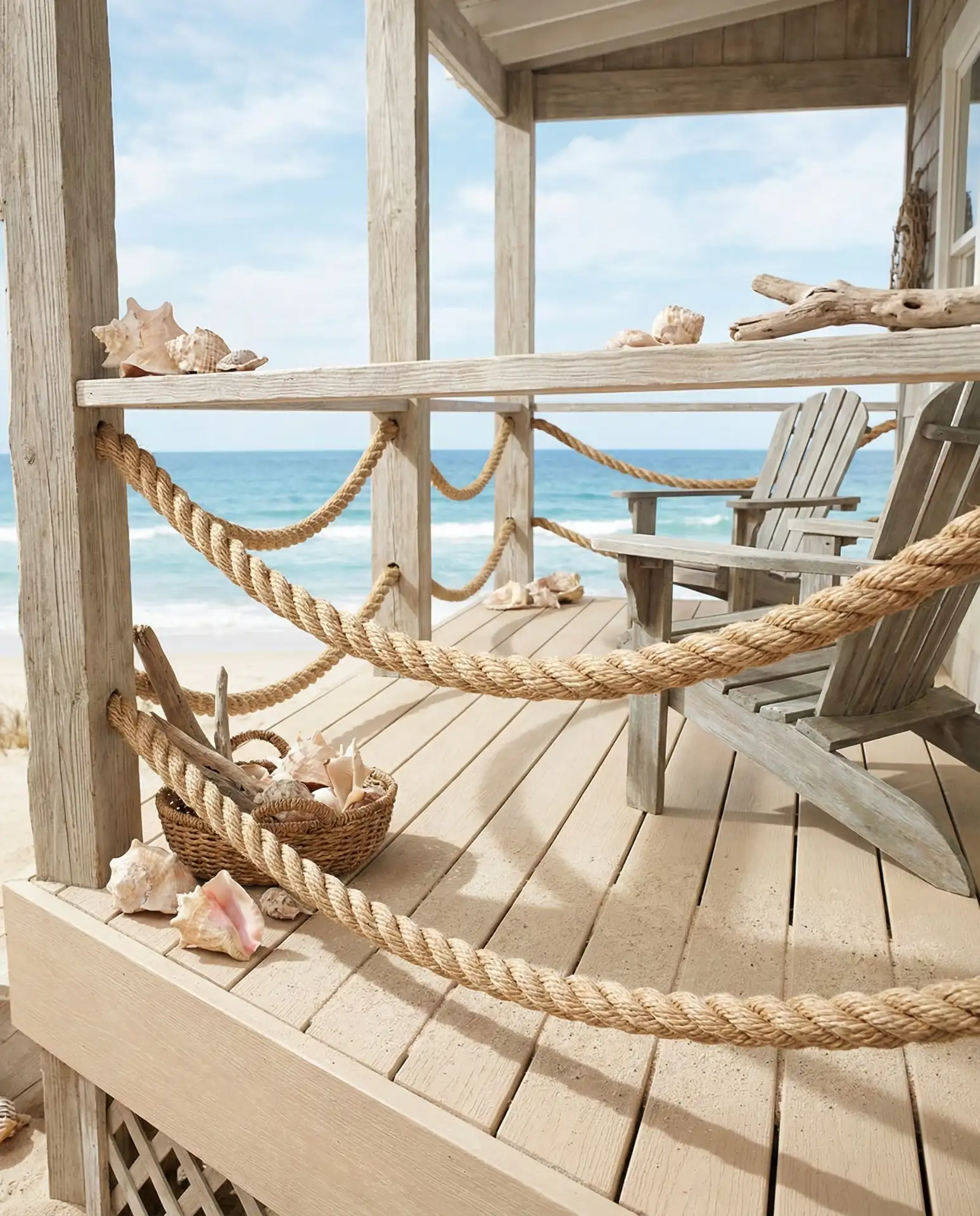
Rope railings evoke immediate associations with docks, sailboats, and seaside living, making them perfect for Cape Cod cottages, Florida beach houses, or California coastal bungalows. Real homeowner behavior shows this style works best when you embrace the casual aesthetic completely—pair it with weathered furniture and nautical accents rather than formal elements. The rope requires annual inspection and occasional replacement, but it’s inexpensive and easy to re-string yourself.
20. Lattice Panel Railing for Privacy
Diagonal lattice panels installed between porch posts create semi-private outdoor spaces while maintaining ventilation and filtered light. This cheap solution uses prefabricated wooden or vinyl lattice sheets, making it ideal for back porches where neighbors are close or street traffic is visible. 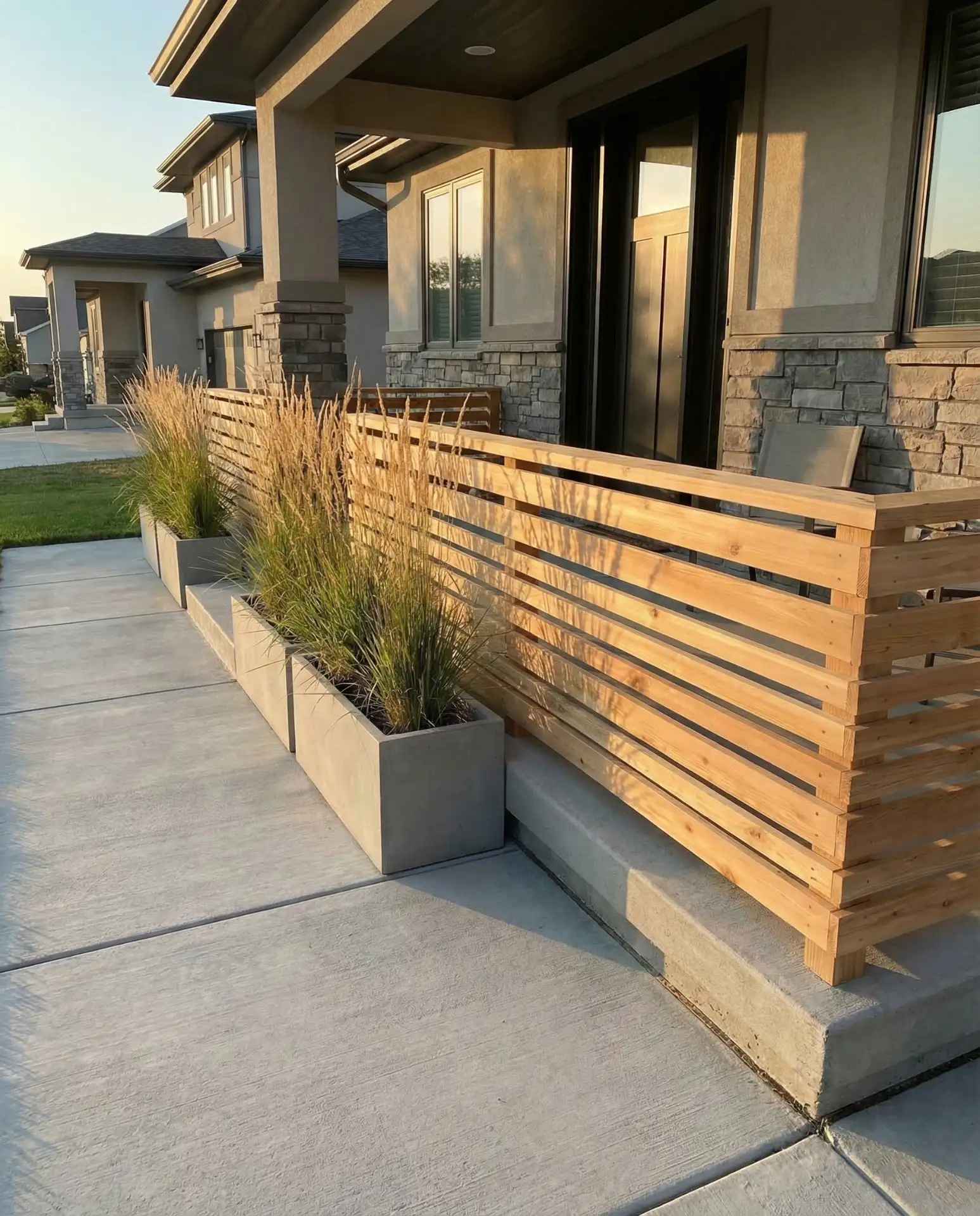
Lattice costs just $15-25 per 4×8 sheet at home improvement stores, making it one of the most budget-friendly railing options available. The open diamond or square pattern provides about 50% visual screening—enough to create intimacy without feeling closed-in. A practical insight: choose vinyl lattice in wet climates to avoid the warping and rot that plagues wooden lattice, or plan to replace wood panels every 5-7 years as part of routine maintenance.
21. Tapered Columns with Simple Rail

Craftsman-inspired tapered columns paired with minimal horizontal rails emphasize vertical architectural elements while keeping front porch railings understated. These substantial wooden or composite columns—wider at the base and narrower at the top—frame entryways with authority and classic front porch presence. 
This configuration lets the columns do the visual heavy lifting, which is exactly what Craftsman architects intended—celebrating honest structure over ornamentation. In bungalow-rich neighborhoods across California, the Midwest, and Pacific Northwest, maintaining these proportions is key to preservation efforts. Budget tip: factory-built fiberglass or composite columns cost less than custom milled wood and resist moisture damage indefinitely, making them a smart investment in any climate.
22. Arched Top Railings for Cottage Charm
Gentle curves cut into top rails create whimsical, storybook character perfect for cottage-style front porches. These wooden railings feature scalloped edges between posts, adding softness and visual interest that distinguishes unique homes from standard rectangular designs. 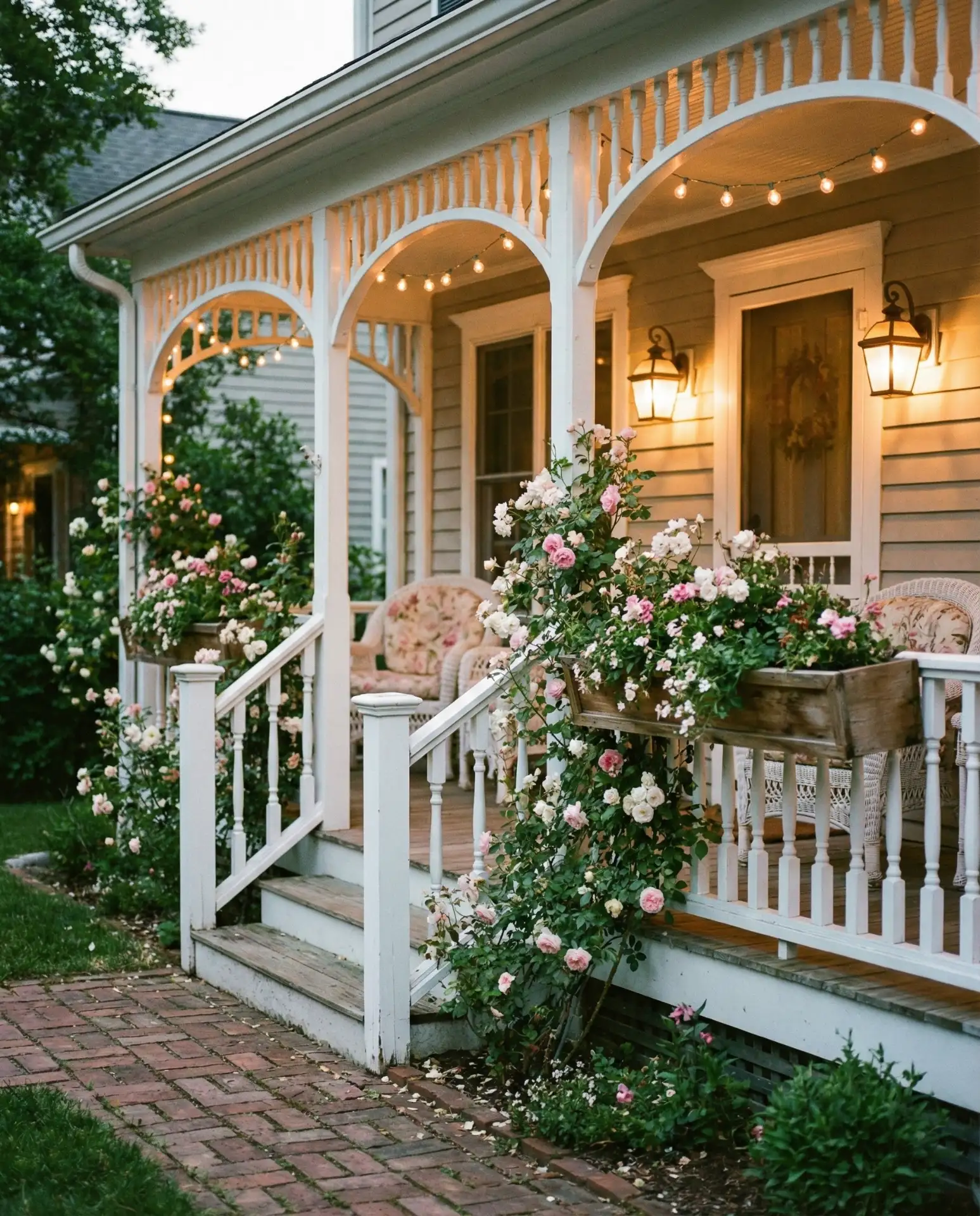
These custom touches require skilled carpentry—the curves must be cut precisely and sanded smooth—but the result is unmistakably charming and custom-looking. Where this works best: English cottage gardens, Victorian-era neighborhoods, or any home where fairy-tale aesthetics are embraced. One neighbor’s cottage features this detail and it’s become a neighborhood landmark; people actually stop to photograph it. The curves catch afternoon light beautifully, creating gentle shadows that shift throughout the day.
23. Corrugated Metal Panel Railing for Industrial Farmhouse
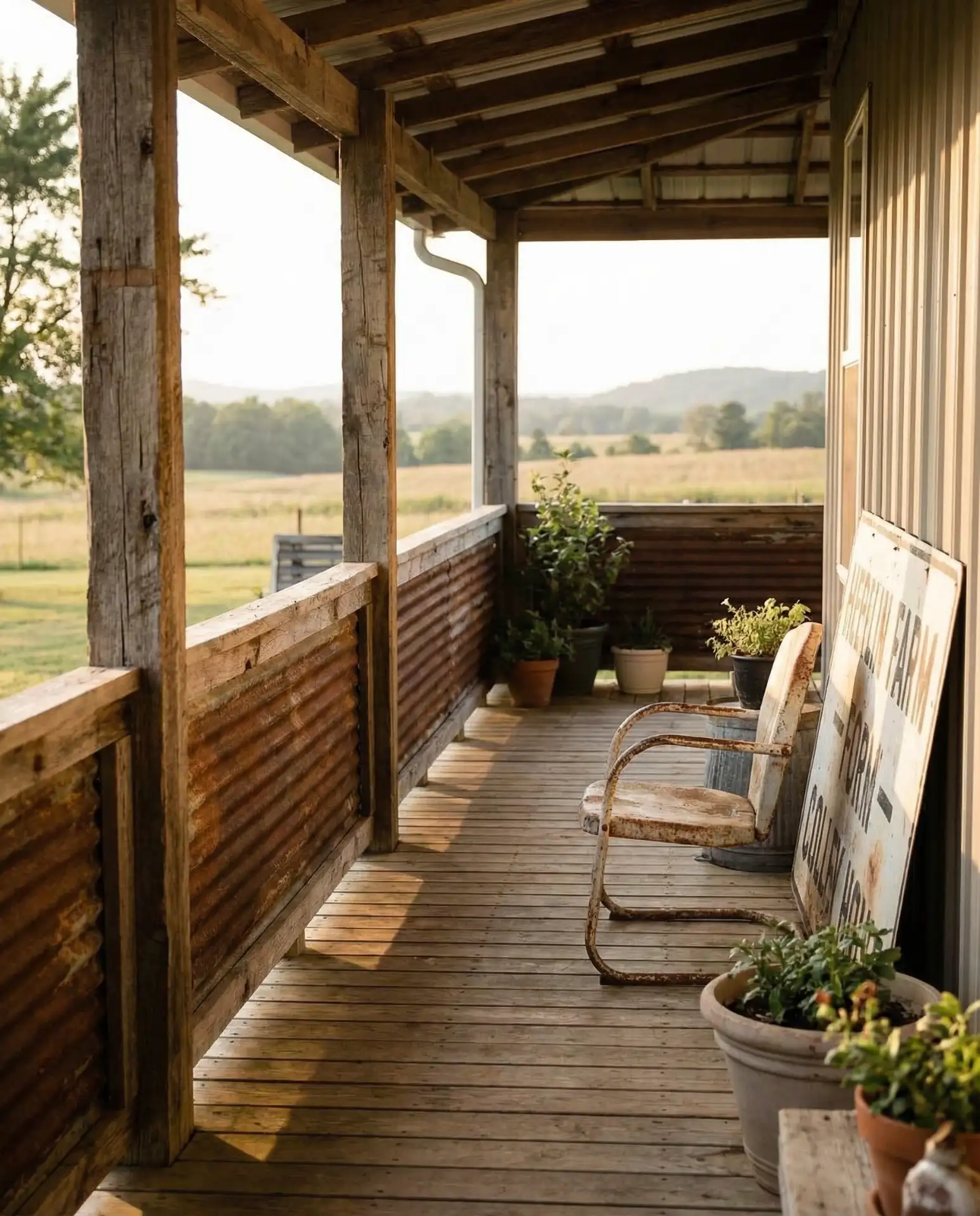
Galvanized or painted corrugated metal sheets installed between wooden or metal posts blend rustic farmhouse utility with industrial edge. This durable cheap option repurposes agricultural materials for residential porches, creating texture and visual interest at a fraction of custom railing costs. 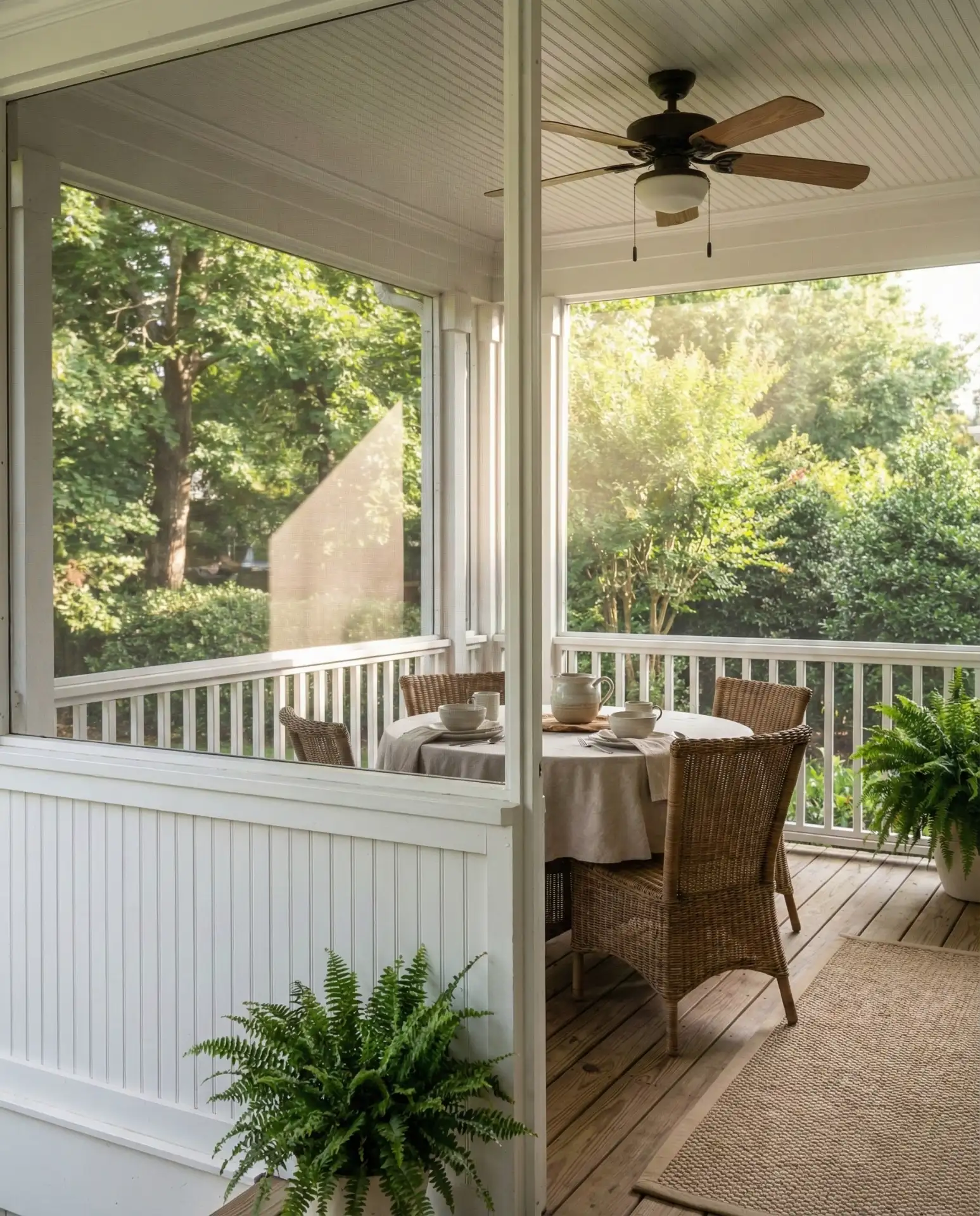
In Texas, Montana, and rural areas where barn architecture influences residential design, corrugated metal feels authentic and purposeful. The material costs just $10-20 per sheet and installs quickly. Common mistake: using untreated steel in humid climates where rust becomes a problem within months. Instead, choose galvanized or pre-painted steel, or embrace the rust as part of the patina—just seal it with clear coat to prevent further deterioration and staining of adjacent surfaces.
Conclusion
Whether you’re drawn to the timeless elegance of classic white spindles or the modern edge of cable railings, your porch railing choice shapes how visitors experience your home. These 23 ideas showcase the incredible range of styles, materials, and budgets available in 2026—from DIY-friendly solutions to statement-making custom designs. We’d love to hear which ideas resonate with your vision or see photos of your own porch transformation. Share your thoughts in the comments below and inspire fellow homeowners on their design journey.