Paver patios continue to dominate American outdoor design in 2026, blending durability with endless creative possibilities. Whether you’re scrolling through Pinterest for backyard inspiration or planning a complete outdoor overhaul, pavers offer the flexibility to match any style—from sleek modern layouts to rustic garden retreats. This year, homeowners are embracing bold patterns, mixed materials, and multi-functional spaces that extend living areas beyond four walls. In this guide, you’ll discover stunning paver patio ideas that range from classic herringbone designs to contemporary fire pit lounges, each tailored to help you transform your outdoor space into a personal oasis.
1. Classic Herringbone Paver Patio
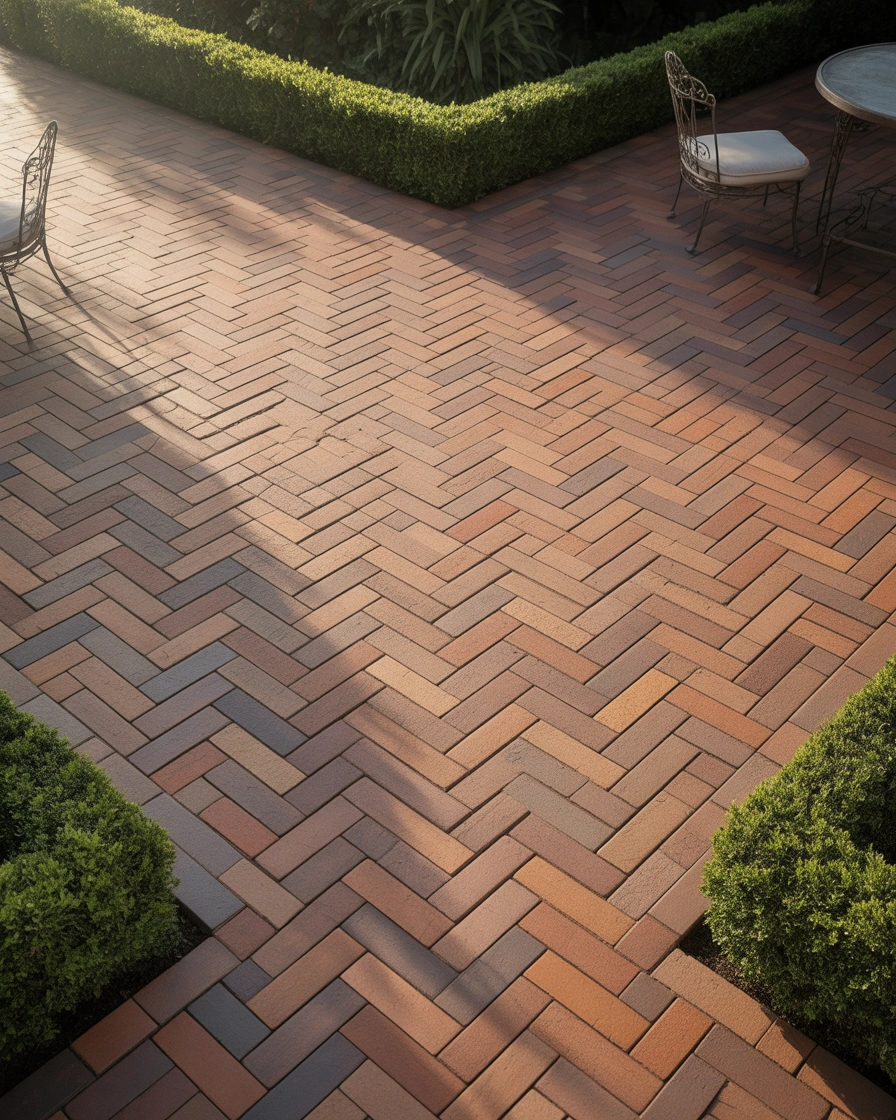
The herringbone pattern remains a timeless choice for paver patios, offering visual interest and structural stability. This angled layout works beautifully in both front yard settings and sprawling backyards, creating a sense of movement that guides the eye across the space. The interlocking design distributes weight evenly, making it ideal for high-traffic areas or driveways that double as entertaining zones.
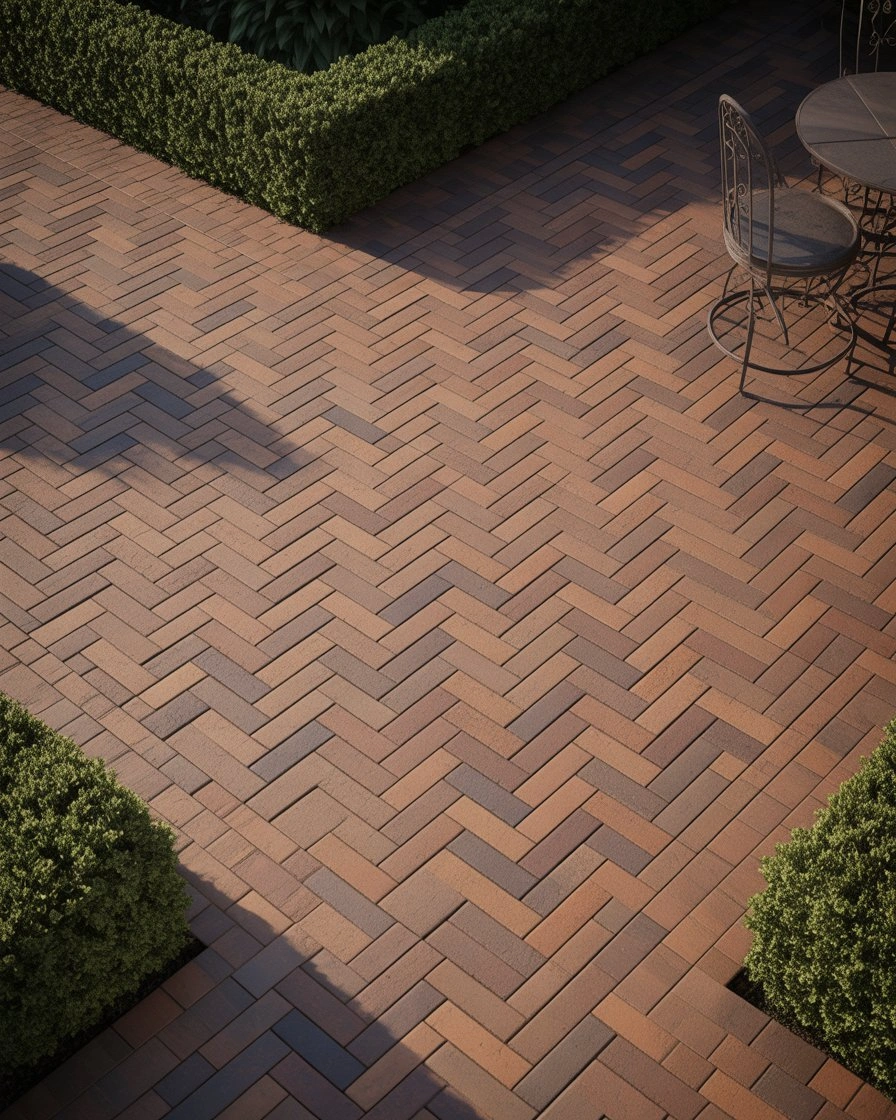
One common mistake is choosing pavers that are too uniform in color, which can flatten the herringbone’s dynamic effect. Instead, opt for subtle color variation within the same tone family—this adds depth without overwhelming the pattern. Seal the pavers every two to three years to maintain their rich hue and prevent weed growth between joints, especially in humid climates where moisture accelerates deterioration.
2. Large Format Paver Patio with Fire Pit
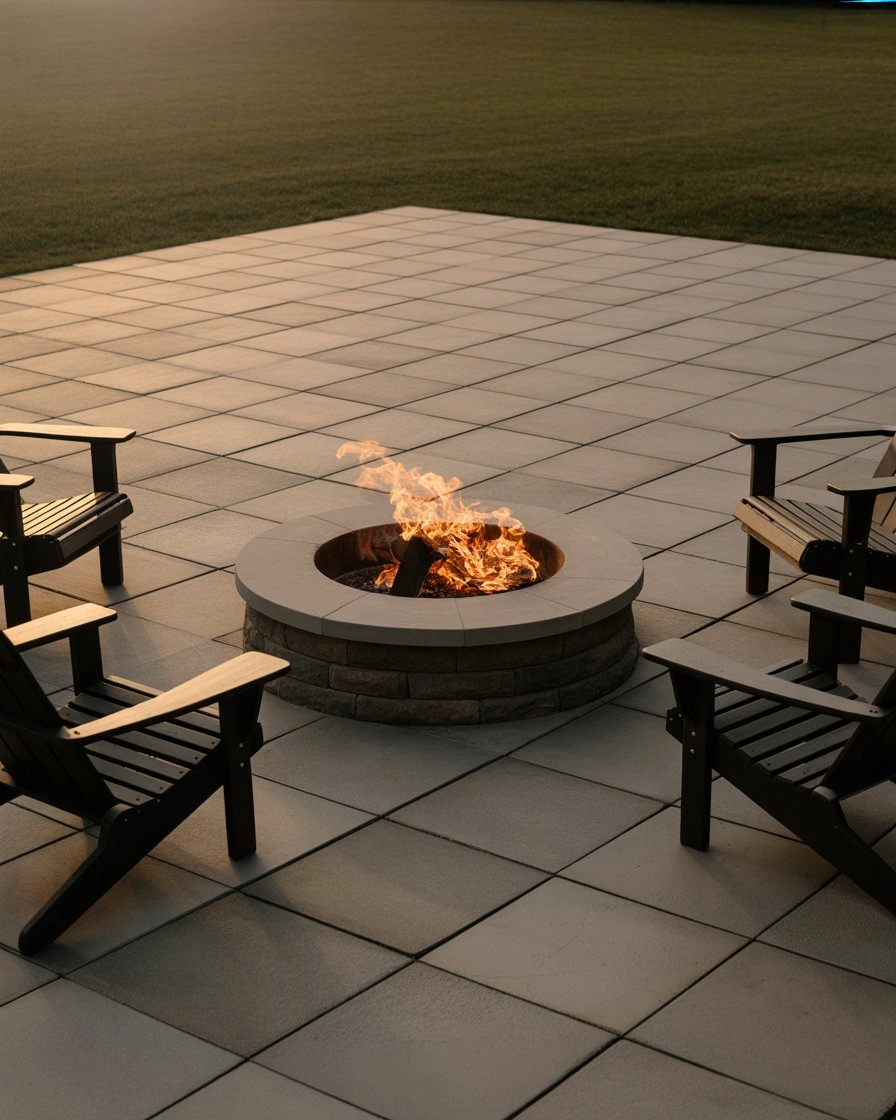
Oversized pavers create a modern canvas for outdoor living, and when paired with a built-in fire pit, they transform any backyard into a year-round gathering spot. Large-format pavers—typically 24×24 inches or bigger—reduce grout lines for a sleek, contemporary look that pairs beautifully with minimalist furniture and clean landscaping. This setup is particularly popular in suburban neighborhoods where families want a central entertainment hub.
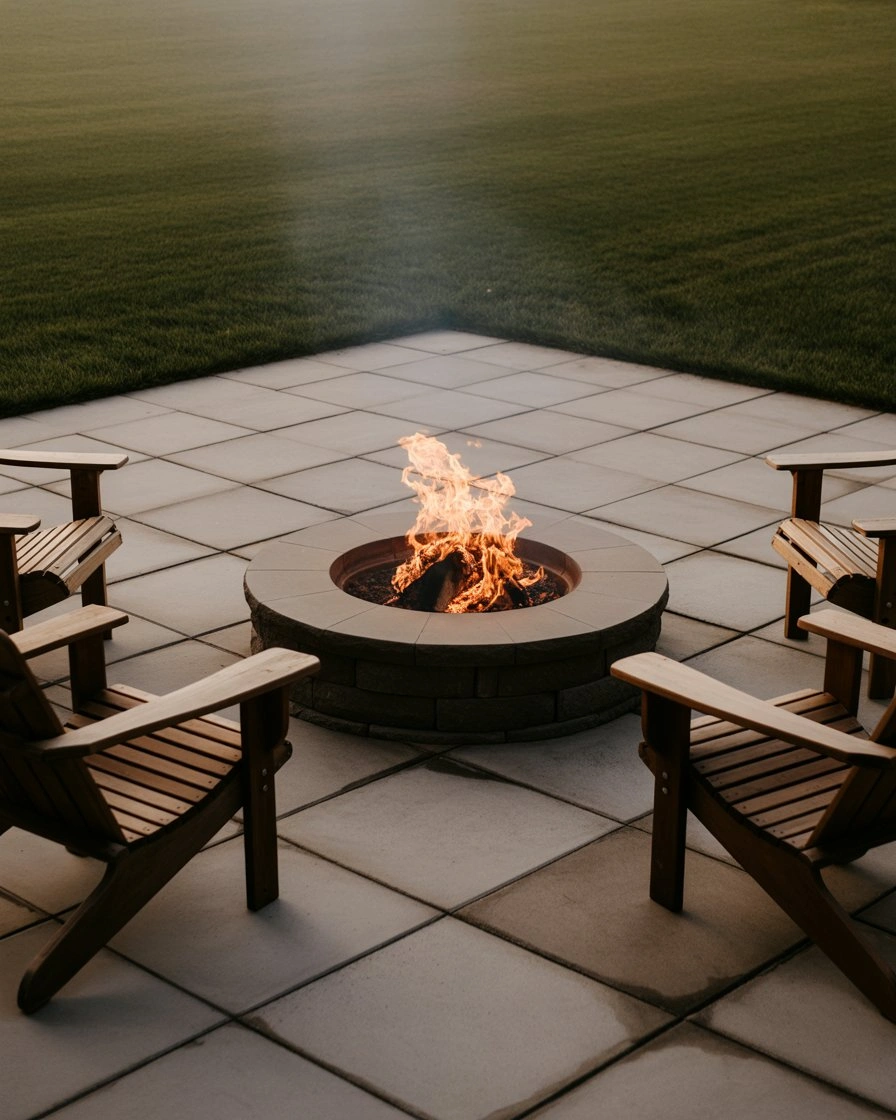
In the Midwest and Northeast, homeowners often extend patio season well into fall and early winter by clustering seating close to the fire pit and adding outdoor heaters. Budget-conscious buyers can achieve a similar effect by mixing large pavers with gravel infill, which cuts material costs while maintaining a high-end aesthetic. Always check local codes for fire pit placement—most municipalities require a minimum clearance from structures and property lines.
3. Pea Gravel and Paver Combo
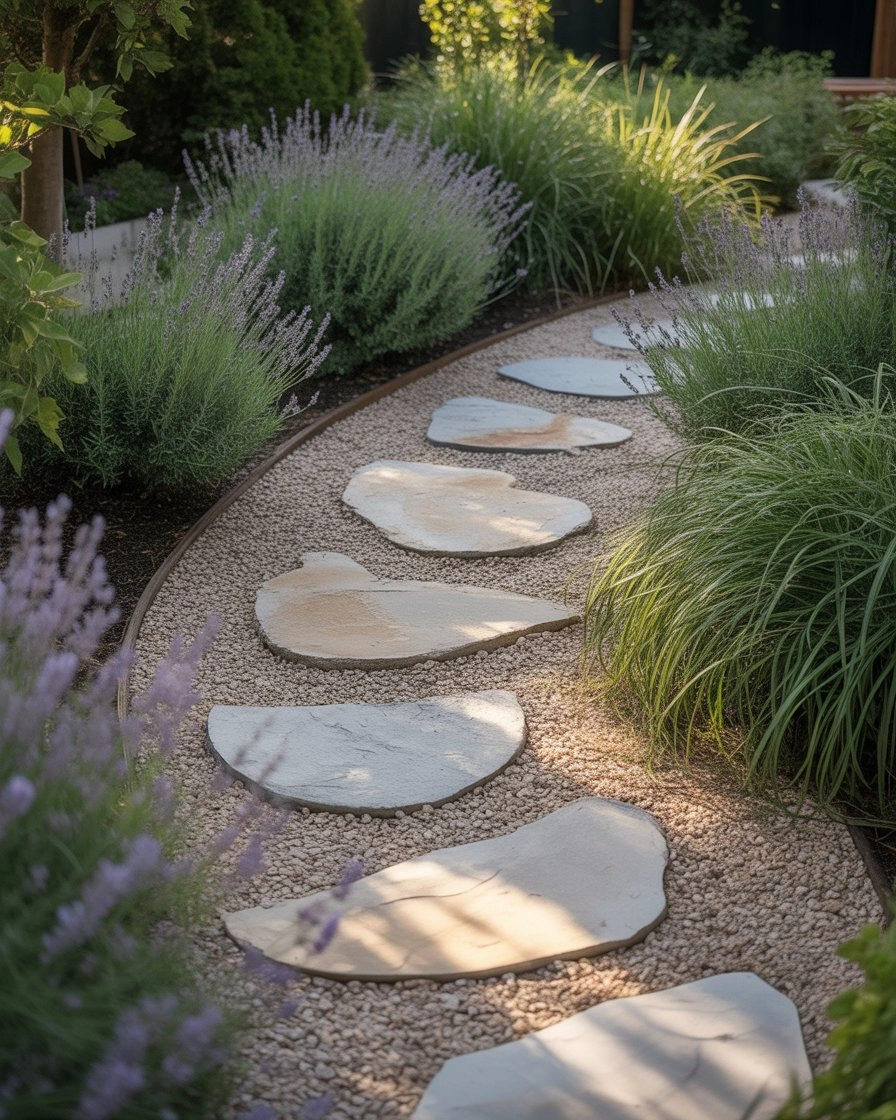
Combining pea gravel with paving stones delivers a relaxed, cottage-garden vibe that feels effortlessly chic. This approach allows you to anchor seating areas or pathways with sturdy pavers while filling surrounding zones with loose gravel, creating texture contrast that’s both budget-friendly and visually dynamic. The gravel acts as natural drainage, making it perfect for regions with heavy rainfall.
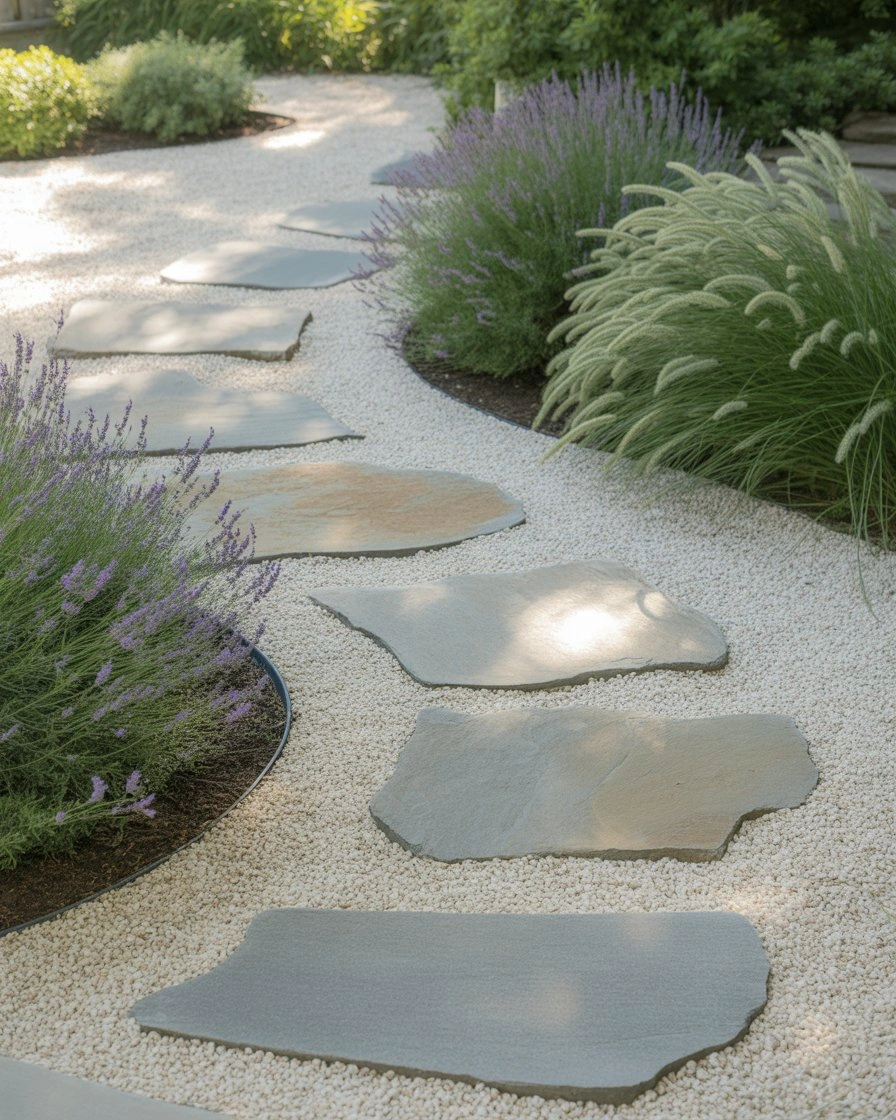
This design works best in yards with mature trees or established garden beds where you want a softer, less structured look. The gravel settles over time, so plan to top it off every couple of years. For families with pets, pea gravel can track indoors more easily than solid pavers, so consider a transitional mat zone near doors or choose slightly larger gravel sizes that are less likely to cling to paws and shoes.
4. Checkered Paver Patio Design
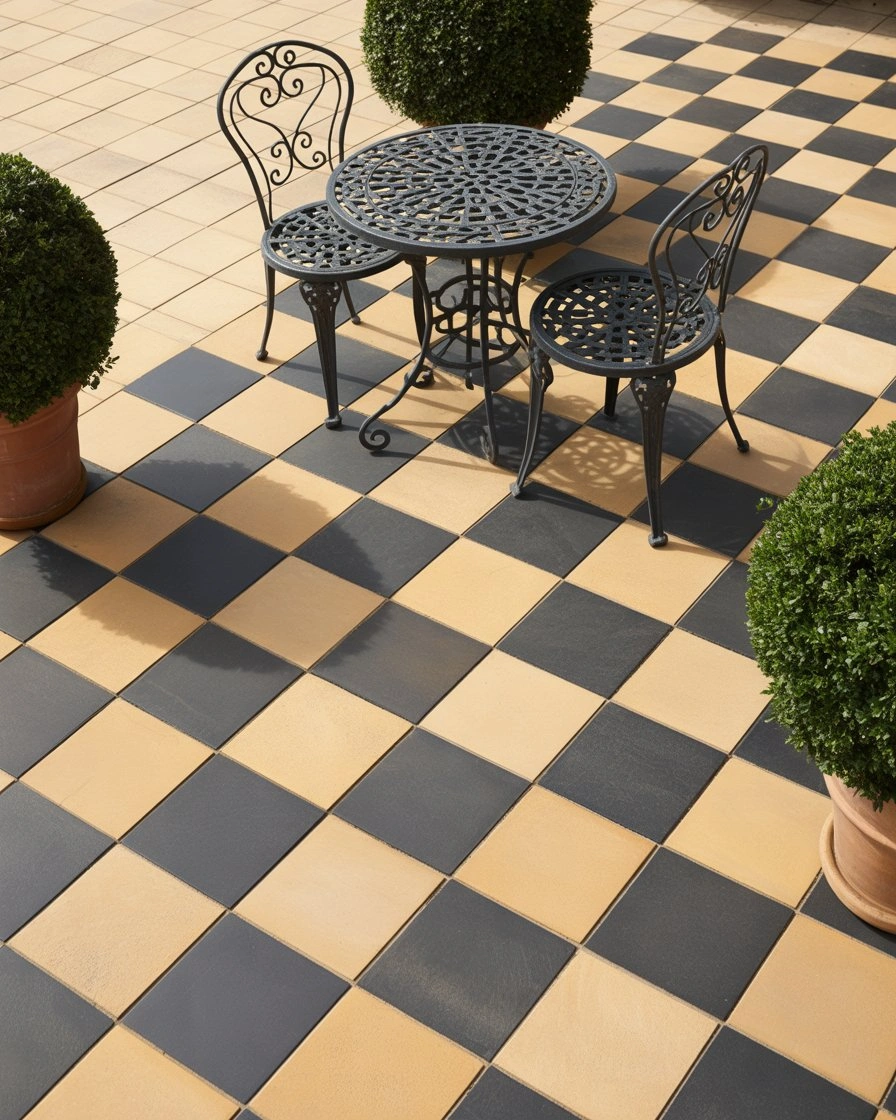
A checkered pattern brings playful geometry to outdoor spaces, alternating two contrasting paver colors or materials to create a bold visual statement. This design nods to classic European courtyards while feeling fresh and contemporary, especially when executed in gray and white or charcoal and cream tones. It’s a favorite among Pinterest users seeking symmetry and order in their landscape design.
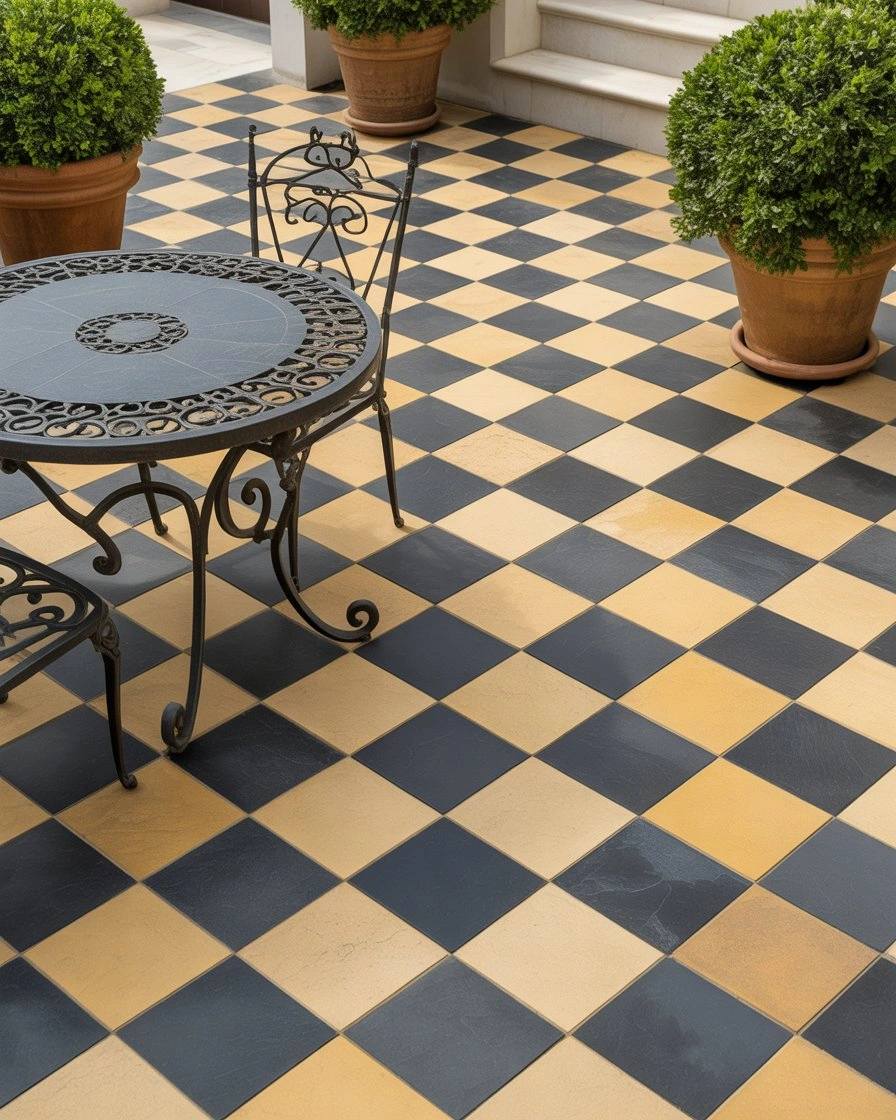
A practical insight: checkered patterns are surprisingly forgiving when it comes to cuts and adjustments around curves or obstacles. Because the eye expects variation, minor imperfections blend into the overall design. However, precision matters during installation—use a level and spacers to ensure consistent grout lines, as even slight misalignment becomes more obvious with high-contrast colors. Consider starting your pattern from the most visible sightline, typically from the back door or main viewing window.
5. Raised Paver Patio with Retaining Wall
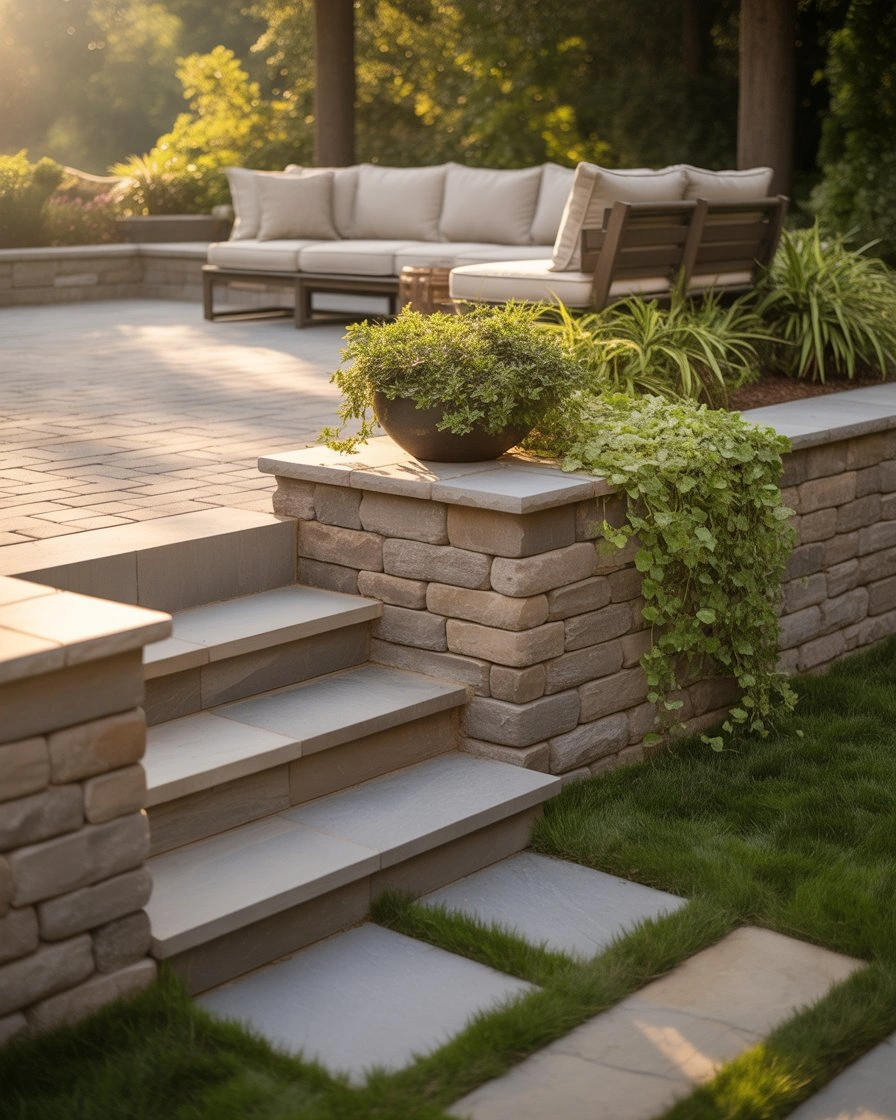
Sloped yards and hillside properties benefit enormously from raised paver patios anchored by sturdy retaining walls. This solution creates level, usable space where terrain might otherwise limit outdoor living potential, and the elevation change adds architectural drama to the landscape. Many homeowners integrate built-in seating or planters directly into the retaining wall structure, maximizing functionality.
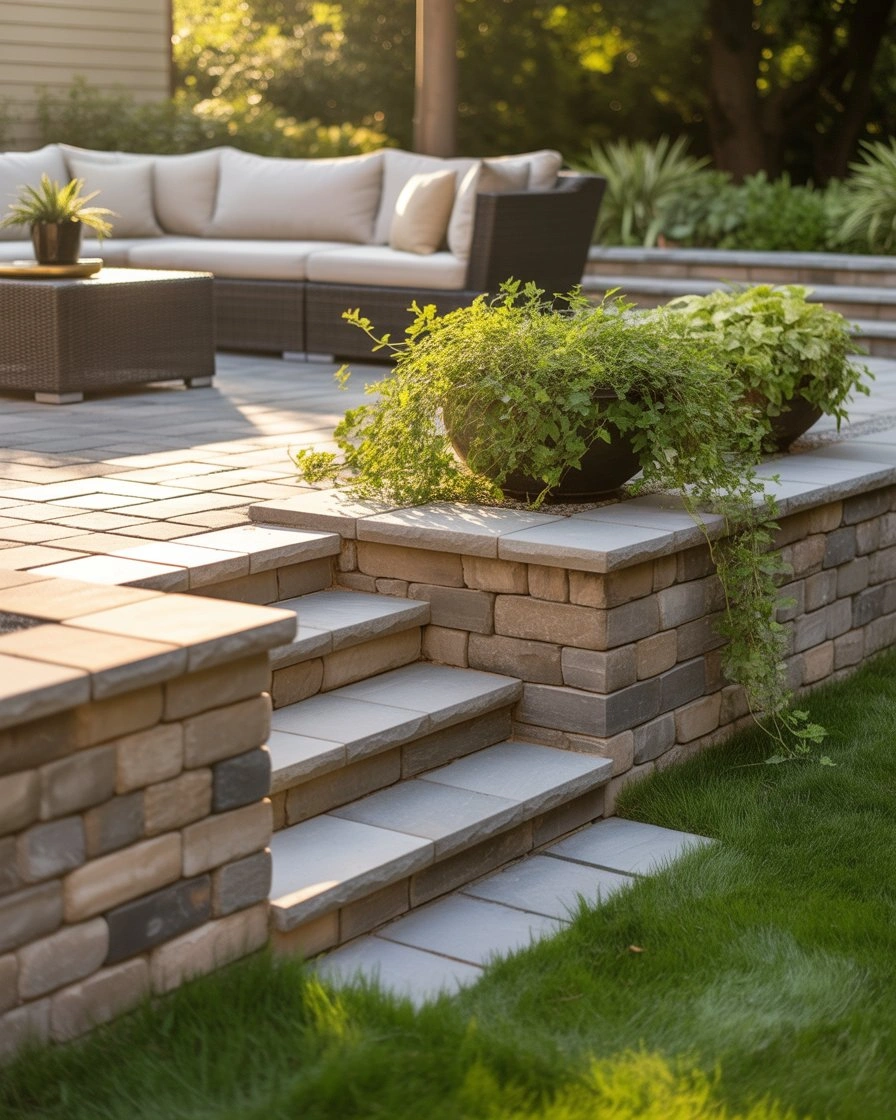
In the Pacific Northwest and Northeast, where drainage is critical, raised patios with proper backfill and weep holes prevent water pooling and frost heave. Expert designers recommend a gravel base at least six inches deep behind retaining walls to facilitate drainage. Budgets for raised patios run higher due to excavation and wall construction—expect to invest $25 to $50 per square foot depending on materials—but the payoff in usable space and property value is substantial, particularly on challenging lots.
6. Simple Square Paver Patio
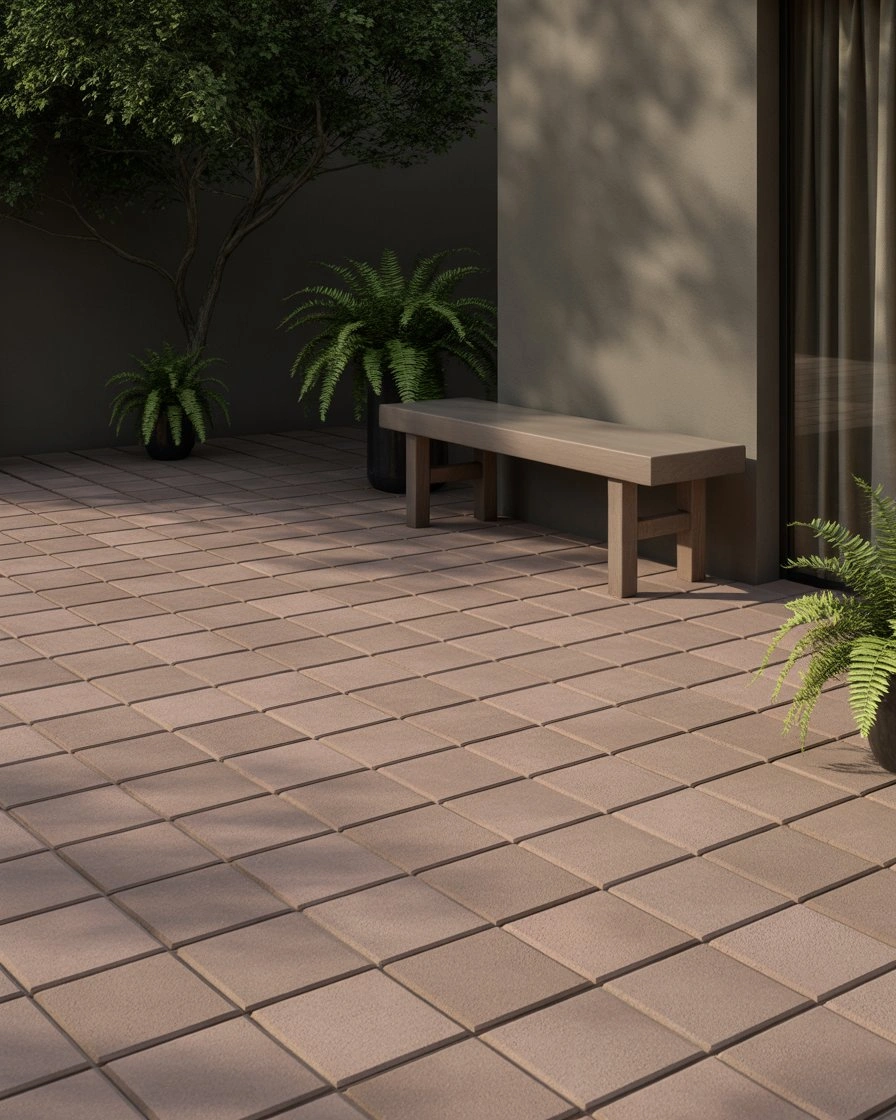
Sometimes less is more, and a simple square paver layout offers timeless elegance without fuss. This grid pattern works seamlessly with both traditional and contemporary homes, providing a neutral backdrop that lets furniture and plantings take center stage. It’s also one of the most budget-friendly options since it minimizes cutting and waste during installation.
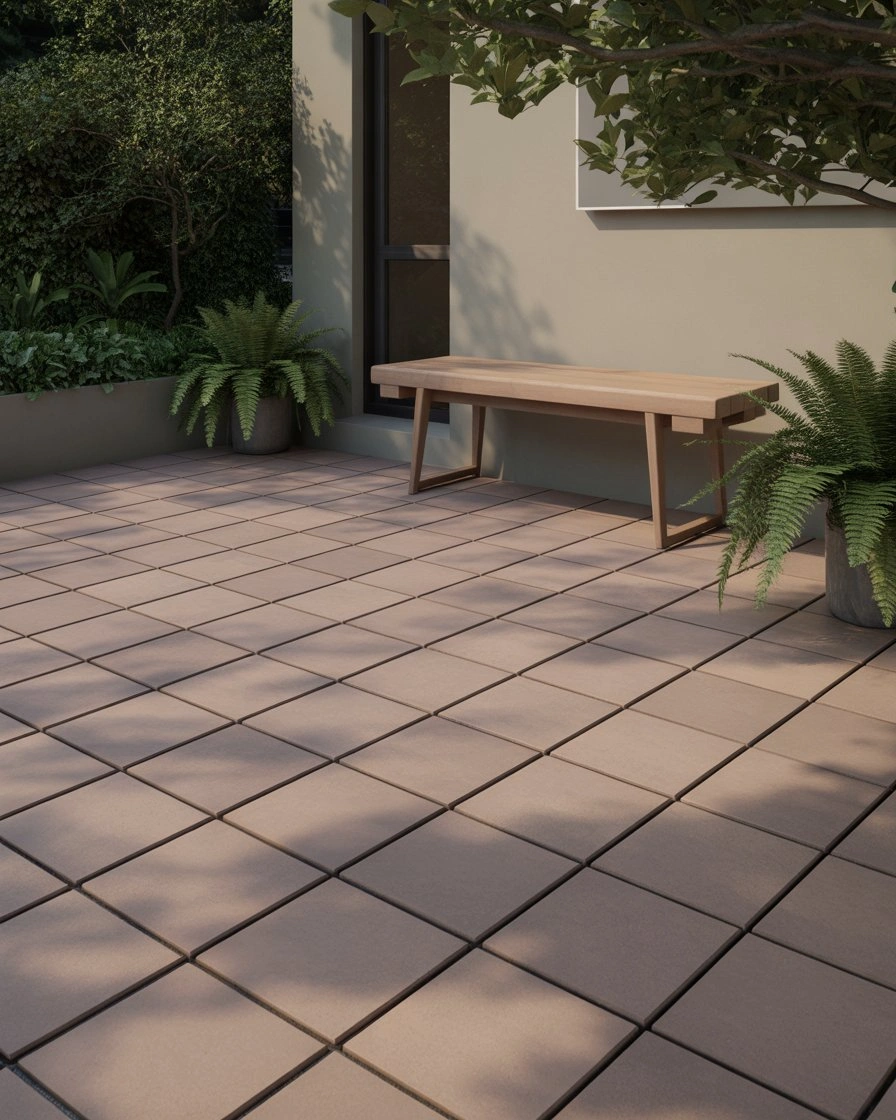
This design shines in smaller urban yards where space is at a premium and clean lines help the area feel larger. A micro anecdote from a homeowner in Chicago: “We went with a simple square pattern in our 10×12 patio, and it completely opened up our tiny backyard. We added string lights overhead, and it became our favorite dinner spot all summer.” Keep joints tight and consistent for the sharpest look, and consider polymeric sand to lock pavers in place while inhibiting weed growth.
7. Round Paver Patio with Central Feature
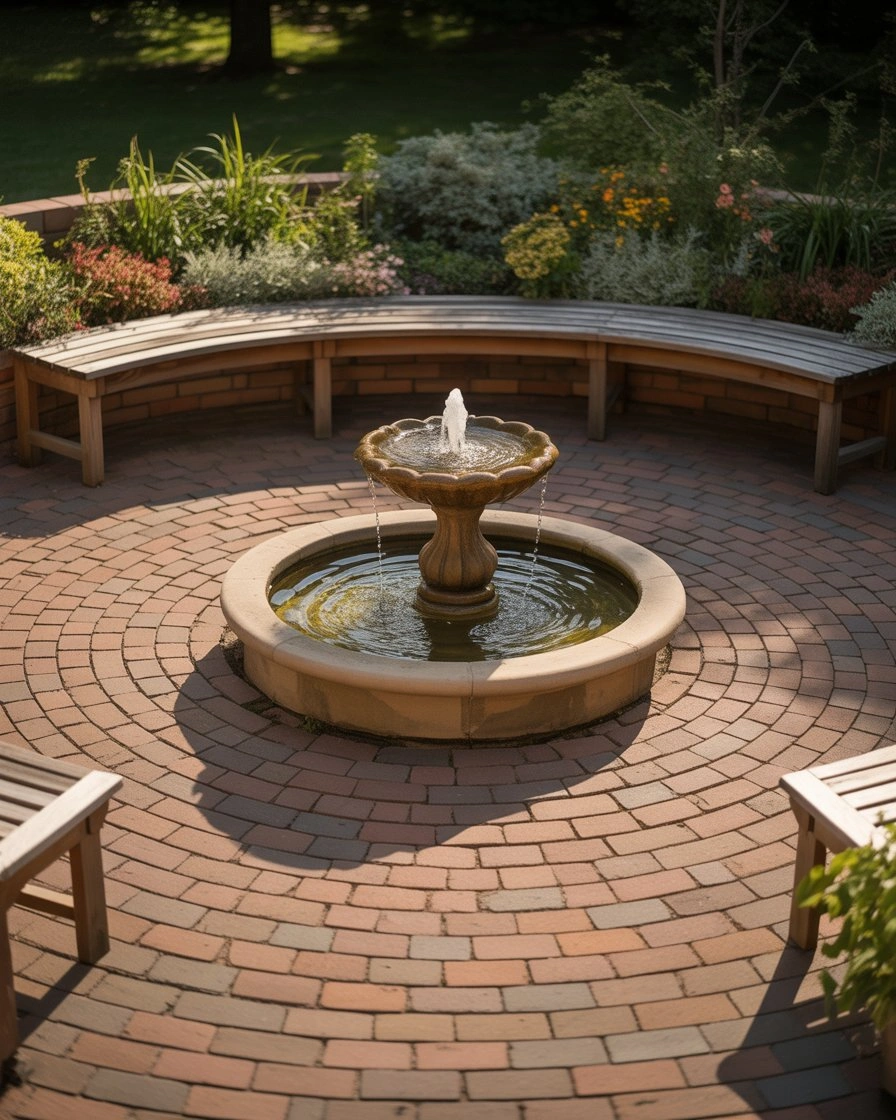
Circular patio designs break away from rigid geometry, creating focal points that naturally draw people together. A round paver patio centered around a fountain, fire pit, or specimen tree fosters intimacy and conversation, making it ideal for entertaining or quiet reflection. The curved layout also softens harsh architectural lines and integrates beautifully with organic garden shapes.
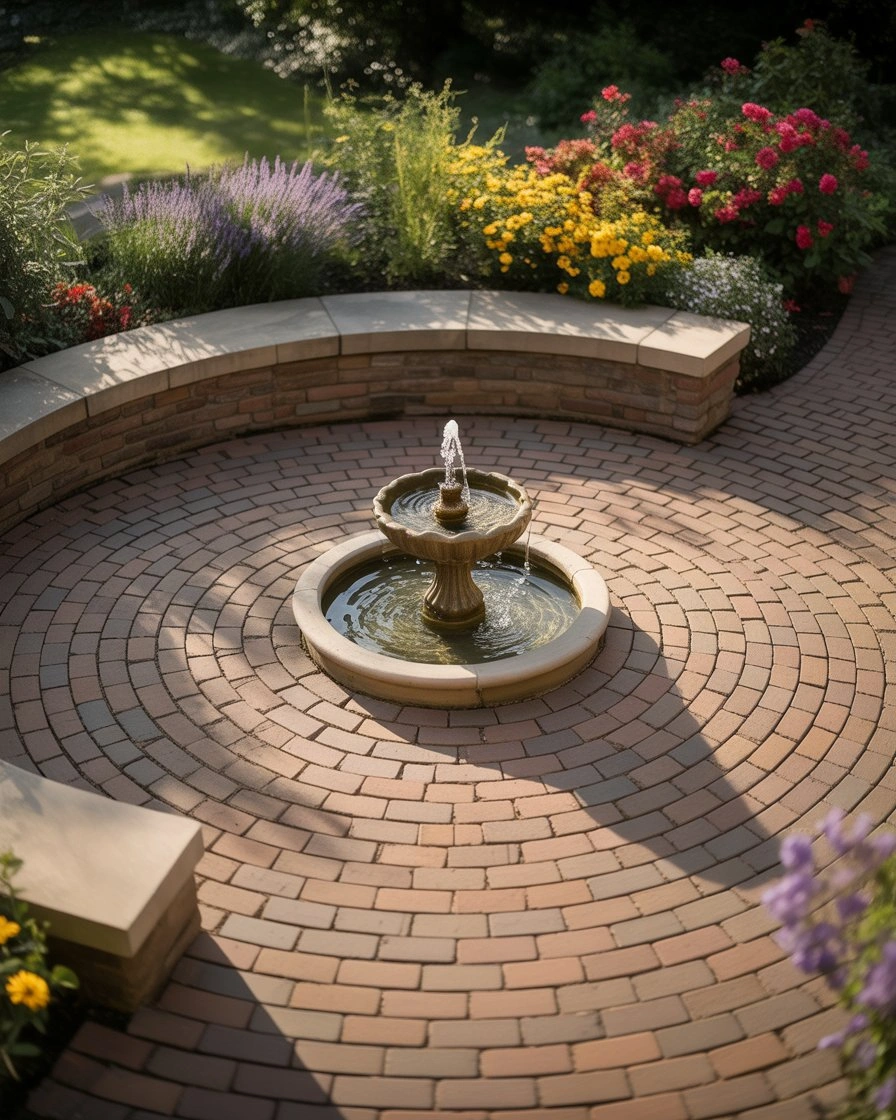
This style works best in larger yards where the circle can be fully appreciated from multiple angles, though smaller versions can nestle into garden corners beautifully. Cutting pavers for curves requires more labor and skill, which can increase installation costs by 15 to 30 percent compared to straight layouts. However, the unique character and flow often justify the investment, especially when the circular form echoes other landscape elements like rounded pathways or arched trellises.
8. Modern Black Paver Patio
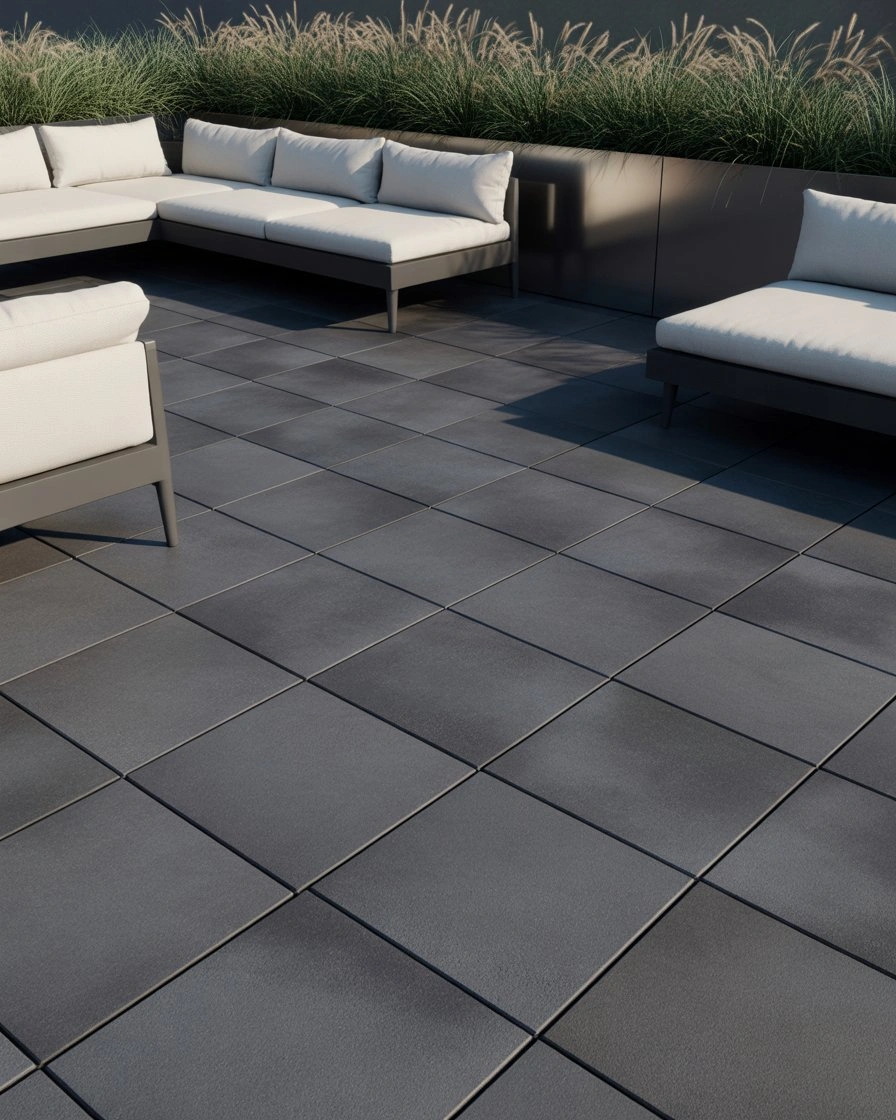
Sleek black pavers deliver high-impact modern style, creating dramatic contrast against greenery and architectural elements. This bold choice works particularly well in urban settings or contemporary homes with clean lines and minimalist landscaping. The dark surface also absorbs heat, which can be an advantage in cooler climates but requires consideration in hot, sunny regions.
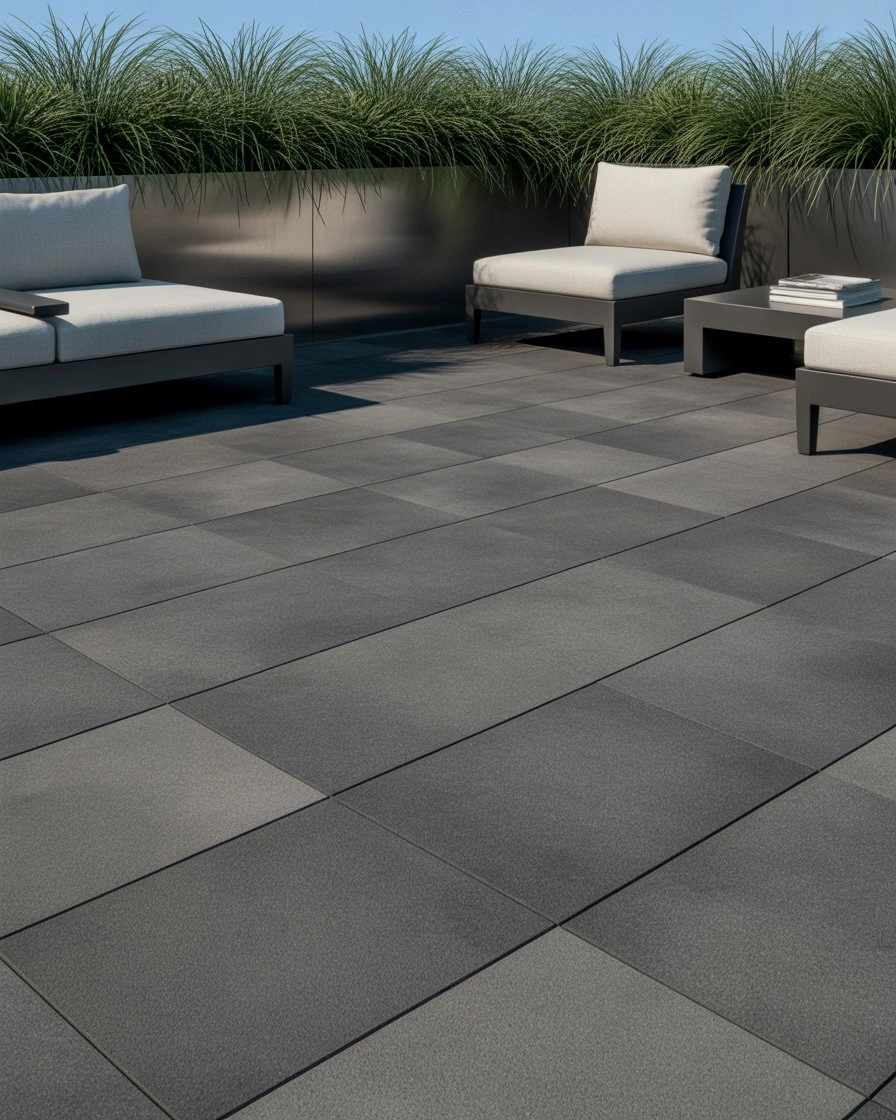
Where it works best: black pavers shine in shaded courtyards, under pergolas, or in climates with mild summers. In places like Arizona or Southern California, homeowners often choose lighter tones to reduce heat retention, but black remains popular for covered or partially shaded zones. Seal black pavers to protect against fading and staining, and incorporate light-colored furniture or accents to prevent the space from feeling too heavy or closed-in.
9. Diamond Pattern Paver Patio
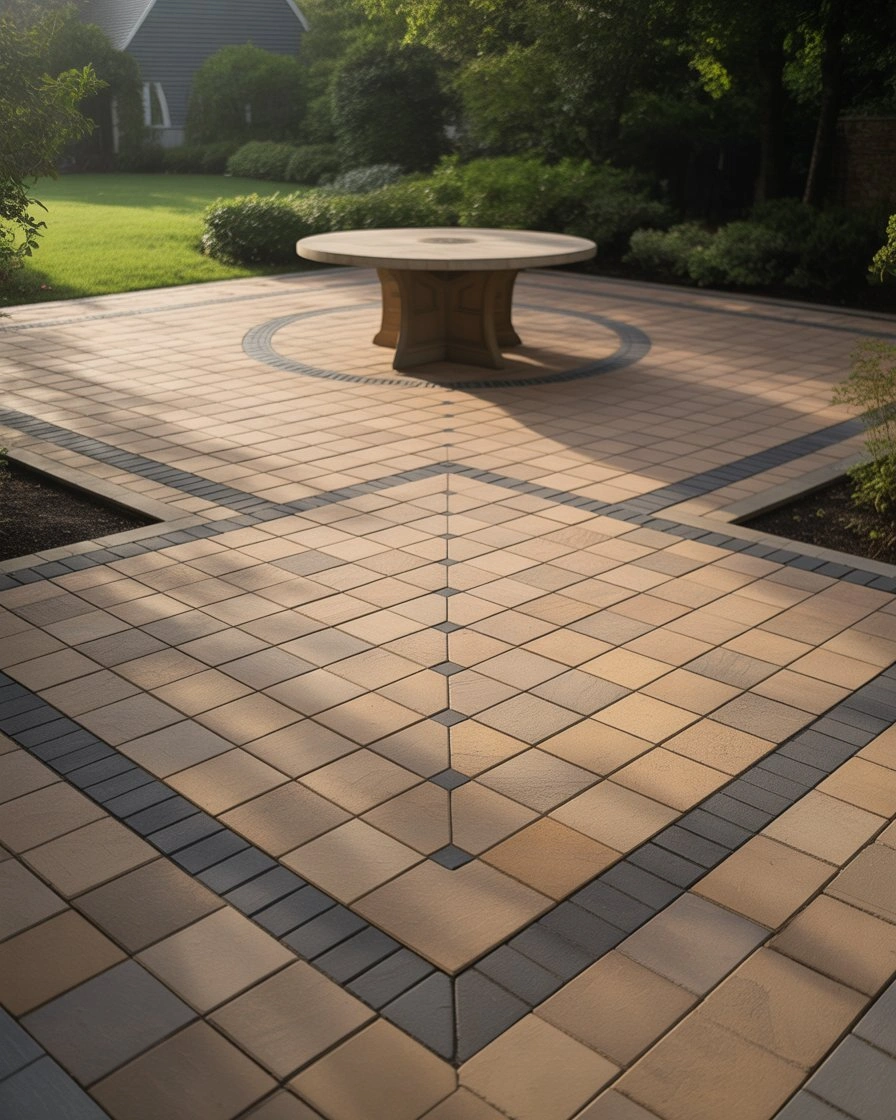
Rotating square pavers 45 degrees creates a diamond pattern that adds energy and visual interest to any outdoor space. This subtle shift in orientation makes standard pavers feel fresh and custom, and the diagonal lines can actually make smaller patios appear larger by drawing the eye outward. It’s a clever design trick borrowed from interior flooring that translates beautifully outdoors.
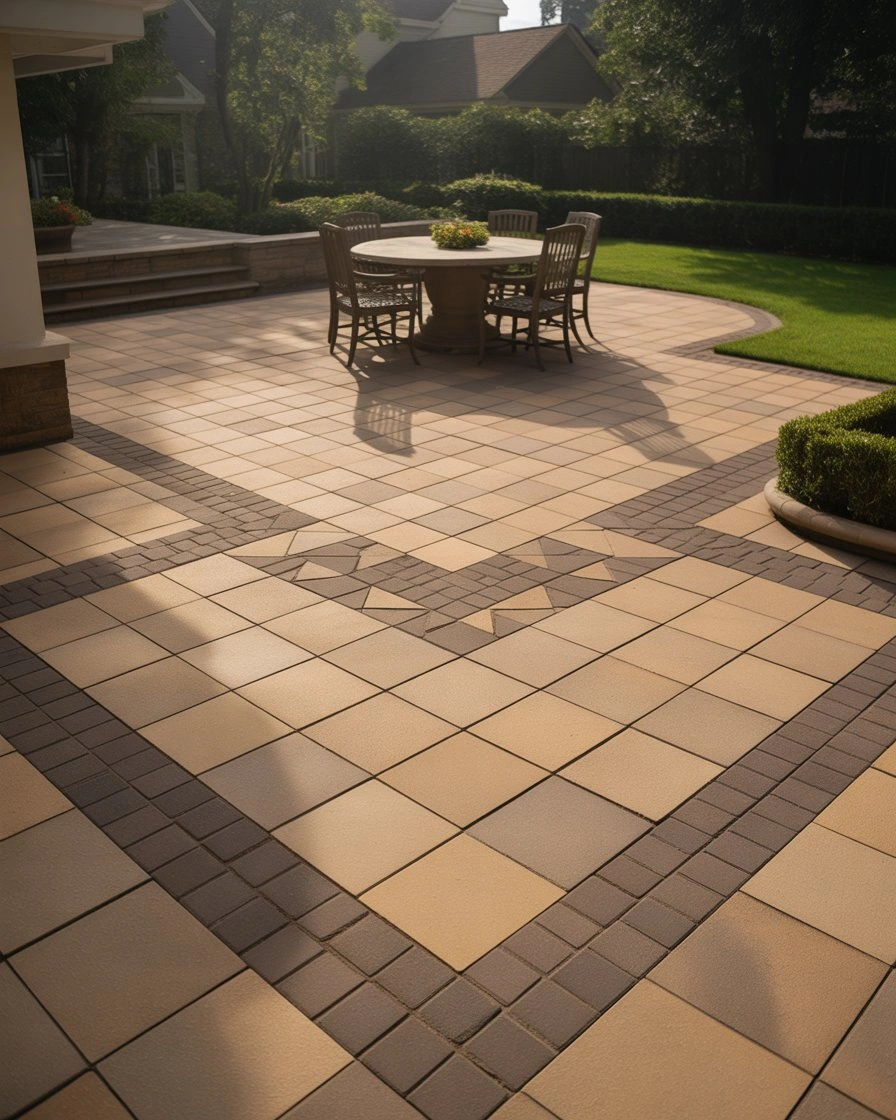
Real homeowner behavior shows that diamond patterns are often chosen by those who want something distinctive without venturing too far from traditional looks. A Seattle homeowner shared, “We were torn between herringbone and a basic grid, and the diamond pattern gave us the best of both—classic but interesting.” The pattern does require precise measurement and more edge cuts, so factor in slightly higher installation time and material waste when budgeting.
10. Hexagon Paver Patio
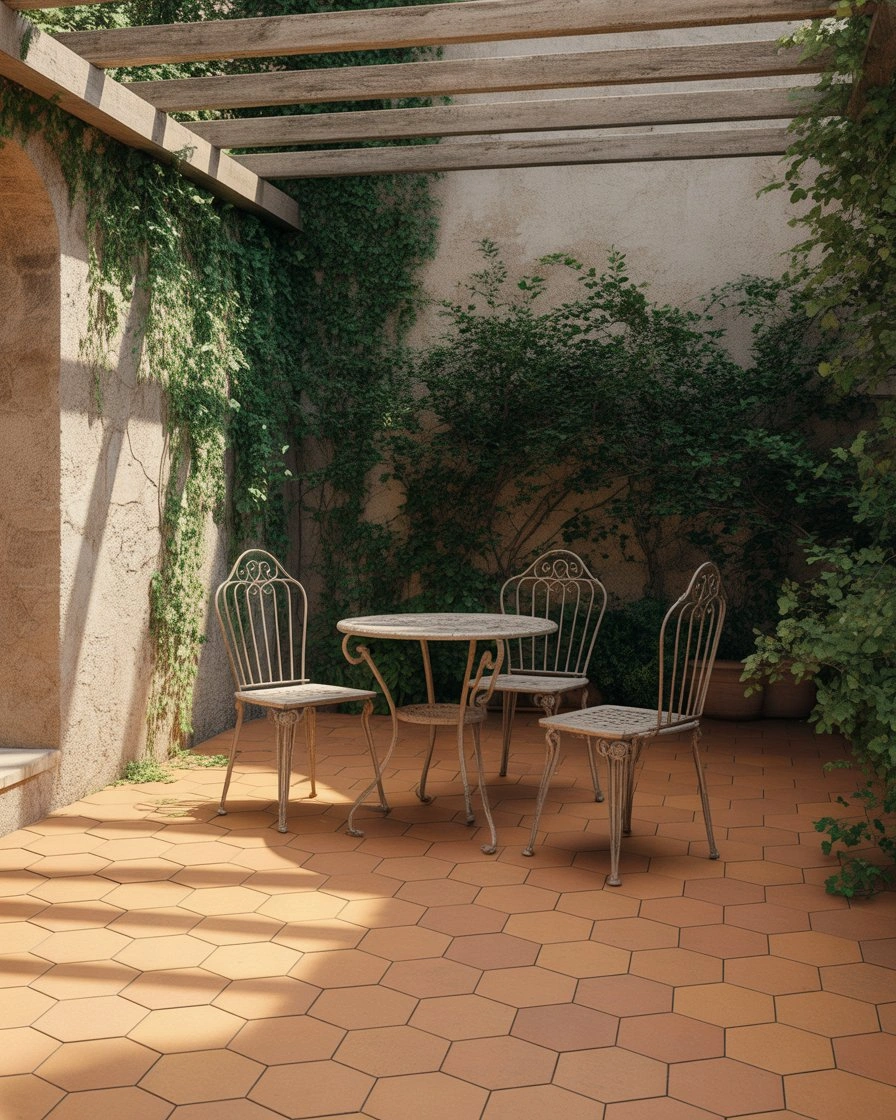
Geometric hexagon pavers bring a honeycomb elegance to outdoor living spaces, offering a trendy yet timeless pattern that’s surged in popularity across Pinterest boards. These six-sided tiles create a cohesive, organic flow that transitions seamlessly from patio to pathway, and they pair beautifully with both rustic and contemporary aesthetics. The interlocking shape also provides excellent stability underfoot.
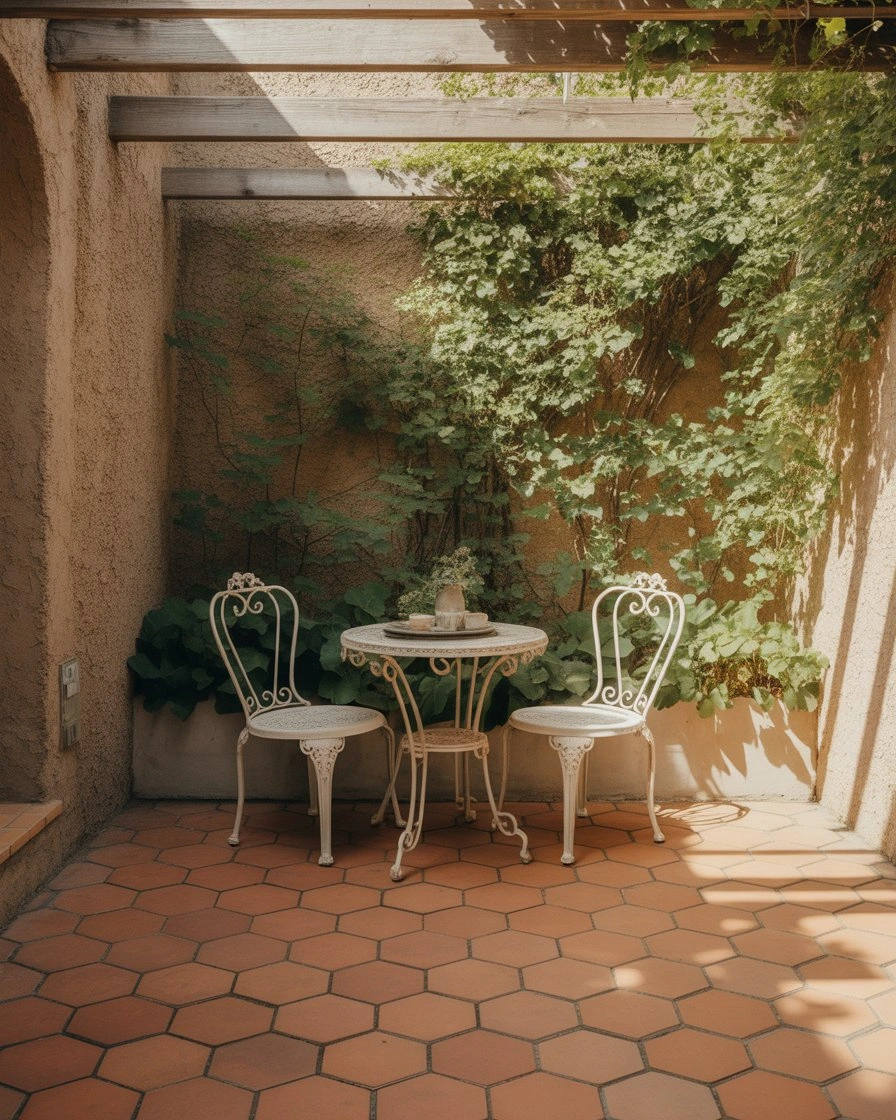
Expert designers note that hexagon pavers work exceptionally well in transitional spaces—those areas between house and garden where you want continuity without monotony. The pattern naturally accommodates curves and irregular boundaries better than square or rectangular pavers, reducing the need for custom cuts. Prices typically run 10 to 20 percent higher than standard pavers due to the specialized shape, but the distinctive look and installation efficiency often balance the cost.
11. Gray Limestone Paver Patio
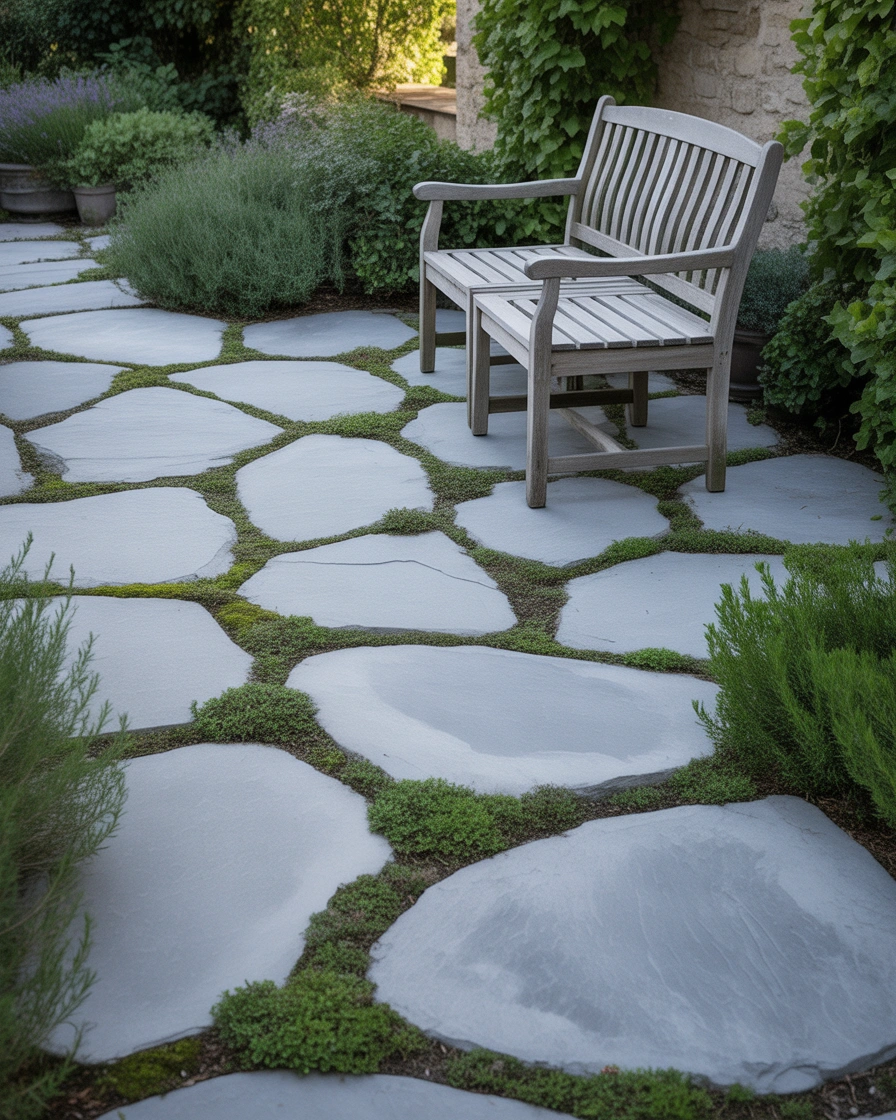
Natural gray limestone pavers offer a sophisticated, Old World charm that ages gracefully over time. The stone’s subtle color variations and textured surface bring organic warmth to outdoor spaces while maintaining a refined, upscale appearance. Limestone is particularly popular in regions where natural stone complements local architecture, such as Texas Hill Country or the Northeast.
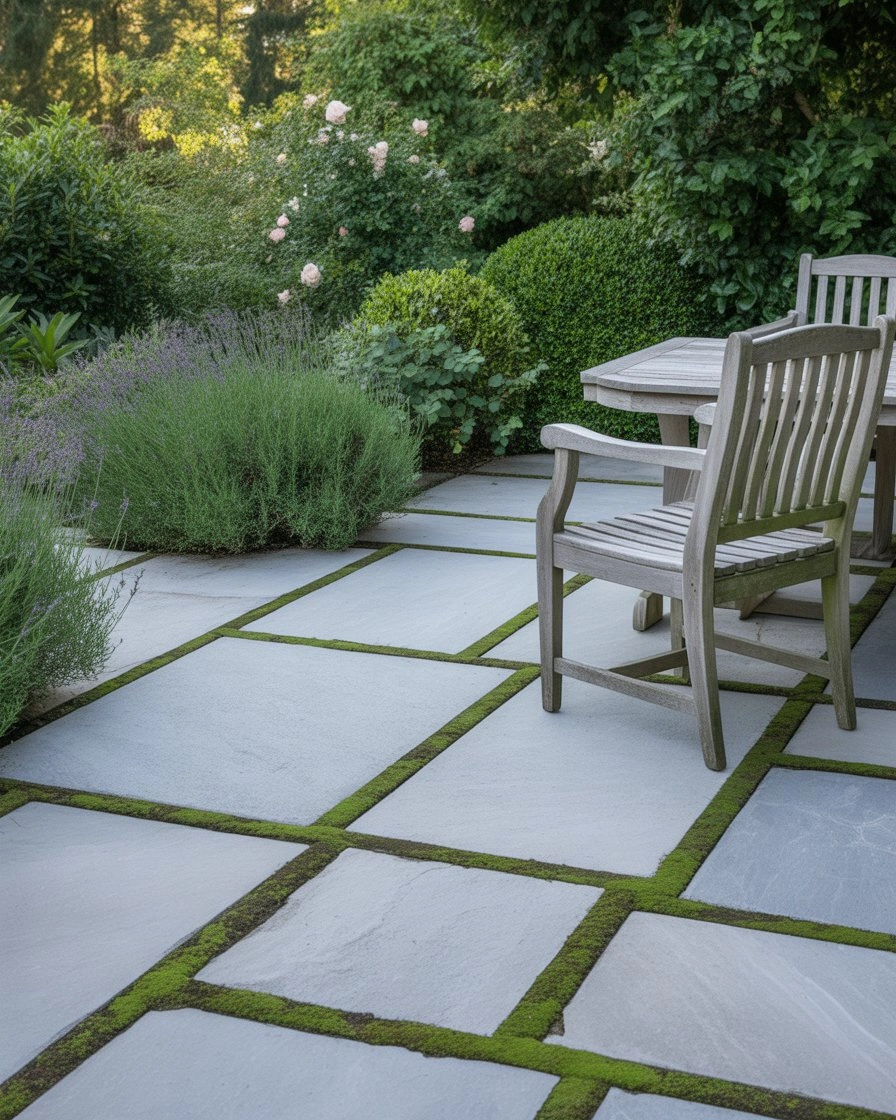
A common mistake is failing to seal limestone in the first year, which leaves it vulnerable to staining from leaves, food, and beverages. Unlike dense granite, limestone is porous and benefits from penetrating sealers that protect without altering the stone’s natural matte finish. Reapply sealer every two to three years, more frequently in high-traffic areas or climates with freeze-thaw cycles that can cause surface spalling.
12. Clay Paver Patio with Rustic Charm
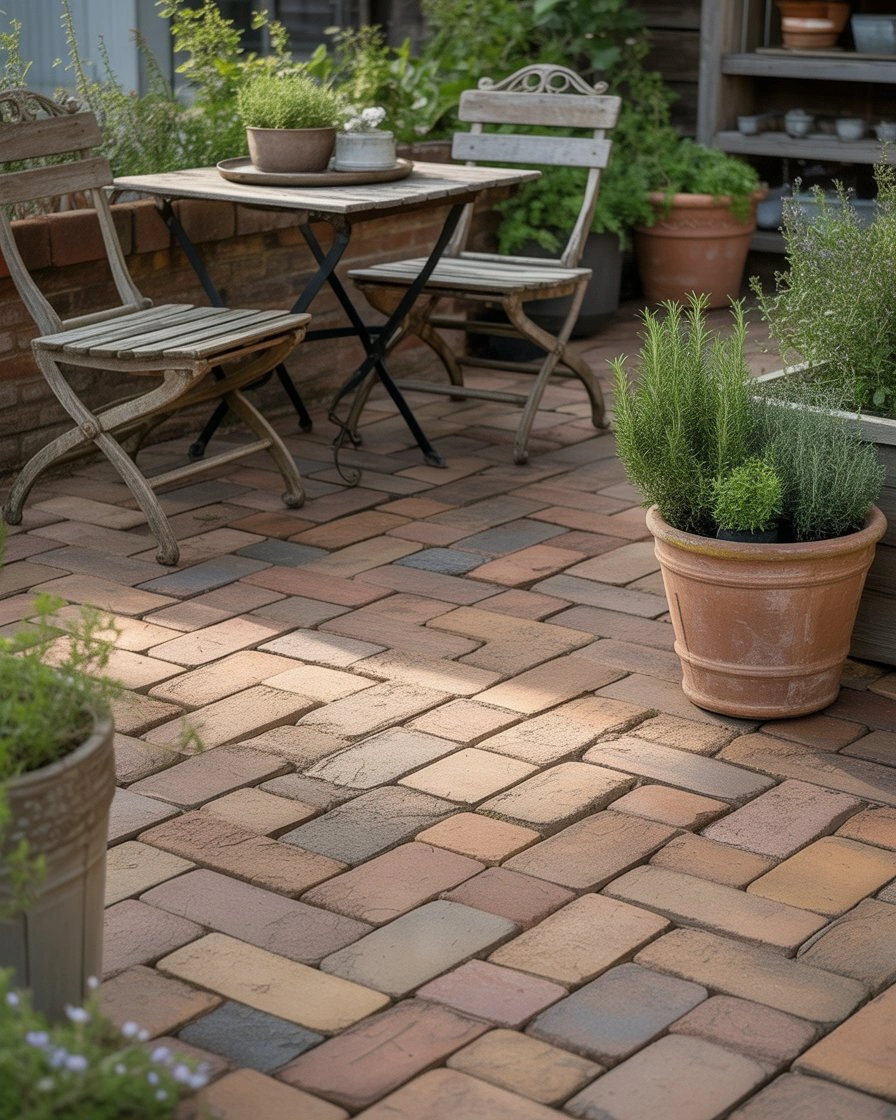
Traditional clay pavers bring warmth and character to outdoor spaces with their rich, earthy tones and natural color variation. These fired bricks have been used for centuries in European courtyards and early American gardens, and they continue to resonate with homeowners seeking authentic, heritage-inspired design. Clay pavers develop a beautiful patina over time, deepening in color and character as they weather.
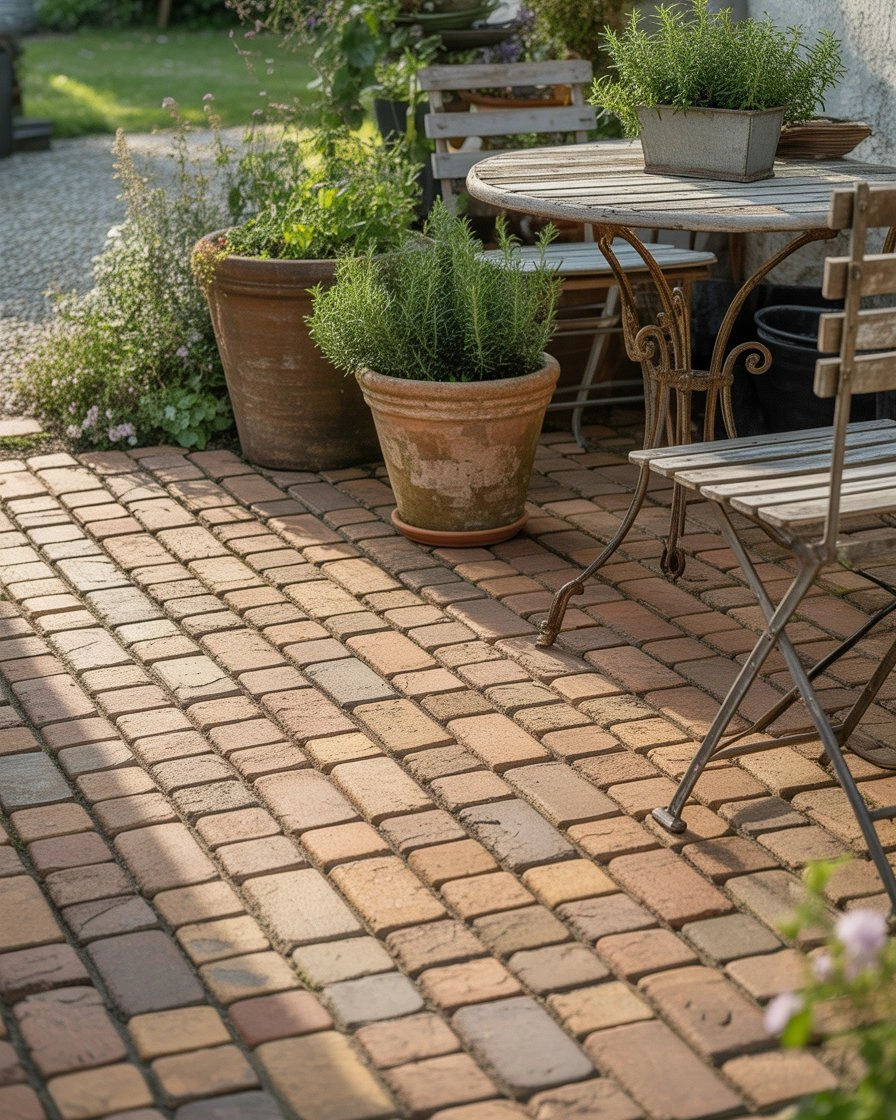
In terms of American regional context, clay pavers are especially beloved in the South and Mid-Atlantic, where historic homes and temperate climates make them both aesthetically and practically appropriate. They stay cooler than concrete in hot weather due to their thermal properties, making barefoot entertaining more comfortable. For maintenance, a gentle pressure wash and occasional re-sanding of joints keeps them looking their best without aggressive intervention.
13. Paver Patio Extension from Existing Deck
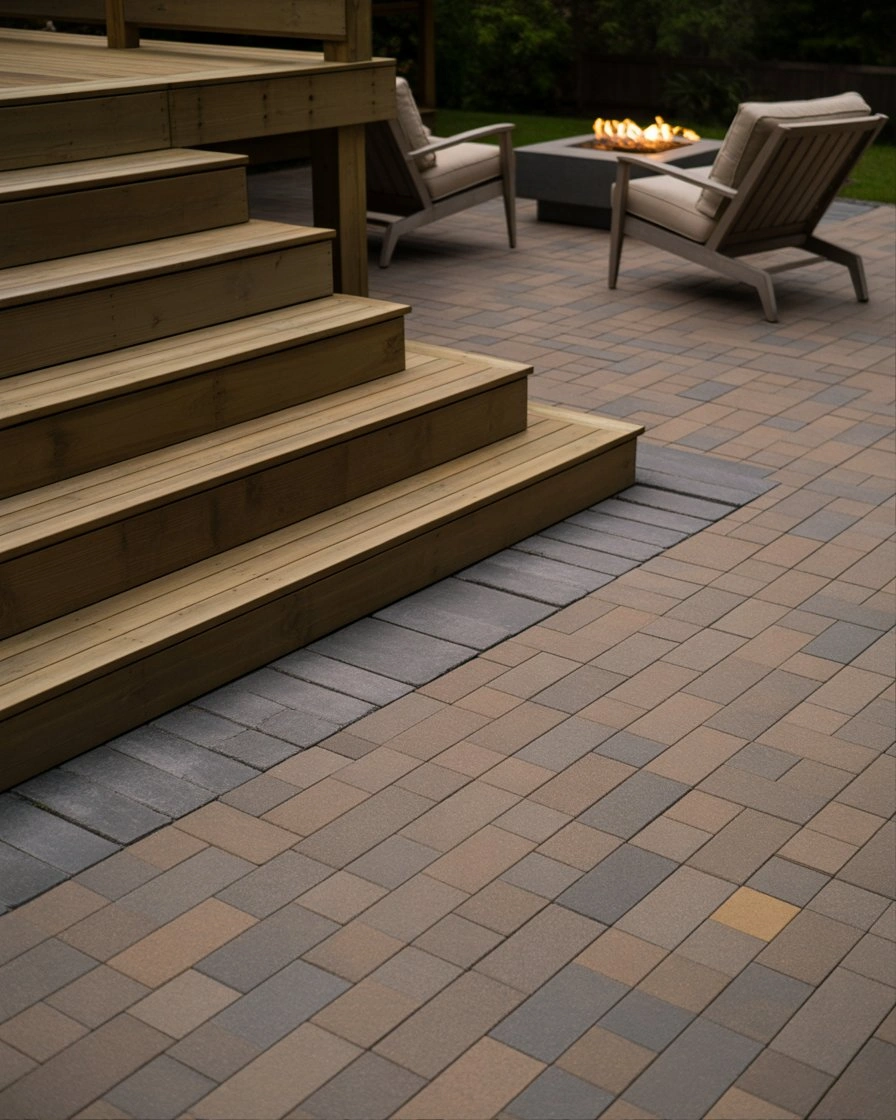
Creating an extension from a wooden deck to a paver patio below offers a seamless multi-level outdoor experience that maximizes usable space. This approach is ideal for split-level homes or when you want distinct zones for dining, lounging, and entertaining. The transition between materials adds textural interest while providing practical staging for different activities.
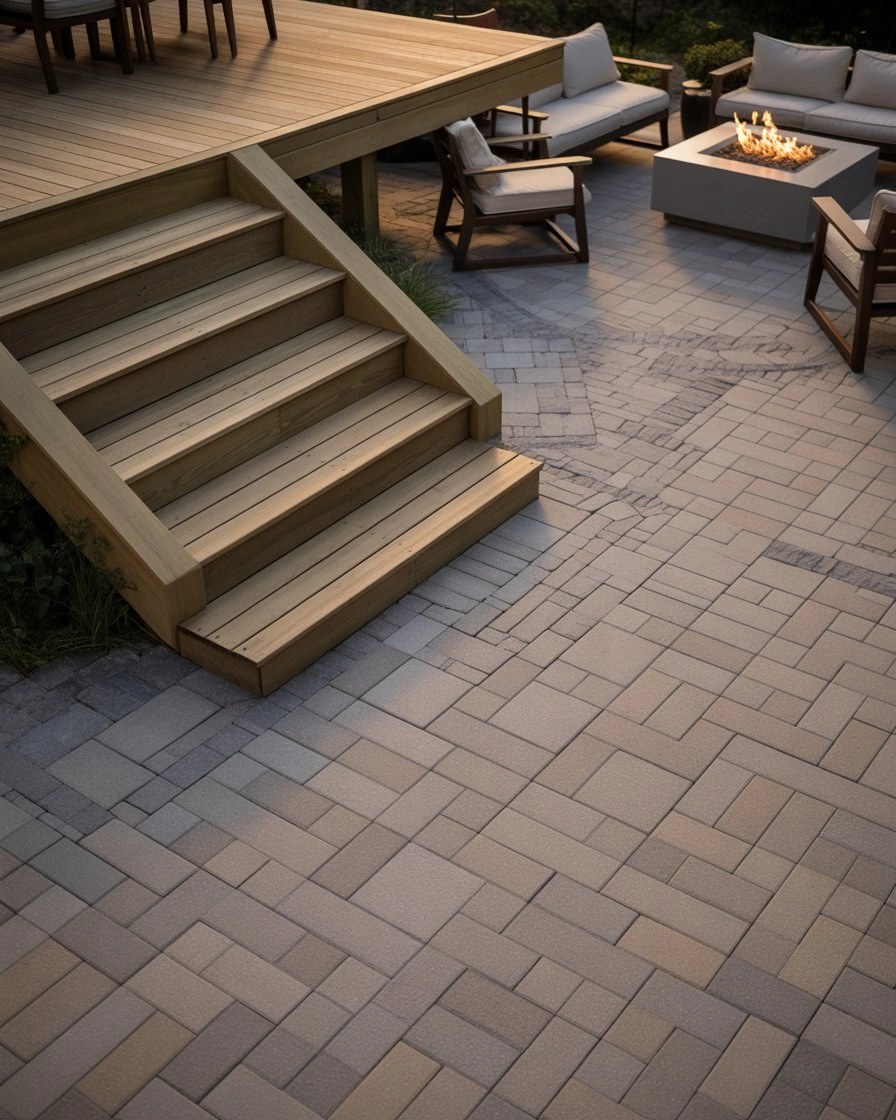
Where it works best: homes with existing elevated decks that want to expand outdoor capacity without major structural renovation. This configuration is common in the Midwest, where basements or walkout lower levels already create grade changes. The patio level typically handles lawn furniture and fire features, while the deck serves as a dining or grilling zone. Plan drainage carefully where pavers meet the deck foundation to prevent moisture issues.
14. Pergola-Covered Paver Patio
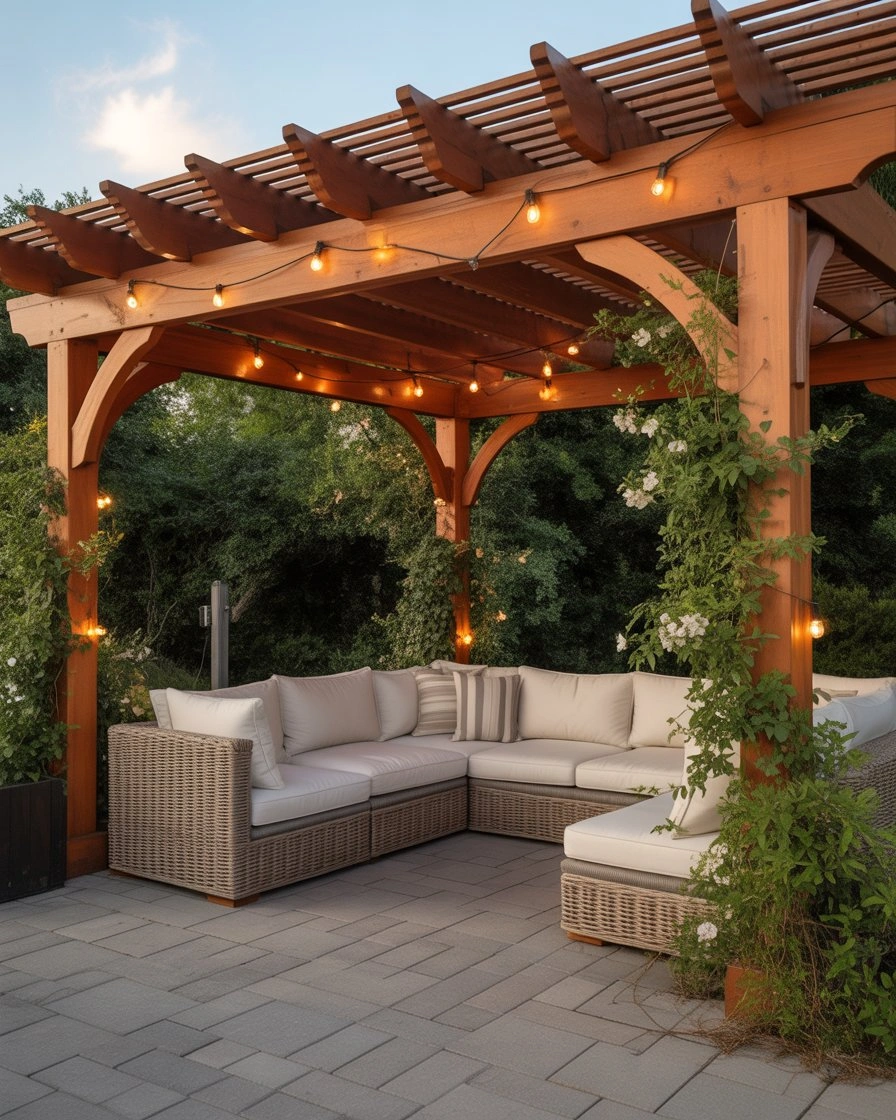
Sheltering a paver patio beneath a pergola creates an outdoor room that offers filtered shade and vertical interest. The overhead structure defines the space architecturally while allowing breezes and dappled sunlight to pass through, making it more comfortable than a fully enclosed space. Many homeowners train climbing vines or hang outdoor fabric to enhance the sense of enclosure without sacrificing airflow.
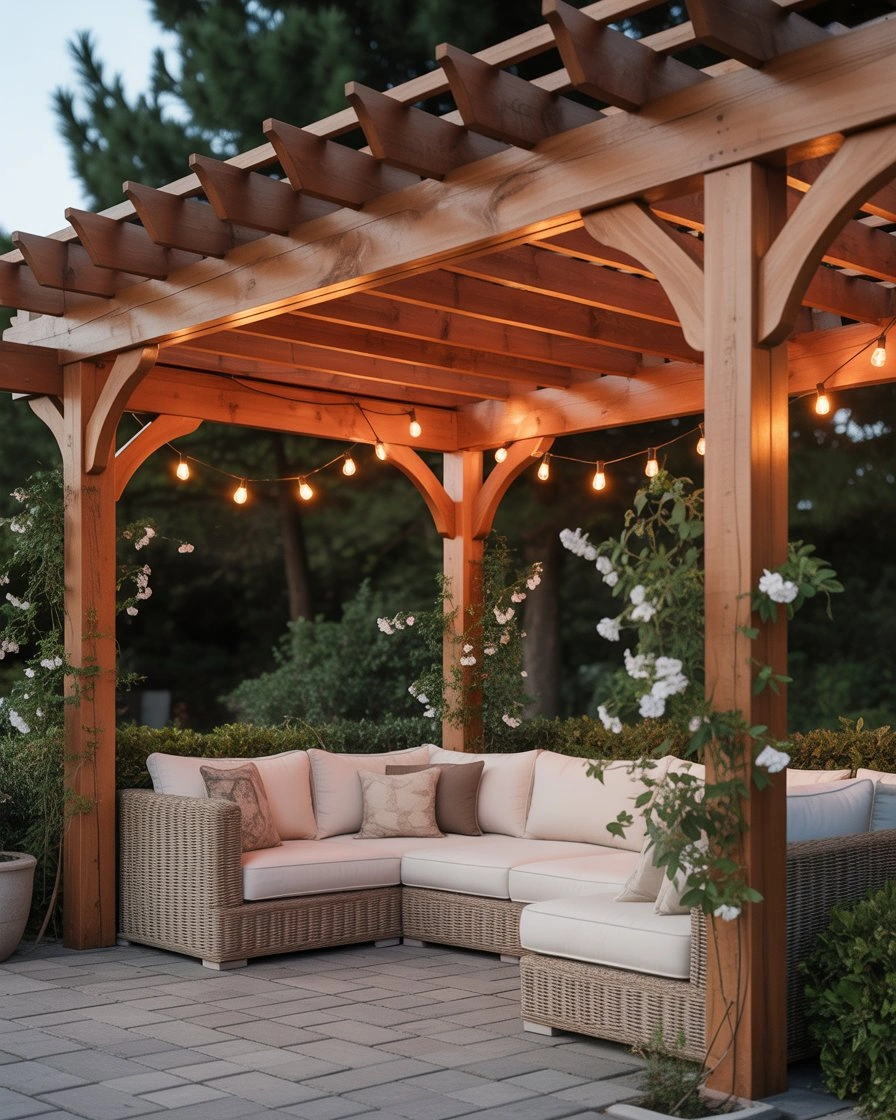
Budget considerations: pergolas can range from $2,000 for a basic kit to $15,000 or more for custom designs with integrated lighting and retractable canopies. DIY-friendly homeowners often tackle pergola installation themselves, though anchoring posts securely into or beside pavers requires careful planning—typically concrete footers poured before paver installation or metal brackets secured after. This feature extends patio usability into shoulder seasons and provides relief during peak summer heat.
15. Gravel and Paver Ideas with Mixed Textures
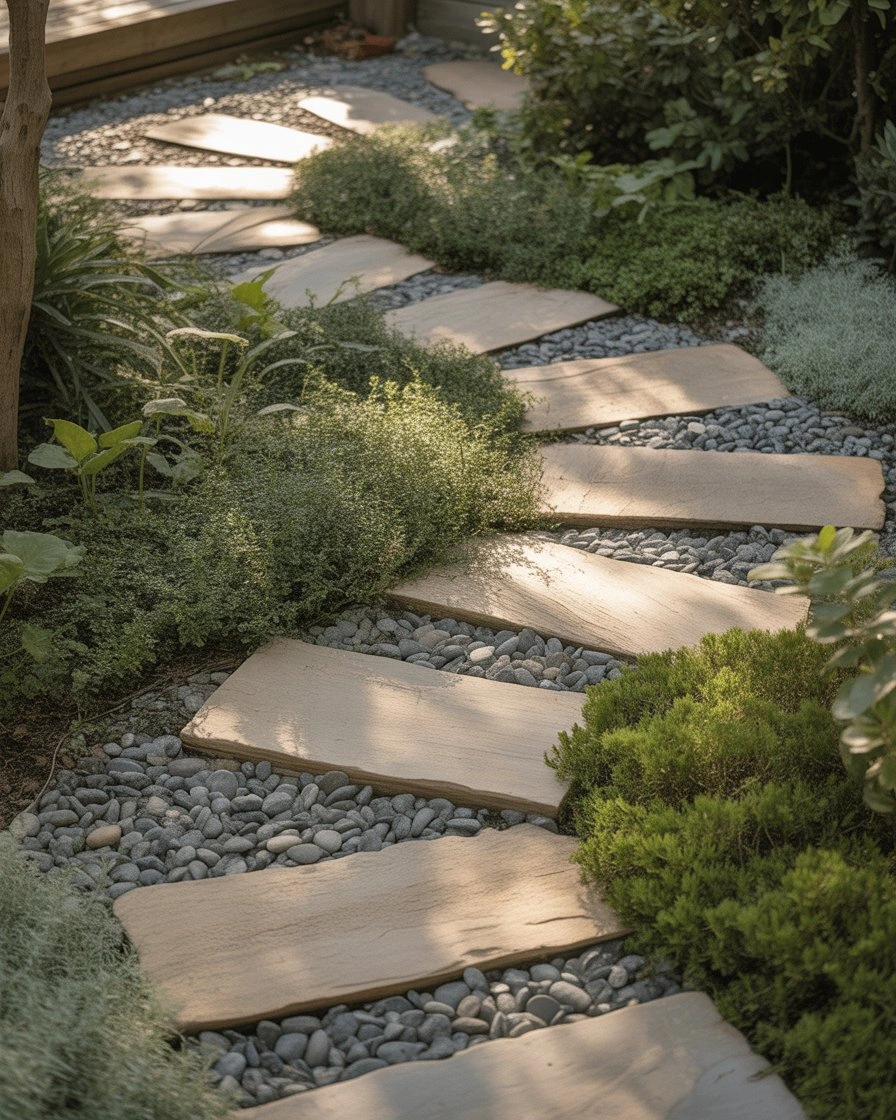
Mixing gravel and paving stones in creative patterns generates depth and visual complexity that single-material patios can’t match. Consider alternating bands of pavers with gravel strips or creating a paver frame around a gravel center—these techniques add rhythm and allow for better drainage while reducing overall material costs. The textural interplay feels organic yet intentional, perfect for transitional or cottage-style gardens.
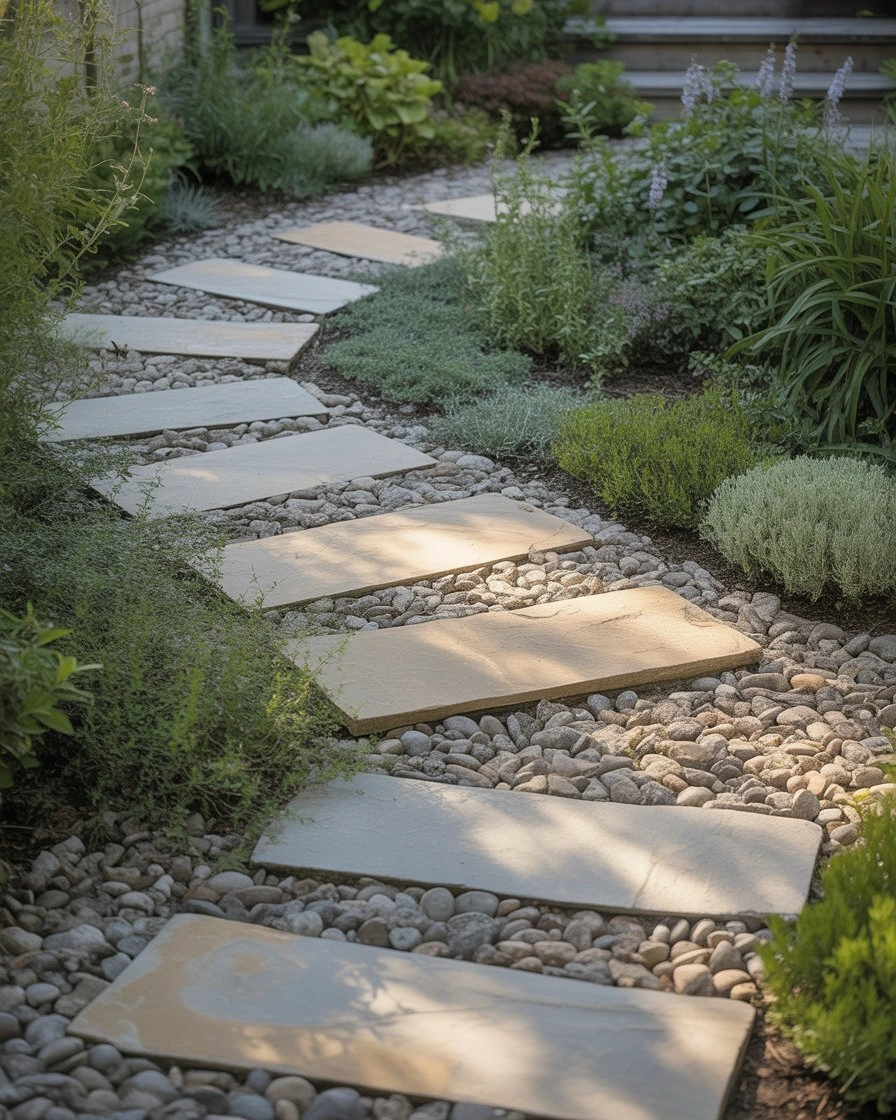
A practical insight from landscape architects: install landscape fabric beneath gravel zones to suppress weeds while allowing water to drain freely. Edge the gravel with metal or plastic lawn edging to prevent migration into planted beds or onto pavers. In regions with heavy leaf drop, anticipate more maintenance, as gravel requires regular raking to remove debris, but many homeowners find the aesthetic payoff worth the effort.
16. Front Yard Paver Patio Welcome Zone
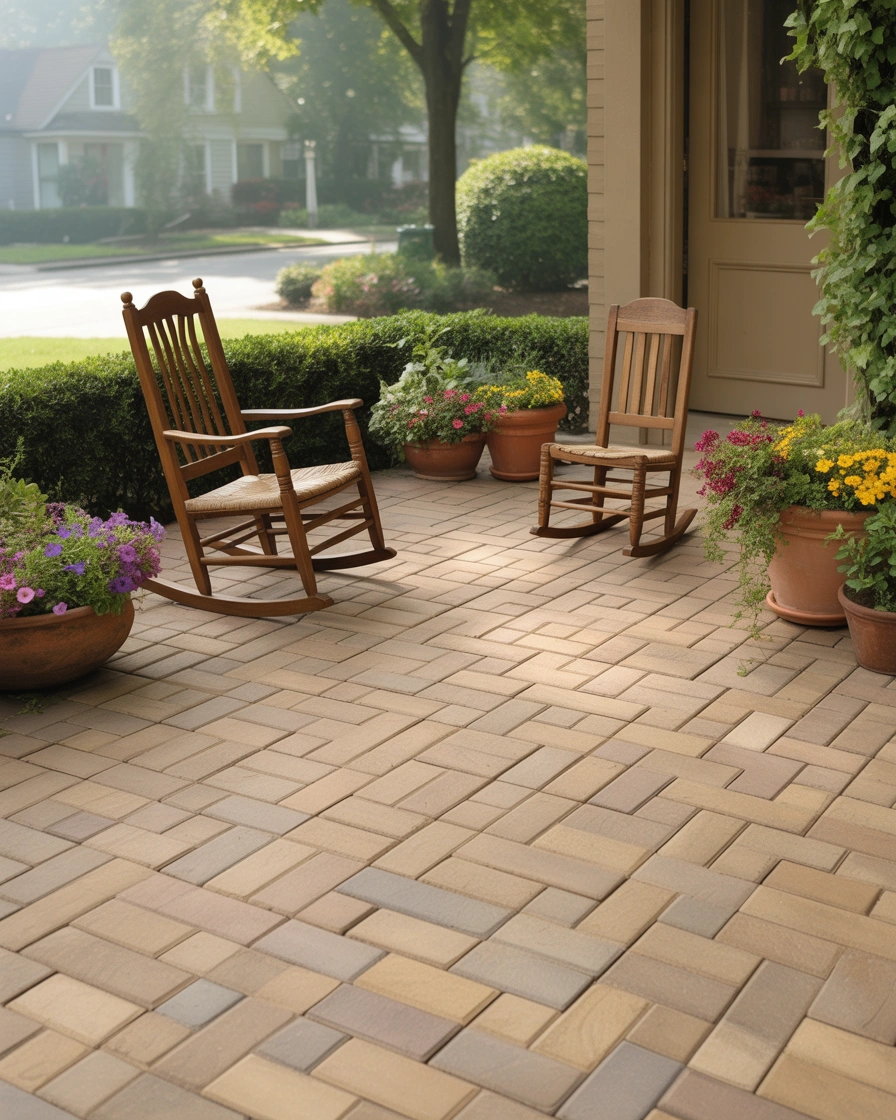
Transforming front yard space into a paver patio creates an unexpected and welcoming entry experience that boosts curb appeal and expands living space. This approach works especially well on narrow lots where backyards are limited or in urban settings where front porches beg for extension. Pair pavers with privacy plantings or low fencing to carve out an intimate retreat visible from the street yet comfortably secluded.
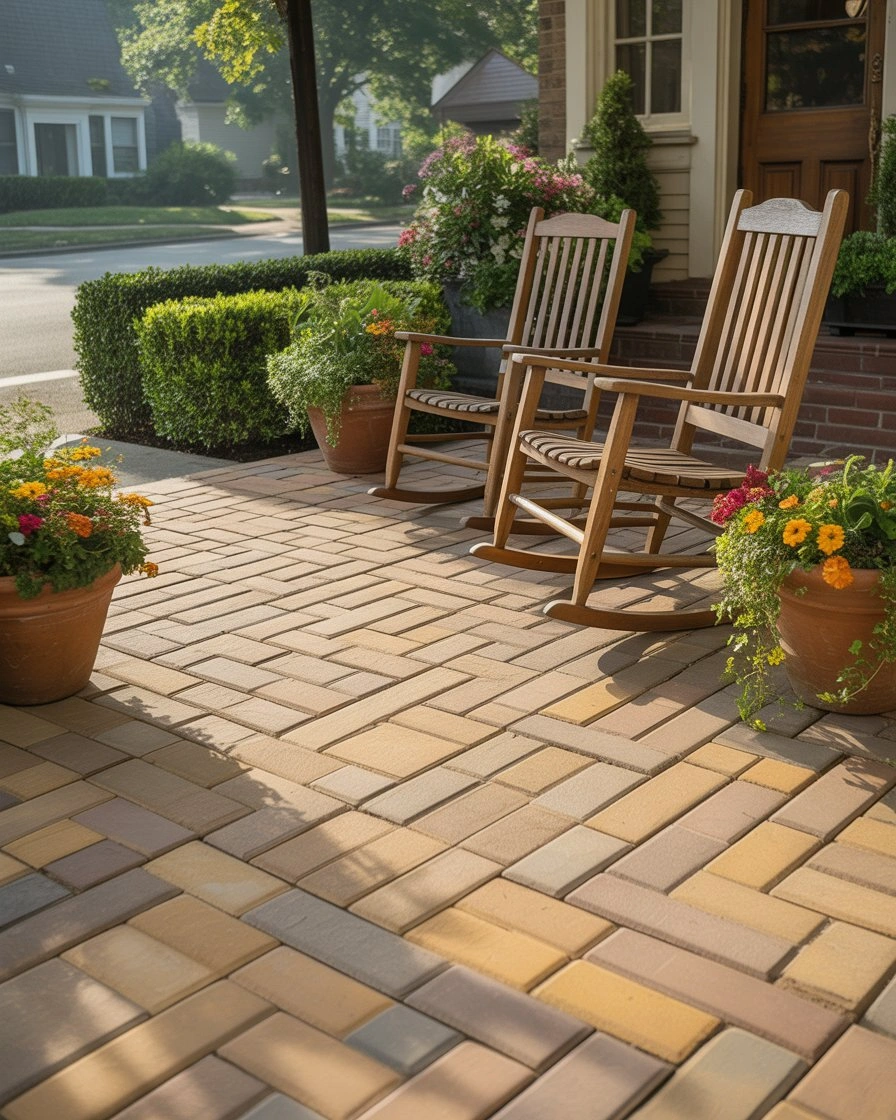
Common mistakes include creating front patios that feel too exposed or impersonal. Combat this by layering elements: a small water feature for sound privacy, vertical plantings to screen the street, and thoughtful lighting that makes the space usable at night. In neighborhood association communities, check regulations regarding front yard structures and fencing before beginning construction. Front patios often increase home value by adding functional square footage and enhancing first impressions.
17. Paver Patio for Above-Ground Pool Surround
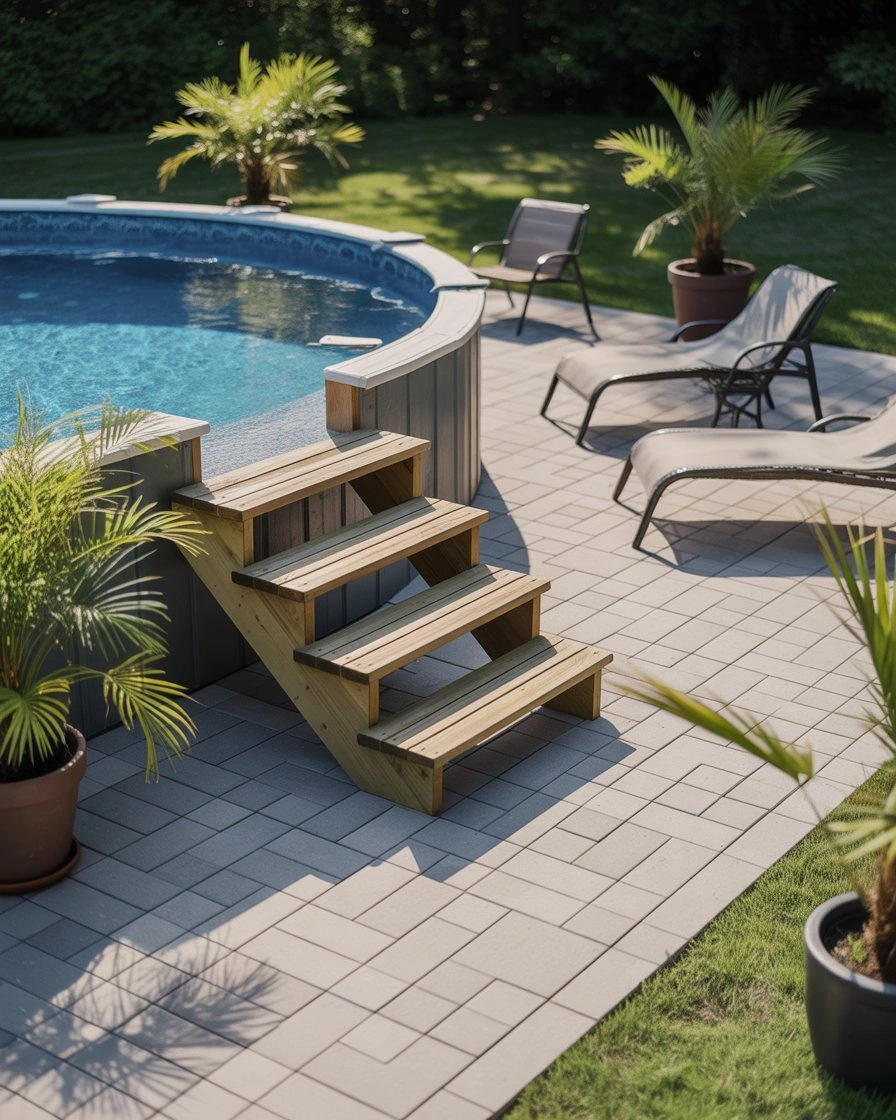
Enclosing an above-ground pool with a paver patio instantly elevates its appearance from temporary to permanent, creating a resort-like setting in your own backyard. This upgrade provides stable footing, reduces mud and grass clippings tracked into the pool, and offers space for lounging and entertaining. The pavers visually anchor the pool structure, making it feel integrated rather than imposed on the landscape.
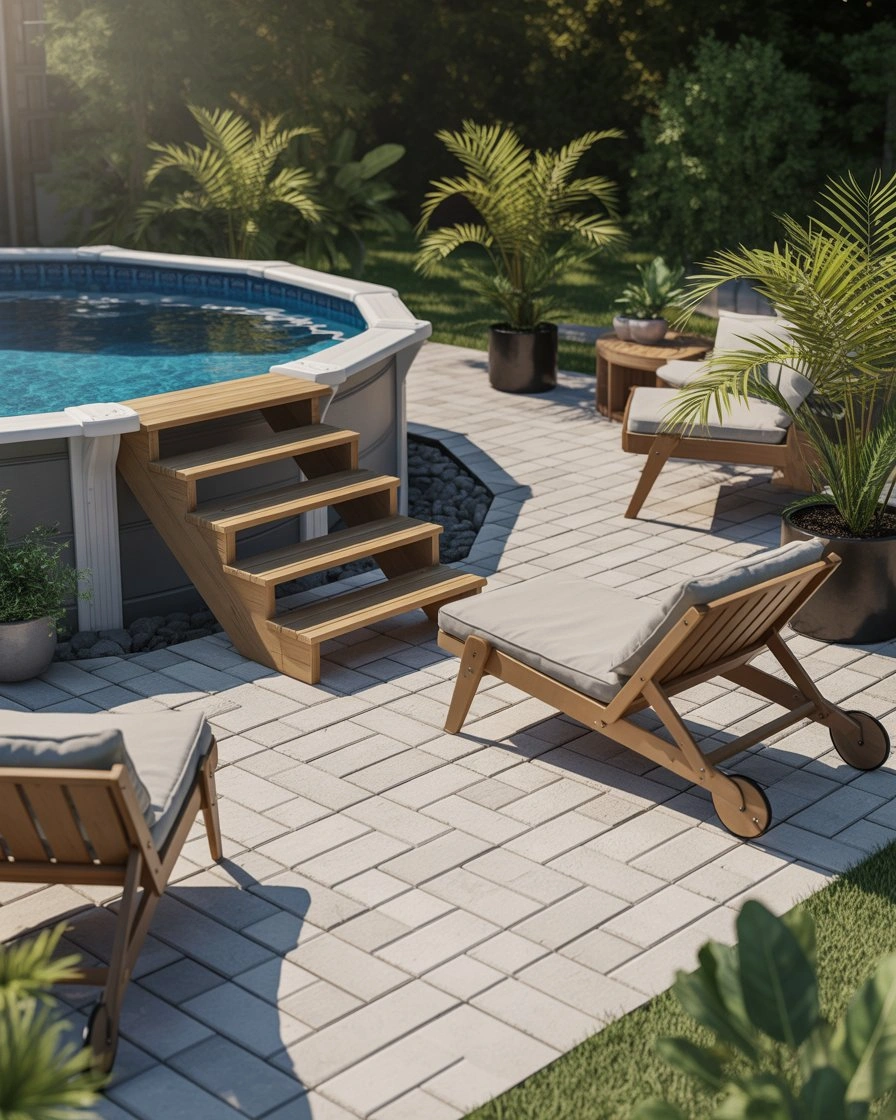
Where it works best: suburban and rural properties with space for both a pool and surrounding hardscape. The patio should extend at least three feet from the pool perimeter on all sides for comfortable movement and furniture placement. Budget for proper grading and drainage away from the pool structure to prevent water accumulation. This project typically costs $5 to $12 per square foot depending on paver choice and site preparation needs, but it transforms the pool area into a cohesive entertainment space.
18. Artificial Turf and Paver Combination
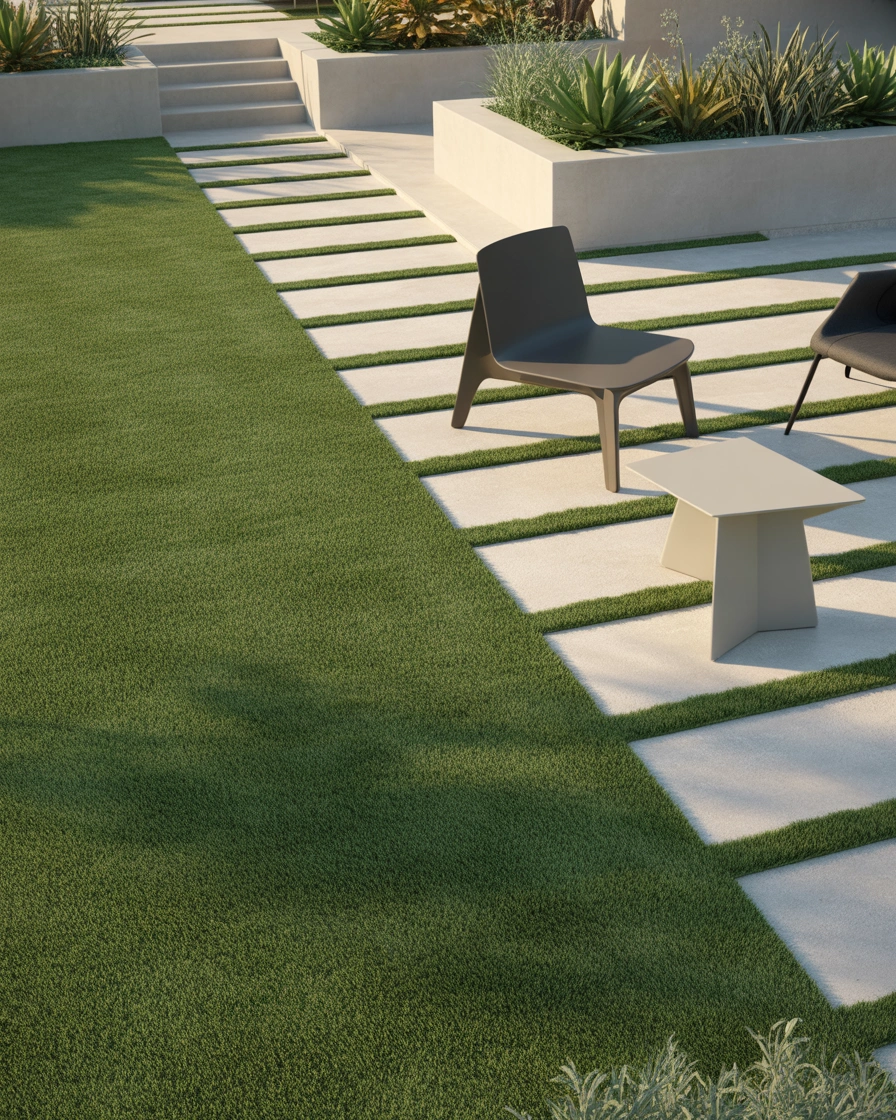
Combining artificial turf with pavers offers the best of both worlds—lush green softness underfoot alongside durable hardscape for furniture and high-traffic zones. This pairing is particularly appealing in drought-prone regions where water conservation matters, and it eliminates the mud and maintenance issues of natural grass adjacent to patios. The synthetic turf stays pristine year-round, framing your paver areas with consistent color.
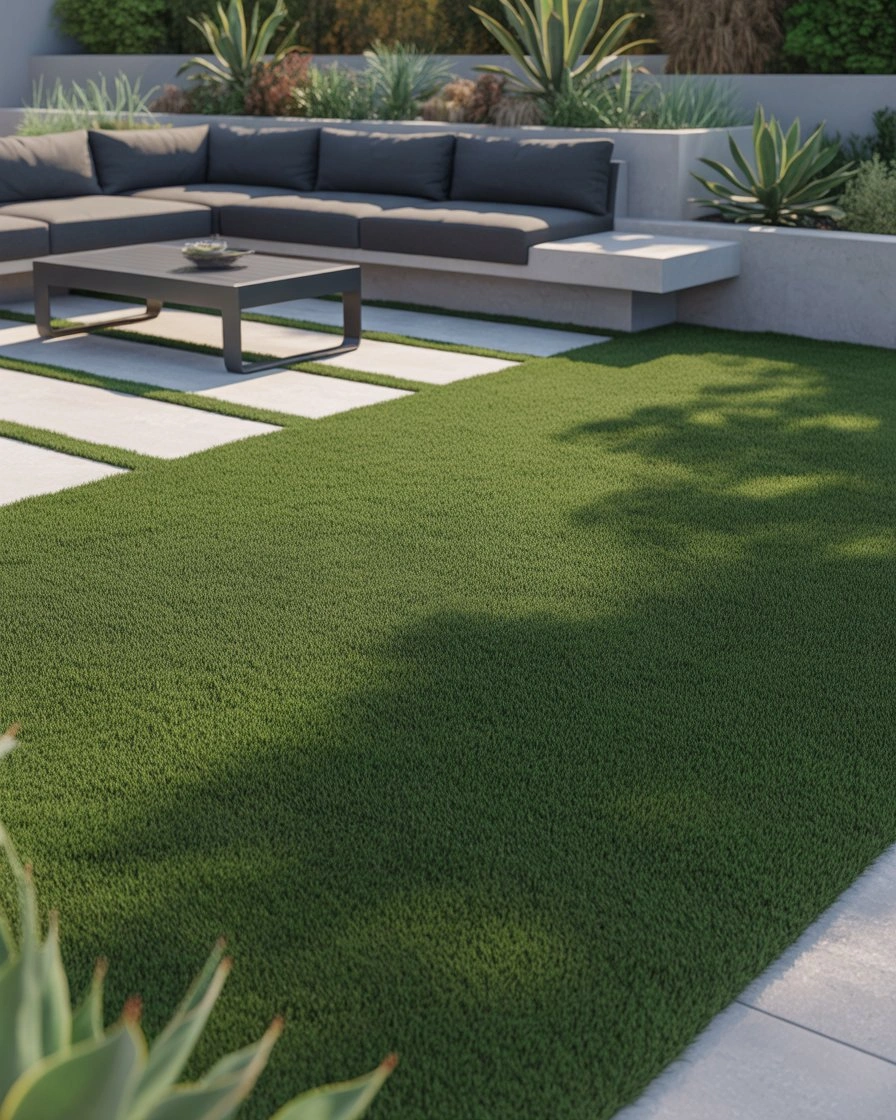
Real homeowner feedback from California and Arizona shows this combination appeals to families with young children who want safe, clean play areas without the watering and mowing requirements. Quality artificial turf has come a long way—look for products with realistic blade variation, good drainage backing, and UV stabilization. Edge the turf neatly against pavers using bender board or aluminum edging to prevent lifting and maintain crisp lines between materials.
19. Multi-Level Paver Patio with Steps
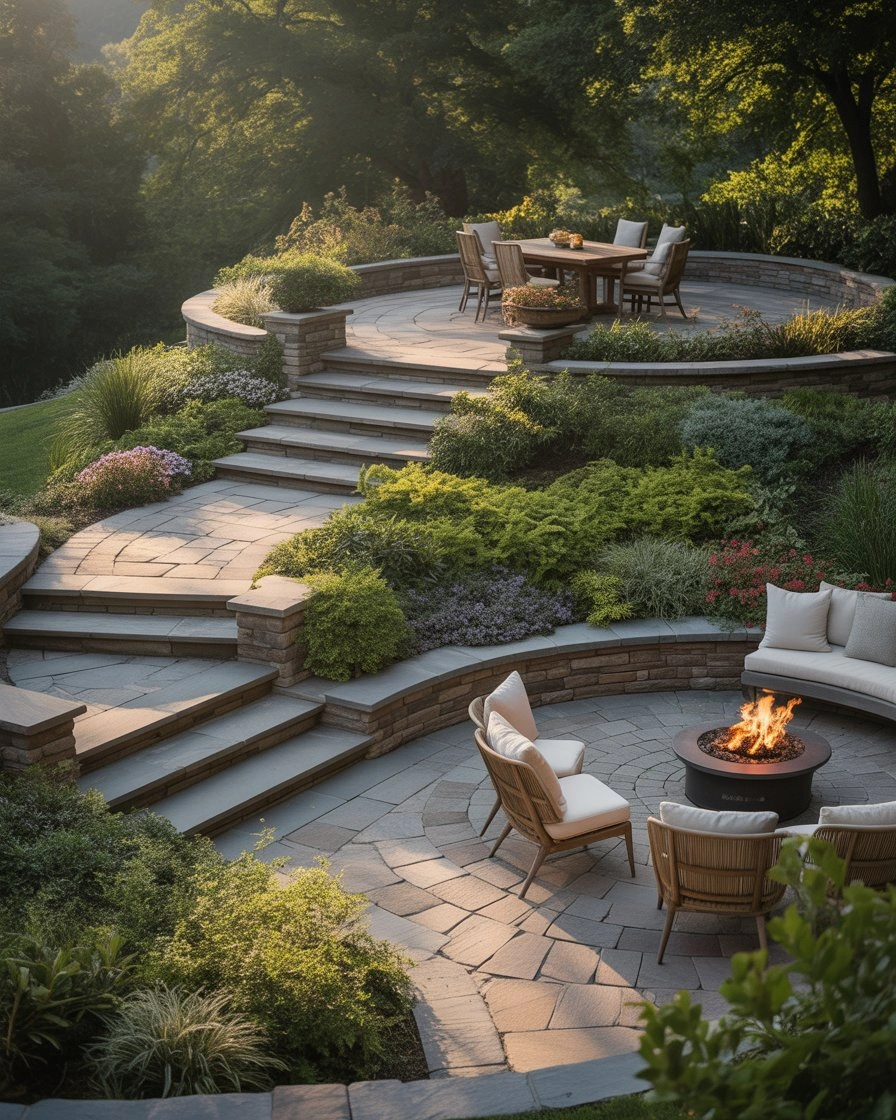
Creating multiple patio levels connected by paver steps addresses sloped terrain while adding architectural interest and functional zones to your outdoor space. Each level can serve a different purpose—dining, lounging, or gardening—and the vertical transition provides natural separation without walls or fences. This approach maximizes usable space on challenging lots where a single-level patio would be impractical.
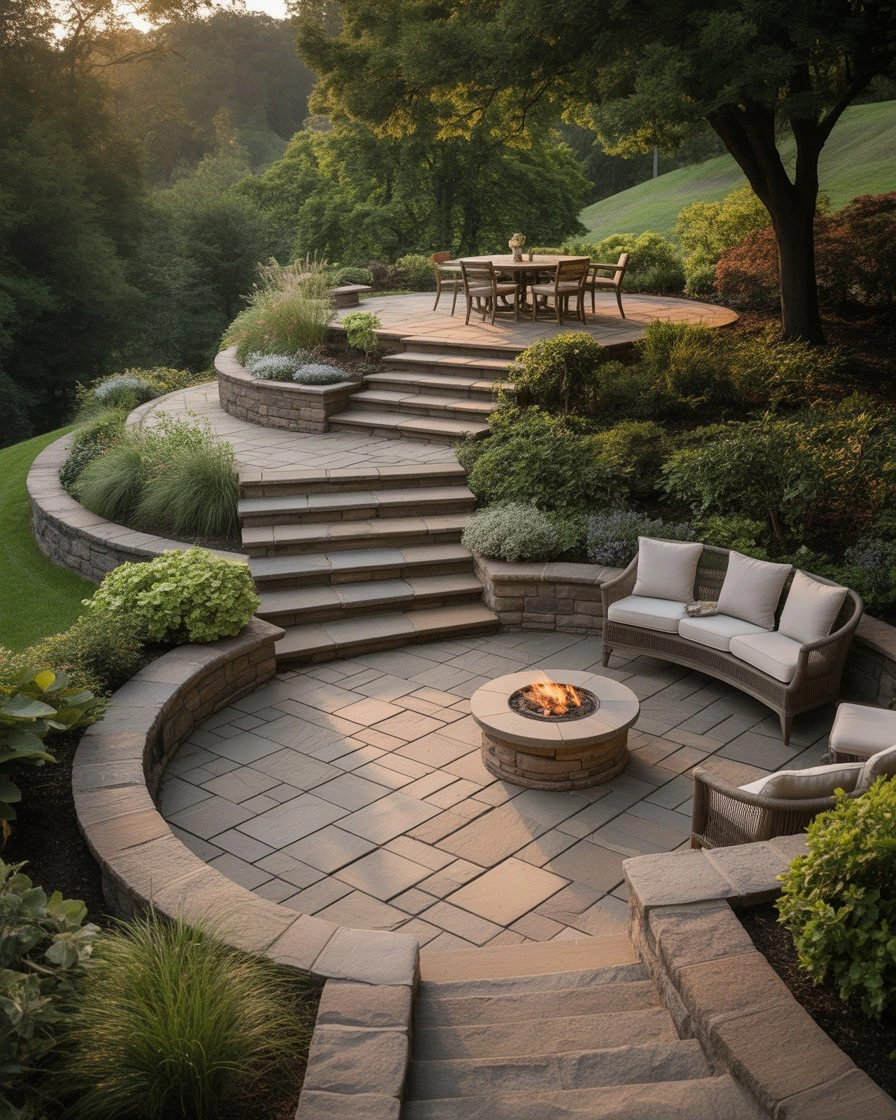
Expert commentary: landscape designers recommend keeping level changes to six to eight inches per step for comfortable walking and ensuring each platform is large enough for its intended furniture arrangement—at least 10×10 feet for a dining set and 8×10 for lounge seating. Proper base preparation is critical on slopes to prevent settling and separation between levels. Incorporate lighting into step risers for safety and ambiance after dark.
20. Minimalist Gray and White Paver Patio
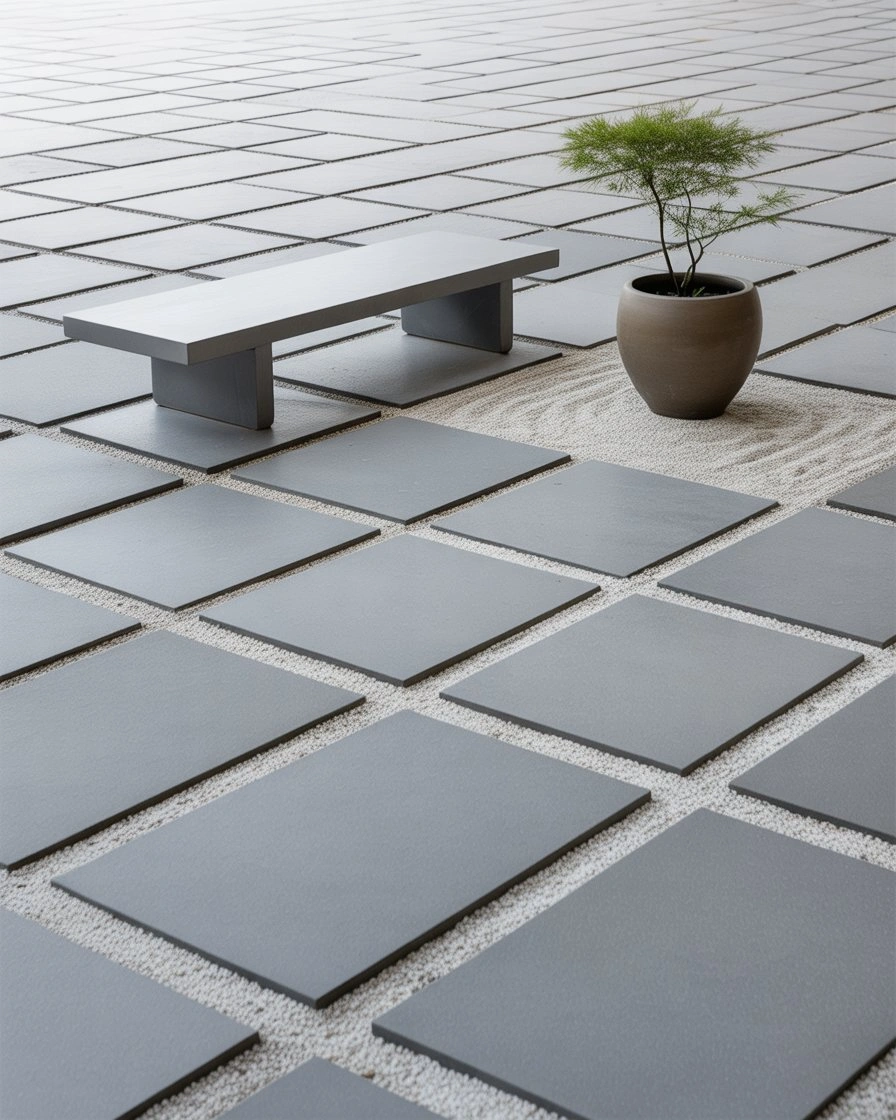
A restrained palette of gray and white pavers creates a serene, gallery-like backdrop that allows plantings and furniture to stand out. This modern approach emphasizes clean lines and negative space, evoking the calm simplicity found in Scandinavian and Japanese design. The neutral tones work year-round, never competing with seasonal foliage or decor changes.
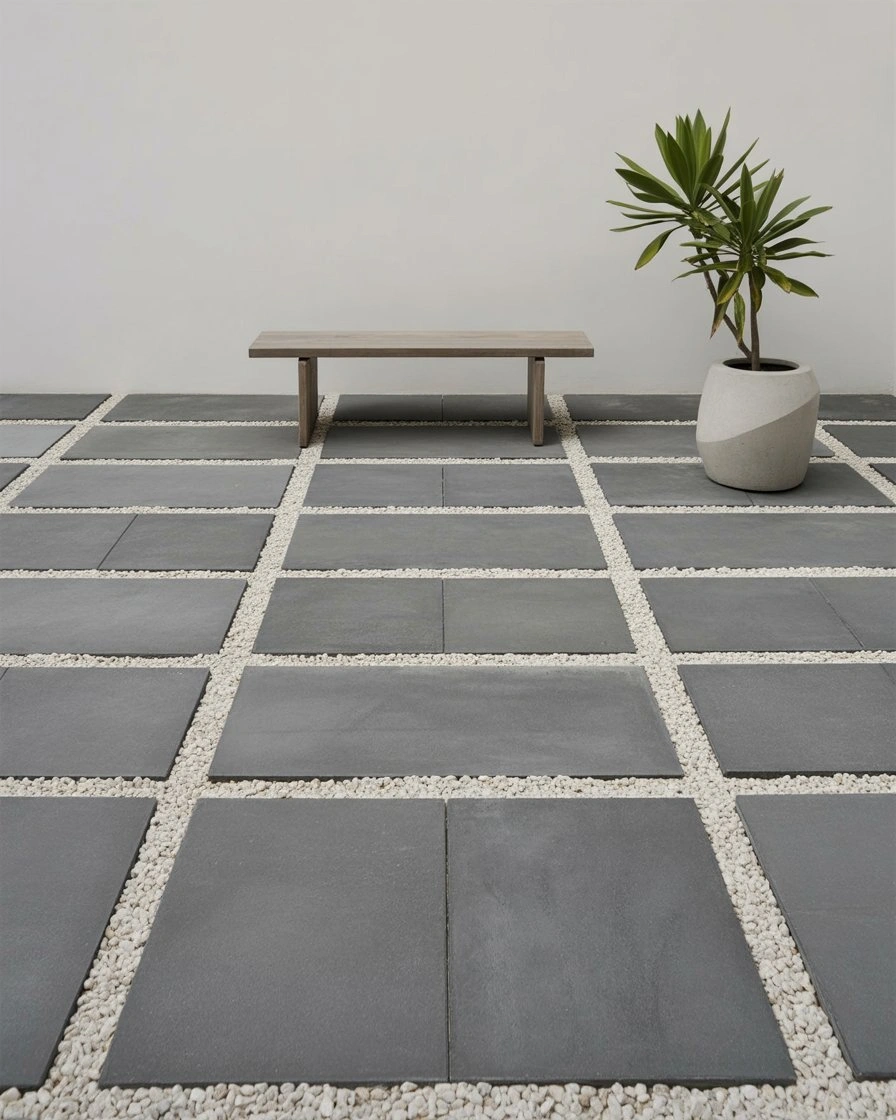
This design philosophy appeals to homeowners who value quality over quantity and prefer outdoor spaces that feel curated rather than cluttered. A micro-story from a Portland homeowner: “We stripped back everything to gray pavers and three statement plants. It sounds stark, but it’s actually the most relaxing space we’ve ever had—no visual noise, just intentional beauty.” Keep maintenance straightforward with periodic sweeping and occasional pressure washing to maintain the crisp contrast between light and dark elements.
21. Paver Patio with Built-In Planter Beds
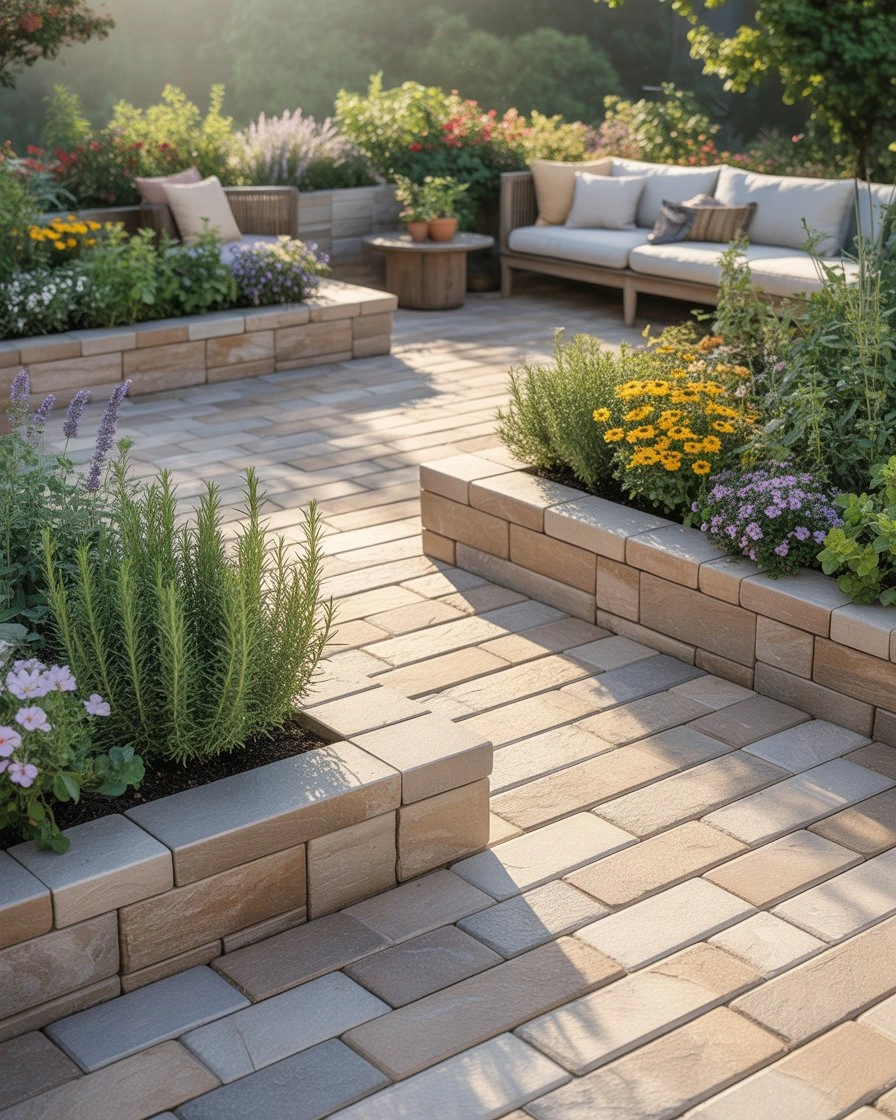
Integrating planter beds directly into paver patio design softens hardscape edges and brings nature into the entertaining space. Rather than relegating plantings to the perimeter, built-in beds break up large paver expanses with pockets of greenery, herbs, or flowering perennials. This approach is especially effective in urban yards where every square foot counts and vertical layering adds dimension.
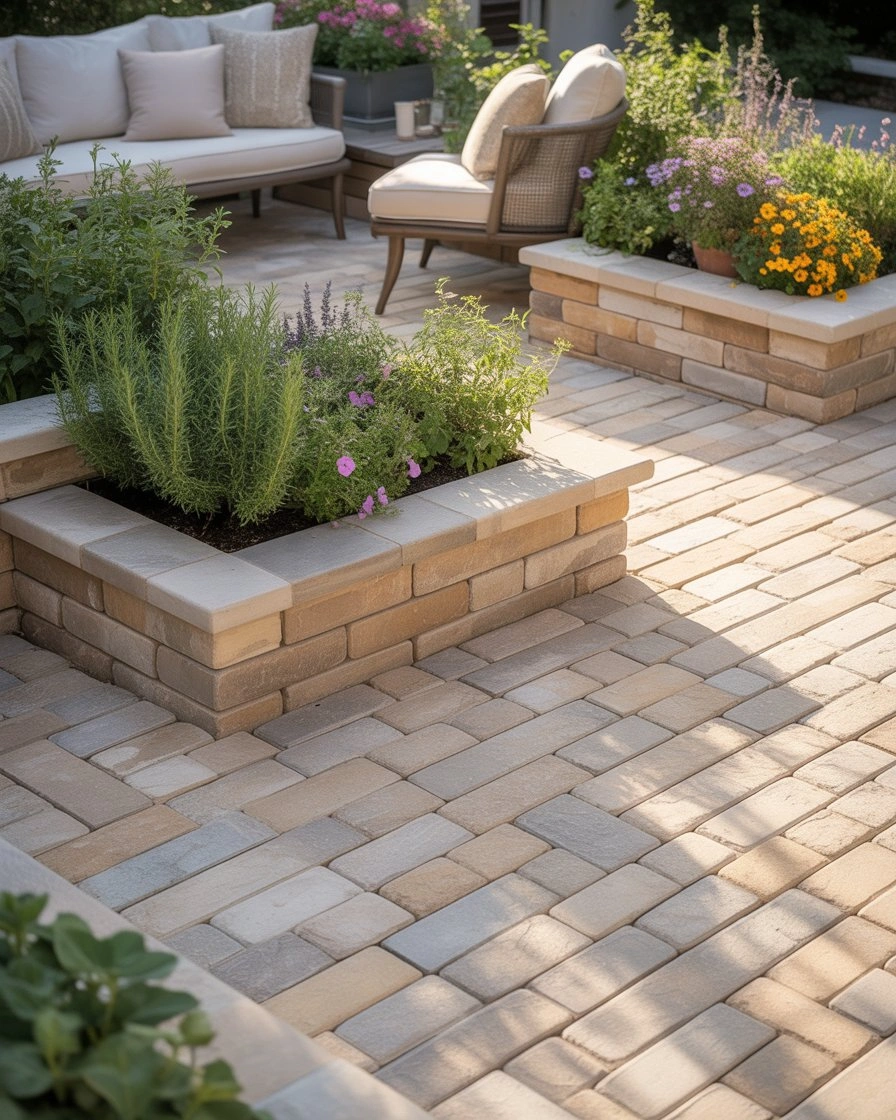
Common mistakes to avoid: underestimating drainage needs within built-in planters, which can lead to water damage to surrounding pavers. Install proper drainage layers with gravel at the base, and consider drainage pipes that route excess water away from the patio. For edible gardens, position planter beds where they receive at least six hours of sun daily. Many homeowners appreciate the convenience of having herbs steps away from the outdoor dining area for fresh-picked seasoning.
Conclusion
These paver patio ideas showcase the incredible versatility of this outdoor flooring option, from traditional herringbone patterns to bold modern statements. Whether you’re drawn to natural stone elegance, contemporary geometric designs, or cozy fire pit retreats, there’s a paver solution that fits your style, budget, and regional climate. We’d love to hear which design resonates with you—drop a comment below sharing your favorite idea or telling us about your own paver patio project. Happy designing!