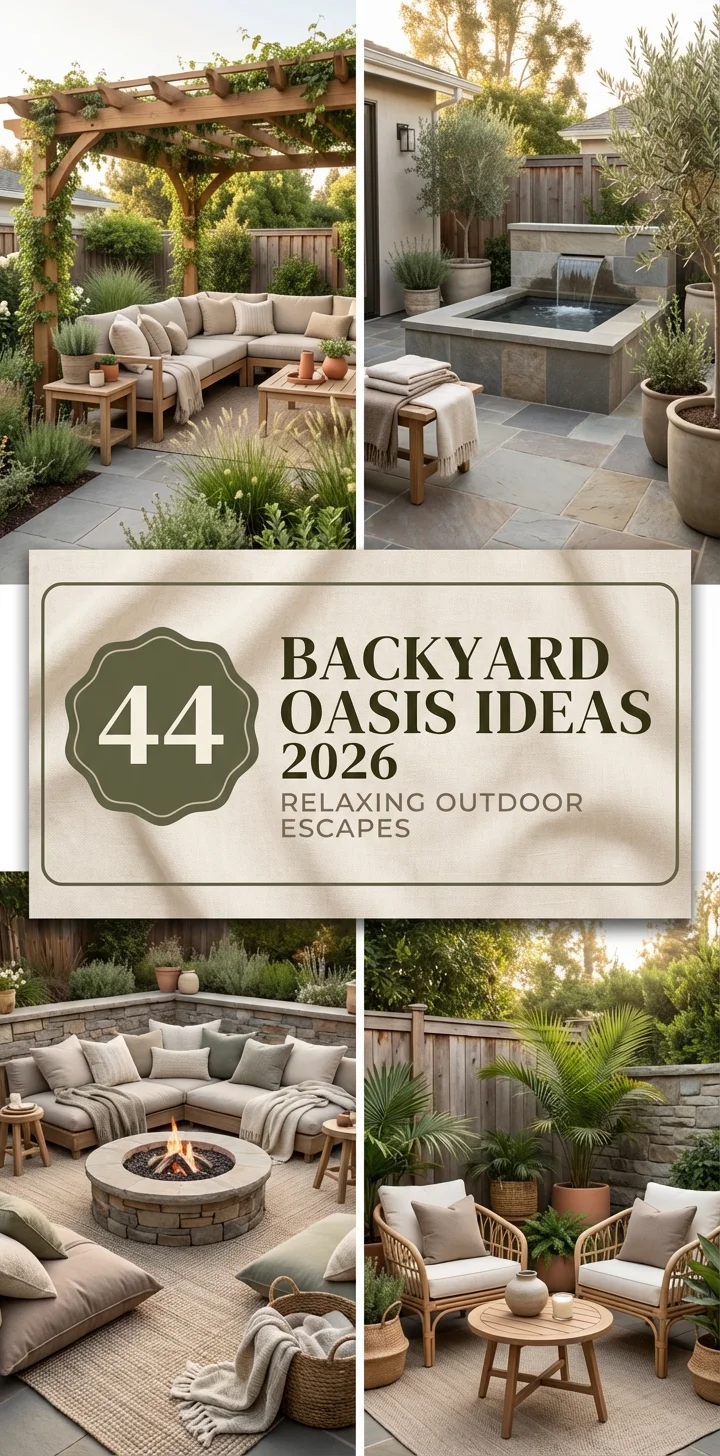
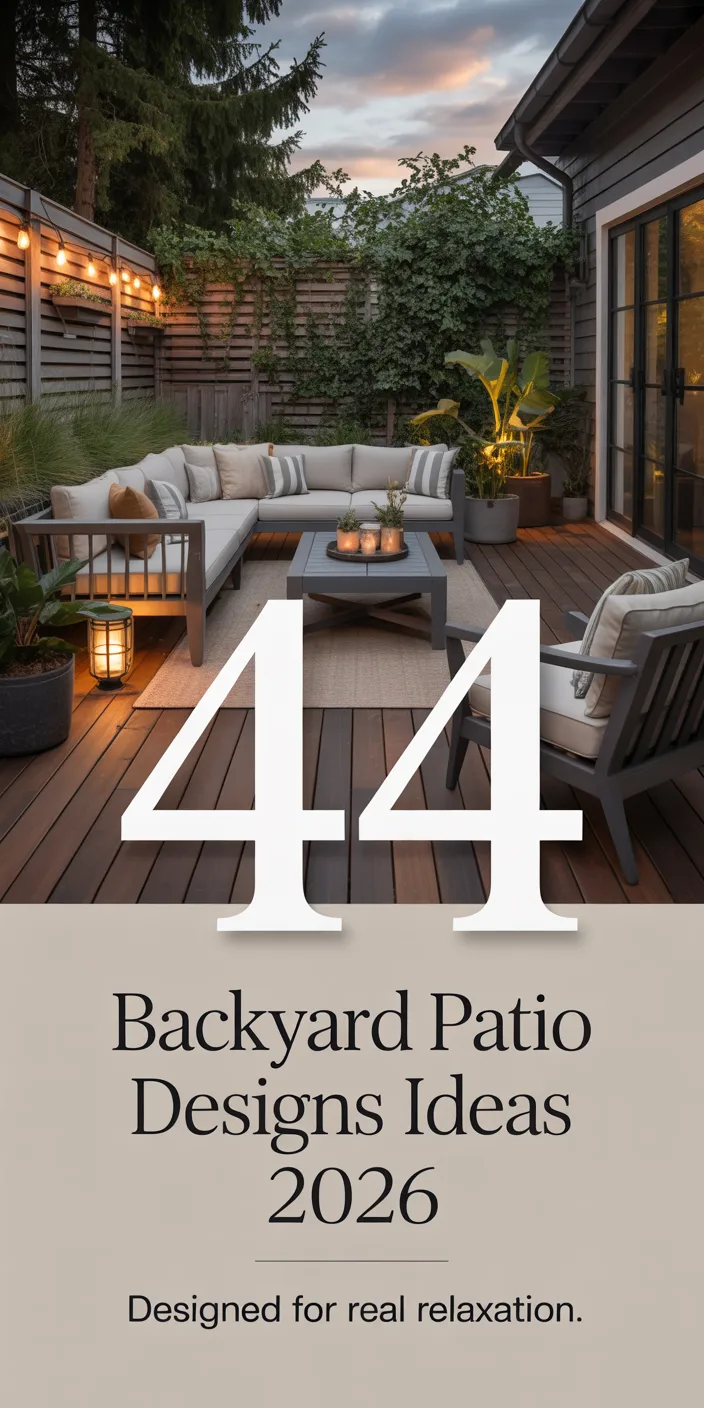
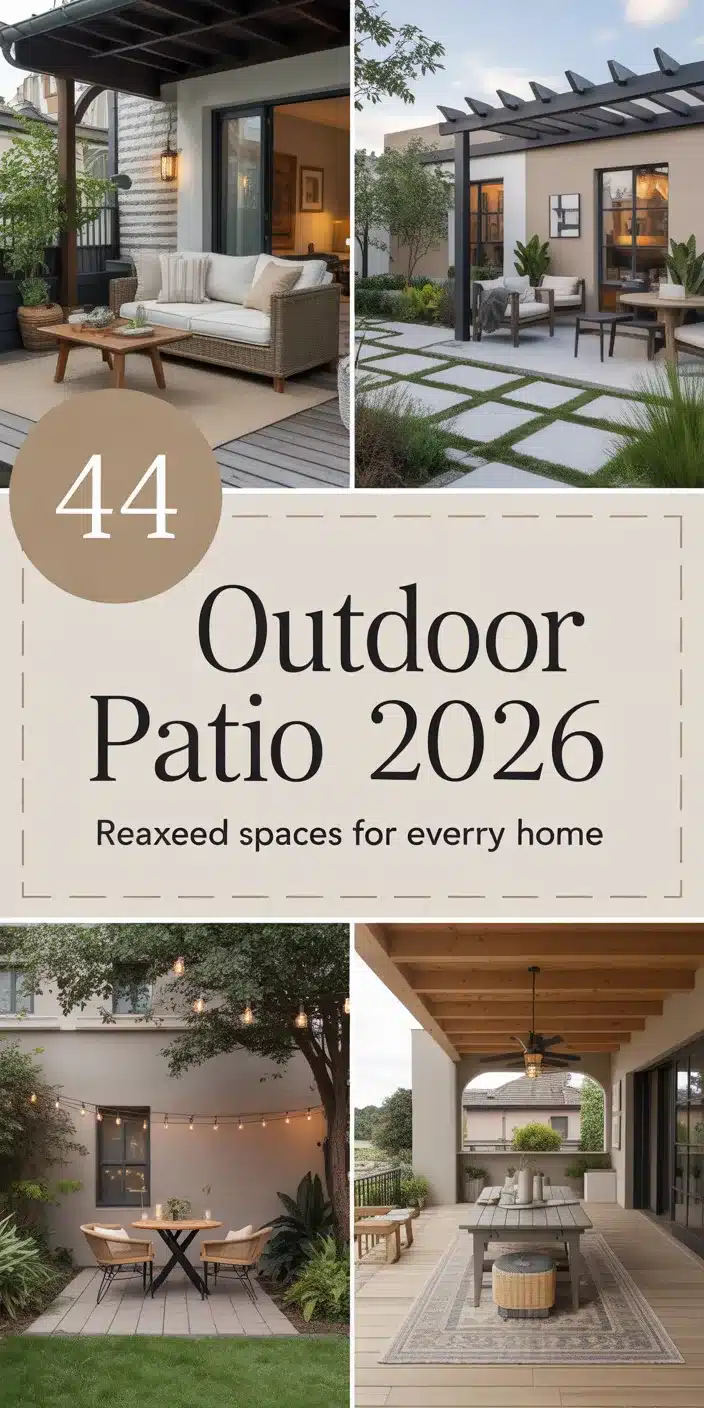
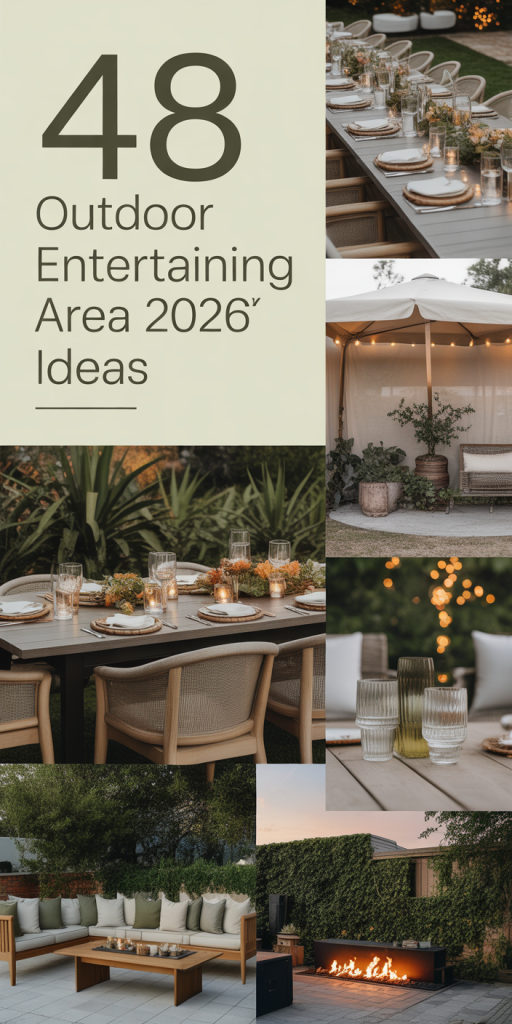
Outdoor entertaining areas have become the heart of American home design in 2026, transforming backyards, patios, and balconies into stylish extensions of indoor living. Whether you’re hosting weekend barbecues in Texas, evening cocktails in California, or family gatherings in the Midwest, creating a functional and beautiful outdoor space is no longer a luxury—it’s a lifestyle priority. Pinterest users are searching for inspiration that balances aesthetics with practicality, from budget-friendly DIY projects to high-end covered pergolas. This guide explores fresh ideas that blend comfort, design, and real-world functionality, helping you create the ultimate outdoor entertaining area that reflects your personal style and meets your hosting needs.
1. Covered Pergola with Retractable Canopy
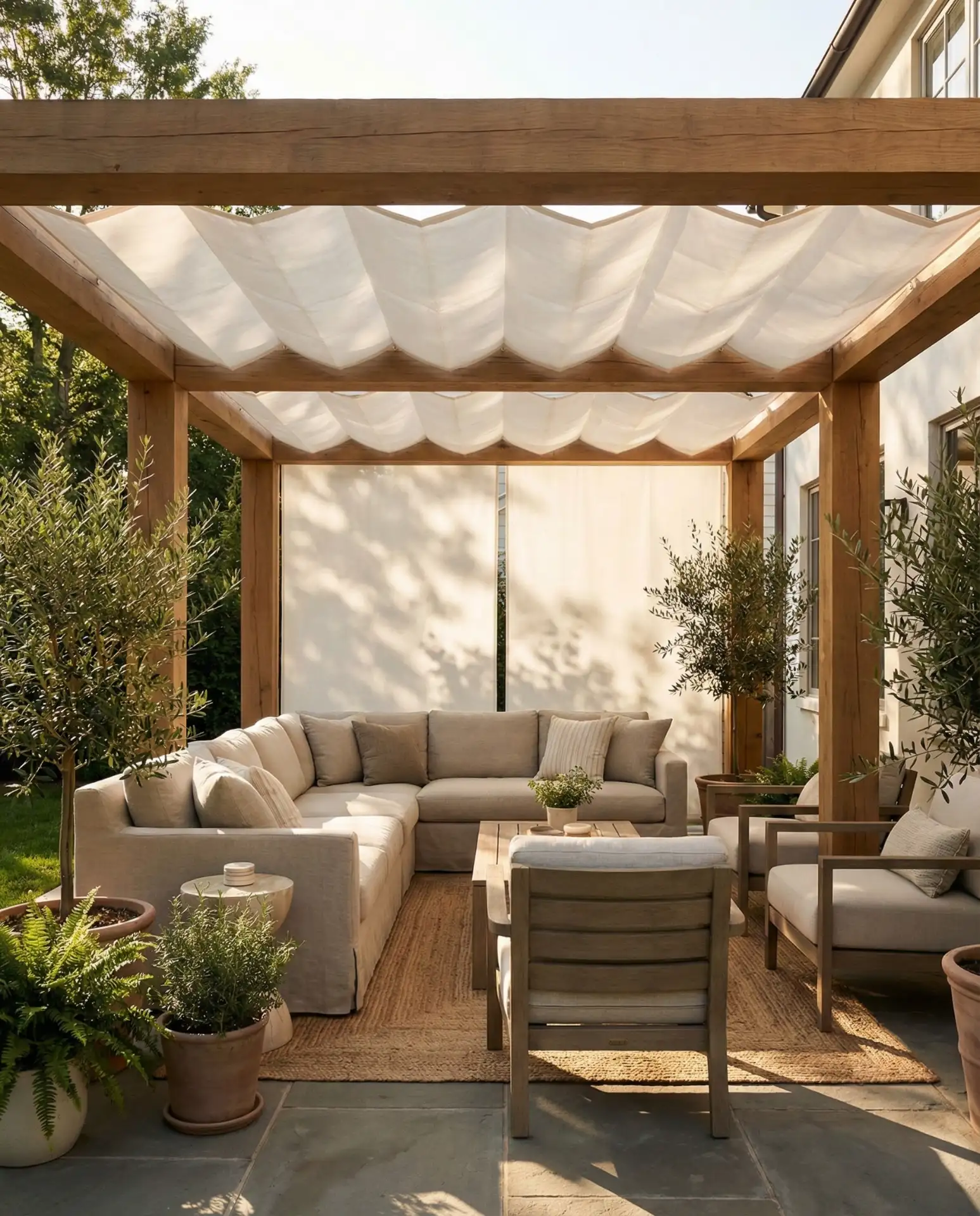
A covered pergola with a retractable canopy offers the perfect balance between sun exposure and shade control, making it ideal for unpredictable weather patterns across the country. This design works beautifully for large backyards where you want to define an entertaining zone without building a permanent structure. The canopy slides back on clear days and extends during afternoon heat or light rain, giving you flexibility throughout the seasons. Pair it with outdoor furniture that can withstand the elements, and you’ve created a sophisticated gathering spot that feels both open and protected. 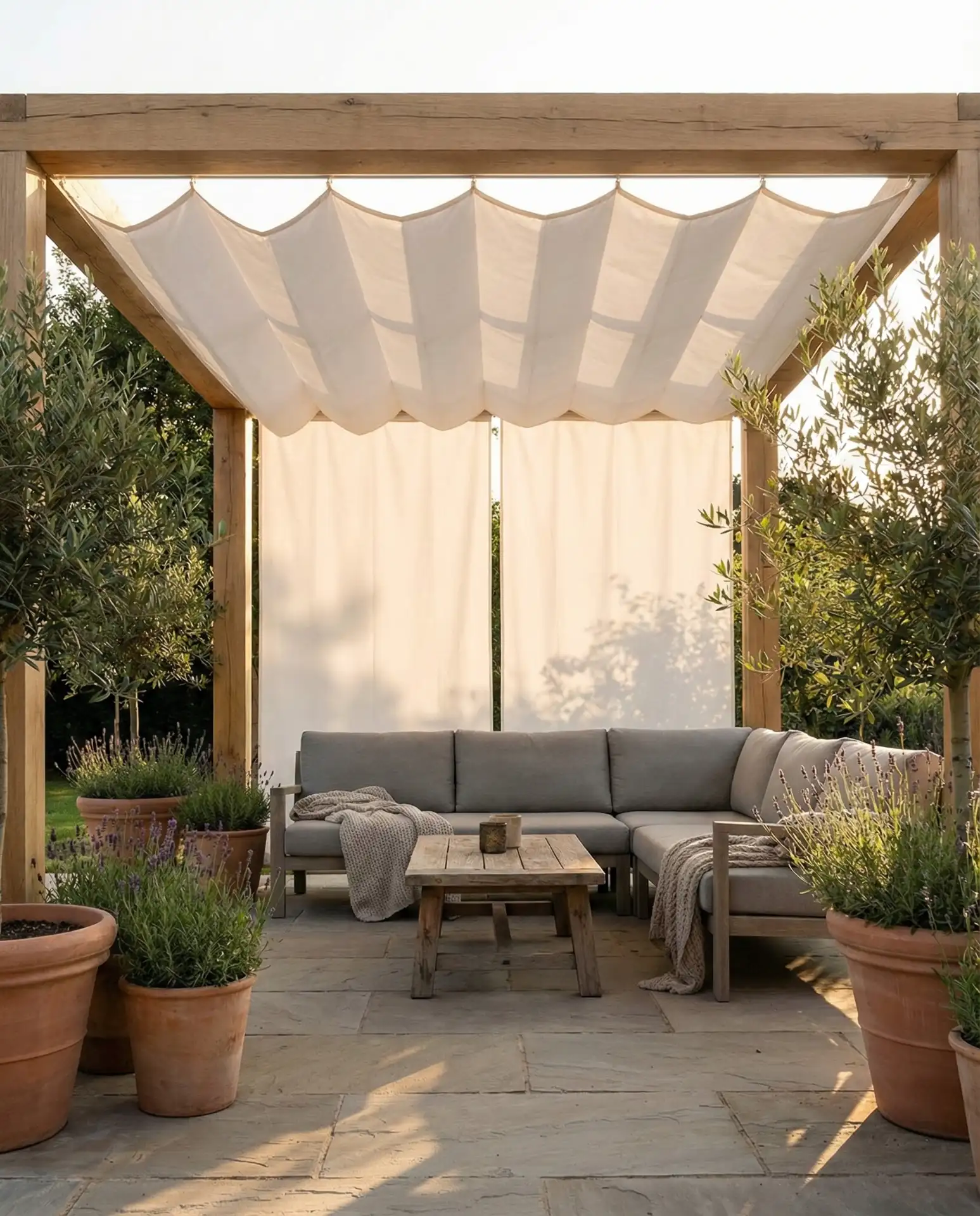
In the Southwest, homeowners are using this setup to extend their outdoor season well into November, hosting dinner parties under the stars without worrying about sudden temperature drops. The key is choosing a high-quality canopy fabric that resists fading and mildew—look for solution-dyed acrylic materials that can handle intense UV exposure. Add string lights or lanterns to the pergola beams for evening ambiance, and consider installing outdoor speakers for background music that enhances conversation without overwhelming it.
2. Australian-Inspired Alfresco Dining Zone

Drawing from Australian outdoor living traditions, this entertaining area emphasizes seamless indoor-outdoor flow with sliding glass doors that disappear into walls. The Australian approach prioritizes natural materials like timber decking, stone accents, and native plants that require minimal water. A long dining table becomes the centerpiece, often positioned under a ceiling fan to maintain air circulation during warm months. This style has gained traction in Southern California and Florida, where the climate supports year-round outdoor entertaining and homeowners want spaces that feel like natural extensions of their kitchens. 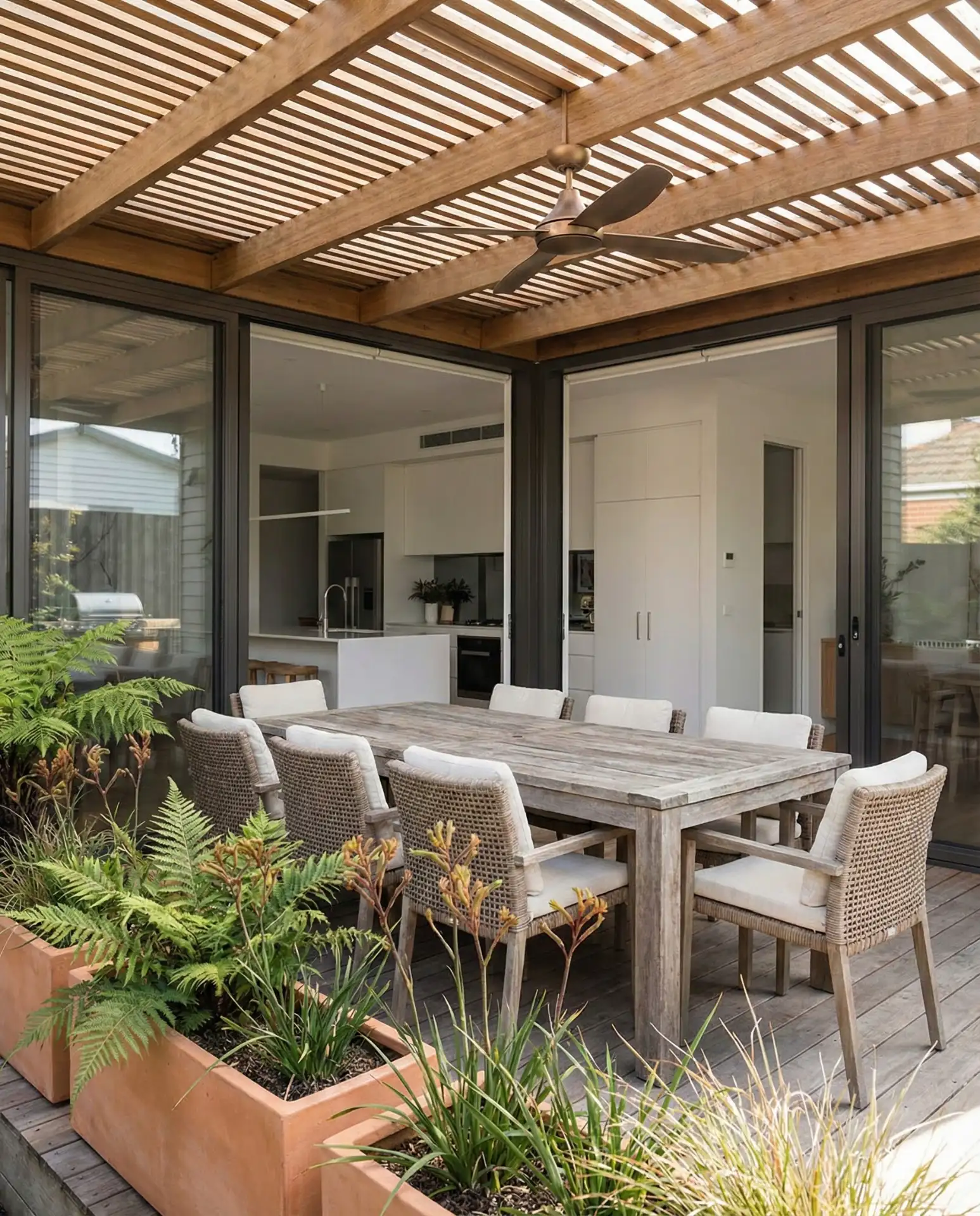
Where it works best: Properties with direct kitchen access and level terrain. The Australian alfresco concept thrives when there’s no step-down from interior to exterior, creating a true indoor-outdoor room that encourages constant movement between spaces. Install durable outdoor tiles that match your interior flooring to strengthen the visual connection. Many homeowners add a small outdoor sink or beverage station nearby to minimize trips back inside during gatherings.
3. Small Space Balcony Bar Setup

Urban apartment dwellers are transforming small space balcony areas into functional entertaining zones with fold-down bar counters and vertical storage solutions. Even a 6×4 foot balcony can accommodate a compact bar cart, two stools, and hanging planters that add privacy without blocking light. The trick is using every vertical inch—wall-mounted shelves hold glassware, hooks store bar tools, and a narrow console table doubles as both prep space and serving station. This approach has become especially popular in cities like New York, Chicago, and Seattle, where outdoor space comes at a premium but the desire to entertain remains strong. 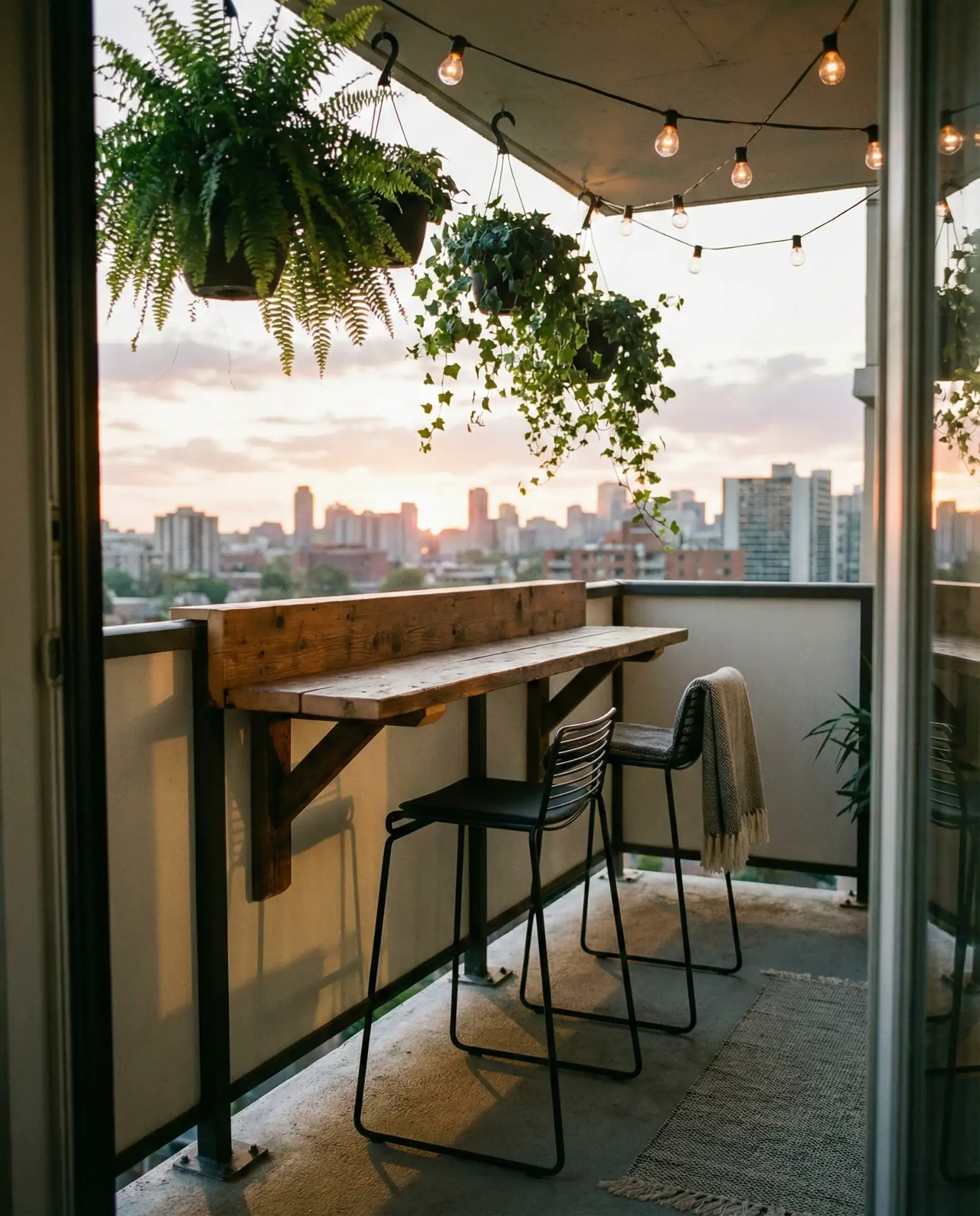
A common mistake is overcrowding small balconies with full-sized furniture that makes movement impossible. Instead, choose pieces that serve multiple purposes—a storage ottoman that holds cushions and provides extra seating, or a bar cart that wheels inside when not in use. Keep the color palette light and cohesive to make the space feel larger. Add weatherproof outdoor rugs to define the area and absorb sound, which matters more in shared building environments.
4. Covered Patio with Built-In Fireplace
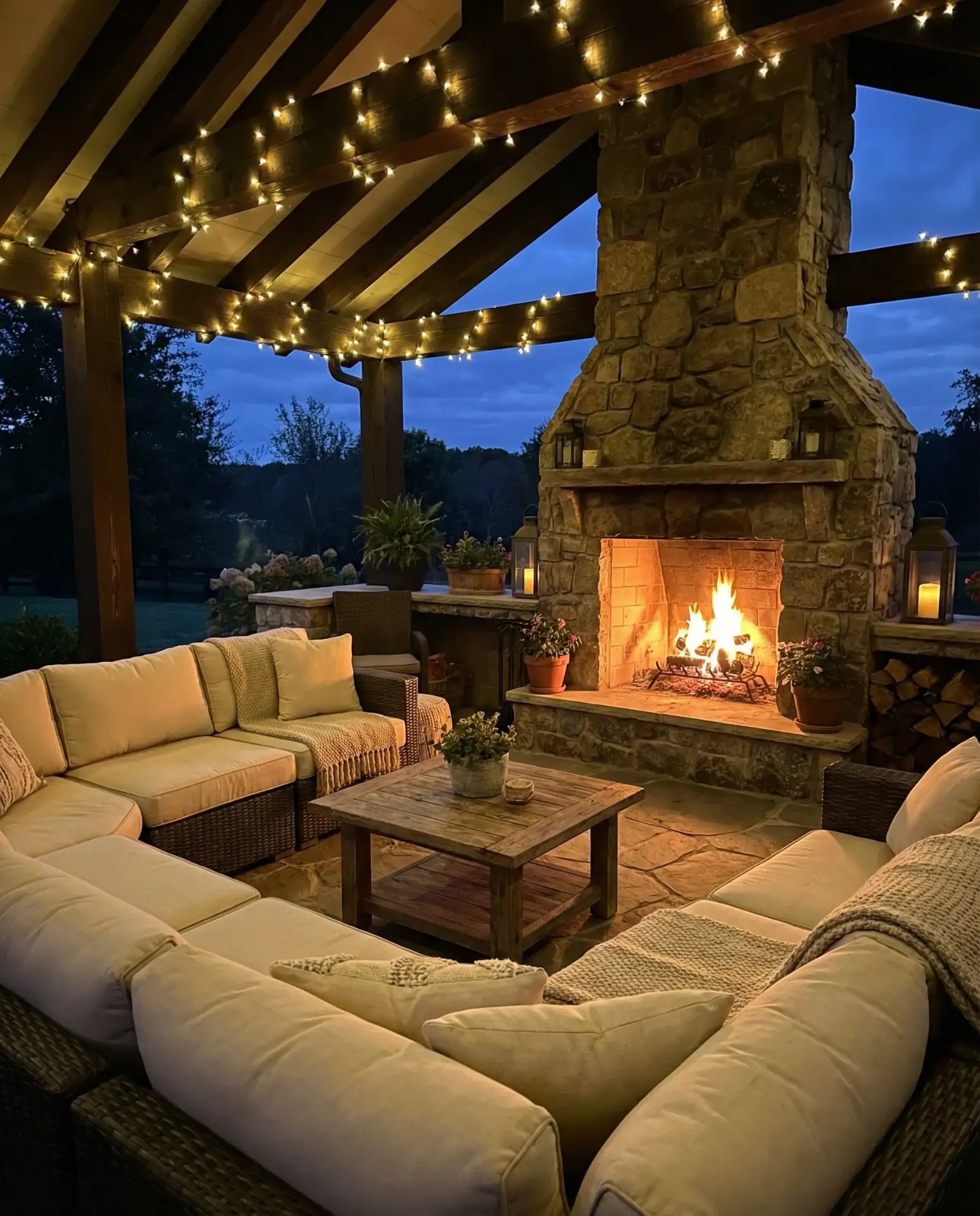
A covered patio featuring a built-in fireplace extends the entertaining season well into fall and winter, creating a cozy gathering spot that rivals any indoor living room. The fireplace becomes the natural focal point, with seating arranged in a conversational circle that encourages guests to linger. Stone or brick surrounds add architectural weight and help retain heat, while the covered roof protects the structure from weather damage. This setup is particularly effective in the Pacific Northwest, Northeast, and Midwest, where outdoor entertaining often stops in October unless you have a heat source. 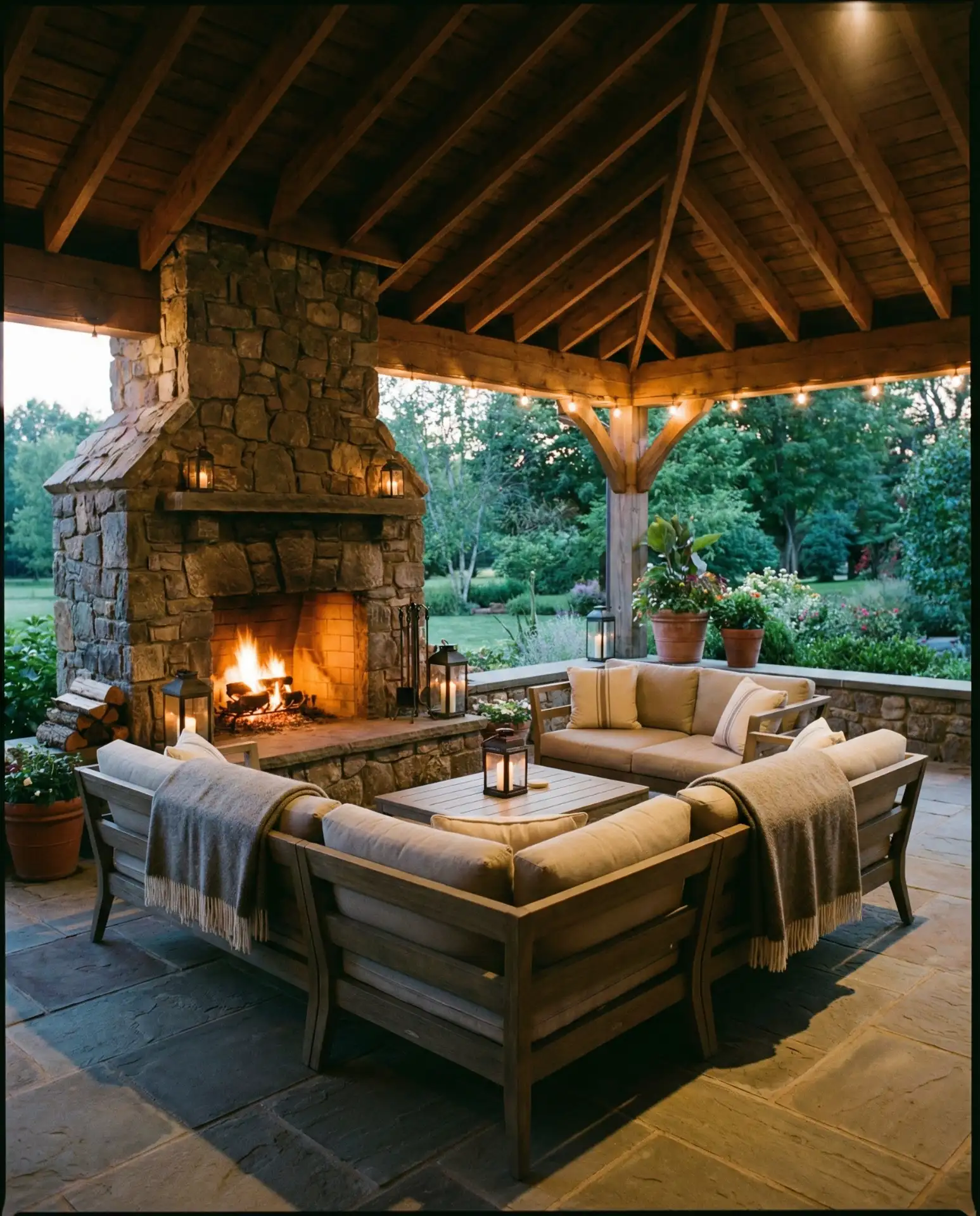
Expert designers recommend positioning the fireplace on the side that provides the best wind protection, typically the north or west wall depending on your regional weather patterns. Add a mantel for seasonal decorations and storage of fire tools. Consider installing a gas insert rather than wood-burning if you want instant ambiance without the maintenance—gas fireplaces also comply with local air quality regulations in areas with burn restrictions. Surround the space with all-weather furniture that can handle temperature fluctuations without fading or cracking.
5. Budget-Friendly Pallet Furniture Lounge
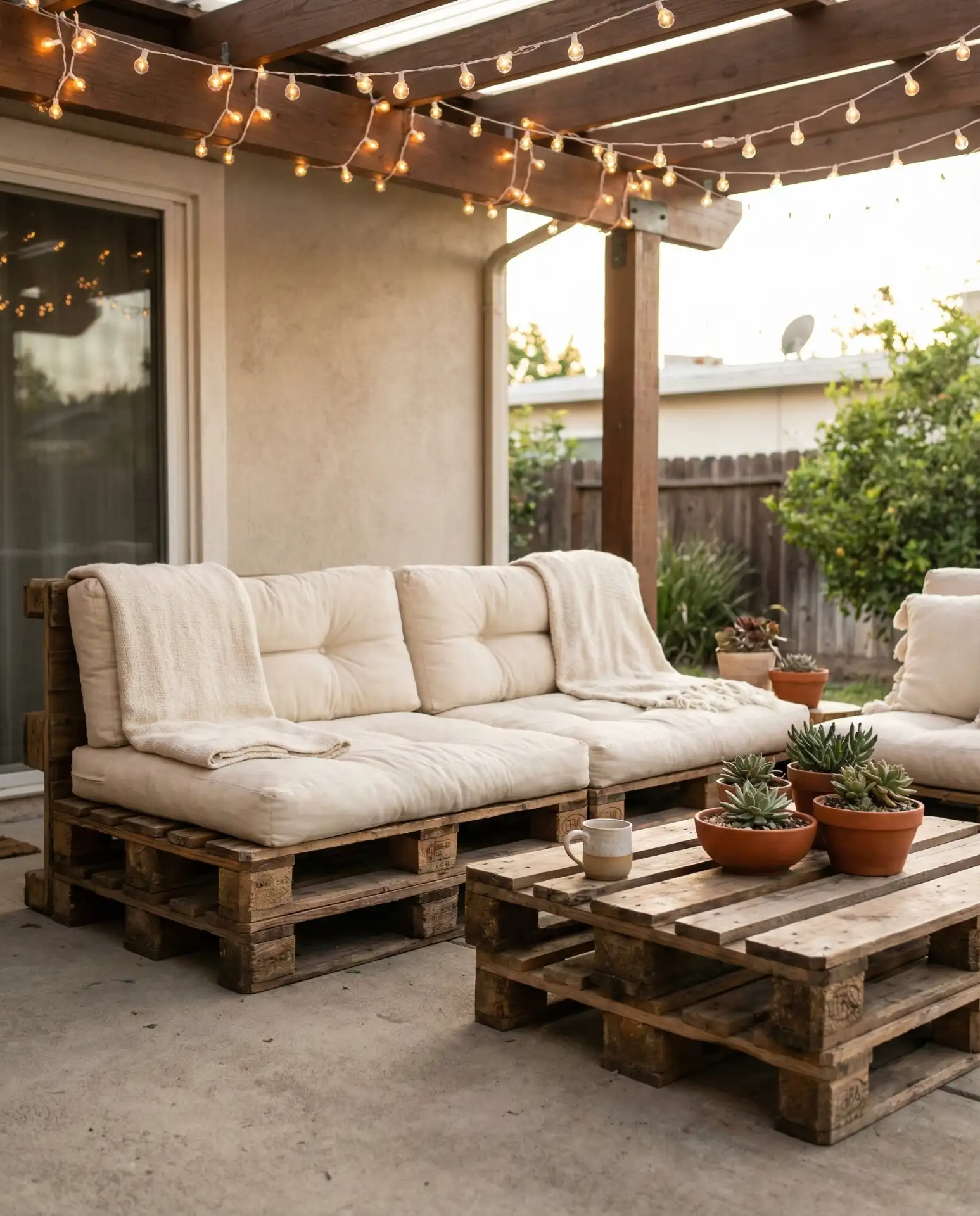
Creating an outdoor entertaining area on a budget doesn’t mean sacrificing style—reclaimed pallet furniture has become a design trend that saves money while delivering character. Wooden pallets transform into sofas, coffee tables, and even vertical planters with basic tools and weatherproof cushions. Sand and seal the wood to prevent splinters, add outdoor cushions in durable fabrics, and you’ve built custom seating for a fraction of retail prices. This DIY approach resonates with younger homeowners who want personalized spaces without taking on debt, and it’s particularly popular in the South and Midwest where covered porches provide natural protection for wooden furniture. 
Real homeowners who’ve completed this project report spending $200-400 total, including cushions, versus $2,000+ for comparable store-bought outdoor sectionals. The most successful versions use heat-treated pallets (marked HT, not chemically treated) and apply multiple coats of exterior-grade polyurethane for protection. Add caster wheels to the underside of larger pieces so you can easily move furniture around or roll it under cover during storms. Paint or stain the wood to match your home’s exterior for a cohesive look.
6. Rustic Country Gathering Space
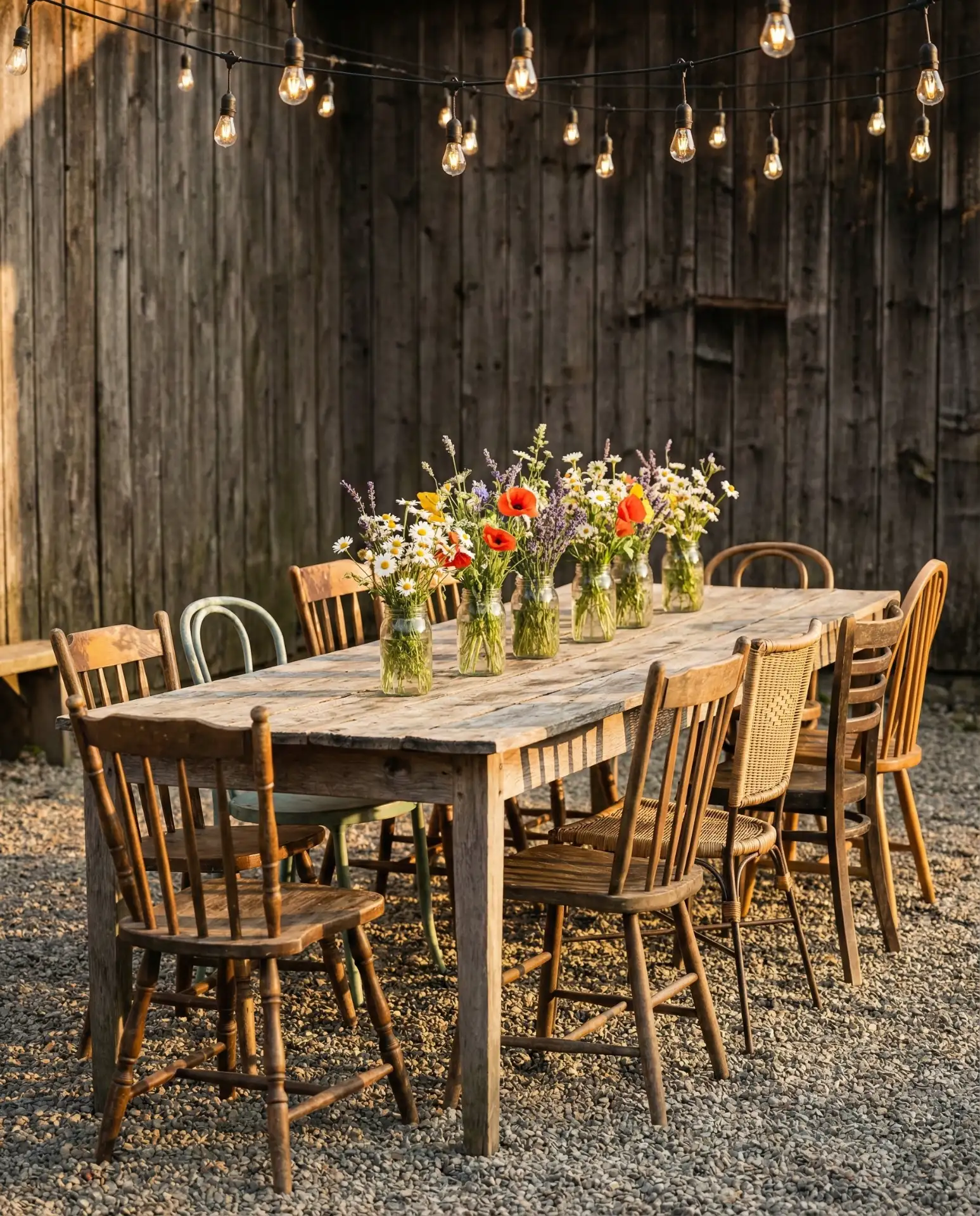
A rustic outdoor entertaining area celebrates natural imperfections and vintage finds, creating spaces that feel collected over time rather than decorated all at once. Think weathered wooden tables, mismatched seating, galvanized metal accents, and Edison bulb string lights that cast a warm glow after sunset. This aesthetic works beautifully on Australian country properties and American farmhouses, where the surrounding landscape already provides a rural backdrop. The goal is relaxed elegance—spaces that look effortlessly pulled together while actually being quite intentional about material choices and layout. 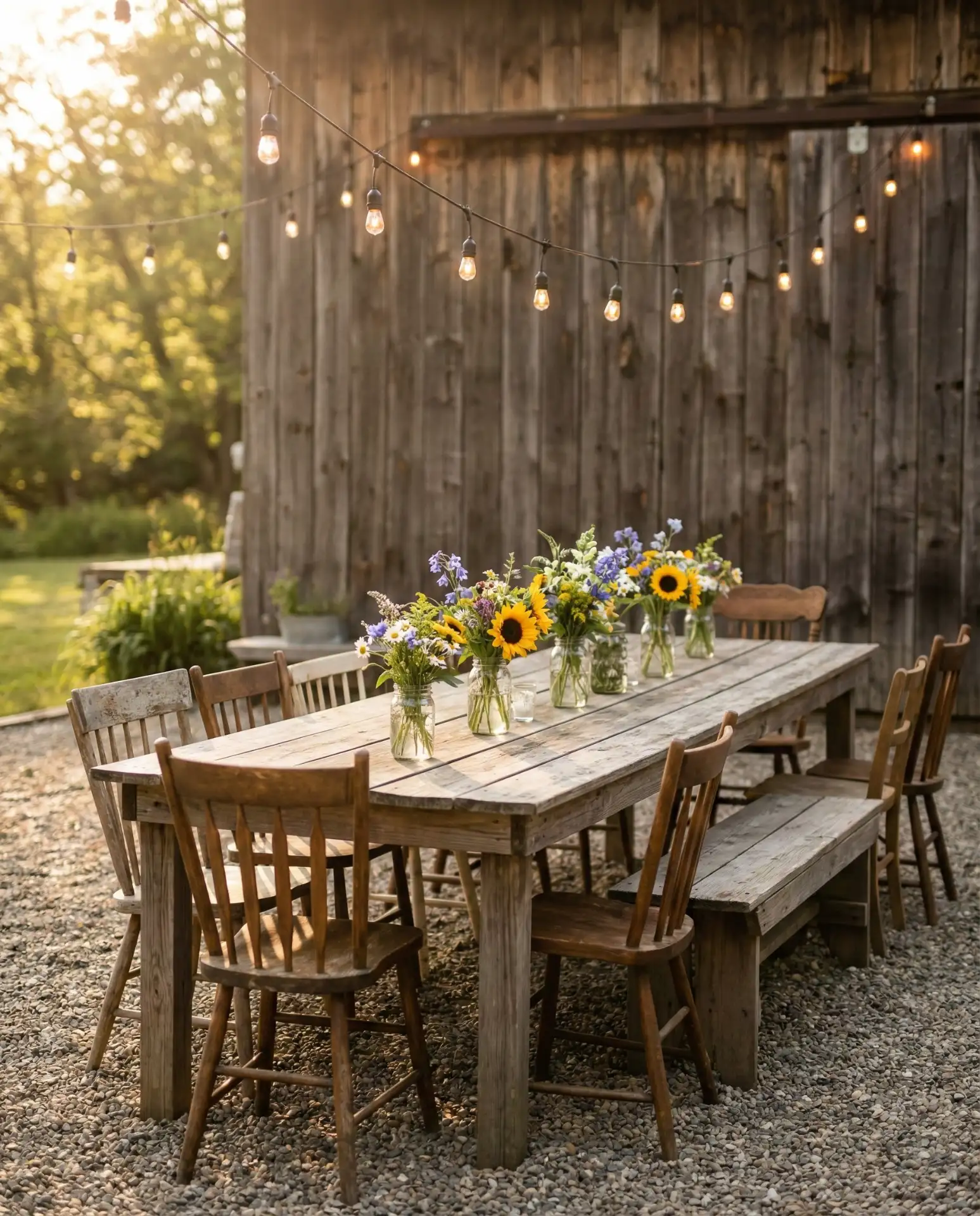
In rural Pennsylvania, one homeowner transformed an old barn foundation into an outdoor dining room by adding a simple pergola frame and furnishing it entirely with estate sale finds. The space cost less than $800 to complete but photographs like a magazine feature. Key elements include comfortable seating with plenty of cushions, ambient lighting from multiple sources, and natural textures that soften the hard surfaces. Add throws and pillows that can be quickly gathered and brought inside when weather threatens.
7. Open-Concept Kitchen and Lounge
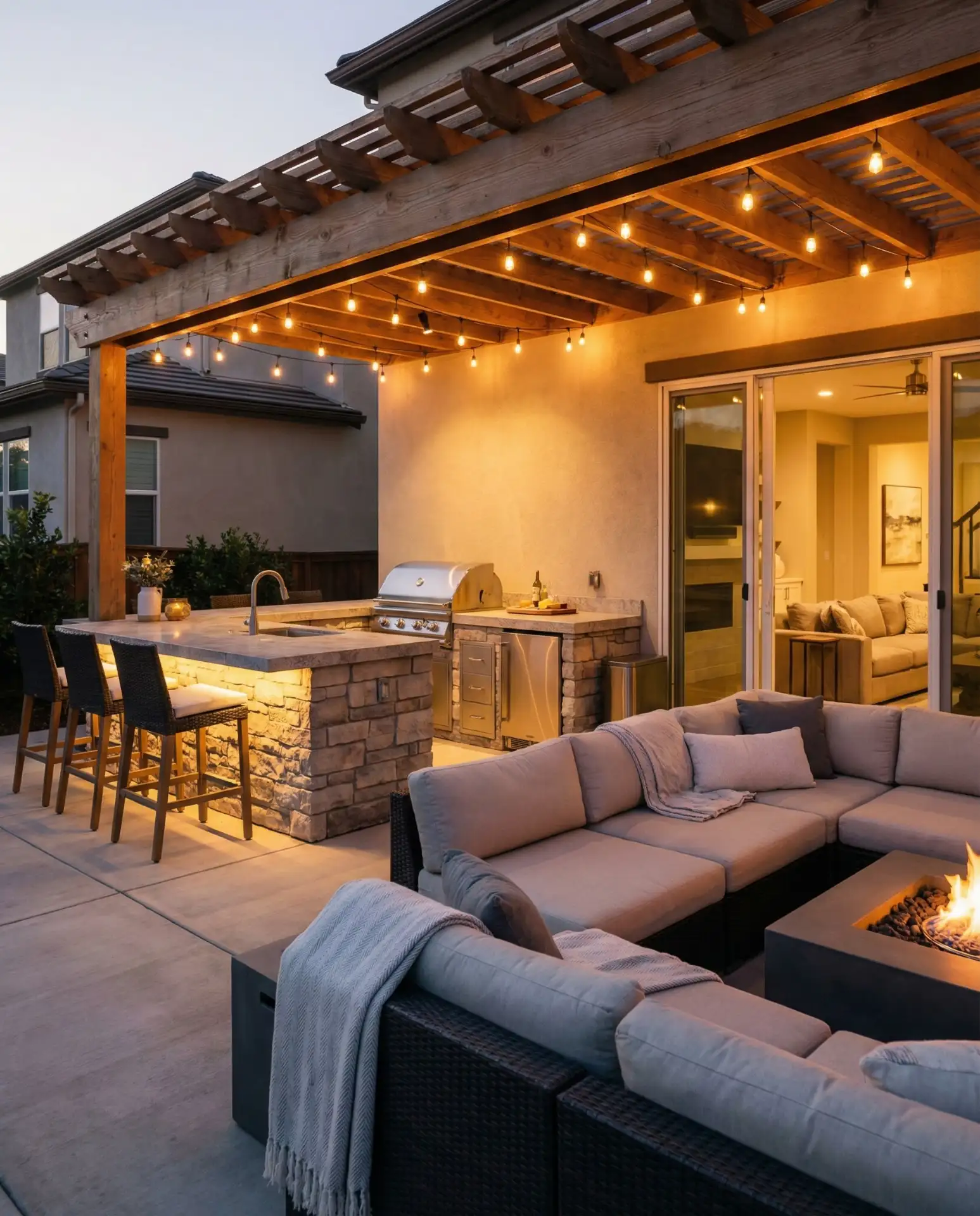
An open outdoor kitchen paired with adjacent lounge seating creates a flow that keeps the cook connected to guests, eliminating the isolation that happens when someone’s stuck manning the grill alone. Position a large island with seating on one side and cooking equipment on the other, then add comfortable lounge furniture within conversational distance. This layout works best on large patios or deck areas where you have at least 400 square feet to work with. The design has become standard in new construction across the Sun Belt states, where outdoor living is factored into home design from the beginning. 
The practical advantage is undeniable—hosts can prep food, serve drinks, and participate in conversations without constantly walking back and forth. Include a small outdoor refrigerator, sink, and storage for serving dishes to minimize indoor trips. Many homeowners add a warming drawer to keep food at serving temperature during longer gatherings. Position the seating to face away from the cooking mess so guests enjoy the view rather than watching dishes pile up.
8. Enclosed Three-Season Room
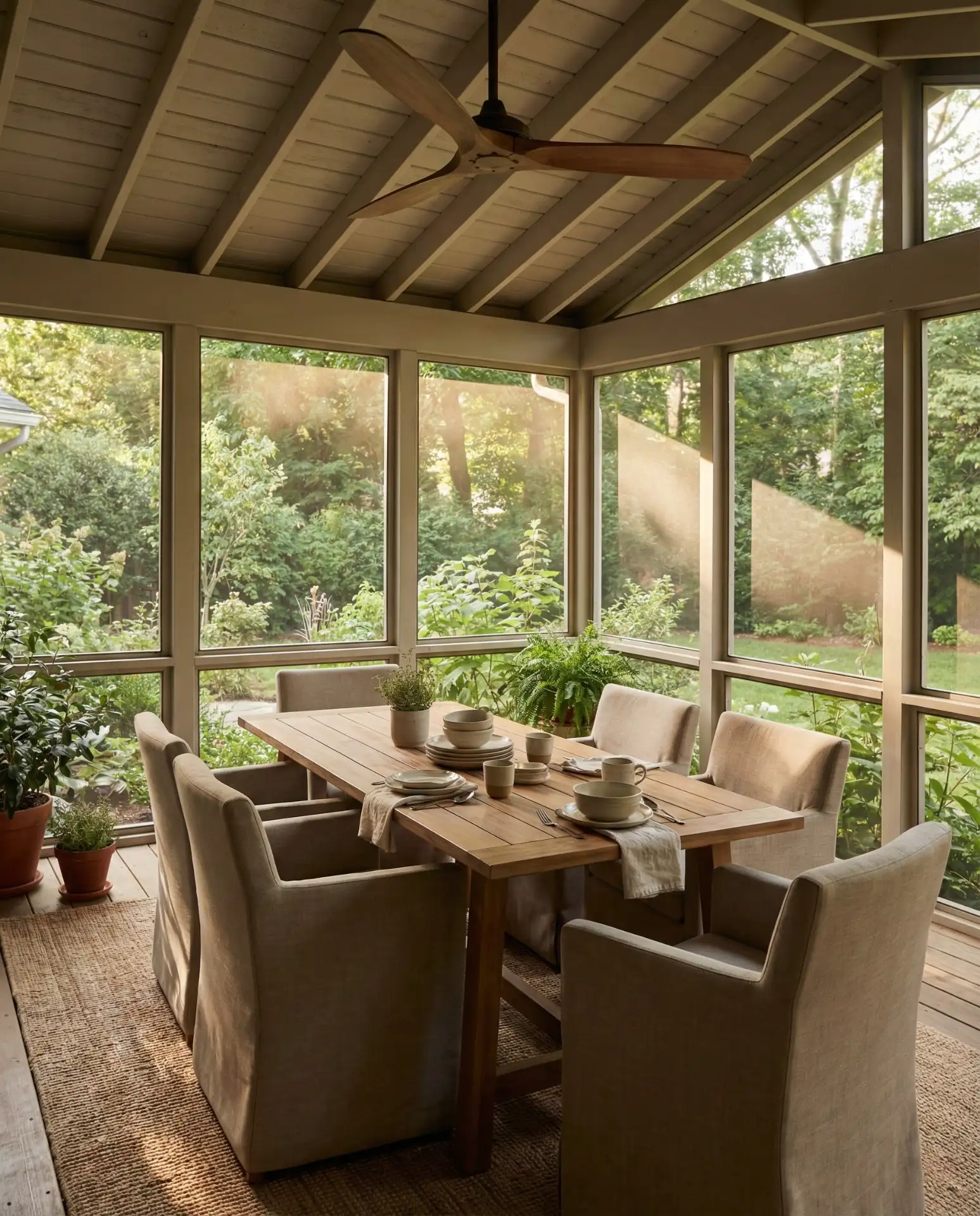
An enclosed entertaining space with screened walls and a solid roof offers protection from insects and light rain while maintaining the outdoor atmosphere through open sight lines and natural ventilation. These three-season rooms have surged in popularity throughout the Midwest and South, where summer mosquitoes and humidity can ruin outdoor gatherings. The structure typically attaches to the house, creating a transitional space that’s more protected than a patio but more connected to nature than a traditional sunroom. Add ceiling fans for air movement and consider installing roll-down screens that provide privacy or block afternoon sun. 
Budget considerations matter here—a basic DIY screen room kit starts around $3,000, while custom-built options with premium materials can reach $30,000+. The investment pays dividends in extended usability, especially in regions with short summers. Choose furniture that can handle temperature swings and occasional moisture, even though the space is technically enclosed. Add portable heaters for shoulder-season use, and some homeowners install mini-split AC units to push the season even further.
9. Ultimate Multi-Zone Entertainment Deck
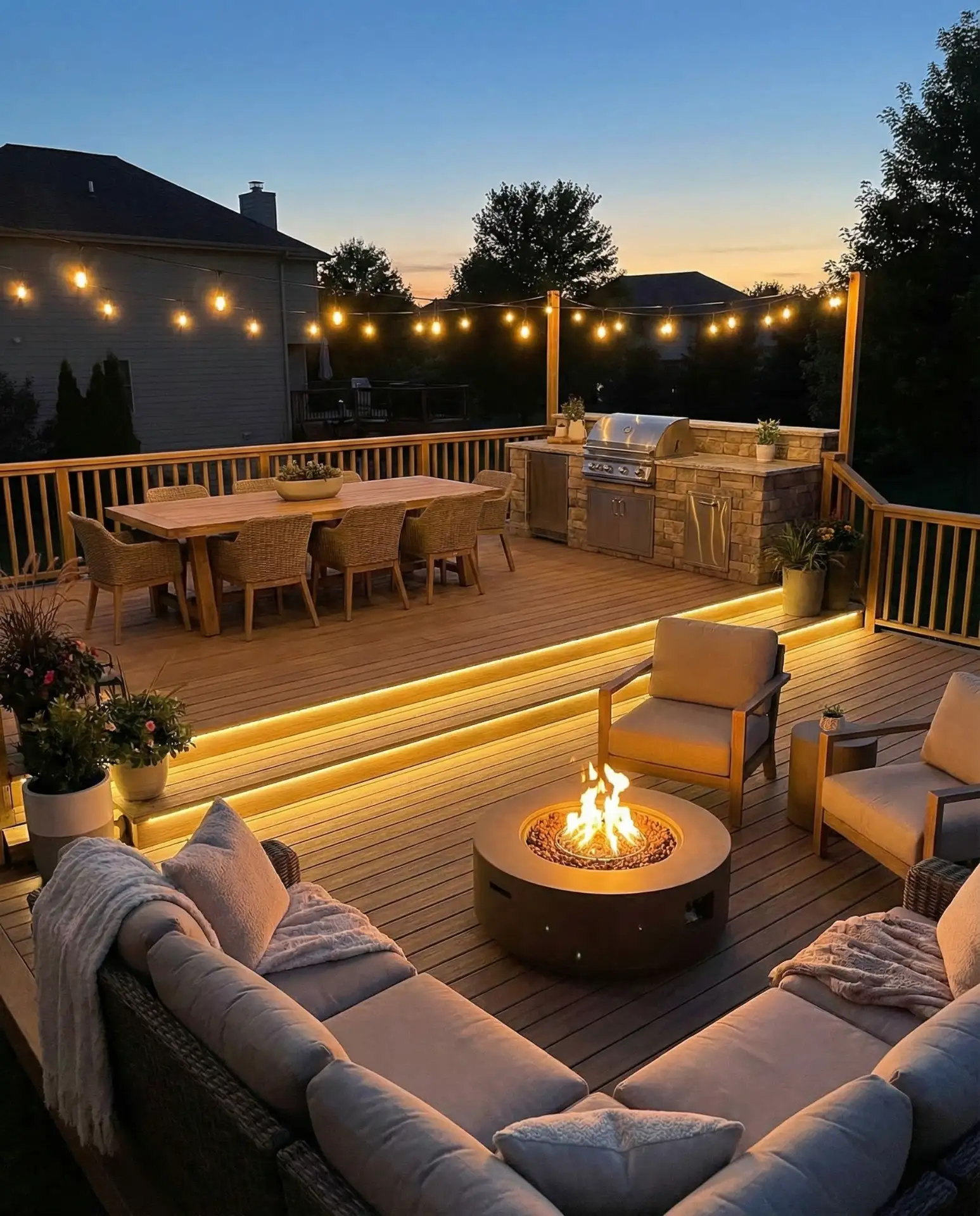
The ultimate outdoor entertaining area divides a large deck into distinct zones for different activities—dining, lounging, cooking, and perhaps a fire pit area—each defined through furniture arrangement, lighting, and subtle level changes. This approach works best on properties with expansive outdoor space, typically 600+ square feet, where you can create separate experiences without overcrowding. Multi-zone design prevents the common mistake of pushing all furniture against the perimeter, which creates a bowling alley effect with a dead center. Instead, floating furniture groupings and using outdoor rugs to anchor each zone makes the space feel intentional and intimate despite its size. 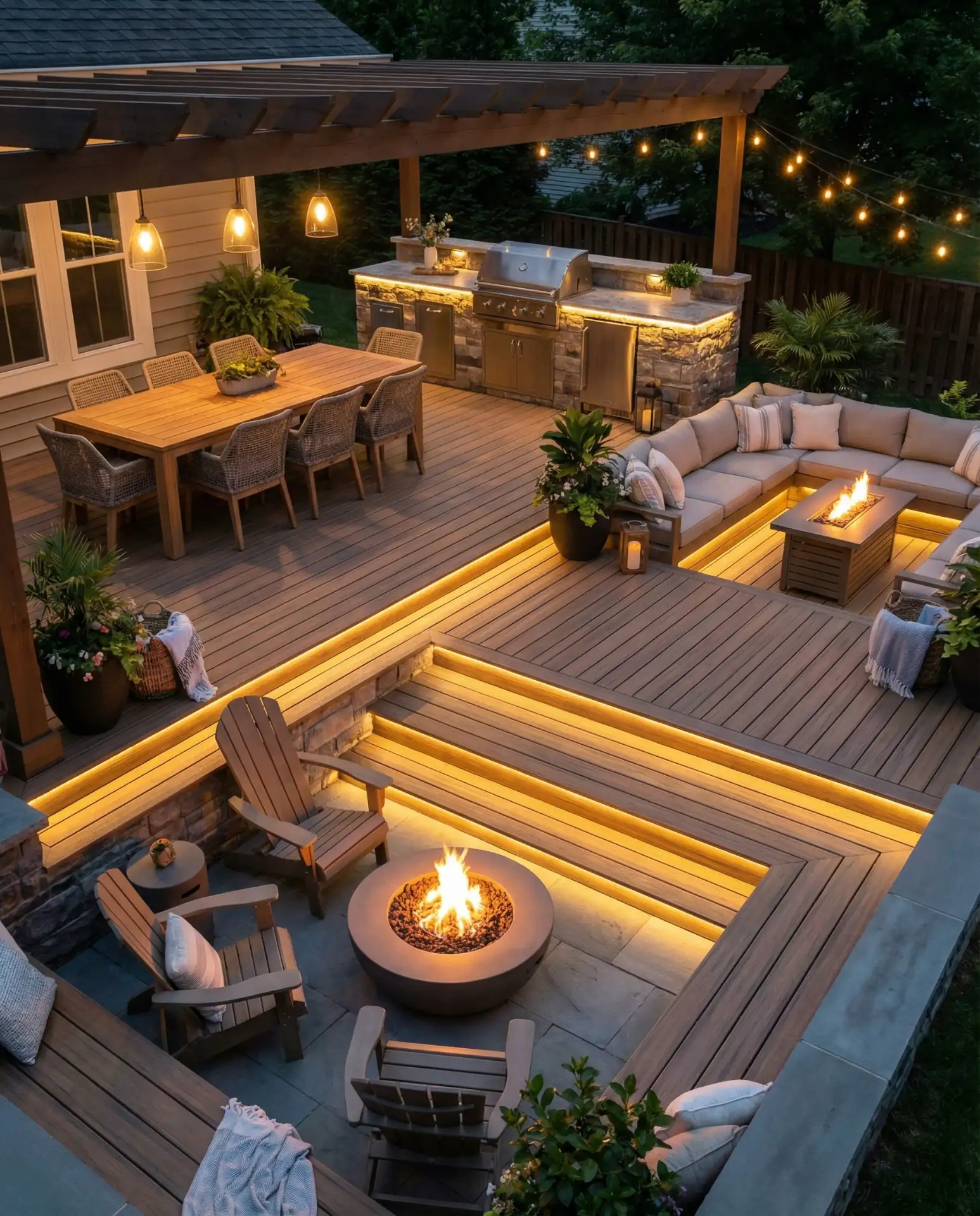
A family in Colorado created this setup by working with a landscape architect who incorporated subtle grade changes—the dining zone sits two steps up from the main deck, creating separation without walls. Each zone has dedicated lighting on dimmer switches so they can adjust ambiance throughout an evening. The key is maintaining sight lines between zones so groups can interact while pursuing different activities. Add a built-in sound system with zone controls, and consider running electricity to each area for flexibility with lighting and appliances.
10. Balcony Garden Oasis
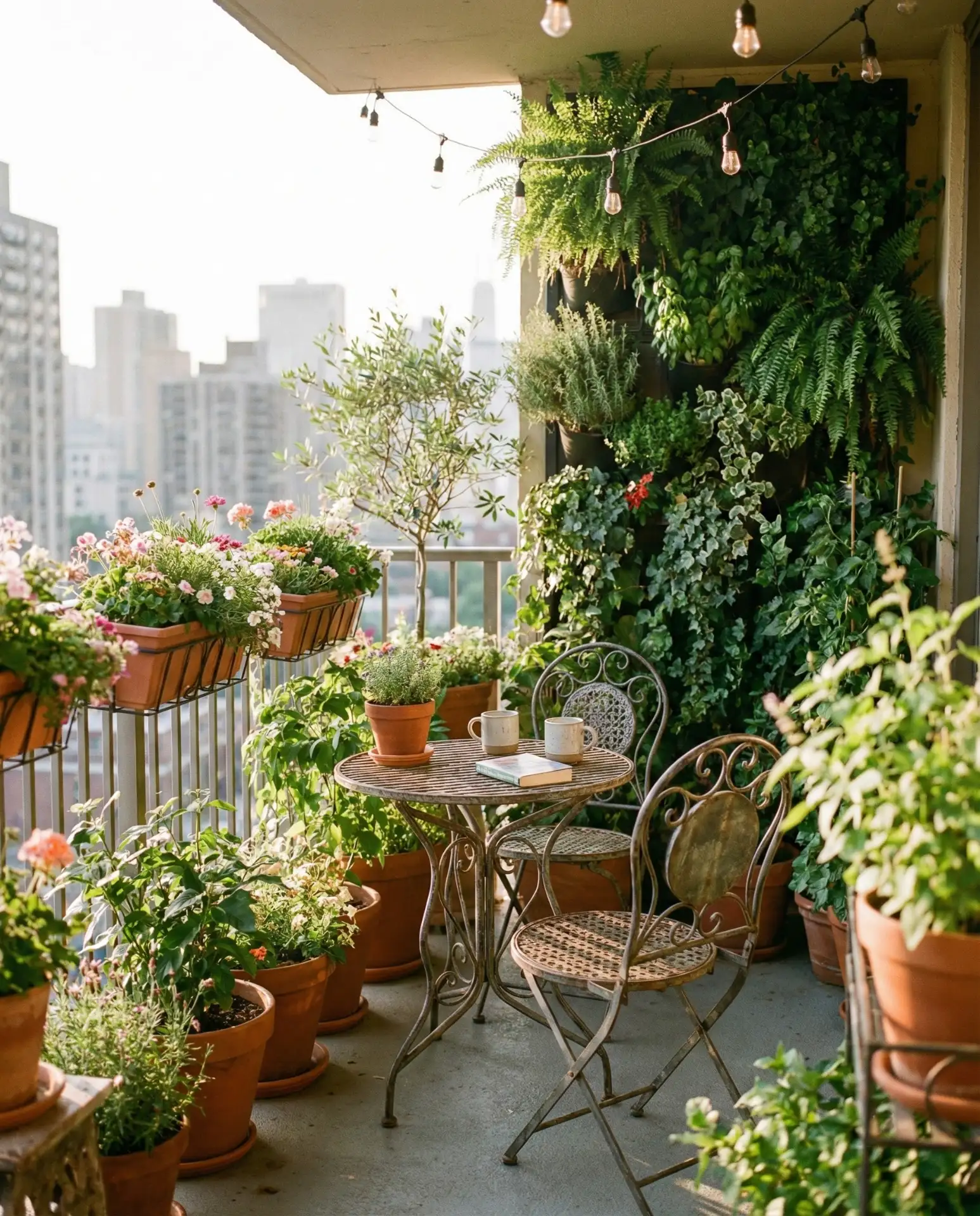
Maximizing balcony space with vertical gardens and strategic plants creates privacy and atmosphere even on narrow urban balconies. Wall-mounted planters, hanging baskets, and tiered plant stands turn small footprints into lush retreats that feel worlds away from city streets below. Choose a mix of flowering plants, herbs you’ll actually use in cocktails or cooking, and trailing vines that soften hard edges. This approach appeals to renters who can’t make permanent changes but want to create inviting entertaining spaces. The result is a green room effect—surrounded by plants, even a compact balcony feels secluded and special. 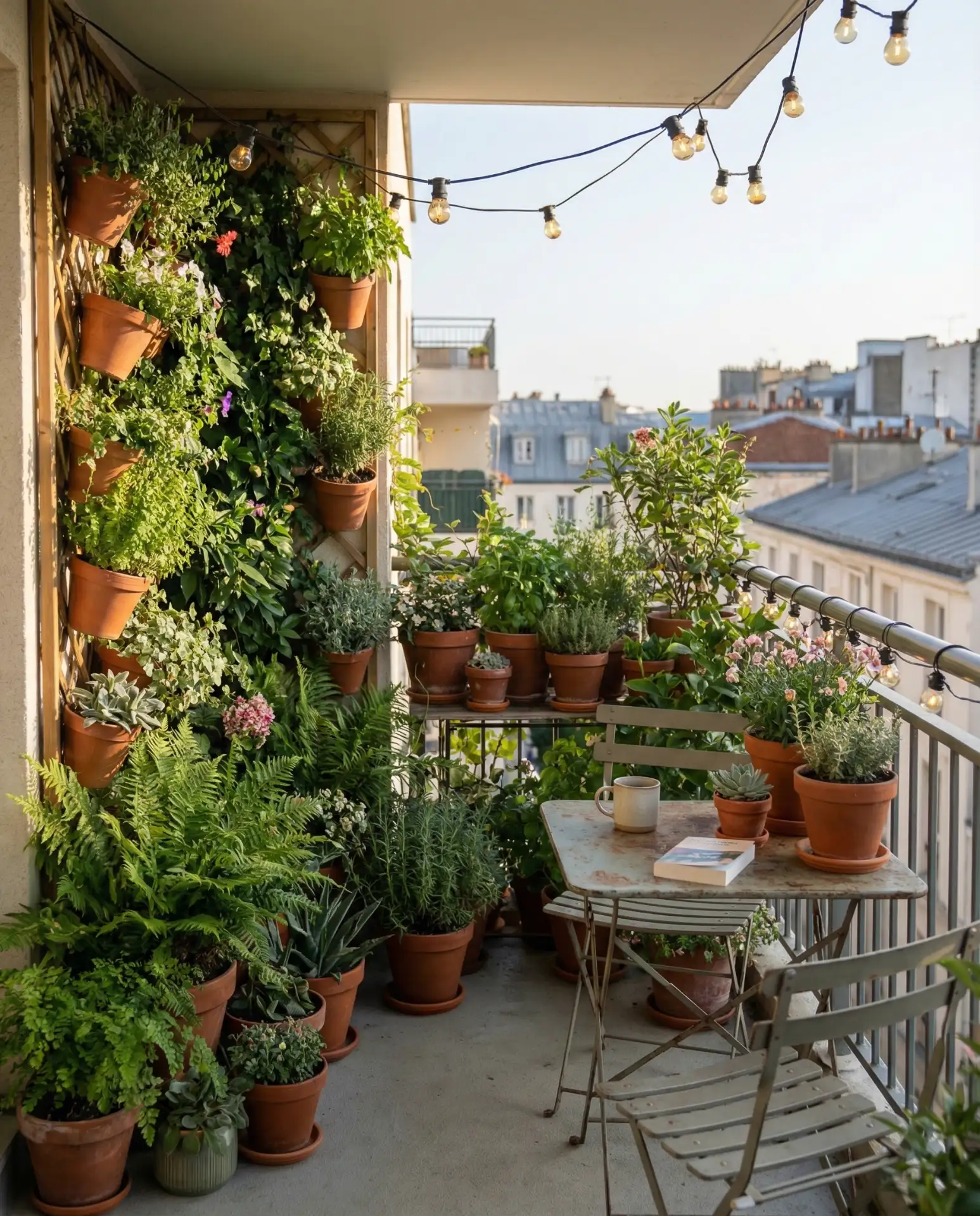
Where it works best: South or west-facing balconies with at least 4-6 hours of sunlight. Shade balconies require different plant selections—ferns, hostas, and begonias thrive in lower light. Install a drip irrigation system on a timer to maintain plants without daily effort, especially during summer travel. Group plants in odd numbers and varying heights for visual interest, and choose containers that complement each other even if they’re not matching sets. Add a small water feature for ambient sound that masks traffic noise.
11. Australian Deck with Built-In Seating
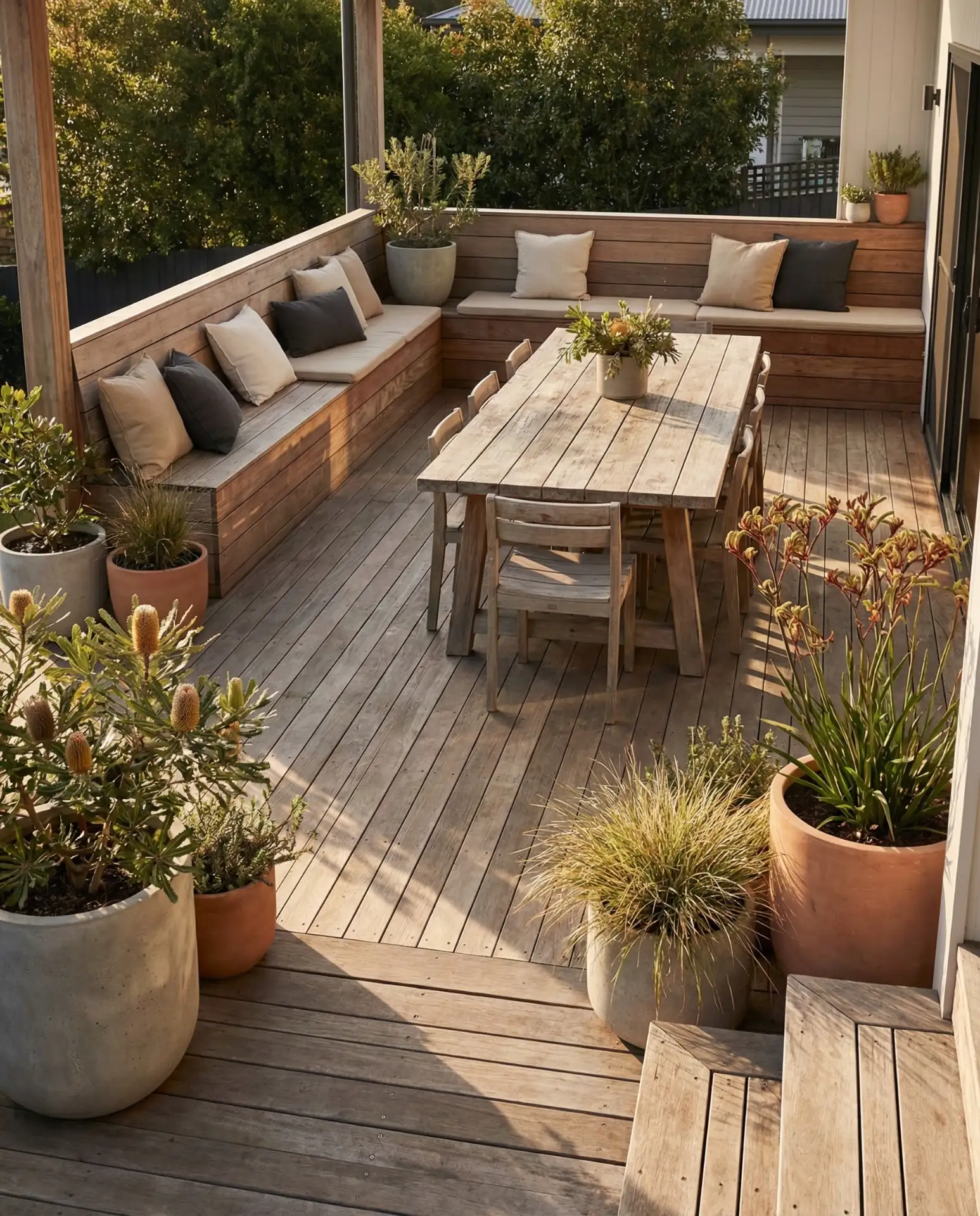
An Australian deck design with integrated bench seating along the perimeter maximizes usable space while creating clean lines that complement modern architecture. Built-in seating eliminates the need to purchase and store multiple chairs, and it defines the deck’s edges without requiring railings in certain applications. Add lift-up seat tops for hidden storage of cushions, pool toys, or entertaining supplies. This design works particularly well for Australian budget-conscious projects because it reduces furniture costs while delivering custom-built appeal. The benches typically run 18-20 inches deep and 16-18 inches high, creating comfortable seating that doubles as a visual boundary. 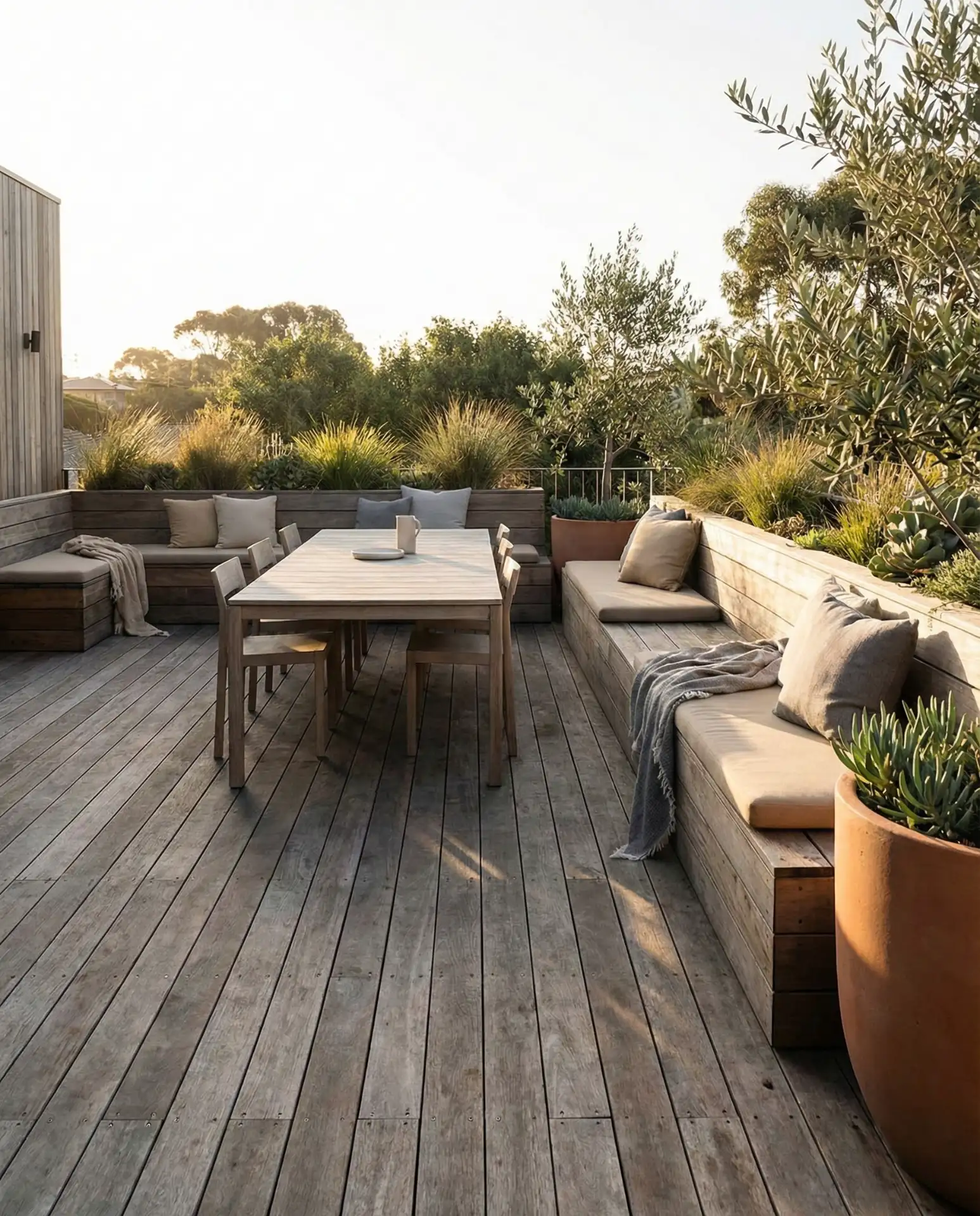
One Seattle homeowner built this feature for approximately $1,200 in materials, compared to $3,000+ for comparable outdoor furniture. Use the same decking material for visual continuity, and add backrests every 6-8 feet for comfort during longer gatherings. Storage benches should include drainage holes to prevent water accumulation. Finish with thick outdoor cushions that can be quickly removed and stored during rain—many people keep them in the storage compartments themselves for convenience.
12. Indoor-Outdoor Room with Folding Walls
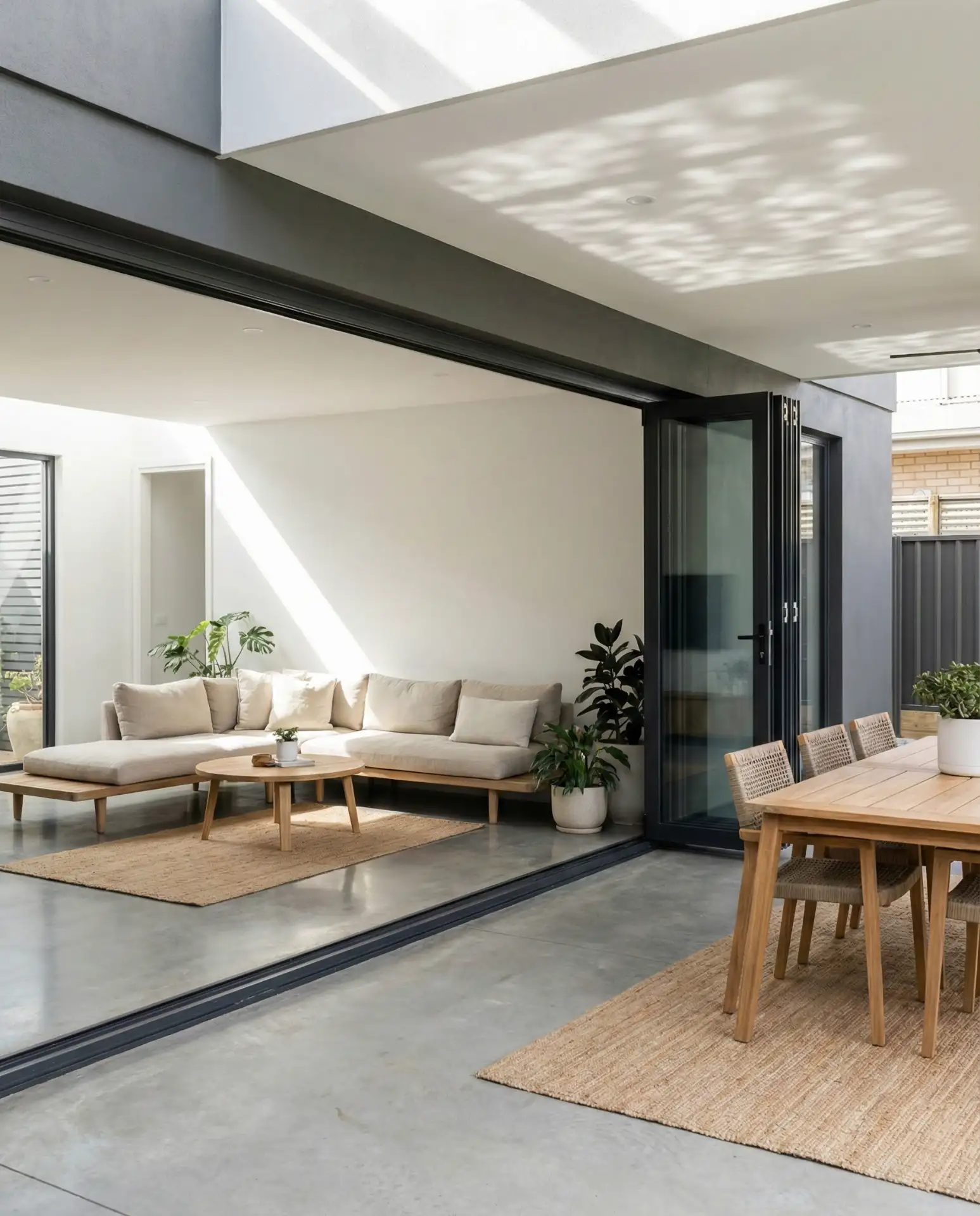
An indoor entertaining space that transforms into outdoor living through bi-fold or accordion glass doors represents the ultimate in flexible design. When opened, these door systems disappear entirely, creating a wall-less transition between interior and exterior spaces. The room becomes whatever you need—climate-controlled indoor dining during winter, breezy outdoor eating in summer. This design has become increasingly common in new construction and major renovations, particularly in California and the Southeast where climate supports extended use. Install matching flooring materials or colors inside and out to strengthen the visual connection. 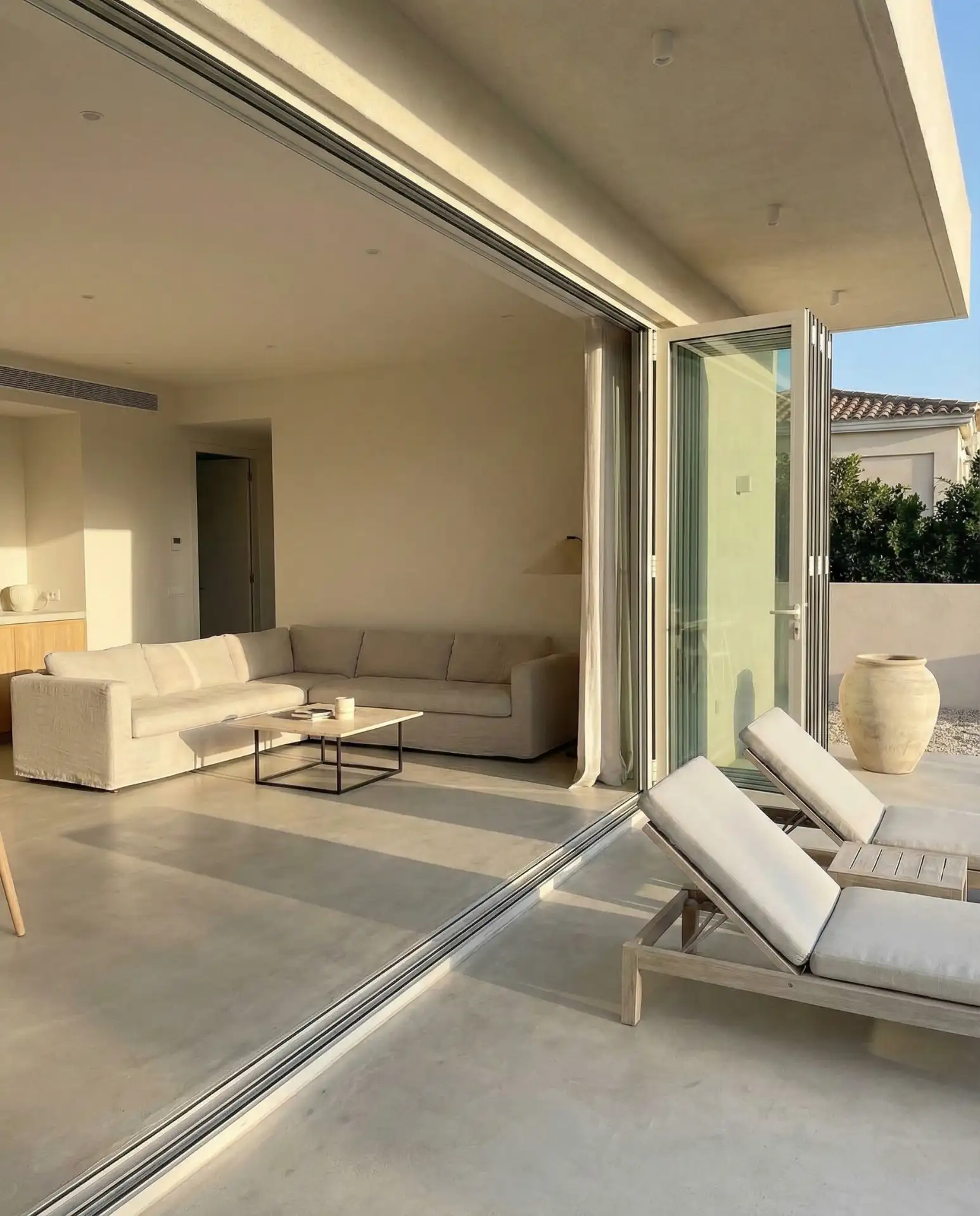
The investment is significant—quality bi-fold door systems start around $800 per linear foot installed—but homeowners report it fundamentally changes how they use their space. The common mistake is not planning for furniture storage when doors are open; you need clear paths and furniture arrangements that work in both configurations. Consider the door swing direction carefully based on prevailing winds and how you want the space to feel when open. Add retractable screens to the door opening so you can enjoy airflow without insects.
13. Covered Backyard Living Room
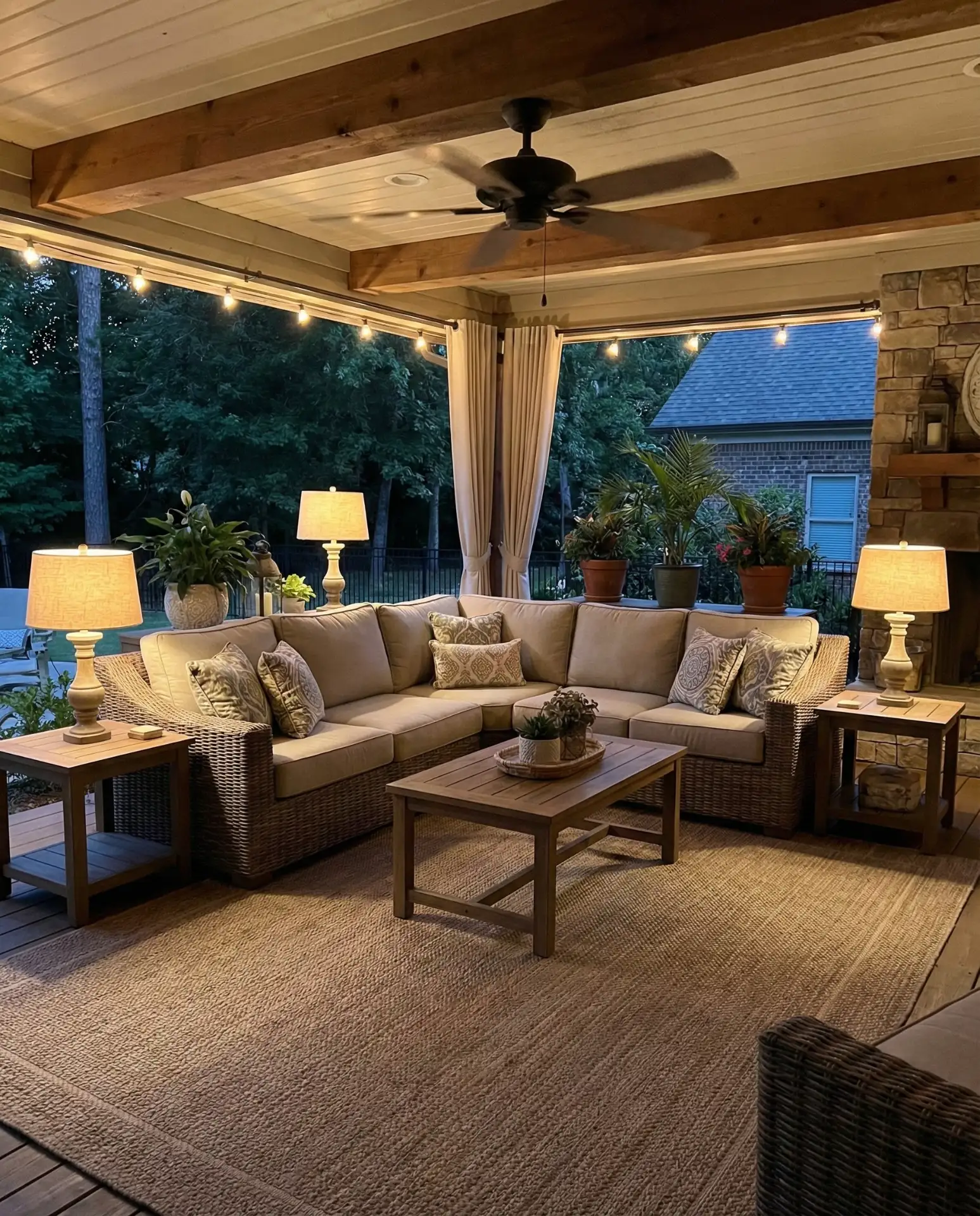
A covered backyard space furnished like an indoor living room—complete with sectional sofa, coffee table, side tables, and layered lighting—blurs the line between interior and exterior entertaining. The roof protection allows you to invest in better-quality furniture and decor without constant weather exposure. Add a ceiling fan for air circulation, wall-mounted sconces for task lighting, and an outdoor rug to anchor the furniture grouping. This setup has become the standard in Arizona and Southern California, where covered outdoor rooms function as primary living spaces for 8-10 months annually. Choose furniture with Sunbrella or solution-dyed acrylic fabrics that resist fading and mildew. 
Expert commentary: The most successful covered living rooms treat the space exactly like an interior room in terms of comfort and functionality. Add throw blankets for cool evenings, invest in proper task lighting near seating areas, and include surfaces for setting drinks within arm’s reach of every seat. Consider installing electrical outlets and USB charging ports so guests can charge devices without going inside. The space should feel so comfortable that you naturally gravitate there instead of your interior living room during pleasant weather.
14. Outdoor TV Entertainment Hub
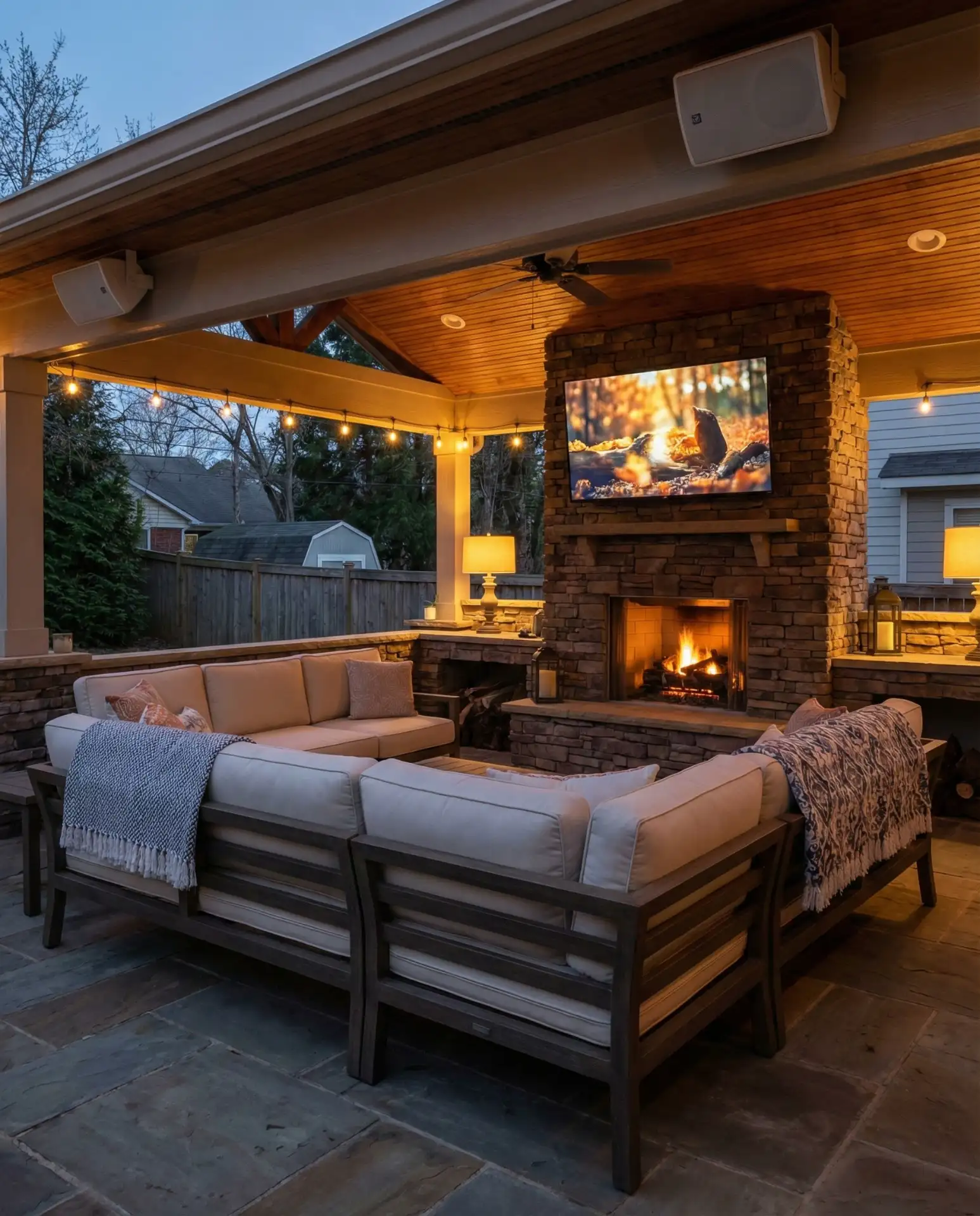
Installing a weatherproof TV in your outdoor entertaining area transforms it into a destination for game days, movie nights, and streaming content during gatherings. Position the screen in a shaded location or under a roof to prevent glare and protect the investment—direct sunlight makes viewing difficult and accelerates equipment failure. Mount the TV above a fireplace or focal wall, angled slightly downward for optimal viewing from seating areas. This feature has become expected in high-end outdoor spaces, with homeowners willing to invest $1,500-5,000 for proper outdoor televisions that handle temperature extremes and moisture. Add a soundbar designed for outdoor use to ensure audio quality matches the visual experience. 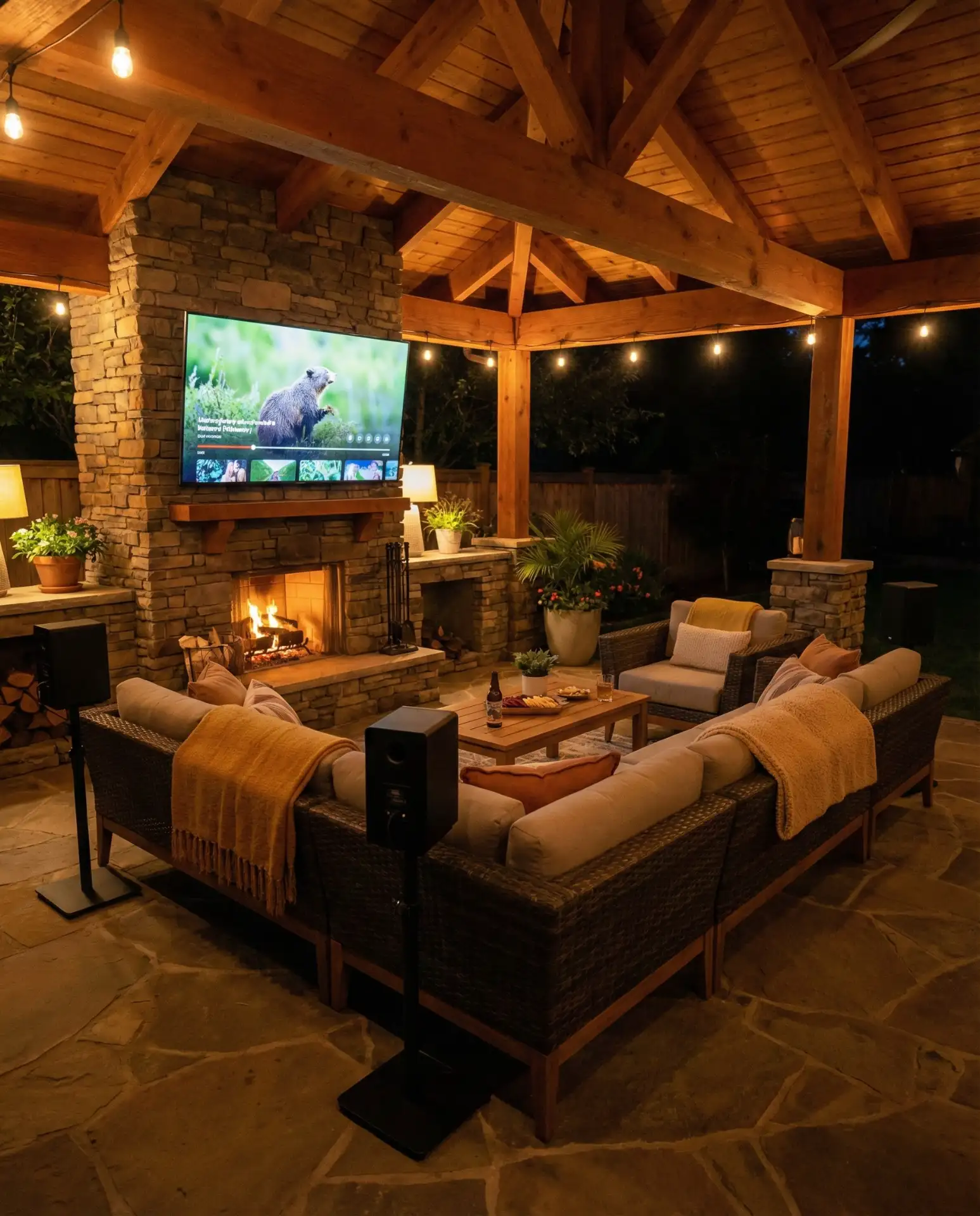
In Texas, homeowners report that outdoor TVs get more use than indoor screens during football season, with the added benefit of space for larger gatherings. The most common mistake is underestimating brightness needs—outdoor TVs should offer at least 700 nits brightness, preferably 1000+, for daytime visibility. Run ethernet cables during installation rather than relying on WiFi for better streaming performance. Include waterproof outlet covers and consider a lockable TV cabinet if the space isn’t always secured.
15. Tile Patio with Mediterranean Flair
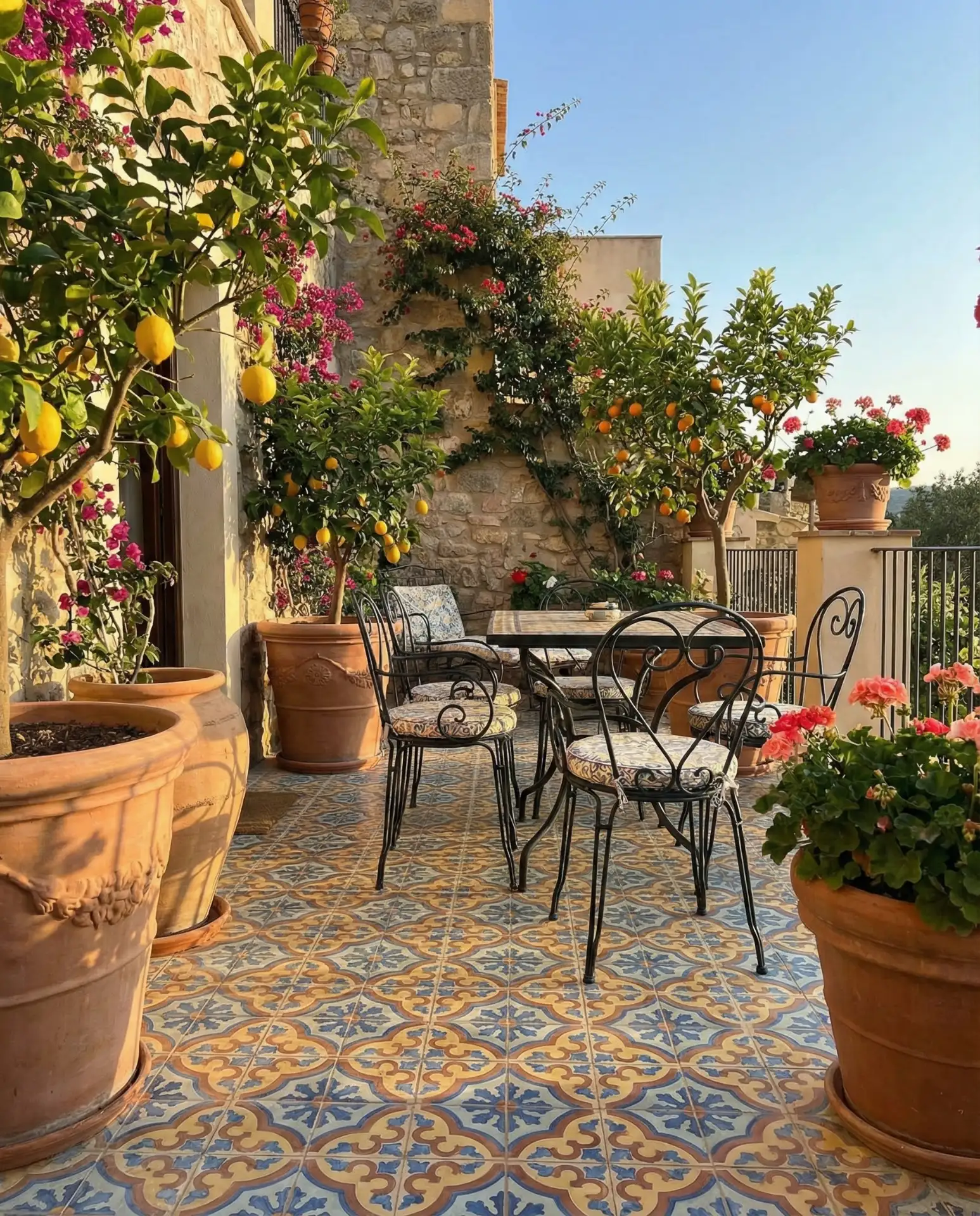
Patterned tiles as outdoor flooring create instant visual interest and establish a Mediterranean or Spanish-influenced aesthetic that transports guests to vacation destinations. Cement tiles in geometric patterns or hand-painted ceramics define the entertaining zone and provide a finished look that concrete or wood can’t match. This approach works beautifully in warm climates where tile stays comfortable underfoot most of the year—think California, Arizona, and the Gulf Coast. Extend the tile from the patio into adjacent seating areas or around a fire pit to create visual continuity. Choose porcelain tiles rated for outdoor use with slip-resistant surfaces. 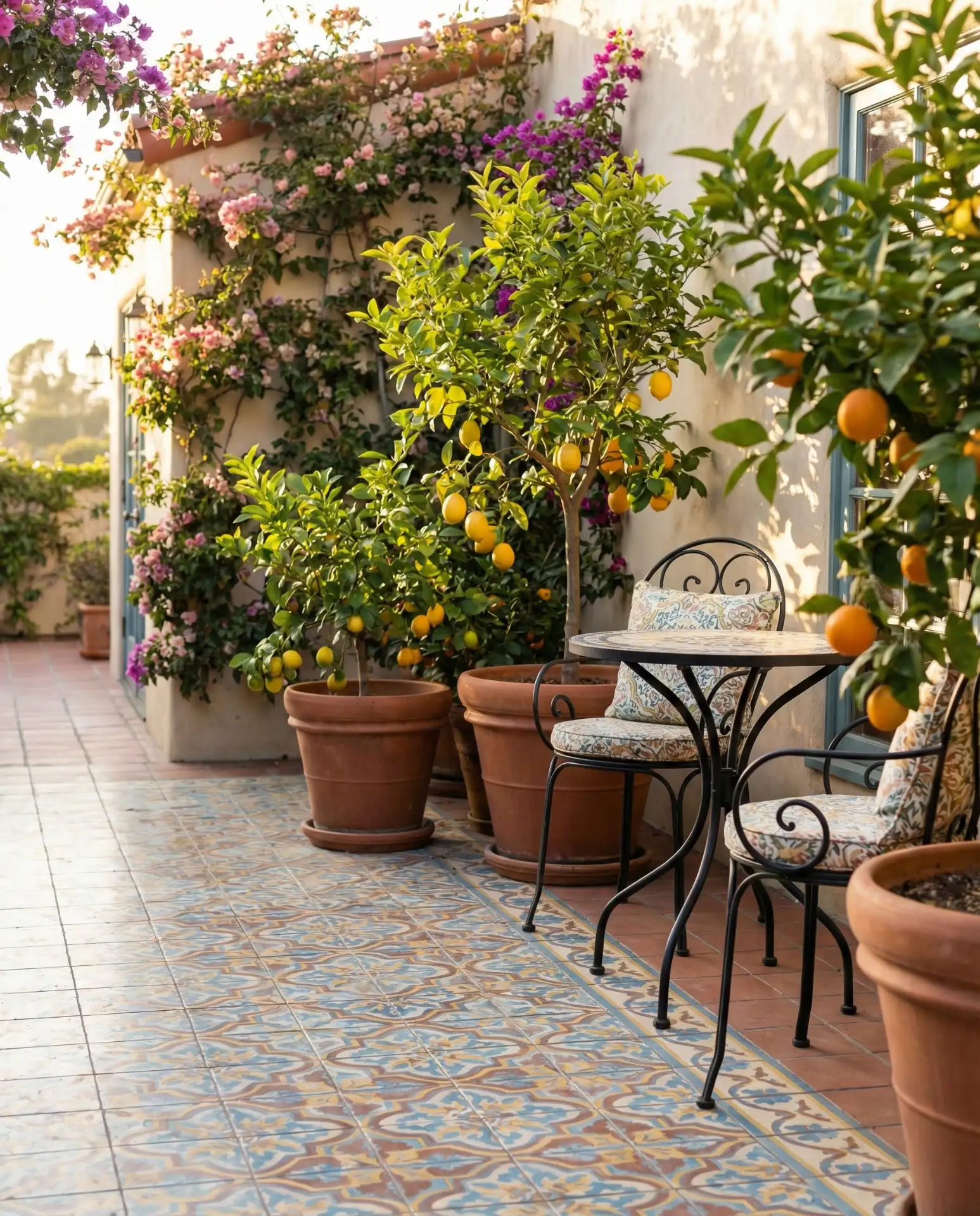
A homeowner in San Diego created a stunning patio using Moroccan-inspired cement tiles for approximately $12 per square foot installed, compared to $20+ for high-end natural stone. The pattern compensates for the smaller space—only 200 square feet—by drawing the eye and creating complexity. Seal cement tiles properly to prevent staining from spills and weather, and be prepared for some fading over time with intense sun exposure. Clean tiles regularly to prevent algae growth in joints, and reseal every 2-3 years for longevity.
16. Plant-Focused Biophilic Design
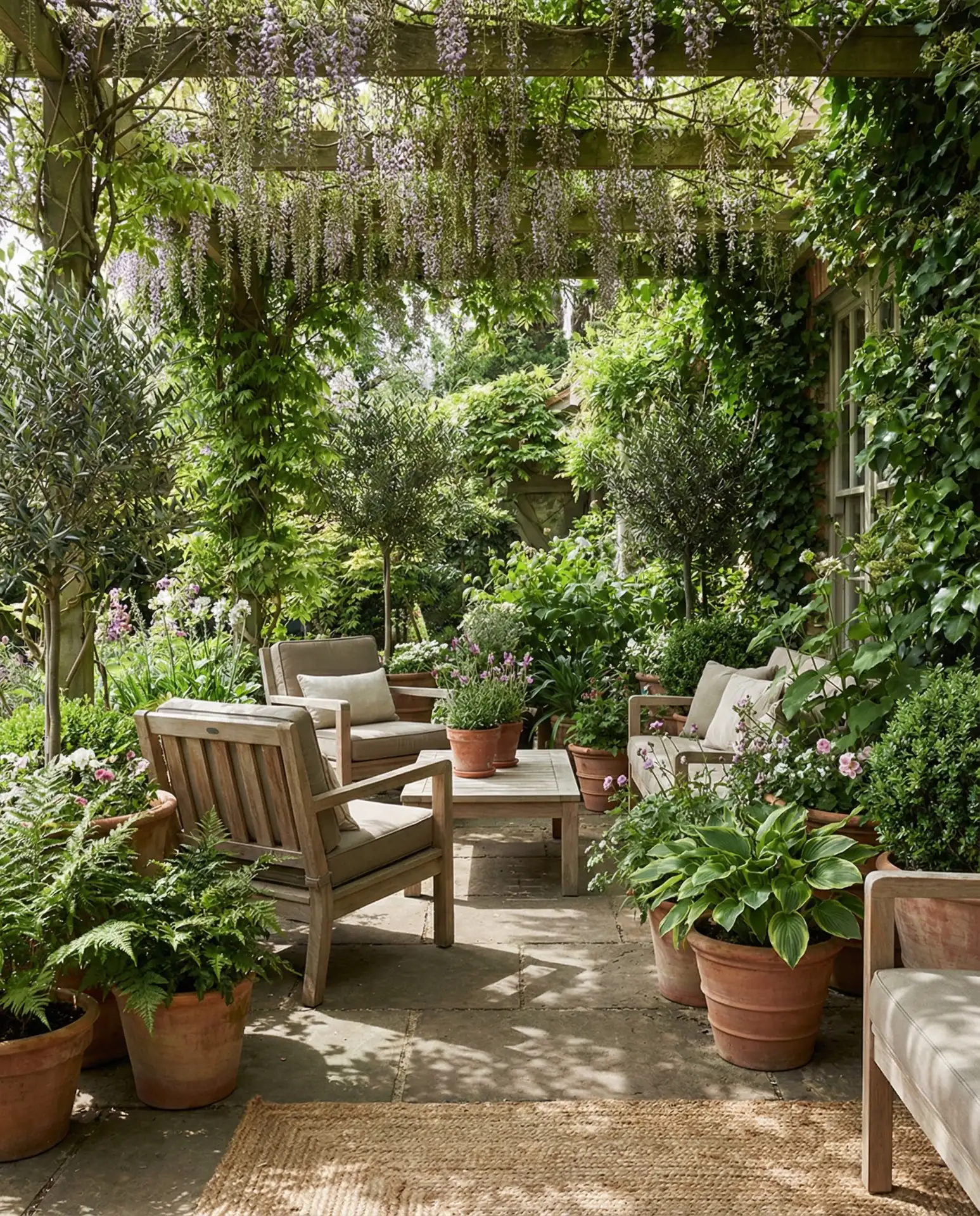
Centering your outdoor design around abundant plants creates a biophilic environment that reduces stress and makes guests feel immediately relaxed. Layer plants at different heights—ground covers, medium shrubs, tall grasses, and overhead vines—to create depth and privacy without solid walls. Include fragrant varieties like jasmine, lavender, and herbs that engage multiple senses. This approach costs less than hardscaping but delivers more impact in terms of atmosphere and environmental benefits. The green walls and ceiling created by strategic planting also reduce ambient temperature through natural shade and evapotranspiration, making the space more comfortable during hot months. 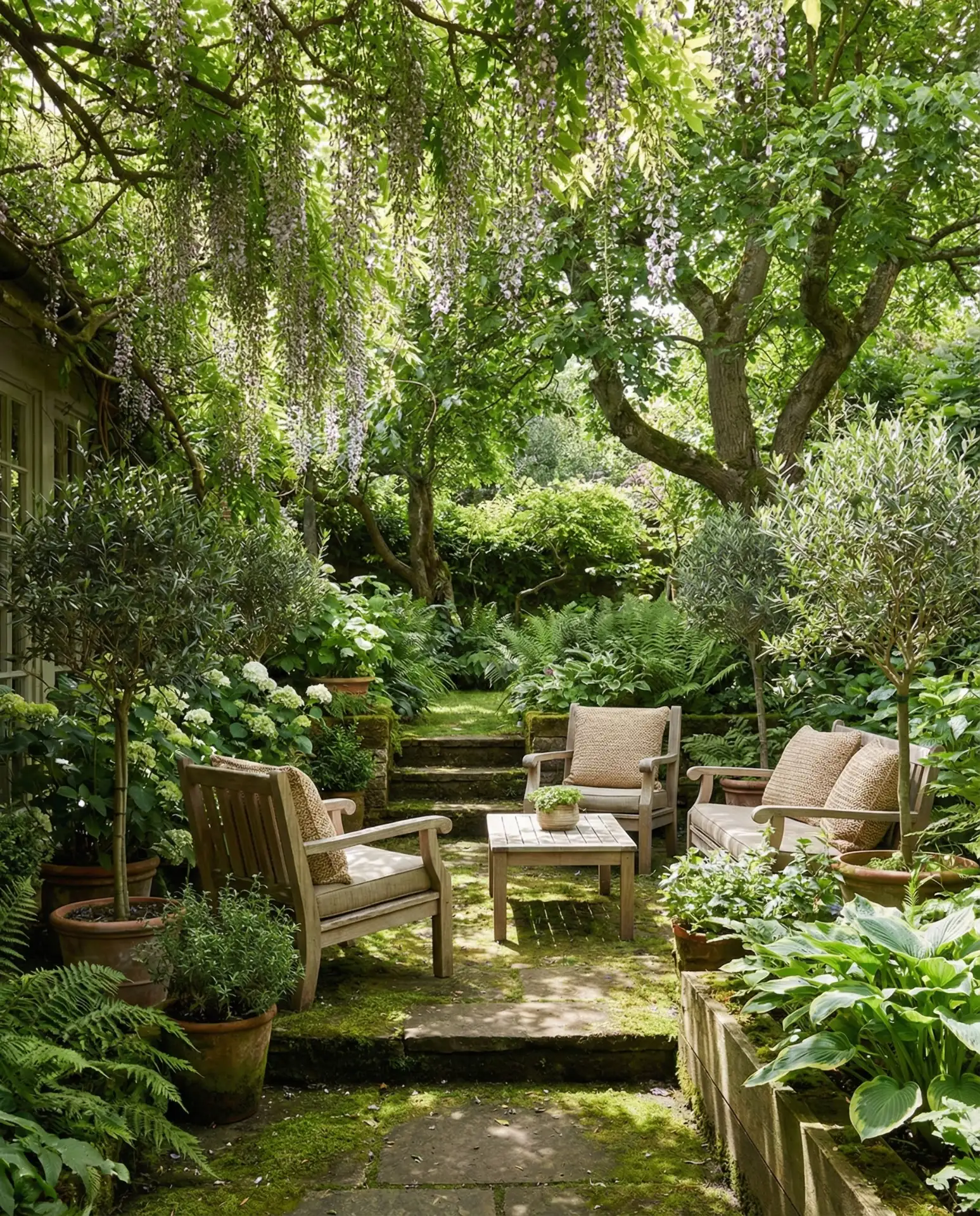
Real homeowner behavior shows that plant-heavy spaces get used more frequently because they feel like destinations rather than extensions of the house. People will walk past a basic patio to sit in a garden room, even if the furniture is less comfortable. Start with low-maintenance native plants suited to your region to reduce water and care requirements. Add automatic irrigation so the garden maintains itself, and include night-blooming flowers or evening-fragrant plants for multi-sensory experiences during dinner parties.
17. Australian Enclosed Pavilion
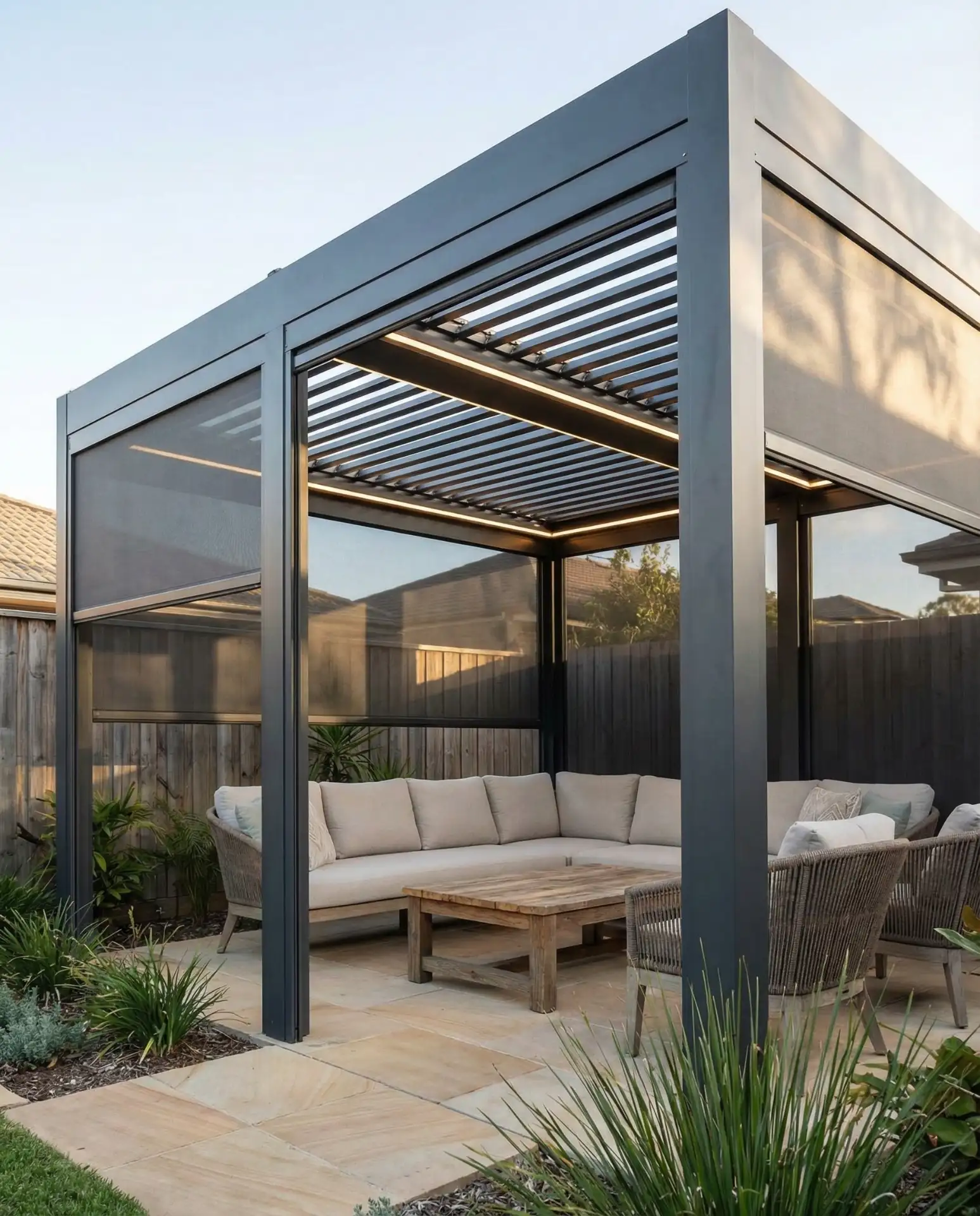
An Australian enclosed pavilion with louvered roofs and retractable screening offers ultimate climate control while maintaining connection to the outdoors. The louvers rotate to provide shade, rain protection, or open sky depending on conditions, while screens extend or retract to manage insects, wind, or privacy. This design has crossed from Australia to American markets, particularly in regions with variable weather where homeowners want outdoor spaces that function comfortably regardless of conditions. The pavilion typically stands as a separate structure in the yard, creating a destination space that feels removed from the main house. Add heating and cooling elements to extend use through extreme weather. 
Budget considerations are significant—motorized louvered roof systems start around $15,000 for a 12×16 foot structure, not including foundation, electrical, or furnishings. However, homeowners in the Midwest and Northeast report the investment pays off through year-round usability that simple covered patios can’t match. The space becomes a true outdoor room that hosts dinners in February and July with equal comfort. Include radiant heat in the floor or ceiling-mounted heaters, and consider adding a small beverage fridge and storage for entertaining supplies.
18. Small Space Vertical Living Wall
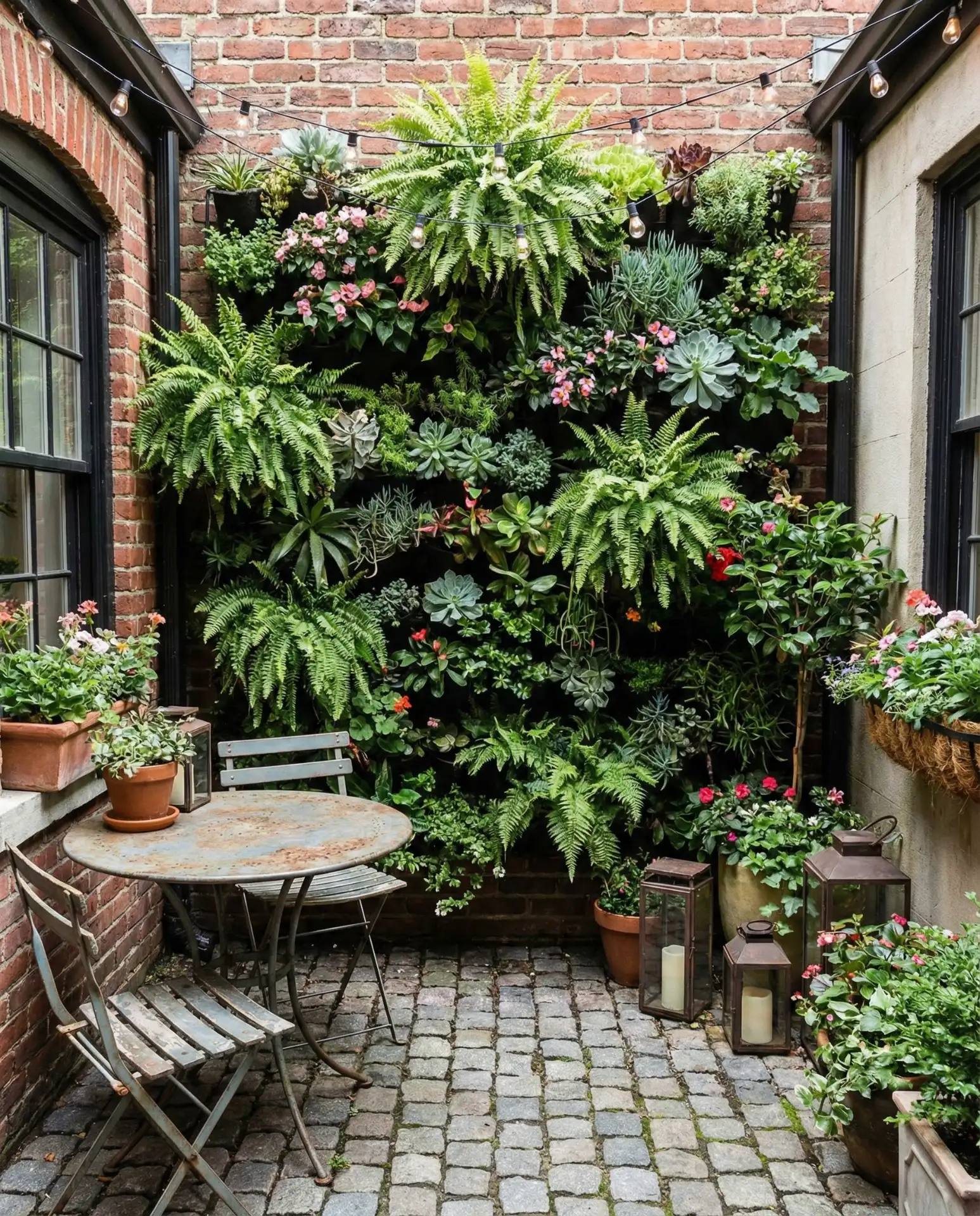
Transforming a small space limitation into an asset by installing a vertical living wall creates dramatic impact without consuming precious floor area. Wall-mounted planters or modular systems turn blank walls into green focal points that provide privacy, reduce heat, and improve air quality. This solution works particularly well for narrow side yards, small courtyards, or compact patios where traditional landscaping won’t fit. Include a mix of textures and colors—ferns, succulents, trailing plants, and flowering varieties—to create visual interest at eye level. The installation also solves the common problem of boring fence or wall views that make small outdoor spaces feel closed in. 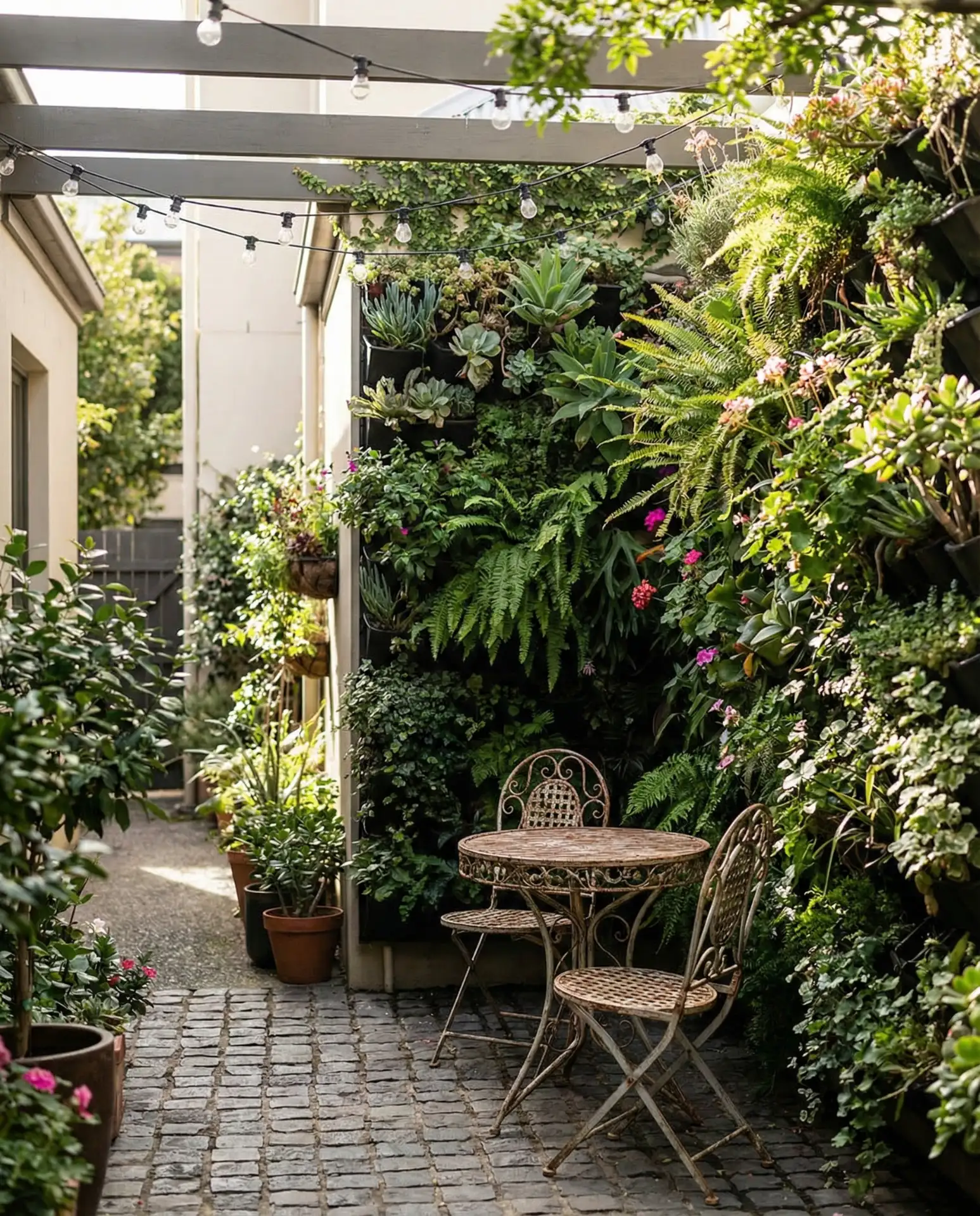
A couple in Brooklyn installed a 6×8 foot living wall in their tiny courtyard, transforming what was essentially a concrete box into a garden retreat. The system cost $1,200 including plants and irrigation, and they report spending about 20 minutes weekly on maintenance. The key is choosing the right system—felt pocket planters work well for renters because they’re removable, while permanent modular systems offer better long-term performance. Include a reservoir and drip irrigation system so you’re not hand-watering individual pockets daily.
19. Rustic Farmhouse Dining Space
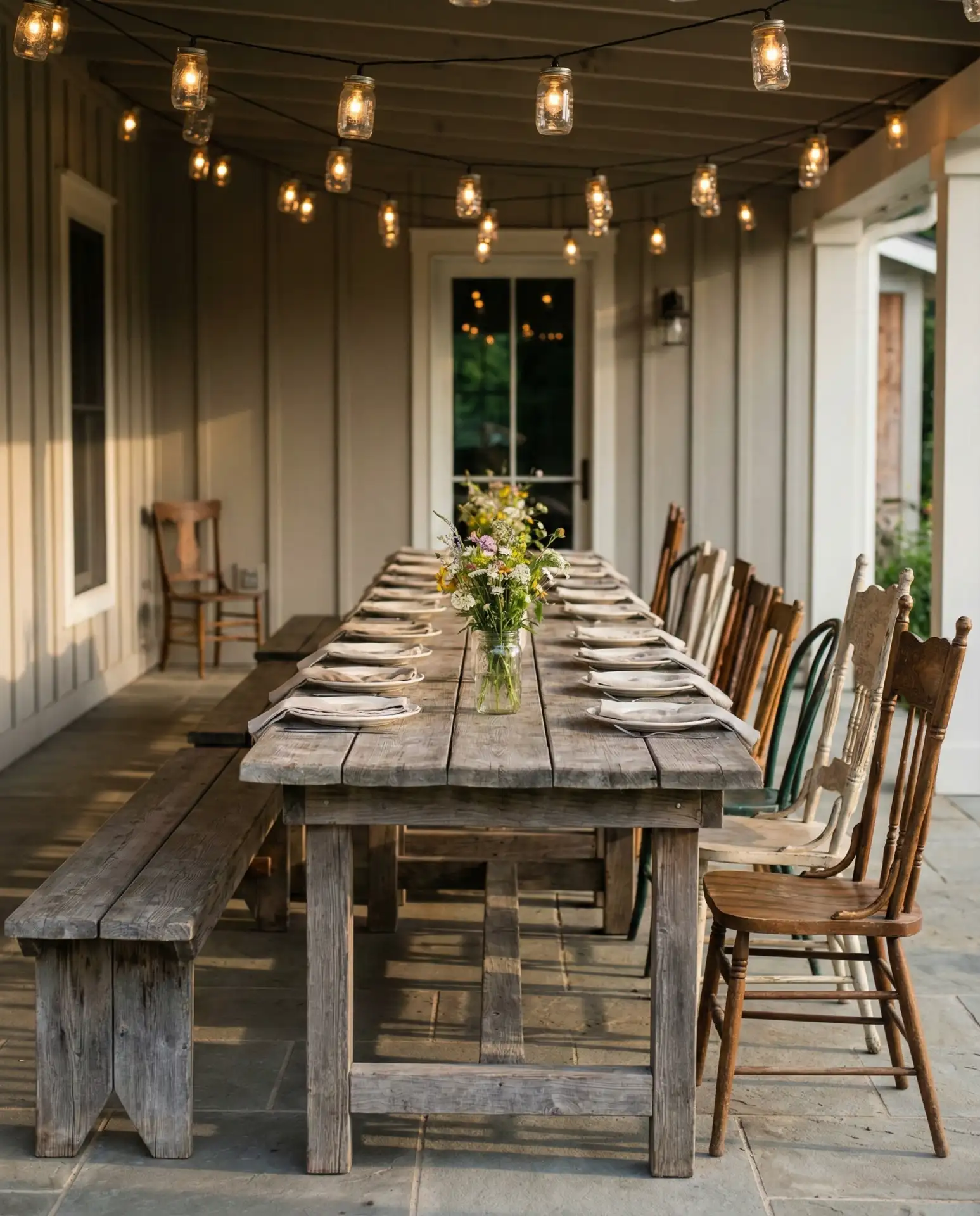
A rustic outdoor dining area centered around a long farmhouse table encourages family-style meals and creates that relaxed countryside feeling even in suburban settings. The table should comfortably seat 8-10 people with room for serving platters down the center. Pair it with benches on the long sides for casual seating and individual chairs at the ends for a collected look. Add vintage-inspired lighting—lanterns, Edison bulbs, or candle chandeliers—that reinforces the farmhouse aesthetic. This style has remained popular throughout the Midwest, South, and rural regions where it connects to local architectural traditions and lifestyle preferences. 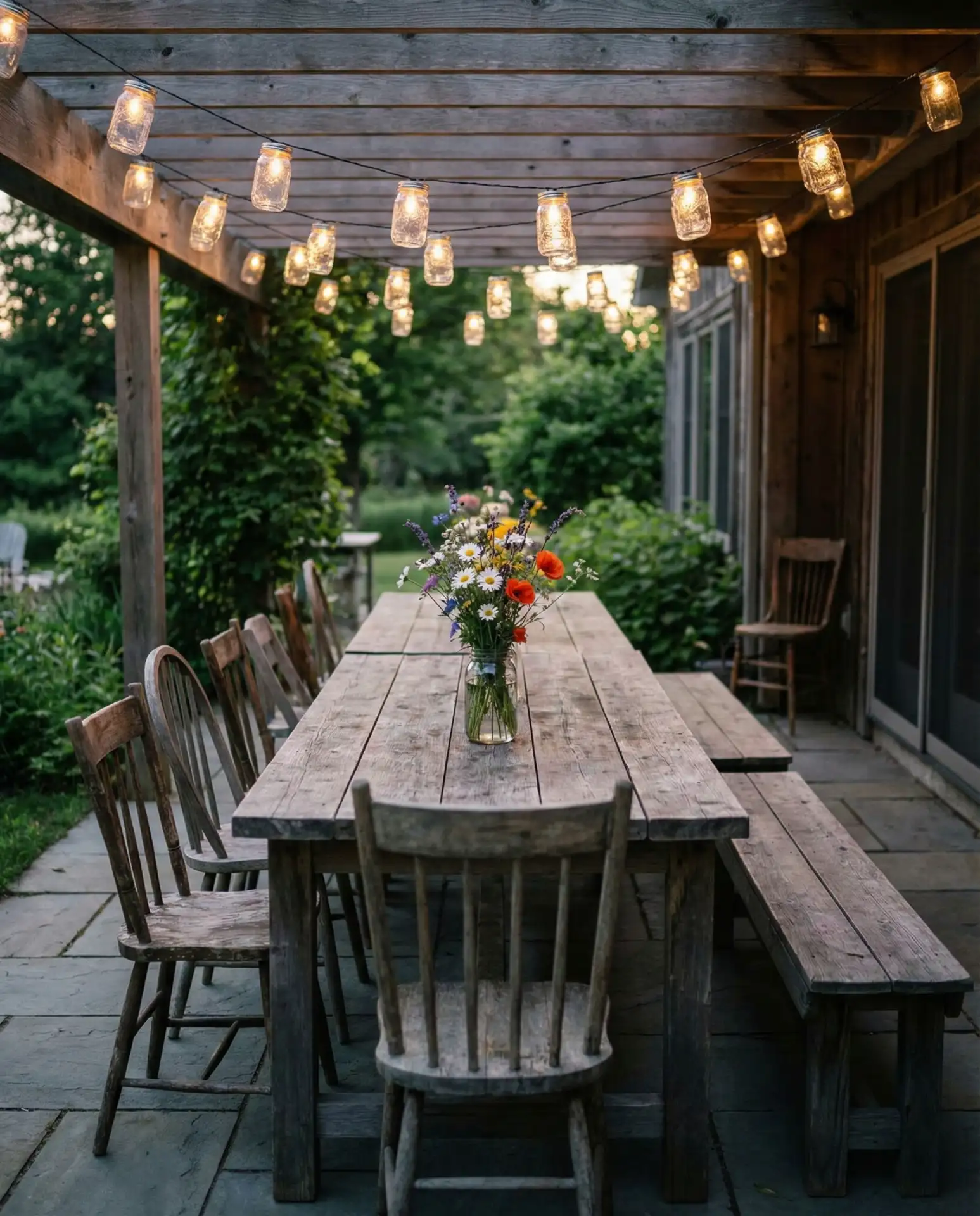
Where it works best: Properties with existing covered porches or pavilions that protect the table from weather. Unfinished or distressed wood fits the aesthetic but needs regular sealing to prevent rot and insect damage. Many homeowners treat the table surface with tung oil or exterior polyurethane, reapplying annually. The benches should be reinforced at the base—outdoor benches see more racking stress than indoor furniture and need proper bracing. Add cushions or pillows for comfort during longer meals, stored in a nearby bench or storage box.
20. Budget DIY String Light Canopy
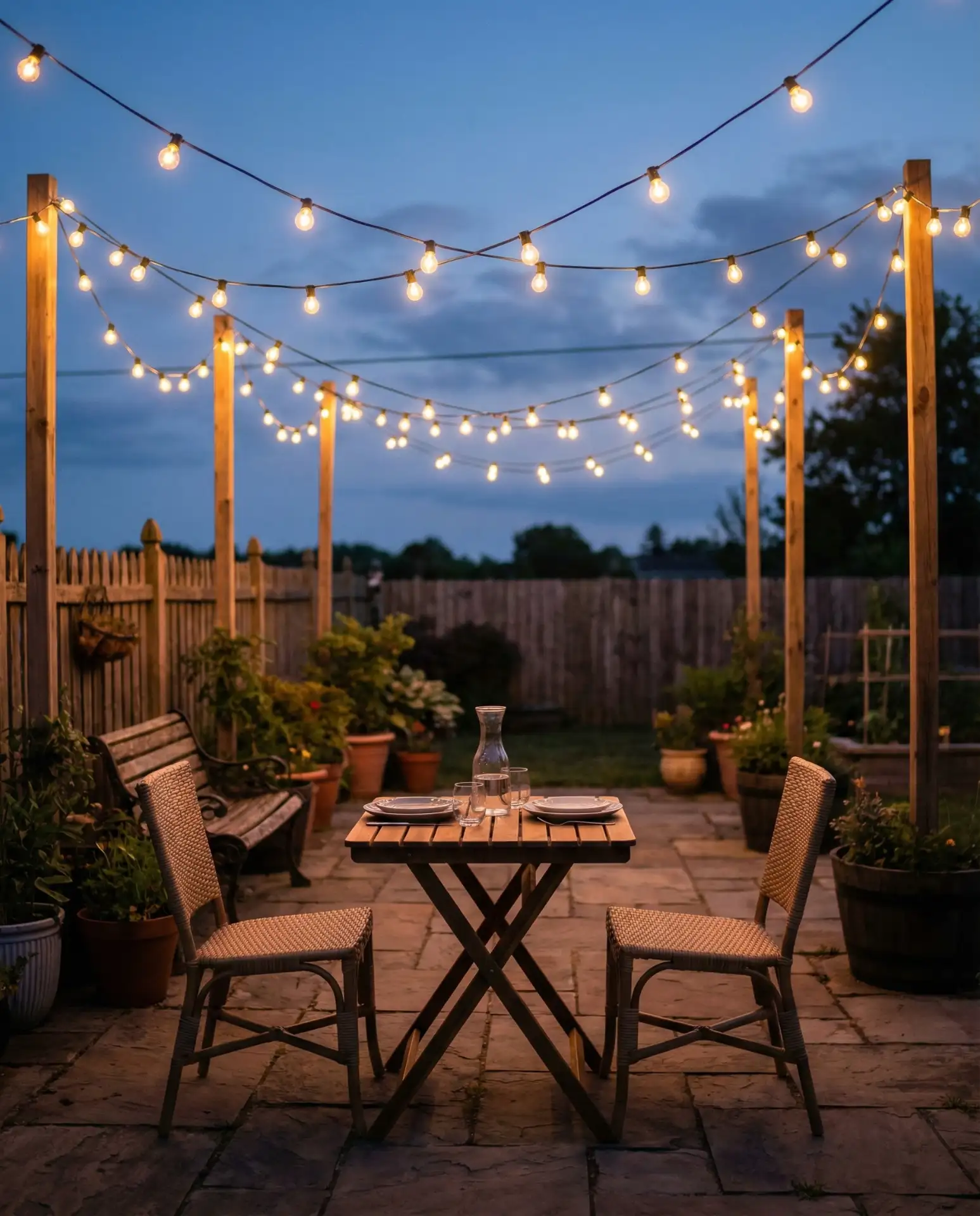
Creating a dramatic lighting effect on a budget through string light canopies transforms basic patios into magical evening spaces for under $300. Install posts or use existing trees to create anchor points, then crisscross multiple strands of café lights overhead to form a glowing ceiling. This approach delivers restaurant-quality ambiance with minimal investment and basic DIY skills. The lights define the space boundaries, provide functional illumination, and create Instagram-worthy atmosphere that makes guests want to linger after dark. Use dimmable LED bulbs to adjust intensity throughout the evening, starting bright for dinner service and dimming for conversation hours. 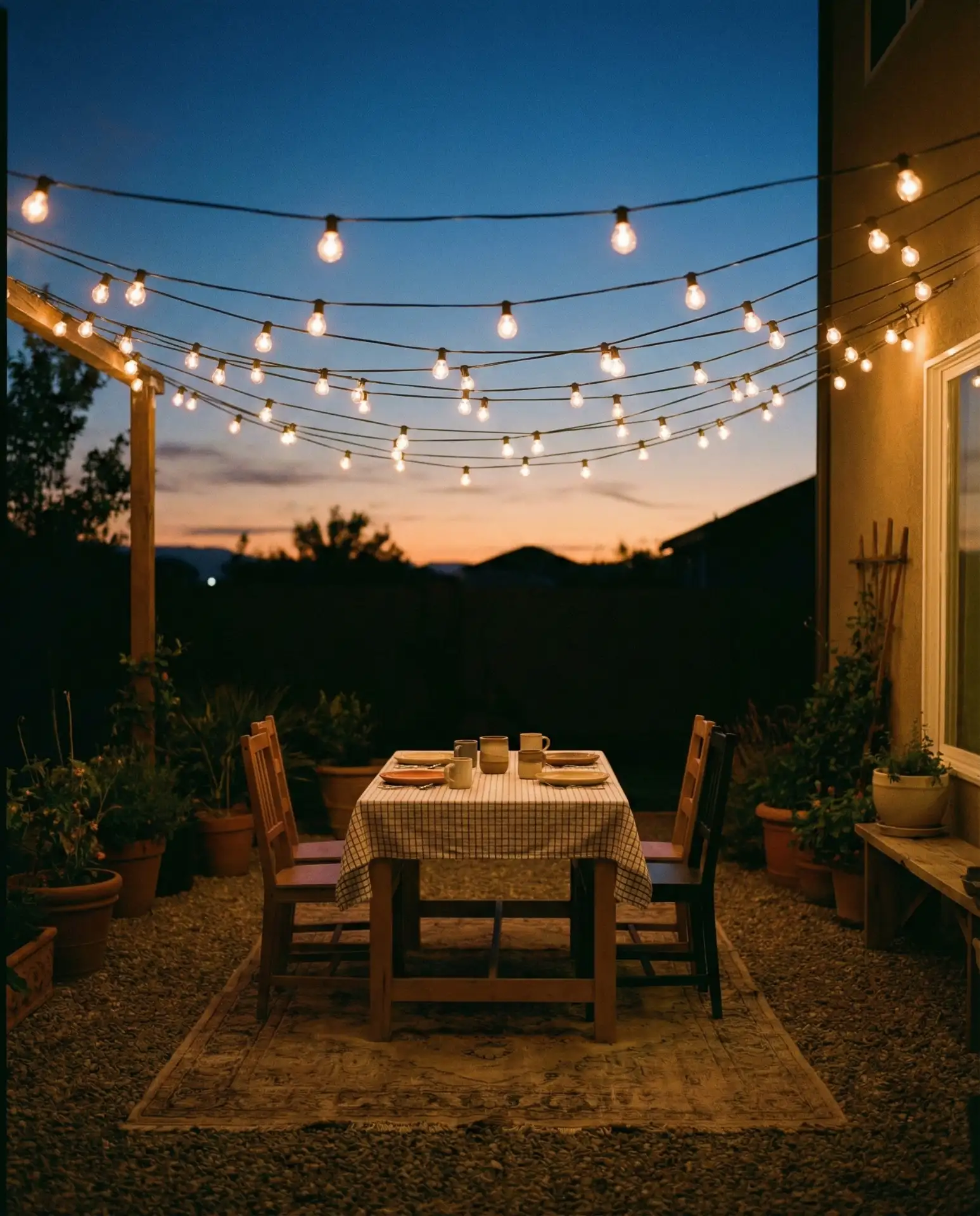
Common mistakes include hanging lights too high (they should be 7-9 feet at their lowest point), using too few strands (which creates a sparse look), or skipping proper weatherproofing at connection points. Invest in commercial-grade outdoor string lights rather than residential sets—they cost more initially but last years longer and handle wind and rain better. If you don’t have existing anchor points, 4×4 posts set in concrete work perfectly. Add a timer or smart switch so lights automatically turn on at dusk without manual intervention.
21. Australian Country Wraparound Verandah
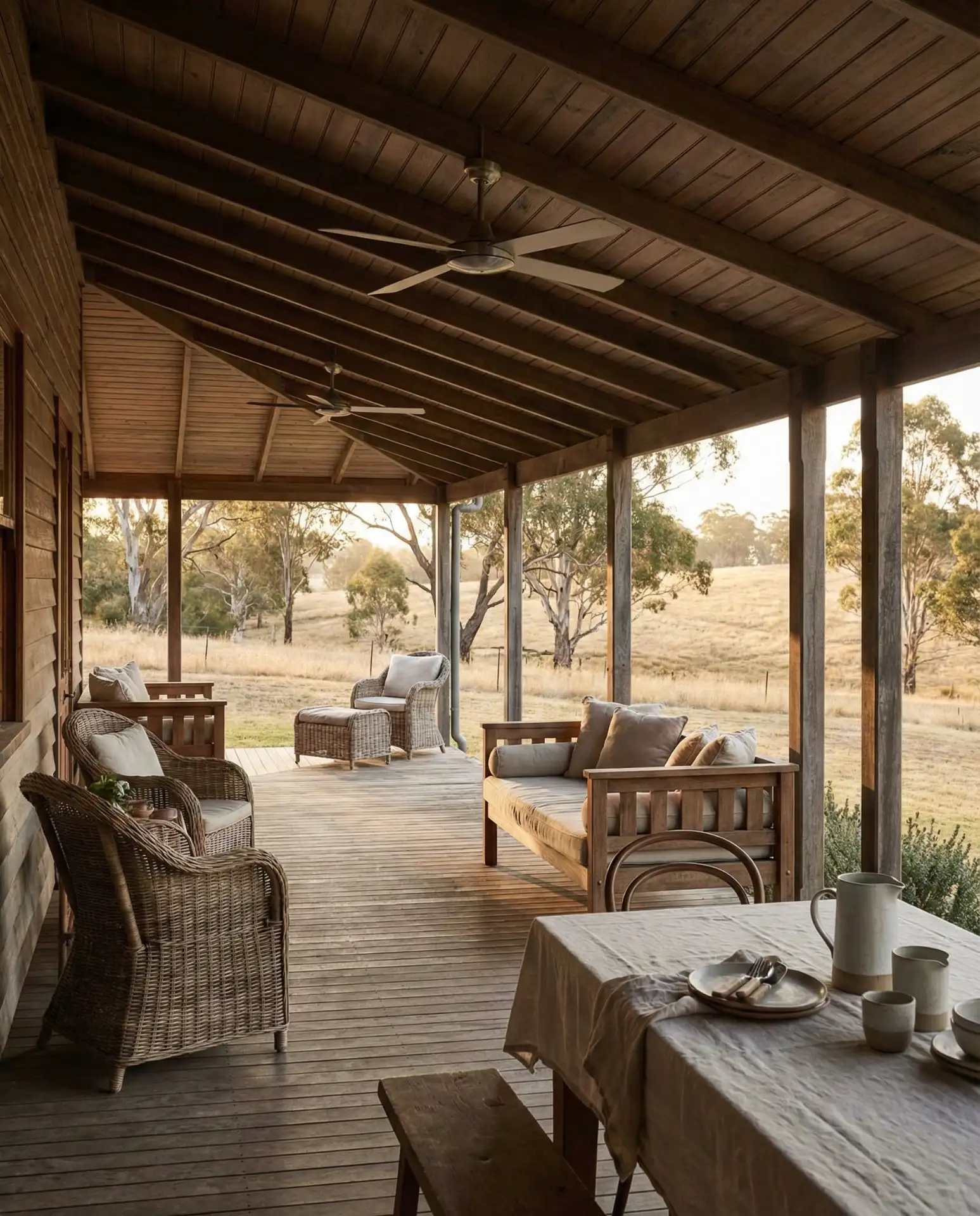
The classic Australian country verandah wrapping around multiple sides of the house creates shaded entertaining zones that adjust to sun position and wind direction throughout the day. This design provides maximum flexibility—morning coffee on the east side, afternoon shade on the west, evening gatherings on the north. The deep overhang (typically 8-12 feet) keeps interior rooms cooler while providing all-weather protection for outdoor furniture. This architectural feature has influenced American farmhouse design, particularly in hot climates where shade management determines livability. Include ceiling fans at regular intervals to maintain air circulation under the deep roof. 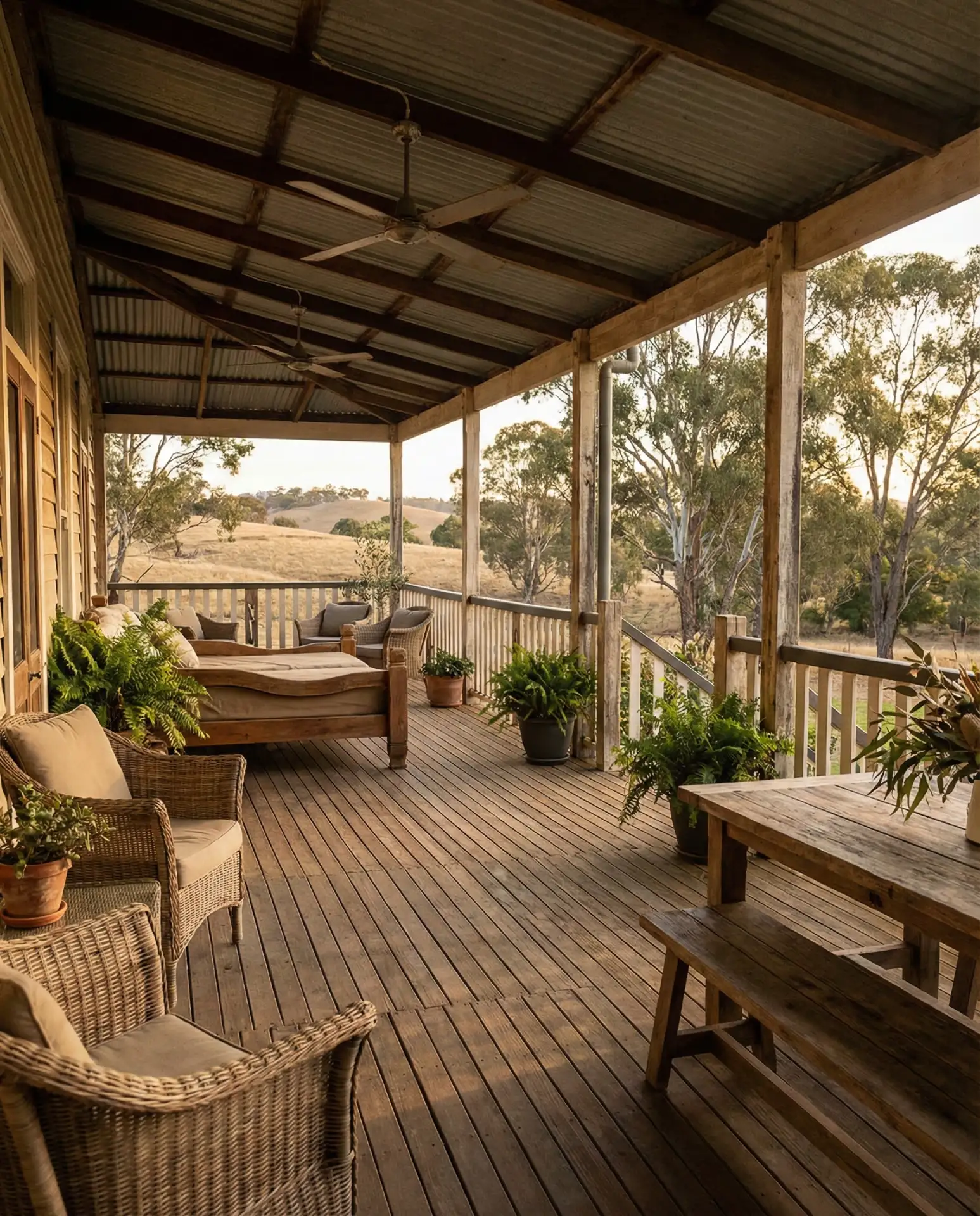
Real estate agents report that homes with quality verandahs command price premiums in rural markets because they’re difficult to add after construction. The outdoor space effectively doubles the home’s usable square footage during comfortable weather months. Traditional designs use corrugated metal roofing for acoustic interest during rain, while modern versions might incorporate skylights for dappled light. Paint the underside of the roof in a light color to maximize light reflection, and consider tongue-and-groove wood ceilings for additional visual interest.
22. Open Concept Pool House Entertainment
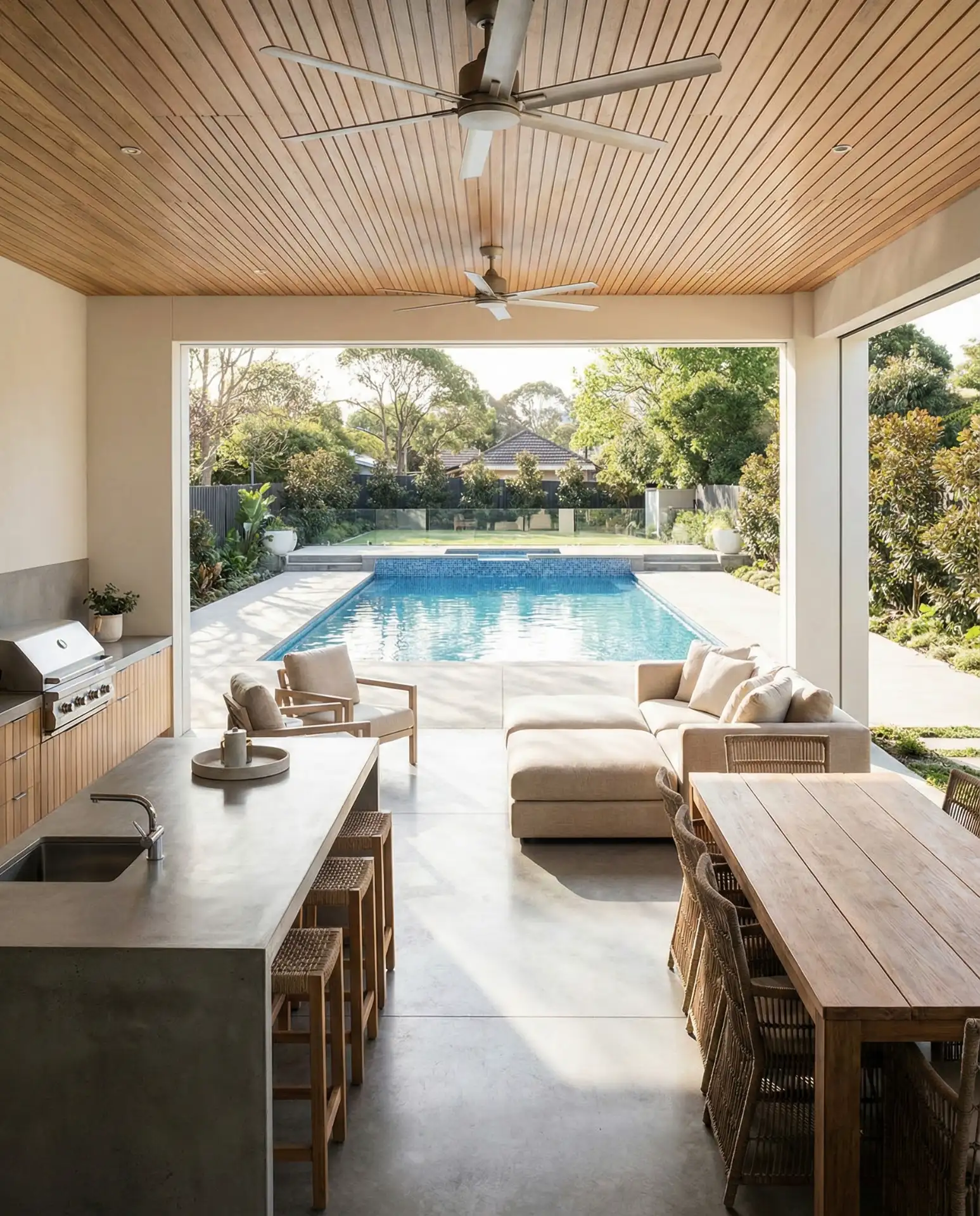
An open pool house or cabana with multiple entertaining zones—outdoor kitchen, lounge seating, and dining area—creates a self-contained entertainment hub separate from the main house. This setup keeps wet swimmers, cooking smoke, and party noise away from interior spaces while providing all necessary amenities in one location. The structure typically features at least two open sides for air flow and pool views, with the closed sides housing storage, bathrooms, or a kitchenette. This design has become standard in new pool installations across Florida, California, and Arizona, where outdoor entertaining centers around water features. Include outdoor shower facilities and changing areas to complete the functionality. 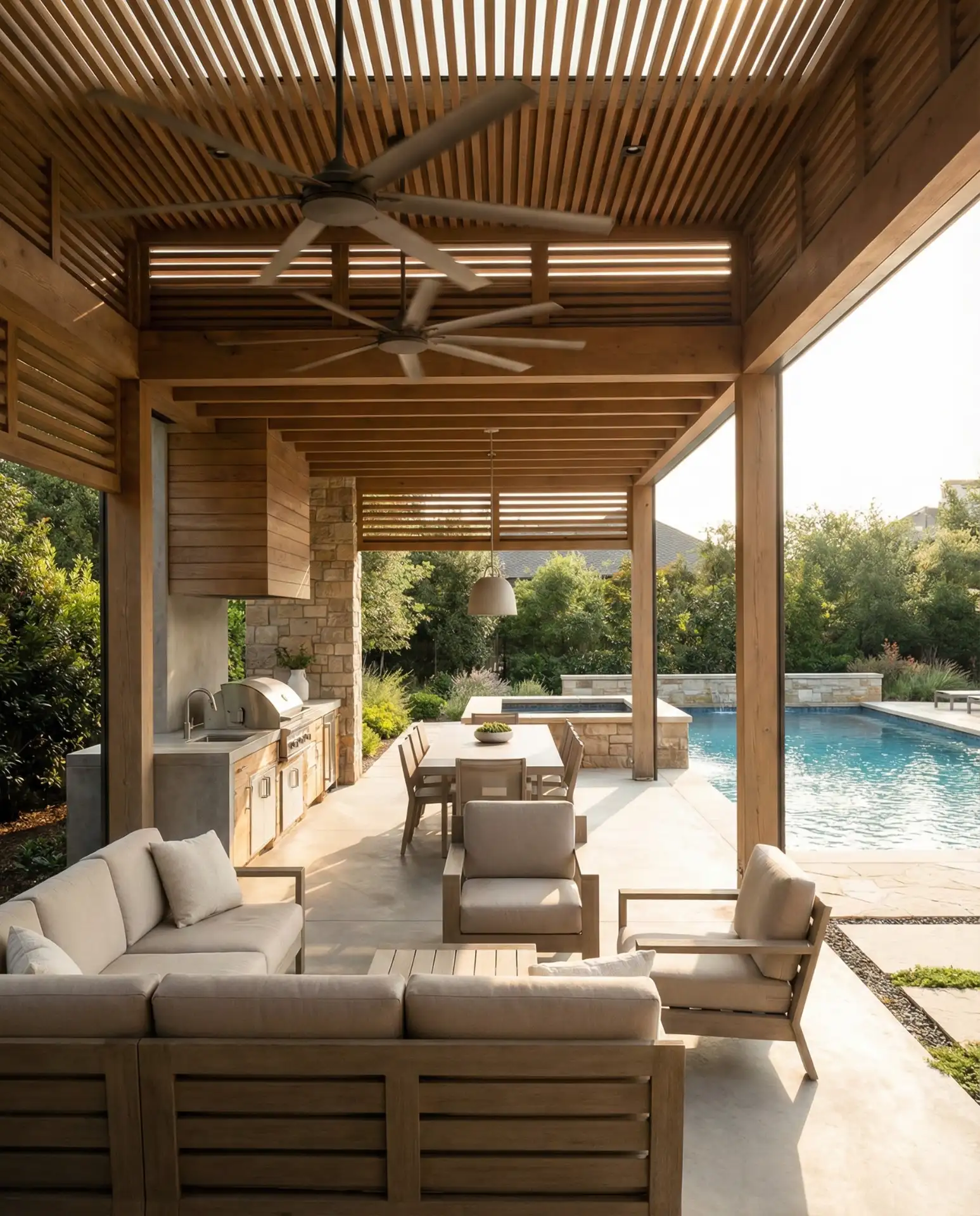
Expert advice emphasizes positioning the structure to take advantage of prevailing breezes while providing afternoon shade over the seating areas. Include multiple refrigerators—one for beverages, one for food—to handle large gatherings without constant trips to the main kitchen. Many homeowners add a trash and recycling station to keep the area tidy during parties. The investment is substantial, typically $50,000-150,000 depending on size and finishes, but it transforms how the property functions for entertaining.
23. Covered Patio with Retractable Screens
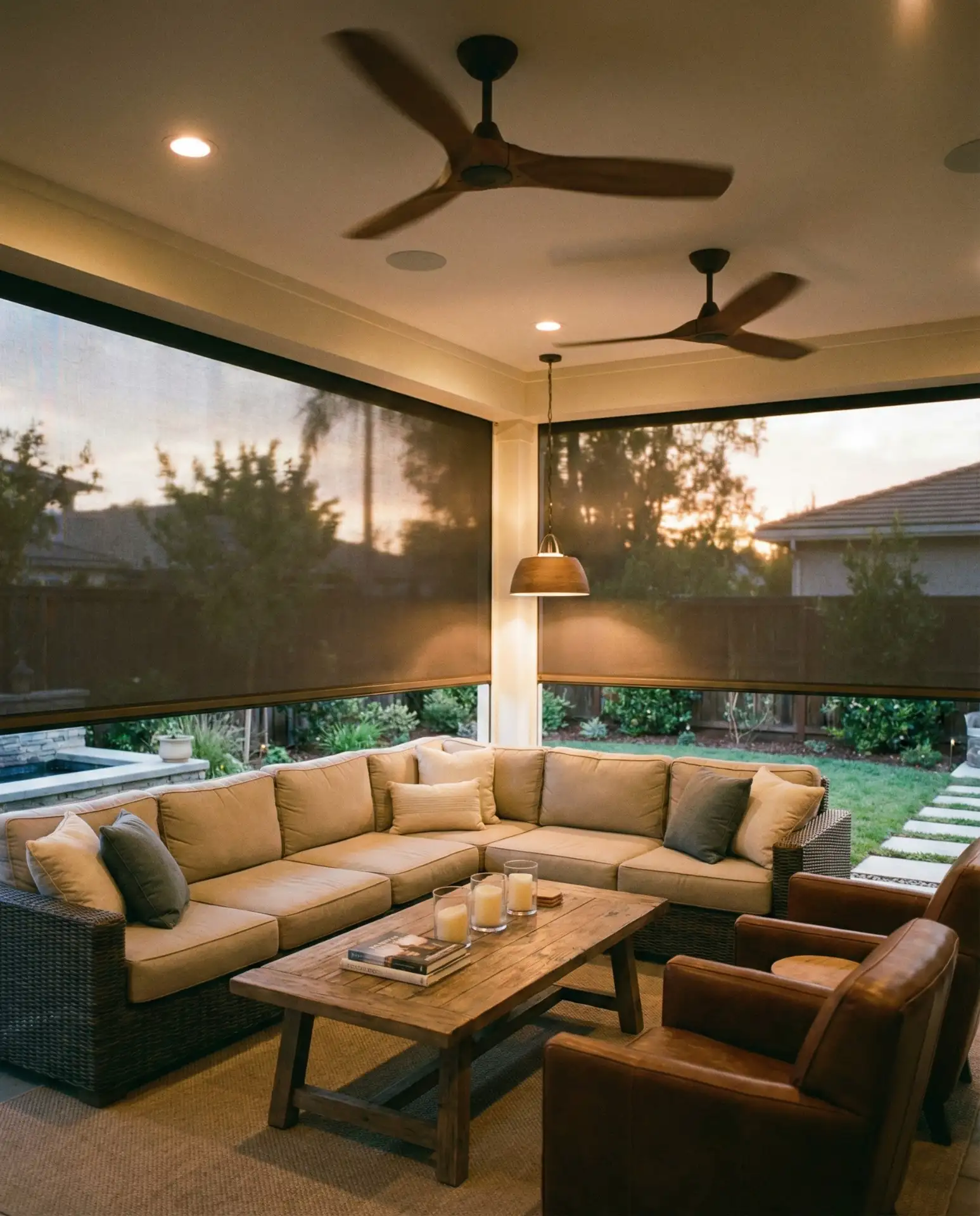
Covered patios equipped with motorized retractable screens offer instant protection from insects, sun glare, and wind without permanently enclosing the space. The screens descend from hidden housings in the beam headers, creating temporary walls that provide privacy or weather protection as needed. This technology has become more affordable and reliable, with many systems operating via smartphone apps or home automation integration. The solution appeals to homeowners who want flexible enclosure—fully open during perfect weather, partially closed during wind, or fully screened during mosquito season. Choose screen fabric based on your priorities: insect mesh for bug protection, solar screens for heat reduction, or clear vinyl for weather protection. 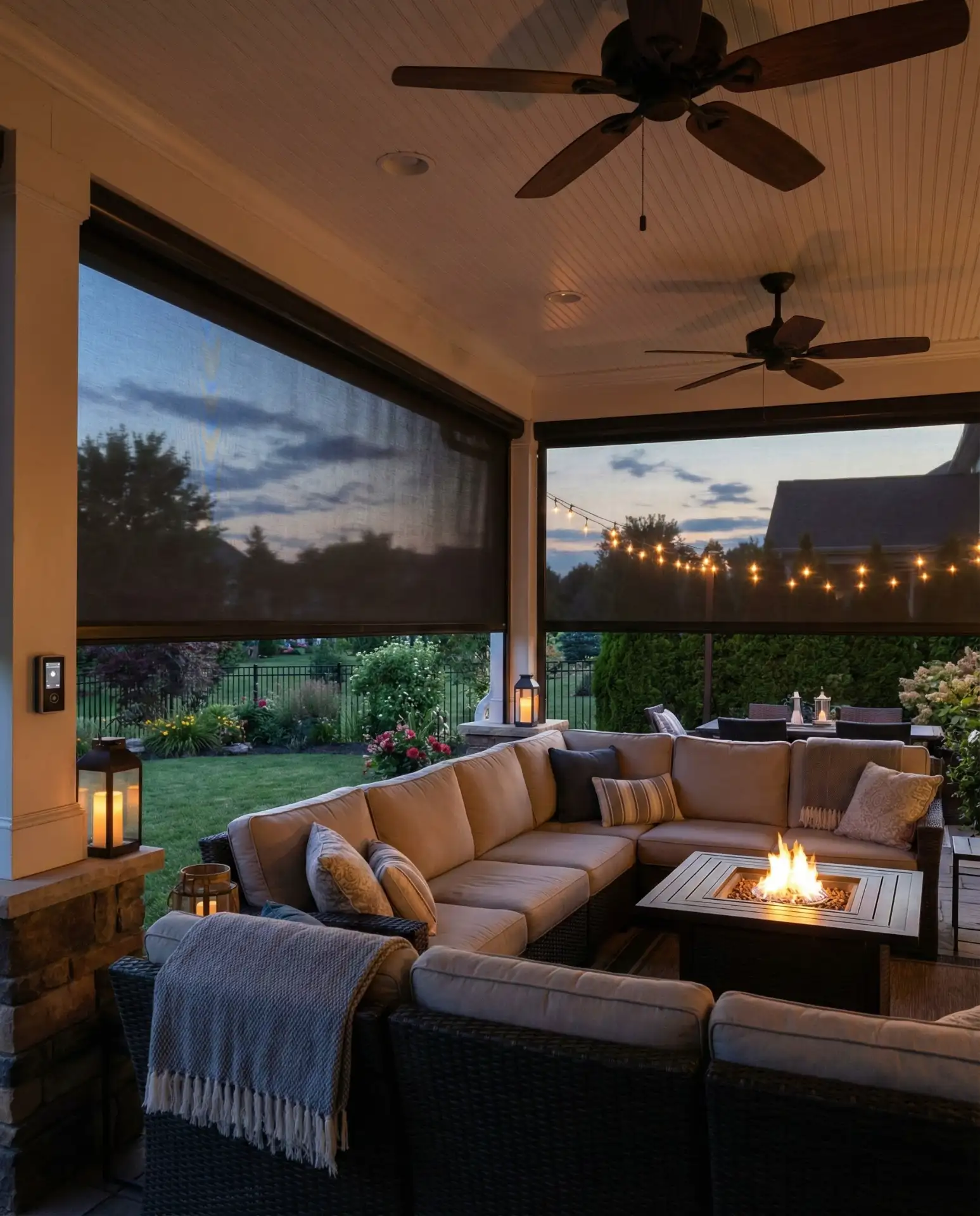
In the Gulf Coast states, homeowners report that retractable screens extend their patio season by several months because they can sit outdoors during light rain or heavy wind without discomfort. A 12×20 foot system with three screens costs approximately $4,000-7,000 installed. The most common complaint is wind damage when screens are left down during storms—install wind sensors that automatically retract screens when gusts exceed safe levels. Choose dark-colored screen fabrics for better visibility to the outside; light colors create a glare effect that ruins the view.
24. Minimalist Scandinavian Courtyard
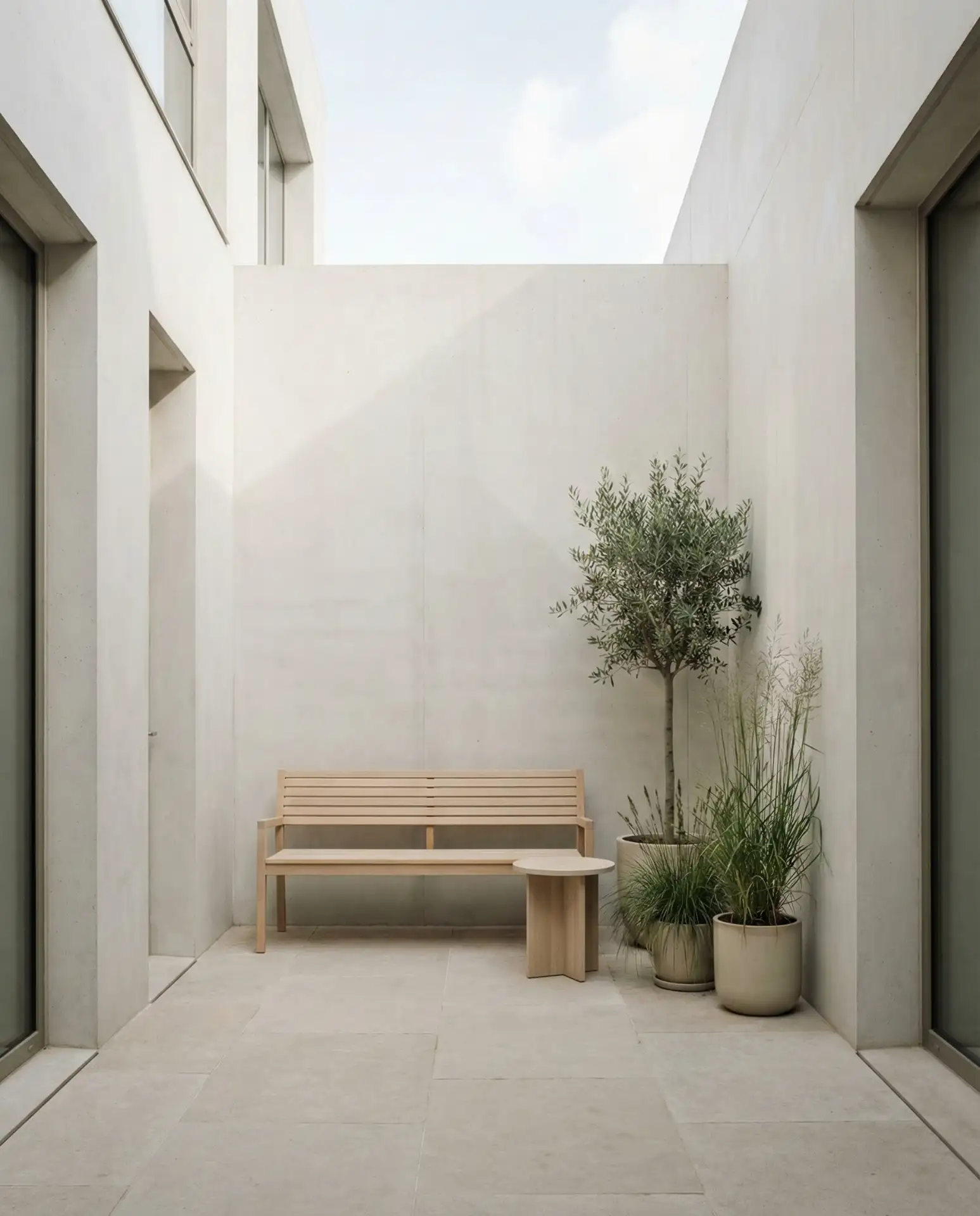
A minimalist outdoor entertaining area inspired by Scandinavian design principles emphasizes clean lines, natural materials, and edited decor that creates calm rather than visual clutter. Think light-colored woods, simple furniture forms, neutral textiles, and strategic use of greenery as sculpture. The approach works beautifully in small space contexts where too much stuff overwhelms the area. Each piece serves a purpose and nothing feels excessive. This aesthetic has gained traction in urban settings where space constraints demand discipline and where residents crave peaceful retreats from busy lives. Add outdoor lighting that’s functional but unobtrusive—recessed fixtures rather than statement pieces. 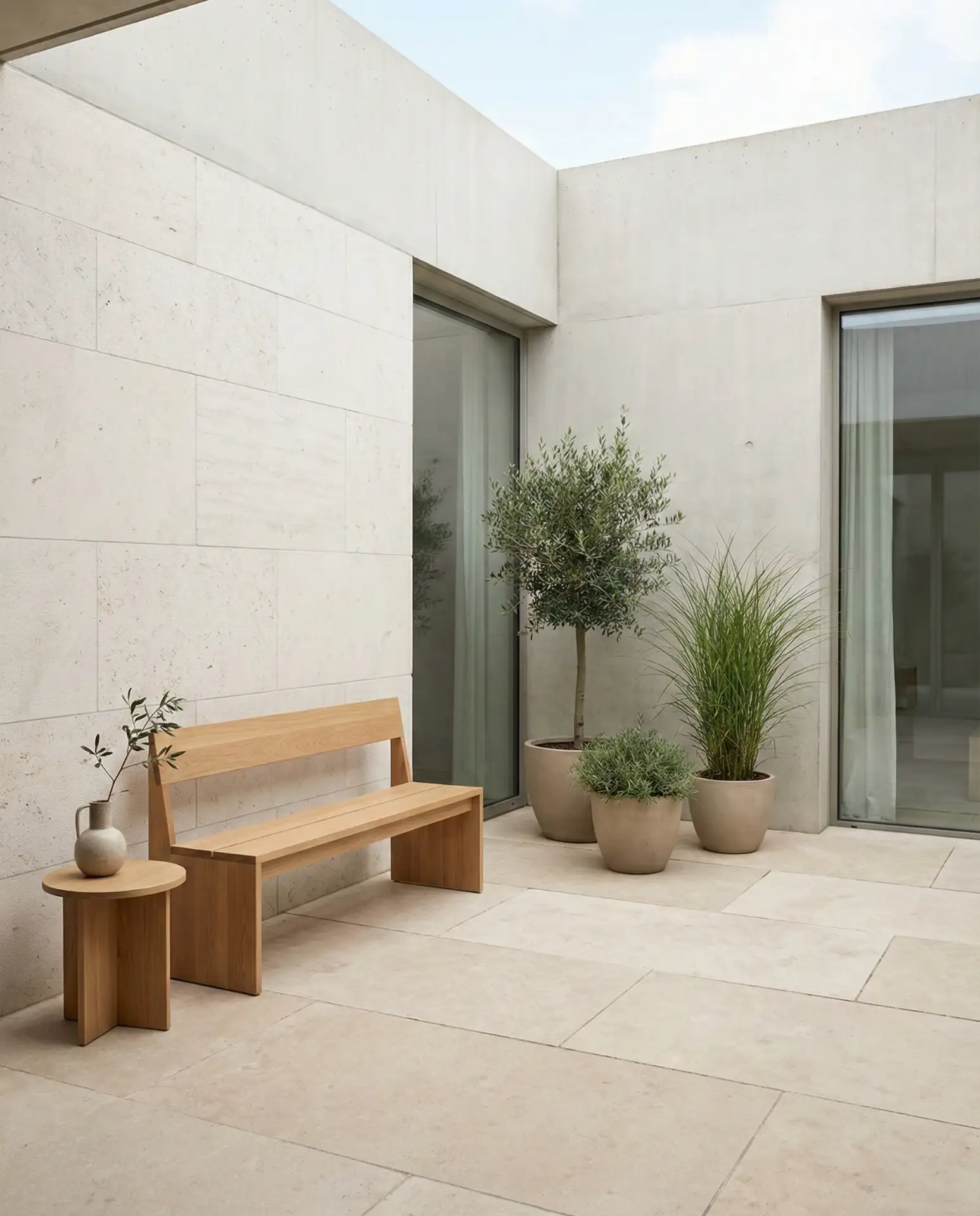
Where it works best: Small urban lots, modern architecture, or anywhere visual simplicity supports mental clarity. The hardest part is maintaining the discipline—resist adding unnecessary decorative elements or accumulating outdoor gear that disrupts the clean aesthetic. Store items out of sight rather than leaving them visible. Choose furniture with built-in storage to hide cushions and accessories when not in use. The goal is a space that feels serene and intentional, where every object has earned its place through usefulness or beauty.
Conclusion
These 24 outdoor entertaining area ideas offer something for every home, budget, and climate zone across America. Whether you’re working with a sprawling backyard or a compact balcony, the key is creating spaces that genuinely reflect how you live and entertain. Start with the idea that most resonates with your property and lifestyle, then adapt elements from other concepts to make it uniquely yours. Share your outdoor entertaining projects or favorite ideas in the comments—we’d love to see how you’re transforming your spaces for 2026 and beyond.