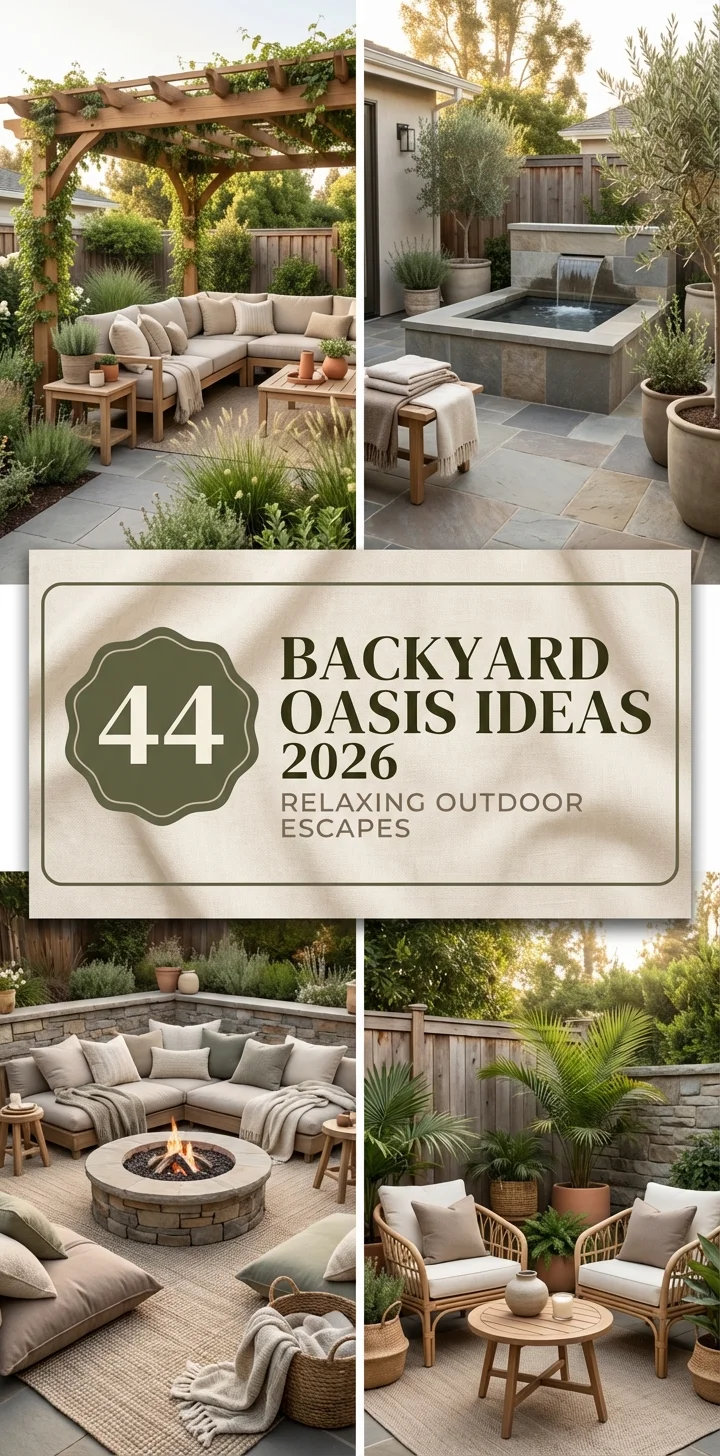
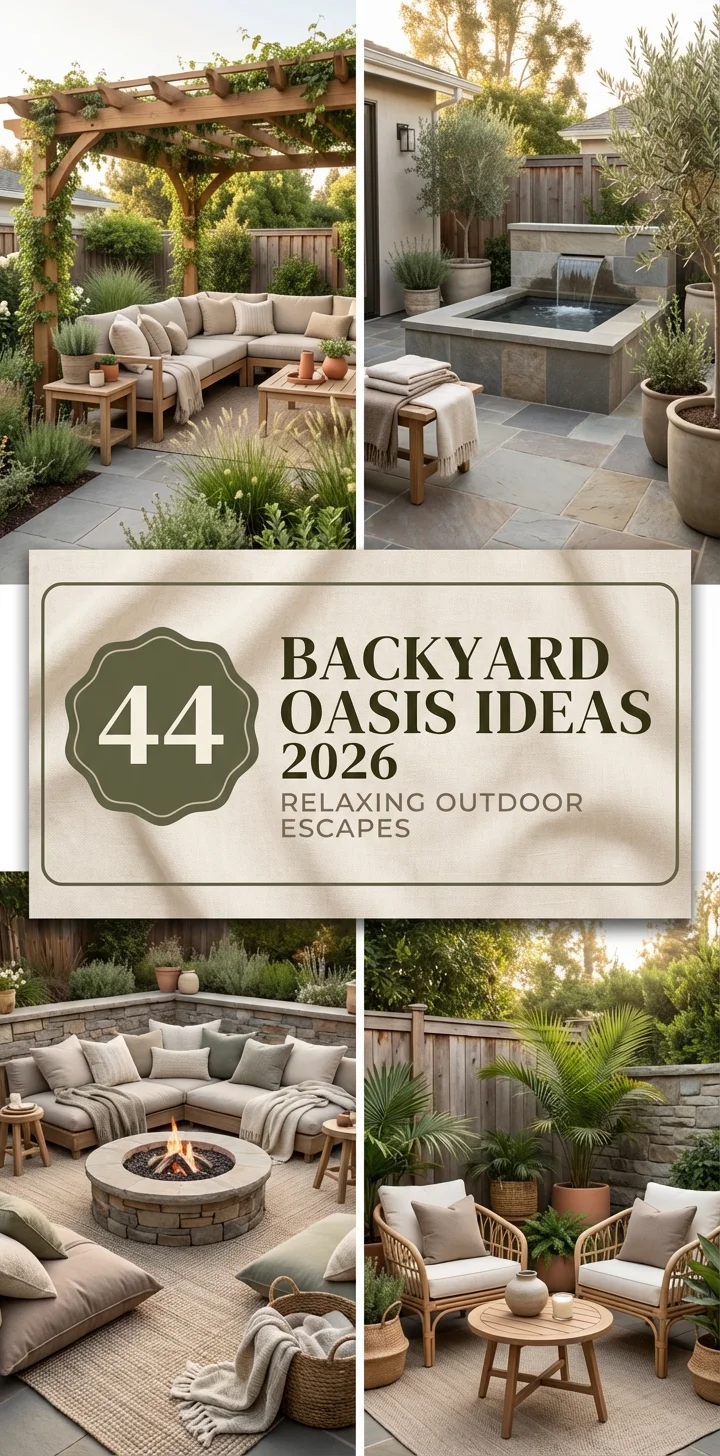
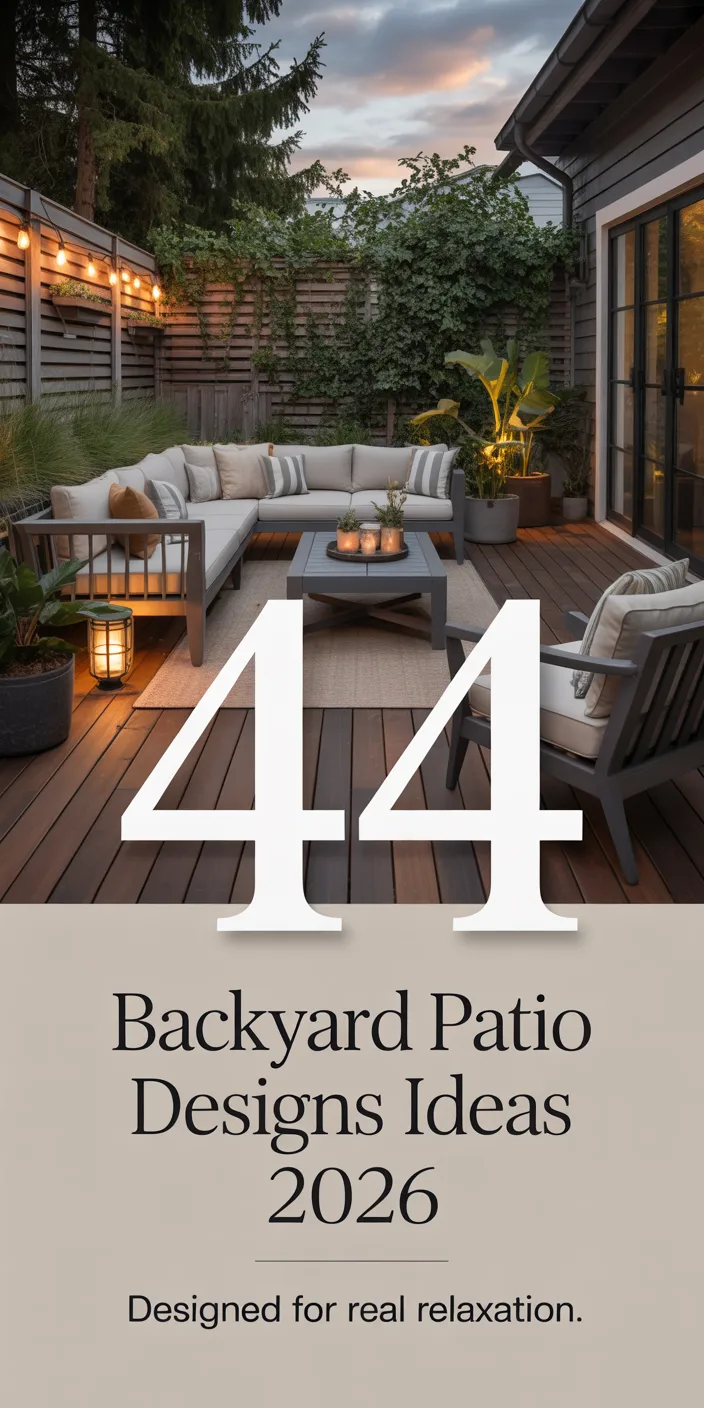
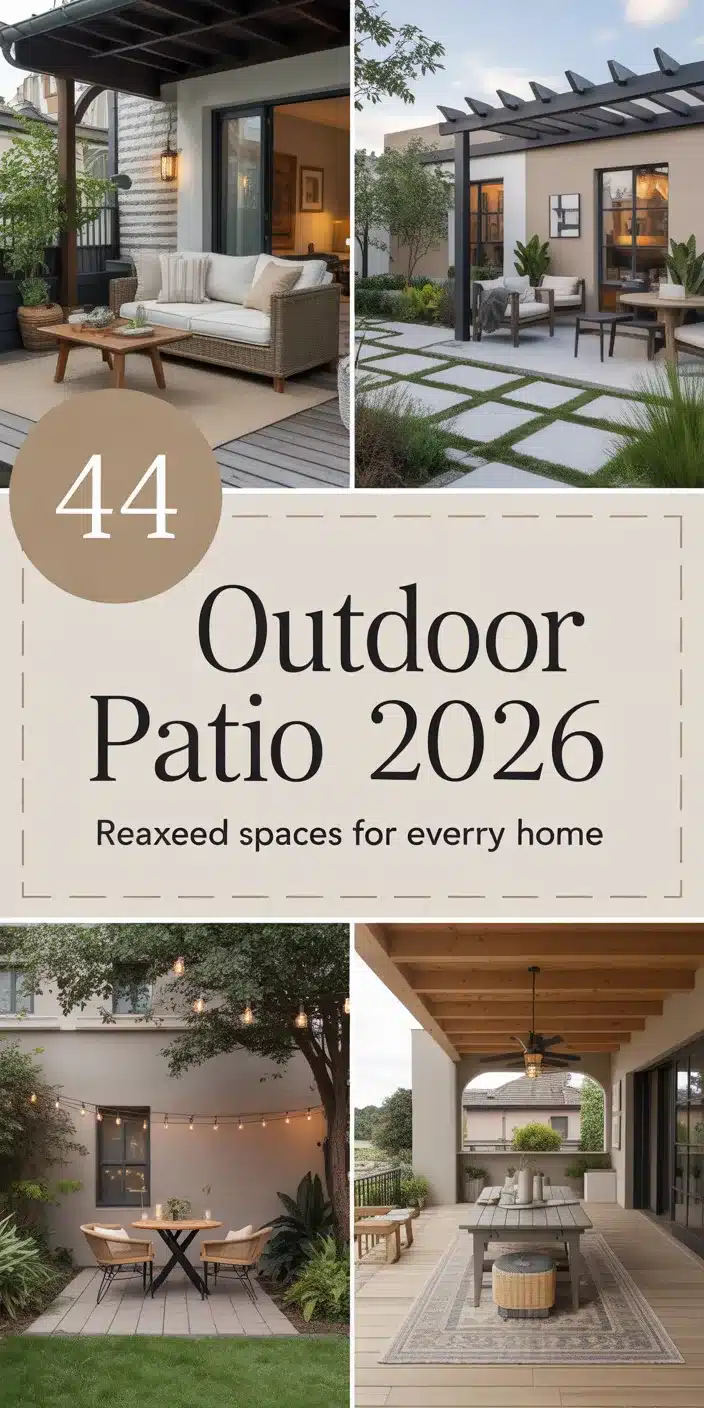
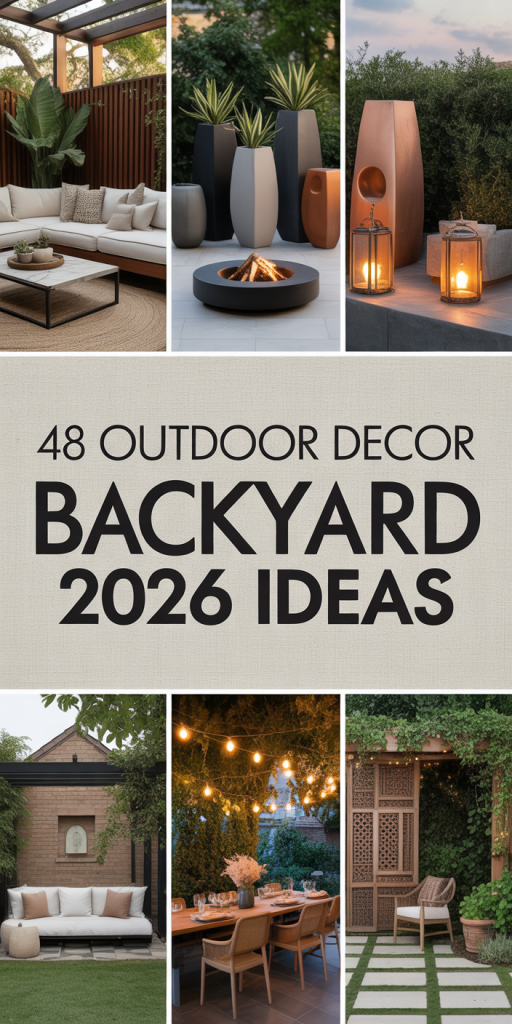
As we look ahead to 2026, American backyards are becoming more than just lawns—they’re evolving into personalized outdoor sanctuaries that reflect creativity, comfort, and connection. From Pinterest boards bursting with colorful accents to weekend DIY projects that transform plain spaces into stunning retreats, homeowners are rethinking what their outdoor areas can be. Whether you’re planning a summer refresh, prepping for a party, or simply craving a space where you can unwind after a long day, the right decor choices can make all the difference. In this guide, you’ll discover inspiring ideas that blend style, function, and that effortless warmth that makes a backyard feel like home.
1. Vintage Garden Cart Planter Display
A weathered garden cart loaded with tiered planters brings instant character to any backyard corner. This setup works beautifully near patios or along garden pathways, where the vertical arrangement showcases blooms at different heights. The rustic charm pairs well with gardening enthusiasts who love mixing textures—think terracotta pots, galvanized metal, and trailing vines. It’s a flexible solution that adapts through seasons, from spring tulips to late-summer succulents. 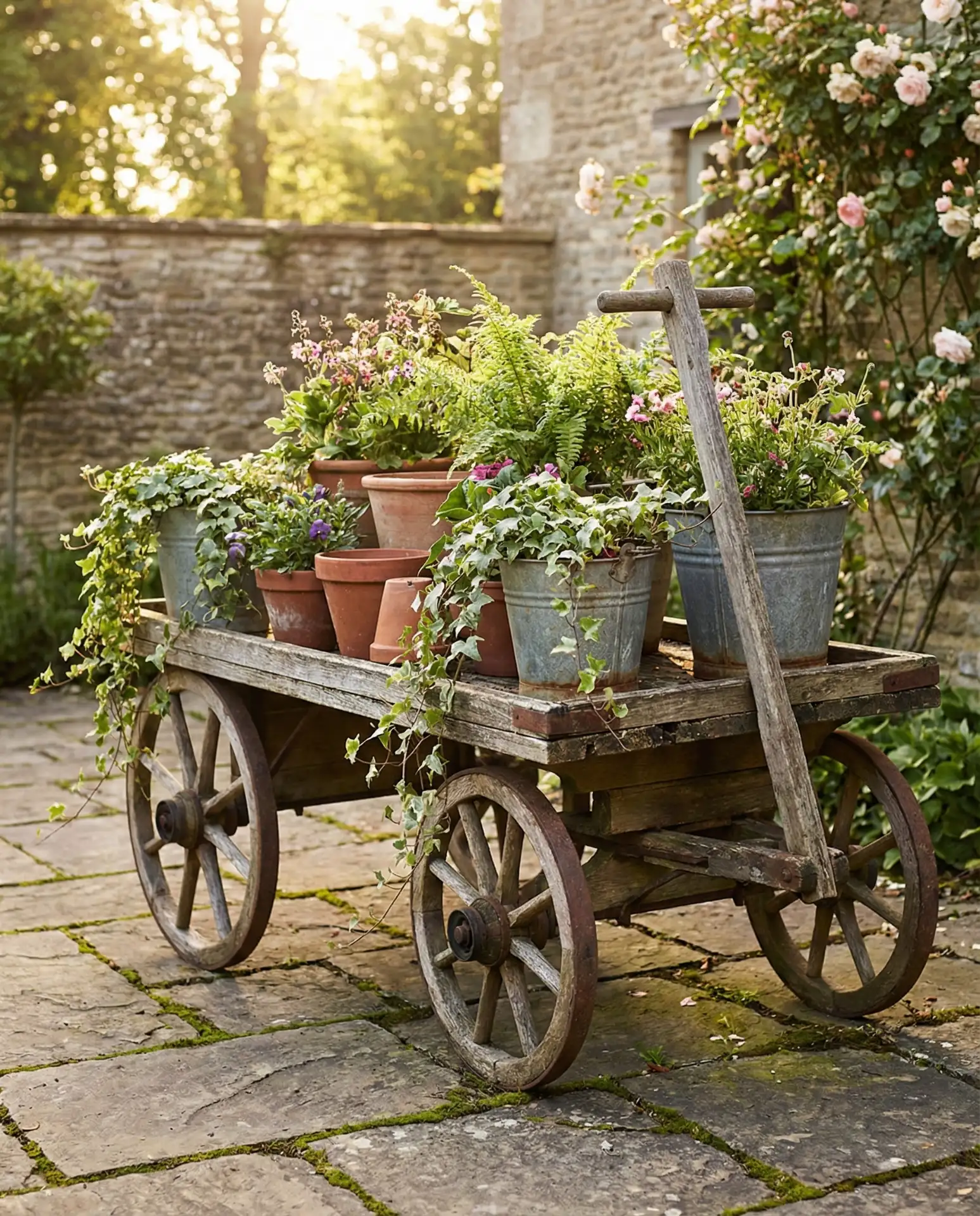
This idea thrives in suburban yards where homeowners want a focal point without committing to permanent installations. You can rotate plants based on what’s in bloom, swap out pots for seasonal color, or even move the entire cart to follow the sun. Many gardeners on Pinterest save this setup because it feels intentional yet low-pressure—no need for expert landscaping skills, just an eye for arrangement and a willingness to experiment with what grows best in your zone.
2. String Light Canopy Over Dining Area
Nothing transforms an outdoor dining space quite like a canopy of string lights suspended overhead. This approach works especially well for patio makeover projects, where the goal is to create an intimate atmosphere without major construction. Drape lights in crisscross patterns or gentle swoops above a wooden table, and you’ve got a backdrop that works for weeknight dinners and party gatherings alike. The glow softens faces, makes food look better, and keeps conversations going long after sunset. 
In the Midwest and South, where summer evenings stretch long and mild, this setup gets the most use. Homeowners often anchor lights to pergola beams, fence posts, or even tall shepherd’s hooks planted in the ground. A common mistake is hanging lights too high—they should feel close enough to create a canopy effect, usually 8 to 10 feet above the table. When done right, the result is a space that feels like a secret garden room, even in the middle of a typical suburban lot.
3. Bold Painted Accent Wall on Exterior Shed
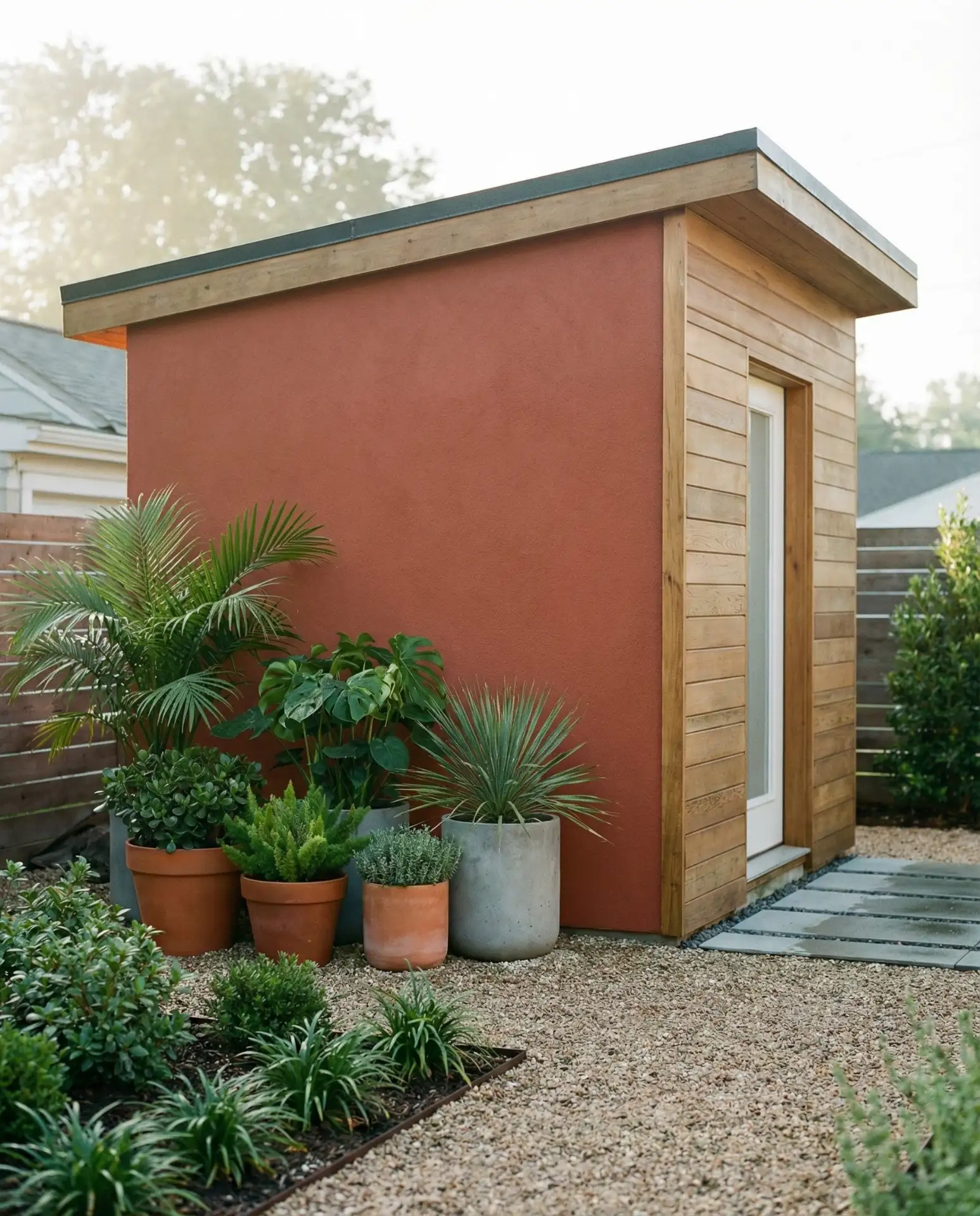
A single wall painted in a saturated hue can anchor an entire backyard’s visual identity. Choose a deep navy, terracotta, or forest green and apply it to a shed, fence section, or even the back of a garage. The colorful backdrop makes surrounding plants pop and gives the space a curated, designer feel. It’s a DIY project that requires just a weekend, a few gallons of exterior paint, and the confidence to commit to color. 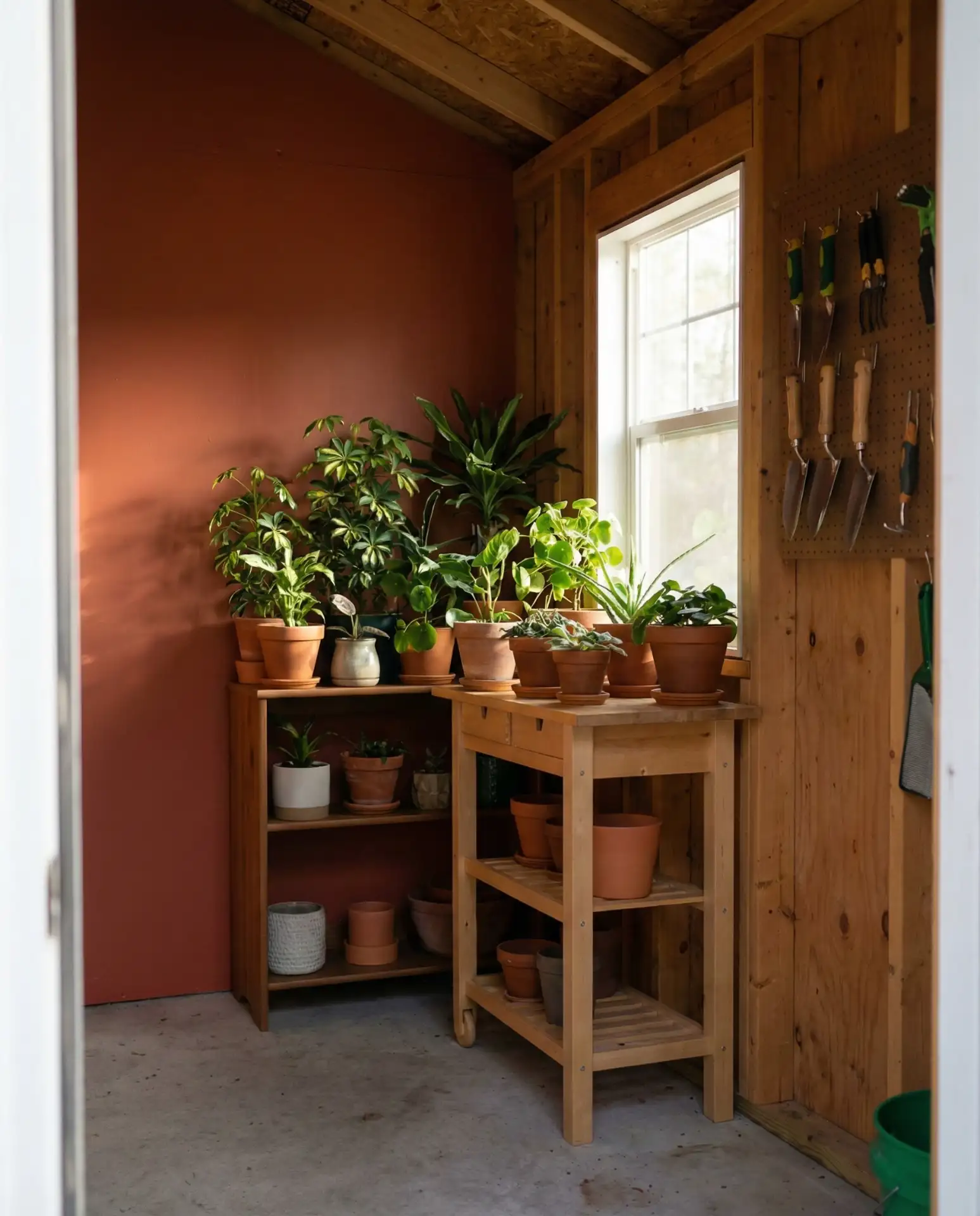
Where it works best: compact urban yards where every element needs to earn its place visually. The painted wall acts as both art and architecture, drawing the eye and creating depth in small spaces. Pair it with neutral furniture and greenery to let the color breathe. If you’re nervous about going bold, test the shade on a small section first—outdoor light changes how pigments read, and what looks vibrant in the store can feel completely different under open sky.
4. Layered Outdoor Rug Under Lounge Seating
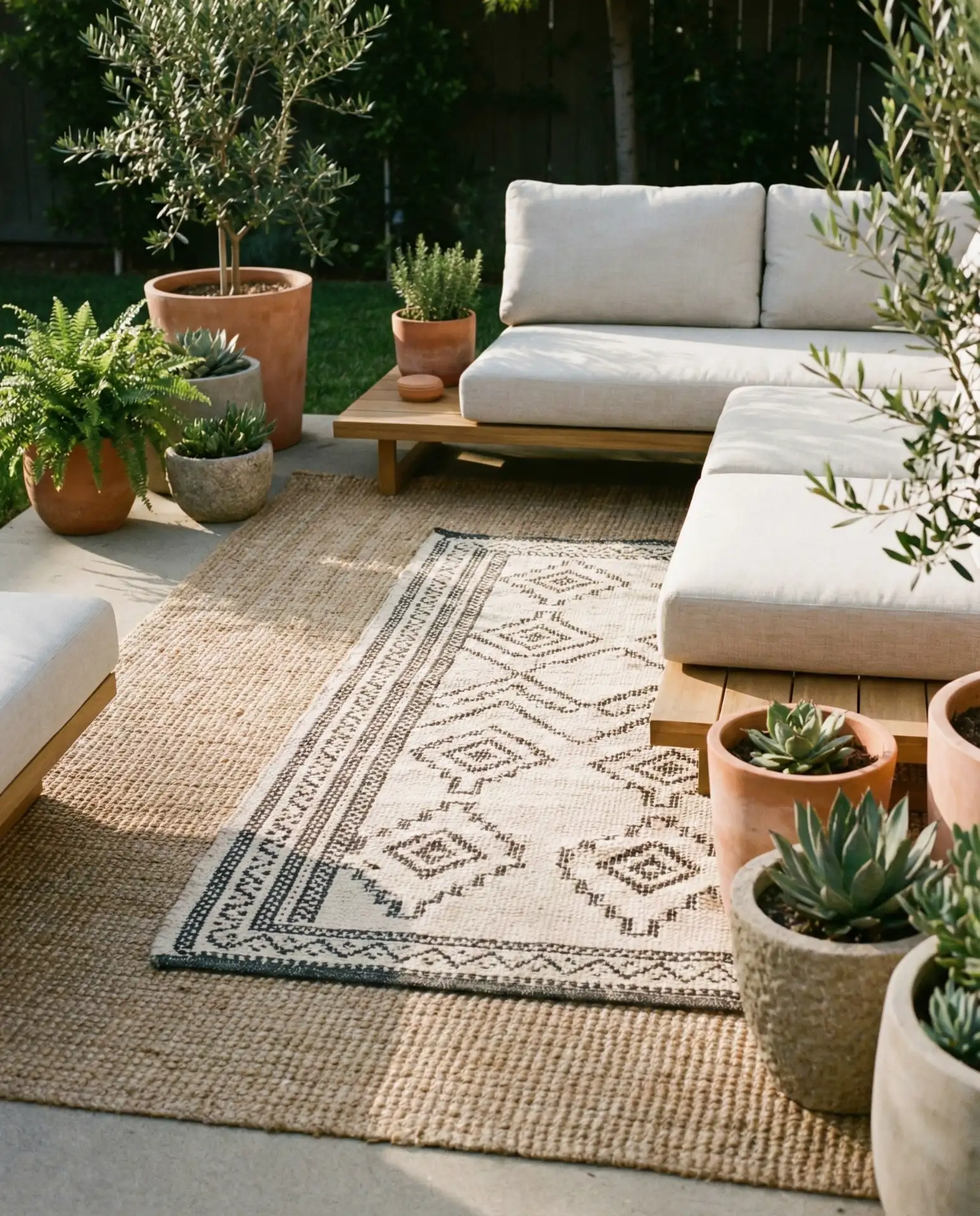
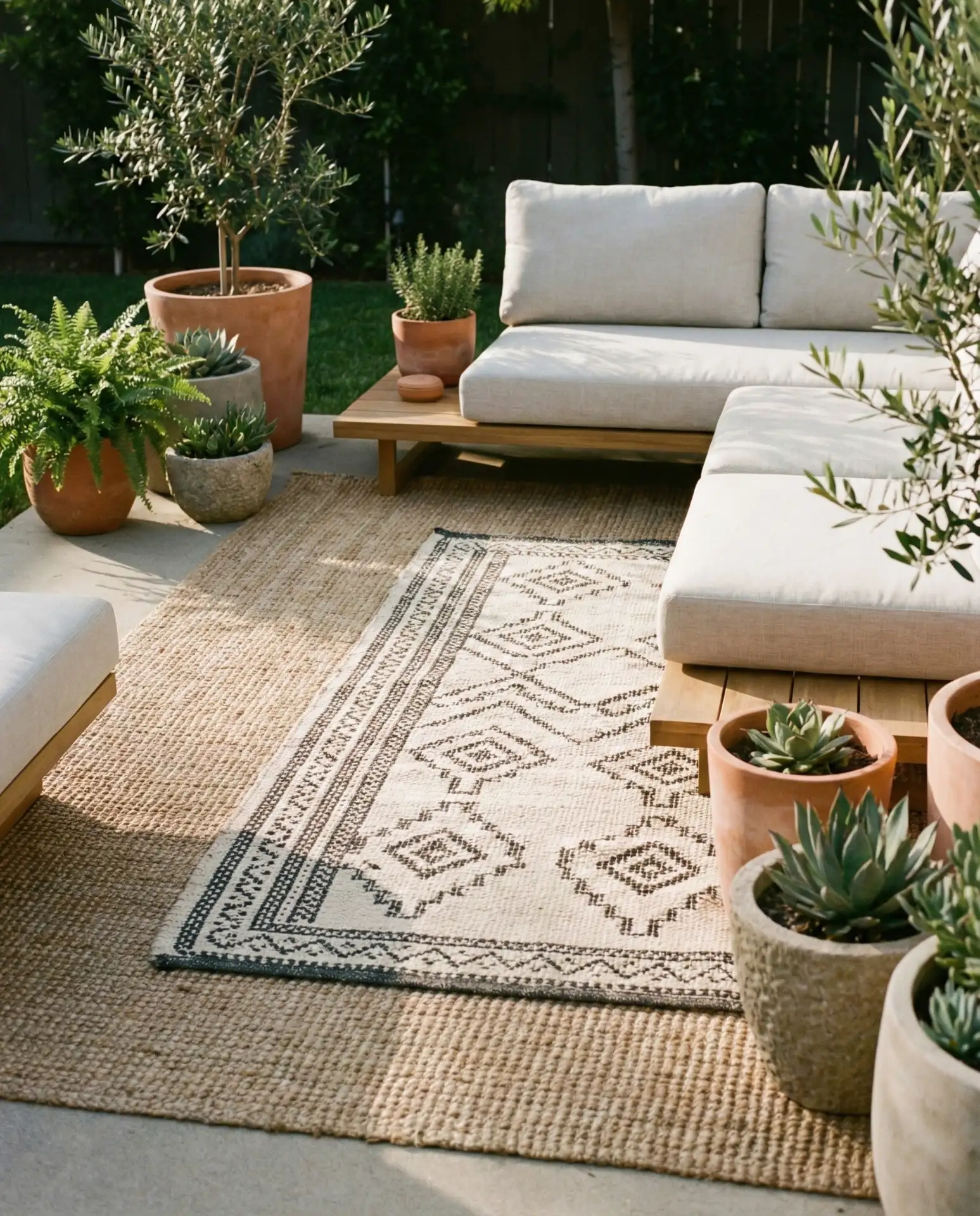
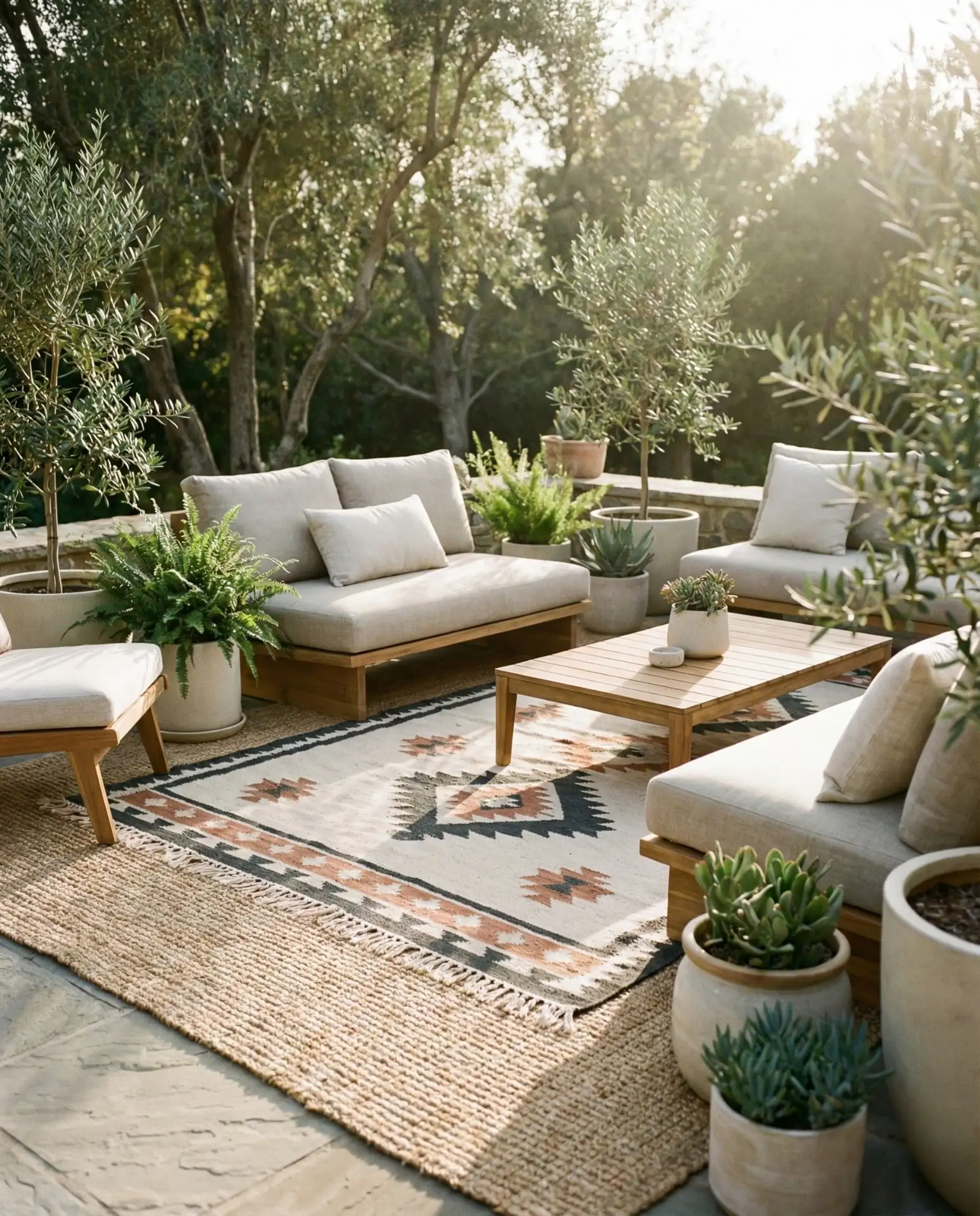
Layering two outdoor rugs—one neutral, one patterned—under a seating area instantly grounds the furniture and adds a living-room softness to hard patio surfaces. This trick is especially popular in modern backyards where the goal is to blur the line between indoor and outdoor comfort. Look for weather-resistant materials that can handle moisture and UV exposure, and choose patterns that complement your cushion fabrics without overwhelming them. The result is a space that feels intentional and pulled-together, even when furniture is simple. 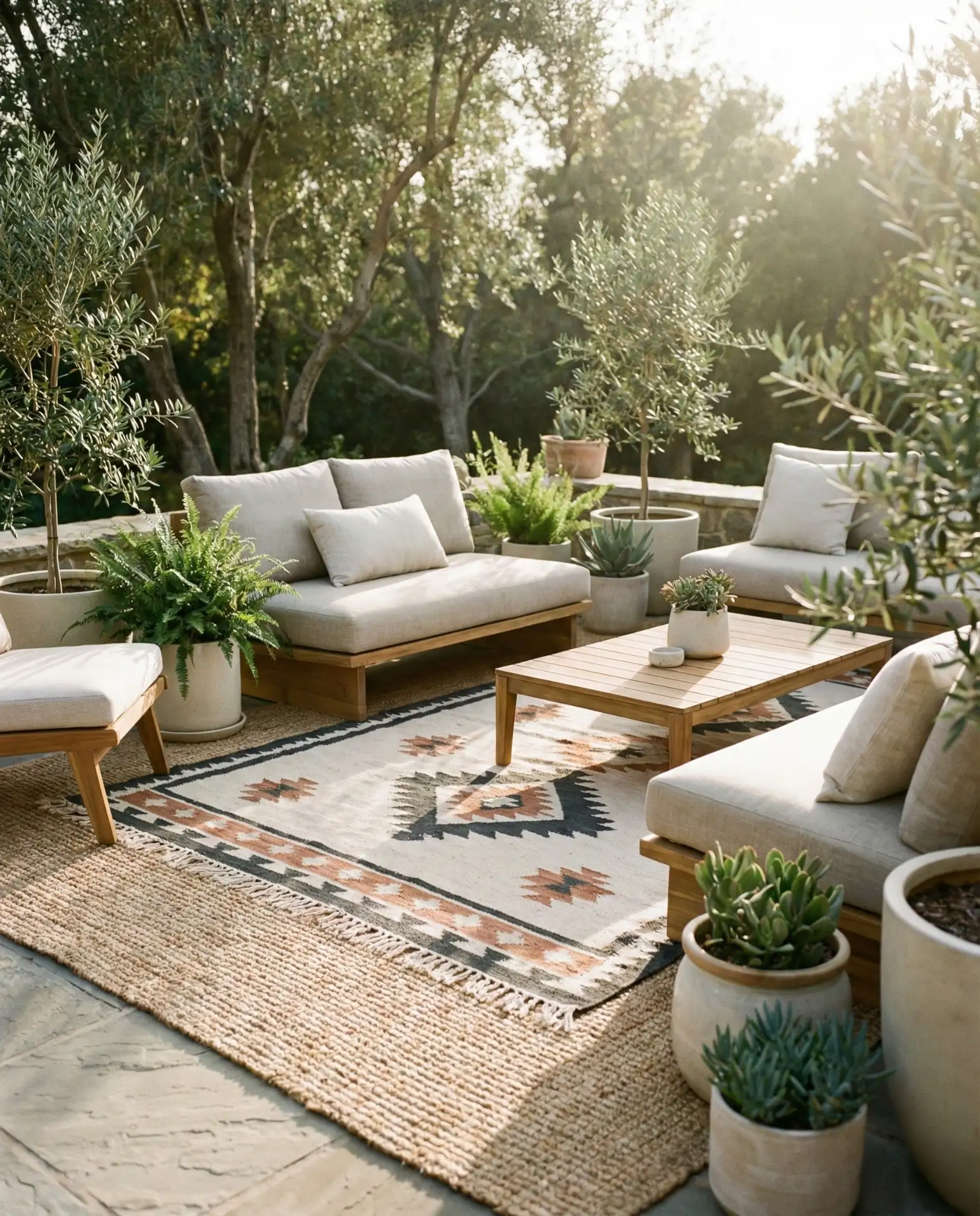
A designer once told me that outdoor rugs are the fastest way to make a patio feel like a real room. The layering technique adds dimension and lets you play with scale—use a larger neutral rug underneath and a smaller, bolder one on top. Just make sure the top rug is centered under the main seating piece, like a sofa or pair of chairs. This approach works year-round in temperate climates and can be rolled up and stored when cold weather hits in the North.
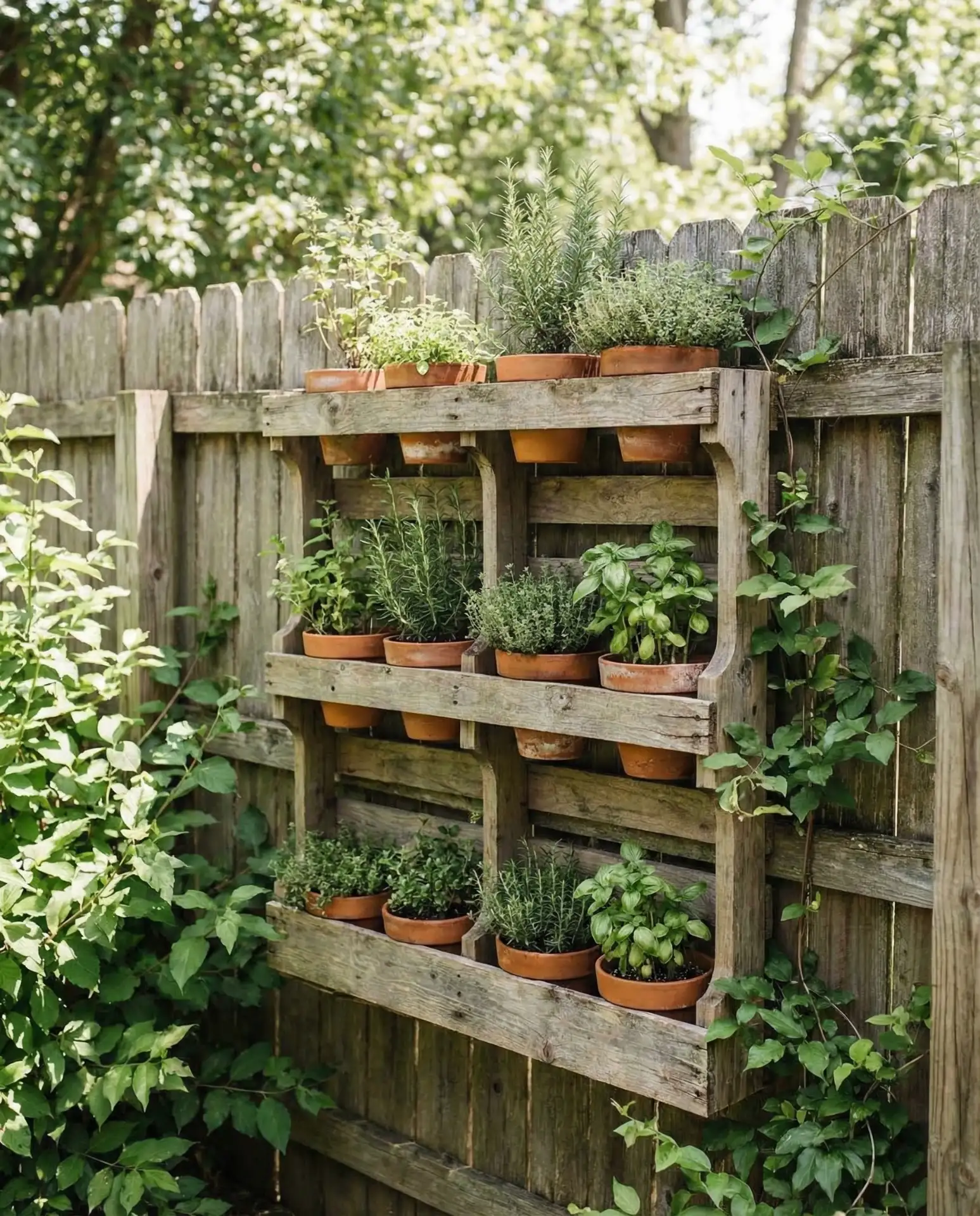
5. Vertical Herb Garden on Pallet Board
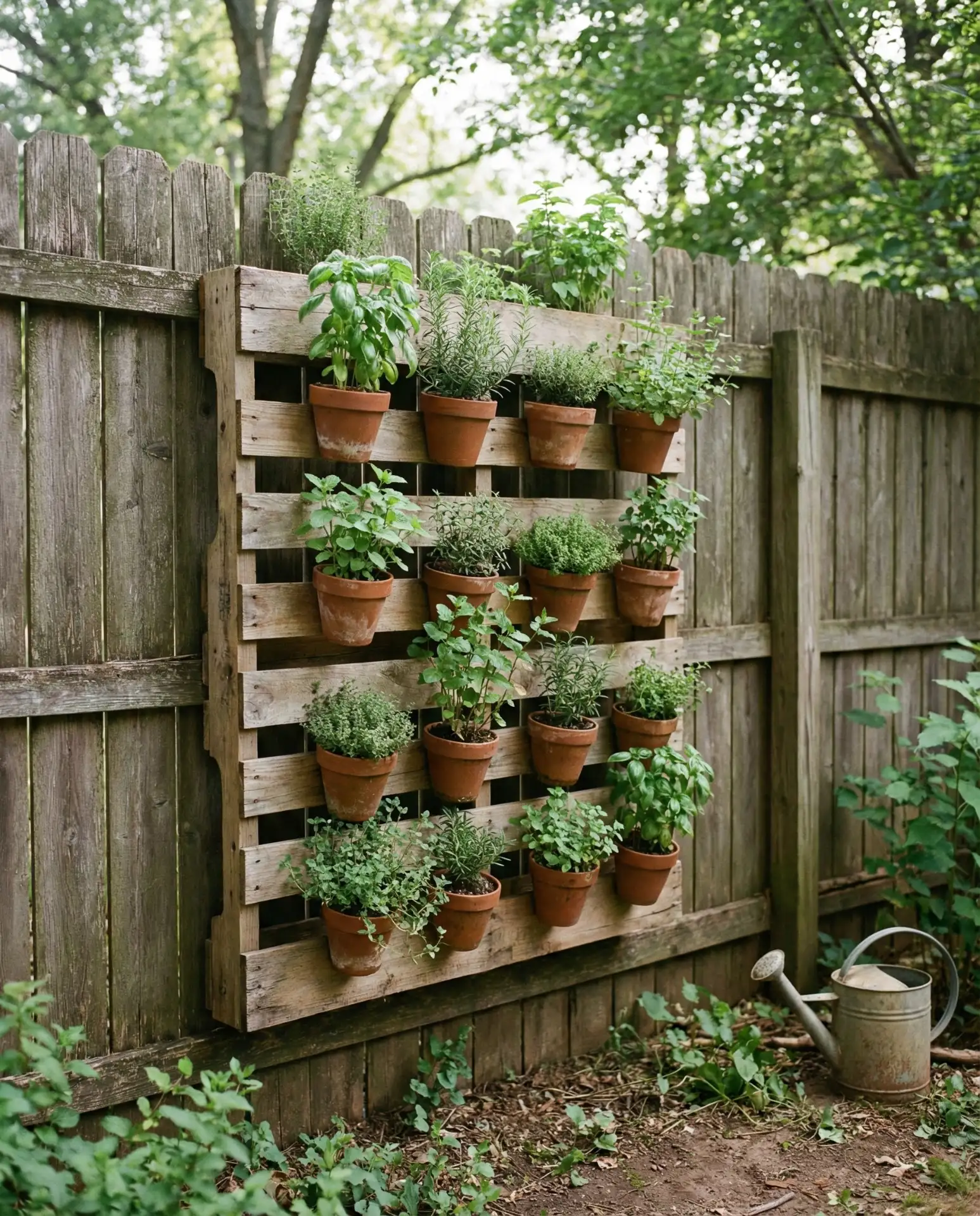
A repurposed pallet mounted to a fence or wall becomes a functional vertical garden that’s perfect for growing herbs. This DIY project combines the practicality of fresh gardening with the visual appeal of greenery displayed at eye level. It’s especially useful in narrow yard decor situations where ground space is limited. Plant basil, thyme, rosemary, and mint in small pots or directly into pockets between slats, and you’ve got both a living wall and a kitchen resource. 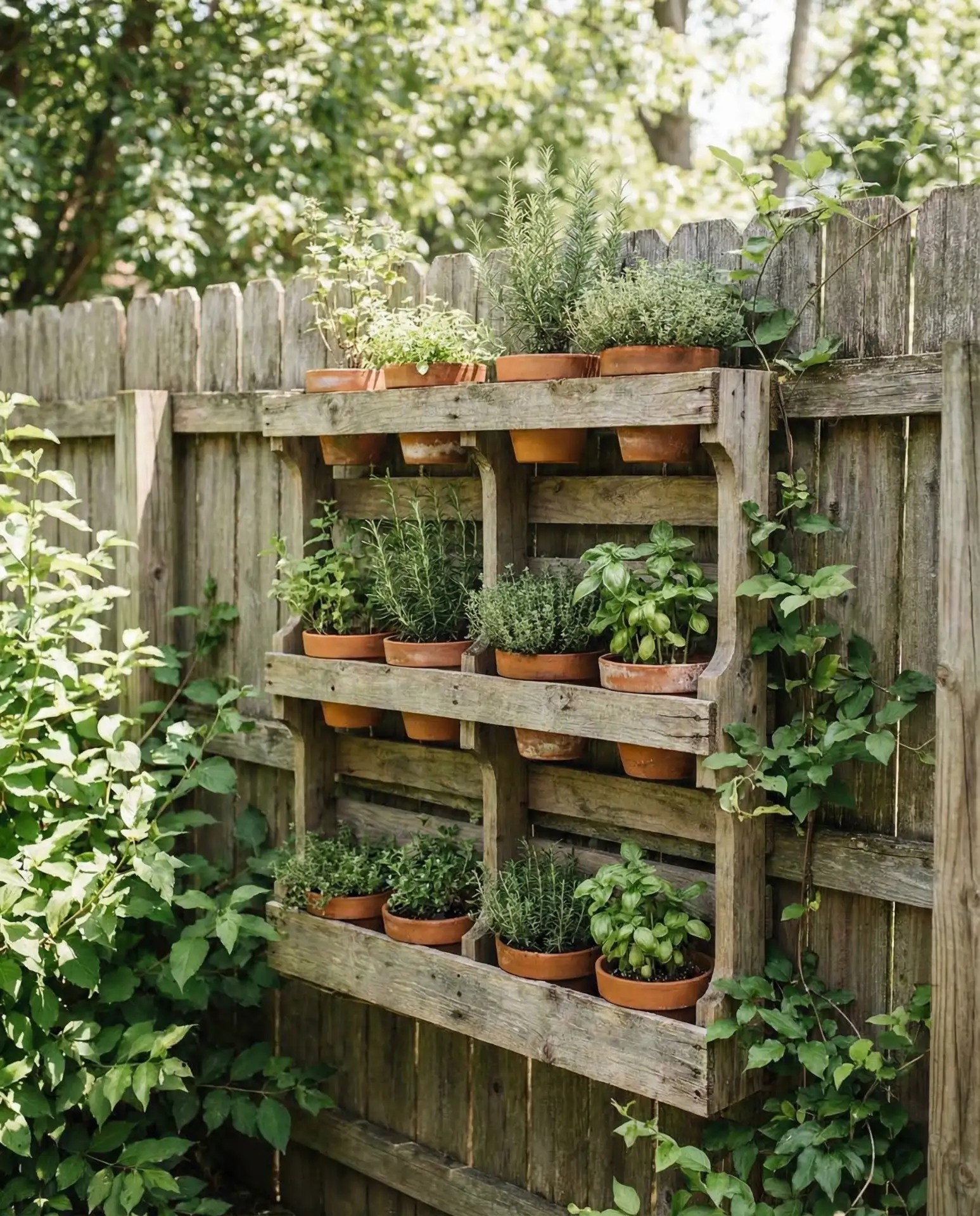
Budget angle: pallets are often free or under $10 at hardware stores, making this one of the most affordable vertical garden solutions. Sand and seal the wood to extend its life, and choose herbs that match your cooking habits—there’s no point growing cilantro if no one in your house likes it. Position the pallet where it gets at least six hours of sun, and water regularly since vertical setups dry out faster than ground beds. This idea gets constant saves on Pinterest because it’s approachable, practical, and genuinely useful.
6. Hammock Corner with Potted Palms
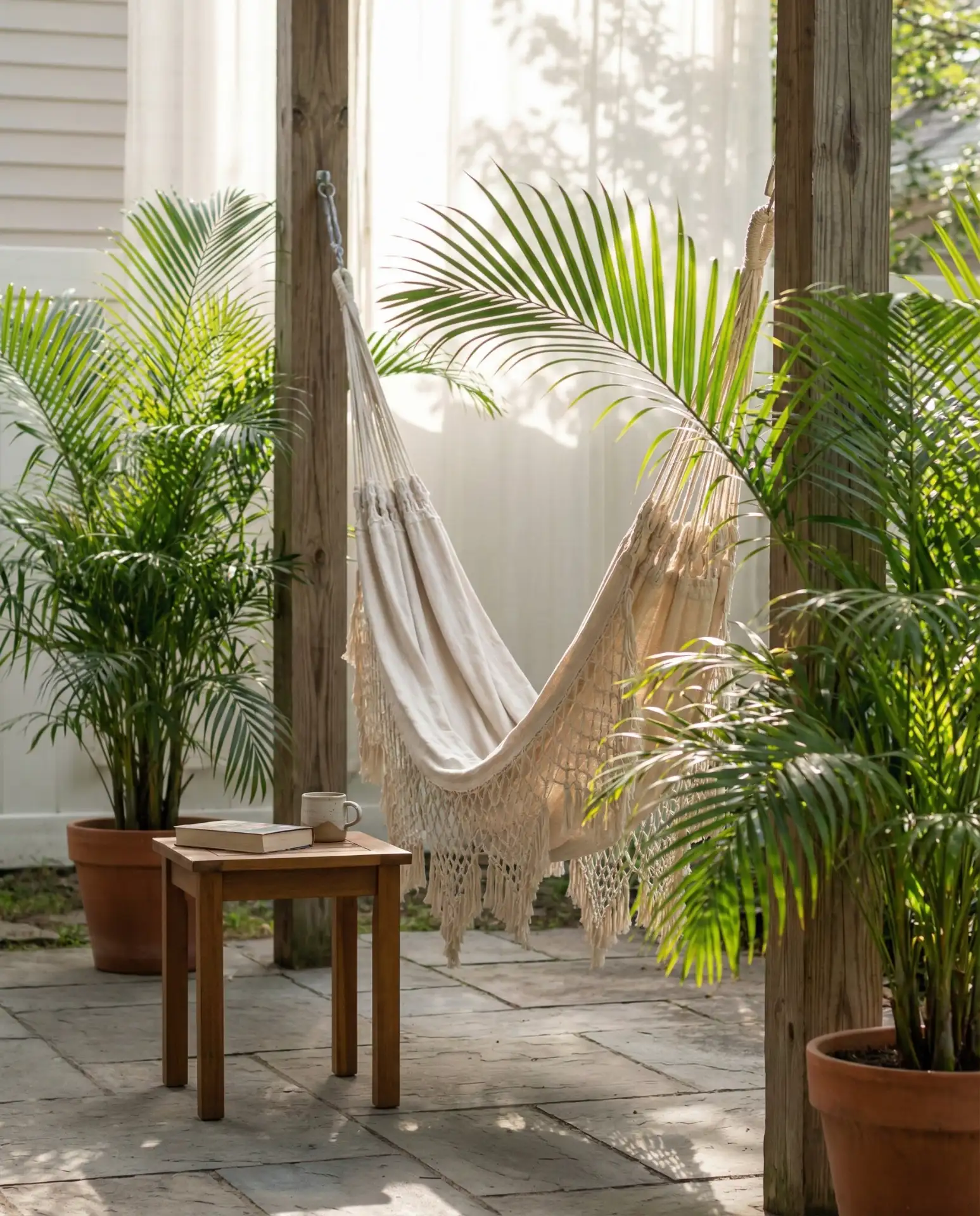
Carve out a shady corner by stringing a hammock between two trees or posts and flanking it with tall potted palms for a tropical escape vibe. This setup requires minimal square footage but delivers maximum relaxation. The palms add height and movement, their fronds rustling in the breeze while you read or nap. It’s a low-commitment way to test a tropical aesthetic without replanting your entire yard, and the hammock itself can be taken down for winter storage in colder regions.
Real homeowner behavior: once a hammock goes up, it becomes the most-used spot in the yard, especially on weekends. Position it away from foot traffic so it feels like a true retreat. If you don’t have trees, install heavy-duty posts sunk deep into the ground or invest in a freestanding hammock stand. The potted palms can be real or high-quality faux—either way, they frame the space and create that vacation-at-home feeling that’s become a hallmark of 2026 backyard design.
7. Fire Pit Seating with Woven Poufs
Circle a fire pit with low woven poufs instead of traditional chairs for a relaxed, bohemian seating arrangement. The poufs are lightweight, easy to move, and add texture that complements natural stone or metal fire bowls. This layout encourages conversation and works beautifully for summer gatherings where formality takes a backseat to comfort. Choose weather-resistant fabrics in neutral tones or colorful patterns, and toss a few outdoor cushions into the mix for extra back support. 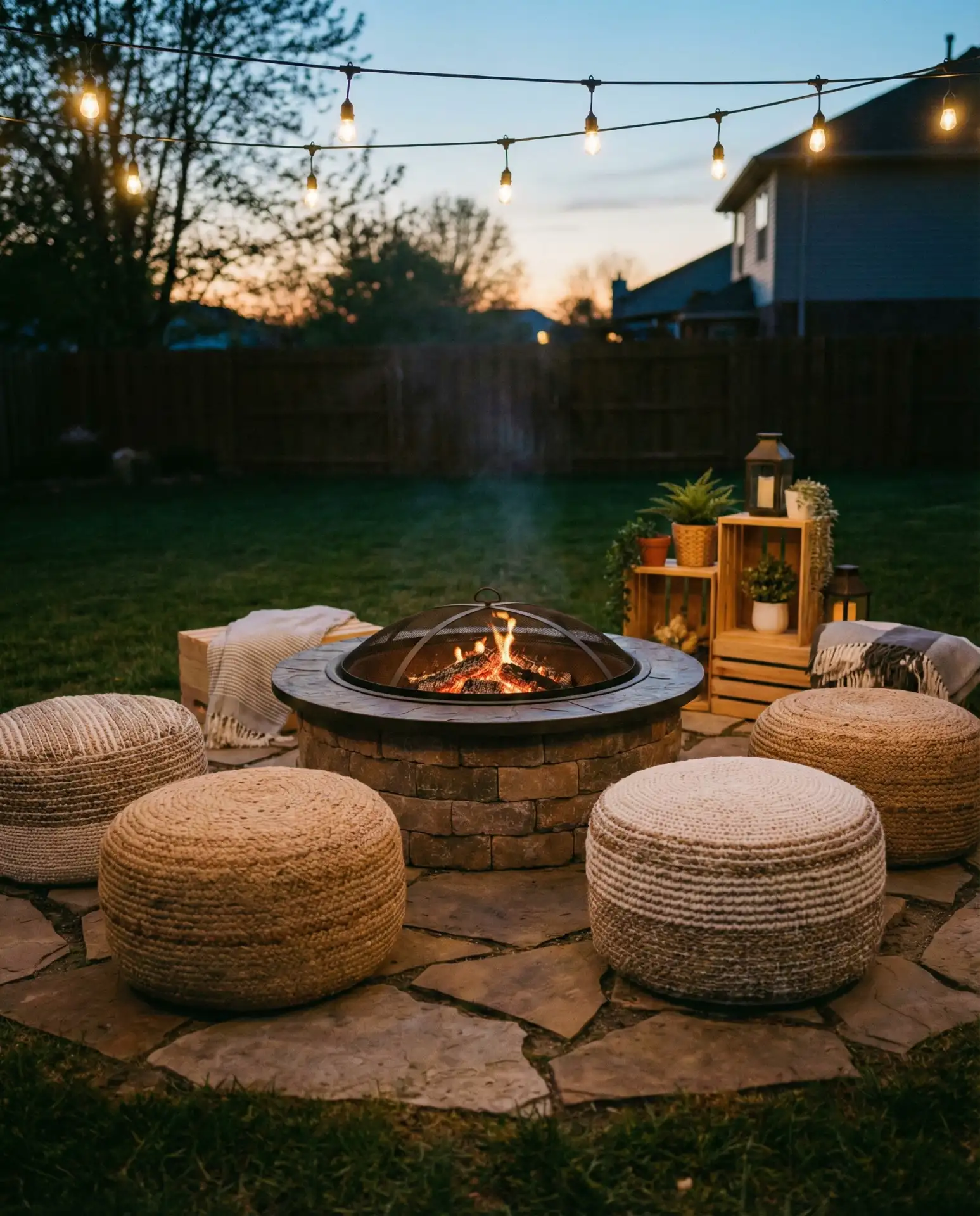
Practical insight: poufs work best on level surfaces like concrete patios or compacted gravel—they’re less stable on grass. Store them indoors or under cover when not in use to prevent mildew. This seating style is especially popular in the Southwest and Southern California, where outdoor living happens year-round and homeowners favor casual, modular furniture. The fire pit becomes the anchor, and the poufs create a flexible perimeter that adapts to groups of any size.
8. Climbing Vines on Metal Trellis Archway
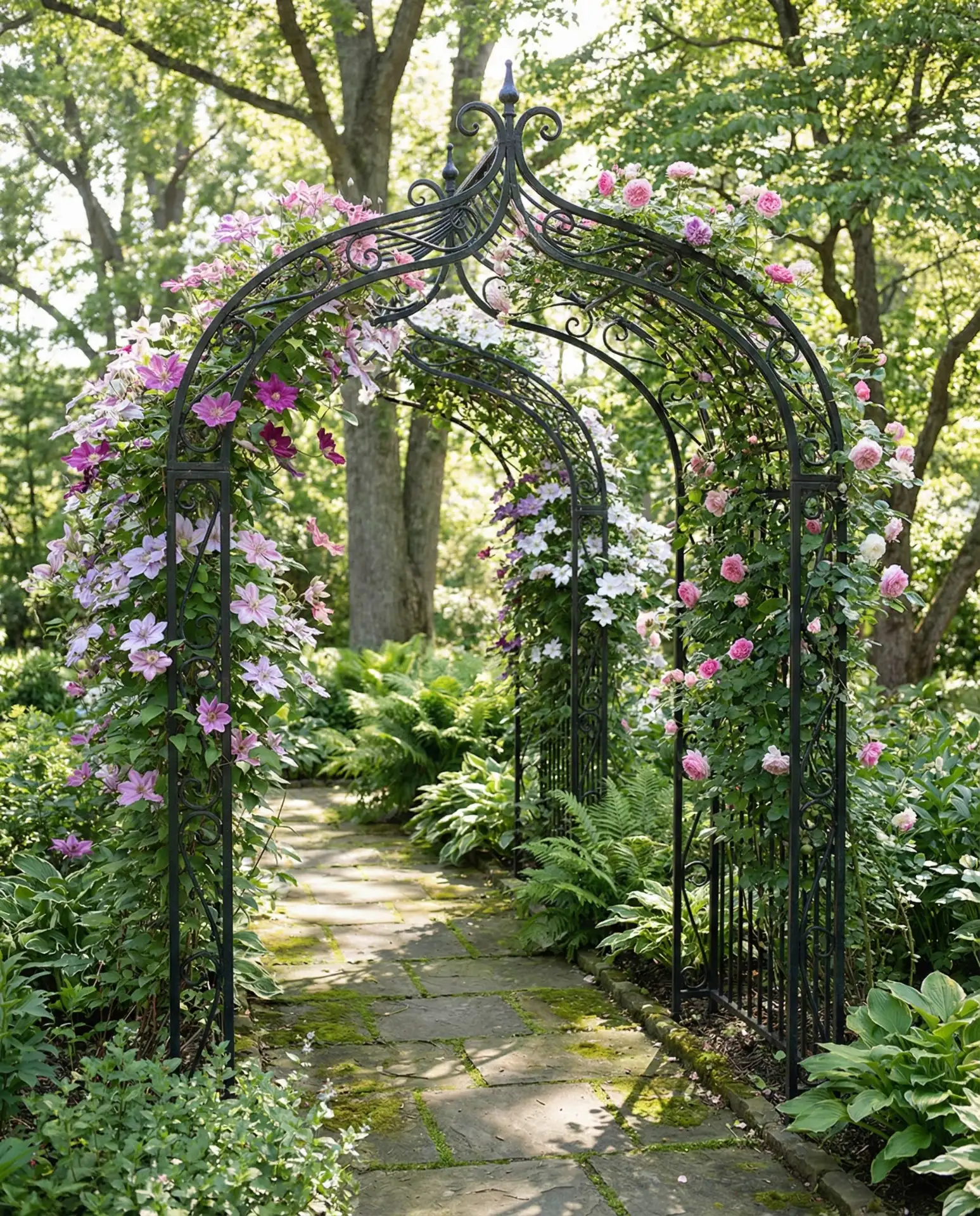
Install a freestanding metal trellis archway along a garden path or near an entry gate, then train climbing plants like clematis, jasmine, or honeysuckle to grow over it. The structure provides instant vertical interest while the vines fill in over weeks and months, creating a living canopy. It’s a gardening project that rewards patience, and the payoff is a romantic, almost storybook entryway. In summer, the archway blooms with color and fragrance, making every walk through the yard feel special.
American lifestyle context: arched trellises fit seamlessly into both cottage-style gardens and modern landscapes, depending on the material and plantings you choose. In the Northeast and Pacific Northwest, where growing seasons are generous, vines establish quickly. In drier climates, opt for drought-tolerant climbers like bougainvillea or trumpet vine. The archway marks a transition in the yard—from patio to garden, or lawn to seating area—giving the space a designed, intentional flow that elevates the entire backyard experience.
9. Outdoor Bar Cart Styled for Entertaining
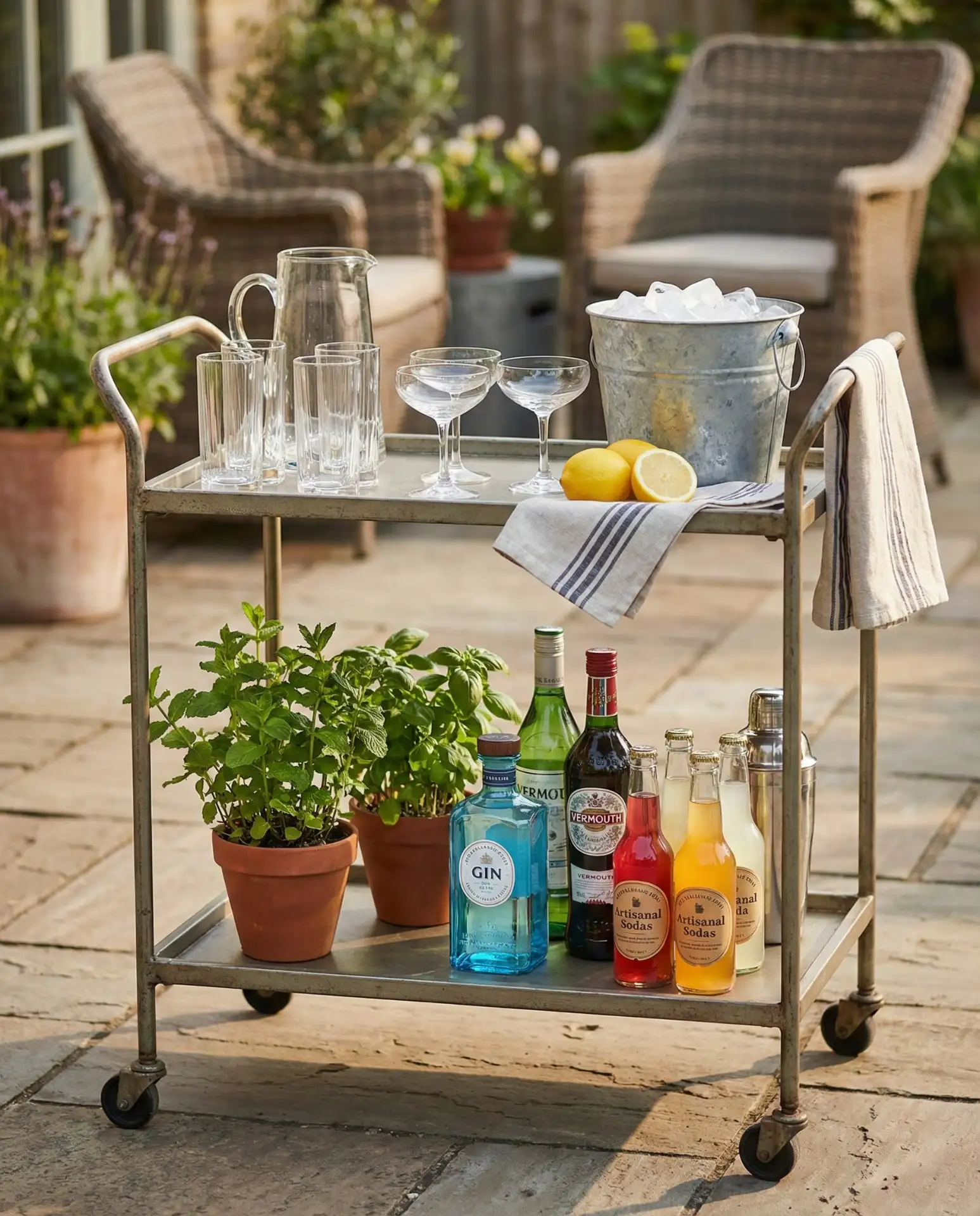
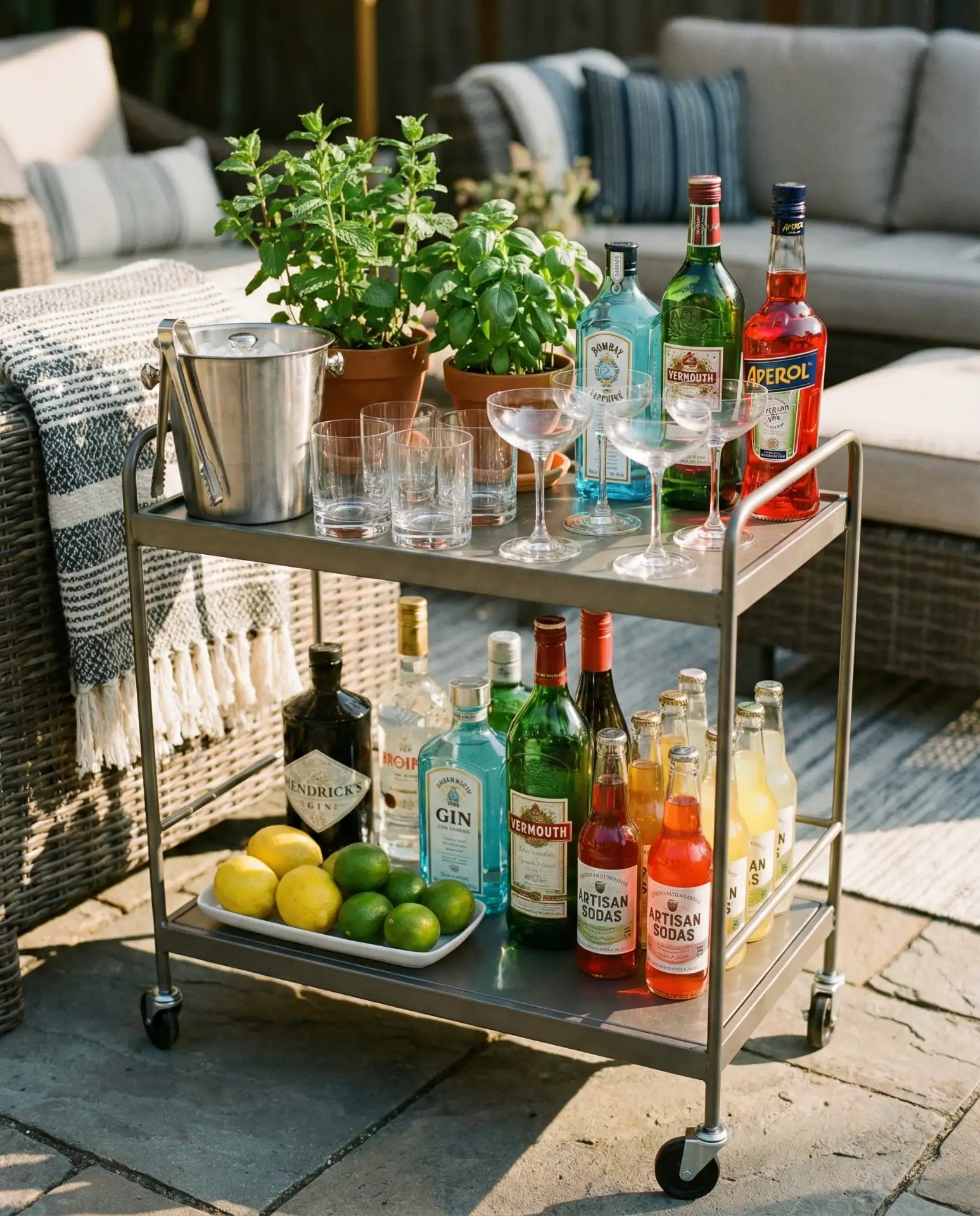
A wheeled bar cart stationed on the patio becomes a mobile hub for party drinks and snacks, keeping the flow easy when you’re hosting. Style the cart with glassware, a small ice bucket, fresh herbs for garnishes, and a few bottles of your go-to beverages. The mobility means you can roll it near the grill, the dining table, or the pool depending on where guests gather. It’s a small investment that makes entertaining feel effortless, and it doubles as decor when not in use—just keep it stocked with colorful bottles or potted succulents. 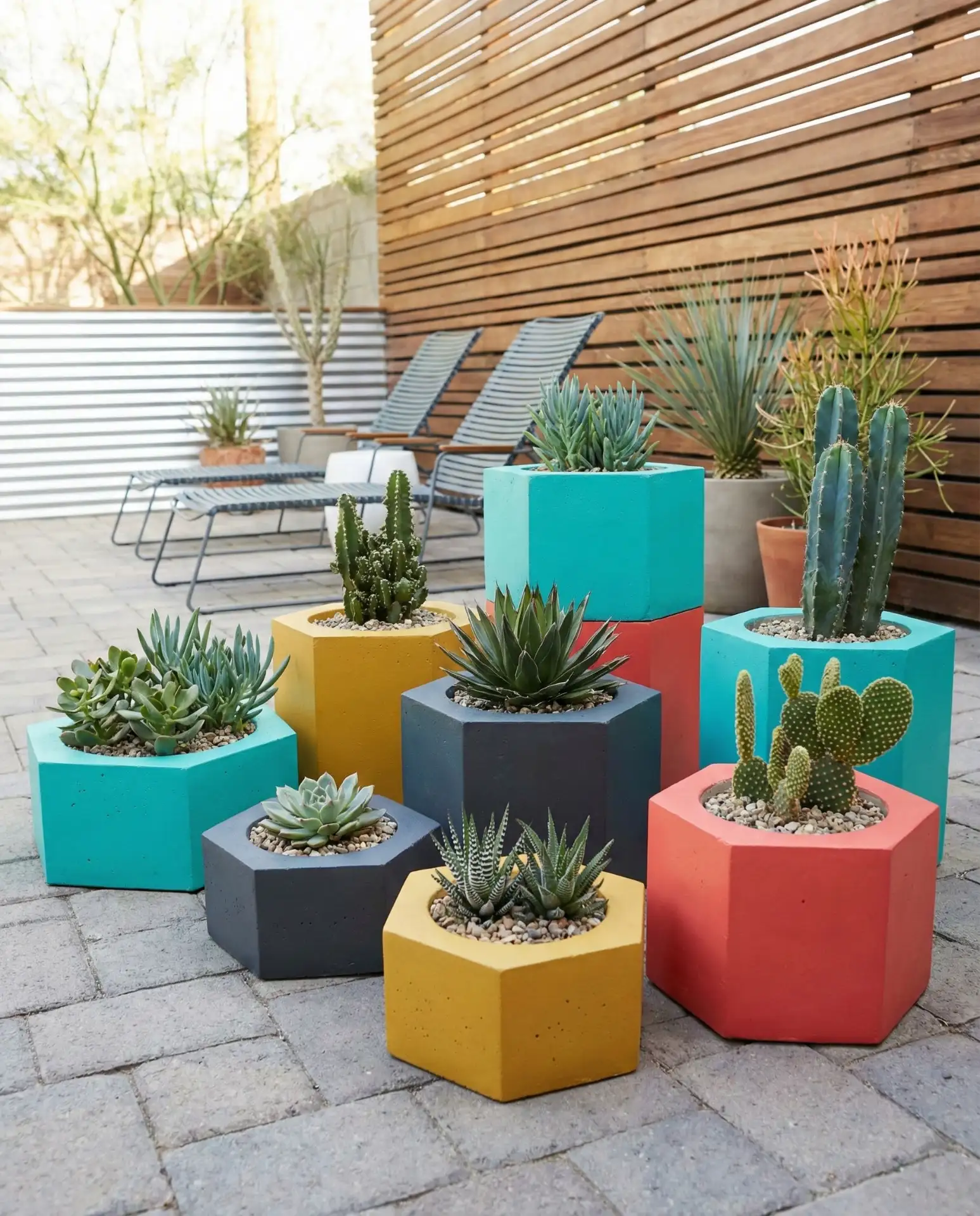
Expert-style commentary: the best outdoor bar carts have two or three tiers and wheels that lock for stability. Look for powder-coated metal finishes that won’t rust, and avoid carts with overly delicate details that can’t handle the elements. Position the cart under an overhang or patio umbrella to protect glassware and perishables. This setup has become a staple in backyards from Texas to New York, where the culture of outdoor entertaining thrives and homeowners want their spaces to feel like extensions of their kitchens.
10. DIY Painted Concrete Planters in Geometric Shapes
Pour your own concrete planters in geometric molds, then paint them in contrasting colors for a custom look that’s both modern and budget-friendly. This DIY project takes a weekend—mixing concrete, pouring into silicone or cardboard molds, letting it cure, then painting with exterior-grade acrylic. The geometric shapes—hexagons, cubes, cylinders—add sculptural interest, and the painted finish lets you coordinate with your overall backyard palette. Group them in odd numbers for a dynamic yard decor arrangement. 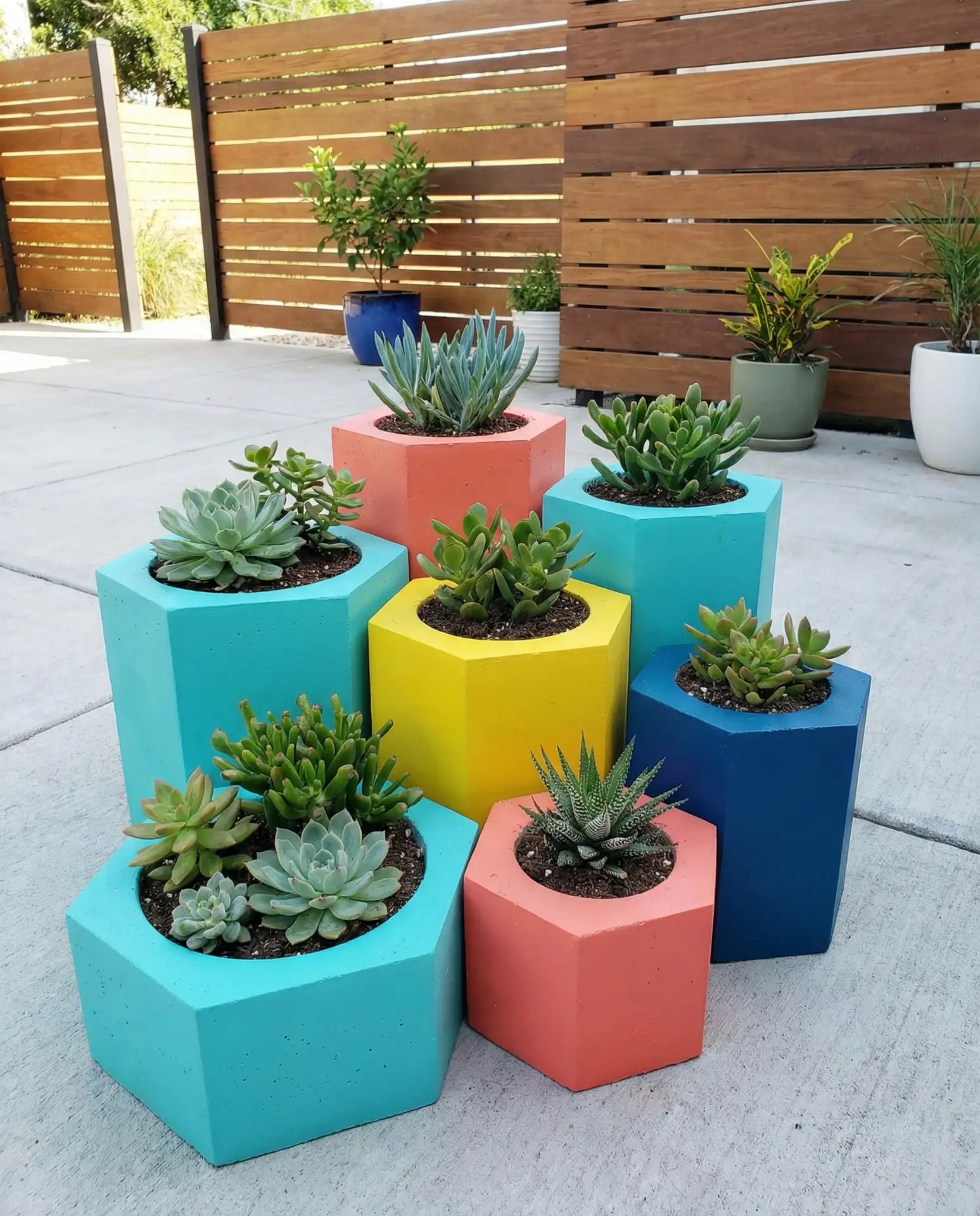
Common mistakes and how to avoid them: skipping the sealer is the biggest error—unsealed concrete absorbs water and cracks in freeze-thaw cycles. After painting, apply a clear concrete sealer to protect the finish. Also, make sure drainage holes are drilled or cast into the bottom; waterlogged roots kill plants fast. This project is trending on Pinterest because it looks high-end but costs under $50 in materials. Plus, the custom colors mean you can match your furniture, cushions, or even your house trim for a cohesive design story.
11. Bistro Set Under Shade Sail
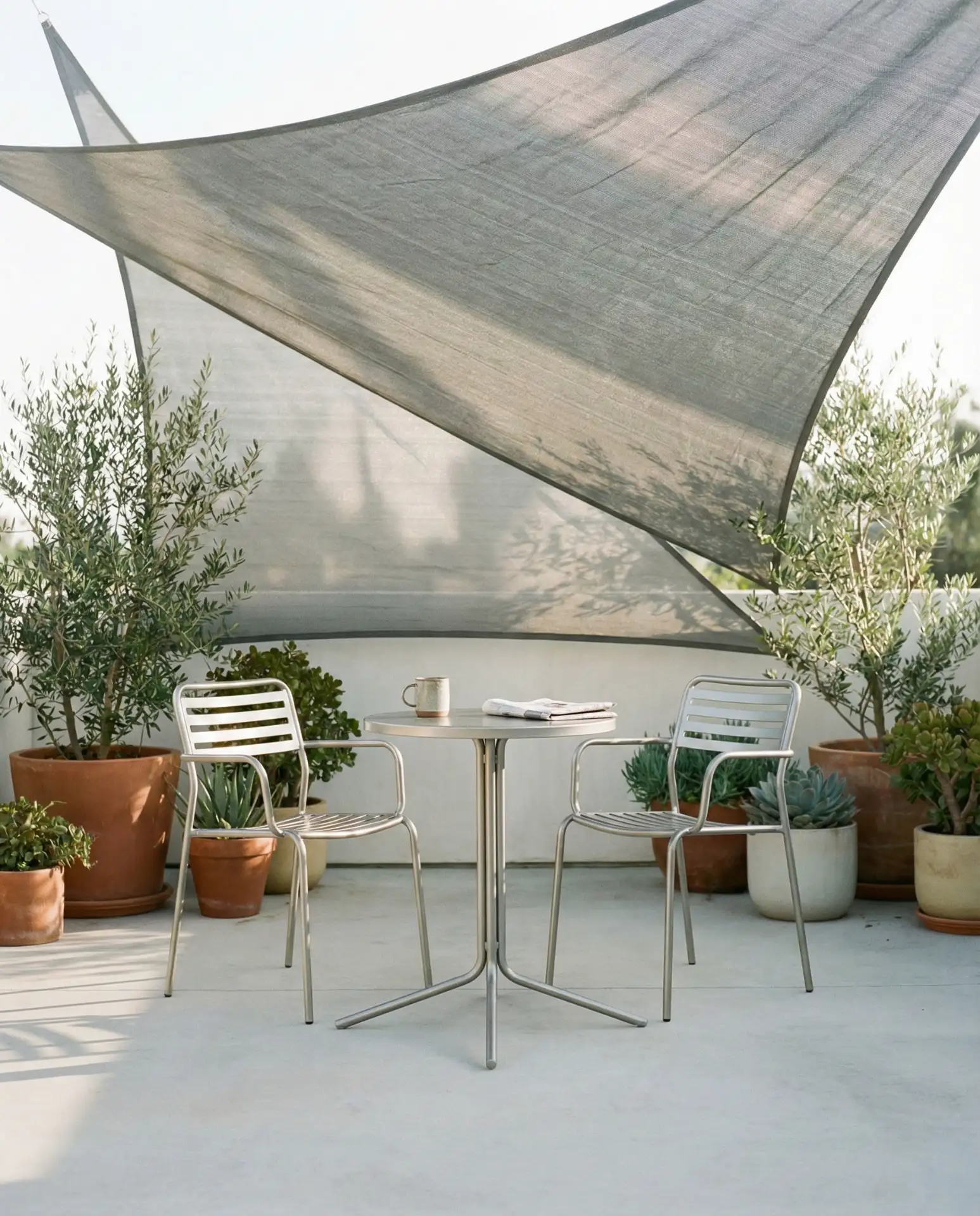
Anchor a simple metal bistro set under a triangular shade sail for a streamlined breakfast or coffee nook. The sail provides UV protection without the bulk of a pergola, and its angled form adds a contemporary edge to traditional patio furniture. Choose a neutral canvas or go bold with a blue or gray sail that ties into your decor. This setup is ideal for small backyards or narrow side yards where square footage is tight but the desire for outdoor dining is strong. 
Where it works best: urban backyards in sunbelt cities like Phoenix, Austin, or Los Angeles, where shade is a necessity rather than a nice-to-have. The sail’s tension and angle can be adjusted to block sun at different times of day, and installation is straightforward—mount to fence posts, house siding, or freestanding poles. When summer heat peaks, this shaded corner becomes the only comfortable spot outside, making it worth the investment in quality hardware and UV-resistant fabric.
12. Hanging Macramé Planters Along Fence Line
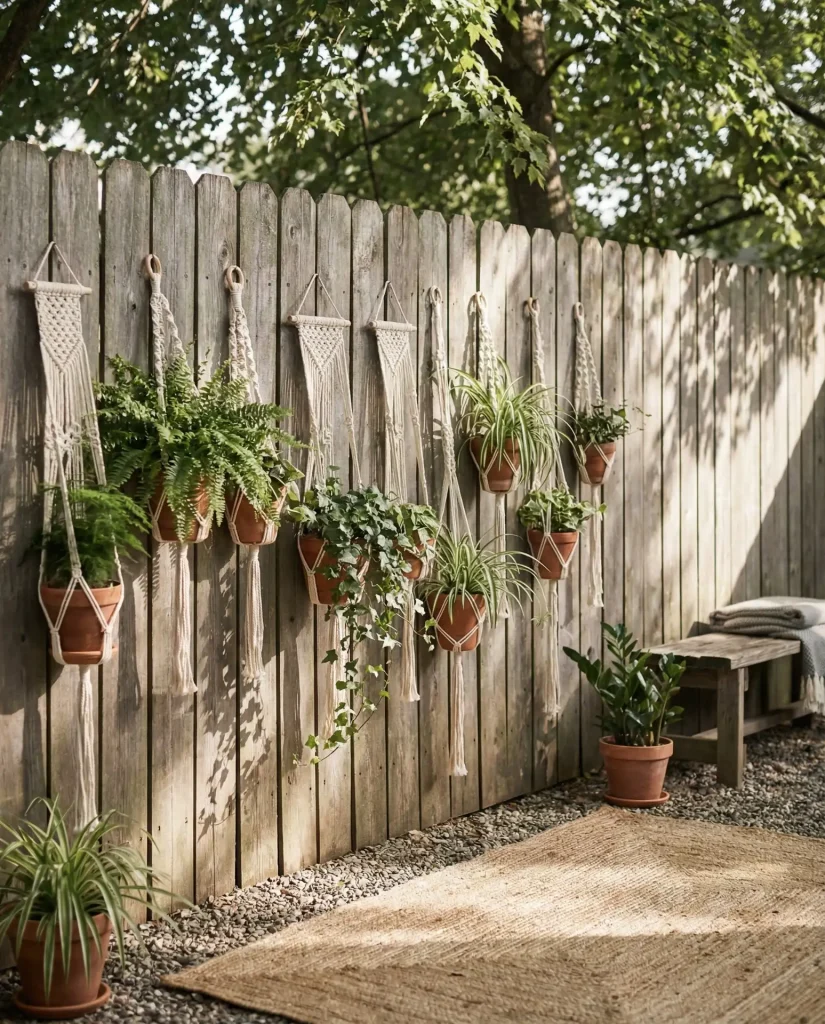
Line a wooden fence with hanging macramé planters filled with trailing plants like pothos, string of pearls, or ivy. The woven holders add texture and soften the hard lines of a standard fence, creating a vertical garden that doesn’t take up ground space. This approach works in narrow yards or along property lines where privacy and beauty intersect. The bohemian vibe pairs well with natural wood tones and casual seating areas, and the plants help filter noise and dust from neighboring properties. 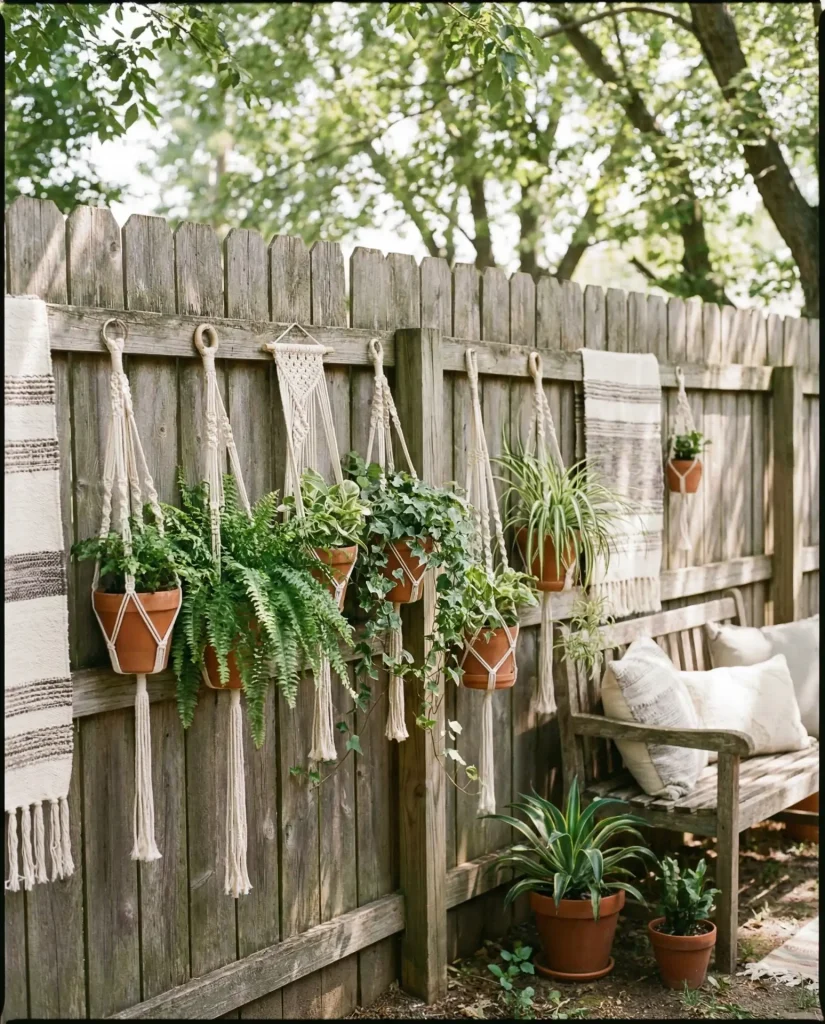
Micro anecdote: a friend installed these along her narrow side yard and said it transformed a forgotten strip into her favorite view from the kitchen window. The key is choosing the right plants for your light conditions—full sun scorches delicate foliage, so opt for succulents or sun-loving herbs if the fence gets blasted all afternoon. Space the hangers evenly and vary the lengths slightly to avoid a regimented look. Water weekly, and mist trailing plants to keep them lush and full.
13. Gravel Lounge Area with Low Platform Seating
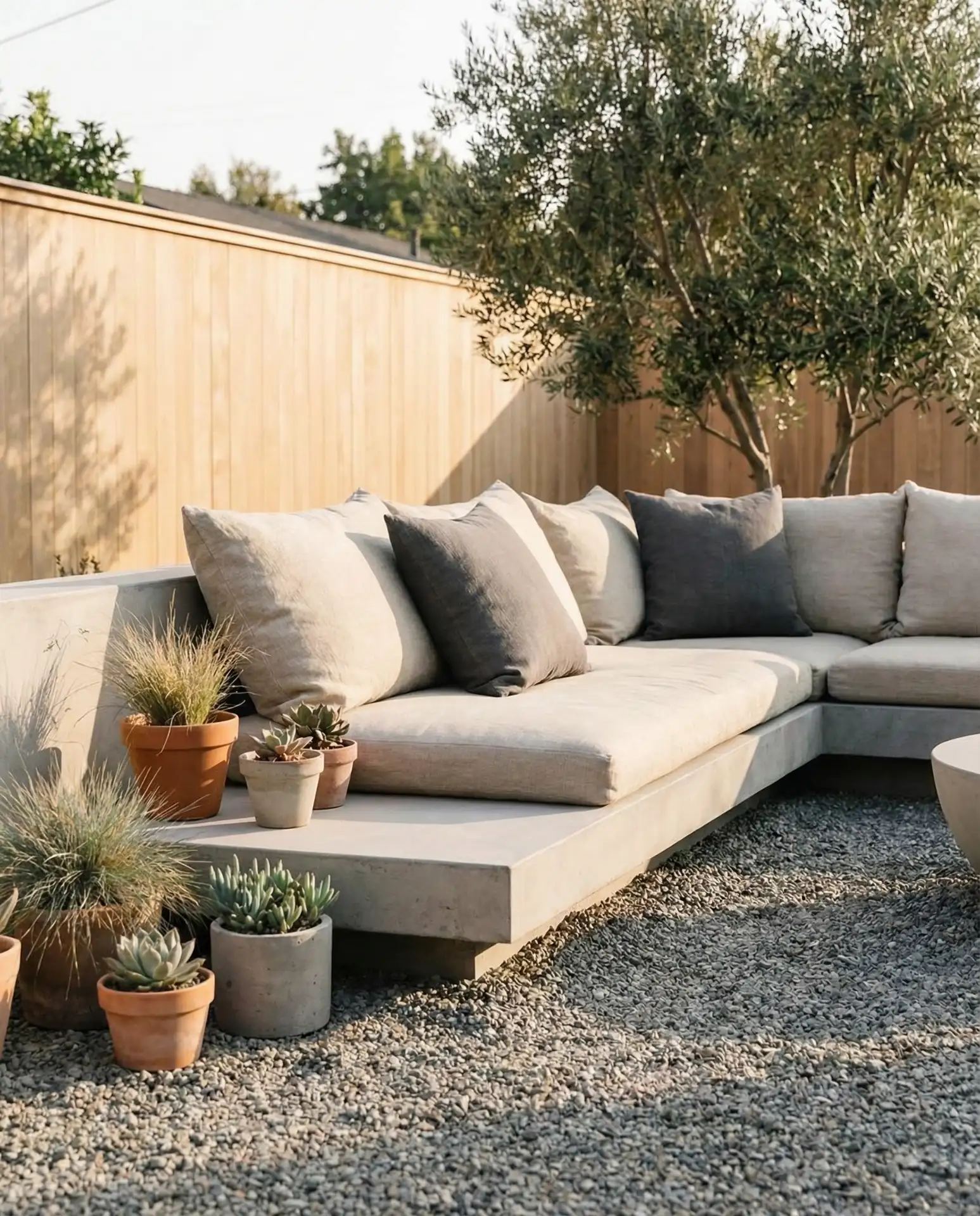
Replace a section of lawn with compacted gravel and place low, modern platform seating directly on top for a minimalist lounge zone. The gravel eliminates maintenance while providing excellent drainage, and the low furniture profile keeps sight lines open. Add oversized cushions, a low coffee table, and a few potted plants to soften the edges. This look is especially popular in drought-prone regions where lawns are being phased out in favor of sustainable, water-wise landscapes. 
Regional context: in California, Arizona, and New Mexico, gravel and decomposed granite are becoming the go-to base materials for outdoor living spaces. They’re affordable, eco-friendly, and they don’t turn to mud in rain. Edge the gravel with steel or stone borders to keep it contained, and lay landscape fabric underneath to suppress weeds. The low seating encourages lounging and works well for informal gatherings where people want to sit, recline, or sprawl out under the stars.
14. Outdoor Movie Screen with Floor Cushion Seating
String a white sheet or hang a portable projector screen between trees or posts, then scatter floor cushions and blankets on the lawn for a backyard movie night setup. This is peak summer entertainment—low-cost, high-impact, and perfect for birthday party events or casual weekend hangouts. Add battery-powered lanterns for ambient lighting, and keep snacks on a nearby folding table. The experience feels nostalgic and communal, and it’s one of those awesome ideas that gets requested on repeat once you do it once. 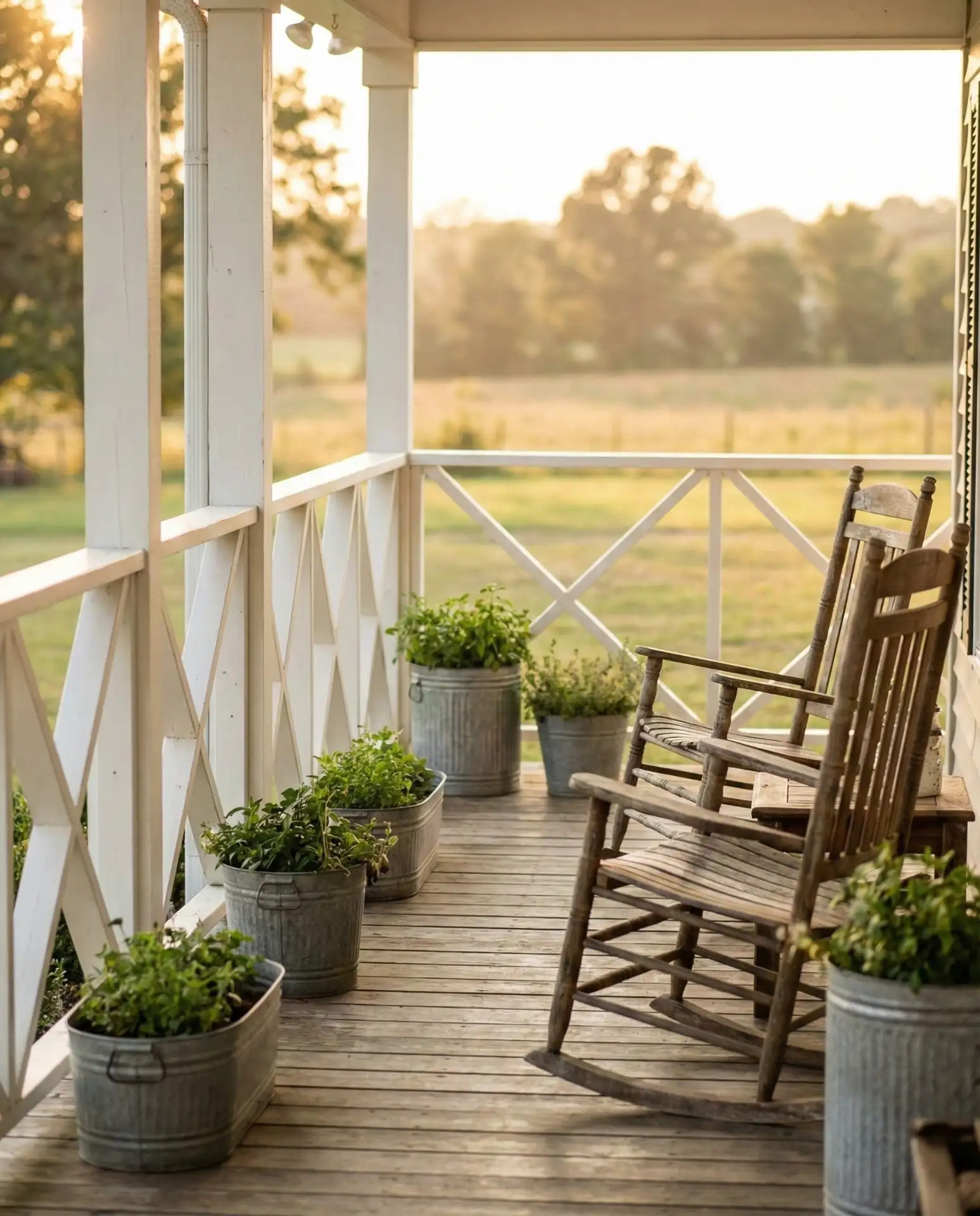
Practical insight: invest in a decent portable projector—budget models under $150 work fine for casual viewing, but image quality jumps significantly at the $300 mark. Position the projector far enough from the screen to fill the frame without distortion, and start movies once it’s fully dark for the best contrast. If you live in a neighborhood with ambient light, darker screens work better than white sheets. Store everything in a bin so setup takes minutes, not hours.
15. Succulent Wall Art in Reclaimed Frame
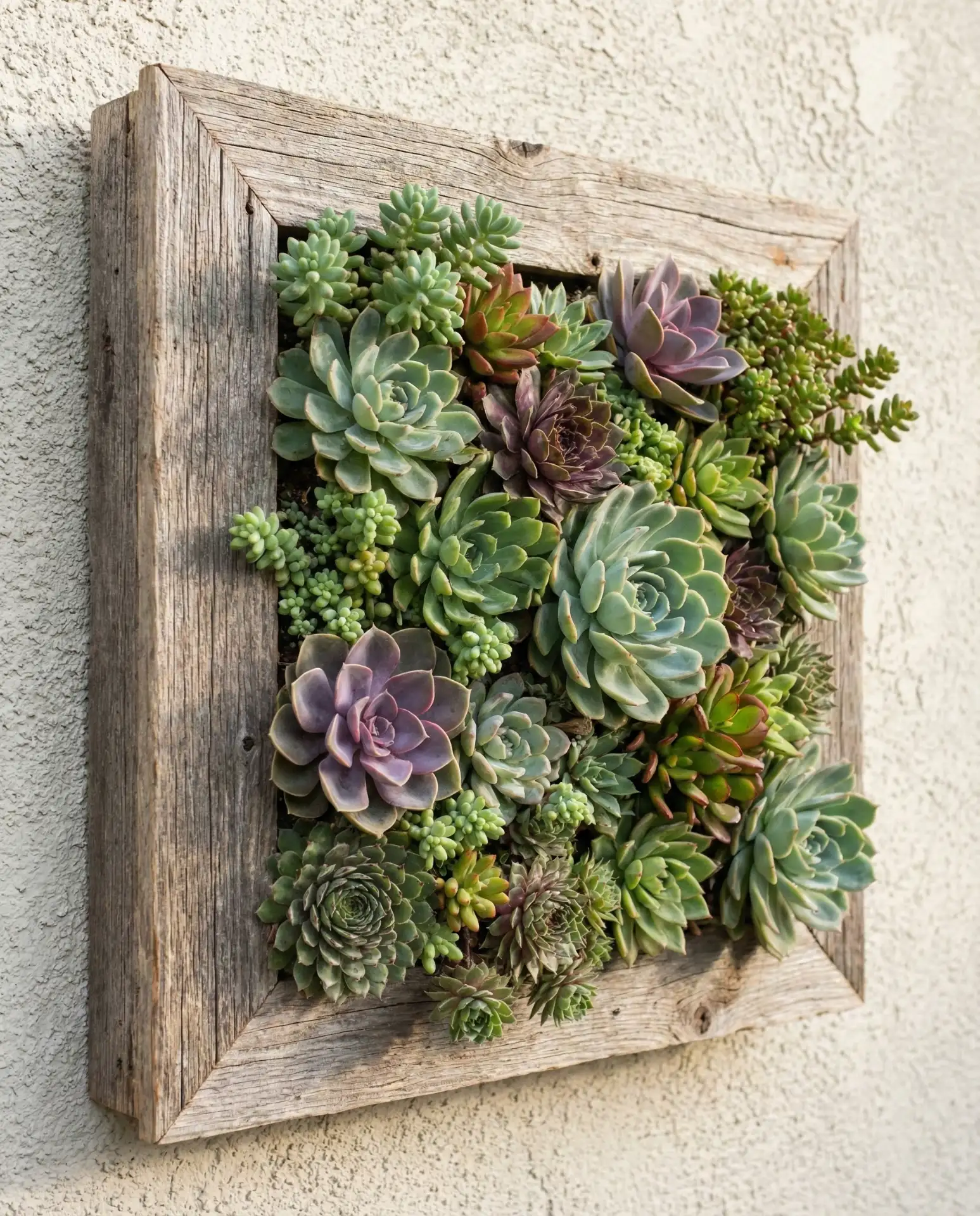
Mount a shallow reclaimed wooden frame to an exterior wall, fill it with soil and chicken wire backing, then plant a living succulent arrangement that functions as vertical art. This DIY project merges gardening and decor, turning a plain wall into a focal point. Succulents are ideal because they tolerate vertical planting, require minimal water, and stay compact. The frame can lean against a fence or hang on a shed, and the composition changes subtly as plants grow and shift color through the seasons. 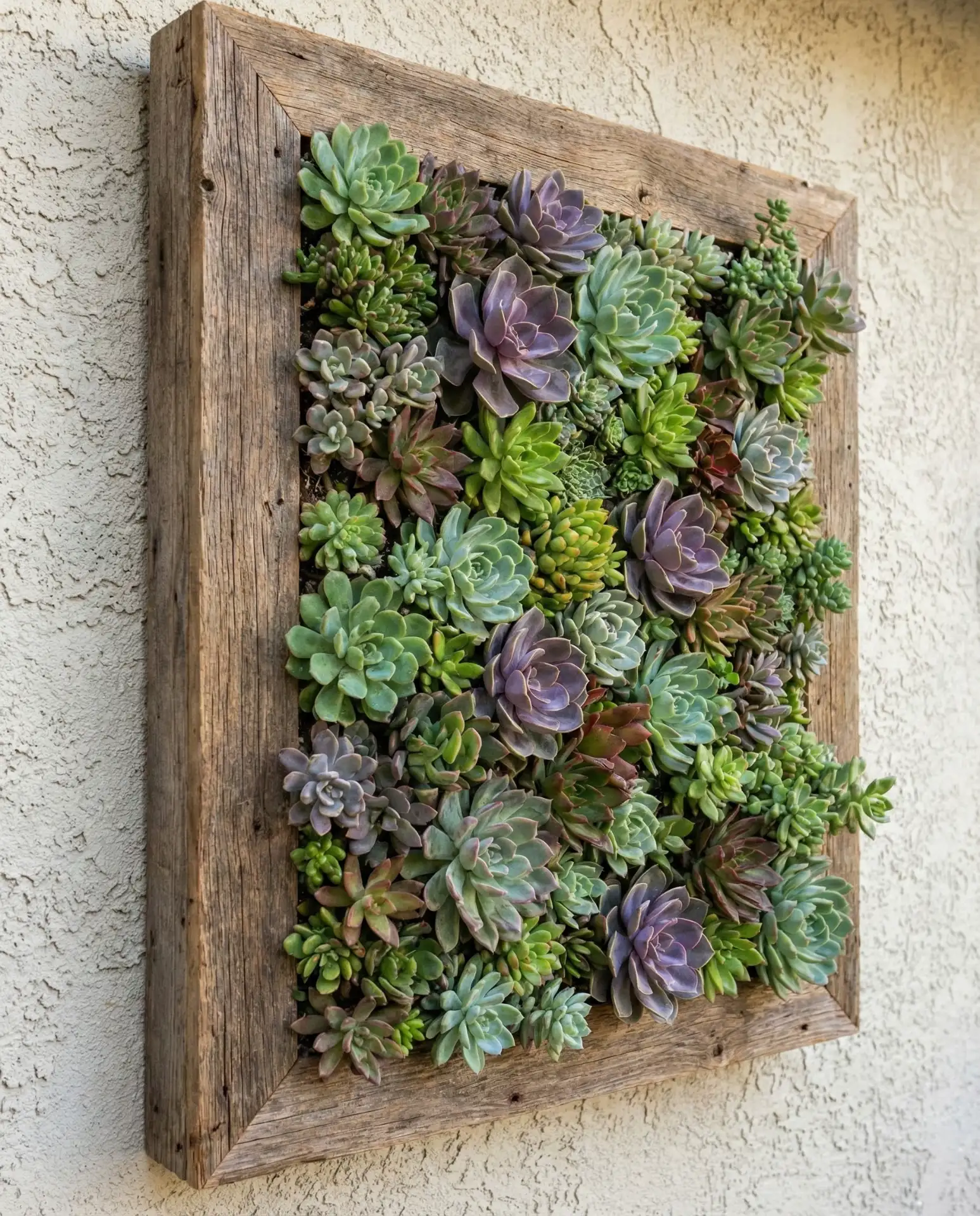
A homeowner in San Diego built one of these and said the biggest challenge was keeping it level during installation—use a level and sturdy wall anchors rated for outdoor use. Water the frame by misting or laying it flat every two weeks, depending on your climate. In hot, arid zones, succulents thrive with this setup. In humid areas, choose varieties that tolerate moisture better. Either way, the result is a piece of living art that requires far less upkeep than a traditional flower bed.
16. Covered Pergola with Draping Fabric Panels
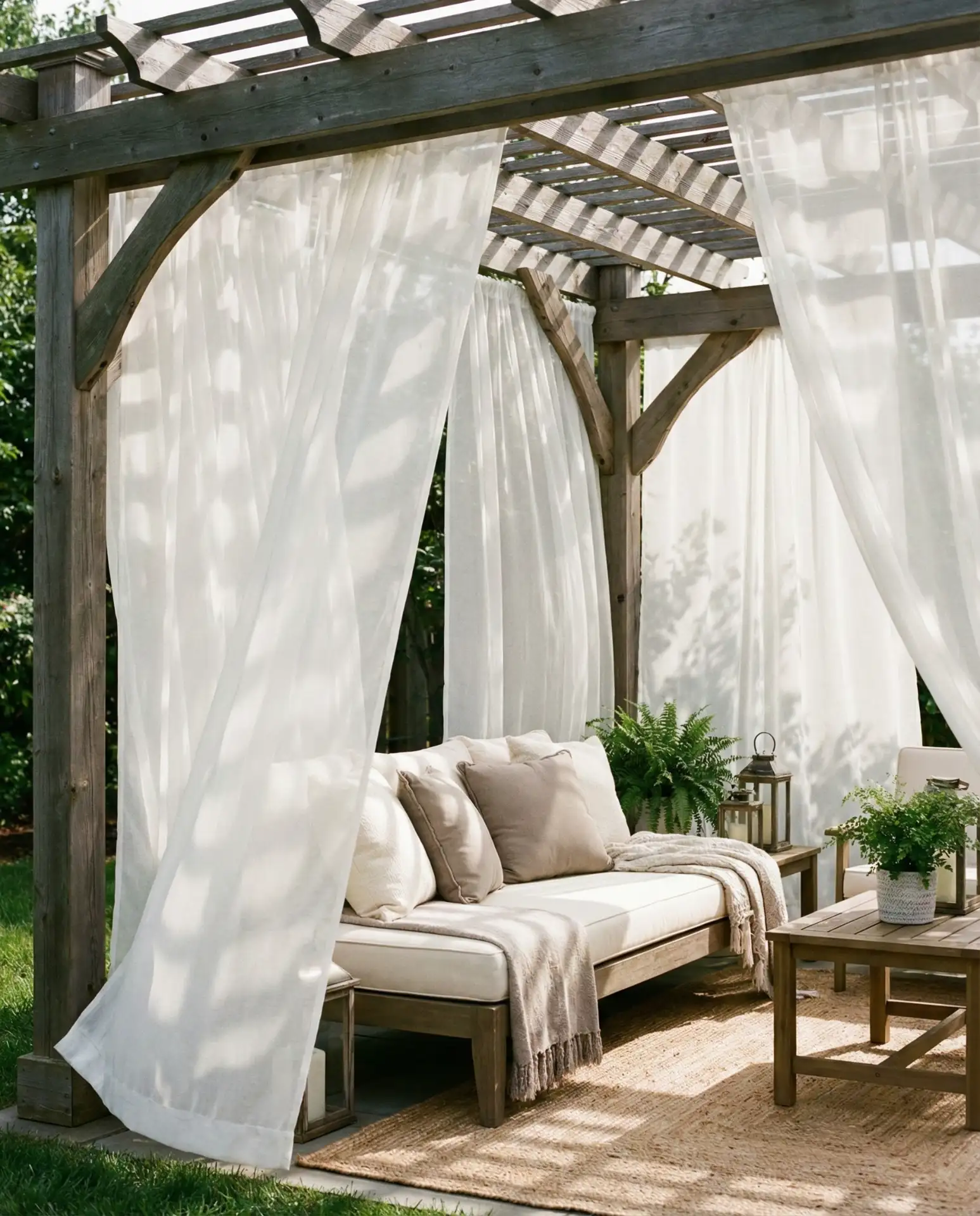
Soften a standard pergola by draping sheer outdoor fabric panels across the top beams, letting them billow gently in the breeze. This technique adds privacy, filters harsh sunlight, and creates an ethereal, almost wedding-like atmosphere. Choose weather-resistant fabric in white, cream, or soft pastels, and use curtain rods or tension cables to secure the panels. The effect is romantic without being fussy, and it transforms a basic structure into a destination spot for morning coffee or evening wine. 
Budget angle: outdoor fabric can run $15–$30 per yard, but you need less than you think—one 8-foot panel per beam usually does the job. Hem the edges or use fabric glue to prevent fraying, and take panels down during heavy storms to extend their life. This setup is especially popular in the South and Midwest, where pergolas are already common and homeowners are looking for simple upgrades that make a big visual impact without renovation costs.
17. Stacked Stone Water Feature with Solar Pump
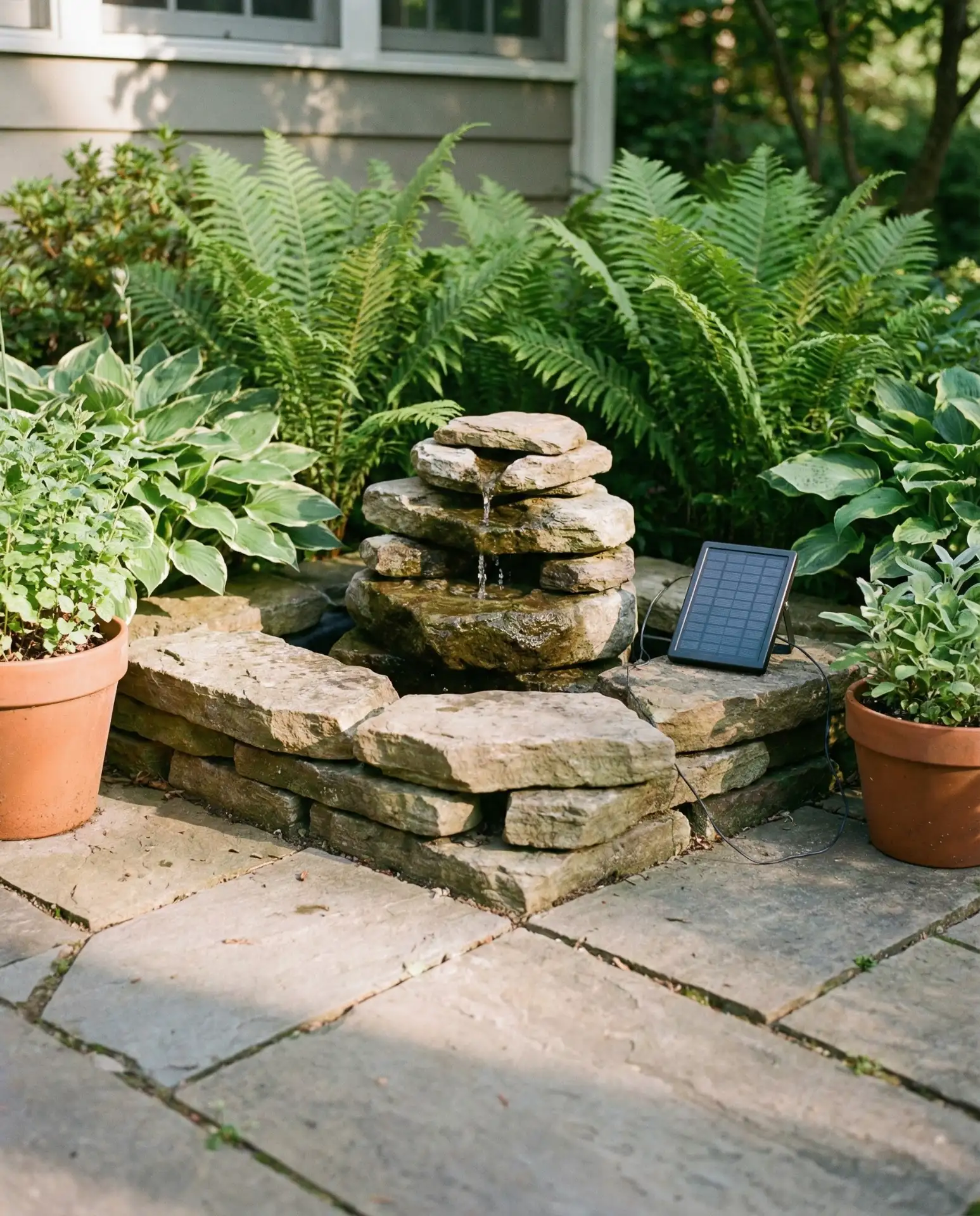
Build a small stacked stone water feature using flat rocks and a solar-powered fountain pump for gentle, meditative sound. The pump requires no wiring, making this a true DIY project that can be completed in an afternoon. Position the feature near a seating area where the sound of trickling water becomes a backdrop for relaxation. The stones can be sourced from landscaping suppliers or even collected on hikes, and the pump circulates water through a hidden reservoir at the base. 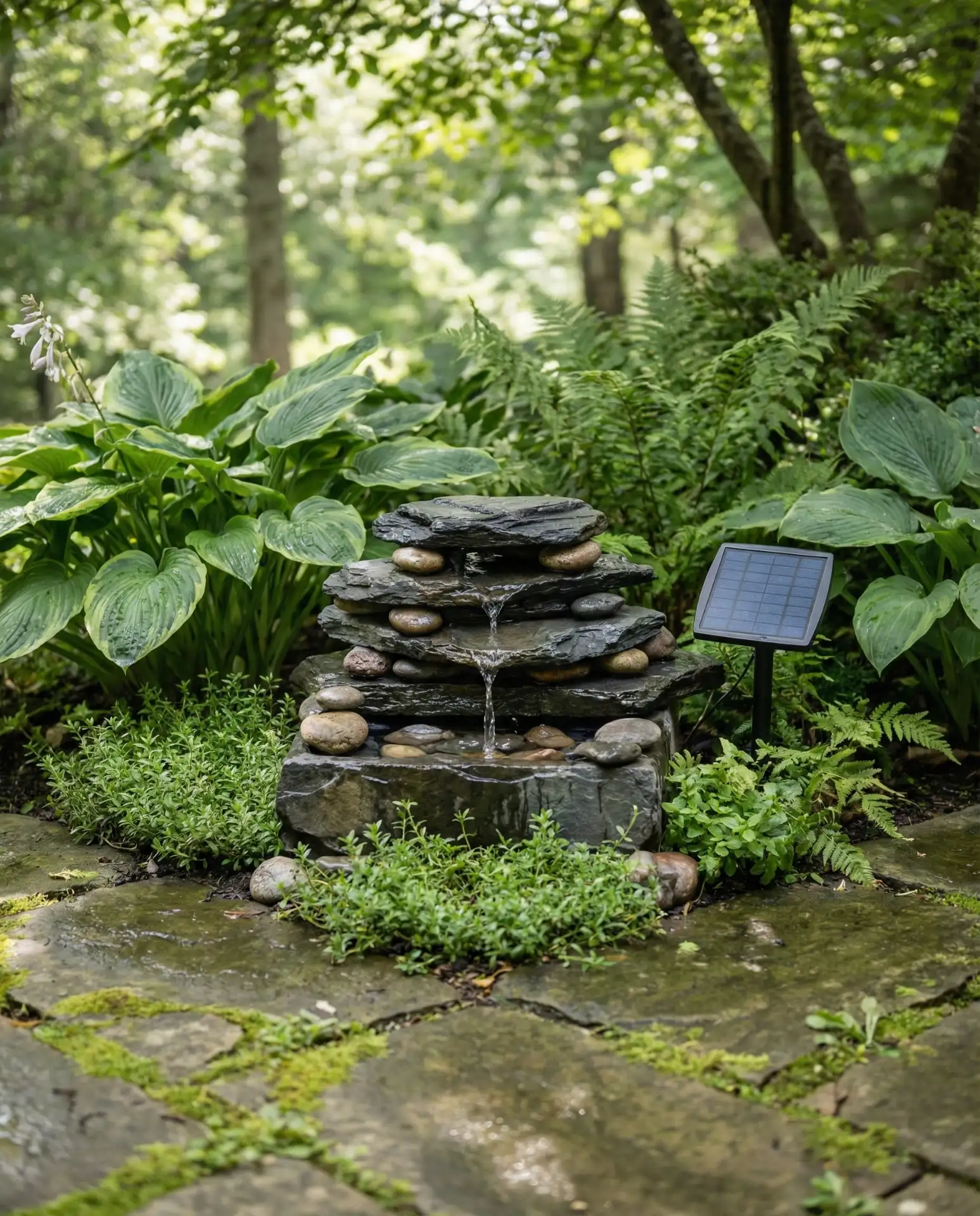
Expert commentary: solar pumps work best in full sun—aim for at least six hours of direct light daily. If your yard is heavily shaded, consider a plug-in pump instead. The water reservoir should be topped off weekly in hot weather, and the pump filter needs occasional cleaning to prevent clogging. This feature works in any regional style, from desert xeriscapes to lush cottage gardens, because the stone adapts to surrounding aesthetics. The sound masks neighborhood noise and creates a sense of sanctuary even in suburban settings.
18. Repurposed Ladder as Plant Stand
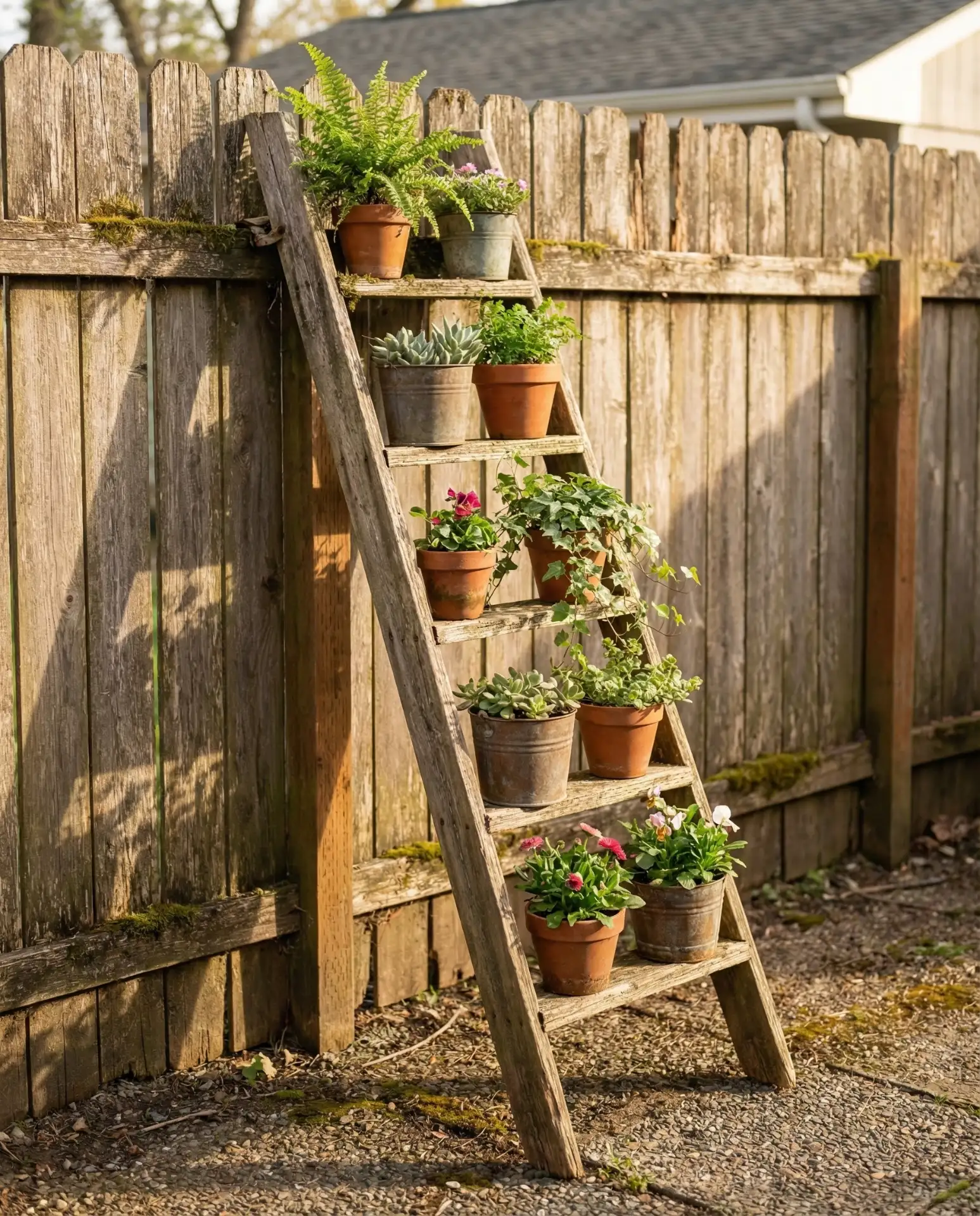
An old wooden ladder propped against a fence becomes a tiered display for potted plants, each rung holding a different variety. This DIY approach adds vertical interest and makes use of something you might already own or can find cheaply at estate sales. Paint the ladder to match your decor, or leave it weathered for rustic charm. It’s a flexible solution that lets you rearrange pots seasonally—swap in blooming annuals during summer, then switch to evergreens or decorative branches in fall and winter. 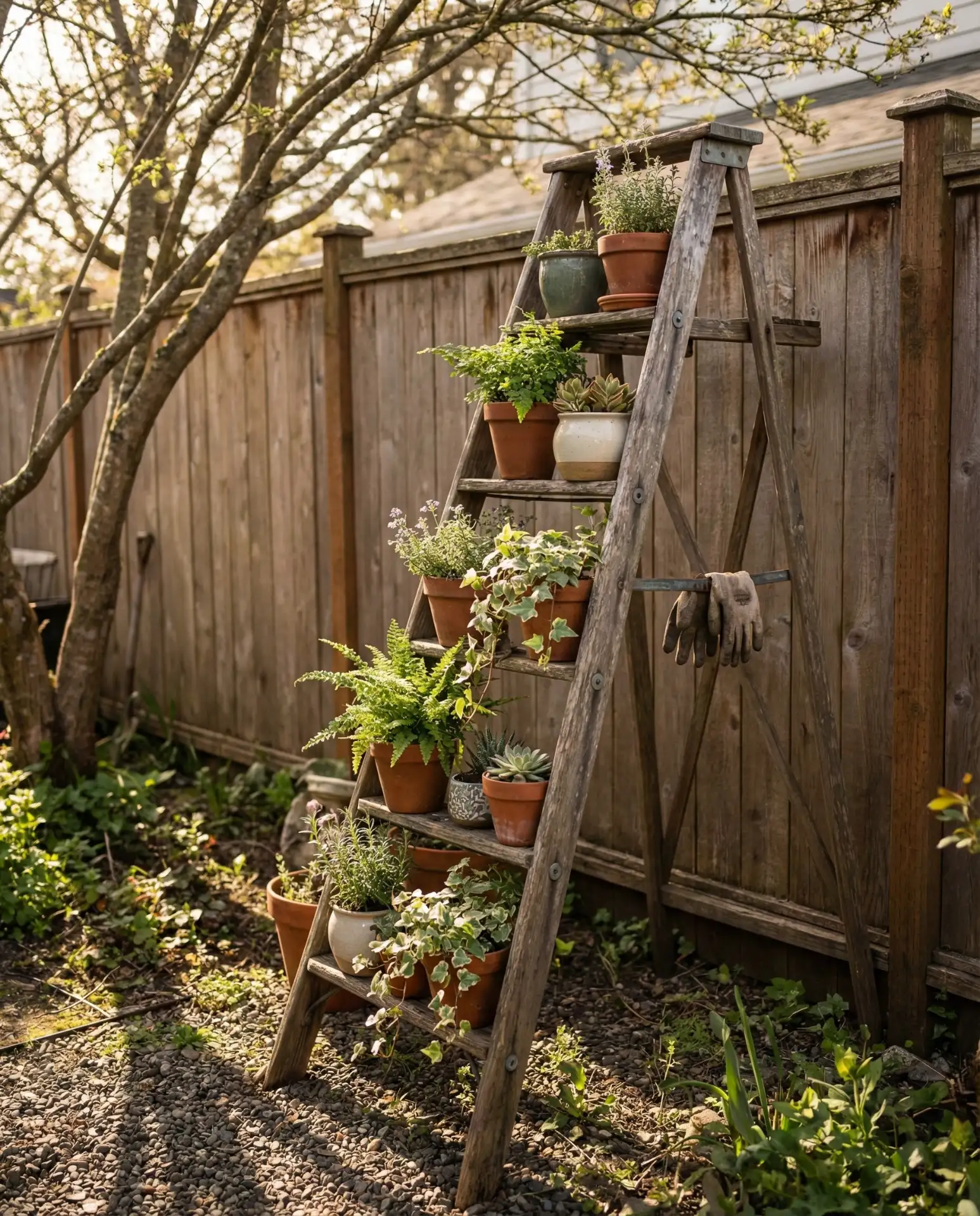
Real homeowner behavior: ladders get moved around the yard more than you’d expect—from patio to garden bed to side yard—depending on where sun and visual interest are needed. Secure the base with stakes if it’s in a windy area, and avoid overloading the top rungs with heavy pots. This idea resonates on Pinterest because it’s both practical and photogenic, offering a solution to the age-old question of what to do with vertical space in a small backyard.
19. Black and White Patterned Tile Inlay
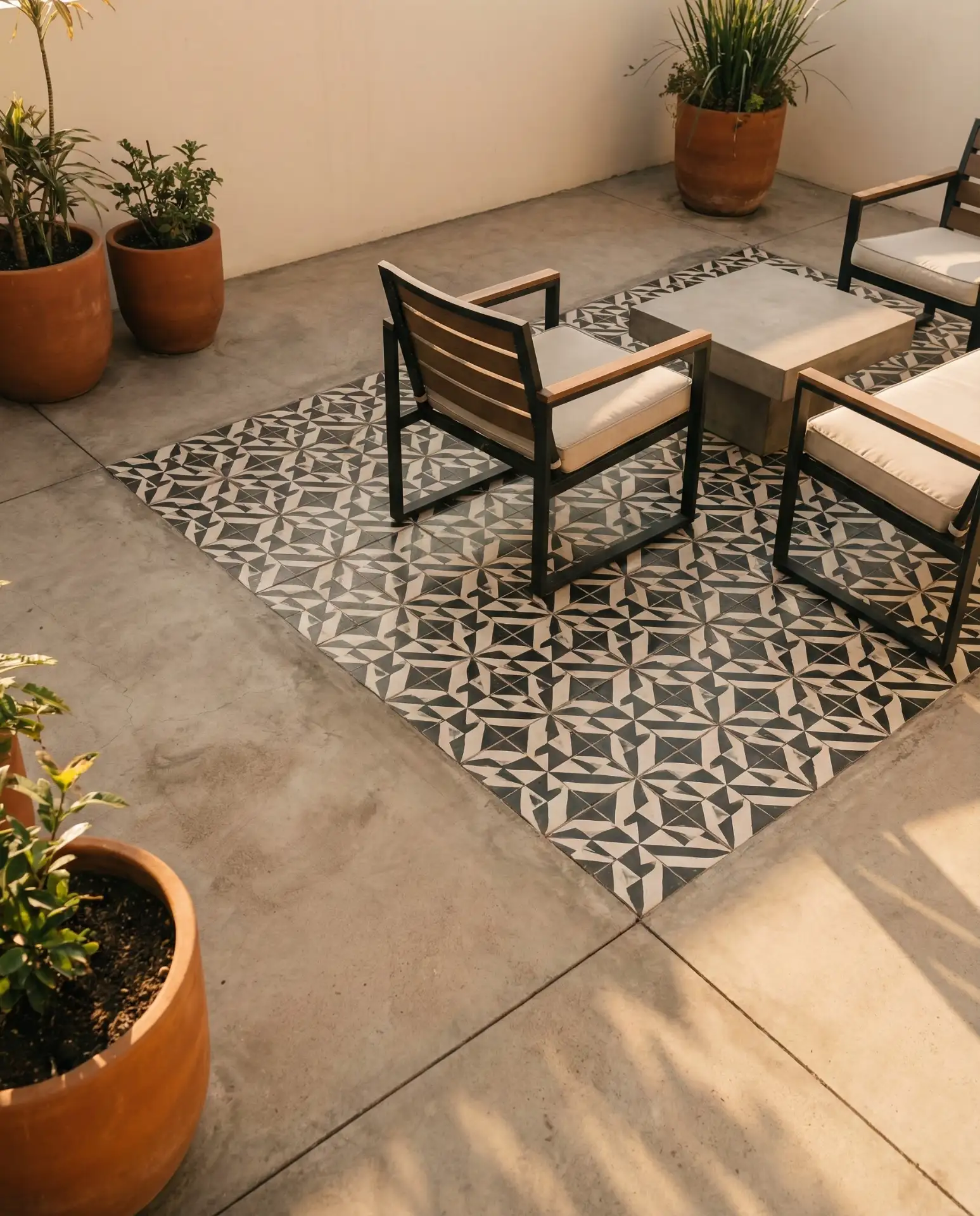
Lay a section of black and white patterned tile—think Moroccan or geometric designs—into a concrete patio for a high-contrast focal point. The tile inlay breaks up large expanses of plain concrete and adds a designer touch that feels both global and timeless. This works especially well under dining tables or in front of entry doors, where the pattern draws the eye and defines a zone. Use outdoor-rated tile with slip-resistant glaze, and hire a pro for installation if you’re tackling more than a few square feet. 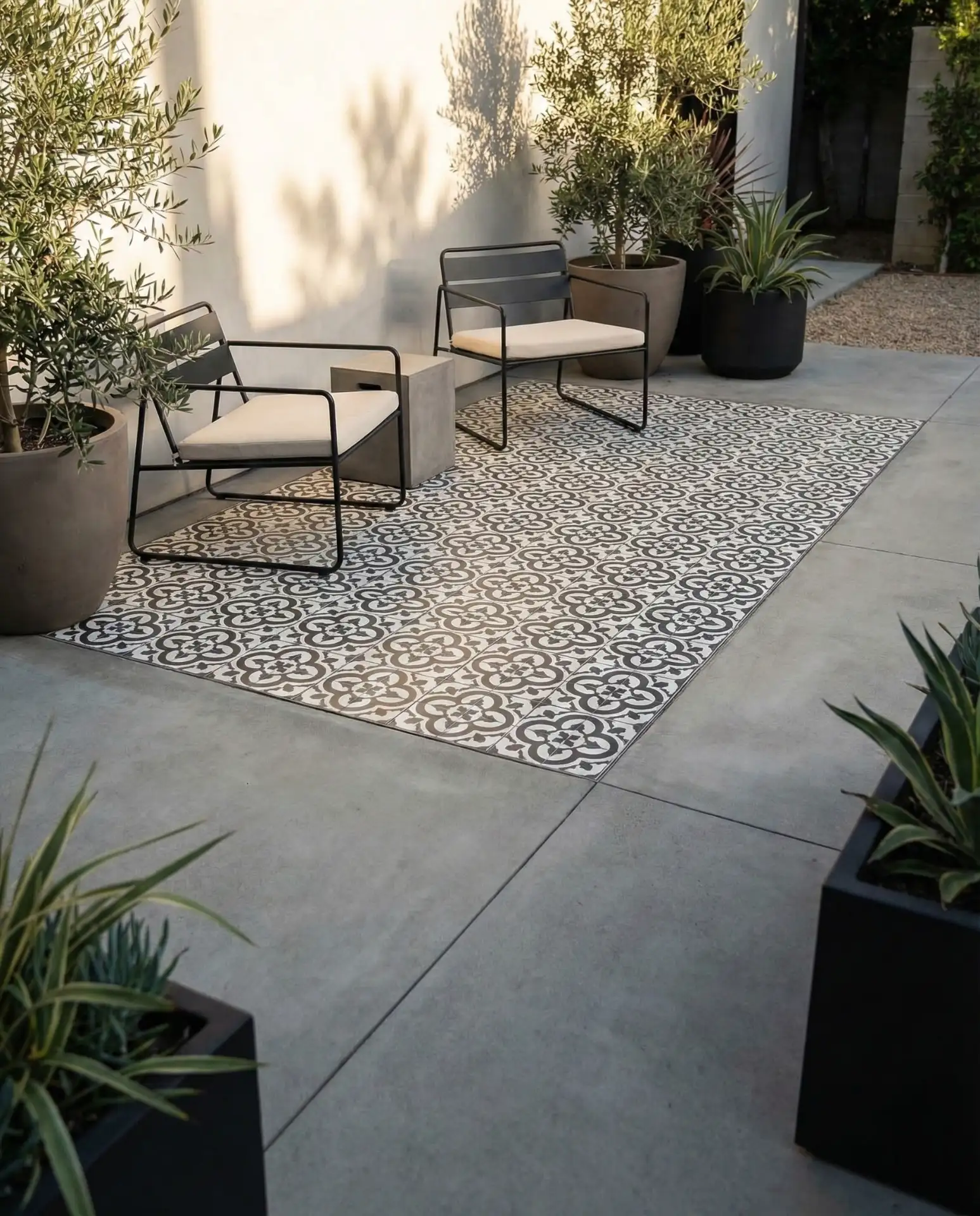
Common mistakes and how to avoid them: skimping on grout sealant is a fast track to stained, dirty-looking tile. Seal grout lines annually, and sweep the tile regularly to prevent debris from settling into the pattern. Also, choose a tile design that complements rather than competes with your furniture and decor—busy patterns work best when the rest of the space is relatively neutral. This upgrade costs more than plain concrete but less than replacing an entire patio, making it a smart middle-ground investment.
20. Outdoor Daybed with Canopy Frame
Invest in a freestanding outdoor daybed with a built-in canopy frame for the ultimate modern lounging experience. Dress it with weather-resistant cushions, throw pillows, and sheer curtains that can be drawn for privacy or shade. The daybed becomes a backyard retreat where you can read, nap, or host intimate conversations. It’s a statement piece that signals sophistication and comfort, and it works in both small courtyards and sprawling lawns. Position it away from high-traffic areas so it feels like a true escape. 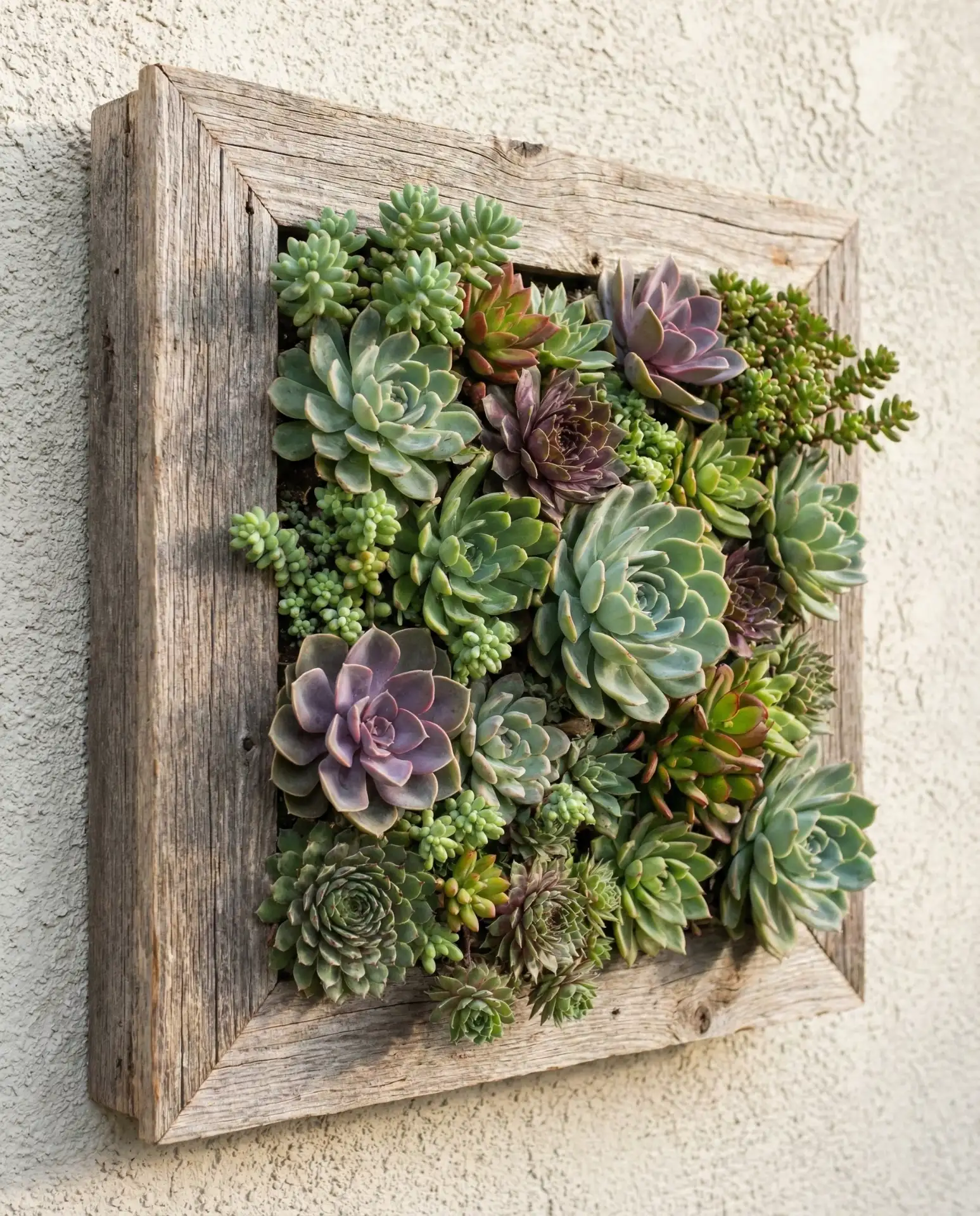
Where it works best: covered patios, poolside decks, or under mature trees where the canopy provides structure rather than primary shade. The fabric curtains should be removable for easy washing, and the frame should be powder-coated metal or treated wood to withstand the elements. This piece is an investment—expect to spend $800–$2,000 depending on quality—but it transforms a backyard into a resort-like environment that justifies skipping the vacation rental.
21. Raised Bed Garden with Decorative Metal Edging
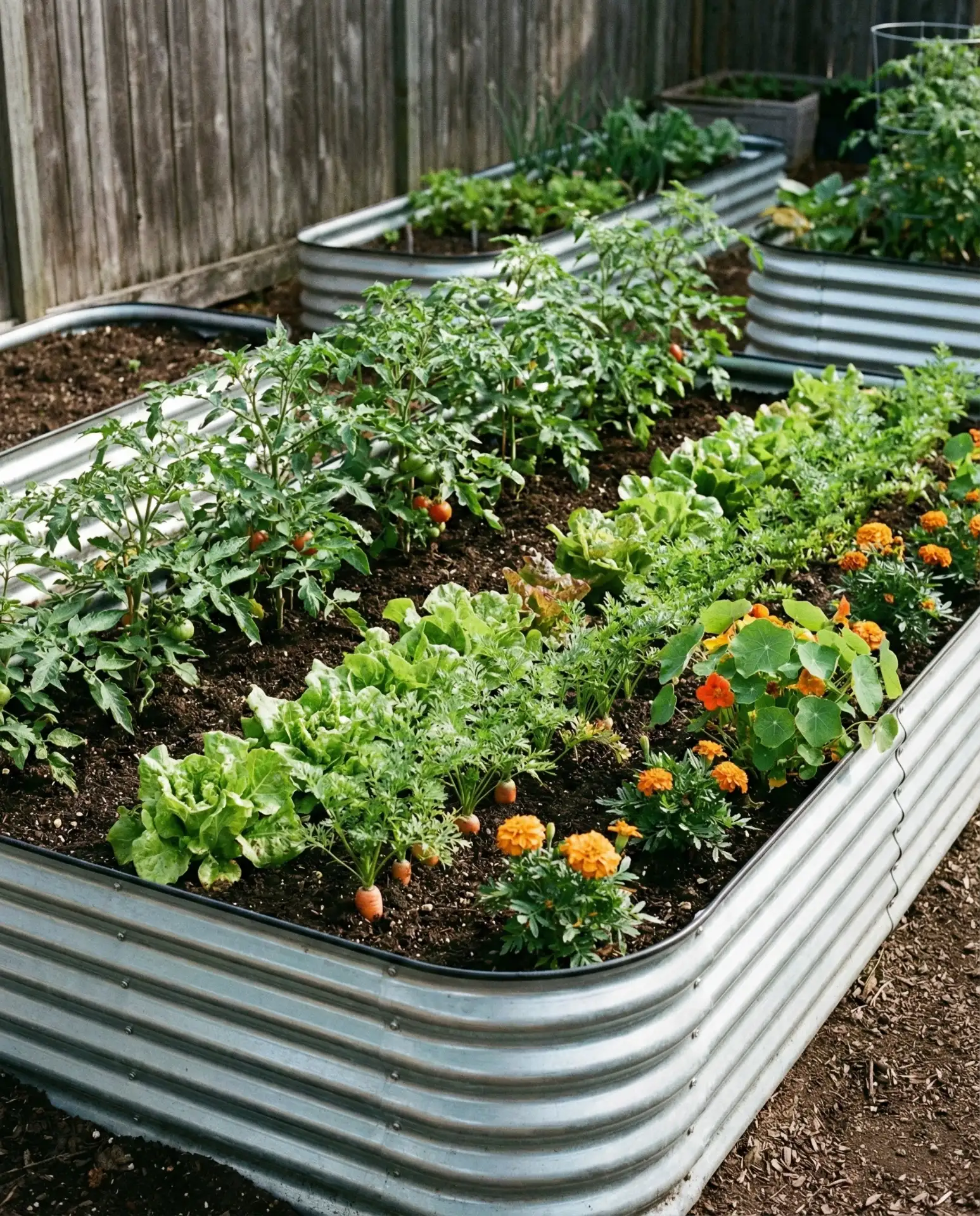
Build raised planters for vegetable or flower beds, then edge them with decorative corrugated metal for a farmhouse-meets-industrial look. The metal adds height and structure, and it’s a cost-effective alternative to wood or stone. Fill the beds with quality soil and plant a mix of edibles and ornamentals—tomatoes next to marigolds, lettuce beside zinnias. This approach is both functional and beautiful, supporting a productive gardening habit while contributing to the overall backyard design. The raised height also makes planting and harvesting easier on your back. 
Practical insight: line the inside of metal edging with landscape fabric to prevent rust from leeching into soil over time. The beds should be 12–18 inches deep for root vegetables and at least 24 inches wide for easy access. Space them with paths in between so you can navigate with a wheelbarrow or watering can. This setup is trending nationwide as more homeowners embrace growing their own food, and the metal edging gives it a polished, intentional look that fits with modern backyard aesthetics.
22. Lantern-Lit Pathway with Gravel and Pavers
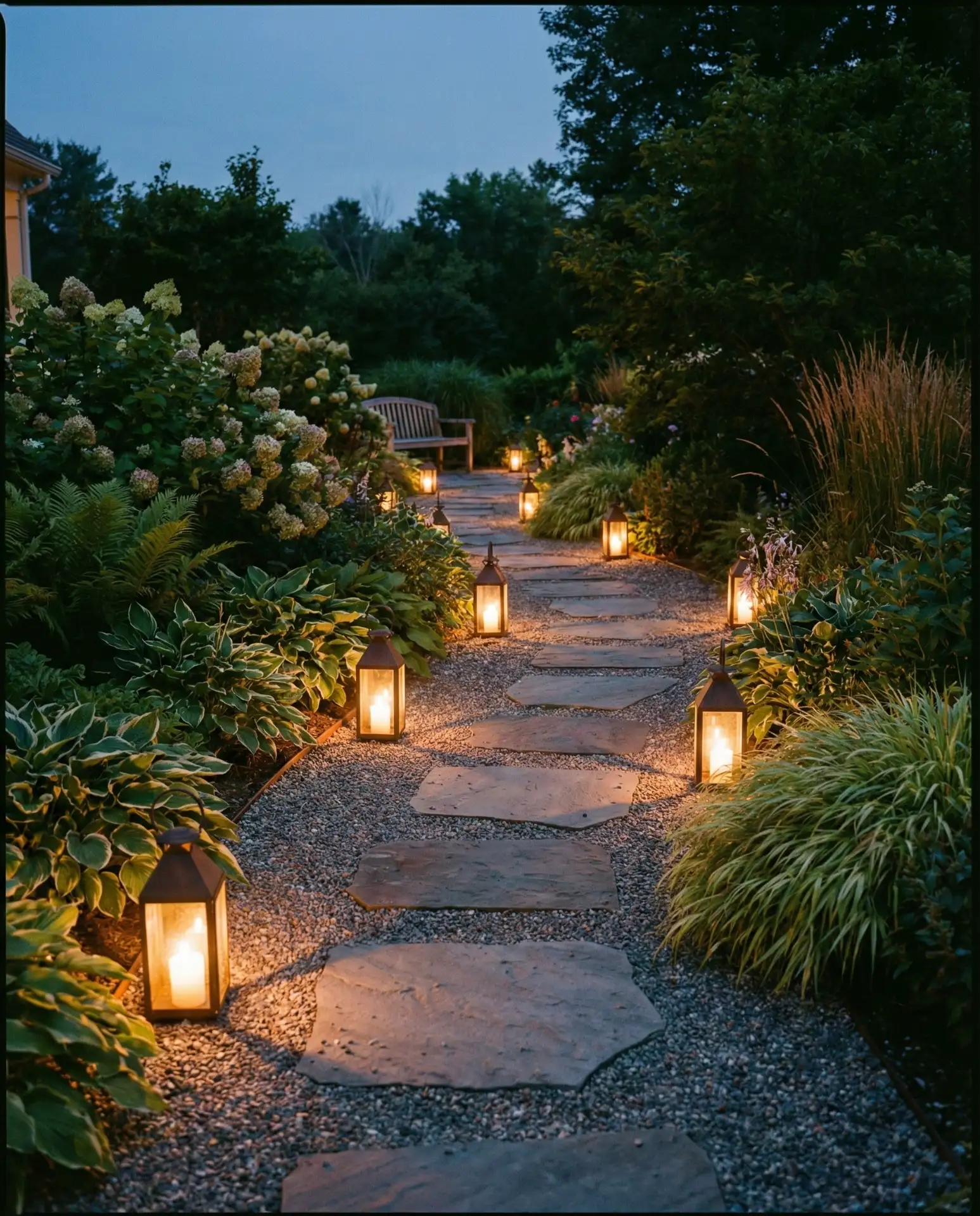
Lay a gravel path punctuated by flat pavers spaced evenly, then line it with solar or battery-powered lanterns for after-dark ambiance. The path guides foot traffic while the lanterns add warmth and safety, making evening backyard use effortless. This works in both large yards where paths connect different zones and small yards where a short walkway leads to a seating area. The gravel requires minimal maintenance, and the pavers provide stable footing in wet weather. It’s a simple yet effective way to elevate the backyard experience. 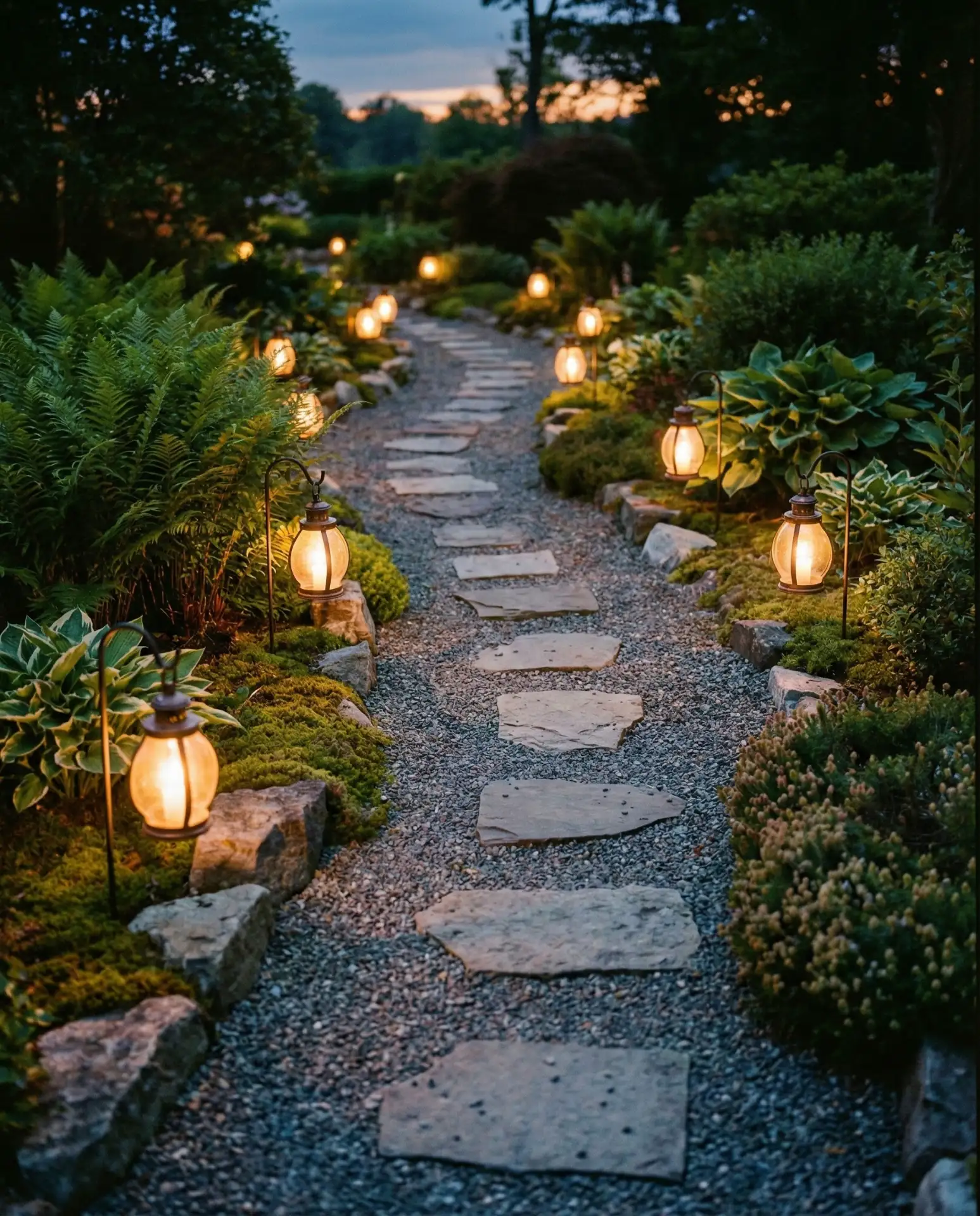
Regional context: in the Pacific Northwest and Northeast, where rain is frequent, gravel paths drain better than solid surfaces and prevent muddy shoes. In the Southwest, the gravel stays dry and becomes a design element in its own right, often paired with desert plantings. Edge the path with steel or wood borders to keep gravel contained, and choose lanterns with long-lasting LED bulbs. The glow they cast transforms a functional path into a nightly ritual, making the backyard feel like an extension of home even after sunset.
23. Tropical Corner with Bold Foliage and String Lights
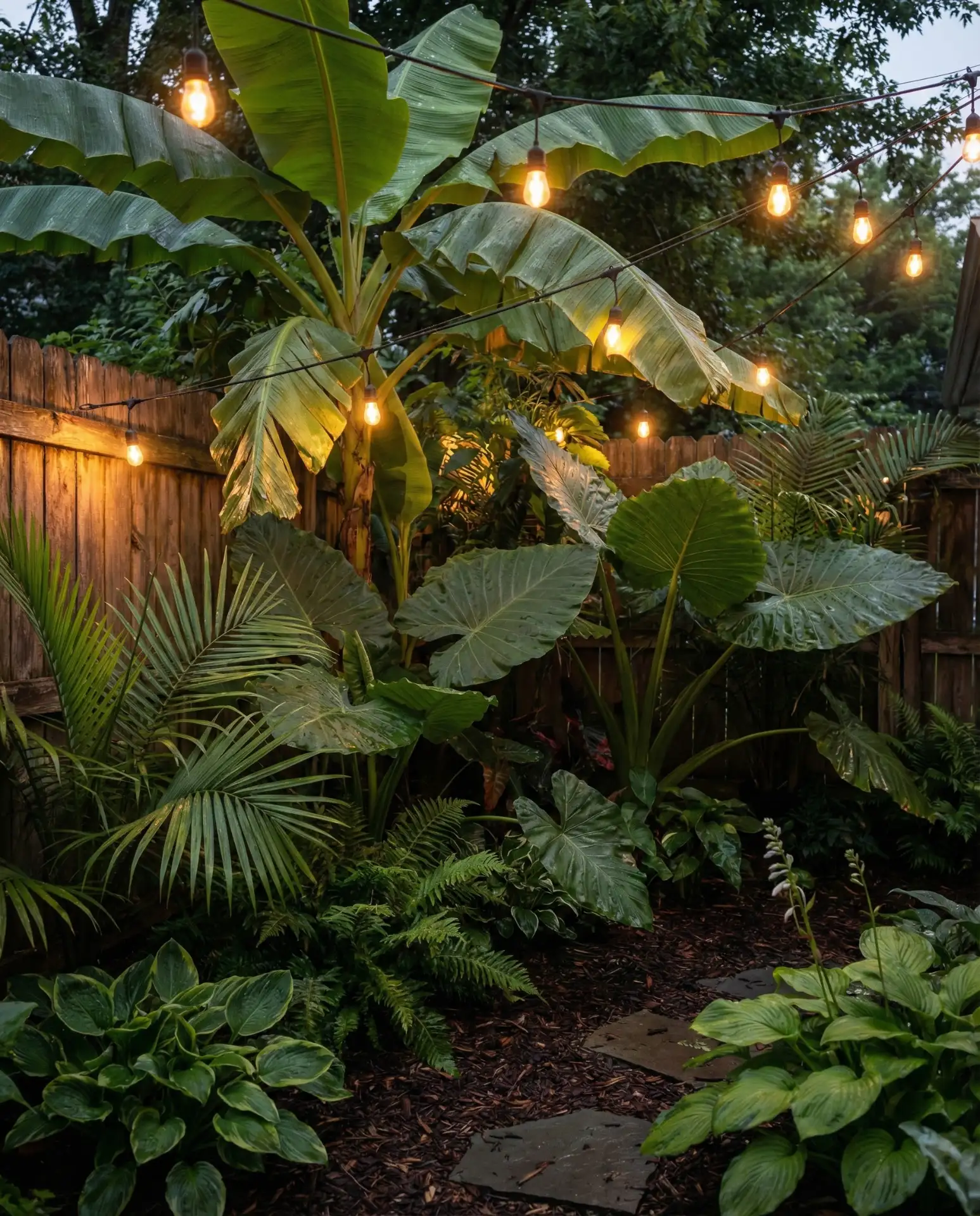
Create a dedicated tropical zone by clustering large-leaved plants—banana palms, elephant ears, bird of paradise—in one corner, then stringing warm lights overhead for evening drama. The bold foliage makes a statement during the day, and the lights turn the space into a glowing retreat at night. This approach works even in temperate climates if you treat the tropicals as annuals or bring them indoors for winter. The key is density—pack plants close together for a lush, jungle-like effect that feels worlds away from typical suburban yard decor. 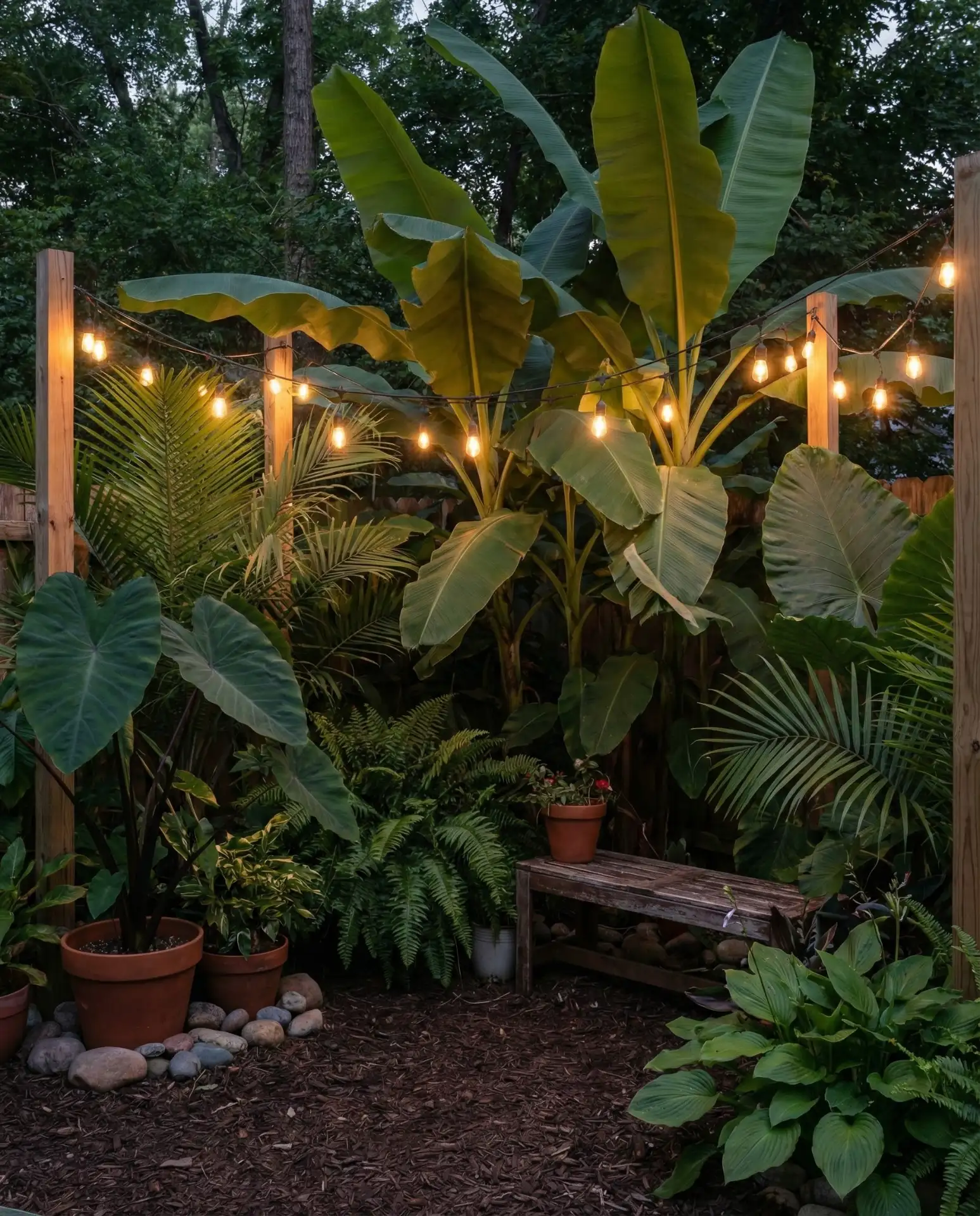
A neighbor of mine planted this setup and said watering is the biggest commitment—tropical plants are thirsty. Use drip irrigation or a soaker hose to keep soil consistently moist, and mulch heavily to retain moisture. If your climate freezes, choose hardy tropicals like cannas or site this corner near the house where radiant heat from the building extends the growing season. The combination of bold plants and soft lighting is endlessly Instagrammable, which is why it dominates Pinterest boards for summer backyard transformations.
24. Built-In Bench with Storage Underneath
Install a built-in bench along a fence or wall, incorporating lift-top storage underneath for cushions, garden tools, or outdoor toys. The bench provides extra seating for party gatherings while solving the perennial problem of where to stash stuff between uses. Build it from weather-resistant cedar or composite decking, and add cushions for comfort. The dual function makes it especially valuable in small yards where every piece of furniture needs to earn its place. Paint or stain the bench to match your overall design scheme. 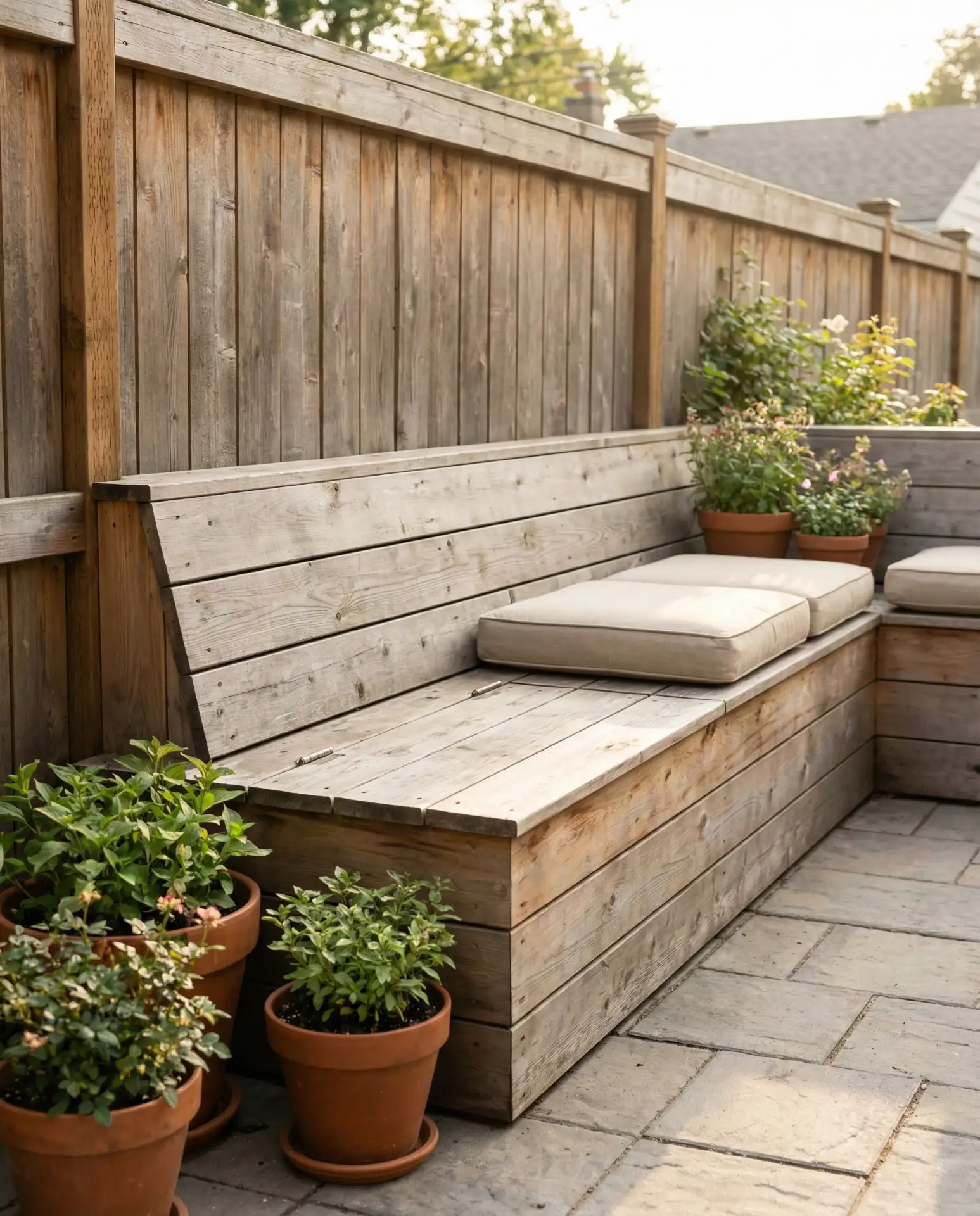
Budget angle: a DIY built-in bench costs $200–$400 in materials depending on length and wood choice—significantly less than buying freestanding furniture with similar storage capacity. Use marine-grade hinges for the lift-top so they don’t rust, and drill drainage holes in the bottom of the storage compartment so water doesn’t pool if cushions get damp. This project is popular in urban backyards from Brooklyn to Portland, where maximizing space and function is non-negotiable and homeowners appreciate furniture that does more than one job.
Conclusion
Whether you’re drawn to the ease of a simple bistro setup or the drama of a tropical corner, the best backyard transformations happen when you choose ideas that fit your lifestyle and climate. Start with one or two projects that excite you, and build from there—outdoor spaces evolve over seasons, and that gradual layering is part of what makes them feel personal and lived-in. Share your favorite ideas or your own backyard wins in the comments below—we’d love to see how you’re making your outdoor space work for you in 2026.