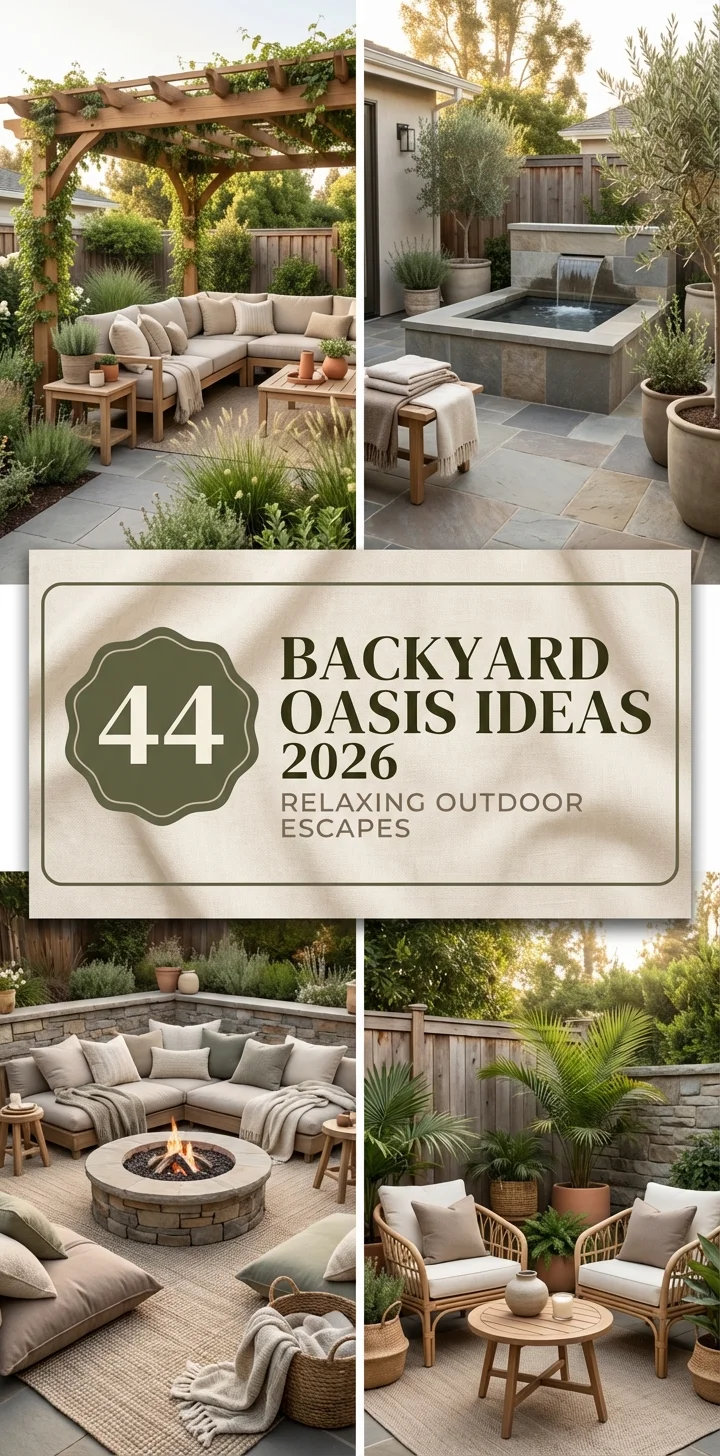
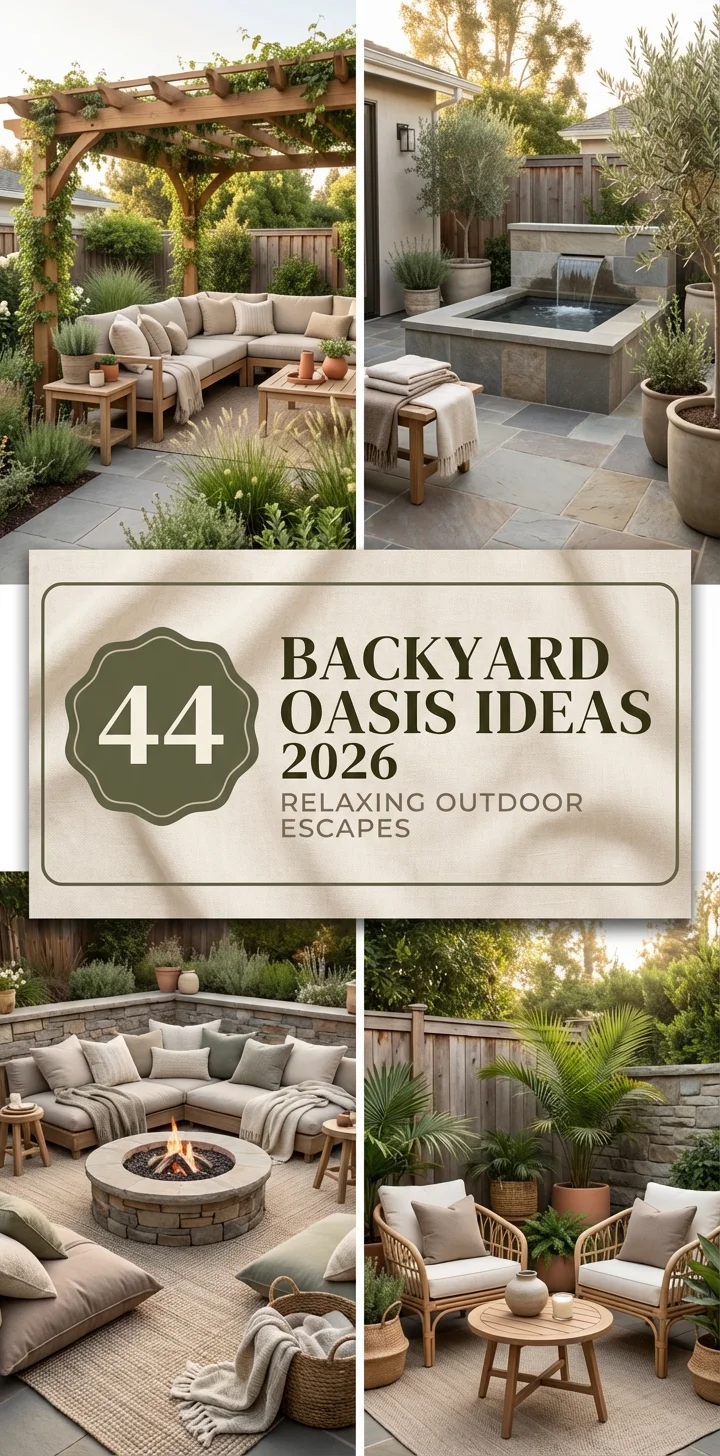
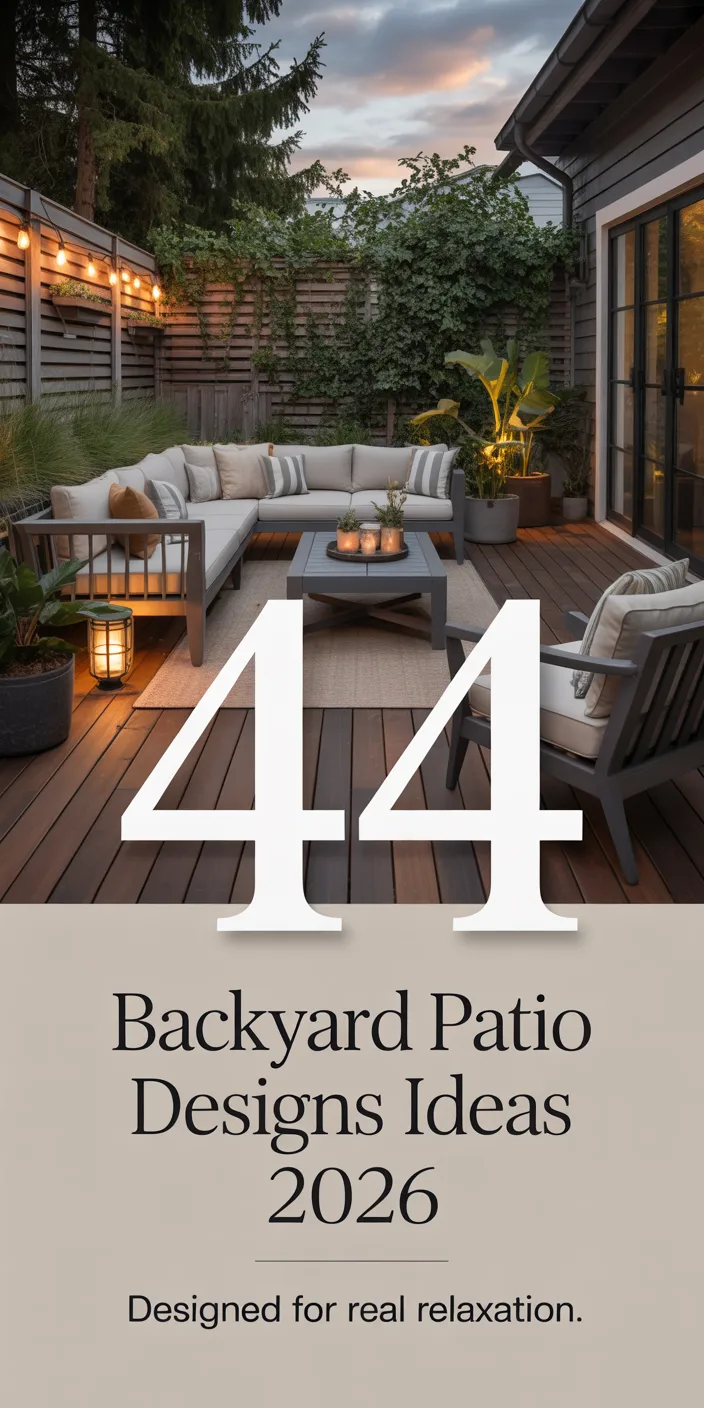
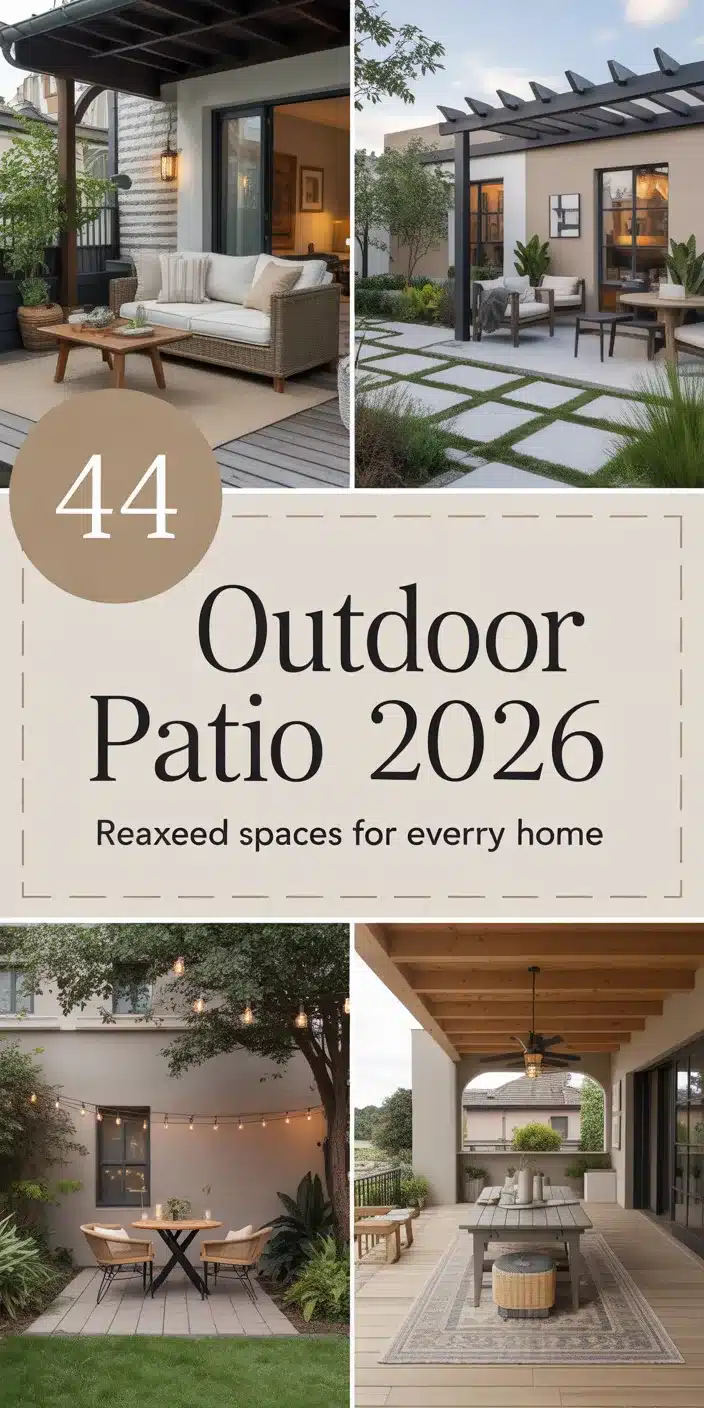
As we move into 2026, outdoor decks have become essential living spaces where American homeowners blend relaxation, entertainment, and personal style. Whether you’re drawn to Pinterest for ideas on transforming a small balcony or planning a full backyard overhaul with a hot tub and pool, this year brings fresh approaches to deck design that prioritize comfort, functionality, and visual appeal. From budget-friendly DIY projects to luxurious covered retreats, the possibilities are endless. In this guide, you’ll discover inspiring outdoor deck ideas that cater to every style, space, and lifestyle—helping you create the perfect outdoor sanctuary for your home.
1. Minimalist Modern Deck with Clean Lines
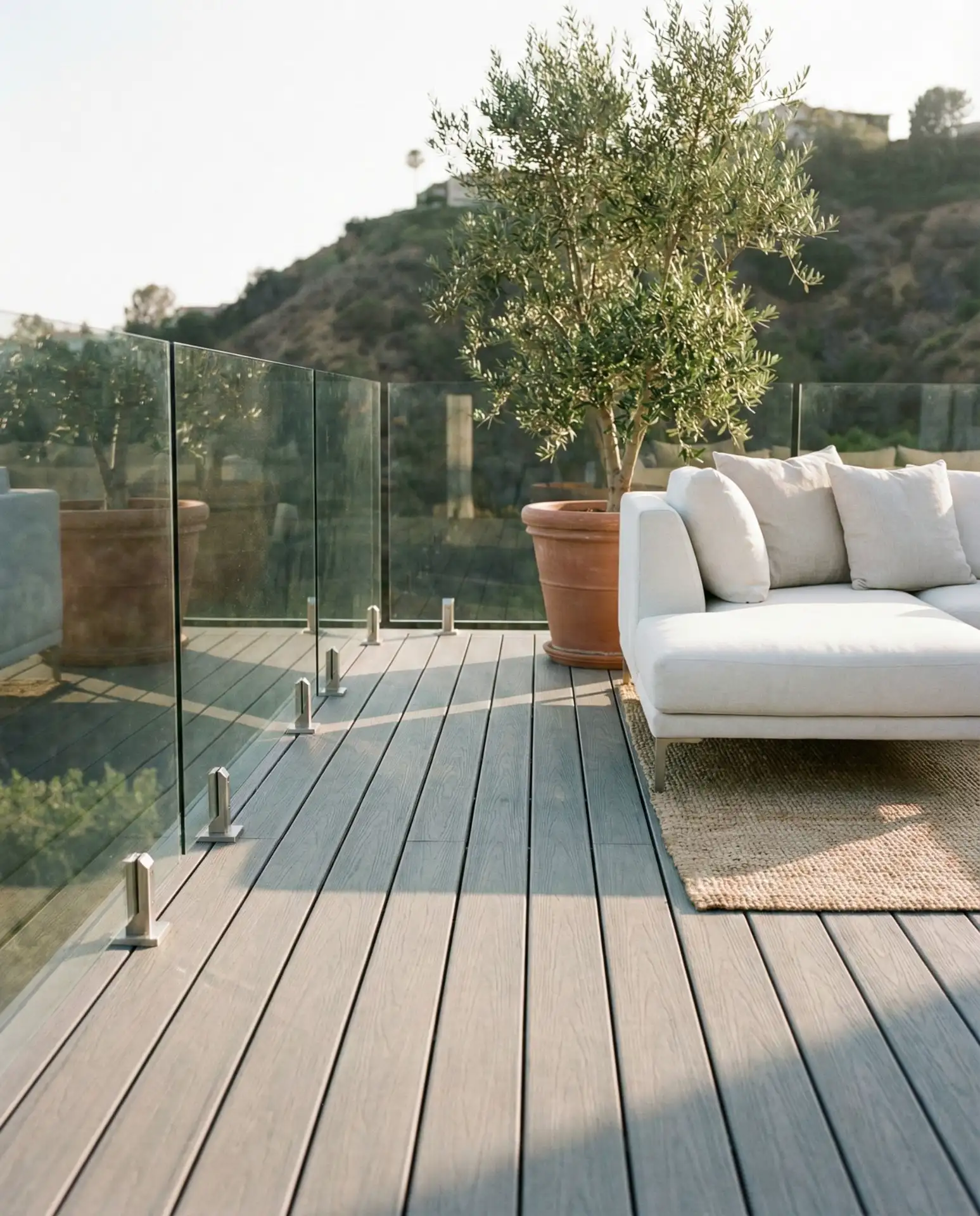
A modern deck embraces simplicity and sophistication, featuring sleek railings, neutral tones, and uncluttered surfaces. This design works beautifully for homeowners who appreciate contemporary aesthetics and want a space that feels open and airy. Incorporate composite decking in shades of gray or charcoal, paired with minimalist furniture like low-profile seating and geometric planters. The key is maintaining visual balance—every element should serve a purpose without overwhelming the senses. 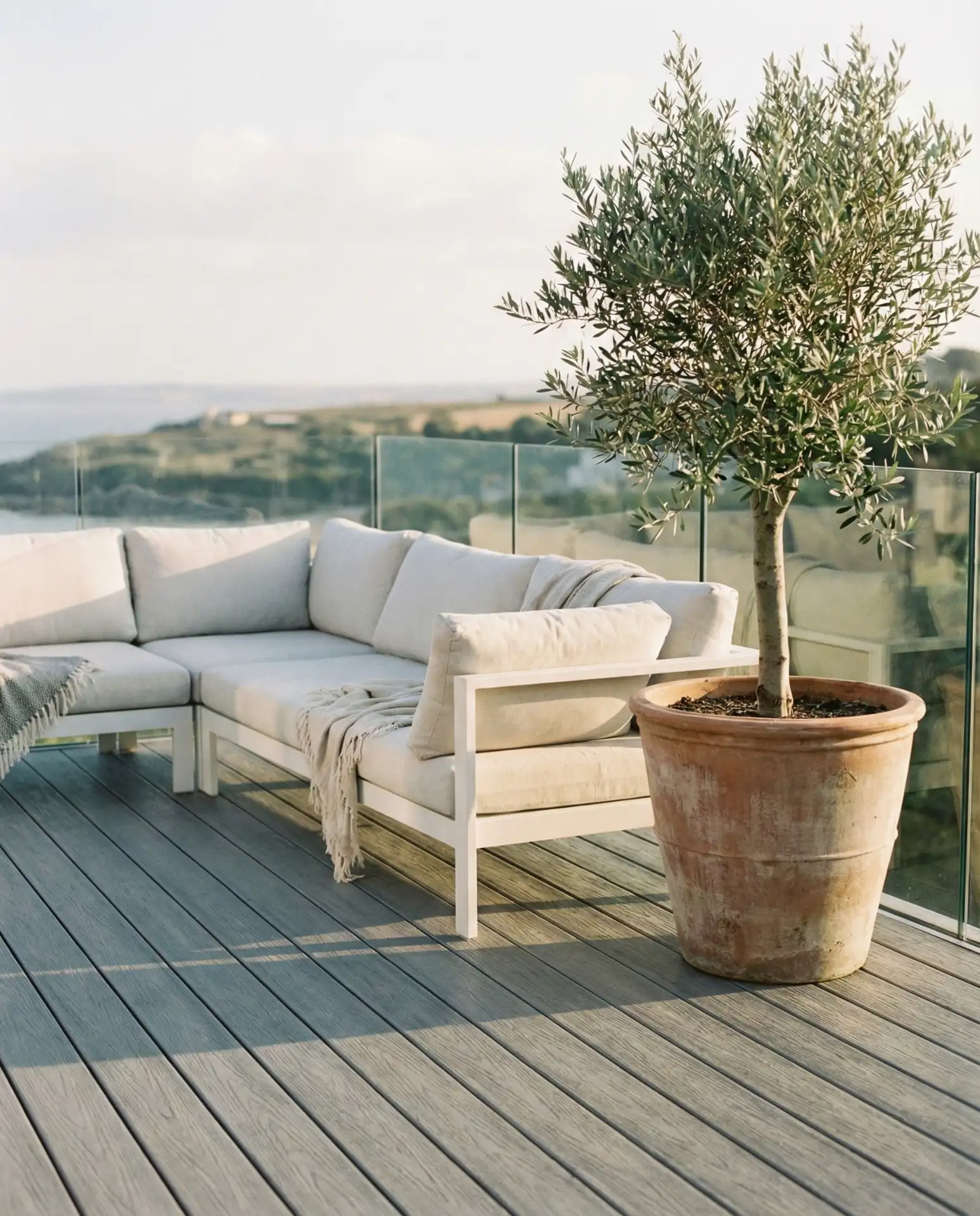
This style works best in urban and suburban settings where clean architecture dominates the landscape. A common mistake is over-accessorizing—resist the urge to add too many decorative pieces. Instead, choose one or two statement items like a sculptural fire pit or a single dramatic planter. The result is a deck that feels intentional, calm, and effortlessly stylish, perfect for morning coffee or evening wind-down sessions.
2. Cozy Boho Retreat with Layered Textures
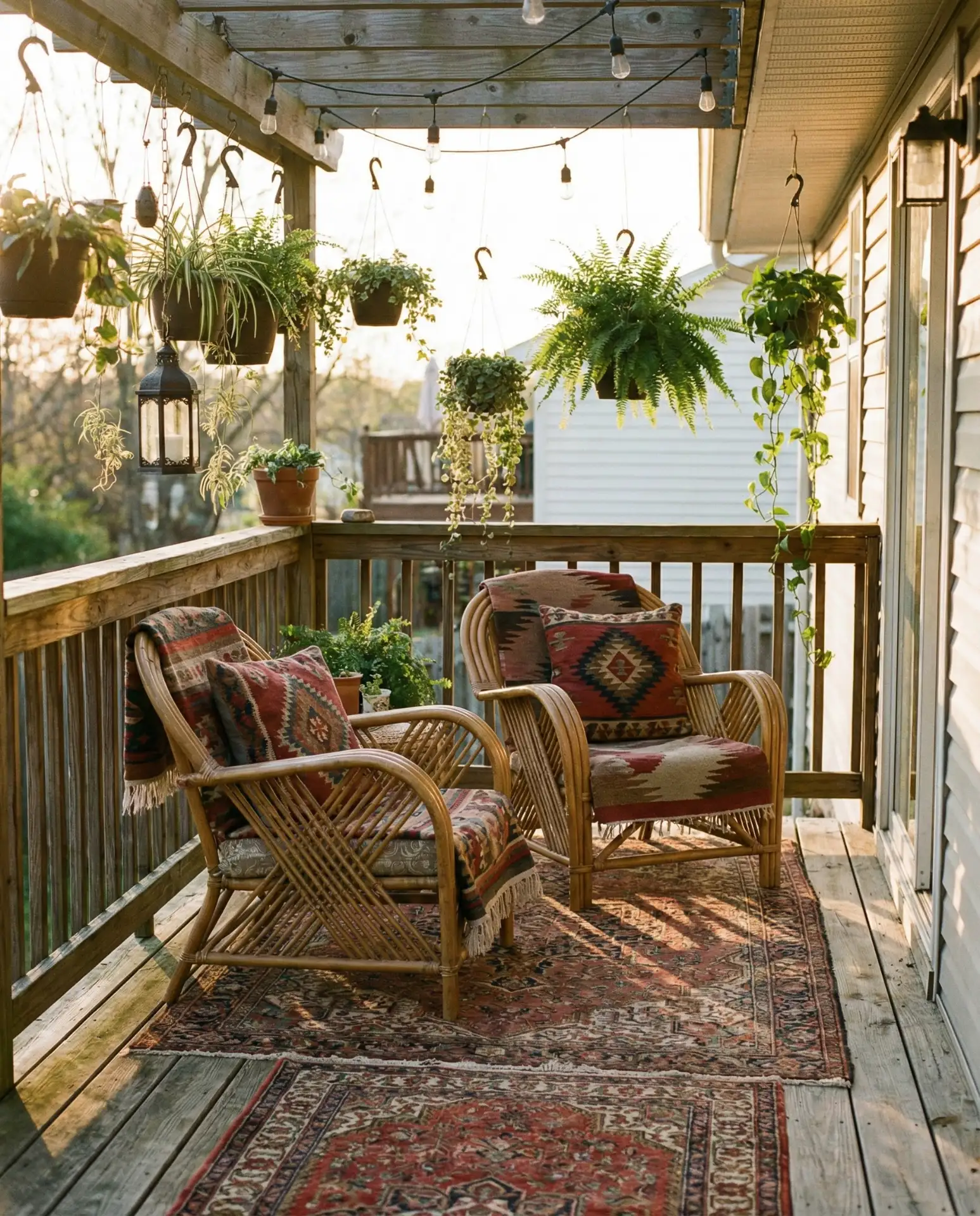
Embrace the free-spirited charm of a boho deck design that layers patterns, textures, and natural materials into one inviting space. Think rattan furniture, macramé wall hangings, colorful outdoor rugs, and an abundance of potted plants. This approach transforms your deck into a sanctuary that feels like a permanent vacation spot. The beauty lies in the mix—vintage finds paired with new pieces, earthy tones accented with pops of terracotta or mustard yellow. 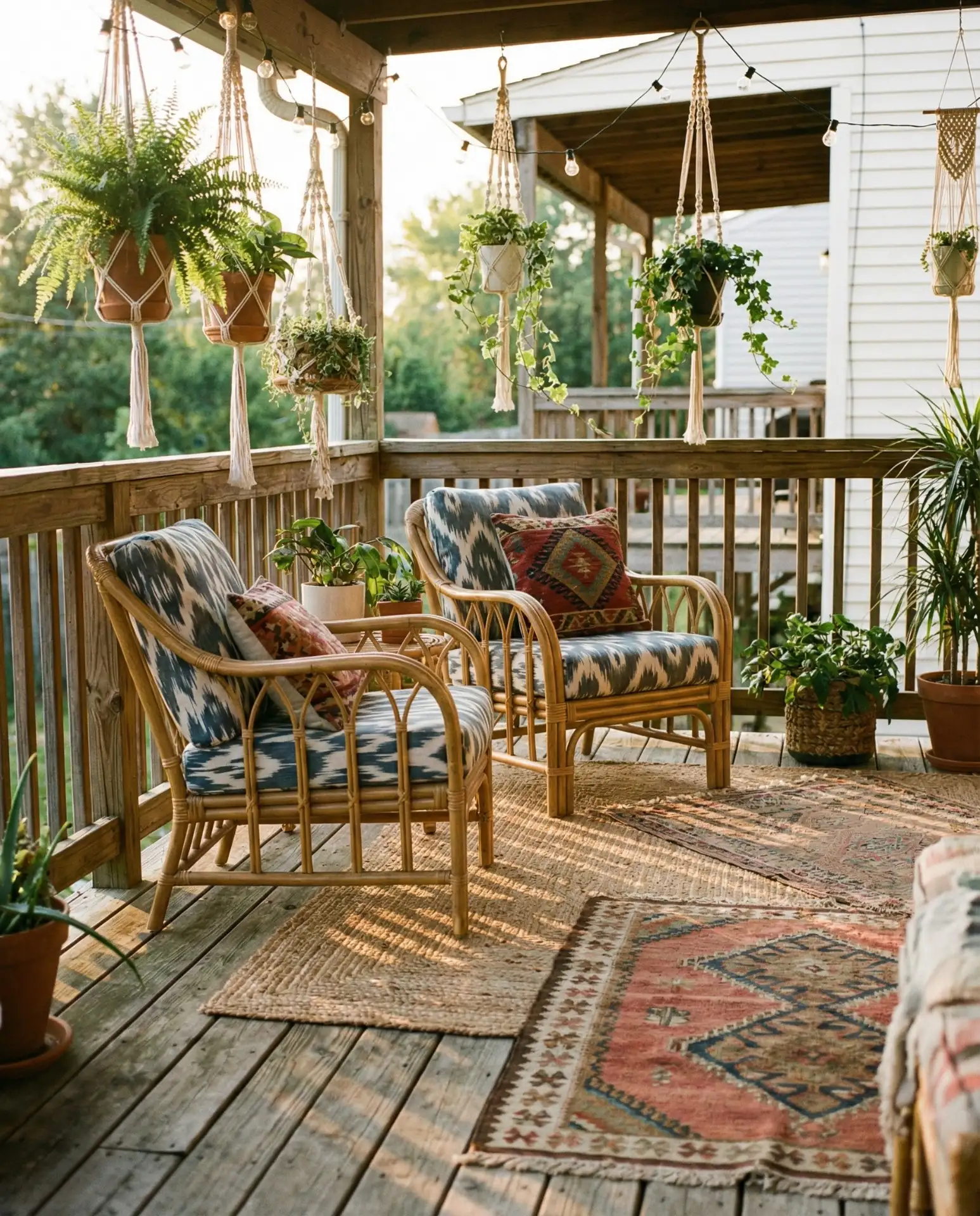
Many homeowners in California and the Southwest gravitate toward this style because it complements the warm, laid-back climate. The key is balancing abundance with intention—too many elements can feel chaotic. Start with a foundational color palette, then build in textures through cushions, throws, and woven accents. This creates a space that feels curated rather than cluttered, ideal for weekend gatherings or solo relaxation.
3. Budget-Friendly Pallet Deck Transformation
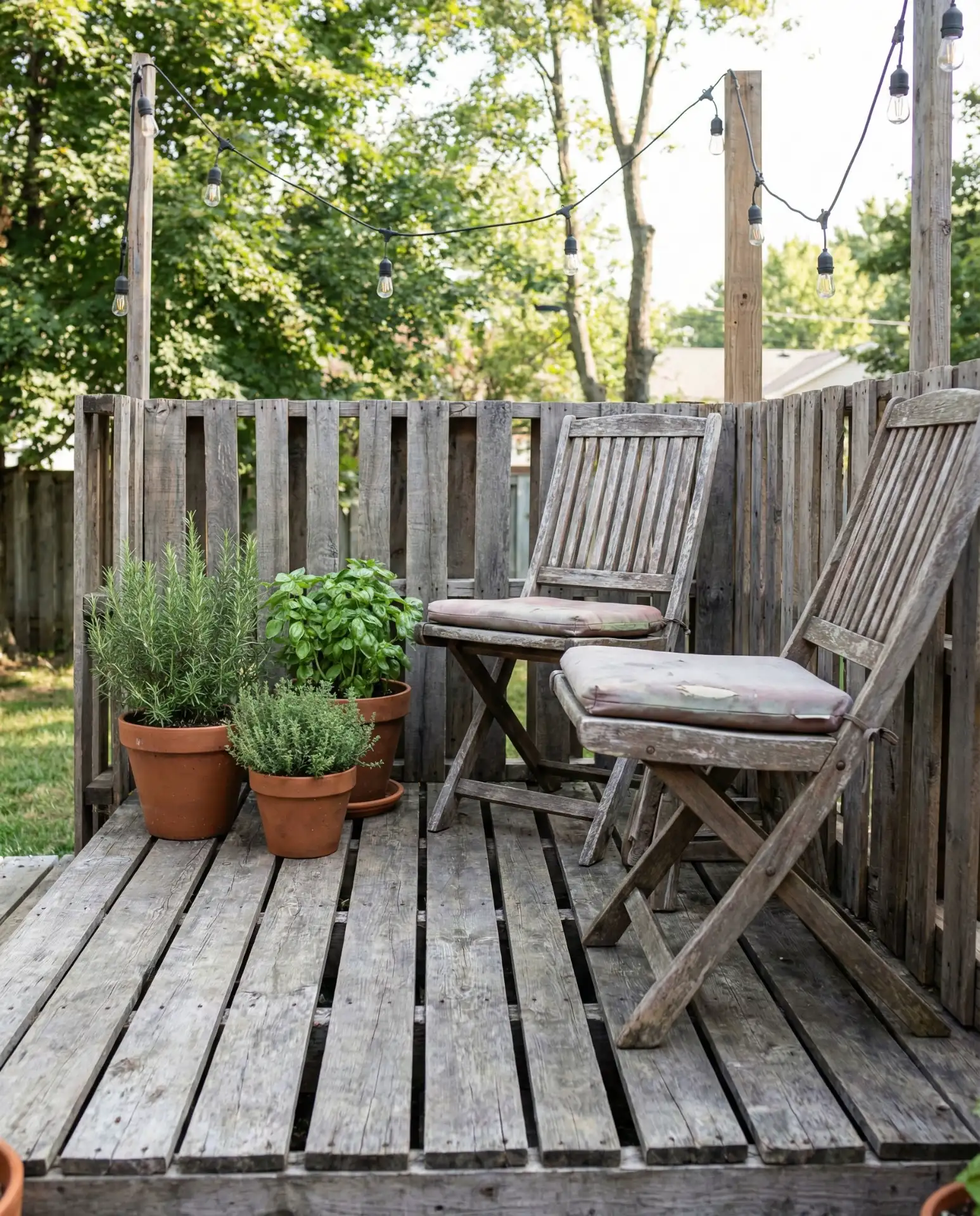
Working with a tight budget doesn’t mean sacrificing style. Reclaimed wood pallets offer an affordable, eco-friendly foundation for building or refreshing your deck. Sand them down, treat them with weatherproof stain, and arrange them to create a rustic platform that costs a fraction of traditional decking materials. Pair with cheap outdoor seating options like thrifted chairs painted in coordinating colors, and you’ve got a charming space that looks intentionally designed. 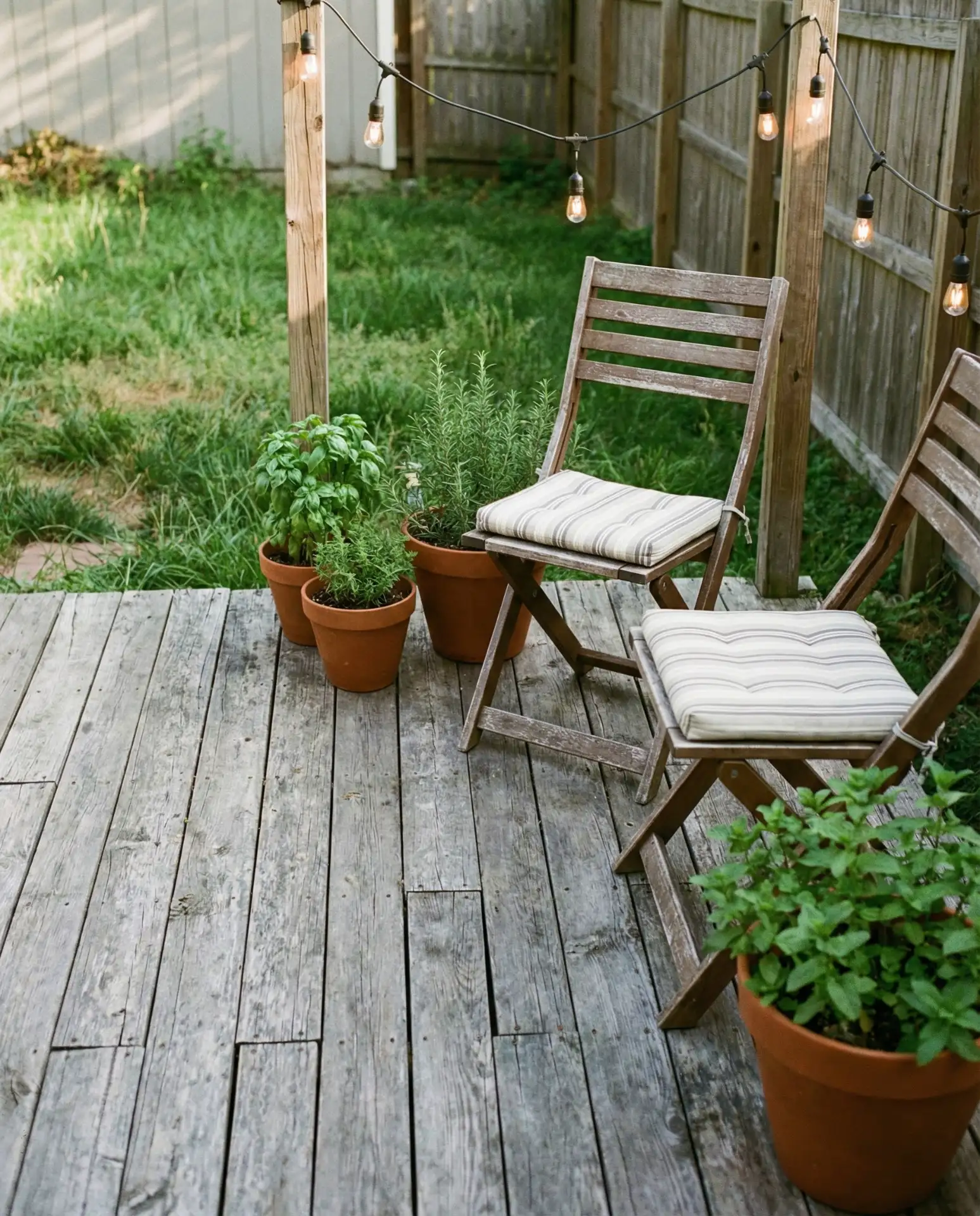
Real homeowners often start small—creating a corner seating area first, then expanding as budget allows. This phased approach prevents financial strain while letting you test layouts and color schemes. Just ensure pallets are heat-treated (marked HT) rather than chemically treated, which can be unsafe for outdoor living spaces. With some creativity and elbow grease, you can achieve a high-impact transformation for under $200.
4. Covered Deck with Year-Round Comfort
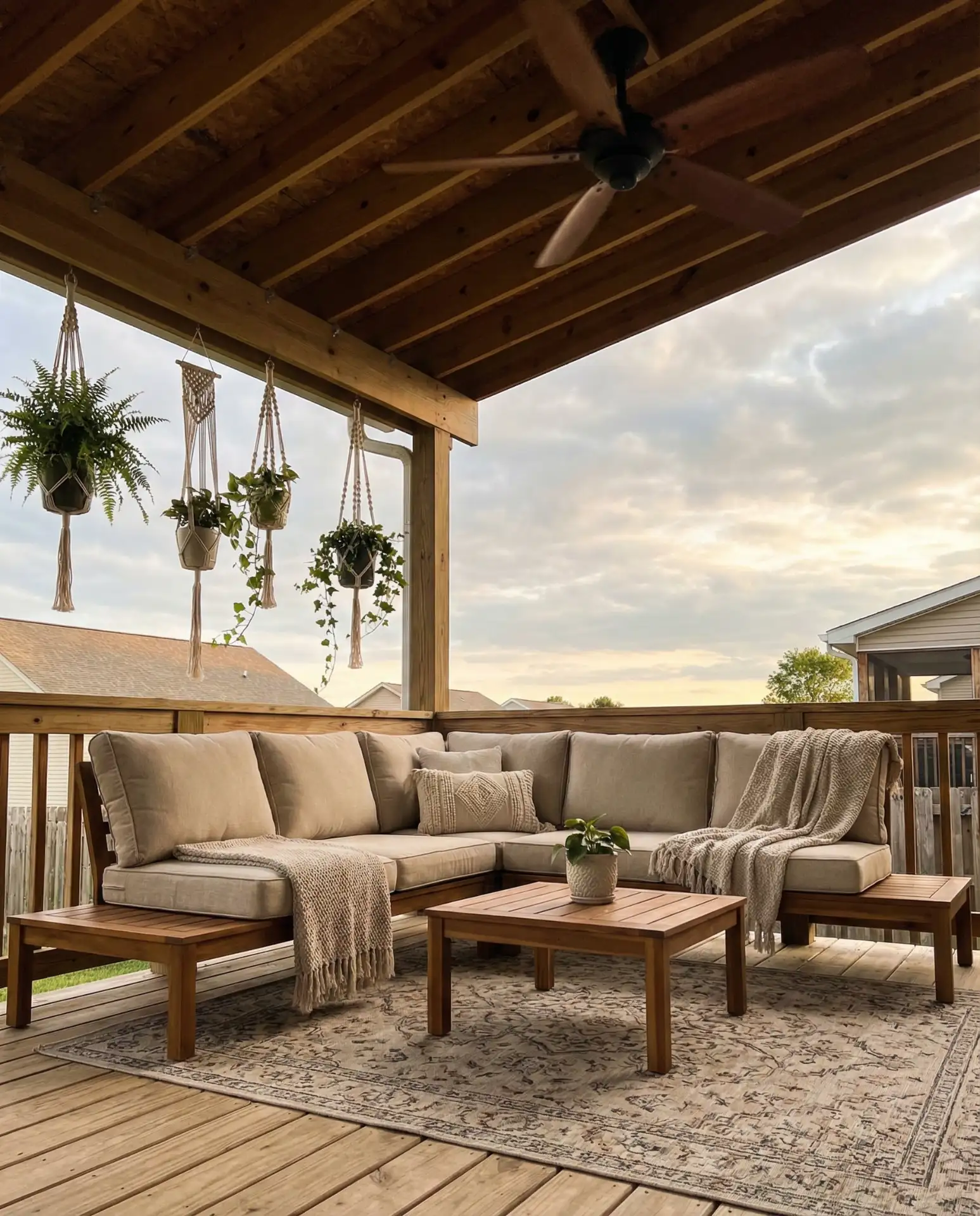
A covered deck extends your outdoor season significantly, providing shelter from rain, harsh sun, and even light snow depending on your region. Consider installing a solid roof, pergola with retractable canopy, or even a stylish awning that complements your home’s architecture. This addition transforms your deck into a true outdoor room where you can entertain guests or enjoy morning coffee regardless of weather conditions. Add ceiling fans for summer comfort and outdoor heaters for chilly evenings. 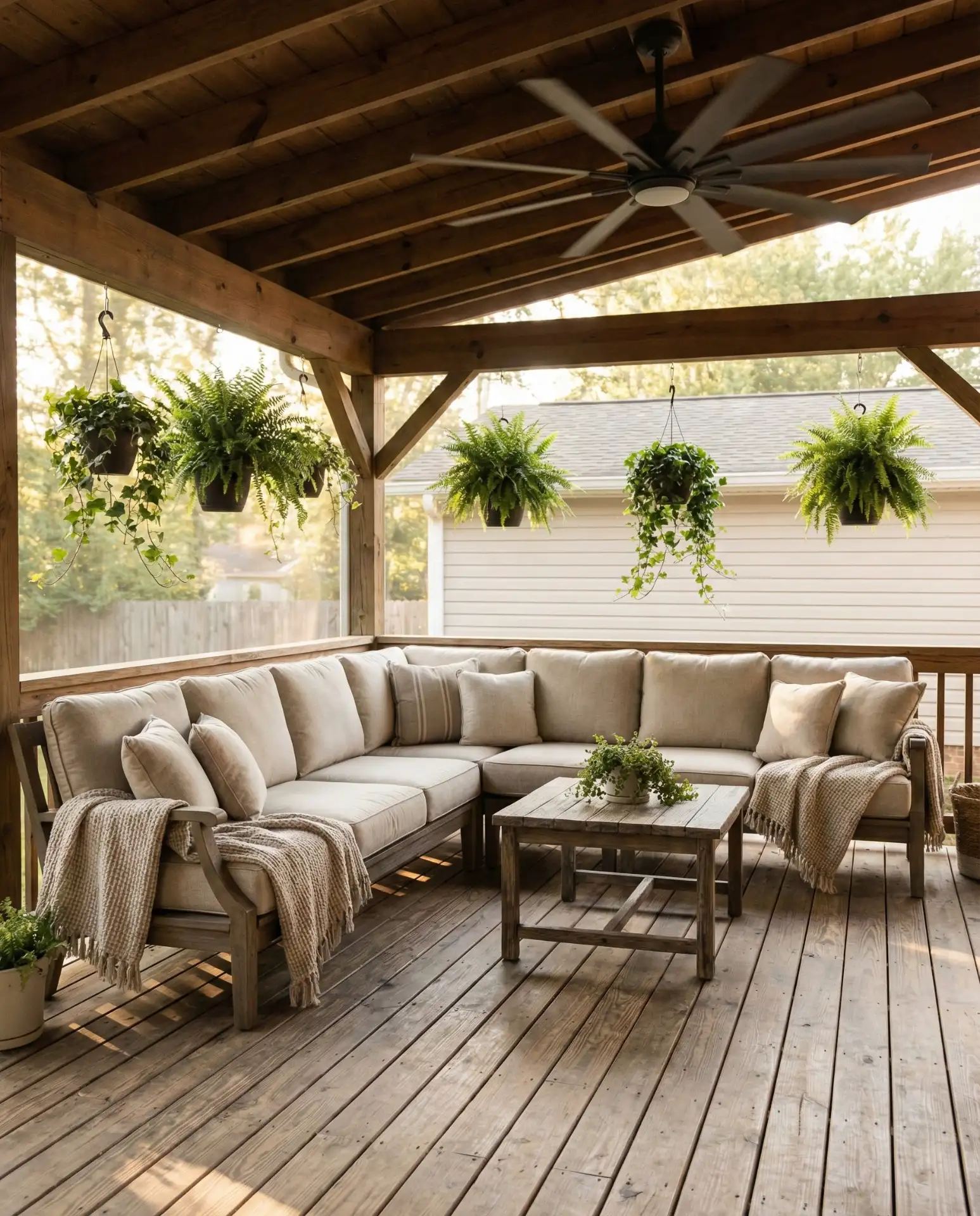
In regions like the Pacific Northwest or Florida, covered decks are practically essential due to frequent rain or intense sun. Expert designers recommend ensuring your covered area is at least 12×12 feet to accommodate a dining table and seating comfortably. The investment typically ranges from $3,000 to $15,000 depending on materials and complexity, but the extended usability and increased home value make it worthwhile for serious outdoor enthusiasts.
5. Small Space Vertical Garden Deck
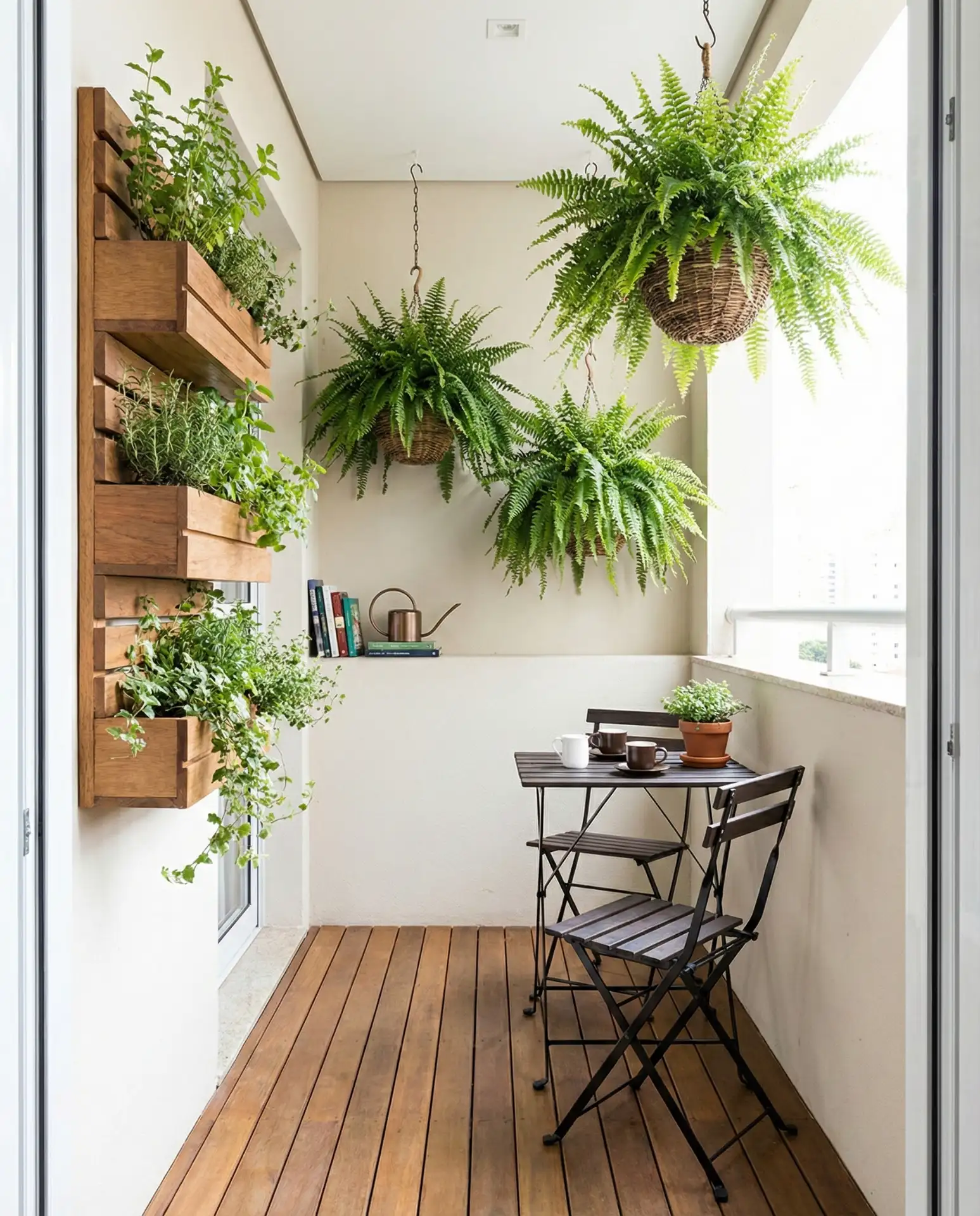
When working with small spaces, thinking vertically maximizes every square inch. Install wall-mounted planters, hanging baskets, and tiered shelving to create a lush green backdrop without sacrificing floor space. This approach works brilliantly for apartment balconies where horizontal real estate is limited but wall space is abundant. Choose a mix of trailing plants like pothos, compact herbs, and colorful flowers to add depth and visual interest at multiple heights. 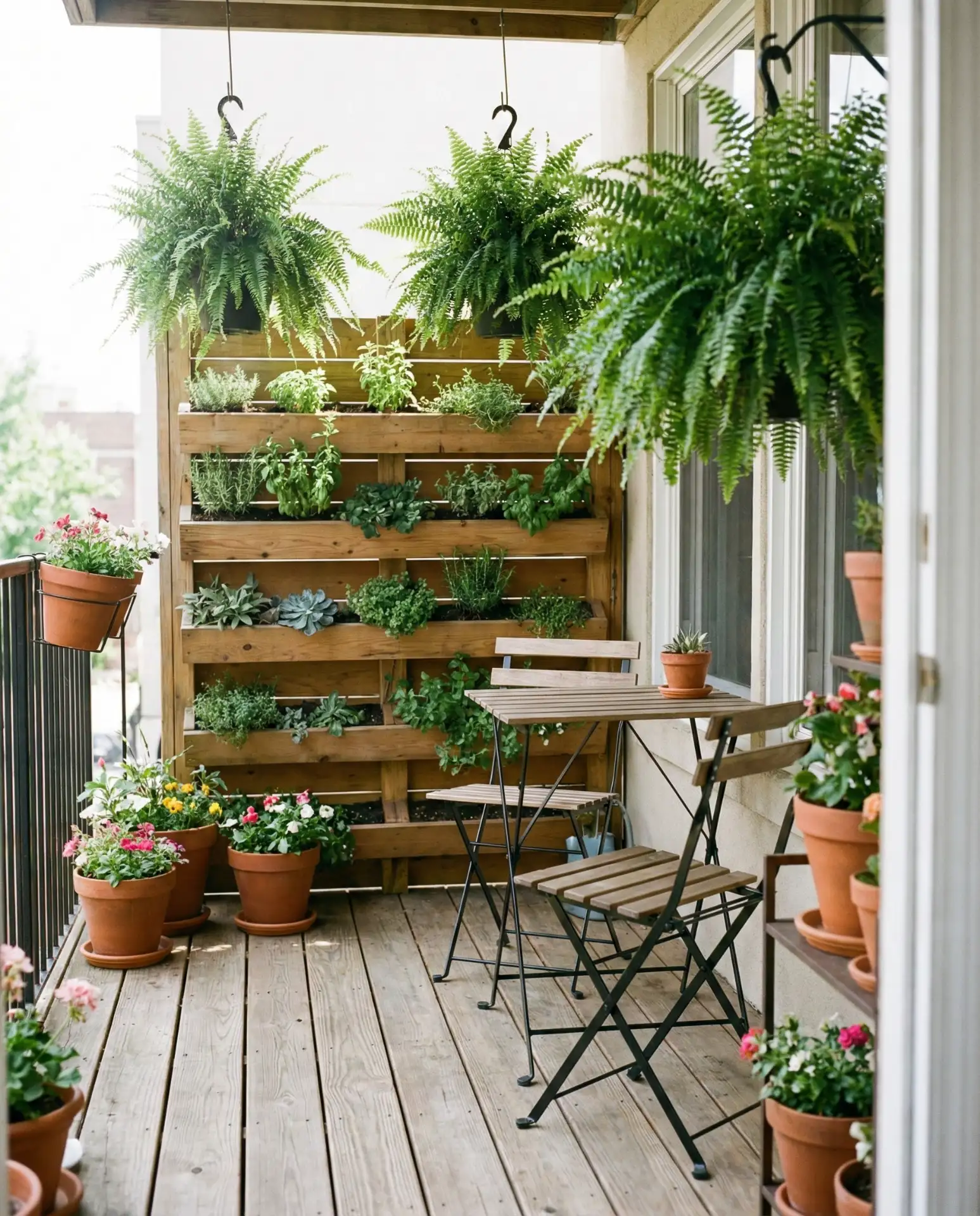
One homeowner in Brooklyn transformed her 6×4 balcony using this method, creating space for seating plus 20 plants by utilizing wall-mounted systems and a narrow console table. The key is choosing furniture proportional to your space—bistro sets and folding chairs work better than full-sized patio furniture. This strategy proves that even the tiniest outdoor areas can become functional, beautiful retreats with thoughtful planning.
6. Rustic Farmhouse Deck with Reclaimed Wood
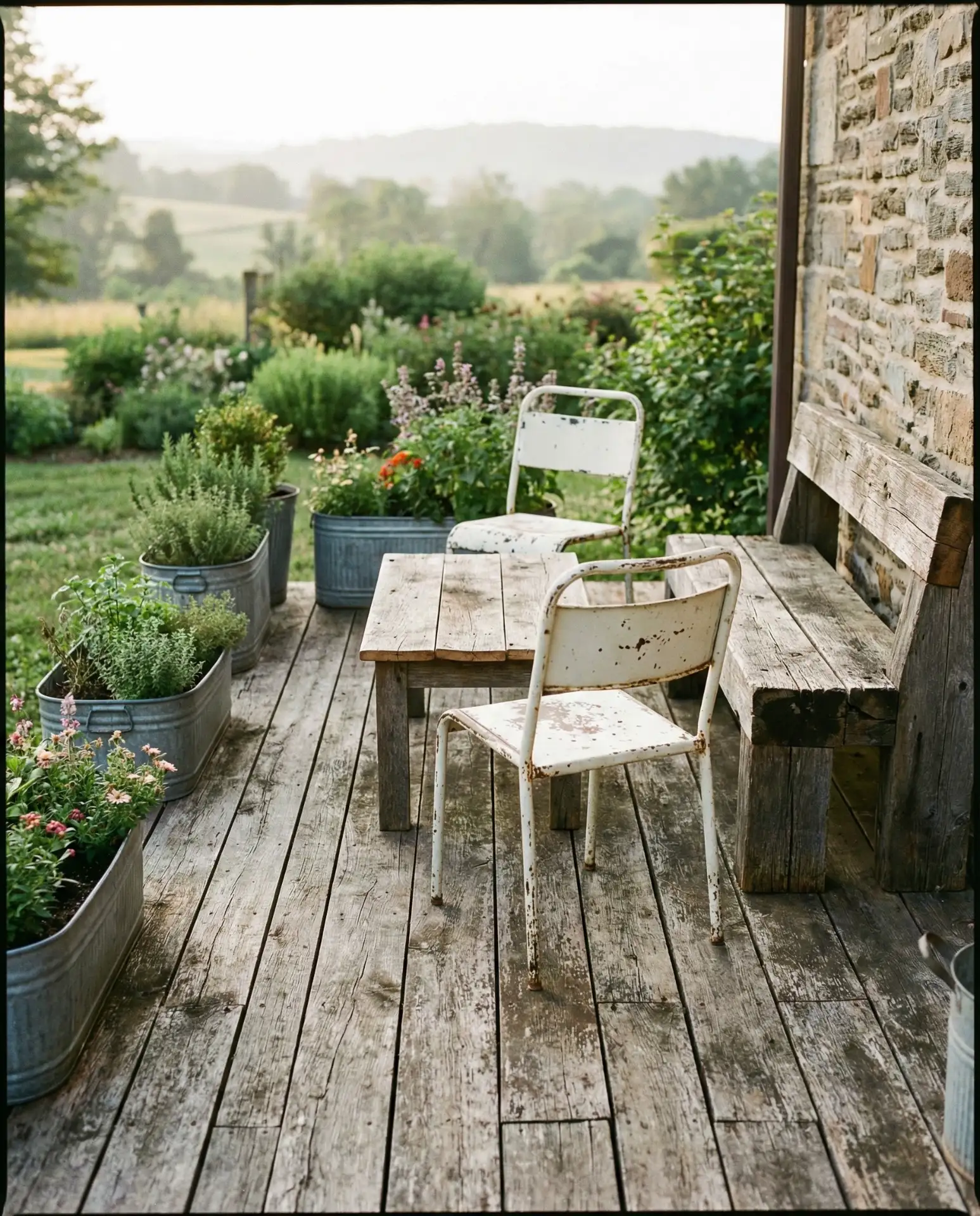
The rustic farmhouse aesthetic brings warmth and character through weathered wood, vintage accents, and a deliberately unpolished look. Use reclaimed barn wood for decking or accent walls, incorporate galvanized metal planters, and choose furniture with distressed finishes. Mason jar lanterns, wooden crates as side tables, and a neutral color palette of whites, grays, and natural wood tones complete the look. This style celebrates imperfection and tells a story through every element. 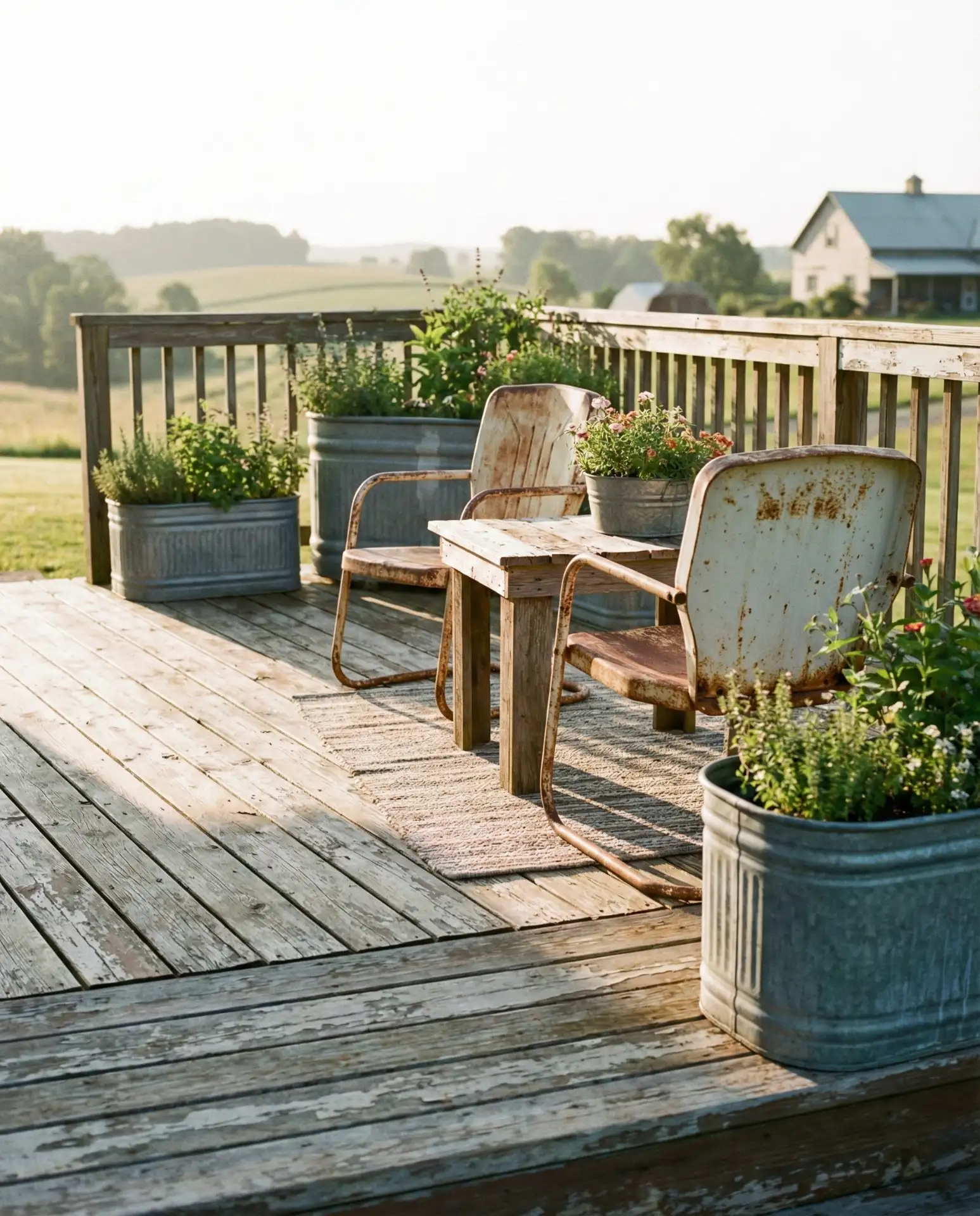
This design works beautifully in rural areas and suburban homes with traditional architecture, particularly in the Midwest and South. A practical tip: seal reclaimed wood properly to prevent splinters and extend its lifespan outdoors. Many homeowners make the mistake of leaving it completely untreated, which accelerates weathering beyond the desired aesthetic. A clear matte sealant preserves the rustic look while providing necessary protection from the elements.
7. String Light Magic for Evening Ambiance

Transform any deck into an enchanting evening destination with strategically placed string lights. Whether draped overhead in a canopy pattern, wrapped around railings, or hung in swooping arcs, these lights create instant atmosphere at minimal cost. Choose warm white bulbs for a classic look or Edison-style bulbs for vintage charm. Solar-powered options offer budget-friendly operation, while plug-in versions provide consistent brightness for entertaining after dark. 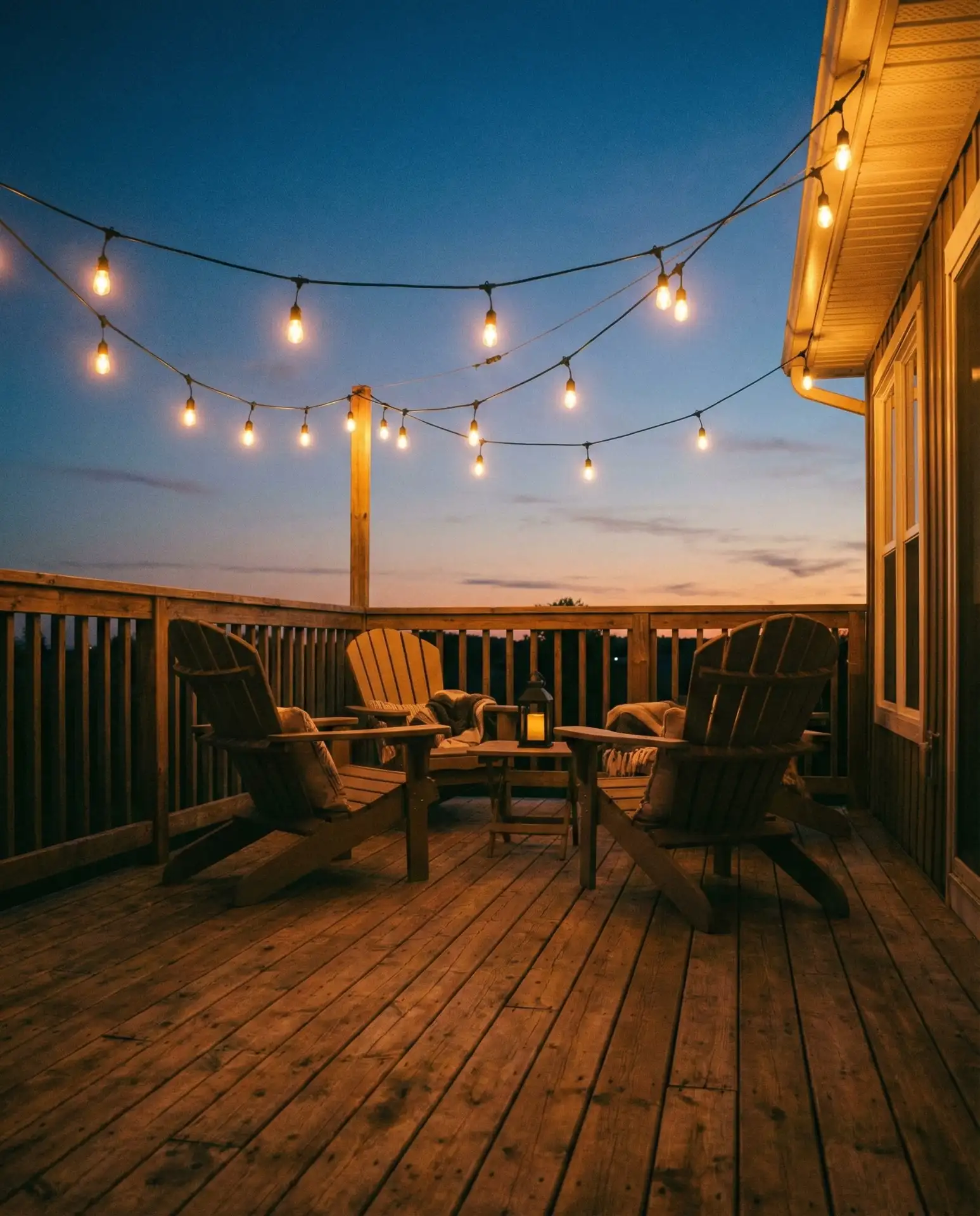
Across America, from coastal California to suburban Texas, string lights have become the number one requested deck feature. They’re affordable (quality strands start at $25), easy to install, and instantly elevate the space. For best results, install them about 8-10 feet high and create multiple layers at different heights. This adds depth and prevents the harsh overhead feeling of a single strand. Combine with lanterns or candles at table level for truly magical evenings.
8. Hot Tub Haven with Privacy Screens
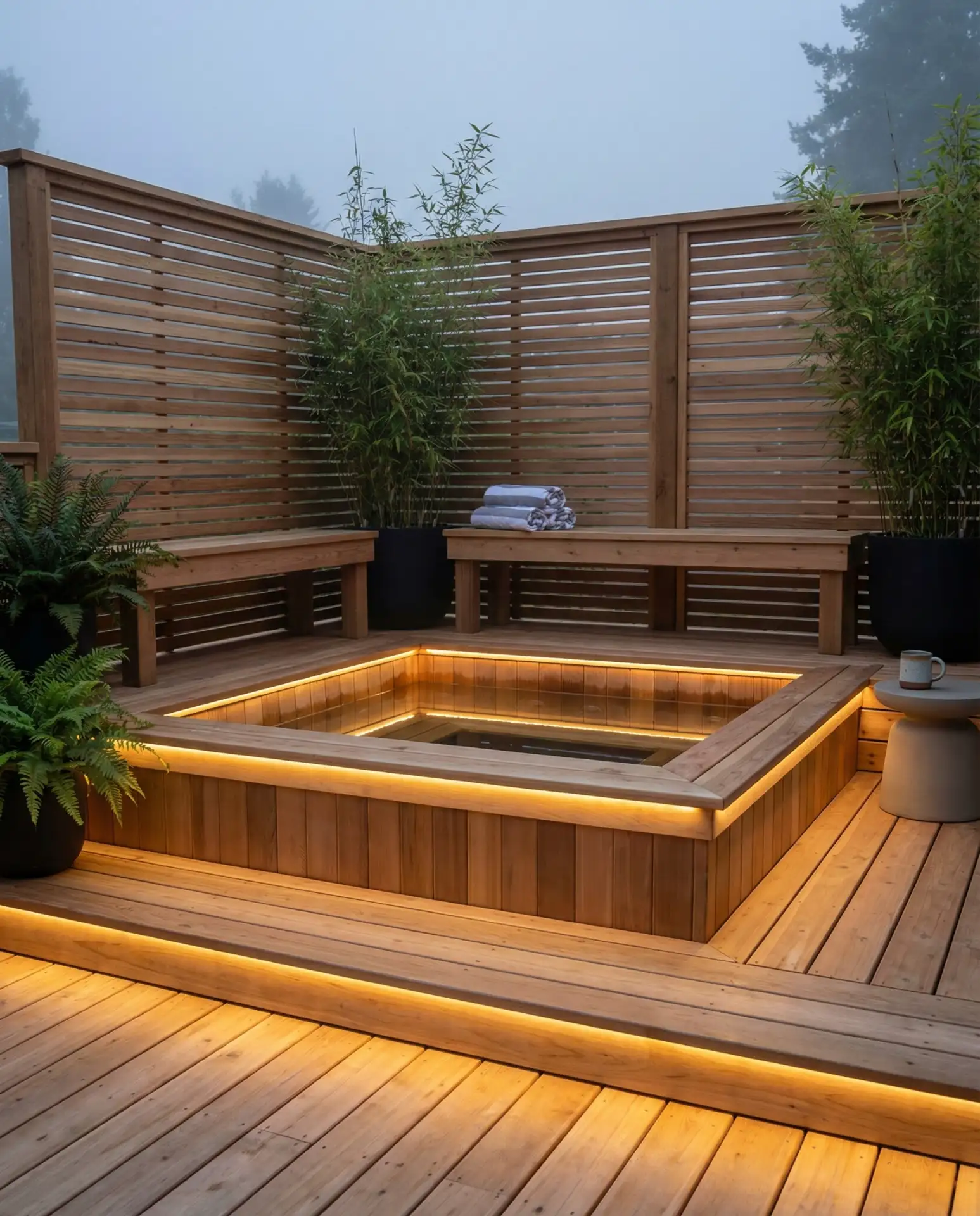
Integrating a hot tub into your deck design creates a personal spa retreat right at home. Successful integration requires thoughtful planning around placement, privacy, and structural support. Install lattice screens, living walls, or tall planters to create intimate enclosures. Build the deck surface to be level with the hot tub rim for seamless transitions, and ensure adequate electrical and plumbing access. Choose slip-resistant decking materials in the immediate surrounding area for safety. 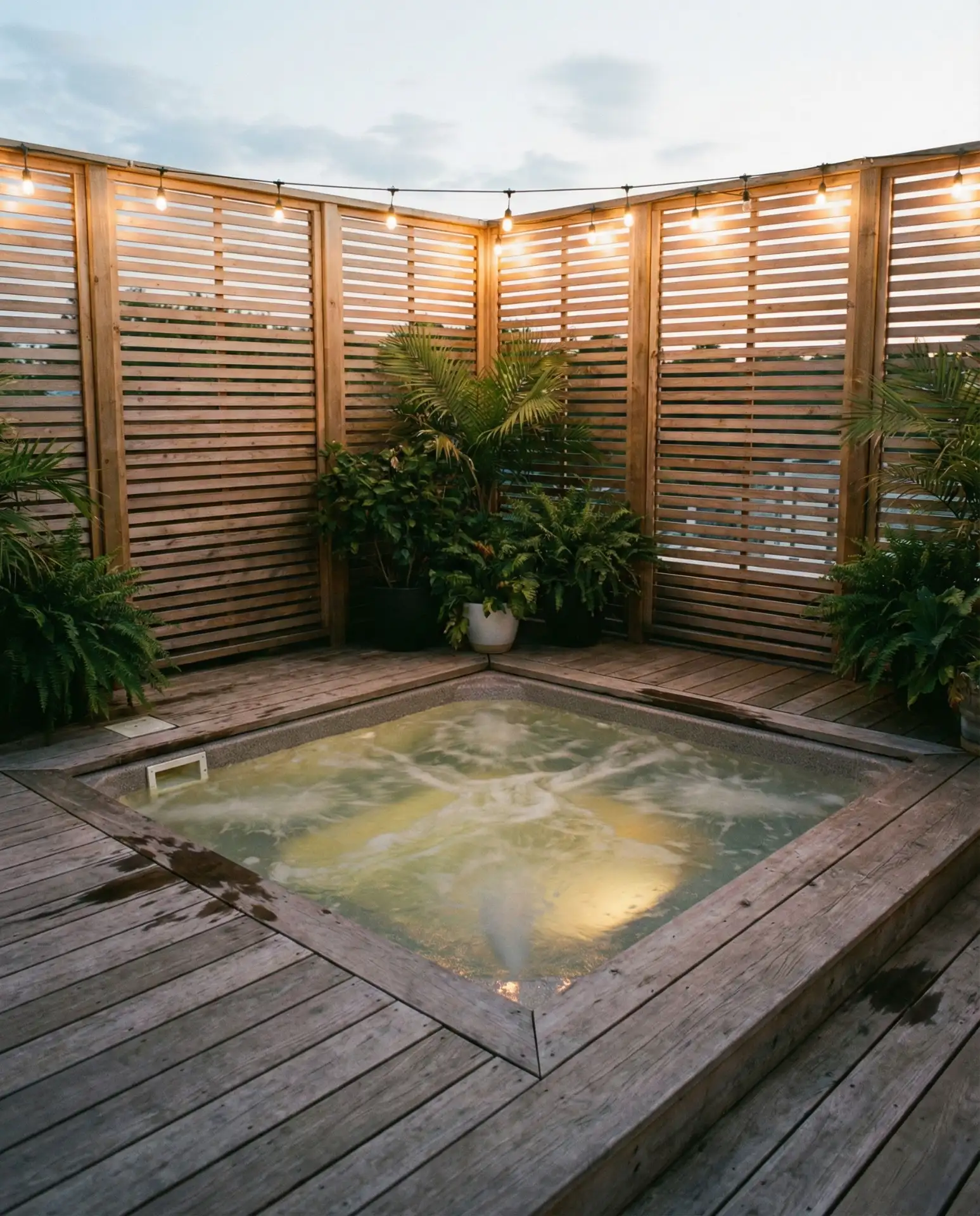
Before installation, verify your deck can support 100-150 pounds per square foot—the combined weight of water, tub, and occupants. Many existing decks require reinforcement, which can add $2,000-$5,000 to your budget. Homeowners in colder climates particularly appreciate this addition, as it extends outdoor living well into winter months. Position your hot tub where you’ll have the best views while maintaining privacy from neighbors.
9. Multi-Level Deck for Defined Zones
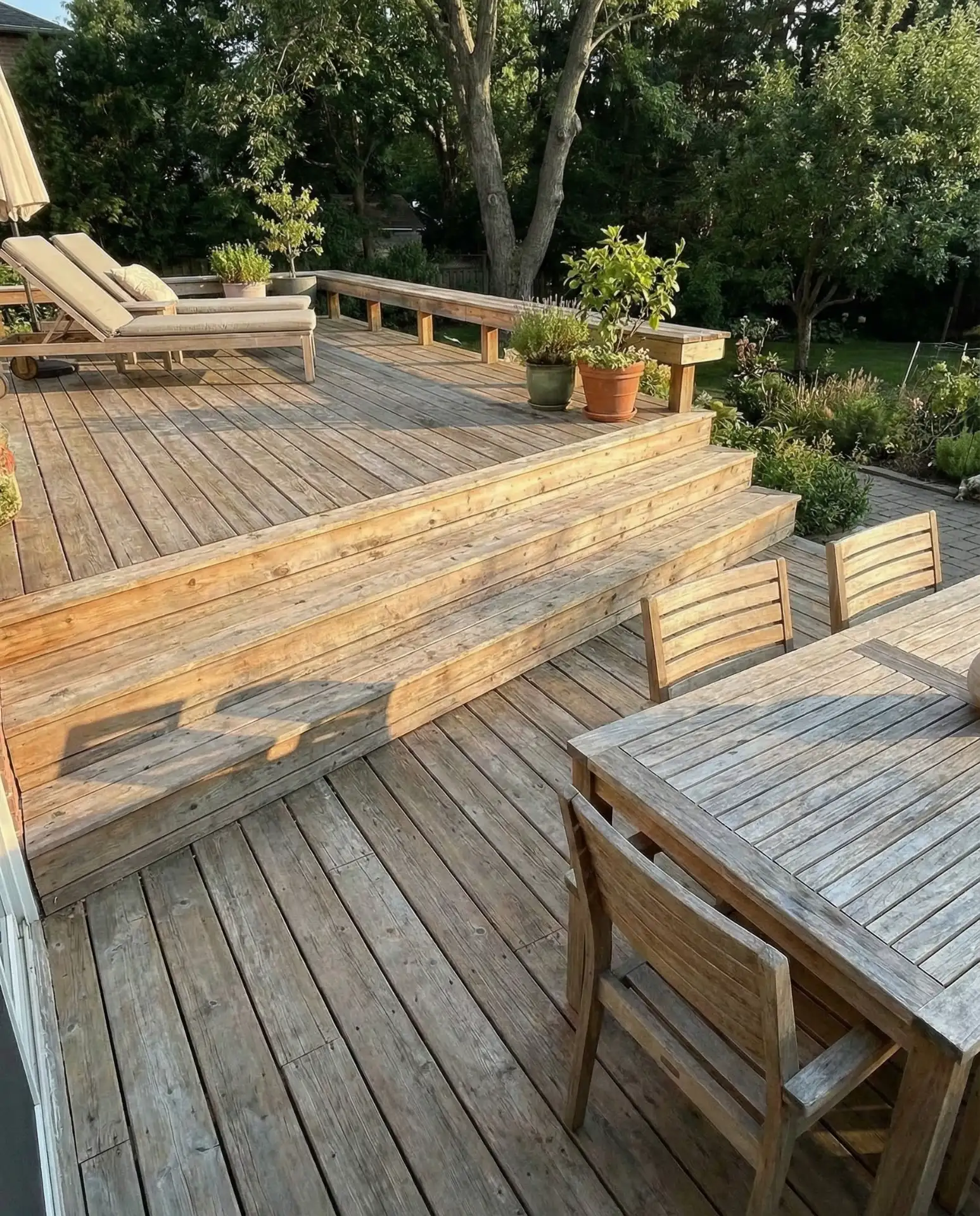
Creating distinct levels within your deck naturally separates activities without walls or dividers. Designate the upper level for decor seating areas and conversation, while the lower level hosts dining or kids’ play space. This approach works especially well on sloped properties where elevation changes are already present. Use wide steps between levels that double as additional seating during gatherings, maximizing functionality while maintaining visual flow. 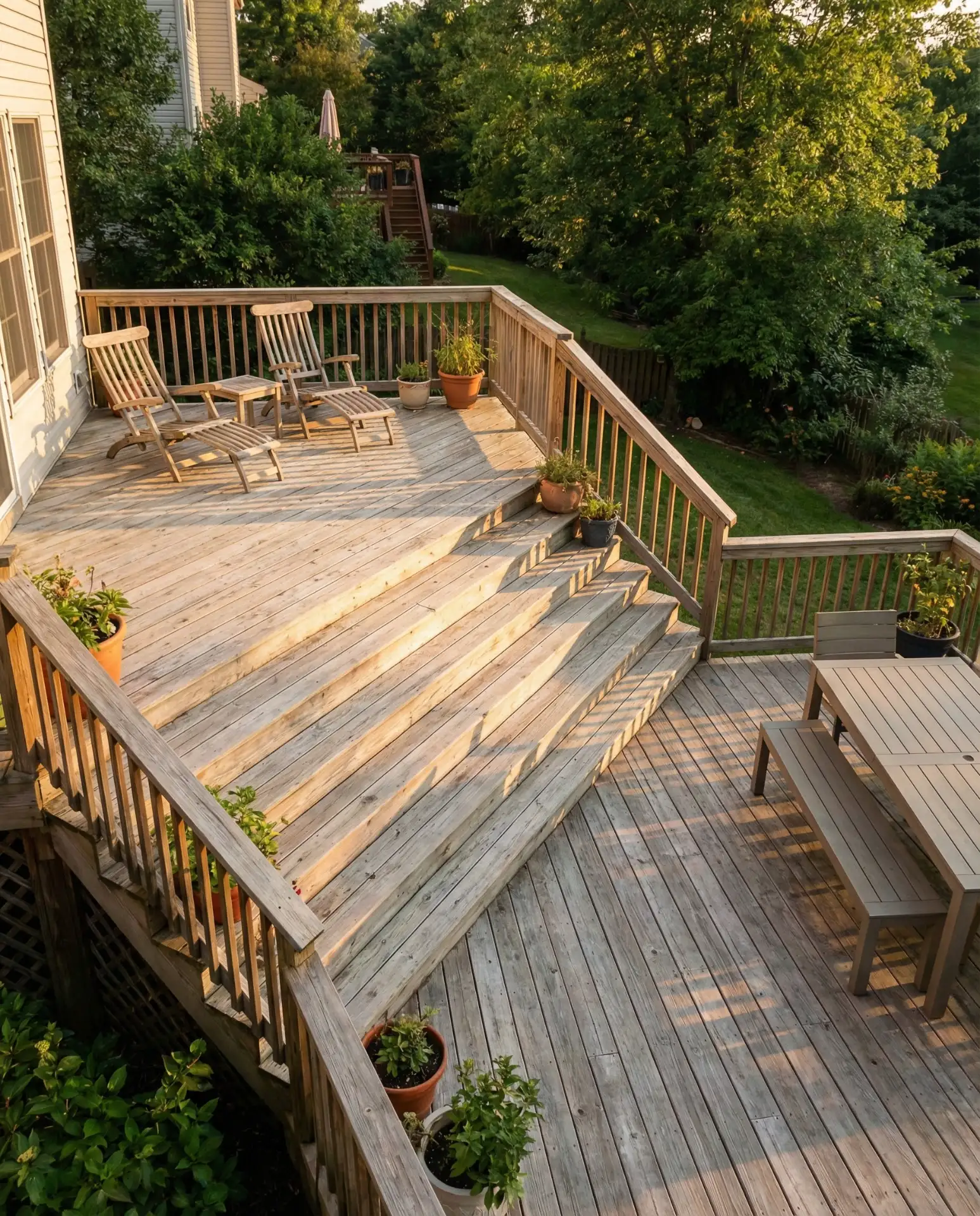
In the American South and West, where outdoor living is year-round, multi-level decks have become increasingly popular for their ability to accommodate different activities simultaneously. The elevation change typically ranges from 12-18 inches per level. Where this design truly shines is accommodating groups—adults can relax on one level while kids play safely within view on another. Just ensure railings meet local code requirements, typically 36 inches minimum height.
10. White Coastal Deck with Nautical Touches
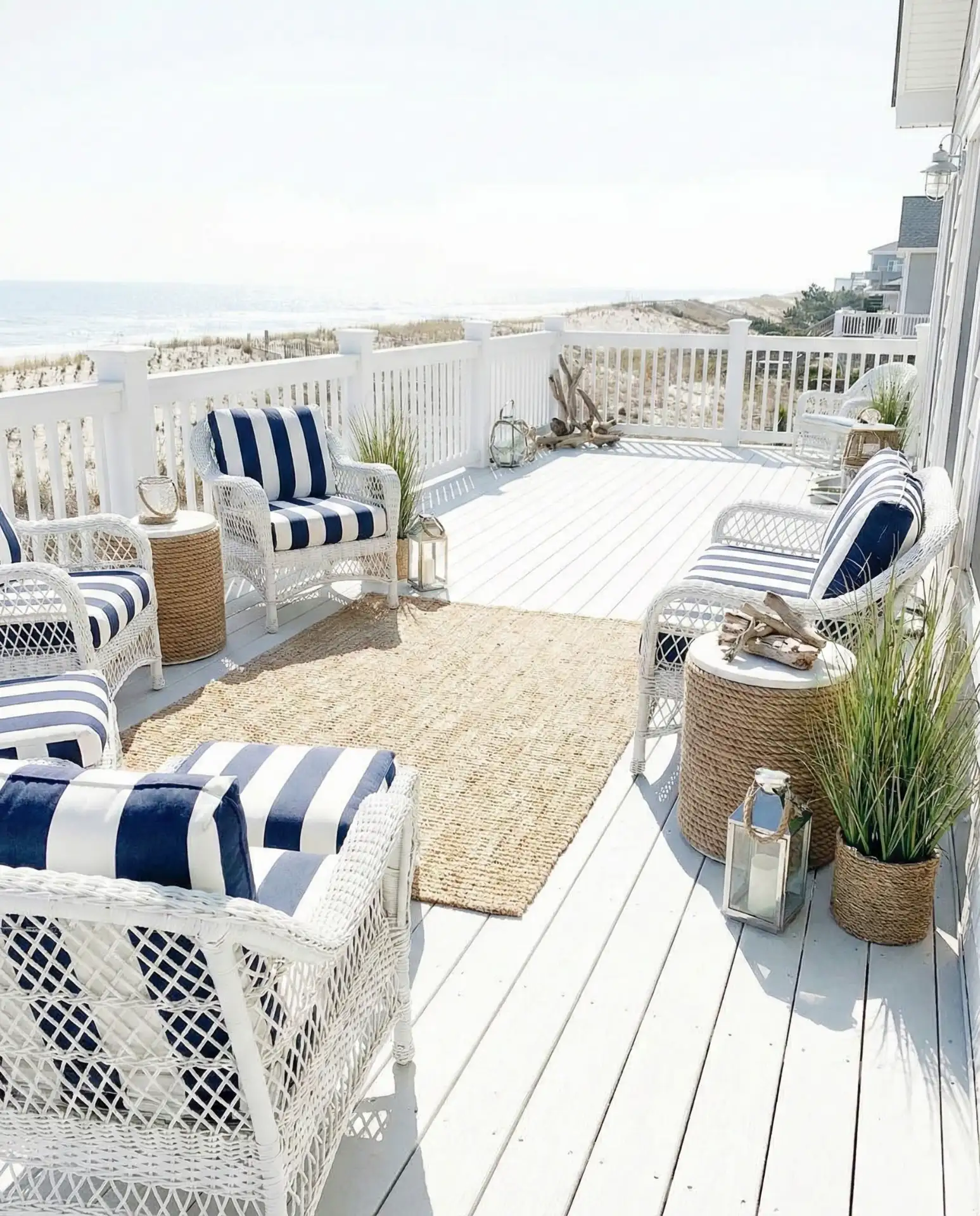
Capture the breezy elegance of seaside living with an all-white deck featuring crisp painted railings, whitewashed wood, and navy blue accents. This design brings coastal charm anywhere, not just beachfront properties. Incorporate rope details on railings, striped cushions, weathered driftwood decor, and potted beach grasses. The predominantly white palette reflects sunlight, keeping the space cooler during hot summer days while creating an airy, expansive feeling even in small spaces. 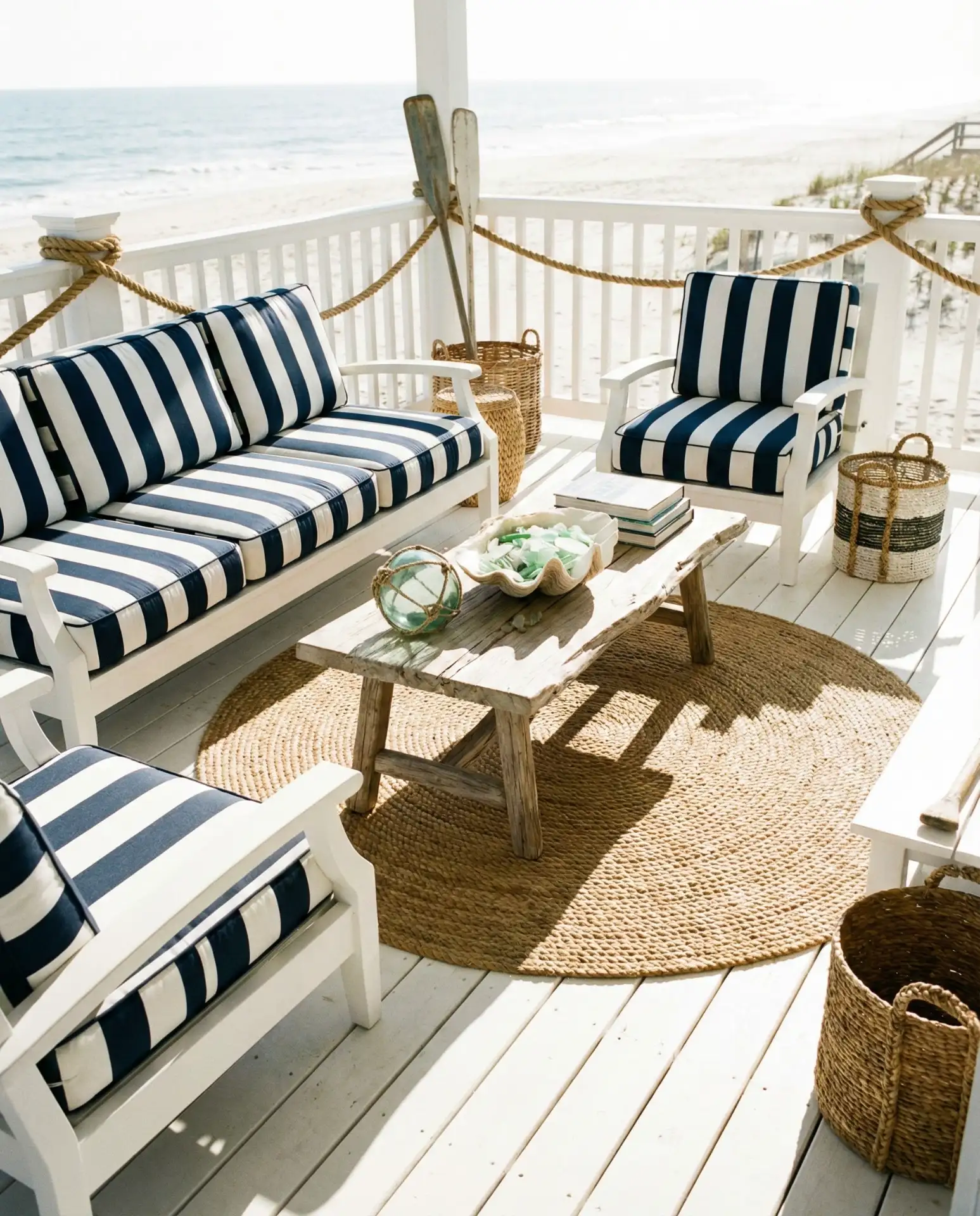
Homeowners from Florida to Cape Cod embrace this timeless aesthetic. A micro anecdote: One couple in South Carolina painted their entire deck white, then added just one coral-colored door as an accent—the photos went viral on Pinterest with over 50,000 saves. The lesson? Sometimes restraint creates the biggest impact. Just remember that white surfaces require more frequent cleaning to maintain their fresh appearance, so factor maintenance into your decision.
11. Enclosed Sunroom Deck Hybrid
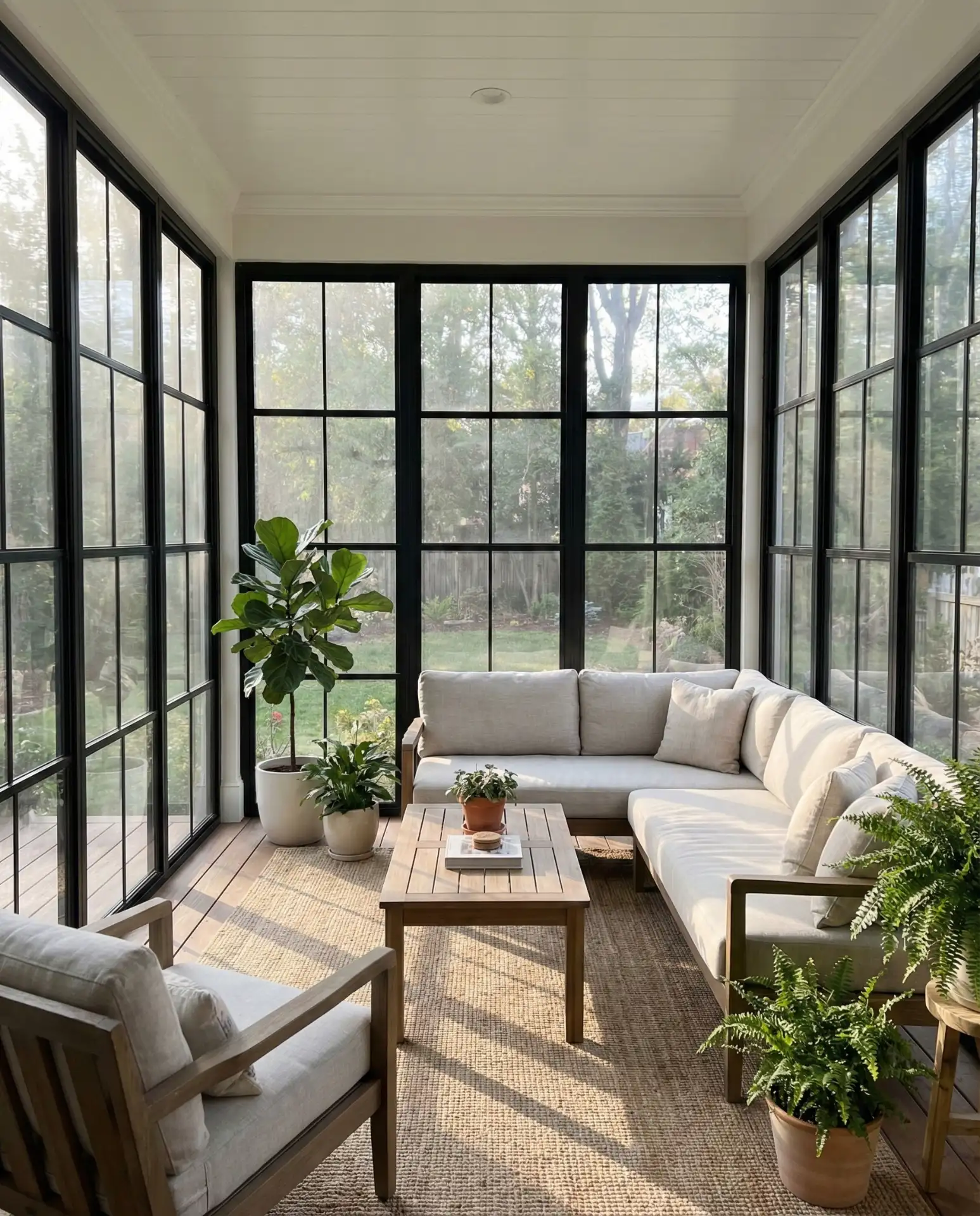
An enclosed deck blurs the line between indoor and outdoor living, offering weather protection while maintaining connection to nature. Screen enclosures keep insects out while allowing fresh air, or go fully enclosed with windows that open seasonally. This creates a four-season room perfect for dining, lounging, or even functioning as a home office with natural light. Add ceiling fans, comfortable furniture, and perhaps a small electric fireplace for ultimate versatility. 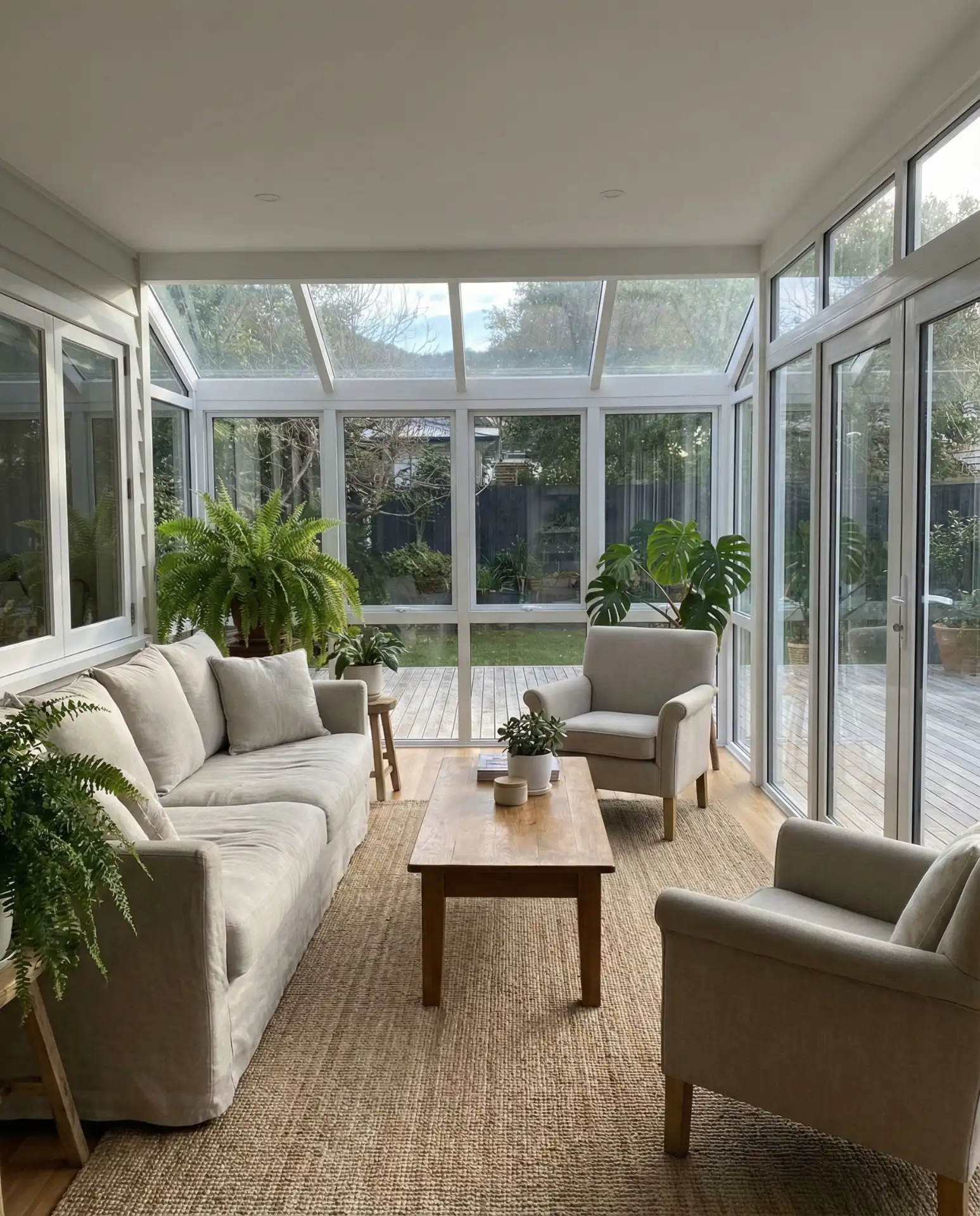
The investment ranges from $10,000 for basic screen enclosures to $35,000+ for fully insulated glass rooms, but the added square footage often recoups value at resale. In regions with mosquitoes or extreme temperatures, this becomes less of a luxury and more of a practical solution. Building permits are typically required, so consult local regulations before starting. The result is essentially adding a room to your home at a fraction of traditional construction costs.
12. Pool Deck with Seamless Integration

When your deck surrounds a pool, design focuses on safety, drainage, and creating inviting lounging areas. Choose non-slip composite materials or textured wood that won’t splinter on bare feet. Build in different zones—sunbathing areas with chaise lounges, shaded sections with umbrella coverage, and perhaps a outdoor shower or changing station. Consider the flow between pool and deck, ensuring smooth transitions and adequate space for towels, drinks, and pool toys without cluttering walkways. 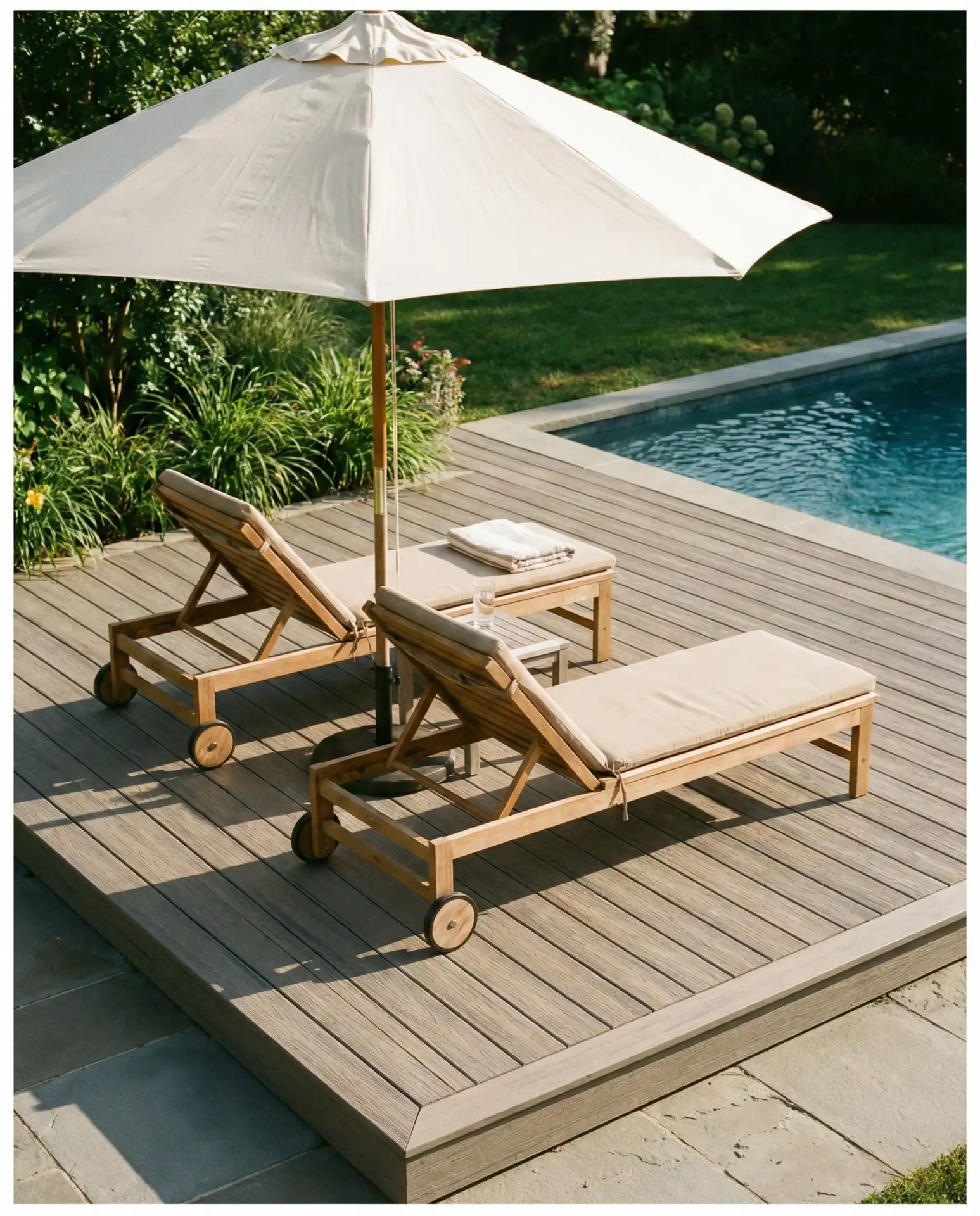
Budget considerations for pool decks start around $15 per square foot for basic materials and can exceed $50 for premium composites. Across Sun Belt states, many homeowners extend their deck 6-8 feet beyond the pool edge to accommodate furniture and circulation. A common mistake is insufficient shade—even sun lovers need respite. Plan for at least one fully shaded zone with either a permanent structure or large commercial-grade umbrellas positioned for afternoon coverage.
13. Long Narrow Deck Maximized with Layout
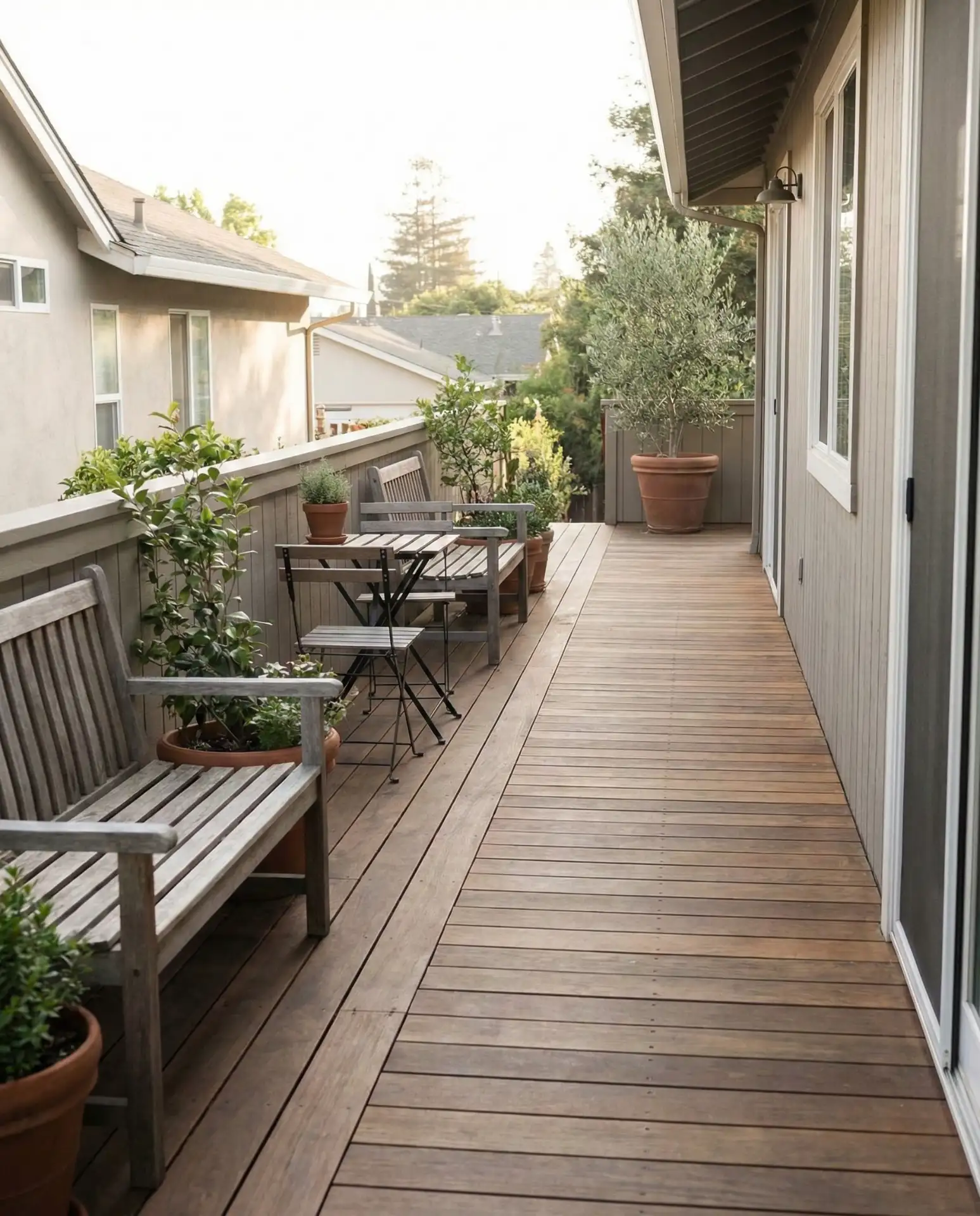
A long, narrow deck challenges traditional furniture arrangements but offers unique opportunities when approached strategically. Arrange seating along one side facing outward toward views, leaving a clear circulation path along the opposite edge. Use the length to create distinct zones—reading nook at one end, dining in the middle, and perhaps a small bar or grill station at the far end. Vertical elements like tall planters and trellises add width perception without consuming precious floor space. 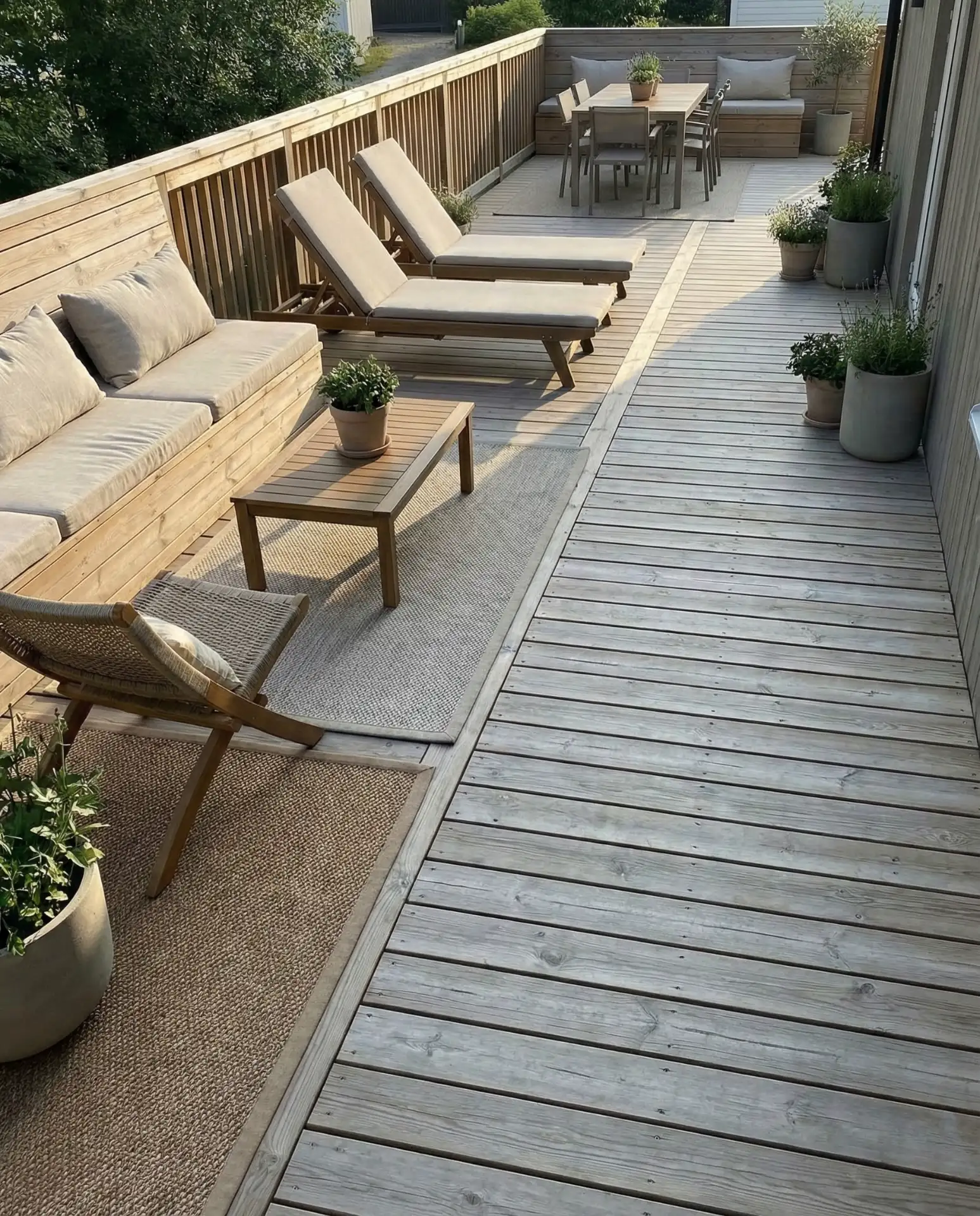
Expert designers recommend the “60-30-10 rule” for long decks: 60% circulation space, 30% seating, 10% accent pieces. This prevents the cramped feeling that often plagues narrow outdoor spaces. In townhomes and row houses from Boston to San Francisco, these proportions prove essential for functionality. Resist the urge to push furniture against railings—floating pieces 12-18 inches away actually makes the space feel larger and more intentional.
14. Restaurant-Inspired Outdoor Dining Deck
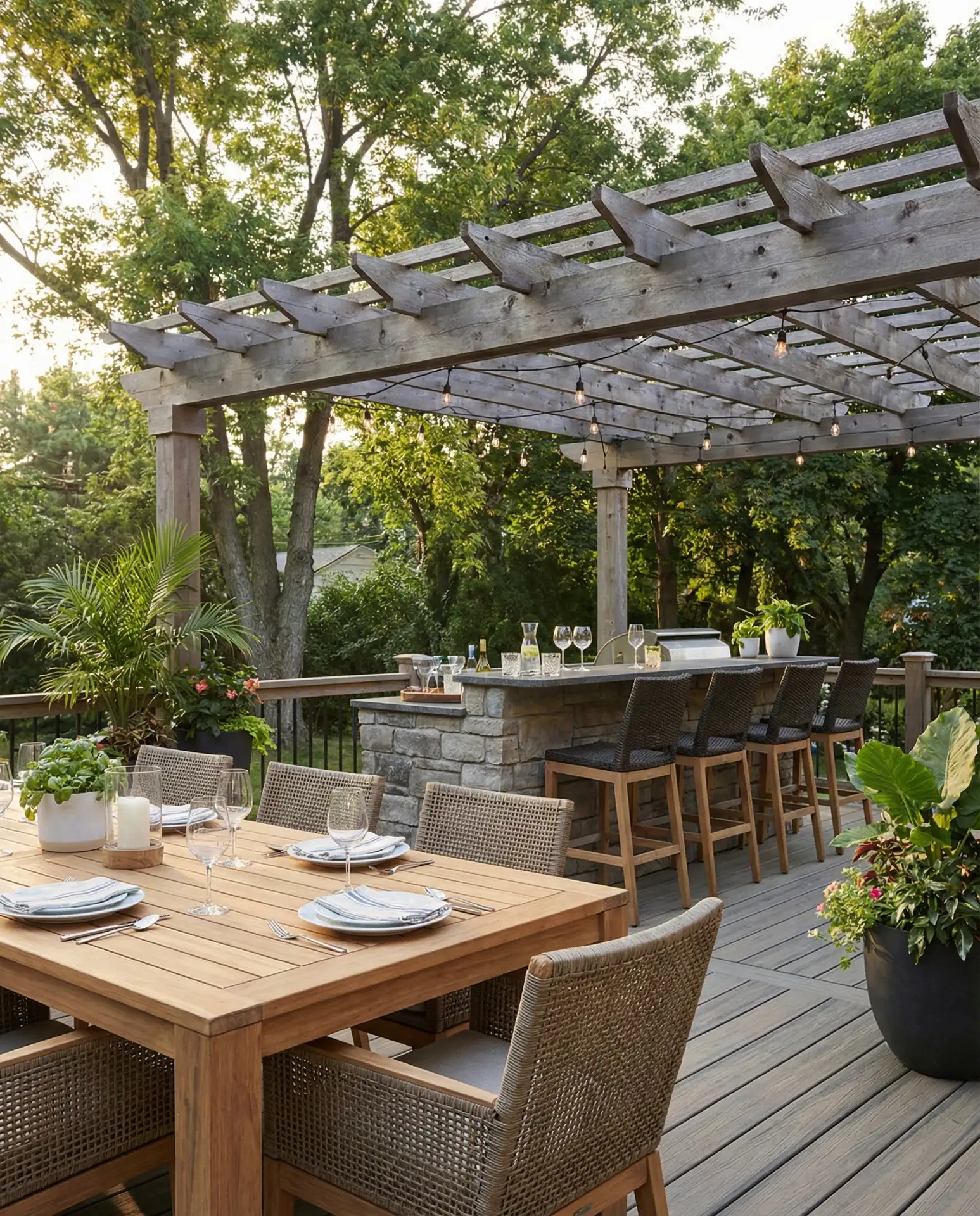
Bring the sophistication of a restaurant patio home with commercial-grade elements and thoughtful details. Install a pergola with adjustable louvers for weather control, choose durable yet stylish metal or all-weather wicker seating, and add ambient lighting through a combination of string lights and lanterns. A built-in serving station or bar counter elevates entertaining capabilities. Focus on creating an experience—from music speakers to wine storage—that rivals your favorite outdoor dining spot. 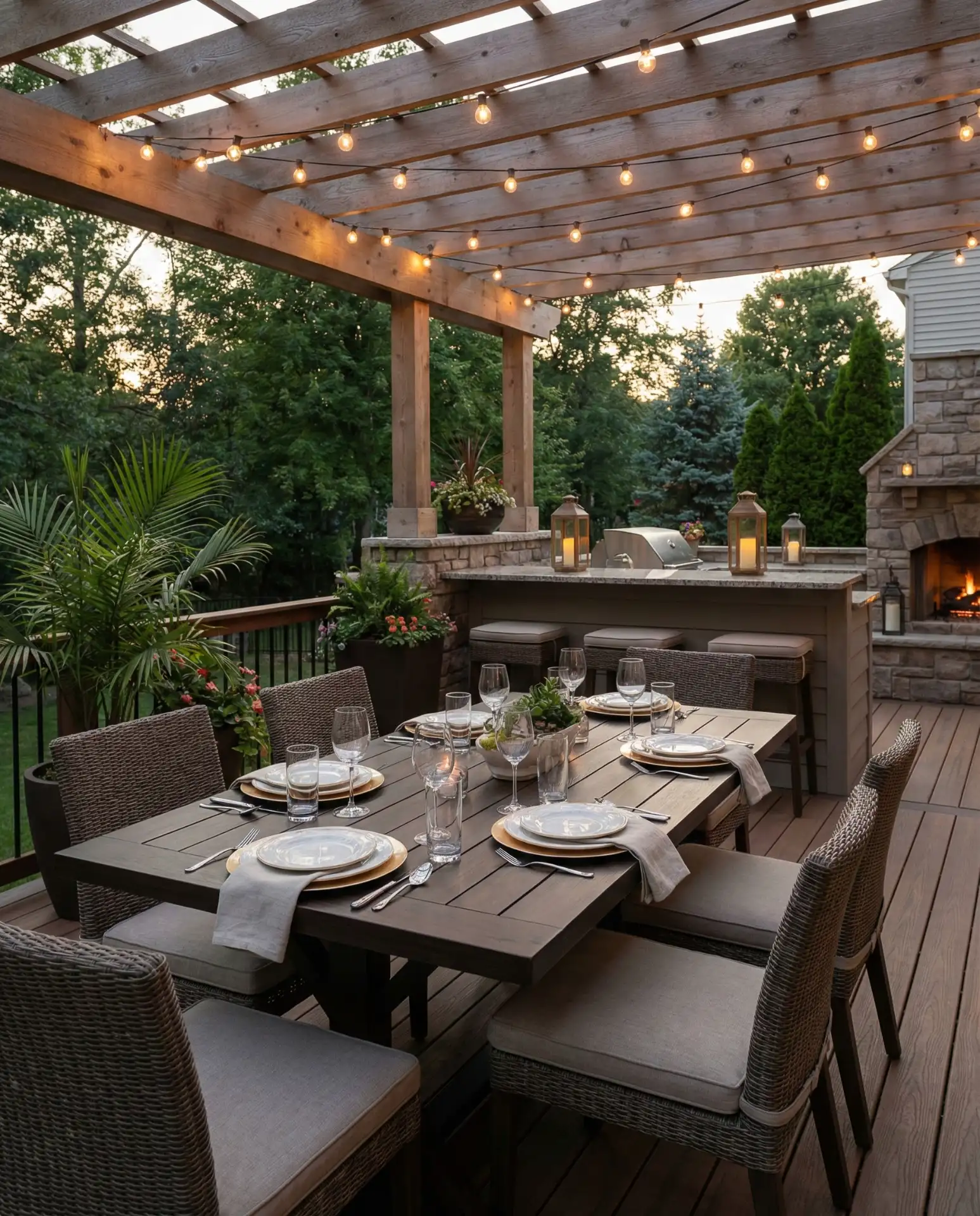
Many American homeowners invested heavily in outdoor entertaining spaces during 2020-2021, and that trend continues. Commercial-grade furniture costs more upfront ($2,000-$5,000 for a quality dining set) but withstands heavy use and weather exposure far better than residential options. The key differentiator is attention to details—proper task lighting over dining areas, convenient drink rails or side tables, and weatherproof storage for cushions and entertaining supplies keeps everything accessible and organized.
15. Kid-Friendly Deck with Safe Play Zones
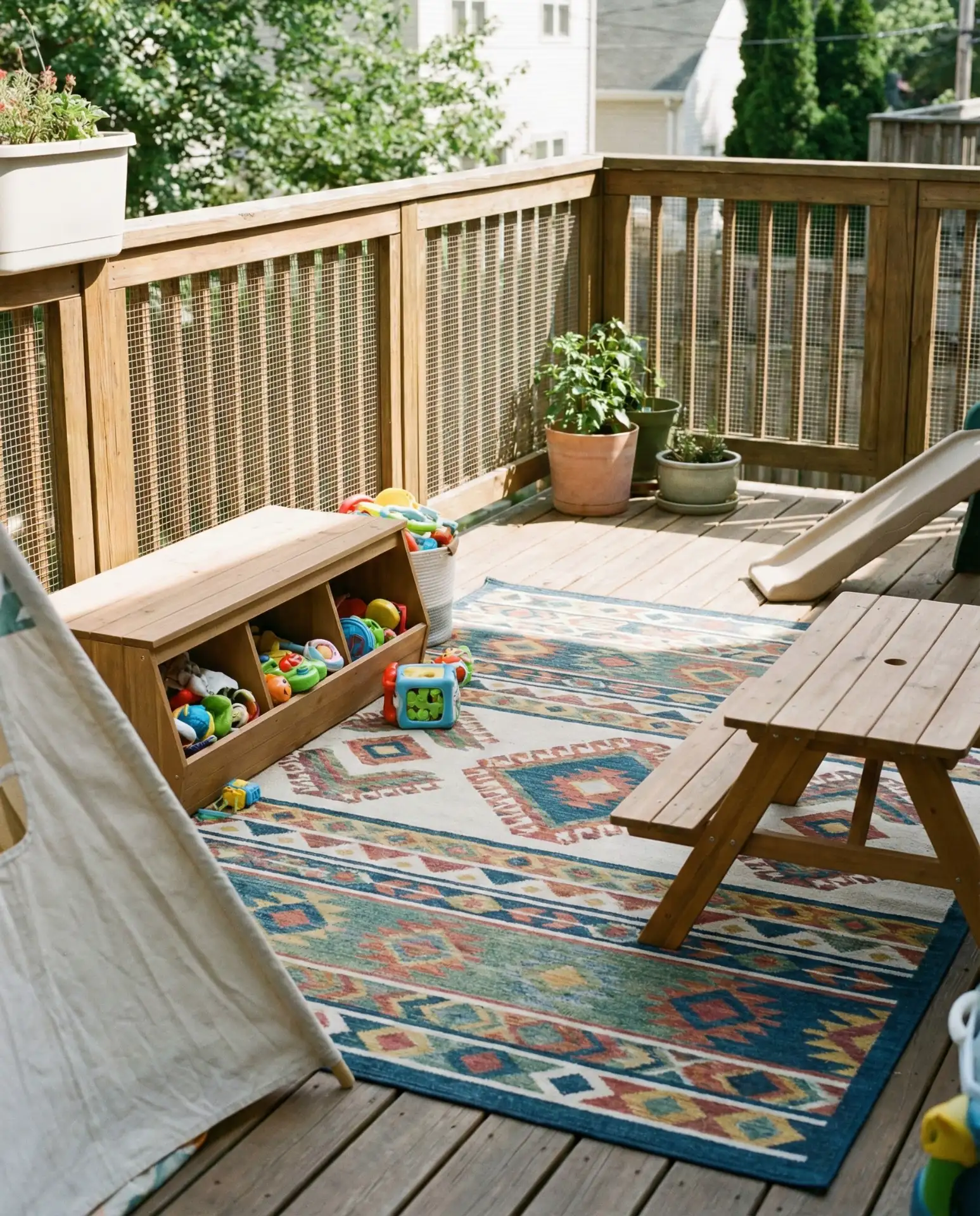
Designing with kids in mind prioritizes safety without sacrificing style. Install railings with vertical balusters spaced no more than 4 inches apart, choose splinter-free composite decking, and round all corners. Dedicate one section to kid activities with outdoor toy storage benches, a small play table, or even a sandbox built into the deck design. Use outdoor rugs to define the play area and provide a softer surface for inevitable tumbles. Bright, cheerful colors in cushions and accessories appeal to children while maintaining visual cohesion. 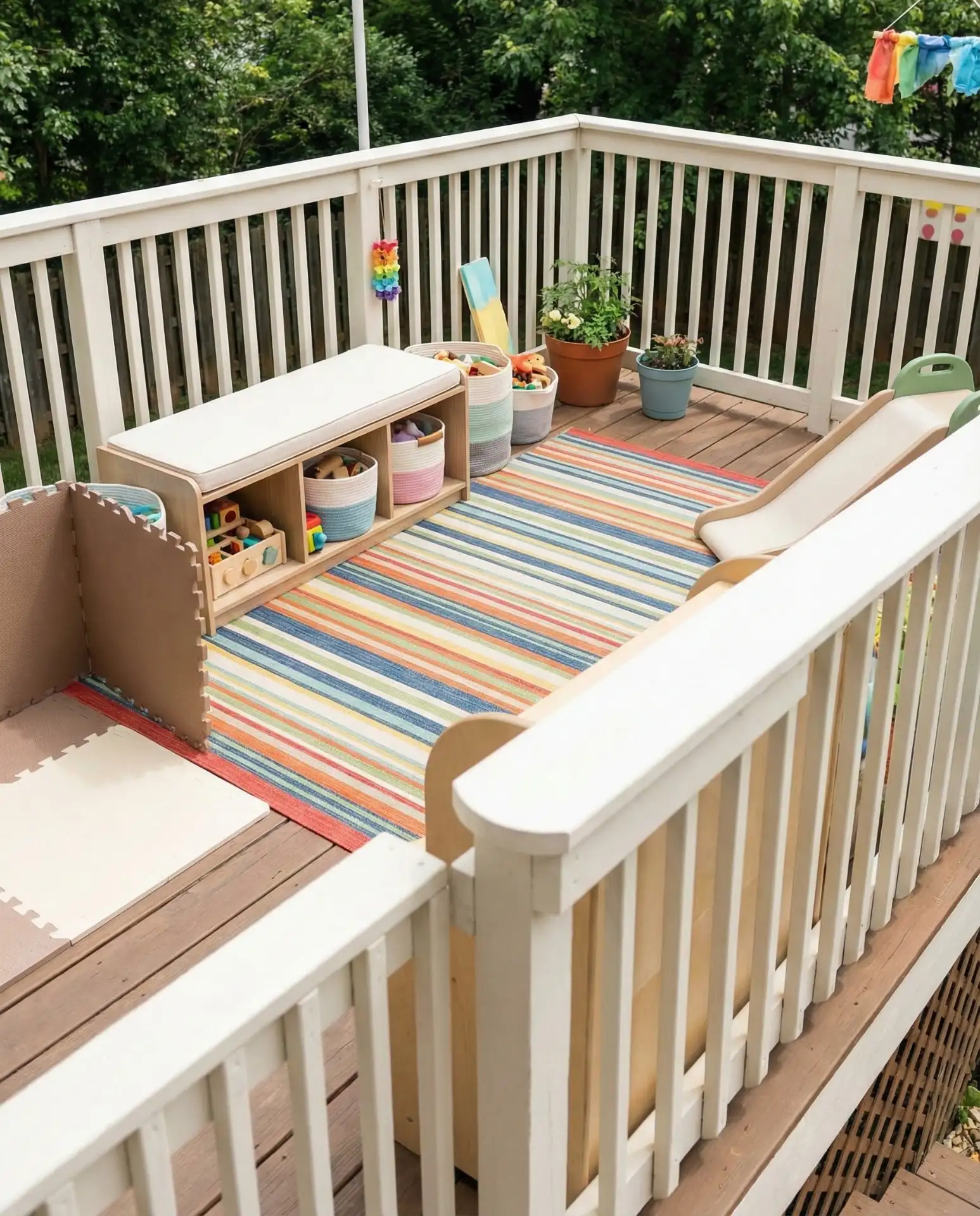
Where this design works best is in suburban neighborhoods with young families, particularly in the Midwest and South where outdoor play is central to childhood. Real homeowner behavior shows that dedicated kid zones prevent toys from overtaking the entire deck—everything has a place, making cleanup easier. Built-in storage is crucial; homeowners who skip this step universally regret it within months. Consider furniture that grows with your family, like adjustable-height tables that work for kids now and adults later.
16. Jacuzzi Corner with Romantic Ambiance
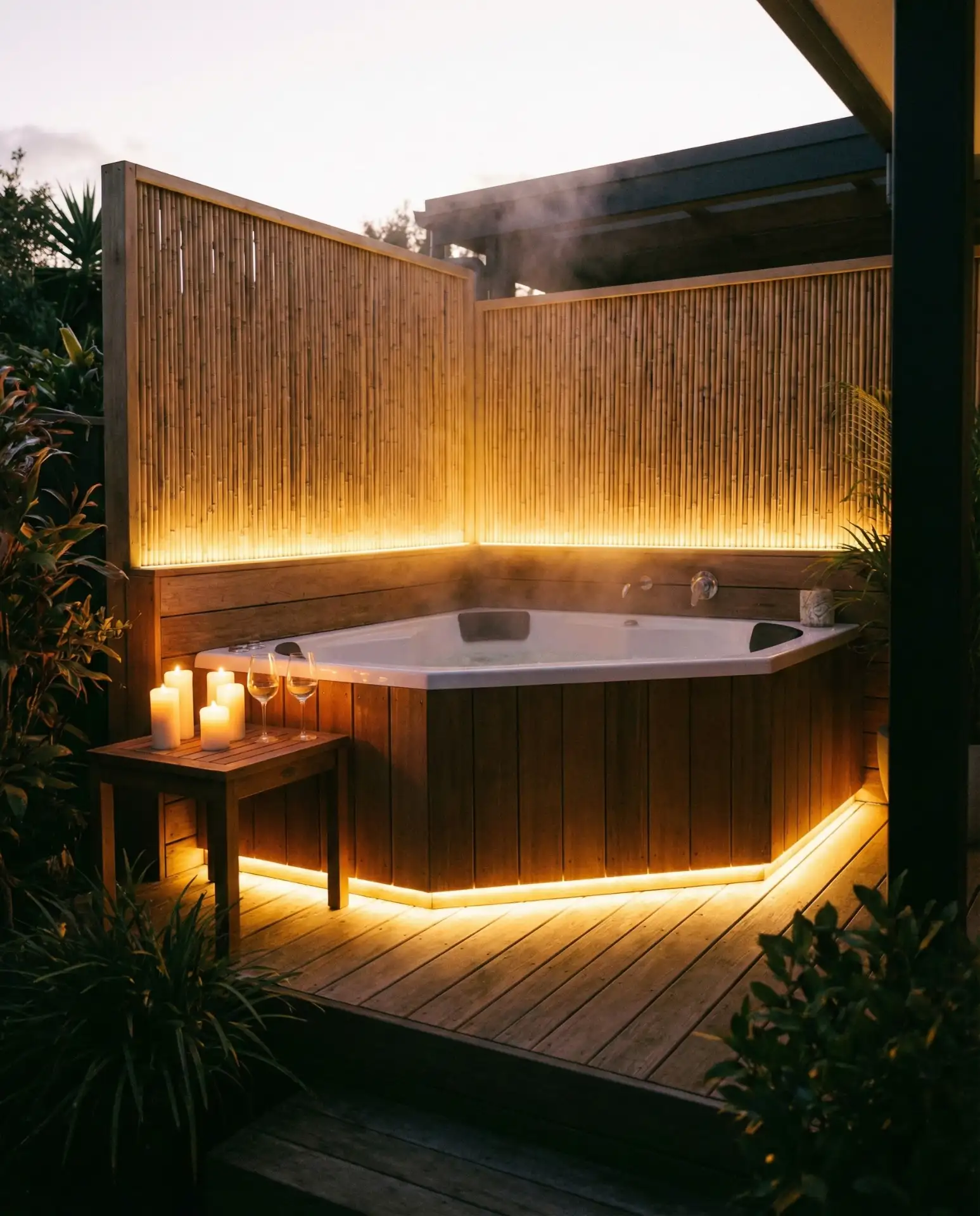
A jacuzzi transforms your deck into a luxurious escape perfect for relaxation and romance. Position it in a corner for efficient space use and natural privacy from two sides. Surround with lattice screens draped in climbing vines, add soft lighting through waterproof LED strips or solar lanterns, and include a small side table for drinks and towels. The key is creating intimacy—this isn’t just about the jacuzzi itself, but the entire environment around it that invites you to linger and unwind. 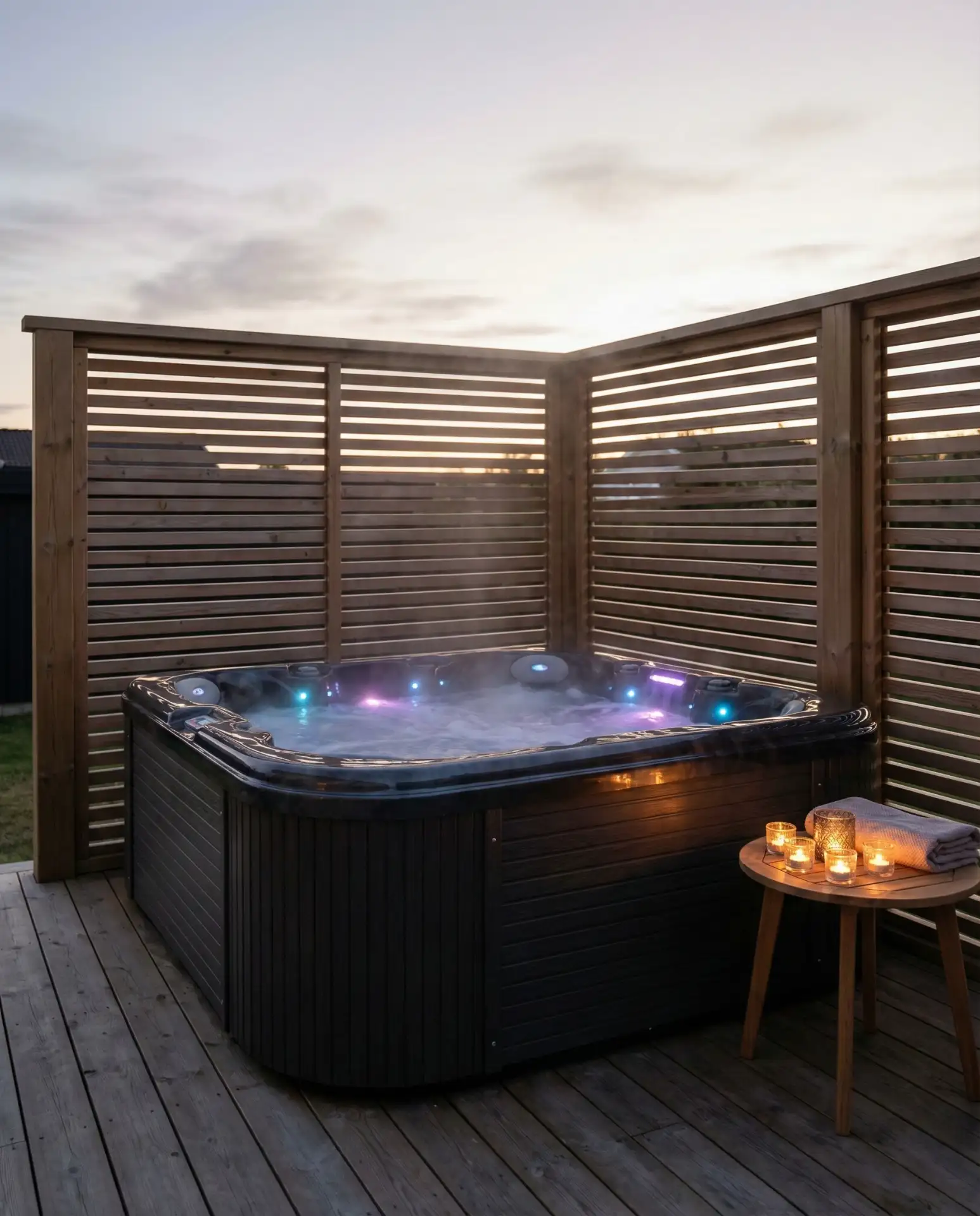
The practical insight here centers on maintenance access—ensure you can reach all sides of the jacuzzi for cleaning and servicing. Many homeowners build beautiful enclosures, then struggle with simple filter changes. Leave at least 2 feet of accessible space on all sides, cleverly disguised with removable panels or lifting deck sections. Electrical requirements typically need a dedicated 240-volt circuit, adding $500-$1,500 to installation costs beyond the jacuzzi itself.
17. RV-Adjacent Deck for Mobile Living
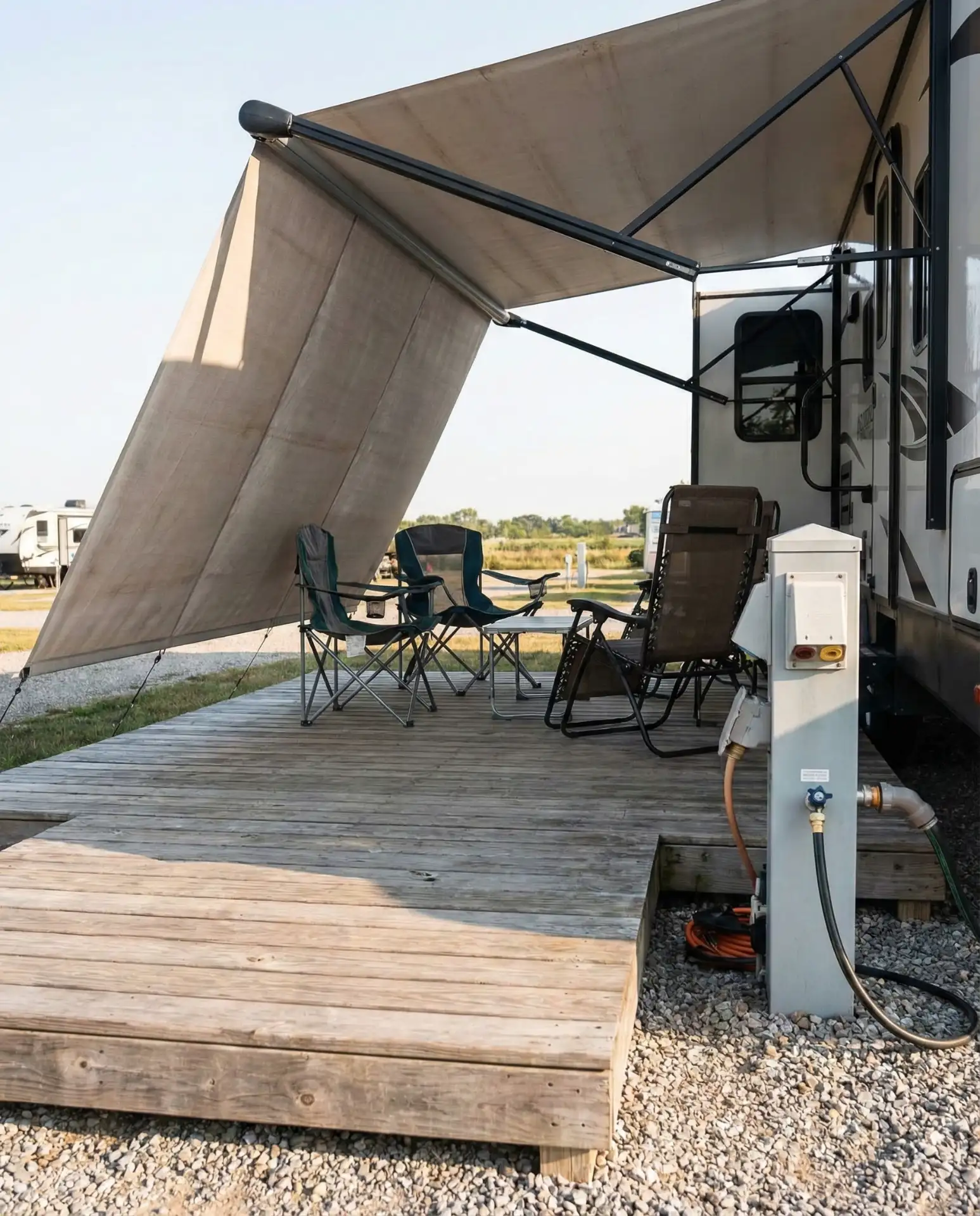
For RV enthusiasts, a permanent deck creates valuable outdoor living space at your home base. Build it adjacent to where you park your RV, creating seamless indoor-outdoor flow when you’re home. Include water and electrical hookups within the deck structure for convenient RV servicing. Use durable, low-maintenance materials since this deck may see less consistent use. Add retractable awnings and portable furniture that can easily be stored during your travels, keeping the space functional year-round whether you’re home or away. 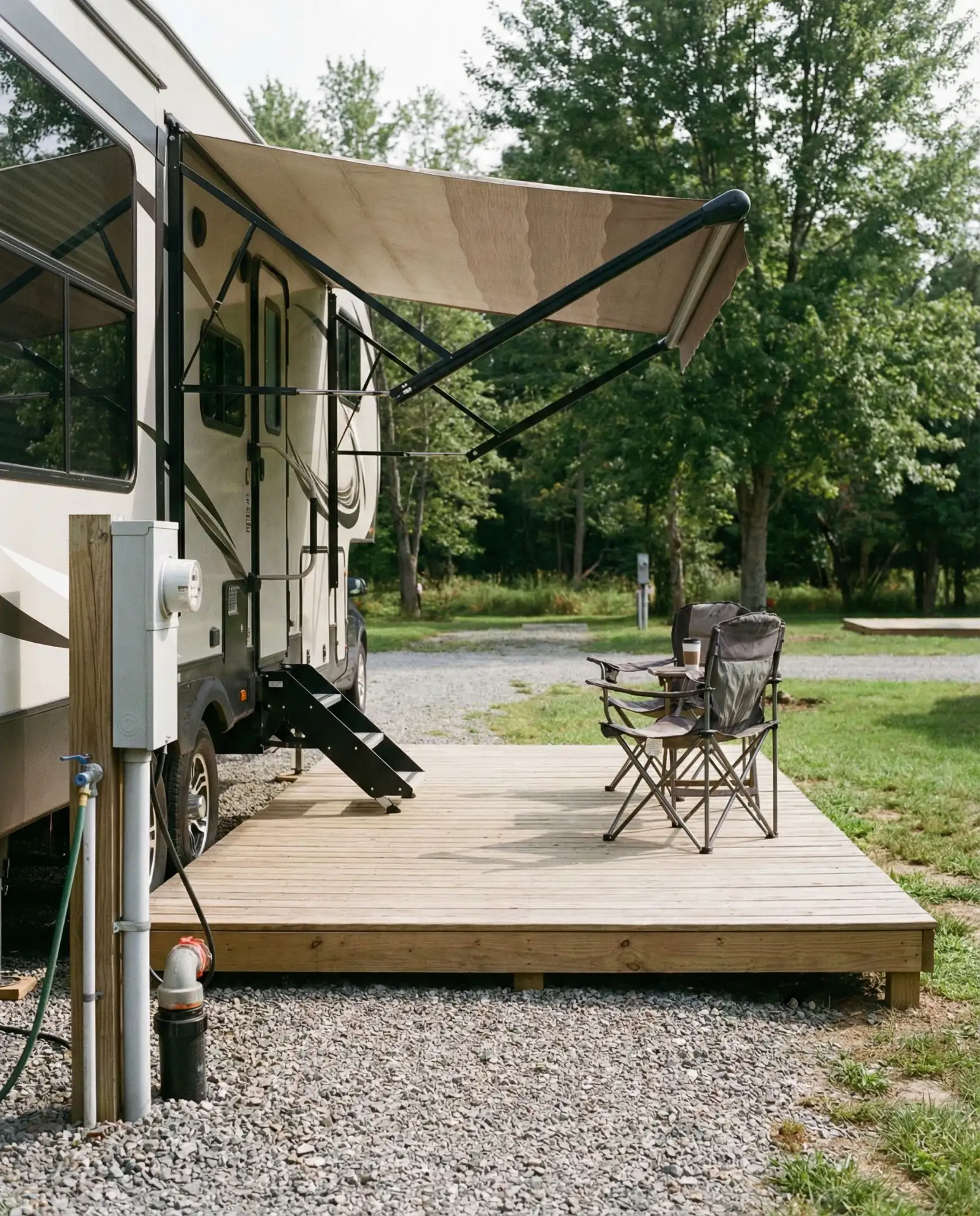
Across America, from Arizona to Montana, the RV lifestyle continues growing, and thoughtful deck integration makes home time more enjoyable. One couple in Colorado built their deck with flip-up panels concealing water, electrical, and sewer connections—brilliant dual-purpose design. Budget expectations run $3,000-$8,000 depending on size and utility integration. The beauty is creating a permanent gathering space that complements your mobile lifestyle without requiring constant setup and breakdown.
18. Australian-Inspired Outdoor Room
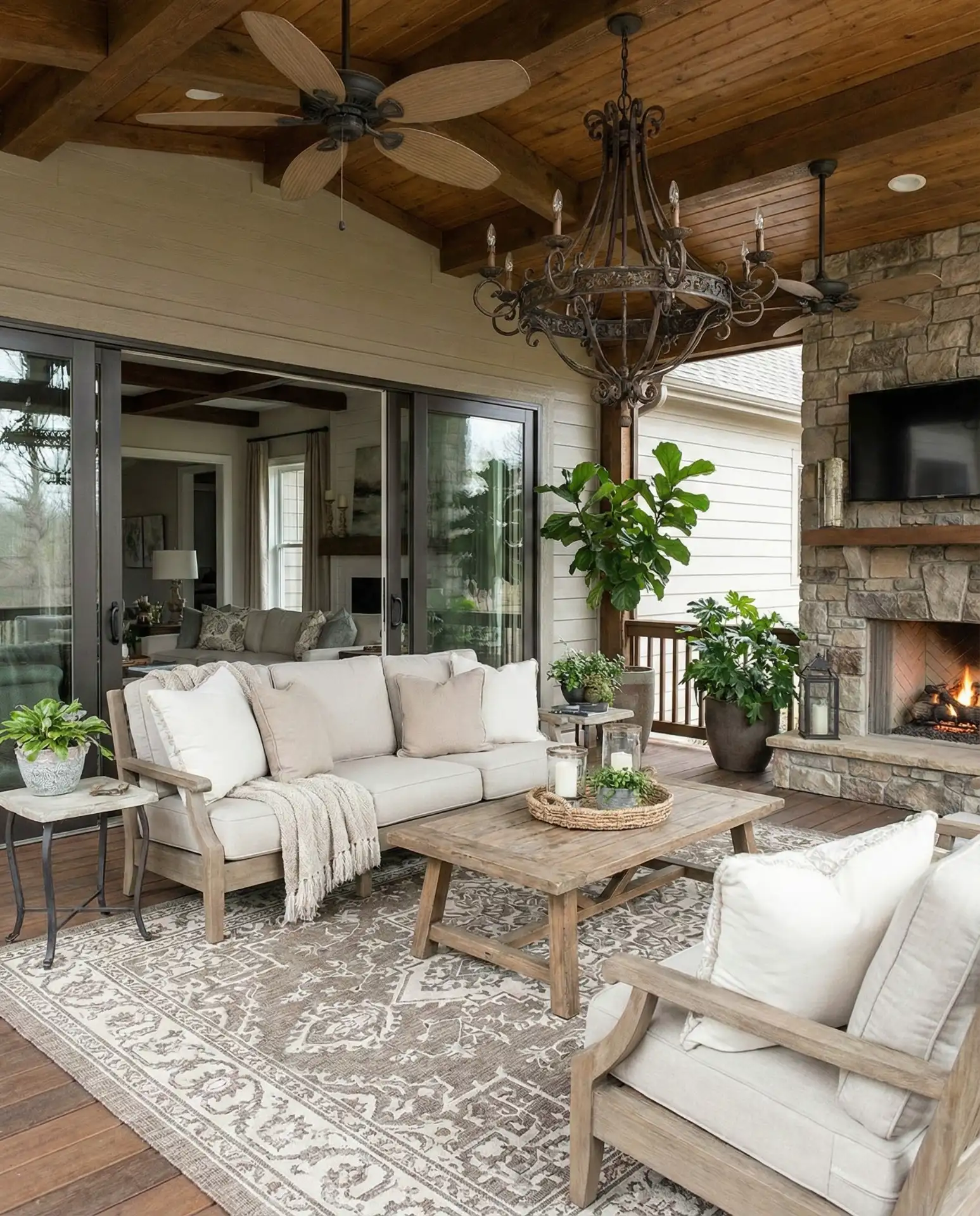
Drawing inspiration from Australia’s renowned outdoor living culture, this design treats your deck as a genuine extension of interior space. Incorporate indoor-quality furniture designed for outdoor use, install ceiling fans or outdoor-rated chandeliers under a solid roof, and use weather-resistant rugs to define spaces. The Australian approach blurs boundaries—think plush seating, proper dining tables, and even outdoor televisions. Add plantation shutters or roll-down screens for weather and sun control while maintaining that breezy, open connection to nature. 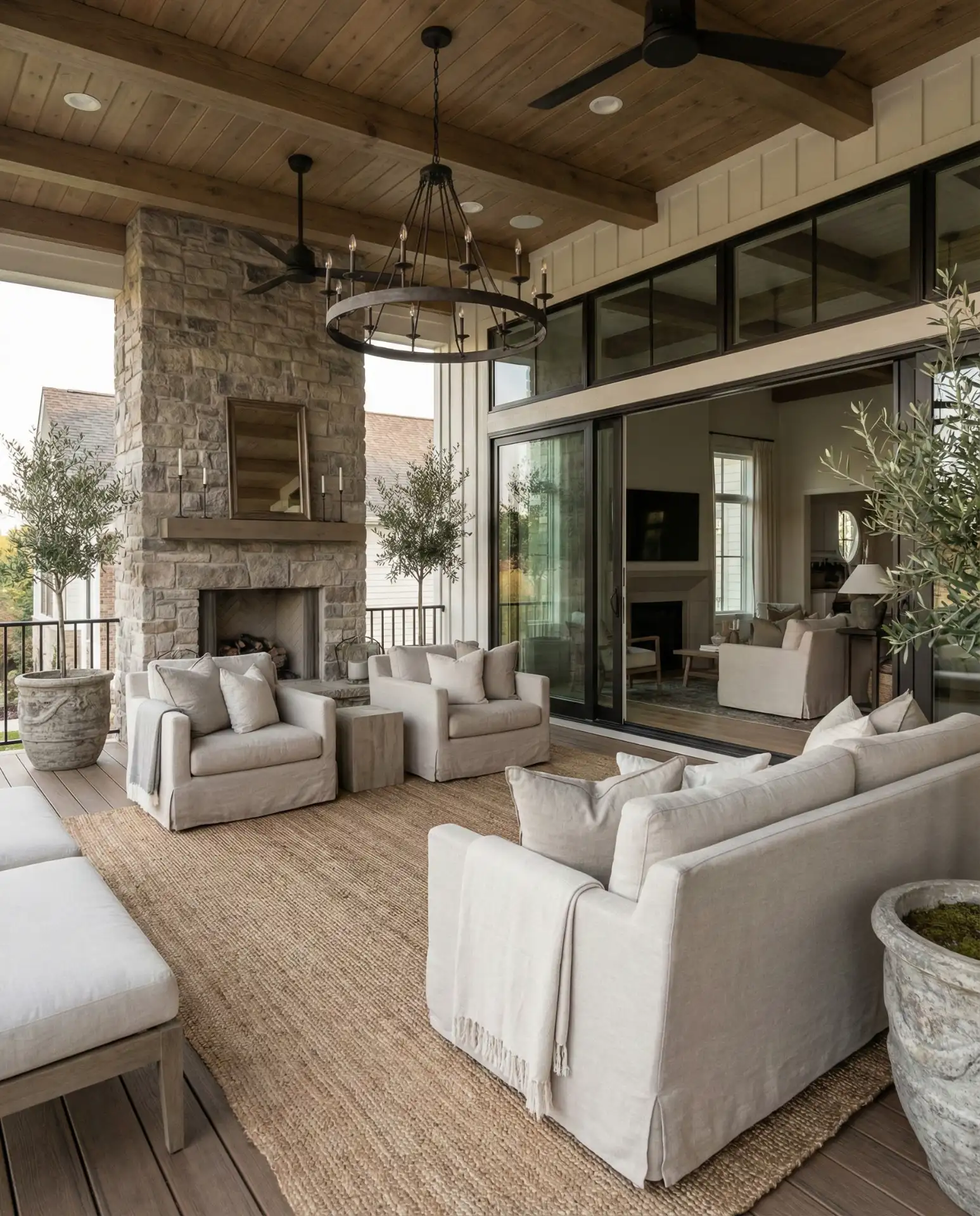
This style particularly resonates in California, Texas, and Florida where climates support extensive outdoor living. The investment in quality outdoor furniture ranges from $5,000-$15,000, but pieces last 10+ years with proper care. Expert commentary suggests treating your deck with the same design consideration as your living room—coordinating colors, layering textiles, and investing in statement pieces rather than filling the space with mediocre items. The result feels intentional, comfortable, and genuinely inviting.
19. Umbrella Canopy Oasis for Shade
Strategic umbrella placement transforms sunny decks into comfortable retreats during peak hours. Rather than one large umbrella, consider multiple medium-sized cantilever umbrellas positioned to create overlapping shade zones throughout the day as the sun moves. Choose commercial-grade options with UV-protective fabric in colors that complement your decor. Offset/cantilever styles provide shade without center poles interrupting table space, while allowing flexibility to adjust angles for optimal coverage. 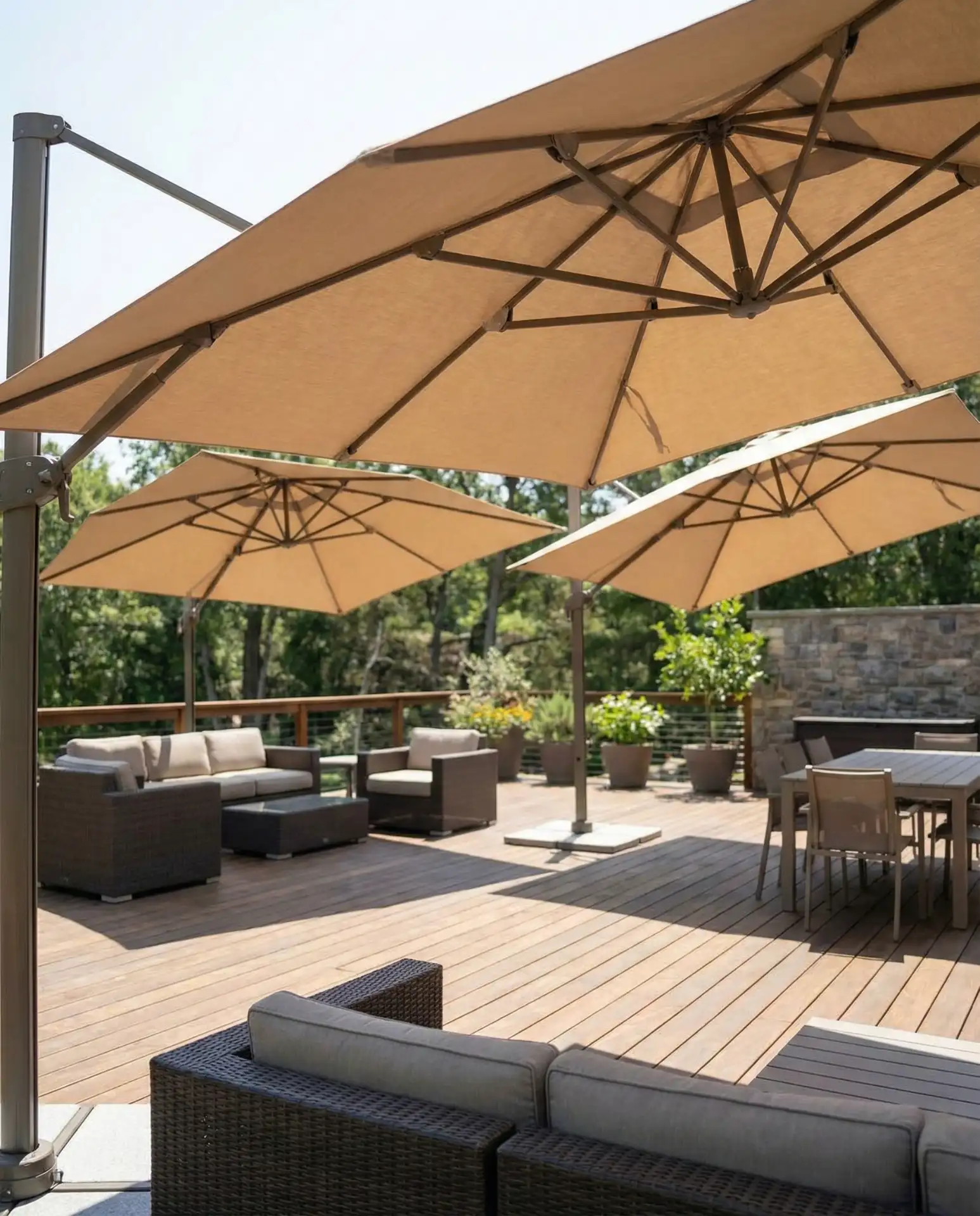
In American lifestyle terms, especially across Sun Belt states, adequate shade isn’t optional—it’s essential for actually using your deck between 11am and 4pm. Quality cantilever umbrellas start around $300 but can exceed $1,000 for commercial-grade options. The mistake many make is buying cheap umbrellas that fade, tear, or blow over within one season. Invest in proper weighted bases (100+ pounds) and marine-grade fabric that resists both sun and mildew. Your future sun-protected self will thank you.
20. Apartment Balcony Deck Makeover
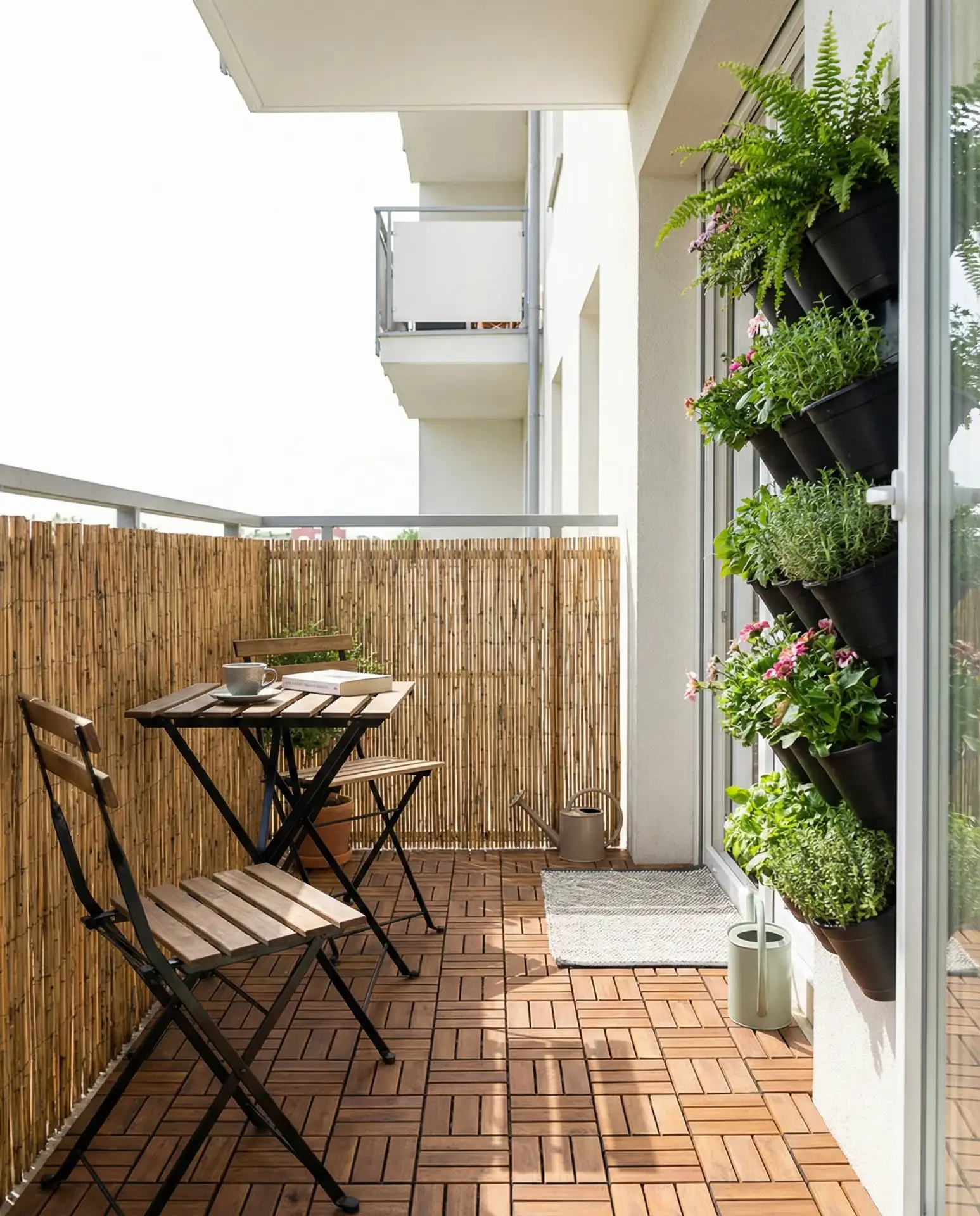
Even apartment dwellers can create stunning outdoor spaces with smart design for compact balconies. Start with interlocking deck tiles over existing concrete—they install without tools and add warmth instantly. Choose foldable or stackable furniture for flexibility, add privacy screens to create separation from neighbors, and incorporate vertical elements like hanging planters and wall-mounted shelves. The goal is maximizing every inch while keeping the space feeling open rather than cluttered, proving that small spaces can pack major style. 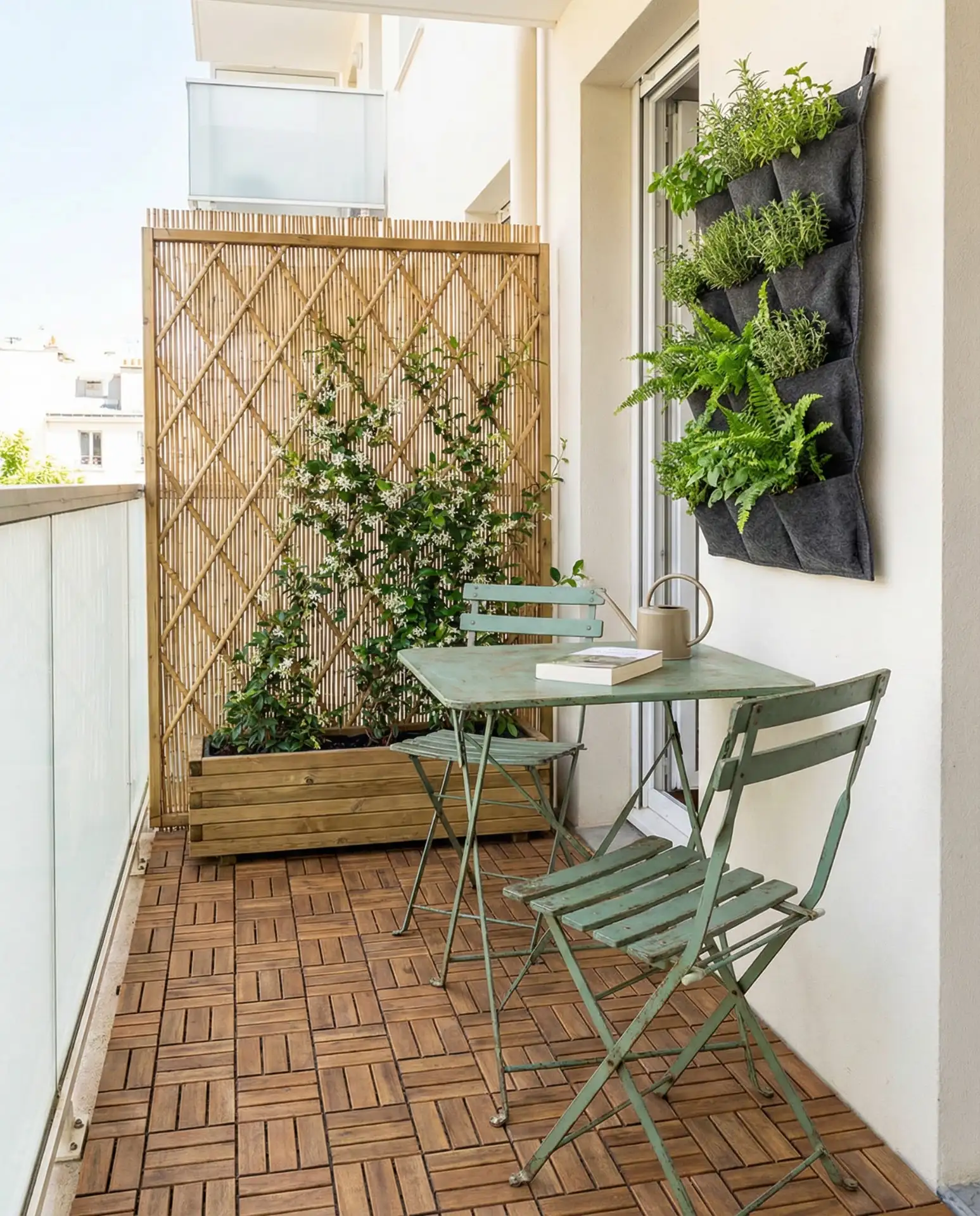
Urban renters from Chicago to Seattle prove that rental restrictions needn’t limit creativity—interlocking tiles require no permanent installation and can move with you. Budget expectations run $200-$800 for a complete transformation including tiles, furniture, and accessories. Check your lease for weight restrictions and railing requirements before adding heavy planters or structures. The key is creating a cohesive look that feels intentional, turning an overlooked balcony into your favorite room (technically) in the apartment.
21. Pergola-Covered Lounge with Climbing Vines
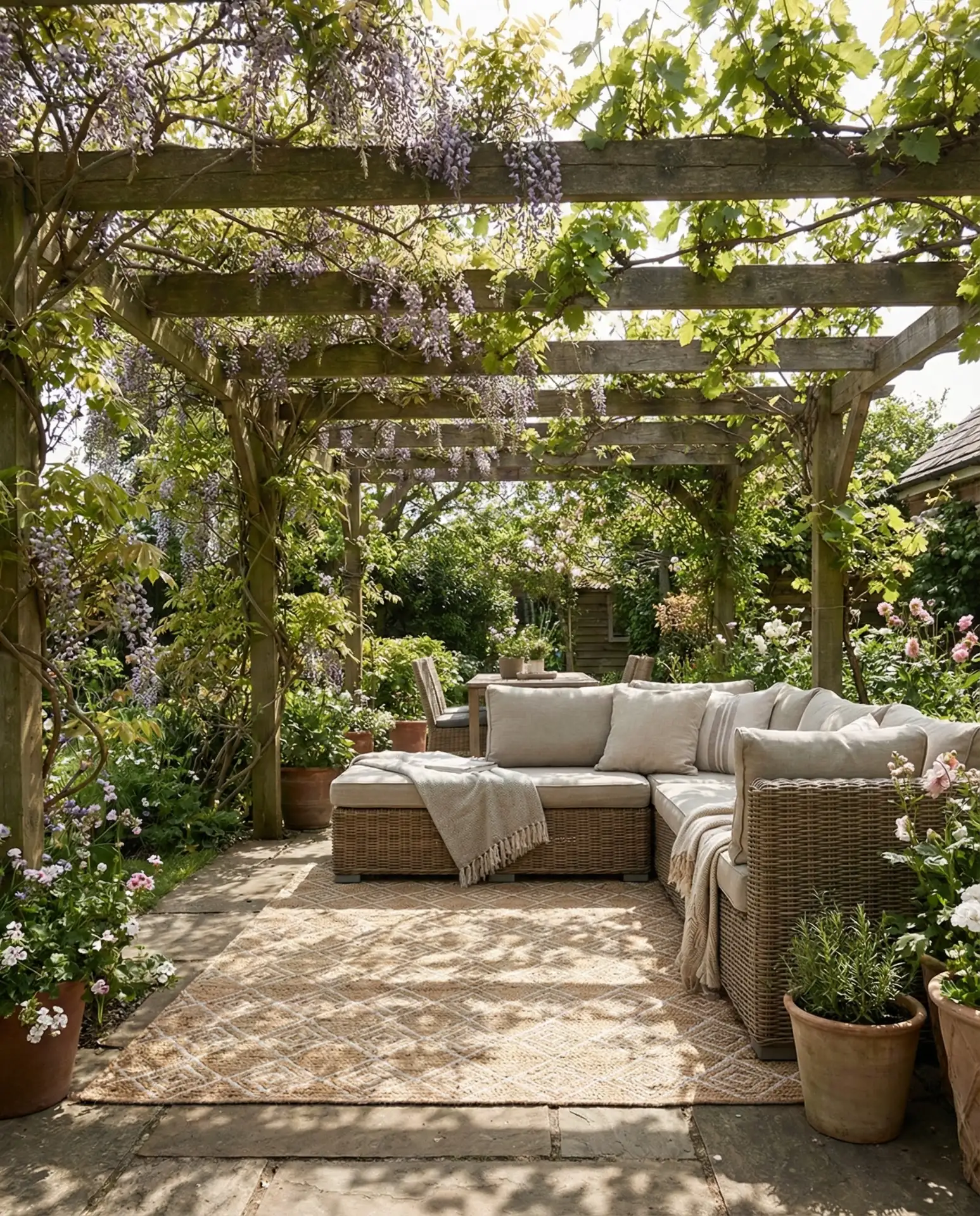
A pergola provides architectural interest while creating dappled shade that evolves beautifully when paired with climbing plants. Train wisteria, jasmine, or grapevines over the structure for natural cooling and romantic ambiance. Beneath, arrange comfortable lounge seating with weather-resistant cushions, add a coffee table, and perhaps an outdoor rug to anchor the space. The combination of structured woodwork and organic growth creates a living ceiling that becomes more beautiful each year as vines mature and fill in coverage. 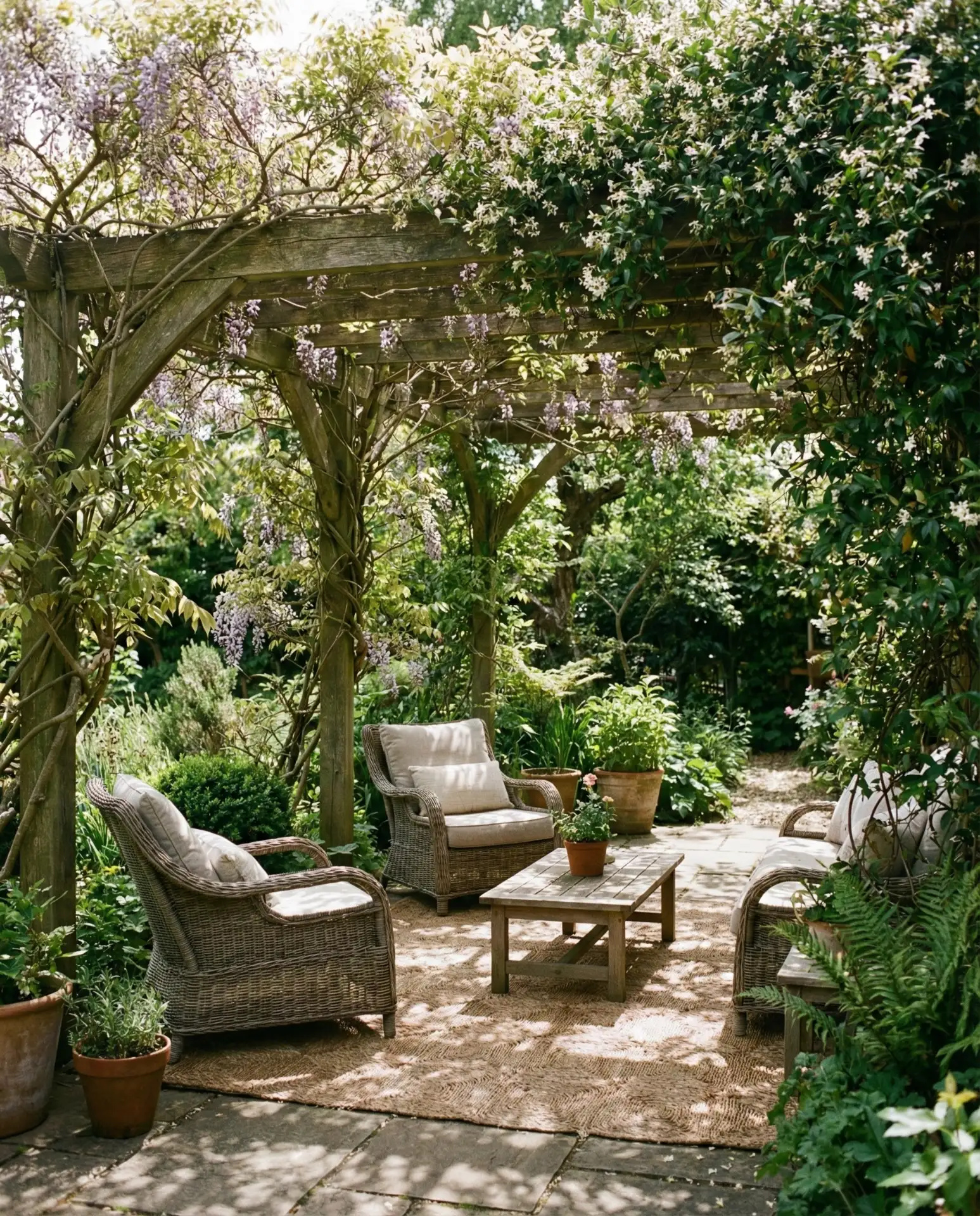
Regional context matters for plant selection—wisteria thrives in zones 5-9, while bougainvillea prefers zones 9-11. Across the country, homeowners report that pergolas become conversation centerpieces, especially when combined with outdoor lighting woven through the beams. Installation costs range from $2,000 for DIY kits to $8,000+ for custom designs. One couple in Virginia noted their pergola took three years to achieve full vine coverage, but the wait created anticipation and satisfaction watching it develop into a mature garden feature.
22. Fire Pit Gathering Space with Circular Seating
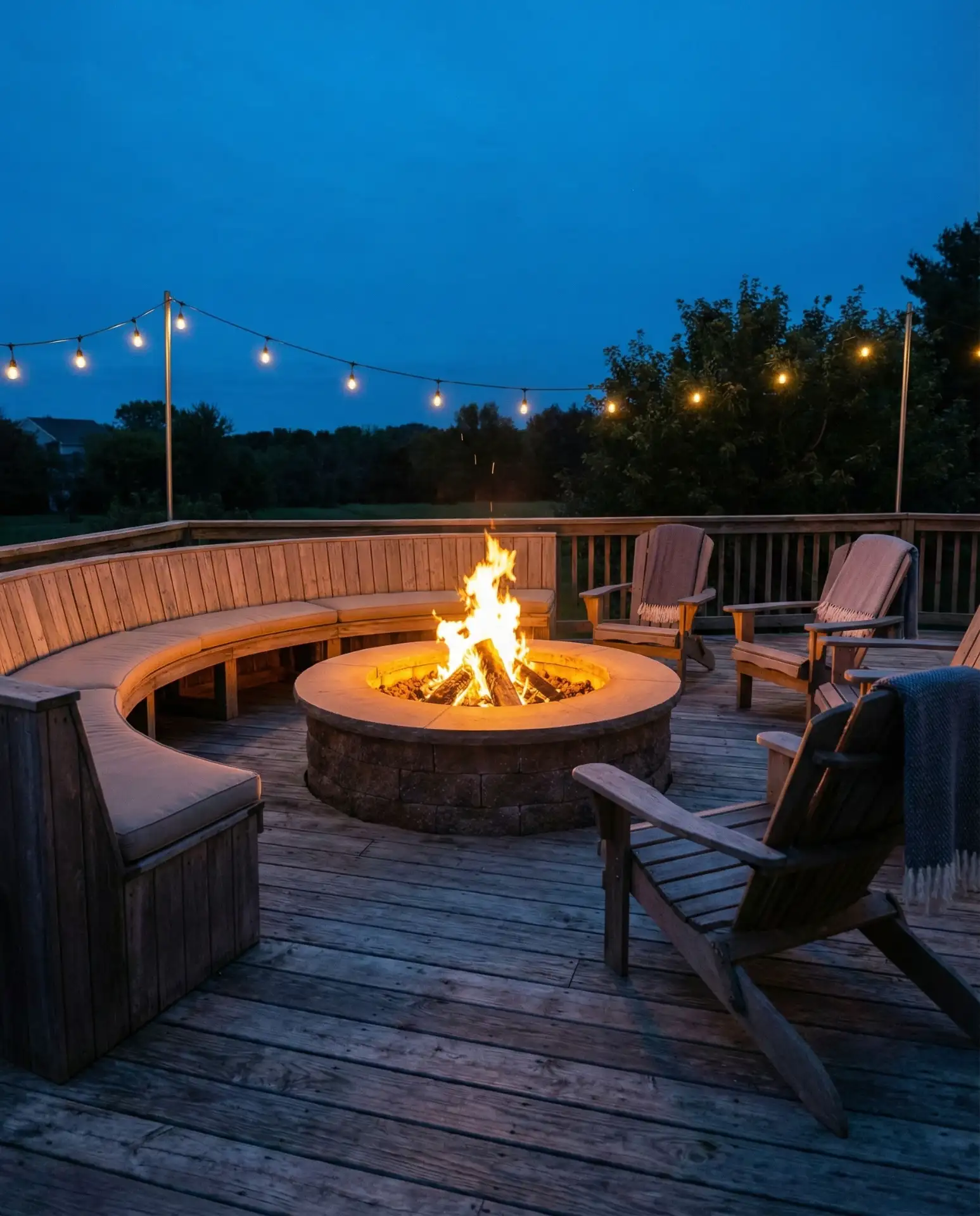
A fire pit creates a natural focal point that draws people together and extends deck usability into cooler seasons. Arrange built-in benches or movable chairs in a circular layout around the fire source, maintaining safe clearances recommended by manufacturers (typically 7-10 feet). Choose between wood-burning for authentic ambiance or gas for convenience and cleaner operation. Add cozy elements like outdoor blankets in a storage basket, s’mores supplies nearby, and perhaps a small beverage cooler integrated into bench seating. 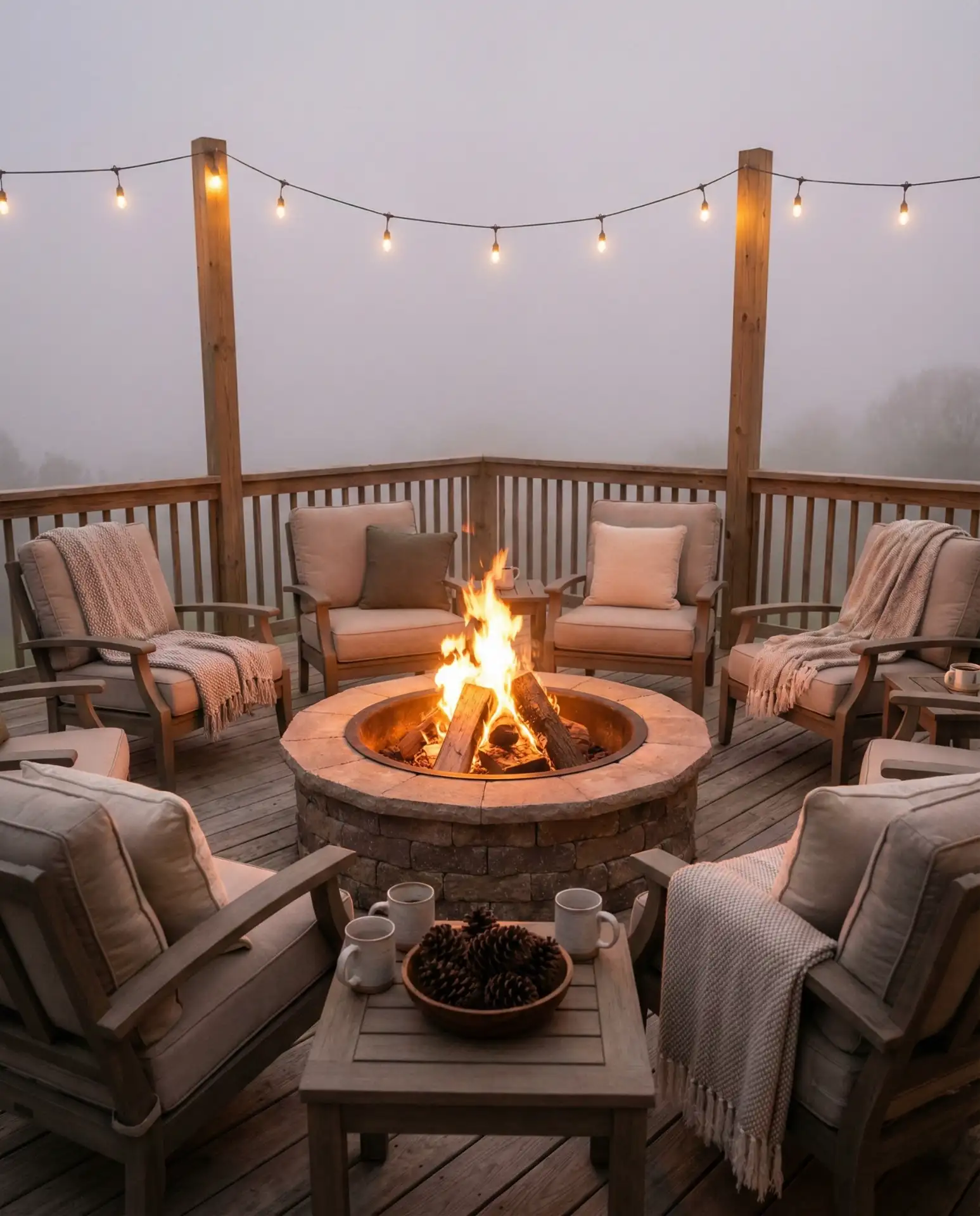
From mountain homes in Colorado to suburban backyards in Michigan, fire pits rank among the most-requested deck features. Gas fire pits start around $300, while custom built-in options can exceed $3,000. A common mistake is positioning the fire pit too close to the home or under overhead structures—check local fire codes and maintain proper clearances. The reward is a space that becomes the heart of outdoor entertaining, where guests naturally gather and conversations flow effortlessly on crisp evenings.
23. Minimalist Zen Deck with Water Feature
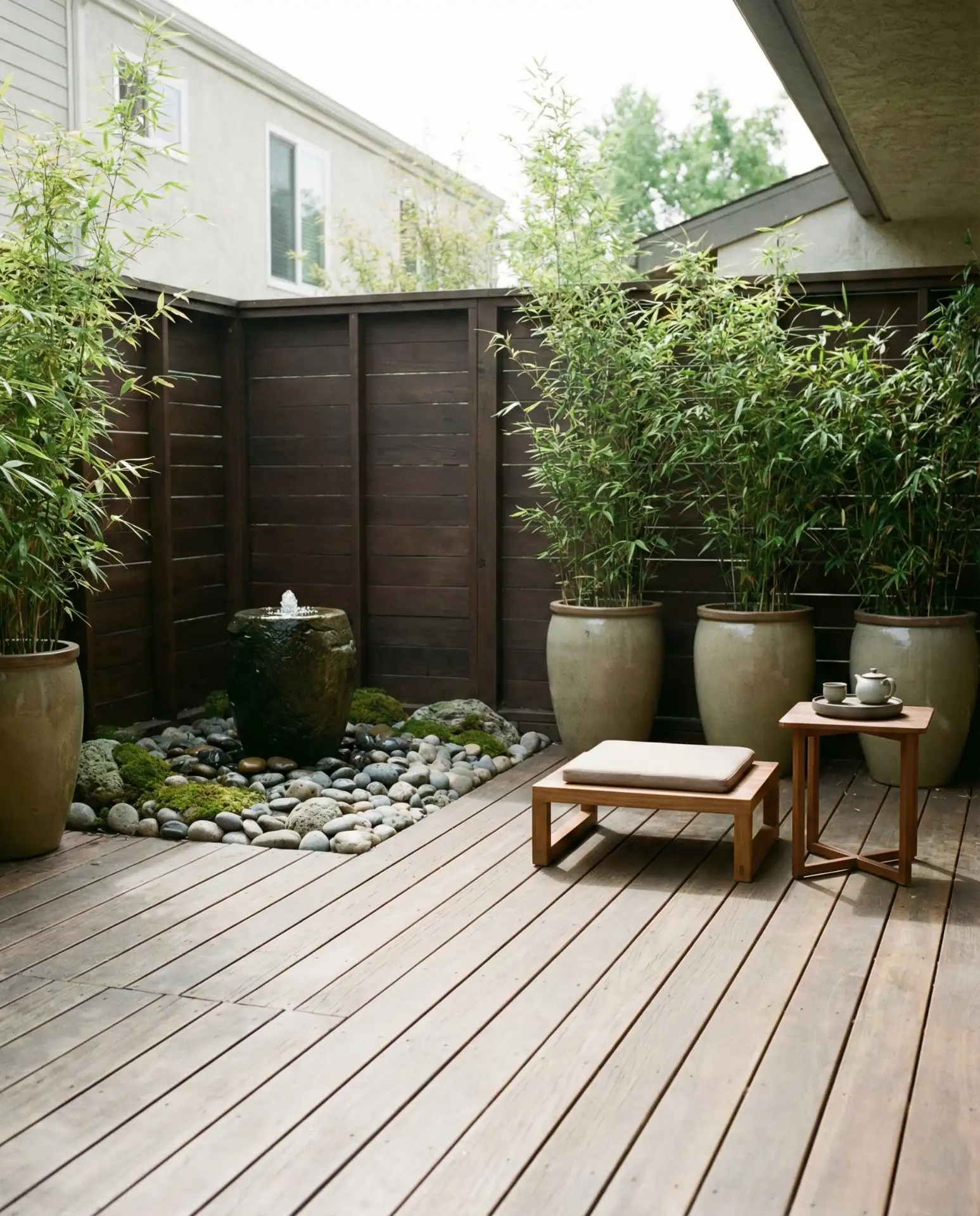
Create a meditation-worthy sanctuary with clean lines, natural materials, and the soothing sound of water. Incorporate a simple fountain or small pond into your deck design, surround with river rocks and carefully selected plants like bamboo and Japanese maples. Keep furniture minimal—perhaps a single bench or a pair of low chairs. Use a neutral color palette of grays, blacks, and natural wood tones. The philosophy is about creating space for reflection rather than filling every corner, allowing the mind to rest as easily as the body. 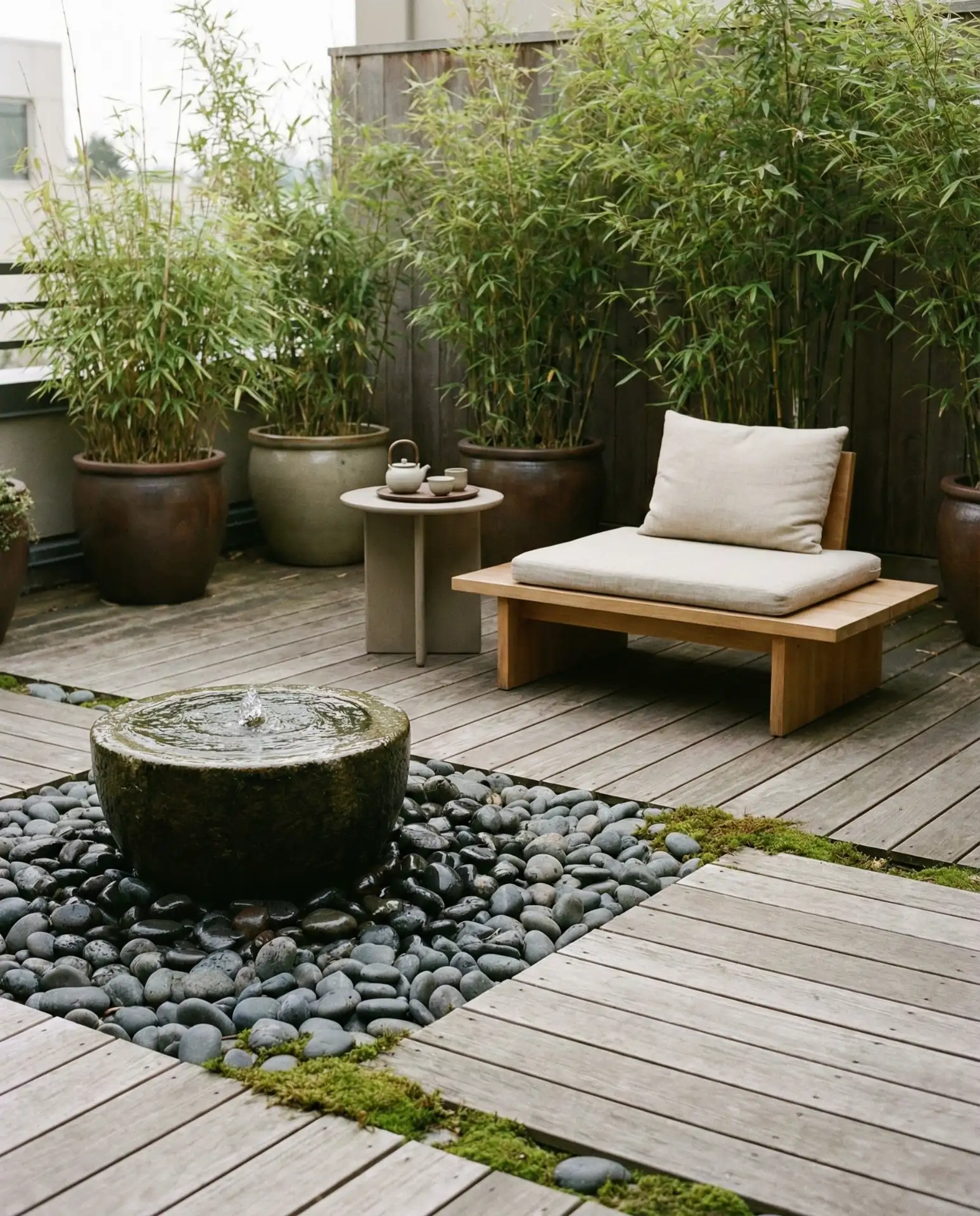
This aesthetic particularly appeals to urban dwellers seeking refuge from busy city life, from Portland to Austin. Water features range from $200 solar fountains to $5,000+ custom installations with recirculating pumps. The key is maintenance—unmaintained water features become algae-filled eyesores rather than peaceful additions. Plan for weekly cleaning and seasonal winterization in colder climates. When executed properly, this space becomes a personal retreat where morning coffee or evening wine feels like a mini-vacation without leaving home.
Conclusiom
Whether you’re working with a sprawling backyard or a modest balcony, these outdoor deck ideas for 2026 prove that thoughtful design transforms any space into a personal oasis. From budget-friendly DIY projects to luxurious spa-like retreats, the possibilities are limited only by imagination and the specific needs of your lifestyle. We’d love to hear which ideas resonate with you—share your favorite designs or your own deck transformation stories in the comments below, and inspire others in the community to create their perfect outdoor living space.