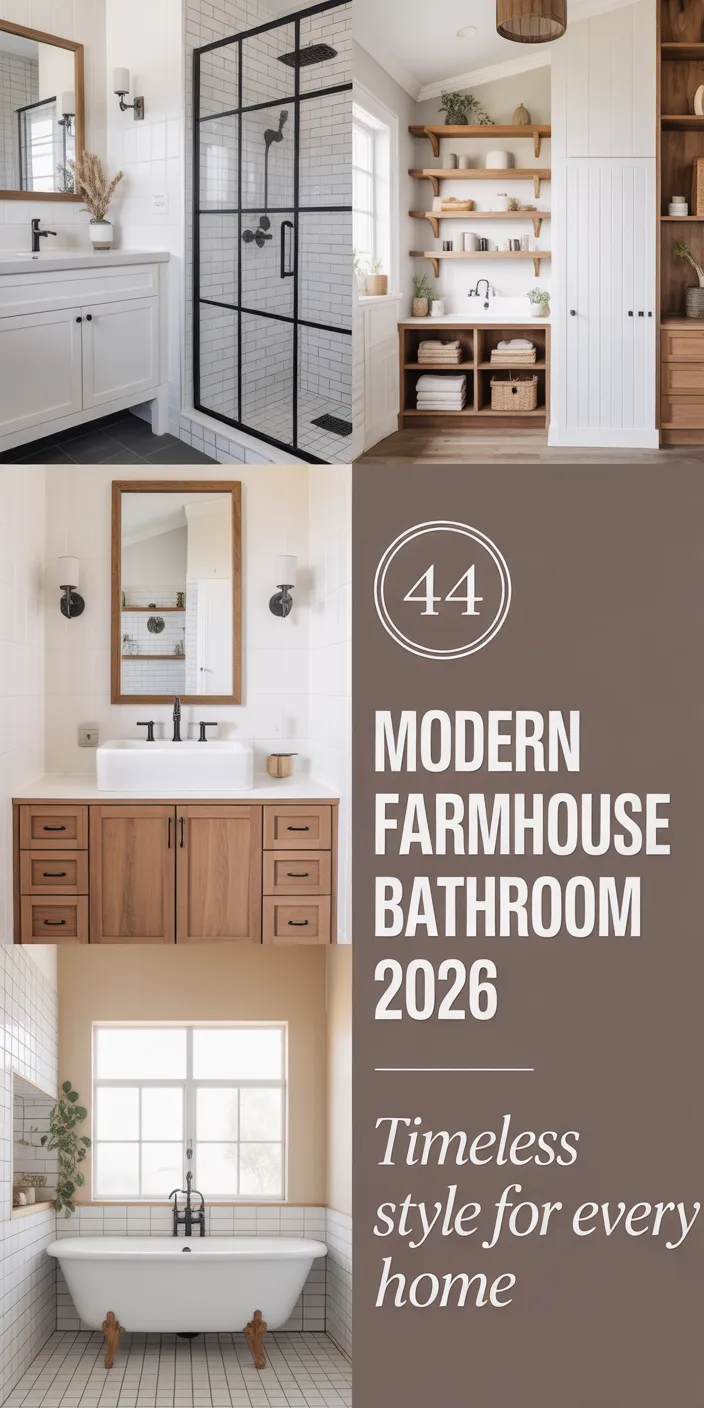
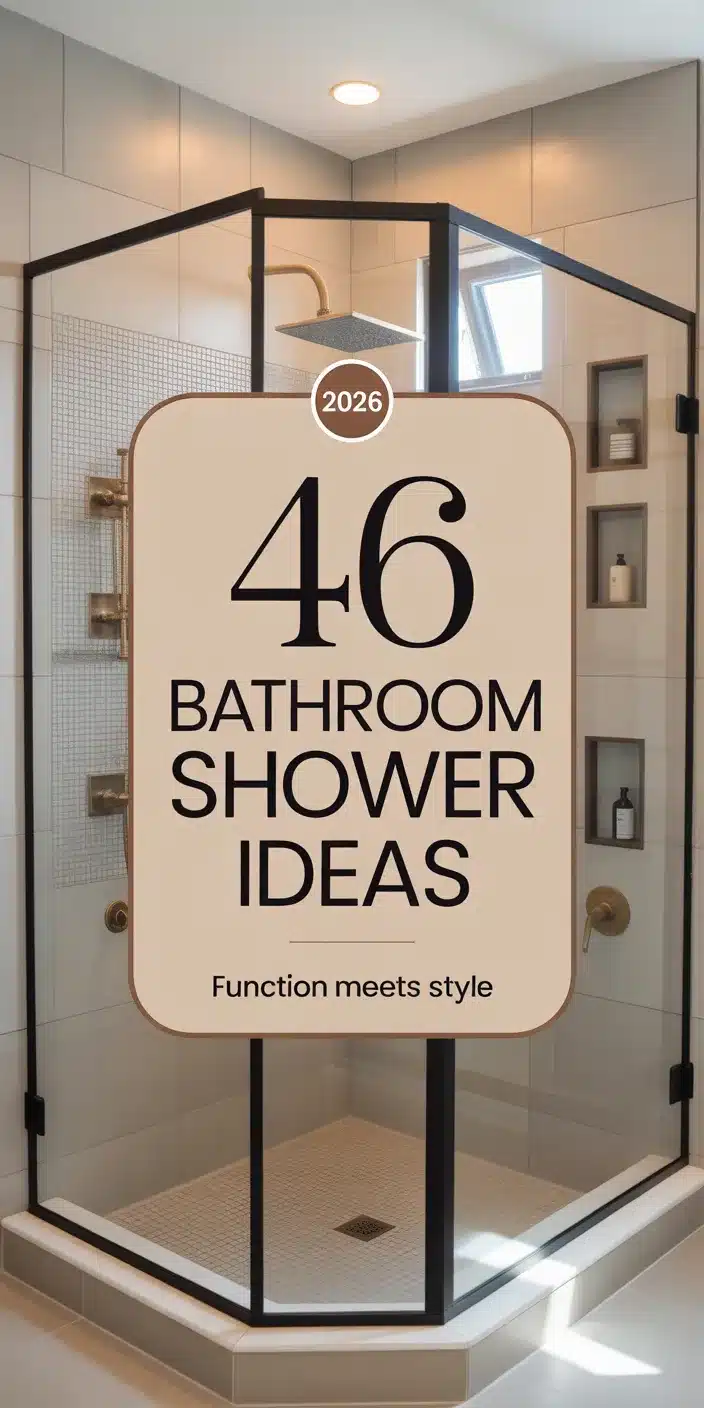
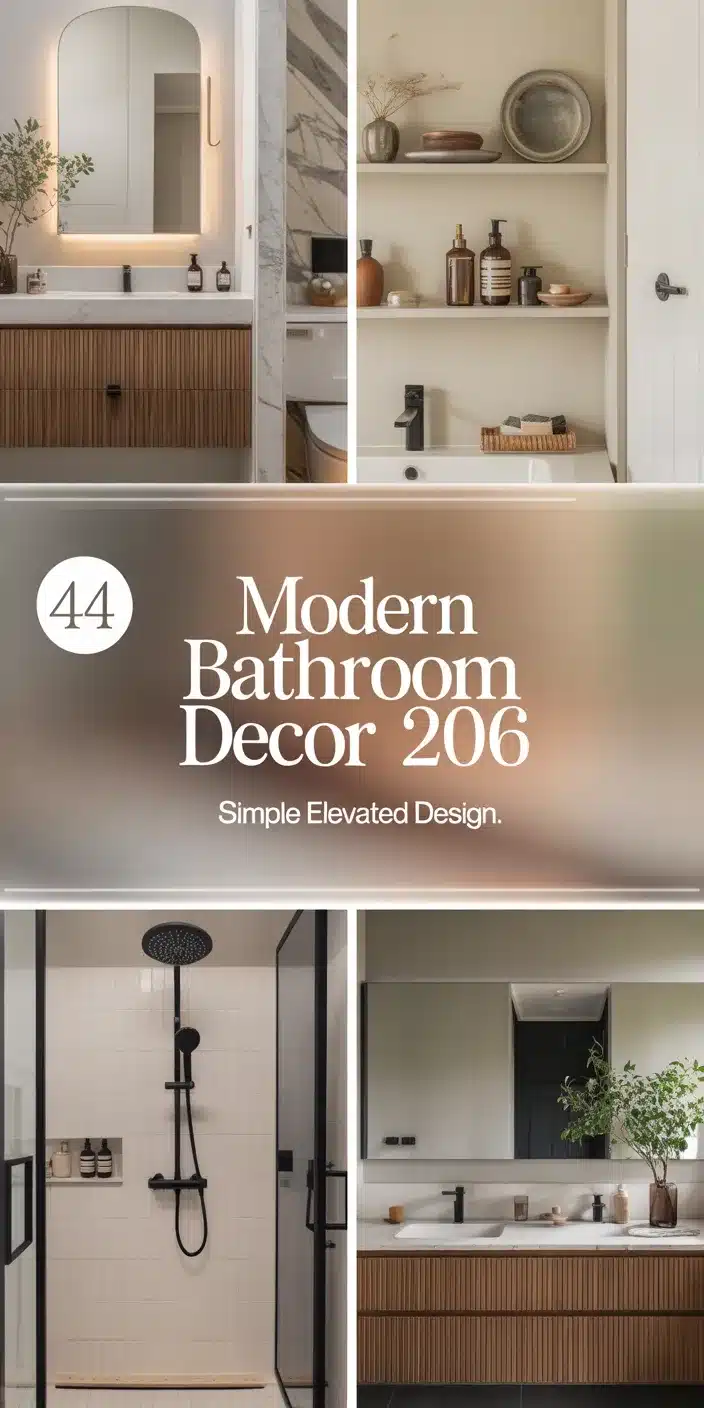
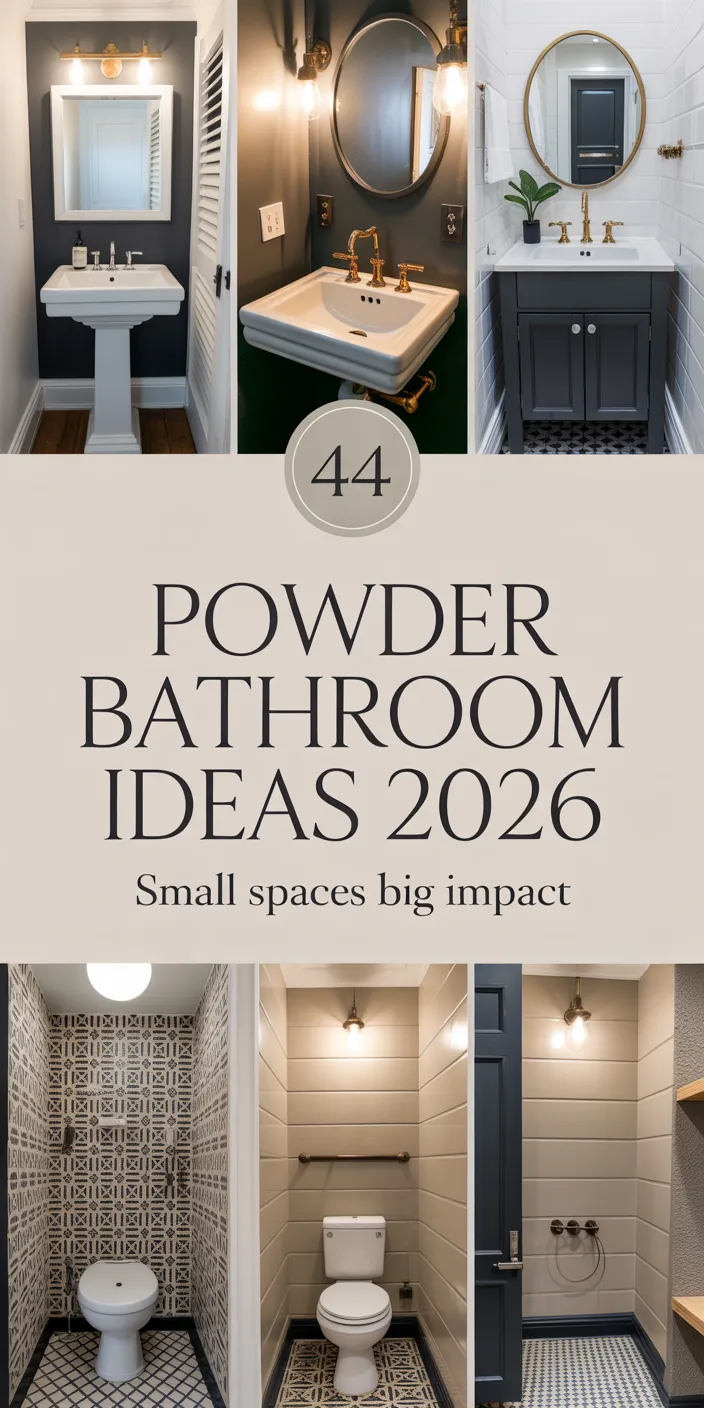
Bathroom design in 2026 is all about blending timeless elegance with fresh, forward-thinking ideas that feel both luxurious and livable. American homeowners are turning to Pinterest more than ever for inspiration that marries beautiful aesthetics with smart functionality—whether they’re renovating a compact powder room or dreaming up a spa-like master retreat. From organic textures and earthy palettes to sleek mid-century lines and coastal calm, this year’s trends celebrate variety and personal expression. In this guide, you’ll discover ten standout bathroom ideas that capture the spirit of 2026 design, each offering a unique approach to creating a space that feels both current and deeply comfortable.
1. Earthy Minimalist Sanctuary
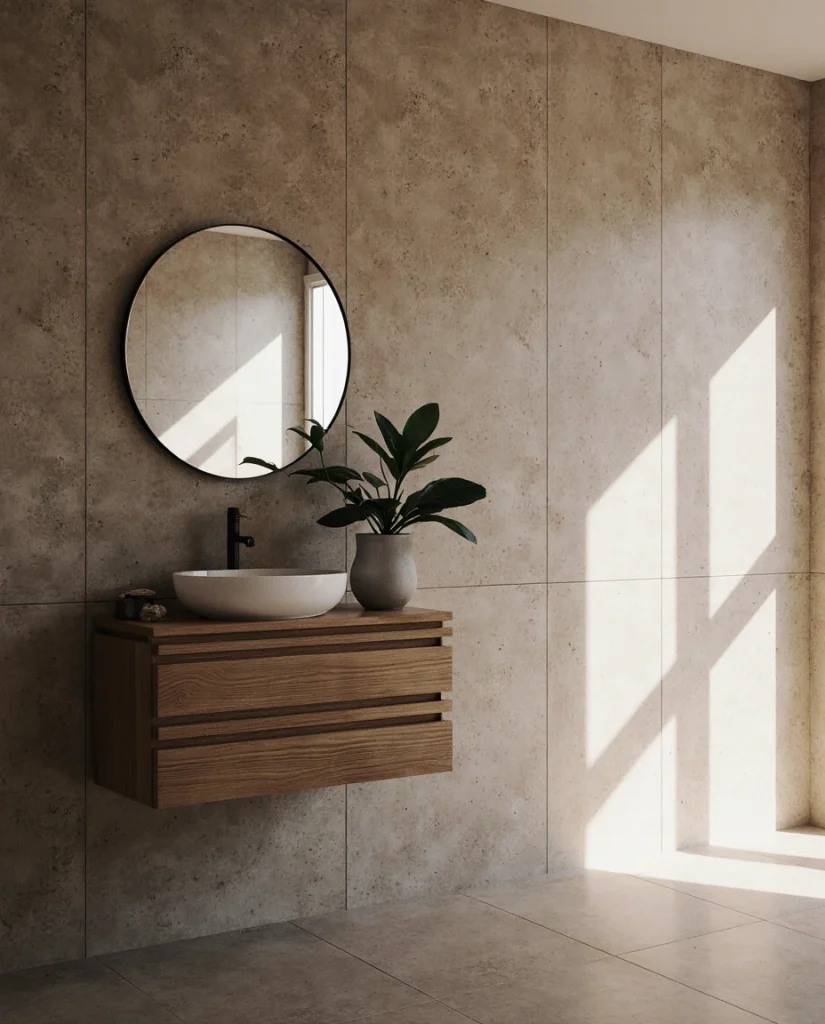
This idea centers on stripping away excess to reveal the beauty of natural materials and calm, uncluttered lines. Think warm earthy tones like terracotta, clay, and sand paired with minimalist fixtures in matte black or brushed brass. The approach works especially well in small spaces where visual simplicity makes the room feel larger and more breathable. Textured stone tiles, a floating wood vanity, and a single green plant create a grounded, Zen-like atmosphere that feels both modern and timeless. 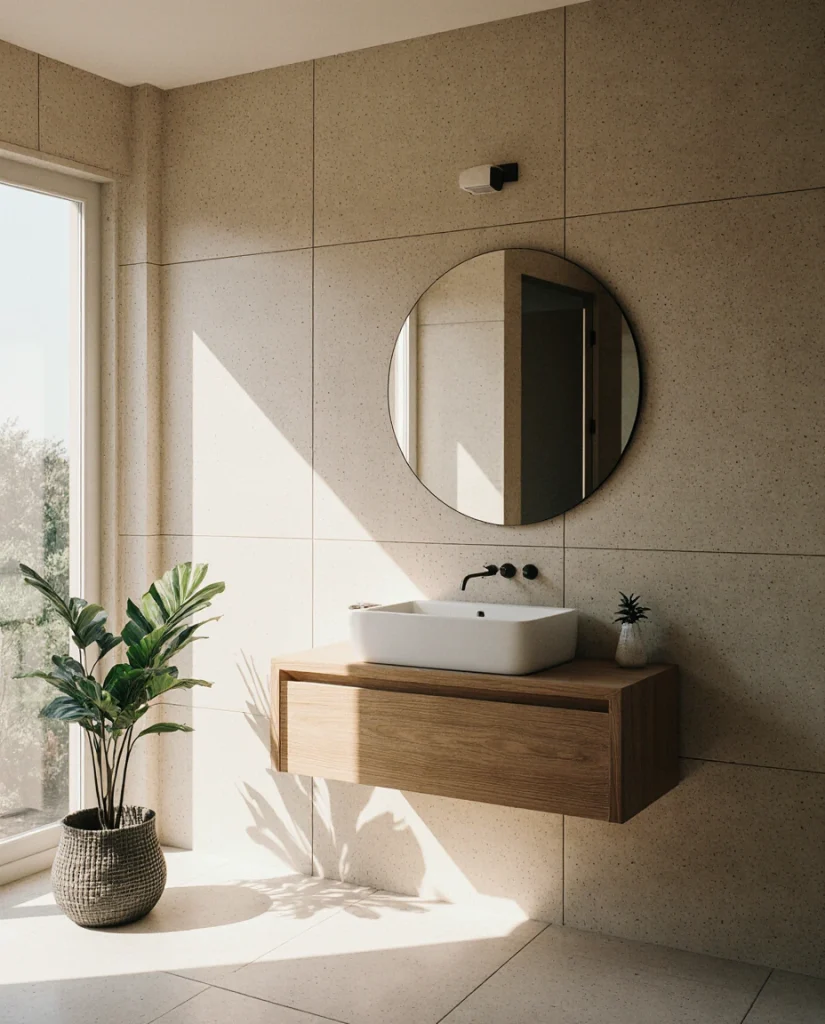
This design speaks to the growing desire for wellness-focused interiors that double as personal retreats. In suburban homes across the Midwest and Southwest, homeowners are embracing this aesthetic to counter the noise of daily life. Budget-conscious renovators often start with paint and textiles—switching to linen towels, a jute rug, and clay-colored walls—before investing in higher-ticket items like natural stone or custom cabinetry. The result is a bathroom that feels expensive without requiring a full gut renovation.
2. Coastal Light and Airy Escape
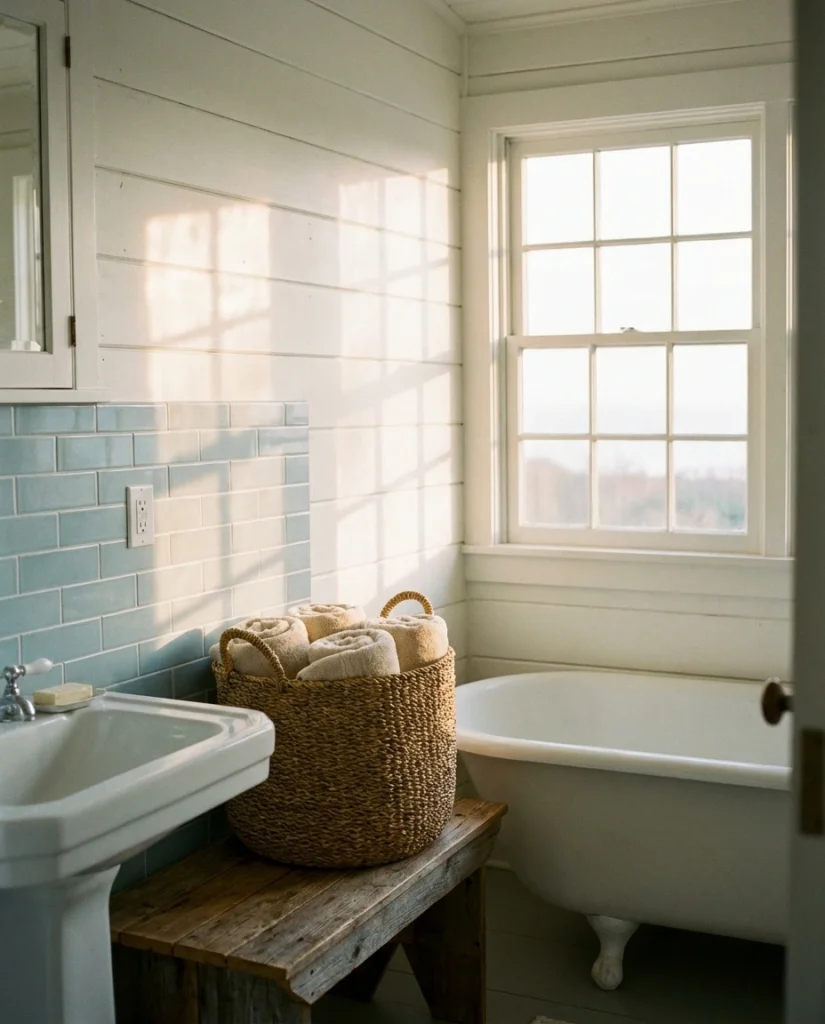
Inspired by beachside living, this bathroom style layers light colors, breezy textures, and coastal elements to evoke the feeling of a seaside retreat. Whitewashed wood, soft blue accents, and woven baskets bring in that relaxed, vacation-home charm. Shiplap walls or subway tile in a pale aqua hue paired with polished nickel hardware create a clean, classic look. Natural light is key here—think large windows, sheer curtains, and reflective surfaces that bounce light around the room. 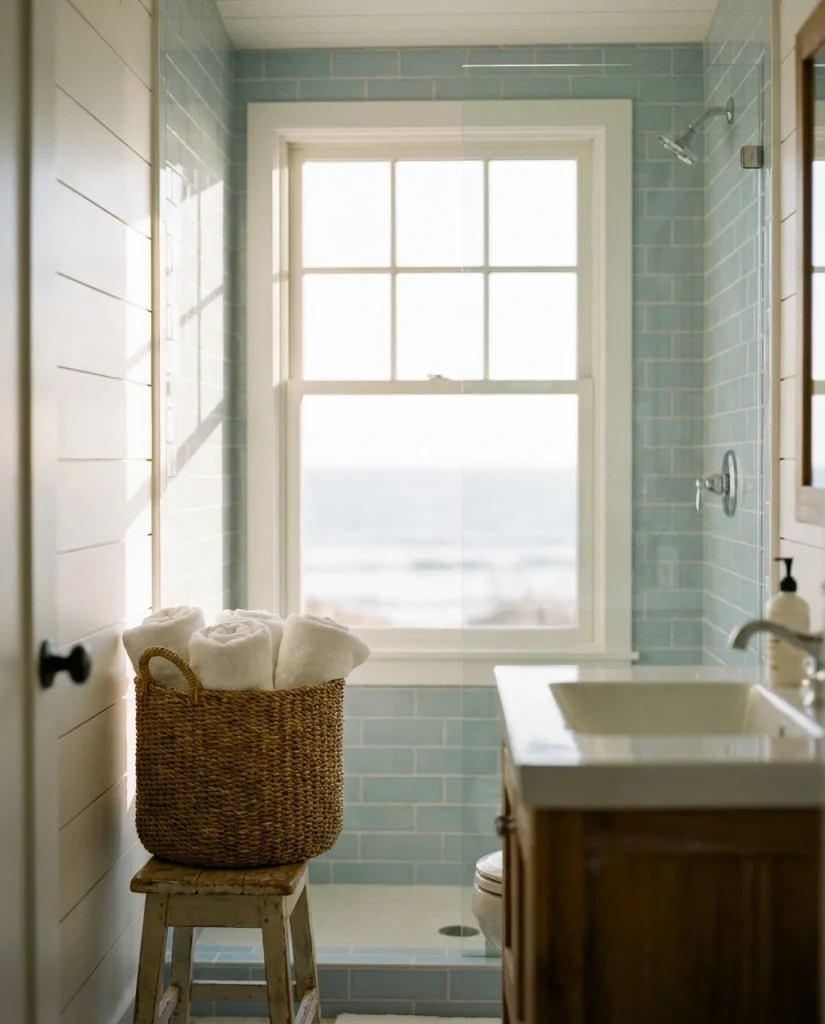
One common mistake is overdoing the nautical theme—anchors, stripes, and shell art can quickly veer into kitsch. Instead, keep the palette soft and the accessories minimal: a single piece of driftwood, linen hand towels, and perhaps a potted succulent. This restraint ensures the space feels sophisticated rather than themed. Coastal bathrooms work especially well in homes near water, but they’ve also become popular in landlocked cities where homeowners crave a visual escape.
3. Mid-Century Modern Revival
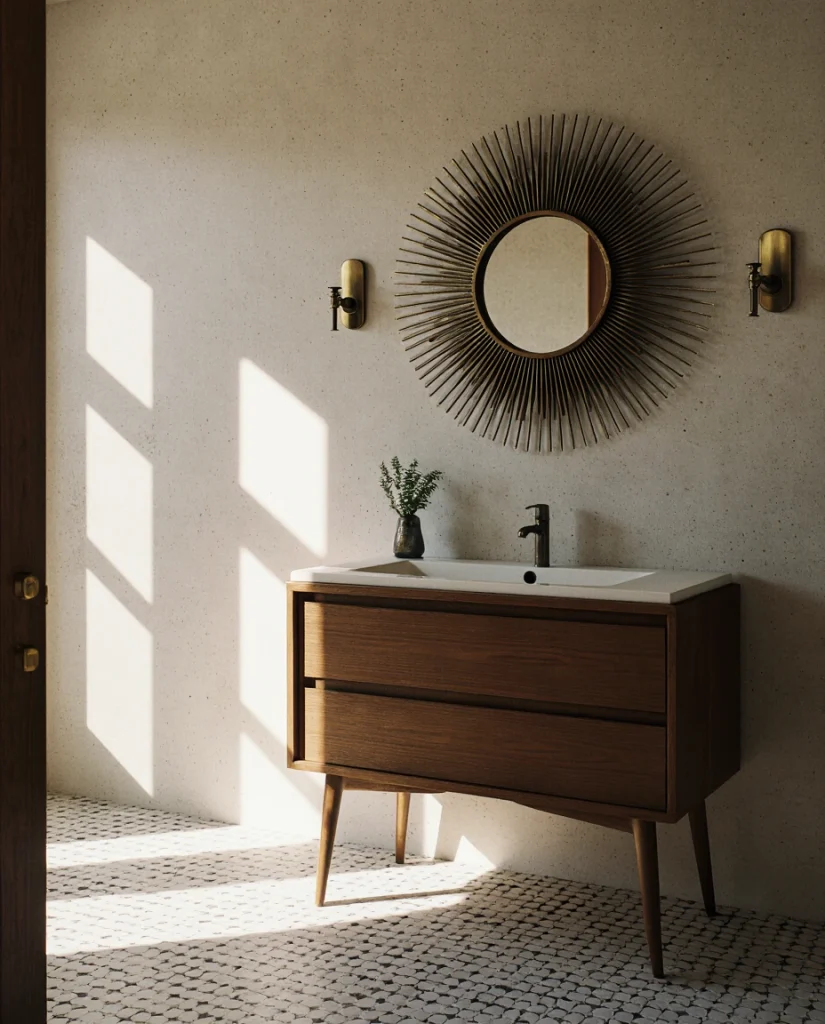
The mid-century aesthetic continues to captivate American homeowners in 2026, and bathrooms are no exception. This look is defined by clean lines, warm wood tones, geometric tile patterns, and hardware in brass or matte gold. A teak vanity with tapered legs, a starburst mirror, and hexagonal floor tiles instantly transport you to the 1960s—but with all the modern plumbing and efficiency you’d expect today. The palette leans toward mustard yellow, olive green, and burnt orange, often paired with crisp white or soft gray. 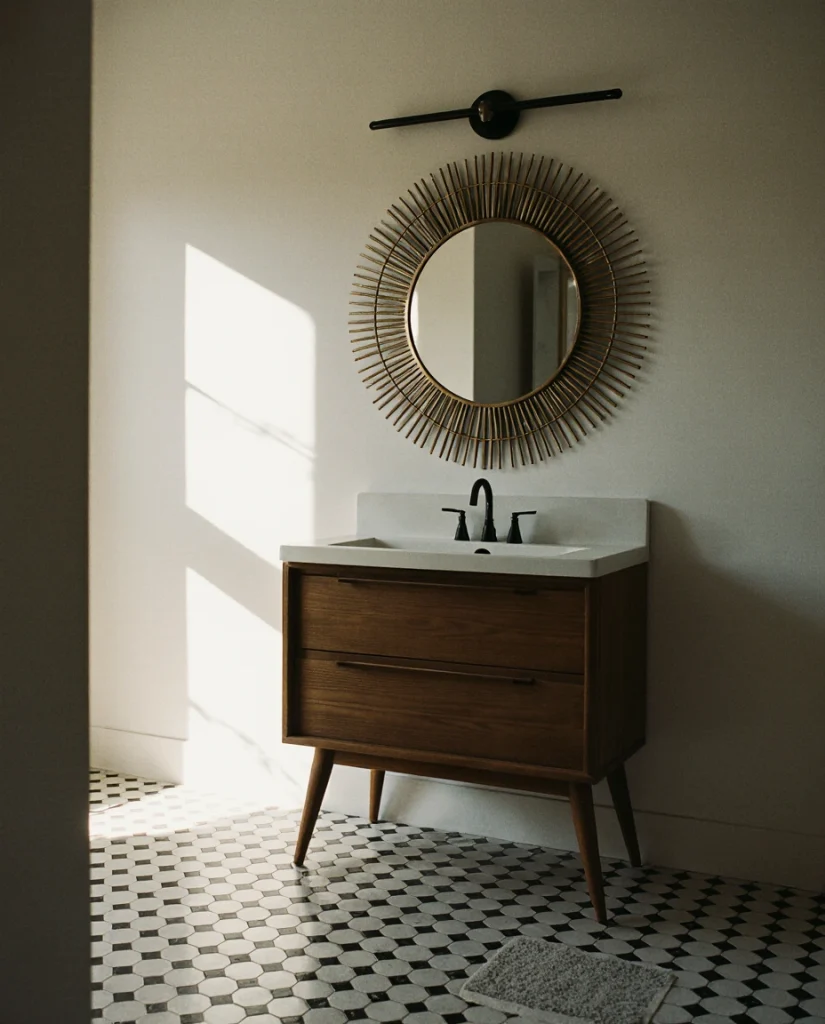
Where this works best is in ranch-style homes or post-war bungalows where the architecture already leans retro. Homeowners in California, Arizona, and parts of the Pacific Northwest have especially embraced this trend, often sourcing vintage fixtures from salvage yards to add authenticity. A real mid-century bathroom doesn’t feel like a museum—it’s functional, warm, and lived-in, with just enough personality to stand out without overwhelming the senses.
4. Luxury Master Bath in White
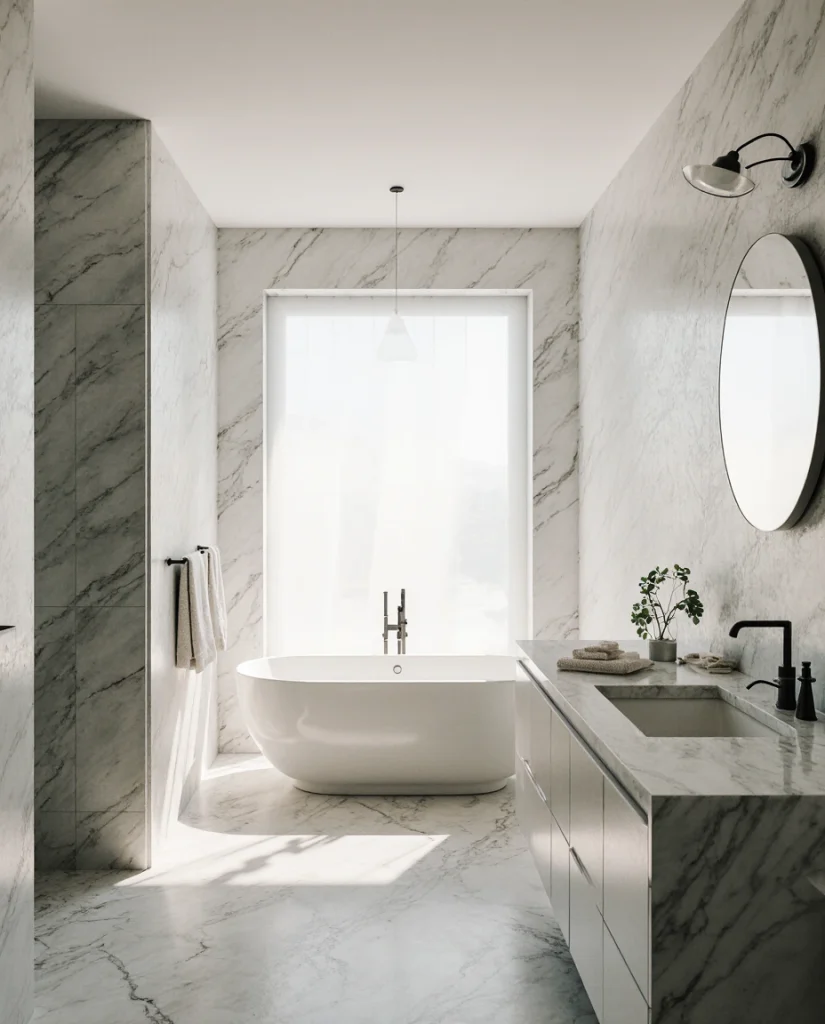
A luxury master bath dressed in all white is the epitome of timeless elegance and spa-like serenity. This idea relies on layering textures—marble countertops, white oak cabinetry, plush towels, and matte white tiles—to avoid a sterile, cold feeling. Freestanding soaking tubs, rainfall showerheads, and heated floors add to the indulgence. The monochrome palette allows architectural details and high-end finishes to take center stage, creating a space that feels both expansive and intimate. 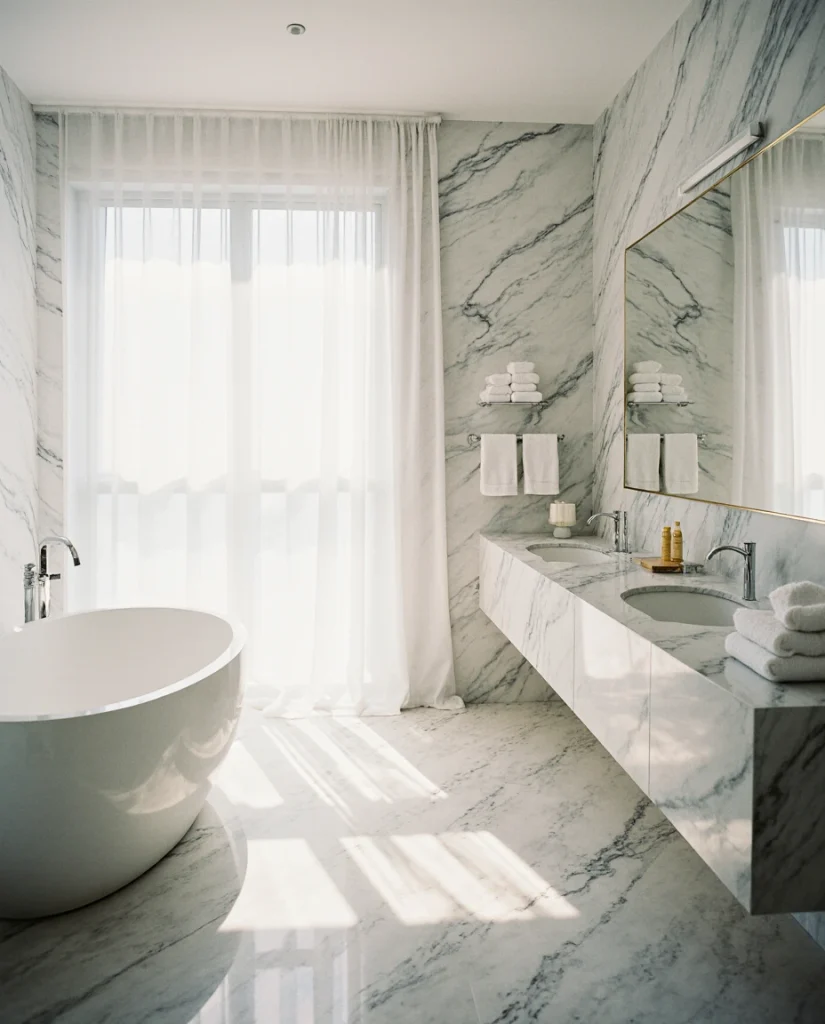
Practical insight: with white bathrooms, the pristine look requires more maintenance to stay clean. This trade-off for the timeless and classically appealing design makes it versatile for homeowners. White bathrooms are stylized with large-format tiles, which reduces the amount of visible grout and makes maintenance easier. White spaces, stylized with warm metallics like brushed gold or champagne bronze, and a dark color like walnut for cabinetry can give even more depth to the space. This approach has become a go-to for high-end renovations in urban condos and suburban estates alike.
5. Rustic Mountain Retreat
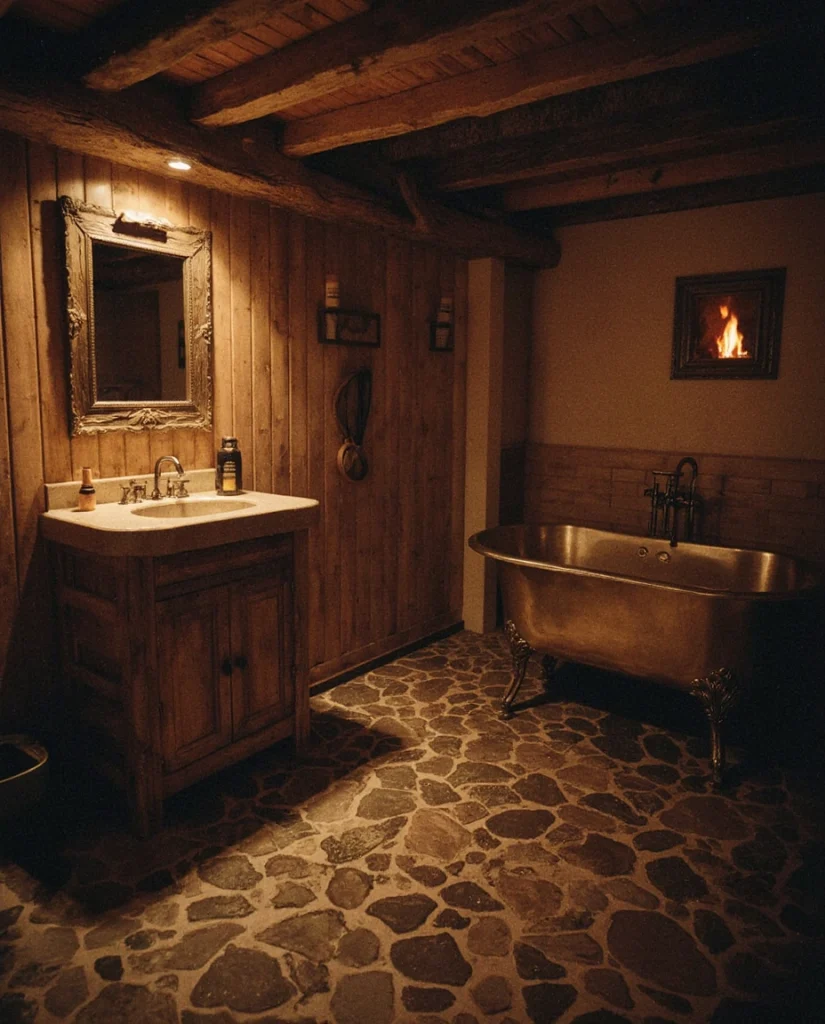
Cabin bathrooms are designed with rustic-style, moisture-shedding elements, reclaimed wood, and natural stone with settlement details with close textures and cozy, cabin-inspired details, such as exposed beams, a copper soaking tub, and river rock flooring. Rustic cabin bathrooms are designed with a color palette that mimics elders with deep browns, slate greys, and greens. These bathrooms fade into ski chalets, as well as homes in the mountains and even suburban homes, imbuing the area with a sought-after woodsy charm. 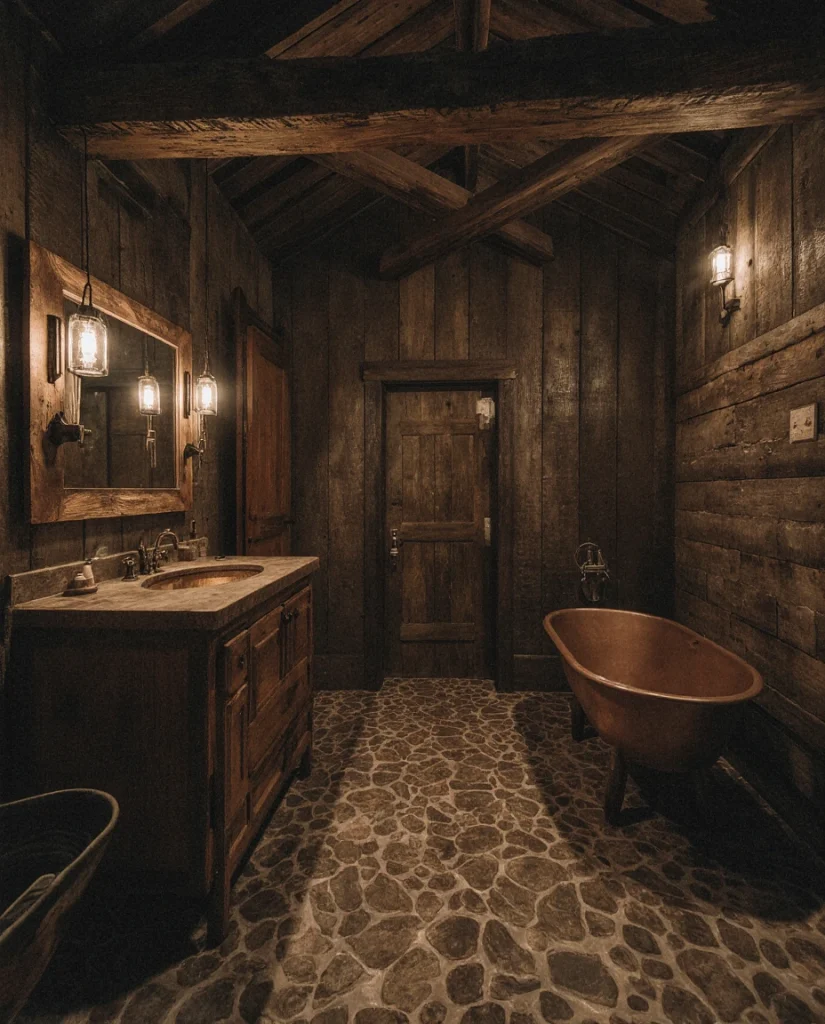
A Colorado couple told me that because their barn wood was salvaged from a local restoration company, the bathroom gained an authentic, storied character that new wood simply cannot replicate. It’s all about balance—too much wood can feel heavy, so they introduced light stone and sandstone elements with cream-colored linens and with black iron fixtures to lighten the visual load. This strategy works best with heavily wooded and mountainous regions like the Adirondacks and the Rockies, as it complements the natural architectural and visual inspiration.
6. Contemporary Dark Drama
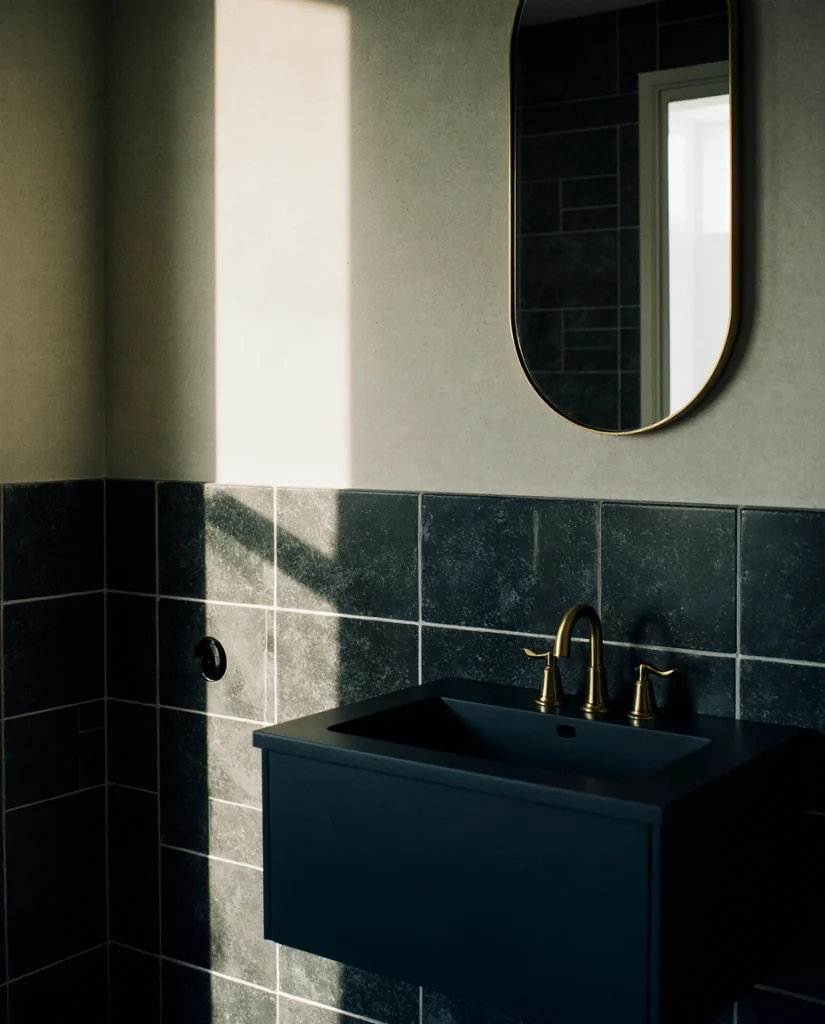
Defying the trend that leans more towards all-white looks, the dark contemporary bathroom boldly embraces moody tones, including charcoal tiles, black fixtures, and deeper jewel tones. Cabins made from navy blue colors, black matte faucets, and dark grout lines bring to life a cocoon-like atmosphere, which has a sense of intimacy and sophistication. This style is suited to powder rooms and larger bathrooms where you have more freedom to manipulate shadows and light. Contrasting the dark tones with accents of brass or gold allows better visibility, warmth, and higher visual interest. 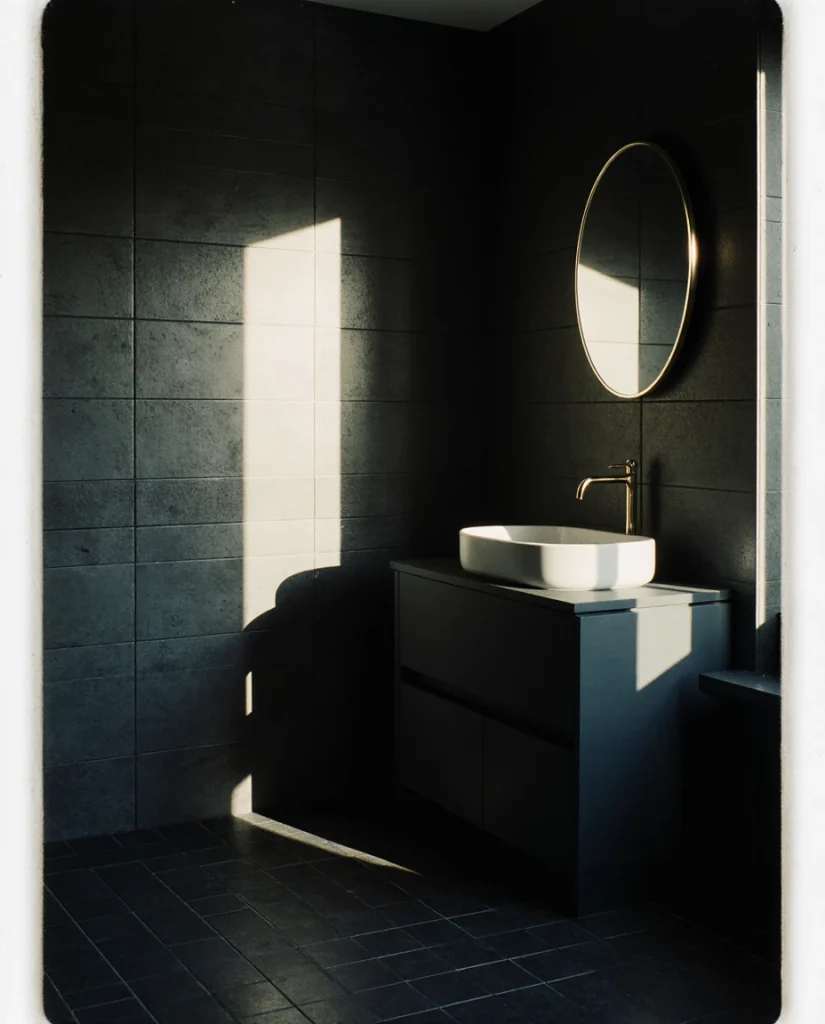
To avoid the space having a cave-like atmosphere, experts encourage combining dark tones with bright task lighting, which can be in the form of under-cabinet LEDs, backlit mirrors, or sconces. Light also has the ability to reflect more with surfaces that are polished. Homeowners who’ve decided to stick with this look often feel for themselves a sense of luxury that comes with hotel bathrooms and a sense of unanticipated drama that leaves guests wowed.
7. Organic Texture Haven
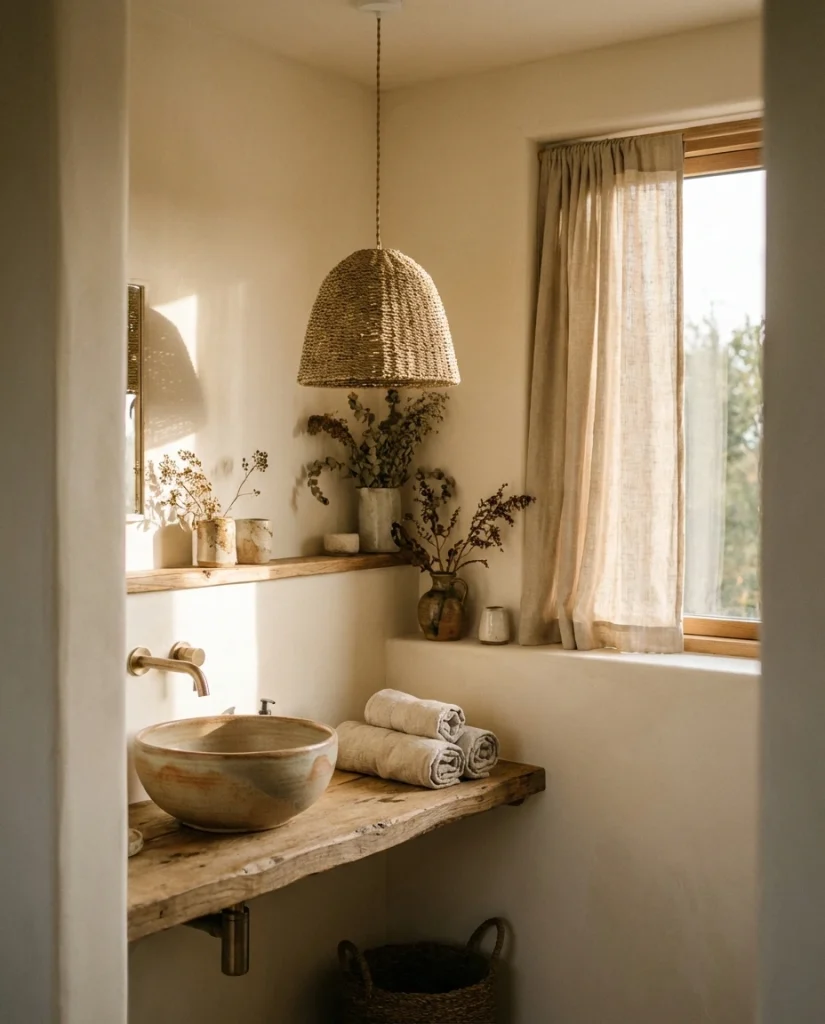
The organic bathroom celebrates natural, imperfect materials that bring warmth and soul into the space. Think handmade ceramic sinks, woven pendant lights, rough-hewn wood shelving, and tactile linen curtains. The palette is soft and neutral—cream, taupe, and sage—and the overall feel is artisanal and thoughtfully curated. This idea aligns perfectly with the 2026 design trends emphasizing sustainability and craftsmanship, where every element has a story and a purpose. It’s a rejection of mass-produced uniformity in favor of something more personal and intentional. 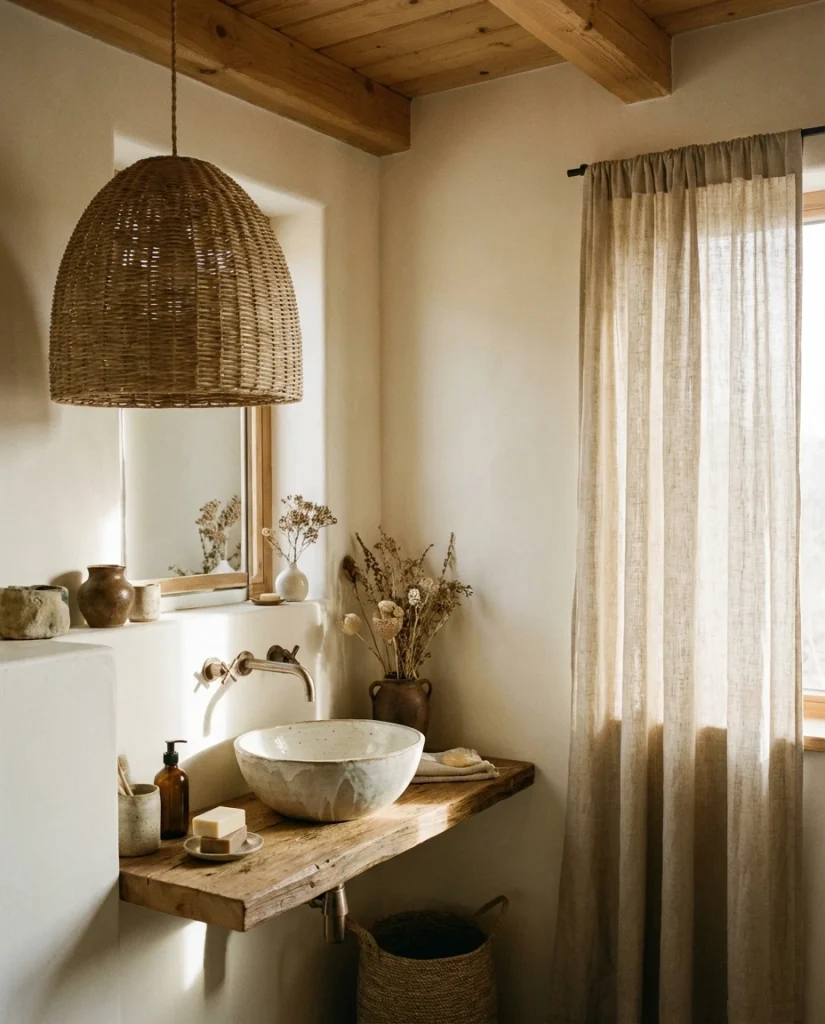
Where this works best is in homes with an existing bohemian or Scandinavian aesthetic, particularly in creative urban neighborhoods and farmhouse renovations. Homeowners often mix vintage finds with new pieces, creating a collected-over-time look that feels effortless. The price point can vary widely—you might splurge on a custom sink from a local potter and save by sourcing secondhand wood for open shelving. The result is a bathroom that feels deeply personal and refreshingly unhurried.
8. Simple and Timeless Classic
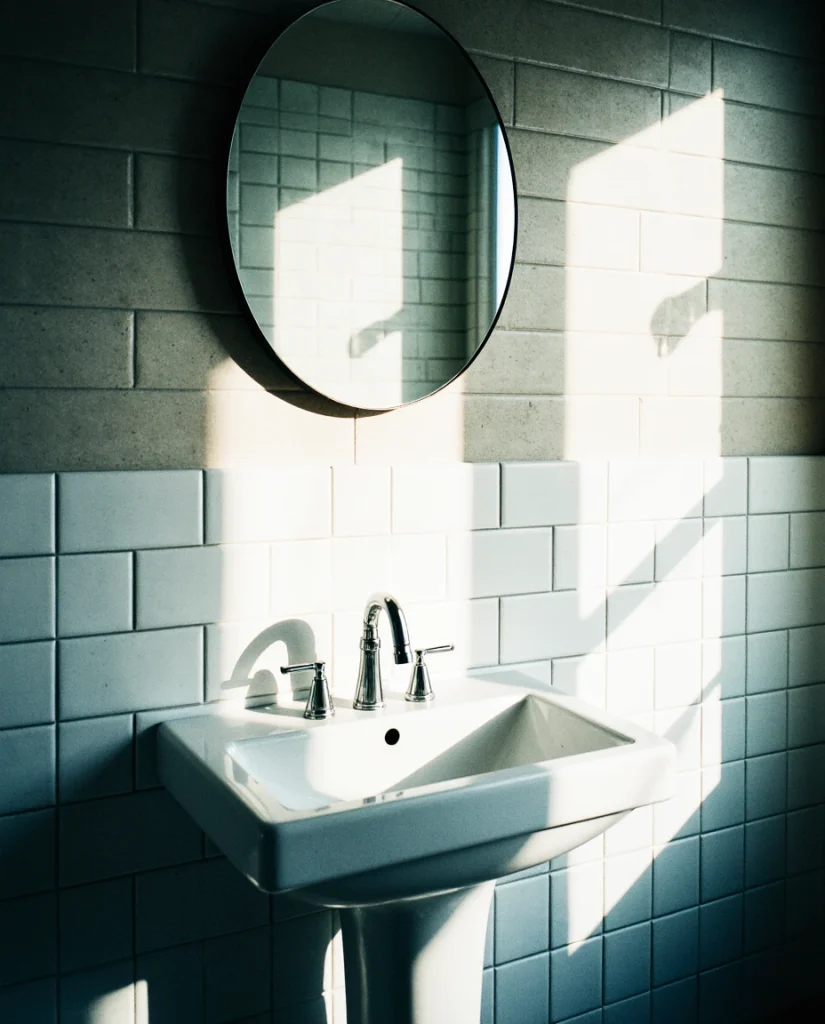
Sometimes the best design is the one that doesn’t shout. The simple bathroom focuses on clean lines, neutral tones, and classic materials that never go out of style. White subway tile, a pedestal sink, chrome fixtures, and a frameless mirror create a look that’s understated and endlessly adaptable. This approach is perfect for homeowners who value longevity over trendiness or for rental properties where broad appeal is key. The beauty lies in the details—high-quality grout, perfectly aligned tile, and thoughtful lighting that makes the space feel polished without being fussy. 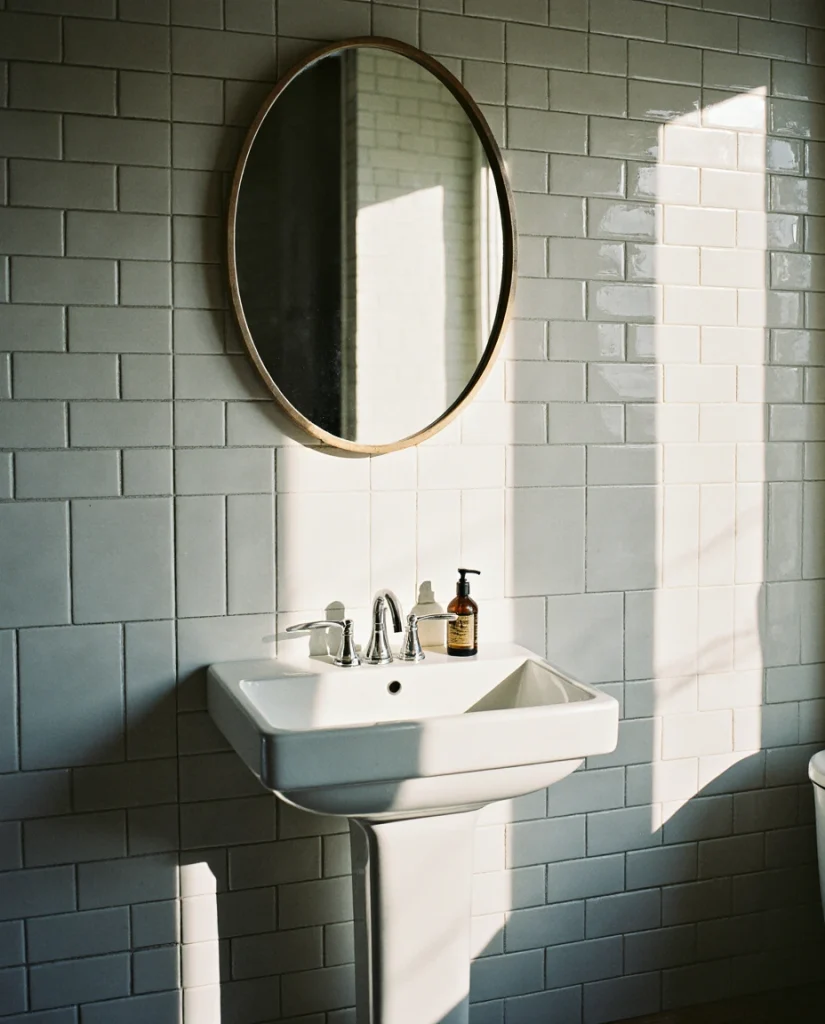
Real homeowner behavior reveals that many people start with a simple foundation and layer in personality over time—a vintage rug, colorful towels, or a piece of art. This flexibility is part of the appeal. In terms of budget, a simple bathroom can be surprisingly affordable, especially if you’re willing to DIY the tile work or shop for fixtures during sales. The look ages well, which means you won’t feel pressure to renovate again in five years.
9. Vintage Bloxburg Charm
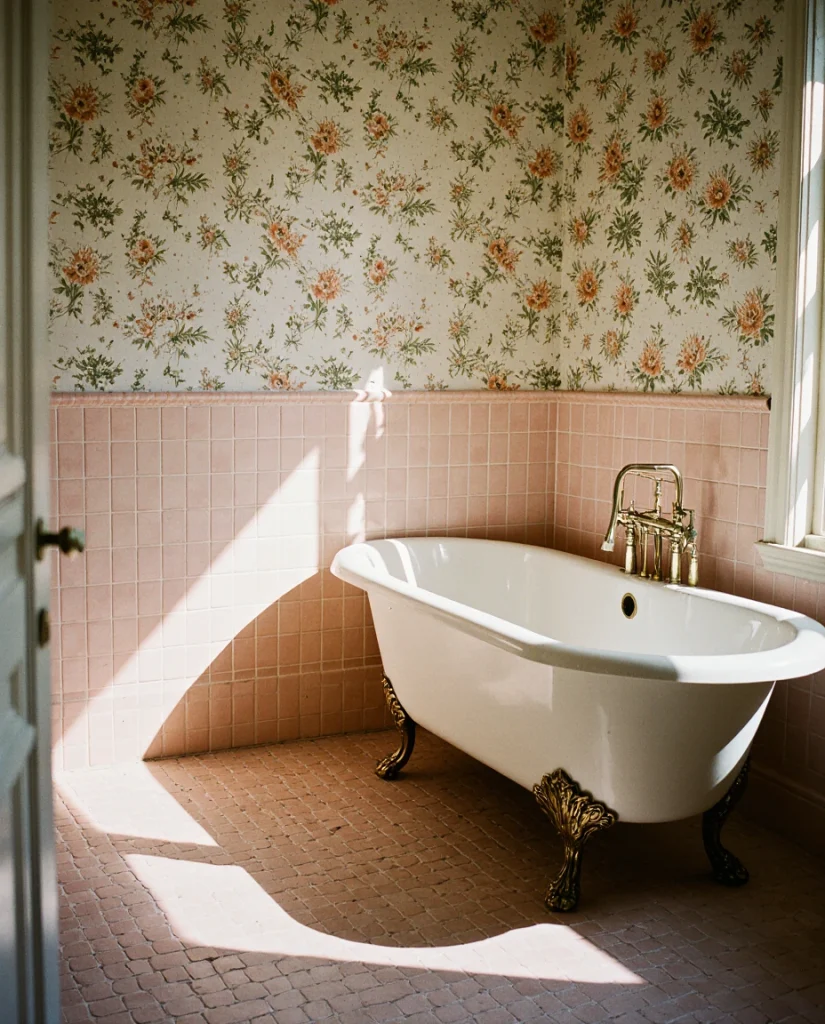
Inspired by the playful, nostalgic aesthetics seen in online design communities, the vintage Bloxburg-style bathroom mixes retro elements with modern comfort. Think pastel pink or mint green tiles, a clawfoot tub, vintage-inspired wallpaper, and antique brass fixtures. This look is whimsical and personal, often featuring flea market finds, heirloom mirrors, and quirky details that make you smile. It’s a departure from minimalism, embracing pattern, color, and a sense of fun that younger homeowners especially gravitate toward.
One common pitfall is going overboard with competing patterns—florals, stripes, and polka dots all at once can feel chaotic rather than charming. Designers suggest choosing one hero pattern and keeping the rest of the palette fairly neutral. This style works beautifully in older homes with original character, but it can also add warmth and personality to new builds that feel a bit too sterile. The key is to have fun and let your quirks shine through.
10. Luxury Small Space Maximalism
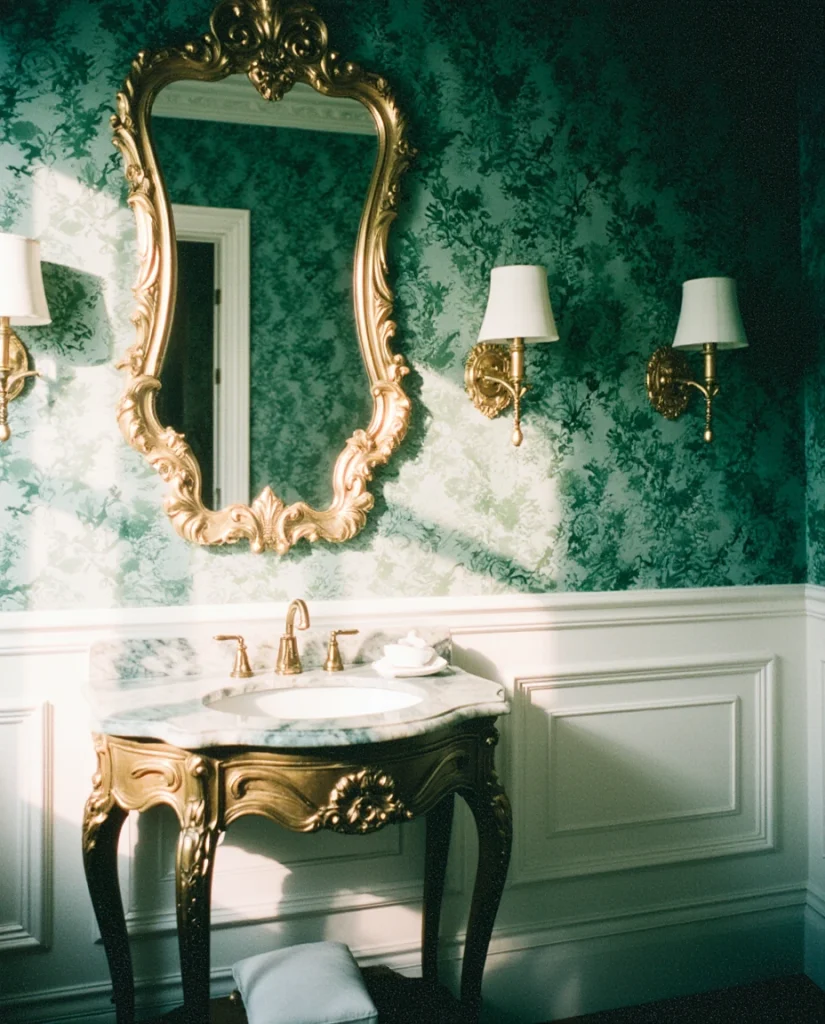
Who says luxury and small spaces don’t mix? This final idea proves that even a tiny powder room or compact ensuite can feel opulent with the right choices. Rich wallpaper, a statement mirror, high-end fixtures, and dramatic lighting transform a modest footprint into a jewel-box experience. Think emerald green walls, a marble vanity top, and a sculptural faucet that commands attention. The approach is bold, layered, and unapologetically glamorous—proof that square footage doesn’t dictate style or impact. 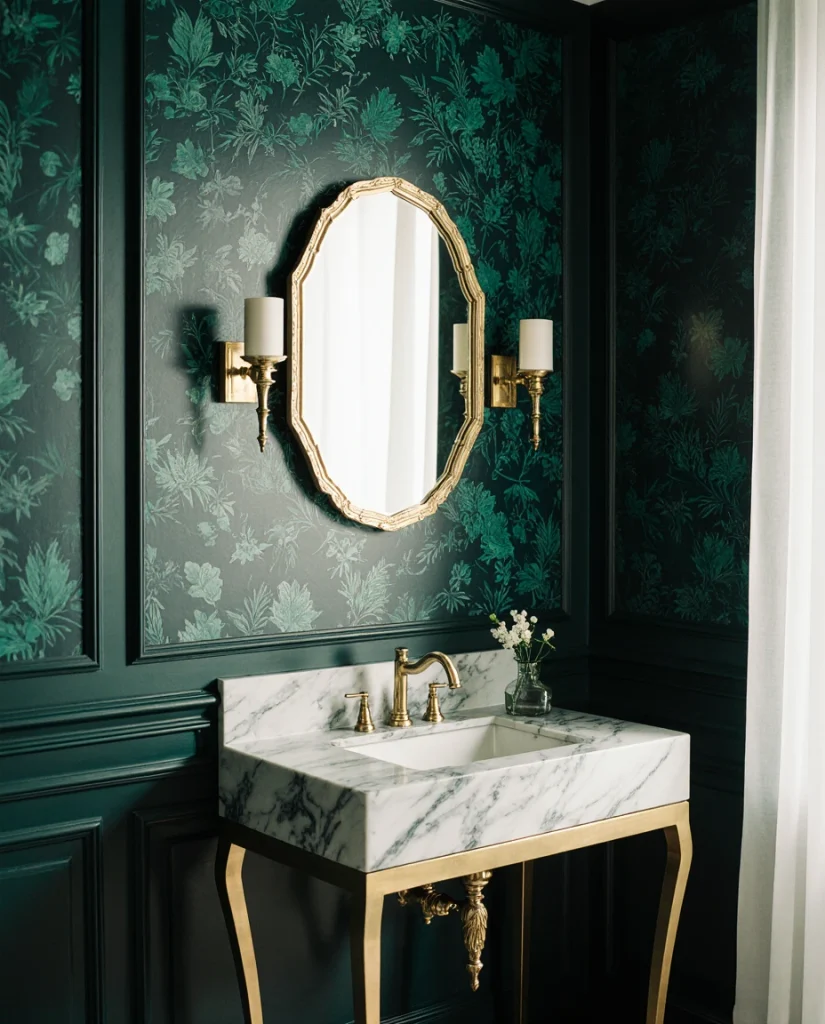
Commentary from design professionals highlights that small bathrooms are often the perfect place to take risks—you’re using less material, so splurging on a bold tile or designer wallpaper becomes more feasible. Homeowners in urban apartments and historic row houses have especially embraced this trend, turning overlooked spaces into showstoppers. The trick is to avoid clutter and let each high-impact element breathe, ensuring the room feels intentional rather than cramped.
11. Luxury Beautiful Colors Oasis
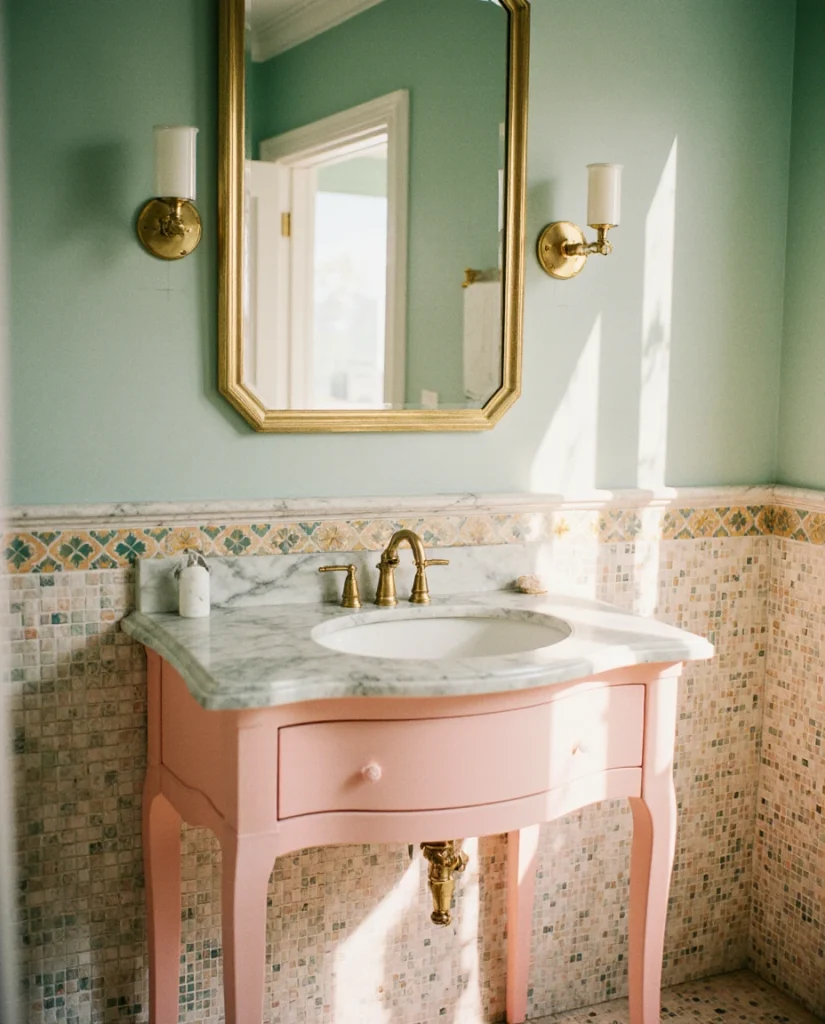
This bathroom embraces the power of luxury through beautiful colors that energize and soothe in equal measure. Imagine walls in soft sage green paired with blush pink vanity cabinets and brass fixtures that catch the light. The palette is curated and confident, drawing from nature but elevated through careful coordination and high-end finishes. Marble or quartz countertops in complementary veining, colorful patterned tiles, and plush towels in jewel tones create layers of visual richness. This approach transforms the bathroom from a purely functional space into a daily mood booster that feels both personal and polished. 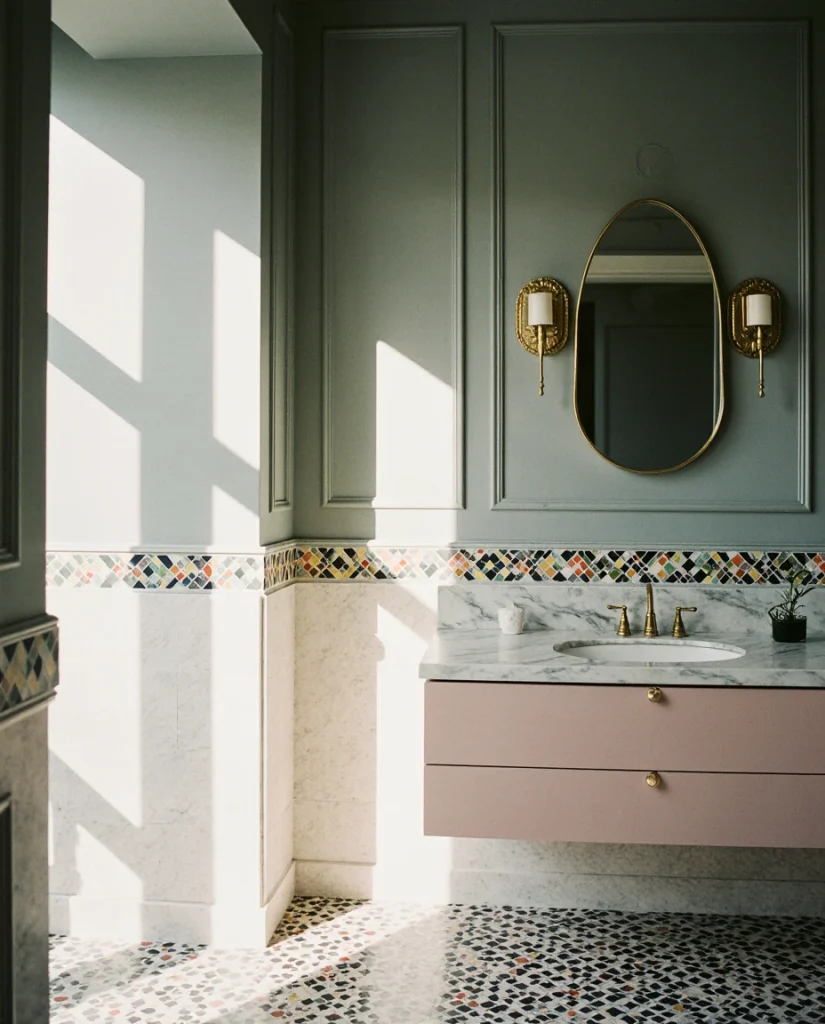
A designer in Austin recently shared that clients are increasingly requesting color after years of all-white fatigue—they want spaces that reflect personality and joy. The key is choosing colors that work together harmoniously rather than competing for attention. Start with one dominant hue, add one or two complementary shades, and ground everything with neutrals like white, cream, or warm gray. This strategy keeps the space feeling intentional rather than chaotic, and it’s surprisingly forgiving when you want to swap out accessories or refresh the look down the line.
12. Contemporary Luxury Master Bath Ideas
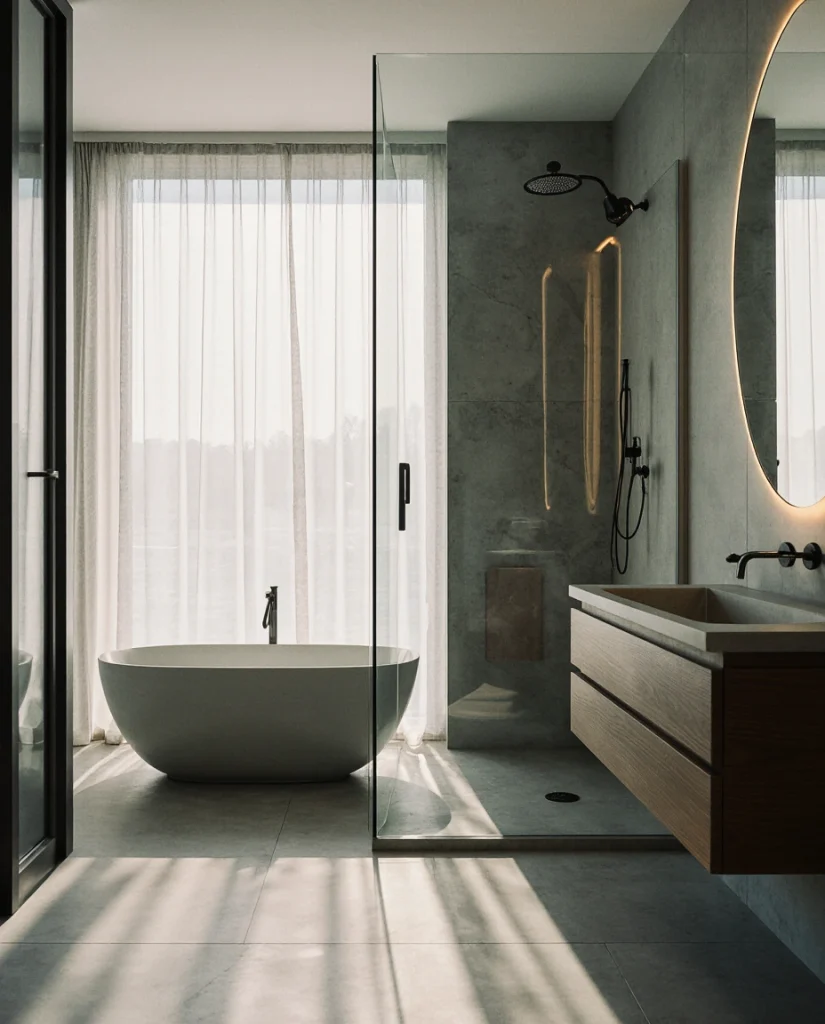
The contemporary luxury master bath is all about clean geometry, premium materials, and a spa-like atmosphere that prioritizes relaxation. Floor-to-ceiling glass shower enclosures, floating double vanities in walnut or oak, and integrated LED lighting create a sleek, modern environment. Statement elements like a sculptural freestanding tub or a dramatic linear drain add architectural interest without cluttering the visual field. The color scheme typically stays neutral—grays, whites, and blacks—allowing textures and finishes to provide the variety and depth.
Where this works best is in new construction or major renovations where you can plan the plumbing and electrical from scratch to accommodate features like rainfall showers, body jets, and radiant floor heating. Homeowners in suburban developments and upscale condos are particularly drawn to this style, which offers hotel-level luxury without sacrificing clean, modern lines. Budget-wise, investing in quality fixtures and tile pays off in longevity and daily satisfaction—this is a bathroom designed to be enjoyed for decades.
13. Bathtub Focal Point Design
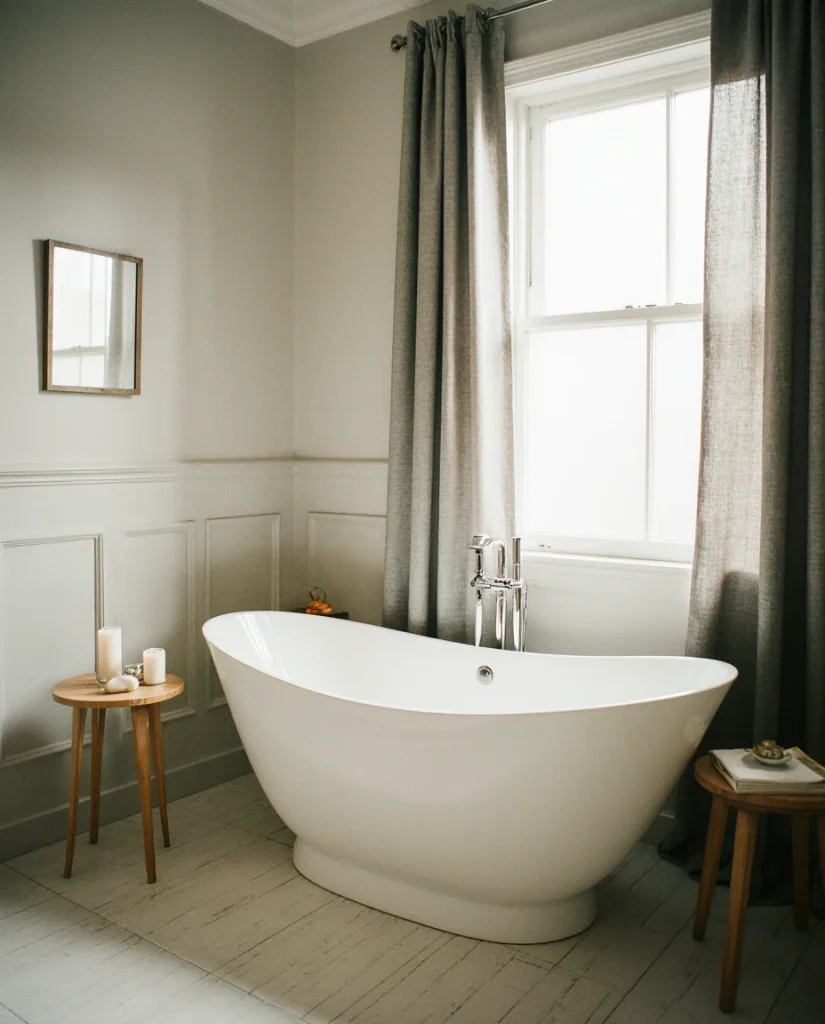
When the bathtub becomes the star of the show, everything else falls into a supporting role. A statement tub—whether a vintage clawfoot, a sleek modern oval, or a dramatic stone vessel—anchors the entire space and sets the design direction. Position it near a window for natural light and views, or center it in the room for maximum impact. Surround it with minimal furnishings, soft textiles, and perhaps a small side table for candles or a book. The rest of the bathroom can remain understated, allowing the tub to command attention and invite long, luxurious soaks. 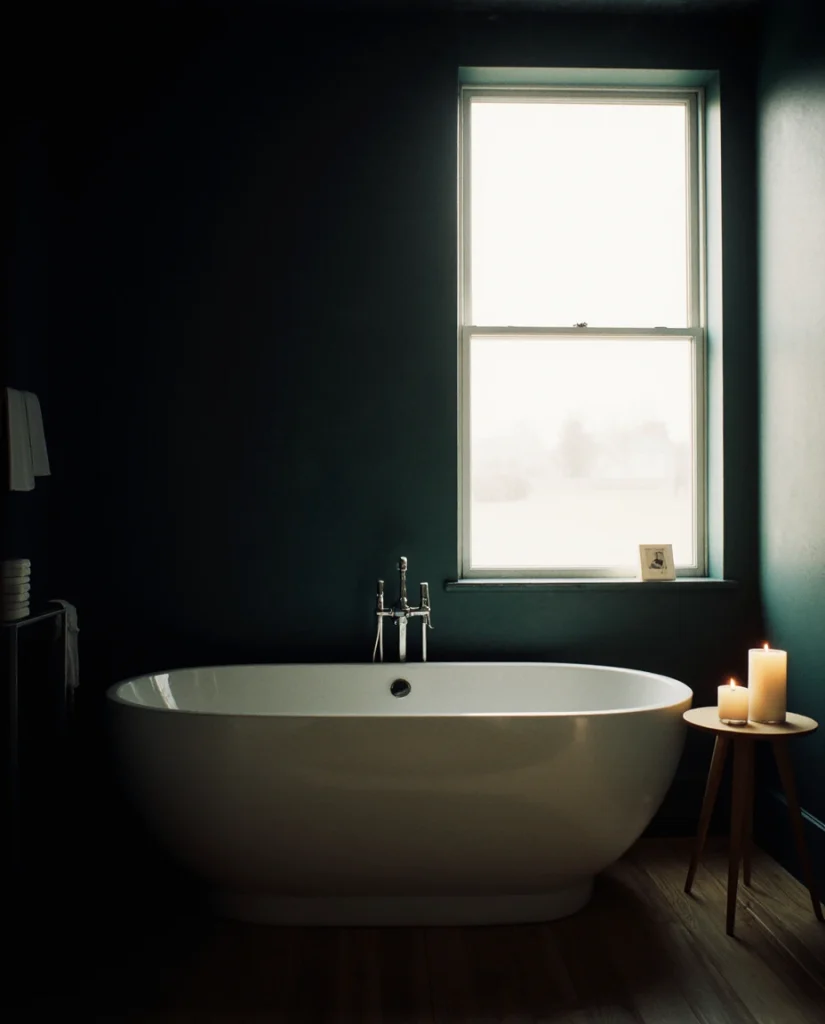
Real homeowners who have committed to this layout often have said that the bathtub becomes their favorite feature of the whole house—a personal sanctuary they use more than they thought. One common mistake is selecting a tub that is too big for the space or too heavy for the floor structure, so consulting with a contractor or designer would be a good idea early in the process. This works especially well in master suites in homes where the bathroom is big enough to fit a spacious shower as well as a tub in a dedicated area.
14. Small Spaces Smart Storage
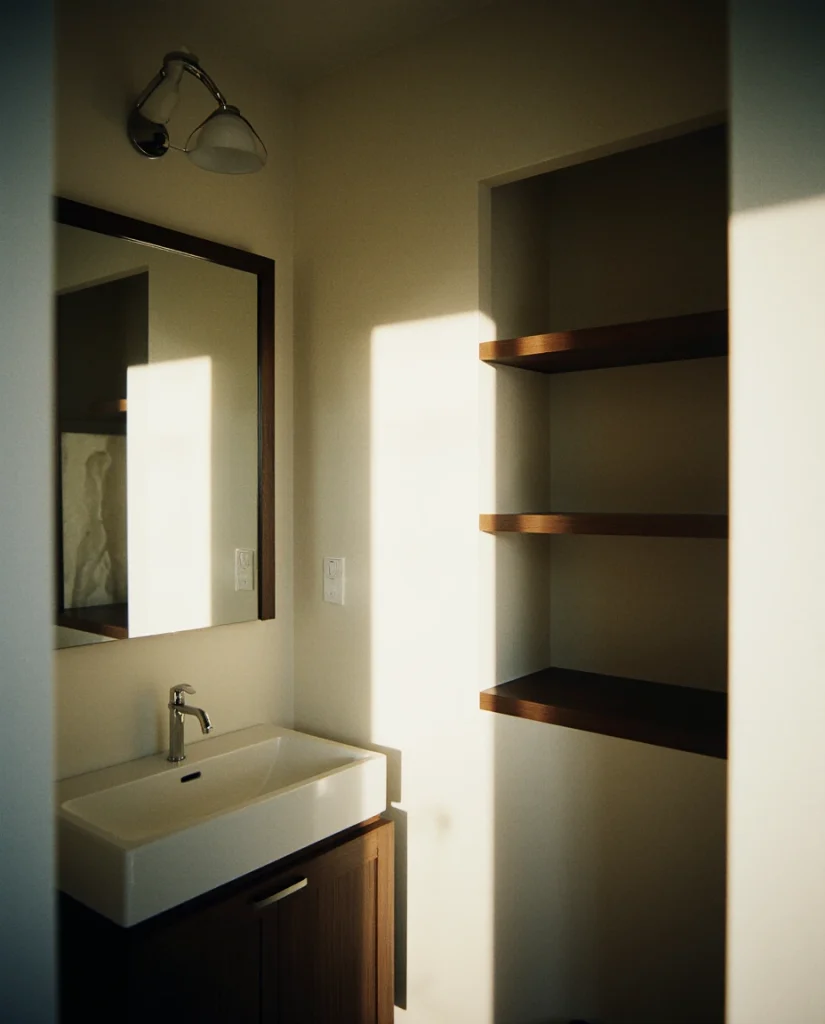
Designing for small spaces in 2026 means embracing clever storage solutions that keep surfaces clear and the room feeling open. Wall-mounted vanities with built-in drawers, recessed medicine cabinets, floating shelves, and over-toilet storage units maximize every inch without overwhelming the space. The aesthetic leans contemporary and streamlined, with handleless cabinets, hidden compartments, and multi-functional furniture. Light colors and reflective surfaces help the room feel larger, while thoughtful organization ensures that toiletries, towels, and cleaning supplies all have designated homes. 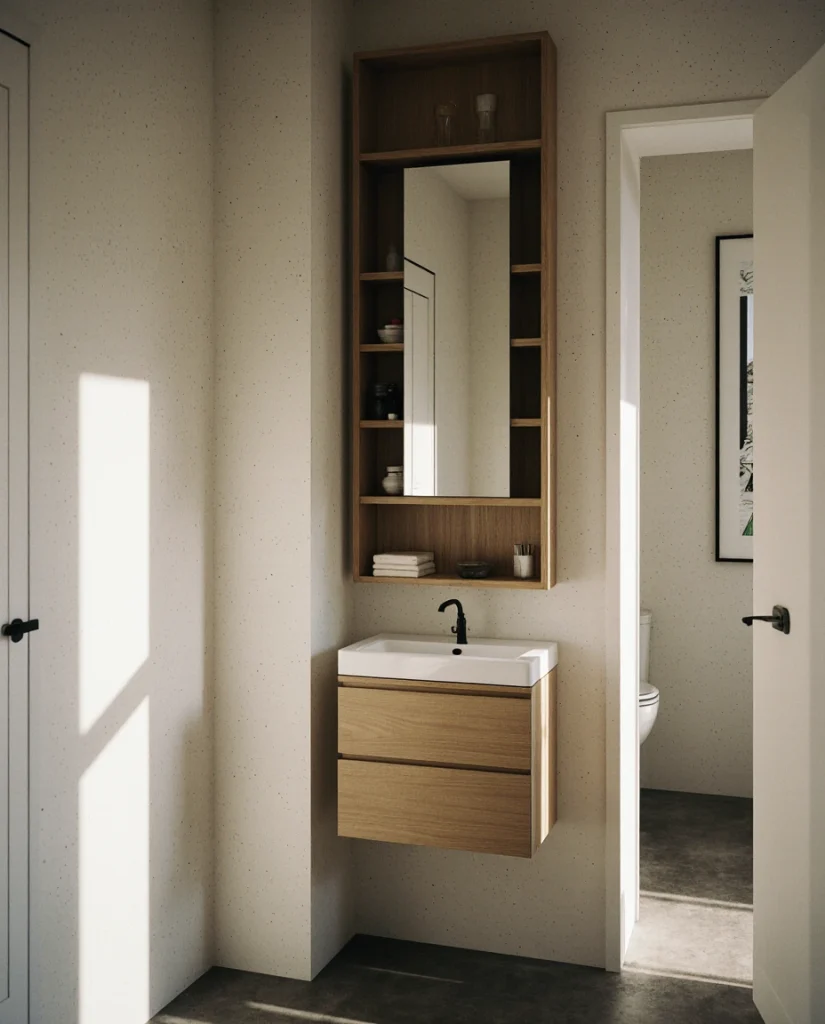
Expert designers emphasize that in small bathrooms, every item should earn its place—decorative clutter quickly makes the space feel cramped. Instead, invest in beautiful storage containers, matching towel sets, and a cohesive color palette that creates visual calm. Urban apartment dwellers and homeowners with powder rooms or guest baths are particularly enthusiastic about this approach, which proves that limited square footage doesn’t mean sacrificing style or functionality. The result is a bathroom that feels efficient, modern, and surprisingly spacious.
15. Vintage Meets Modern Fusion
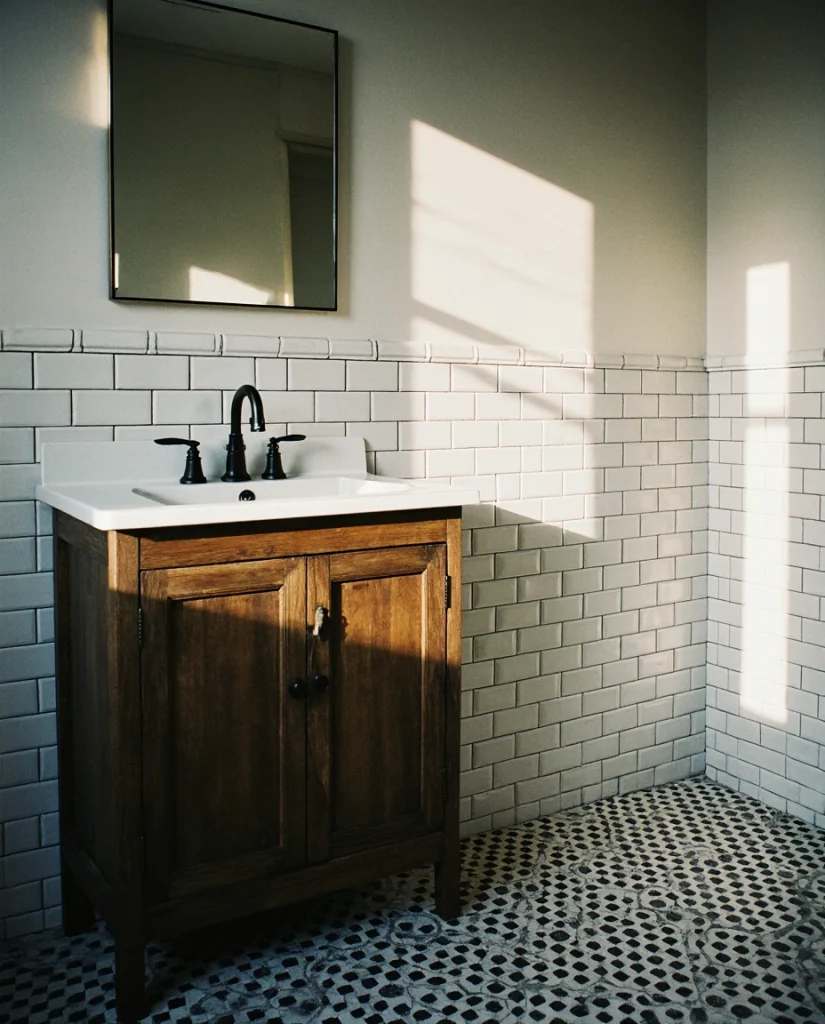
This idea blends the charm of vintage elements with the clean functionality of contemporary design, creating a bathroom that feels both nostalgic and fresh. Pair a refurbished antique vanity with a sleek frameless mirror and modern matte black faucet. Subway tile laid in a classic brick pattern meets hexagonal floor tiles in an unexpected color. The fusion works because each era’s strengths balance the other’s weaknesses—vintage brings warmth and character, while modern contributes efficiency and simplicity. The palette can be neutral or colorful, as long as there’s a unifying thread that ties the disparate elements together. 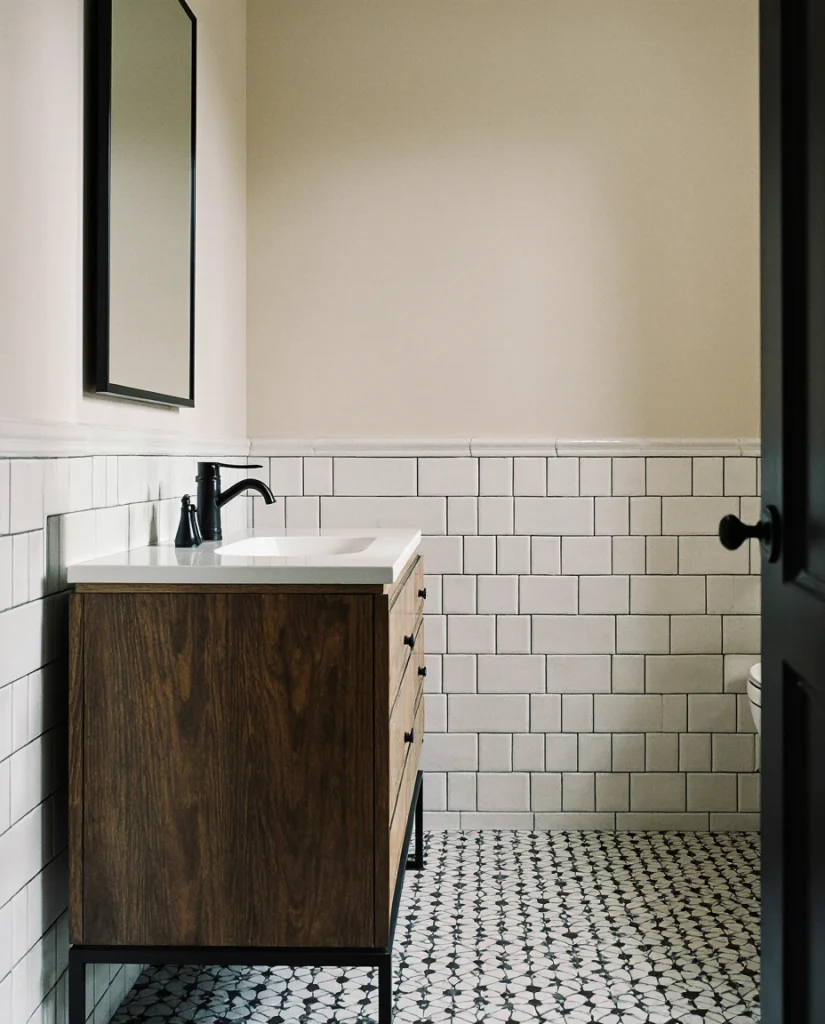
A homeowner in Portland mentioned finding her grandmother’s dresser at an estate sale and converting it into a bathroom vanity—it anchors the space with history while the updated plumbing and contemporary fixtures keep it fully functional. This approach is especially popular in older homes where mixing periods feels natural, but it also works in new builds where homeowners want to inject soul and story into otherwise generic spaces. The key is restraint—choose one or two vintage hero pieces and let modern elements provide the supporting structure.
16. 2026 Design Trends Showpiece
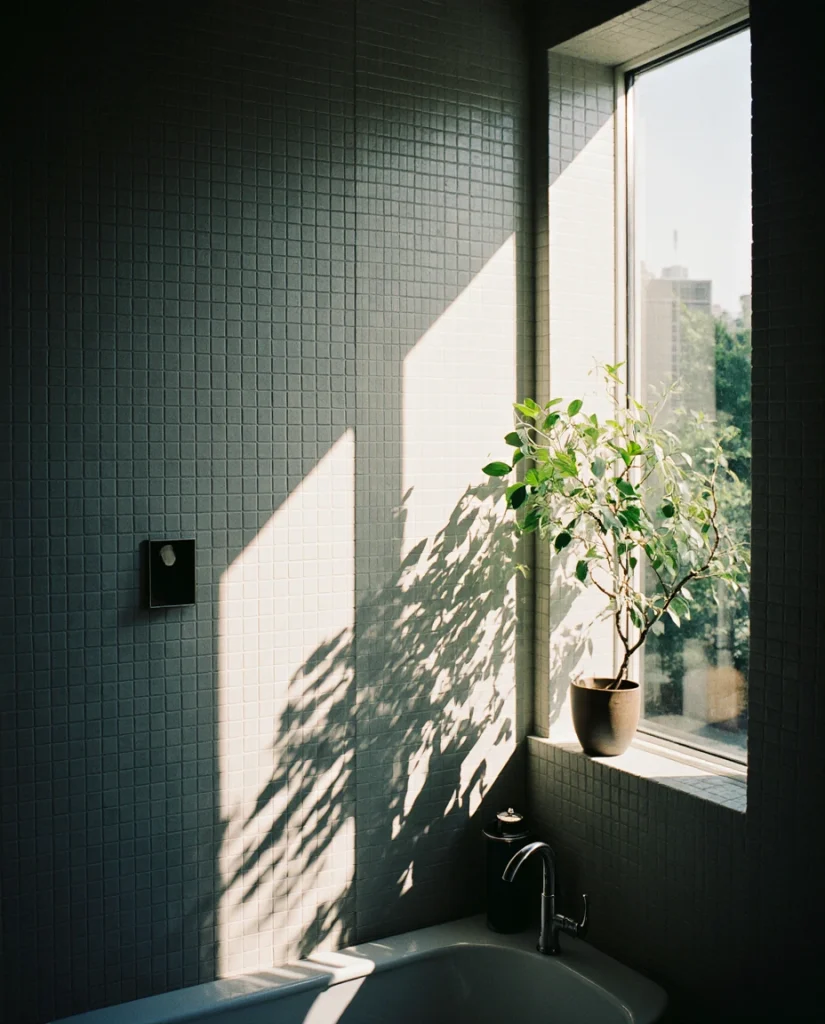
If you want to capture the full spectrum of 2026 design trends, this bathroom pulls together the year’s defining elements: sustainable materials, biophilic design, smart technology, and artisanal craftsmanship. Recycled glass tiles, a living plant wall, touchless faucets, and handmade ceramic accents create a space that’s both eco-conscious and cutting-edge. The look is curated but not overly precious—there’s room for experimentation and personality. Natural light, greenery, and organic textures dominate, reflecting a broader cultural shift toward wellness and environmental responsibility.
Practical insight for budget-conscious renovators: you don’t need to incorporate every trend to feel current. Choose two or three elements that resonate most—perhaps a smart mirror and some reclaimed wood shelving—and build around those. This prevents the space from feeling like a showroom and ensures it reflects your actual lifestyle. Homeowners across the country are increasingly prioritizing sustainability and wellness in their design choices, making this approach not just stylish but also aligned with broader values around health and environmental stewardship.
17. Coastal Organic Retreat
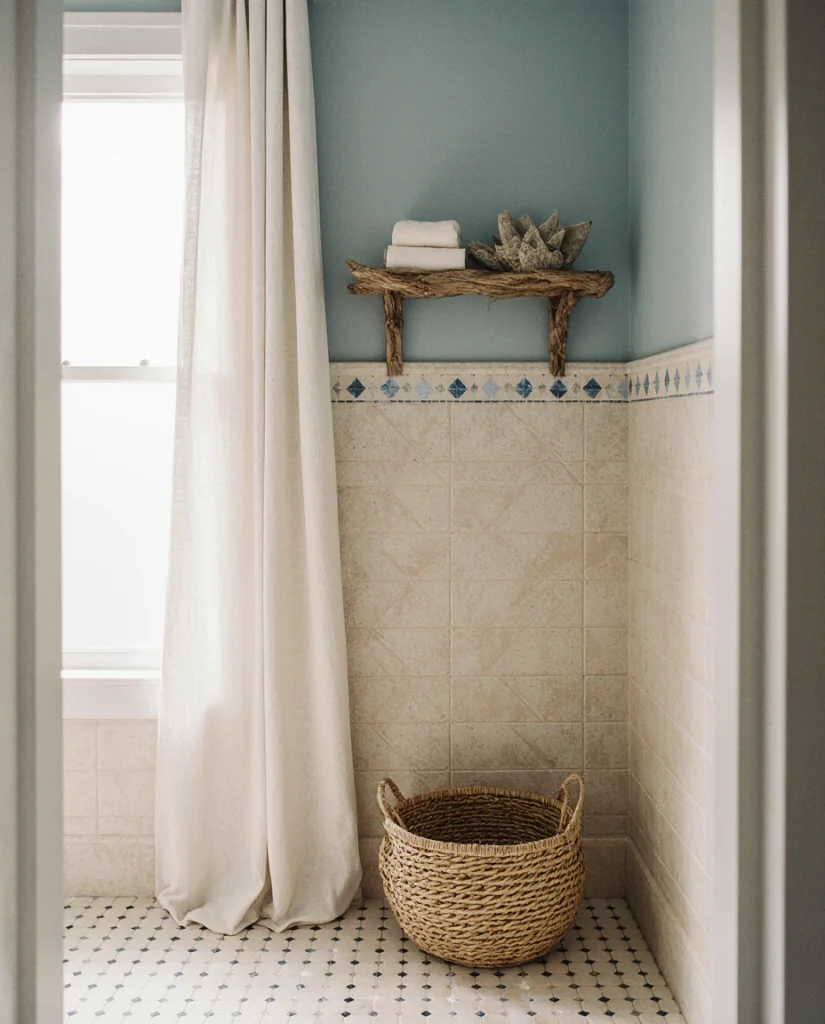
Merging coastal ease with organic textures creates a bathroom that feels like a seaside escape rooted in natural beauty. Driftwood accents, woven seagrass baskets, linen shower curtains, and sandy beige tiles evoke the beach without relying on cliché nautical symbols. The palette is soft and sun-bleached—whites, creams, soft grays, pale blues—and the overall vibe is relaxed and unpretentious. Natural materials like rattan, jute, and unfinished wood bring warmth and tactile interest, while abundant natural light and airy layouts ensure the space never feels heavy or dark.
Where this works best is in beach towns and coastal communities, naturally, but it’s also found a following among landlocked homeowners who crave a visual and emotional connection to water and nature. One couple in Nebraska told me they created this look after a memorable vacation in South Carolina—it brings them a sense of calm every morning. The style is inherently forgiving and low-maintenance, with natural wear and tear adding to the patina rather than detracting from the aesthetic.
18. Dark, Earthy, Moody Elegance
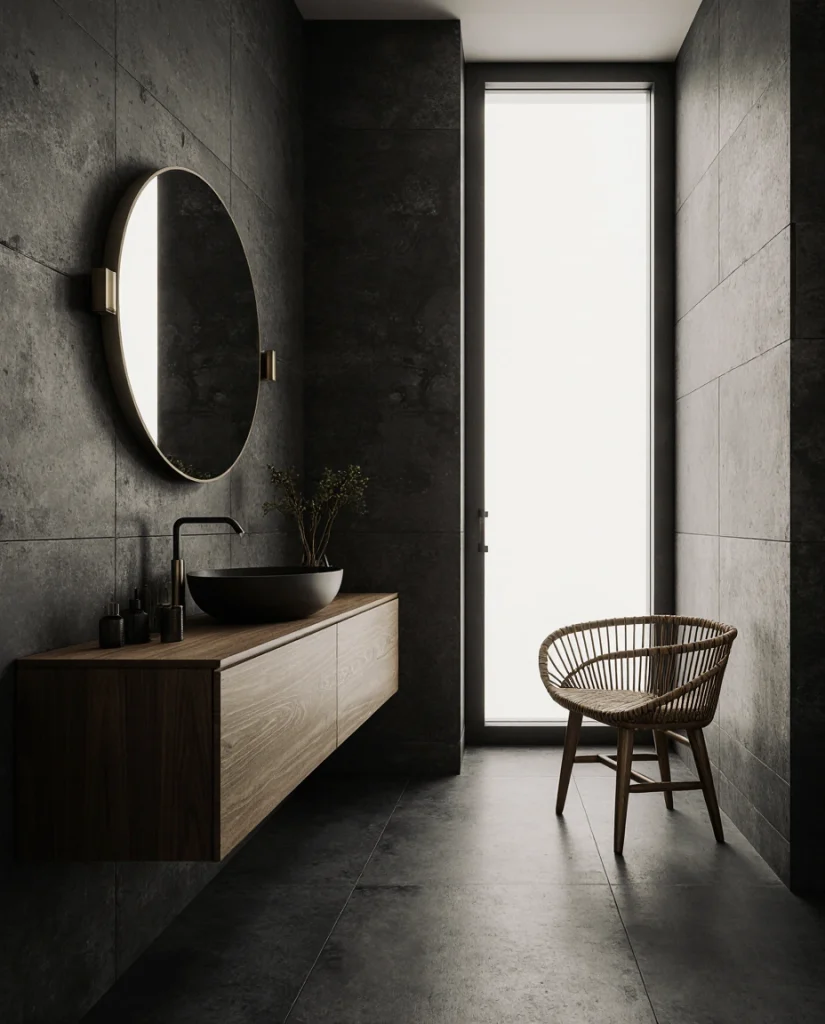
Combining dark tones with earthy materials results in a bathroom that’s both dramatic and grounding. Charcoal or black tiles paired with walnut cabinetry, bronze fixtures, and matte stone surfaces create a cocoon-like environment that feels intimate and luxurious. This isn’t the stark black-and-white contrast of high-gloss modernism—instead, it’s layered, textured, and warm, with natural wood grains, woven elements, and soft ambient lighting. The effect is moody without being cold, sophisticated without being stuffy. 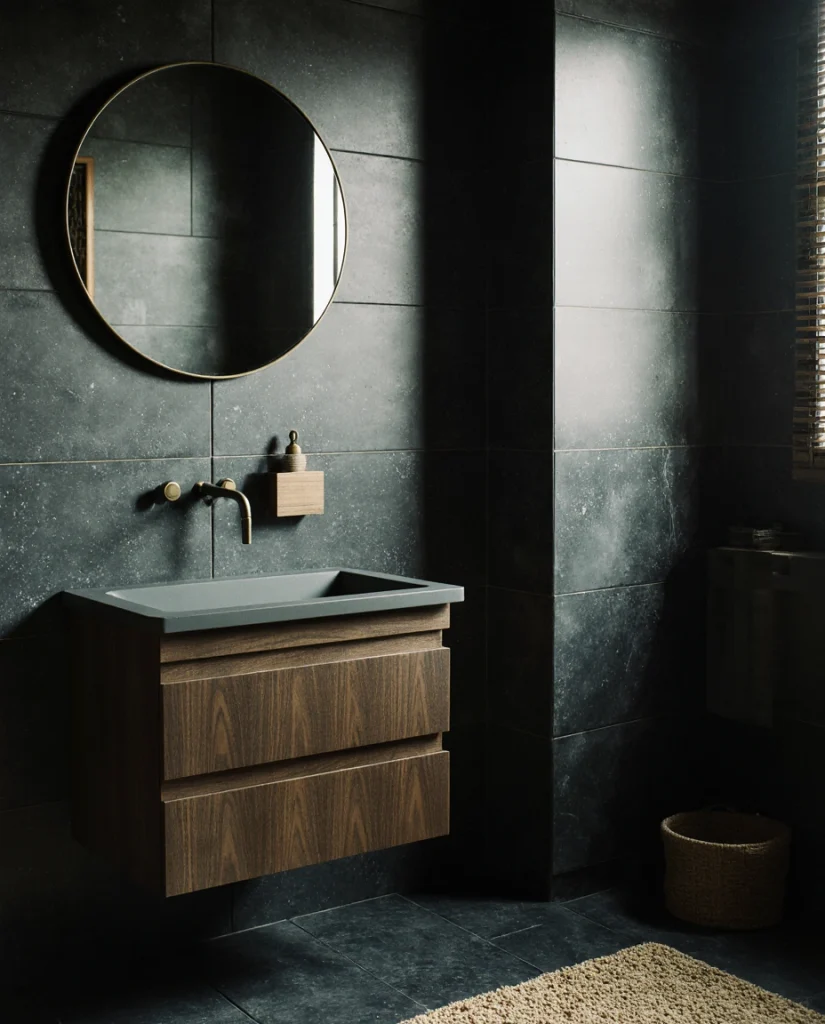
A common mistake is under-lighting these spaces, which can make them feel cave-like rather than cozy. Layer your lighting with recessed ceiling fixtures, wall sconces at eye level, and perhaps LED strips under floating vanities. Reflective surfaces—polished stone, glass, or even strategic mirrors—help bounce light around and prevent the space from feeling too enclosed. This style has become particularly popular in urban lofts and mountain homes, where the architecture supports a more dramatic, enveloping aesthetic.
19. Mid-Century Minimalist Hybrid
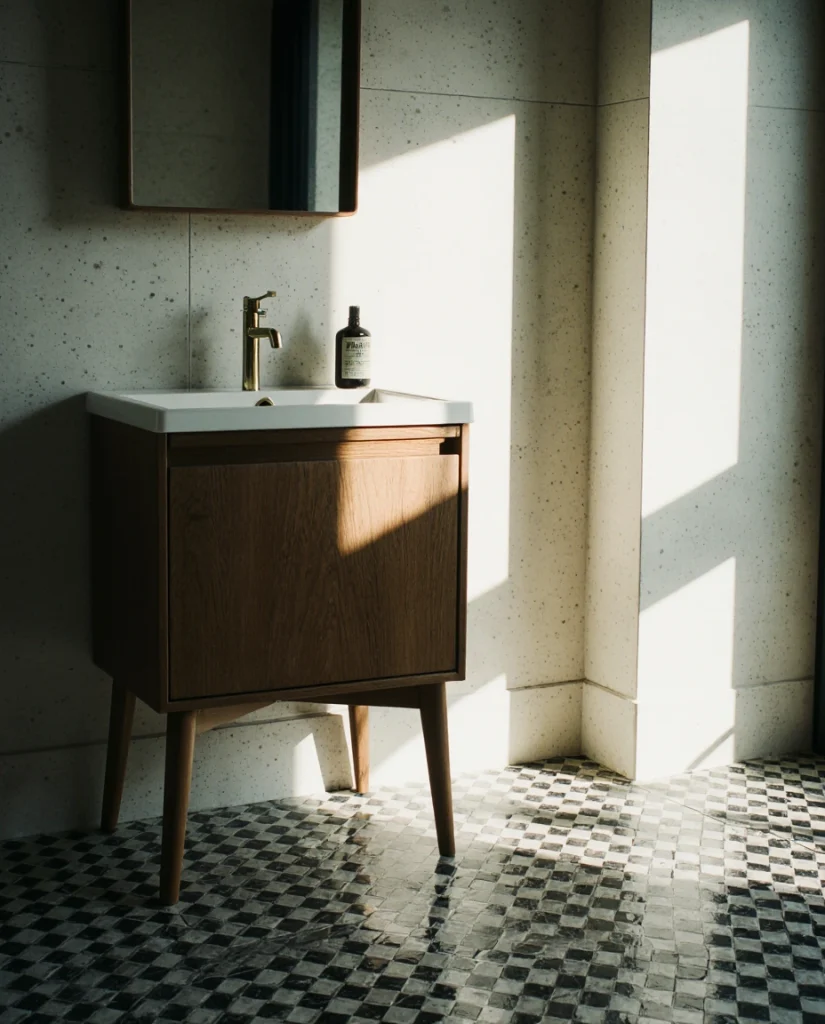
For those who love the warmth of mid-century design but prefer the restraint of minimalist aesthetics, this hybrid approach offers the best of both worlds. Teak or walnut vanities with clean lines, geometric tile in muted tones, and brass fixtures provide mid-century flavor, while a pared-down color palette and uncluttered surfaces maintain minimalist discipline. The space feels intentional and carefully edited, with each piece chosen for both form and function. Open shelving displays only the essentials, and decorative elements are limited to one or two statement pieces—perhaps a vintage mirror or a ceramic vase. 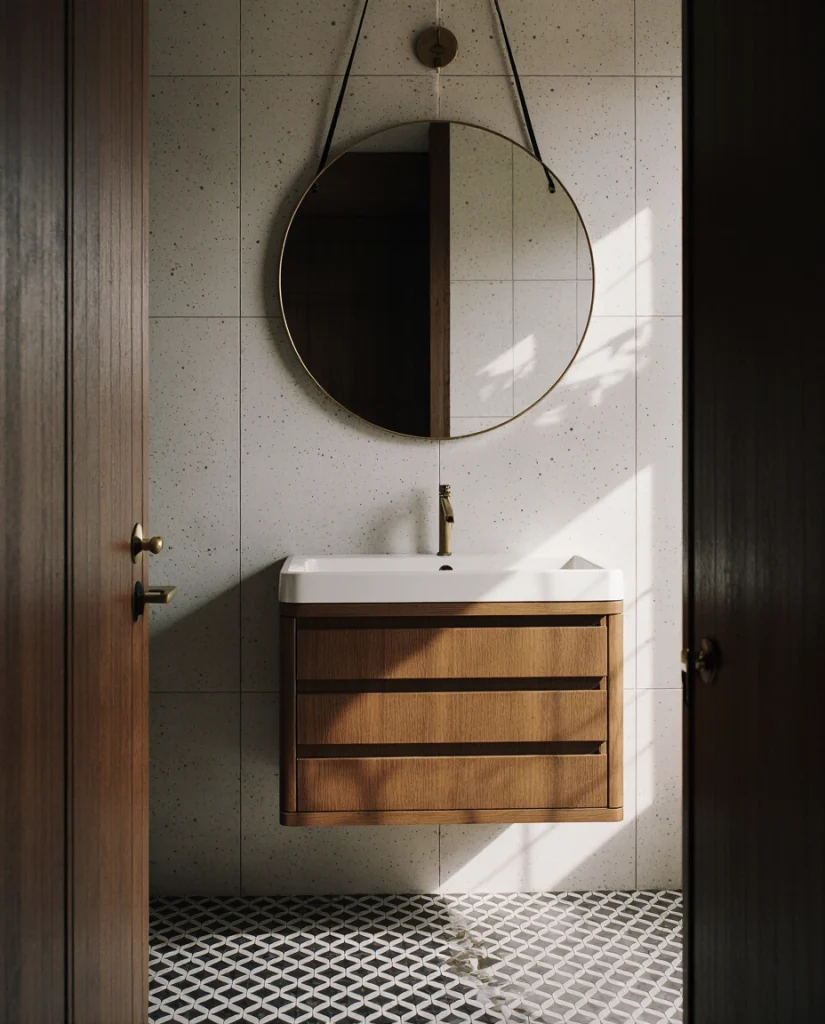
Real homeowner behavior reveals that people who commit to this style tend to be highly intentional about purchases—they wait for the right piece rather than filling space quickly. This patience pays off in a cohesive, curated look that feels personal and timeless. The hybrid approach works especially well in smaller homes where every design decision carries weight and where visual calm is a priority. It’s also a smart strategy for those renovating on a budget, as you can invest in a few quality vintage or vintage-inspired pieces and keep the rest simple and affordable.
20. Rustic Luxury Spa Experience
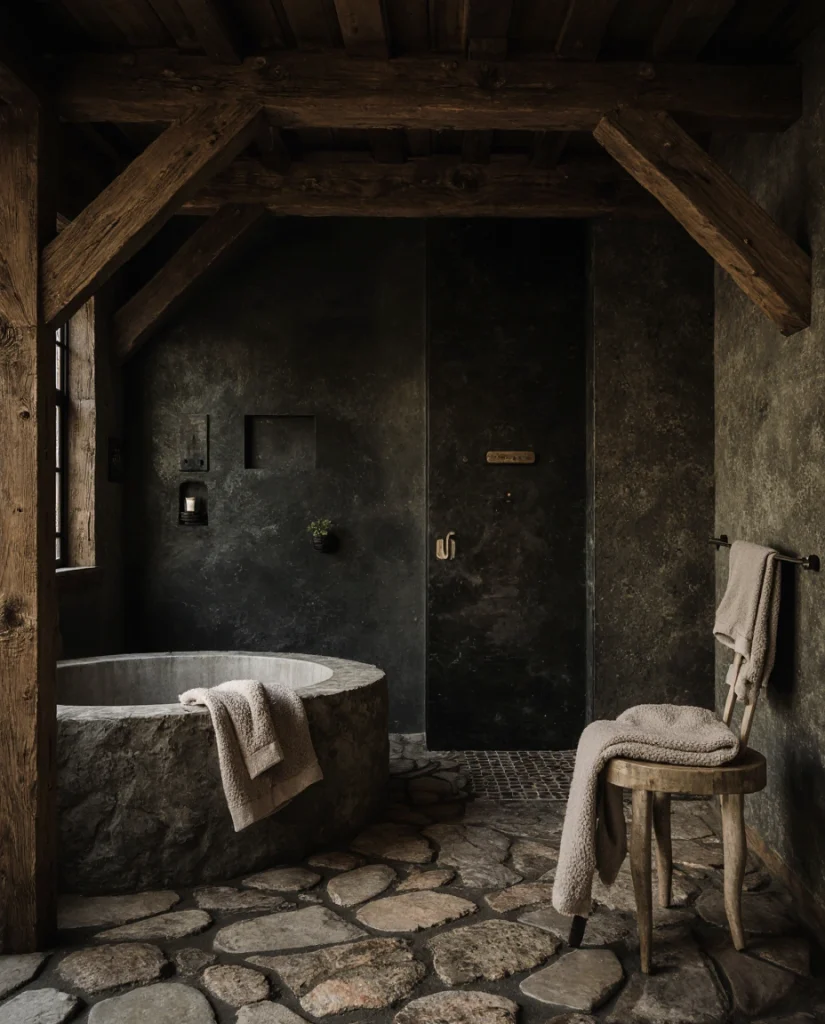
The rustic luxury bathroom proves that natural, rugged materials can coexist with high-end comfort and indulgence. Imagine a rain shower with river rock flooring, a deep soaking tub carved from stone, and rough-hewn wood beams overhead—all complemented by heated towel racks, high-pressure shower systems, and plush linens. The palette draws from the landscape—mossy greens, granite grays, and warm browns—and the overall effect is both grounding and pampering. This style refuses to choose between earthiness and elegance, delivering both in full measure. 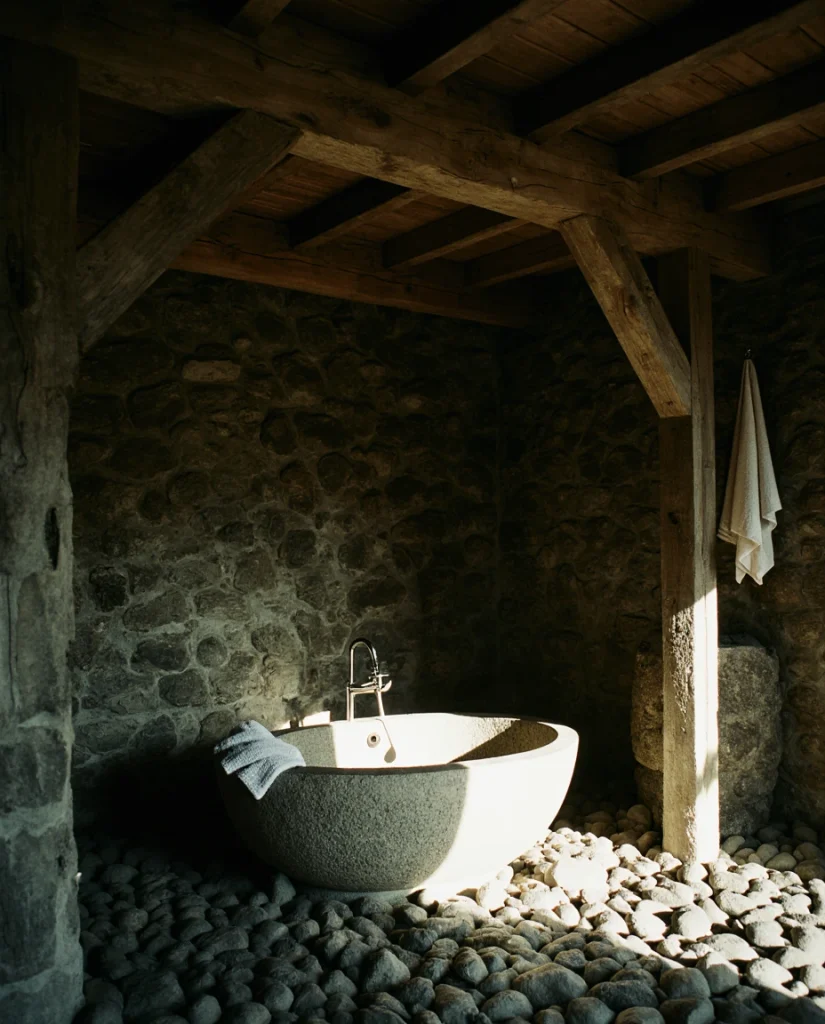
Expert commentary suggests that this style works best when you’re willing to invest in professional installation—natural stone is heavy and requires proper waterproofing and structural support. Homeowners in mountain regions, wine country, and rural areas have embraced this aesthetic enthusiastically, often sourcing materials locally to enhance authenticity and reduce environmental impact. The price point can vary widely depending on material choices, but the payoff is a bathroom that feels like a private spa retreat every single day, with the soul and texture that only natural materials can provide.
21. White Mountain Fresh Serenity
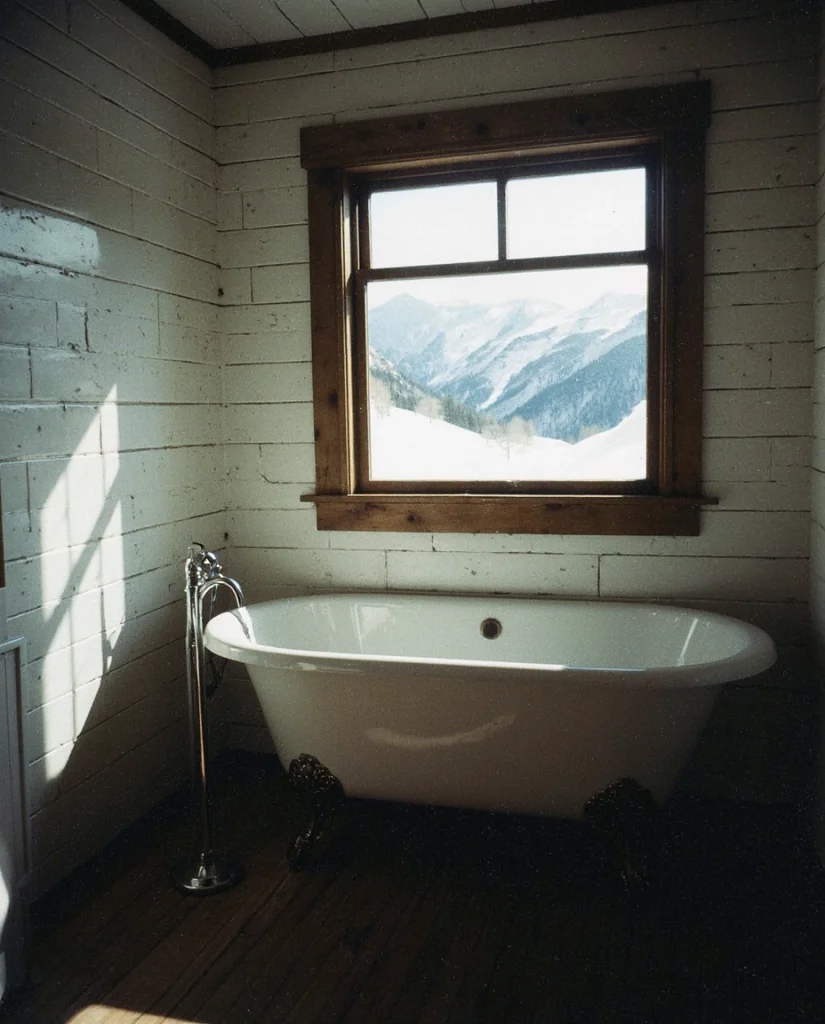
Inspired by alpine retreats and ski lodge elegance, the white mountain bathroom combines crisp, clean finishes with cozy, cold-weather comfort. Think white shiplap or painted brick walls, a white porcelain soaking tub, fluffy white towels, and natural wood accents that bring warmth without overwhelming the palette. Large windows frame snowy or forested views, and the overall atmosphere is fresh, bright, and invigorating—like stepping into a winter wonderland. Brass or copper fixtures add just a hint of warmth and contrast, while underfloor heating ensures physical comfort matches the visual appeal. 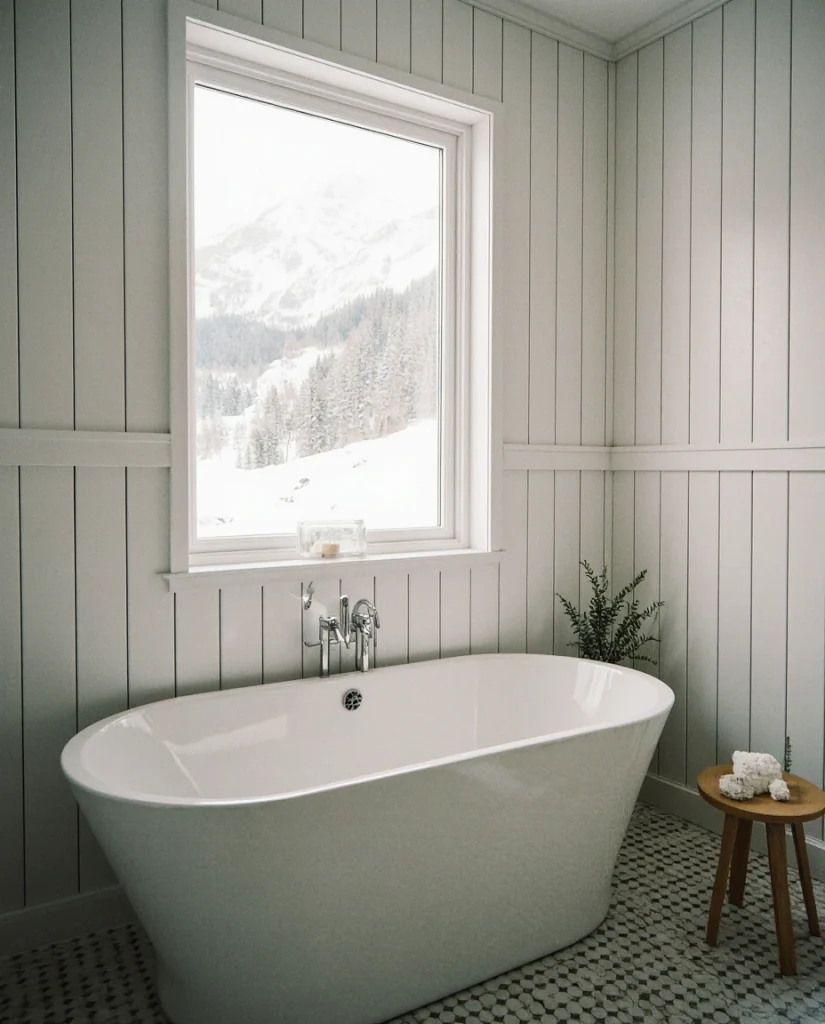
This approach is particularly popular in vacation homes and year-round residences in ski destinations, where the bathroom becomes a place to warm up and unwind after a day on the slopes. One family in Vermont mentioned that their all-white bathroom with wood accents feels like a breath of fresh air after months of gray winter weather—the brightness and simplicity lift their spirits daily. Maintenance is straightforward as long as you choose durable, easy-to-clean materials, and the timeless palette ensures the space won’t feel dated as trends evolve. 
Conclusion
These eleven additional bathroom ideas continue to explore the rich diversity of design possibilities available in 2026, from the vibrant energy of colorful luxury spaces to the serene calm of white mountain retreats. Each approach offers a distinct mood and aesthetic, proving that great bathroom design is as much about personal expression as it is about function. We’d love to know which of these ideas speaks to your style, or if you’ve experimented with any of these concepts in your own home—drop a comment and let’s keep the conversation going.