Kitchen Layout 2026 plans with 42 ideas featuring island designs galley shapes and narrow layouts

As we move into 2026, American homeowners are rethinking how their kitchens function, look, and flow. With more families cooking at home, hosting gatherings, and seeking spaces that blend style with efficiency, the right kitchen layout has never been more important. Whether you’re planning a full remodel or simply exploring fresh ideas on Pinterest, understanding the latest layout trends can transform how you use your most essential room. From island configurations to galley designs, this guide walks you through 22 inspiring kitchen layouts that reflect real homes, real needs, and real style.
1 Open-Plan Kitchen with Central Island
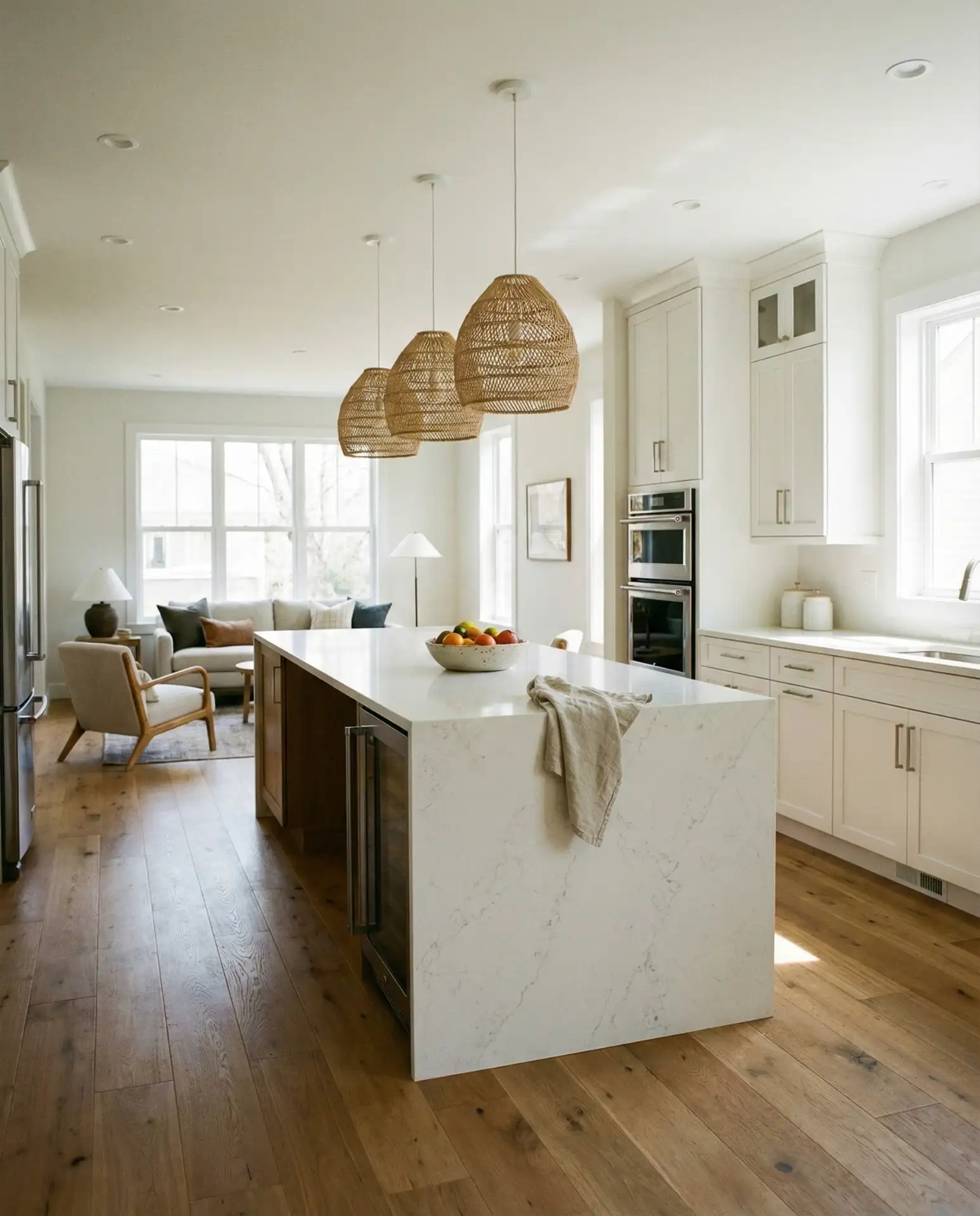
The open-plan kitchen with a central island remains one of the most sought-after layouts in American homes. This design creates a seamless flow between cooking, dining, and living areas, making it ideal for families who value connection and visibility. The island serves as both a prep station and a gathering spot, often featuring seating on one side and storage below. It’s particularly effective in homes with 10-foot ceilings or higher, where the openness doesn’t feel cavernous but instead feels airy and inviting.
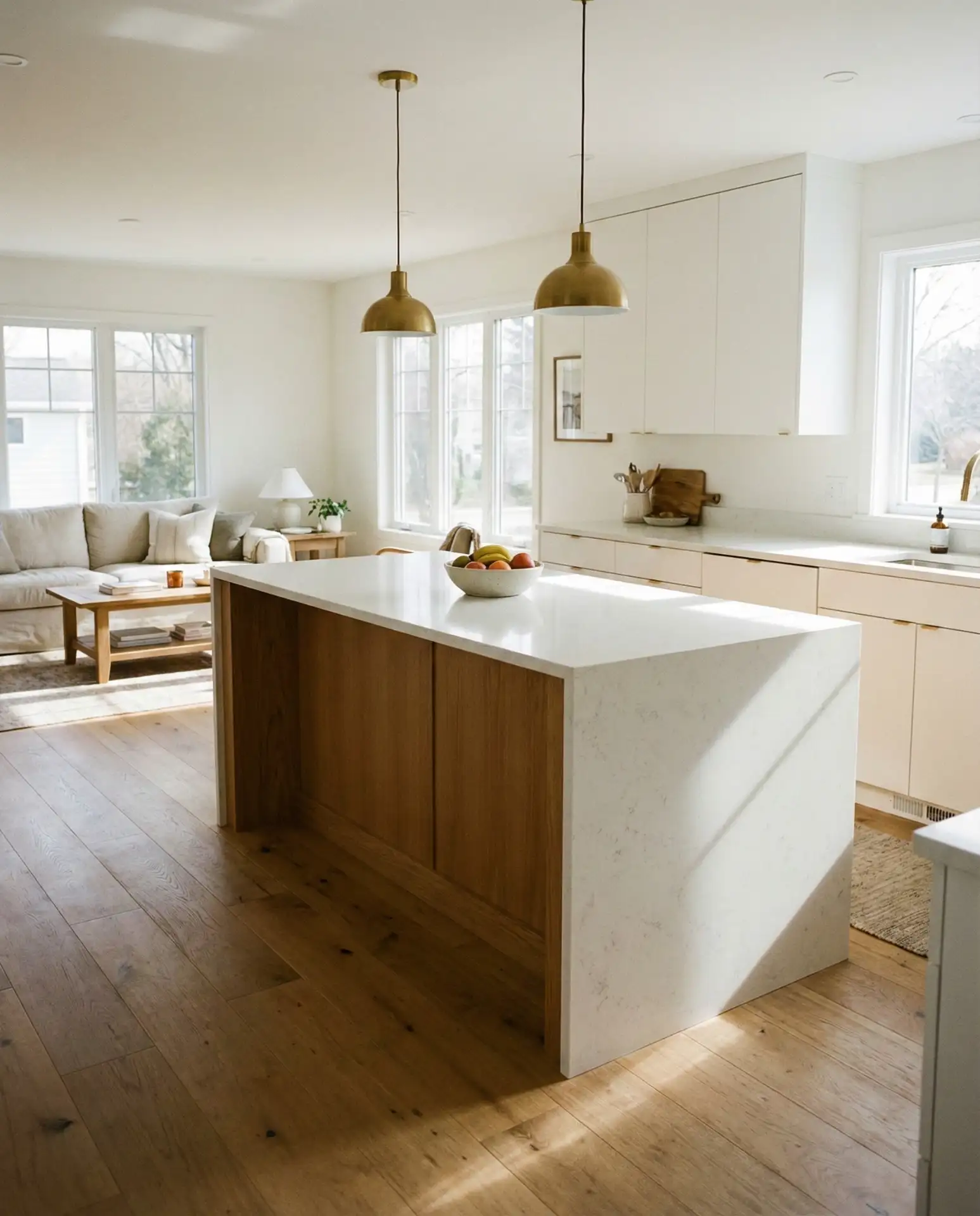
This layout works best in suburban homes where square footage allows for generous spacing between the island and perimeter counters. A common mistake is placing the island too close to the stove or sink, which restricts movement during meal prep. Aim for at least 42 inches of clearance on all sides to ensure smooth traffic flow, especially when multiple people are cooking or kids are doing homework at the island.
2 Galley Kitchens with Smart Storage
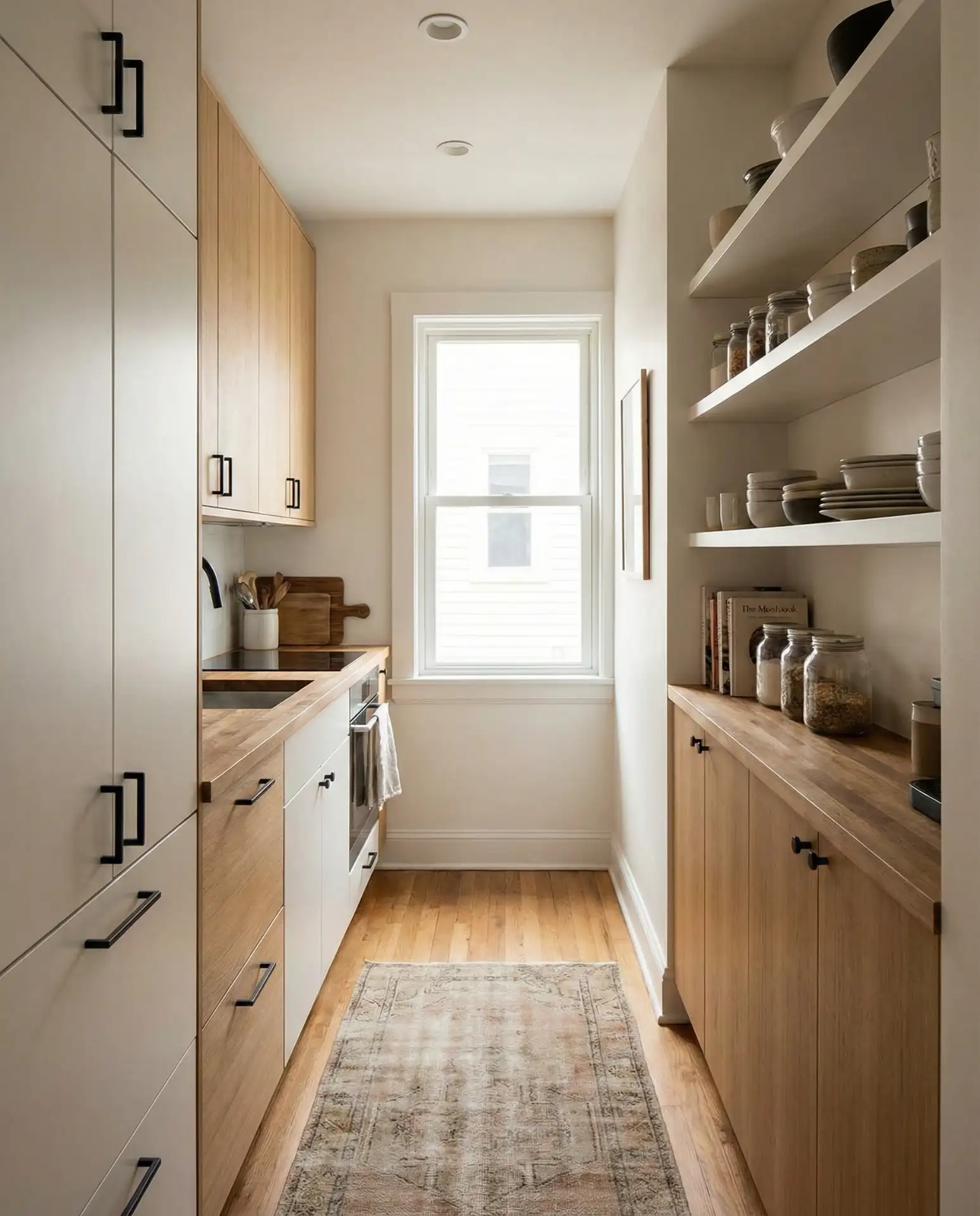
The galley kitchen layout, with two parallel walls of cabinetry, is making a strong comeback in urban apartments and narrow homes. This efficient design maximizes every inch of space, placing the sink, stove, and refrigerator within easy reach. In 2026, designers are enhancing traditional galley kitchens with pull-out pantries, vertical storage, and under-cabinet lighting that makes the space feel larger and more functional. It’s a practical choice for singles, couples, or anyone who values streamlined cooking workflows.
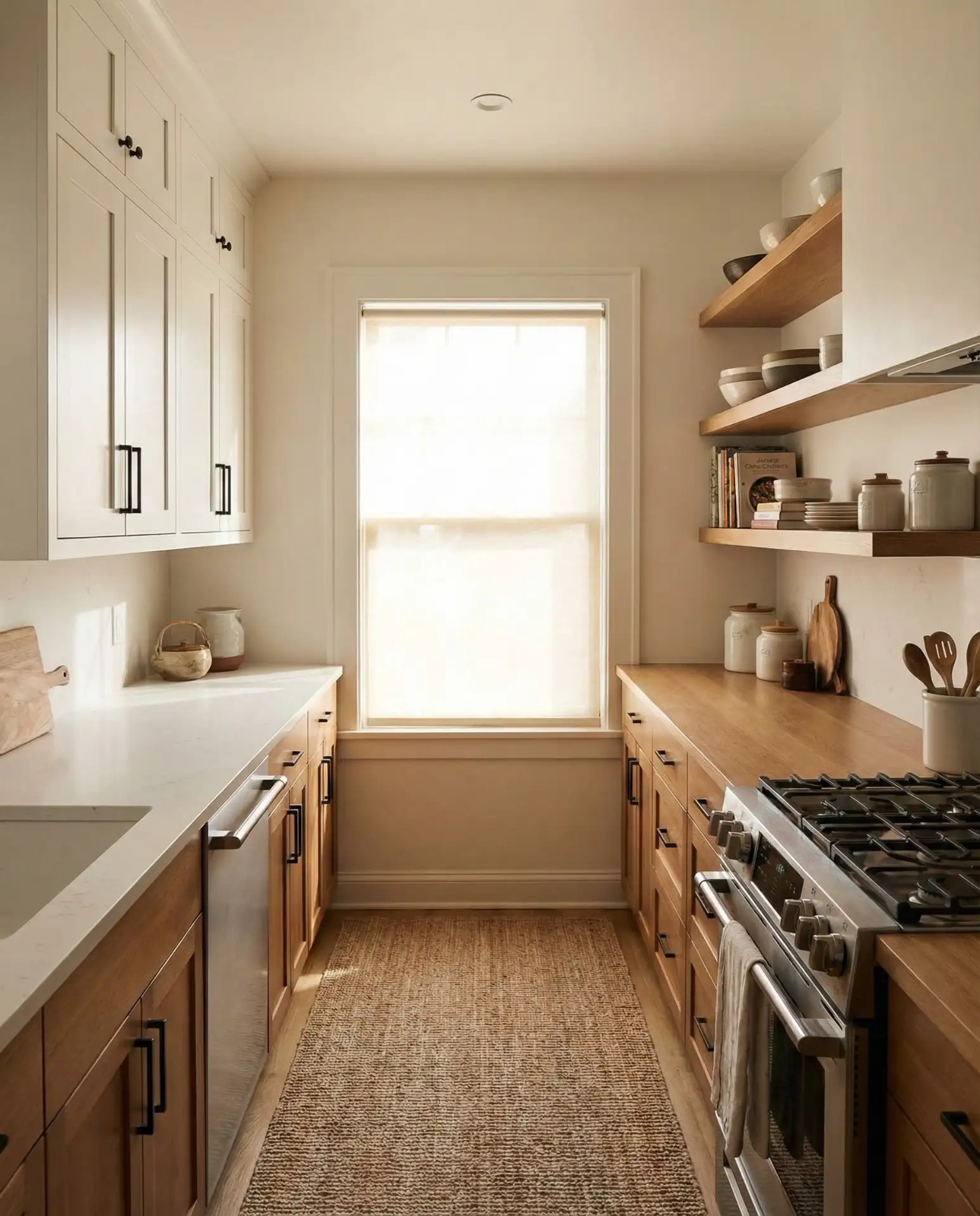
In cities like New York and San Francisco, where space is at a premium, galley kitchens often run 8 to 12 feet long. Homeowners frequently make the mistake of overcrowding the walls with upper cabinets, which can make the space feel cramped. Instead, consider open shelving on one side or glass-front cabinets to maintain visual lightness while still providing ample storage.
3 L-Shaped Layout with Corner Sink
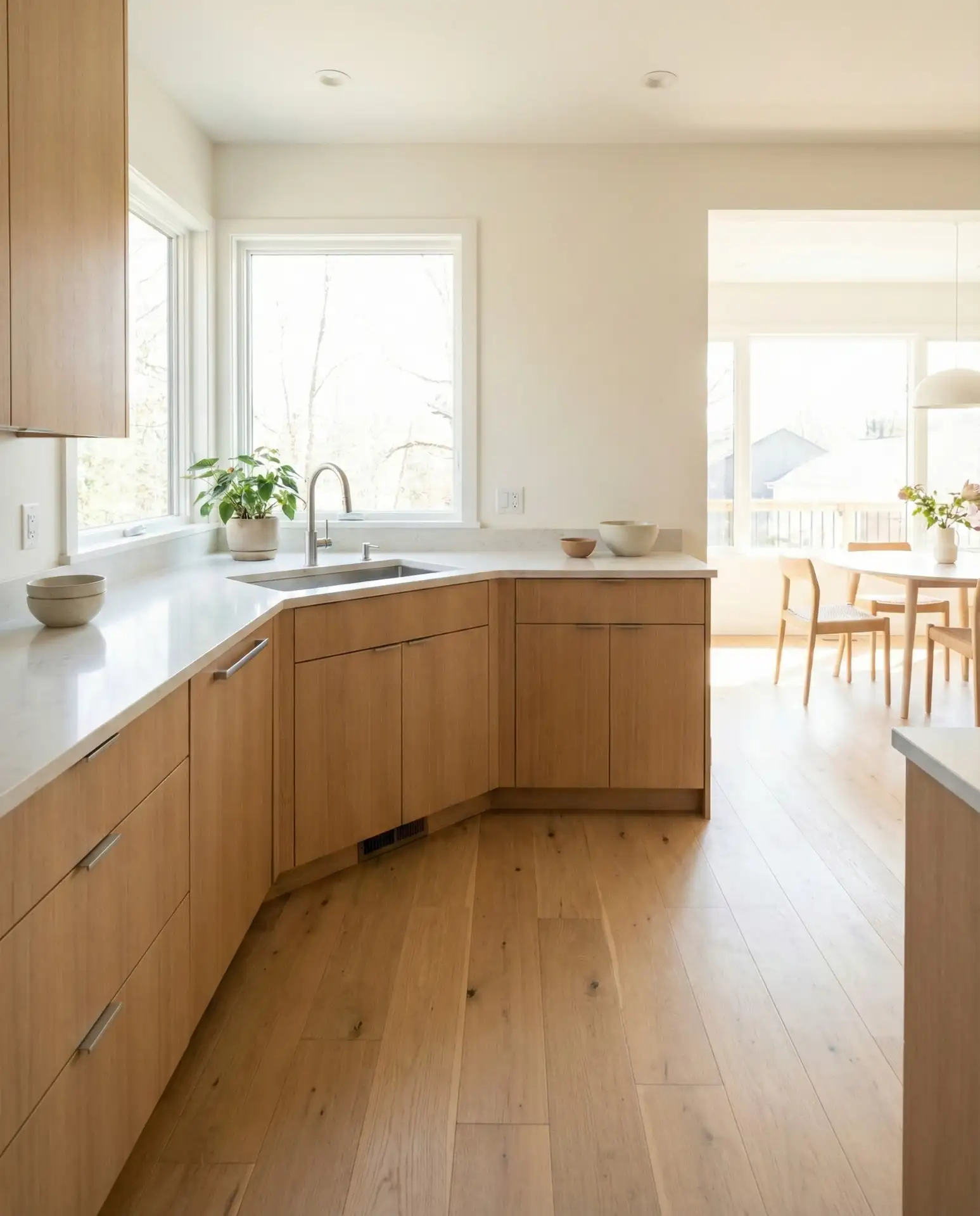
An L-shaped kitchen with a corner sink is one of the best layouts for maximizing counter space while maintaining an efficient work triangle. This design fits beautifully into square or rectangular rooms and allows for an optional dining table or island in the open area. The corner sink takes advantage of otherwise awkward corner real estate, offering a pleasant view if positioned near a window. It’s a favorite among homeowners who want flexibility without sacrificing function.
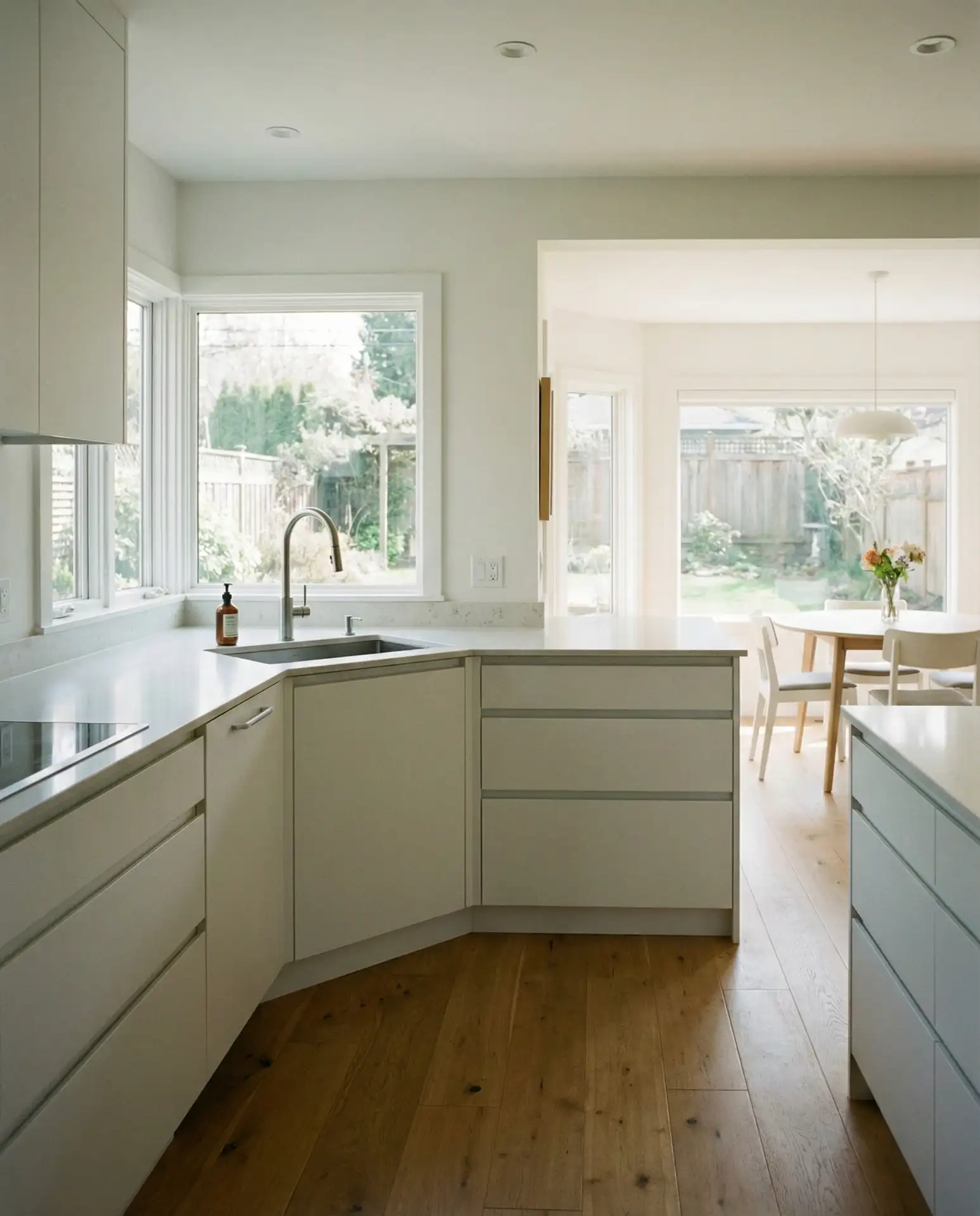
This layout works best in homes where the kitchen opens to a dining or family room, creating a natural flow for entertaining. One homeowner in Austin shared that placing the sink in the corner allowed her to watch her kids play in the yard while doing dishes, a small but meaningful upgrade to daily life.
4 Double Island Kitchens for Large Families
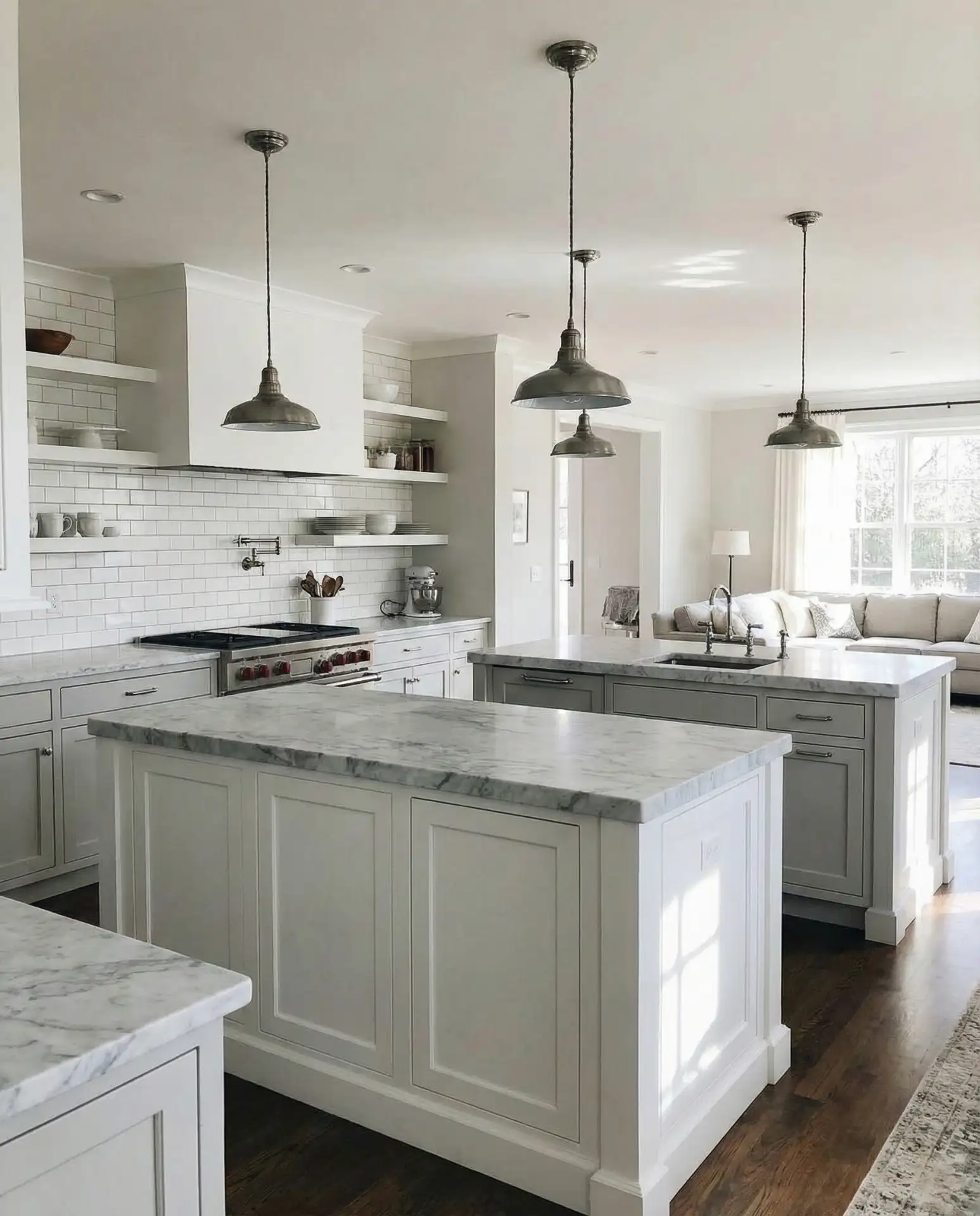
A double island kitchen layout is the ultimate choice for large families or avid entertainers who need serious prep space. This design features two separate islands, often with distinct functions—one for cooking and food prep, the other for serving, eating, or homework. It’s becoming increasingly popular in new construction homes with open floor plans, especially in states like Texas, Georgia, and Arizona, where spacious kitchens are a priority. The key is ensuring each island has a clear purpose and doesn’t obstruct natural pathways.
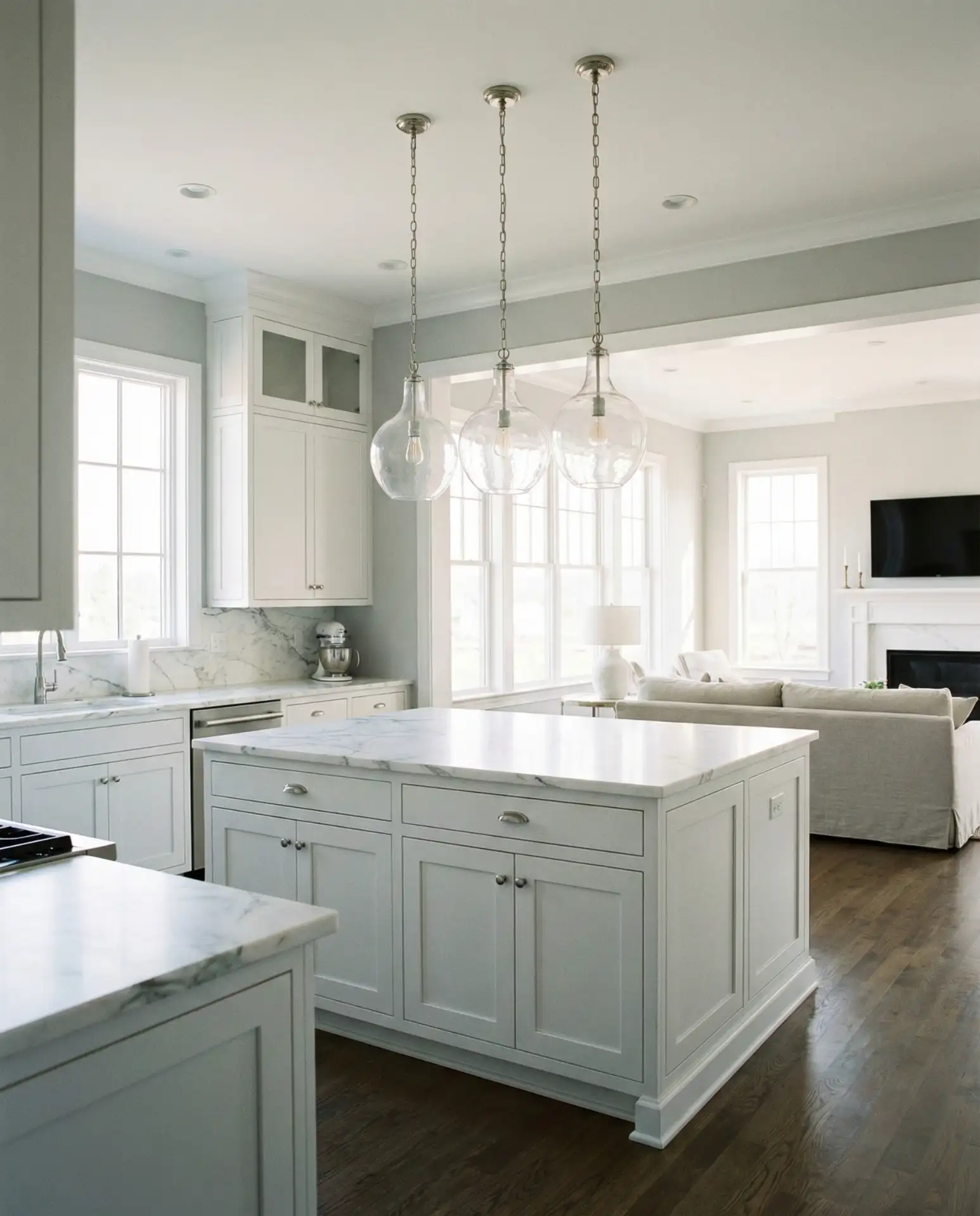
Budget-wise, double islands can add $8,000 to $15,000 to a remodel depending on materials and plumbing. Homeowners often choose one island with a sink or cooktop and leave the second one open for flexible use. The investment pays off in homes where the kitchen is the true heart of the house, especially during holidays or weekend gatherings.
5 Single Wall Kitchen for Studio Living
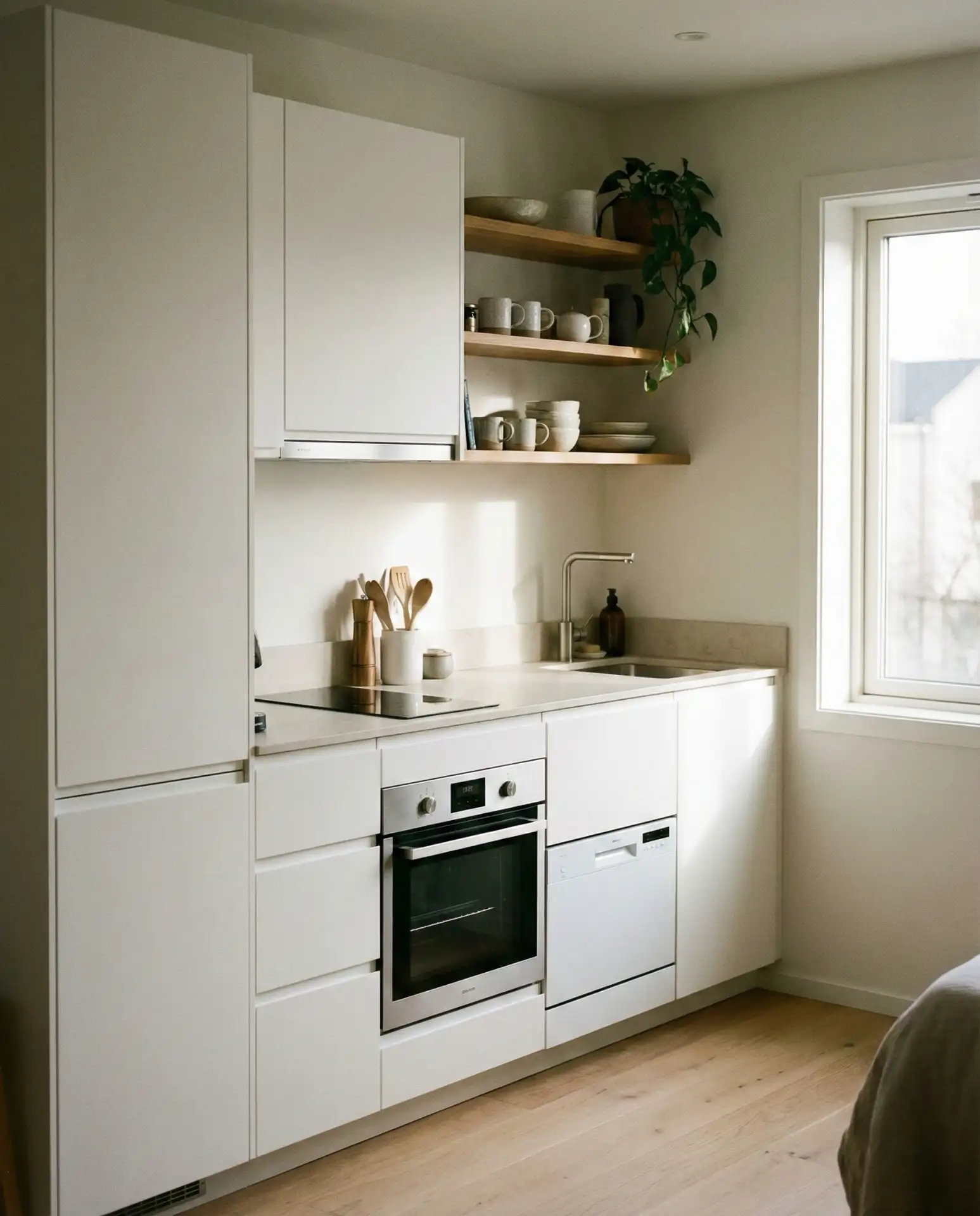
The single-wall kitchen layout is ideal for studio apartments, tiny homes, and compact urban spaces where every square foot counts. All appliances, cabinetry, and counter space are arranged along one straight wall, creating a minimalist and highly functional workspace. In 2026, designers are elevating this simple layout with integrated appliances, slim-profile fridges, and clever vertical storage that keeps essentials within arm’s reach. It’s perfect for individuals or couples who don’t need extensive cooking infrastructure but still value style and efficiency.
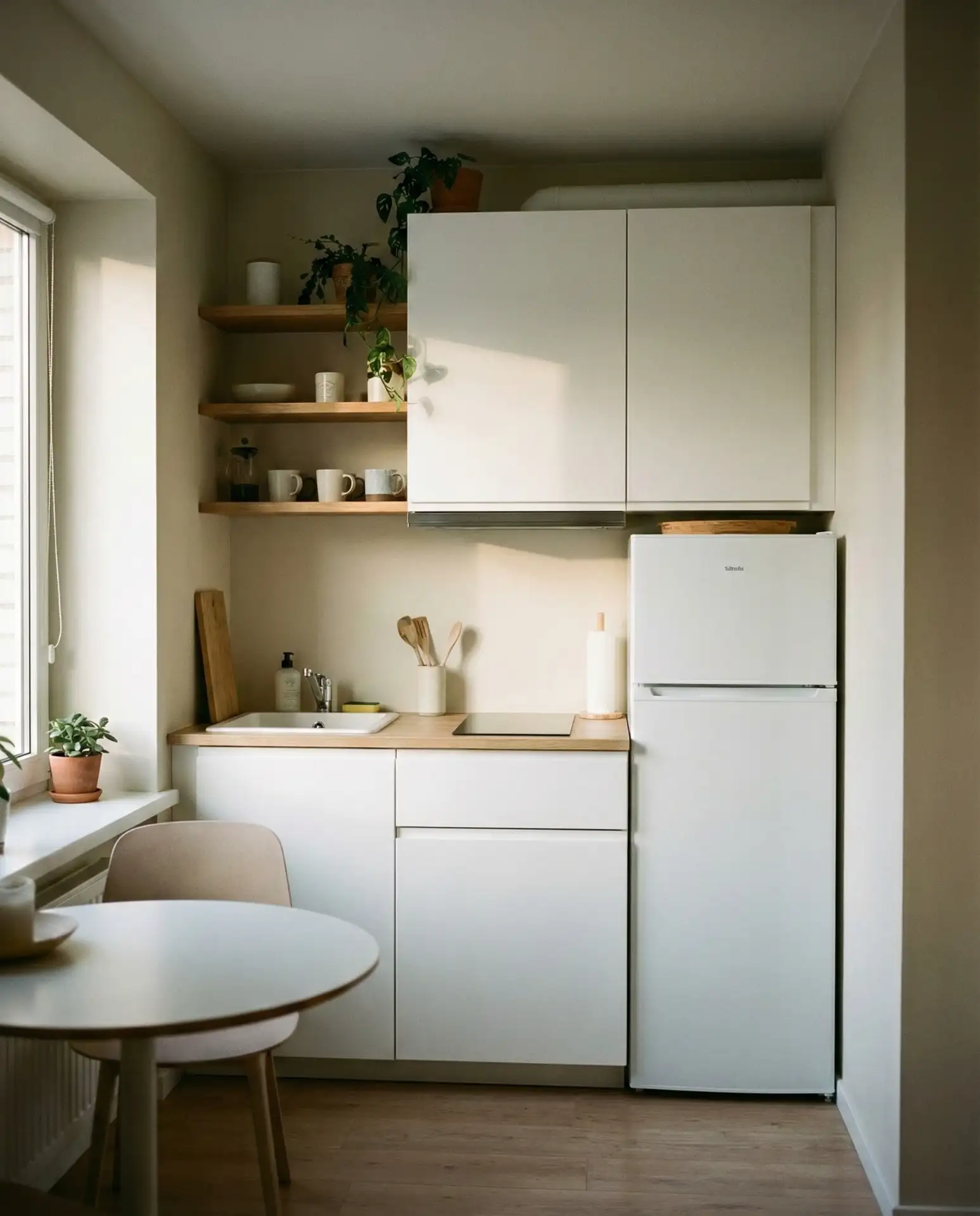
Where it works best: in cities like Seattle, Portland, and Boston, where micro-apartments and loft conversions are on the rise. Single-wall kitchens are also popular in basement or garage ADUs (accessory dwelling units) that serve as rental income or guest quarters. The layout encourages intentional living and forces homeowners to curate their kitchen tools and cookware.
6 U-Shaped Kitchen with Ample Counter Space
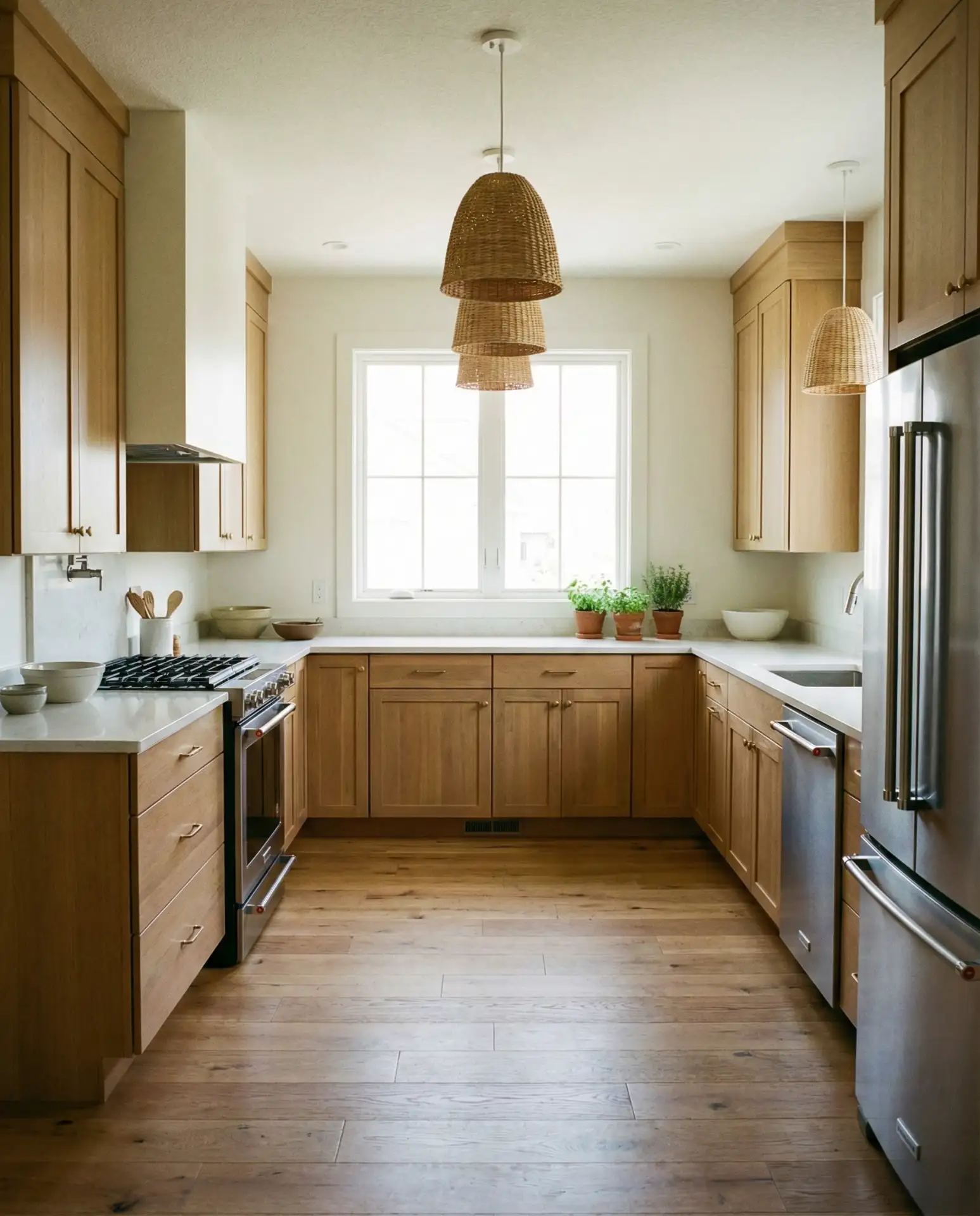
A U-shaped kitchen offers three walls of cabinetry and counter space, creating an efficient and enclosed cooking zone. This layout is one of the best for serious home cooks who need room to spread out, chop, and organize ingredients without running out of surface area. It naturally forms a work triangle between the sink, stove, and refrigerator, reducing unnecessary steps. In 2026, U-shaped kitchens are being designed with lighter colors and open shelving to avoid the closed-in feeling that older versions sometimes created.
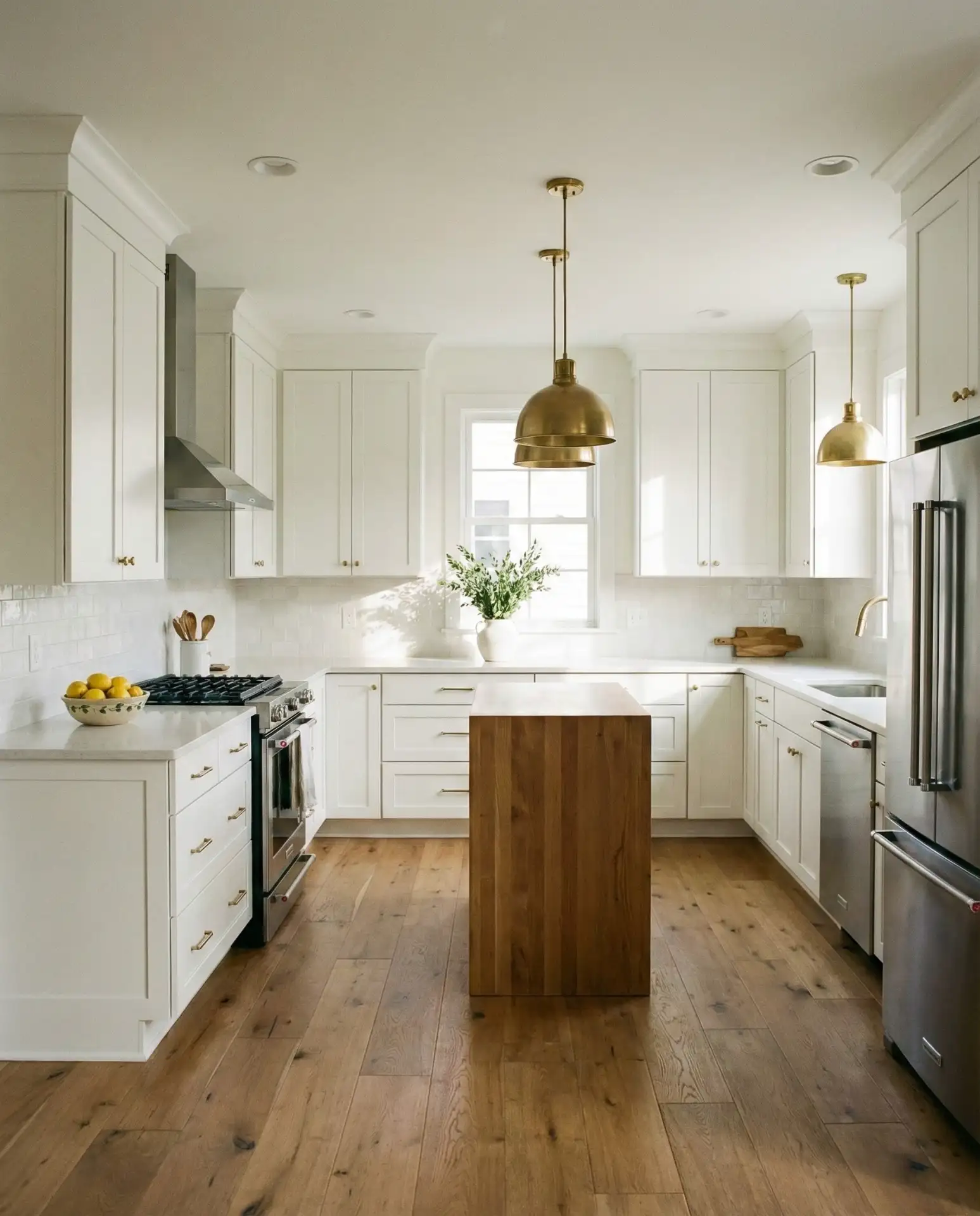
This layout works best in medium to large kitchens, typically 10×10 feet or larger. One common mistake is filling all three walls with upper cabinets, which can make the space feel heavy. Consider leaving one wall open with windows or a backsplash focal point to maintain balance and bring in natural light.
7 Kitchen with Corner Stove Placement
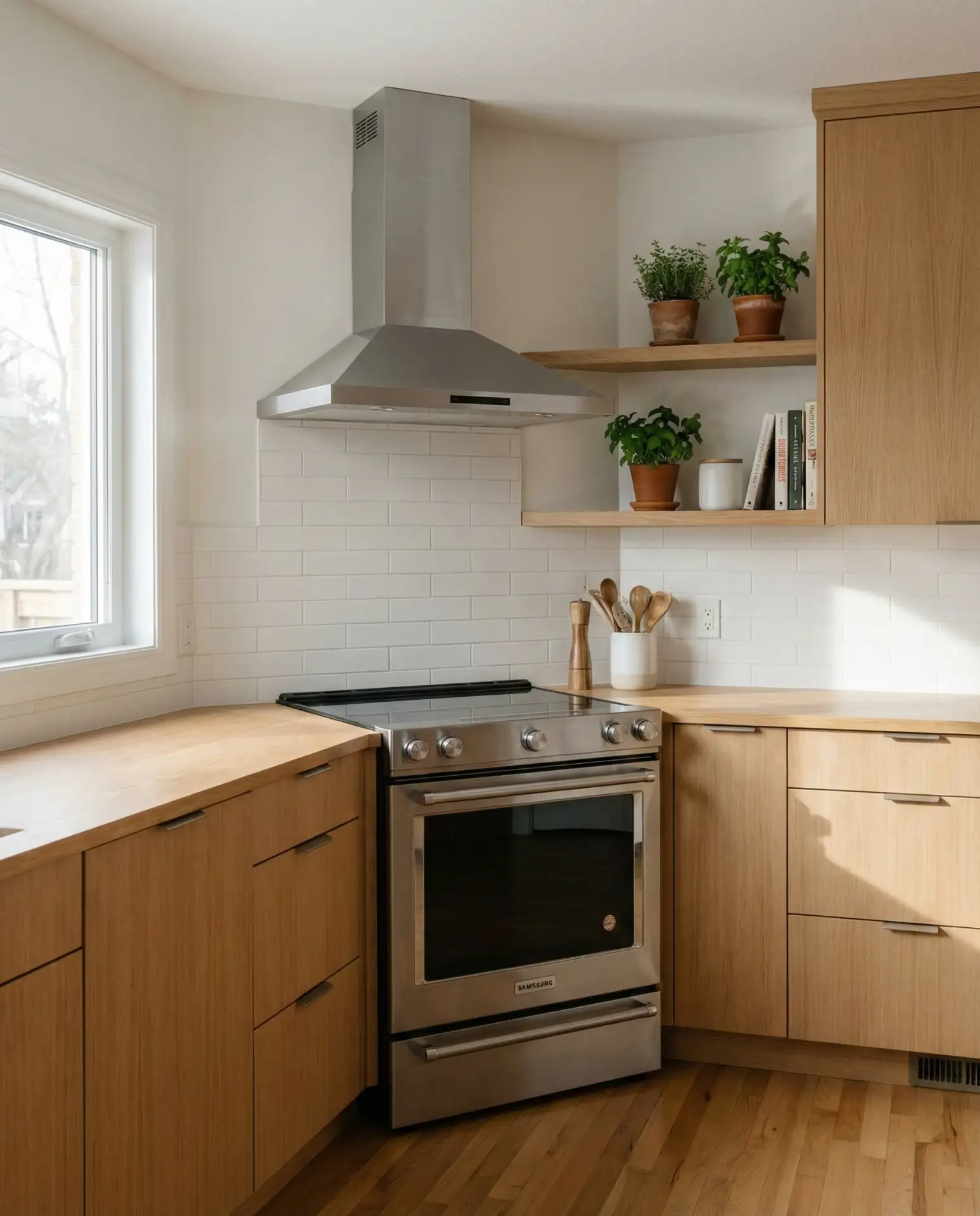
Placing the stove in a corner might seem unconventional, but it’s a smart solution for small or irregularly shaped kitchens. A corner stove frees up prime real estate along the main walls for prep counters and sink placement while still keeping the cooking zone accessible. In 2026, homeowners are pairing corner stoves with angled or wrap-around countertops that provide landing space on both sides. It’s a layout that challenges traditional kitchen ideas but delivers surprising functionality.
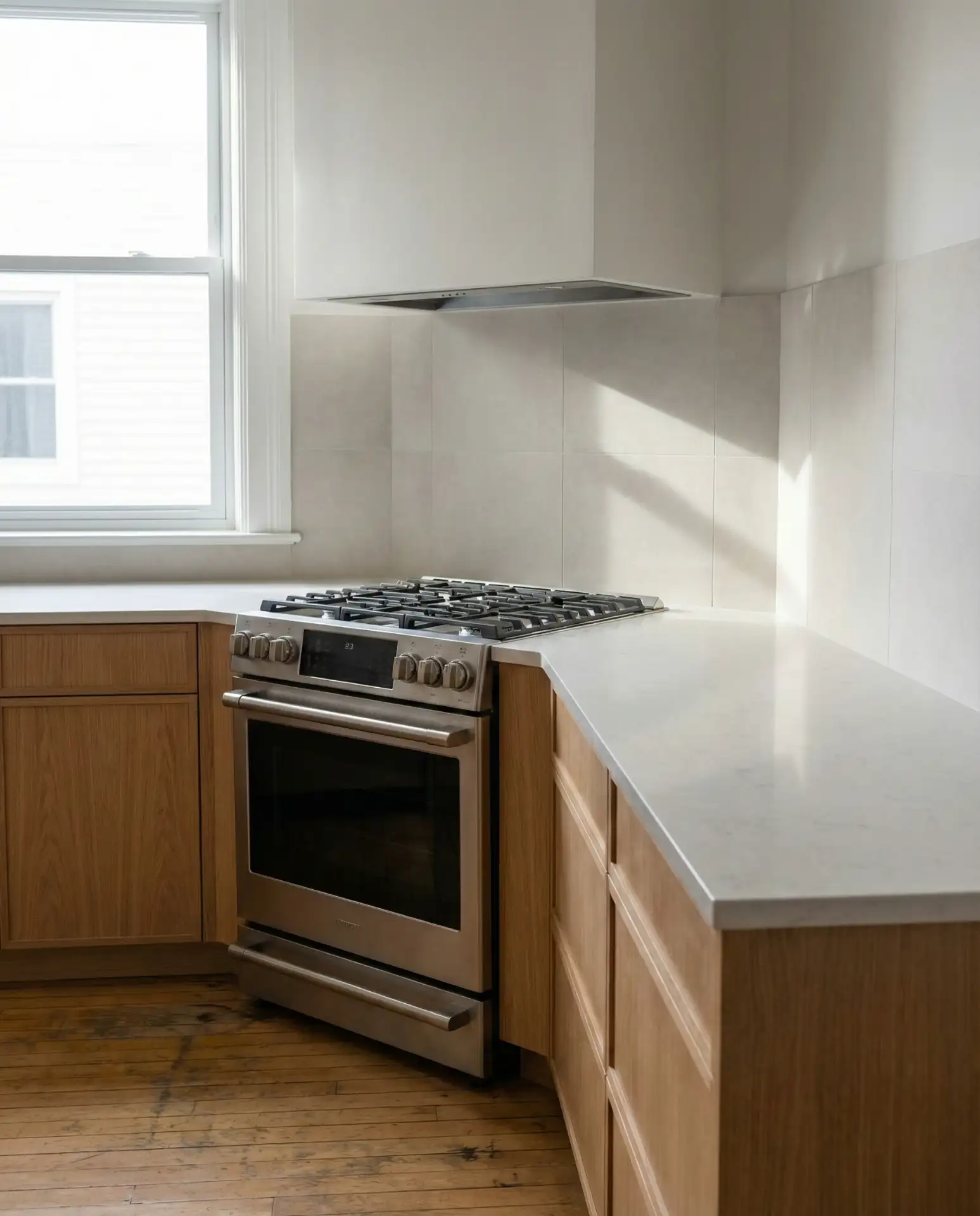
Expert-style commentary: designers recommend ensuring the corner stove has at least 12 inches of counter space on one side for pot and pan placement. Ventilation is also key—install a corner-compatible range hood or downdraft system to manage steam and odors effectively. This layout is particularly popular in Southwestern homes where open, flowing spaces are part of the regional aesthetic.
8 Long Narrow Kitchen with Wall Oven
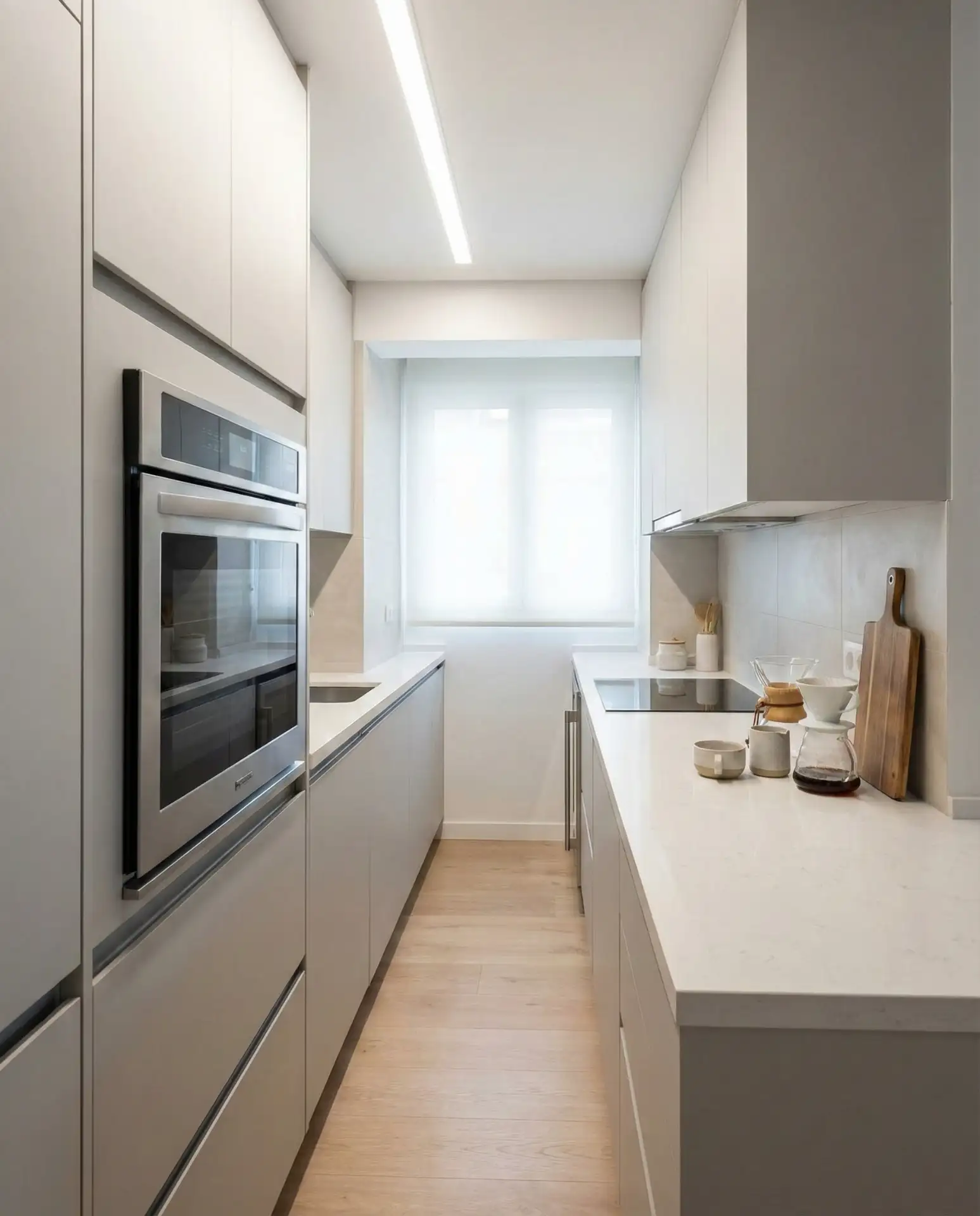
A long and narrow kitchen can be a design challenge, but adding a wall oven solves multiple problems at once. By installing the oven at eye level on one of the long walls, you free up base cabinet space for storage or a range cooktop. This layout is especially effective in older homes with galley-style kitchens or in townhouses where width is limited but length is generous. The wall oven also reduces bending and makes it easier to check on dishes, a practical upgrade for aging-in-place homeowners.
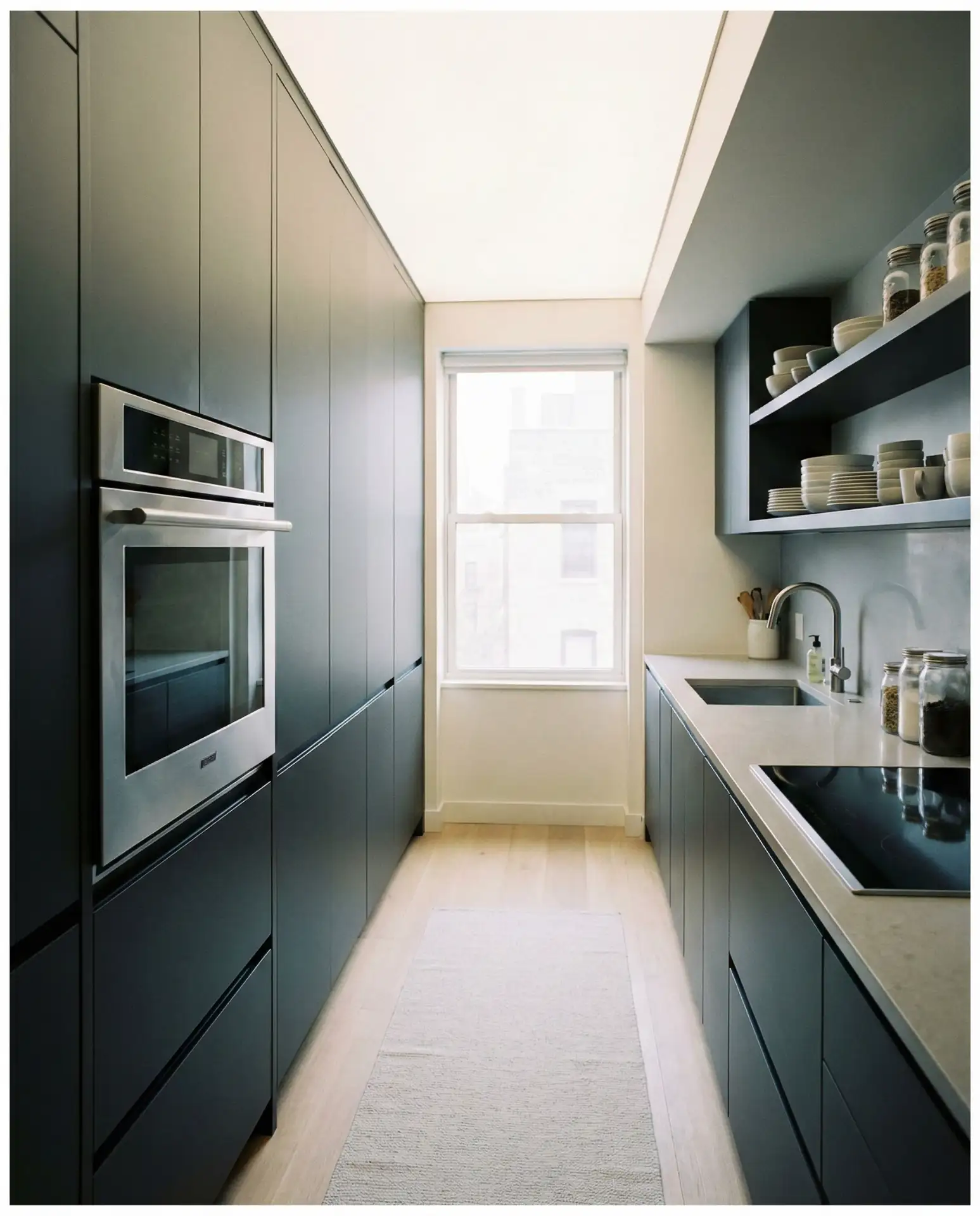
Real homeowner behavior: many people installing wall ovens also add a microwave or warming drawer in the same vertical stack, creating a streamlined appliance tower. This approach is popular in the Pacific Northwest, where efficiency and minimalism are design priorities. Just be sure to leave at least 15 inches of counter space near the oven for setting down hot dishes.
9 Small Bakery-Inspired Kitchen Layout
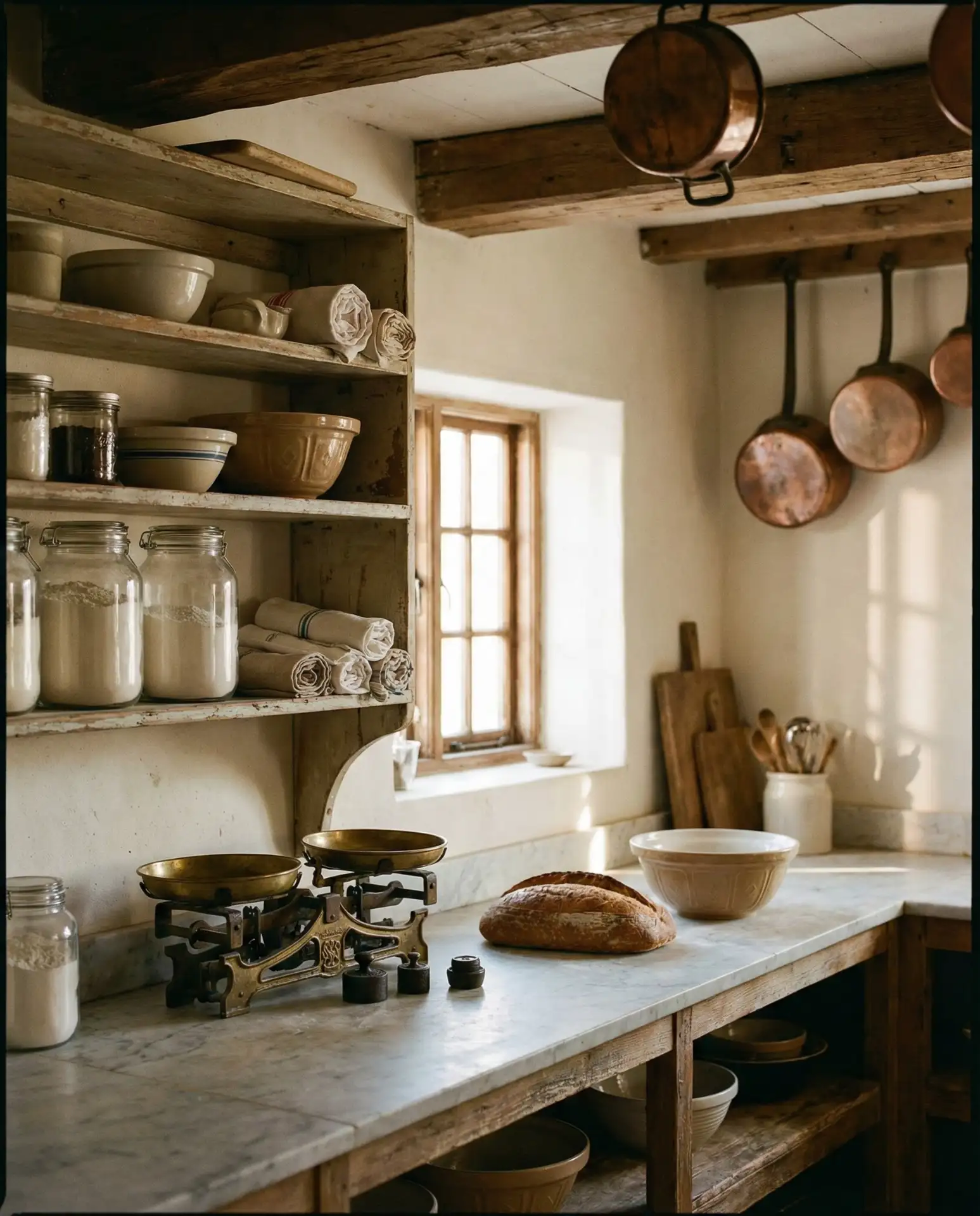
A small bakery-inspired kitchen brings the charm and efficiency of a professional pastry shop into a residential space. This layout emphasizes open shelving, marble or butcher block counters for rolling dough, and dedicated zones for mixing, baking, and cooling. It’s perfect for home bakers who want a setup that supports their passion without requiring commercial-grade equipment. In 2026, Pinterest users are searching for bakery ideas that feel cozy, functional, and Instagram-worthy, with vintage-inspired details like apron sinks and glass canisters.
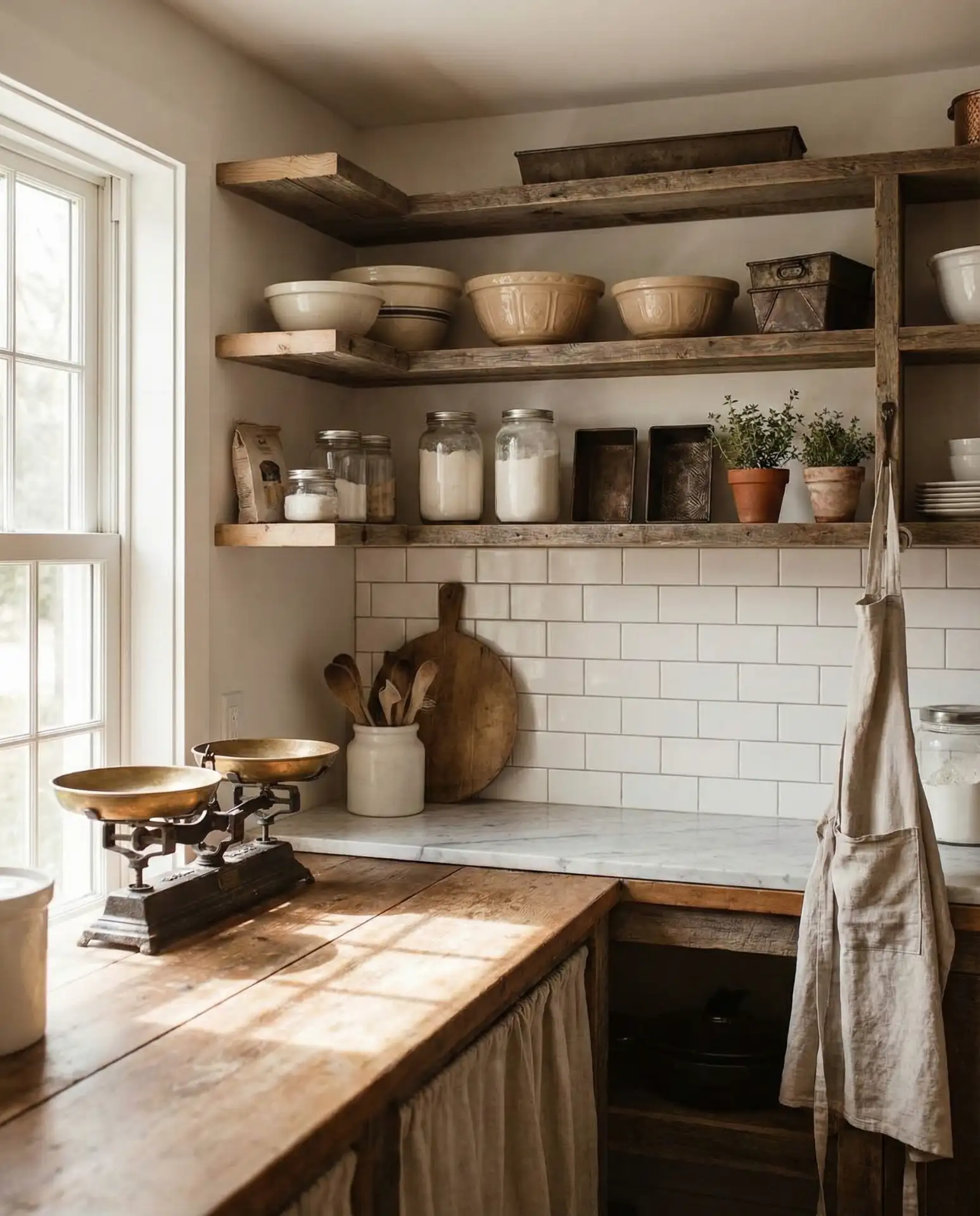
A micro anecdote: one couple in Vermont converted a corner of their kitchen into a mini bakery zone with a dedicated stand mixer station, a cooling rack wall, and a flour bin built into the cabinetry. They now bake bread every Sunday and say the dedicated space makes the process faster and more enjoyable. Budget-wise, you can achieve this look for under $3,000 with smart IKEA hacks and secondhand finds.
10 Square Kitchen with Central Prep Zone
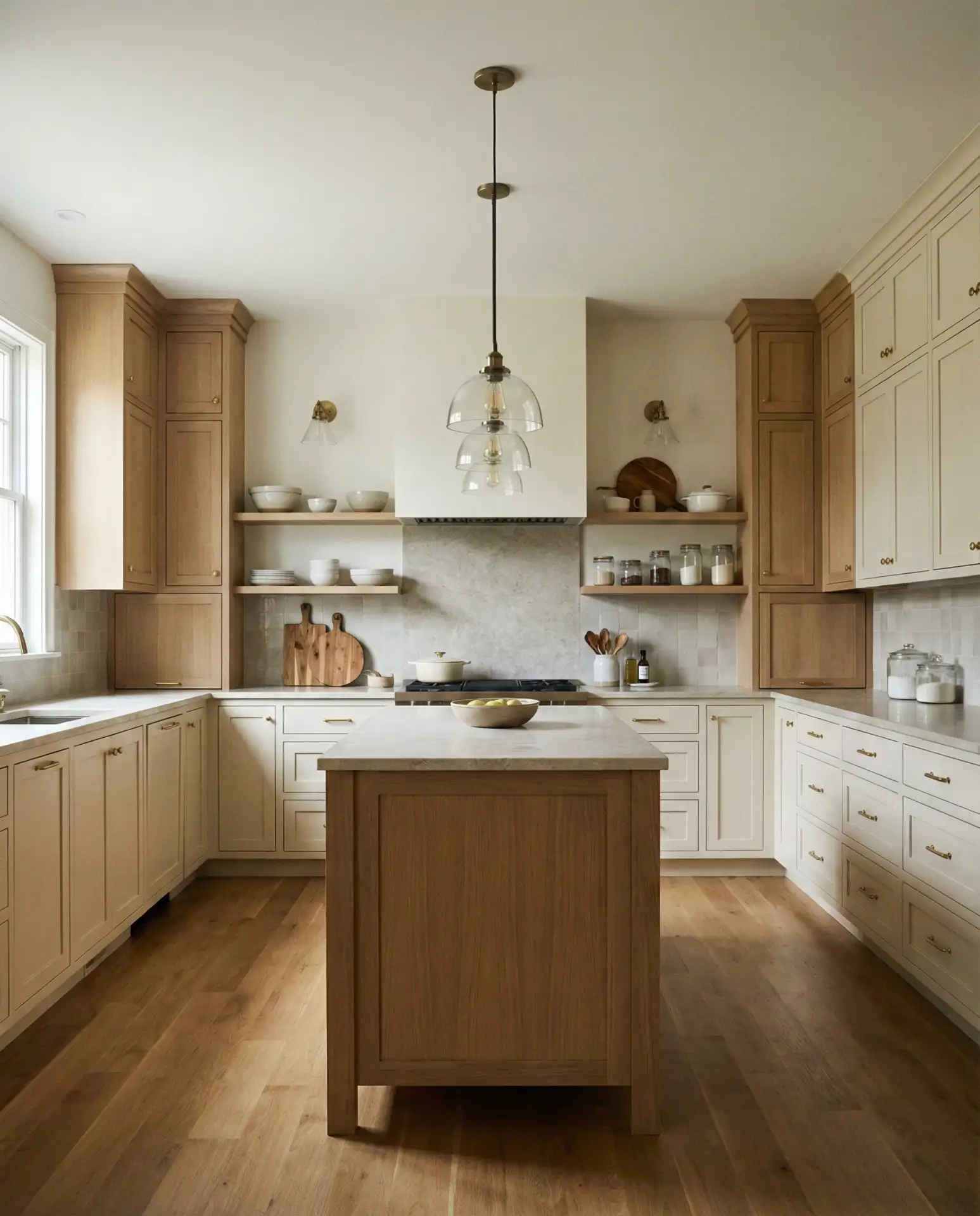
A square kitchen layout with a central prep zone is a balanced and symmetrical design that works beautifully in homes with equal-length walls. The central area, often an island or freestanding table, becomes the focal point and primary workspace. This layout is ideal for cooks who want everything within reach without long walks between zones. It’s also visually pleasing, creating a sense of order and intention that appeals to design-conscious homeowners browsing Pinterest for inspiration.
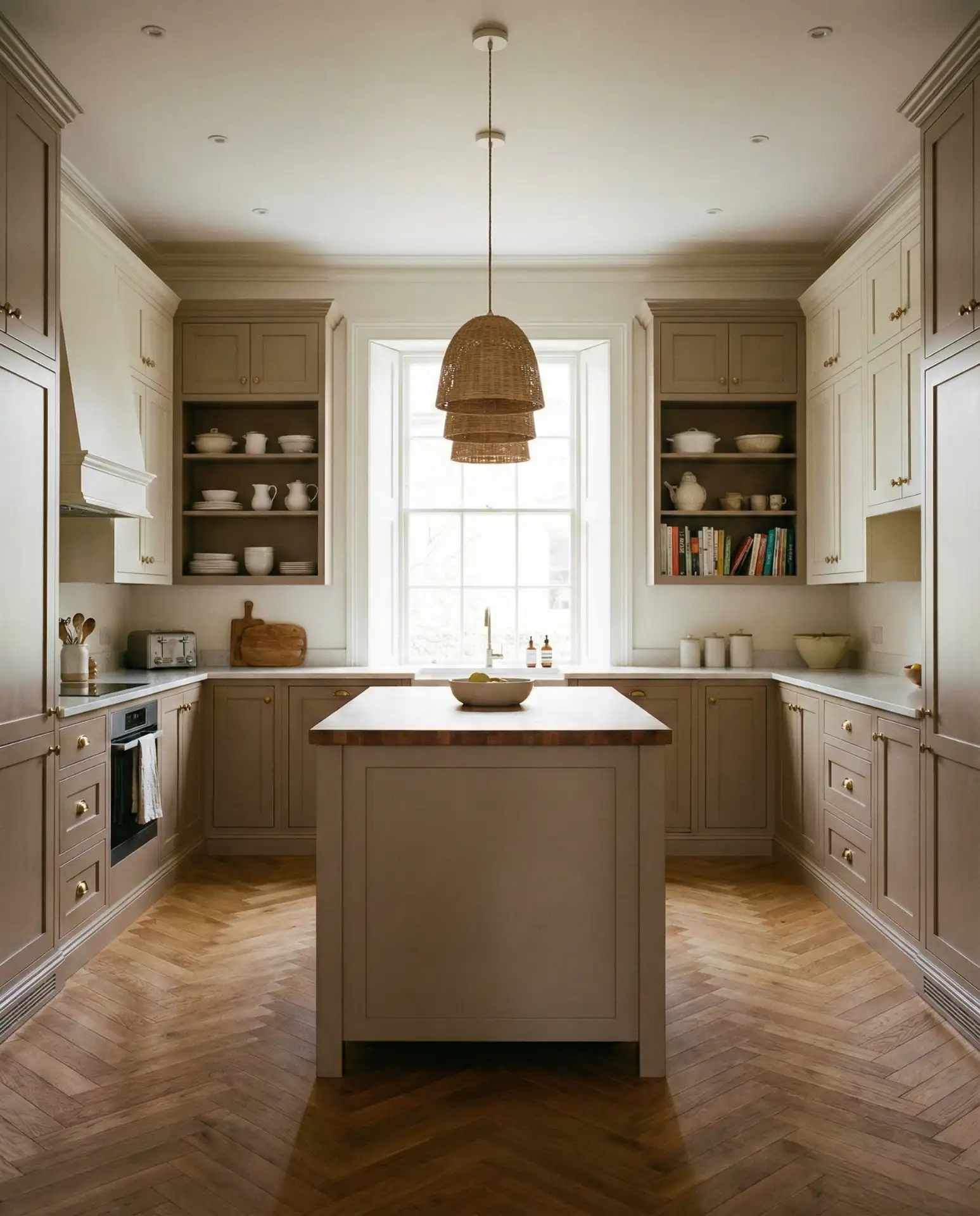
Where it works best: in suburban homes with dedicated kitchen spaces, especially those built in the last 20 years. Square kitchens naturally support efficient workflows and can accommodate multiple cooks without crowding. One practical insight—ensure the central island is proportional to the room; an oversized island in a 12×12 kitchen can block movement and make the space feel cramped.
11 Galley Kitchen with Breakfast Nook
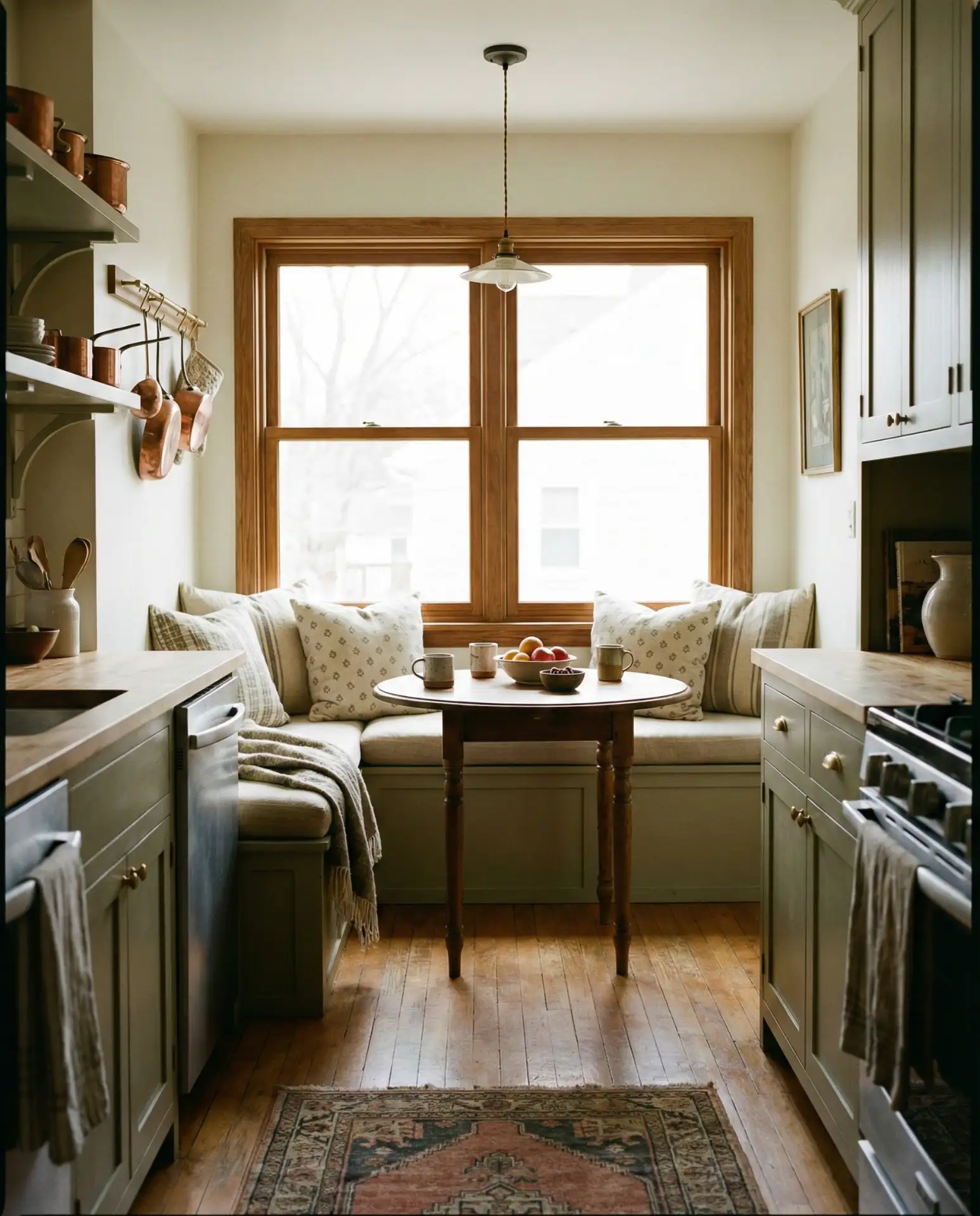
A galley kitchen paired with a small breakfast nook at one end transforms a purely functional space into a cozy gathering spot. This layout is common in older homes and cottages, where the kitchen was designed for efficiency but lacked space for casual dining. By adding a built-in bench, small table, or window seat, you create a natural extension of the kitchen that invites morning coffee, homework sessions, and quick meals. It’s one of the most charming small galley ideas for families who want intimacy without sacrificing utility.
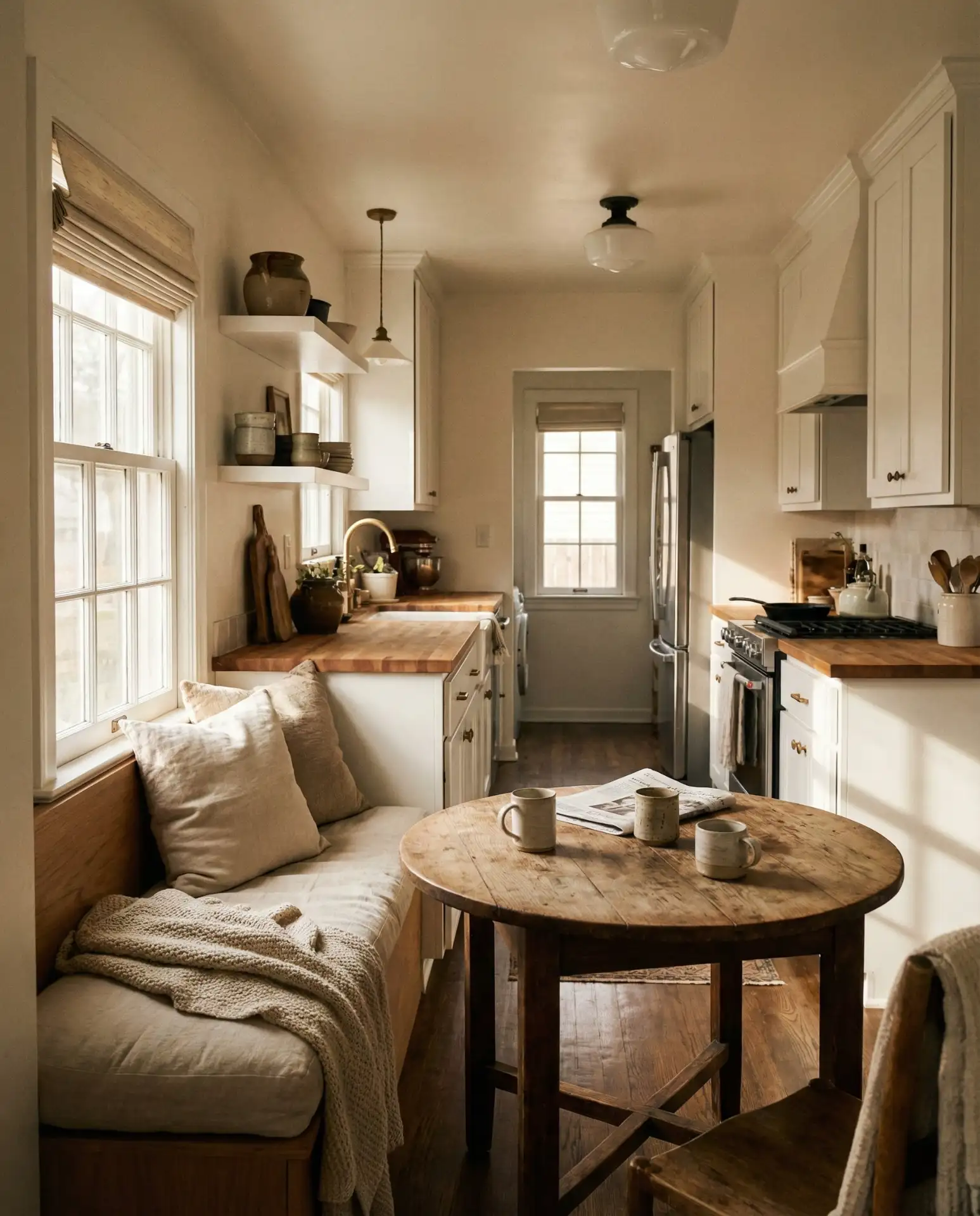
This setup works particularly well in Northeastern homes, where breakfast nooks are a regional staple and kitchens tend to be compact. A common mistake is choosing a table that’s too large for the nook area, which blocks the kitchen entrance. Stick to round or small rectangular tables (30 to 36 inches) to maintain flow and comfort.
12 Kitchen with Double Oven for Serious Cooks
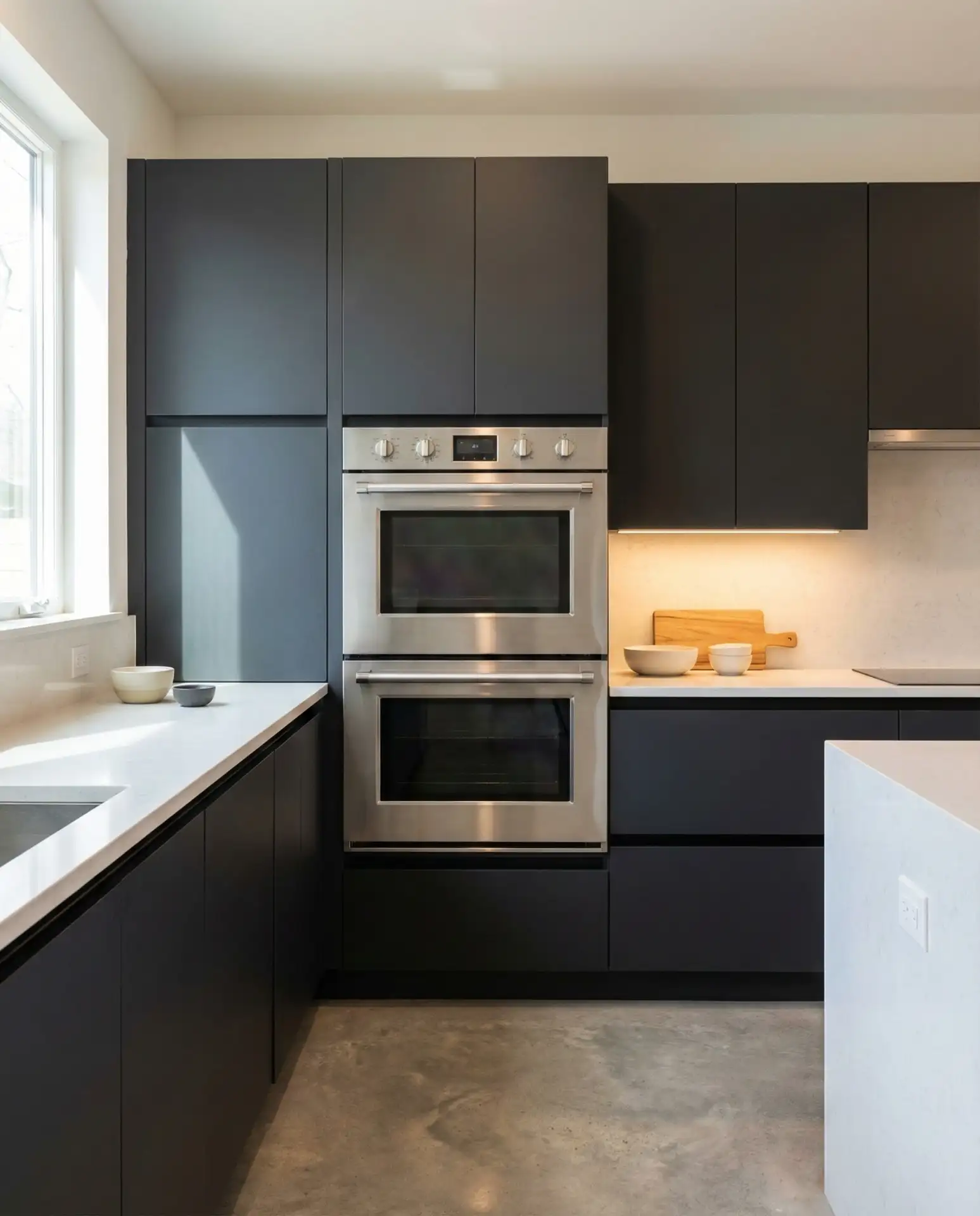
A double oven kitchen layout is a game-changer for households that cook large meals, bake frequently, or host holiday gatherings. This design typically features two stacked ovens, allowing you to roast a turkey in one while baking pies in the other—a lifesaver during Thanksgiving or Christmas. In 2026, double ovens are being integrated into wall towers or installed beneath cooktops, depending on space and preference. It’s a luxury feature that delivers real-world convenience for serious home cooks.
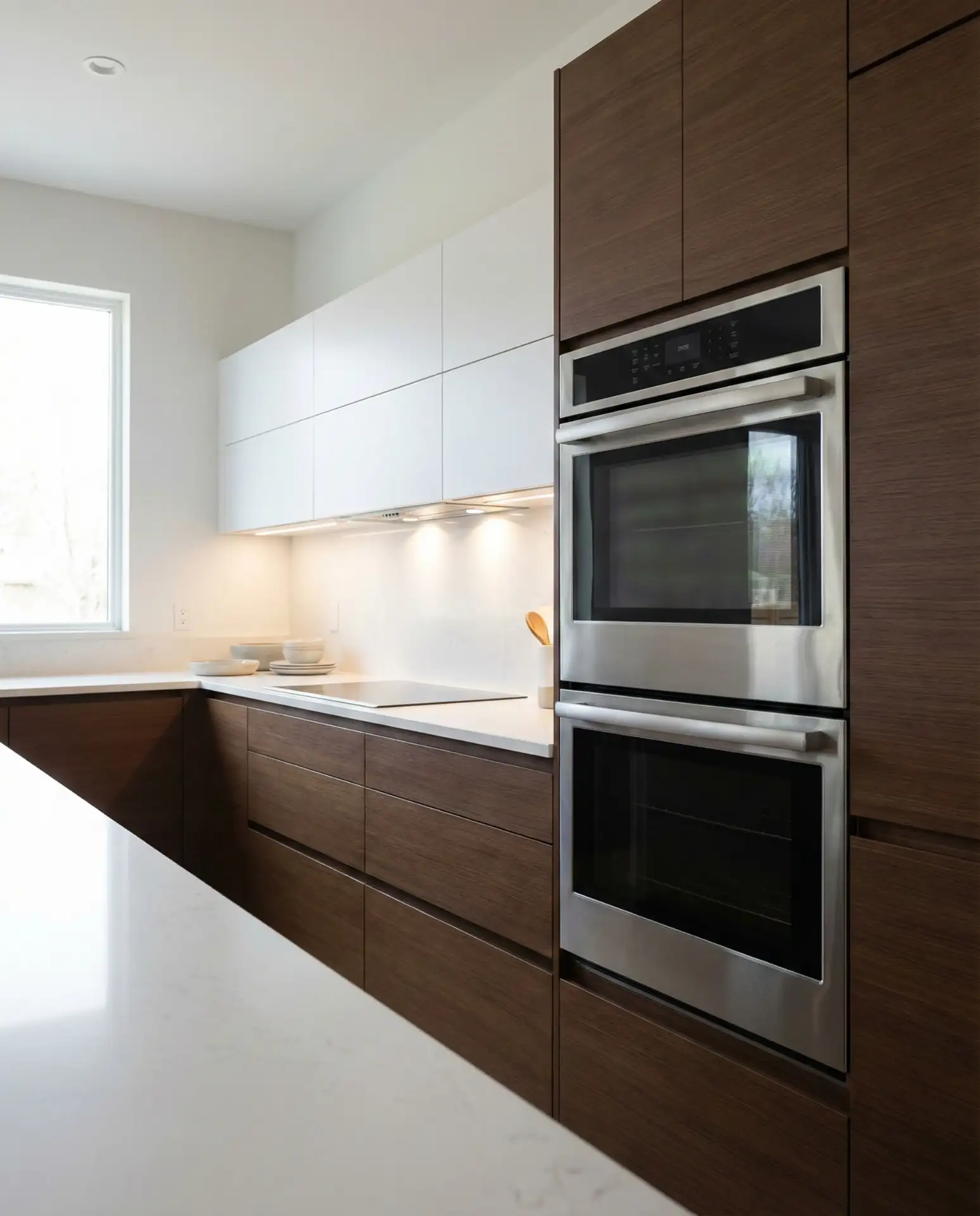
Budget angle: Double ovens typically range from $2,500 to $5,000 depending on brand and features, with installation adding another $500 to $1,000. Many homeowners choose this upgrade when remodeling specifically for entertaining or when they know they’ll use the extra capacity weekly. It’s most common in Midwestern and Southern homes, where large family meals are a cultural tradition.
13 Commercial-Style Kitchens for Home Chefs
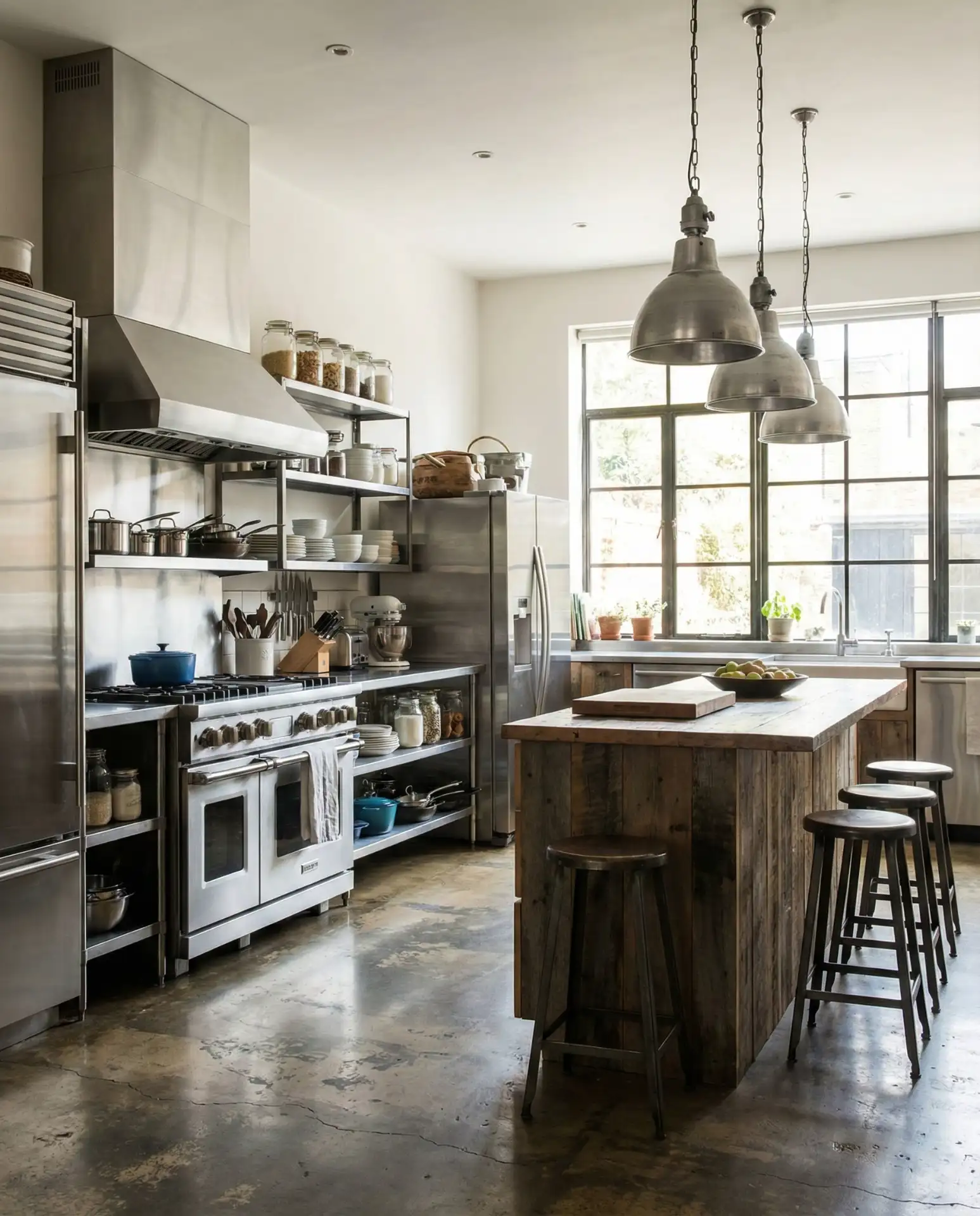
A commercial-style kitchen brings the look and feel of a professional restaurant into a residential setting. This layout often includes stainless steel appliances, open shelving, industrial lighting, and high-BTU gas ranges. It’s designed for home chefs who want serious cooking power and a no-nonsense aesthetic. In 2026, the trend is softening slightly—homeowners are mixing commercial elements with warm wood tones, textured tile, and vintage accents to avoid the overly sterile look of early commercial-kitchen designs.
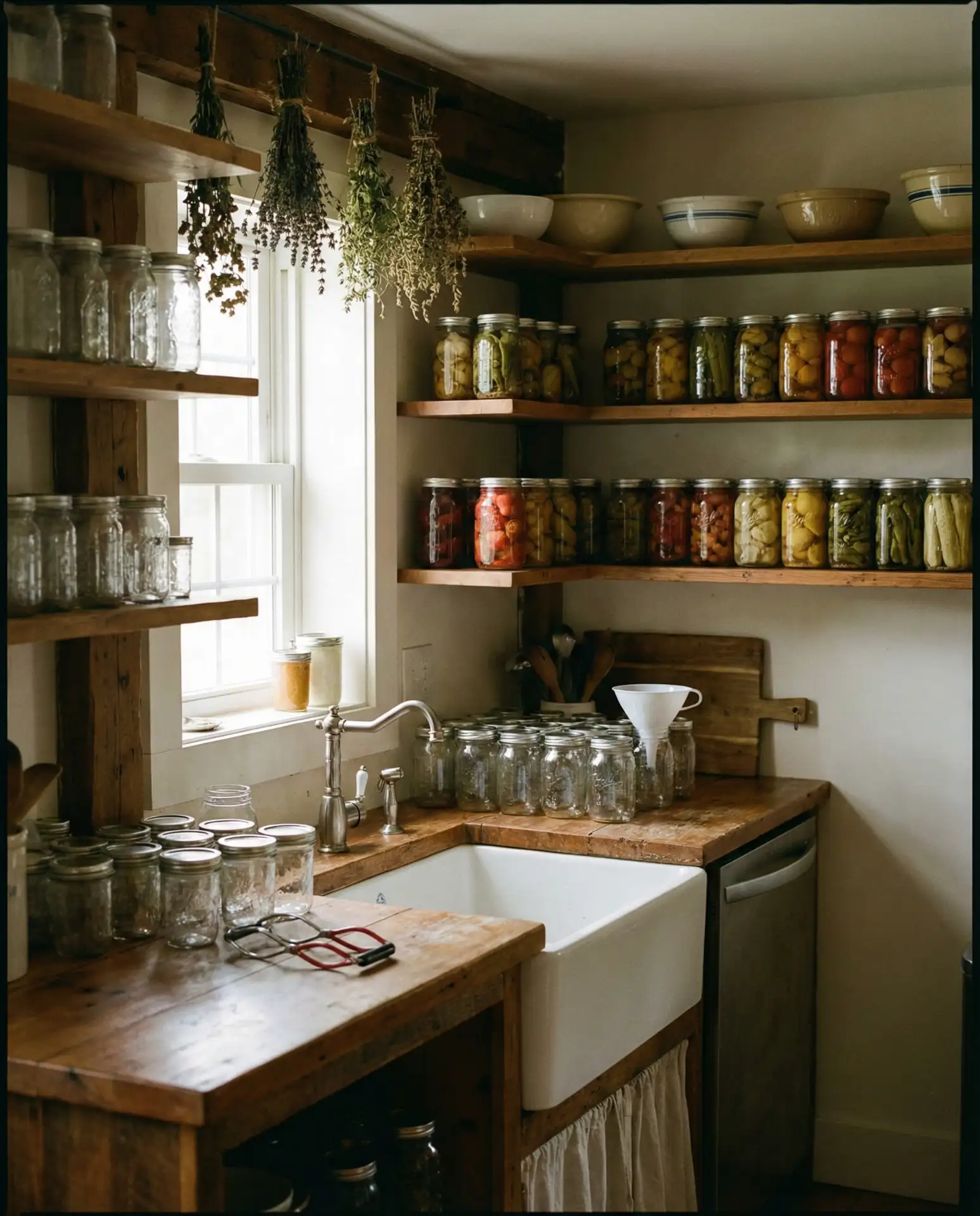
Practical insight: commercial-grade ranges require proper ventilation—often a heavy-duty hood system that can cost $1,500 to $3,000. Homeowners in cities like Chicago, Denver, and San Diego are embracing this style, especially in loft or warehouse conversions where the industrial vibe is already part of the architecture. Just be mindful of noise levels—commercial appliances can be louder than residential models.
14 Canning Kitchen with Dedicated Workspace
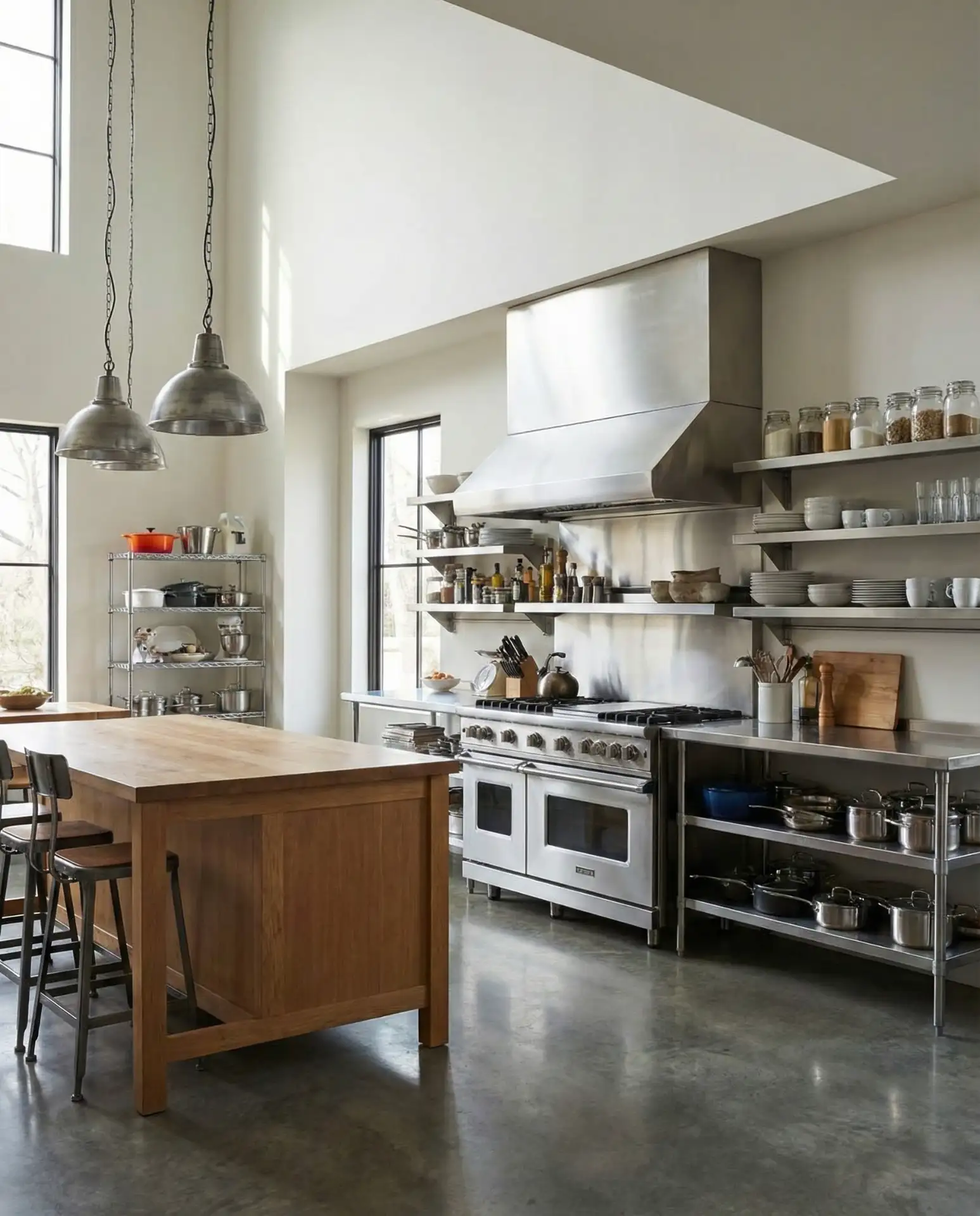
A canning kitchen layout is tailored for homesteaders, gardeners, and preservationists who process large quantities of produce. This design includes a deep sink for washing jars, durable countertops that can handle heat and moisture, and ample storage for canning supplies and finished goods. In 2026, the farm-to-table movement is driving renewed interest in home canning, and Pinterest users are searching for practical layouts that support this hands-on activity without taking over the entire kitchen.
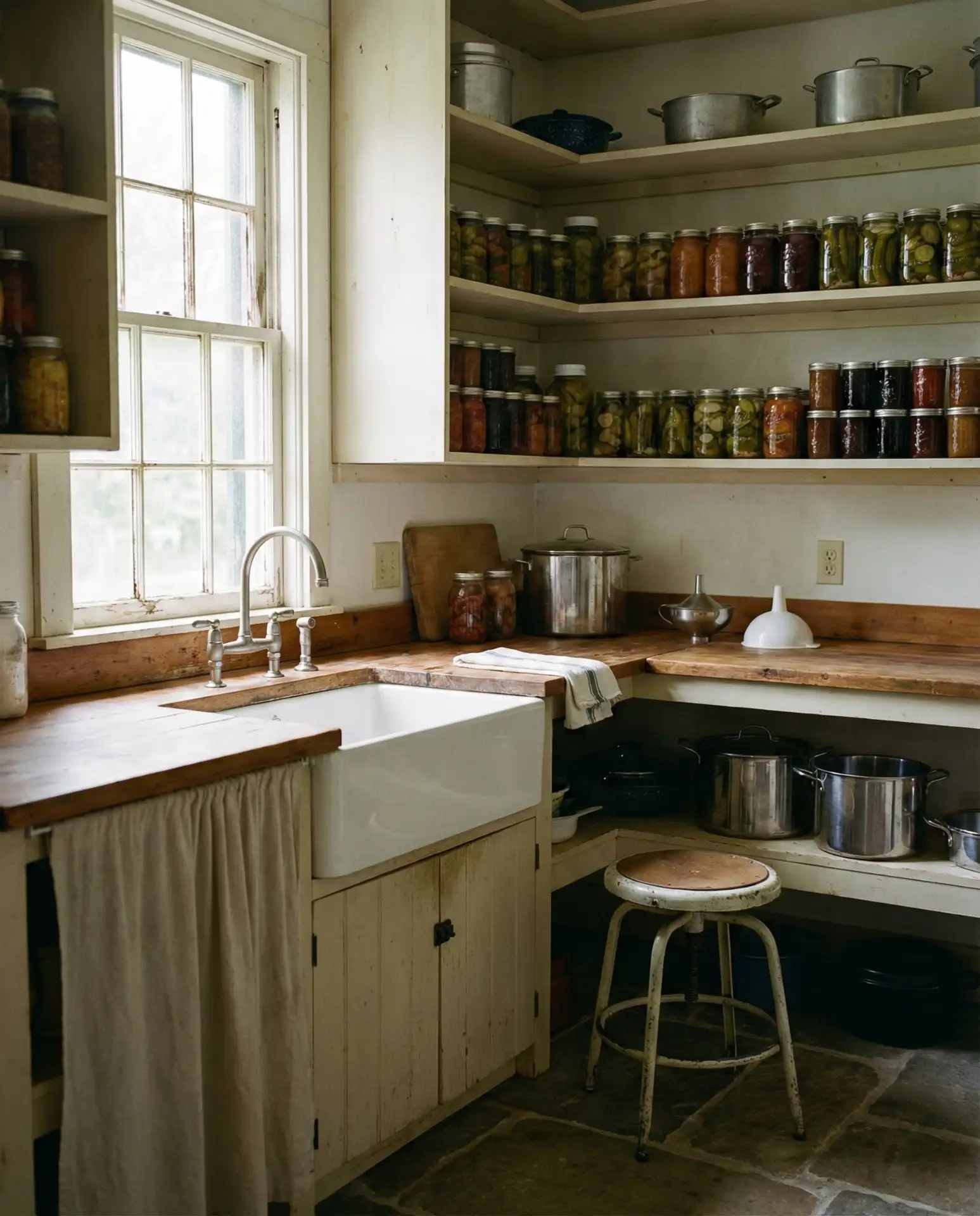
Real homeowner behavior: many canning enthusiasts dedicate a corner of their kitchen or a separate mudroom for this activity, using butcher block counters that can withstand heavy use. One family in rural Oregon built a small canning station in their pantry with a hot plate and water supply, keeping the main kitchen free during peak harvest season. It’s a niche but deeply rewarding layout for those who value self-sufficiency.
15 Kitchens with Efficient Shape and Flow
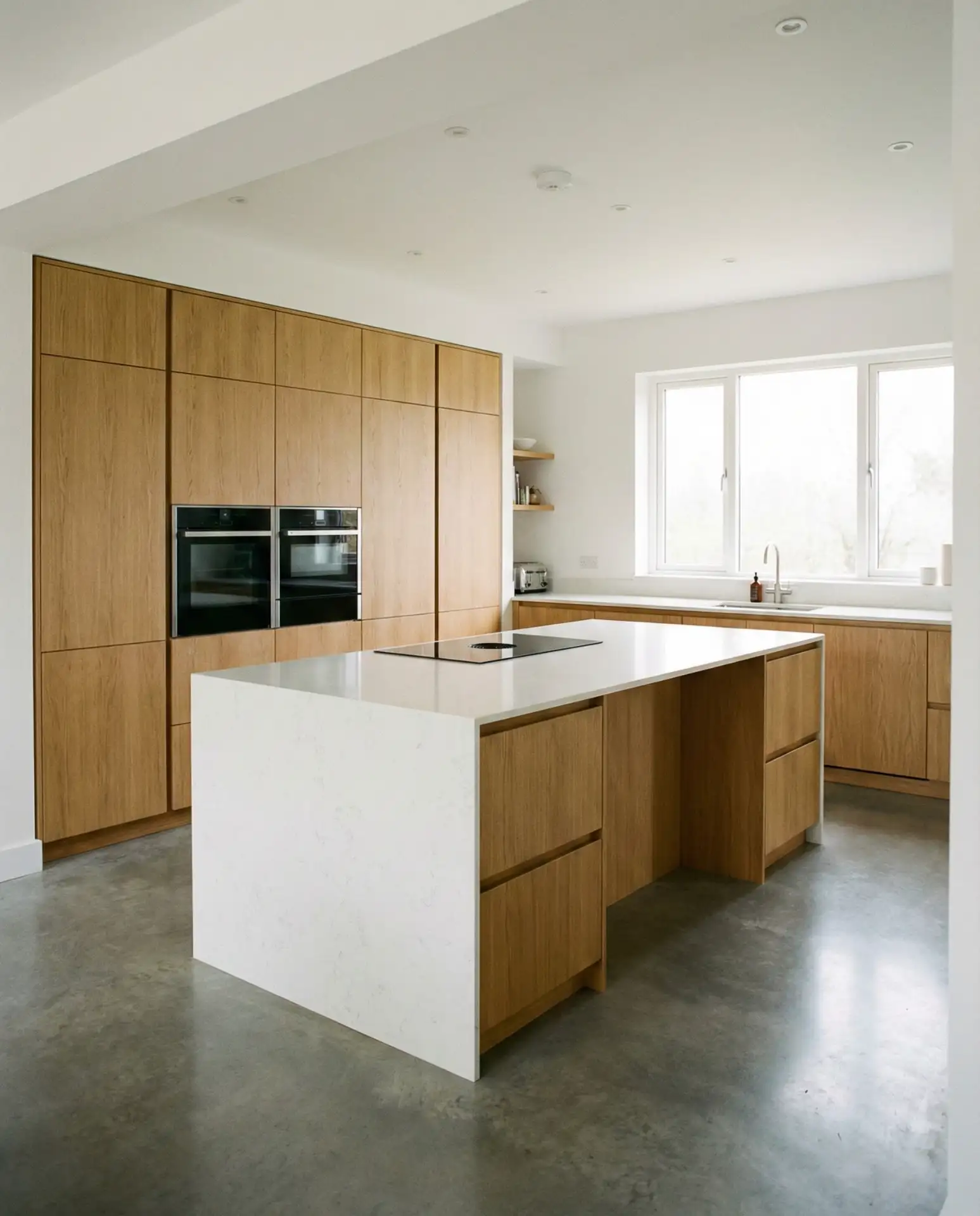
The shape of your kitchen directly impacts how efficiently you move through daily tasks. In 2026, designers are prioritizing layouts that minimize wasted steps and create intuitive zones for cooking, cleaning, and storage. Whether it’s an L-shape, U-shape, or galley, the goal is to keep the work triangle tight and logical. This approach is rooted in ergonomic principles and reflects a growing awareness that good design should serve the user, not just look good in photos.
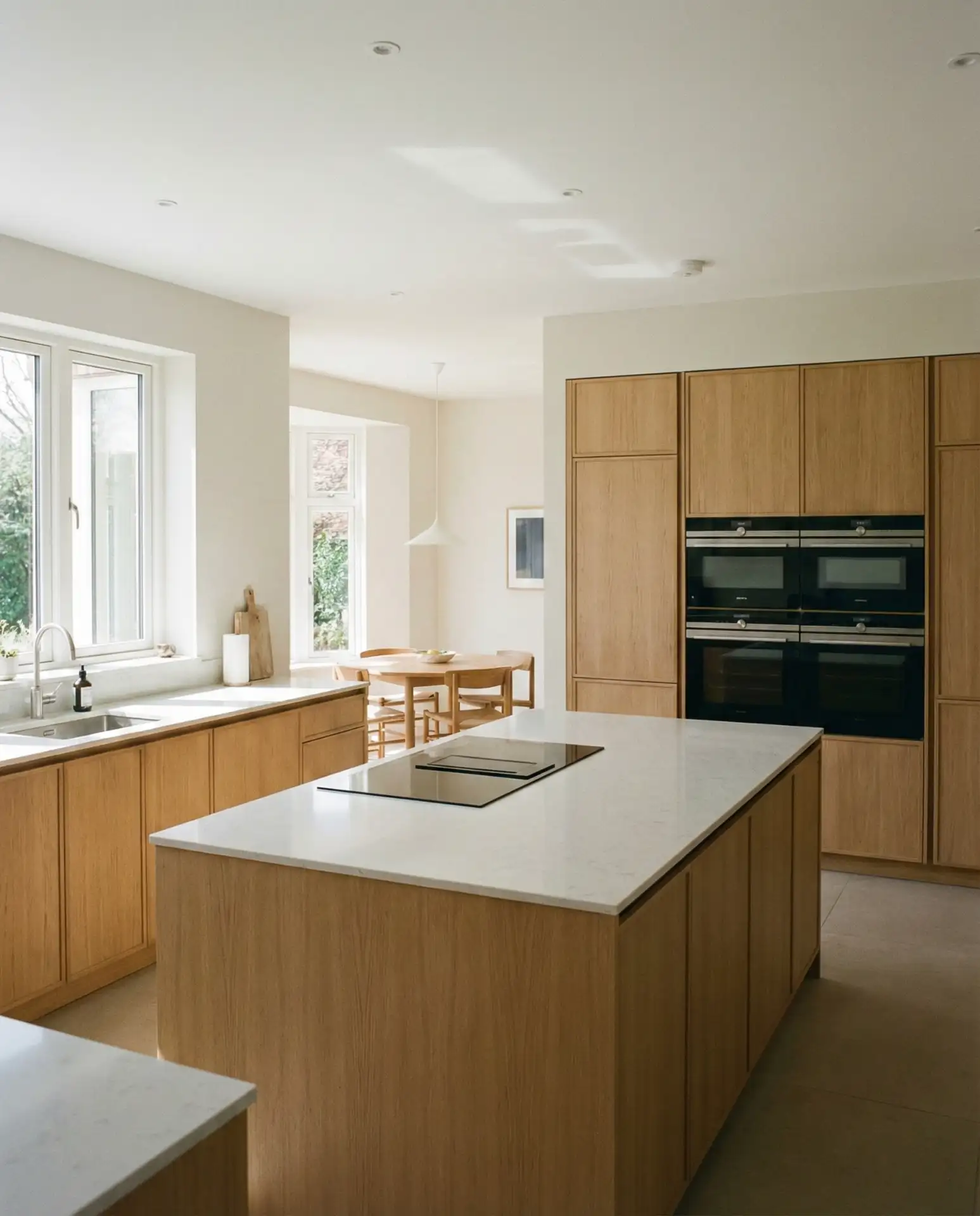
Where it works best: in any home where the kitchen sees heavy daily use. Busy families, working parents, and people who cook multiple meals a day benefit most from thoughtful layout planning. One common mistake is prioritizing aesthetics over function—beautiful open shelving is less useful if you can’t reach the dishes without a step stool. Always test your layout by walking through your typical cooking routine before finalizing design decisions.
16 Types of Kitchen Layouts Explained
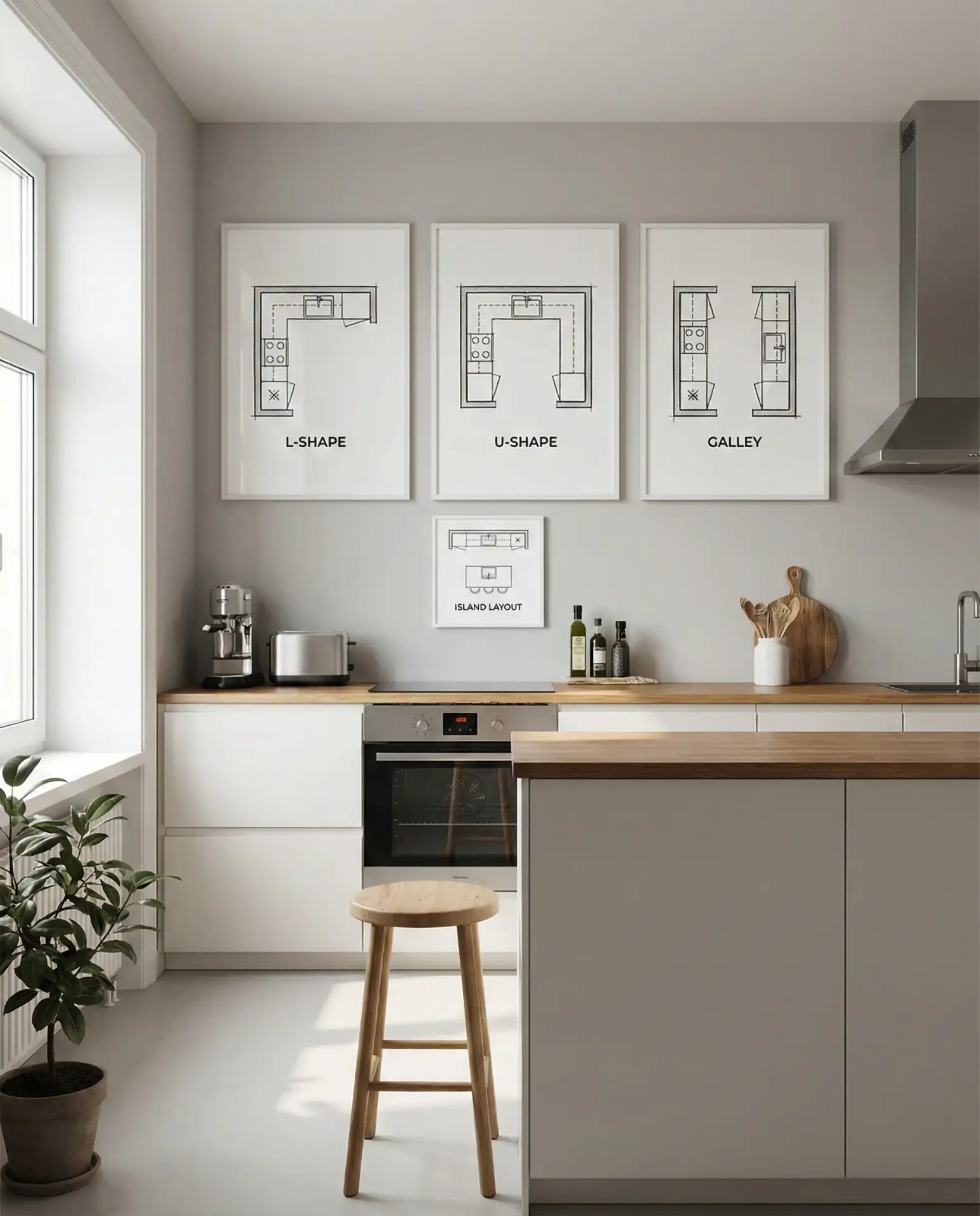
Understanding the different types of kitchen layouts helps you choose the right structure for your home. The most common include galley, L-shaped, U-shaped, island, and single wall. Each has distinct advantages depending on your space, budget, and cooking habits. In 2026, hybrid layouts are gaining popularity—combining elements like an L-shape with an island or a galley with a peninsula—to create custom solutions that fit unique floor plans and lifestyles.
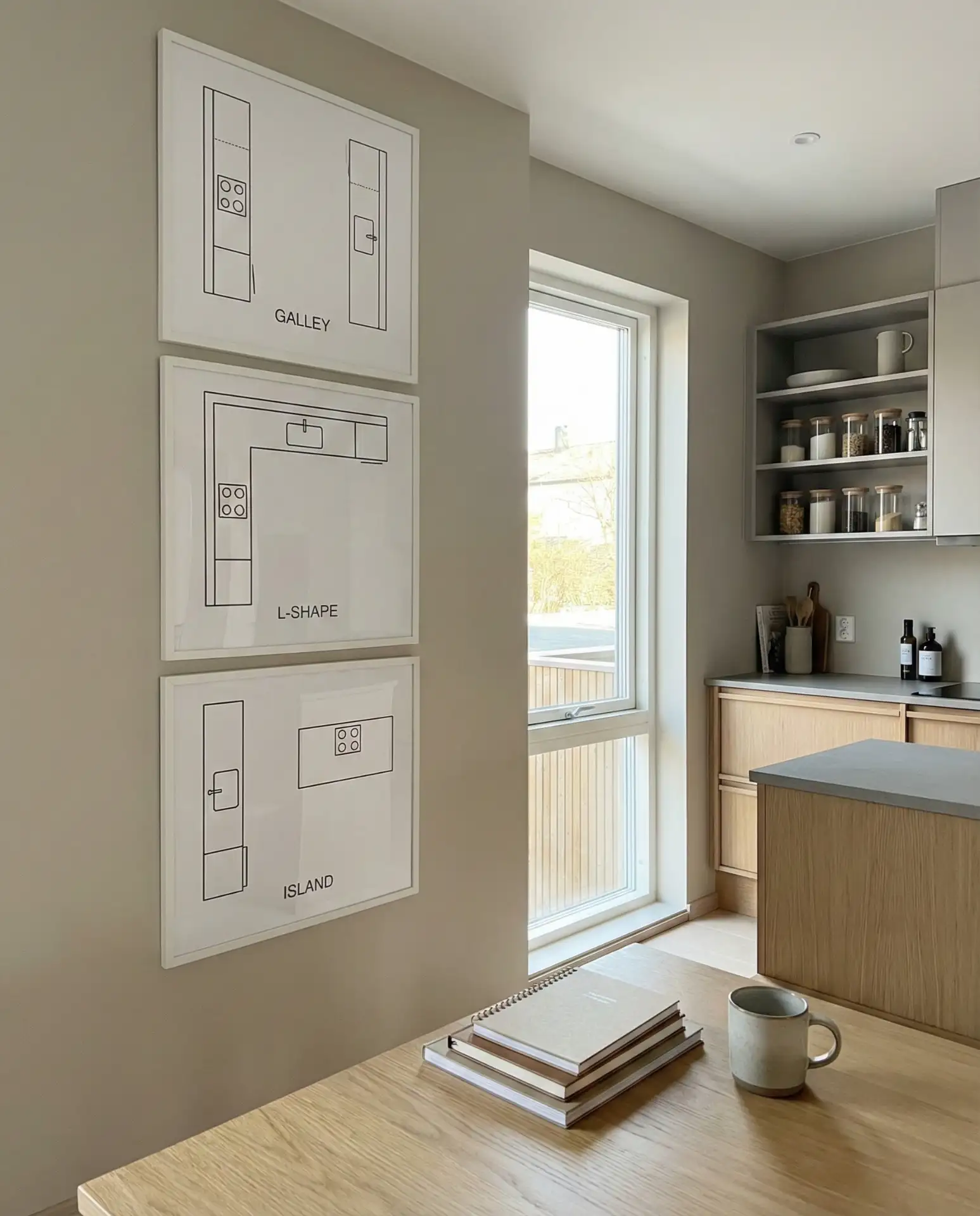
Expert-style commentary: When evaluating layout types, consider how many cooks will typically use the space, whether you need room for dining, and how the kitchen connects to adjacent rooms. Galley kitchens excel in narrow spaces, while U-shaped designs offer maximum storage. Island layouts are ideal for open-concept homes, and single wall layouts work best in studios or compact apartments. Knowing these distinctions saves time and money during the design phase.
17 Small Galley Kitchen with Maximized Storage
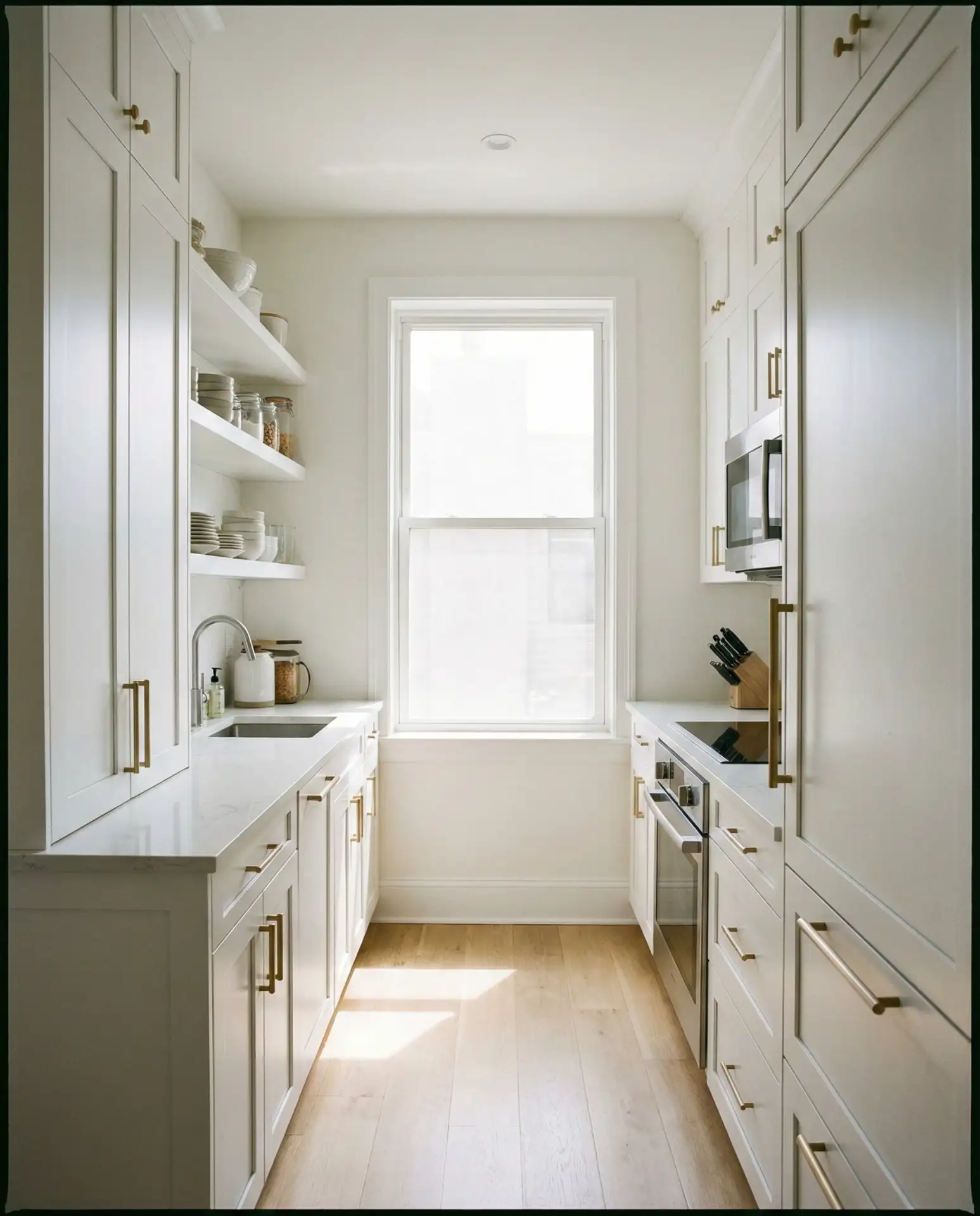
A small galley kitchen requires smart storage solutions to avoid clutter and maintain functionality. In 2026, homeowners are using vertical space with floor-to-ceiling cabinets, magnetic knife strips, hanging pot racks, and pull-out pantries that fit in narrow gaps. The key is making every inch work without overcrowding the visual field. Light colors, reflective surfaces, and under-cabinet lighting help small galley kitchens feel more open and inviting, even when square footage is limited.
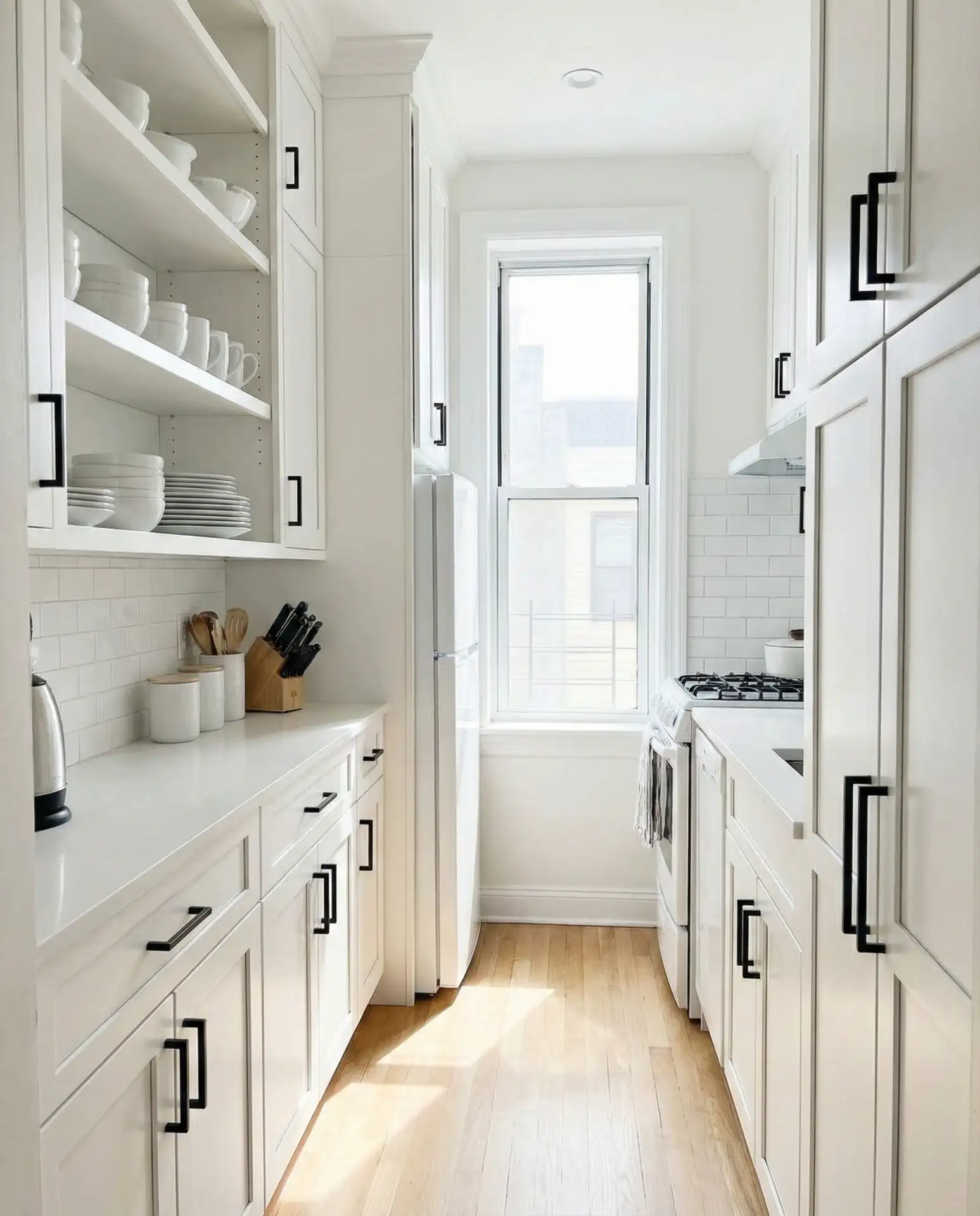
A micro anecdote: a couple in Brooklyn installed a custom pull-out spice rack and a narrow pantry cabinet between their fridge and wall, gaining storage they didn’t know they were missing. Their advice? Measure twice, order once—many galley kitchens have odd dimensions that benefit from custom solutions rather than off-the-shelf products. Budget-conscious shoppers can achieve similar results with IKEA’s modular systems and DIY modifications.
18 Kitchen with Peninsula Instead of Island
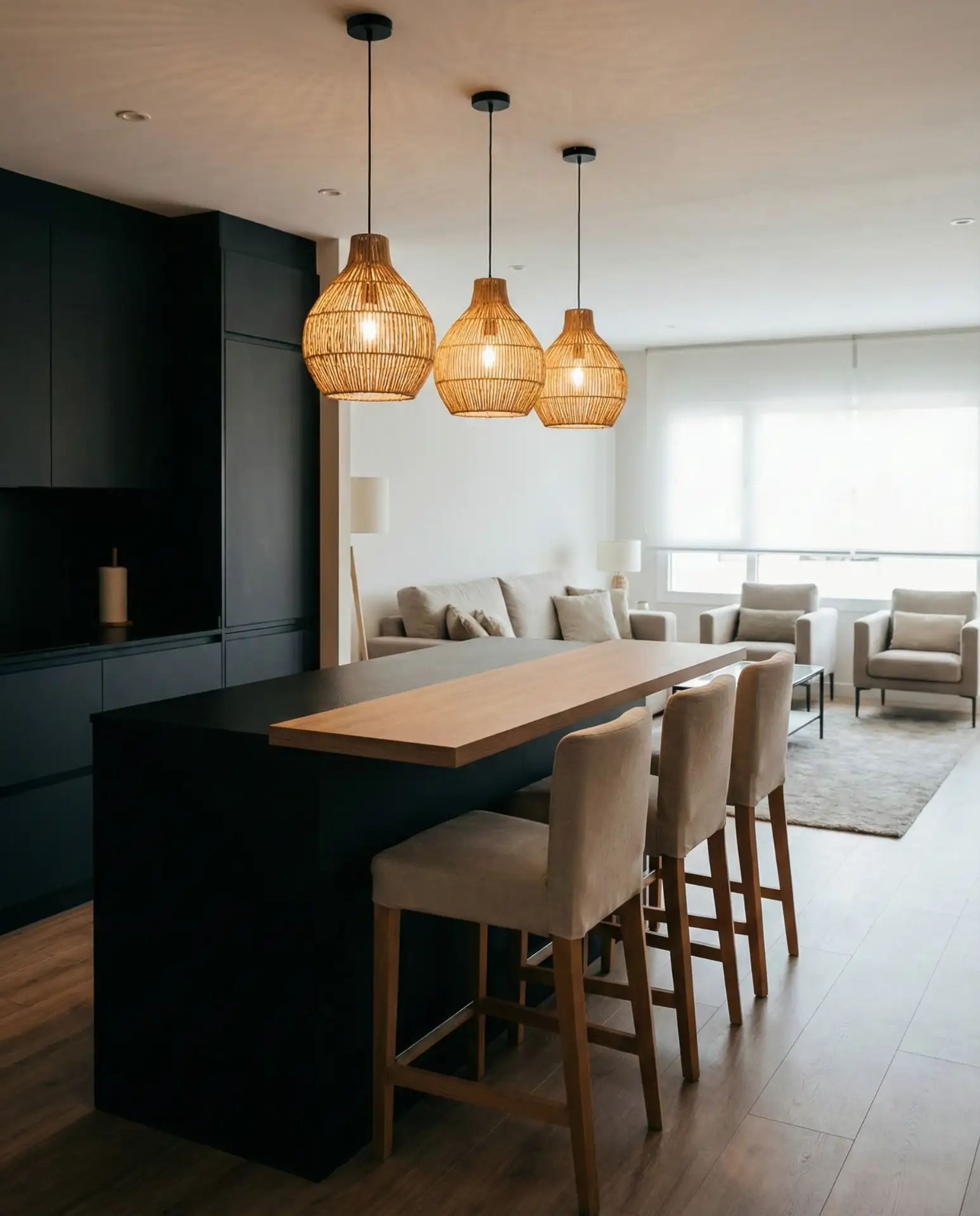
A peninsula layout offers many of the benefits of an island without requiring as much floor space. Attached to one wall or cabinet run, a peninsula creates a natural divider between the kitchen and adjacent living areas while providing extra counter space and seating. It’s a practical choice for medium-sized kitchens where a freestanding island would block traffic flow. In 2026, peninsulas are being designed with waterfall edges, integrated seating, and under-counter storage that rivals full islands.
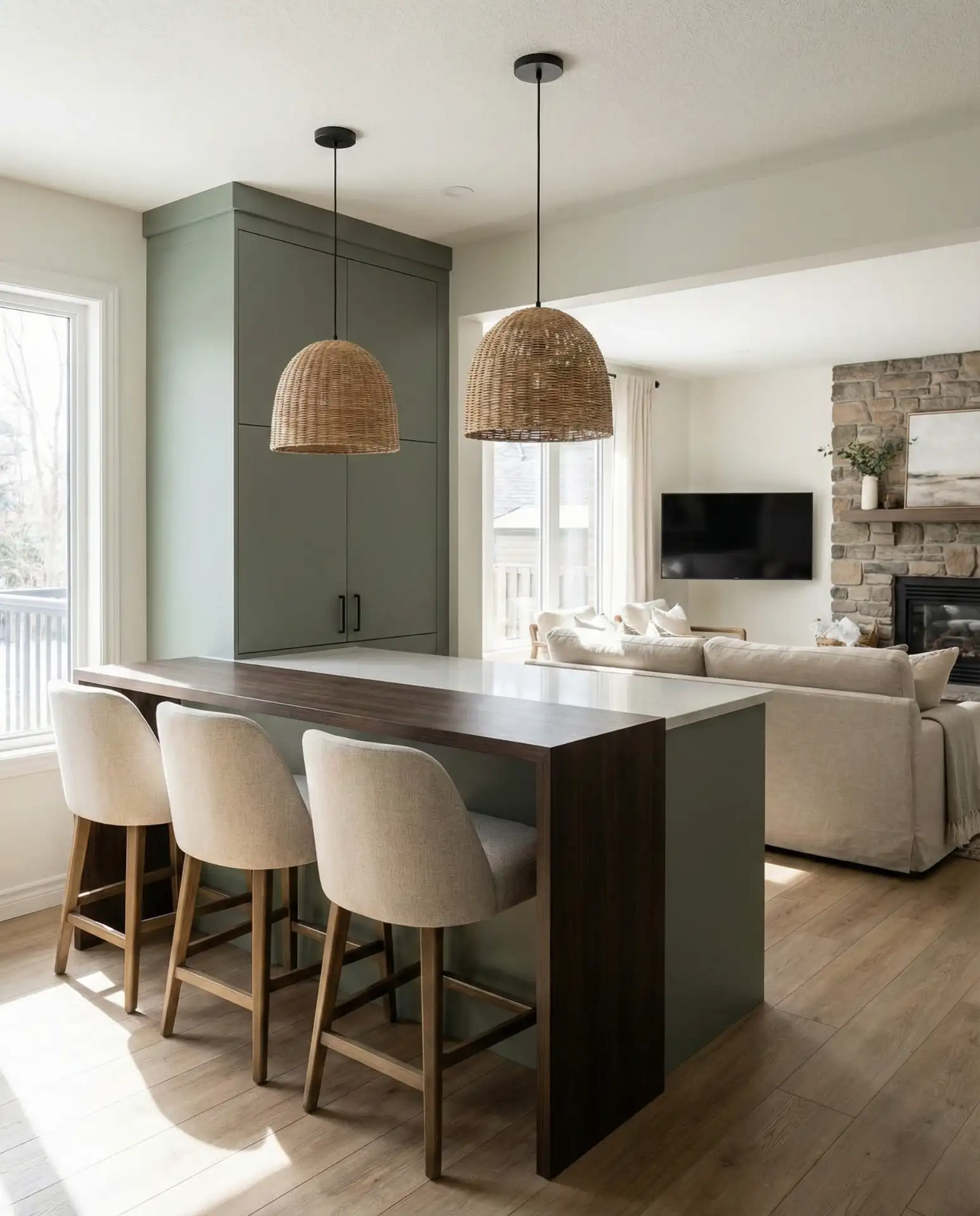
Where it works best: in ranch-style homes, condos, and townhouses where the kitchen is part of an open floor plan but doesn’t have room for a full island. One practical insight—peninsulas work well when the open side faces a living or dining area, creating a natural serving and conversation zone. Just ensure there’s at least 36 inches of clearance on the kitchen side to avoid a cramped workspace.
19 Kitchens with Drawing and Design Elements
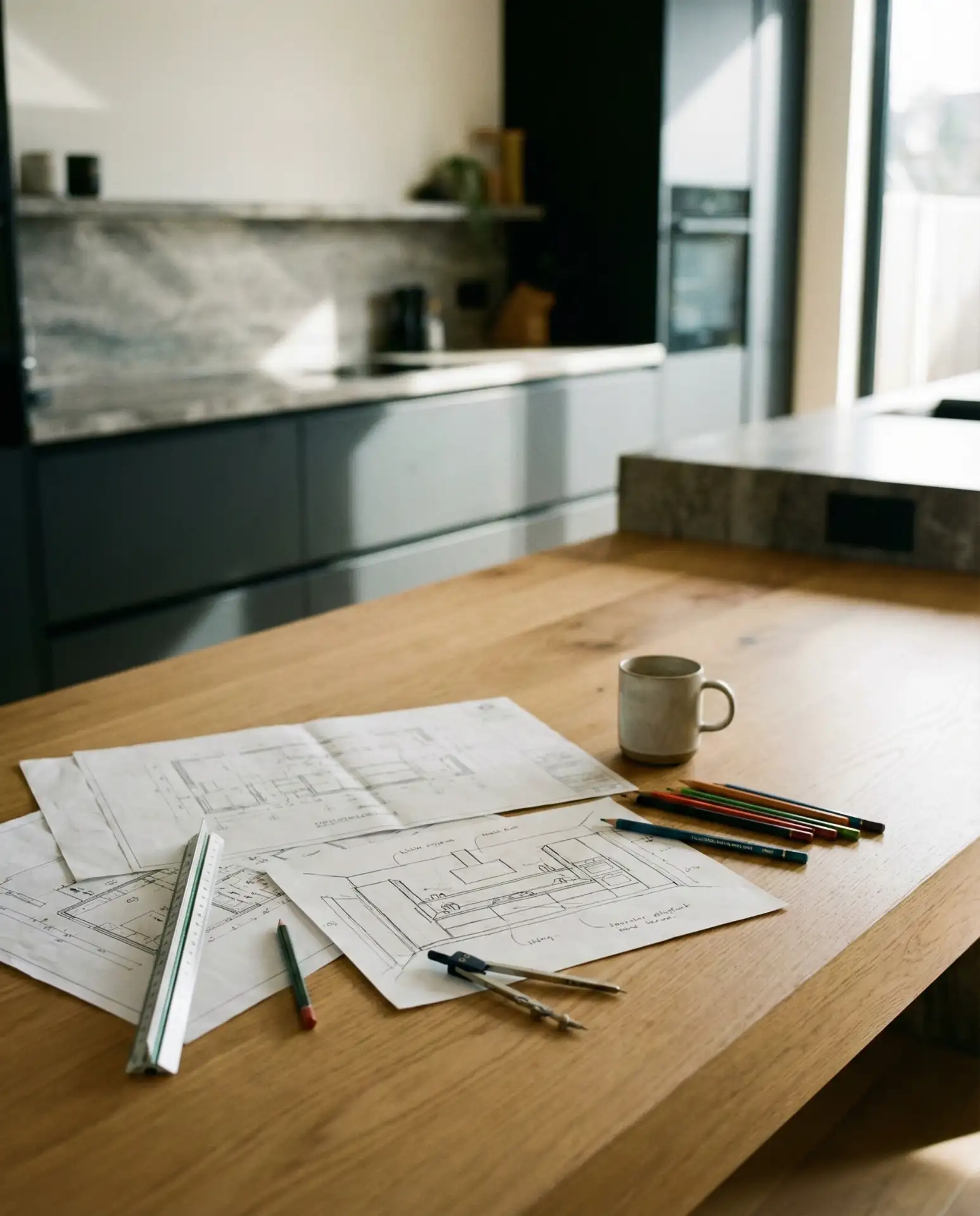
When planning a new kitchen, starting with a detailed drawing is essential for visualizing the final result. Hand-drawn sketches, CAD renderings, and 3D modeling software all help homeowners and designers explore ideas, test different layouts, and troubleshoot potential issues before construction begins. In 2026, digital tools make it easier than ever to experiment with cabinet placement, appliance locations, and traffic flow, ensuring the finished kitchen meets both aesthetic and functional goals.
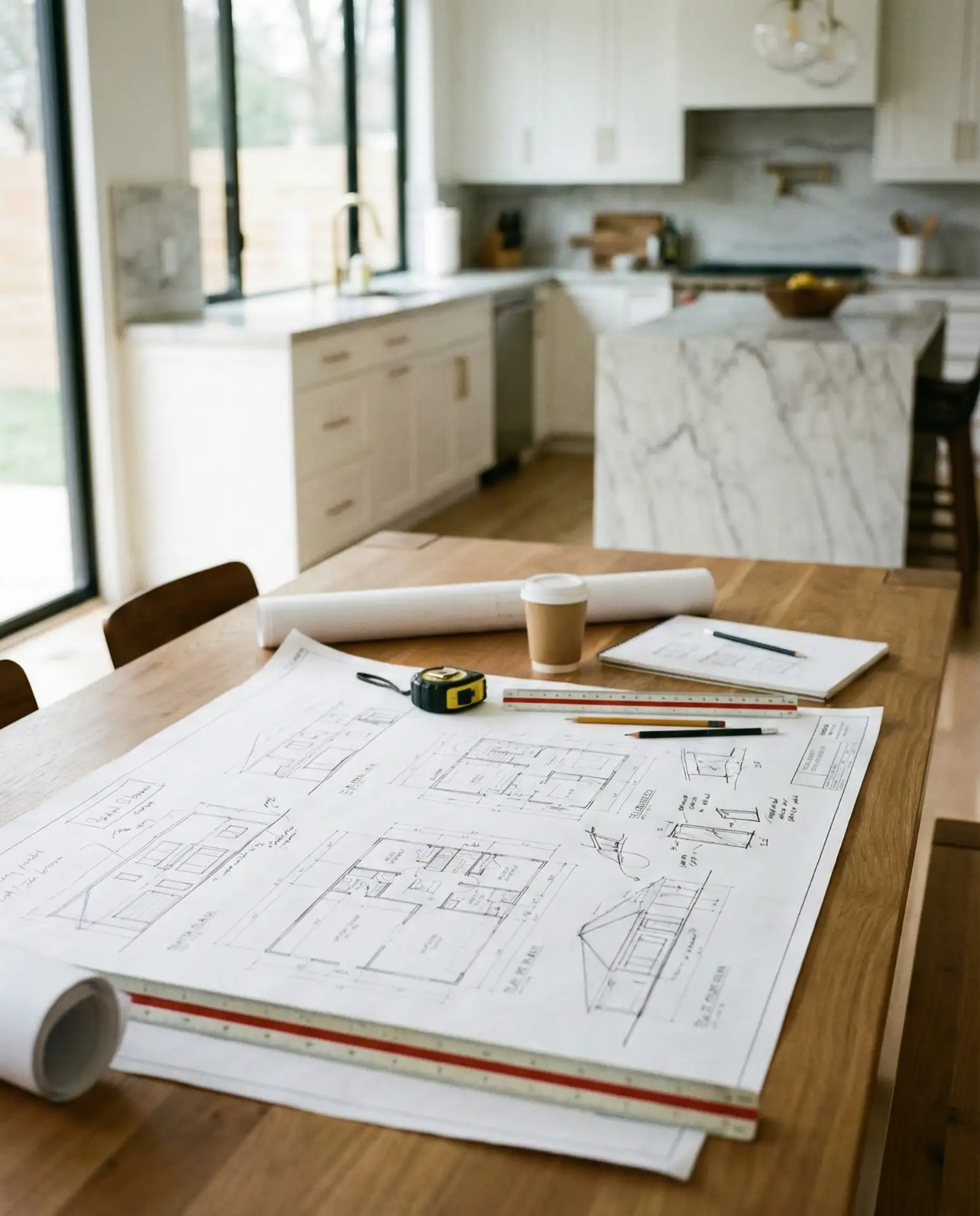
Real homeowner behavior: many people now use free online tools like RoomSketcher, Planner 5D, or IKEA’s kitchen planner to map out their space and price out materials. One designer noted that clients who come prepared with a rough sketch or digital plan tend to have smoother remodels because they’ve already thought through their priorities and trade-offs. Investing time in the planning phase pays dividends in reduced stress and fewer costly mid-project changes.
20 Best Kitchen Layouts for Resale Value
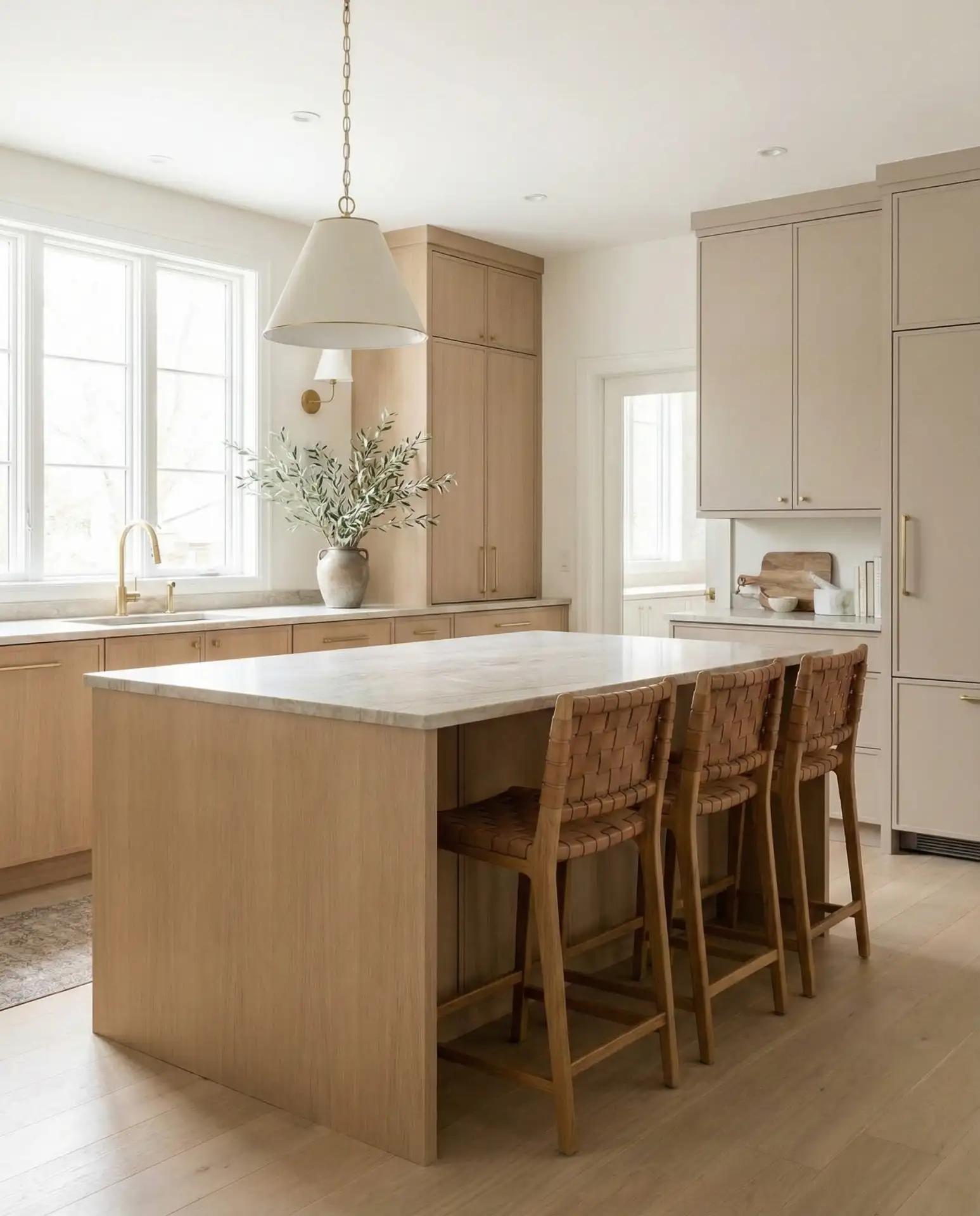
If you’re remodeling with resale in mind, choosing one of the best kitchen layouts can significantly impact buyer interest and home value. Open-concept designs with island seating, L-shaped layouts with clear work triangles, and galley kitchens with modern finishes all appeal to a broad audience. In 2026, real estate agents report that kitchens with strong functionality, neutral palettes, and quality materials generate the most interest from buyers. Avoid overly personalized or niche designs that might not resonate with future owners.
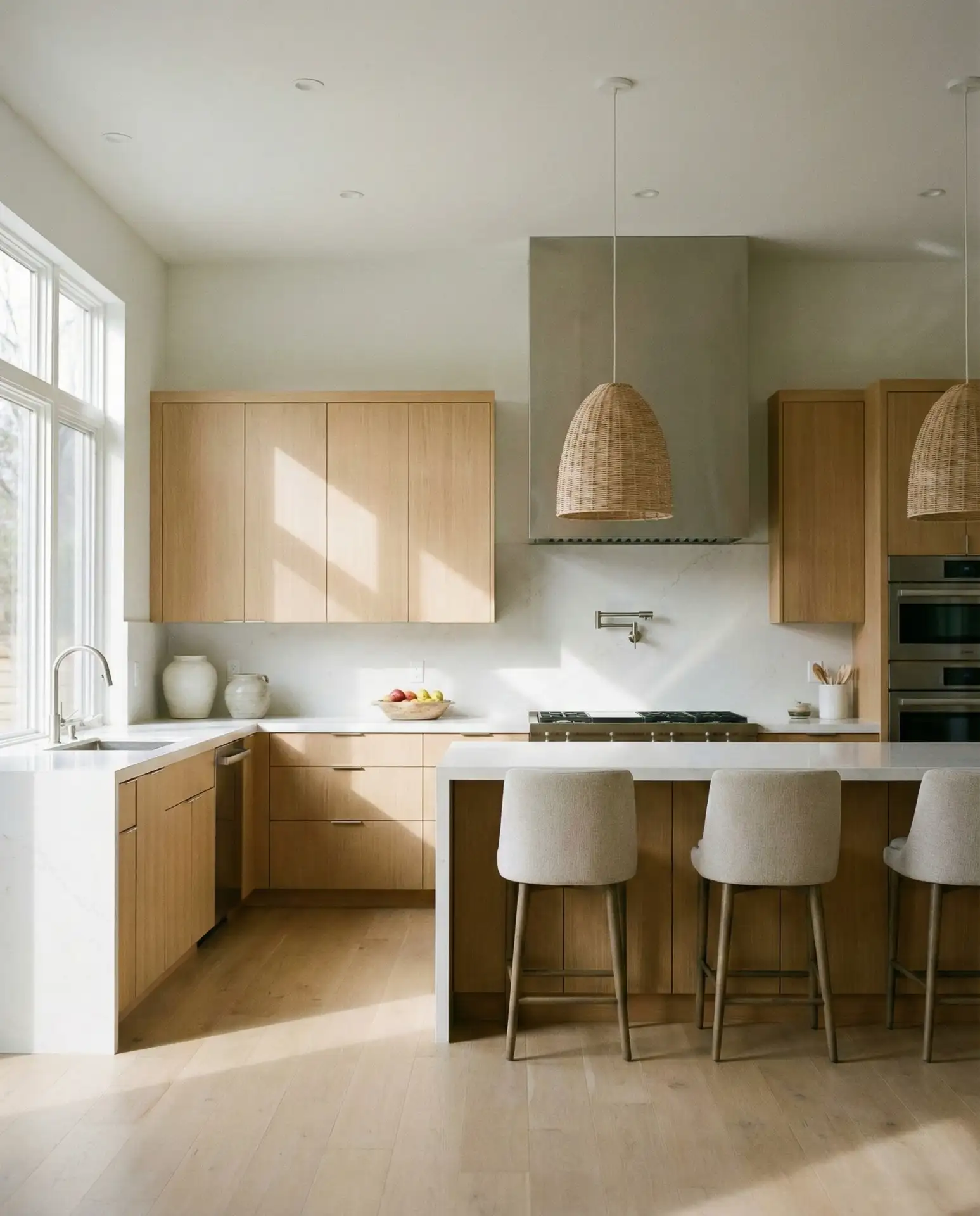
Practical insight: kitchens typically return 50% to 80% of remodel costs at resale, with mid-range updates offering the best ROI. Focus on durable materials, classic color schemes, and layouts that feel spacious and intuitive. Avoid cutting-edge trends that may look dated in five years. One realtor in California noted that homes with updated kitchens sell 10-15% faster than comparable homes with outdated or poorly designed cooking spaces.
21 Kitchen Plans for New Construction
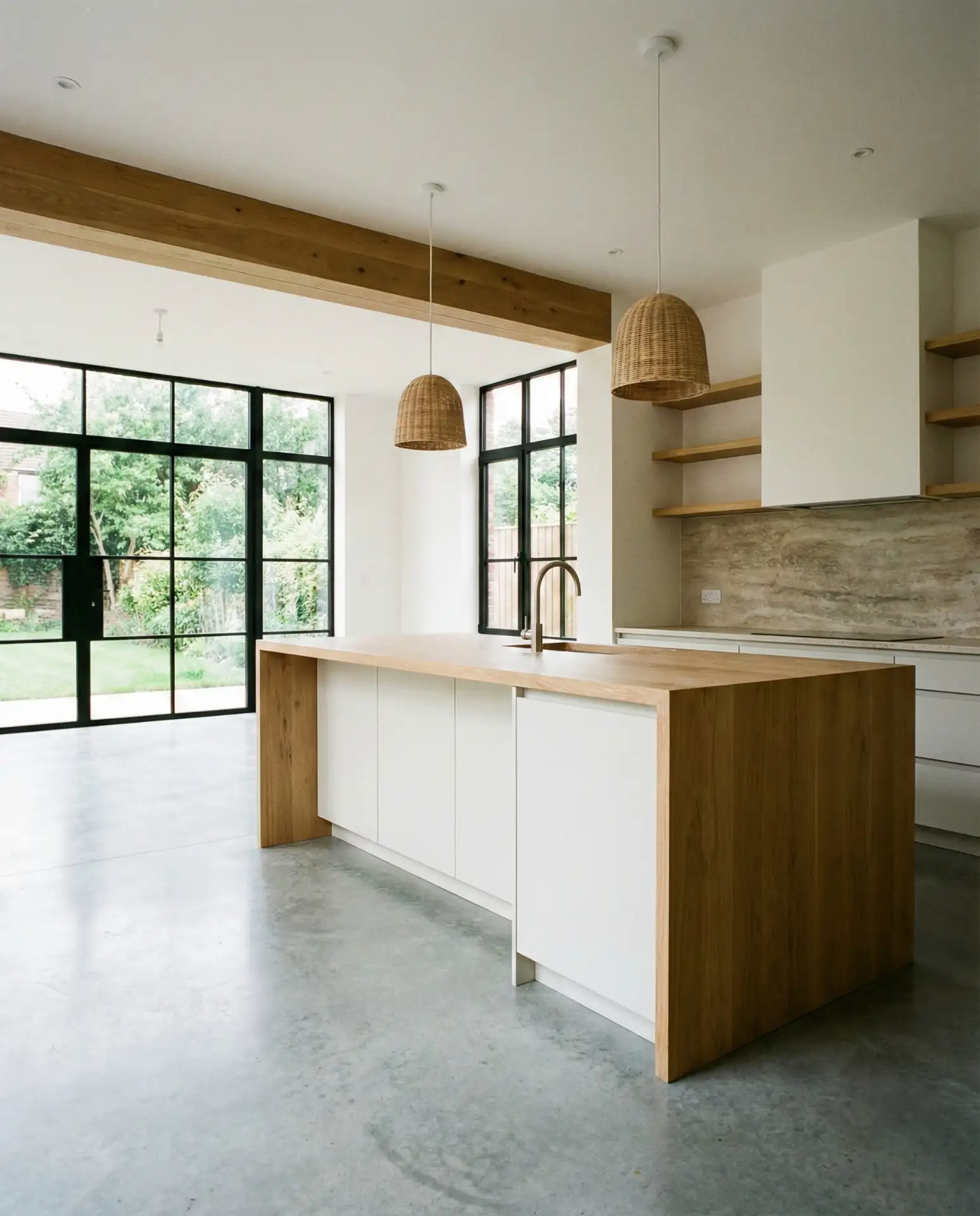
When building a new home, kitchen plans should be developed early in the design process to ensure proper placement of plumbing, electrical, and ventilation systems. This is your opportunity to create a fully customized layout that matches your exact needs—whether that’s a double island, commercial appliances, or a dedicated baking zone. In 2026, new construction buyers are prioritizing open kitchens that connect to outdoor spaces, flexible layouts that support multiple cooks, and smart home integration.
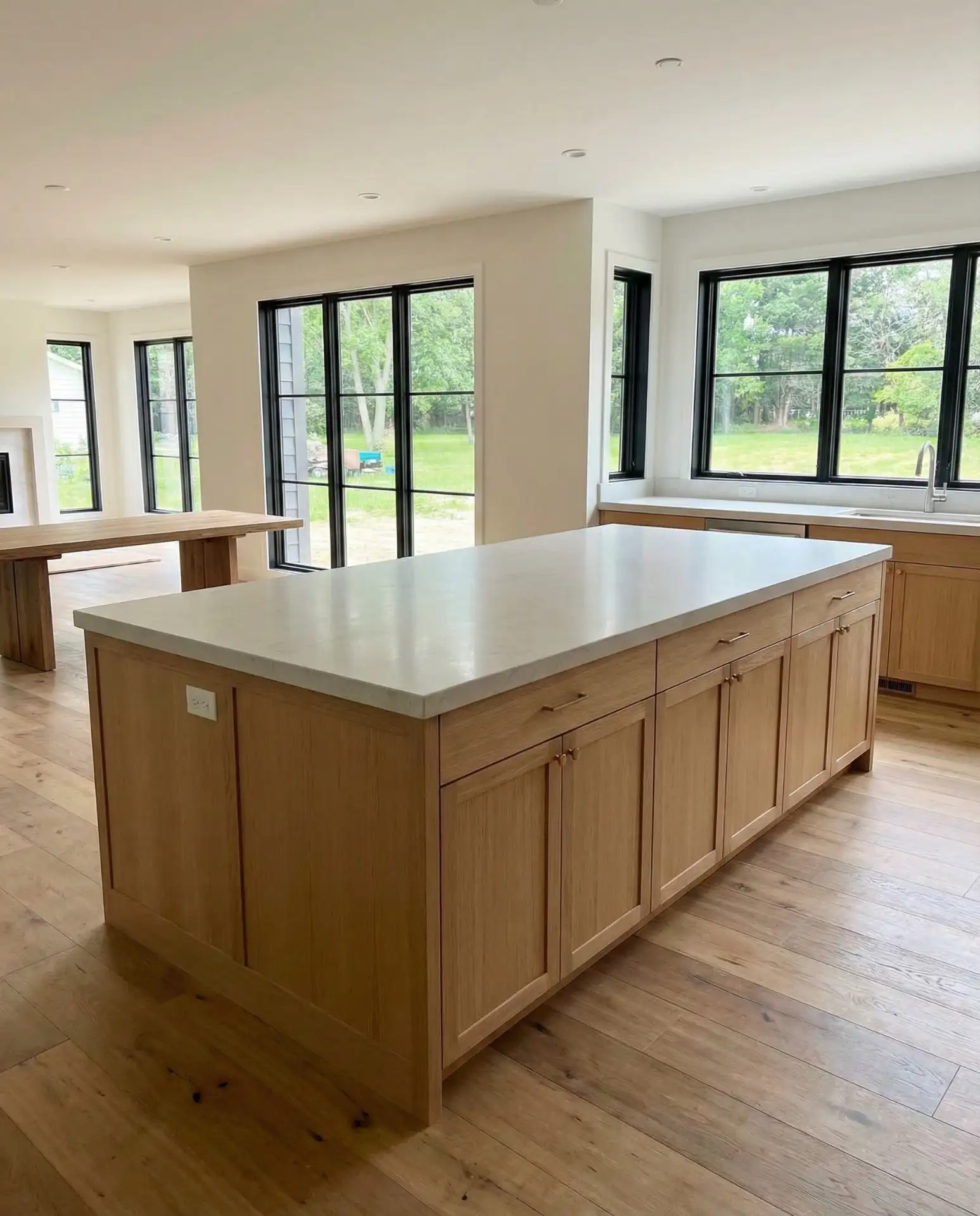
Prompt: Realistic photo, natural light, soft shadows, no people. Clear focus on the described interior. Not a 3D render. Do not use signs and do not write the year. Make the photo size 4:5. New construction kitchen, clean modern design, large island, open floor plan, big windows, natural materials, fresh and inviting.
Where it works best: in suburban developments and custom builds where you have control over the entire floor plan. Work closely with your architect to position the kitchen in relation to natural light, outdoor access, and main living areas. One couple building in Colorado placed their kitchen on the south side of the house to maximize sunlight and warmth, reducing their reliance on artificial lighting during the day.
22 Kitchen Ideas for Every Style and Budget
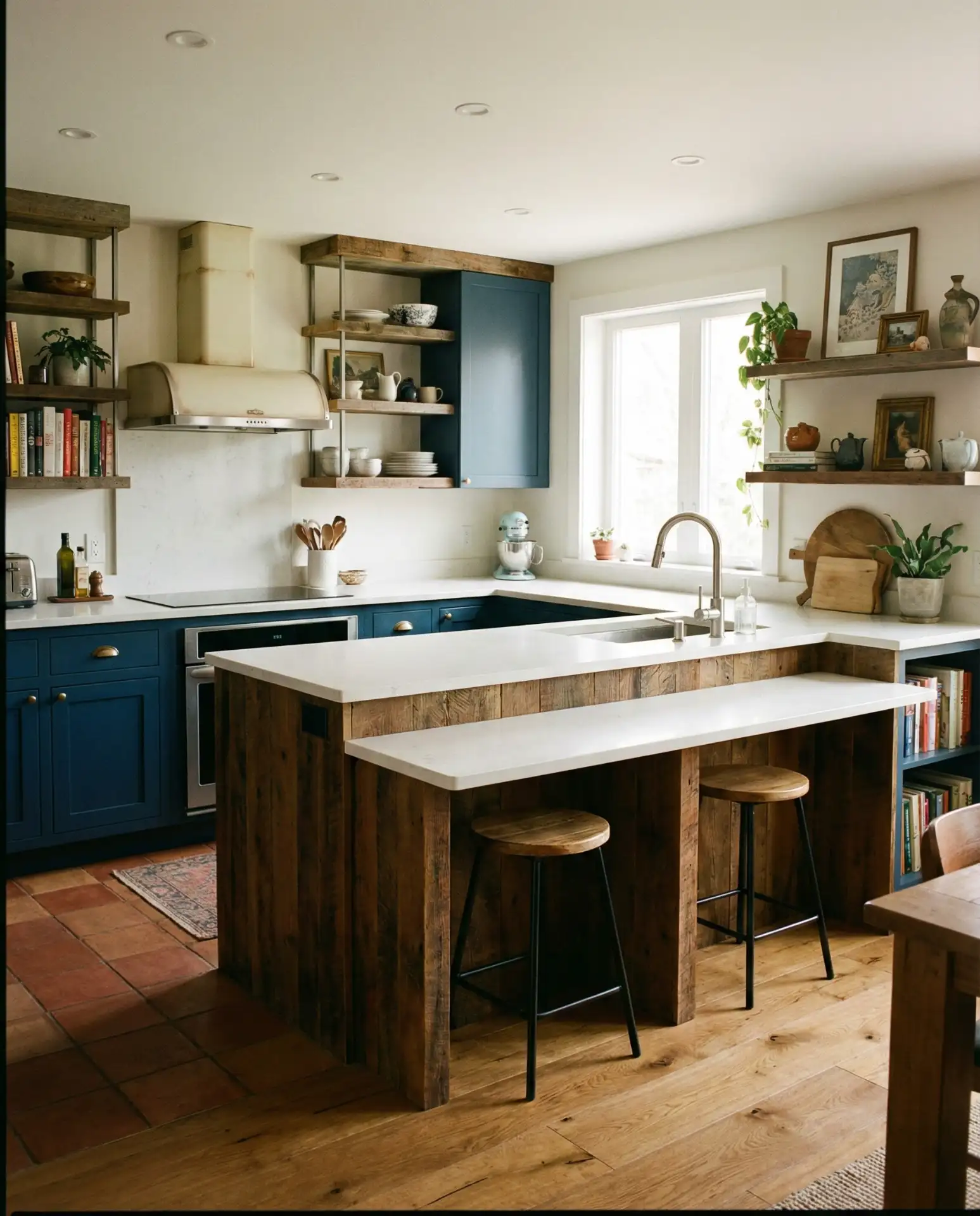
No matter your aesthetic preference or financial constraints, there are kitchen ideas that can transform your space. From budget-friendly galley updates using paint and new hardware to luxury double island remodels with custom cabinetry, the key is identifying what matters most to you. In 2026, homeowners are mixing high and low—splurging on appliances while saving on cabinets or investing in quality countertops while keeping the backsplash simple. The result is personalized kitchens that reflect real life, not just magazine spreads.
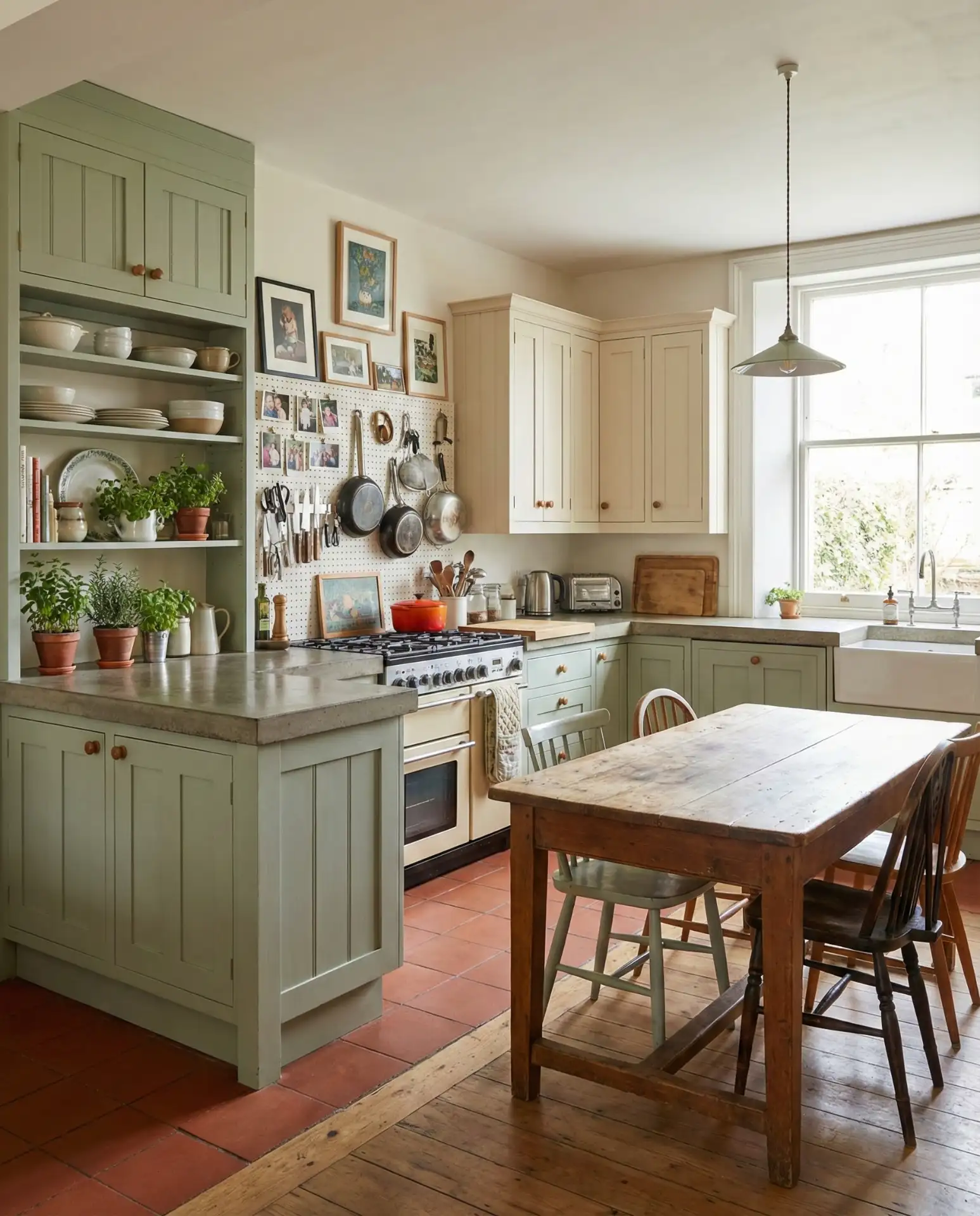
Budget angle: a full kitchen remodel can range from $15,000 for a basic refresh to $75,000+ for a high-end overhaul. Many homeowners phase their projects, starting with cosmetic updates and later upgrading appliances or countertops. Common mistakes include underestimating costs or skipping essential structural work like plumbing or electrical upgrades. Work with a designer or contractor to prioritize spending where it will have the most impact, both functionally and visually.
Conclusion
Whether you’re drawn to the efficiency of a galley, the versatility of an island, or the charm of a bakery-inspired setup, the right kitchen layout can transform how you live, cook, and connect with loved ones. As you explore these ideas, think about what matters most to your household—more prep space, better flow, or simply a kitchen that feels like yours. Drop a comment below and share which layout speaks to you, or tell us about your own kitchen plans for 2026. Let’s keep the conversation going.