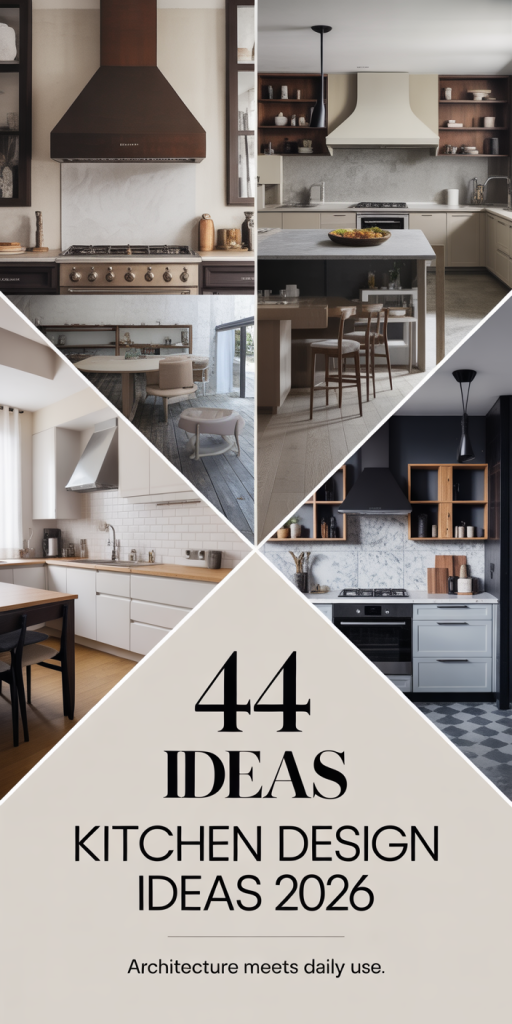
Kitchen design in 2026 is all about striking the perfect balance between function and beauty—spaces that work hard but feel effortless. American homeowners are turning to Pinterest more than ever, searching for layouts that accommodate real life: cooking, entertaining, and daily routines that demand both style and practicality. Whether you’re planning a full remodel or simply refreshing your space, this year’s trends emphasize natural materials, smart storage, and designs that adapt to how we actually live. From compact solutions for urban apartments to expansive layouts that blur the line between indoors and out, these ideas will help you create a kitchen that’s as inspiring as it is livable.
1. Modern Minimalist Island with Integrated Seating
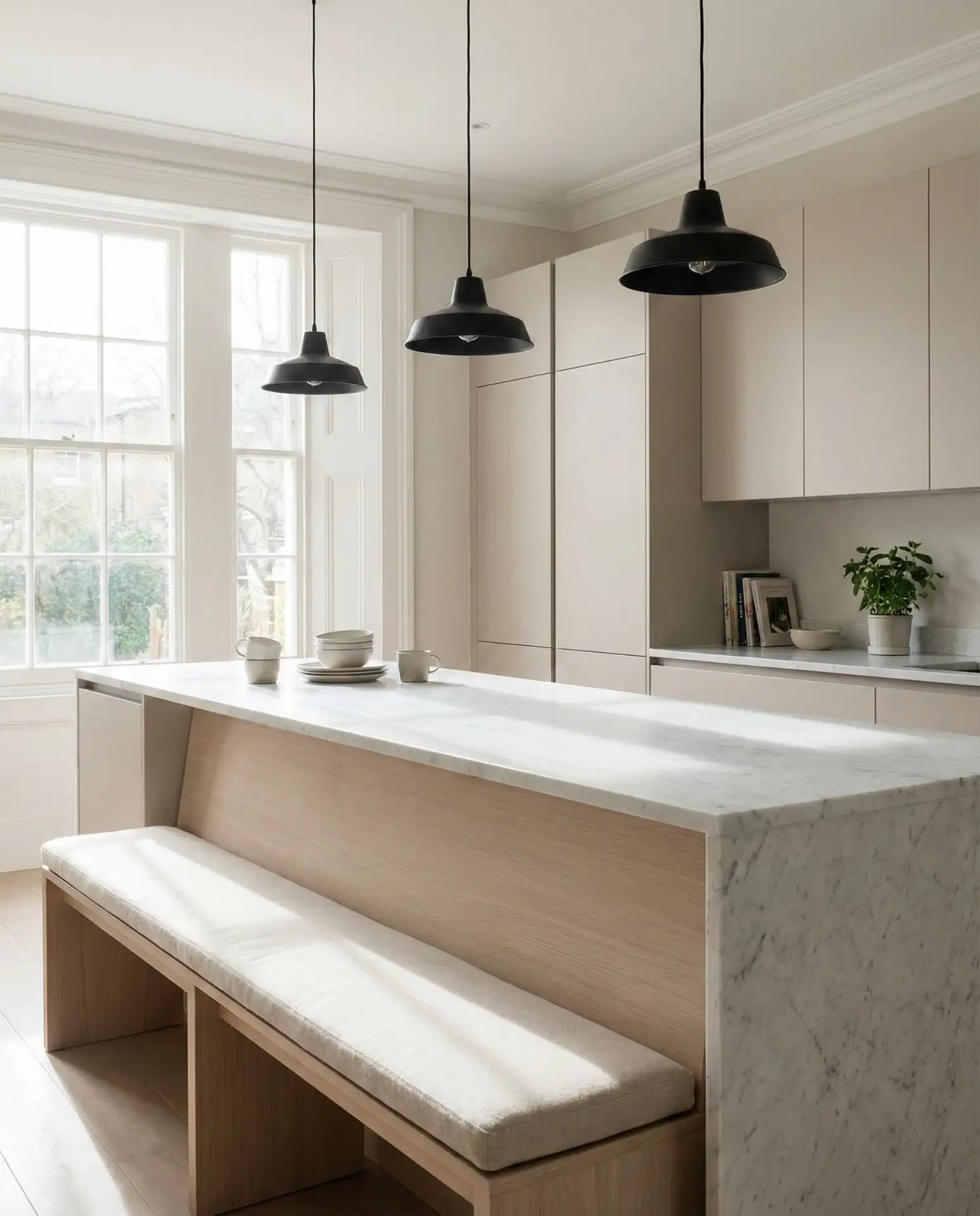
A modern kitchen island that doubles as a dining spot is one of the smartest plans for today’s open-concept homes. This minimalist approach keeps lines clean and surfaces uncluttered, with seating tucked seamlessly into the island’s design. It’s ideal for families who want a casual breakfast nook without sacrificing counter space, and it works beautifully in both small space kitchens and larger layouts where the island becomes the room’s anchor.
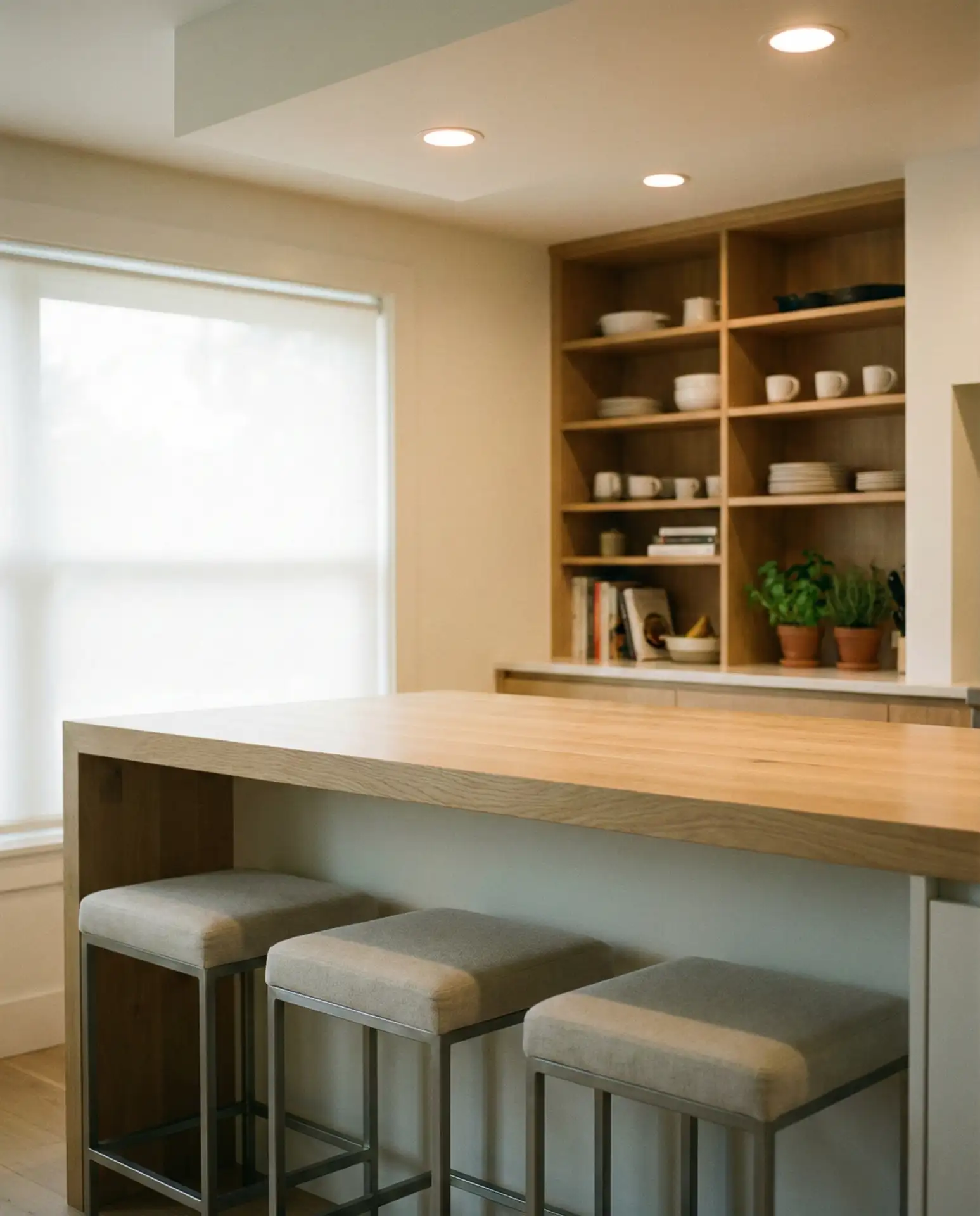
This layout works best in homes where the kitchen flows into the living or dining area. The integrated seating encourages casual meals and conversation without the need for a separate table, making it perfect for busy mornings or quick lunches. Choose materials that are durable and easy to clean—quartz or sealed marble for the countertop, and sturdy wood or metal for the bench. The key is keeping the design cohesive so the island feels like one piece, not an afterthought.
2. Japandi-Inspired Natural Wood Cabinetry
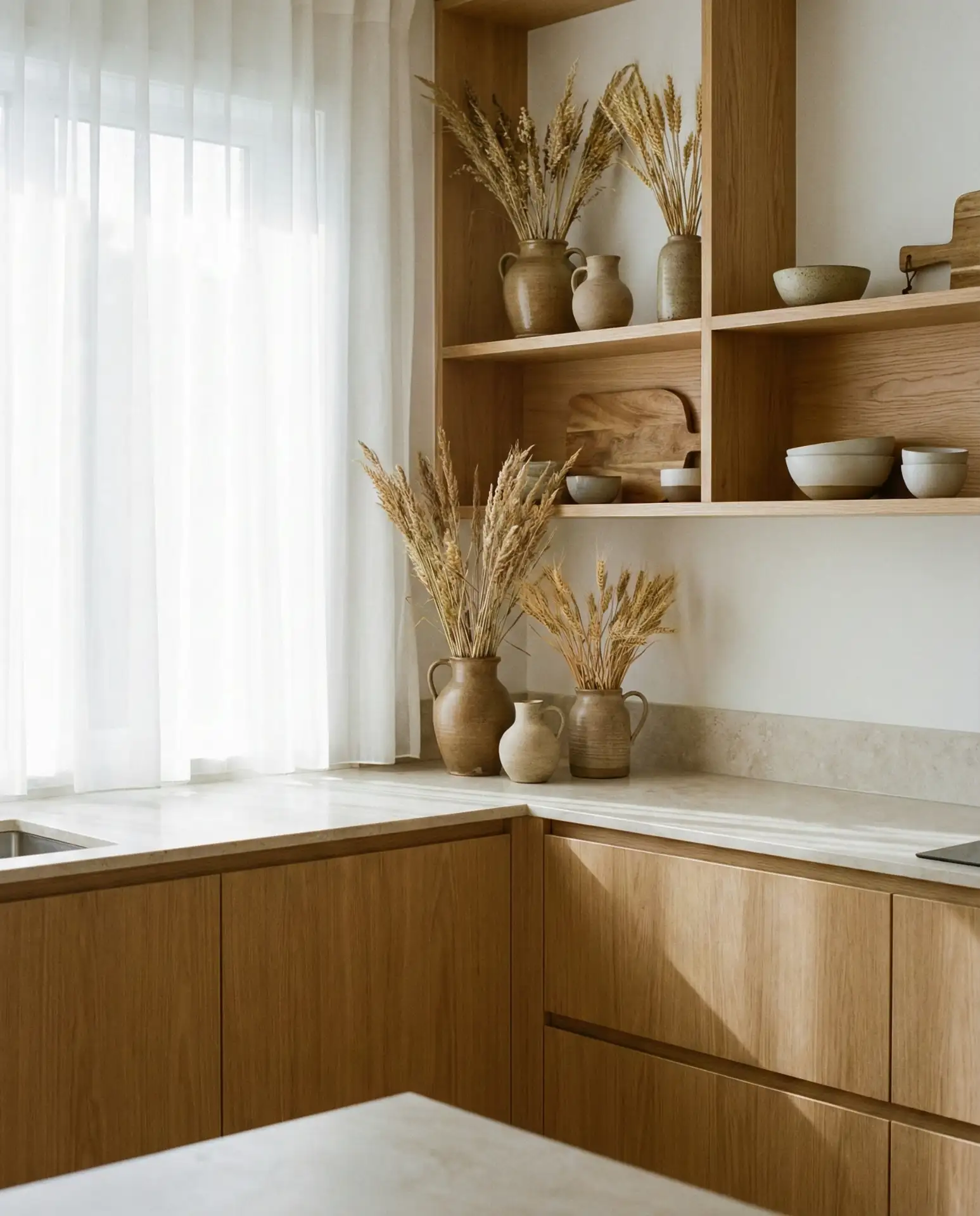
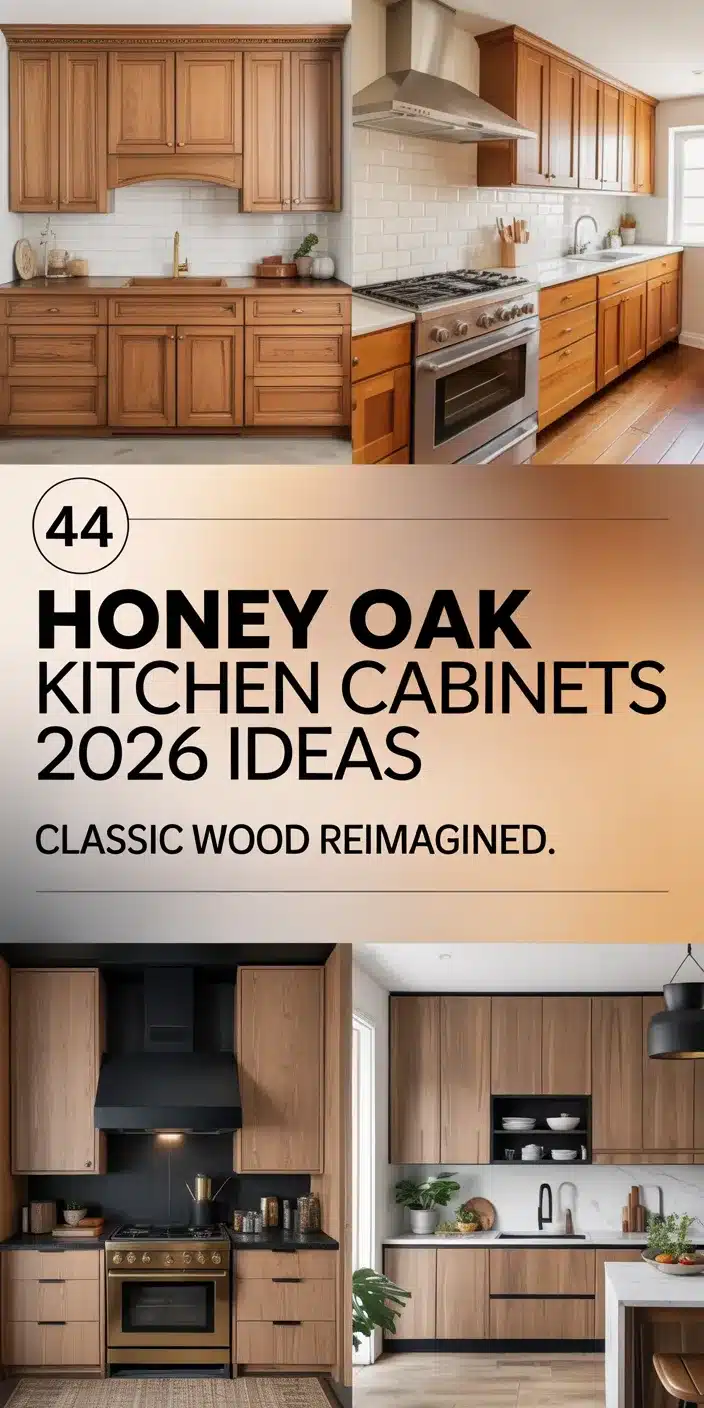
The Japandi aesthetic continues to gain momentum, blending Japanese minimalism with Scandinavian warmth. In the kitchen, this translates to simple wood cabinetry with clean lines, neutral tones, and a focus on natural textures. The look is understated but rich, with oak, walnut, or ash taking center stage. It’s a style that feels grounded and calm, perfect for homeowners who want a kitchen that’s both functional and meditative.
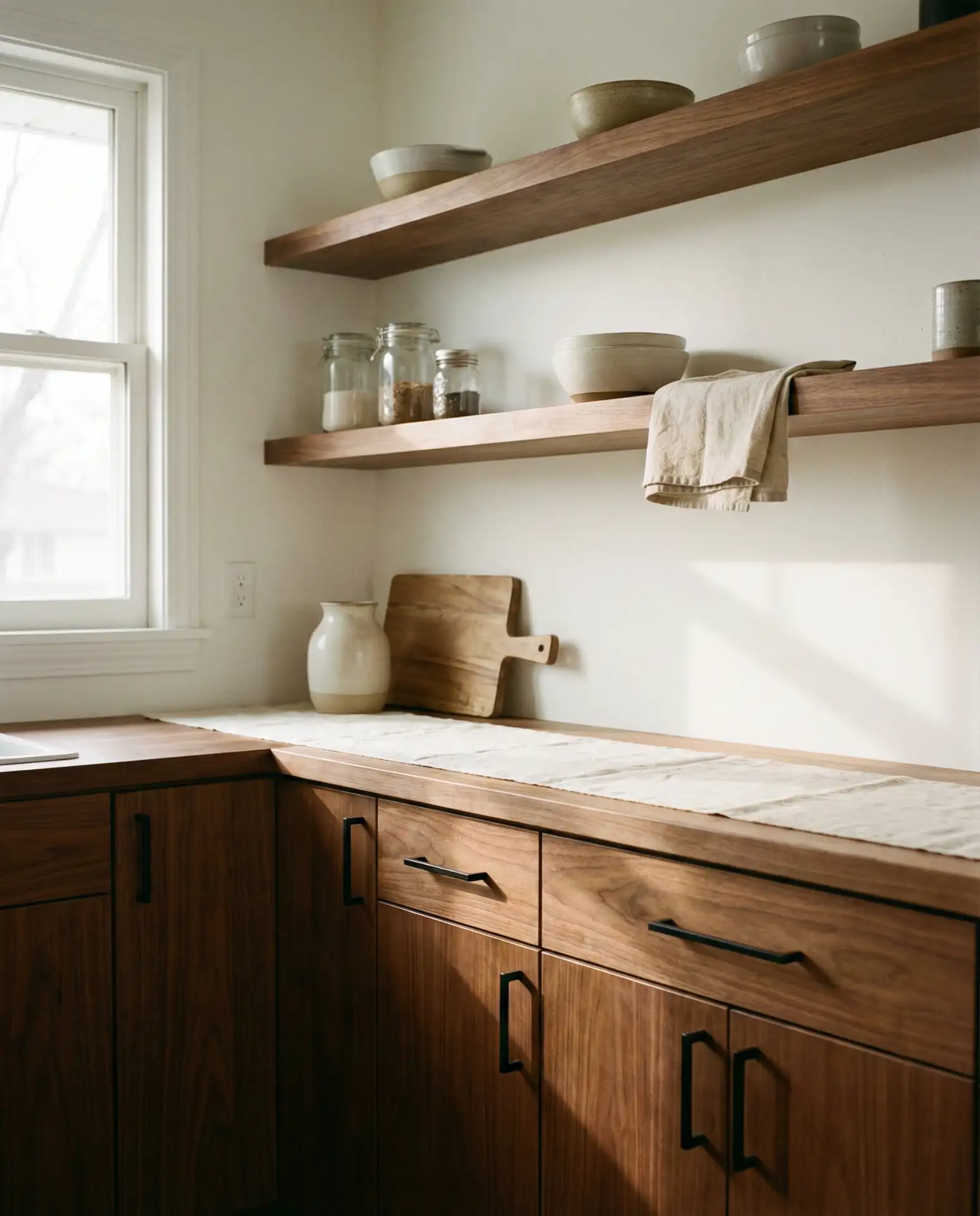
Budgets for Japandi kitchens vary widely, but you don’t need to splurge on every element. Focus your investment on quality cabinetry—well-made wood doors with solid joinery will last decades. Save by choosing simpler hardware, open shelving instead of upper cabinets, and affordable but authentic materials like bamboo or rattan accents. The style rewards thoughtful editing, so resist the urge to over-accessorize.
3. Industrial Open Shelving with Exposed Brick
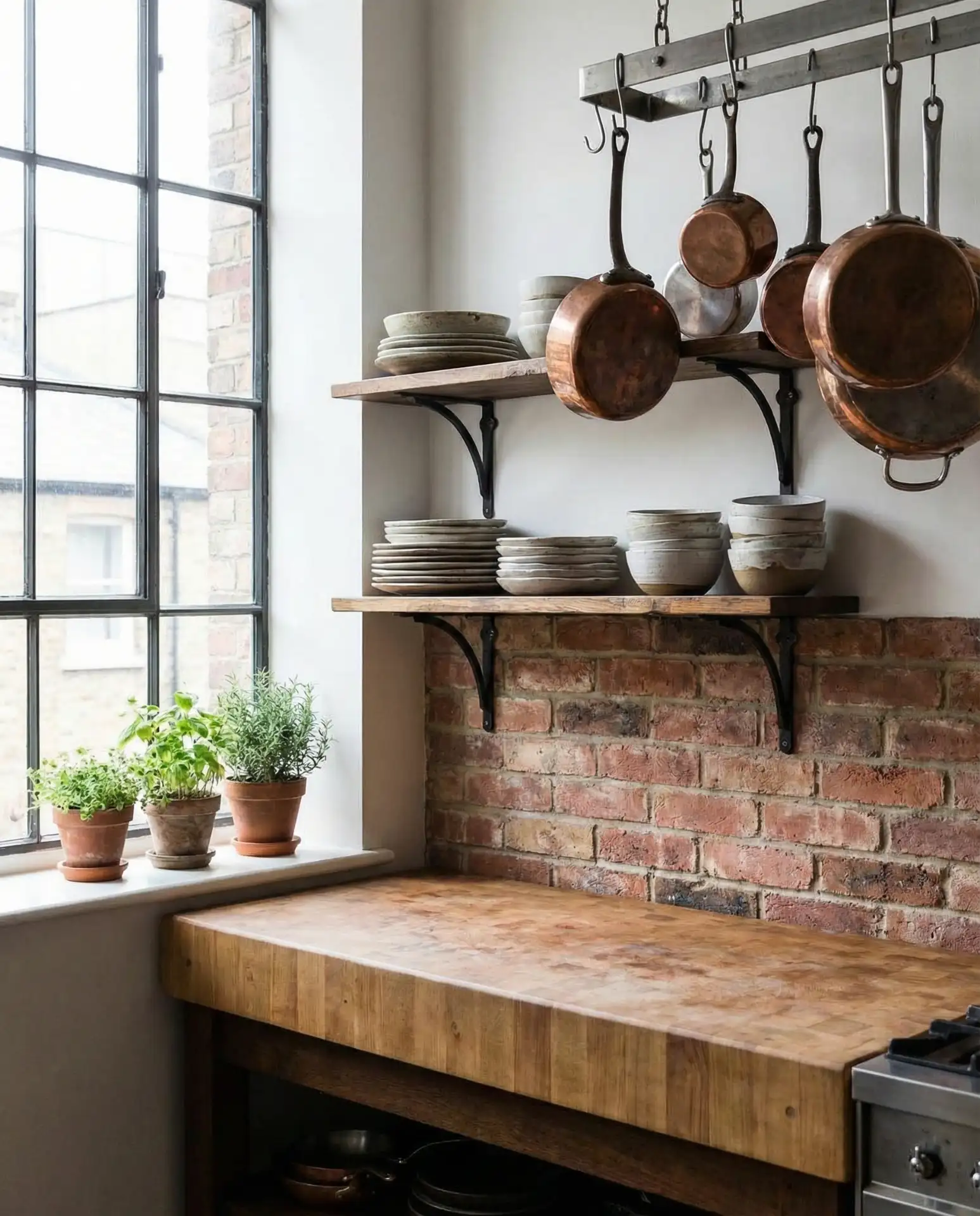
An industrial kitchen brings raw, honest materials into the home, celebrating the beauty of exposed brick, metal shelving, and reclaimed wood. This open shelving approach keeps everything visible and accessible, turning your dishes and glassware into part of the decor. It’s a style that works especially well in lofts or older homes with architectural character, where brick walls and original beams tell a story.
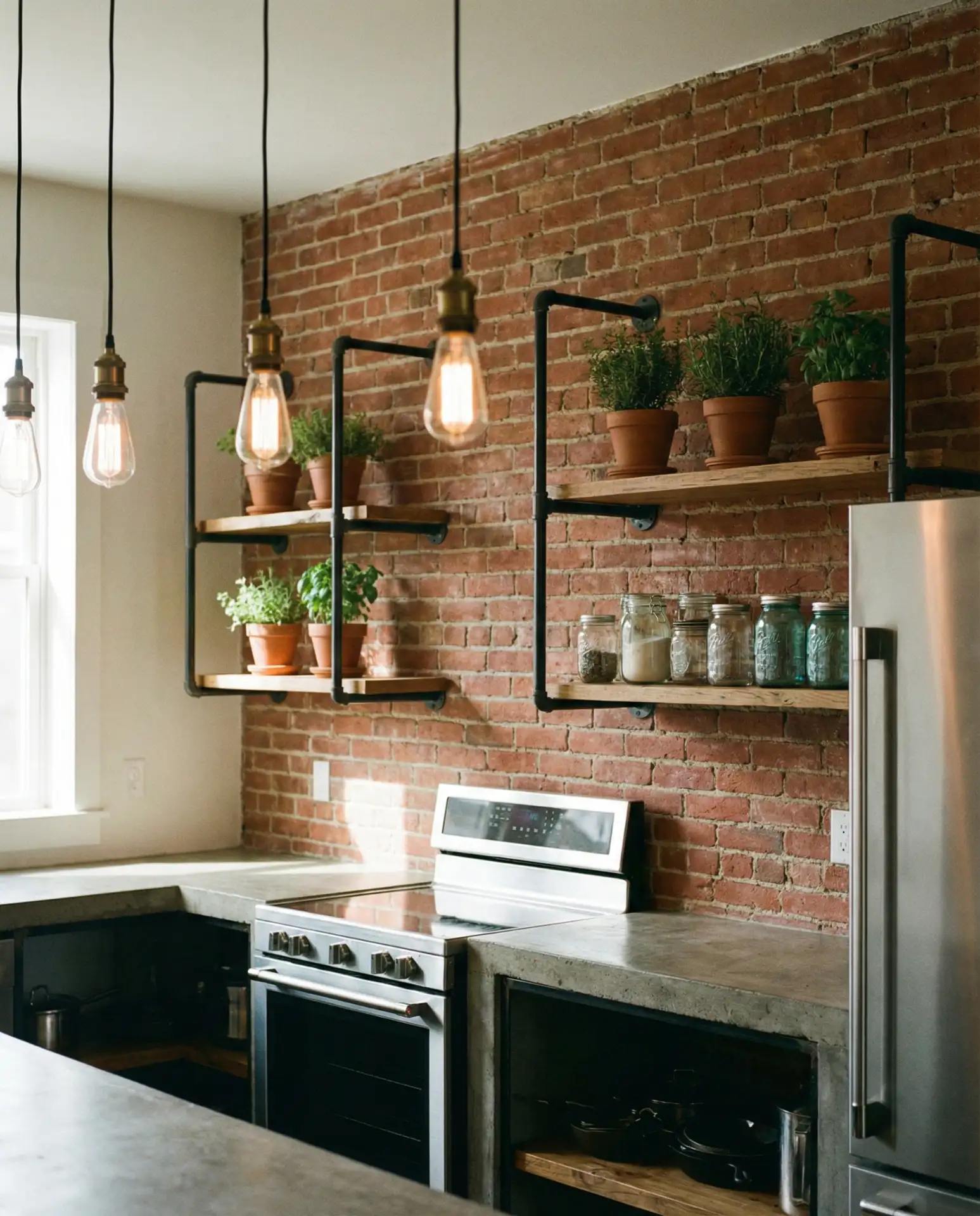
One practical insight: open shelving looks stunning but demands discipline. Dust accumulates quickly, and the lack of doors means everything is on display. It works best for people who enjoy curating their kitchen items and don’t mind regular upkeep. If you cook often with oils or spices, consider combining open shelves with a few closed cabinets for items you’d rather keep hidden.
4. Elegant Marble Waterfall Countertops
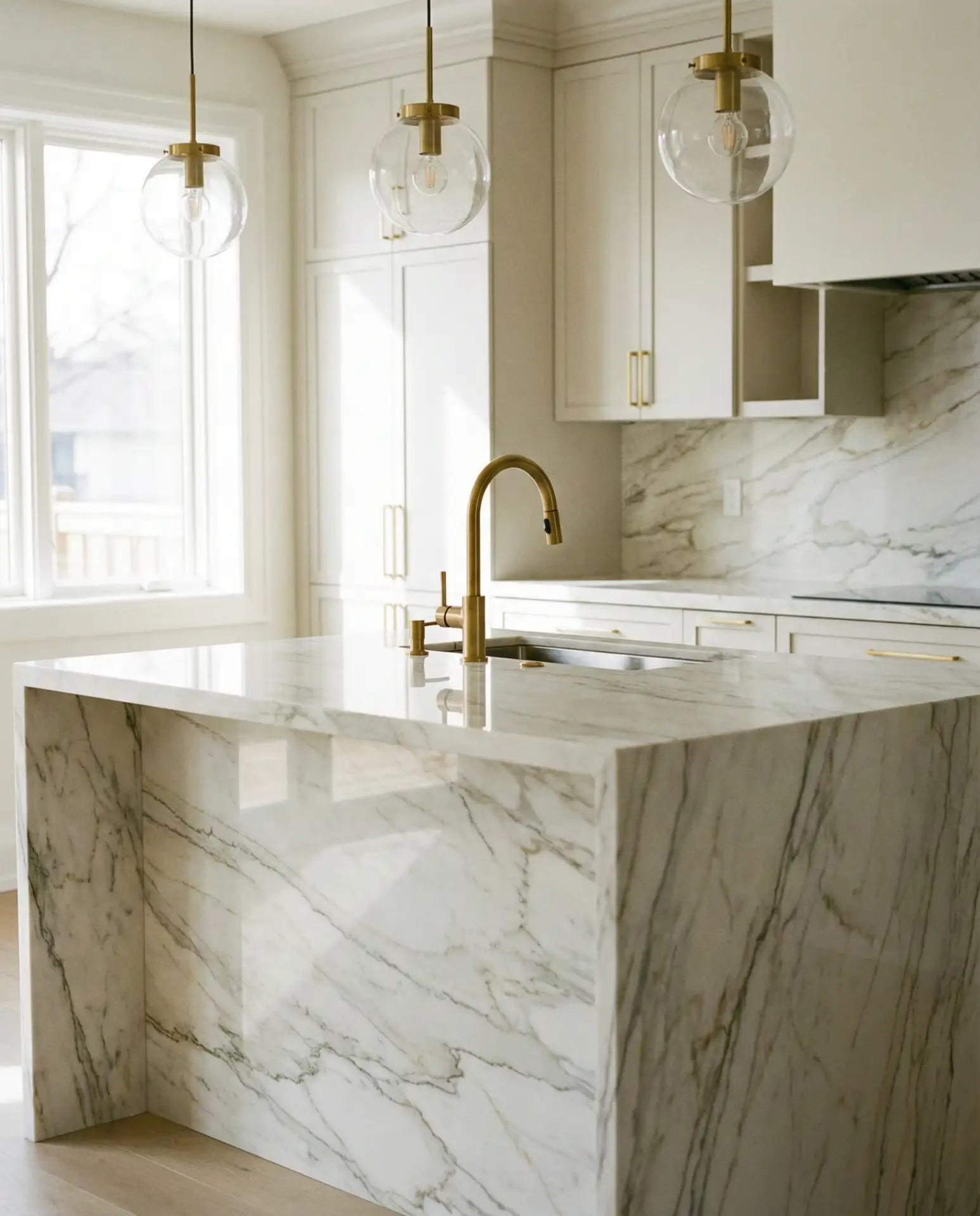
A waterfall countertop, where the stone flows down the sides of an island or peninsula, adds instant drama and elegance to any kitchen. When done in luxury marble—think Calacatta or Statuario with bold veining—it becomes a true statement piece. This contemporary detail is popular in high-end homes but increasingly accessible through engineered quartz alternatives that mimic marble’s look without the maintenance concerns.
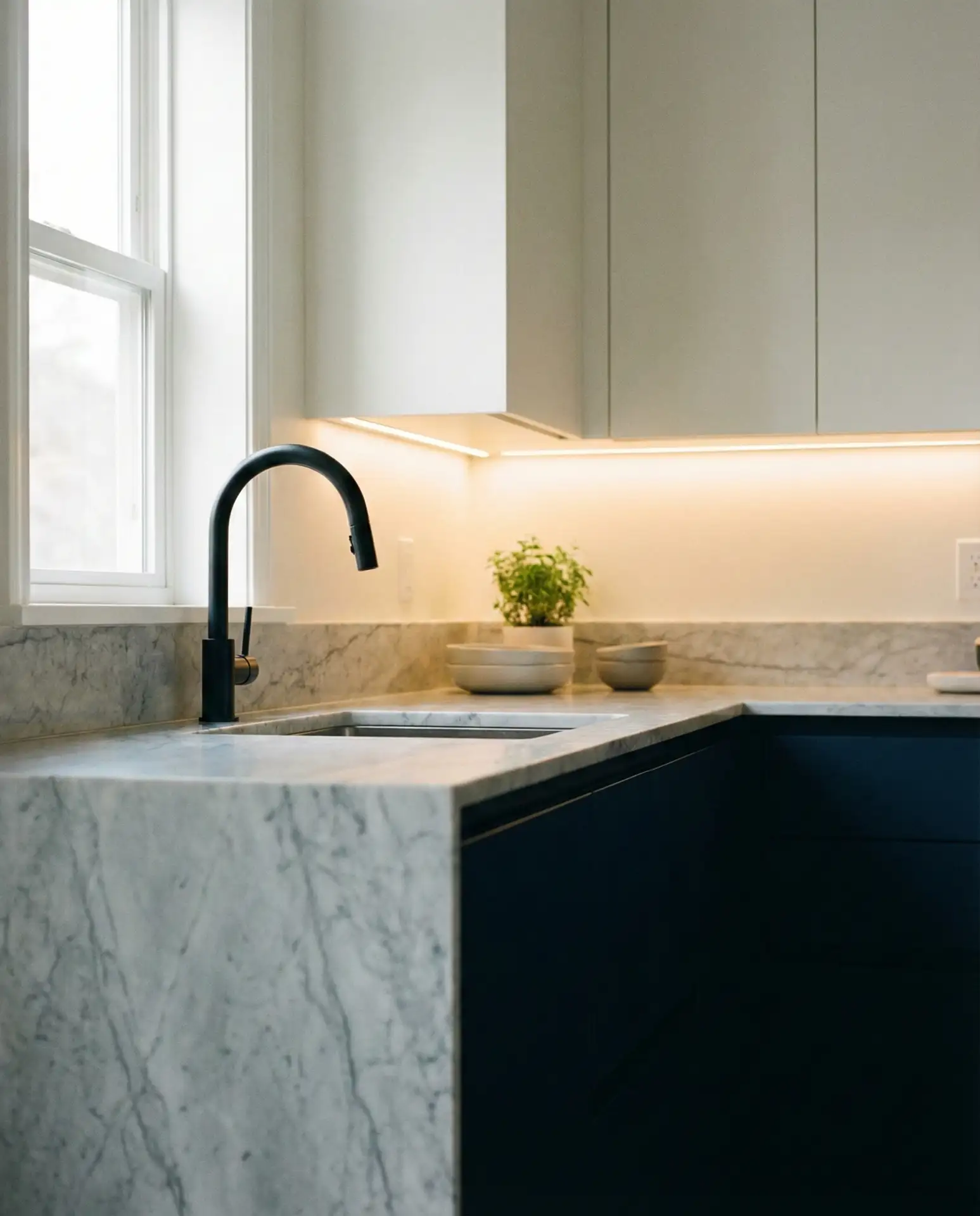
In the South and Southwest, where entertaining is central to home life, homeowners often position waterfall islands as the visual centerpiece of open-plan living areas. The continuous stone surface creates a sculptural effect that draws the eye and anchors the space. It’s a design move that says “this kitchen matters” without needing additional decoration. Just make sure your fabricator has experience with book-matched seams—the alignment of the veining is everything.
5. Tiny Galley Kitchen with Smart Storage
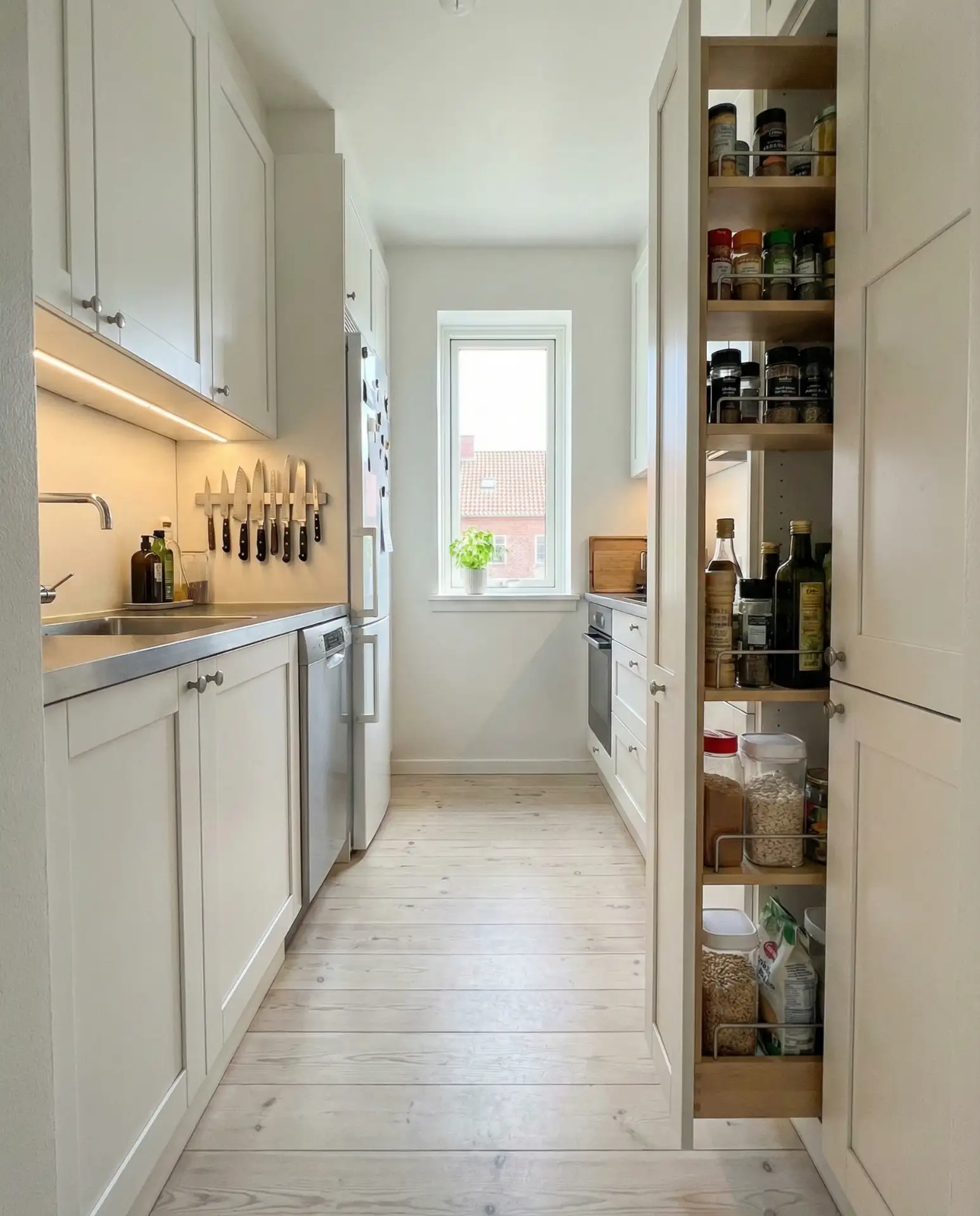
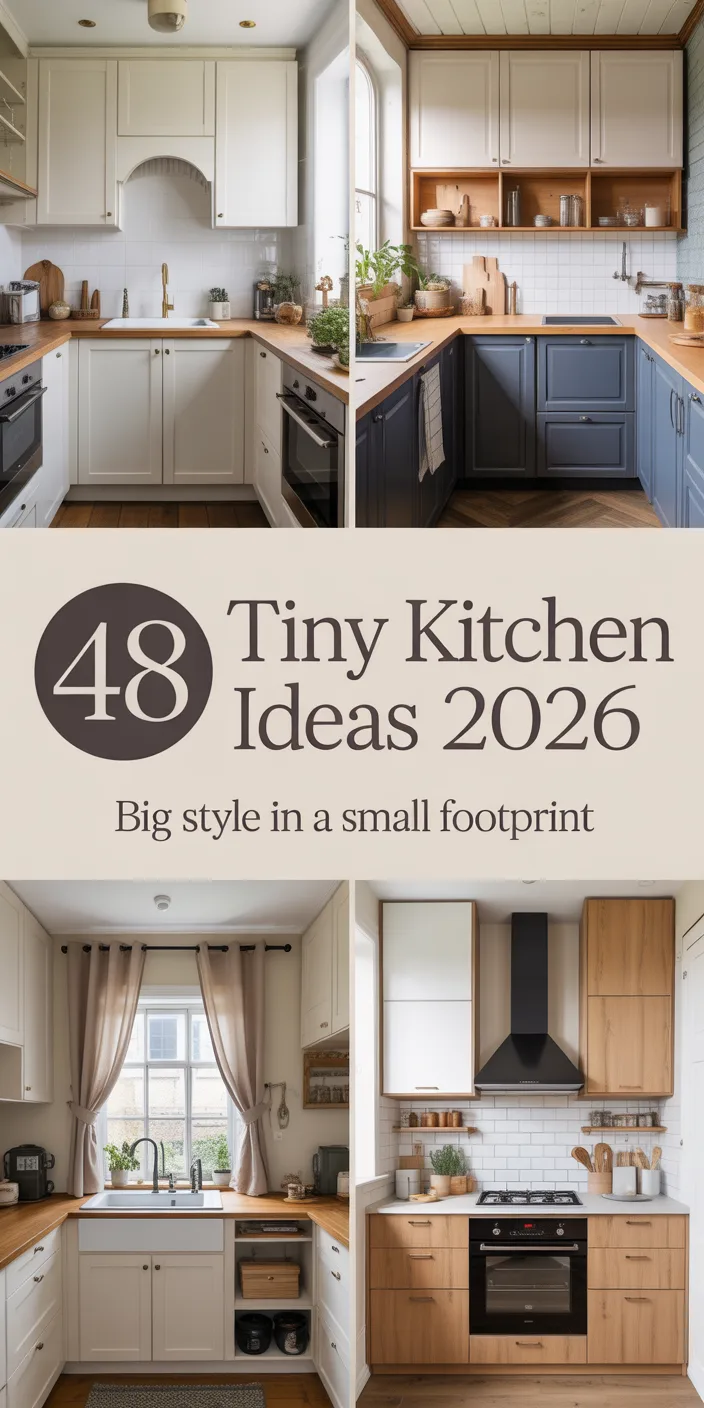
A tiny galley kitchen can be incredibly efficient when every inch is thoughtfully planned. This simple layout—two parallel counters with a narrow walkway—maximizes workflow and keeps everything within arm’s reach. The challenge is making it feel open rather than cramped, which means choosing light colors, reflective surfaces, and clever storage solutions that hide clutter without sacrificing accessibility.
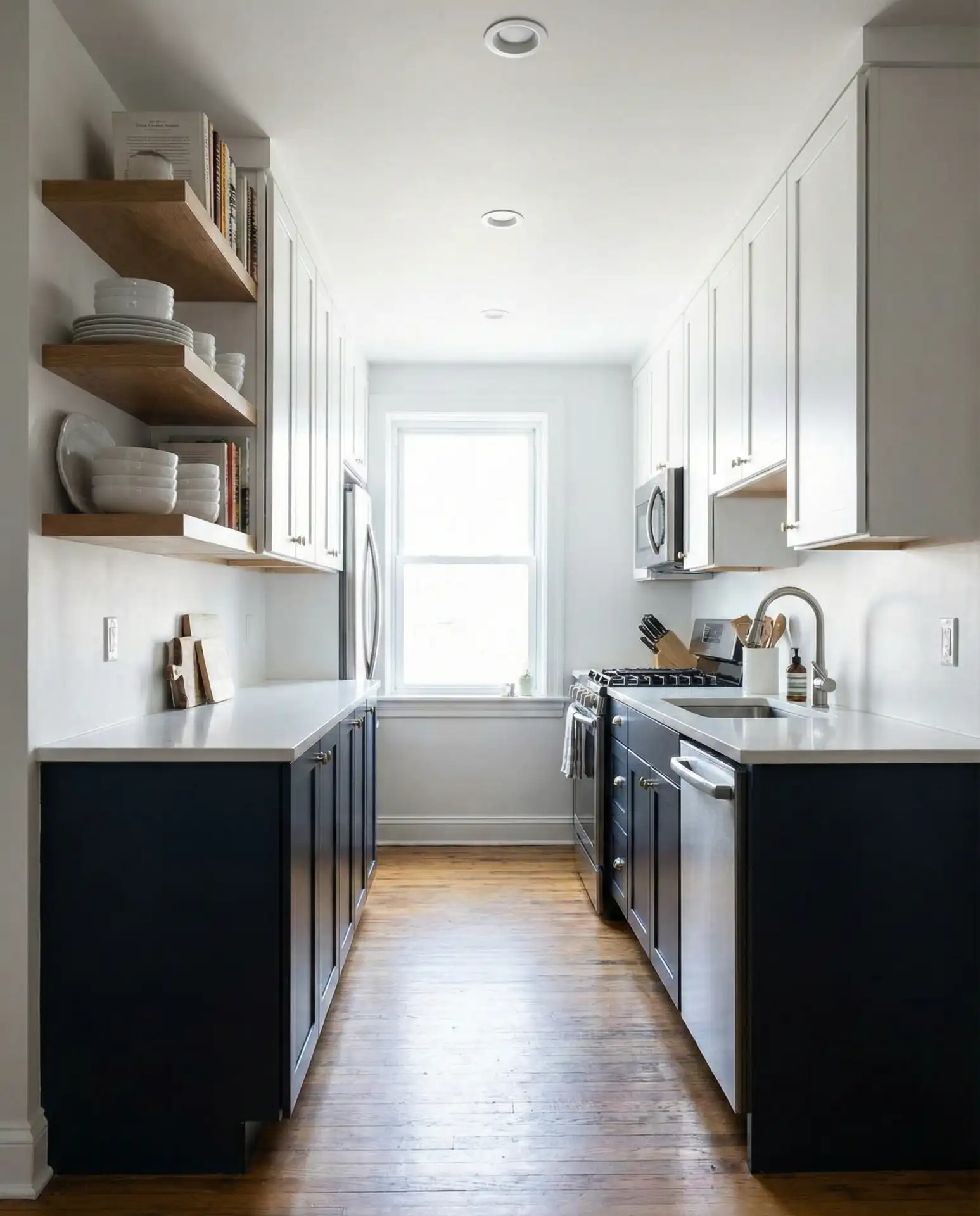
A common mistake in small kitchens is over-accessorizing the countertops. In a galley, you simply don’t have the real estate for a knife block, utensil crock, and appliance collection. Instead, use vertical space: mount rails for hanging tools, install magnetic strips for knives, and invest in drawer organizers that maximize every cubic inch. The goal is to keep counters as clear as possible so the space feels functional, not claustrophobic.
6. Green Cabinetry with Brass Accents
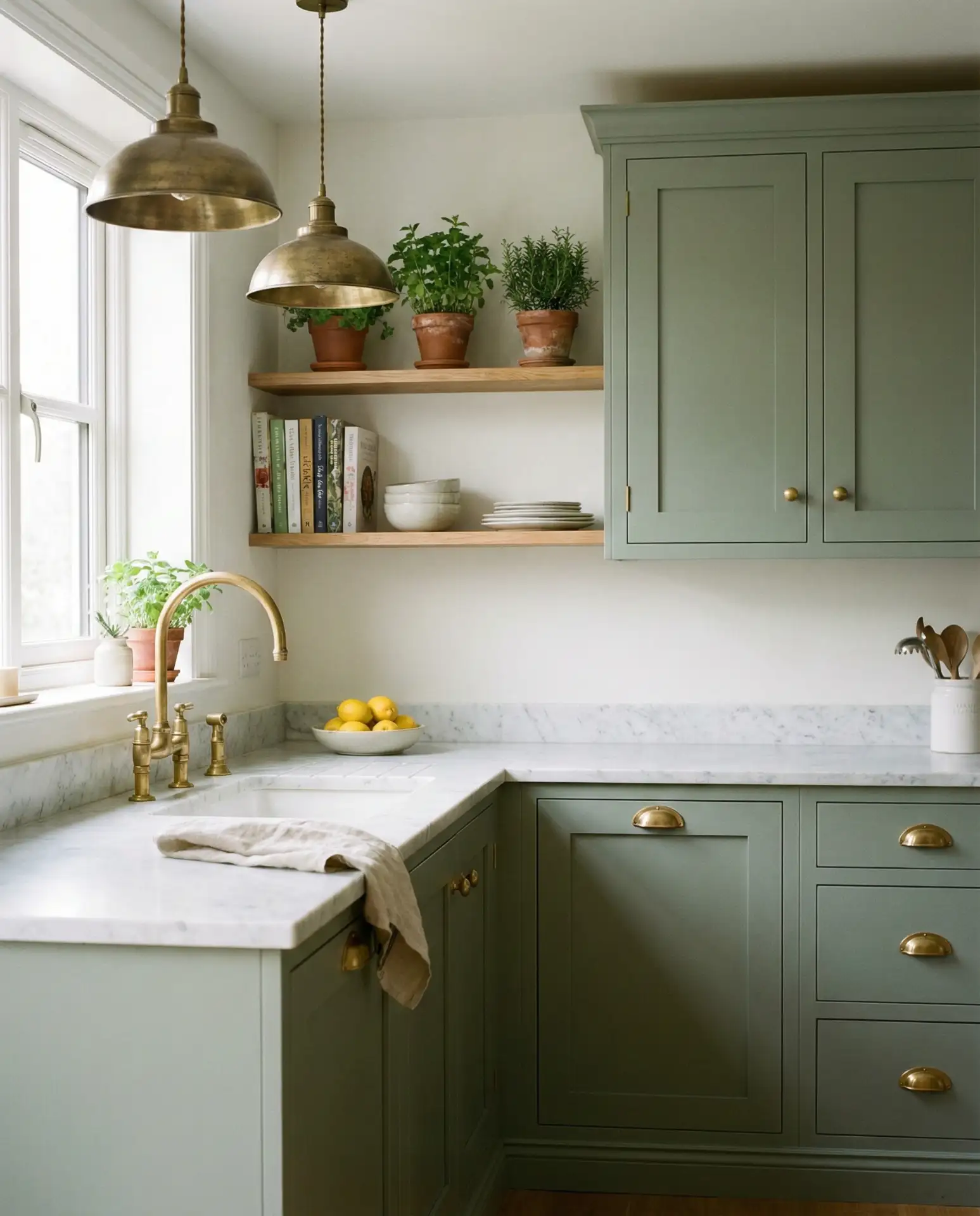
Deep green cabinets—sage, forest, or olive—bring a grounded, organic feel to the kitchen while still reading as fresh and current. Paired with warm brass hardware and fixtures, the combination feels both classic and of-the-moment. This color choice works beautifully in traditional homes but also in modern spaces where you want to add depth without going dark or moody.
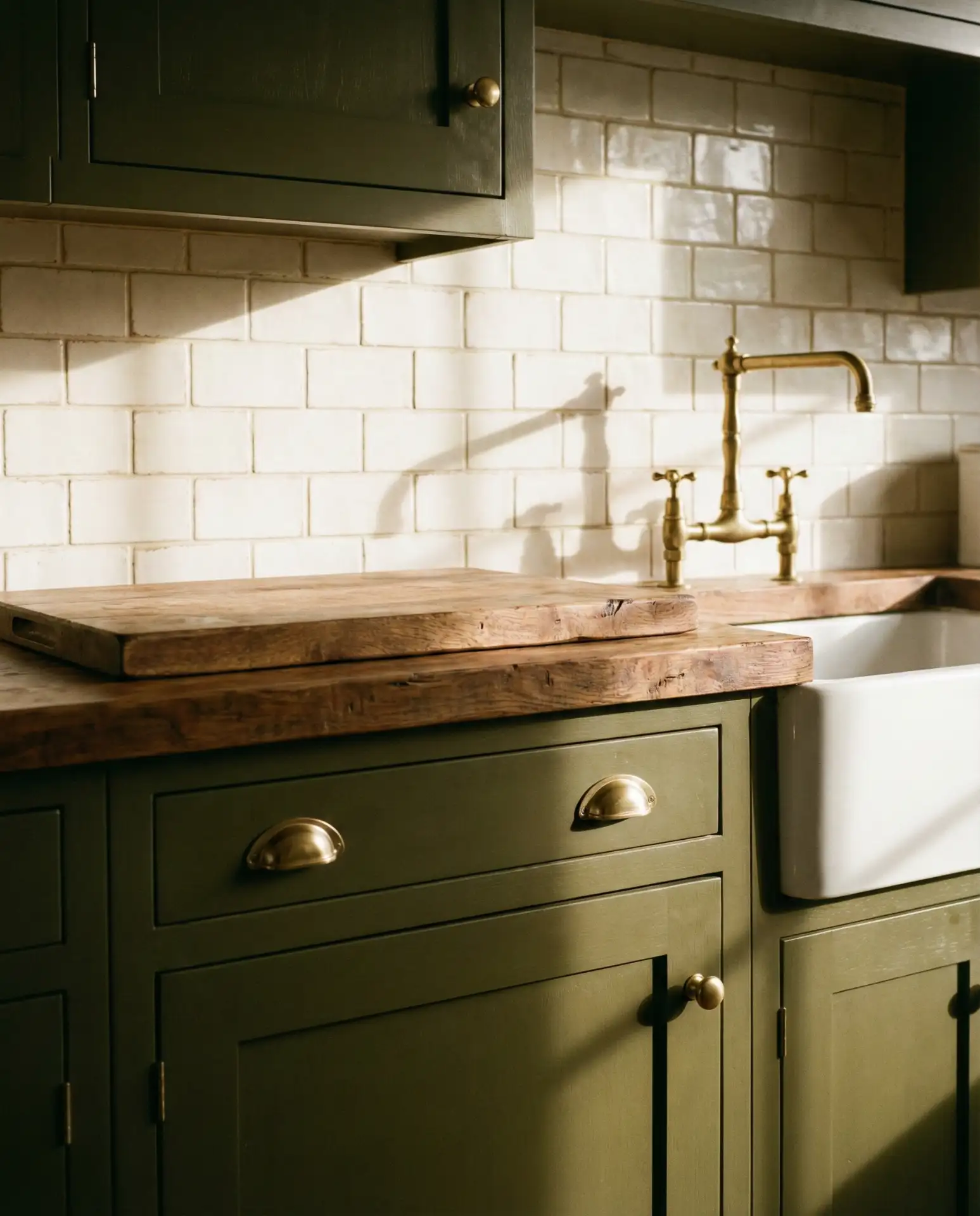
My neighbor recently repainted her dated oak cabinets in a muted sage and swapped the handles for brushed brass—it transformed the room for under a thousand dollars. She said the trick was using a high-quality primer and taking the time to lightly sand between coats. The brass developed a subtle patina within months, which she loved because it made the kitchen feel less “just finished” and more lived-in.
7. Mid Century Modern Walnut and White Contrast
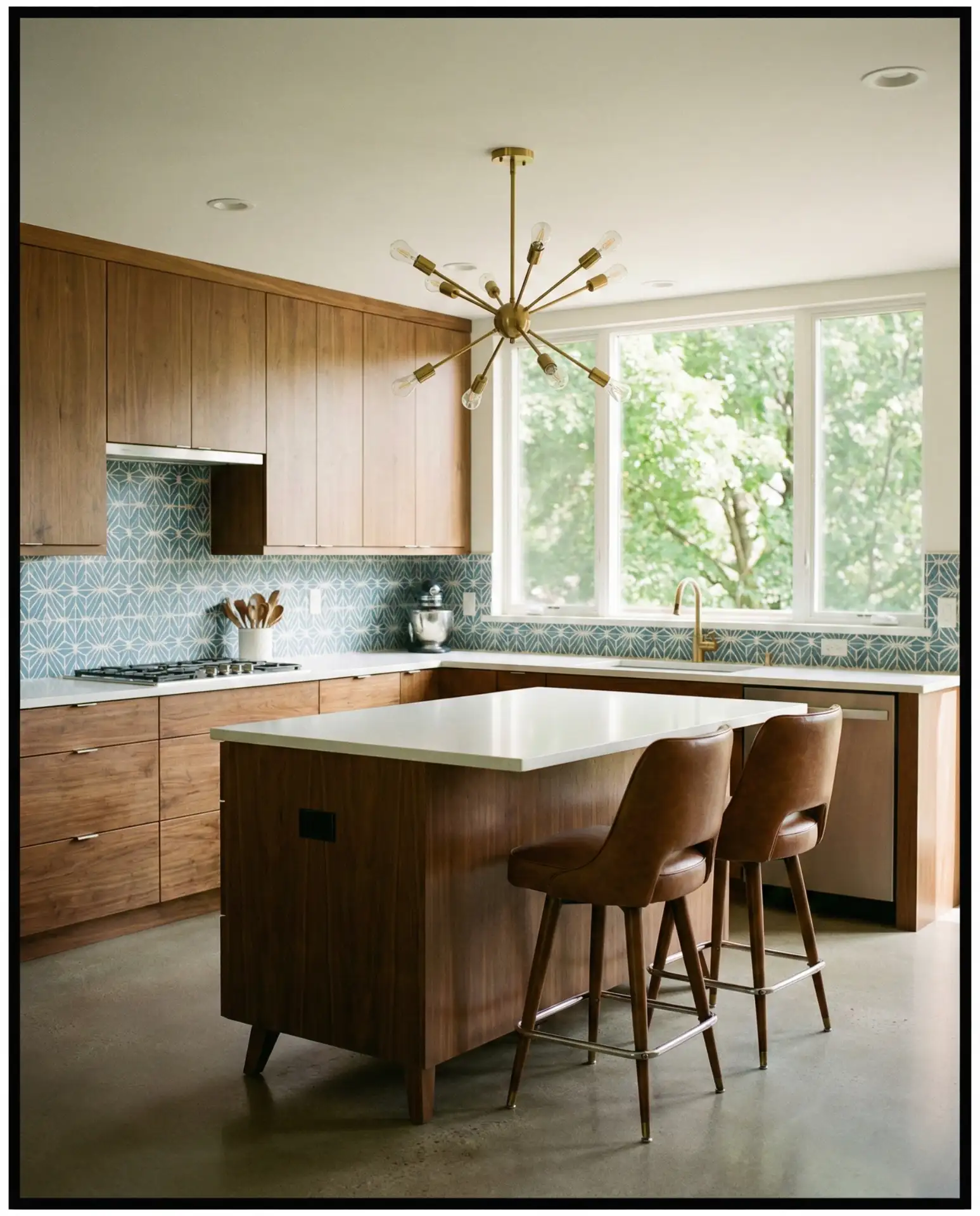
The mid century modern kitchen is all about clean lines, organic shapes, and a warm-meets-cool palette. Pairing rich walnut cabinetry with crisp white counters and backsplashes creates a timeless contrast that feels both retro and refreshingly current. This style thrives on simplicity and quality materials, with an emphasis on craftsmanship over ornamentation. It’s a look that suits ranch homes and bungalows but translates surprisingly well to contemporary spaces too.
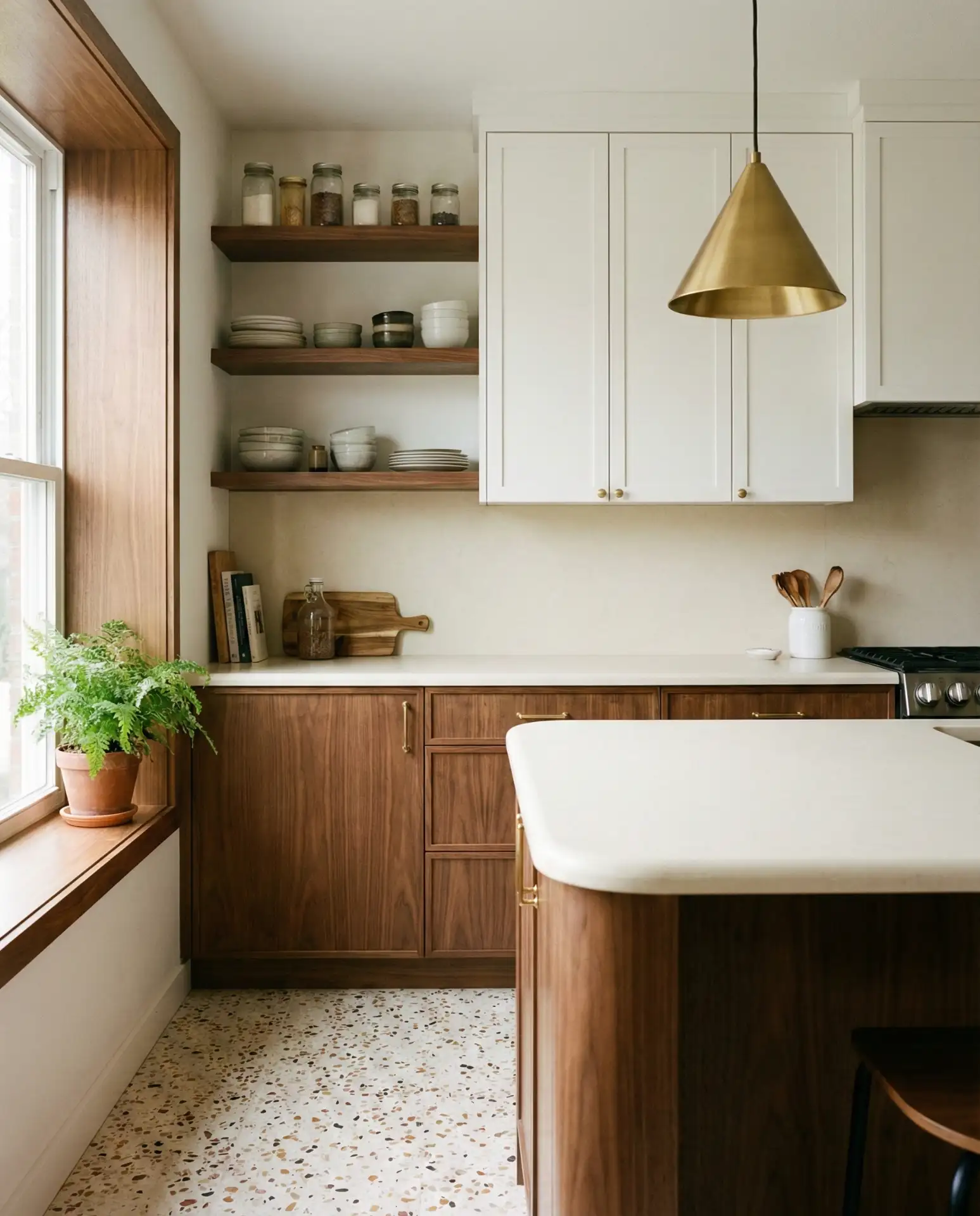
This style works best in homes with good natural light and ideally some period-appropriate architectural details—think large windows, vaulted ceilings, or original wood paneling. The walnut adds warmth and prevents the white from feeling sterile, while the white keeps the darker wood from overwhelming smaller spaces. Look for vintage or reproduction hardware with a matte brass or blackened finish to complete the look without veering into overly trendy territory.
8. Parallel Layout for Efficient Workflow
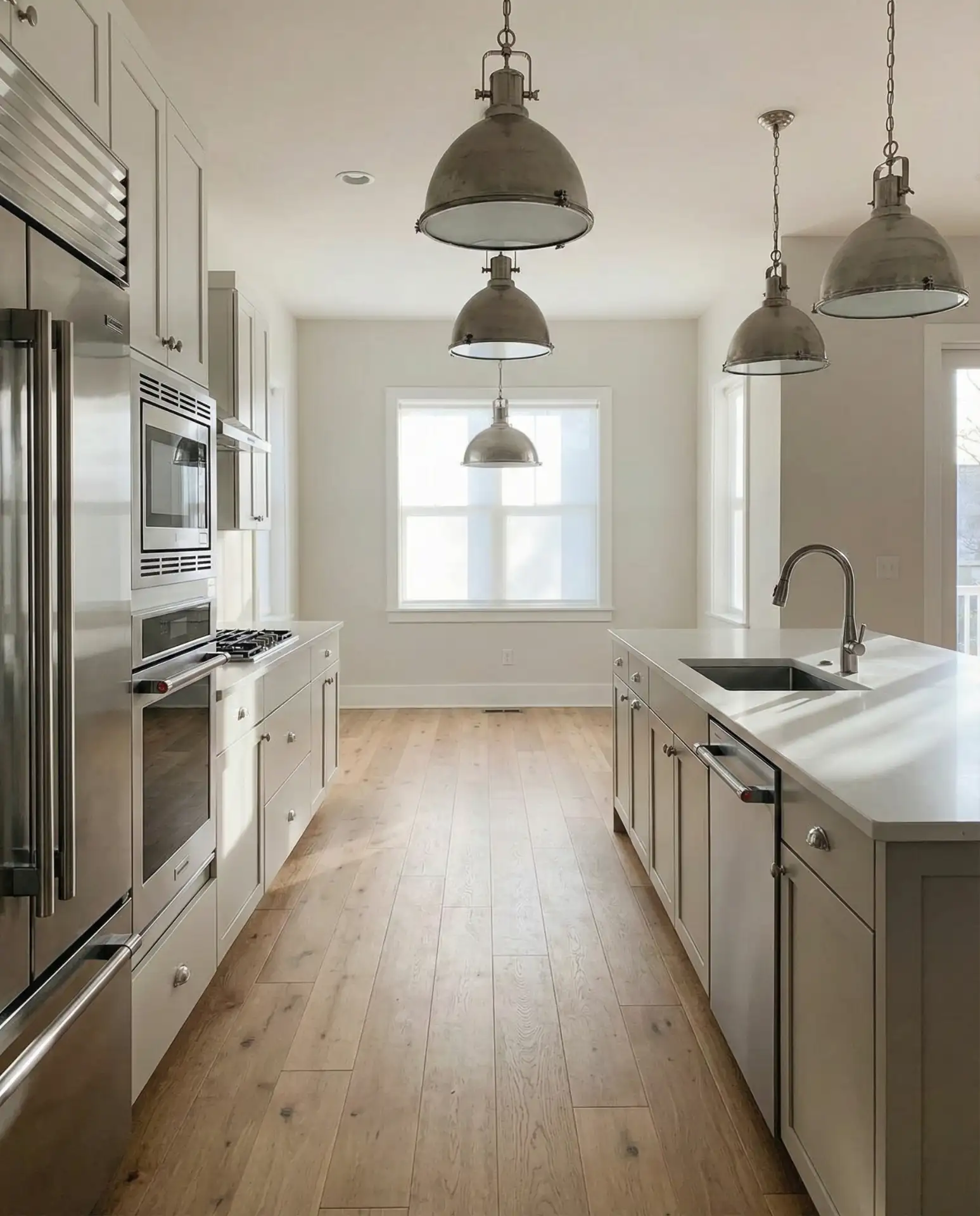
A parallel kitchen, with two runs of cabinetry facing each other, is one of the most efficient plans for serious cooks. This layout creates a natural work triangle, keeping prep, cooking, and cleanup zones within easy reach. It’s particularly smart in narrow spaces or as part of an open concept where one side can face into the living area, making it easier to engage with family or guests while you work.
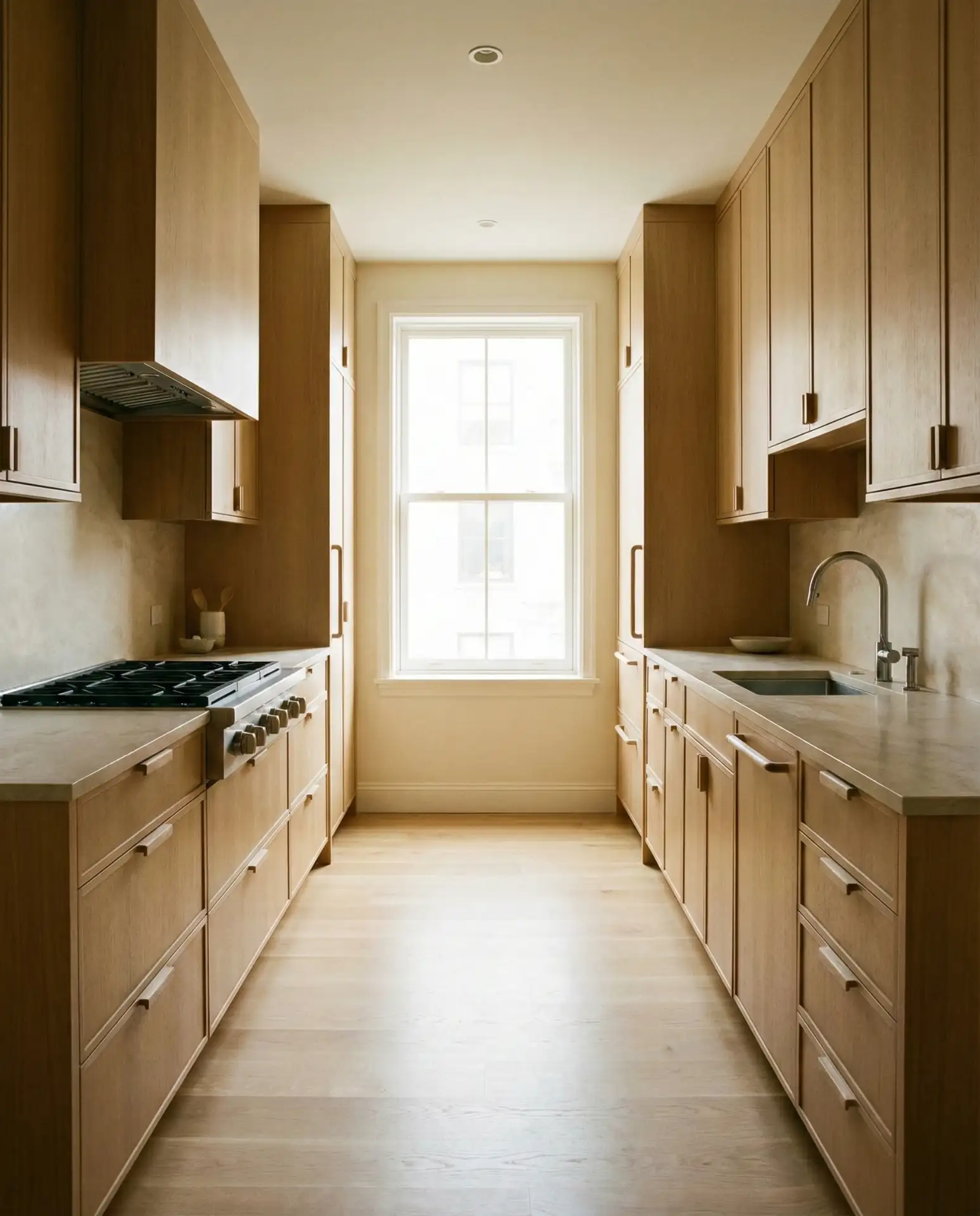
Expert kitchen designers recommend maintaining at least 42 inches between the two runs to allow for comfortable movement and for cabinet doors and appliances to open without collision. If you’re designing this layout in a condo or older home, double-check your clearances—especially if you’re adding larger appliances. The parallel setup shines when you have 8 to 10 feet of width to work with, but anything narrower can feel tight when two people are cooking.
9. Outdoor Kitchen with Stone and Steel
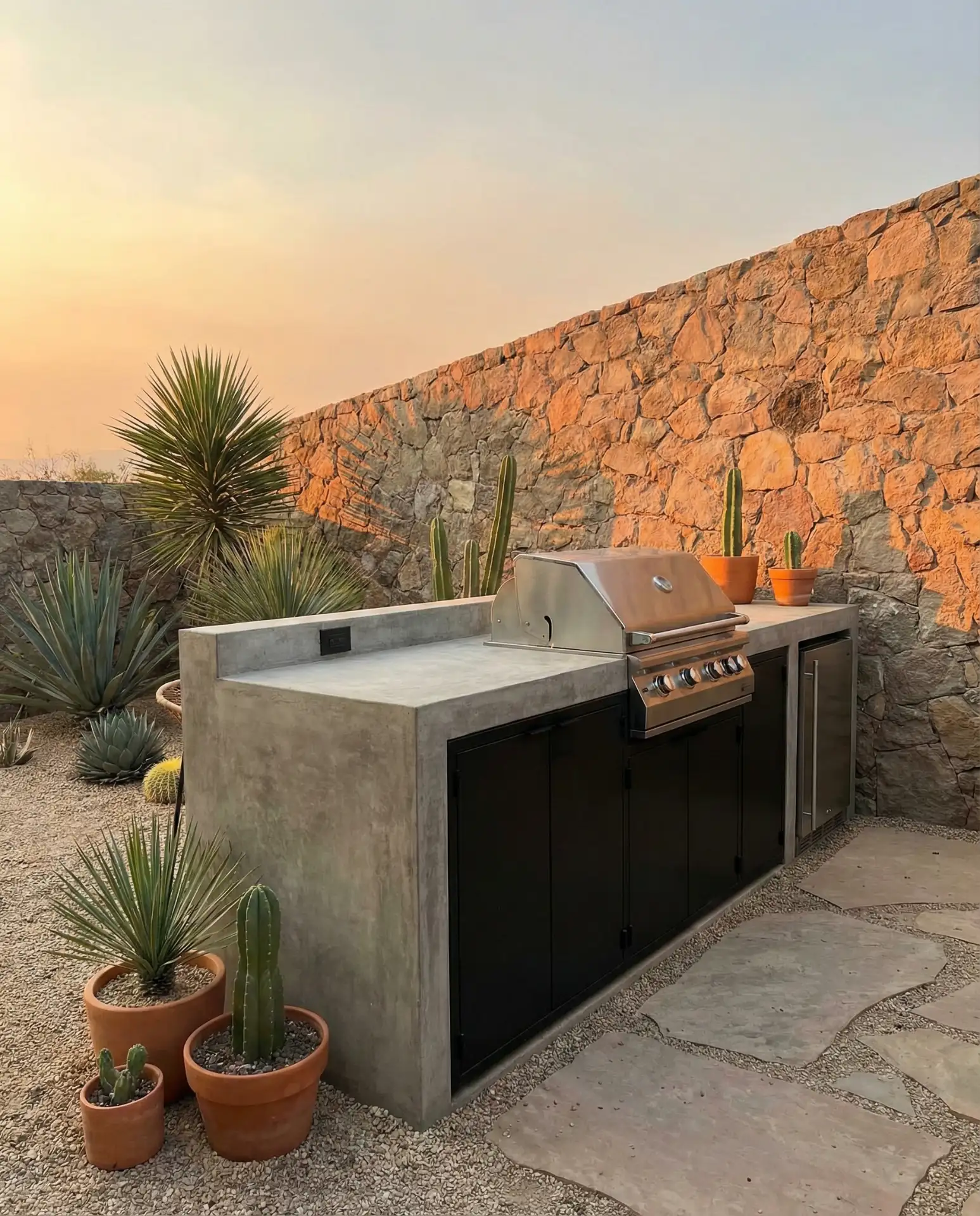
An outdoor kitchen extends your living space and transforms warm-weather entertaining. Built with durable materials like stacked stone, stainless steel appliances, and weather-resistant cabinetry, these setups range from simple grill stations to full luxury cooking suites. In states like Texas, Arizona, and California, where outdoor living is nearly year-round, homeowners are investing in permanent structures with built-in fridges, sinks, and even pizza ovens.
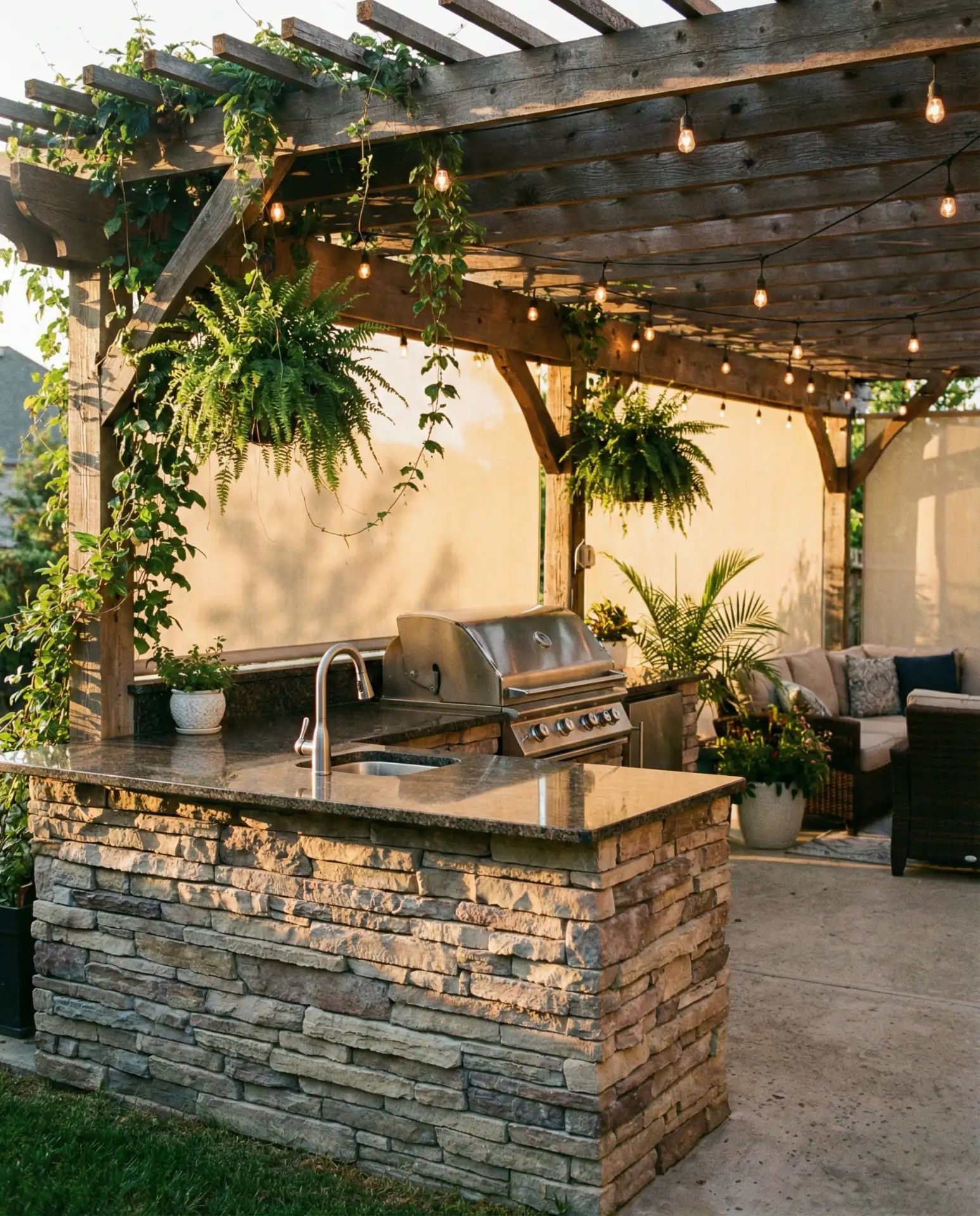
Real homeowner behavior shows that outdoor kitchens get the most use when they’re positioned close to the indoor kitchen—ideally with a direct sight line through sliding doors. This makes it easy to shuttle food, drinks, and supplies without constant trips around the house. Also, consider shade and wind direction. A covered or partially enclosed setup will see far more use than one fully exposed to the elements, even in mild climates.
10. Latest Modular Systems for Flexibility
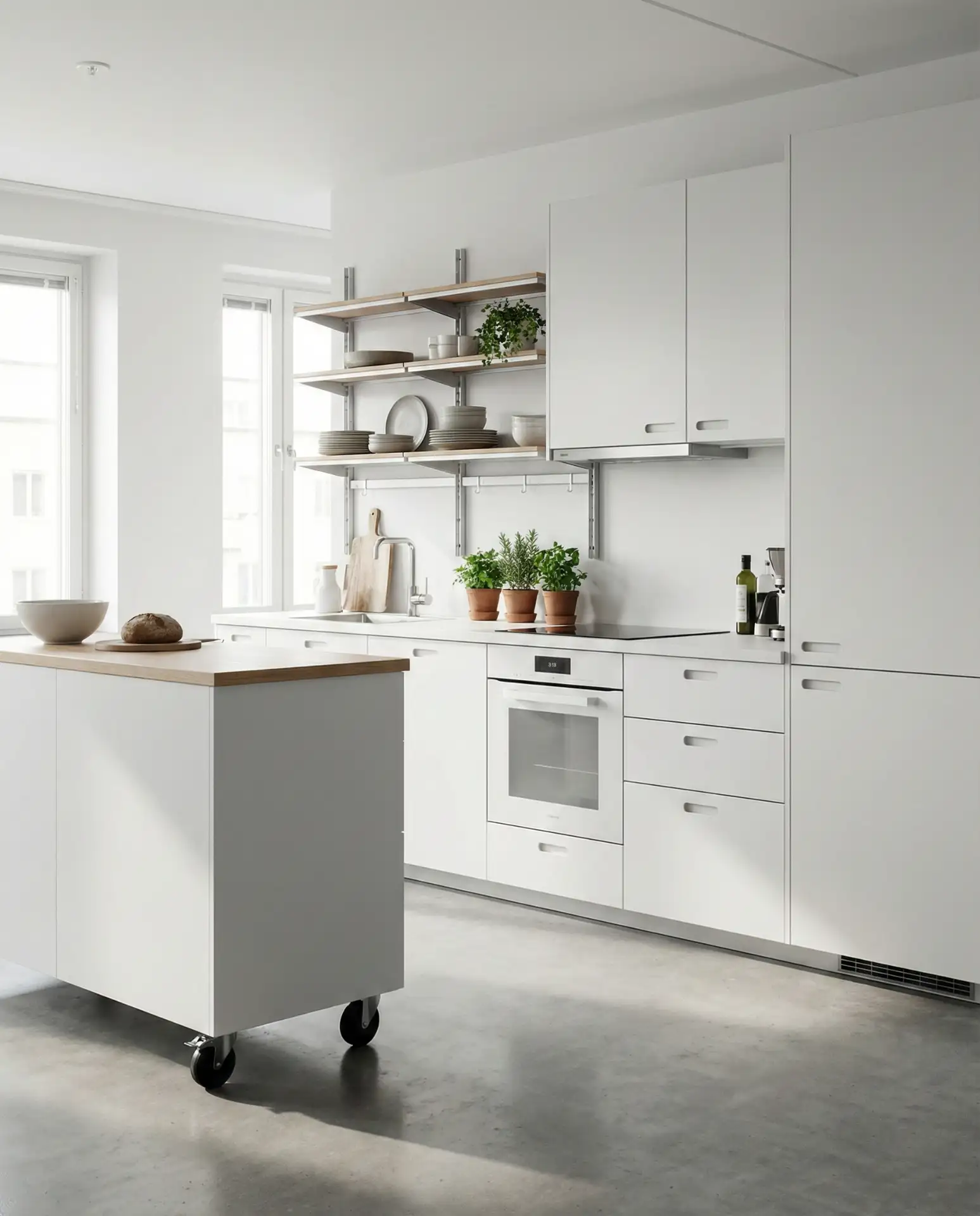
The latest modular kitchen systems offer unmatched flexibility for renters, frequent movers, or anyone who values adaptability. These modular units—often freestanding or wall-mounted—can be reconfigured as your needs change, making them ideal for small space living or unconventional floor plans. They’re designed with a contemporary aesthetic and smart storage, proving that modular doesn’t mean makeshift.
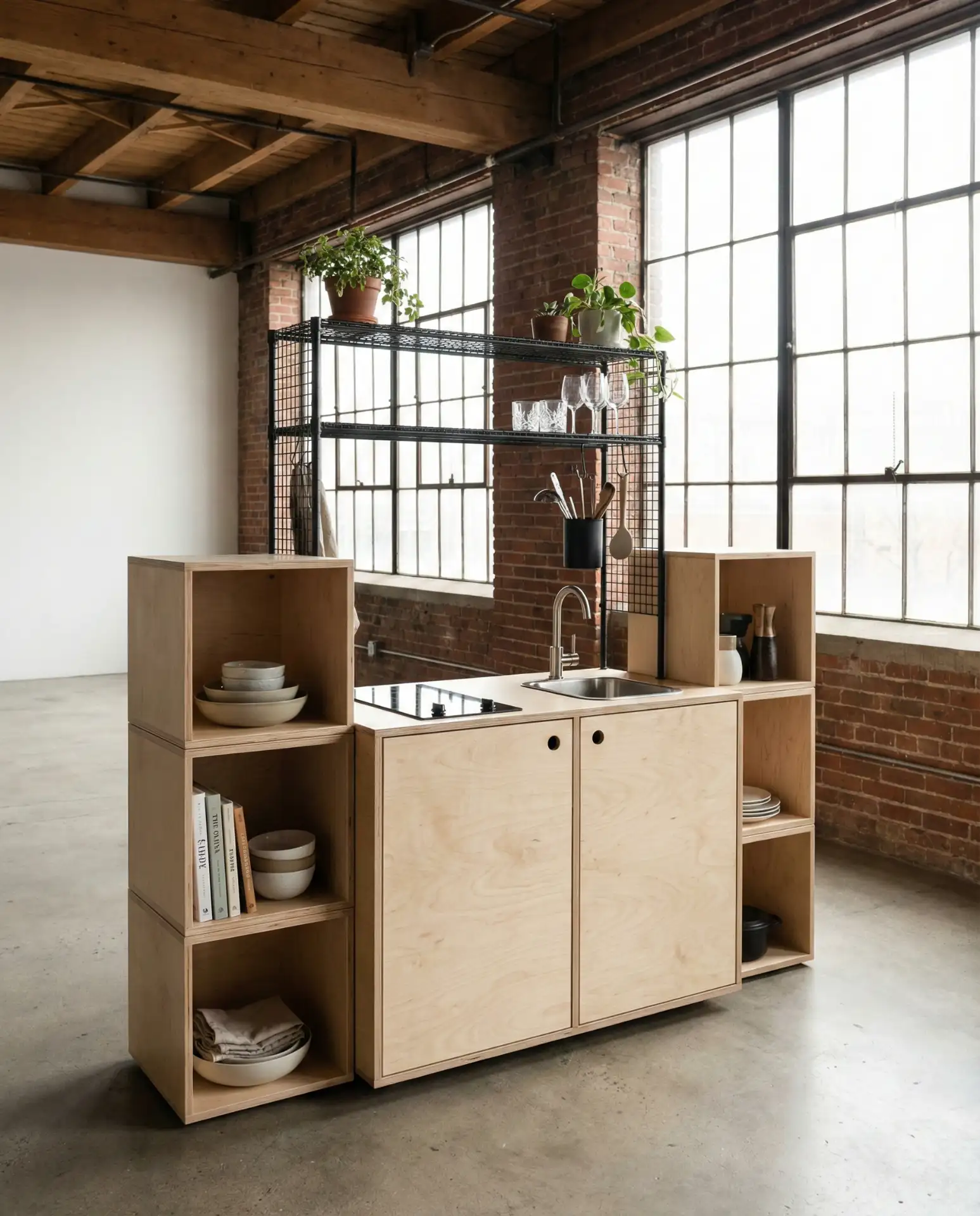
Budget-conscious buyers are drawn to modular kitchens because you can start with the essentials and add pieces over time. A basic setup—sink module, cooktop, and a few cabinets—can cost a fraction of a custom build. As your budget grows, you add a dishwasher module, more storage, or a breakfast bar. The key is choosing a system with longevity and compatibility, so pieces purchased years apart still fit together seamlessly.
11. Scandinavian White with Light Wood Tones
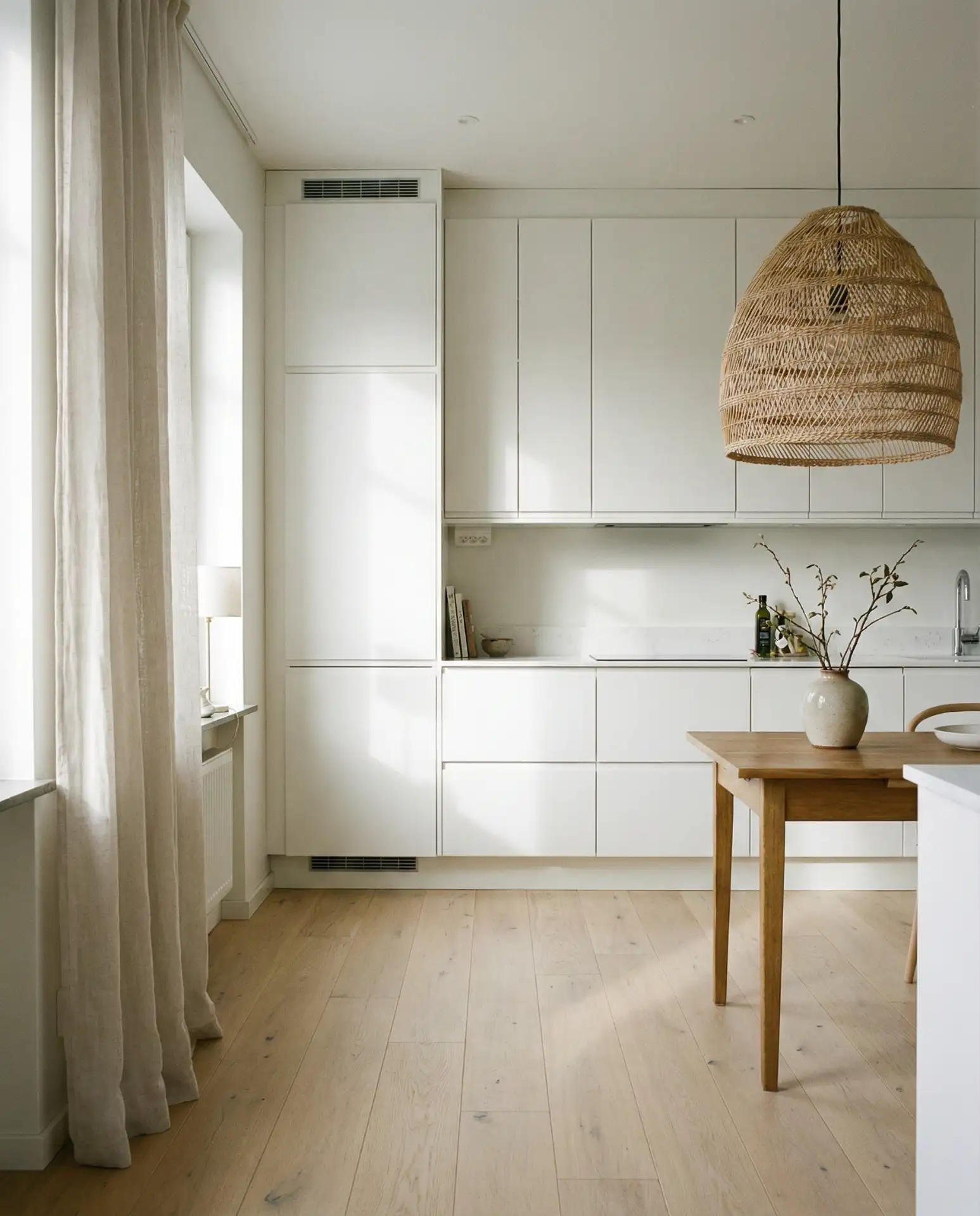
A Scandinavian kitchen is bright, airy, and effortlessly functional, built around white walls, pale wood cabinets, and simple, honest materials. This minimal aesthetic emphasizes quality over quantity, with every element chosen for both beauty and purpose. It’s a style that feels welcoming rather than cold, thanks to the warmth of natural wood and the soft, diffused light that’s central to Nordic design philosophy.
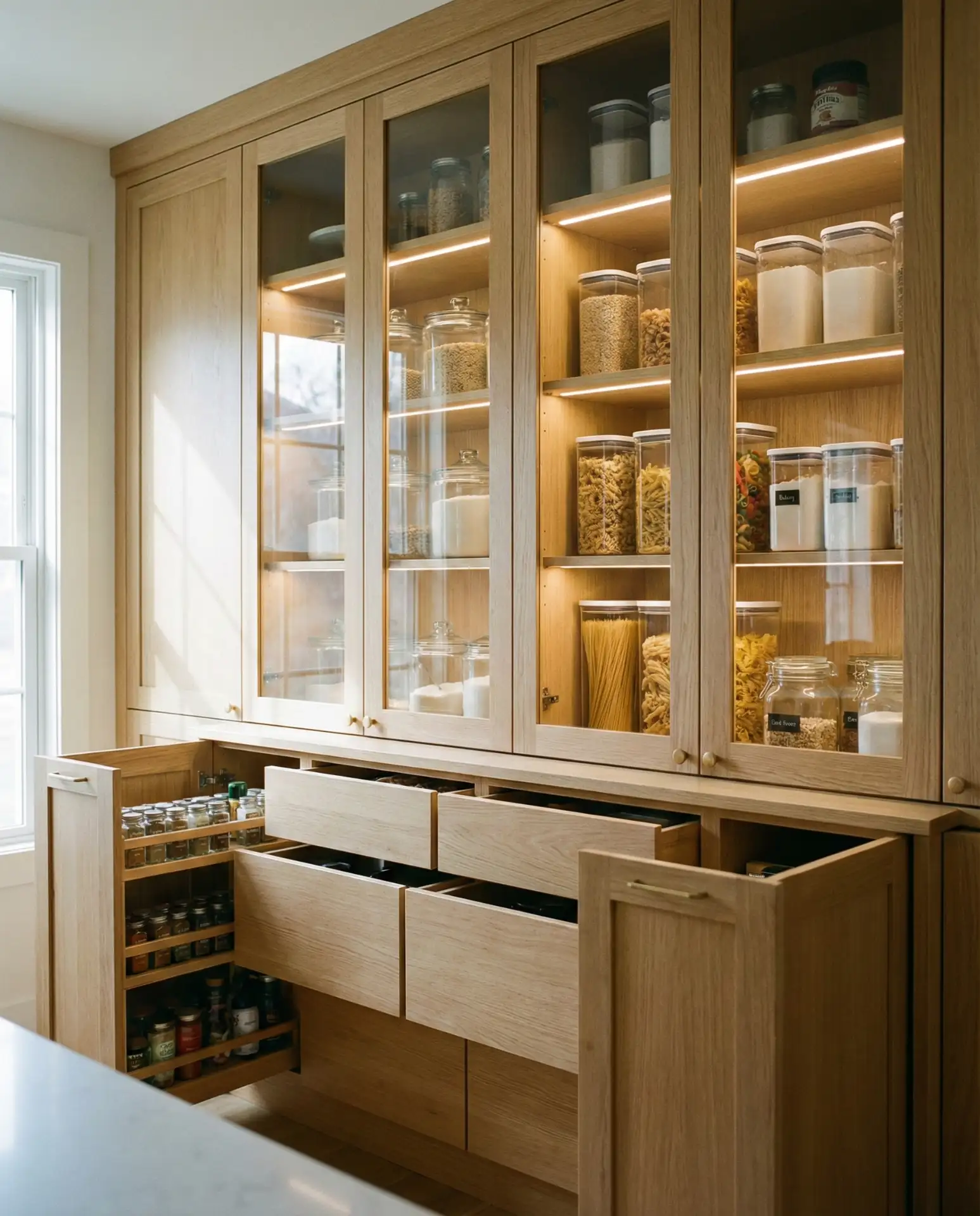
This style works particularly well in northern states like Minnesota, Wisconsin, and the Pacific Northwest, where maximizing natural light during darker months is essential. The pale palette bounces light around the room, making even compact kitchens feel spacious. To avoid a sterile look, layer in texture through linen tea towels, wooden cutting boards, and live plants. The goal is a space that feels calm and curated, not stark or uninviting.
12. Dream Kitchen with Custom Pantry Wall
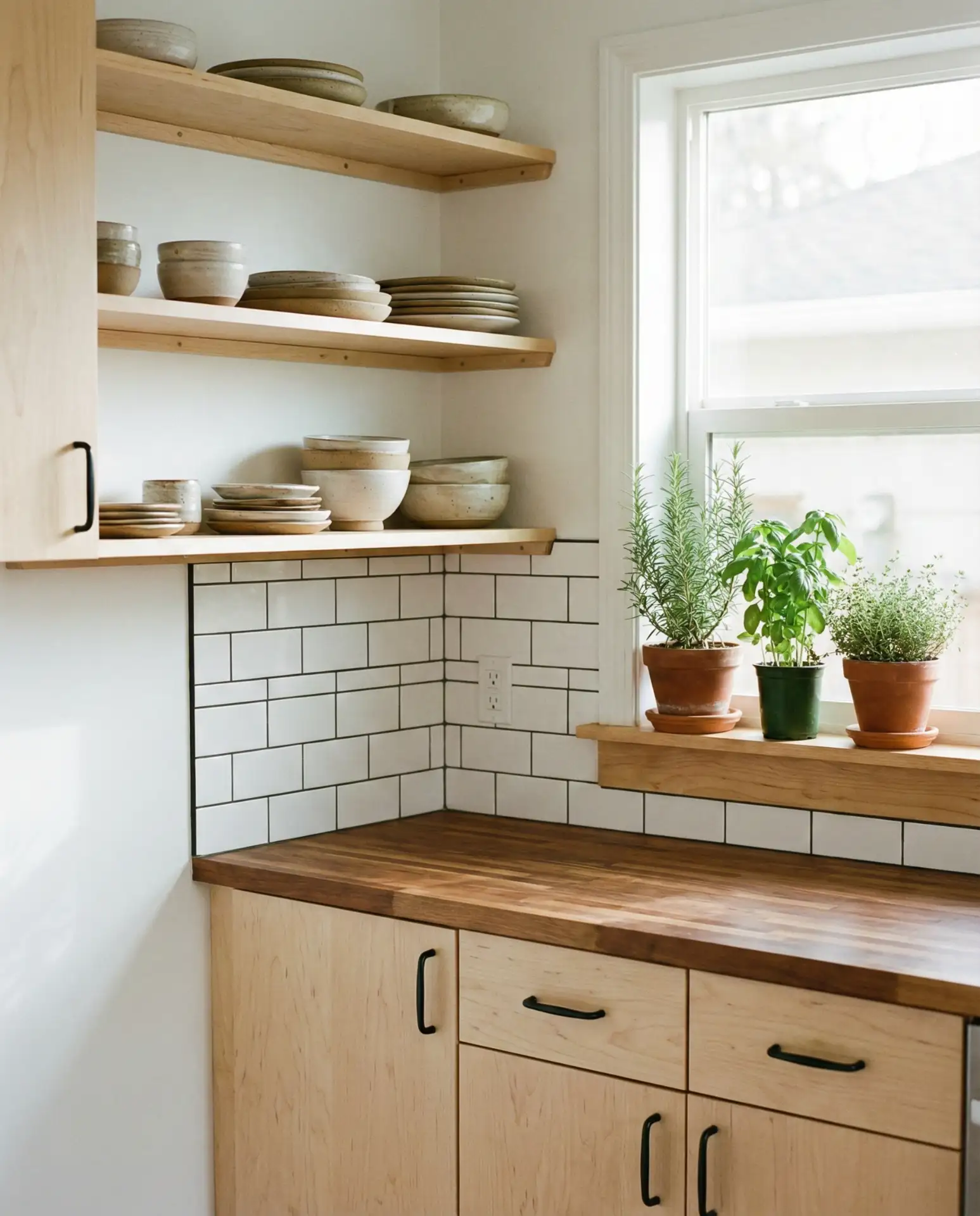
A floor-to-ceiling pantry wall is a dream feature for anyone who cooks regularly or feeds a family. This ideas-rich design dedicates an entire wall to storage, with pull-out drawers, adjustable shelving, and designated zones for everything from dry goods to small appliances. When done with elegant cabinetry that blends seamlessly into the kitchen, it feels less like a closet and more like an integrated part of the design.
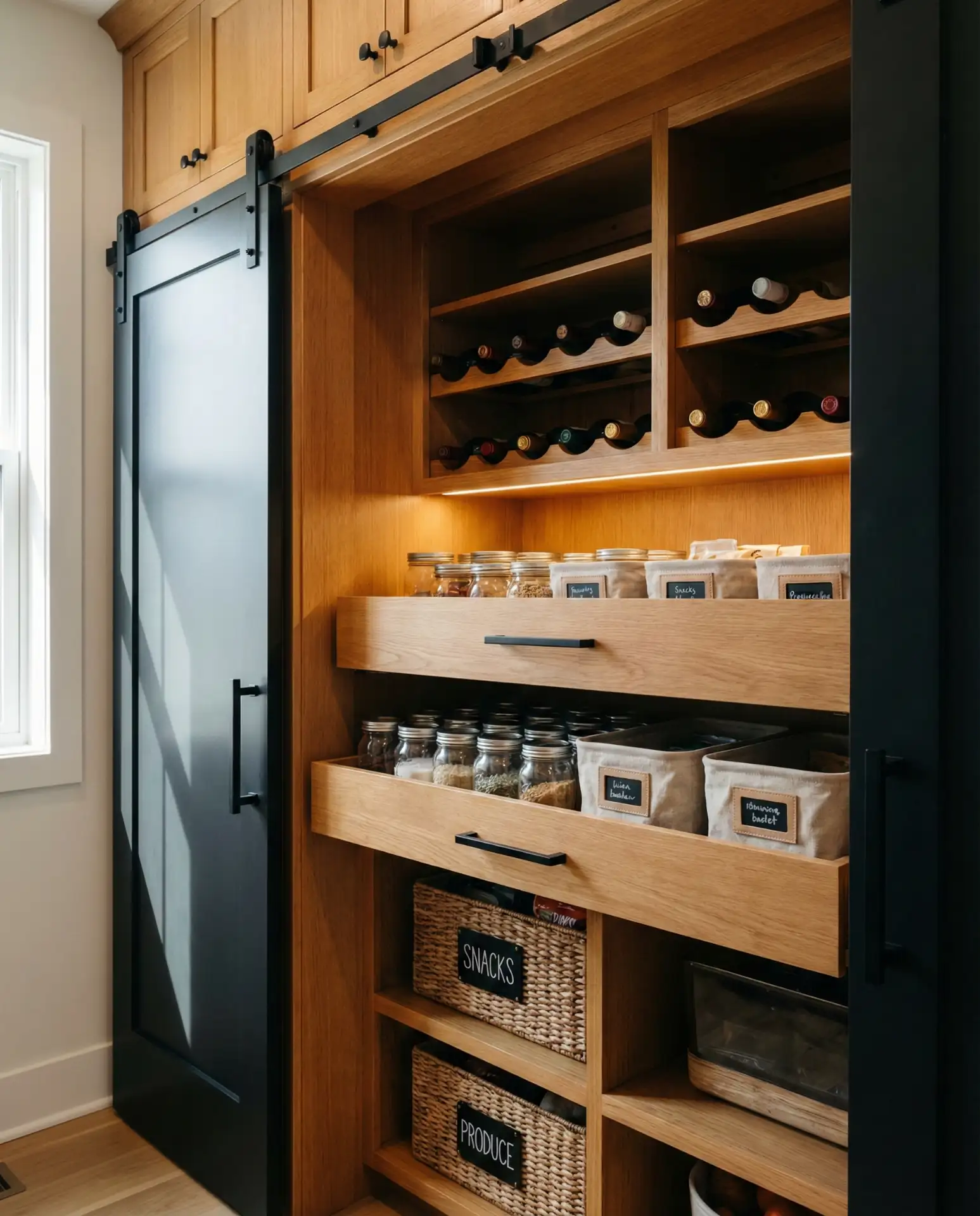
In the Midwest, where bulk buying and seasonal preserving are common, homeowners often build pantry walls with deeper shelves to accommodate larger containers and canning jars. The design can include pull-out baskets for produce, dedicated wine storage, and even a small counter for a coffee station. It’s a feature that pays dividends in daily convenience and can actually increase your home’s resale value, especially in family-friendly neighborhoods.
13. Tiny Urban Kitchen with Vertical Storage
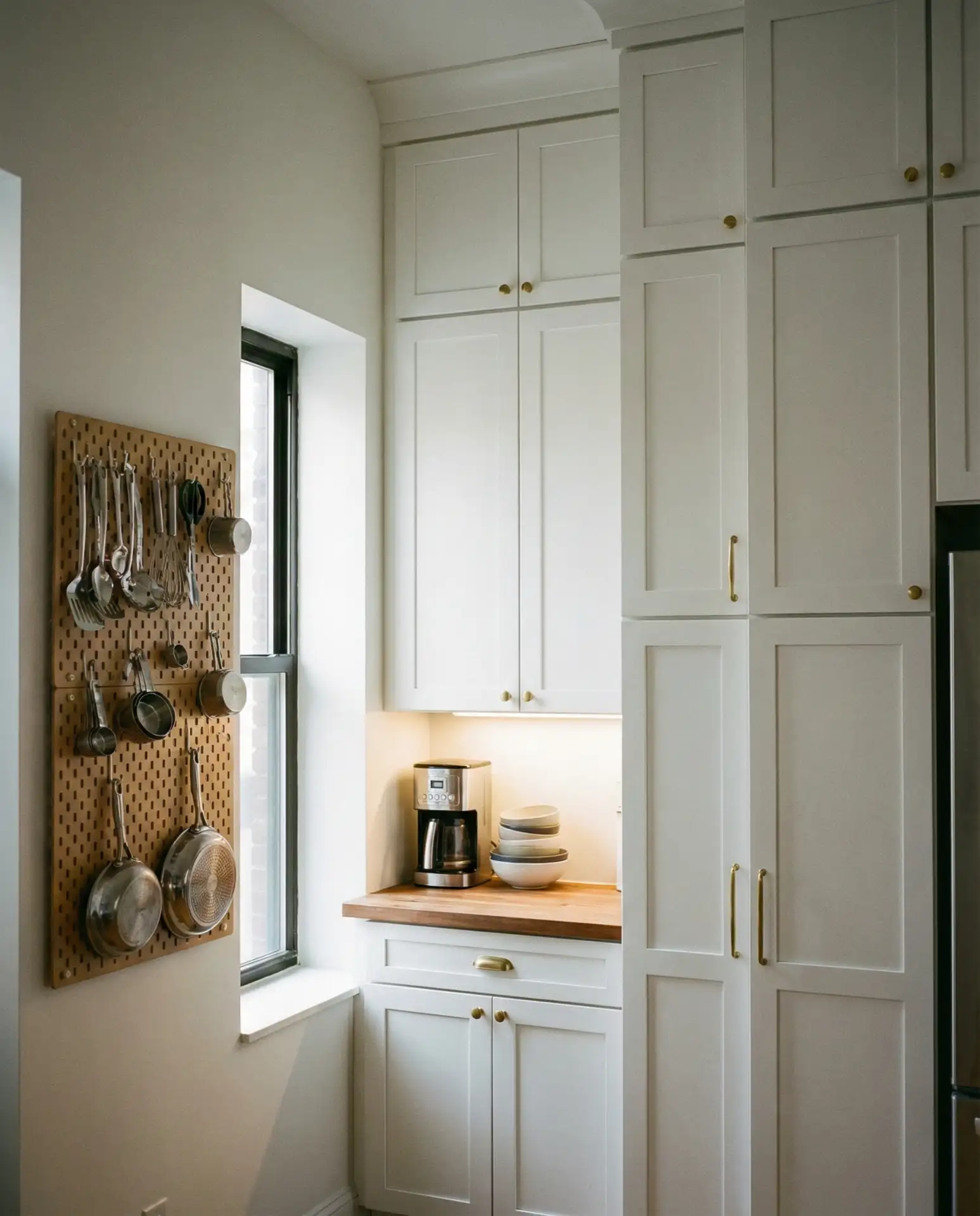
Urban tiny kitchens demand creative thinking, and the secret is building up instead of out. Floor-to-ceiling cabinetry, wall-mounted racks, and magnetic storage strips make use of every vertical inch, keeping counters clear and creating a surprisingly functional space. This simple strategy works in studio apartments, converted lofts, and any home where square footage is precious and every decision counts.
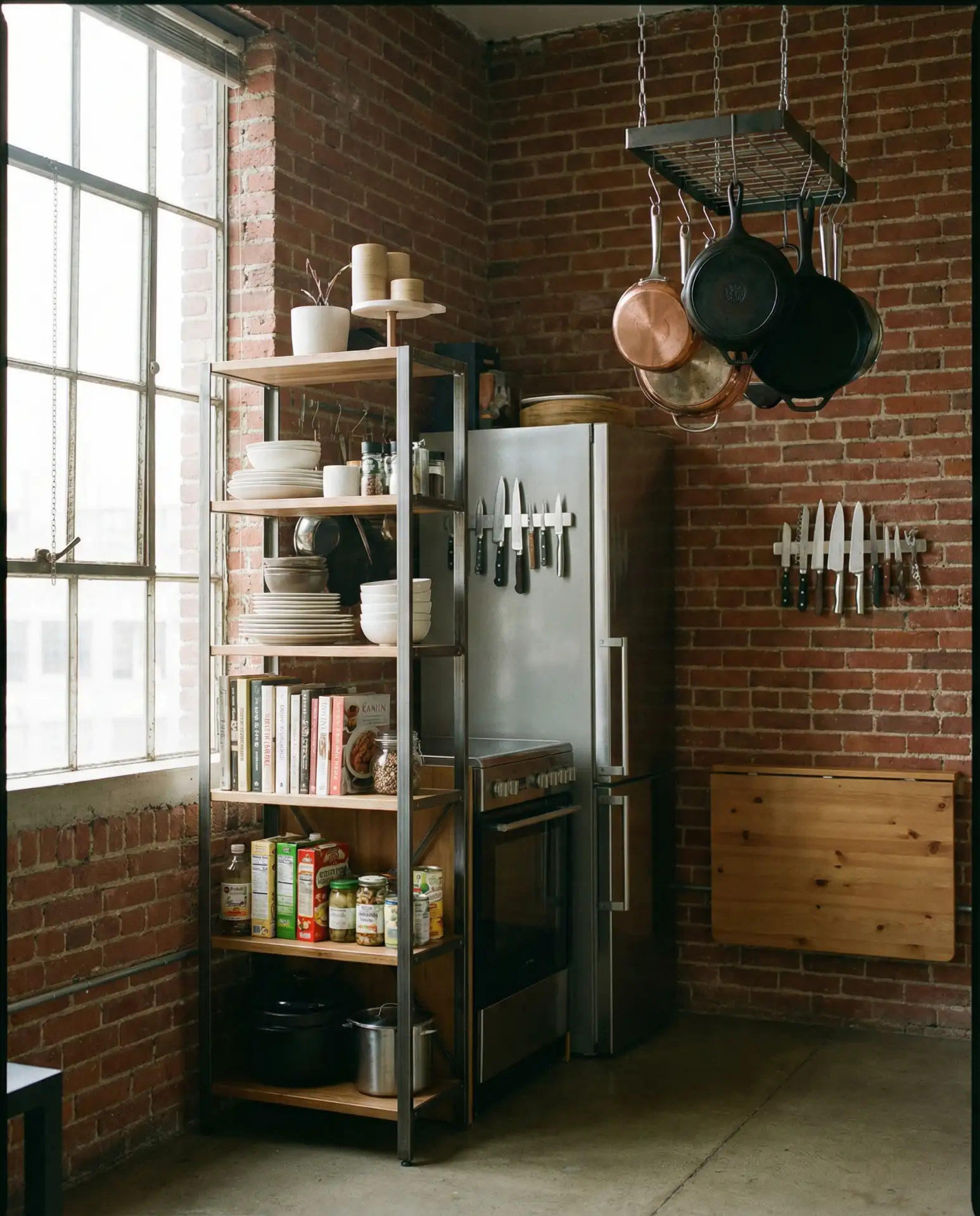
A common mistake in tiny kitchens is installing upper cabinets that stop short of the ceiling, wasting valuable storage. Extending cabinets all the way up—even if you need a step stool to reach the top shelf—gives you space for items you don’t use daily, like holiday dishes or bulk pantry goods. Another error is choosing appliances that are too large for the space. A 24-inch dishwasher, a compact fridge, and a two-burner cooktop can meet most needs while preserving precious counter space.
14. Luxury Kitchen with Statement Range Hood
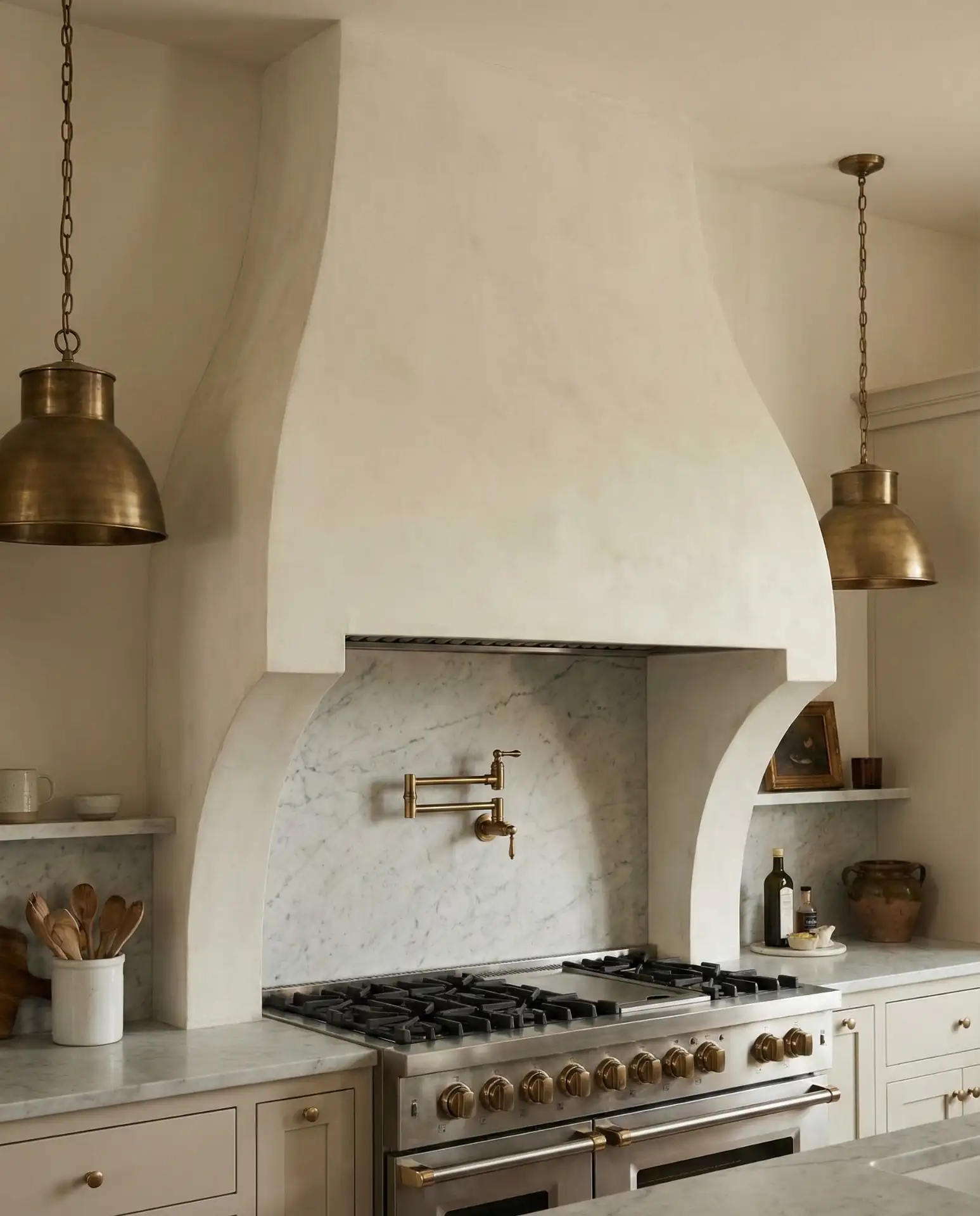
A custom or designer range hood can serve as the focal point of a luxury kitchen, elevating the entire space with sculptural presence. Whether it’s a hammered copper hood, a sleek geometric design in stainless steel, or a plaster hood integrated into the architecture, this element commands attention. It’s a latest trend that speaks to homeowners who view the kitchen not just as a workspace but as a statement of personal style and craftsmanship.
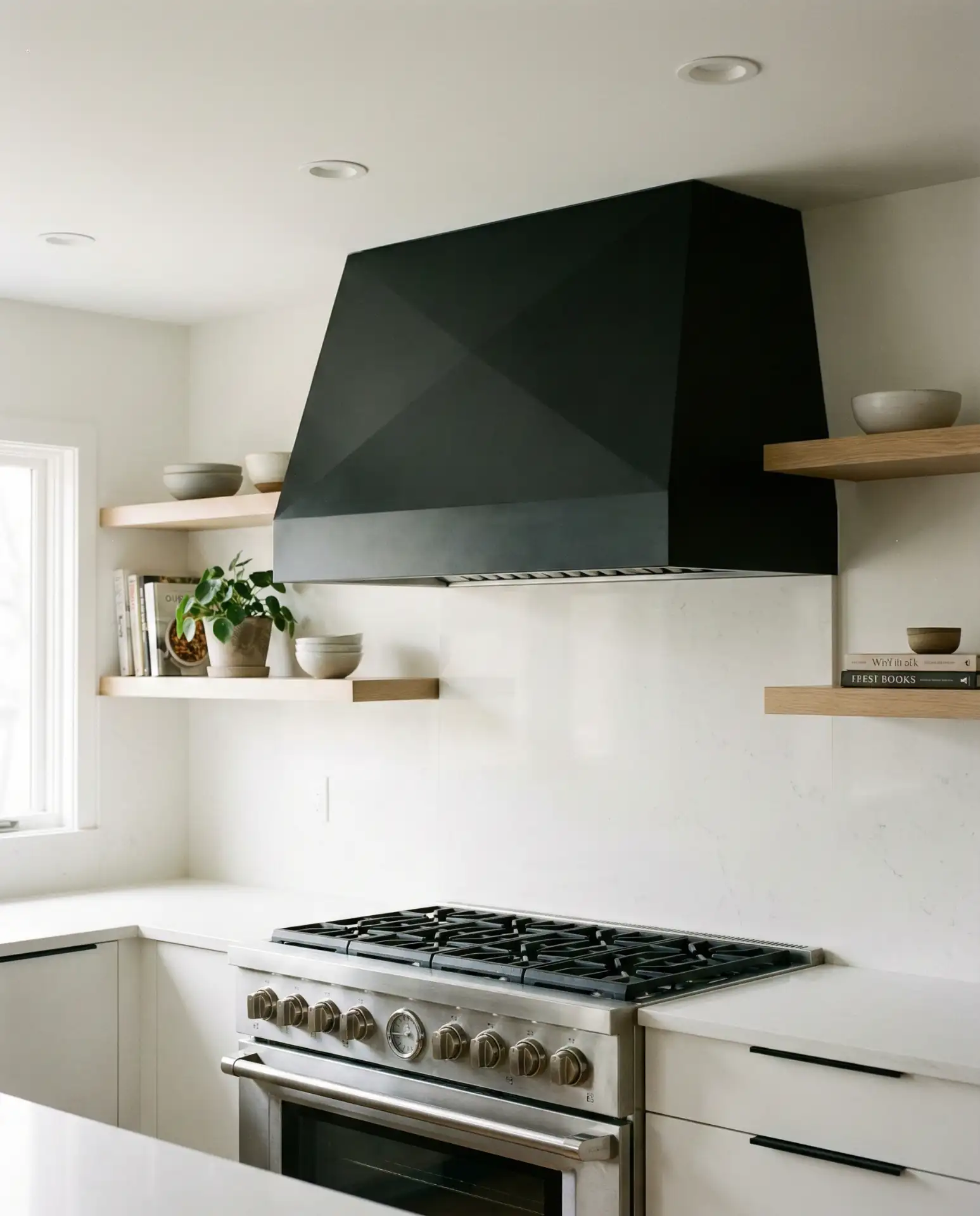
In high-end markets like coastal California and the Northeast, custom hoods are often fabricated by local artisans or imported from European manufacturers known for their craftsmanship. The price can range from a few thousand dollars for a well-designed stock option to upwards of fifteen thousand for a fully custom piece. If budget is a concern, consider a stock hood with custom finishing—adding a plaster surround or custom metalwork can achieve a similar high-end look for a fraction of the cost.
15. Classic Shaker Cabinets with Timeless Appeal
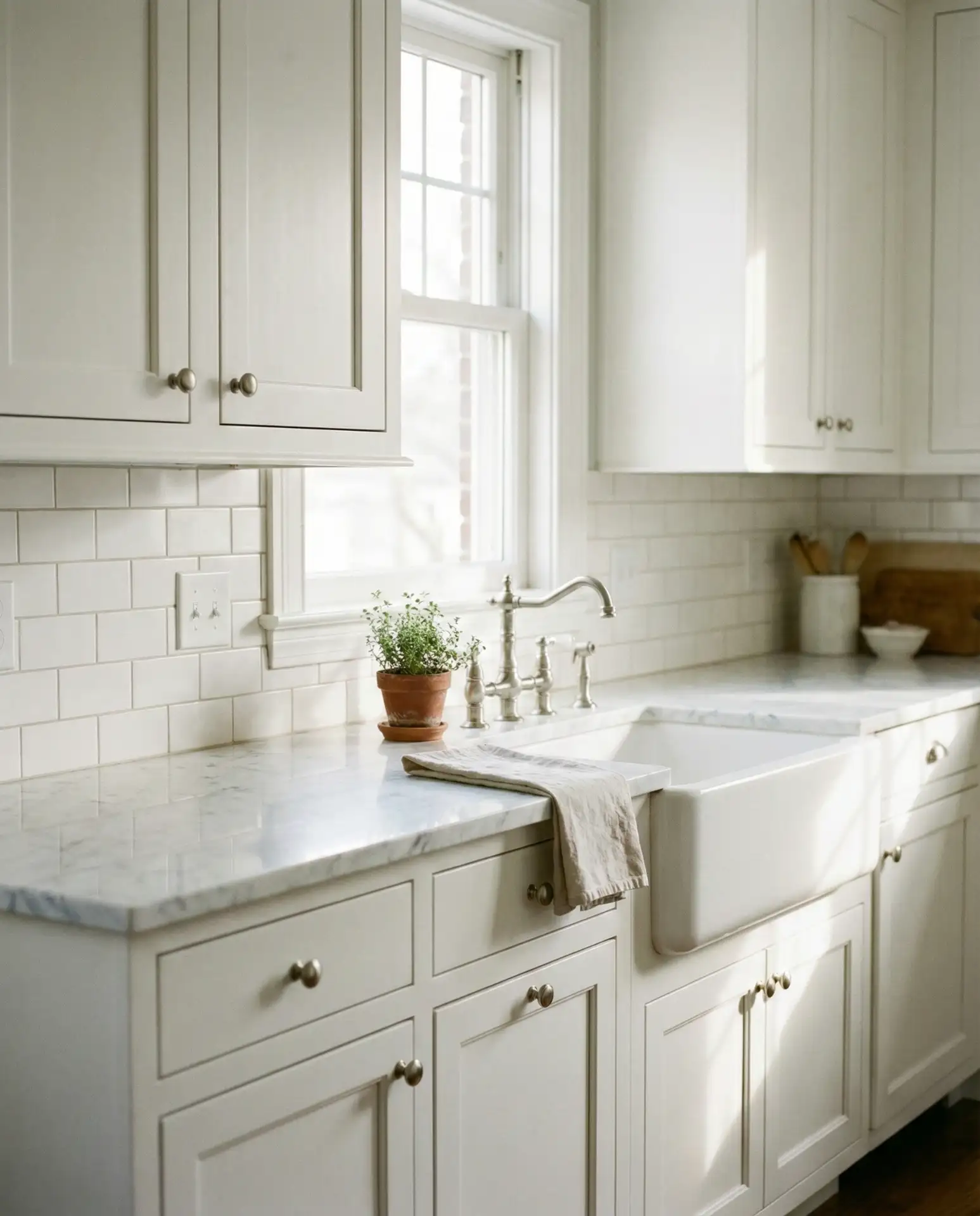
The classic shaker cabinet—with its recessed center panel and clean, simple lines—remains one of the most enduring ideas in kitchen design. It works in traditional homes, farmhouse kitchens, and even modern spaces where a touch of warmth is needed. Available in every finish from crisp white to deep navy, shaker cabinets are versatile, easy to customize, and never feel dated. They’re the little black dress of cabinetry.
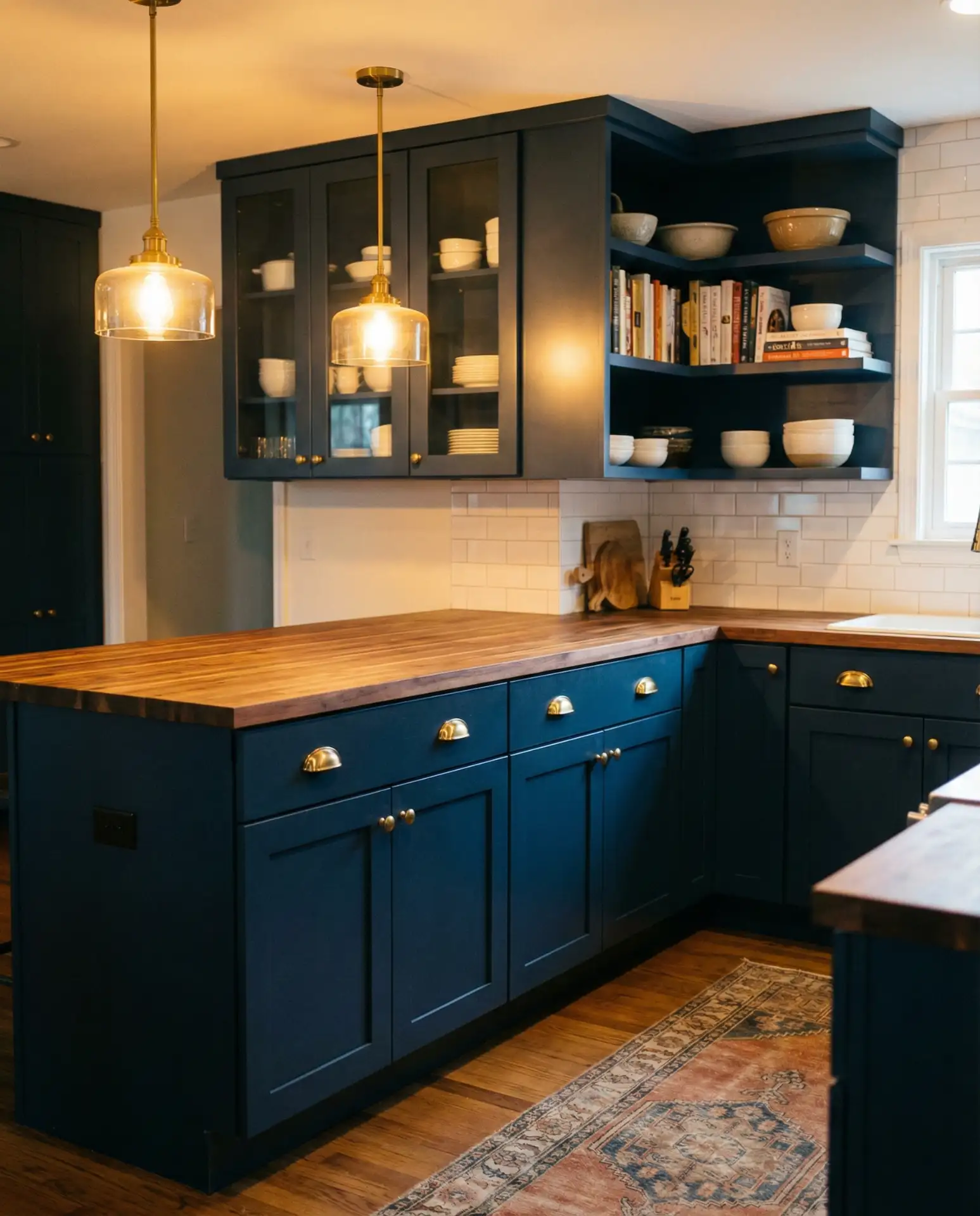
Shaker cabinets are particularly popular in New England and the Mid-Atlantic, where traditional architecture and historical preservation are valued. But they’ve found favor nationwide because they’re easy to personalize—swap the hardware, change the paint color, or mix in open shelving, and the look transforms. They’re also widely available at every price point, from big-box stores to custom cabinetry shops, making them accessible regardless of budget.
16. Open Concept Kitchen Flowing into Living Space
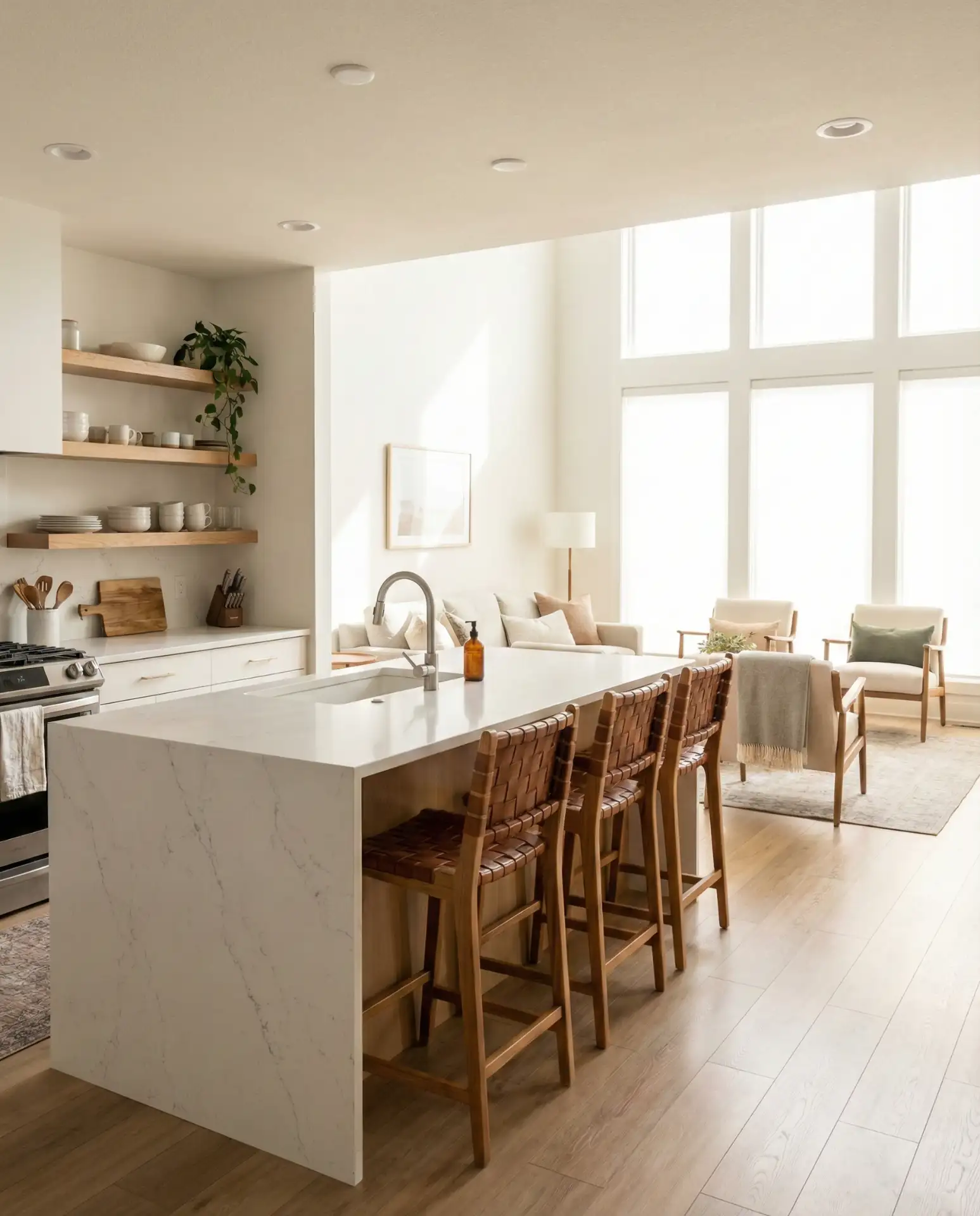
The open kitchen has become the standard in American homes, erasing the wall between cooking and living to create one fluid, social space. This layout encourages interaction and makes entertaining effortless, but it also requires thoughtful design to ensure the kitchen feels integrated rather than exposed. Consistent flooring, cohesive color palettes, and strategic lighting help unify the zones while maintaining the distinct identity of each area.
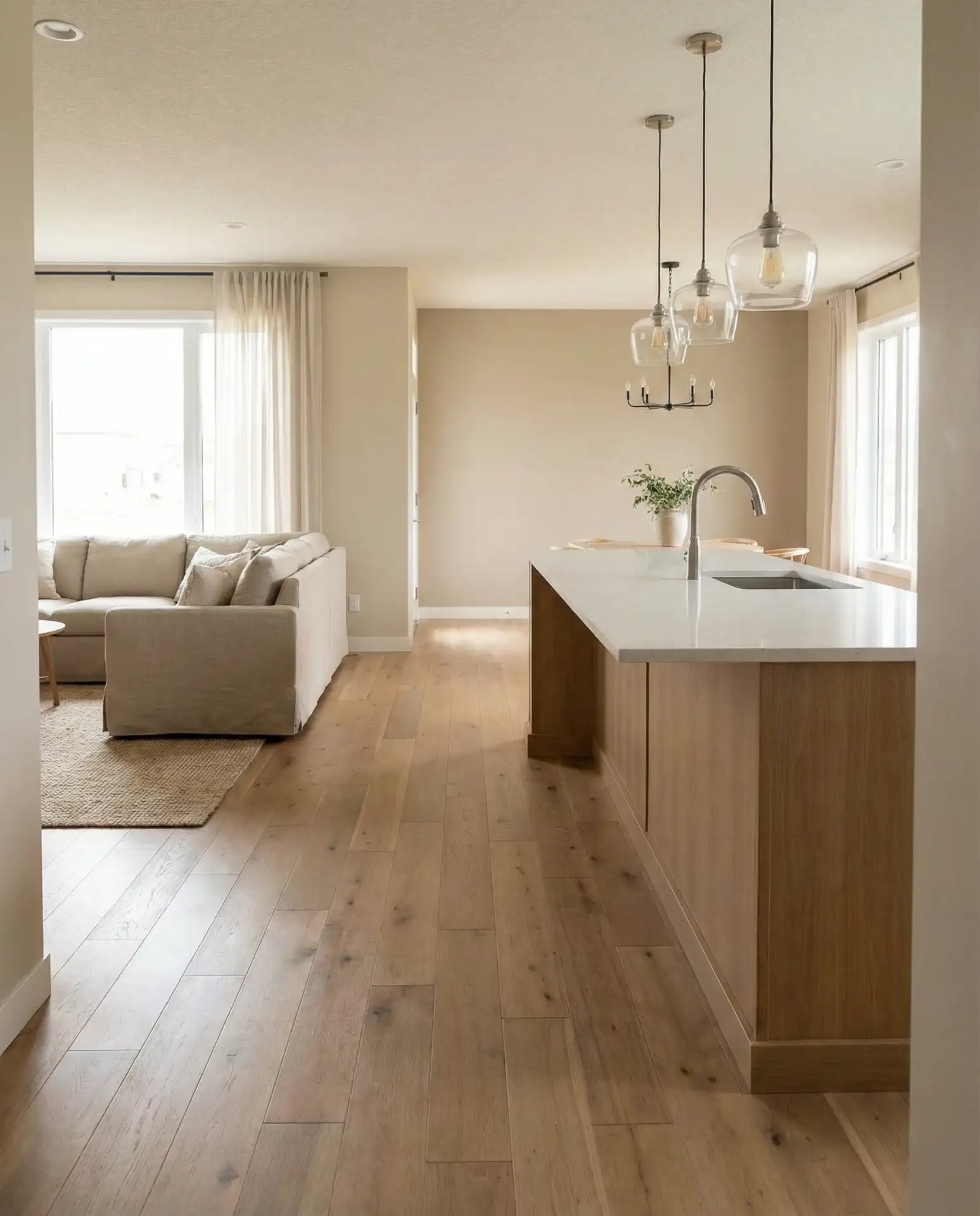
One practical insight: open kitchens amplify mess. A sink full of dishes or cluttered counters are now part of the living room view, which means tidiness becomes essential—or at least a quick cleanup routine before guests arrive. Many homeowners add a hidden “scullery” or butler’s pantry just off the main kitchen to stash dirty dishes and clutter, preserving the clean aesthetic of the open space. It’s a small addition that makes daily life much more manageable.
17. Contemporary Black Matte Finishes
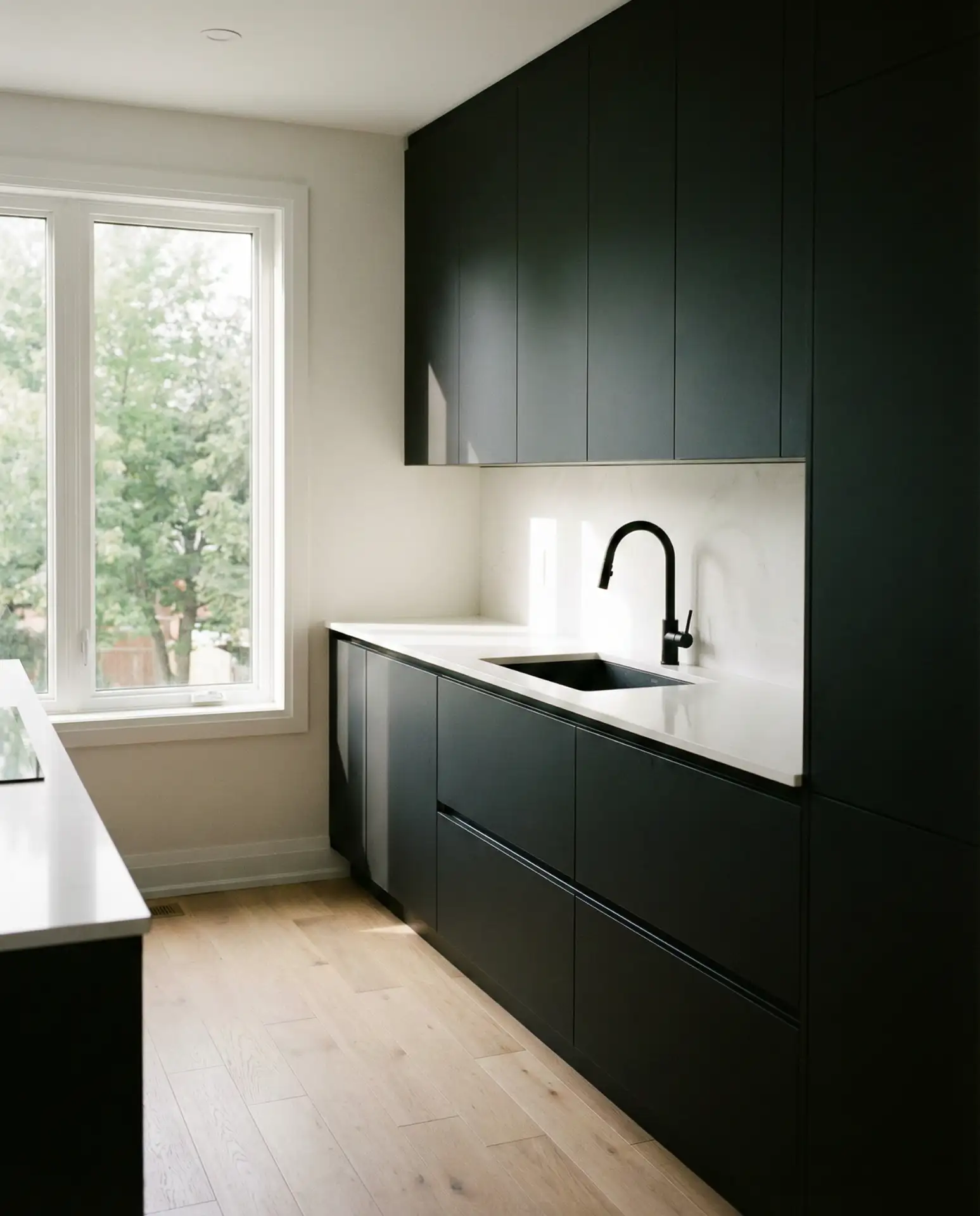
Matte black cabinetry, fixtures, and appliances bring a bold, contemporary edge to the kitchen. This finish is sophisticated and moody, creating drama without feeling heavy when balanced with lighter elements like white counters, light wood, or open shelving. Black doesn’t show fingerprints as easily as stainless steel, making it surprisingly practical for busy households. It’s a modern choice that feels refined and intentional.
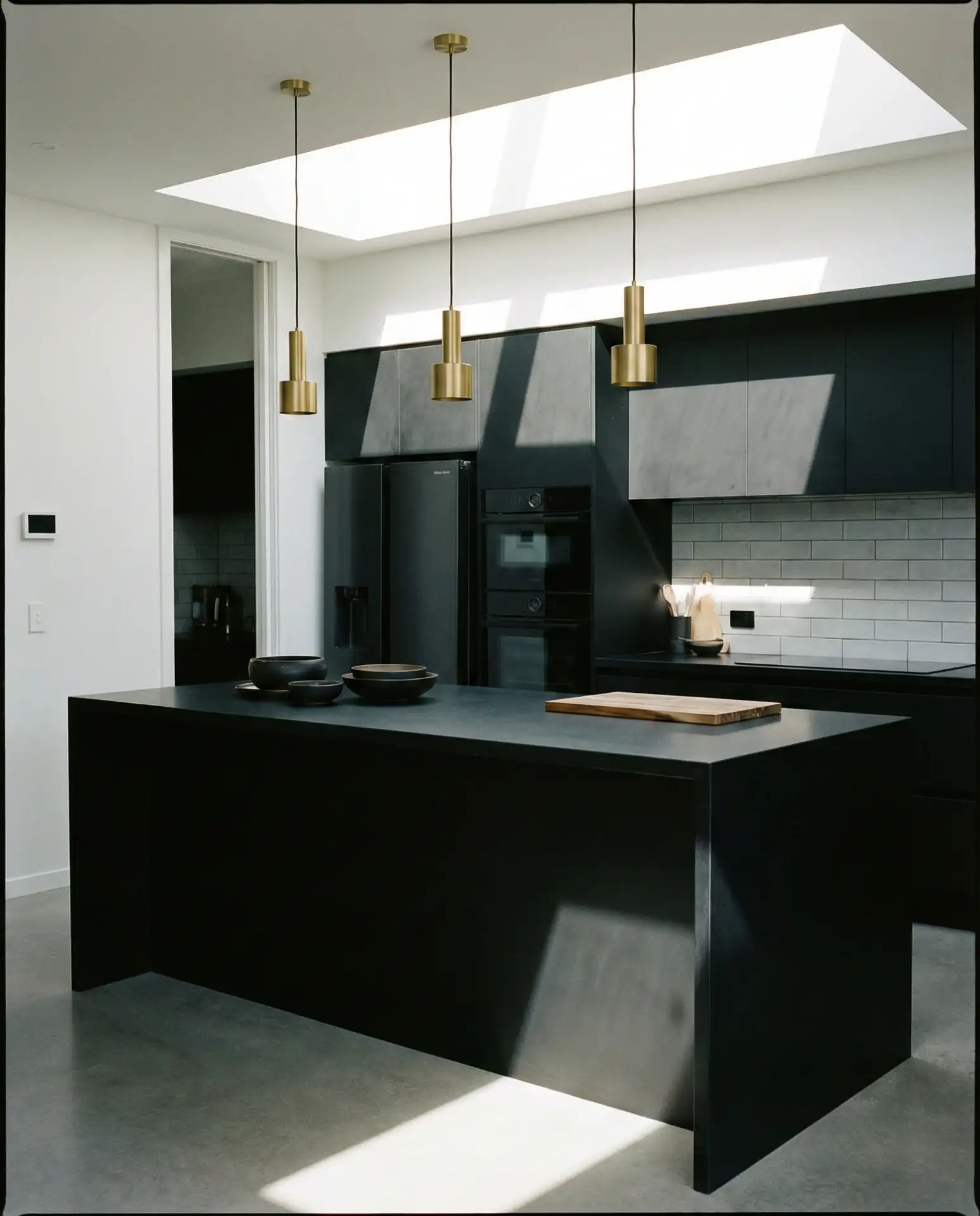
This style works best in kitchens with ample natural light or in spaces where you want to create a cocooning, intimate atmosphere. In smaller or darker kitchens, consider using black as an accent—on an island, lower cabinets, or a feature wall—rather than covering every surface. Pair it with reflective materials like glass, polished stone, or metal to bounce light around and prevent the space from feeling cave-like.
18. Simple White Kitchen with Subway Tile
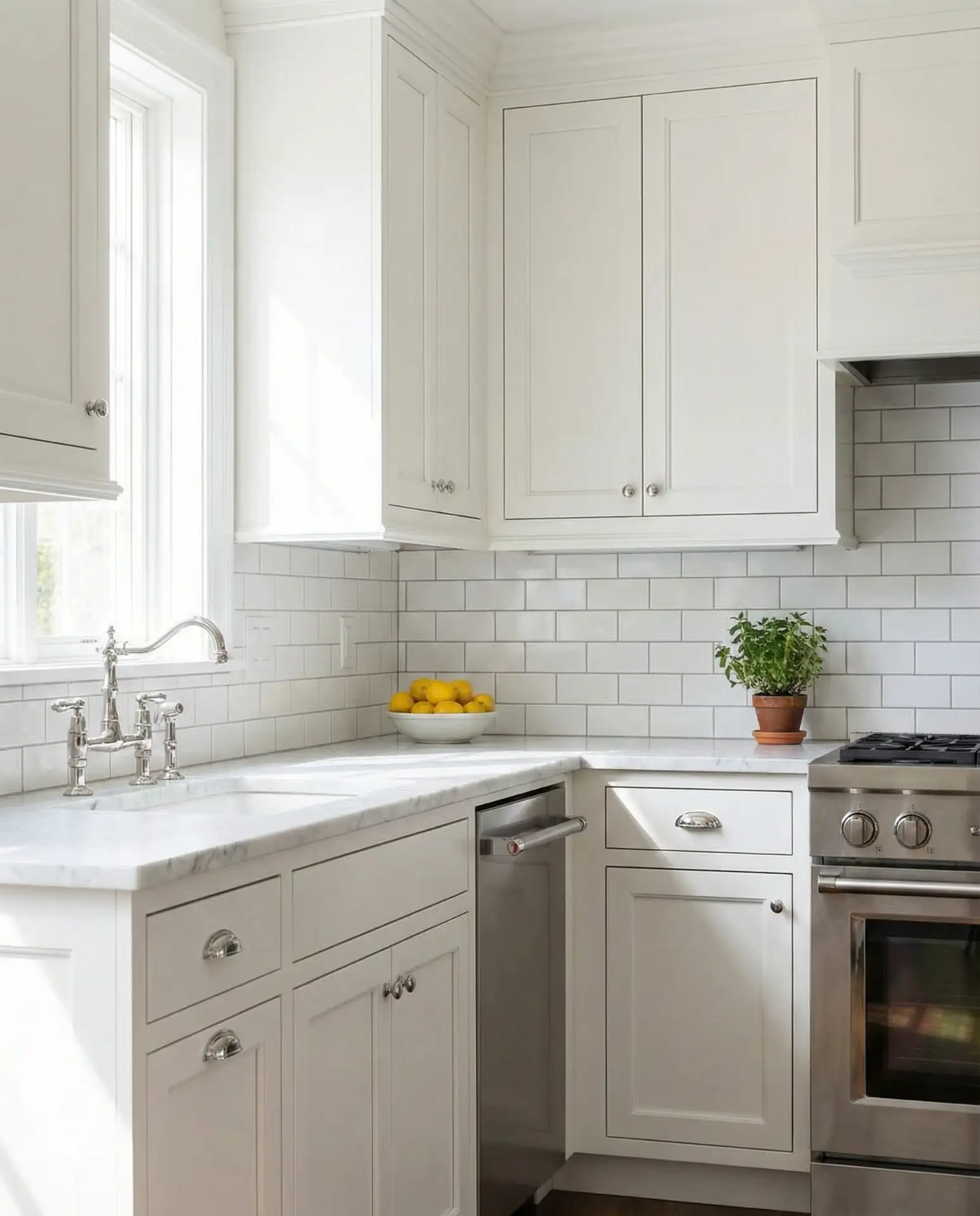
The all-white kitchen with classic subway tile is a simple, foolproof formula that never goes out of style. It’s bright, clean, and endlessly adaptable—you can shift the mood entirely by swapping hardware, lighting, or accessories. This approach is especially popular with homeowners planning to sell, as it appeals to the widest range of buyers. It’s also a blank canvas for those who like to change decor with the seasons or their mood.
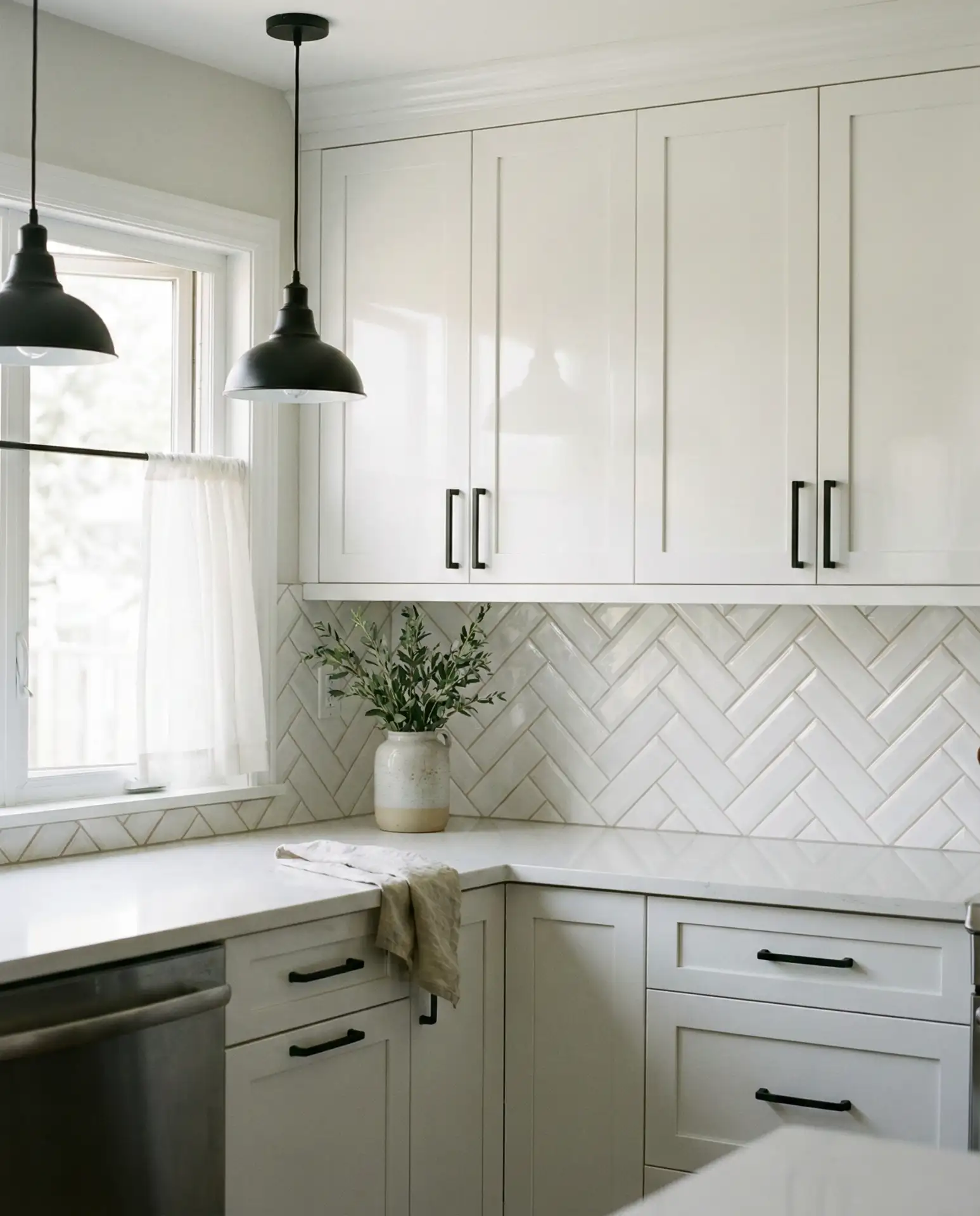
In southern states where homes can feel hot and bright year-round, the all-white kitchen offers a visual coolness that’s both refreshing and practical. It reflects light rather than absorbing it, which can actually make the space feel a few degrees cooler. To avoid a sterile look, bring in warmth through wooden cutting boards, woven baskets, plants, and textured linens. Small touches go a long way in softening the expanse of white.
19. Industrial Concrete Countertops with Raw Texture
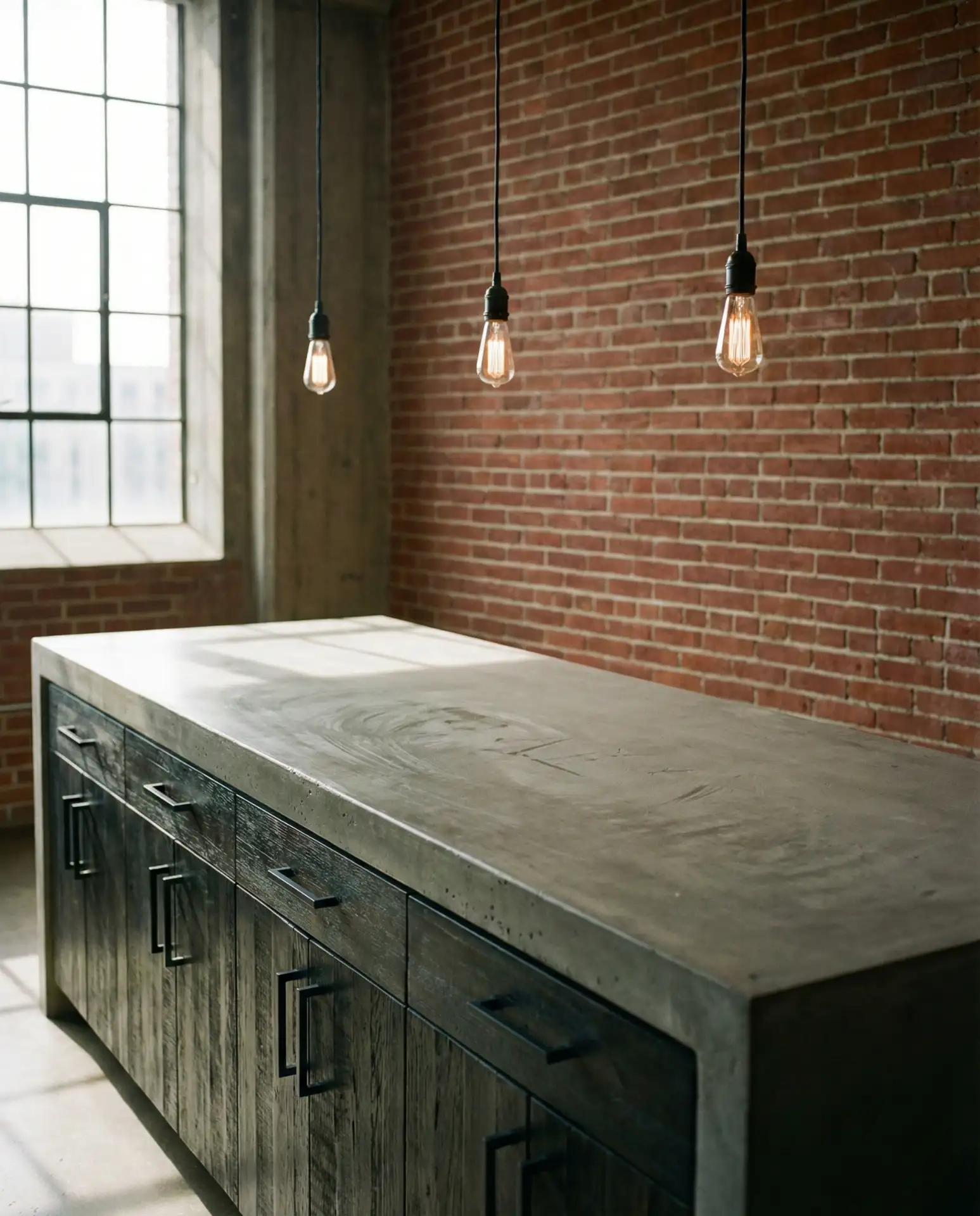
Concrete countertops bring an industrial aesthetic to the kitchen, offering a raw, handcrafted look that’s both durable and uniquely beautiful. Each slab is custom-poured and finished, meaning no two are identical. The material can be tinted, polished, or left with a more textured finish, and it pairs beautifully with wood, metal, and natural stone. It’s a bold choice that signals a commitment to design that’s personal and unconventional.
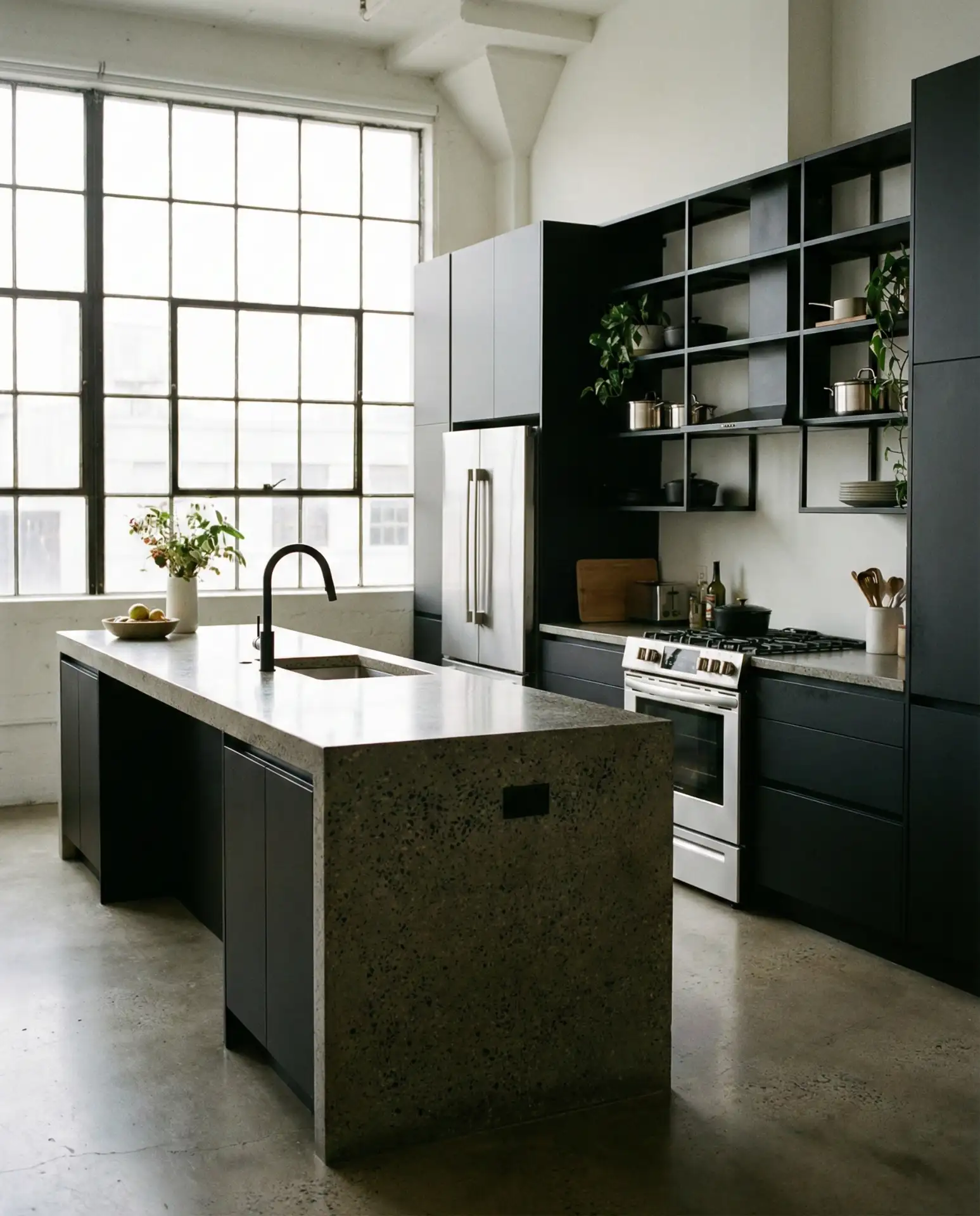
Common mistakes include neglecting to seal the concrete properly—it’s porous and will stain without regular sealing, especially from acidic foods like lemon or tomato. Also, concrete is heavy, so your cabinets need to be built to support the weight, particularly for overhangs and islands. Work with a fabricator experienced in concrete countertops, and budget for periodic resealing as part of routine maintenance. Done right, these counters develop a beautiful patina over time.
20. Minimal Handleless Cabinetry for Clean Lines
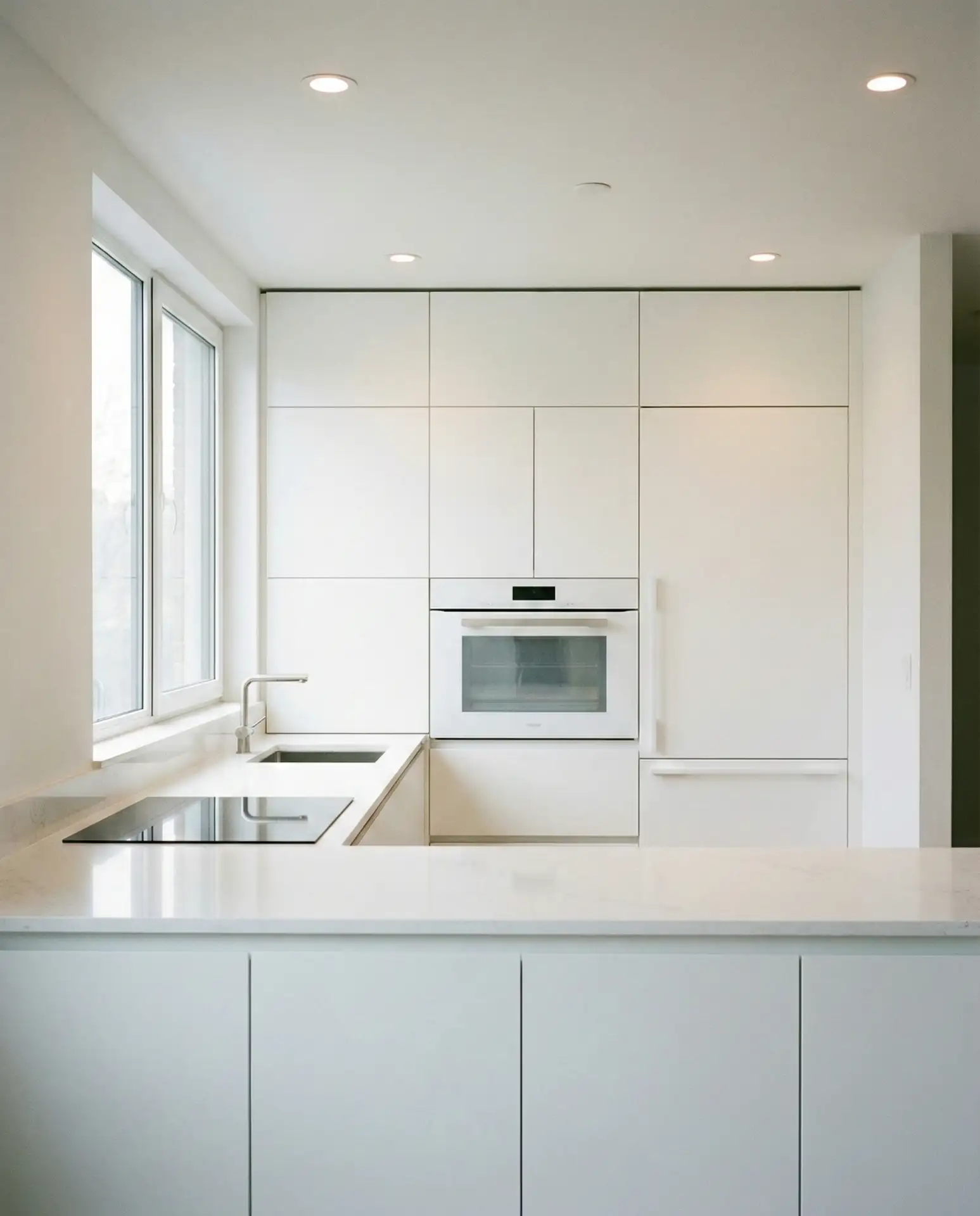
Handleless cabinets—using push-to-open mechanisms or recessed finger pulls—create a streamlined, minimal look that’s become synonymous with modern design. Without hardware interrupting the cabinet faces, the kitchen feels more cohesive and visually calm. This approach works beautifully in contemporary homes where simplicity and precision are priorities, and it’s particularly striking when combined with matte finishes and integrated appliances.
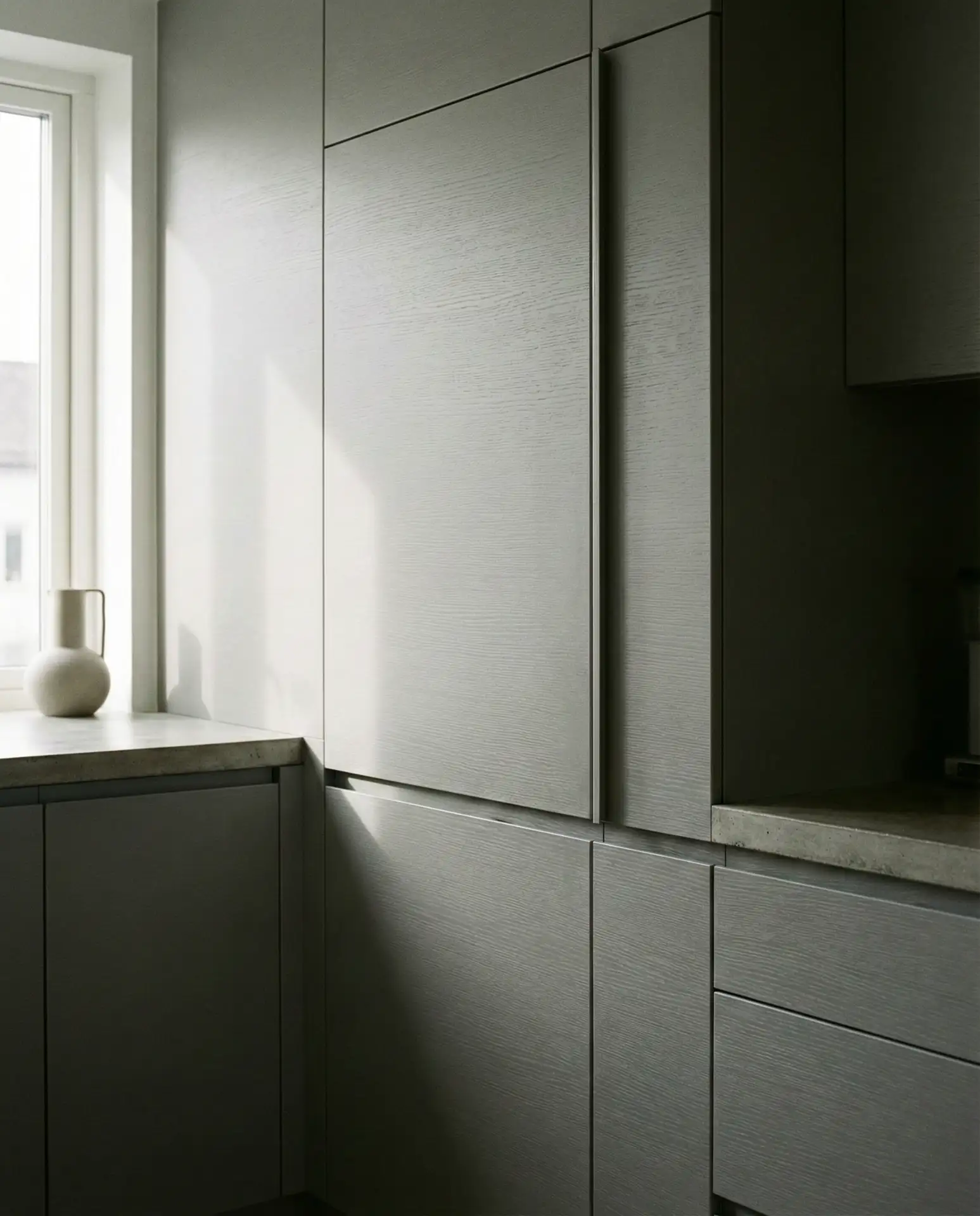
Real homeowners report mixed feelings about push-to-open mechanisms—they love the look but sometimes find them finicky, especially with heavier drawers or when hands are wet or full. Recessed finger pulls or edge profiles offer a compromise, maintaining the handleless aesthetic while providing a more tactile, reliable grip. If you’re set on push-to-open, invest in high-quality hardware; cheap mechanisms fail quickly and are frustrating to use daily.
21. Elegant Two-Tone Cabinetry in Gray and White
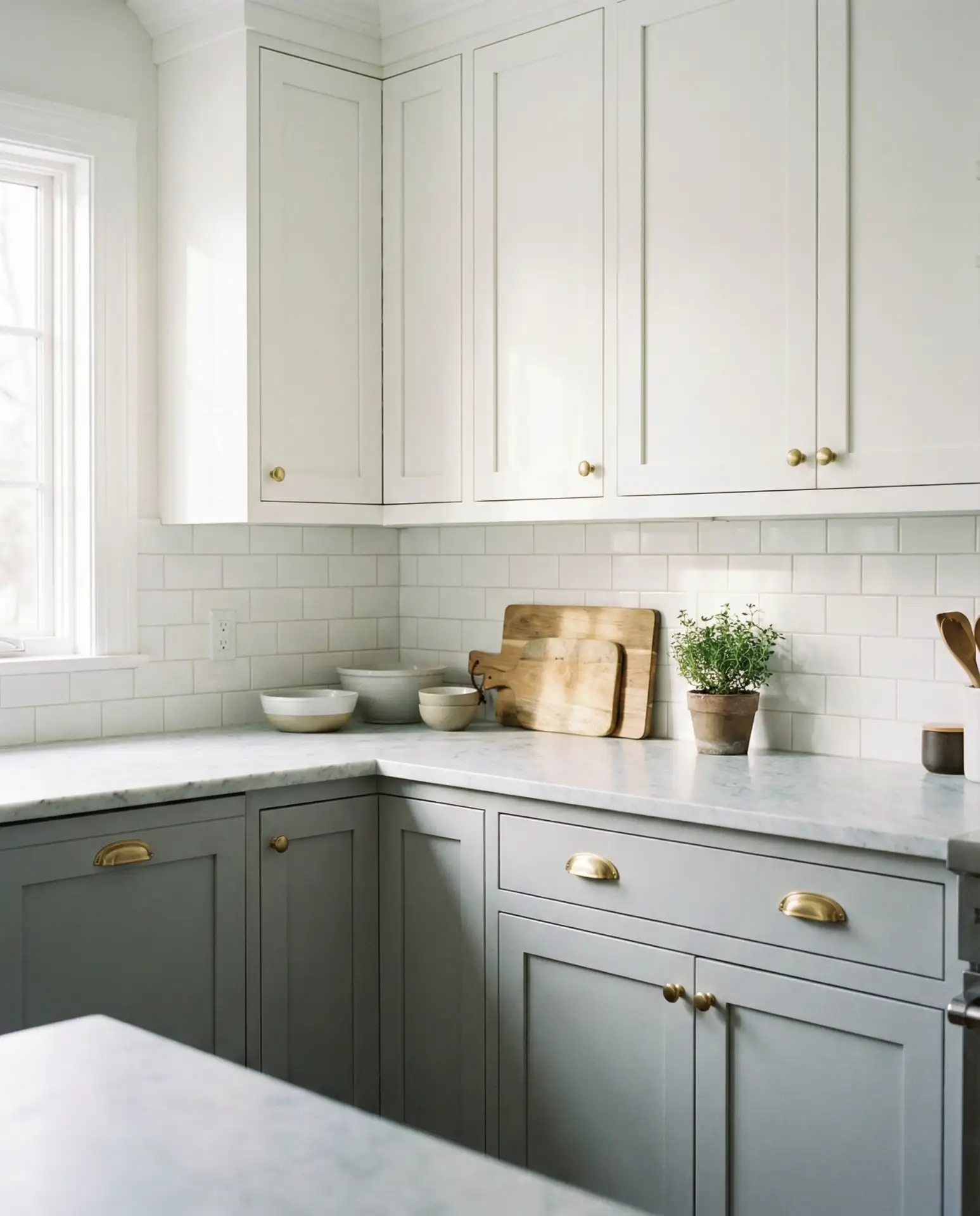
Two-tone cabinetry—typically darker lowers and lighter uppers, or a contrasting island—adds depth and visual interest to a kitchen without overwhelming it. A pairing of soft gray and crisp white is elegant and versatile, working in both traditional and contemporary settings. This strategy also helps anchor the kitchen visually, with the darker base grounding the space and the lighter top keeping it airy.
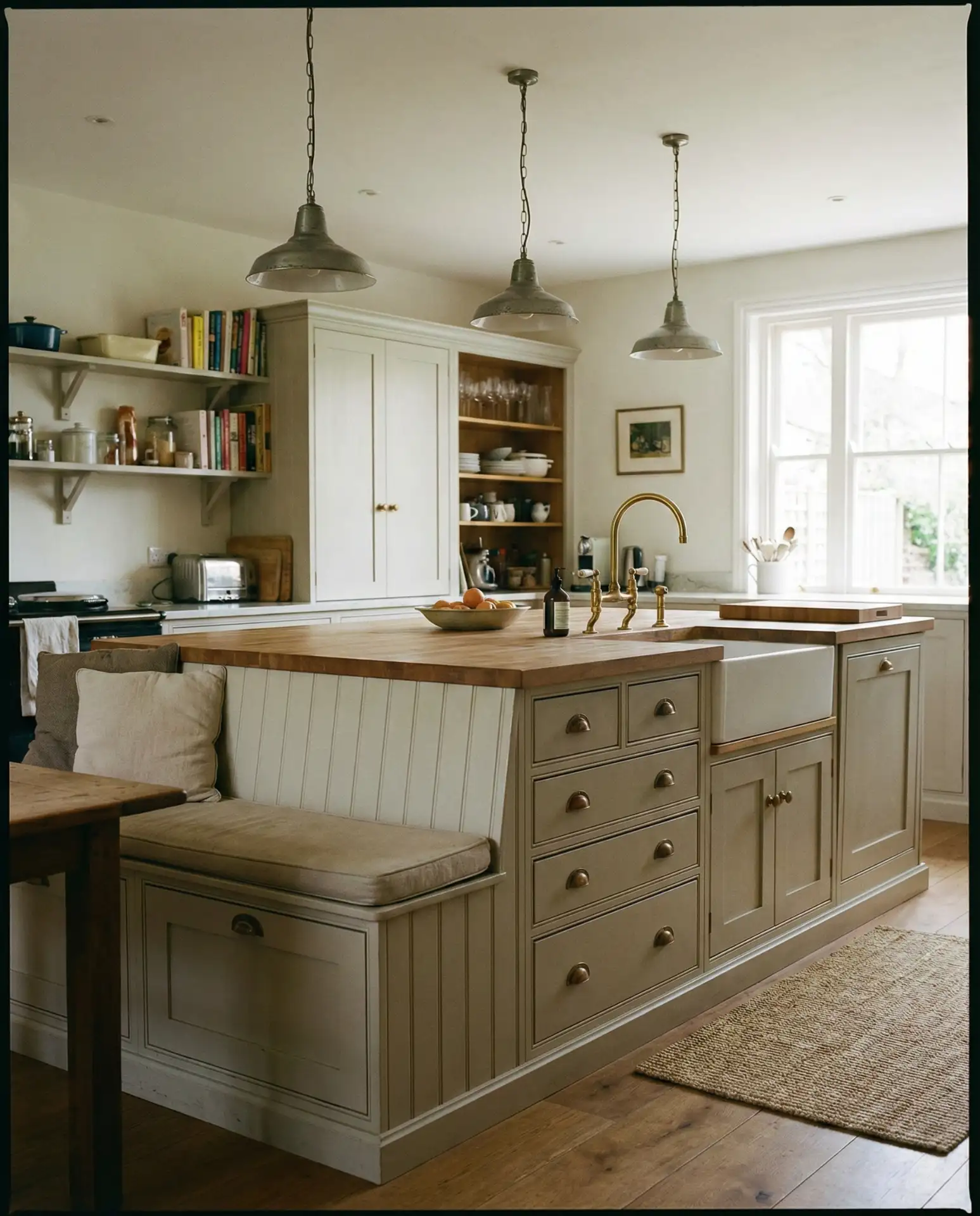
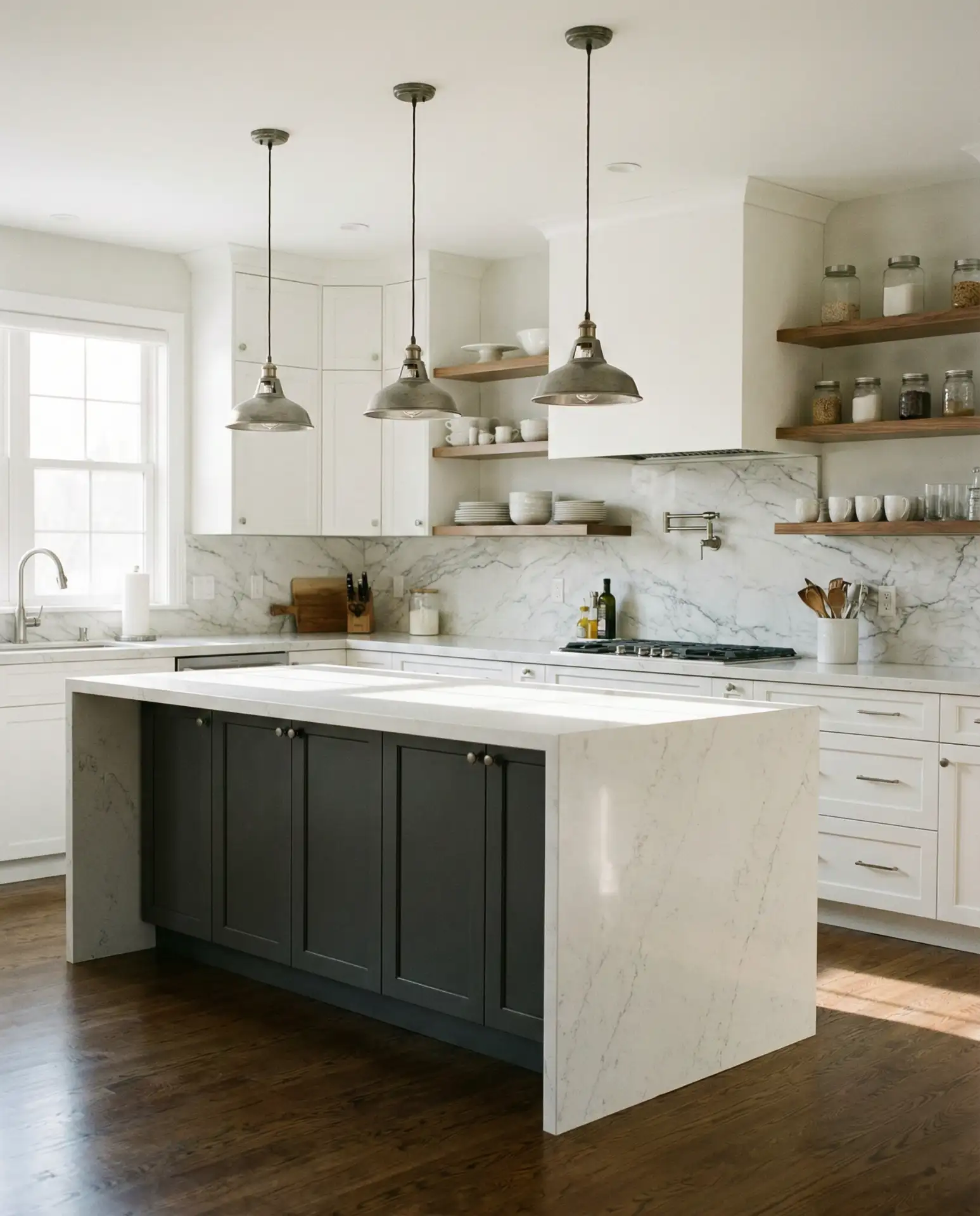
My sister-in-law went with a navy island and white perimeter cabinets in her recent remodel, and it became the centerpiece of the room. She told me that while she was initially nervous about the boldness, the contrast actually made the kitchen feel larger because it created distinct zones. She recommends carrying the darker color through in small doses—like matching the island color to your bar stools or a window trim—to tie the look together.
22. Plans for Multi-Functional Islands
A well-designed kitchen island can serve as prep space, dining area, storage hub, and social center all at once. The best plans incorporate multiple functions without feeling cluttered—think built-in seating, pull-out trash bins, wine storage, charging stations, and even a secondary sink or cooktop. This approach is especially valuable in open kitchens where the island serves as the transition between cooking and living zones, making it the hardest-working piece of furniture in the house.
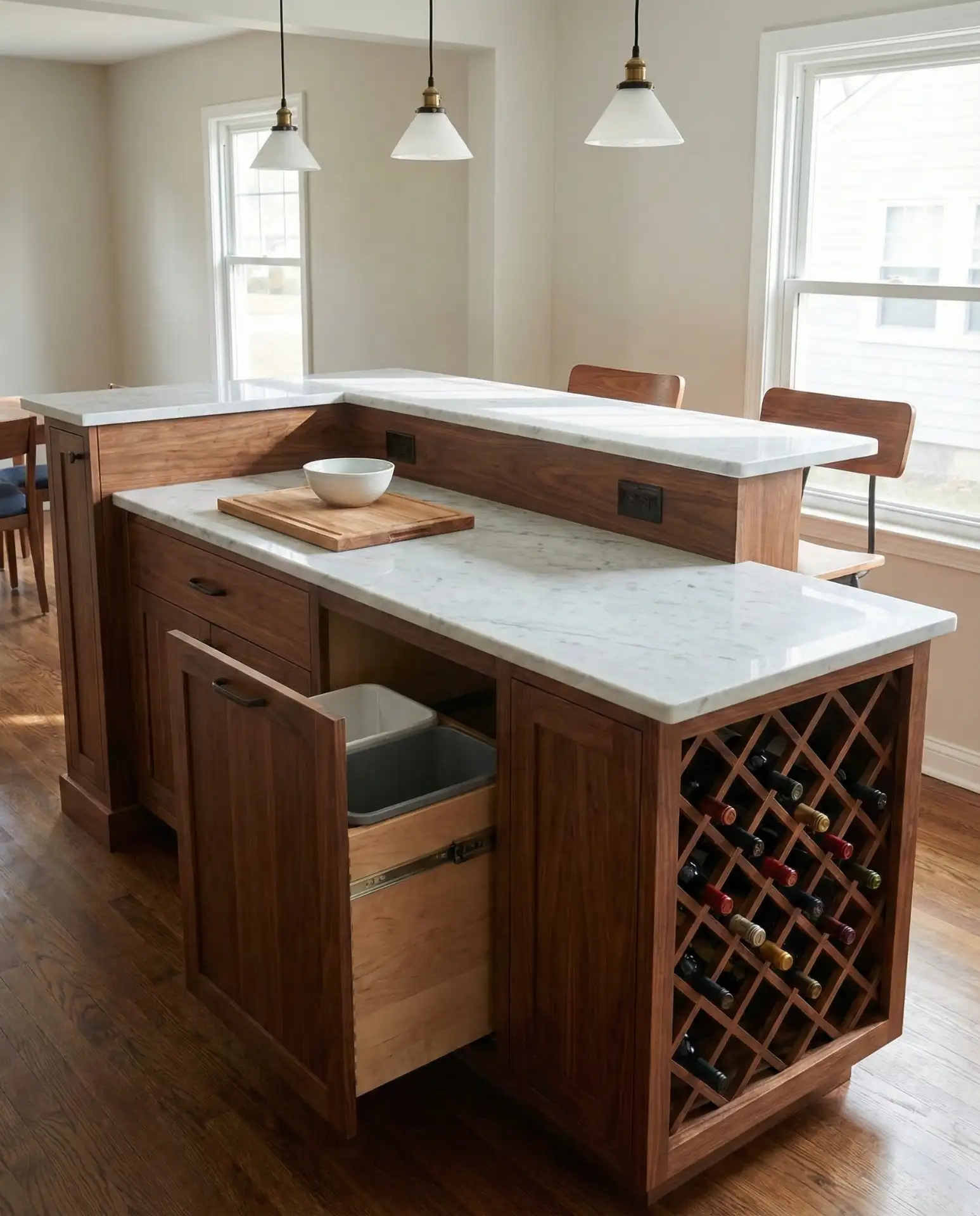
Expert designers recommend planning for at least 36 inches of clearance on all sides of the island to allow for comfortable movement and for appliances and cabinets to open fully. If you’re including seating, allow 24 inches of width per person and at least 12 inches of overhang for knee room. For families with young kids, consider lowering one section of the island slightly so children can help with meal prep or do homework at a comfortable height.
Conclusion
These kitchen design ideas reflect the ways American homeowners are rethinking their most-used room, balancing beauty with real-world function. Whether you’re drawn to the warmth of natural wood, the efficiency of a smart layout, or the drama of bold finishes, the best kitchen is one that fits how you live. Share your favorite idea in the comments—or tell us what’s missing from your dream kitchen.