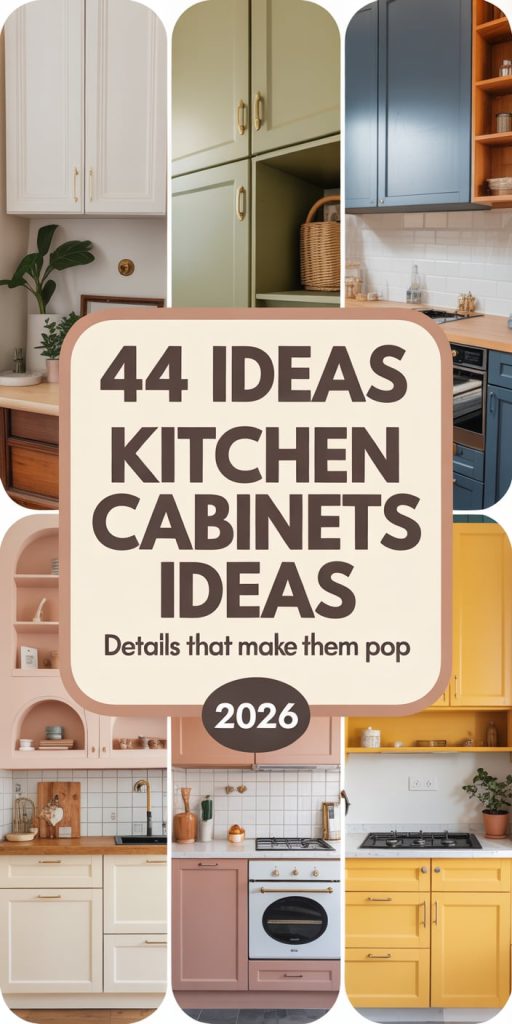
Kitchen cabinets remain one of the most impactful elements in any home renovation, and 2026 is bringing fresh perspectives on how we approach cabinetry style, function, and finish. From the resurgence of warm wood tones to bold color statements, American homeowners are rethinking what their kitchens can be—not just as cooking spaces, but as design anchors that reflect personality and lifestyle. Pinterest searches for cabinet inspiration have surged as more people seek ways to balance timeless appeal with modern innovation. Whether you’re planning a full makeover or simply exploring new organization strategies, this guide will walk you through thoughtful ideas that blend aesthetic appeal with everyday practicality.
1. Warm Walnut Cabinetry with Brass Hardware
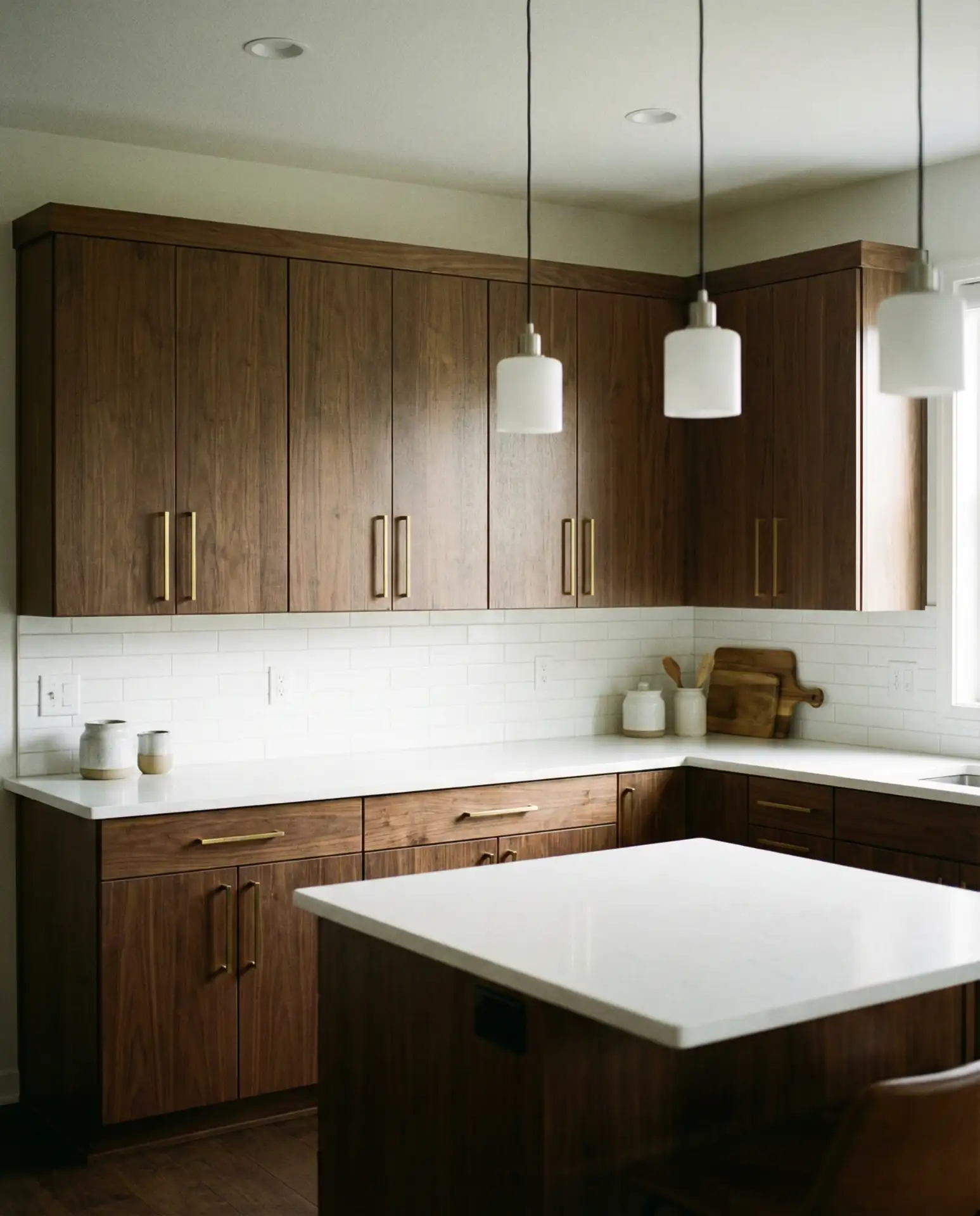
Rich walnut cabinets are making a strong comeback, offering a sophisticated alternative to the stark minimalism of recent years. The deep, chocolate-brown grain brings warmth and depth to kitchens of all sizes, and when paired with brushed brass pulls and knobs, the effect is both classic and contemporary. This design works particularly well in open-plan homes where the kitchen flows into living areas, creating a cohesive, inviting atmosphere. The natural variation in walnut’s grain means no two kitchens will look identical, adding a bespoke quality that resonates with homeowners seeking individuality.
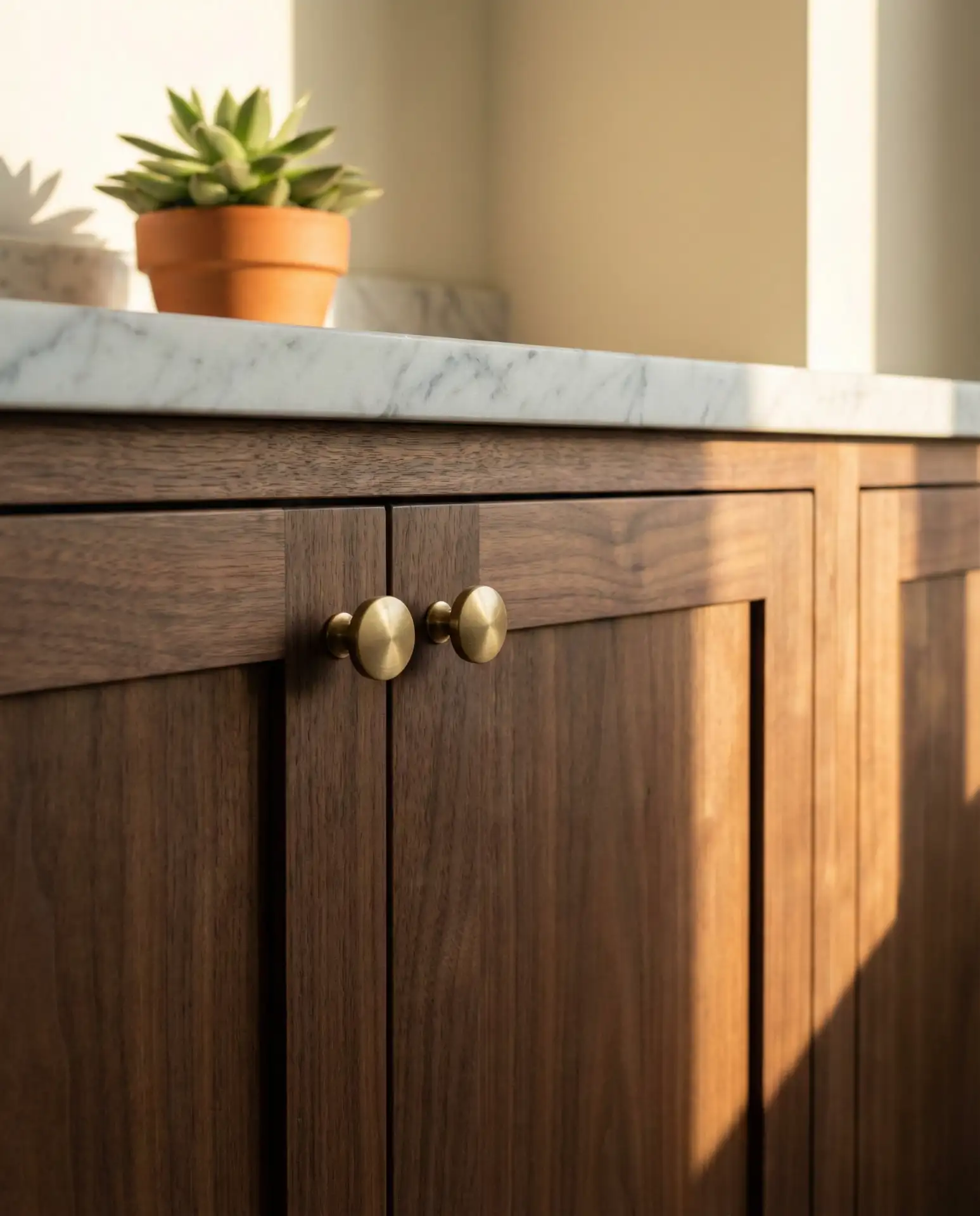
One common mistake is pairing walnut with overly cool lighting, which can make the wood appear muddy or lifeless. Instead, opt for warm LED bulbs or layered lighting that highlights the wood’s natural luster. Another pitfall is choosing hardware that’s too small or too ornate—simple, substantial brass pieces work best to complement rather than compete with the grain. If you’re working with a smaller kitchen, consider using walnut on lower cabinets only, with lighter uppers to maintain balance and prevent the space from feeling heavy.
2. Soft Sage Green for a Calming Kitchen
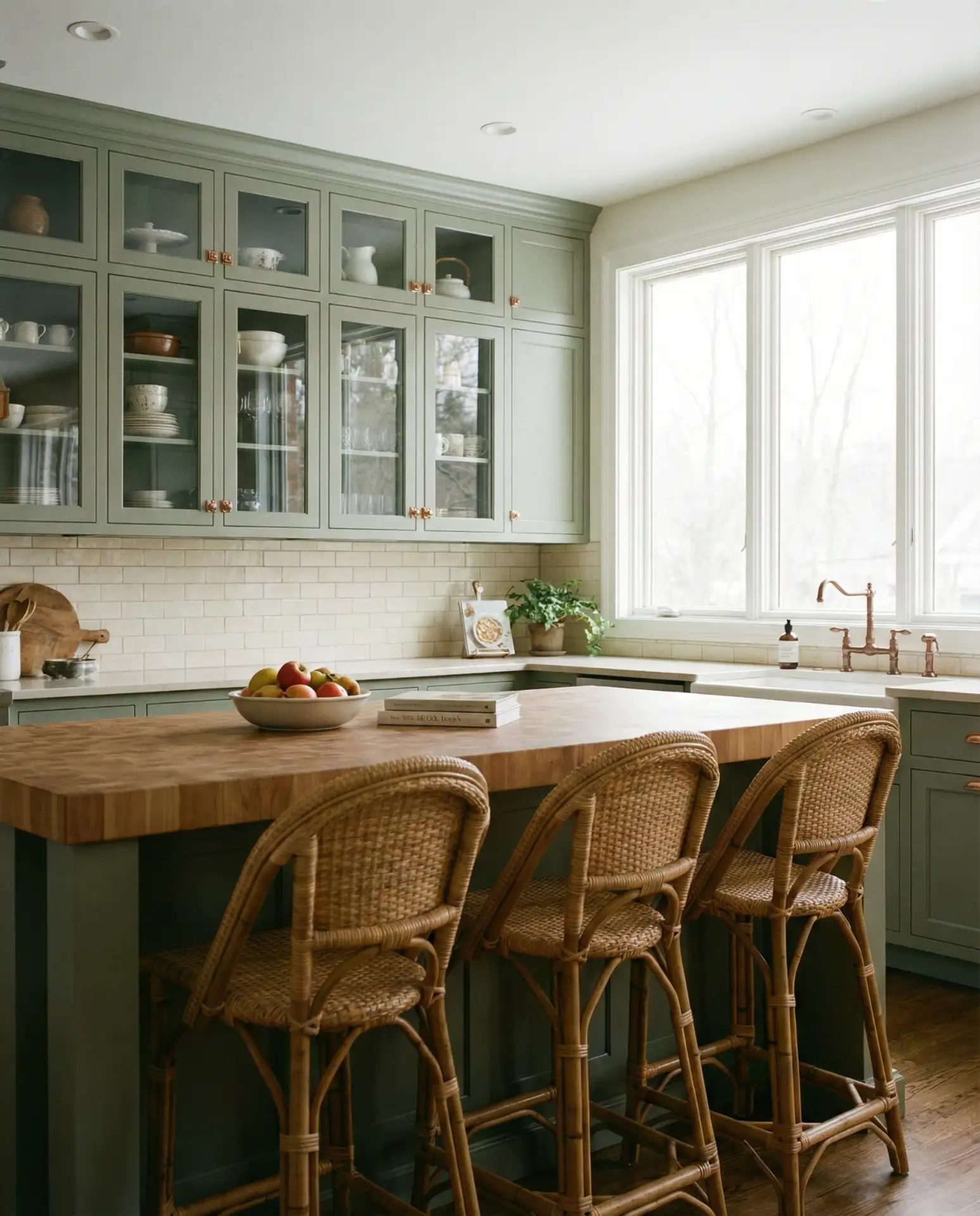
Sage green cabinets have become a Pinterest favorite, bridging the gap between bold color and neutral restraint. This muted, earthy green evokes a sense of calm and connection to nature, making it ideal for kitchens that serve as gathering spaces. Unlike brighter greens, sage pairs beautifully with natural wood, stone, and even stainless steel, offering versatility across design styles from farmhouse to contemporary. It’s a color that feels fresh without being trendy, which is why it’s resonating with homeowners looking for a makeover that will age gracefully.
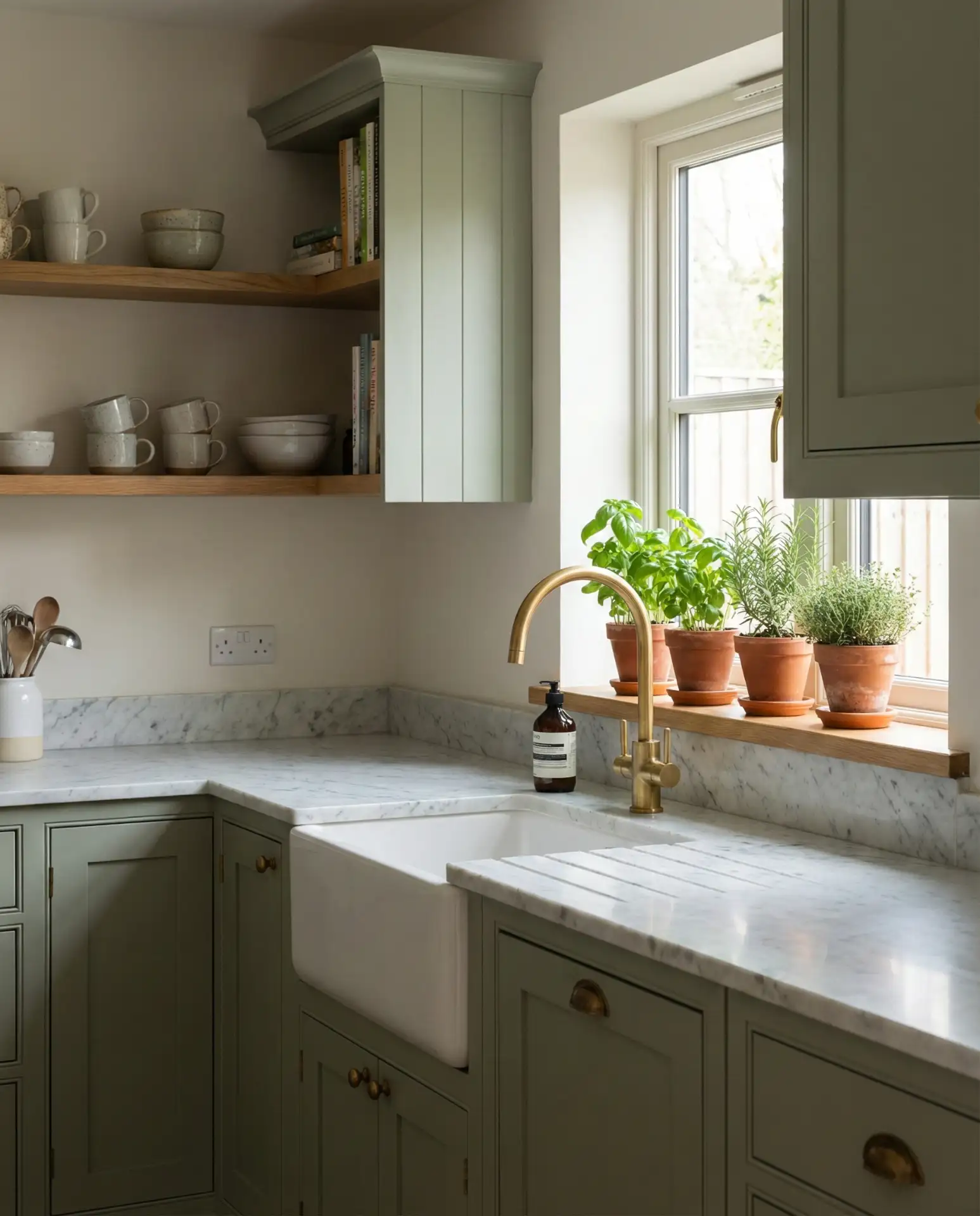
Sage green works best in kitchens with ample natural light, where the color can shift beautifully throughout the day. In darker spaces, it may read as flat or dull, so consider adding under-cabinet lighting or a large window if possible. Budget-conscious renovators can achieve this look by painting existing cabinets rather than replacing them—high-quality cabinet paint in a matte or satin finish can transform dated oak or laminate for a fraction of the cost of new cabinetry.
3. Two-Tone Cabinets: Navy Blue and White
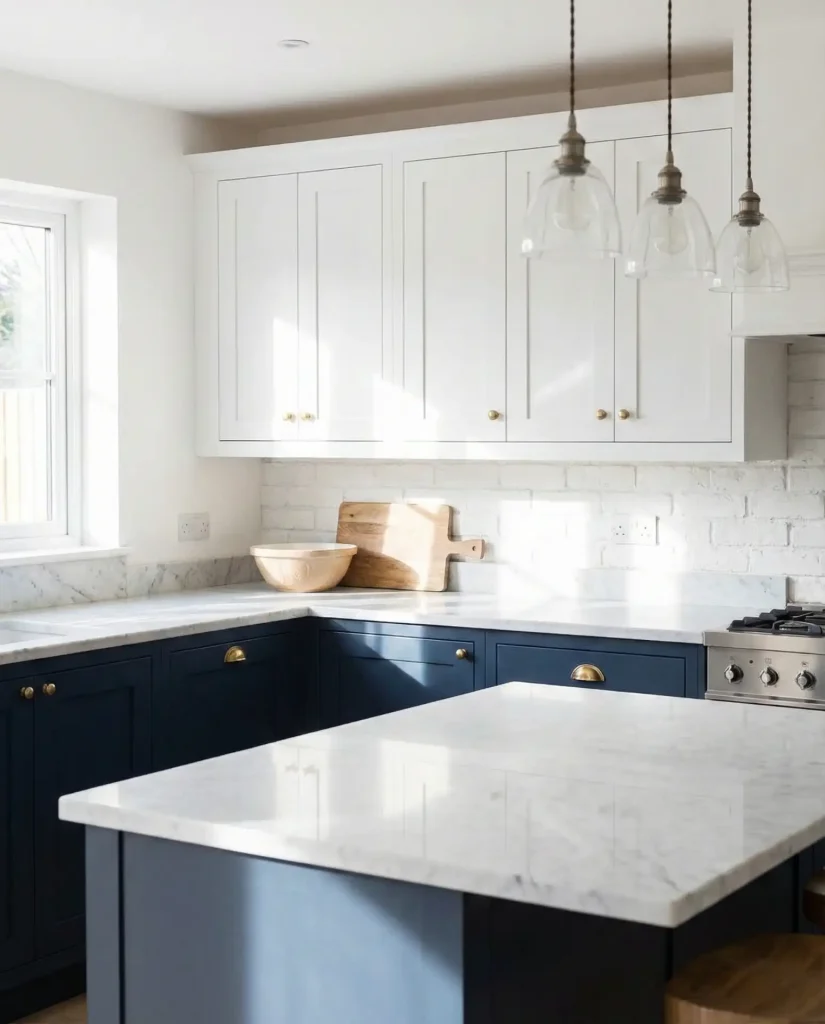
Two-tone cabinetry continues to dominate kitchen design, and the pairing of navy blue lowers with white uppers is particularly striking. This combination grounds the kitchen with rich, saturated color while keeping the upper half light and airy, a balance that works especially well in kitchens with standard eight-foot ceilings. Navy brings a sense of sophistication and depth, while white ensures the space doesn’t feel closed in. It’s a strategy that allows homeowners to embrace bold color without overwhelming the room.
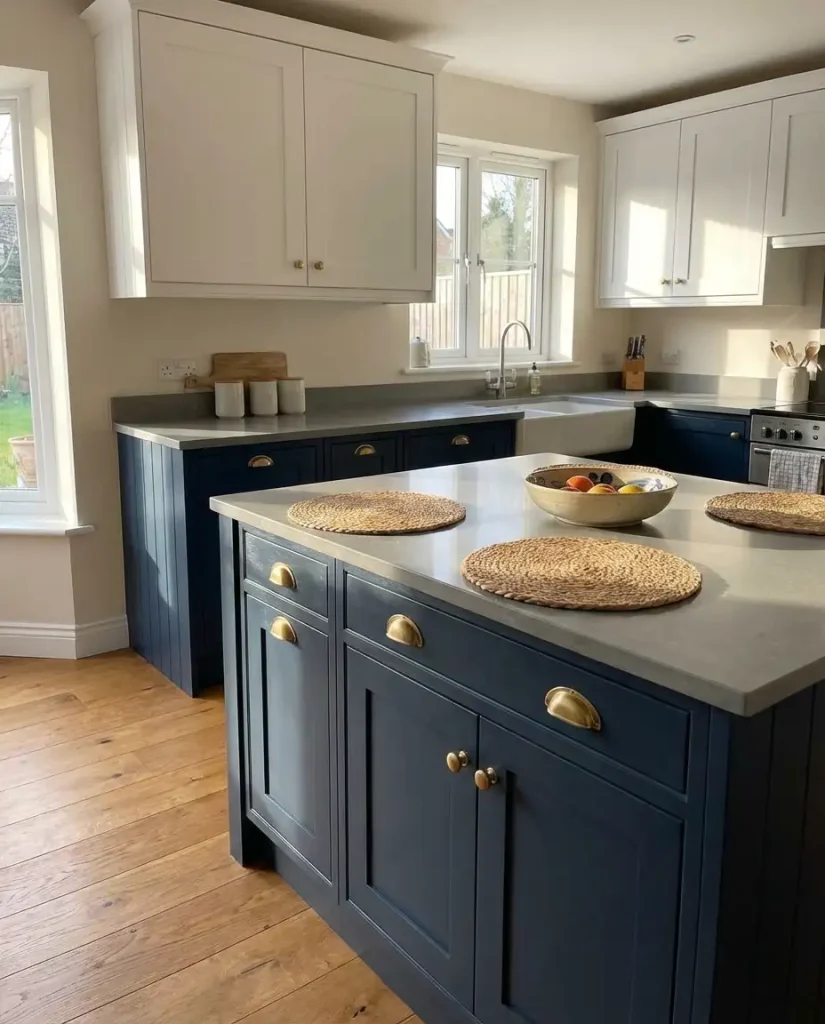
A real homeowner in Connecticut recently shared that she initially worried navy would date quickly, but after a year, she finds it timeless and easier to live with than the all-white kitchen she had before. The darker colors hide scuffs and fingerprints better, and the contrast makes styling with colorful dishware or cookbooks feel effortless. She recommends sampling paint in your actual kitchen light before committing, as navy can read very differently under warm versus cool bulbs.
4. Minimalist White Oak with Integrated Handles
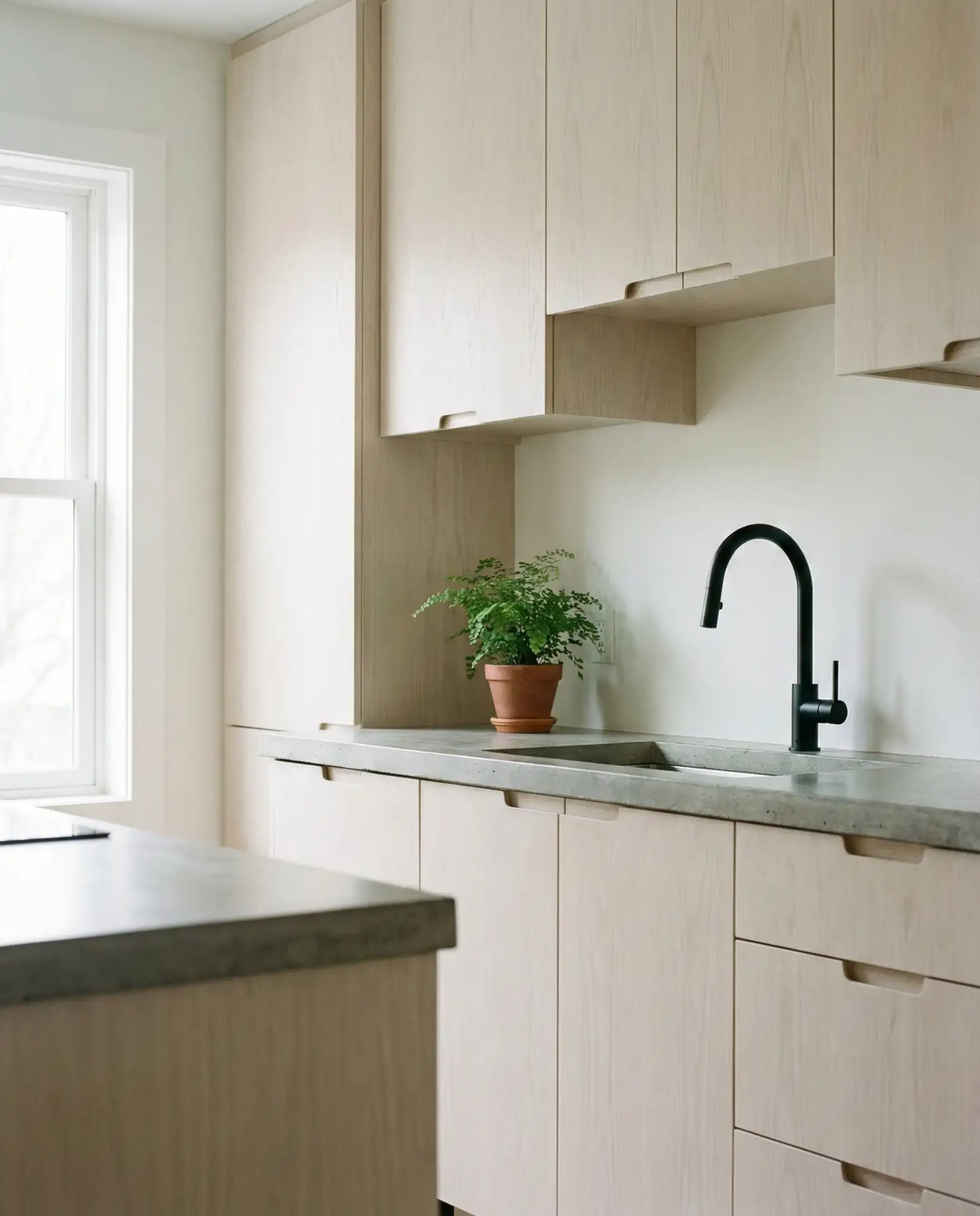
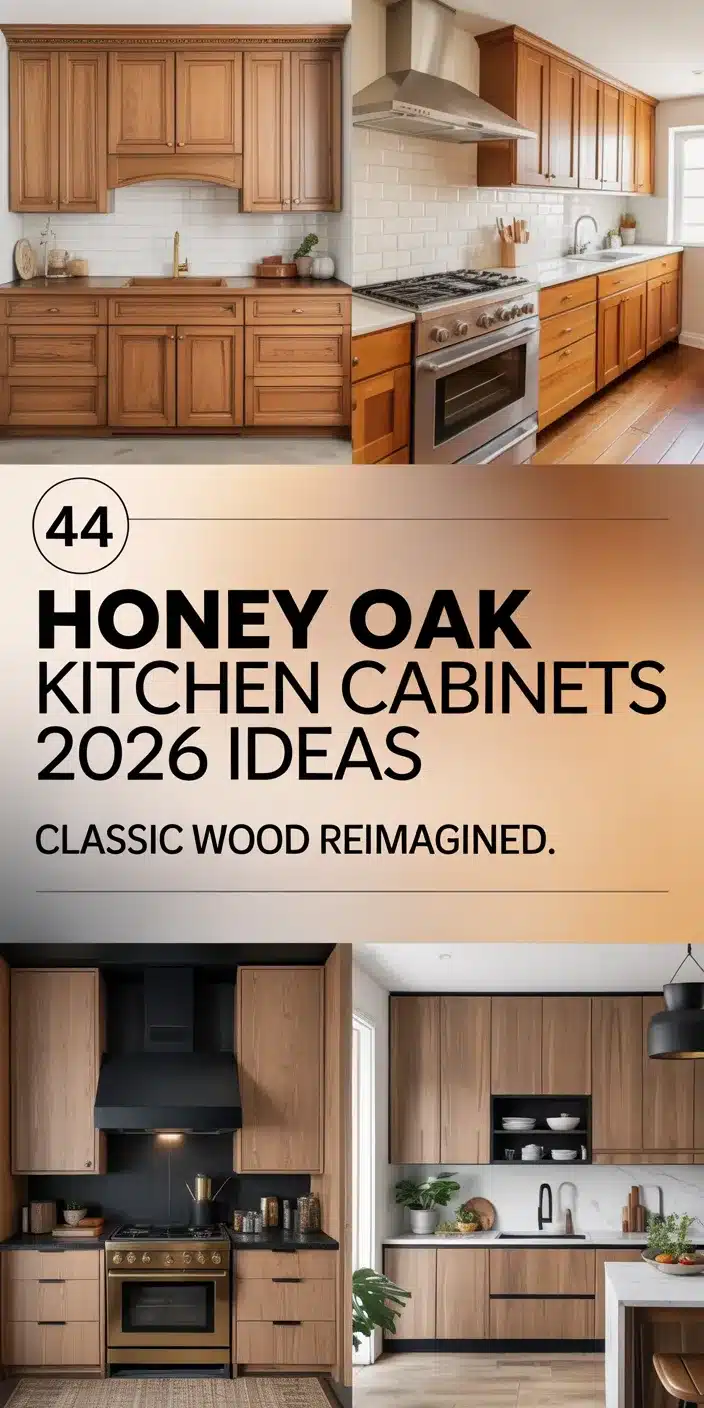
White oak cabinetry with integrated handle cutouts offers a sleek, Scandinavian-inspired aesthetic that’s gained traction among younger homeowners. The light, neutral grain of oak feels organic and modern at once, and the absence of visible hardware creates clean lines that appeal to minimalist sensibilities. This style works beautifully in smaller kitchens where every detail contributes to a sense of openness. The natural texture of the wood adds warmth without requiring additional ornamentation, making it a practical choice for those who value both form and function.
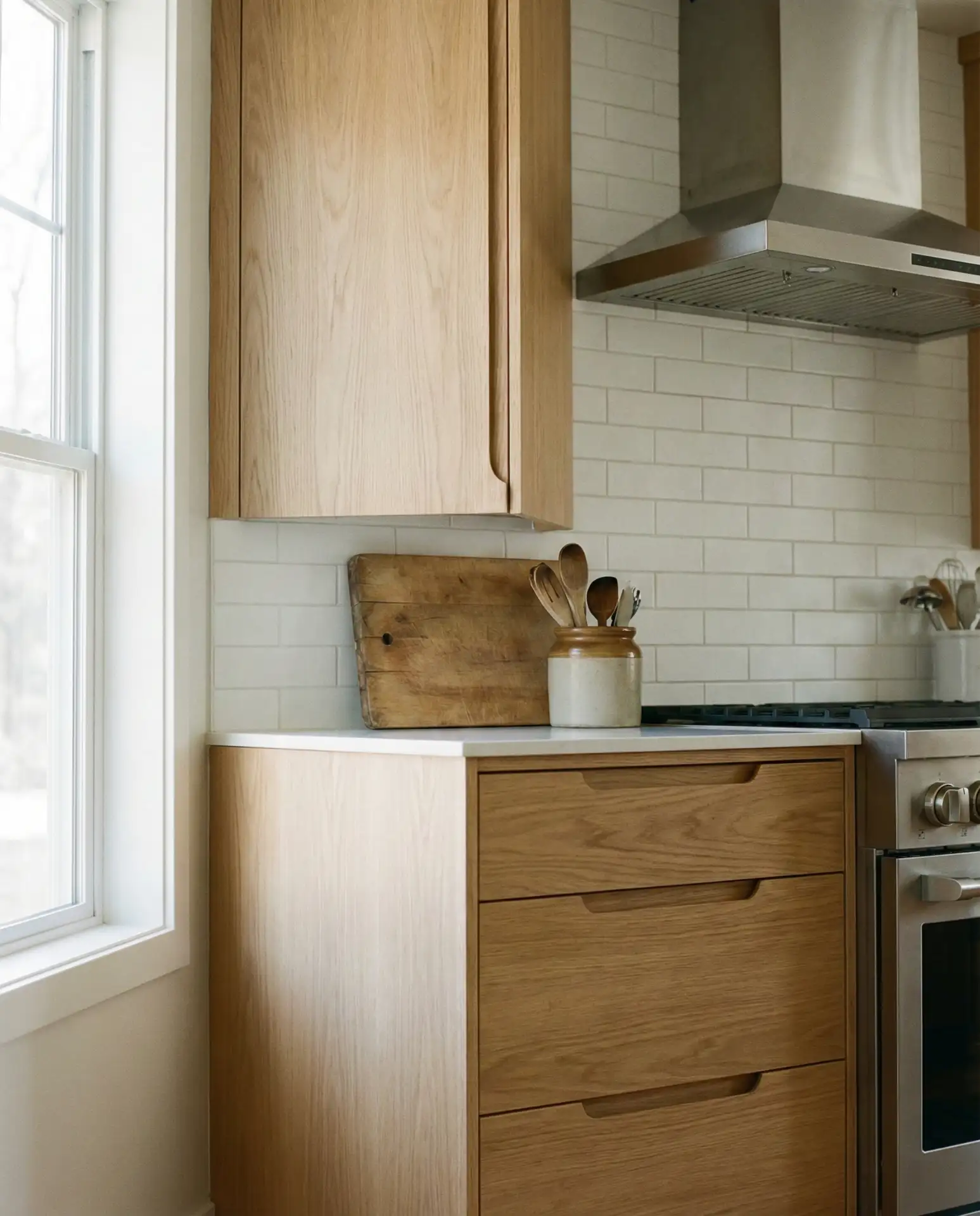
In the Pacific Northwest, where natural wood tones are a regional favorite, many homeowners are choosing white oak for its durability and ease of maintenance. Unlike painted cabinets, which can chip or require touch-ups, oiled or sealed oak develops a subtle patina over time that only enhances its character. This approach aligns with a growing desire for sustainable, long-lasting materials that don’t demand constant upkeep—a practical consideration for busy families.
5. Charcoal Gray for a Modern Edge
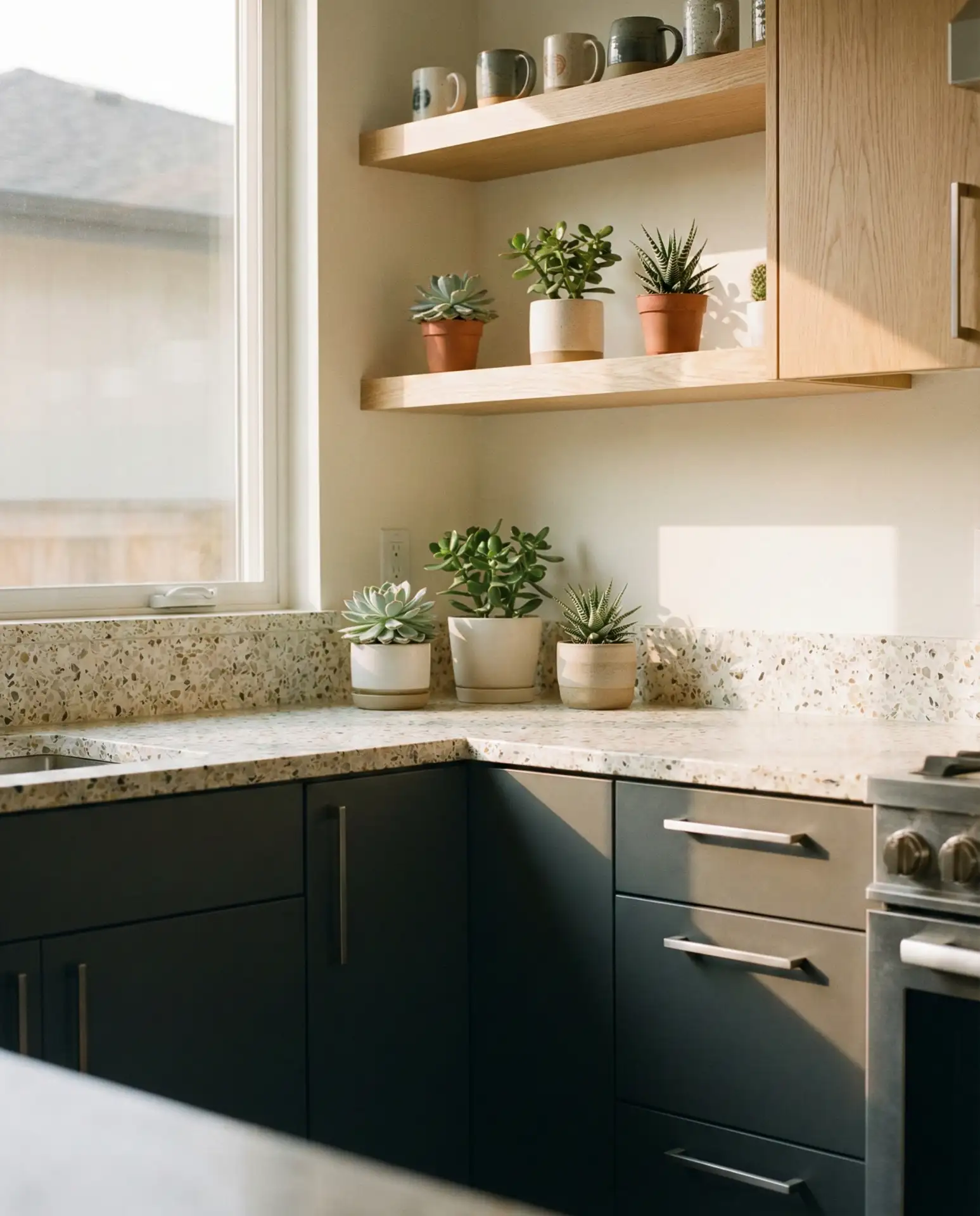
Deep gray or charcoal cabinets offer a contemporary alternative to both white and black, landing in a sweet spot that feels current without being overly stark. This tone works exceptionally well in urban apartments and lofts, where industrial elements like exposed brick or concrete floors benefit from the grounding presence of darker cabinetry. Grey cabinets are forgiving when it comes to fingerprints and smudges, making them a practical choice for high-traffic kitchens. They also serve as a neutral backdrop for colorful accessories, artwork, or seasonal décor changes.
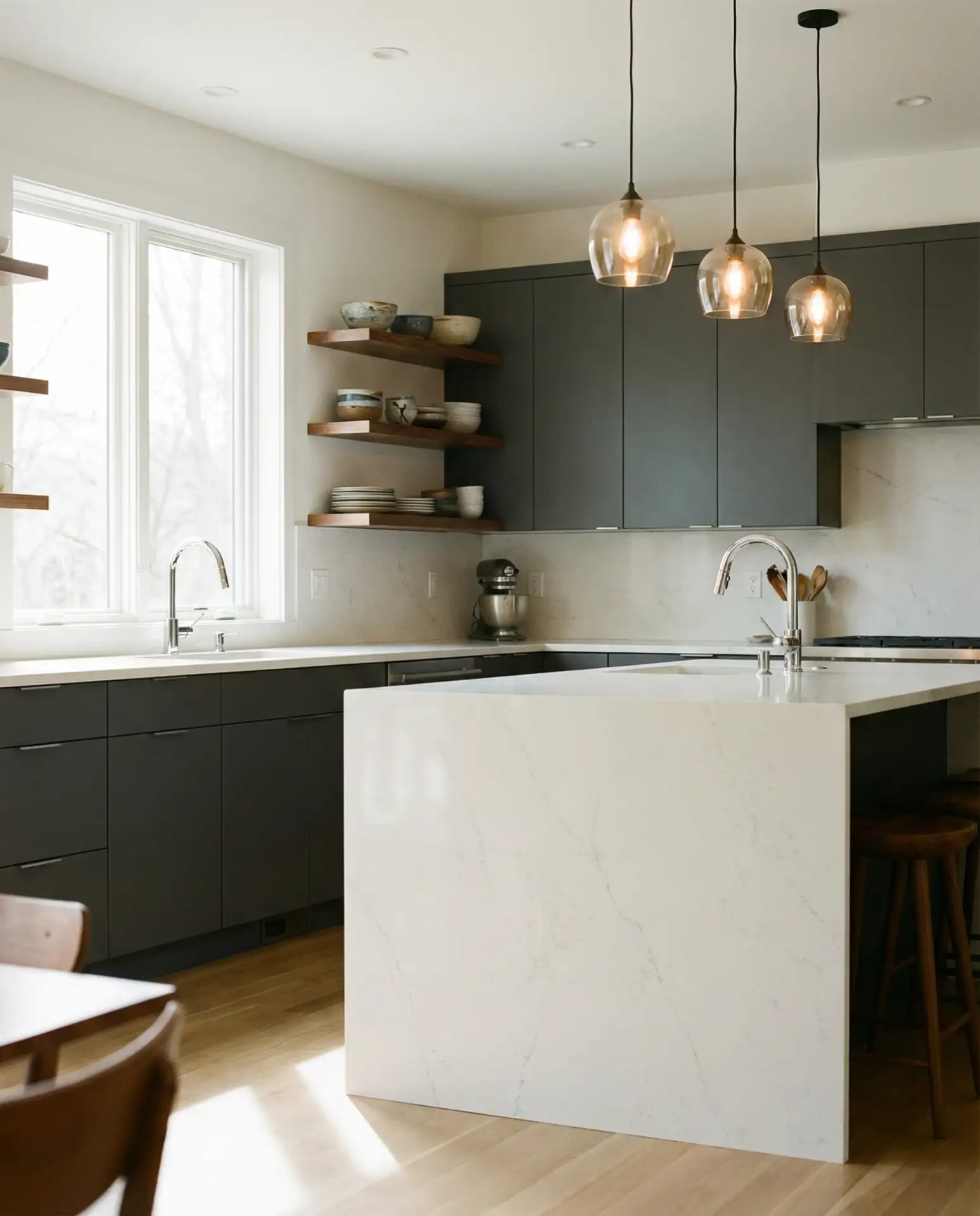
One practical insight: charcoal gray cabinets pair beautifully with both warm and cool metals, giving you flexibility when it comes to hardware and fixtures. Many designers recommend mixing finishes—brushed nickel handles with matte black faucets, for example—to add visual interest without overwhelming the space. This color also photographs exceptionally well, which is a bonus if you’re planning to list your home in the future.
6. Classic White Shaker for Timeless Appeal
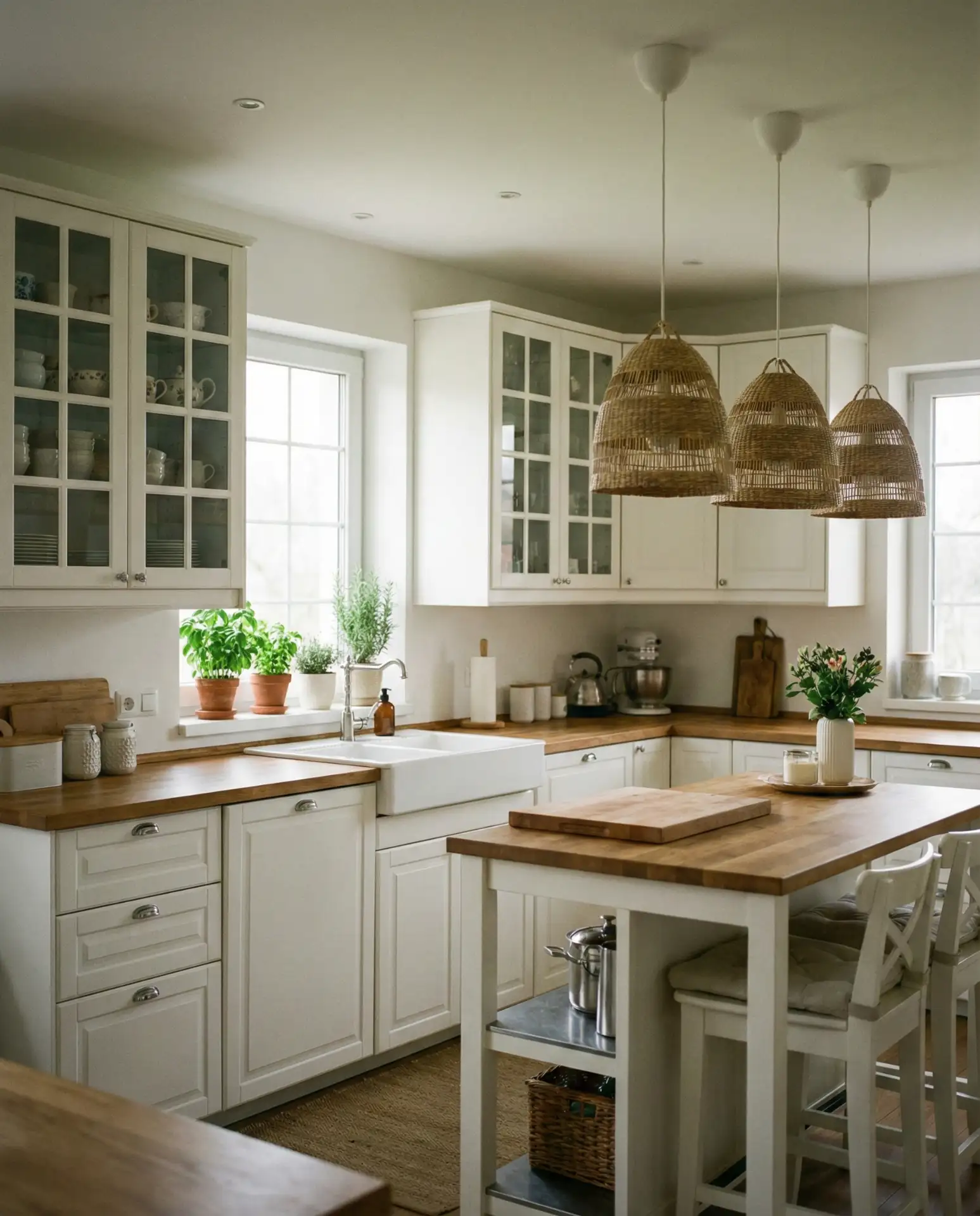
White shaker cabinets remain the most searched style on Pinterest, and for good reason—they’re versatile, bright, and endlessly adaptable. The simple five-piece door with a recessed center panel works in everything from traditional colonials to modern farmhouses. White cabinetry reflects light, making even small kitchens feel more spacious, and it provides a blank canvas for evolving tastes in hardware, backsplash, and countertops. While some worry about staining or yellowing, today’s high-quality paints and finishes are more durable than ever, standing up to daily use with minimal maintenance.
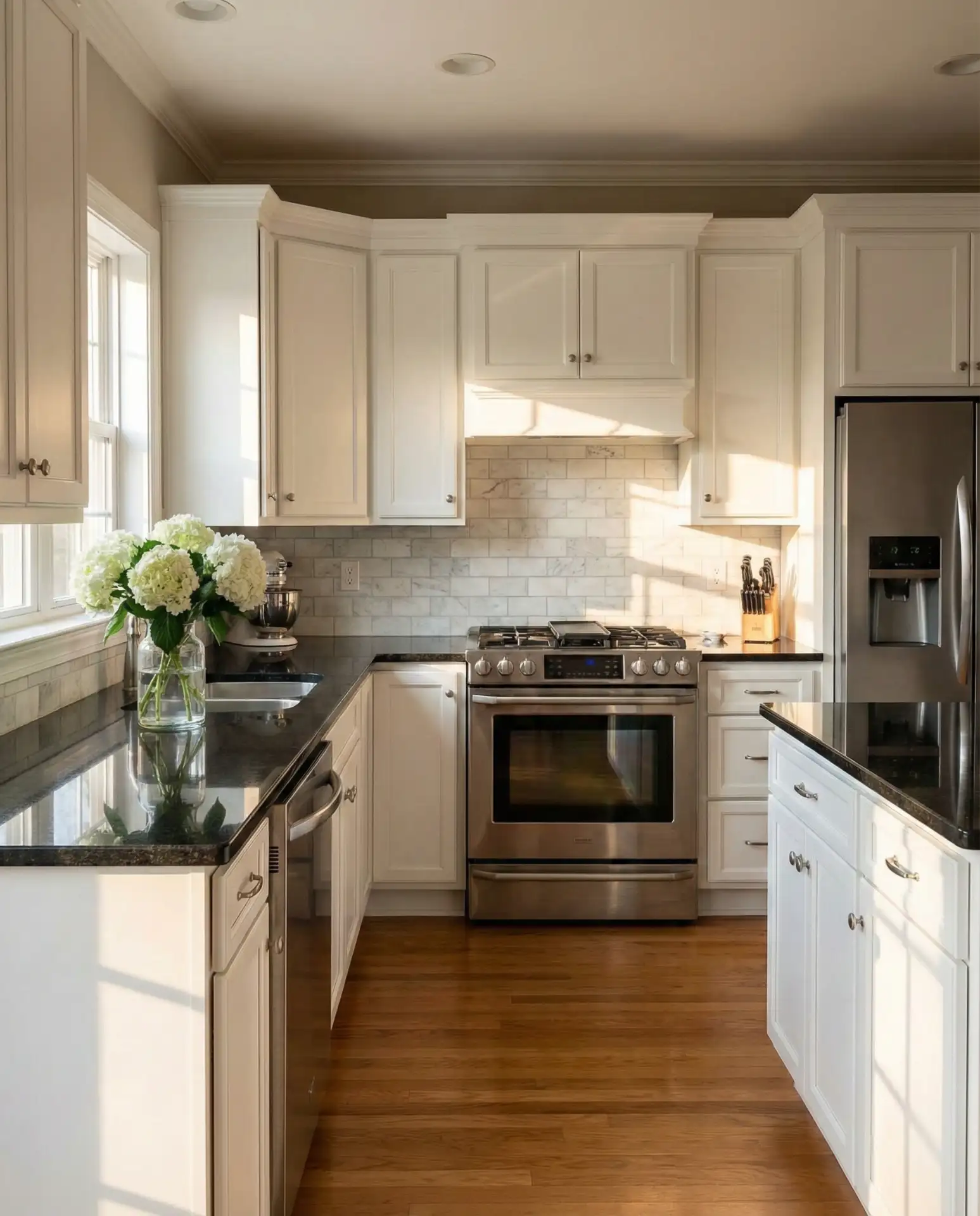
White shaker cabinets work best in kitchens where you want flexibility to change accessories and color schemes over time. Because they’re so neutral, you can easily shift from coastal blues to earthy terracottas to moody blacks without feeling locked into a specific aesthetic. Budget-wise, white shaker is often one of the most affordable semi-custom options, and it holds resale value better than trendier styles that may fall out of favor within a few years.
7. Dark Wood Tones for Dramatic Depth
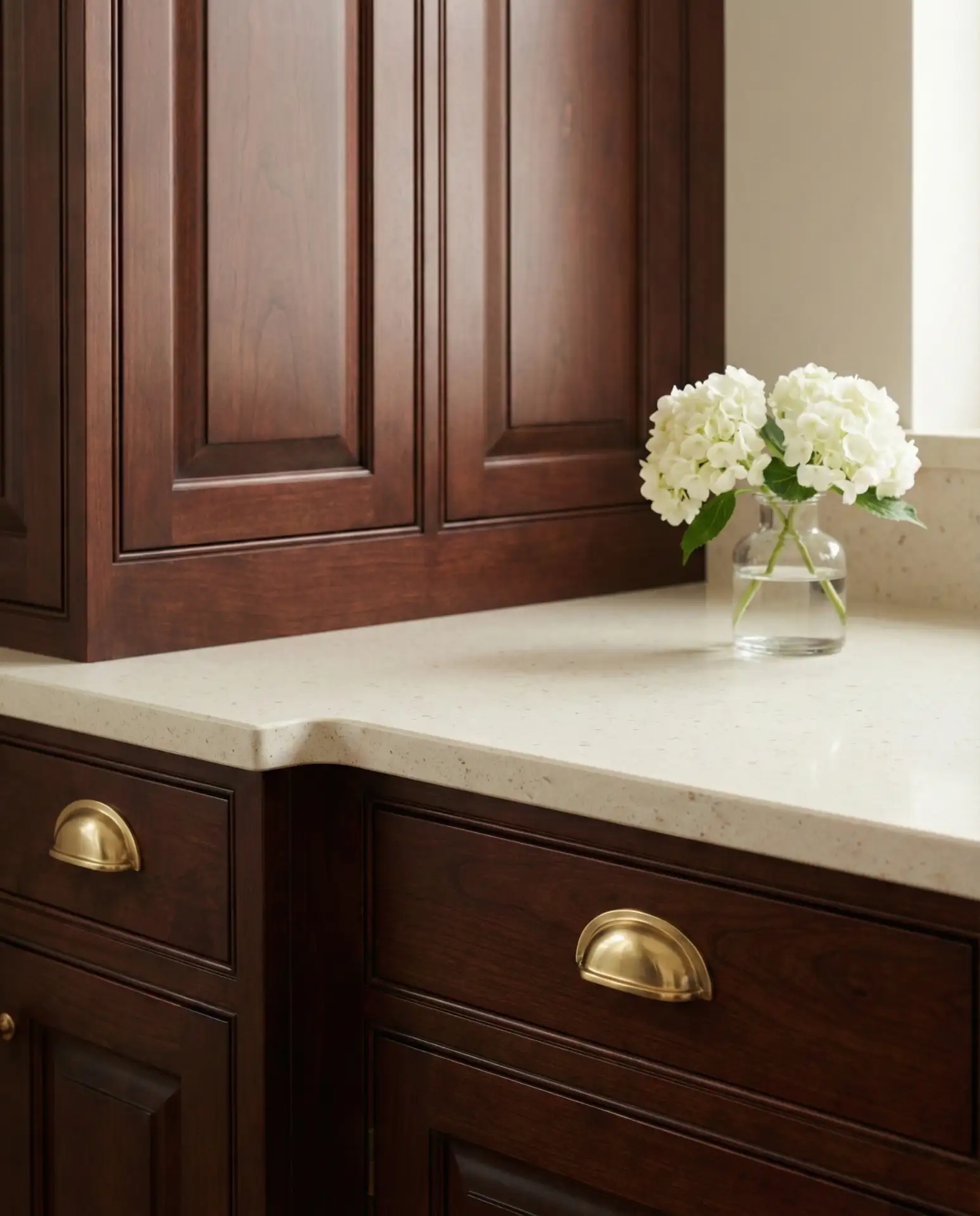
Dark wood cabinets—whether in espresso, mahogany, or deep cherry—are reclaiming their place in kitchen design after years of being overshadowed by lighter finishes. These rich tones create a sense of intimacy and elegance, particularly in larger kitchens with high ceilings where a lighter palette might feel too sparse. Dark cabinetry pairs beautifully with marble, brass, and even colorful tile, offering a dramatic backdrop that elevates every other element in the room. It’s a bold choice that signals confidence and a willingness to embrace richness over airy minimalism.
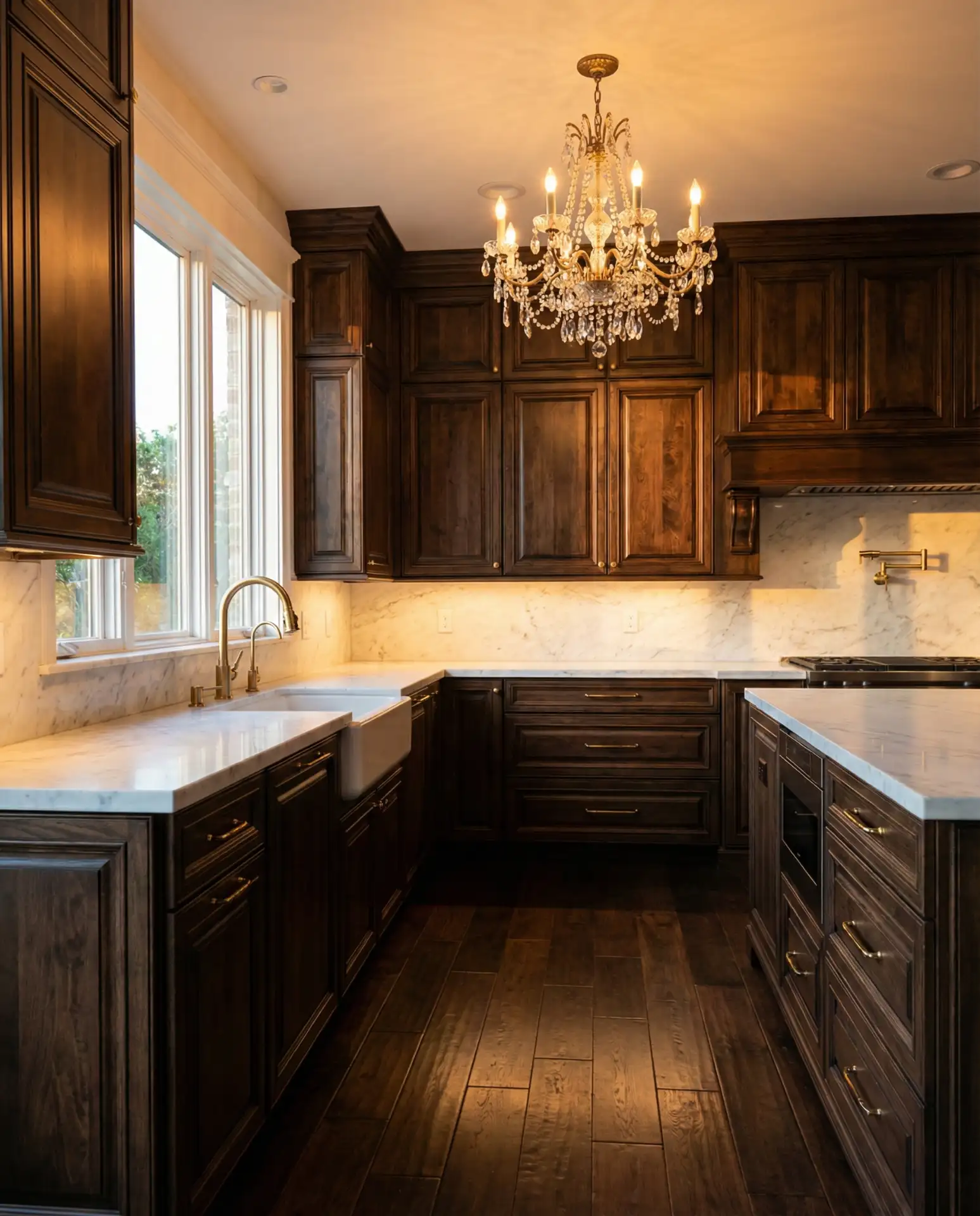
In Southern states like Georgia and Tennessee, where traditional design sensibilities remain strong, dark wood cabinets are particularly popular in formal kitchens and chef-worthy spaces. The key to making them work is ensuring adequate lighting—layered sources including recessed cans, under-cabinet strips, and statement pendants are essential. Without proper illumination, dark cabinetry can read as oppressive rather than cozy, so invest in a thoughtful lighting plan from the outset.
8. Beige Cabinets for Understated Warmth
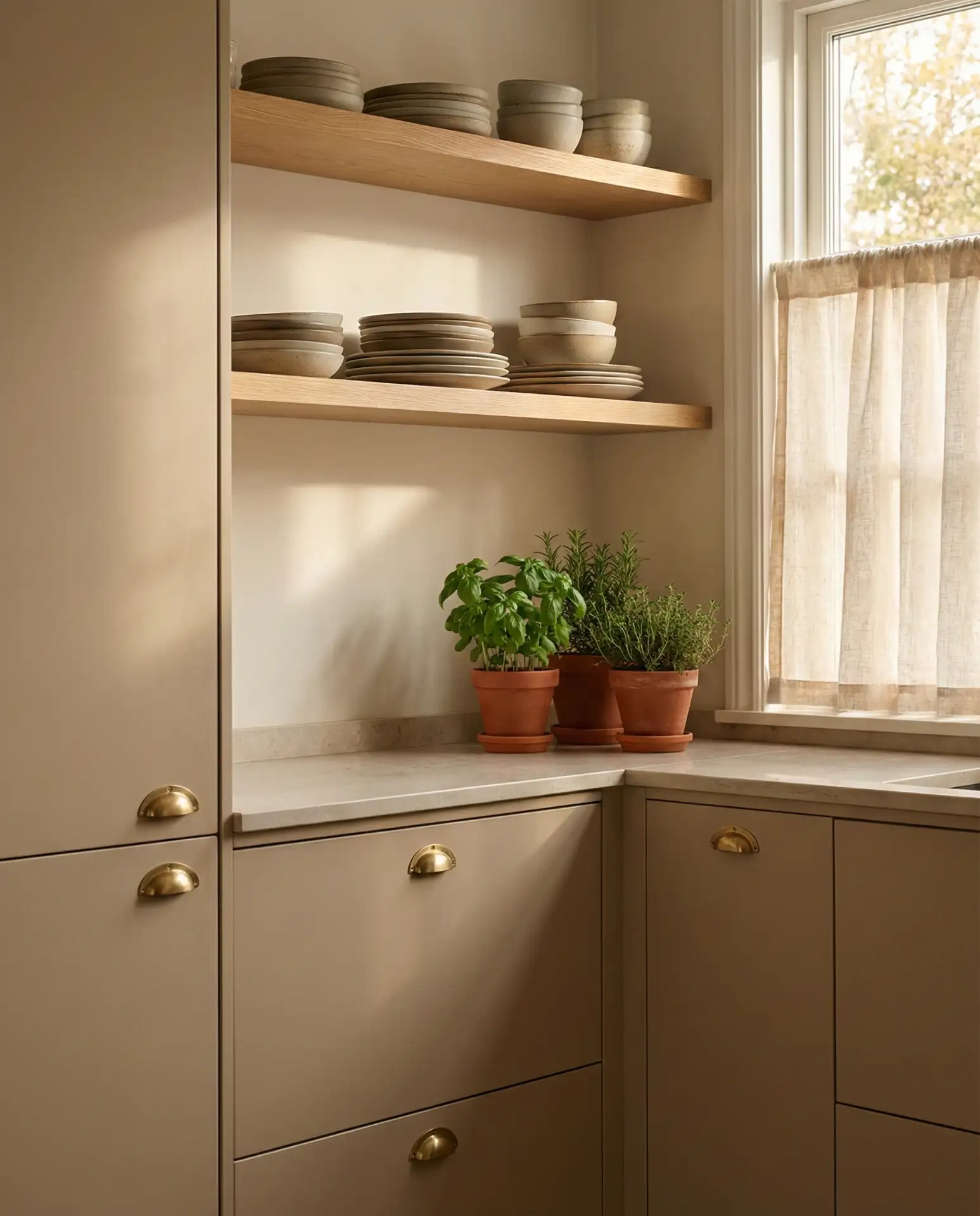
Beige cabinetry is emerging as a softer alternative to both white and gray, offering warmth without the high contrast of darker colors. This neutral sits comfortably between cream and tan, making it versatile enough to work in traditional, transitional, and even modern kitchens. Beige feels welcoming and unpretentious, a quality that appeals to families looking for a kitchen that’s inviting rather than overly styled. It also complements a wide range of natural materials, from limestone to reclaimed wood, making it a go-to for those pursuing an organic, earthy aesthetic.
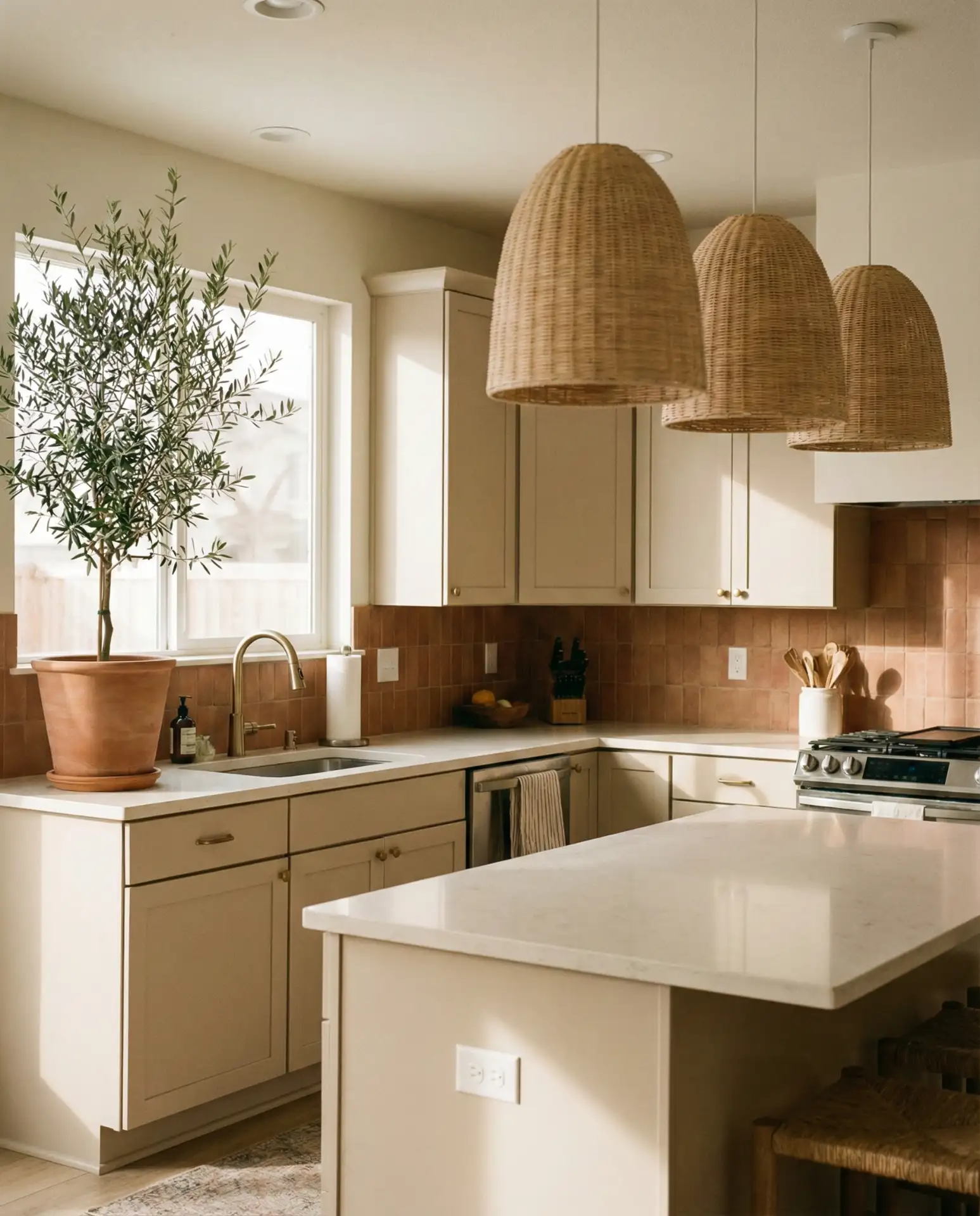
Expert designers often recommend beige for kitchens that open onto living or dining areas, as it creates a seamless flow between spaces without the stark division that white or dark cabinets can create. It’s also forgiving when it comes to wear and tear—minor scuffs or discoloration are far less noticeable on beige than on pure white. If you’re renovating with resale in mind, beige offers broad appeal without feeling boring or outdated.
9. Taupe Cabinets with Marble Countertops
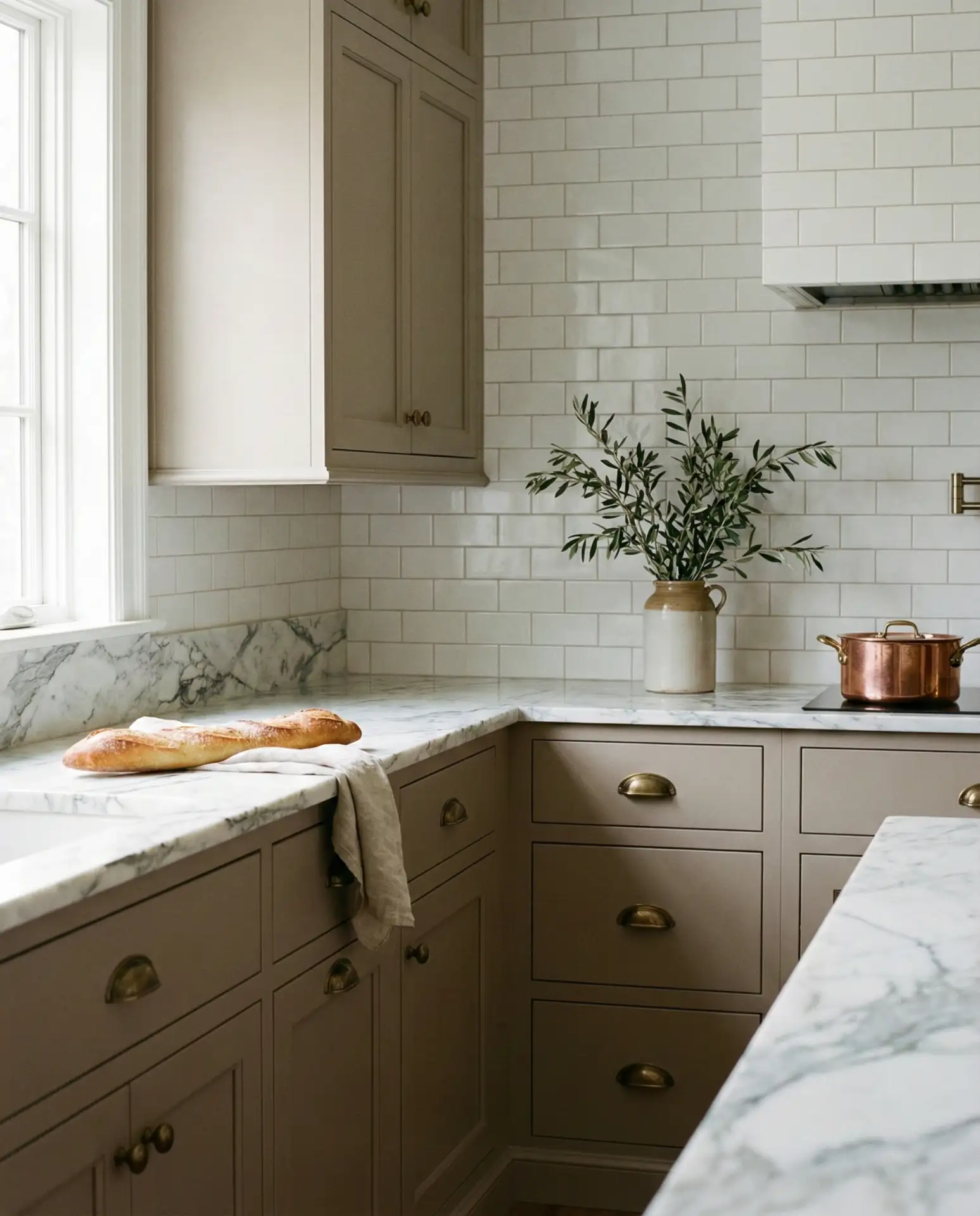
Taupe is the sophisticated cousin of beige, leaning slightly more gray and offering a cooler, more refined presence. It’s a color that feels European in inspiration, evoking Parisian apartments and Italian villas. Taupe cabinets paired with veined marble countertops create a luxurious yet understated look that’s particularly appealing to homeowners who want elegance without ostentation. This combination works beautifully with both modern and traditional hardware, and it’s forgiving of changing trends—taupe has a staying power that more saturated colors often lack.
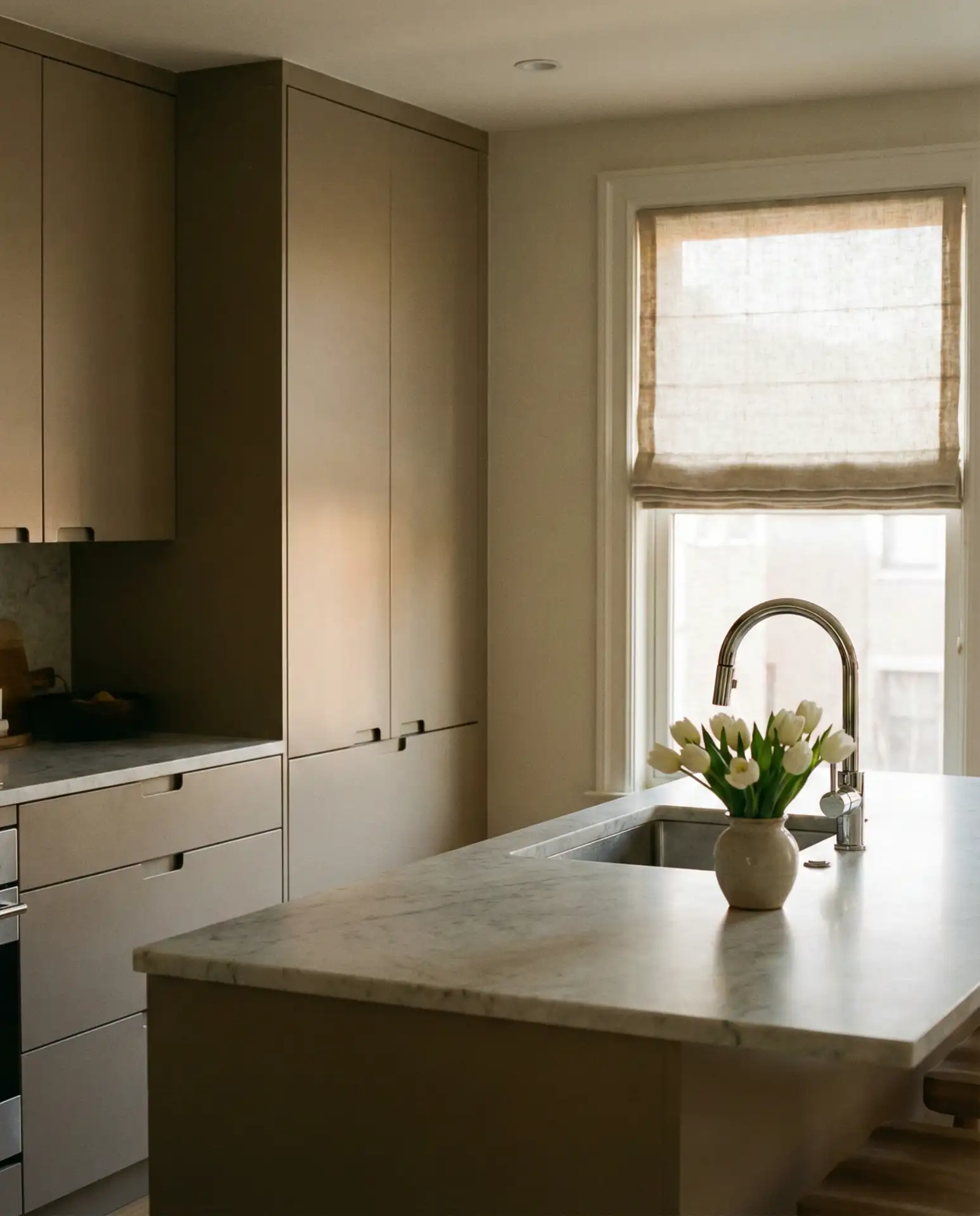
Many real homeowners report that taupe cabinets photograph better than they expected, which is a consideration if you’re active on social media or planning to document your renovation. The color reads as intentional and curated without requiring a lot of additional styling—simple linen textiles and greenery are often enough to complete the look. Taupe also hides dust and minor imperfections better than stark white, making it a practical choice for busy households.
10. Open Shelving with Lower Cabinets
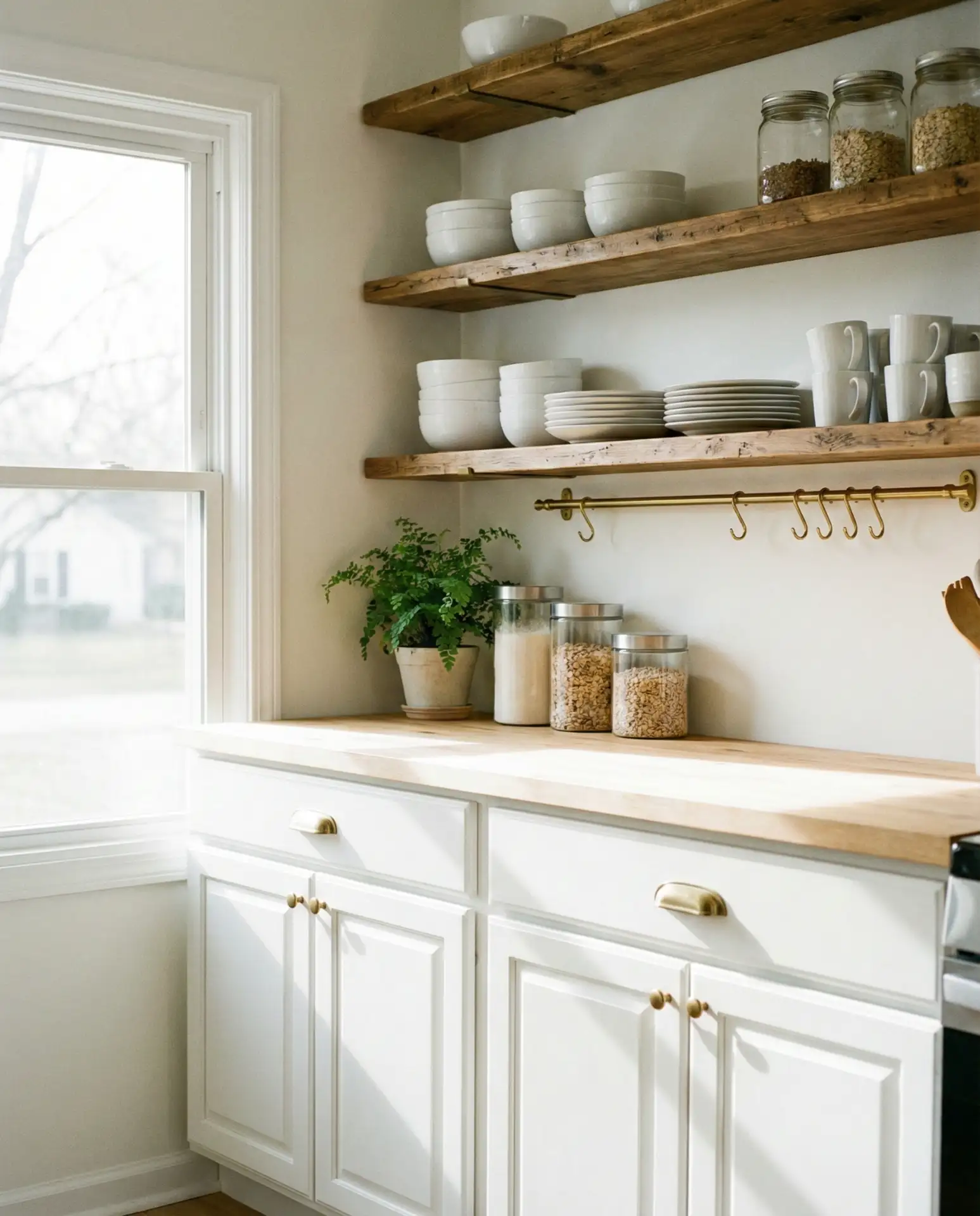
Replacing some or all upper cabinets with open shelving has become a defining idea in contemporary kitchen design. This approach creates visual lightness and offers an opportunity to display beautiful dishware, glassware, and cookbooks. Lower cabinets handle the bulk of storage and keep clutter hidden, while open shelves above add personality and accessibility. This hybrid system works particularly well in smaller kitchens where upper cabinets can feel oppressive, and it allows for easy access to frequently used items without the hassle of opening and closing doors.
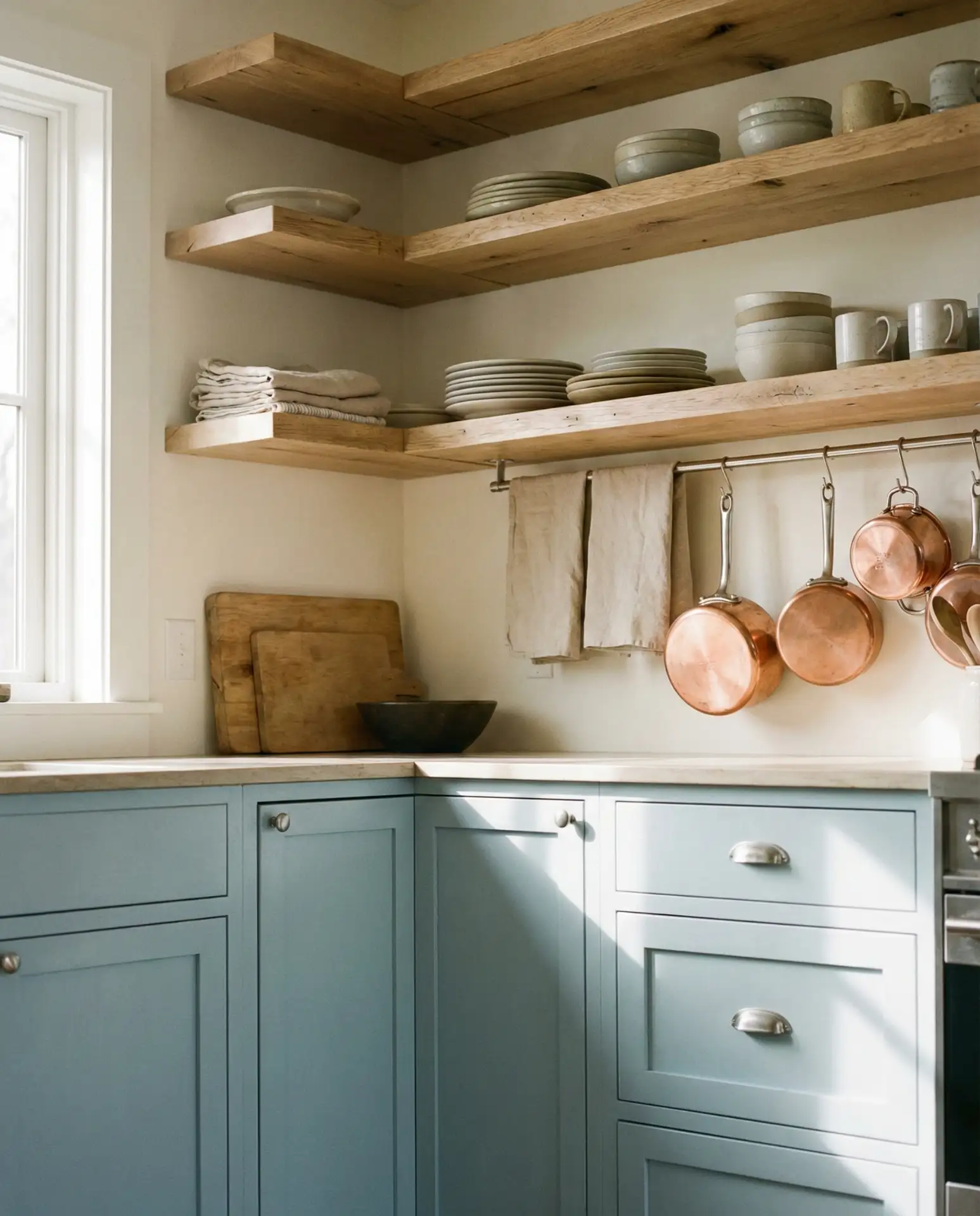
Where open shelving works best: in kitchens where you’re committed to keeping things organized and visually cohesive. If you tend to accumulate mismatched mugs or colorful plastic containers, this approach may create more stress than style. In California and other western states, open shelving has become especially popular, reflecting a more casual, laid-back lifestyle where the kitchen is as much about display as it is about cooking. Just be prepared for more frequent dusting—exposed dishes do collect debris more readily than those behind closed doors.
11. Black Cabinets for Bold Sophistication
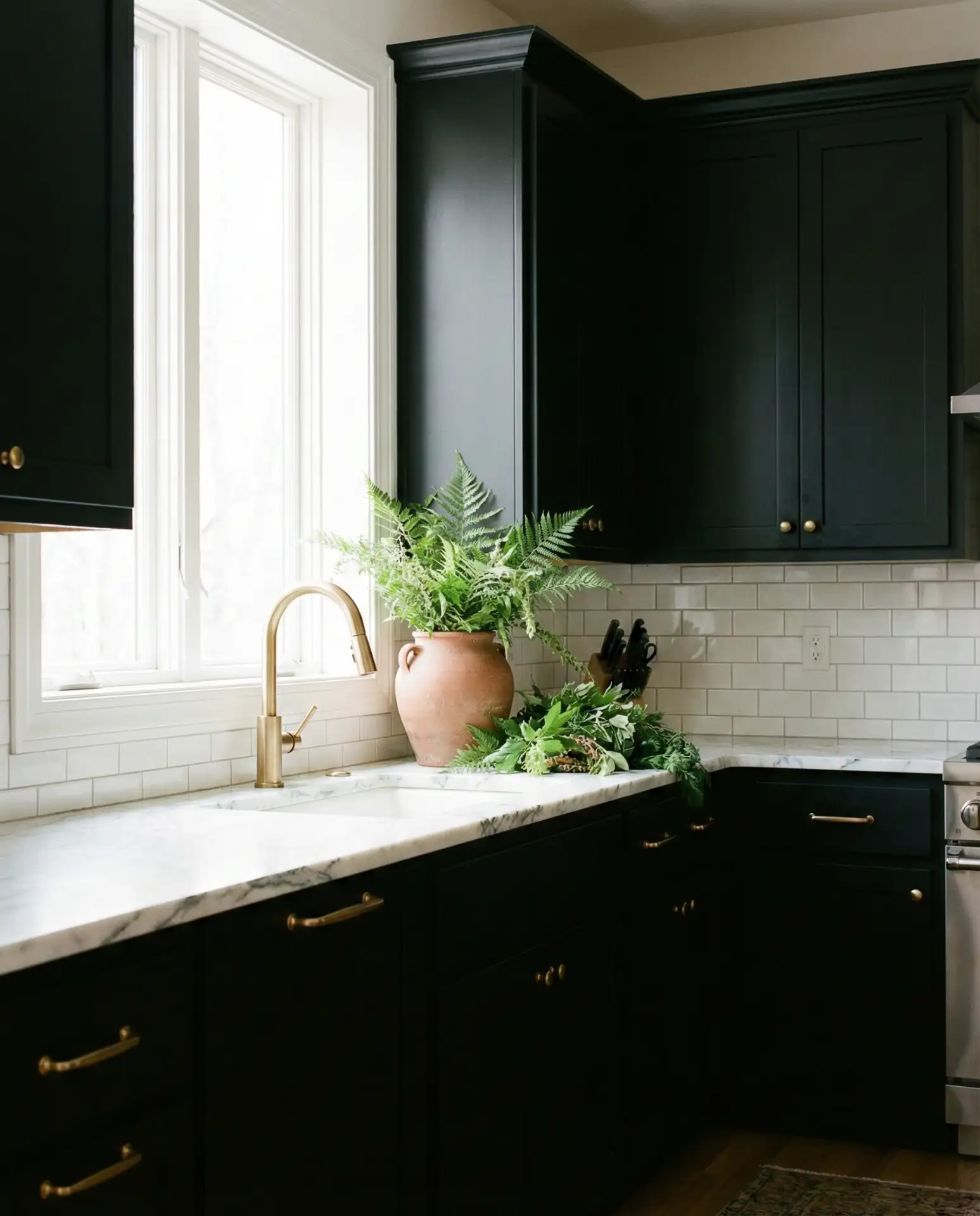
Black cabinets are no longer reserved for ultra-modern lofts—they’re showing up in suburban homes, historic brownstones, and even farmhouse kitchens. The key to making black work is balancing it with lighter elements: white or light-colored countertops, ample natural light, and reflective surfaces like glass or polished metal. Black cabinetry offers a level of drama and sophistication that few other colors can match, and it provides a striking contrast that makes other design elements—tile, hardware, lighting—really pop. It’s a confident choice that signals a willingness to break from convention.
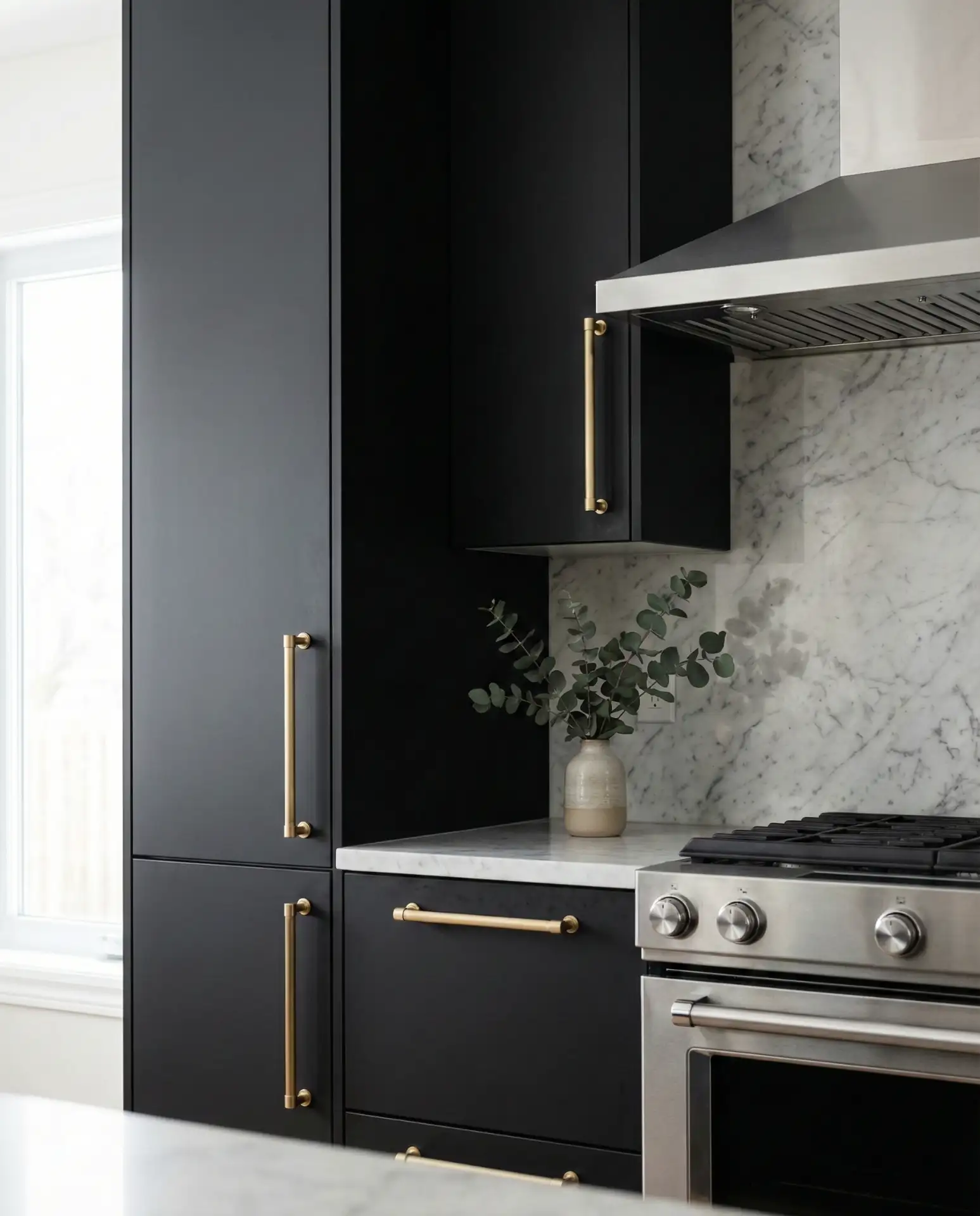
Common mistakes include pairing black cabinets with dark countertops and insufficient lighting, which can make the kitchen feel cave-like. Instead, opt for white, cream, or light gray counters and invest in multiple light sources. Another pitfall is choosing a glossy finish, which shows fingerprints and smudges relentlessly—matte or satin finishes are far more forgiving. If you’re hesitant to commit fully, consider black lowers with white or wood uppers for a two-tone approach that’s easier to live with.
12. Natural Wood with No Upper Cabinets
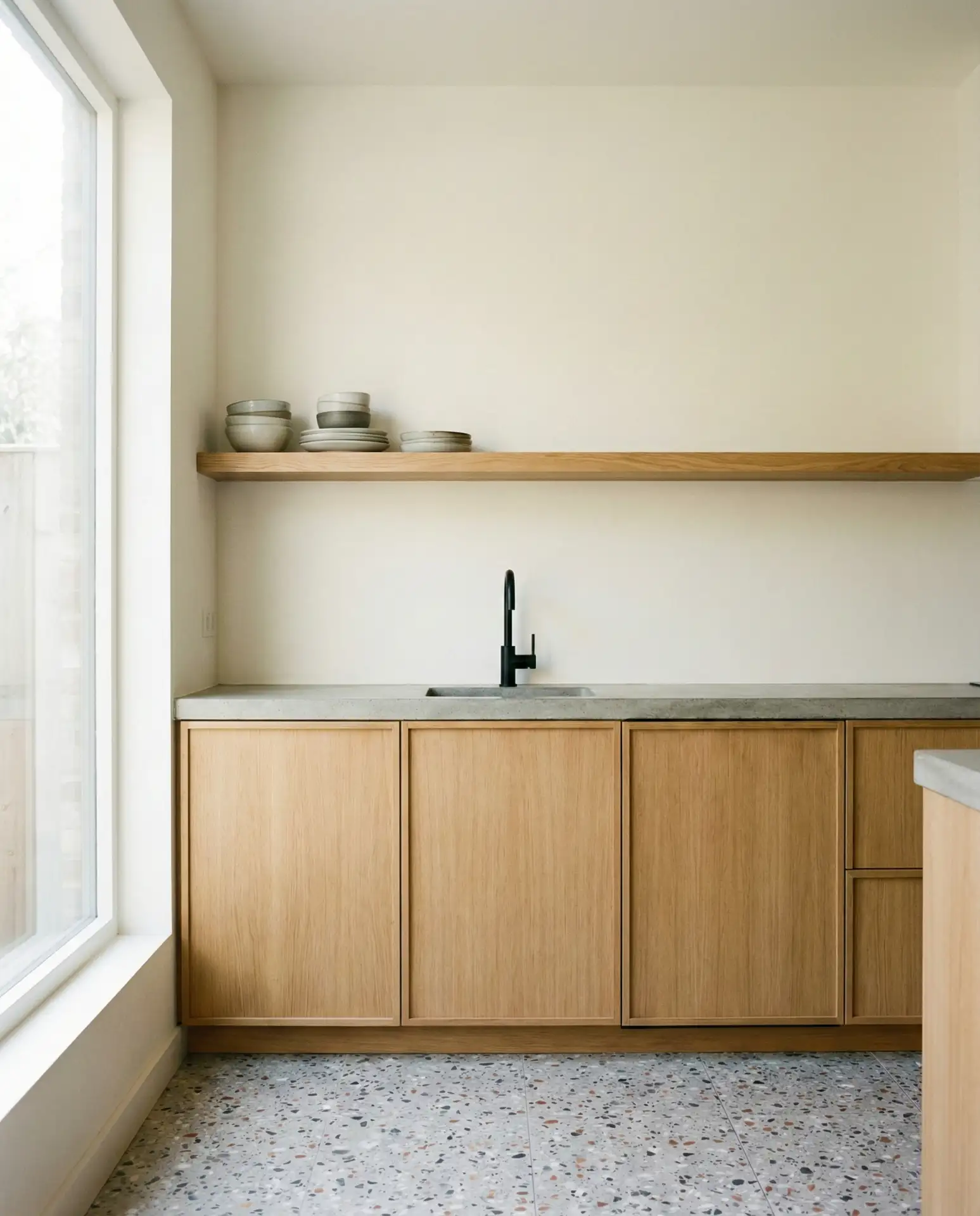
Eliminating upper cabinets entirely and relying on natural wood lowers creates an open, gallery-like feel that’s become increasingly popular in modern and Scandinavian-inspired kitchens. This approach maximizes natural light and makes even modest-sized kitchens feel expansive. It requires thoughtful organization—you’ll need to be strategic about storage, often incorporating pantry space elsewhere or using deep drawers efficiently. But the payoff is a kitchen that feels less like a utilitarian workspace and more like a carefully curated living area.
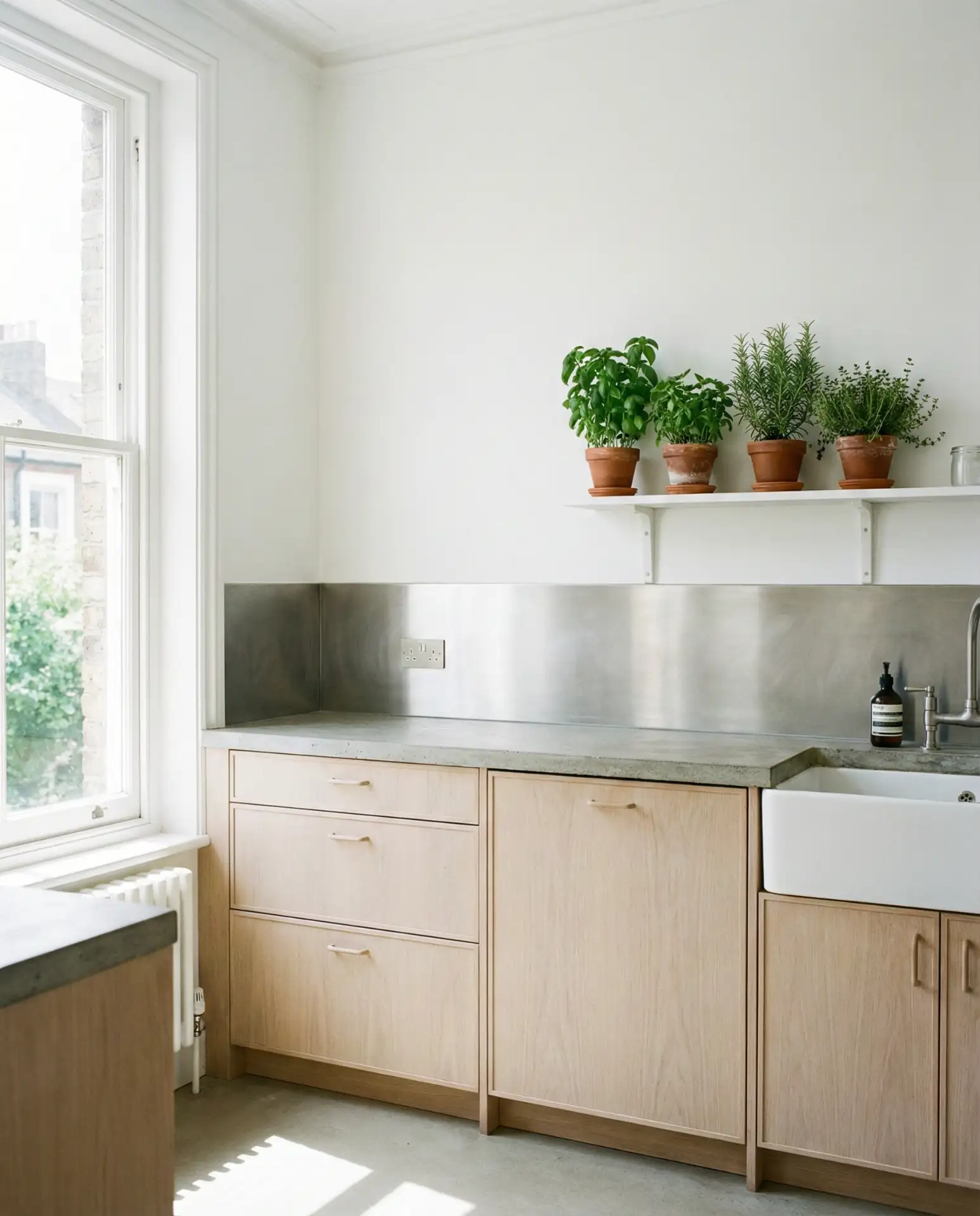
From a practical standpoint, this layout works best for smaller households or for cooks who don’t accumulate a lot of gadgets and serving pieces. In Brooklyn and Portland, where space is at a premium and aesthetic minimalism is prized, this approach has become almost a signature style. The absence of upper cabinets also allows for creative wall treatments—tile, plaster, or even exposed brick—that become focal points in their own right. Just be honest with yourself about your storage needs before committing to this look.
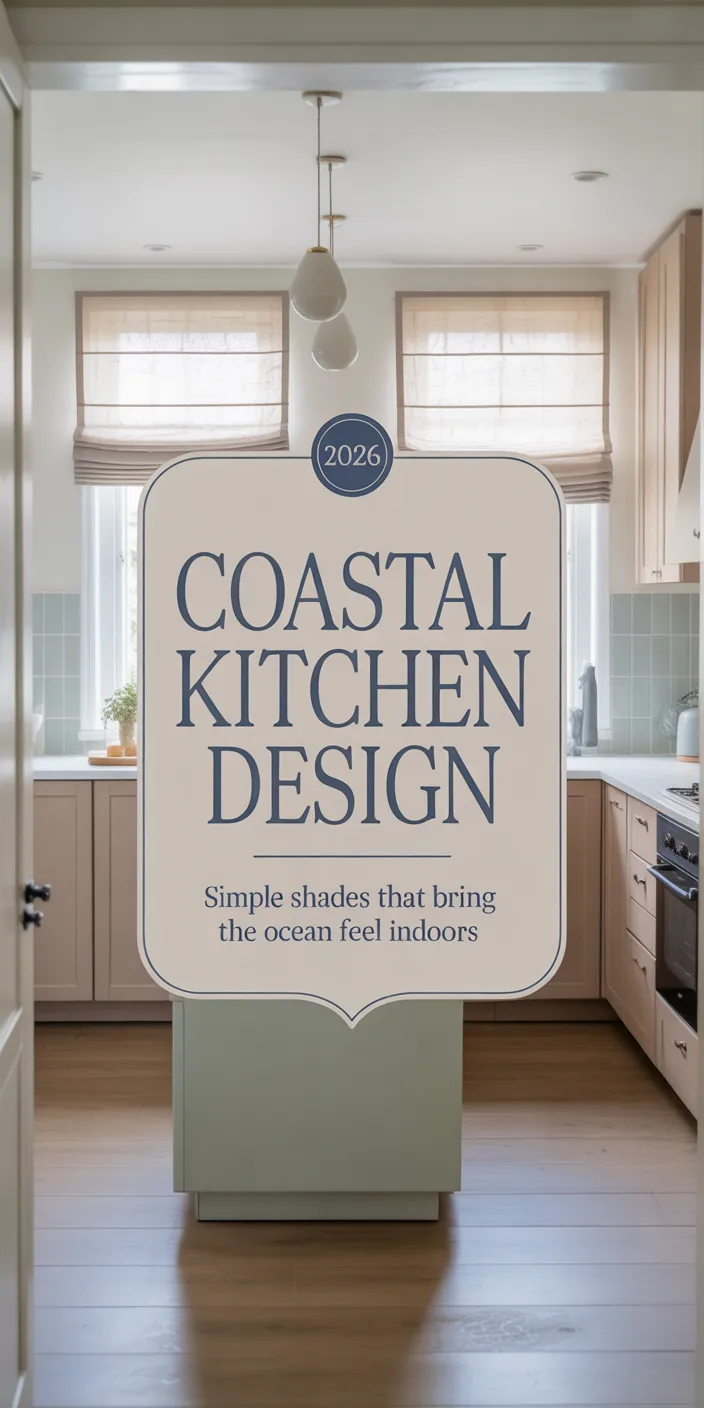
13. Blue-Gray Cabinets for Coastal Vibes
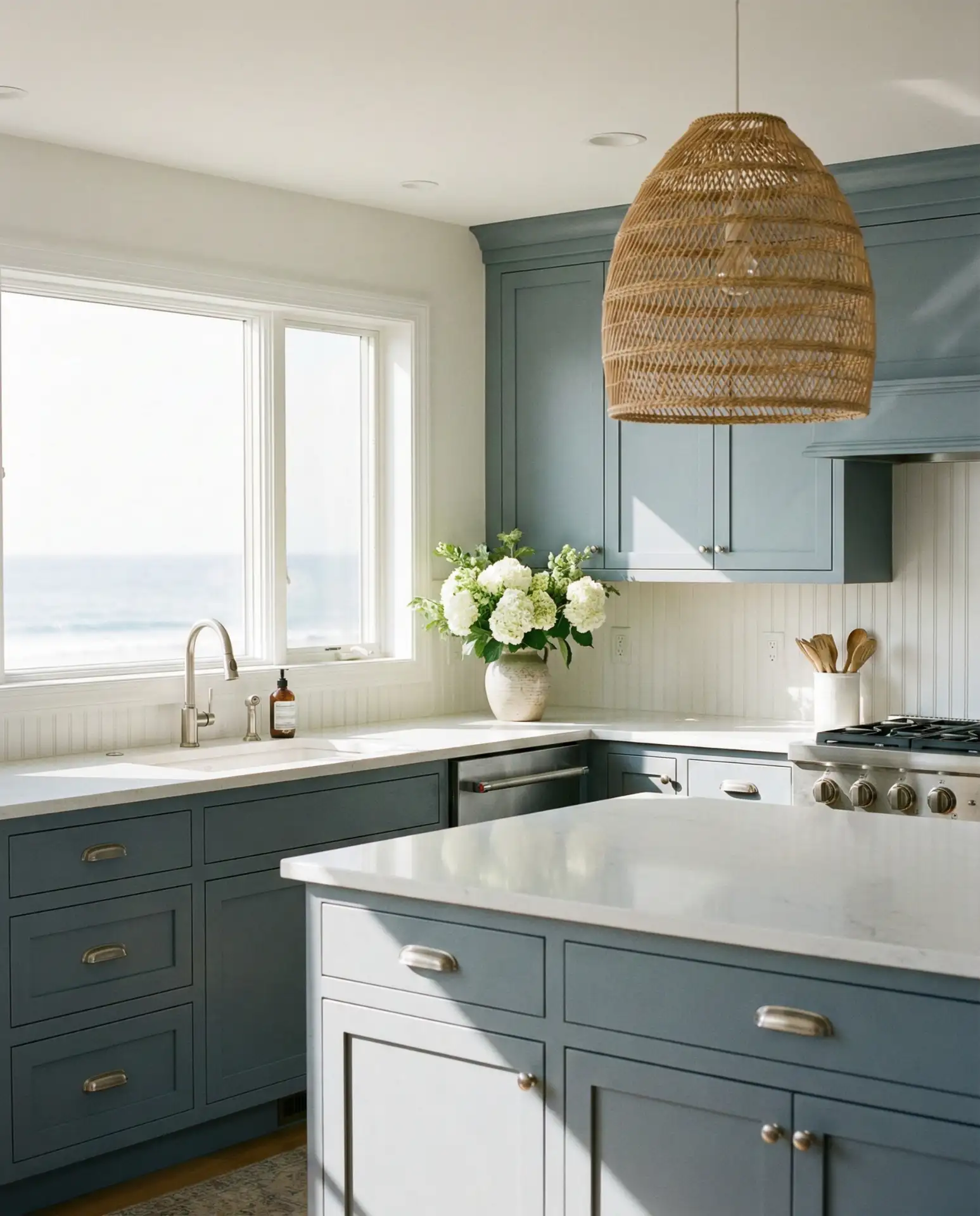
Blue-gray cabinets evoke the soft, weathered tones of driftwood and sea glass, making them a natural fit for coastal homes or anyone drawn to nautical ideas. This color sits between true blue and classic gray, offering enough color interest to feel intentional while remaining neutral enough to pair with a wide range of materials and finishes. It works beautifully with white marble, brass fixtures, and natural wood accents, and it brings a calming, spa-like quality to the kitchen. Blue-gray is particularly popular in New England and along the California coast, where maritime influences run deep.
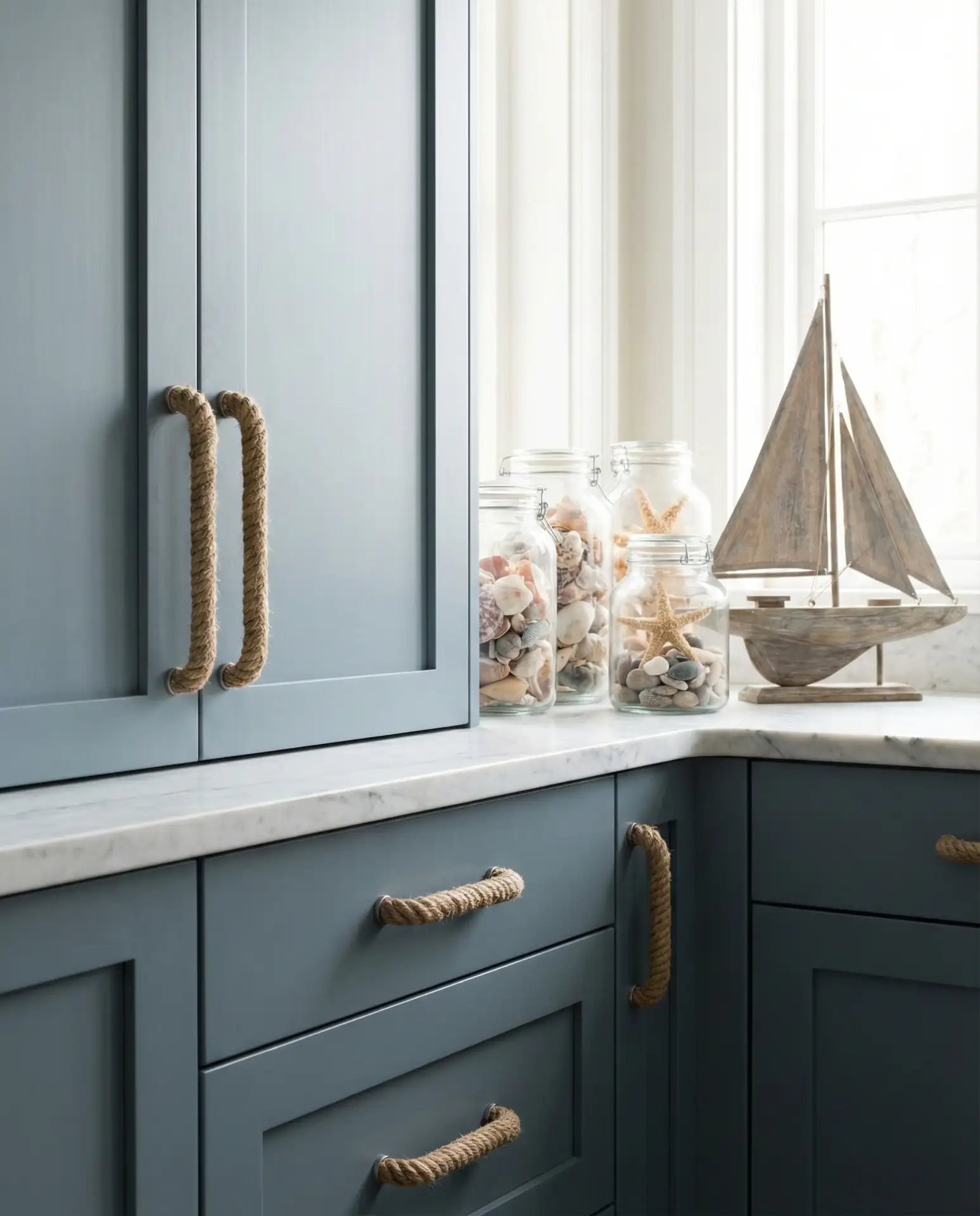
One homeowner in Cape Cod shared that she was initially drawn to pure gray but found it too cold for her sunny kitchen. Switching to a blue-gray shade with subtle green undertones transformed the space, making it feel both fresh and cozy. She recommends testing samples on all walls of the kitchen, as the color can shift dramatically depending on light exposure. Blue-gray also pairs beautifully with natural textures like jute, linen, and whitewashed wood, reinforcing that relaxed, beachy aesthetic.
14. Corner Cabinets with Lazy Susan Solutions
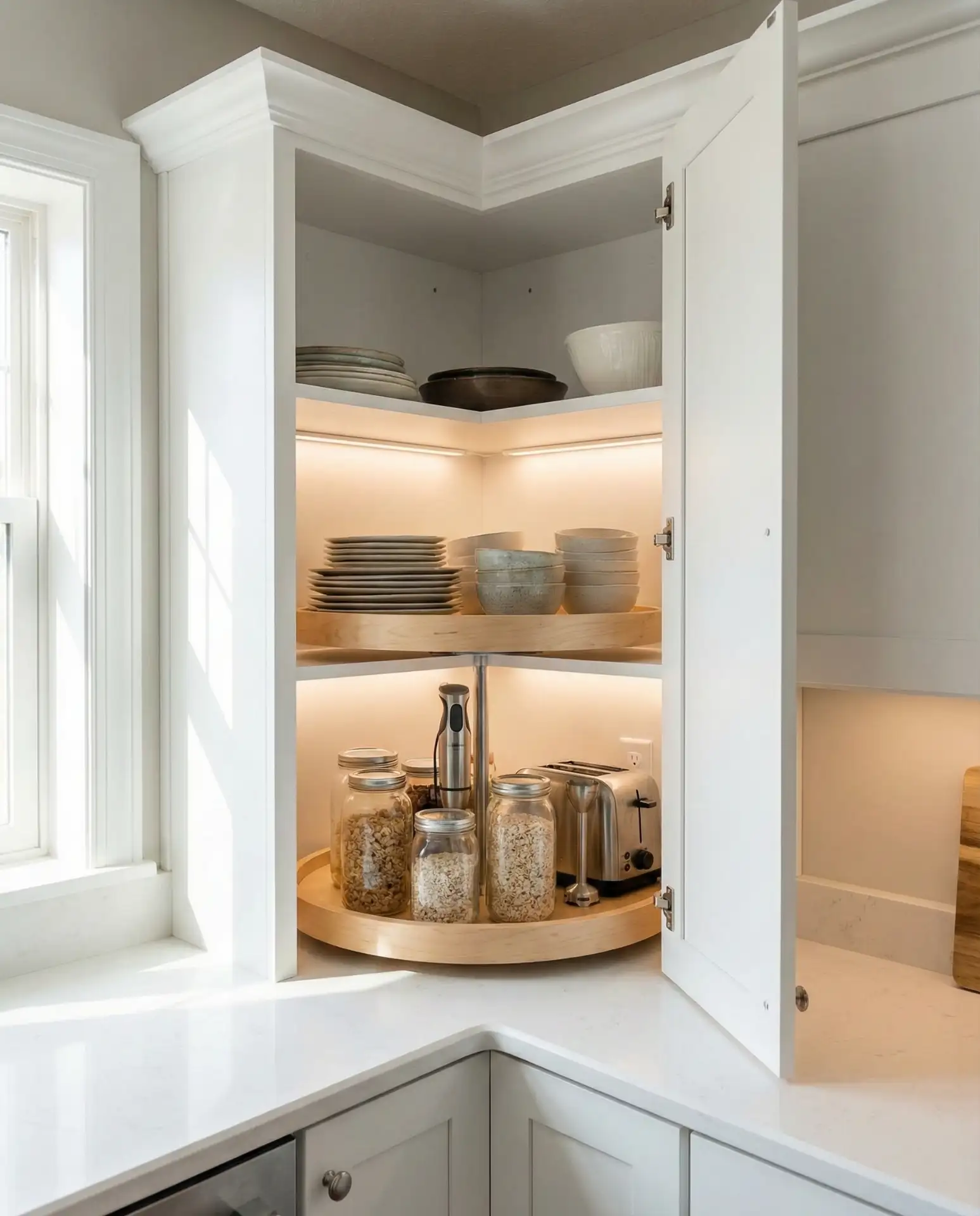
Corner cabinets are notoriously tricky, often becoming black holes where pots and Tupperware go to die. But modern organization solutions—particularly lazy Susans and pull-out shelving systems—have transformed these awkward spaces into highly functional storage. A well-designed corner cabinet with a rotating carousel allows you to access items in the back without crawling on the floor, making use of every inch of available space. This is particularly valuable in smaller kitchens where storage is at a premium and every cabinet counts.
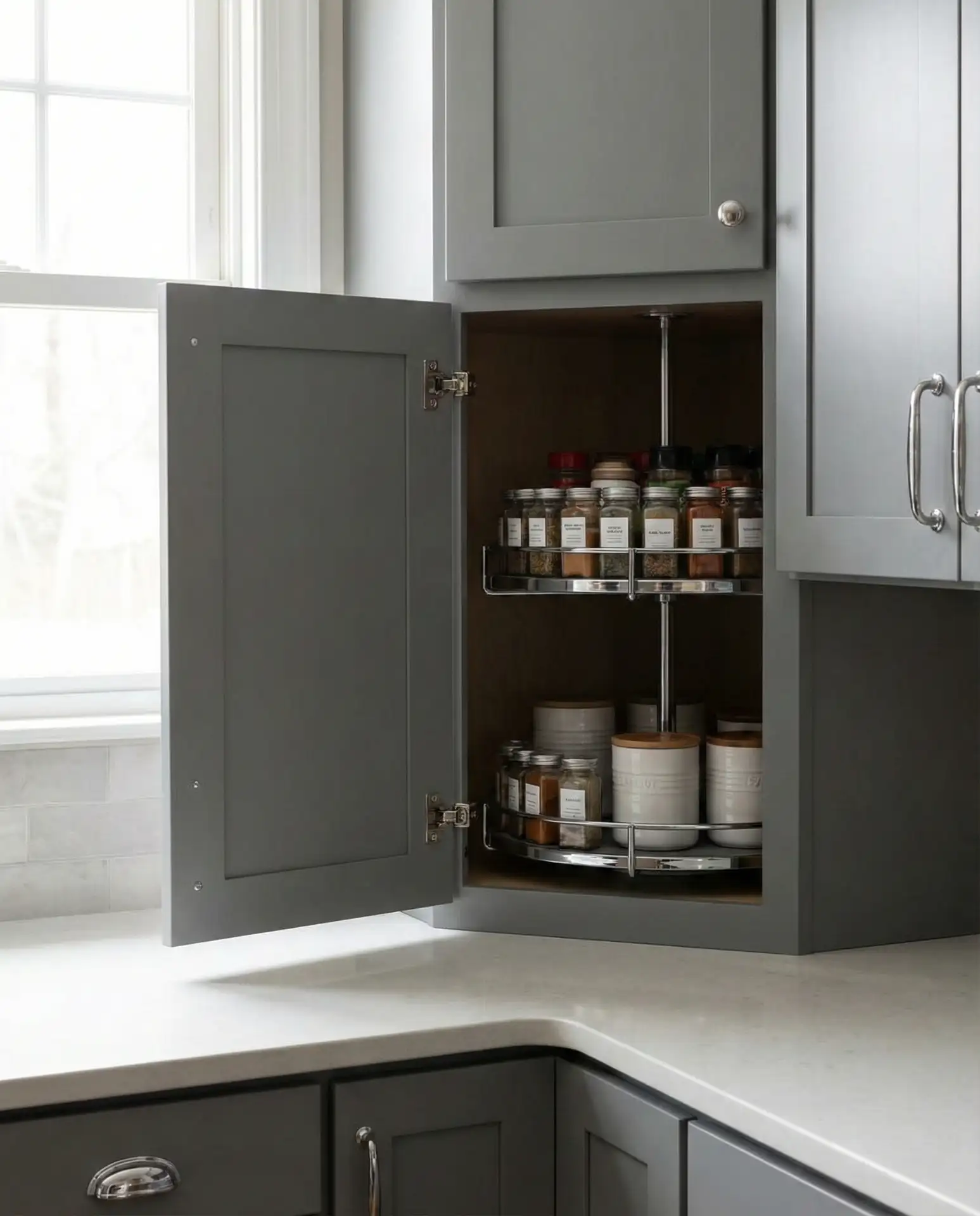
Practical insight: when planning a kitchen layout, don’t overlook the corner cabinets—specify the internal organization system upfront rather than treating it as an afterthought. Many stock and semi-custom lines now offer excellent corner solutions, but they often need to be ordered separately or chosen during the design phase. Skipping this step means you’ll end up with dead space that’s frustrating to use. A good lazy Susan or pull-out system can add several cubic feet of usable storage, which is especially valuable in compact layouts.
15. Matte Finish for a Contemporary Look
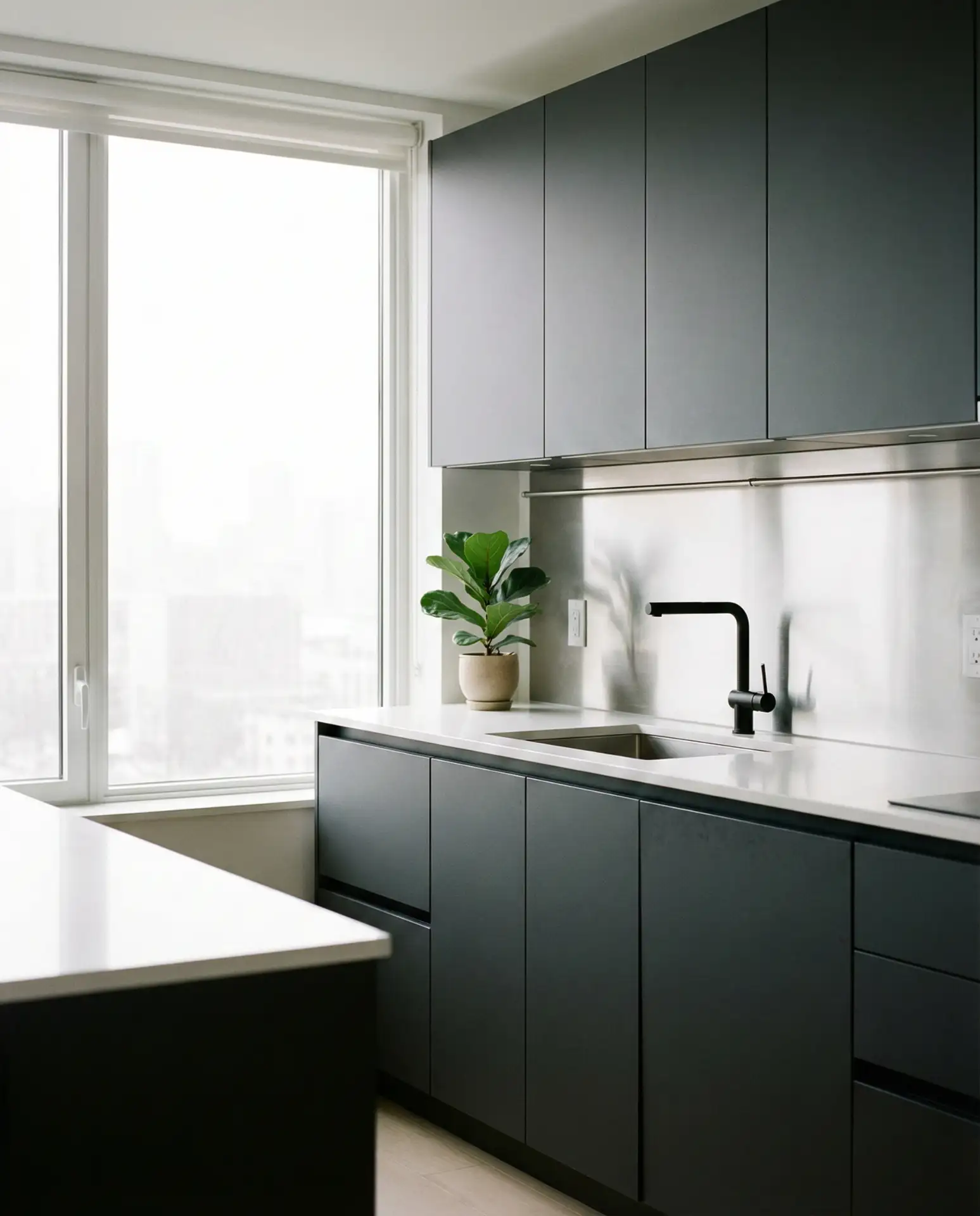
Matte finishes have overtaken high-gloss as the preferred surface treatment for modern cabinets, offering a soft, tactile quality that feels current and sophisticated. Whether applied to white, black, or any color in between, a matte finish minimizes glare and hides fingerprints far better than its shiny counterpart. It also lends itself to a more understated, European aesthetic where texture and form take precedence over reflective surfaces. This shift reflects a broader move away from the high-contrast, glossy kitchens of the early 2000s toward something more refined and livable.
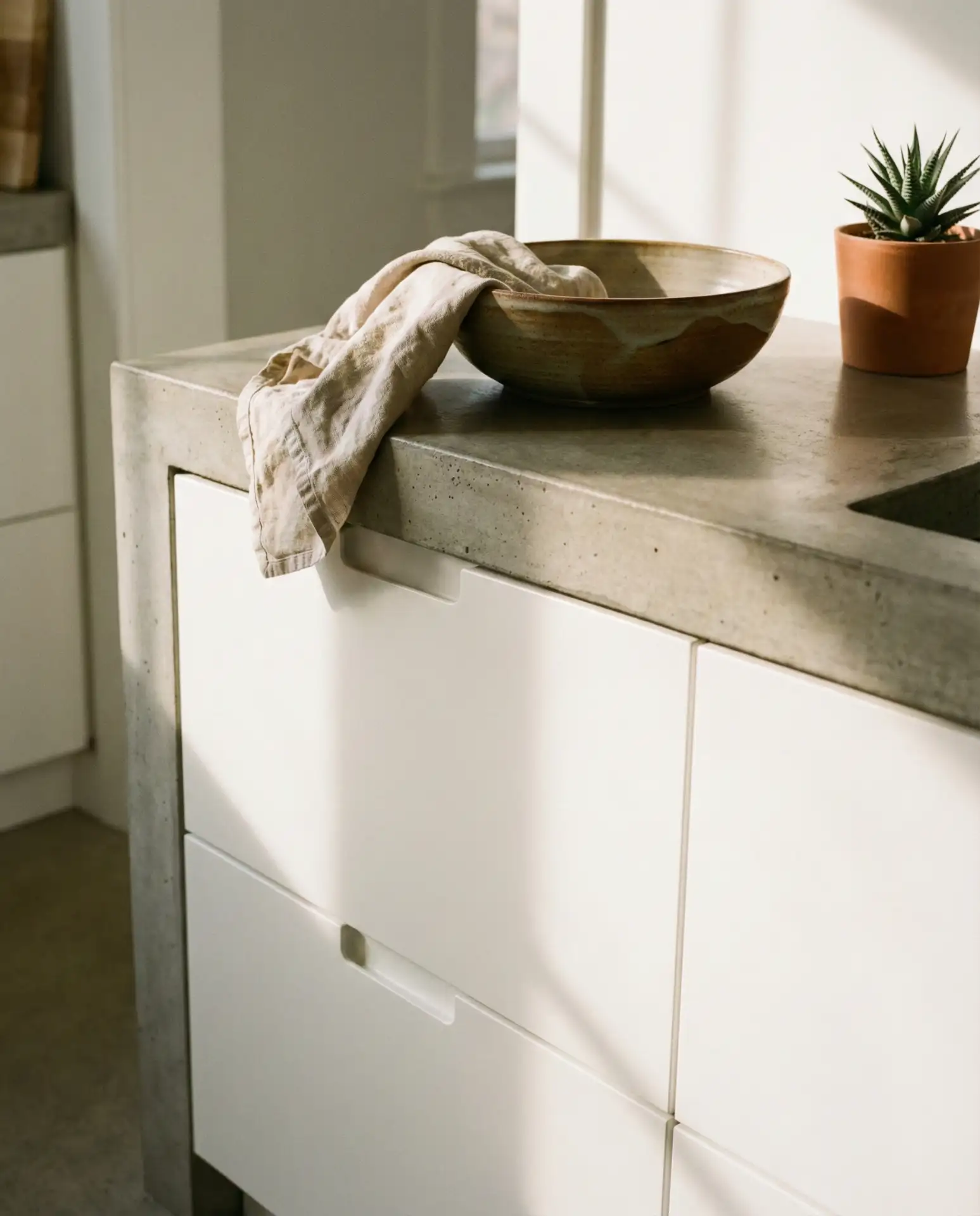
Matte finishes work best in homes with a consistent design aesthetic—contemporary, Scandinavian, or transitional. They can look out of place in more traditional settings where glossy or semi-gloss finishes are expected. From a budget perspective, matte finishes are now widely available across price points, from affordable IKEA lines to high-end custom shops. They’re also easier to repair if scratched or dinged, as touch-ups blend more seamlessly than on glossy surfaces where imperfections are immediately visible.
16. Glass-Front Cabinets for Display and Light
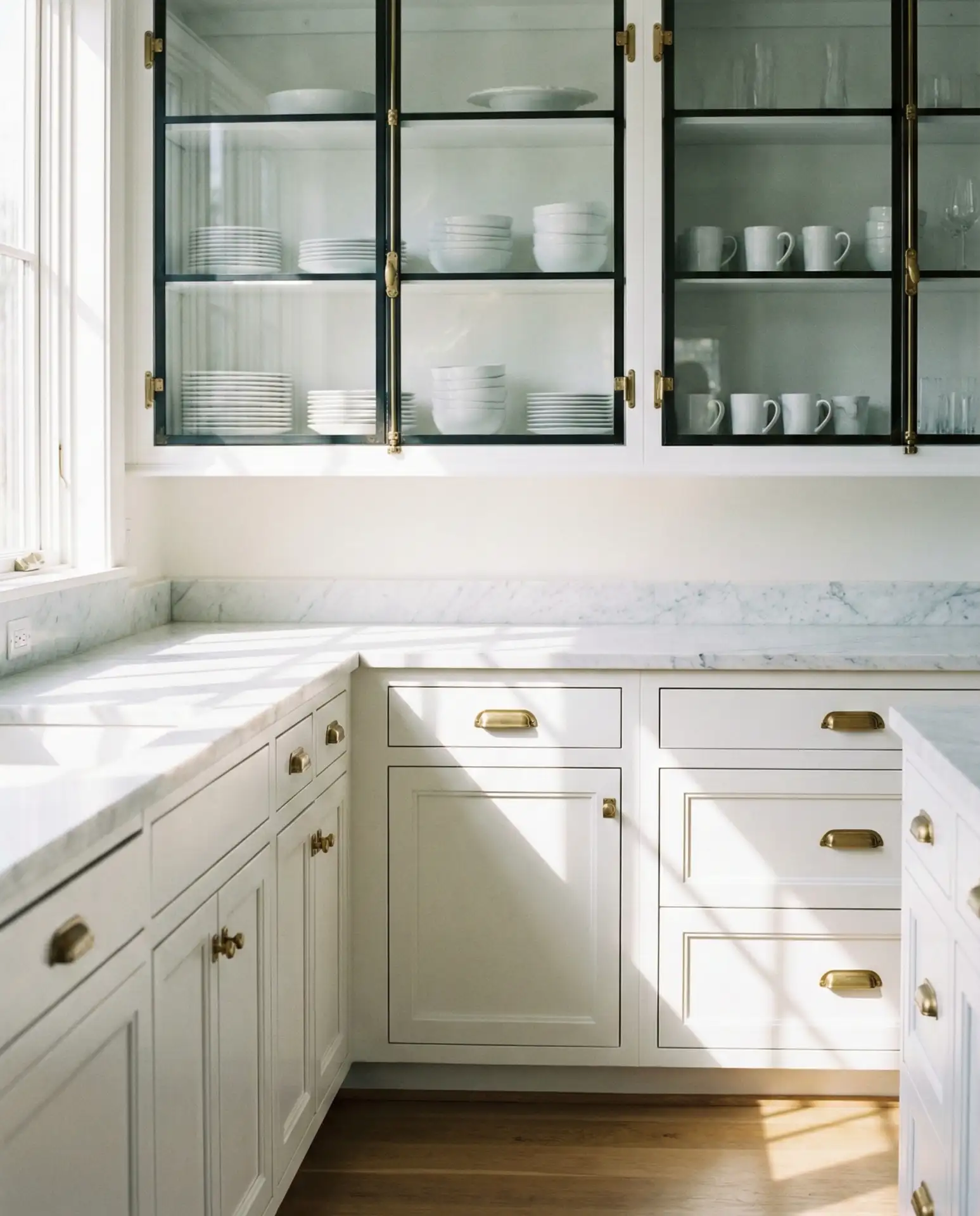
Incorporating glass-front cabinets—whether in upper cabinetry or as a feature on an island—adds visual interest and breaks up the monotony of solid doors. Glass allows light to travel through the kitchen, making the space feel more open and less enclosed. It’s also an opportunity to showcase beautiful dishware, glassware, or collectibles, turning everyday items into decorative elements. Clear, seeded, or frosted glass each offer different levels of opacity, so you can choose based on how much you want to reveal or conceal.
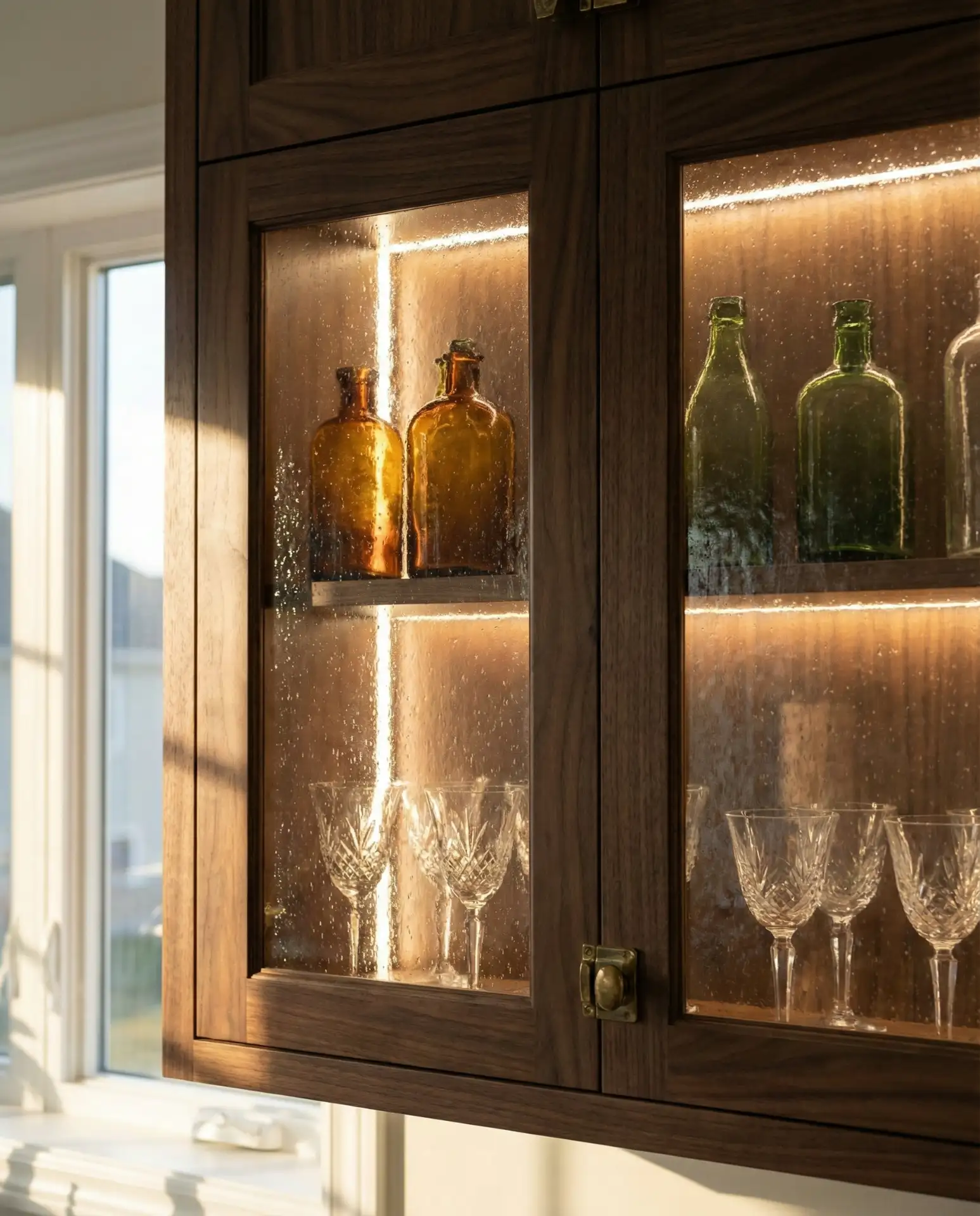
In the Midwest and Northeast, where formal dining traditions remain stronger, glass-front cabinets are often used to display heirloom china or crystal. In more casual West Coast homes, they might showcase a collection of colorful pottery or vintage finds from flea markets. The key is to keep the contents organized and cohesive—glass-front cabinets magnify clutter, so they require more curation than solid-door alternatives. If you’re not naturally tidy, consider using them sparingly rather than throughout the entire kitchen.
17. Brown Cabinets with Warm Brass Accents
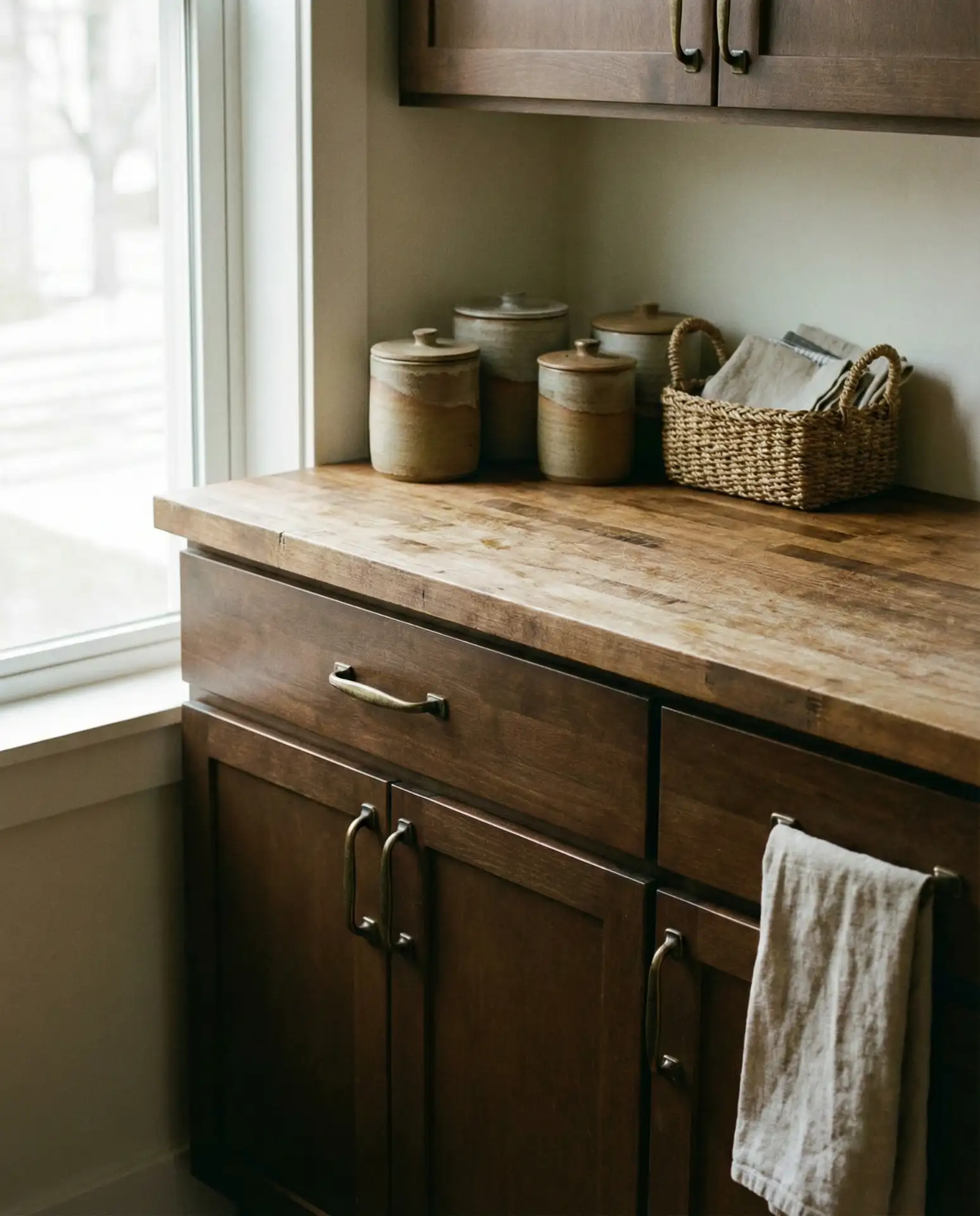
Medium to dark brown cabinets are experiencing a quiet resurgence, especially when paired with warm brass or gold hardware. This combination feels rich and grounded, evoking mid-century modern and English country aesthetics alike. Brown cabinetry works particularly well in homes with warm-toned wood floors or exposed beams, creating a cohesive, enveloping atmosphere. It’s a departure from the cooler grays and whites that have dominated in recent years, signaling a return to warmer, more inviting color palettes that feel less clinical and more lived-in.
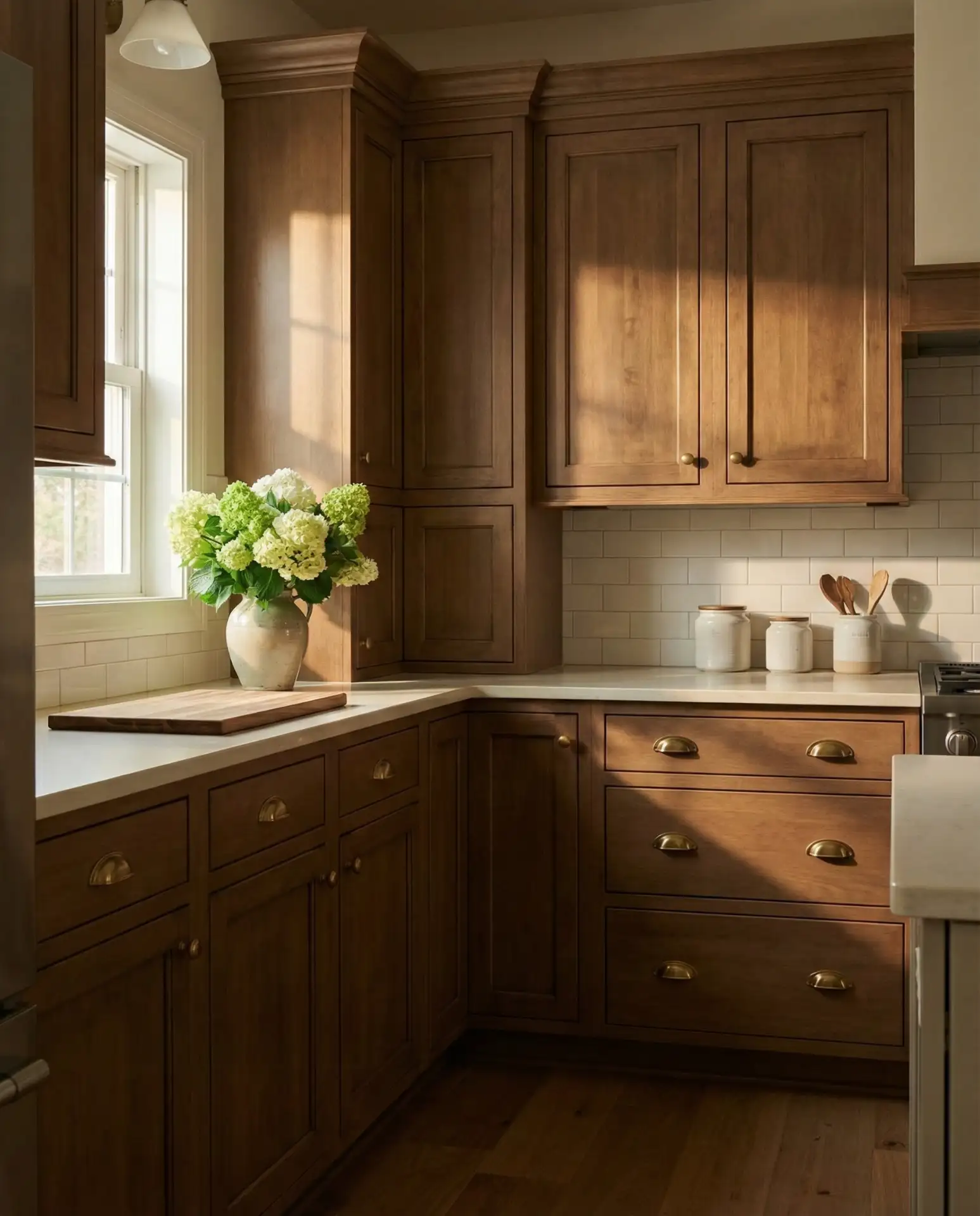
From a design expert’s perspective, brown cabinets are an excellent choice for homeowners who want something distinctive without veering into high-risk territory. Brown is inherently warm and forgiving, hiding wear and tear better than lighter colors while avoiding the stark drama of black. It also pairs beautifully with a wide range of countertop materials—marble, granite, quartz, and butcher block all work seamlessly with brown cabinetry. The brass hardware adds a touch of luxury and helps bridge traditional and contemporary styles.
18. Vertical Grain Cabinets for Textural Interest
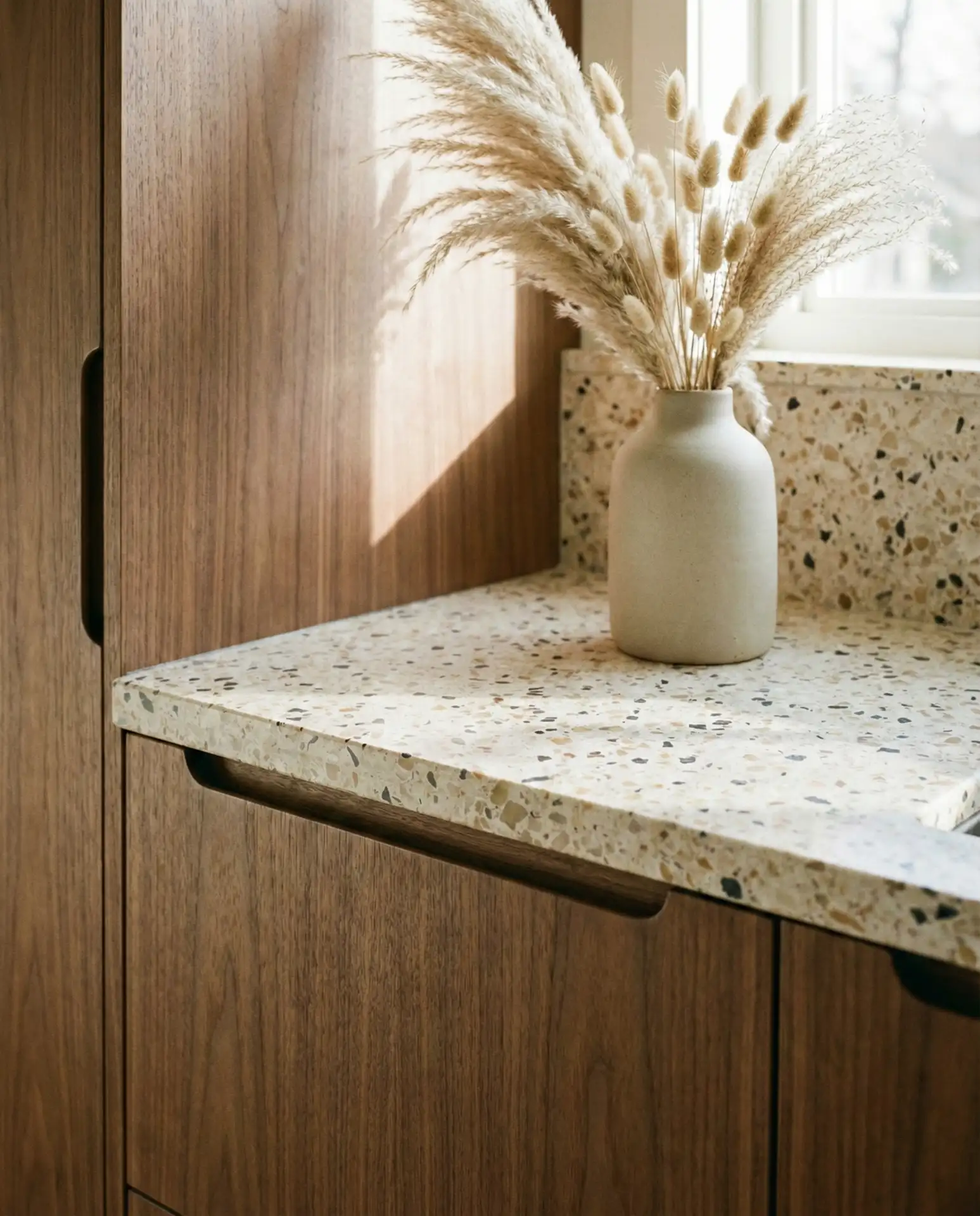
Vertical grain wood cabinets—where the grain runs up and down rather than horizontally—create a striking visual effect that’s both modern and organic. This treatment works especially well with oak, walnut, and other woods with pronounced grain patterns. The vertical orientation elongates the space visually and adds a layer of texture that keeps the design from feeling flat or monotonous. It’s a subtle detail that signals attention to craft and material quality, appealing to homeowners who appreciate fine woodworking and architectural detail.
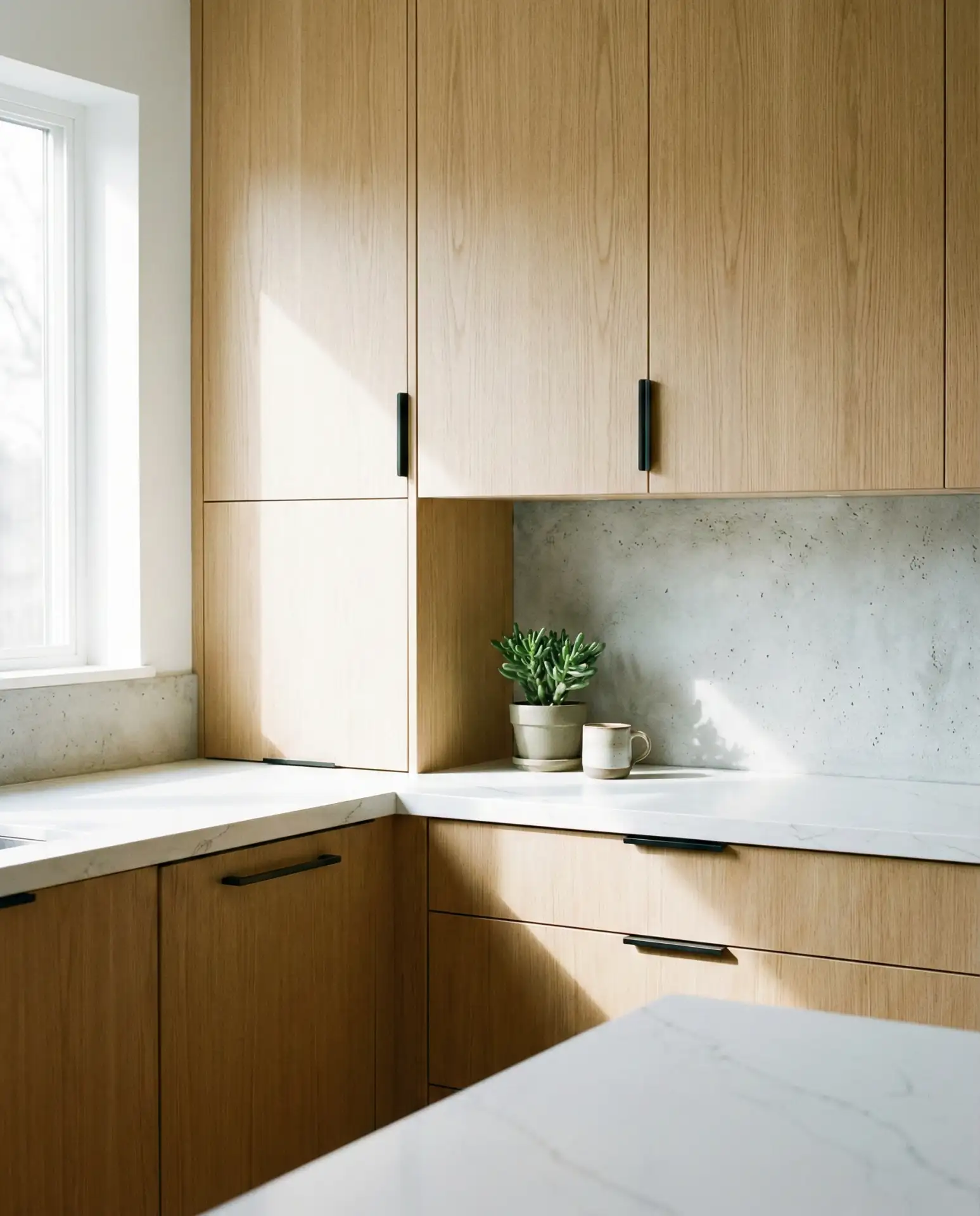
Vertical grain cabinets work best in kitchens with clean, uncluttered designs where the wood can be a focal point. If your space is already busy with patterned tile, elaborate lighting, or multiple materials, vertical grain may add too much visual noise. In minimalist or Scandinavian-inspired kitchens, however, it provides just the right amount of texture without requiring additional ornamentation. Budget-wise, vertical grain can be more expensive than standard cuts, as it requires careful selection and cutting of the wood, so plan accordingly if this detail is important to you.
19. Painted Cabinets in Dusty Pastels
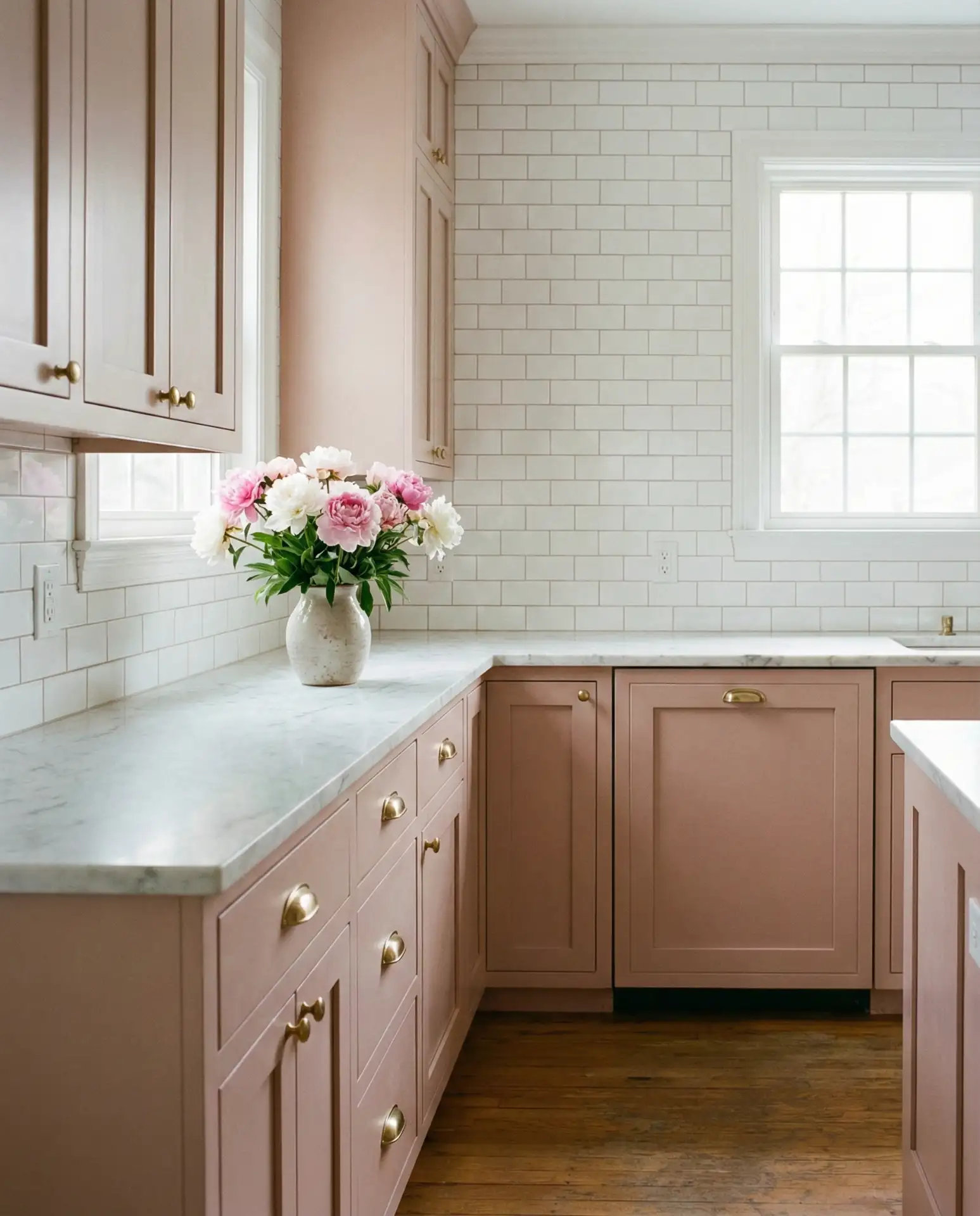
Soft, dusty pastels—think blush pink, pale lavender, or muted mint—are gaining traction among younger homeowners looking for something gentler than bold jewel-tone cabinetry. These colors bring personality and warmth without overwhelming the space, and they pair beautifully with natural materials like marble, brass, and light wood. Dusty pastels work especially well in smaller kitchens or breakfast nooks where a full-scale bold color might feel too intense. They also photograph beautifully, which is part of their appeal on platforms like Pinterest and Instagram.
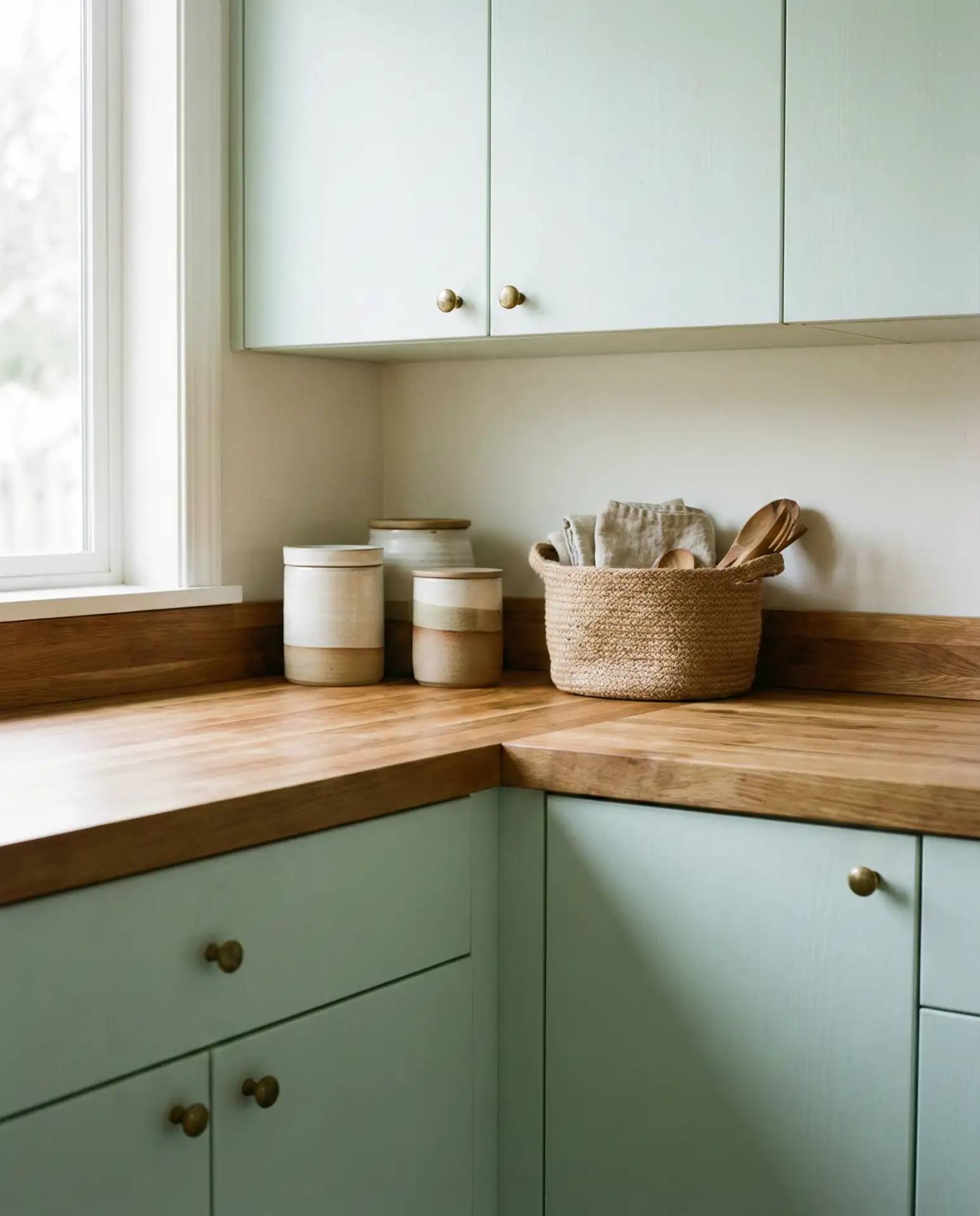
A common mistake is choosing pastels that are too saturated or vibrant, which can read as juvenile rather than sophisticated. The key is to select muted, grayed-down versions that have enough depth to feel intentional. In Southern California and parts of the Southwest, these softer hues complement the natural light and open floor plans that define the region’s architecture. They also provide a refreshing alternative to the all-white kitchens that have dominated for so long, offering color without the commitment of something bold like navy or forest green.
20. Recessed Panel Cabinets for Flat-Front Simplicity
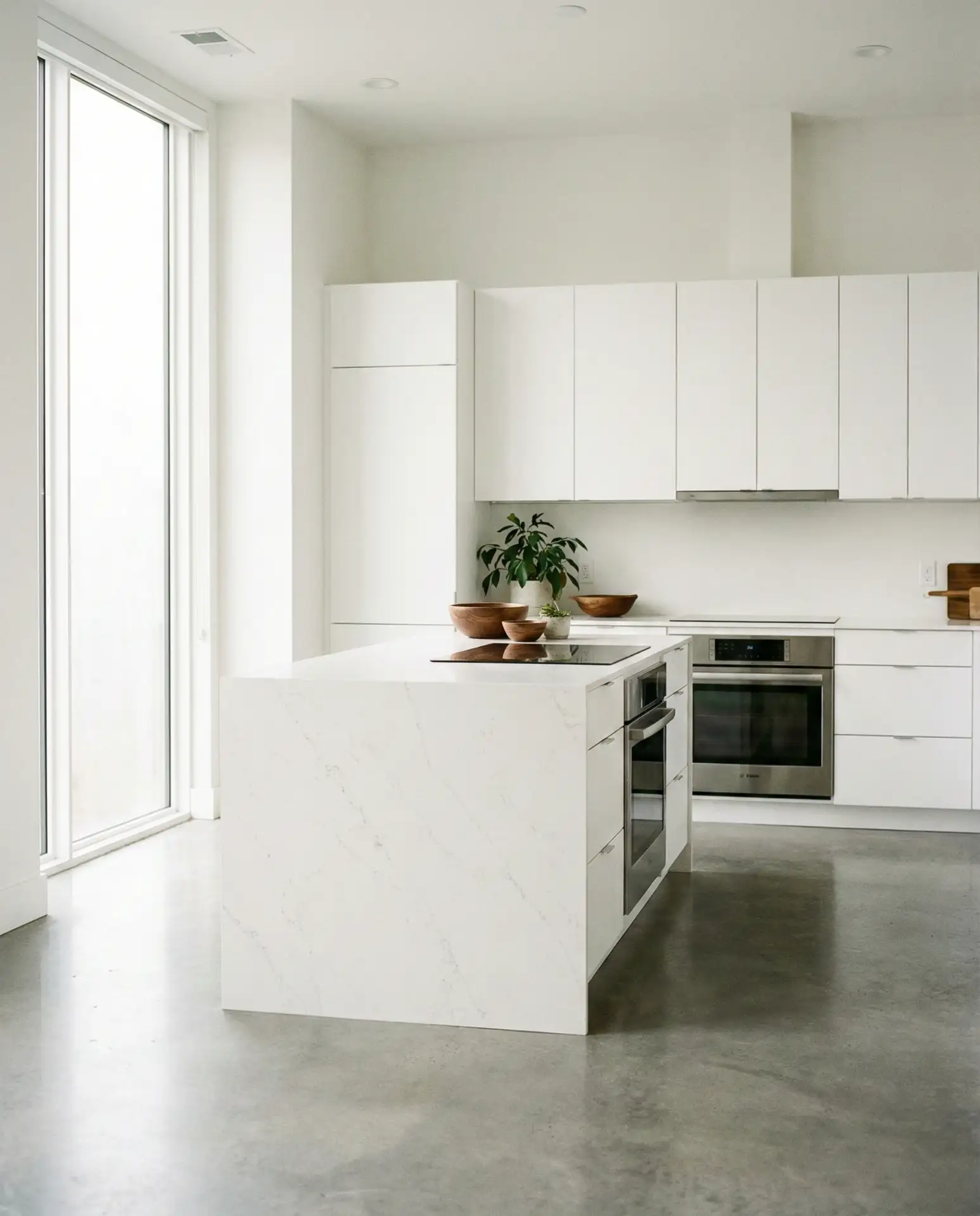
Recessed panel or slab-front cabinets offer the ultimate in minimalist design, eliminating all visible ornamentation in favor of clean, uninterrupted surfaces. This style is the foundation of modern and contemporary kitchens, where the focus is on form, proportion, and material quality rather than decorative detail. Recessed panels work beautifully with integrated handles or push-to-open mechanisms, creating a seamless, handleless look that feels sleek and intentional. It’s a style that requires precision in fabrication and installation, as any imperfection is immediately visible.
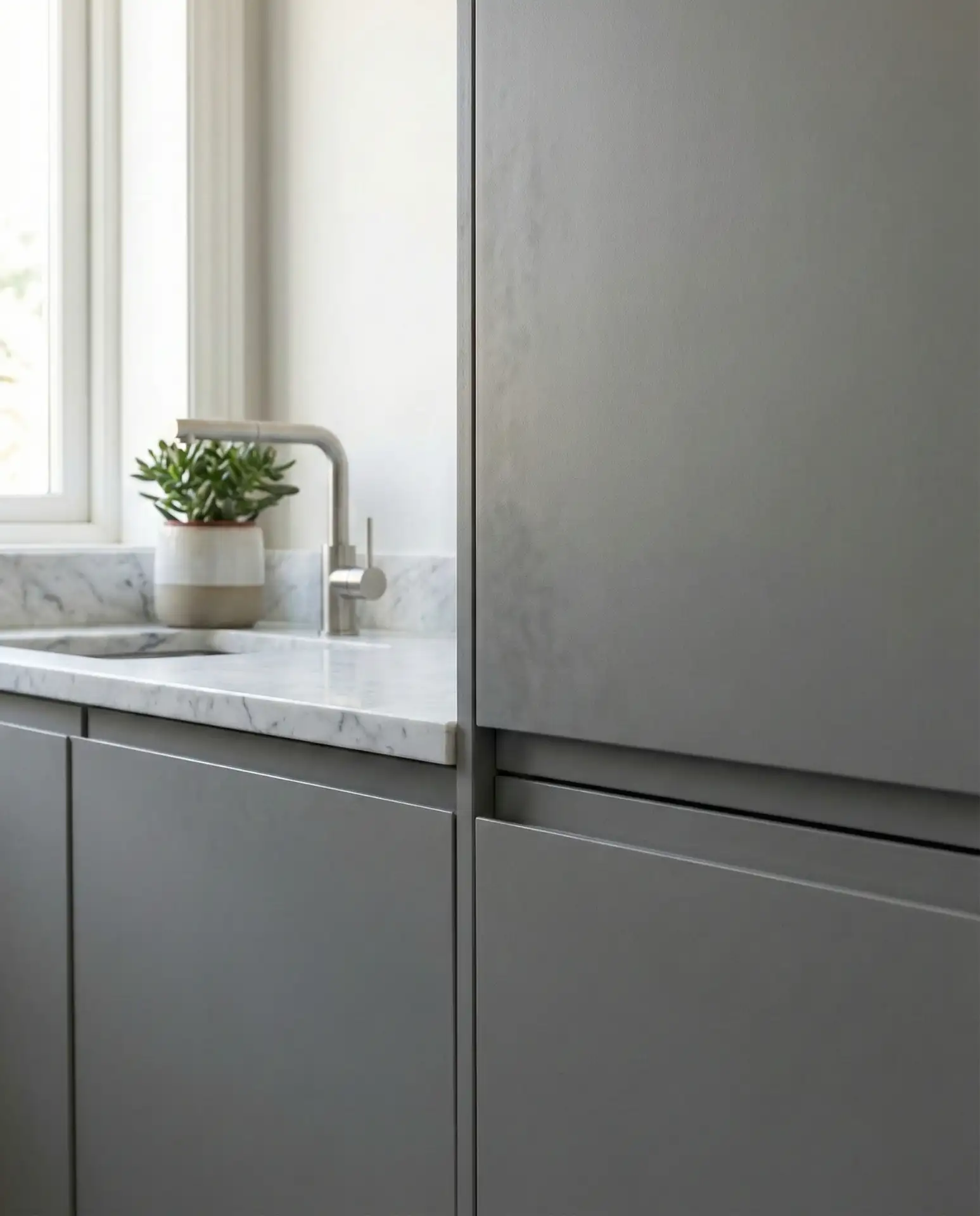
Where this style works best: in homes with a consistent modern or contemporary aesthetic, where the cabinets are one element in a larger design vocabulary. Recessed panels can look out of place in traditional or transitional homes, where some level of detail is expected. They’re also more expensive to execute well, as the quality of materials and installation is paramount—there’s nowhere to hide a poorly aligned door or a cheap finish. But for those who value simplicity and architectural clarity, recessed panel cabinets are the ultimate expression of “less is more.”
21. Farmhouse Makeover with Open Shelving and Vintage Hardware
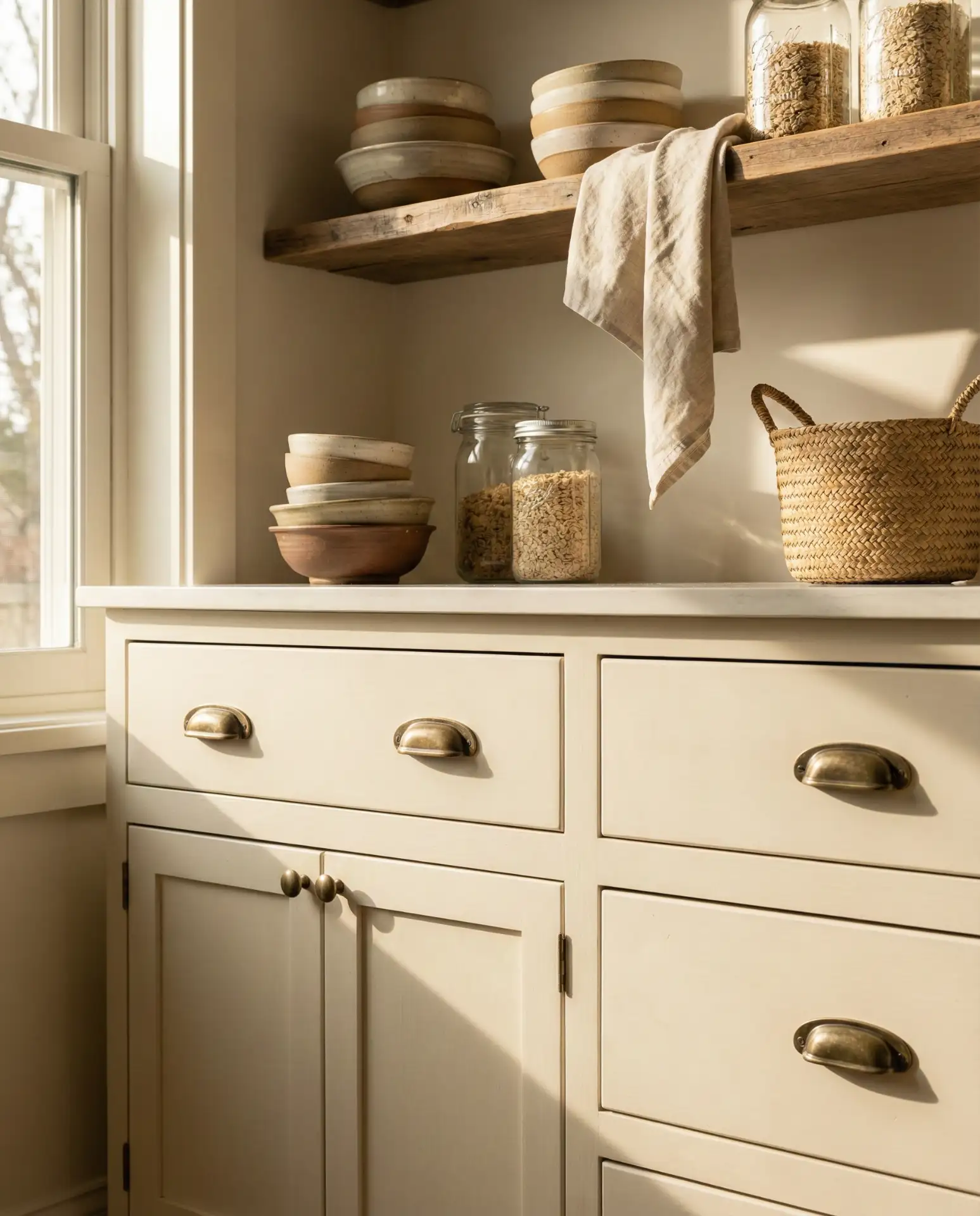
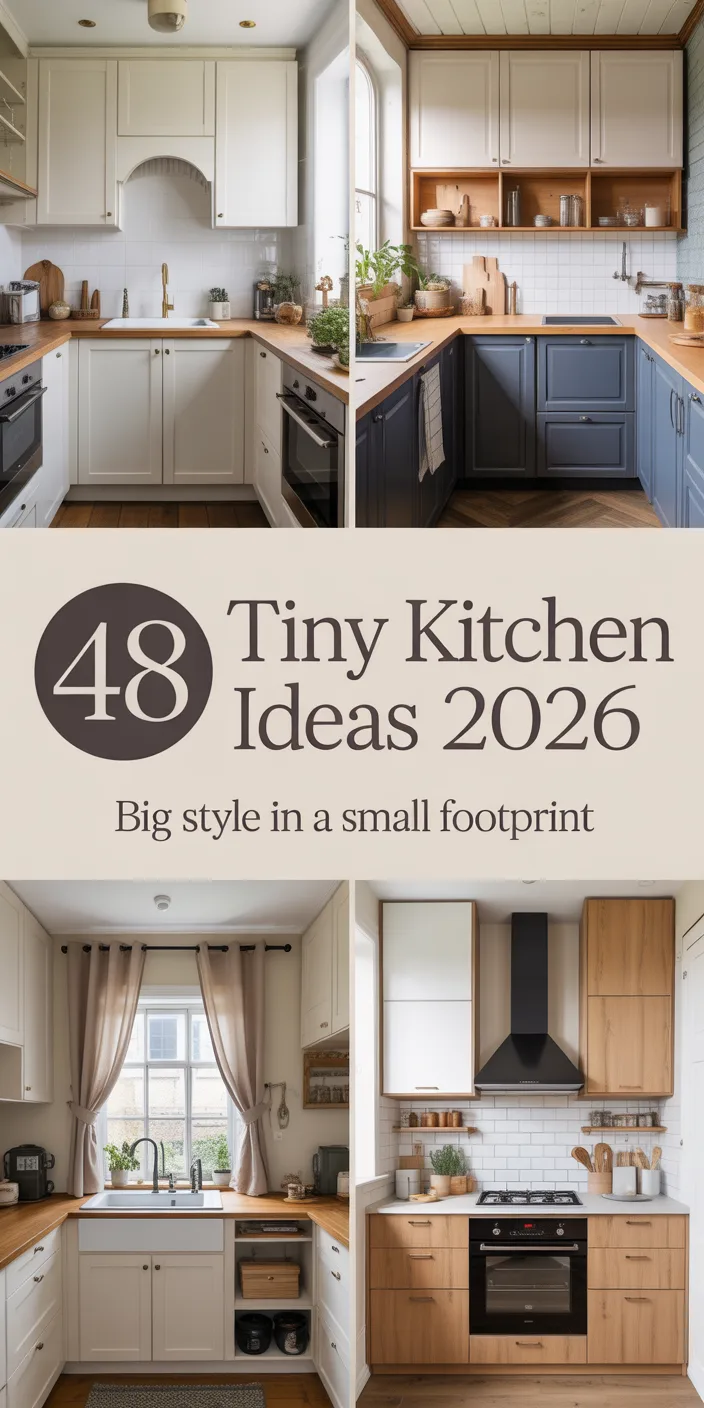
A farmhouse-style makeover combines white or cream cabinetry with rustic elements like open shelving, apron-front sinks, and vintage-inspired hardware. This aesthetic celebrates a lived-in, collected-over-time feel, where imperfections and patina add character rather than detract from the design. Farmhouse kitchens often incorporate reclaimed wood, wrought iron, and handmade tile, creating a warm, inviting space that feels rooted in tradition. It’s a style that resonates particularly in rural areas and smaller towns, but it’s also found footing in urban settings where people crave a connection to simpler, more grounded ways of living.
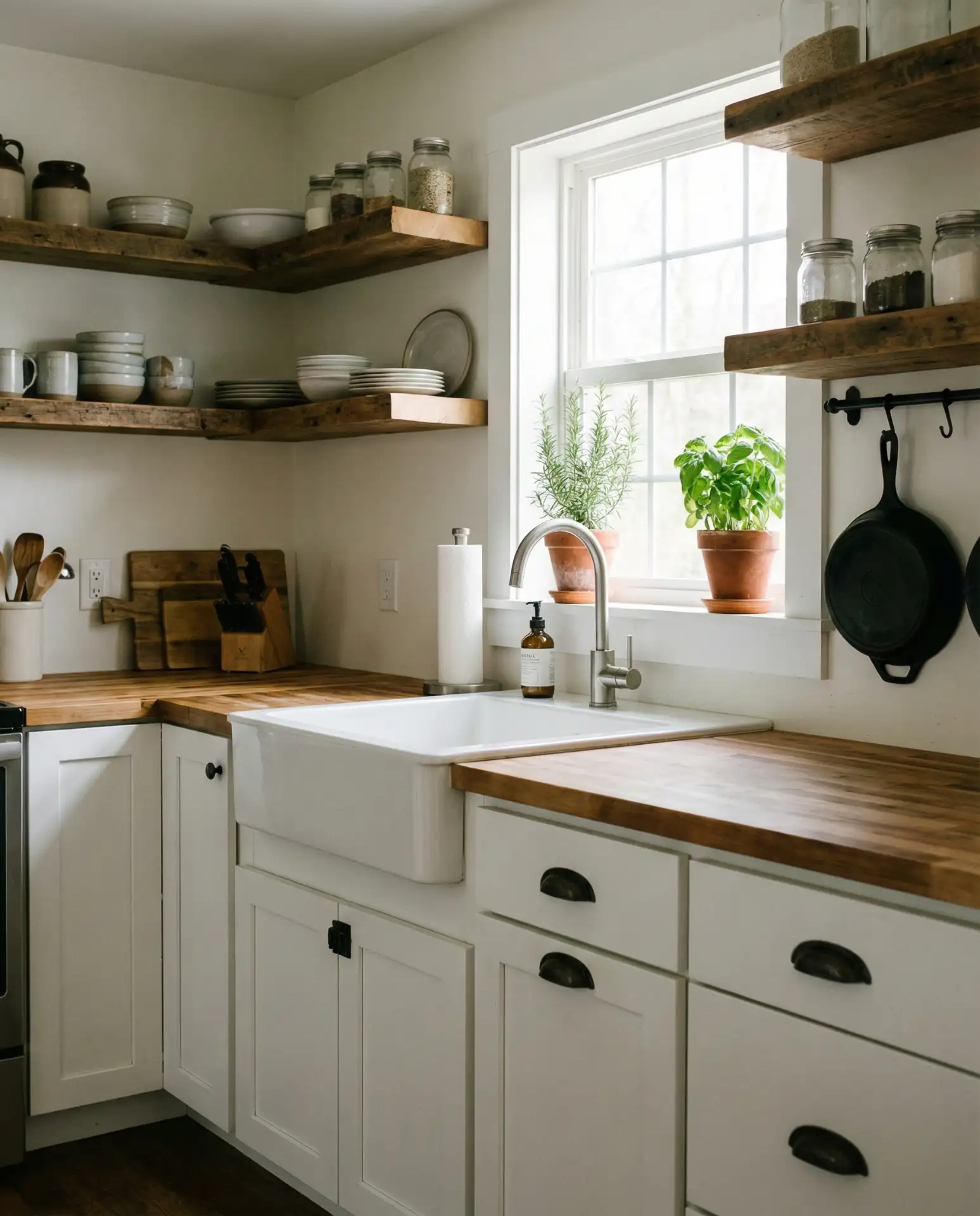
Real homeowner behavior: many people who pursue a farmhouse makeover start with paint and hardware upgrades rather than replacing cabinets entirely, making this a budget-friendly approach. High-quality chalk paint or cabinet paint in off-white or cream can transform dated oak or laminate cabinets, and swapping out modern hardware for vintage-inspired pulls and knobs makes a dramatic difference. The open shelving component is also relatively inexpensive—simple wood brackets and boards from a local lumberyard can create the look for a fraction of the cost of new upper cabinets.
22. High-Gloss White for a Contemporary Statement
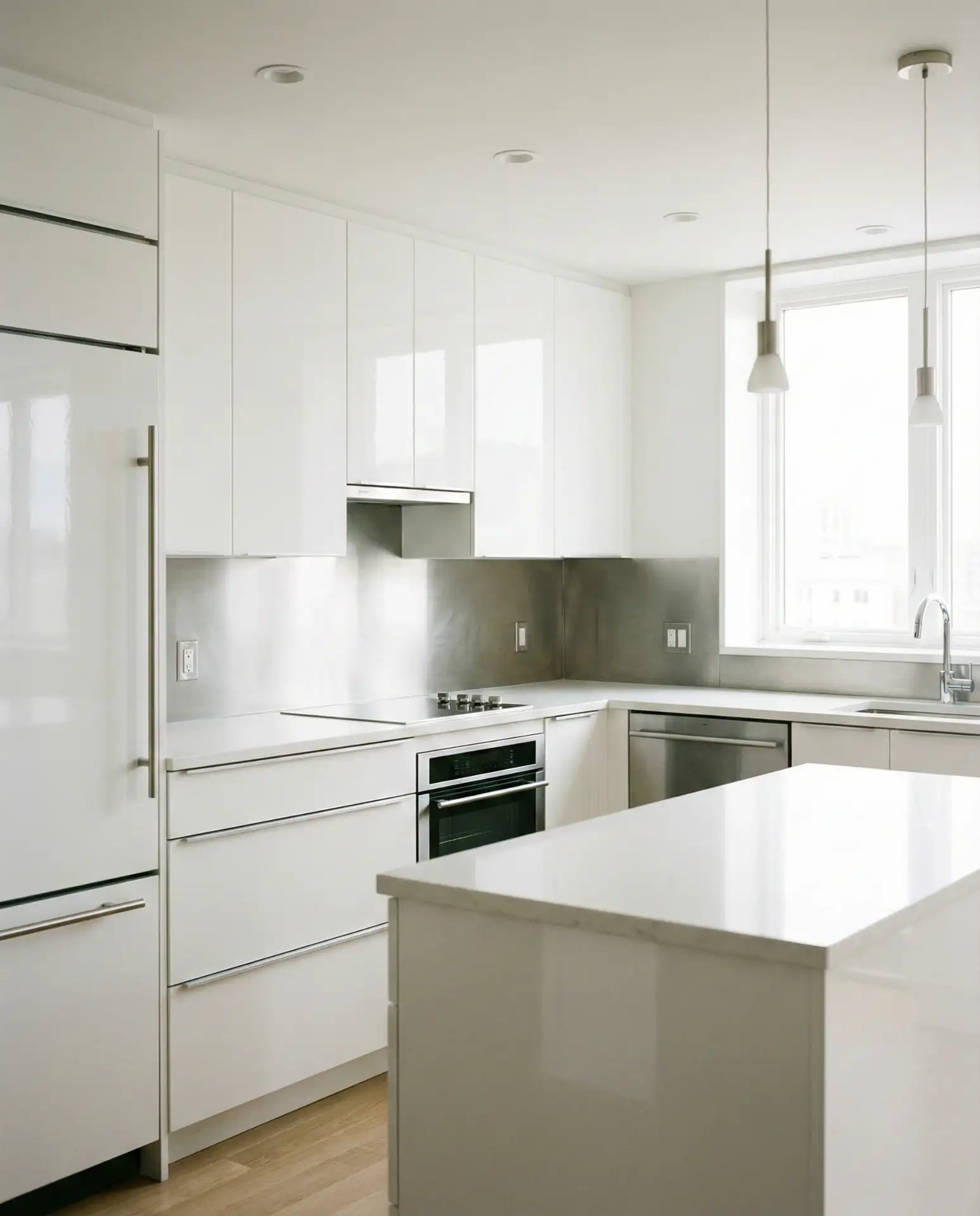
High-gloss white cabinets create a bold, contemporary statement that’s both reflective and luminous. The shiny finish bounces light around the room, making even small kitchens feel brighter and more expansive. This style is especially popular in urban apartments and modern homes where a sleek, polished look is desired. High-gloss cabinets pair beautifully with stainless steel appliances, glass backsplashes, and minimalist hardware, creating a cohesive, almost futuristic aesthetic. It’s a high-maintenance choice—fingerprints and smudges are inevitable—but the visual impact is undeniable.
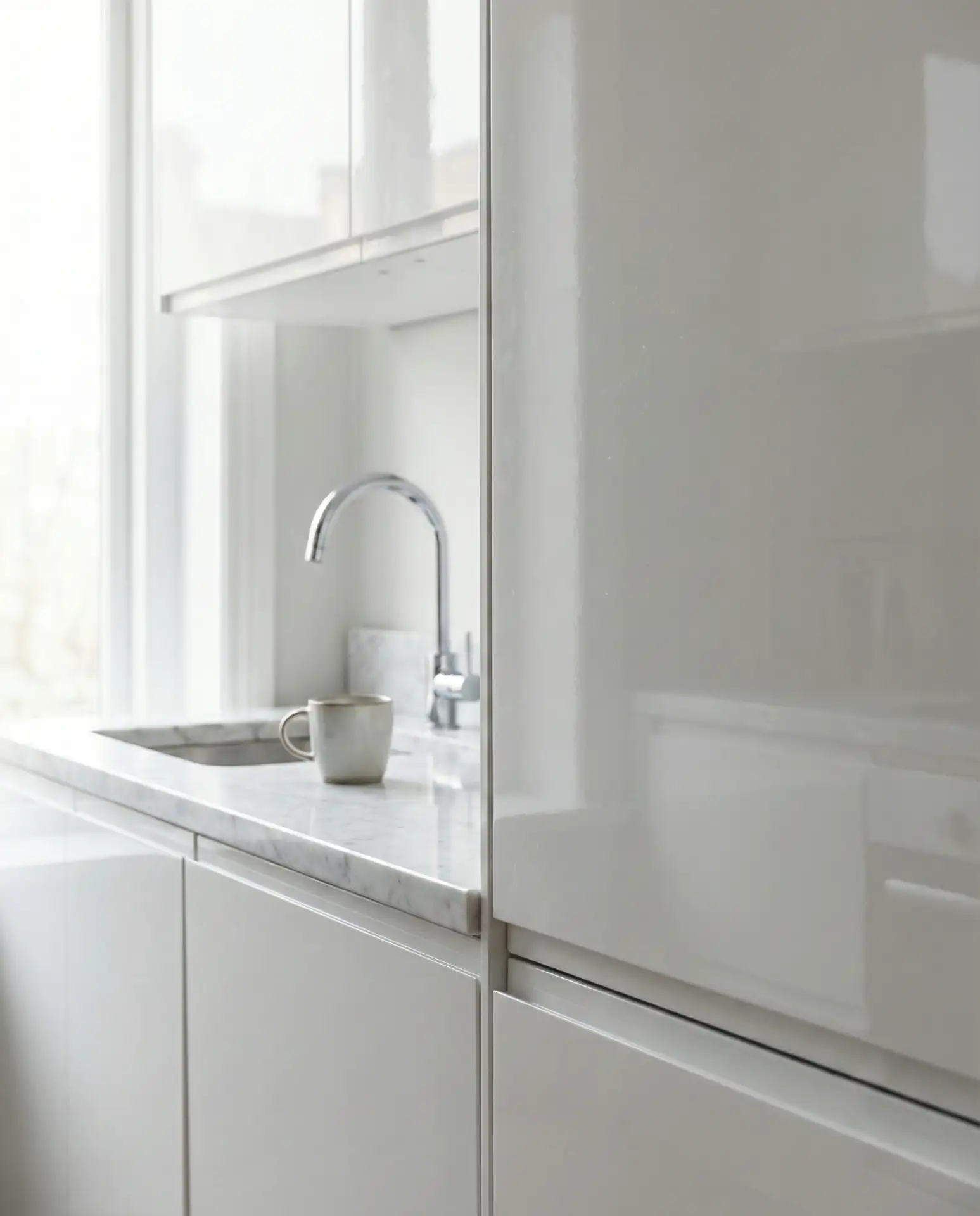
Common mistakes include pairing high-gloss cabinets with equally glossy countertops or backsplashes, which can create an overwhelming, reflective effect. Instead, balance the shine with matte or honed surfaces to add visual relief. Another mistake is underestimating the maintenance required—high-gloss finishes need frequent wiping to stay pristine, so they’re best suited to meticulous homeowners or those with a regular cleaning routine. If you love the look but aren’t sure about the upkeep, consider using high gloss on just the island or lower cabinets, with matte uppers for balance.
Conclusion
The world of kitchen cabinets in 2026 is wonderfully diverse, offering something for every taste, budget, and lifestyle. Whether you’re drawn to the warmth of natural wood, the boldness of dark colors, or the timeless appeal of white, the key is choosing a style that feels authentic to you and the way you live. Take your time exploring these ideas, and don’t hesitate to mix elements from different approaches—the most memorable kitchens are often those that reflect a personal vision rather than following trends too closely. We’d love to hear which ideas resonated with you most, so drop a comment below and share your thoughts or your own cabinet plans!