Home libraries have become more than just storage for books—they’re personal sanctuaries, creative workspaces, and design statements all rolled into one. As we move through 2026, American homeowners are seeking library spaces that reflect their lifestyles, from cozy reading nooks tucked into unused corners to dramatic floor-to-ceiling shelving that commands attention. Pinterest searches for home library inspiration have surged as people realize these spaces can work in apartments, suburban homes, and everything in between. Whether you’re drawn to moody aesthetics, vintage charm, or sleek modern lines, there’s a library style that fits your vision. Here are thoughtfully curated ideas to help you create a book-filled retreat that’s uniquely yours.
1. Floor-to-Ceiling Shelving with Rolling Ladder
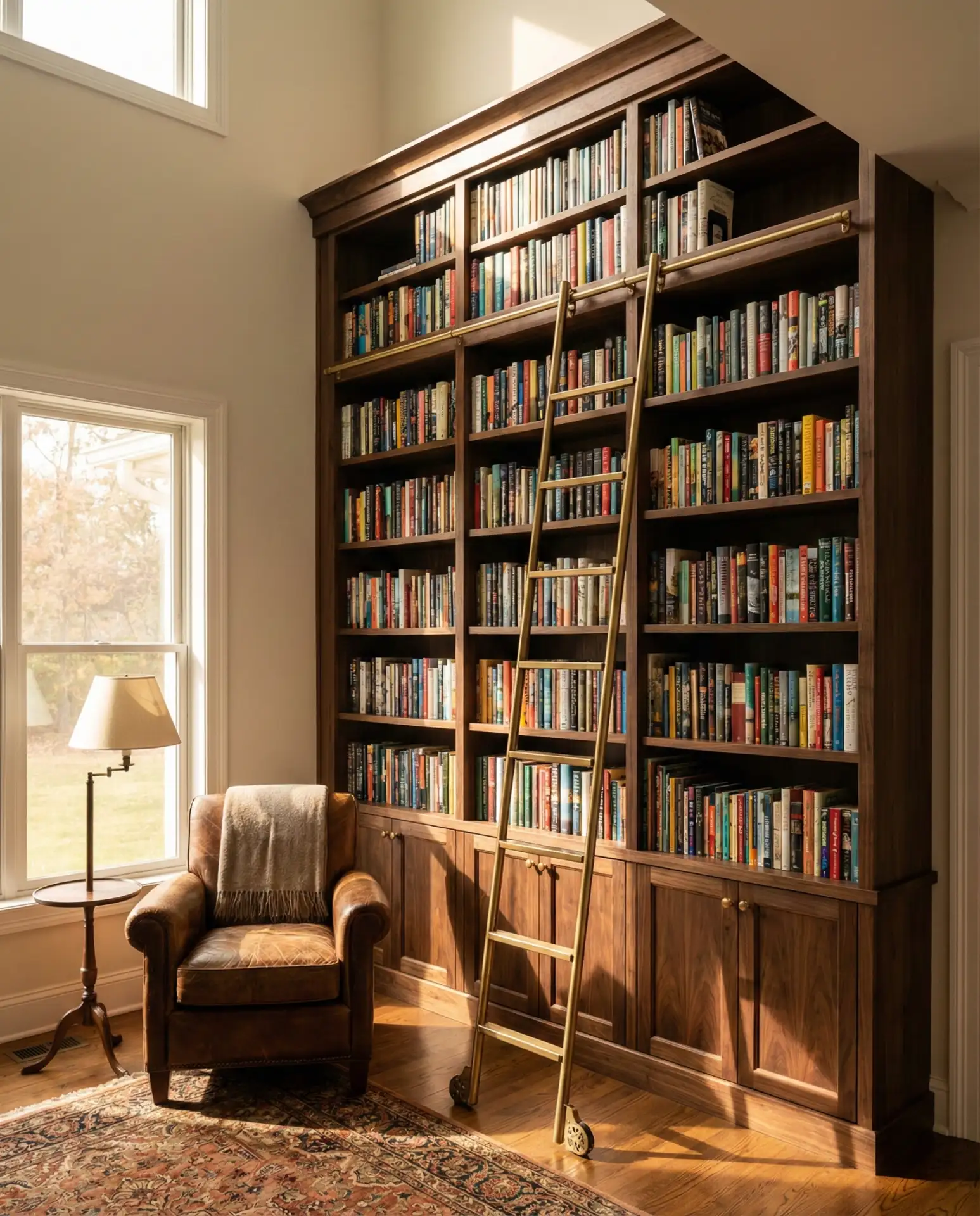
Maximize vertical space with towering bookshelves that reach from floor to ceiling, creating a dramatic focal point in any room. A ladder on a rail system adds both functionality and a touch of old-world elegance, making high shelves accessible while contributing to the aesthetic. This approach works beautifully in rooms with high ceilings, transforming what might feel cavernous into something intimate and purposeful. The visual impact is immediate—guests often describe these rooms as feeling like stepping into a curated bookshop or private archive.
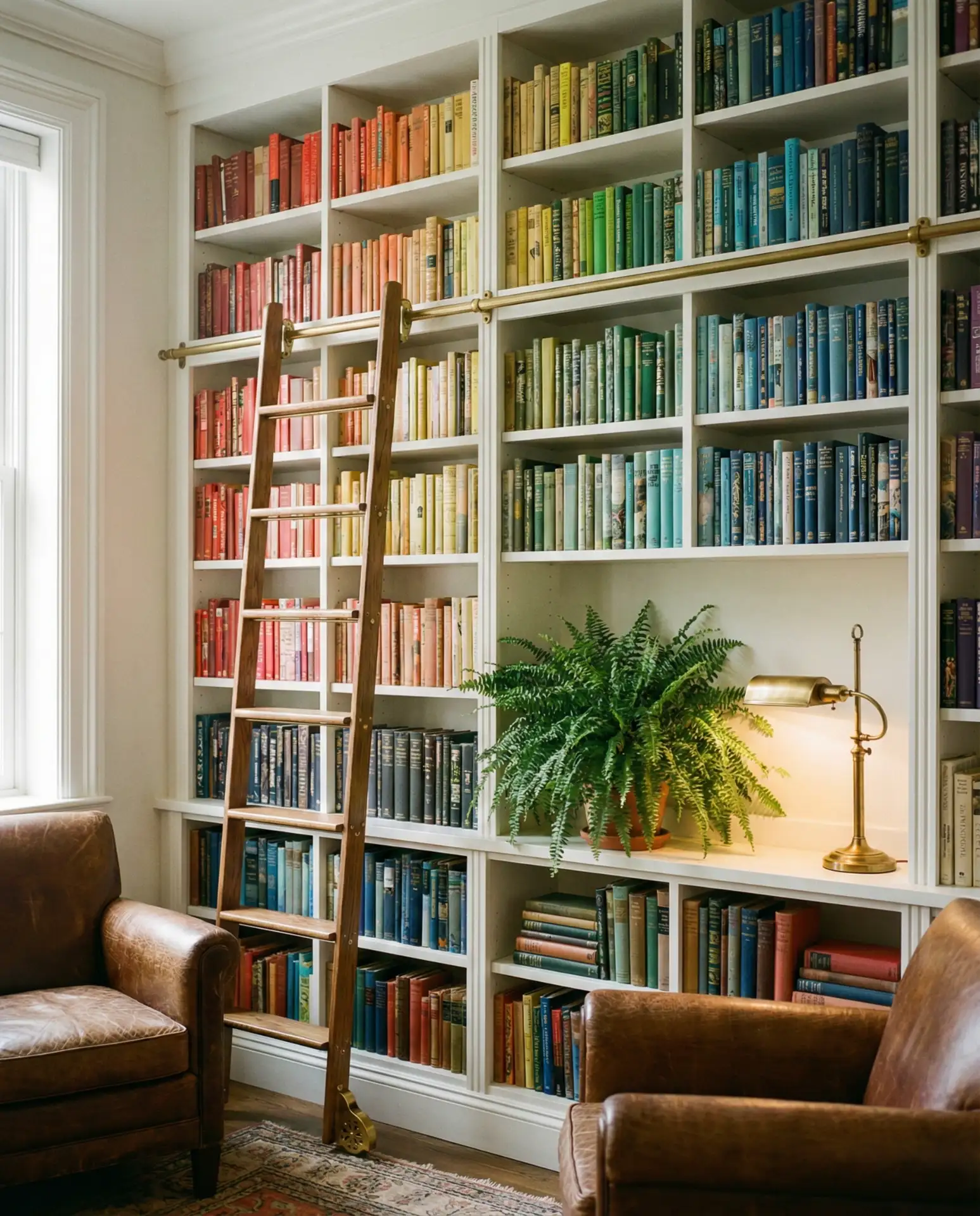
This setup works best in formal living rooms, home offices, or converted dining rooms where the ceiling height can be fully appreciated. The ladder itself becomes a design element—choose from traditional wood with brass hardware or sleek modern metal finishes. One common mistake is installing shelves too deep; twelve inches is ideal for most hardcover books without creating awkward gaps. Consider leaving some shelves at eye level for decorative objects or framed photos to break up the sea of spines and add personal character to the display.
2. Cozy Window Seat Reading Nook
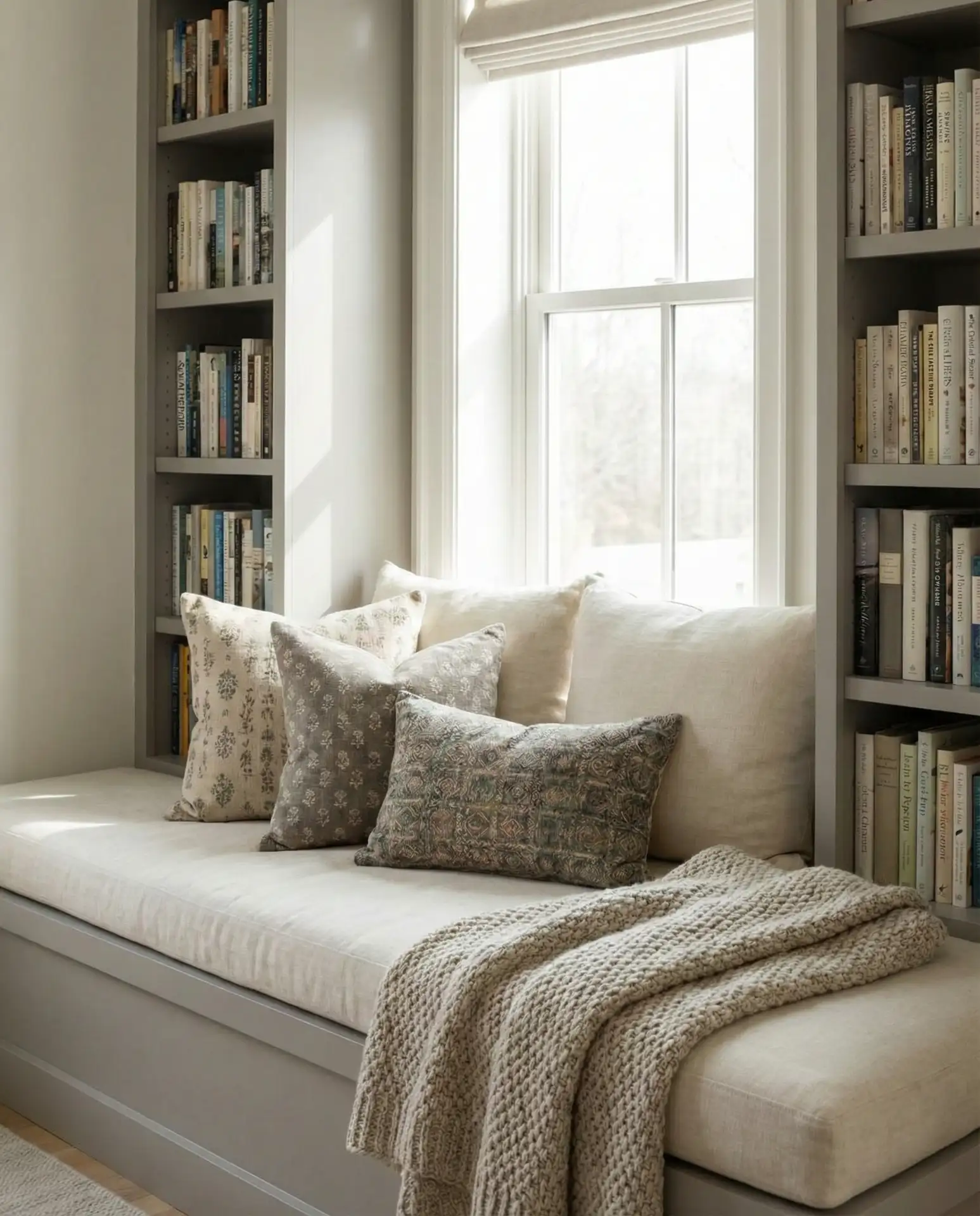
Transform an underused window into a cozy reading retreat by building in a cushioned seat flanked by bookshelves on either side. This design takes advantage of natural light while creating a contained, nest-like space that feels separate from the rest of the room. The built-in storage below the seat provides a practical spot for oversized art books or magazines, keeping them accessible without cluttering visible surfaces. It’s the kind of cozy book nook setup that makes you actually want to spend weekend afternoons with a novel and a cup of tea.
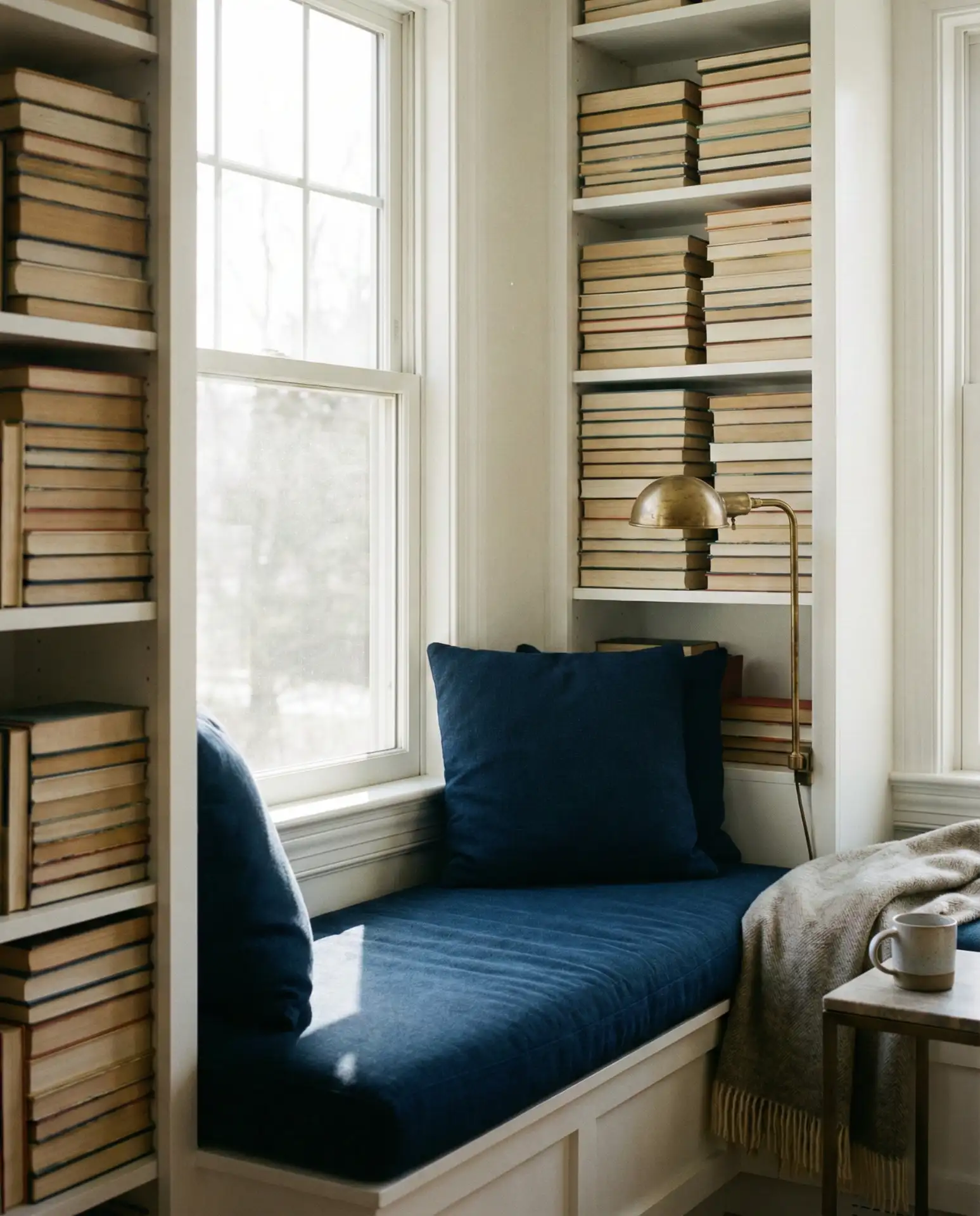
In many American homes, particularly those built in the 1920s through 1940s, bay windows and alcoves were designed with exactly this purpose in mind—to create intimate spaces within larger rooms. Modern builders have revived this concept as homeowners seek multifunctional spaces that don’t require adding square footage. The window seat works equally well in master bedrooms, home offices, or even wide hallways. Add a small side table within arm’s reach for your coffee mug or reading glasses, and you’ve created a genuinely usable retreat rather than just a pretty vignette.
3. Dark Academia Study with Leather and Wood
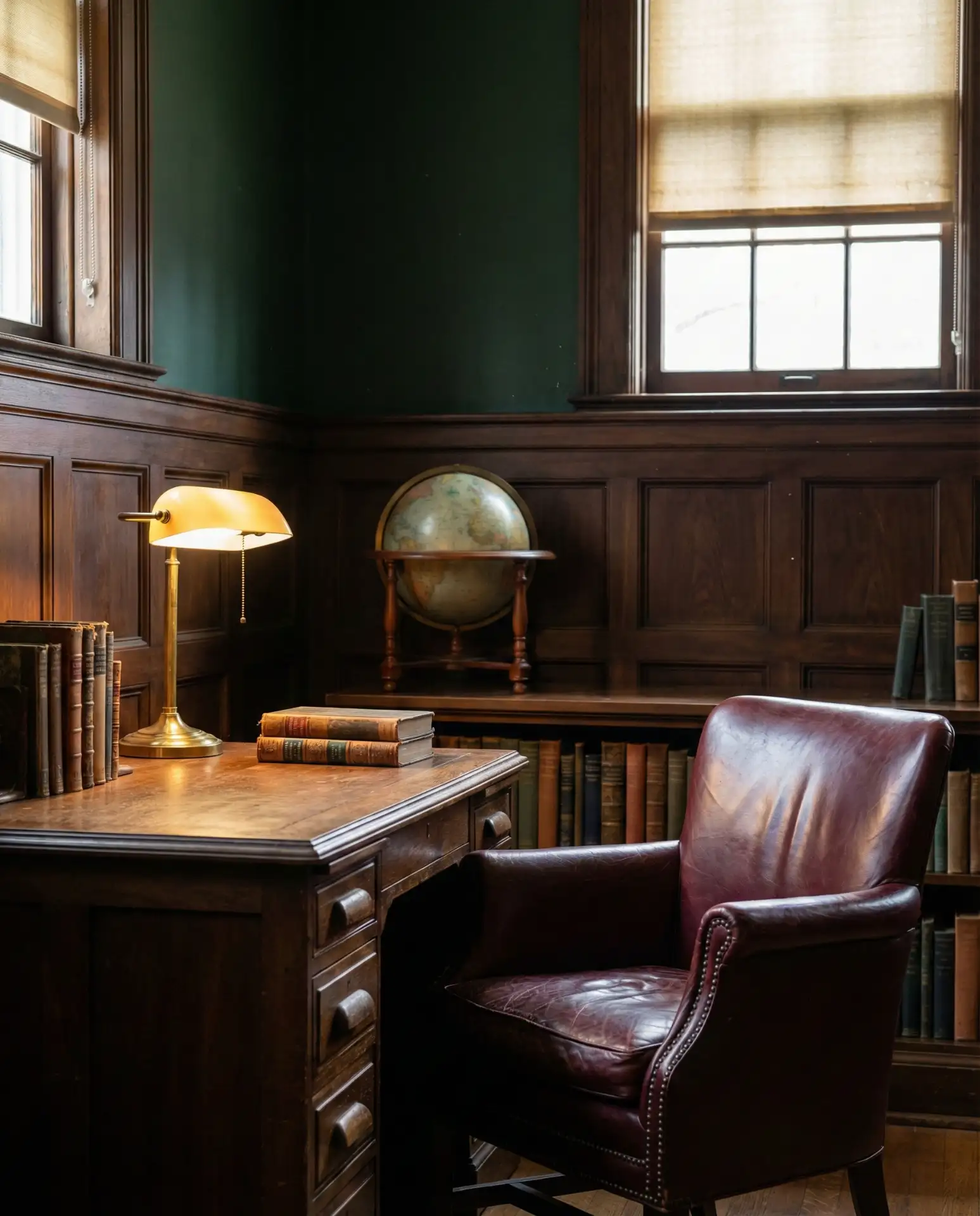
Channel the scholarly atmosphere of historic university libraries with rich dark academia styling that combines deep wood tones, leather seating, and moody lighting. This aesthetic embraces darkness rather than fighting it—think charcoal walls, burgundy accents, and antique brass fixtures that create pools of warm light rather than flooding the space. The look feels both intellectual and slightly romantic, perfect for anyone who spent their college years studying in Gothic reading rooms or who simply loves the gravitas of traditional library design.
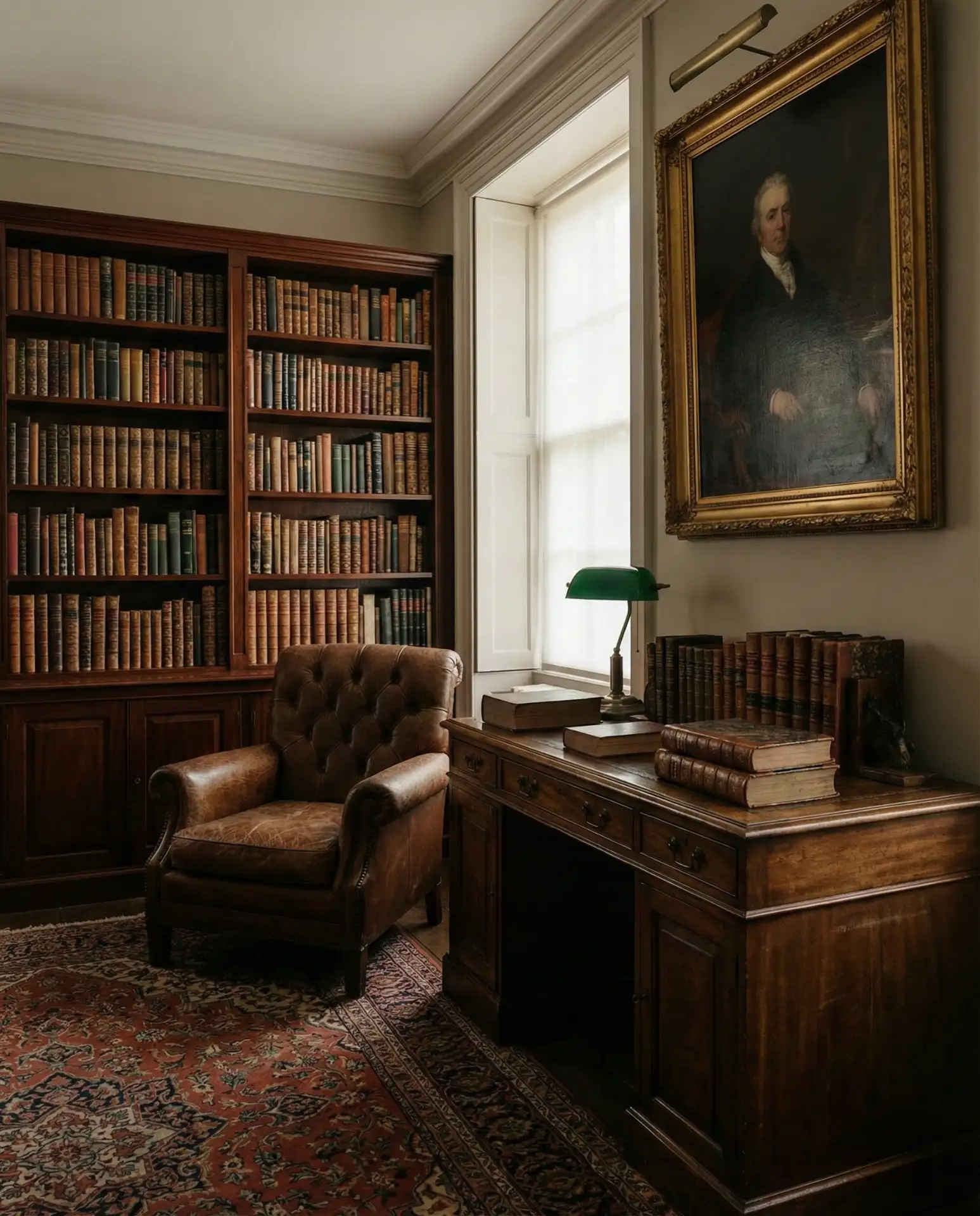
A former English professor I know converted her spare bedroom into this exact aesthetic and says the key is layering—multiple light sources at different heights, textiles that invite touch, and enough personal artifacts to feel lived-in rather than staged. She warns against making the space too precious; dark colors actually hide wear better than light ones, making this surprisingly practical for busy households. The style accommodates both genuine antiques and well-chosen reproductions, so you’re not limited to estate sale hunting unless that’s part of the appeal for you.
4. Minimalist Modern Floating Shelves
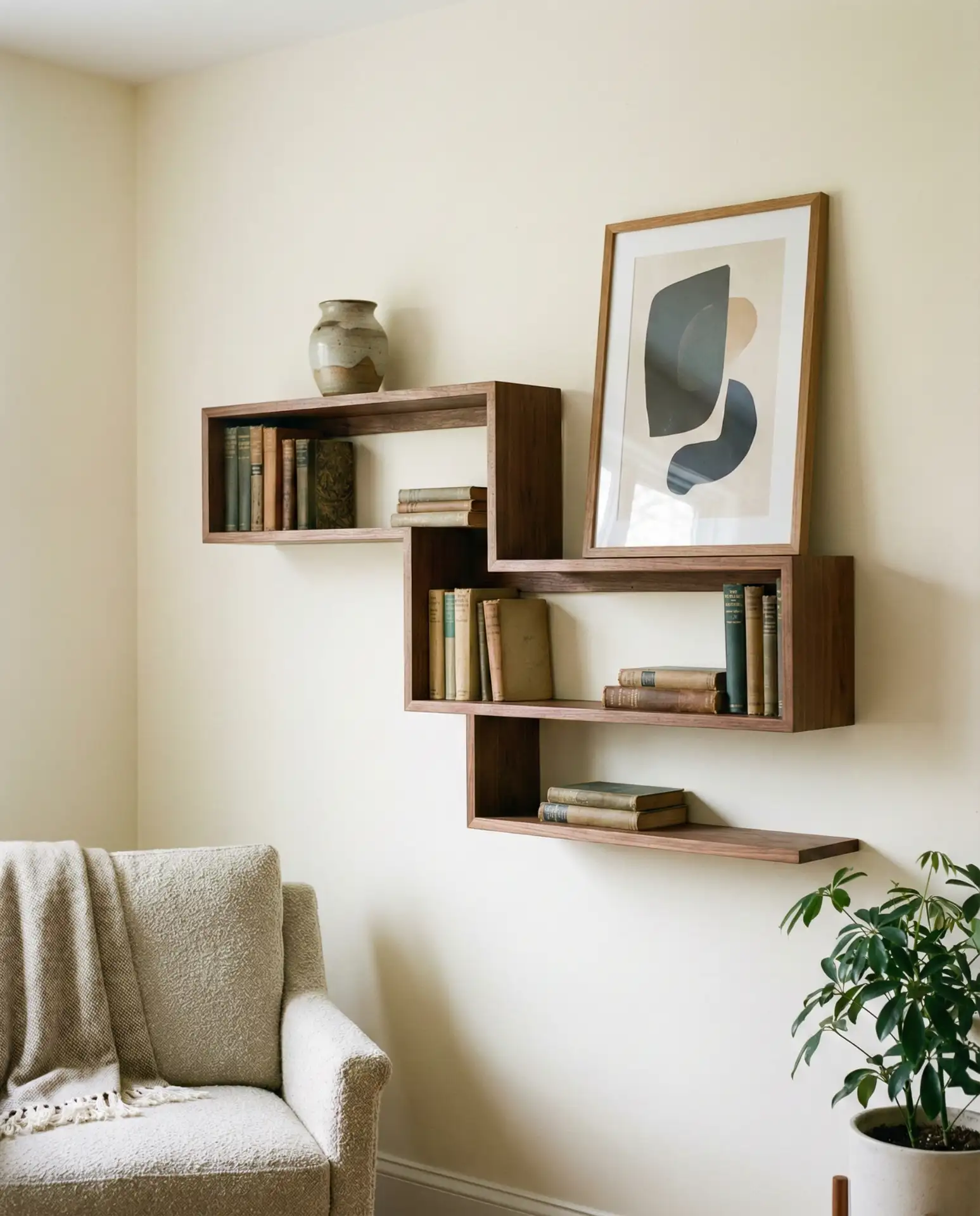
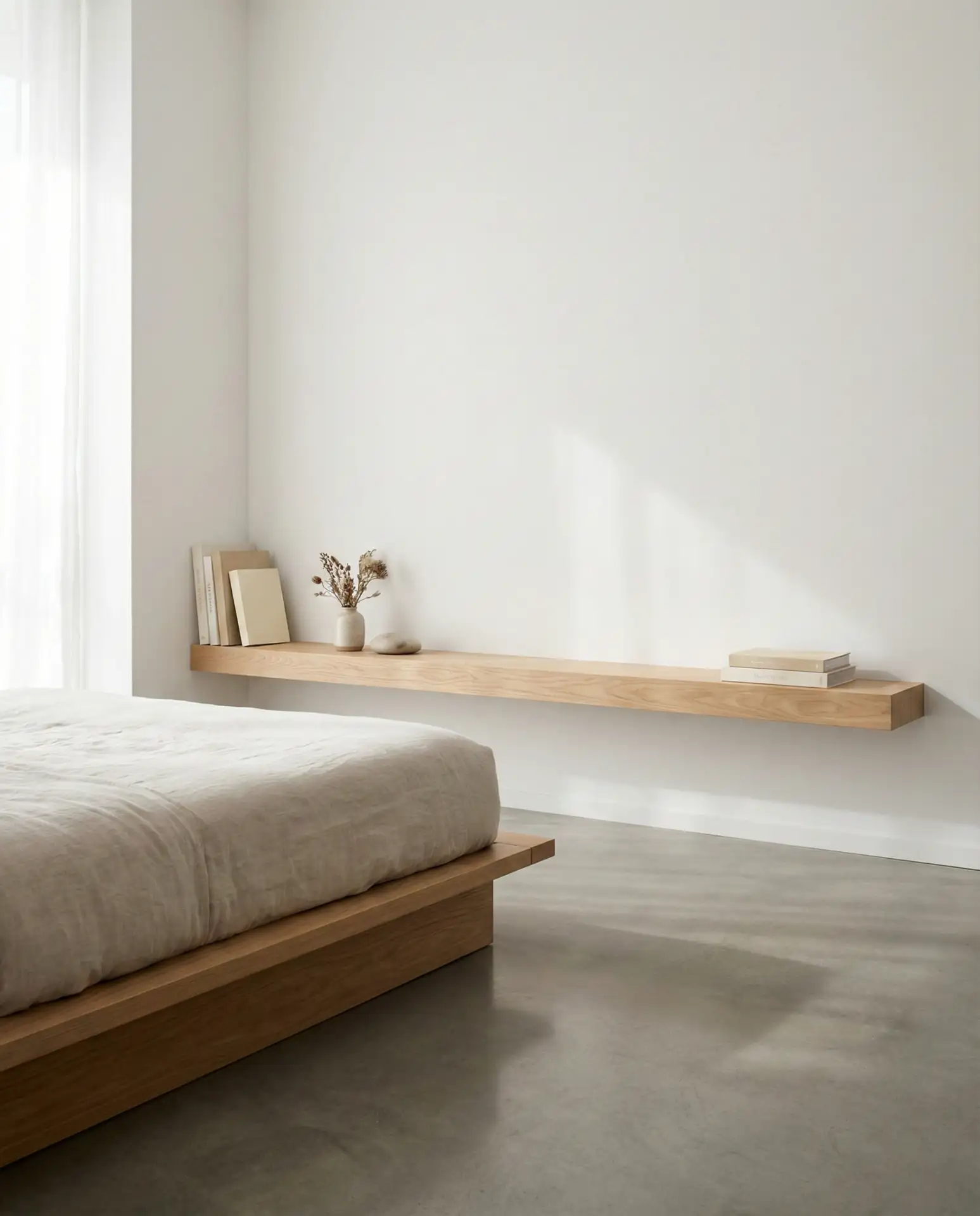
For those who love modern clean lines, floating shelves offer a streamlined alternative to bulky bookcases while still providing substantial storage. The beauty lies in the restraint—books arranged with breathing room, occasional decorative objects breaking up the uniformity, and the architectural quality of the shelves themselves becoming part of the design. This approach works particularly well in small room settings where traditional furniture might overwhelm, allowing walls to become functional without feeling cluttered. The lack of visible brackets creates an almost magical floating effect that keeps sightlines clean.
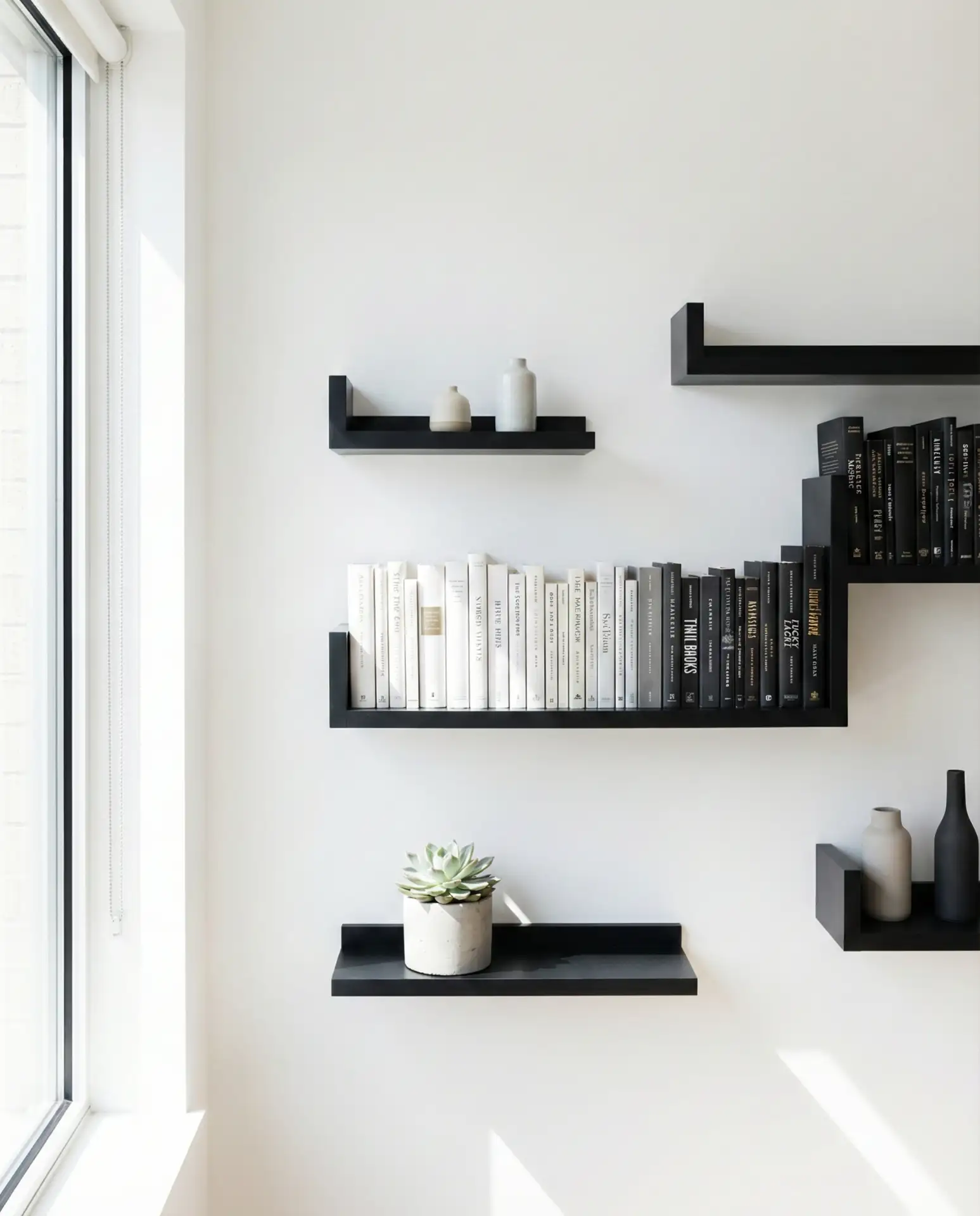
Budget-wise, this can be one of the most affordable library solutions, especially if you’re comfortable with basic installation. Hardware stores carry heavy-duty floating shelf systems starting around forty dollars per shelf, and installation typically takes less than an hour if you’re mounting to studs. The key is proper weight distribution—don’t load one shelf with all your heaviest art books while another holds paperbacks. Spread the weight evenly and leave at least eighteen inches between shelves to avoid a cramped appearance. This style particularly suits urban apartments and contemporary homes where simplicity aligns with the overall aesthetic.
5. Vintage Library with Ornate Details
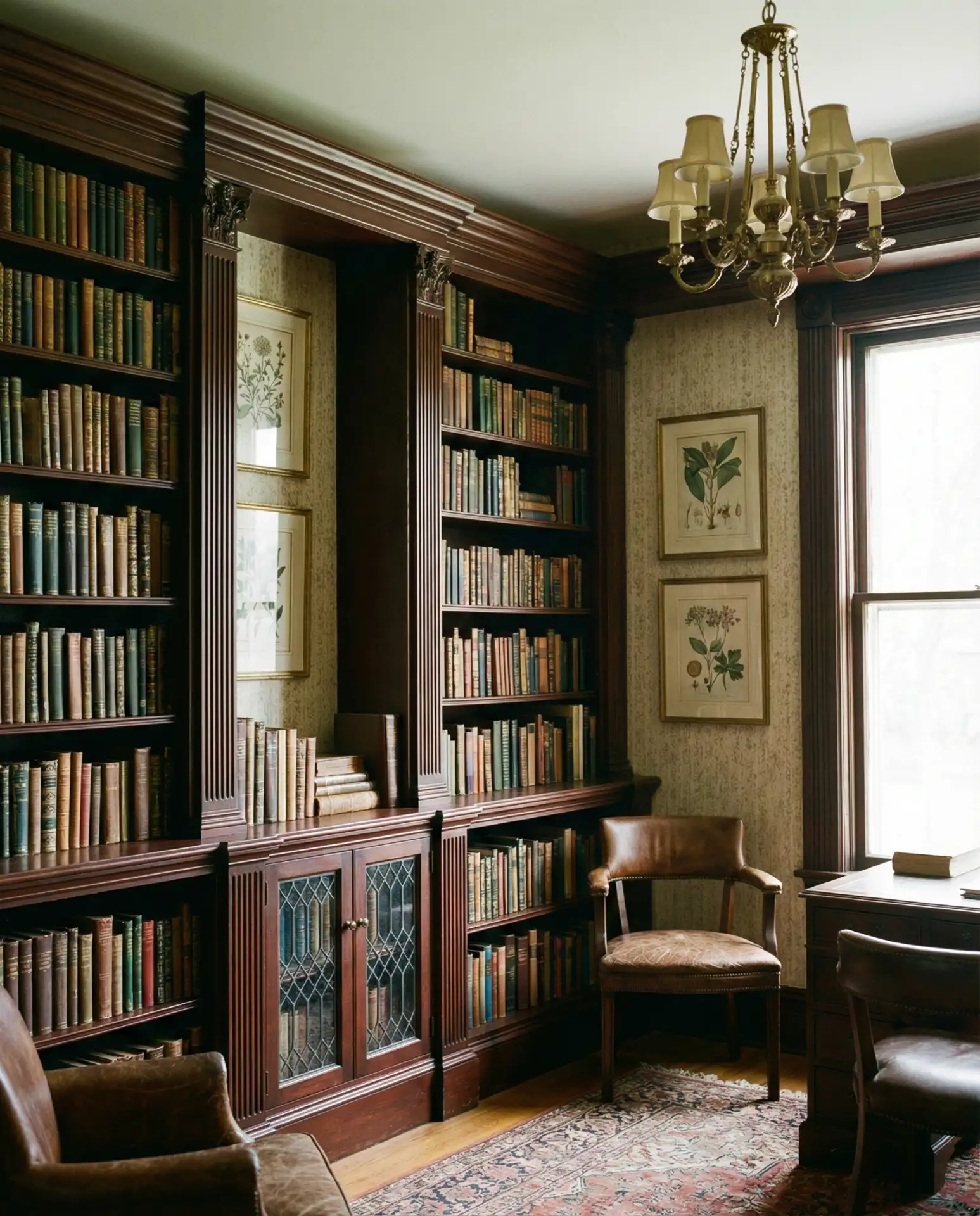
Embrace vintage charm with carved wood details, glass-fronted cabinets, and the kind of architectural character that feels transported from another era. This style celebrates ornamentation—think crown molding, decorative corbels, and perhaps even wallpaper with subtle patterns that add texture without competing with the books. The glass doors serve a practical purpose too, protecting first editions and collectible volumes from dust while displaying them like treasures. This approach creates a beautiful space that feels curated over time rather than assembled all at once.
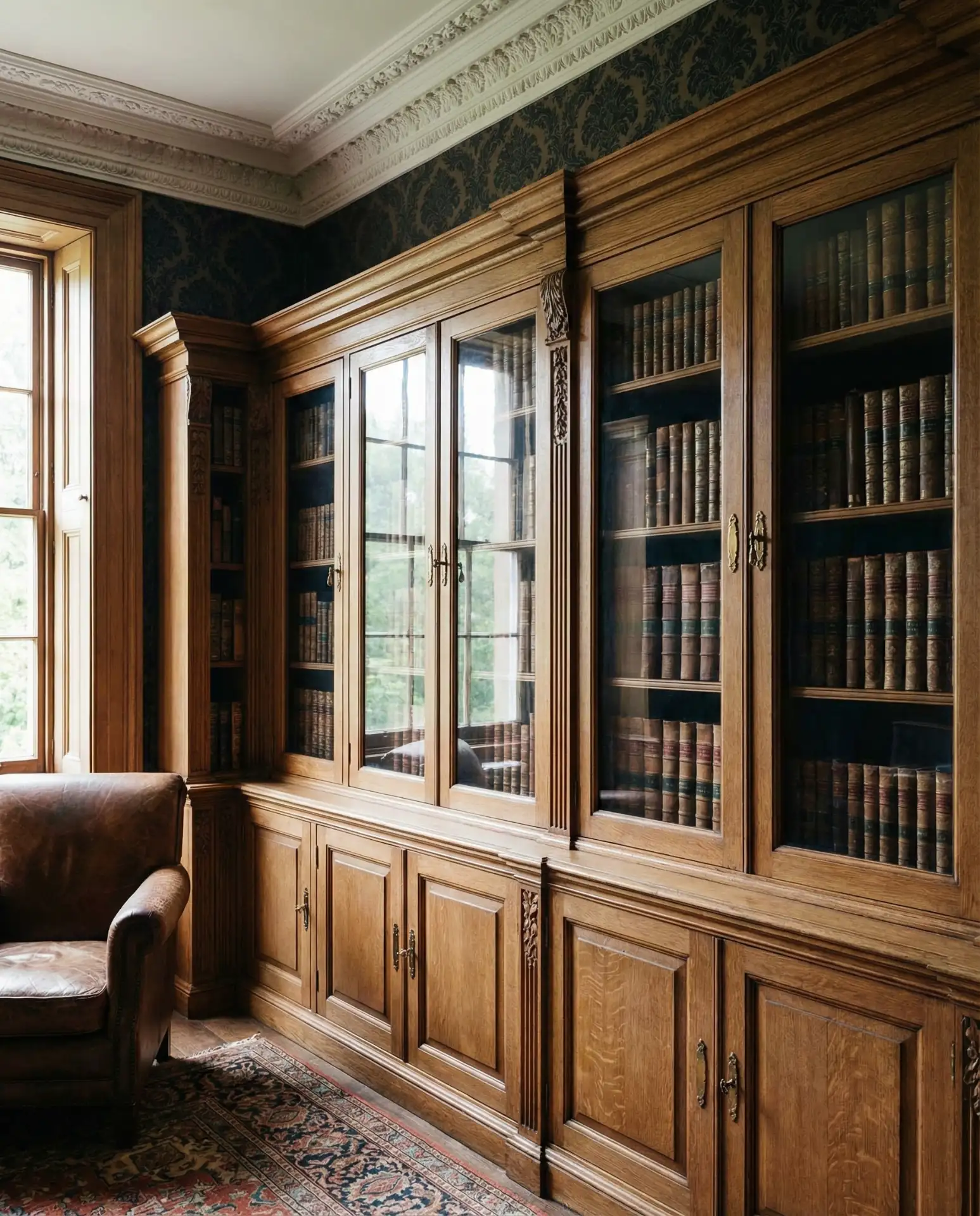
This style works best in older homes with existing architectural character, particularly Victorians, Craftsmen, and Colonial Revivals, where the library can feel like a natural extension of the home’s original design language. In newer construction, you’ll need to add those details intentionally through millwork and hardware choices. Estate sales and architectural salvage yards can be goldmines for authentic vintage pieces—cabinet doors, decorative brackets, and even entire bookcase sections that can be incorporated into custom built-ins. The investment typically runs higher than modern alternatives, but the result feels substantial and permanent in a way that lighter construction rarely achieves.
6. Home Office Library Combination
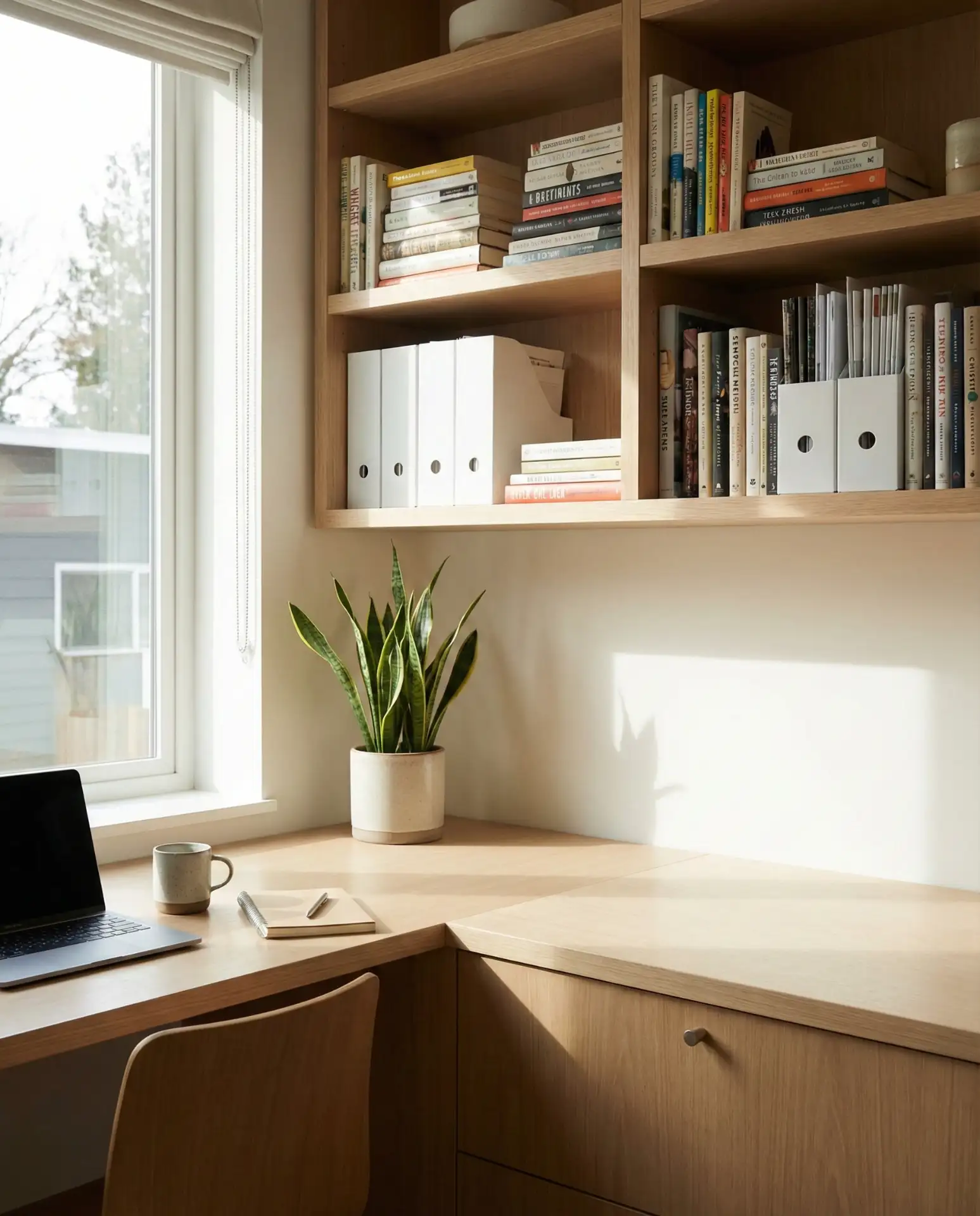
Merge workspace and book storage by designing an office where shelving wraps around your desk, creating an immersive environment that keeps references within arm’s reach. This dual-purpose approach maximizes square footage while acknowledging that many readers are also writers, researchers, or simply work-from-home professionals who need both functions in one space. The design ideas here focus on ergonomics—ensuring shelves don’t interfere with monitor placement or desk lighting while still providing ample storage. It’s the contemporary evolution of the classic study, adapted for video calls and digital workflows.
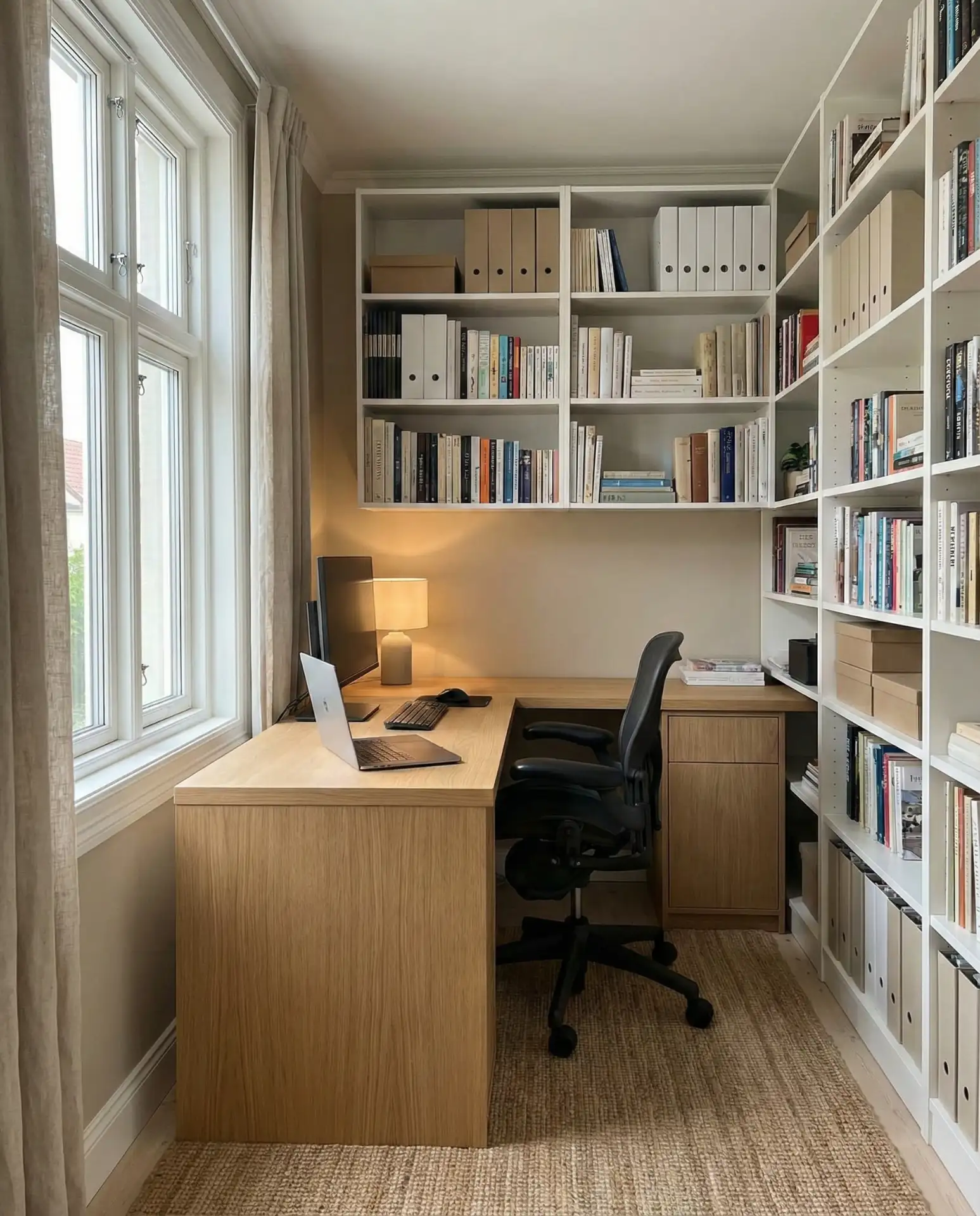
Real homeowners who’ve implemented this setup emphasize the importance of closed storage alongside open shelving—you need places to hide office supplies, cables, and works-in-progress that don’t look as tidy as a curated book display. Consider including at least one cabinet with solid doors or a few deep drawers in your design. The blend of professional function and personal collection creates spaces that feel simultaneously productive and comfortable, avoiding the sterile quality of purely utilitarian offices or the impractical nature of libraries that are too precious to actually use for work.
7. Fireplace Library with Built-In Seating
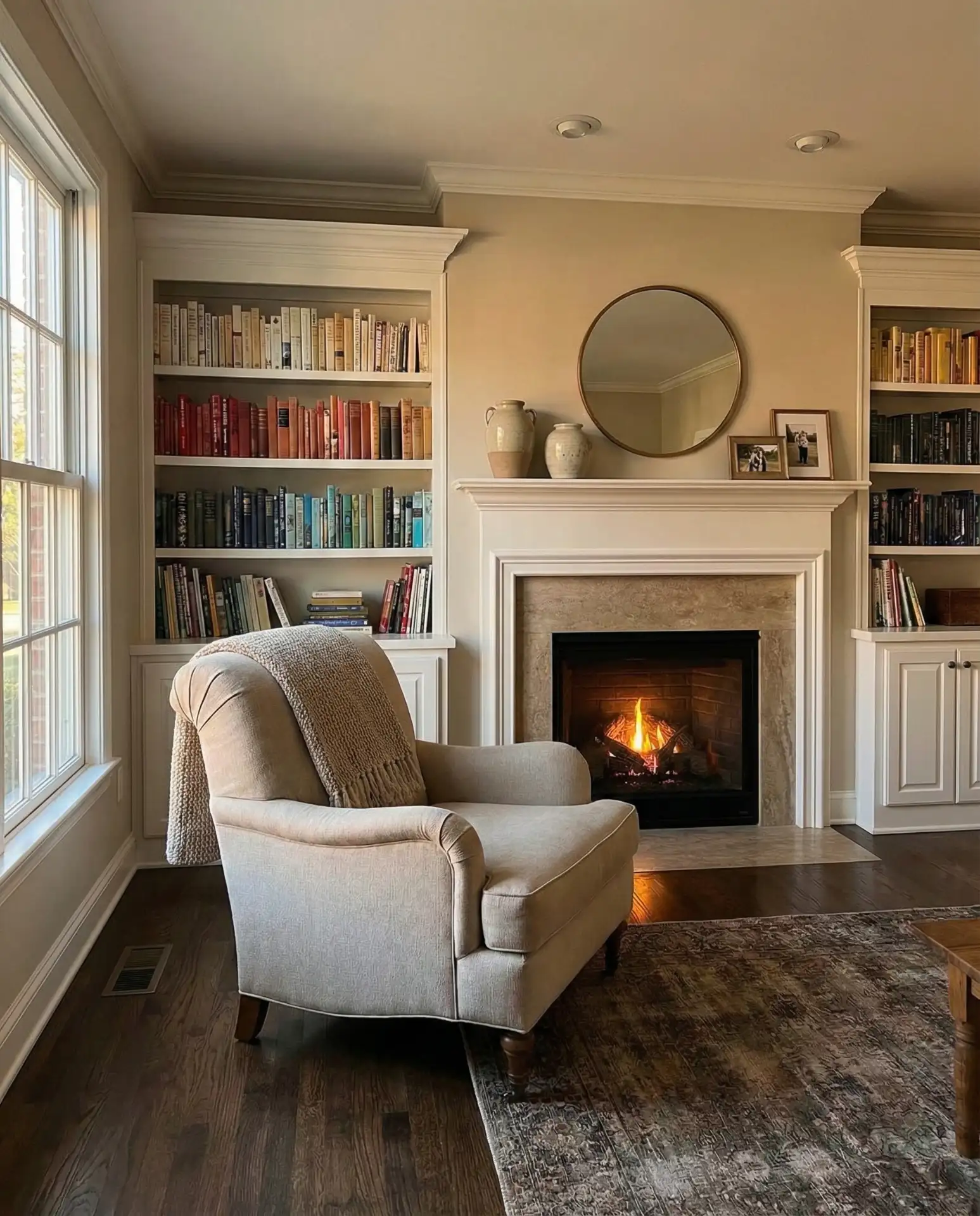
Create the ultimate cozy retreat by flanking a fireplace with built-in bookshelves and incorporating bench seating or window seats nearby. This classic arrangement taps into something primal about gathering near warmth with a good book, and the symmetry of shelving on either side of the firebox creates natural visual balance. The heat source adds both literal and atmospheric warmth, making the space naturally inviting during colder months. For Americans in northern climates, this setup answers the question of how to make a room feel usable and appealing even during long winter evenings.
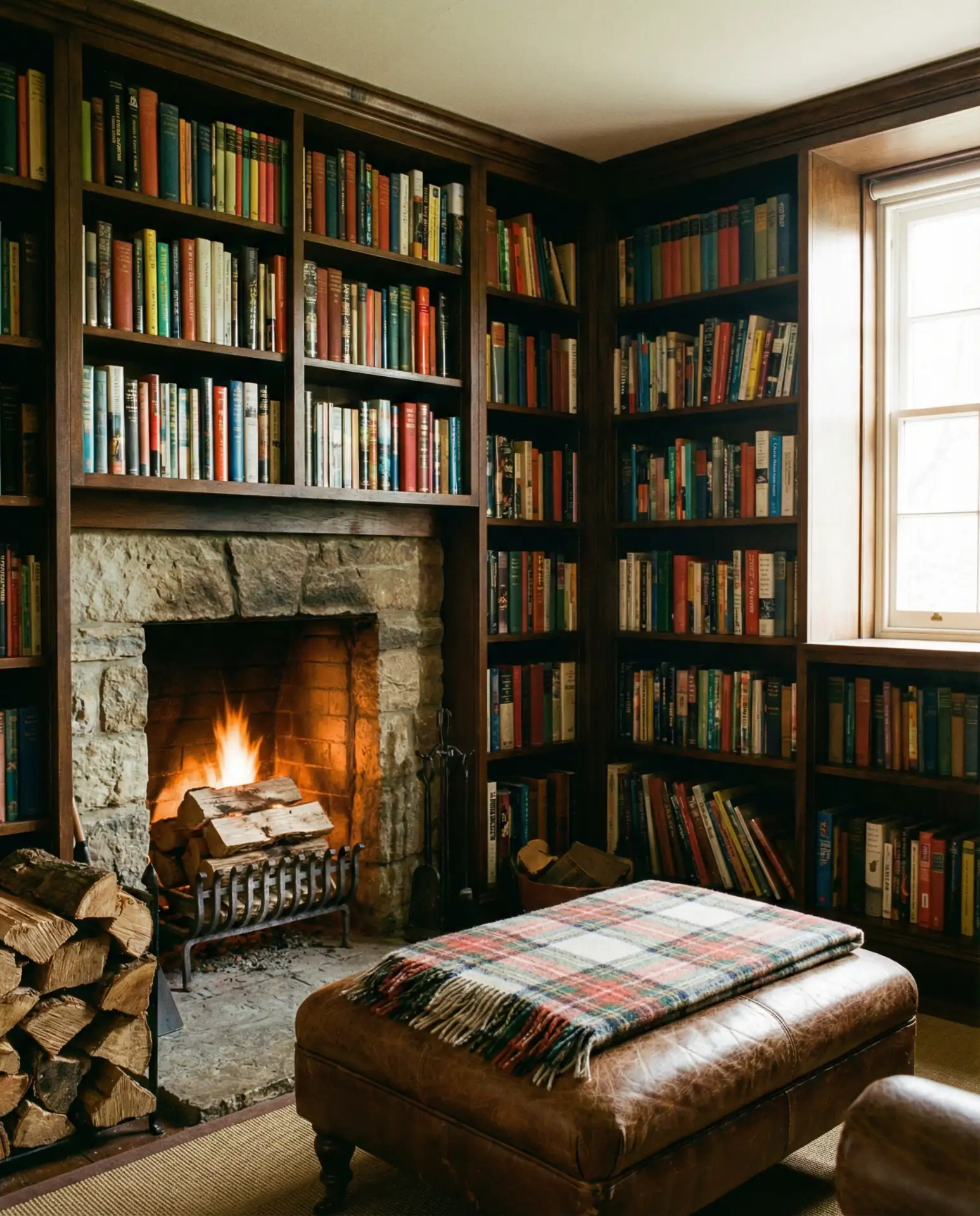
In the Pacific Northwest and New England especially, this configuration has become almost standard in upscale renovations, with homeowners reporting that these rooms become the most-used spaces in their homes. The fireplace doesn’t need to be wood-burning; gas and electric versions provide similar ambiance with less maintenance. One practical consideration: keep books at least six inches away from the firebox opening to prevent heat damage to spines and pages. The mantel itself becomes valuable real estate for rotating displays—seasonal decorations, framed family photos, or a carefully chosen sculpture that anchors the composition.
8. DIY Pipe Shelving Industrial Style
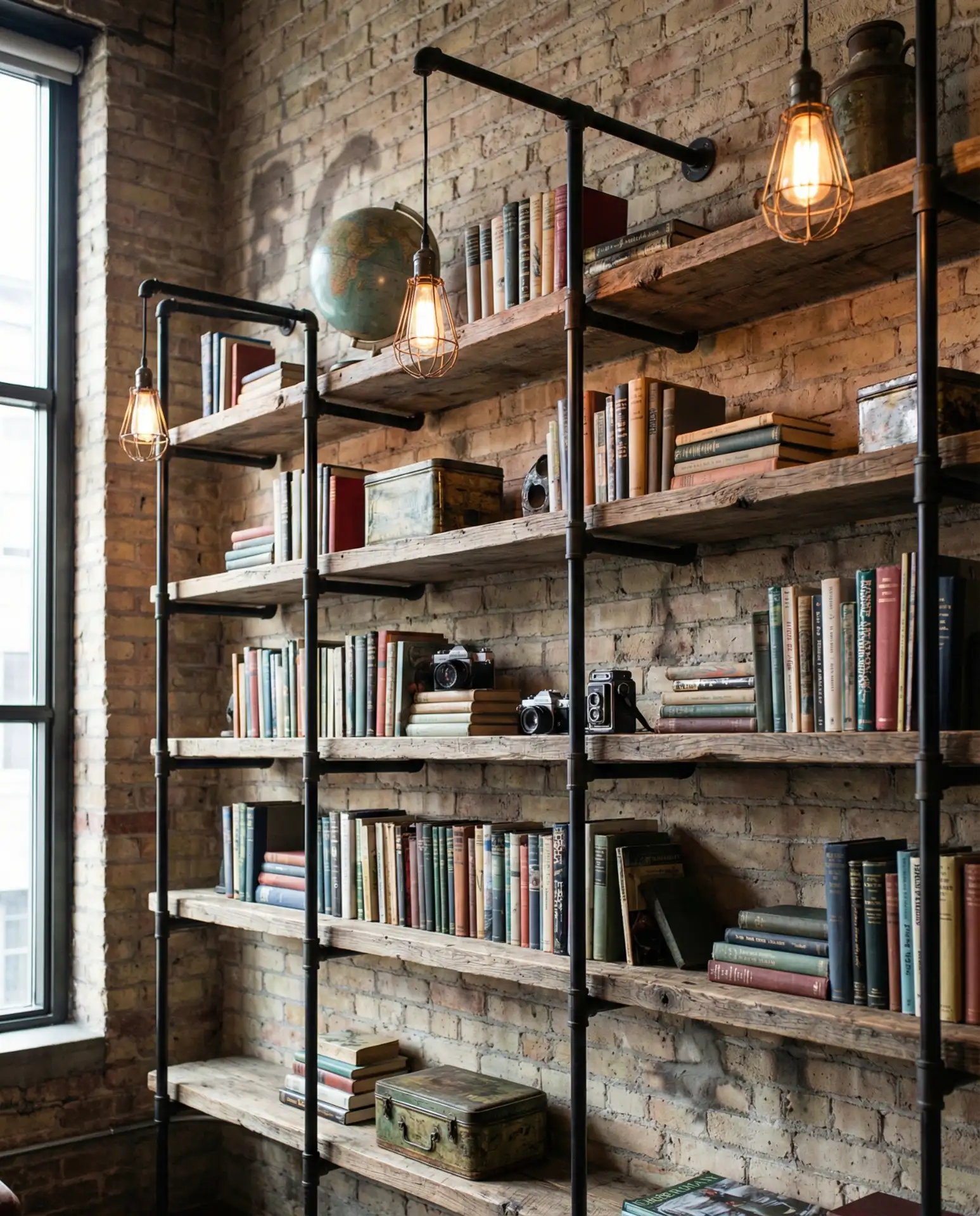
For a DIY project that delivers maximum impact with modest skill requirements, consider industrial-style shelving using iron pipes and reclaimed wood planks. This approach celebrates visible hardware rather than hiding it, with the black pipes creating strong horizontal and vertical lines that give structure to book displays. The style reads as intentionally unfinished and masculine, working particularly well in lofts, converted warehouses, or homes with exposed brick and concrete. Material costs typically run lower than custom cabinetry, and the modular nature means you can expand or reconfigure as your collection grows.
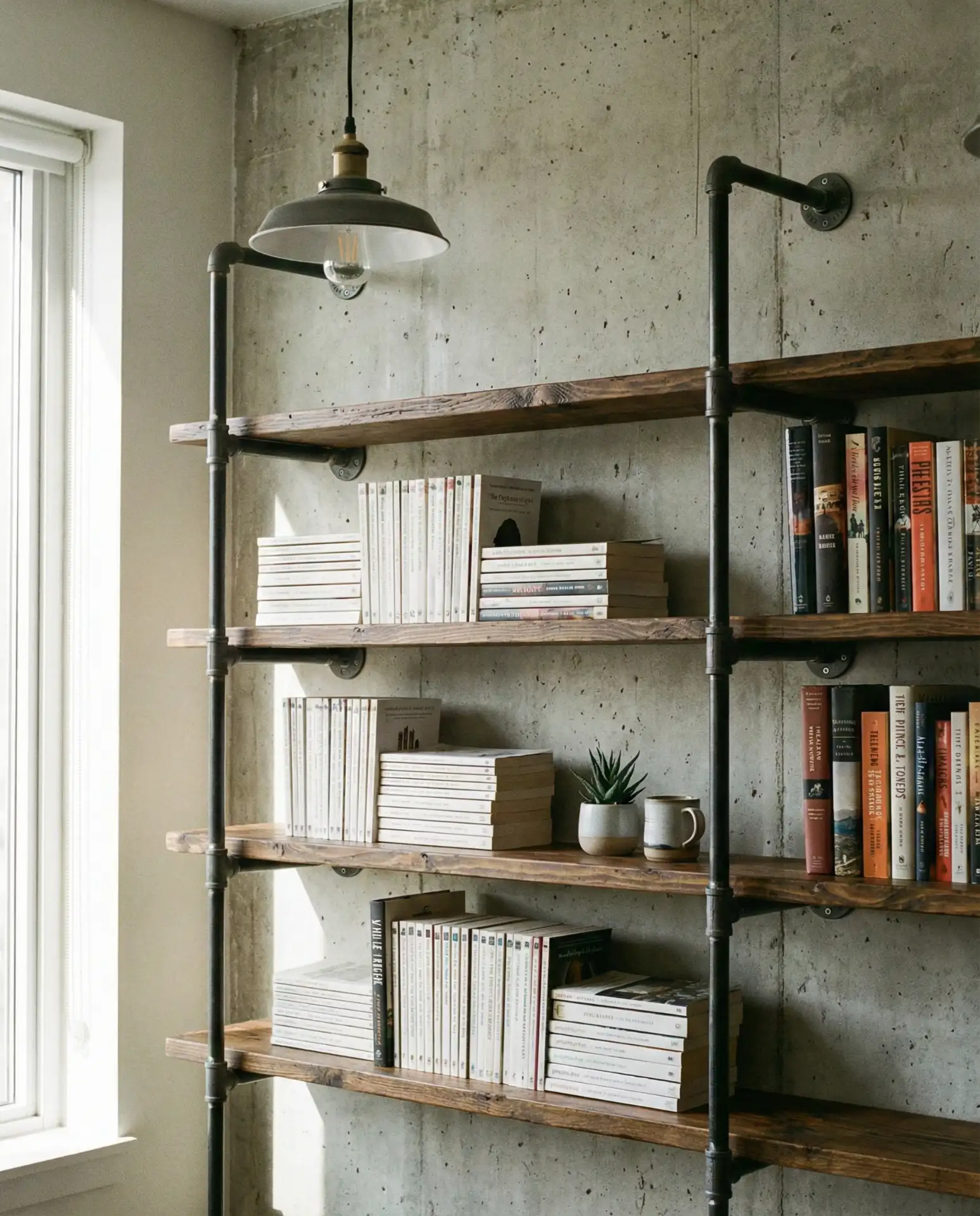
The beauty of this system is its flexibility—most hardware stores stock threaded pipe in standard lengths, and you can cut wood to any dimension you need. A weekend warrior with basic tools can assemble a wall-length system in a Saturday afternoon. The common mistake here is undersizing the pipe diameter; half-inch pipe looks spindly under heavy books, while three-quarter-inch or one-inch pipe provides substantial support and better proportions. Finish the wood with a clear polyurethane or dark stain depending on your preference, and the pipes work best left in their raw black finish for authentic industrial character.
9. Luxury Library with Plush Furnishings
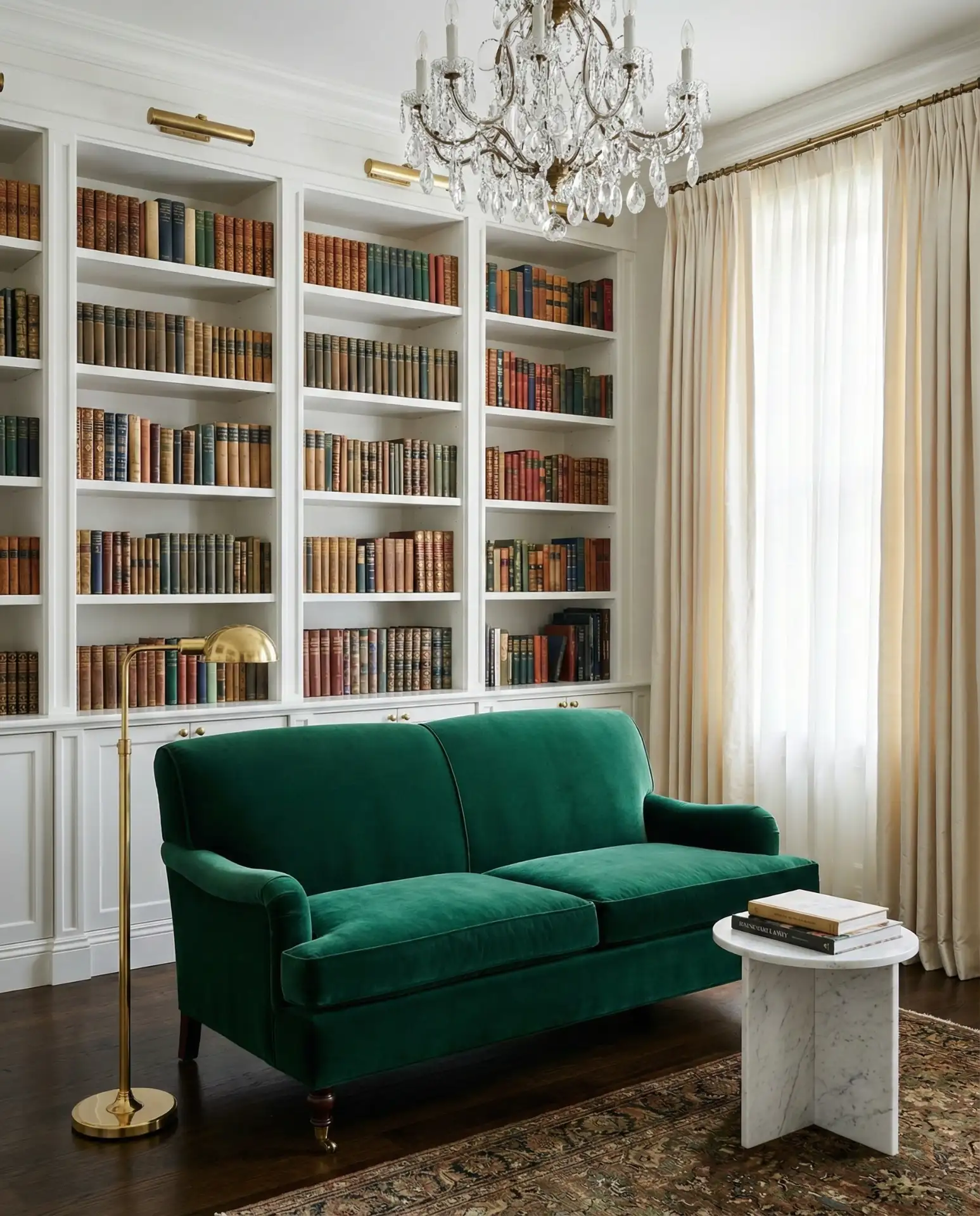
Elevate your book collection with luxury appointments—velvet seating, marble accents, and custom millwork that transforms reading from a casual activity into an experience. This room’s luxury approach treats books as art objects worthy of museum-quality presentation, with lighting designed to highlight architectural details and create drama. Think oversized tufted ottomans, silk drapery puddling on hardwood floors, and perhaps a bar cart tucked in the corner for evening reading sessions. The space communicates that books matter enough to warrant your home’s best materials and craftsmanship.
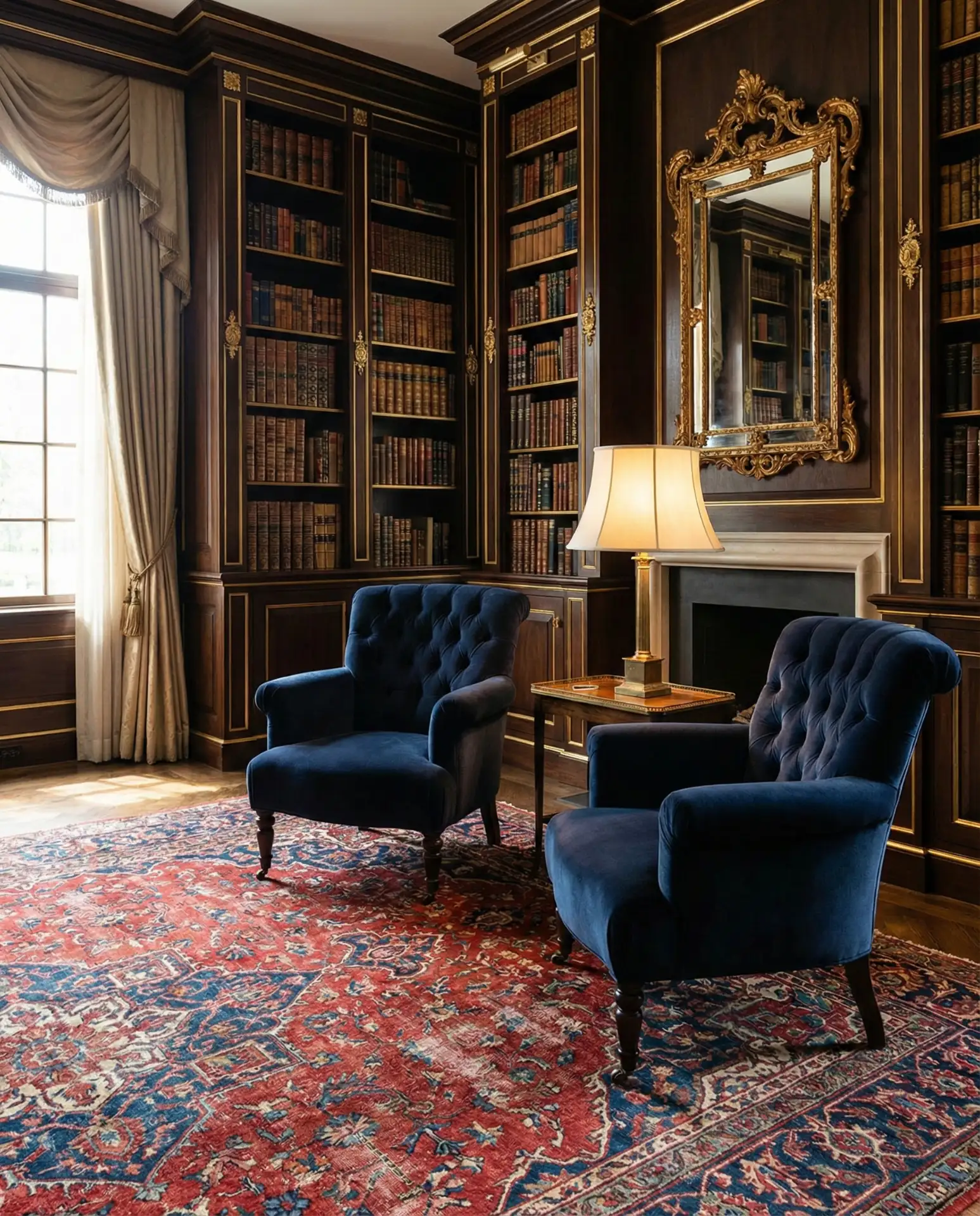
This style thrives in formal settings—dedicated library rooms in larger homes, the kind of space that might once have been called a drawing room or parlor. In metropolitan areas like Manhattan, San Francisco, and Chicago, interior designers report increased requests for these high-end libraries as clients seek to create impressive spaces for entertaining that also reflect intellectual interests. The investment is significant, often involving custom cabinetry, high-end upholstery, and architectural lighting, but the result becomes a signature room that defines the home’s character and provides a genuine retreat from everyday chaos.
10. Under-Stair Book Nook
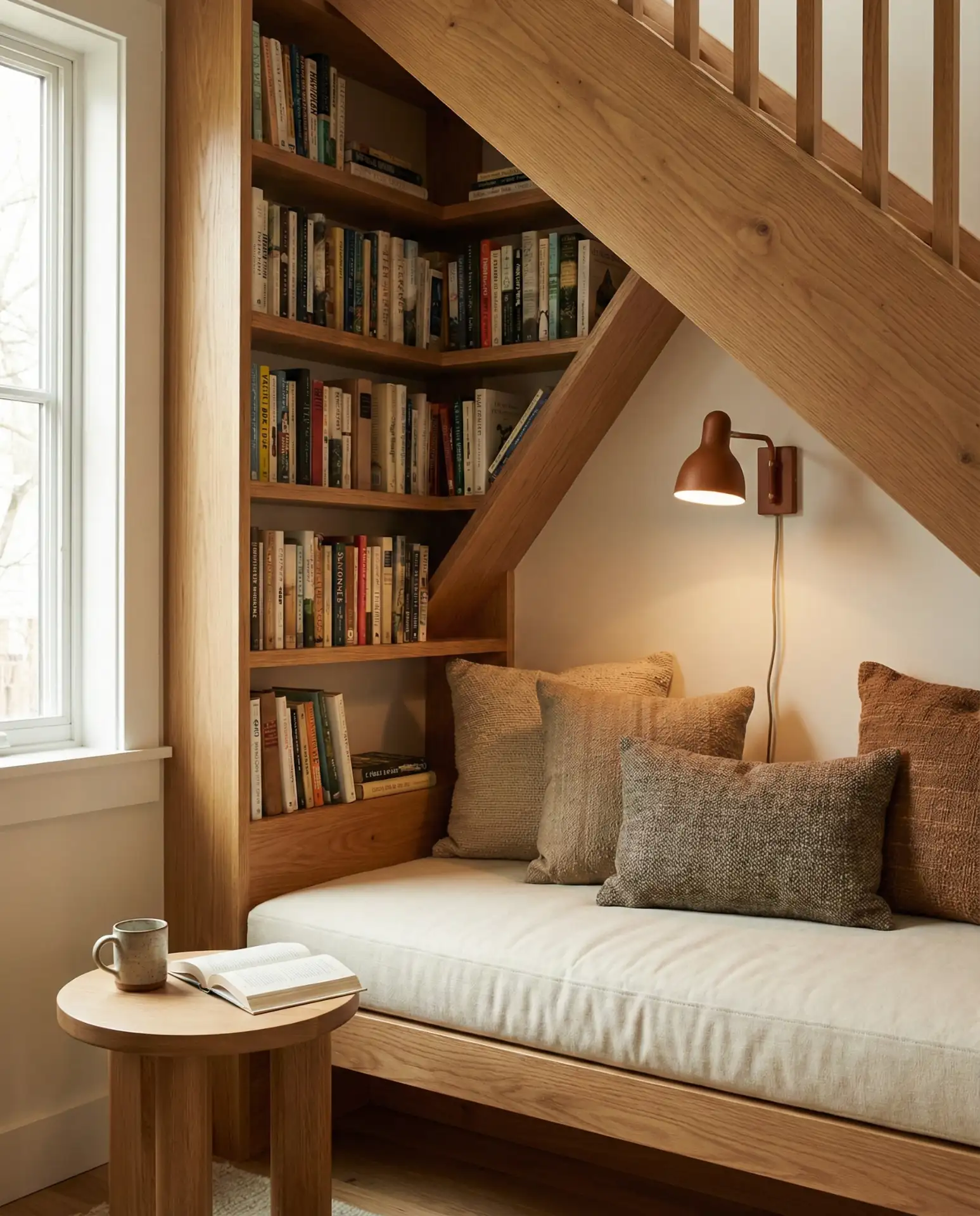
Transform the often-wasted space beneath a staircase into a clever reading nook with built-in shelving that follows the descending angle of the stairs. These ideas capitalize on awkward dimensions that don’t work for conventional furniture, creating a tucked-away spot that feels almost secret. The sloped ceiling creates natural intimacy, and proper lighting—perhaps a small pendant or reading sconce—makes the space genuinely functional rather than just visually interesting. It’s a favorite solution for row houses, townhomes, and two-story homes where square footage is precious.
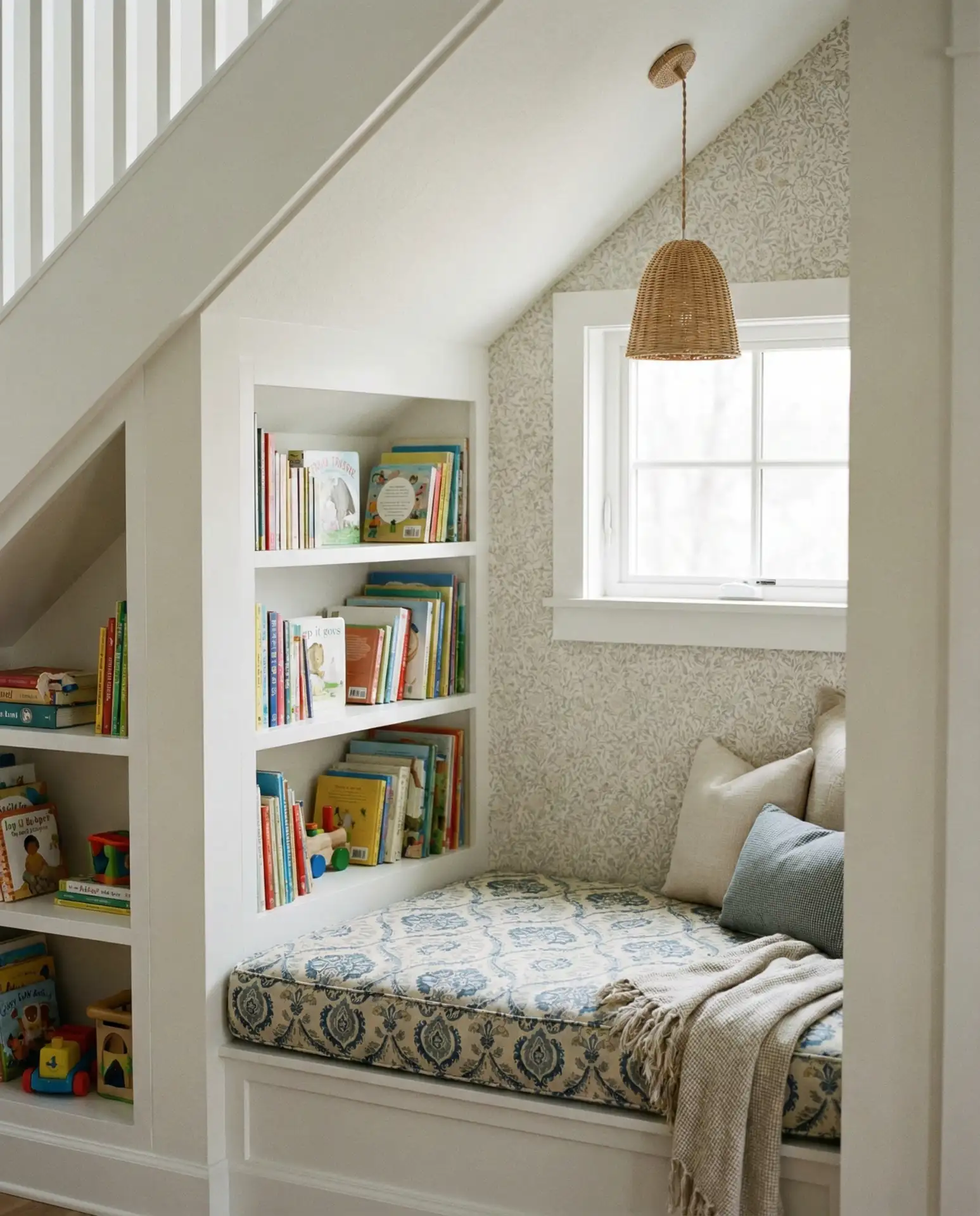
Expert carpenters note that the key challenge here is working with the angular constraints—shelves need to be deep enough for books while not protruding into traffic pathways. Most successful installations include at least a few adjustable shelves to accommodate different book sizes as your collection changes. The under-stair location also tends to accumulate clutter if not thoughtfully designed, so including some closed storage—even just a few baskets or bins—helps maintain the cozy intention rather than letting it become a dumping ground. When executed well, this becomes one of those charming details that guests always notice and compliment.
11. Moody Jewel-Tone Library
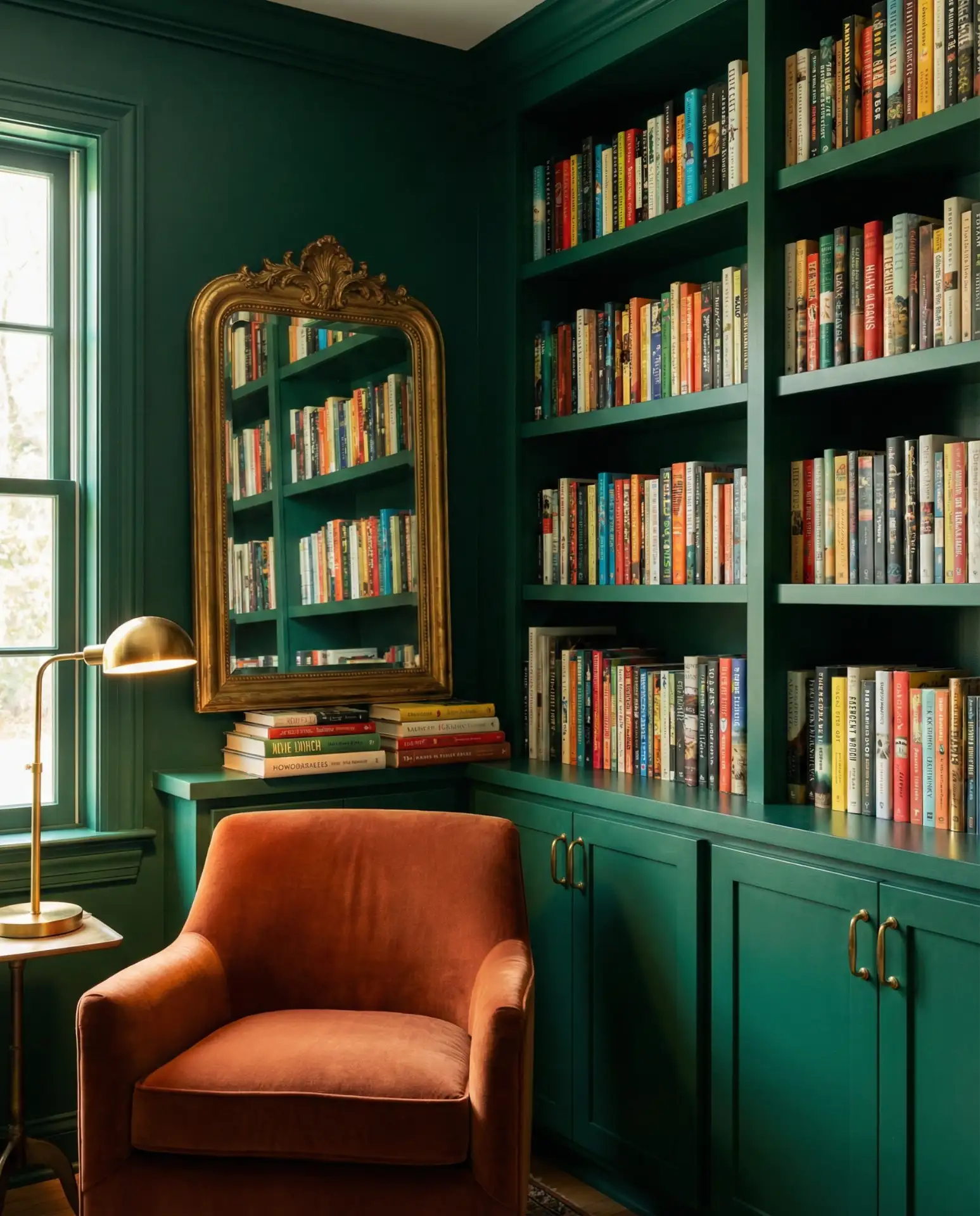
Embrace rich, saturated colors by painting walls and shelving in deep, moody hues like forest green, sapphire blue, or plum purple, creating an enveloping atmosphere that feels both dramatic and intimate. This color approach works counterintuitively—rather than making spaces feel smaller, dark walls tend to blur boundaries and create depth. The decor comes alive against these backdrops, with book spines and metallic accents gaining prominence. It’s a bold choice that signals confidence and a willingness to prioritize atmosphere over playing it safe with neutrals.
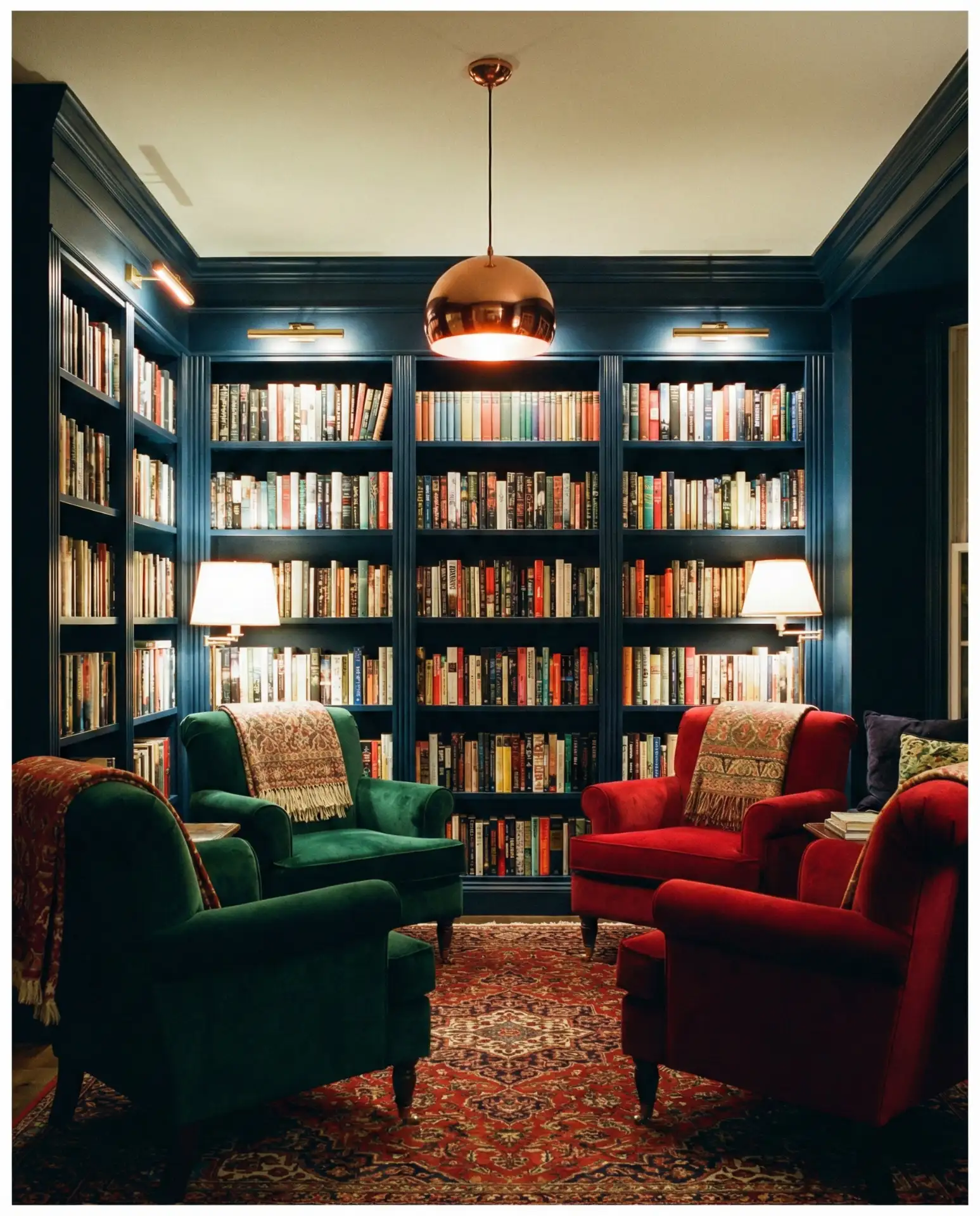
A common mistake with dark library walls is insufficient lighting—these spaces need multiple light sources at different levels to remain functional for actual reading. Consider installing dimmable overhead lighting, task lighting near seating, and perhaps even LED strips on shelves to create ambient glow. The dark colors work beautifully in rooms that don’t receive abundant natural light anyway; rather than fighting the dim conditions, you’re leaning into them intentionally. Many homeowners report that these darker libraries become their favorite evening retreats, especially when paired with comfortable seating and perhaps a small beverage station tucked in the corner.
12. Scandinavian Light Wood Library
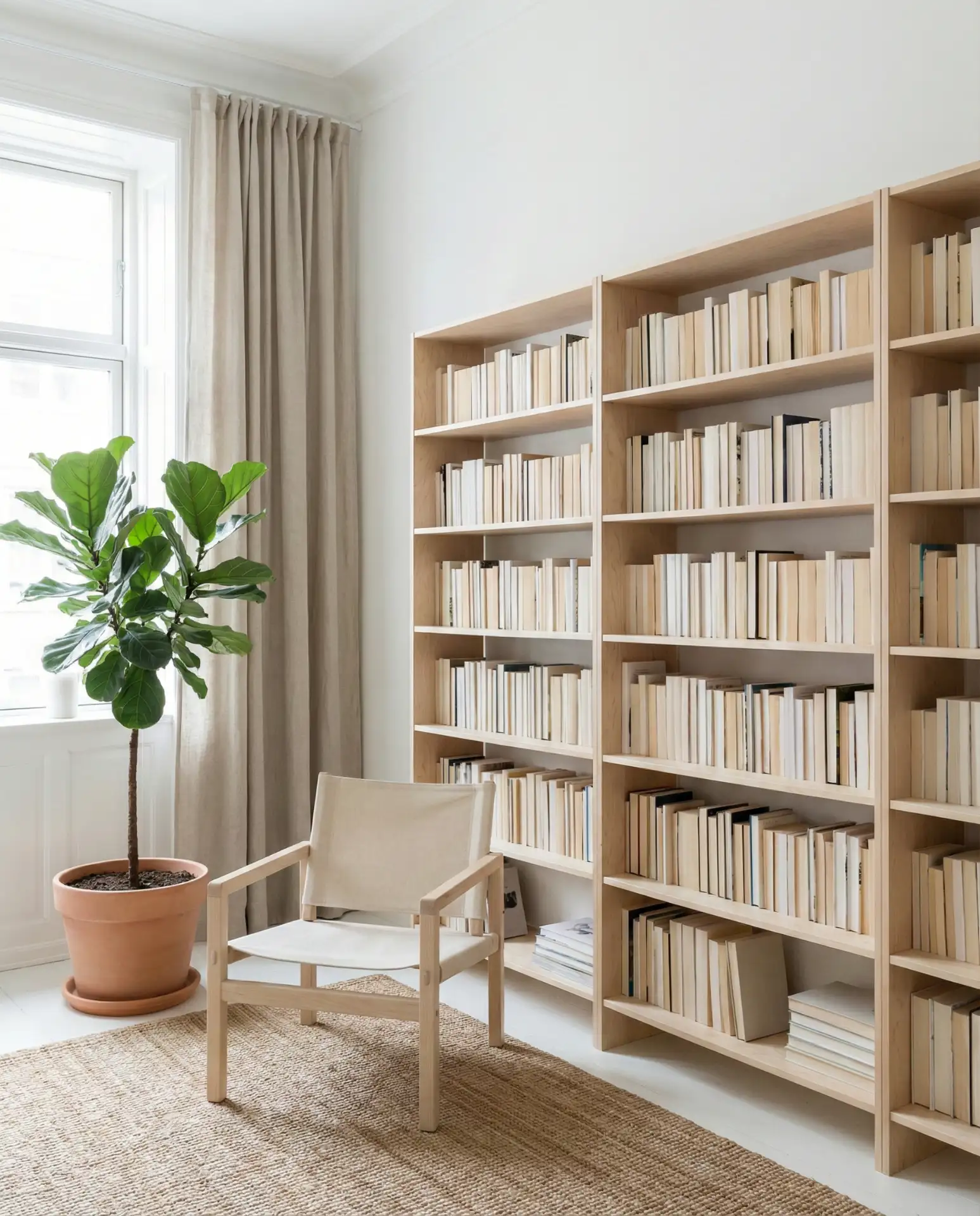
For a lighter, airier take on book storage, look to Scandinavian design principles with pale wood shelving, white walls, and an emphasis on natural light and negative space. This aesthetic keeps collections visible but not overwhelming, often incorporating closed cabinets at the bottom with open shelving above. The style prizes function and simplicity, avoiding unnecessary ornamentation while still creating warmth through wood tones and thoughtful proportions. It’s particularly appealing to those who find traditional dark libraries claustrophobic or who live in smaller homes where brightness helps spaces feel larger.
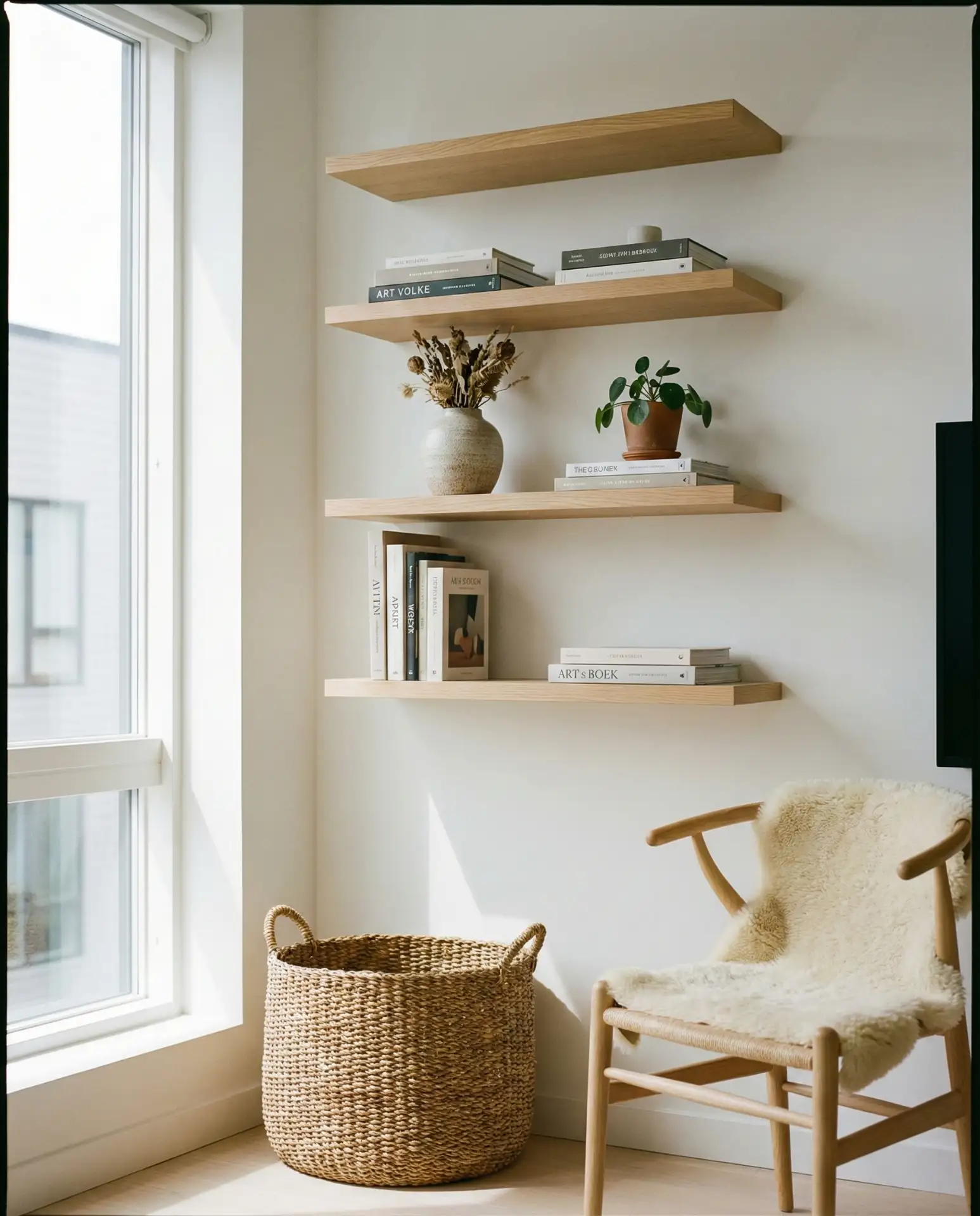
Where it works best: Coastal areas, the upper Midwest, and anywhere homeowners want to maximize the feeling of light and space. The Scandinavian approach to libraries reflects broader cultural values around hygge—the creation of cozy, inviting spaces that promote well-being without excess. In practical terms, this often means choosing multipurpose furniture, keeping surfaces relatively clear, and being selective about what goes on display rather than showing every book you own. The restraint requires discipline but rewards with spaces that feel calm rather than cluttered and welcoming rather than overwhelming.
13. Gallery Wall with Integrated Shelving
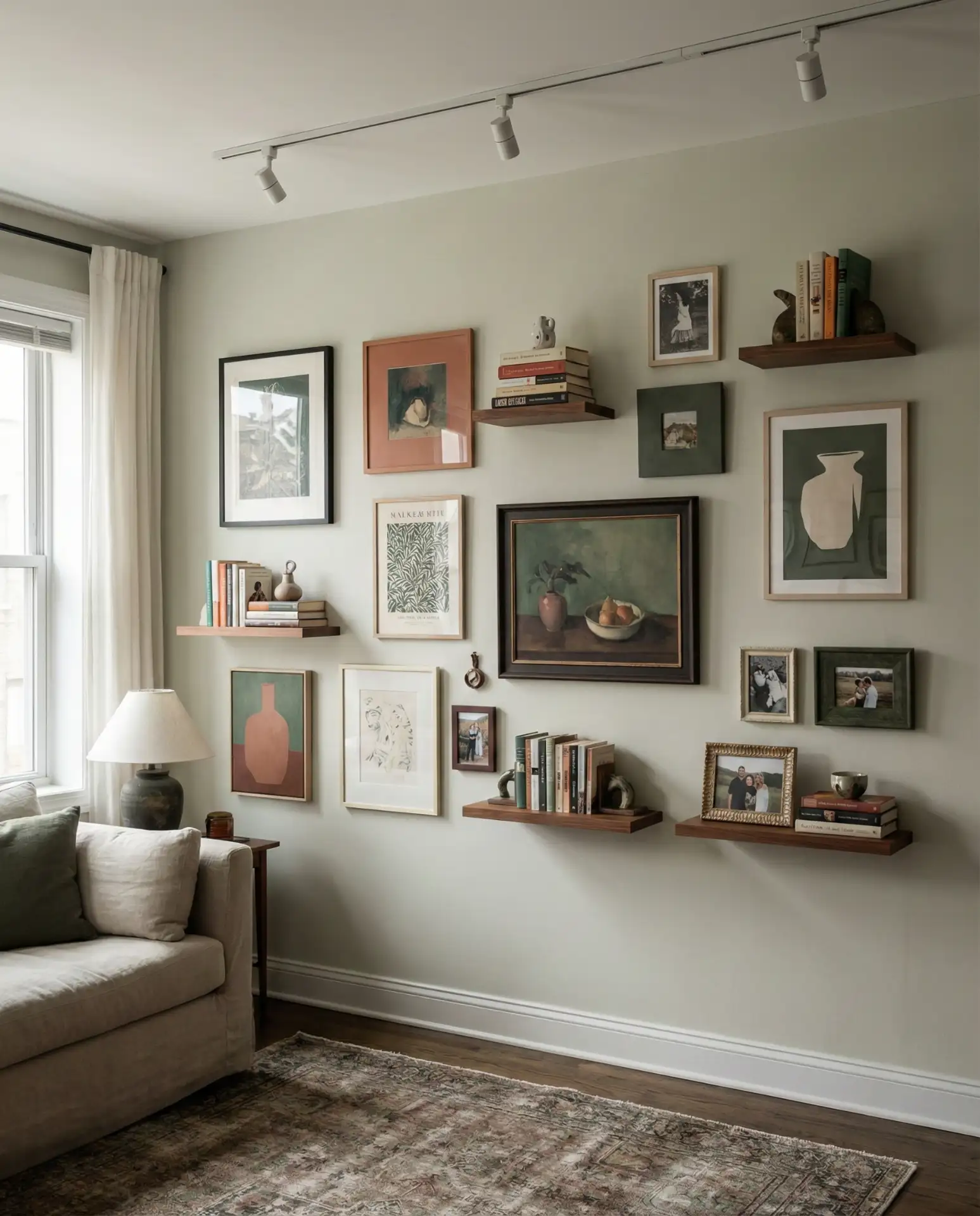
Blend art display and book storage by creating a gallery wall that incorporates small shelves between framed pieces, allowing you to rotate both visual interest and reading material seasonally. This approach treats the wall as a curated exhibition rather than pure storage, with books becoming part of a larger composition that includes artwork, photographs, and three-dimensional objects. The cozy design comes from the personal nature of the display—these are your interests, travels, and passions presented together rather than segregated by medium. It works particularly well in living rooms, hallways, and dining rooms where traditional bookcases might feel too heavy.
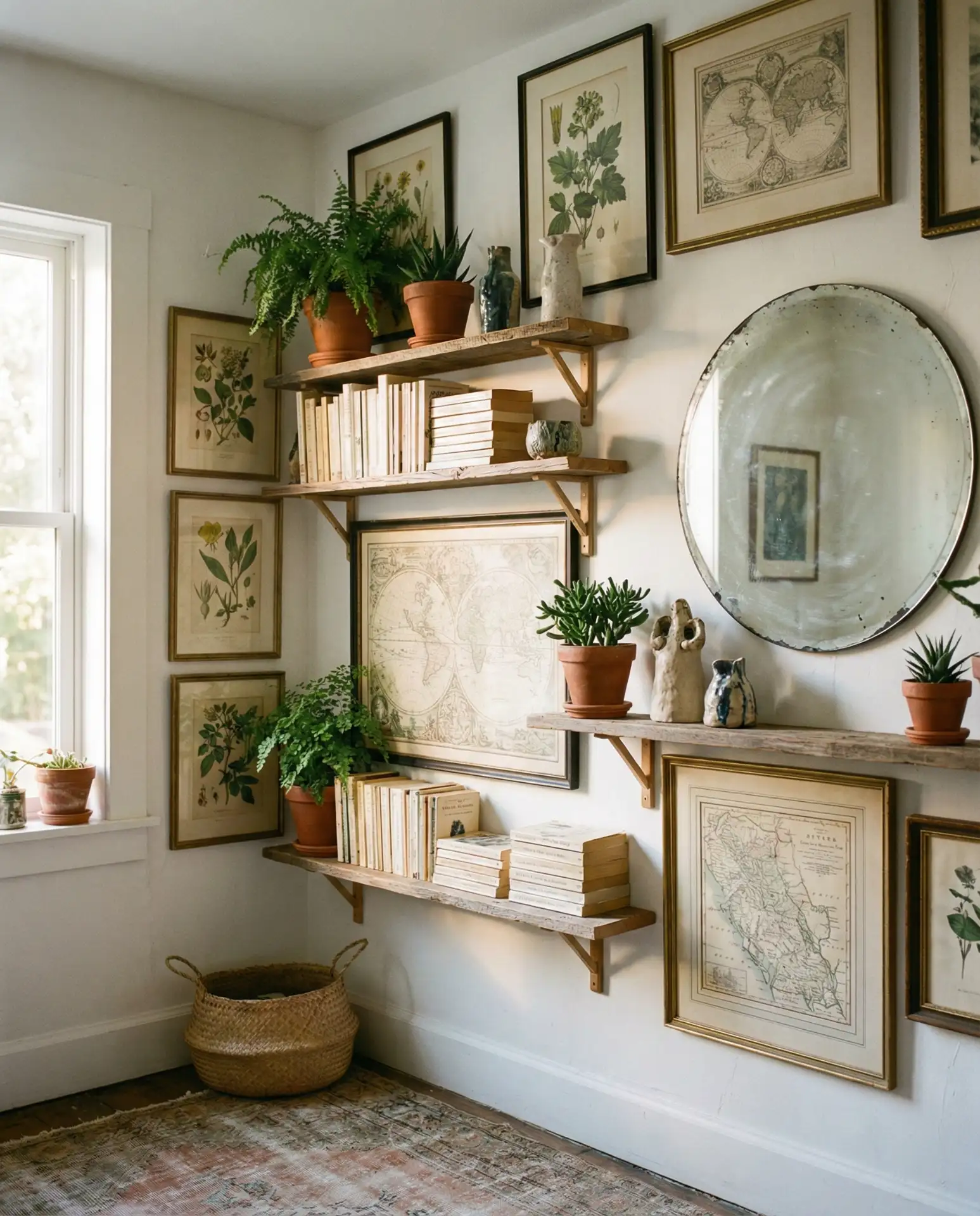
Budget considerations make this approach attractive—you’re not investing in major built-in cabinetry but rather assembling individual pieces over time. Start with a rough layout on paper or using tape on the wall to test arrangements before committing to nail holes. The standard advice about gallery walls applies here too: lay everything out on the floor first, maintain relatively consistent spacing between elements, and consider creating a visual triangle or other geometric pattern to guide the eye. Unlike traditional galleries that avoid books, this hybrid approach acknowledges that for many people, books are art and deserve similar presentation.
14. Two-Story Library with Balcony Access
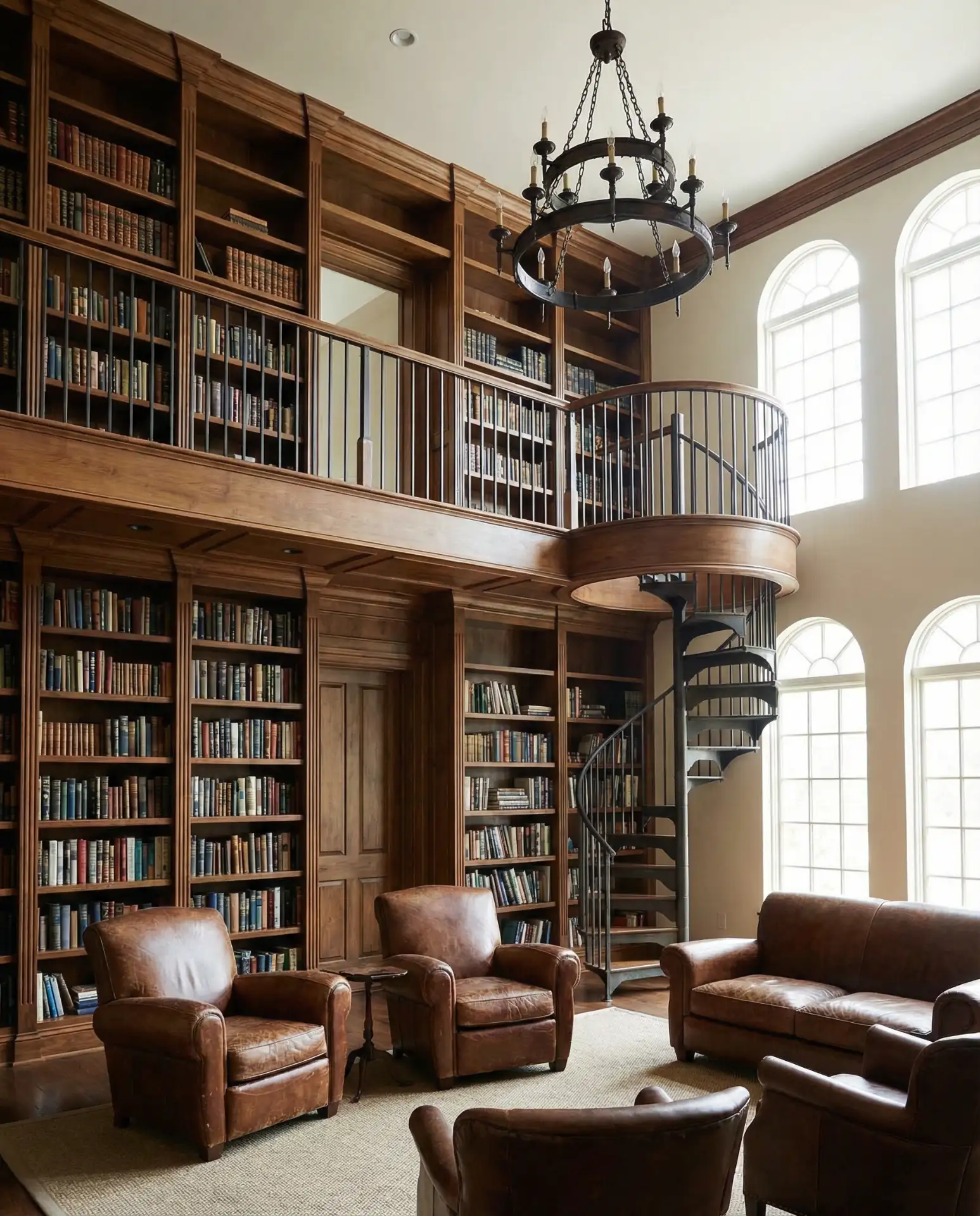
In homes with double-height ceilings, create a showstopping library that spans two stories with an upper balcony or catwalk providing access to the highest shelves. This architectural approach turns book storage into the room’s defining feature, with the vertical scale creating drama that simply isn’t possible in standard eight-foot rooms. The upper level doesn’t need to be large—even a narrow walkway with railings suffices to make the space feel grand and to actually use those top shelves. This is the kind of dream library that appears in design magazines and makes visitors literally look up in admiration.
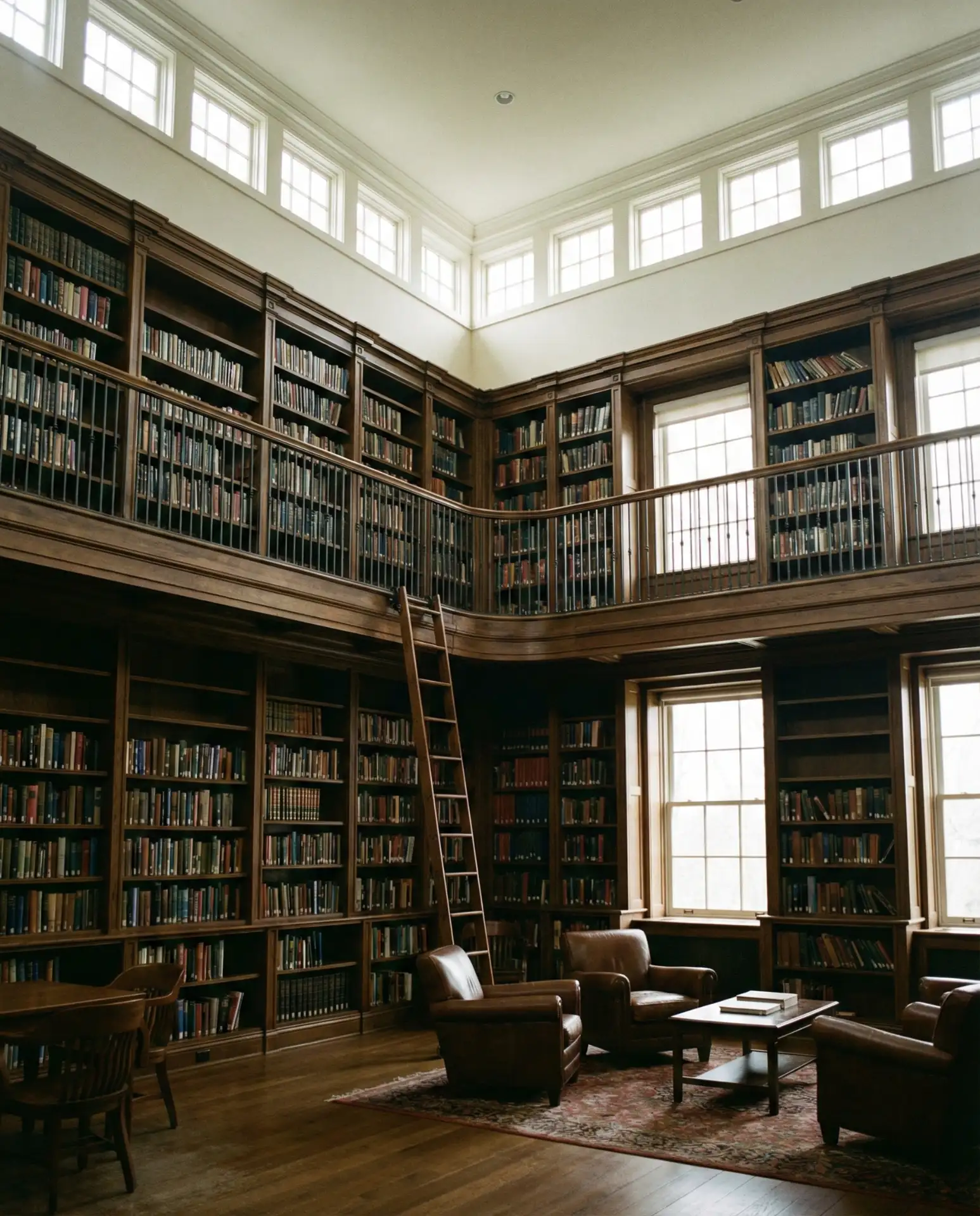
Obviously, this works best in specific architectural situations—homes with great rooms, converted barns, or custom builds designed around the library concept. In older homes, particularly Victorians and Georgian Revivals, you sometimes find existing two-story spaces that can be adapted for this purpose. The practical challenge involves ensuring the upper level is truly functional rather than just decorative; that means adequate lighting up there, safe railings meeting code, and thoughtful organization so you’re not constantly climbing up for frequently accessed books. When properly executed, these libraries become the heart of the home and often the primary reason people choose to buy the property.
15. Corner Library with L-Shaped Configuration
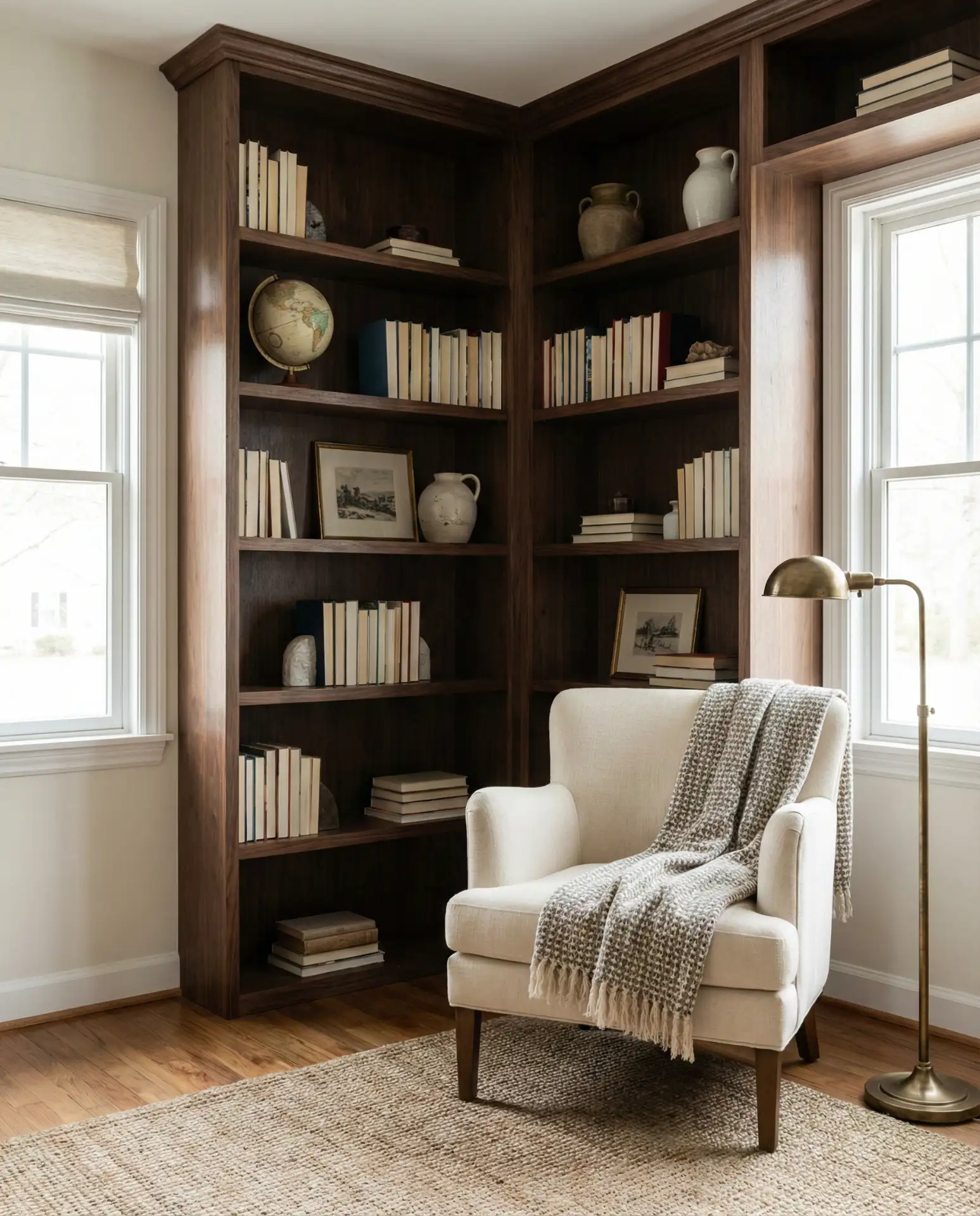
Make efficient use of corner spaces by designing L-shaped shelving that wraps two walls, maximizing storage in a footprint that would otherwise be difficult to furnish. This configuration creates a natural reading alcove where the two walls meet, often with enough room for a chair tucked into the corner protected by books on two sides. The ideas cozy aesthetic comes from the partial enclosure, giving a sense of retreat without complete isolation from the rest of the room. This approach works in master bedrooms, home offices, or really any room with an underutilized corner that’s too small for typical furniture arrangements.
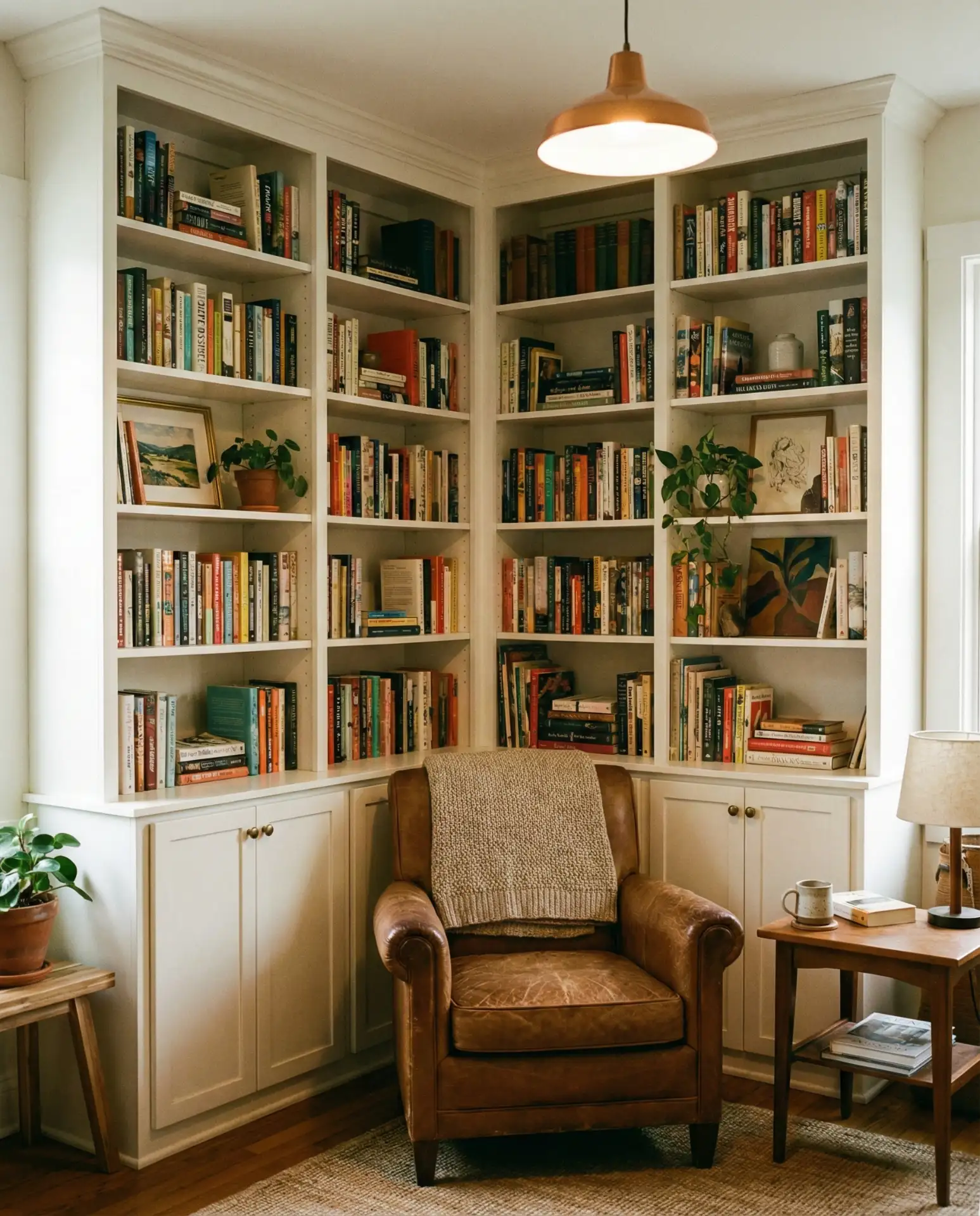
Real homeowners who’ve installed corner libraries emphasize the importance of lighting that corner junction—it tends to be naturally darker than the rest of the room, especially in corners away from windows. A floor lamp with an adjustable arm or a wall-mounted sconce solves this problem elegantly. The L-shape also provides interesting opportunities for varying shelf depths; you might have deeper shelves on one wall for oversized books and shallower ones on the other for paperbacks. Consider leaving one section at a comfortable height as a small work surface where you can stack currently reading books or set down a coffee mug.
16. Library Wallpaper and Painted Murals
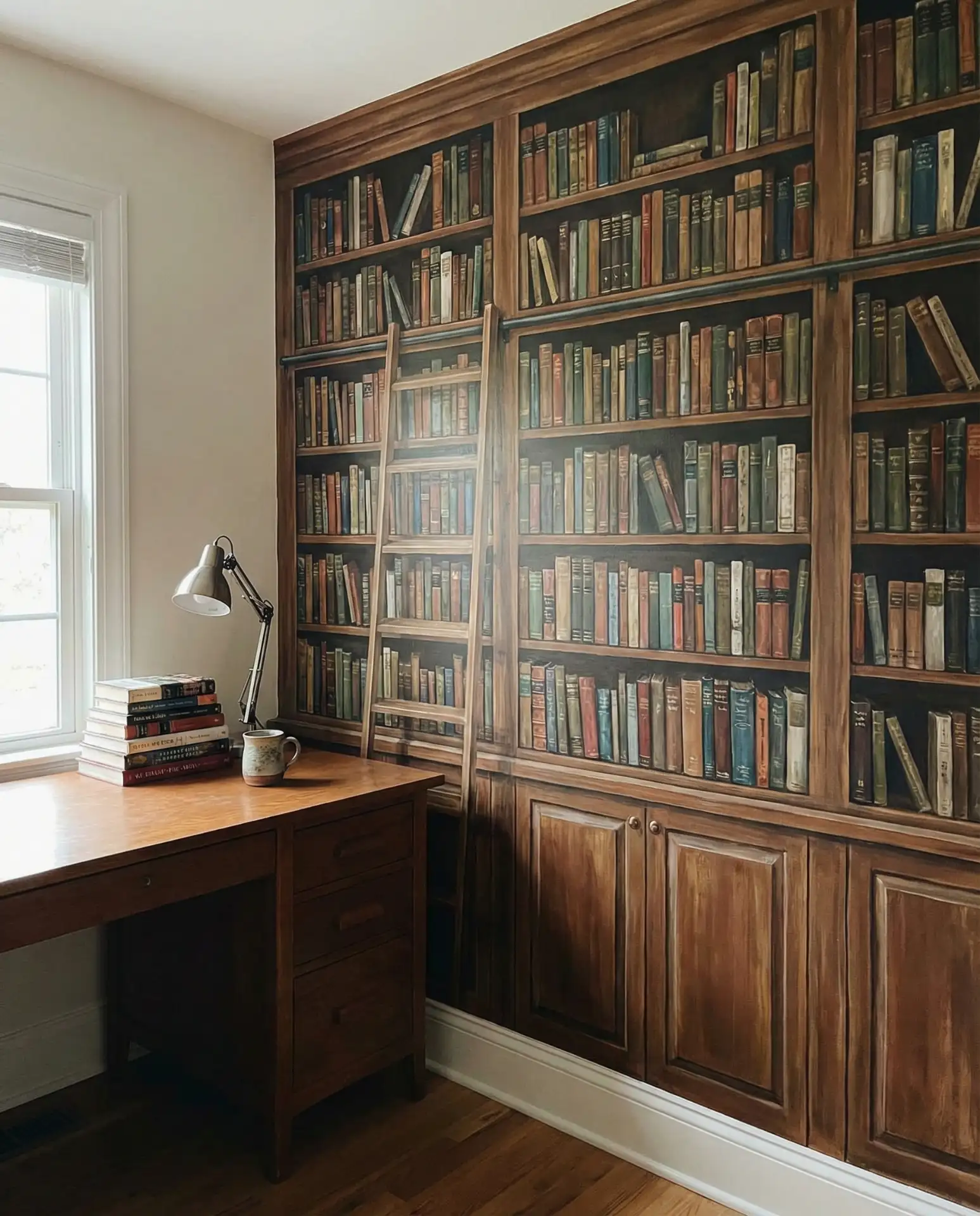
For instant atmosphere without extensive construction, consider trompe-l’oeil wallpaper that depicts floor-to-ceiling bookshelves, or commission a painted mural that creates the illusion of a grand library. This theatrical approach adds character and inspo to spaces where built-ins aren’t feasible—rentals, temporary living situations, or walls that need to remain accessible for plumbing or electrical access. The illusion can be surprisingly convincing from a distance and, up close, becomes a playful acknowledgment of the artifice. It’s a favorite solution for powder rooms, hallways, and accent walls in living spaces.
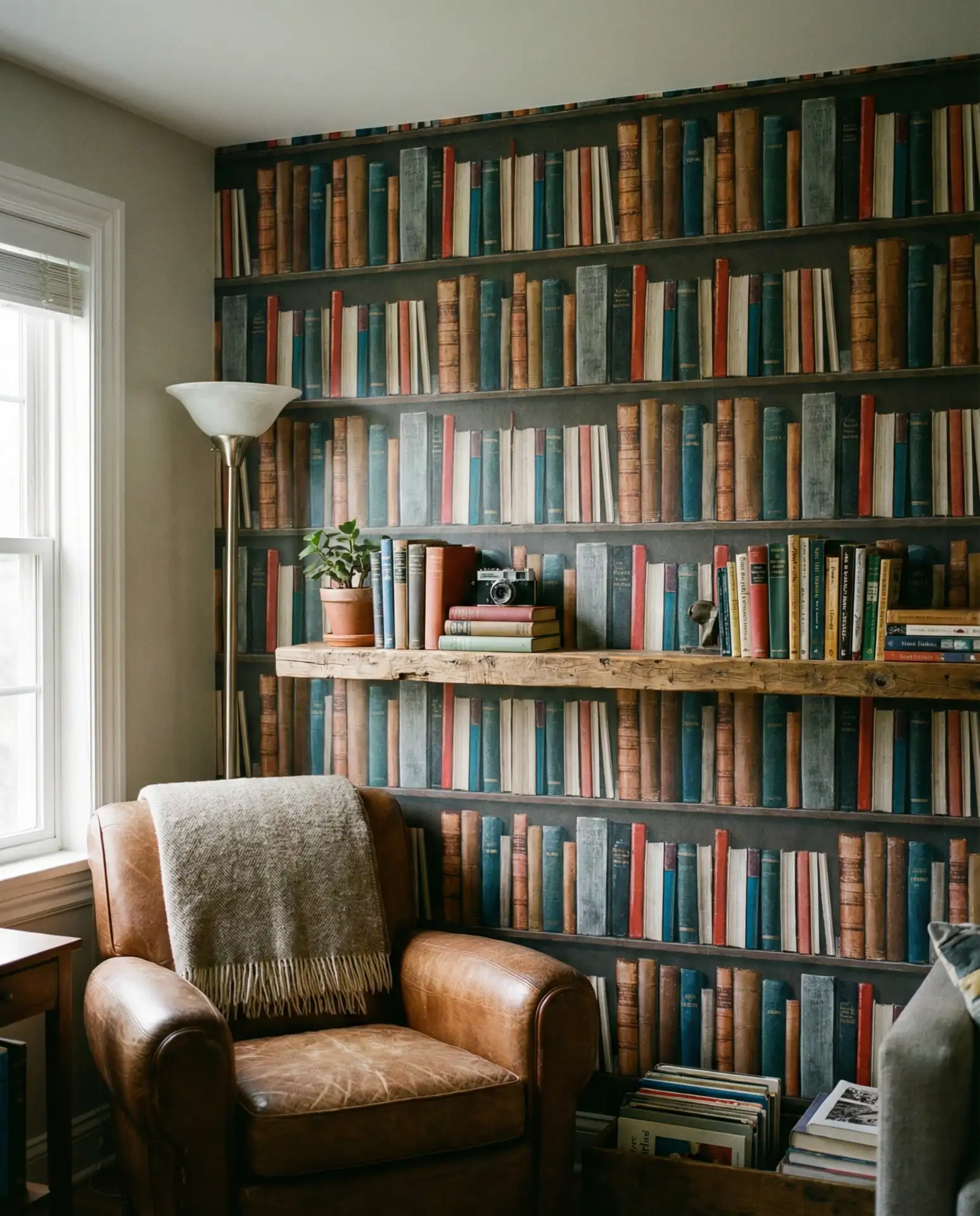
This technique works best when you combine it with some three-dimensional elements—a few real shelves, actual books, or furniture placed strategically to blur the line between real and represented. Done poorly, it can read as kitschy or trying too hard; done thoughtfully, it adds personality and solves real space limitations. Several wallpaper companies now offer high-quality bookshelf patterns, with some even customizable to match specific color schemes or book genres. One clever variation involves wallpapering the backs of existing open shelving units, creating extra visual depth and pattern while still maintaining functional storage on the front.
17. Color-Organized Rainbow Shelving
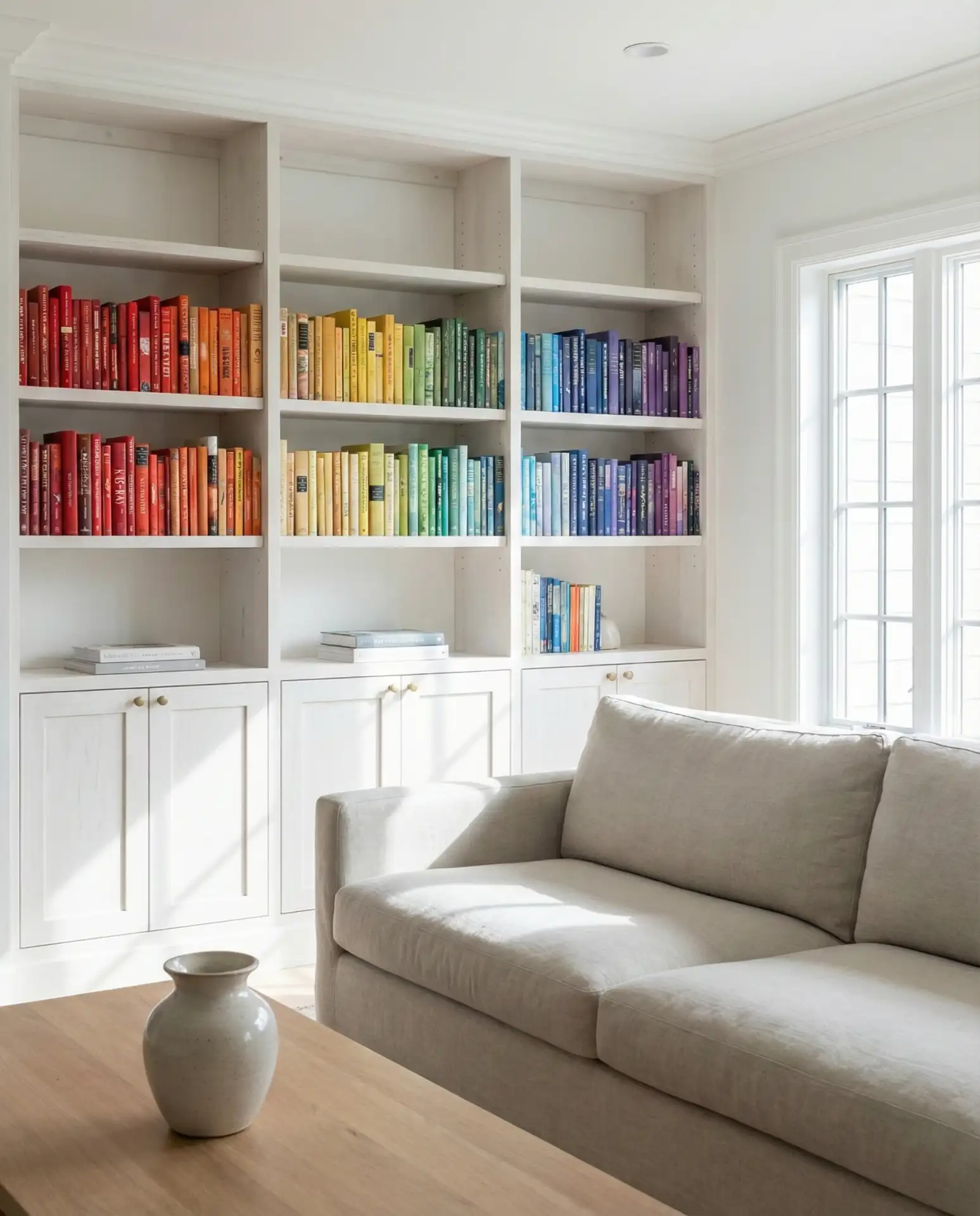
Organize your books by spine color to create a visually striking gradient effect that transforms the collection into wall art. This approach prioritizes aesthetics over traditional organization systems, flowing from deep reds through oranges, yellows, greens, blues, and purples in a progression that pleases the eye. The method has gained immense popularity on Pinterest and Instagram, where the rainbow effect photographs beautifully and signals a design-forward sensibility. Critics argue it makes finding specific titles harder, but defenders counter that most people remember book colors as easily as author names.
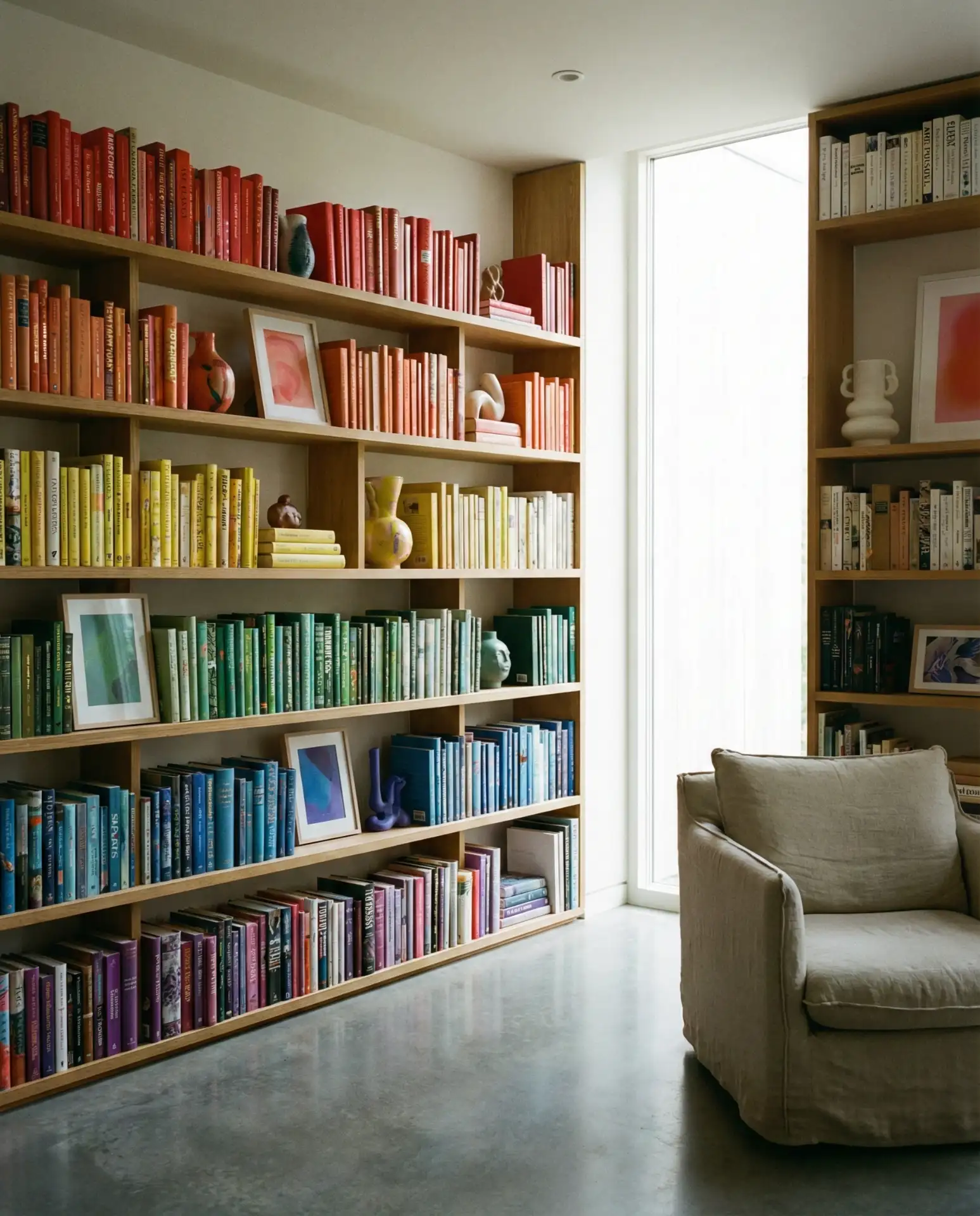
Expert organizers suggest a hybrid approach if you’re drawn to the rainbow aesthetic but worried about findability—color-organize within genre sections, so all your mysteries are together but arranged by color within that category. Another practical tip: remove dust jackets from hardcovers to reveal the actual book covers underneath, which often coordinate better for color-sorting and provide a more cohesive look. This organization method works best for readers with larger collections, where you have enough volume in each color family to create smooth transitions. Smaller collections can look patchy with too many color jumps and not enough books to create flow.
18. Library Loft Above Living Space
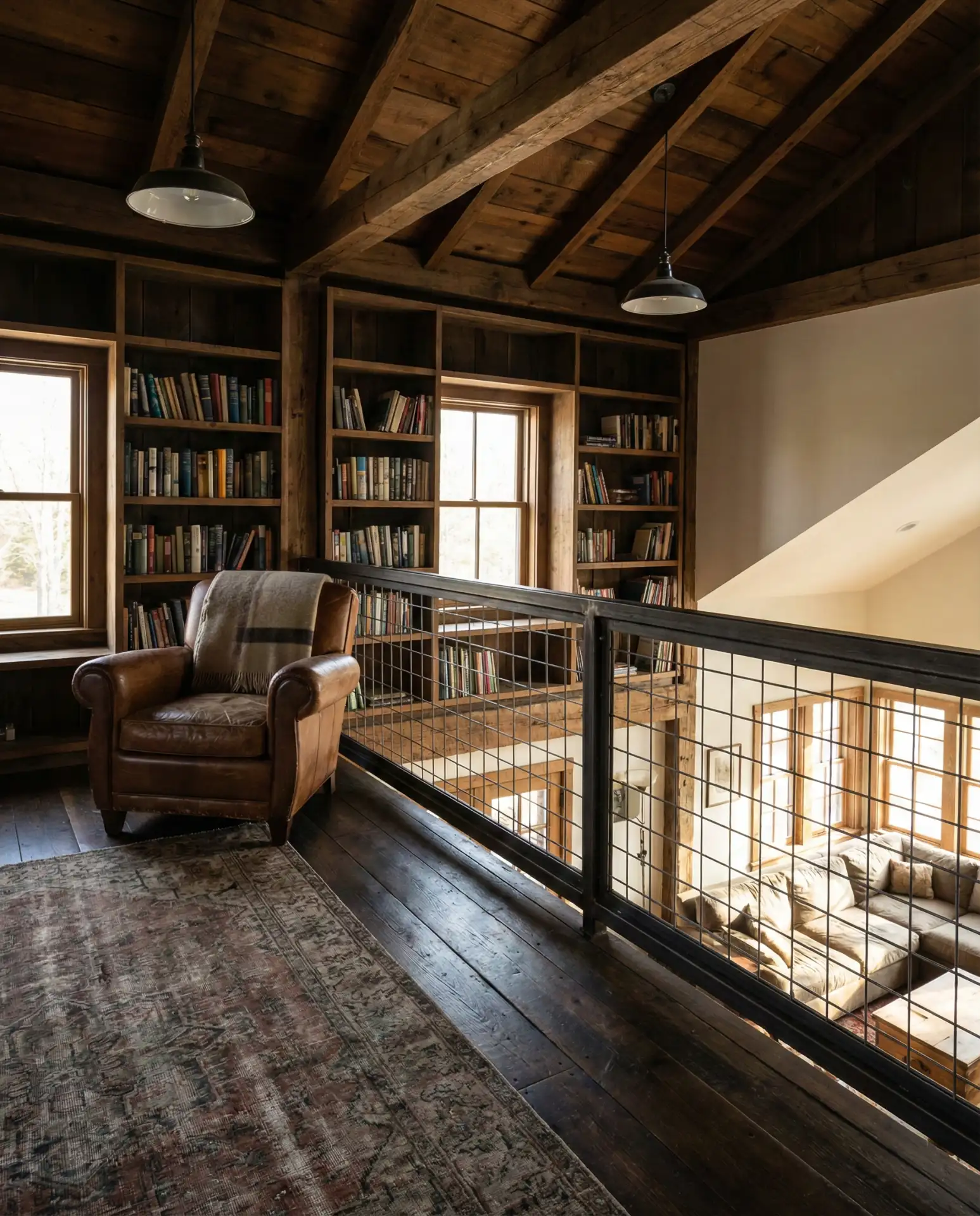
In homes with high ceilings, create a mezzanine level dedicated entirely to reading, with shelving wrapping the perimeter and a railing overlooking the space below. This architectural move creates distinct zones within one room—active living space below and quiet retreat above. The separation is physical but not complete, allowing you to remain connected to household activity while also having the option to withdraw into your elevated book nook’s cozy sanctuary. The loft approach often incorporates built-in seating or floor cushions, making the space feel like a private treehouse designed exclusively for reading.
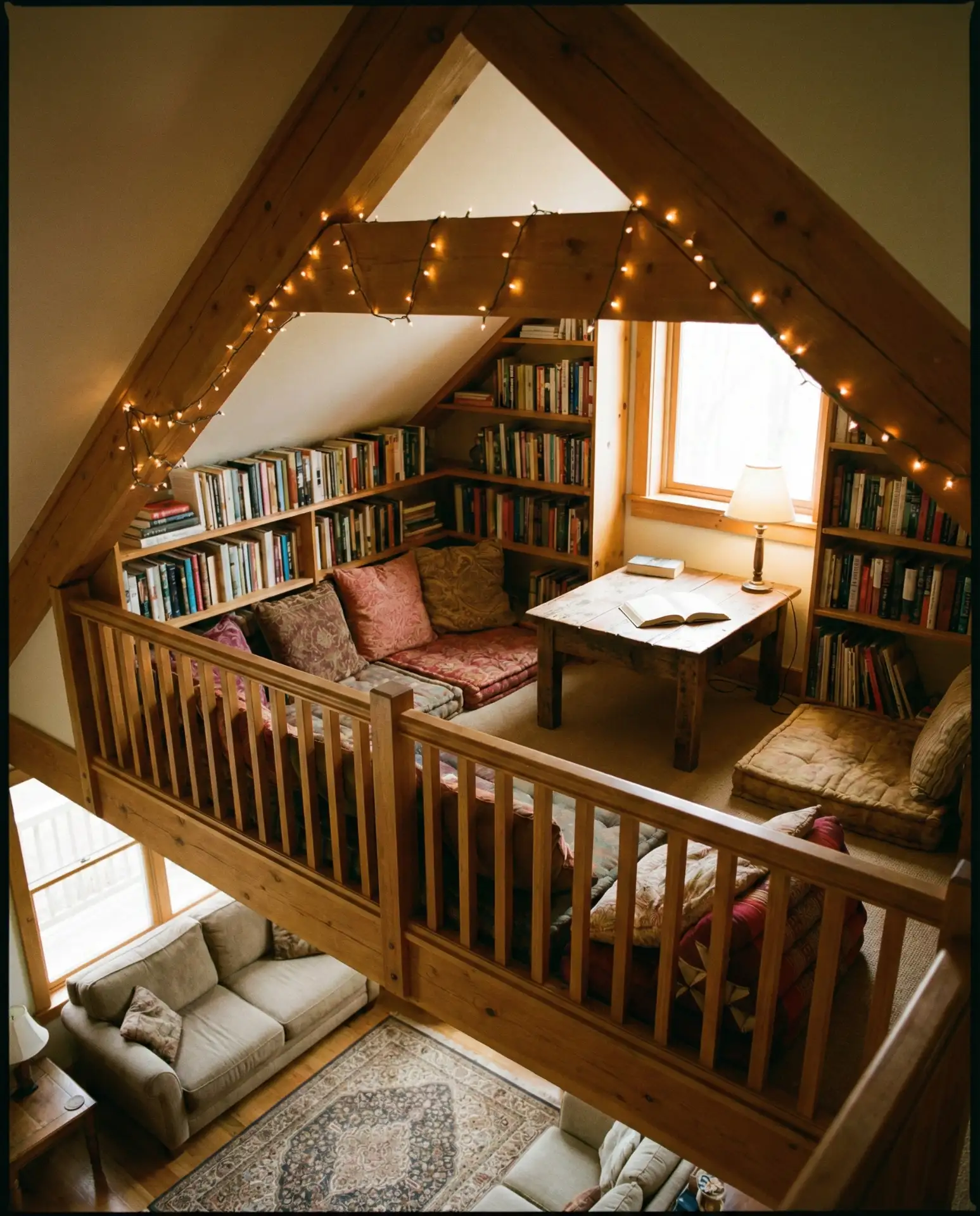
In areas like Brooklyn brownstones, Seattle townhomes, and Austin bungalows, designers frequently add loft libraries during renovations when ceiling heights permit. Building codes require careful attention—railings must meet height requirements, stairs or ladders need proper clearances, and weight-bearing calculations ensure the structure safely supports both books and people. The investment typically runs higher than simple shelving but lower than adding an entire new room, and the result dramatically increases usable square footage without expanding the home’s footprint. Many families find the loft becomes a favorite spot for teenagers seeking privacy or adults escaping for an hour of reading while still remaining accessible to the household.
19. Antique Secretary Desk as Mini Library
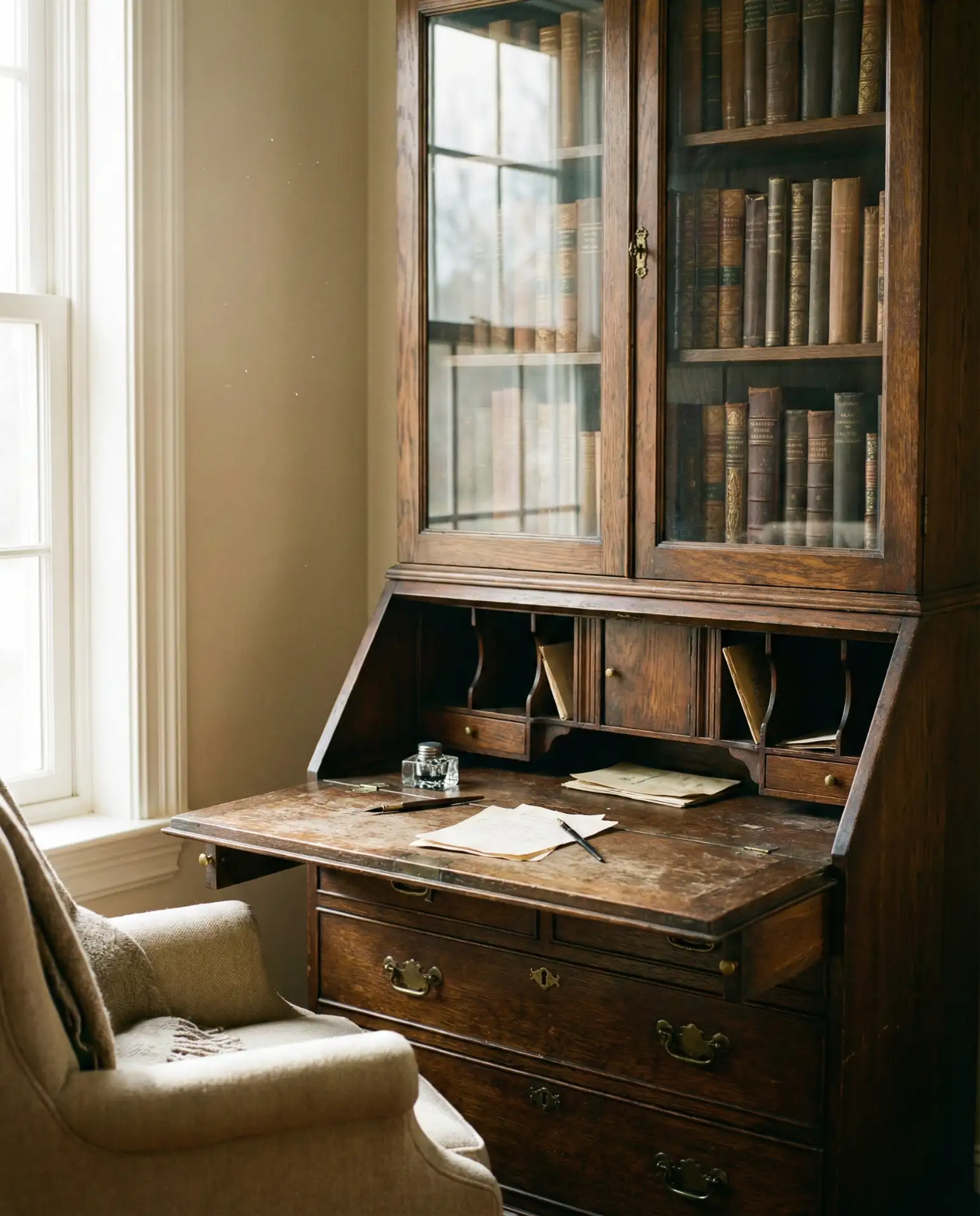
For smaller spaces or those who prefer furniture to built-ins, a traditional secretary desk provides book storage, display space, and a fold-down writing surface all in one compact piece. These vintage pieces combine function and beauty, often featuring glass-fronted upper cabinets perfect for protecting special volumes and open shelving for current reads. The enclosed nature keeps books dust-free while the furniture itself becomes a focal point—a standalone piece with character and history rather than just utilitarian storage. This approach suits renters, frequent movers, or anyone who appreciates antique furniture over contemporary built-ins.
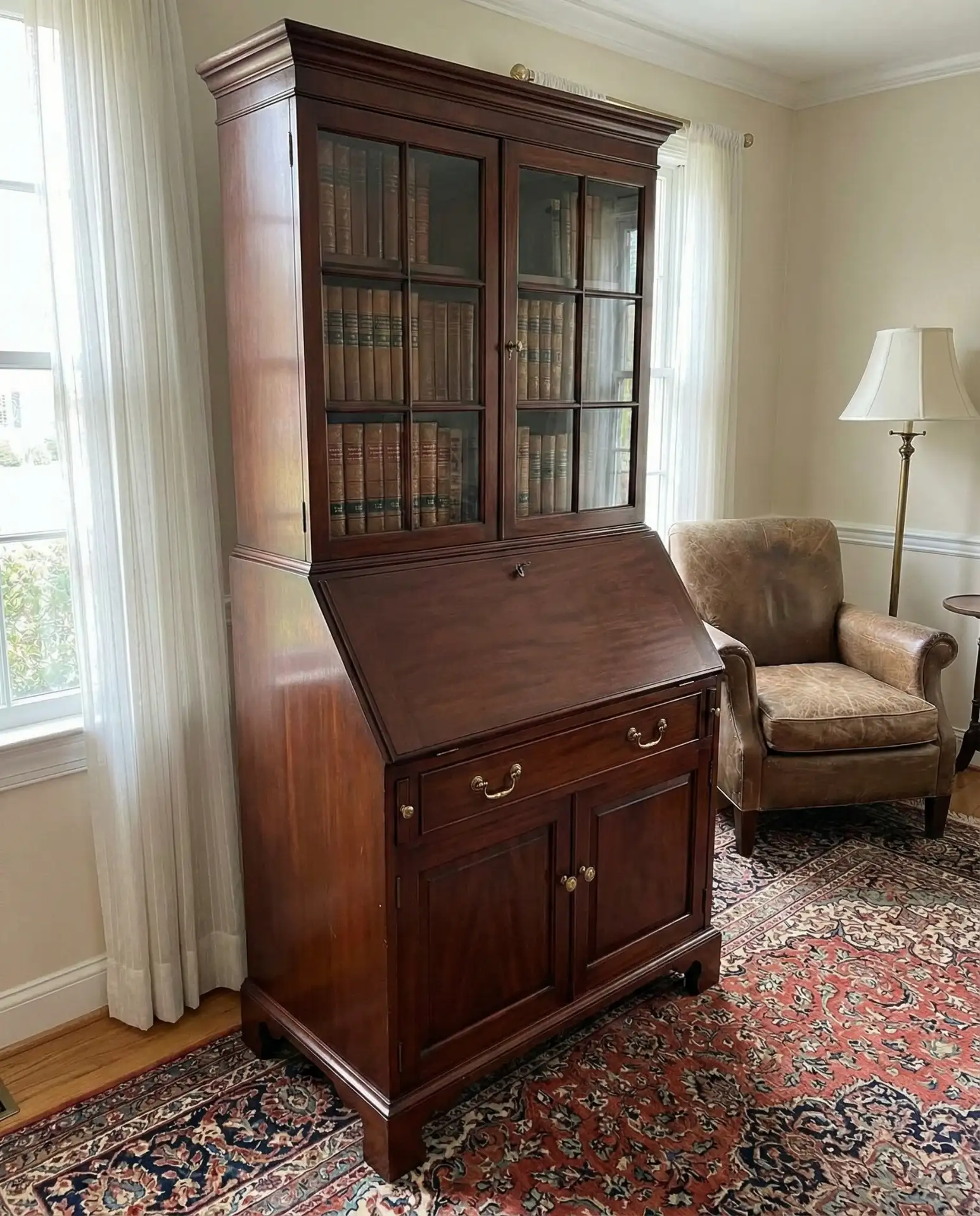
Estate sales, auctions, and antique stores offer these pieces in varying conditions and price points, from modest oak versions under three hundred dollars to high-end walnut or mahogany examples reaching several thousand. The investment often holds value better than modern furniture, and these pieces can move with you through multiple homes. Maintenance involves occasional polishing and careful attention to humidity levels since antique wood can crack in overly dry modern homes. Consider the interior configuration before purchasing—some have adjustable shelves while others feature fixed divisions, and you’ll want to ensure your books actually fit the available space.
20. Kids’ Library with Low Accessible Shelves
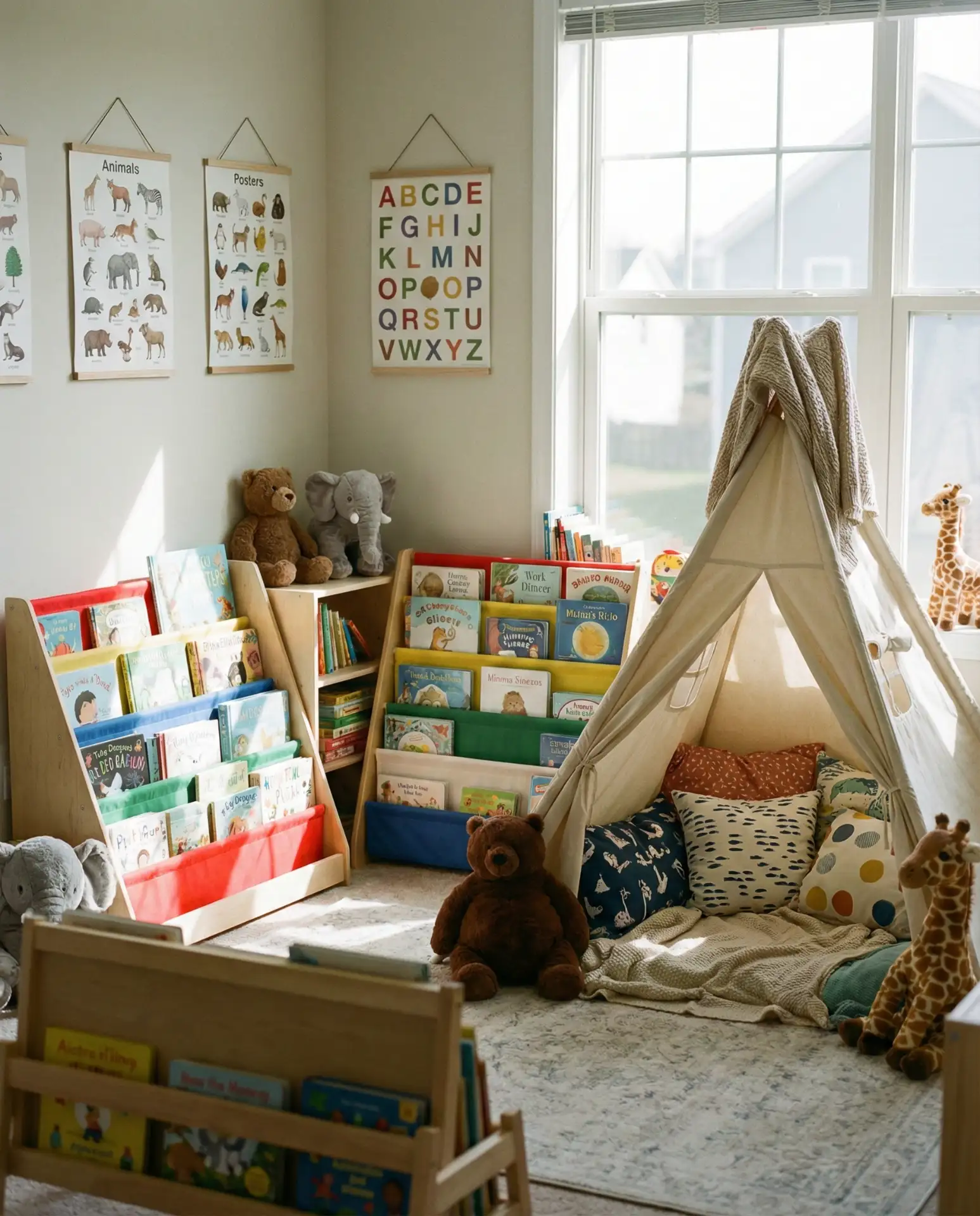
Design a dedicated children’s library with shelving at heights young readers can reach independently, forward-facing book displays that show covers rather than spines, and plenty of floor space for sprawling with picture books. This approach recognizes that children interact with books differently than adults—they browse by cover images, need to physically handle books to choose them, and often read lying on their stomachs rather than sitting in chairs. The ideas focus on fostering independence and making reading feel like play rather than an obligation, with colorful organization systems and perhaps themed decor that sparks imagination.
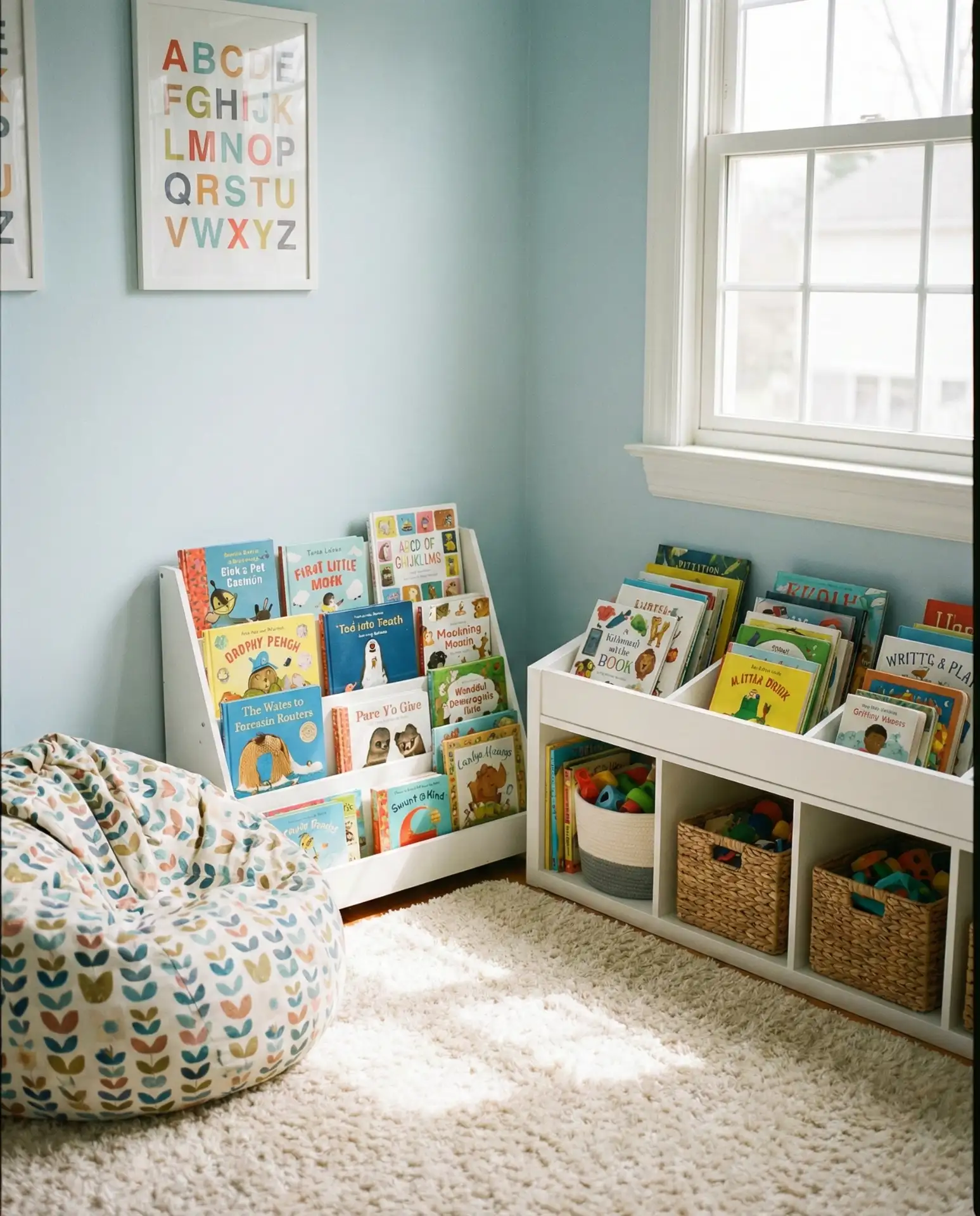
A teacher I know who implemented this in her own home says the key is making the space manageable for kids to maintain themselves—bins for loose books, clearly defined sections, and avoiding overcrowding so children can see options without being overwhelmed. She recommends rotating books seasonally, keeping only about two-thirds of the collection visible at any time so there’s always something that feels new when you swap things out. The forward-facing displays don’t need expensive specialty furniture; simple picture ledges from hardware stores work perfectly and cost a fraction of traditional shelving while showing off those beautiful children’s book illustrations that convince kids to pick up new titles.
21. Glass-Enclosed, Climate-Controlled Rare Book Room
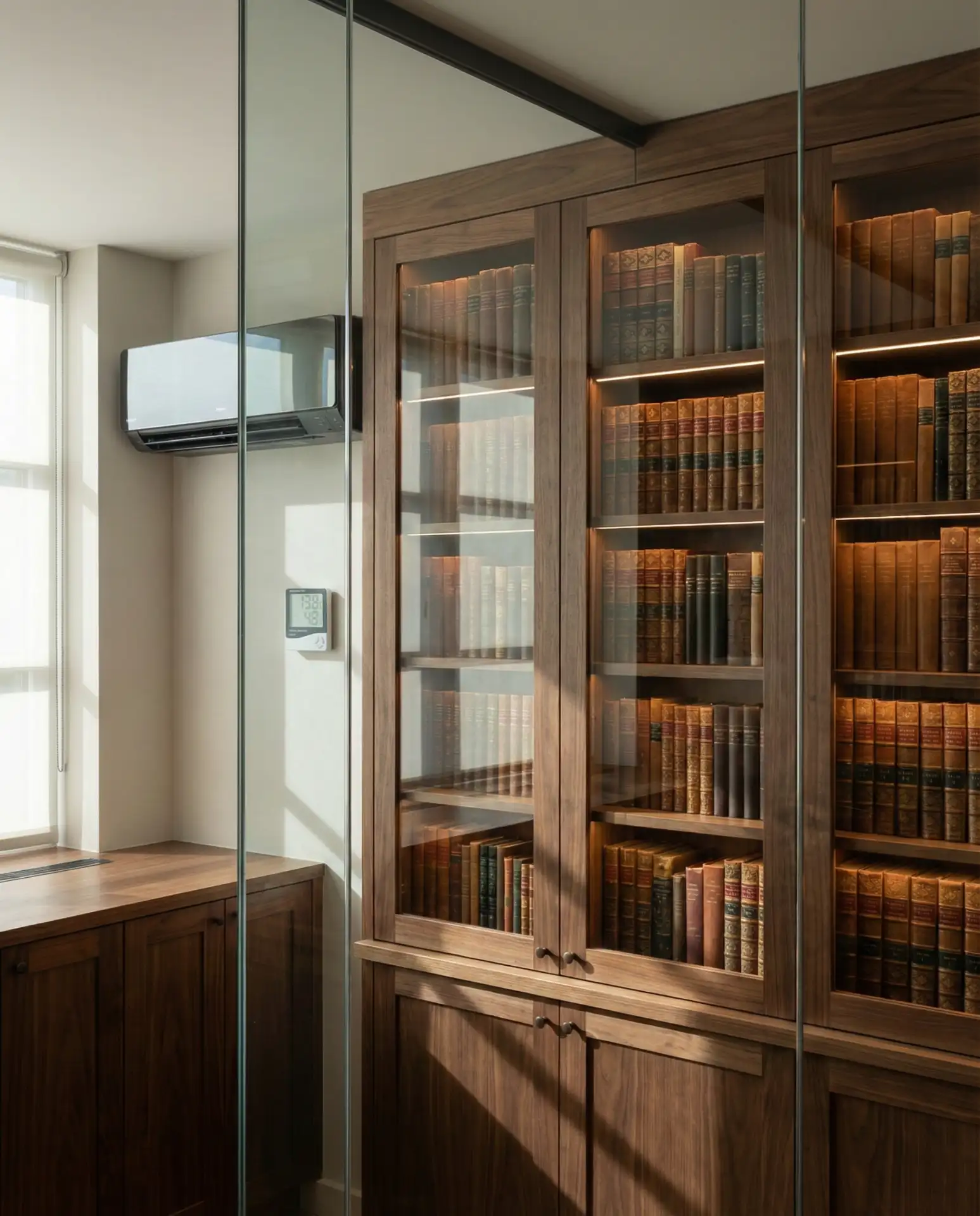
For serious collectors with first editions or rare volumes, create a climate-controlled environment using glass walls or custom cabinets that maintain optimal humidity and temperature while displaying the collection like museum artifacts. This luxury approach protects valuable books from the deterioration caused by fluctuating conditions, UV light, and handling. The glass enclosure allows appreciation without risk and often includes specialized lighting that illuminates without damaging. It’s the ultimate expression of treating books as precious objects worthy of conservation-level care, suitable for everything from inherited family libraries to deliberately assembled collections of significant monetary or sentimental value.
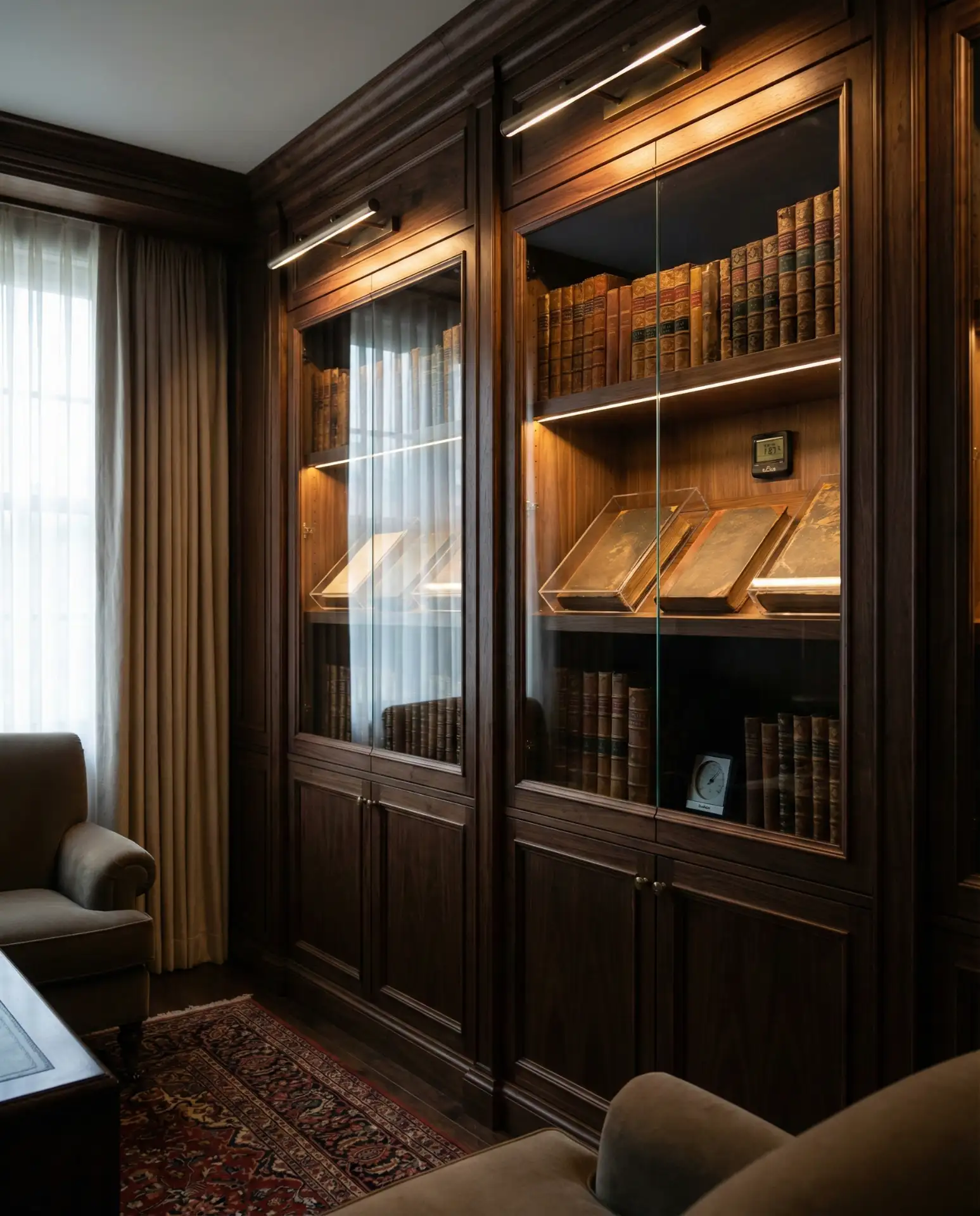
Book conservators recommend maintaining relative humidity between 30 and 50% and temperatures around 68-70 degrees Fahrenheit for long-term preservation, with UV-filtering glass to prevent fading. The investment includes both the physical infrastructure and ongoing climate control, but for collections worth thousands or tens of thousands of dollars, it’s justifiable preservation rather than excess. Some collectors incorporate this into larger libraries, using glass cabinets for special items while keeping reading copies on open shelves. The visual effect creates hierarchy and interest—the protected books become focal points that draw the eye and spark conversation about what makes these particular volumes worthy of such care.
22. Minimalist Single-Wall Book Display
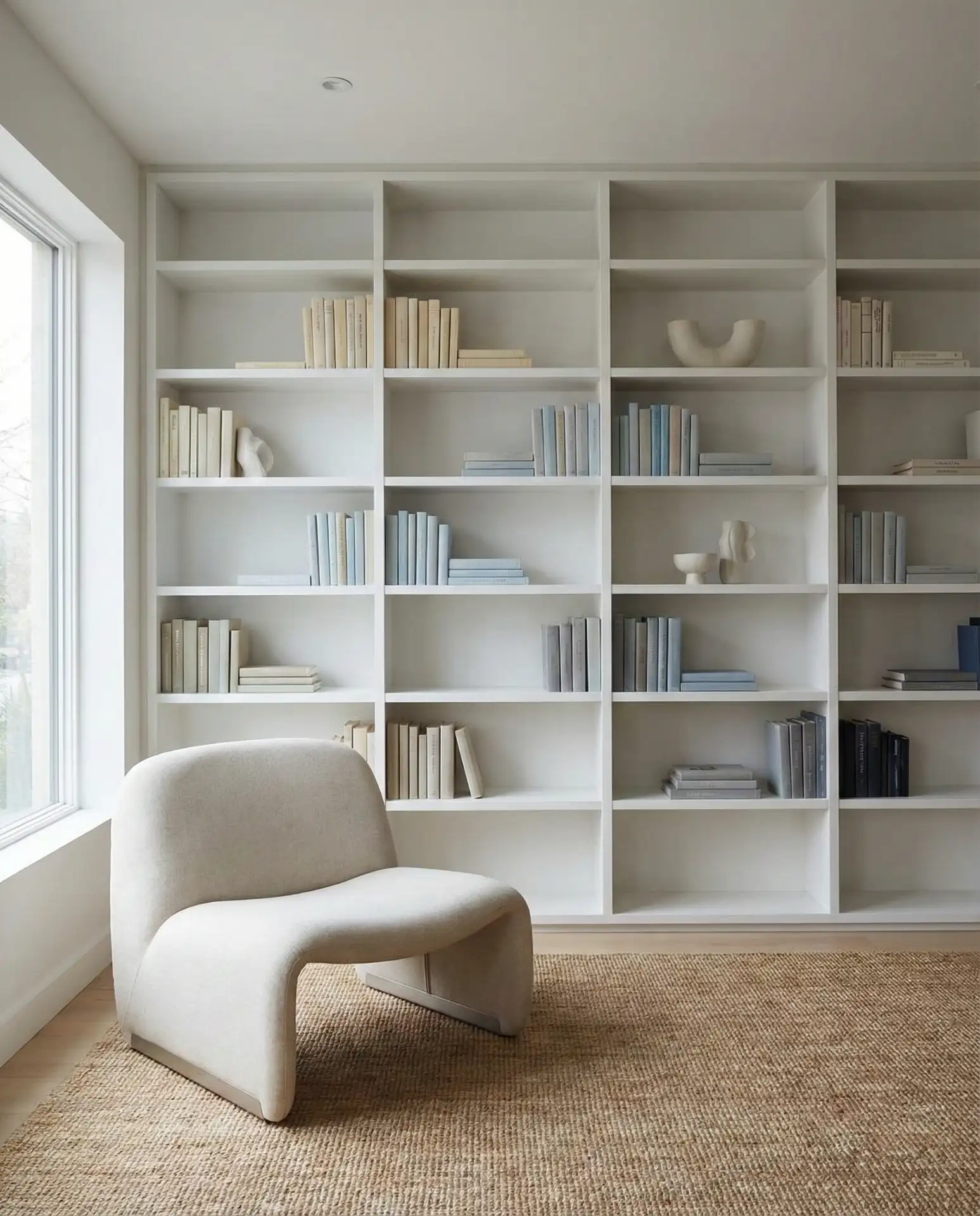
Rather than surrounding yourself with books on multiple walls, dedicate one single wall to a carefully curated display that treats your collection as intentional art. This restrained modern approach acknowledges that not everyone wants to live surrounded by thousands of volumes—sometimes a focused selection feels more honest and manageable. The single wall becomes a statement, with each book earning its place through aesthetic contribution or personal significance. This works beautifully in small room contexts or minimalist homes where the goal is calm and order rather than abundance.
Common mistakes in this style include trying to display too many books, which undermines the minimalist intention, or conversely, being so spare that the shelves look empty rather than curated. Aim for about 60-70% shelf coverage, leaving enough space that each book stands out but not so much that it appears incomplete. This approach requires honest assessment of your collection—are you keeping books out of obligation or genuine attachment? The single-wall library celebrates a smaller, more focused collection where each volume has earned its place. It’s particularly suited to readers who prefer e-books for most reading but maintain physical copies of true favorites that deserve physical presence in their homes.
Conclusion
Creating a home library in 2026 means balancing personal style with practical function, whether you’re drawn to dramatic dark walls, light Scandinavian minimalism, or something entirely your own. The beauty of designing these spaces lies in recognizing that there’s no single correct approach—your library should reflect how you actually read and live. Share your favorite idea from this collection in the comments below, or tell us about the library space you’re planning. Sometimes the best inspiration comes from hearing how others have adapted these concepts to their unique homes and habits.