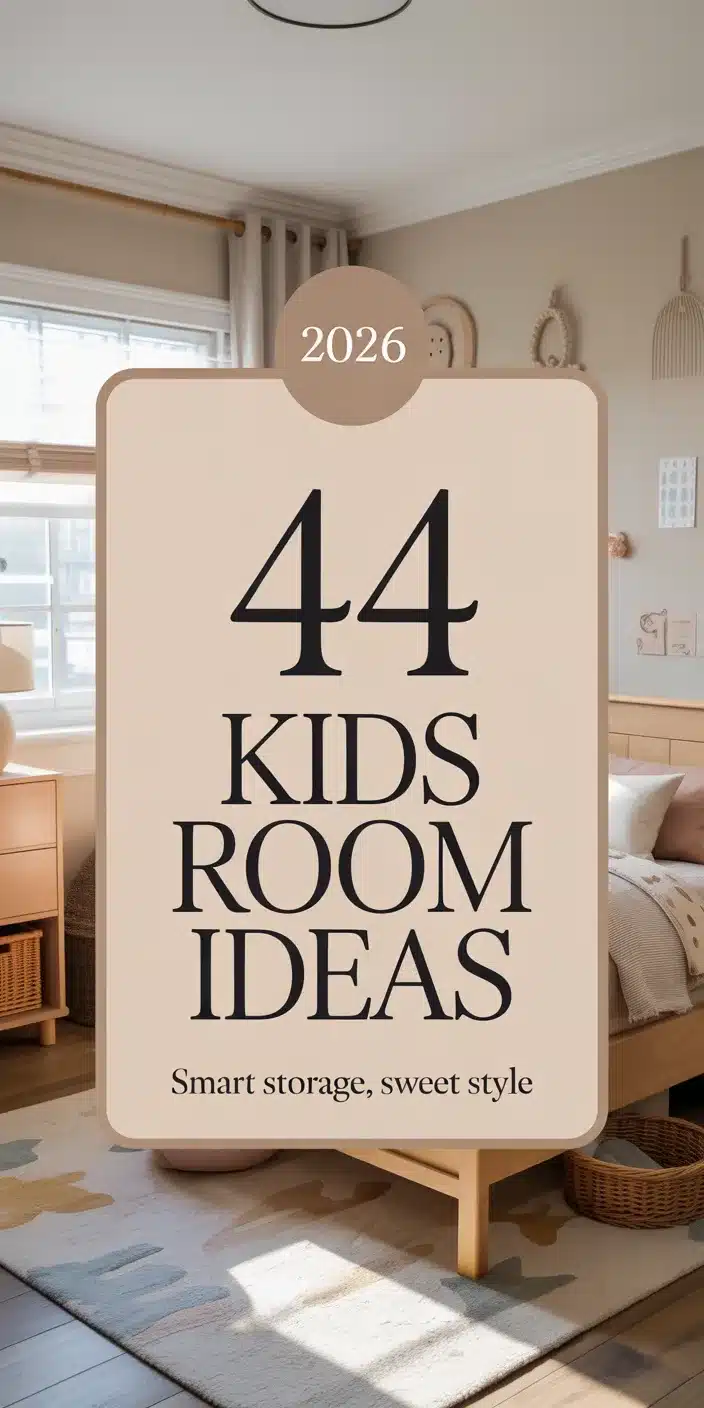
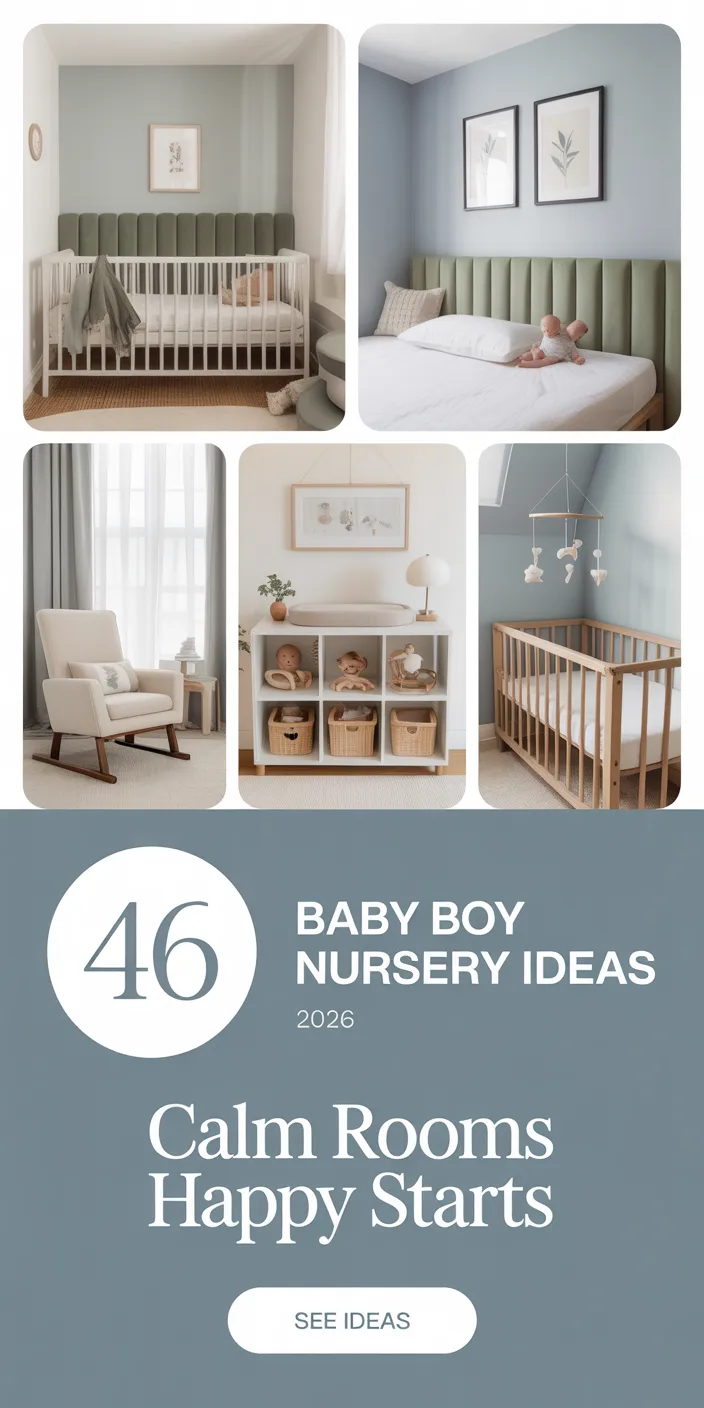
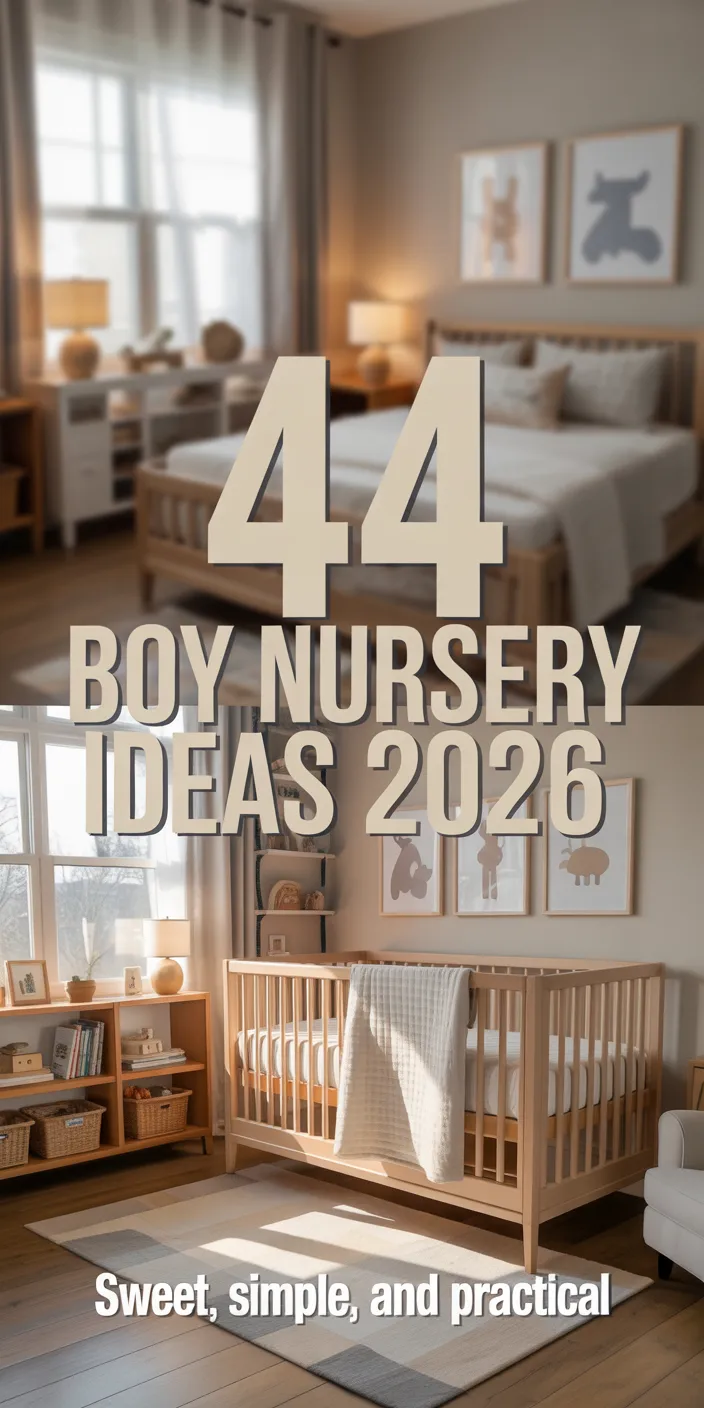
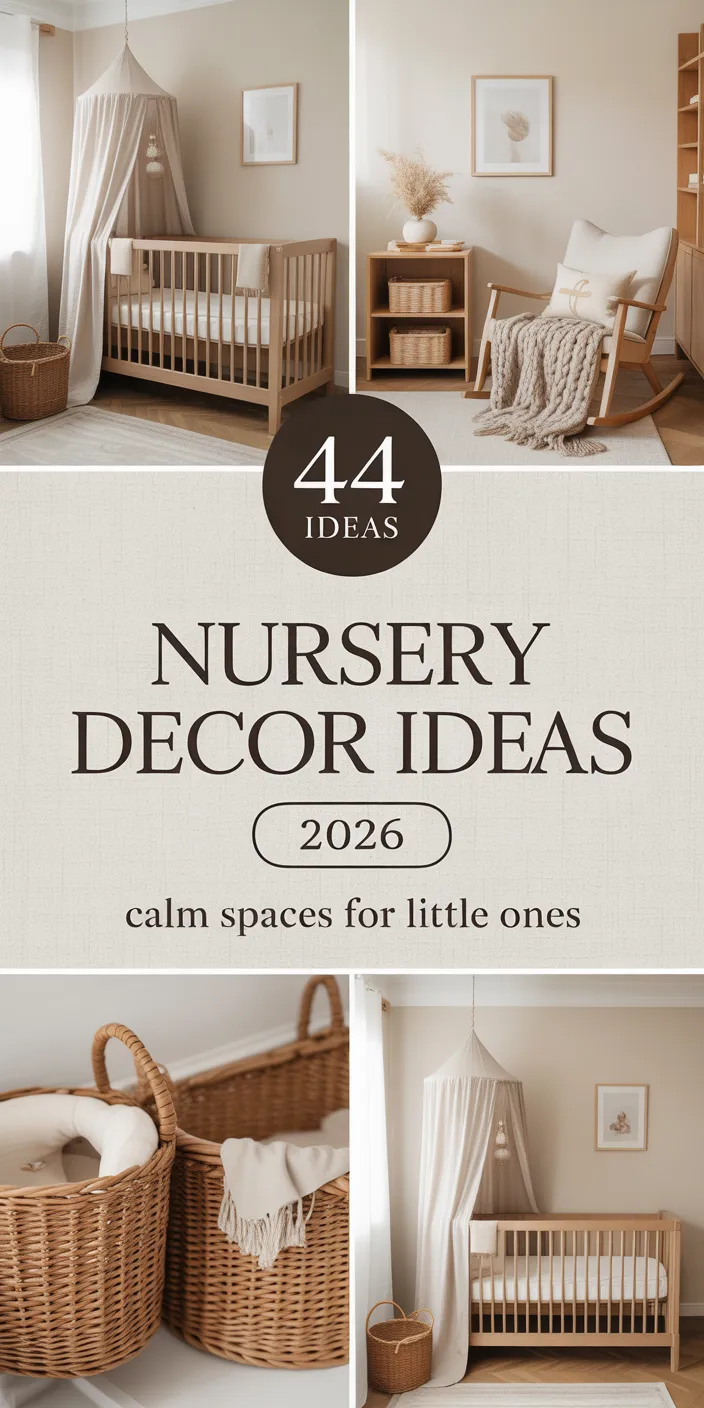
Girls Nursery Ideas 2026: 44 Beautiful Themes, Decor and Inspiration for Your Baby Room

As we move into 2026, designing a nursery for your little girl has become more personal, more intentional, and wonderfully creative. Parents are moving away from overly themed spaces and embracing curated environments that blend function with beauty—rooms that feel calm, imaginative, and ready to grow with their child. Pinterest continues to be the go-to platform for visual inspiration, where American families discover everything from soft neutral palettes to bold statement walls that reflect their unique style. Whether you’re drawn to timeless elegance or playful modern touches, this collection of girls’ nursery ideas will guide you through the most inspiring design directions for the year ahead.
1. Soft Blush and Cream Layered Textures
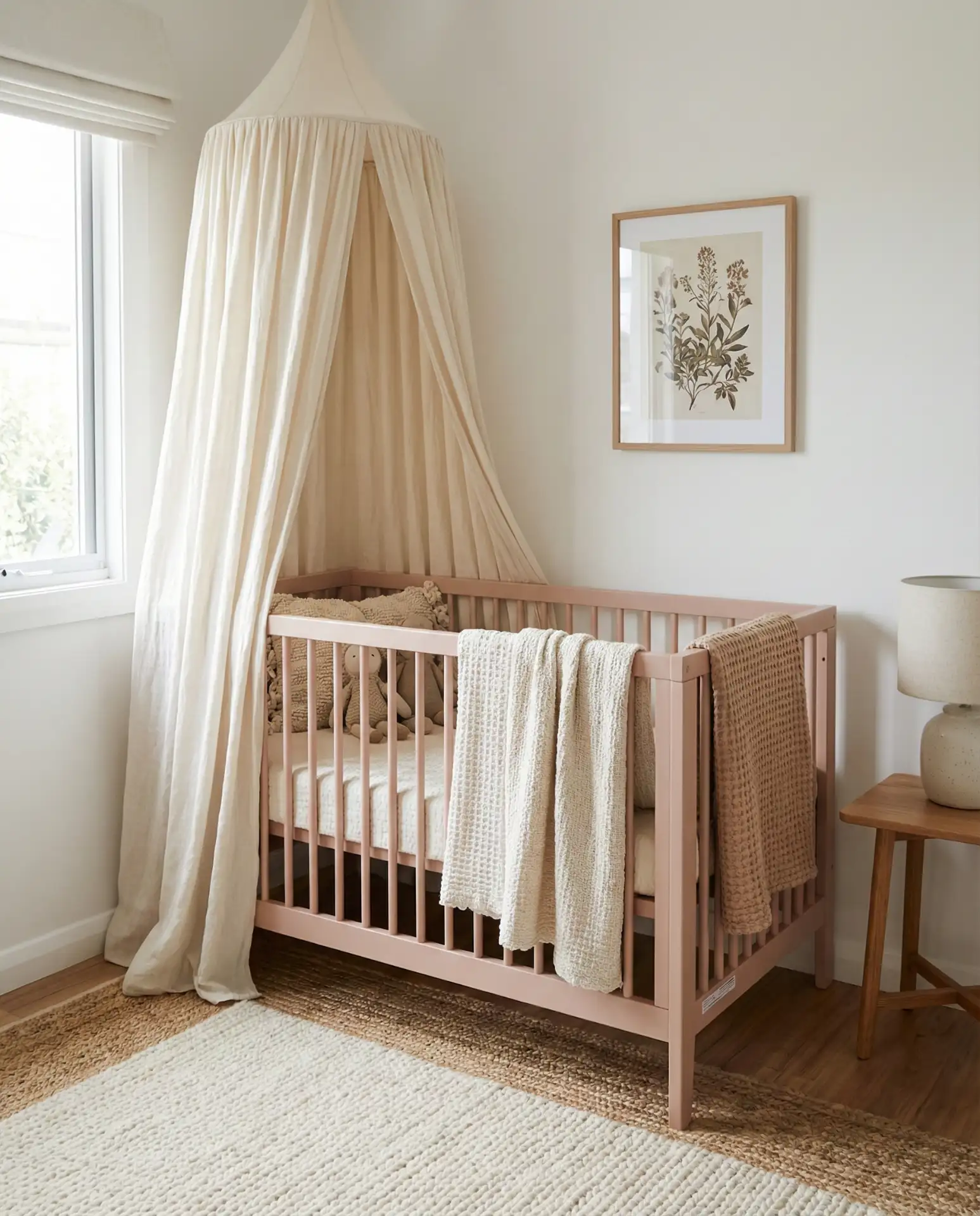
This nursery inspiration centers on a delicate balance of blush pink tones and creamy whites, creating a cocoon-like atmosphere that feels both luxurious and soothing. The focus is on layering soft fabrics—linen curtains, a cotton canopy over the crib, and a plush area rug—that invite touch and warmth. It’s a girls’ nursery approach that works beautifully in smaller rooms where light needs to bounce gently off every surface, making the space feel open and airy without sacrificing depth. 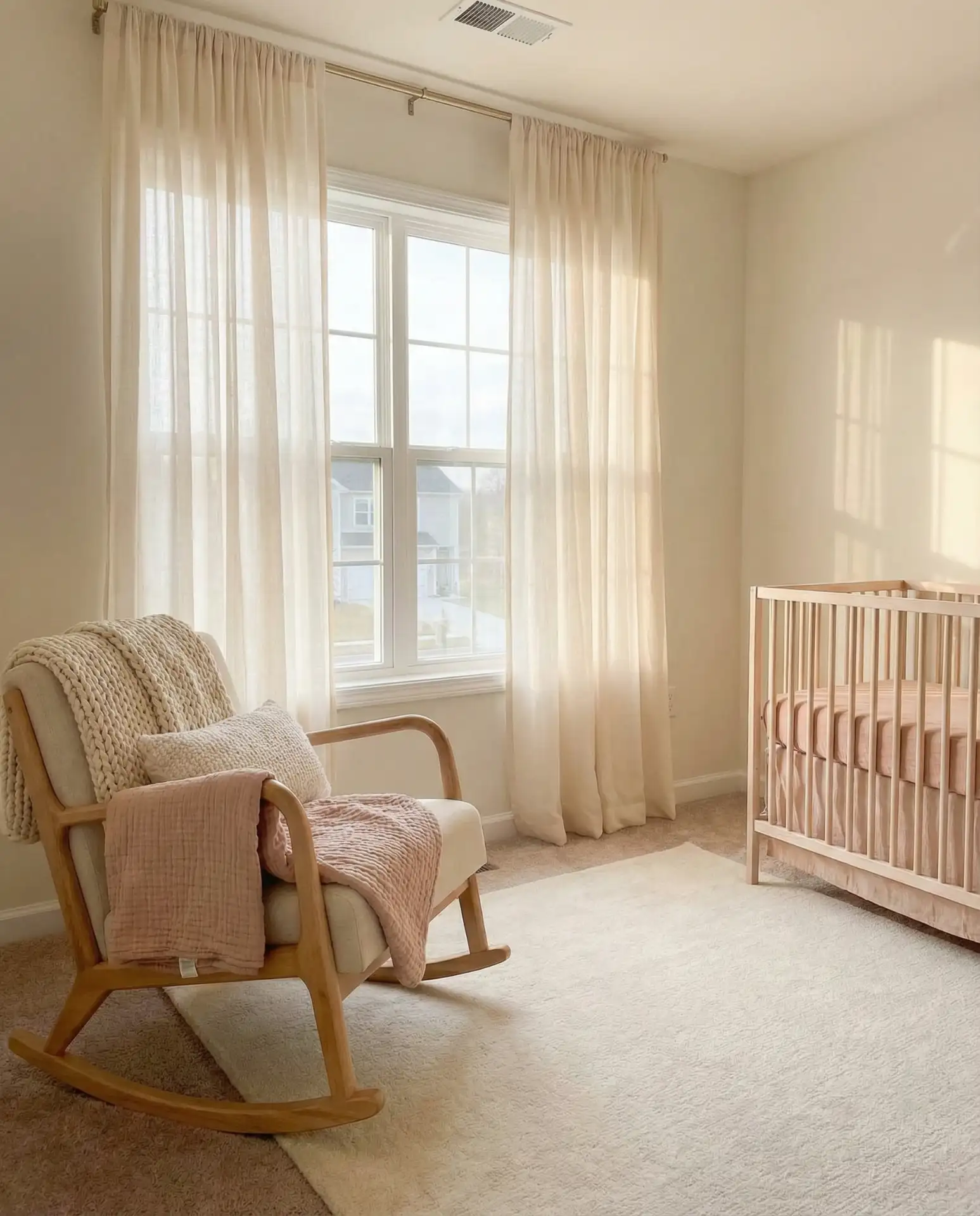
Where this works best is in homes with abundant natural light—think suburban ranch houses or newer townhomes with large windows. The layered textures prevent the pale palette from feeling flat, while the blush accents add just enough warmth to keep the room from skewing too cool. Parents who lean toward Scandinavian or French-inspired design will find this approach especially rewarding, as it prioritizes comfort and understated elegance over busy patterns.
2. Gallery Wall with Vintage Children’s Book Art

A curated wall decor display featuring framed illustrations from vintage children’s books brings nostalgia and character into the nursery room. This idea appeals to parents who want to avoid mass-produced prints and instead invest in pieces that tell a story. The frames can be mixed—some gold, some white, some natural wood—to create a collected-over-time aesthetic that feels personal and intentional rather than overly coordinated. 
Real homeowners who’ve tried this often start with just a few beloved illustrations and add more over time, turning the wall into an evolving family project. It’s a budget-friendly approach if you source prints from estate sales or online marketplaces or even repurpose pages from damaged books. The key is choosing images with a cohesive color palette so the gallery feels unified, even as the styles vary. This is one of those nursery touches that can transition beautifully into a toddler or big-kid room without needing a complete overhaul.
3. Botanical Accent Wall with Pressed Florals
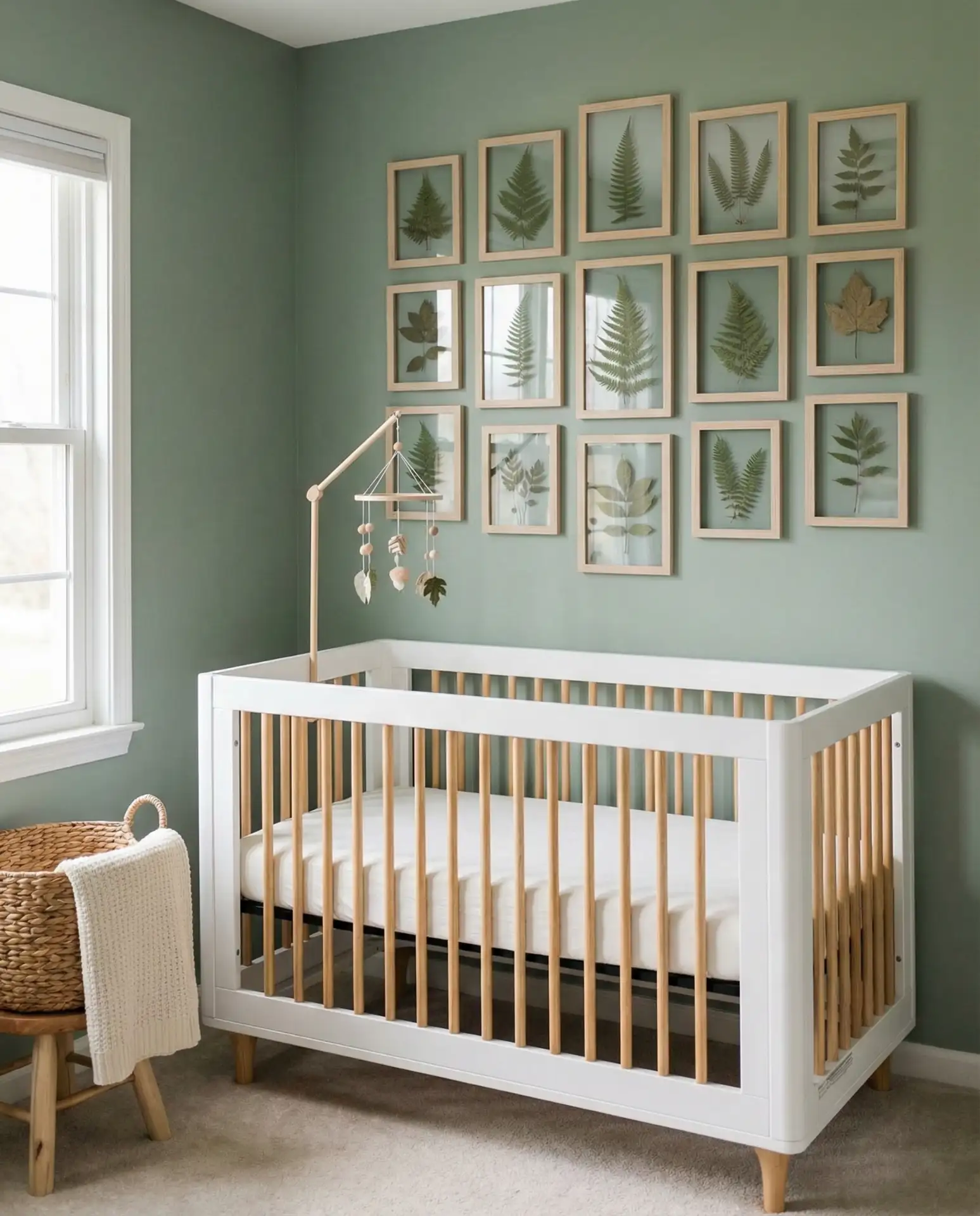
Pressed botanical prints in simple glass frames create a serene focal wall that celebrates nature without the commitment of wallpaper. This decor style works especially well in nurseries where parents want a calming, organic feel but prefer flexibility—since individual frames can be rearranged or swapped out as tastes evolve. The look is clean, modern, and quietly sophisticated, perfect for families who gravitate toward minimalism but still want visual interest. 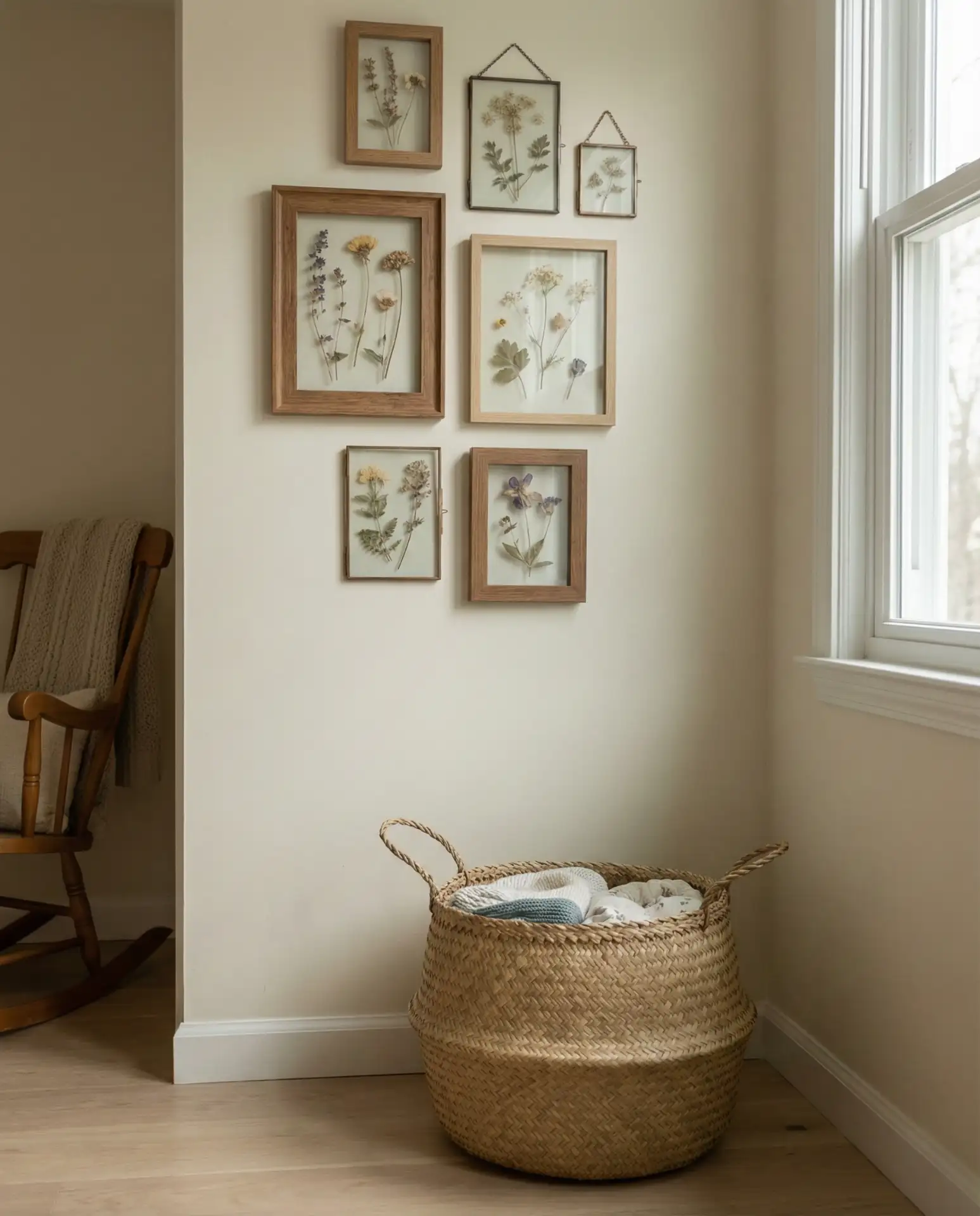
In practical terms, this idea thrives in rooms with good natural light, where the delicate details of pressed leaves and petals can be appreciated. It’s also surprisingly budget-conscious—you can press your own botanicals or purchase affordable prints online, then use matching frames from big-box retailers. The result feels custom and thoughtful, like something you’d find in a boutique design magazine, but without the designer price tag.
4. Canopy Crib with Flowing Sheer Drapes
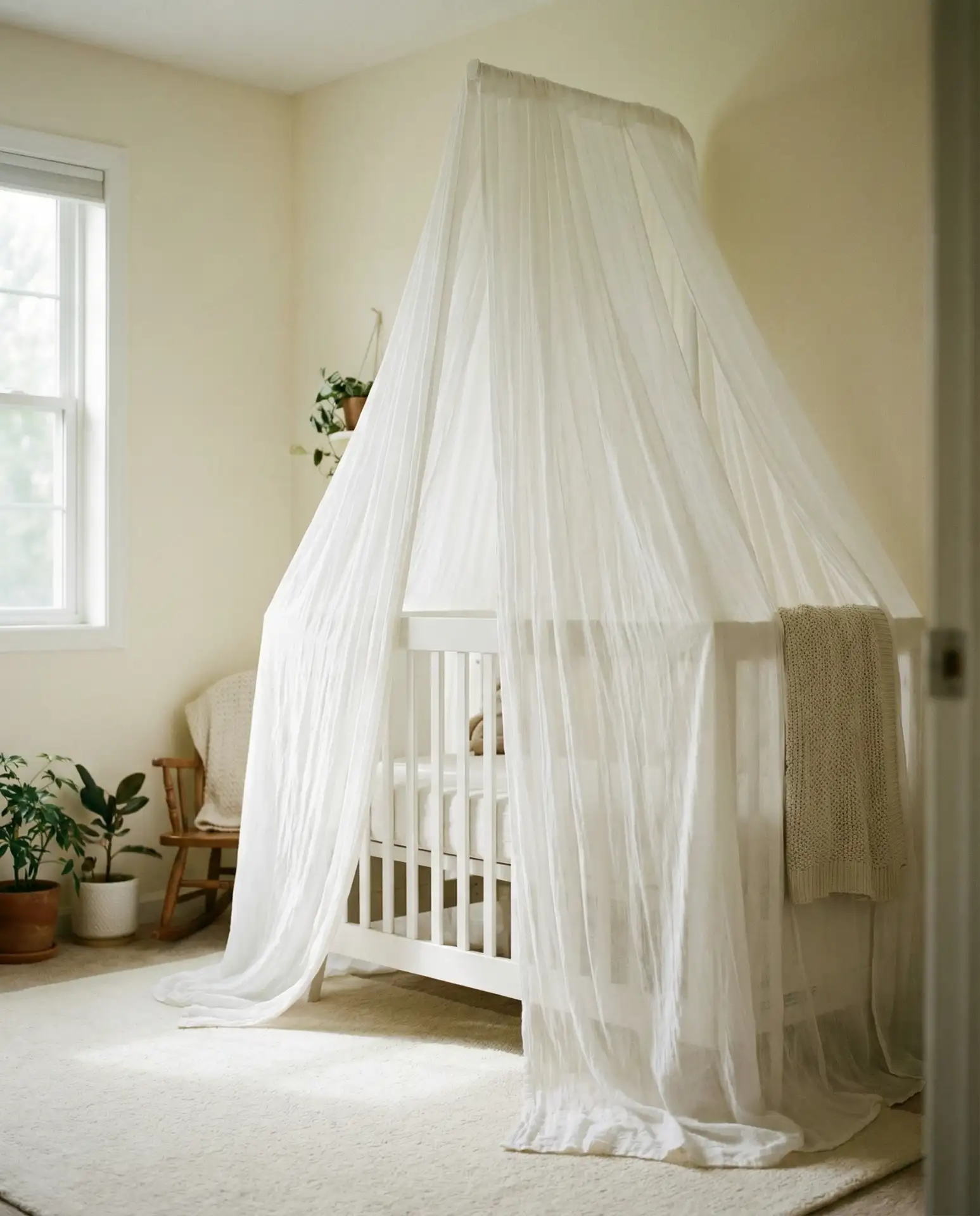
A ceiling-mounted canopy with sheer fabric creates an ethereal, dreamy centerpiece in any girl’s nursery. This idea transforms the crib into a cozy sanctuary, adding vertical drama and softness in one move. The flowing fabric can be white, blush, or even a soft sage, depending on your palette, and the effect is always romantic without feeling overly precious or fussy. 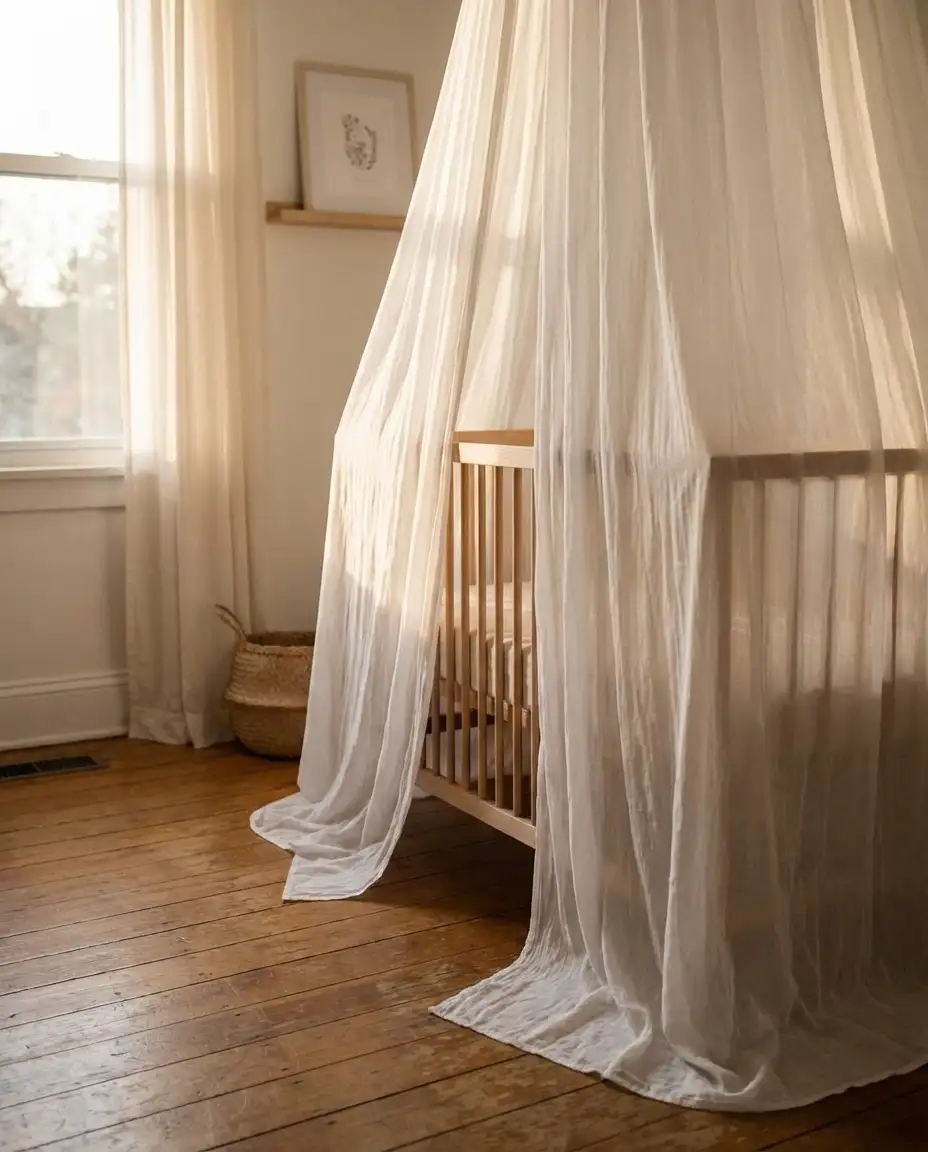
A common mistake parents make is choosing canopy fabric that’s too heavy or opaque, which can darken the space and feel overwhelming. Instead, opt for lightweight muslin or voile that moves easily and allows light to pass through. This keeps the room feeling airy and avoids the cave-like effect that can happen with denser materials. The canopy also serves a practical purpose—it helps define the sleep zone and can make the room feel more intimate, even in an open-plan layout.
5. Neutral Color Palette with Warm Wood Accents
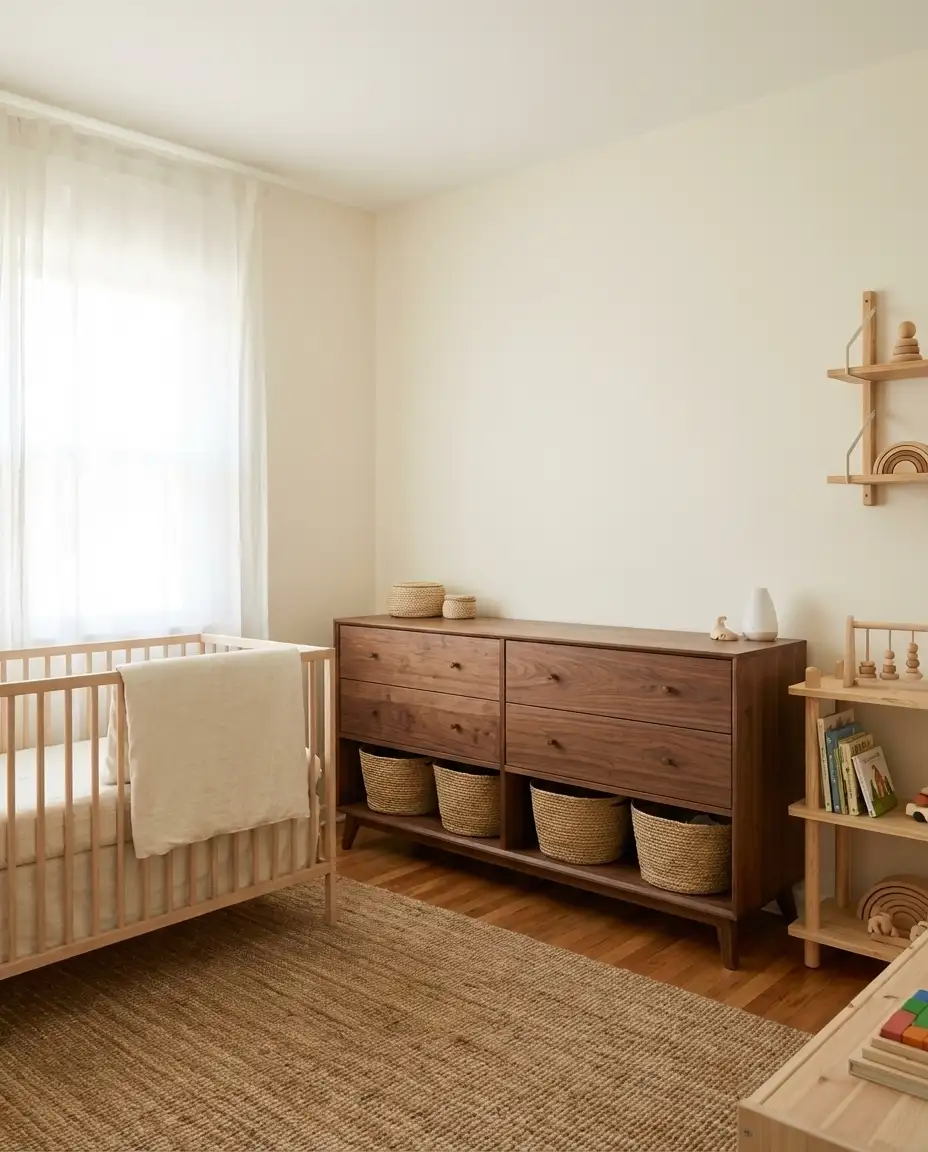
A neutral nursery anchored by warm oak or walnut furniture offers timeless appeal that grows effortlessly with your child. This room style prioritizes natural materials—think a solid wood crib, a bentwood rocker, and simple wooden shelving—that bring warmth and texture without relying on bold color. It’s a design direction that feels grounded, peaceful, and uncluttered, ideal for parents who want a space that’s both beautiful and functional for years to come. 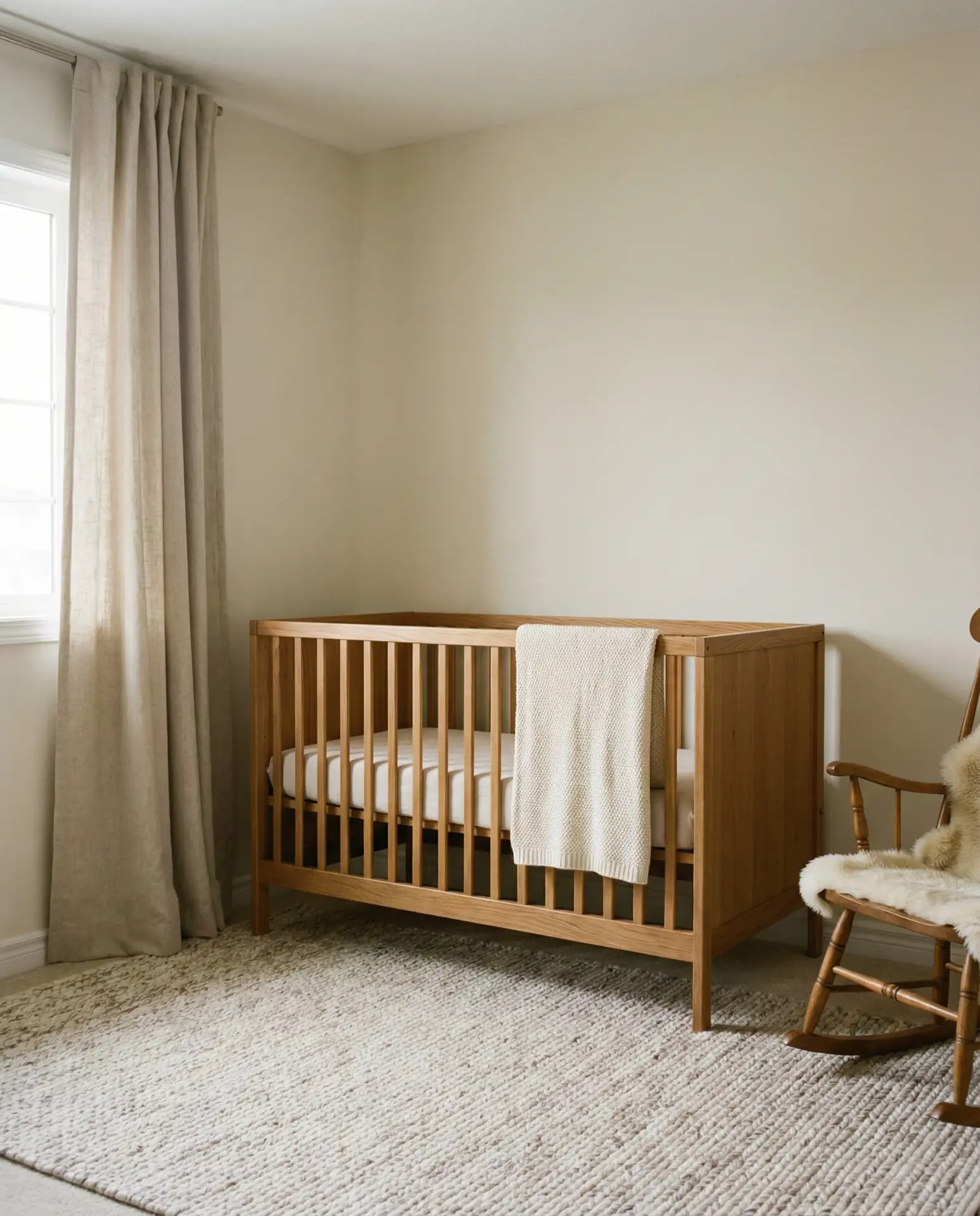
This approach is especially popular in the Pacific Northwest and California, where homeowners embrace organic, earthy interiors that reflect the natural landscape. Neutral doesn’t mean boring—layering different shades of beige, cream, and taupe with varying textures keeps the room feeling rich and inviting. Plus, it’s a smart long-term investment: the furniture can transition into a big-kid room or even another part of the home, making it both sustainable and economical.
6. Vintage Floral Wallpaper Statement Wall
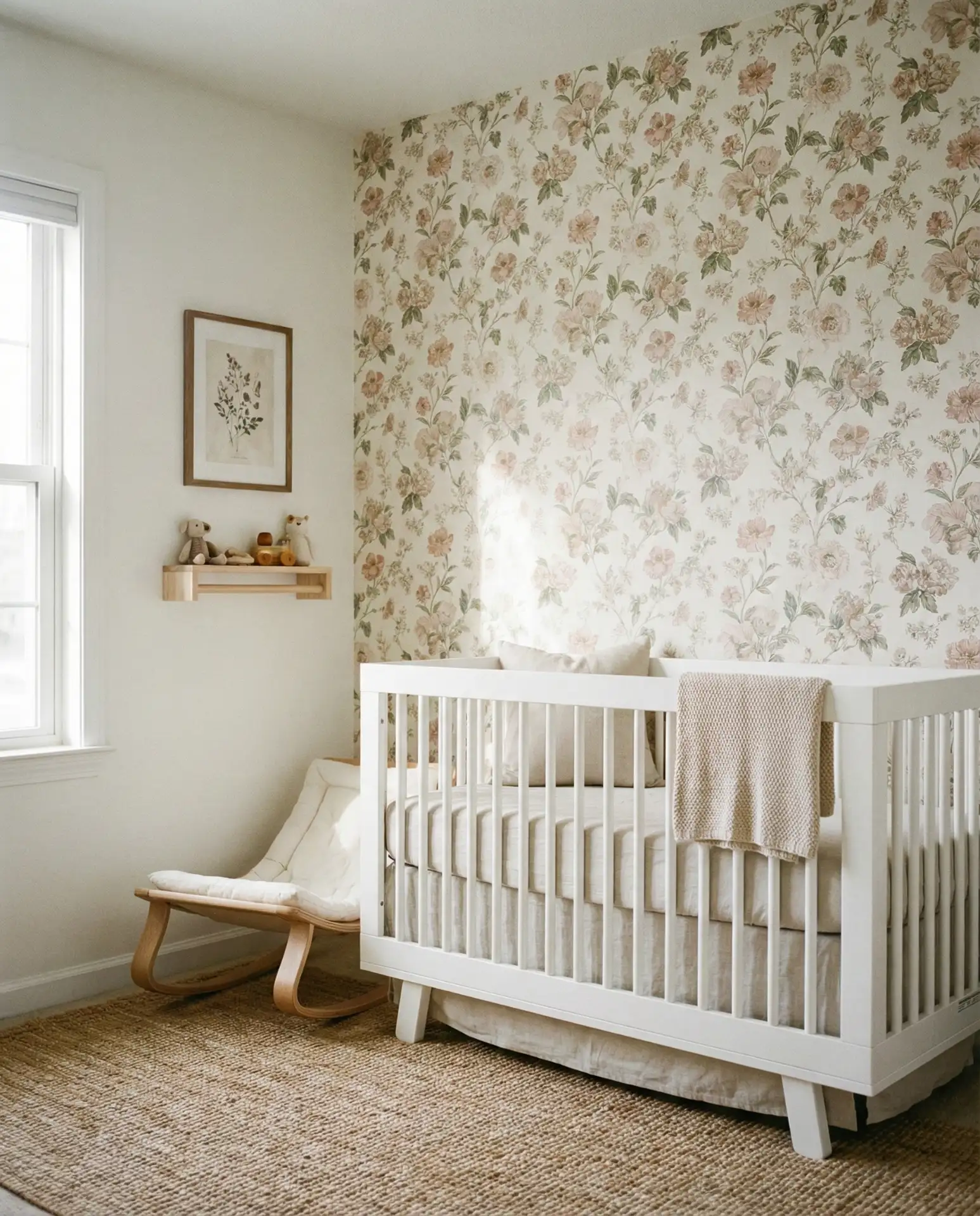
A single wall covered in delicate vintage-inspired floral wallpaper can anchor the entire nursery decor scheme, adding instant charm and visual interest. This idea works best when the rest of the room stays relatively simple—white or light-colored furniture, minimal accessories—so the wallpaper becomes the clear focal point. It’s a nod to traditional design but executed in a fresh, modern way that doesn’t feel stuffy or overly formal. 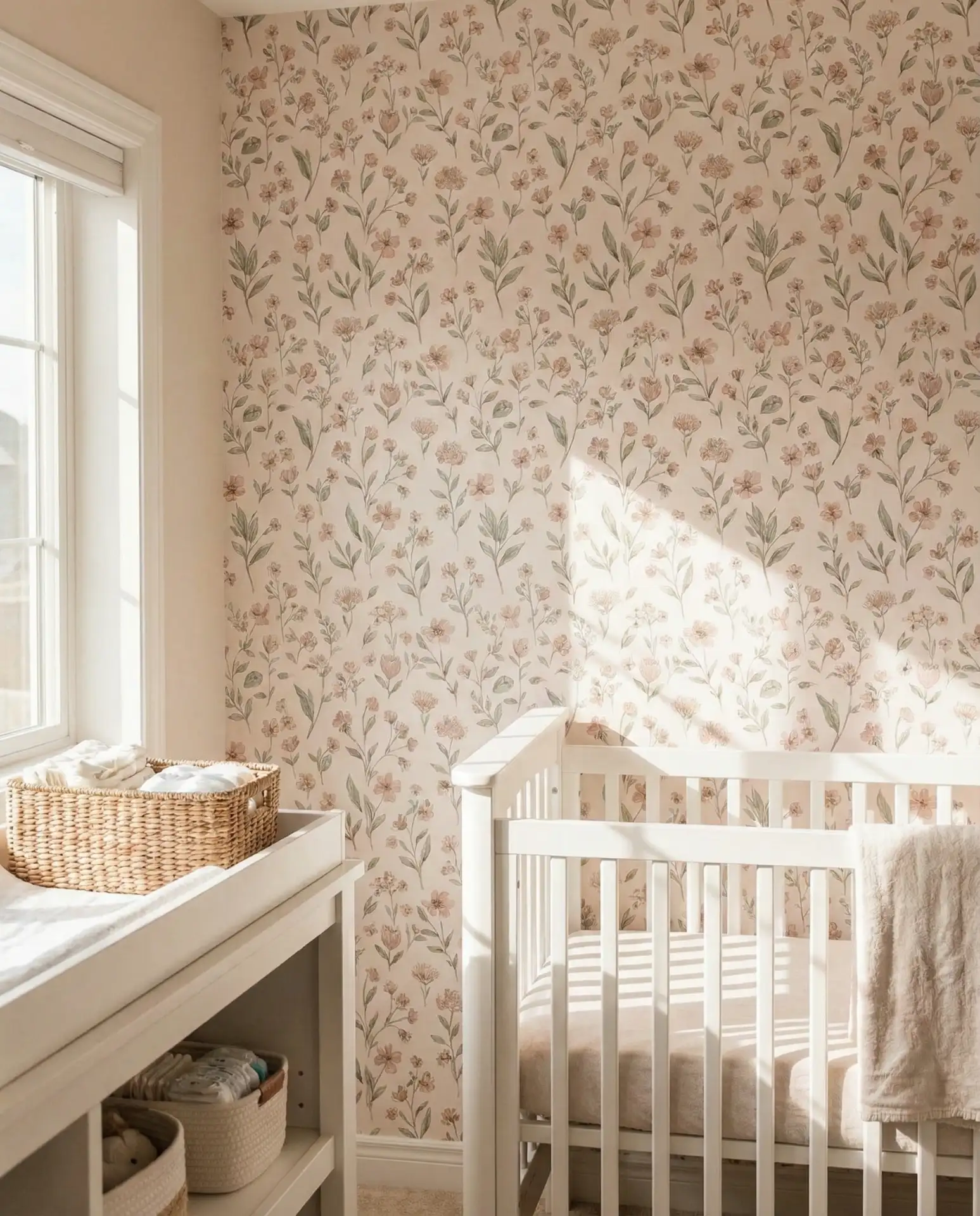
Expert designers often recommend using peel-and-stick wallpaper for nurseries, especially in rental homes or if you’re unsure about long-term commitment. It’s easier to install, remove, and replace than traditional wallpaper, and the quality has improved dramatically in recent years. Choose a pattern with a soft color palette—dusty rose, sage green, or muted lavender—so it doesn’t overwhelm the space or clash with future decor changes. This is one of those design moves that photographs beautifully, which is why it’s so popular on Pinterest.
7. Rainbow Mobile Above the Crib
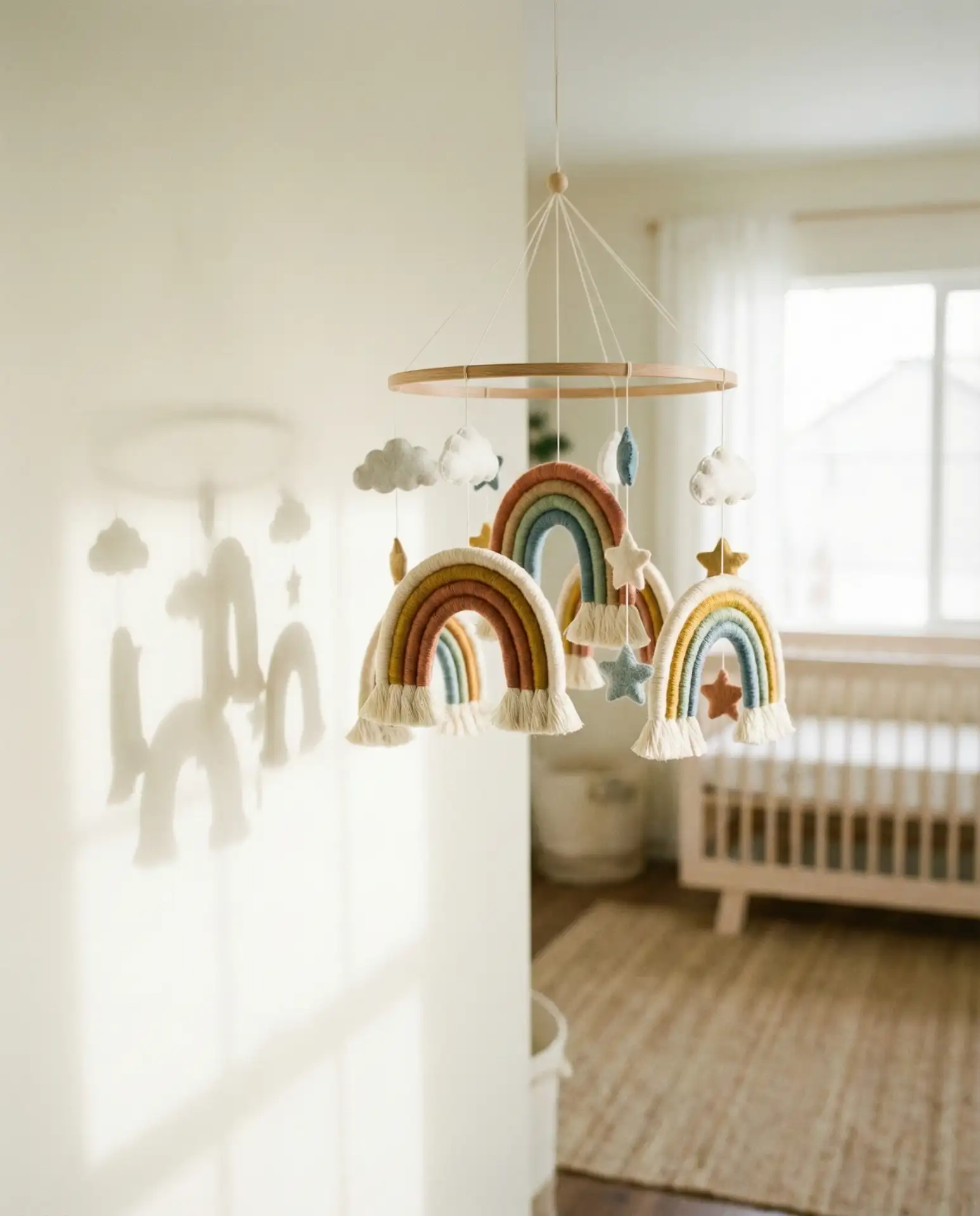
A handcrafted felt rainbow mobile brings a playful, whimsical touch to the nursery room without committing to a full rainbow theme. This decor element adds movement and color in a way that’s gentle and soothing, perfect for a baby’s developing vision. The mobile can be as simple or elaborate as you like—some are made of felted wool balls, others feature fabric arches or wooden dowels—but the effect is always cheerful and optimistic. 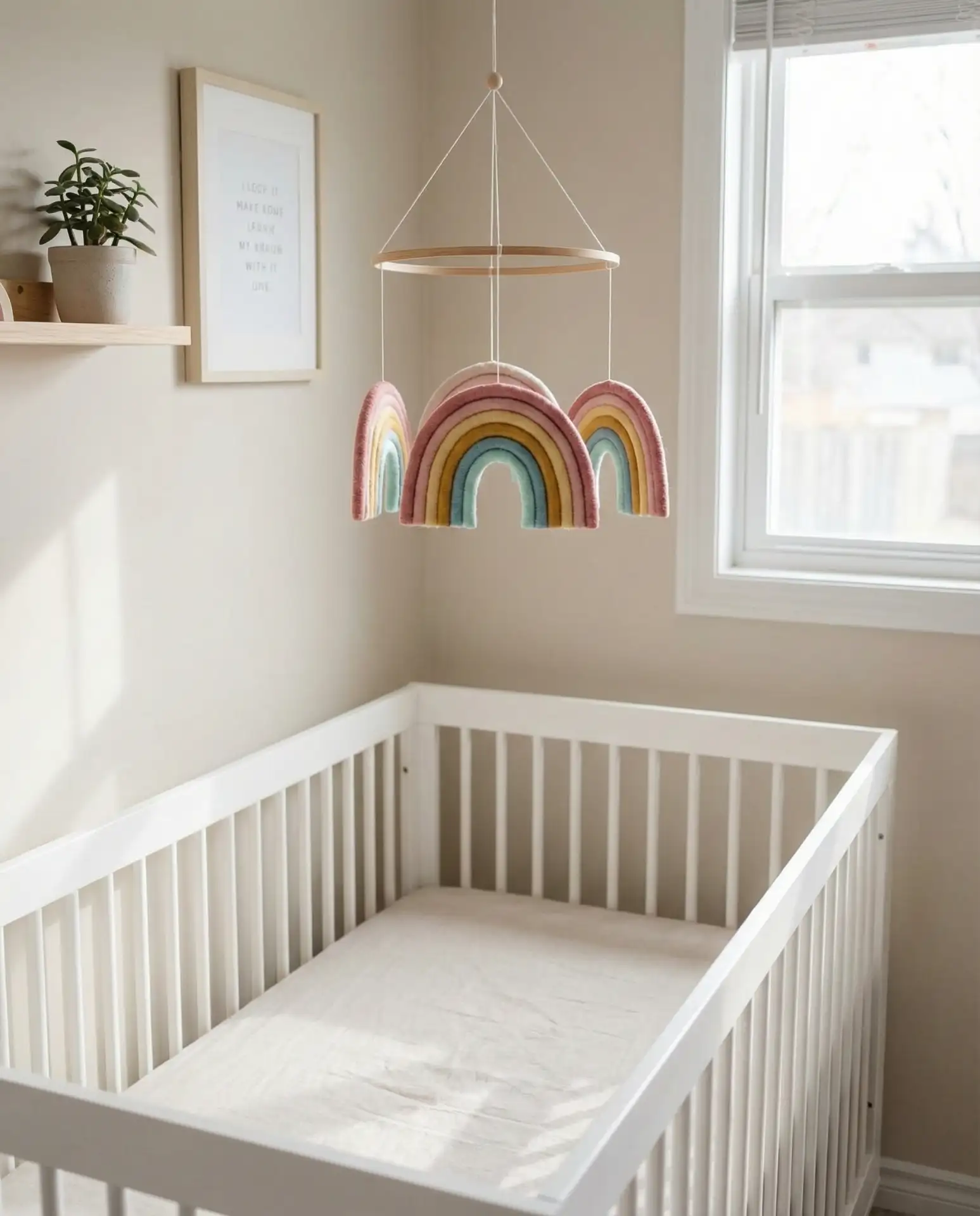
One mom in Austin shared that she made her own felt rainbow mobile for under $30 using supplies from a local craft store, and it became her daughter’s favorite thing to look at during diaper changes. The DIY route is surprisingly accessible, but there are also plenty of Etsy sellers offering handmade versions if you prefer to support small businesses. Either way, it’s a budget-friendly way to add personality and color without painting walls or investing in expensive furniture.
8. Floor Cushions and Low Seating Nook
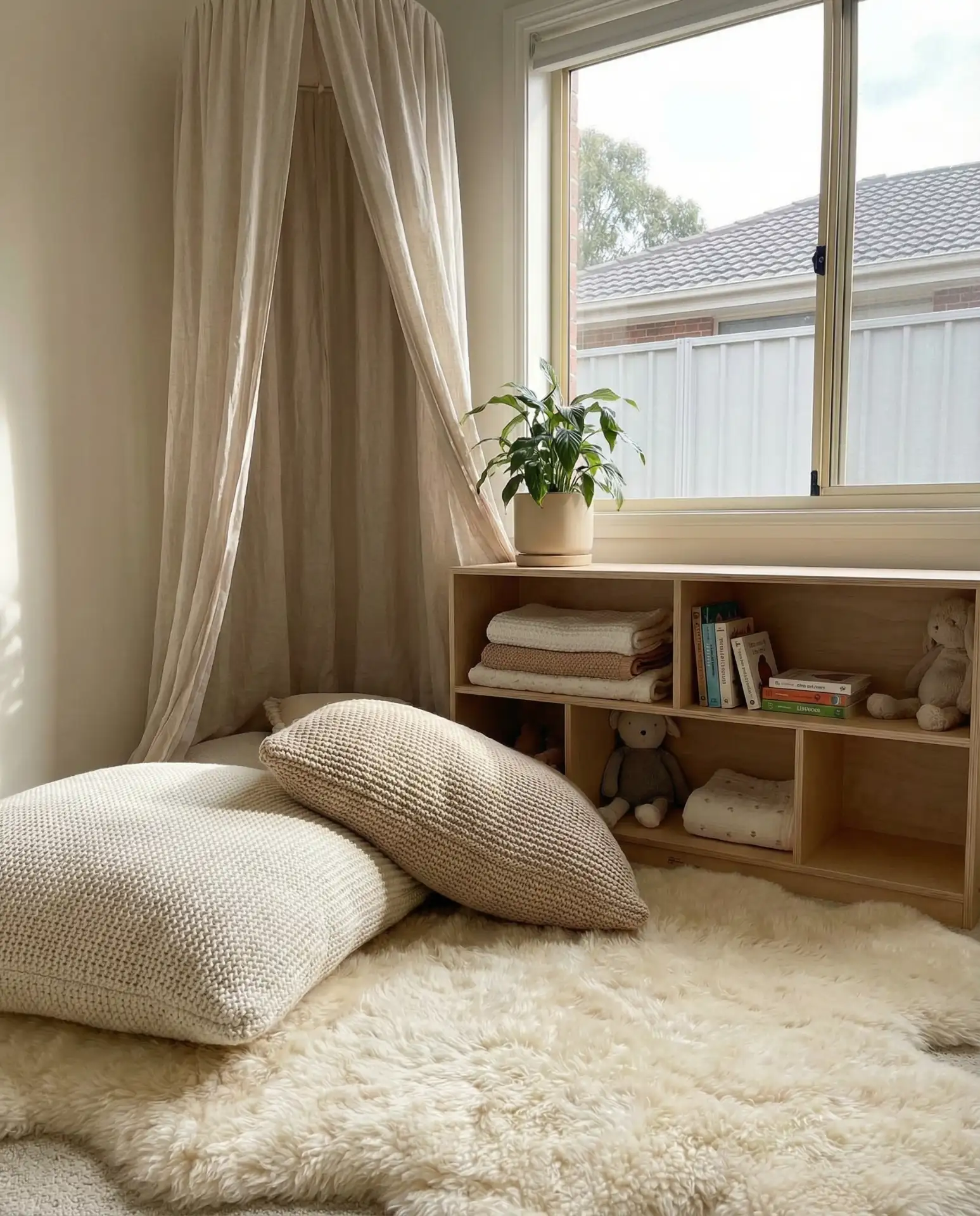
Creating a low seating area with oversized floor cushions and a soft rug invites interaction and play in the girls’ nursery. This inspiration is rooted in Montessori principles, where furniture is child-height to encourage independence and exploration. For parents, it’s also a cozy spot to sit for storytime or tummy time without needing a bulky chair that takes up valuable floor space. 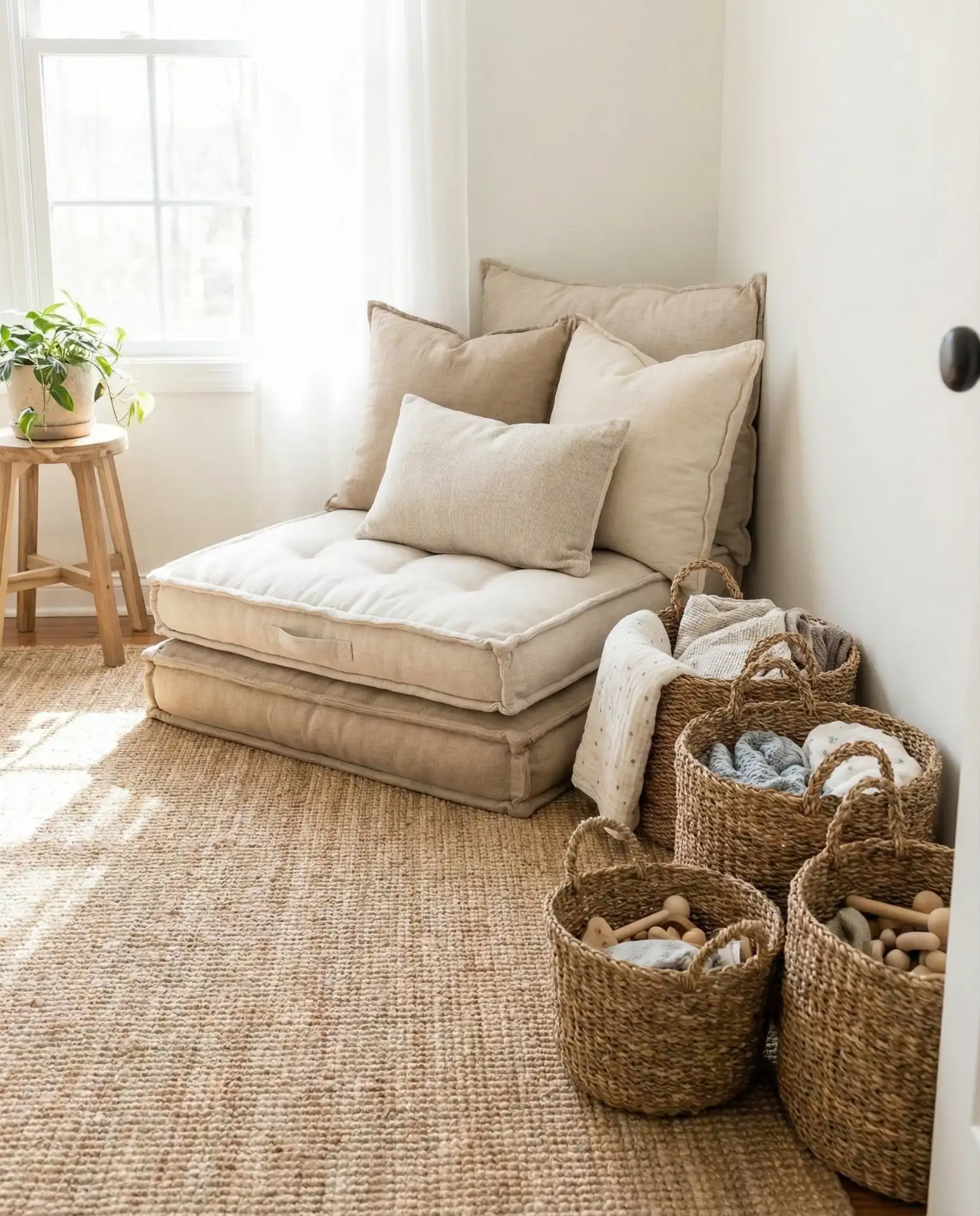
In urban apartments or smaller homes, floor seating makes better use of square footage than a glider or rocking chair. The cushions can be easily rearranged or removed, giving you flexibility as your child grows and the room’s purpose evolves. Choose washable covers in durable fabrics like canvas or linen, and stick to neutral or earthy tones that won’t compete with other nursery elements. It’s a design choice that feels relaxed, intentional, and refreshingly different from the traditional nursery setup.
9. Dusty Rose and Sage Green Color Pairing
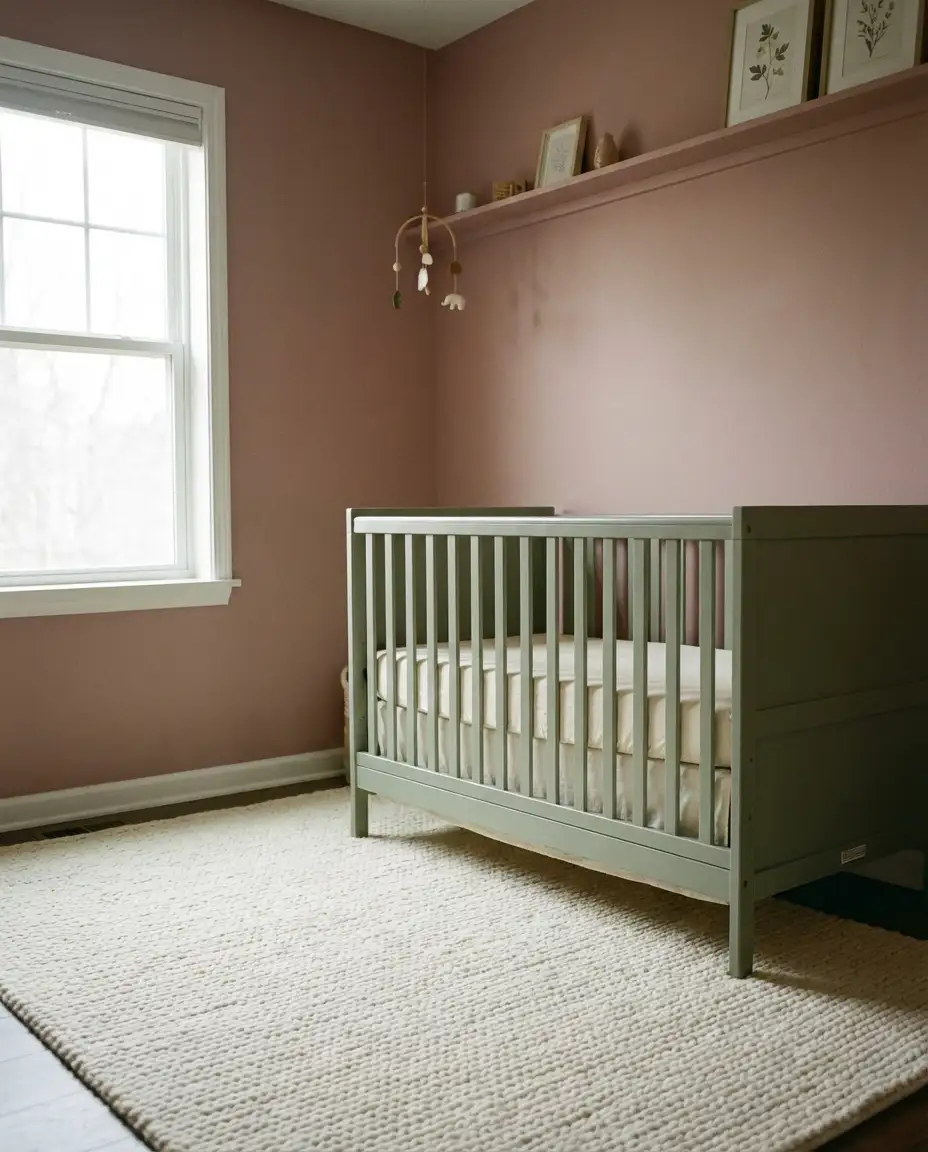
Pairing dusty rose with soft sage green creates a sophisticated, garden-inspired palette that feels fresh and modern in any nursery. This idea combination moves away from traditional baby pink by introducing an earthy counterbalance that adds depth and maturity. The colors work beautifully together in fabrics, wall paint, and decorative accessories, offering plenty of ways to layer and mix without the space feeling too matchy or one-note. 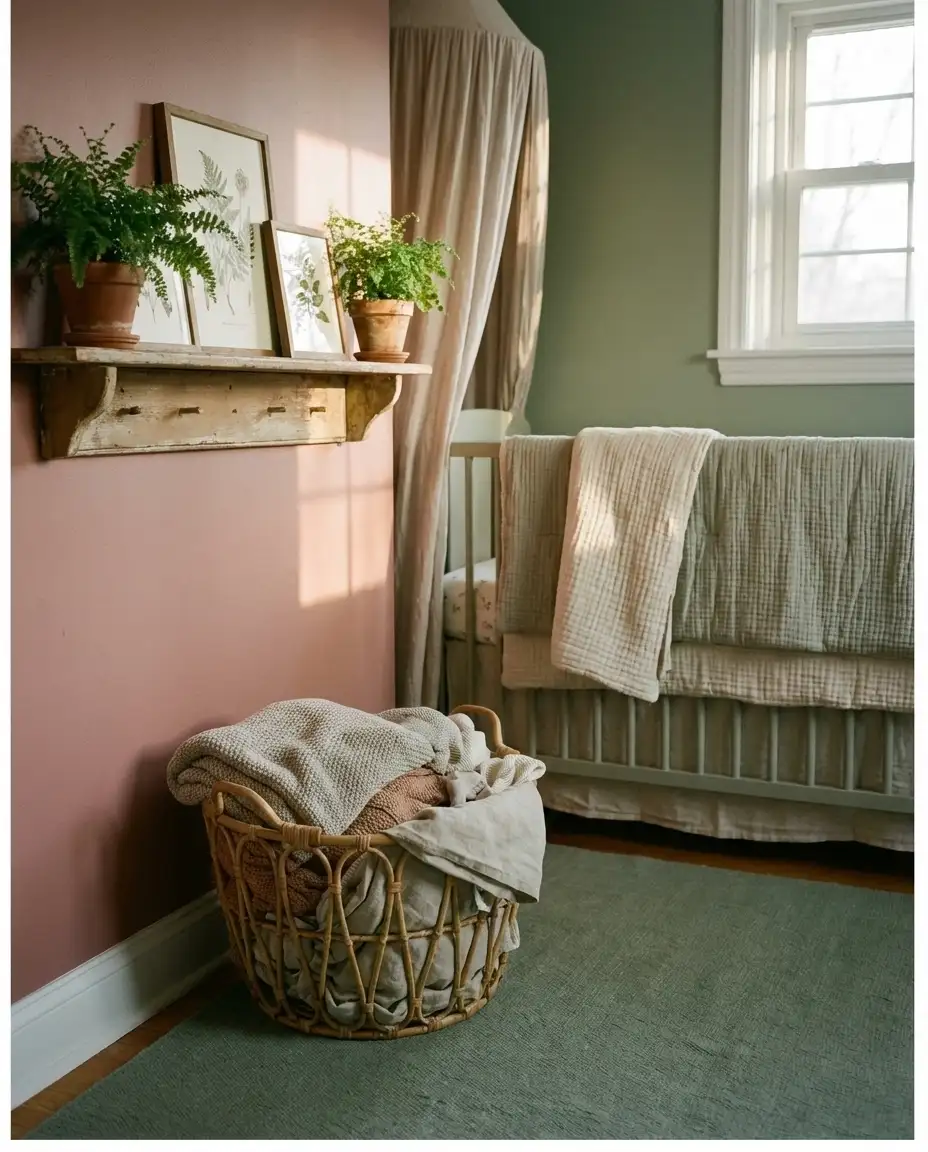
This color scheme is particularly popular in the Mid-Atlantic and New England, where homeowners appreciate classic elegance with a contemporary twist. It’s also forgiving—if you decide to repaint or redecorate down the line, both colors are neutral enough to transition easily into a toddler room or even a guest bedroom. The key is to balance the two tones so neither dominates, using one as the main wall color and the other in accents like bedding, curtains, or art.
10. Woven Baskets for Storage and Style
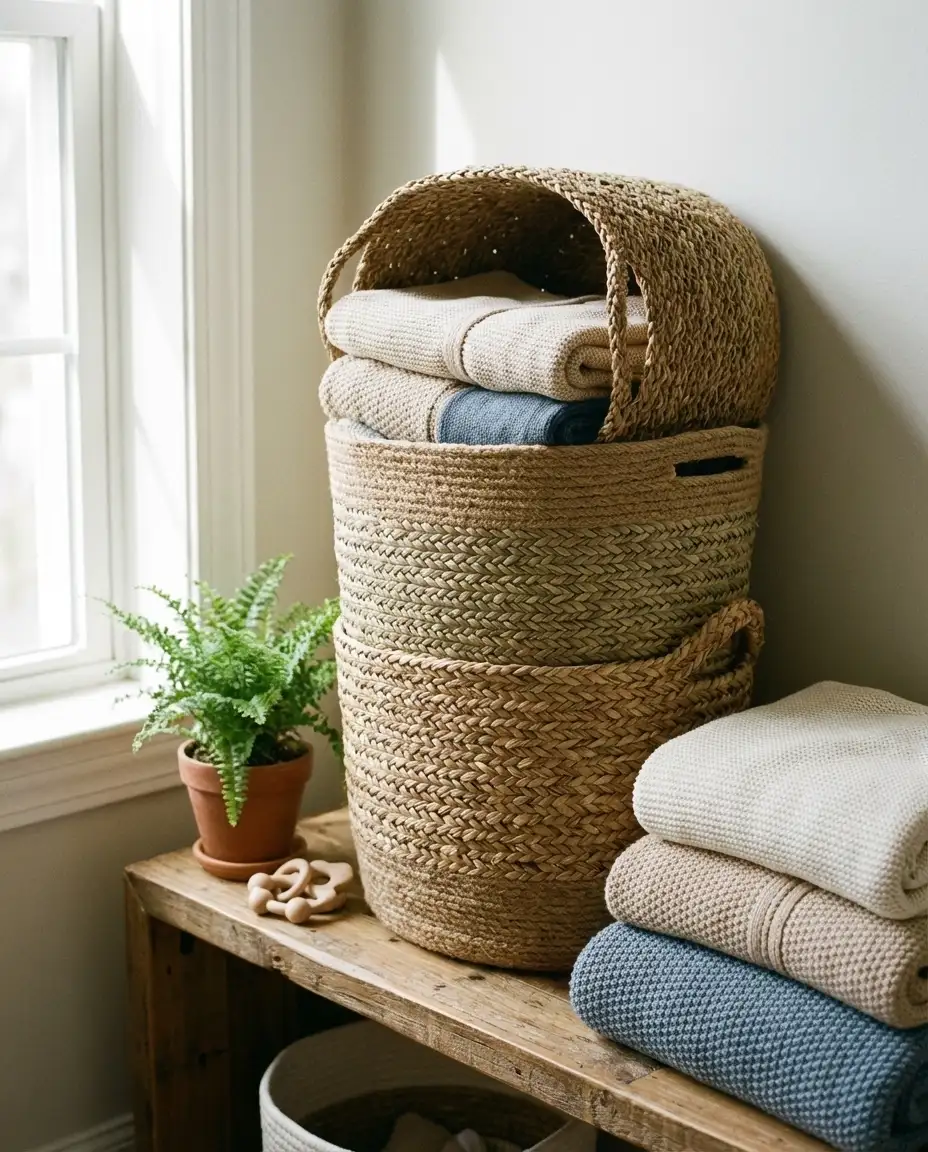
Incorporating woven baskets throughout the room offers practical storage while adding natural texture and warmth to the decor. This approach keeps toys, blankets, and diapers tucked away but still accessible, and it reinforces an organic, lived-in aesthetic that feels both intentional and effortless. Baskets in varying sizes and weaves create visual interest without adding clutter or visual noise. 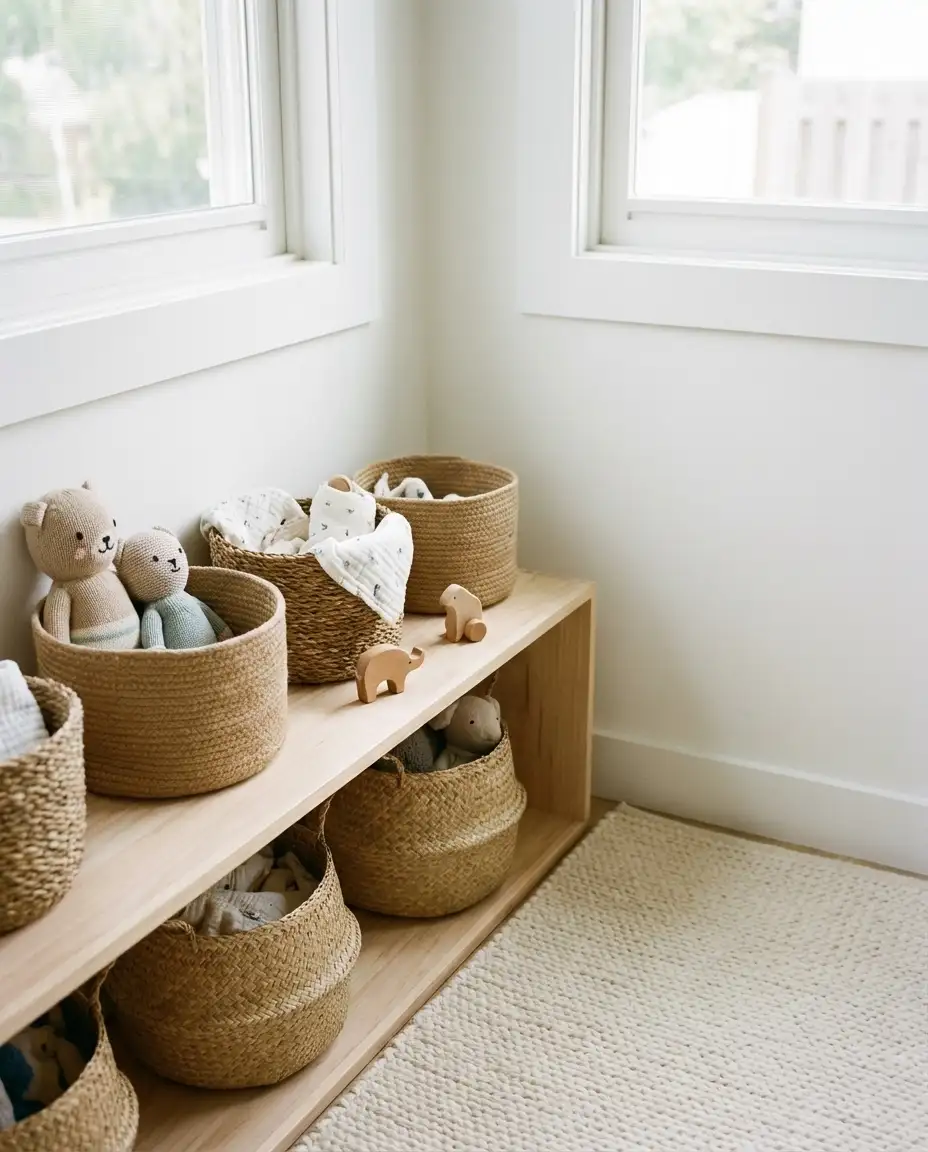
Where this works best is in nurseries that embrace minimalism or Scandinavian design, where every piece serves a purpose and beauty is found in simplicity. Woven baskets are also surprisingly affordable—you can find quality options at home goods stores, online retailers, or even thrift shops. They’re durable, easy to clean, and versatile enough to move around the house as your storage needs change. This is functional design at its best, where form and purpose exist in perfect harmony.
11. Oversized Mirror to Reflect Natural Light
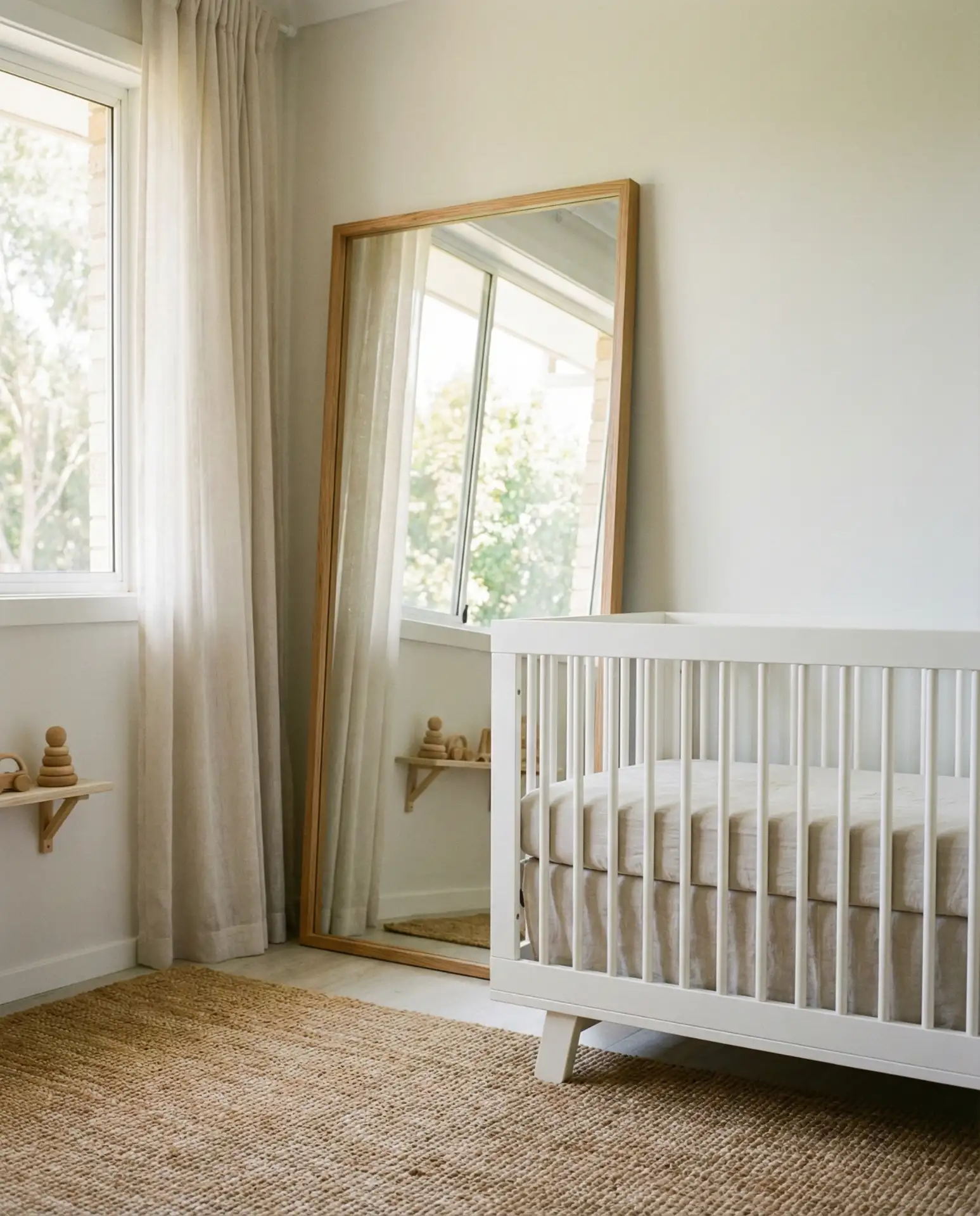
Placing a large floor mirror or wall-mounted mirror opposite a window amplifies natural light and makes the nursery feel more spacious and open. This idea trick is especially valuable in smaller rooms or those with limited windows, where every bit of light matters. The mirror also becomes a design element in itself, whether framed in natural wood, painted white, or left unframed for a modern, minimalist look. 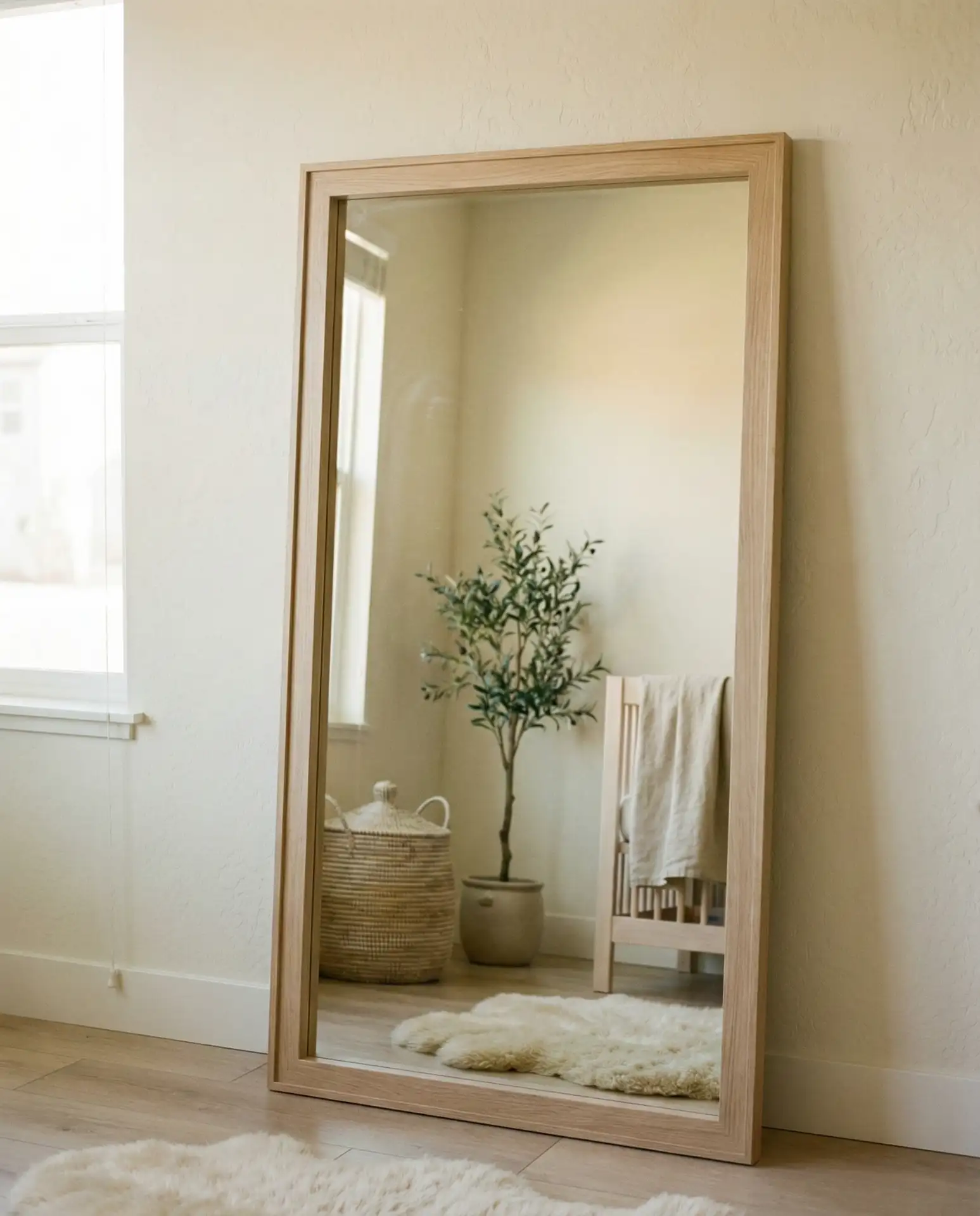
Real homeowner feedback suggests that mirrors in nurseries also serve a developmental purpose—babies and toddlers love looking at their reflections, which supports self-recognition and visual tracking skills. Just make sure the mirror is securely anchored to the wall or heavy enough that it won’t tip over easily. This is one of those design elements that delivers both aesthetic and practical benefits, making the room feel brighter and more engaging without adding clutter or complexity.
12. Hand-Painted Accent Wall with Soft Shapes
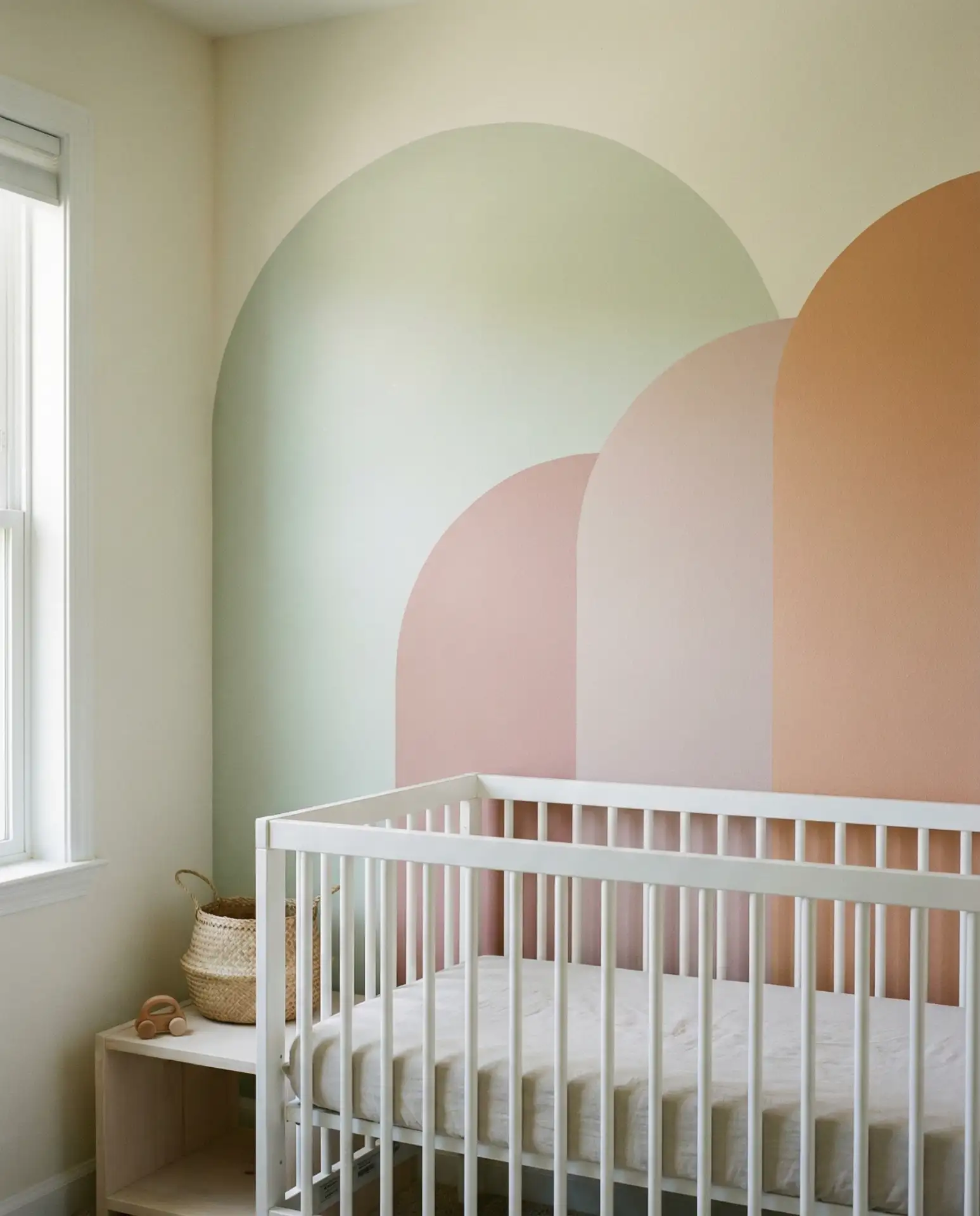
A hand-painted wall featuring organic shapes—gentle arches, abstract clouds, or flowing hills—adds a custom, artistic touch to the nursery room. This wall decor approach is perfect for parents who want something unique but aren’t ready to commit to bold wallpaper or a full mural. The shapes can be painted in muted tones that complement the rest of the room, creating a subtle, dreamlike backdrop. 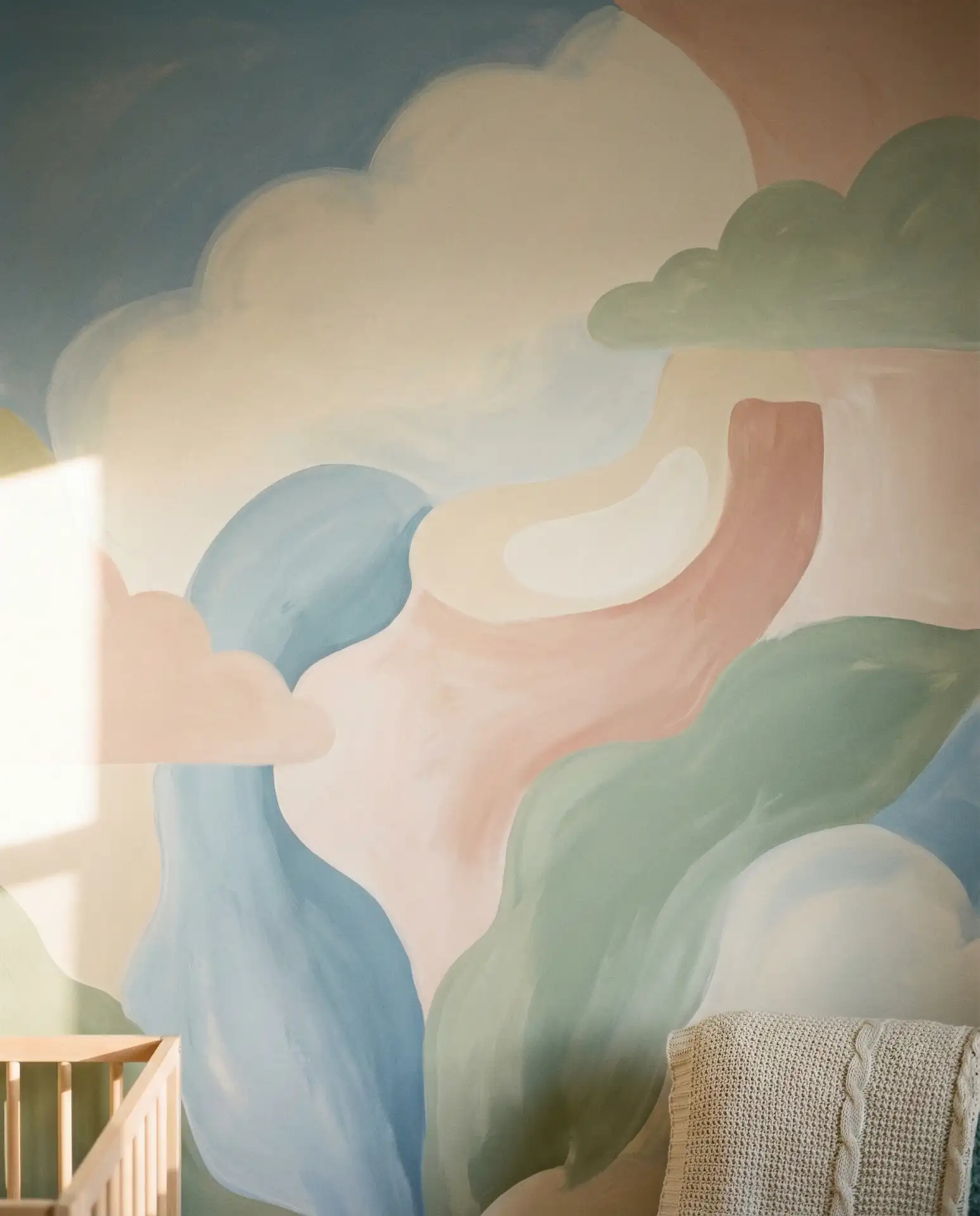
A designer tip: use painter’s tape to map out your shapes before committing to paint, and work with a limited color palette—two or three shades at most—to keep the design cohesive. You don’t need to be a professional artist to pull this off; simple organic shapes are forgiving and look intentionally abstract even if your lines aren’t perfectly straight. The result is a one-of-a-kind feature that gives the room personality and charm without overwhelming the senses.
13. Rattan Furniture and Natural Fiber Textures
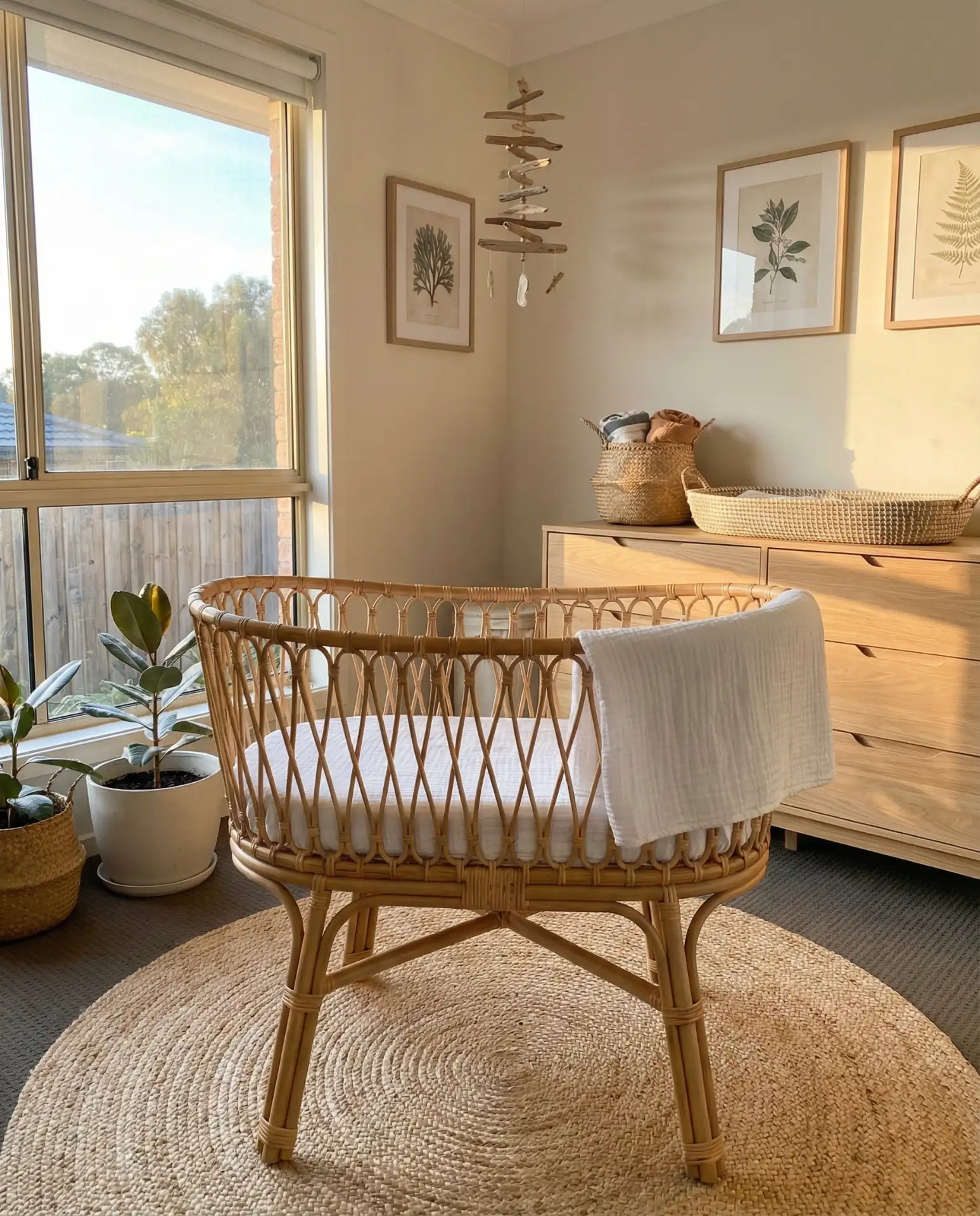
Incorporating rattan or wicker furniture—like a bassinet, changing table, or accent chair—brings a breezy, coastal vibe to the girls’ nursery. This decor style emphasizes natural materials and airy textures that feel light and relaxed, perfect for creating a calm environment. Rattan is also durable and sustainable, appealing to eco-conscious parents who want furniture that’s both beautiful and responsibly sourced. 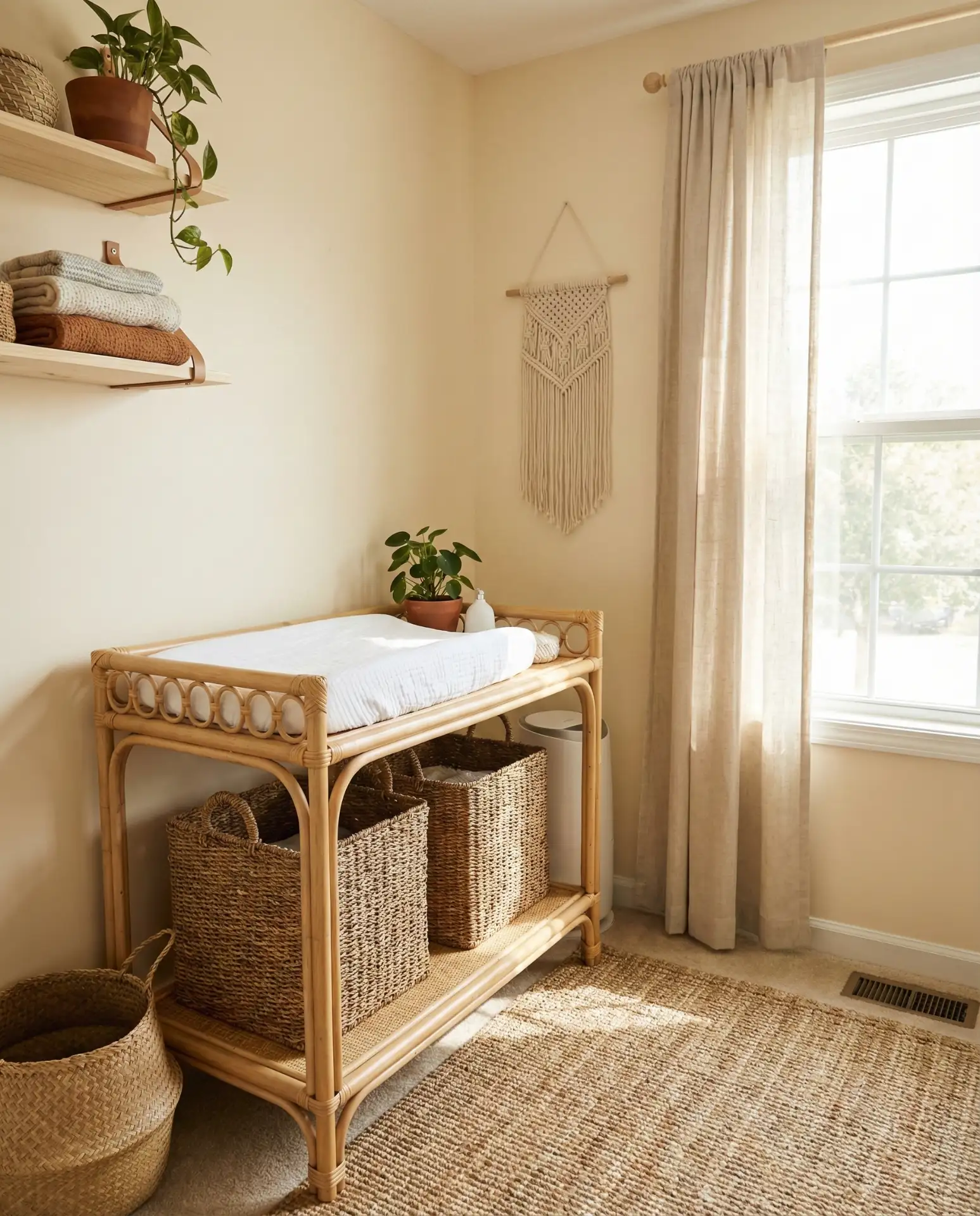
This aesthetic is especially popular in Southern California, Florida, and coastal regions where homeowners embrace indoor-outdoor living and natural, sun-drenched interiors. Rattan pairs beautifully with white or cream walls and soft pastel accents, but it also holds its own against bolder colors if you want to introduce more contrast. The key is to layer different natural textures—jute, linen, and cotton—to keep the space feeling warm and inviting rather than sparse or sterile.
14. Peel-and-Stick Wallpaper with Geometric Patterns
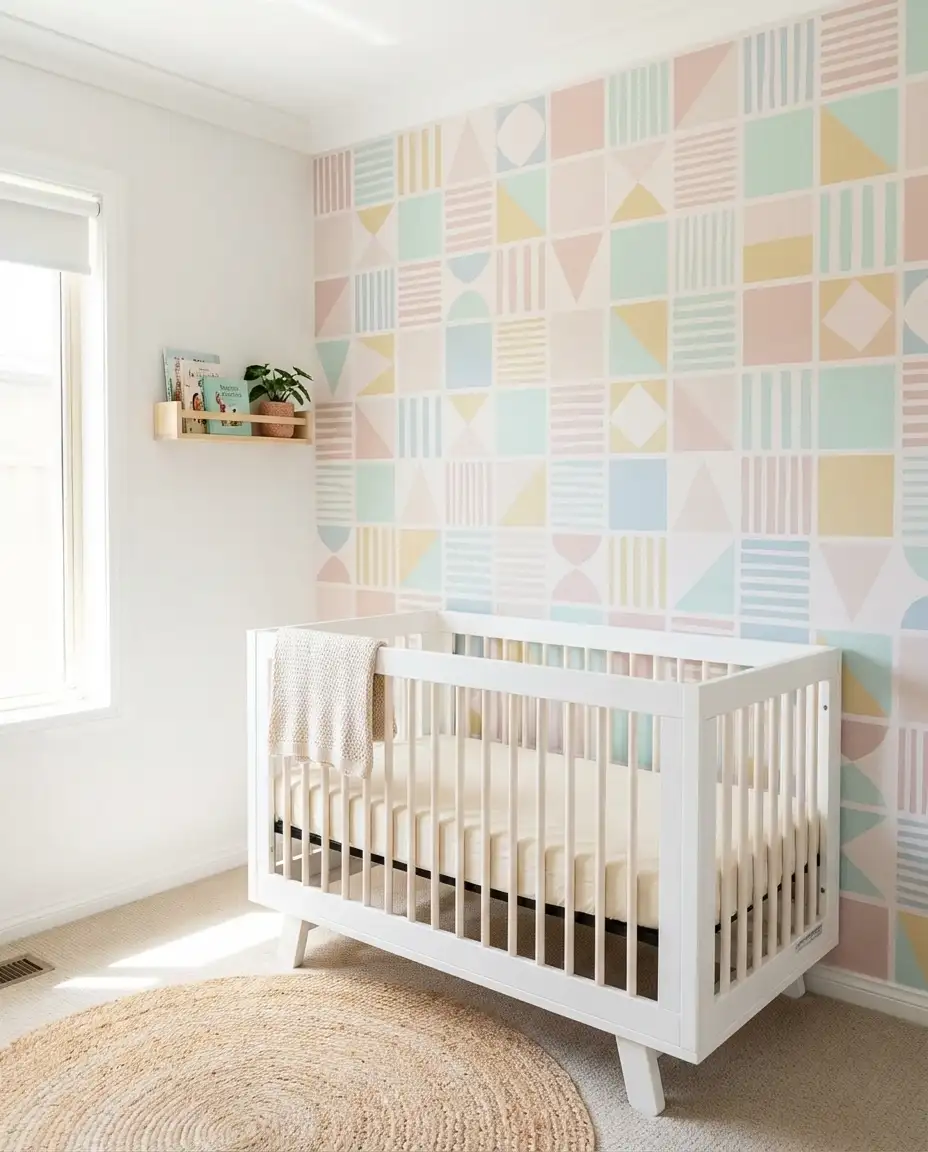
Geometric peel-and-stick wallpaper offers a modern, playful backdrop that’s easy to apply and remove, making it ideal for the nursery. This idea’s direction works well for parents who want pattern and visual interest but aren’t ready for a permanent commitment. The geometric shapes—hexagons, triangles, or abstract grids—add energy and movement to the walls without feeling overly busy or chaotic. 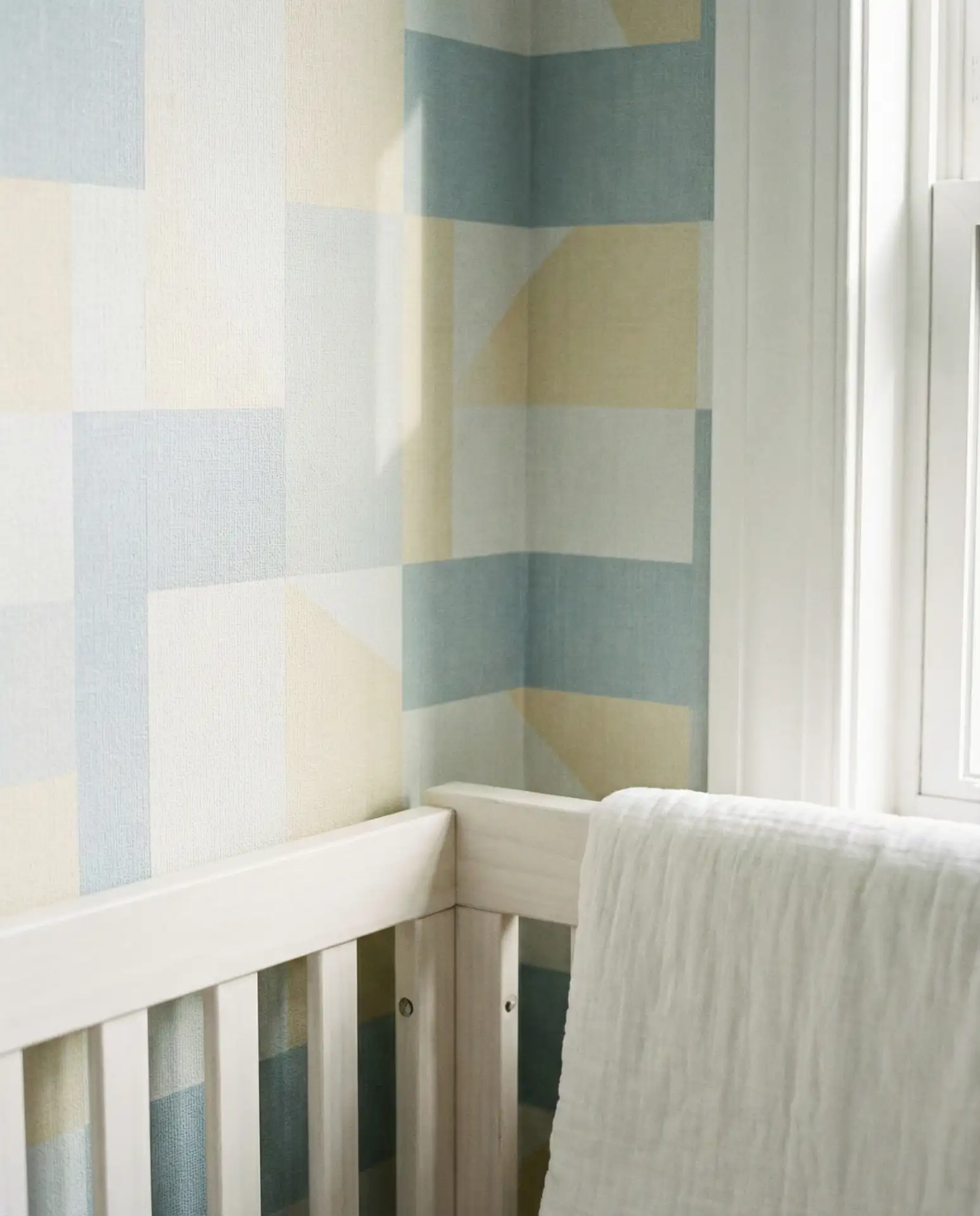
A practical insight: peel-and-stick wallpaper works best on smooth, clean walls—textured or uneven surfaces can cause bubbles or lifting. It’s also a great option for renters who want to personalize their space without losing their security deposit. Choose patterns with a low-contrast color scheme to keep the room feeling cohesive, and consider using the wallpaper on just one accent wall rather than the entire room to avoid visual overload. This is a design choice that’s both trendy and temporary, giving you the freedom to experiment.
15. Cozy Reading Corner with Built-In Shelf
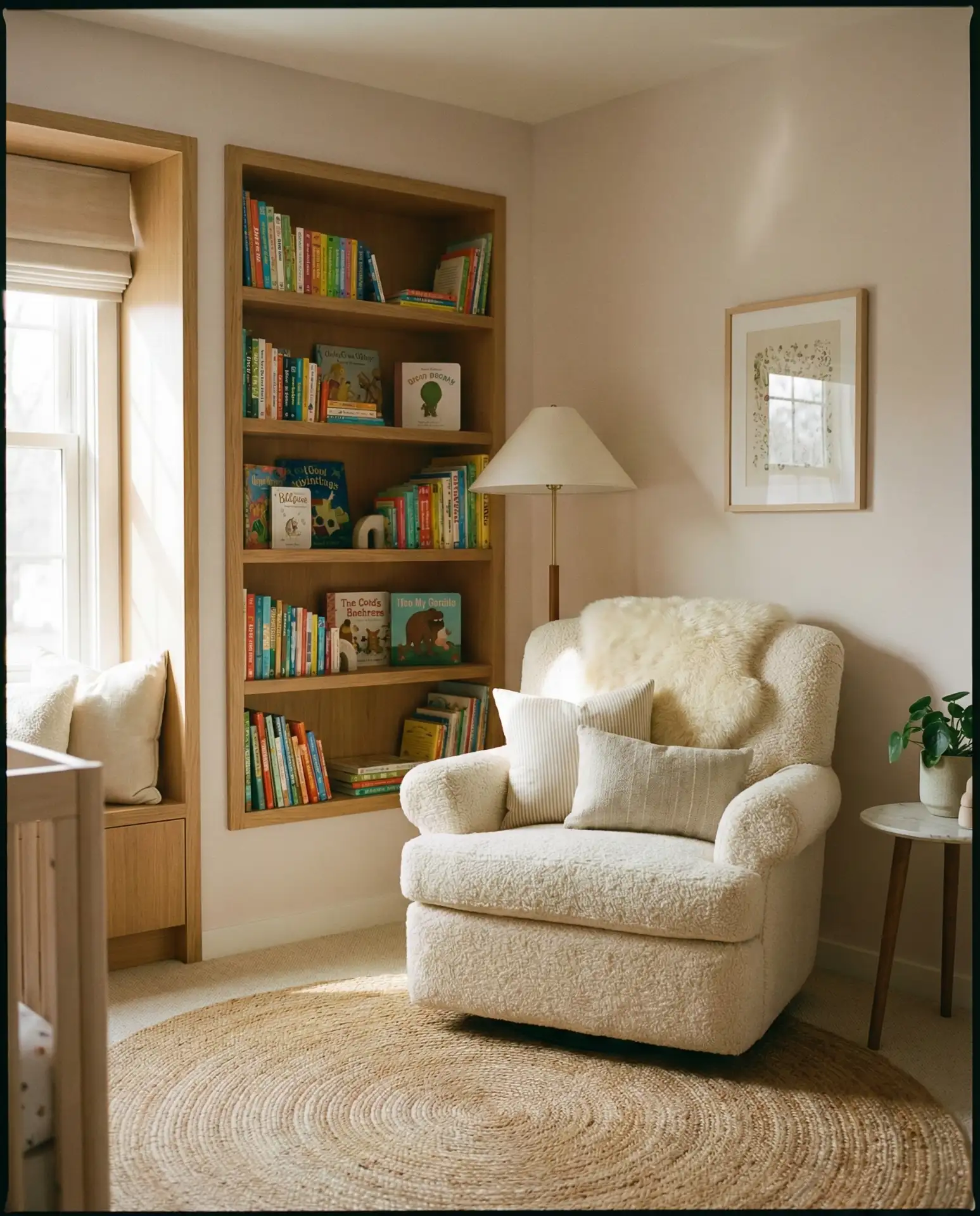
A dedicated reading nook with a low bookshelf and soft seating creates an inviting space for storytime in the nursery room. This inspiration encourages literacy from day one, with books displayed face-out so even babies can see colorful covers. The corner can be as simple as a cushioned mat and a small shelf or as elaborate as a built-in bench with hidden storage underneath. 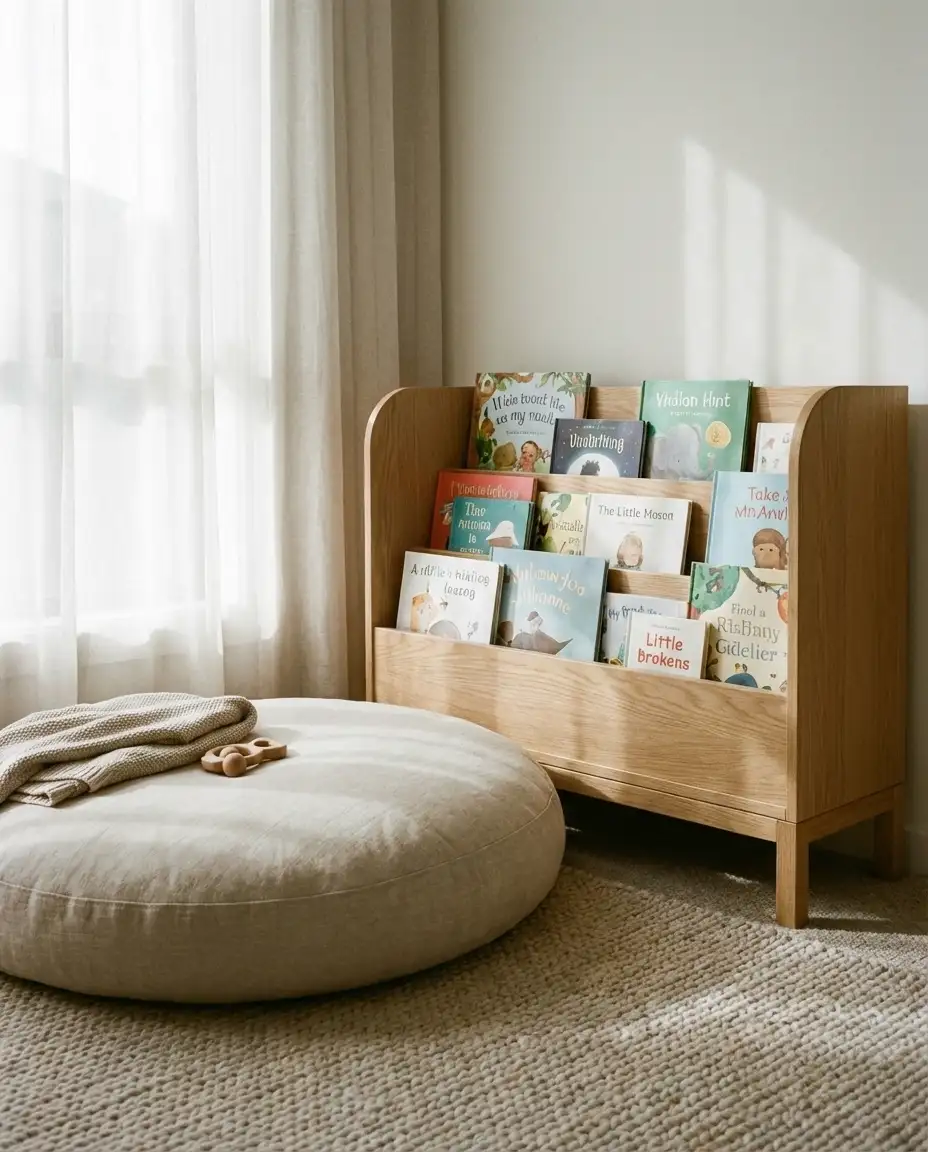
Budget-wise, this setup can be achieved for under $100 if you use modular cube shelving and DIY the cushions or source them secondhand. The face-out display makes it easy for toddlers to choose their own books, fostering independence and a love of reading. As your child grows, the corner can evolve into a homework station or creative workspace, making it a smart, flexible investment in the room’s long-term functionality.
16. Soft Peach and Ivory Color Scheme
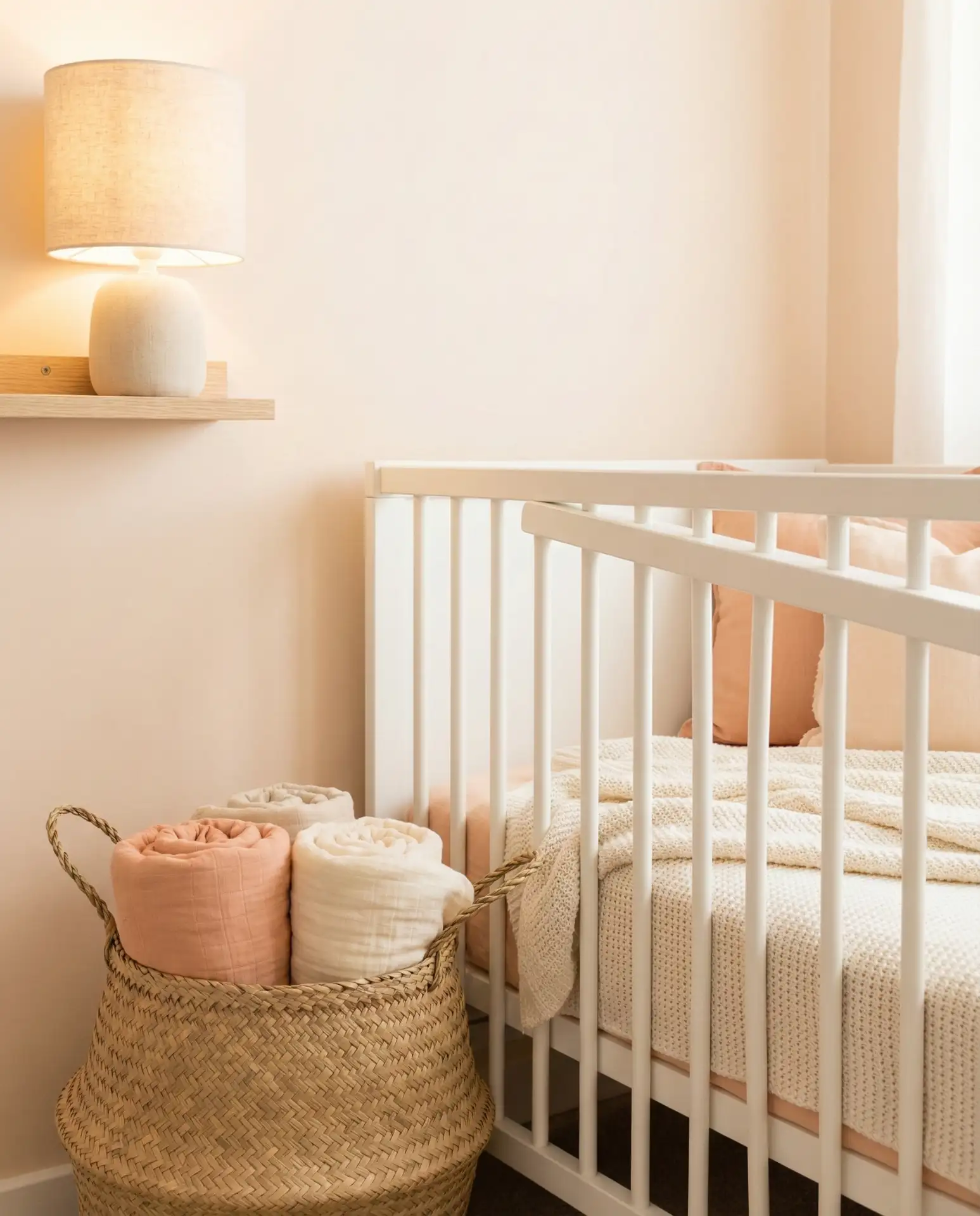
A gentle peach and ivory palette creates a warm, sun-kissed atmosphere in the girls’ nursery. This neutral approach is softer than stark white but still light and airy, making the room feel welcoming without relying on bold or saturated colors. Peach tones work beautifully with natural wood, brass hardware, and linen textiles, giving you plenty of design flexibility. 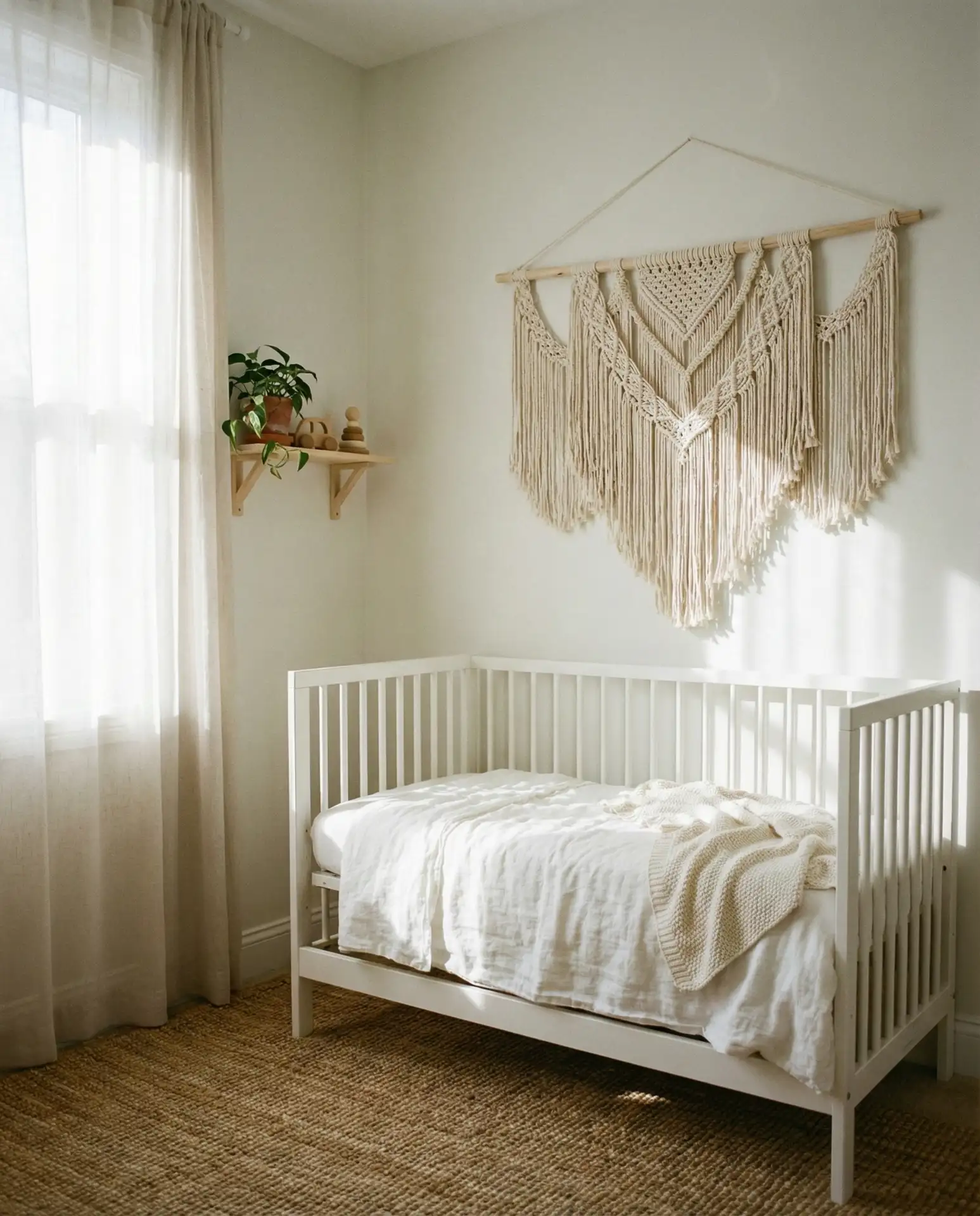
One common mistake is choosing a peach shade that’s too saturated or orange-toned, which can feel overwhelming in a small space. Instead, look for softer, more muted peach hues with pink or beige undertones that feel soothing rather than energetic. This color scheme photographs beautifully, which is one reason it’s so popular on Pinterest—it has a timeless, vintage-inspired quality that never feels dated or overly trendy.
17. Macramé Wall Hanging Above the Crib
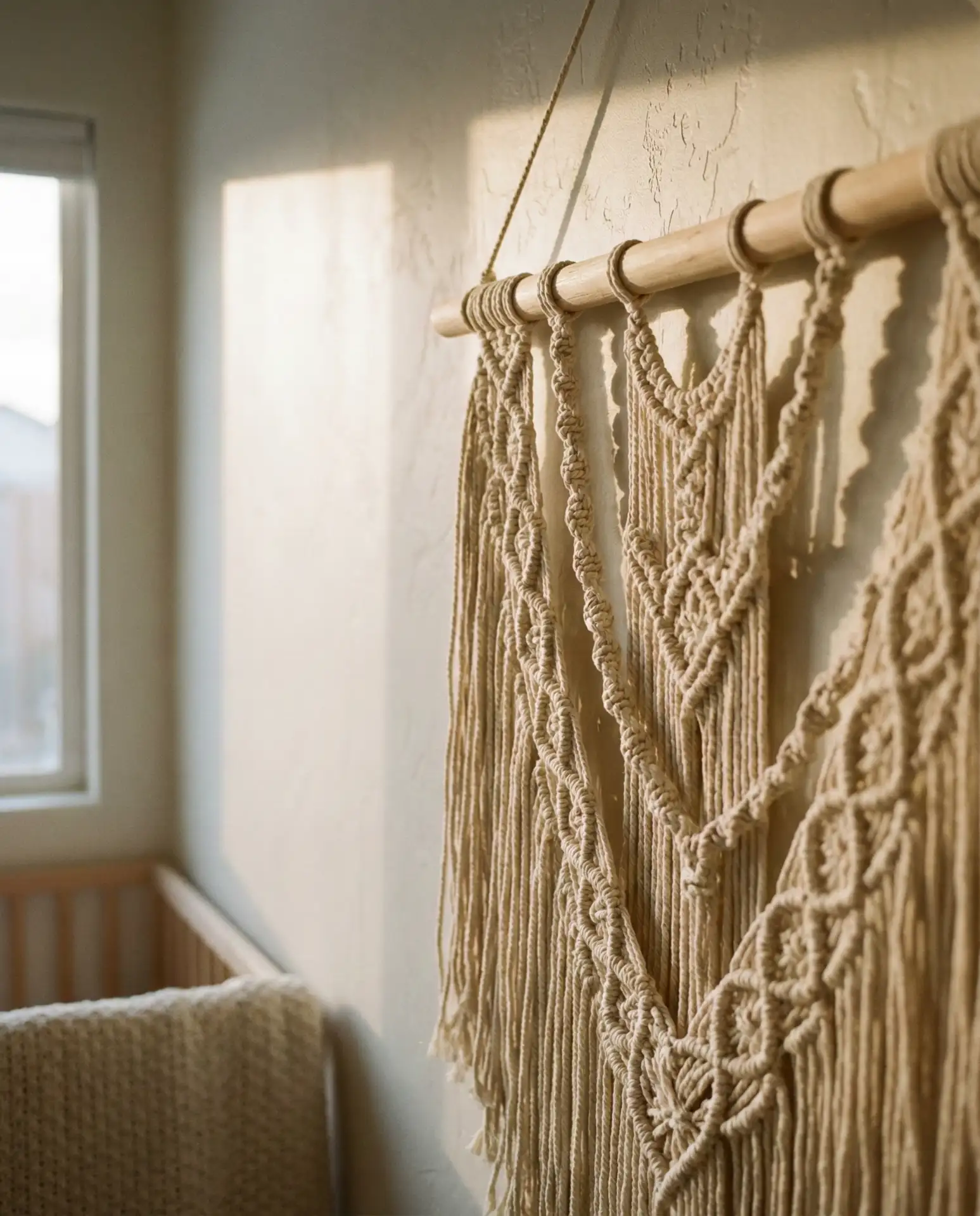
A handmade macramé wall hanging adds bohemian texture and craftsmanship to the nursery decor. This wall decor piece serves as a focal point without being too literal or themed, and it introduces natural fibers and handcrafted artistry into the space. Macramé ranges from simple, minimalist designs to elaborate, layered pieces, so you can choose a style that fits your aesthetic and budget. 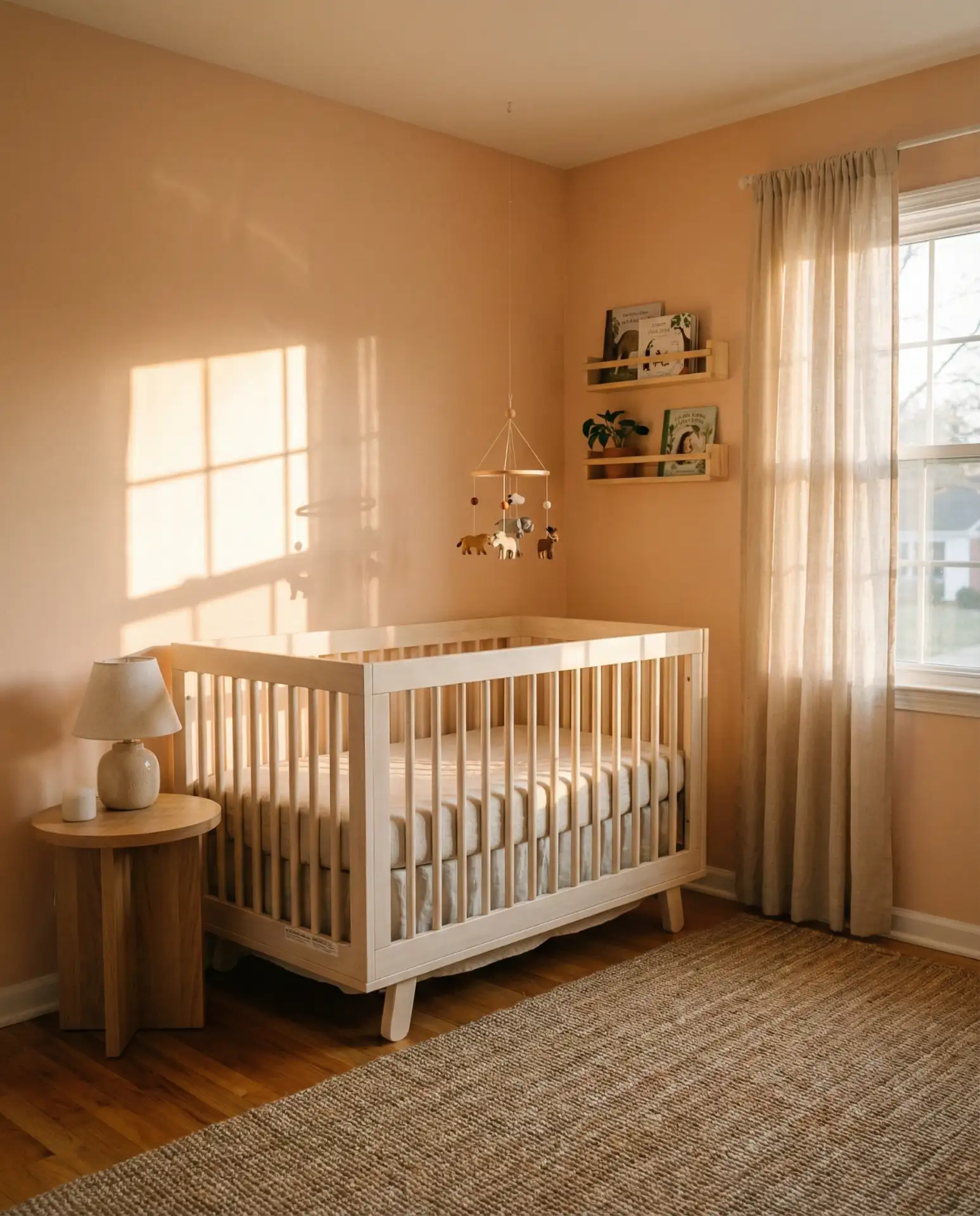
In urban areas and college towns, local artisan markets and Etsy shops are great sources for unique macramé pieces that support independent makers. If you’re crafty, there are also plenty of beginner-friendly macramé tutorials online that can guide you through making your own. Either way, macramé adds warmth and a human touch to the nursery, reminding you that not everything needs to be store-bought or mass-produced to be beautiful.
18. Layered Rugs for Softness and Dimension
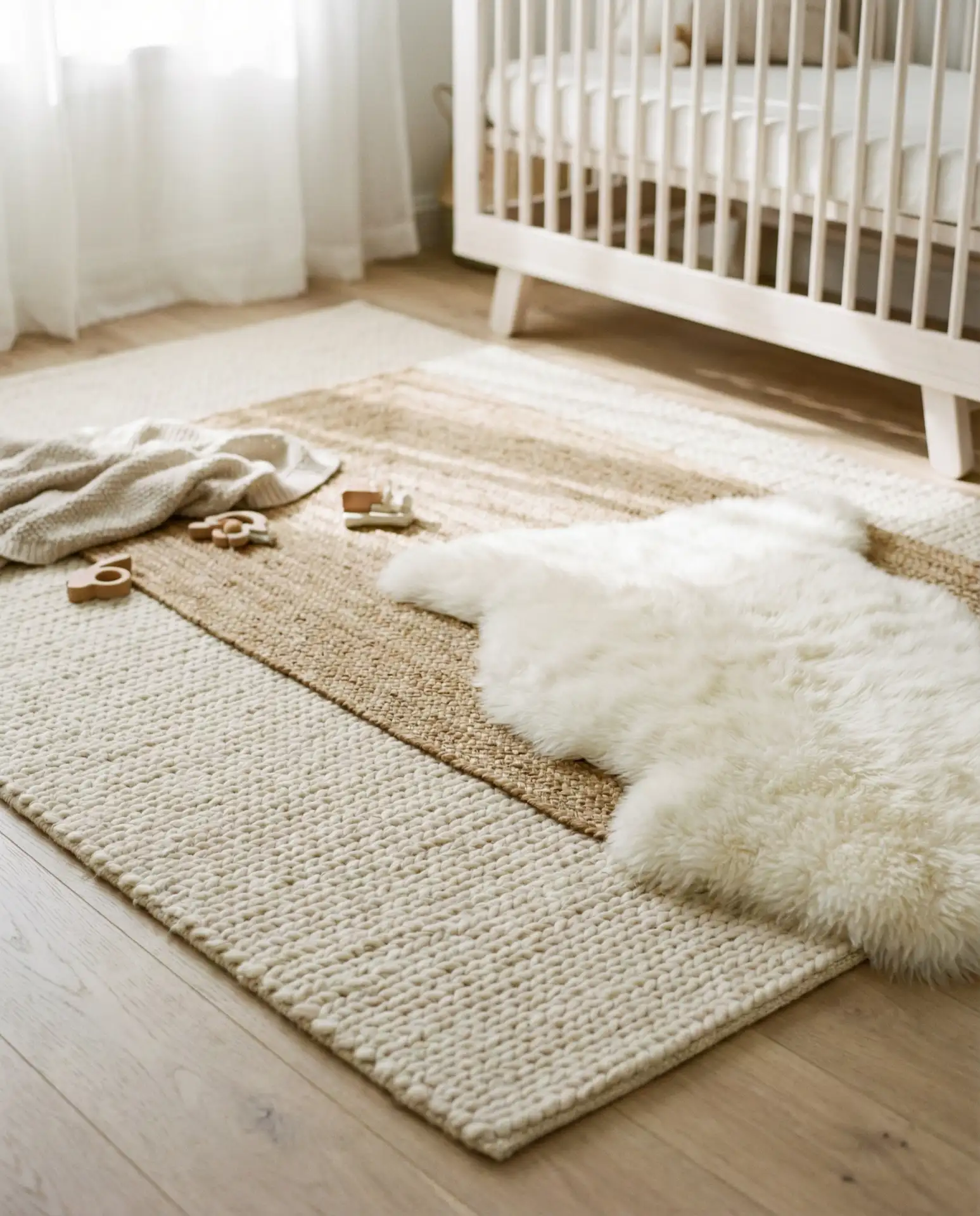
Layering rugs in the nursery creates depth and visual interest while adding extra cushioning for floor play. This idea approach typically involves a larger neutral base rug topped with a smaller, patterned, or textured rug that adds personality. The layered look is cozy and inviting, and it allows you to mix patterns and textures in a way that feels intentional rather than chaotic. 
A homeowner in Portland shared that layering rugs made her hardwood-floored nursery feel instantly warmer and more comfortable, especially during the cooler months. It’s also a budget-friendly way to introduce color or pattern without committing to permanent changes—if you tire of the smaller rug, you can easily swap it out. Just make sure both rugs are low-pile or flat-woven to avoid tripping hazards, and use rug pads underneath to keep everything in place.
19. Cloud-Shaped Shelves for Whimsical Storage
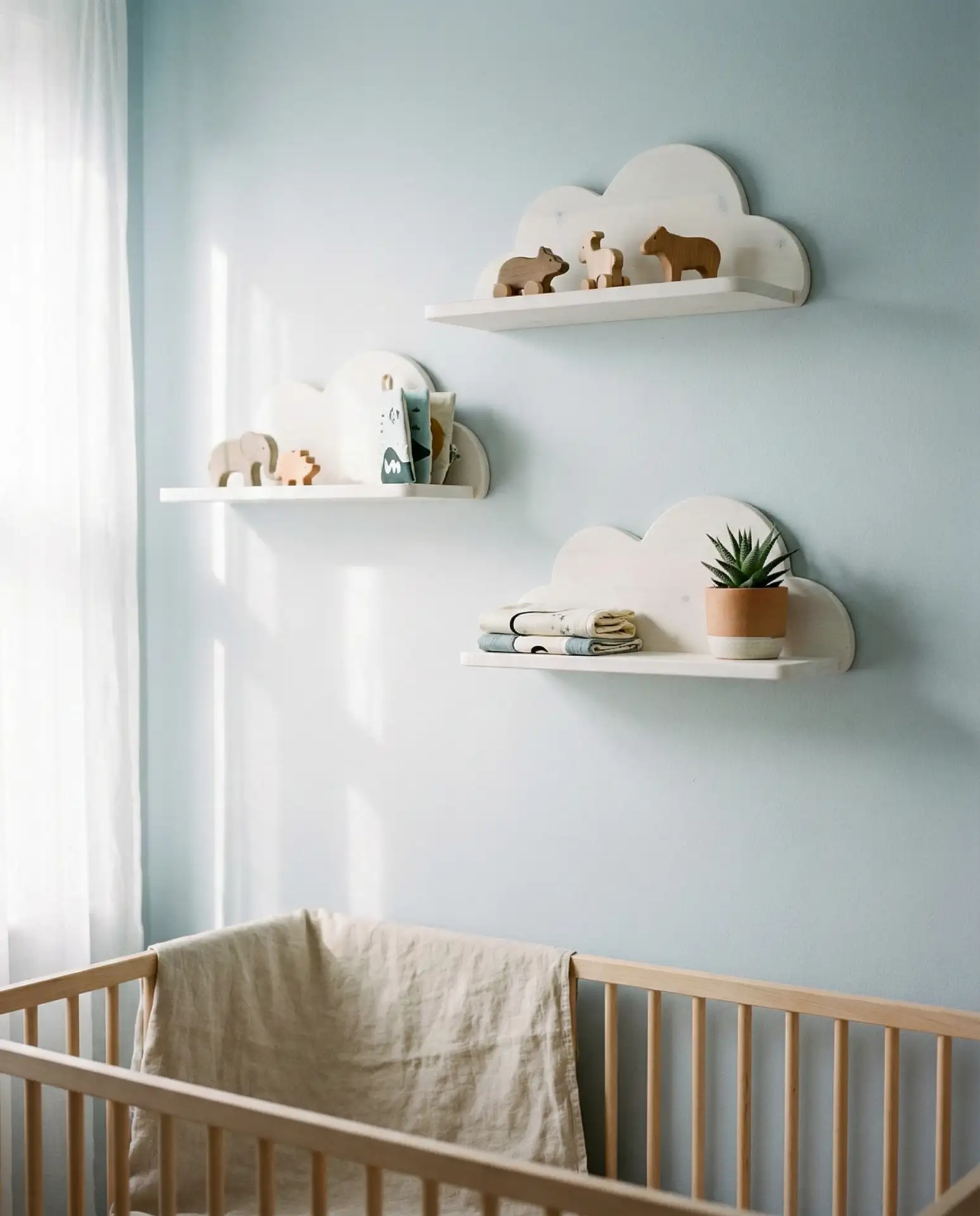
Cloud-shaped floating shelves bring playful charm to the nursery room while providing functional storage for small toys, books, or decorative items. This decor element is lighthearted without being overly cutesy, and it adds a touch of whimsy that feels just right for a baby’s space. The shelves can be painted white or left in natural wood, depending on your overall aesthetic. 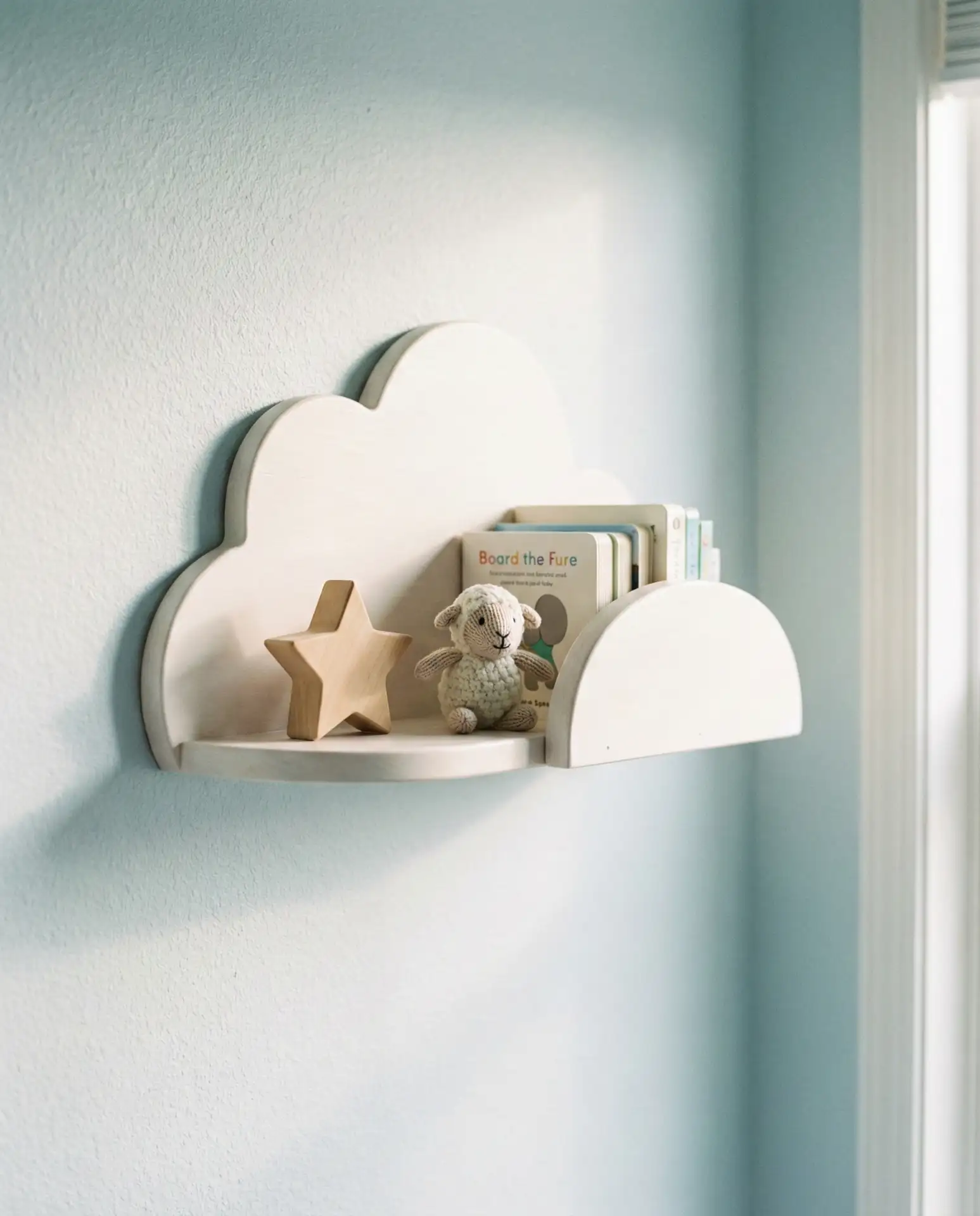
Expert advice: install cloud shelves at eye level so they can grow with your child—what starts as decorative storage for stuffed animals can later hold art supplies or treasured keepsakes. They’re also surprisingly affordable, with options available at major home retailers and online marketplaces. The key is not to overdo it—two or three cloud shelves arranged thoughtfully create more impact than a whole wall full of them, which can start to feel cluttered and overly themed.
20. Brass and Gold Hardware Accents
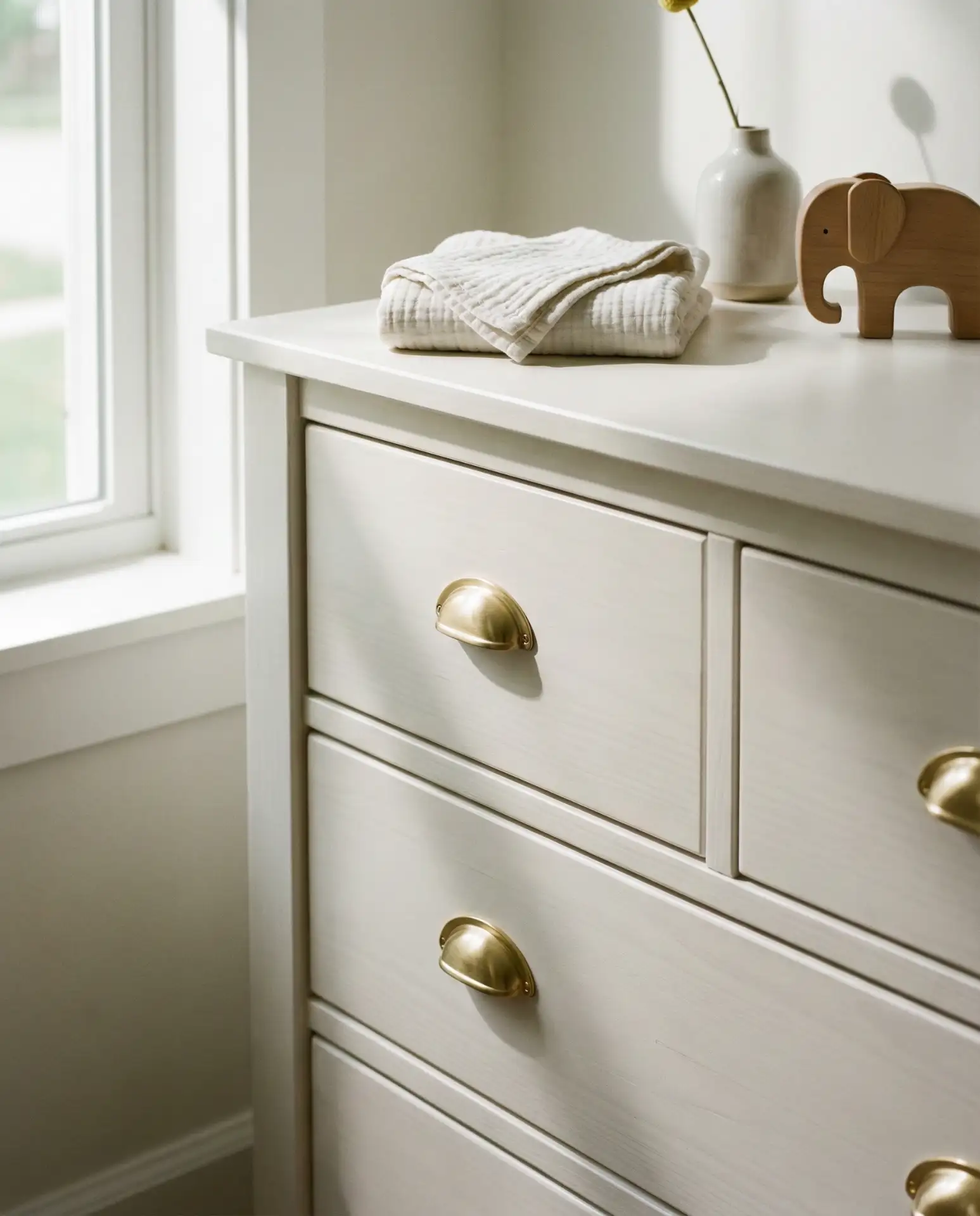
Swapping out standard hardware for brass or gold-toned knobs, drawer pulls, and hooks elevates the nursery with subtle luxury and warmth. This idea update is a small detail that makes a big difference, adding a touch of elegance without overwhelming the space. Brass tones pair beautifully with both warm and cool color palettes, making them a versatile choice no matter your overall design direction. 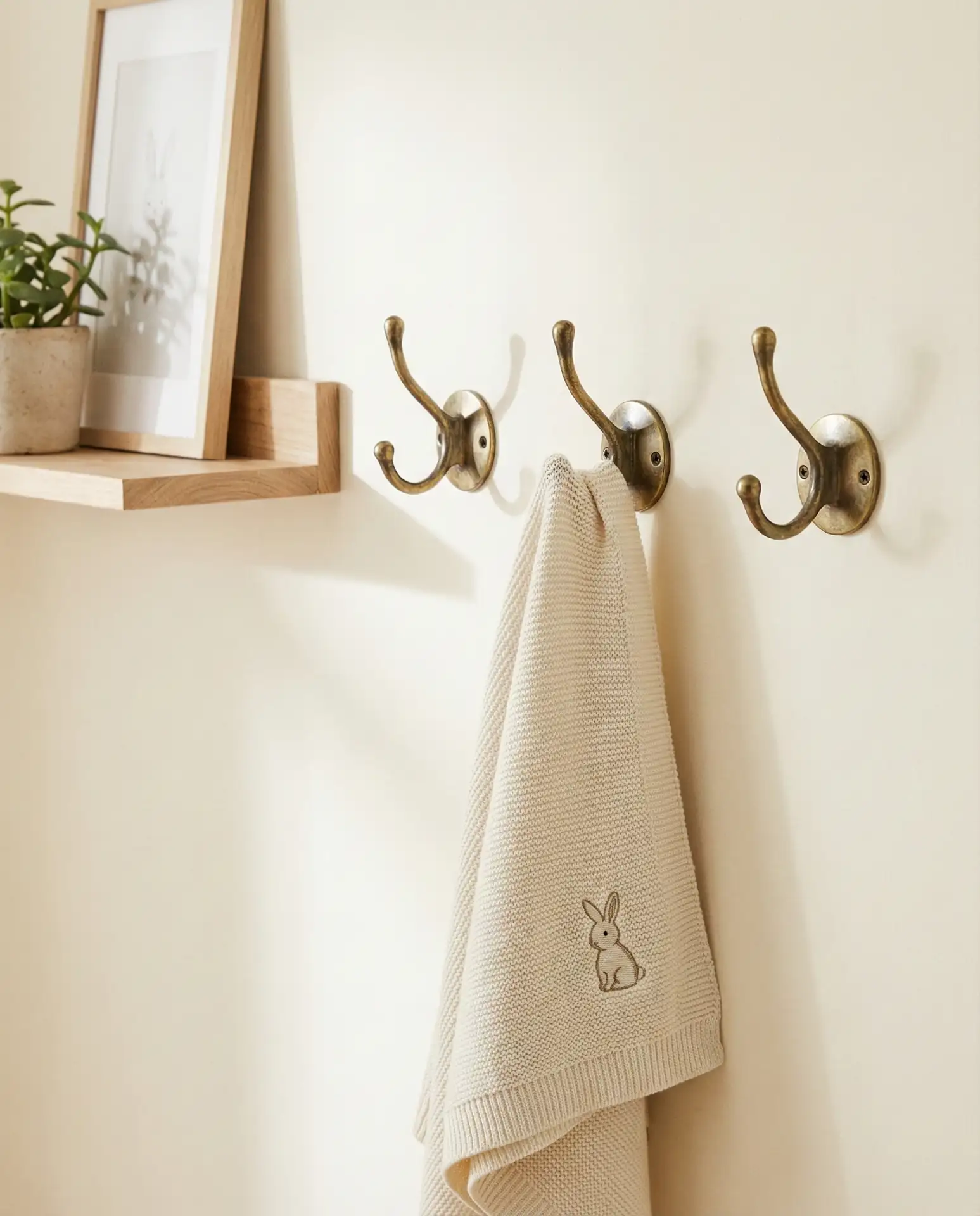
In the Northeast and Midwest, where traditional and transitional design styles are common, brass accents add a sense of timelessness and quality. The warmth of the metal softens modern furniture and prevents the room from feeling too stark or clinical. It’s also an easy DIY upgrade that can be done in an afternoon, and the hardware is widely available at hardware stores and online. This is one of those finishing touches that shows attention to detail and thoughtfulness in design.
21. Fairy Light Canopy for Soft Ambient Glow
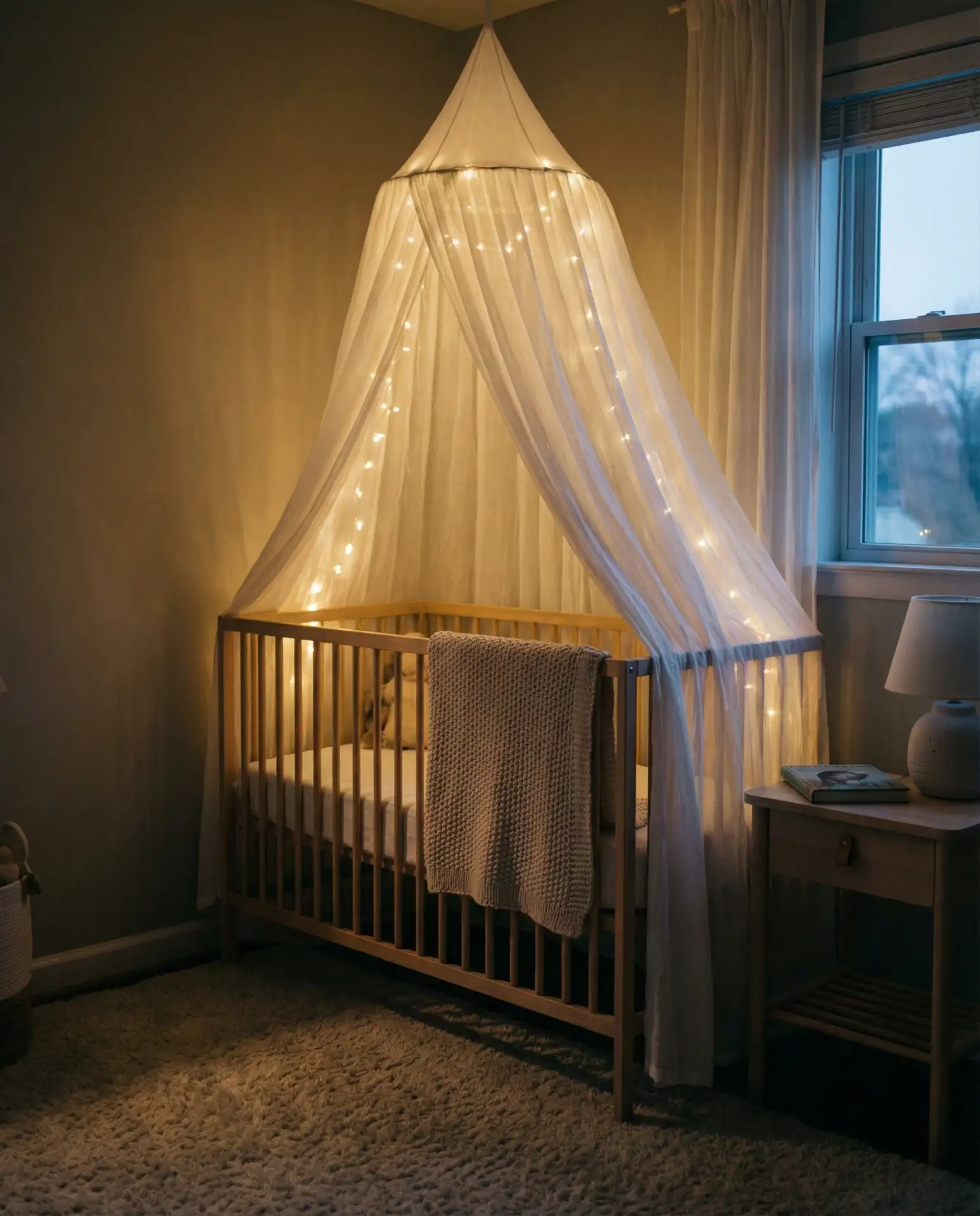
Weaving battery-operated fairy lights into a fabric canopy creates a magical, starlit effect in the girls’ nursery. This inspiration combines soft lighting with dreamy textiles, perfect for soothing bedtime routines or gentle nighttime feedings. The lights provide just enough illumination without being harsh or overstimulating, and they add an enchanting touch that feels special and intentional. 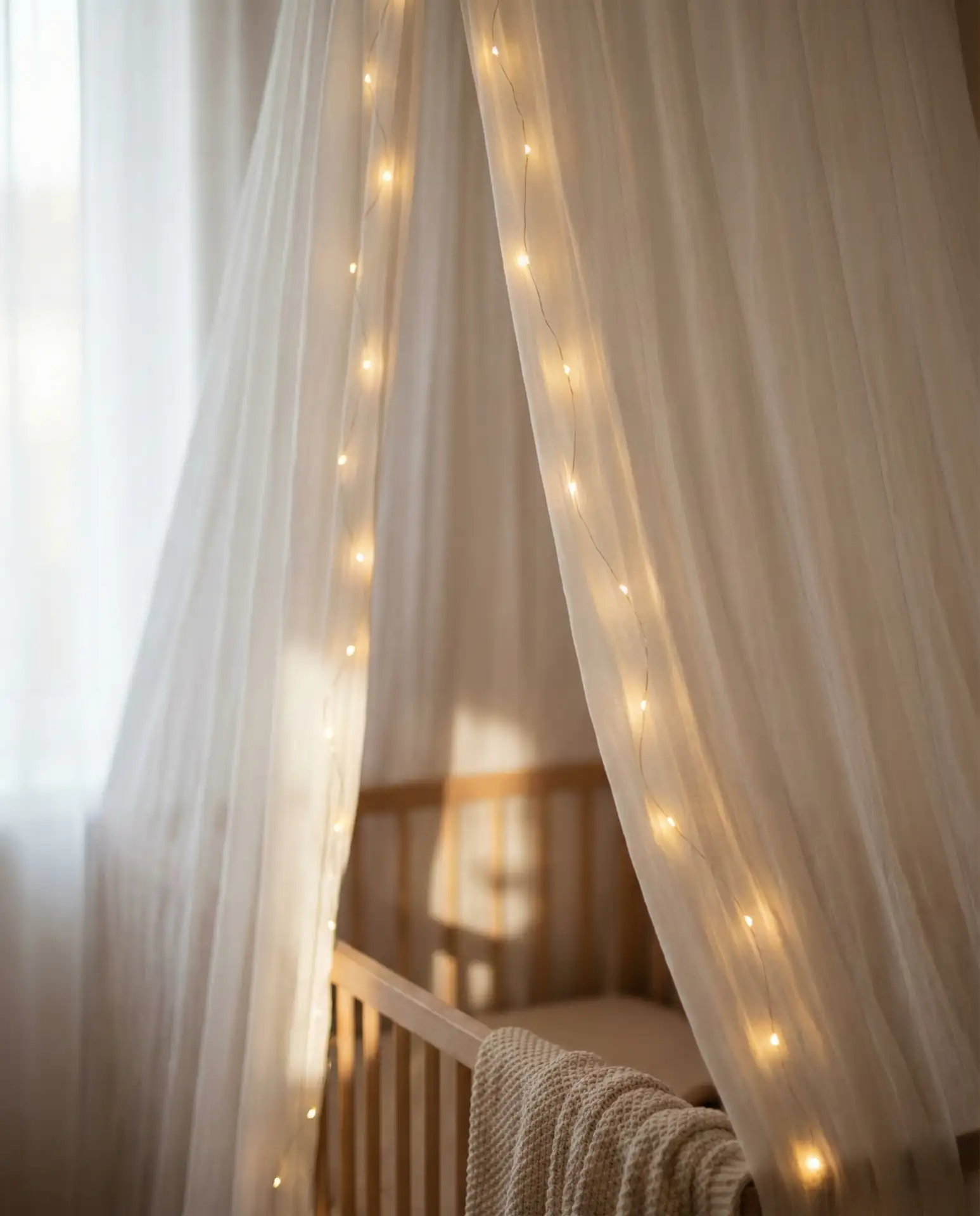
A practical note: always use battery-operated or plug-in LED fairy lights rather than traditional incandescent bulbs, which can overheat. Make sure the wiring is secure and out of reach, and consider lights with a timer function so they turn off automatically after bedtime. This is one of those nursery features that feels truly special—many parents say it becomes a beloved part of their nightly routine, creating a calm, peaceful transition from playtime to sleep.
22. Personalized Name Sign Above the Crib
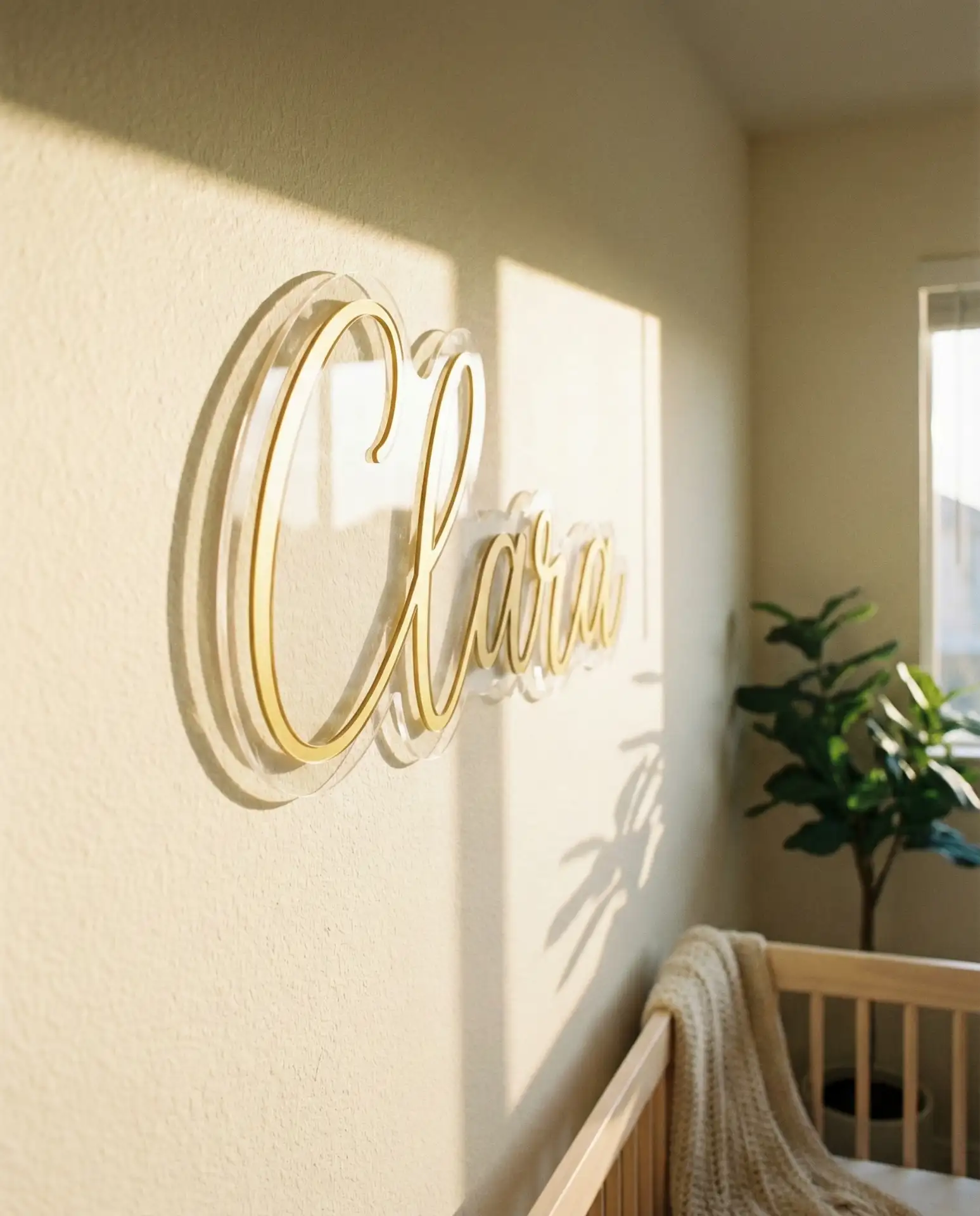
A custom name sign in wood, acrylic, or fabric letters makes the nursery room feel uniquely yours and celebrates your little one’s identity. This wall decor choice is deeply personal and becomes a keepsake that can follow your child as they grow. The sign can be modern and minimalist or playful and decorative, depending on your style, and it’s a focal point that anchors the entire space. 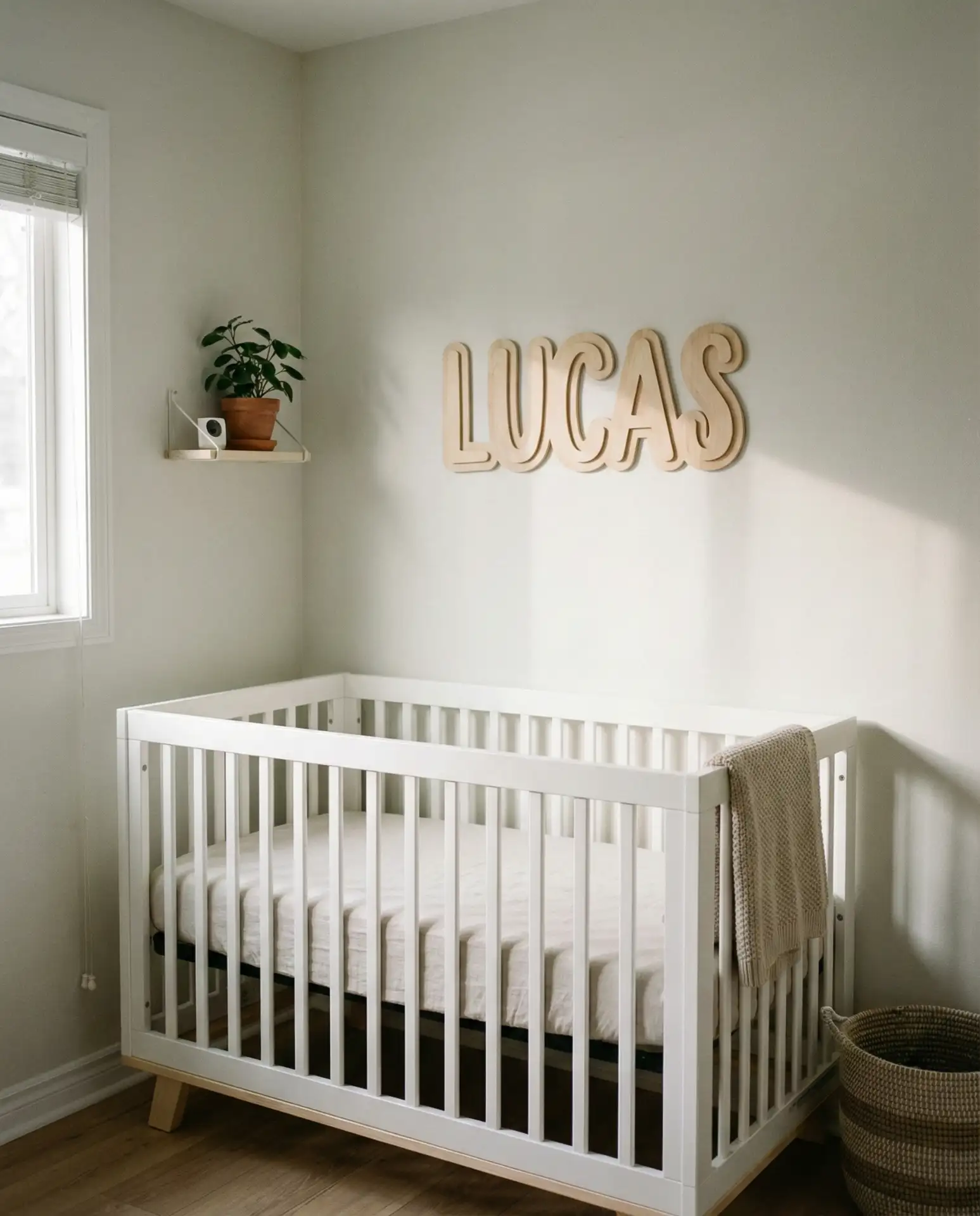
Real homeowners often say that the name sign is one of the first things visitors comment on—it’s a simple but powerful way to make the nursery feel complete and intentional. You can find custom options on Etsy, at local craft fairs, or even make your own using wooden letters from a craft store. The sign adds personality and warmth without cluttering the walls, and it’s a design element that never goes out of style, no matter how trends shift.

Conclusion
Designing your daughter’s nursery is a chance to create a space that’s both beautiful and deeply personal, reflecting your family’s style while nurturing her earliest days. Whether you’re drawn to soft neutrals, playful accents, or handcrafted details, the ideas here offer a starting point for building a room that feels calm, welcoming, and uniquely yours. We’d love to hear which ideas resonate with you—drop a comment below and share your own nursery inspirations or questions as you bring your vision to life.