Garden fences have evolved far beyond simple boundary markers—they’re now statement pieces that define your outdoor sanctuary. Whether you’re browsing Pinterest for inspiration to transform your backyard or planning a complete garden overhaul, the right fence can elevate curb appeal, enhance privacy, and reflect your personal style. From rustic charm to sleek modern lines, 2026 brings fresh takes on classic designs alongside bold new trends. This guide showcases creative fence ideas tailored for American homeowners seeking both function and beauty, complete with practical tips to help you choose the perfect option for your space.
1. Classic White Picket Charm
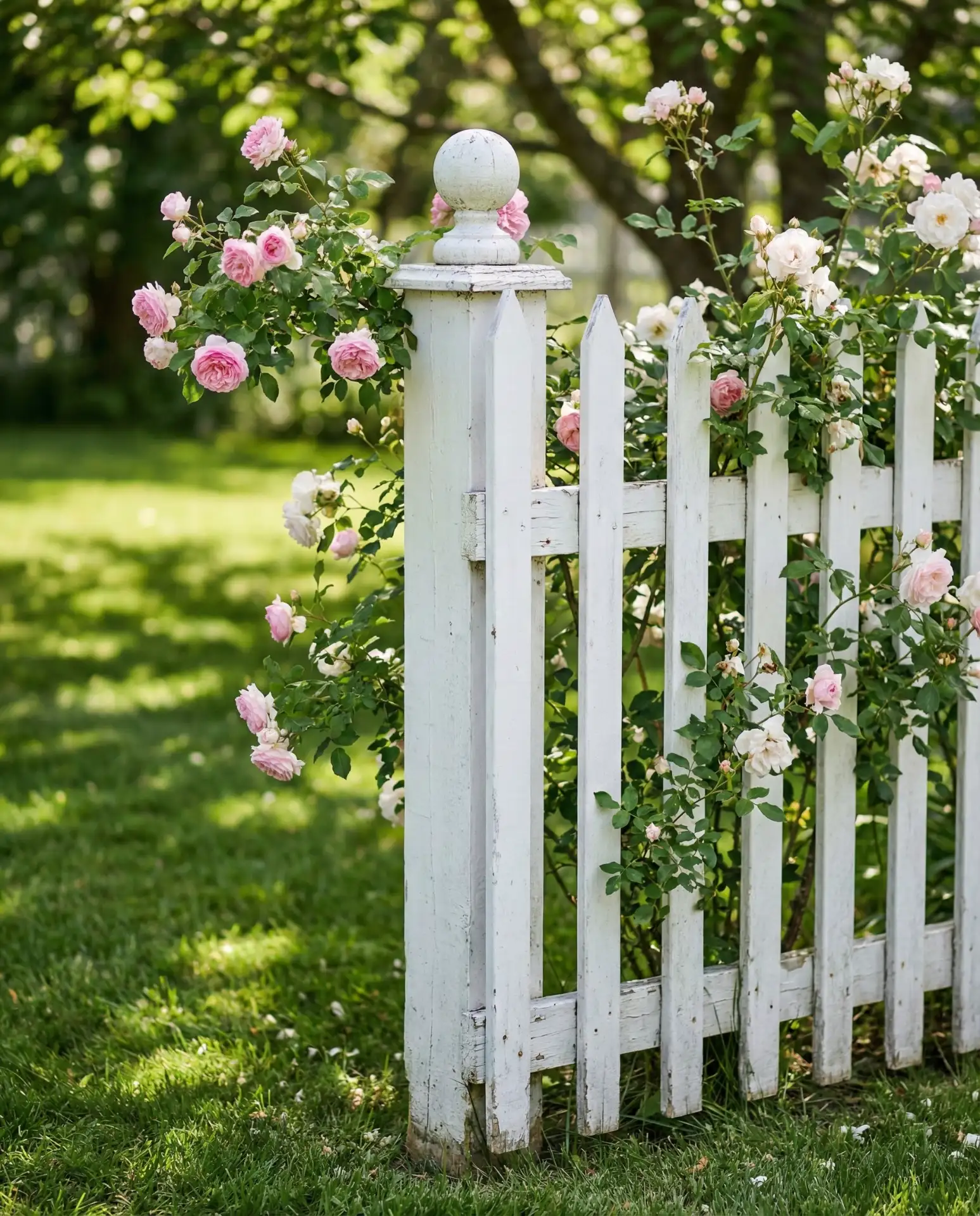
The timeless white picket fence remains a quintessential American symbol, ideal for cottage-style homes and front yards that celebrate traditional aesthetics. This design works beautifully in suburban neighborhoods where a welcoming, open feel is desired without sacrificing boundary definition. The low-profile structure typically stands three to four feet tall, allowing passersby to admire your garden while maintaining a sense of enclosure. Paint finishes have improved dramatically, with modern formulations resisting yellowing and weathering far better than older versions. 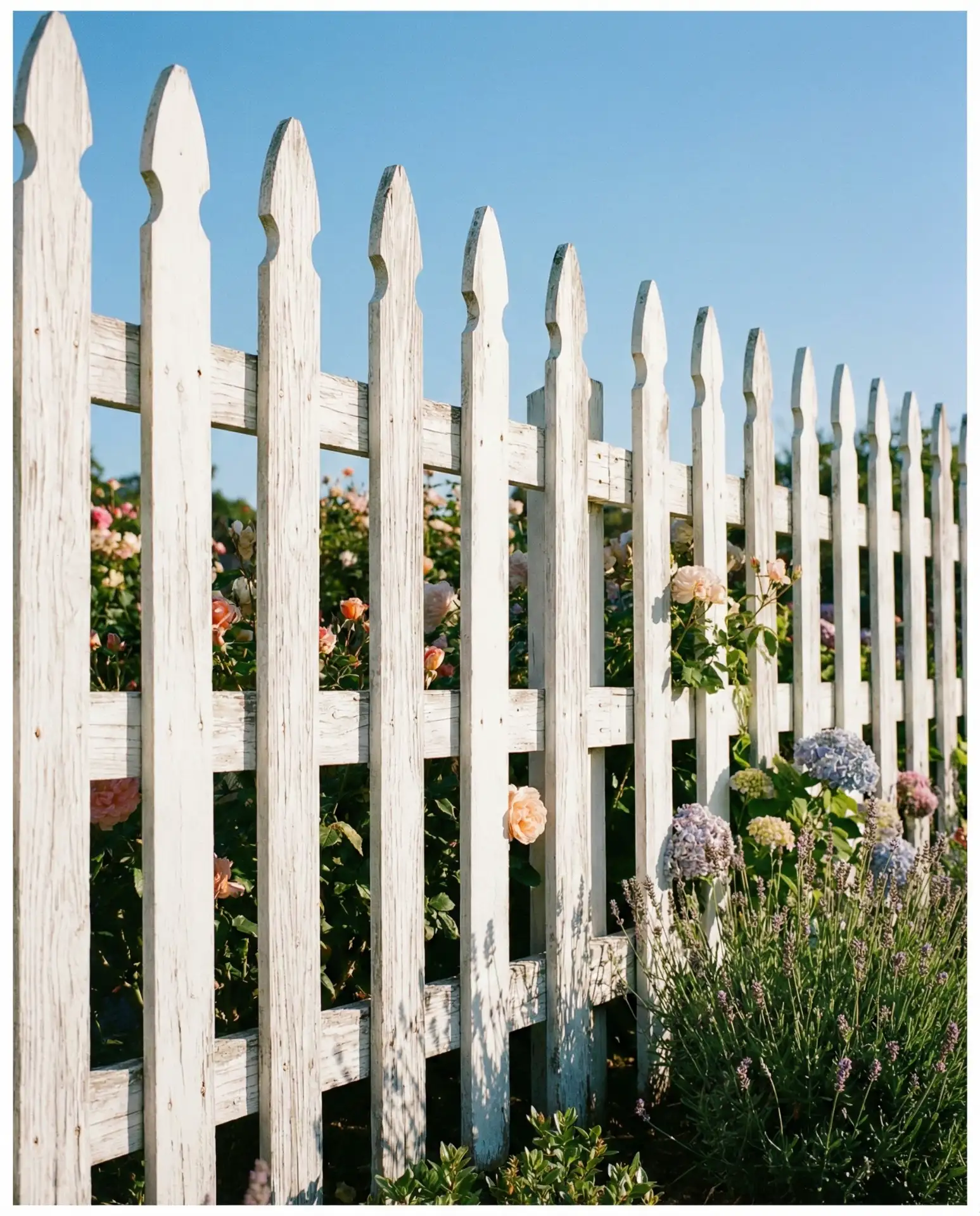
Where it works best: neighborhoods with homeowner associations that favor traditional aesthetics, coastal towns, and properties with established perennial gardens. The fence complements colonial, Cape Cod, and farmhouse architecture exceptionally well. Maintenance involves annual cleaning and repainting every three to five years, though vinyl alternatives offer a low-maintenance option that mimics the look. Consider spacing pickets closer together if you have small dogs or want to discourage wildlife from entering your garden beds.
2. Horizontal Modern Slat Design
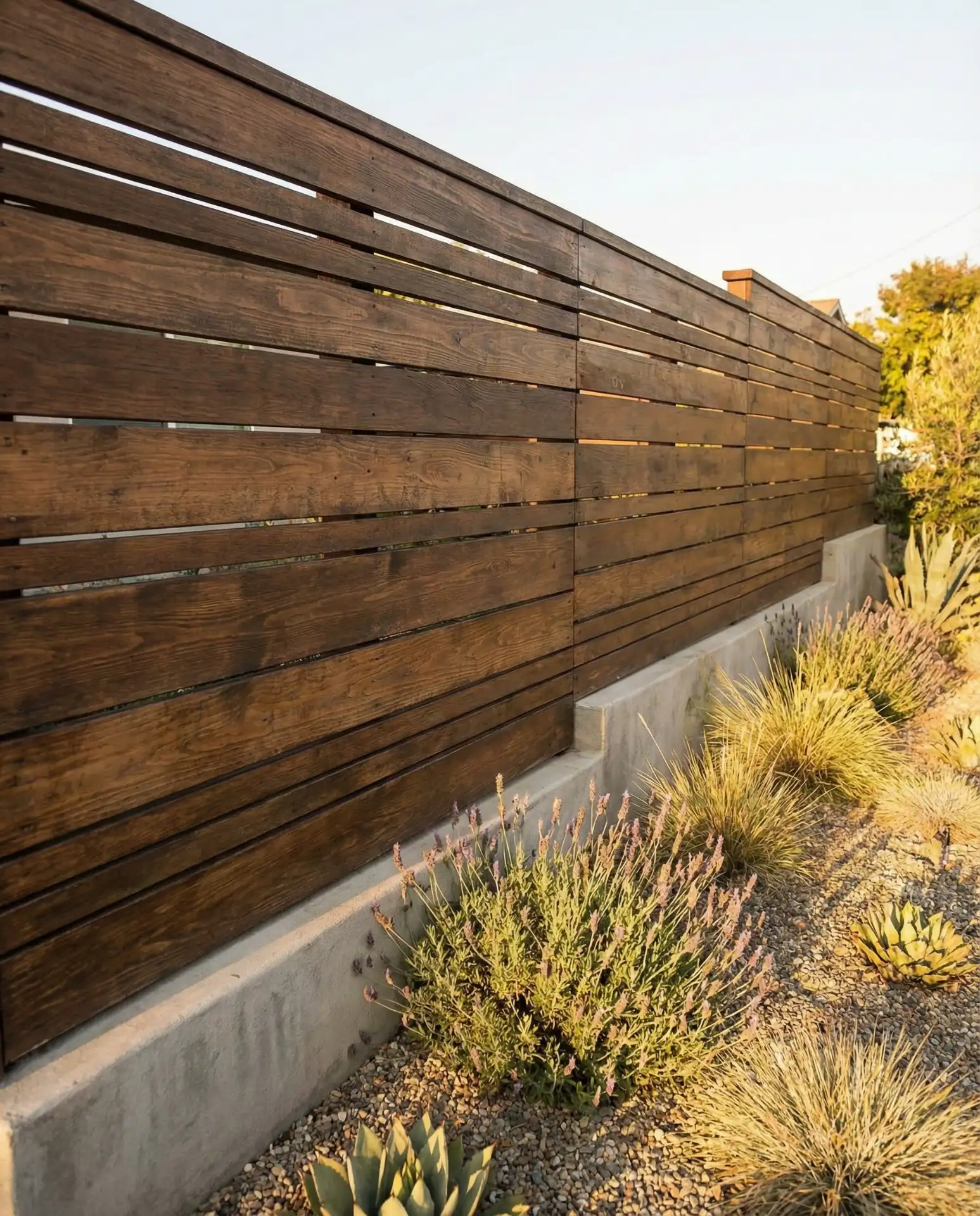
Clean horizontal lines define this modern fence style, which has become increasingly popular in urban and suburban settings across the country. The wooden slats run parallel to the ground, creating a contemporary silhouette that pairs beautifully with mid-century and minimalist architecture. This design typically reaches six feet in height, offering substantial privacy while maintaining visual interest through deliberate spacing between boards. The horizontal orientation can make narrow yards appear wider, a clever optical trick that landscape designers frequently employ. 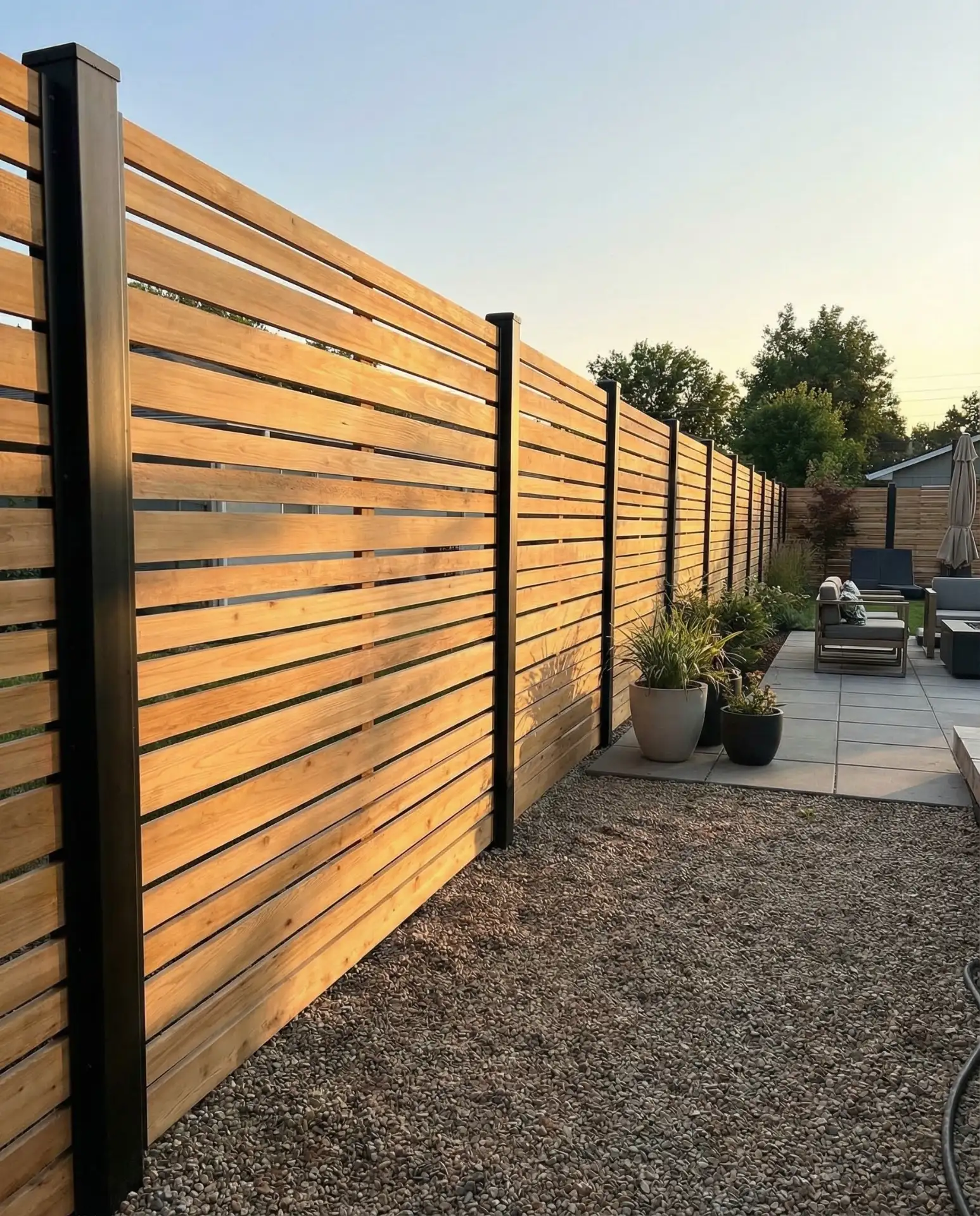
Budget consideration: expect to invest $35-$55 per linear foot for quality cedar or redwood construction, with composite materials running slightly higher but offering extended longevity. Aluminum options provide a maintenance-free alternative at the upper end of the price spectrum. The horizontal design requires sturdy framing since boards span greater distances between posts, so skimping on structural elements leads to sagging and premature failure. Professional installation ensures proper support and uniform board spacing for that crisp, architectural appearance.
3. Reclaimed Pallet Privacy Wall
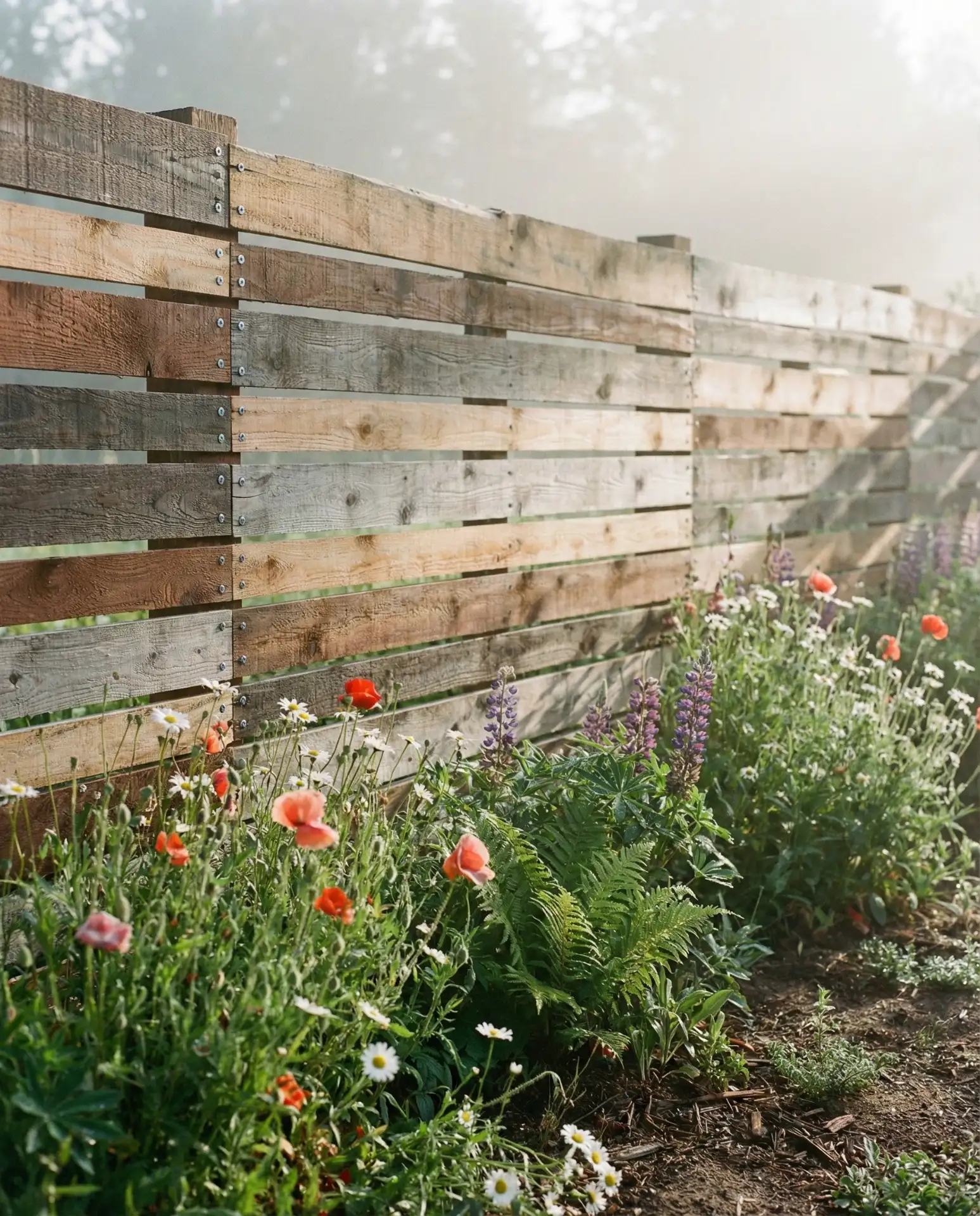
Upcycled pallet wood brings character and sustainability to garden fencing, appealing to eco-conscious homeowners who appreciate rustic textures and DIY-friendly projects. This easy approach to fencing involves sourcing heat-treated pallets (marked with HT stamps), disassembling them, and reassembling the boards into custom panels. The weathered wood grain and varied tones create an organic, lived-in aesthetic that complements urban gardens, community plots, and casual outdoor living spaces. Each pallet typically yields enough material for a three-foot section of fence. 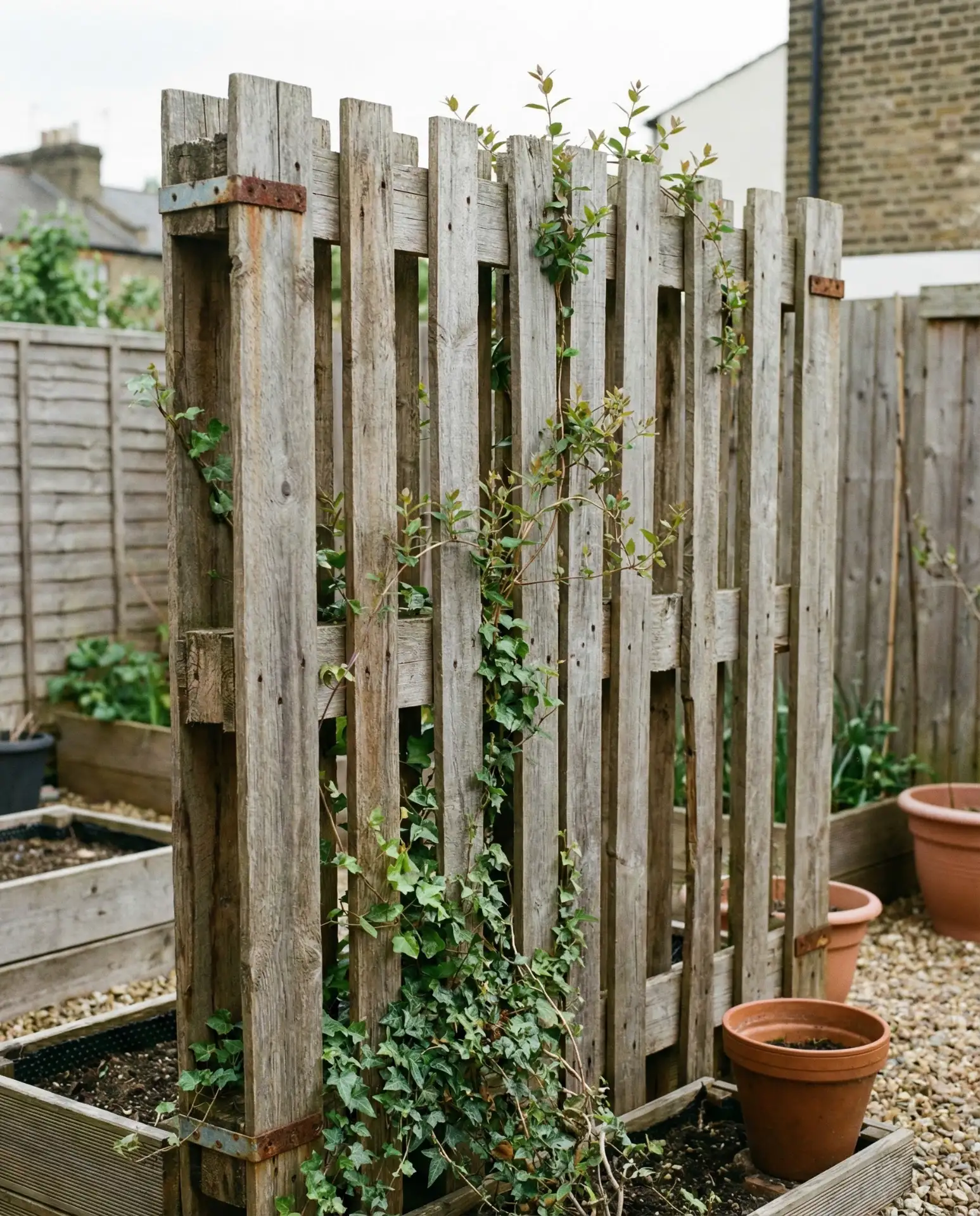
A micro anecdote from the trend: One Portland homeowner transformed 40 free pallets into a charming garden enclosure over two weekends, spending only on hardware and sealant. The project saved roughly $1,200 compared to purchasing new cedar fencing. Seal or stain pallet wood to protect against moisture and insect damage, and always verify that pallets weren’t used for chemical transport before repurposing them near edible gardens.
4. Bamboo Tropical Privacy Screen
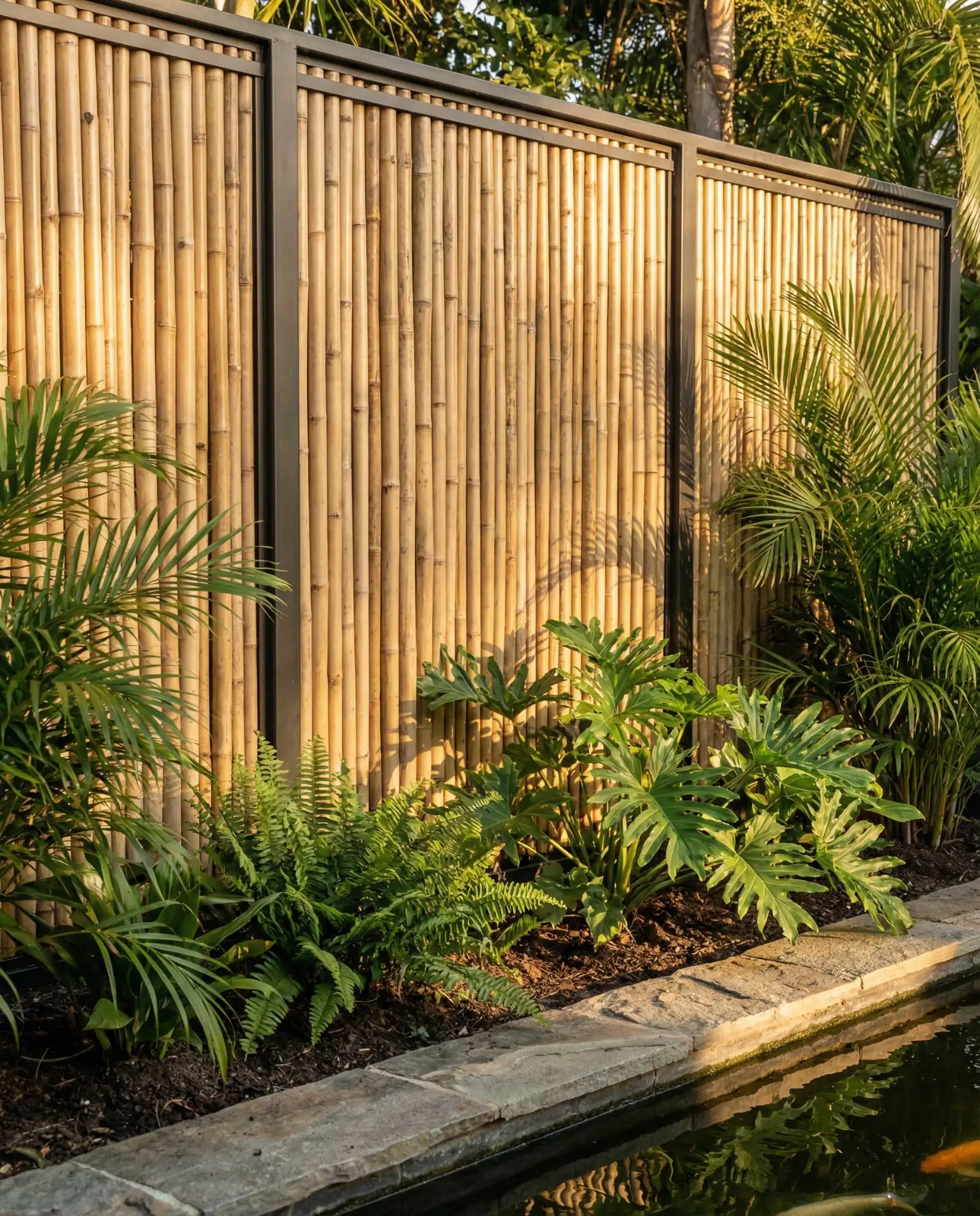
Natural bamboo fencing introduces an exotic, resort-inspired atmosphere to backyards, particularly popular in warmer climates like Florida, Southern California, and Hawaii. The material grows rapidly and sustainably, making it an environmentally responsible choice that still delivers six to eight feet of screening. Bamboo panels come in rolled formats or pre-assembled sections, with poles lashed together using wire or natural fiber binding. The golden-brown tones and vertical texture create a serene backdrop for tropical plantings, water features, and outdoor meditation spaces. 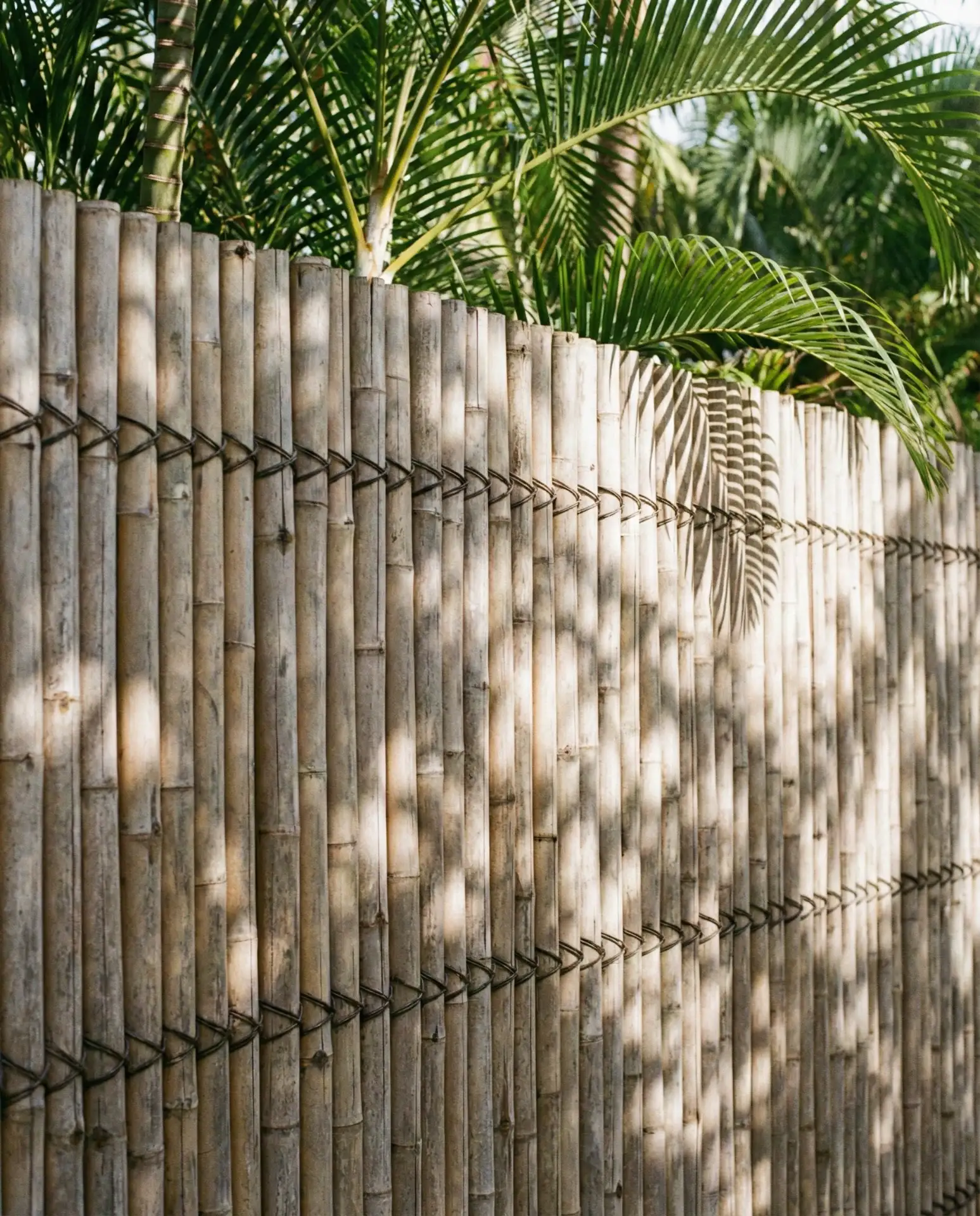
Where it works best: coastal properties, poolside enclosures, Japanese-inspired gardens, and properties with existing tropical landscaping. Bamboo performs admirably in humid environments but requires protective treatment in freeze-prone regions. The material naturally resists pests but will gray over time unless treated with UV protectant oils. Installation costs run $15-$30 per linear foot for quality panels, making bamboo a mid-range option that punches above its price point in visual impact and environmental credentials.
5. Painted Colorful Statement Fence
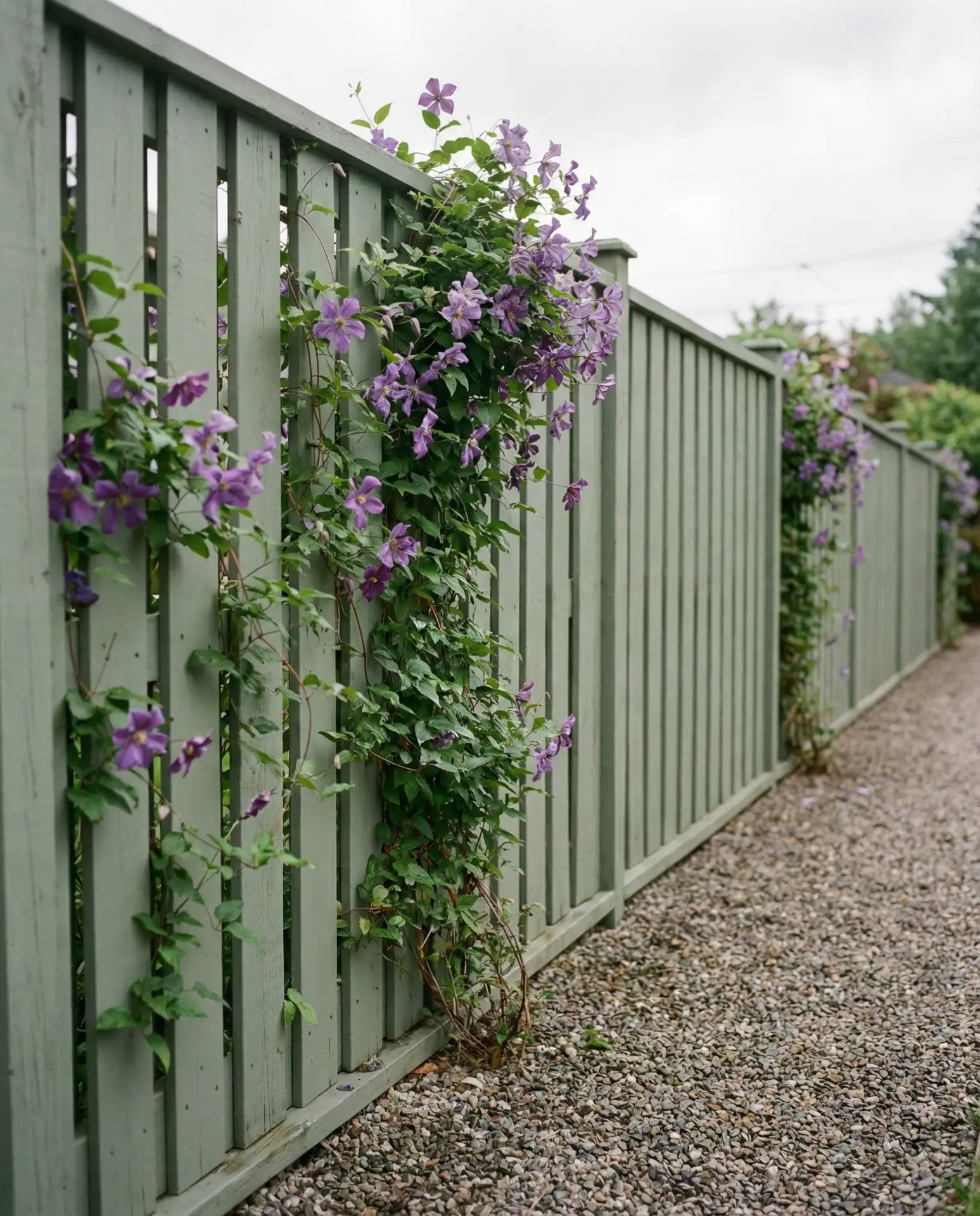
Bold painted fences in unexpected colours have surged in popularity on Pinterest, transforming ordinary boundaries into artistic focal points. Navy, sage green, terracotta, and even coral have replaced standard wood tones, allowing homeowners to express personality and coordinate with exterior trim or landscaping palettes. This trend works particularly well on solid board fences where the expansive surface becomes a canvas. The right color choice can make small gardens feel larger, tie together disparate architectural elements, or provide striking contrast against flowering plants. 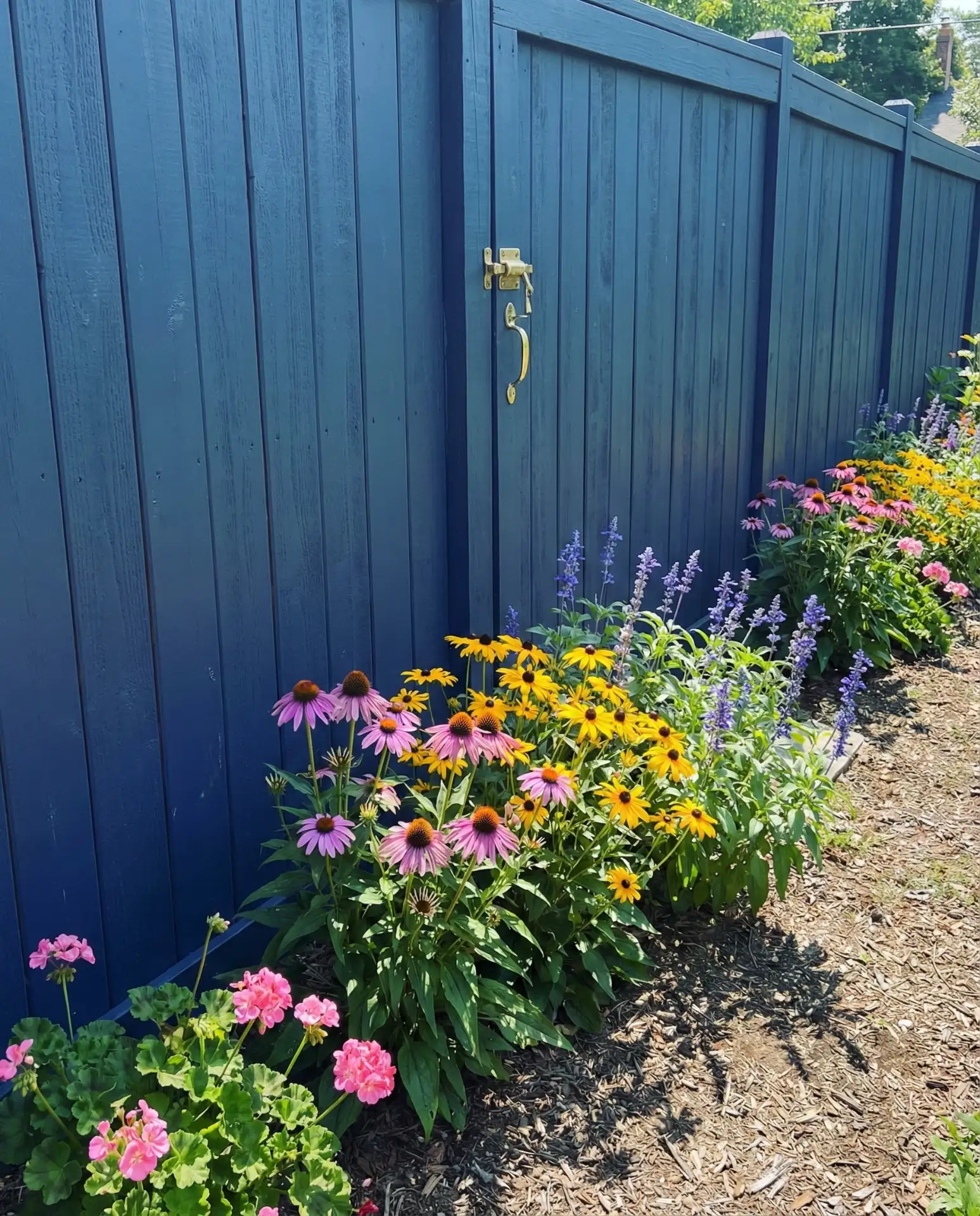
Expert-style commentary: Landscape architects recommend testing paint samples on actual fence boards rather than relying on paint chips, since outdoor lighting dramatically affects color perception. Consider your home’s fixed elements—roof, brick, stone—before committing to a fence hue. Darker colors absorb heat and may fade faster in intense sun, while lighter shades reflect light and can brighten shadowy garden corners. Use exterior-grade paint with built-in primer for best adhesion and longevity, and plan for repainting every four to six years depending on your climate.
6. Classic Black Vertical Board Fence
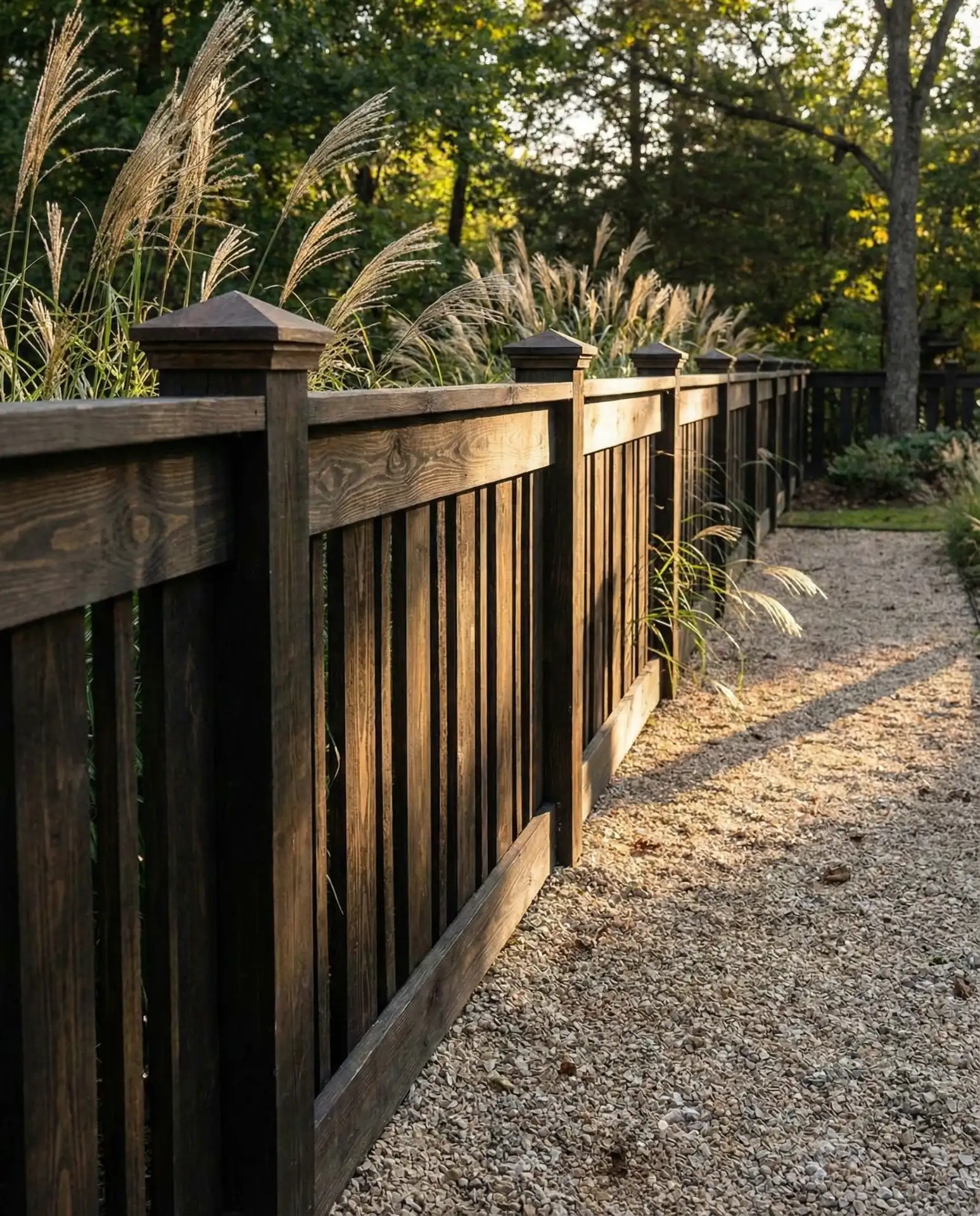
Sleek black fencing creates dramatic contrast in the garden, serving as an elegant backdrop that makes green foliage and colorful blooms pop with renewed vibrancy. This sophisticated choice has migrated from commercial landscapes into residential settings, particularly in modern and transitional homes. The vertical board arrangement provides traditional privacy while the unexpected color adds contemporary edge. Black works beautifully in both sunny and shaded gardens, though it absorbs considerable heat in direct sun, making it less ideal adjacent to heat-sensitive plants. 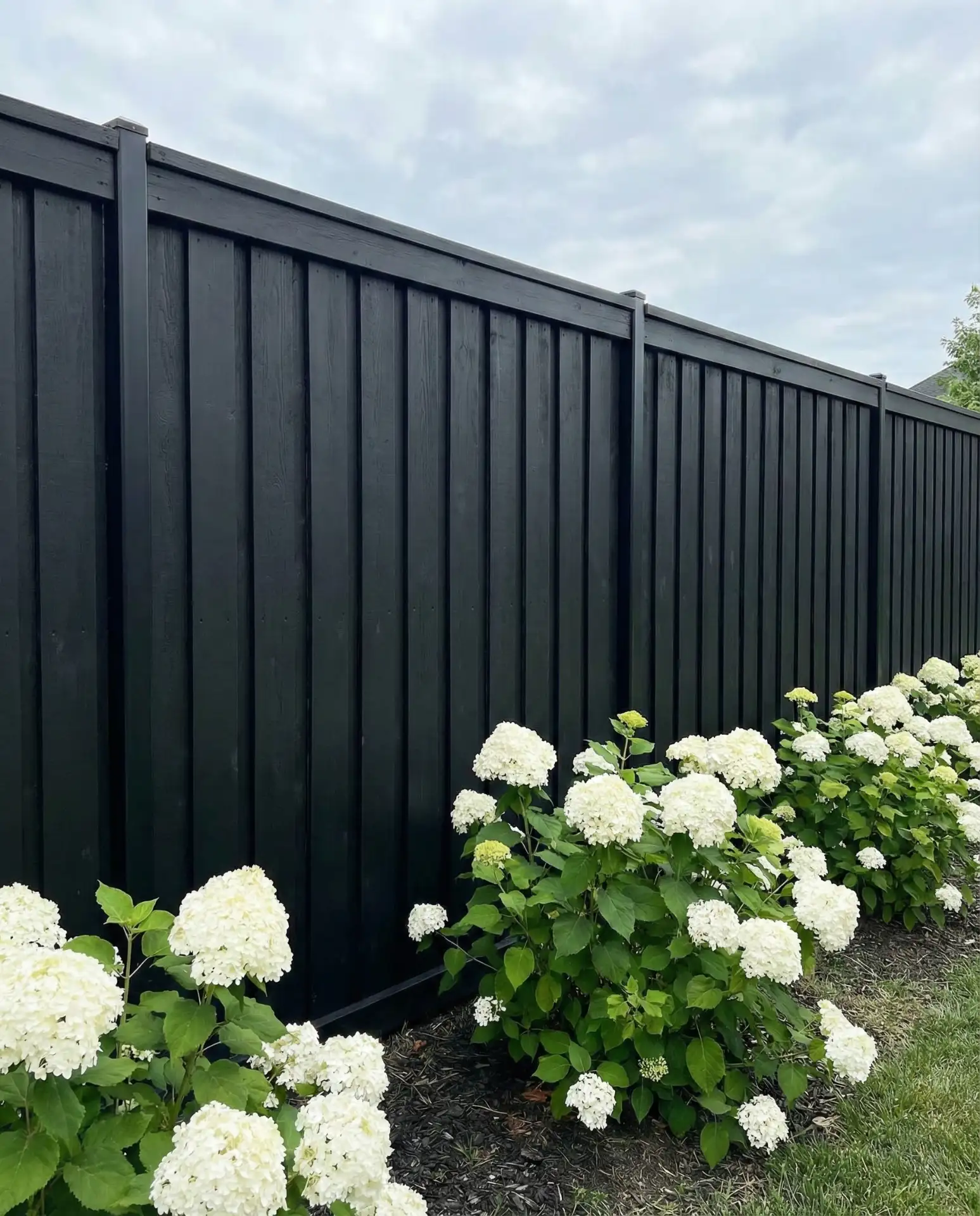
Real homeowner behavior: Many discover that black fences require more frequent cleaning than natural wood tones, as dust, pollen, and water spots show more prominently. A semiannual pressure washing keeps surfaces looking crisp. The dark color also masks imperfections and aging better than lighter paints, extending the time between repainting cycles. Consider semi-gloss or satin finishes rather than flat paint, as they shed dirt more easily and hold up better to weather exposure.
7. Short Garden Border Fence
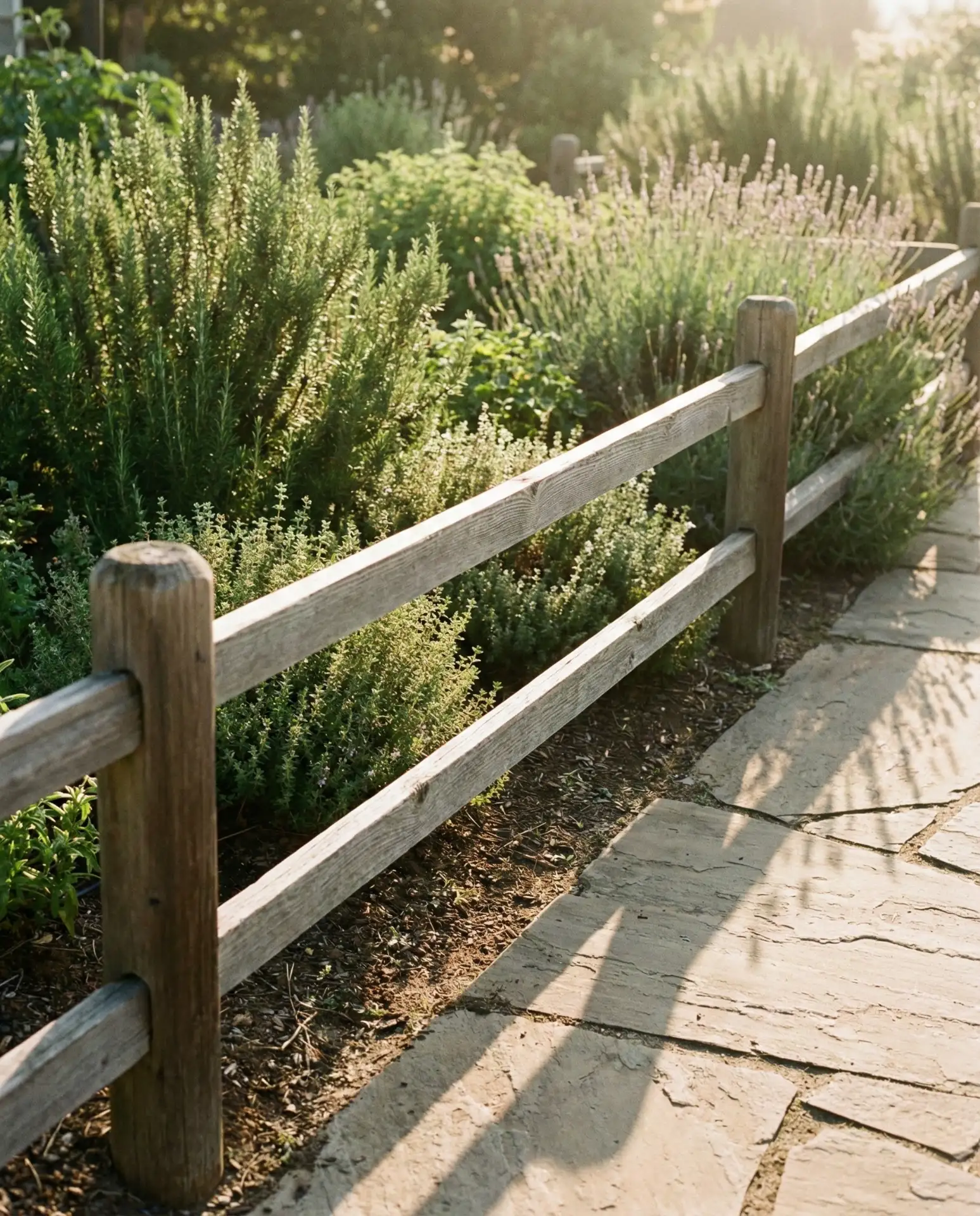
Knee-high short fencing defines garden beds and pathways without blocking sightlines, making it ideal for front yards and vegetable gardens where visual openness matters. These decorative borders typically stand 18 to 36 inches tall, providing just enough deterrent to keep foot traffic and pets from trampling delicate plants. Options range from ornamental metal hoops to simple post-and-rail designs in wooden construction. The low profile maintains neighborly connections while still marking territory and adding architectural structure to landscape beds. 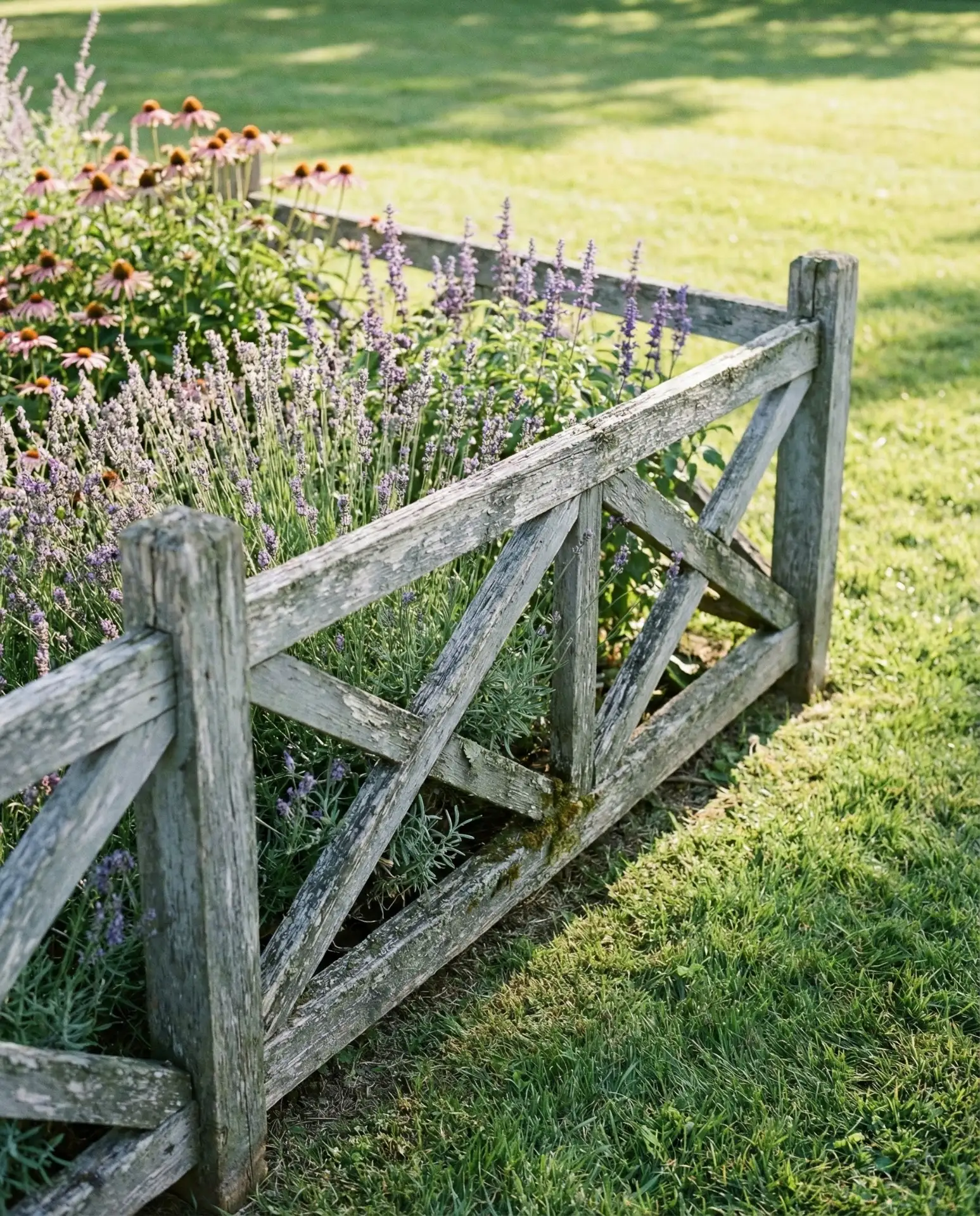
Practical insight: Short fences excel at protecting vegetable gardens from rabbits when paired with buried hardware cloth along the bottom. The visible portion establishes boundaries while the underground barrier prevents burrowing. This dual-layer approach costs less than tall privacy fencing and maintains an open, accessible garden atmosphere. Installation goes quickly since shallow post holes suffice for low-profile designs, making this an achievable weekend project for most DIYers with basic carpentry skills.
8. Deer-Proof Tall Wire Enclosure
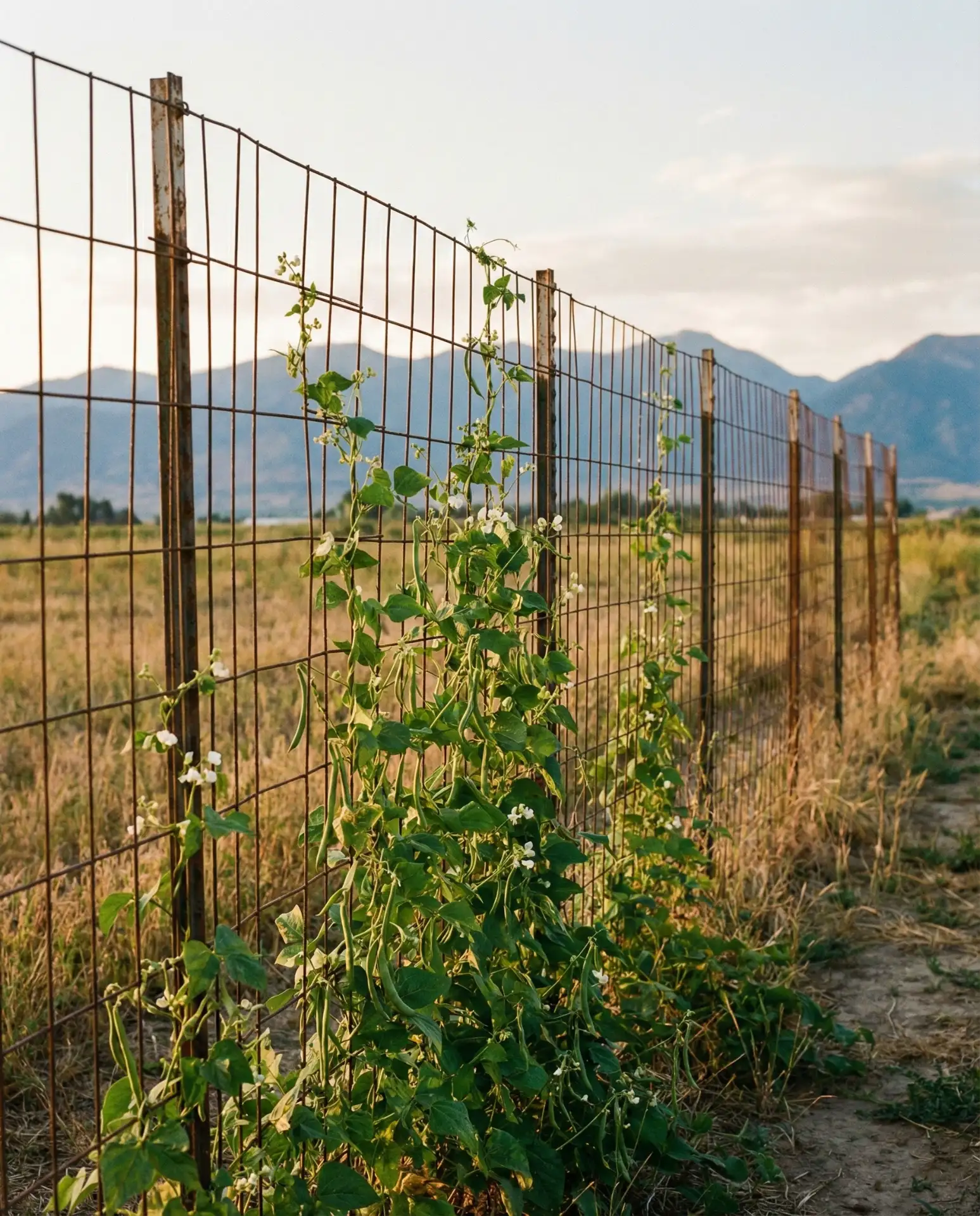
Rural and suburban homeowners battling wildlife need tall fencing that reaches eight feet or higher to effectively deter deer proof intrusions into gardens and landscaping. Heavy-gauge wire mesh supported by sturdy posts creates functional barriers that protect valuable plantings without completely blocking views. The industrial aesthetic works surprisingly well when softened with climbing vines or strategically placed ornamental elements. Black-coated wire disappears visually better than galvanized options, creating a less obtrusive presence while still delivering serious protection. 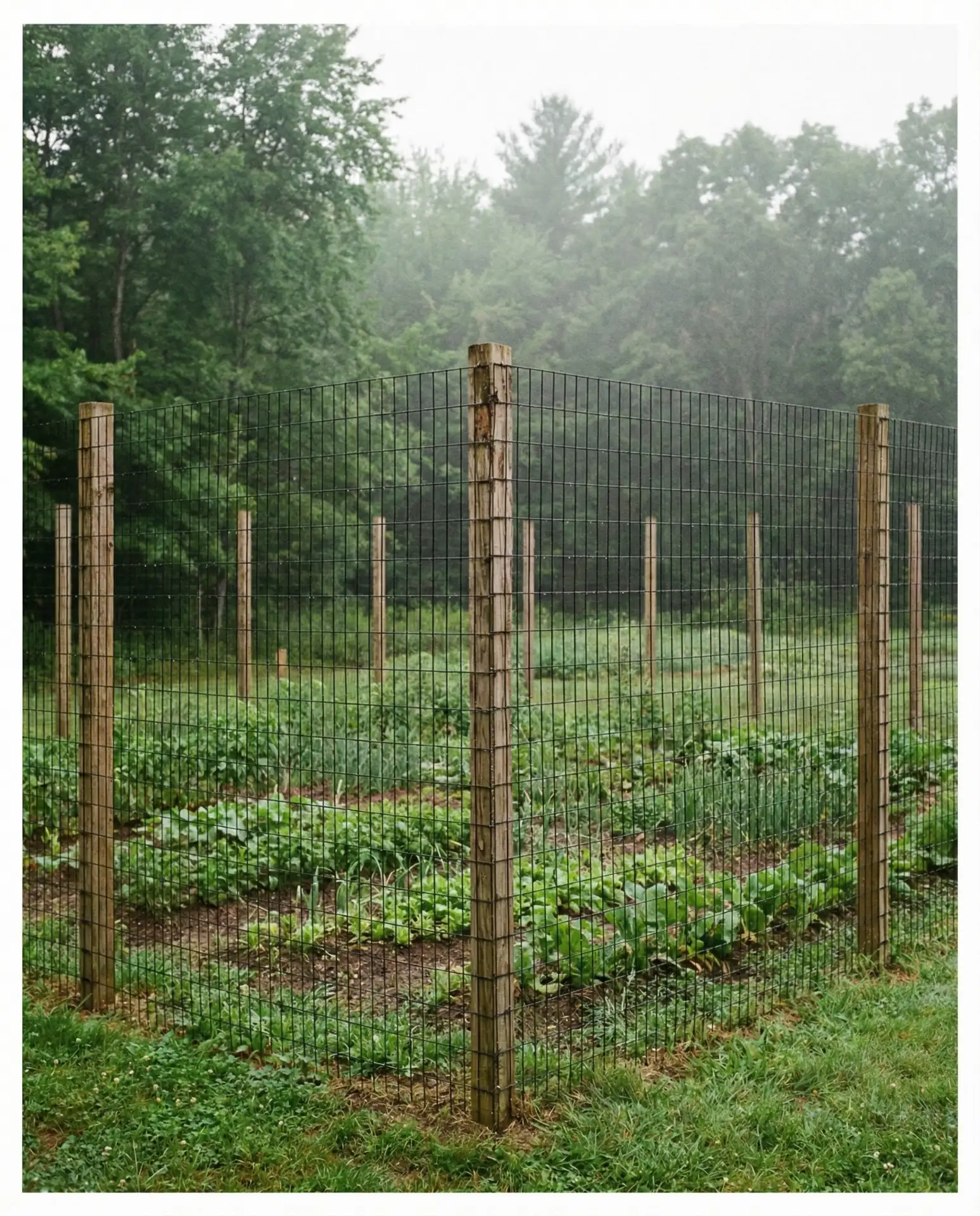
Where it works best: properties adjacent to wooded areas, mountain communities, and anywhere with documented deer populations. The fence must reach at least seven feet to discourage jumping, with eight feet providing more reliable protection. Angled top extensions add extra deterrence. Burying mesh six inches deep prevents tunneling by groundhogs and rabbits. While not the most aesthetically refined option, this fence type saves homeowners thousands in replaced plantings and provides peace of mind for serious gardeners in wildlife corridors.
9. Grey Contemporary Board-and-Batten
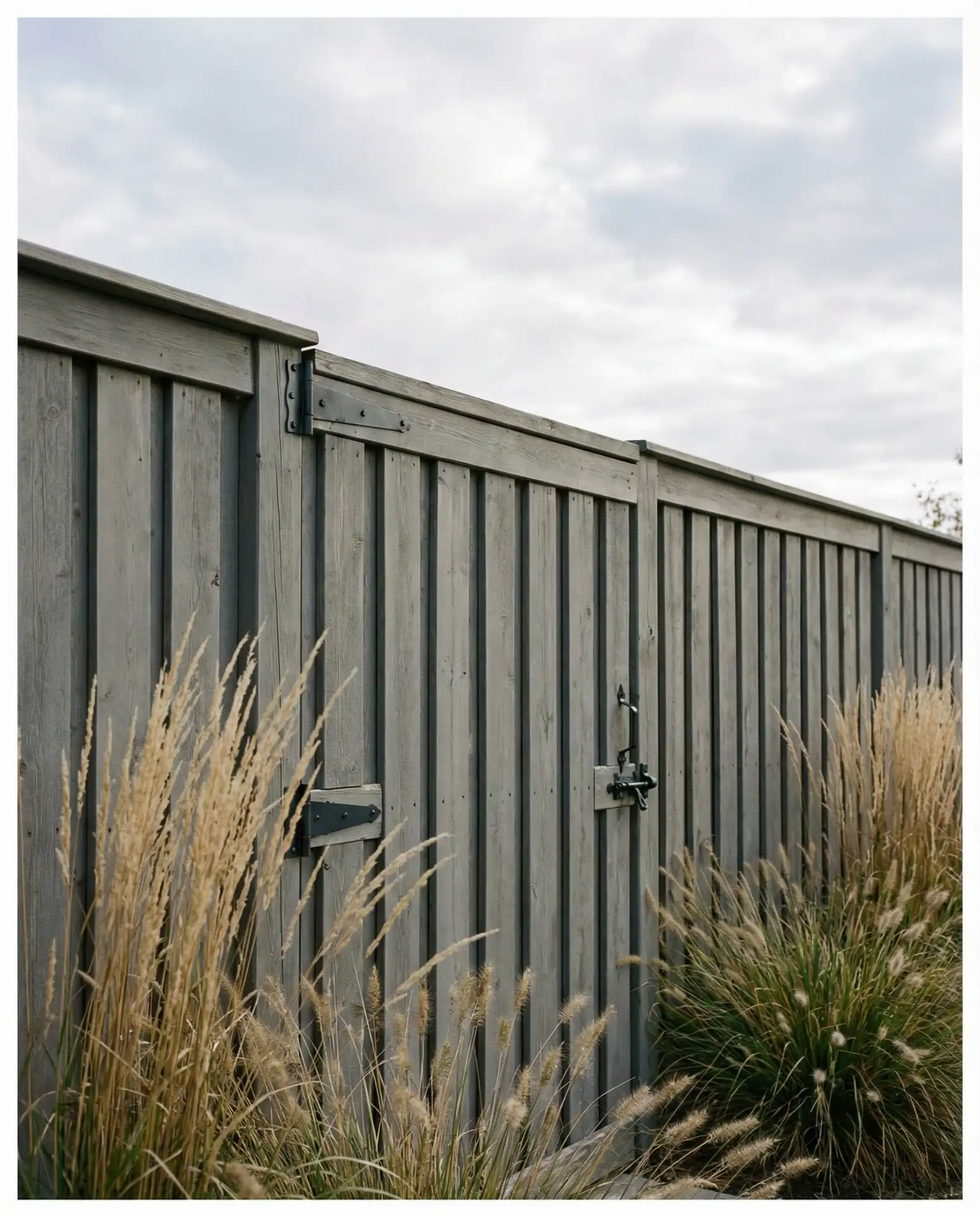
Sophisticated grey tones have overtaken brown stains in modern fence design, offering a neutral palette that complements virtually any architectural style. The board-and-batten pattern alternates wide boards with narrow battens covering the seams, creating depth and visual texture. This wooden construction technique dates back centuries but feels fresh in contemporary gray finishes. The color works beautifully with natural stone, concrete patios, and metal outdoor furniture, bridging traditional and modern design sensibilities with ease. 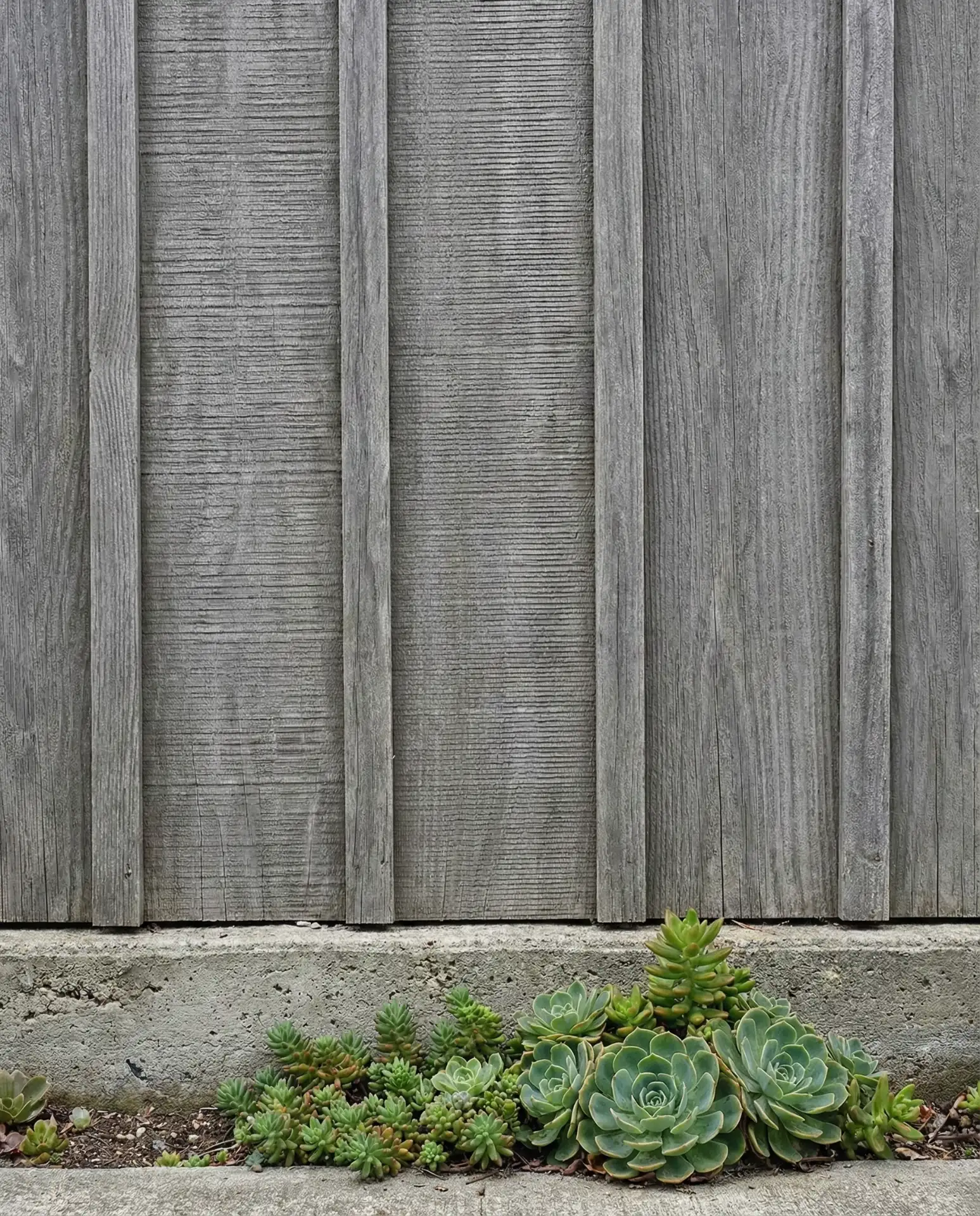
Common mistake: choosing deck stain instead of solid-color fence stain leads to uneven coverage and premature fading on vertical surfaces. Fence-specific products contain more pigment and better UV blockers. Apply stain to all sides of boards before installation when possible, ensuring complete protection including end grain. Grey requires reapplication every three to four years in full sun, though quality products can extend this timeline. Test stain on scrap wood first, as colors can vary significantly between brands despite similar names.
10. Chicken Wire Vegetable Garden Frame
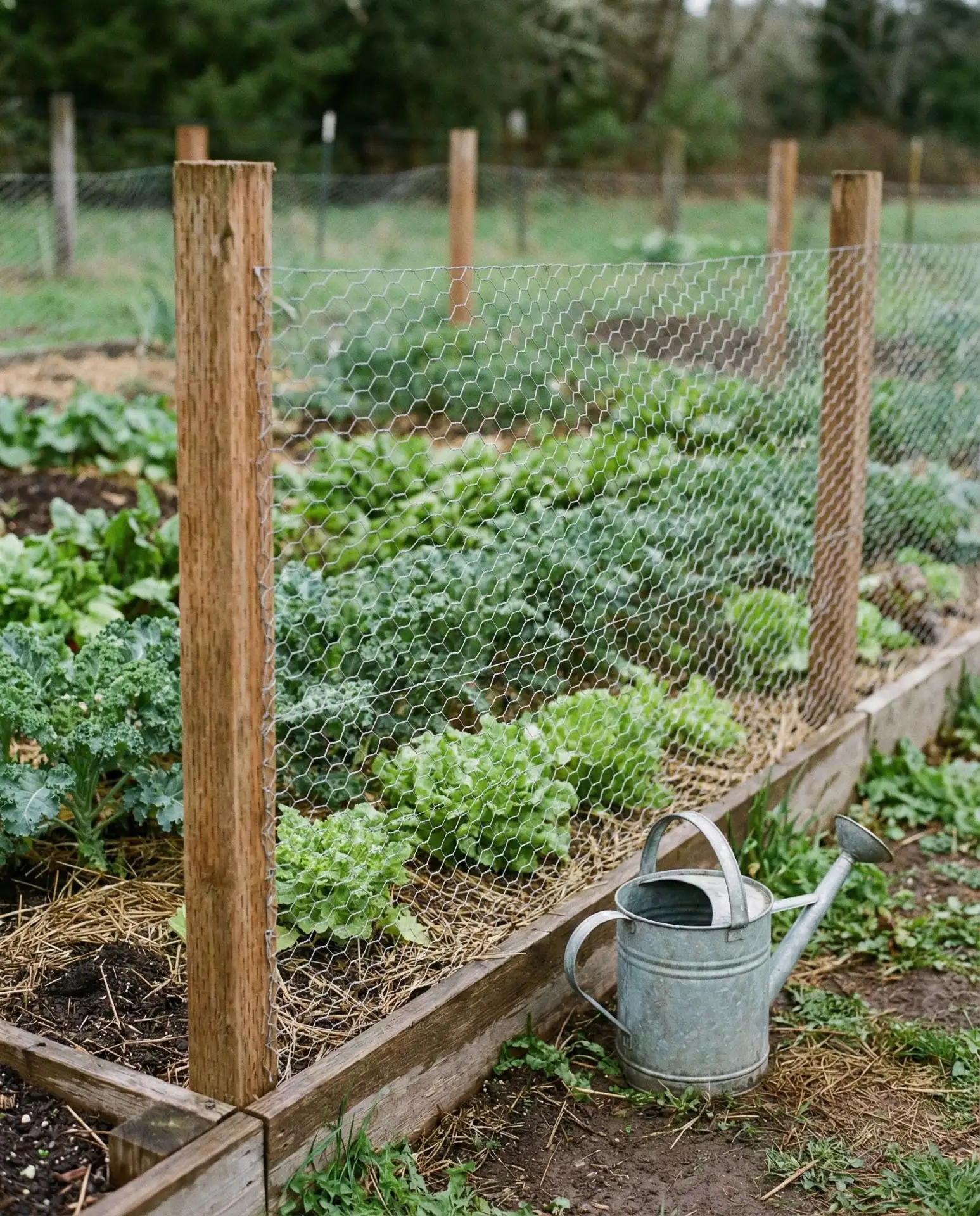
Lightweight chicken wire fencing provides economical protection for vegetable gardens, keeping out rabbits, chickens (ironically), and other small pests that decimate crops. The galvanized mesh attaches to simple wooden or metal posts, creating flexible barriers that adapt to irregularly shaped beds. This utilitarian option costs just $0.50-$2.00 per linear foot and installs quickly, making it ideal for renters, community gardens, and anyone wanting temporary or budget-conscious protection. The mesh virtually disappears visually once climbing plants fill in during the growing season. 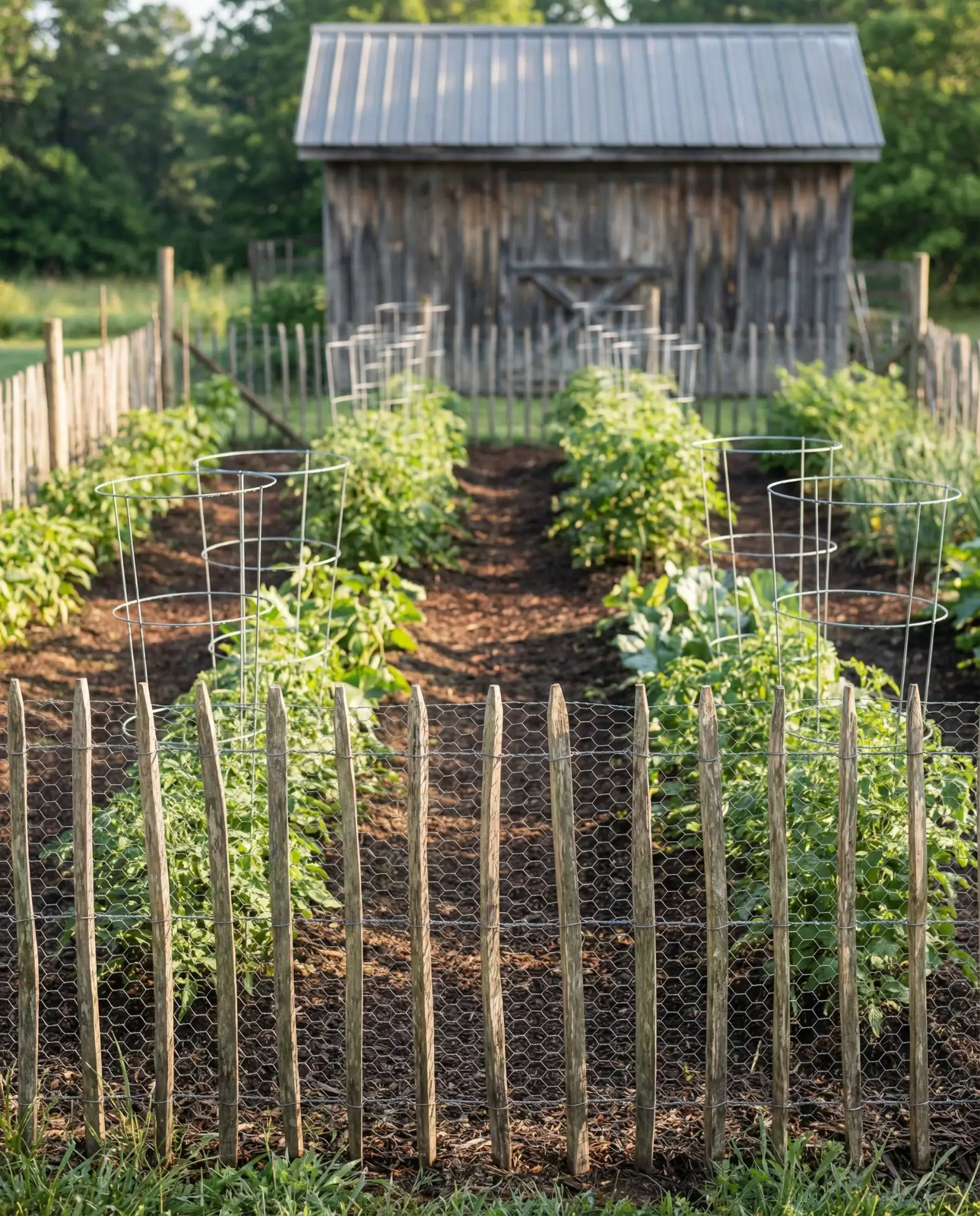
Practical insight: Reinforce chicken wire’s bottom edge by bending it outward and burying it three inches underground, creating an L-shaped barrier that prevents digging animals from accessing garden beds. Use galvanized or vinyl-coated wire for rust resistance, and space posts every six feet for adequate support. The material doubles as a trellis for peas, beans, and cucumbers, maximizing garden space. Though not attractive on its own, this functional fencing excels where productivity trumps aesthetics and budgets demand thrift.
11. Cream-Colored Privacy Panels
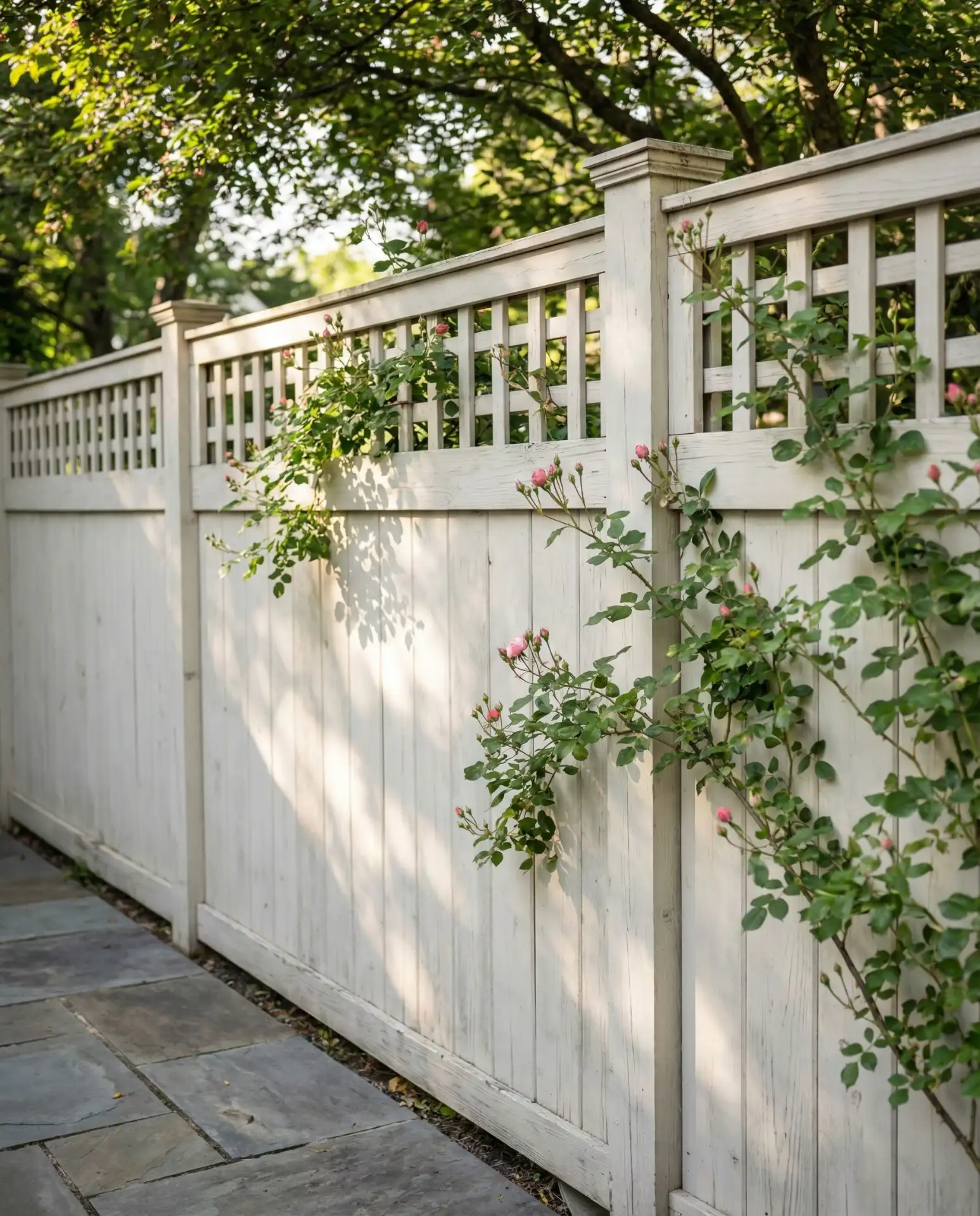
Soft cream and off-white fence colors bring luminosity to shaded gardens and create a sophisticated alternative to stark white or natural wood tones. These warm neutrals reflect light beautifully, brightening dim corners while maintaining the privacy of solid panels. Painted in flat or eggshell finishes, cream fencing evokes European garden sensibilities and pairs exquisitely with pastel flower palettes, terra cotta containers, and aged stone elements. The color feels timeless rather than trendy, adapting gracefully as landscape plantings mature and evolve. 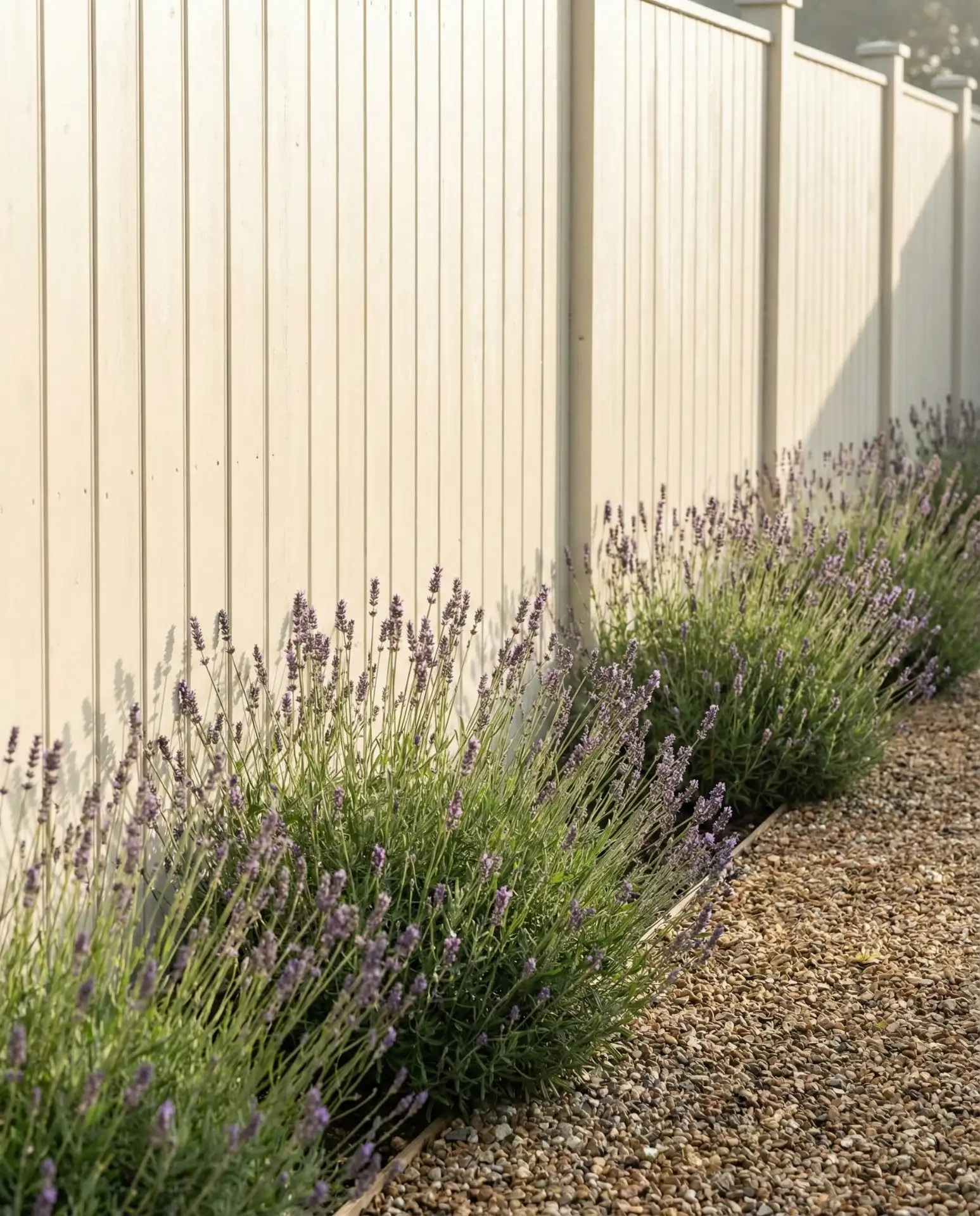
Regional context: Cream fencing resonates particularly in Southern and Southwestern states where intense sun bleaches brighter whites harshly, while the warmer undertones harmonize with adobe, stucco, and limestone architecture. The color requires cleaning more frequently than darker tones—plan for annual washing to prevent mildew and dirt buildup. Use exterior paint with mildewcide additives in humid climates. The neutral backdrop allows garden colors to take center stage without competing for attention, a design principle professional landscapers employ in high-end residential projects.
12. Rustic Split Rail Configuration
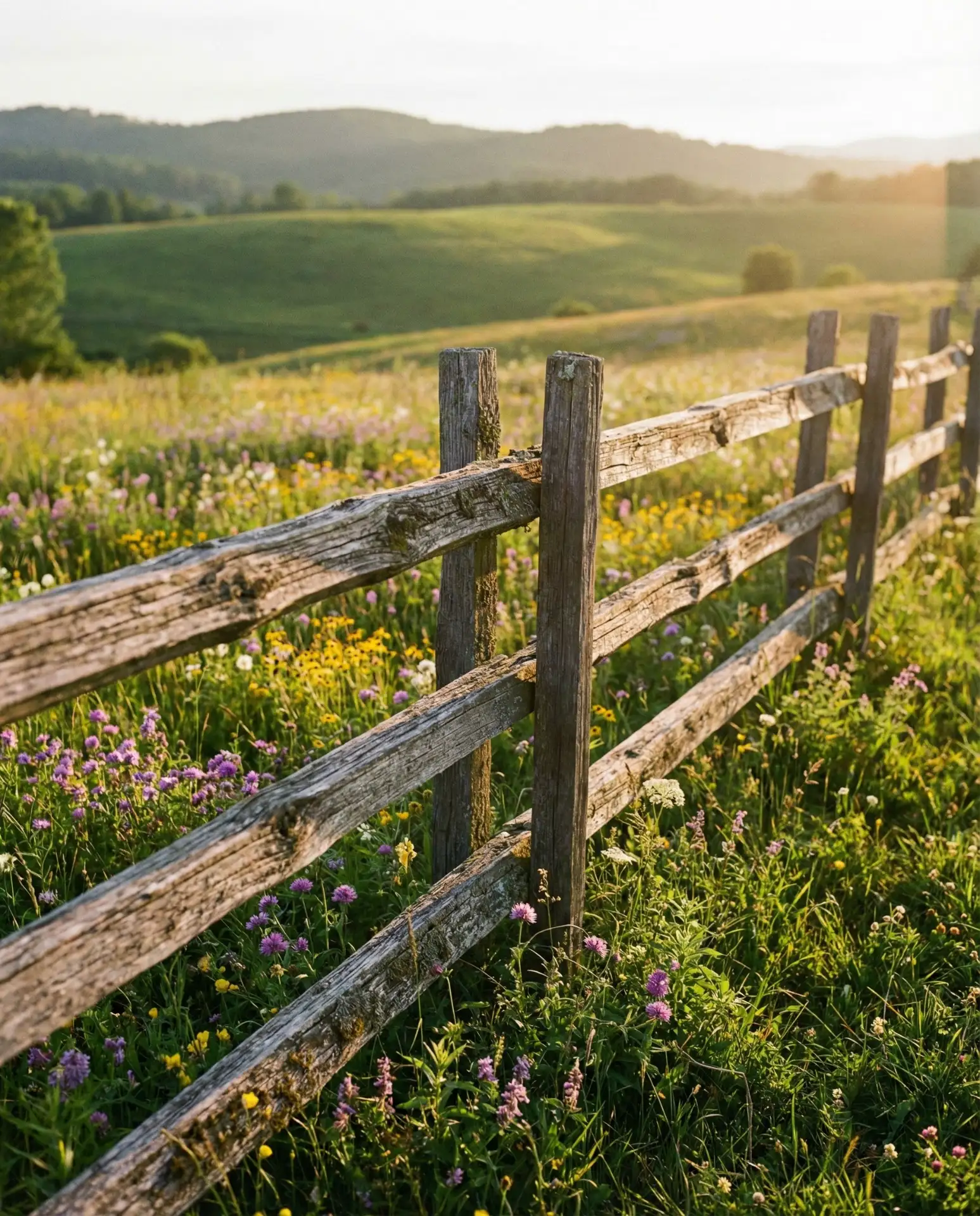
Timeless rustic split rail fencing suits expansive properties where boundary marking matters more than privacy, particularly popular in rural areas and ranch-style settings. The design uses rough-hewn logs fitted into notched posts, creating a casual, open barrier that feels at home in pastoral landscapes. Two or three horizontal rails provide visual enclosure without blocking breezes or views. This wooden fence style works beautifully with native plantings, wildflower meadows, and properties emphasizing natural aesthetics over manicured formality. 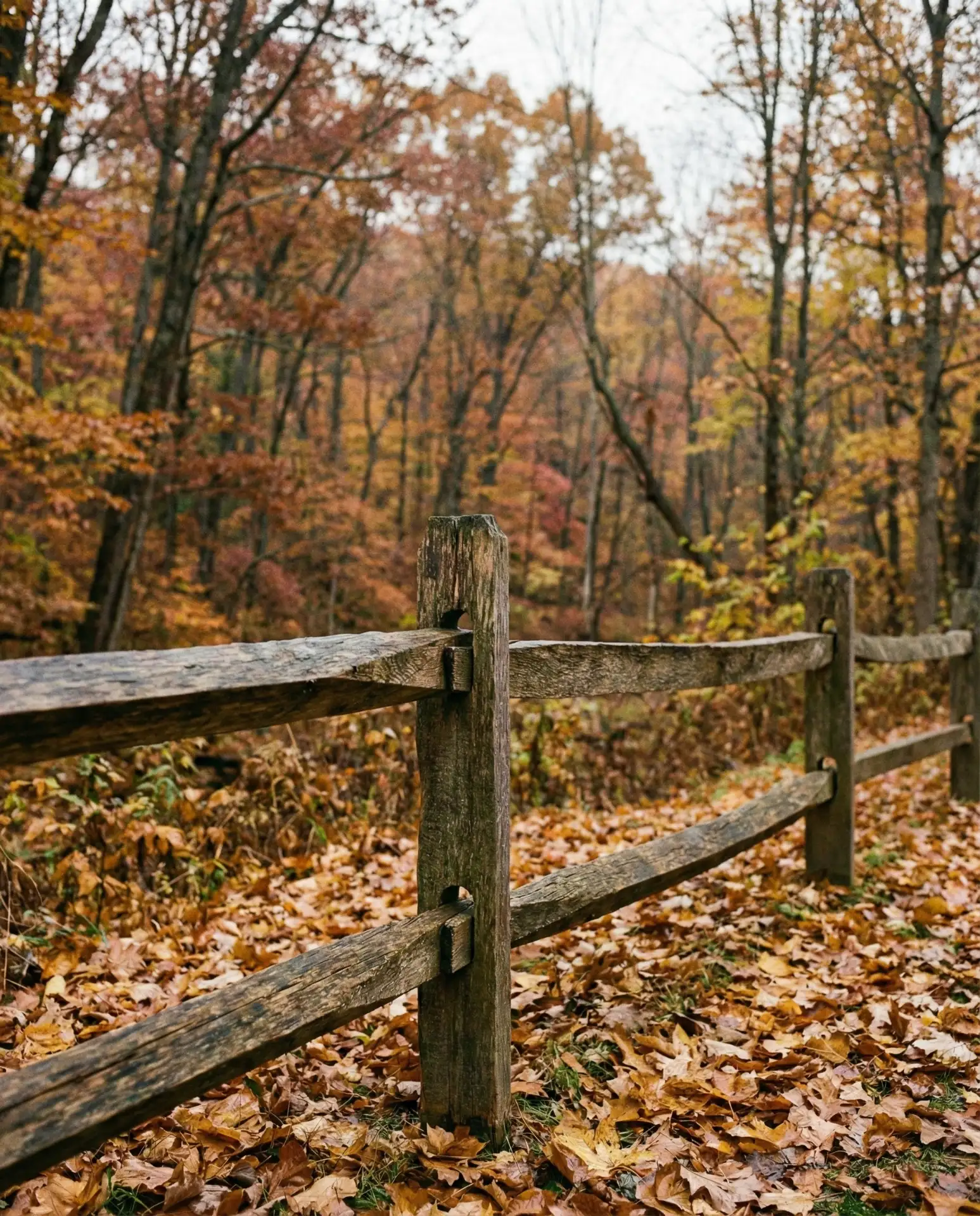
Budget angle: Split rail offers one of the most cost-effective options at $3-$8 per linear foot for cedar or locust materials, making it ideal for fencing large acreage. The open design uses less material than privacy fencing, and installation requires fewer posts since rails can span 8-10 feet between supports. Livestock owners often add wire mesh to the inside for animal containment while preserving the rustic appearance. Expect 15-20 years of service from properly installed cedar split rail, with locust lasting even longer despite higher initial costs.
13. Decorative Metal Gate Feature
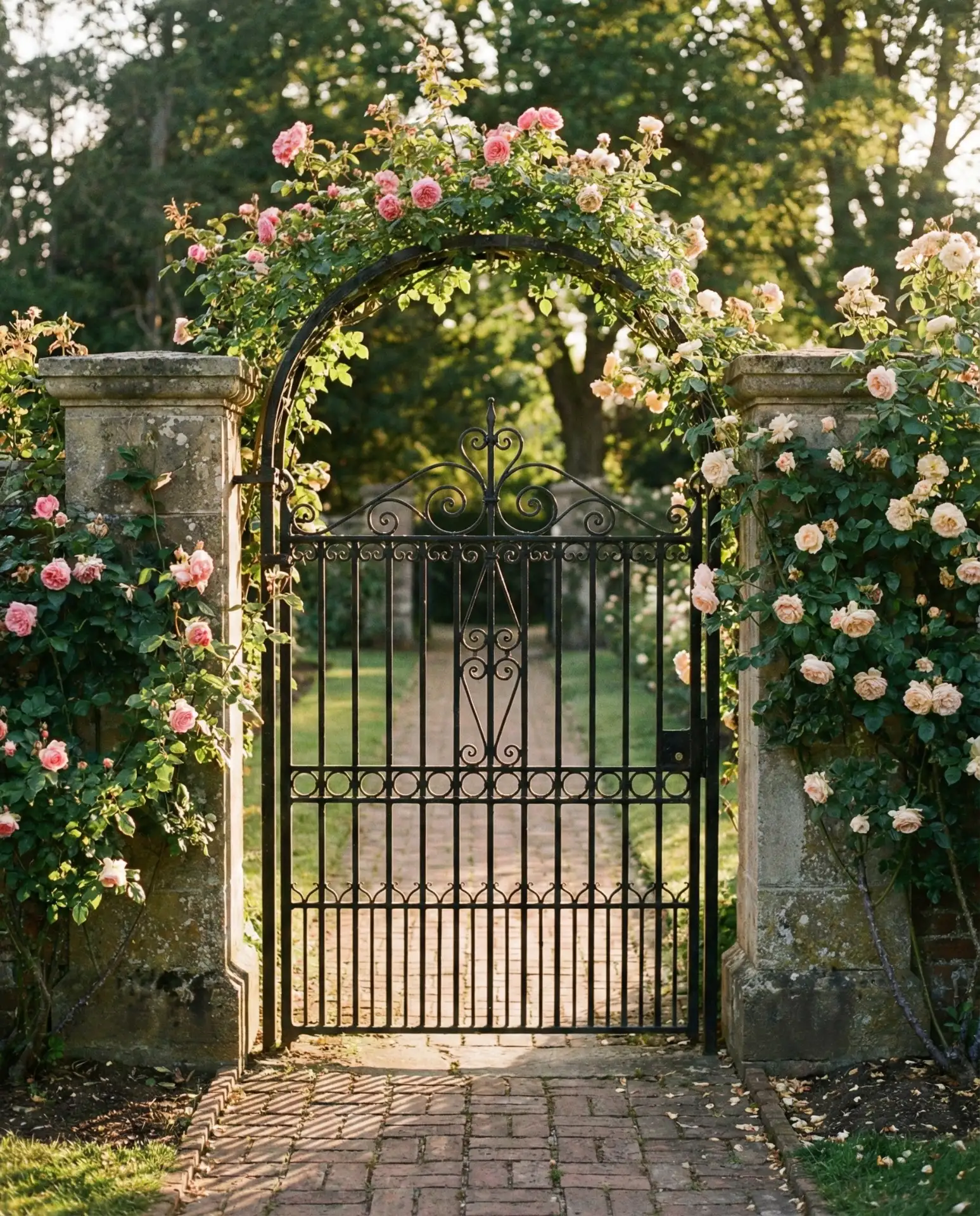
An ornamental gate serves as the jewelry of your garden fence, creating a welcoming entry point that announces style and intention. Wrought iron, aluminum, and steel gates come in countless designs—from simple arches to elaborate scrollwork—allowing personalization that reflects your taste. Even a basic fence gains significant character when paired with a thoughtfully chosen gate. Consider proportions carefully; the gate should feel substantial enough to anchor the fence line but not so oversized that it overwhelms the surrounding structure. Hardware choices like hinges, latches, and handles present additional opportunities for decoration ideas. 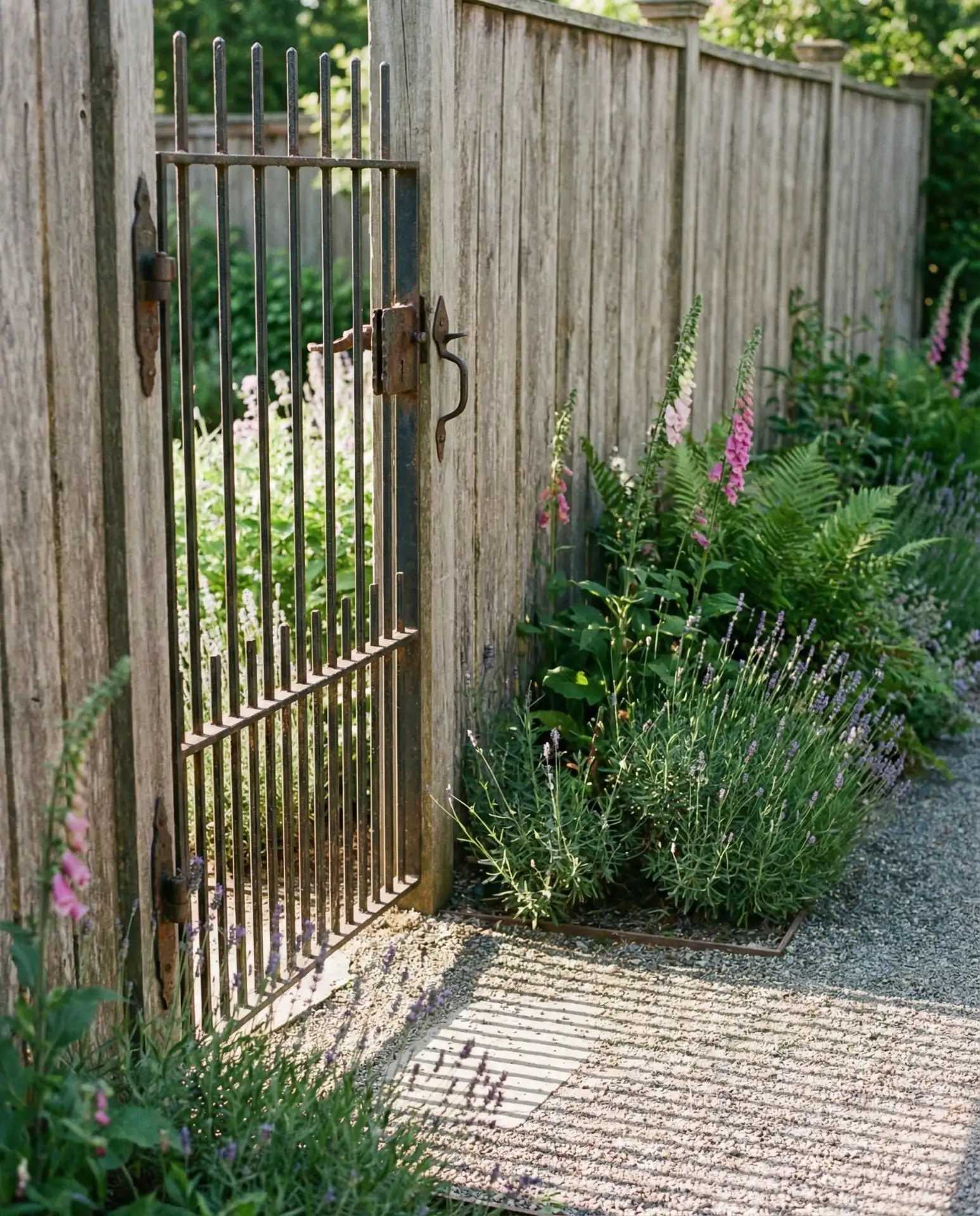
Expert commentary: Invest in quality gate hardware—sagging gates frustrate daily use and detract from curb appeal. Self-closing hinges and gravity latches add convenience while keeping pets secure. Metal gates pair beautifully with wood fencing, providing contrast in texture and tone. Powder-coated finishes resist rust far better than paint on metal surfaces. Standard gate widths of 36-48 inches accommodate wheelbarrows and lawn equipment, but verify your specific needs before installation. A well-chosen gate can elevate an ordinary fence into a distinctive landscape feature that neighbors remember.
14. Living Green Hedge Wall
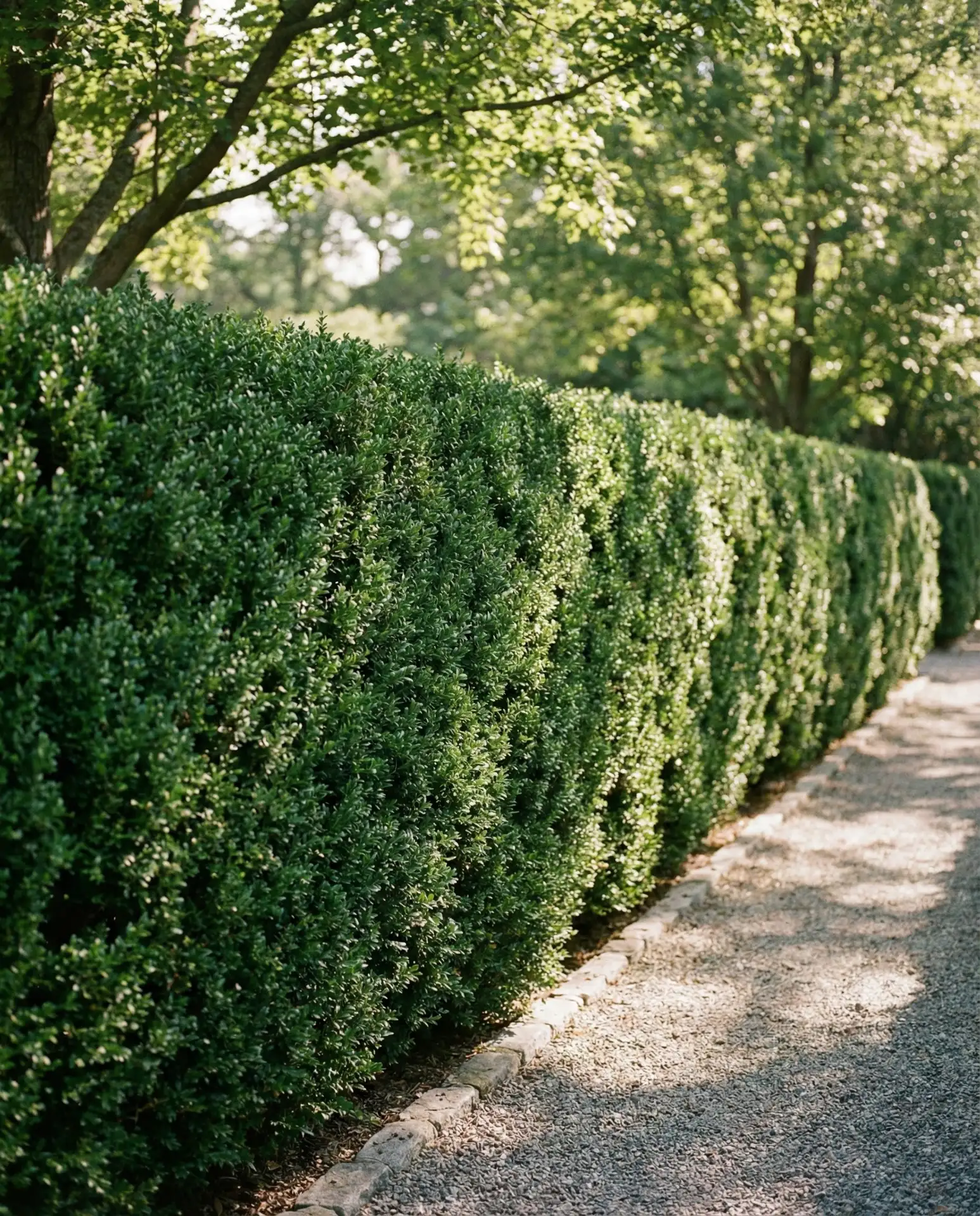
Dense evergreen plantings create living fences that improve over time, offering privacy, wildlife habitat, and air filtration that manufactured materials cannot match. Boxwood, privet, arborvitae, and holly rank among popular hedge choices, selected for climate compatibility and desired mature height. This green alternative requires patience—most hedges take three to five years to reach screening density—but the investment pays dividends through decades of low-maintenance beauty. Living fences absorb noise, filter dust, and adapt to property contours more gracefully than rigid structures. 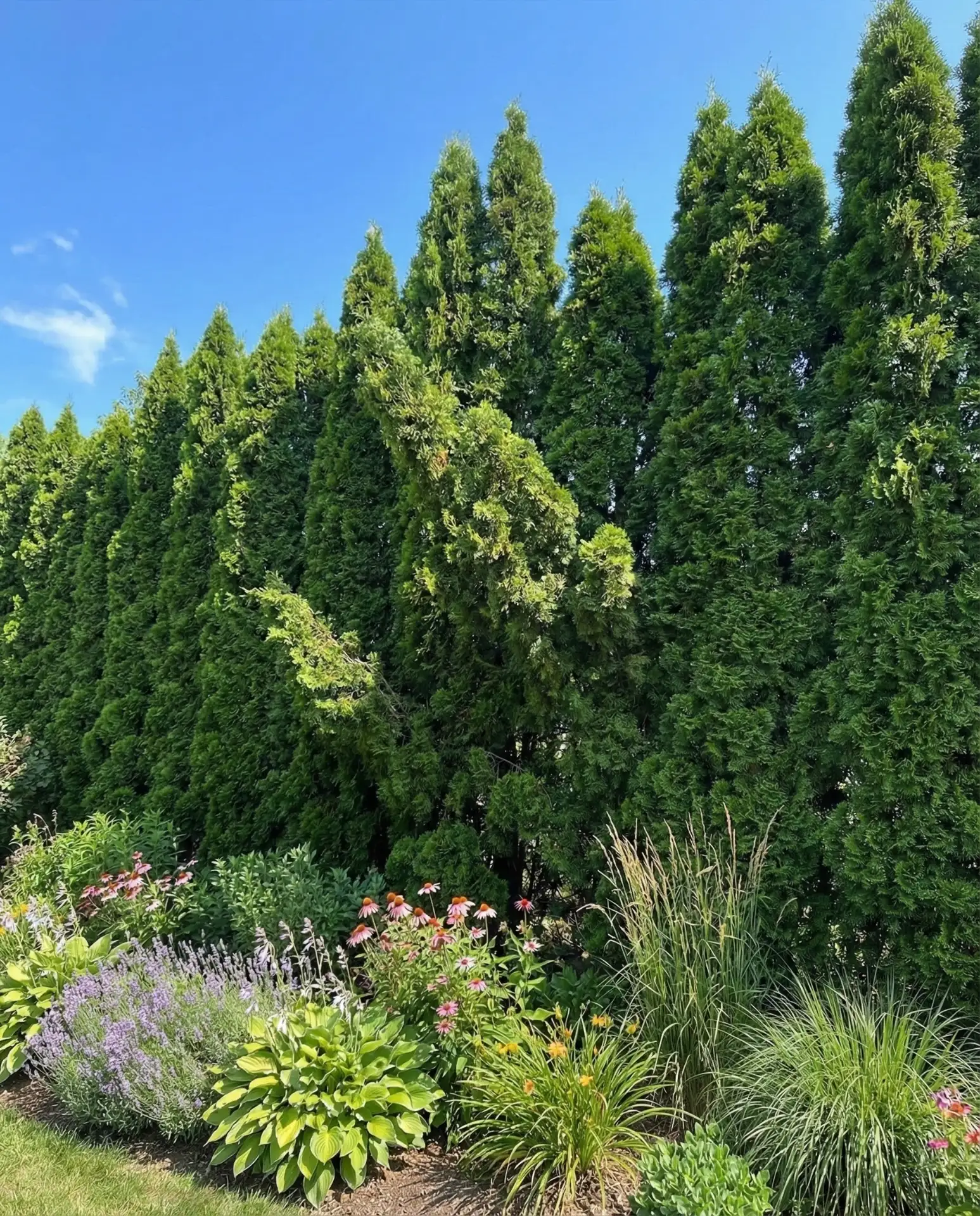
Where it works best: Properties with adequate space for root systems, homeowners willing to maintain regular pruning schedules, and landscapes where seasonal change appeals more than year-round uniformity. Deciduous hedges like beech and hornbeam offer autumn color but lose leaves in winter. Evergreen options maintain privacy throughout the year. Plant spacing depends on species and desired density—typically 2-4 feet on center for hedging plants. Factor in irrigation during establishment and ongoing trimming costs. Some HOAs have height restrictions on plantings, so verify regulations before investing in hedge materials.
15. Corrugated Metal Industrial Panel
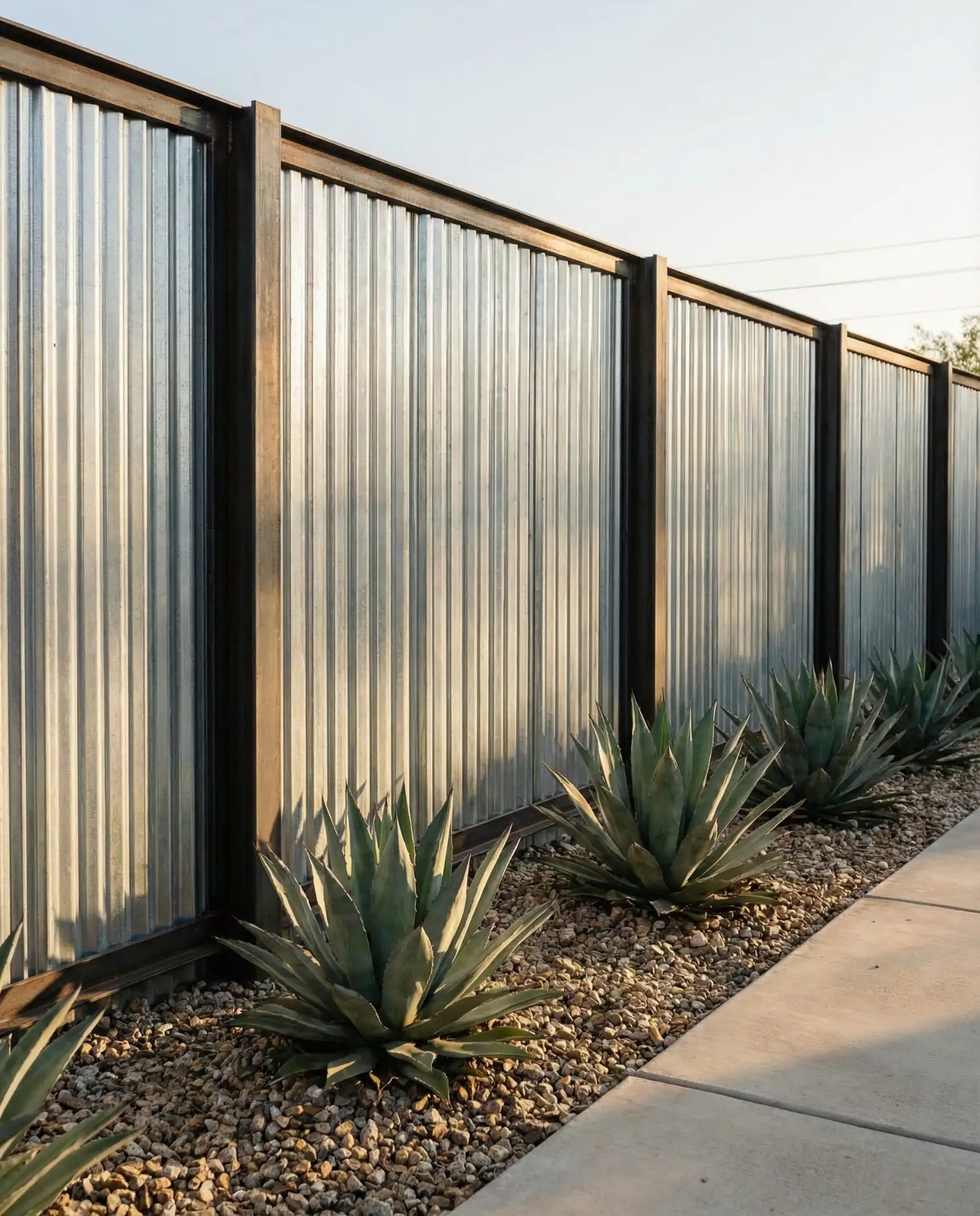
Raw corrugated metal brings urban-industrial style to residential fencing, particularly popular in Austin, Portland, and other cities embracing modern-rustic aesthetics. The material’s vertical ridges add dimension while the metallic surface reflects changing light throughout the day. Galvanized steel develops a natural patina over time, or you can choose pre-weathered finishes for instant character. This modern option stands up to harsh weather admirably and requires virtually no maintenance beyond occasional hosing. The sound of rain on metal adds sensory interest during storms, though some find it intrusive. 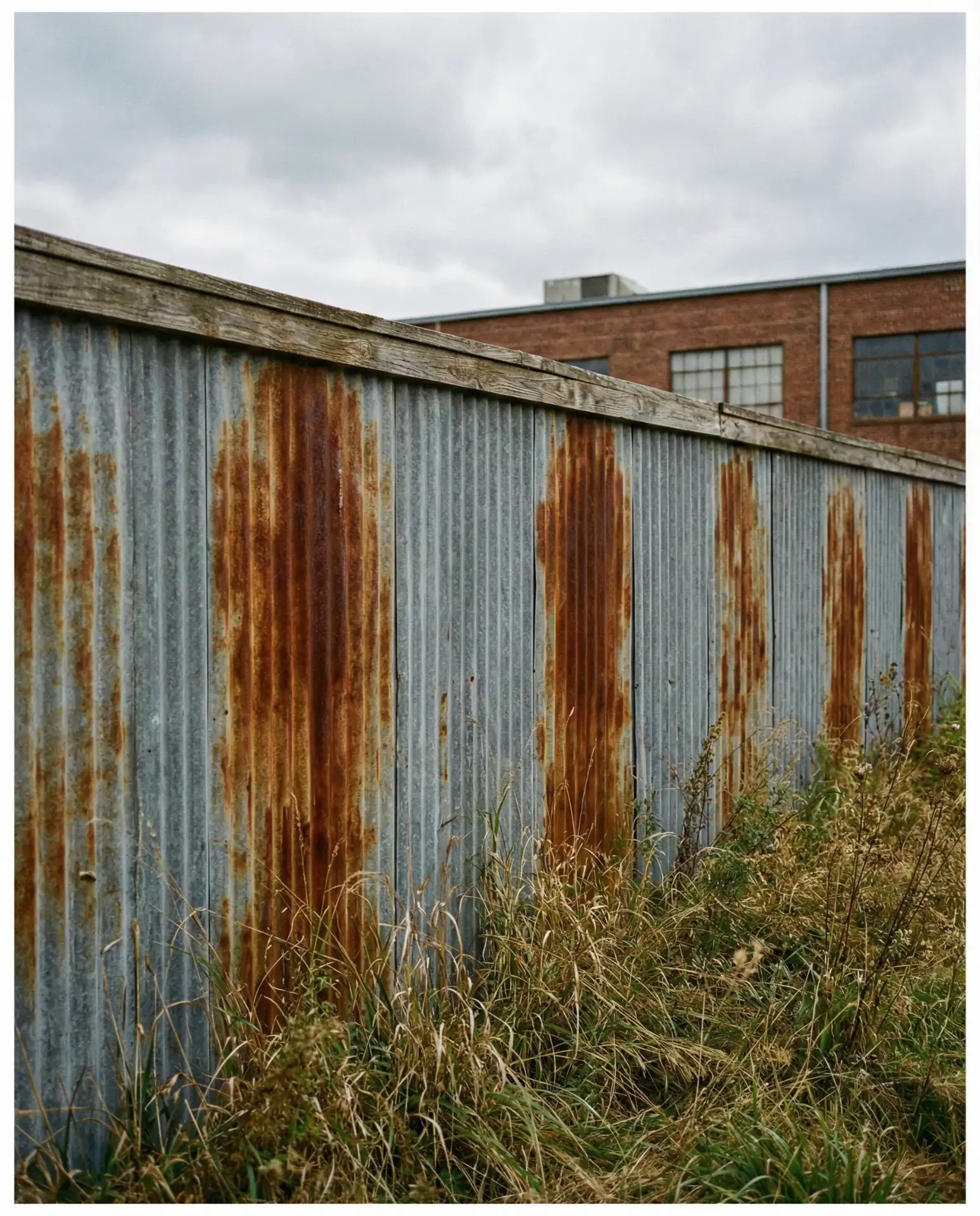
Real homeowner insight: Metal fencing becomes extremely hot to touch in direct summer sun—a consideration if children or pets frequent the area. Strategic placement of plantings provides a buffer zone. The material conducts heat rather than absorbing it like wood, actually helping cool itself once shade arrives. Installation requires metal-cutting tools and expertise in working with sharp edges; professional installation is worth considering for safety and clean results. Costs run $25-$45 per linear foot installed, competitive with quality wood fencing while offering superior durability and fire resistance.
16. Lattice-Top Privacy Hybrid
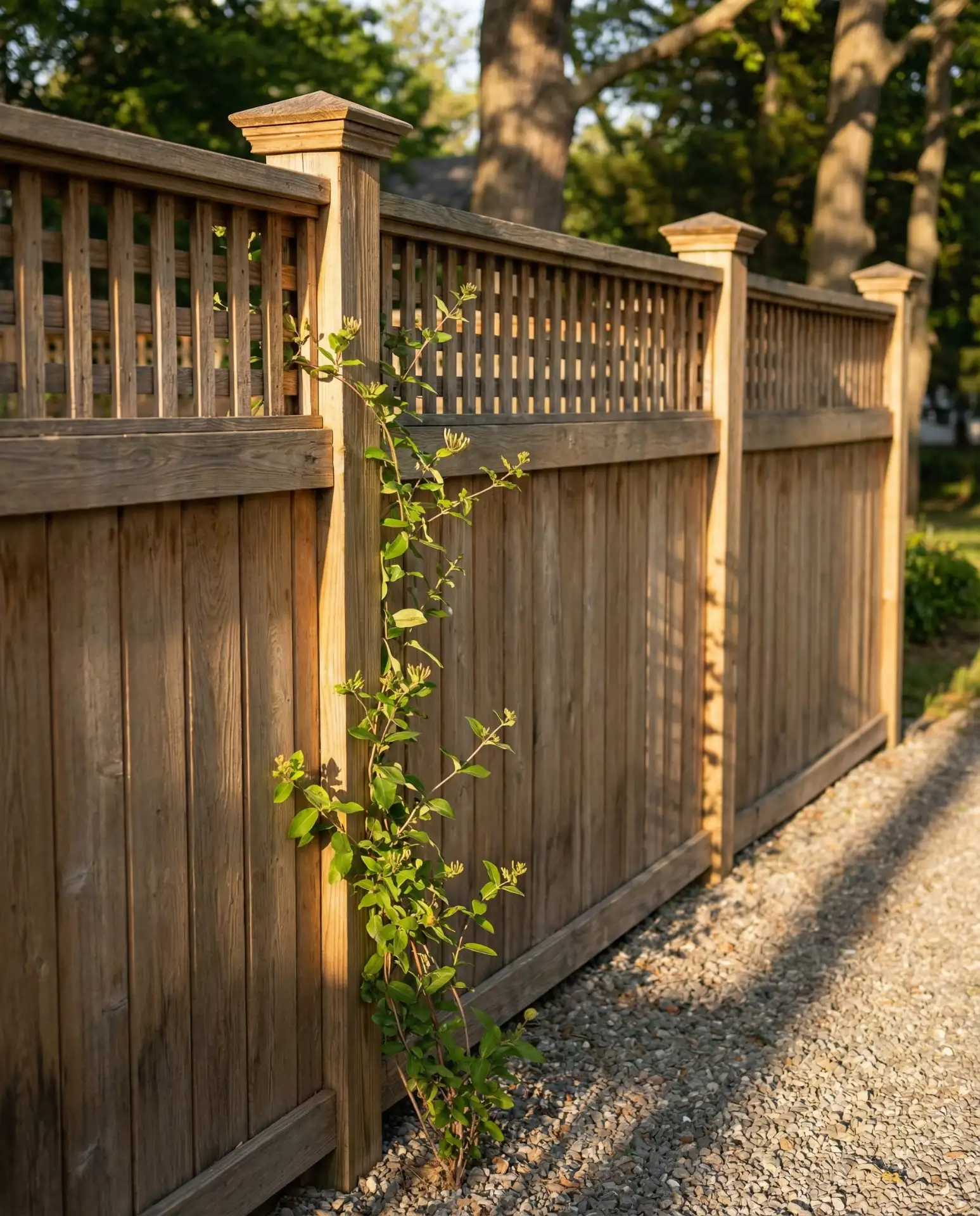
Combining solid lower panels with open lattice tops creates fencing that balances privacy with airflow and light penetration—a perfect compromise for urban gardens where full enclosure feels too confined. The solid portion typically rises five to six feet, with lattice adding another one to two feet of screening. This wooden design reduces the visual weight of tall fencing while still providing practical privacy at eye level. Diagonal or square lattice patterns offer decoration ideas that elevate basic privacy fencing into something more architecturally interesting. The open top section supports climbing plants beautifully. 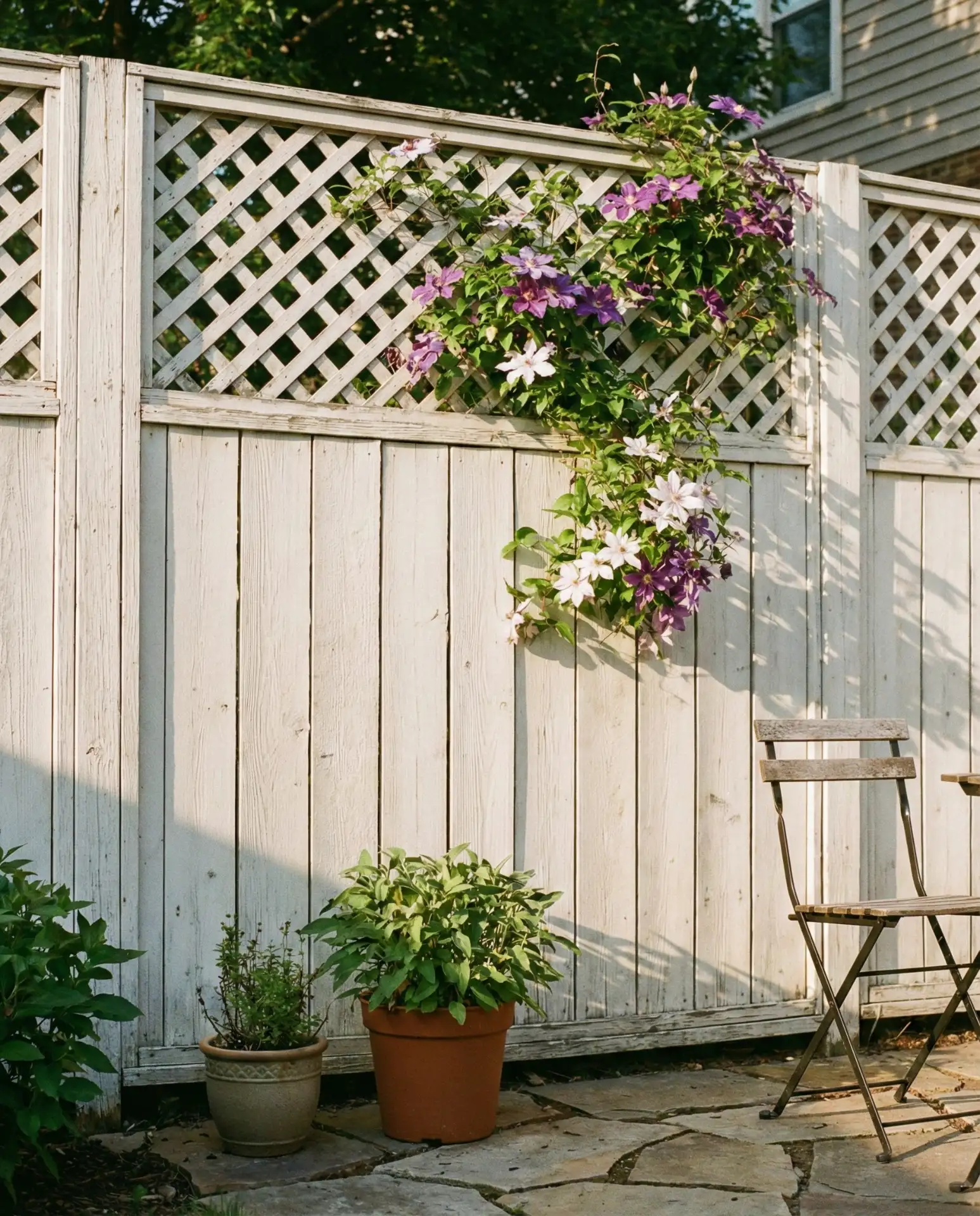
Common mistake: Using flimsy vinyl lattice that sags and breaks under plant weight leads to constant repairs. Invest in substantial wood or PVC lattice rated for structural use. Reinforce lattice sections with additional framing members rather than relying on perimeter attachment alone. This design works especially well in neighborhoods where good relationships with neighbors matter—the open top maintains friendly sight lines while ground-level privacy protects daily activities. Price premiums of $5-$10 per linear foot over basic privacy fencing reflect the additional materials and labor involved.
17. Woven Willow Natural Hurdle
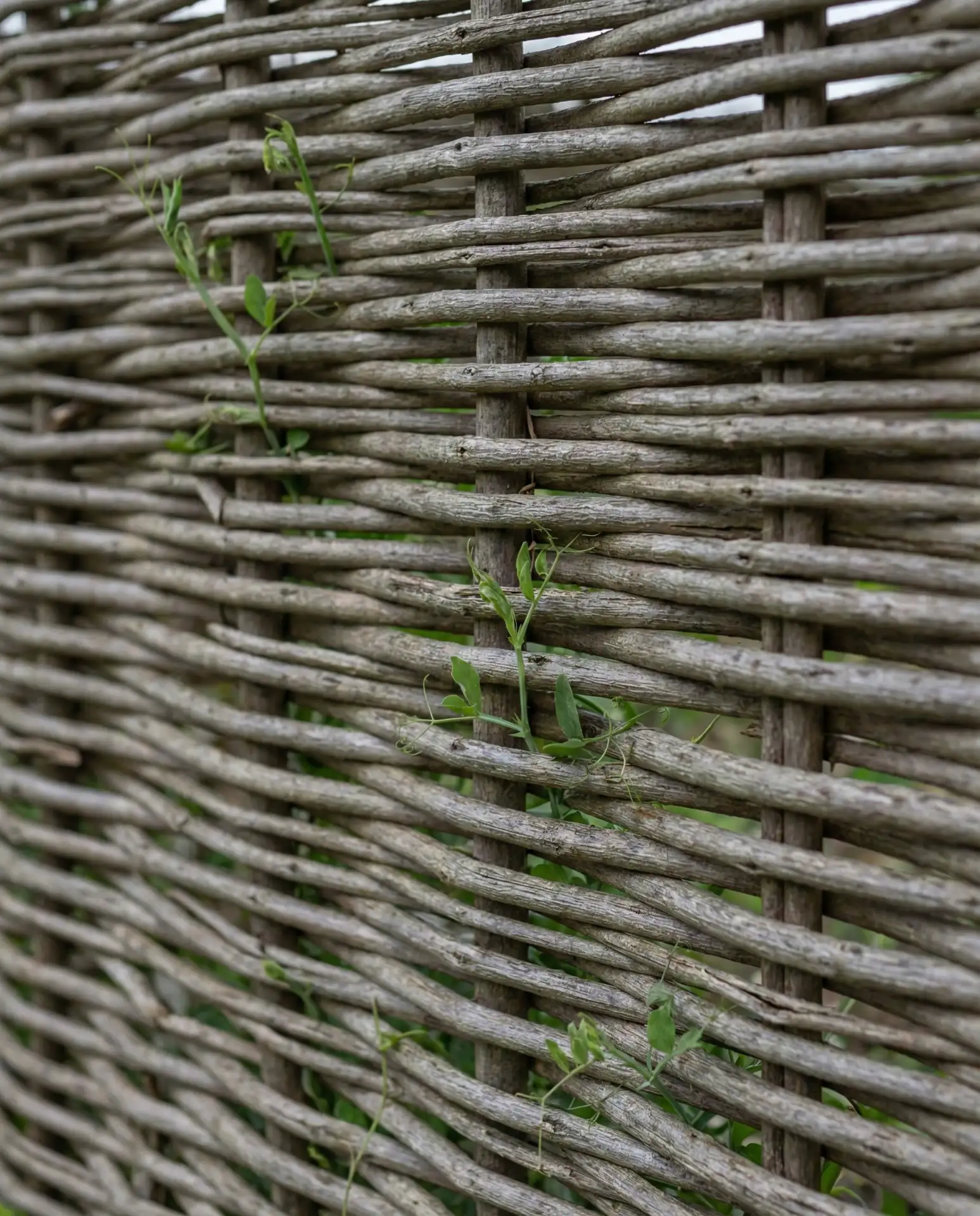
Traditional woven willow hurdles bring cottage charm and organic texture to garden spaces, particularly enchanting in rustic and English country-style landscapes. These panels consist of willow branches woven between upright stakes, creating flexible fencing that curves around beds and pathways. The material biodegrades gradually over 5-10 years, requiring eventual replacement but offering complete compostability. Natural brown tones blend seamlessly with garden settings, and the open weave pattern casts beautiful shadows. This artisanal option works beautifully for defining garden rooms within larger landscapes. 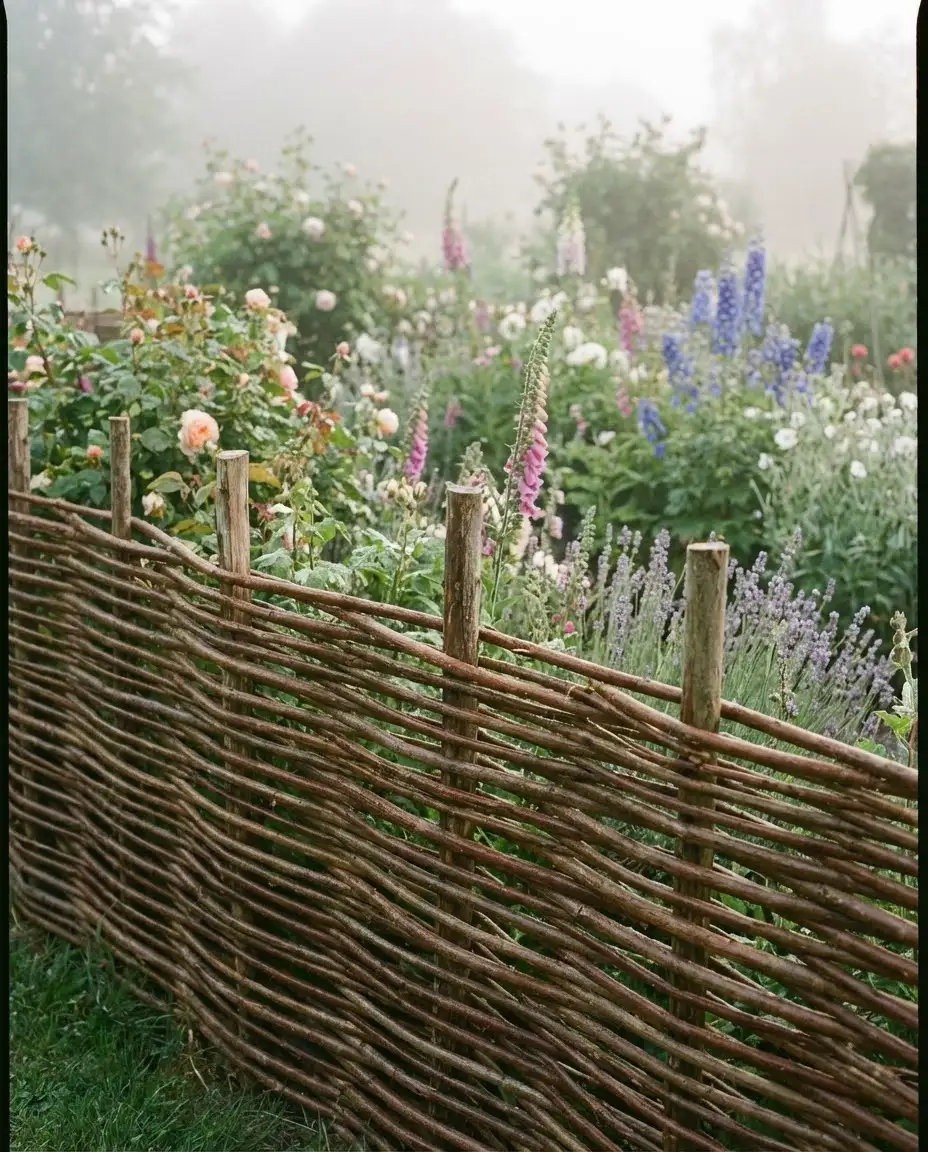
A micro note from enthusiasts: One Maryland gardener sources willow panels from local basket weavers and craftspeople, supporting traditional skills while acquiring unique fencing. The panels cost $80-$150 each depending on size and weave density. Installation requires sturdy posts to support the relatively heavy panels, though the fence itself needs no foundation. The organic aesthetic appeals to gardeners pursuing wildlife-friendly and sustainable landscapes. Consider this option for ornamental areas rather than perimeter security, as the woven structure offers minimal privacy and no animal deterrence.
18. Modern Slatted Cube Planters
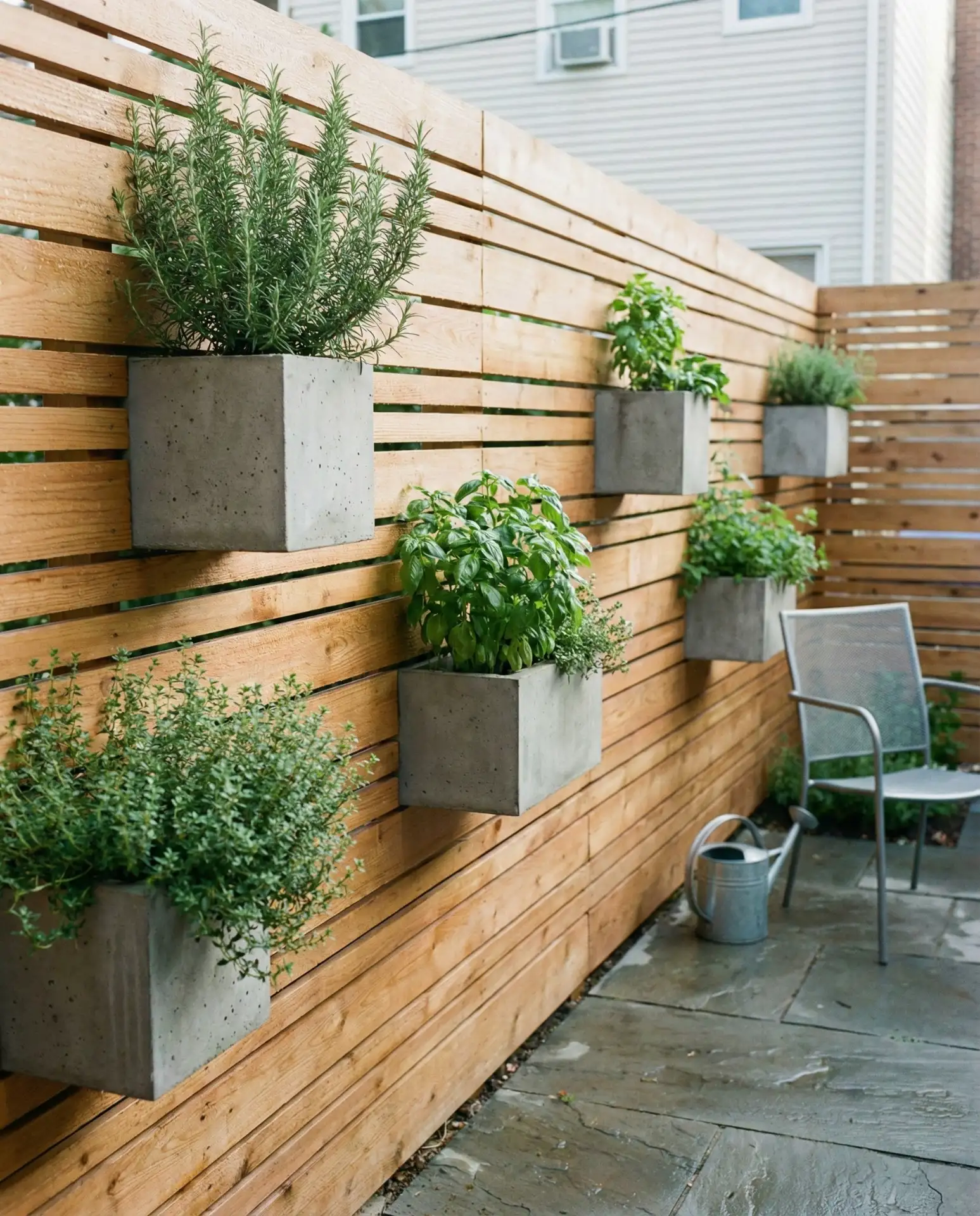
Combining fencing with built-in planter boxes creates multi-functional garden structures that maximize small urban spaces, a trend accelerating on Pinterest and in design-forward cities. Horizontal wooden slats form the fence body while raised planter cubes integrate at intervals, providing growing space for herbs, flowers, or compact vegetables. This modern approach works brilliantly on patios, balconies, and courtyard gardens where every square foot matters. The planters soften hard fencing lines and bring greenery to eye level, creating living screens that evolve with seasonal plantings. 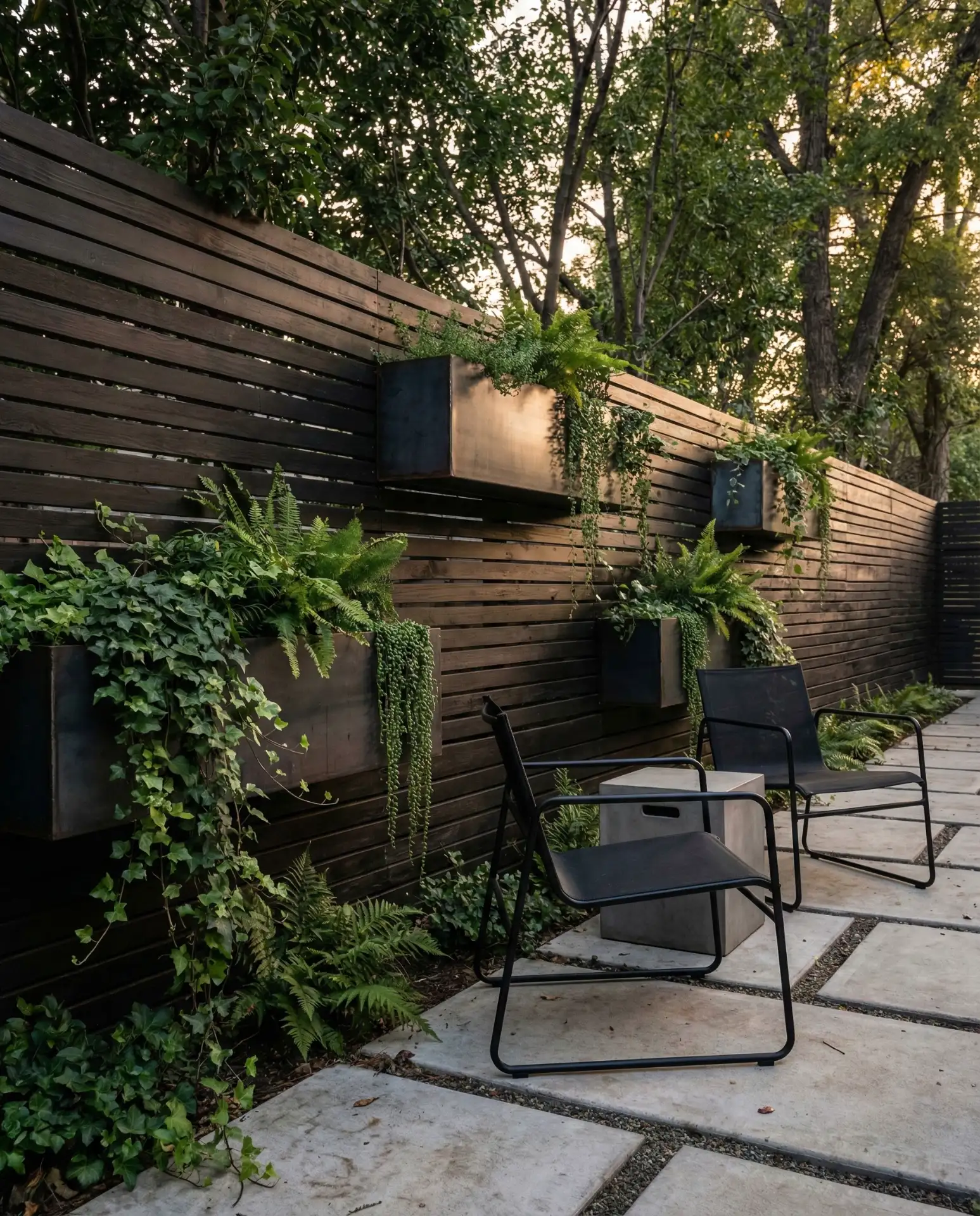
Practical consideration: Integrated planters require proper drainage and waterproofing to prevent wood rot at contact points. Line planter interiors with pond liner or heavy-duty plastic, and ensure drain holes allow excess water to escape. Use rot-resistant wood like cedar or composite materials for longevity. The planter boxes add significant weight, requiring robust post and foundation work. This design costs more than simple fencing—$75-$150 per linear foot including planter construction—but delivers exceptional visual impact and functionality for small-space gardeners seeking innovative solutions.
19. Classic Shadowbox Design
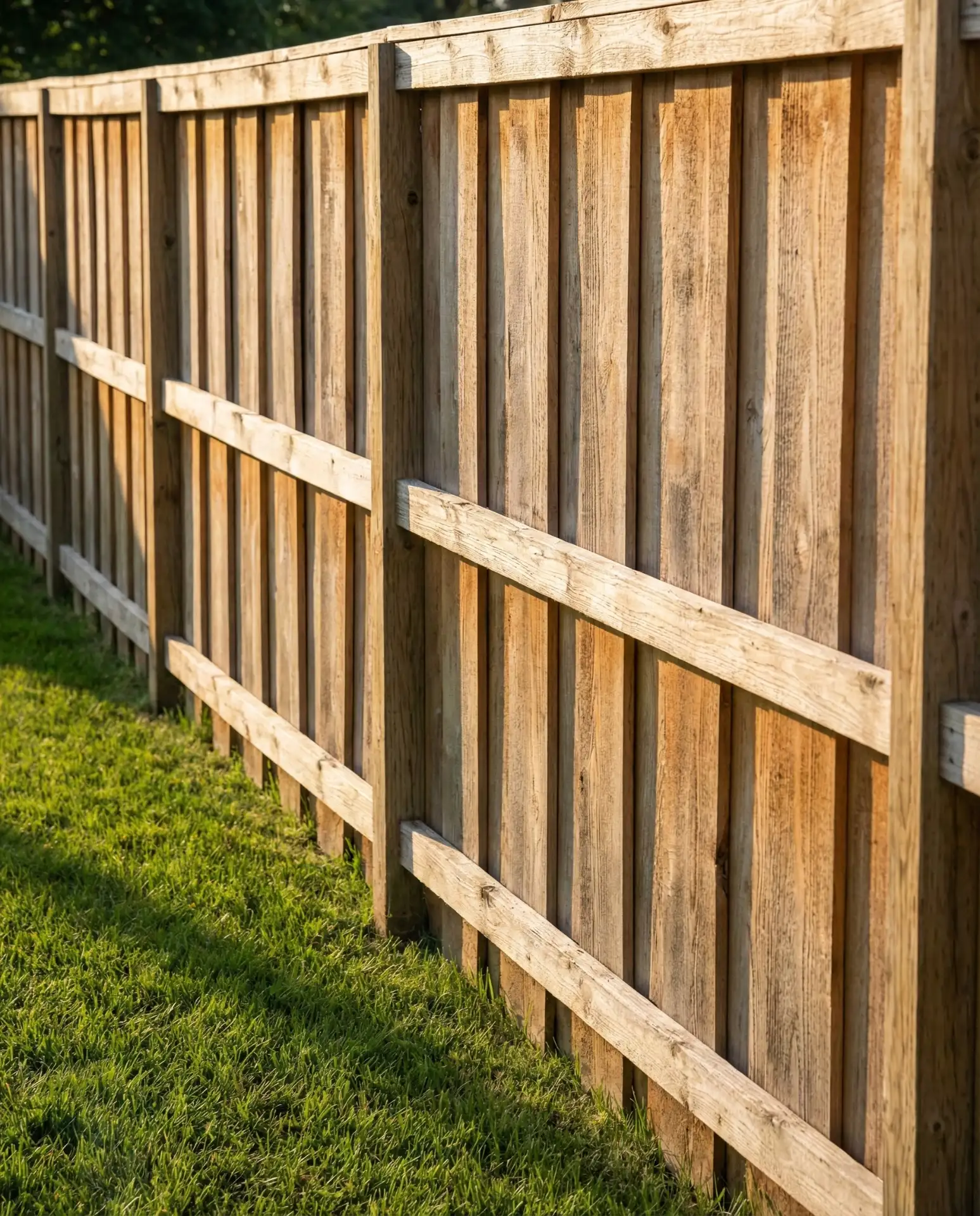
Shadowbox fencing alternates boards on opposite sides of the fence rails, creating an attractive design visible from both sides while allowing limited airflow. This neighborly option costs more than basic privacy fencing due to doubled lumber requirements but delivers finished appearance on both faces. The staggered board pattern produces subtle depth and shadow lines that add visual interest to otherwise plain surfaces. This wooden construction remains popular in suburban neighborhoods where HOAs or simple courtesy demands attractive fencing on both property sides. Gaps between alternating boards prevent complete privacy but reduce wind load during storms. 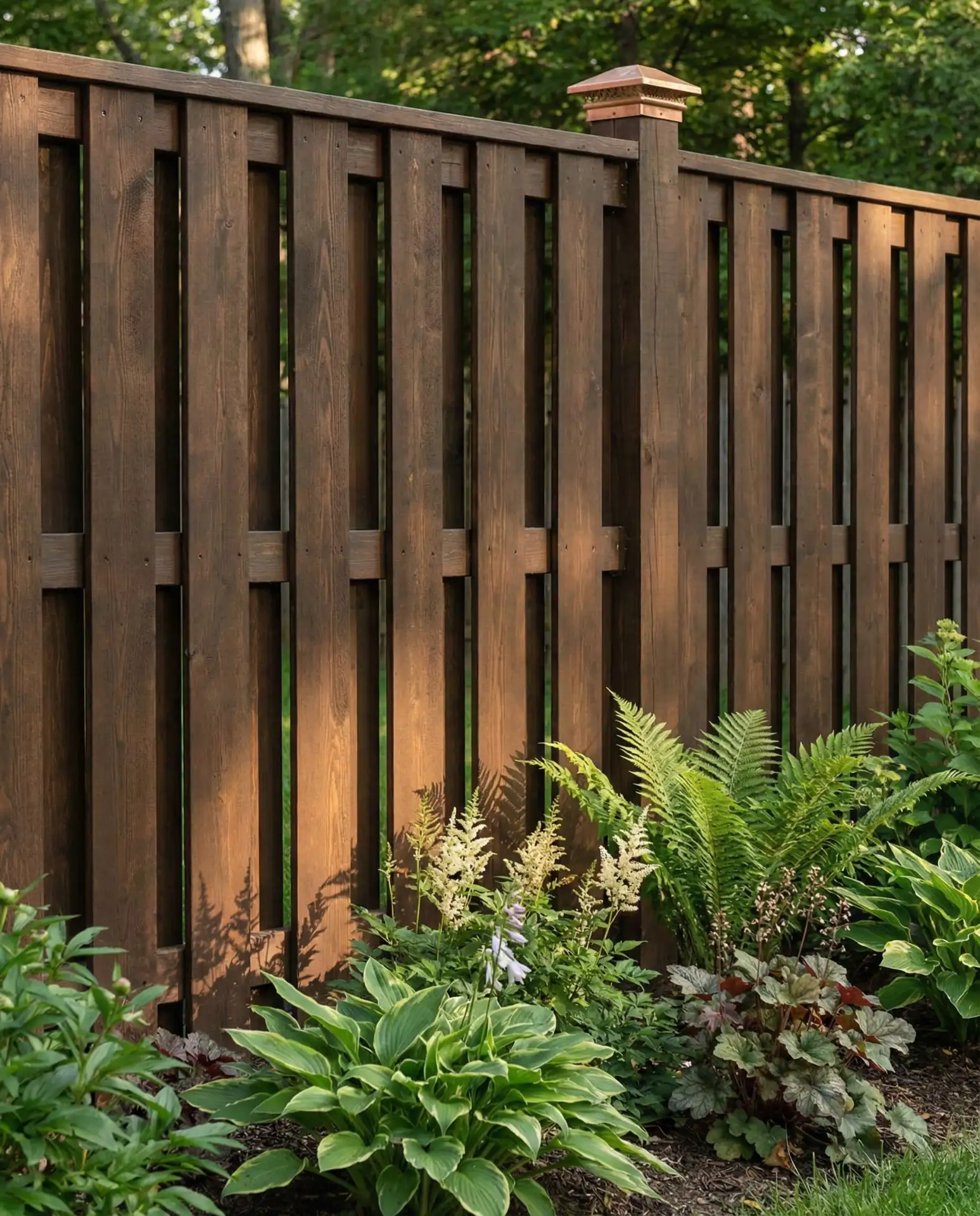
Expert perspective: Shadowbox fencing performs well in windy locations since air moves through the gaps rather than pushing against a solid surface. This reduces stress on posts and extends fence life. The design works beautifully in natural wood stains or painted finishes. Plan for $28-$38 per linear foot for quality cedar construction. Maintenance requirements match standard privacy fencing, with the caveat that both sides need attention during staining or painting. The alternating pattern hides minor imperfections and lumber variations better than solid-board fences, making it forgiving for DIY builders.
20. Mixed Material Fence Combo
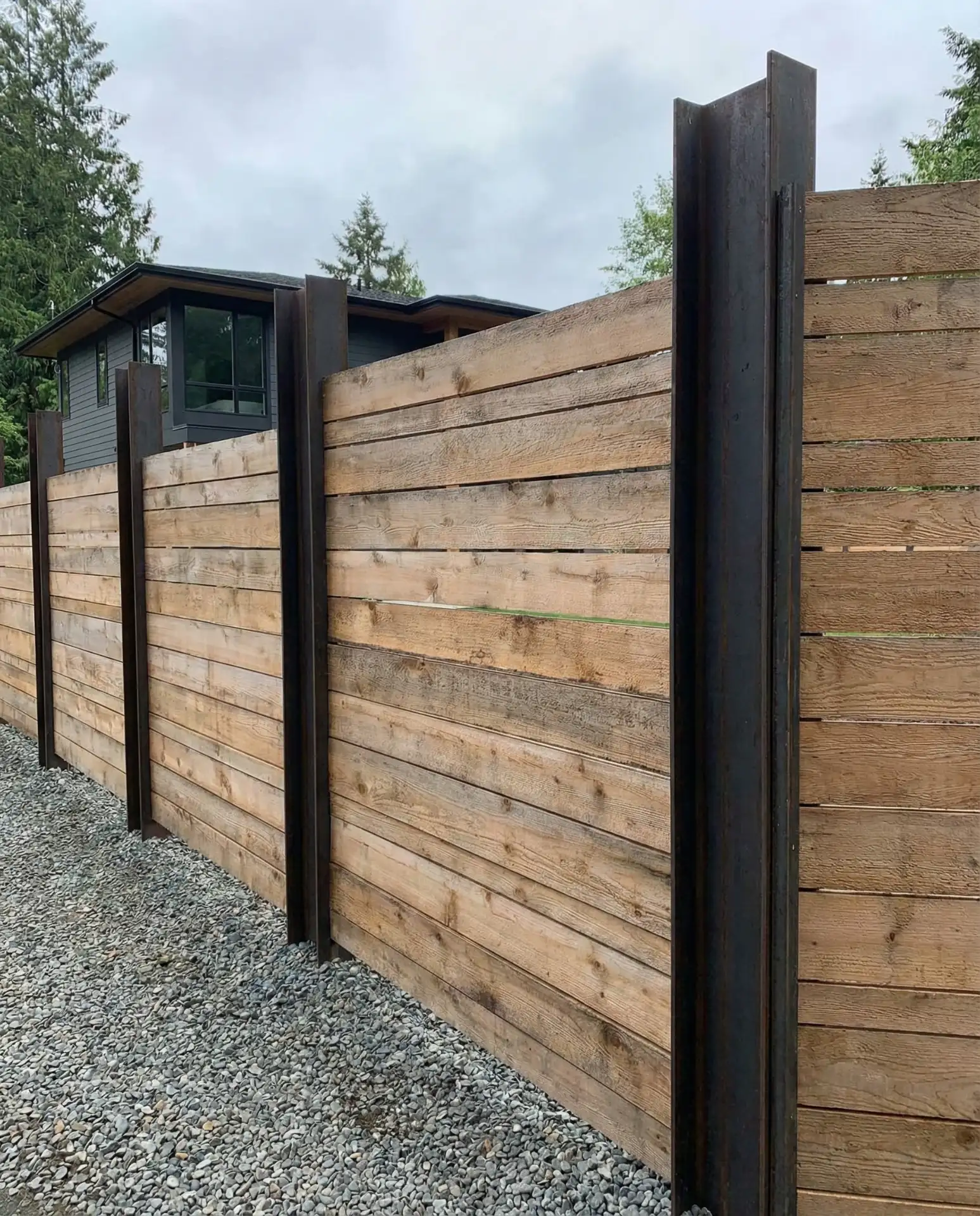
Combining different materials—wood and metal, stone and wire, concrete and wood—produces custom fencing with unique character and dimensional interest. Stone columns paired with wooden panels create estate-style elegance, while metal frames filled with wood slats deliver industrial-modern aesthetics. These hybrid approaches allow homeowners to balance budget priorities, placing expensive materials at entry points and less costly options along perimeter runs. The contrast between materials creates focal points and architectural rhythm that purely monolithic fencing cannot achieve. This customizable approach suits homeowners with specific design visions beyond standard offerings. 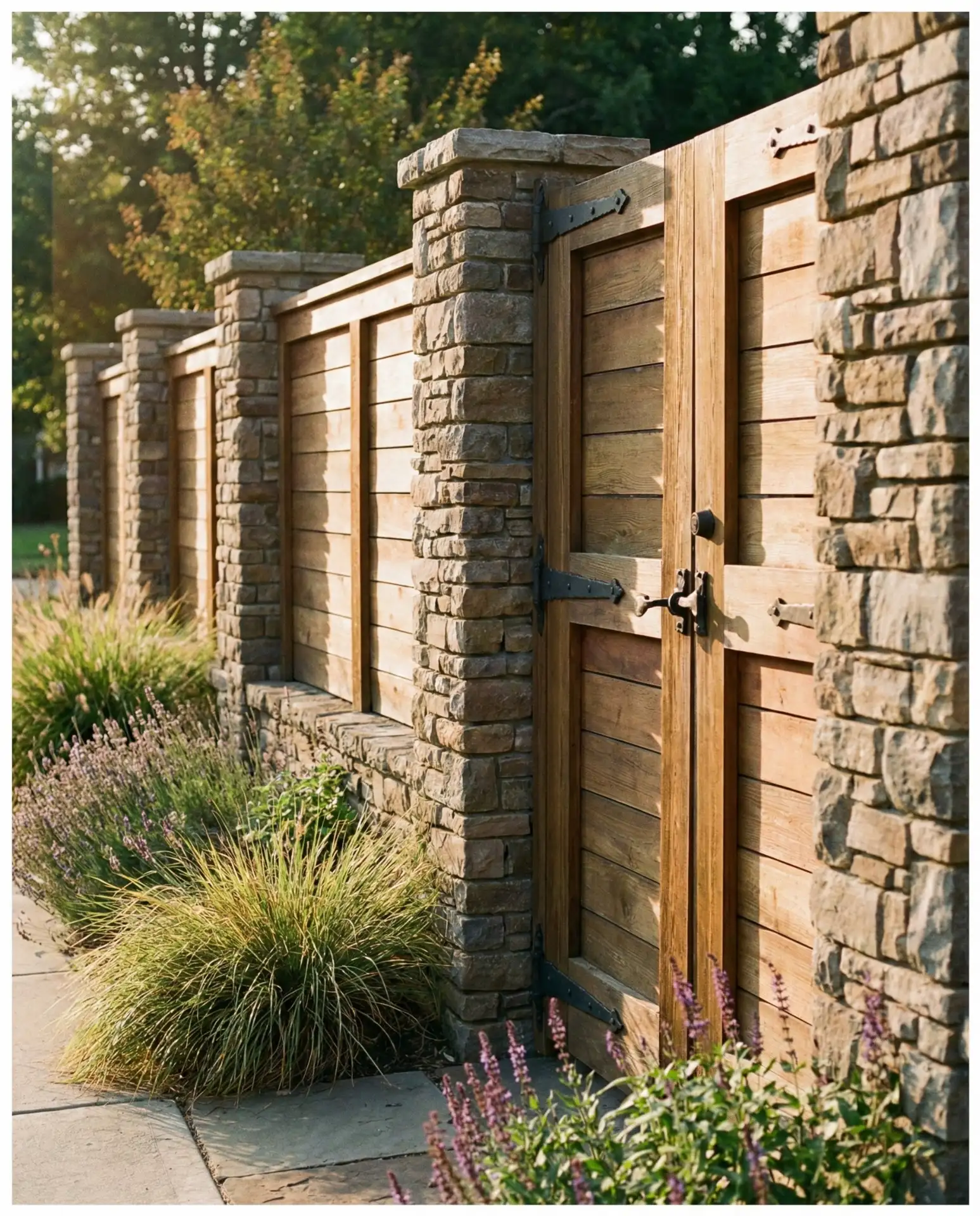
Regional note: Mixed material fencing resonates strongly in Southwestern architecture where combinations of stucco, wood, and metal reflect regional building traditions. California contemporary homes frequently feature concrete block bases with wood or metal upper sections. Design cohesion requires careful material selection—choose complementary rather than competing elements. Professional design consultation often proves worthwhile for complex material combinations. Expect costs of $50-$100+ per linear foot depending on material choices and structural complexity. The investment yields one-of-a-kind fencing that elevates property value and curb appeal significantly.
21. Louvered Privacy Screen
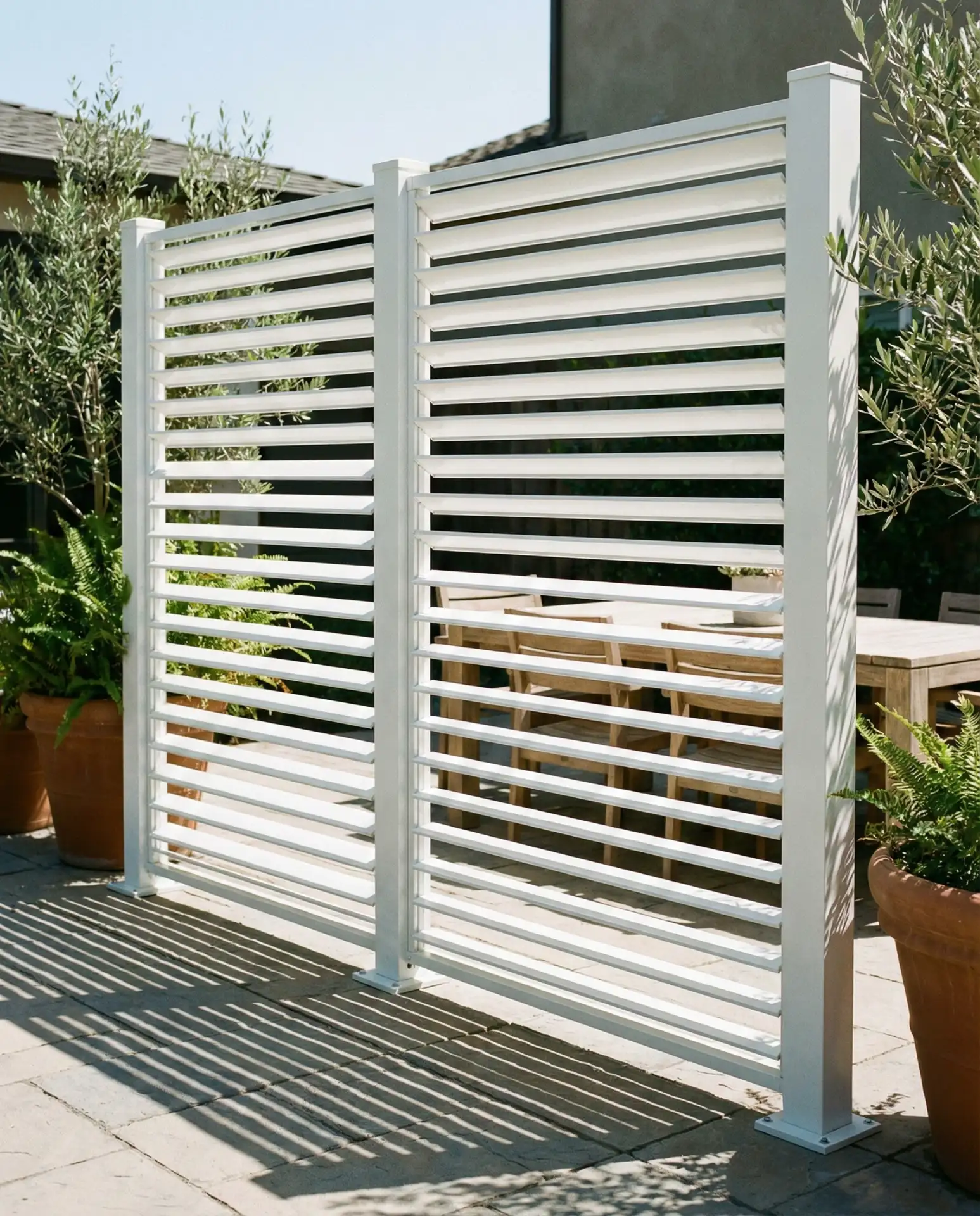
Angled louver slats provide privacy at eye level while still permitting airflow and filtered light—an elegant solution for patios, pool areas, and courtyards. The slats mount at 30-45 degree angles, blocking direct sight lines while maintaining ventilation that solid walls prevent. This modern design has gained traction in warm climates where air circulation matters as much as privacy. Aluminum and composite materials dominate this category, offering durability and minimal maintenance. The clean, architectural lines complement contemporary homes and create sophisticated outdoor rooms for entertaining and relaxation. 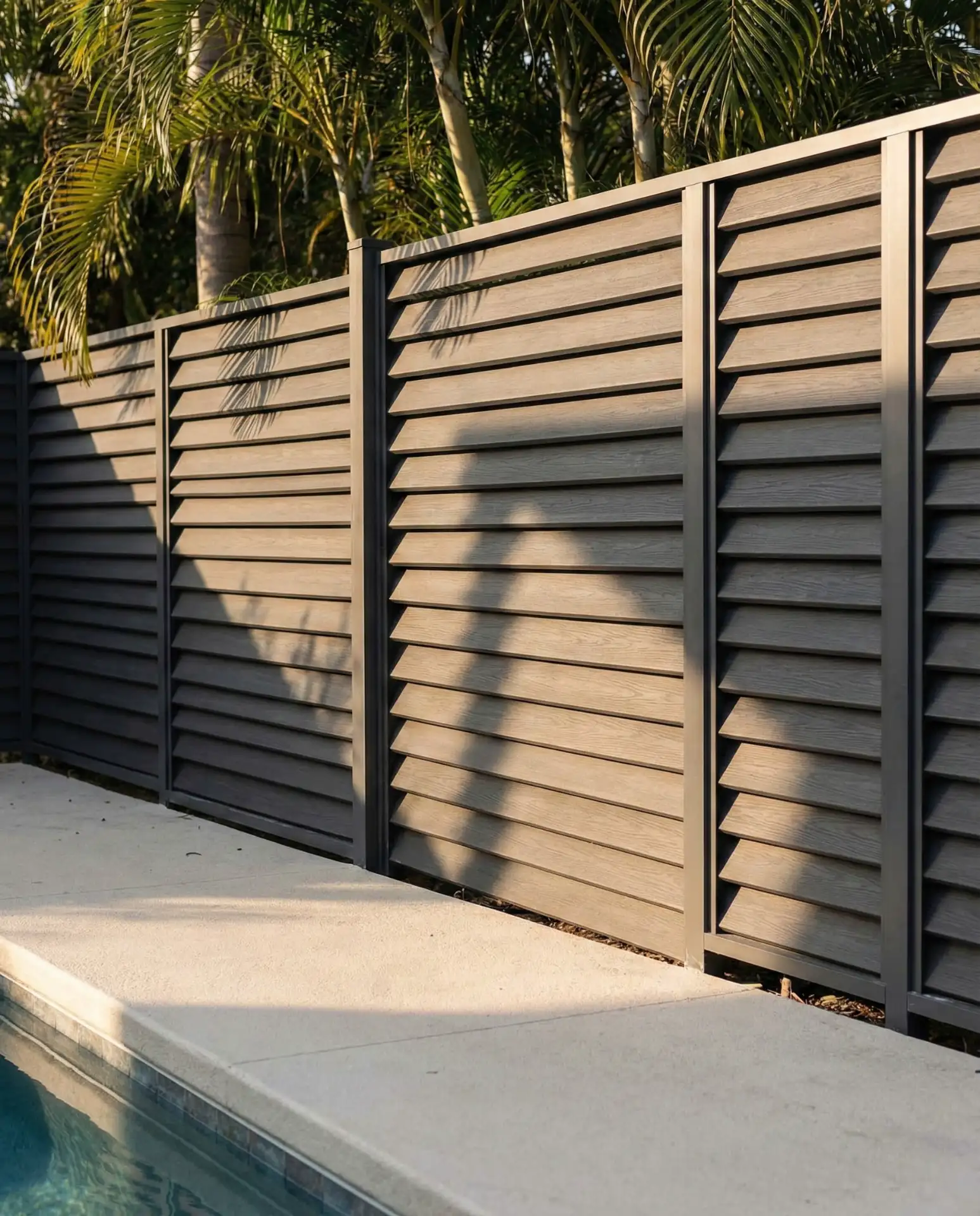
Budget reality: Louvered fencing ranks among premium options at $60-$120 per linear foot, reflecting specialized manufacturing and installation requirements. The investment pays off in hot, humid climates where solid fencing traps heat and limits comfortable outdoor time. The louver angle determines privacy level—steeper angles provide better screening but reduce airflow. Some systems offer adjustable louvers for seasonal customization. This fence type works best in dedicated outdoor living spaces rather than property perimeters, where its architectural sophistication and functional benefits justify the premium cost.
22. Reclaimed Door Section Wall
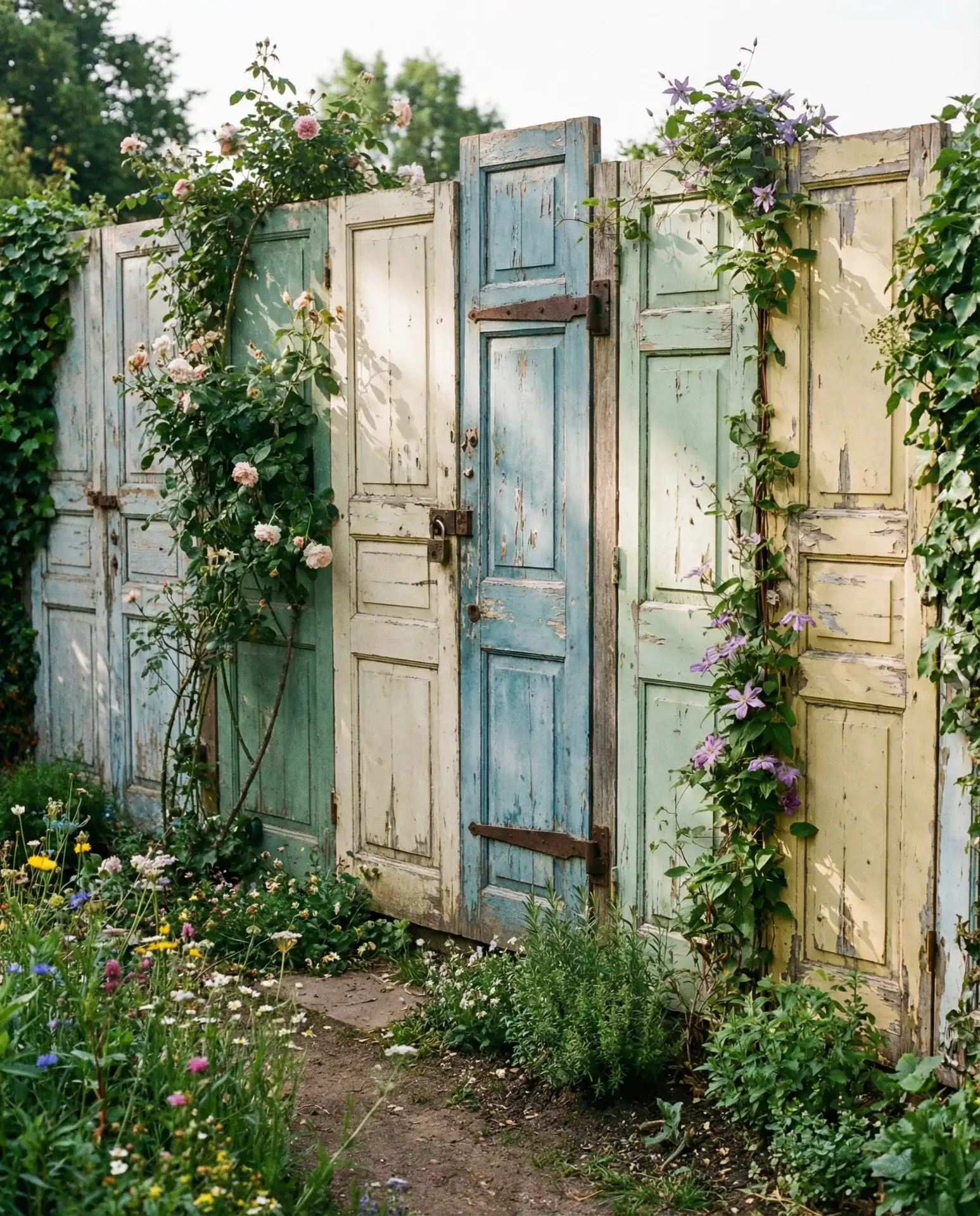
Vintage doors mounted as fence panels inject personality and history into garden boundaries, creating one-of-a-kind focal points that showcase architectural salvage. Old paneled doors, particularly those with original hardware and paint layers, bring rustic charm and conversation-starting character. Source doors from salvage yards, estate sales, or demolition sites, selecting pieces with similar heights for visual continuity. This eclectic approach works beautifully in cottage gardens, bohemian spaces, and urban yards where unexpected design choices feel at home. Each door tells its own story, making your fence genuinely unique. 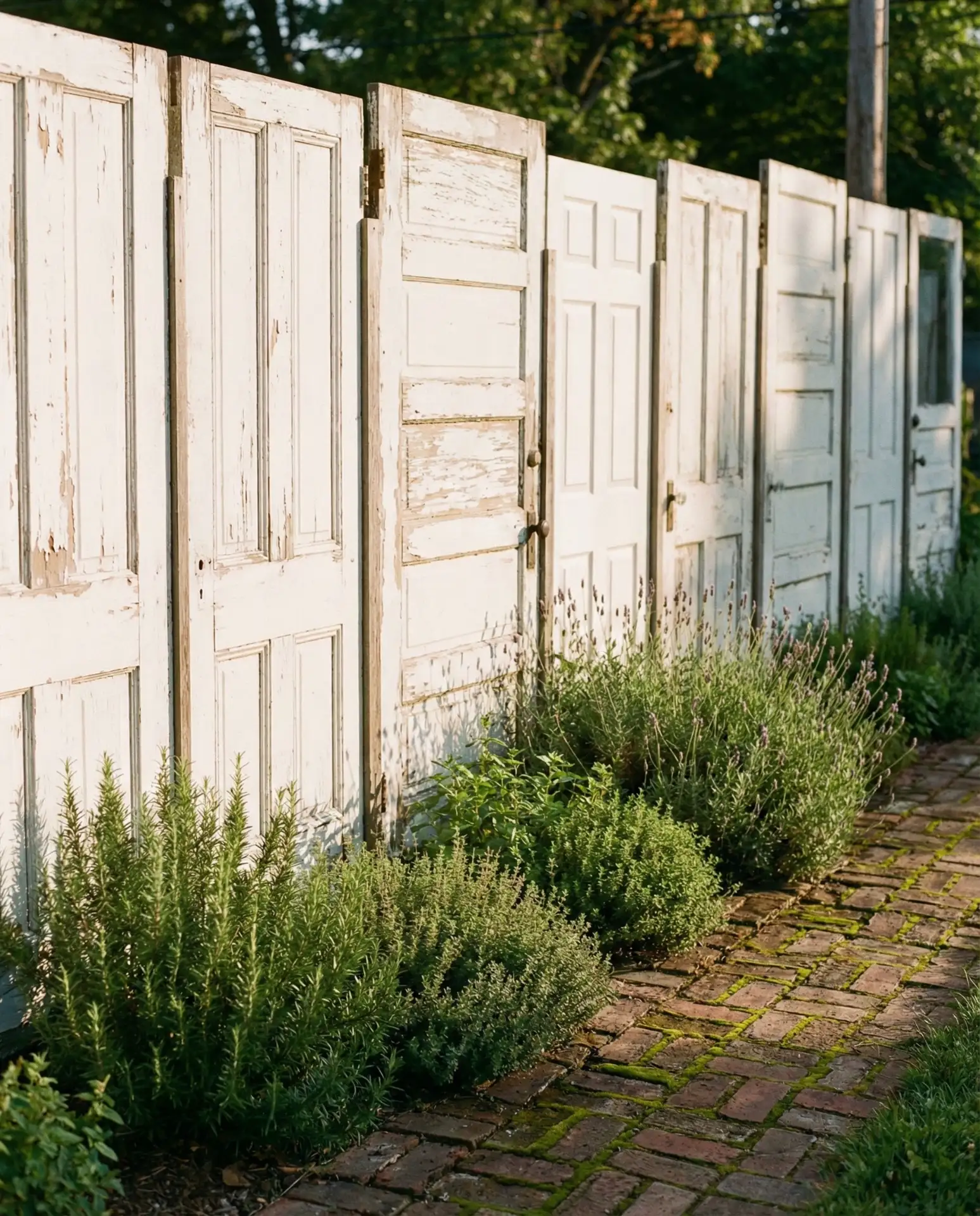
A homeowner’s tale: A Denver couple spent six months collecting doors from various sources, ultimately creating a 40-foot fence section for under $300 in materials—the doors themselves cost $10-$30 each. The project required custom framing to accommodate varying door widths, adding carpentry complexity. Seal doors thoroughly to protect against rot, and remove or secure glass panels for safety. This artistic fencing option demands more vision and effort than conventional approaches but rewards with unmatched character and the satisfaction of giving architectural elements new life.
23. Living Wall Vertical Garden
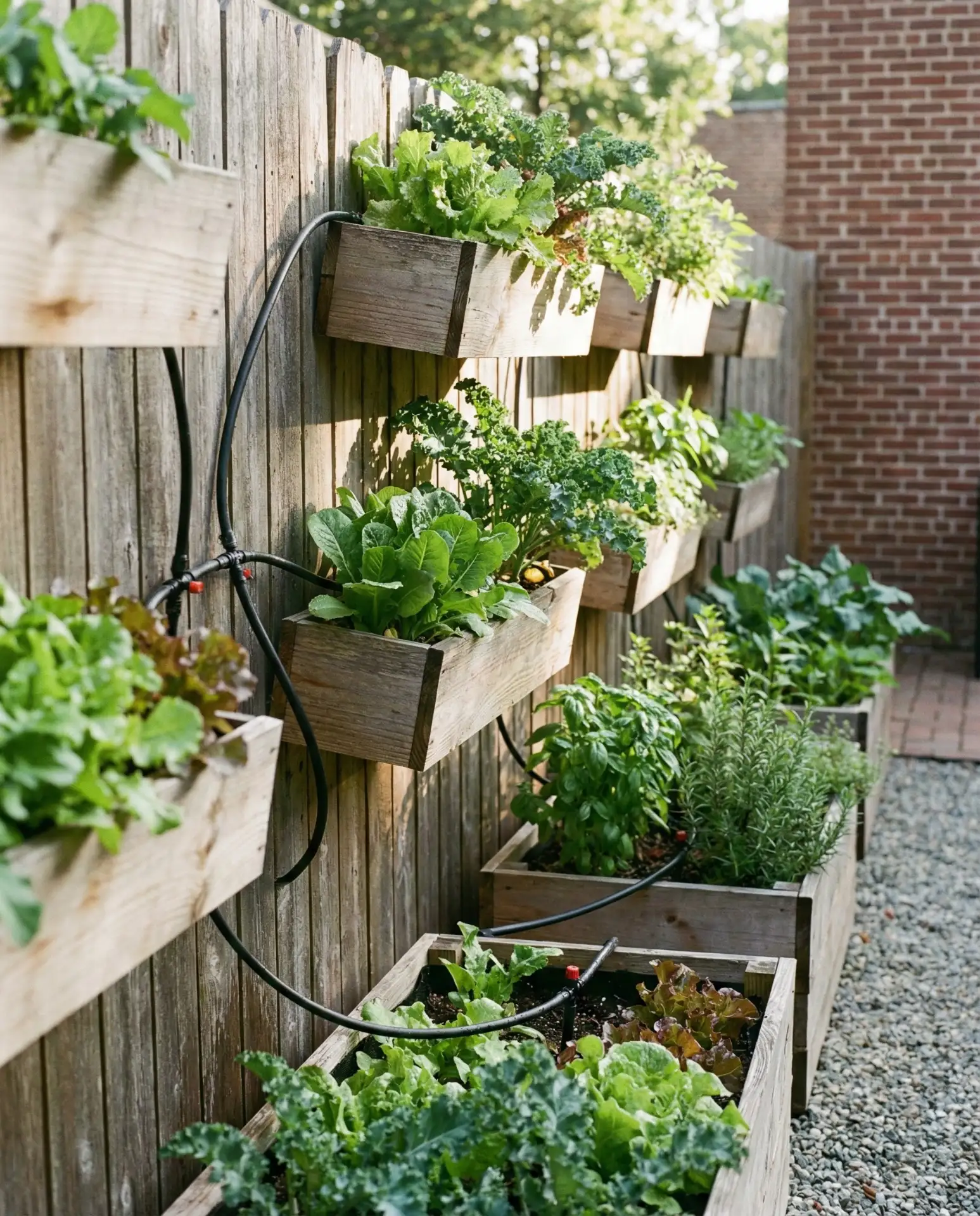
Transforming fencing into vertical growing space maximizes productivity in compact gardens, particularly valuable for urban gardeners and vegetable enthusiasts with limited ground area. Attach modular planting pockets, gutters, or custom-built boxes to fence surfaces, creating multiple tiers for herbs, greens, and compact vegetables. This easy approach to expanding growing space requires sturdy fencing capable of supporting soil weight and regular watering access. Drip irrigation systems simplify maintenance, delivering moisture directly to plant roots. The vertical garden adds lush green coverage that cools the fence and creates a living tapestry of texture and color. 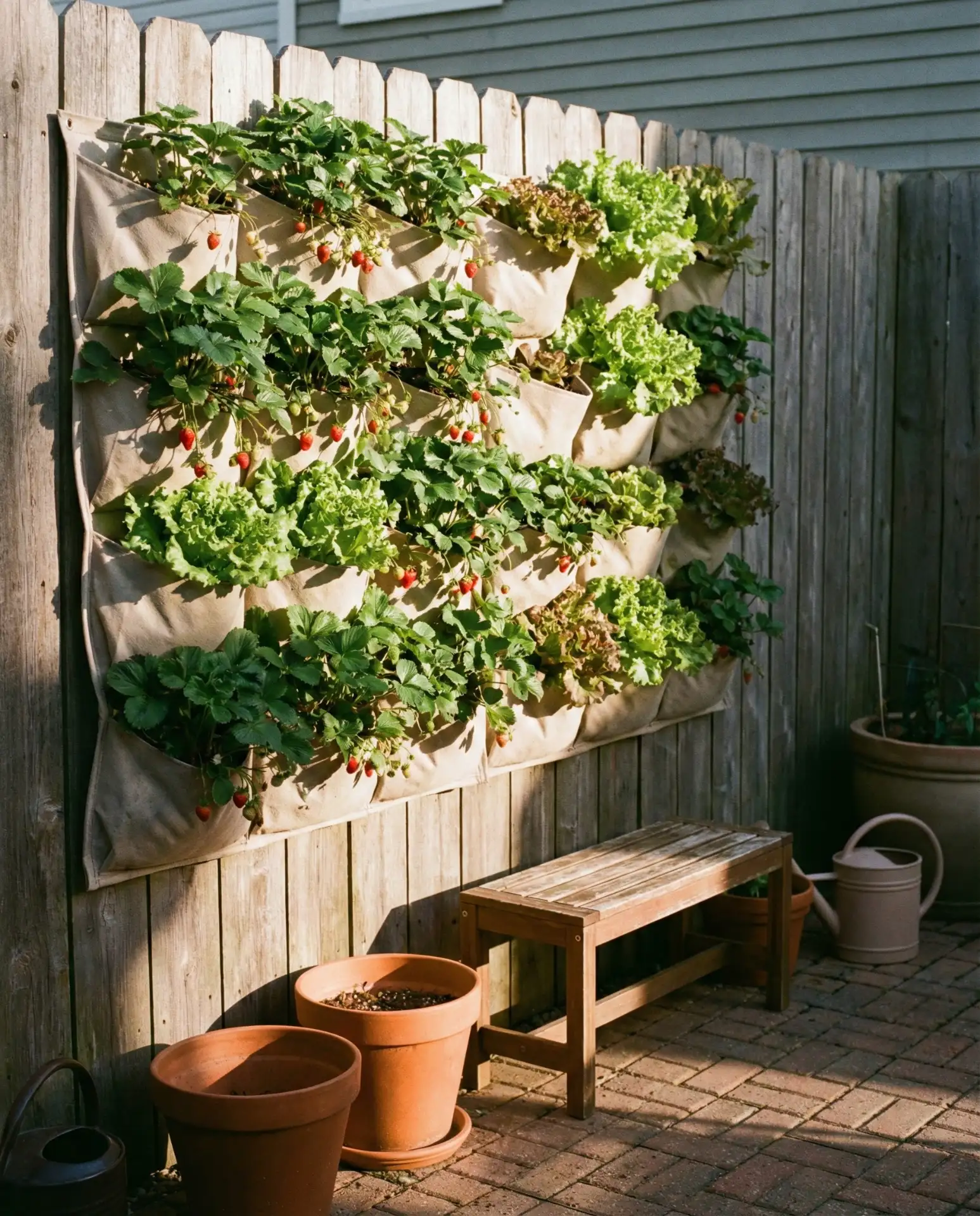
Practical wisdom: South and west-facing fences receive maximum sun for vegetables, while north and east exposures suit shade-tolerant herbs and greens. Weight distribution matters—reinforce posts if loading fences heavily with soil-filled containers. Use lightweight potting mix rather than garden soil to reduce weight while maintaining good drainage. This growing method suits renters since systems mount and remove easily without permanent modification. Vertical gardens extend the growing season by taking advantage of reflected heat from fences, a benefit particularly valuable in northern climates with shorter summers.
24. Sculptural Art Panel Installation
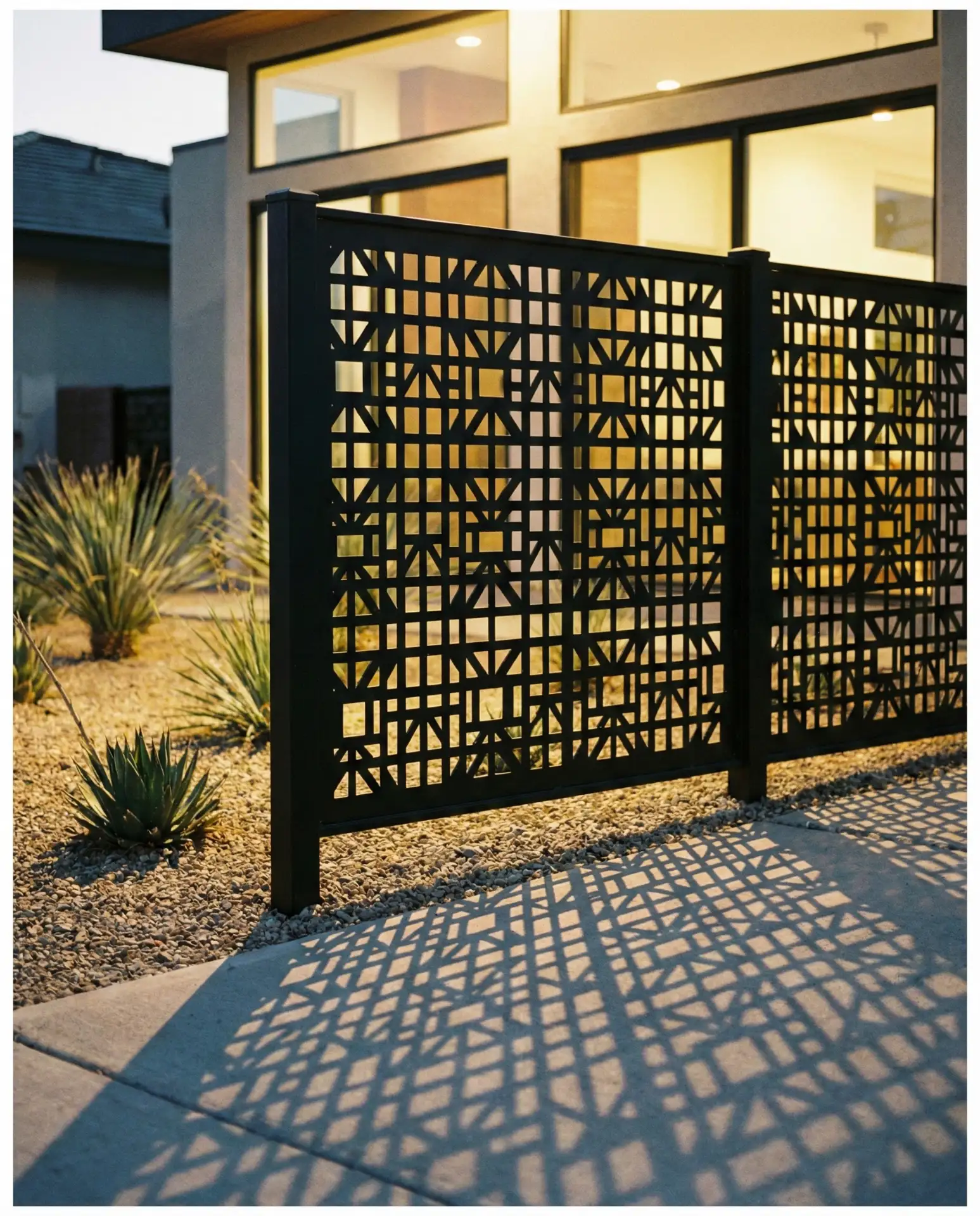
Contemporary laser-cut metal panels or custom wood designs transform functional fencing into outdoor art, creating dramatic visual impact that extends your home’s personality into the landscape. Geometric patterns, nature motifs, or abstract designs add dimension and interest while maintaining privacy and security. These sculptural elements work as standalone fence sections or accent panels interspersed among standard fencing. The interplay of light and shadow through cut patterns changes throughout the day, creating dynamic visual experiences. This high-design approach suits modern homes where fencing serves as architectural expression rather than mere utility. 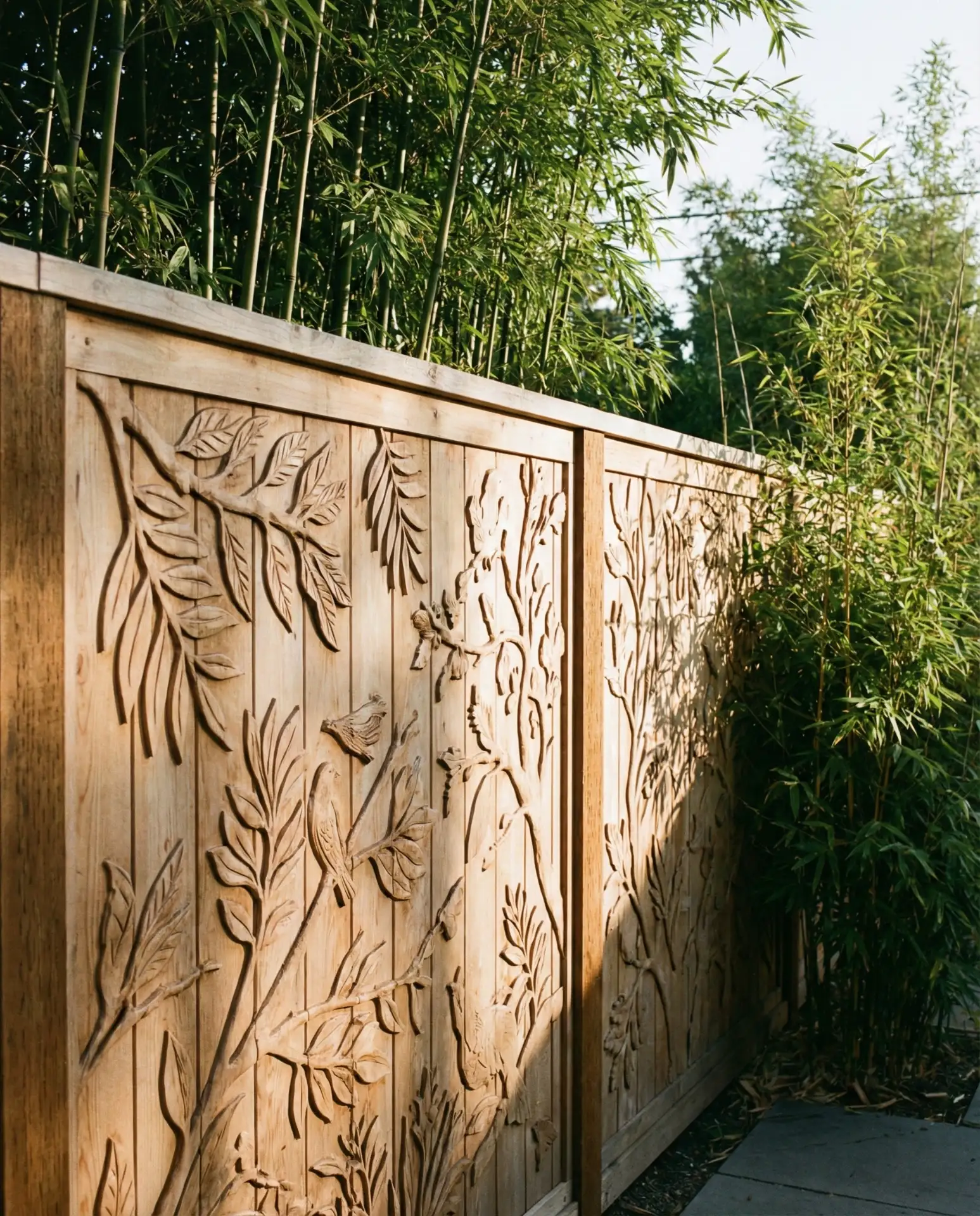
Cost reality: Custom art panels represent premium fencing investments at $150-$500+ per panel depending on size, material, and design complexity. Machine-cut aluminum panels cost less than custom wood carving or hand-forged metalwork. Many homeowners use art panels strategically—as entry features, at outdoor dining areas, or alongside pools—combining them with less expensive standard fencing. The dramatic visual impact disproportionately elevates perceived property value. Commission designs from local artists or fabricators to ensure unique results that reflect your aesthetic preferences. This choice makes a bold statement about valuing design and craftsmanship in everyday spaces.
Conclusion
Your garden fence does more than mark property lines—it frames your outdoor story and welcomes everyone who passes by. Whether you lean toward the timeless appeal of white pickets, the bold statement of painted color, or the sustainable beauty of living hedges, there’s a fence style that speaks to your vision. These ideas offer starting points for your transformation, blending function with personality in ways that suit American lifestyles from coast to coast. Which design caught your eye? Share your favorite in the comments below, or tell us about the fence project you’re planning—we’d love to hear what inspires you.