Family rooms in 2026 are evolving into multifunctional spaces that balance comfort, style, and practicality for American households. With Pinterest searches for family room inspiration surging, homeowners are looking for designs that accommodate everything from cozy movie nights to kid friendly play areas and sophisticated entertaining spaces. This year’s trends embrace modern luxury alongside transitional elements that feel both current and timeless. Whether you’re working with a small space or planning an open concept renovation, these ideas showcase how to create a family room that truly works for your lifestyle while reflecting the aesthetic direction of 2026.
1. Cozy Modern Farmhouse with Shiplap Accent Wall
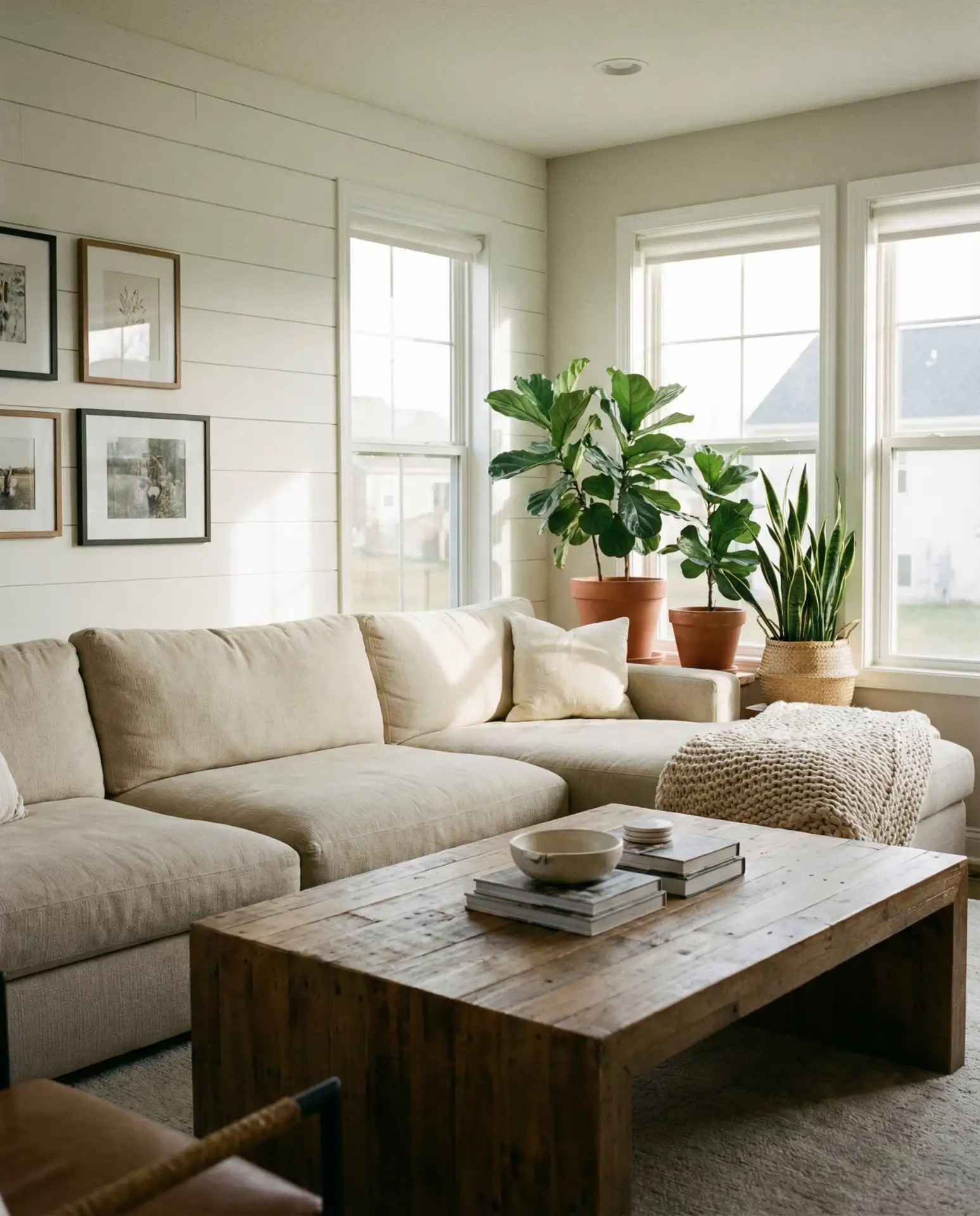
The cozy modern farmhouse aesthetic continues to dominate American family rooms, blending rustic charm with contemporary clean lines. A shiplap accent wall painted in soft white or warm gray creates the perfect backdrop for a sectional sofa piled with textured throw pillows. This design approach works beautifully in both suburban homes and urban lofts, offering that lived-in warmth that makes a family room feel inviting from the moment you walk in. 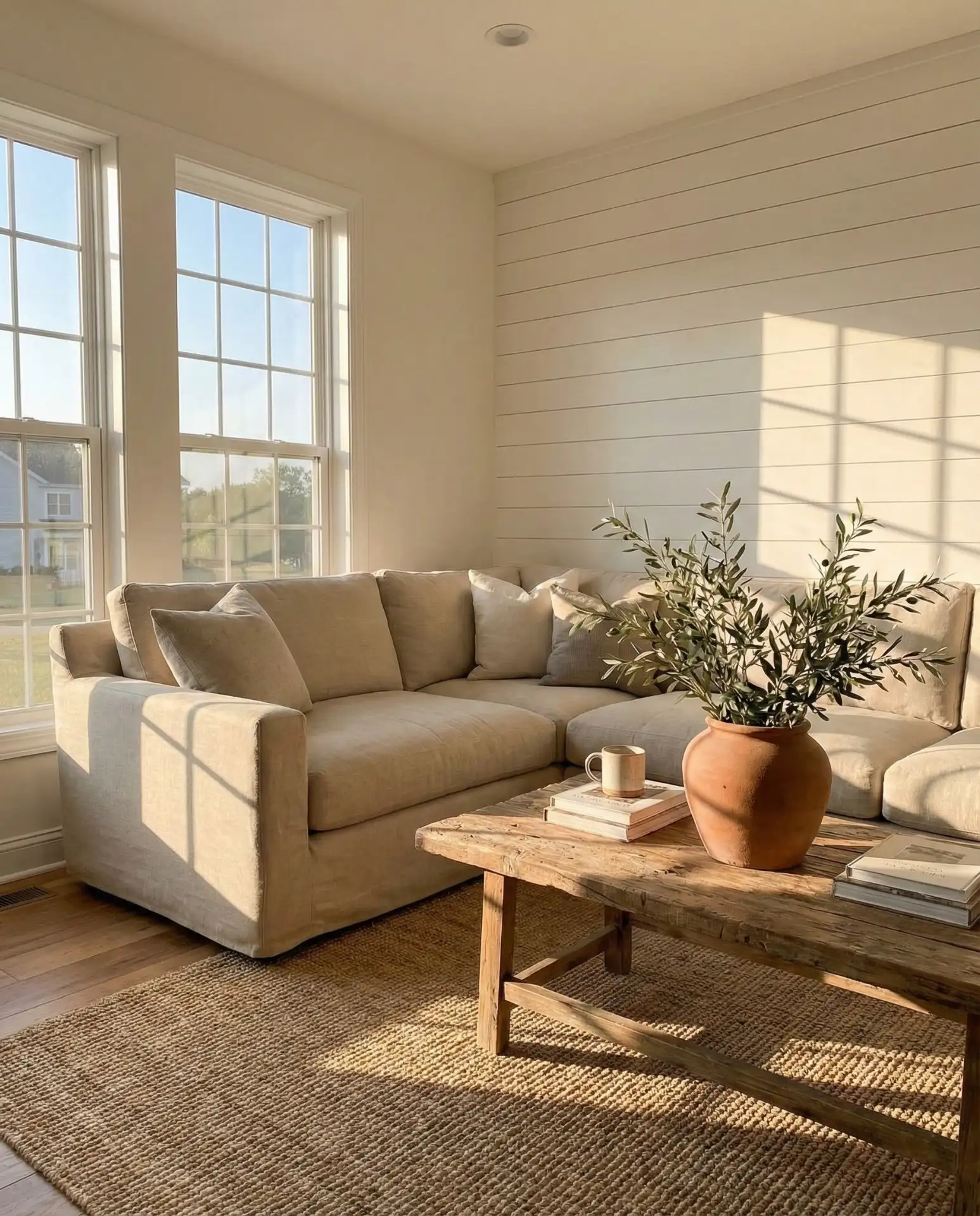
Where this works best is in homes with vaulted or standard-height ceilings where the horizontal lines of shiplap add visual interest without overwhelming the space. Pair the shiplap with reclaimed wood beams or a sliding barn door to reinforce the farmhouse vibe. The key is balancing rustic elements with modern furnishings—think sleek media consoles paired with vintage-inspired lighting fixtures that create a collected-over-time feeling rather than a matchy-matchy showroom look.
2. Built-In Media Wall with Hidden Storage
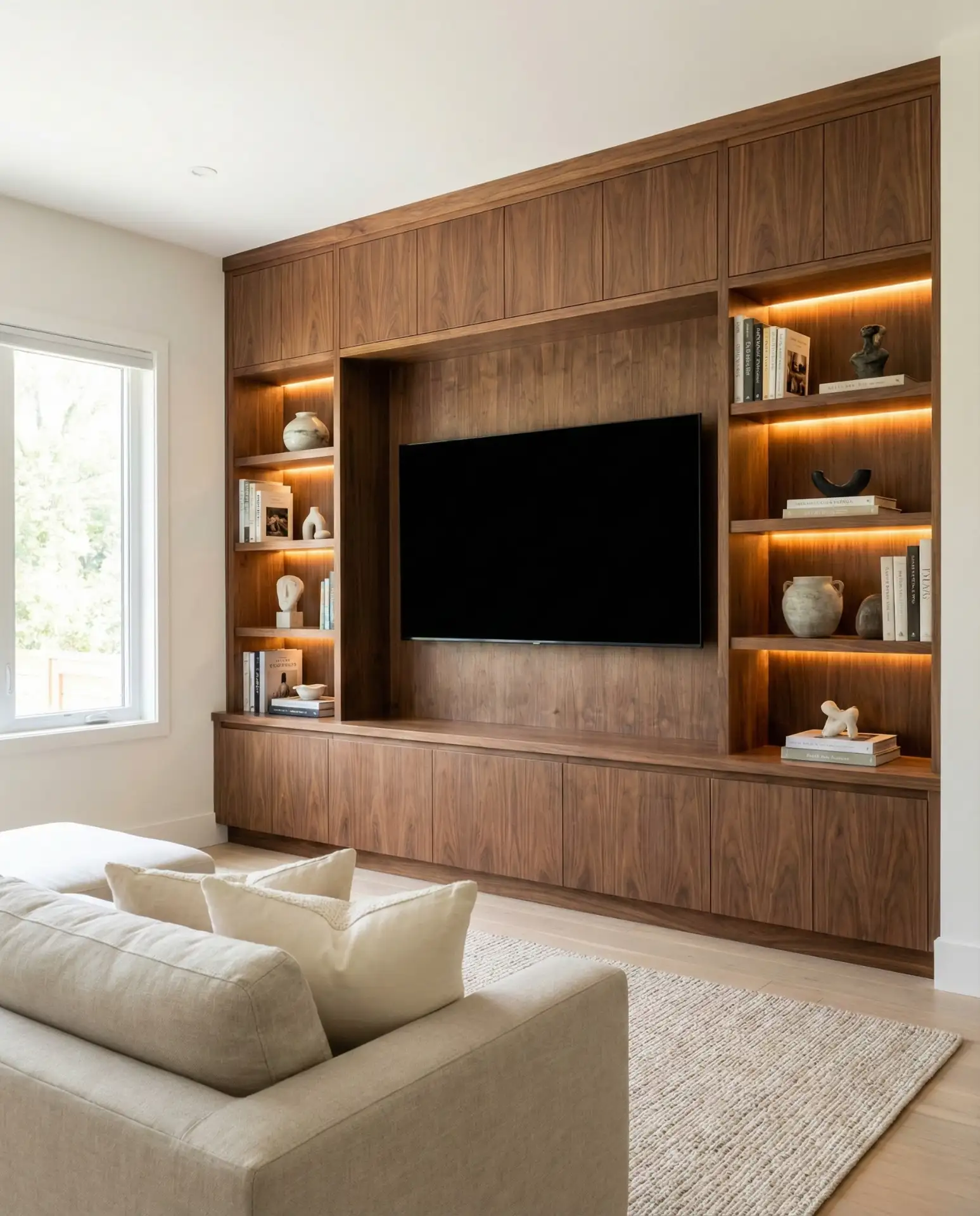
Custom built in media wall units are transforming family rooms into organized, clutter-free zones that don’t sacrifice style. These modern installations incorporate floating shelves, closed cabinetry, and dedicated TV niches that create a cohesive focal point. The beauty of this approach is how it conceals gaming consoles, DVD collections, and children’s toys behind sleek cabinet doors while displaying curated books and decorative objects on open shelving. 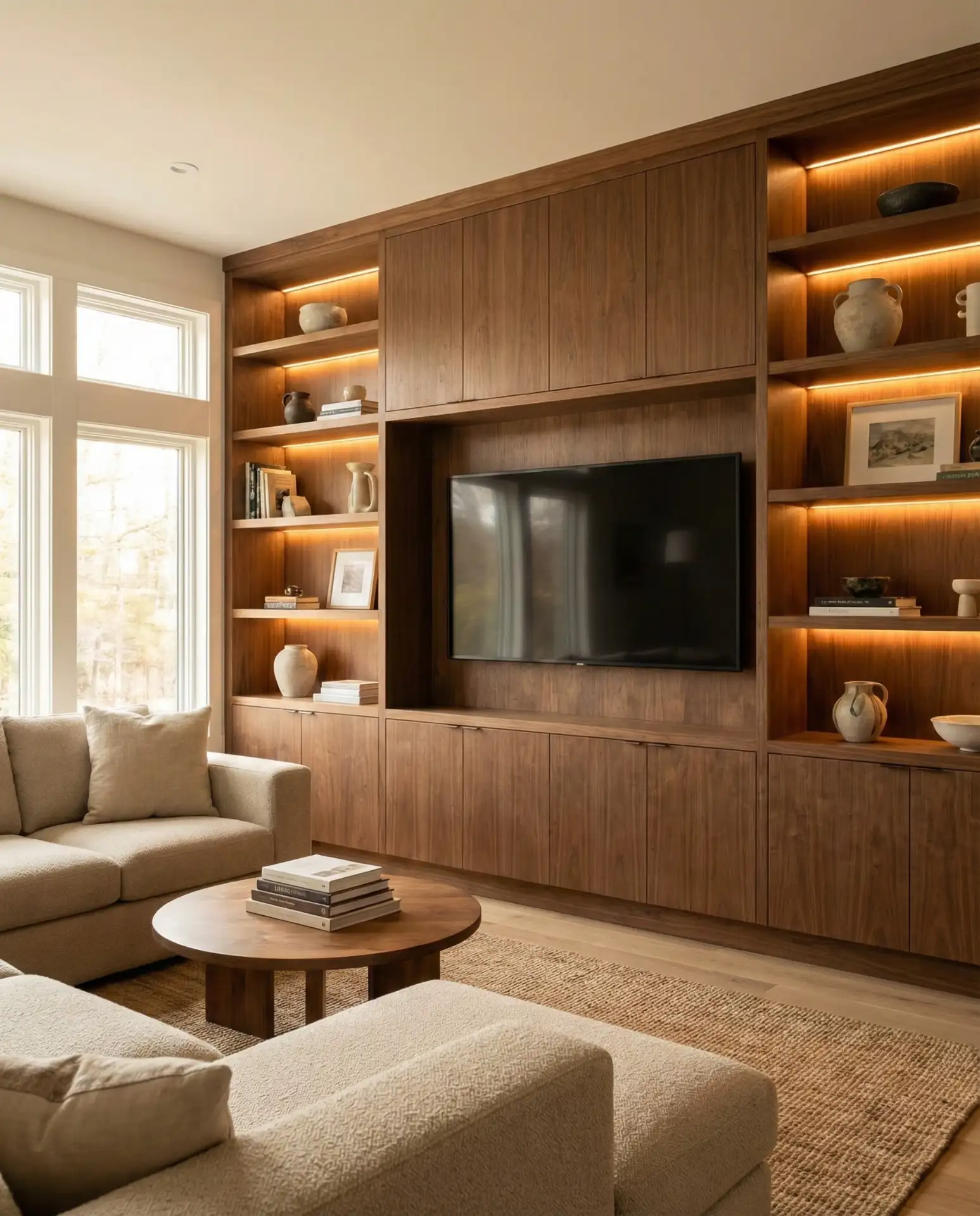
Most homeowners underestimate the budget needed for quality built-ins, with custom installations typically ranging from $3,000 to $12,000 depending on materials and complexity. However, the investment pays dividends in both functionality and home value. Opt for soft-close hinges and durable finishes that can withstand daily family use, and consider including charging stations and cable management systems during the design phase to future-proof your media wall.
3. Sectional-Centered Layout for Large Gatherings
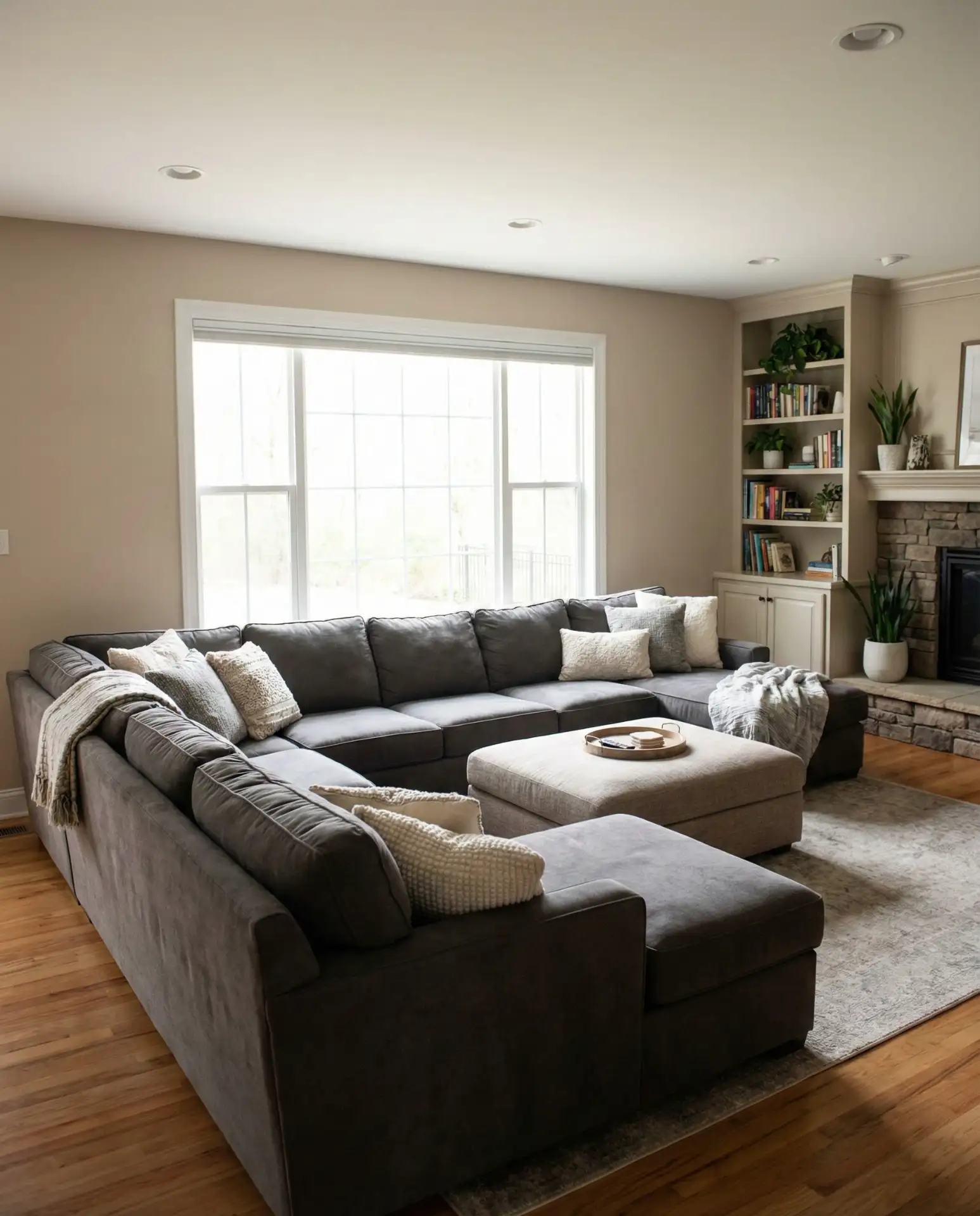
If your family loves to host game nights and holiday celebrations, then consider the large L-shaped or U-shaped sectional when arranging your living space. This furniture arrangement is best for accommodating more people into the space, but with a conversation setup. In the open plan, this sectional can also act as a room divider for family and living rooms, with open space between them and without a need of permanent walls dividing the family room to dining room. 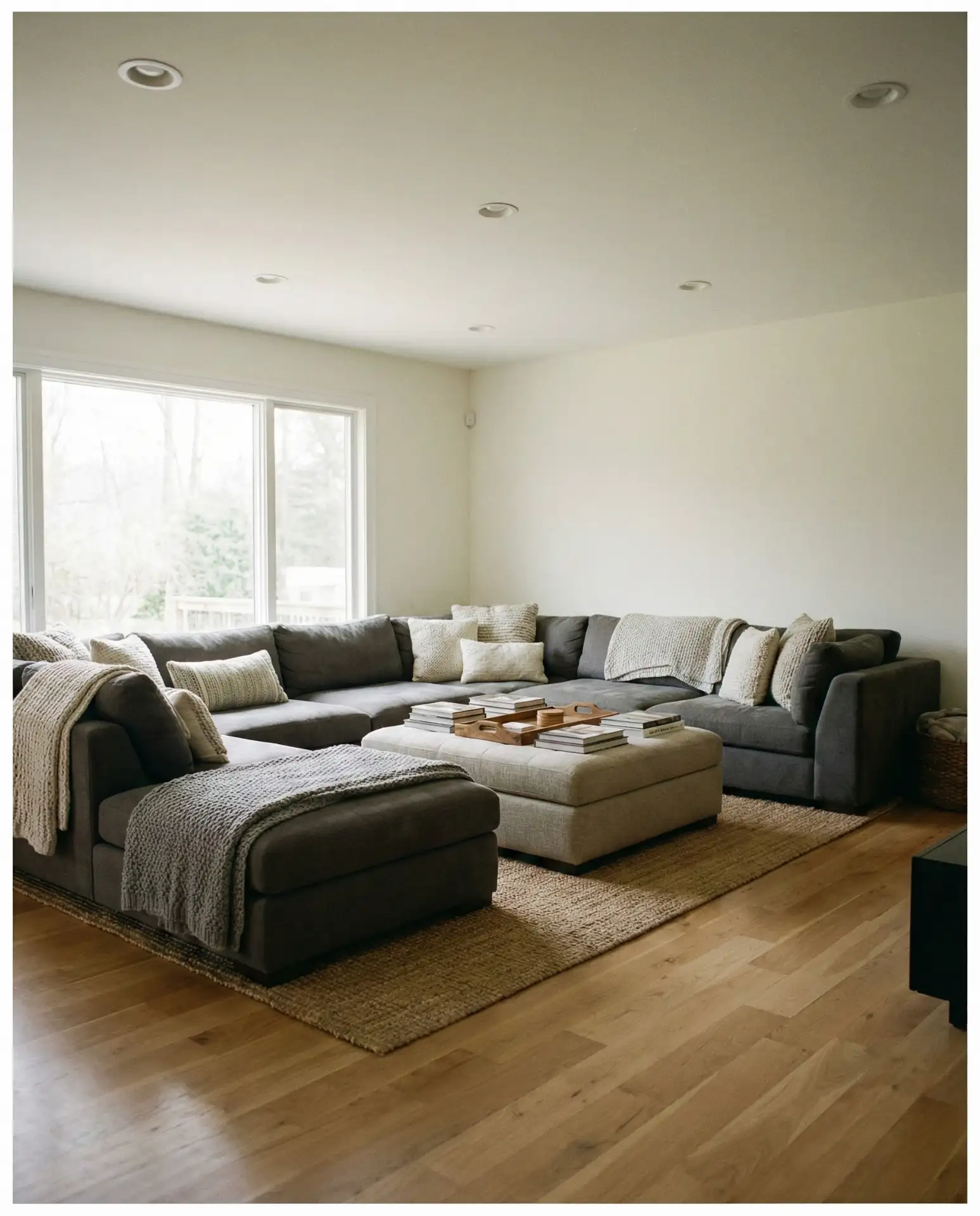
Real homeowners often make the mistake of choosing a sectional that’s too large for their space, creating cramped walkways and awkward traffic patterns. Measure your room carefully and leave at least 30 inches between the sectional and walls or other furniture pieces. Consider modular sectionals that can be reconfigured as your needs change, and look for performance fabrics that resist stains and wear—especially important in households with kids or pets.
4. Fireplace as the Cozy Focal Point
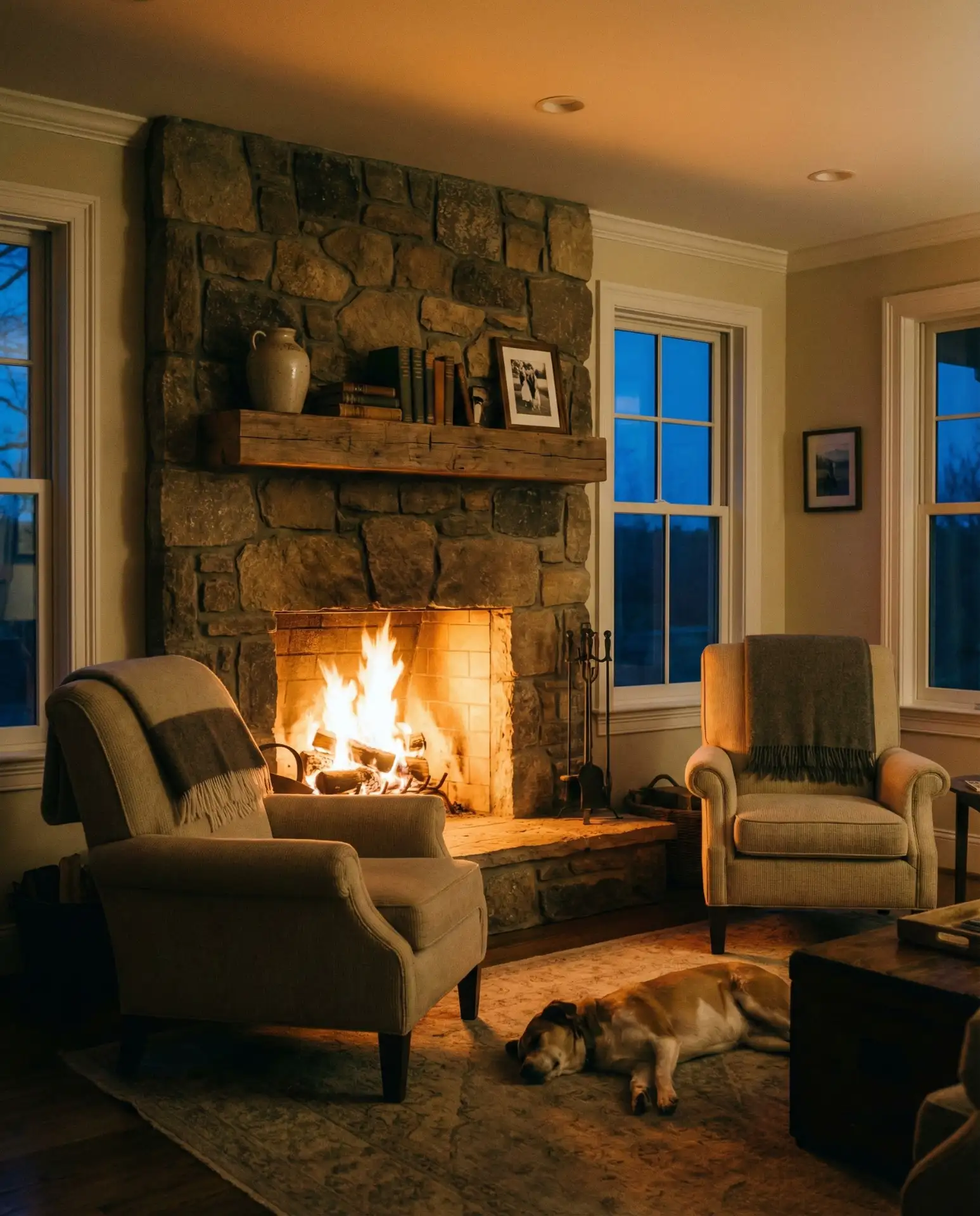
Nothing anchors a cozy family room quite like a well-designed fireplace that serves as both architectural feature and gathering place. Whether you choose a traditional wood-burning hearth with a classic mantel or a sleek linear gas insert, the fireplace creates instant warmth and ambiance. Flanking the fireplace with built-in bookcases or symmetrical windows enhances its prominence and creates a balanced, harmonious design. 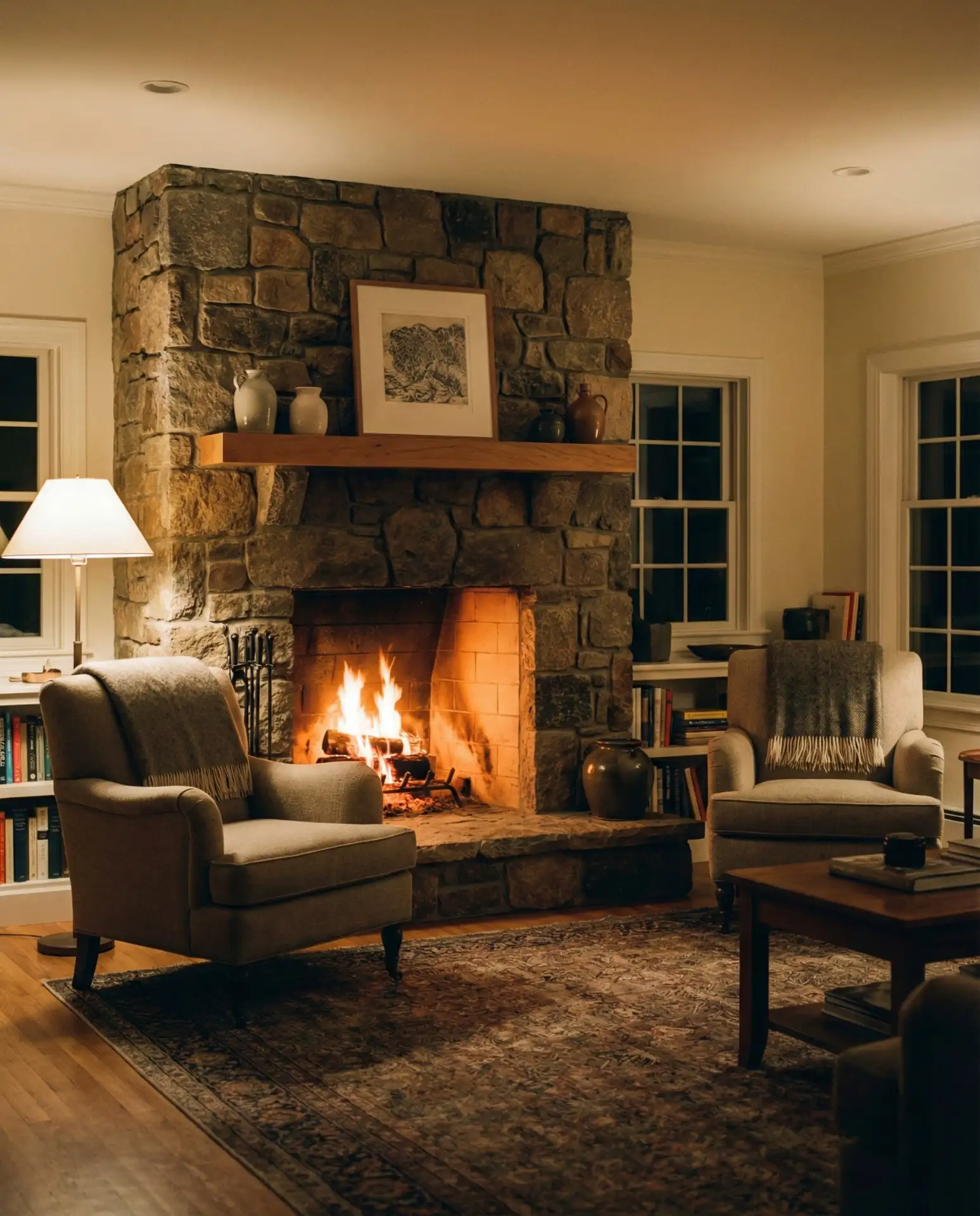
In the Pacific Northwest and Northeast, where winters are long, homeowners increasingly opt for dual-fuel fireplaces that offer the flexibility of gas convenience with wood-burning authenticity. The trend toward minimal fireplace mantels—styled with just a few carefully chosen objects rather than cluttered collections—reflects a broader shift toward intentional, curated spaces. Consider mounting your TV elsewhere rather than above the fireplace to preserve the mantel as a design focal point and avoid neck strain during viewing.
5. Basement Family Room with Theater Seating
Finished basement family rooms are becoming dedicated entertainment zones with cozy theater-style seating and sophisticated lighting control. These below-grade spaces benefit from their naturally darker environment, making them ideal for movie marathons and gaming sessions. Incorporating recliners with built-in cup holders and USB charging ports elevates the basement from afterthought to favorite family hangout. 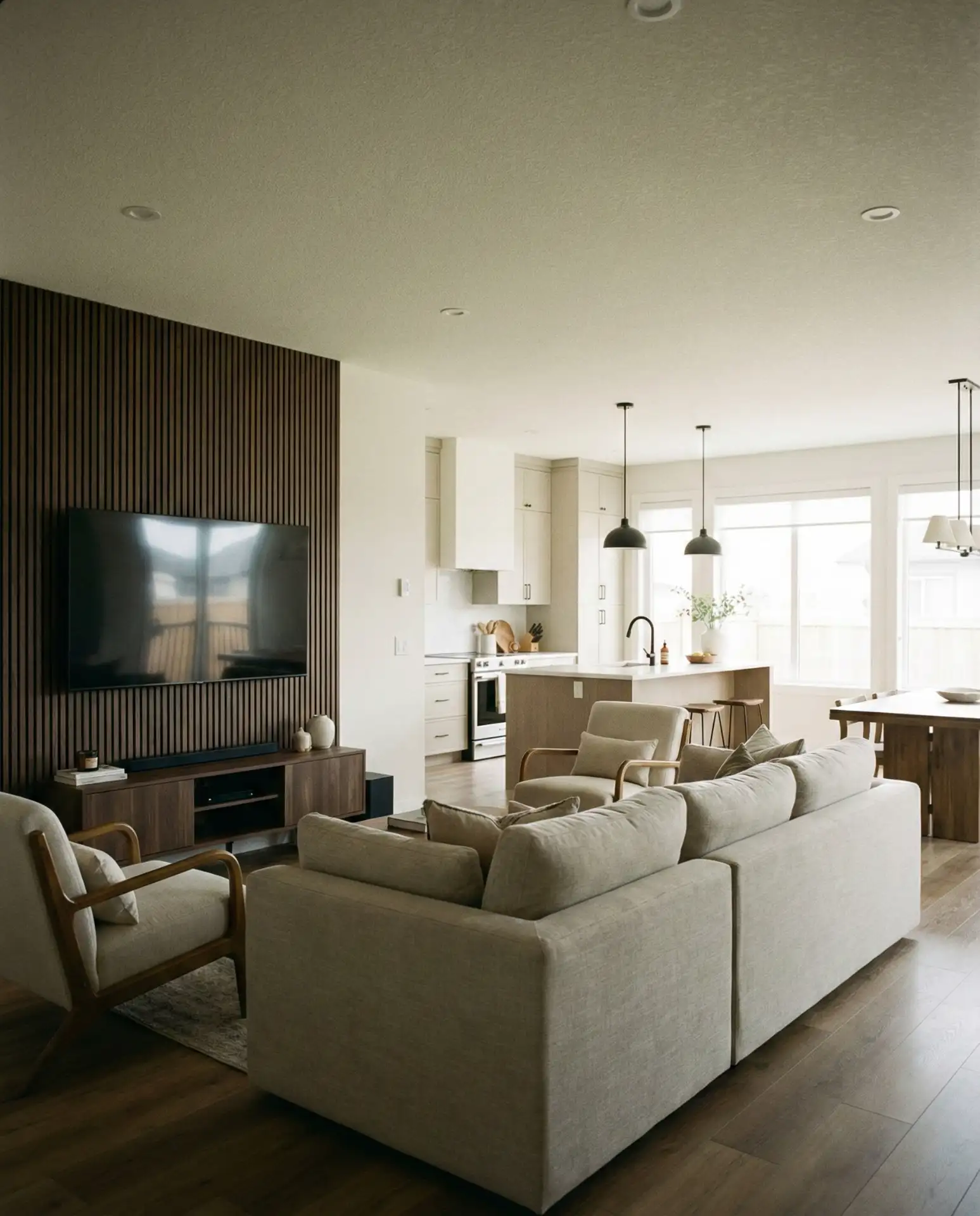
Prompt: Realistic interior photo, natural light, soft shadows, no people. Clear focus on the described interior. Not a 3D render. do not use signs and do not write the year. make the photo size 4:5. Basement family room with row of leather recliners, large projection screen, dark painted walls, recessed ceiling lights, plush carpet, soundproofing panels.
Expert designers recommend investing in proper soundproofing and moisture control before focusing on aesthetics in basement family rooms. Acoustic panels disguised as fabric art can prevent sound from traveling upstairs while improving audio quality. Address any dampness issues immediately—a dehumidifier rated for your square footage is essential in most climates. Paint colors in the charcoal-to-navy range work beautifully in basements, creating a cocooning effect that enhances the cinematic experience.
6. TV Open Concept Integration
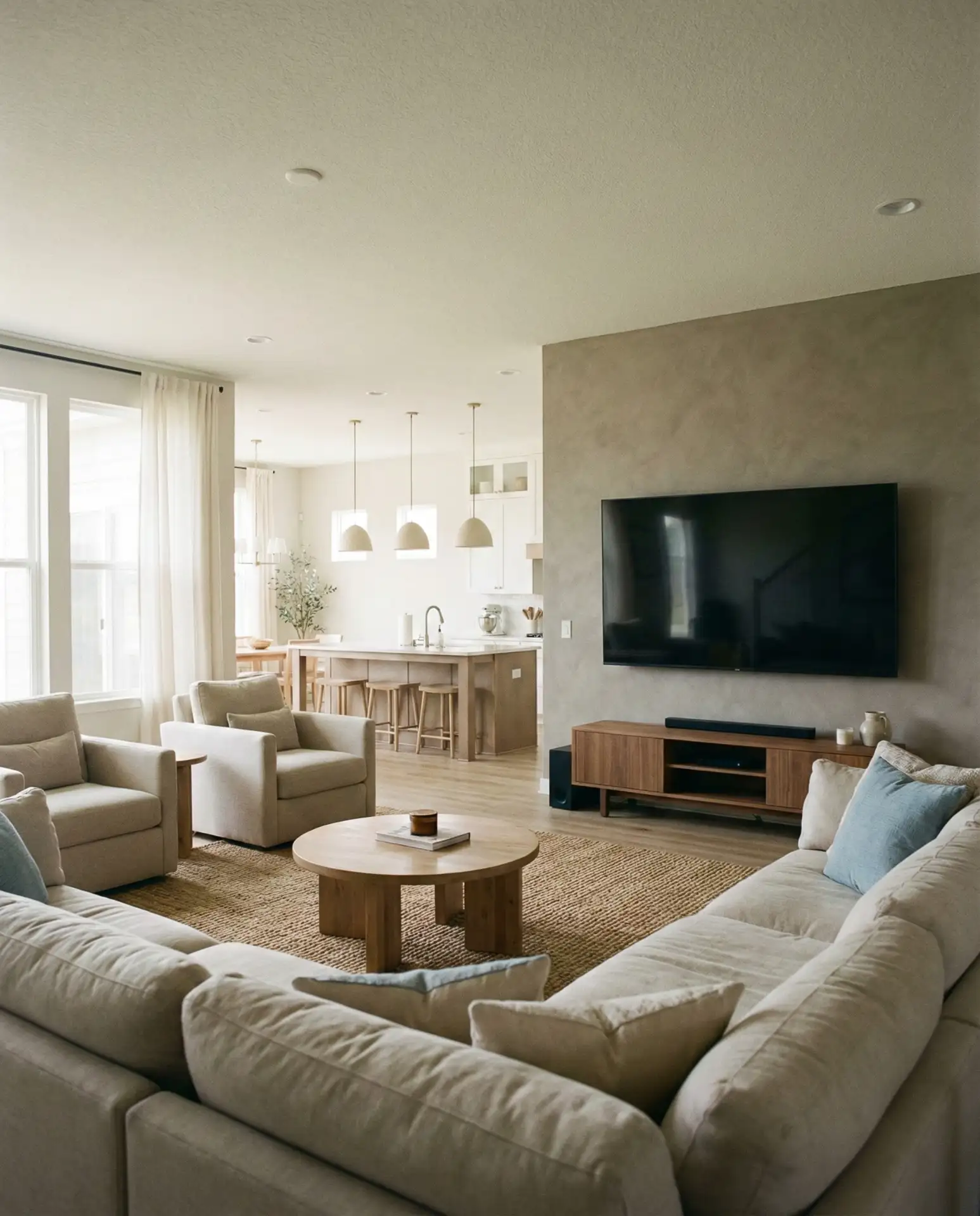
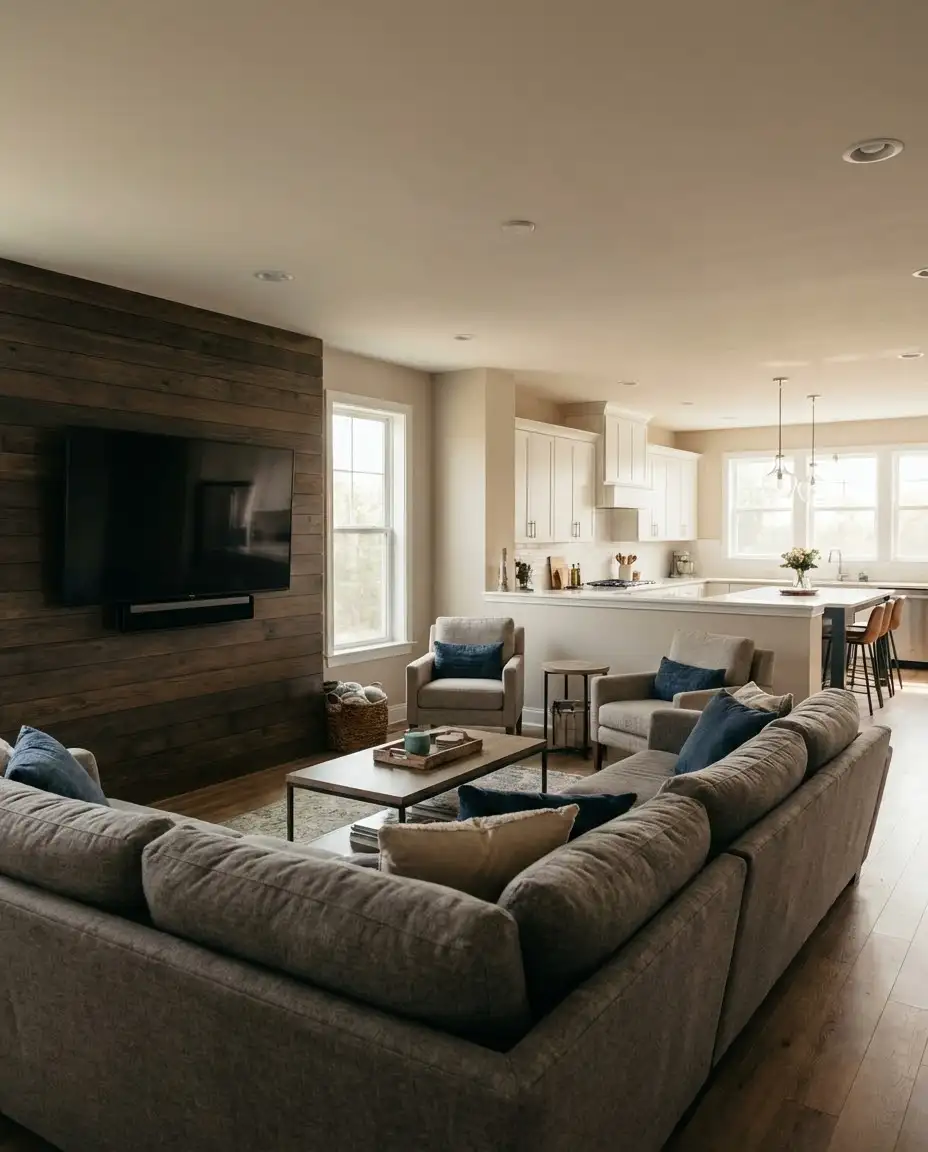
For craftsmen, the show should be opened in the floor using a visible television through a lot of zones, without it dominating the room. Sightlines should be established which work from the island, to the dining room and the primary seating areas which are in connection. Your family may want to shift from the primary seating area thus it is advisable to go for swivel mounts and articulating arms. 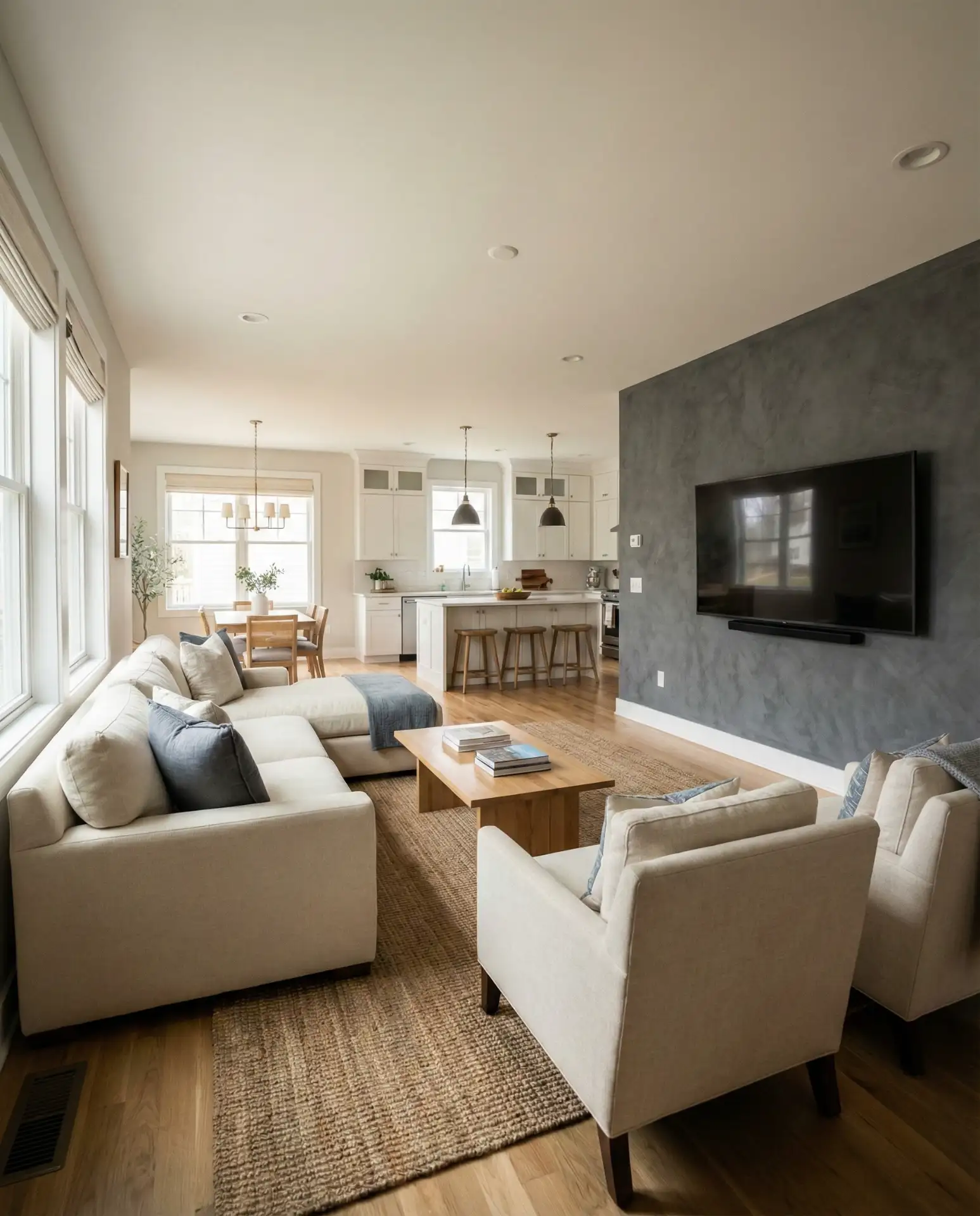
For instance, in many cases, the TV in an open floor place is normally mounted too high, meaning that the eye that is viewing should be approximately in the third centre. The media consoles that are having open storage as a way of concealing the remotes, cables and other clutters that are visible to the dining and the kitchen tempts. Area rugs define the family room within the larger open space but do not form hinder flow and vision.
7. Kid Friendly Durability Meets Style
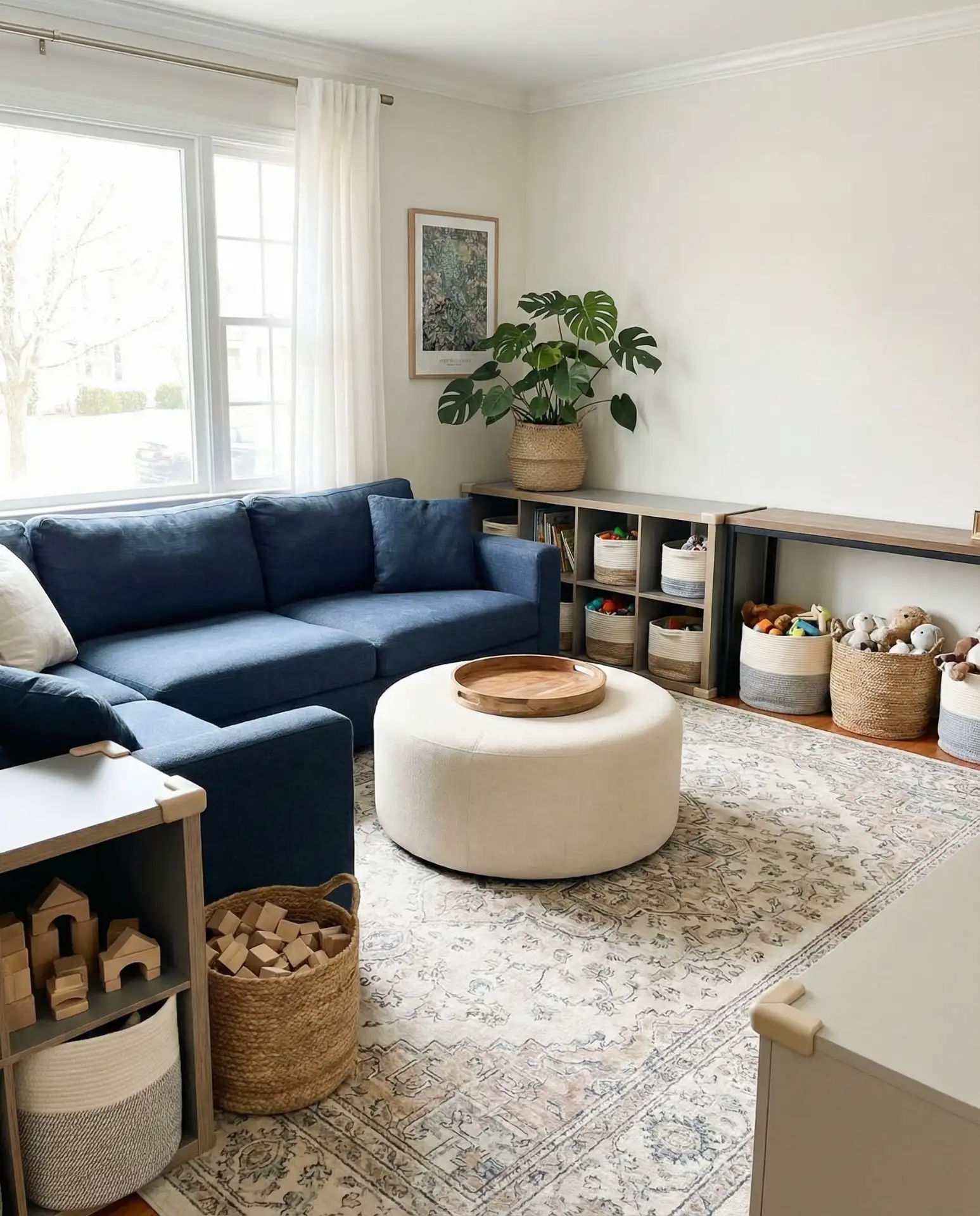
A kid friendly family room can be sleek and modern through the creative choice of a layout that can absorb and adapt to daily stresses. Upholstered dining chairs and a streamlined sofa look cute but are treated with stain repellent for a kitchen-dining room that can be hands on. Kid friendly chairs have a very low profile that can match a standard sofa. 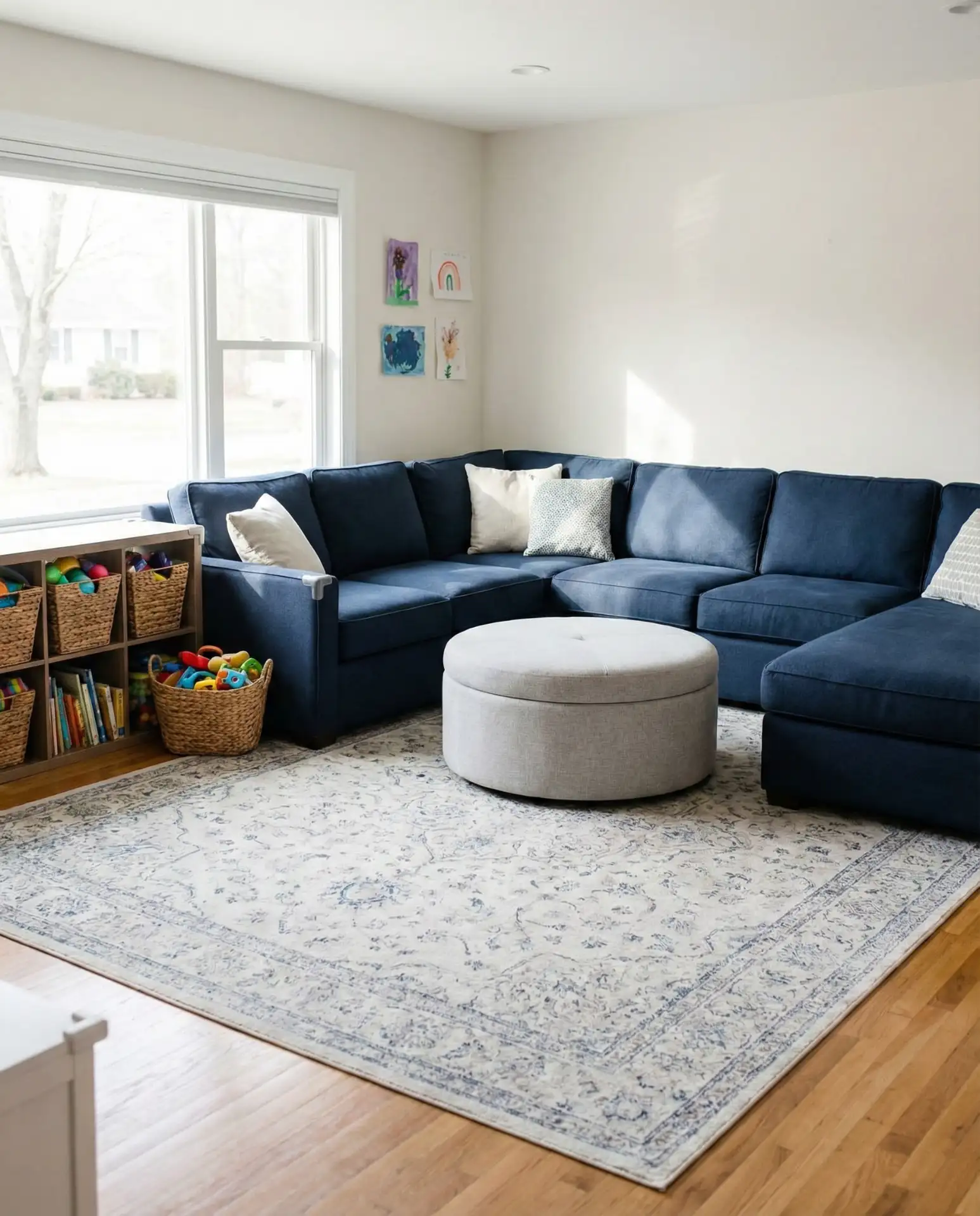
My neighbor with three kids under seven swears by Crypton and Sunbrella fabrics, which have survived everything from grape juice spills to marker incidents. She chose a medium-tone wood floor instead of light or dark, saying it hides scuffs perfectly. Another smart move: mount the TV securely and hide all cords inside the wall—not only does this look cleaner, but it eliminates a major safety hazard for curious toddlers who love to pull on dangling cables.
8. Minimalist Scandinavian Simplicity
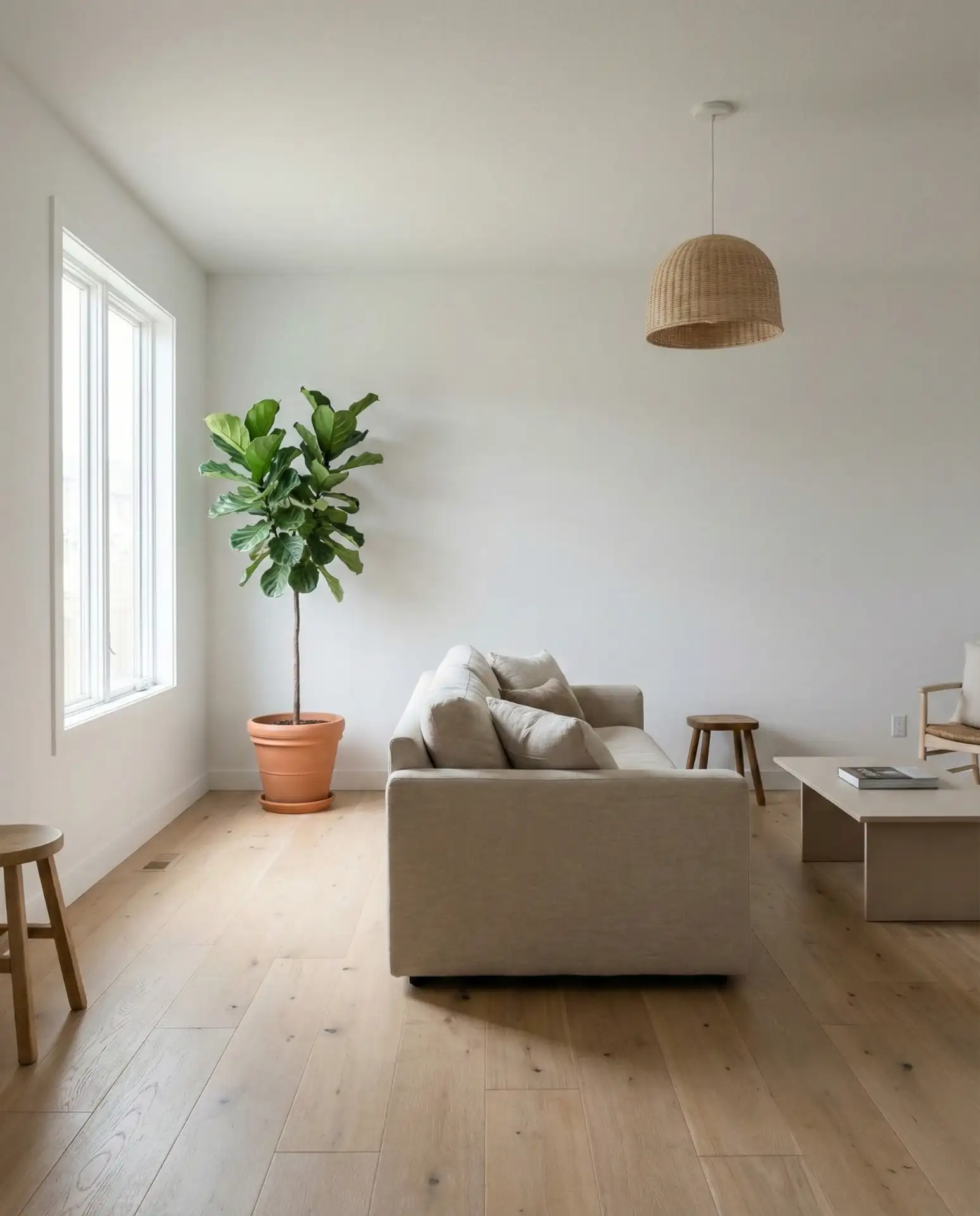 The approach to family room design strips away excess while maintaining warmth through natural materials and thoughtful lighting. iterations of this style embrace blonde woods, white walls, and a restrained palette of gray and beige with perhaps one accent color. The result is a calming environment that feels spacious even in small space, with every piece of furniture serving a clear purpose and contributing to the overall sense of tranquility.
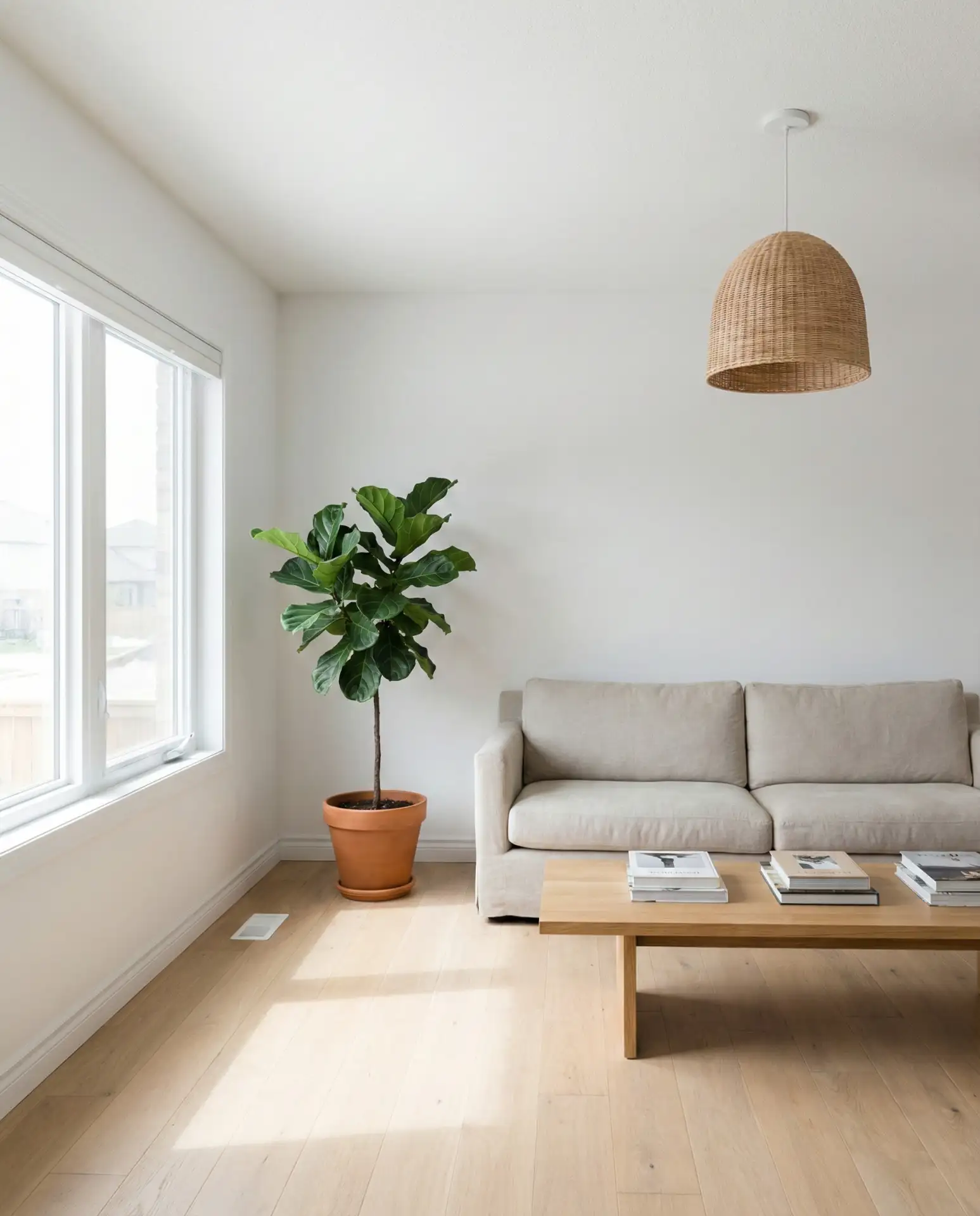
Where this works best is in urban apartments and smaller homes where visual clutter quickly makes spaces feel cramped. The minimalist aesthetic requires discipline—regular editing of belongings and resisting the urge to over-decorate. Invest in high-quality basics rather than trendy pieces, and focus on texture rather than pattern to add visual interest. Hidden storage is essential; even minimalist families have remotes, chargers, and household items that need to disappear when not in use.
9. Transitional Balance of Classic and Contemporary
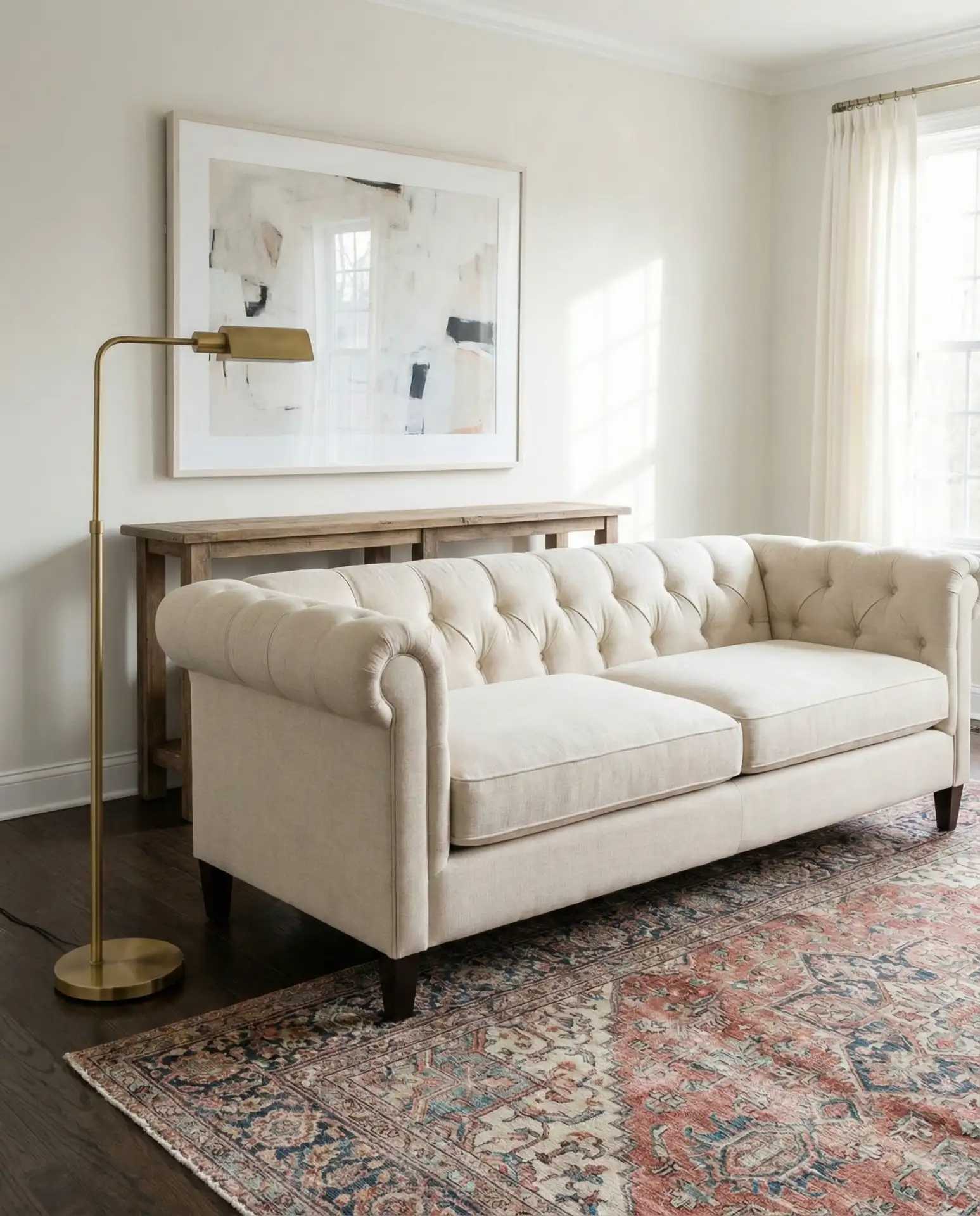
The transitional style bridges traditional comfort with contemporary clean lines, making it one of the most accessible and timeless approaches for family rooms. This look pairs classic furniture silhouettes with modern fabrics, or combines ornate lighting fixtures with streamlined sofas. The neutral color palette—think greige, warm gray, and soft white—creates a sophisticated backdrop that appeals to multiple generations and evolves easily as trends shift. 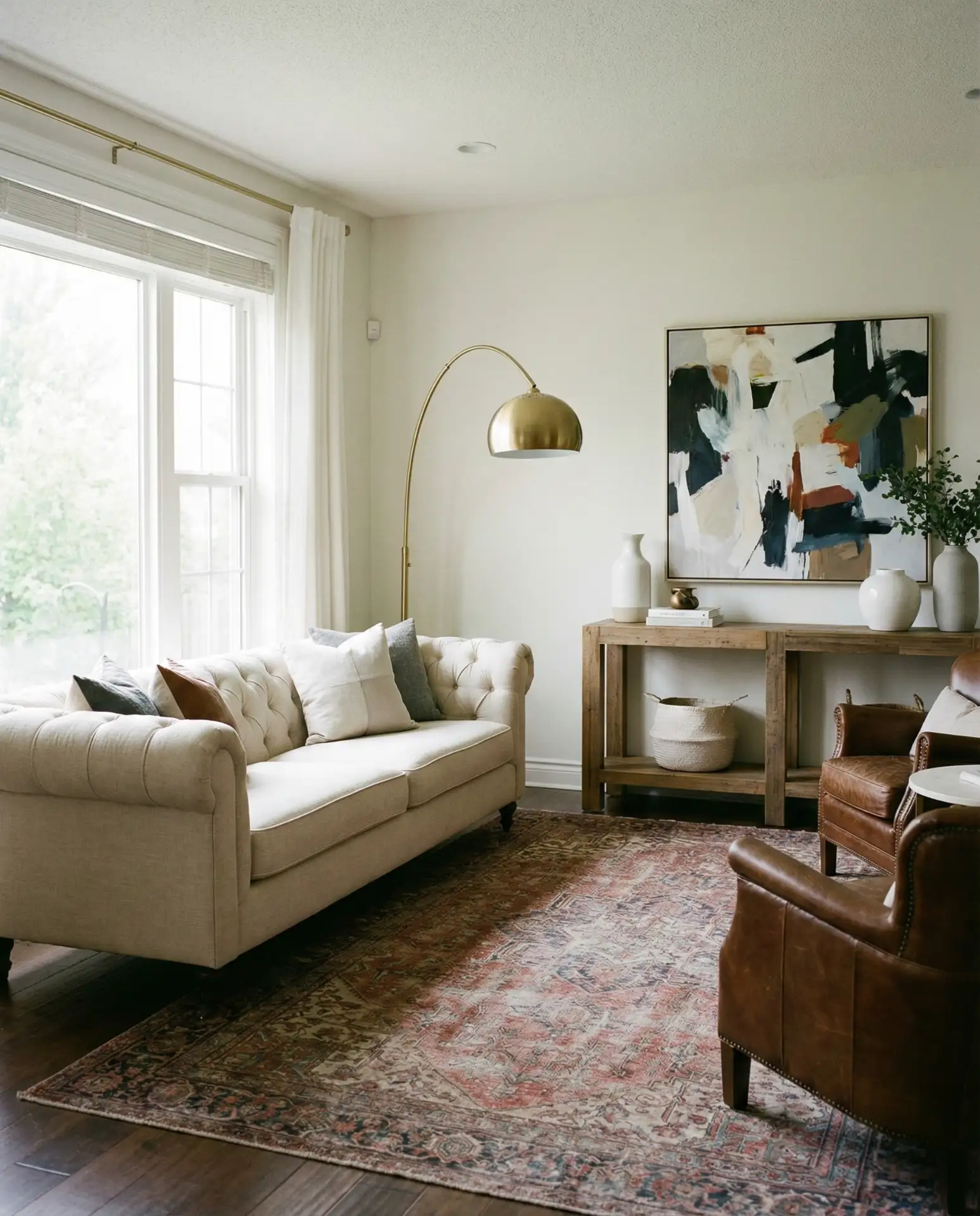
Transitional design particularly resonates in the Midwest and South, where homeowners appreciate spaces that feel both current and respectful of traditional home architecture. The budget-friendly aspect of this style is that you can mix inherited or vintage pieces with affordable modern finds from retailers like West Elm or Crate & Barrel. Focus on unified color temperature—all warm or all cool metals—and consistent wood tones to ensure disparate elements feel intentionally curated rather than randomly assembled.
10. Eclectic Personality-Driven Spaces
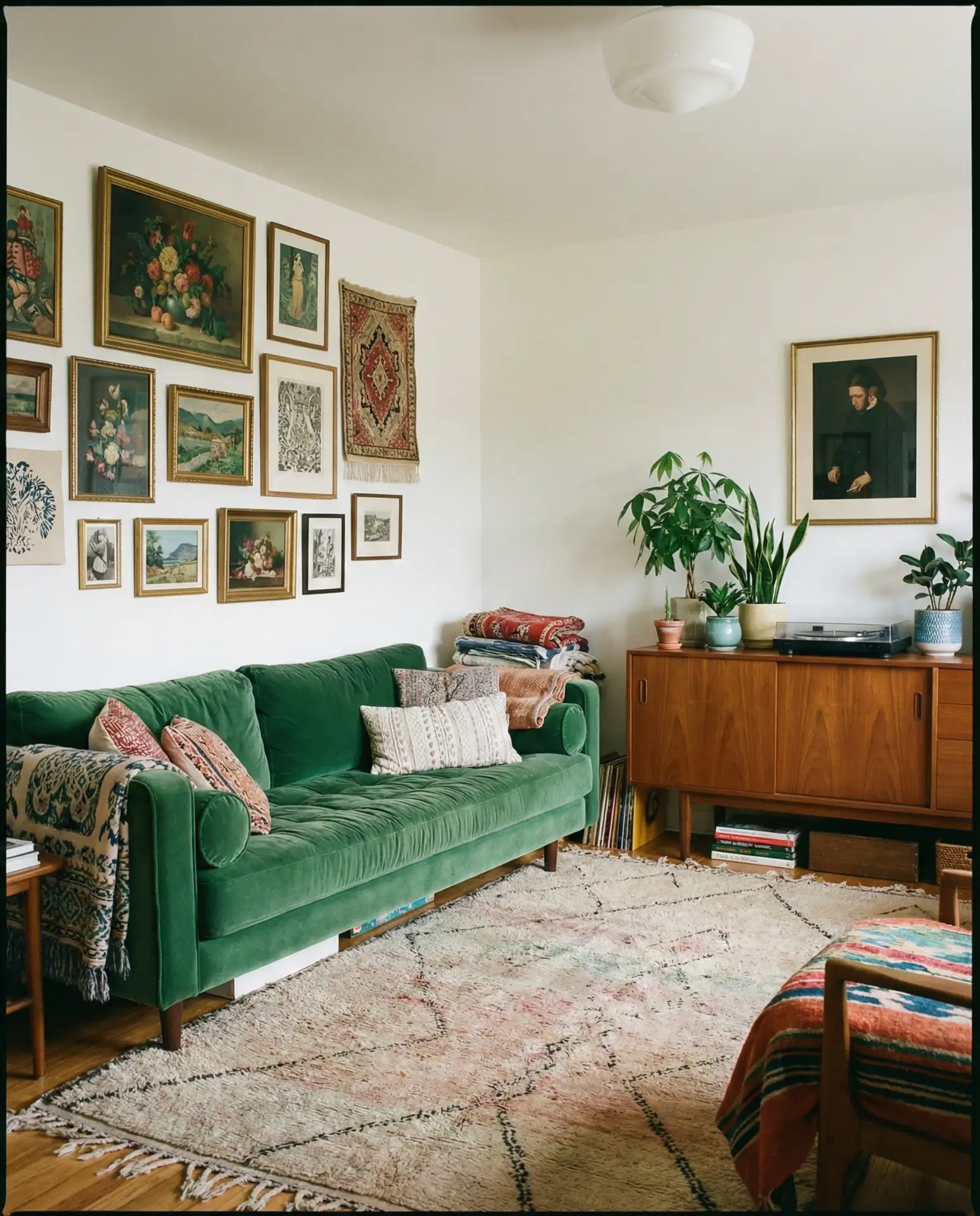
An eclectic family room celebrates individuality, combining patterns, colors, and furniture styles that reflect your family’s unique story. This approach layers vintage finds with modern pieces, mixes global textiles with local art, and isn’t afraid of bold color combinations. The key to pulling off eclectic design is maintaining some common thread—whether that’s a repeated color, similar wood tones, or a consistent scale—that prevents the space from feeling chaotic. 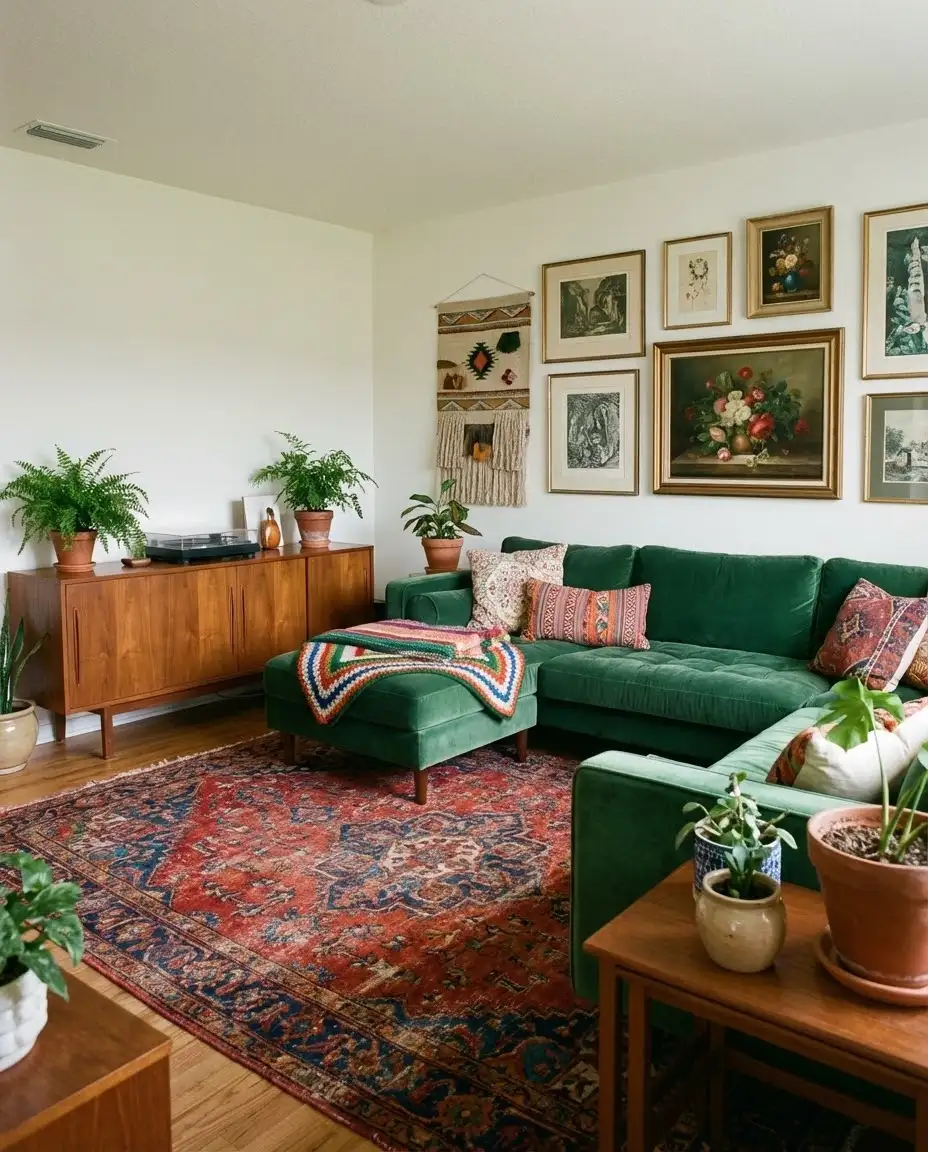
The beauty of eclectic style is how it evolves organically—you’re never “done” decorating, and new finds can be integrated without needing to replace entire furniture sets. Real eclectic collectors shop estate sales, antique markets, and online marketplaces, building their rooms piece by piece over years. The common pitfall is adding too much too quickly; even eclectic spaces need breathing room. Edit ruthlessly and give your favorite pieces space to shine rather than competing for attention in an overstuffed room.
11. Cozy Modern with Textural Layers
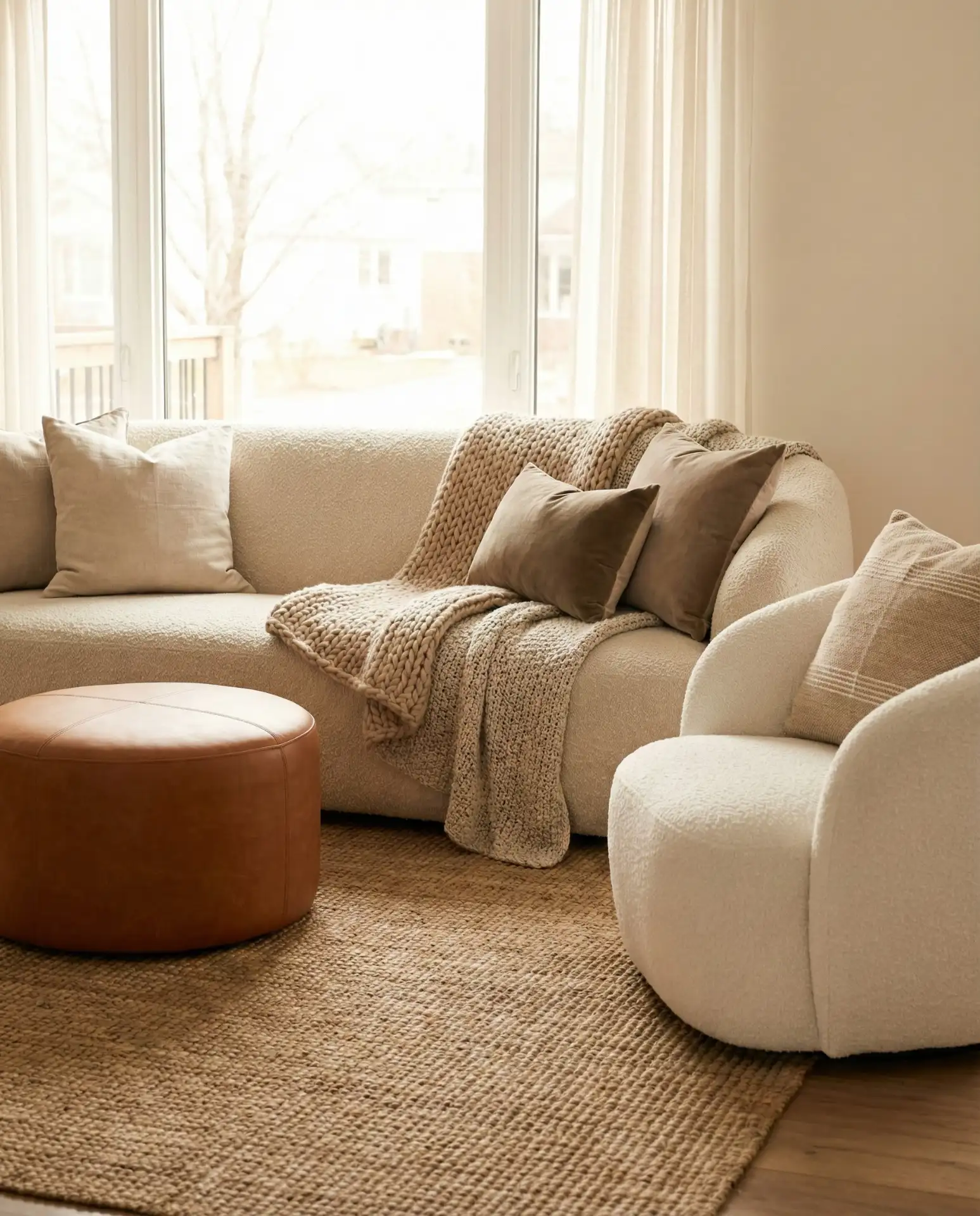
The cozy modern aesthetic proves that contemporary design doesn’t have to feel cold or unwelcoming. This style layers multiple textures—nubby linen, soft velvet, smooth leather, chunky knits—within a minimalist framework to create depth and warmth. The color palette stays neutral, allowing the interplay of materials to provide visual interest while maintaining the clean lines and uncluttered surfaces that define modern design. 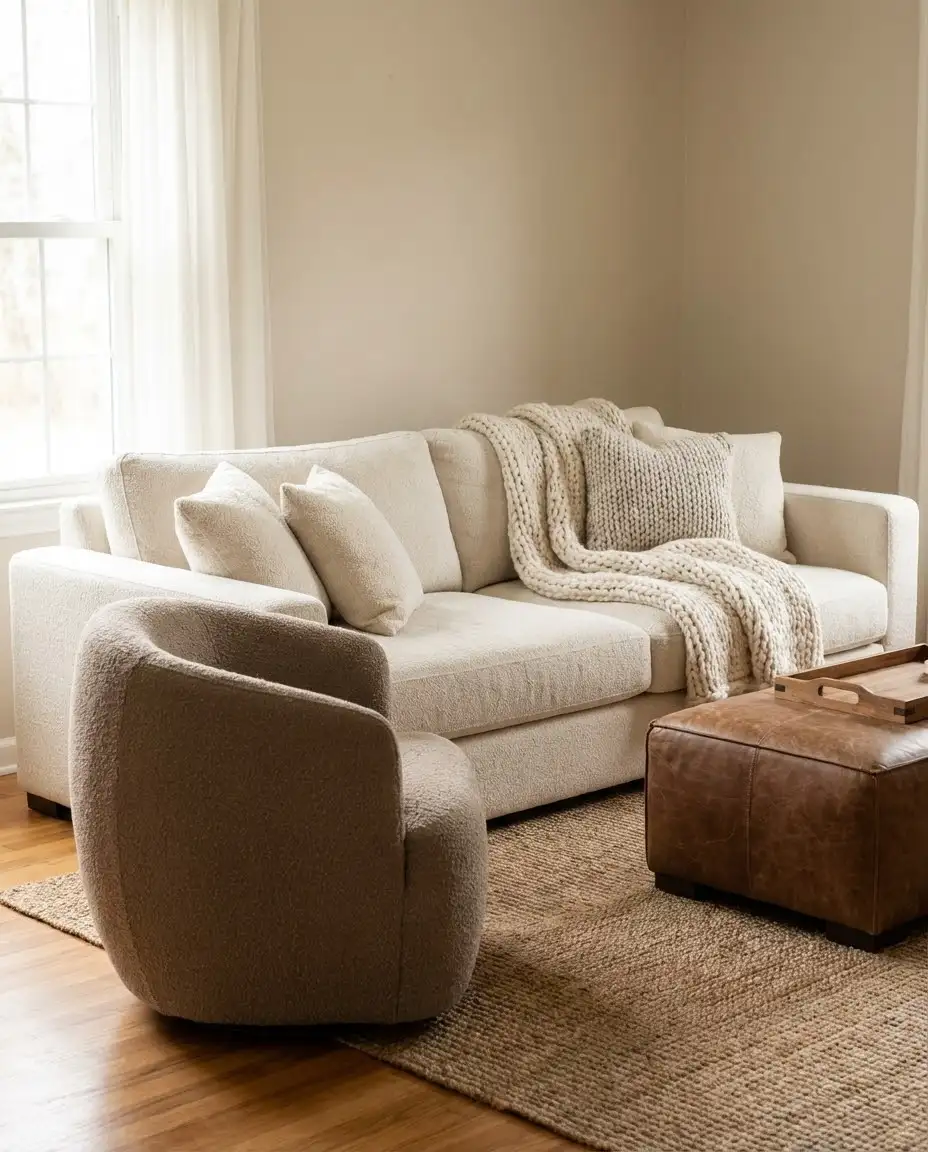
Practical insight: invest in at least three different throw blankets in varying textures and weights—this allows you to adjust the coziness factor seasonally without changing your entire scheme. Velvet pillows add luxury during cooler months, while lighter linens work better in summer. The modern framework keeps things from feeling cluttered, so you can layer textiles generously without the space looking overdone. This approach works particularly well in lofts and contemporary homes that need softening without sacrificing their architectural integrity.
12. Modern Luxury with Metallic Accents
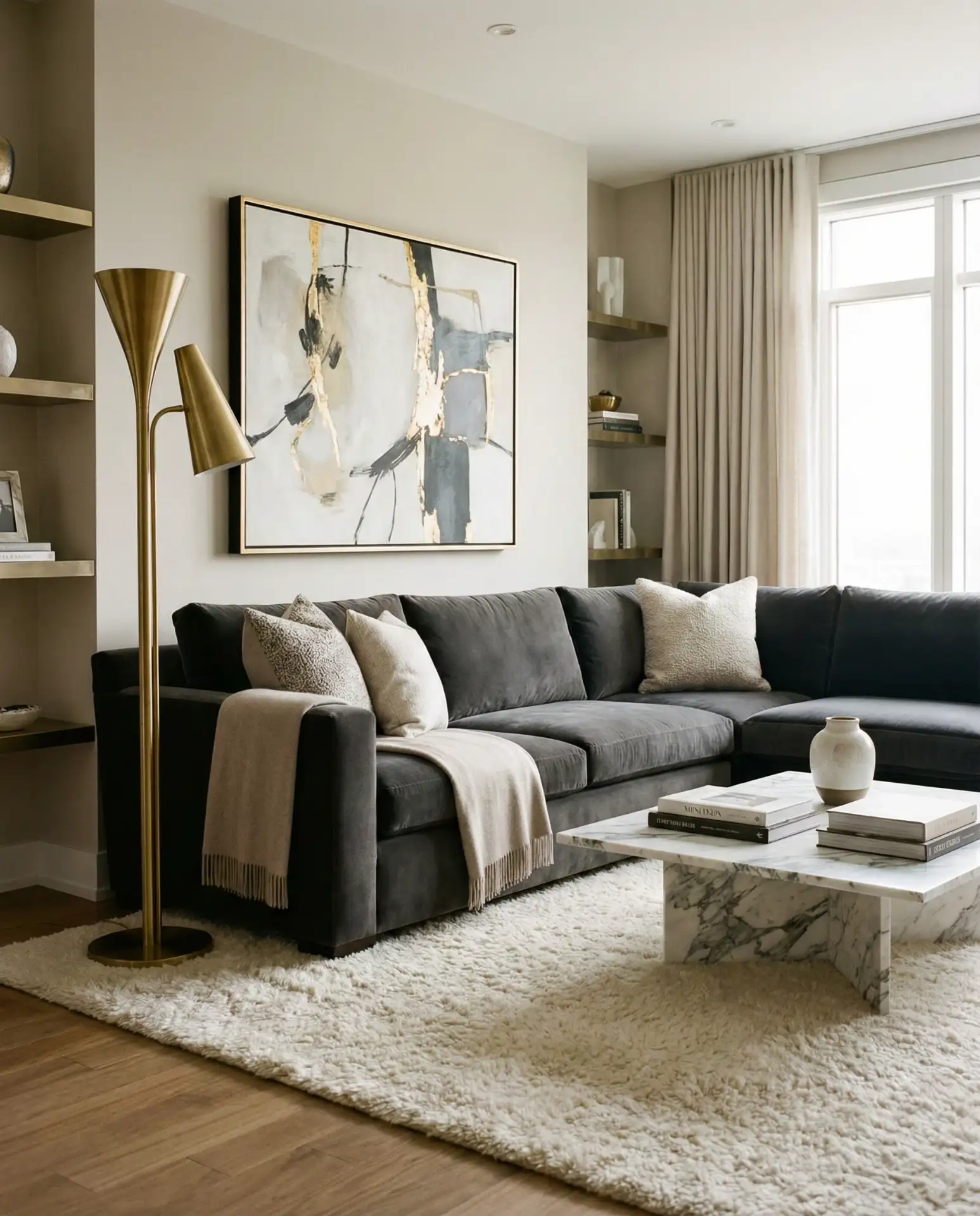
The integration of modern luxury elements such as rich materials, sophisticated details, and refined statement pieces can upscale the family room’s luxury position. An upscale ambiance can be created with brushed brass hardware, marble side tables, and luxury fabrics such as mohair and silk-velvet blends. The presence of the curated luxury element in the family room stems from the intentional selection of each element to provide beauty and quality to the room as opposed to merely filling the space. 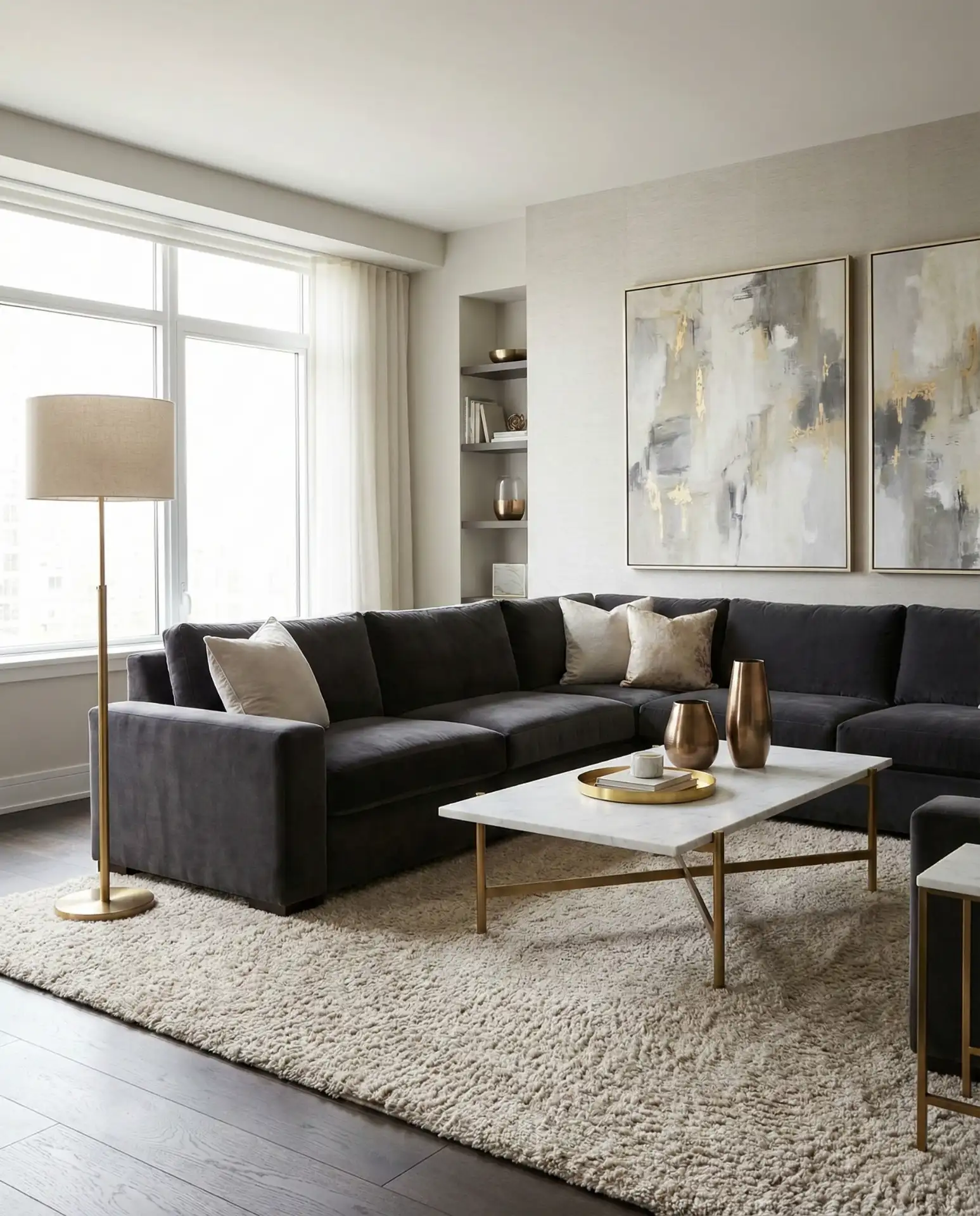
In coastal California and metropolitan areas such as New York and Chicago, family room users have started to invest in designer family room anchor pieces, such as Mitchell Gold + Bob Williams or RH Modern, to achieve the luxury family room look. In most cases, to achieve true luxury, it costs about $15,000 to $8,000-$12,000 to attain the true luxury look in furniture, window treatments, lighting, and other room accessories. With that said, you can achieve a close look on a lower budget by getting a statement piece, such as a coffee table or a designer sofa, and building on that more affordable pieces that have the same sophisticated look.
13. Small Spaces Smart Multi-Functionality
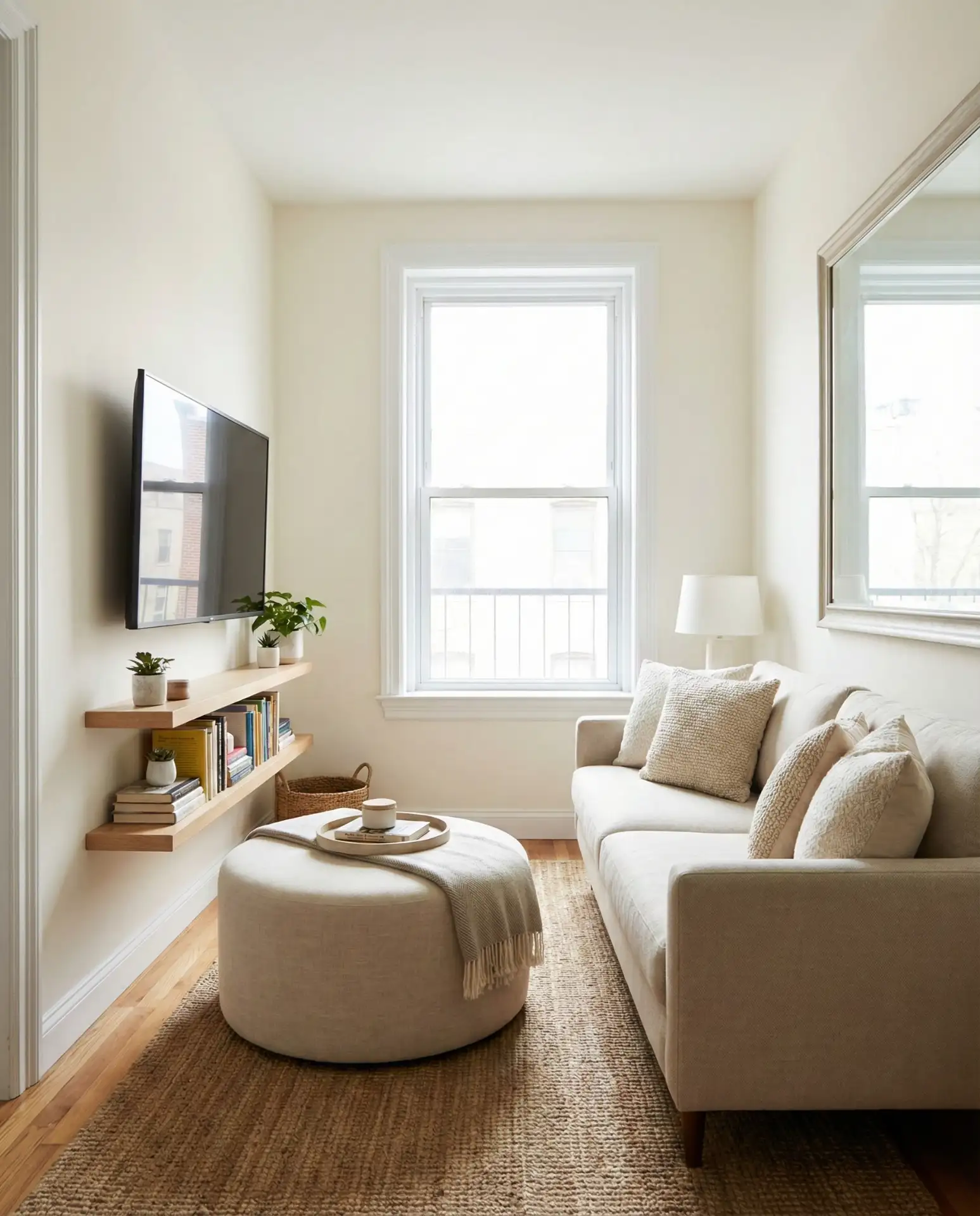
Designing family rooms for small spaces requires creative thinking about furniture that serves multiple purposes and layouts that maximize every square foot. Wall-mounted shelving replaces bulky bookcases, nesting tables provide surface area when needed and tuck away when not, and sofas with hidden storage compartments keep clutter at bay. The cozy advantage of smaller rooms is their inherent intimacy—properly furnished, they feel snug rather than cramped. 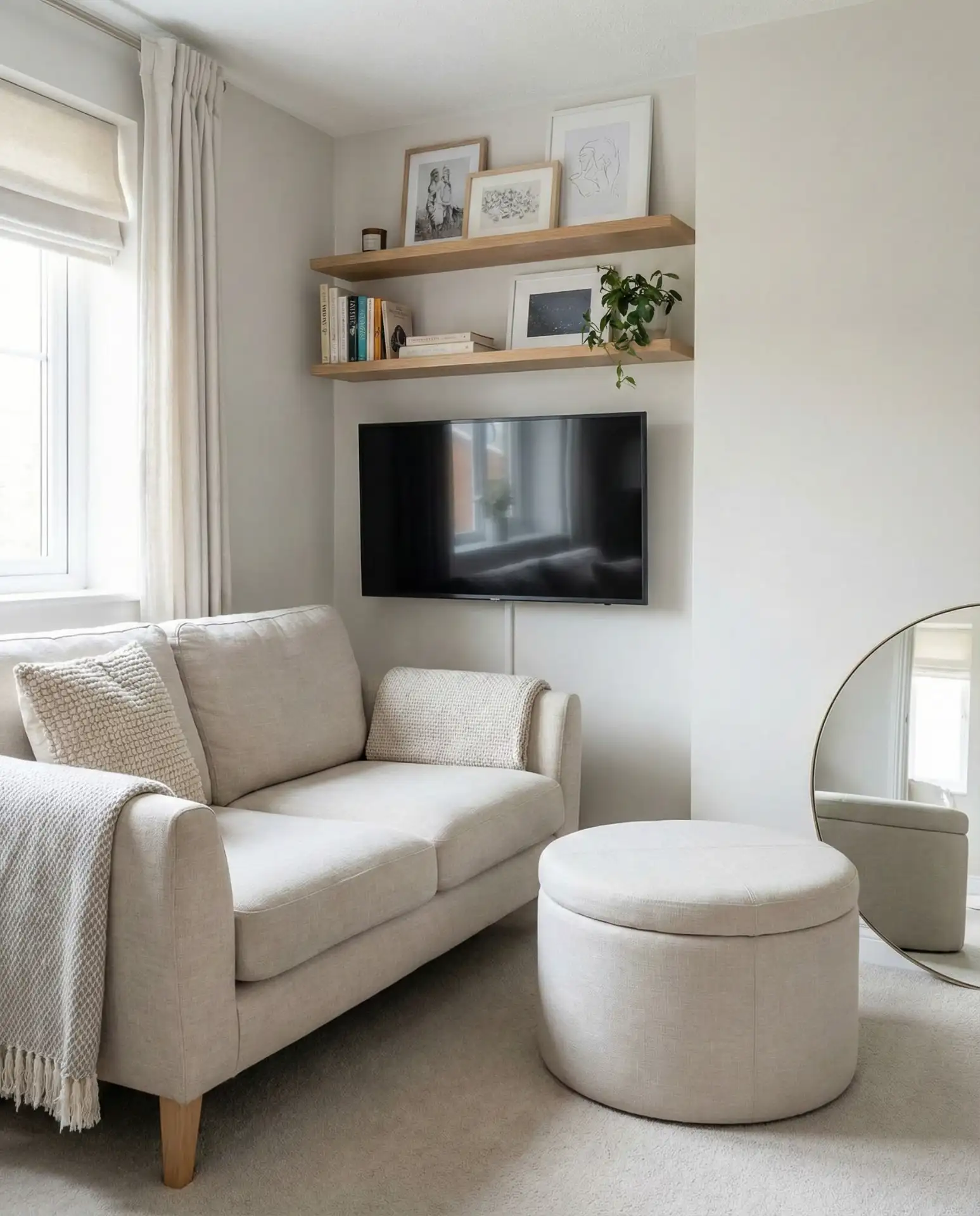
Small-space dwellers often make the mistake of choosing furniture that’s too small in an attempt to save space, which paradoxically makes rooms feel more cramped. One properly-scaled sofa works better than several undersized pieces. Embrace vertical space with floor-to-ceiling storage and avoid blocking windows, which provide crucial light and the illusion of more square footage. Light, reflective surfaces—glossy lacquer, mirrors, glass—bounce light and expand visual boundaries without requiring any physical space.
14. Open Concept Flow with Defined Zones
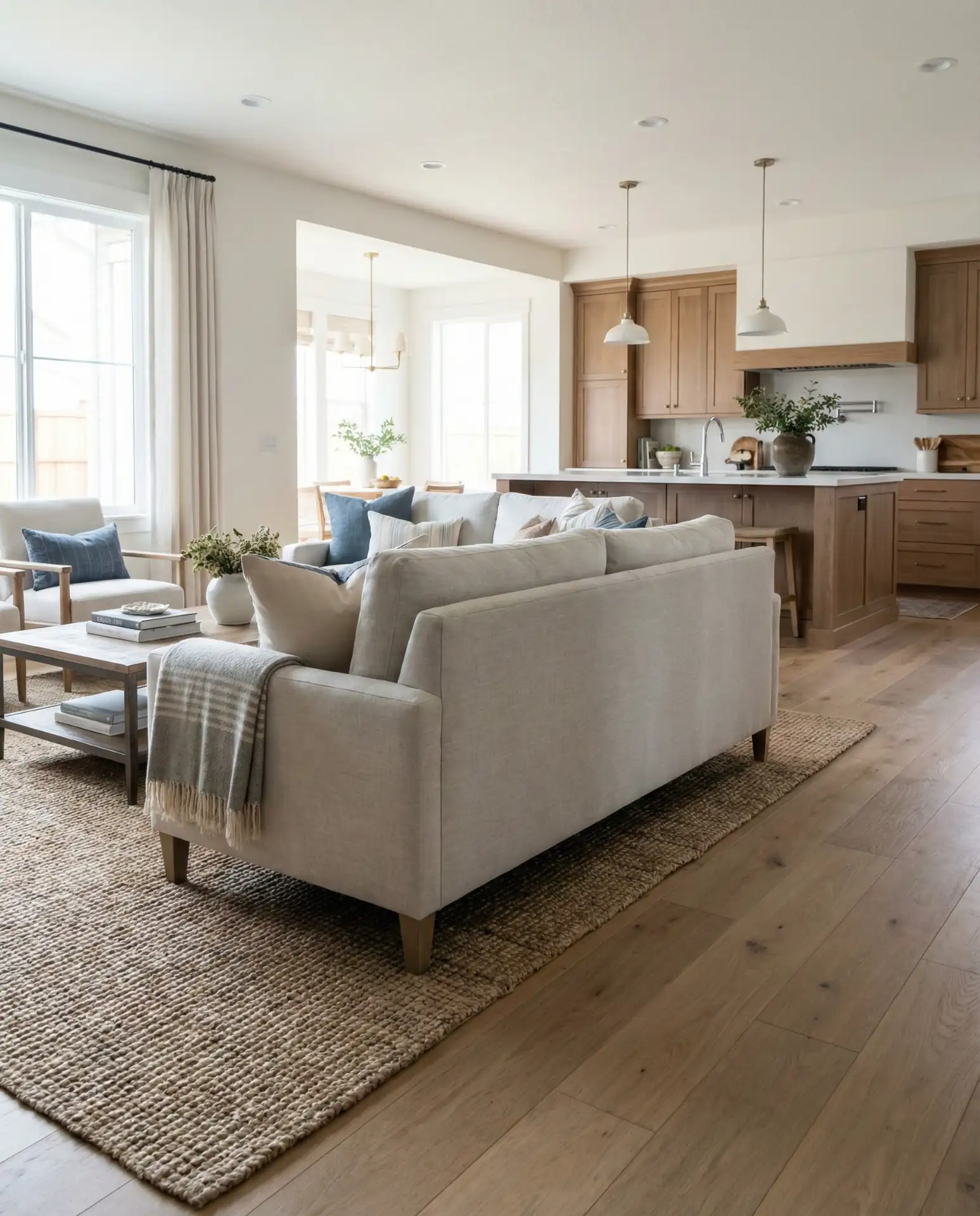
Successful open concept family rooms maintain visual connection with adjacent spaces while establishing clear functional boundaries. Area rugs anchor furniture groupings, pendant lighting delineates the family room from dining zones, and furniture placement creates natural pathways. The challenge is achieving definition without obstruction—you want distinct areas that still feel part of a cohesive whole rather than isolated rooms. 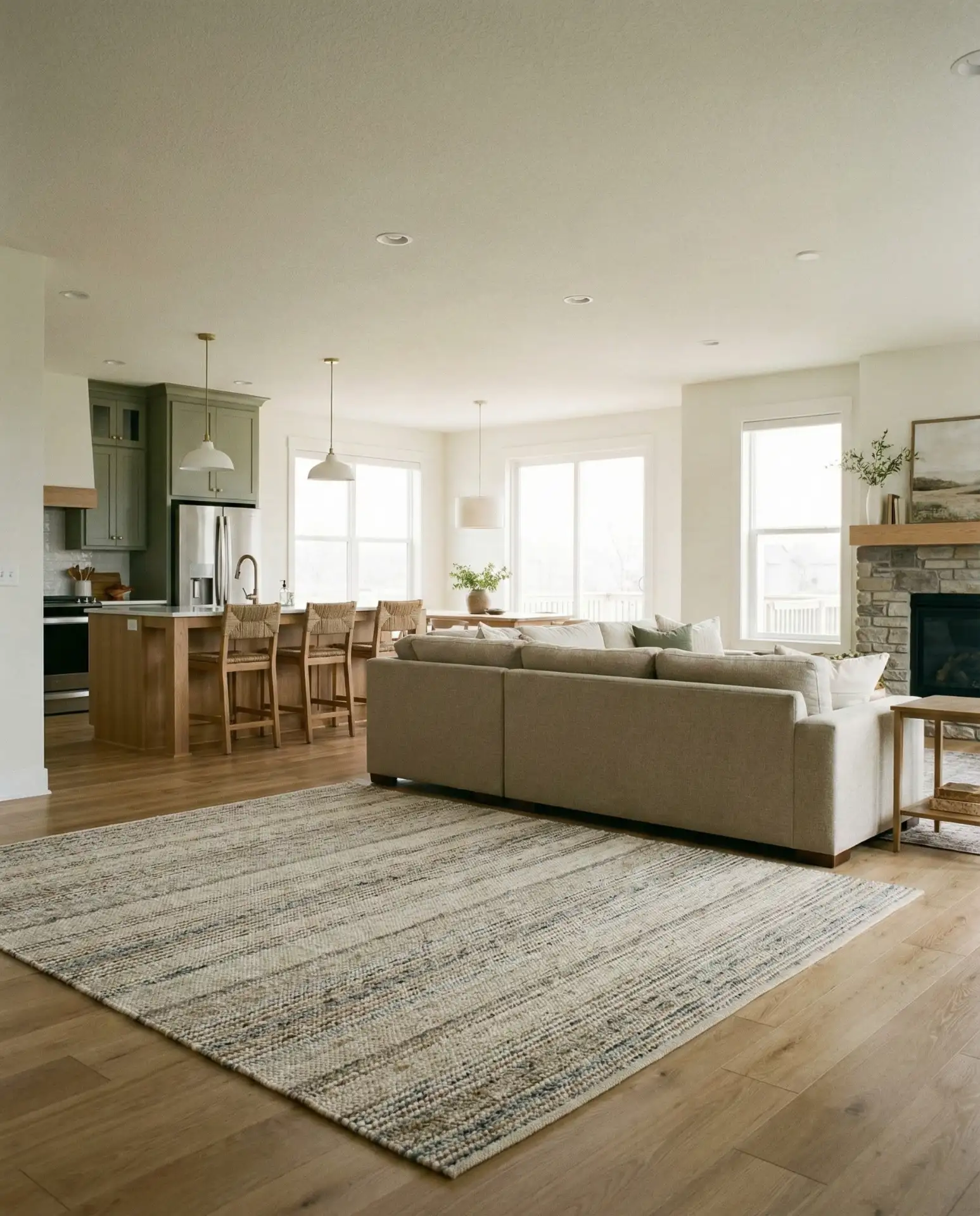
In Texas and other states where new construction favors open layouts, homeowners are discovering that sofa placement is critical—floating the sofa away from walls and positioning it to face the primary view or fireplace (with its back to the kitchen) creates natural separation. Consistent flooring throughout the open space maintains flow, while changes in ceiling height, paint color, or lighting fixtures subtly signal different zones. The result should feel spacious yet purposeful, with each area having a clear function that’s apparent even without walls.
15. Traditional Elegance with Crown Molding
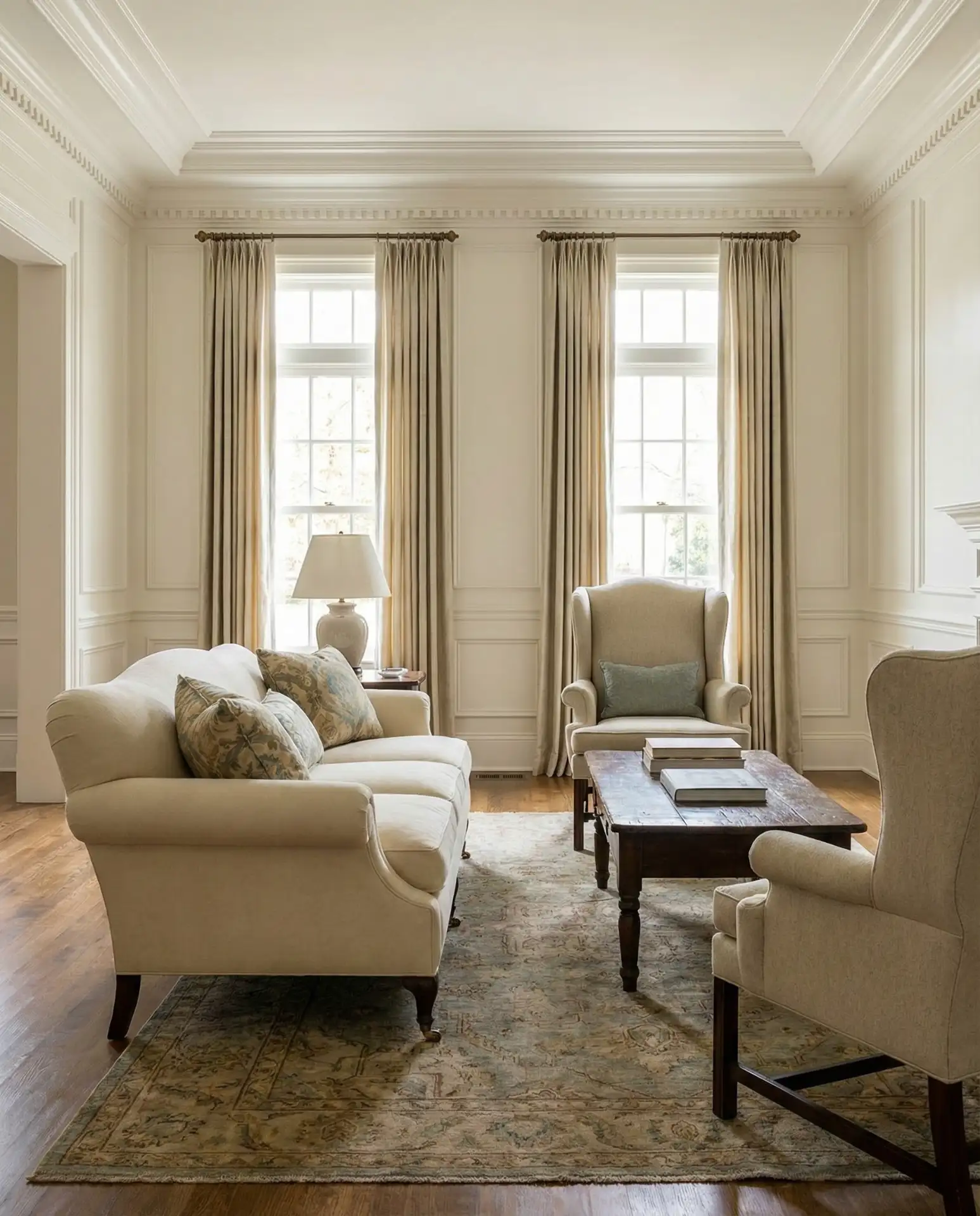
A traditional family room embraces classic architectural details like crown molding, wainscoting, and built-in cabinetry that give spaces a sense of permanence and craftsmanship. Furniture features classic silhouettes—rolled arms, turned legs, tailored skirts—often in rich fabrics like damask, toile, or subtle stripes. While maintaining this timeless aesthetic, 2026 interpretations lighten up color palettes and edit down accessories to prevent the space from feeling dated or overly formal. 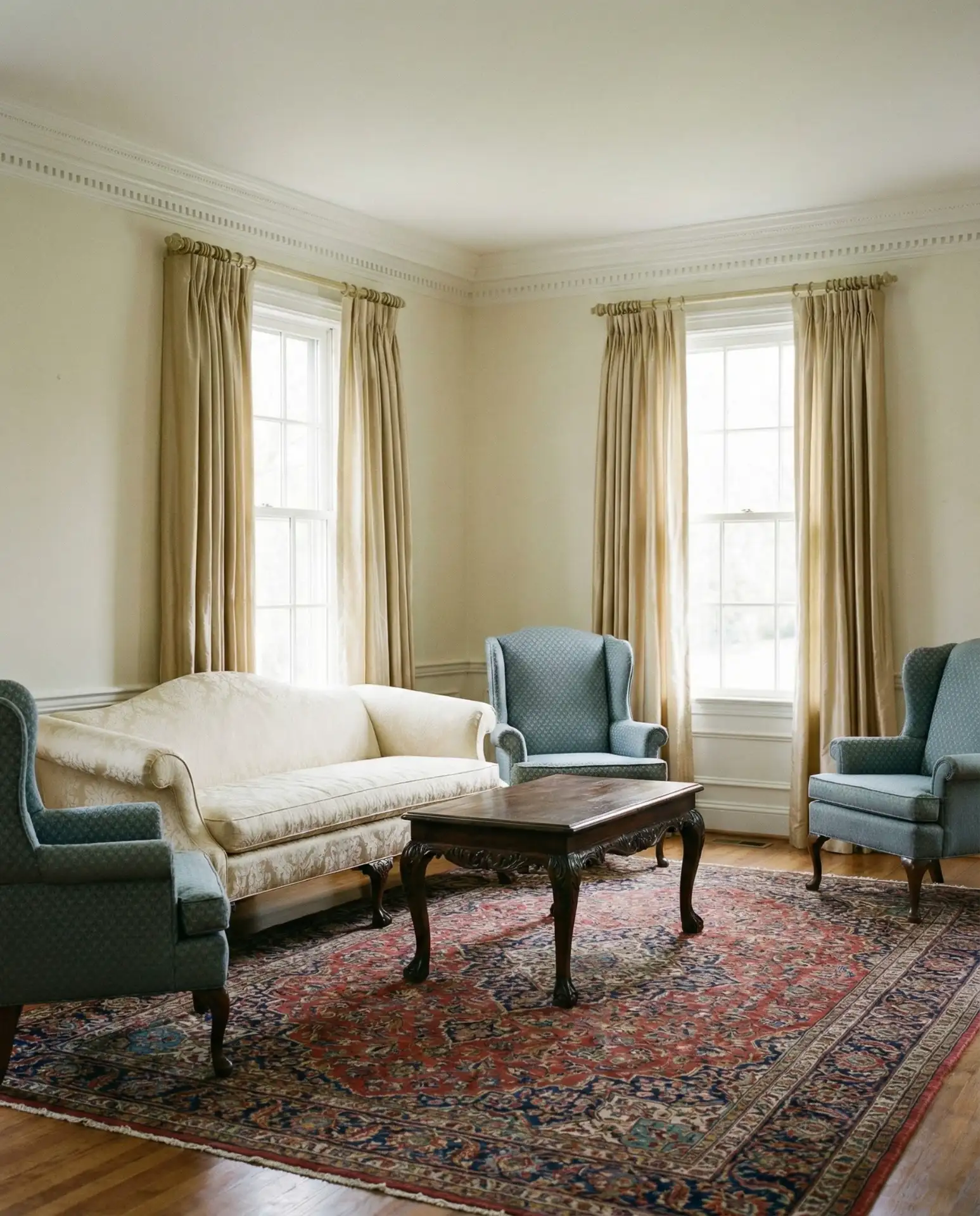
Expert designers recommend that if you’re adding architectural details like molding to a home that lacks them, commit fully rather than half-measures—skimpy crown molding looks worse than none at all. Traditional style particularly suits older homes in the Northeast and South where architecture already includes these details. Modern interpretations keep walls lighter (soft cream rather than heavy beige) and incorporate some contemporary elements like abstract art or a sleek media console to prevent the room from feeling like a museum. The key is honoring traditional bones while keeping the space livable for modern families.
16. Luxury Statement Lighting Installations
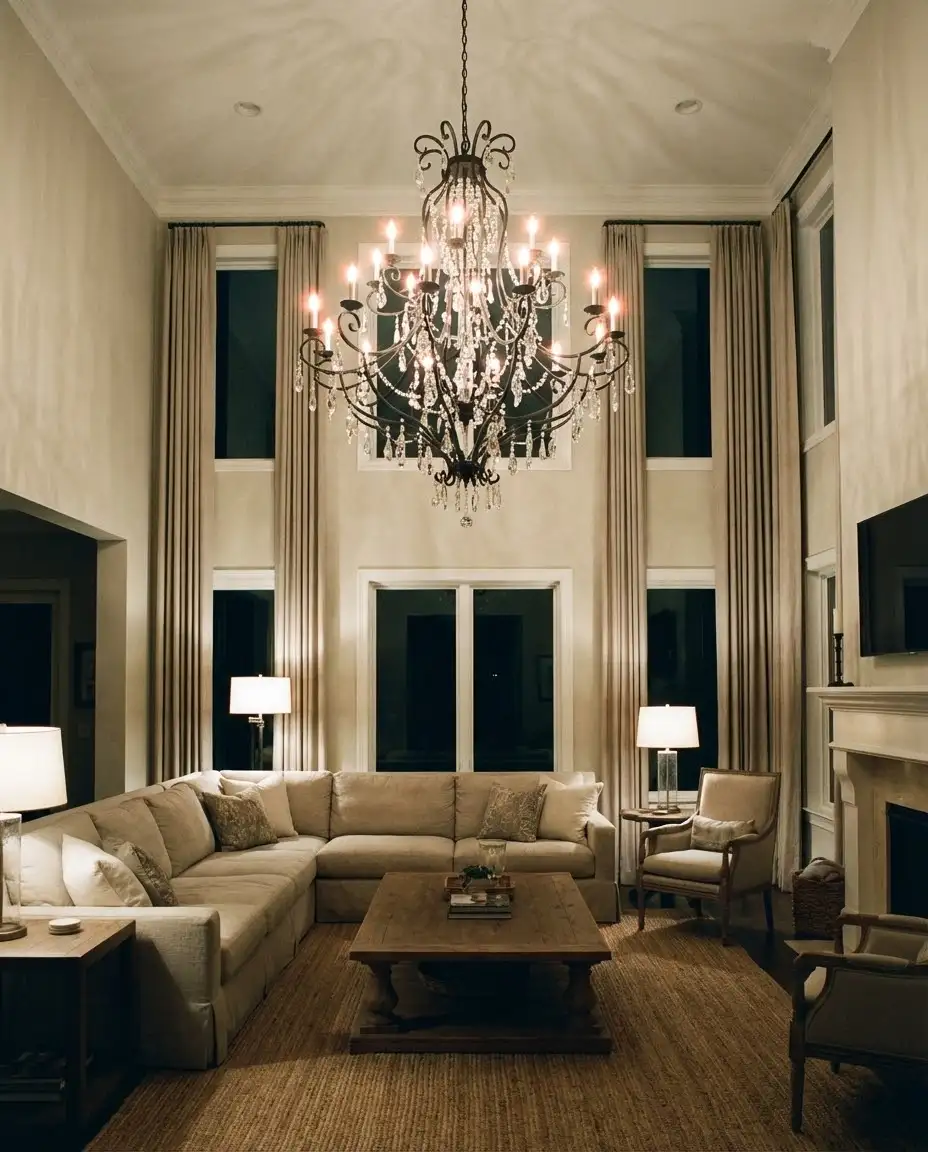
A dramatic chandelier or sculptural pendant light can transform an ordinary family room into a luxury showcase, drawing the eye upward and adding architectural interest. In open concept spaces with vaulted or tall ceilings, oversized lighting fixtures fill vertical space and create presence. Whether you choose a modern geometric design in matte black, a traditional crystal chandelier, or an organic wood installation, statement lighting sets the tone for the entire room. 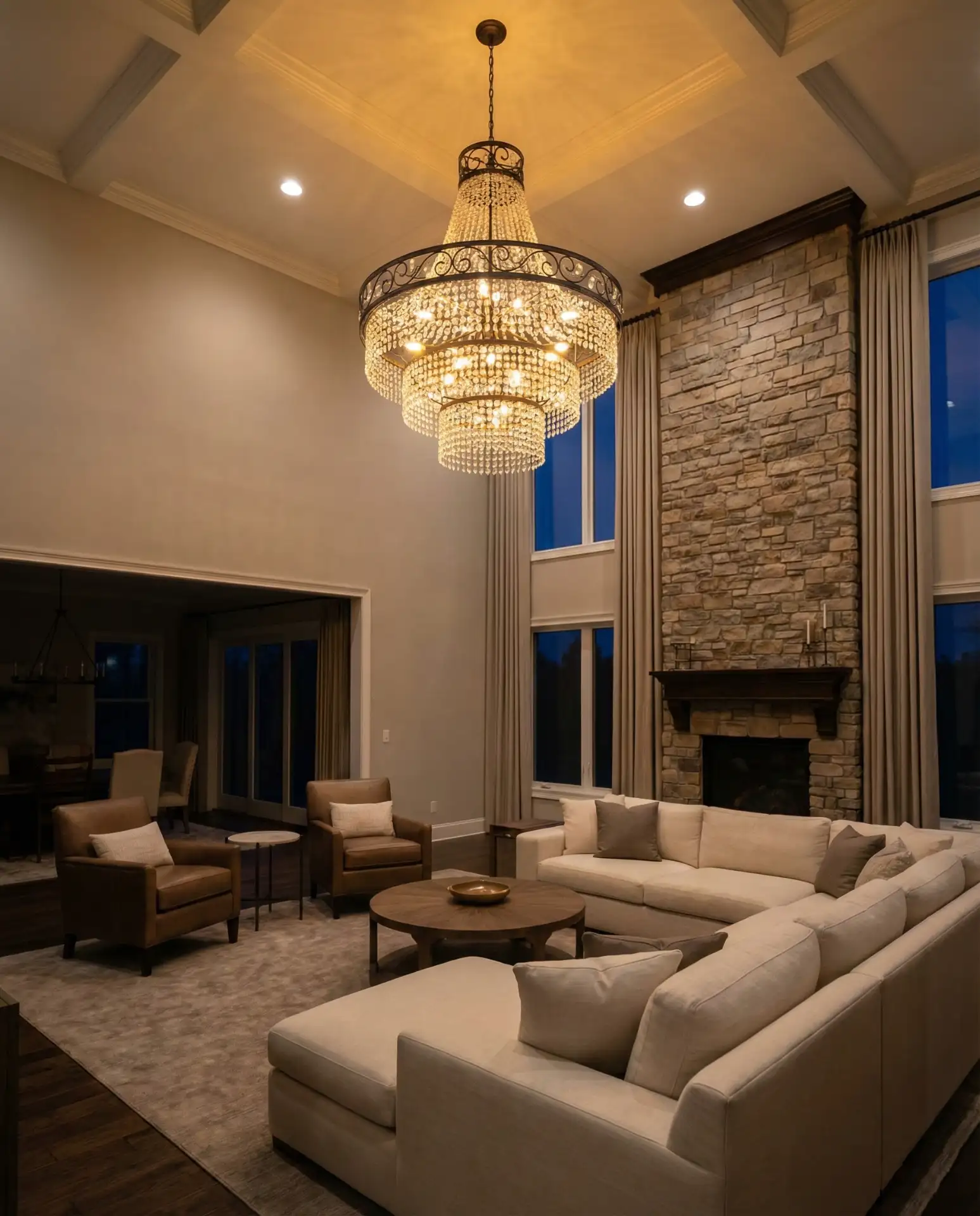
Where statement lighting works best is in rooms with ceilings at least 10 feet high—standard 8-foot ceilings can feel overwhelmed by large fixtures. As a rule of thumb, add the room’s length and width in feet, then convert that number to inches for your fixture diameter (a 15×20 room could accommodate a 35-inch fixture). Dimmer switches are essential for statement lights, allowing you to adjust from bright task lighting for homework and game nights to soft ambient glow for movie watching. Installation typically requires a licensed electrician, adding $200-$500 to fixture costs.
17. Neutral Palette with Natural Wood Warmth
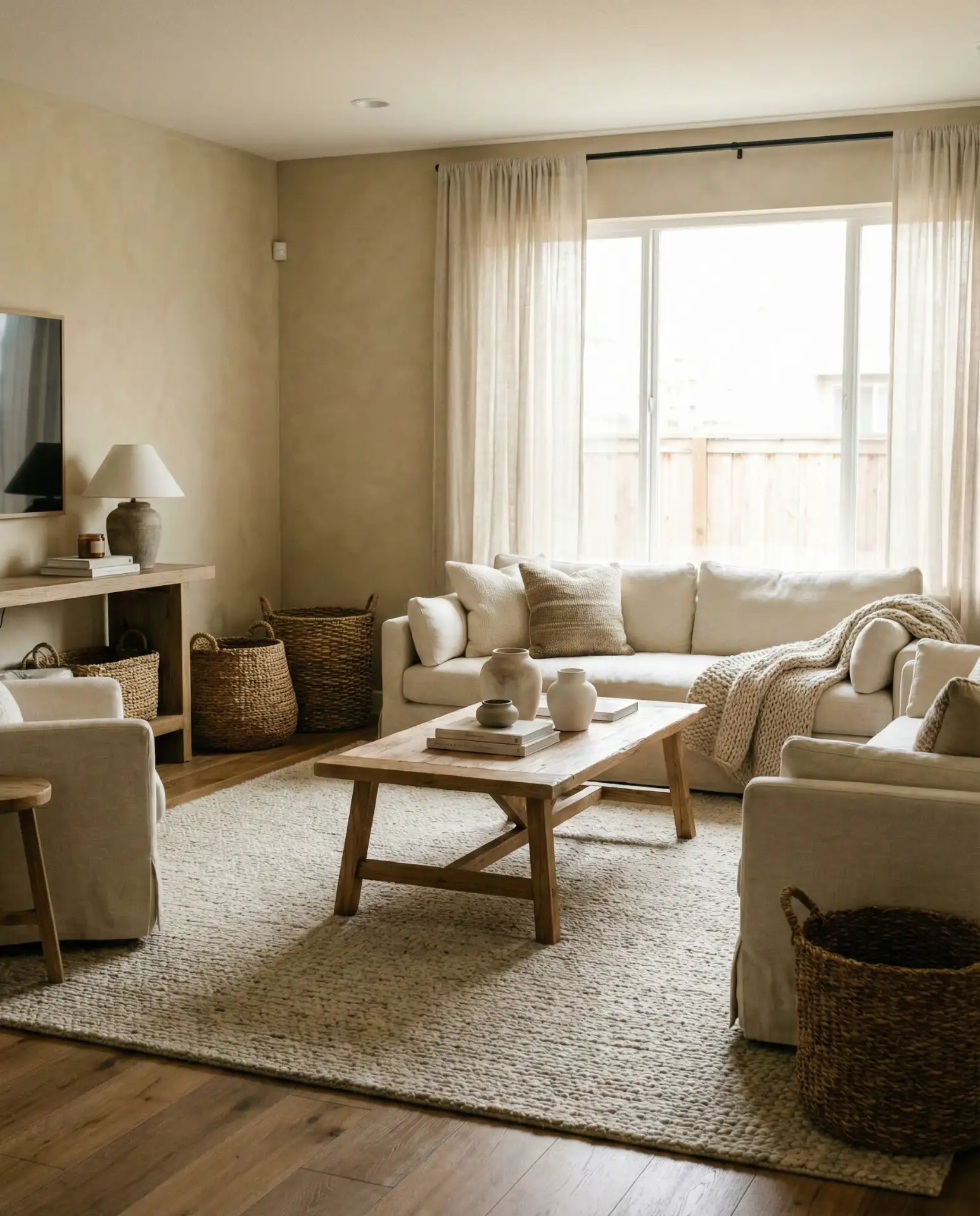
A neutral color scheme anchored by natural wood elements creates a cozy family room that feels both contemporary and timeless. Walls in warm white, greige, or soft taupe provide a backdrop for furniture in cream, oatmeal, and stone tones, while exposed wood beams, hardwood floors, or wood accent furniture adds organic warmth. This palette works beautifully in transitional and cozy modern styles, providing flexibility as your taste evolves. 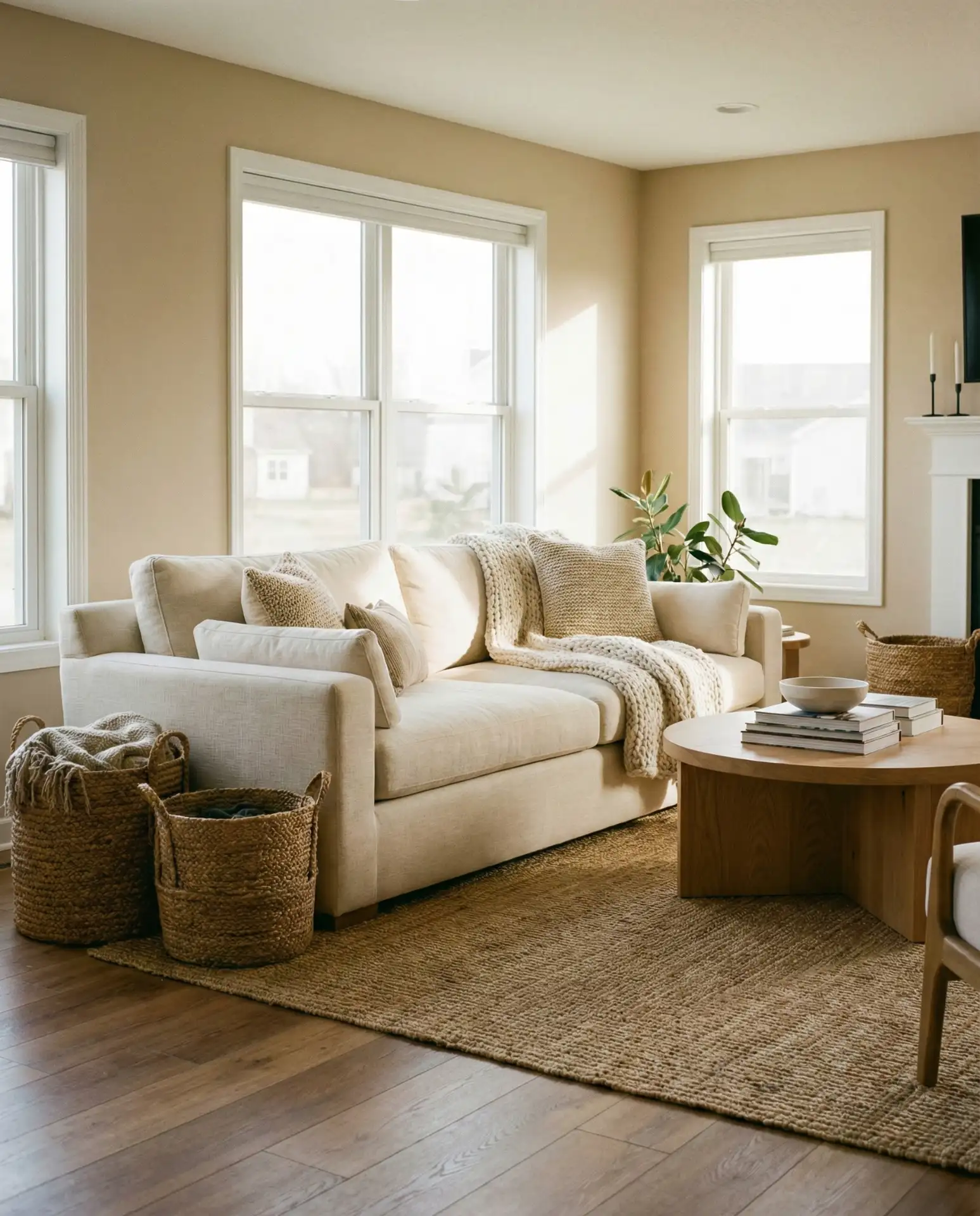
A common mistake is choosing all-cool or all-warm tones without considering your home’s natural light. North-facing rooms benefit from warmer neutrals (beige, cream, warm gray) while south-facing spaces can handle cooler tones (true gray, greige with blue undertones). Sample paint colors in your actual space at different times of day—what looks perfect in the store can read completely differently in your lighting conditions. Natural wood grounds neutral schemes and prevents them from feeling sterile, but stick to similar undertones throughout the room for cohesion.
18. Layout Optimization for Traffic Flow
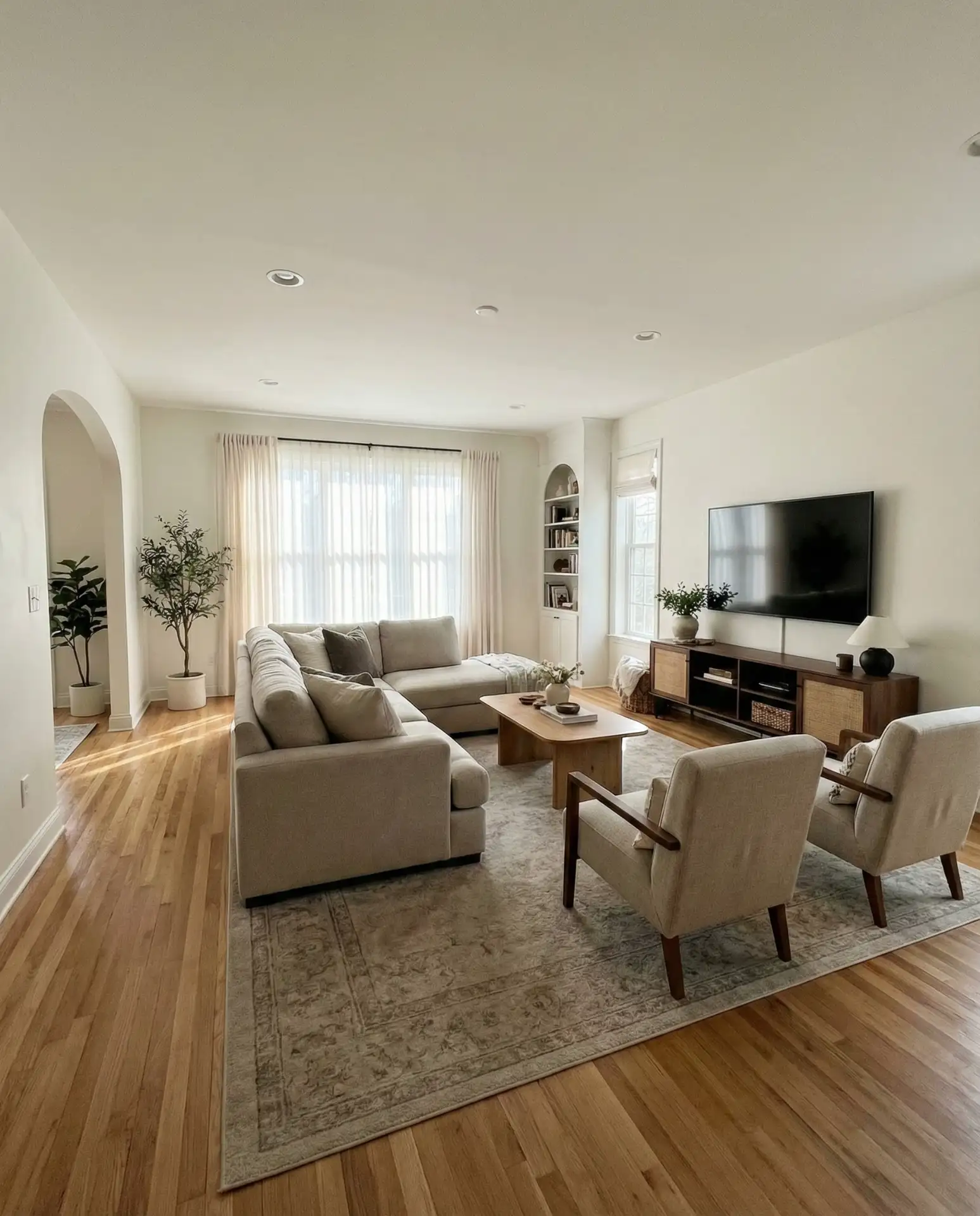
Smart layout planning ensures your family room functions smoothly without furniture creating obstacles or awkward pathways. The classic mistake is pushing all furniture against walls—floating key pieces like sofas creates better conversation groupings and natural traffic lanes. Maintain at least 30 inches of clearance for major walkways and 18 inches between furniture pieces for comfortable passage, adjusting these standards for kid friendly homes where toys and active play require more space. 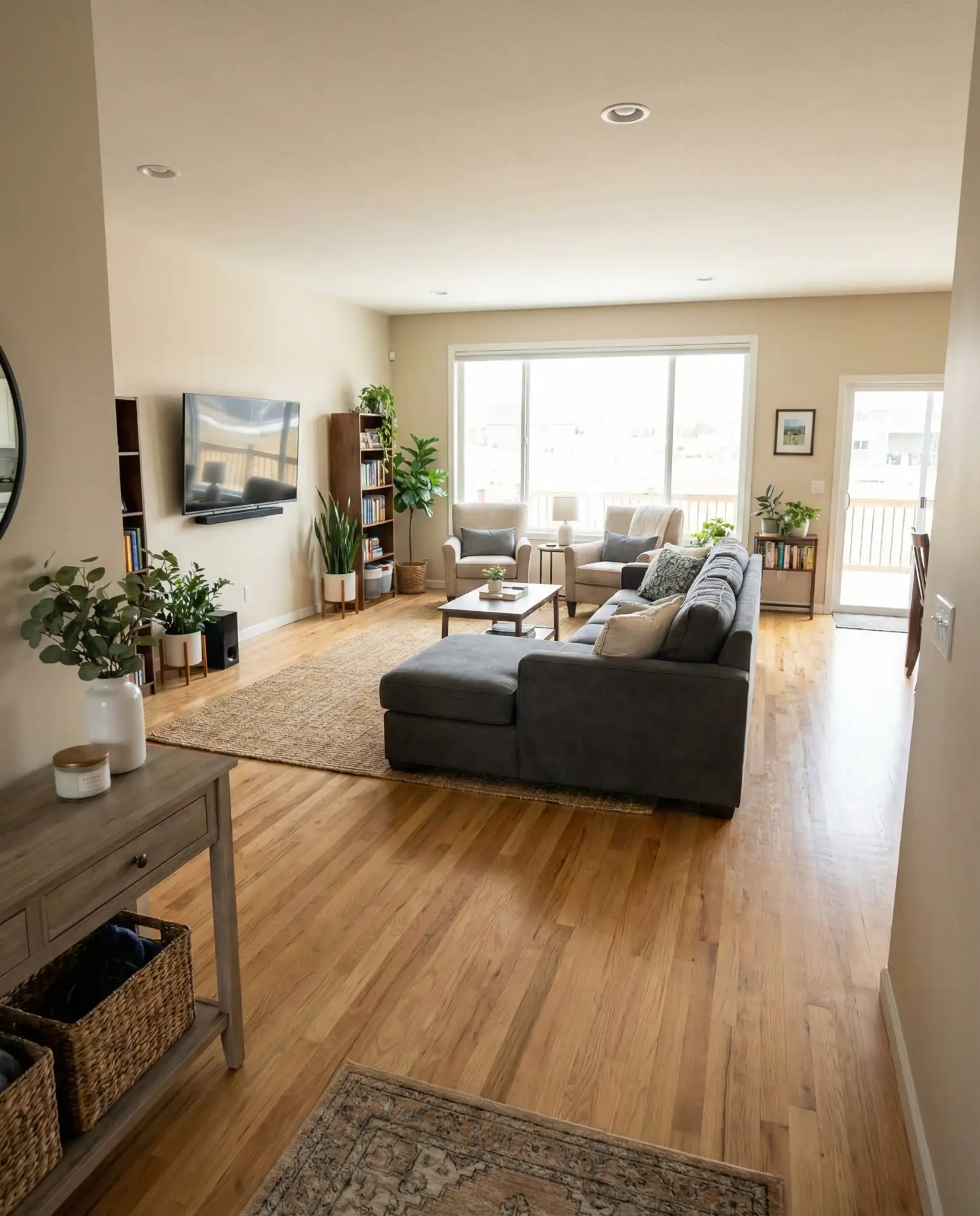
In ranch-style homes common across the Midwest and Southwest, family rooms often connect to multiple doorways or serve as thoroughfares to other spaces, making thoughtful traffic planning essential. Use painter’s tape on the floor to map out furniture footprints before committing to a layout—this reveals problems before you’re wrestling with heavy sofas. Consider how your family actually uses the space: if kids always enter from the garage door, position toy storage near that access point rather than across the room where items will inevitably be scattered along the way.
19. Cozy Comfy Layered Seating Options
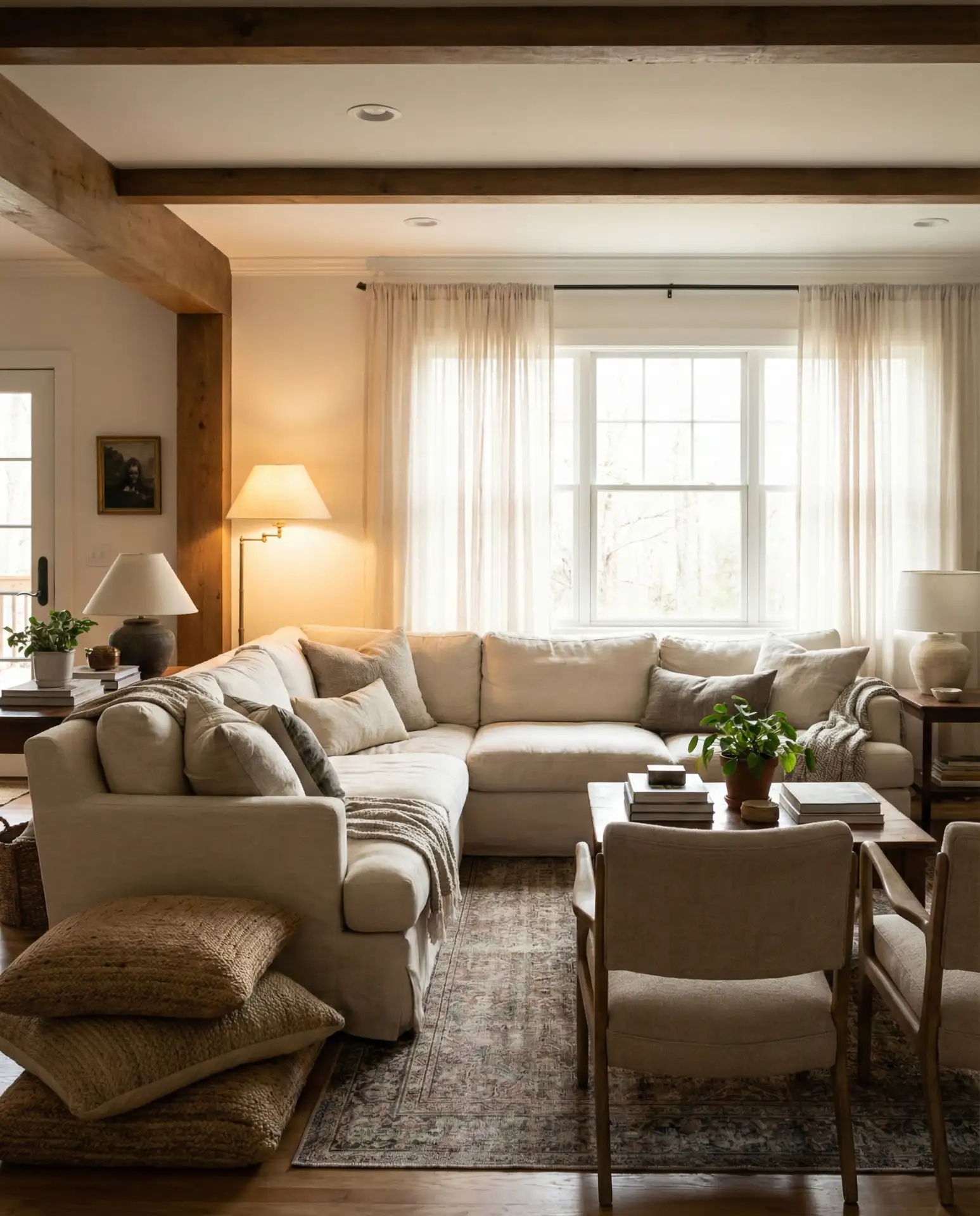
A truly cozy comfy family room offers multiple seating options beyond the primary sofa—think oversized floor cushions for kids, a reading chair tucked in a corner, or an upholstered bench that provides extra seating during gatherings. This layered approach accommodates different activities happening simultaneously and ensures everyone finds their preferred spot. Deep seats with plush cushions invite hours of lounging, while supportive armchairs serve those who prefer more structured seating. 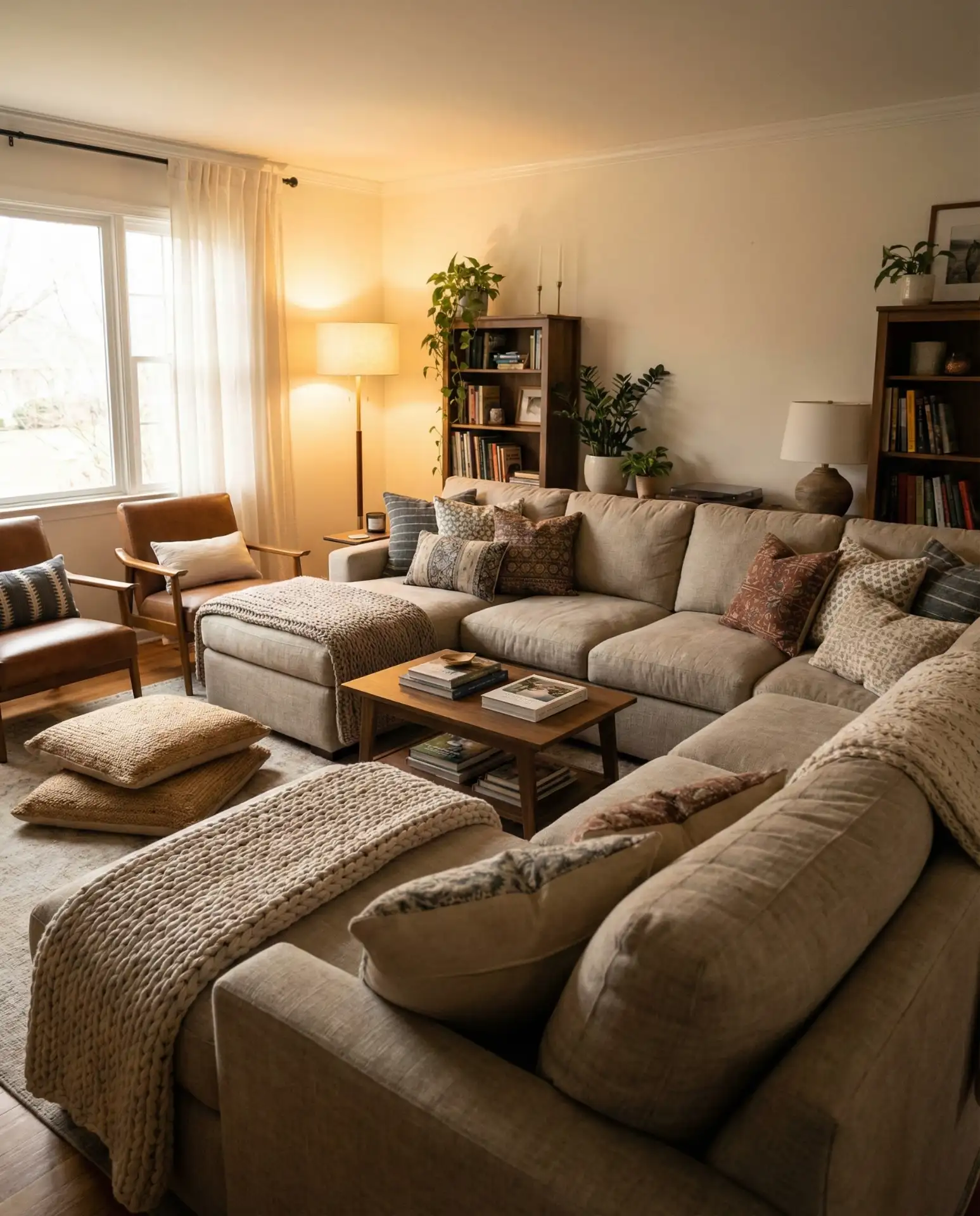
My sister solved her family’s constant seating battles by adding three distinct seating areas in their family room—the main sectional for TV watching, a pair of swivel chairs angled toward the fireplace, and a window seat with storage underneath where her daughter reads for hours. She says the key was making sure each spot had good lighting and was actually comfortable, not just decorative. Budget-conscious shoppers can find quality occasional chairs at discount retailers like HomeGoods or by scouring Facebook Marketplace for solid wood frames that just need reupholstering.
20. Large Family Room with Multiple Zones
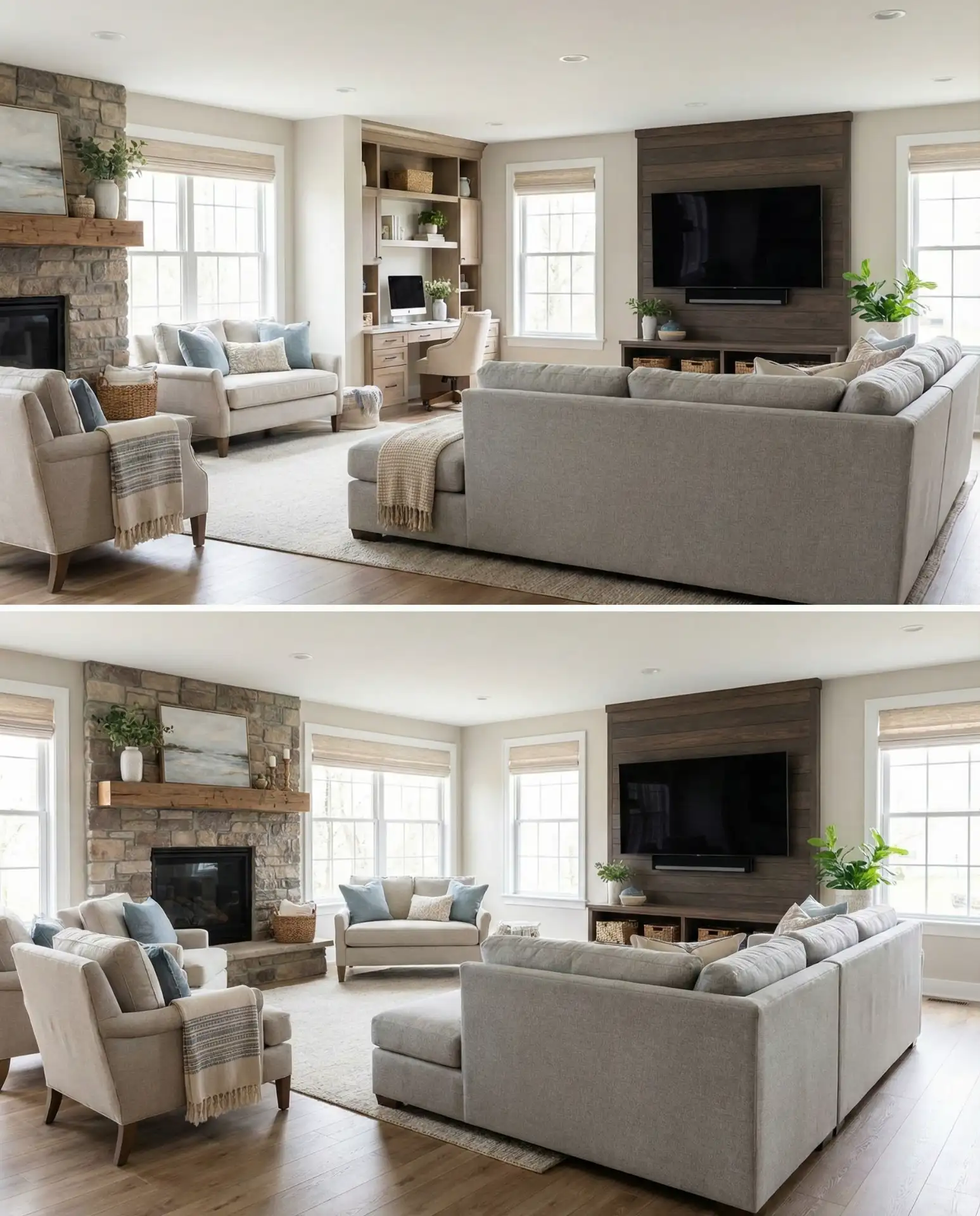
When working with a large family room, dividing the space into functional zones prevents it from feeling empty or purposeless. Create a primary TV viewing area with a sectional, a secondary conversation grouping near the fireplace, and perhaps a game table or homework station in another corner. Area rugs, furniture arrangement, and lighting help define each zone while maintaining visual connection across the entire room, ensuring the space feels unified rather than disjointed. 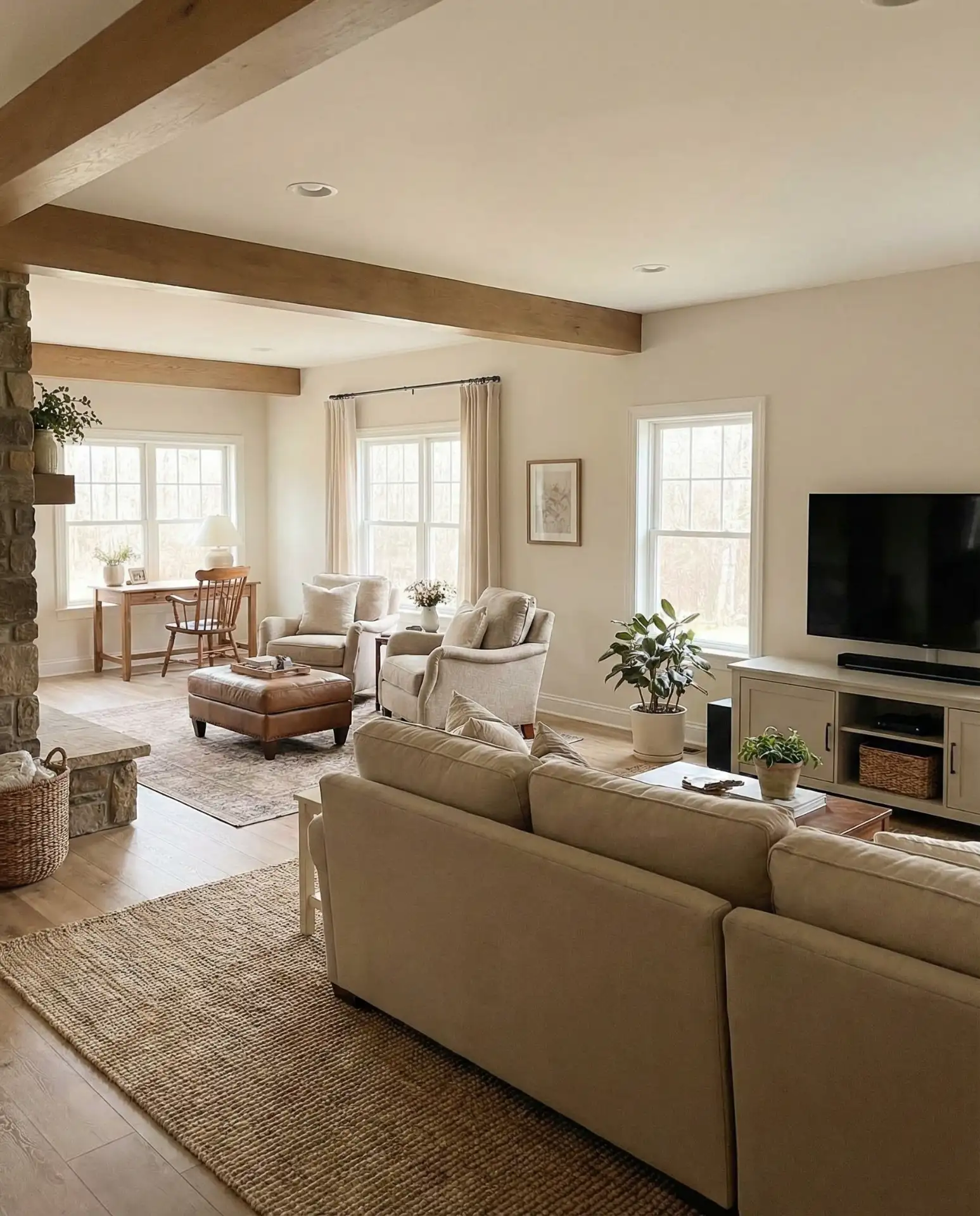
Large family rooms work best when each zone has a clear purpose—avoid creating seating areas that no one will actually use just to fill space. In suburban homes with sprawling family rooms, homeowners report that zones naturally emerge based on family habits: one area becomes the teen hangout, another the young children’s play space, and a third the adults’ relaxation zone. The challenge is furnishing all these zones without the budget or appearance of a furniture showroom; mix investment pieces with more affordable finds, and prioritize quality in the high-use primary seating area.
21. Ideas with Built In Media Wall Design Variations
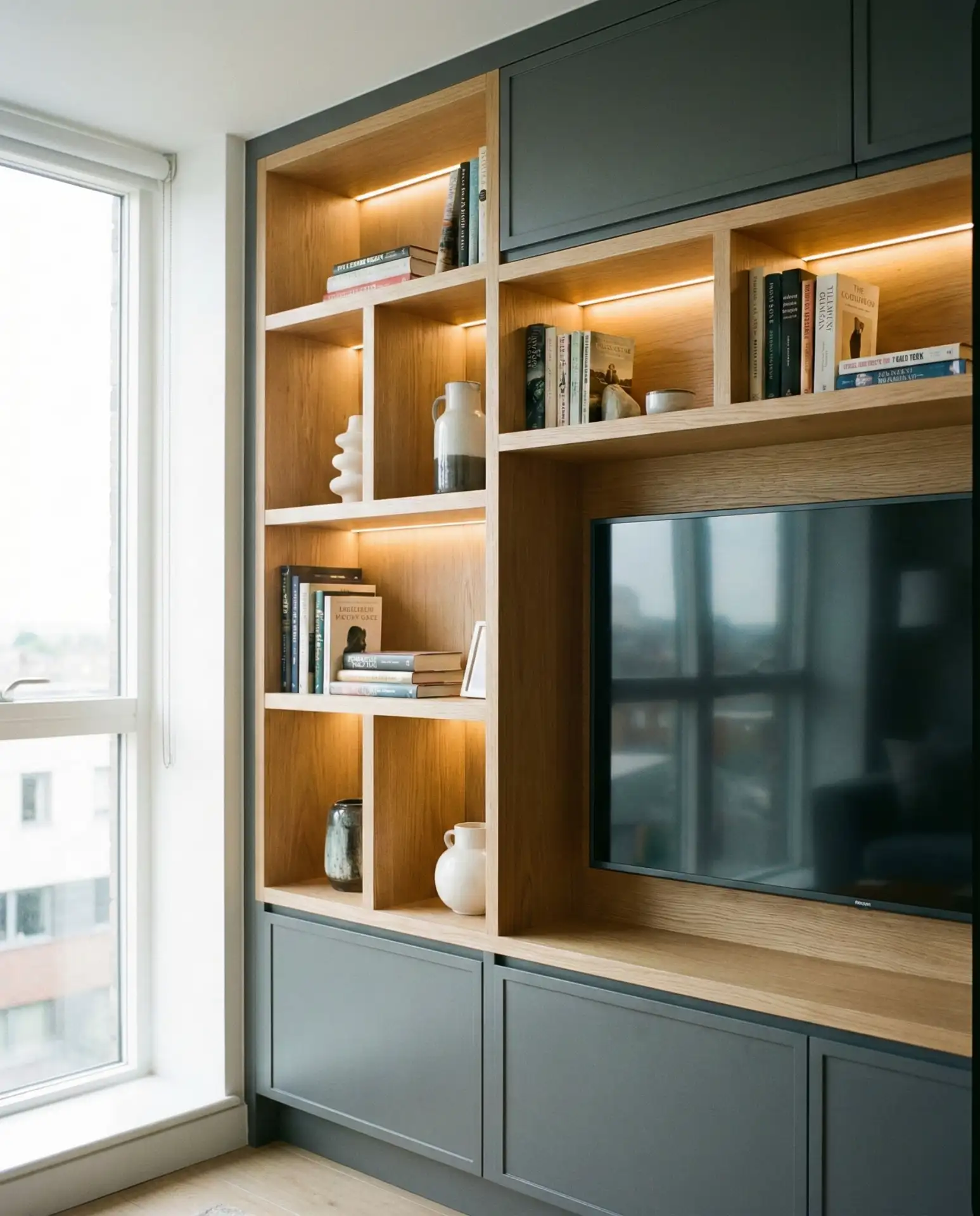
The built in media wall design ideas in 2026 show a range of options such as bold floor to ceiling statement walls to simple and small designs that look like part of the structure. Some of them have continuous wooden walls and a recess for the TV, while others are symmetrical and have a mix of open and closed storage. The best of these designs strike a balance between functional storage and visual appeal by including elements such as cable organization, electronic venting, and lighting that keeps the objects on display well-lit while preventing screens from getting washed out. 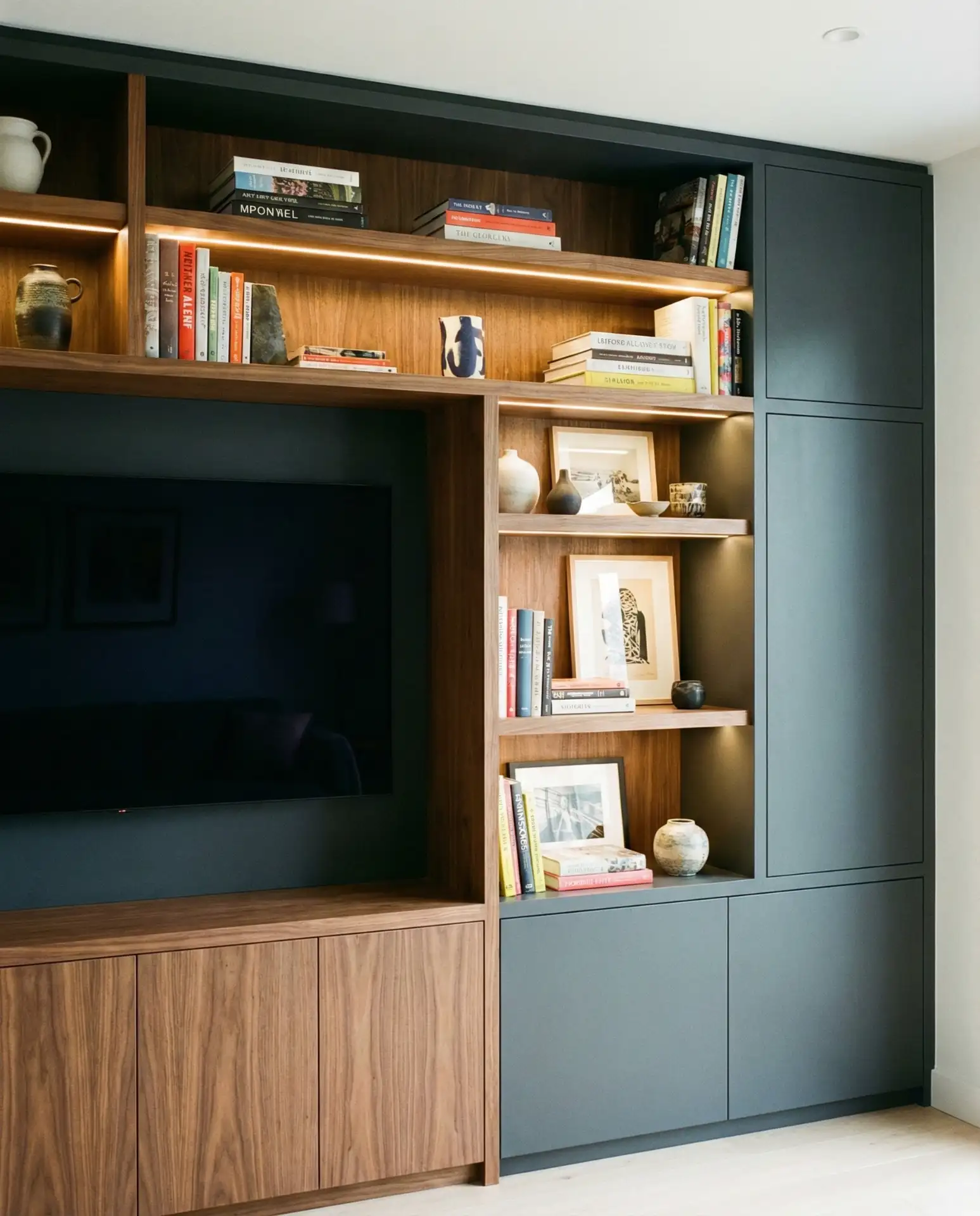
Some practical advice is to base the design of the media wall on the possessions that you actually have rather than a styled picture you find online – so measure in advance the books, decorations, and gaming items you are going to have while also finalizing the dimensions to include a little bit more closed storage than you expect to need. Consider remotes, chargers, and similar items that will look cluttered on open shelving in a design without a lot of storage. Also think about extra open shelving and more outlets with built in USB ports to accommodate a range of electronics that you might need in the future.
Home custom built ins usually cost around $5,000 to $15,000 based on the level of detail and finish, however, quality built ins elevate the value and utility of the home.
Conclusion
The designs showcased for the 2026 family rooms confirm that the most important aspect of building a space that the family will love themselves, is the seamless synergy between aesthetics and actual functionality. From the warm comfort of the farmhouse to minimalist calm and lavish sophistication, it is important to choose and harmonize elements that truly represent the family’s lifestyle. We invite you to tell us which designs inspired you most. We also welcome comments on the design of your family room and the personal story that inspired it.