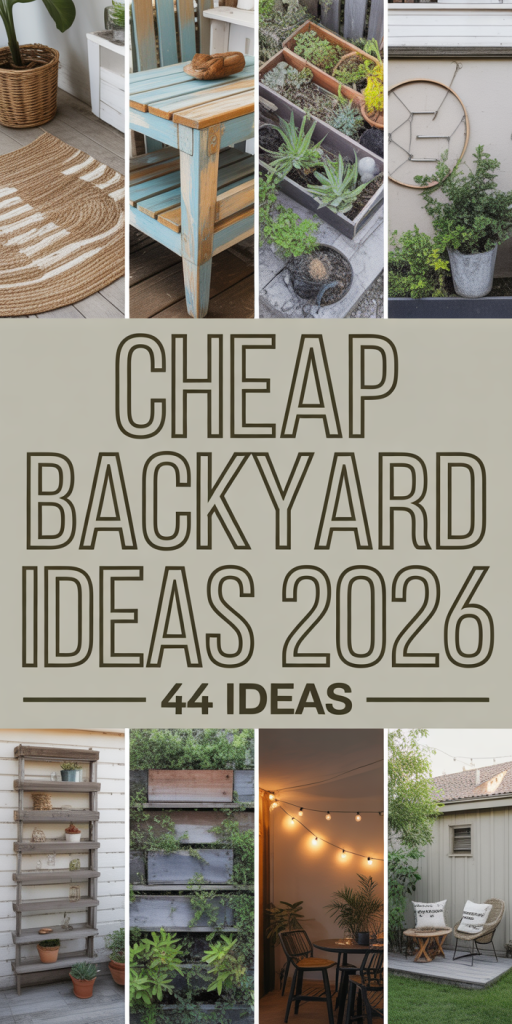
Transforming your backyard into a beautiful, functional space doesn’t require a massive budget or a complete overhaul. Whether you’re dreaming of a cozy outdoor seating area, planning a memorable birthday party, or simply looking for fresh garden ideas, 2026 brings a wave of creative, affordable solutions that blend style with practicality. Americans are increasingly turning to Pinterest for visual inspiration that fits real life—spaces that work for families, pets, and entertaining without breaking the bank. This guide walks you through budget-friendly backyard transformations that prove you don’t need a designer’s fee to create an outdoor retreat you’ll actually use.
1. Gravel Patio with Salvaged Seating
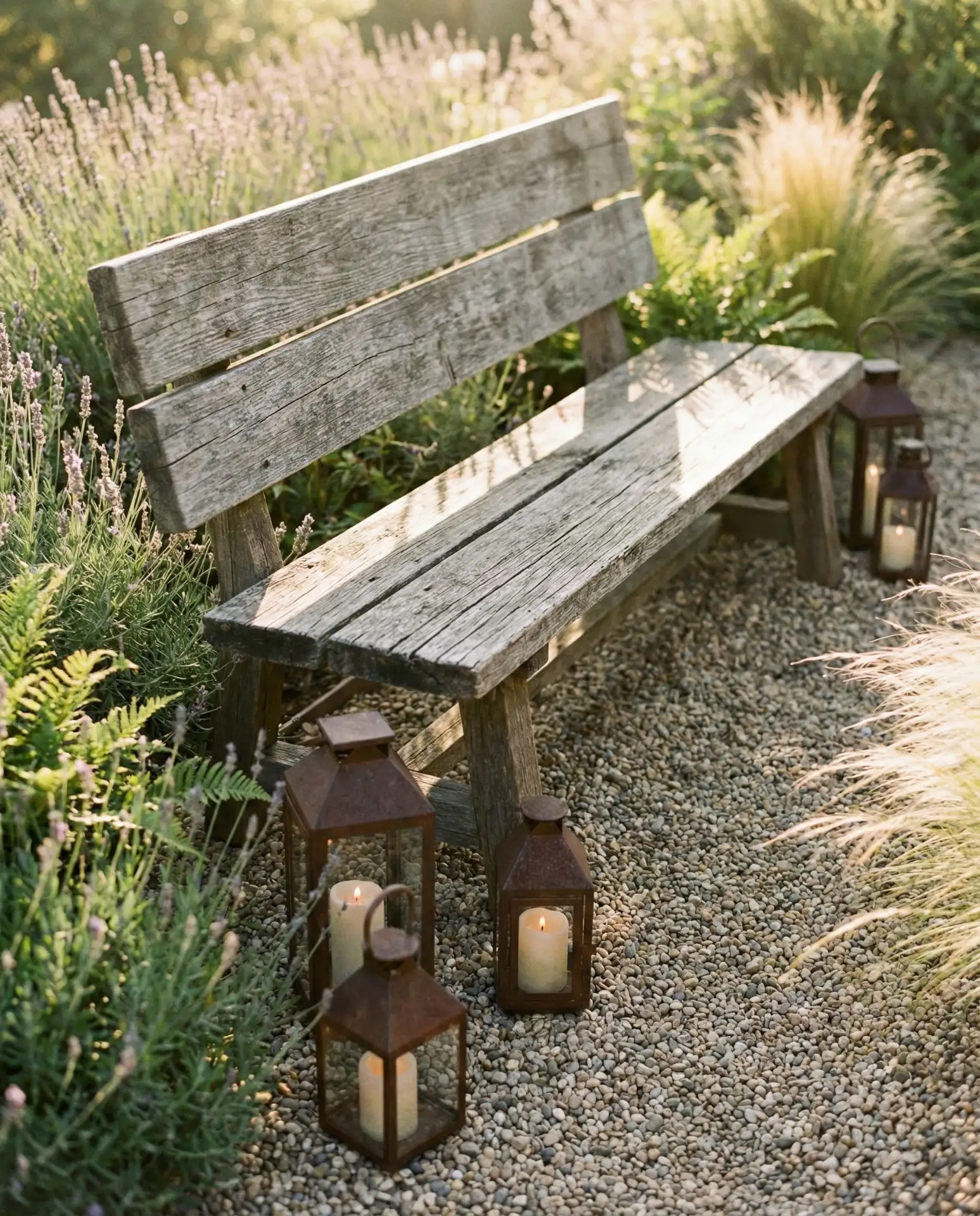
A patio makeover doesn’t have to mean expensive pavers or concrete work. Spreading crushed gravel or pea stone over a leveled area creates a stable, attractive surface that drains naturally and costs a fraction of traditional flooring ideas. Pair it with mismatched thrift-store chairs painted in a cohesive color palette, add outdoor cushions, and you’ve got a charming outdoor seating area that looks curated rather than cobbled together. 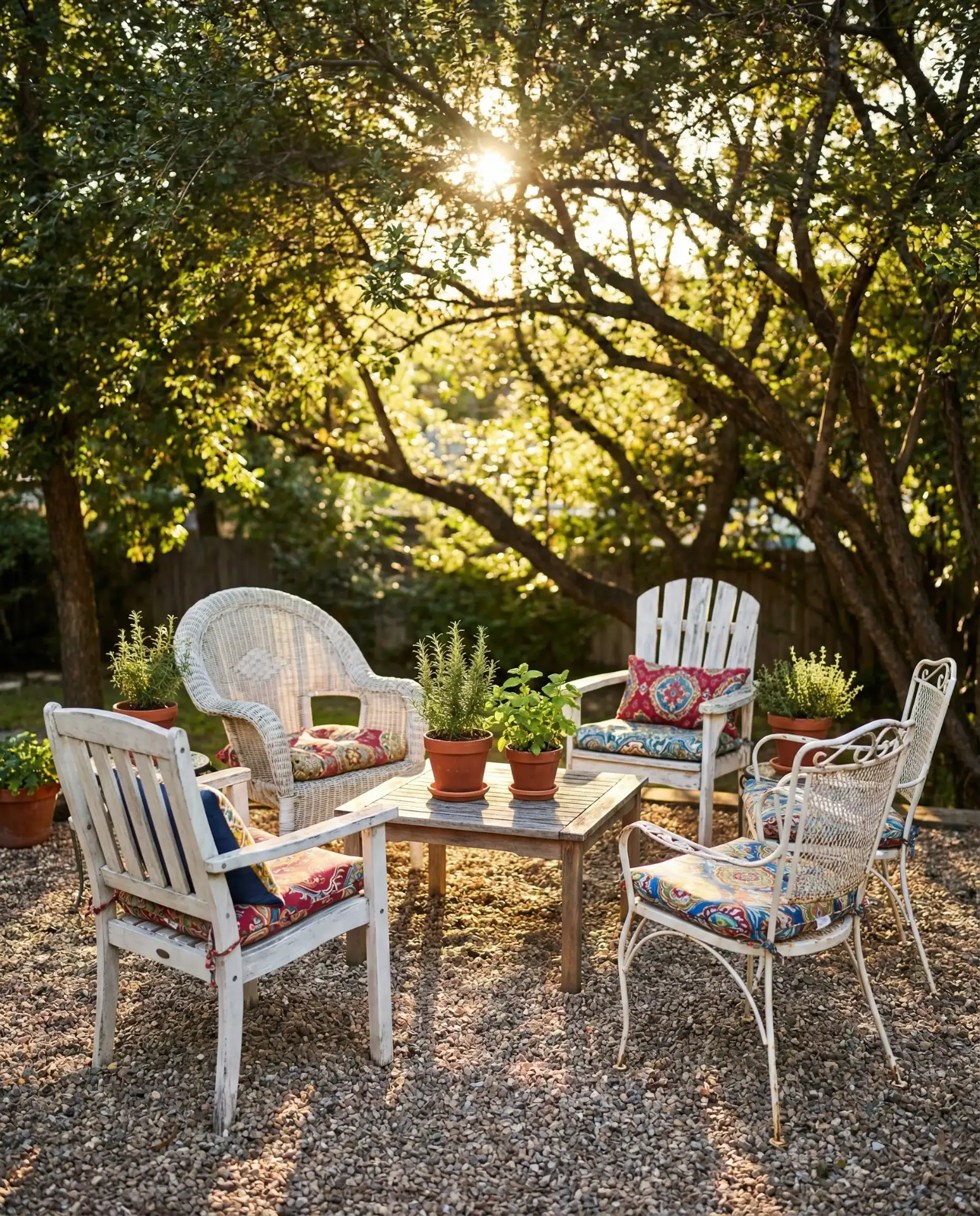
This setup works especially well in yards with poor drainage or uneven terrain, where traditional hardscaping would require costly grading. Many homeowners discover that gravel patios age beautifully, developing a lived-in character as plants creep along the edges and the stones settle into natural patterns that feel intentional rather than neglected.
2. DIY Cinder Block Fire Pit Circle
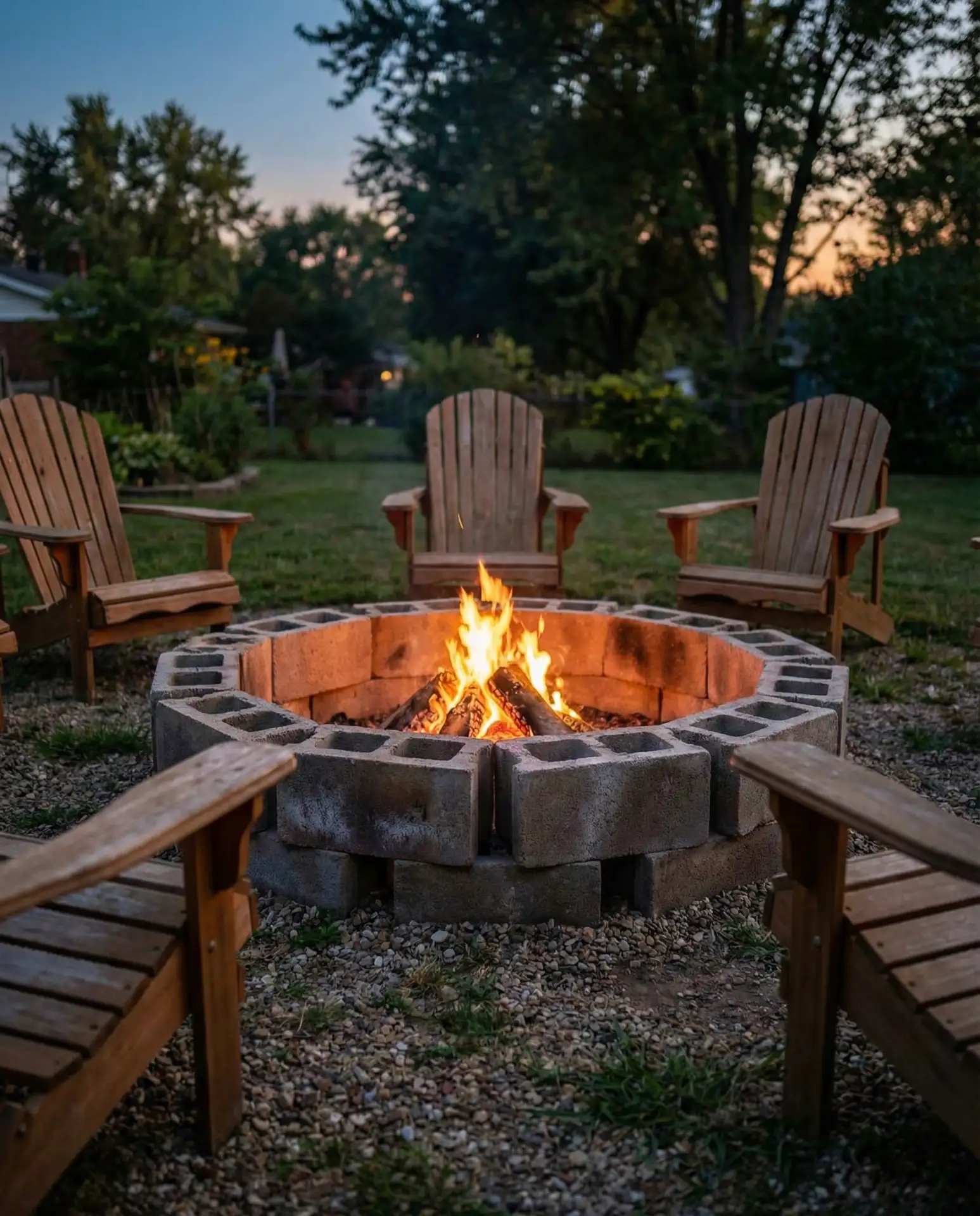
Building a fire pit area from standard cinder blocks takes about an hour and costs under $50 at most hardware stores. Stack the blocks in a circular or square formation, leaving gaps for airflow, and fill the center with fire-safe gravel. This instantly creates a gathering spot that works for evening conversations, s’mores with kids, or just the quiet crackle of a weekend fire. 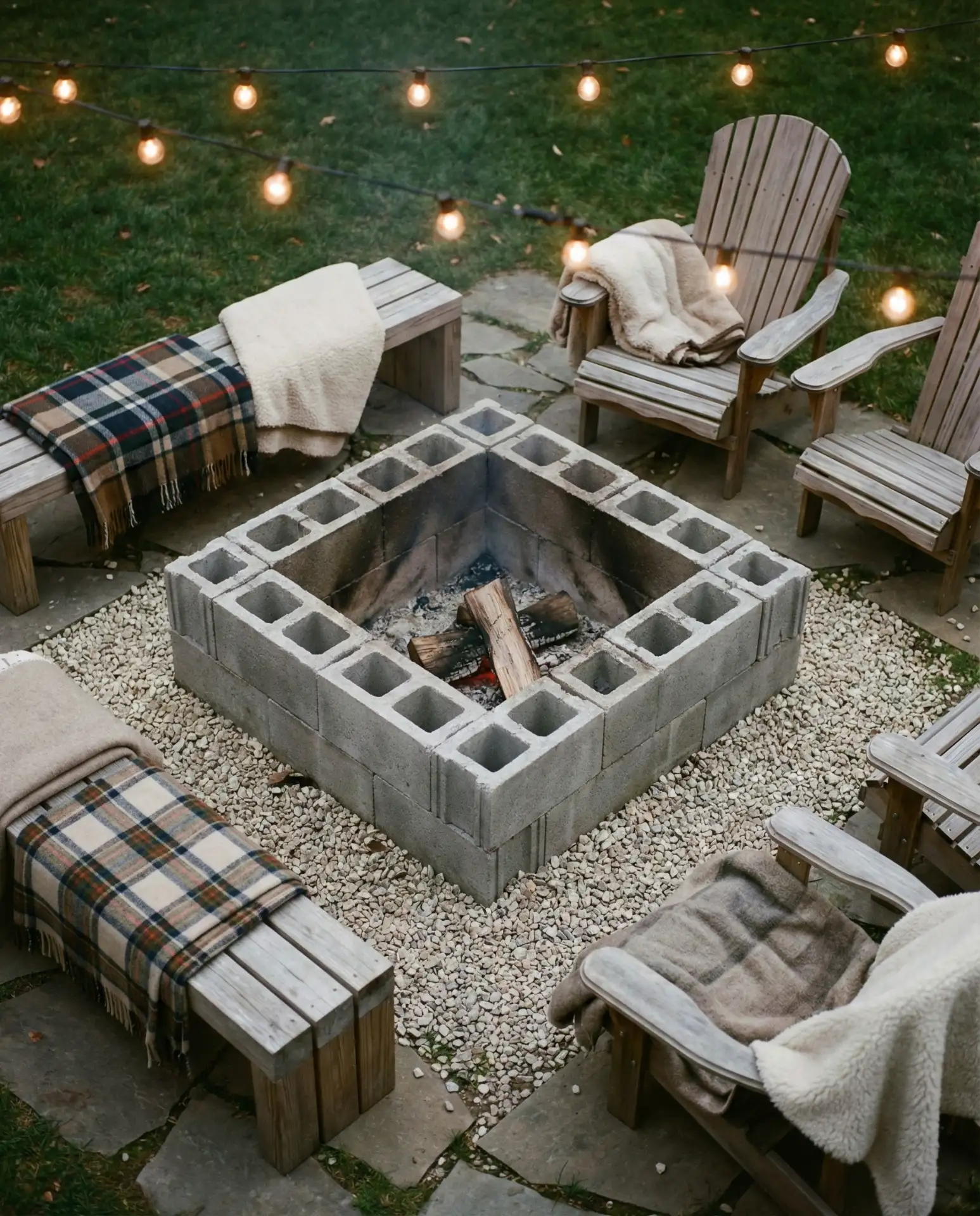
Cinder block fire pits are particularly popular in states with strict fire codes because they’re easy to dismantle or modify if regulations change. Unlike permanent built-in features, you can adjust the size, relocate it seasonally, or stack the blocks higher for extra wind protection without any specialized tools or expertise.
3. Painted Pallet Vertical Garden
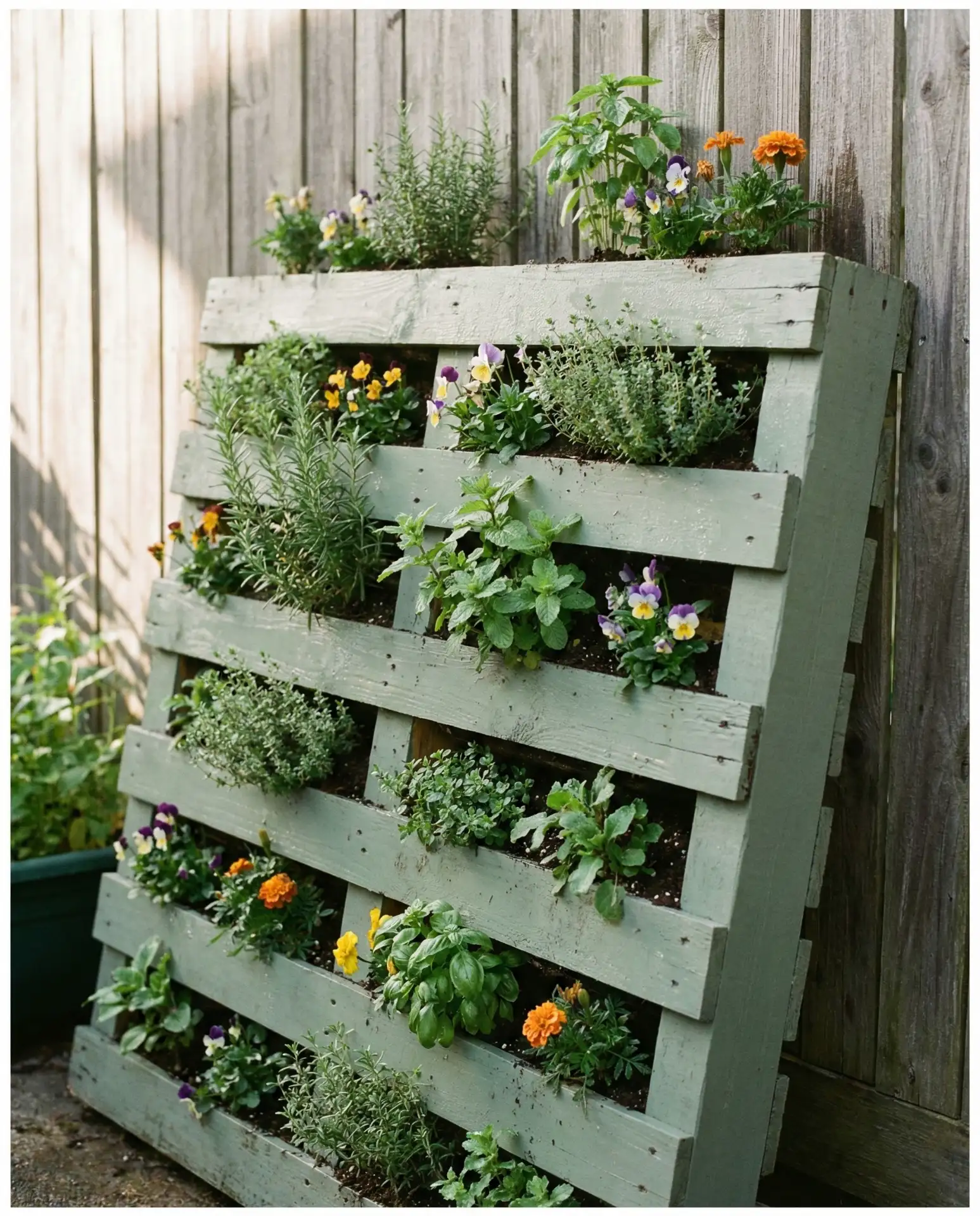
Reclaimed wooden pallets transform into vertical planters with just a coat of weather-resistant paint and some landscape fabric stapled to the back. Lean them against a fence or mount them to an exterior wall, fill the slats with potting soil, and tuck in herbs, succulents, or trailing flowers. This approach brings garden ideas to life even in narrow side yards or small rental properties where ground space is limited. 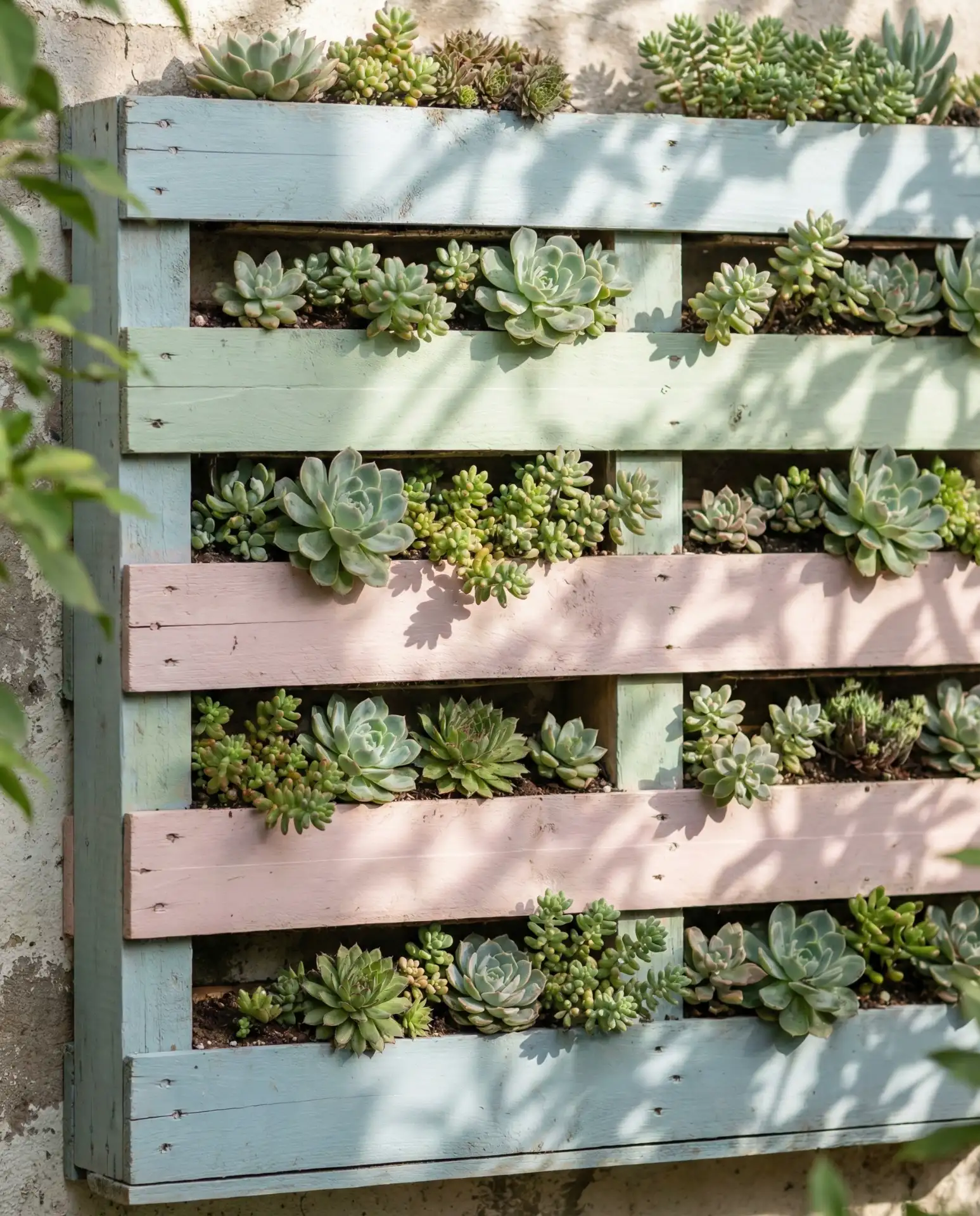
One common mistake is skipping the landscape fabric, which causes soil to spill out and makes watering messy. Stapling fabric across the back and between slats keeps everything contained, and drilling a few drainage holes prevents root rot. This small step makes the difference between a project that lasts one season and one that thrives for years.
4. String Light Canopy Over Existing Deck
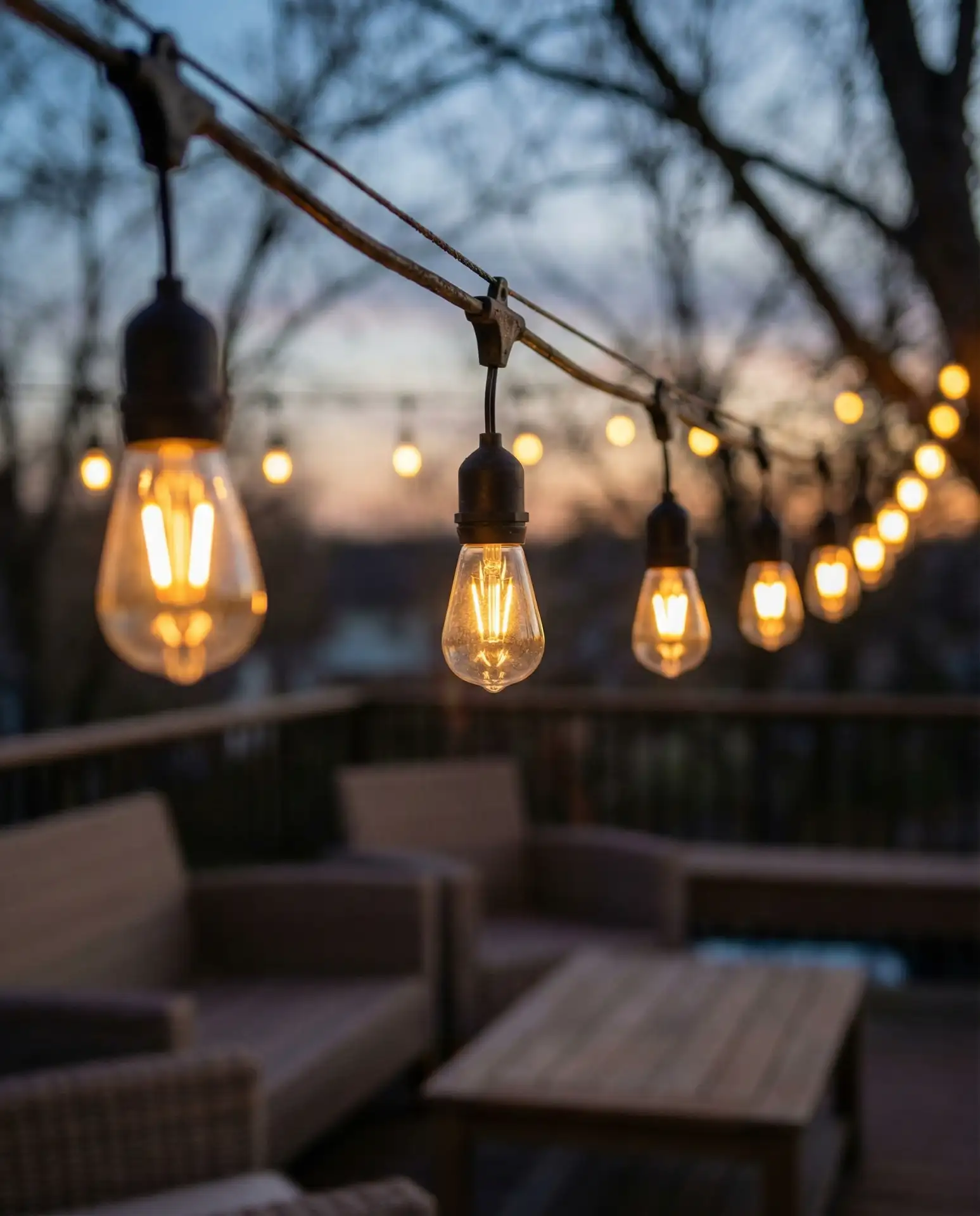
Draping café-style string lights across your deck or patio instantly elevates the space without any structural changes. Use eye hooks screwed into posts, fascia boards, or nearby trees to create a zigzag or crisscross pattern overhead. This simple addition works beautifully for a wedding celebration, birthday party, or just making weeknight dinners feel special. 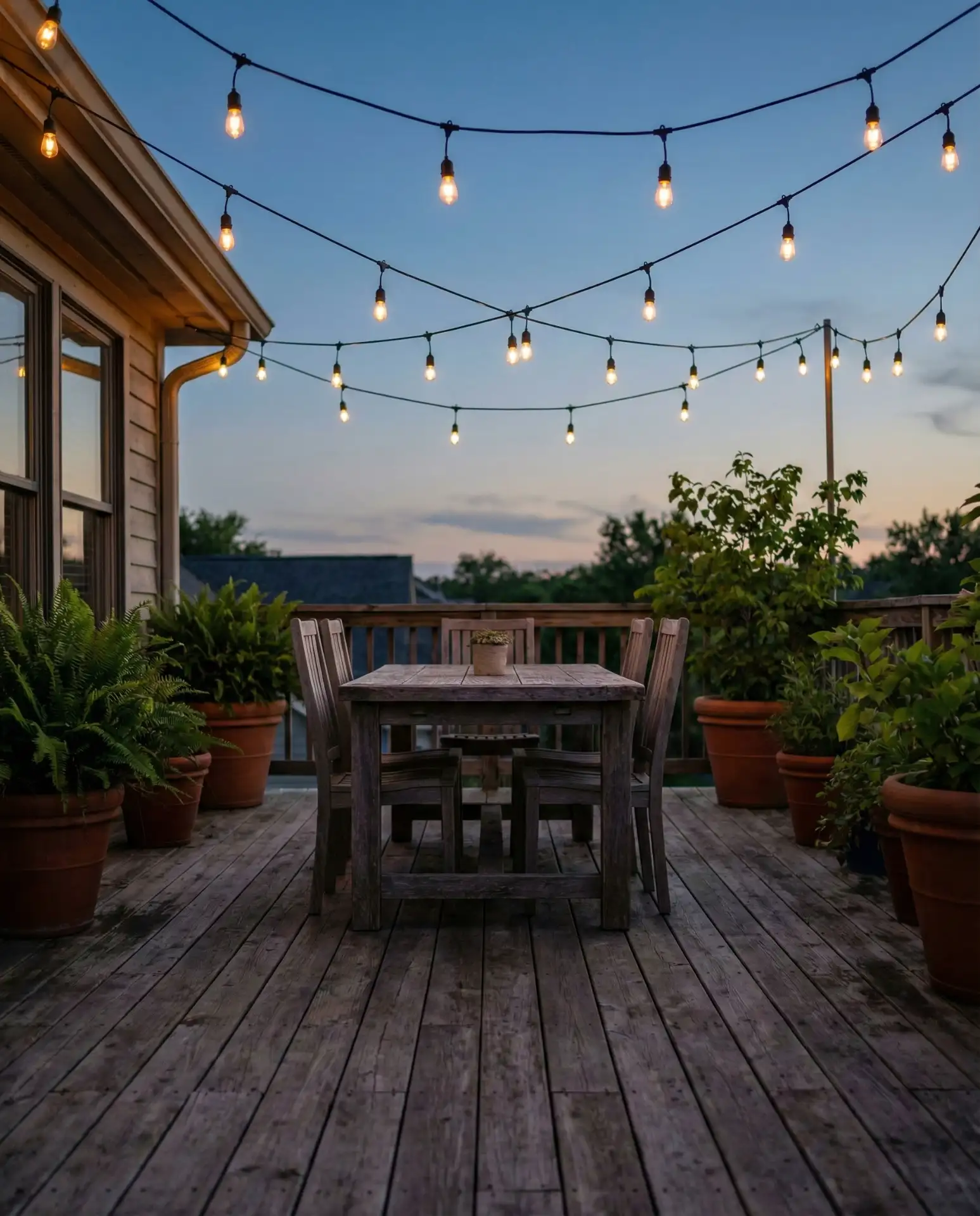
This setup costs between $30 and $80 depending on the bulb quality and length needed, making it one of the most affordable ways to add ambiance. Solar-powered versions eliminate the need for outdoor outlets entirely, though plug-in strands tend to offer brighter, more consistent light for evening entertaining.
5. Repurposed Ladder Plant Stand
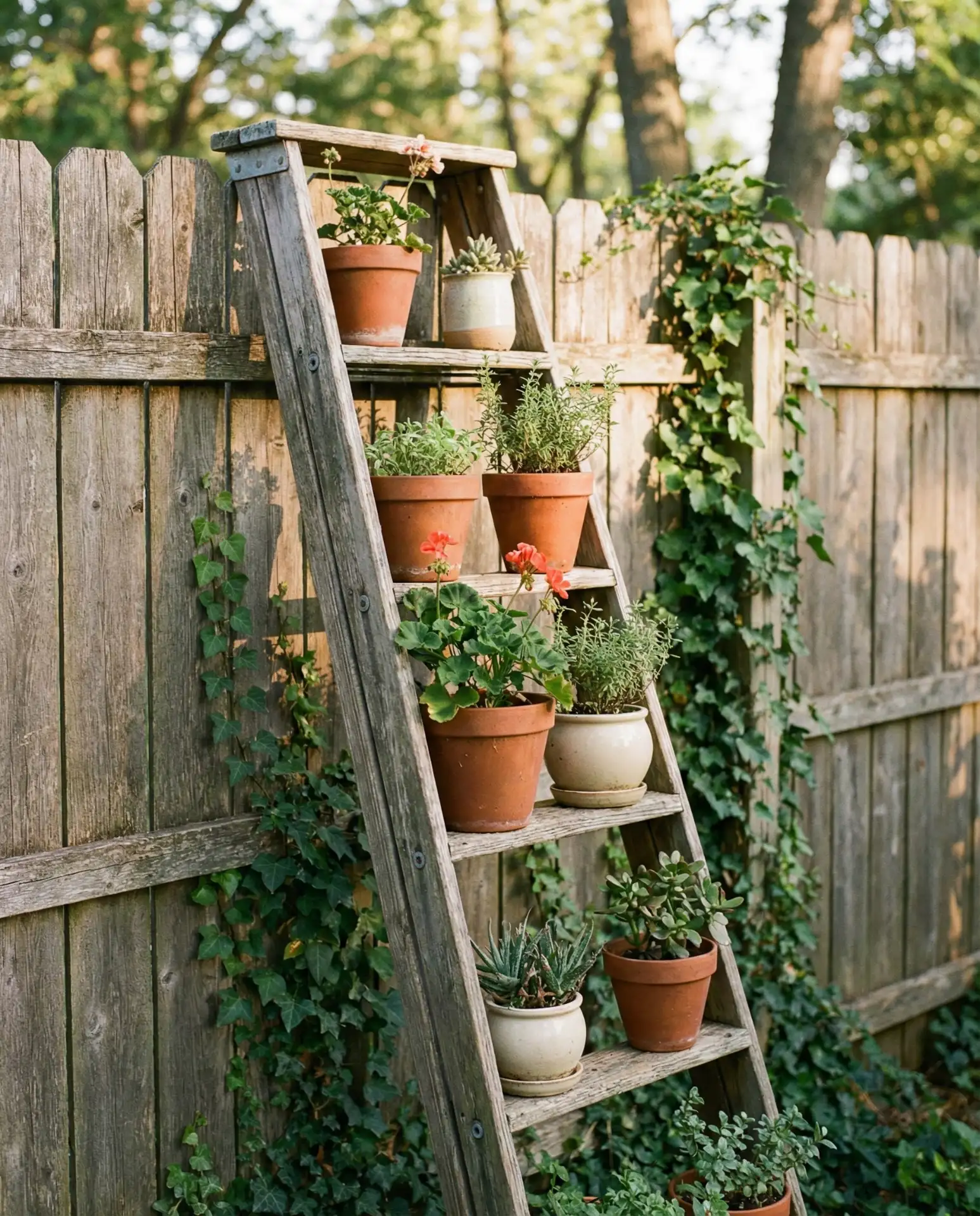
An old wooden ladder propped against a wall or fence becomes a tiered display for potted plants, lanterns, or outdoor decor. Sand it lightly and apply a clear sealant or bold paint color to protect the wood from weather. Each rung holds a different plant variety, creating vertical interest without taking up precious ground space—perfect for renters or anyone working with compact yards. 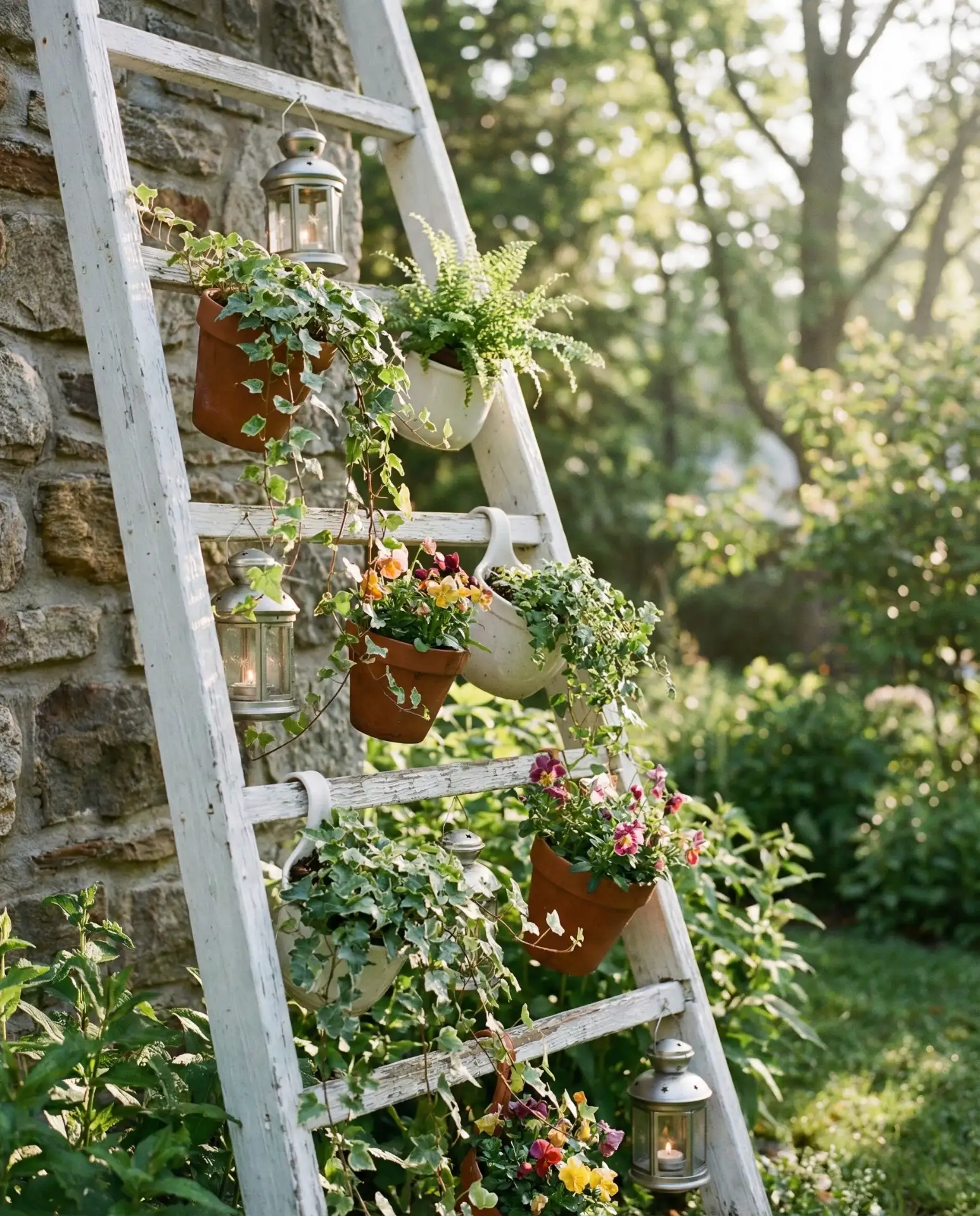
In the Pacific Northwest and Midwest, where garage sales and estate auctions frequently feature vintage ladders, you can often find these for under $20. The rustic aesthetic suits cottage gardens and farmhouse-style yards, but a coat of glossy black or navy paint also works beautifully in modern minimalist settings.
6. Mulch Pathways Between Garden Beds
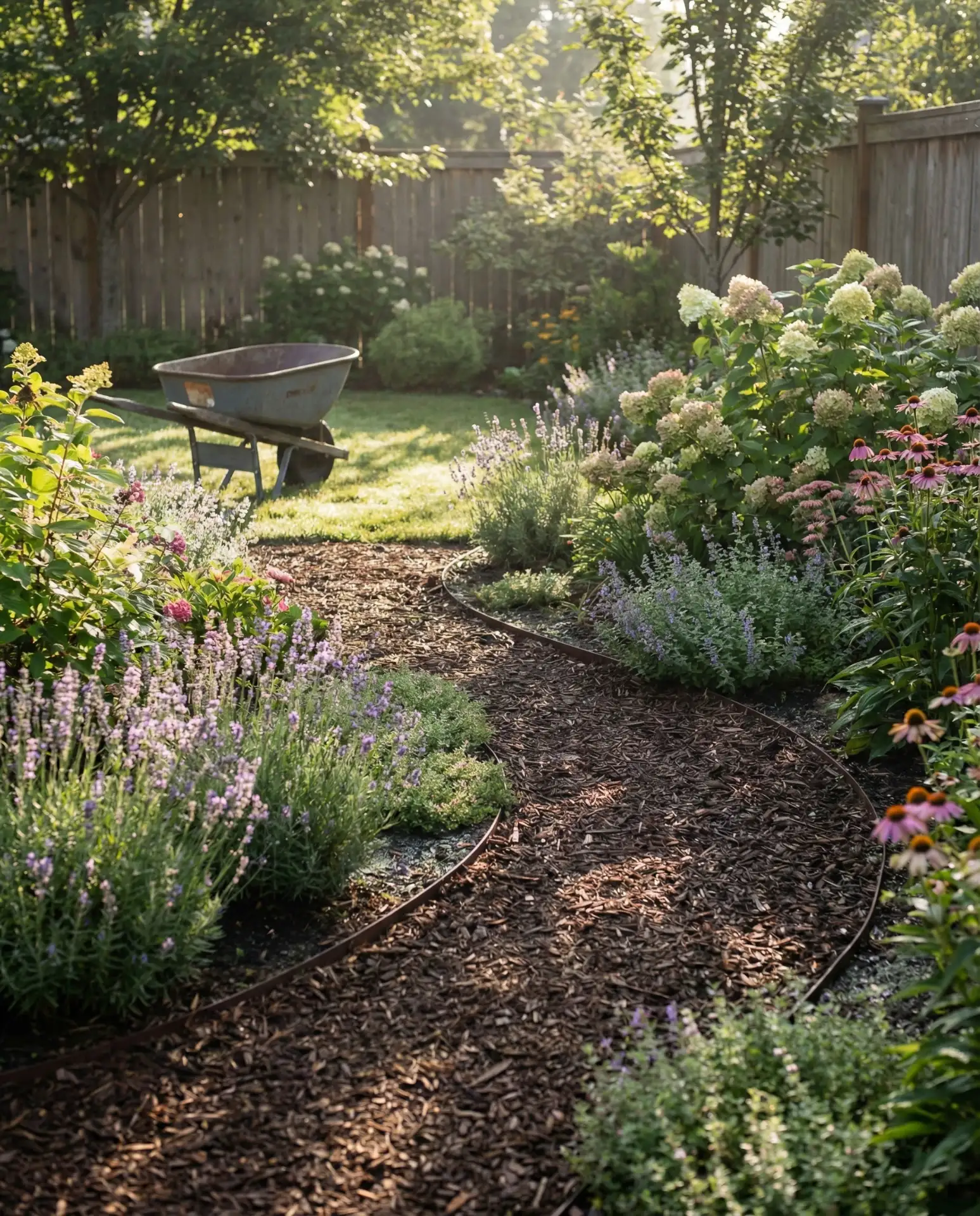
Defining clear paths through your yard with shredded bark or wood chip mulch costs less than $30 for a large area and dramatically improves the organized feel of your outdoor space. These pathways work especially well between vegetable garden ideas or around a chicken coop, keeping feet clean and preventing soil compaction where you walk regularly. 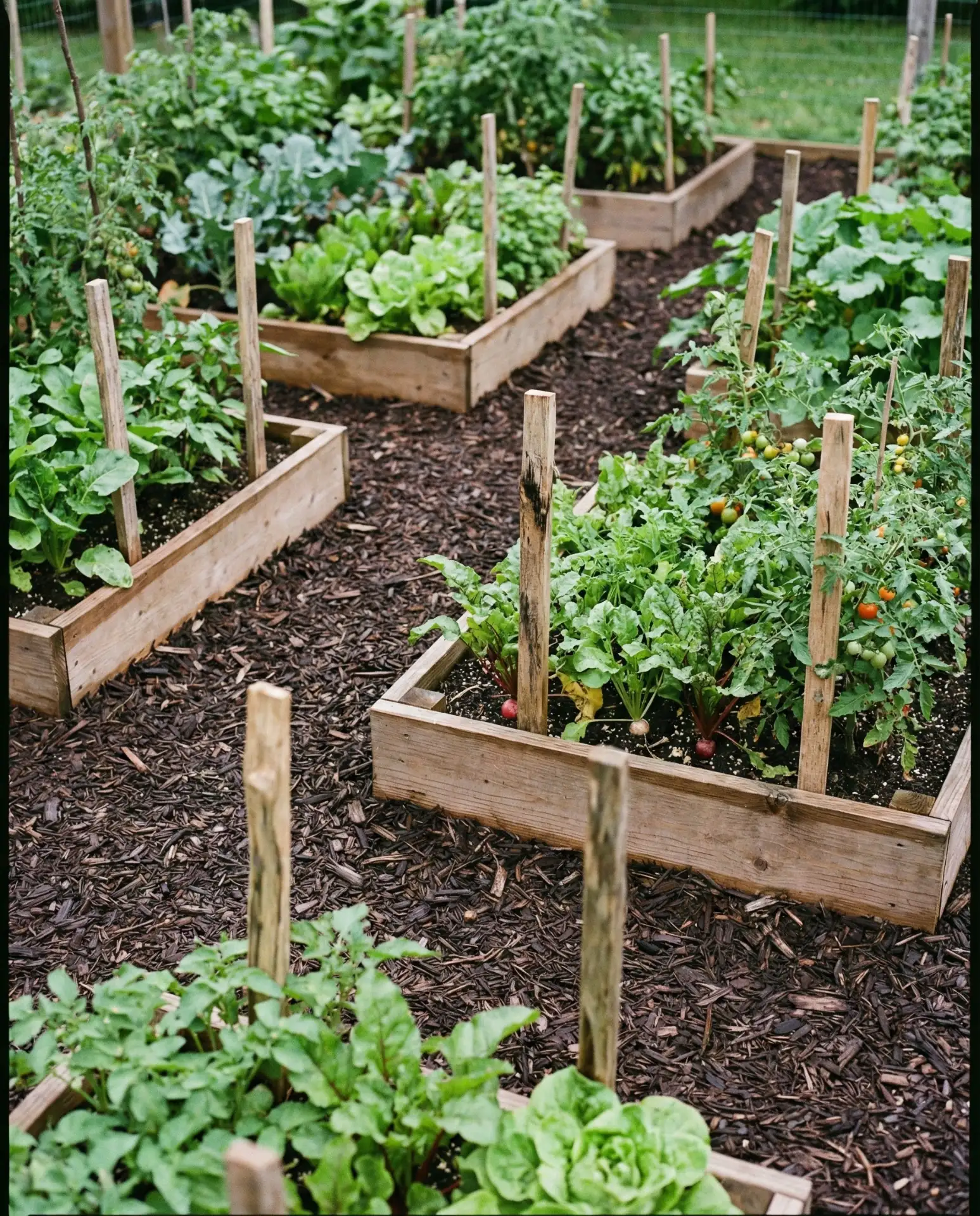
Where mulch pathways work best: sloped yards where water runoff creates muddy patches, or properties with heavy clay soil that turns into a swamp after rain. The mulch absorbs excess moisture, breaks down slowly to feed the soil, and gives the yard a finished look that reads as intentional design rather than afterthought.
7. Outdoor Rug Defining a Dining Zone
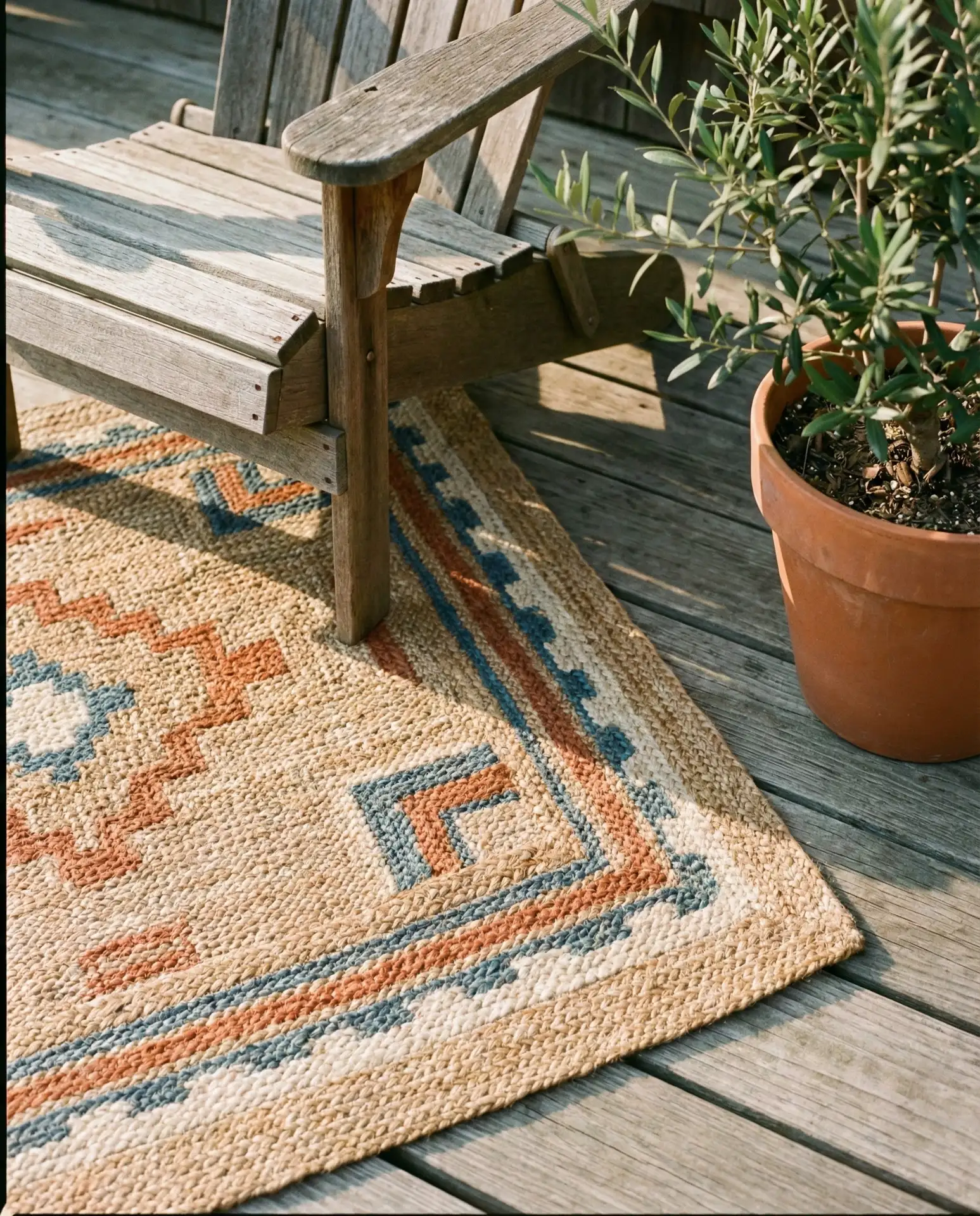
A weatherproof outdoor rug instantly anchors furniture and creates a designated eating or lounging area on a patio or deck. Choose bold patterns or colors that contrast with your existing flooring ideas to make the space feel intentional and pulled together. This trick works equally well for ideas for renters who can’t alter permanent surfaces but want to personalize their outdoor space. 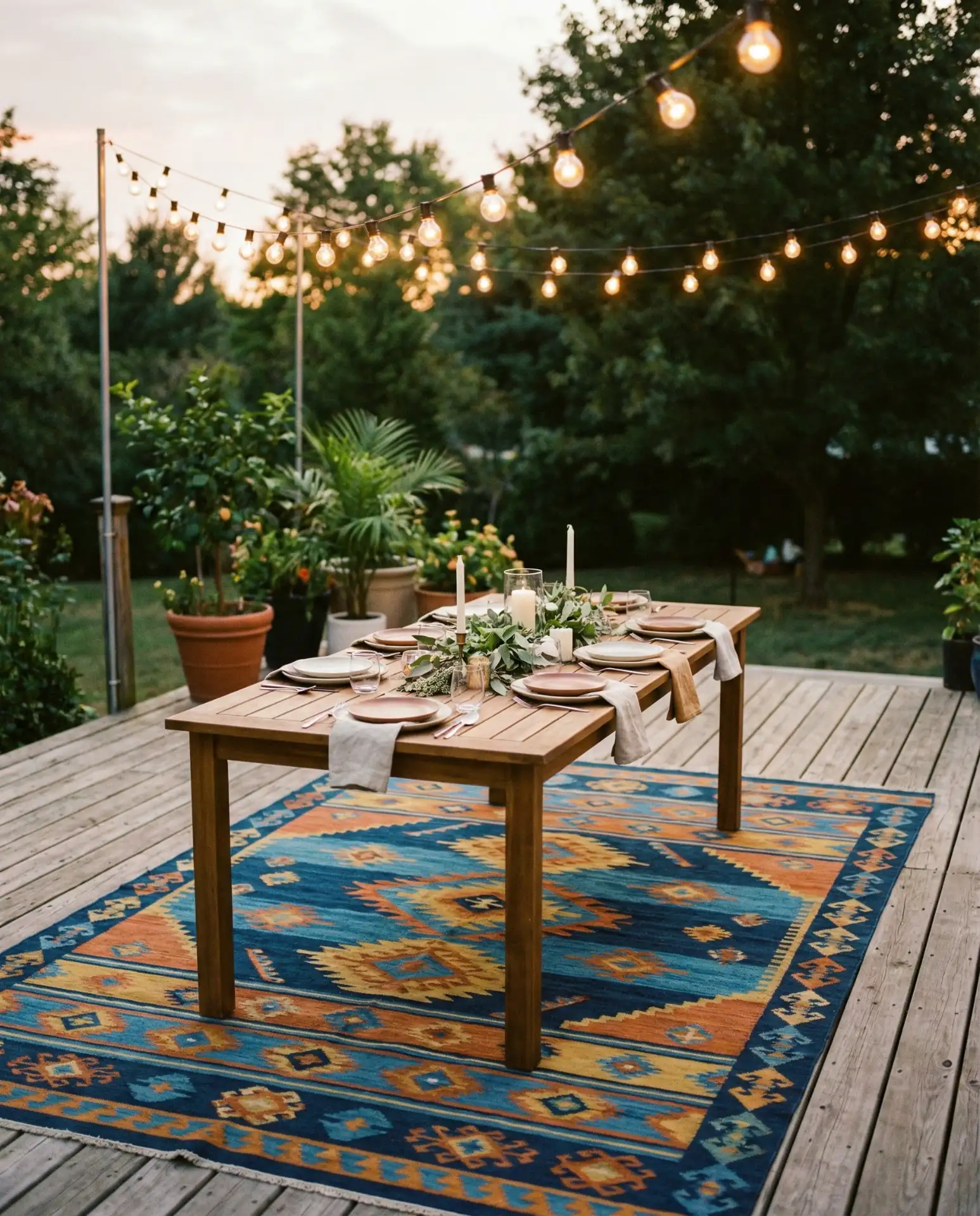
A neighbor once mentioned how adding a rug made her concrete patio feel like an actual room rather than just empty space. The psychological shift was immediate—suddenly the area invited lingering, and her family started eating outside several nights a week instead of viewing the patio as a pass-through zone.
8. Hanging Planters on Shepherd’s Hooks
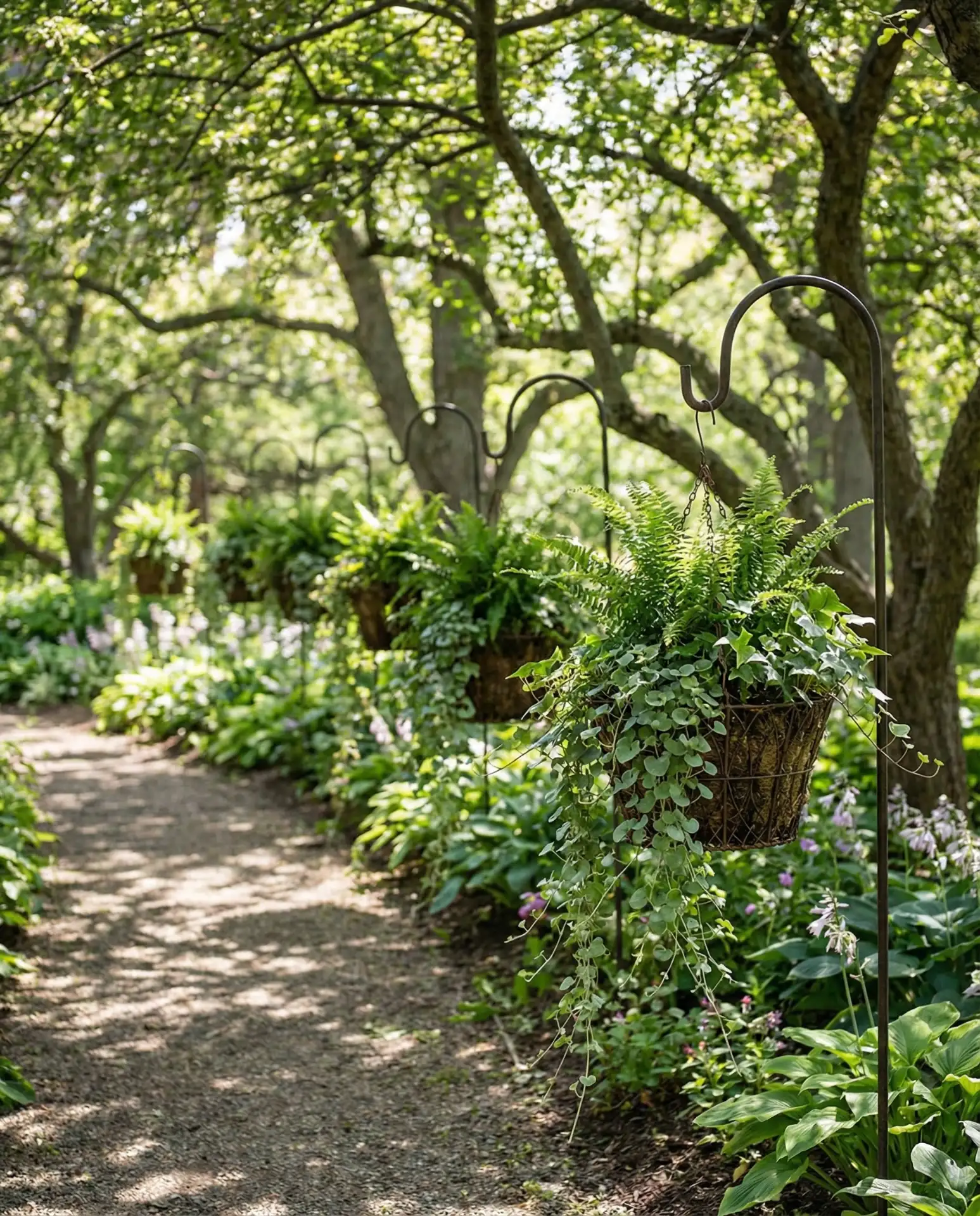
Shepherd’s hooks pushed into the ground wherever you need height and greenery offer a flexible, movable solution for adding layers to your yard. Hang baskets of trailing petunias, ferns, or succulents to frame a seating area, line a pathway, or soften the edges of a dog fence outdoors. This approach lets you experiment with placement without committing to permanent posts or structures. 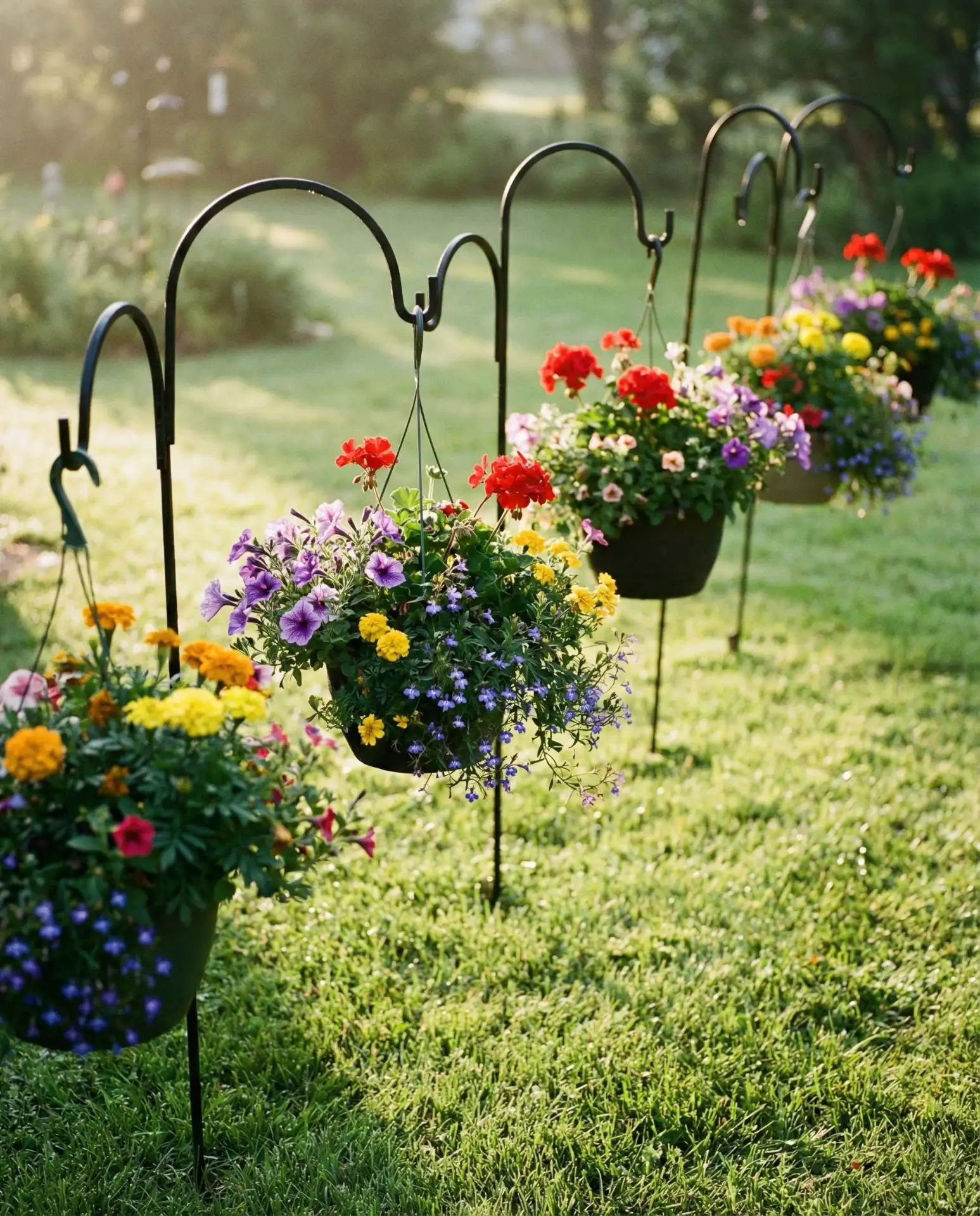
Real homeowners often move these hooks seasonally—closer to the deck in summer for easy watering, then repositioned near entryways in fall with mums or evergreen arrangements. This adaptability makes them ideal for people who like to refresh their yard’s look without buying new furniture or hardscaping elements.
9. DIY Wooden Bench with Storage
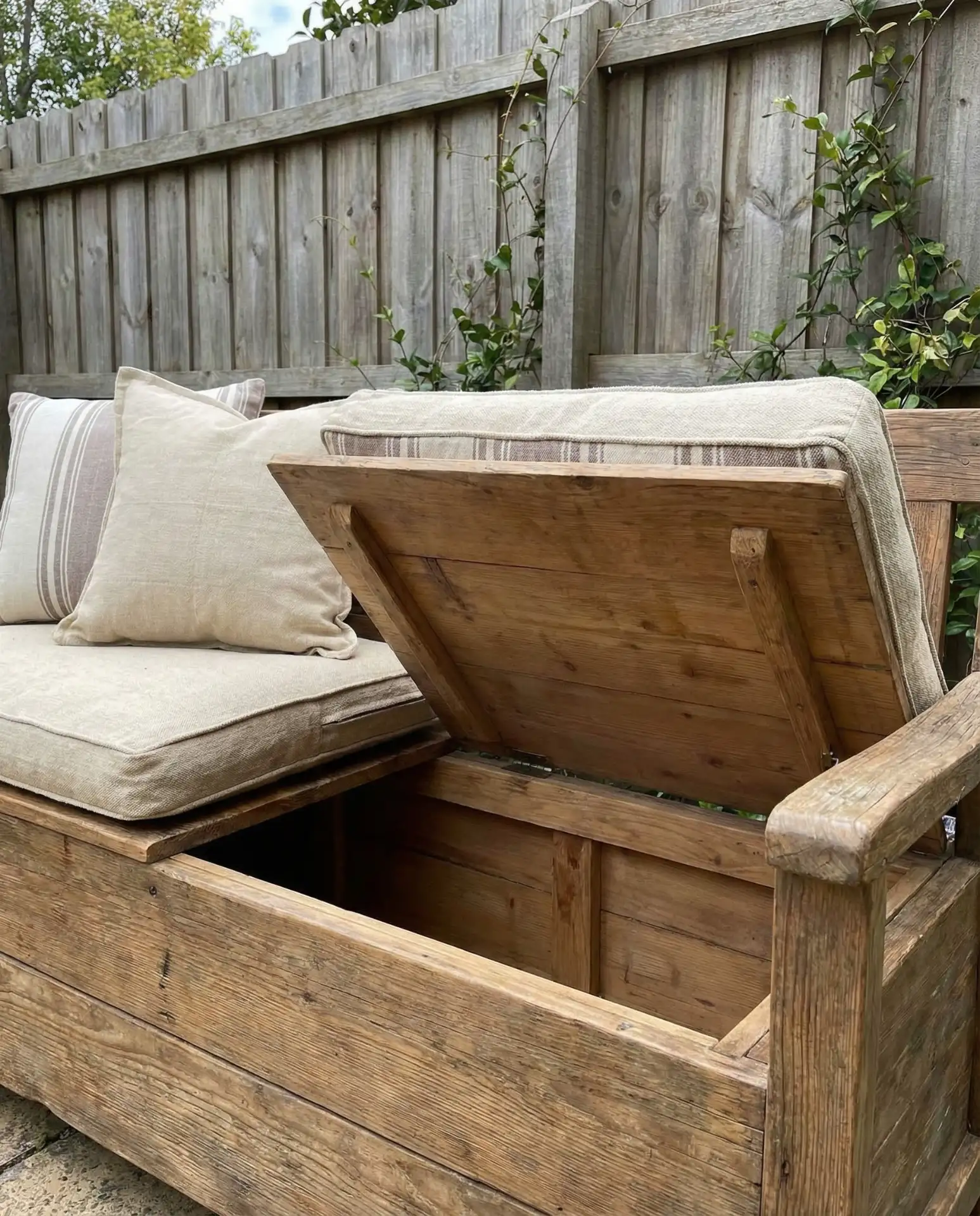
Building a simple bench from 2x4s and plywood creates both extra outdoor seating area space and hidden storage for cushions, garden tools, or kids’ toys. Add a hinged lid, waterproof the wood with exterior stain, and position it along a fence line or at the edge of a patio. This dual-purpose piece costs about $60 in materials and solves two problems at once. 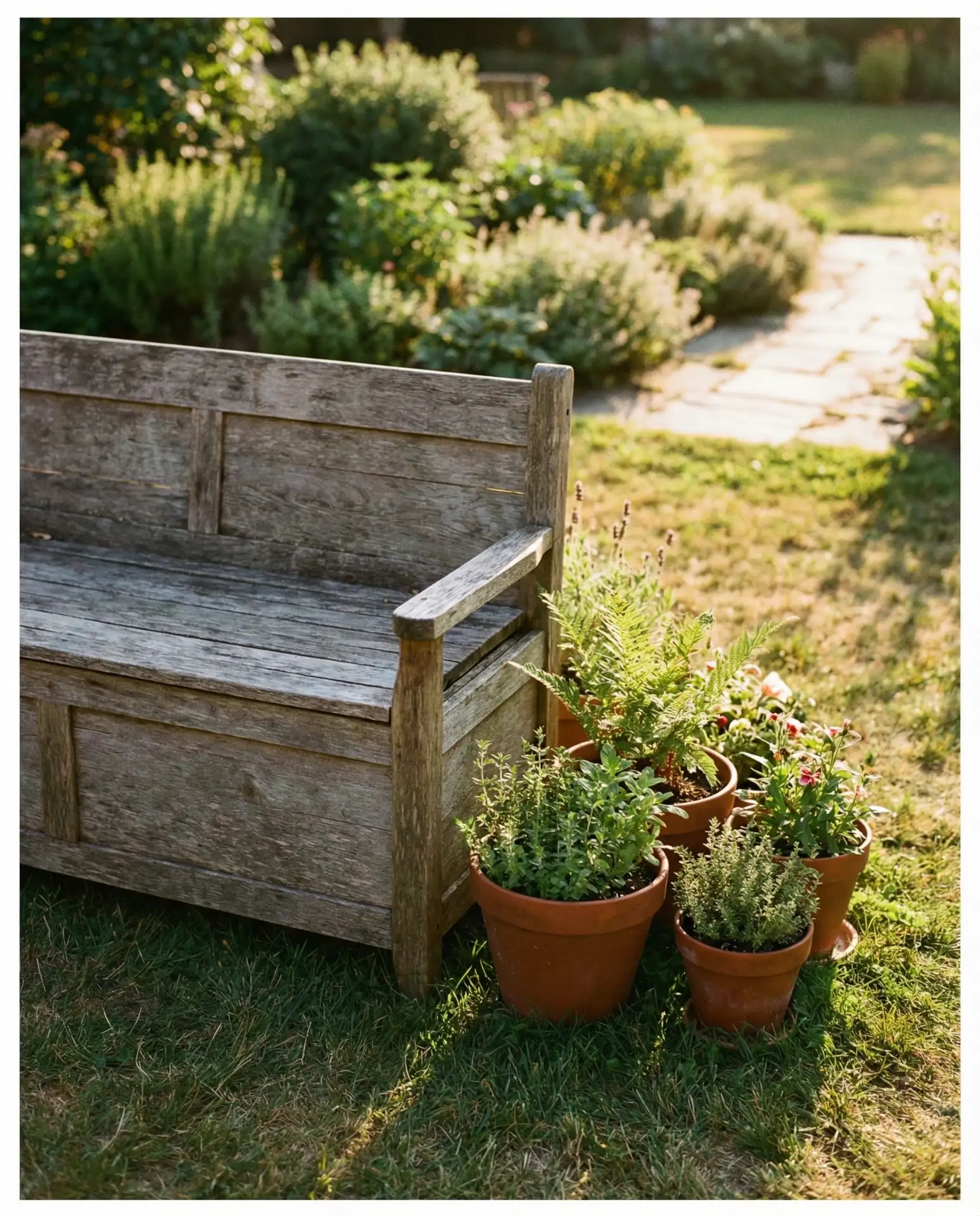
Storage benches work particularly well in smaller yards where every square foot needs to multitask. In coastal areas, homeowners fill them with beach towels and sunscreen; in suburban neighborhoods, they hold sports equipment or gardening gloves. The closed design keeps everything dry and out of sight, maintaining a clean visual flow.
10. Painted Tire Planters
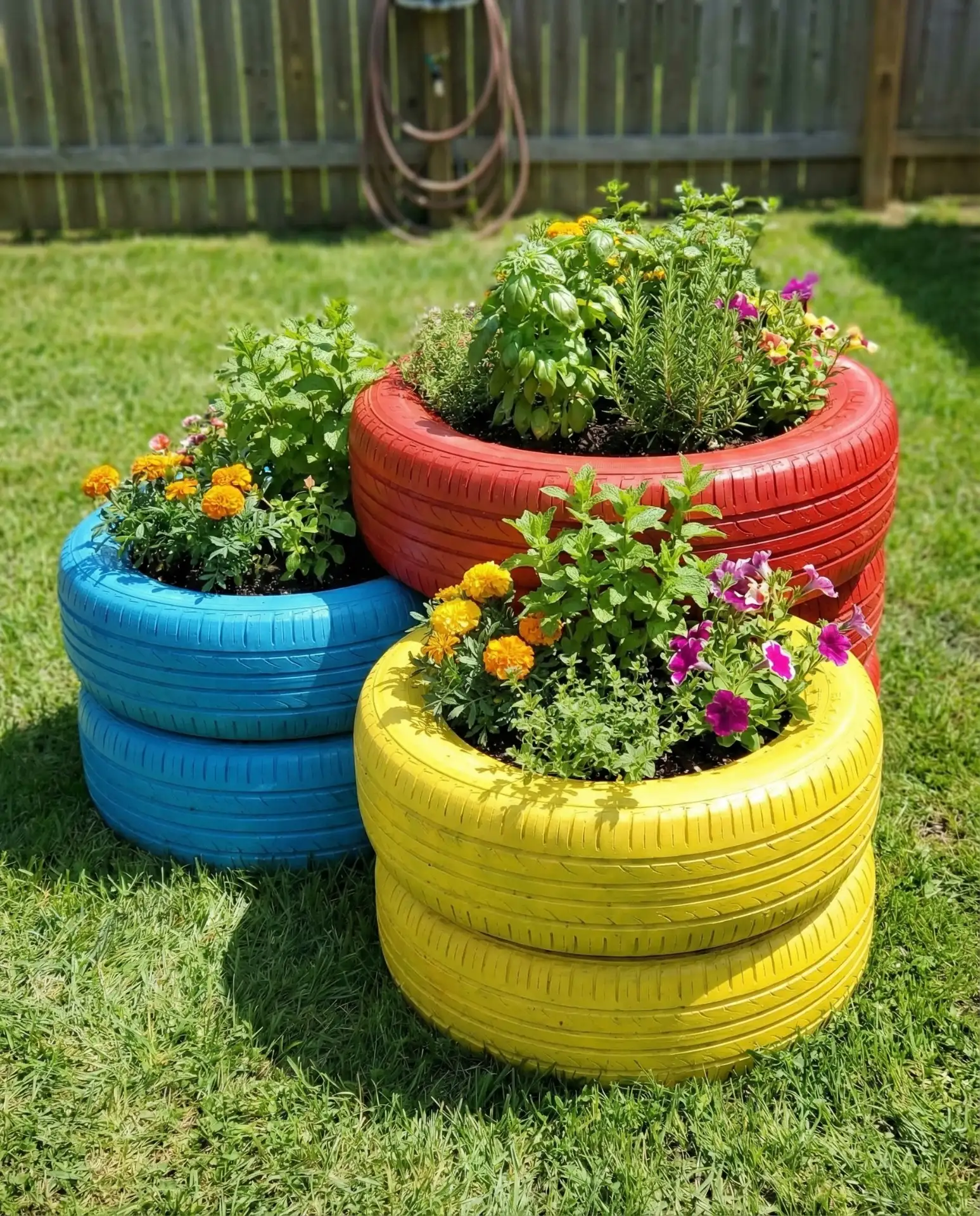
Old tires transformed with bright exterior paint and filled with soil become sturdy, weatherproof planters that work beautifully for vegetables, flowers, or herbs. Stack them to create different heights, or cut one side open for a more sculptural shape. This is one of those classic ideas for kids to help with—they love picking colors and planting seeds in something so unconventional. 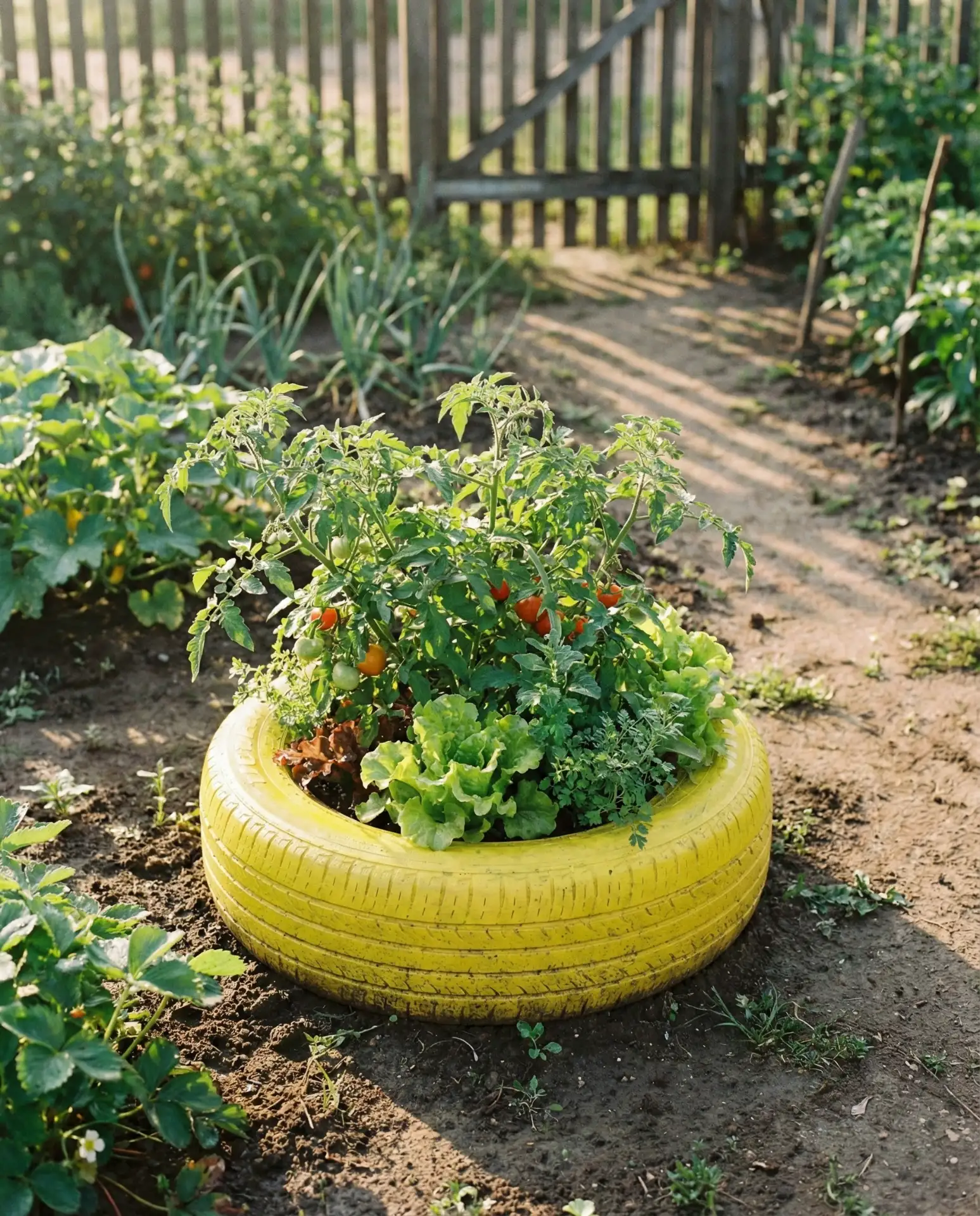
Tire planters suit rural properties and suburban yards with a playful, informal vibe. They’re heavy enough to stay put in wind and rain, and the rubber insulates plant roots from temperature extremes better than thin plastic pots. Most tire shops will give away used tires for free, making this a truly zero-cost material source.
11. Shade Sail Stretched Over Play Area
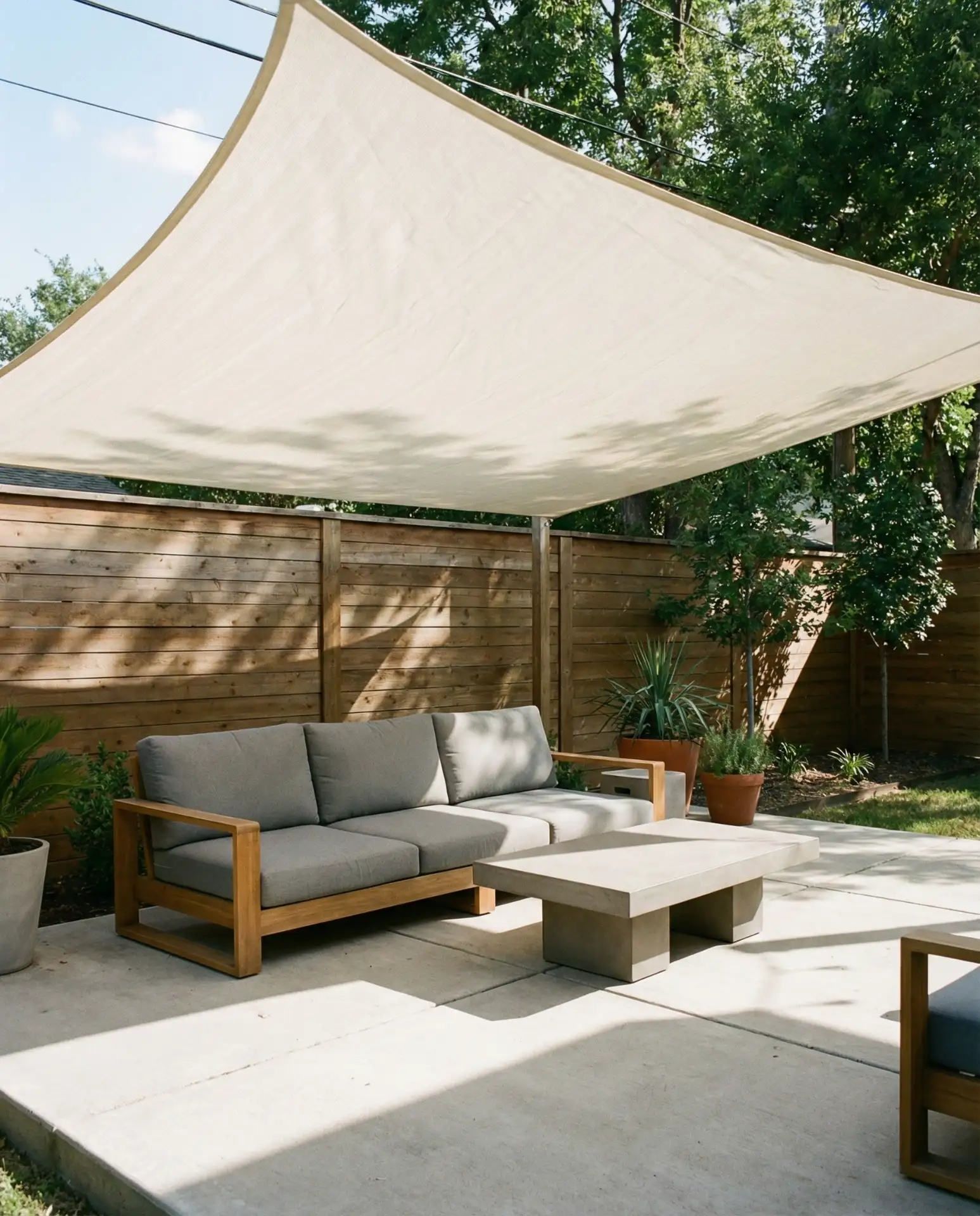
Triangular or rectangular shade sails anchored to posts or existing structures provide critical sun protection for ideas for kids’ play zones, seating areas, or pool lounging spots. Available in colors ranging from neutral beige to bold turquoise, they add architectural interest while keeping temperatures cooler during peak afternoon hours—a practical solution that doubles as a strong design statement. 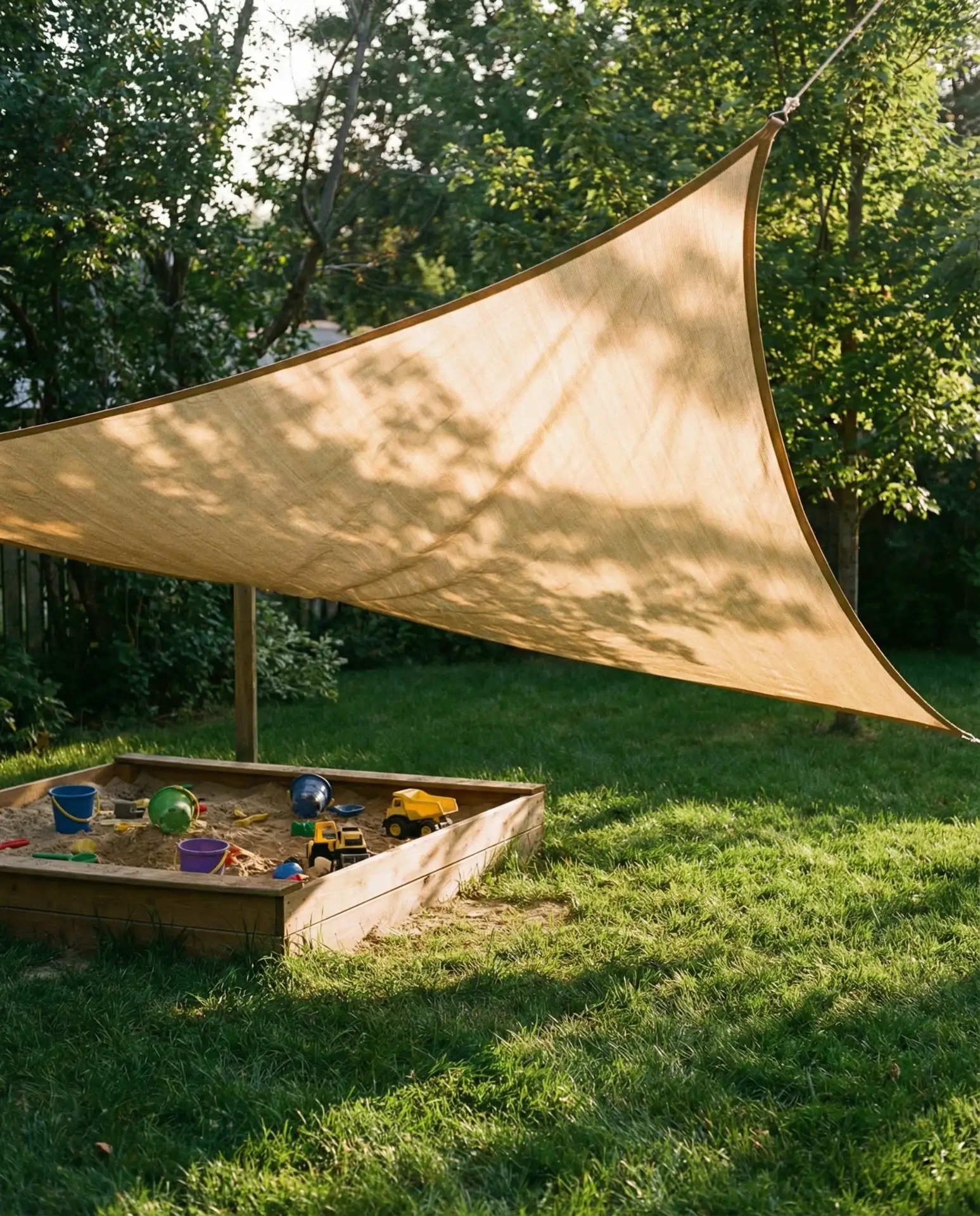
Installation costs between $100 and $250 depending on size and mounting hardware. In the Southwest and Southeast, where summer sun is relentless, shade sails have become standard rather than a luxury, and many homeowners invest in removable hardware so they can take the sail down during winter storms or high winds.
12. Stacked Stone Border Around Flower Beds
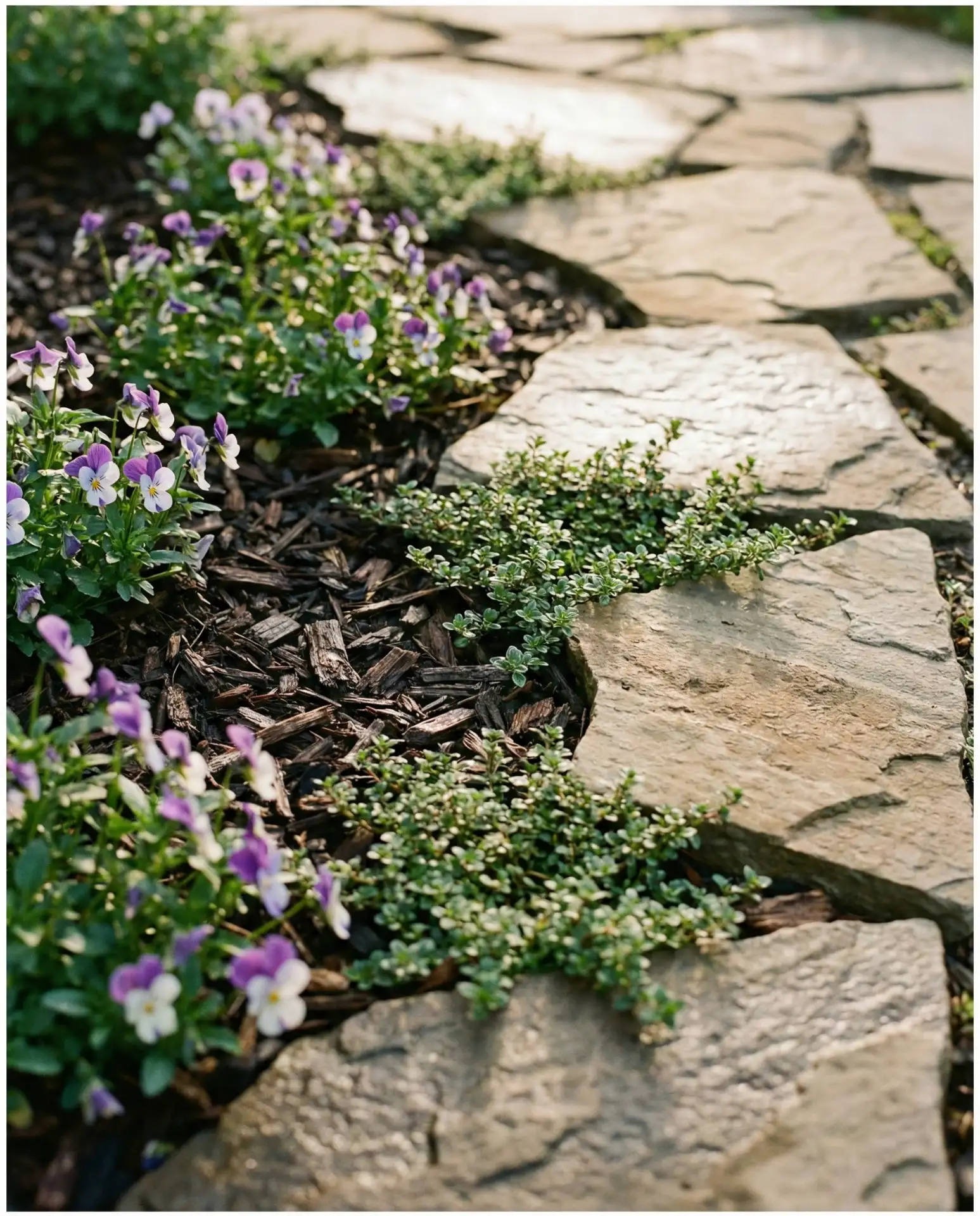
Gathering flat stones from your property or buying them by the bag creates a natural-looking border that defines planting areas and prevents mulch from spilling into the lawn. Arrange them in a stacked or single-layer pattern around your garden ideas to add texture and a finished edge. This approach feels organic rather than rigid, suiting cottage gardens and native plant landscapes especially well. 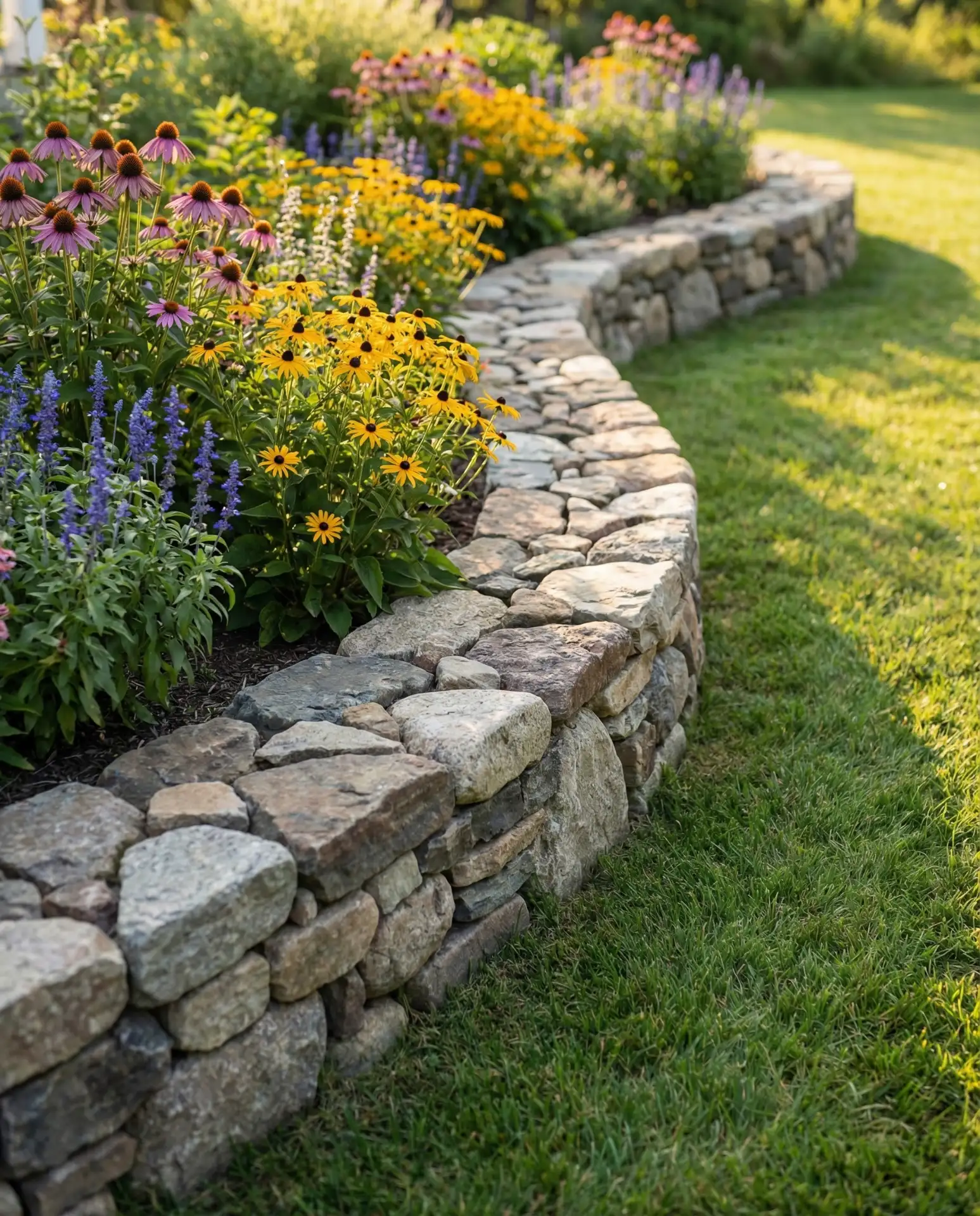
Expert landscapers often recommend skipping landscape fabric under stone borders since it can trap moisture and prevent stones from settling naturally into the soil. Letting them nestle in slightly creates a more permanent, stable edge that won’t shift when you mow or edge the lawn.
13. Simple Pergola from Treated Lumber
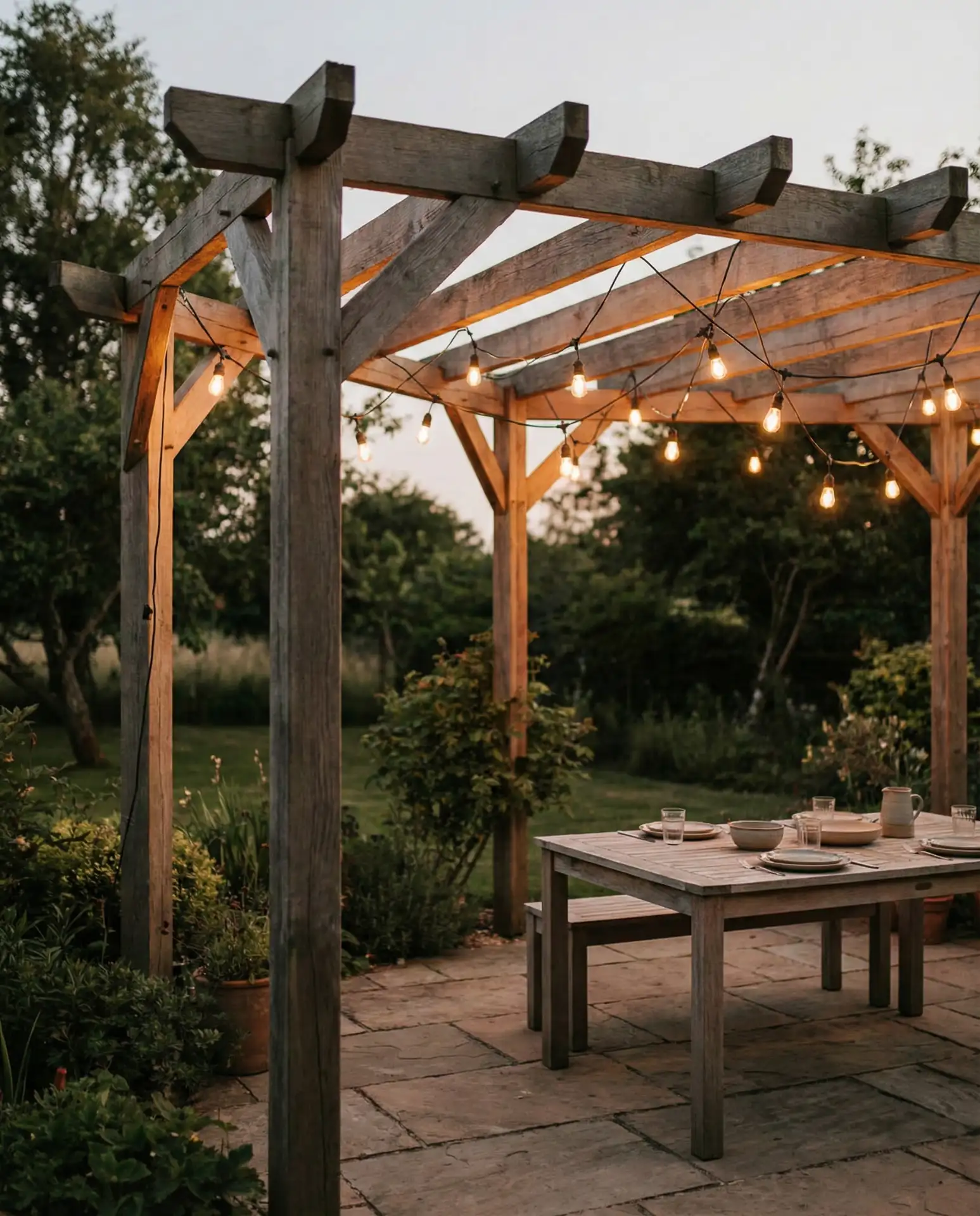
A basic pergola structure built from 4×4 posts and 2×6 crossbeams costs a few hundred dollars in materials but transforms a plain patio into a defined outdoor room. Train climbing vines like clematis or wisteria over the top for natural shade ideas, or drape it with string lights and fabric for instant atmosphere. This project suits intermediate DIY skill levels and creates a focal point that anchors the entire backyard. 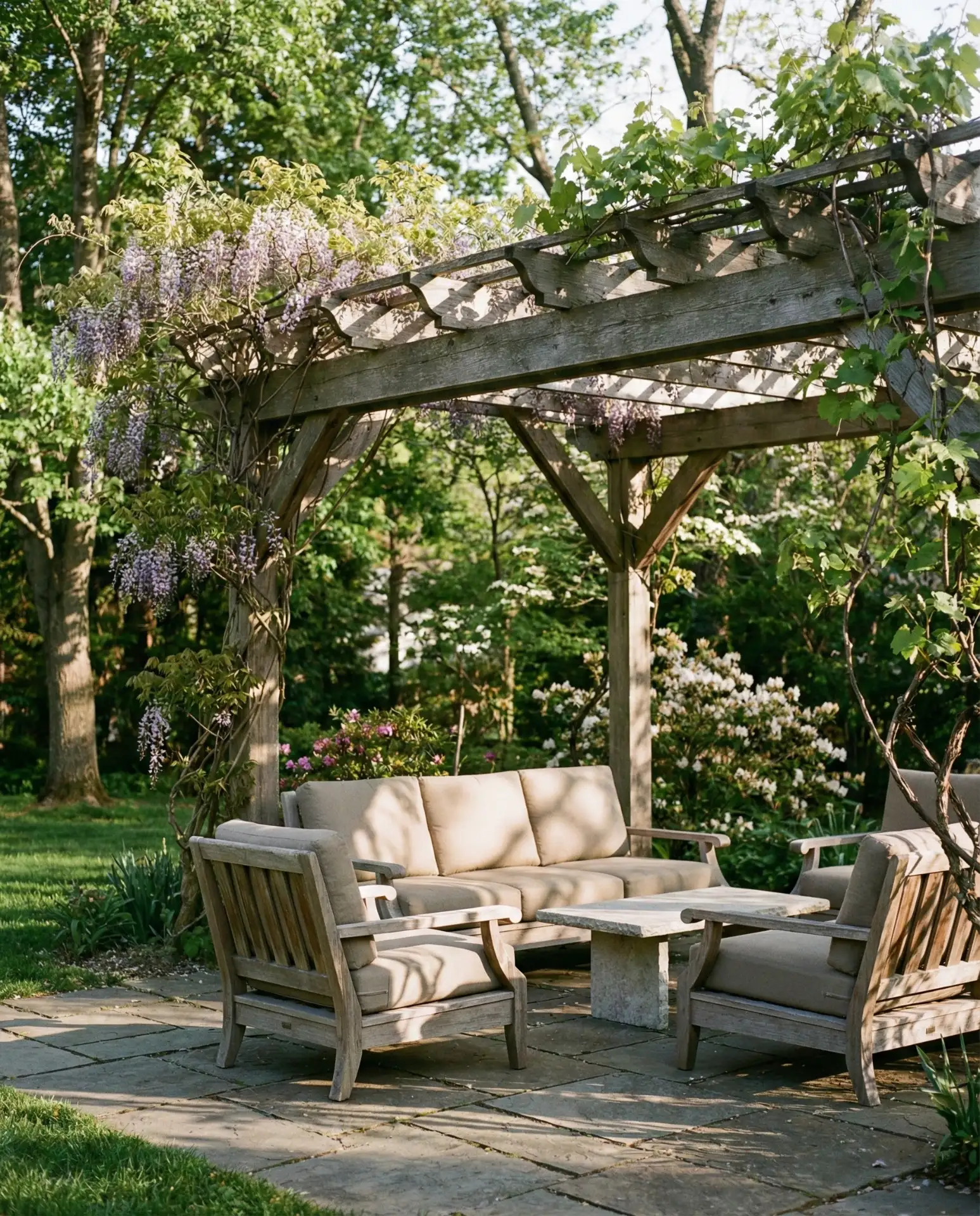
In regions with strict homeowner association rules, pergolas usually don’t require permits since they’re considered open structures rather than enclosed additions. Always check local codes, but many homeowners appreciate that this substantial upgrade stays within DIY territory without triggering complex approval processes.
14. Galvanized Trough Raised Beds
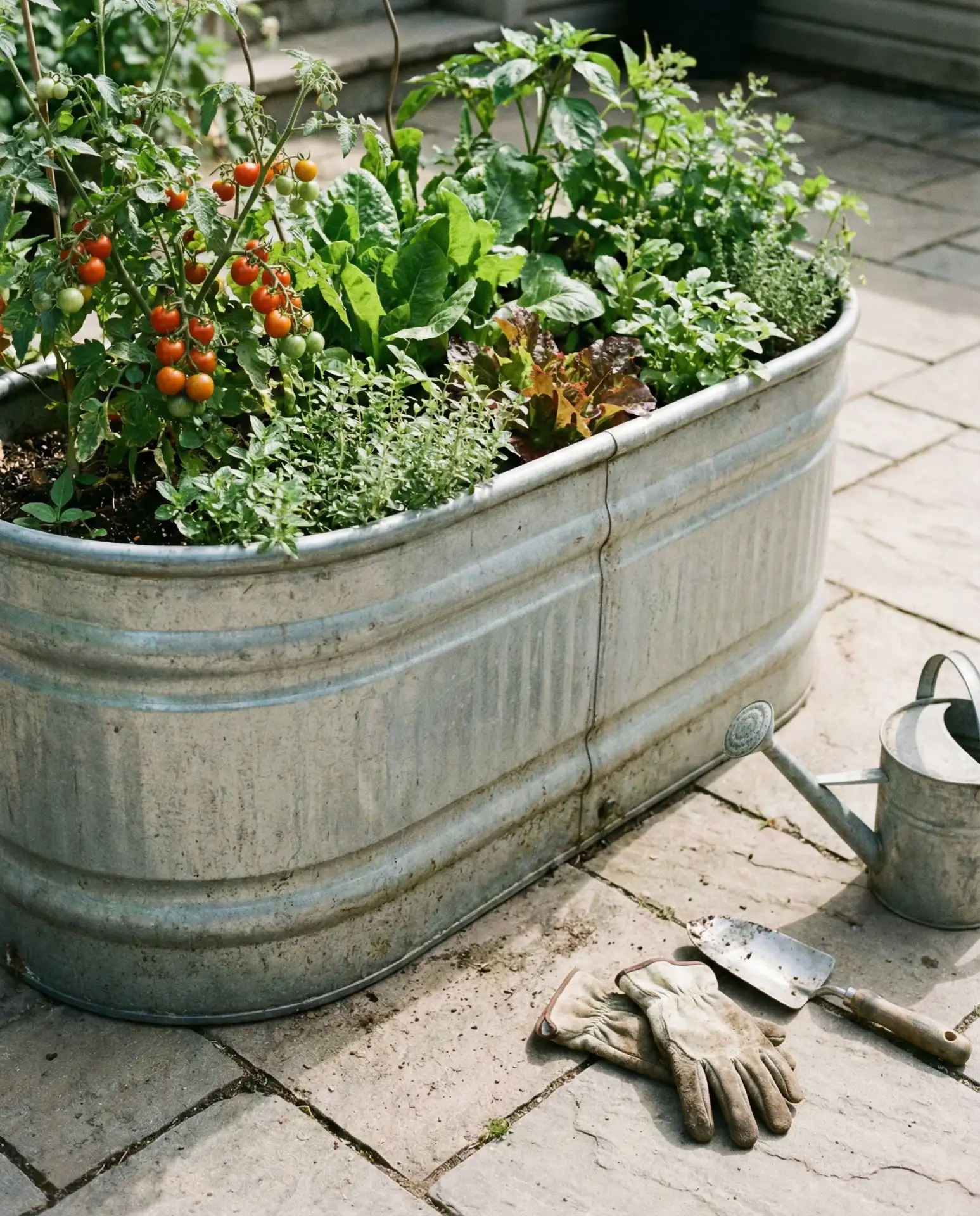
Galvanized stock tanks or large troughs from farm supply stores make excellent raised beds that last decades and offer excellent drainage. Drill holes in the bottom, fill with quality soil, and plant vegetables, herbs, or cut flowers. These work beautifully for garden ideas on patios or anywhere you need portability, since they can be moved with a hand truck if you decide to rearrange your outdoor layout. 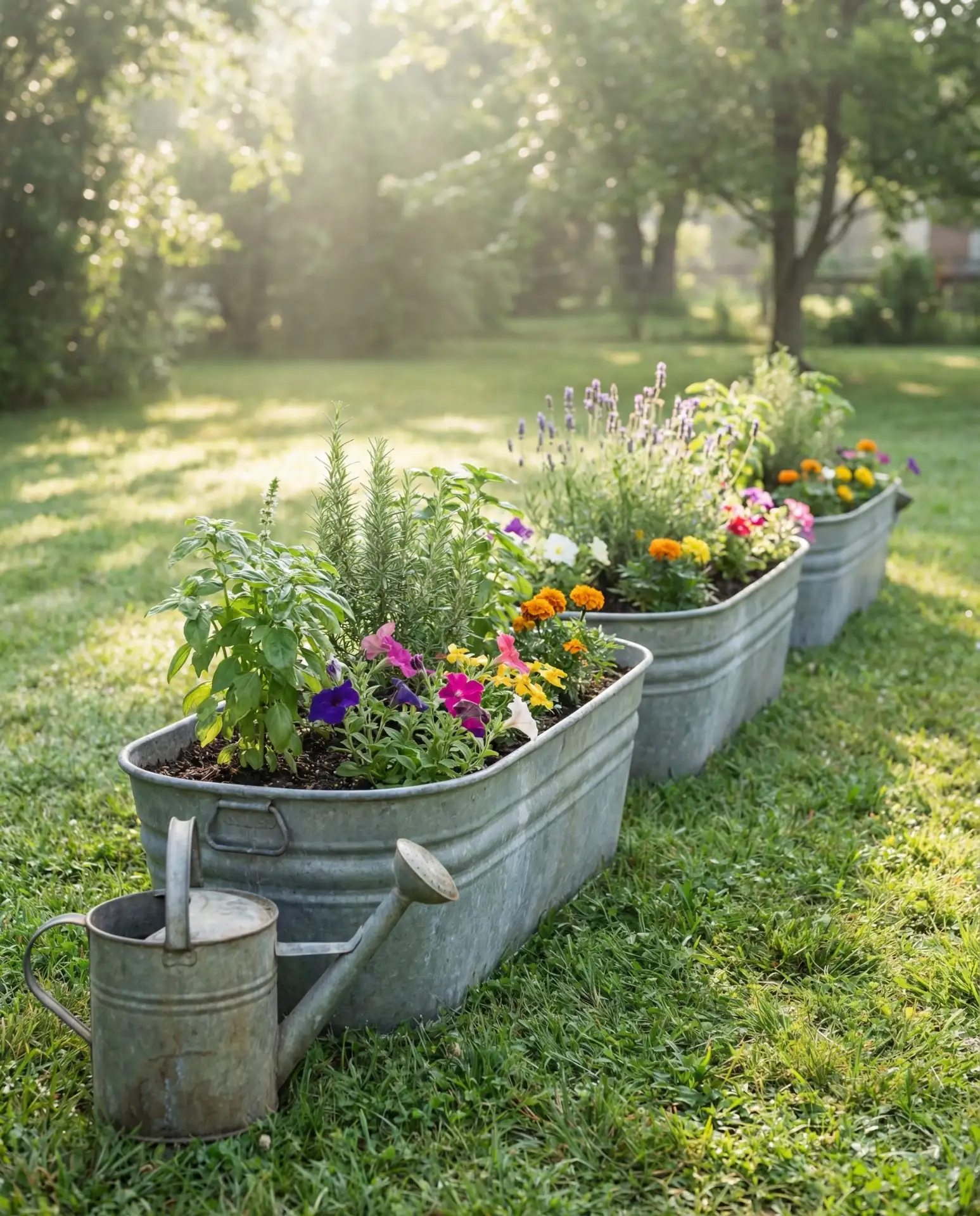
The metal sides heat up in direct sun, which can stress plant roots in extreme climates. Adding a layer of bubble wrap or foam insulation inside the walls helps regulate temperature, or position the troughs where they’ll receive afternoon shade. This small adjustment prevents the biggest mistake beginners make with metal containers.
15. Outdoor Movie Screen with Bedsheet
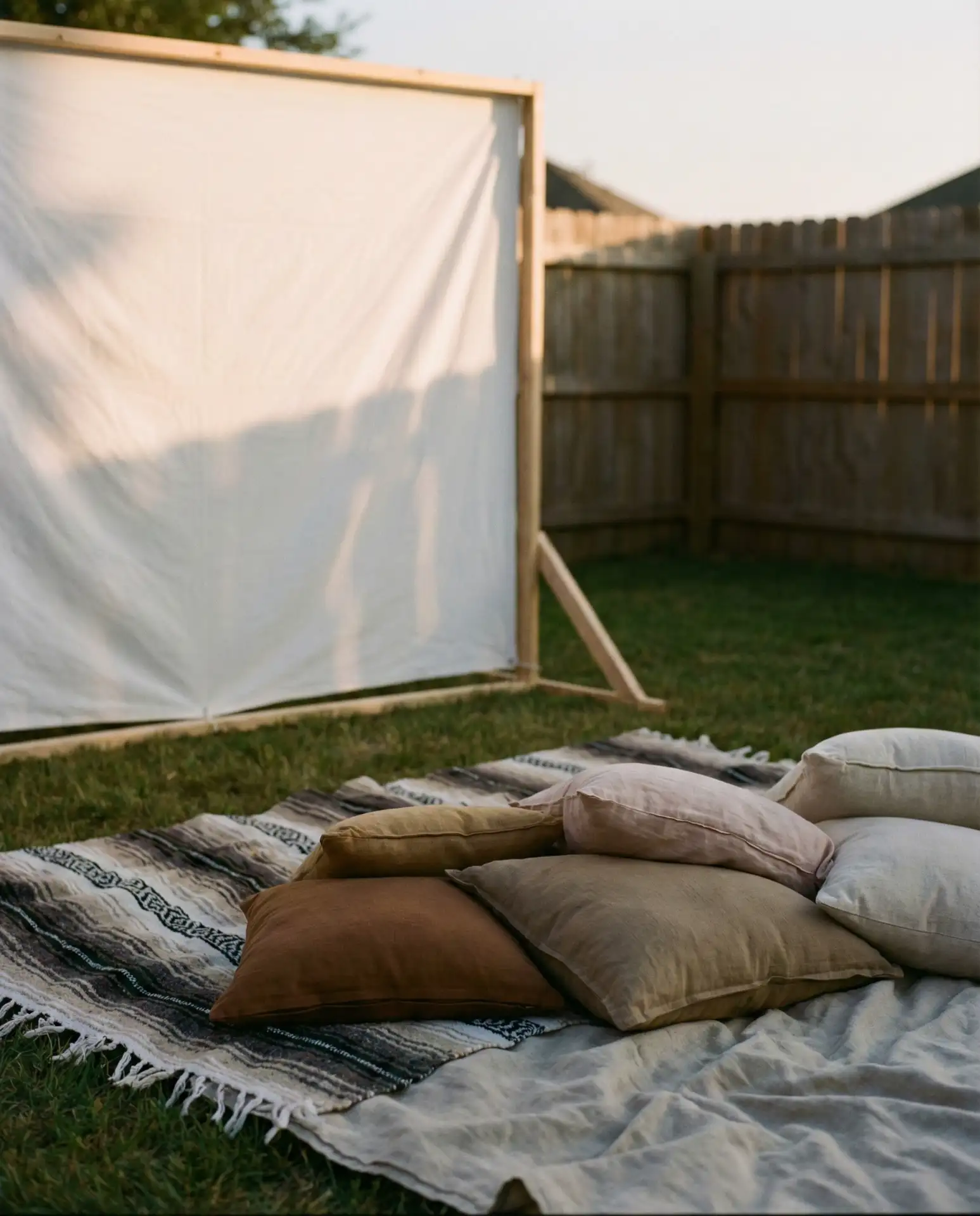
Stretching a white bedsheet between two trees or posts and pointing a projector at it creates an instant outdoor theater perfect for birthday party ideas or weekend family movie nights. Add blankets, lawn chairs, and string lights to set the scene. This setup costs almost nothing if you already own a projector, and it transforms your backyard into an entertainment destination that kids and adults equally enjoy. 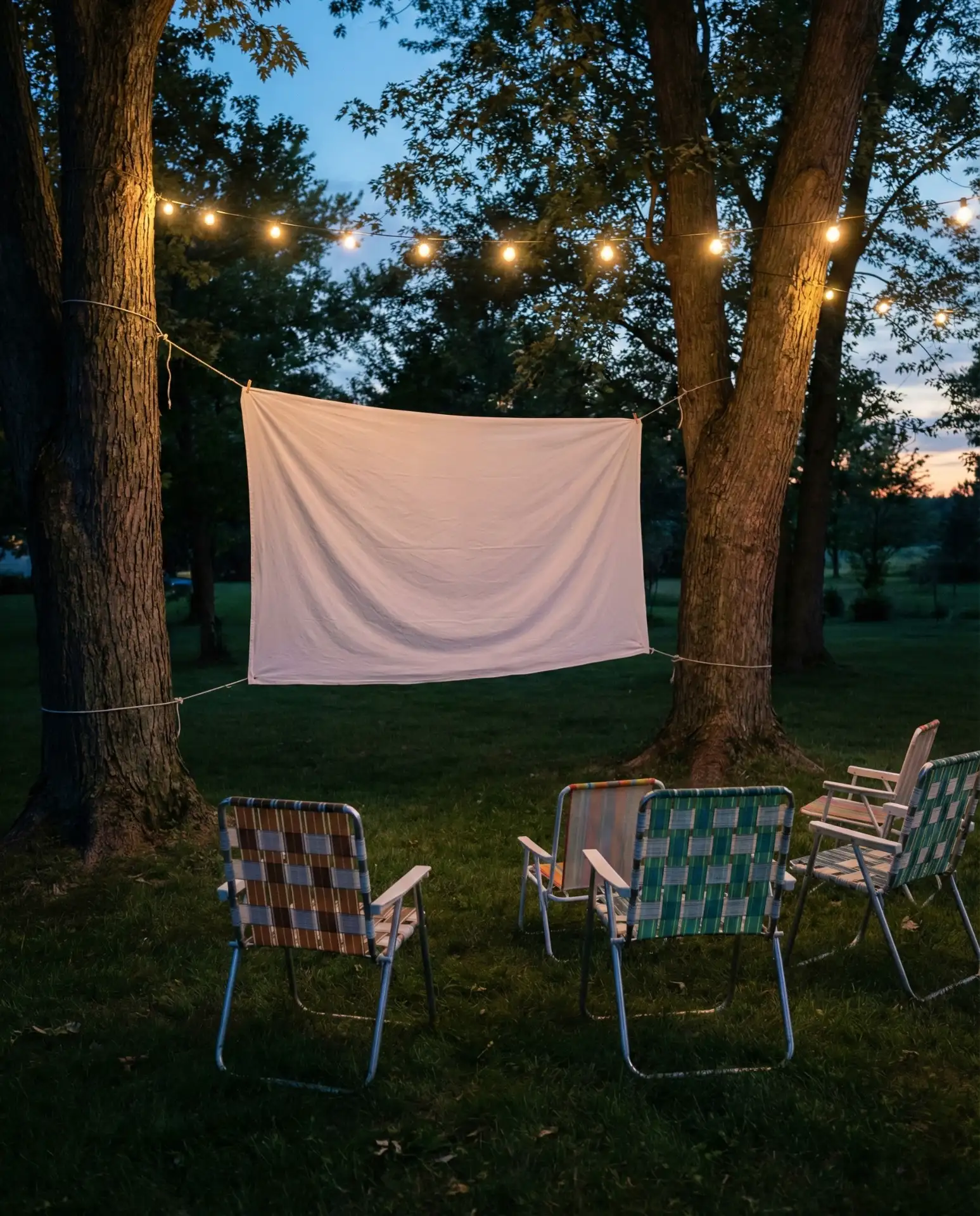
Where this works best: yards with mature trees for easy mounting or properties with covered patios where you can attach hooks to fascia boards. Battery-powered or solar projectors eliminate the need to run extension cords, making setup faster and safer, especially when kids are running around in the dark.
16. Painted Concrete Patio with Stencil Pattern
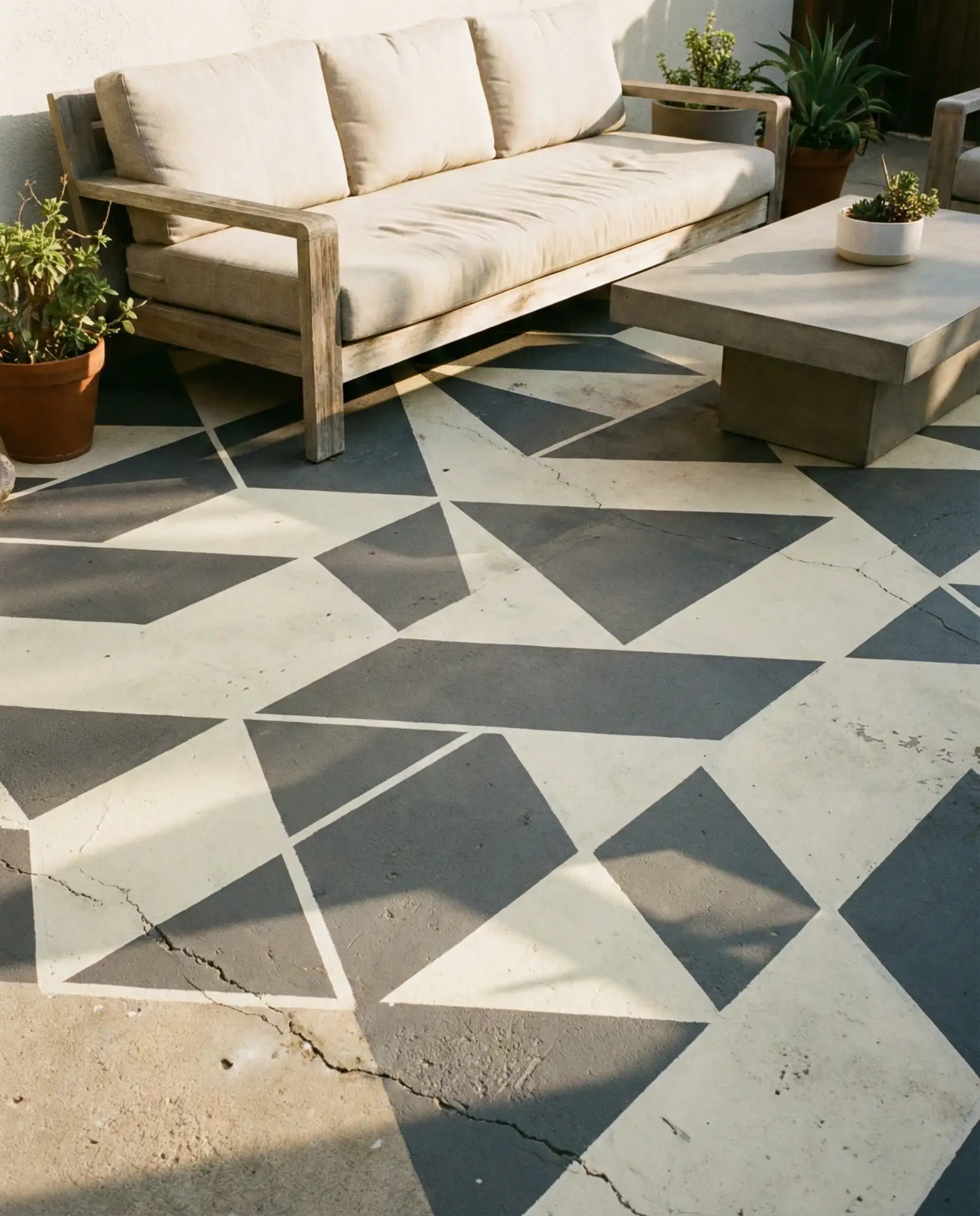
An aging concrete slab transforms completely with a coat of concrete porch paint and a repeating stencil pattern in a contrasting color. This makeover DIY patio ideas approach costs under $100 and looks like custom tile work from a distance. Choose geometric designs, Moroccan-inspired motifs, or simple stripes to match your outdoor aesthetic and breathe new life into cracked, stained concrete. 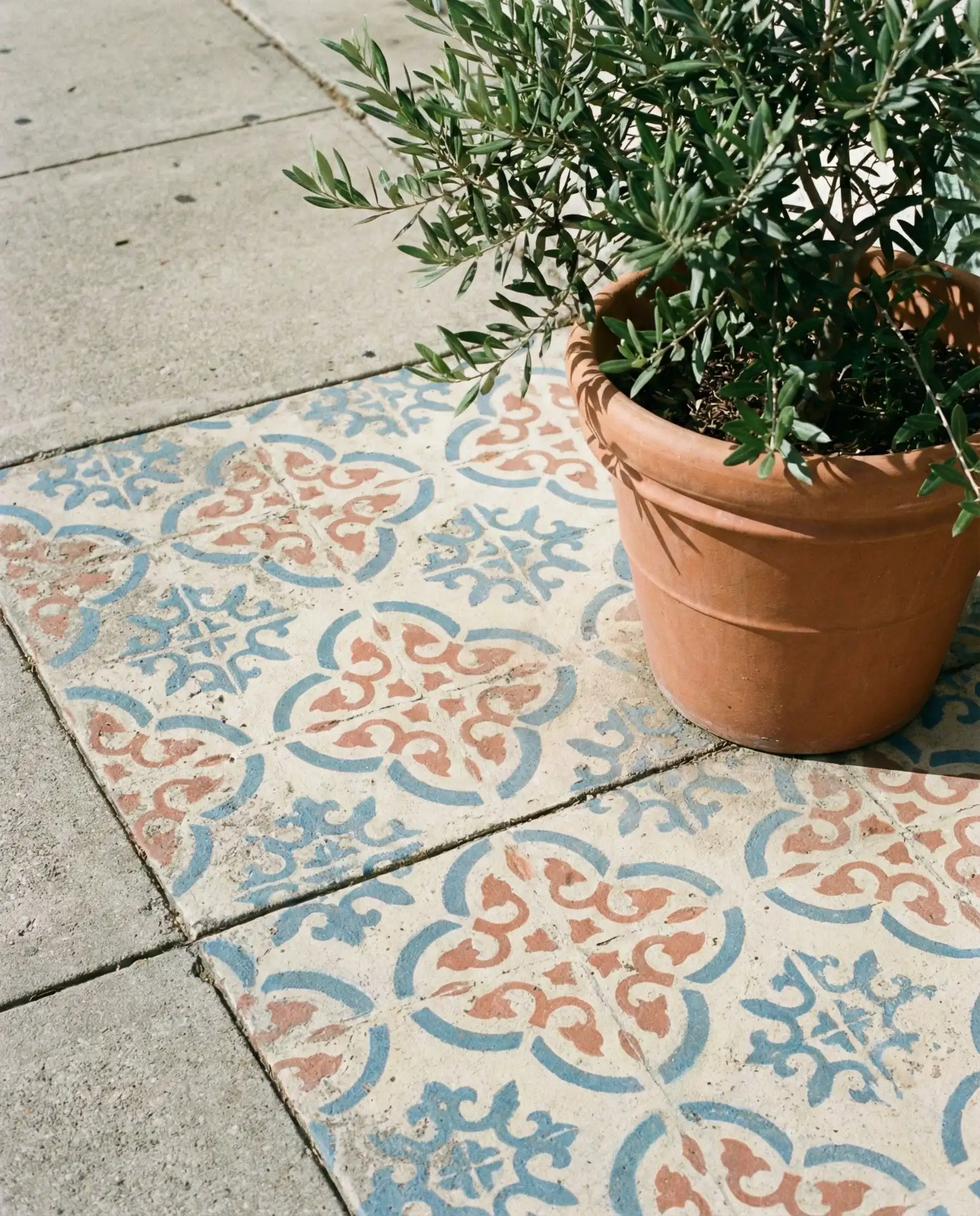
A DIY enthusiast in Texas shared that her painted patio held up beautifully for three years before needing a touch-up, even with intense sun and occasional hail. The key was proper surface prep—cleaning, etching, and priming the concrete before painting—and using high-quality concrete paint rather than standard exterior house paint.
17. Simple Brick or Block Grill Station
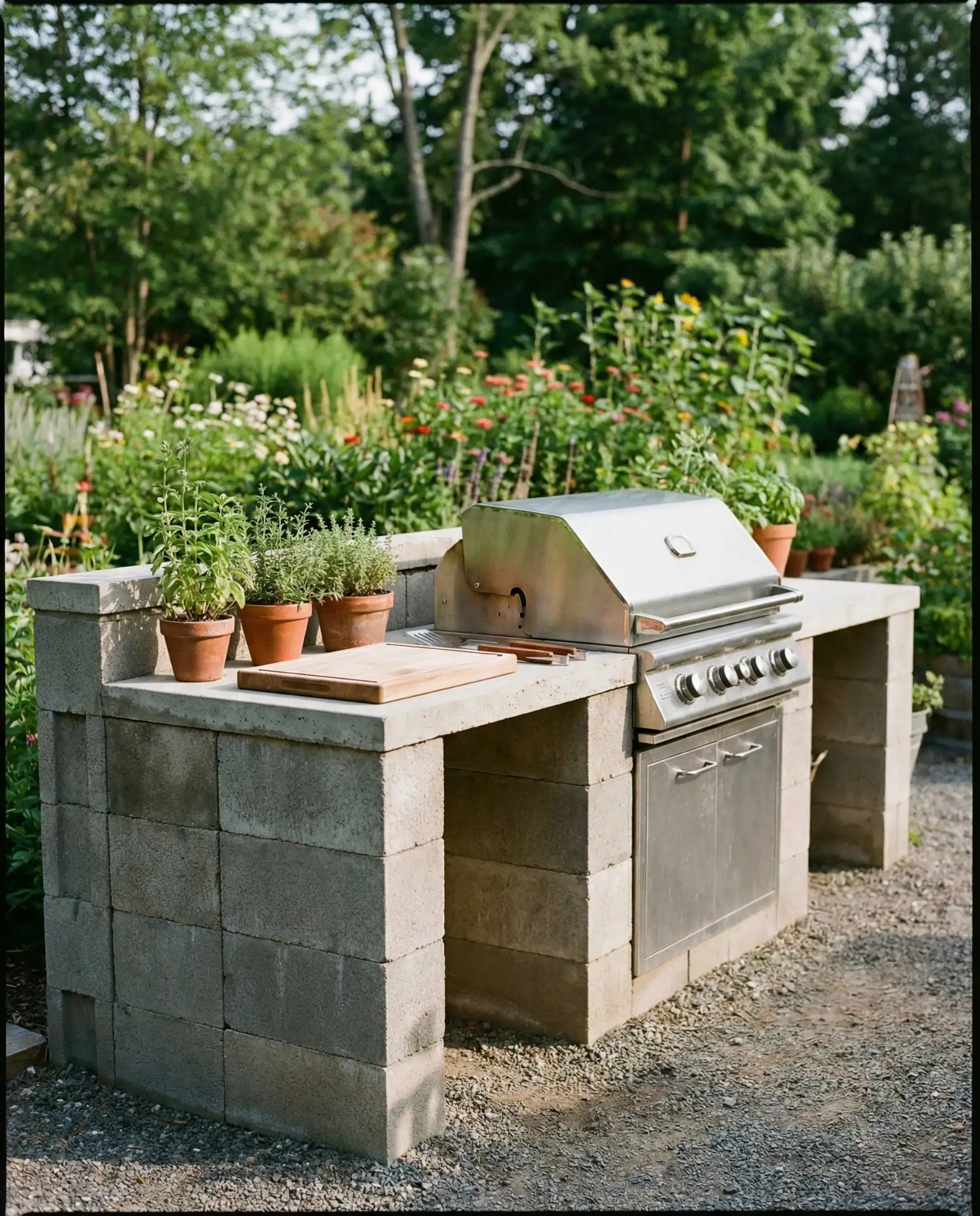
Stacking bricks or cinder blocks in a U-shape creates a dedicated grill station that elevates your grill to a more comfortable working height and provides counter space for prep and plating. Add a metal sheet on top for a flat surface, and you’ve built a functional outdoor kitchen element for under $75. This setup suits anyone who grills frequently and wants a permanent spot that looks intentional rather than haphazard. 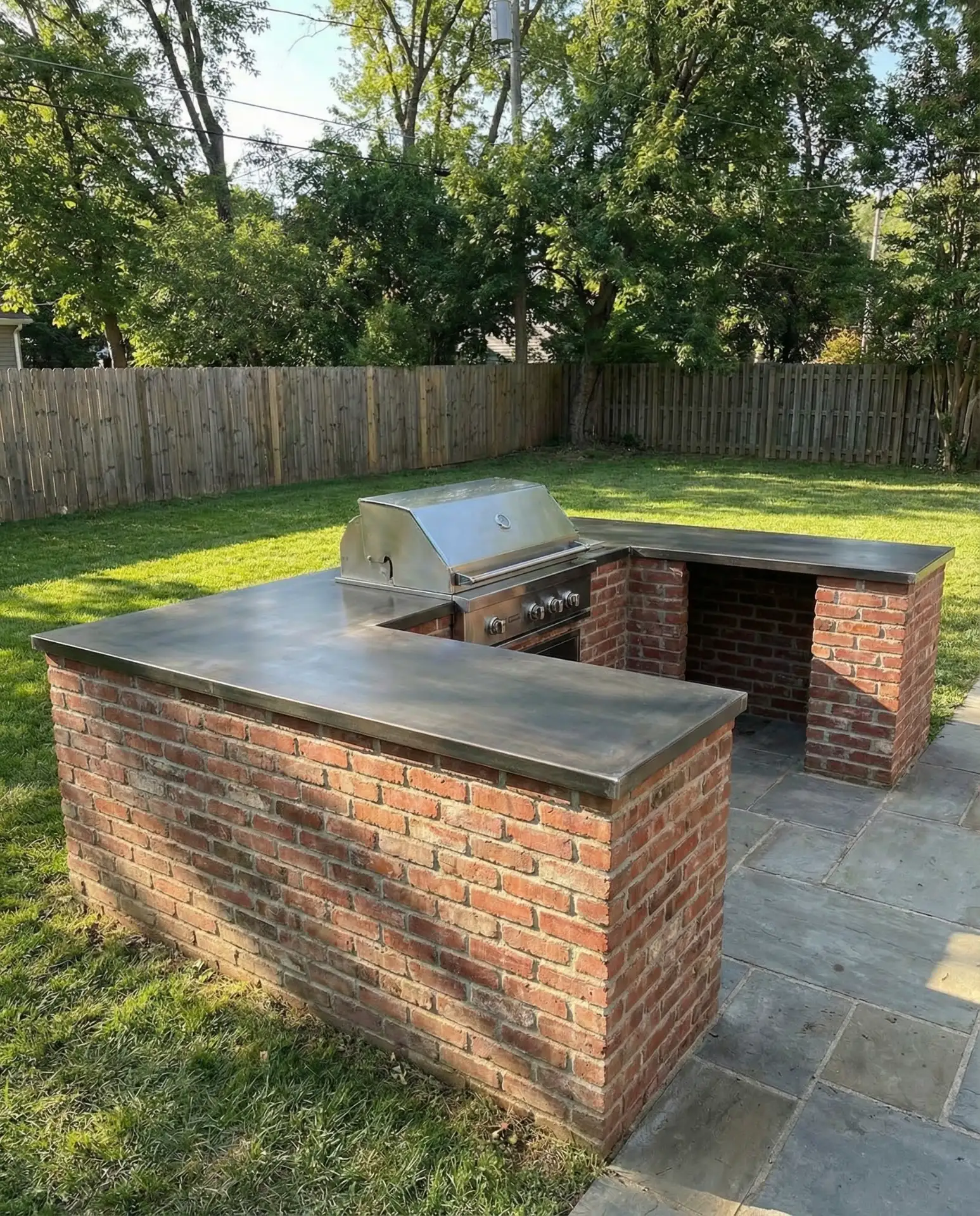
Budget angle: building this yourself costs about 75% less than buying a pre-made grill cart, and you can customize the size to fit your specific grill model. Using reclaimed bricks from a demolition site or salvage yard drops the cost even further, often to just the price of mortar or construction adhesive.
18. Inexpensive Bamboo Privacy Screen
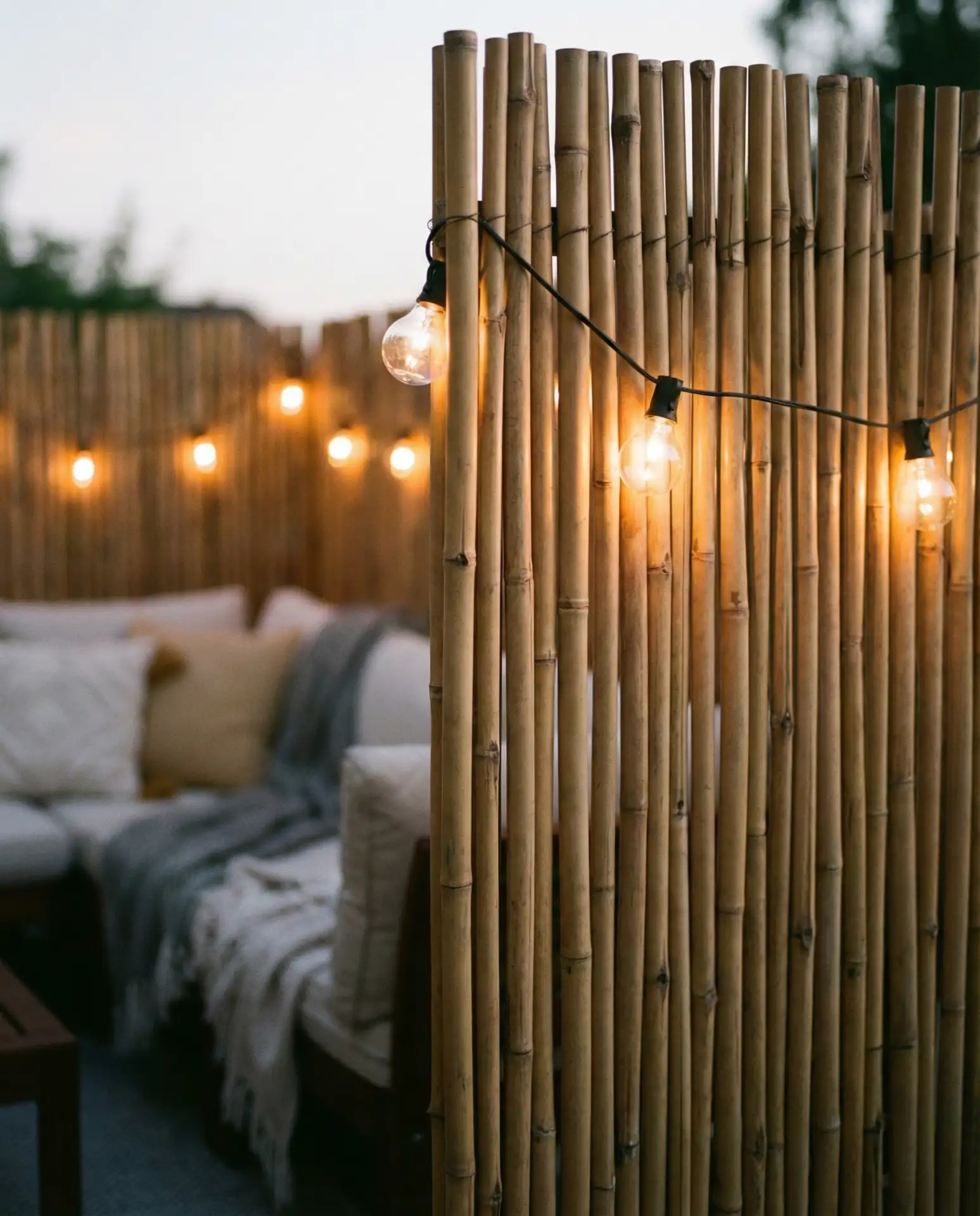
Bamboo fence panels or rolled bamboo fencing attached to existing chain-link or wood fence ideas instantly creates privacy ideas without the cost of replacing the entire structure. Zip-tie or wire the panels in place, and trim them to height with garden shears. This natural material weathers to a soft gray and blends beautifully with plantings, making it ideal for creating secluded corners or blocking sightlines from neighbors. 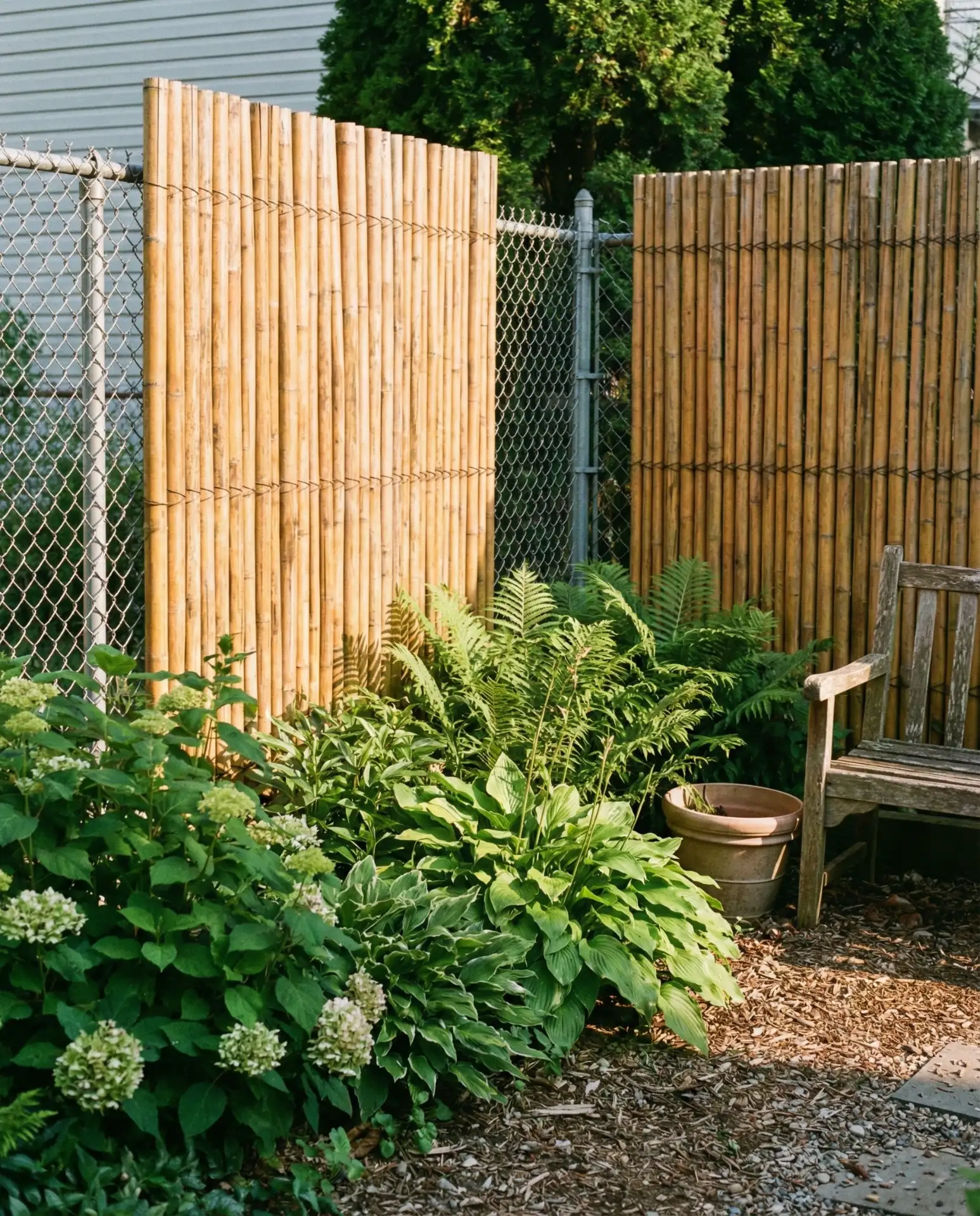
Real homeowners often pair bamboo screens with fast-growing vines or tall ornamental grasses planted at the base, which creates layered privacy that feels lush rather than fortress-like. This combination works particularly well in urban or suburban lots where neighbors are close and outdoor living requires strategic sight-line management.
19. DIY Water Feature from Terra Cotta Pots
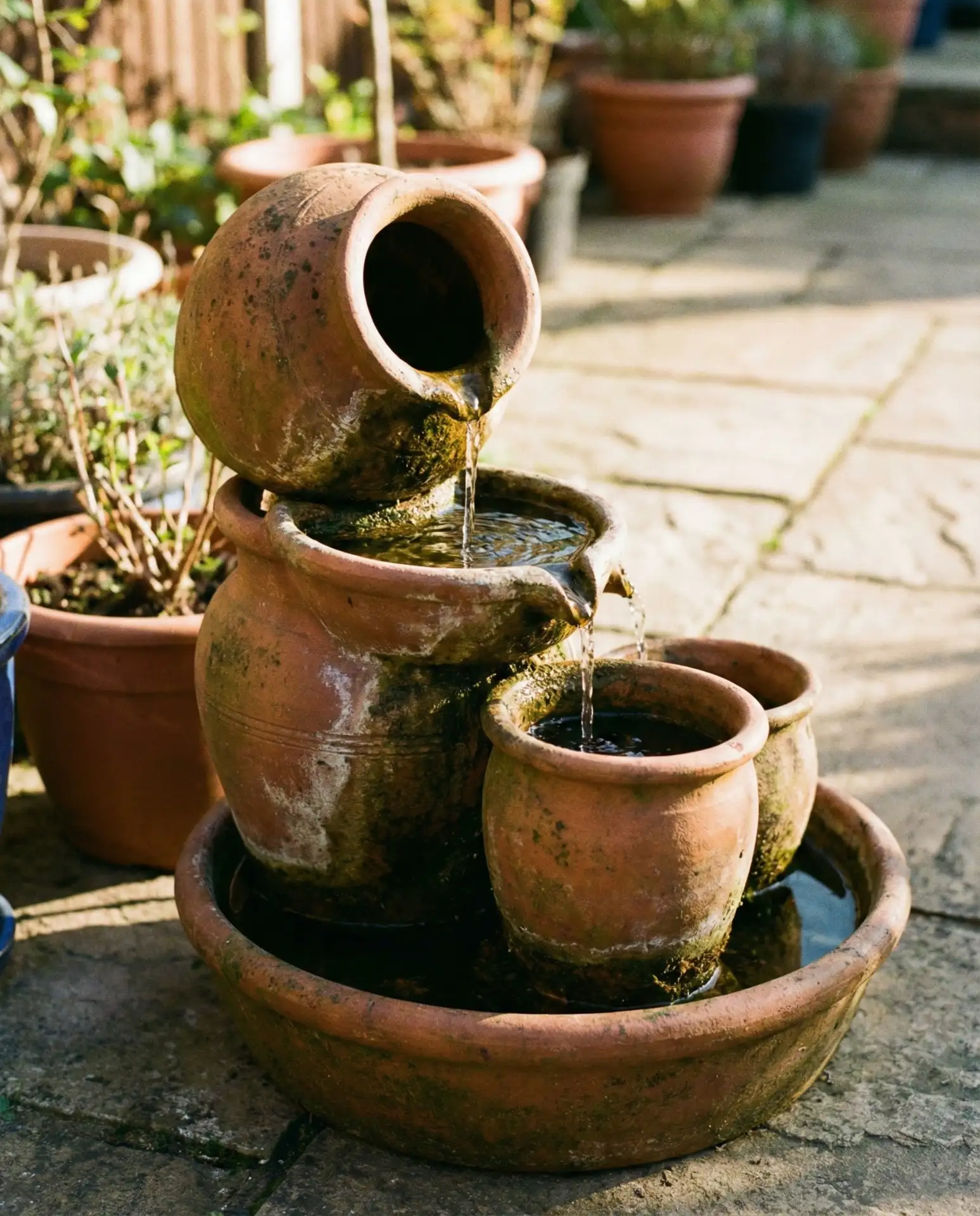
Stacking terra cotta pots of graduating sizes with a small fountain pump hidden inside creates an easy water fountain project that adds soothing sound and movement to your yard. Drill drainage holes to thread the pump cord through, seal the pots with waterproof coating if desired, and place the fountain on a patio or nestled in a flower bed. This DIY version costs about $40 compared to hundreds for store-bought options. 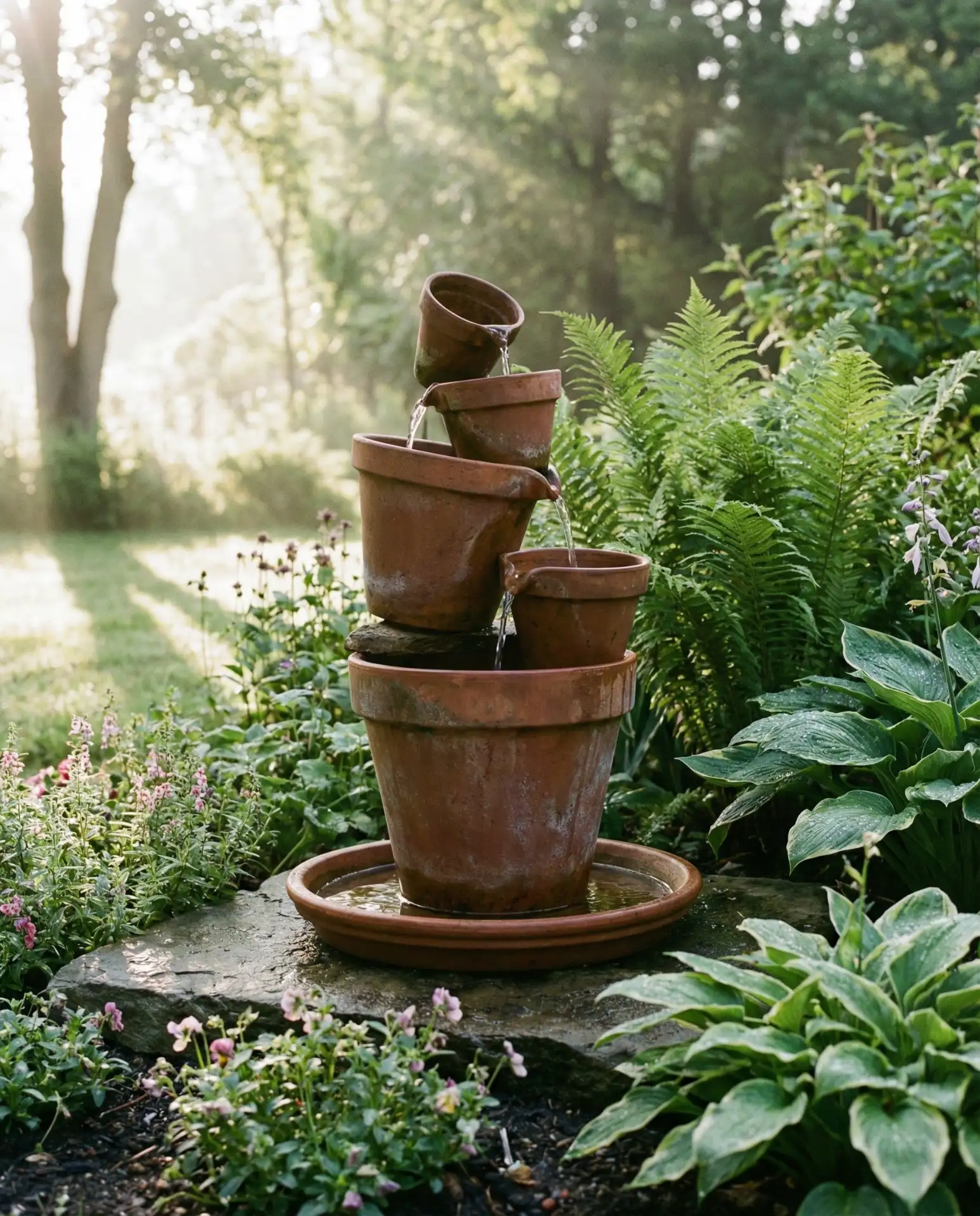
Water features work especially well in yards that back up to busy streets or noisy areas, where the fountain’s white noise masks traffic sounds and creates a more peaceful atmosphere. Position the fountain near your main seating area to maximize the calming effect, and clean the pump monthly to prevent algae buildup.
20. Pallet Wood Fence Panel Upgrade
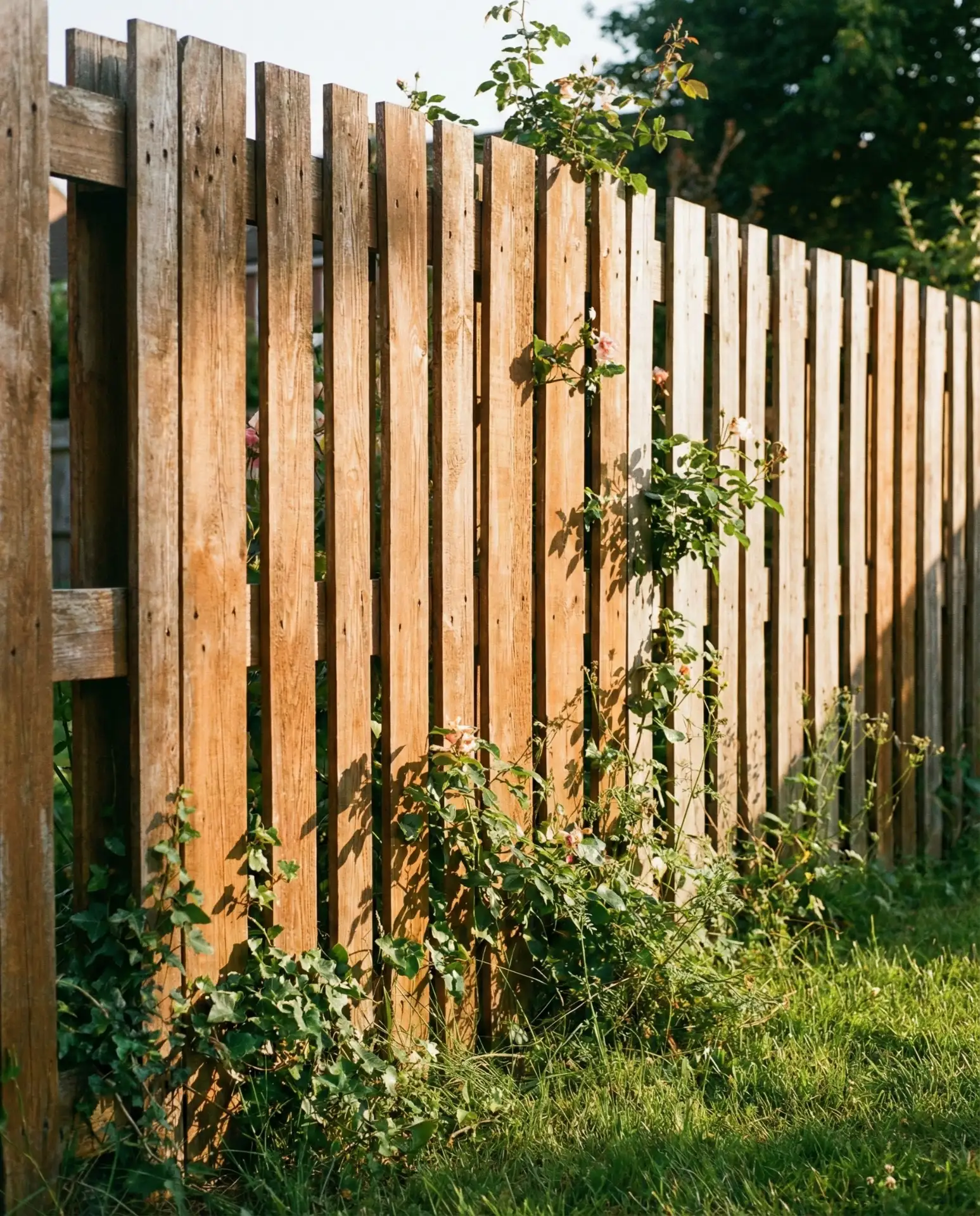
Salvaging pallet wood and reconstructing it into custom fence panels or decorative sections costs almost nothing but labor. Sand the wood, stain or paint it, and attach it to your existing fence posts to replace damaged sections or add visual interest with a contrasting panel design. This approach works beautifully for dog fence outdoor repairs or creating a decorative accent wall in an otherwise plain yard. 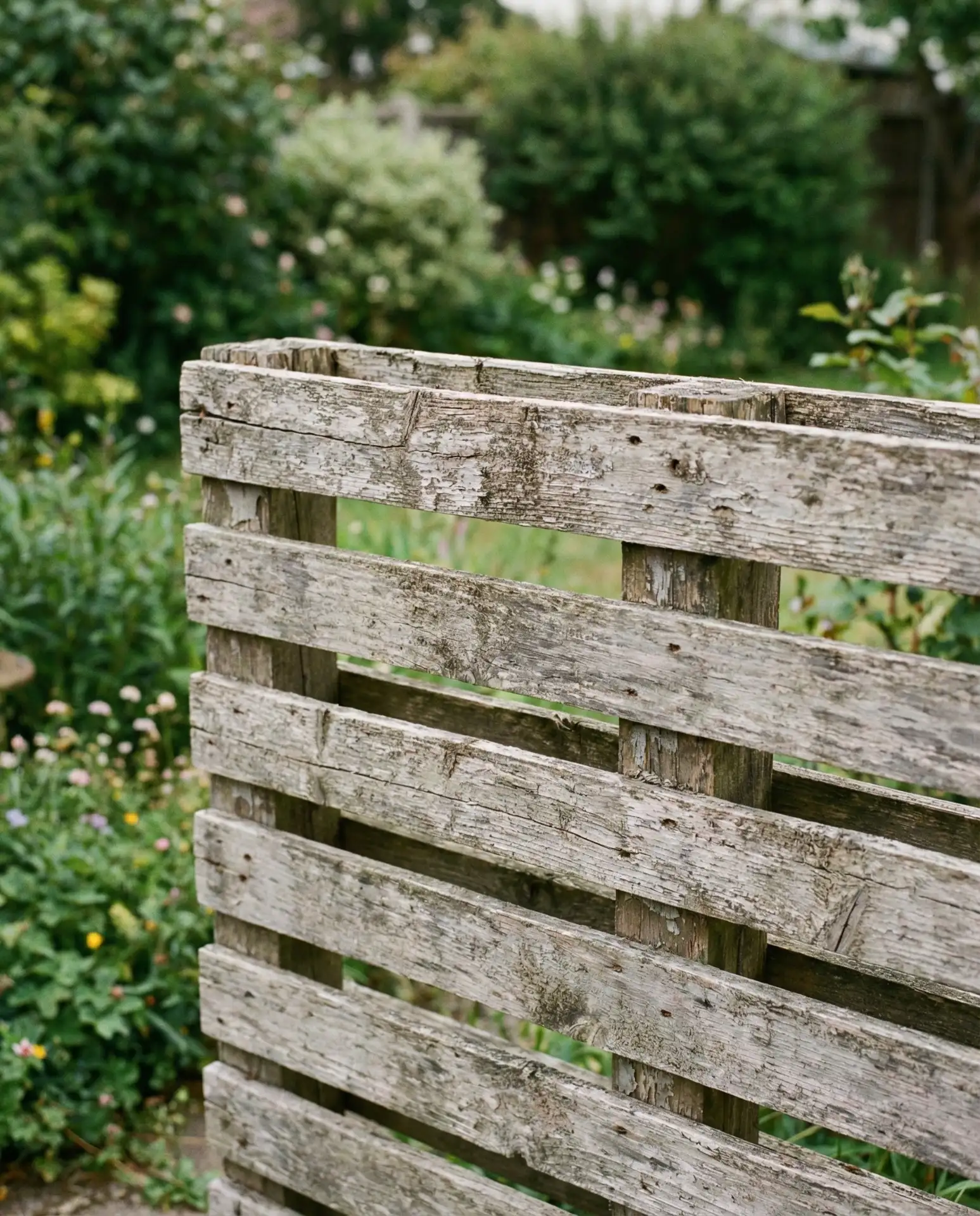
One common mistake is using pallets stamped with “MB,” which indicates methyl bromide treatment and should never be used in residential projects. Look for “HT” (heat-treated) pallets instead, which are safe for DIY use and weather just as well once sealed with an exterior-grade finish.
21. Hanging Bed Swing from Reclaimed Wood
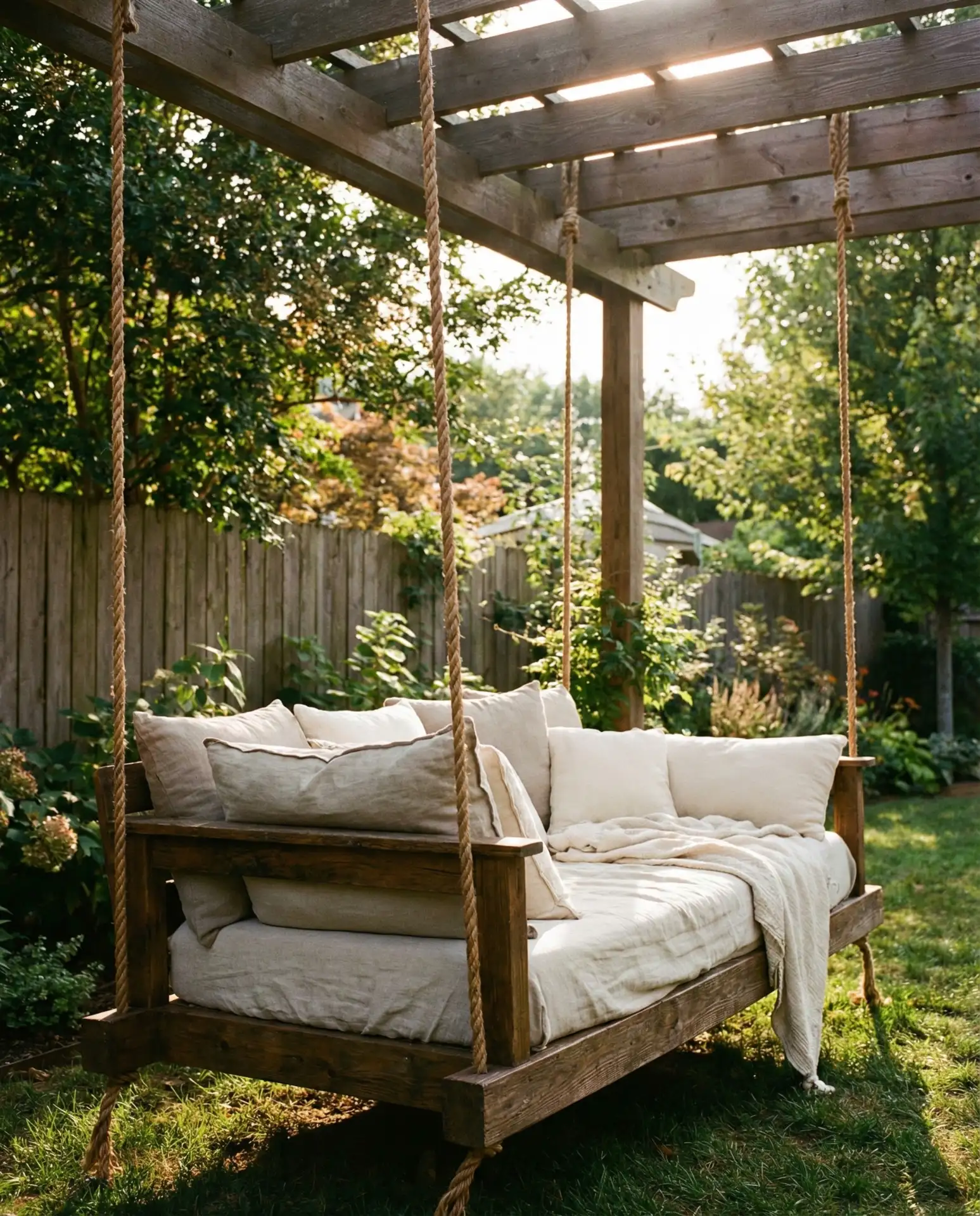
Building a hanging daybed or large swing from salvaged 2x4s and suspending it from a sturdy pergola or tree branch creates a statement piece that functions as both an outdoor seating area and lounging spot. Add weather-resistant cushions, and you’ve got a dreamy retreat perfect for reading, napping, or wedding photo backdrops. This project requires basic carpentry skills but delivers impact far beyond its $100-150 material cost. 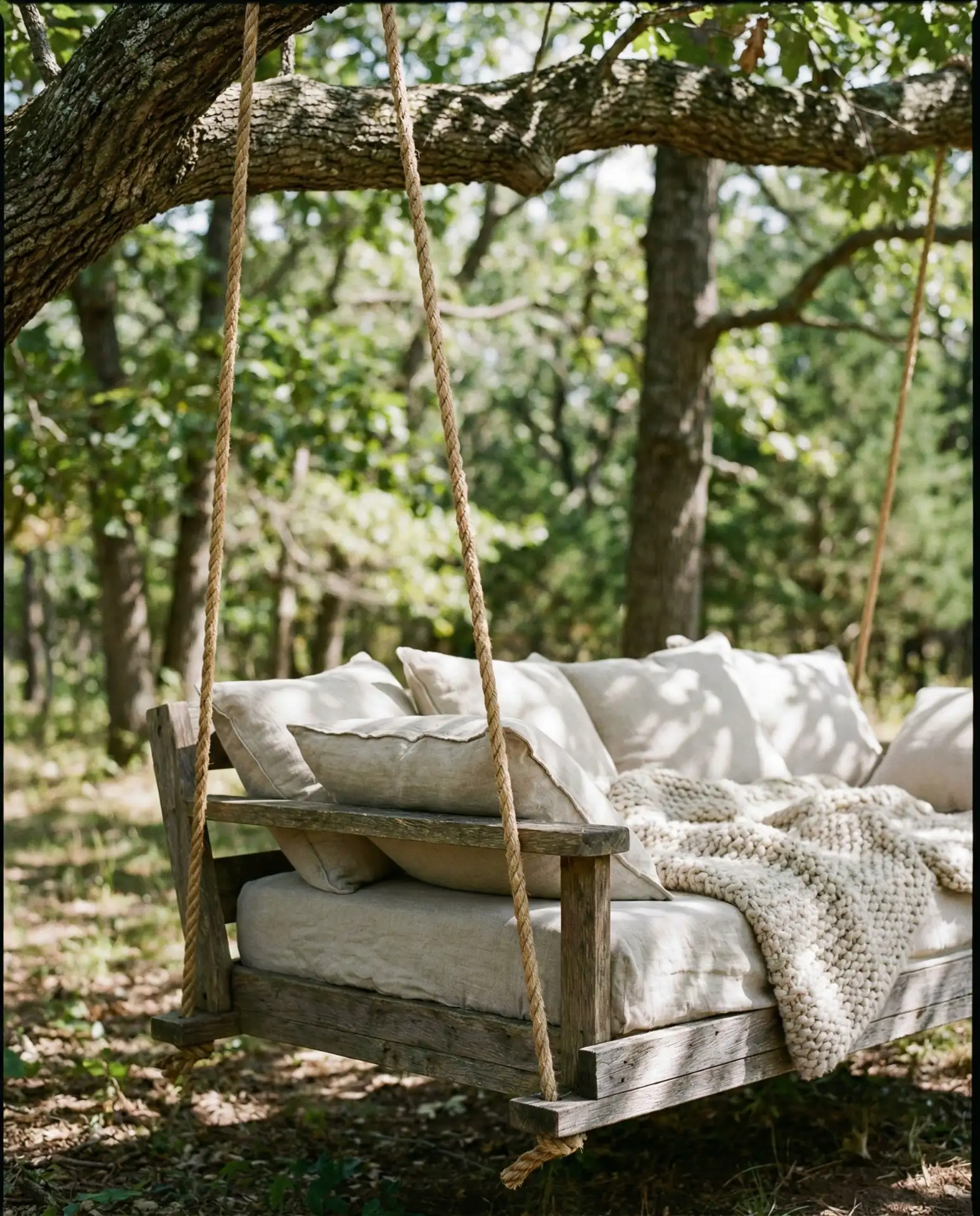
In the South and coastal regions, porch swings and hanging beds have long been part of outdoor living culture, but they’re gaining popularity nationwide as people seek comfortable, unique outdoor spaces. The key is ensuring your mounting point can support at least 500 pounds—consult a structural engineer if you’re uncertain about your pergola or tree branch.
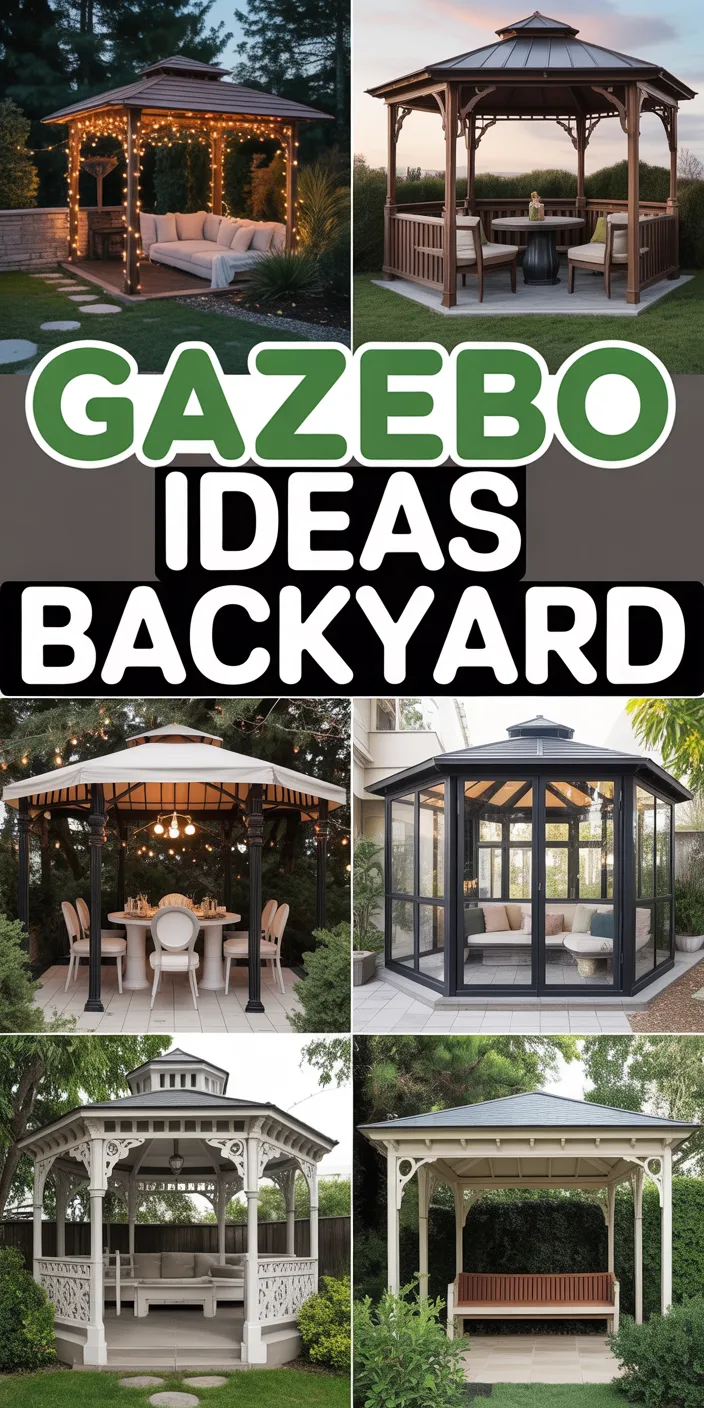
22. Simple Raised Gazebo Platform with Lattice Sides
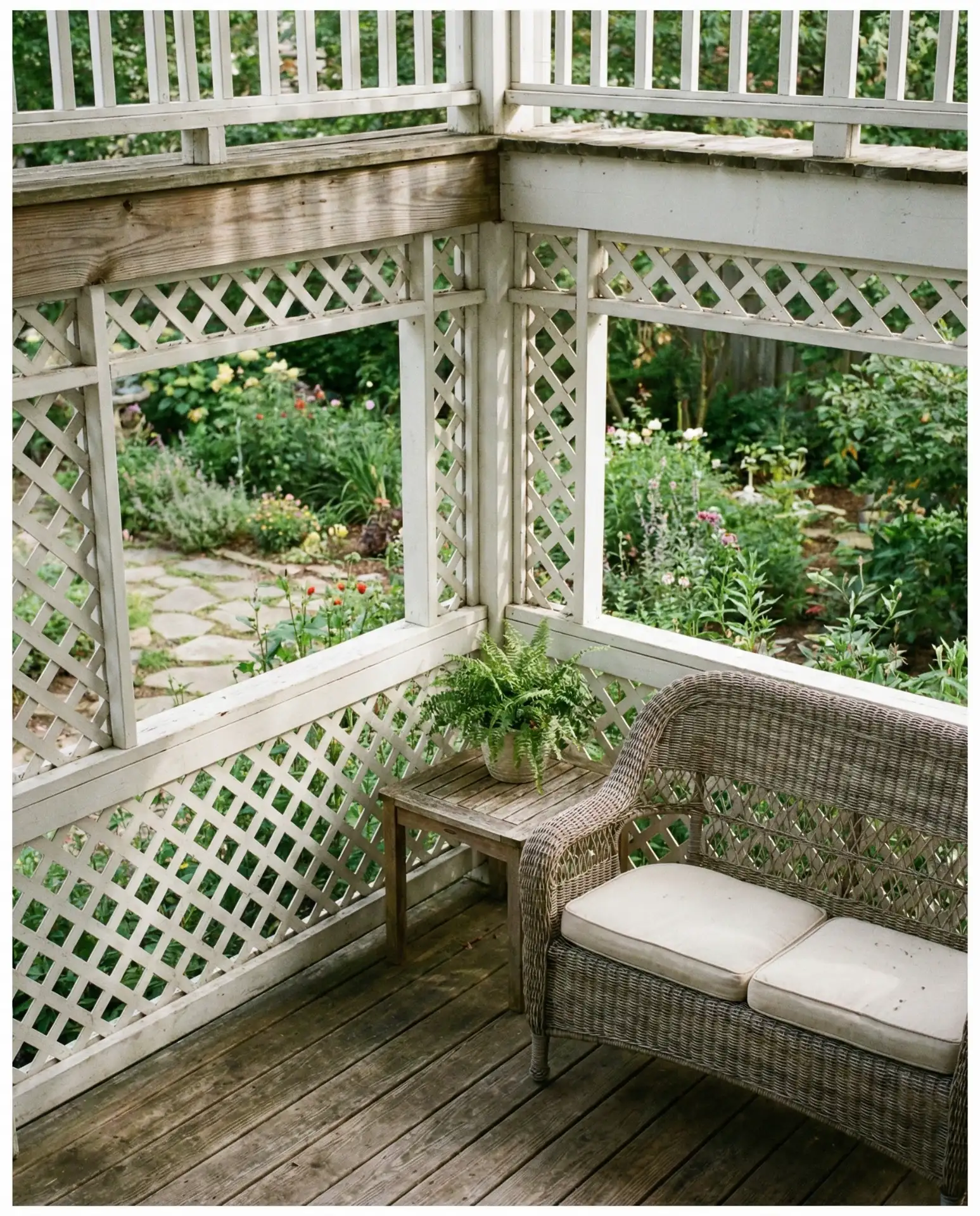
Constructing a low platform deck and surrounding it with lattice panels creates an affordable take on traditional gazebo ideas without the complexity of a fully enclosed structure. Top it with a simple fabric canopy or leave it open, and you’ve defined a special zone for dining, relaxing, or hosting a wedding ceremony. Lattice sides provide partial privacy ideas while allowing airflow and creating a framework for climbing plants. 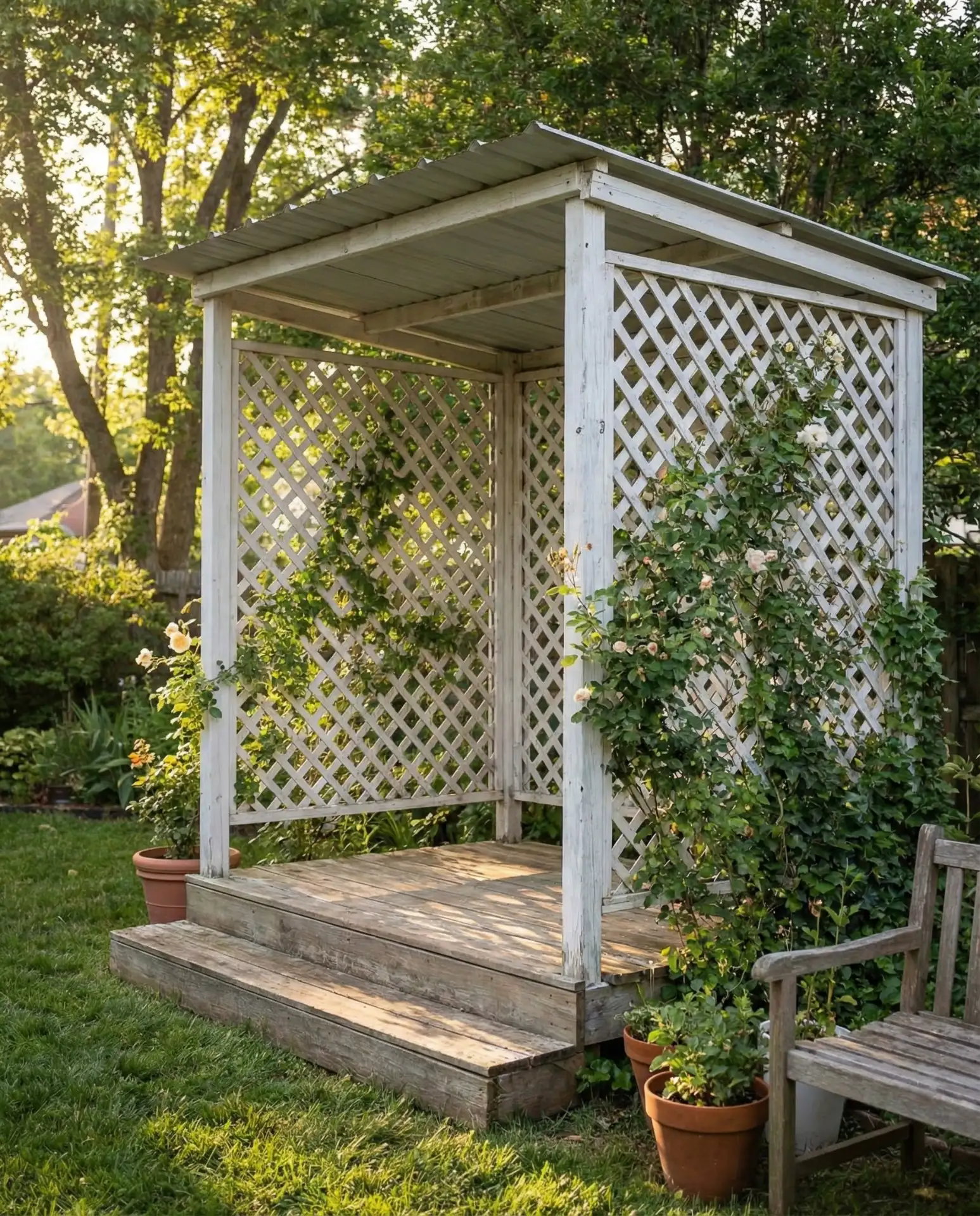
This style particularly suits properties with uneven terrain since building a raised platform eliminates the need for extensive grading. Paint the lattice to match your home’s trim, and the structure feels like an intentional extension of your house rather than an afterthought plunked in the middle of the yard.
Conclusion
Creating a beautiful backyard doesn’t require professional landscaping or a massive budget—just creativity, a willingness to try DIY solutions, and smart use of inexpensive materials. Whether you’re preparing for a special celebration, building functional spaces for your family and pets, or simply carving out a more inviting outdoor environment, these ideas prove that thoughtful design beats expensive installations every time. Drop a comment sharing which project you’re tackling first, or let us know if you’ve tried any of these approaches and how they turned out in your own yard.