Chair yoga has become one of the most searched wellness practices on Pinterest in 2026, and for good reason. Whether you’re working from home, managing limited mobility, or simply looking for a gentler way to build strength and flexibility, chair yoga offers an accessible entry point into mindful movement. Americans across all age groups are discovering that you don’t need a mat, special clothing, or even the ability to get down on the floor to experience the benefits of yoga. This guide walks you through beginner-friendly chair yoga ideas that fit into real life—from quick morning stretches to longer sequences you can print and keep at your desk.
1. Simple Seated Mountain Pose for Grounding
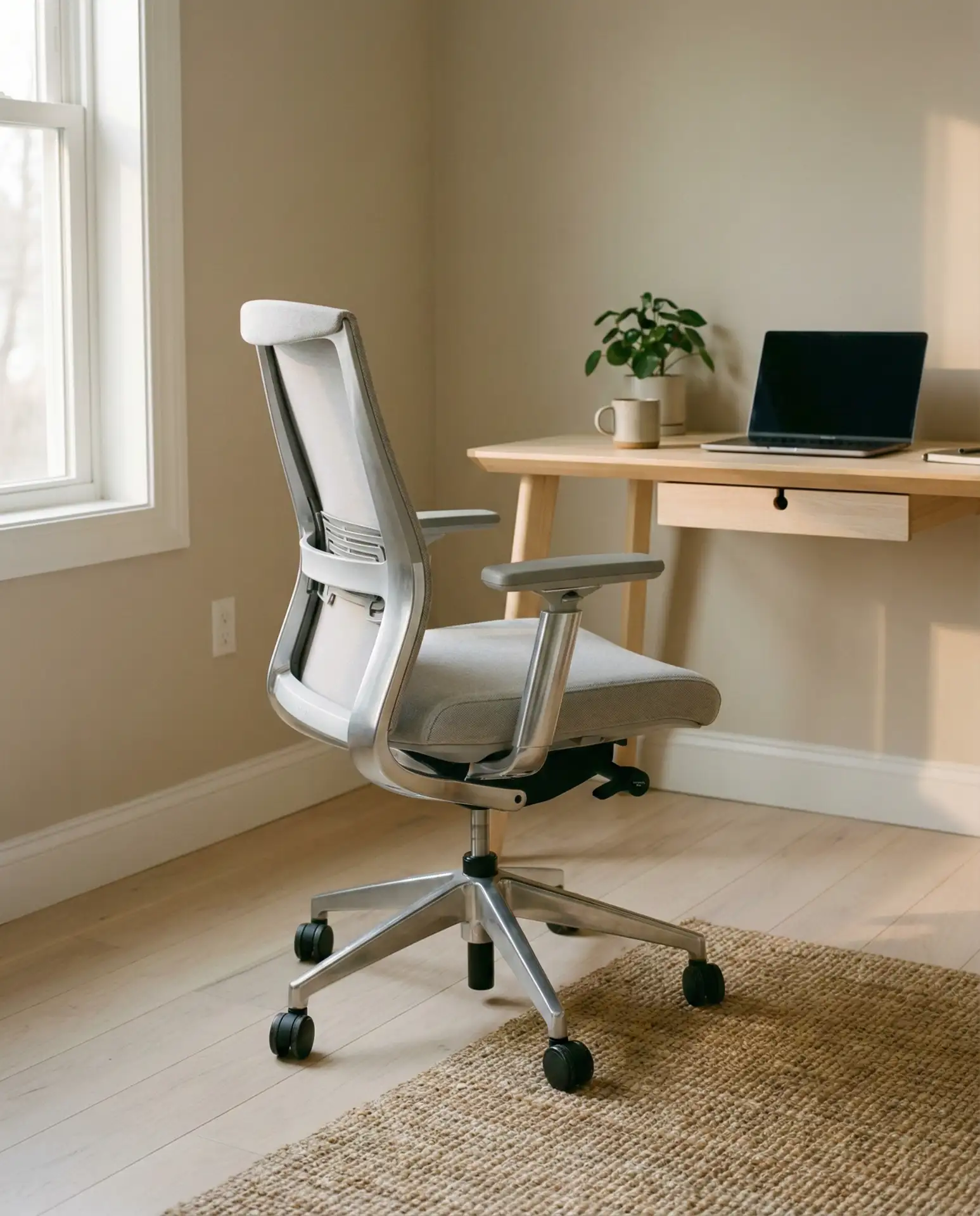
This foundational pose is where every chair yoga for beginners practice starts. Sit tall with your feet flat on the floor, hands resting gently on your thighs, and spine lengthened. It’s a free way to reset your posture and calm your mind, requiring nothing but a sturdy chair and a few conscious breaths. You’ll feel the difference in your shoulders and lower back almost immediately, making it ideal for anyone who spends hours sitting at a desk or scrolling through feeds.
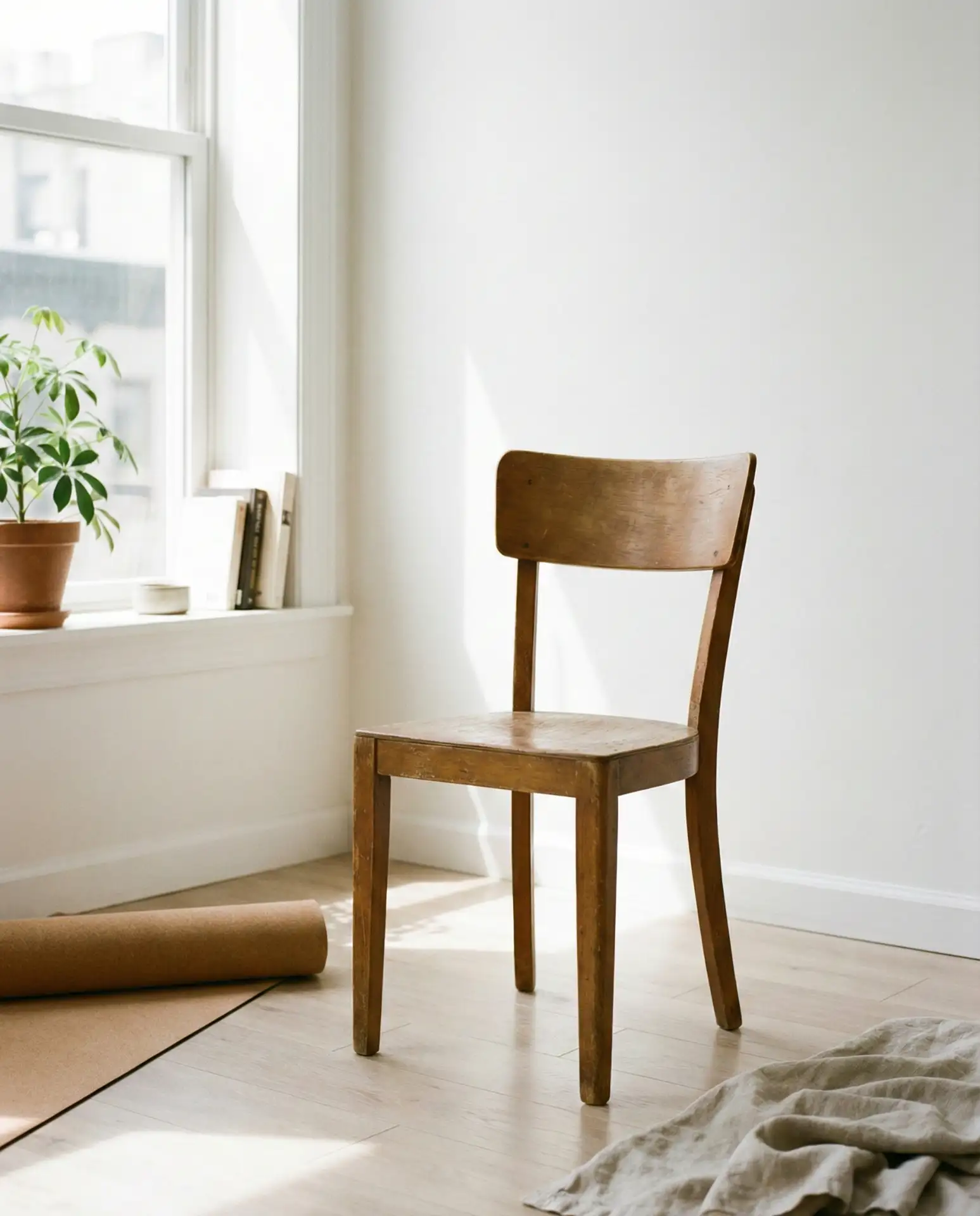
Mountain pose works best in spaces where you can focus without distraction—think a quiet corner of your living room or a home office before the workday begins. Many beginners overlook the importance of chair height; your knees should be at a right angle with feet fully grounded. This isn’t about perfection—it’s about finding stability and presence in a posture you can return to throughout the day whenever you need to recenter.
2. Gentle Neck Rolls to Release Tension
Neck tension is nearly universal among Americans who work on screens, and this easy movement addresses it directly. Sit comfortably and slowly roll your head in a circular motion, allowing gravity to gently stretch the muscles along your neck and upper shoulders. The movement is free from equipment and can be done anywhere—at your desk, in a waiting room, or even during a break between meetings. Keep the motion slow and controlled to avoid dizziness.
A common mistake is rushing through neck rolls or forcing the stretch too deeply, which can actually increase strain. Instead, think of this as a slow unwinding—let your breath guide the pace. If you feel any sharp pain, pause and return to a neutral position. This is especially helpful for people who carry stress in their shoulders or those recovering from long periods of poor posture.
3. Seated Cat-Cow for Spinal Flexibility

This 10-minute favorite sequence brings the classic cat-cow stretch to a chair, making it accessible for anyone who struggles with floor-based yoga. Place your hands on your knees, inhale as you arch your back and lift your chest, then exhale as you round your spine and tuck your chin. The rhythmic movement warms up the spine and improves circulation, which is why it’s often included in printable beginner routines that people keep near their workspace.
In the Midwest and Northeast, where long winters keep people indoors, seated cat-cow has become a go-to movement for maintaining mobility without needing a lot of space. It’s gentle enough for older adults but effective enough that younger practitioners use it as a warm-up before more intense exercise. The key is coordinating breath with movement—inhale on the arch, exhale on the round—which helps calm the nervous system.
4. Ankle Circles for Improved Circulation
This often-overlooked movement is a must for anyone who sits for extended periods. Lift one foot slightly off the ground and rotate your ankle in slow, deliberate circles—first clockwise, then counterclockwise. It’s an easy way to prevent stiffness and support healthy blood flow, especially for men and women who work desk jobs or spend long hours traveling. The movement is so simple that it can be done during phone calls or while watching television.
My physical therapist once mentioned that ankle mobility is one of the first things to decline with age, yet it’s one of the easiest to maintain with consistent practice. Ankle circles are particularly useful for people recovering from injuries or those with limited lower-body flexibility. They’re also a great addition to any morning routine, helping to wake up the body before you even stand up from your chair.
5. Seated Forward Fold for Hamstring Stretch
A free printable chair yoga guide wouldn’t be complete without this classic stretch. Sit near the edge of your chair, extend your legs forward with heels on the ground, and gently hinge at the hips to fold forward. Let your hands rest on your thighs or reach toward your shins—wherever feels comfortable. This movement releases tension in the hamstrings and lower back, areas that often hold stress after long periods of sitting.
Budget-conscious practitioners love this move because it requires zero equipment and delivers real results. You don’t need flexibility to start—in fact, this is one of the best stretches for building it gradually. Many people make the mistake of forcing the stretch, but the goal is a gentle, sustained release. Over time, you’ll notice increased range of motion and less stiffness when standing or walking.
6. Shoulder Shrugs to Ease Upper Body Stress
Shoulder shrugs are a staple in any 10-minute chair yoga routine because they’re quick, effective, and require no prep. Sit tall, inhale as you lift your shoulders toward your ears, hold for a moment, then exhale and release them down. Repeat several times, focusing on the sensation of tension melting away. This is especially helpful for people who carry stress in their upper body or those who hunch over keyboards for hours.
Real homeowners often incorporate shoulder shrugs into their daily routines without even thinking of it as yoga—they just know it feels good. It’s common to see people doing this movement during conference calls or while waiting for their coffee to brew. The beauty of chair yoga is that it blends seamlessly into everyday life, offering relief without requiring a dedicated practice session.
7. Seated Twist for Spinal Health

Twists are powerful detoxifiers and mobility boosters, and the seated version makes them accessible to everyone. Sit sideways on your chair, place both hands on the backrest, and gently rotate your torso to look over your shoulder. Hold for a few breaths, then switch sides. This easy movement supports spinal health and digestion, and it’s a favorite in video tutorials because the benefits are immediately noticeable.
Where it works best: in quiet moments between tasks, when you need a physical and mental reset. The twist encourages fresh blood flow to the spine and internal organs, which is why many people report feeling more alert and focused afterward. Just remember to twist from the core, not the neck, to avoid strain and get the full benefit of the movement.
8. Wrist Flexion and Extension for Hand Mobility
For anyone who types, texts, or uses their hands repetitively, wrist stretches are essential. Extend one arm forward, palm facing down, and use your opposite hand to gently press the fingers toward the floor. Then flip your palm up and press the fingers back. This free movement is a lifesaver for people dealing with early signs of carpal tunnel or general wrist fatigue, and it’s often included in printable guides for office workers.
Expert physical therapists recommend wrist stretches as part of a preventive routine, not just as a treatment after pain sets in. These stretches are particularly popular among men who work in trades or tech, where hand strain is common but often ignored. A few seconds of intentional stretching several times a day can make a significant difference in long-term hand and wrist health.
9. Seated Side Stretch for Lateral Flexibility
Side stretches open up the ribcage and create space for deeper breathing, which is why they’re a staple in 21-day chair yoga challenges. Sit tall, raise one arm overhead, and gently lean to the opposite side, feeling the stretch along your ribs and waist. Hold for a few breaths, then switch. This movement is easy to modify and feels especially good after sitting in one position for too long.
One neighbor mentioned that after starting a side stretch routine, she noticed she could breathe more easily during her daily walks. Lateral flexibility is often neglected in traditional exercise, but it’s crucial for overall mobility and posture. This stretch works beautifully in the morning to wake up the body or in the evening to release the day’s accumulated tension.
10. Seated Hip Circles for Lower Body Release
Hip mobility is foundational to overall movement quality, and seated hip circles make it accessible even for those with limited flexibility. Sit near the front edge of your chair, lift one knee slightly, and move it in slow circles. This free printable exercise is gentle on the joints and helps counteract the tightness that comes from prolonged sitting. It’s particularly helpful for people preparing for a 28-day movement challenge.
A common mistake is rushing through hip circles or using too much force, which can strain the hip flexors. Instead, move slowly and listen to your body—this is about exploration, not achievement. Over time, you’ll notice improved range of motion and less stiffness when standing or walking, making everyday activities feel easier and more fluid.
11. Seated Chest Opener to Counteract Slouching
Slouching is one of the most common postural issues, especially for Americans who work at computers. This easy chest opener helps reverse that pattern. Sit tall, clasp your hands behind your back, and gently lift your chest while drawing your shoulder blades together. Hold for several breaths, feeling the stretch across your chest and shoulders. It’s a free and effective way to open the front body and improve posture over time.
Across the Southwest, where outdoor lifestyles are common, people still struggle with desk posture when working from home. The chest opener is a simple remedy that takes less than a minute but offers lasting benefits. Many find that incorporating this stretch into their routine helps them stand taller and breathe more deeply throughout the day.
12. Seated Leg Extensions for Quad Strength
Building leg strength doesn’t always require standing or heavy weights. Seated leg extensions are a gentle way to engage the quadriceps and improve lower body stability. Sit back in your chair, extend one leg straight out in front of you, hold for a few seconds, then lower. Alternate legs and repeat. This movement is often featured in video tutorials aimed at older adults or people recovering from injury, but it’s valuable for anyone looking to maintain leg strength.
This exercise is particularly useful on days when you’re low on energy or dealing with joint discomfort but still want to stay active. It’s low-impact enough to do multiple times throughout the day, and it pairs well with other seated movements. Over time, consistent practice helps maintain muscle tone and joint mobility, which supports overall functional fitness.
13. Seated Breathing Exercise for Stress Relief
Breathwork is the foundation of yoga, and it’s entirely free and accessible. Sit comfortably, close your eyes if you like, and take slow, deep breaths—inhaling through your nose for a count of four, holding briefly, then exhaling through your mouth for a count of six. This simple practice activates the parasympathetic nervous system, reducing stress and promoting calm. It’s a cornerstone of any 10-minute chair yoga routine.
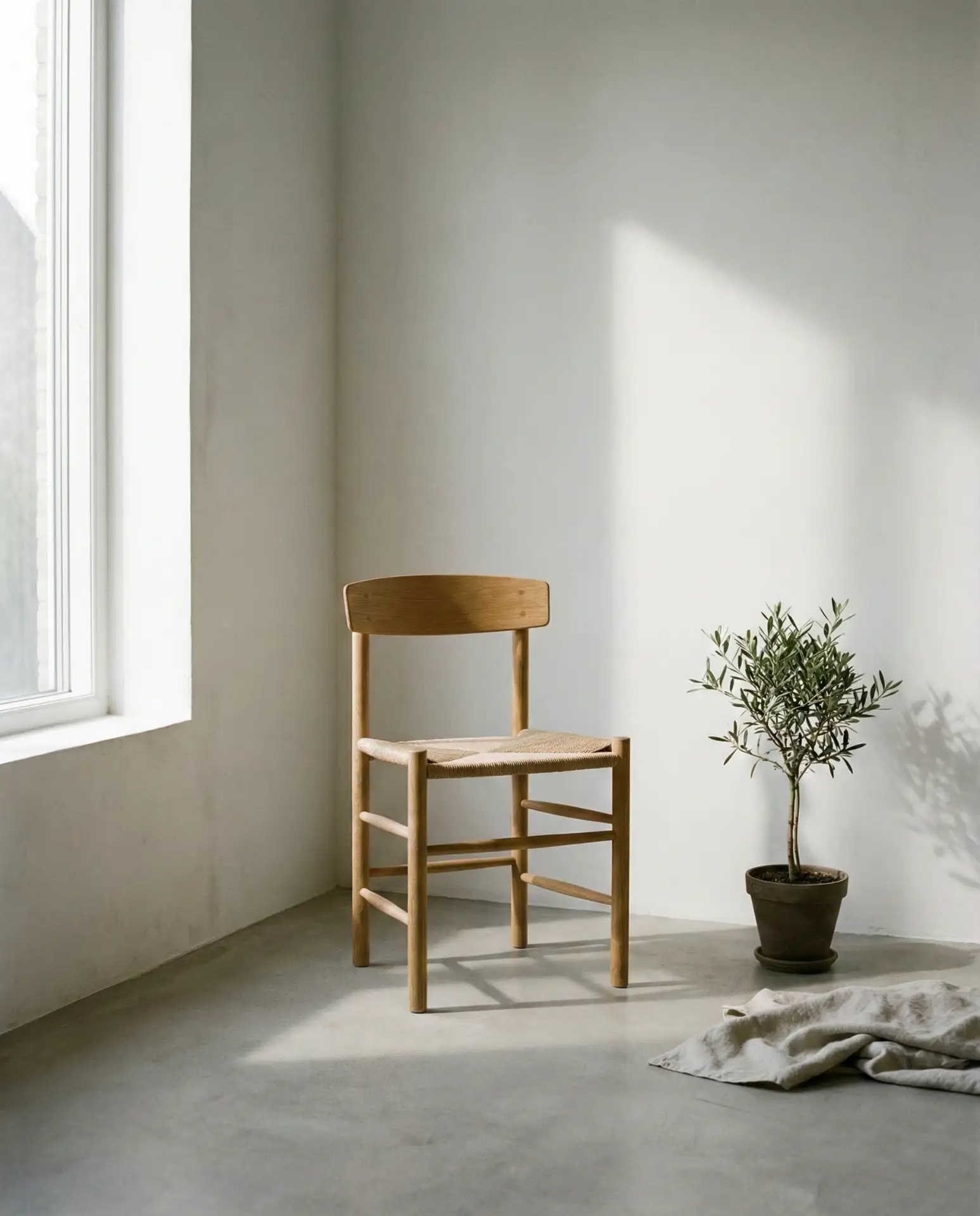
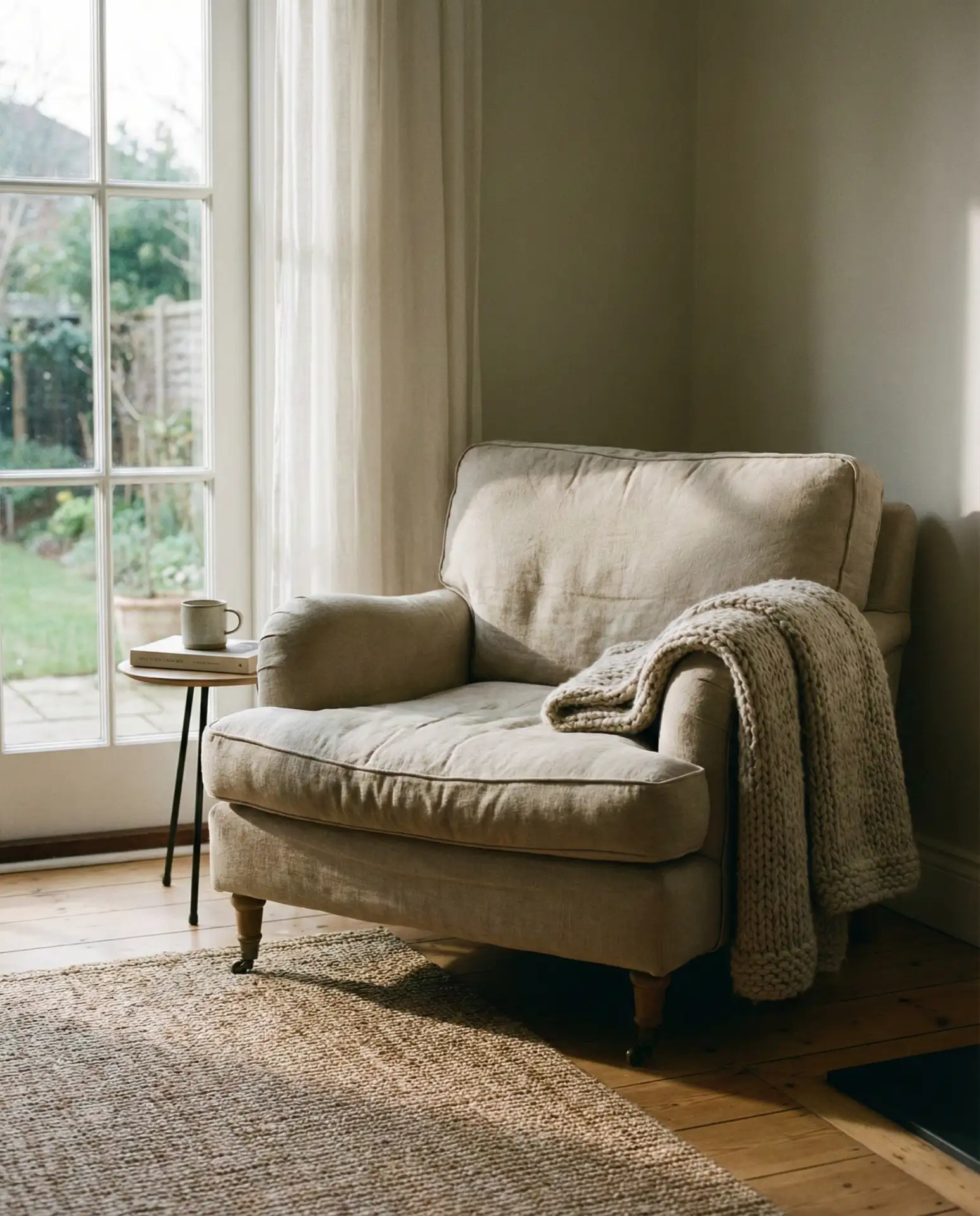
Real homeowners often keep a chair in a dedicated “calm corner” where they practice breathing exercises before starting their day or winding down in the evening. It doesn’t require special equipment or a large time commitment—just a willingness to pause and connect with your breath. This practice is especially helpful for people dealing with anxiety, insomnia, or chronic stress.
14. Seated Arm Raises for Shoulder Mobility

Shoulder mobility often declines with age or inactivity, but seated arm raises are a simple way to maintain it. Sit tall, extend your arms out to the sides, then lift them overhead, bringing your palms together if comfortable. Lower slowly and repeat. This easy movement is a favorite among men and women looking to maintain upper body function without needing weights or resistance bands.
Where it works best: in the morning as part of a wake-up routine, or in the evening to release tension from the day. This movement is gentle enough for daily practice and can be easily modified by adjusting the range of motion. Over time, you’ll notice improved ability to reach overhead and less discomfort in daily tasks like putting away dishes or reaching for items on high shelves.
15. Seated Knee Lifts for Core Engagement
Core strength is essential for balance and stability, and seated knee lifts make it accessible for everyone. Sit near the front edge of your chair, engage your core, and lift one knee toward your chest. Hold briefly, then lower and switch sides. This movement is often part of 21-day chair yoga challenges because it builds strength gradually and safely. It’s also a free printable favorite for people who want a low-impact core workout.
Budget-conscious fitness enthusiasts appreciate that seated knee lifts require no equipment and can be done anywhere. The movement is gentle enough for beginners but effective enough to provide real benefits. Many people notice improved posture and reduced lower back pain after incorporating this exercise into their daily routine, especially when paired with other core-focused chair movements.
16. Seated Calf Raises for Lower Leg Strength

Calf strength supports balance and mobility, and seated calf raises make this work accessible even for those with limited standing ability. Sit with feet flat on the floor, then lift your heels as high as comfortable while keeping your toes grounded. Hold briefly, then lower. This easy movement is often included in 28-day programs because it’s simple to perform yet delivers measurable results over time.
Many practitioners incorporate calf raises into their daily routine without even thinking about it—while on the phone, watching TV, or waiting for a meeting to start. The beauty of chair yoga is how seamlessly it fits into everyday life. Consistent practice helps maintain lower leg strength, which is crucial for walking, standing, and overall mobility as we age.
17. Seated Figure Four Stretch for Hip Flexibility
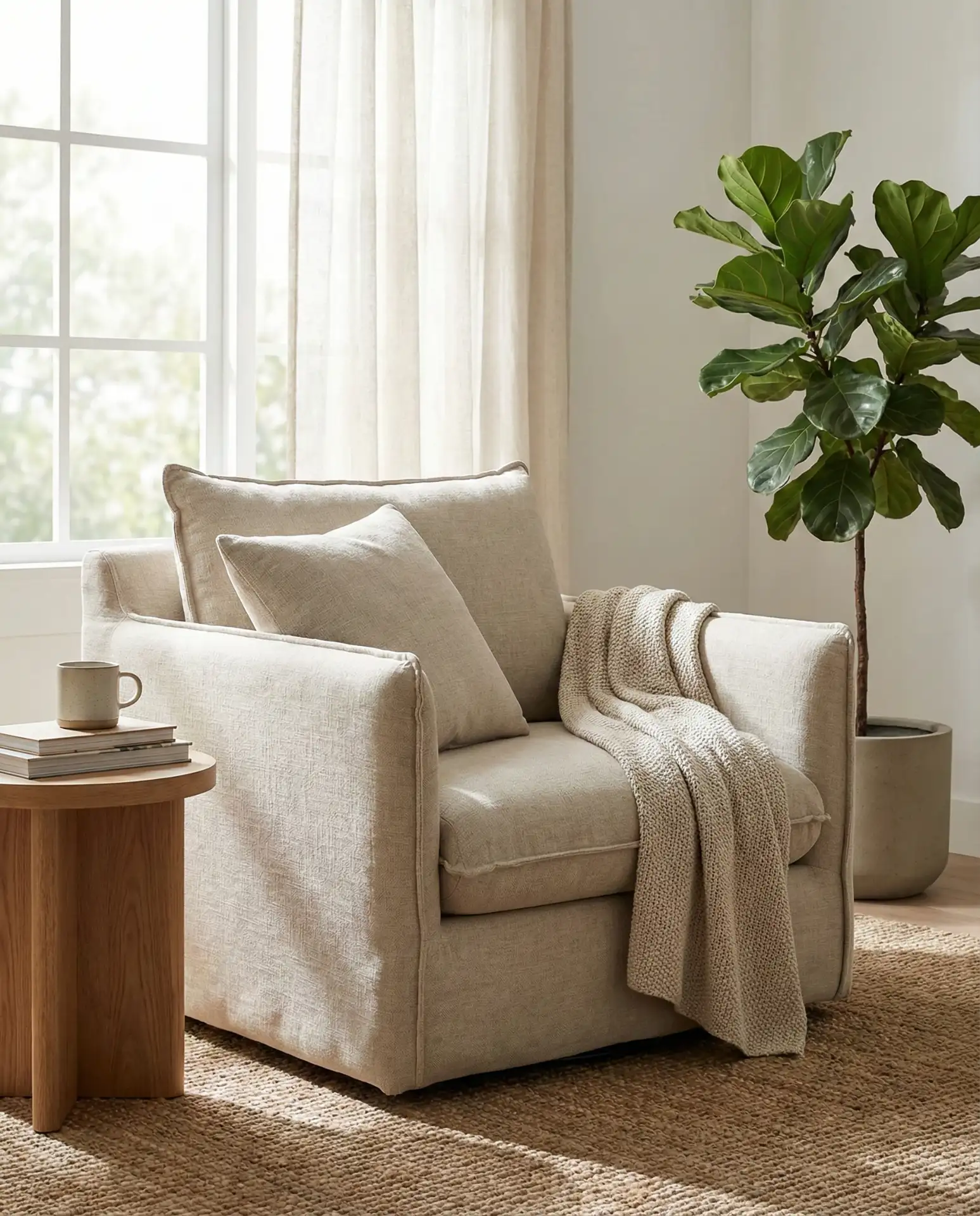
Hip flexibility is often limited in people who sit for long periods, and the figure four stretch addresses this effectively. Sit back in your chair, cross one ankle over the opposite knee, and gently press down on the raised knee. You’ll feel a deep stretch in the hip and glute. This free movement is a staple in video tutorials and is especially popular among runners and cyclists looking to maintain hip mobility.
A physical therapist once explained that tight hips contribute to lower back pain and poor posture, which is why stretches like this are so valuable. The figure four is gentle enough for daily practice and can be held for longer as flexibility improves. It’s particularly helpful in the afternoon when stiffness starts to set in from hours of sitting.
18. Seated Toe Taps for Ankle Strength
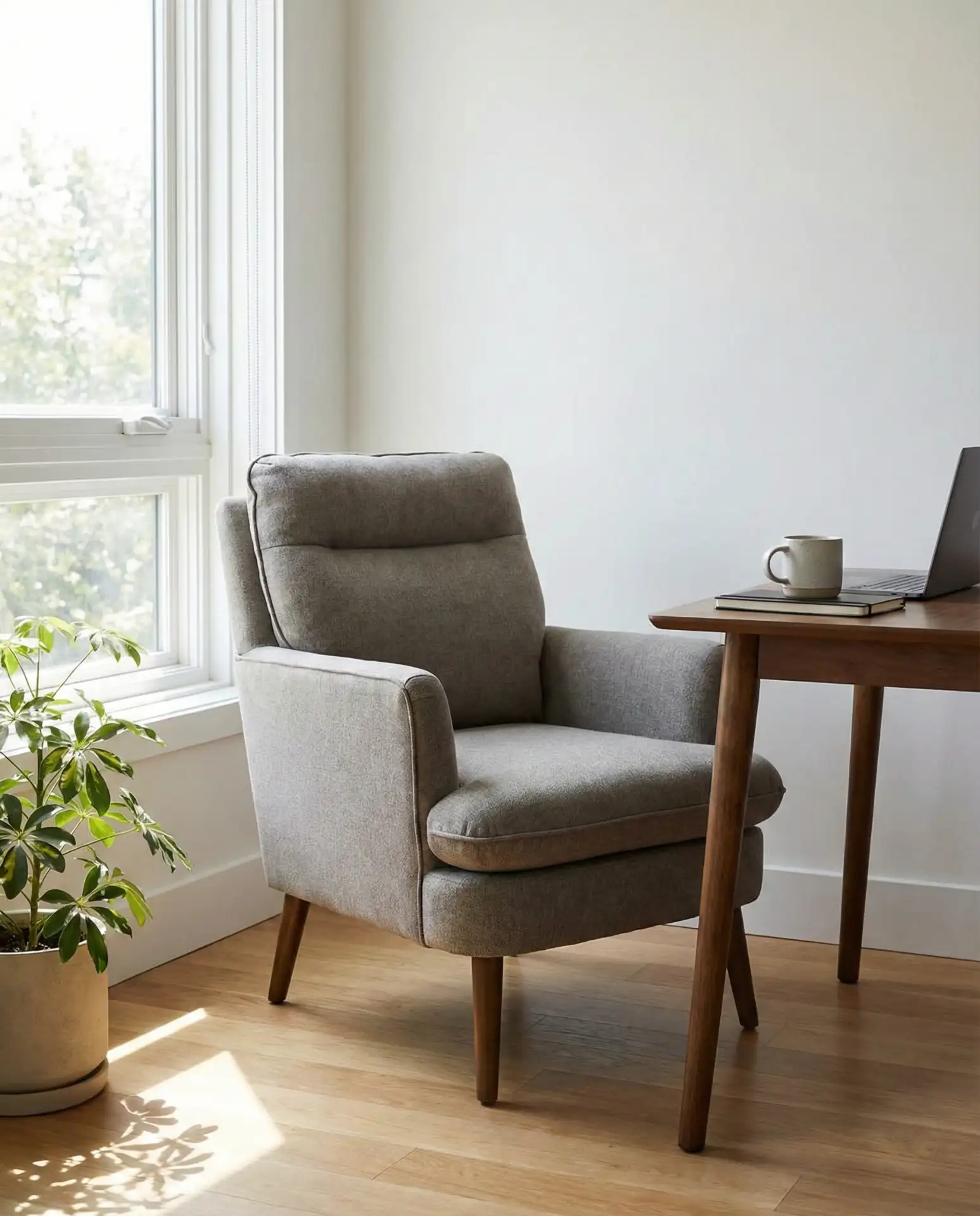
Ankle strength and coordination are often overlooked, but seated toe taps are an easy way to address both. Sit with feet flat, then alternately lift the toes of each foot while keeping your heels grounded. This movement improves circulation and strengthens the muscles around the ankle joint. It’s a simple addition to any 10-minute chair yoga routine and can be done while working or watching TV.

Real homeowners often multitask during toe taps, making them one of the most practical chair yoga movements. The exercise is subtle enough that it doesn’t interrupt other activities, yet it offers real benefits for ankle stability and foot health. Over time, practitioners notice improved balance and less fatigue when standing or walking for extended periods.
19. Seated Eagle Arms for Upper Back Release
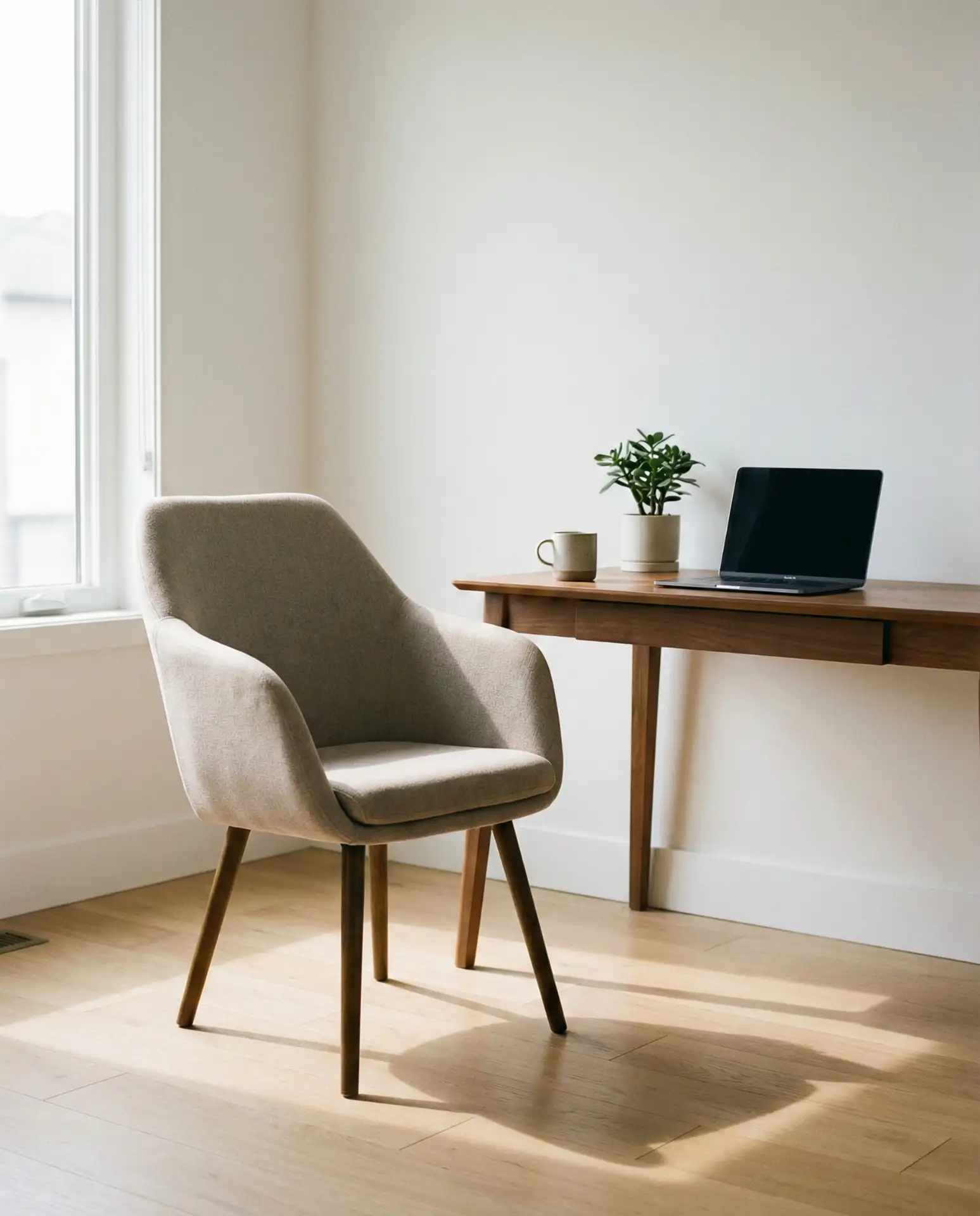
Eagle arms are a powerful stretch for the upper back and shoulders, and they’re easily adapted to a seated position. Cross one arm over the other at the elbows, then bring your palms together if possible. Lift your elbows slightly and feel the stretch across your shoulder blades. This free movement is a favorite in printable guides because it targets a common area of tension and delivers immediate relief.
Where it works best: during mid-afternoon slumps when upper back tension is at its peak. The stretch is intense but not painful, and it’s easily modified for different levels of flexibility. Many people find that holding eagle arms for 30 seconds or more helps release knots and tightness that have built up over hours of work.
20. Seated Pigeon Pose for Deep Hip Opening
Pigeon pose is renowned for its hip-opening benefits, and the seated version makes it accessible to everyone. Sit near the front of your chair, place one ankle across the opposite thigh, and gently hinge forward at the hips. This easy adaptation is featured in countless video tutorials and is a must for anyone dealing with tight hips or lower back discomfort.

Expert yoga instructors often recommend seated pigeon for people who can’t comfortably practice the floor version. The stretch is intense but manageable, and it can be held for several minutes for a deeper release. Many practitioners report that consistent practice of seated pigeon reduces lower back pain and improves overall hip mobility, making daily activities feel easier.
21. Seated Arm Circles for Shoulder Warm-Up
Arm circles are a classic warm-up movement that translates beautifully to chair yoga. Sit tall, extend your arms out to the sides, and make small circles forward, then backward. Gradually increase the size of the circles as your shoulders warm up. This free printable exercise is often the first movement in 21-day programs because it prepares the body for more intensive stretches.

A common mistake is making the circles too large too quickly, which can strain the shoulders. Start small and controlled, focusing on smooth, deliberate movements. Arm circles are particularly useful before activities that require upper body engagement, like gardening, cooking, or even carrying groceries. They’re a simple way to prevent injury and maintain shoulder health.
22. Seated Hamstring Stretch with Strap
Using a strap—or even a towel or belt—adds depth to the seated hamstring stretch. Sit near the edge of your chair, extend one leg forward, loop the strap around your foot, and gently pull to deepen the stretch. This easy modification is popular among men and women who want to improve flexibility without strain. It’s often featured in 28-day flexibility programs.

Budget-conscious practitioners love this stretch because it requires only a chair and a household item like a towel. The strap provides control and support, allowing you to stretch more effectively without risking overstretching. Over time, you’ll notice increased hamstring flexibility, which supports better posture and reduces the risk of lower back pain.
23. Seated Spinal Balance for Core Stability
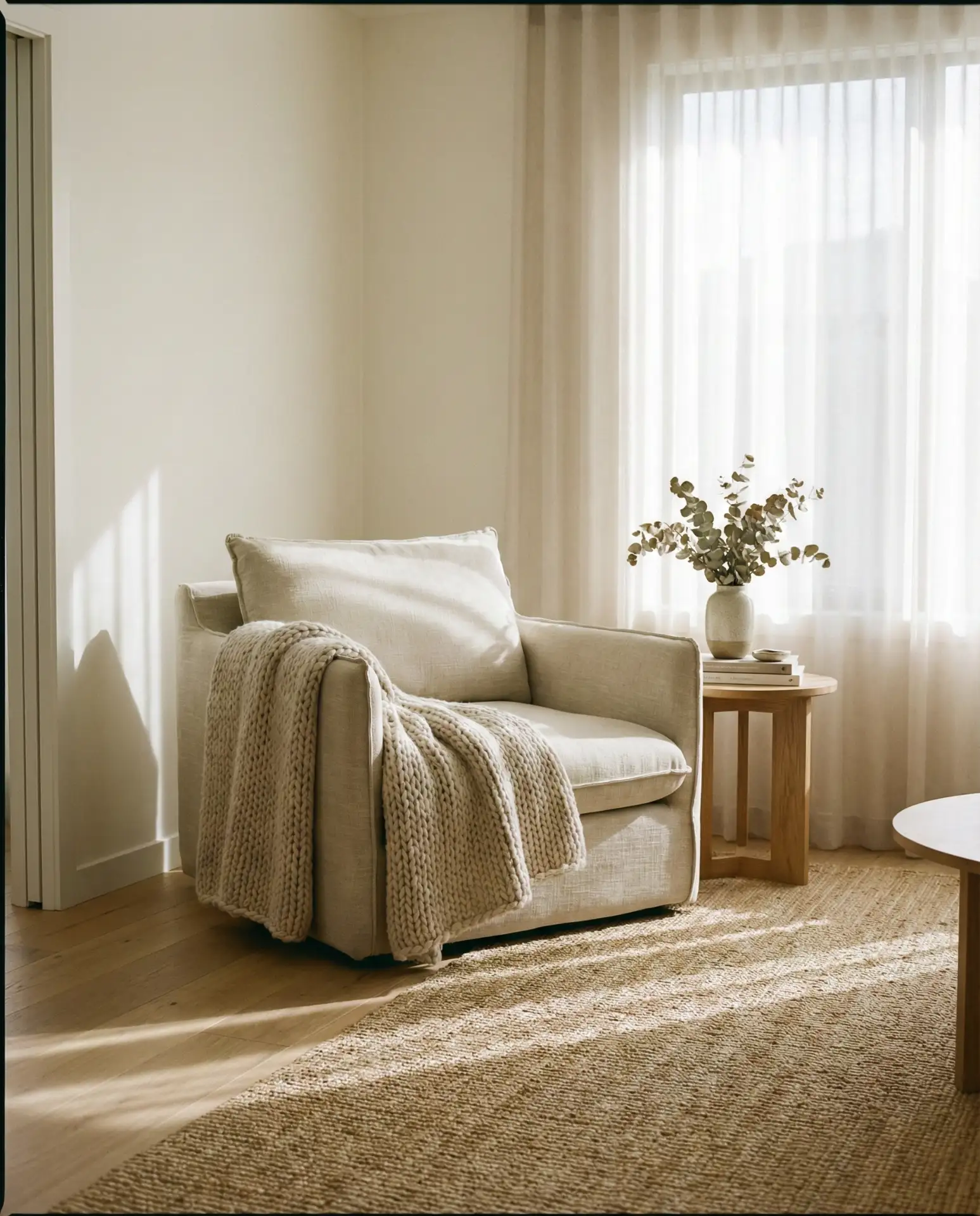
This movement challenges balance and core strength in a safe, controlled way. Sit near the front of your chair, engage your core, and extend one arm forward while extending the opposite leg back. Hold briefly, then switch sides. This free exercise is a favorite in video tutorials because it’s simple yet effective for building stability and coordination.
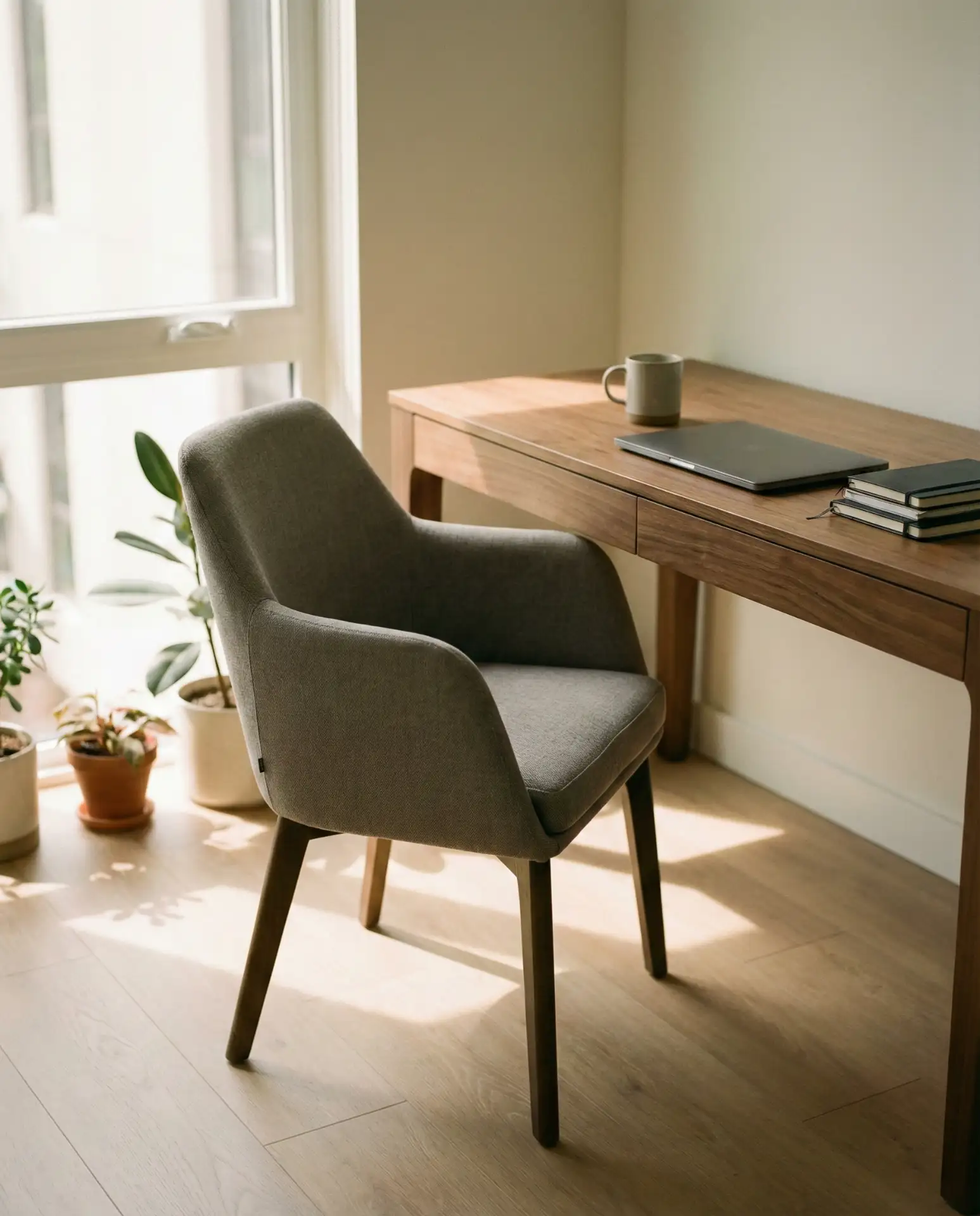
Real homeowners appreciate that this movement doesn’t require getting on the floor, which makes it accessible for people with mobility challenges or joint issues. The focus on balance engages the core and improves proprioception—your body’s sense of where it is in space. Over time, practitioners notice better balance and coordination in everyday activities.
24. Seated Relaxation Pose for Integration
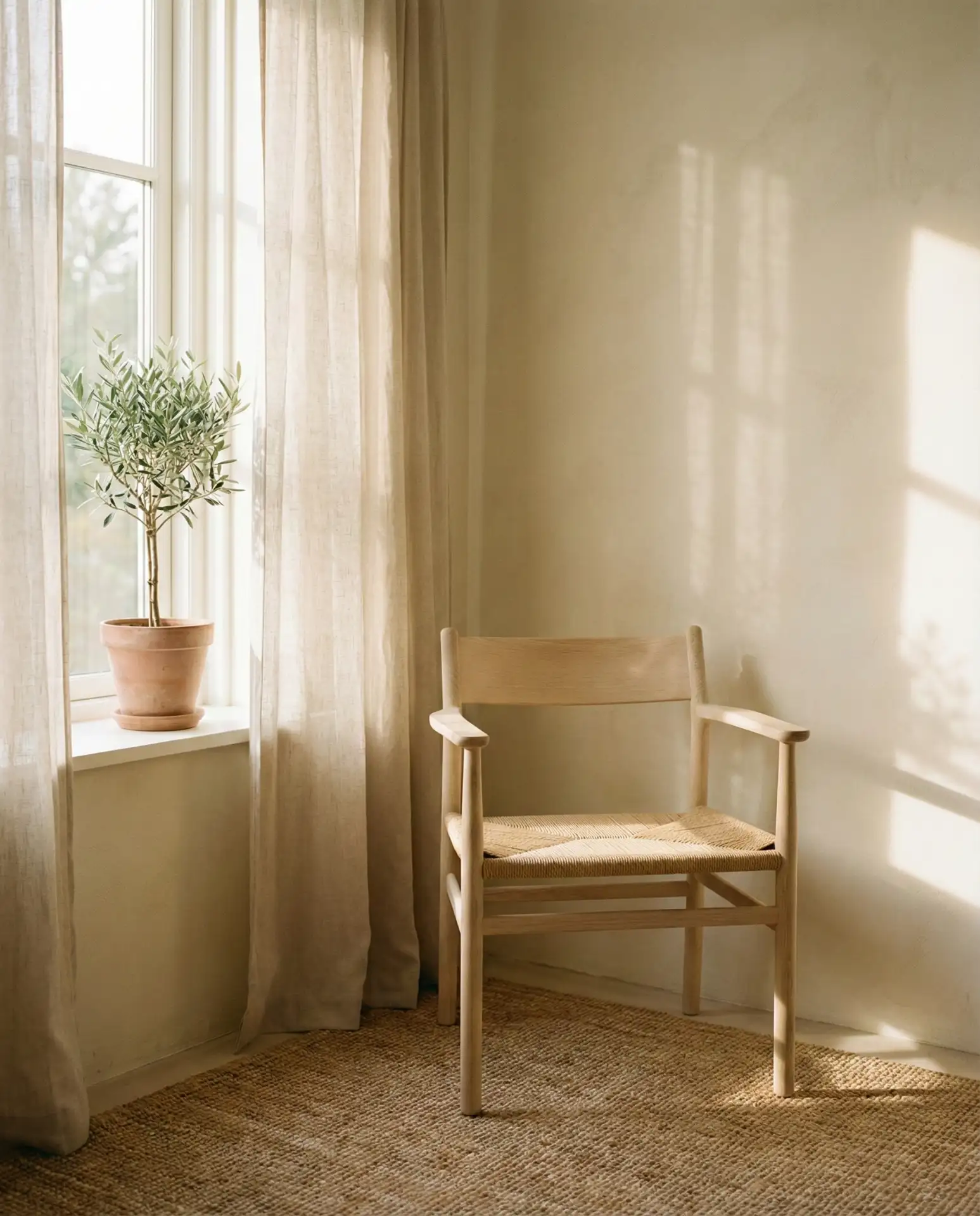
Every chair yoga session should end with a moment of stillness. Sit comfortably, rest your hands on your thighs, close your eyes, and take several deep breaths. This easy practice allows your body to integrate the movements and your mind to settle. It’s a free and essential part of any 10-minute routine, offering a peaceful transition back into your day.
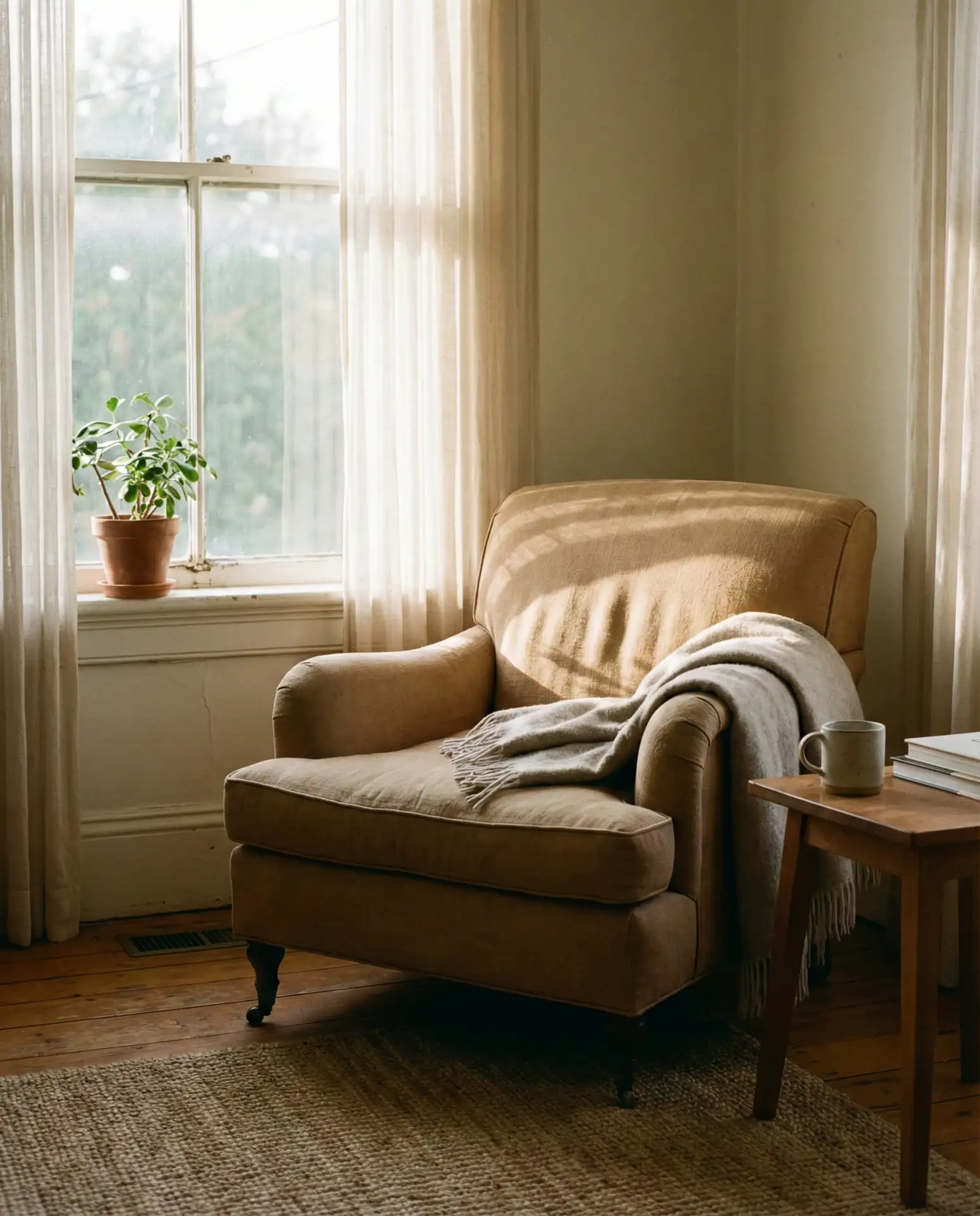
Where it works best: at the end of any chair yoga practice, no matter how short or long. This moment of rest is when the nervous system shifts from activity to recovery, supporting overall well-being. Many people find that ending with relaxation helps them carry a sense of calm and centeredness into whatever comes next, whether that’s work, family time, or rest.
Conclusion
Chair yoga offers a flexible, accessible path to better health and well-being, no matter your age, fitness level, or mobility. These ideas give you a solid foundation to build a practice that fits your life. Try a few movements, see what feels good, and don’t hesitate to modify as needed. We’d love to hear which poses resonate with you—share your favorites in the comments below.