Butterfly gardens are having a major moment in 2025 and heading into 2026, especially among American homeowners who’ve discovered that a little planning can transform any outdoor space into a living, fluttering sanctuary. Whether you’re pinning inspiration for a sprawling backyard or a compact balcony, the appeal is universal: these gardens bring color, movement, and a tangible connection to nature right outside your door. Pinterest searches for butterfly garden ideas have surged as more people seek low-maintenance, eco-friendly landscaping that supports pollinators while looking absolutely stunning. In this guide, you’ll find creative approaches to designing your own butterfly haven—from Florida-friendly plantings to memorial gardens, kid-focused spaces, and everything in between.
1. Classic Perennial Butterfly Border
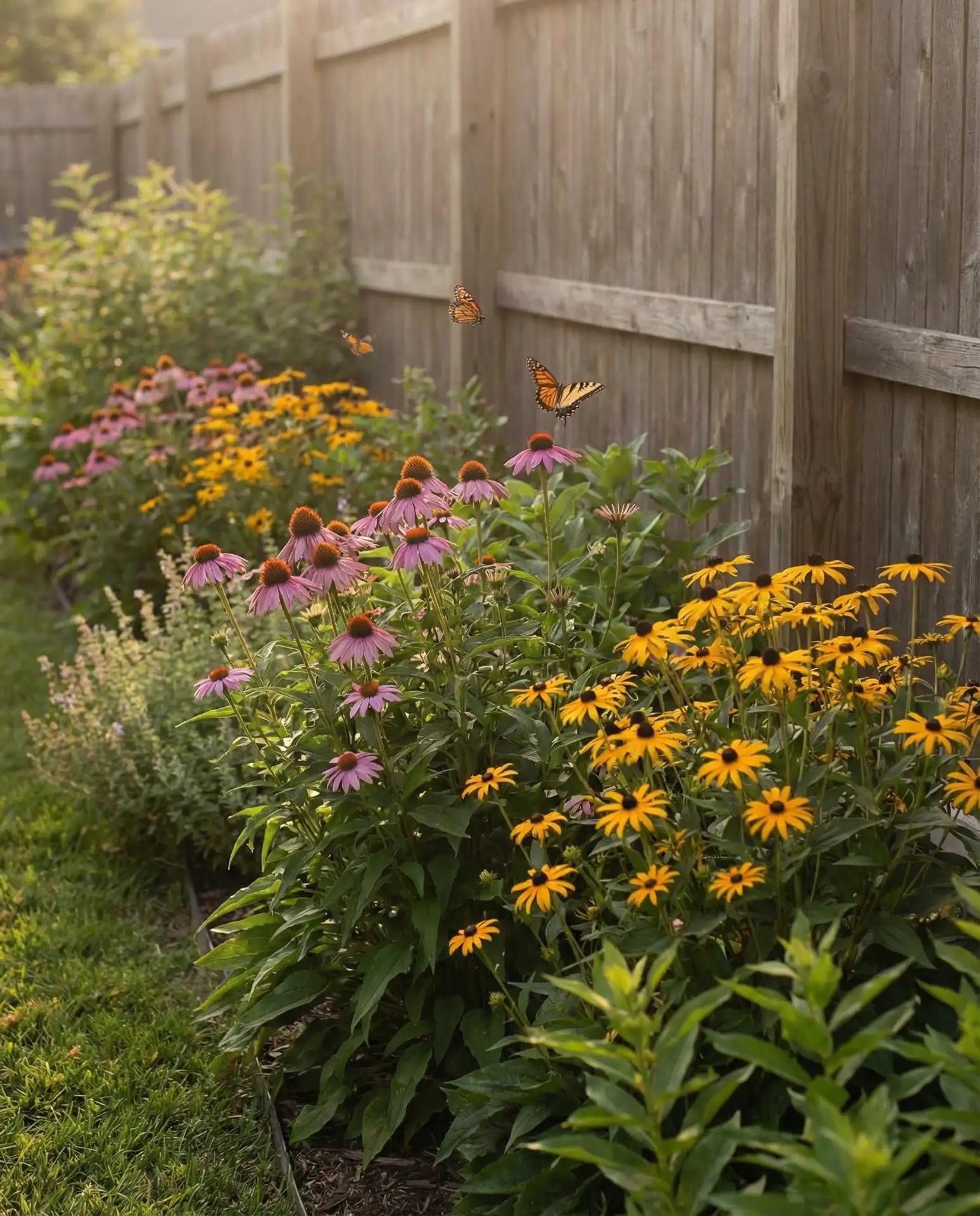
A traditional perennial butterfly border anchors your garden with reliable, year-after-year blooms that monarchs, swallowtails, and painted ladies can’t resist. Think coneflowers, black-eyed Susans, and bee balm arranged in drifts along a fence line or walkway. This approach works beautifully in full sun locations where you can layer plants by height, creating a cottage-garden effect that feels both timeless and effortlessly American. 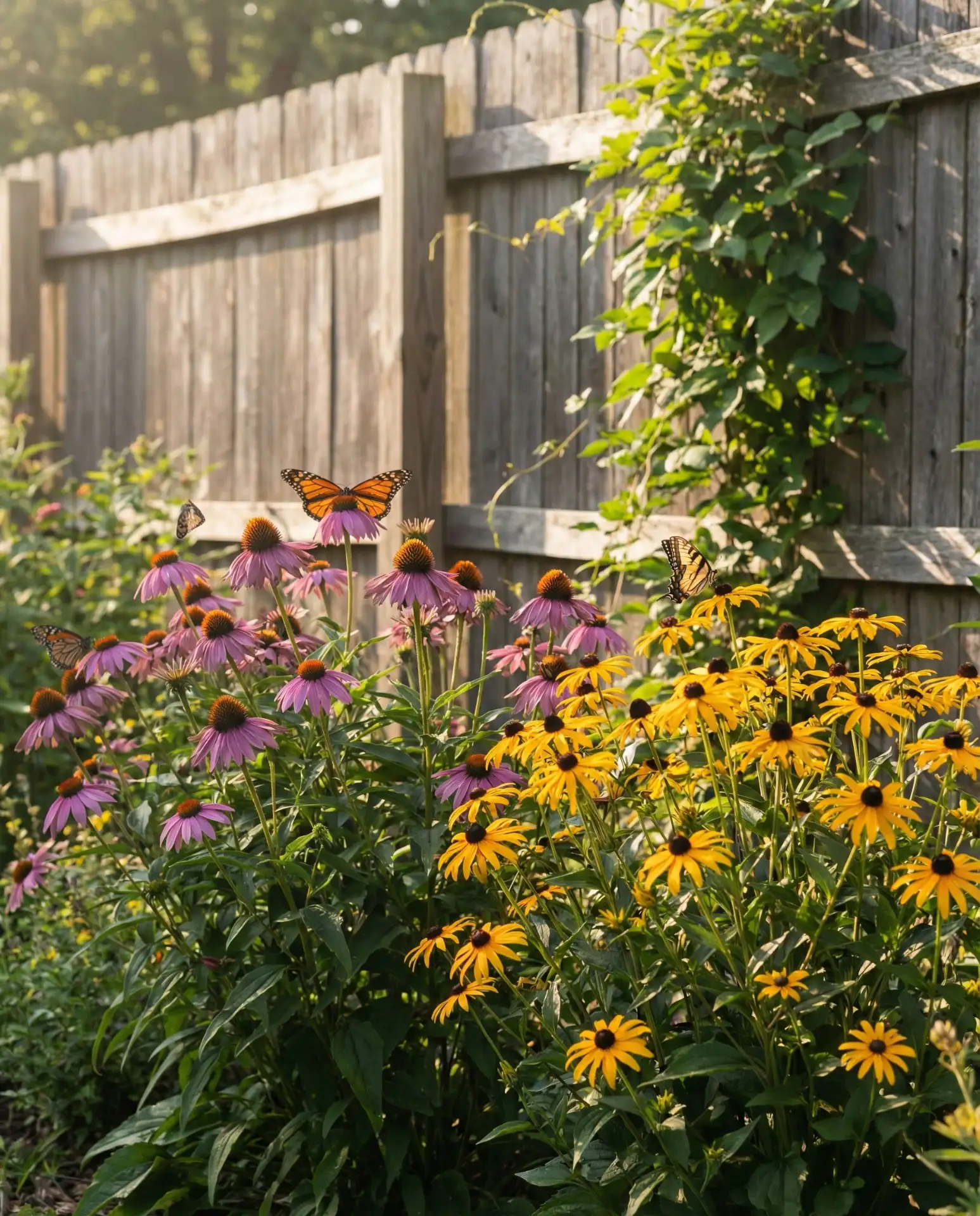
Where this works best: suburban yards with at least six hours of direct sunlight. The perennial nature means you plant once and enjoy for years, making it ideal for gardeners who want impact without constant replanting. Pair with a simple mulch path to keep weeds down and give yourself room to deadhead spent blooms, which encourages even more flowers—and more butterflies—throughout the season.
2. Florida-Friendly Tropical Palette
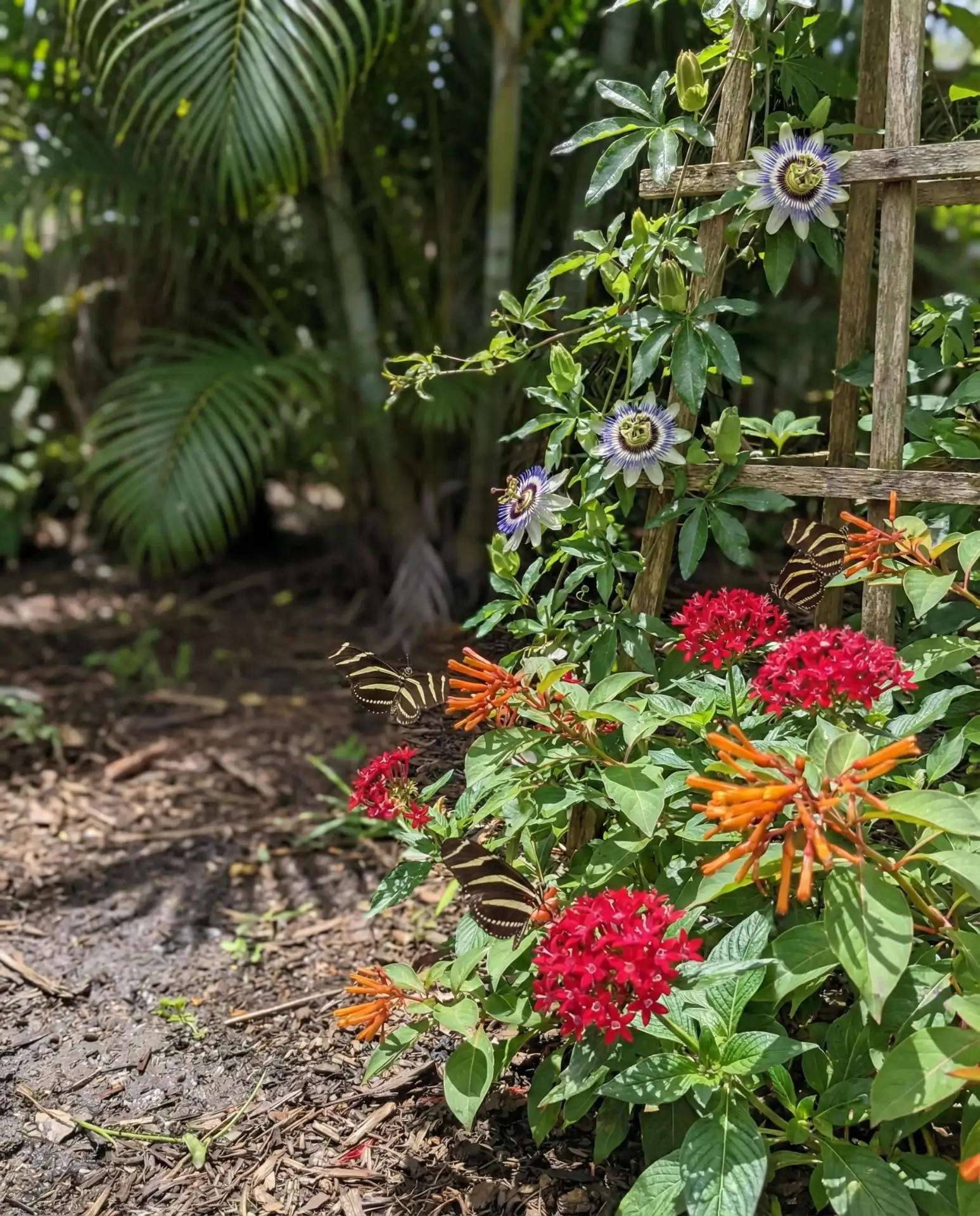
In South Florida and other zone 9 regions, you can lean into heat-loving tropicals like pentas, firebush, and passionflower vines that thrive in humidity and provide nectar year-round. These plants handle the intense sun and summer rains without flinching, and they’re magnets for zebra longwings and gulf fritillaries. The result is a garden that feels lush and exotic, perfectly suited to the climate. 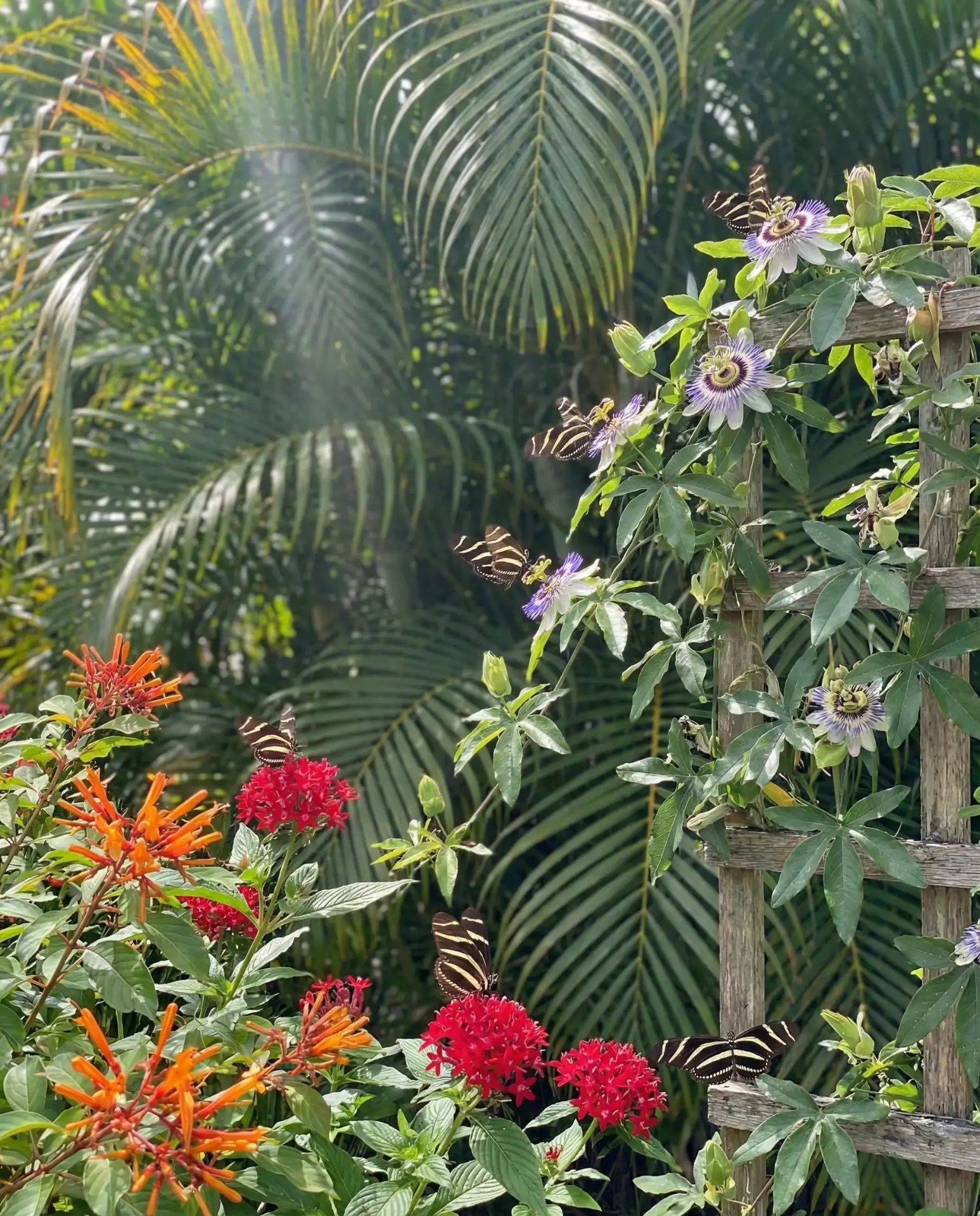
A homeowner in Miami told me she planted firebush along her property line three years ago and now counts over a dozen butterfly species visiting daily. The key is choosing natives or well-adapted exotics that don’t require extra irrigation once established. Mulch heavily to retain moisture and suppress weeds, and you’ll have a self-sustaining butterfly haven that looks vibrant even in the dog days of summer.
3. Monarch Migration Stopover Garden
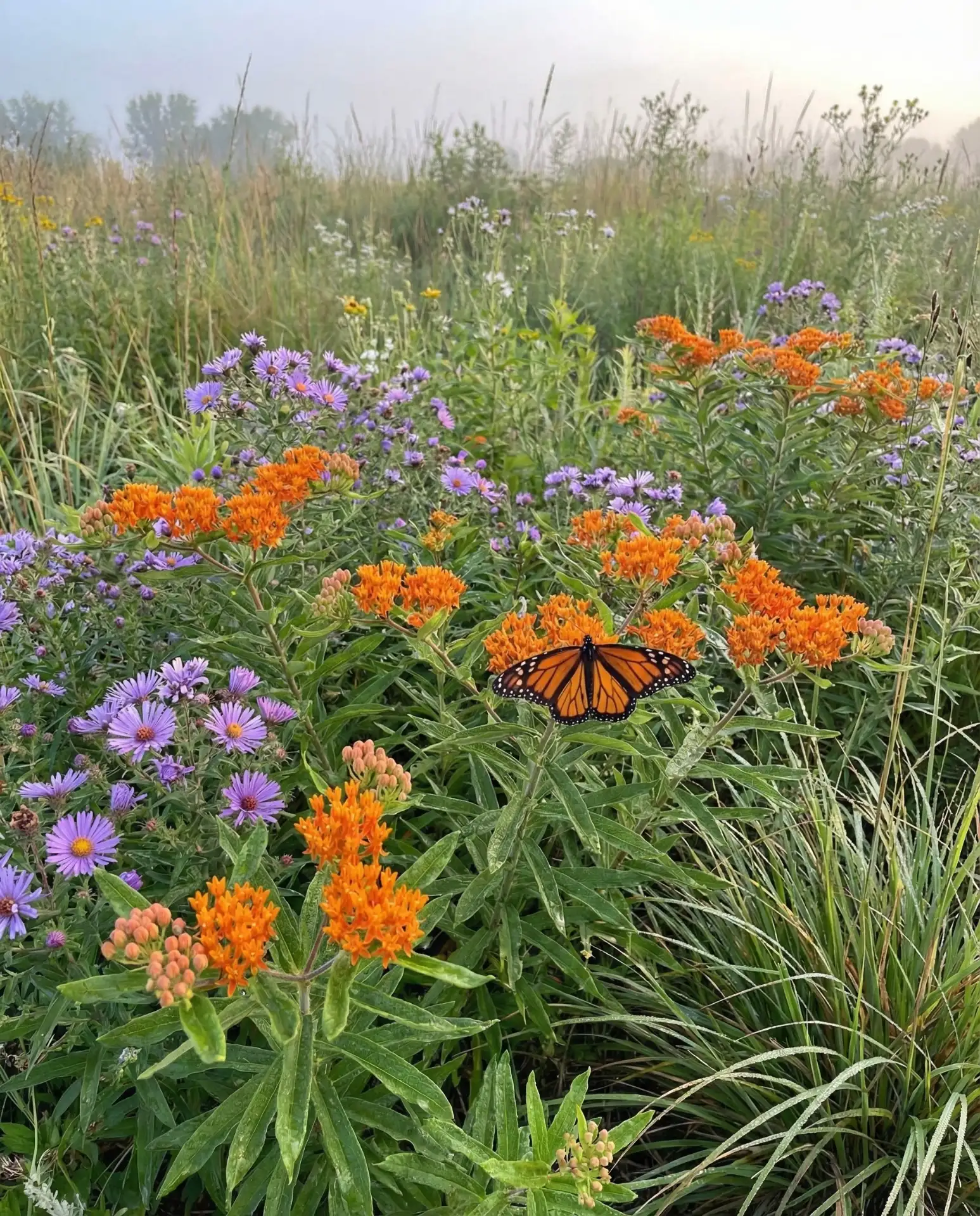
Designing a monarch butterfly garden means planting milkweed—lots of it—since it’s the only host plant for monarch caterpillars. Pair it with nectar sources like zinnias and asters to fuel adults on their epic migration journey. This type of garden serves a critical ecological role, especially in the central flyway states where monarchs pass through each spring and fall. It’s a living contribution to conservation that happens right in your own yard. 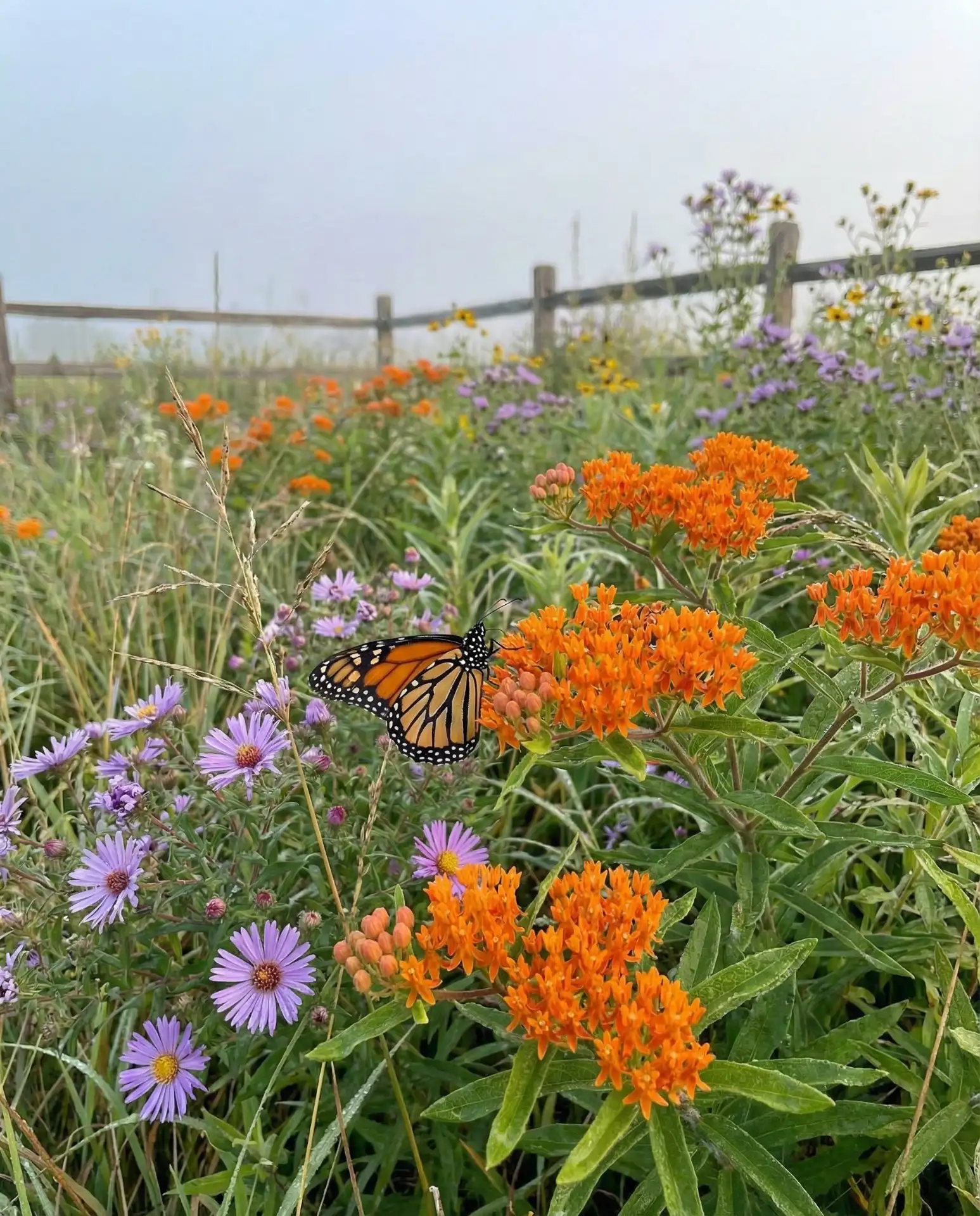
Practical insight: plant multiple milkweed species—swamp, common, and butterfly weed—to extend the bloom season and accommodate different soil conditions. Monarchs are picky, and if your milkweed isn’t thriving, they’ll move on. Avoid pesticides entirely, as even “organic” sprays can harm caterpillars. This garden is as much about nurturing life cycles as it is about aesthetics, and the payoff is watching the full transformation from egg to chrysalis to butterfly unfold in real time.
4. Compact Balcony Container Garden
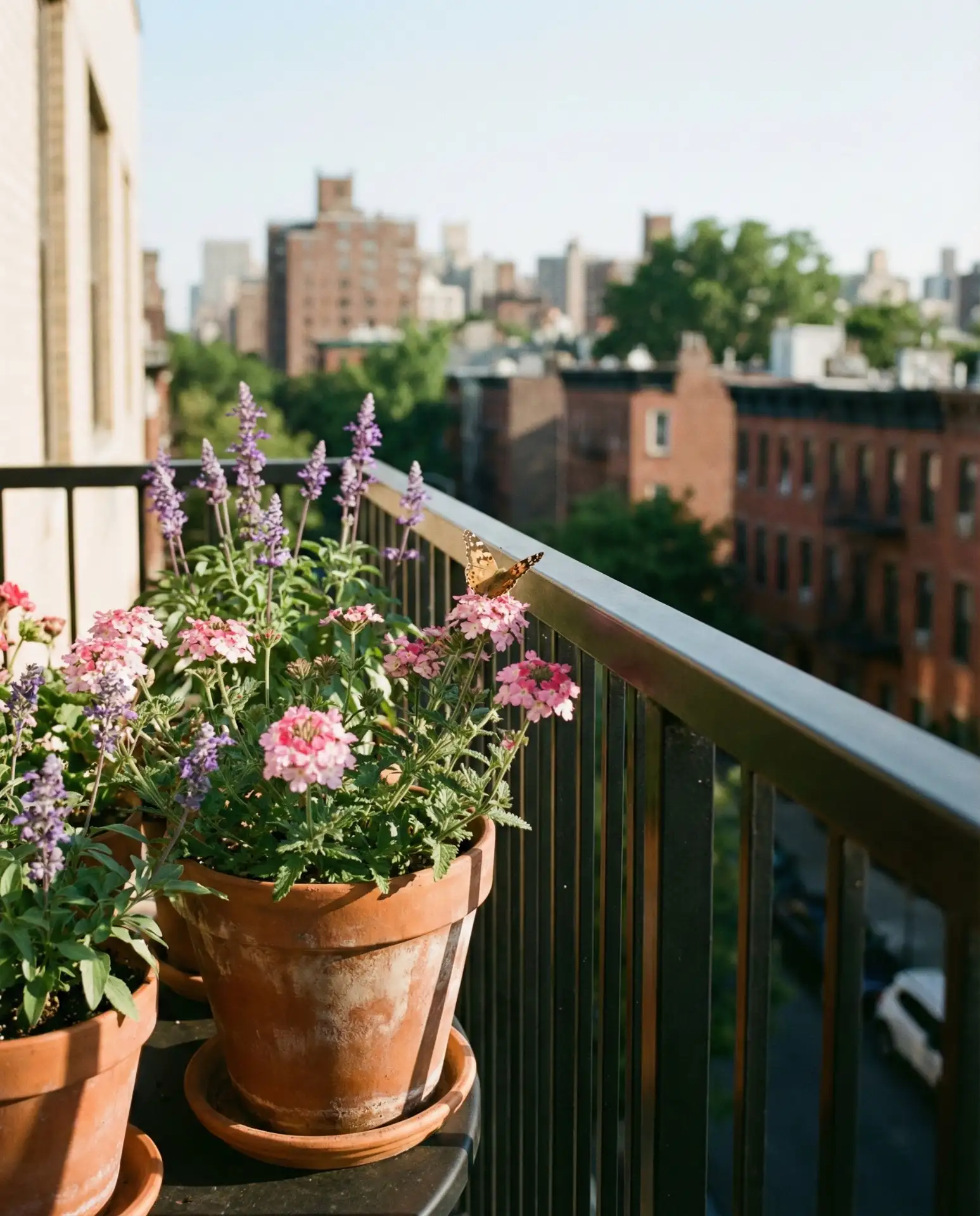
Even apartment dwellers can join the butterfly garden movement with a thoughtfully curated balcony setup using container plantings. Choose dwarf varieties of butterfly favorites—compact lantana, verbena, and salvia—in 12- to 16-inch pots. Group containers at varying heights to create visual interest and ensure pollinators can spot your blooms from street level. This approach is perfect for urban gardeners who want to make a difference in a small footprint. 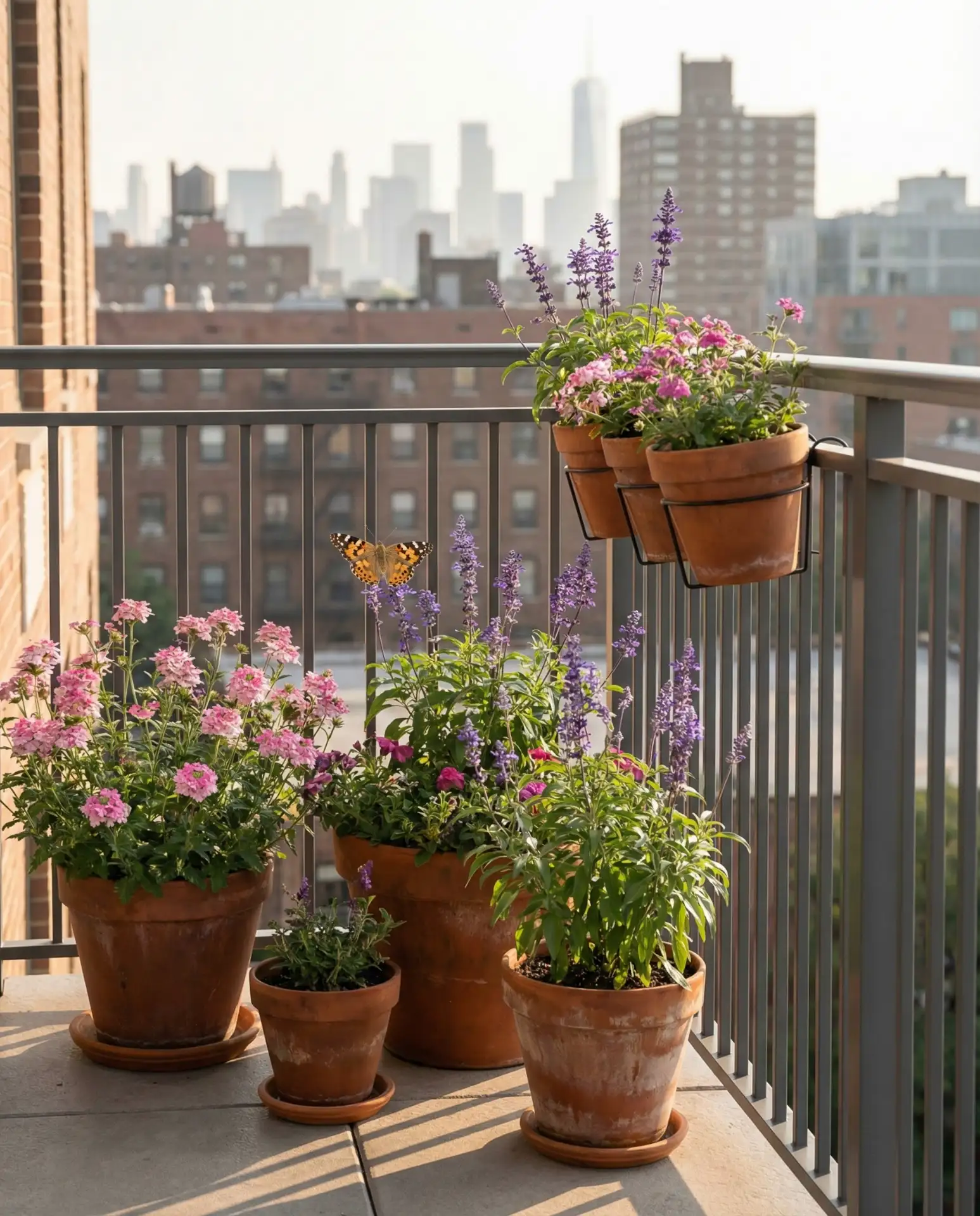
Budget angle: container gardens can be started for under $100 if you reuse pots and buy plants on sale at the end of the season. Water daily during hot weather, and fertilize every two weeks with a diluted liquid feed to keep blooms coming. Position your containers where they’ll get at least five hours of sun, and you’ll be surprised how many butterflies find you—even several stories up.
5. School Pollinator Education Garden
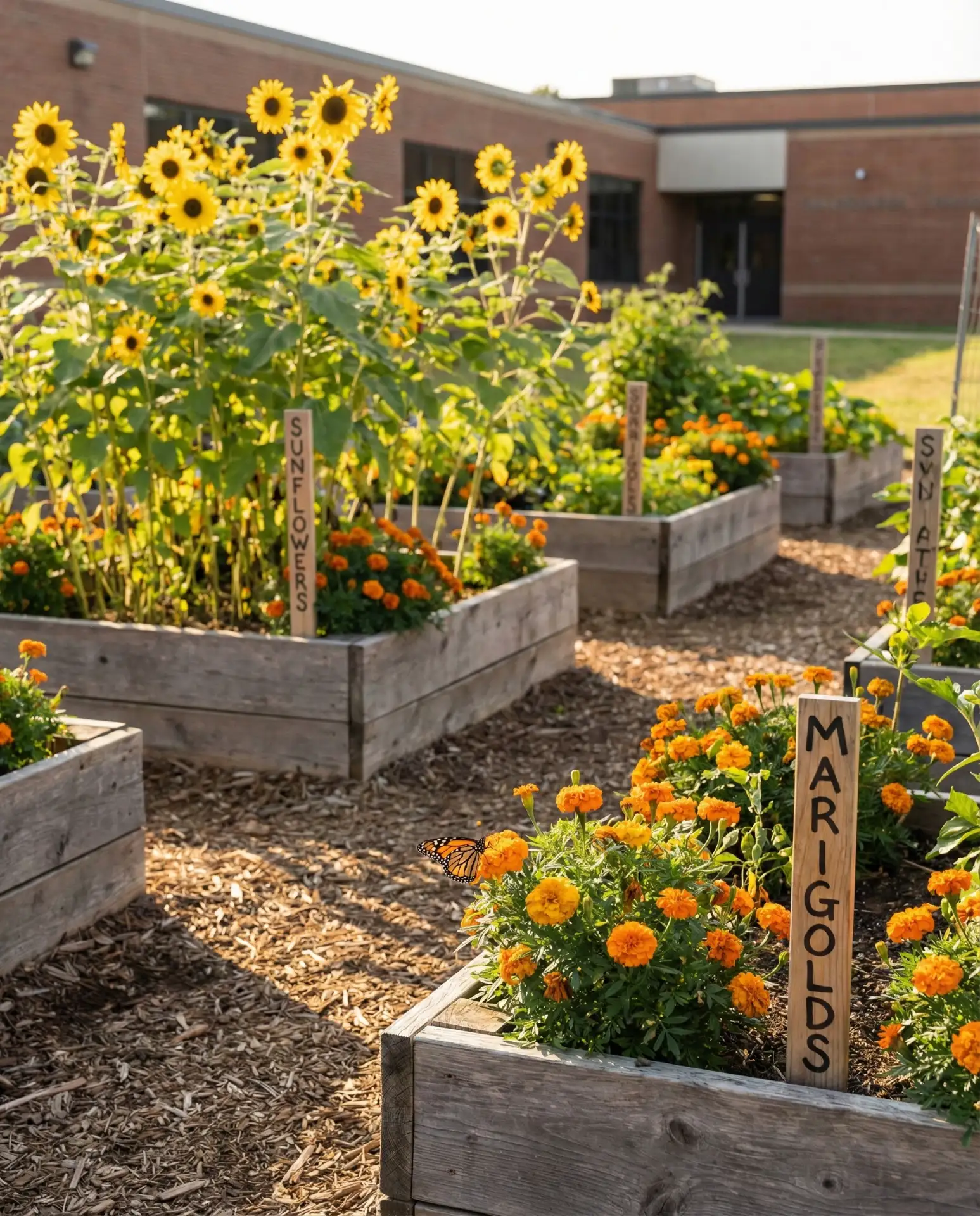
A school butterfly garden doubles as an outdoor classroom where kids can observe life cycles, pollination, and ecosystem dynamics firsthand. Plant easy-care options like marigolds, sunflowers, and dill (for swallowtail caterpillars), and create clear pathways so students can get close without trampling plants. Add simple signage identifying species and their roles, turning the garden into a living science lesson that changes with the seasons. 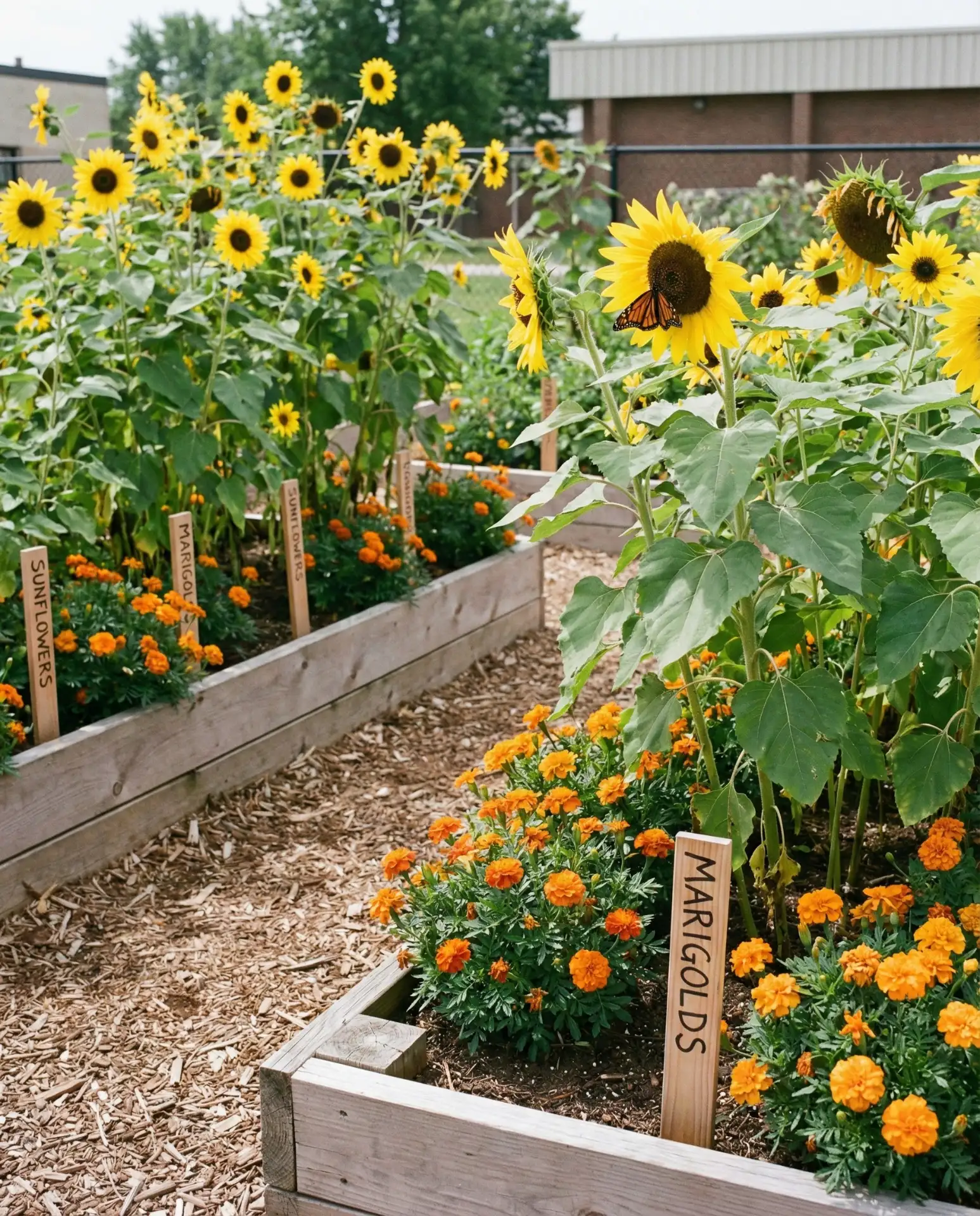
Real homeowner behavior: many teachers start these gardens with parent volunteers on a Saturday and maintain them through student “garden clubs.” The key is choosing plants that can handle a bit of neglect during school breaks. Native perennials are your best bet, since they’re adapted to local conditions and bounce back quickly. The educational payoff is enormous—kids who grow up tending butterflies often become lifelong environmental stewards.
6. Memorial Butterfly Garden
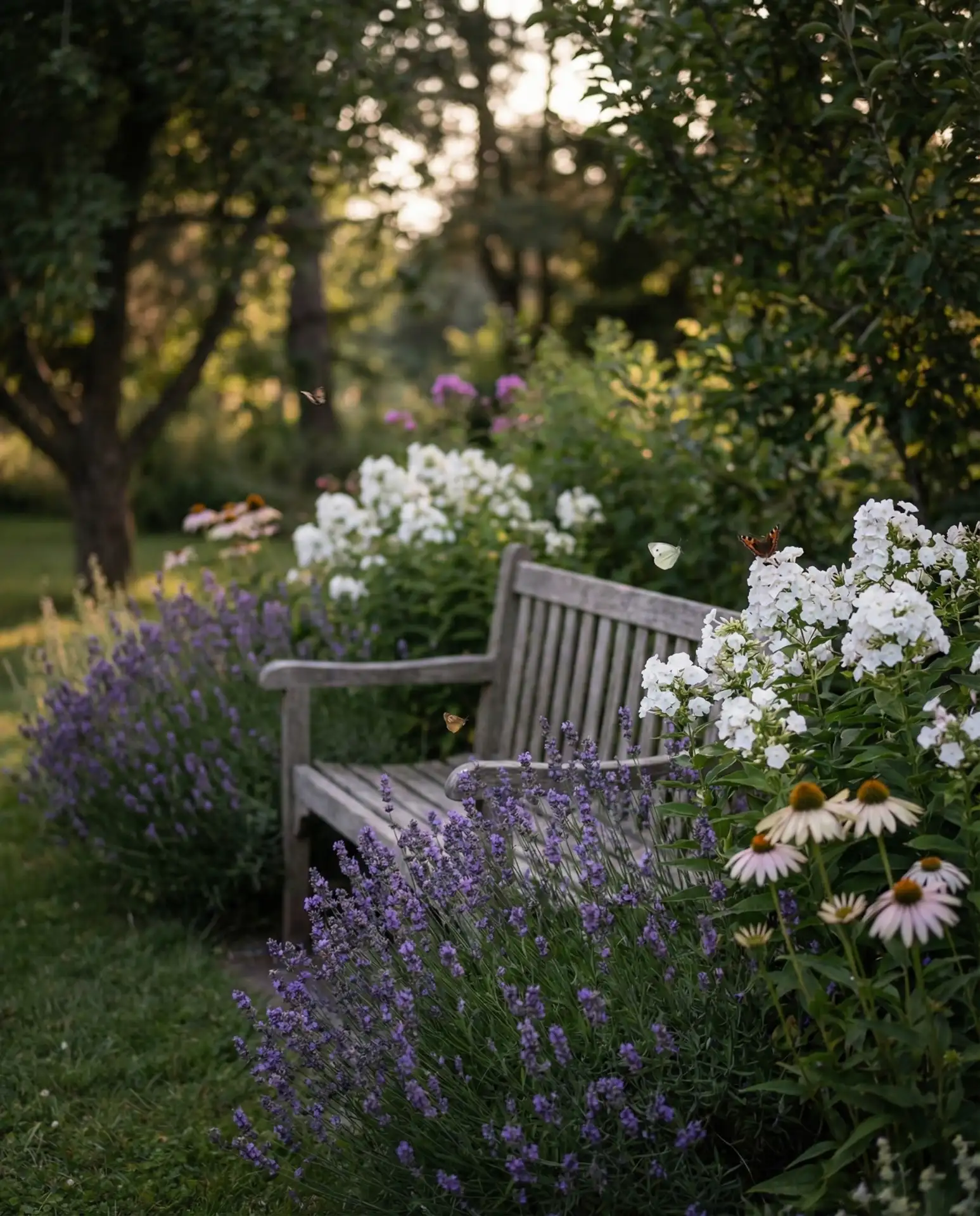
A memorial butterfly garden offers a peaceful, living tribute to a loved one, blending beauty with remembrance. Choose soft pastels—lavender, white phlox, pale pink coneflowers—and incorporate a simple bench or personalized stone. The symbolism of butterflies as transformation and renewal resonates deeply, creating a space for reflection that feels both hopeful and healing. This type of garden works in any climate and can be as small or expansive as you wish. 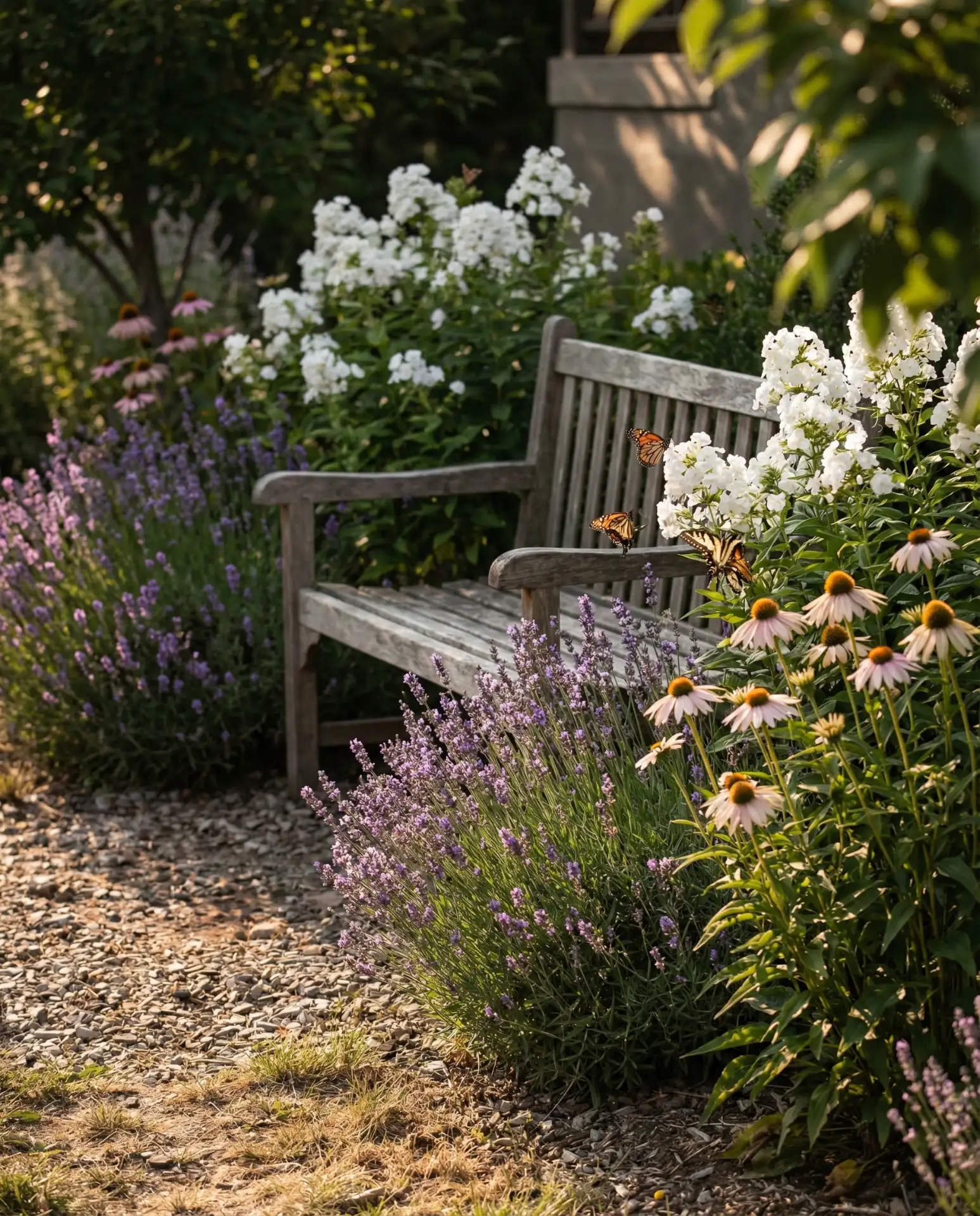
Expert-style commentary: landscape designers often recommend adding a focal point—a birdbath, a sculpture, or a wind chime—to anchor the space emotionally. The garden doesn’t need to be elaborate; even a single raised bed filled with forget-me-nots and butterfly bush can serve the purpose beautifully. Maintain it gently, and over time it becomes a cherished ritual, a way to honor memory through tending and growth.
7. Easy Beginner Butterfly Bed
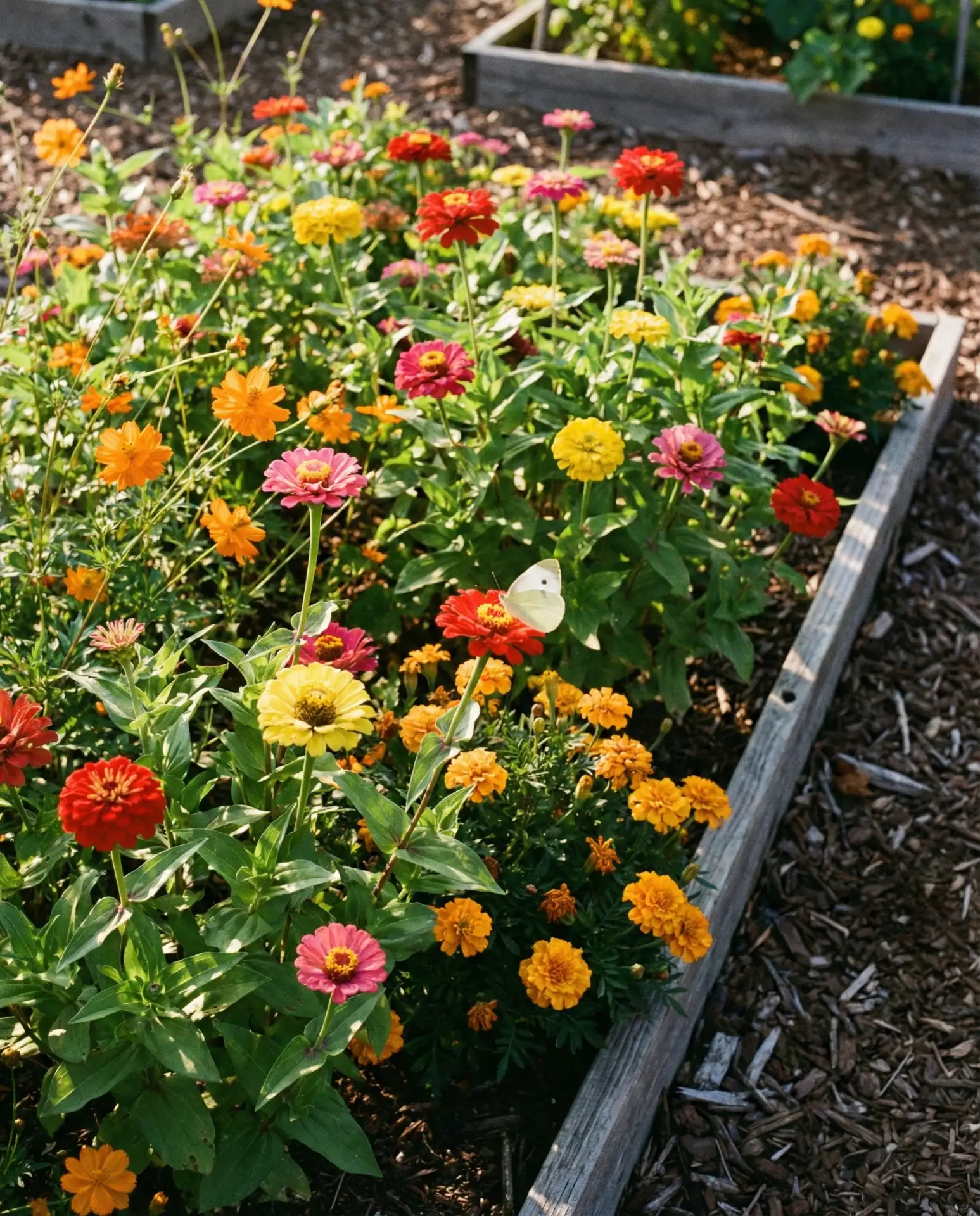
If you’re new to gardening, an easy butterfly bed should focus on bulletproof plants that forgive mistakes and still deliver big results. Zinnias, cosmos, and marigolds are annuals that grow quickly from seed, bloom all summer, and require almost no fuss. This is the perfect starter project for someone testing the waters, and it’s inexpensive enough that you can experiment with color combinations and layouts without worry. 
Common mistakes and how to avoid them: beginners often overwater or choose shade-loving plants for sunny spots. Stick to the plant tags’ instructions, and don’t be afraid to let the soil dry out between waterings—most butterfly plants prefer it on the dry side. Deadhead spent blooms weekly to encourage more flowers, and you’ll have a continuous parade of color and wings from June through frost.
8. Corner Accent Butterfly Nook
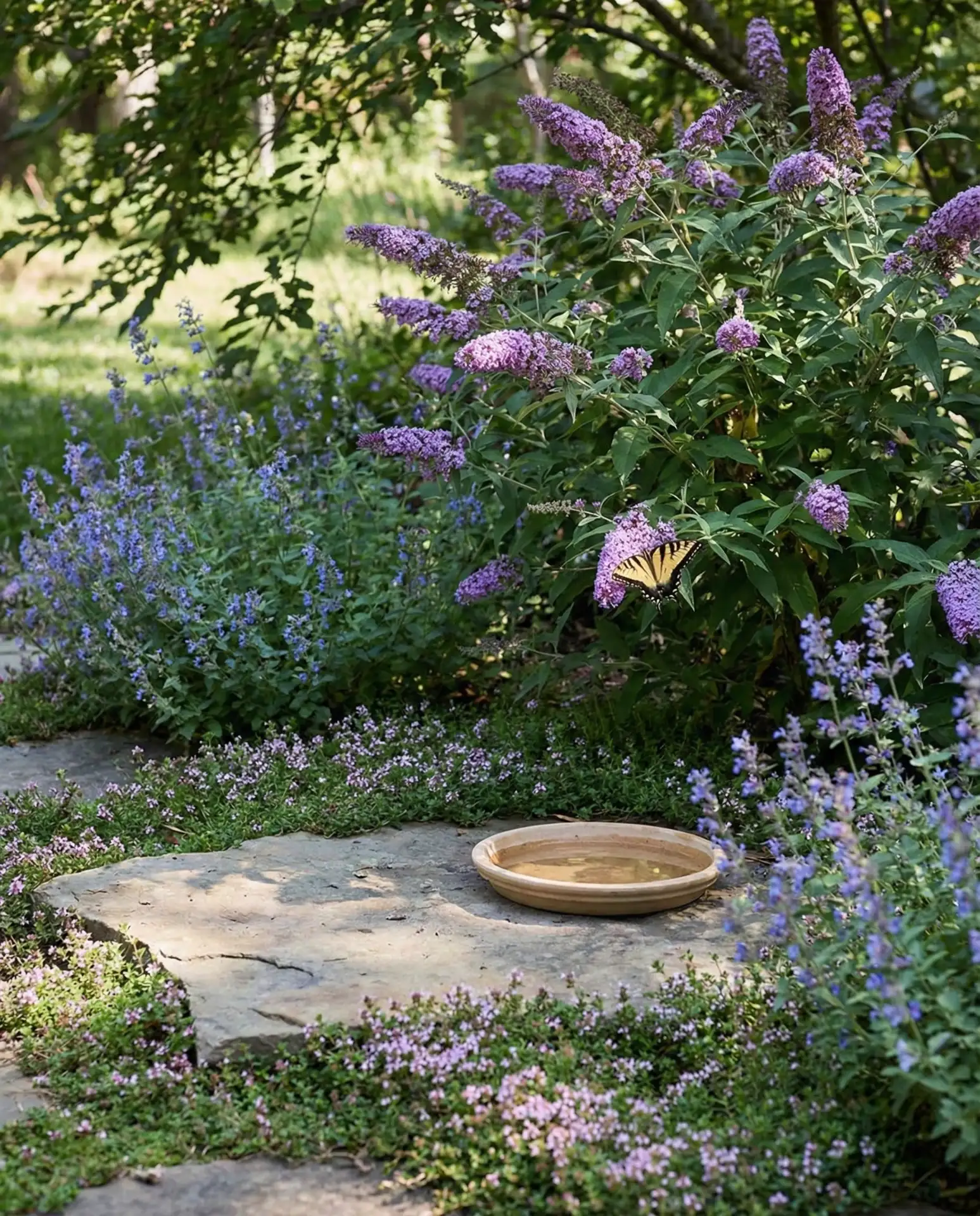
A neglected corner of your yard can transform into a charming butterfly nook with just a few well-chosen plants and a bit of creativity. Tuck in a compact butterfly bush, some catmint, and a low groundcover like creeping thyme. Add a flat stone for basking and a shallow dish of water with pebbles for drinking. This micro-habitat proves you don’t need a sprawling garden to make an impact—just a little intention and smart plant selection. 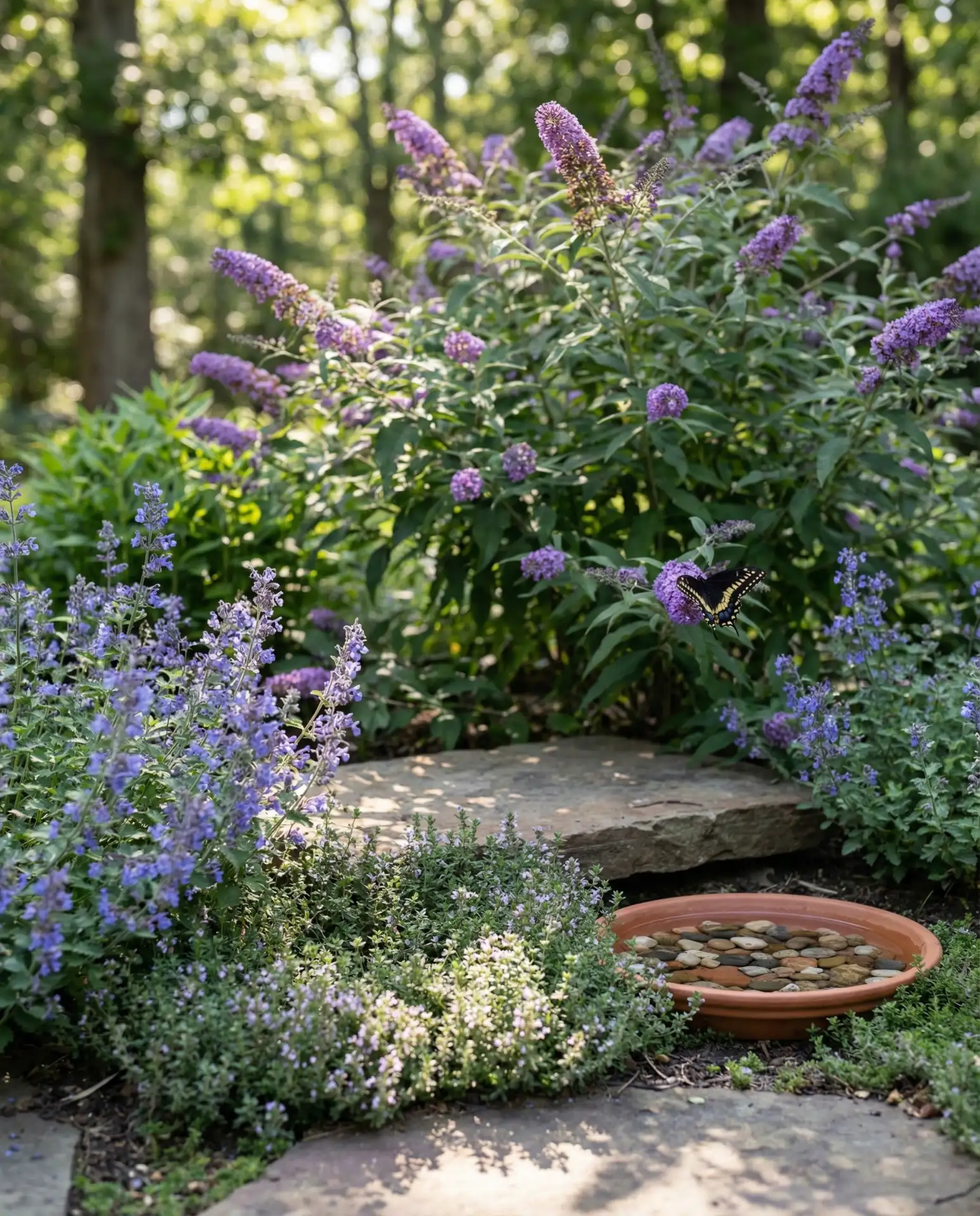
Where it works best: side yards, fence corners, or any awkward spot that doesn’t get much attention. The vertical dimension matters here—let a clematis or honeysuckle vine climb a trellis to add height and more nectar sources. This approach turns a problem area into a highlight, and because it’s small, maintenance is minimal. You can weed and water in under ten minutes, making it perfect for busy households.
9. Backyard Butterfly Meadow
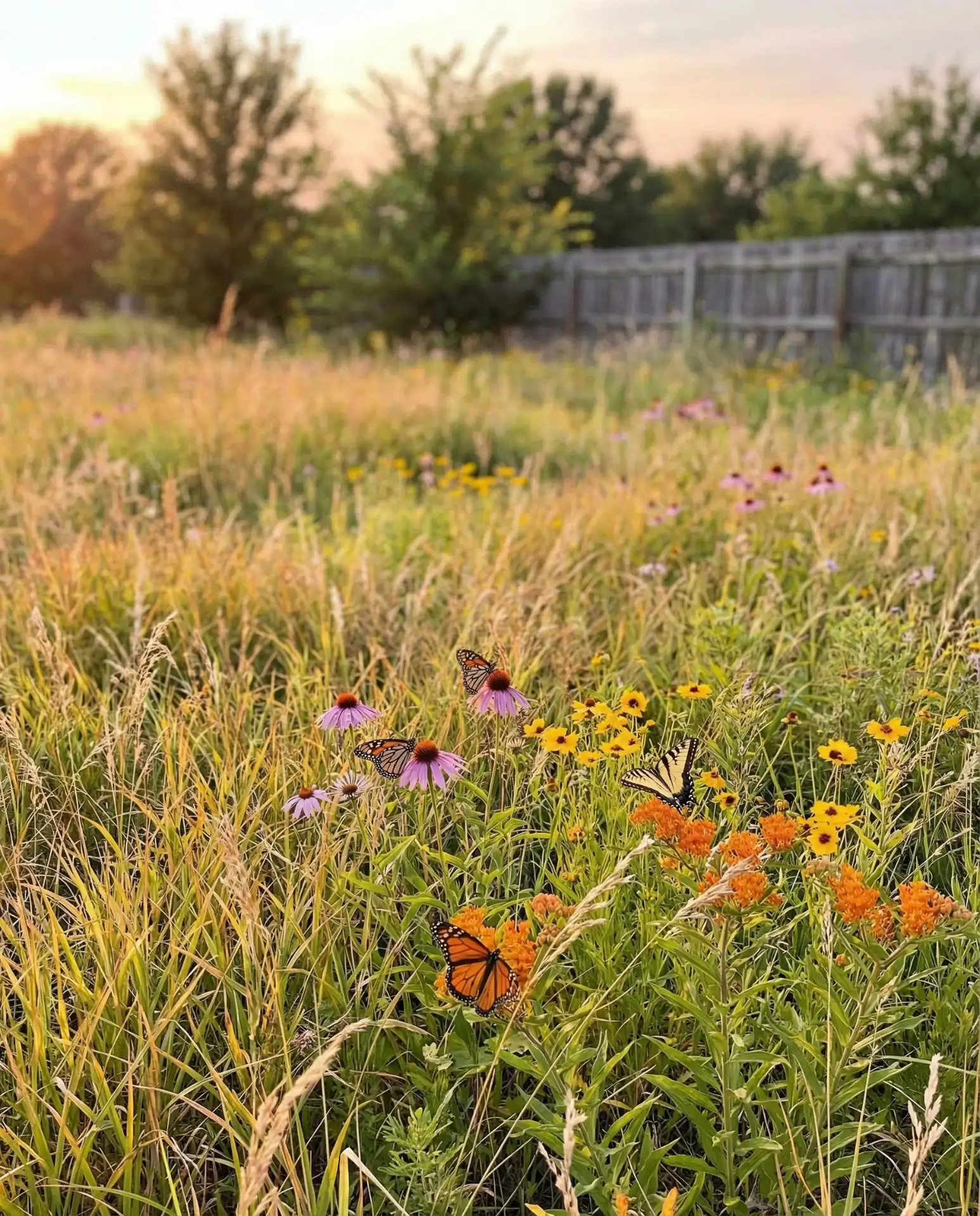
If you have a larger backyard , consider converting part of your lawn into a naturalistic butterfly meadow filled with wildflowers, native grasses, and flowers that attract a wide range of pollinators. This approach slashes mowing time, reduces water usage, and creates a biodiverse habitat that feels more like a prairie restoration than traditional landscaping. Seed mixes for butterfly meadows are widely available and often include regional natives that perform beautifully with minimal input. 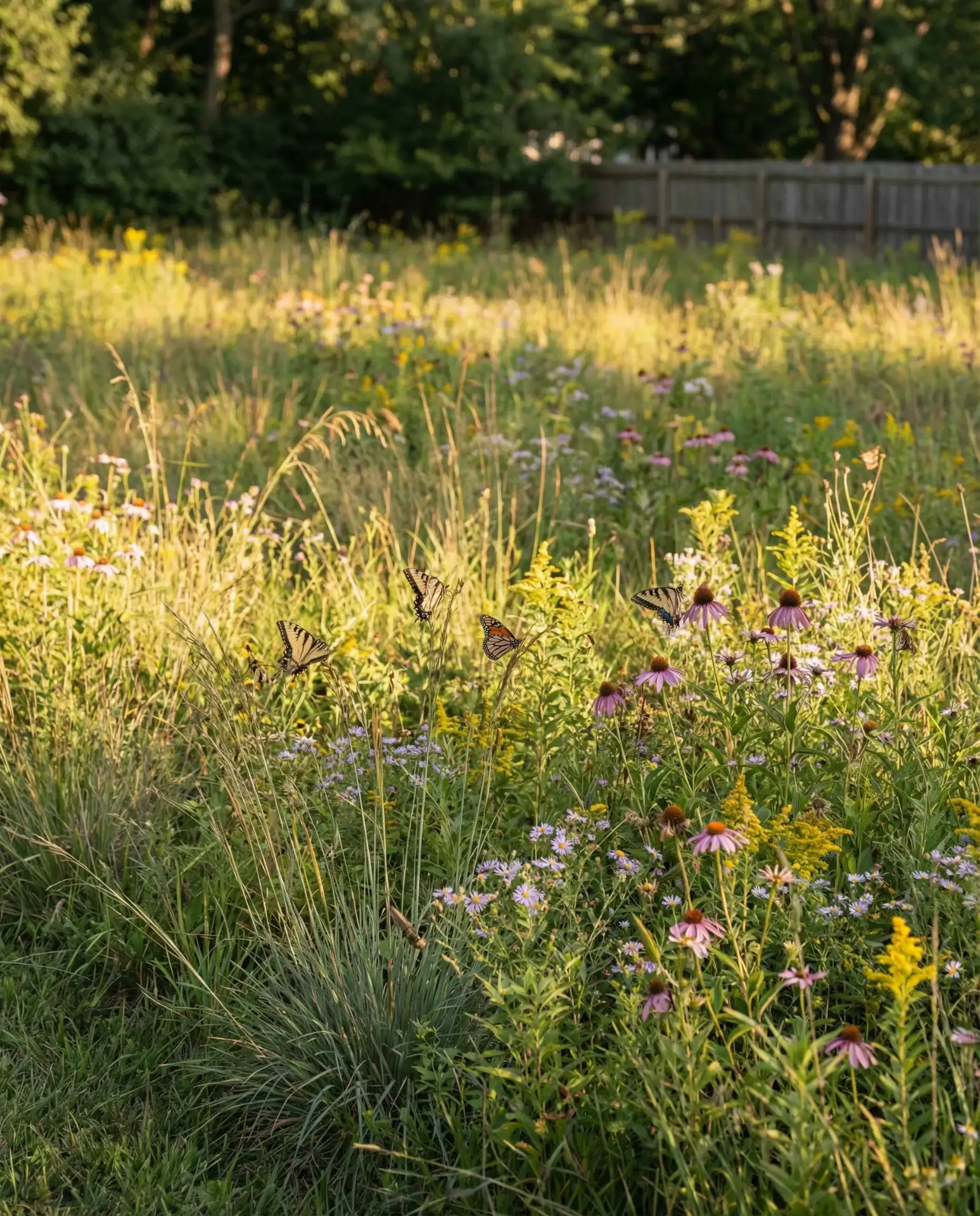
American lifestyle context: the lawn-to-meadow movement is gaining traction across the U.S. as homeowners rethink the environmental cost of maintaining turf. A meadow doesn’t look “messy” if you define its edges with a mowed border and keep pathways clear. The first year requires patience—many wildflowers bloom in year two—but once established, you’ll have a self-sustaining ecosystem that supports not just butterflies but birds, bees, and beneficial insects.
10. Hummingbird and Butterfly Combo Garden
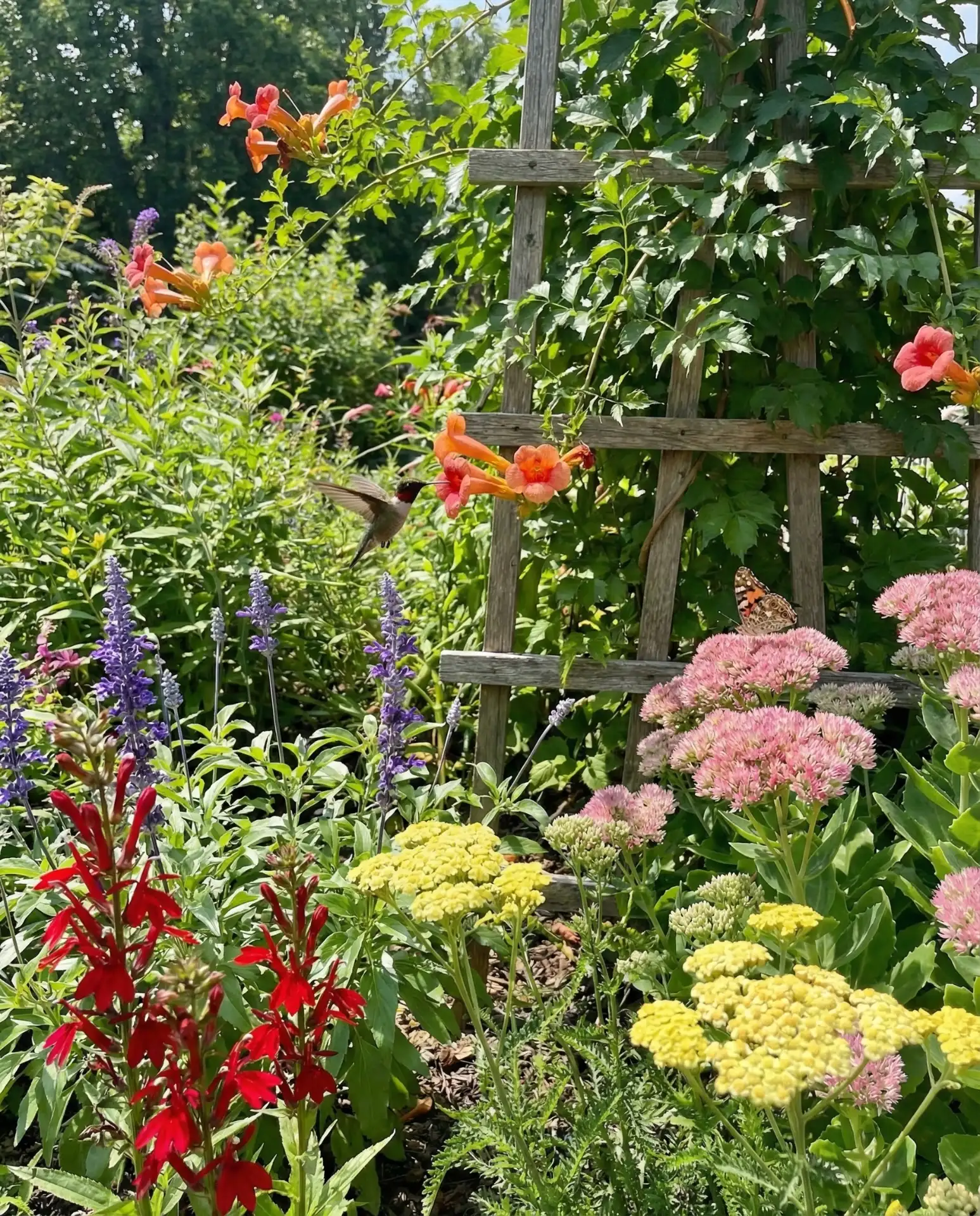
Why choose between butterflies and hummingbirds when you can have both? A hummingbird and butterfly garden layers tubular flowers like cardinal flower, trumpet vine, and salvia with flat-topped blooms like yarrow and sedum. The result is a pollinator paradise that buzzes and flutters with activity all day long. This design works especially well in regions where both groups are common summer visitors, roughly from May through September. 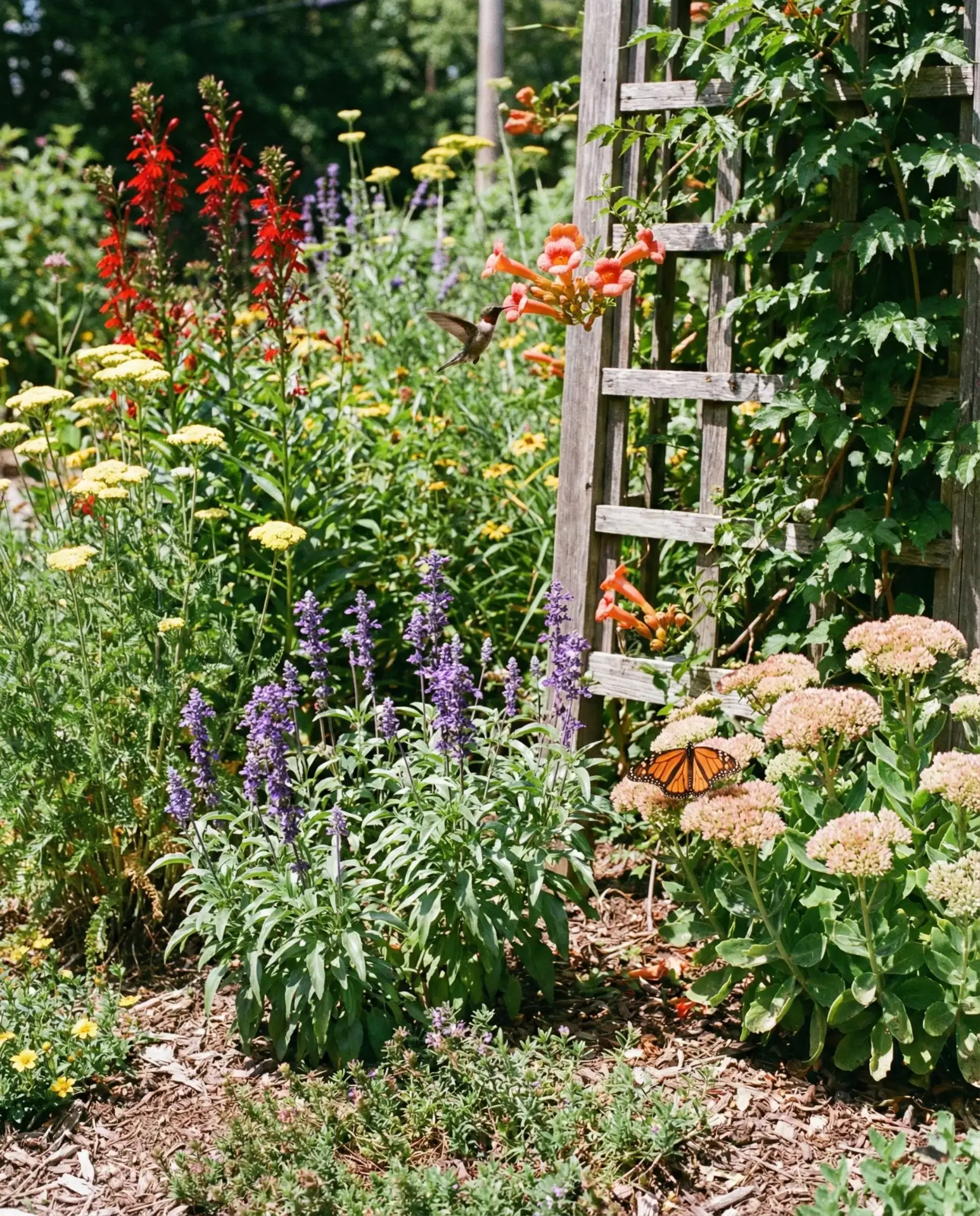
Practical insight: hummingbirds prefer red and orange tubular flowers, while butterflies favor flat landing pads in purples, pinks, and yellows. By mixing both forms, you maximize your garden’s appeal and create continuous motion and color. Hang a hummingbird feeder nearby to bring them in close, then let the plants do the rest. Water features—even a simple bubbler—add another dimension, attracting birds for bathing and butterflies for puddling.
11. Potted Butterfly Garden on Wheels
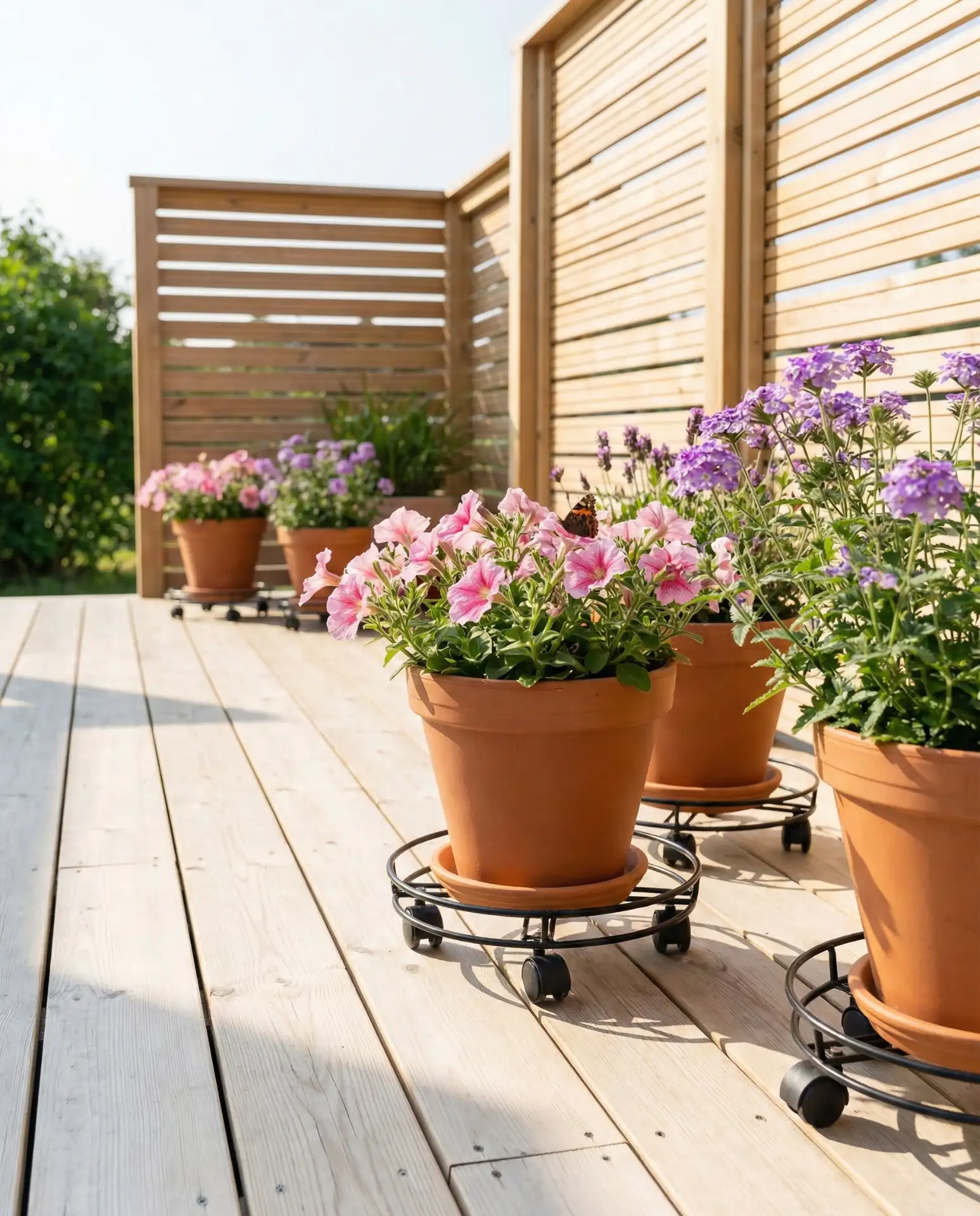
A potted butterfly garden set on wheeled plant caddies gives you the flexibility to chase the sun or rearrange your space on a whim. This is ideal for renters, condo owners, or anyone who likes to refresh their patio layout seasonally. Choose a mix of annuals and perennials in coordinating containers, and you can create a cohesive look that’s as mobile as it is beautiful. The wheels make it easy to move plants under cover during storms or into a garage before the first frost. 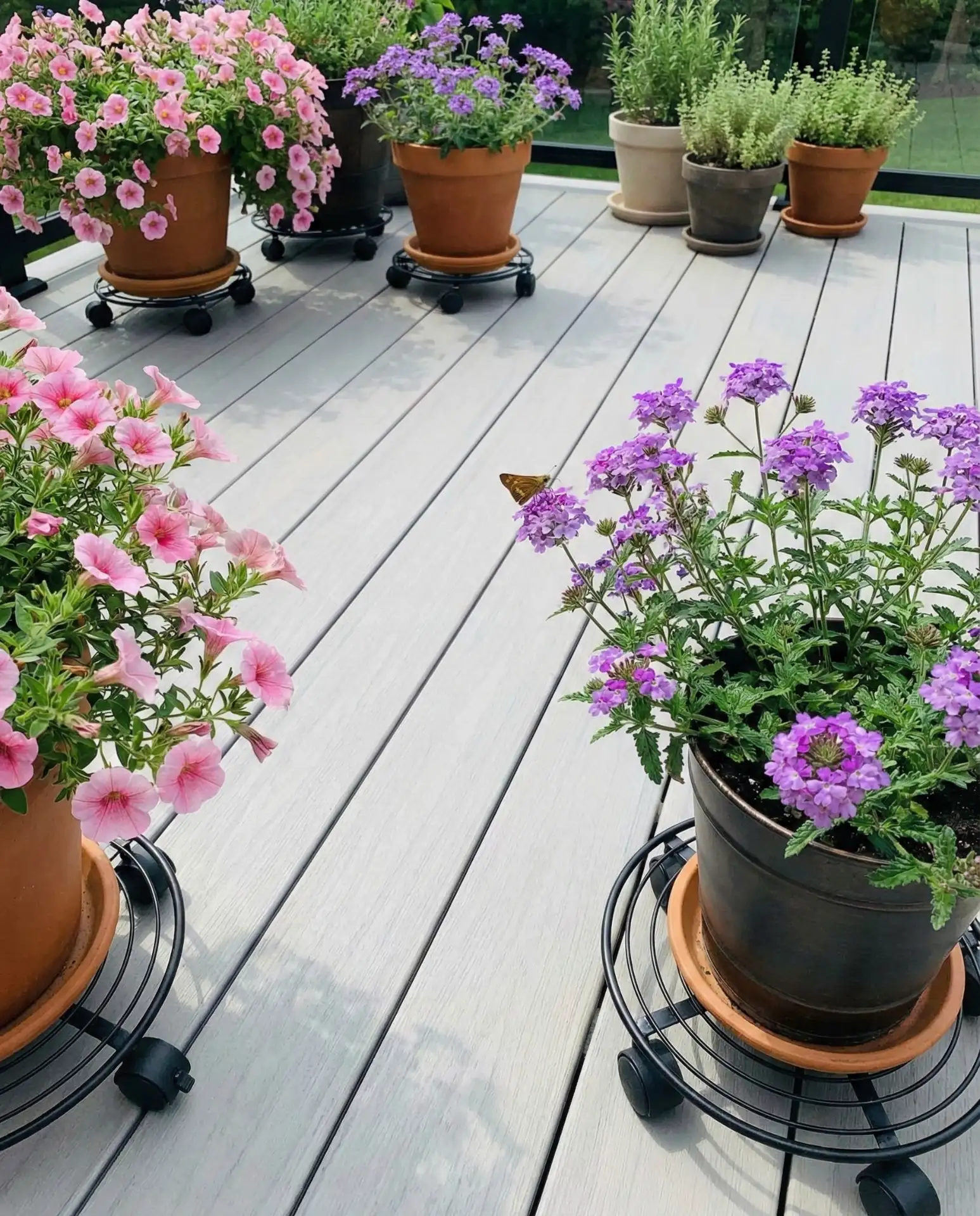
Budget angle: plant caddies cost around $10 each, and you can often find them at big-box stores or online. Pair them with inexpensive plastic or resin pots (which are lighter than ceramic), and you’ve got a setup that’s both affordable and easy to manage. This approach is particularly smart for small spaces where every square foot counts, and the ability to reconfigure your garden keeps things fresh without a total overhaul.
12. Bee and Butterfly Synergy Garden
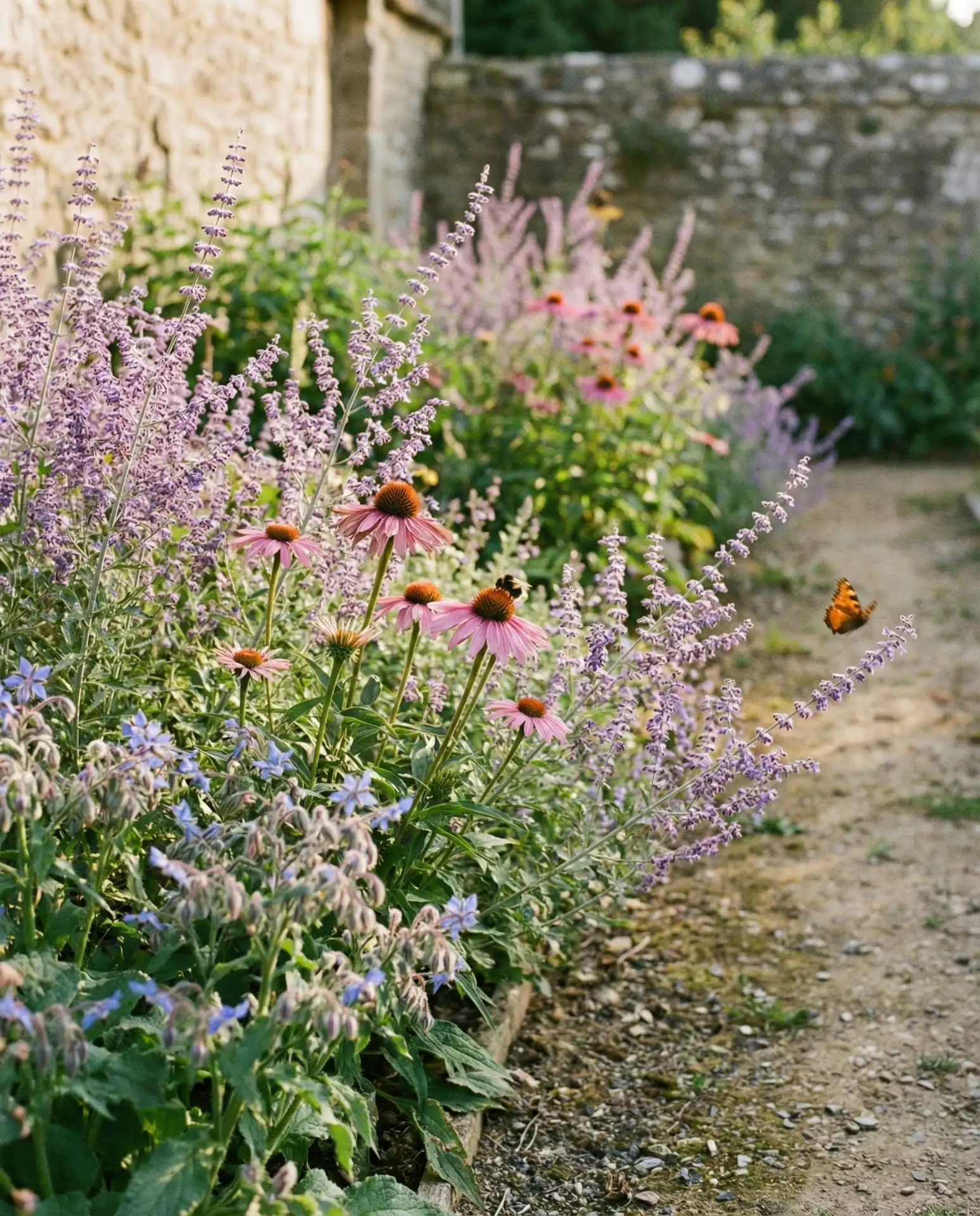
A bee and butterfly garden recognizes that these pollinators often thrive on the same plants, so why not design for both? Include heavy hitters like Russian sage, echinacea, and borage, which provide abundant nectar and pollen. This type of garden is a pollinator powerhouse, supporting native bees, honeybees, and a rotating cast of butterfly species. It’s a win-win for biodiversity and your blooms, which benefit from thorough pollination. 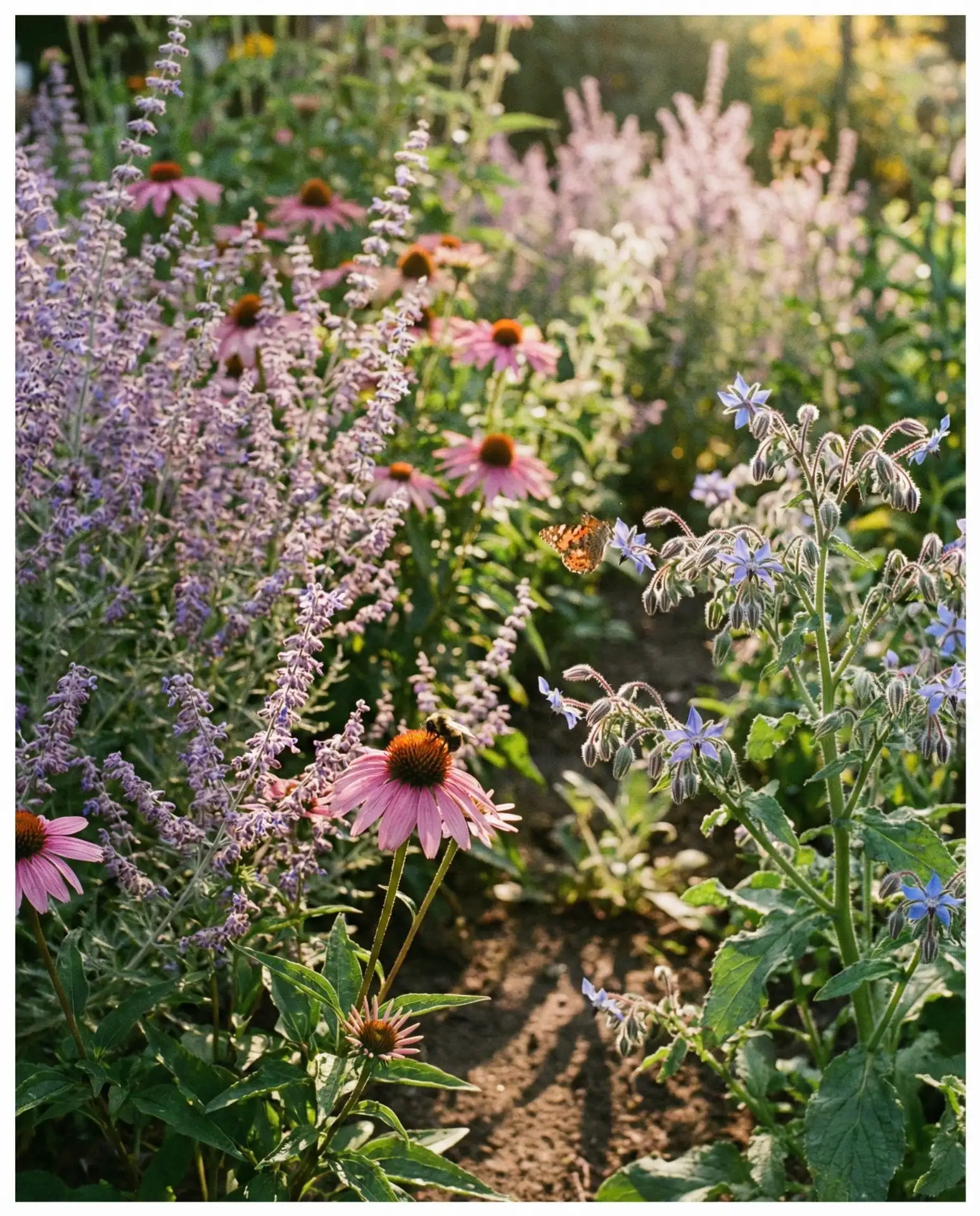
Real homeowner behavior: many gardeners report that once they plant for pollinators, they notice an increase in fruit and vegetable yields in their edible gardens nearby. The reason is simple—better pollination equals better harvests. Leave some bare soil patches for ground-nesting bees, and avoid mulching every square inch. A little messiness is actually beneficial, providing habitat for a broader range of beneficial insects that keep pests in check naturally.
13. Landscaping Yards with Butterfly Zones
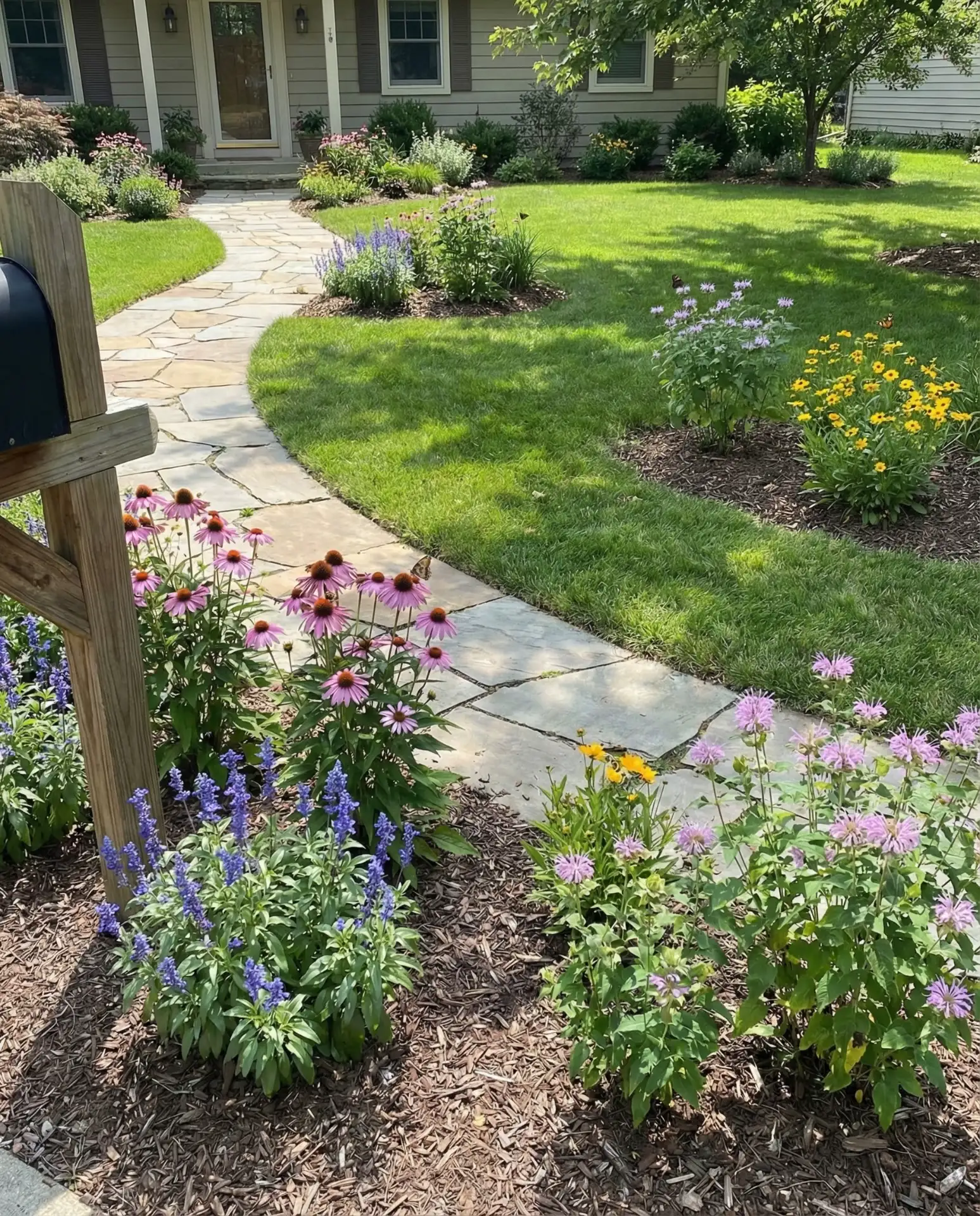
Incorporate butterfly-friendly plantings directly into your landscaping yards design by creating dedicated “zones” throughout the property. Instead of a single butterfly garden, scatter smaller pockets near the front walkway, along the driveway, and in side beds. This distributed approach ensures butterflies encounter nectar sources no matter where they land, and it integrates seamlessly with your overall landscape aesthetic. It’s a sophisticated, whole-property strategy that elevates curb appeal while supporting pollinators. 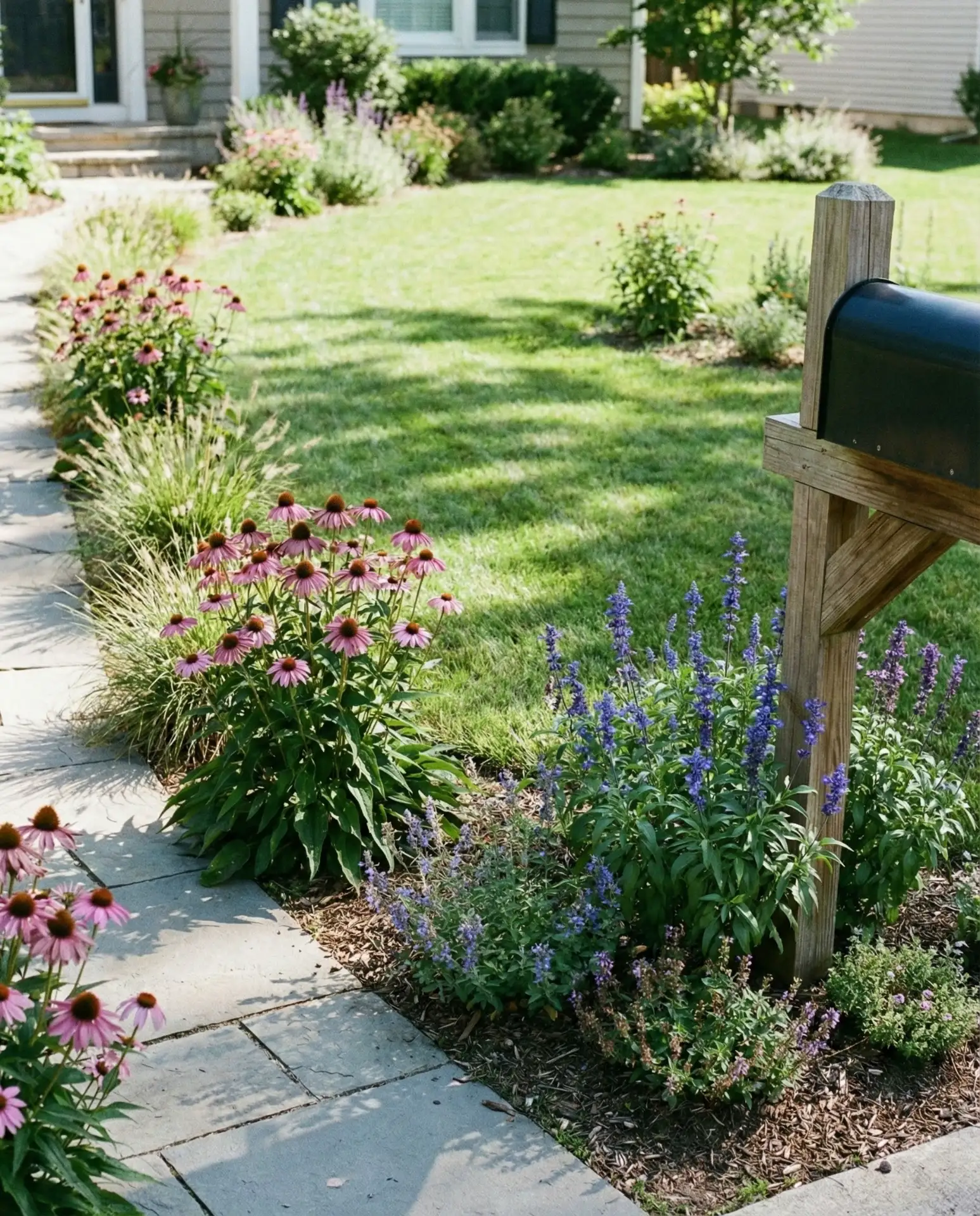
Where it works best: suburban and rural properties with multiple planting beds. The key is repetition—use the same few plants in each zone to create visual cohesion and make the design feel intentional rather than random. This also simplifies maintenance, since you’re learning the care requirements of just a handful of species. The result is a yard that looks professionally landscaped and functions as a pollinator corridor, linking your property to the broader ecosystem.
14. Bird and Butterfly Habitat Overlap
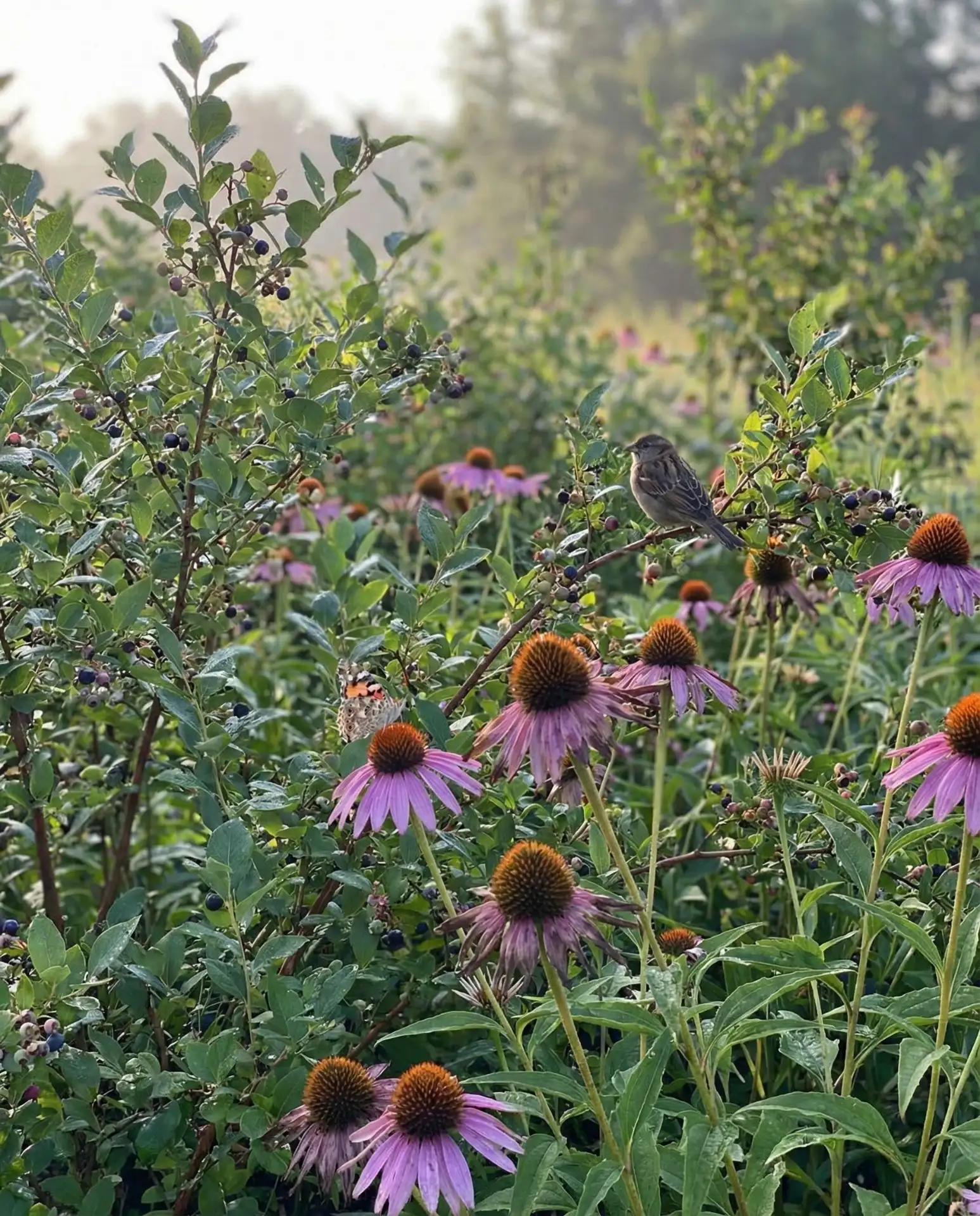
Design a garden that serves both bird and butterfly needs by including berry-producing shrubs, seed heads, and dense plantings for cover. Native viburnums, serviceberries, and coneflowers (left to go to seed) attract songbirds while also providing nectar for butterflies earlier in the season. This layered approach creates a year-round habitat that buzzes in summer and chirps in winter, offering continuous interest and ecological value. It’s the ultimate multi-functional garden. 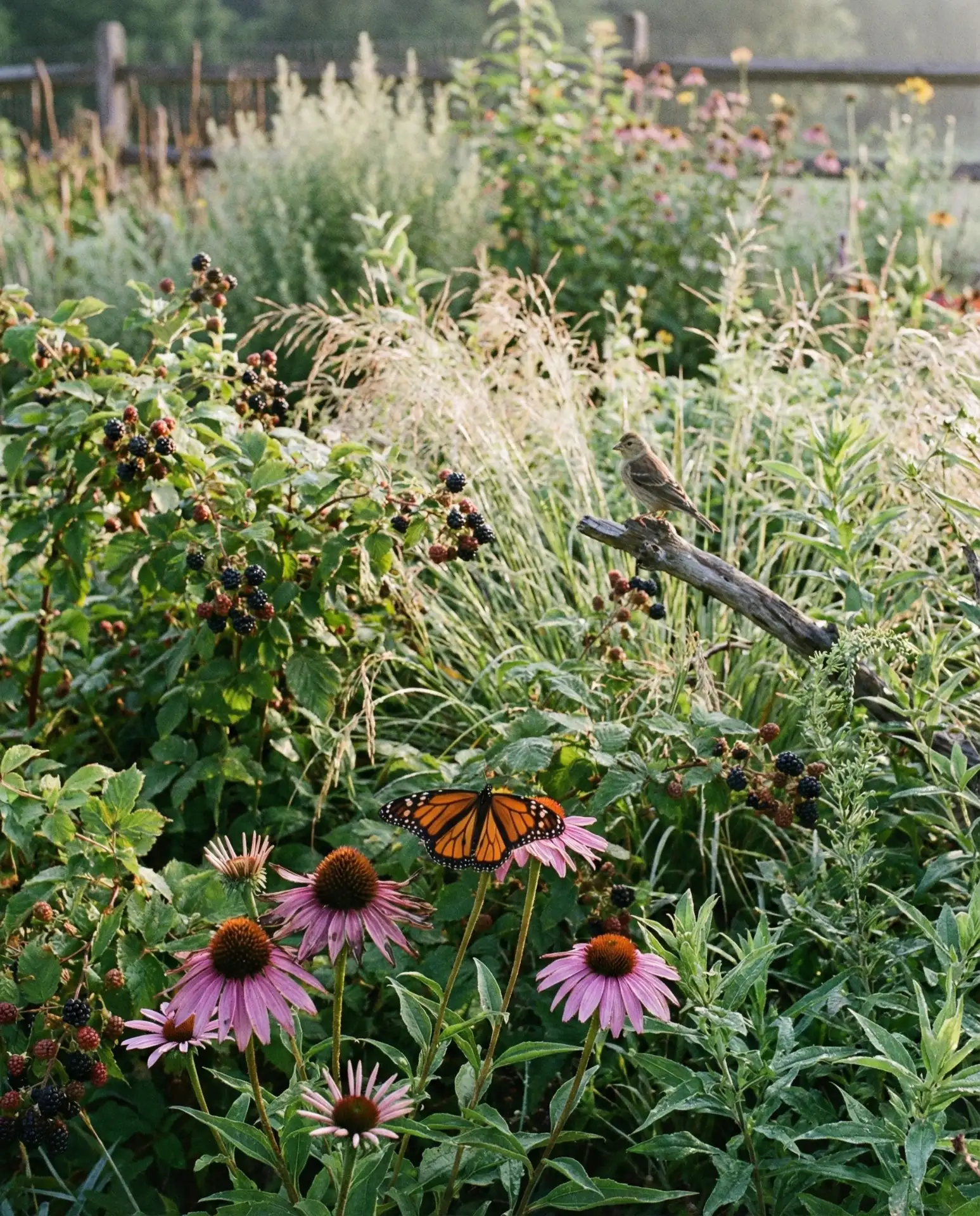
Expert-style commentary: ornithologists and entomologists both recommend leaving some garden “messiness”—fallen leaves, standing stems—through winter. These provide overwintering sites for butterfly chrysalises and cover for ground-feeding birds. The garden doesn’t need to look unkempt; a tidy edge and cleared pathways maintain the sense of order while the interior stays wild. This balance respects both aesthetics and ecology, proving you don’t have to choose between a beautiful garden and a functional habitat.
15. Landscaping Outdoor Butterfly Focal Point

Make your landscaping outdoor design pop by turning your butterfly garden into a true focal point. Anchor it with a decorative element—a trellis, an arbor draped in passionflower, or a large ceramic urn surrounded by nectar plants. This draws the eye and signals to visitors (and butterflies) that this is a special, intentional space. The surrounding plantings can be more utilitarian, but this central feature becomes the star of your yard. 
American lifestyle context: outdoor living spaces are central to how Americans use their yards, and a butterfly focal point adds a dynamic, living element to patios and seating areas. Position it where you can enjoy it from your deck or kitchen window, and you’ll find yourself pausing throughout the day to watch the activity. This design move transforms a functional pollinator garden into a genuine piece of garden art, blending beauty and purpose seamlessly.
16. Drawing and Sketching Your Butterfly Garden Plan
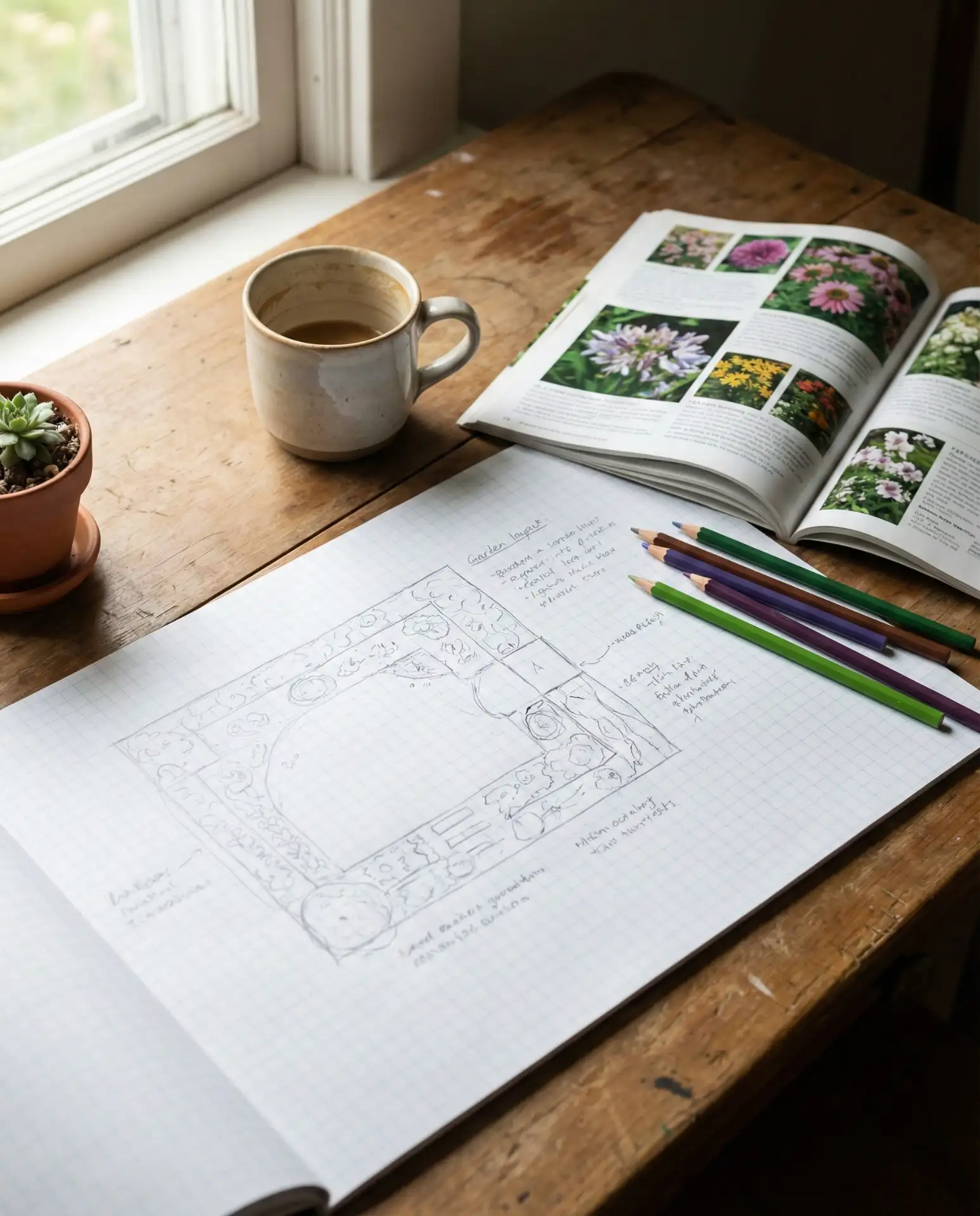
Before you plant a single seed, spend an afternoon drawing your butterfly garden plan on graph paper or a digital app. Map out sun exposure, water sources, and existing hardscape, then sketch in plant groupings with attention to bloom times and heights. This exercise forces you to think through the details and avoid common pitfalls like overcrowding or poor color combinations. It’s also a fun, creative process that builds anticipation and ensures your garden performs as envisioned. 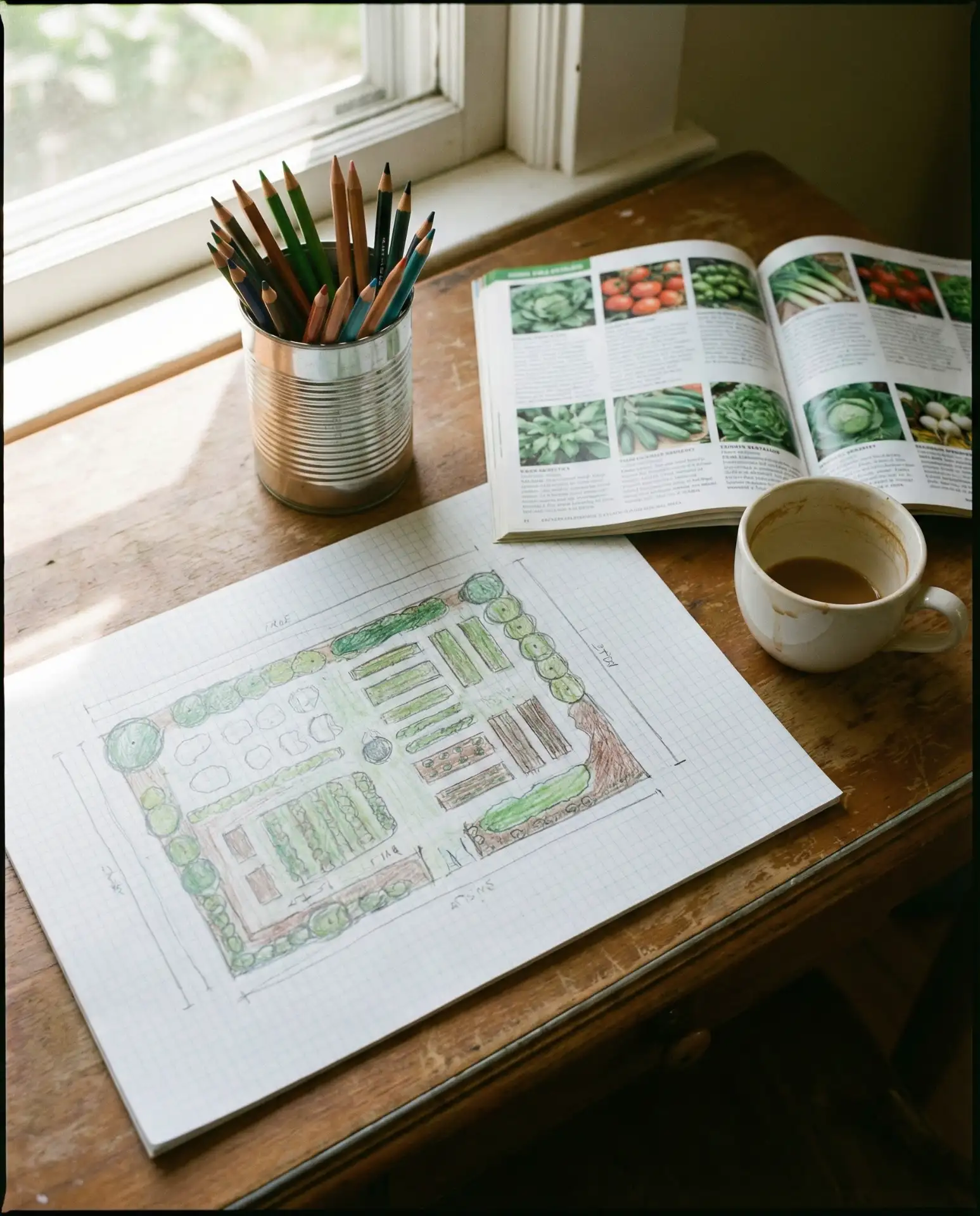
Practical insight: use colored pencils to represent different plant types—reds for salvias, purples for coneflowers, yellows for sunflowers. This visual coding helps you see at a glance if your palette is balanced or if you’re overloading one color. Include notes about each plant’s water and sun needs so you’re not guessing later. Once your plan is complete, take a photo and keep it on your phone for reference at the nursery—it’ll keep you focused and prevent impulse buys that don’t fit your design.
17. Animal Crossing-Inspired Garden IRL
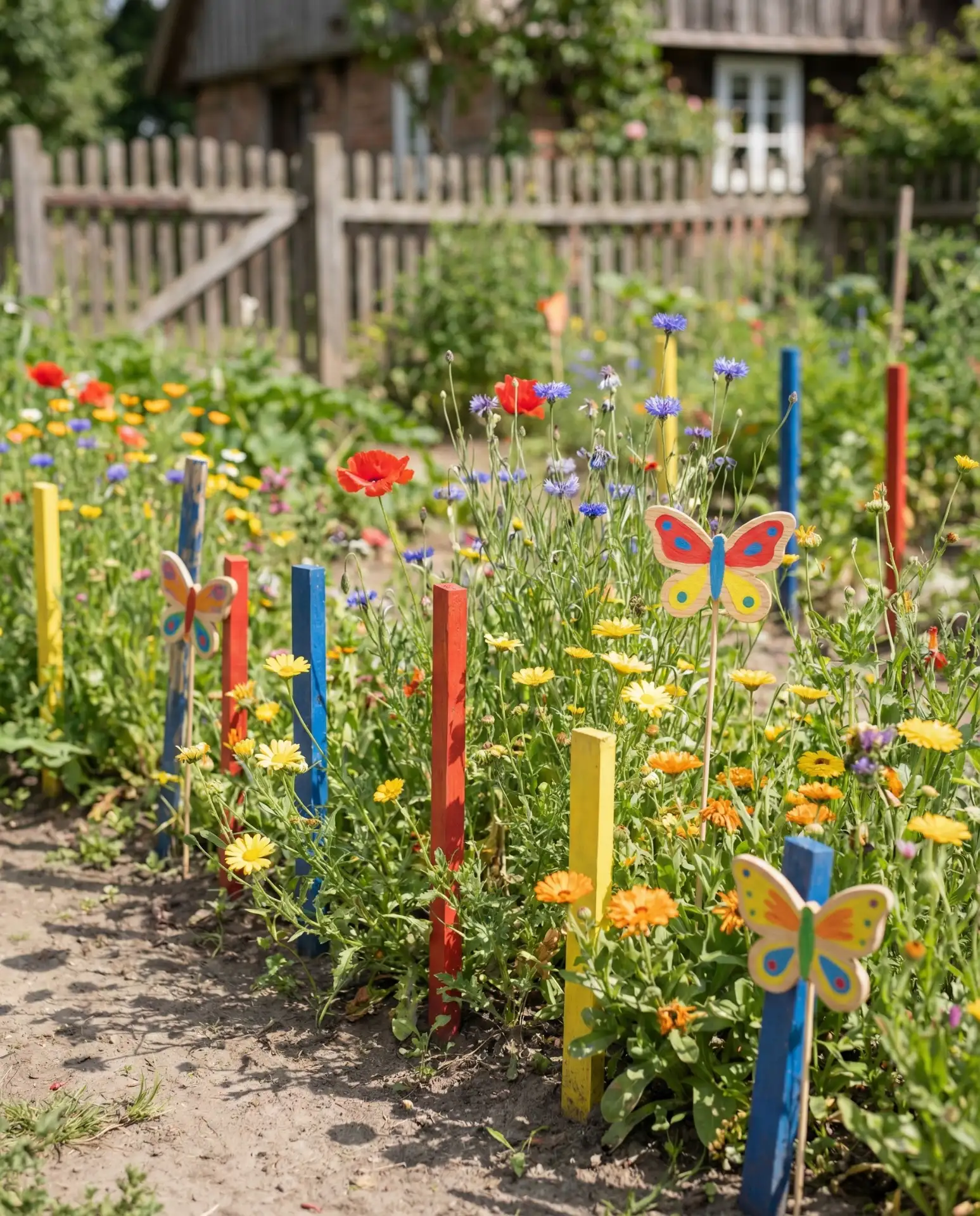
Fans of Animal Crossing ( ACNH ) can bring their in-game gardening skills into the real world by creating a butterfly garden inspired by the game’s whimsical aesthetic. Think cheerful, informal plantings with a mix of wildflowers, DIY garden stakes, and maybe even a custom-painted butterfly cutout tucked among the blooms. This is a playful, personal approach that appeals especially to younger gardeners or anyone who wants their outdoor space to reflect their hobbies and personality. 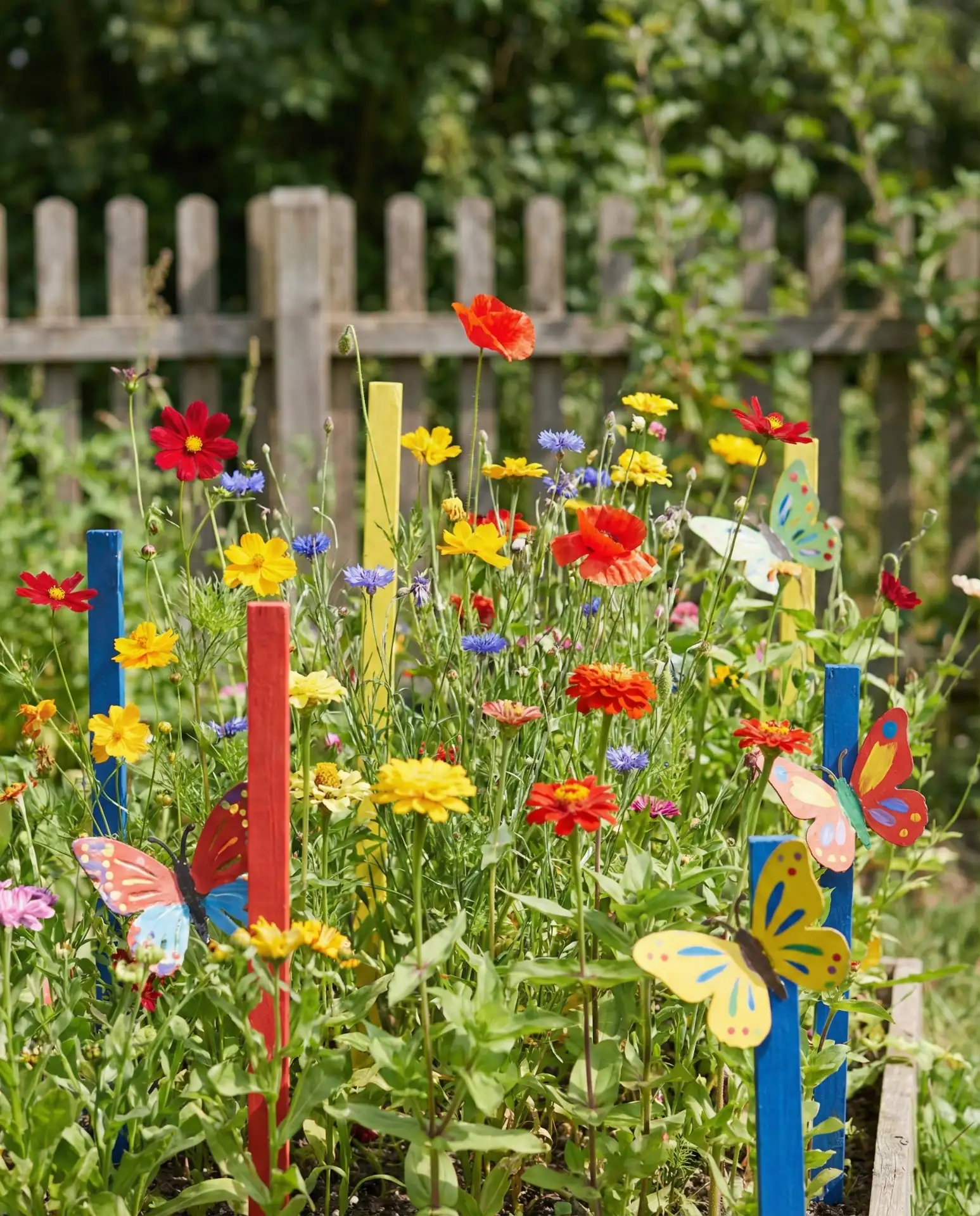
Micro anecdote: A friend of mine designed her entire backyard around her ACNH island layout, complete with a “museum corner” featuring pollinator plants. She says the game taught her plant names and gave her confidence to experiment, and now her real garden rivals anything she built on screen. The lesson is that inspiration can come from anywhere, even a video game, and translating digital creativity into a living garden is deeply satisfying.
18. Full Sun Powerhouse Butterfly Bed
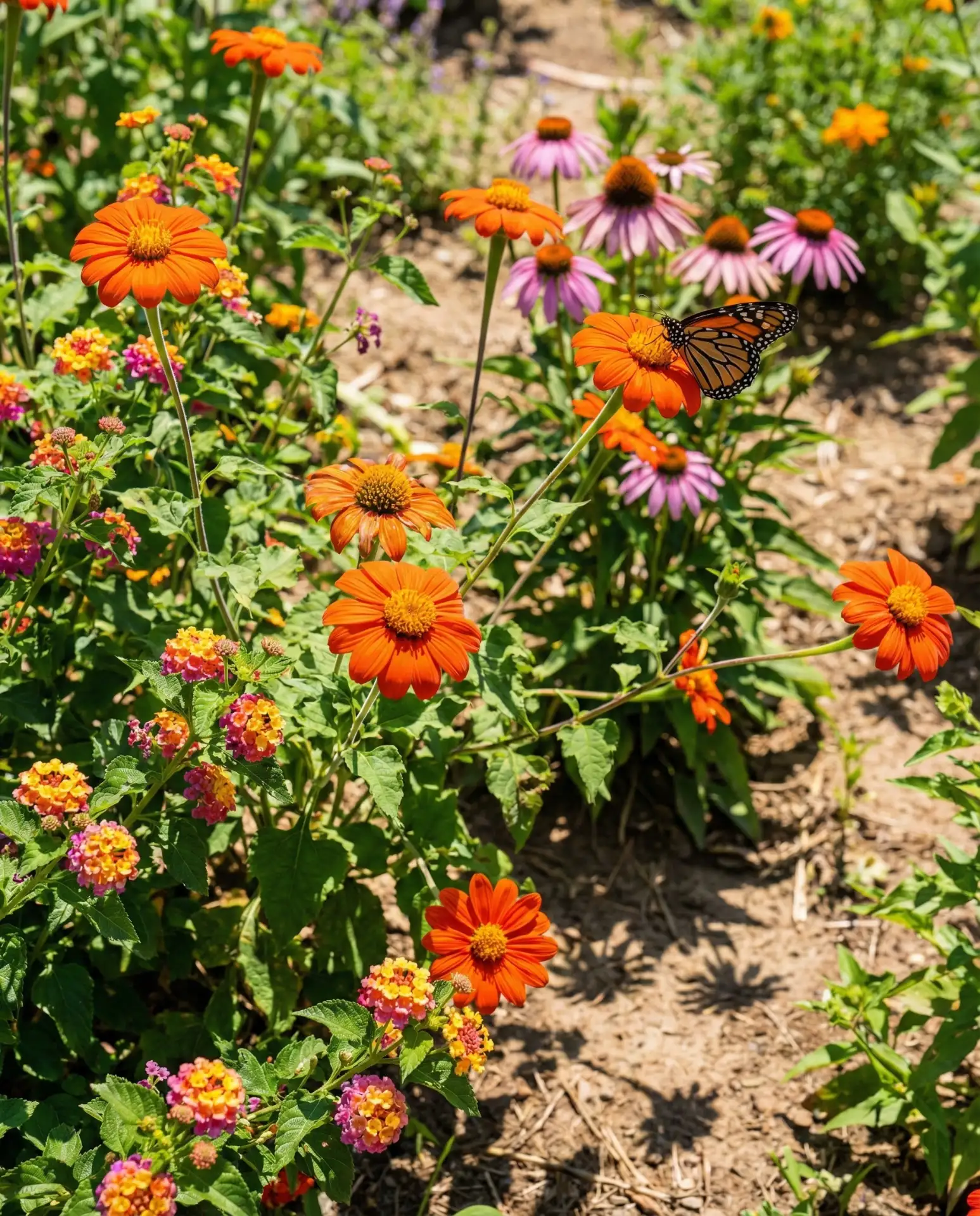
A full sun butterfly bed should be stocked with heat-loving, drought-tolerant plants that laugh in the face of summer intensity. Mexican sunflower, lantana, and purple coneflower are all champions in these conditions, blooming profusely and attracting butterflies by the dozens. This type of garden is perfect for south-facing beds or open areas with no shade, where most plants would struggle but butterfly favorites thrive. The secret is choosing species that evolved in prairies and meadows, where sun and heat are constants. 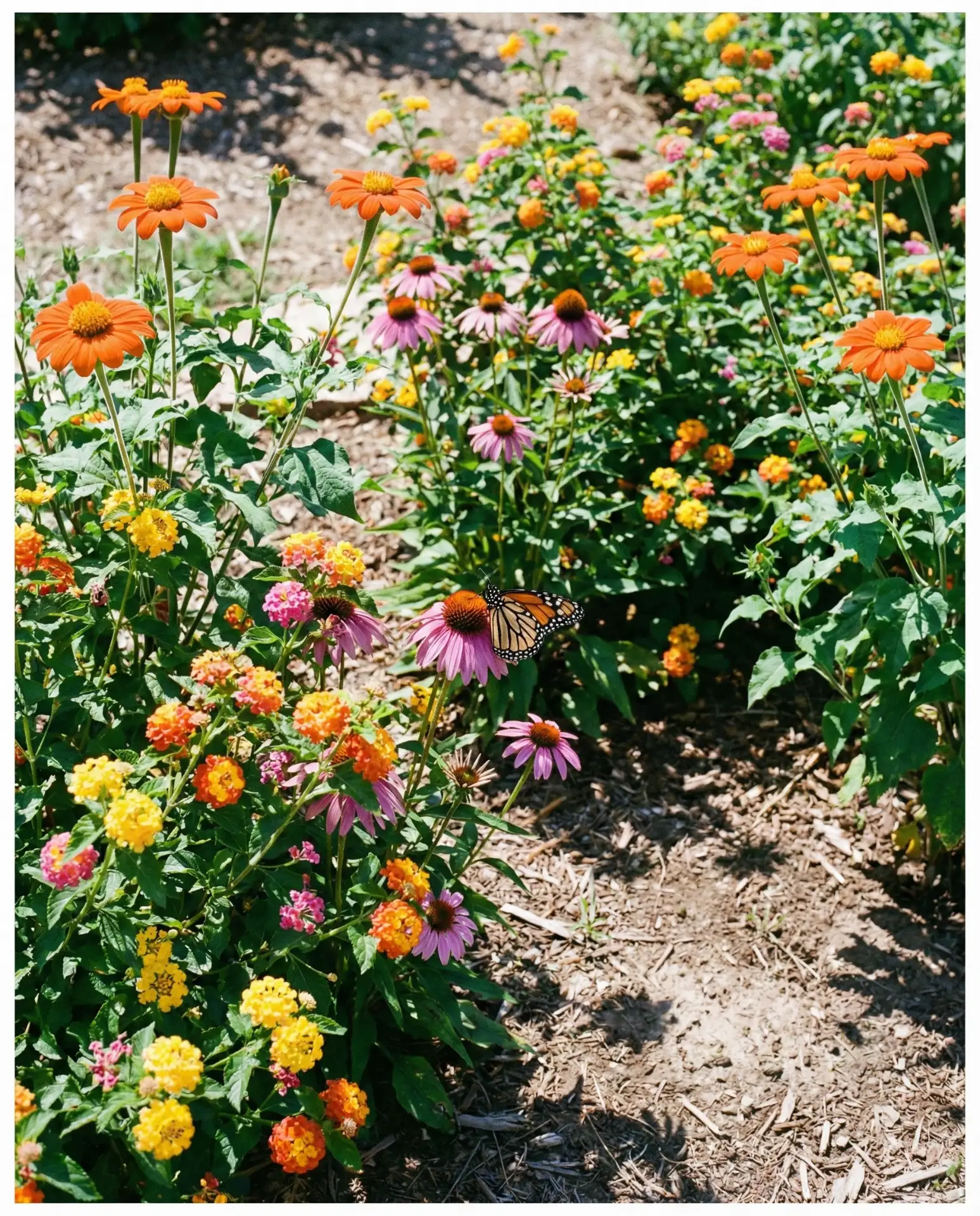
Common mistakes and how to avoid them: gardeners often baby full-sun plants with too much water, which can lead to root rot and weak growth. Instead, water deeply but infrequently—once a week is usually sufficient after the first month. Mulch heavily to keep roots cool and conserve moisture, and resist the urge to fertilize heavily, as these tough plants prefer lean soil. The result is a low-maintenance bed that delivers maximum butterfly activity with minimal fuss.
19. Zone 9 Year-Round Butterfly Haven
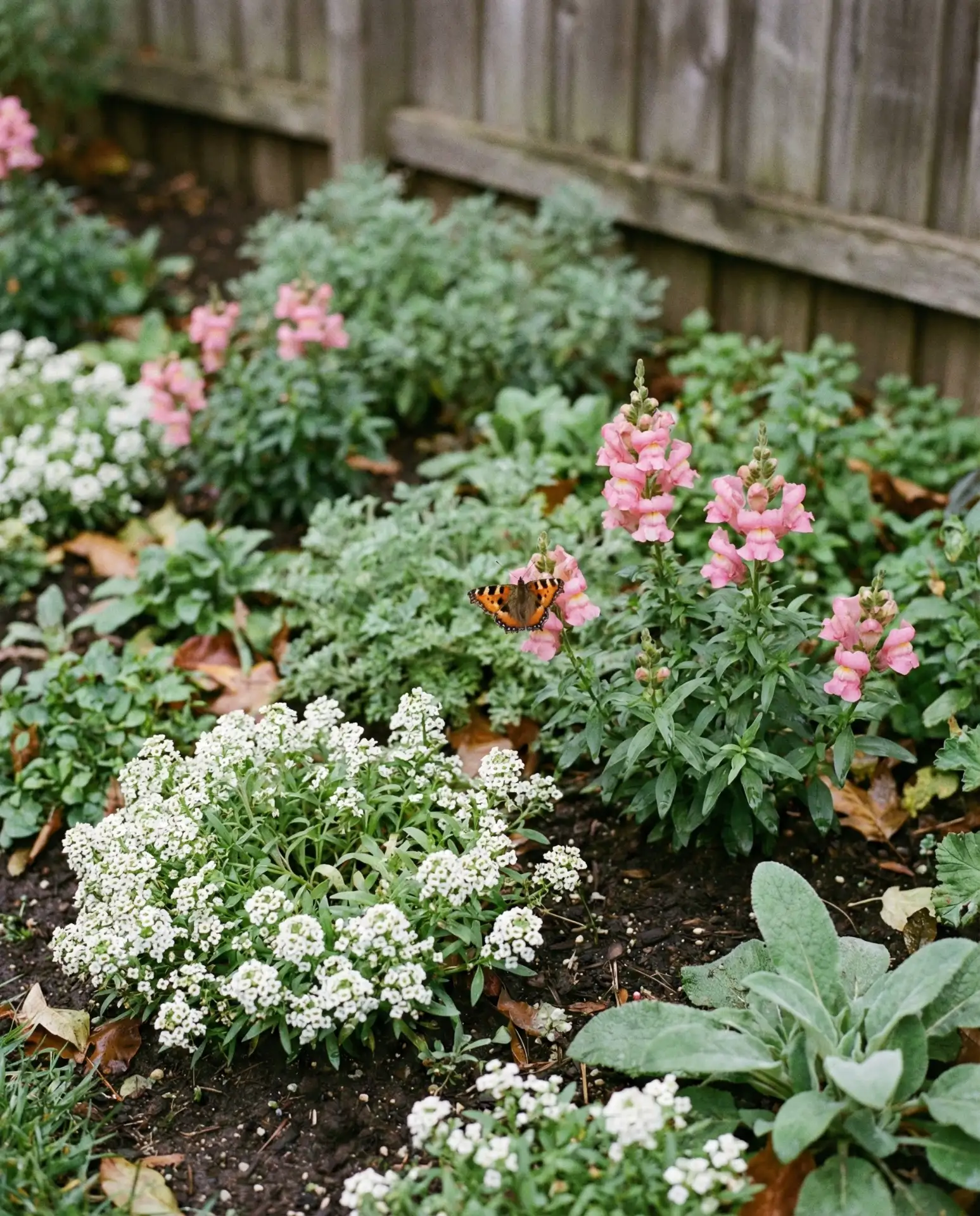
In zone 9 , winters are mild enough to keep some butterflies active year-round, so design your garden to provide nectar in every season. Include winter bloomers like alyssum and snapdragons, spring favorites like dianthus, and the usual summer suspects. This staggered bloom calendar means you’ll always have something flowering, and you’ll support resident butterfly populations that don’t migrate. It’s a sophisticated approach that recognizes the unique climate advantages of warmer zones. 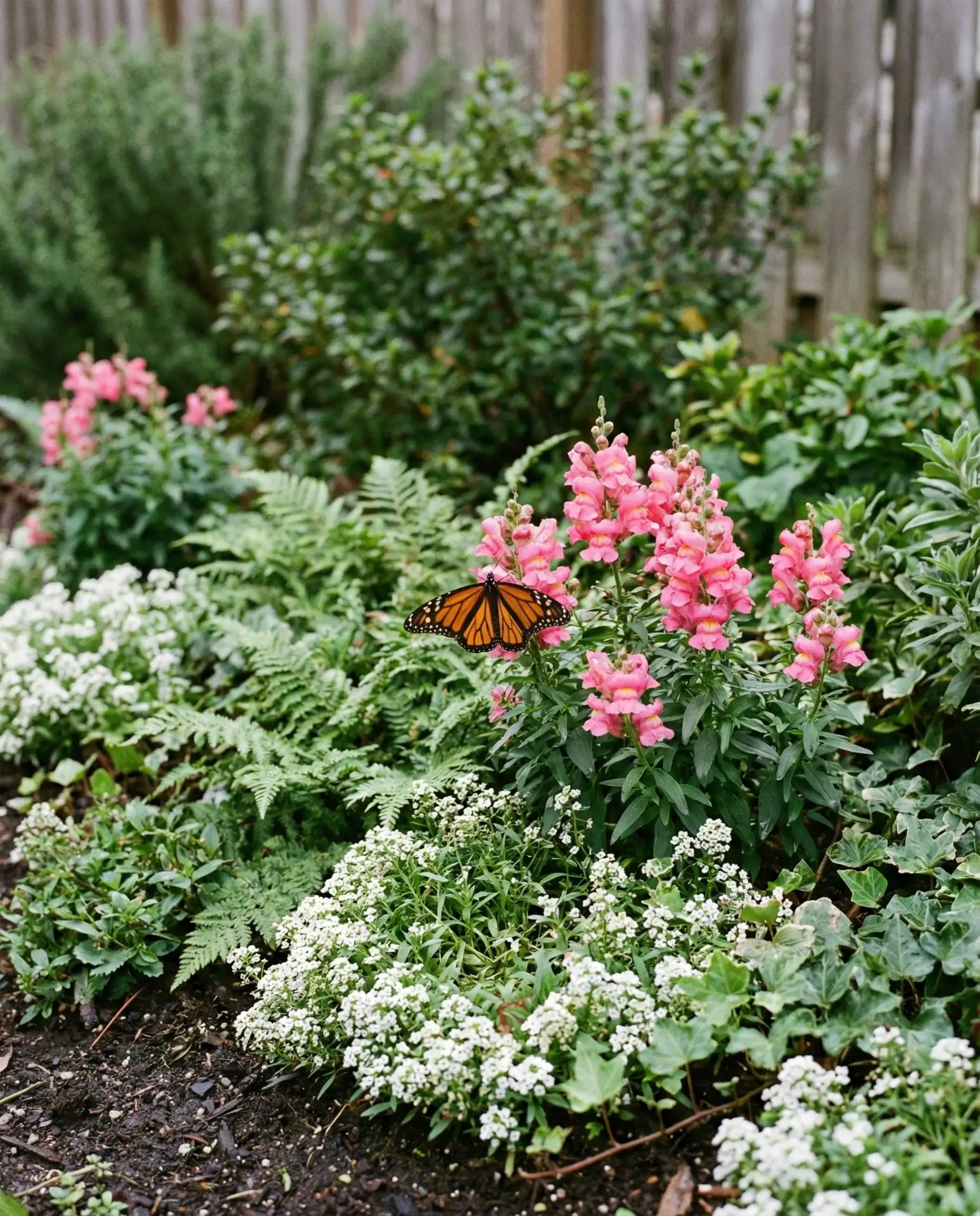
Regional context: in places like coastal California, the Gulf Coast, and parts of Arizona and Texas, zone 9 gardeners enjoy a unique opportunity to garden for butterflies twelve months a year. The trick is choosing plants that tolerate occasional light frosts and bloom during cooler months. Rotate annuals seasonally to keep color and nectar flowing, and you’ll create a garden that never sleeps, supporting pollinators even when northern gardens are buried in snow.
20. Kids’ Hands-On Butterfly Discovery Garden
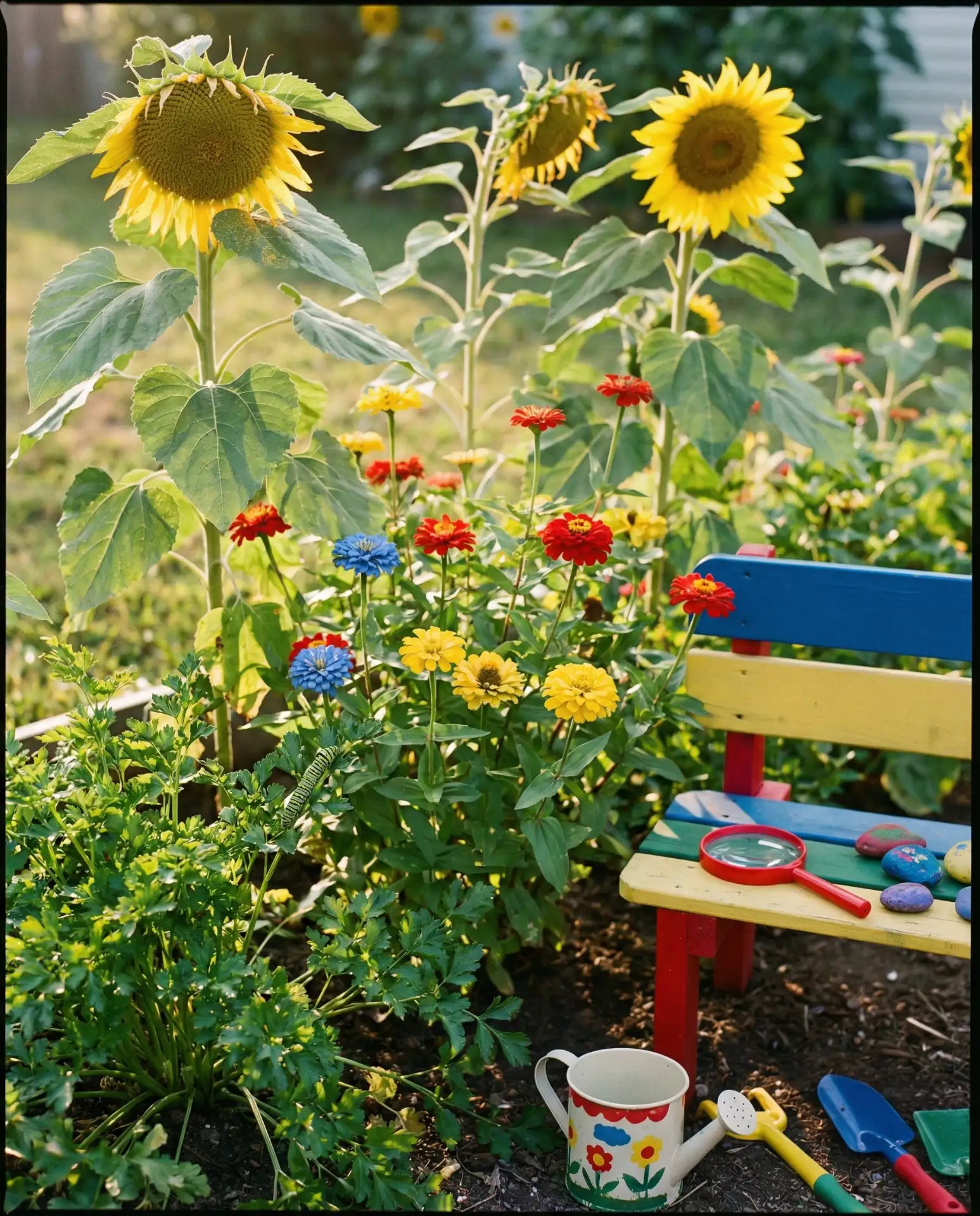
A kids butterfly garden should prioritize fast-growing, foolproof plants that deliver quick results and hands-on learning opportunities. Sunflowers, zinnias, and parsley (for swallowtail caterpillars) are perfect choices, and you can add a simple observation log where children record butterfly sightings and life cycle stages. This type of garden turns science into play, fostering curiosity and environmental awareness in a way that feels like an adventure rather than a lesson. 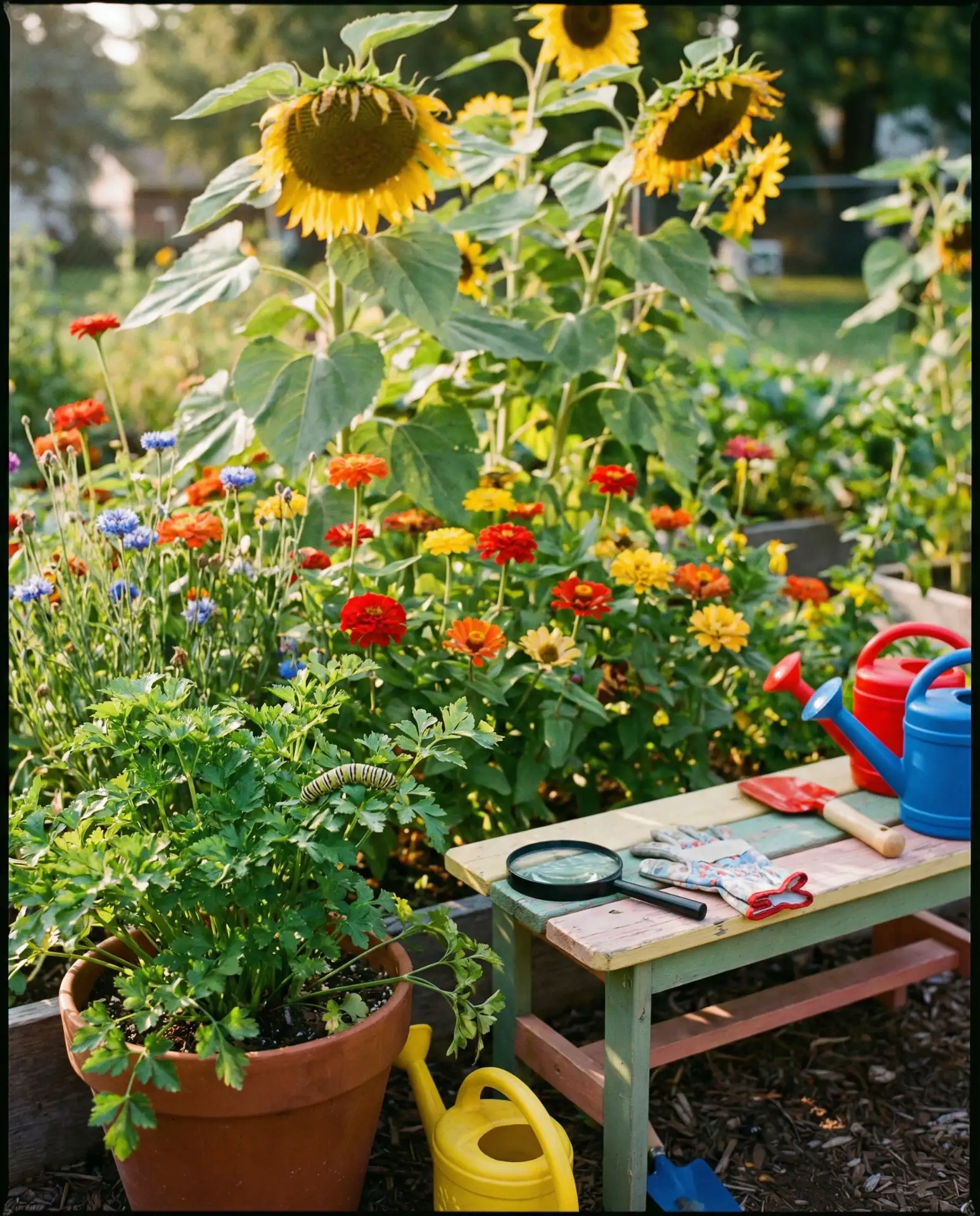
Real homeowner behavior: parents often start these gardens in spring and let kids take ownership, watering and weeding with supervision. The best part is watching the “aha” moments when a child sees a caterpillar munching on parsley or a butterfly emerging from its chrysalis. Keep expectations realistic—not every caterpillar will survive—but the lessons in nature’s cycles are invaluable. Provide child-sized tools and aprons to make it feel official, and you’ll have budding gardeners for life.
21. Perennial Pollinator Investment Garden
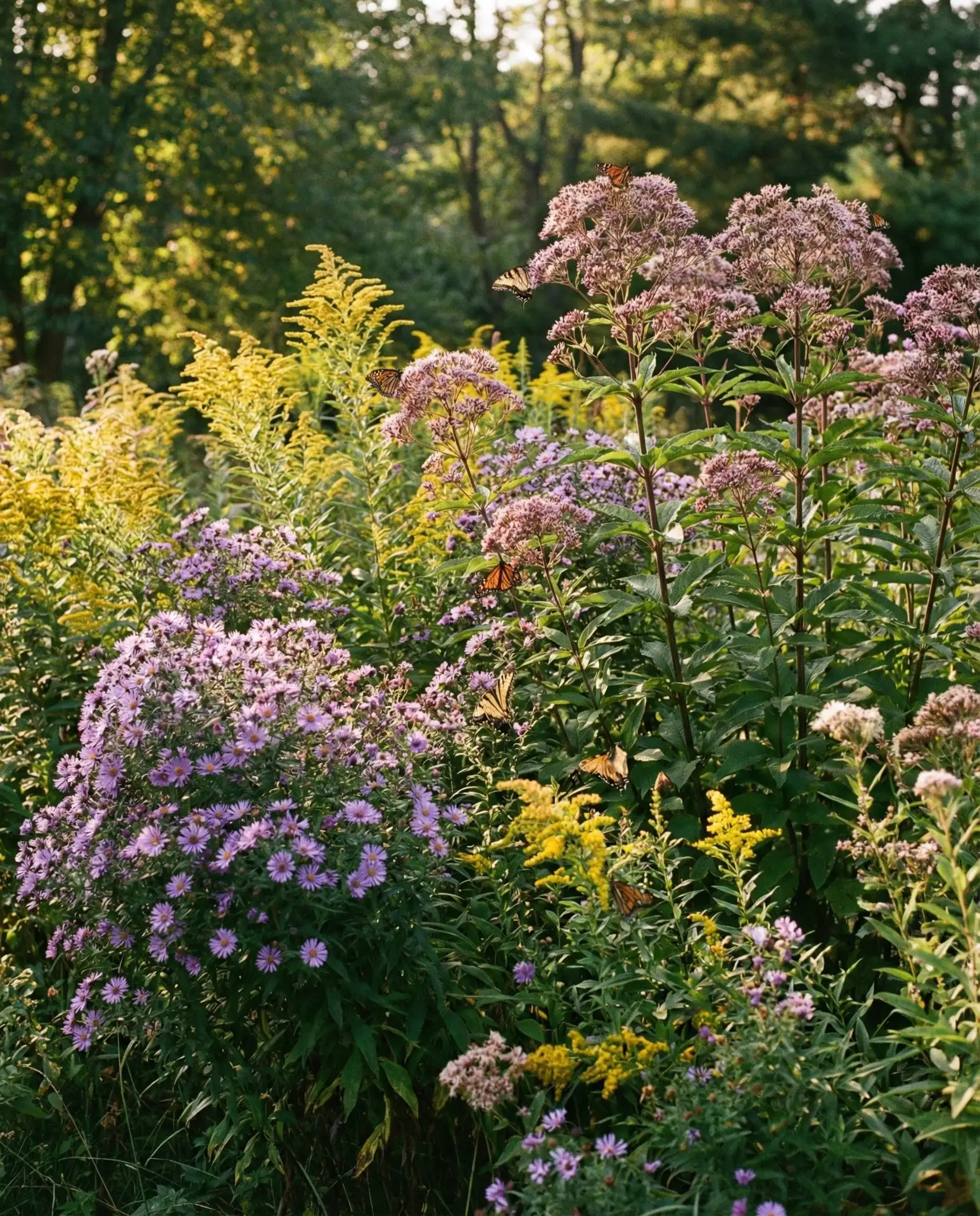
A perennial butterfly garden is the ultimate long-term investment, paying dividends year after year with minimal replanting. Choose stalwarts like asters, goldenrod, Joe-Pye weed, and native milkweeds that come back reliably and often self-seed, expanding your garden naturally over time. This approach front-loads the work—soil prep, plant selection, proper spacing—but the payoff is a garden that matures beautifully, requiring only seasonal cleanup and division every few years. It’s the smart choice for gardeners who want lasting impact without constant input. 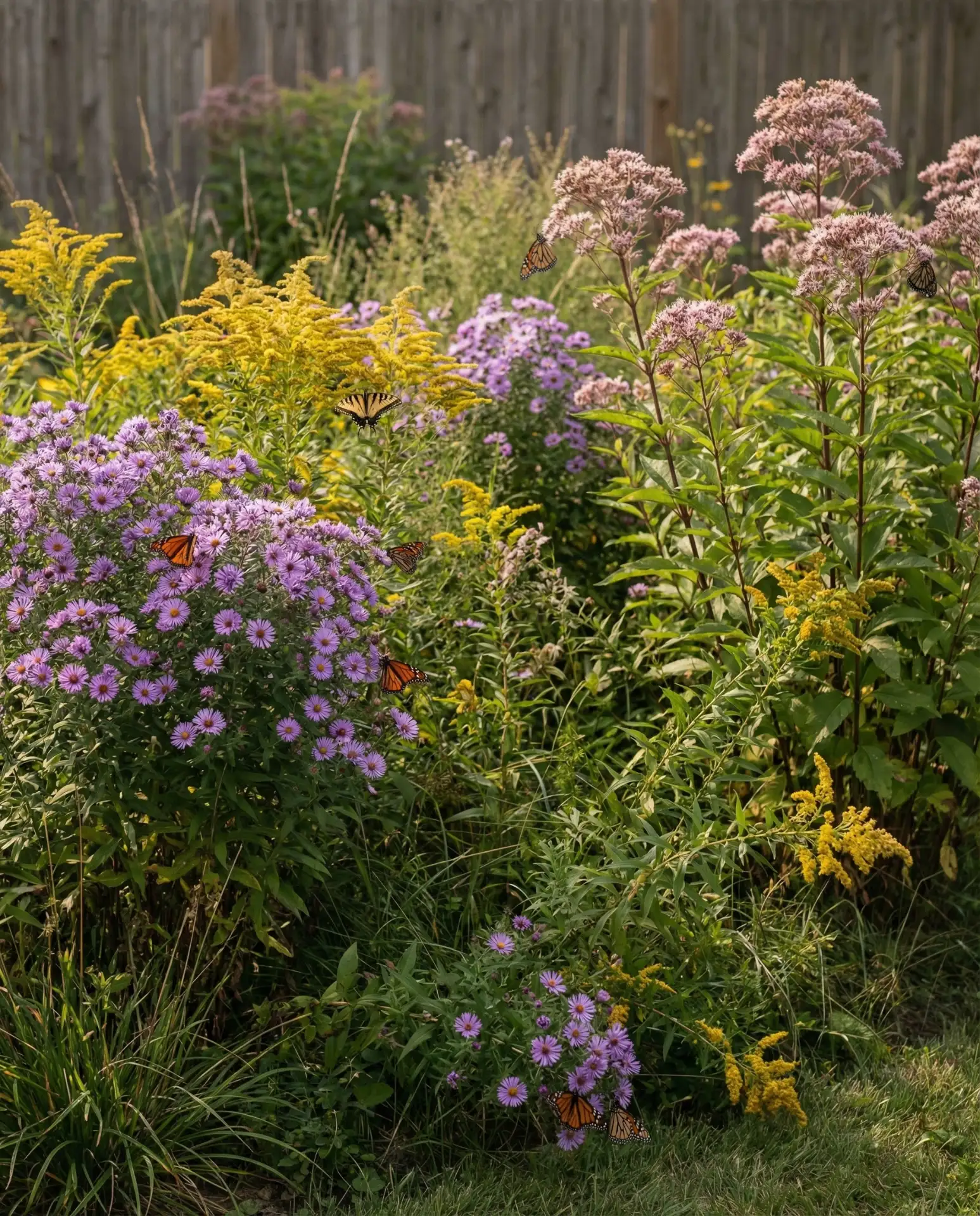
Budget angle: while perennials cost more upfront than annuals—often $8 to $15 per plant—they’re cheaper over time since you’re not buying new plants every spring. Many perennials can be divided after three to five years, giving you free plants to expand your garden or share with neighbors. Mulch well, water during establishment, and then step back and let them do their thing. The result is a garden that gets better with age, developing the kind of settled, abundant look that only comes with time.
Conclusion
Creating a butterfly garden in 2026 is about more than just planting pretty flowers—it’s about building a living ecosystem that supports pollinators, educates families, and brings daily joy right outside your door. Whether you’re working with a sprawling backyard or a modest balcony, there’s a butterfly garden approach that fits your space, budget, and vision. We’d love to hear which ideas resonated with you or how you’re planning your own butterfly haven this year. Drop a comment below and share your thoughts, questions, or photos of your pollinator paradise in progress!