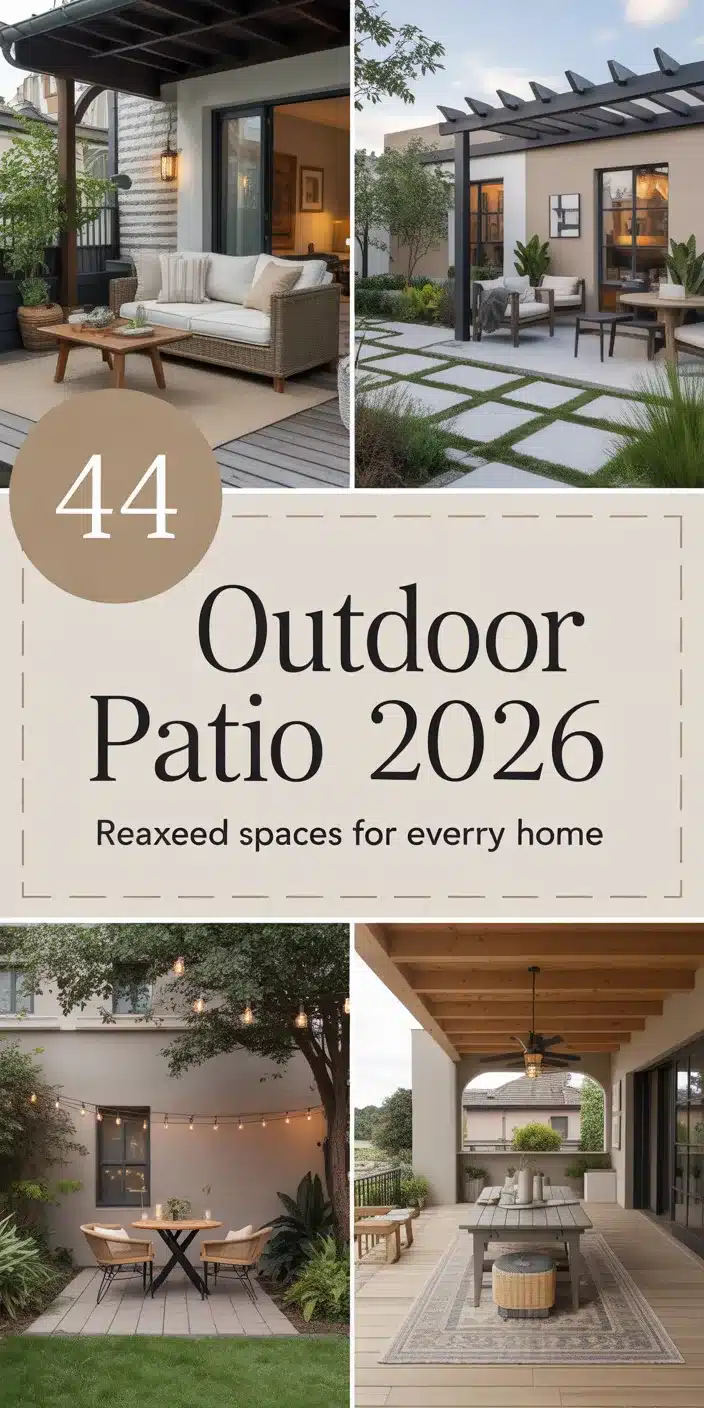
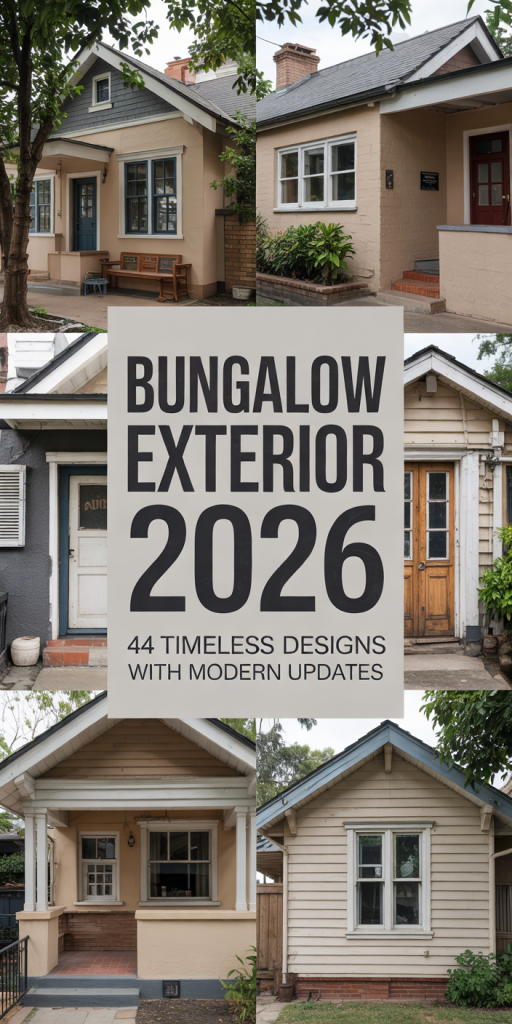
The bungalow has quietly reclaimed its place in American hearts—not as a relic of the past, but as a canvas for contemporary living. From Pinterest boards flooded with Craftsman charm to Instagram feeds celebrating mid century minimalism, homeowners across the country are reimagining what these single-story gems can be. Whether you’re drawn to the clean lines of a modern refresh or the timeless appeal of white siding against lush greenery, 2026 is shaping up to be the year the bungalow exterior gets its long-awaited spotlight. This guide walks you through twenty-three design ideas that honor tradition while embracing fresh, livable style—because your home’s first impression should feel like you.
1. Craftsman Revival with Deep Eaves
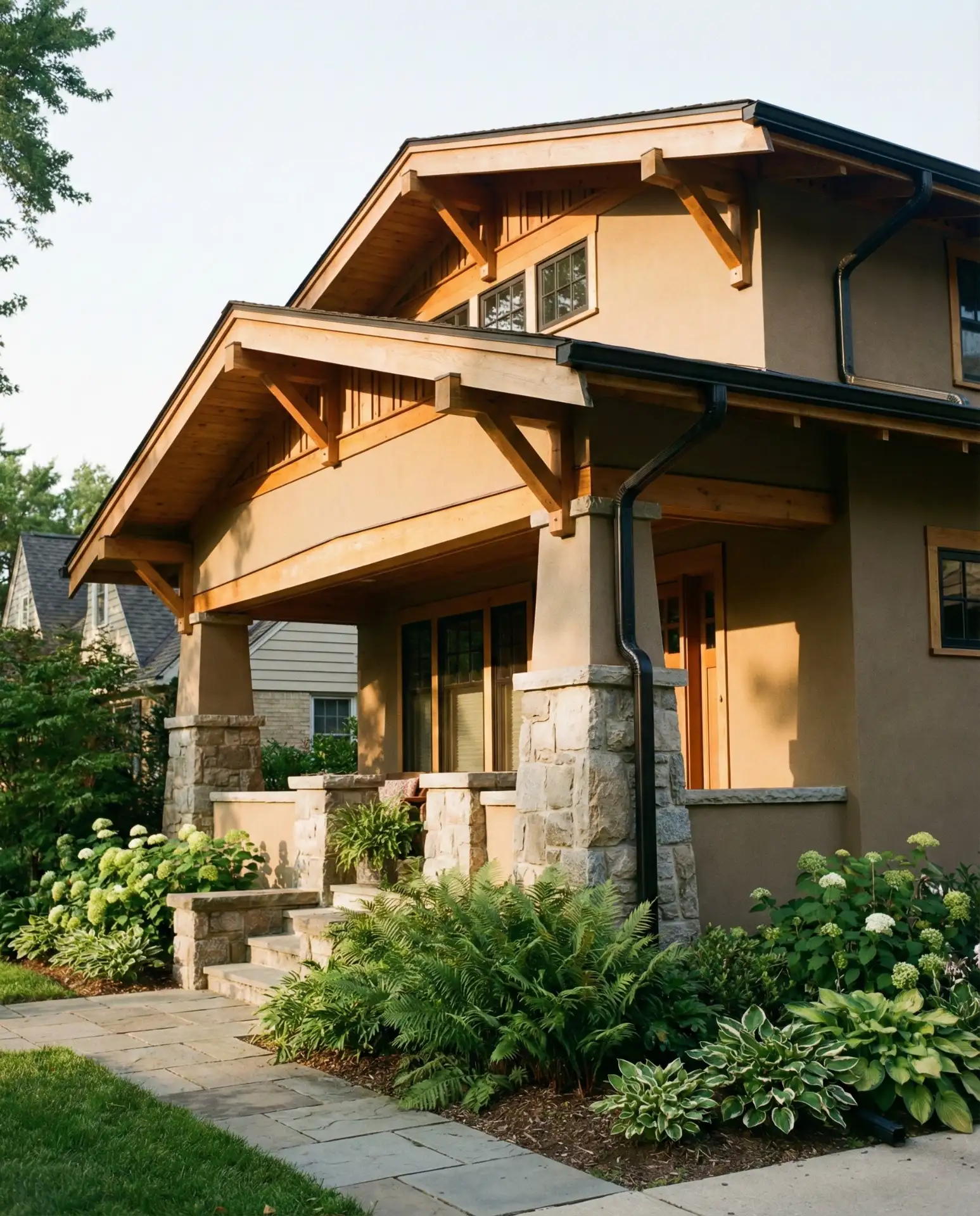
The Craftsman bungalow remains a cornerstone of American residential architecture, and in 2026, deep eaves are making a serious comeback. These overhangs aren’t just decorative—they offer shade in summer, protect siding from rain, and create that signature shadow line that gives a home its bones. Pair them with modern matte black gutters and you’ve got a detail that feels both rooted and refined. This approach works beautifully in neighborhoods where original character matters, from Portland to Pasadena. 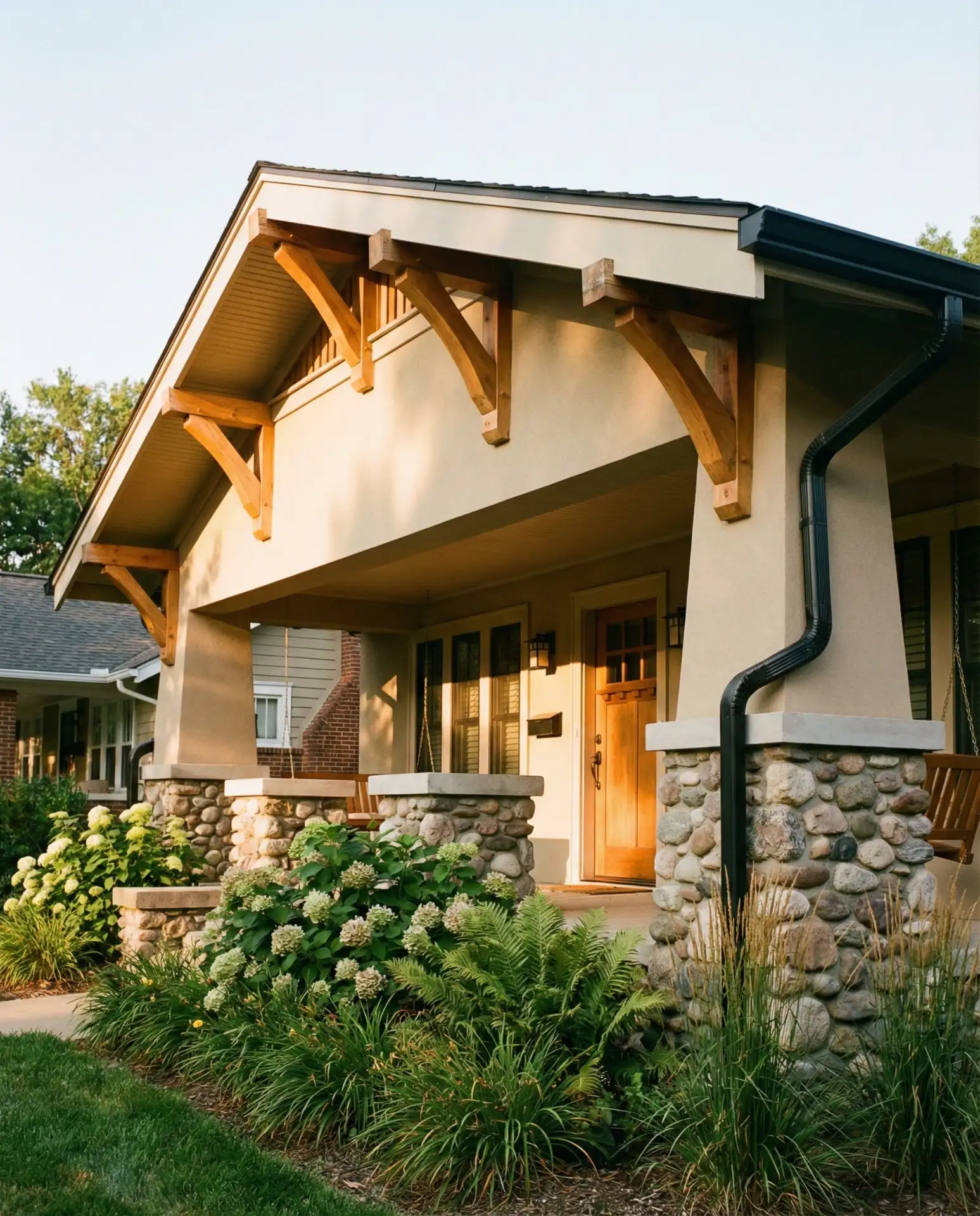
Homeowners often underestimate how much visual weight those eaves carry. A friend in Tacoma extended hers by just eight inches during a remodel, and the transformation was immediate—the house suddenly looked grounded, intentional, like it had always been there. If you’re working with a smaller lot, deep eaves also help the home feel more substantial without adding square footage. Just make sure your roofline can handle the structural load, especially in snow-prone regions.
2. Painted Brick in Warm Neutrals
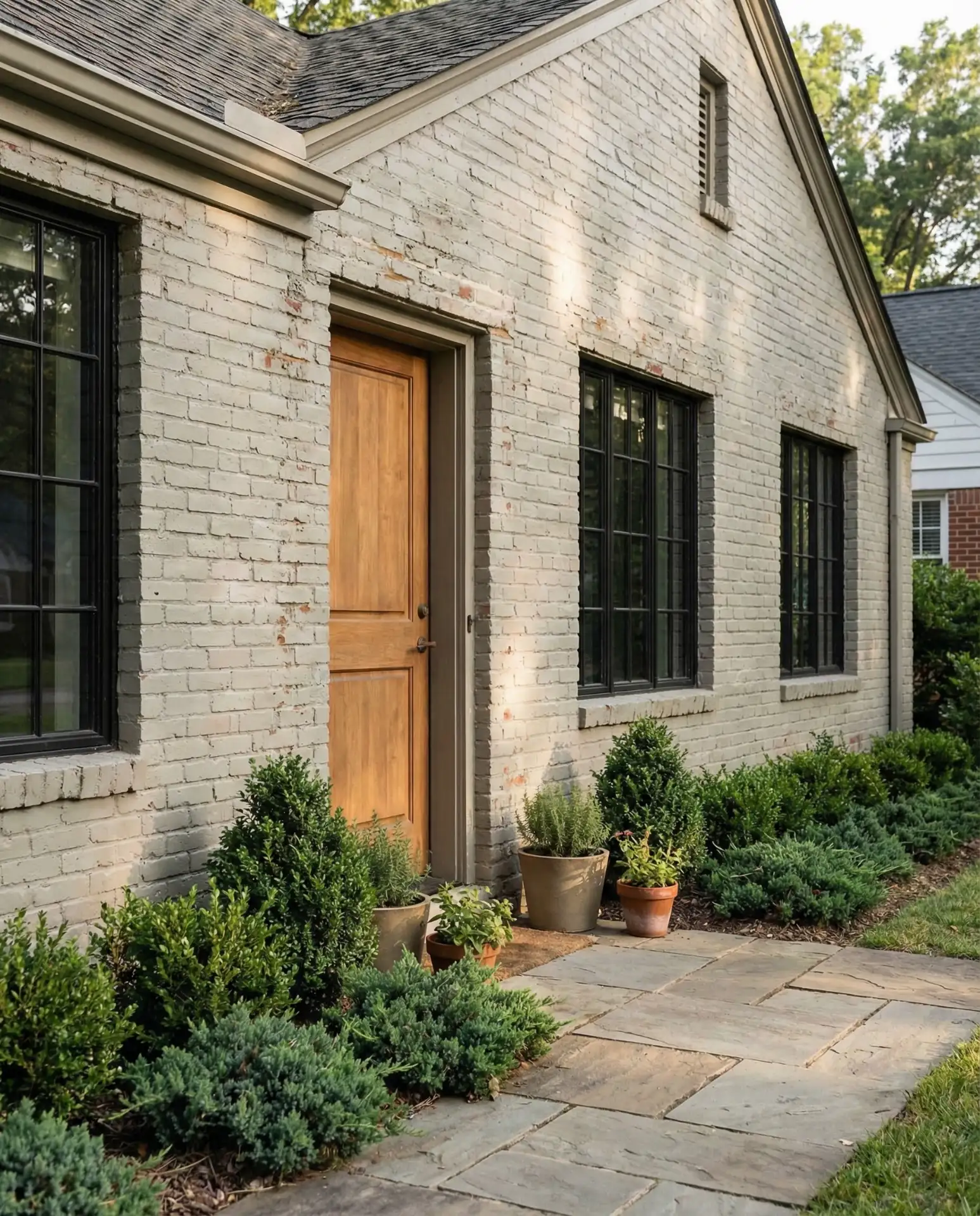
Not every brick bungalow needs to stay red. In fact, a soft wash of paint in greige, bone, or even a muted clay can modernize a tired facade without erasing its history. This trend has taken off in the Midwest and South, where 1920s brick homes line entire streets. The key is using a breathable masonry paint that won’t trap moisture—cheap latex will peel within two seasons. When done right, painted brick softens the exterior and plays beautifully with natural wood accents or iron railings. 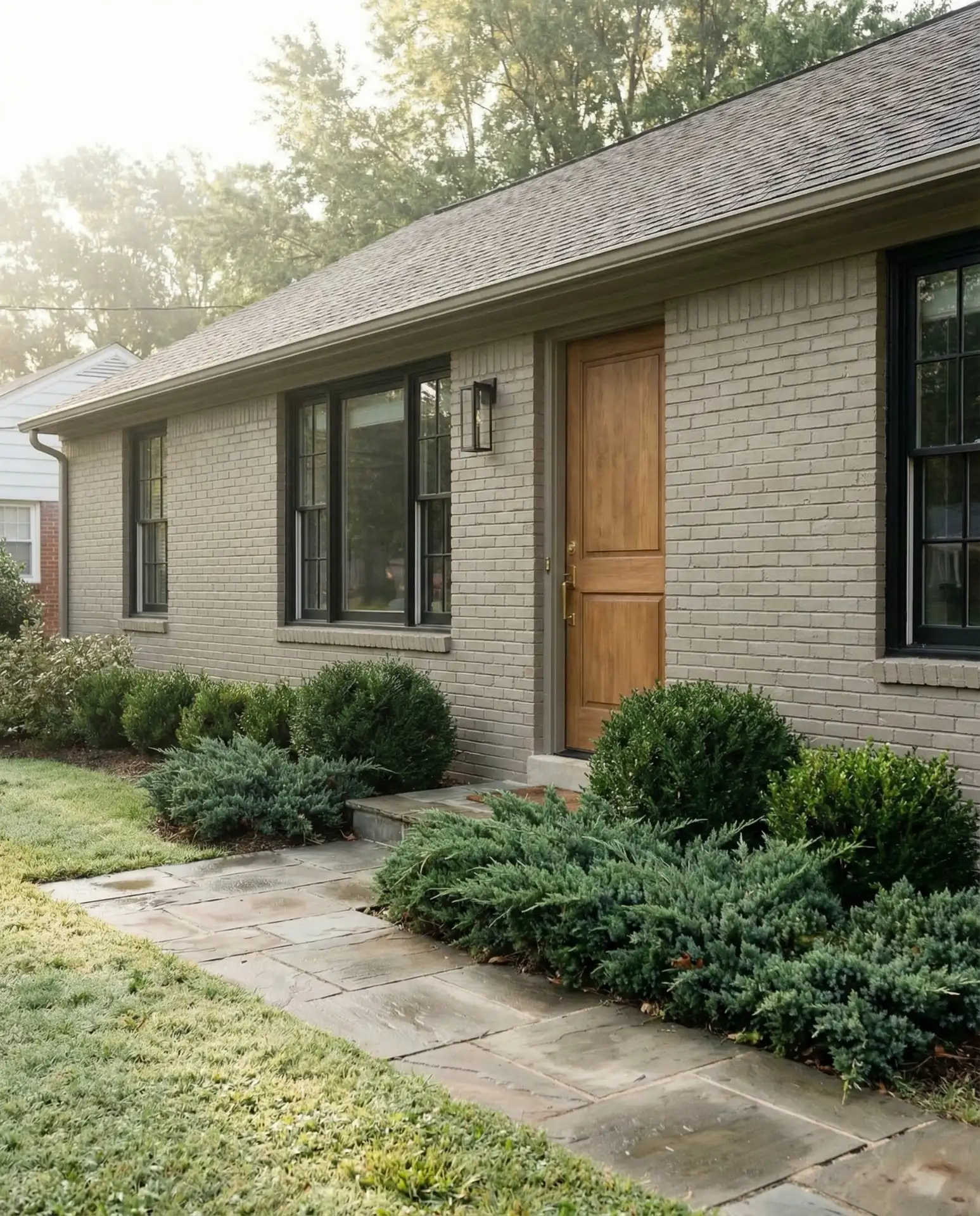
Common mistake: skipping the primer. Brick is porous, and without a proper base coat, your top color will look blotchy and uneven. Also, if you’re in a historic district, check local guidelines—some neighborhoods restrict exterior color changes, even on private homes. But if you’ve got the green light, this is one of the most dramatic updates you can make for under five thousand dollars, assuming you hire it out.
3. California Bungalow with Stucco and Tile

The California bungalow is its own breed—think smooth stucco walls, clay tile roofing, and arched doorways that nod to Spanish Colonial roots. In 2026, designers are leaning into that heritage with white or sand-colored exteriors that reflect heat and pair perfectly with terracotta accents. This style thrives in warm climates, from San Diego to Florida, where the aesthetic feels native rather than imported. Add a pergola over the front entry and you’ve got instant curb appeal. 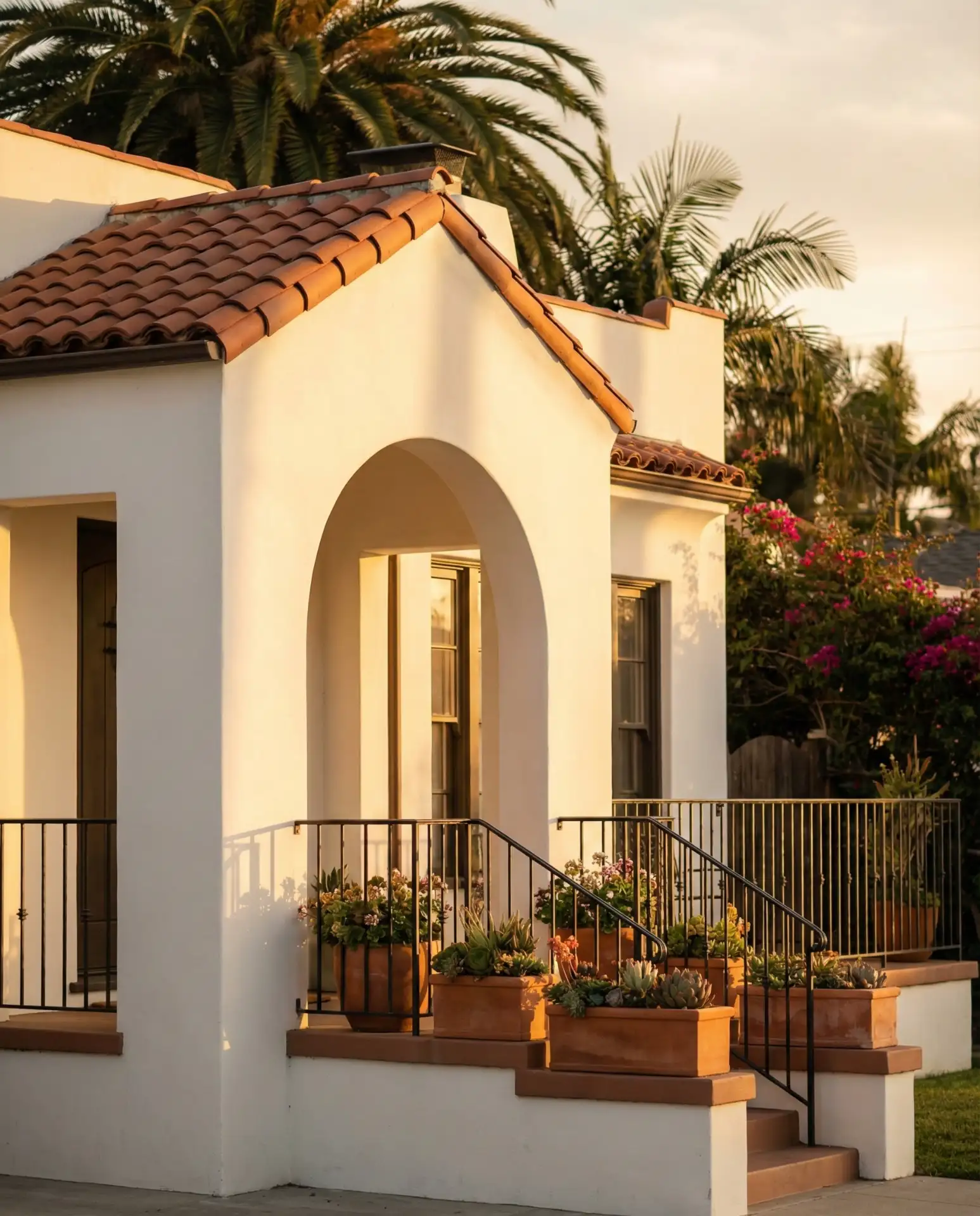
Where it works best: coastal and desert regions where the climate supports outdoor living year-round. In these areas, the bungalow becomes an extension of the landscape—low-slung, unpretentious, and designed to blur the line between inside and out. If you’re restoring one, prioritize the roof first; those old clay tiles can last a century, but they need proper flashing and underlayment to prevent leaks.
4. Beach Cottage with Weathered Wood Siding
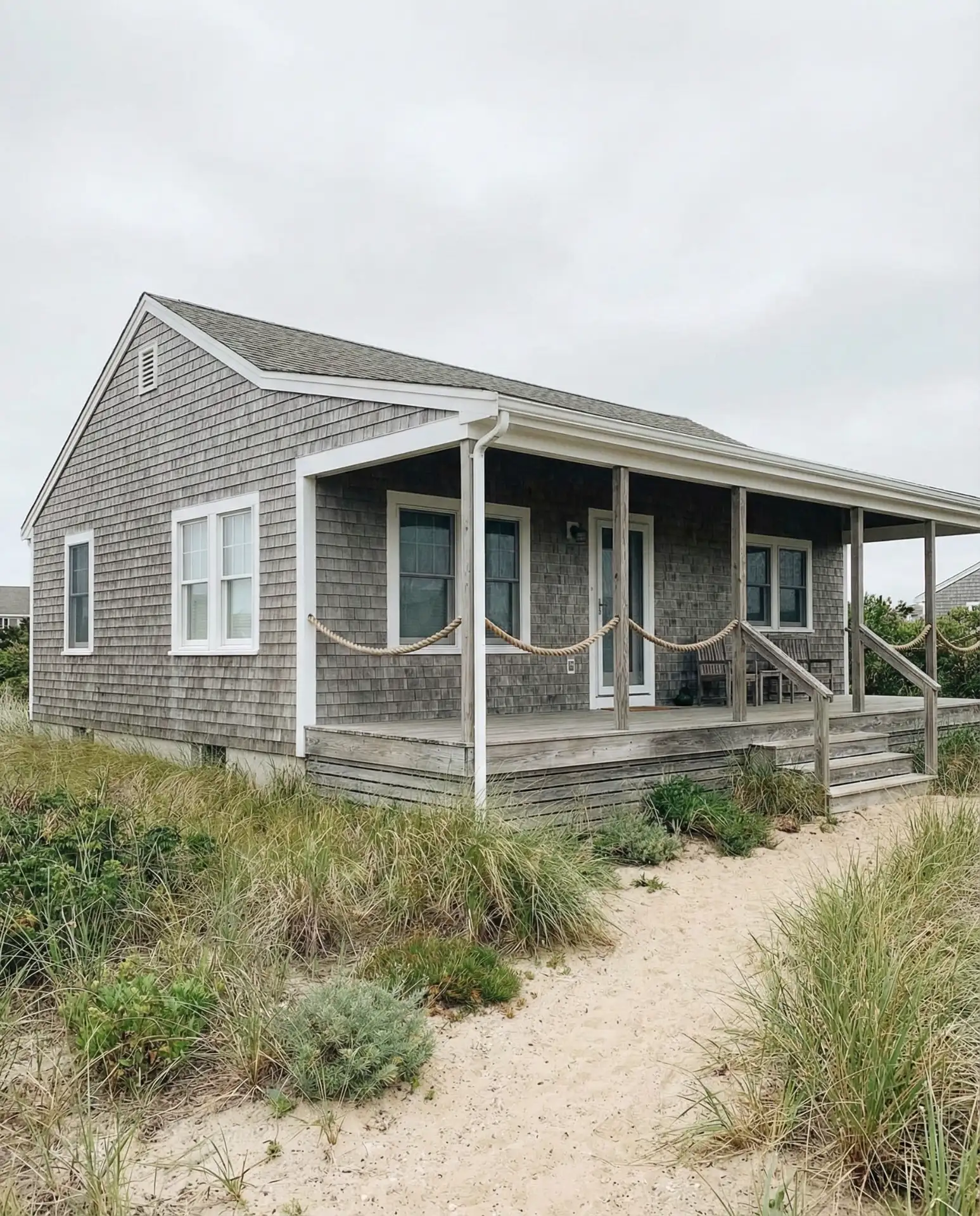
There’s something irresistible about a beach bungalow with silvered cedar shakes or horizontal planks that look like they’ve been kissed by salt air for decades. This aesthetic is booming on the coasts—Cape Cod, the Outer Banks, Southern California—but it translates surprisingly well inland, too. The trick is choosing a wood species that weathers gracefully, like cedar or cypress, and resisting the urge to stain it. Let it age naturally, and you’ll get that soft, driftwood patina that feels effortlessly cool. 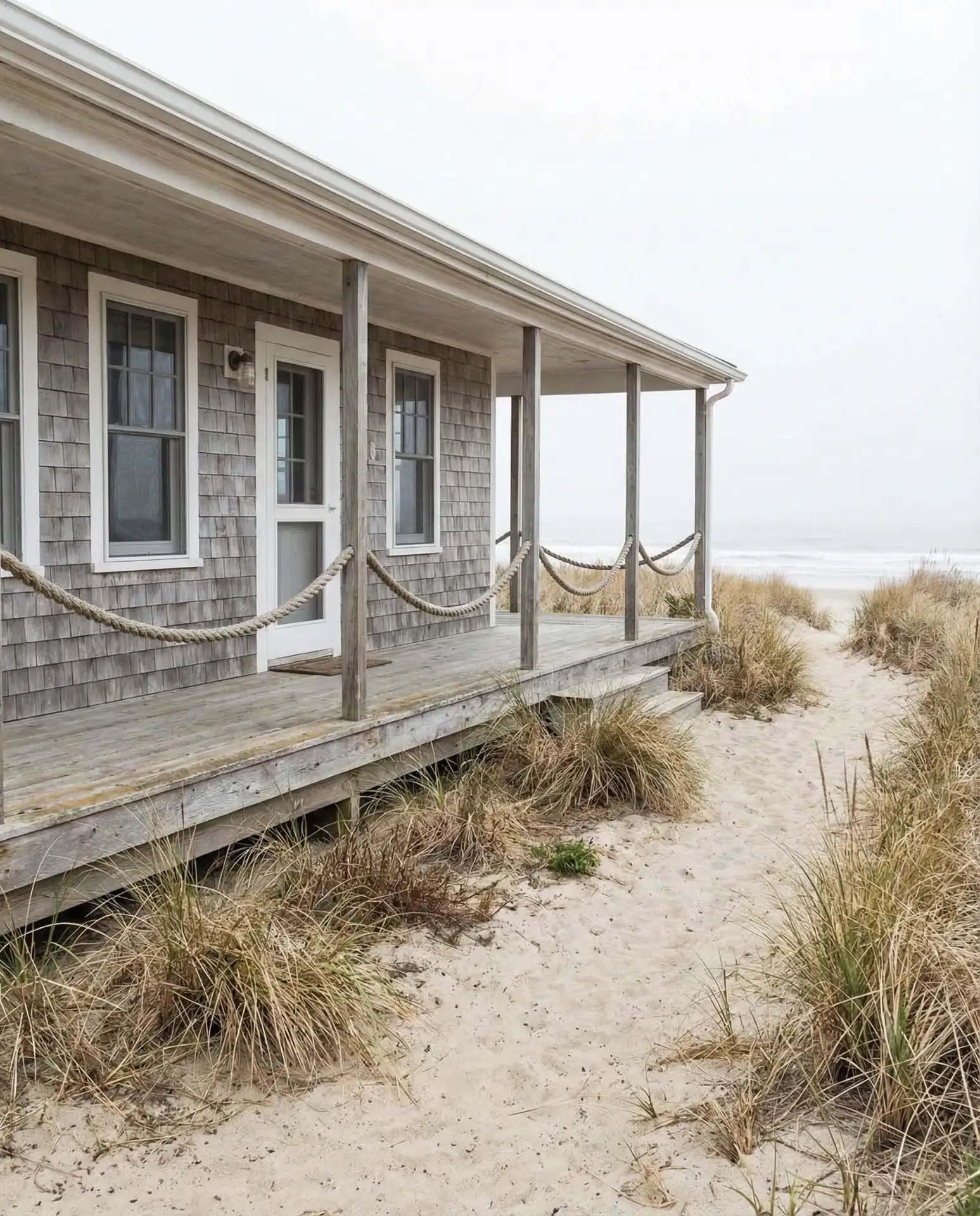
Real homeowner behavior: most people panic when the wood starts to gray and immediately reach for the stain. Don’t. That silvering is the point. If you want to preserve the wood without changing its color, apply a clear UV-blocking sealer every few years. And if you’re near saltwater, rinse the siding occasionally to prevent salt buildup, which can accelerate rot in untreated areas.
5. Raised Foundation with Stone Skirt
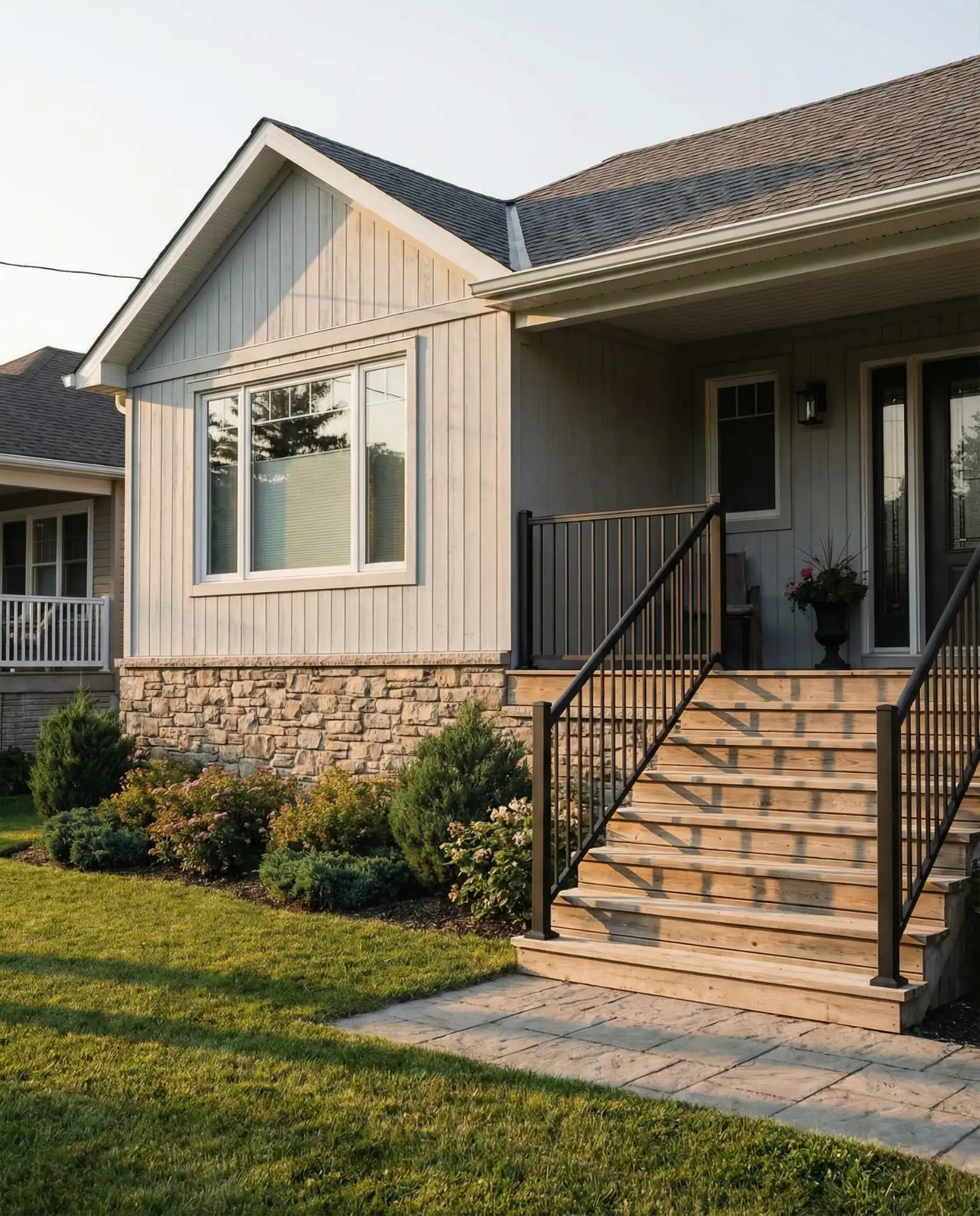
A raised bungalow sits proudly above grade, often revealing a partial basement or crawl space beneath. In 2026, designers are dressing up that foundation with stacked stone or river rock skirts that add texture and visual weight to the base of the home. This works especially well in flood-prone areas or on sloped lots, where the elevation is functional as well as aesthetic. The stone also ties the house to the land in a way that vinyl skirting never could. 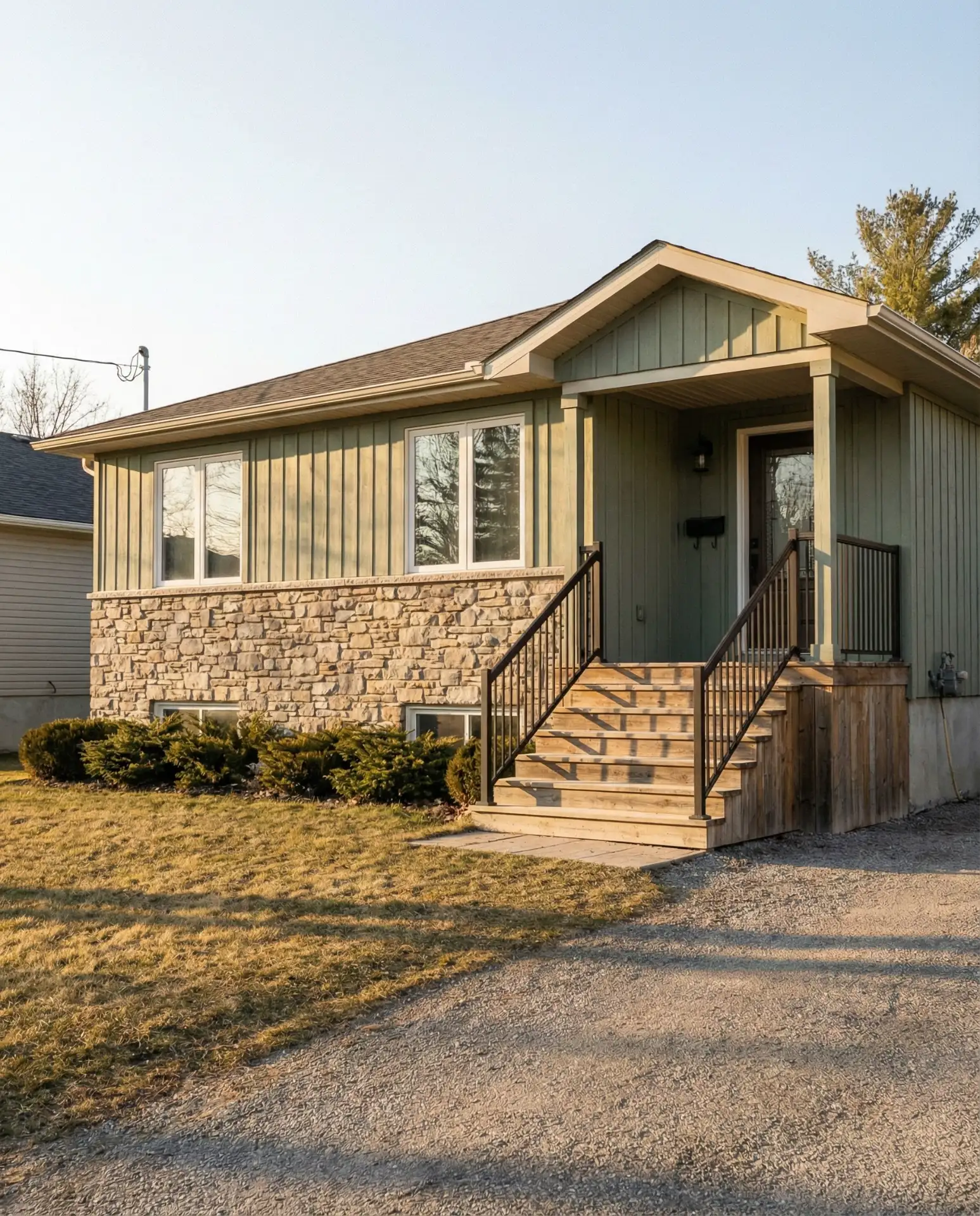
Expert insight: if you’re adding stone to an existing foundation, work with a mason who understands drainage. Without proper weep holes and gravel backfill, you can trap moisture against the wood framing above, which leads to rot. Budget-wise, expect to spend between three and six thousand dollars for a full foundation wrap, depending on stone choice and labor rates in your region.
6. Mid Century Minimalism with Horizontal Lines
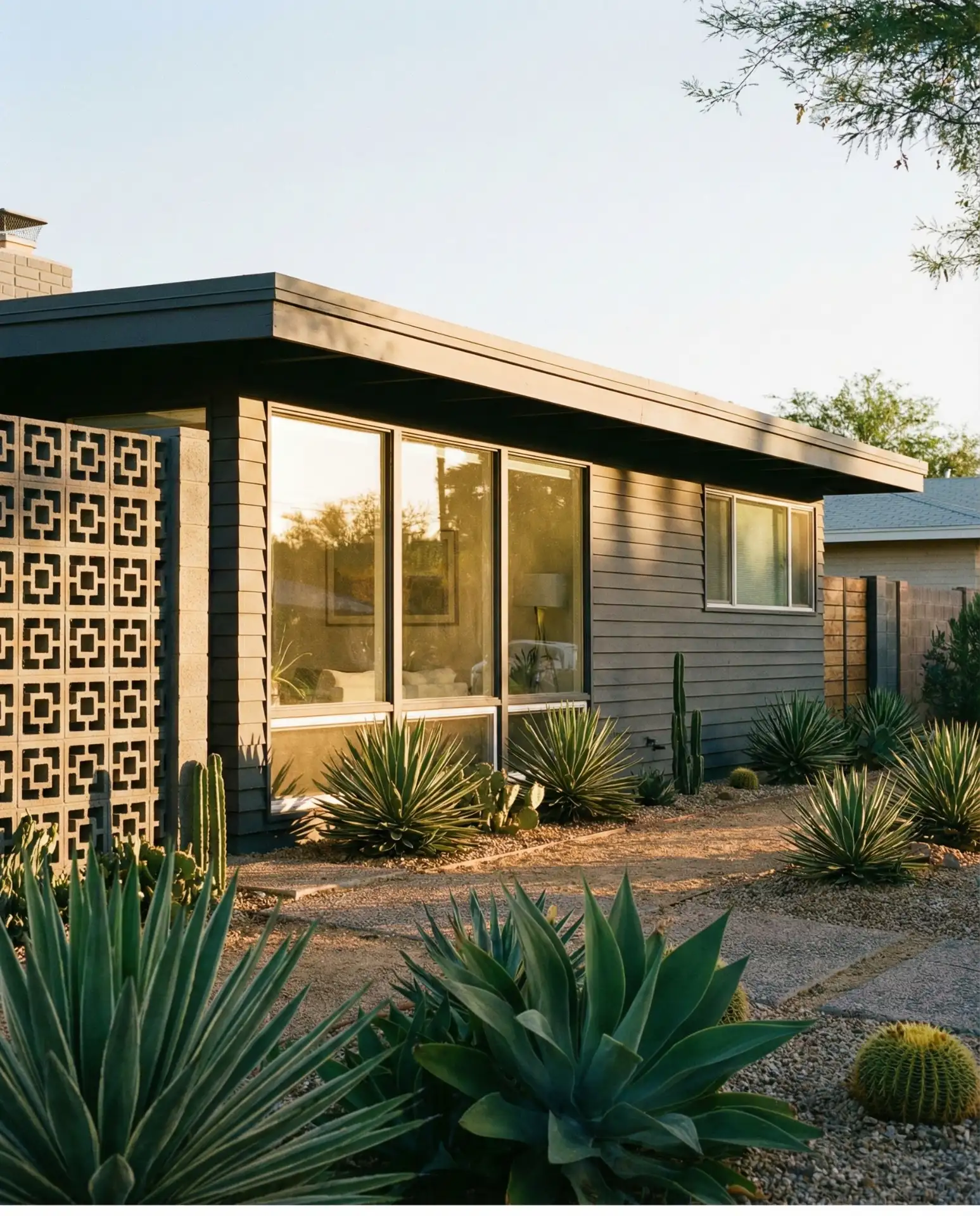
The mid century bungalow is all about restraint—clean horizontal siding, flat or low-pitched roofs, and windows that stretch wide rather than tall. In 1950s neighborhoods across California, Texas, and Arizona, these homes were built for a new kind of American family, one that valued simplicity and connection to the outdoors. Today’s updates often include fresh paint colors in charcoal, sage, or burnt orange, paired with original details like breeze block or jalousie windows.
A neighbor in Palm Springs recently stripped her bungalow down to its bones and repainted it in a smoky olive that changes throughout the day—it looks almost bronze at sunset. She kept the original carport and added gravel instead of lawn, which cut her water bill in half. If you’re restoring a mid century exterior, resist the urge to add ornament. The beauty is in the proportion and the absence of fuss.
7. Farmhouse Hybrid with Board and Batten
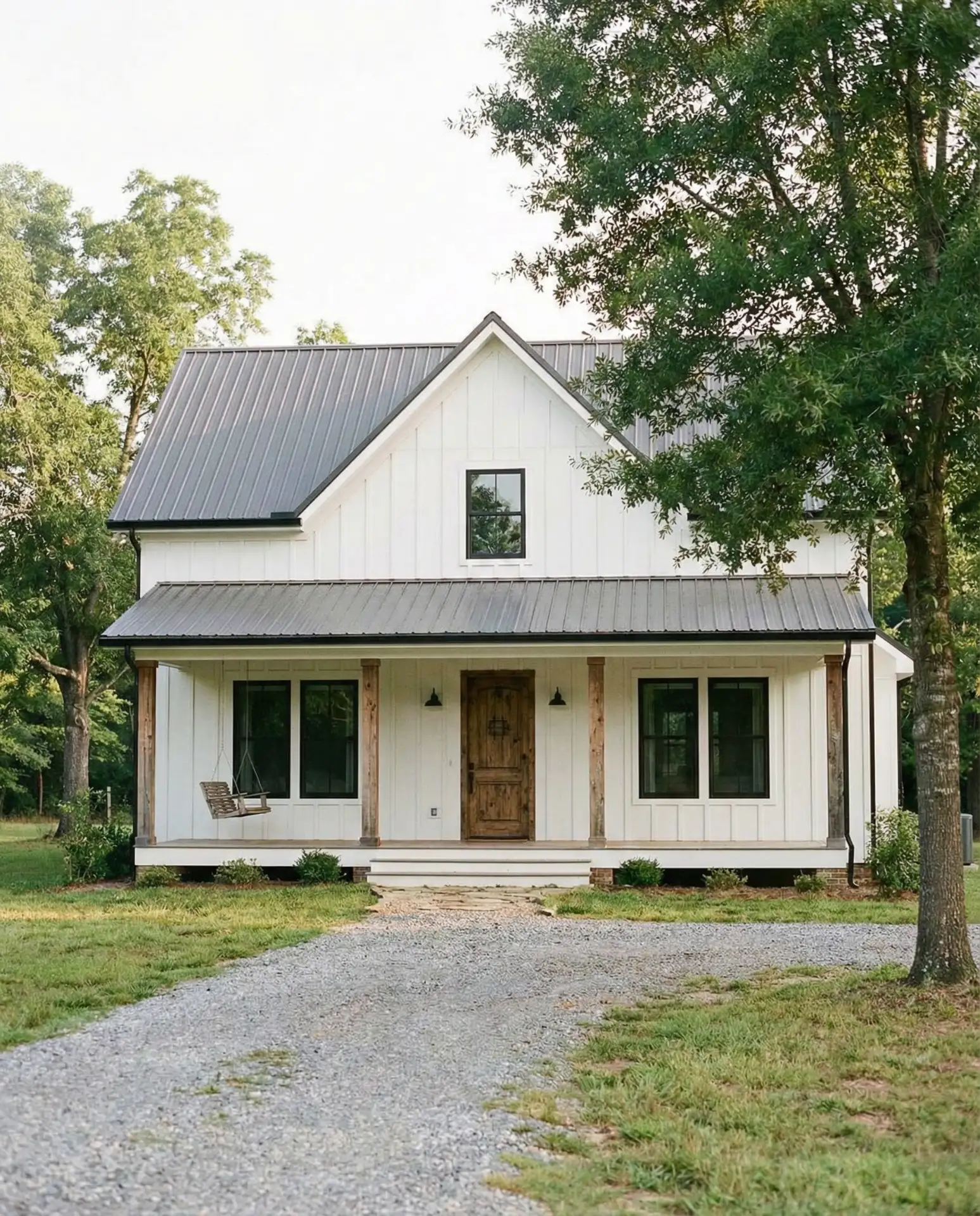
The farmhouse bungalow borrows from rural America—board and batten siding, metal roofing, and a generous front porch that invites lingering. This style has exploded in popularity across the South and Midwest, where it feels both familiar and fresh. In 2026, the palette is shifting away from stark white toward warmer creams, grays, and even soft green tones that ground the home in its landscape. Pair it with simple black hardware and you’ve got a look that photographs beautifully. 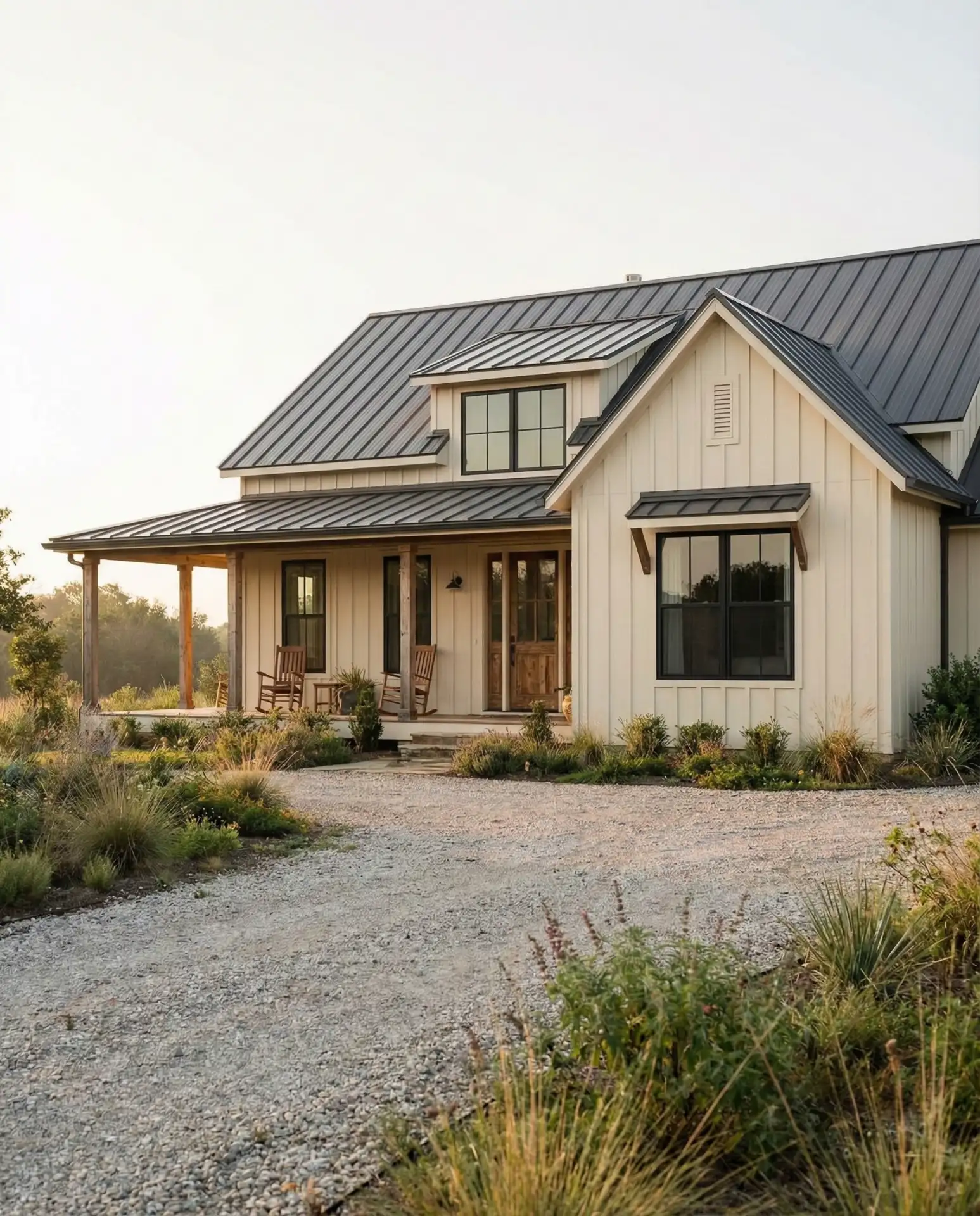
Where it works best: rural and suburban lots with room to breathe. The farmhouse bungalow needs space around it—tight urban lots can make the style feel cramped. If you’re building new or doing a major remodel, consider a metal roof. It’s more expensive upfront (seven to twelve dollars per square foot installed), but it lasts fifty-plus years and handles weather extremes better than asphalt.
8. Cottage Garden with Climbing Vines
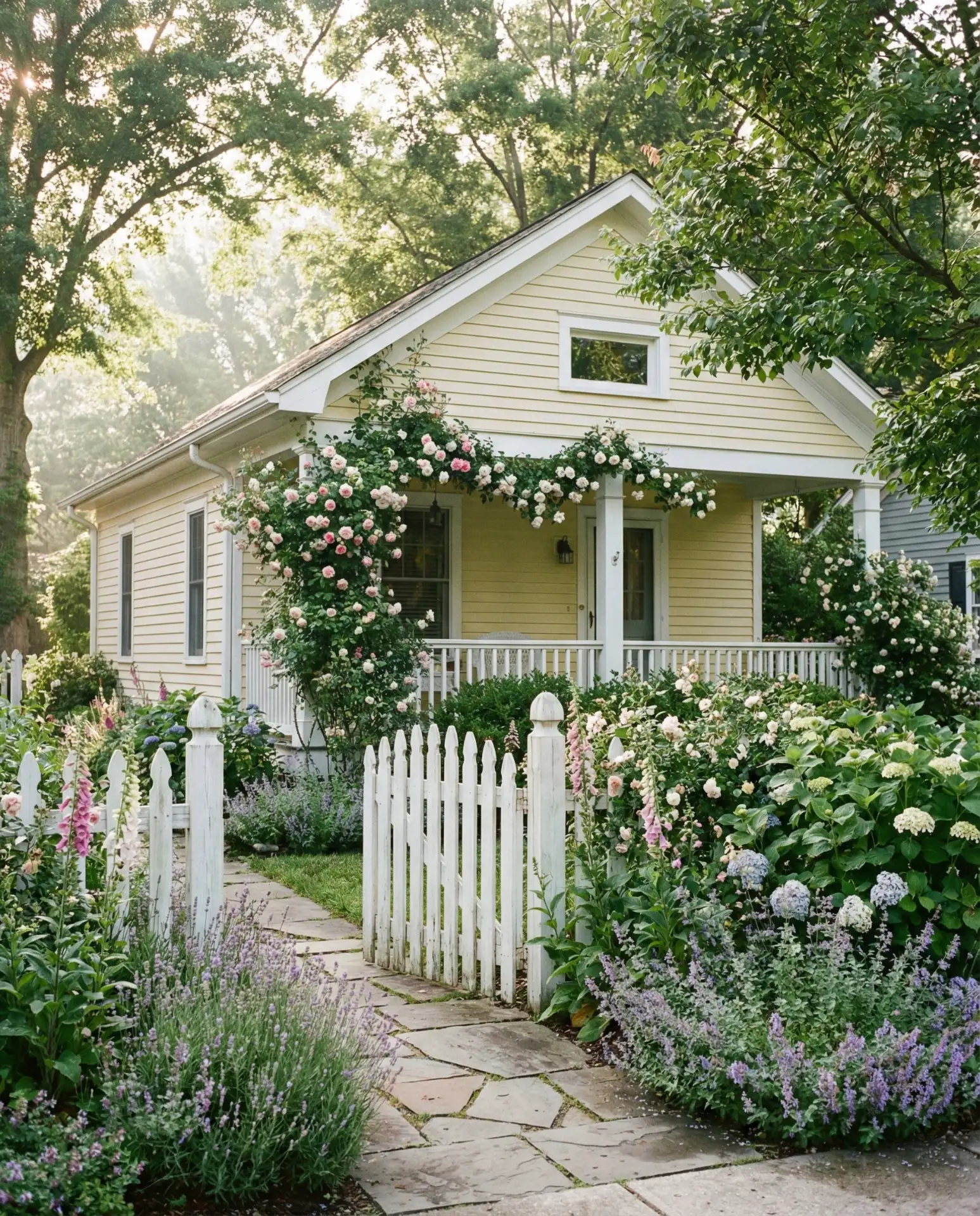
A cottage bungalow isn’t complete without a garden that spills onto the structure itself. Think clematis winding up porch posts, roses framing windows, and ivy softening hard edges. This romantic approach is gaining traction in the Pacific Northwest and the Northeast, where the climate supports lush, layered planting. The exterior itself is often simple—white or pale yellow siding with minimal trim—because the real show is the greenery. 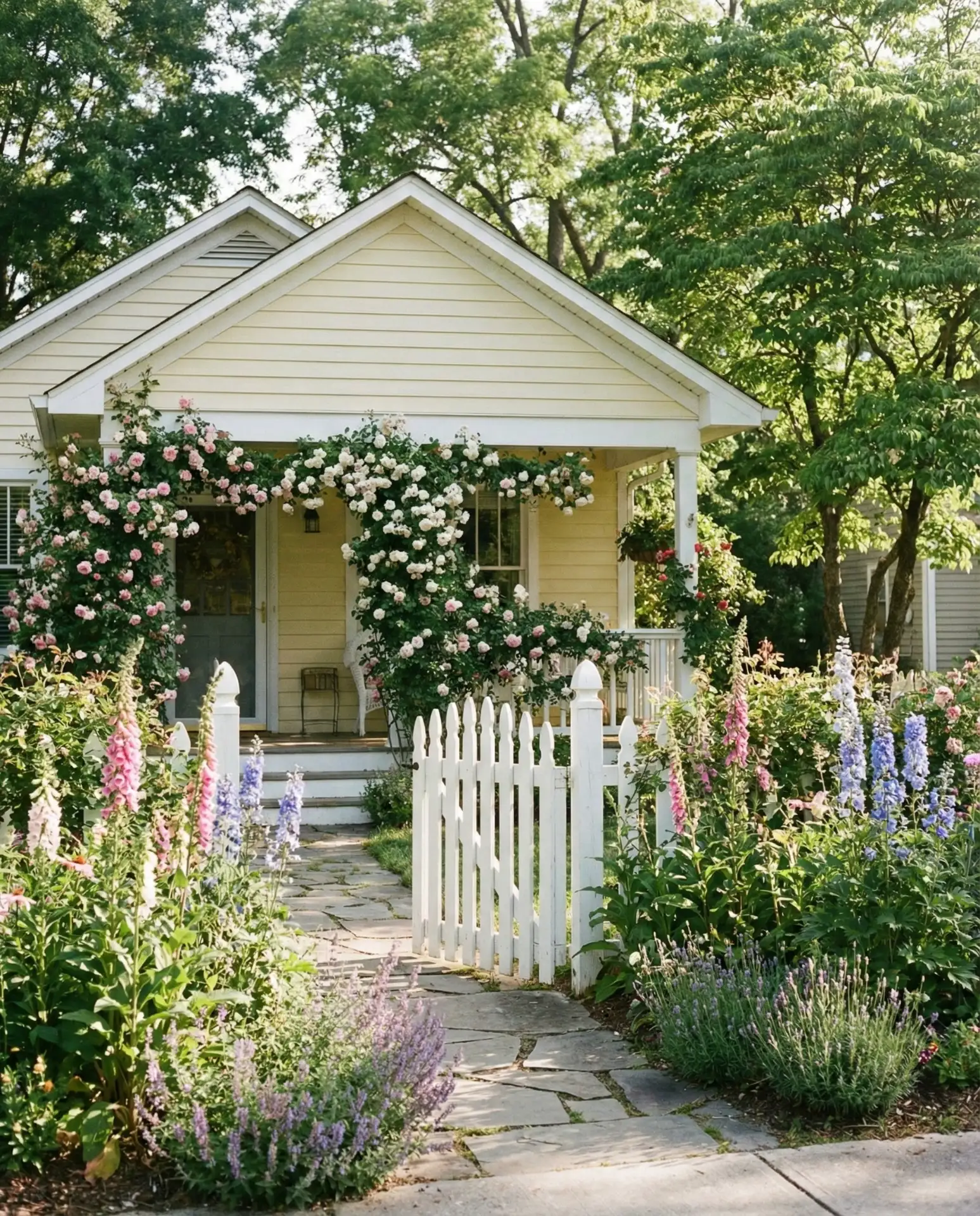
Common mistake: choosing aggressive vines like English ivy or wisteria without understanding their growth habits. English ivy can damage siding and mortar, and wisteria can literally pull gutters off a house. Stick with well-behaved climbers like clematis or climbing hydrangea, and provide proper support structures—trellises, not your actual house. The payoff is a living facade that changes with the seasons.
9. Rendered Finish for a European Touch
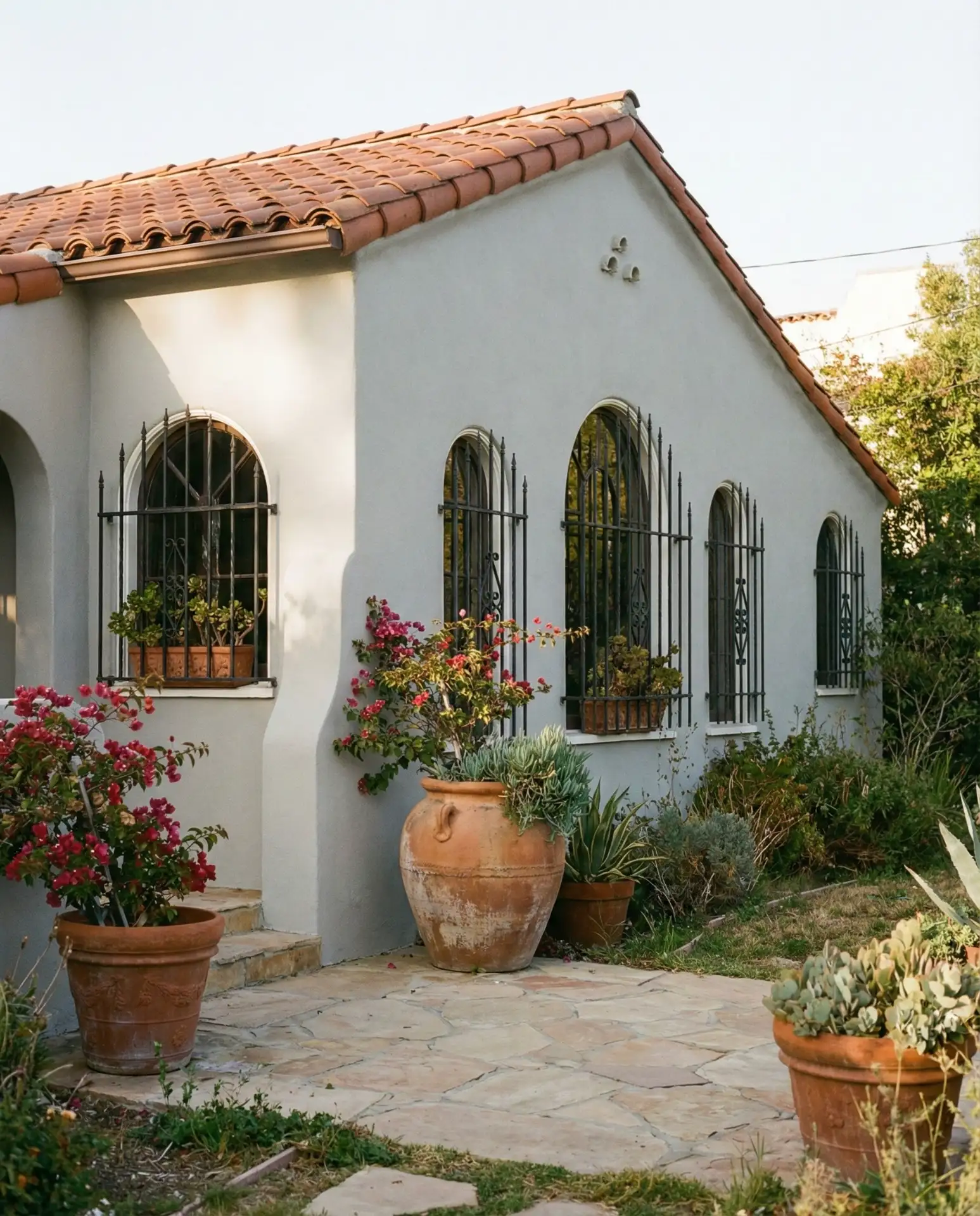
The rendered or stucco exterior brings a textured, Old World feel to the American bungalow, especially popular in neighborhoods with Mediterranean or Southwestern influences. In the UK, rendered finishes have been standard for centuries, and now they’re crossing the Atlantic in the form of lime-based plasters and modern acrylic systems. The result is a smooth or lightly textured surface that breathes, resists cracking, and takes color beautifully. This finish pairs well with tile roofing and wrought iron details. 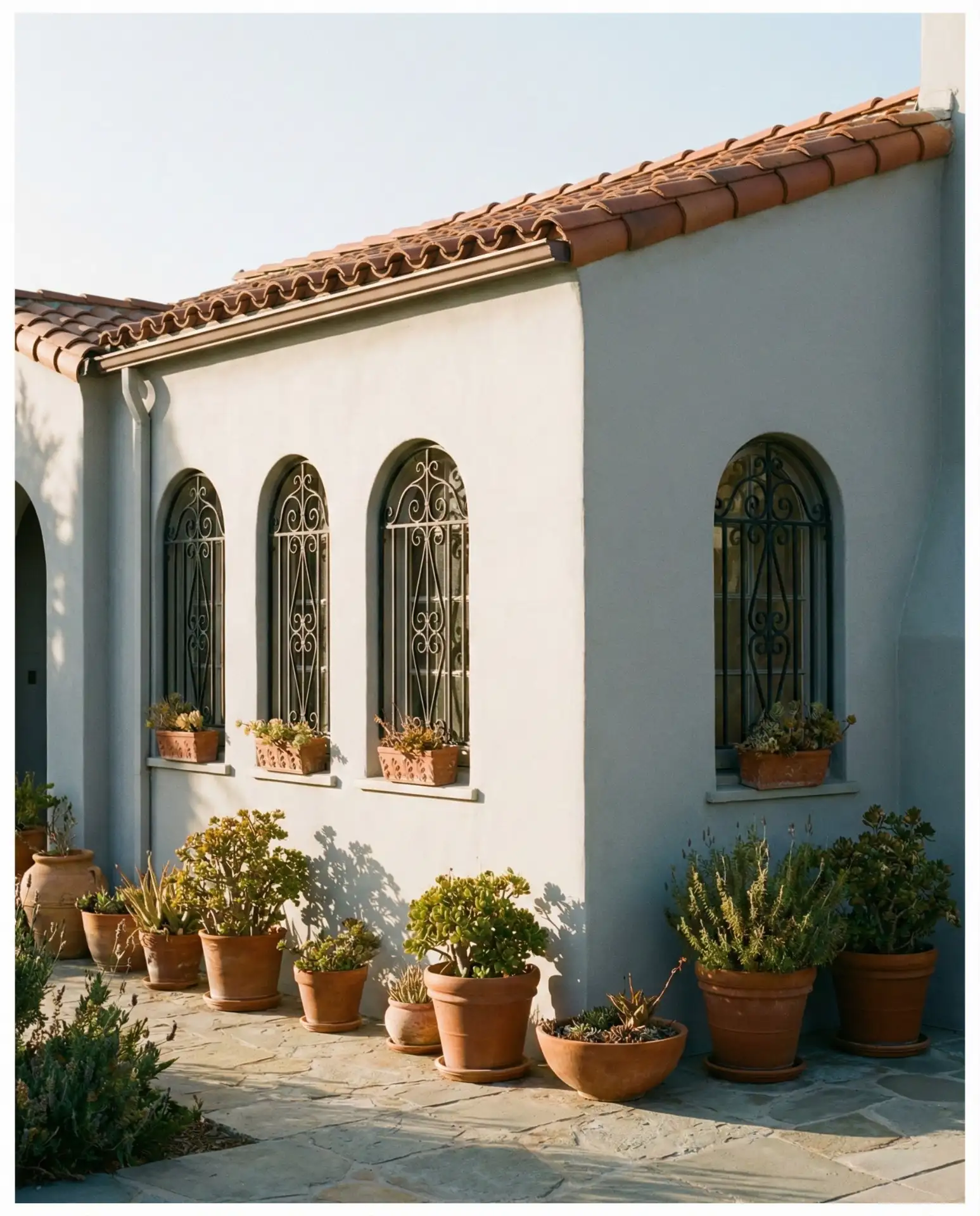
Practical insight: traditional lime render is more forgiving than cement-based stucco because it allows the wall to breathe and flex with temperature changes. If you’re in a humid climate, this matters. The downside is that lime takes longer to cure and requires more skilled labor, which can push costs higher—think eight to fifteen dollars per square foot installed, depending on your region and the complexity of the application.
10. Indian-Inspired Color Palette
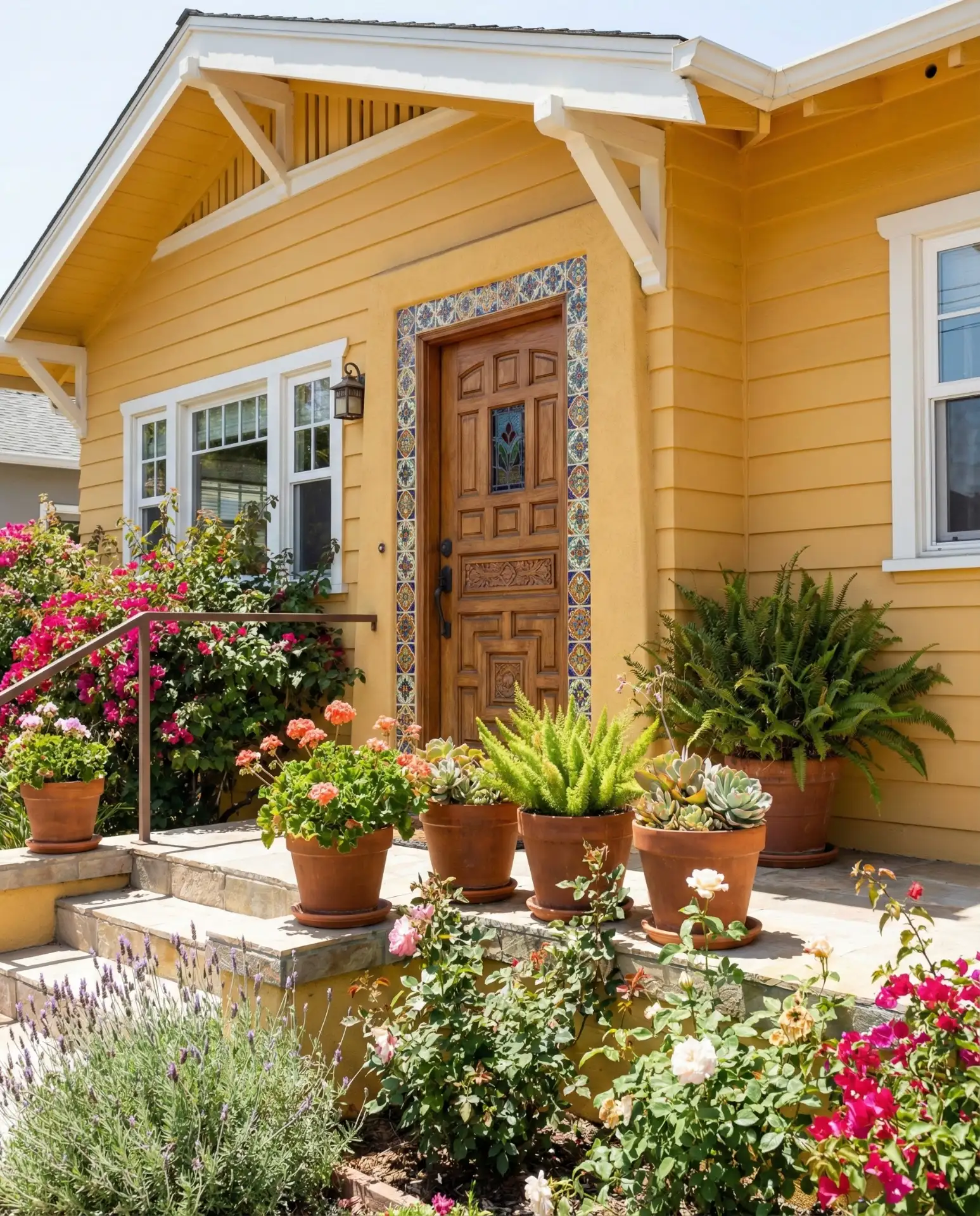
Borrowing from Indian architecture, some American homeowners are embracing bold, saturated paint colors—saffron, deep teal, terracotta, and even jewel-toned purples—on bungalow exteriors. This trend works surprisingly well when balanced with neutral trim and natural materials like wood or stone. It’s a way to signal personality without sacrificing the home’s traditional bones. In cities with diverse cultural influences, like Houston or the Bay Area, these palettes feel right at home. 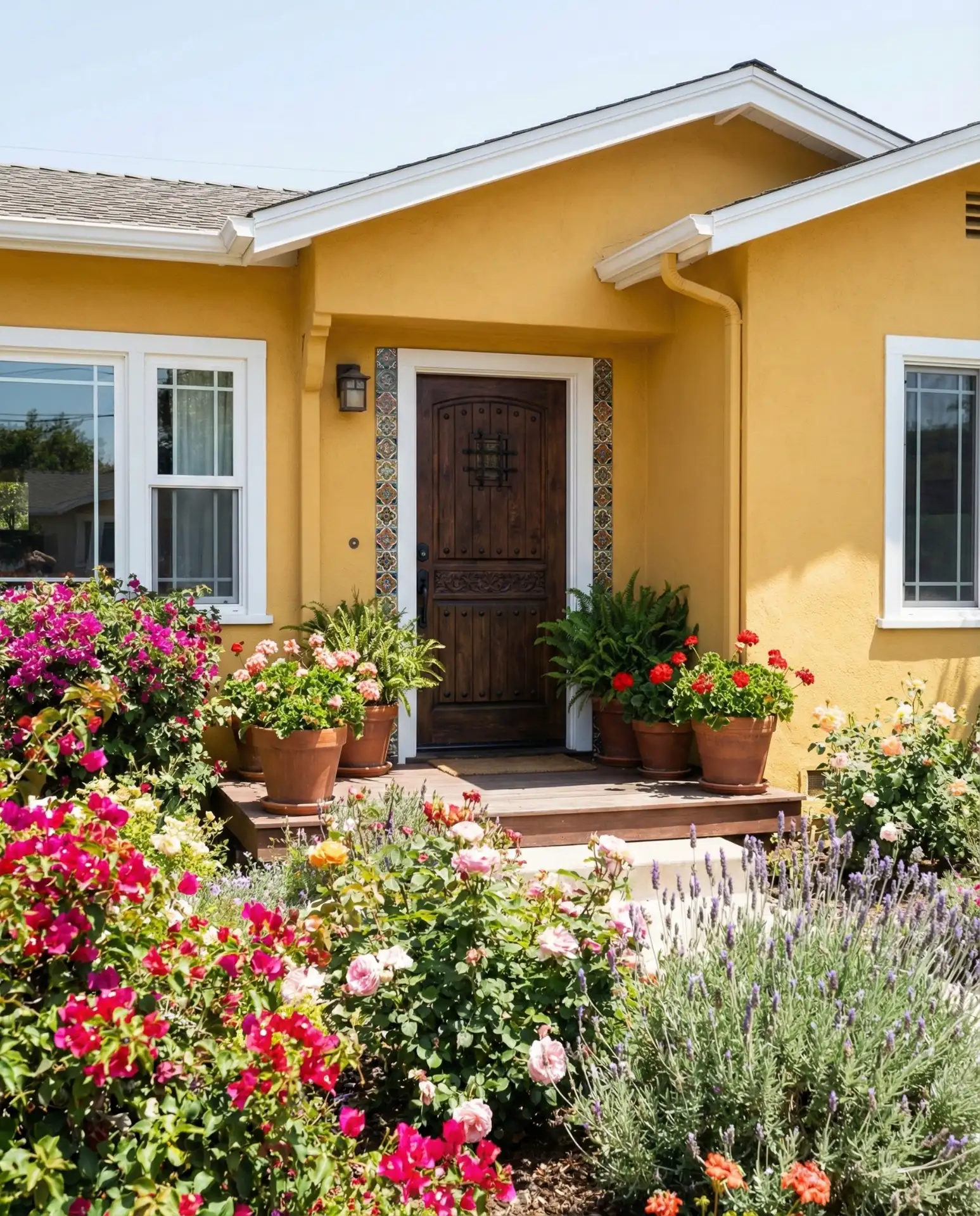
A couple in Austin painted their bungalow a rich ochre with turquoise shutters, and it stopped traffic—literally. Neighbors started asking for the paint codes. The key is committing fully: if you’re going bold on the walls, keep everything else simple. White or cream trim, minimal landscaping, and natural wood accents let the color sing without overwhelming the eye.
11. Front Porch as the Main Event
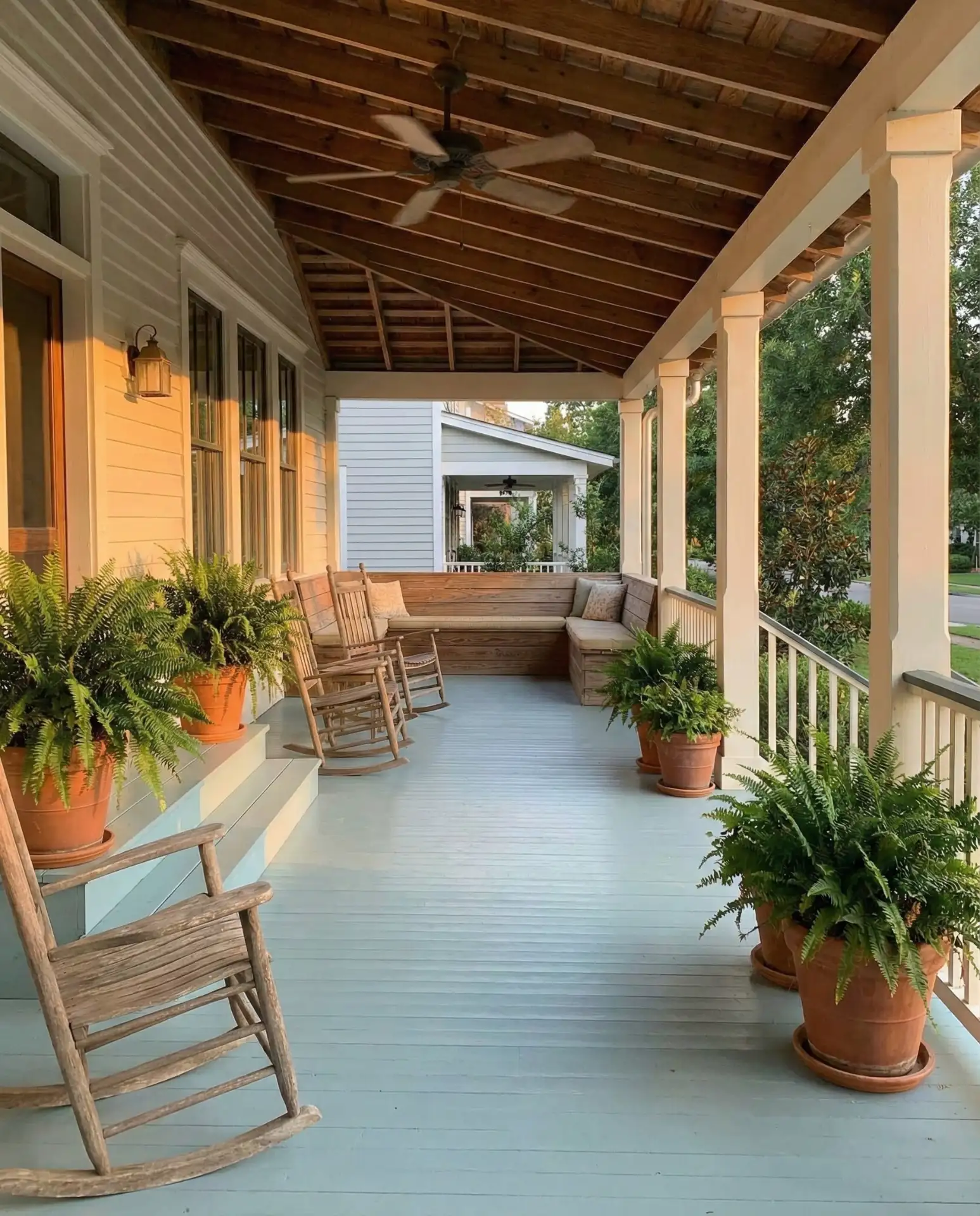
The front porch defines the bungalow, and in 2026, it’s being treated as outdoor living space rather than just an entry. Wide plank flooring, ceiling fans, built-in seating, and even outdoor rugs turn the porch into a second living room. This approach works across climates, from the humid South to the dry Southwest, and it’s a direct response to how Americans actually use their homes—porches are for morning coffee, evening cocktails, and everything in between. 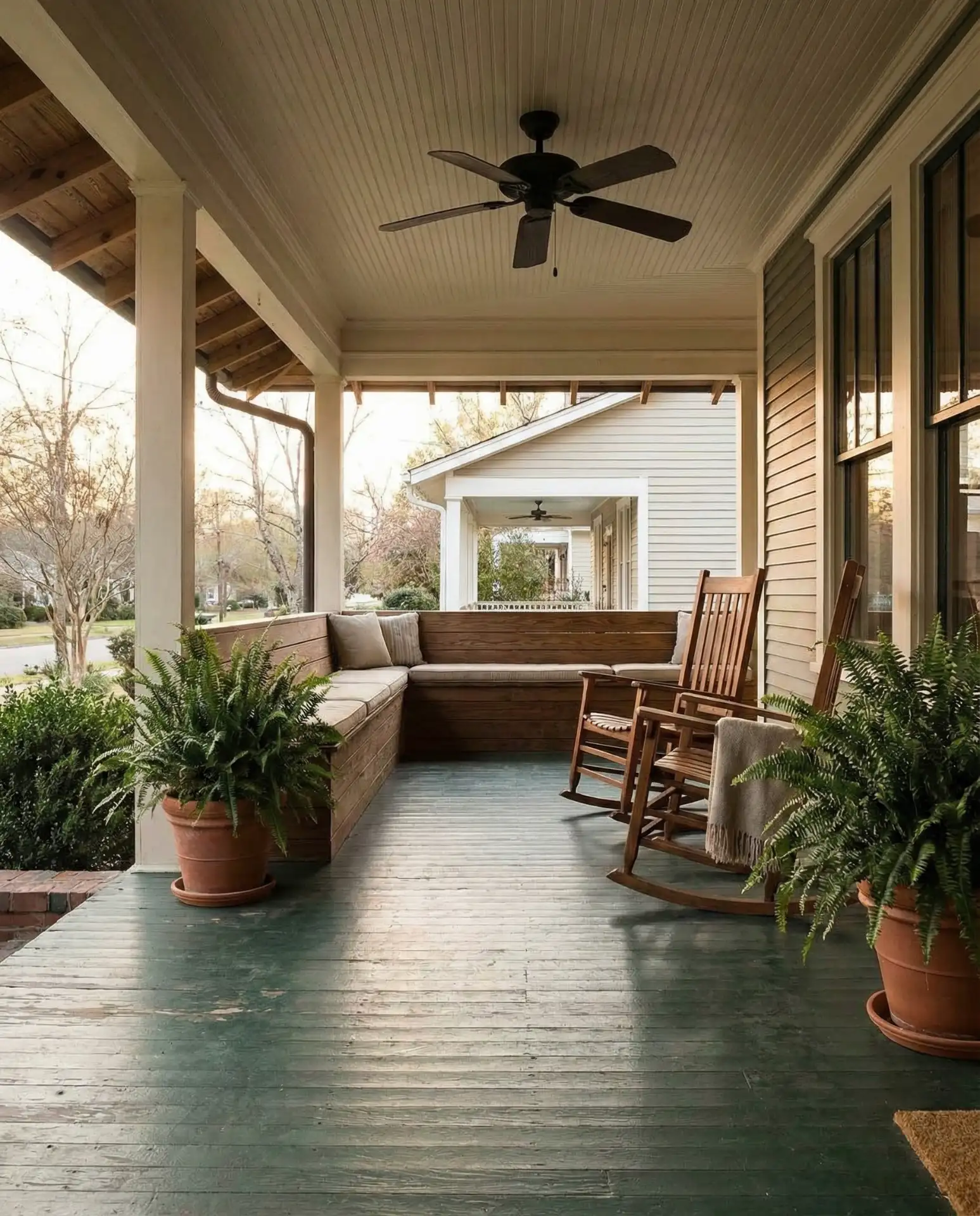
Real homeowner behavior: people treat porches like indoor rooms now, adding furniture, lighting, even speakers. If you’re renovating, run electrical for outlets and overhead fixtures early—it’s much easier during construction than afterward. And if your porch faces west, consider adding a retractable awning or shade sails. Those late afternoon hours can be brutal without some relief from the sun.
12. Modern Black Accent Windows
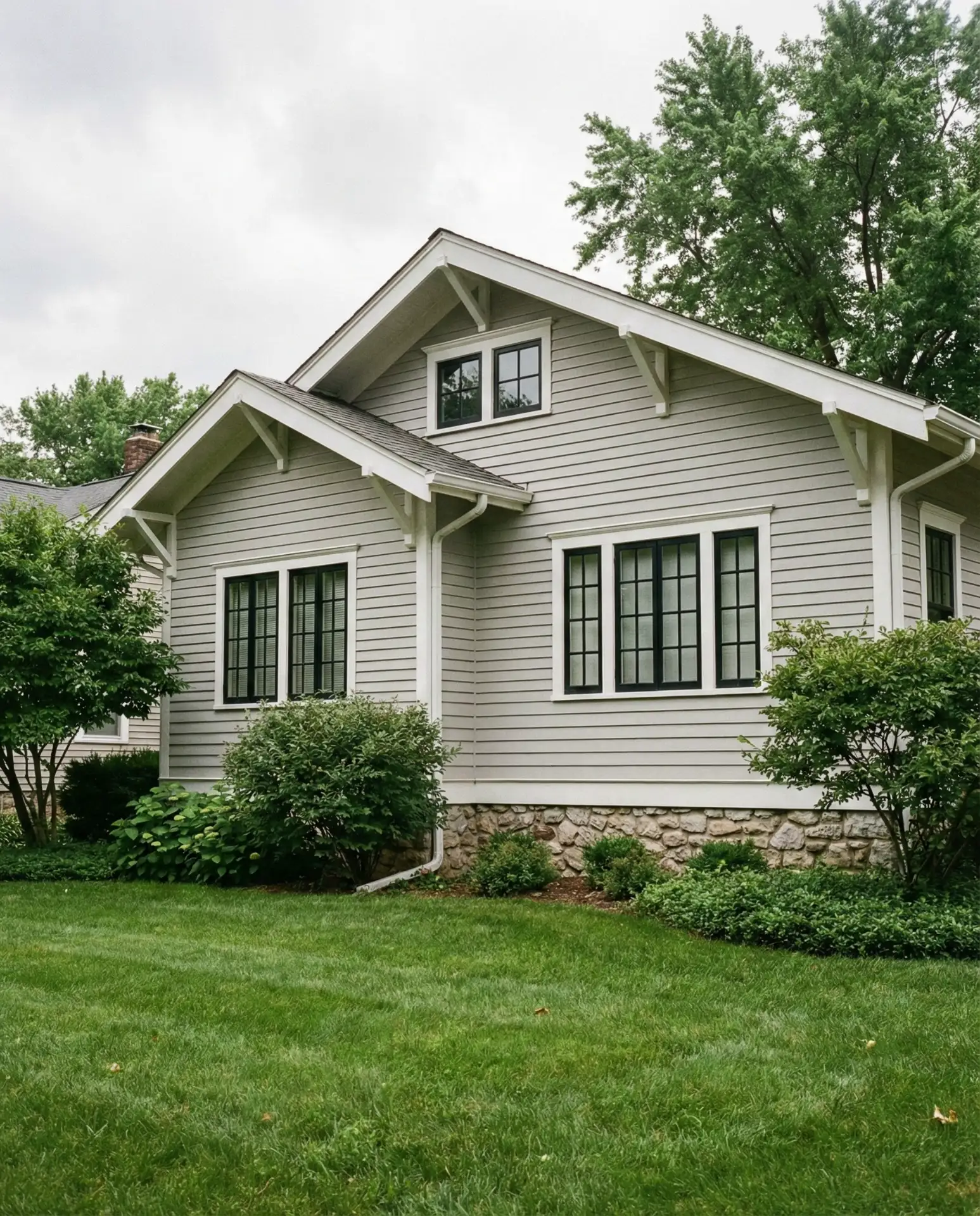
Black window frames have become the shorthand for modern updates on traditional bungalows, and the trend shows no signs of slowing. Whether you’re working with a Craftsman, a cottage, or a mid century shell, black trim adds definition and crispness that white or wood-tone frames can’t match. It’s a small change with massive visual impact, especially when paired with lighter siding. Aluminum-clad or fiberglass frames hold up best and won’t warp in extreme heat or cold. 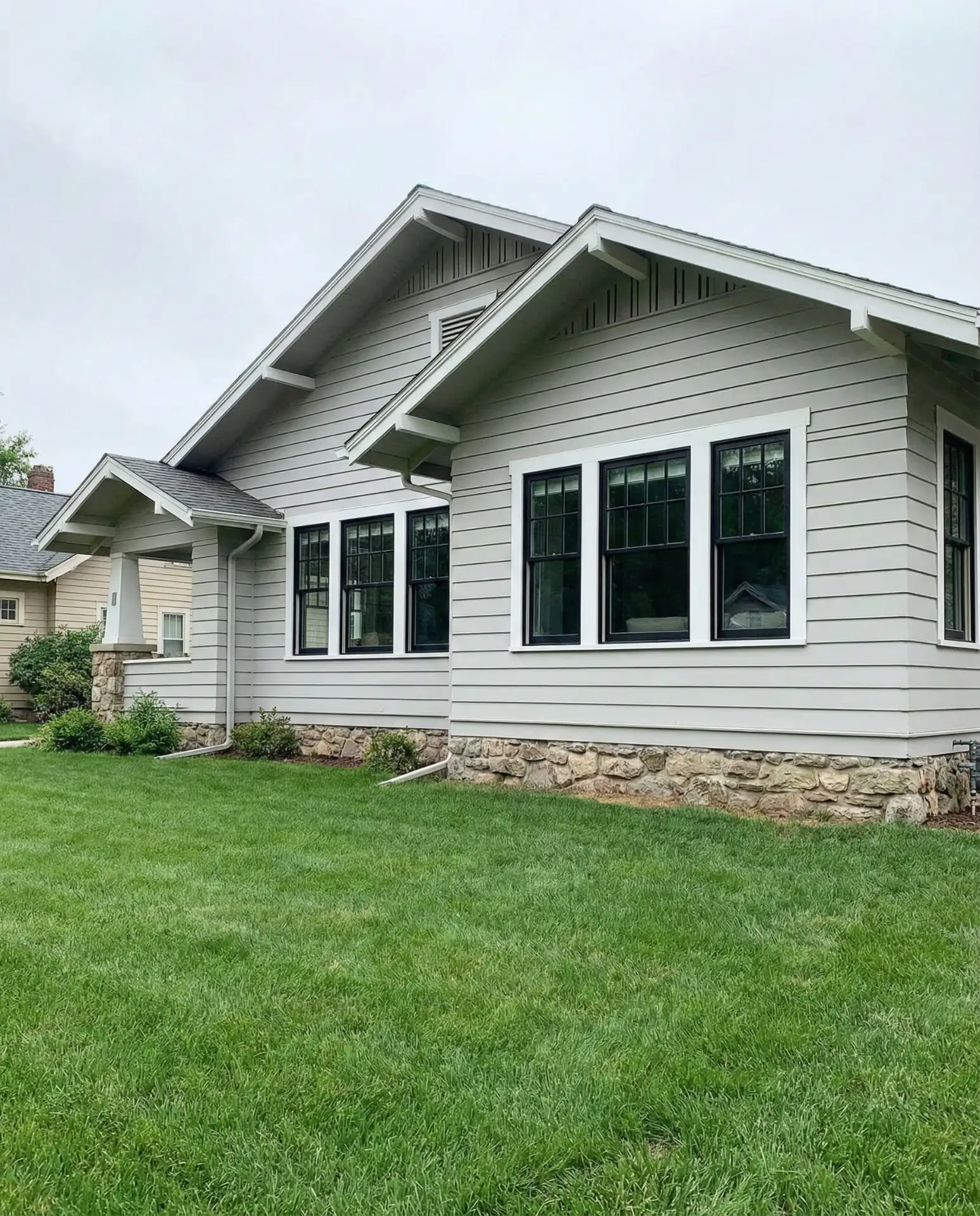
Budget angle: replacing windows is expensive—figure two hundred to eight hundred dollars per window depending on size and material—but if your existing frames are in good shape, you can achieve a similar effect by painting wood or vinyl trim matte black. Use a high-quality exterior paint with UV inhibitors, and prep thoroughly. Peeling black trim looks worse than peeling white, so don’t skip the primer.
13. Green Exterior as a Grounding Neutral
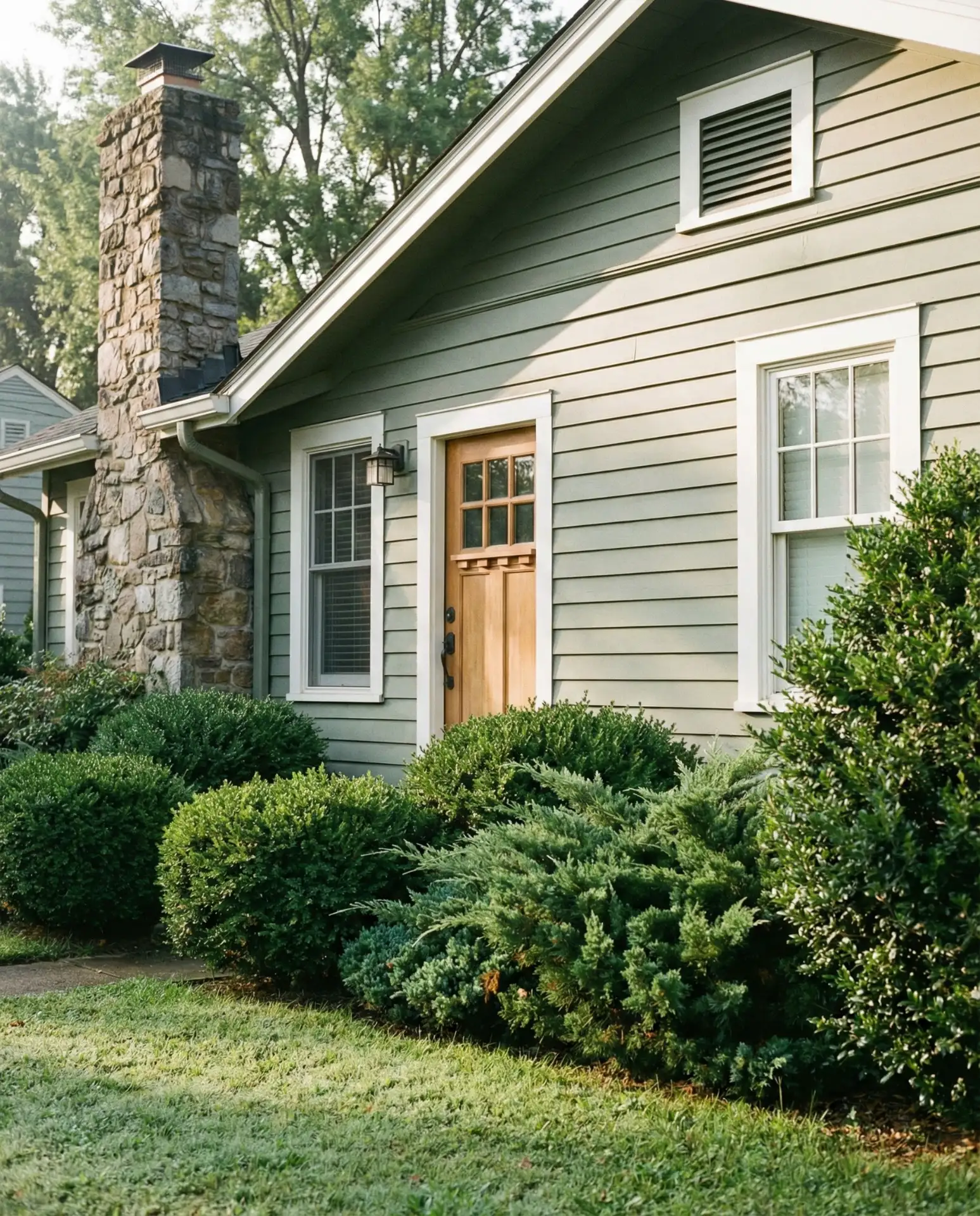
Forget builder beige—green is the new neutral for bungalow exteriors. From mossy sage to deep forest, these tones connect the house to its surroundings in a way that feels organic rather than contrived. This palette works beautifully in wooded settings, but it’s also gaining traction in suburban and urban contexts where homeowners want something unexpected. Pair green siding with natural wood accents and you’ve got a look that reads as both current and timeless. 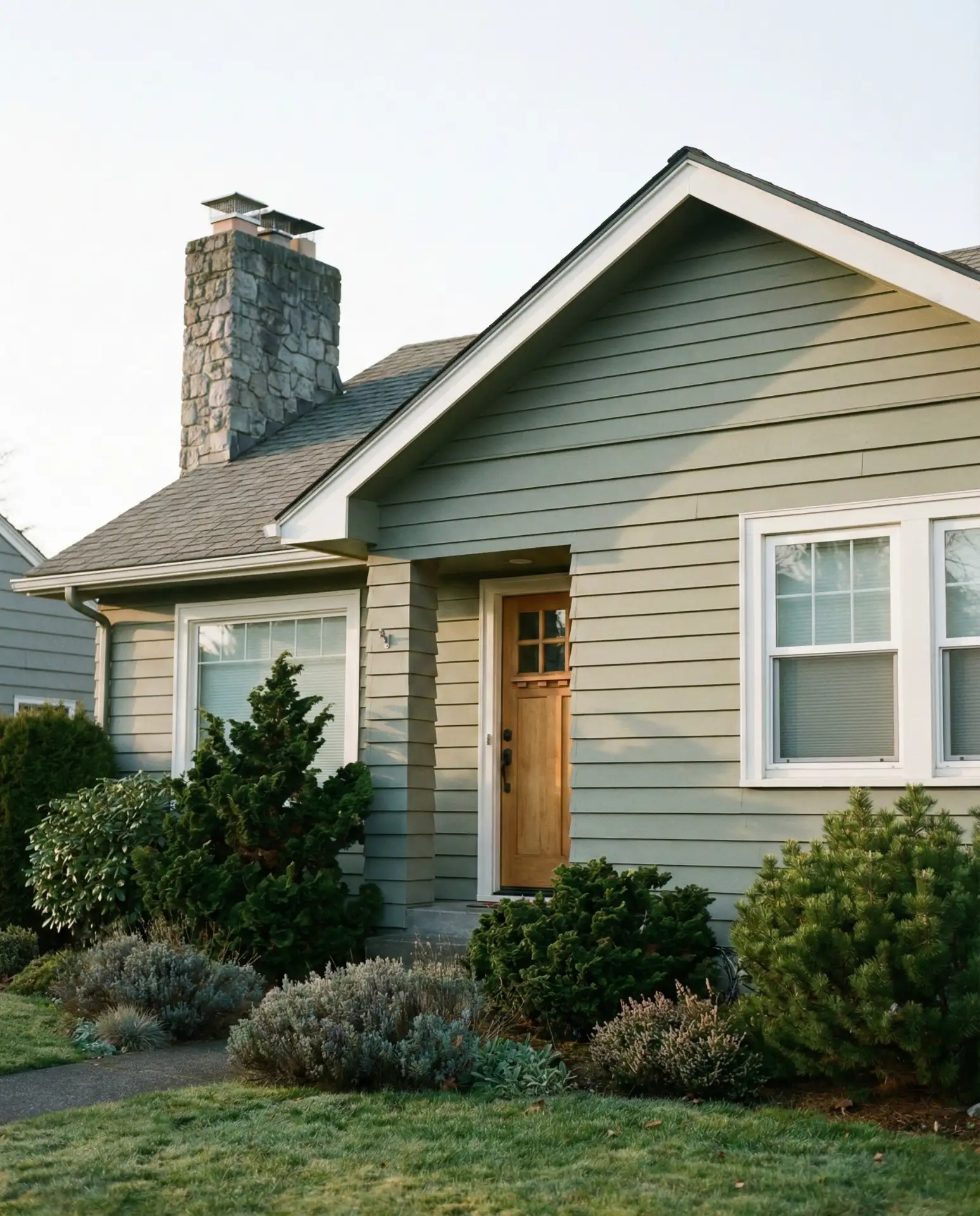
Where it works best: anywhere with mature trees or native landscaping. The green exterior becomes a backdrop for seasonal color—think fall foliage or spring blooms—rather than competing with it. If you’re hesitant, test a few shades on large poster boards and tack them to the house for a week. Green shifts dramatically in different light, so live with it before committing to twenty gallons of paint.
14. Luxury Details on a Classic Shell
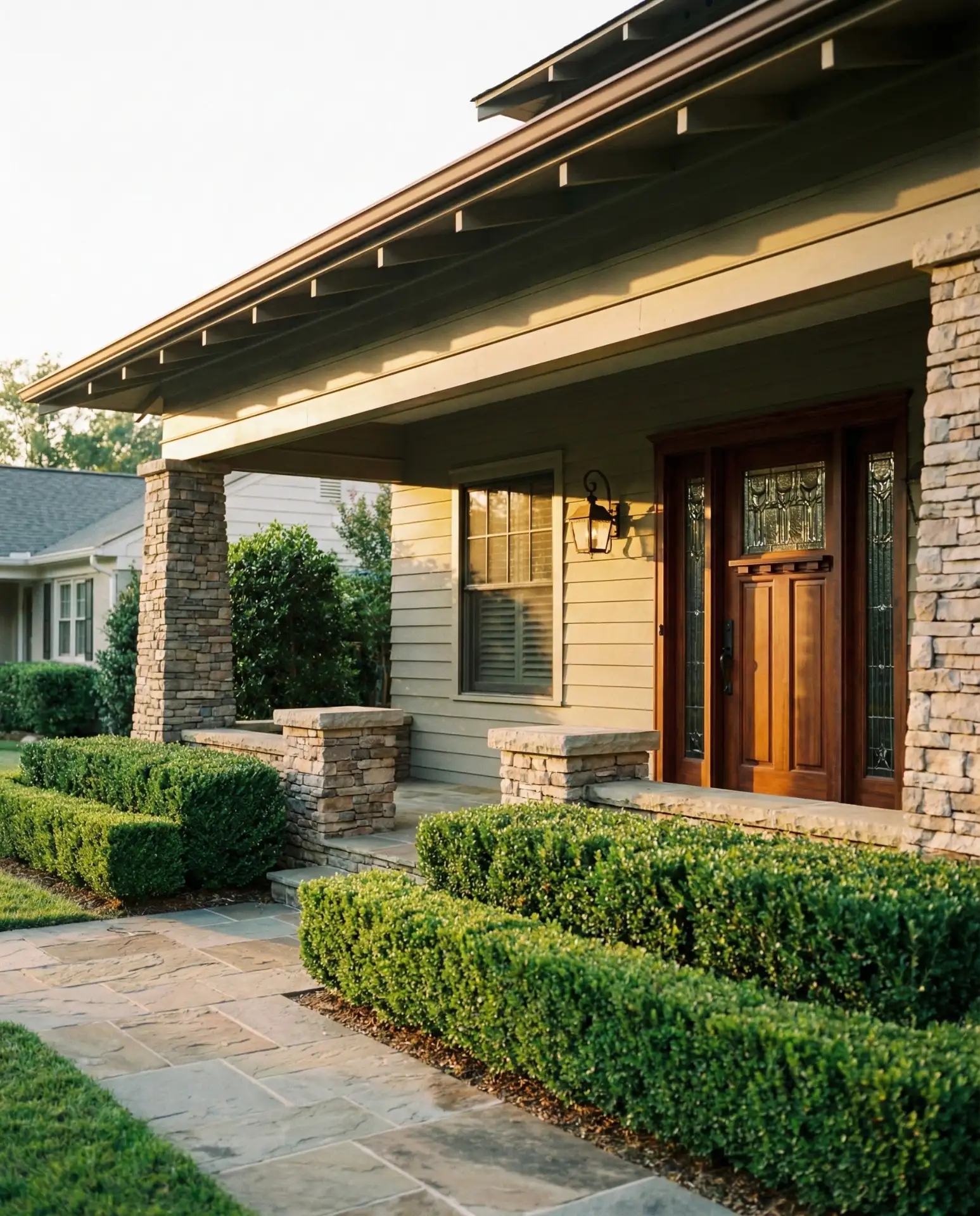
You don’t need a mansion to embrace luxury—sometimes it’s just about the details. High-end materials like custom mahogany doors, hand-forged iron hardware, or stone veneers can transform a modest bungalow into something that feels curated and intentional. In 2026, homeowners are mixing these premium touches with traditional forms, creating exteriors that honor the past while signaling that quality matters. It’s a quiet wealth approach that never goes out of style. 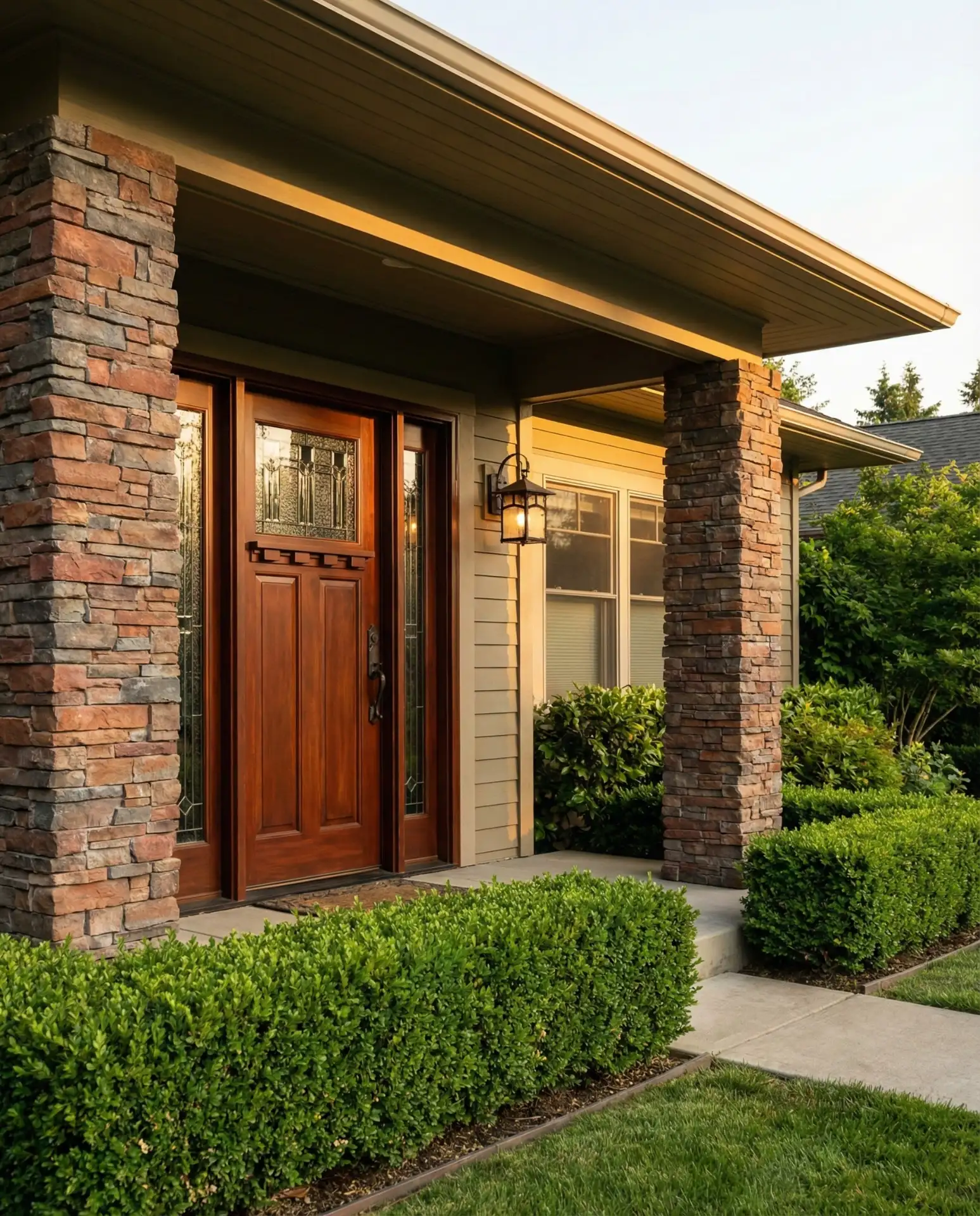
Expert commentary: the difference between a good exterior and a great one often comes down to proportion and material quality. A solid wood door costs more than a fiberglass one, but it ages beautifully and can be refinished indefinitely. Same with real stone versus faux stone veneer—the initial investment is higher, but the long-term payoff in both durability and aesthetics is worth it, especially if you plan to stay in the home.
15. Seventies Revival with Bold Geometry
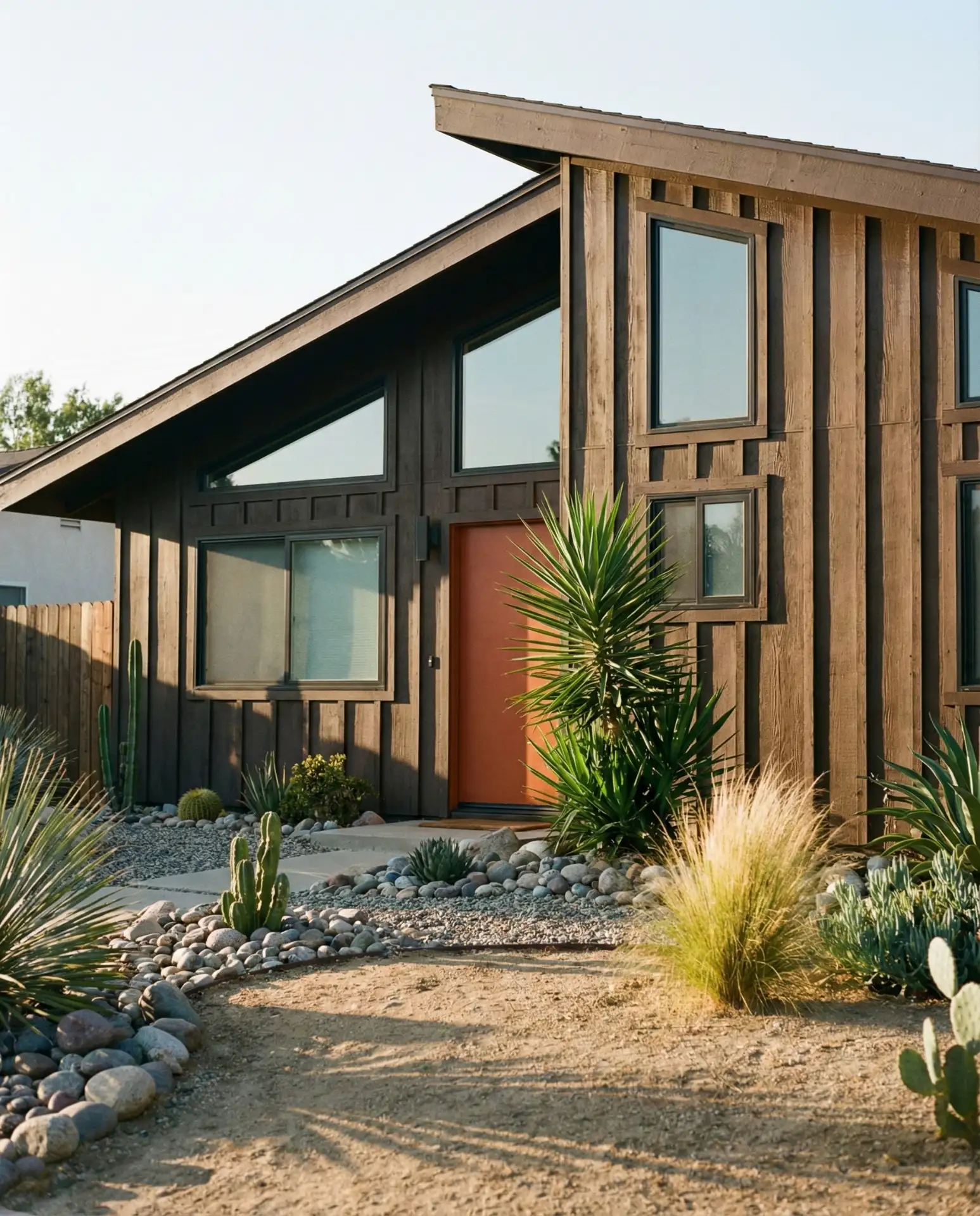
The 70s bungalow is having a moment, thanks to a renewed appreciation for its angular rooflines, asymmetrical facades, and experimental use of materials like rough-sawn cedar and dark-stained wood. These homes were built during a period of architectural risk-taking, and they stand out in neighborhoods dominated by more conservative styles. In 2026, restoration efforts are embracing the original weirdness—preserving angular windows, zigzag siding patterns, and even orange or avocado accent colors. 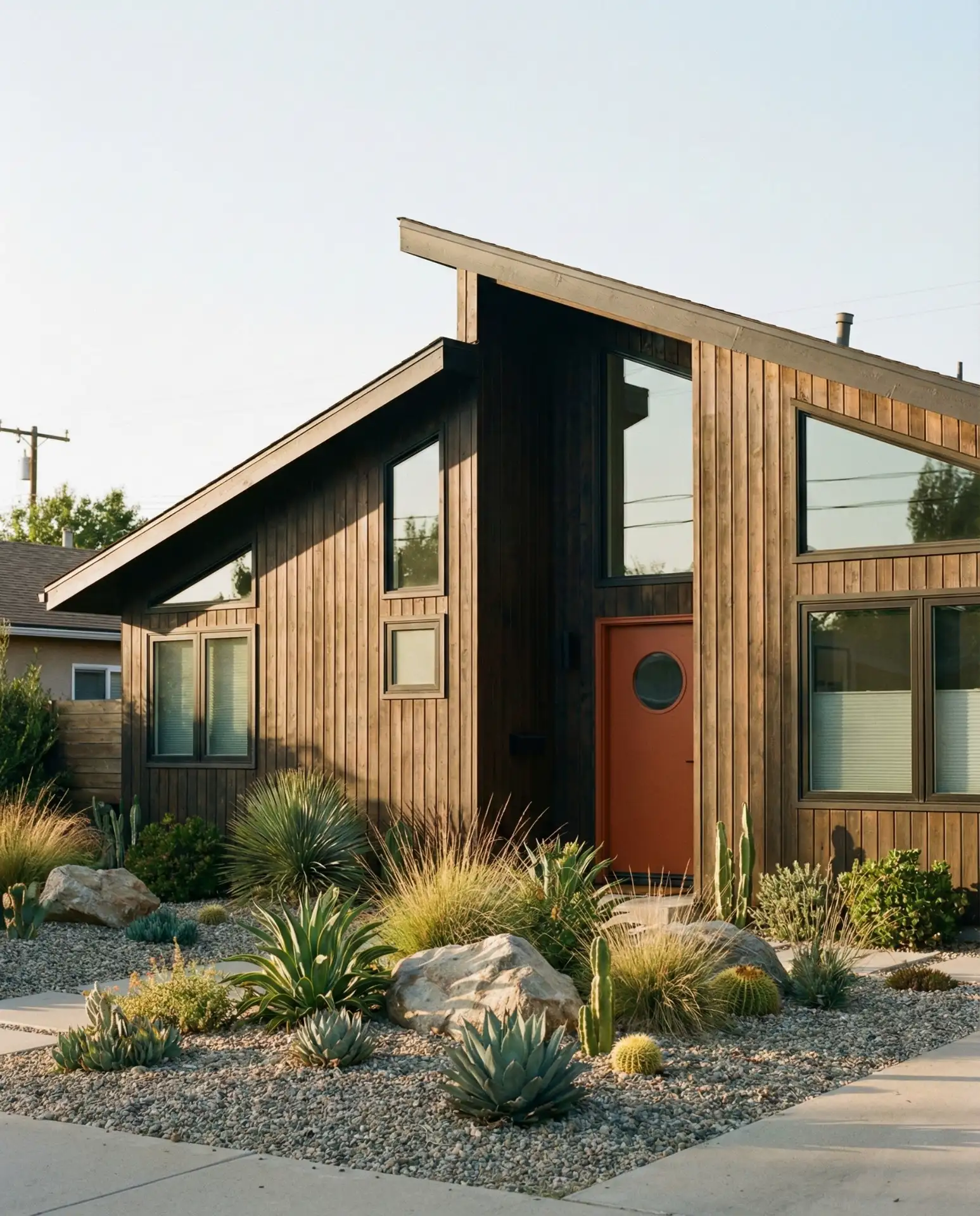
A designer in Denver recently restored a 1972 bungalow by stripping off vinyl siding to reveal the original cedar underneath. She kept the angular form and added a rust-colored metal roof that echoed the home’s funky vibe. The key to making this style work is confidence—don’t try to sand down the edges. Lean into the geometry and let the house be what it is.
16. Florida-Style with Hurricane-Rated Features
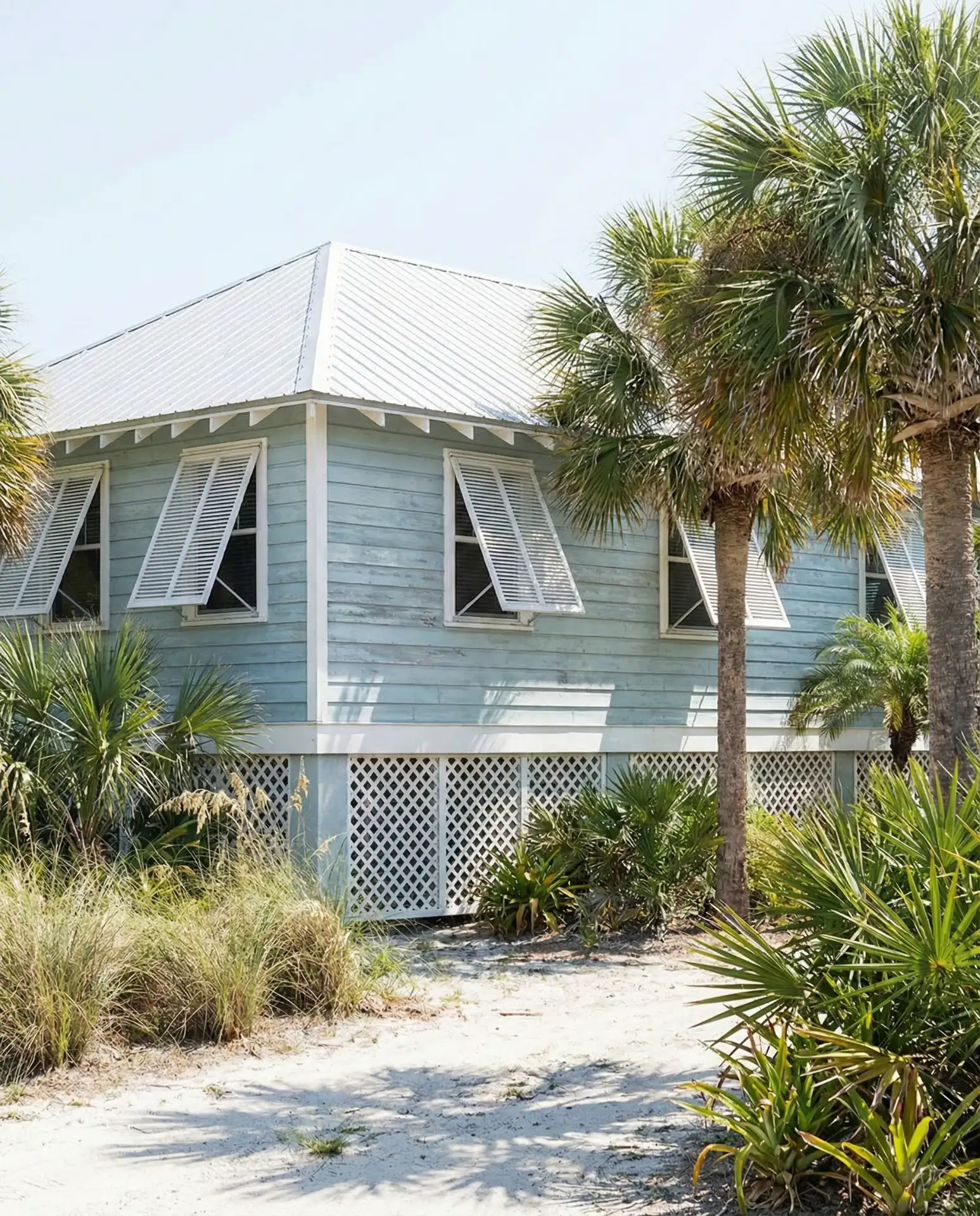
In Florida and other hurricane-prone regions, the bungalow exterior has to balance aesthetics with serious storm protection. That means impact-resistant windows, reinforced roof-to-wall connections, and often a raised foundation to mitigate flooding. The good news is that many of these features—like metal roofing and Bahama shutters—also happen to look great. The Florida bungalow leans coastal, with light colors, open porches, and louvered windows that maximize airflow.
Practical insight: hurricane-rated windows cost about twice as much as standard ones, but they can lower your insurance premiums significantly—sometimes by fifteen to twenty percent annually. If you’re in a high-risk zone, that payback period is just a few years. And beyond the financial angle, there’s peace of mind knowing your home can handle a Category 3 storm without you scrambling to put up plywood panels.
17. White Bungalow with Dark Roof Contrast
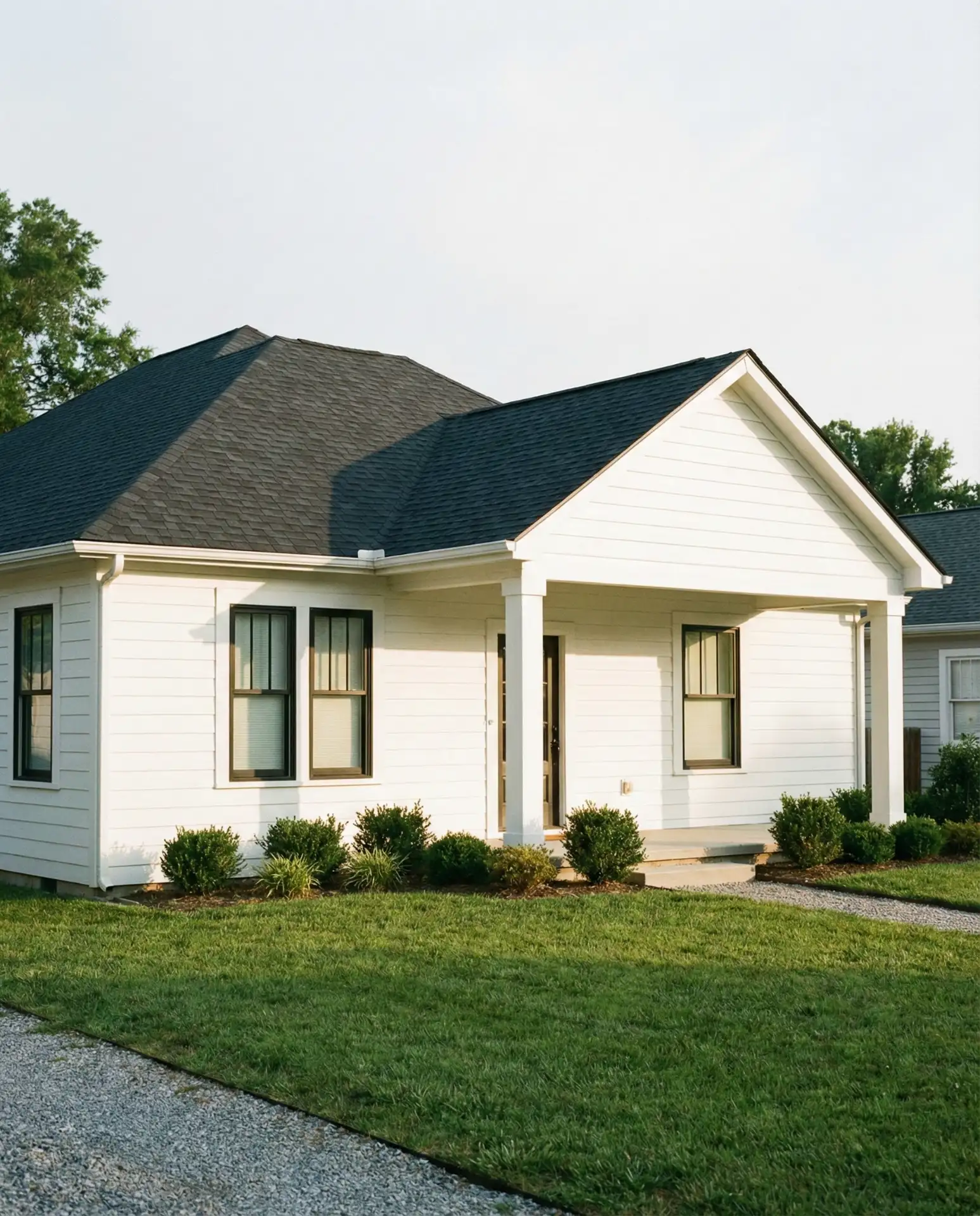
The white exterior remains a perennial favorite for its simplicity and light-reflecting properties, but in 2026, the pairing with dark roofing—charcoal, deep brown, or black—is creating a crisp, high-contrast look that photographs like a dream. This combination works across styles, from Craftsman to cottage, and it’s particularly striking when the trim and details are also kept clean and minimal. The dark roof grounds the home visually, preventing it from feeling too lightweight or washed out. 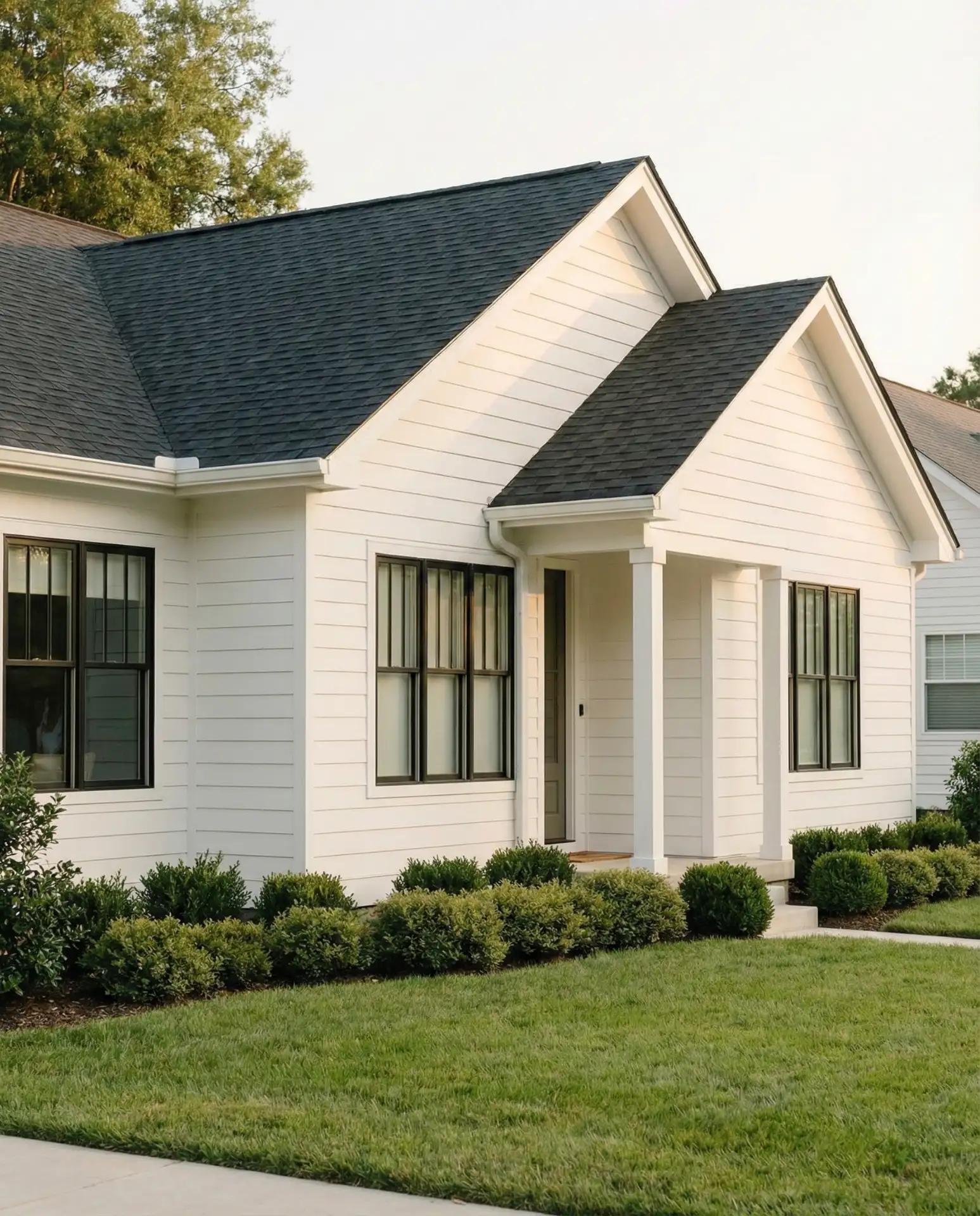
Common mistake: choosing a pure white that shows every speck of dirt and pollen. Instead, opt for a warm white or a white with a hint of gray or cream—something like Benjamin Moore’s Swiss Coffee or Sherwin-Williams’ Alabaster. These softer whites are more forgiving and don’t turn dingy as quickly. And if you’re in a region with heavy tree cover, budget for an annual power wash to keep the exterior looking fresh.
18. Californian Indoor-Outdoor Flow
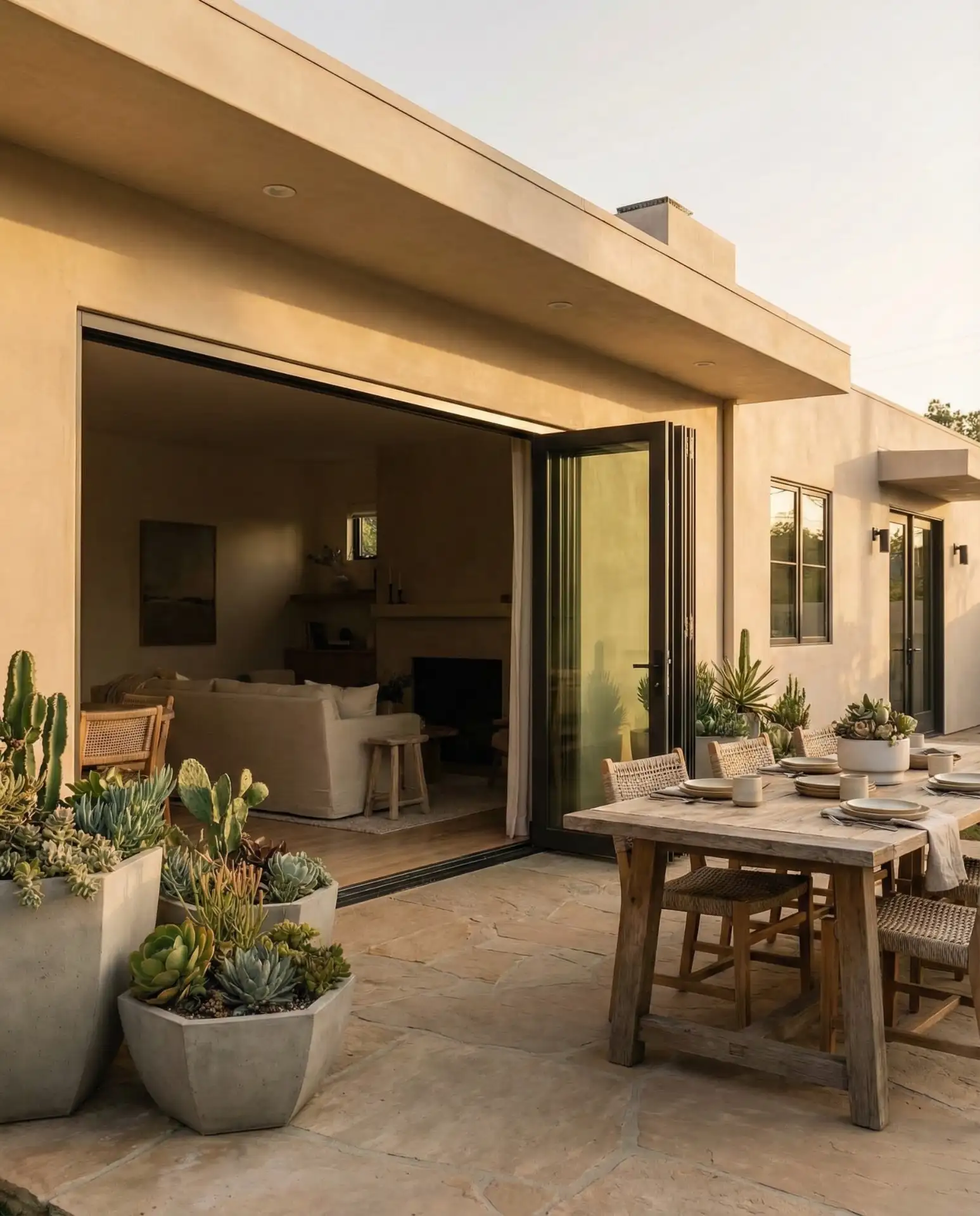
The Californian bungalow is designed around the idea that walls are optional—or at least permeable. Large sliding glass doors, accordion windows, and covered patios extend the living space outdoors, blurring the line between interior and exterior. This approach makes the most of the state’s temperate climate and has been adopted in other sun-drenched regions like Arizona and Southern Texas. The exterior is often understated—smooth stucco in neutral tones—because the real action is happening at the threshold. 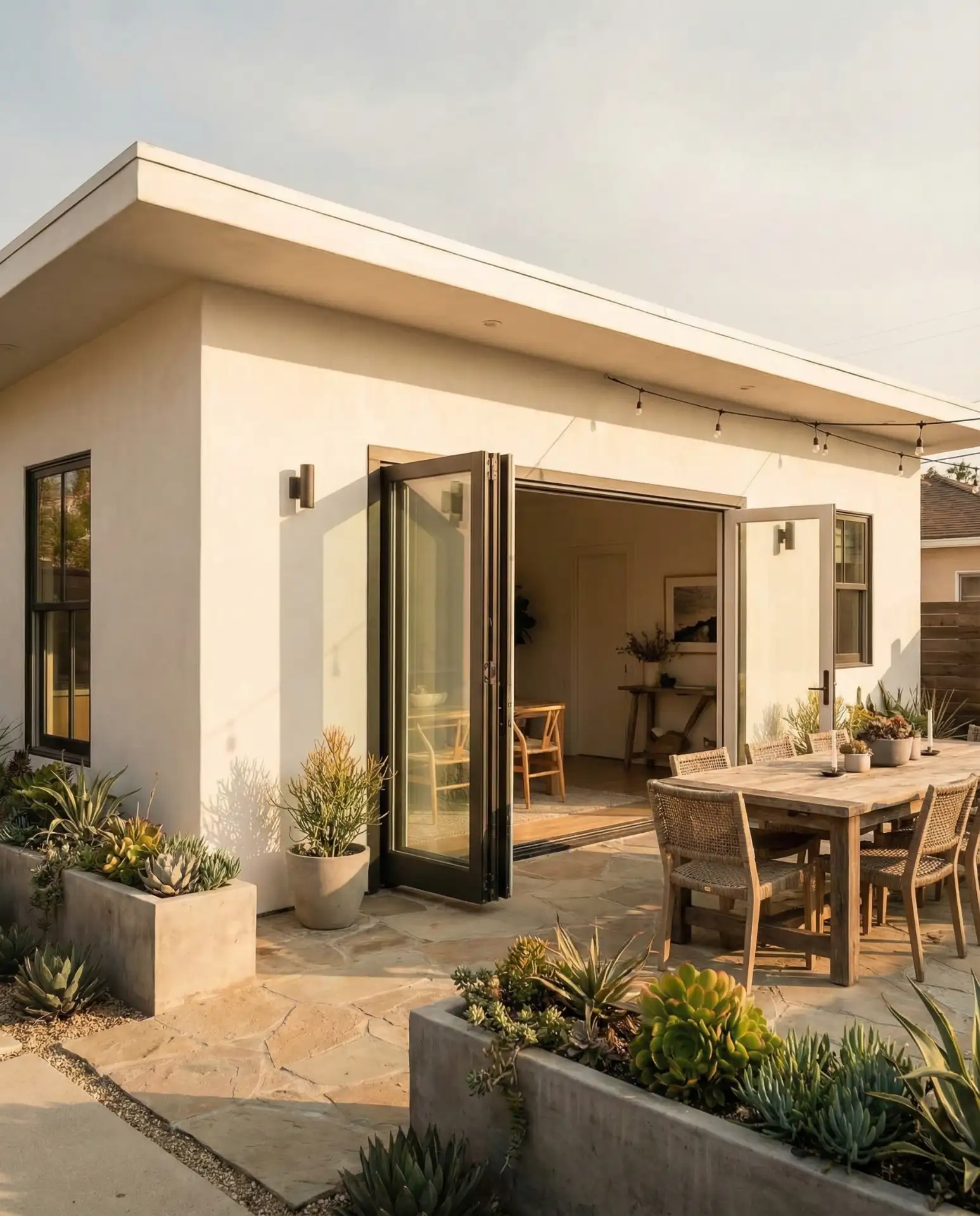
Regional context: this style thrives where the weather cooperates year-round. In colder climates, the same design philosophy can be adapted by adding screened porches or three-season rooms that provide a buffer zone. The goal is the same—make the outside accessible and inviting. If you’re remodeling, prioritize transition spaces. A well-designed threshold can make a twelve-hundred-square-foot bungalow feel twice that size.
19. House Design Modern with Minimal Ornament
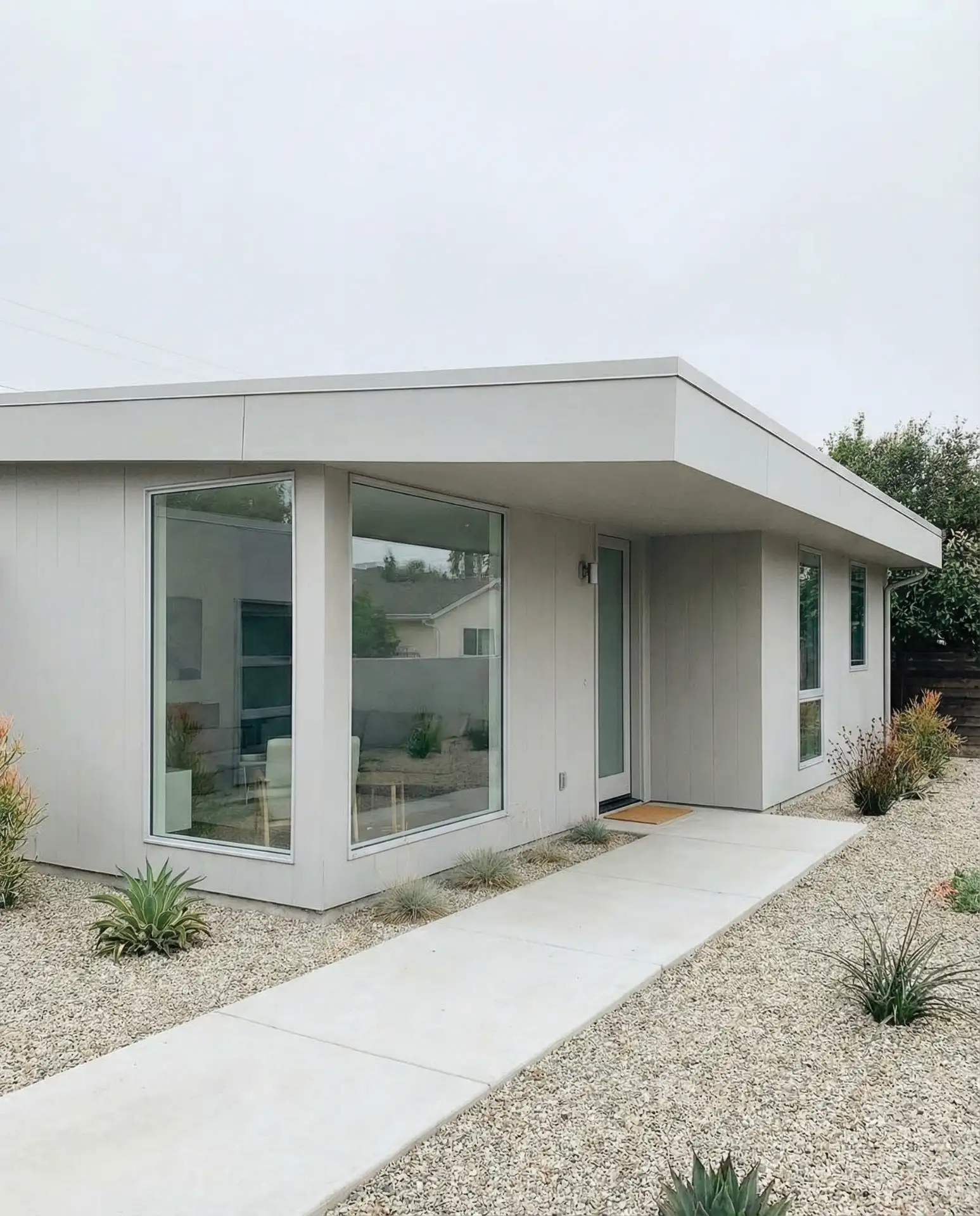
The modern bungalow strips away decorative trim, brackets, and fussy details in favor of clean lines and honest materials. This approach borrows from Scandinavian and Japanese design principles—less is more, and every element earns its place. Exteriors might feature fiber cement panels, metal cladding, or smooth plaster, often in monochromatic palettes. The result is a house design that feels calm, purposeful, and refreshingly unburdened by tradition. 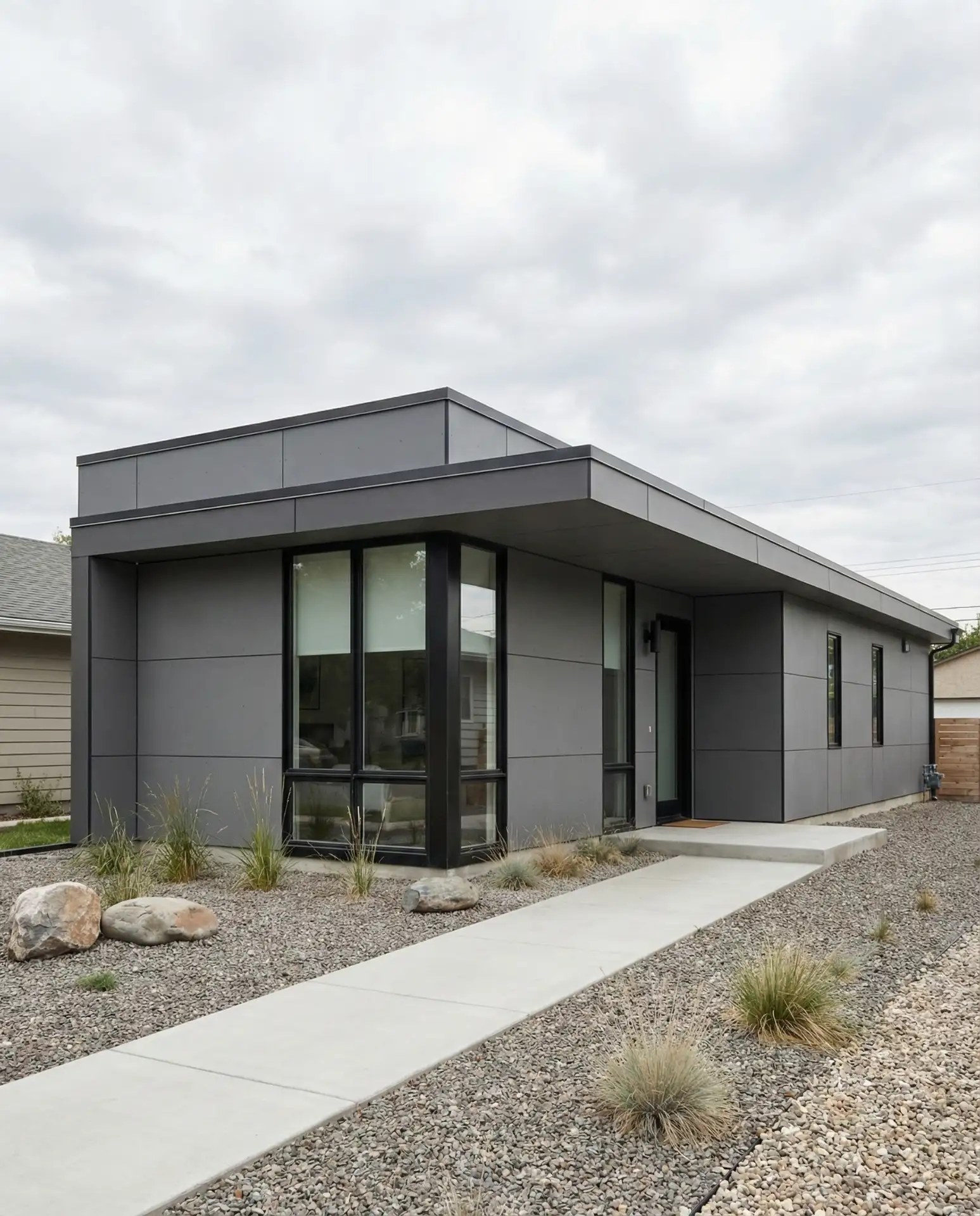
A homeowner in Seattle gutted a tired 1920s bungalow and rebuilt the exterior with matte black fiber cement and floor-to-ceiling glass. Neighbors were skeptical at first, but the house sold for forty percent above the neighborhood average when she moved three years later. Modern design is polarizing, but it’s also timeless in its own way. If you commit, commit fully—half measures look confused.
20. Makeover on a Budget with Strategic Updates
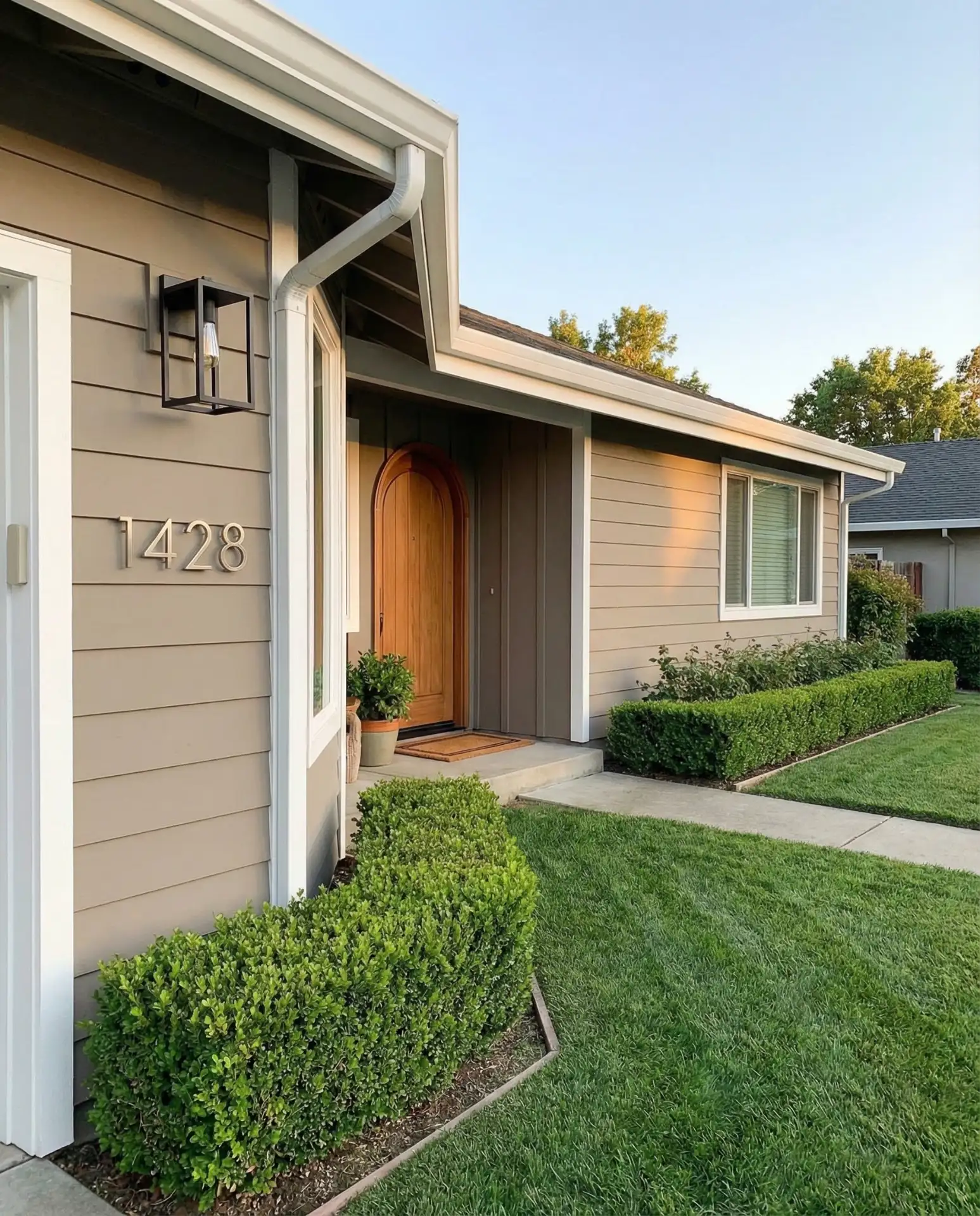
Not every bungalow makeover requires a gut renovation. Sometimes the most dramatic transformations come from strategic, budget-conscious updates—fresh paint, new house numbers, updated porch lighting, and better landscaping. These changes cost a fraction of what new siding or windows would run, but they signal that the home is cared for. In real estate terms, curb appeal matters, and a little effort goes a long way toward making a first impression that sticks. 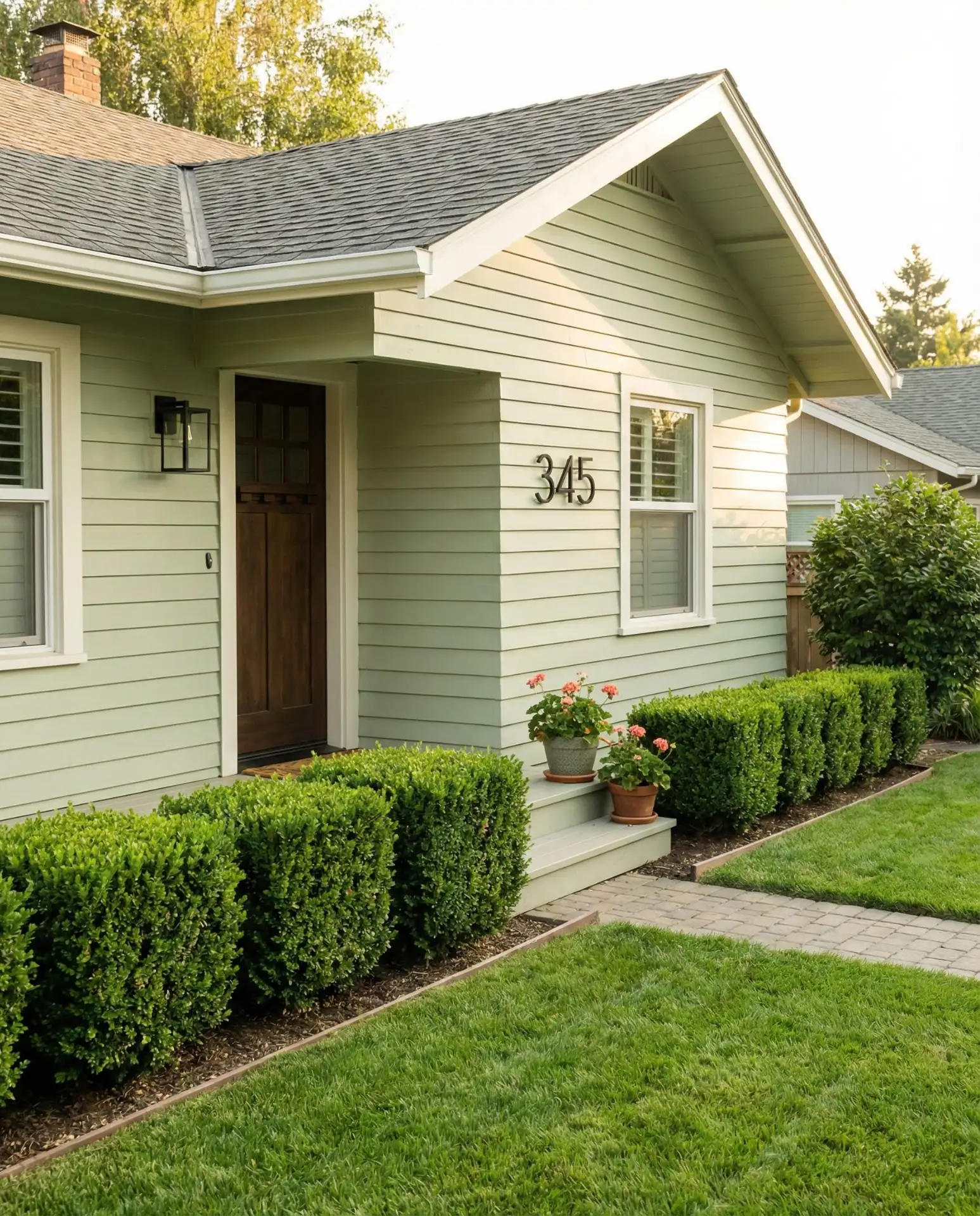
Budget breakdown: a gallon of quality exterior paint costs about forty to sixty dollars and covers roughly four hundred square feet. New porch lighting runs fifty to two hundred dollars depending on style. Modern house numbers? Fifteen to fifty dollars. For under a thousand dollars, you can give your bungalow a refresh that looks like it cost five times that much. The trick is knowing where to focus your energy and your wallet.
21. UK-Inspired Rendered Cottage Aesthetic
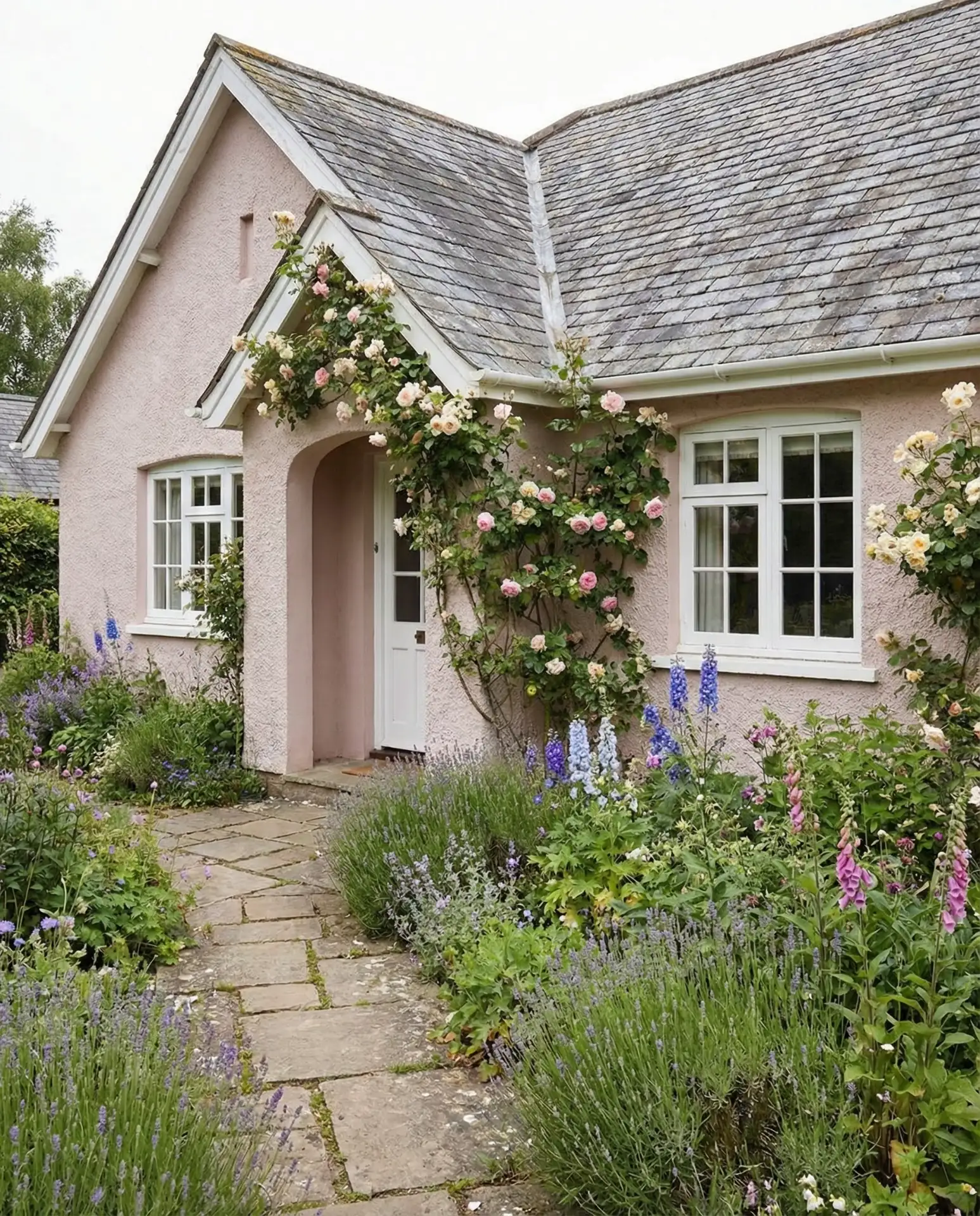
Taking cues from English countryside homes, some American bungalows are adopting a rendered finish in soft pastels—dusty pink, butter yellow, or pale blue—that feels both whimsical and grounded. This UK-inspired aesthetic pairs beautifully with stone accents, slate roofing, and traditional casement windows. It’s a look that works surprisingly well in cooler, wetter climates like the Pacific Northwest or New England, where the soft colors echo overcast skies and lush greenery. 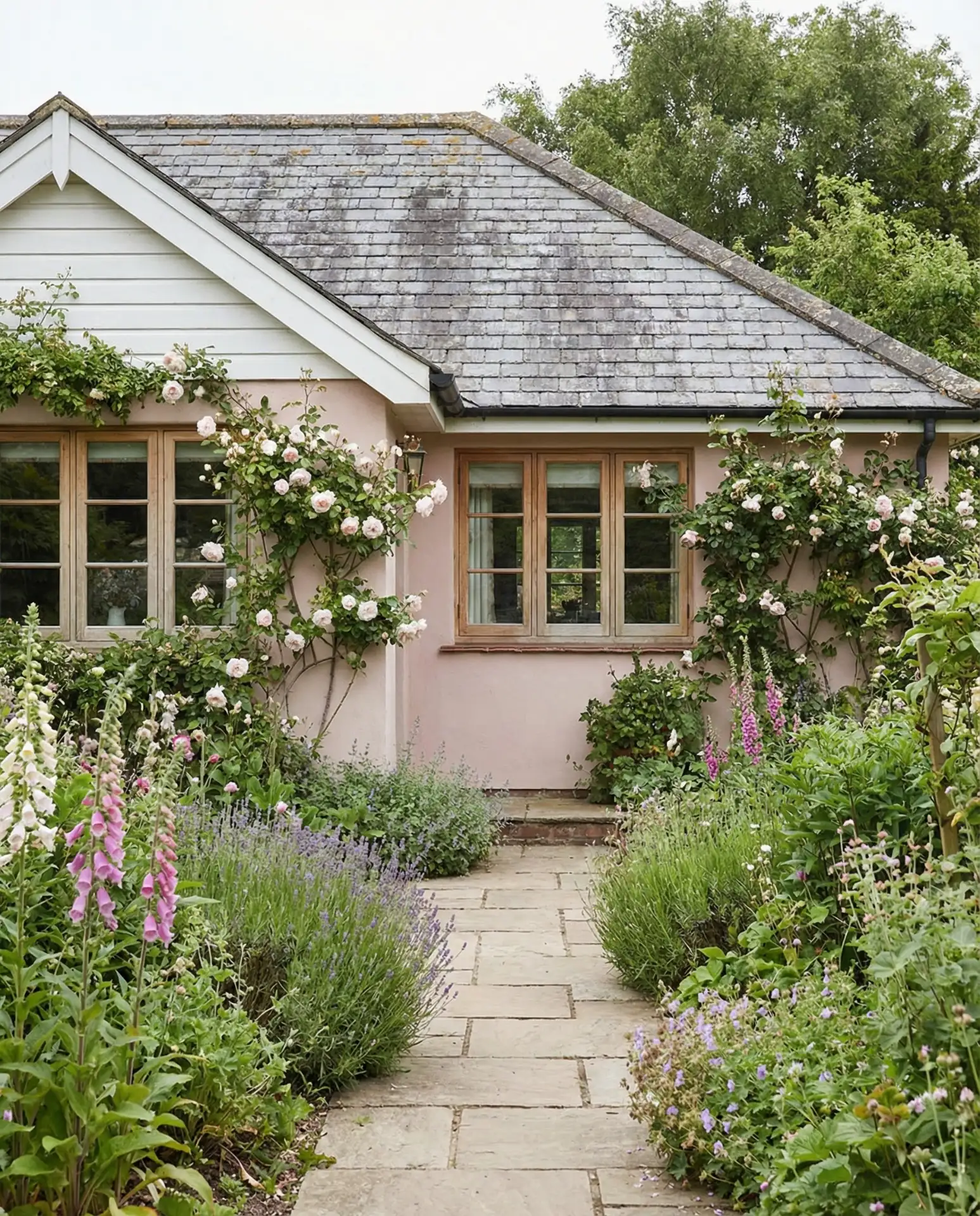
American lifestyle note: this style appeals to people who want something a little different from the standard suburban palette. It’s romantic without being precious, and it photographs beautifully for social media, which has helped drive its popularity. If you’re considering a pastel exterior, test the color extensively—what looks charming in photos can sometimes read as too sweet in person. Balance is everything.
22. Front Entry as a Focal Point
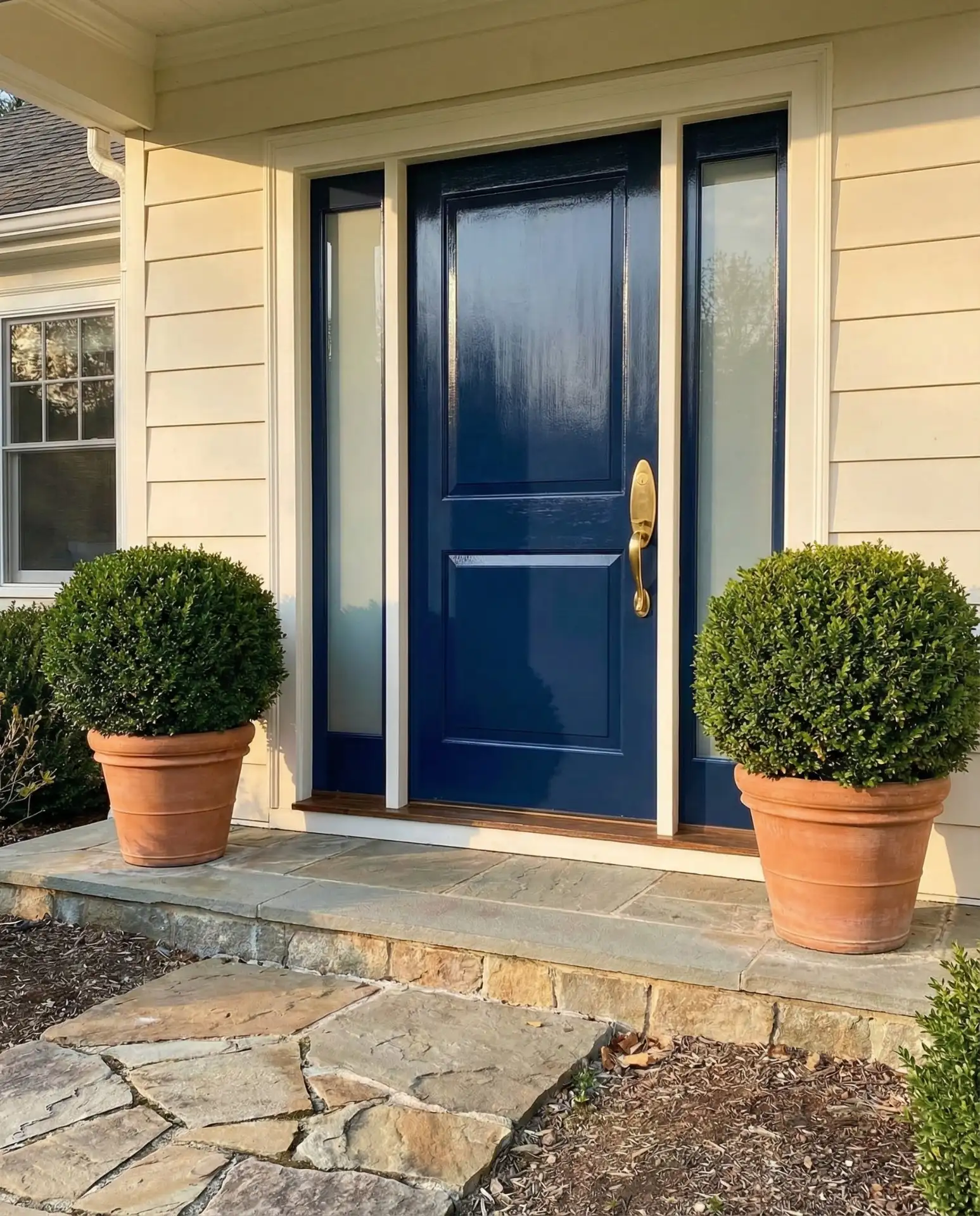
The front door and entry are the first things visitors notice, so in 2026, homeowners are investing in statement-making details—custom doors in bold paint colors, oversized hardware, decorative transoms, and even sidelights with art glass. This is where personality lives, whether you choose a glossy red door on a white Craftsman or a natural wood door with hand-forged iron pulls on a modern shell. The entry sets the tone for everything that follows. 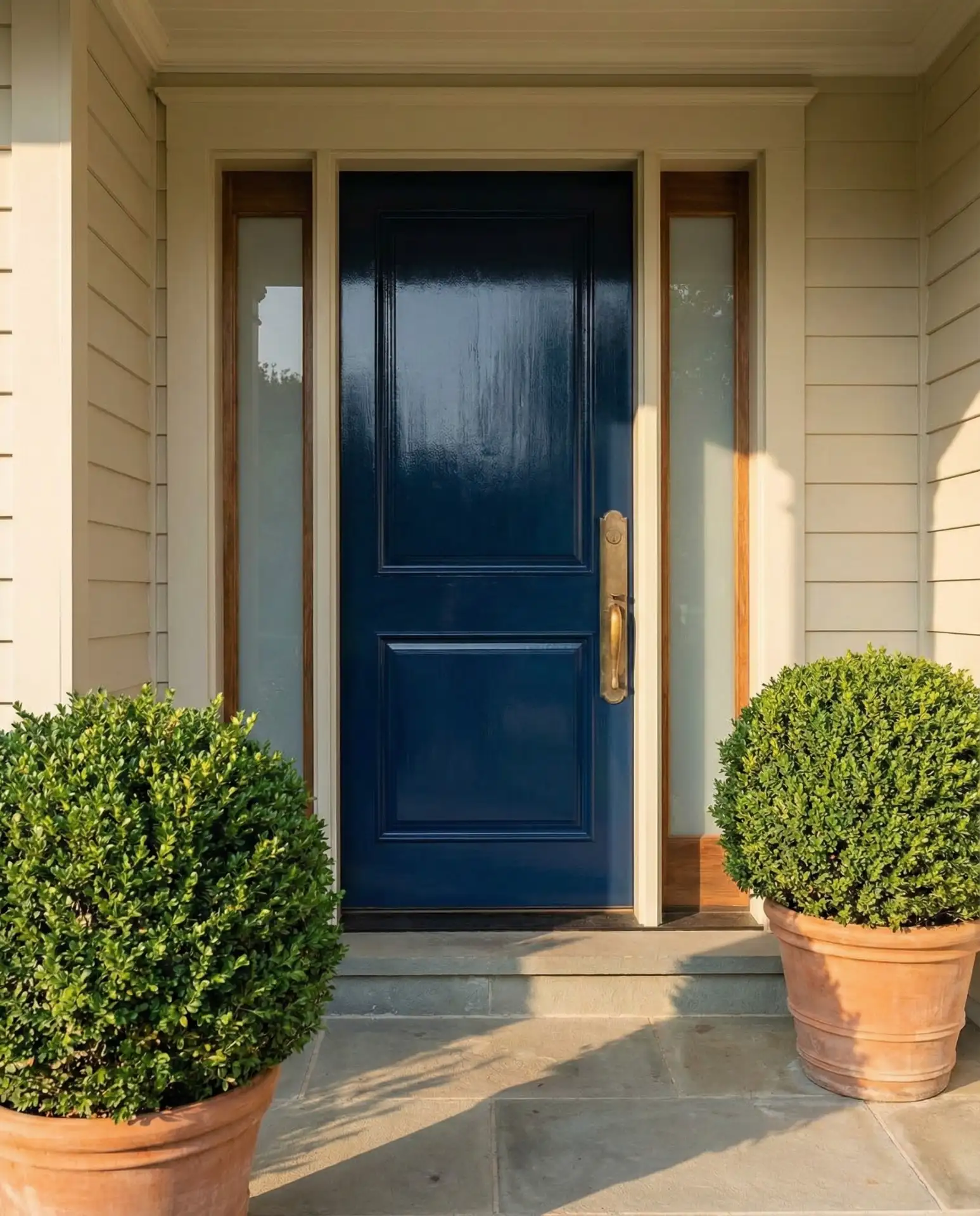
Real homeowner behavior: people agonize over paint colors for walls but forget that the front door is one of the easiest places to take a risk. A bold door color costs maybe fifty dollars in paint and a few hours of labor, and it’s easily changed if you decide you don’t like it. Try something unexpected—deep green, burnt orange, charcoal, even glossy black. The front door is where safe can become boring.
23. Paint Color Trends for 2026
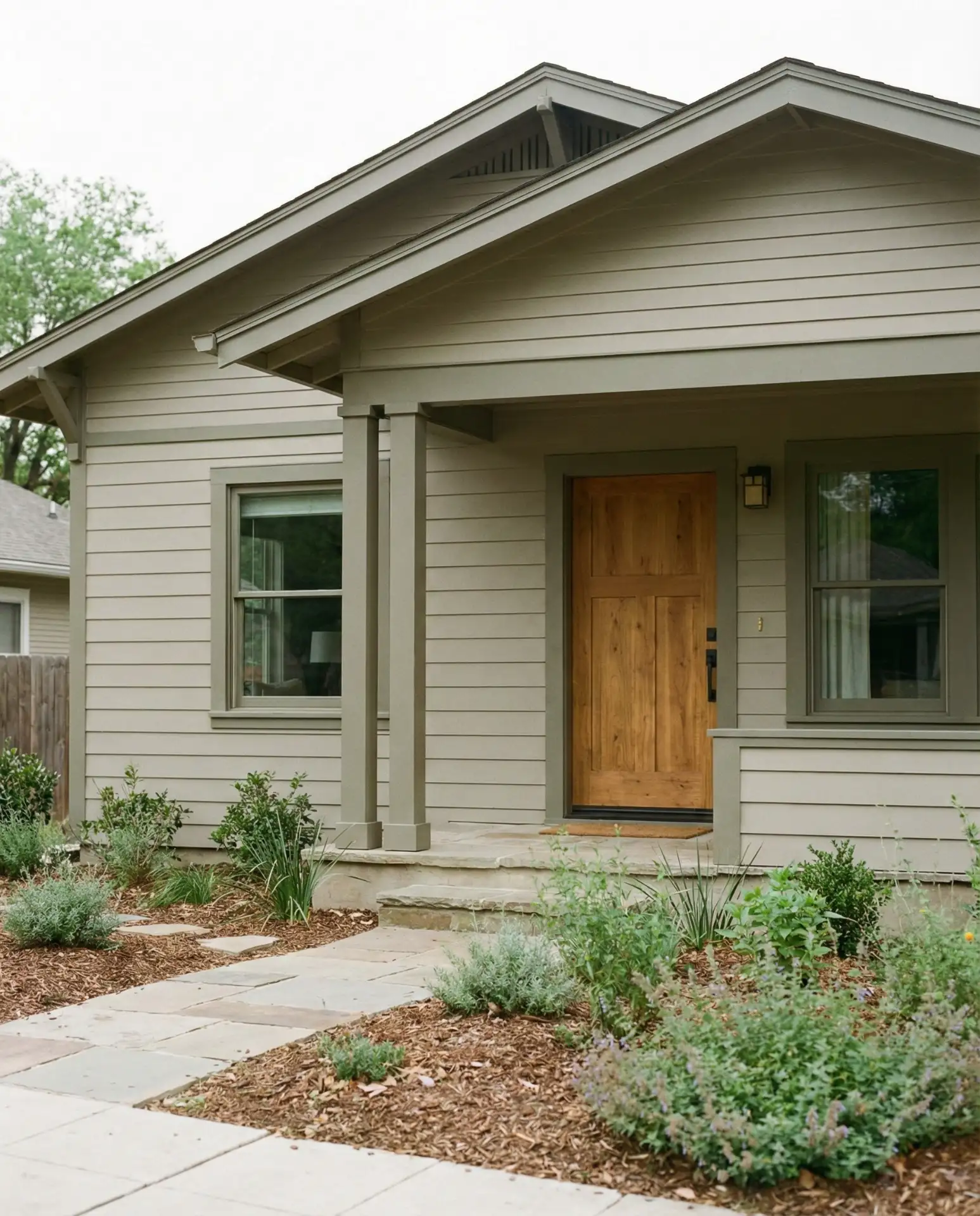
Paint colors for bungalows are shifting toward earthy, complex neutrals—think warm grays with green undertones, soft taupes, and muted terracottas. These shades work across architectural styles, from Craftsman to modern, and they ground the home in its landscape rather than making it stand out. In 2026, the trend is away from stark contrasts and toward tonal harmonies, where siding, trim, and accents exist in the same color family but vary in depth. 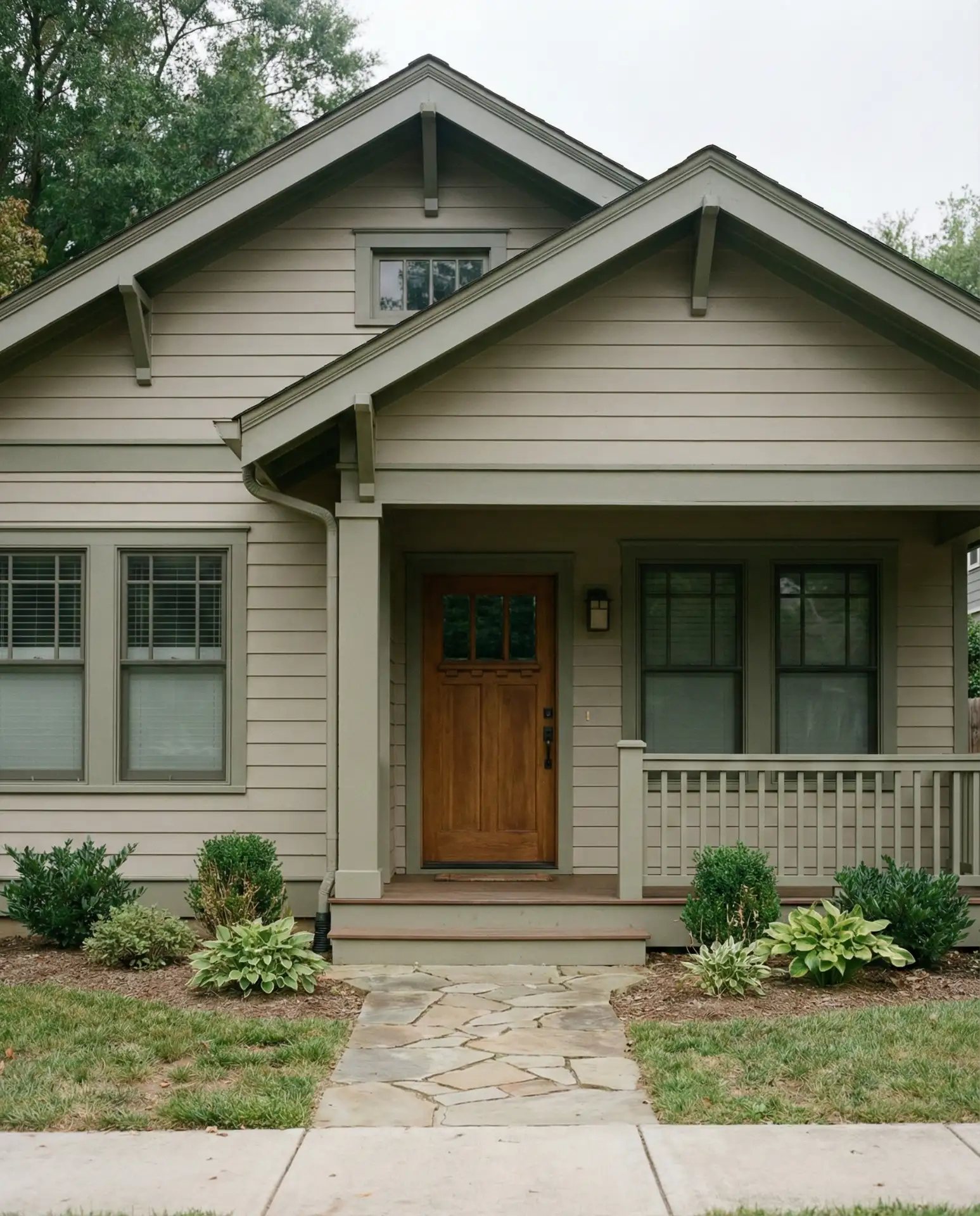
Expert insight: the best exterior paint colors are the ones that you don’t immediately notice—they just feel right. That means considering the fixed elements you can’t change: roof color, foundation material, surrounding landscape. Sample boards are your friend. Paint large swatches and observe them over several days in different lighting conditions. What looks perfect at noon might look muddy at dusk, and vice versa.
Conclusion
The bungalow exterior is proof that good design doesn’t age—it just evolves. Whether you’re drawn to the historical integrity of a Craftsman or the clean simplicity of a modern reinterpretation, there’s room to make this style your own. These twenty-three ideas are starting points, not rules, so take what resonates and leave the rest. What’s your favorite bungalow look from the list, or are you working on an exterior project of your own? Share your thoughts in the comments below—we’d love to hear what’s inspiring you.