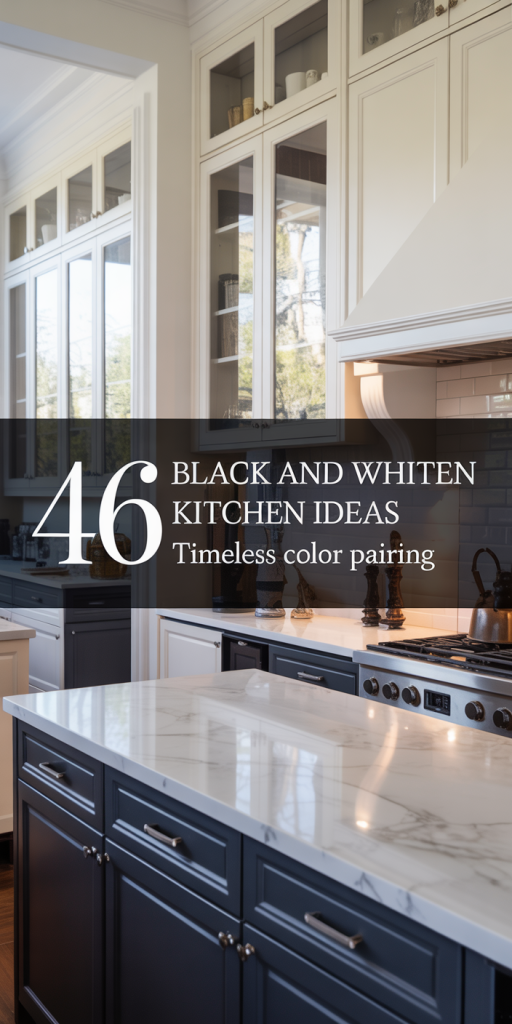
Black and white kitchens have never gone out of style, but in 2026, they’re being reimagined with fresh sophistication and unexpected twists. From Pinterest boards to real-life renovations, American homeowners are drawn to the timeless elegance and versatility of this classic palette. Whether you’re planning a full remodel or simply refreshing your space, the ideas ahead will show you how to blend modern sensibilities with enduring design principles. You’ll discover how to layer textures, introduce warmth, and make bold choices that feel both contemporary and livable. Let’s dive into inspiring ways to bring black and white harmony into your kitchen.
1. Crisp White Cabinets with Black Hardware
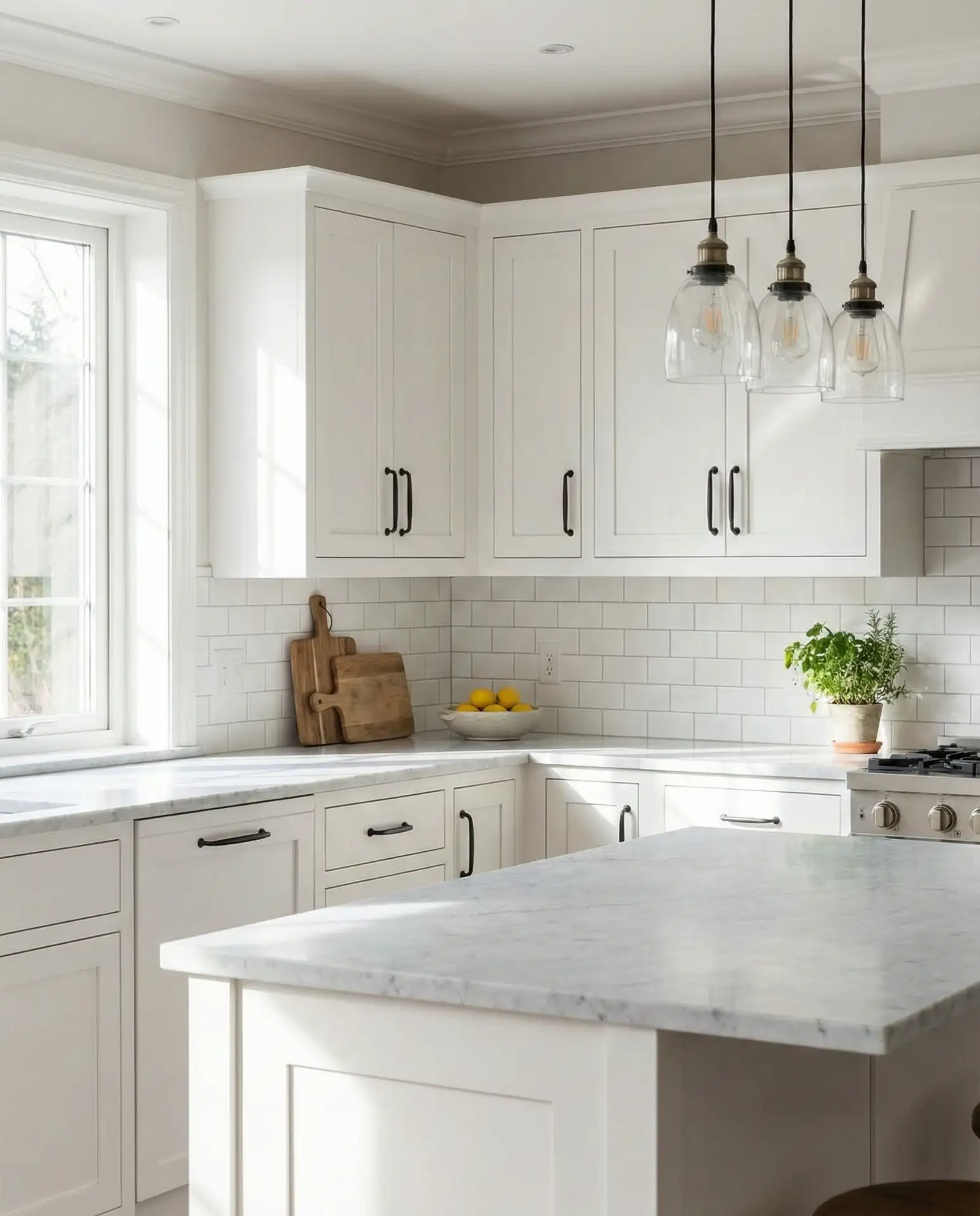
There’s something effortlessly chic about white cabinets paired with matte black pulls and knobs. This combination creates instant contrast without overwhelming the eye, making it a favorite for both farmhouse and modern interior design lovers. The hardware acts like jewelry for your kitchen, adding definition and a touch of refinement. It’s a simple swap that transforms builder-grade cabinets into something custom-looking and thoughtfully designed.
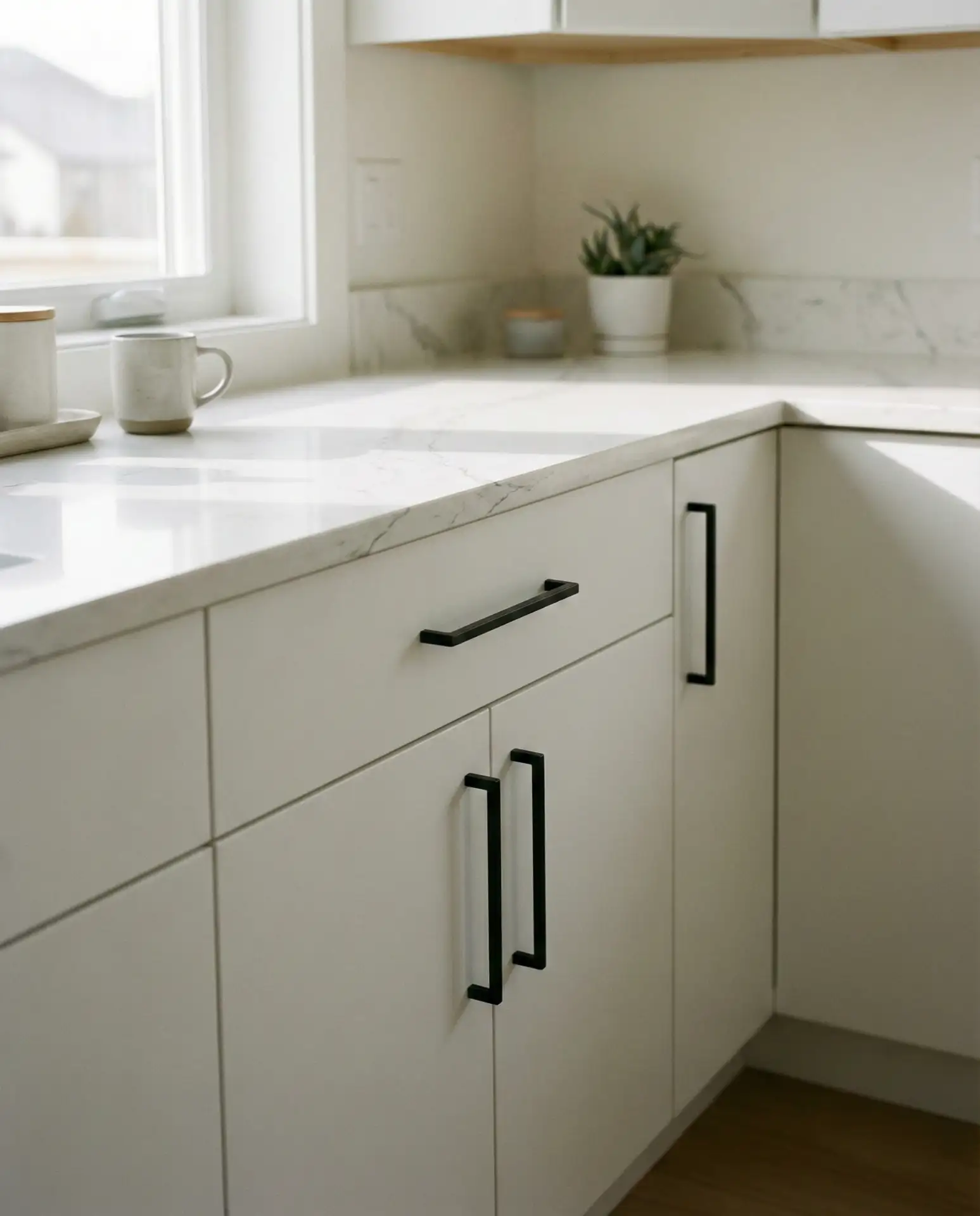
Where this works best is in smaller kitchens where you want to preserve brightness while still adding character. The dark hardware keeps things grounded and prevents the space from feeling too sterile or clinical. You can experiment with different finishes—brushed, polished, or even aged bronze—to match your overall vibe. This approach also ages well, staying relevant even as trends shift around it.
2. Bold Black Cabinets Against White Walls
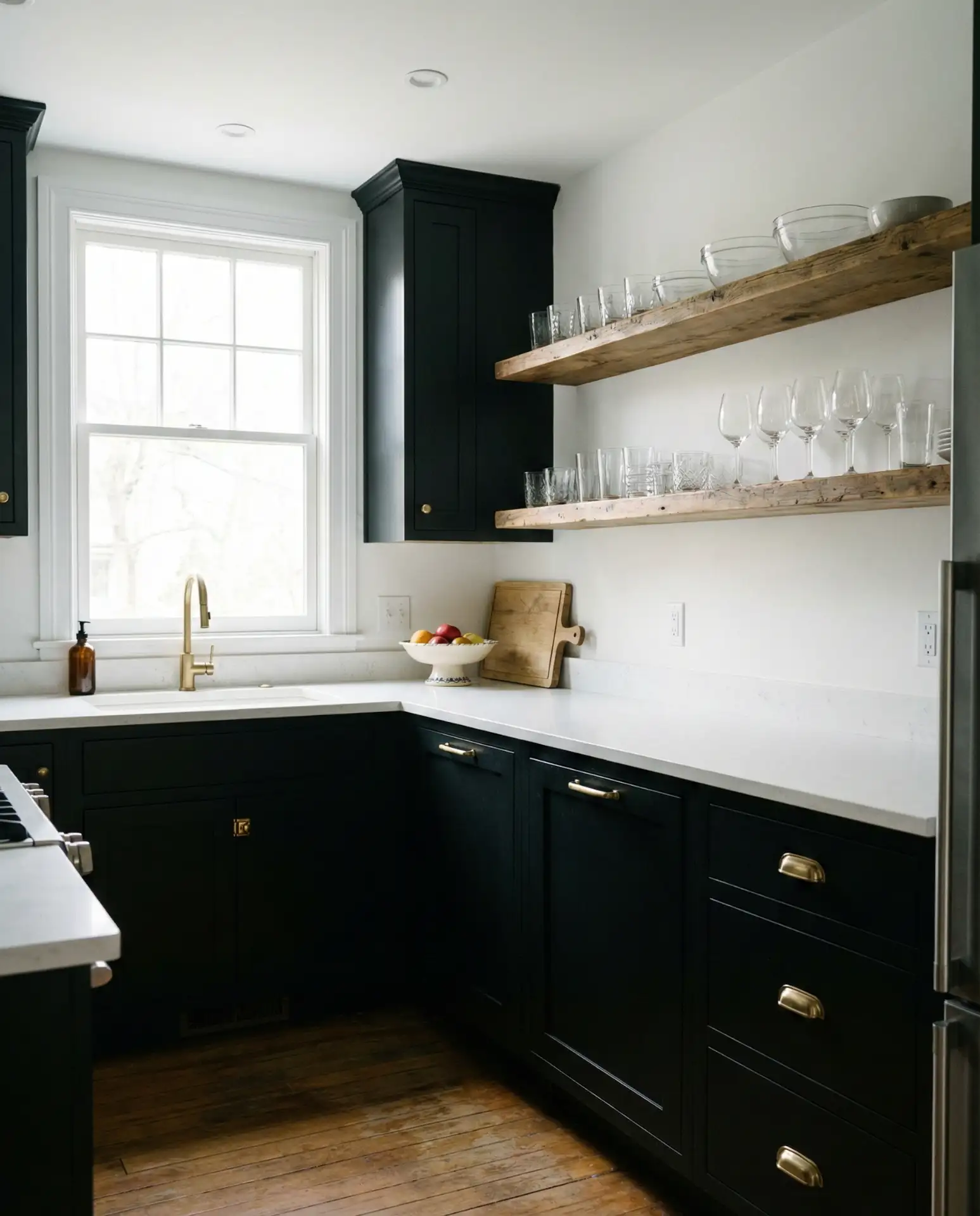
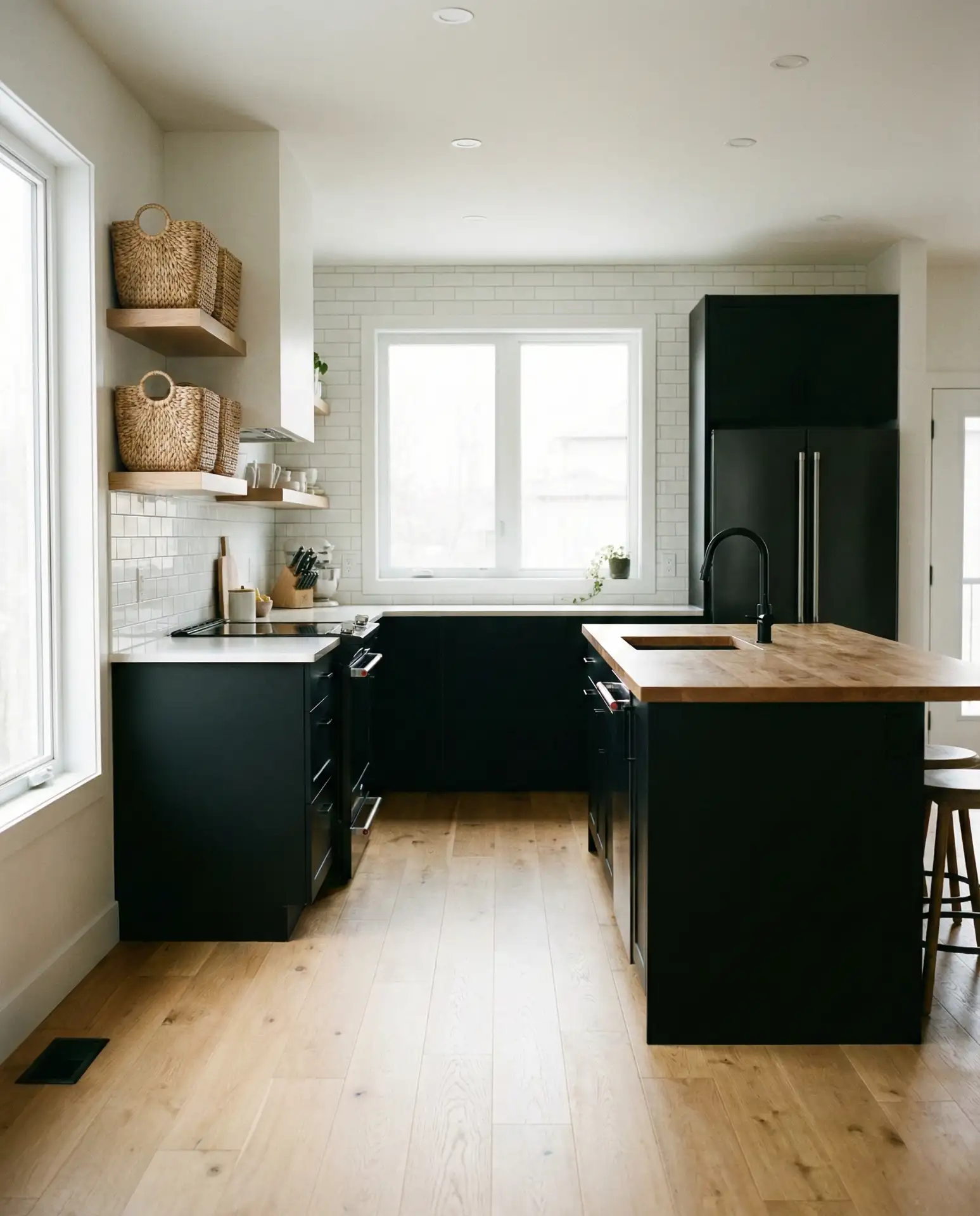
Flipping the script with black cabinets offers drama and depth, especially when set against crisp white walls and ceilings. This reversal creates a moody, gallery-like atmosphere that feels both daring and sophisticated. The key is balancing the darkness with plenty of natural light and reflective surfaces to prevent the room from feeling cave-like. It’s a choice that signals confidence and a willingness to embrace something outside the safe, predictable norm.
One practical insight: black cabinets show fingerprints and dust more easily than lighter tones, so consider a matte or textured finish rather than high-gloss. Pairing them with white countertops in marble or quartz helps bounce light around the room. If you’re worried about resale value, remember that bold design choices often appeal to buyers looking for personality and move-in-ready style. Just make sure the rest of the space stays balanced and inviting.
3. Checkerboard Floor Tiles for Retro Charm
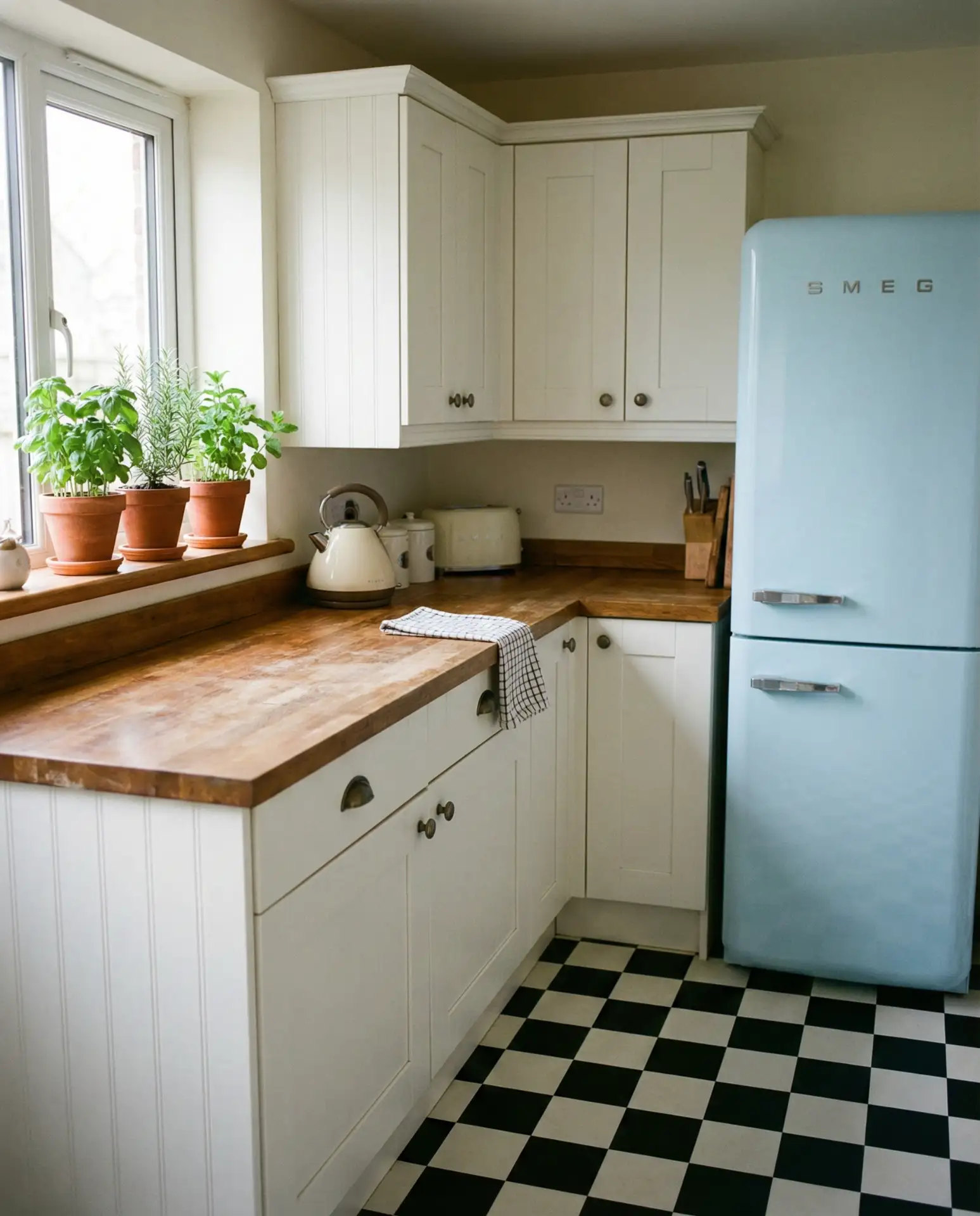
The classic checkerboard floor brings instant nostalgia and visual rhythm to any kitchen. This pattern works beautifully in both vintage-inspired spaces and sleek modern environments, proving its versatility across decades. The contrast between black and white tiles draws the eye downward, anchoring the room and adding an unexpected layer of interest. It’s a design move that feels playful yet polished, especially when paired with simple cabinetry and minimal decor.
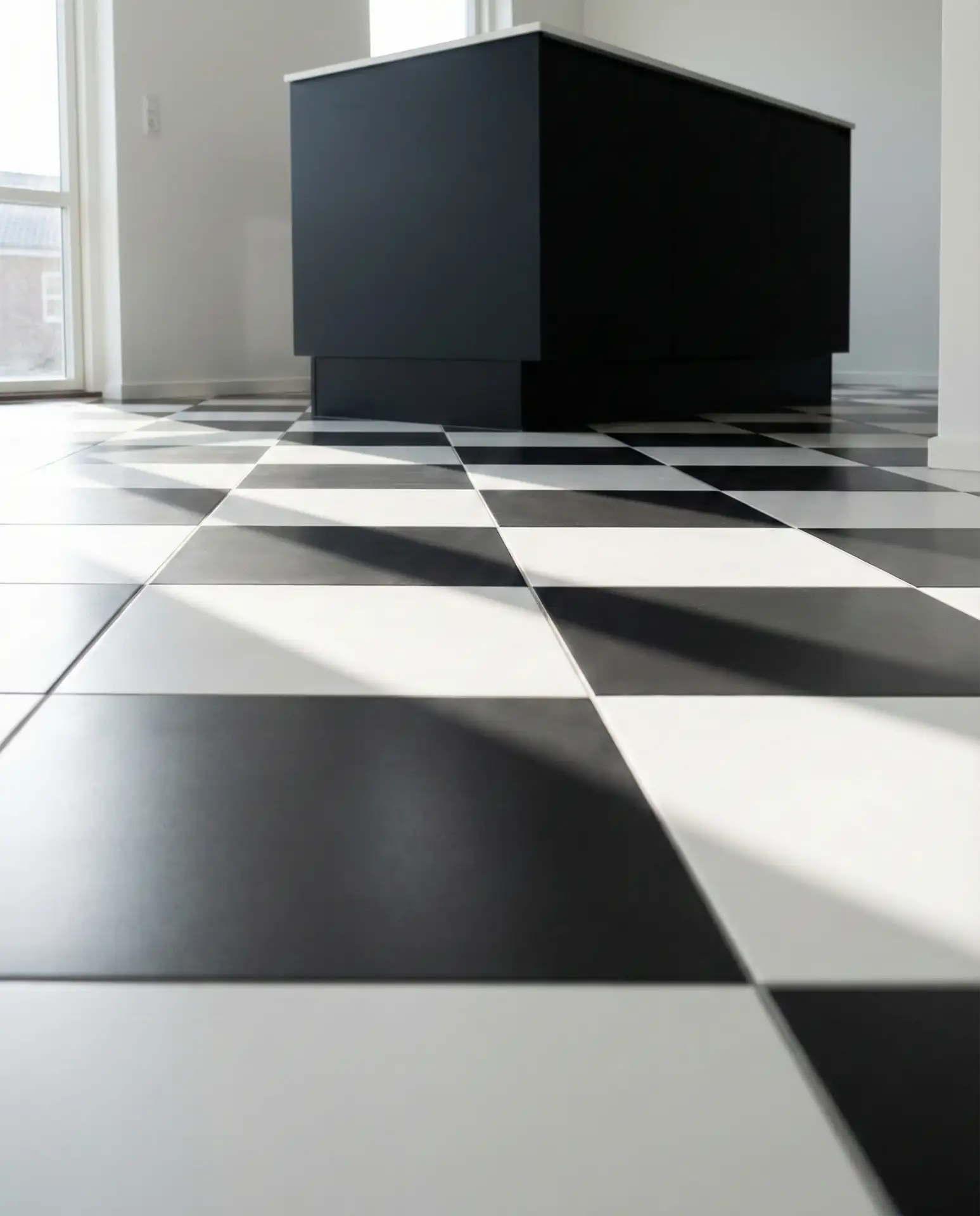
In the Midwest and parts of the South, checkerboard floors are making a comeback in farmhouse renovations, often as a nod to Grandma’s kitchen. They’re surprisingly forgiving when it comes to hiding dirt and scuffs, which makes them practical for busy families. Installation is straightforward if you’re using vinyl or linoleum, but ceramic or porcelain versions offer more durability and a premium feel. Just be mindful of grout lines—darker grout can reduce maintenance headaches over time.
4. Marble Backsplash with Black Veining
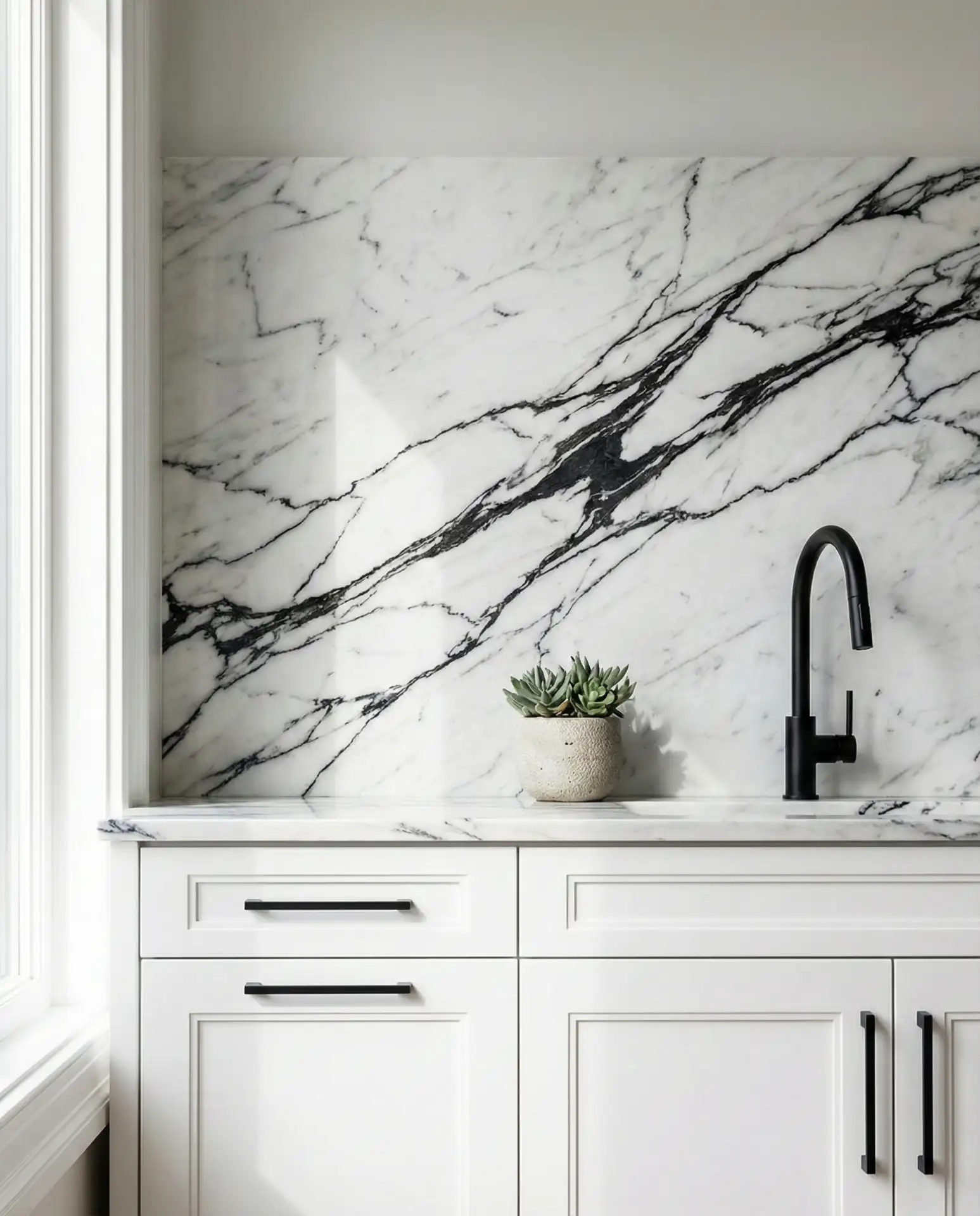
A white marble backsplash with dramatic black veining serves as both art and function. The natural stone brings organic movement and luxury to the kitchen, while the veining ties together the black and white theme in a seamless, elegant way. This choice elevates the entire space, making even a modest kitchen feel high-end and thoughtfully curated. It’s particularly stunning when installed as a full-height slab rather than traditional tile, creating a continuous visual flow.
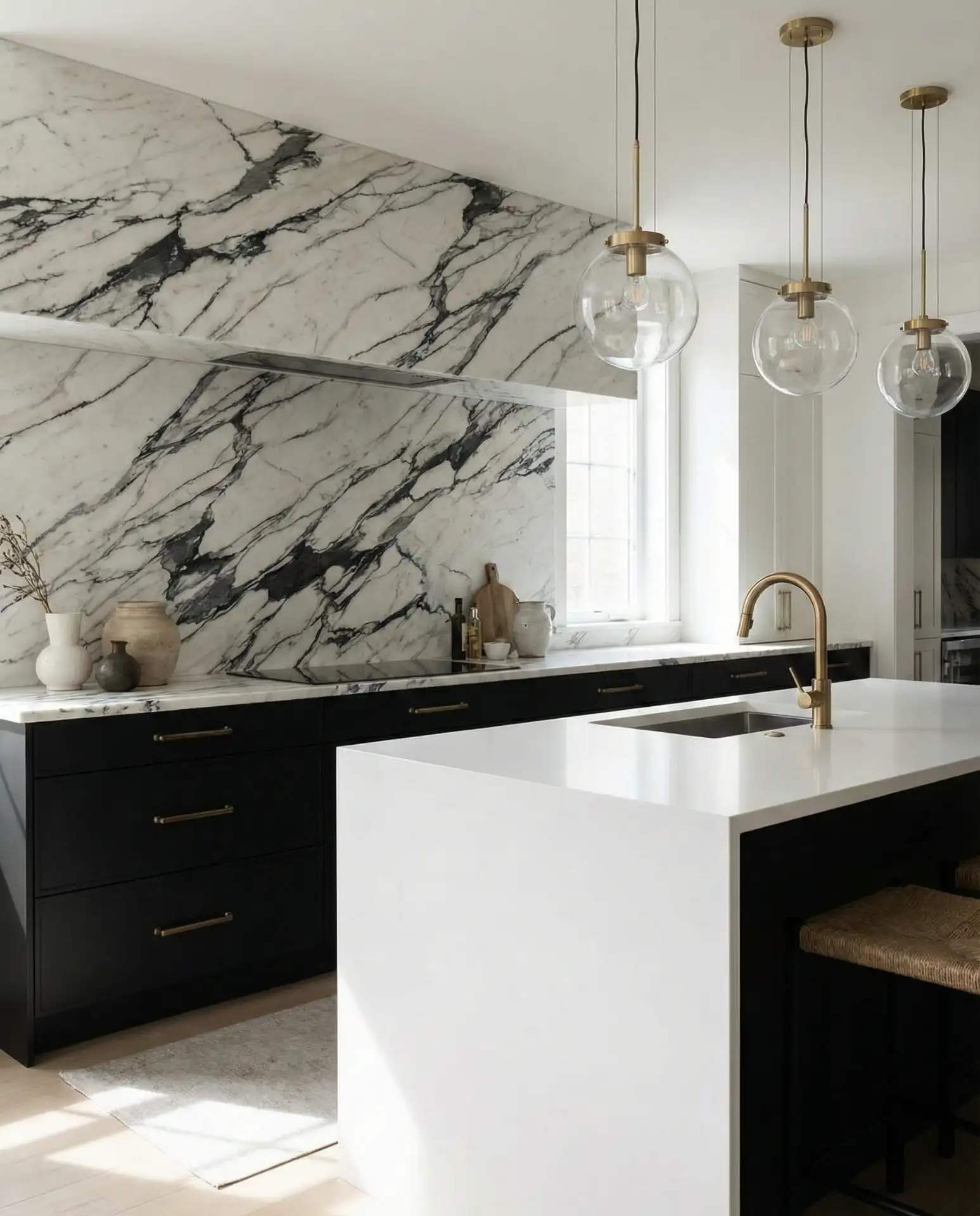
A common mistake is choosing marble without understanding its maintenance needs—it’s porous and can stain if not properly sealed. Consider honed finishes for a softer, less slippery look, or opt for porcelain that mimics marble if you want durability without the upkeep. Pair it with undermount lighting to highlight the veining at night. This is one area where investing a bit more upfront pays dividends in visual impact and long-term satisfaction.
5. Minimalist Modern Interior Design with Clean Lines
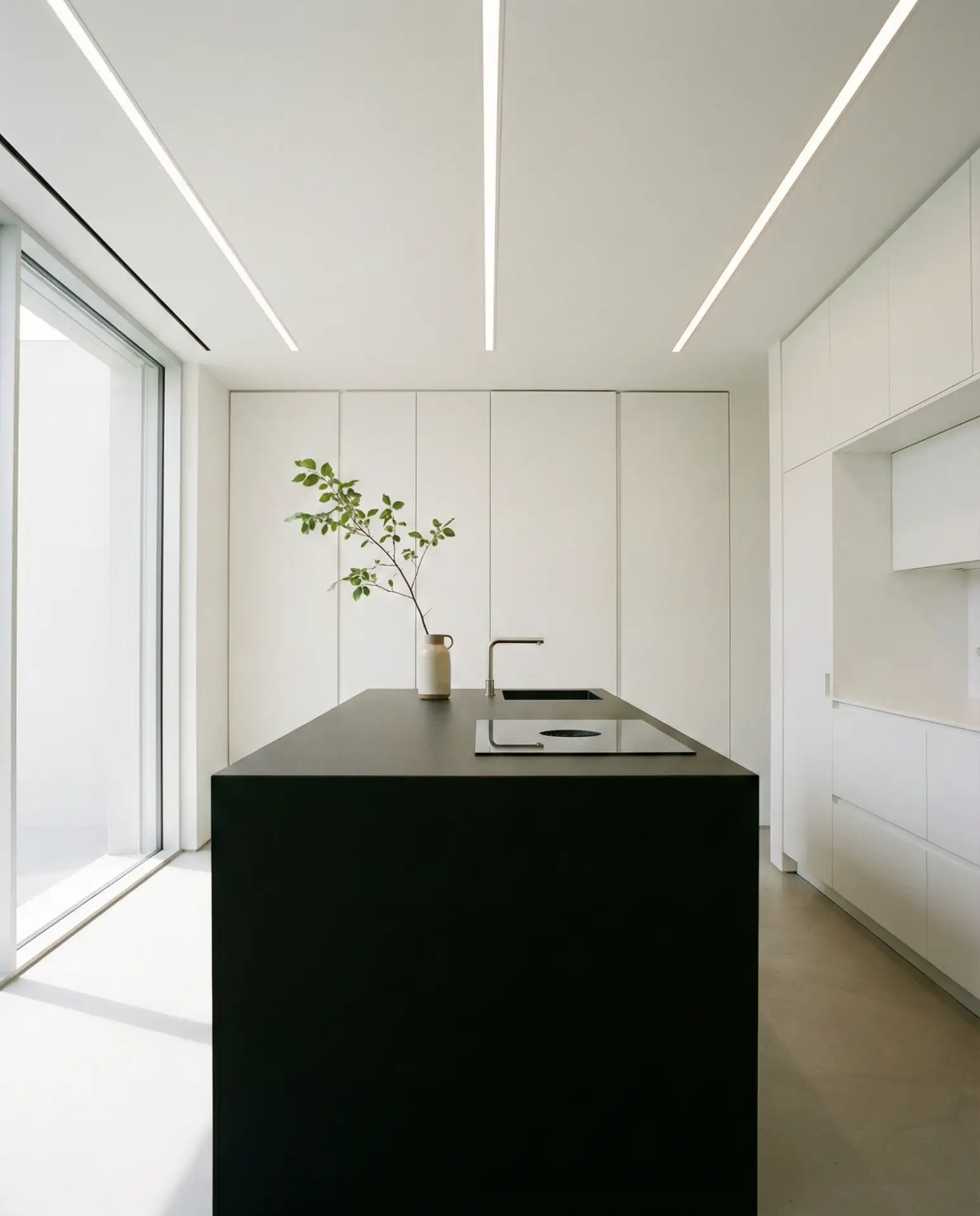
The minimalist approach strips away excess and focuses on form, function, and quality materials. In a black and white kitchen, this means handleless cabinets, integrated appliances, and a restrained color palette that lets architecture shine. The absence of clutter creates a calming environment, which is especially appealing in open-plan homes where the kitchen is always on display. It’s a style that rewards intentionality—every element earns its place.
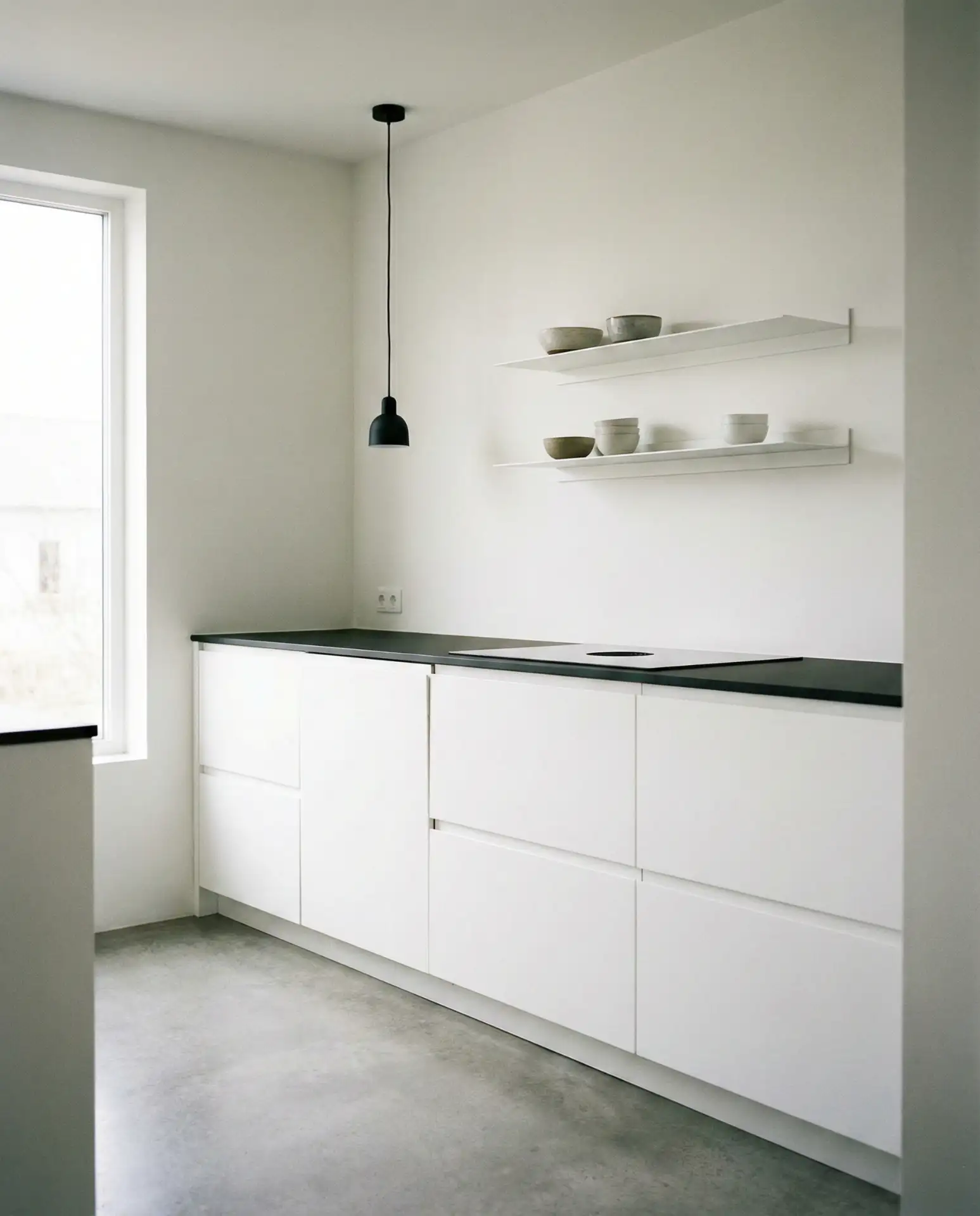
Real homeowners who embrace minimalism often find themselves cooking more and stressing less, simply because the space feels so organized and peaceful. The trick is investing in smart storage solutions—deep drawers, pull-out pantries, and vertical dividers—so everything has a home. Budget-wise, minimalist kitchens can be surprisingly affordable if you focus on flat-panel cabinets and skip ornate details. The savings can then go toward higher-quality countertops or appliances that truly perform.
6. Black Island with White Perimeter Cabinets
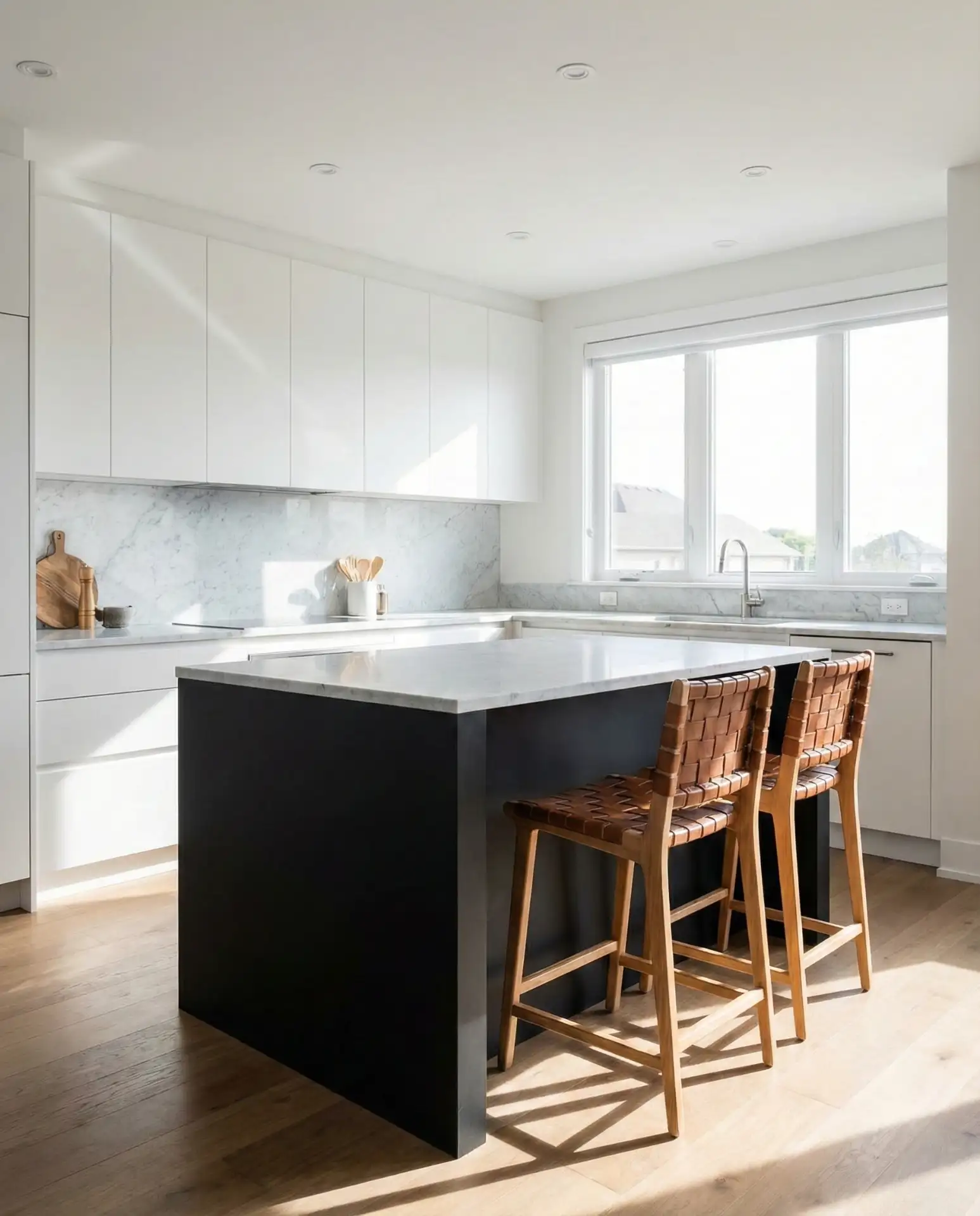
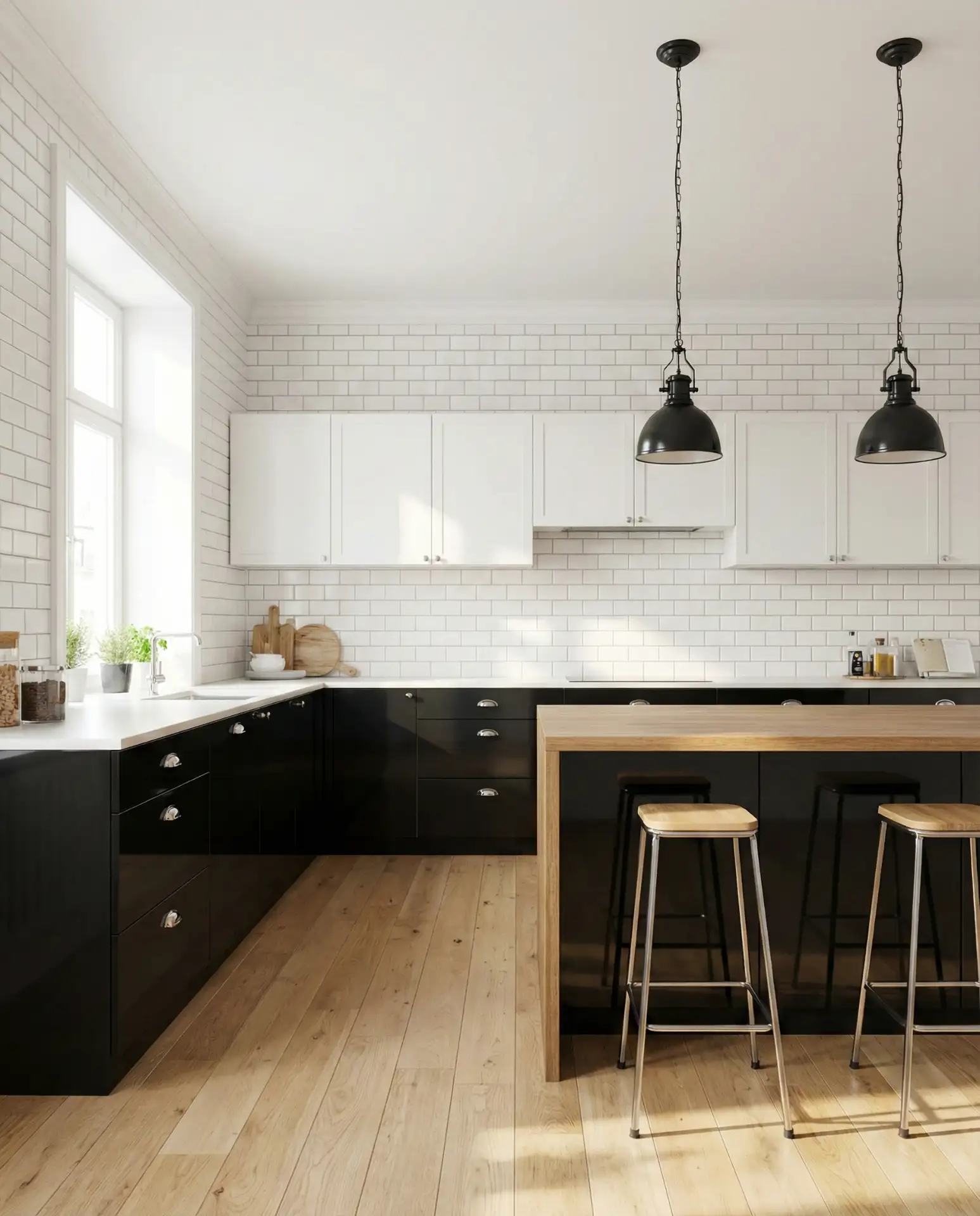
A black island serves as the visual anchor in a sea of white cabinetry, creating a focal point that’s both functional and striking. This two-toned approach adds dimension and breaks up what could otherwise feel monotonous. The island becomes the hero of the room, inviting people to gather, cook, and linger. It’s a design strategy that works in kitchens of all sizes, from cozy galley layouts to sprawling open-concept spaces.
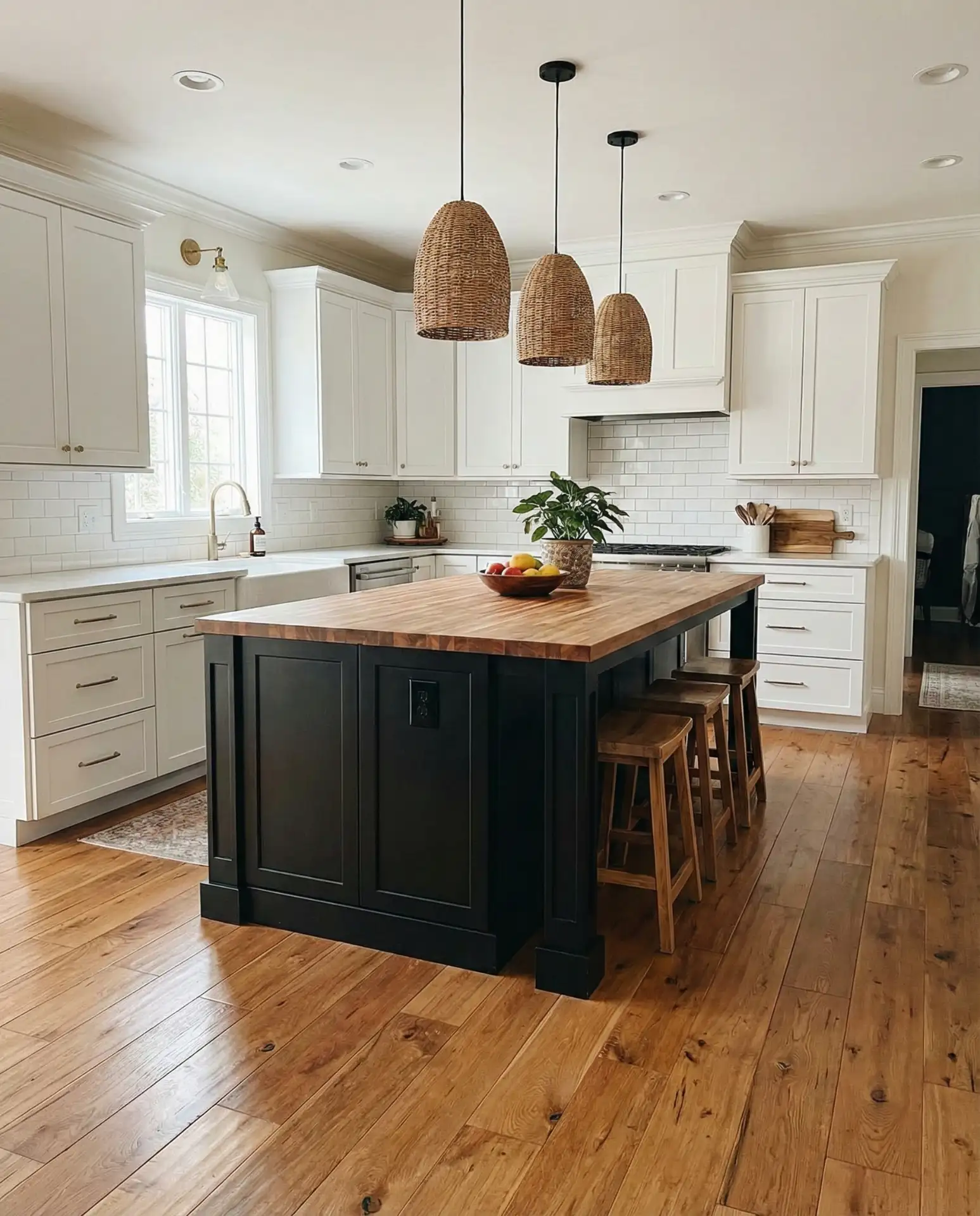
This configuration is especially popular in the Pacific Northwest and New England, where homeowners appreciate the contrast against natural wood floors and exposed beams. Expert designers often recommend extending the black finish to open shelving or a pantry door to create visual harmony. If you’re on a budget, painting an existing island is a low-cost way to test the waters before committing to a full remodel. Just make sure to use durable, scrubbable paint designed for high-traffic surfaces.
7. Subway Tile Backsplash in Classic White
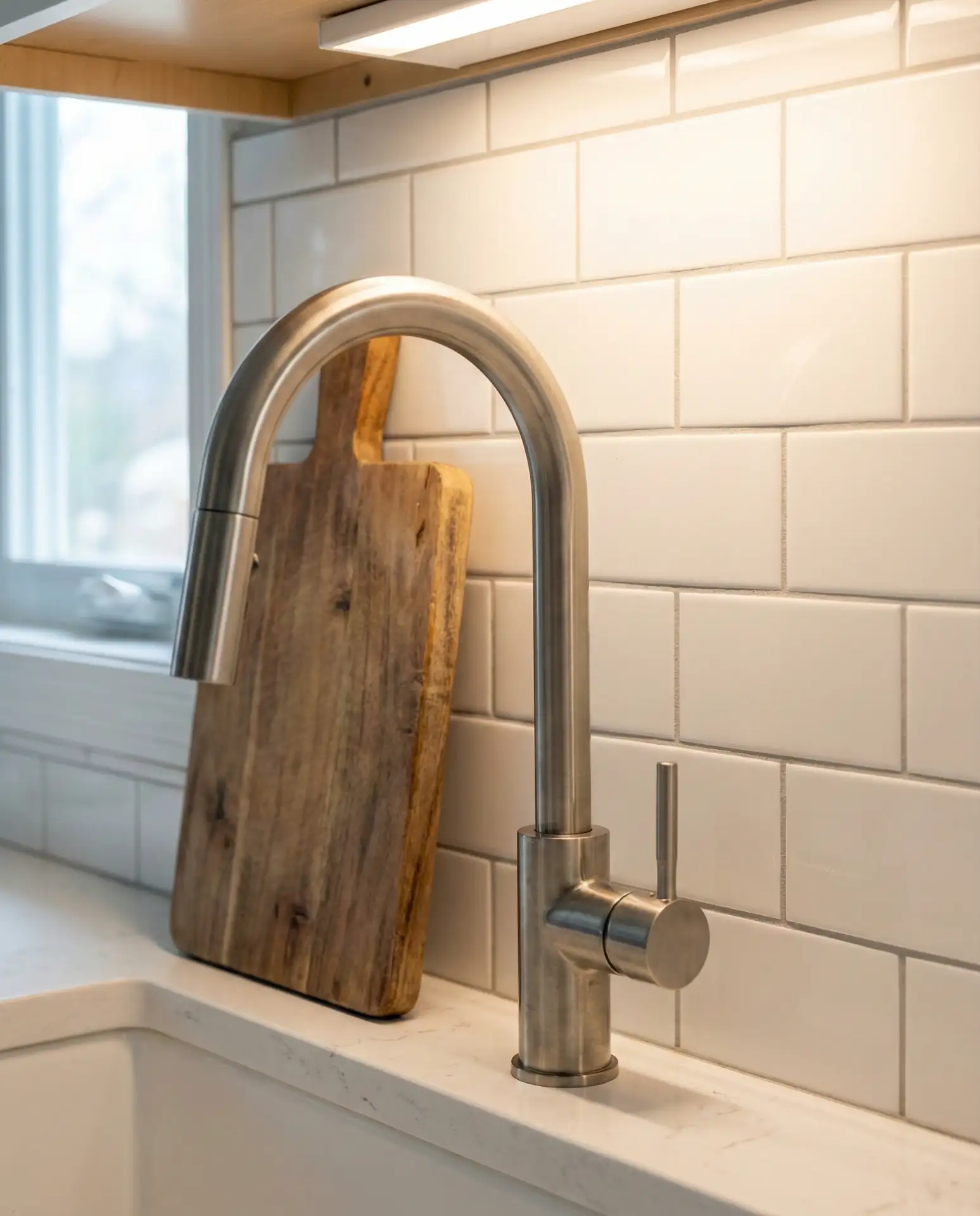
White subway tile remains a go-to backsplash idea for good reason—it’s timeless, affordable, and endlessly adaptable. The rectangular shape offers a clean grid that complements both traditional and contemporary kitchens. When paired with black grout, the tiles gain definition and a subtle edge that prevents them from fading into the background. It’s a practical choice that never feels dated, making it ideal for those who plan to stay in their homes for years.
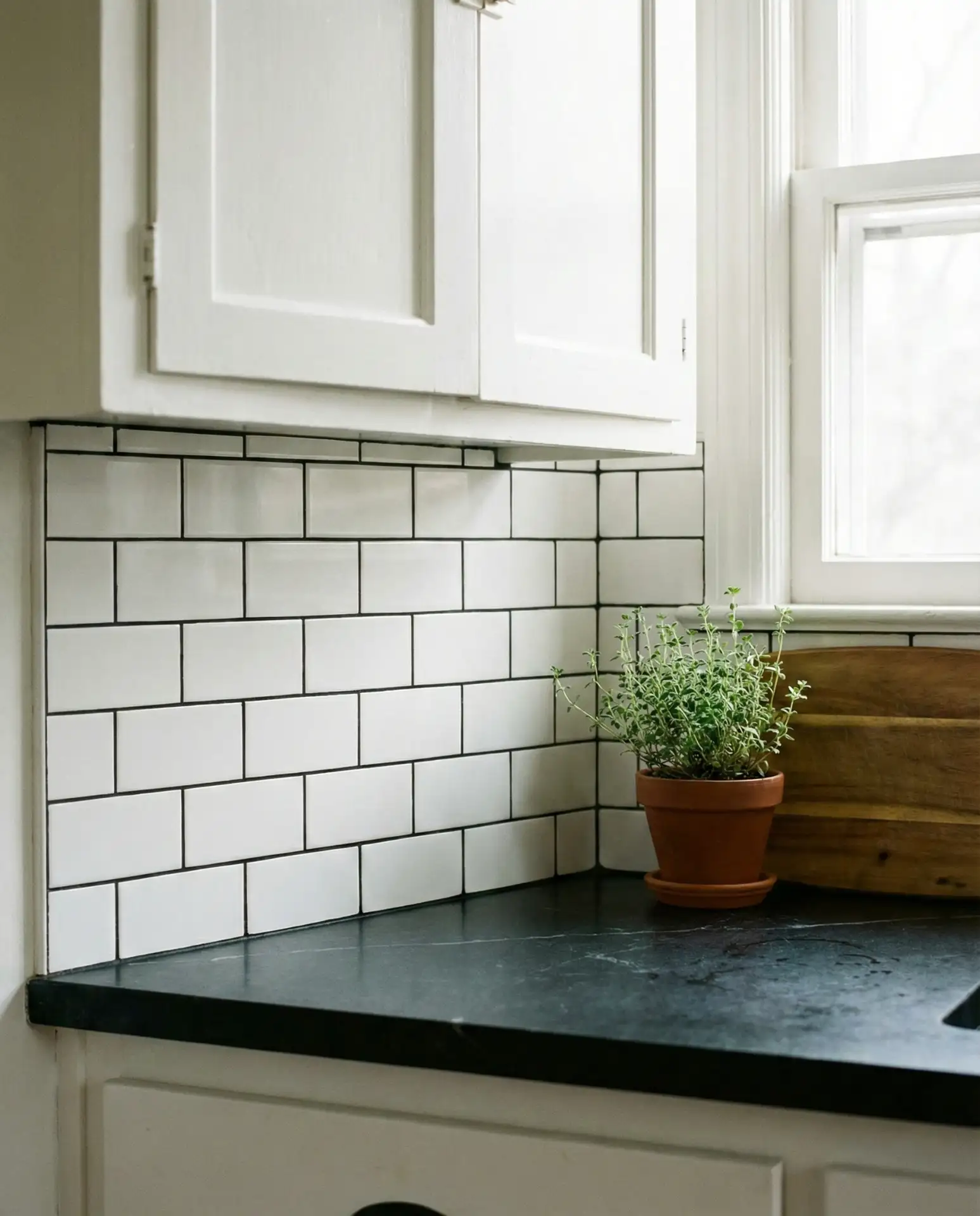
In regions like California and Texas, where home styles range from Spanish revival to ultra-modern, subway tile acts as a neutral bridge that works with almost any aesthetic. You can install it horizontally, vertically, or in a herringbone pattern depending on the look you’re after. The cost is typically lower than other tile options, leaving room in your budget for upgraded fixtures or appliances. And because it’s so popular, finding matching replacement tiles down the road is never a problem.
8. Wood Accents to Warm the Palette
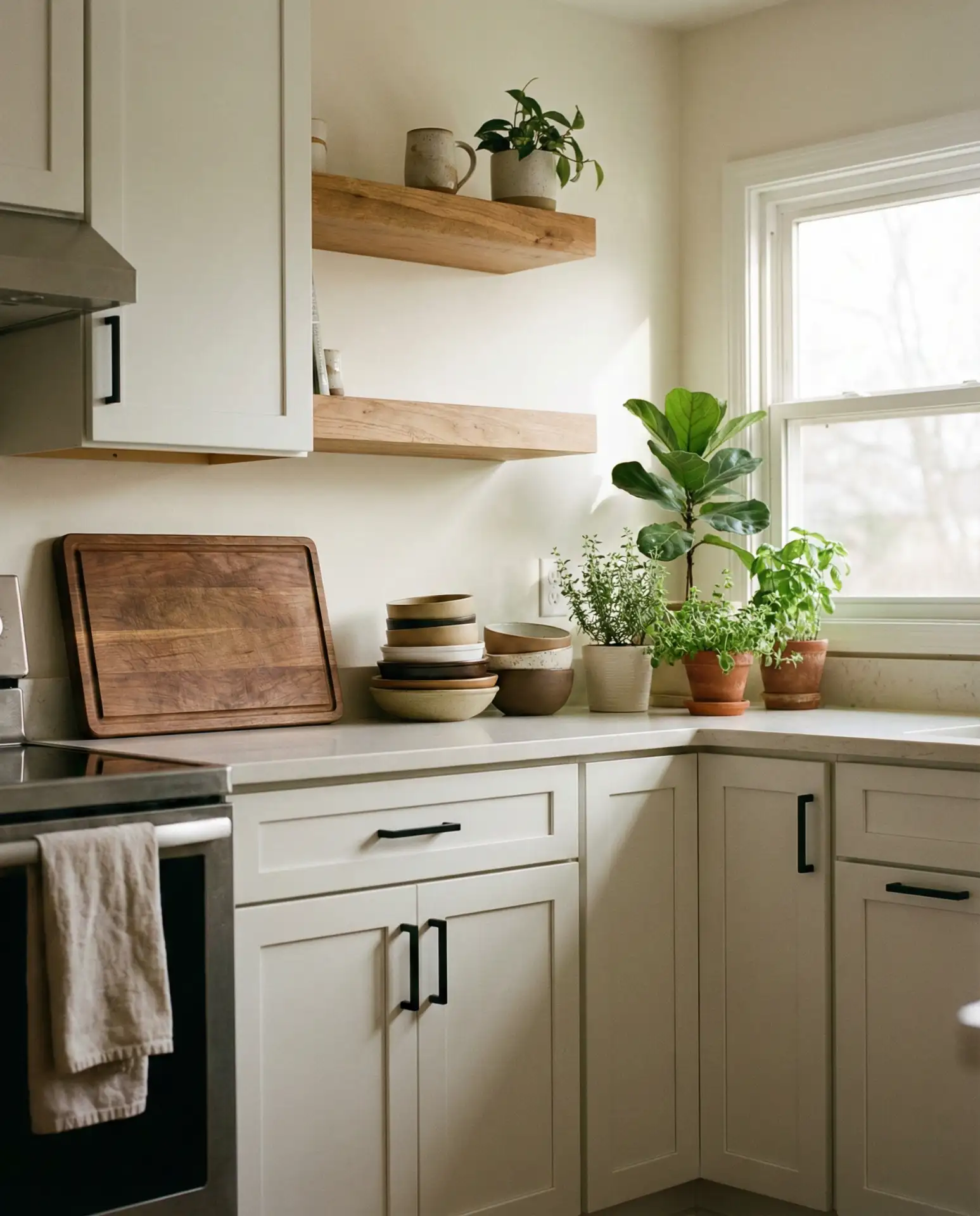
Introducing wood elements into a black and white kitchen softens the starkness and adds organic warmth. Whether it’s open shelving, a butcher block countertop, or a reclaimed wood beam, these natural textures prevent the space from feeling too clinical. The grain and honey tones of wood create a beautiful contrast against the monochrome palette, making the kitchen feel more lived-in and approachable. It’s a simple way to humanize modern design without sacrificing sophistication.
A friend recently renovated her Brooklyn apartment kitchen and added a single walnut floating shelf above the sink—it completely transformed the vibe from sterile to homey. She said it gave her a place to display her favorite ceramics and brought the whole room into balance. Wood also offers practical benefits, like being gentler on glassware and dishes when used as shelving or countertops. Just be sure to seal it properly to protect against water damage and staining.
9. Grey and White Gradient for Subtle Depth
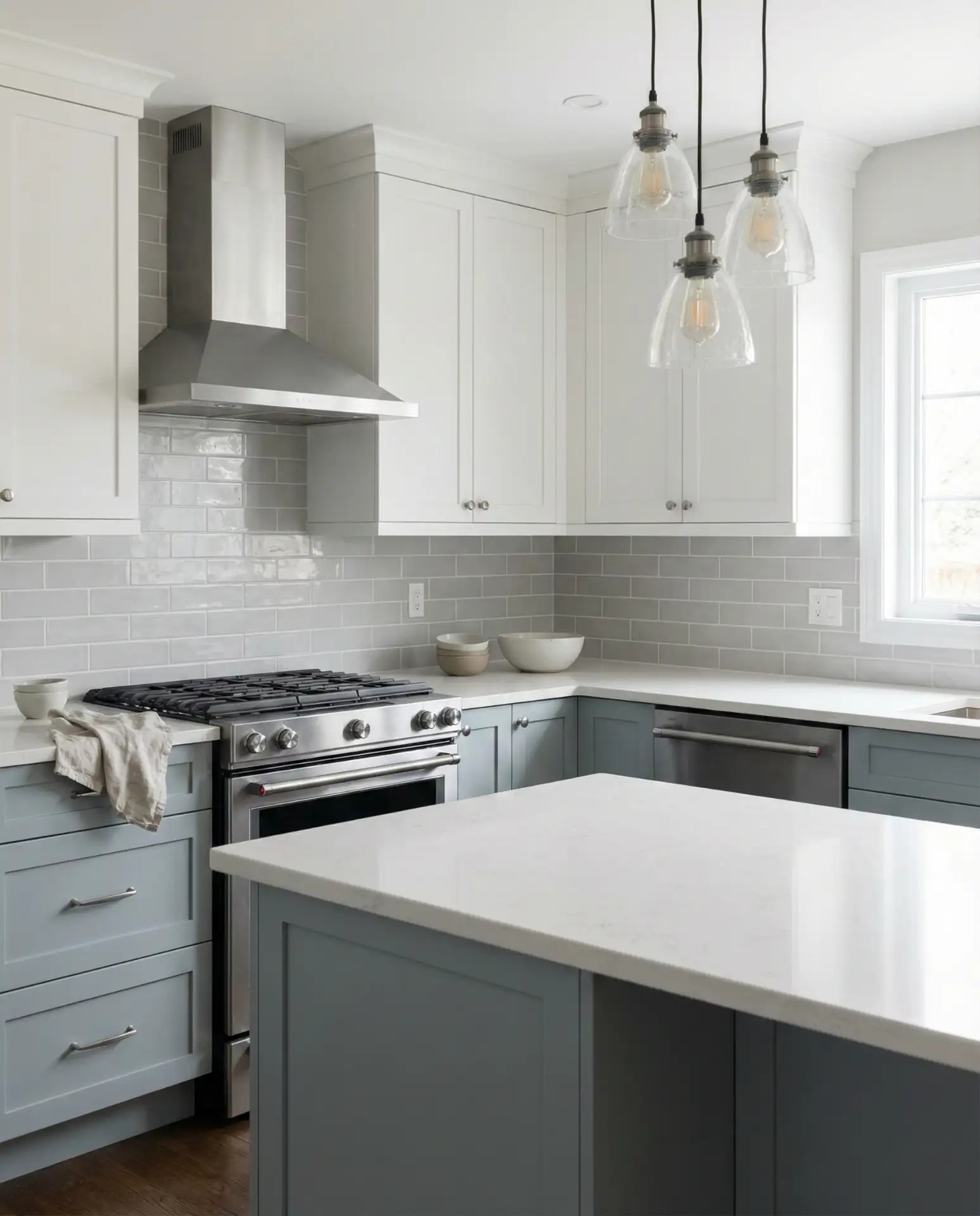
Layering shades of grey with white creates a softer, more nuanced take on the black and white theme. This approach offers depth without the stark drama, making it ideal for those who want something refined but not overpowering. Think pale grey walls, charcoal lower cabinets, and white uppers—all working together to build a cohesive, sophisticated palette. It’s a grown-up, versatile choice that adapts well to changing decor ideas and seasonal styling.
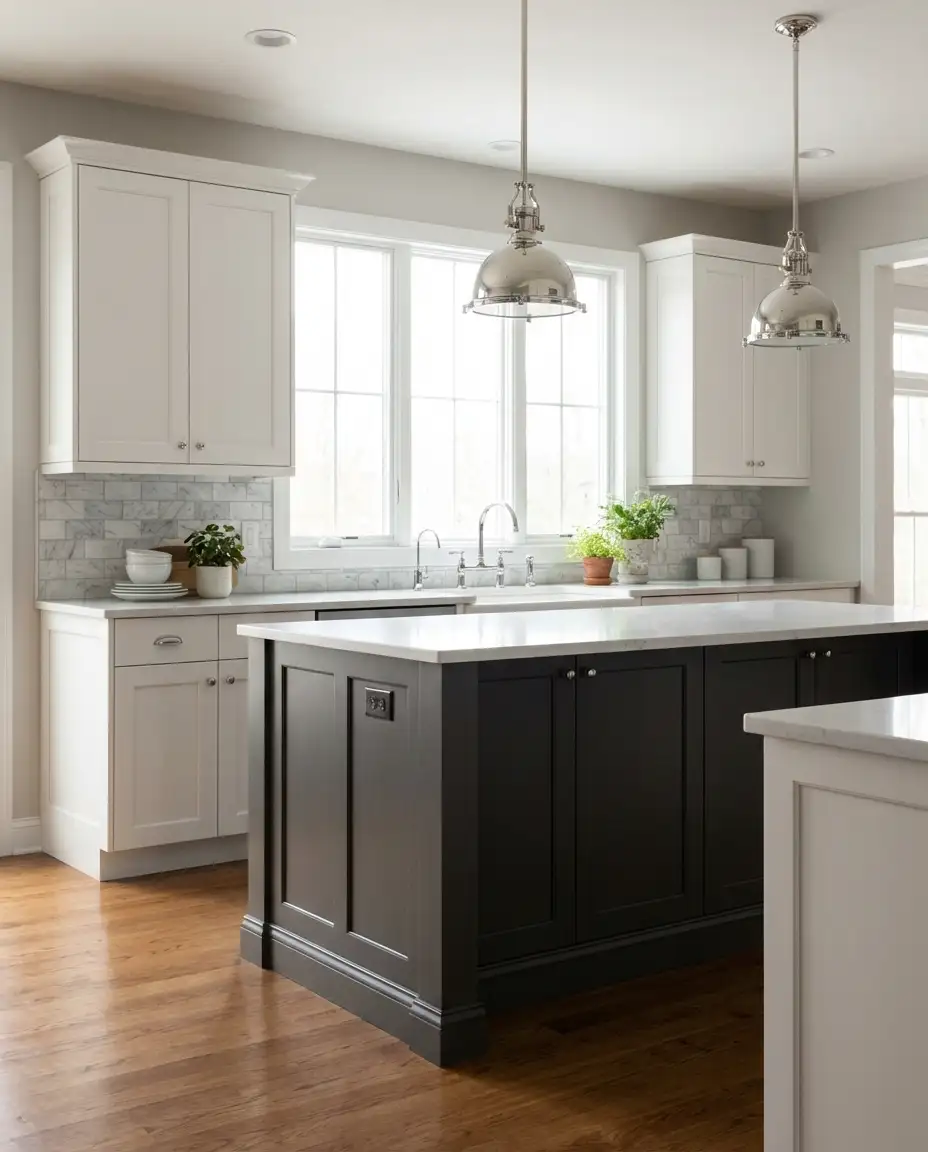
This palette works exceptionally well in northern climates where natural light can be limited, as it prevents the kitchen from feeling too cold or shadowy. You can shift the tones seasonally by swapping out textiles, artwork, or even small appliances to keep things feeling fresh. Grey also hides wear and tear better than pure white, which is a win for families with kids or pets. The key is choosing grays with the same undertone—either warm or cool—to ensure everything harmonizes beautifully.
10. Open Shelving in Black Metal Frames
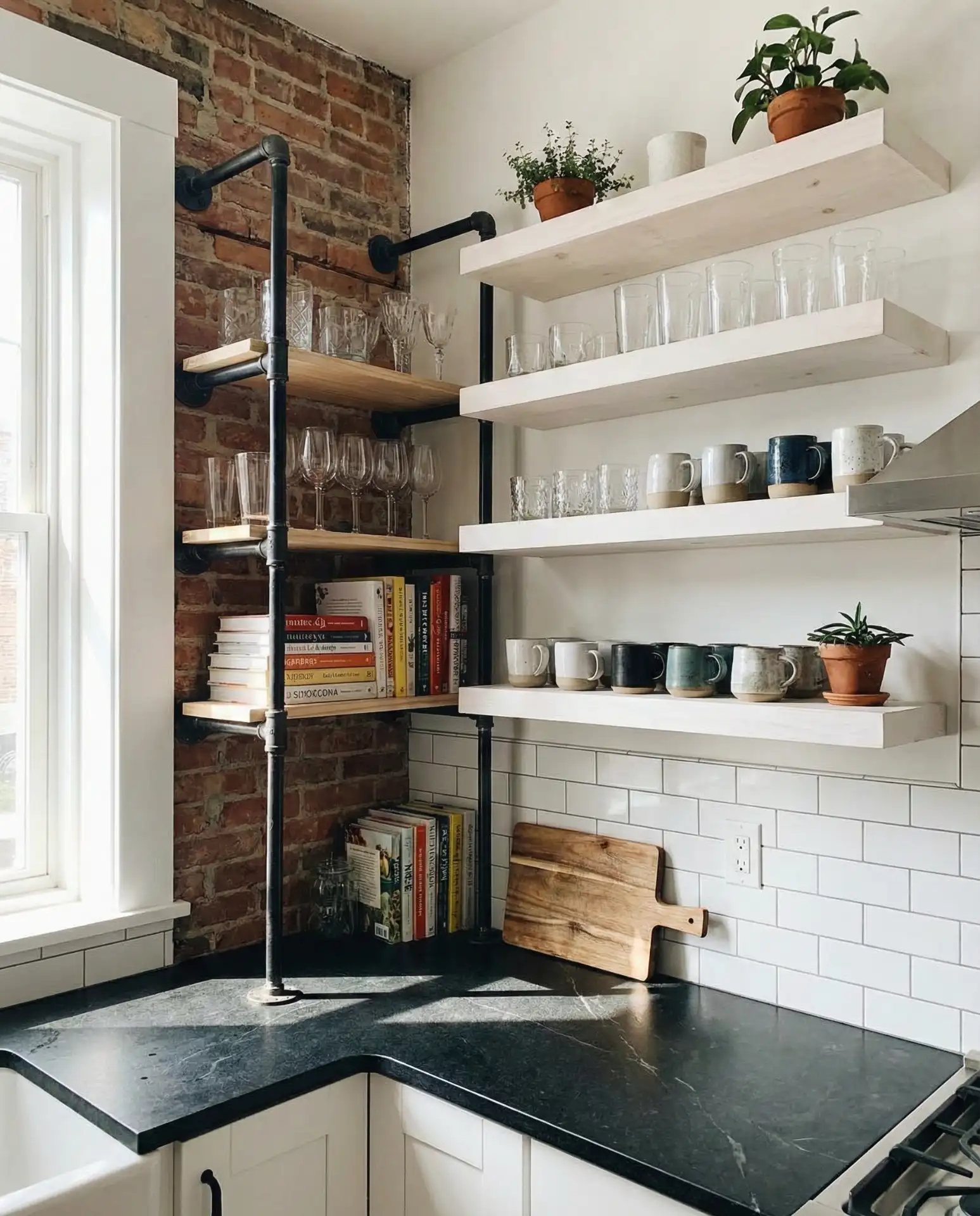
Black metal shelving brings an industrial edge to the kitchen while maintaining the black and white color story. The open format encourages you to curate what’s on display, turning everyday dishes and glassware into decor. This approach works especially well in loft-style apartments or modern farmhouses where exposed materials and raw finishes are part of the charm. It’s practical, too—everything is within easy reach, and the airiness keeps the room feeling spacious.
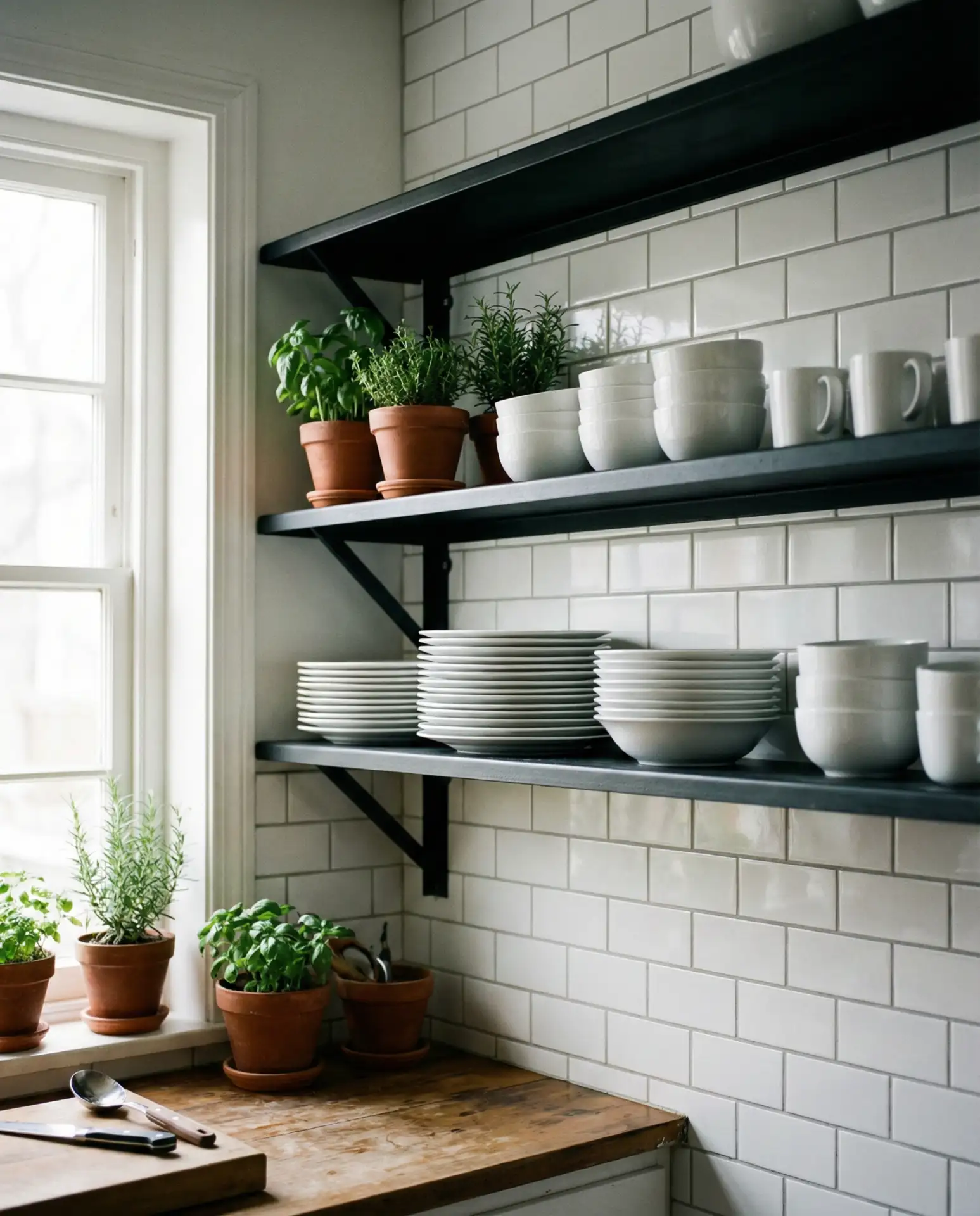
From a budget perspective, DIY black pipe shelving is remarkably affordable and adds instant character without a major renovation. Many homeowners in cities like Portland and Austin have embraced this look as part of a broader minimalist, maker-inspired lifestyle. Just be prepared for a bit more upkeep—open shelves collect dust and grease faster than closed cabinets. Plan to wipe them down regularly and rotate your displays to keep things looking intentional rather than cluttered.
11. Black Framed Windows for Architectural Impact
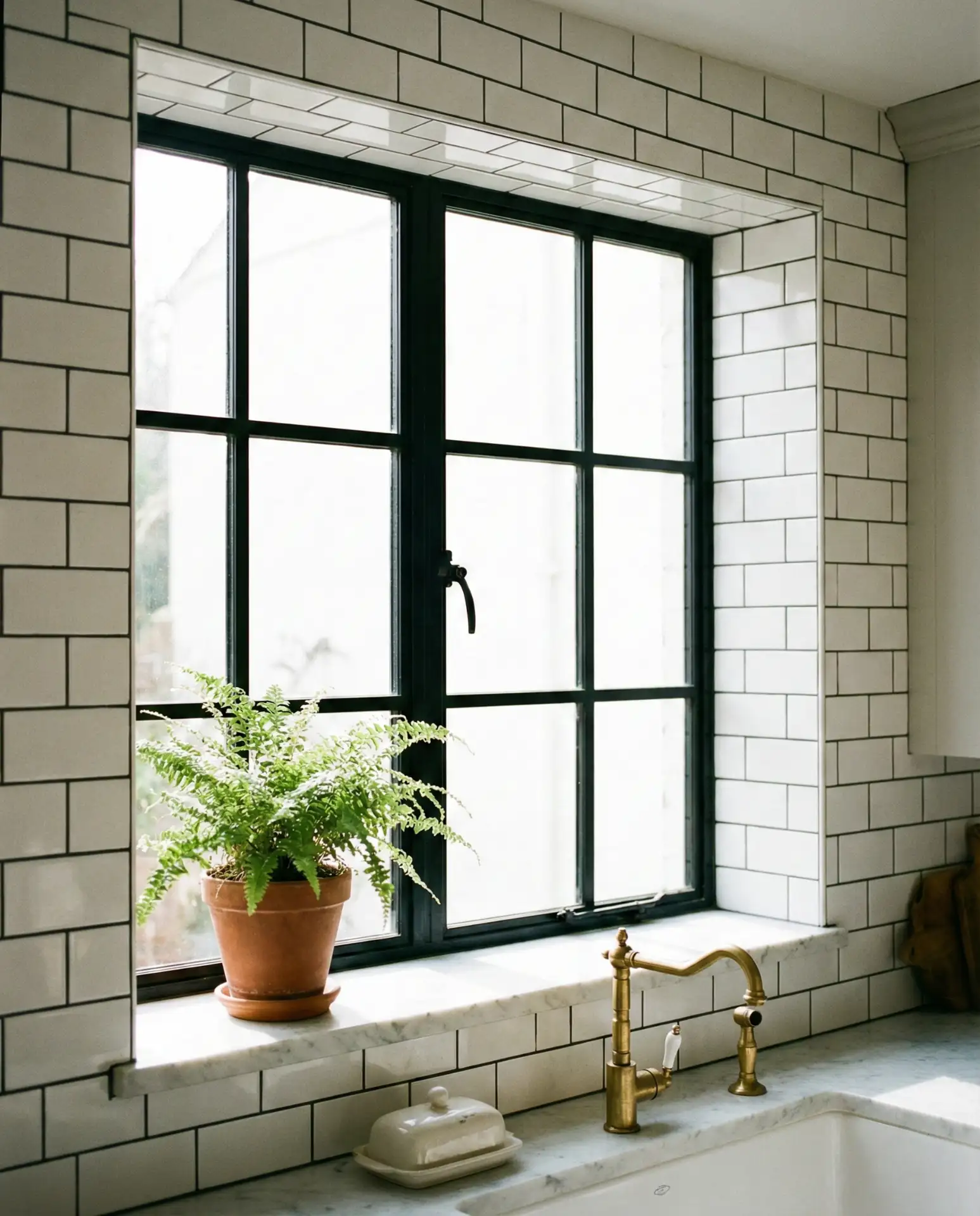
Black window frames create crisp architectural lines that frame outdoor views like works of art. This detail ties the black and white theme to the structure itself, making the design feel cohesive and intentional. The contrast between the dark frames and bright walls amplifies natural light rather than diminishing it, which might surprise those who assume black windows would darken a space. It’s a choice that signals attention to detail and a commitment to elevated aesthetics.
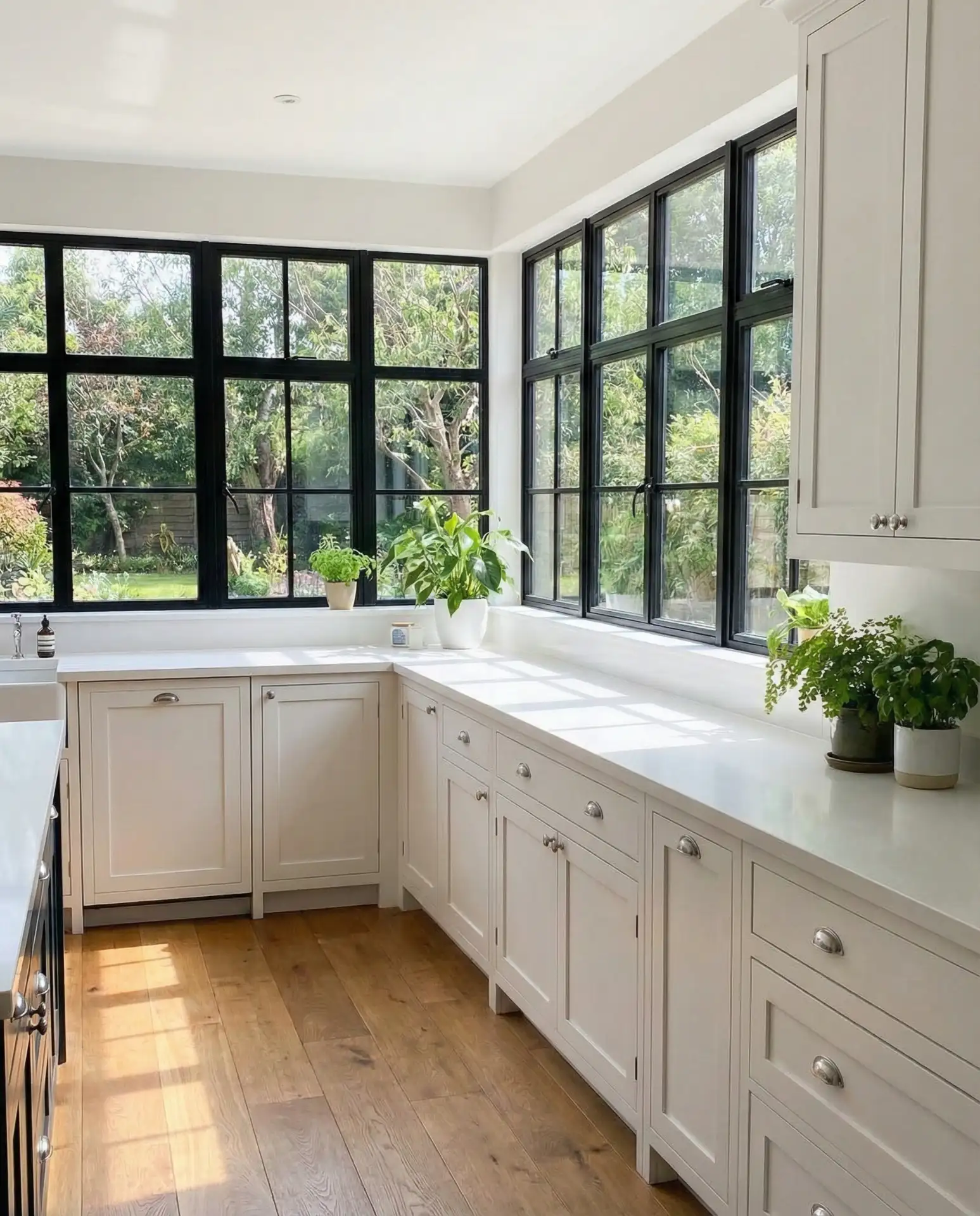
This trend has exploded in popularity across the Sunbelt states, where large windows are essential for connecting indoor and outdoor living. The frames are typically aluminum or steel, offering durability and slim profiles that maximize glass area. Installation costs are higher than standard vinyl windows, but the payoff in curb appeal and interior drama is substantial. Pair them with simple white roller shades or skip window treatments altogether if privacy isn’t a concern.
12. Patterned Black and White Floor Tiles
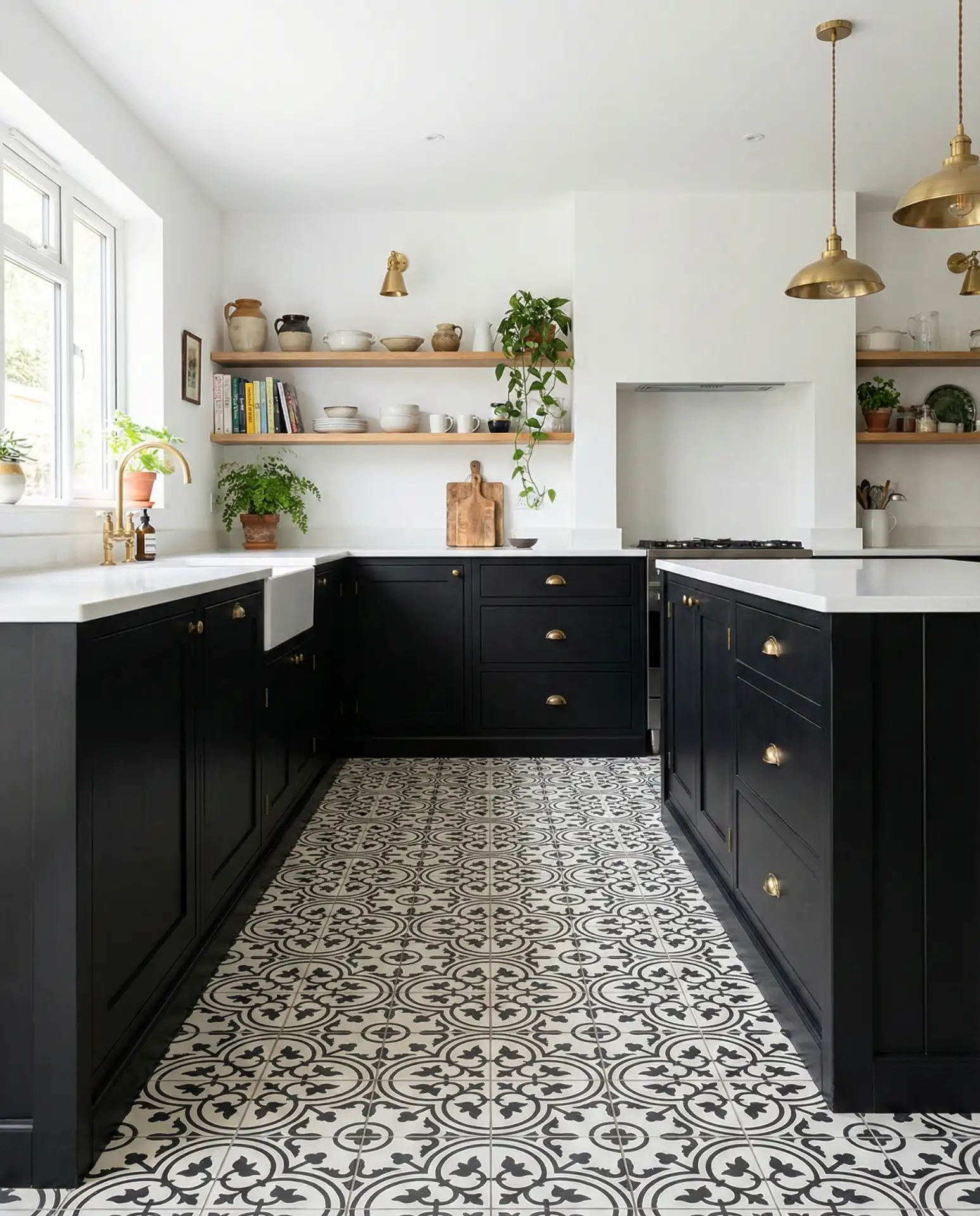
Beyond the classic checkerboard, geometric or encaustic-style floor tiles offer pattern and personality underfoot. These intricate designs add visual interest without requiring any wall or cabinet changes, making them perfect for renters or commitment-phobes. The patterns can range from Moroccan-inspired motifs to Art Deco geometrics, each bringing its own character to the space. It’s a bold move that grounds the kitchen in history and craft while still feeling completely current.
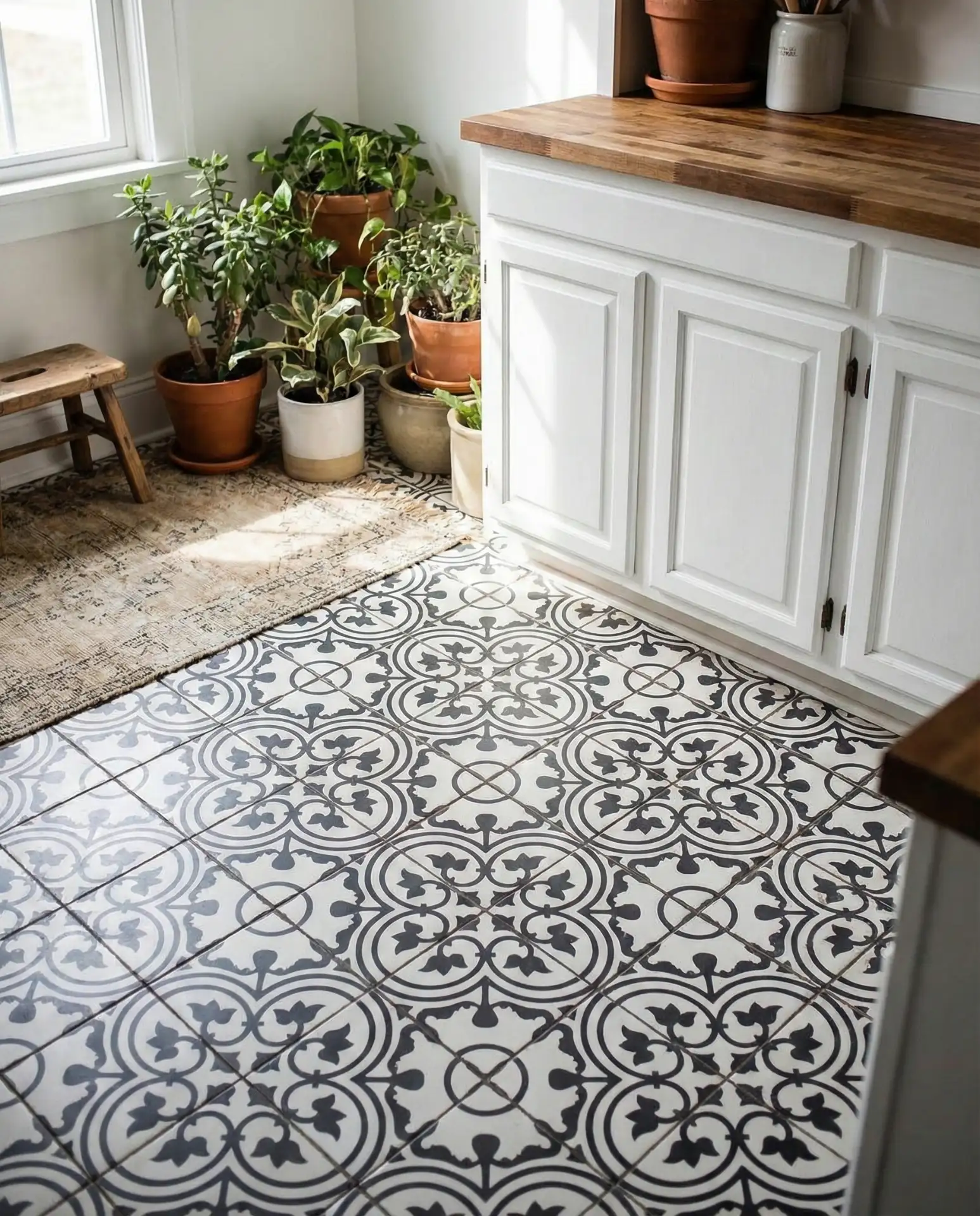
One practical consideration: busy patterns are excellent at hiding crumbs and spills, which is why they’re common in European kitchens where function meets beauty. In the U.S., they’re having a moment in renovated Victorian and Craftsman homes where historical accuracy matters. The tiles can be ceramic, porcelain, or even luxury vinyl that mimics the real thing at a fraction of the cost. Just ensure proper sealing and use a gentle cleaner to preserve the pattern’s clarity over time.
13. Two-Tone Cabinets with Modern Hardware
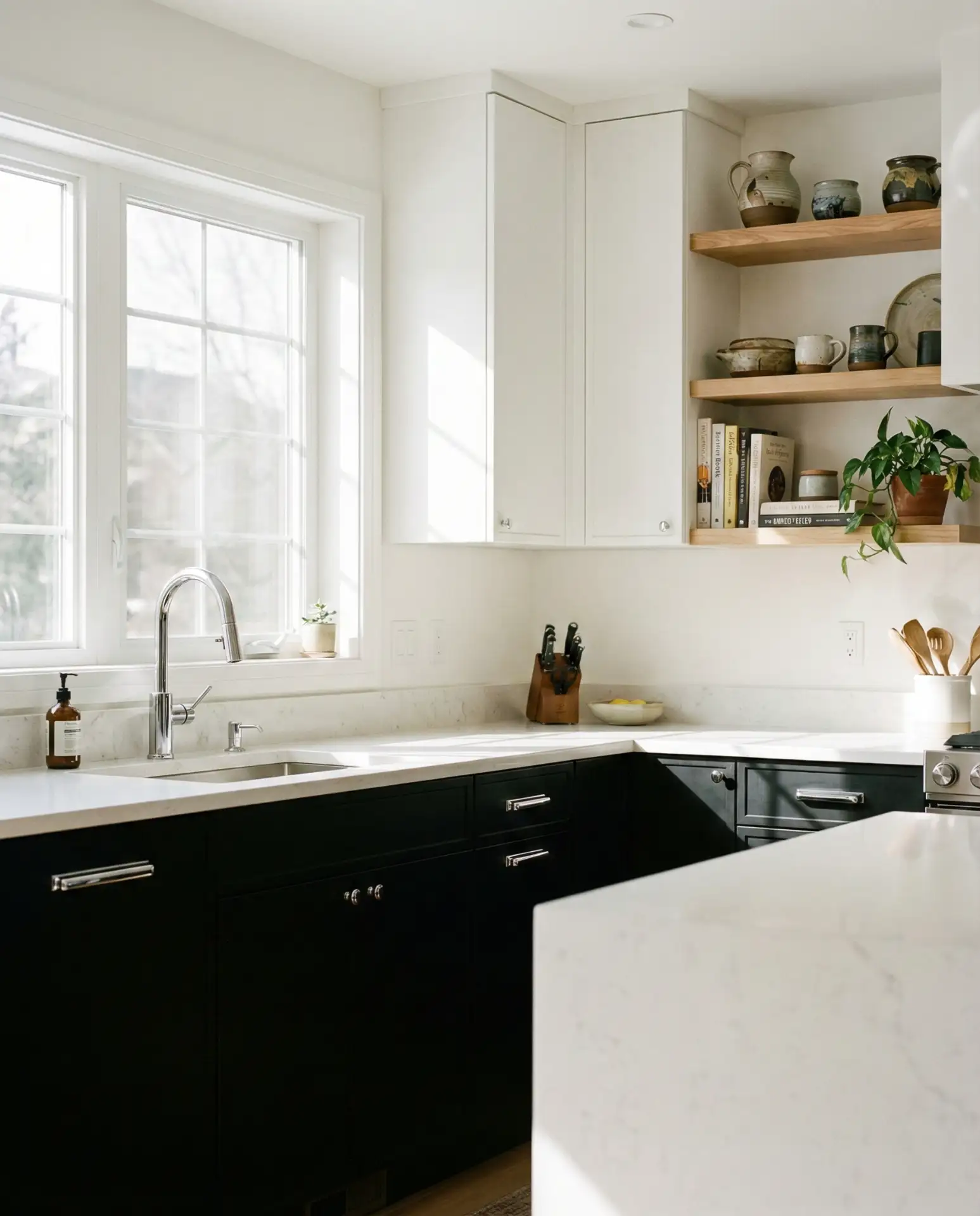
Mixing cabinet colors—say, white uppers and black lowers—adds architectural interest and visual height to the kitchen. This strategy draws the eye upward, making ceilings feel taller and the room more expansive. The division also provides a natural break that can help define different zones within an open layout. Paired with sleek, modern hardware in brushed nickel or matte black, the effect is polished and contemporary without feeling overly styled.
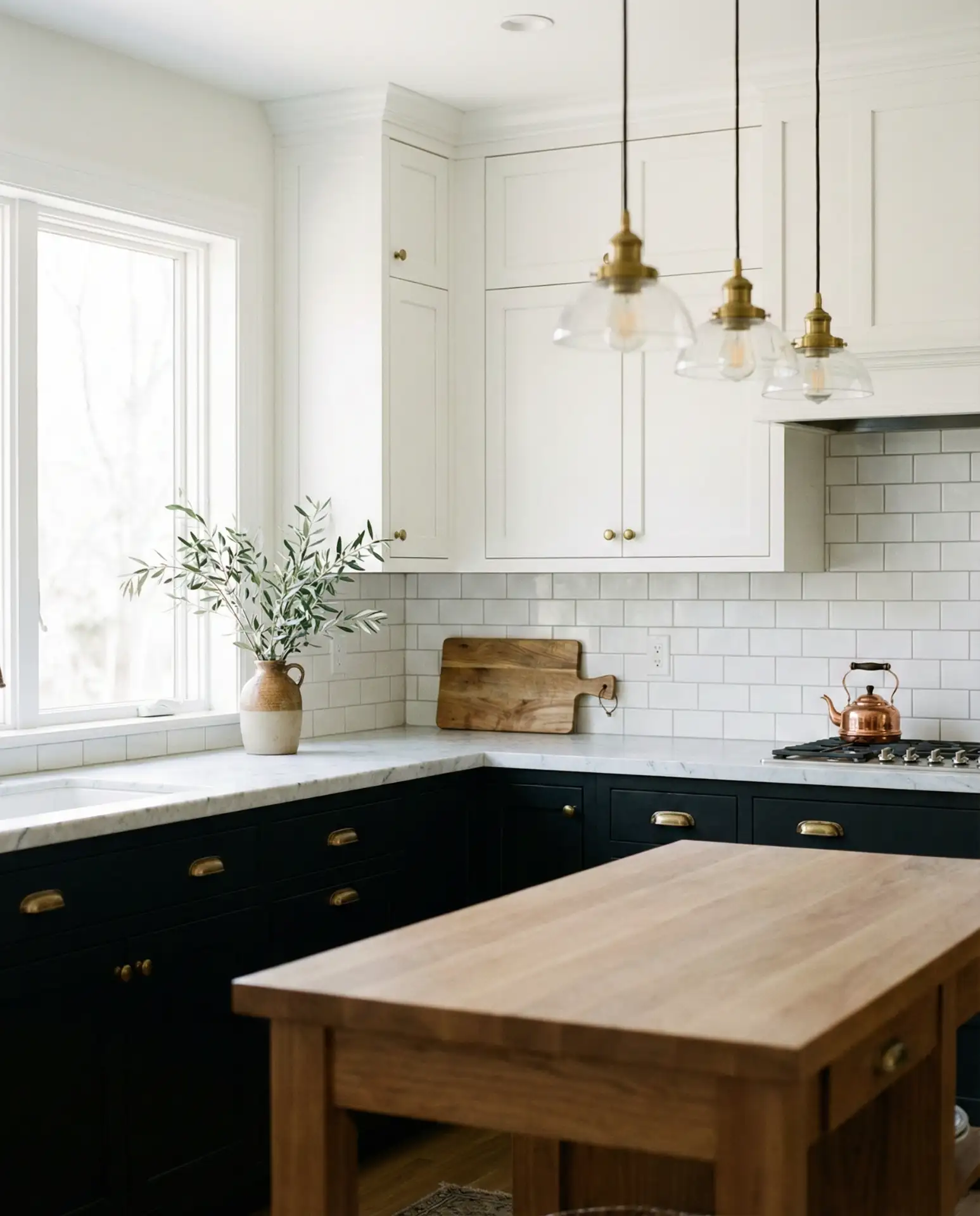
Expert designers often suggest this approach for kitchens with odd proportions or low ceilings, as it creates the illusion of better scale. It’s also a smart way to test a bold color without fully committing—if you end up not loving the black lowers, they’re easier to repaint than an entire kitchen. Cost-wise, two-tone cabinetry doesn’t add much to the budget if you’re already planning to paint or reface. Just make sure the transition line aligns with a natural break, like the countertop, for a seamless look.
14. Statement Lighting in Black Fixtures
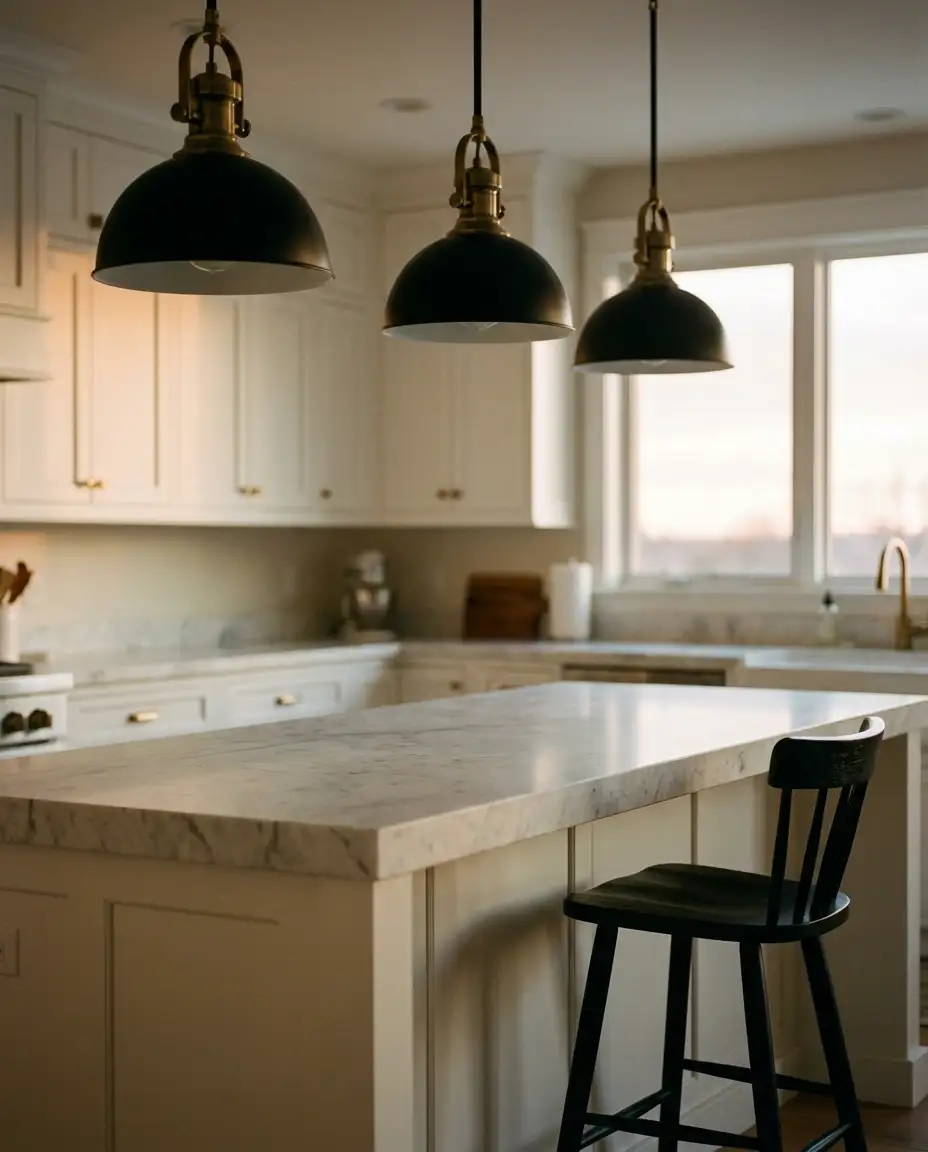
Black pendant lights or chandeliers act as sculptural elements that anchor the space and reinforce the color theme. These fixtures draw the eye upward and provide both task and ambient lighting, making them as functional as they are beautiful. Whether you choose industrial caged pendants, minimalist globes, or geometric designs, the black finish ensures they stand out against white ceilings and cabinetry. It’s a finishing touch that feels intentional and pulls the entire design together.
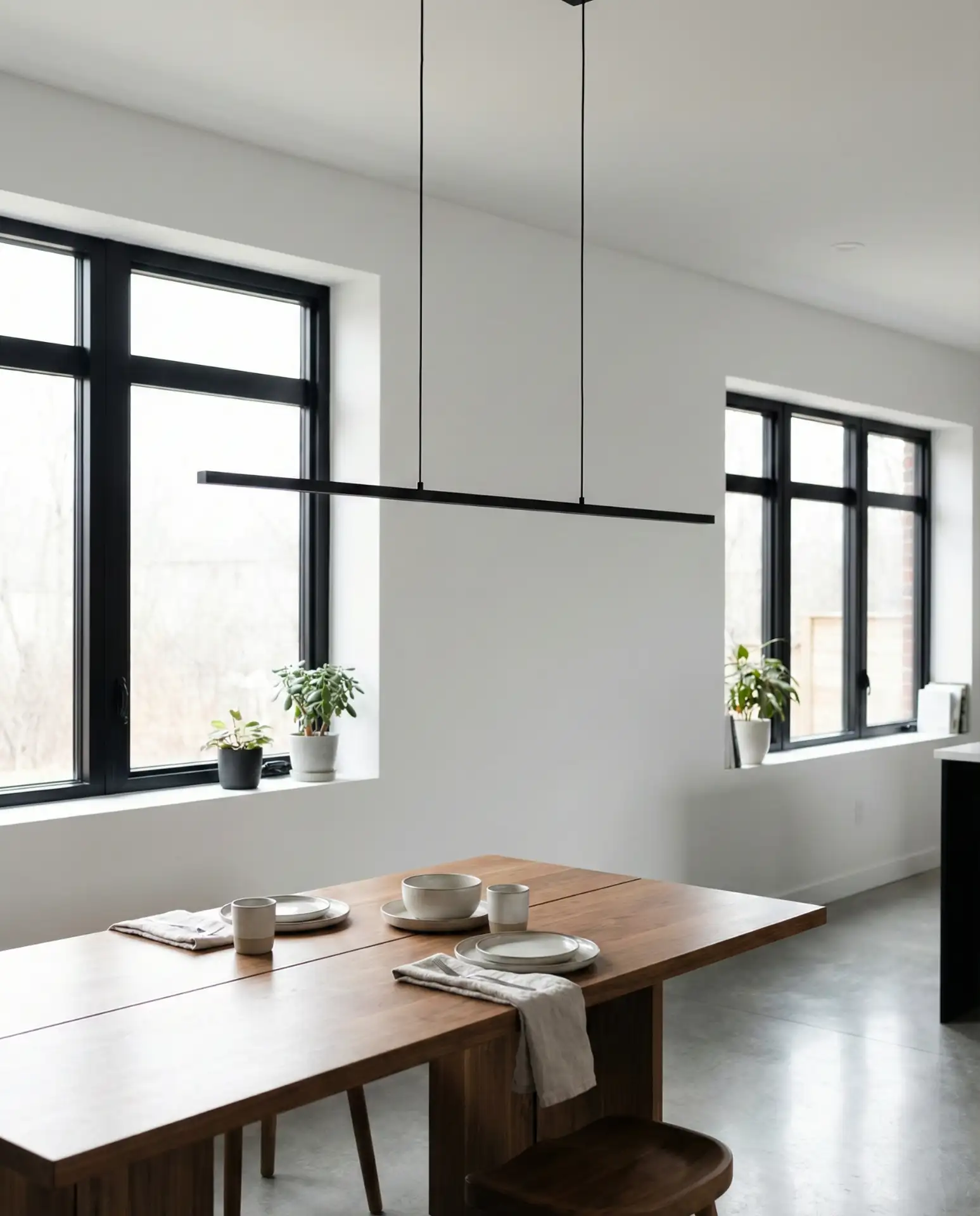
Lighting is one area where you can really have fun and express personality—think of it as jewelry for the room. In open-concept homes across suburban America, oversized fixtures above the island have become a design signature, often serving as the first thing guests notice. Make sure to install dimmers so you can adjust the mood from bright and energizing during meal prep to soft and intimate during dinner. And don’t forget to consider bulb color temperature—warm white (2700K-3000K) creates a more inviting atmosphere than cool daylight bulbs.
15. Contrasting Countertops for Visual Layers
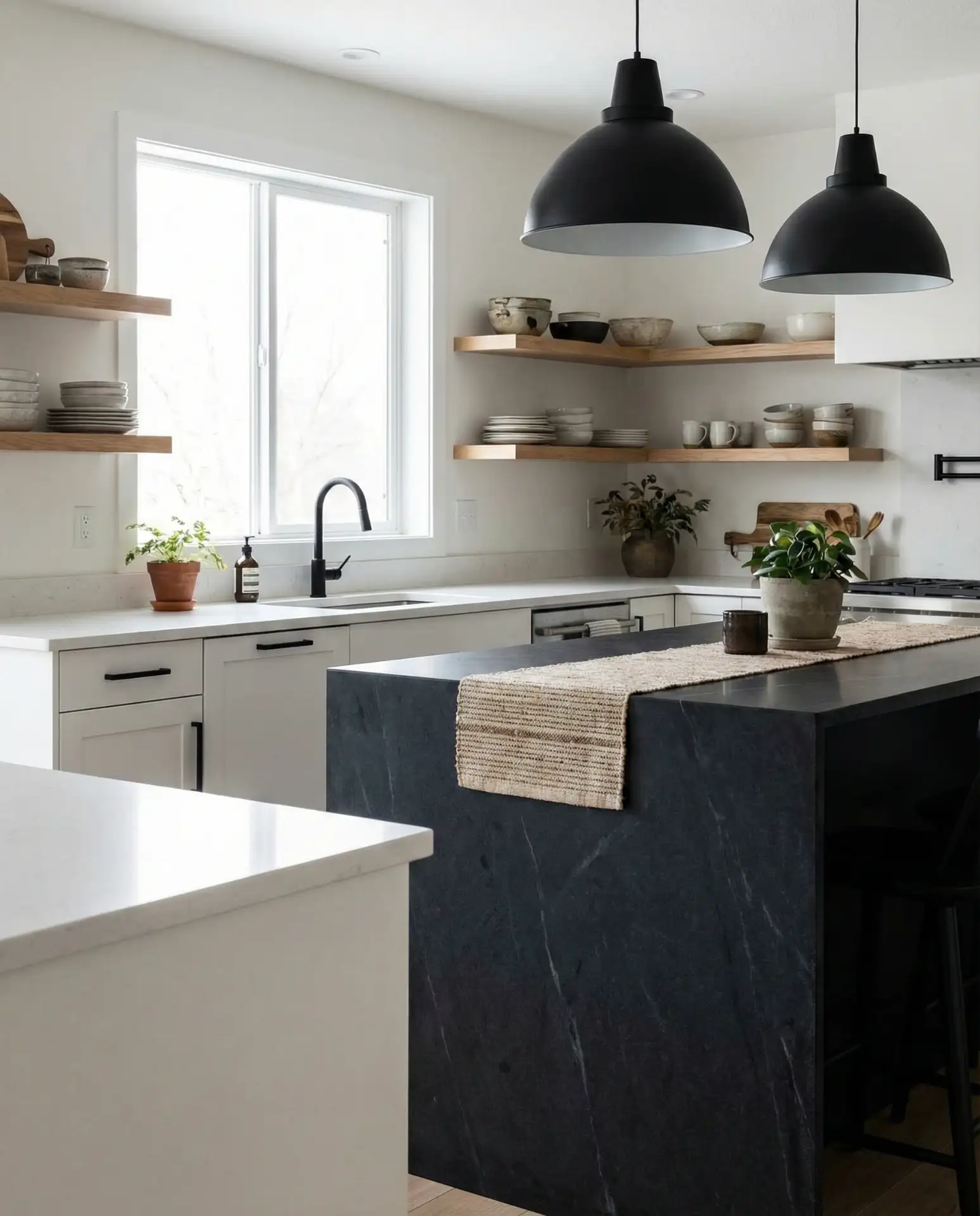
Using different countertop materials on the island versus the perimeter creates layered interest and defines separate work zones. A black granite or soapstone island paired with white quartz perimeter counters offers both aesthetic contrast and functional variety. The darker surface is great for rolling out dough or prepping messy ingredients, while the lighter counters brighten the room and make smaller items easier to spot. It’s a design choice that feels intentional and adds a custom, high-end quality to the space.
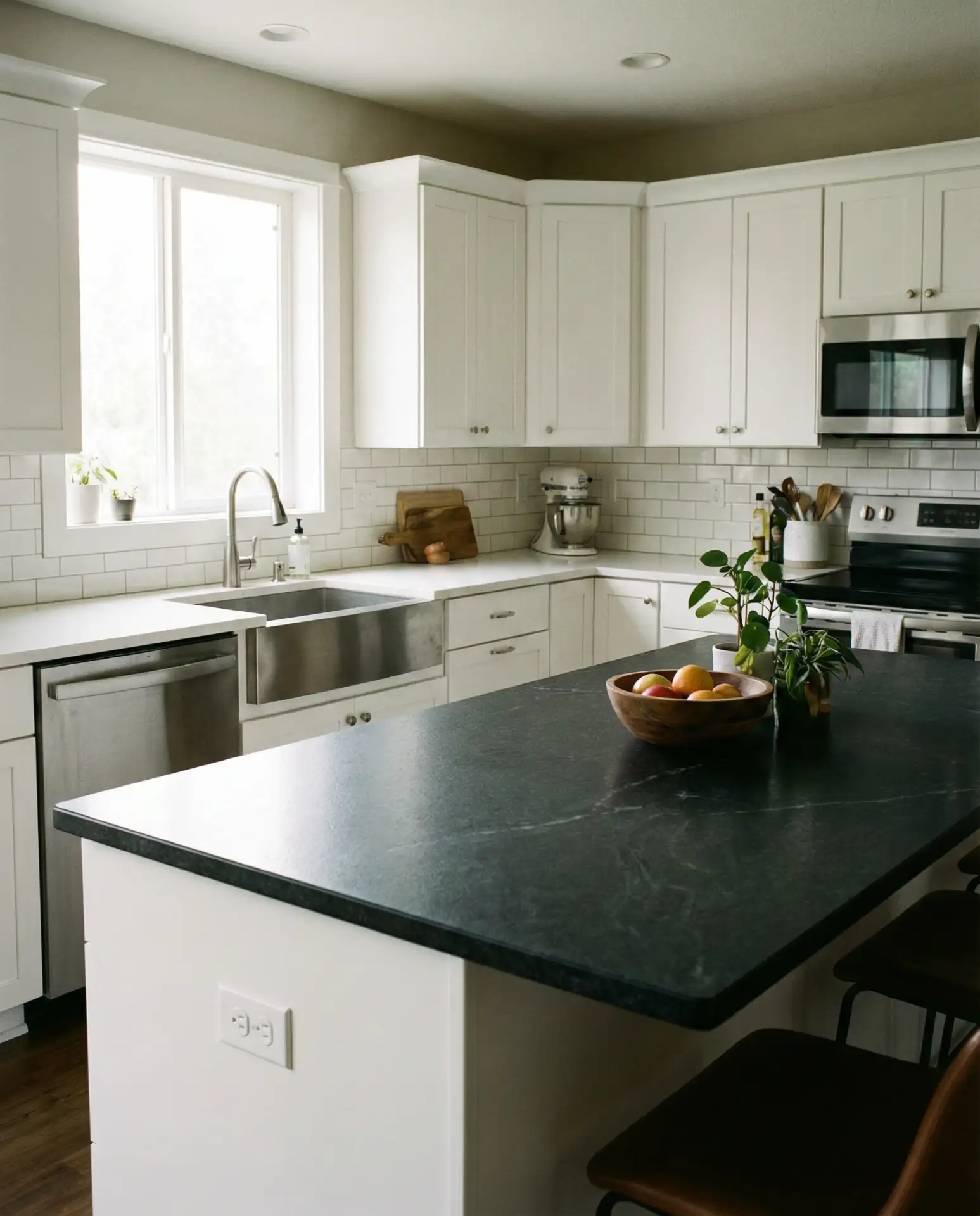
A common mistake is choosing materials with wildly different maintenance needs, which can create frustration down the line. Pair durable, low-maintenance surfaces like quartz with equally hardy options like honed granite or solid surface composites. This strategy also allows you to splurge on one standout material—say, a stunning marble island—while keeping costs reasonable on the rest. Many designers recommend this approach in kitchens where the island serves as the main prep and gathering area, deserving special attention.
16. Glossy White Subway Tile for Reflective Shine
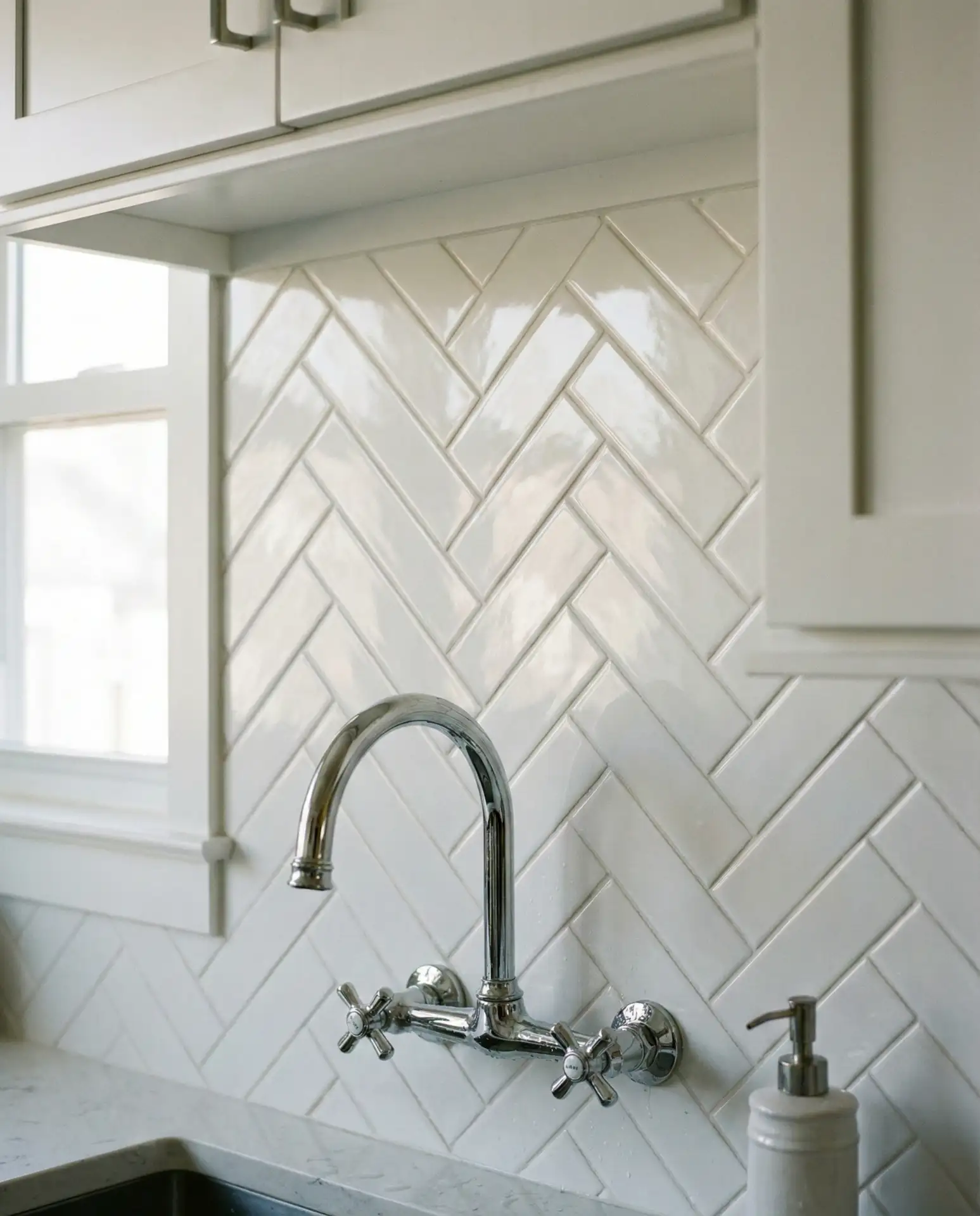
When you choose glossy over matte subway tile, you amplify the light-bouncing effect and add a subtle sheen that feels fresh and clean. The reflective surface makes small kitchens appear larger and brighter, which is why it’s a favorite in urban apartments and condos. This finish also wipes down easily, making it practical for areas behind the stove or sink where splatters are inevitable. It’s a small detail that makes a noticeable difference in how the space feels throughout the day.
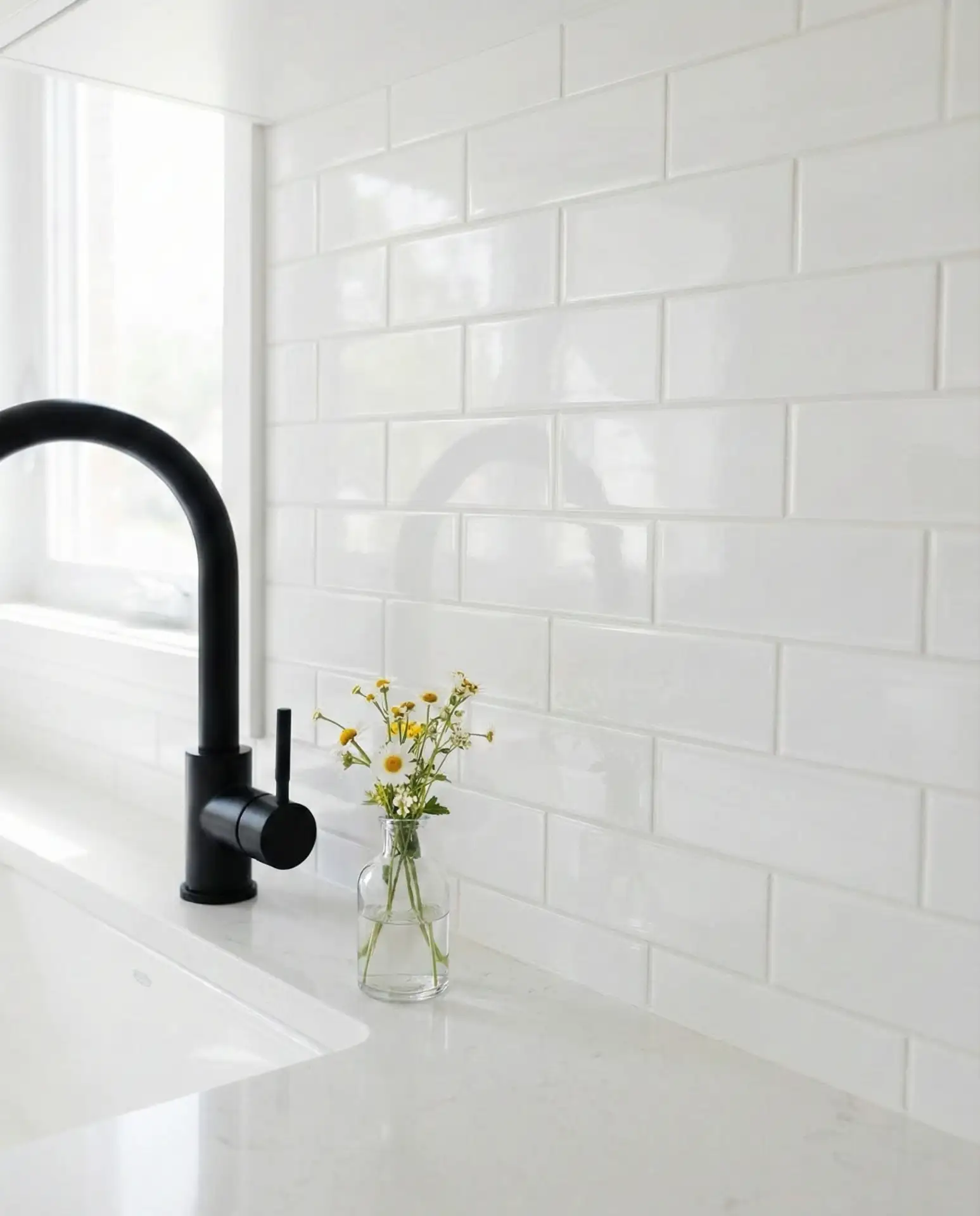
In Southern California and Florida, where sunlight is abundant year-round, glossy tiles help distribute that light evenly and reduce the need for artificial lighting during the day. They’re also slightly easier to clean than textured surfaces, since there are no crevices for grime to settle into. If you’re worried about the look being too sterile, pair the tiles with warm wood tones or brass hardware to soften the effect. The tiles themselves are widely available and affordable, making this an easy upgrade for any budget.
17. Black Range Hood as a Focal Point
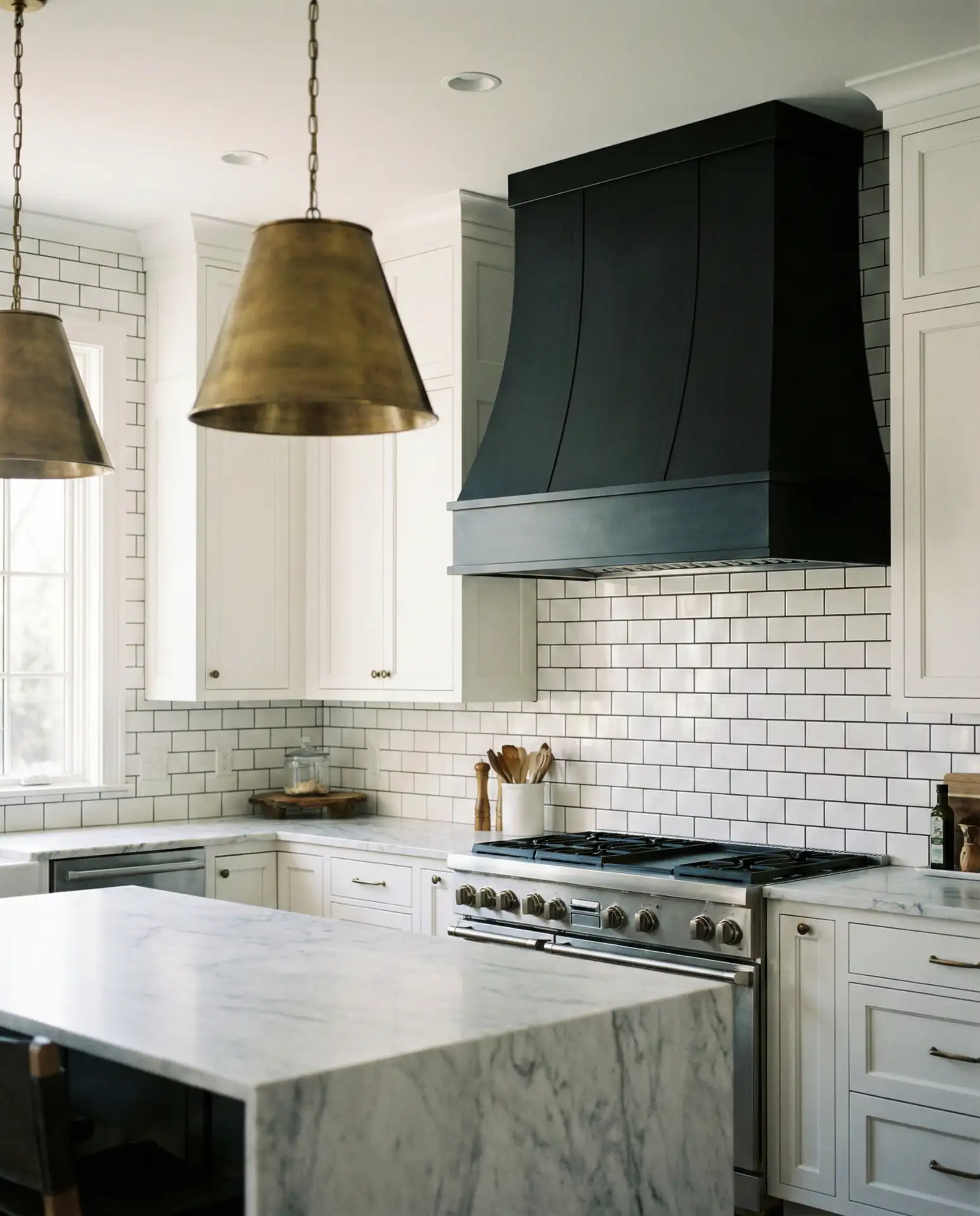
A bold black range hood commands attention and turns a functional appliance into a statement piece. Whether custom-built or off-the-shelf, the dark finish creates a strong vertical element that balances the horizontal lines of counters and cabinets. It’s especially effective in kitchens with high ceilings, where it helps fill the vertical space and adds architectural drama. This choice signals that every detail has been considered, from the floor to the ceiling.
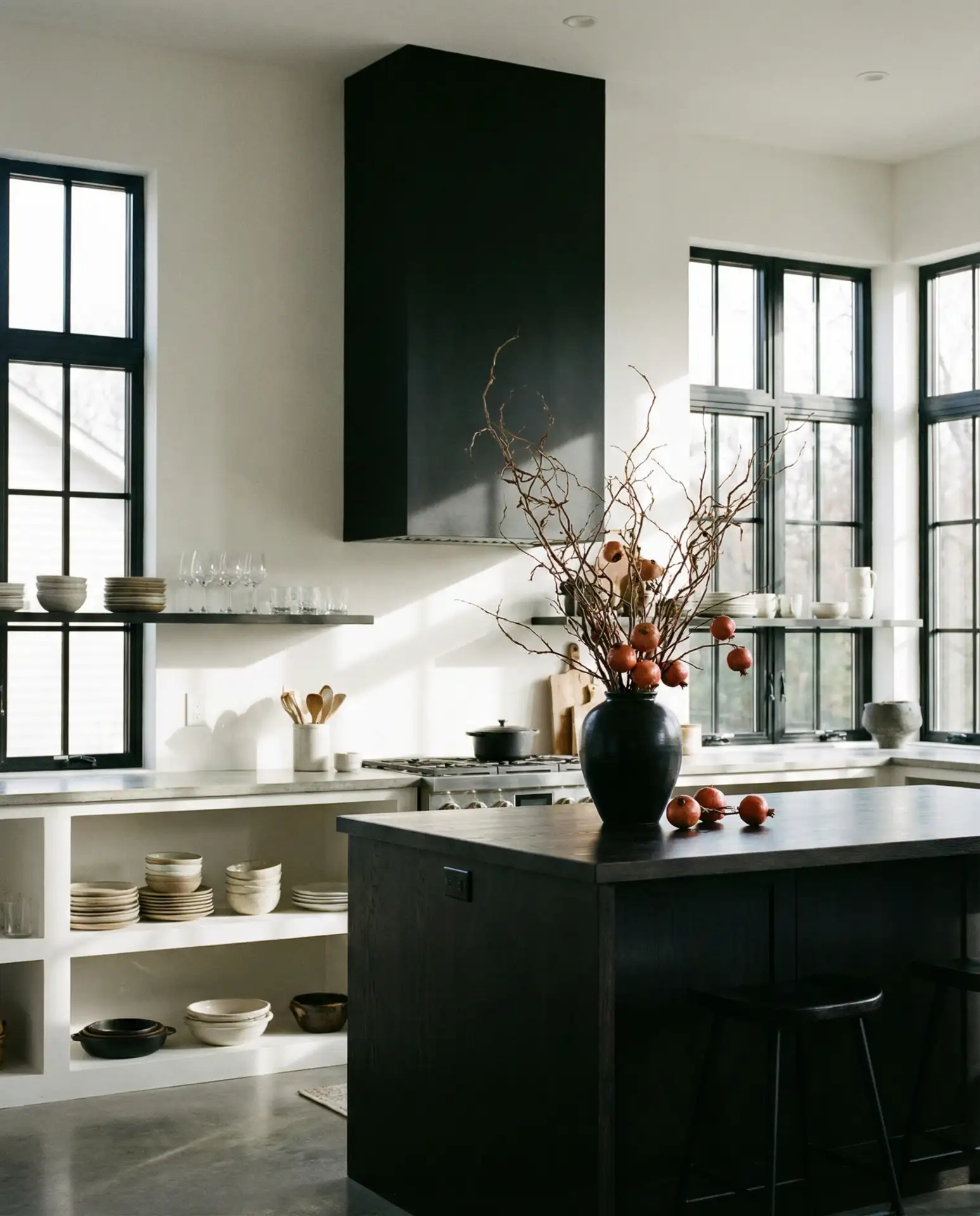
This works best in kitchens where cooking is central to daily life and the range deserves to be celebrated. In farmhouse and French country styles, a black hood can anchor the room and provide a grounding element amid lighter finishes. Custom hoods can run into the thousands, but painted or wrapped versions of standard hoods offer a more budget-friendly alternative. Just ensure proper ventilation—function should never be sacrificed for form, especially in a high-use area like the cooktop.
18. Monochrome Decor with Textural Variety
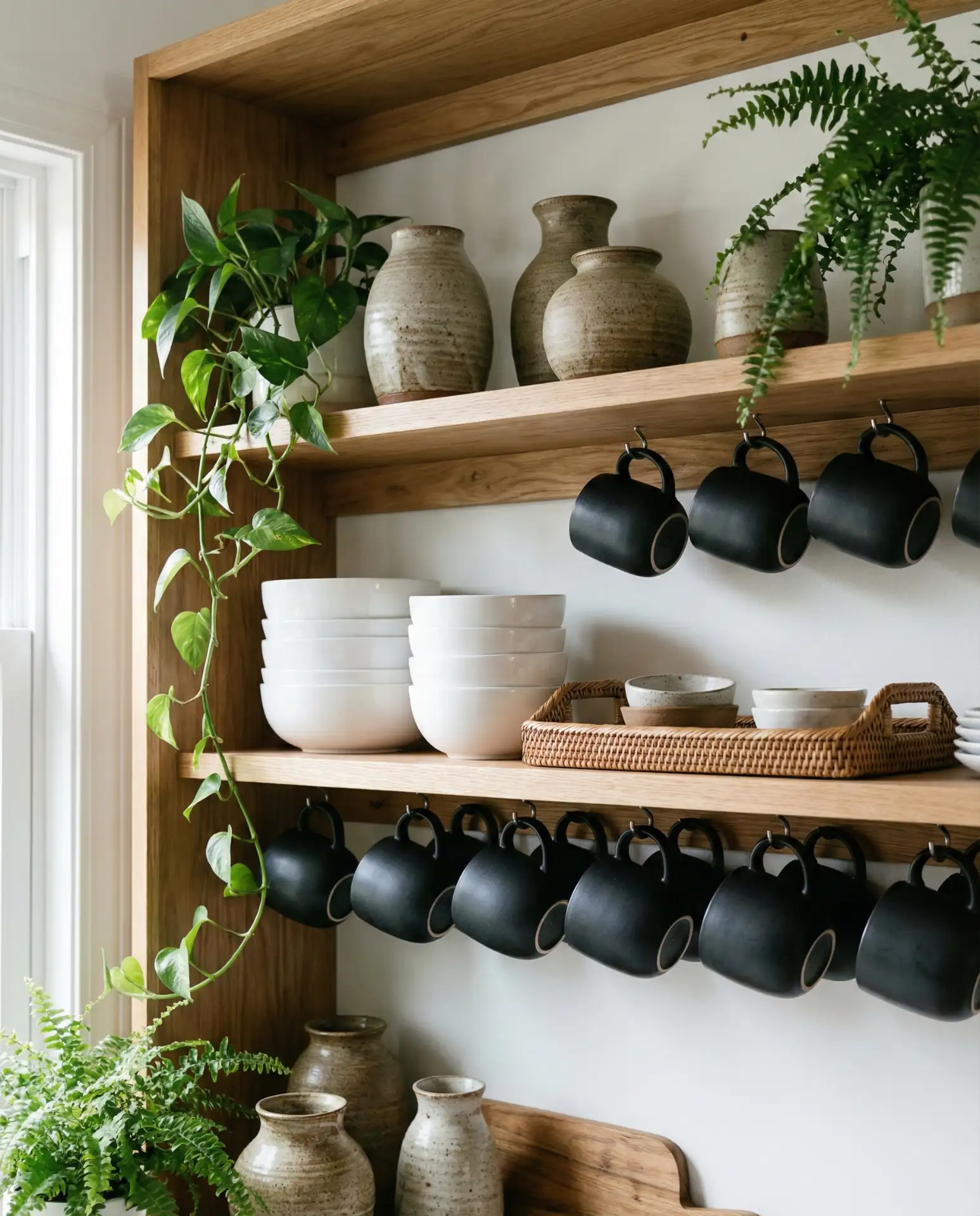
Sticking to black and white decor doesn’t mean the space has to feel flat—texture is your secret weapon. Layer in woven baskets, ceramic vessels, linen towels, and matte versus glossy finishes to create depth and tactile interest. This approach keeps the color palette restrained while still offering plenty of visual richness. It’s a sophisticated way to style a kitchen that feels curated rather than overly themed or one-note.
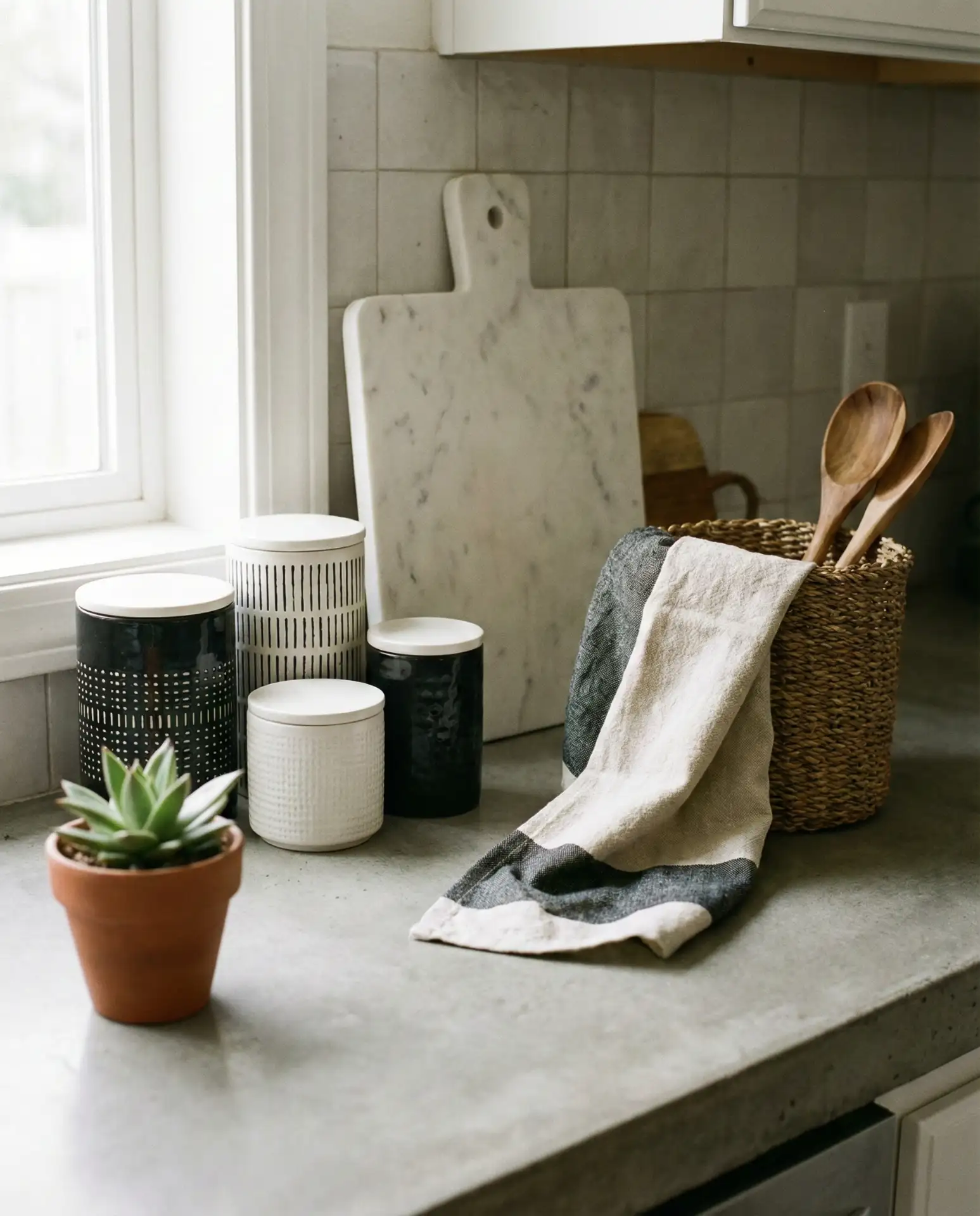
Real homeowners often find that limiting color makes it easier to rotate seasonal decor without clashing. A friend swaps in fresh flowers, herbs, or even a bowl of lemons to add a pop of life, and everything still feels cohesive because the foundation is so strong. Texture also makes a room feel more inviting and lived-in, which is especially important in a kitchen where people gather. The beauty is that you can find these items at any price point, from thrift stores to high-end boutiques.
19. Green Plants for a Pop of Life
Introducing green plants into a black and white kitchen is like adding a breath of fresh air—literally and visually. The organic shapes and vibrant color break up the monochrome palette without disrupting its harmony. Herbs on the windowsill, a fiddle-leaf fig in the corner, or trailing pothos on open shelves all bring life and movement into the space. It’s a simple, affordable way to make the kitchen feel more connected to nature and less like a sterile showroom.
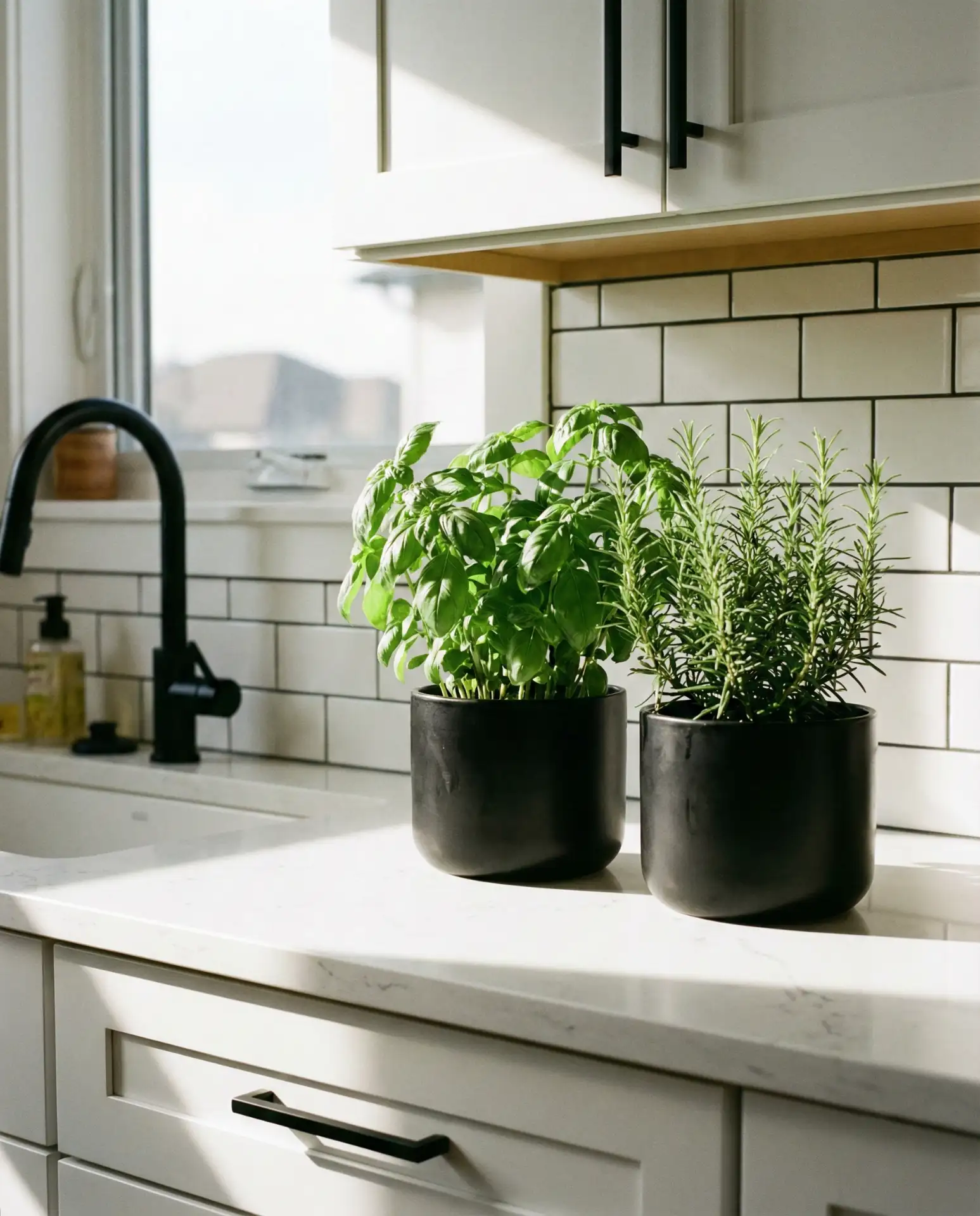
Where this works best is in kitchens with ample natural light, though low-light varieties like snake plants and pothos can thrive almost anywhere. Many American households have embraced the urban jungle trend, and kitchens are no exception. Plants also improve air quality and can even provide fresh ingredients for cooking if you opt for herbs. The key is choosing pots and planters that fit your black and white theme—ceramic, metal, or even painted terracotta all work beautifully.
20. Red Accents for Bold Color Pop
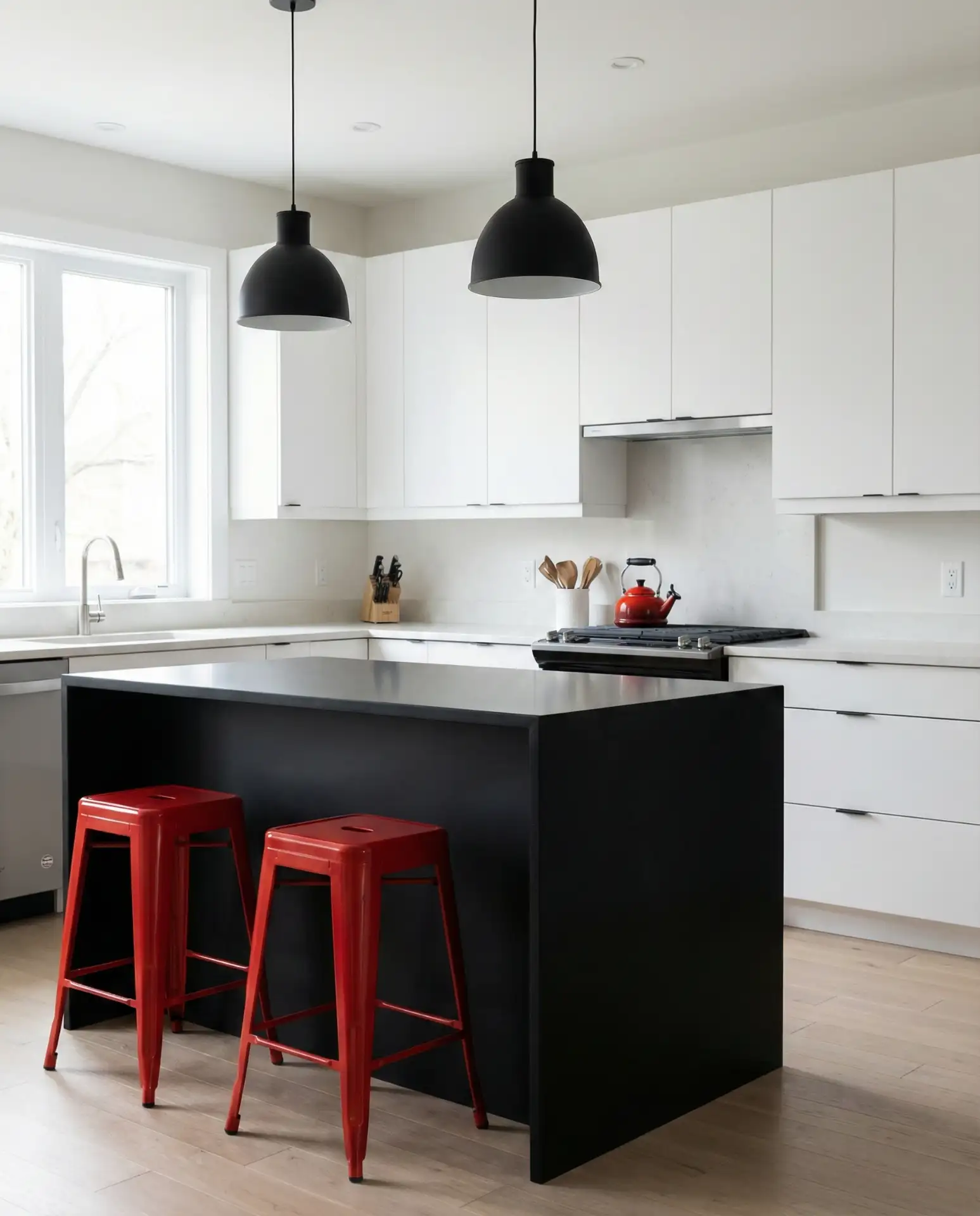
A few carefully placed red accents—a vintage mixer, a tea kettle, or even a single bar stool—can electrify a black and white kitchen. This classic triad is energizing and playful, nodding to mid-century diners and retro kitchens while still feeling completely modern. The red acts as a visual exclamation point, drawing the eye and adding personality without overwhelming the space. It’s a fun way to inject some warmth and spirit into an otherwise neutral palette.
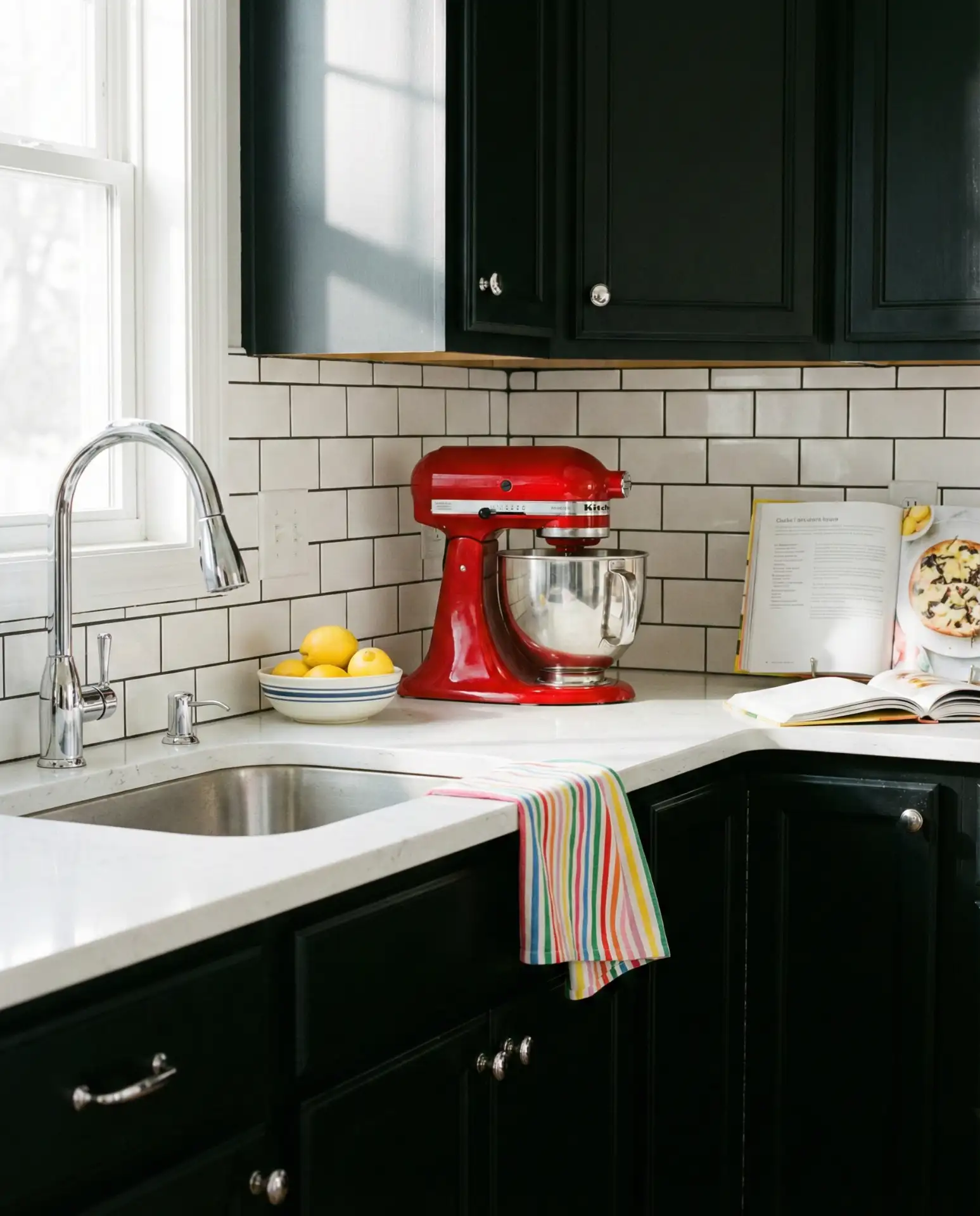
This approach is popular in kitchens that embrace retro or eclectic styles, particularly in cities with strong design cultures like New York and San Francisco. The beauty of using red as an accent is that it’s easy to swap out if you tire of it—no major renovation required. Just be judicious with the amount; one or two red elements are usually enough to make an impact. Too much, and the space can start to feel chaotic or thematically confused.
21. Farmhouse Table in Natural Wood
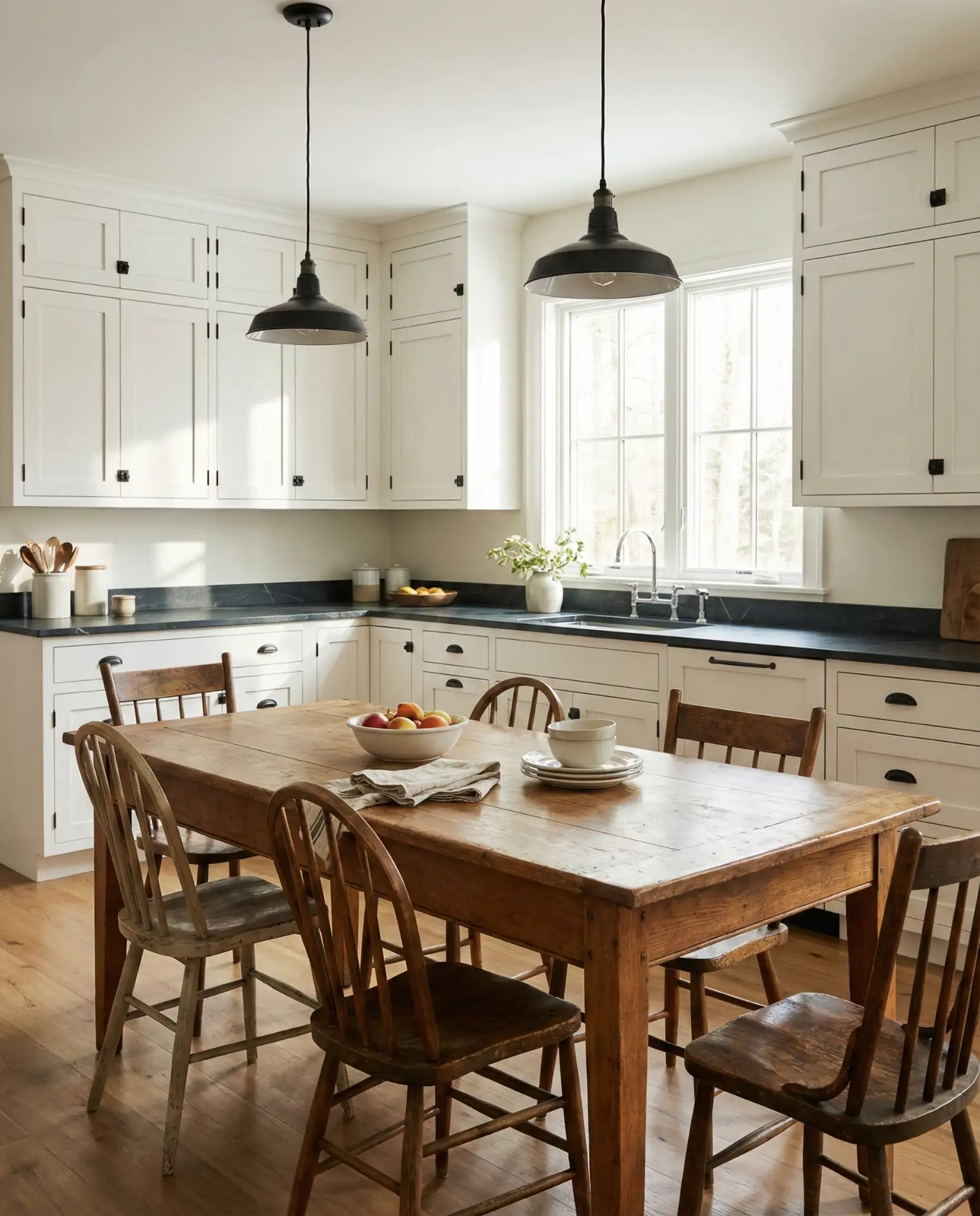
A rustic wood farmhouse table brings warmth, texture, and a sense of history into a black and white kitchen. The natural grain and honey tones soften the starkness and create an inviting spot for family meals, homework, or weekend baking projects. This piece grounds the room and offers a counterbalance to sleek, modern finishes elsewhere. It’s a nod to the past that feels both nostalgic and completely at home in contemporary spaces.
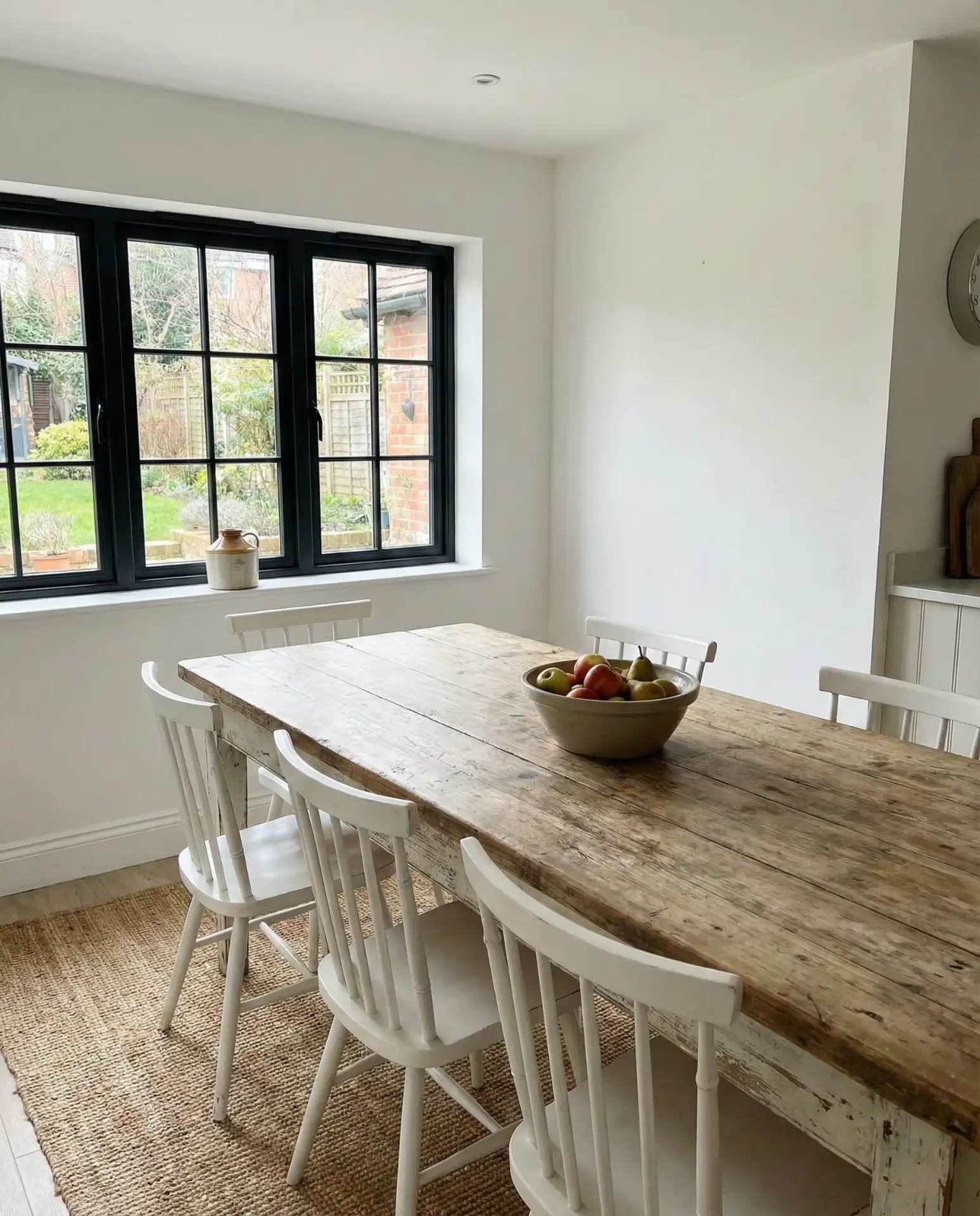
From a budget perspective, farmhouse tables can be found at antique markets, estate sales, or even built DIY-style for a fraction of the retail cost. They’re durable workhorses that only get better with age, developing character marks and patina over time. In rural and suburban American homes, these tables often become the heart of the kitchen—where everyone gathers, lingers, and connects. Pair the table with simple white or black chairs, or mix and match styles for an eclectic, collected-over-time look.
22. Minimalist Black and White Aesthetic
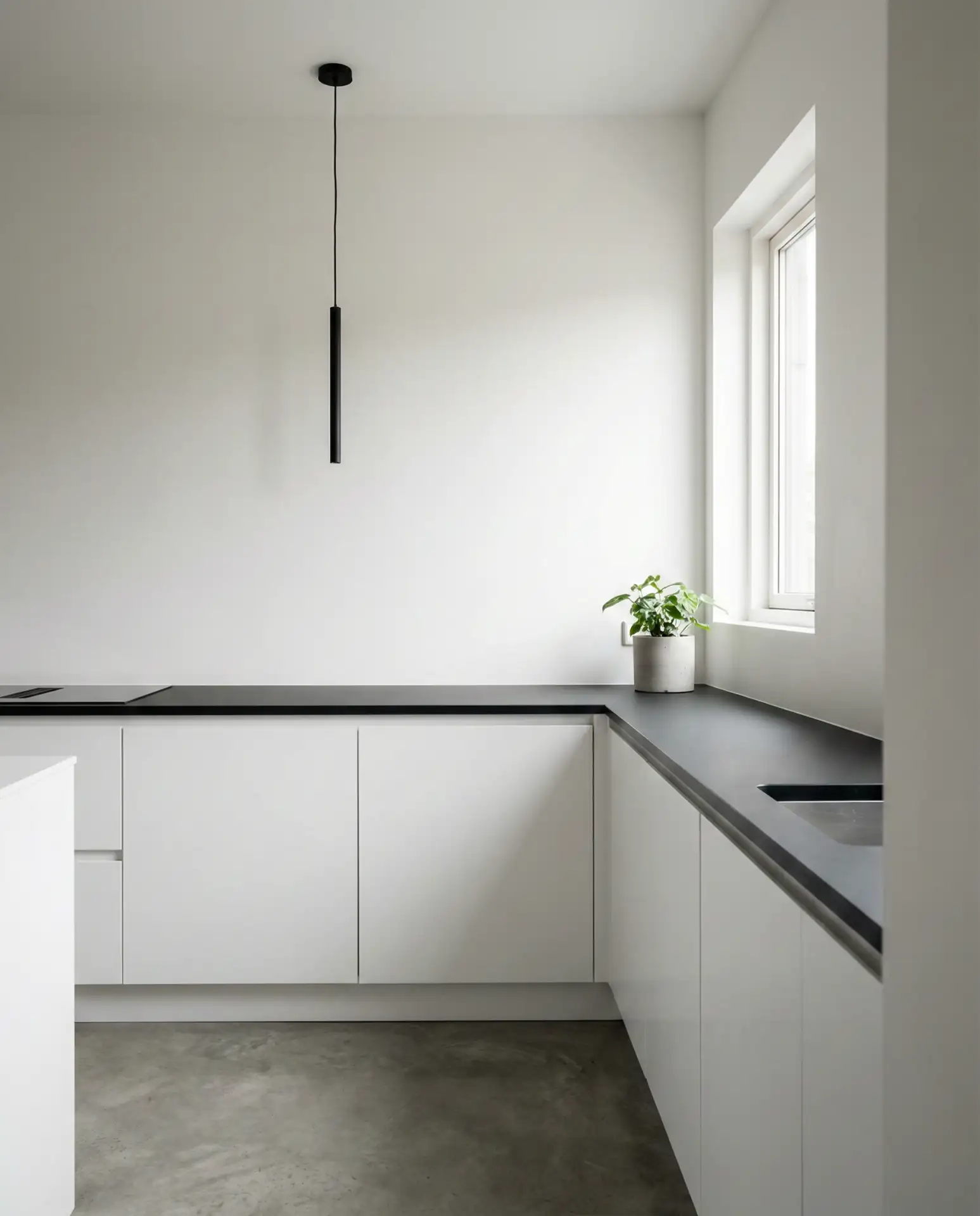
Embracing a full minimalist aesthetic means curating every element down to the essentials and letting the interplay of black and white speak for itself. This stripped-down approach celebrates negative space, clean lines, and a restrained material palette. The result is calming, meditative, and surprisingly warm when executed with care. It’s about quality over quantity, choosing pieces that serve a purpose and bring joy without adding visual clutter.
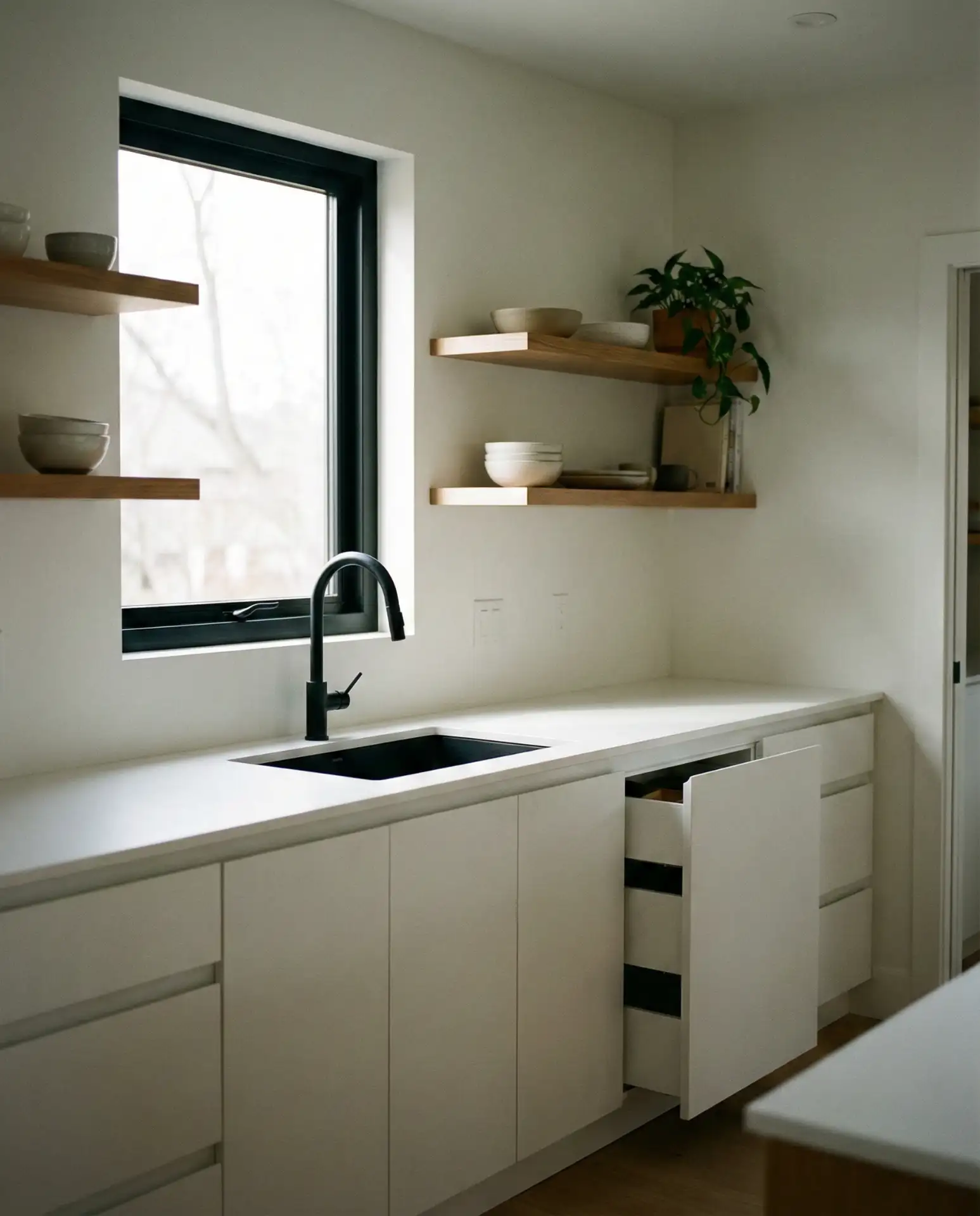
Expert designers describe this style as “living lightly”—owning less but choosing better. It’s particularly suited to smaller homes or urban apartments where space is at a premium and every square foot counts. The discipline required to maintain this aesthetic can actually reduce stress, as there’s simply less to clean, organize, and worry about. That said, it’s not for everyone—it requires a commitment to decluttering and resisting the urge to accumulate. But for those who embrace it, the rewards are profound.
23. Pinterest-Inspired Inspo Board Brought to Life
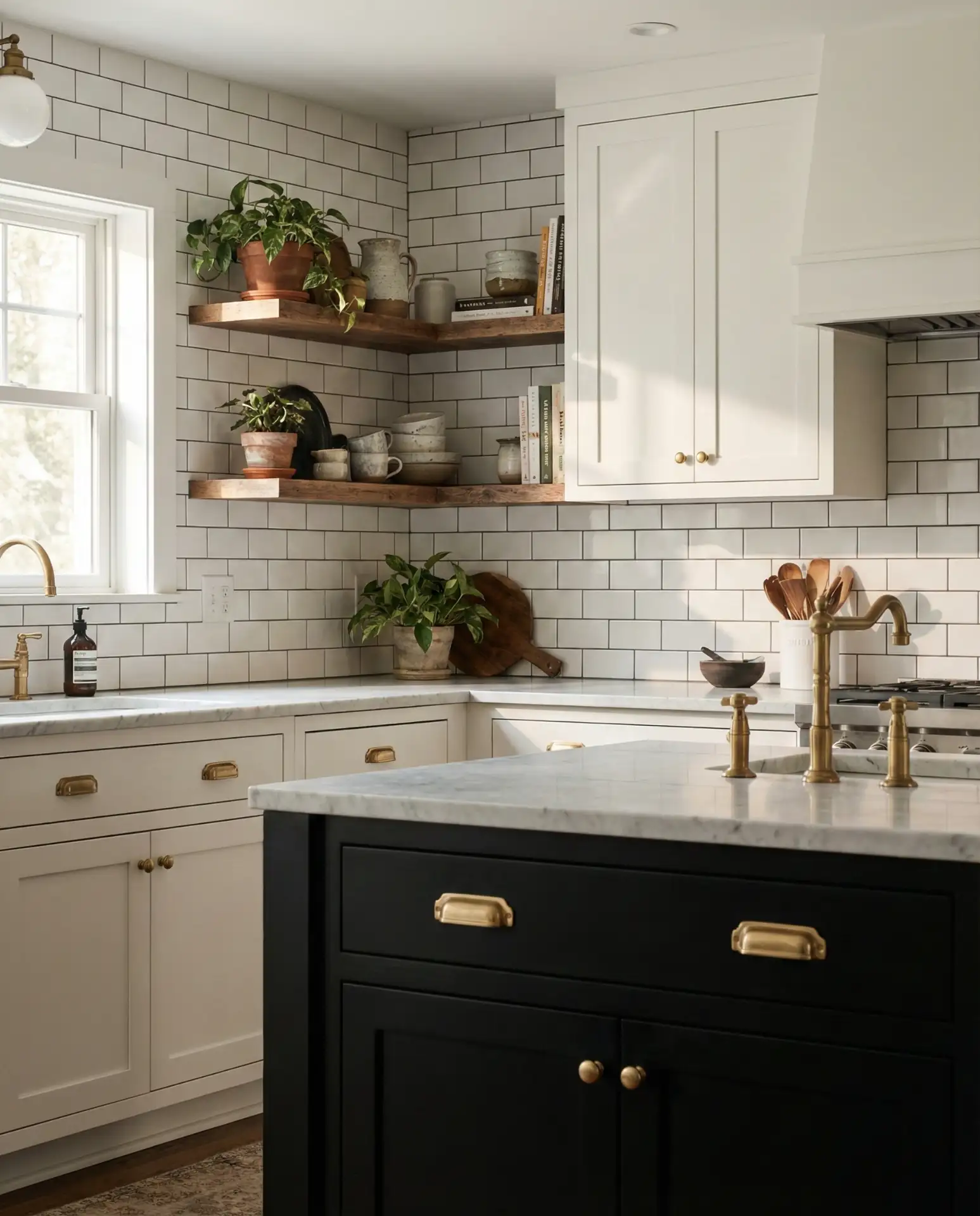
Turning your favorite Pinterest inspo into reality means blending multiple ideas and making them your own. Maybe you love the subway tile from one pin, the black island from another, and the open shelving from a third—combining these elements thoughtfully creates a kitchen that’s uniquely yours. The key is editing down to what truly resonates and ensuring all the pieces work together cohesively. It’s about taking inspiration and filtering it through your personal taste, lifestyle, and budget.
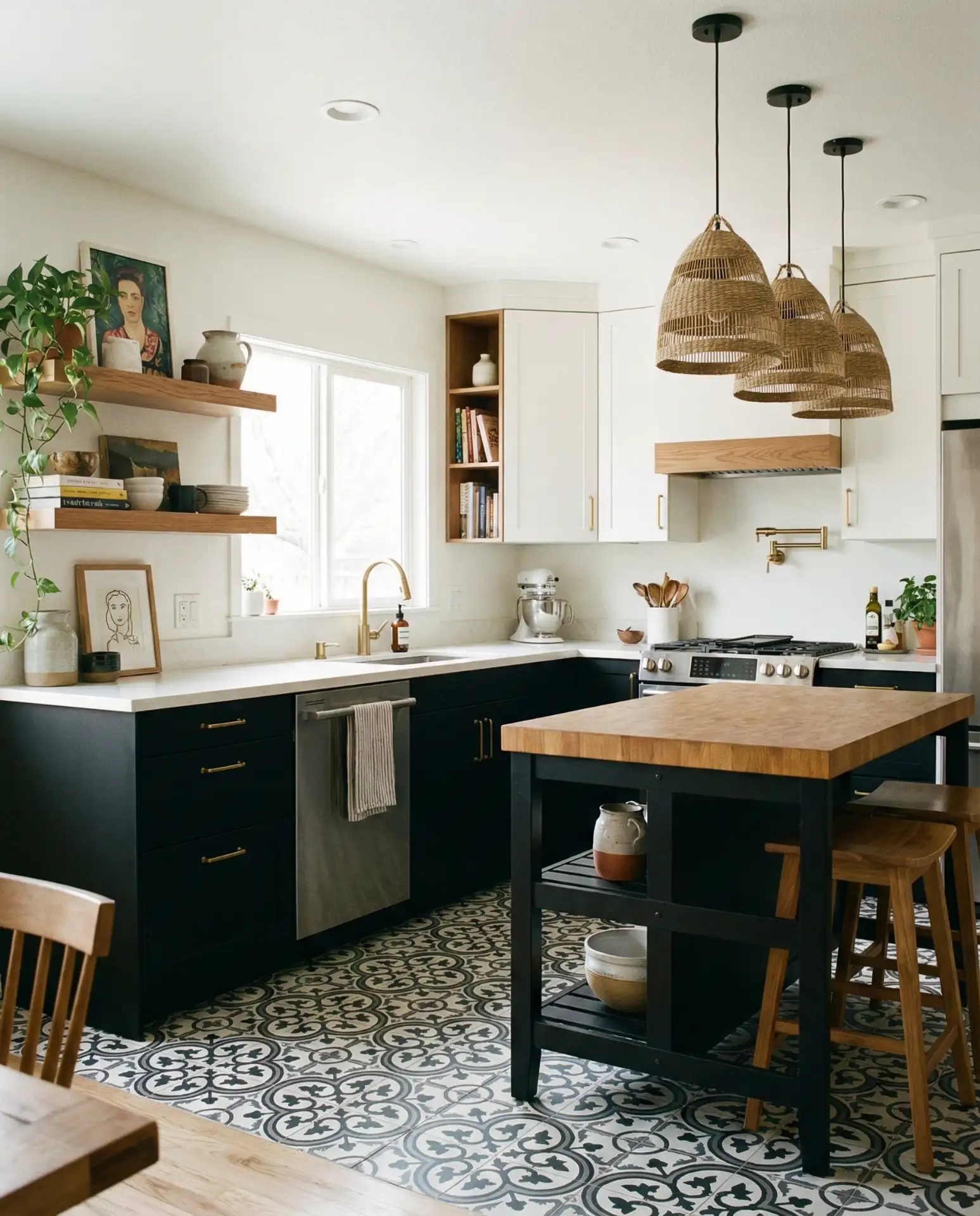
One common mistake is trying to replicate a Pinterest kitchen exactly without considering your own space, needs, or region. What works in a sprawling California ranch might not translate to a Brooklyn brownstone. Instead, use those pins as a jumping-off point and adapt them to your reality. Work with a designer if budget allows, or start small with paint, hardware, and decor before tackling bigger projects. The most successful kitchens are the ones that feel authentic to the people who use them every day.
Conclusion
Black and white kitchens offer endless possibilities, from bold drama to serene minimalism, and everything in between. Whether you’re drawn to modern clean lines, rustic warmth, or playful pops of color, this timeless palette adapts to your vision and lifestyle. We’d love to hear which ideas resonated most with you—drop a comment below and share your own black and white kitchen plans or projects!