Bedroom storage continues to be one of the most searched home topics on Pinterest as we move through 2026, and for good reason. Americans are reimagining how they use their personal spaces—whether it’s a tiny urban apartment, a cozy guest room, or a sprawling primary suite. The rise of minimalist living, combined with the reality of smaller homes and the need for clever organization, has made bedroom storage both a necessity and a design opportunity. In this article, you’ll discover practical, aesthetic, and creative ideas that blend function with style, from DIY solutions to smart furniture picks that transform how you live and sleep.
1. Under-Bed Drawers for Tiny Bedrooms
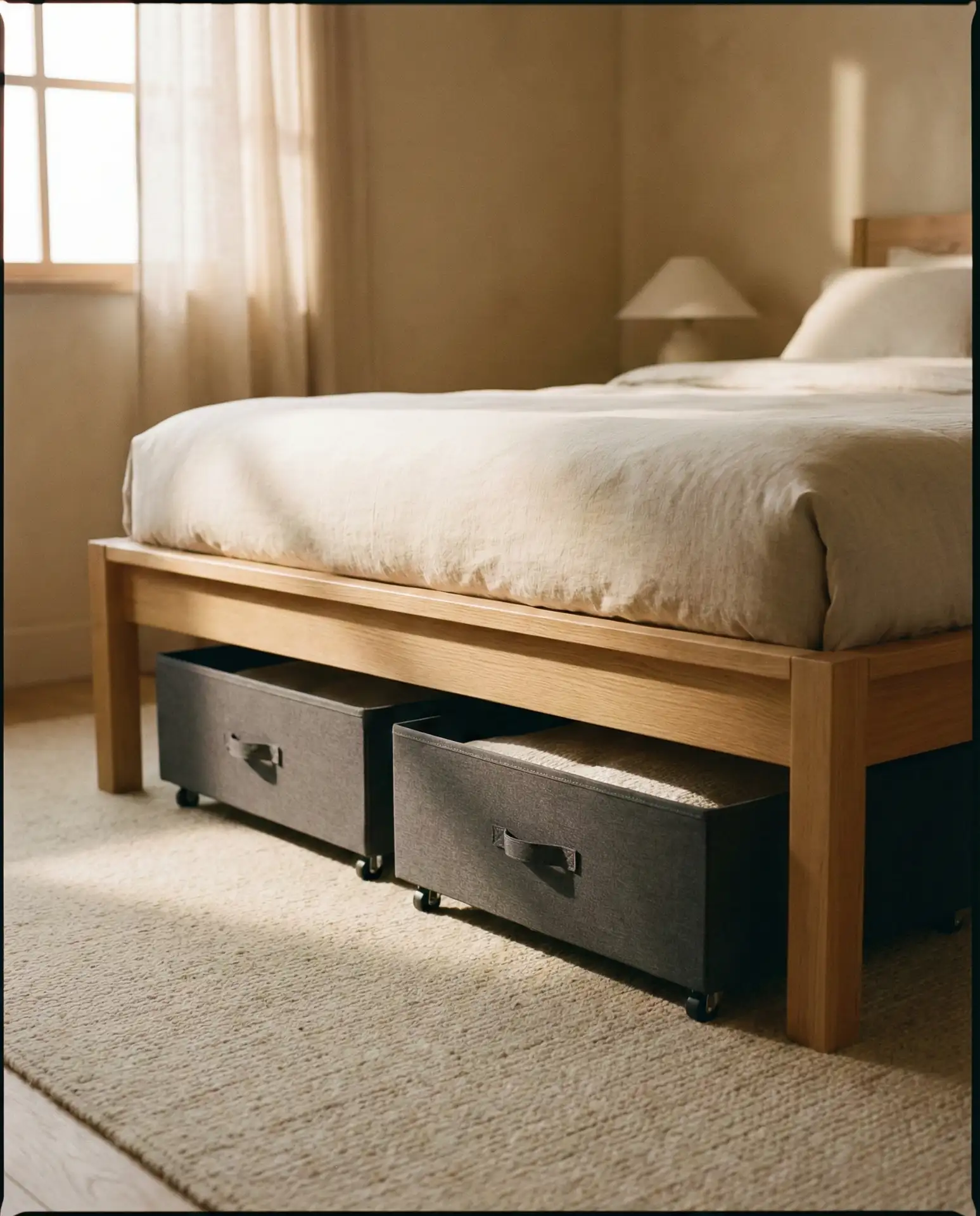
When floor space is limited, the area beneath your bed becomes prime real estate. Tiny bedrooms and small spaces benefit enormously from shallow rolling drawers that slide out to reveal folded linens, off-season clothes, or extra pillows. These units work especially well in apartment settings where closet space is minimal and every square inch counts.
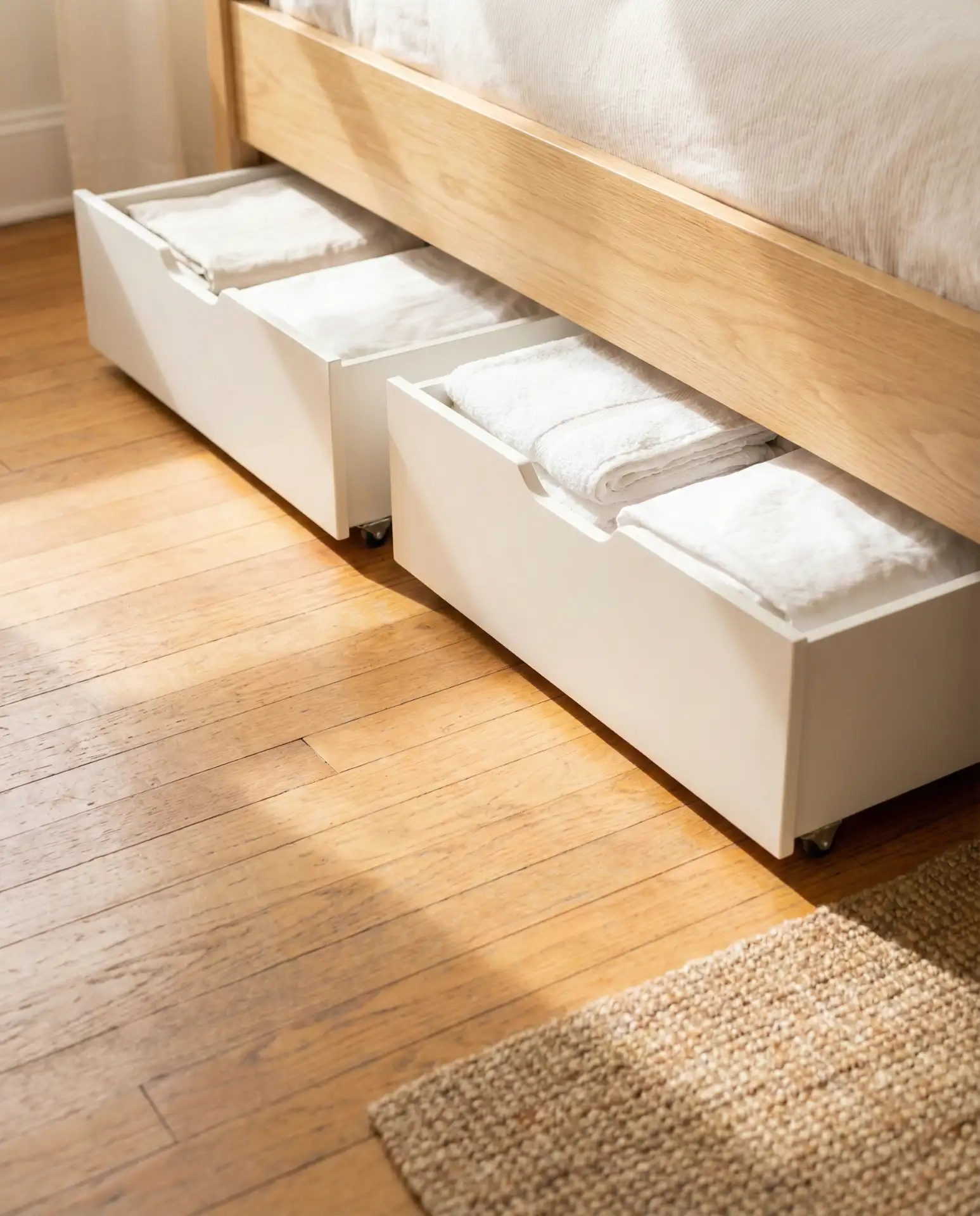
A common mistake is choosing drawers that are too tall—measure your bed clearance first, ideally leaving at least an inch of breathing room. Look for units with smooth-glide wheels and built-in dividers to keep smaller items from shifting. This simple addition can double your usable storage without requiring a single nail in the wall.
2. Floating Shelves Above the Headboard
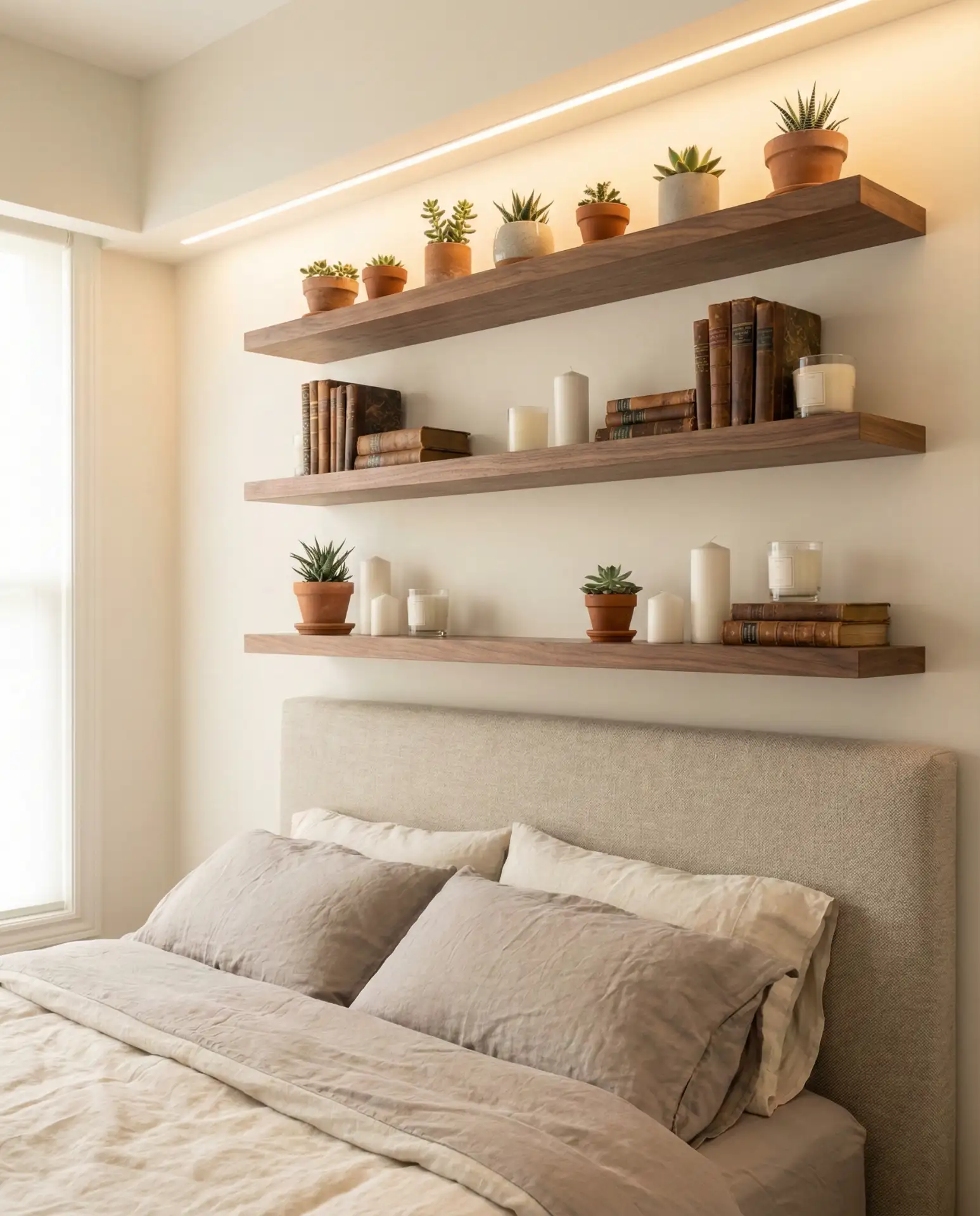
Vertical space is often overlooked, yet it offers one of the most aesthetic and functional solutions for bedrooms. Installing minimalist floating shelves directly above your headboard creates a display zone for books, plants, and personal mementos without cluttering nightstands. This approach is especially popular in boho- and cozy-styled rooms, where layered textures and curated objects add warmth.
In American homes, particularly in suburban settings where bedrooms tend to be medium-sized, this setup offers a gallery-like feel without permanent commitment. Use anchors rated for at least 50 pounds to ensure safety, and keep heavier items toward the center of each shelf to maintain balance.
3. Closet Organizer Systems for Clothes Wardrobes
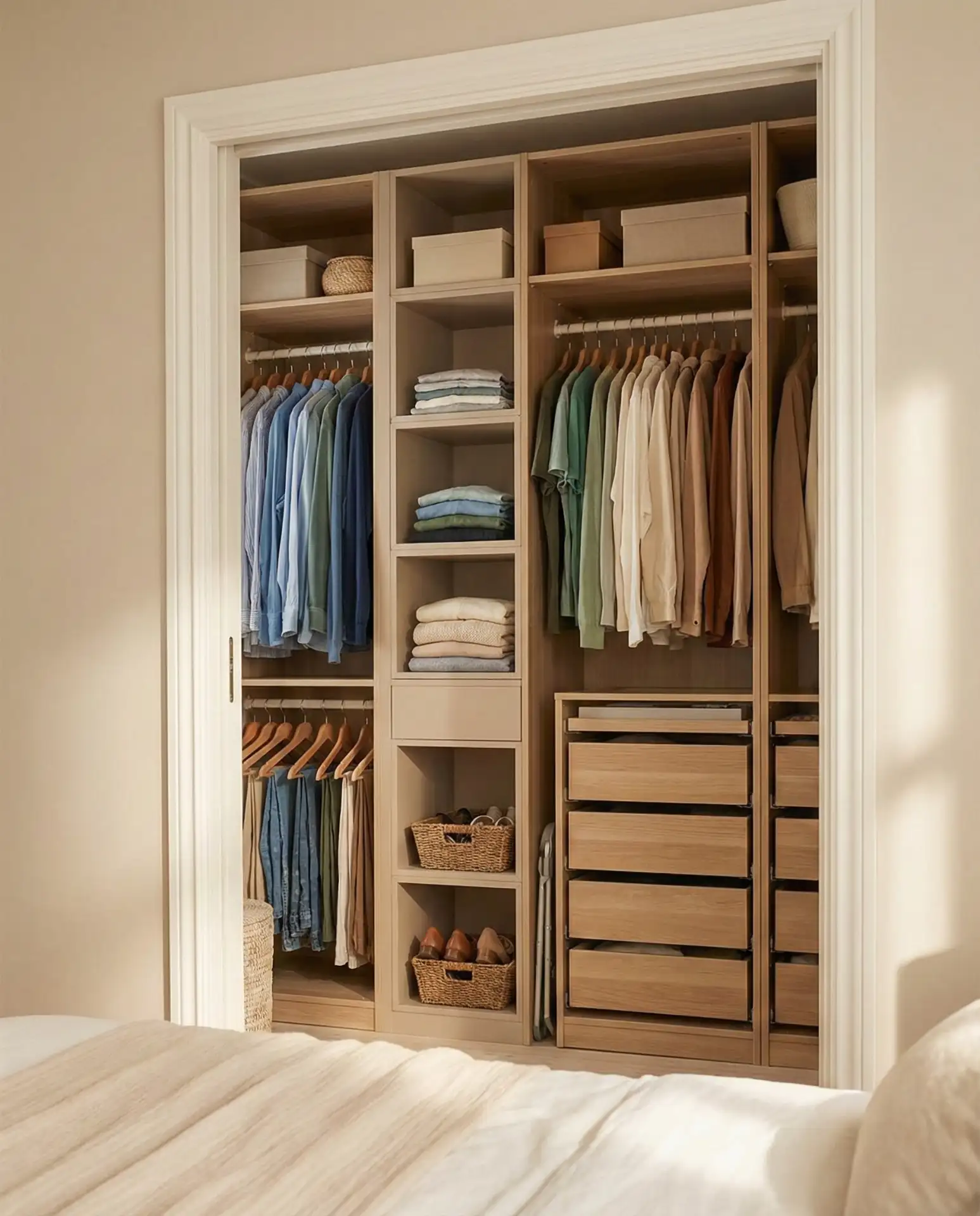
Maximizing closet efficiency is critical in small rooms and small clothes wardrobes, where every hanger and shelf matters. Modular systems with adjustable rods, pull-out baskets, and tiered shoe racks transform chaotic closets into streamlined zones. These kits are available at big-box retailers and can be installed over a weekend, making them a favorite DIY project for homeowners.
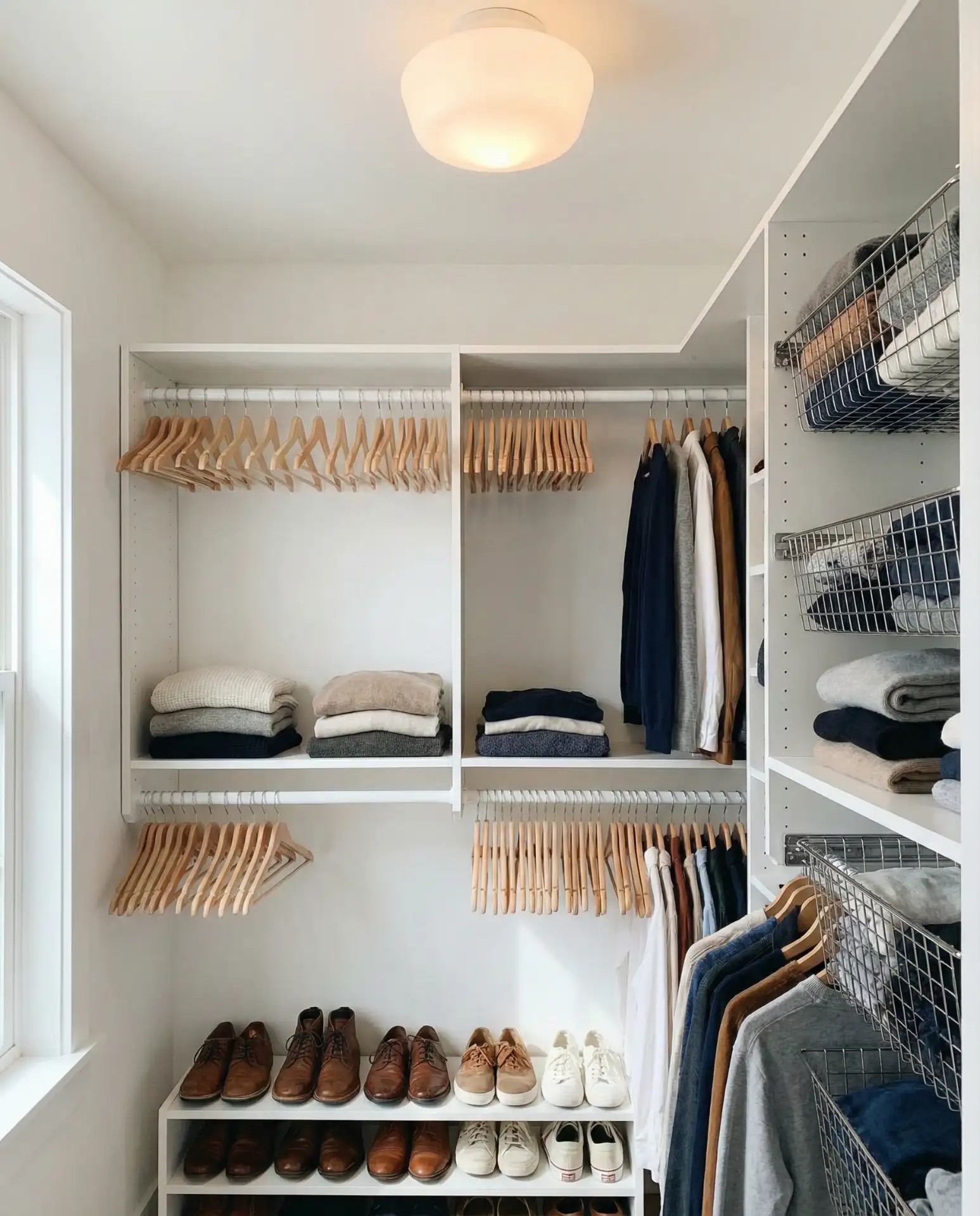
Real homeowners often underestimate vertical space—adding a second hanging rod can nearly double capacity. Pair this with slimline hangers to reduce bulk, and use shelf dividers to prevent stacks from toppling. Expect to spend between $150 and $400 depending on closet size and material quality.
4. Built-In Storage Benches at Foot of Bed
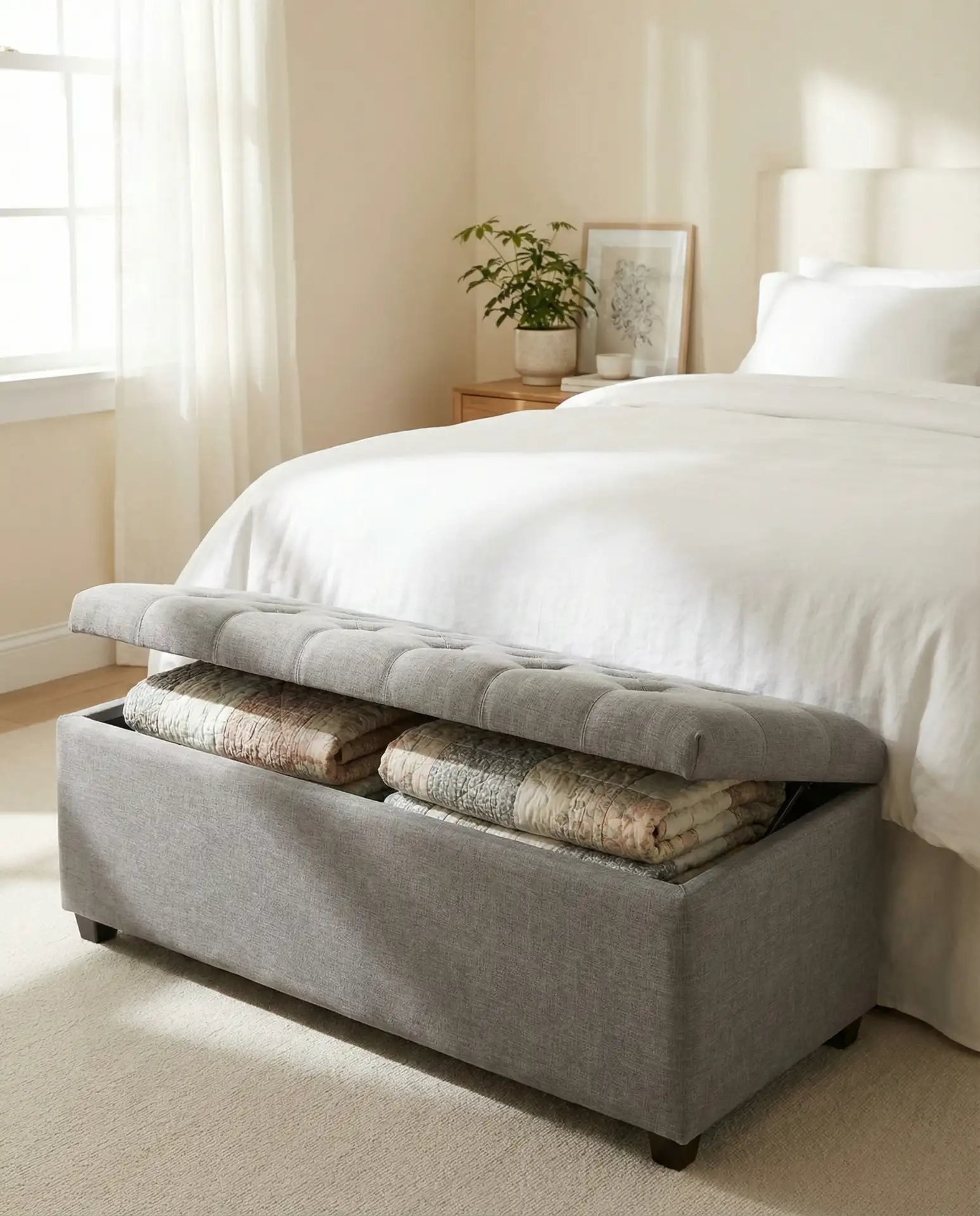
A storage bench placed at the foot of the bed serves double duty as seating and concealed storage, making it ideal for guest rooms and primary suites alike. Upholstered versions in linen or velvet add a touch of elegance, while wooden designs lean into minimalist or farmhouse aesthetics. Lift-top models hide extra blankets, pillows, or seasonal linens out of sight.
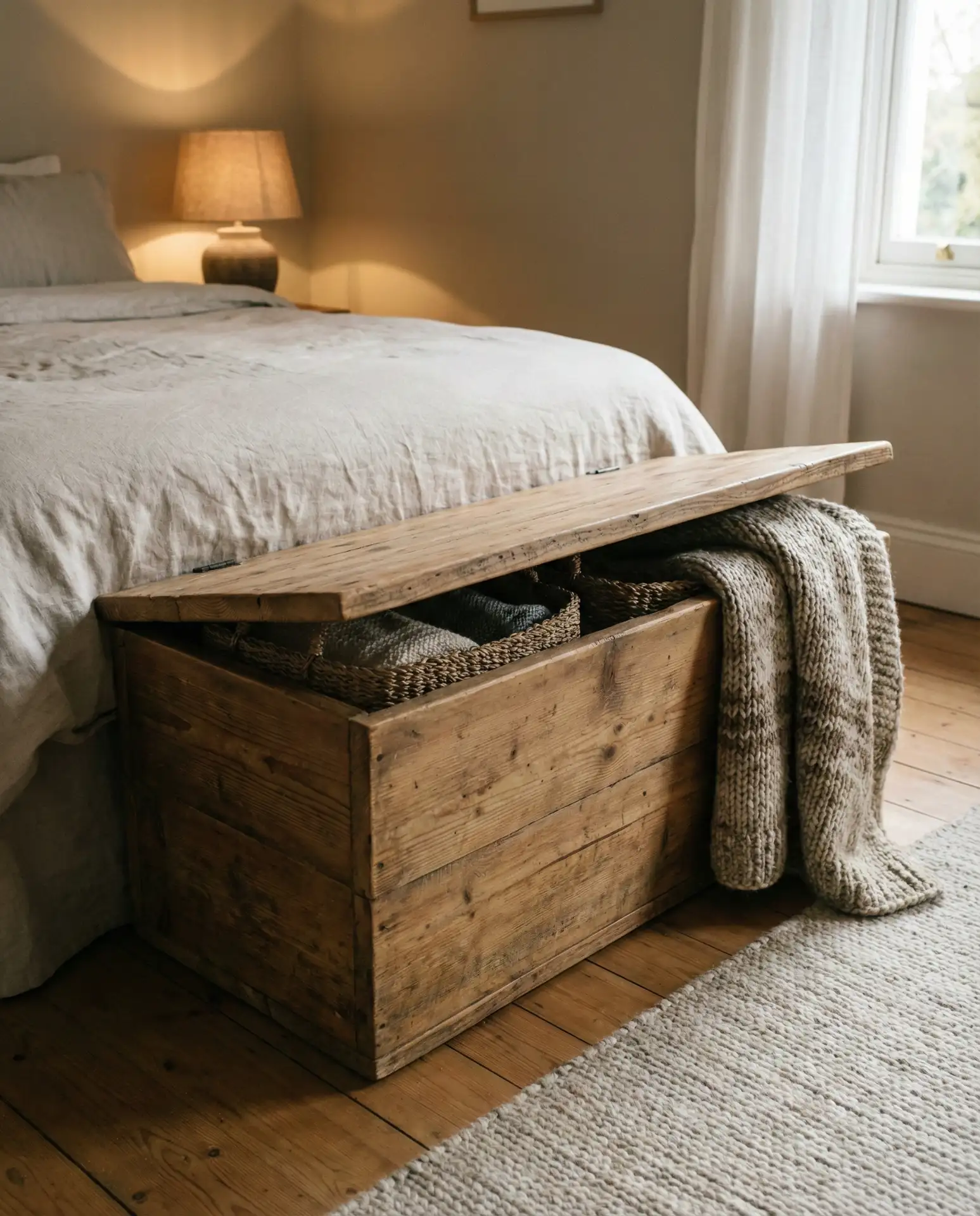
This works best in rooms where the bed is centered on a wall, allowing clear access to the bench. A friend recently installed one in her guest room and found it solved the perennial problem of where visitors could place their suitcases while keeping extra bedding within arm’s reach.
5. Wall-Mounted Pegboard for Accessories
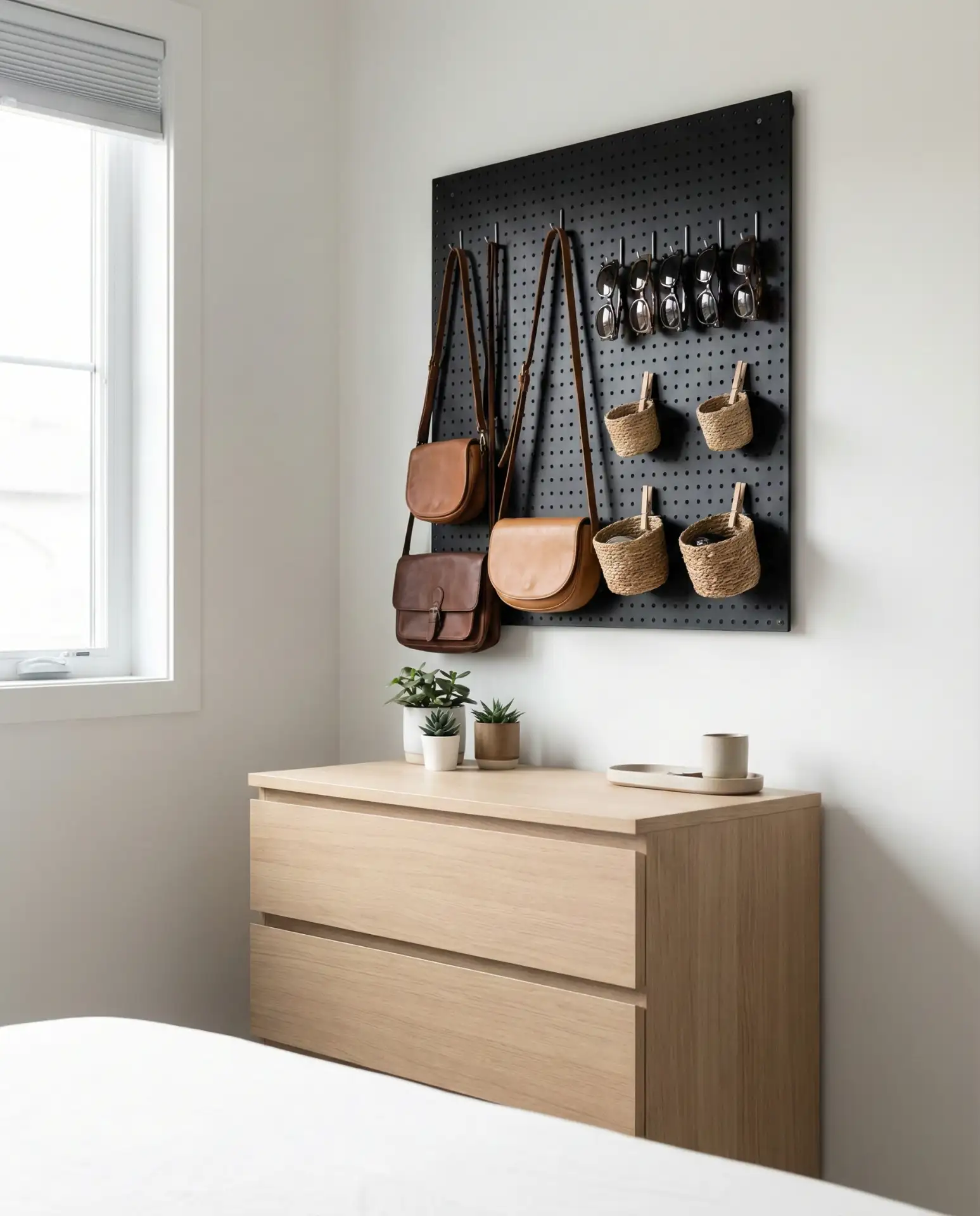
Pegboards aren’t just for garages anymore—they’ve become a creative and highly customizable bedroom solution. Painted in soft pastels or bold black, they hold jewelry, hats, scarves, and bags using simple hooks and shelves. This system is particularly popular in small kids’ rooms and teen spaces, where visual organization helps maintain order.
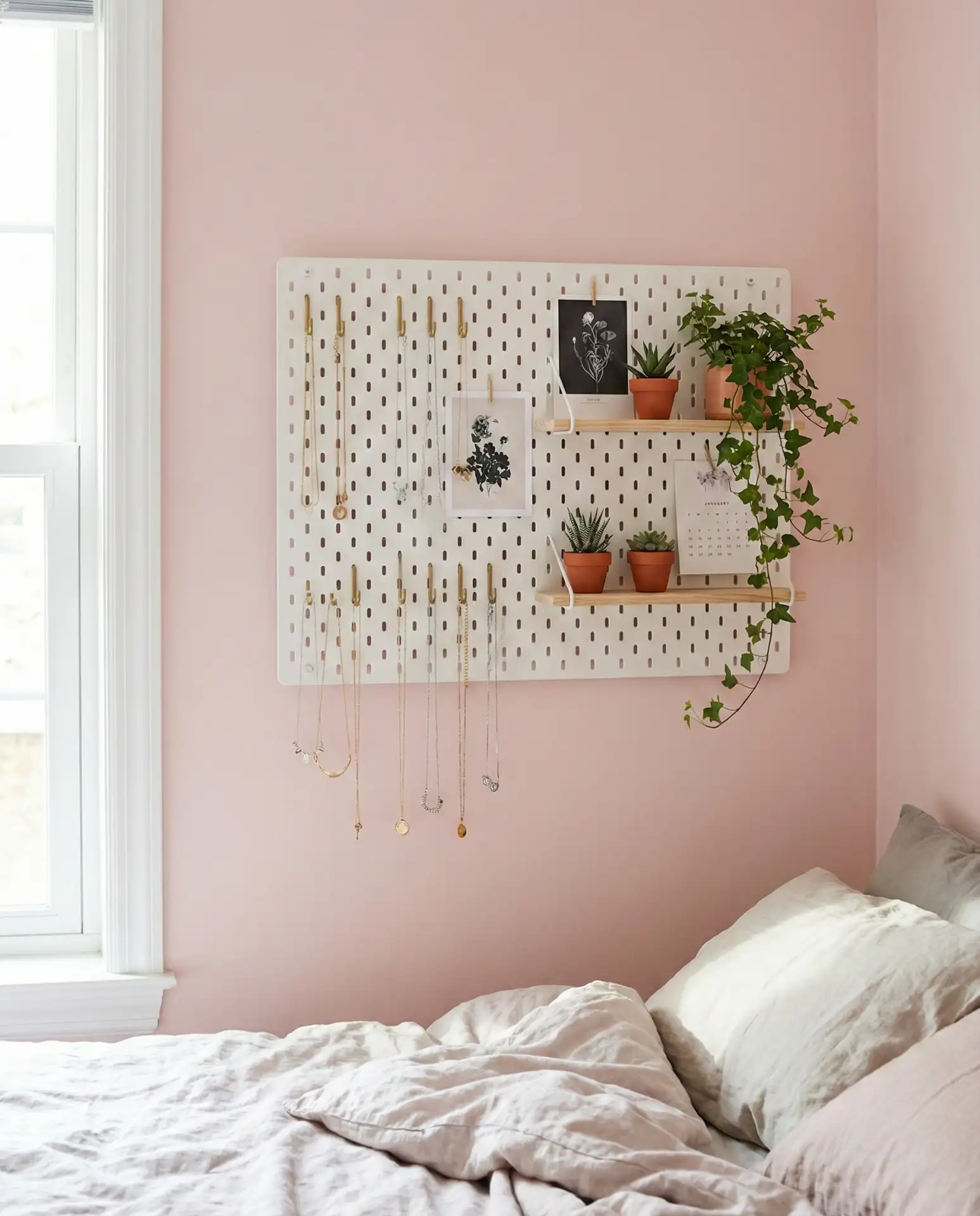
Experts recommend spacing pegs no more than one inch apart for maximum flexibility. Choose a pegboard with a finished edge, or frame it with trim for a polished look. This is one of the easiest weekend DIY projects, requiring only a drill, anchors, and a little creativity.
6. Rolling Cart as Nightstand Alternative
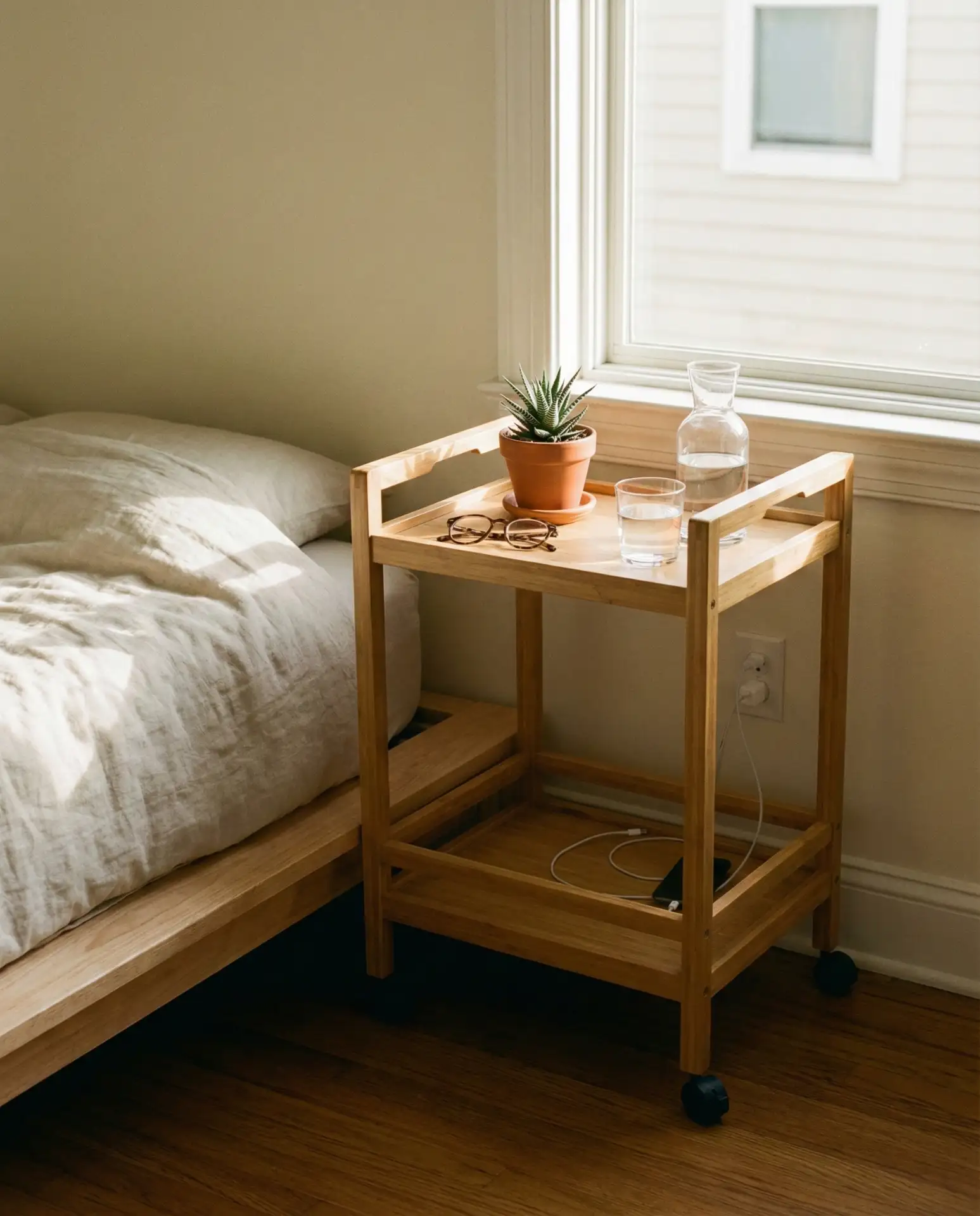
Mobile storage carts—popularized by Ikea—have become a go-to solution in tiny apartment bedrooms where flexibility matters. These slim metal or wooden carts hold books, charging cables, skincare products, and water bottles while rolling out of the way for cleaning or rearranging. Their open design keeps essentials visible and within reach.
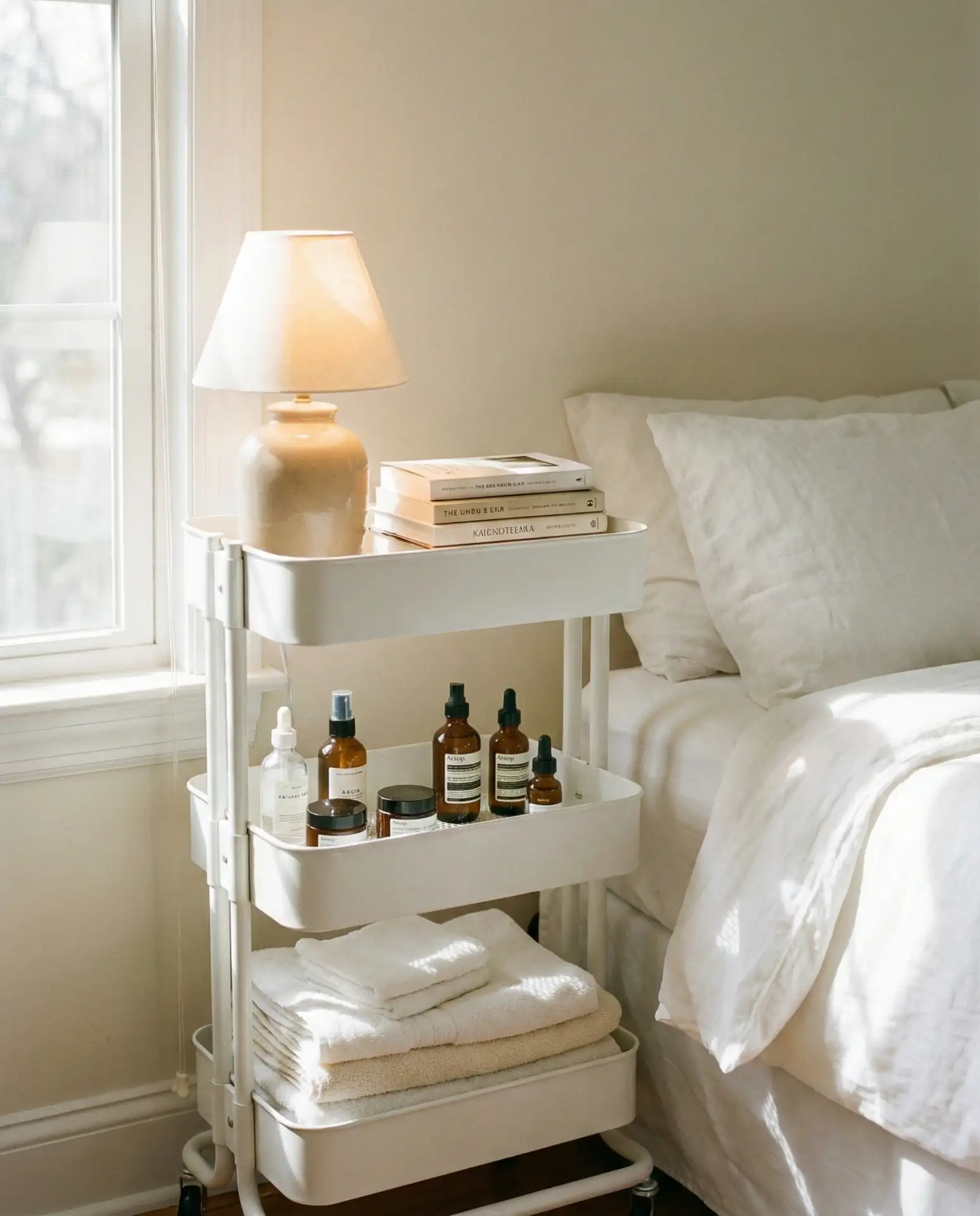
In American city apartments, where space is tight and renter-friendly solutions are prized, these carts offer portability without sacrificing style. Budget options start around $30, while designer versions in powder-coated finishes can reach $120. Avoid overloading the top tier to prevent tipping.
7. Over-Door Organizers for Small Spaces
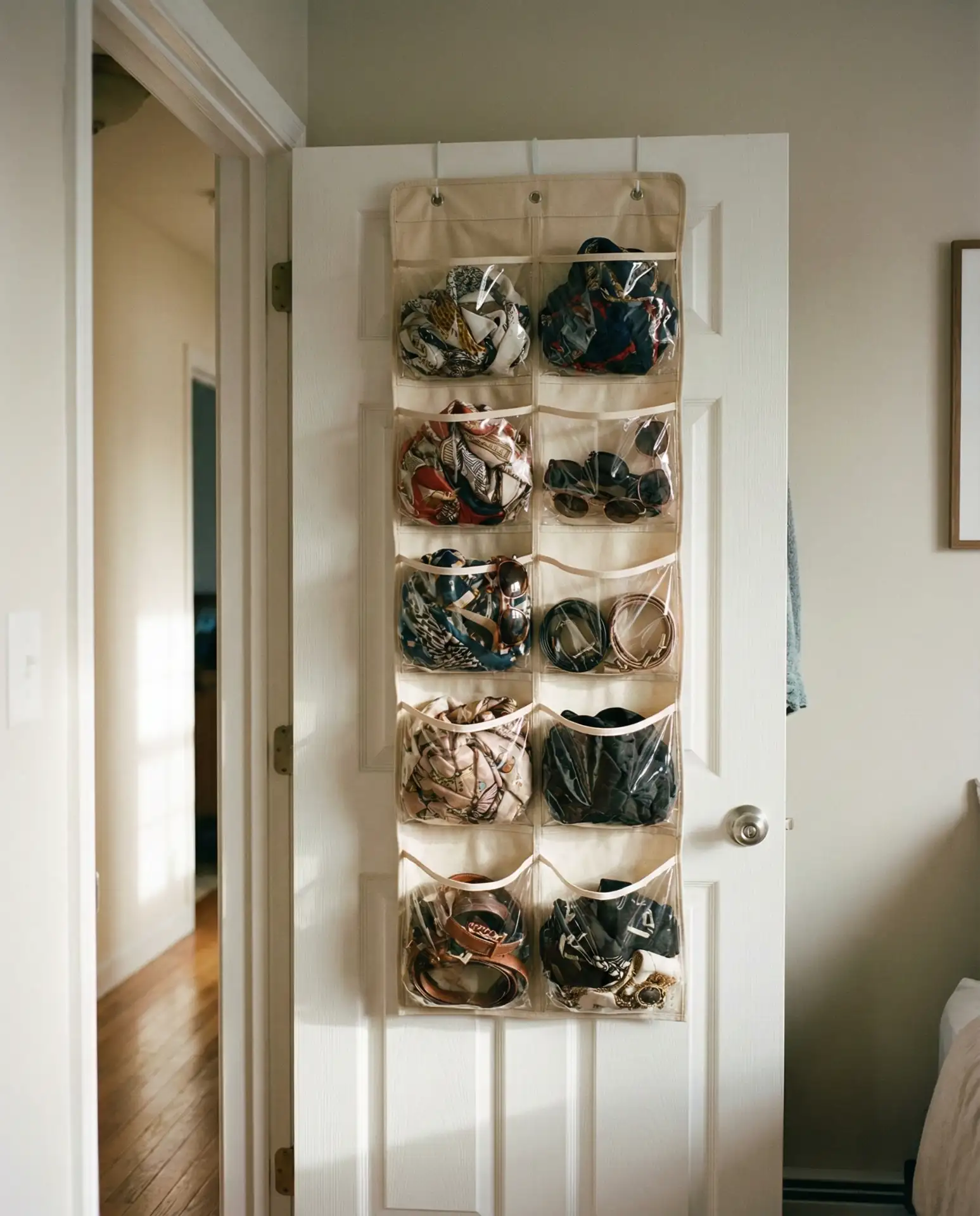
Doors are underutilized vertical real estate, especially in small spaces and shared bedrooms. Over-door fabric pockets or metal racks hold shoes, accessories, toiletries, and cleaning supplies without requiring installation. They’re especially useful in RV living and spare rooms where every inch of floor space is precious.
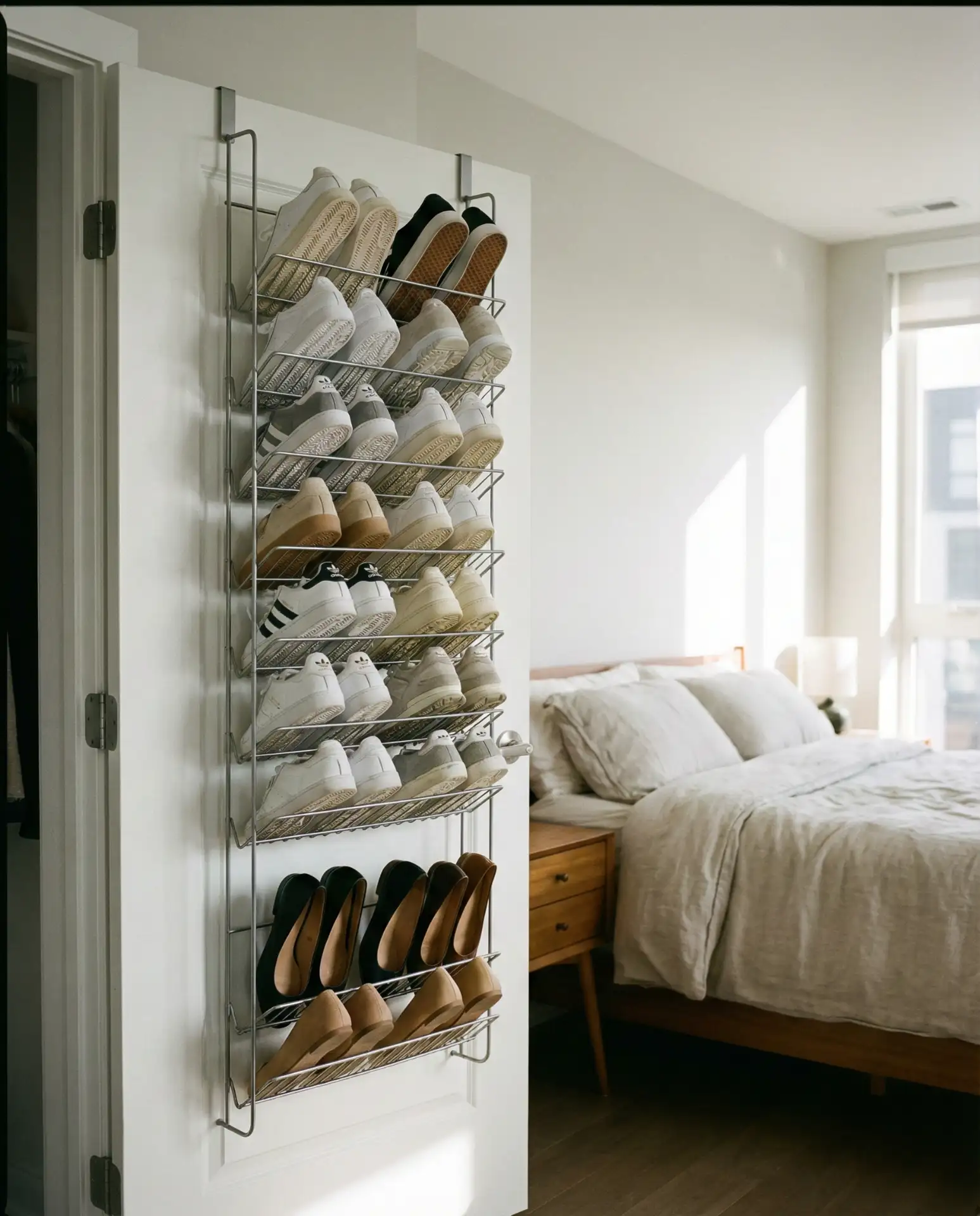
A common mistake is choosing organizers too heavy for hollow-core doors—check weight limits and use padded hooks to prevent damage. This solution is renter-friendly and can be relocated easily, making it perfect for anyone who moves frequently or wants to avoid drilling into walls.
8. Attic Bedroom with Built-In Cubbies
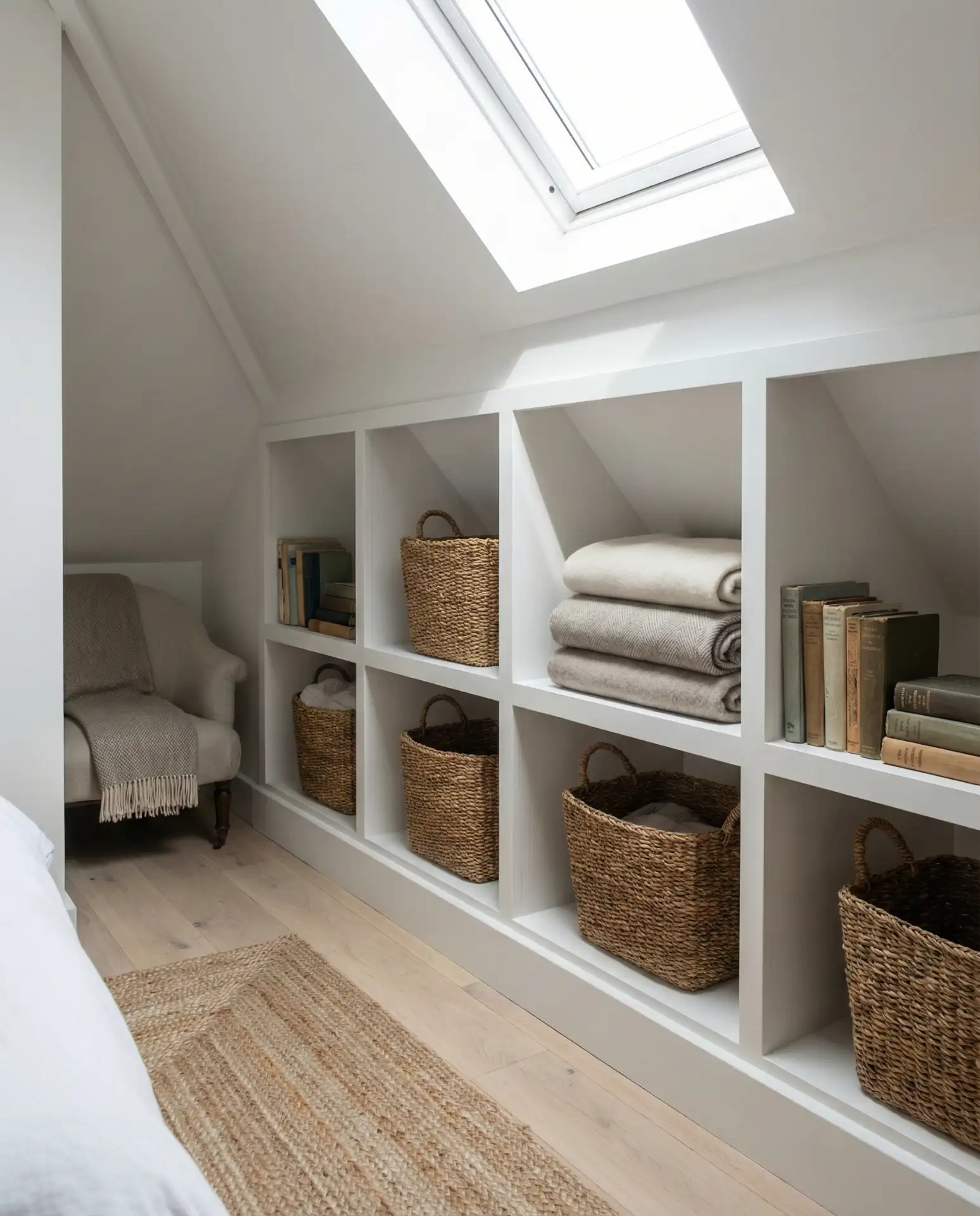
Sloped ceilings in attic and loft bedrooms create awkward spaces that standard furniture can’t fill. Custom or semi-custom cubbies built into the eaves maximize every available inch, turning dead zones into storage for books, linens, or seasonal items. These can be open shelving or fitted with doors for a cleaner look.
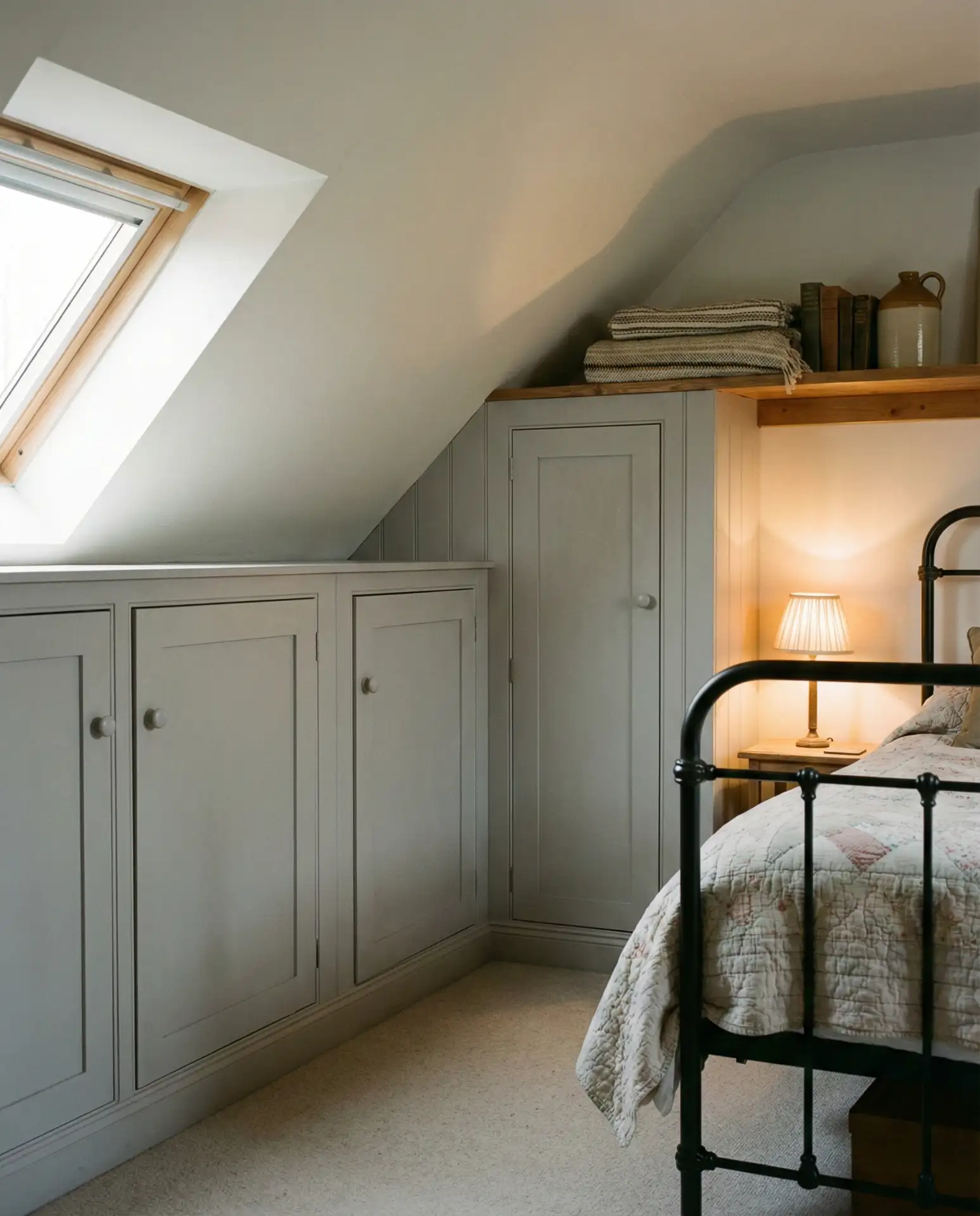
This setup works best in homes with finished attics, common in older American neighborhoods in the Northeast and Midwest. Hiring a carpenter can cost between $800 and $2,500 depending on complexity, but the payoff in usable square footage is substantial and often increases home value.
9. Ladder Shelf for Vertical Display
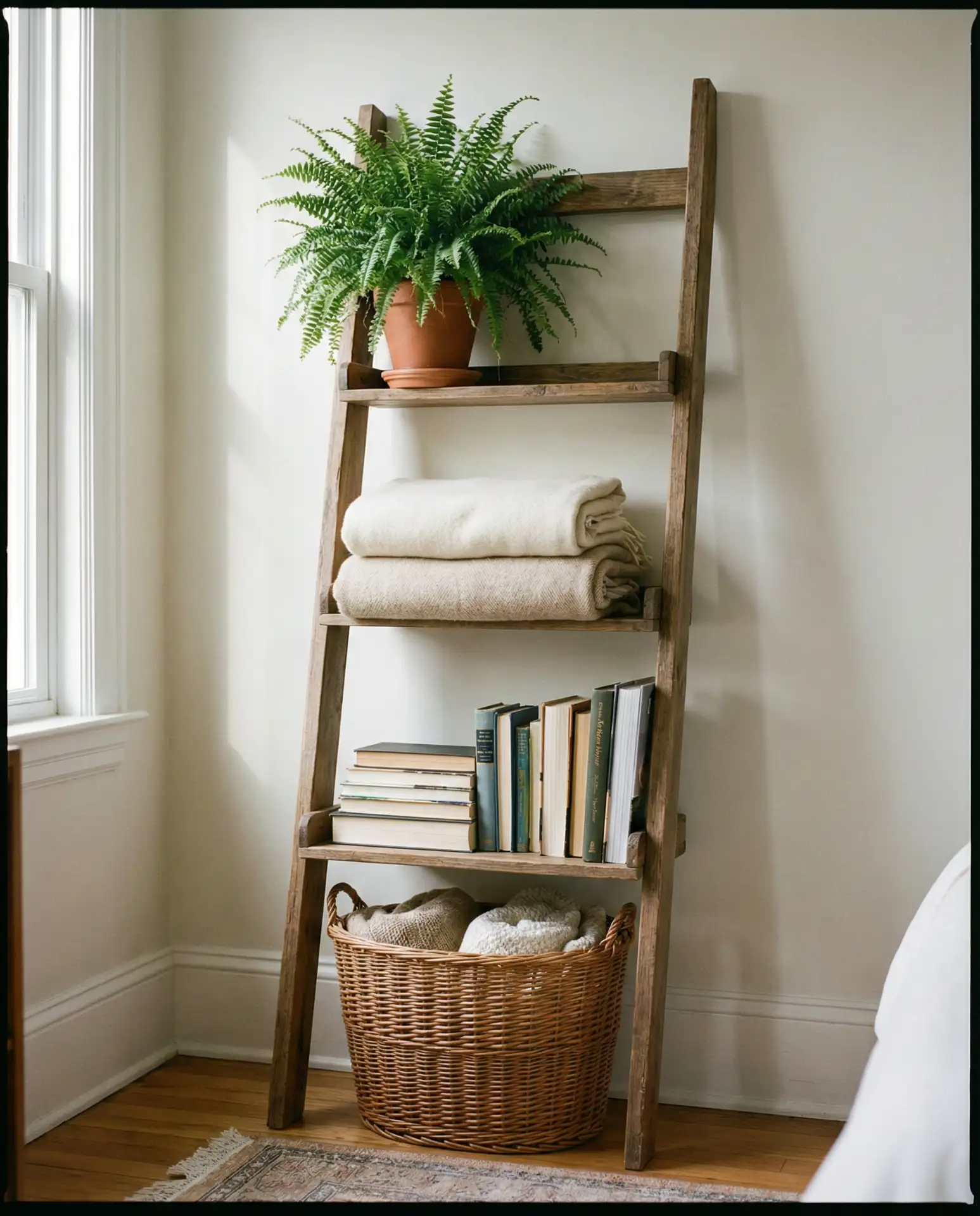
Leaning ladder shelves bring a boho and aesthetic vibe to bedrooms while offering vertical storage that doesn’t require drilling. Each rung holds folded clothes, baskets, plants, or books, and the open design keeps the room feeling airy. This is a favorite among renters and those who enjoy frequently updating their decor.
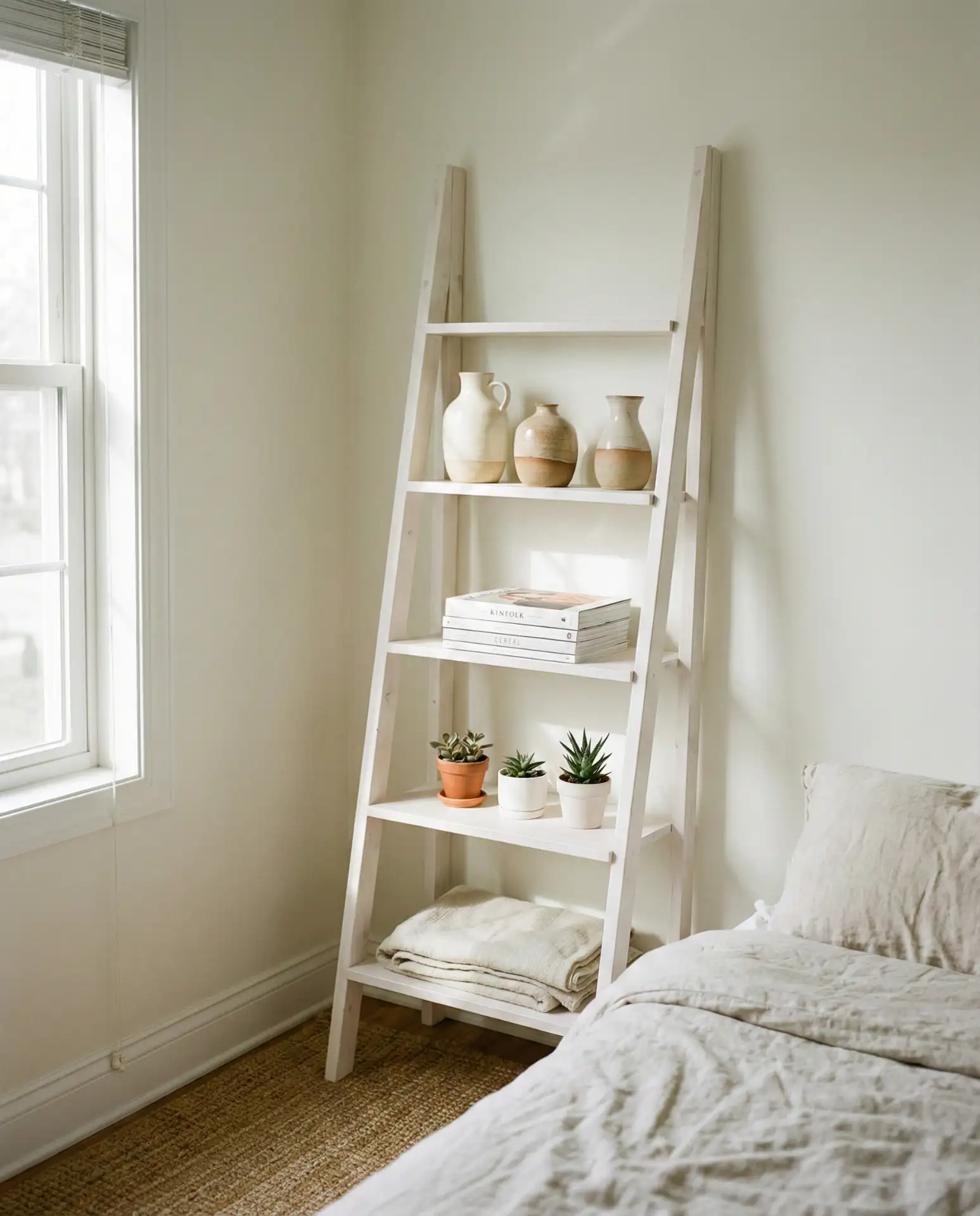
Expert tip: anchor the top of the ladder to the wall with a single L-bracket for stability, especially in homes with kids or pets. This prevents tipping while preserving the casual, unfitted look. Expect to pay between $50 and $150 depending on the finish and material.
10. Drawer Dividers for Organized Dressers
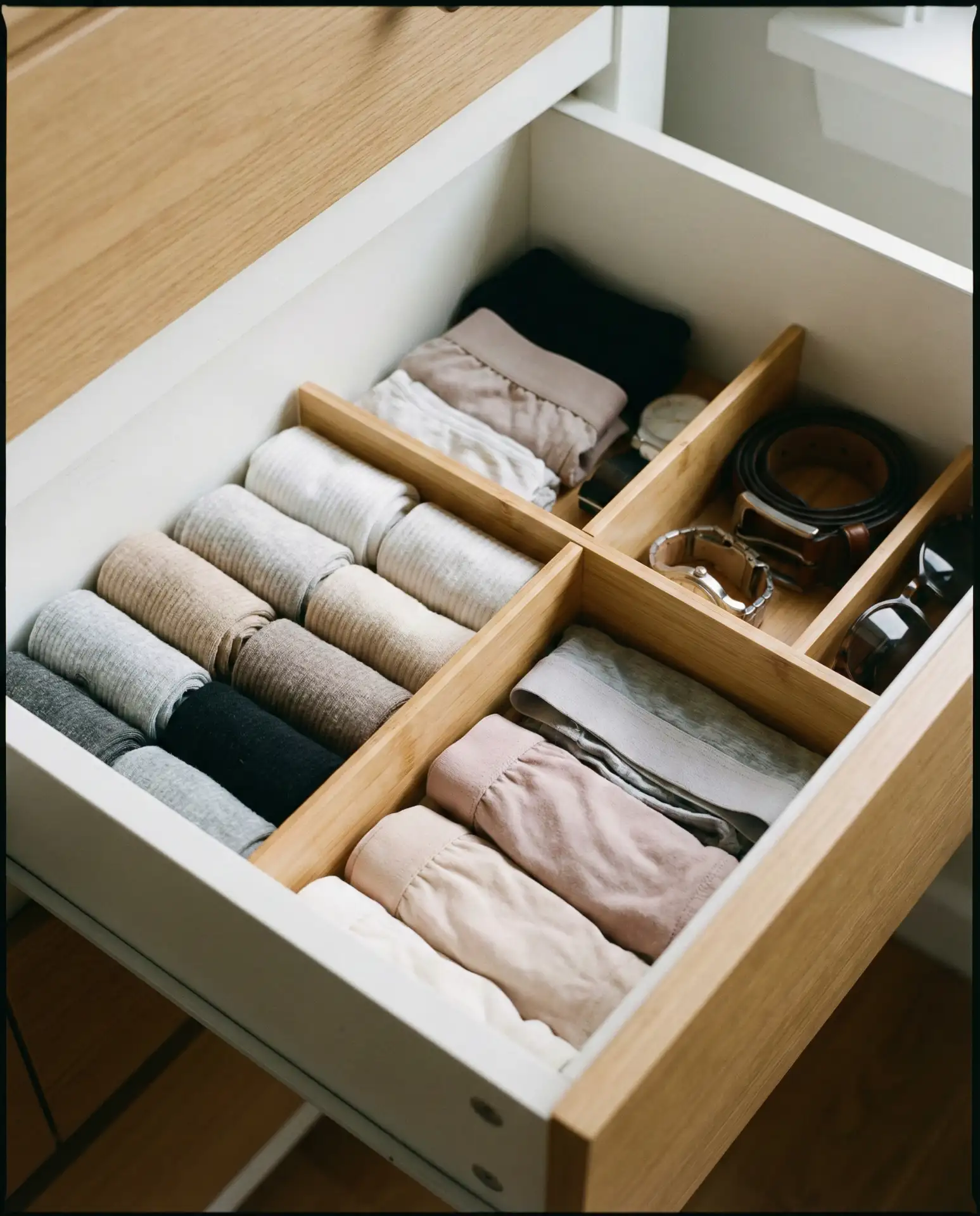
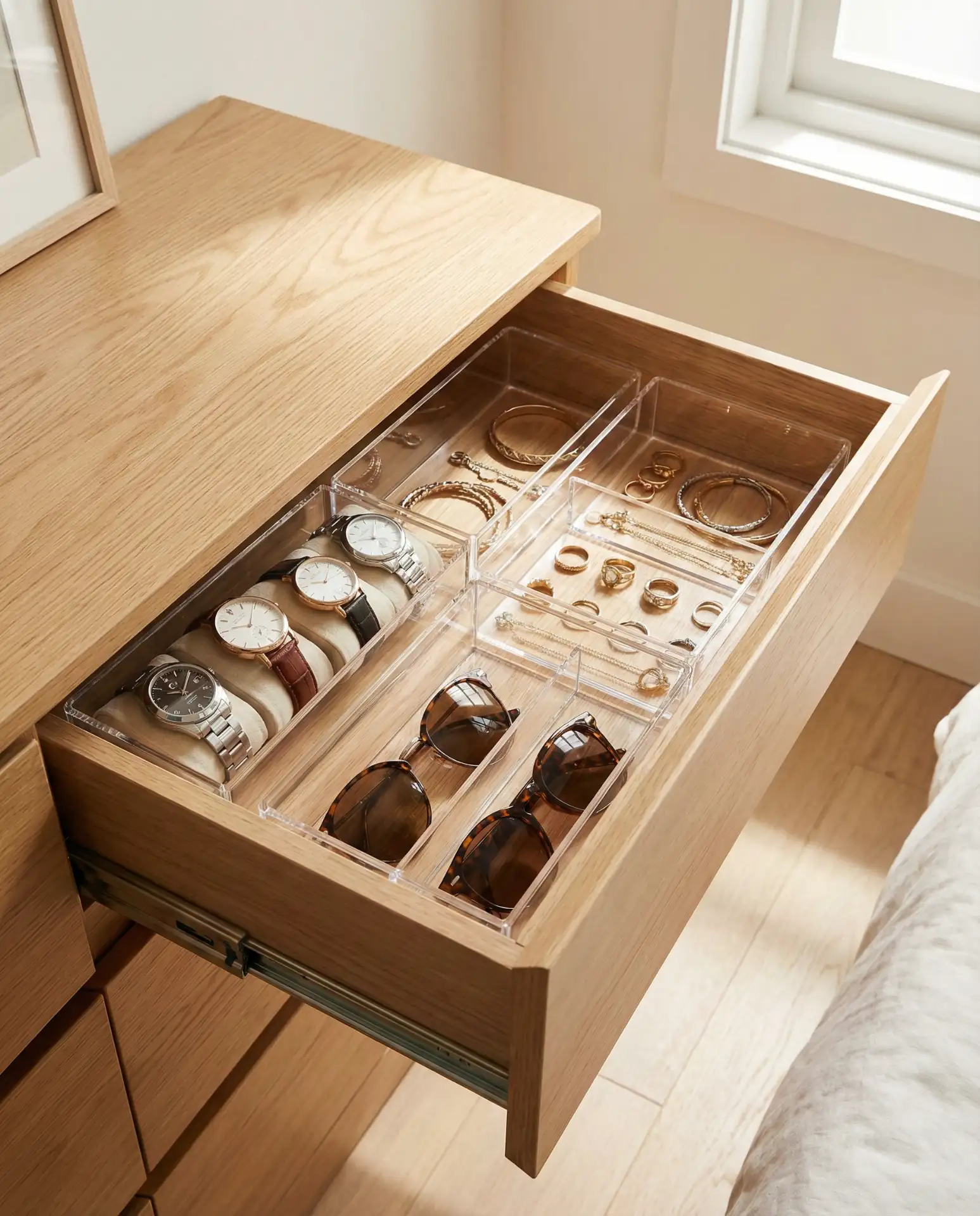
Even the largest dresser becomes chaos without internal organization. Adjustable bamboo or acrylic dividers create compartments for socks, underwear, belts, and accessories, transforming messy drawers into tidy grids. This simple upgrade is especially effective in small kids’ rooms and shared bedrooms where multiple people need clear zones.
One designer I spoke with swears by the KonMari folding method paired with dividers—it keeps everything visible and prevents the dreaded drawer avalanche. Spring-loaded dividers require no tools and adjust to fit any drawer width, making them a low-commitment, high-impact solution.
11. Storage Headboard with Hidden Compartments
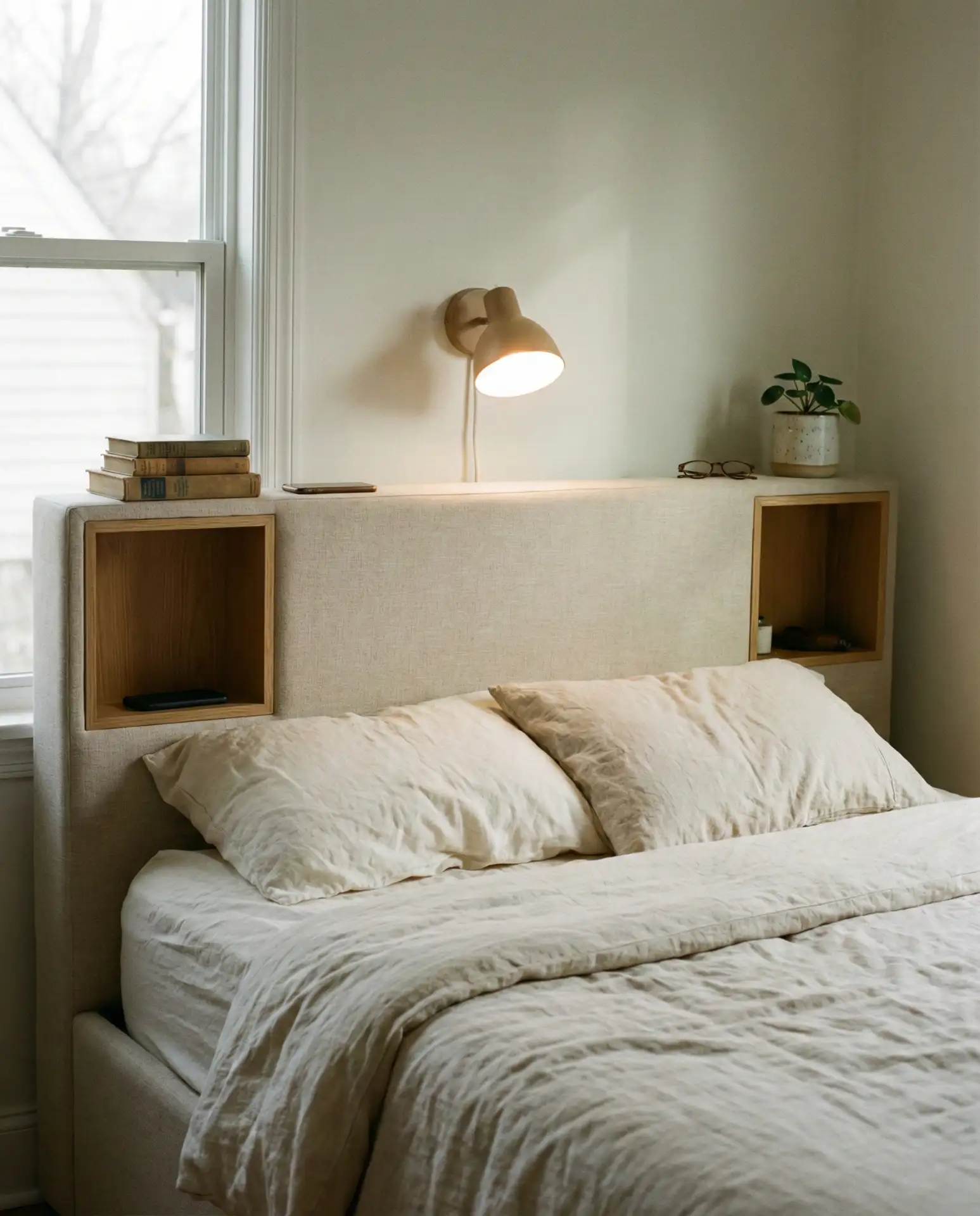
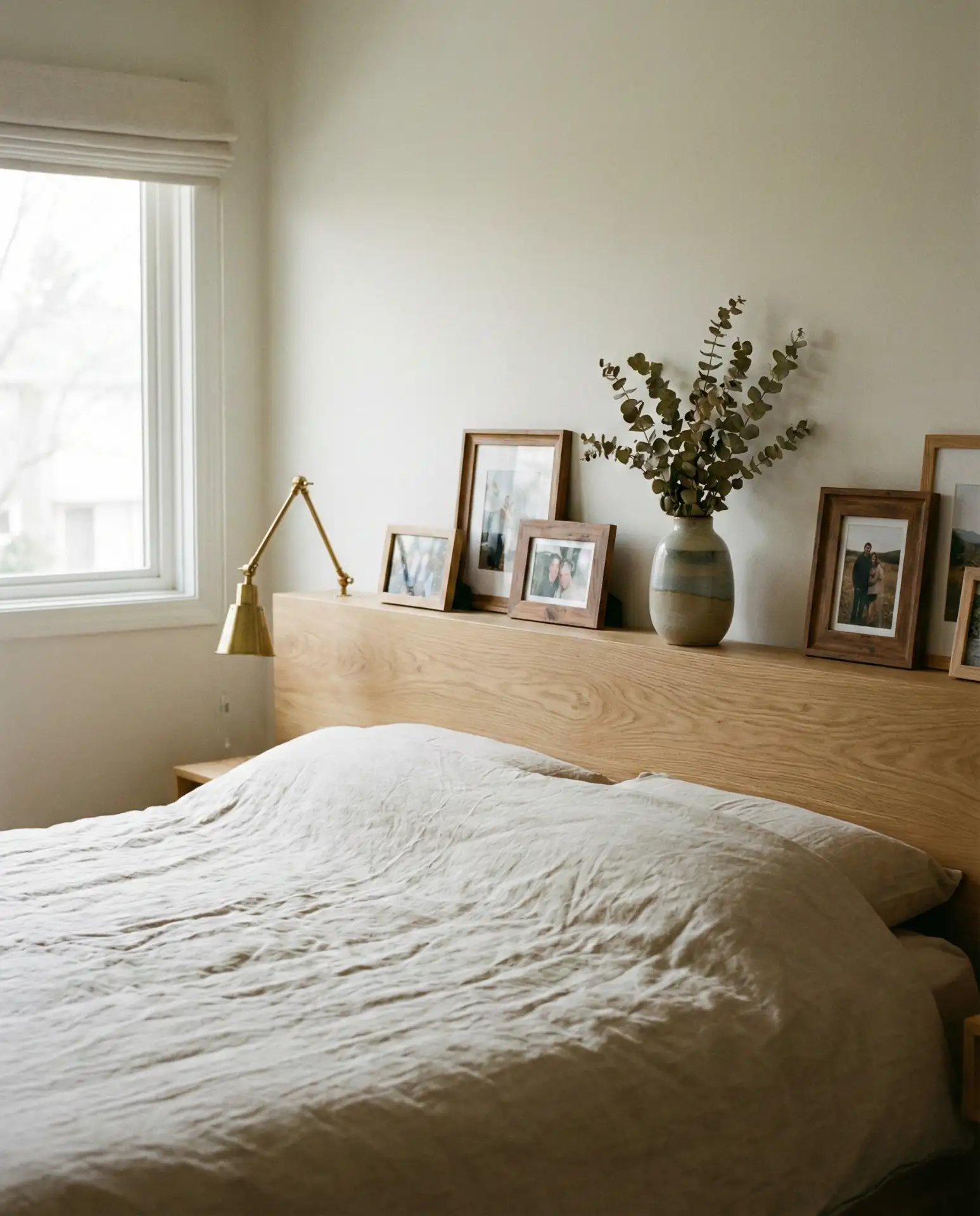
Headboards with built-in shelves, cubbies, or lift-top compartments are smart solutions for tiny bedrooms and apartment living. These multifunctional pieces eliminate the need for nightstands, freeing up floor space while keeping books, chargers, and reading glasses within arm’s reach. Some models even include USB ports and lighting.
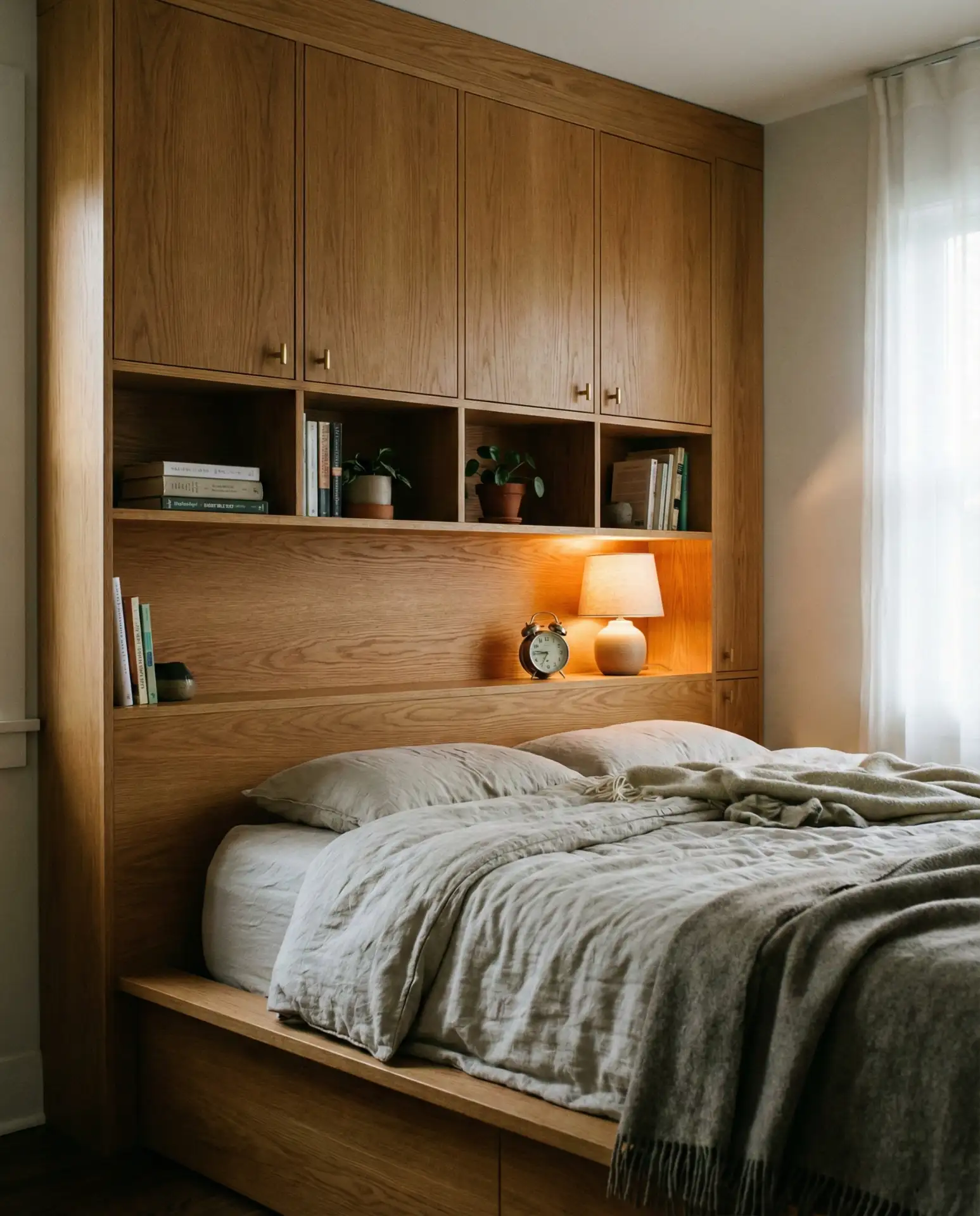
This setup works best in rooms where wall space behind the bed is limited and traditional nightstands would feel cramped. Quality storage headboards range from $200 to $800, and many are designed to work with standard bed frames, making them an accessible upgrade.
12. Hanging Closet Organizers for Clothes
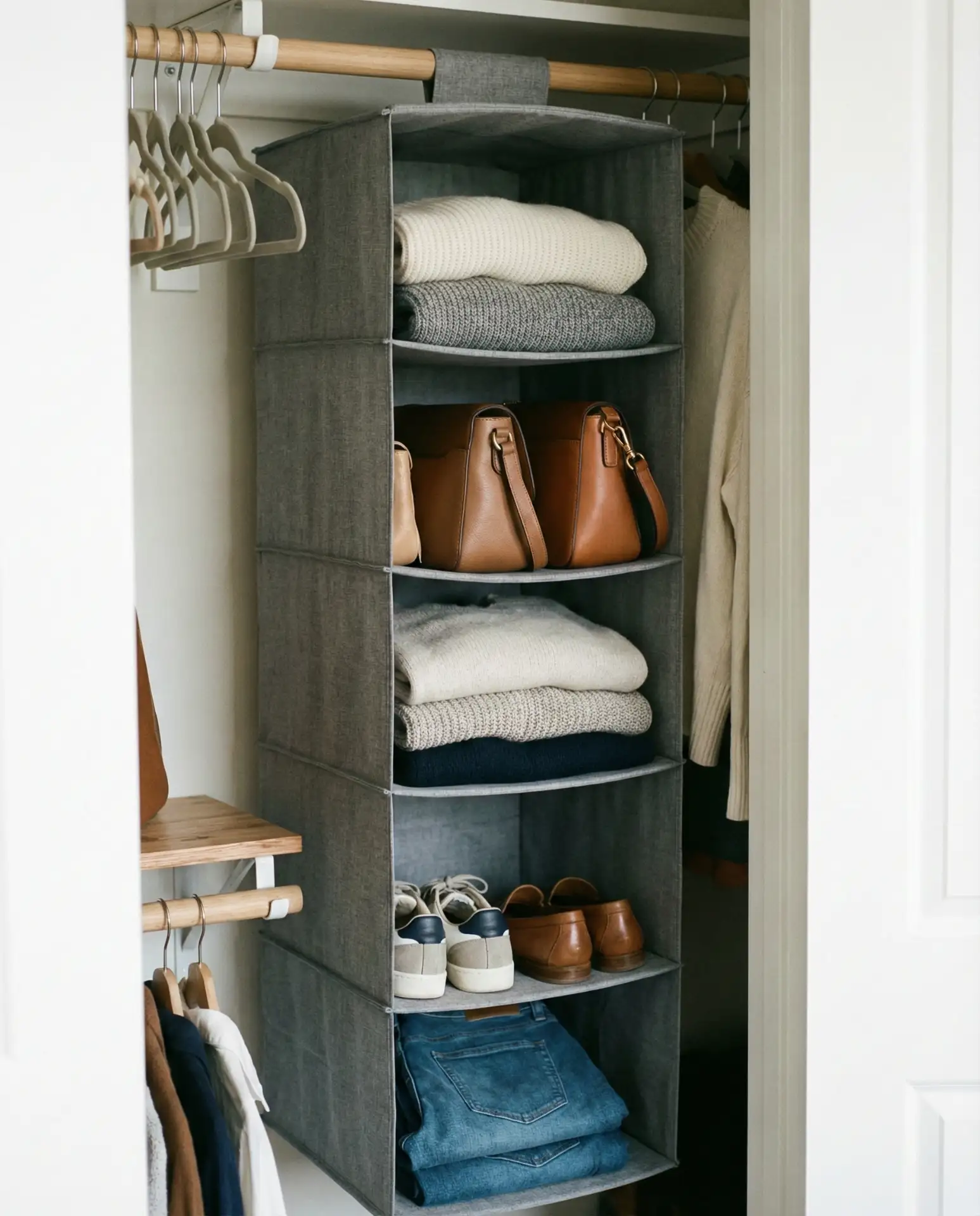
Fabric hanging organizers suspend from closet rods and create instant cubbies for sweaters, handbags, or shoes. They’re especially useful in clothes wardrobes, small spaces, and guest bedrooms where permanent shelving isn’t practical. Breathable mesh or canvas versions prevent moisture buildup and keep contents visible.
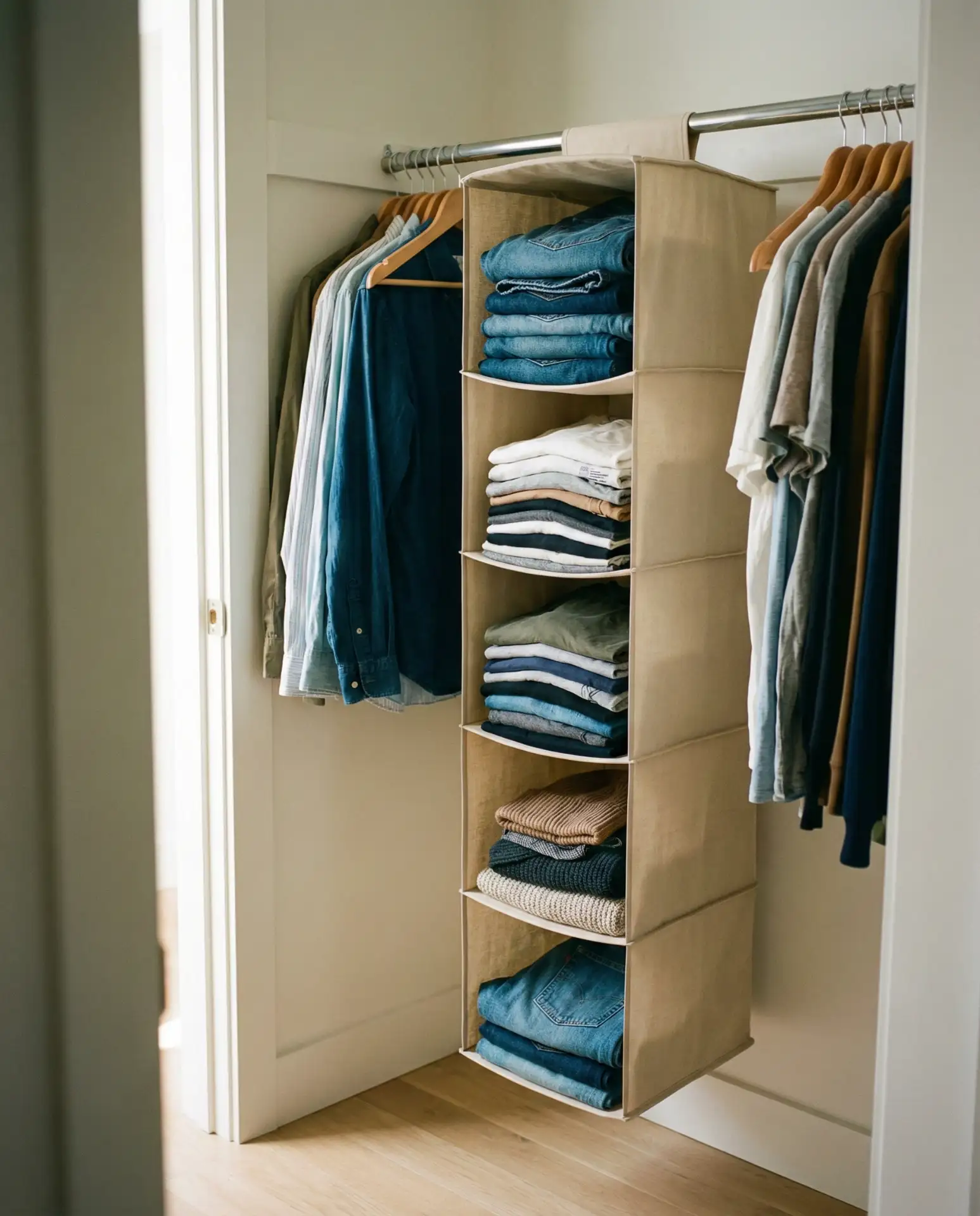
Real homeowner behavior: many people start with one organizer and end up adding two or three as they realize how much closet real estate they’ve been wasting. Look for reinforced stitching and sturdy hangers to support heavier items like winter coats or boots.
13. Corner Shelving Units
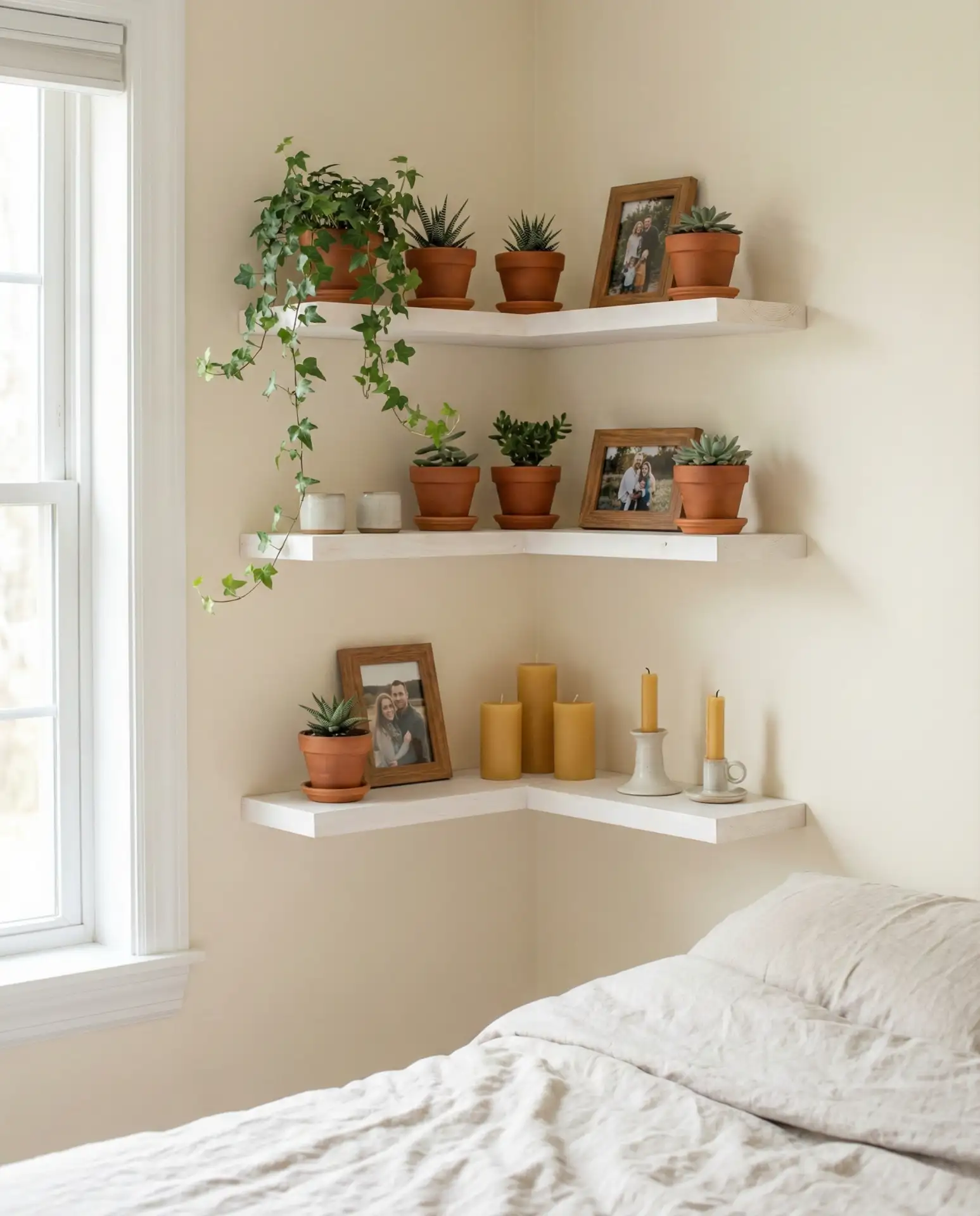
Dead corners in small rooms and loft bedrooms become functional with corner shelving units. These triangular or curved designs fit snugly into unused angles, holding plants, photo frames, or small baskets. Floating corner shelves add aesthetic appeal without the bulk of freestanding furniture.
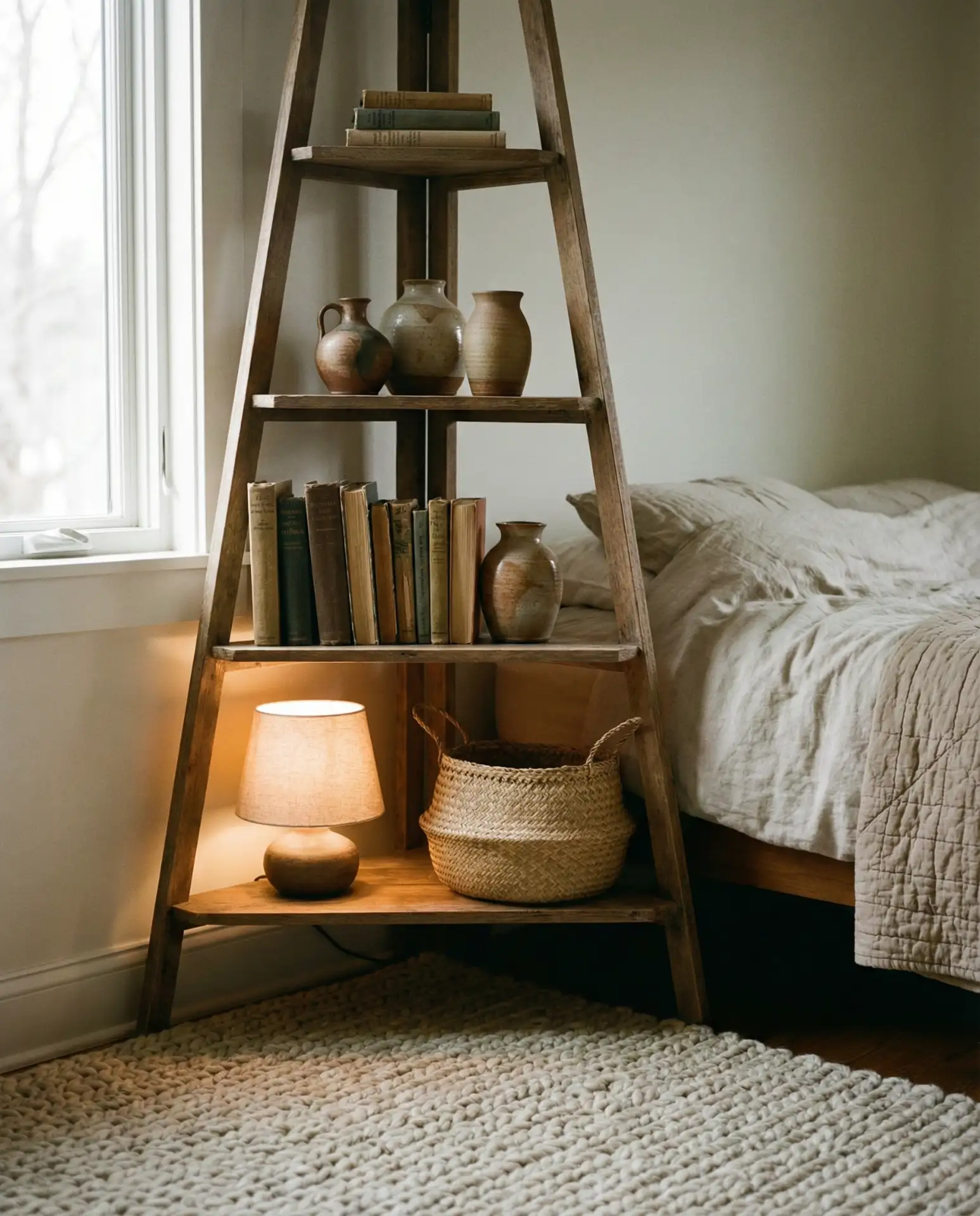
In suburban homes where bedrooms tend to be rectangular, corners often become catch-alls for clutter. Installing a dedicated shelf here creates intentional storage and visual interest. Budget-friendly options are available for under $40, while custom wood designs can run $150 or more.
14. Ottoman with Hidden Storage
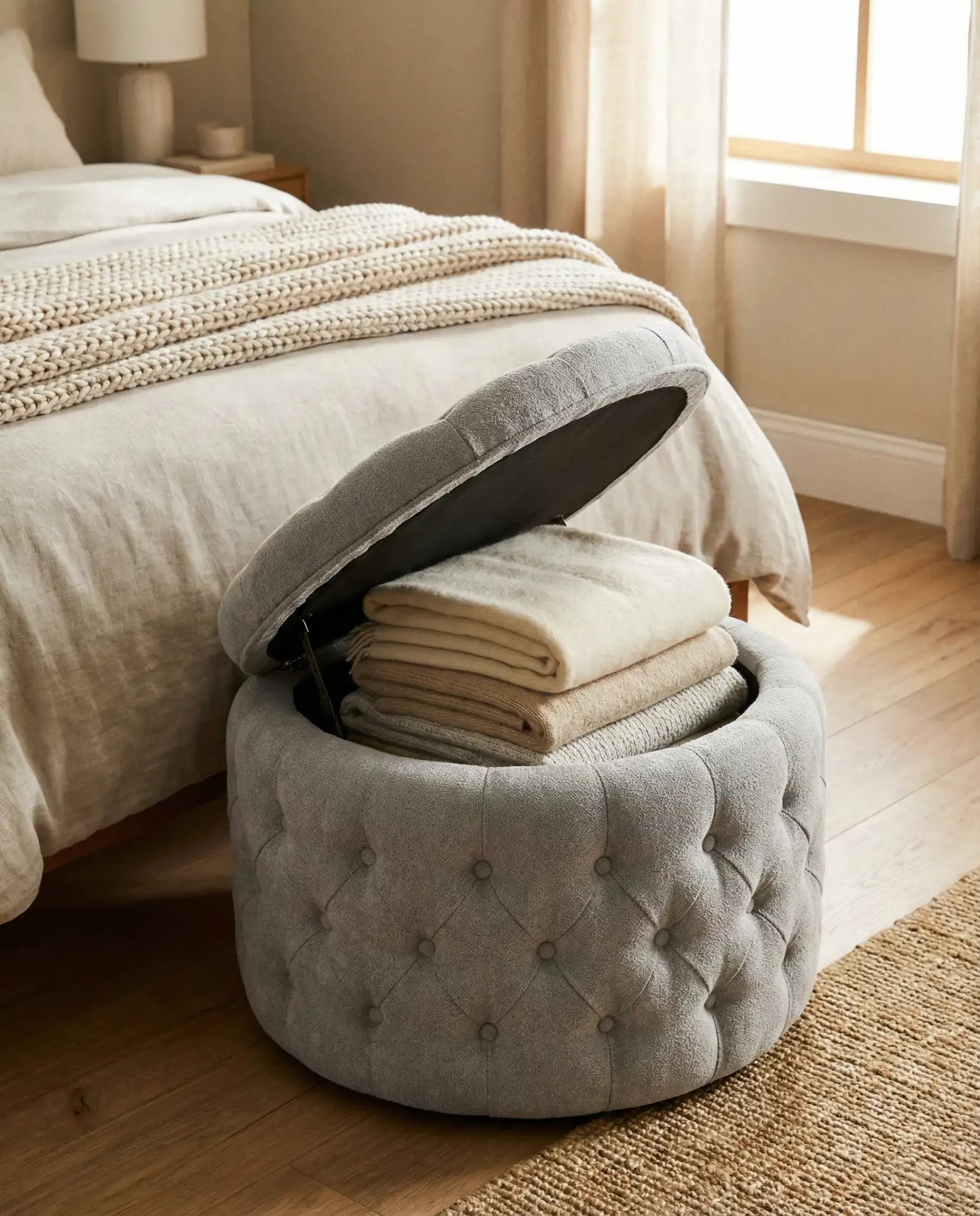
A storage ottoman doubles as seating, a footrest, and a hiding spot for extra blankets or pillows. This clever piece fits seamlessly into cozy bedrooms, boho spaces, and even RV setups where multifunctional furniture is essential. Upholstered versions in velvet or leather add a luxurious touch.
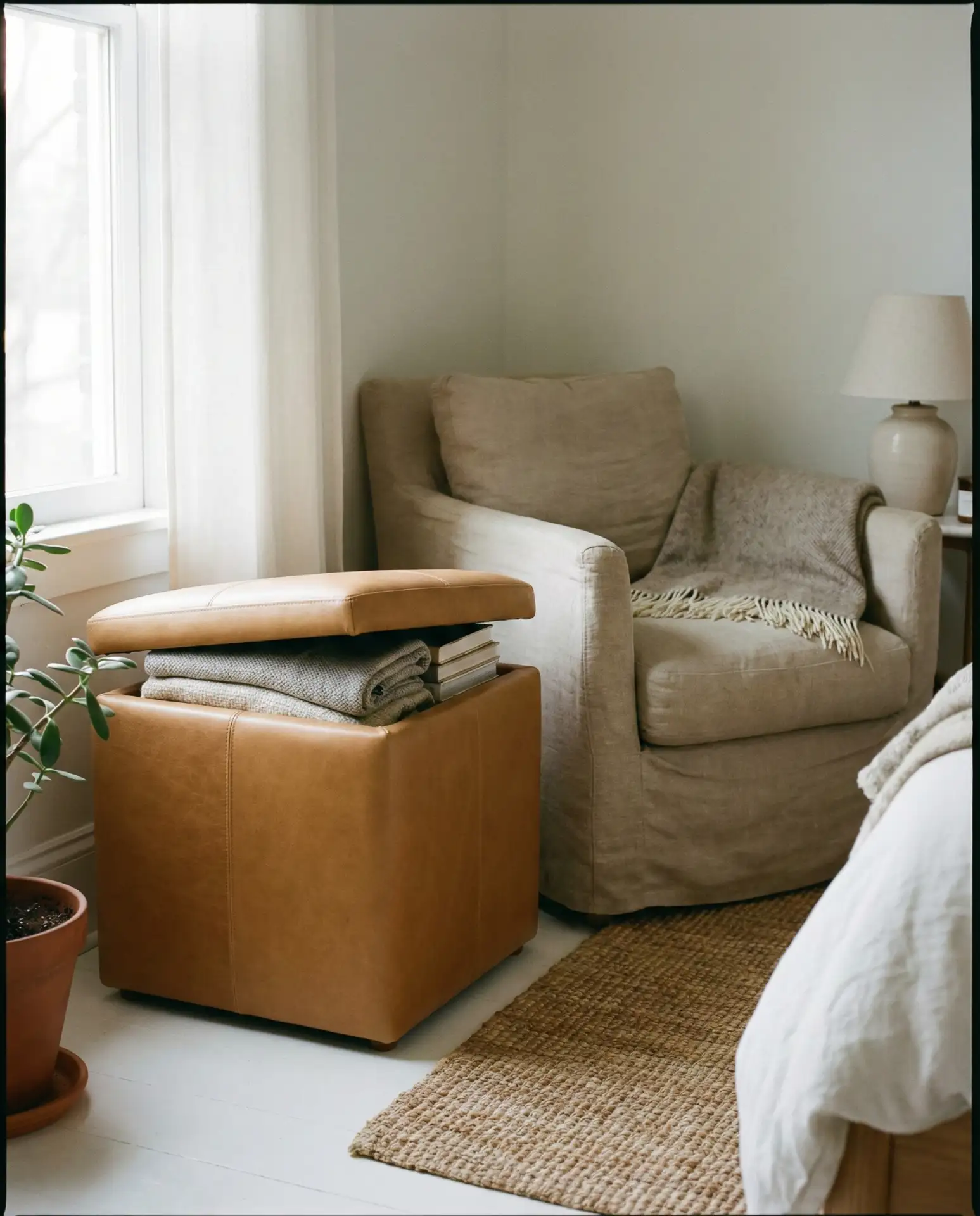
I know a couple who downsized to a one-bedroom apartment and relied on two storage ottomans to keep seasonal linens out of sight—it freed up their only closet for everyday items. Look for models with sturdy hinges and reinforced lids if you plan to use them as regular seating.
15. Modular Cube Storage Systems
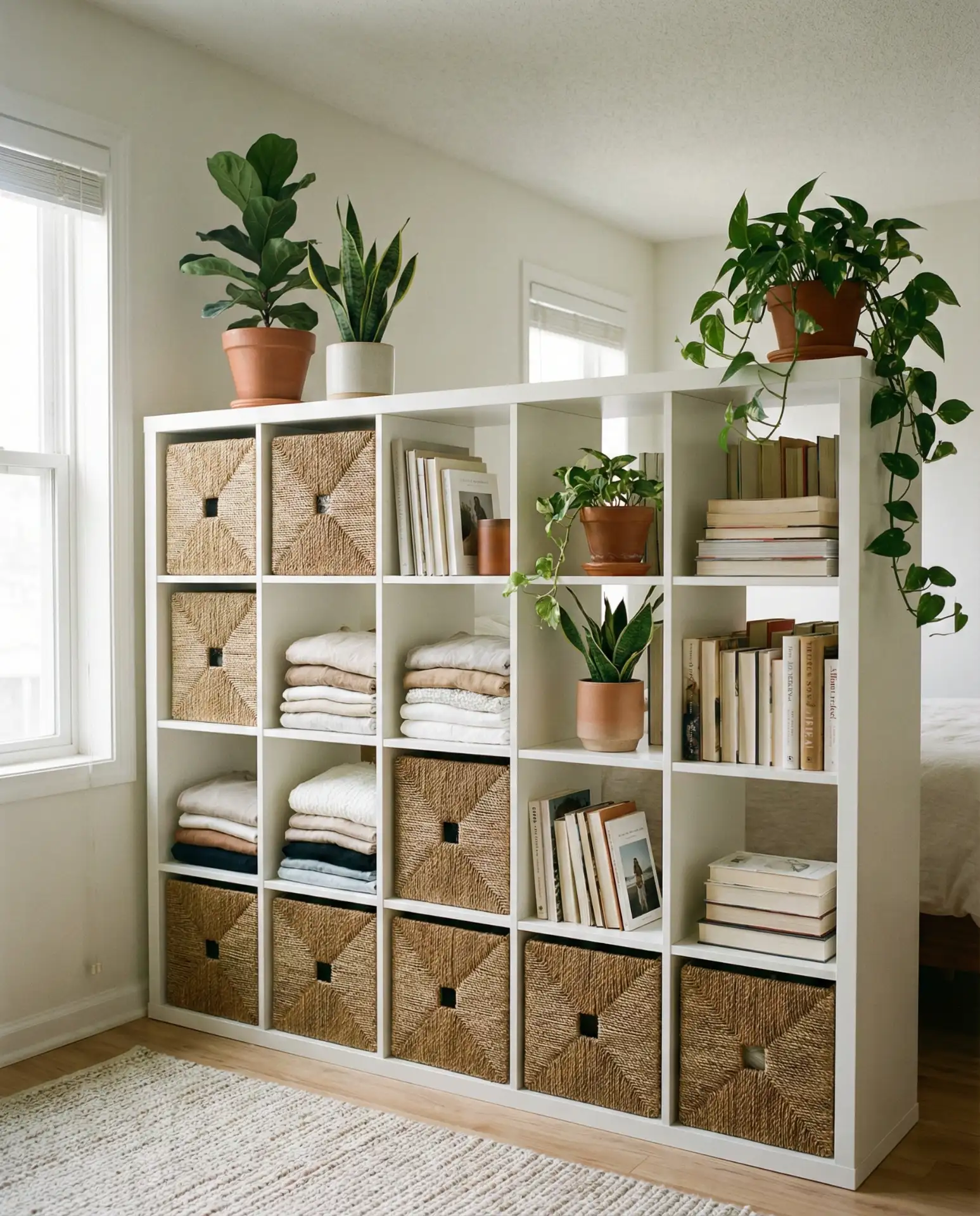
Modular cube systems—think Ikea Kallax or similar—offer endless configuration options for small kids, shared spaces, and creative spaces. Each cube can hold fabric bins, books, toys, or folded clothes, and units can be stacked or arranged horizontally depending on room layout. This flexibility makes them a favorite among renters and growing families.
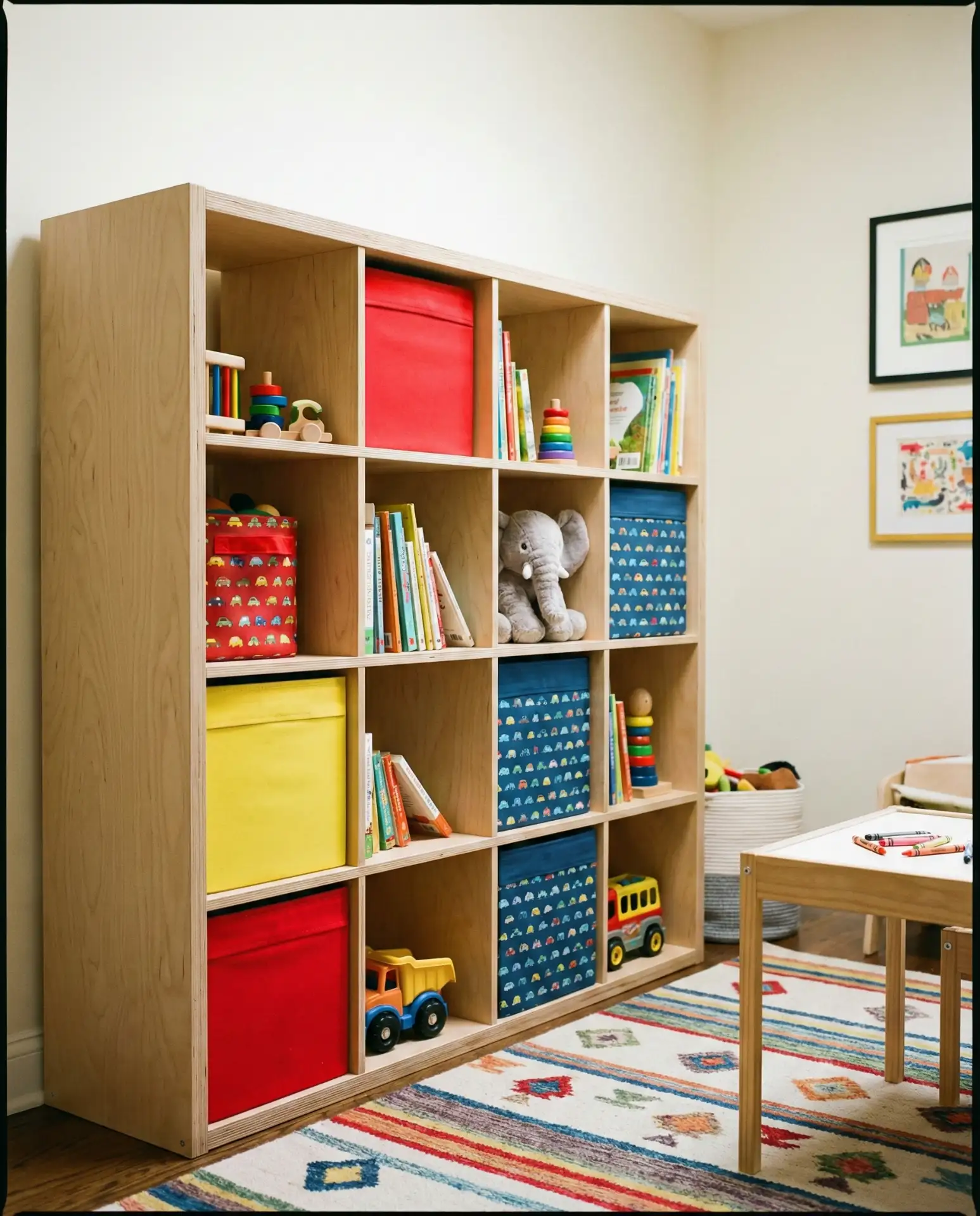
Expert commentary: Interior designers often recommend starting with a 2×4 or 3×3 unit and adding more cubes as needs change. Anchor taller units to the wall for safety, especially in homes with young children or pets.
16. Slim Rolling Carts for Narrow Gaps
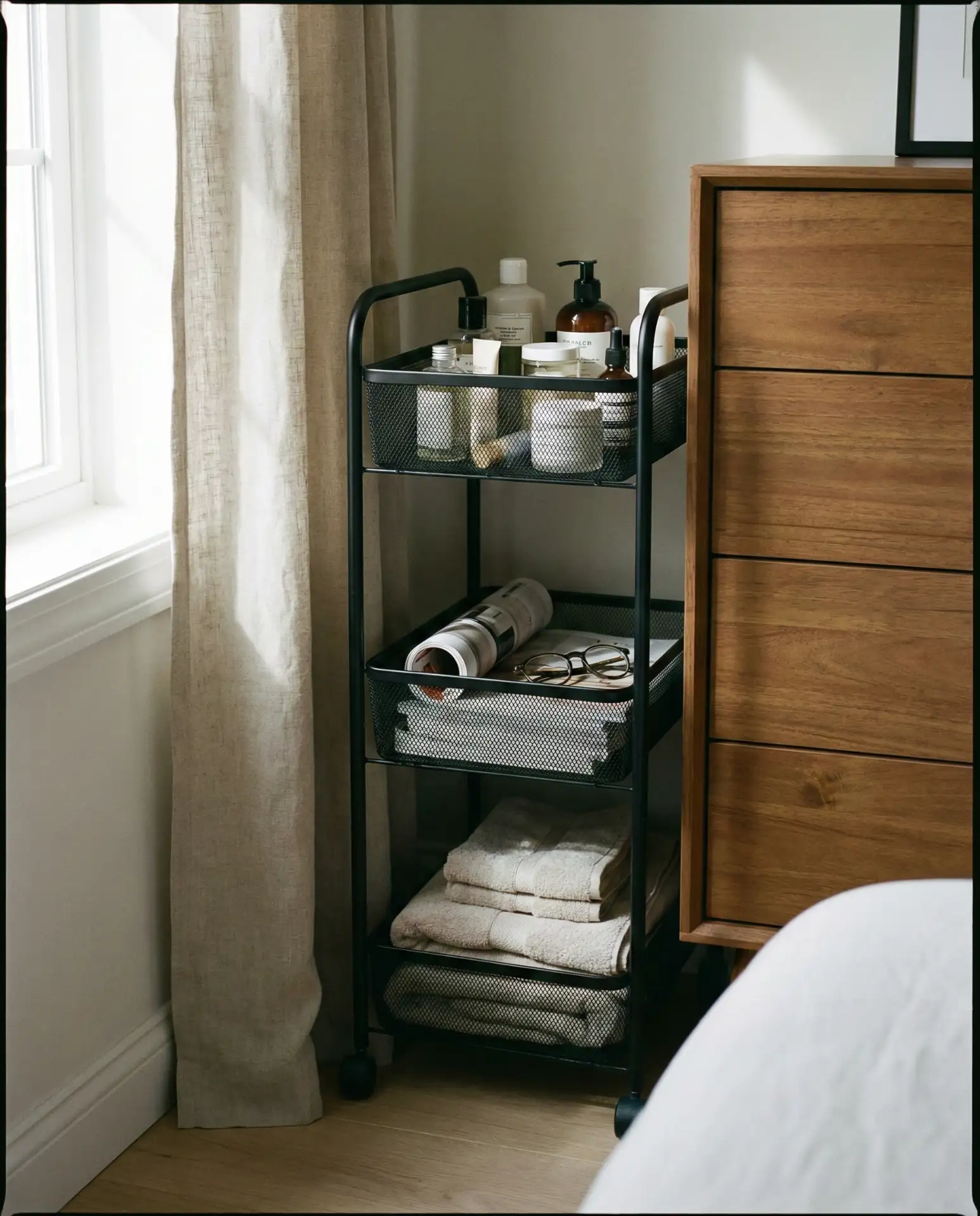
Narrow rolling carts—sometimes only six inches wide—slide into the gaps between furniture, making use of otherwise wasted space in tiny and small spaces. These unique solutions hold toiletries, charging cables, books, or accessories and tuck away when not in use. They’re especially popular in studio apartments and bedrooms with limited floor space.
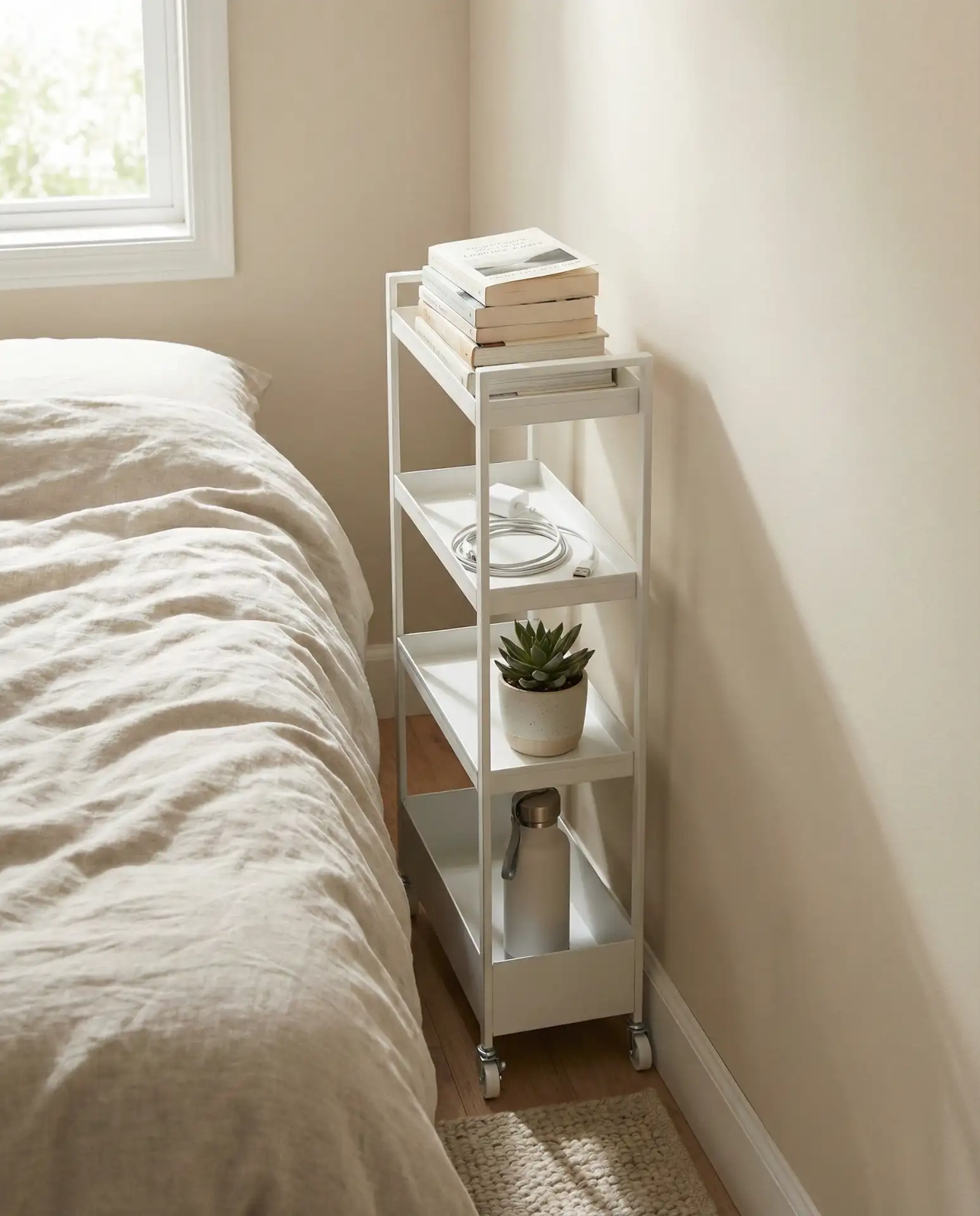
This works best in rooms where furniture is arranged against walls and creates small leftover gaps. Measure carefully before purchasing—most carts are available in widths from 4 to 10 inches. Prices start around $25, making this one of the most affordable storage hacks available.
17. Wardrobe Armoires for Closet-Free Rooms
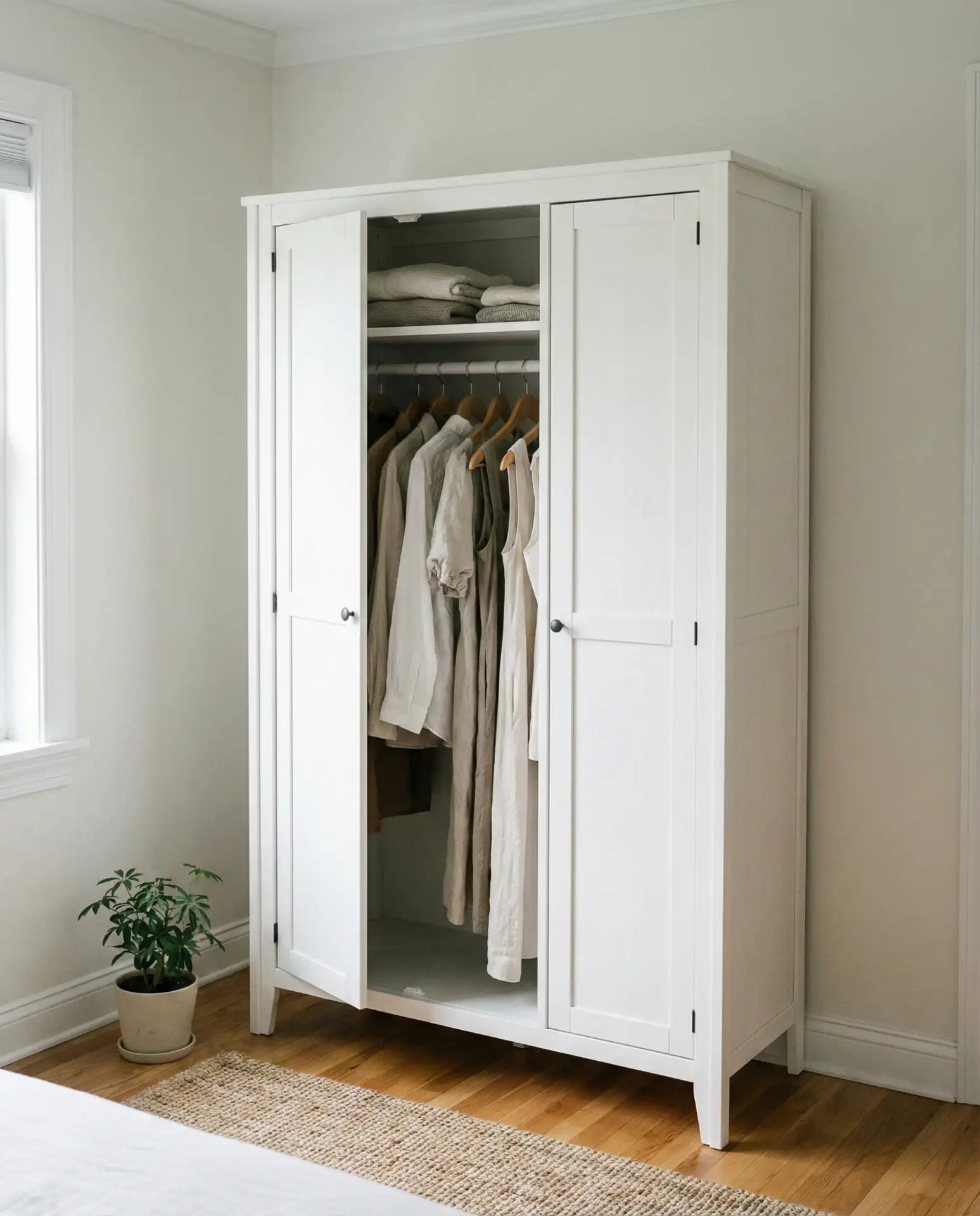
In older homes or converted loft bedrooms without built-in closets, a freestanding armoire becomes essential. These tall cabinets hold hanging clothes, folded items, and accessories behind closed doors, creating a cleaner look than open racks. Minimalist designs in white or natural wood blend seamlessly into modern bedrooms.
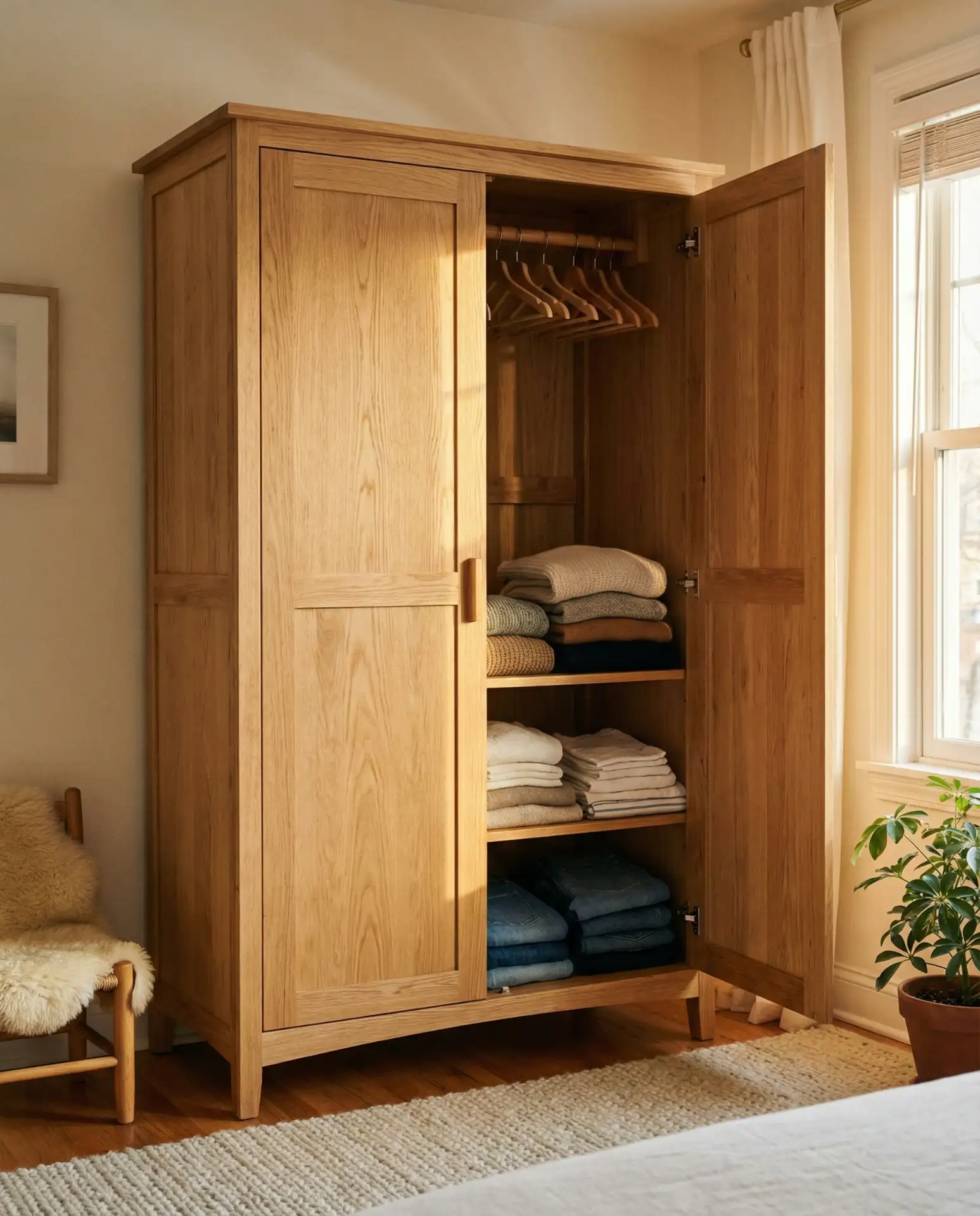
In American cities, particularly in pre-war apartments, armoires are a necessity rather than a choice. Look for models with adjustable shelving and a sturdy hanging rod. Quality armoires range from $300 to over $1,500, but they’re often worth the investment for their longevity and versatility.
18. Baskets and Bins on Open Shelving
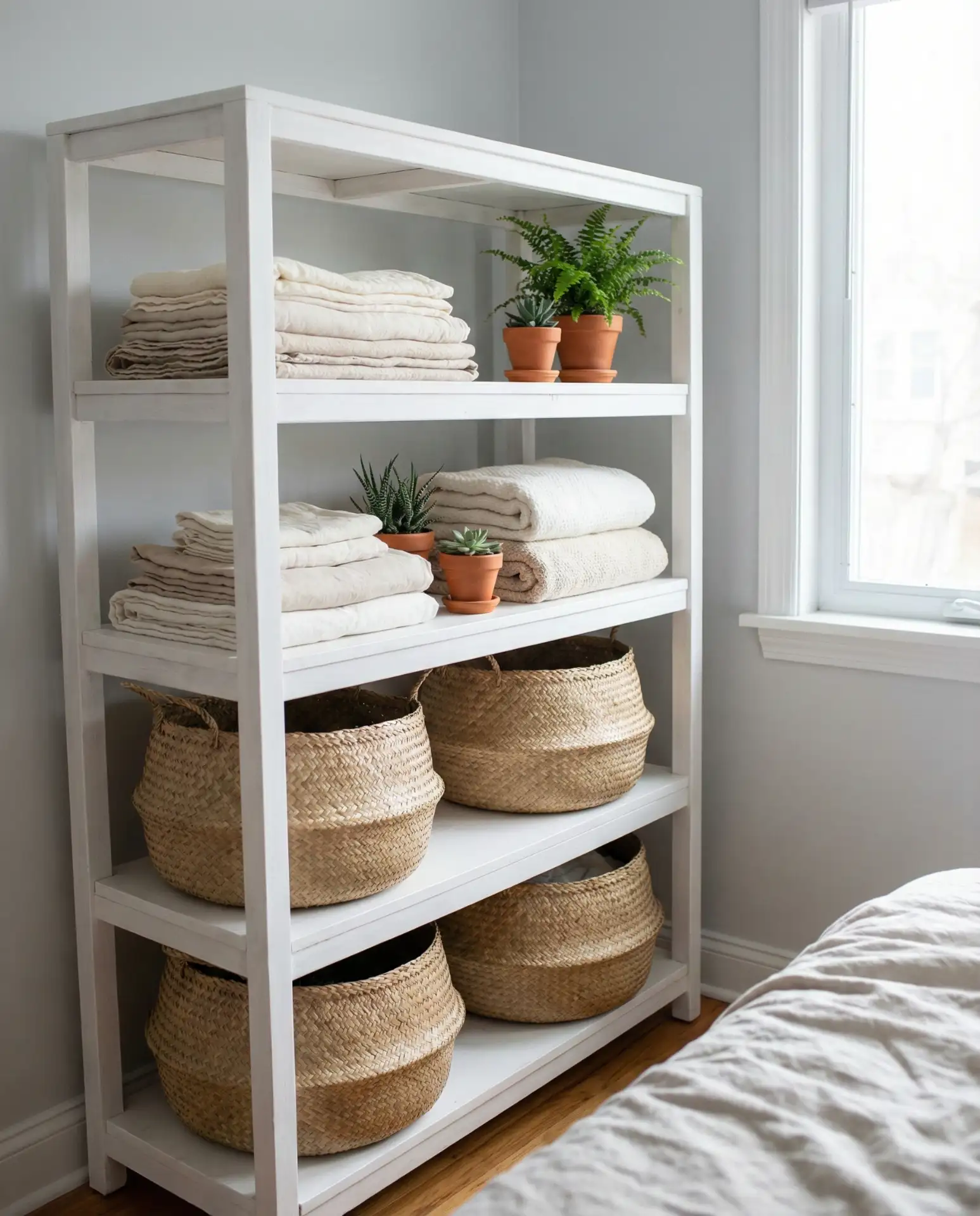
Open shelving looks airy and modern, but without containers, it quickly becomes cluttered. Woven baskets, fabric bins, and wire crates bring aesthetic cohesion while hiding miscellaneous items. This approach is especially effective in boho, cozy, and creative bedrooms where texture and warmth matter as much as function.
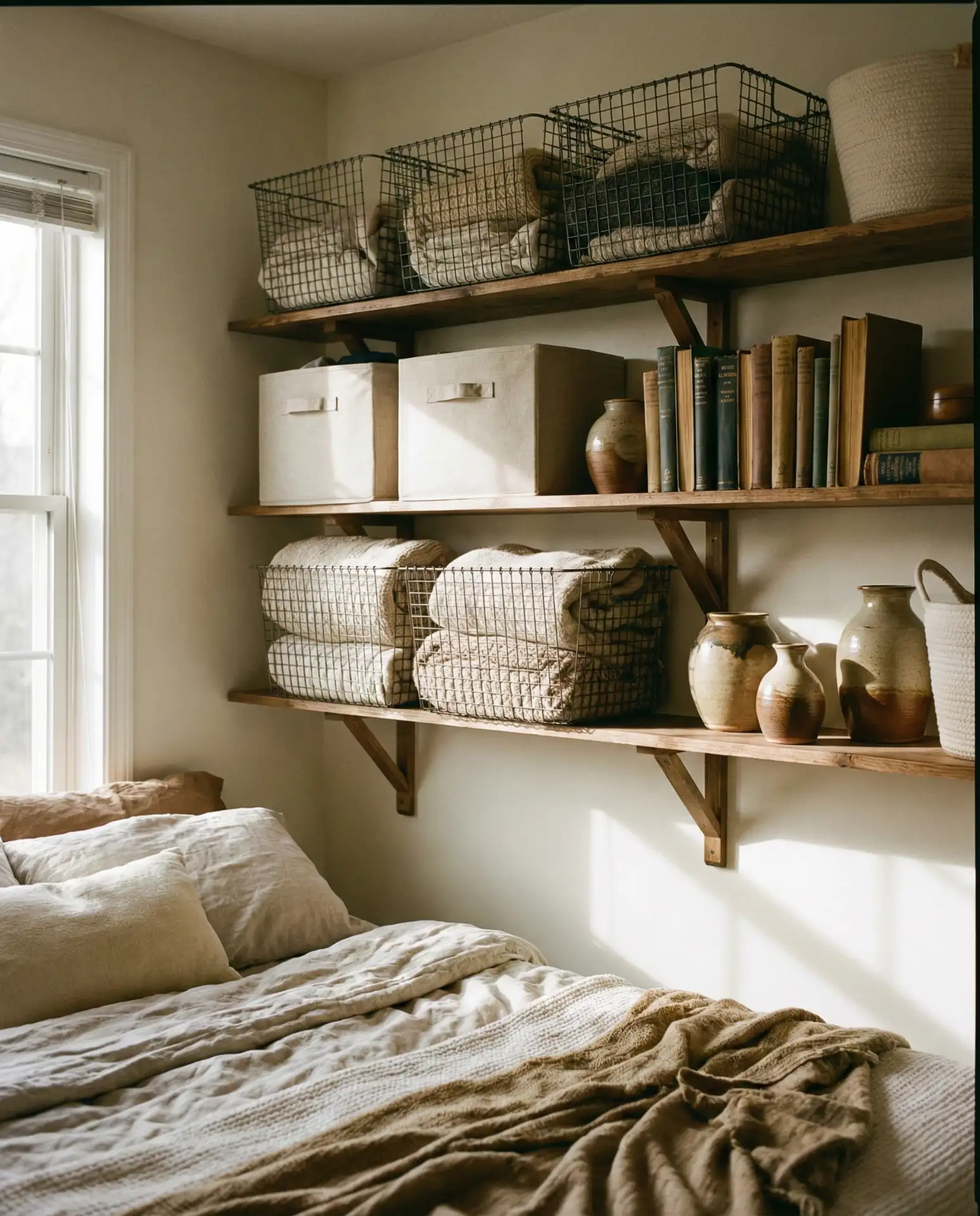
Common mistake: choosing baskets that are too small or too large for the shelf depth. Measure your shelves first and opt for bins that fit snugly but still allow easy removal. Label baskets if you’re storing different categories—it saves time and keeps everyone in a shared bedroom on the same page.
19. Wall Hooks for Bags and Robes
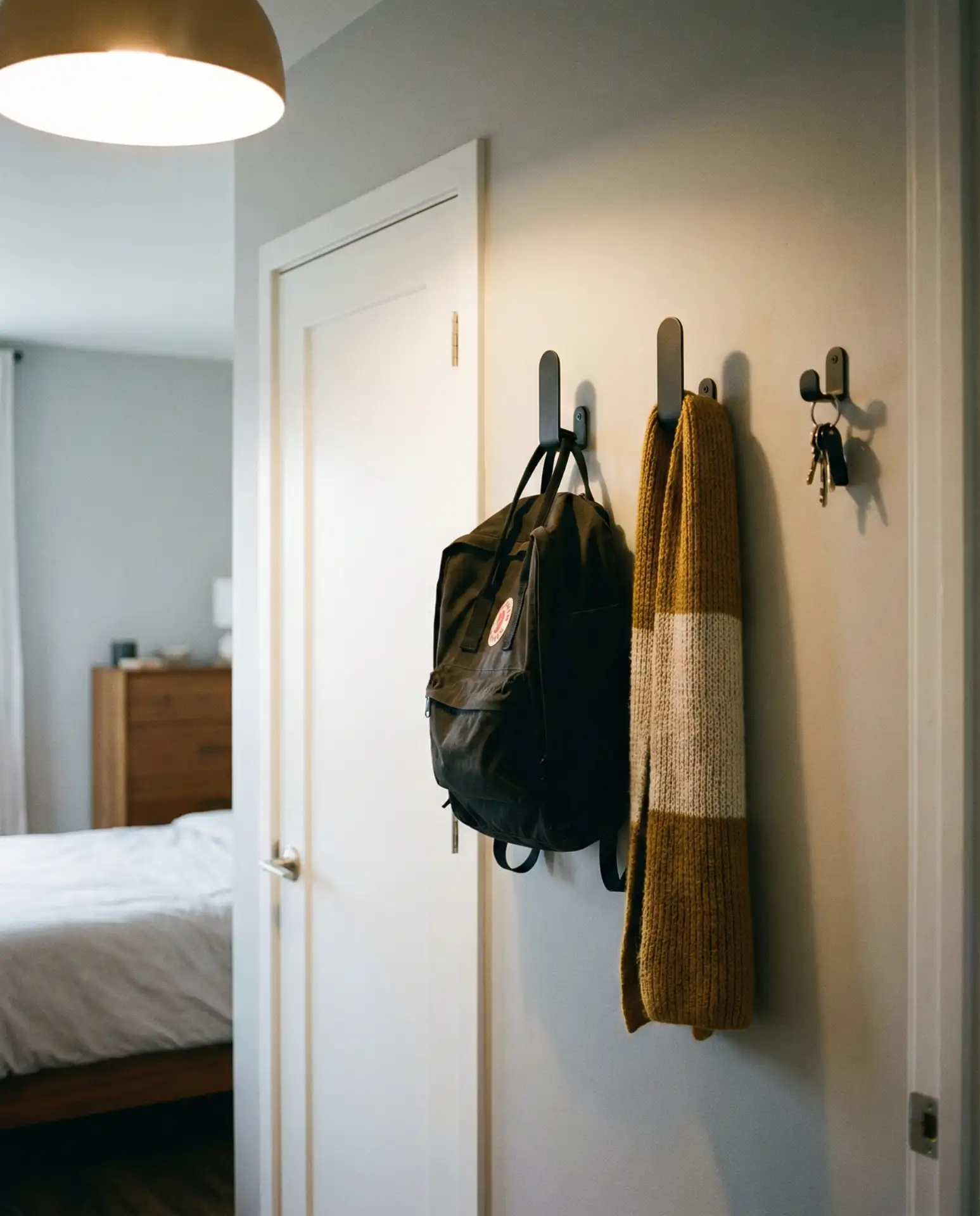
A row of decorative hooks on the wall provides instant storage for bags, robes, hats, and scarves without taking up floor space. This clever solution works beautifully in small spaces, spare rooms, and entryways adjacent to bedrooms. Choose hooks in brass, matte black, or wood finishes to complement your decor style.
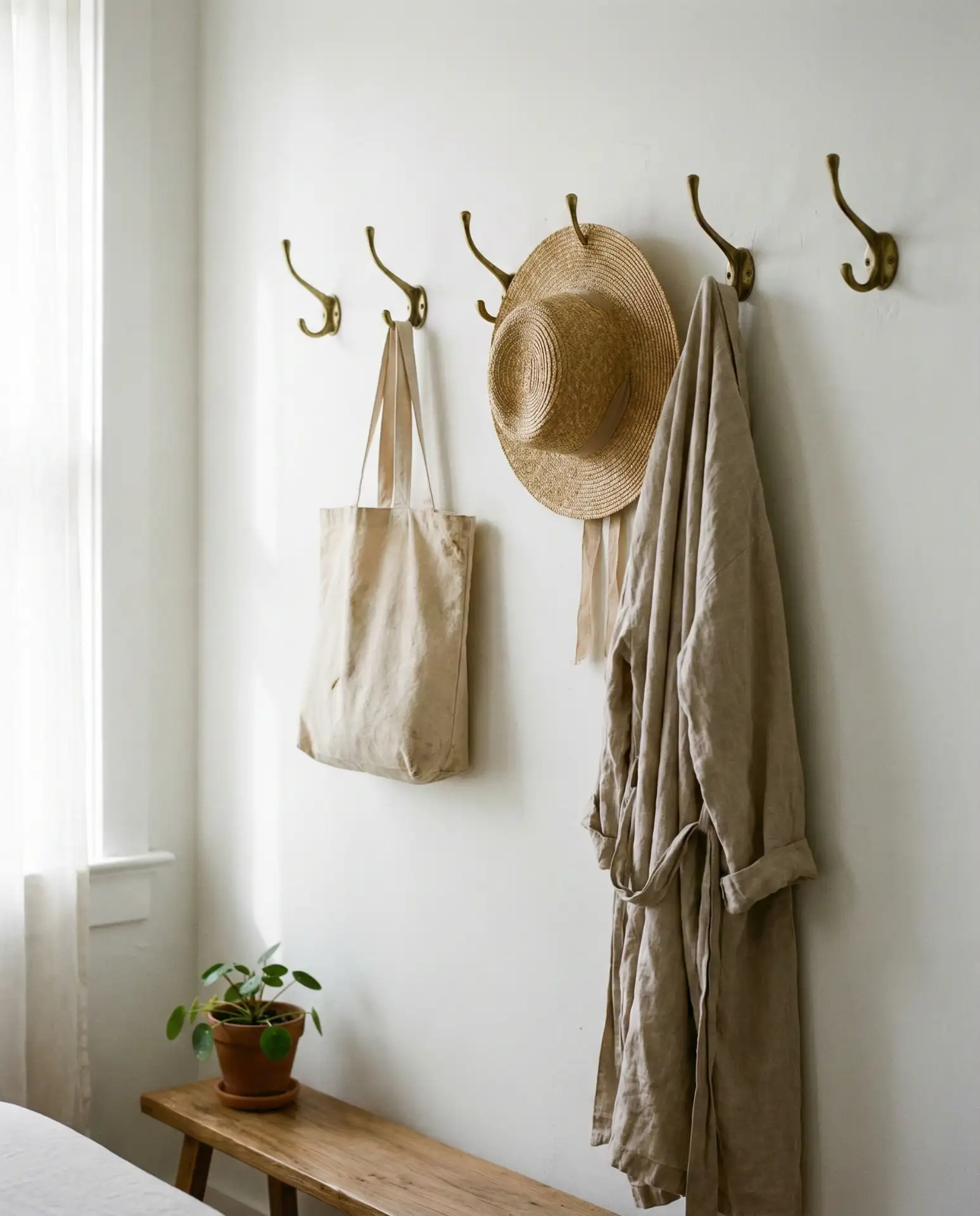
Expert insight: spacing hooks 8 to 12 inches apart prevents items from overlapping and keeps the wall looking intentional rather than chaotic. Use drywall anchors for heavier items like winter coats, and consider double hooks for added capacity in high-use areas.
20. DIY Crate Shelving
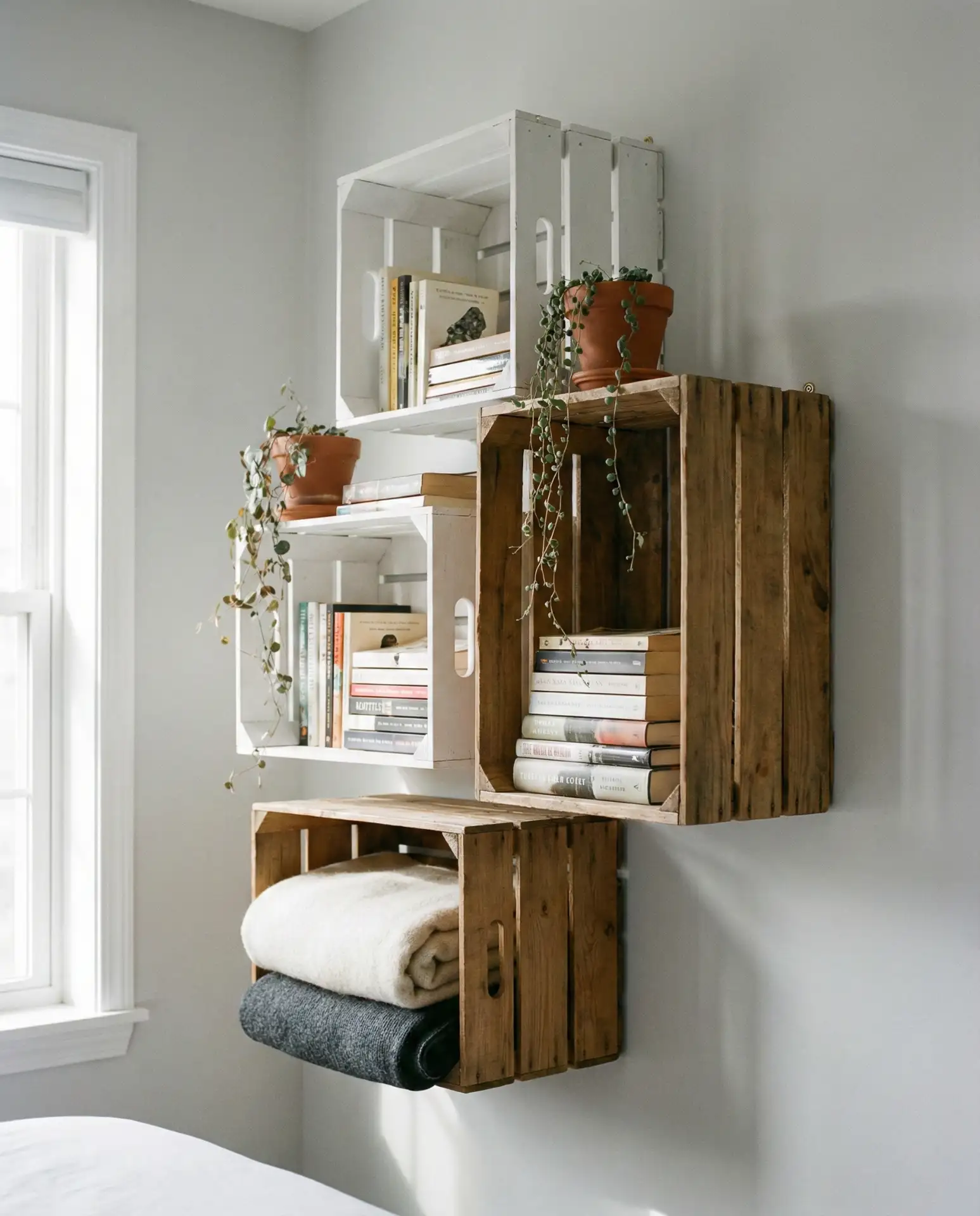
Wooden crates stacked and secured together create rustic, customizable shelving that’s perfect for DIY enthusiasts and budget-conscious decorators. Paint or stain them to match your bedroom, then arrange them horizontally or vertically to hold books, plants, or folded clothes. This creative approach is especially popular in boho and farmhouse-style bedrooms.
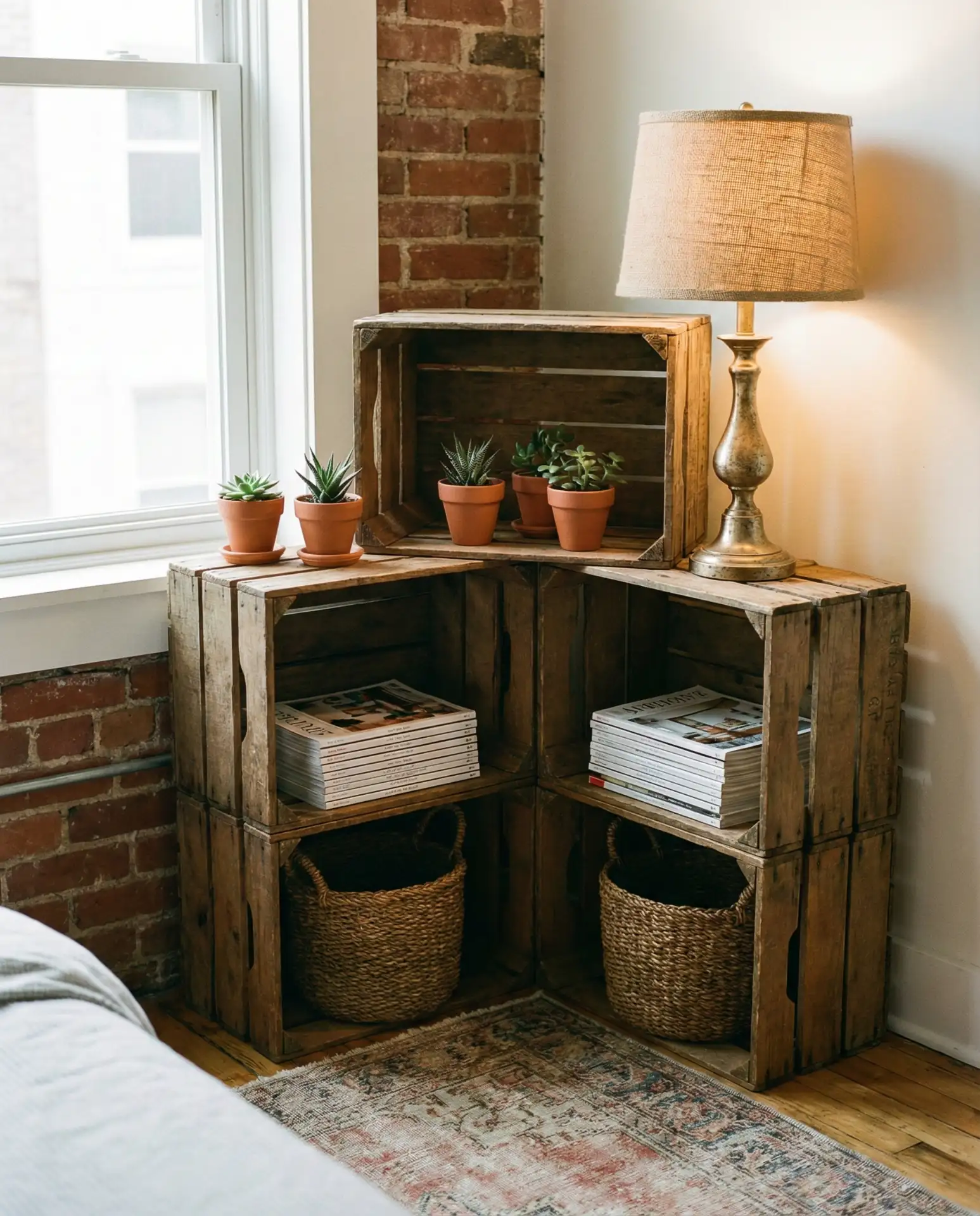
Real homeowner behavior: many people start with crates found at craft stores or flea markets, spending less than $50 on the entire project. Sand rough edges and secure crates with wood screws or L-brackets for stability. This is a weekend project that delivers a big impact with minimal skill required.
21. Under-Stair Storage in Loft Bedrooms
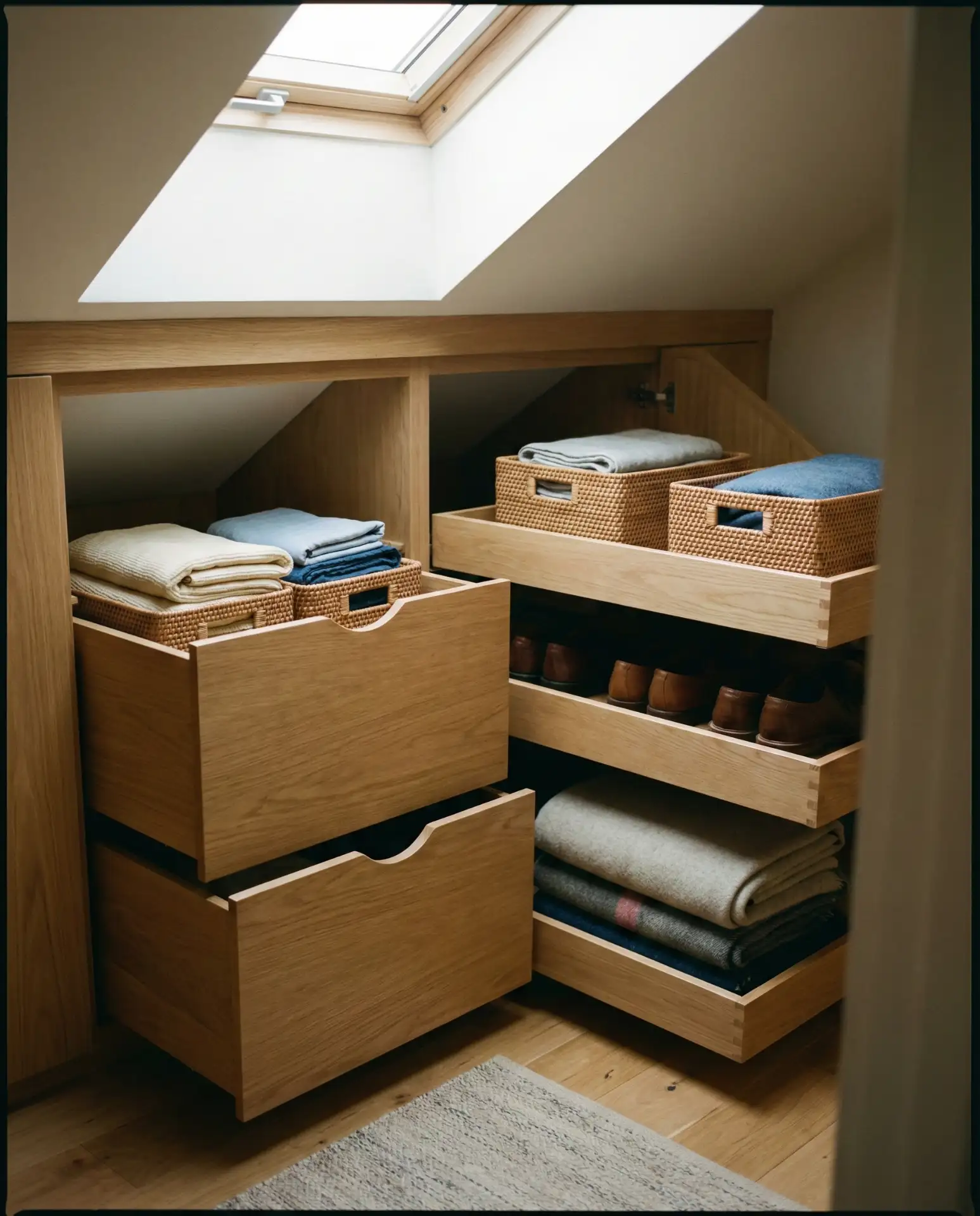
In loft bedrooms with staircases, the space beneath the steps is prime territory for built-in drawers, cubbies, or pull-out shelves. This smart use of vertical space is both functional and visually interesting, especially when finished with matching cabinetry or open shelving. It’s a signature move in tiny homes and converted industrial spaces.
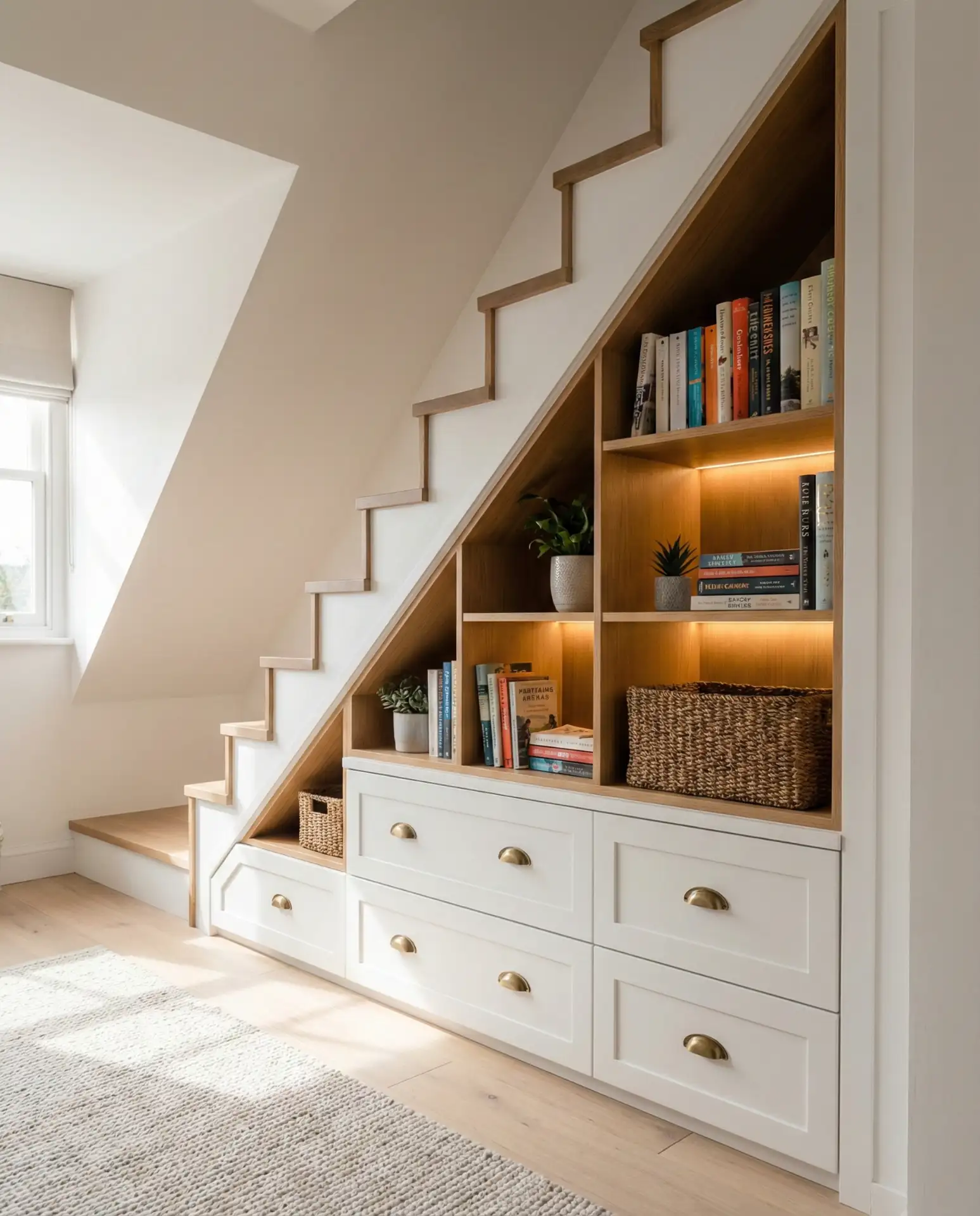
Where it works best: homes with open-concept loft bedrooms or mezzanines, common in urban lofts and modern builds. Custom carpentry can cost $1,000 to $3,000, but the return in usable storage and aesthetic appeal often justifies the expense, especially in high-cost housing markets.
22. Mirrored Closet Doors with Hidden Storage
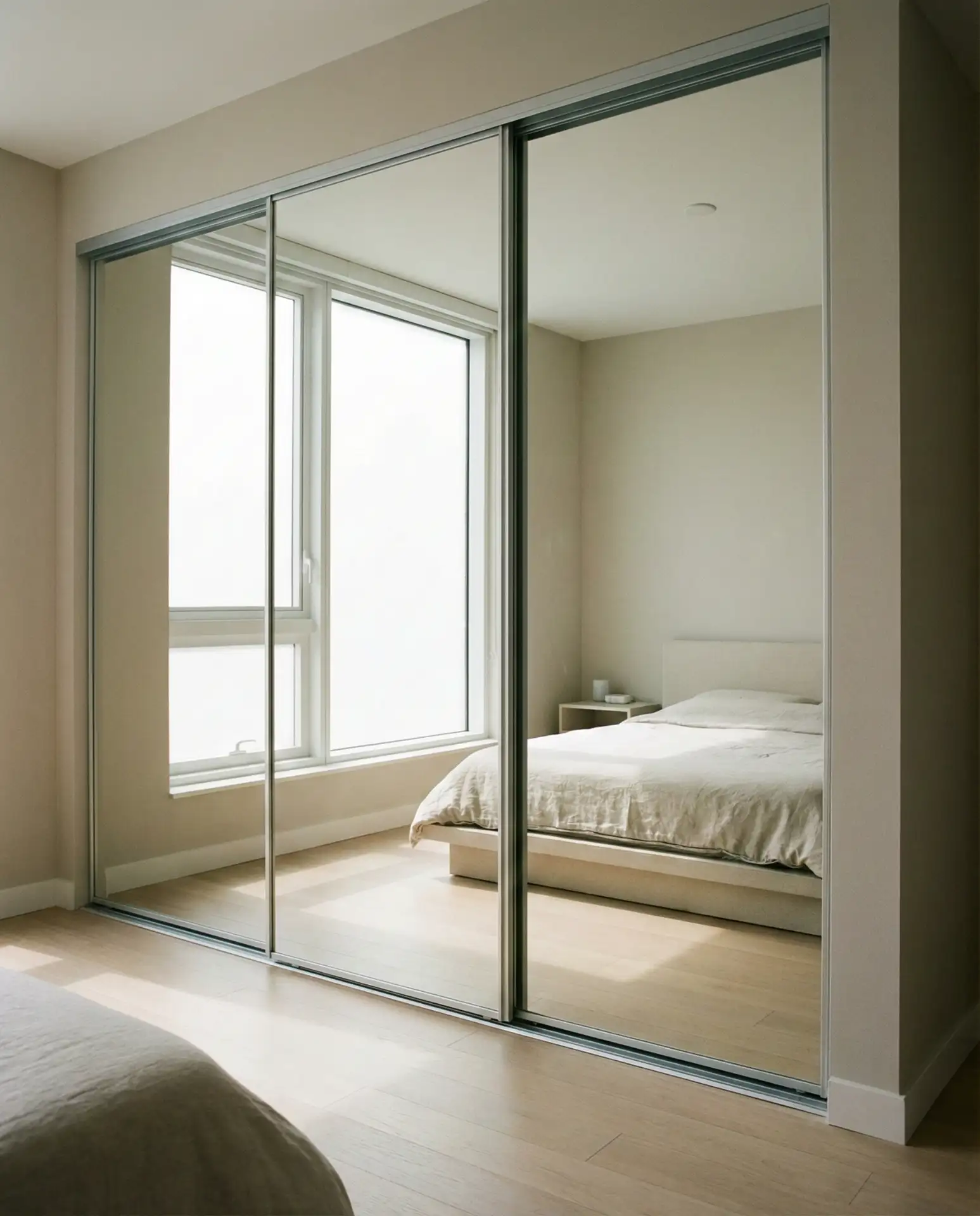
Replacing standard closet doors with floor-to-ceiling mirrors serves dual purposes: it visually expands the room while concealing clothes and accessories. In apartments and primary bedrooms, this smart upgrade creates the illusion of more space without sacrificing storage capacity. Some mirrored doors even feature shallow built-in shelves on the interior.
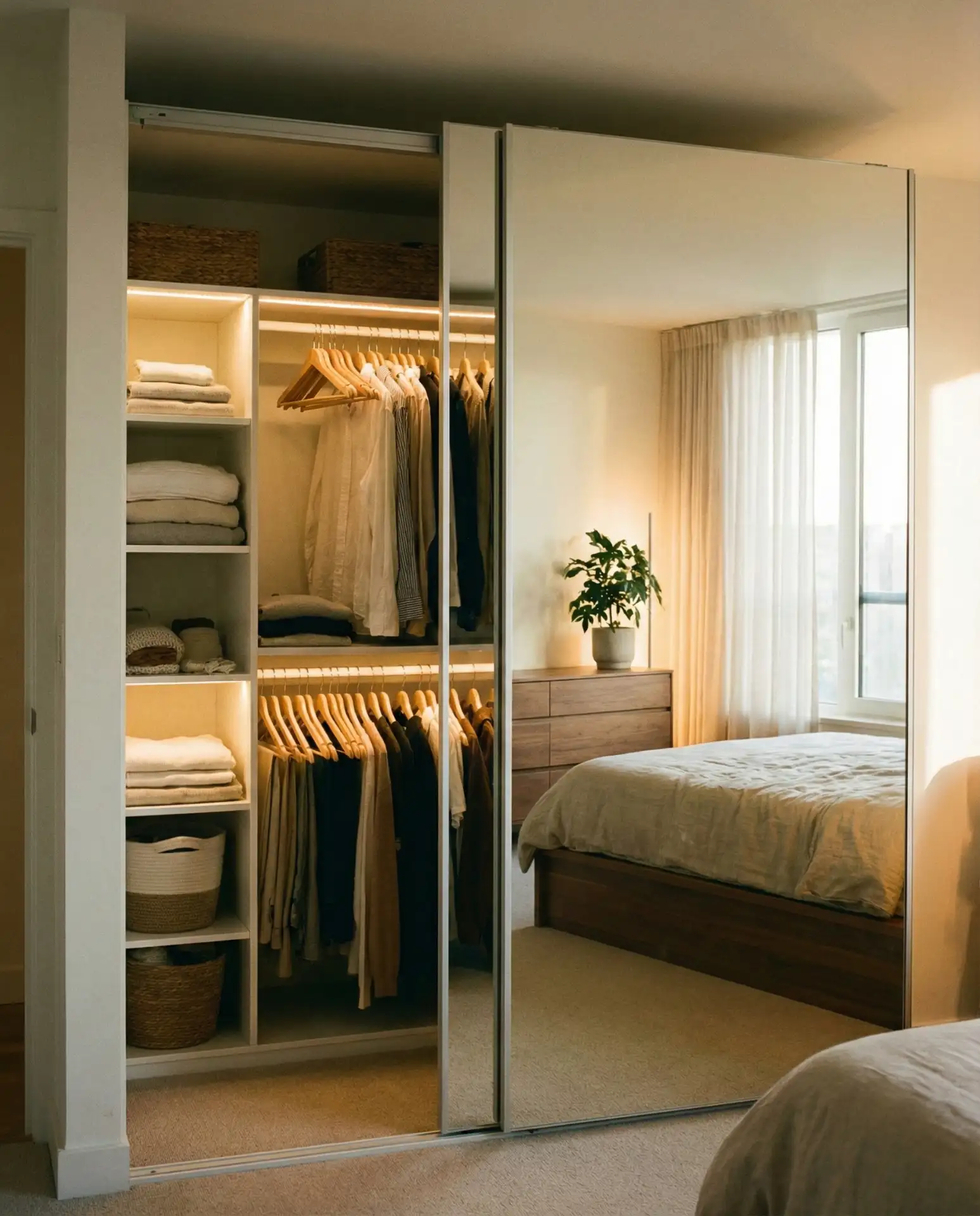
A practical insight: mirrored doors work particularly well in rooms with limited natural light, as they bounce available light around and make the space feel brighter. Installation costs vary widely—basic sliding mirror doors start around $300, while custom-framed versions can exceed $1,200.
Conclusion
Bedroom storage in 2026 is all about blending practicality with personal style, whether you’re outfitting a tiny apartment, a shared kids’ room, or a sprawling primary suite. From DIY crate shelves to smart modular systems, these ideas prove that organization doesn’t have to sacrifice aesthetics. What bedroom storage challenges are you tackling this year? Share your favorite solutions or questions in the comments below—we’d love to hear what’s working in your space.