Bedroom paint is having a major moment in 2026, and American homeowners are searching Pinterest more than ever for fresh ways to transform their most personal space. Whether you’re working with a small room that needs a cozy uplift, planning a moody accent wall in your master suite, or exploring aesthetic color schemes for a guest bedroom, this year’s trends blend bold expression with livable comfort. From sage green serenity to dramatic dark hues and boho-inspired palettes, there’s a paint idea here for every style and budget. Let’s dive into inspiring bedroom paint ideas that will help you create a space you’ll love waking up in.
1. Sage Green Serenity for Small Rooms
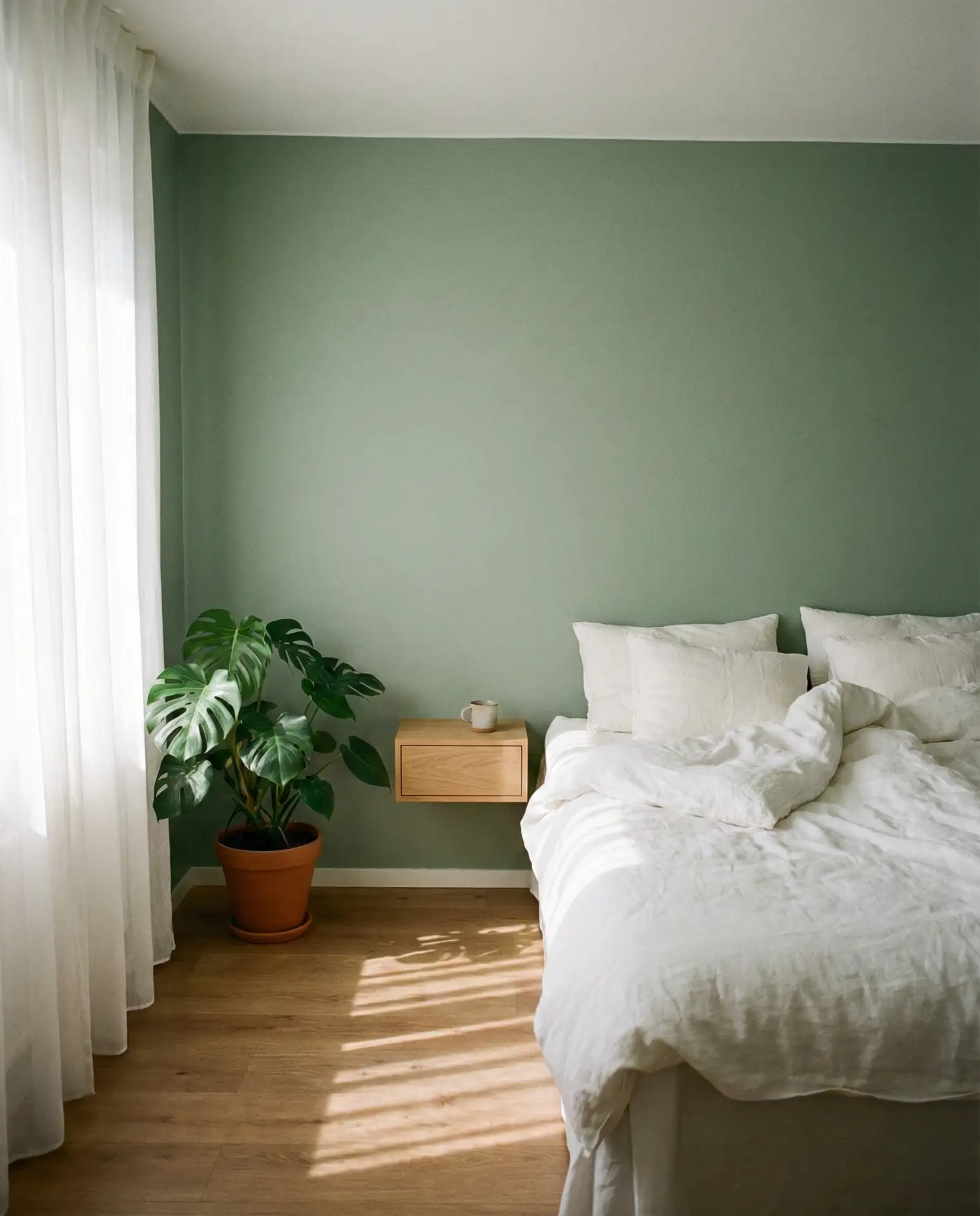
If you’re working with small rooms, sage green offers a calming backdrop that visually expands the space without feeling cold or clinical. This muted, earthy tone has become a go-to for cozy bedrooms because it pairs beautifully with natural wood, linen bedding, and vintage brass fixtures. Unlike stark white, sage green adds personality while maintaining that airy, breathable quality smaller spaces desperately need.
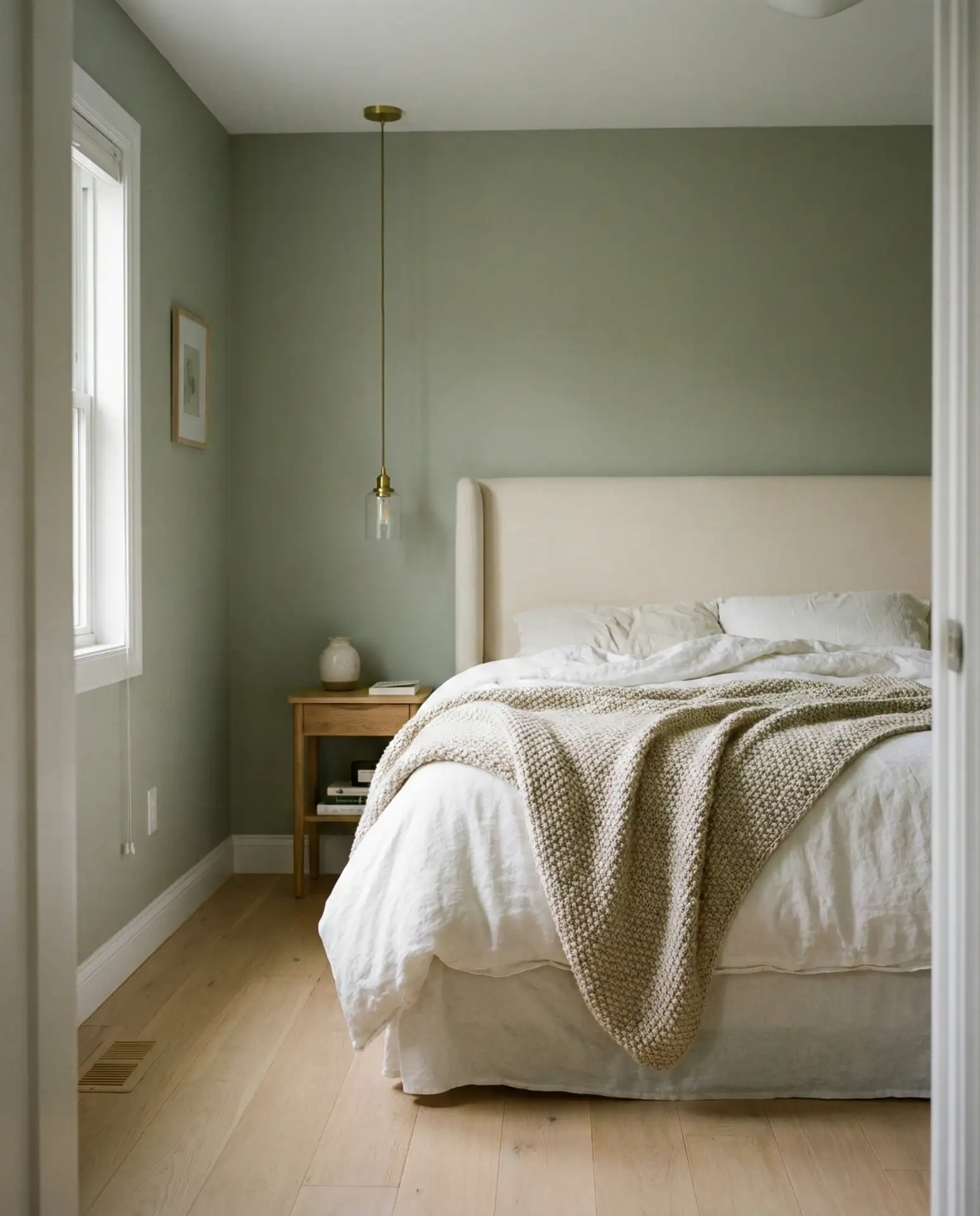
This works especially well in older apartments across the Northeast and Midwest, where natural light can be limited during winter months. The soft green reflects what little daylight you have, making mornings feel gentler. Pair it with warm-toned wood furniture to avoid a sterile look, and consider a slightly deeper shade on one wall if you want subtle dimension without committing to a full accent treatment.
2. Moody Charcoal Accent Wall in Master Bedrooms
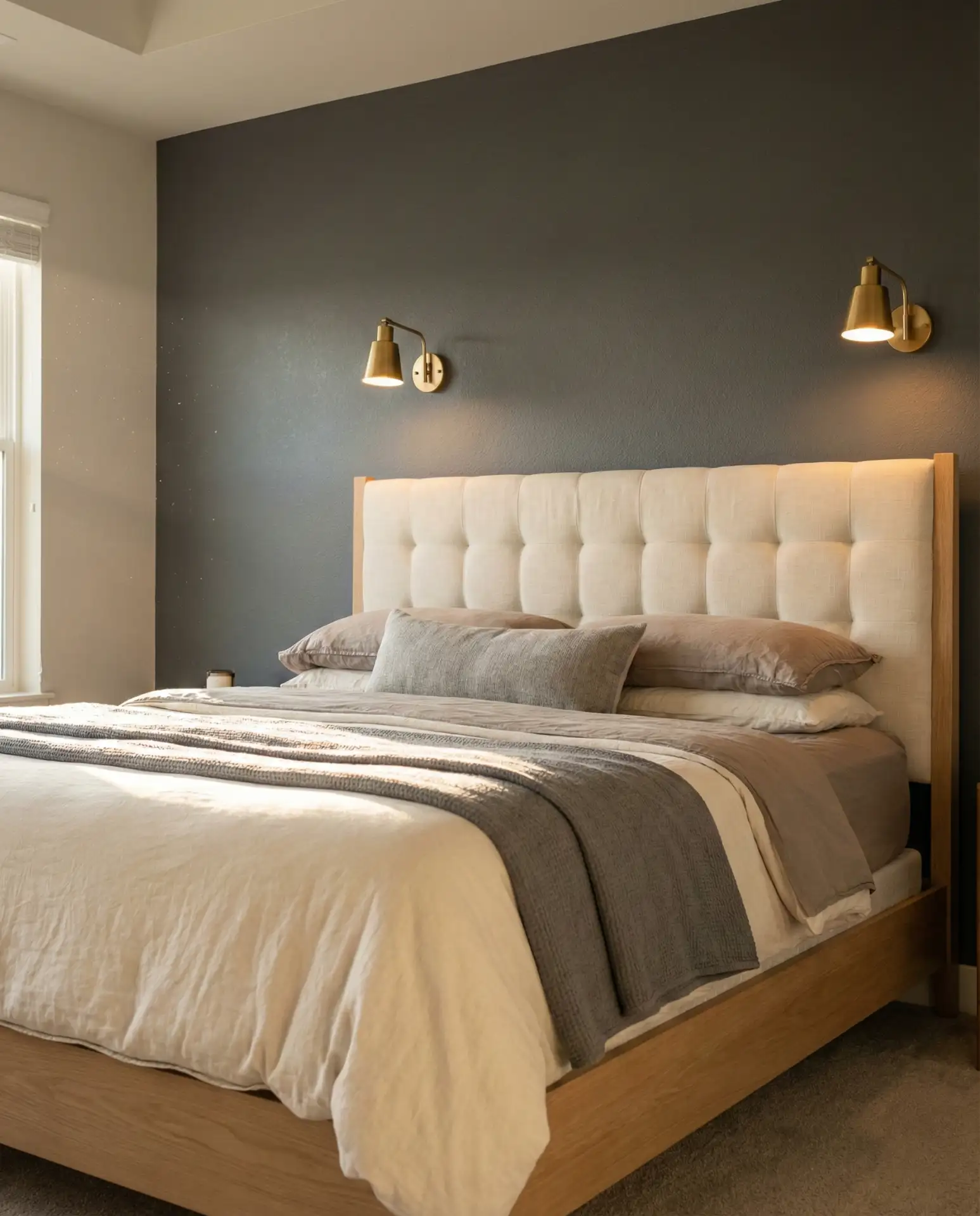
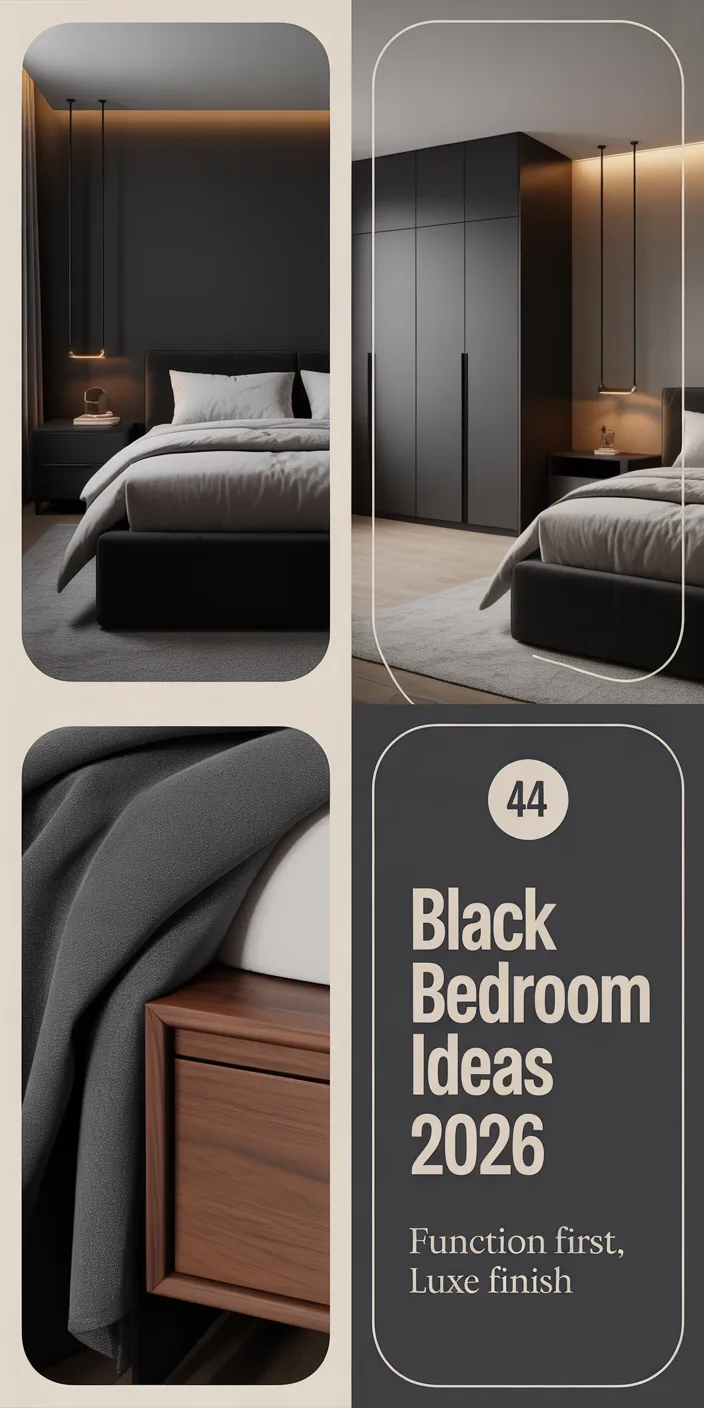
A dark charcoal accent wall behind the bed instantly elevates a master bedroom into something more sophisticated and restful. This moody approach has surged in popularity as homeowners move away from all-white interiors and embrace richer, more intimate color palettes. The trick is balancing the depth with plenty of texture—think velvet headboards, layered bedding, and warm metallic accents.
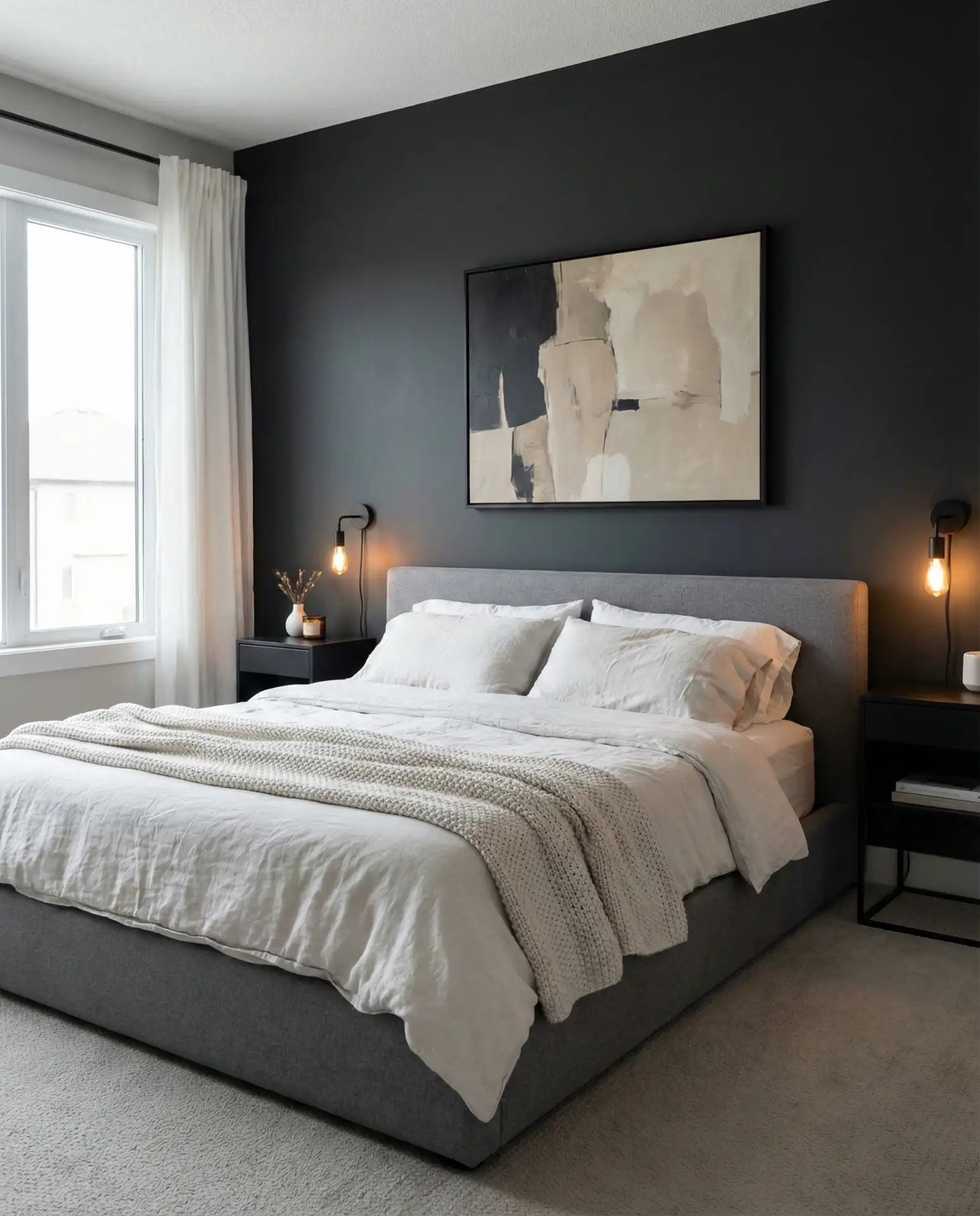
One common mistake is painting the entire room dark without accounting for light sources. Instead, reserve the charcoal for the wall behind your bed and keep the other three walls in a soft neutral like warm white or greige. This prevents the room from feeling cave-like while still delivering that cocooning effect that makes a master bedroom feel like a true retreat.
3. Warm Terracotta for Boho Vibes
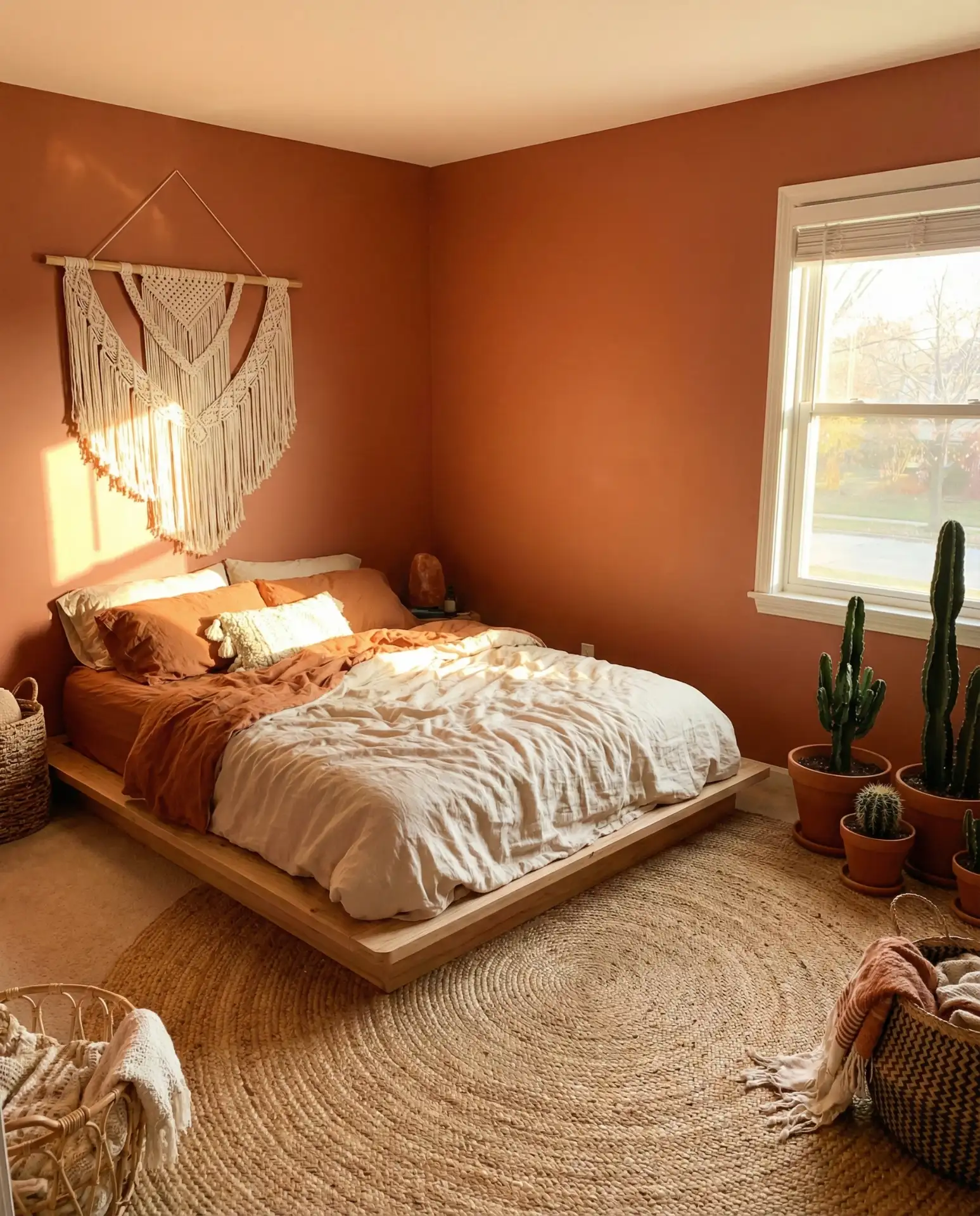
Terracotta brings an earthy, sun-baked warmth that’s perfect for boho-inspired bedrooms. This shade nods to Southwestern and Mediterranean aesthetic styles while remaining versatile enough to work in urban lofts or suburban ranch homes. Paired with macramé wall hangings, woven baskets, and natural fiber rugs, terracotta creates a space that feels traveled and collected rather than designed from a catalog.
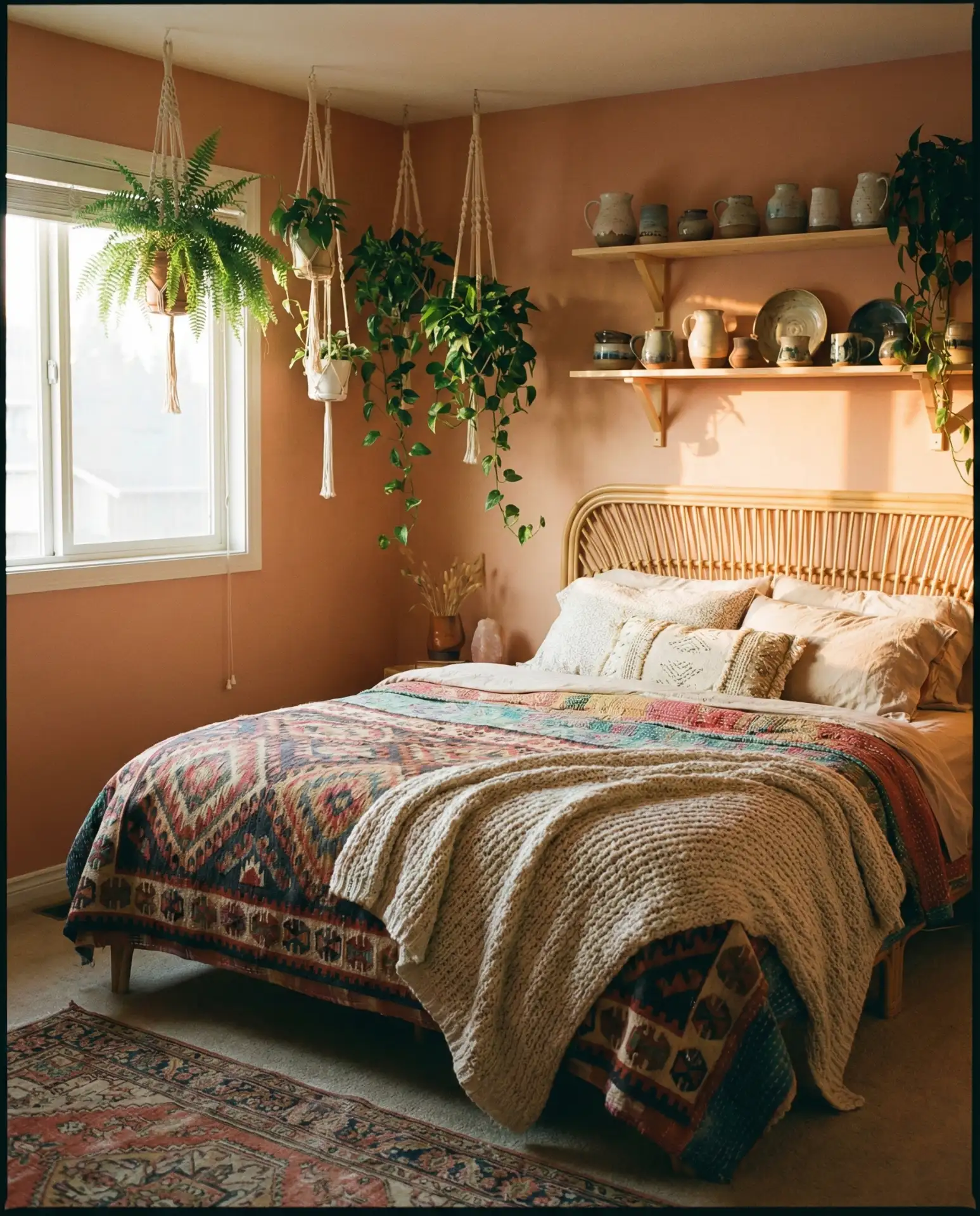
In warmer climates like Arizona, New Mexico, and Southern California, terracotta feels especially at home, echoing the natural landscape outside your window. The color works beautifully with both cool-toned linens and warmer mustard or rust accents. If you’re hesitant about committing to a full room, try it on a single wall or even as a ceiling treatment for an unexpected pop of warmth.
4. Soft Blue for Guest Room Calm
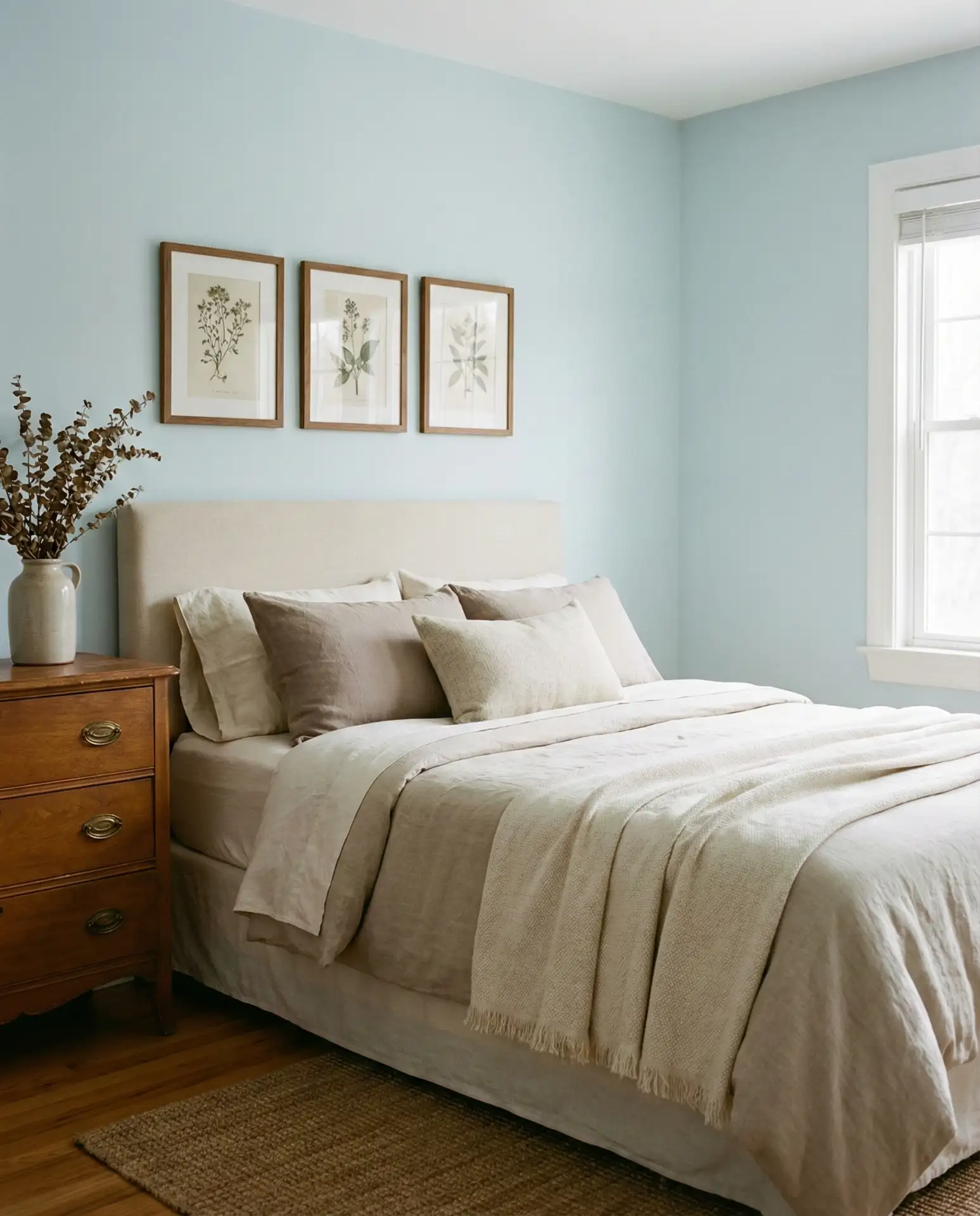
A muted, powdery blue is the ultimate choice for a guest bedroom because it feels universally welcoming without being too personal. This color has a naturally calming effect, making it ideal for helping visitors feel at ease. It’s also incredibly forgiving when it comes to decor—vintage finds, modern accents, and everything in between all look cohesive against a soft blue backdrop.
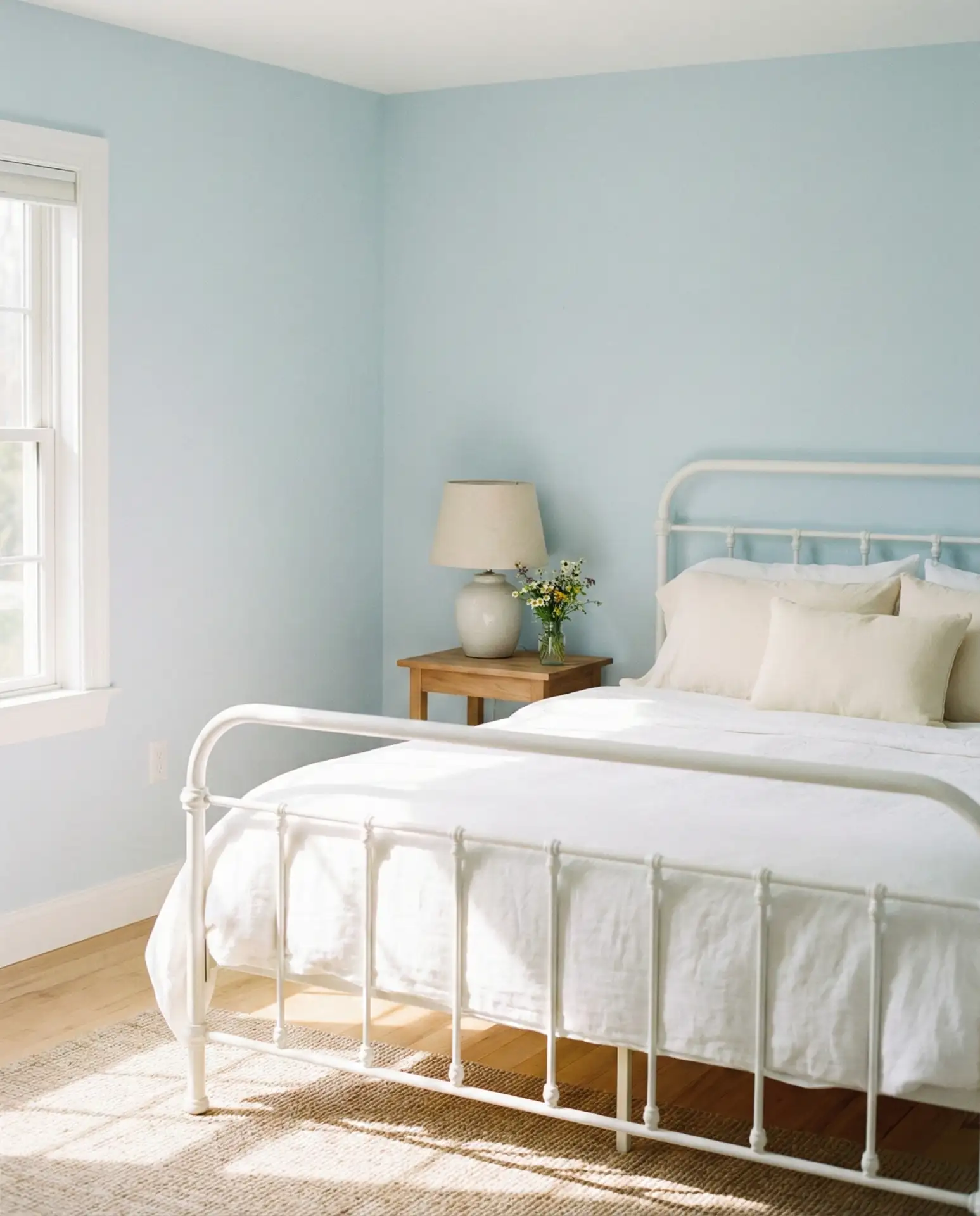
Budget-conscious homeowners love this approach because it doesn’t require expensive furnishings to look polished. A can of quality blue paint, some white bedding from a big-box store, and a couple of thrifted pieces are all you need. The color does the heavy lifting, creating a serene, hotel-like atmosphere that makes guests feel genuinely cared for without you having to spend a fortune.
5. Deep Navy for Modern Sophistication
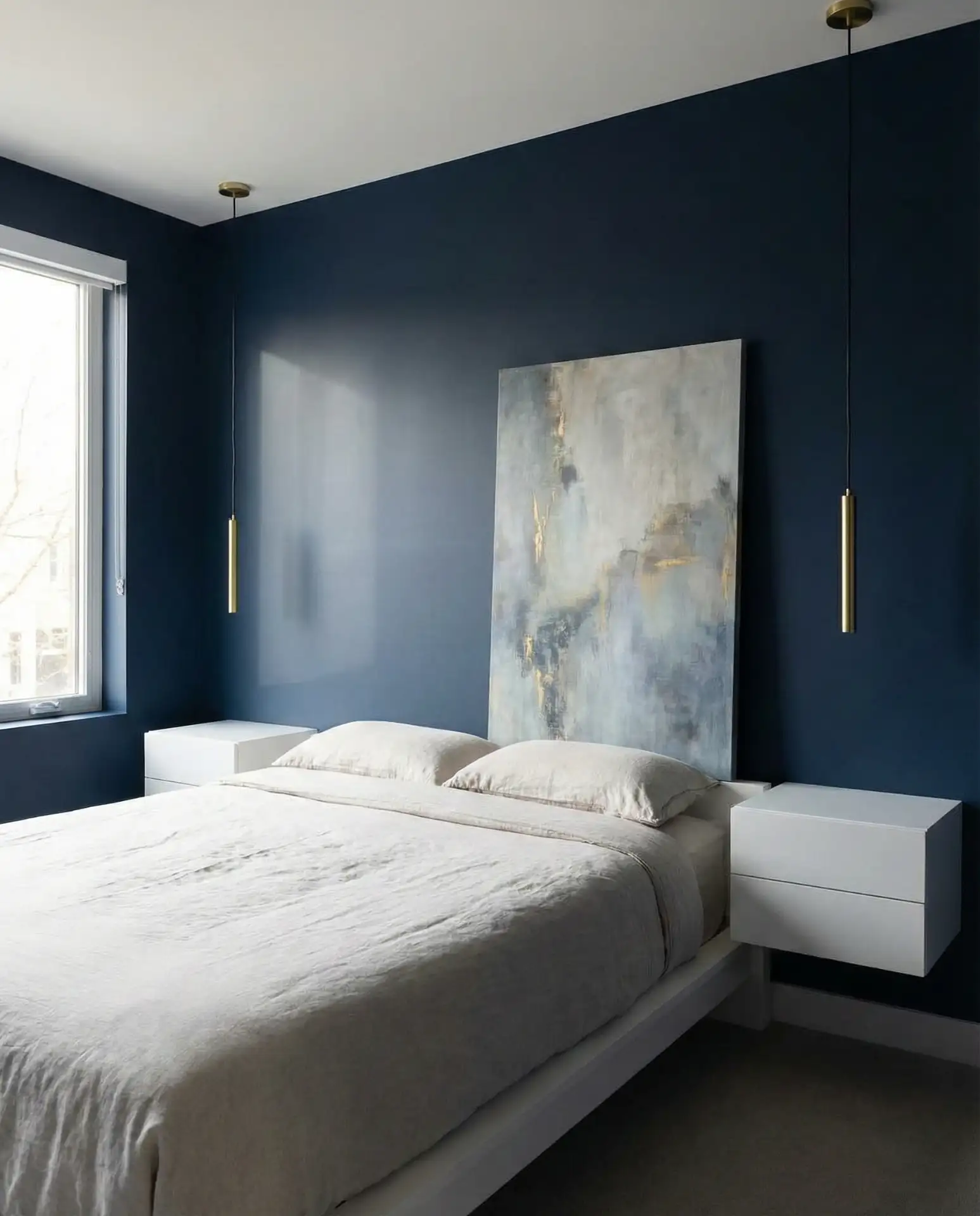
Deep navy has become a favorite for modern bedrooms seeking a unique alternative to black or charcoal. This rich blue tone brings drama without feeling oppressive, especially when balanced with plenty of white trim and natural light. It works particularly well in rooms with architectural details like crown molding or built-in shelving, where the contrast highlights the craftsmanship.
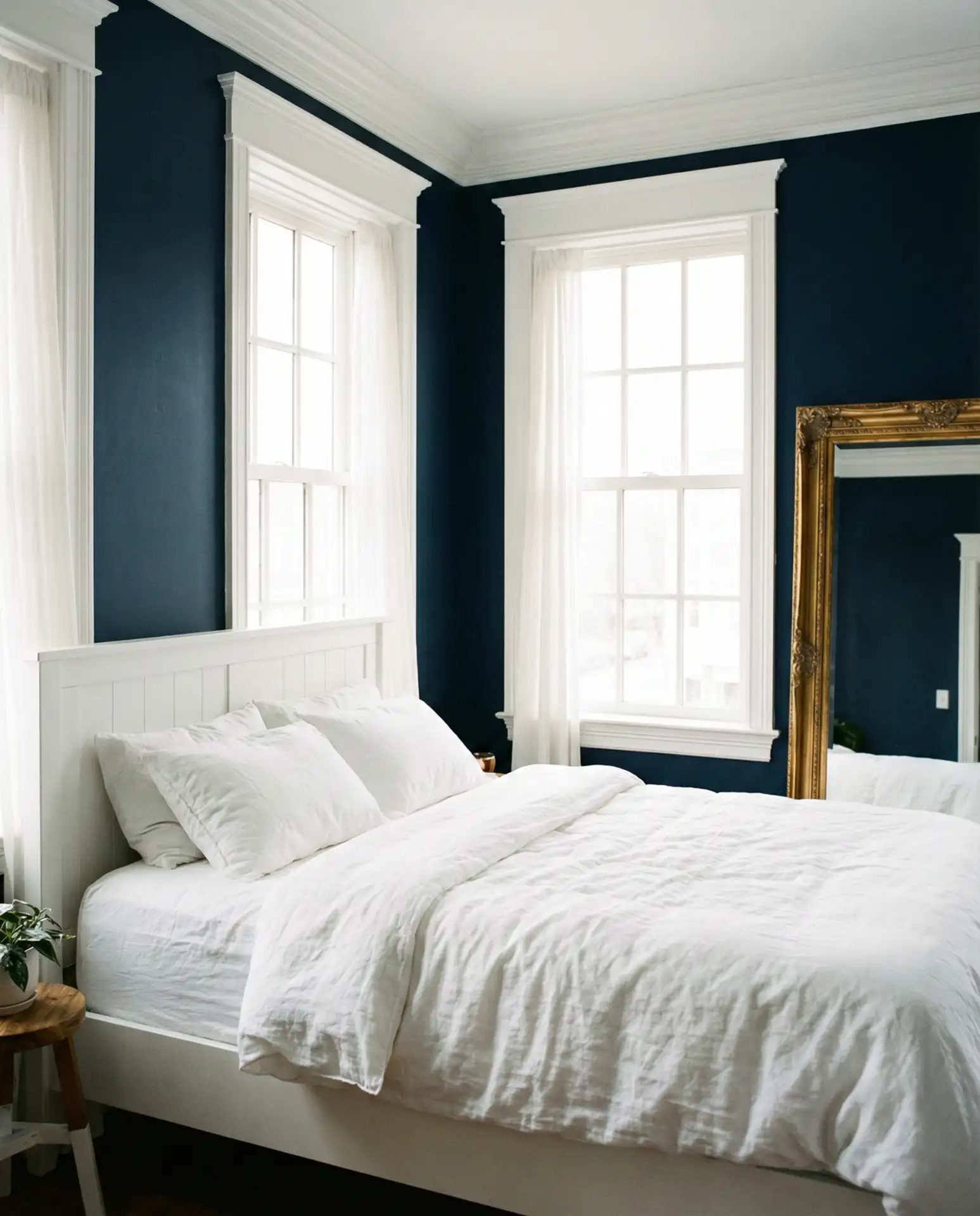
Where it works best is in bedrooms with south- or west-facing windows that get strong afternoon light—the navy absorbs excess brightness while still feeling elegant. In northern exposures or basement bedrooms, you’ll want to be more cautious and consider navy as an accent rather than the primary color to avoid a cave-like effect that artificial lighting can’t quite fix.
6. Warm White Canvas for Versatility
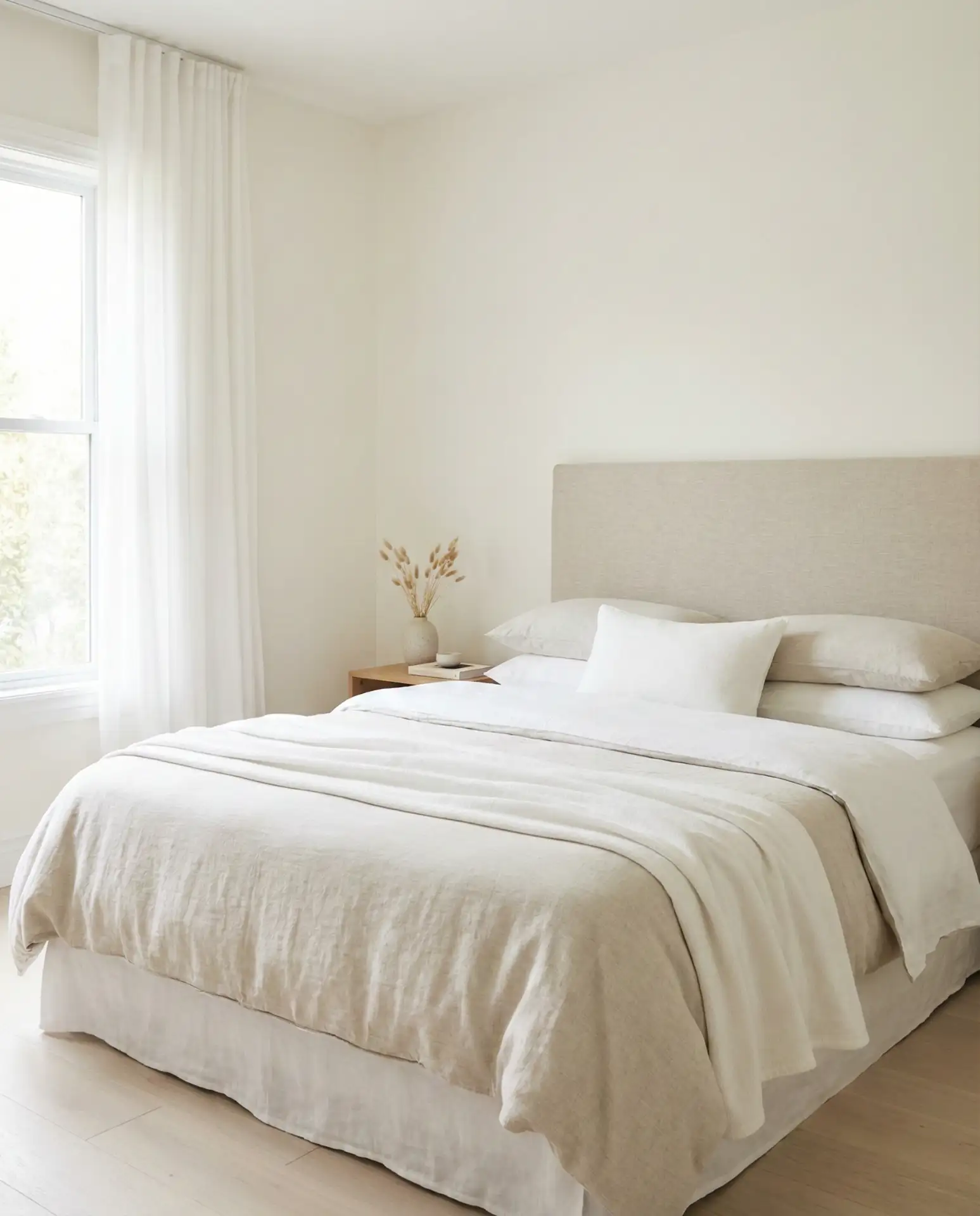
A warm white acts as the perfect canvas for bedrooms that need flexibility, whether you’re renting, frequently redecorating, or simply want a neutral foundation. Unlike stark cool whites, warm whites have subtle cream or beige undertones that make a room feel inviting rather than clinical. This approach lets your furniture, textiles, and art take center stage without competing with bold wall color.
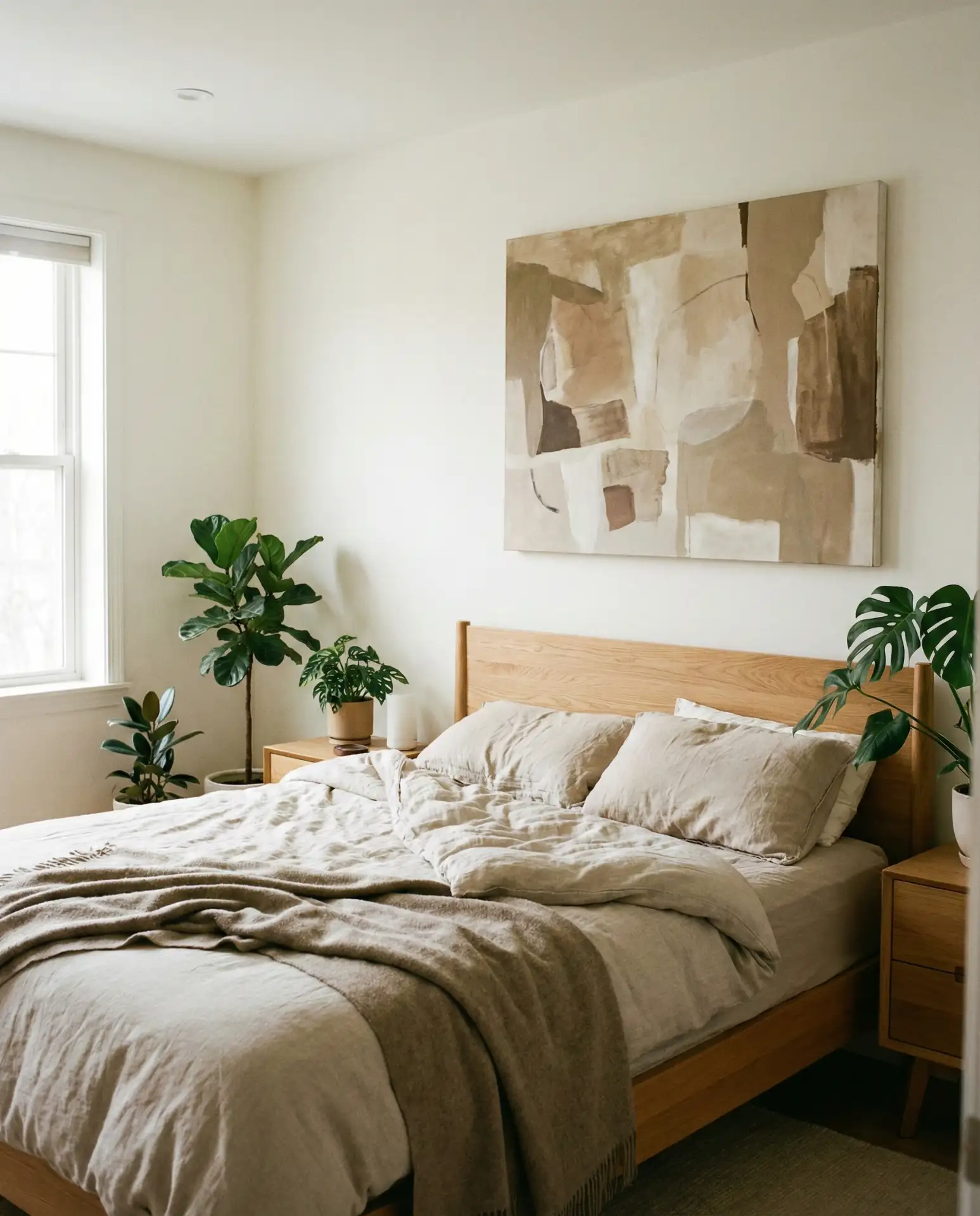
Real homeowners tend to underestimate how much the right white matters. A too-cool white can make a bedroom feel like a dental office, especially in rooms with northern light. Test samples on your walls and observe them at different times of day—morning, noon, and evening—before committing. The right warm white will shift subtly with the light, never looking flat or harsh.
7. Indian-Inspired Jewel Tones
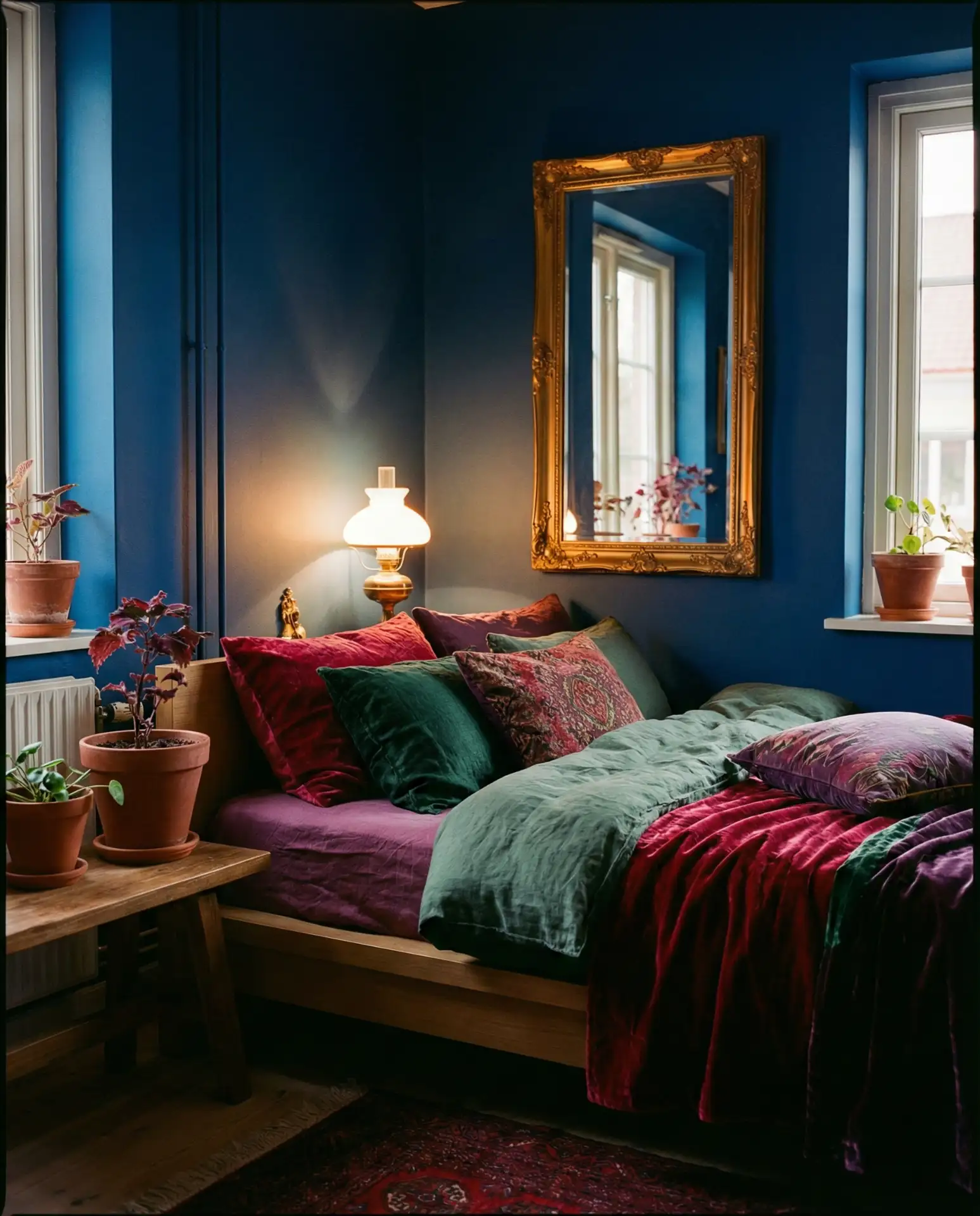
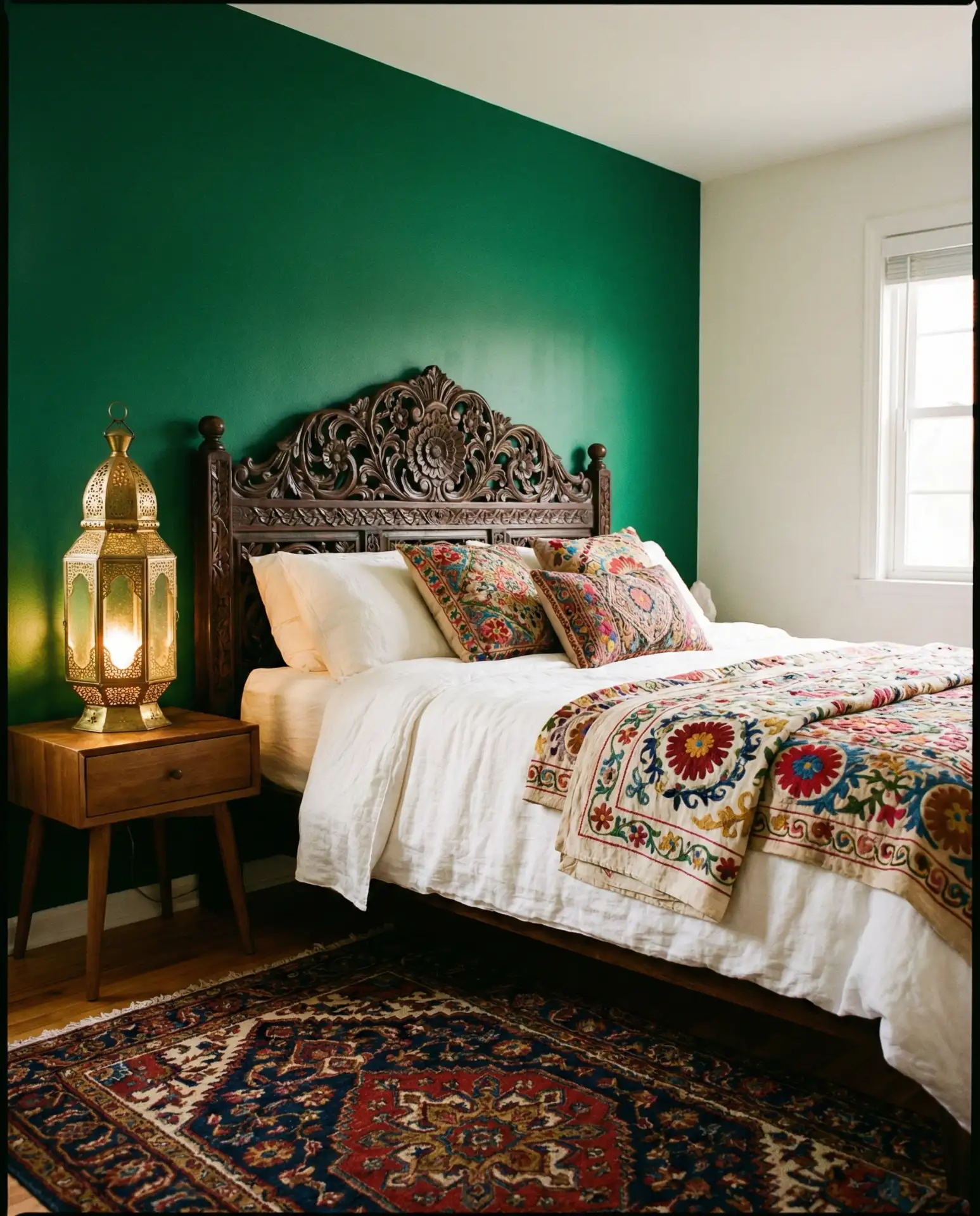
Drawing from Indian aesthetic traditions, jewel-toned bedrooms layer rich colors like emerald, sapphire, and ruby in ways that feel luxurious and grounded. These color schemes work beautifully when you balance intensity with neutrals—think a deep emerald wall paired with crisp white bedding and warm wood furniture. The result is a space that feels globally influenced without reading as themed or costume-like.
This style has gained traction in urban areas with diverse populations, particularly in cities like New York, Chicago, and the Bay Area, where homeowners are blending cultural influences into modern interiors. The key is layering—one jewel tone on the walls, complementary hues in textiles, and plenty of texture through carved wood, woven fabrics, and metallic accents to create depth and visual interest.
8. Blush Pink for Soft Aesthetic Appeal
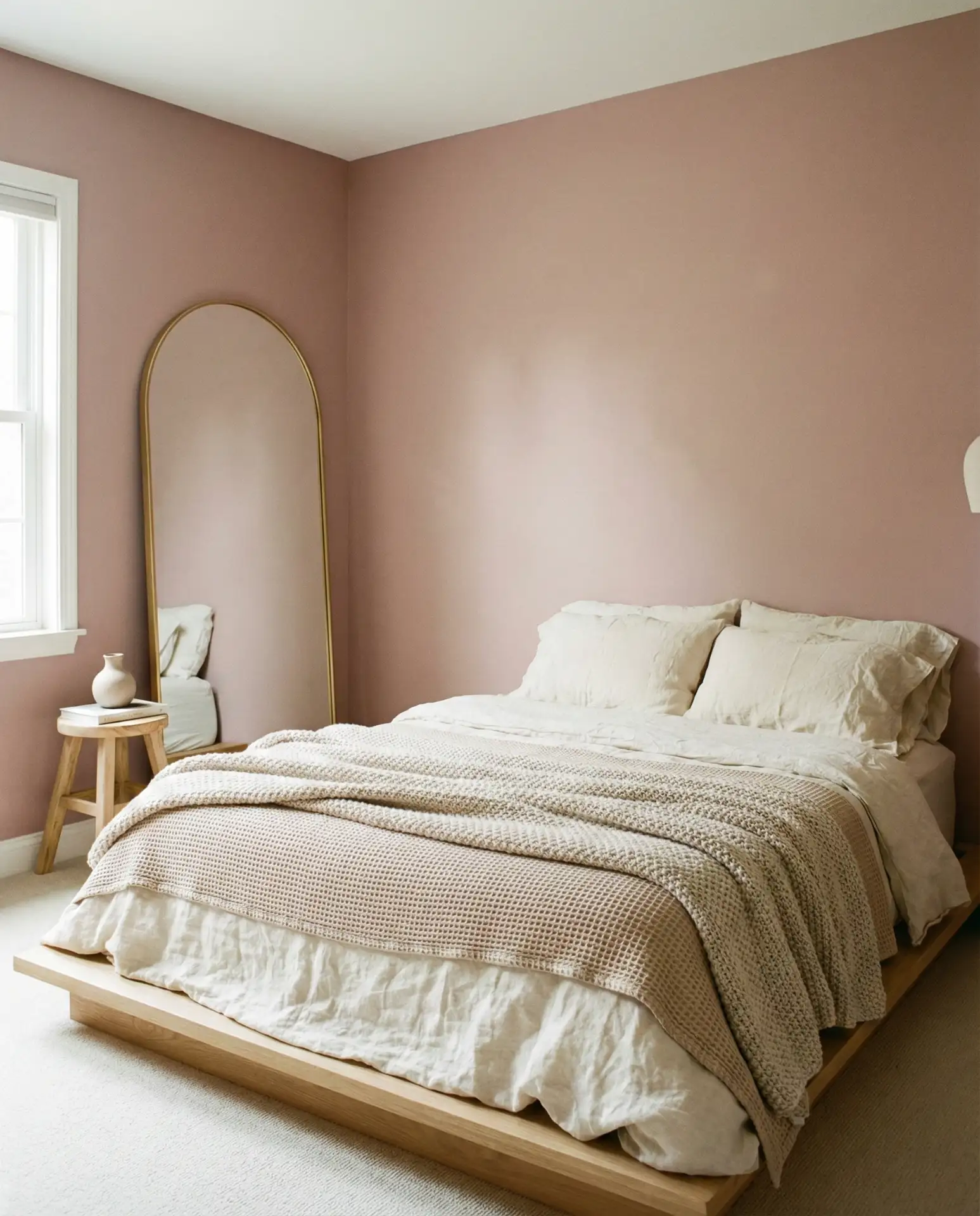
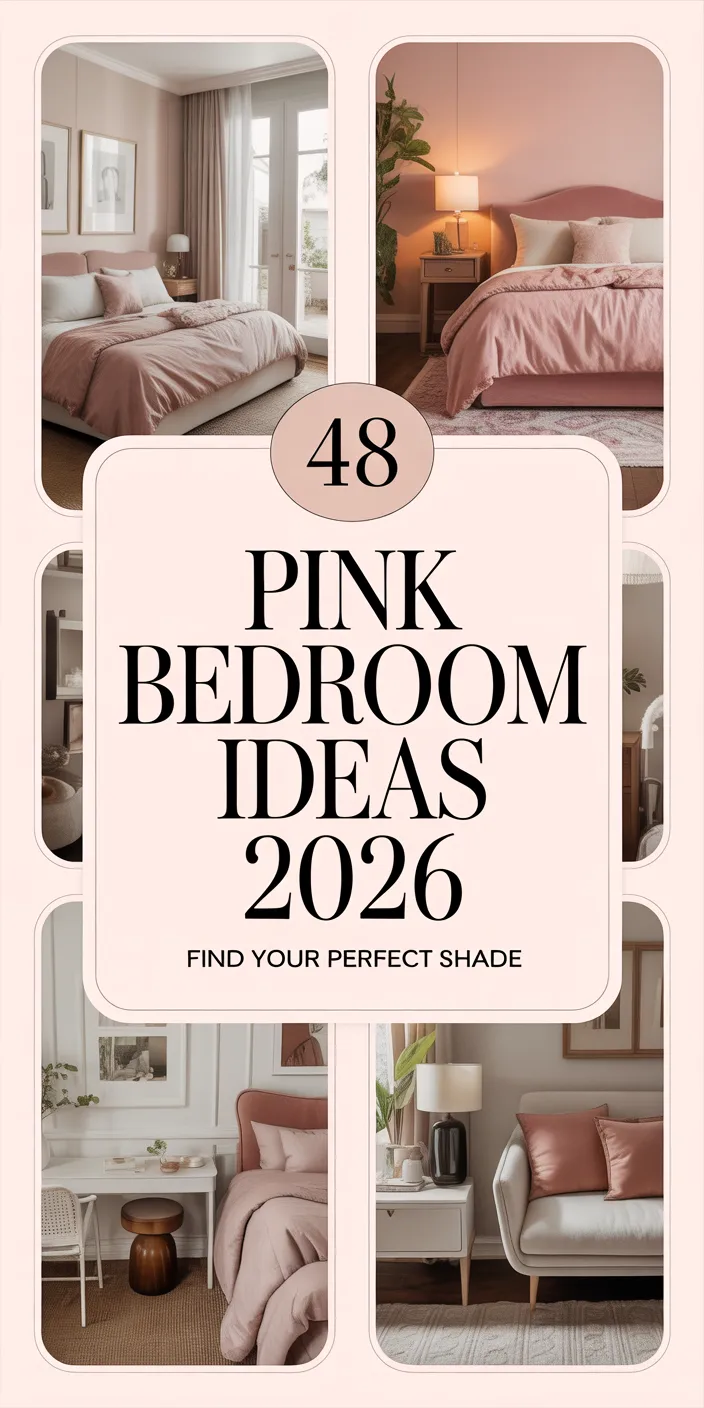
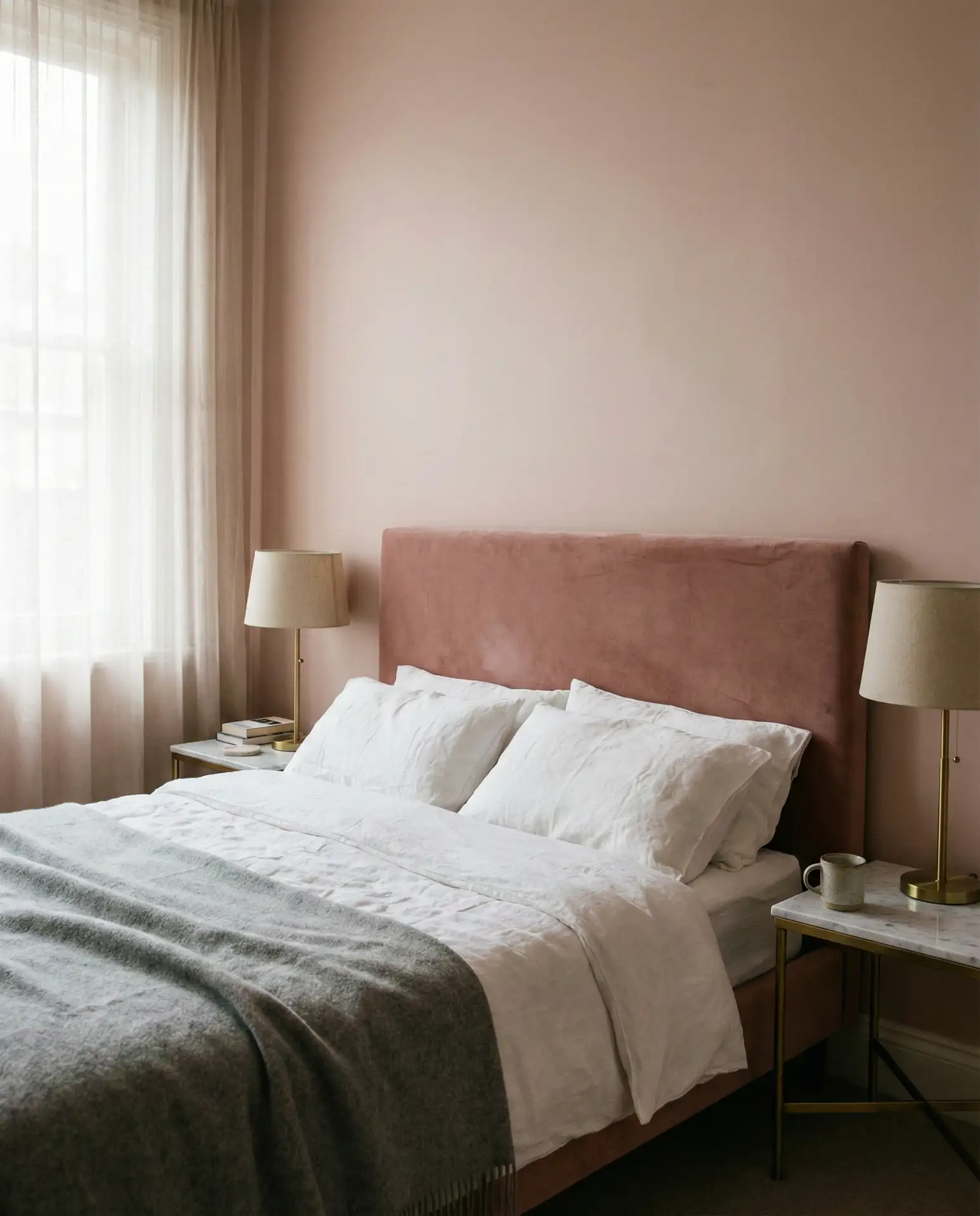
Blush pink has evolved beyond nurseries to become a sophisticated aesthetic choice for adult bedrooms. This soft, dusty rose tone creates a cozy atmosphere that feels both modern and timeless. When paired with brass fixtures, velvet textiles, and marble accents, blush pink reads as elegant rather than juvenile, making it a favorite on Pinterest among design-forward homeowners.
From a practical standpoint, blush pink is incredibly flattering in natural light and makes skin tones look warmer and healthier—a detail that matters more than you’d think when you’re getting ready in the morning. It also photographs beautifully, which explains why it dominates bedroom inspiration boards. The color works year-round but feels especially cozy during colder months when you crave warmth and softness in your personal space.
9. Forest Green for Attic Bedrooms
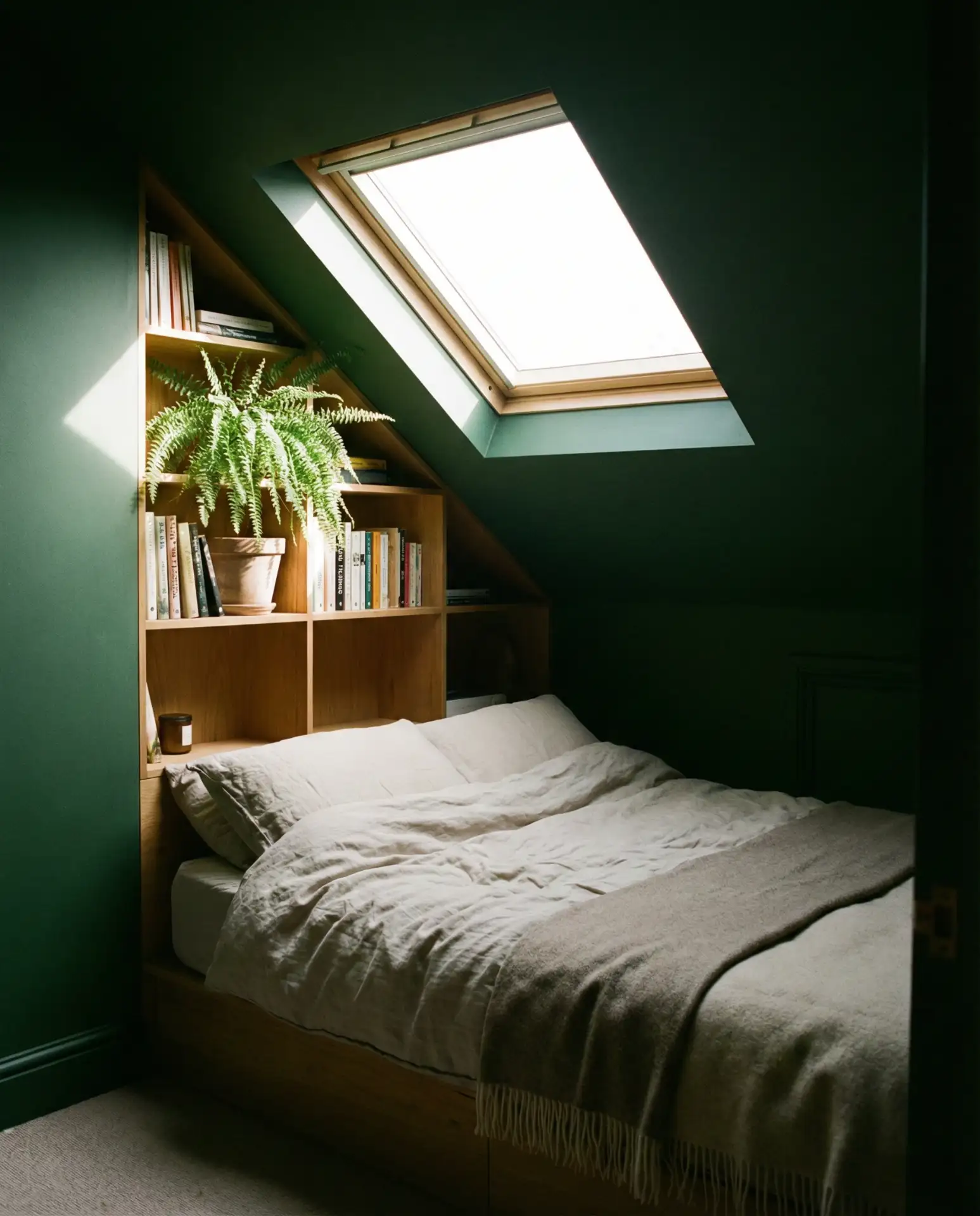
Deep forest green transforms attic bedrooms from awkward afterthoughts into cozy retreats. The rich color embraces the often-limited natural light in these spaces rather than fighting it, creating a den-like atmosphere that feels intentional. Sloped ceilings and architectural quirks that might feel problematic in lighter colors become charming character details against a forest green backdrop.
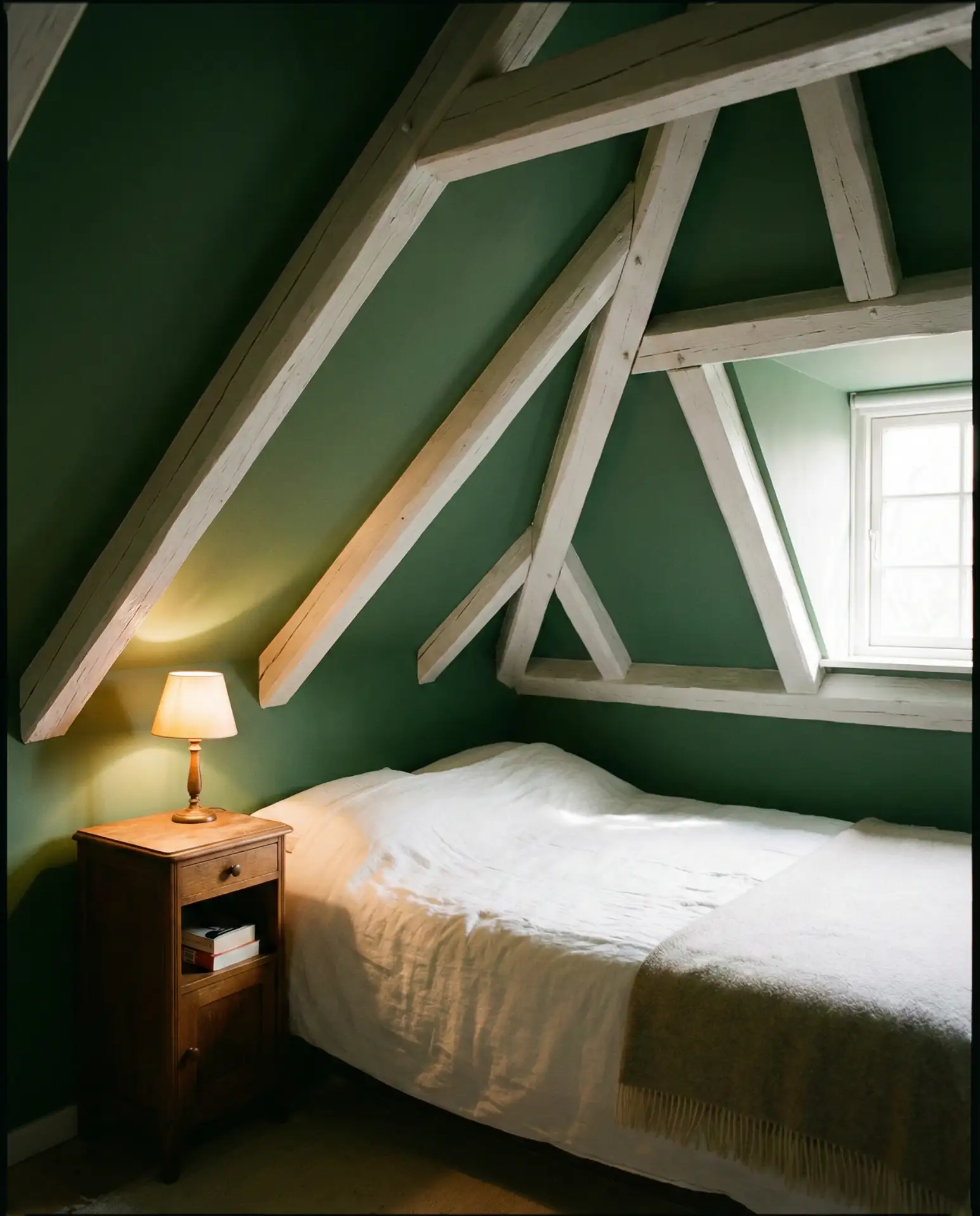
Many homeowners worry that dark colors will make small attic spaces feel smaller, but the opposite is often true. When you paint an attic bedroom in a saturated color, the walls seem to recede, and the space feels more enveloping in a comforting way. Add warm wood tones and plenty of soft lighting—table lamps, string lights, or wall sconces—to balance the depth and create a space that begs you to curl up with a book.
10. Two-Tone Gray and White Contrast
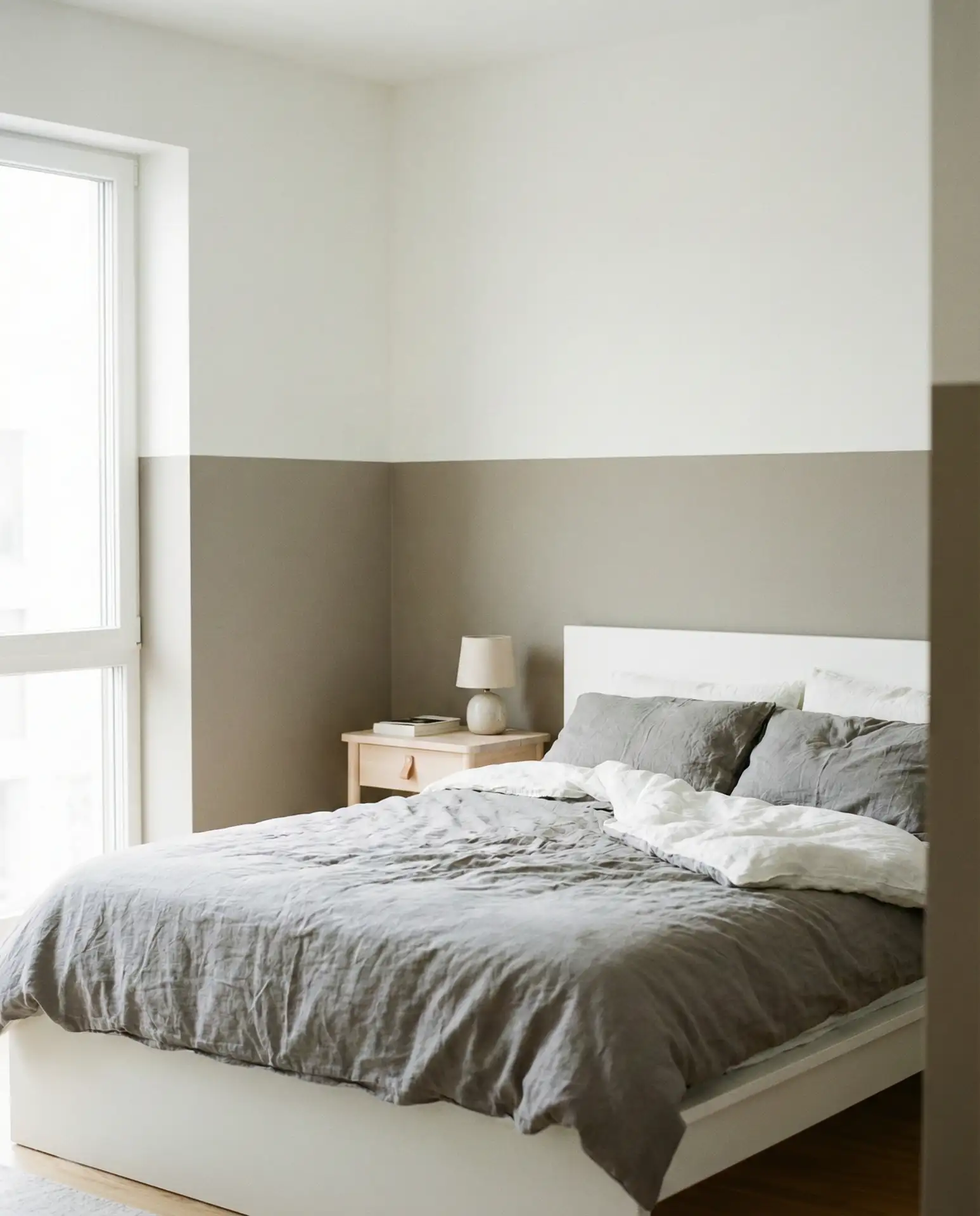
A two-tone treatment using gray on the lower walls and white above creates architectural interest in bedrooms that lack original detailing. This modern approach adds visual height by drawing the eye upward while keeping the overall palette neutral and calming. It’s particularly effective in small rooms where you want dimension without overwhelming the space with pattern or bold color.
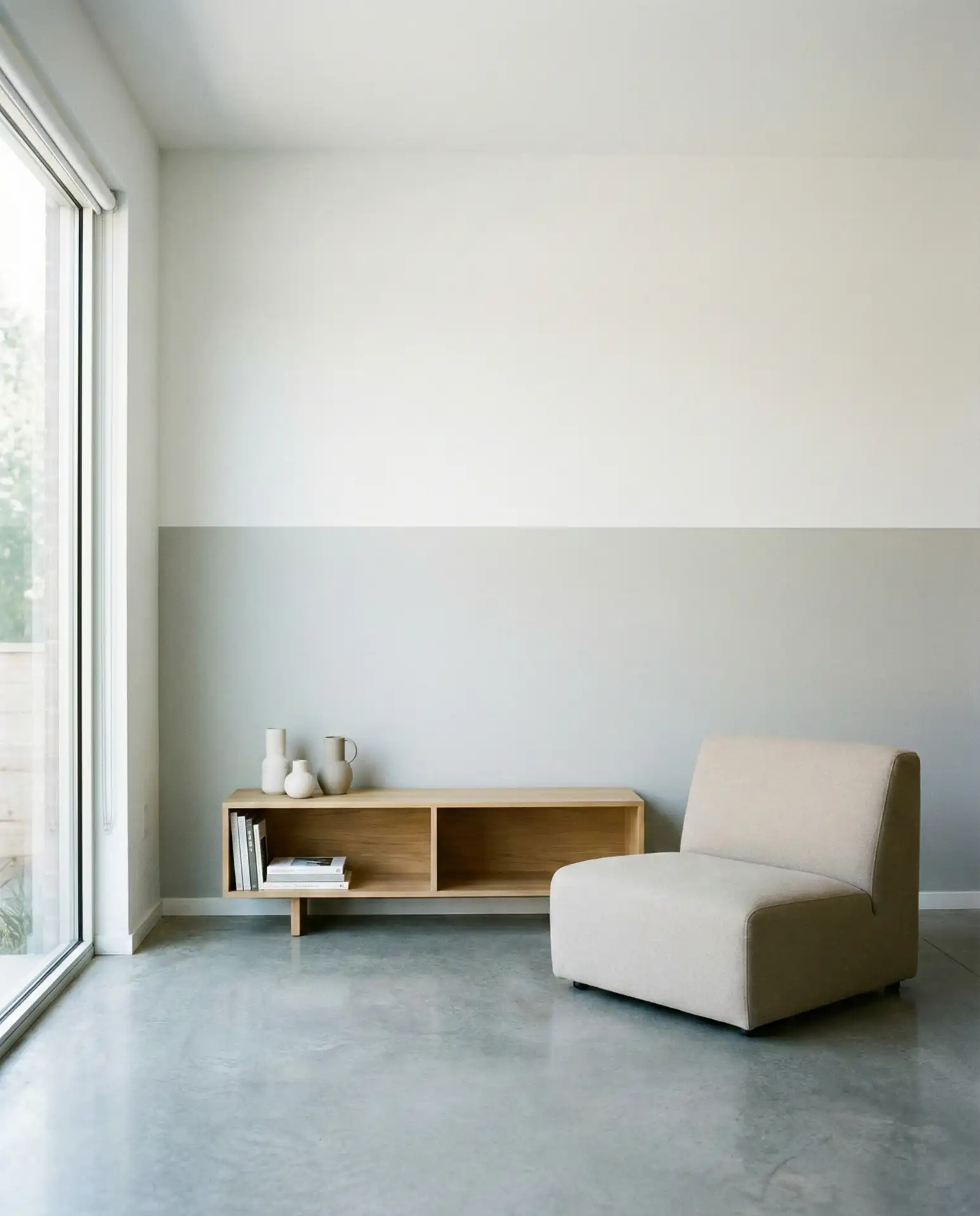
The standard rule is to place the division line about one-third up from the floor, which typically lands around 36 inches—roughly chair rail height. However, in rooms with tall ceilings, you can go higher to maintain proportion. Use painter’s tape to test different heights before committing, and make sure the line is level all the way around the room to avoid that tilted-funhouse feeling that ruins an otherwise clean design.
11. Earthy Clay for Western-Inspired Spaces
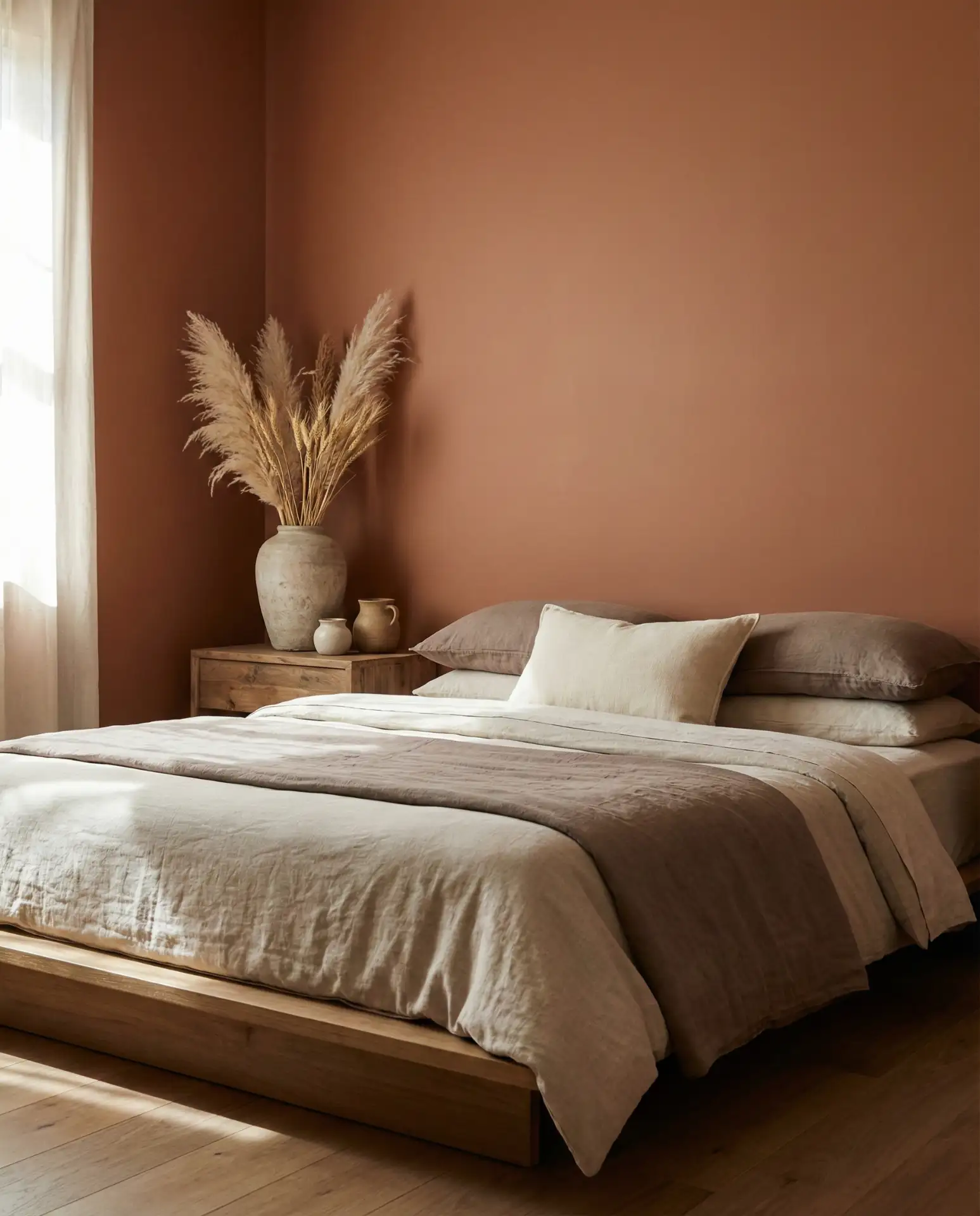
Clay tones bring Western warmth to bedrooms without leaning into cliché cowboy themes. This sun-baked, earthy hue works beautifully in ranch homes and modern farmhouses, especially when paired with natural materials like leather, linen, and raw wood. The color evokes desert landscapes and wide-open spaces, making it a natural fit for homes in Texas, Montana, and throughout the Southwest.
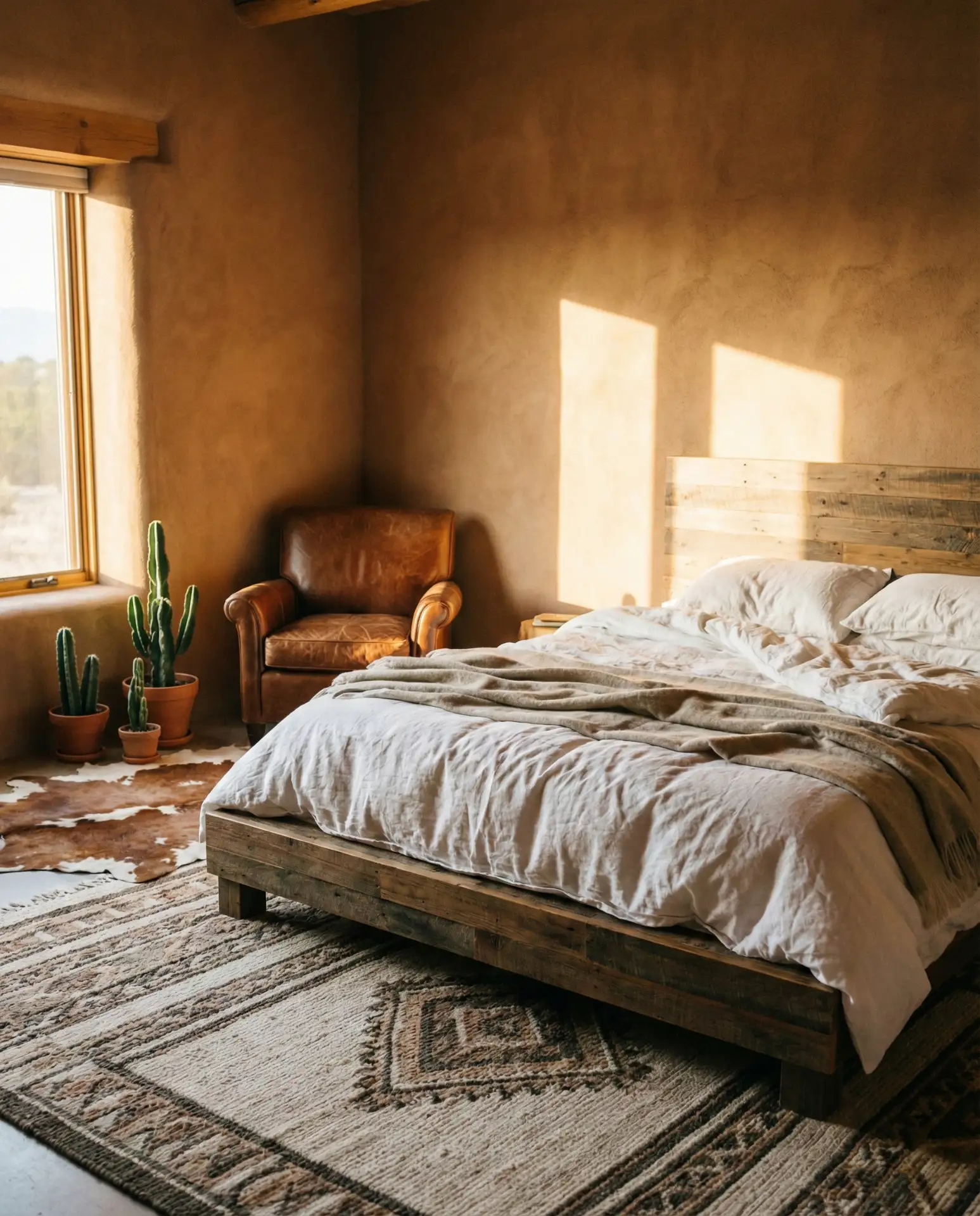
One designer in Austin mentioned that her clients initially hesitate with clay tones, worried they’ll look too red or too orange, but once they see it on the walls with their furnishings, they’re always pleasantly surprised by how grounding and versatile it is. The key is choosing a clay with enough gray or brown undertones to keep it sophisticated rather than terracotta-bright, which can veer into dated territory if you’re not careful.
12. Cool Mint for Fresh, Airy Rooms
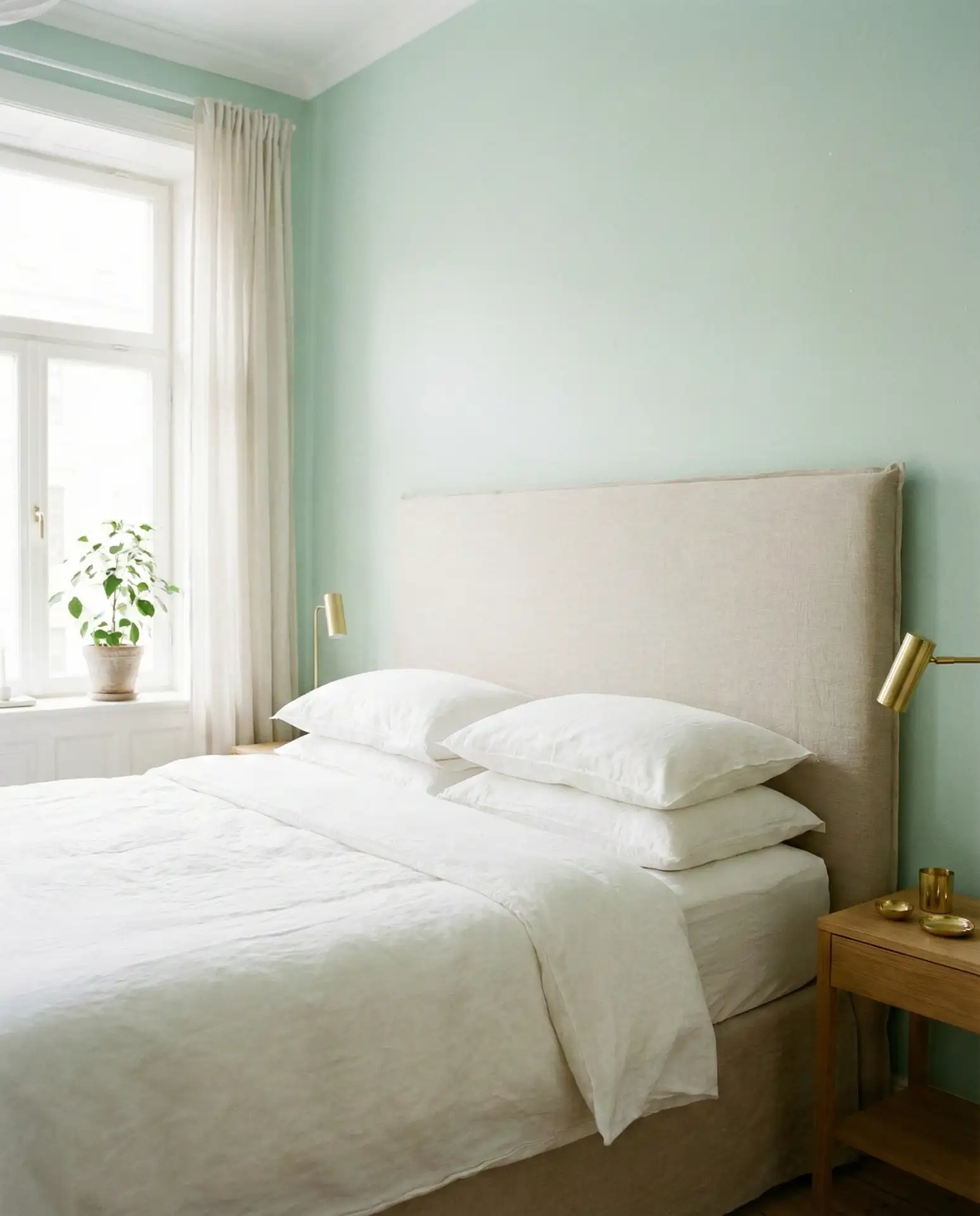
Mint offers a refreshing alternative to sage green, bringing a cool brightness that’s perfect for bedrooms in warmer climates or homes with lots of southern exposure. This pale, icy green has a retro charm that nods to mid-century design while still feeling contemporary. It pairs beautifully with white trim, brass or gold hardware, and both modern and vintage furnishings.
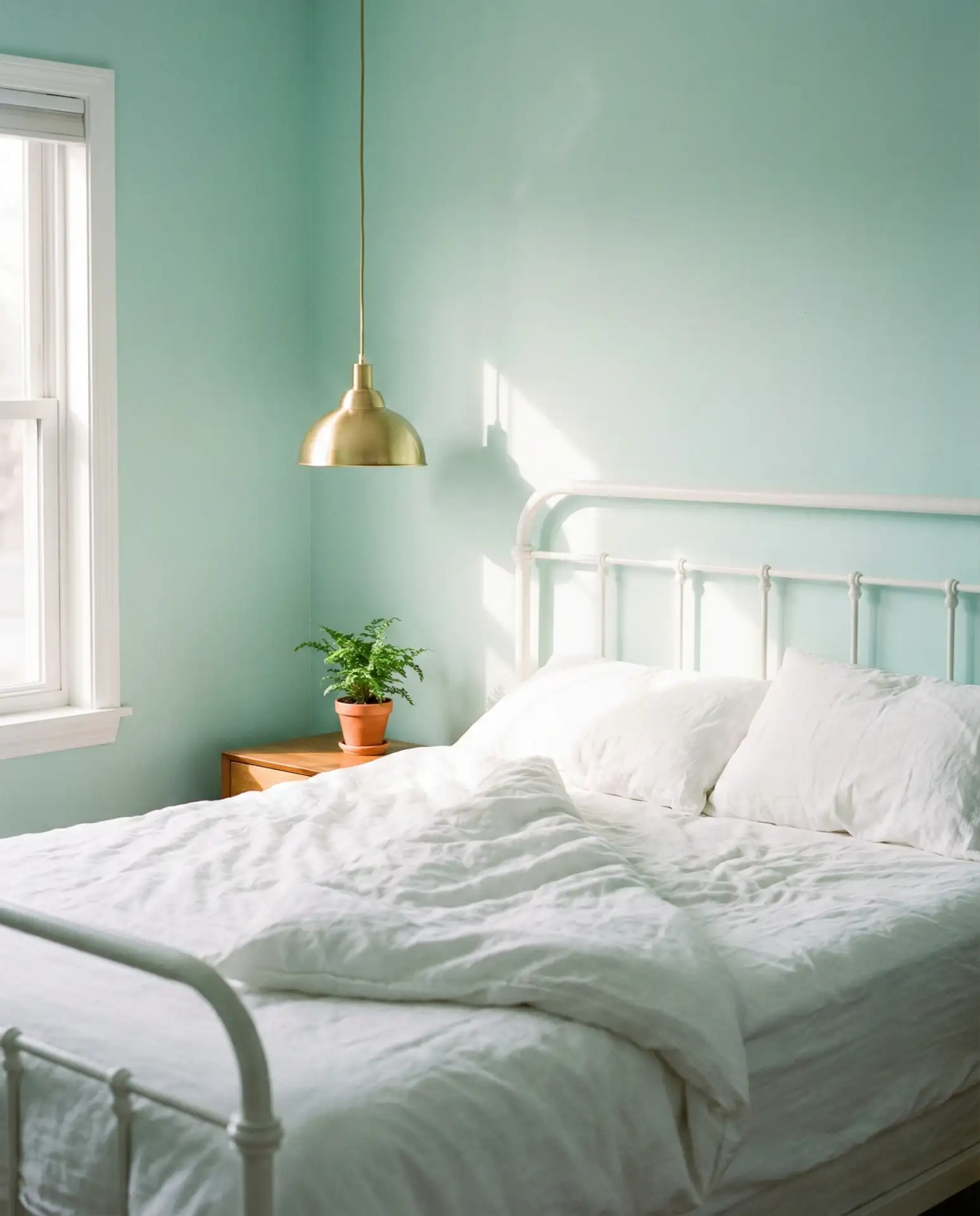
This color thrives in coastal homes from Maine to Florida, where the coolness complements ocean breezes and sandy neutrals. It also works surprisingly well in urban apartments where you want to create a sense of calm amid city noise and chaos. The coolness of mint can feel a bit sterile if you’re not careful, so balance it with warm wood tones, natural textures, and soft lighting to maintain that cozy bedroom feeling.
13. Charcoal and Cream Primary Contrast
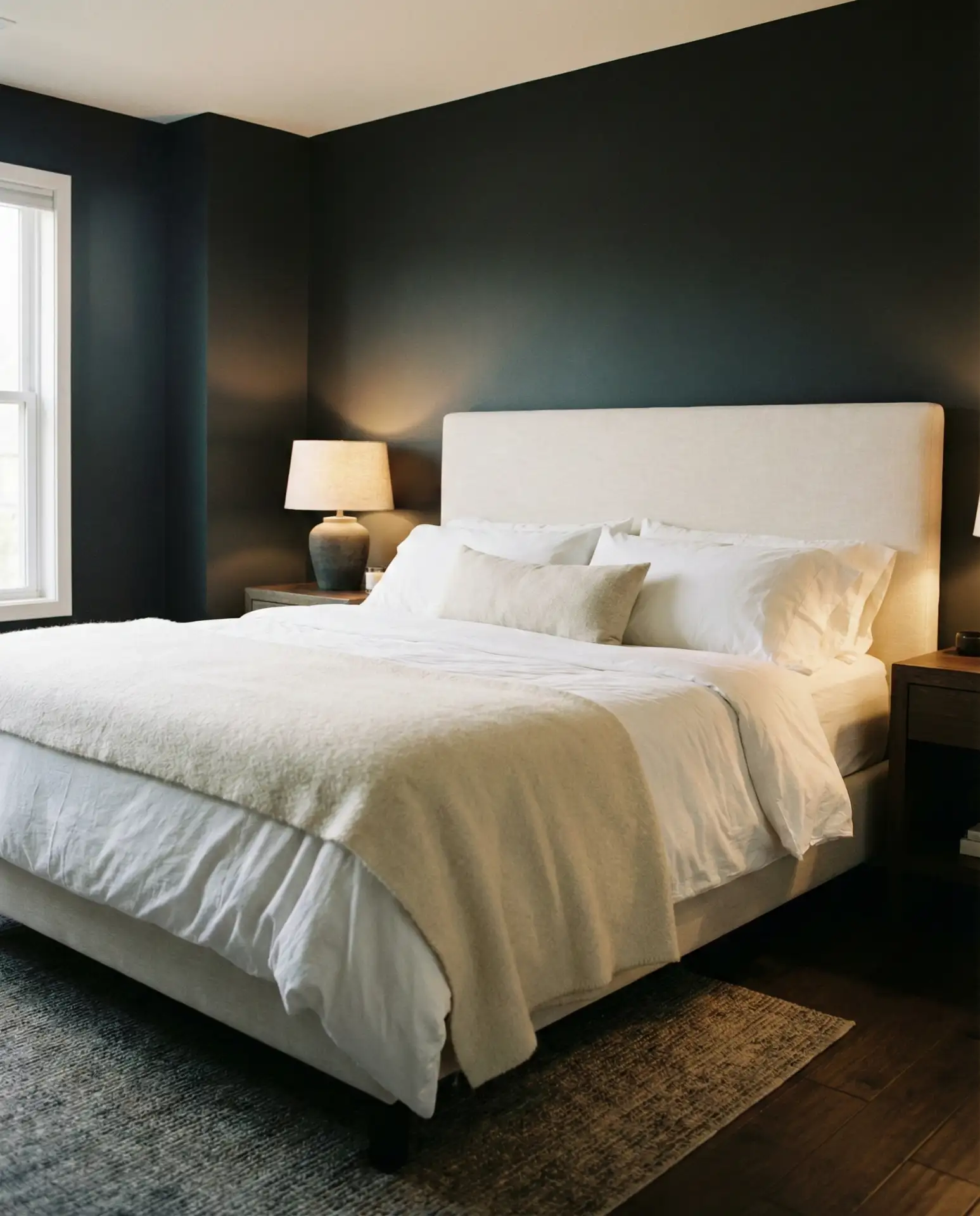
A primary bedroom featuring charcoal walls and cream furnishings creates a sophisticated, high-contrast look that feels both dramatic and restful. This color scheme works because the darkness of the walls makes lighter furniture and bedding appear to glow, creating depth and visual interest. It’s a particularly effective strategy in larger master bedrooms where you have the square footage to anchor the space with substantial furniture pieces.
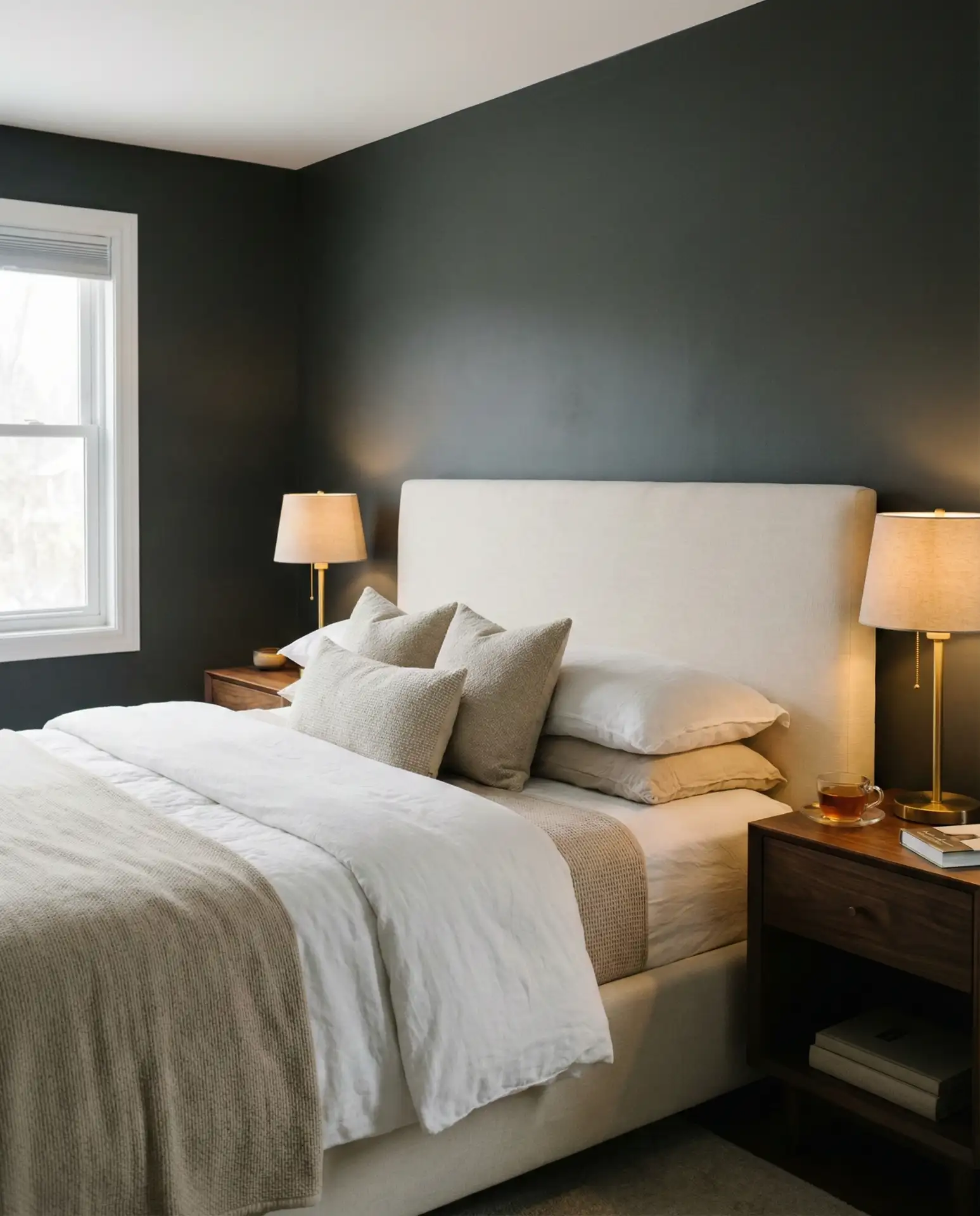
Where this approach works best is in bedrooms with multiple windows or those that receive strong natural light throughout the day. The charcoal absorbs excess brightness without relying on heavy window treatments, making the room feel restful even at midday. In bedrooms with limited natural light, consider using charcoal only on the bed wall and keeping other walls in a lighter neutral to prevent the space from feeling too enclosed.
14. Mustard Yellow Accent Wall Energy
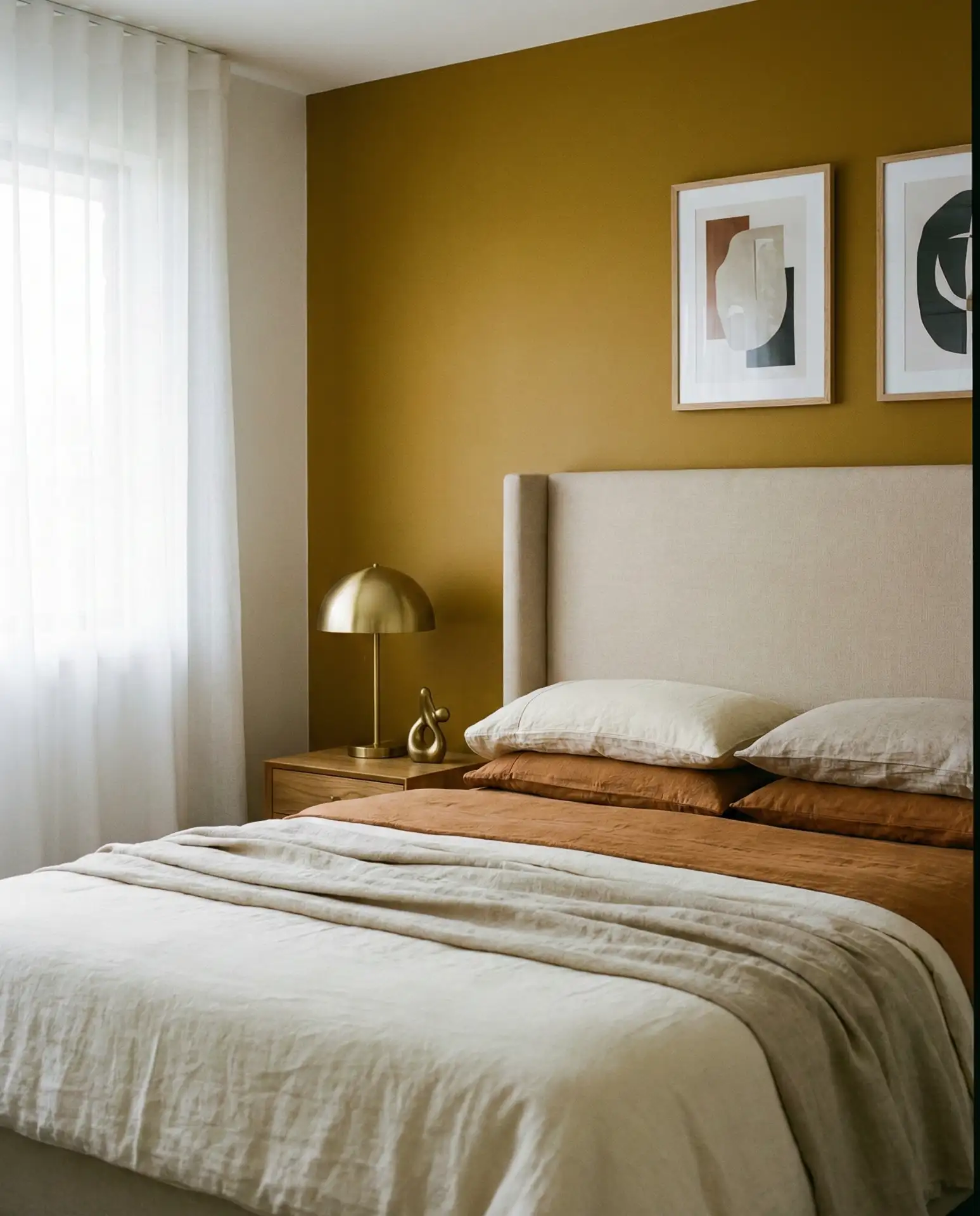
A mustard yellow accent wall brings warmth and energy to bedrooms that might otherwise feel too neutral or subdued. This golden-toned yellow works as a unique focal point behind the bed, especially when the other walls remain white or soft gray. It’s bolder than beige but more sophisticated than bright primary yellow, making it perfect for homeowners ready to take a colorful leap without going fully saturated.
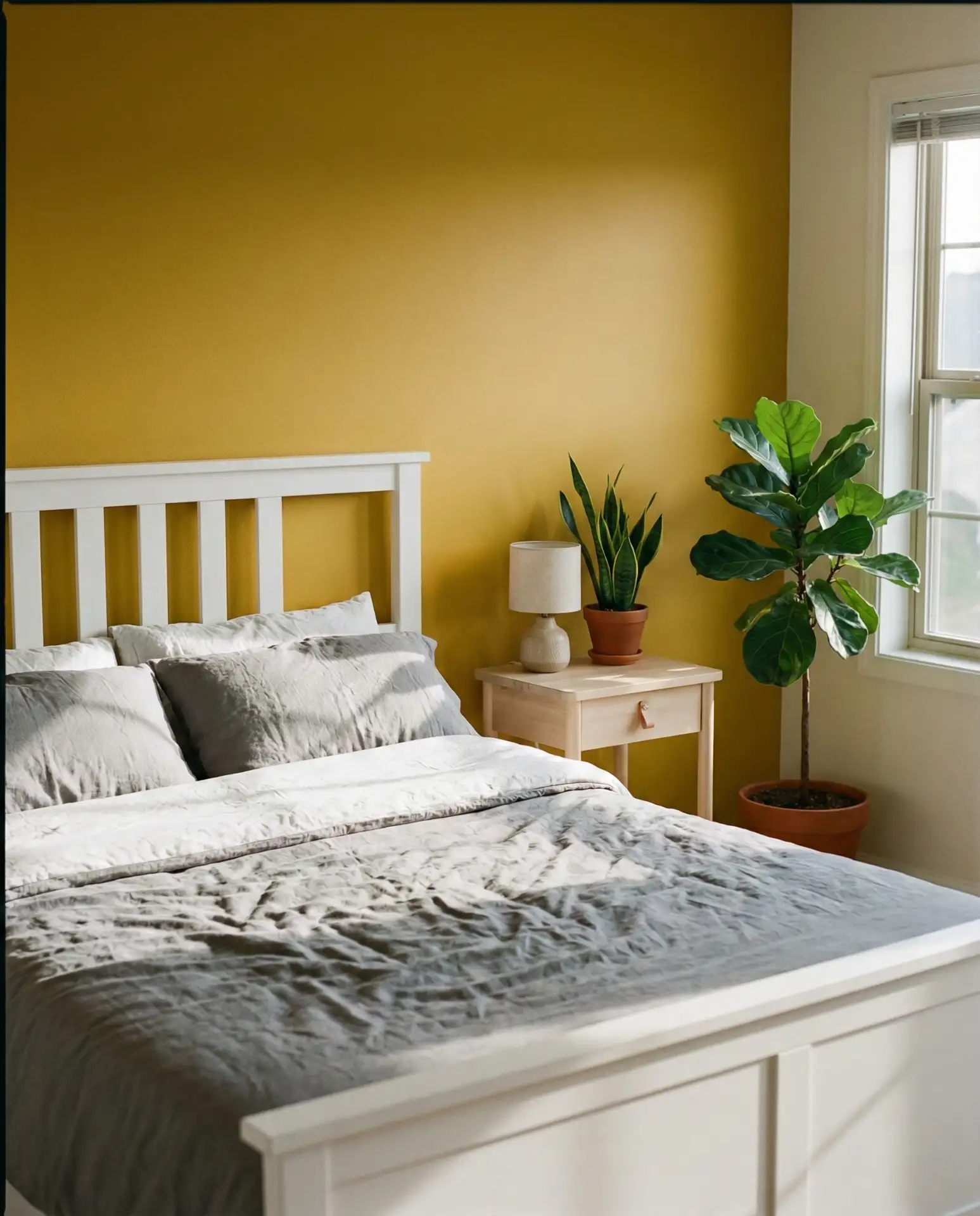
On a practical note, mustard yellow reflects warm light beautifully, which means it literally brightens darker bedrooms in a way that white can’t. It’s particularly effective in north-facing rooms or basement bedrooms where natural light is limited. The color creates a sunrise effect that makes waking up feel more pleasant, especially during those dark winter months when leaving bed feels impossible.
15. Lavender Gray for Calm Sophistication
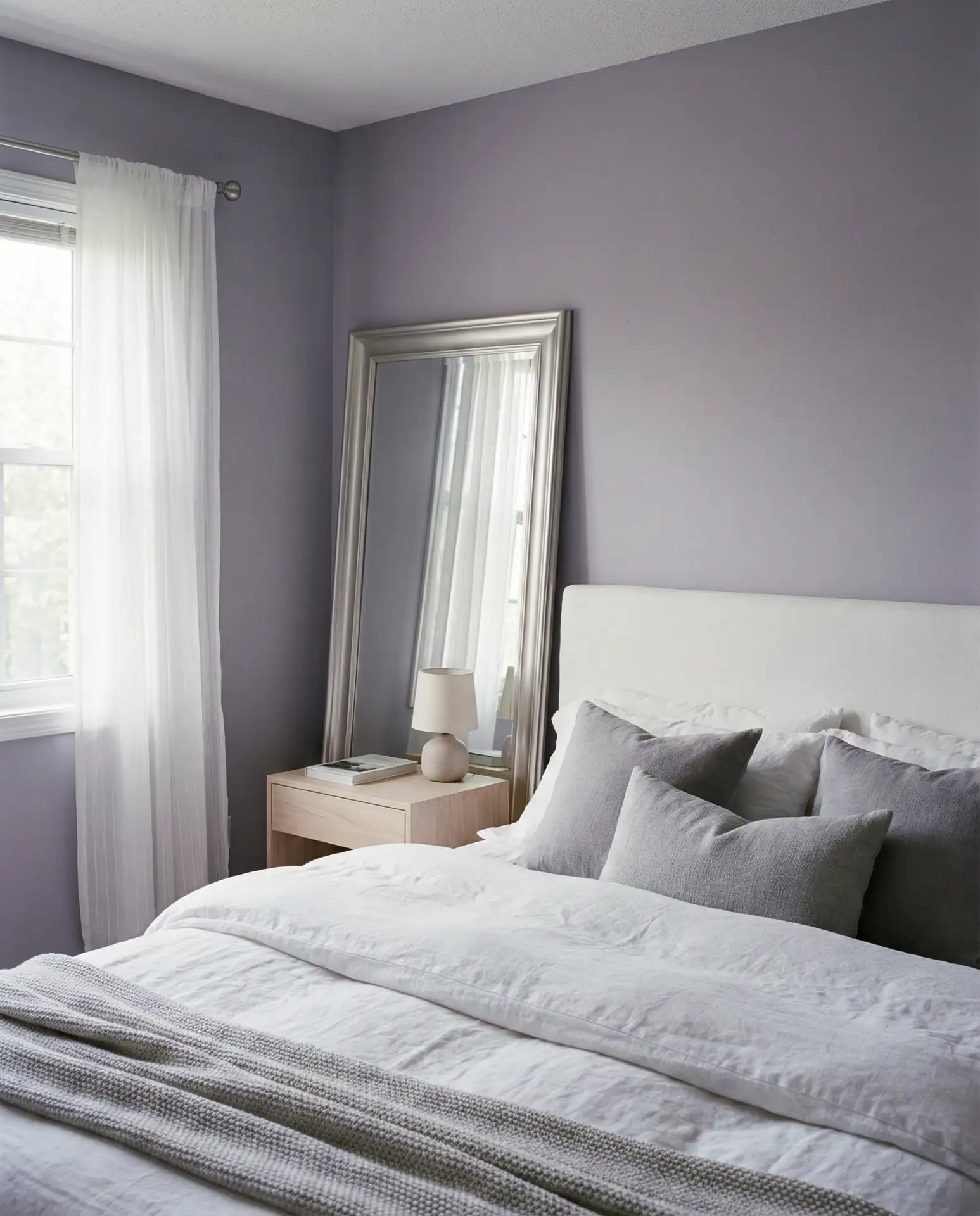
Lavender gray strikes a perfect balance between cool and warm, offering a subtle purple undertone that reads as sophisticated rather than overtly feminine. This muted tone works beautifully in guest bedrooms and master suites alike, creating a cozy atmosphere that still feels fresh and modern. The gray base keeps it from feeling too sweet, while the lavender adds just enough personality to avoid boring neutrality.
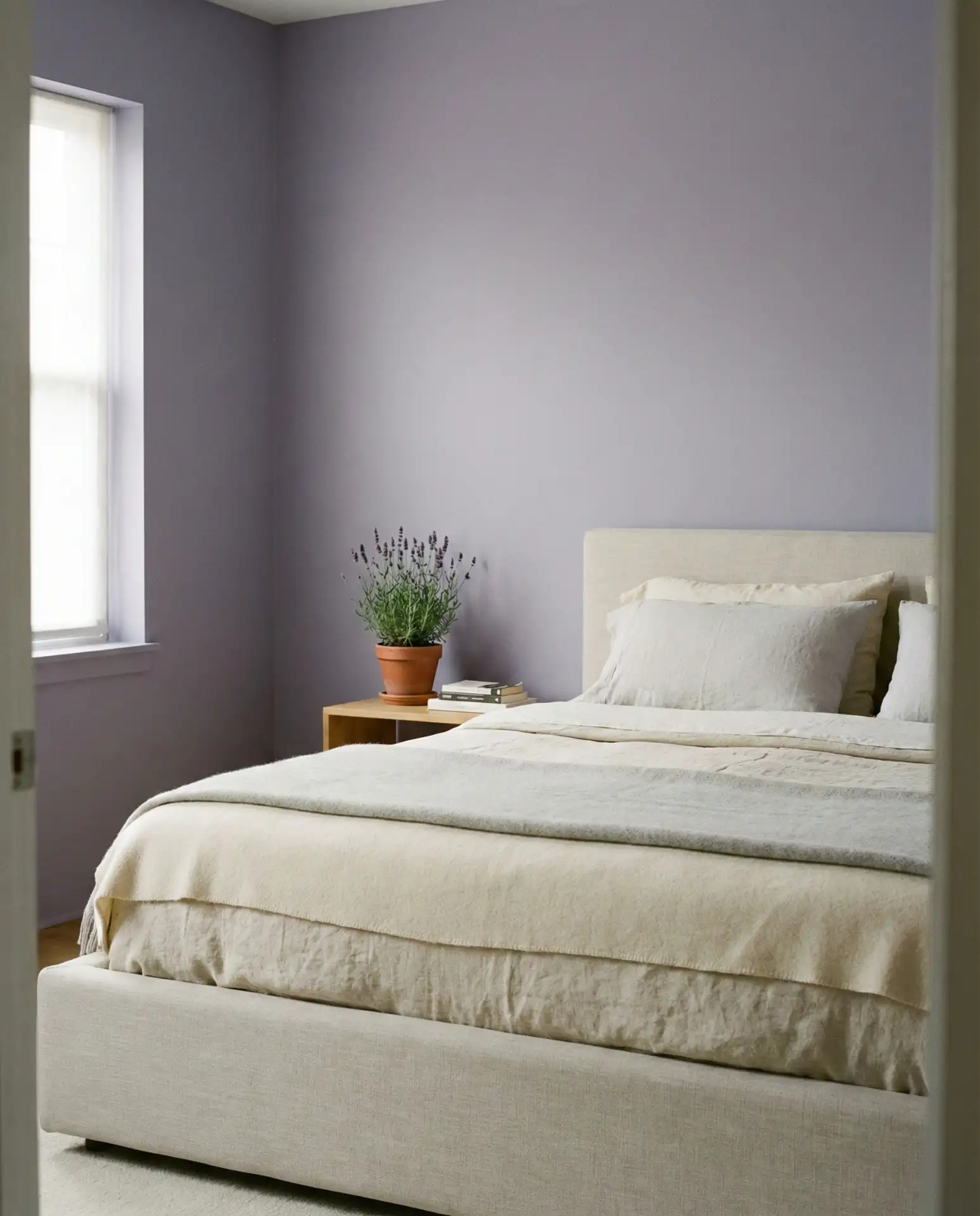
A common mistake is choosing lavender that’s too purple or too pink, which can quickly feel juvenile or dated. The sweet spot is a heavily grayed-down version that only hints at purple when light hits it. Test your sample next to white trim and in different lighting conditions—if it looks bubble-gum pink at any point, it’s too saturated. The right lavender gray will shift subtly throughout the day, sometimes reading as a cool gray, other times revealing its gentle purple heart.
16. Black Feature Wall for Drama
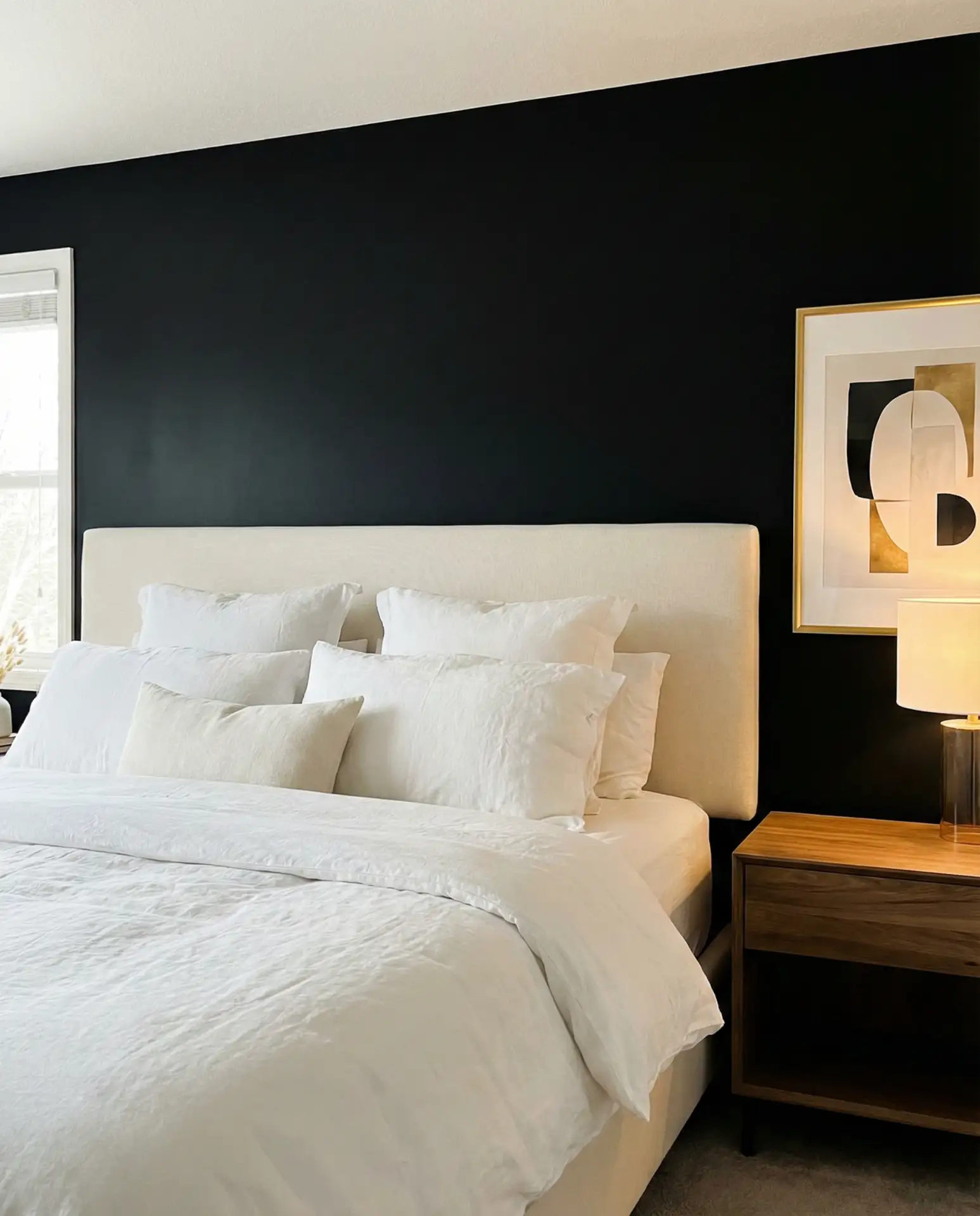
A true black wall behind the bed creates maximum drama in modern bedrooms, serving as the ultimate backdrop for layered whites, creams, and metallics. This bold choice has become increasingly popular as homeowners embrace dark, moody interiors that prioritize atmosphere over conventional brightness. When executed well, a black feature wall makes everything in front of it—art, furniture, bedding—appear more intentional and curated.
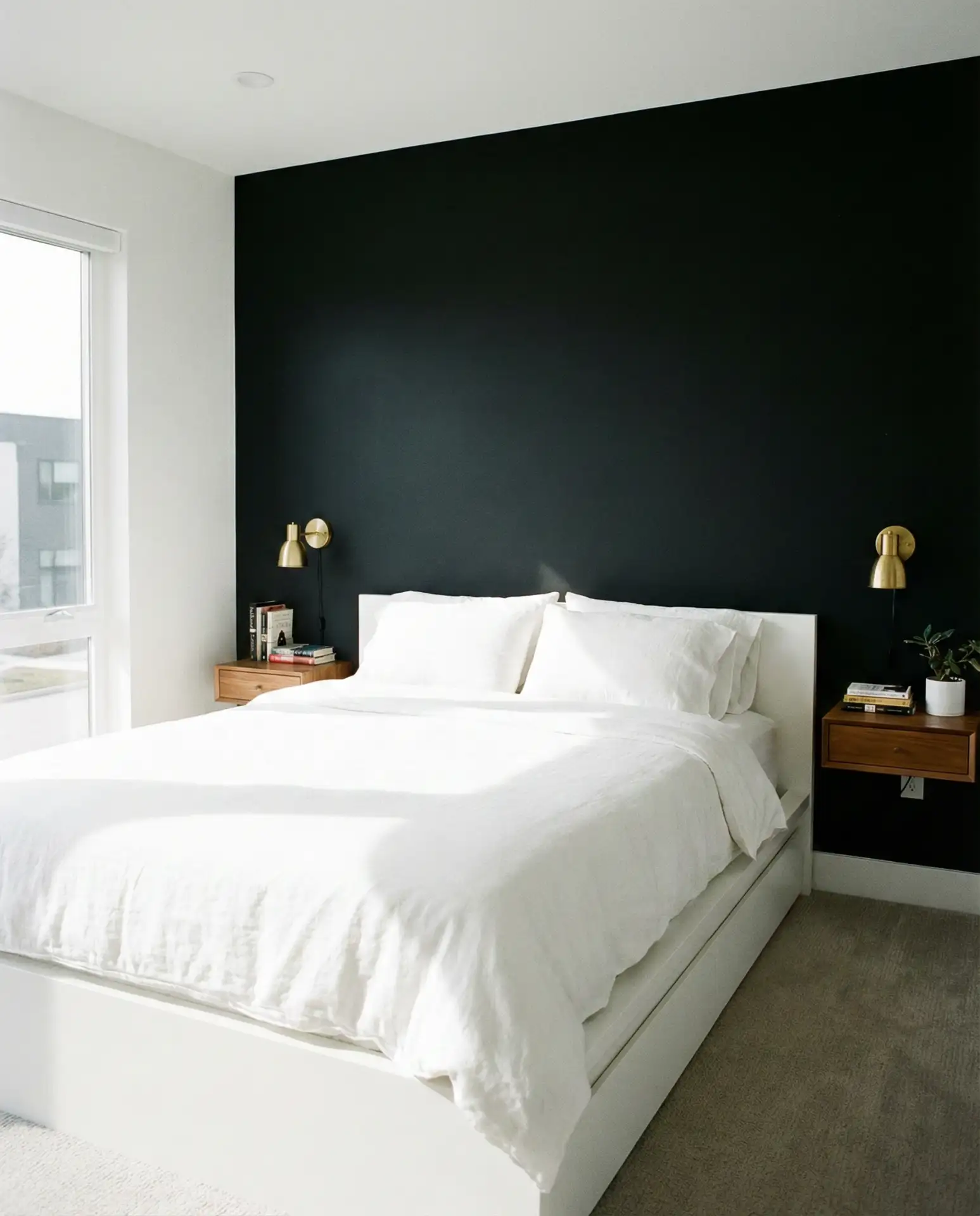
Real homeowners sometimes worry that black will make a bedroom feel smaller, but in practice, it often does the opposite—the wall seems to recede into shadow, creating a sense of depth and mystery. The key is keeping the other three walls in bright white or warm cream and ensuring you have multiple light sources: overhead lighting, bedside lamps, and ideally a window that brings in natural light. Without adequate lighting, black can feel oppressive rather than sophisticated.
17. Pale Peach for Gentle Warmth
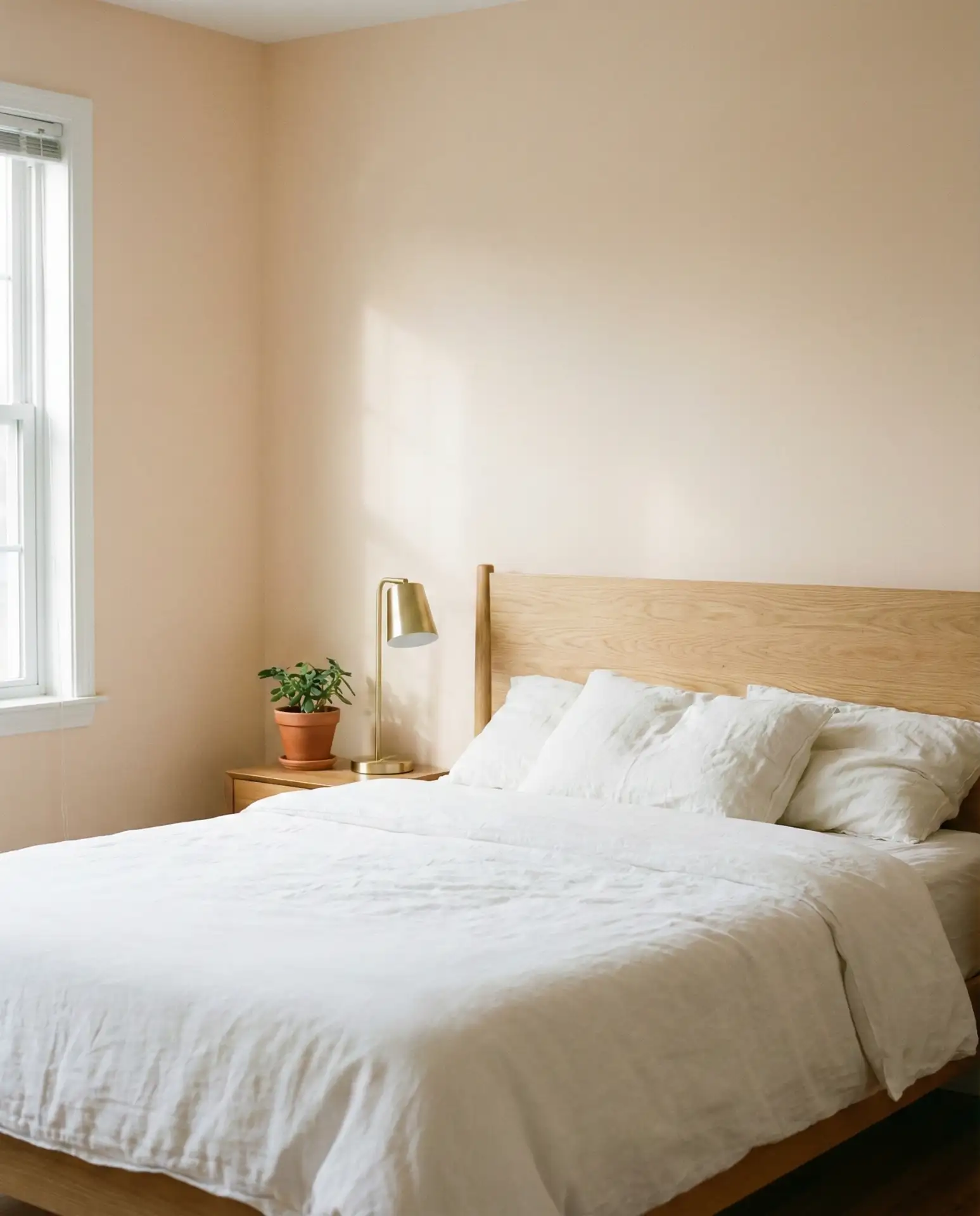
Pale peach offers a warmer, more flattering alternative to pink while maintaining that soft aesthetic appeal. This delicate color works beautifully in bedrooms with cooler northern light, adding warmth without reading as orange or overtly tropical. It’s become a Pinterest favorite for creating cozy spaces that feel both modern and timeless, working equally well in farmhouse settings and contemporary apartments.
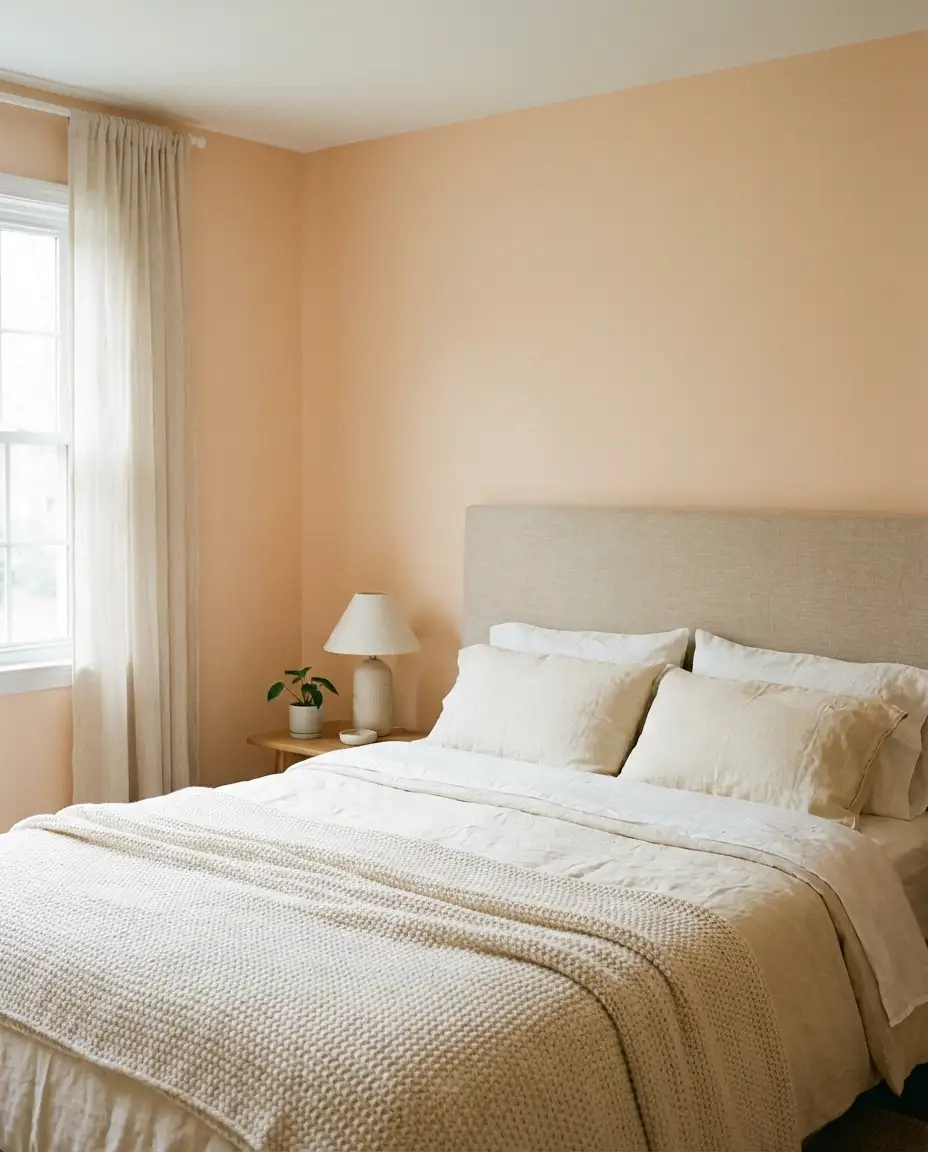
From a regional perspective, pale peach has found particular favor in Pacific Northwest homes, where gray skies dominate much of the year. The warm undertones counteract the cool, diffused light that filters through clouds, making bedrooms feel sunnier even when the weather outside is dreary. Pair it with natural wood, white trim, and plenty of greenery to keep the look fresh and avoid any dated Southwestern vibes.
18. Teal and Copper Accent Combination
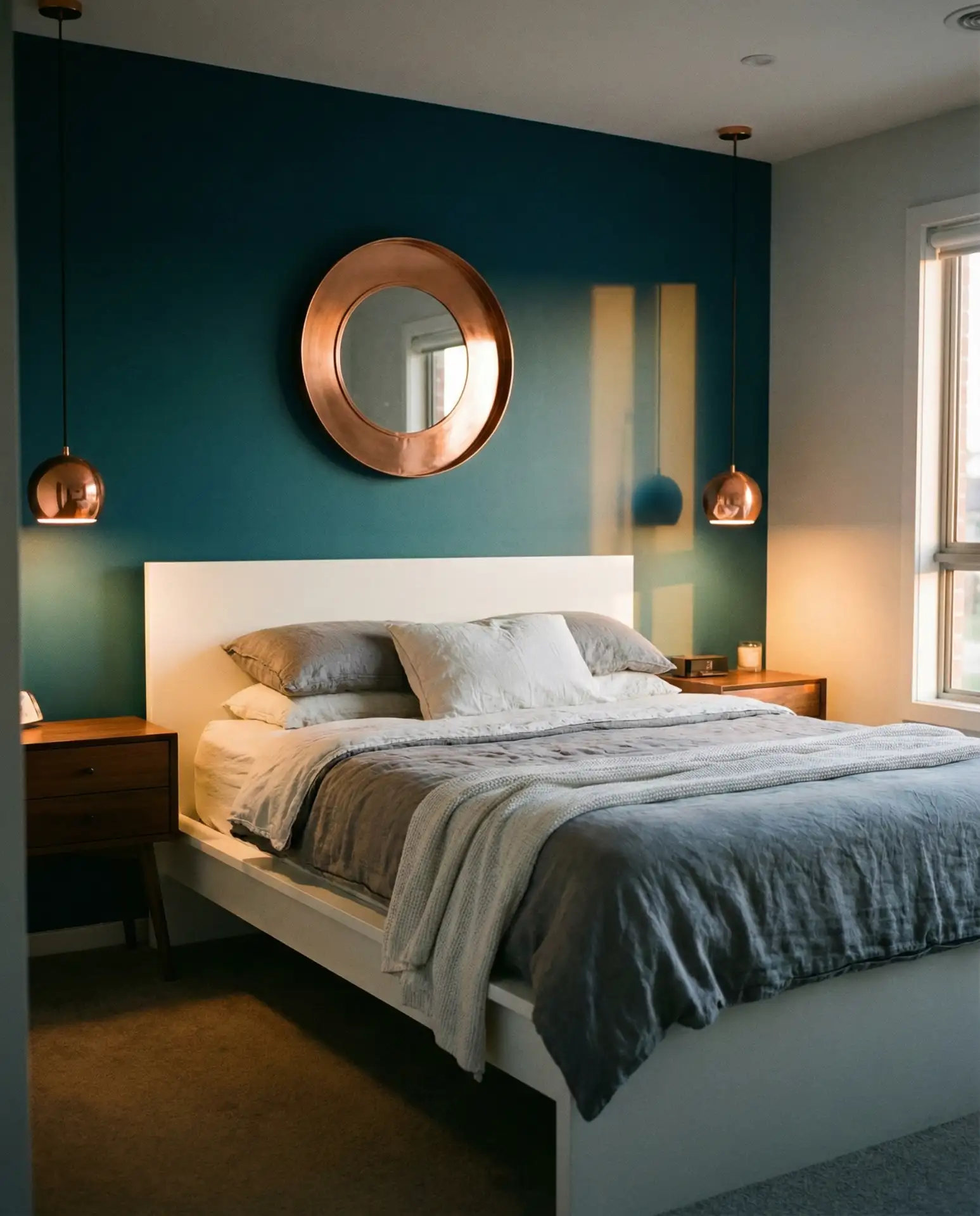
Teal walls paired with copper accents create a unique color scheme that feels both rich and fresh. This jewel-toned approach works particularly well in modern bedrooms where you want depth without going fully dark. The combination of cool teal and warm copper creates visual tension that keeps the space feeling dynamic rather than flat, making it a favorite among design-forward homeowners.
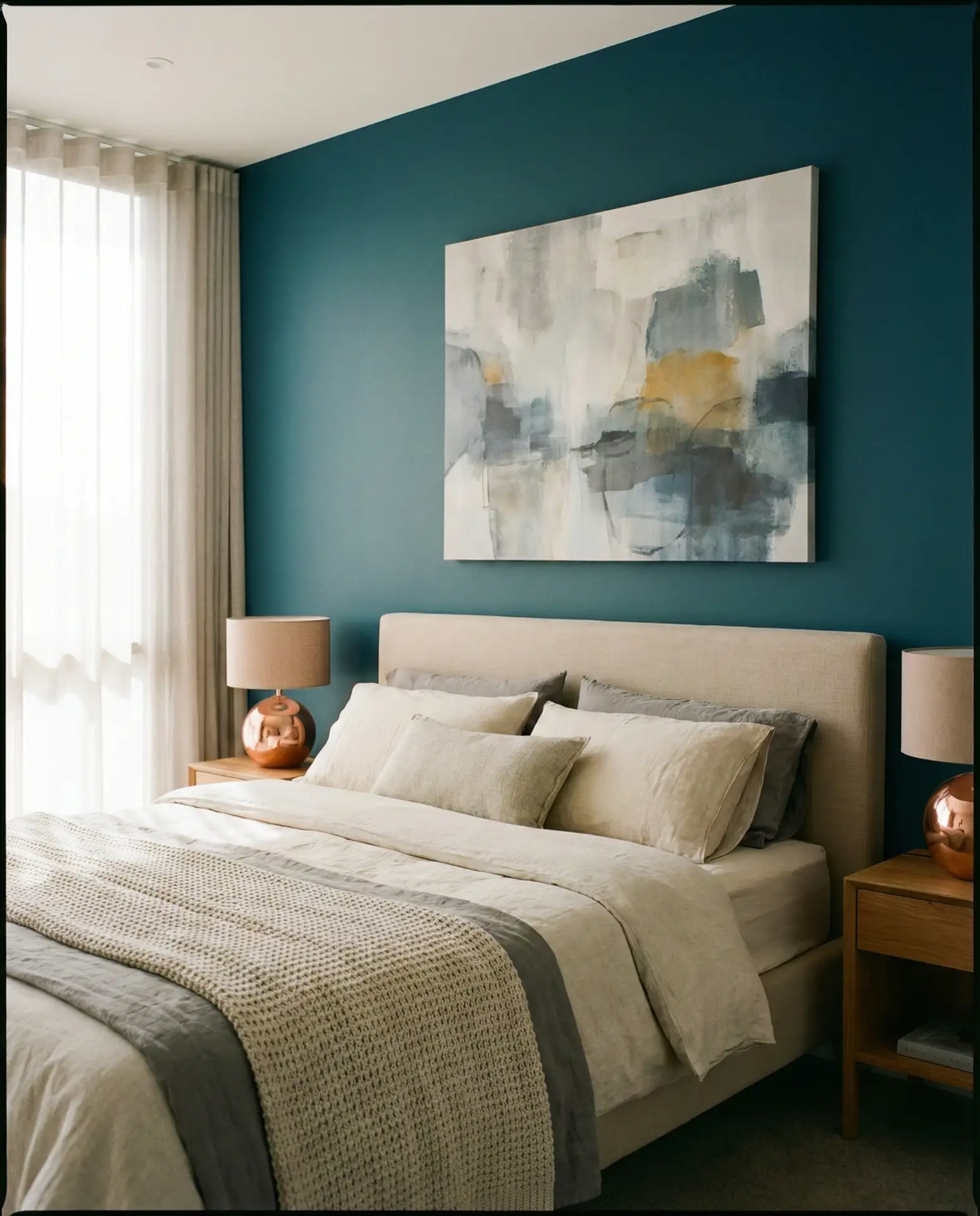
This color pairing works exceptionally well in open-concept loft apartments and mid-century modern homes, where the boldness of teal feels architecturally appropriate. The copper accents—whether in lighting, hardware, or decorative objects—warm up the cool teal and add a touch of luxury without the formality of gold or the industrial edge of raw metal. It’s a balanced, sophisticated look that photographs beautifully for those inevitable bedroom reveal posts.
19. Greige for Timeless Neutrality
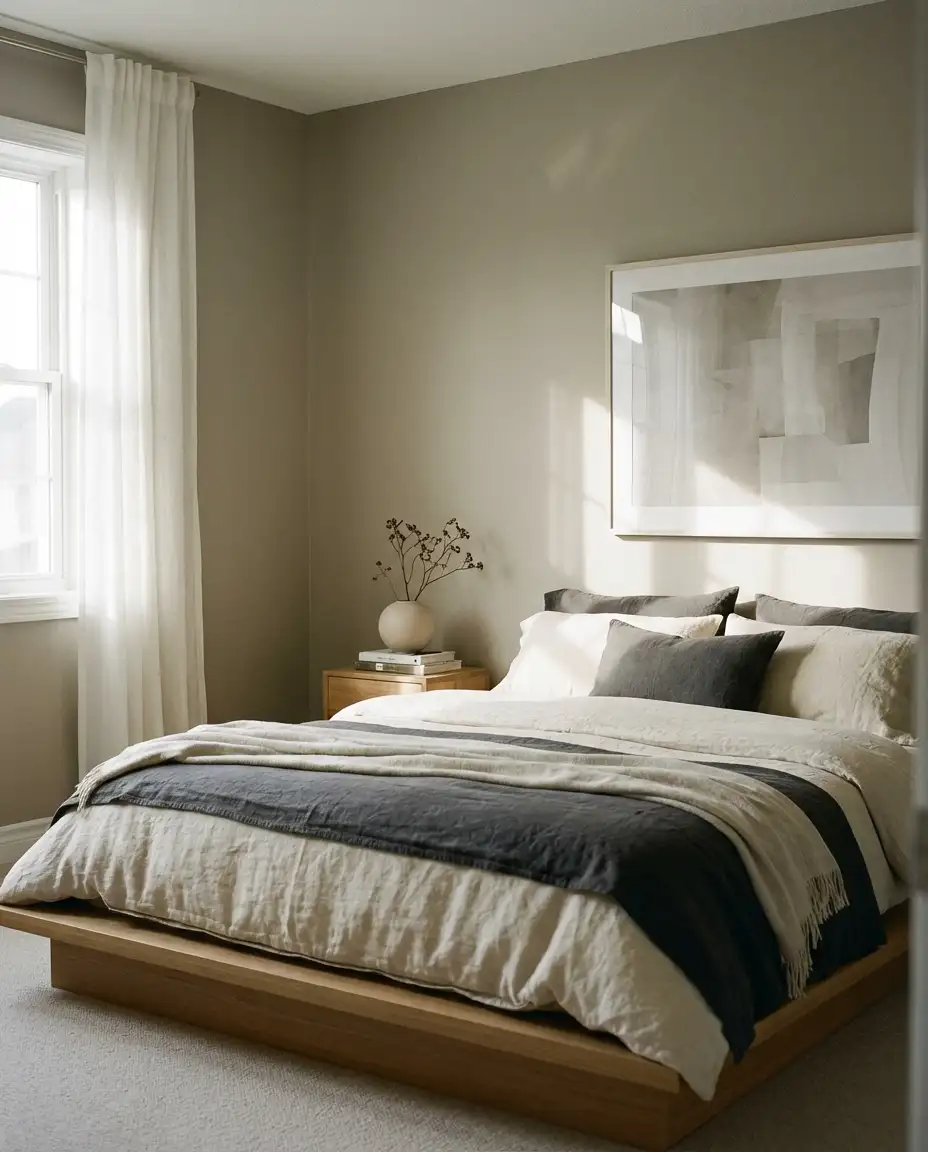
Greige—that perfect blend of gray and beige—has become the ultimate neutral for American bedrooms because it works with absolutely everything. This chameleon color provides a sophisticated canvas that adapts to your furnishings and lighting, reading slightly cooler in bright daylight and warmer in evening lamplight. It’s the safe choice that never feels boring, which is why it dominates both Pinterest boards and actual bedroom makeovers.
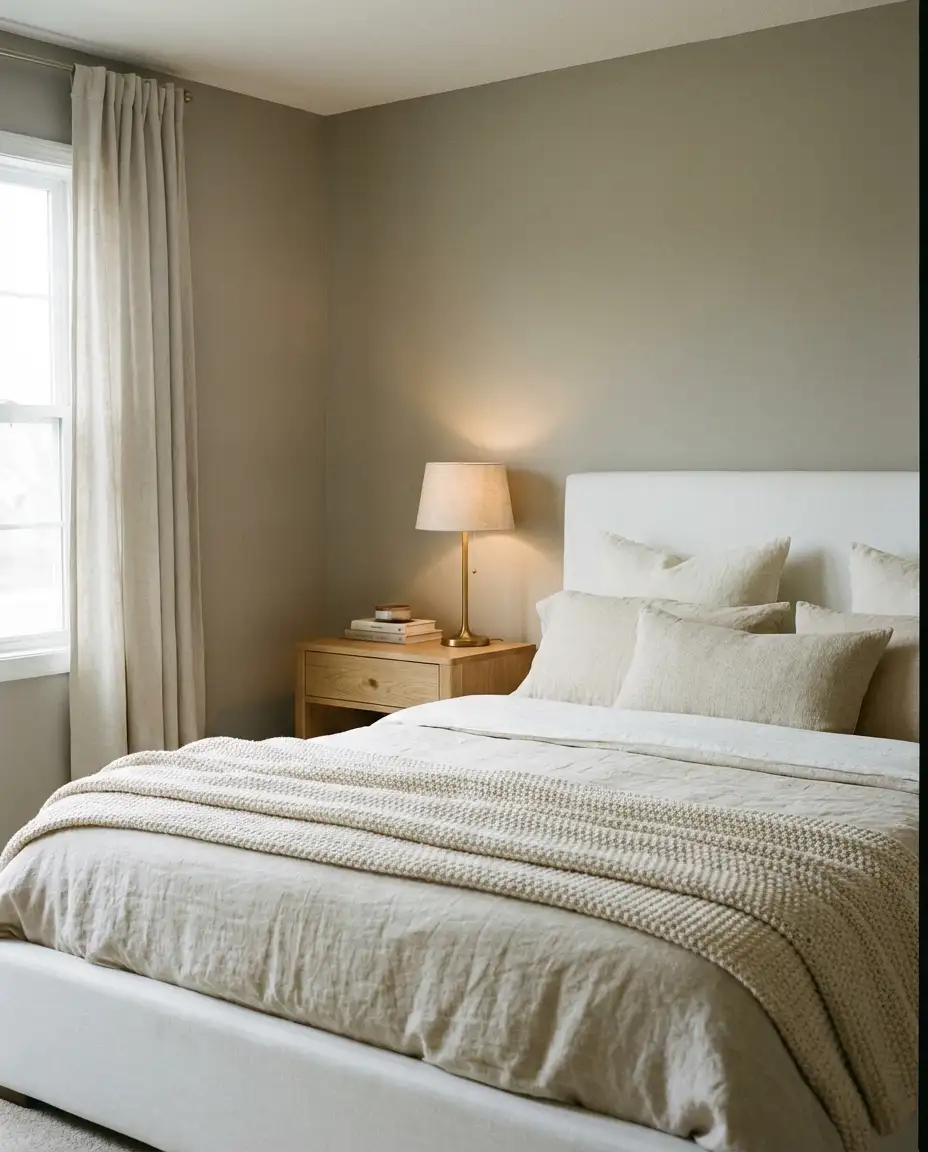
Expert designers love greige because it bridges the gap between the cool grays that dominated the 2010s and the warmer beiges making a comeback now. It’s a transitional shade that won’t feel dated in five years, making it ideal for homeowners who don’t want to repaint frequently or who plan to sell eventually. The versatility means you can completely change your bedroom’s mood with new textiles and accessories without ever touching the wall color.
20. Burgundy Accent for Rich Warmth
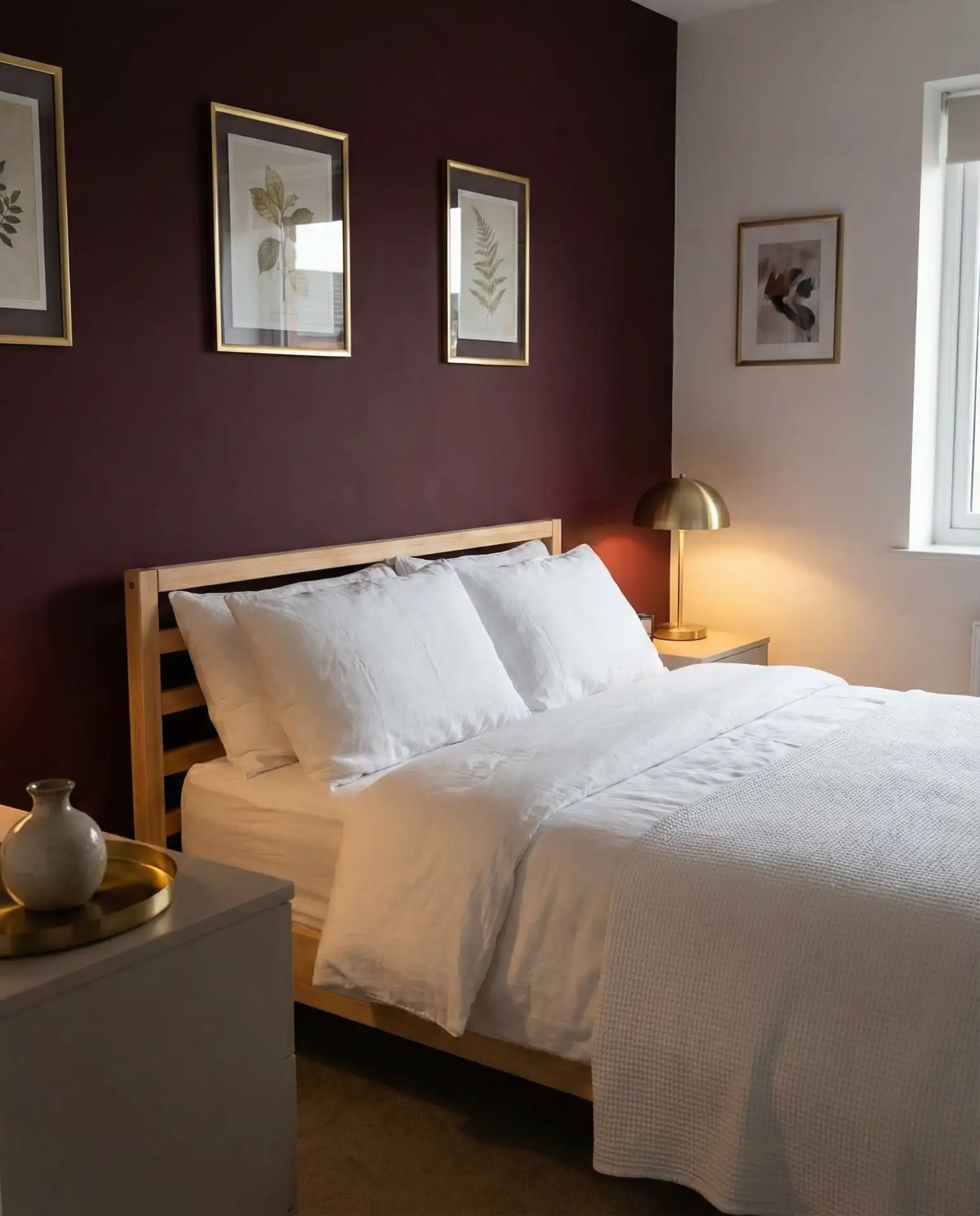
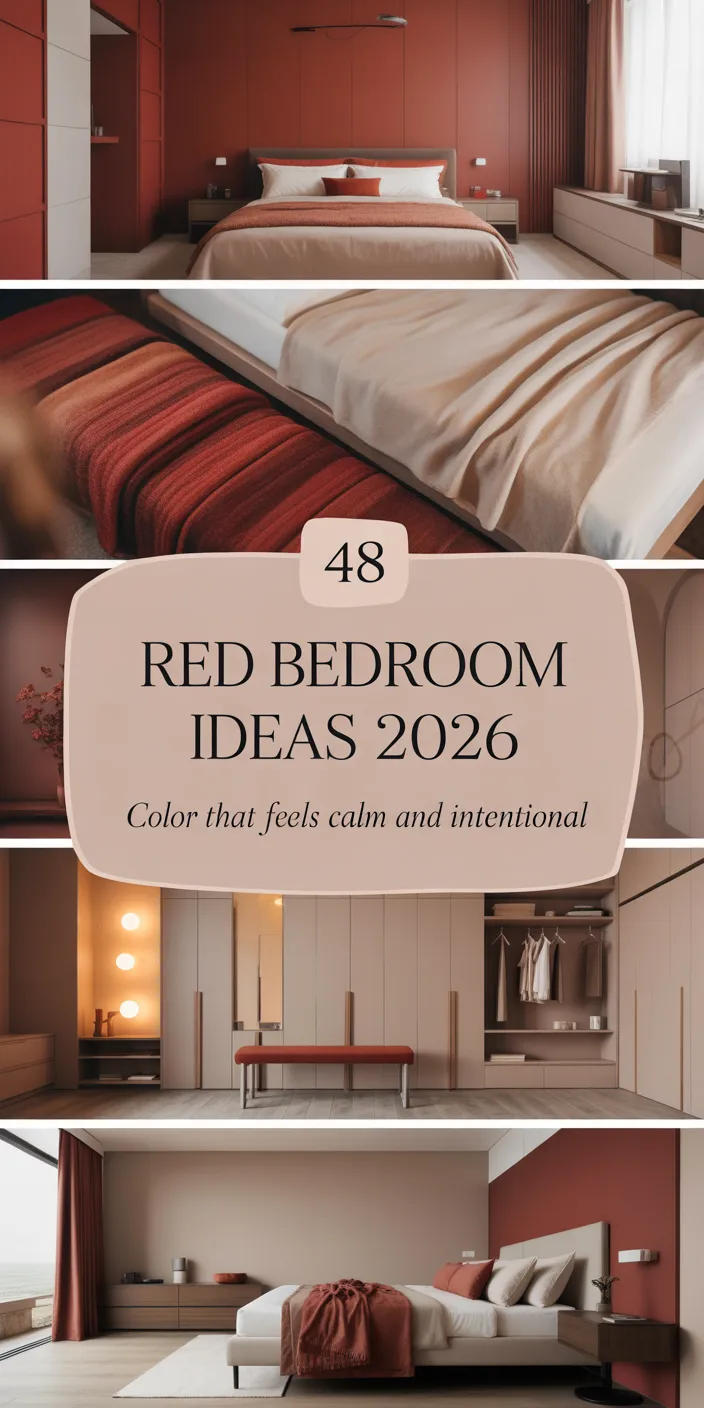
A deep burgundy accent wall brings an unexpected warmth to bedrooms, creating a moody, wine-cellar sophistication that works surprisingly well in both traditional and contemporary settings. This rich red-purple hybrid has more depth than standard red and more warmth than pure purple, making it a unique choice for homeowners wanting something truly distinctive. It pairs beautifully with brass, gold, and warm wood tones.
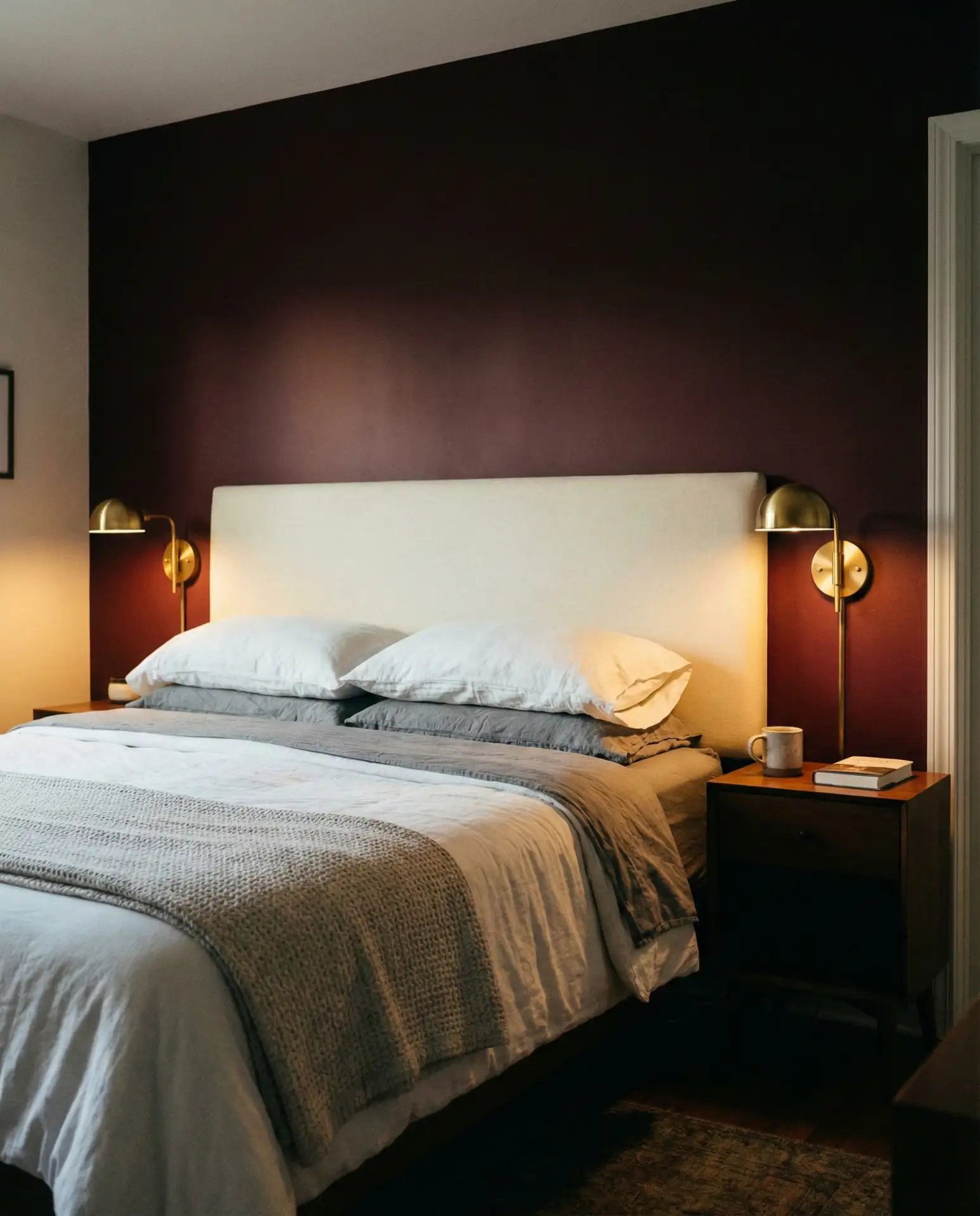
In terms of budget considerations, burgundy is one of those colors that can make affordable furnishings look more expensive—the richness of the wall color elevates everything in the room. However, it’s not forgiving of cheap paint jobs; you’ll need at least two coats of quality paint to achieve the depth and saturation that makes this color sing. Skimp on the paint quality, and you’ll end up with a flat, disappointing result rather than the luxurious jewel tone you’re after.
21. Soft Gray-Blue for Coastal Calm
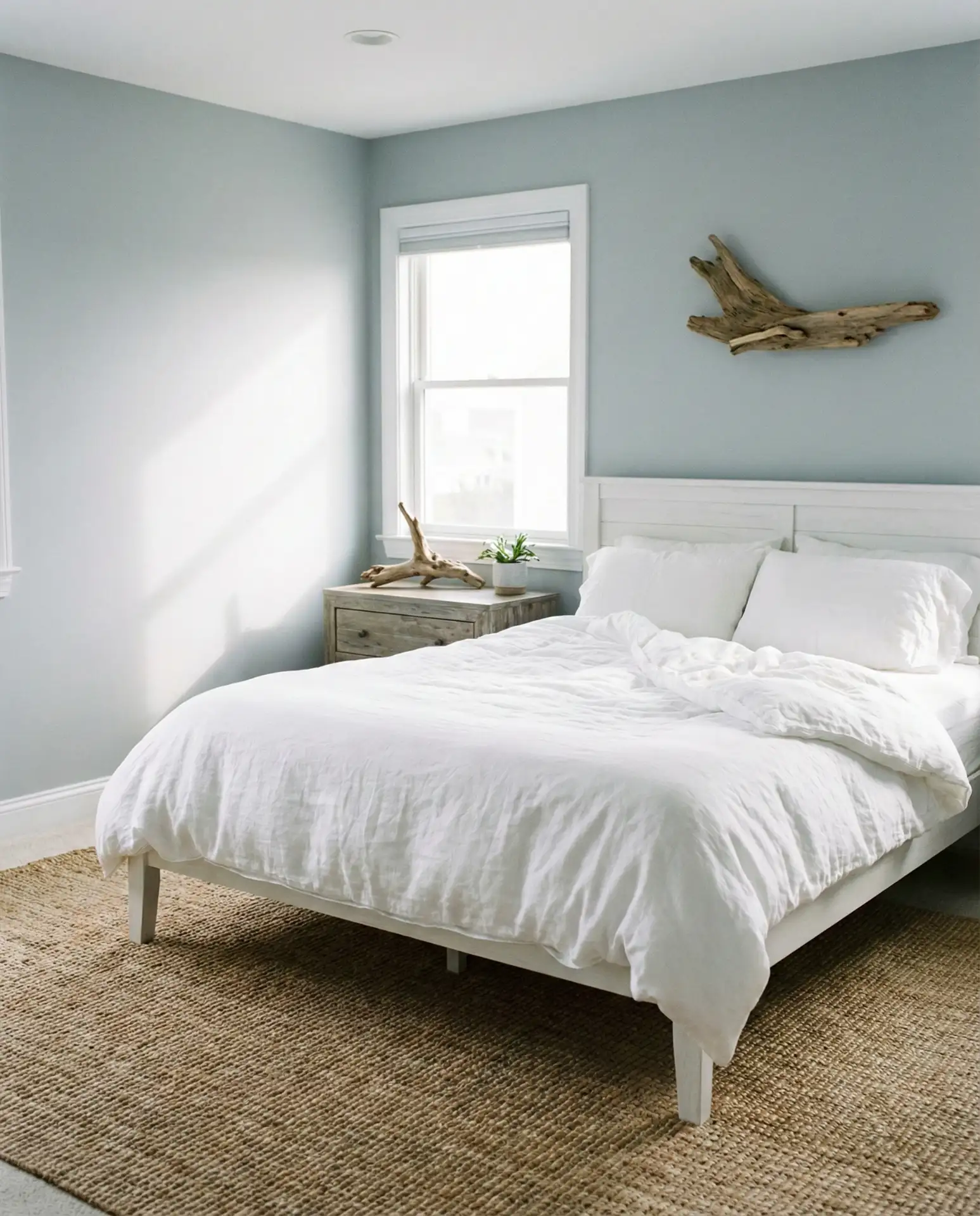
A muted gray-blue brings coastal serenity inland, creating bedrooms that feel like a permanent vacation even if you’re miles from the ocean. This color sits perfectly between blue and gray, offering the calming properties of both without committing fully to either. It works beautifully in small rooms because it visually expands the space while maintaining a cozy atmosphere that pure gray often lacks.
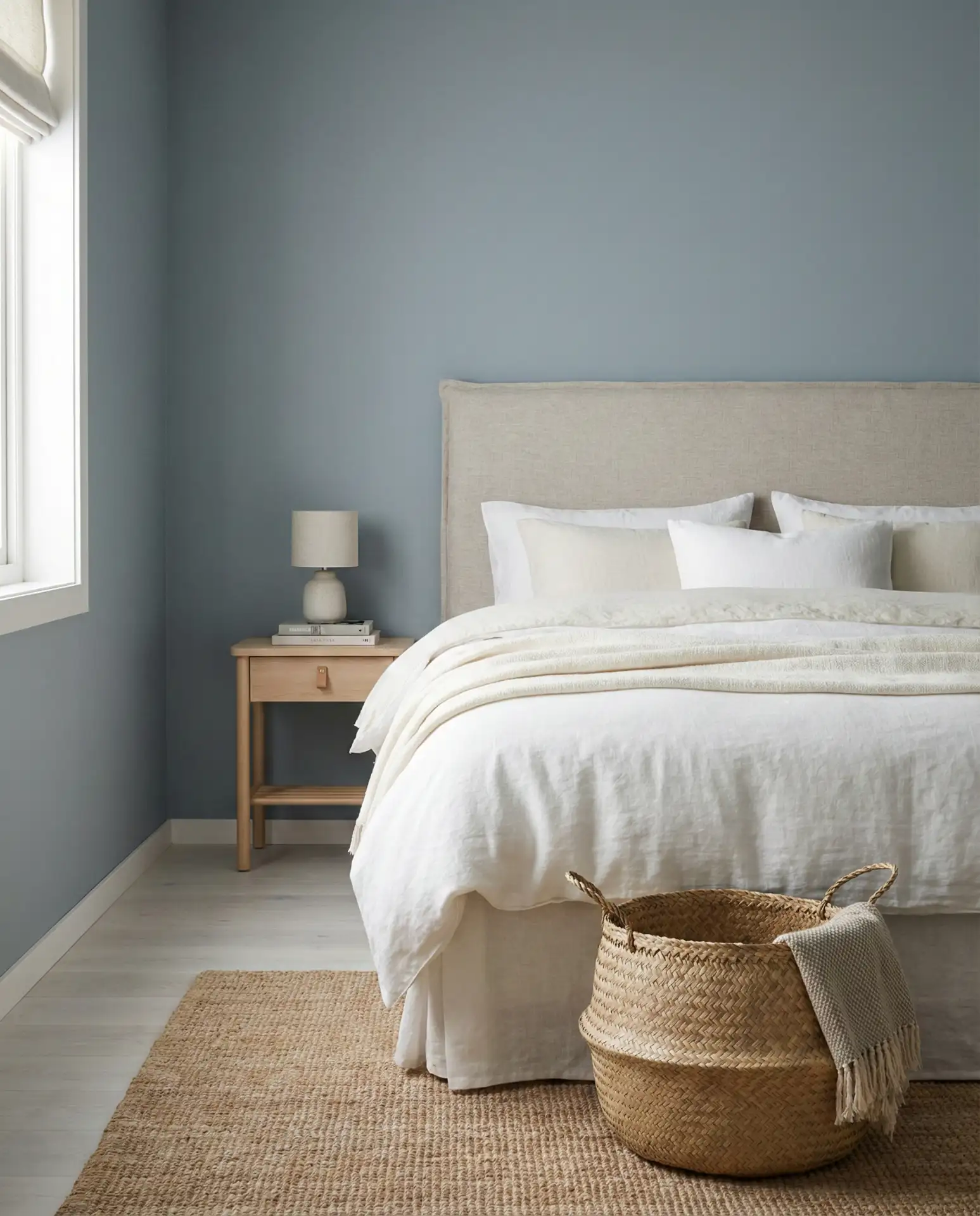
This shade has become incredibly popular in coastal states from the Carolinas to California, but it translates beautifully to landlocked homes as well. The key to making it work anywhere is pairing it with natural textures—linen, jute, weathered wood—that reinforce the organic, beachy feeling. Avoid overly nautical accessories unless you actually live by the sea; instead, let the color do the work of creating that breezy, relaxed atmosphere without resorting to anchor-print throw pillows.
22. Canvas DIY Art Display Walls
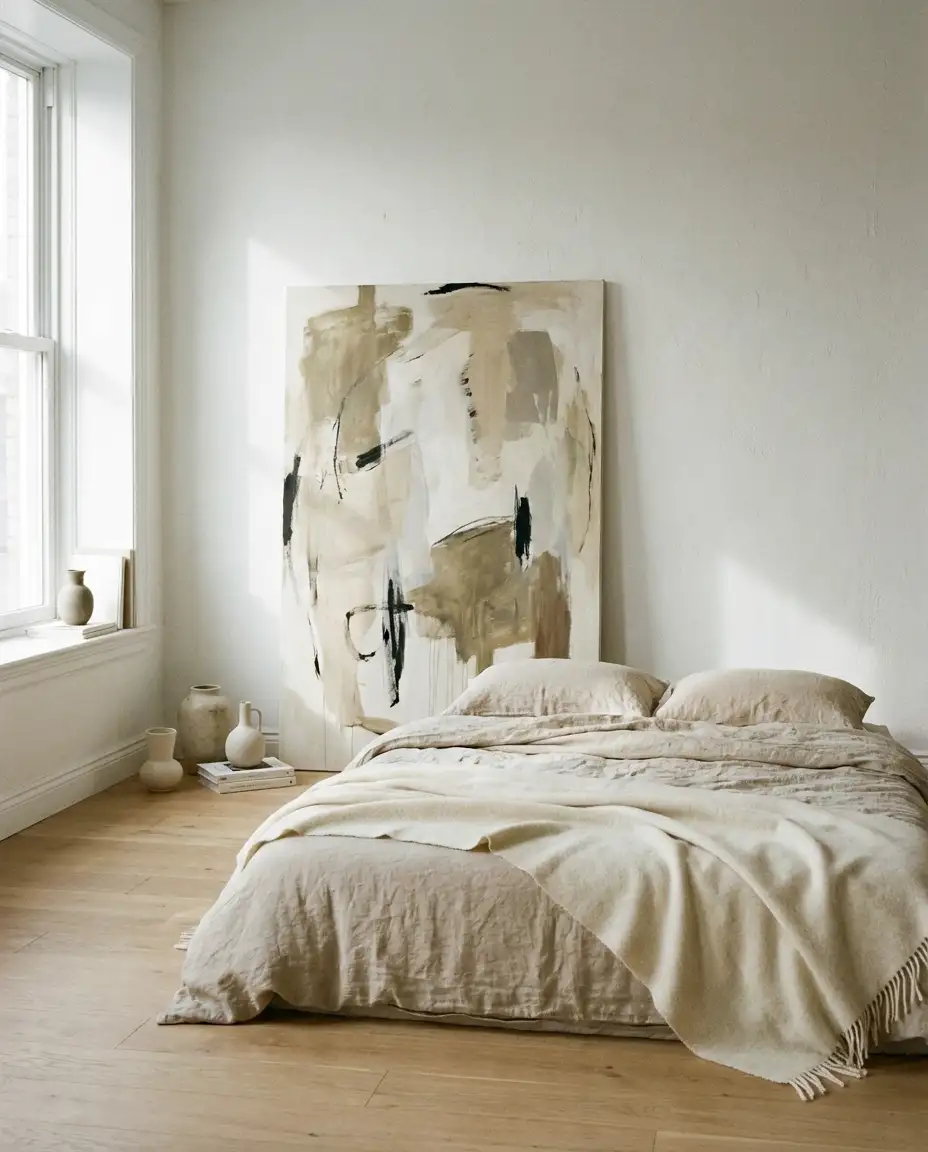
Using your bedroom wall as a canvas for oversized DIY art has become a major trend, with homeowners painting abstract murals or geometric patterns directly onto walls instead of hanging traditional frames. This approach transforms a simple painted surface into a personalized statement piece that reflects individual creativity. It’s particularly popular in rental-friendly versions using removable wall paint or large-scale canvases that lean against walls.
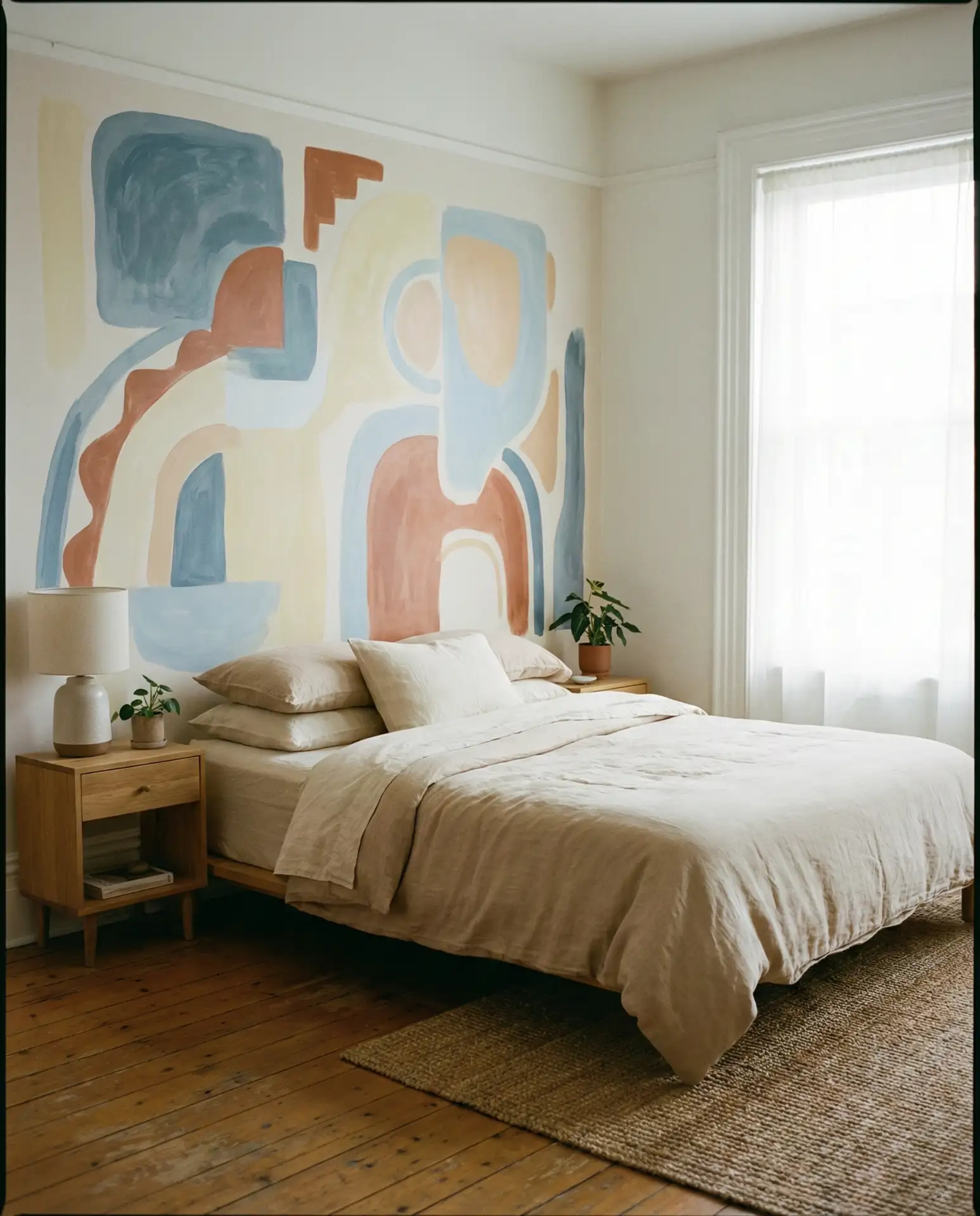
This creative approach works especially well for homeowners on a tight budget who want high impact without expensive gallery art. A few cans of paint, some painter’s tape, and a free weekend can create a custom mural that would cost thousands if commissioned. The beauty is that if you tire of it or move, you can simply paint over it—your bedroom wall truly becomes a living canvas that evolves with your style and creativity over time.
Conclusion
These bedroom paint ideas show how color can completely transform your most personal space, whether you’re drawn to moody drama, soft neutrals, or bold statement walls. The best part about paint is that it’s one of the most affordable ways to make a major impact—even a single accent wall can shift the entire feeling of your bedroom. We’d love to hear which of these ideas resonates with you most, or if you’ve tried any bold color choices in your own bedroom. Drop a comment below and share your paint successes (or cautionary tales) with our community!