Bathroom flooring is having a major moment in 2026, and for good reason. Whether you’re planning a full remodel or just refreshing a tired space, the floor sets the tone for the entire room. American homeowners are turning to Pinterest for ideas that blend durability with personality—looking for surfaces that can handle moisture, foot traffic, and still look stunning in morning light. From bold geometric patterns to rustic wood-look planks, this year’s trends offer something for every style and budget. In this guide, you’ll find 23 bathroom flooring ideas that combine practicality with visual impact, helping you create a space that’s both functional and beautiful.
1. Classic Hexagon Tile in Small Bathrooms
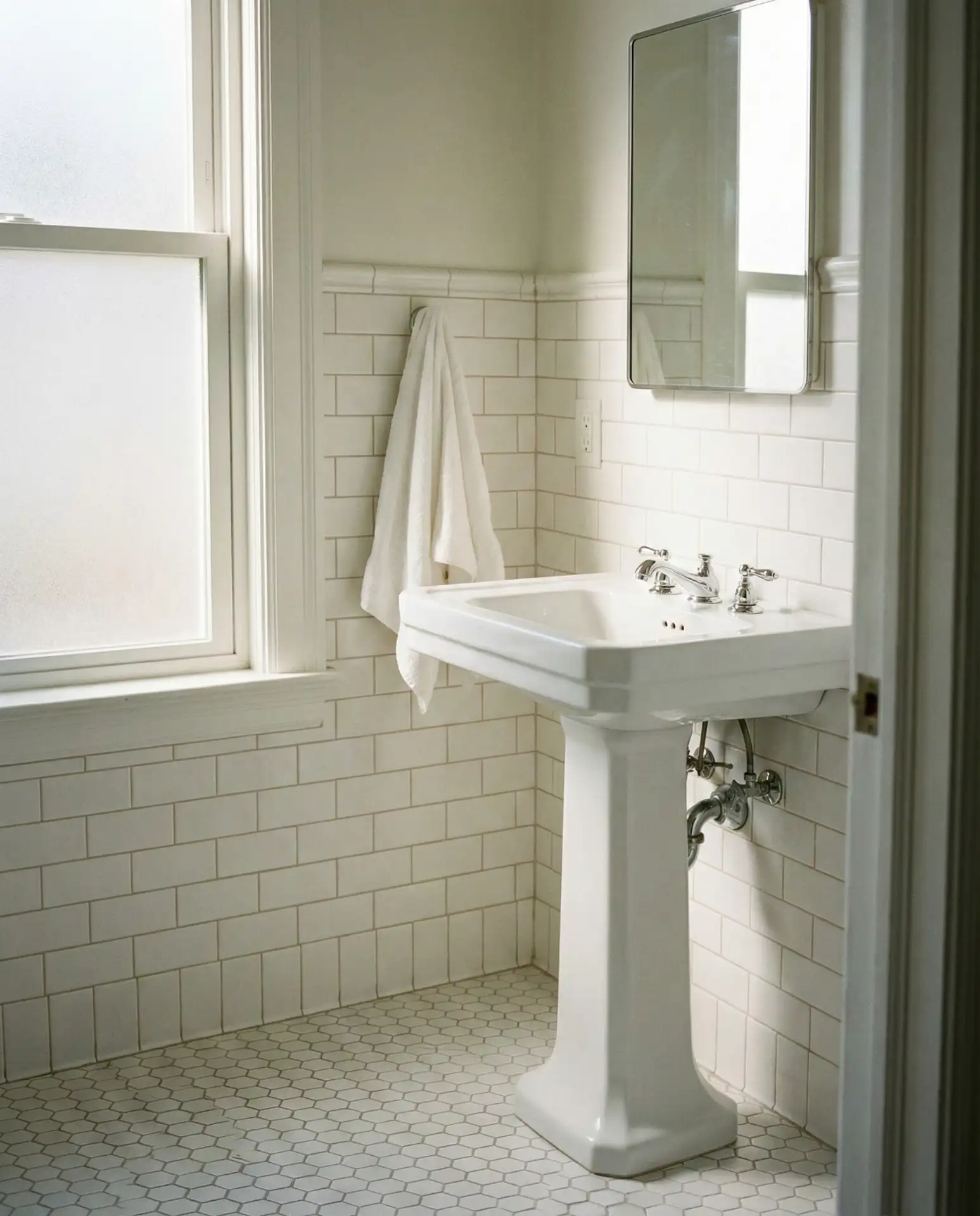
Small bathrooms thrive on clever design choices, and hexagon tile delivers both visual interest and a sense of expanded space. The geometric pattern draws the eye across the floor rather than focusing on the room’s compact dimensions. In a small bathroom , white or light-toned hexagons create an airy feel, while black versions add drama without overwhelming the space. This flooring works particularly well in powder rooms and vintage-inspired baths where character matters as much as square footage. 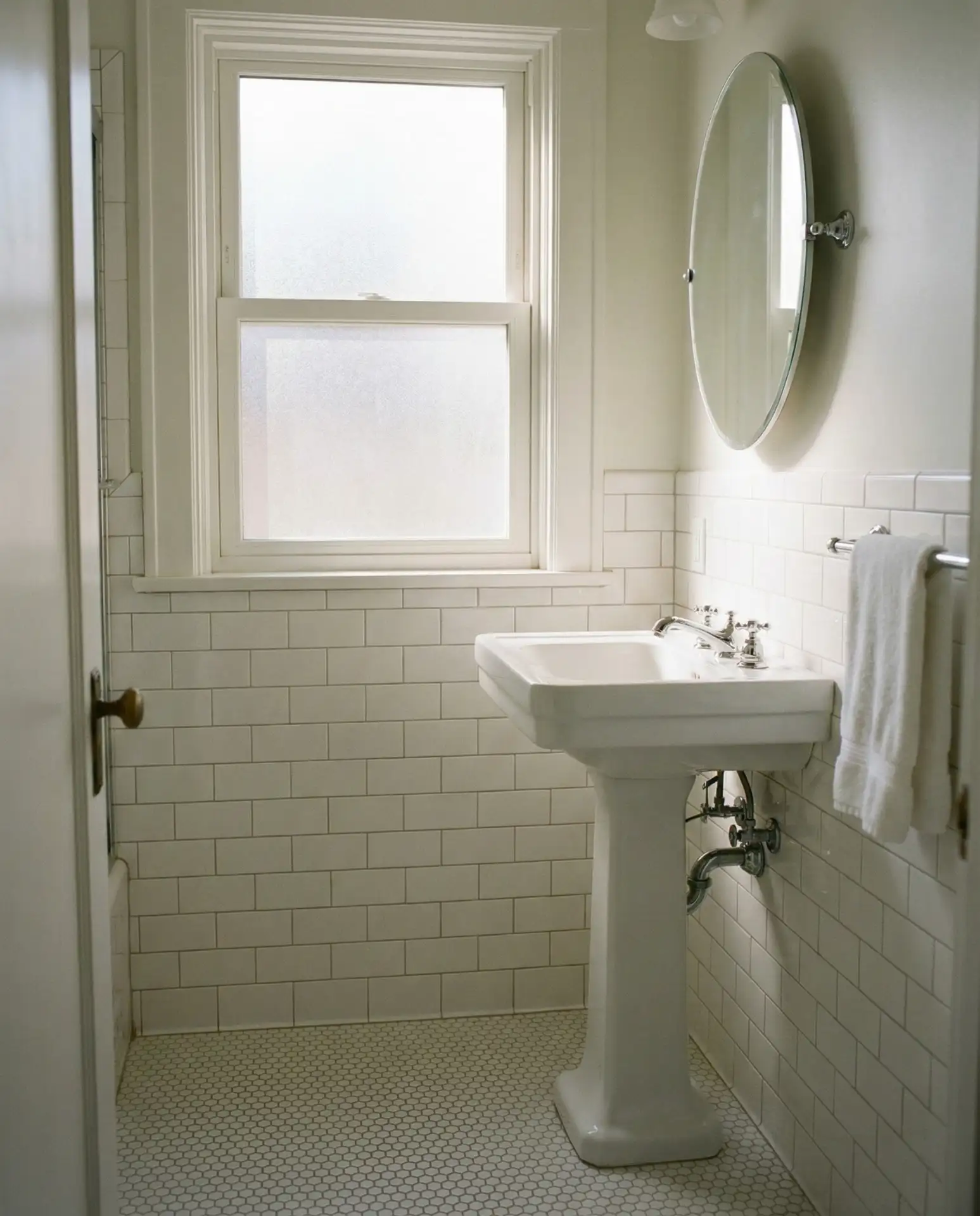
Hexagon tiles work best in bathrooms where you want a timeless look that won’t feel dated in five years. The small scale of individual tiles means grout lines multiply, which actually helps with slip resistance when wet. Many homeowners choose a contrasting grout color to emphasize the pattern, turning the floor into a focal point. Installation does take longer than large-format tiles, but the end result justifies the extra labor, especially when you’re working within tight quarters where every design decision counts.
2. Waterproof Vinyl Planks That Mimic Hardwood
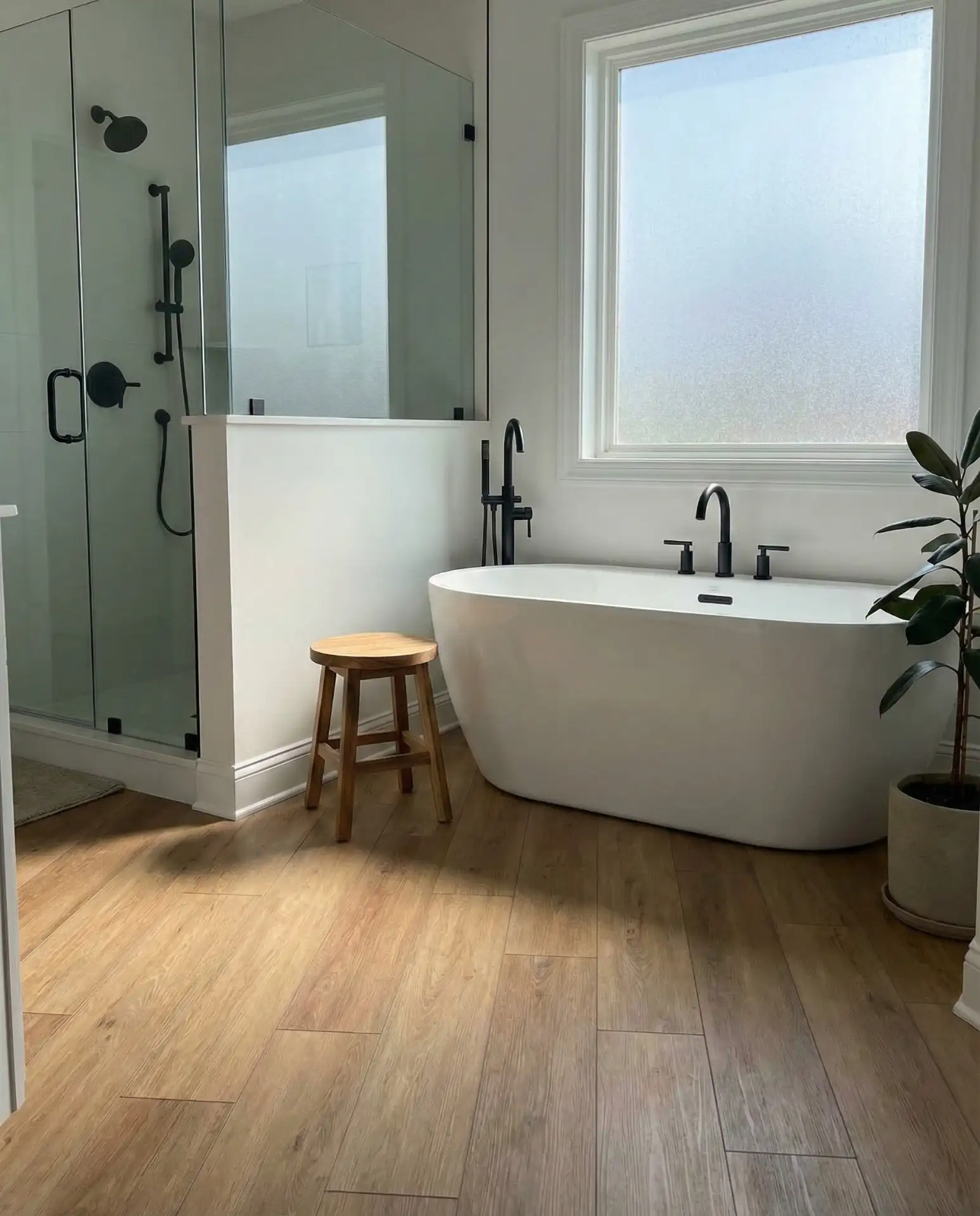
If you’ve been longing for the warmth of wood in your bathroom but worry about water damage, waterproof vinyl planks solve that dilemma beautifully. These vinyl planks replicate the grain, texture, and color variations of real hardwood while standing up to splashes, humidity, and the occasional overflow. Modern manufacturing techniques have made them nearly indistinguishable from the real thing at a glance. They’re especially popular in master bathrooms where homeowners want a spa-like continuity with adjacent bedroom flooring. 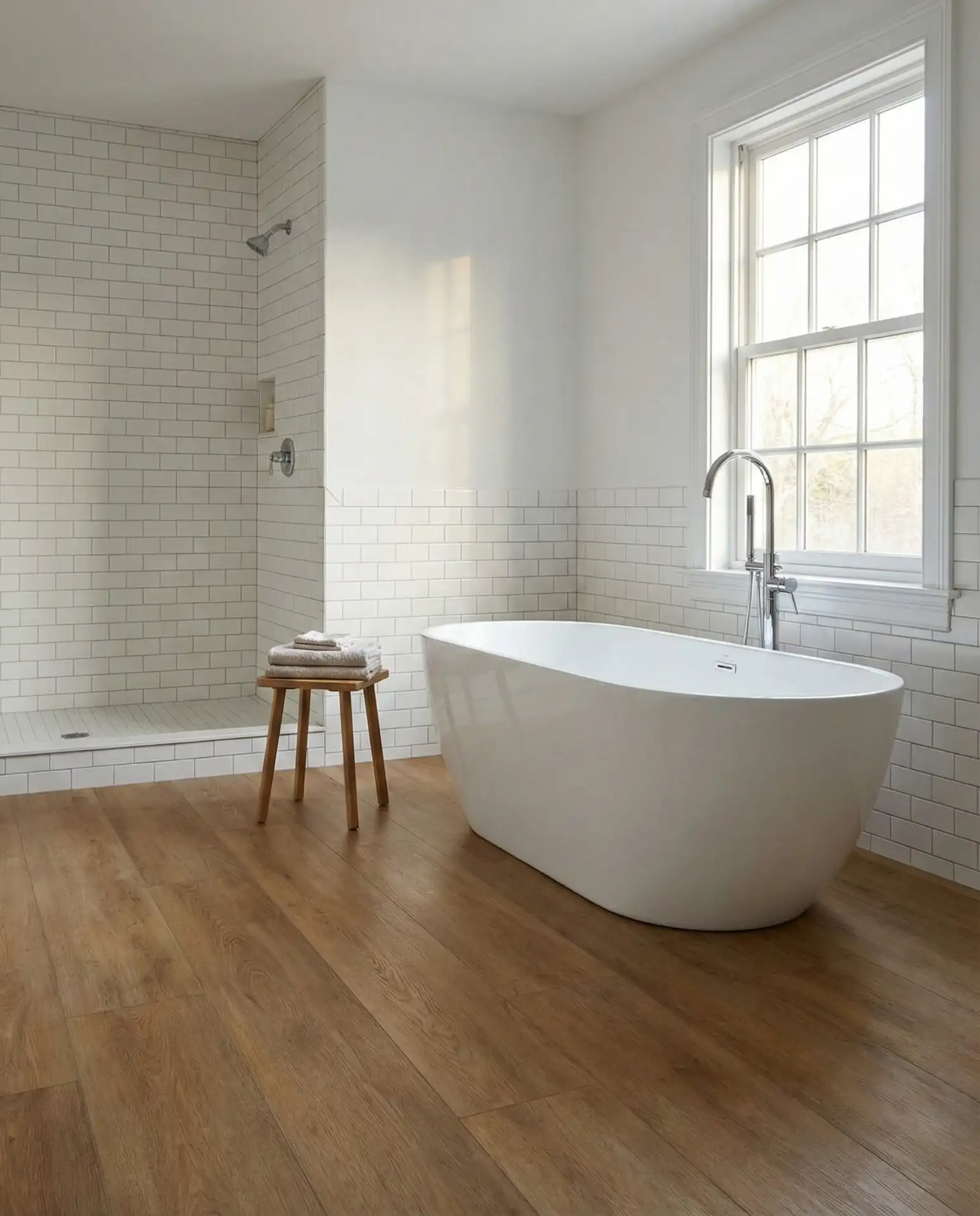
In the Pacific Northwest and other humid regions, these planks have become a go-to choice for homeowners tired of replacing damaged floors every few years. The click-lock installation system makes them a realistic DIY project for weekend warriors, often completed in a day or two depending on room size. Brands now offer lifetime waterproof warranties, which wasn’t the case even five years ago. The key is ensuring your subfloor is level—vinyl is forgiving, but significant dips or bumps will telegraph through over time.
3. Black and White Checkerboard Vintage Charm
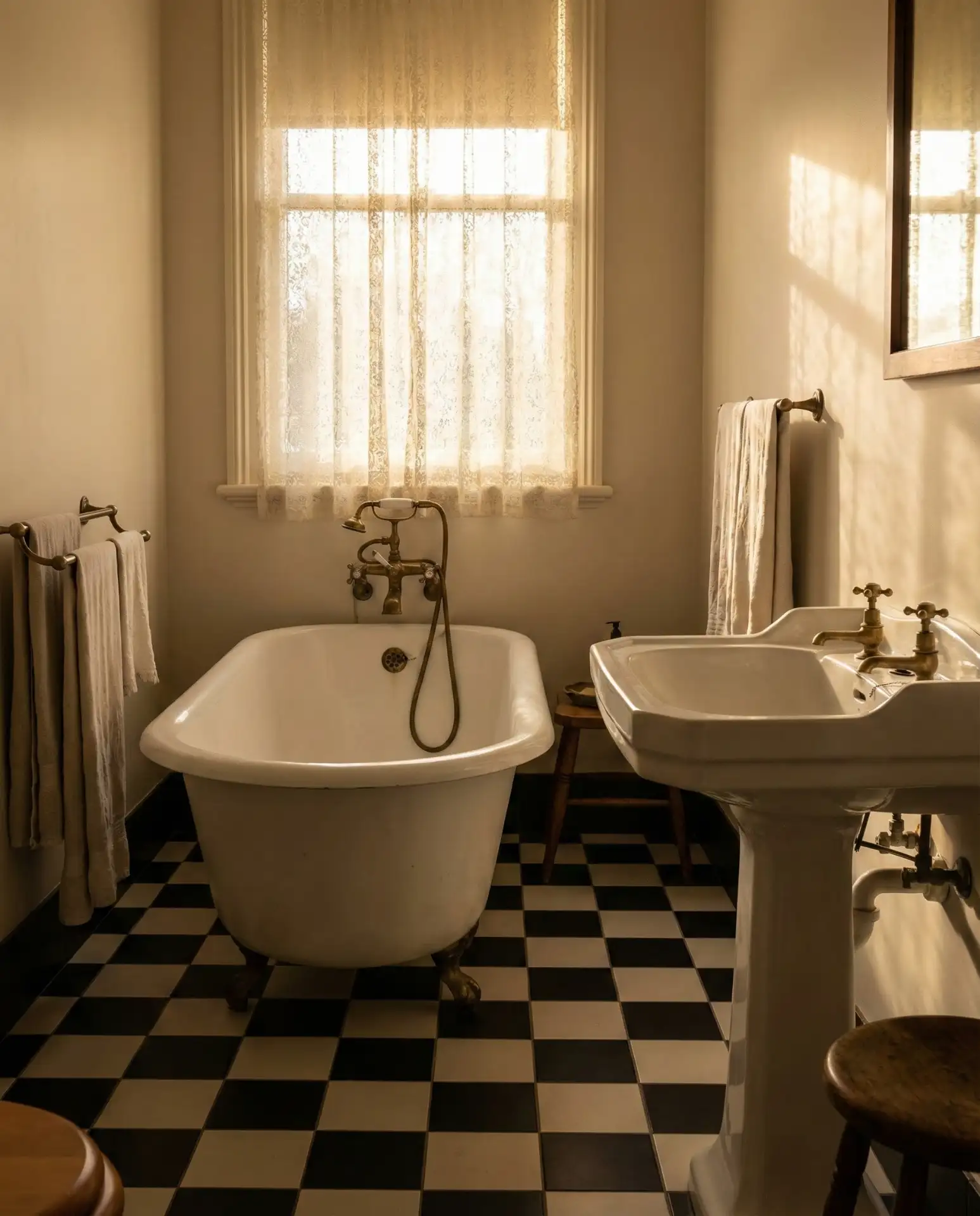
Nothing says timeless quite like a black and white checkerboard floor, a pattern that’s been gracing American bathrooms since the early 1900s. This vintage look works equally well in renovated Craftsman homes and modern spaces that want a touch of nostalgia. The high contrast creates visual drama while maintaining a clean, orderly feel. Tile options range from standard ceramic squares to natural stone for those seeking a more luxurious interpretation of the classic pattern. 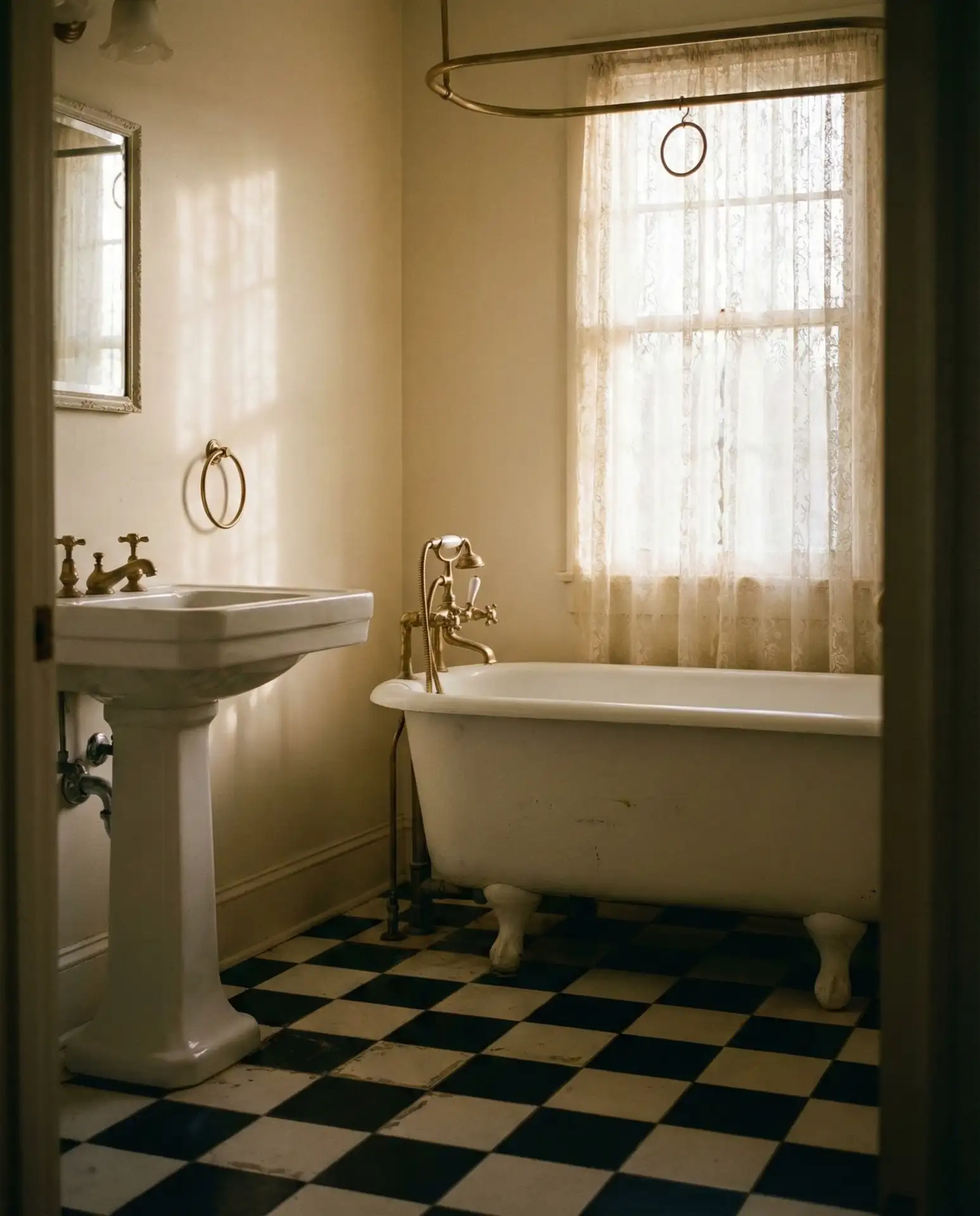
A common mistake is choosing tiles that are too large for the space—12-inch squares can feel heavy in a standard bathroom, while 6-inch or 8-inch tiles maintain the pattern’s crispness without overwhelming. The grout color matters more than you’d think; pure white grout stays cleaner-looking longer than you’d expect, while dark grout can make the black tiles recede. Many designers recommend sealing the grout within 48 hours of installation to prevent staining from bathroom products and humidity. This floor style rewards regular maintenance with decades of good looks.
4. Rustic Stone for Farmhouse Bathrooms
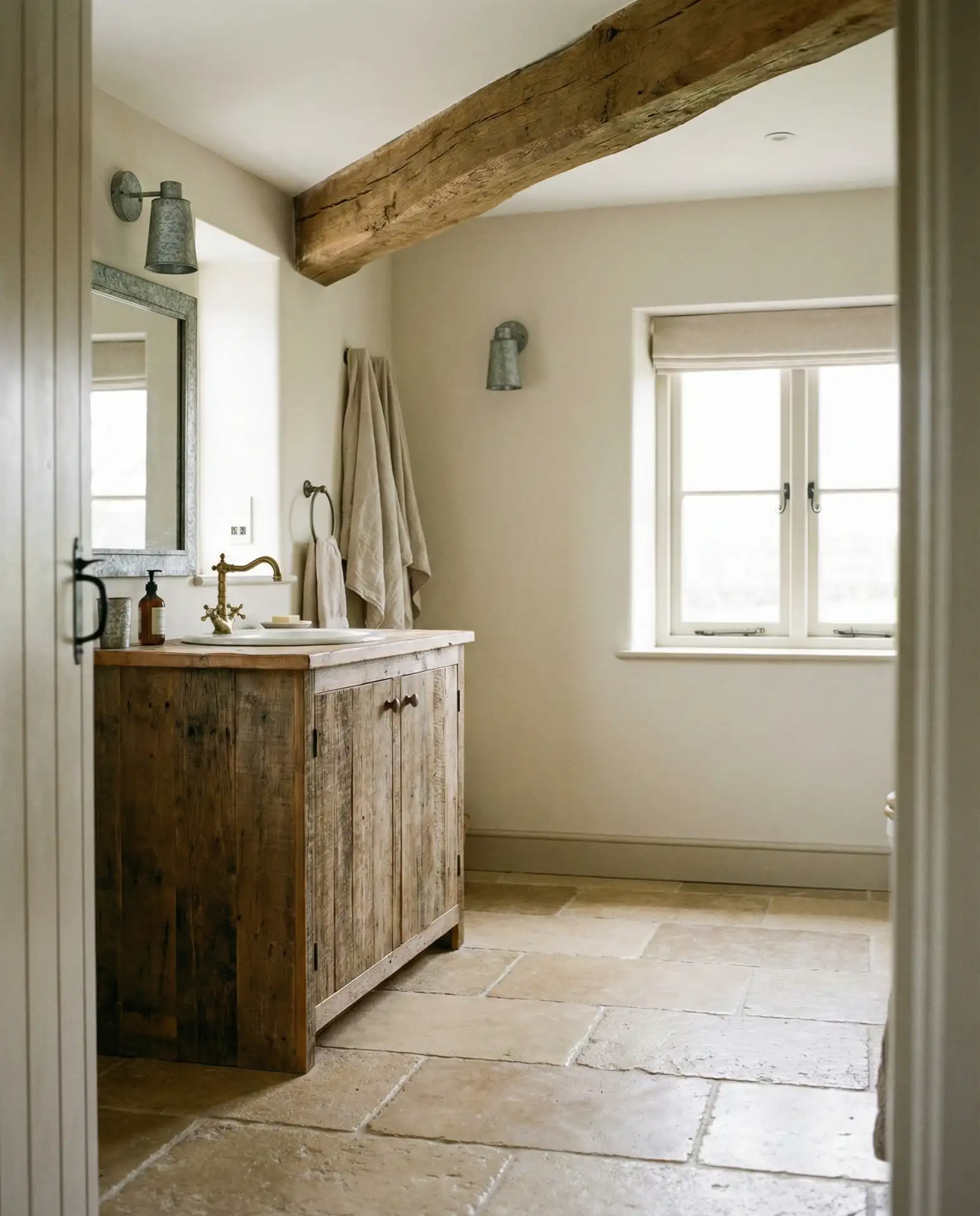
When you’re cultivating a farmhouse aesthetic, authentic stone flooring brings instant character and connection to the natural world. Travertine, slate, and limestone each offer distinct textures and color palettes that age beautifully rather than showing wear. The rustic appeal lies in the material’s inherent variations—no two tiles are identical. These floors feel substantial underfoot and maintain temperature well, staying cool in summer and warming quickly with radiant heat systems in winter months. 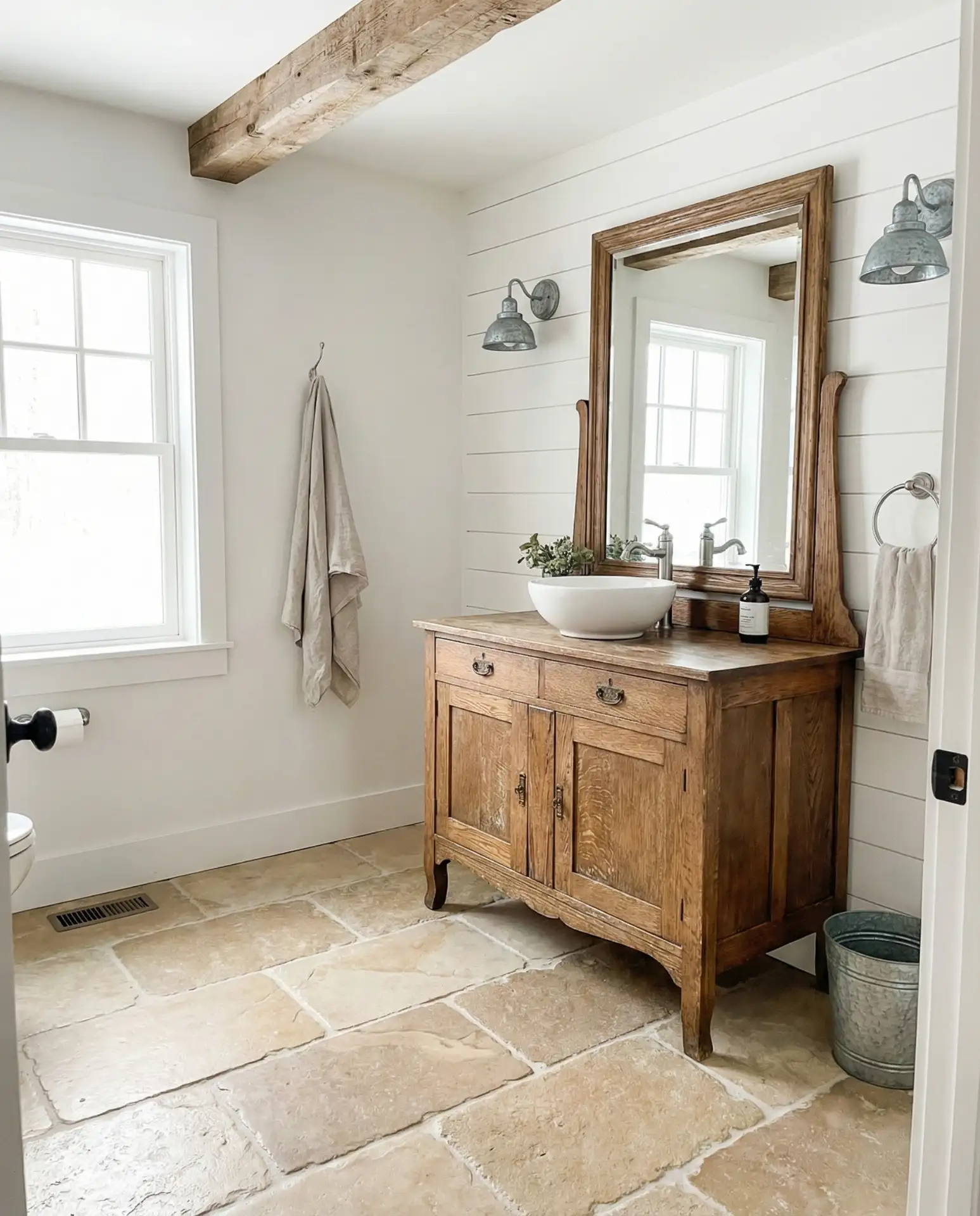
Budget-conscious homeowners sometimes balk at stone’s higher upfront cost, but the investment pays off over decades of use. Unlike synthetic materials that might need replacement in 15 years, properly sealed stone improves with age. My neighbor installed slate in her farmhouse bathroom eight years ago, and it’s developed a soft patina that looks even better than the day it went in. The textured surface provides excellent traction when wet, and the material’s density means it won’t flex or crack under normal use like some thinner tiles might.
5. Minimalist Large-Format Gray Tile

For those drawn to minimalist design, large-format gray tile creates a serene, uncluttered foundation. Tiles measuring 24×24 inches or larger minimize grout lines, resulting in a seamless appearance that enhances the sense of space. This modern approach works particularly well in urban apartments and contemporary homes where clean lines and neutral palettes dominate. The subtle variations in gray tones—from cool blue-grays to warm charcoal—allow for personalization without breaking from the minimalist ethos. 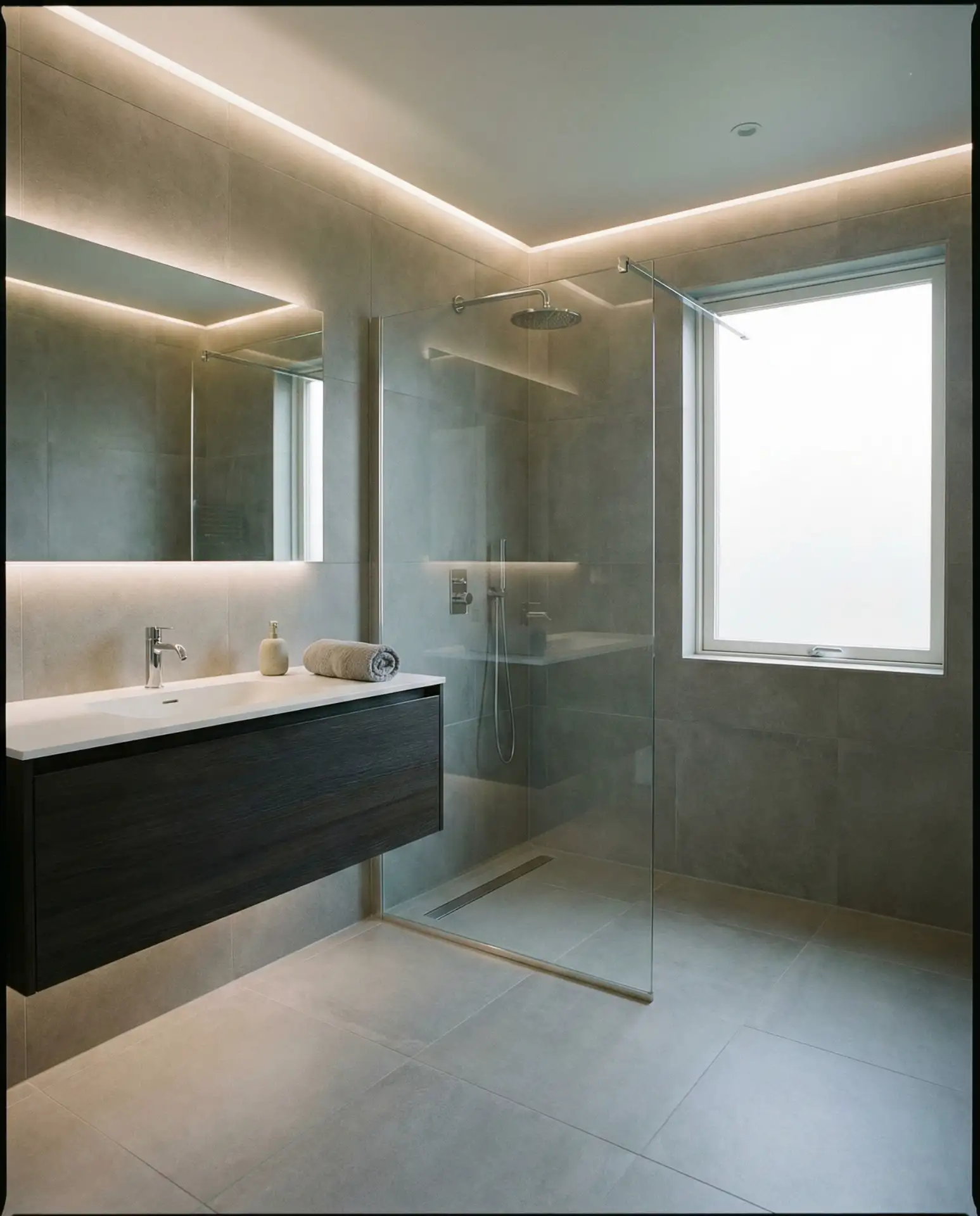
This floor style works best in bathrooms where you want the fixtures and architectural details to take center stage. The large tiles require a perfectly flat subfloor—even small imperfections become visible across expansive surfaces. Professional installation typically costs more per square foot due to the precision required and the weight of handling oversized tiles. However, the reduced number of grout lines means less maintenance over time, as there are fewer crevices for mildew and soap scum to accumulate. It’s a practical choice dressed up as a design statement.
6. Coastal-Inspired Light Wood-Look Tile
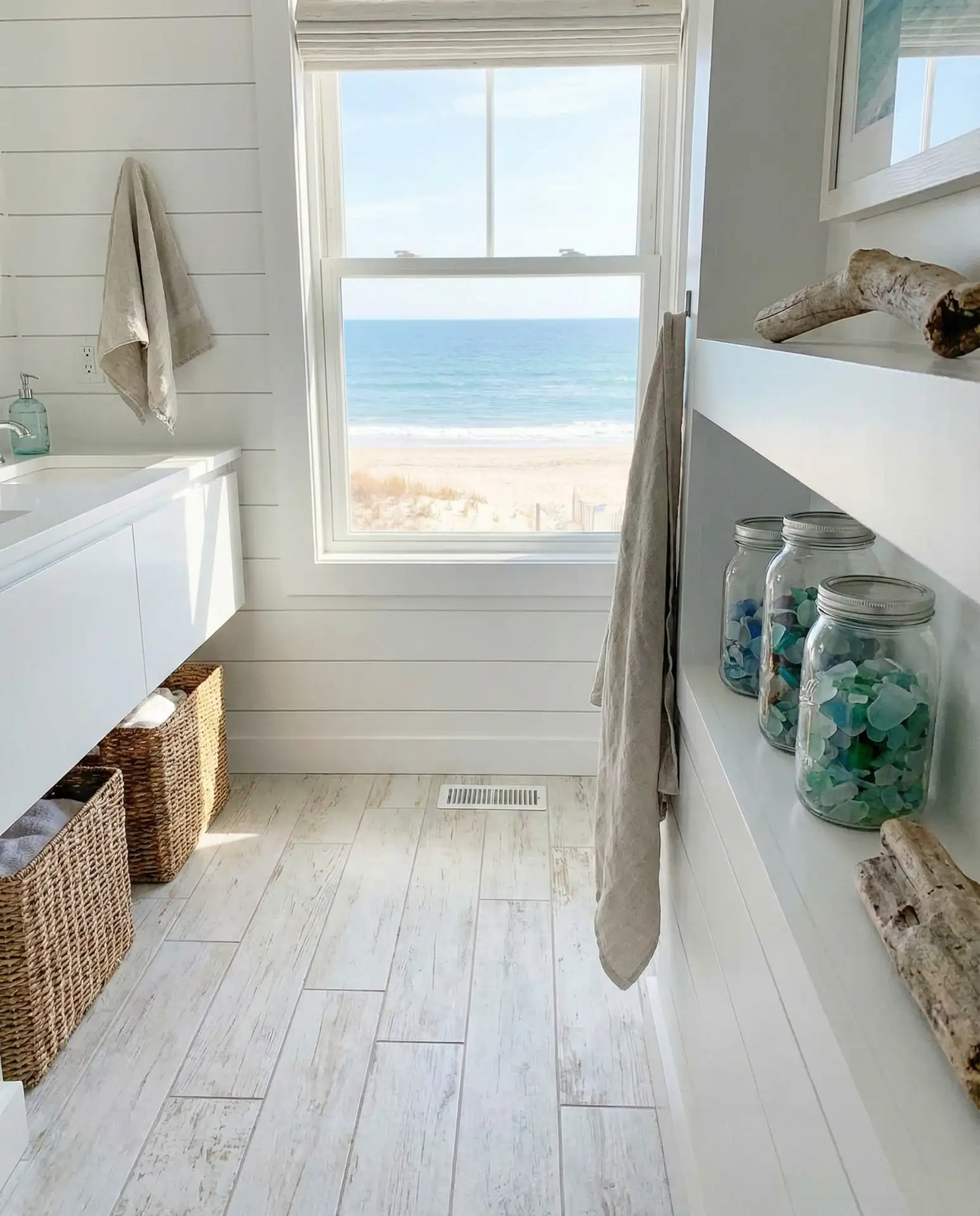
Bringing coastal vibes into your bathroom starts from the ground up with light wood-look tile in bleached oak or driftwood tones. These porcelain planks capture the relaxed, sun-washed aesthetic of beachside living while offering complete waterproof protection. The elongated plank format (often 8×48 inches) creates visual flow that makes bathrooms feel larger and more connected to adjacent spaces. This look pairs beautifully with white fixtures, natural textures, and the soft blues and greens characteristic of coastal design. 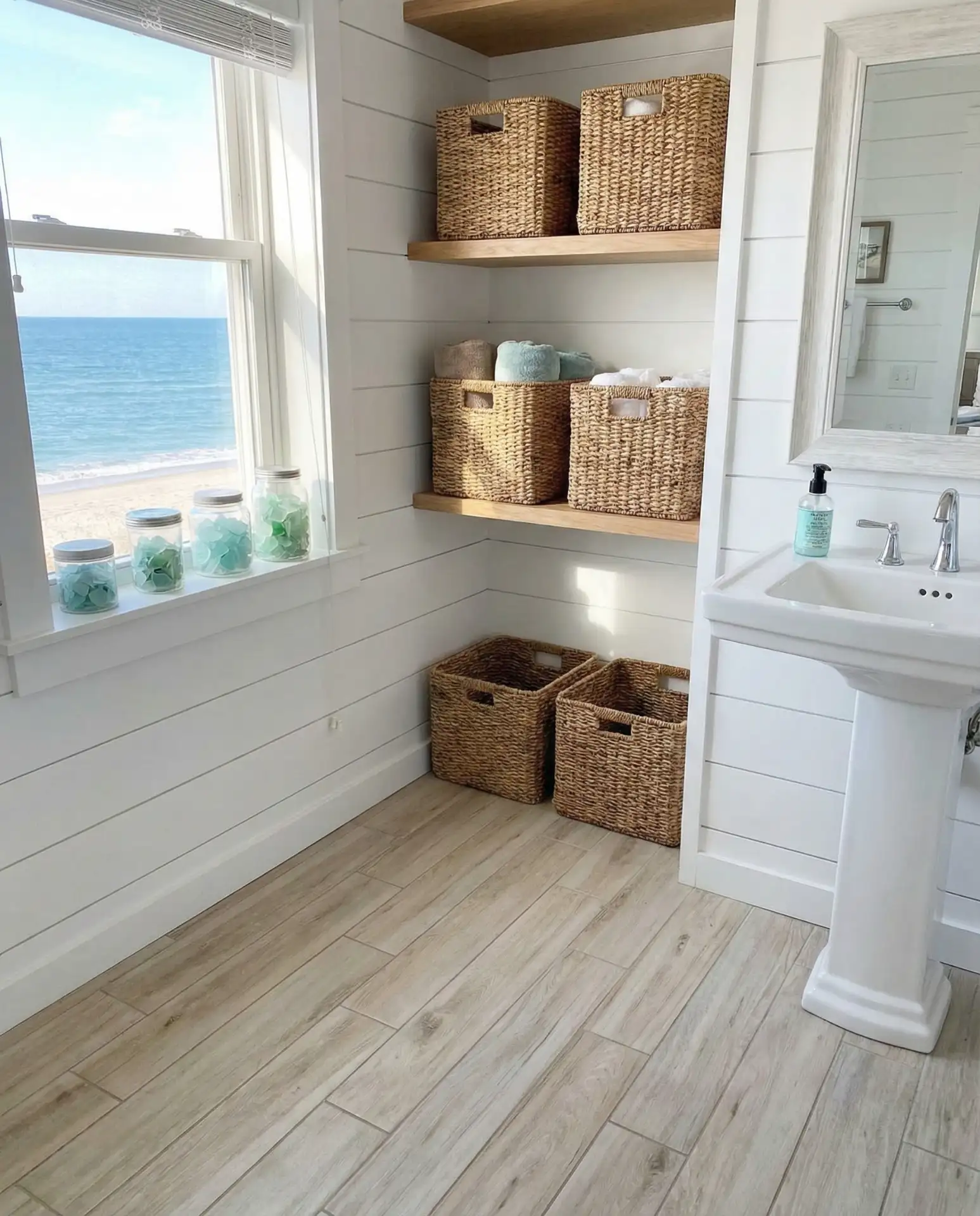
Homeowners in Florida and California particularly gravitate toward this option, as it complements the indoor-outdoor lifestyle common in those regions. The tile’s porcelain composition means it won’t warp or fade from humidity and UV exposure like real wood might. Installation follows standard tile practices, making it accessible for experienced DIYers. One practical insight: choosing a matte or textured finish over high-gloss ensures better slip resistance when stepping out of the shower, an important safety consideration that doesn’t compromise the coastal aesthetic you’re after.
7. Budget-Friendly Peel-and-Stick Vinyl
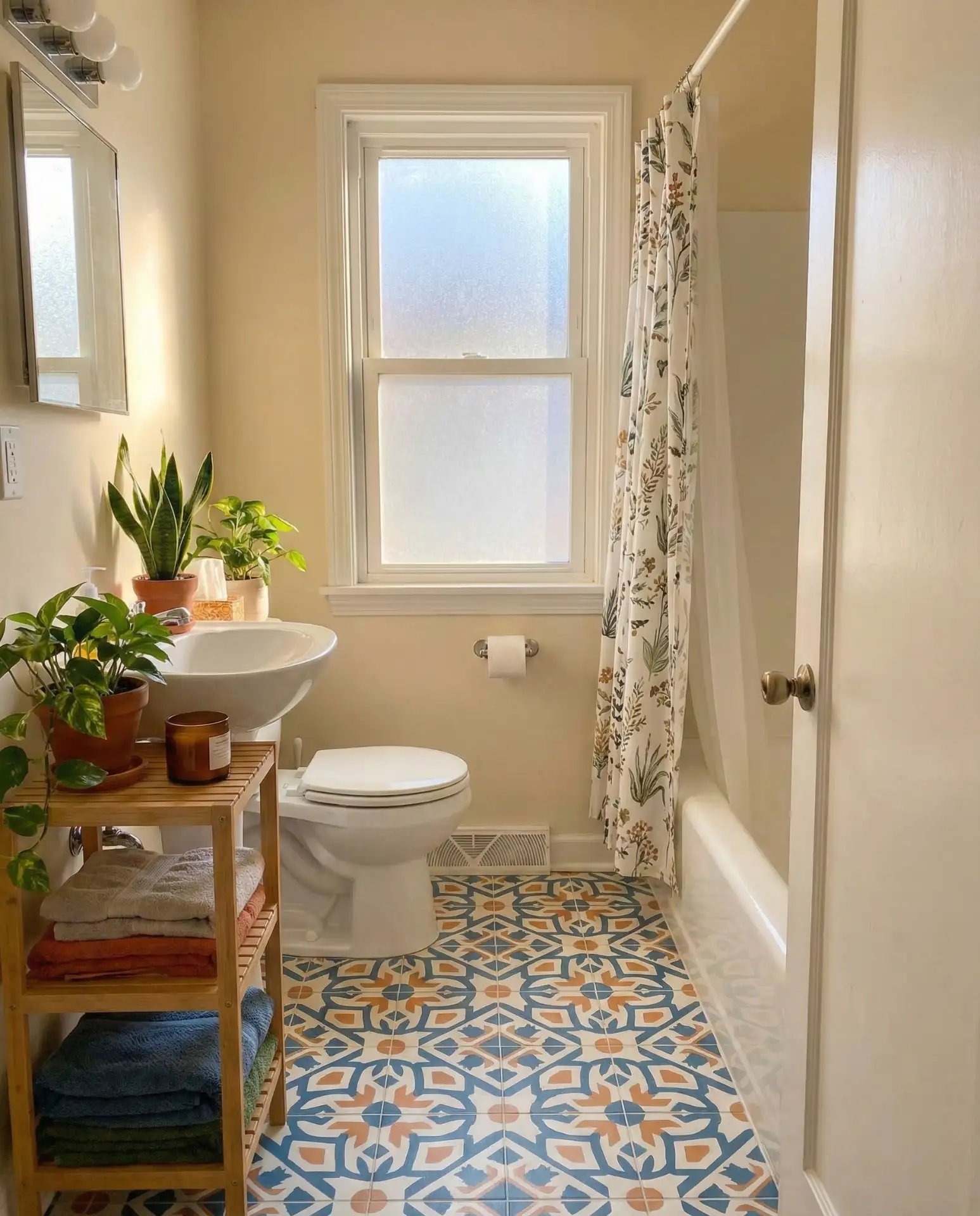
When you’re working on a budget but still want a stylish update, peel-and-stick vinyl tiles have improved dramatically in quality and appearance. Today’s products look far more convincing than earlier generations, with realistic textures and patterns that mimic tile , stone, or wood. They’re perfect for renters who want to personalize their space without losing a security deposit, or homeowners looking for a temporary solution until a full renovation becomes feasible. Installation requires nothing more than a utility knife, straight edge, and patience. 
The most common mistake with peel-and-stick flooring is inadequate surface preparation—you absolutely must start with a clean, smooth, dry surface or the tiles won’t adhere properly. Any existing texture or residue will show through and cause edges to lift over time. While these won’t last as long as permanent flooring options, quality products can hold up for several years with proper care. They’re also genuinely cheap compared to traditional materials, often costing $1-3 per square foot versus $5-15 for ceramic tile or luxury vinyl planks.
8. Luxurious Marble Tile for Master Baths
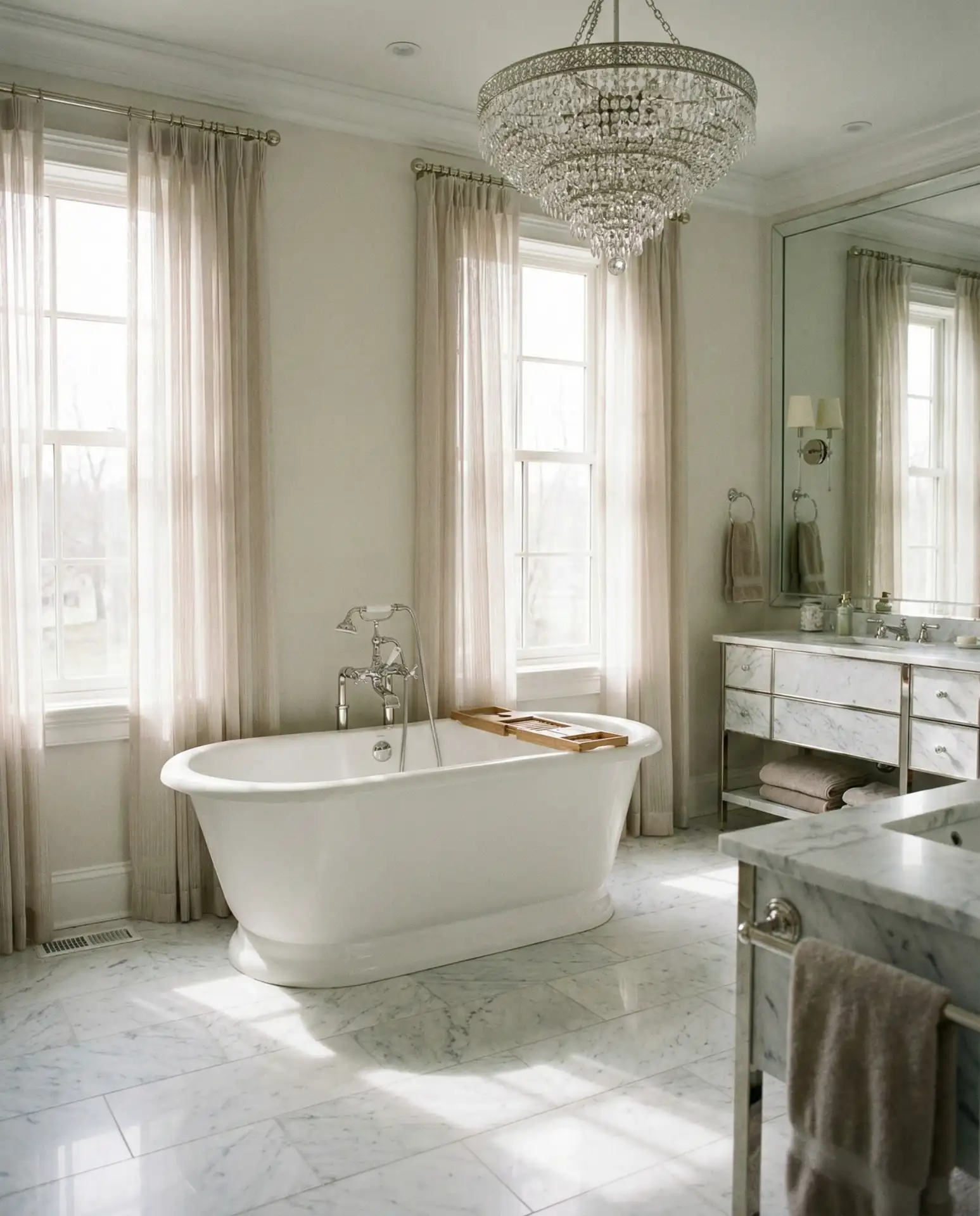
When you’re ready to invest in true luxury , marble flooring transforms a tile master bath into a five-star experience. The natural veining in Carrara, Calacatta, or Statuario marble creates one-of-a-kind patterns that synthetic materials can’t replicate. This stone has graced elegant bathrooms for centuries, and its cool, smooth surface feels indulgent underfoot. Large-format marble tiles (12×24 or 24×24) showcase the material’s natural beauty while minimizing grout lines that could interrupt the flowing veins. 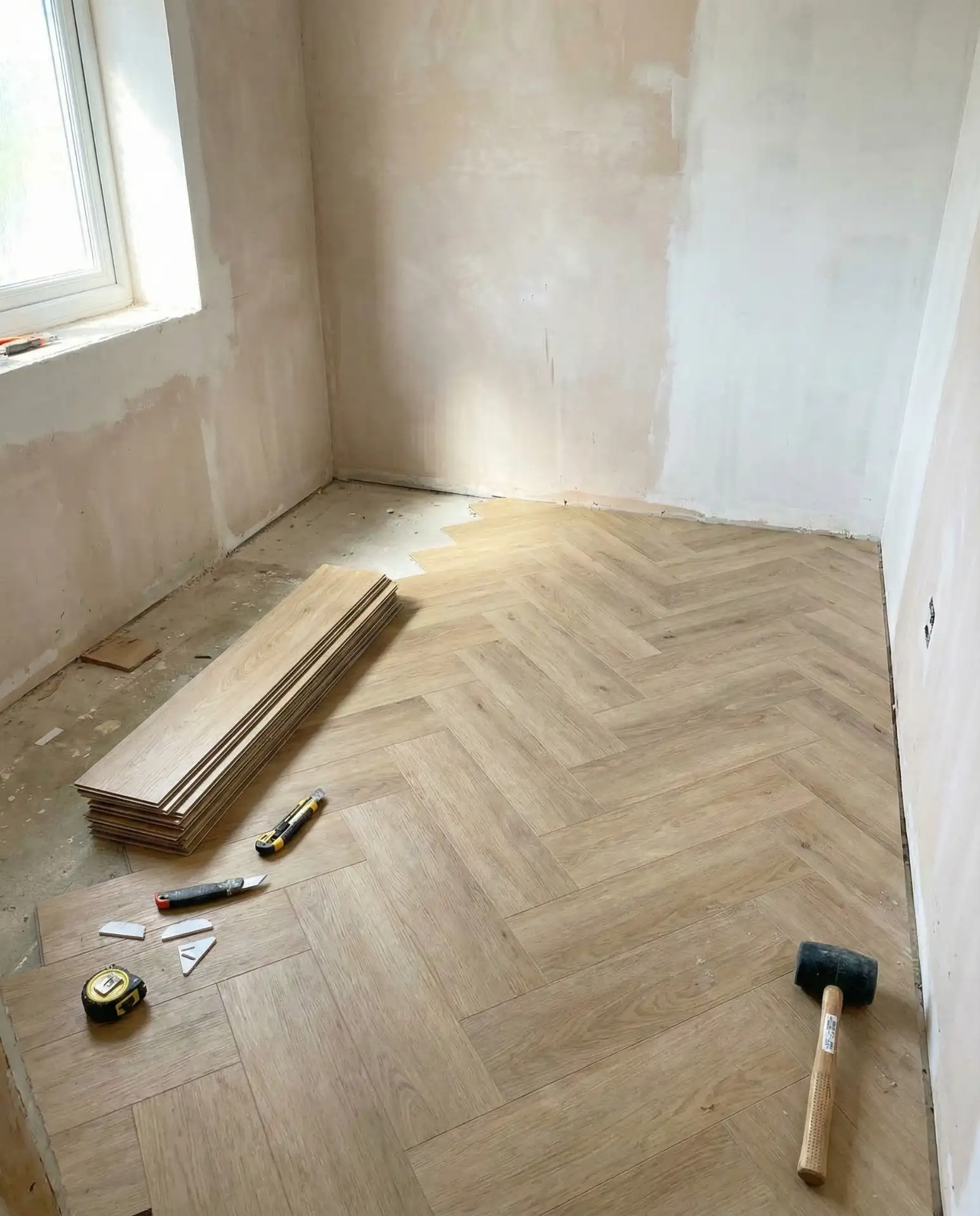
Expert designers consistently recommend honed rather than polished marble for bathroom floors—the matte finish provides better traction when wet and hides water spots that would show prominently on shiny surfaces. Yes, marble requires sealing and more careful maintenance than porcelain, but for many homeowners, the authentic beauty justifies the extra effort. Acidic products like some bathroom cleaners can etch the surface, so you’ll need pH-neutral cleaning solutions. The investment typically ranges from $15-50 per square foot installed, depending on the marble variety and your location, but the visual impact is unmatched.
9. DIY-Friendly Luxury Vinyl Planks

For confident DIY enthusiasts, luxury vinyl planks offer the perfect combination of high-end appearance and manageable installation. The click-lock systems require no adhesive or mortar, allowing you to complete a bathroom floor over a weekend without professional help. These planks have come a long way from basic vinyl flooring, with embossed textures and multiple layers that create realistic wood or stone looks. The waterproof core means you don’t have to worry about seams or moisture infiltration around the toilet or tub. 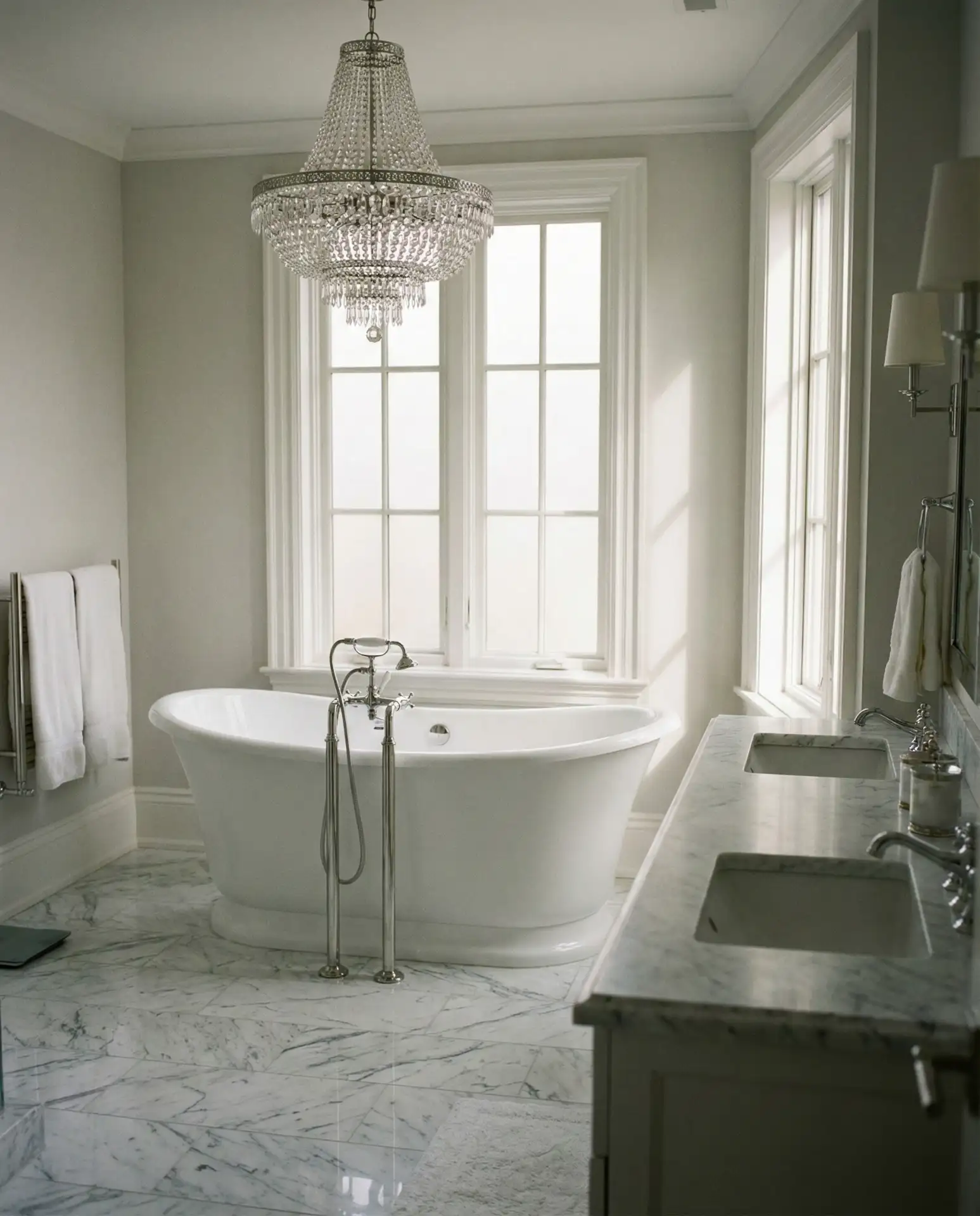
Where this flooring truly excels is in second-floor bathrooms where homeowners worry about water damage affecting rooms below. The completely waterproof construction provides peace of mind that ceramic tile grout lines can’t match. Installation tips from experienced DIYers emphasize starting from the room’s center or longest wall for the best visual result. You’ll need a utility knife, straight edge, tape measure, and possibly a pull bar for the final row. Most people underestimate how quickly the project goes—a standard 5×8 bathroom typically takes 4-6 hours including prep work and letting the floor acclimate to room temperature first.
10. Epoxy Flooring for Modern Industrial Style
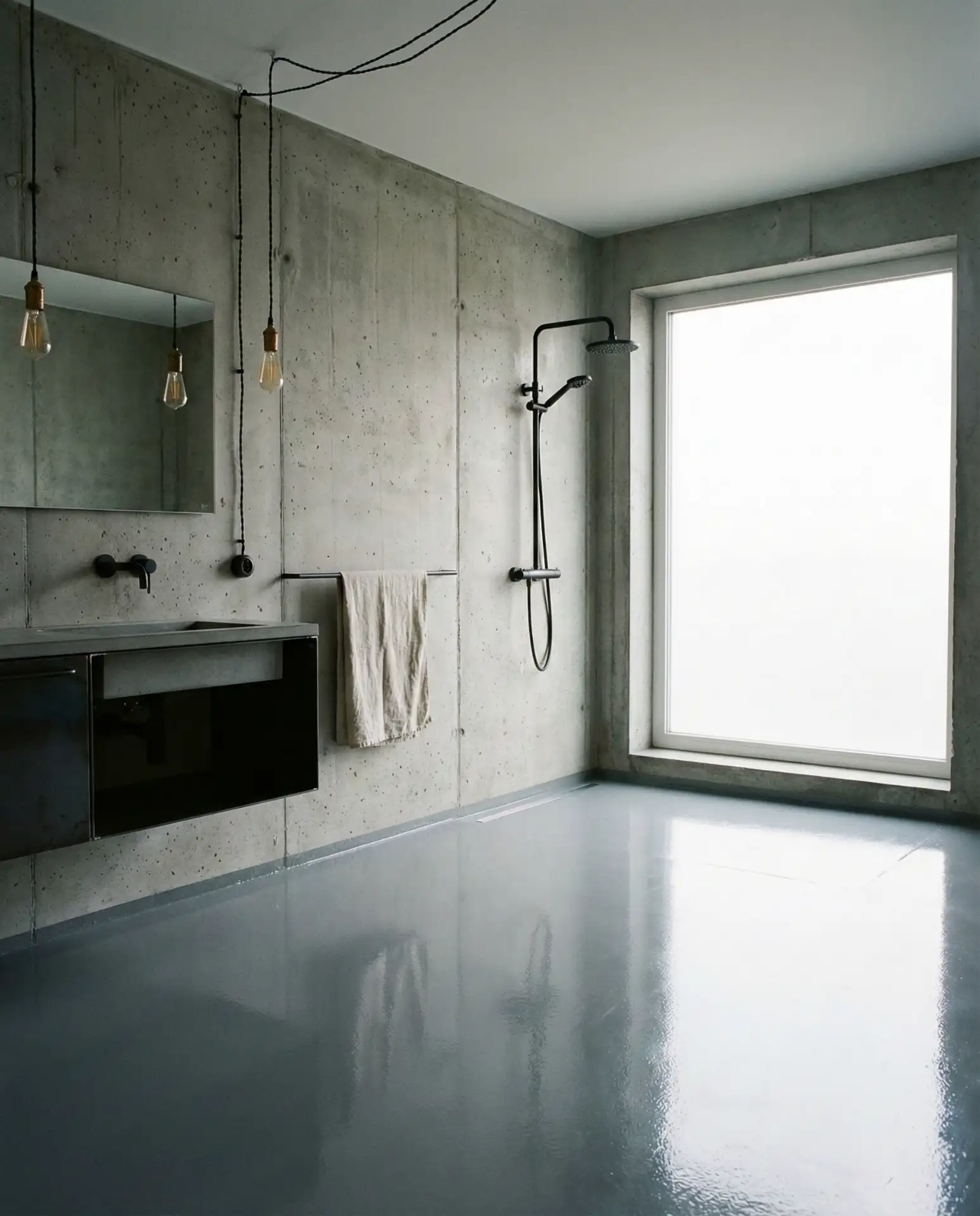
Epoxy flooring brings a sleek, seamless aesthetic that’s increasingly popular in modern loft-style bathrooms and industrial-inspired homes. This poured system creates a completely smooth, jointless surface that’s 100% waterproof and incredibly durable. The high-gloss finish reflects light beautifully, making even small bathrooms feel more spacious. Color options range from solid neutrals to metallic effects and even custom patterns, allowing for true personalization that traditional tile can’t match. 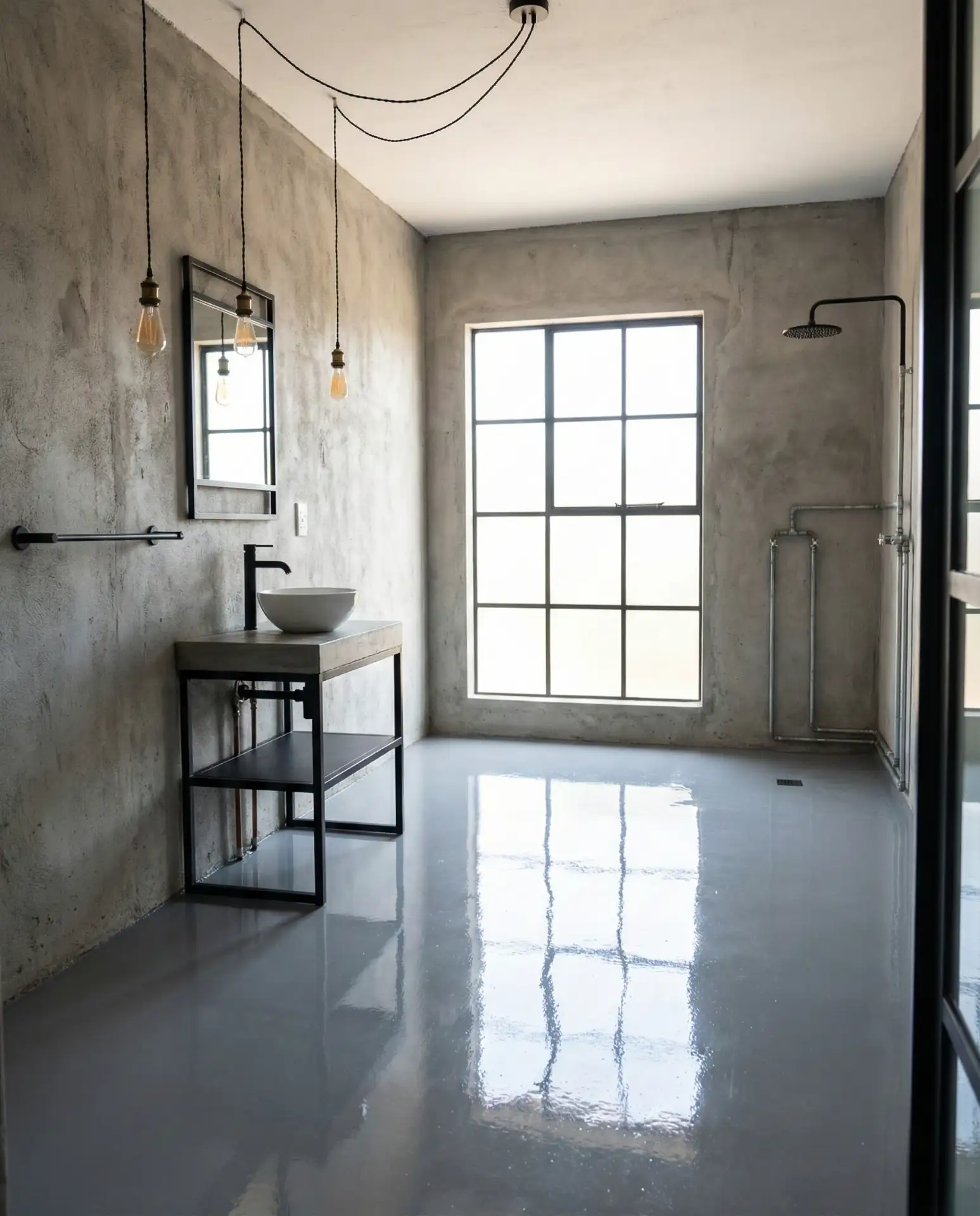
In commercial settings and high-traffic homes, epoxy floors can last 20+ years with minimal maintenance—just regular mopping with mild cleaners. The installation process requires professional expertise to ensure proper surface preparation and application, which typically takes 2-3 days including cure time. Budget considerations run higher than basic tile, usually $5-12 per square foot installed, but the seamless, grout-free surface means no mildew issues and dramatically easier cleaning. One caution: epoxy can become slippery when wet, so textured finishes or anti-slip additives are essential for bathroom applications.
11. Small Black Hexagon Tile Accent Floors
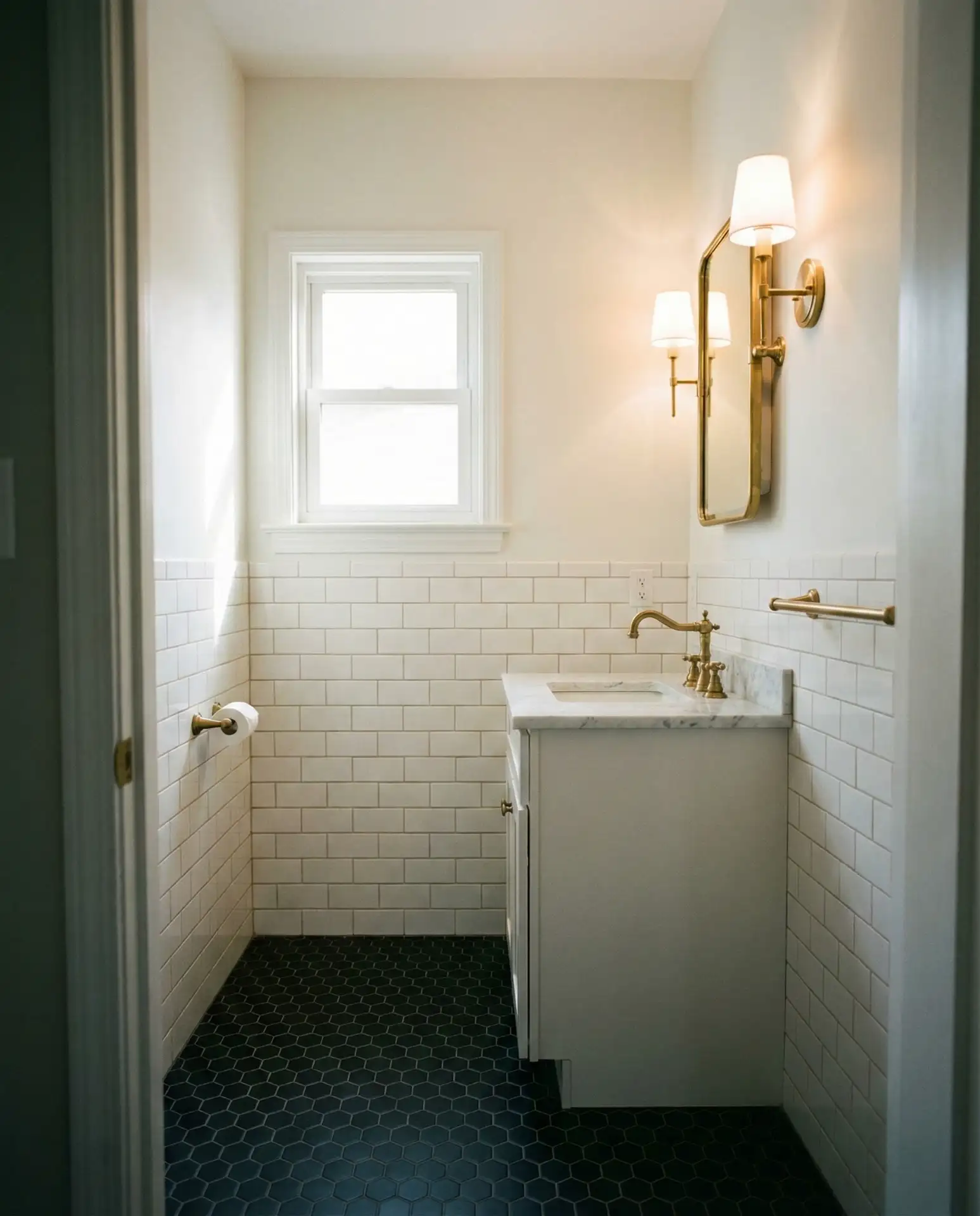
Small black hexagon tile creates a bold, graphic statement that works surprisingly well in both vintage and contemporary bathrooms. The one-inch tiles form a honeycomb pattern that’s visually striking while maintaining a refined sophistication. This floor choice became iconic in 1920s bathrooms and has experienced renewed popularity as homeowners seek authentic period details. The black base allows for creative grout choices—white grout makes each hexagon pop distinctly, while dark grout creates a more subtle, cohesive appearance. 
This flooring works best in smaller bathrooms or powder rooms where the intricate pattern won’t overwhelm the space. The dense grout lines provide excellent slip resistance, making these tiles safer than larger, glossier options. Installation is labor-intensive because of the tile size—expect to pay a premium for the professional work required. However, the dramatic visual impact often justifies the cost. A friend recently installed this in her half bath, pairing it with white walls and brass fixtures, and it’s become the most photographed spot in her home for a reason—the combination is timelessly chic.
12. Warm-Toned Penny Tile for Character
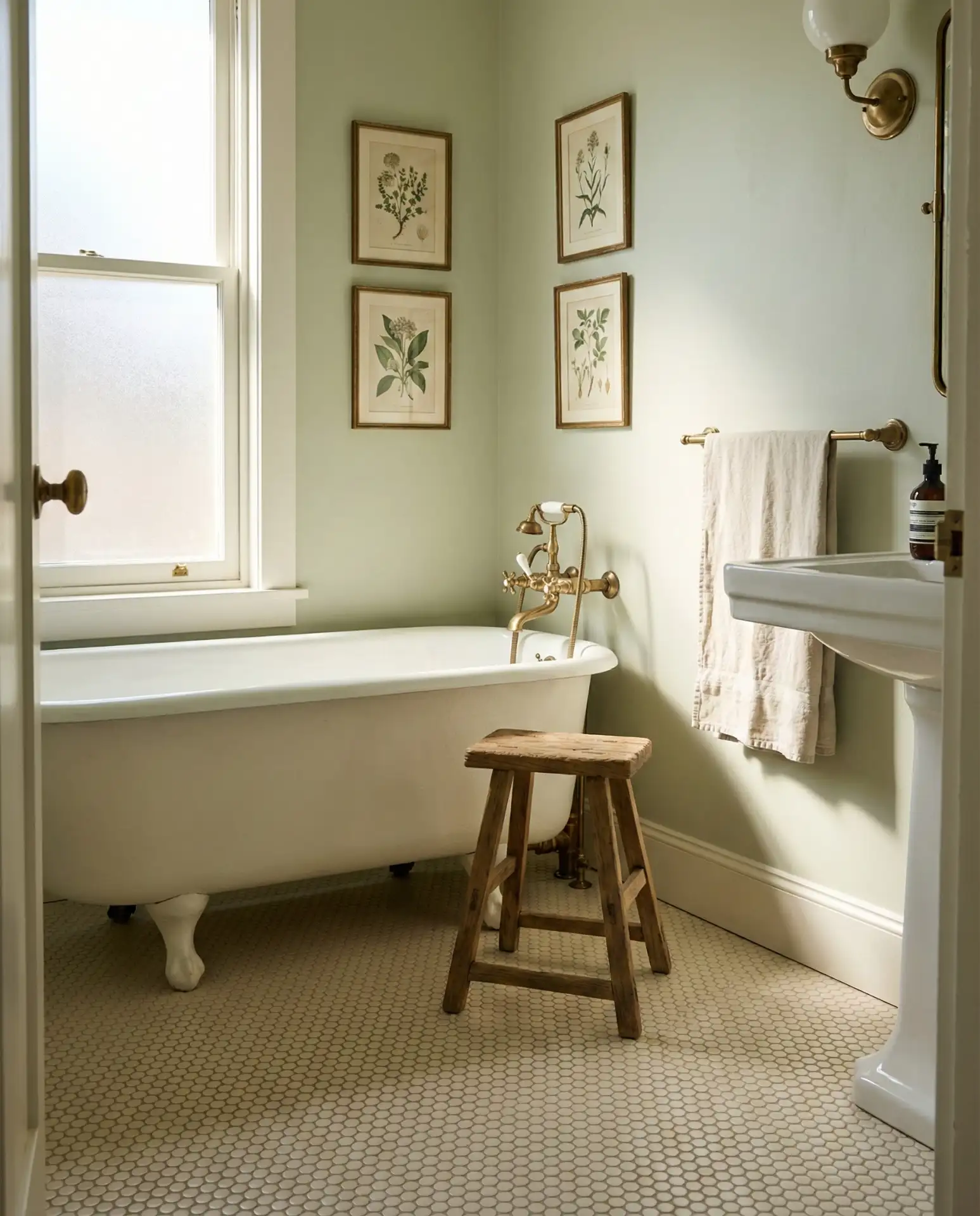
Penny tile brings instant vintage charm with its circular format, typically available in sizes ranging from actual penny-width to slightly larger rounds. These tiles work beautifully in farmhouse and traditional bathrooms where you want a floor with personality and texture. Available in ceramic, porcelain, or even stone , penny rounds create a distinctive pattern that catches light differently throughout the day. The warm earth tones—from cream to terracotta to soft gray—complement wood vanities and brass fixtures perfectly. 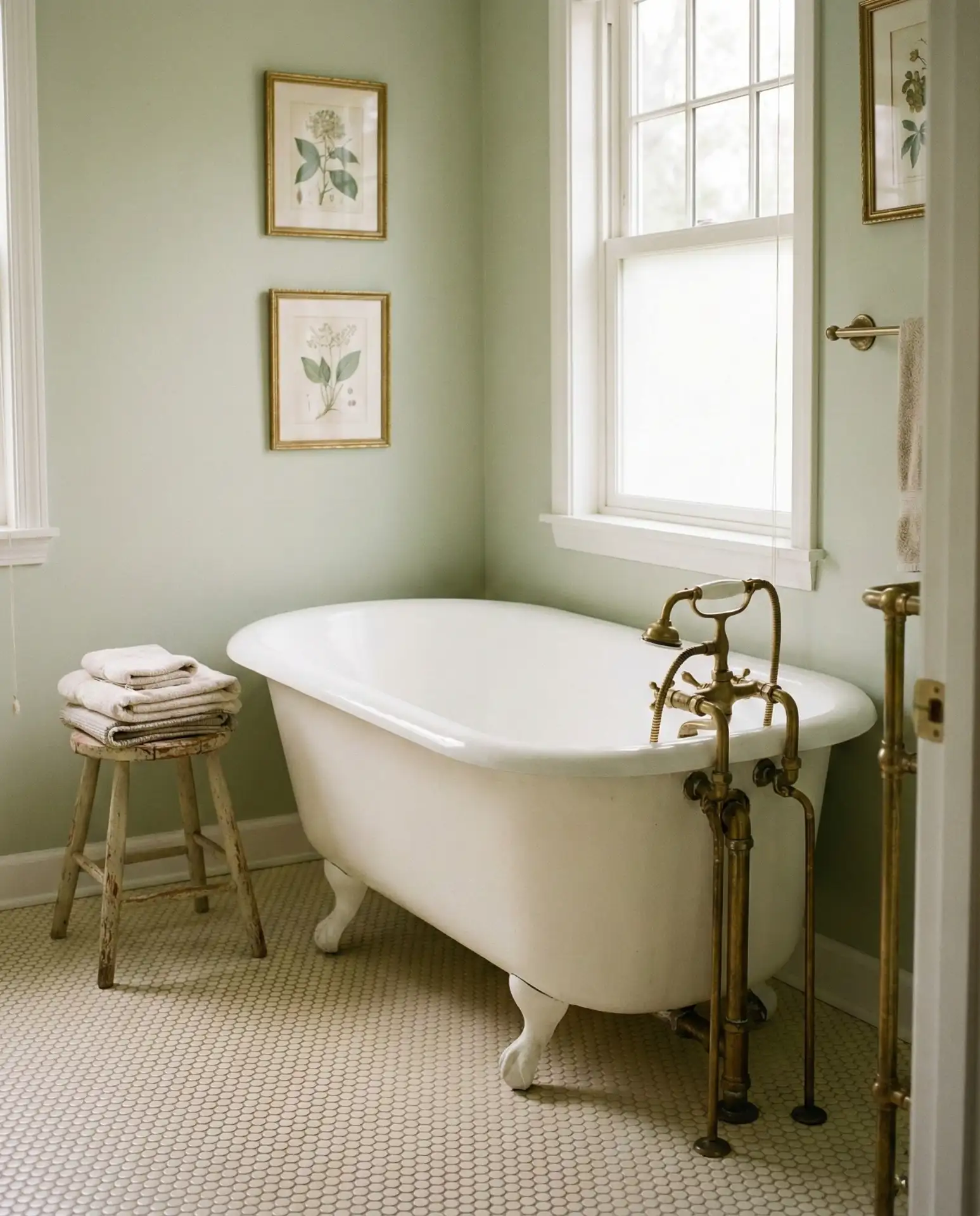
In regions with hard water like the Southwest, many homeowners choose penny tile specifically because the numerous grout lines don’t show water spots as prominently as large-format tiles. The installation requires patience and skill—the mesh-backed sheets need careful alignment to maintain consistent spacing. Sealing the grout is non-negotiable for longevity, ideally done 48-72 hours after installation and then annually thereafter. Despite the maintenance requirements, penny tile delivers a handcrafted aesthetic that mass-produced large tiles simply can’t replicate, making every bathroom feel custom and considered.
13. Sleek Concrete-Look Porcelain
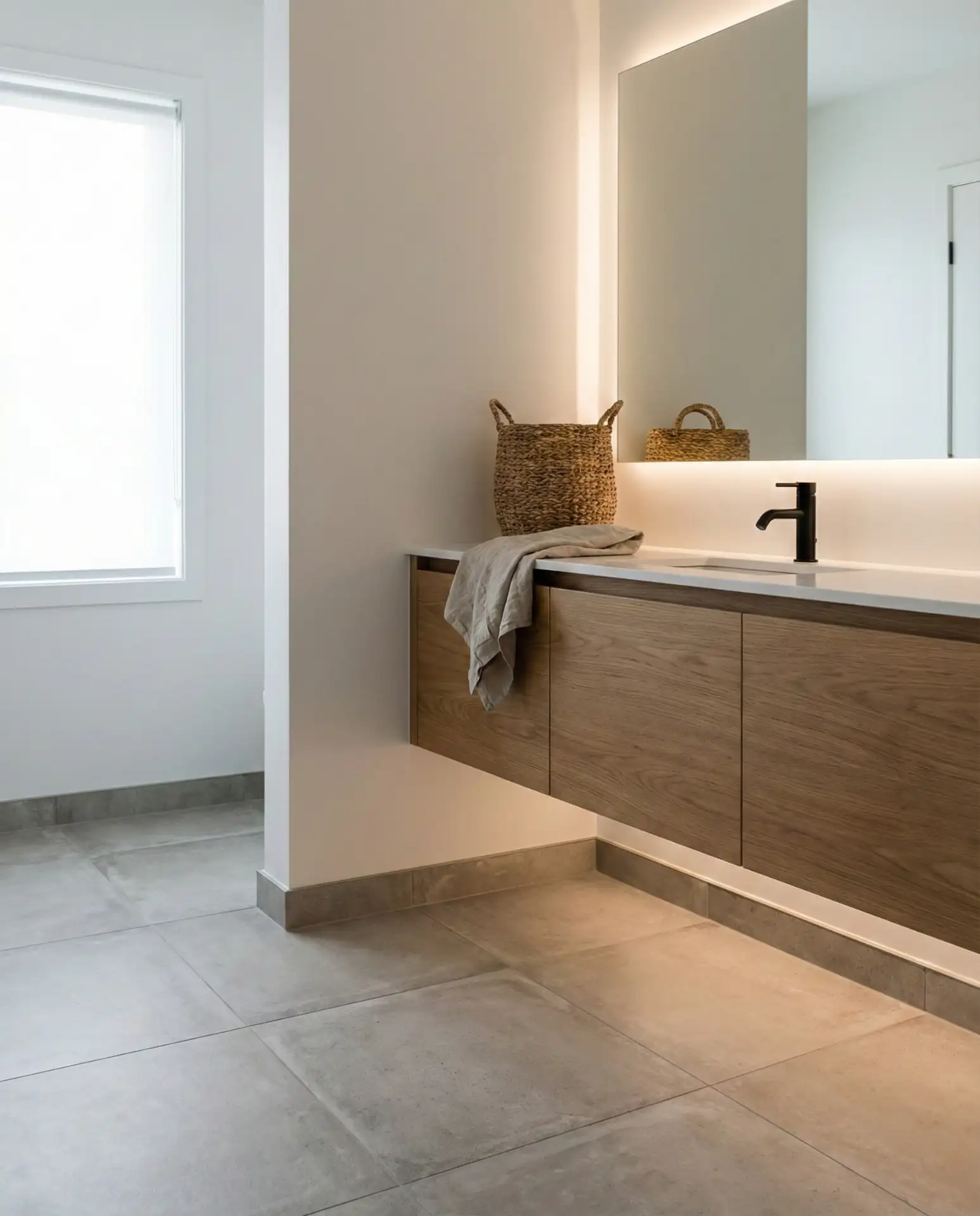
Concrete-look porcelain tile captures the raw, minimalist aesthetic of poured concrete without the maintenance challenges or cold feel of the real material. These large-format tiles (often 24×48 inches) create a seamless, modern foundation that works beautifully in contemporary and industrial-style bathrooms. The subtle variations in tone and texture mimic authentic concrete’s organic imperfections, providing visual interest while maintaining a clean, uncluttered appearance. This waterproof option delivers high style with practical durability. 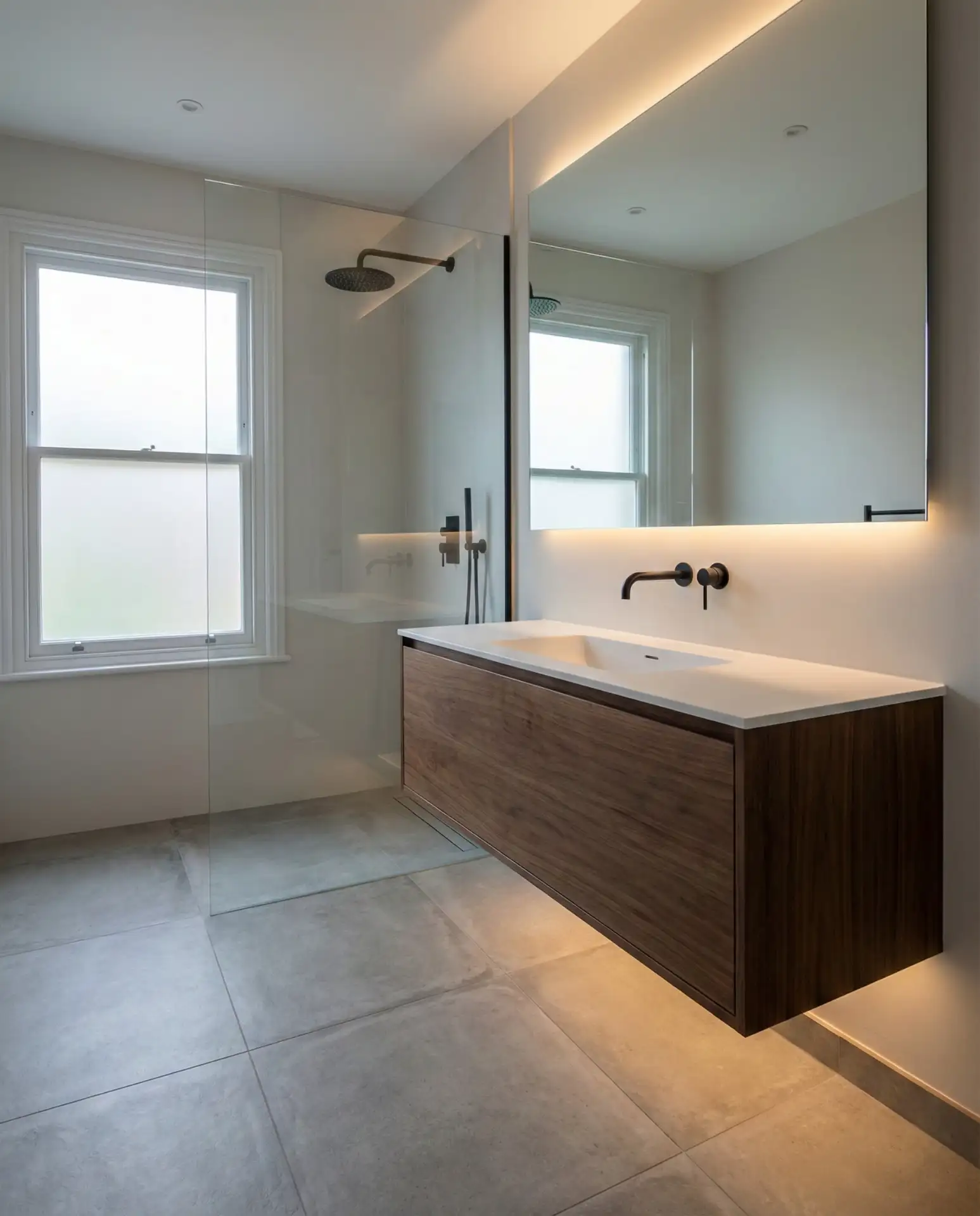
Real homeowners choose this option when they want the industrial-chic look of polished concrete but need something warmer underfoot and easier to maintain. Unlike actual concrete, these tiles don’t require sealing and won’t develop cracks or stains over time. The porcelain composition makes them suitable for radiant heat systems, solving the temperature problem that makes real concrete uncomfortable in bathrooms. Installation costs align with other large-format porcelain tiles, typically $8-15 per square foot including labor. The neutral gray tones complement virtually any color scheme and won’t feel dated as trends evolve.
14. Classic Subway Tile Laid as Flooring
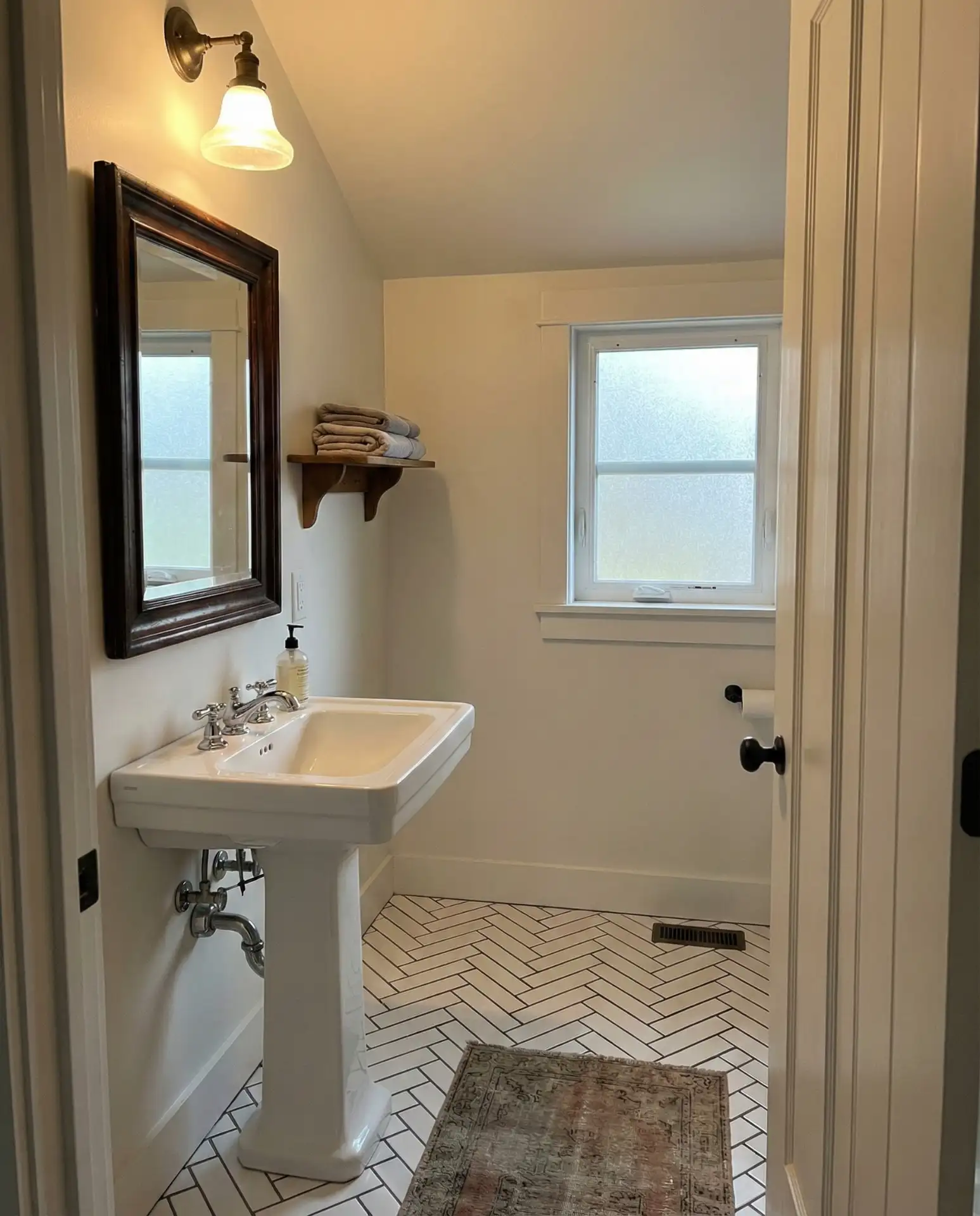
While subway tile typically lives on walls, laying these 3×6-inch rectangles on the floor creates an unexpectedly fresh take on a familiar material. The elongated format works particularly well in small bathroom spaces, where the horizontal lines can make the room feel wider. Install them in a running bond, herringbone, or vertical stack pattern to emphasize different dimensions. This approach maintains a vintage sensibility while feeling more curated than expected, and the cheap material cost ($2-5 per square foot) makes it budget-friendly. 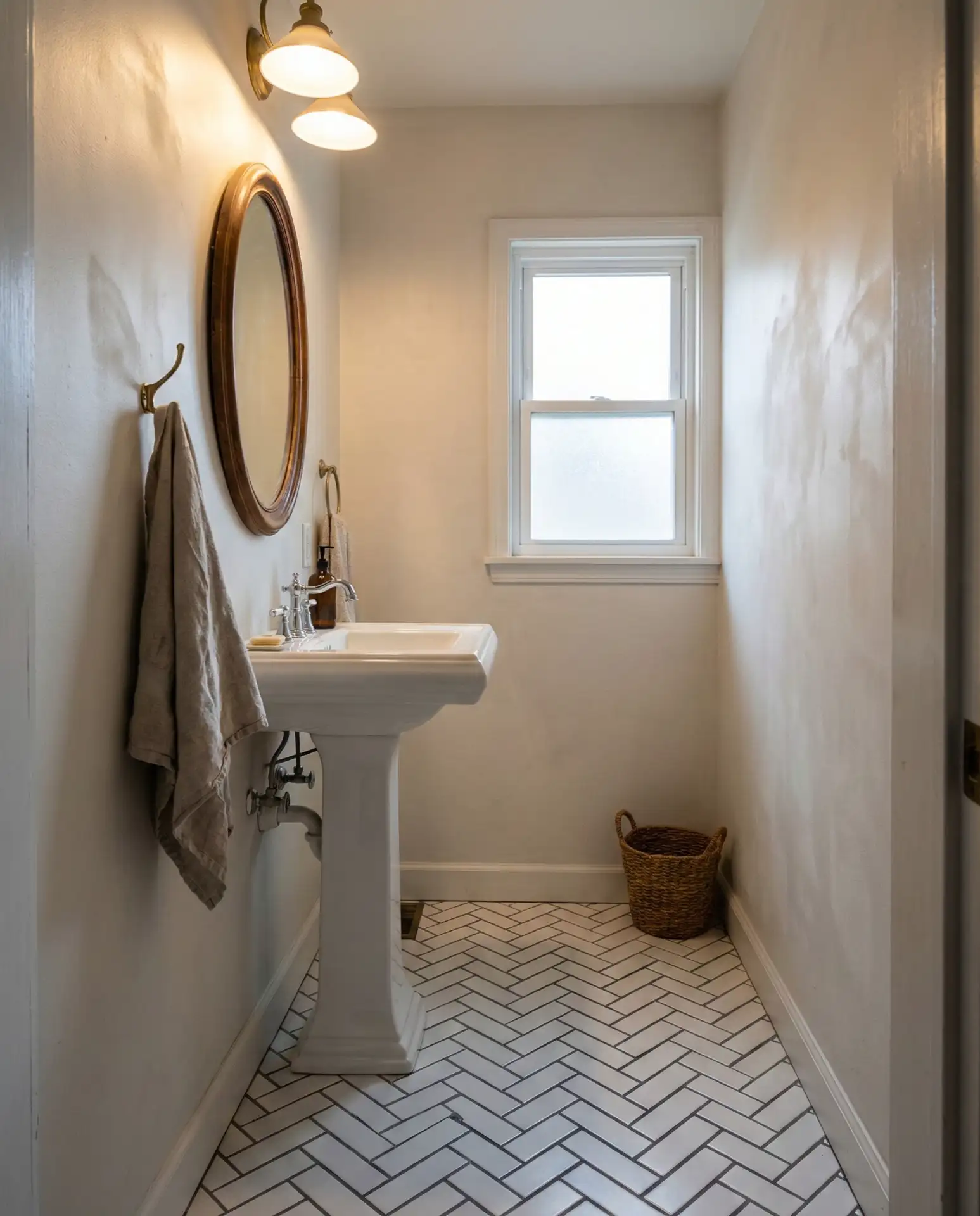
Where it works best is in vintage restorations where you want authentic materials but need more visual interest than standard square tiles provide. The smaller tile size means more grout lines, which improves slip resistance—an important safety consideration often overlooked in floor tile selection. One common mistake is choosing wall-grade subway tile instead of floor-grade; make sure to select tiles rated for floor use, as they’re manufactured with greater density and slip resistance. The installation labor costs more than simple grid patterns due to the precision required, but the distinctive result sets your bathroom apart from cookie-cutter designs.
15. Terracotta Tile for Southwestern Warmth
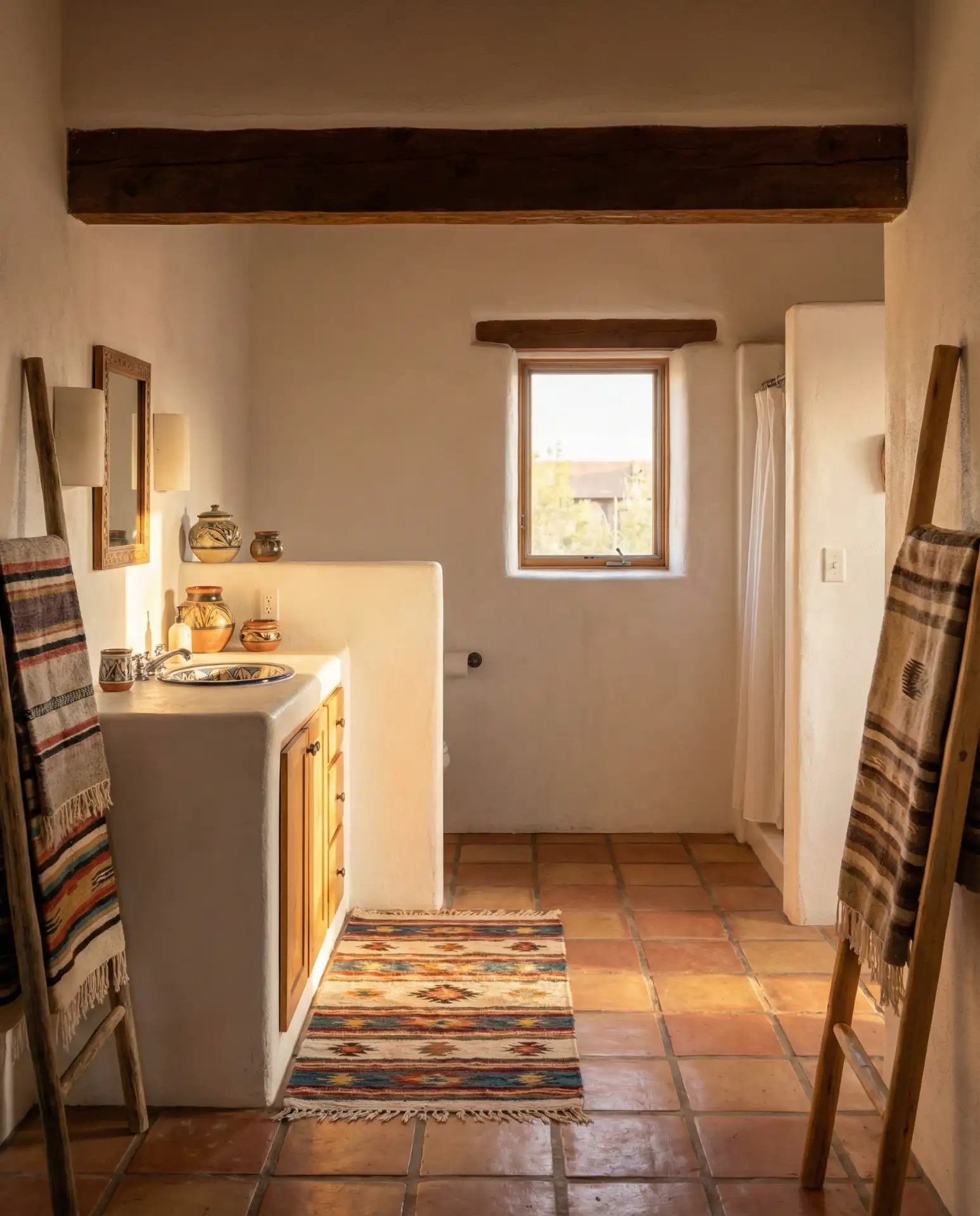
Terracotta tile brings sun-baked warmth and earthy character to bathrooms, especially those embracing rustic or Southwestern design. The natural clay material radiates a warmth that’s both visual and literal—terracotta retains heat beautifully, making it comfortable underfoot even on cool mornings. These tiles come in various shapes from traditional squares to Saltillo and hexagons, each offering a handcrafted aesthetic with natural color variations. Sealed properly, terracotta becomes waterproof enough for bathroom use while maintaining its authentic, porous appearance. 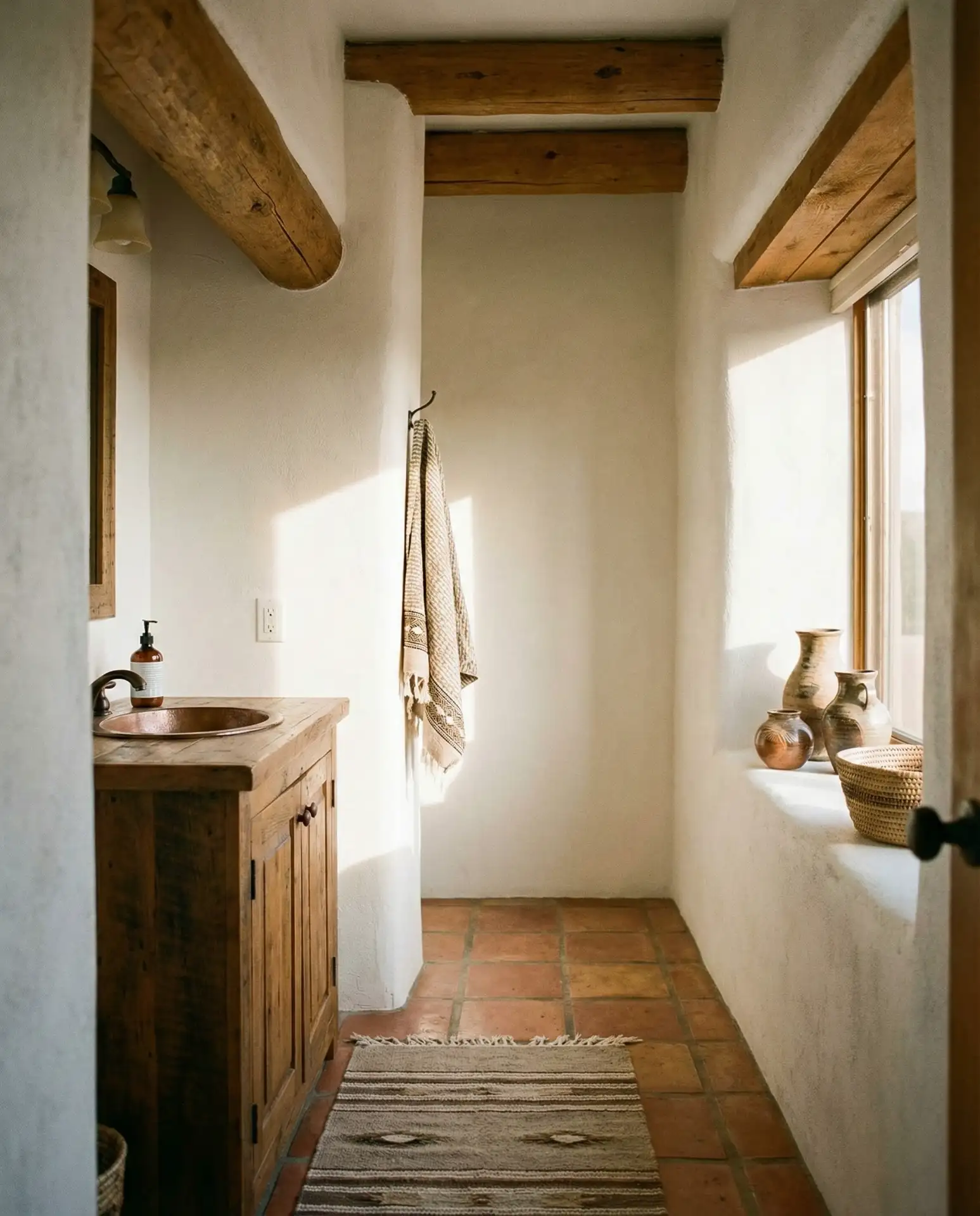
Budget-wise, terracotta sits in the moderate range at $5-12 per square foot, though authentic Saltillo tiles from Mexico command higher prices due to their handmade nature. The tiles require sealing both before and after grouting to prevent staining—skip this step and you’ll regret it when water or soap leaves permanent marks. Maintenance involves resealing every 1-2 years depending on traffic and use. Despite these requirements, terracotta develops a beautiful patina over time that only enhances its character, making it ideal for homeowners who appreciate materials that age gracefully rather than simply wearing out.
16. Geometric Encaustic Cement Tiles
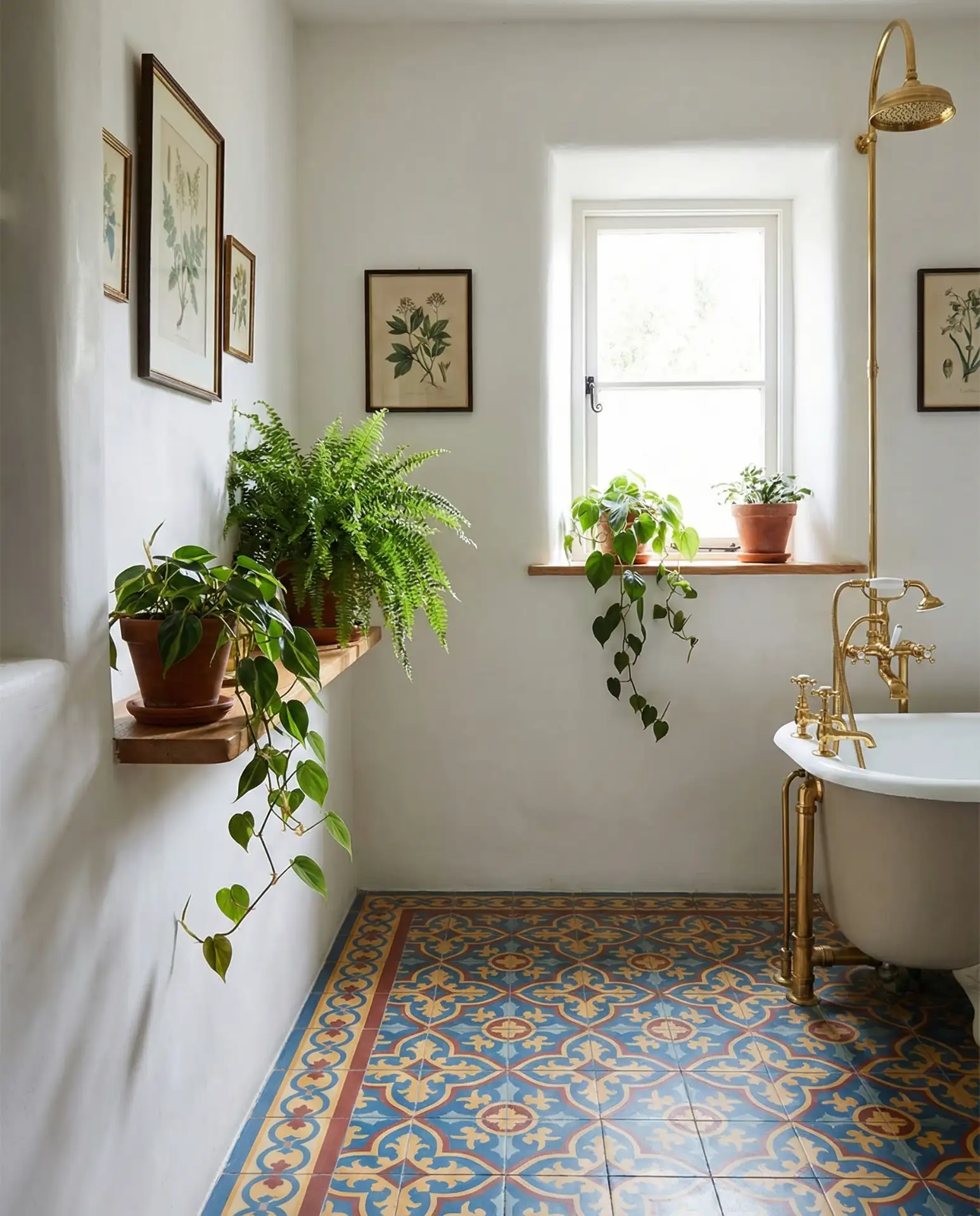
Encaustic cement tile delivers pattern, color, and artisanal quality that instantly elevates any bathroom into something special. These handcrafted tiles feature pigments embedded throughout the material rather than applied on top, creating patterns that won’t fade or wear away. Popular in Mediterranean and Spanish Colonial homes, they’re now finding their way into eclectic modern bathrooms where homeowners want a statement floor. The geometric designs range from subtle tone-on-tone patterns to vibrant multicolor compositions that become the room’s focal point. 
Expert commentary notes that while cement tiles are porous and require sealing, their maintenance isn’t dramatically different from natural stone once properly sealed. The installation process demands precision—these tiles are handmade, so slight size variations require careful laying and slightly wider grout joints than mass-produced tiles. Costs run higher at $10-25 per square foot, but the authentic craftsmanship justifies the investment for many homeowners. In a half bath or powder room, you can create maximum impact with minimal square footage, making cement tiles more affordable while still achieving the wow factor.
17. Whitewashed Wood-Look Tile for Scandinavian Style
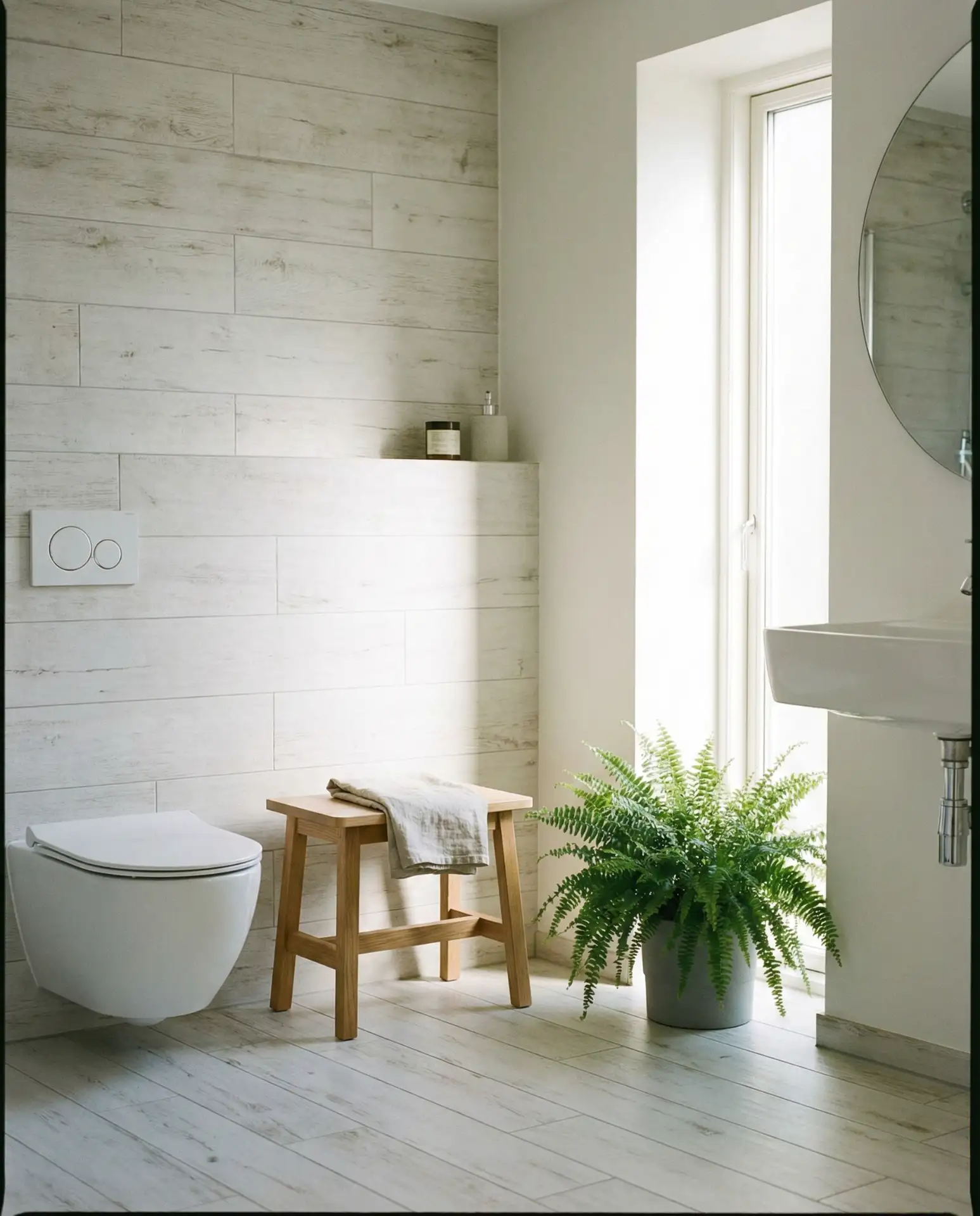
Whitewashed wood-look tile captures the light, airy essence of Scandinavian design while providing the waterproof performance that bathroom floors demand. These porcelain planks mimic weathered, lime-washed wood with subtle grain patterns and pale, cool-toned finishes. The minimalist aesthetic pairs beautifully with white walls, natural textiles, and the clean lines characteristic of Nordic interiors. This flooring choice makes small bathroom spaces feel significantly larger by reflecting light and maintaining visual continuity from floor to walls. 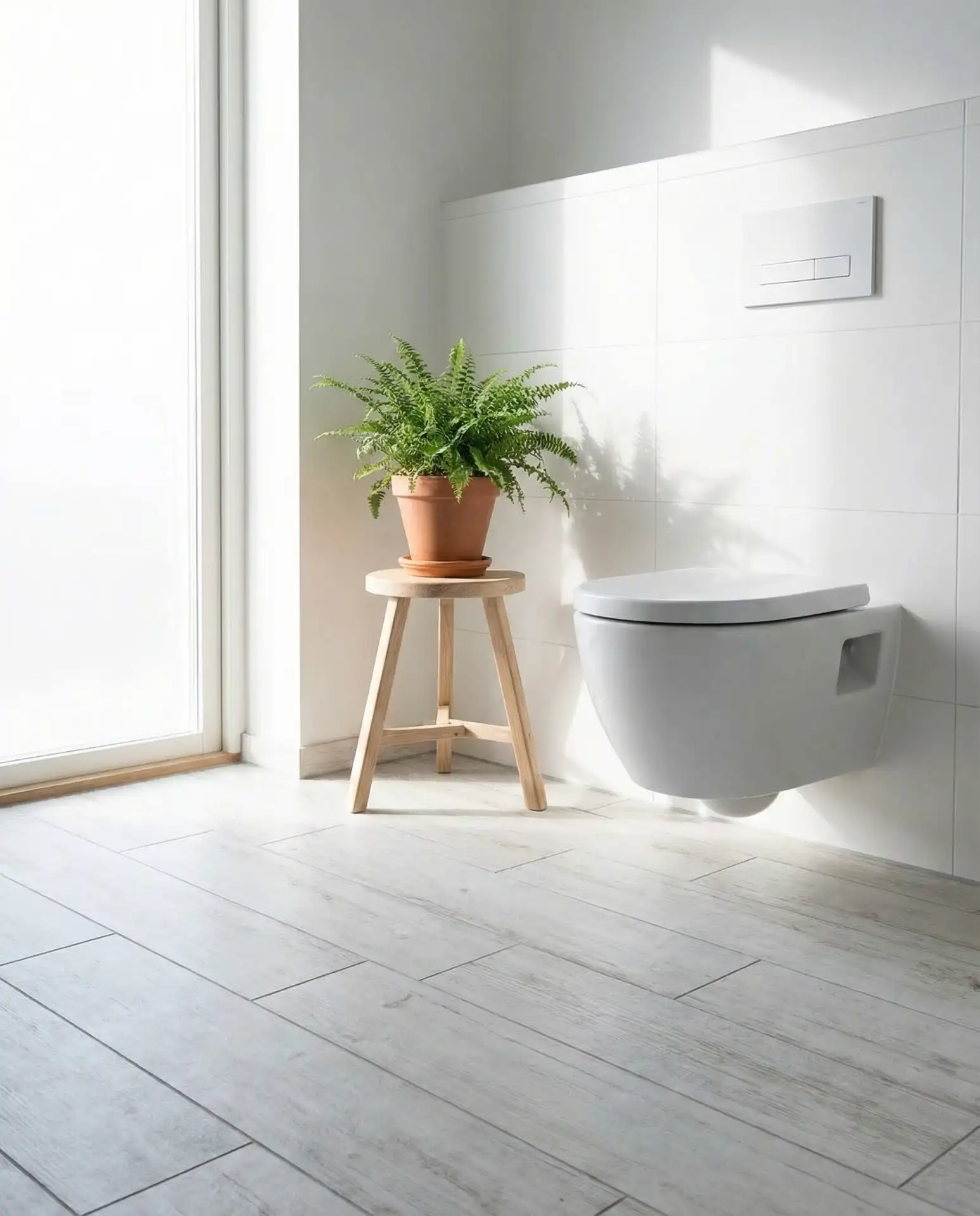
A practical insight for installation: these tiles look best with minimal grout lines in a similarly pale color, creating the illusion of continuous planking. The porcelain construction means they’re highly resistant to moisture, staining, and temperature fluctuations—concerns that would rule out real whitewashed wood in a bathroom. They work particularly well with radiant floor heating, transforming cold morning bathroom trips into spa-like experiences. The neutral palette won’t compete with colorful towels, rugs, or artwork, giving you flexibility to change your bathroom’s personality without replacing the floor.
18. Dark Slate for Drama and Sophistication
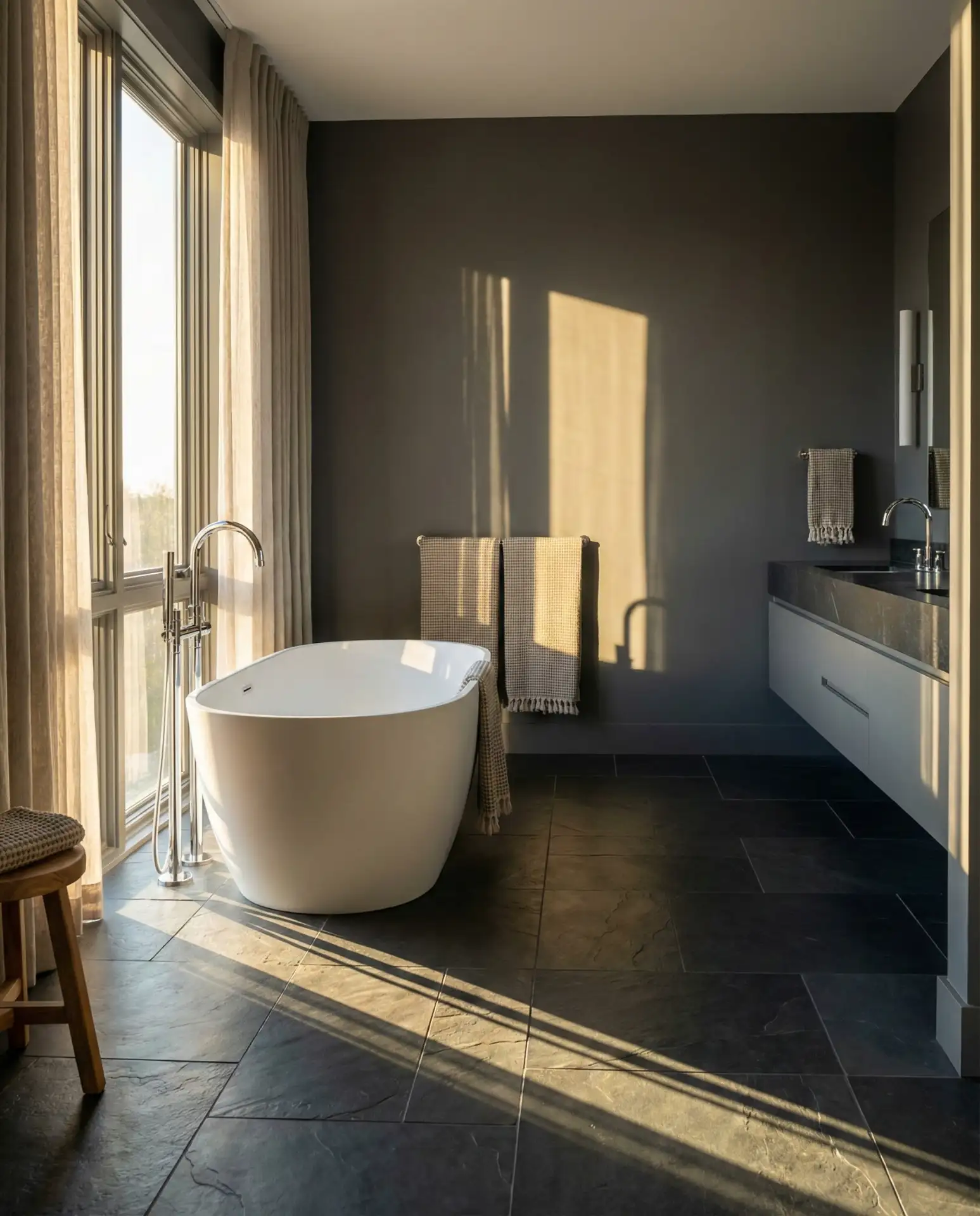
Dark slate flooring brings depth, texture, and understated luxury to bathrooms where you want a modern yet organic feel. The natural stone features color variations from charcoal to nearly black , often with subtle metallic flecks that catch the light. The naturally textured surface provides excellent traction when wet, making it both beautiful and practical. Slate’s durability means this floor will look stunning decades from now, developing a soft sheen over time as natural oils from skin contact create a gentle patina. 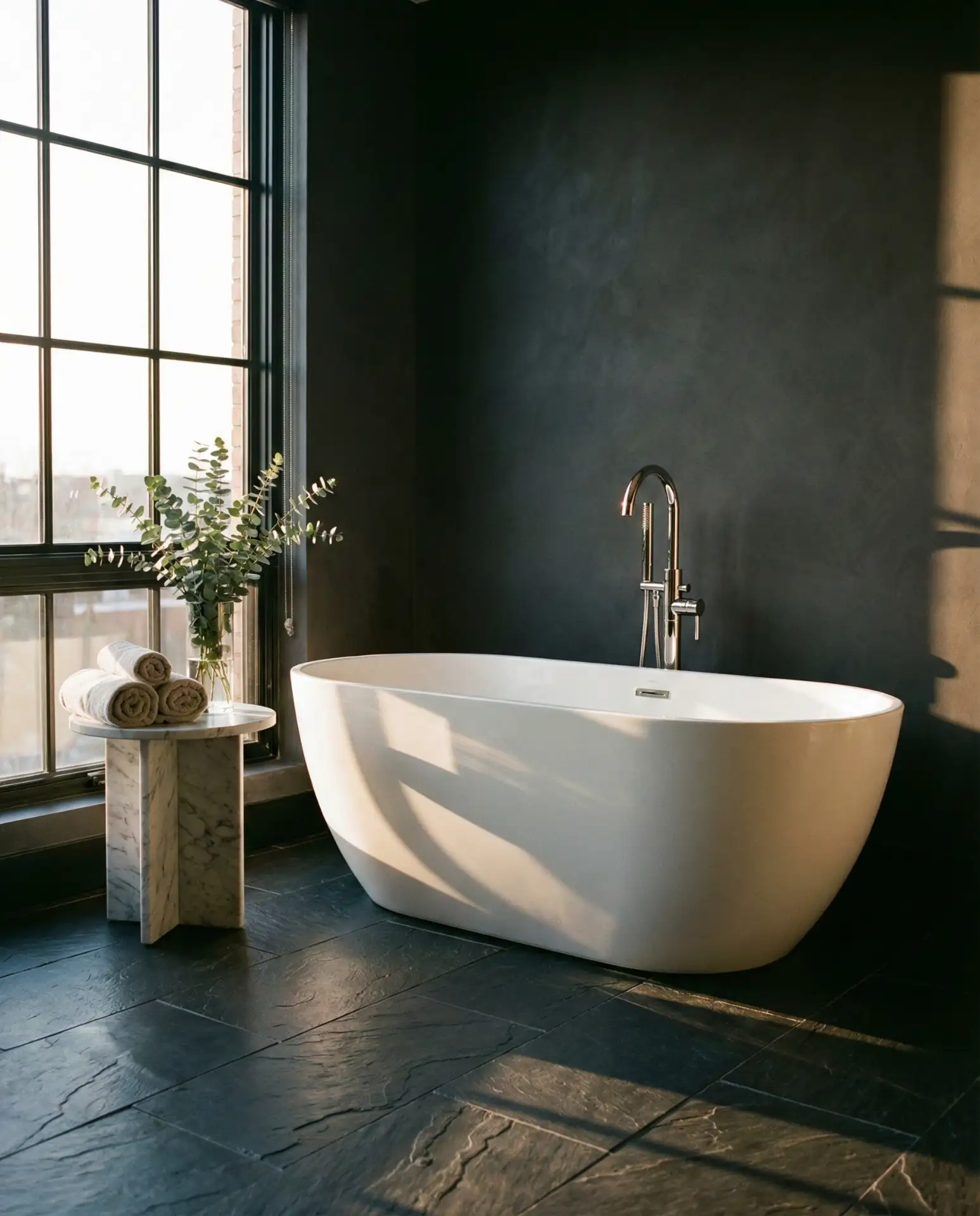
Real homeowner behavior shows that people often worry dark floors will show every water spot, but slate’s natural texture actually camouflages mineral deposits and soap residue better than polished tiles. The initial sealing is critical—penetrating sealers protect the stone without creating a glossy film that would compromise the slip resistance. Maintenance involves resealing annually and using pH-neutral cleaners that won’t damage the stone. The dramatic contrast with white fixtures creates a spa-like ambiance, especially when paired with adequate lighting that prevents the space from feeling cave-like rather than cozy and intimate.
19. Cork Flooring for Eco-Conscious Comfort
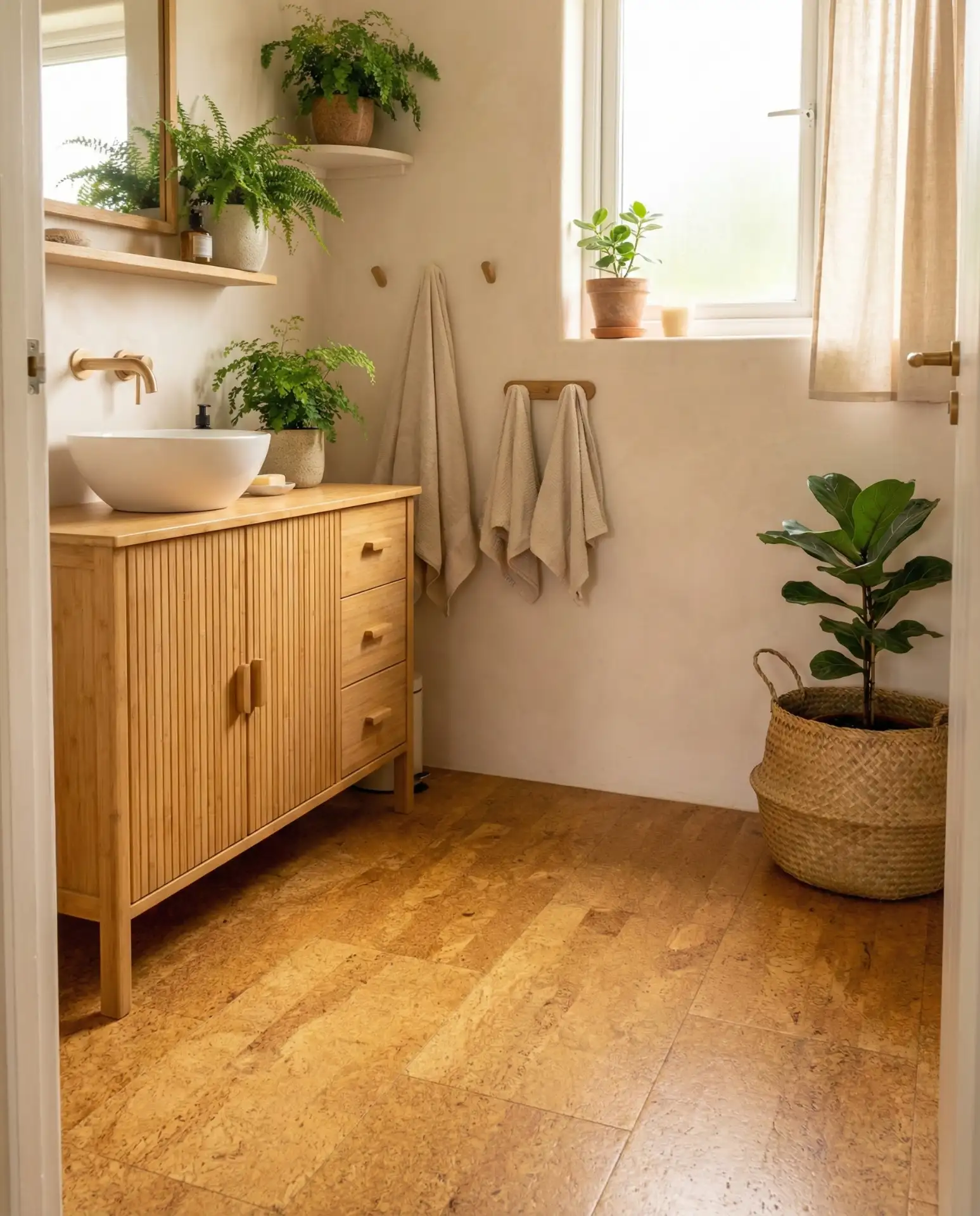
Cork represents an eco-friendly flooring option that’s surprisingly well-suited to bathroom environments when properly sealed. This renewable material harvested from cork oak bark provides natural warmth underfoot, excellent sound dampening, and inherent antimicrobial properties. Modern waterproof cork products feature multiple protective layers that make them suitable for bathroom moisture levels. The warm, organic appearance works beautifully in farmhouse and coastal style bathrooms where natural materials take center stage. 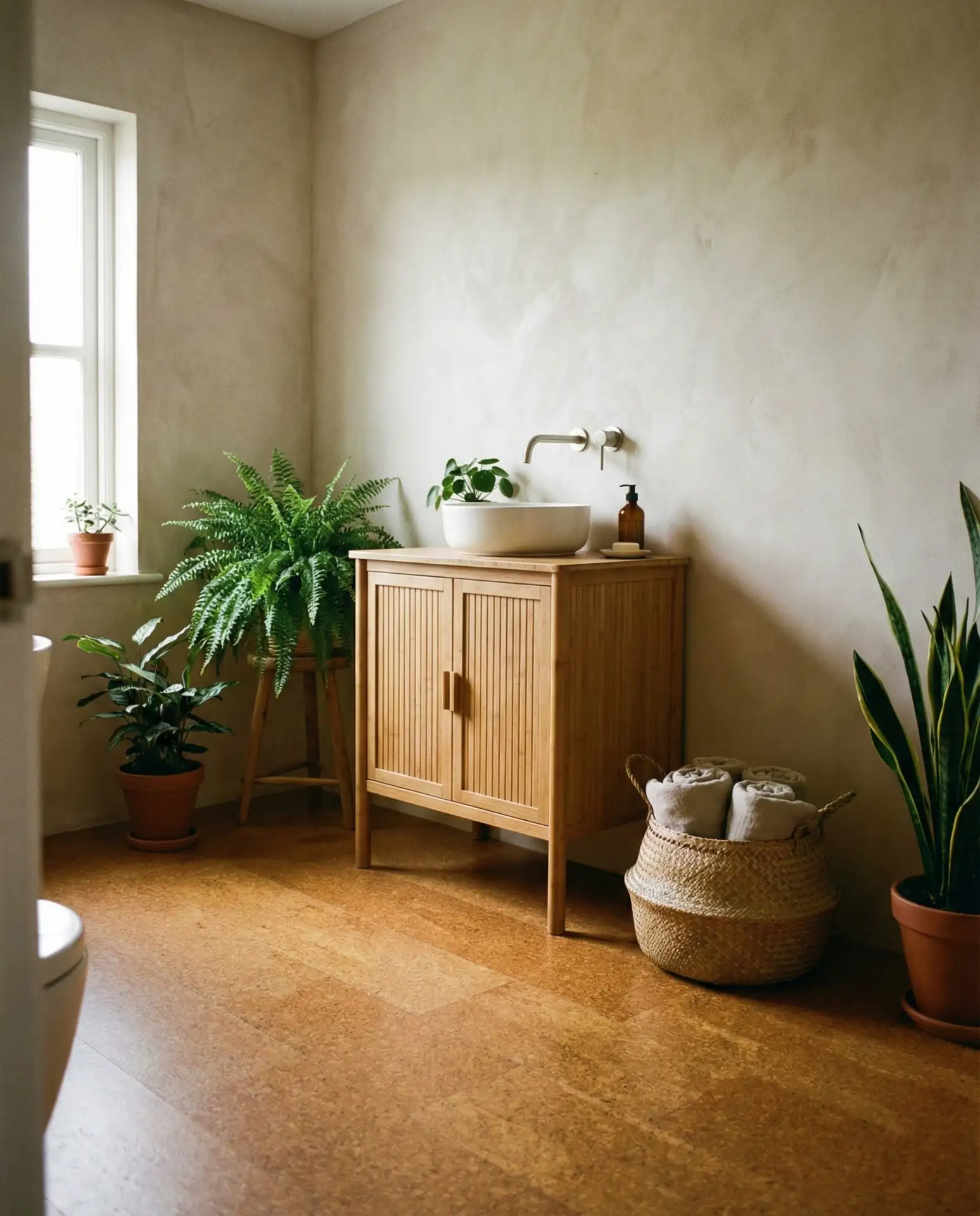
Where cork truly shines is in comfort—the cushioned surface is gentle on joints and stays naturally warm, unlike stone or ceramic. It’s also remarkably quiet, absorbing sound instead of echoing like hard surfaces. Installation is straightforward as a DIY project with floating-floor planks that click together without adhesive. The main consideration is ensuring adequate ventilation to prevent moisture accumulation beneath the floor. Budget-conscious renovators appreciate that cork costs $3-8 per square foot, positioning it as an affordable luxury that doesn’t compromise on environmental values or physical comfort.
20. Mosaic Tile for Custom Artistic Floors
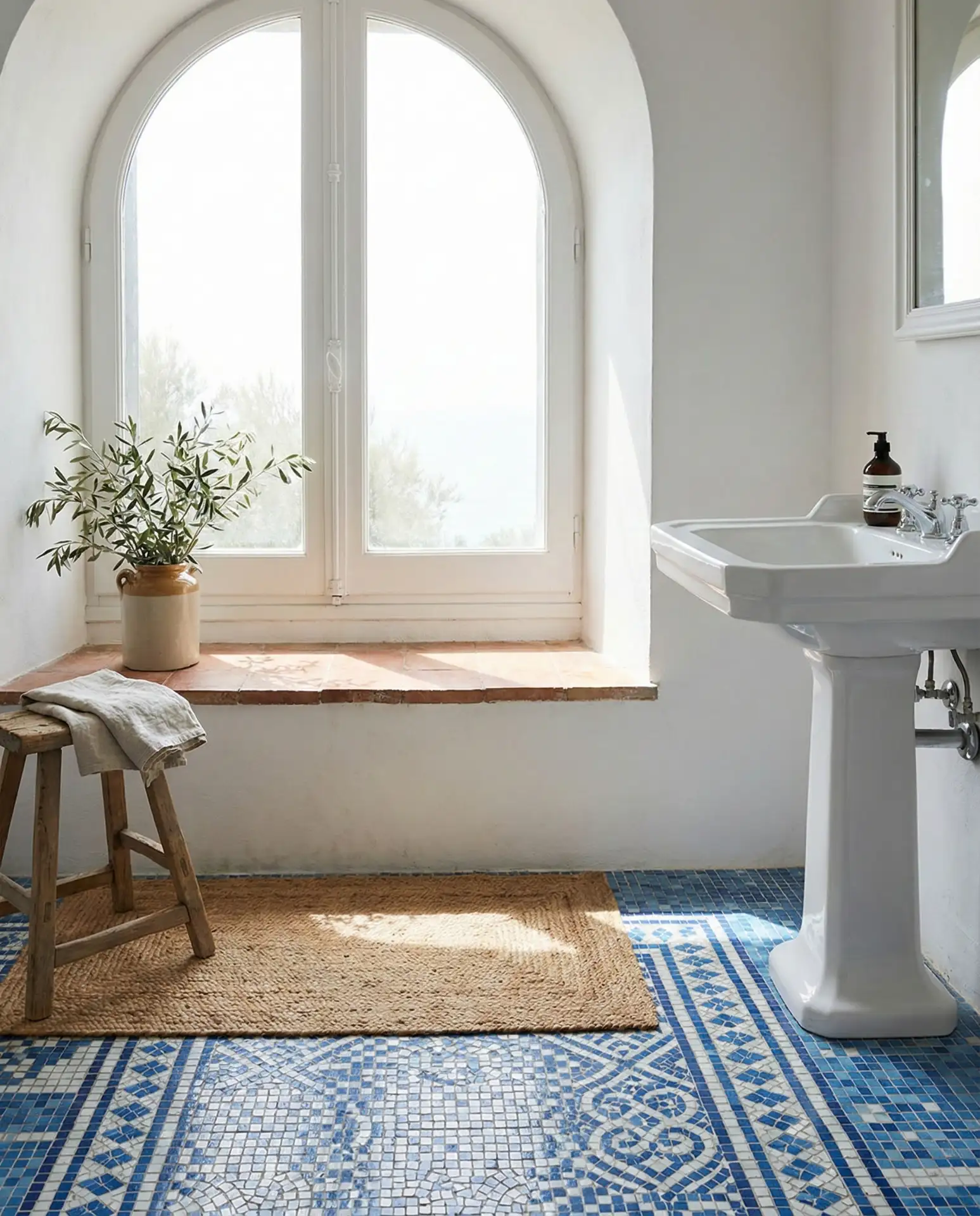
Mosaic tile allows for limitless creativity, from simple geometric borders to elaborate pictorial designs that transform your bathroom floor into functional art. These small tiles—typically 2 inches or smaller—come in glass, ceramic, porcelain, and natural stone , often on mesh backing for easier installation. Use mosaics to define zones, create feature panels, or cover the entire floor for maximum impact. The luxury aspect comes from the customization potential; your floor becomes truly one-of-a-kind. 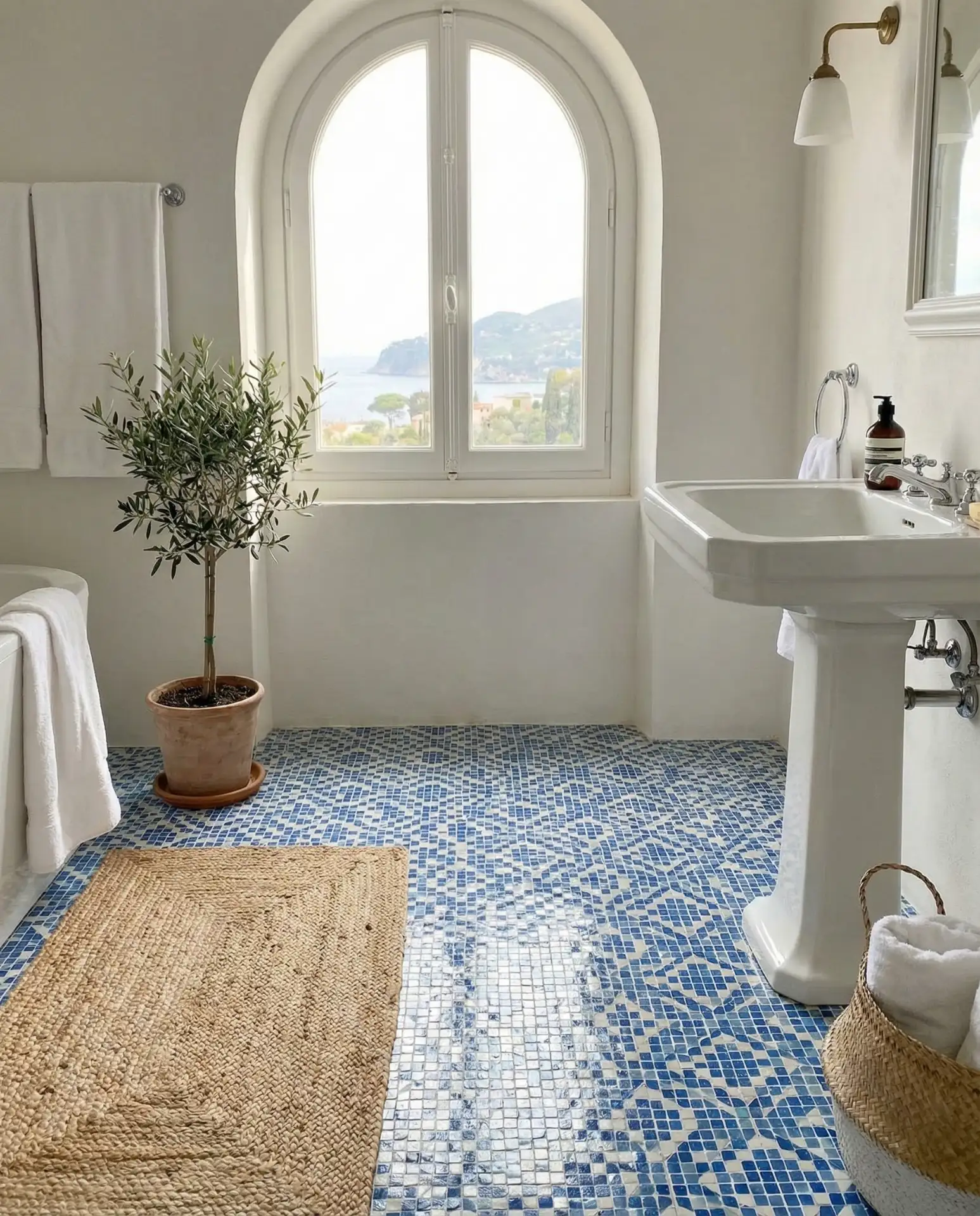
Common mistakes include choosing a design that’s too busy for the space or failing to properly plan tile layout before installation begins. The density of grout lines provides excellent slip resistance but also requires diligent sealing and maintenance to prevent mildew in those numerous crevices. Professional installation is recommended unless you’re experienced with tile work—the small scale demands precision and patience. Costs vary wildly depending on the materials and design complexity, ranging from $12 for simple sheet mosaics to $50+ per square foot for custom stone compositions. For a half bath or powder room, the investment creates an unforgettable first impression.
21. Polished Concrete with Decorative Aggregates

Polished concrete incorporating decorative aggregates—like glass chips, river stones, or metallic flakes—creates a modern luxury floor with an artistic edge. The aggregate materials are embedded in concrete, then ground and polished to reveal them at the surface, creating a terrazzo-like effect with contemporary flair. This seamless, waterproof option works brilliantly in open-concept bathrooms or wet rooms where traditional flooring transitions would be problematic. The reflective polish amplifies light, making spaces feel larger and more open. 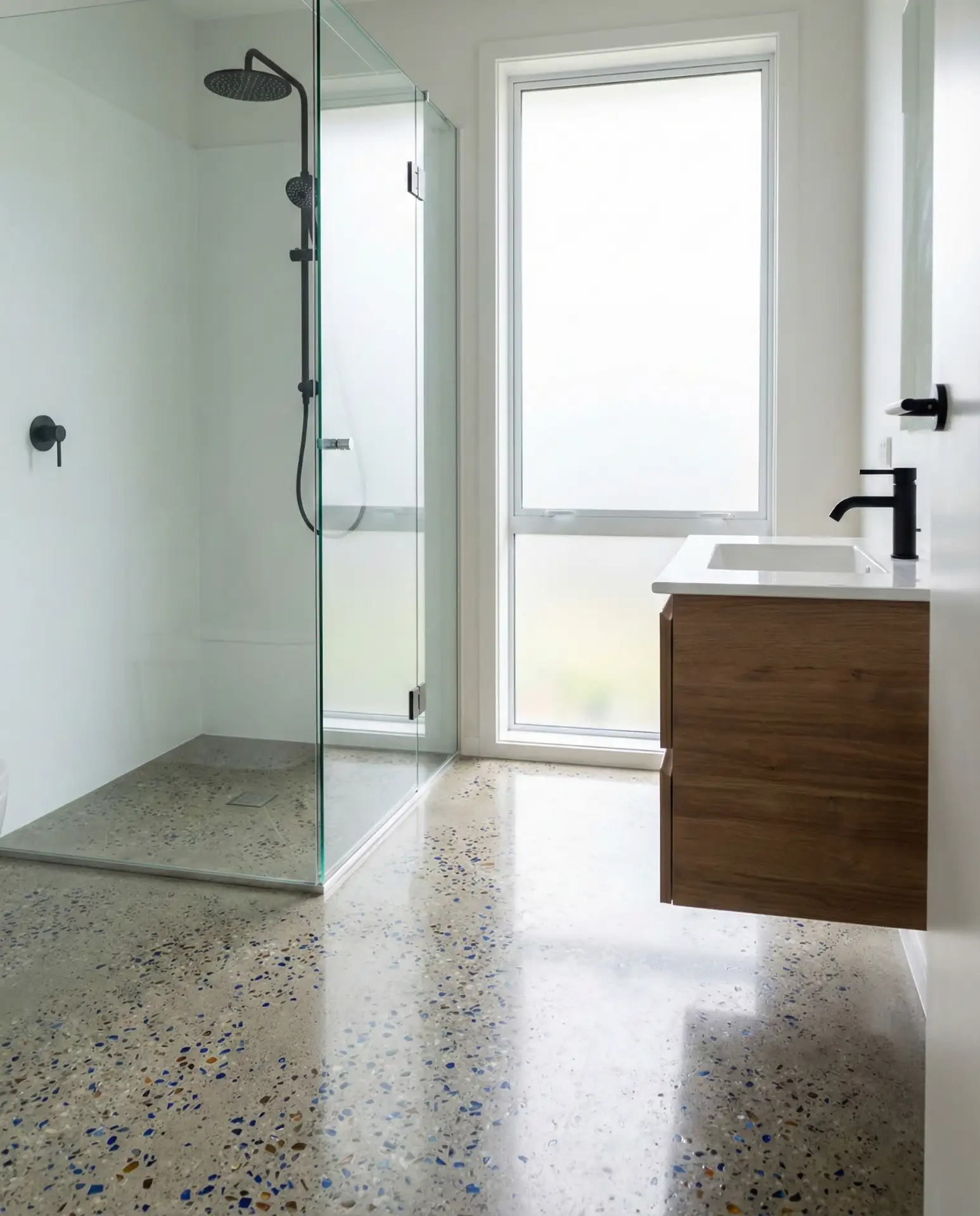
In California and the Southwest, this flooring choice aligns with drought-conscious, low-maintenance lifestyles that prioritize durability and longevity. The concrete stays cool naturally, which is welcome in warm climates, though radiant heating can be installed beneath for cooler regions. Professional installation is essential—the grinding and polishing process requires specialized equipment and expertise. Budget considerations are significant at $8-18 per square foot, but the 30+ year lifespan without replacement makes the long-term cost competitive with mid-range tile . The surface can become slippery when wet, so textured finishes or anti-slip coatings are crucial for safety.
22. Reclaimed Wood-Look Porcelain Planks
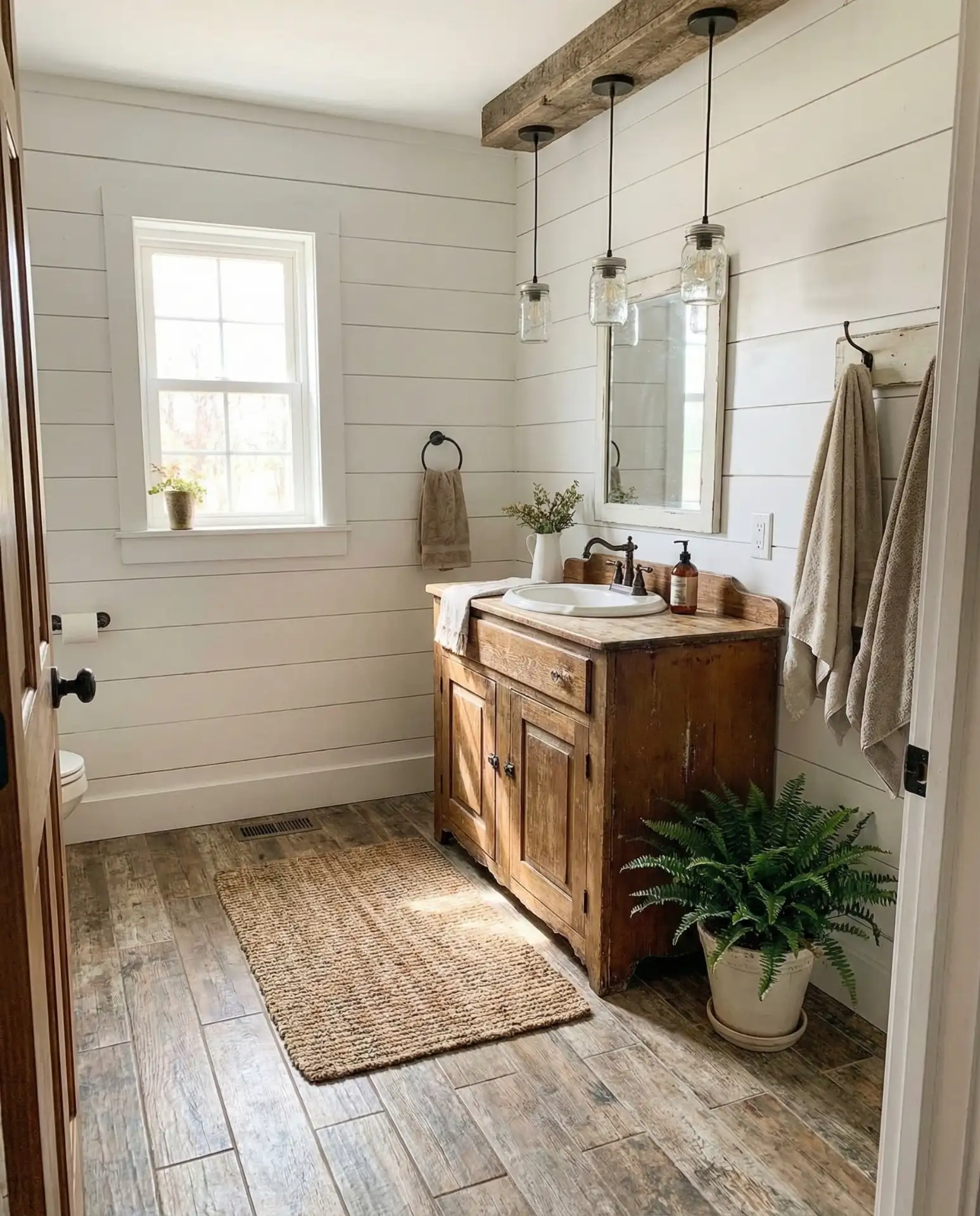
For those drawn to the character of aged wood but needing bathroom-appropriate performance, reclaimed wood-look porcelain captures weathered barn wood, salvaged beams, and distressed planking in waterproof tile form. These planks feature authentic-looking saw marks, knots, and color variations that mimic century-old timber. The rustic aesthetic brings instant warmth and history to farmhouse and transitional bathrooms. Long plank formats (8×48 or even 10×60 inches) maximize the wood grain appearance and minimize grout lines. 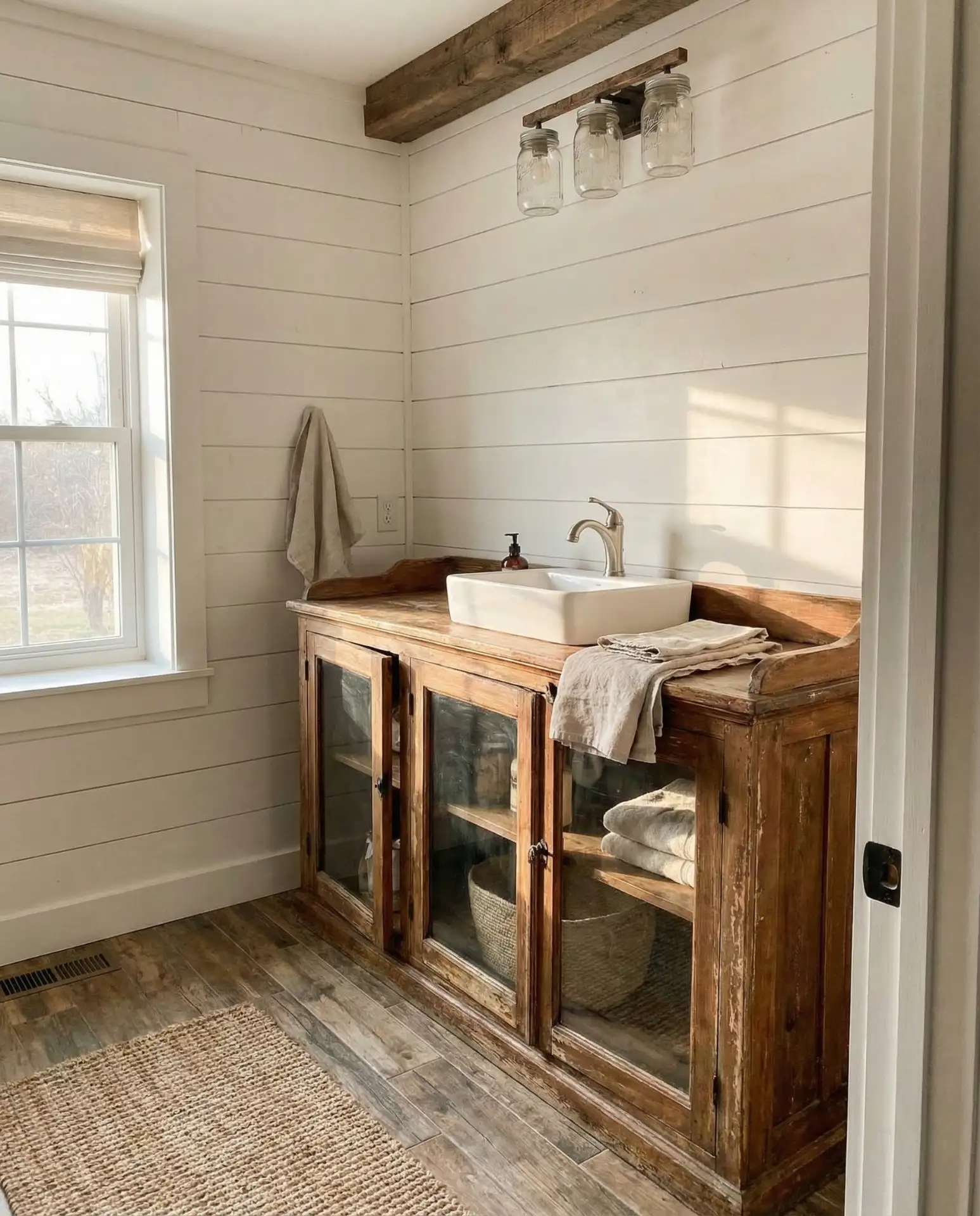
A neighbor installed these in her bathroom two years ago, and guests consistently ask if it’s real wood—the technology has improved that dramatically. The porcelain construction means zero worry about warping, staining, or moisture damage that would destroy actual reclaimed wood in a bathroom environment. Installation follows standard tile practices, making it accessible to experienced DIYers or any tile professional. The tiles accommodate radiant heating and can be paired with wide grout lines for added rustic charm or tight lines for a more refined appearance. At $6-14 per square foot, they offer authentic visual character without the astronomical costs of actual reclaimed timber.
23. Textured Ceramic in Earth Tones
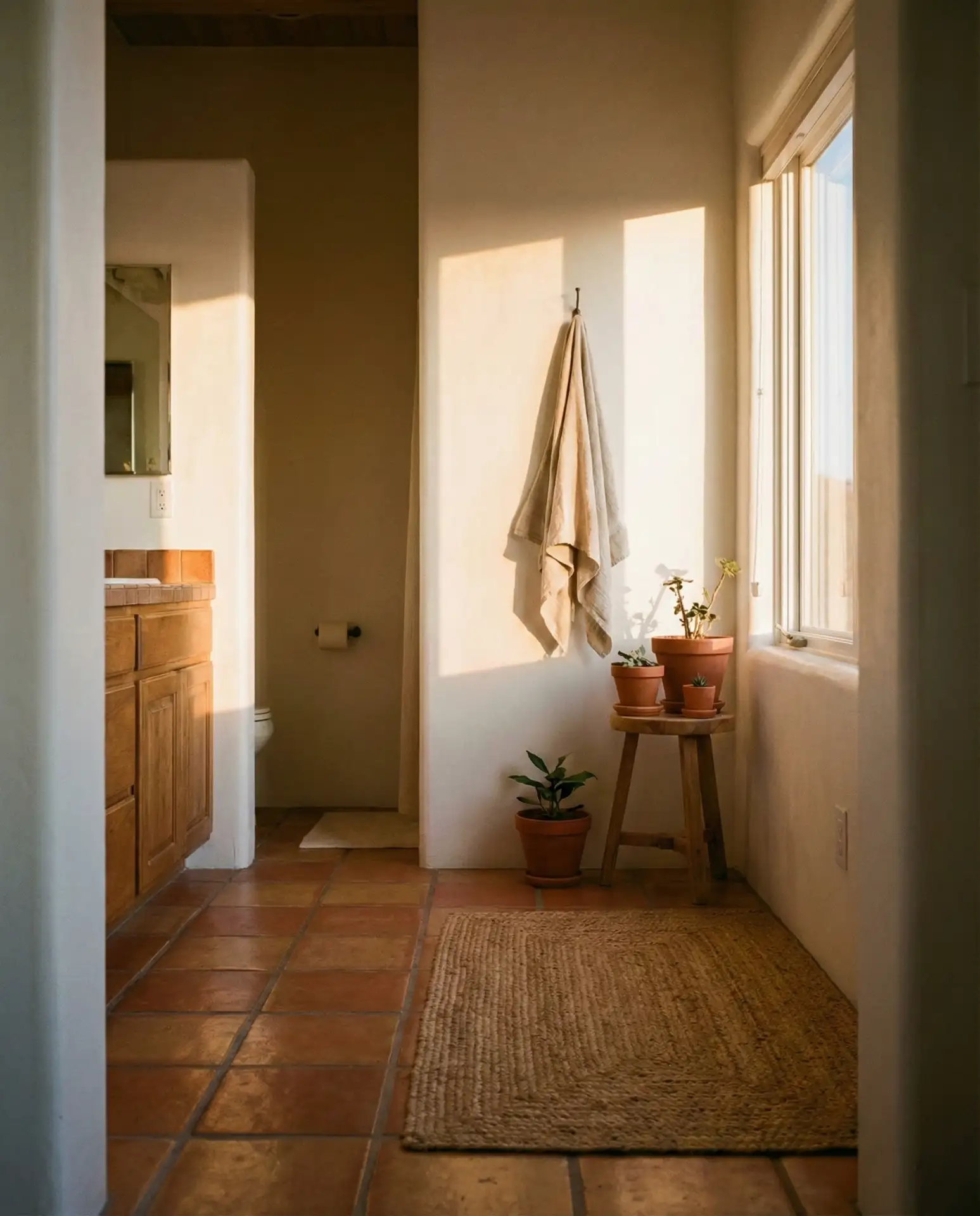
Textured ceramic tile in warm earth tones—terracotta, ochre, sand, and clay—creates a grounded, organic bathroom floor that feels both timeless and contemporary. The dimensional surface catches light and shadow throughout the day, adding visual interest without busy patterns. This cheap to moderate option ($4-10 per square foot) delivers high-end appearance, especially in matte finishes that enhance the natural aesthetic. The texture provides slip resistance while the neutral palette adapts to evolving décor choices over the years. 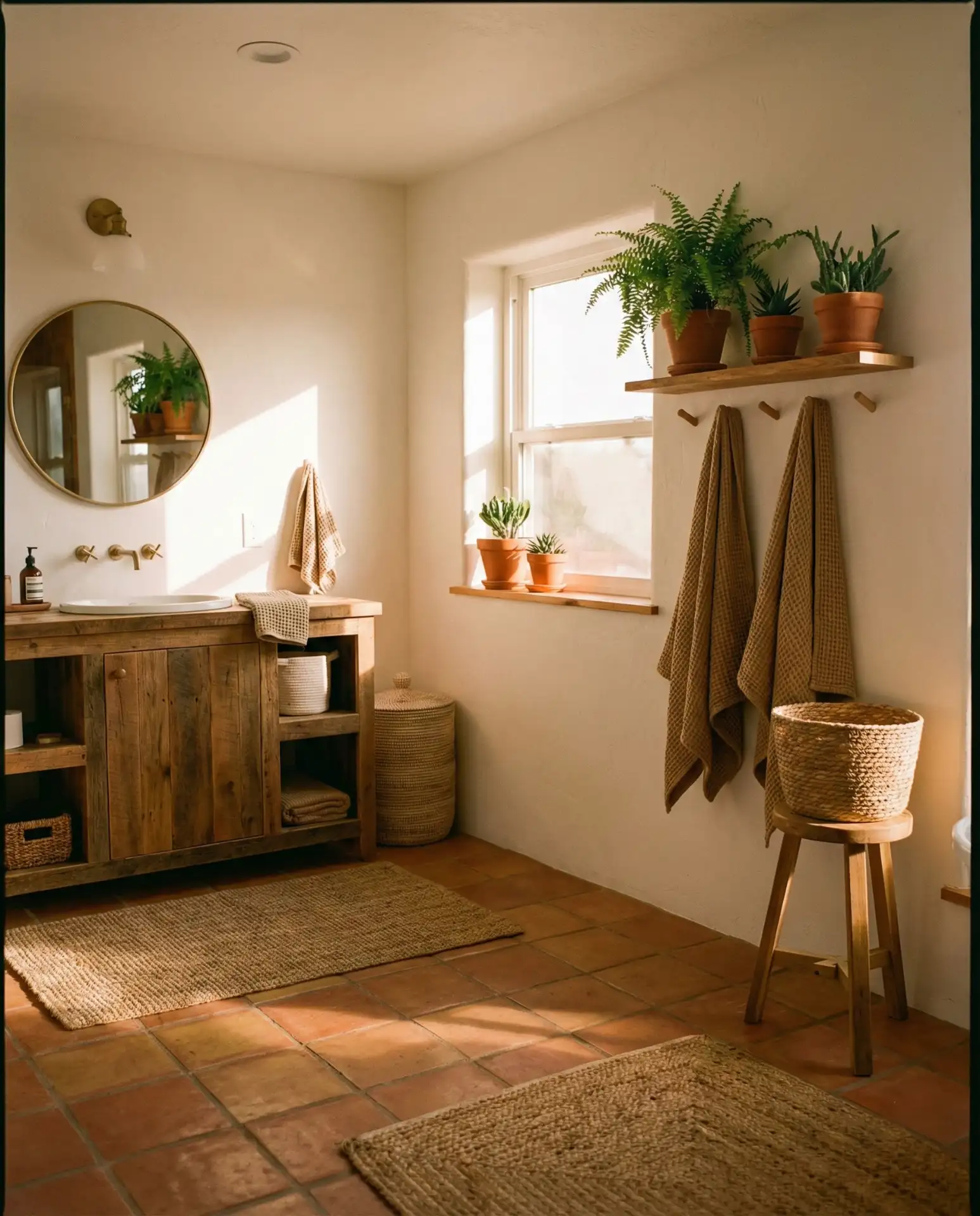
These tiles work best in bathrooms where you want a minimalist foundation that won’t compete with statement fixtures or vibrant textiles. The ceramic composition makes them durable and easy to maintain—simple mopping with pH-neutral cleaners keeps them looking fresh for decades. Many manufacturers now offer large-format textured ceramics (12×24 or 18×18), combining the organic appeal of texture with the clean, contemporary look of fewer grout lines. Installation is straightforward for professionals, and the moderate cost makes this an excellent choice when you’re renovating on a budget but refuse to compromise on style or quality.
Conclusion
Which of these bathroom flooring ideas speaks to your style and practical needs? Whether you’re drawn to the timeless elegance of marble, the budget-friendly versatility of vinyl, or the artistic impact of mosaic patterns, the right floor can transform your bathroom into a space you genuinely love. Share your favorite looks or your own flooring experiences in the comments—your insights might help someone else make their perfect choice.