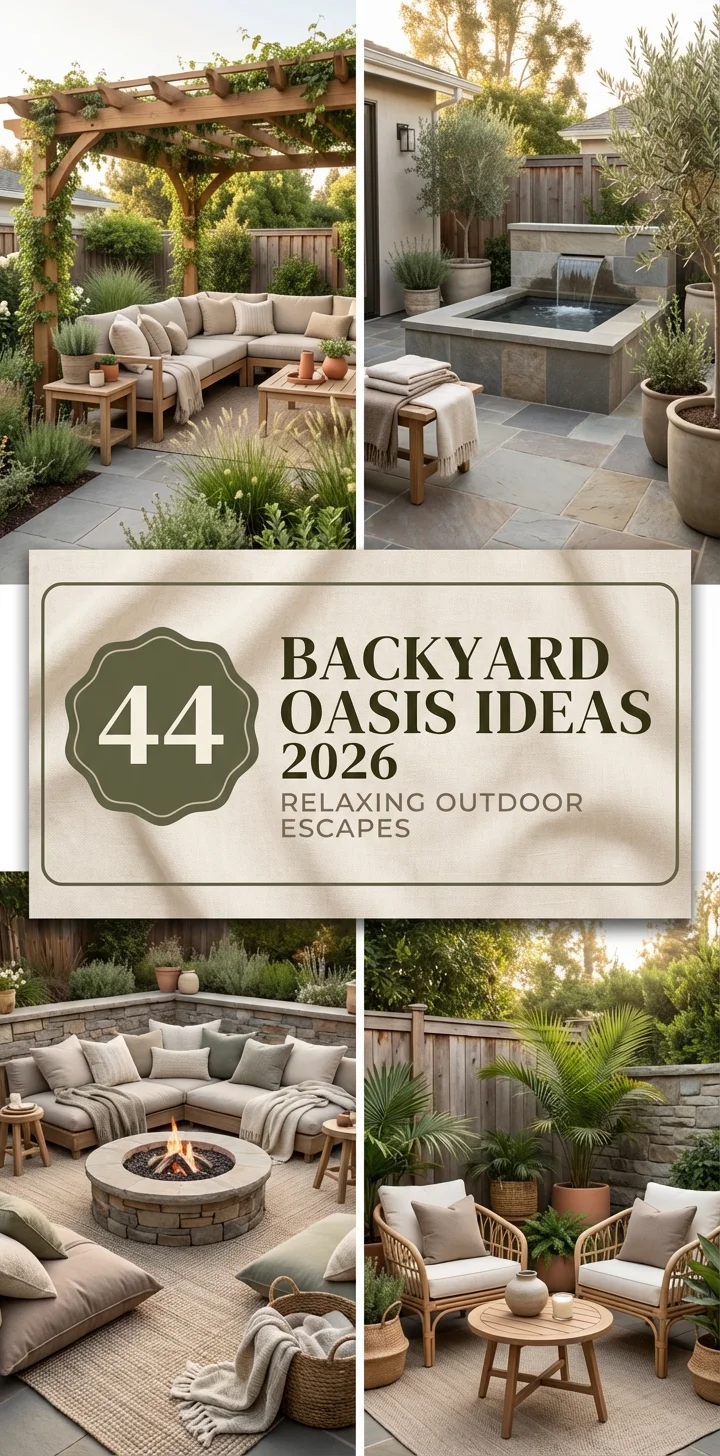
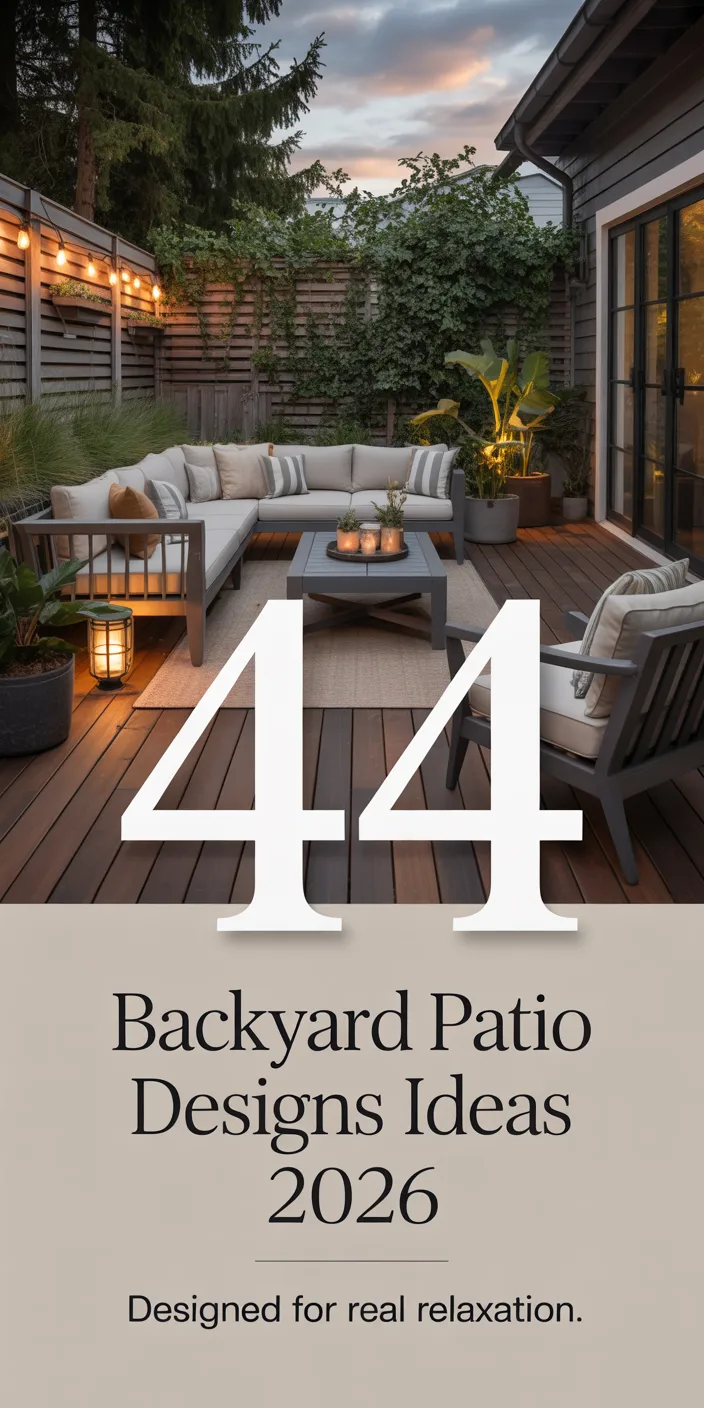
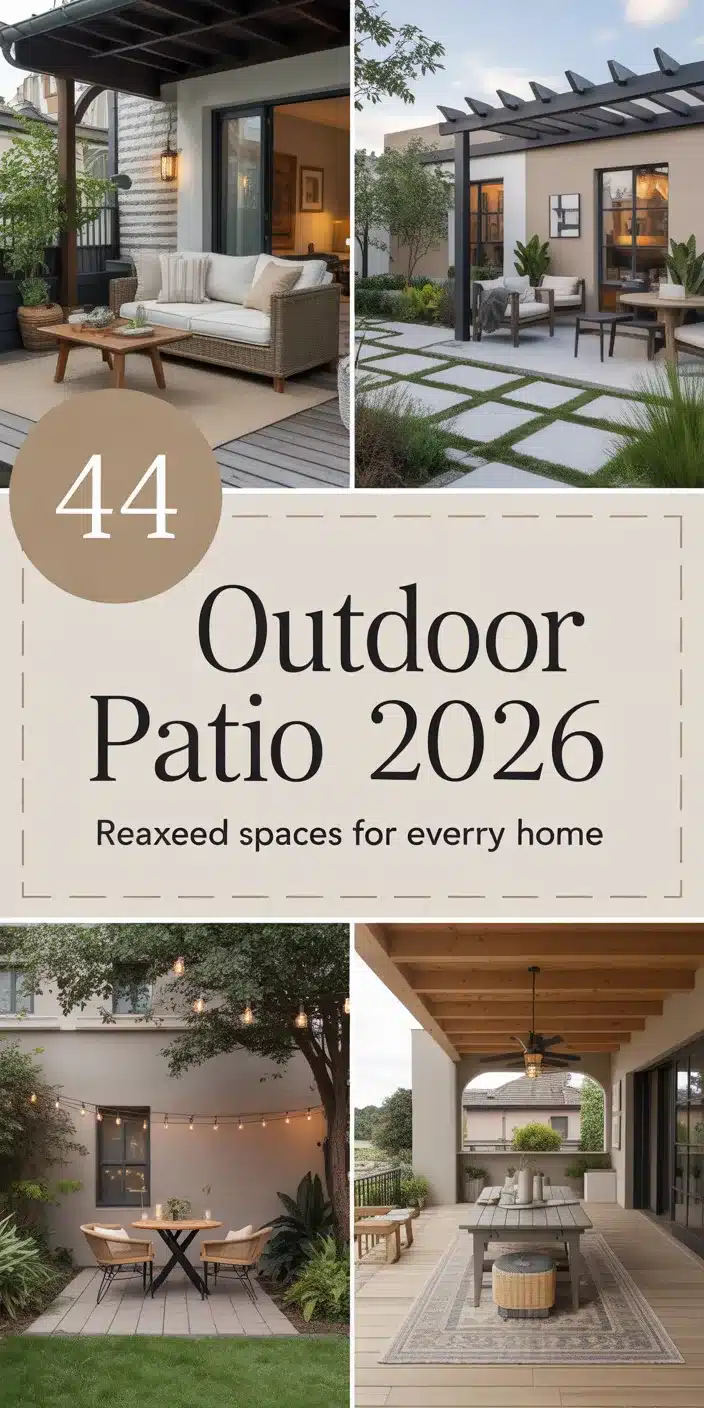
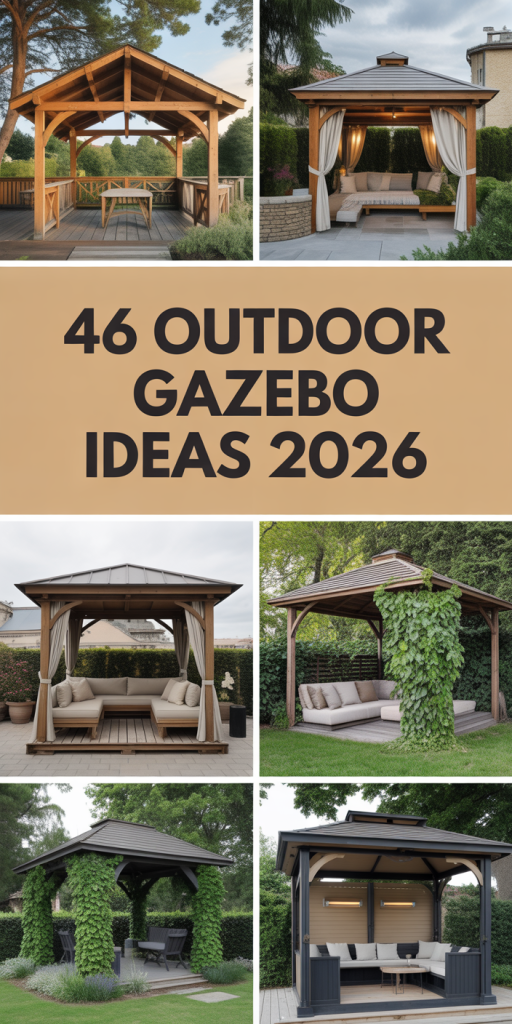
Outdoor gazebos have become one of the most sought-after backyard features for American homeowners in 2026, especially among those browsing Pinterest for fresh design inspiration. Whether you’re dreaming of a cozy retreat tucked into a corner of your yard or a spacious entertaining hub with a built-in bar, a well-designed gazebo transforms how you experience outdoor living. From modern minimalist structures to rustic DIY builds, these ideas reflect the diverse ways people are claiming their backyards as extensions of home. In this guide, you’ll discover creative gazebo concepts that blend style, function, and personality—perfect for patios, decks, gardens, and everything in between.
1. Modern Minimalist Gazebo with Clean Lines
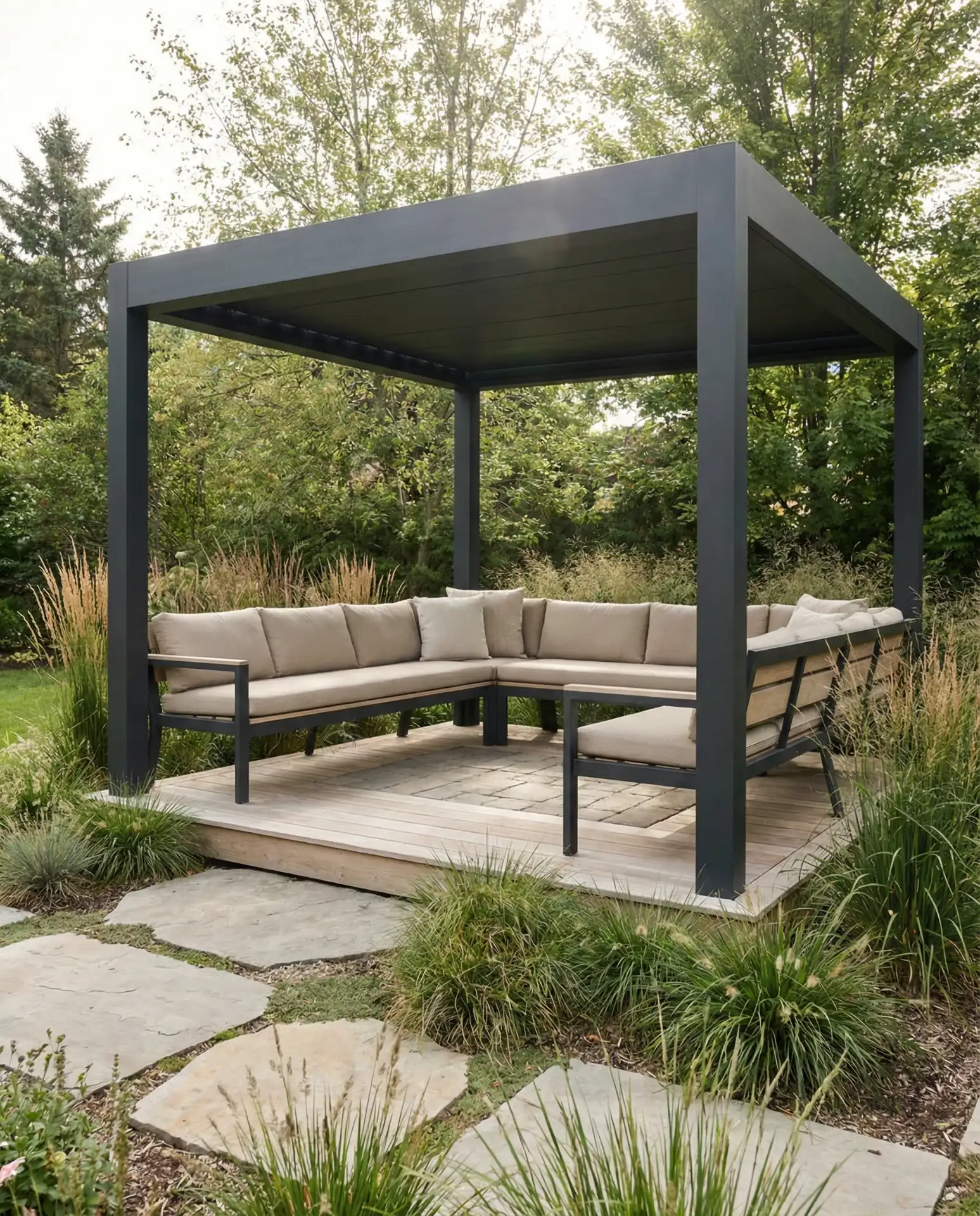
A sleek modern gazebo anchors your backyard with architectural simplicity and purpose. This style features flat rooflines, neutral tones, and uncluttered surfaces that let the landscape speak for itself. Popular in urban and suburban settings, these structures work beautifully in backyards where contemporary homes demand continuity between indoor and outdoor spaces. The emphasis is on proportion and materials—think steel frames, composite wood, or stained cedar. 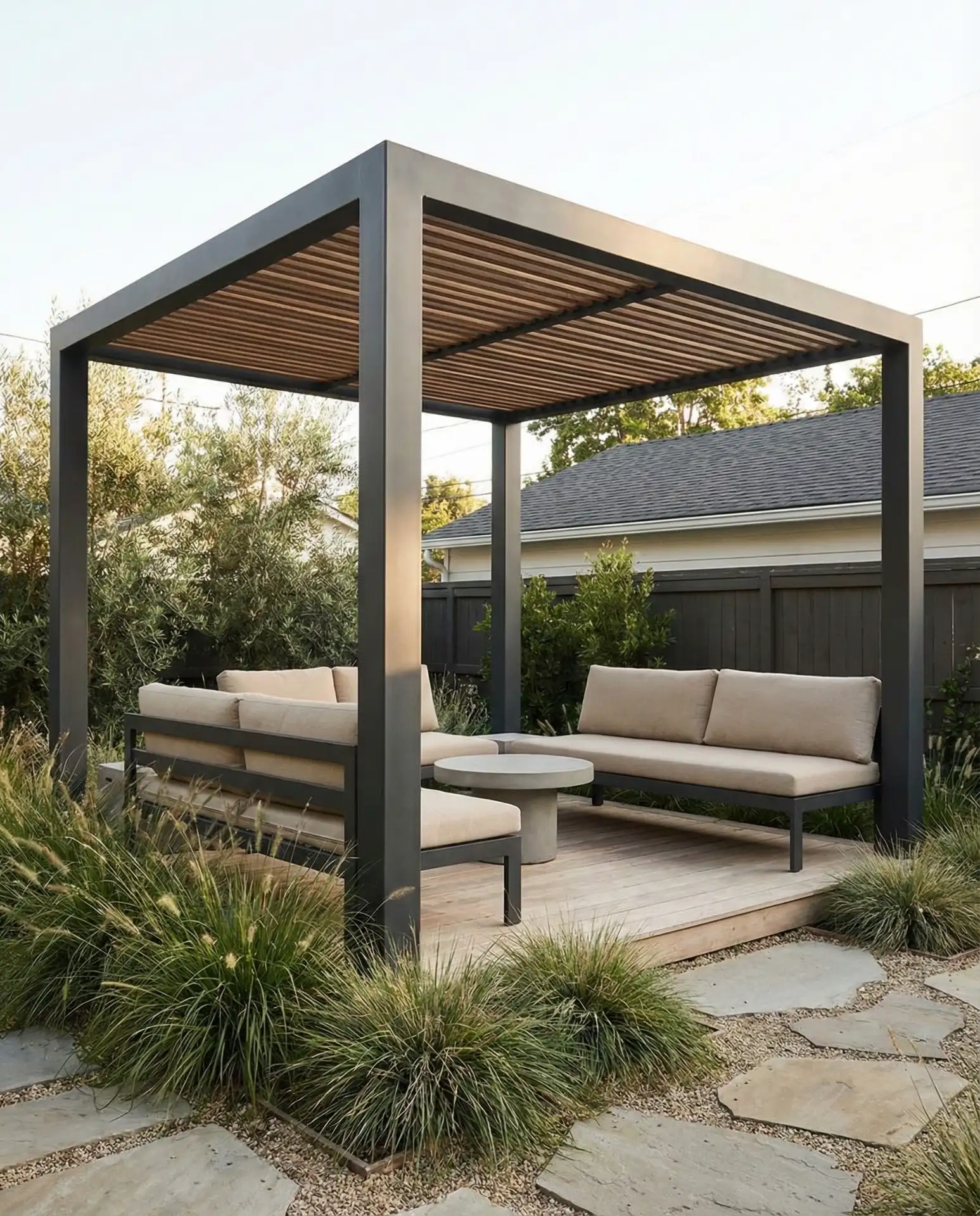
Where it works best: Homes with modern architecture in metro areas like Austin, Denver, or Portland benefit most from this approach. The understated design complements glass walls and open floor plans, creating a visual bridge to the garden. Avoid overloading the space with furniture—two or three pieces are enough to maintain that airy, intentional feel.
2. Rustic DIY Gazebo Built from Reclaimed Wood
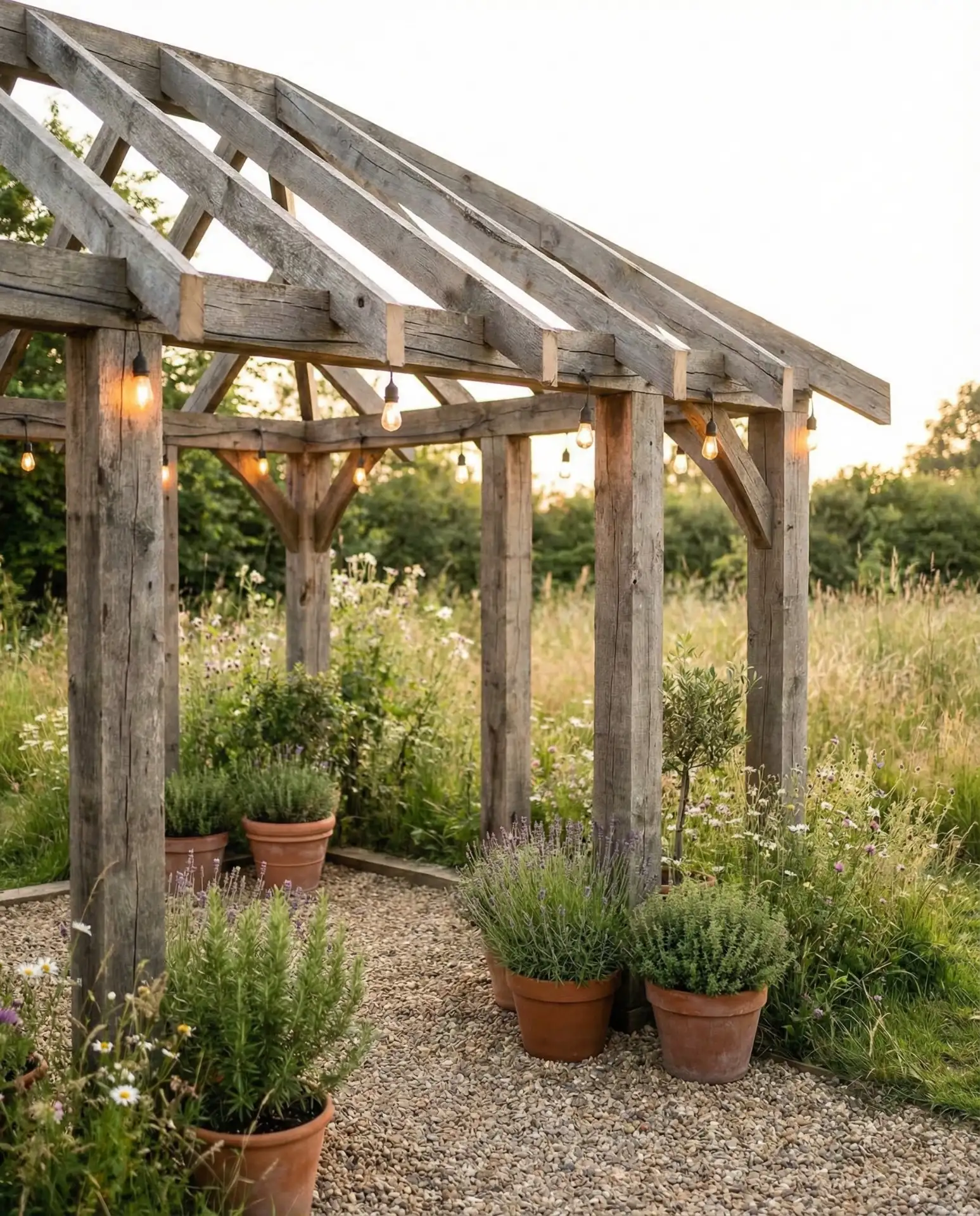
If you’re drawn to character and craftsmanship, a DIY gazebo constructed from reclaimed lumber delivers both. This approach has surged among homeowners tackling backyards diy projects, especially those who value sustainability and one-of-a-kind textures. Weathered barn wood, old fence posts, and salvaged beams bring warmth and history into your outdoor space. The imperfections—knots, nail holes, faded paint—add charm rather than detract from it. 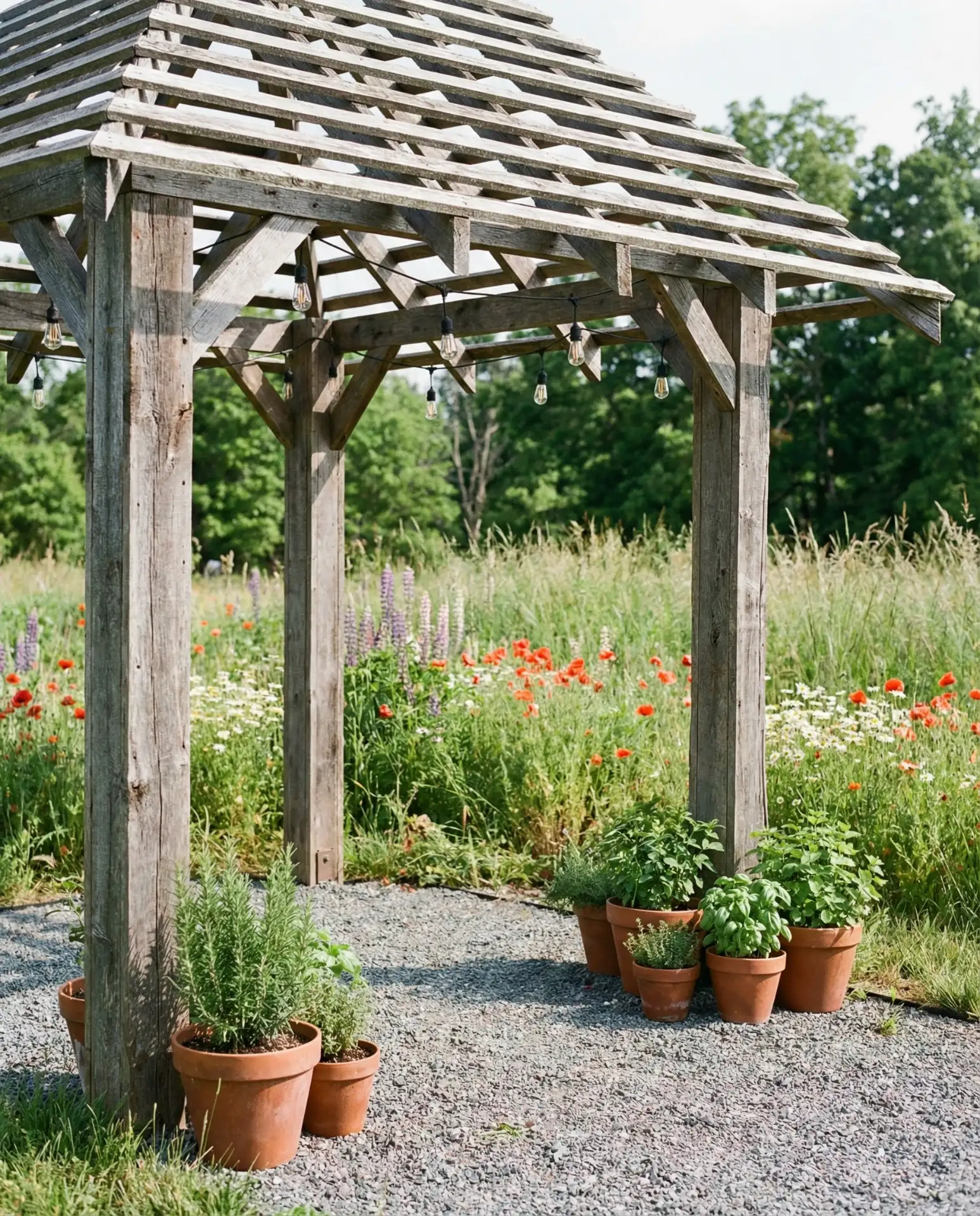
Budget angle: Reclaimed wood is often cheaper than new lumber if you source it locally—check salvage yards, Craigslist, or Habitat for Humanity ReStores. Expect to spend $300 to $800 on materials for a modest 10×10 structure, depending on your region. The trade-off is time: cleaning, cutting, and treating old wood requires patience, but the result feels authentically yours.
3. Cozy Gazebo with Built-In Fireplace
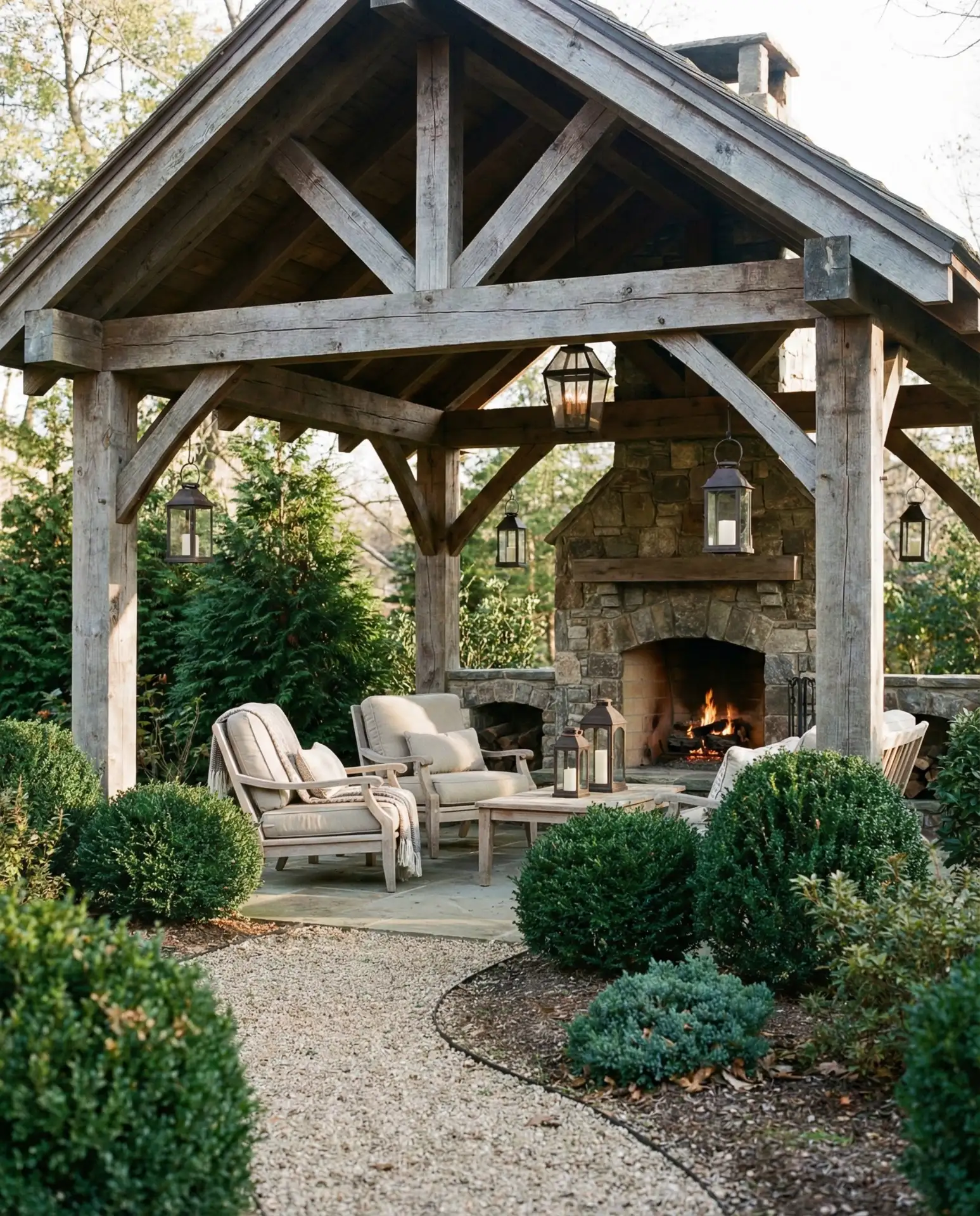
Nothing extends the outdoor season quite like a fireplace nestled inside a cozy gazebo. This setup transforms your backyard into a year-round gathering spot, perfect for cool evenings in the Midwest or mountain states. The fireplace can be a traditional stone hearth, a modern steel insert, or even a sleek gas unit—each brings warmth and a natural focal point. Pair it with deep seating and soft throws to complete the inviting atmosphere. 
Real homeowner behavior: Many families position their fireplace gazebos near the house for easier access to the kitchen and bathroom, especially during parties. Others tuck them into a garden corner for a more secluded retreat. Either way, consider wind patterns—you don’t want smoke blowing constantly into seating areas.
4. Open-Air Gazebo for Large Gatherings

When you regularly host barbecues, birthdays, or family reunions, a large open-air gazebo becomes the heart of your backyards. These structures prioritize square footage and airflow, often measuring 14×14 or bigger, with minimal walls and maximum ceiling height. They’re designed to accommodate dining tables, buffet setups, and plenty of standing room without feeling cramped. The open sides keep the space cool and connected to the surrounding landscape. 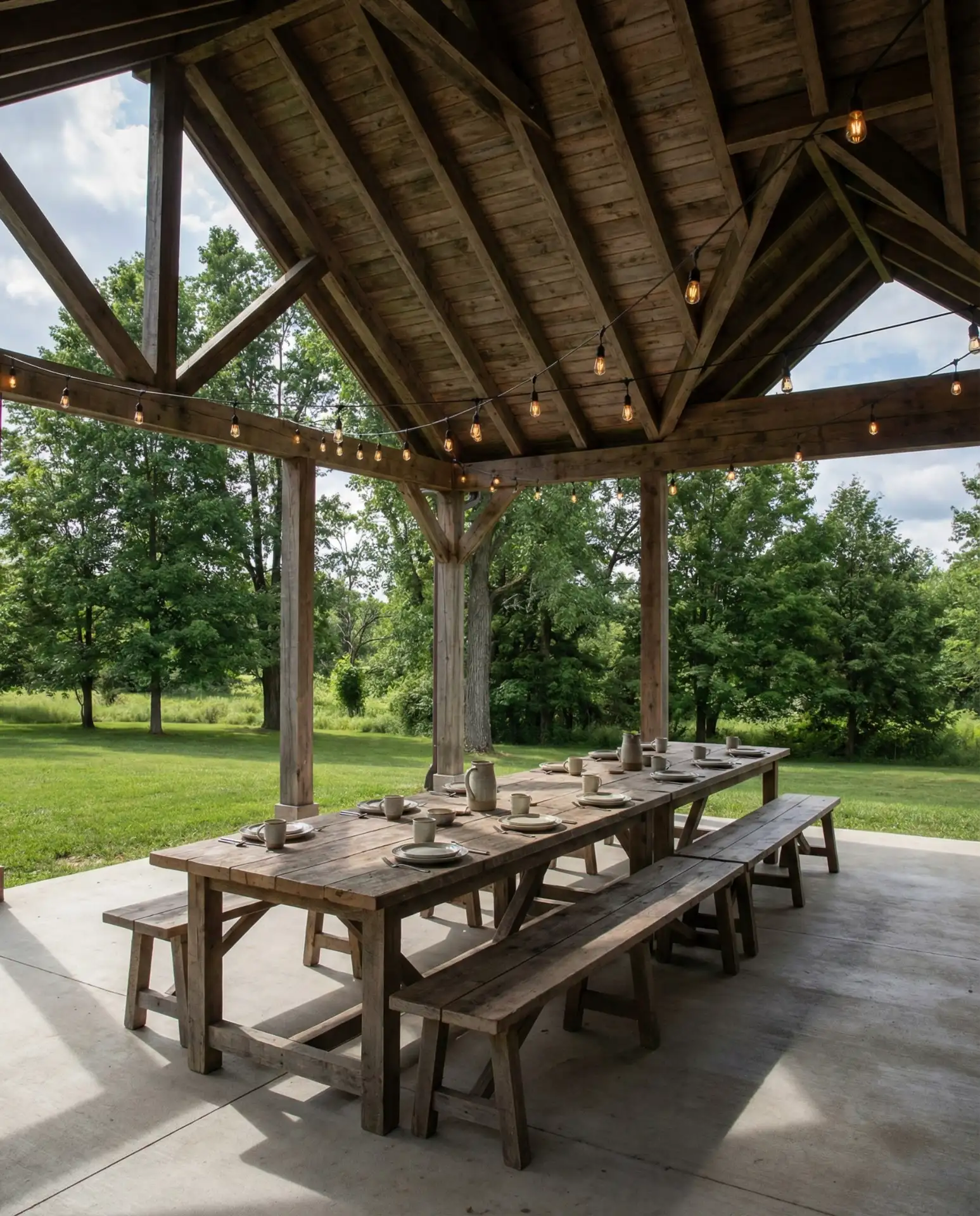
Practical insight: If your property sits on clay soil or in a flood-prone area, consider a raised deck foundation to prevent water pooling underneath. Also, think about electrical access early—running power for lights, fans, or speakers is far easier during construction than as an afterthought.
5. Small Space Gazebo for Compact Yards
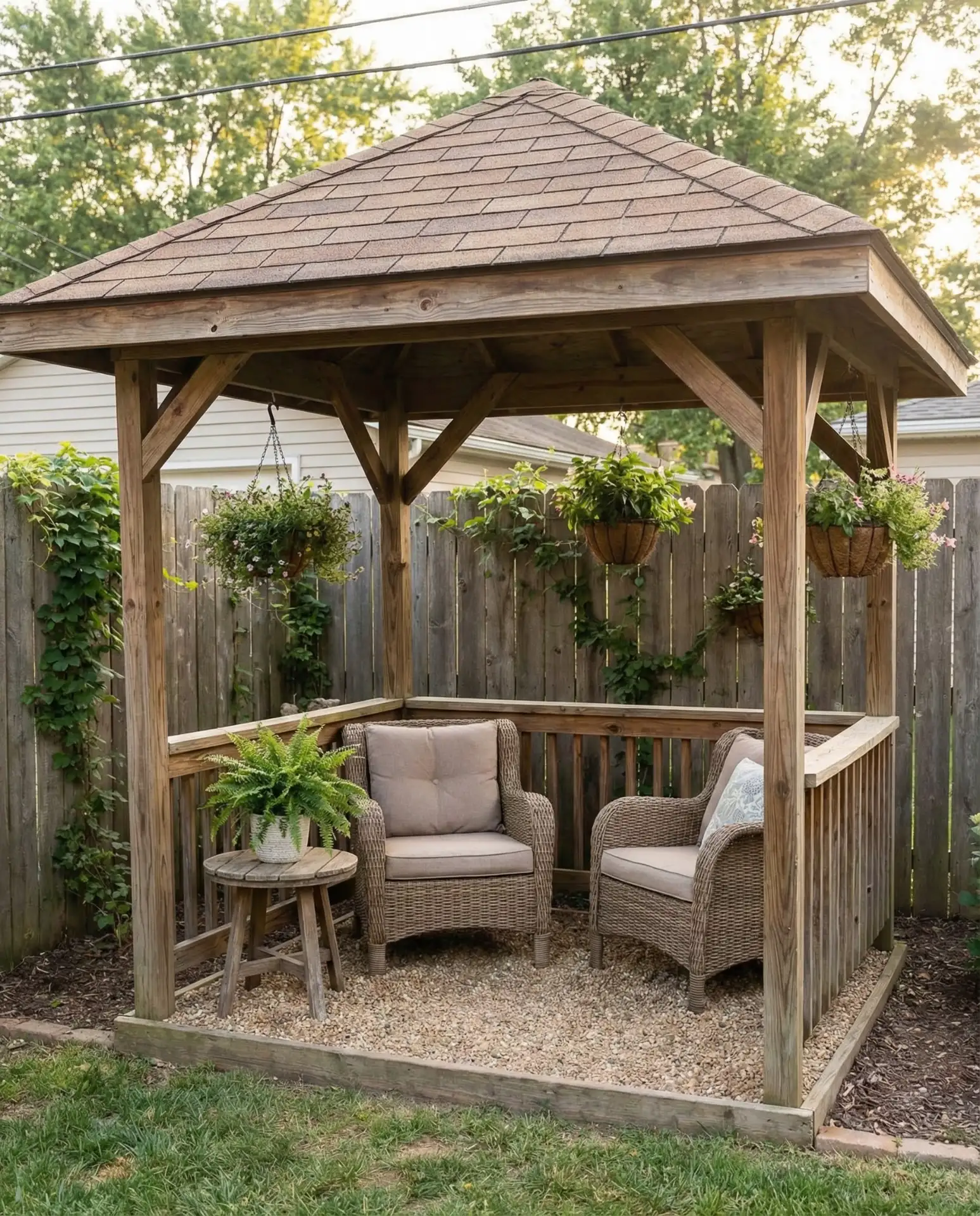
Even the smallest backyards small spaces can benefit from a well-proportioned gazebo. These scaled-down versions—often 8×8 or 6×10—create an intimate outdoor room without overwhelming the yard. The key is choosing a design with vertical interest: tall posts, climbing vines, or a peaked roof that draws the eye upward. This makes the structure feel more spacious than its footprint suggests. Simple furnishings like a bistro set or a single bench are all you need. 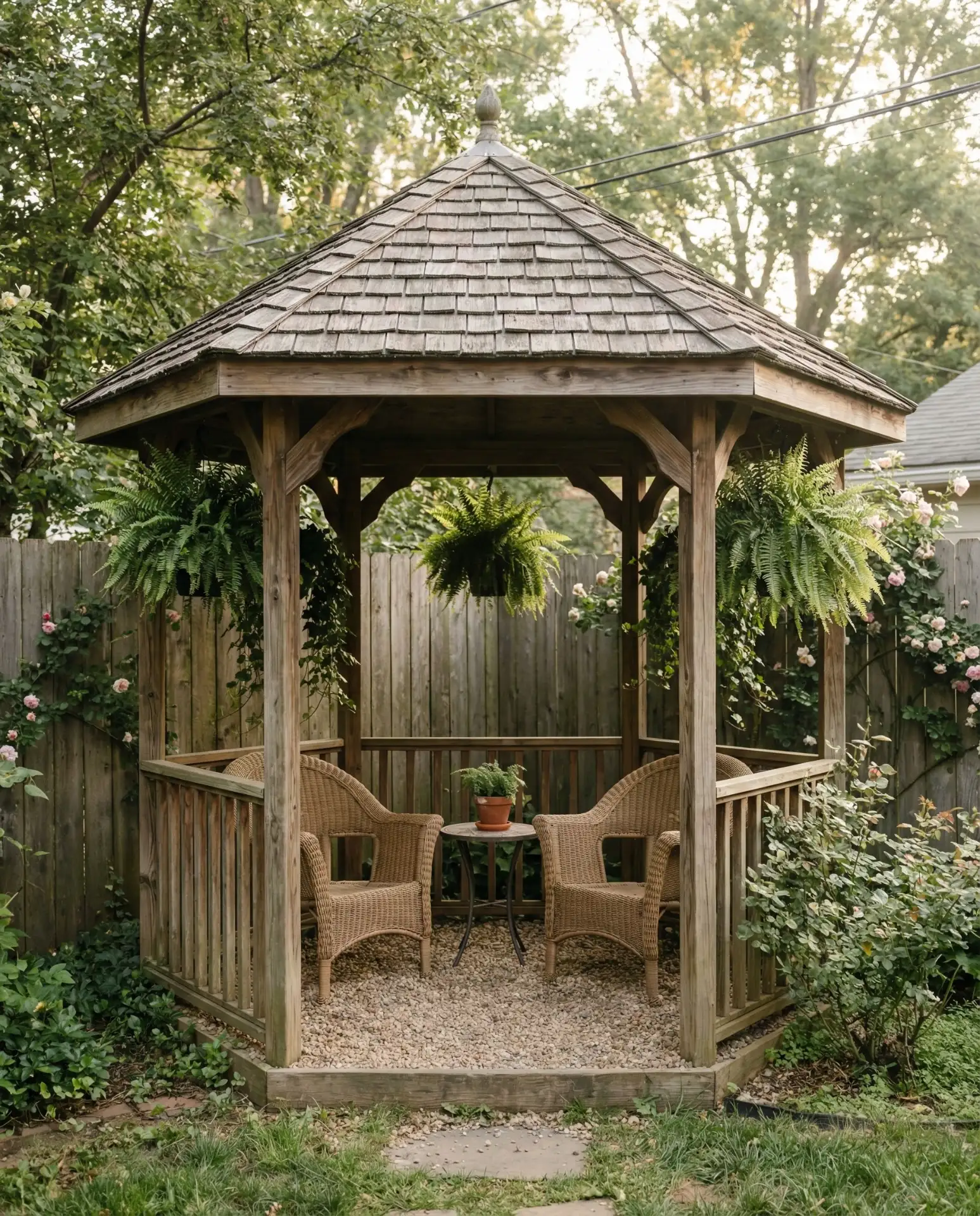
American lifestyle context: In cities like Seattle, San Francisco, or Boston, where lot sizes are shrinking, micro gazebos have become popular solutions for renters and condo owners with small patios or shared courtyards. They offer just enough shelter and privacy to carve out a personal retreat.
6. Covered Gazebo with Retractable Screens
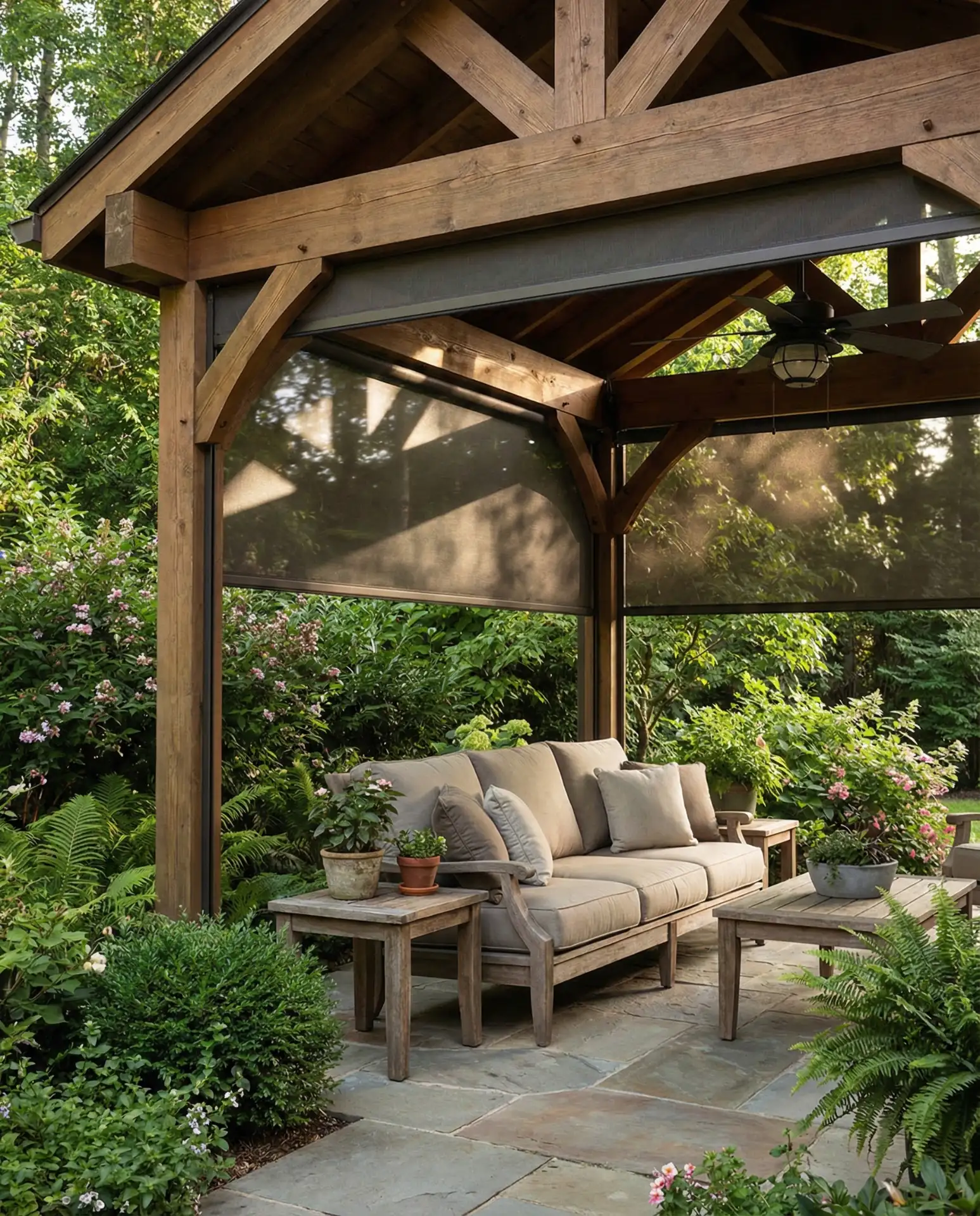
A covered gazebo with retractable screens gives you the best of both worlds: open airiness on mild days and full protection when bugs or weather arrive. This design is especially practical in the South and Southeast, where mosquitoes and afternoon thunderstorms are regular concerns. The screens tuck discreetly into the roof frame or posts, disappearing when not needed. Add a solid roof, and you’ve created a true outdoor room. 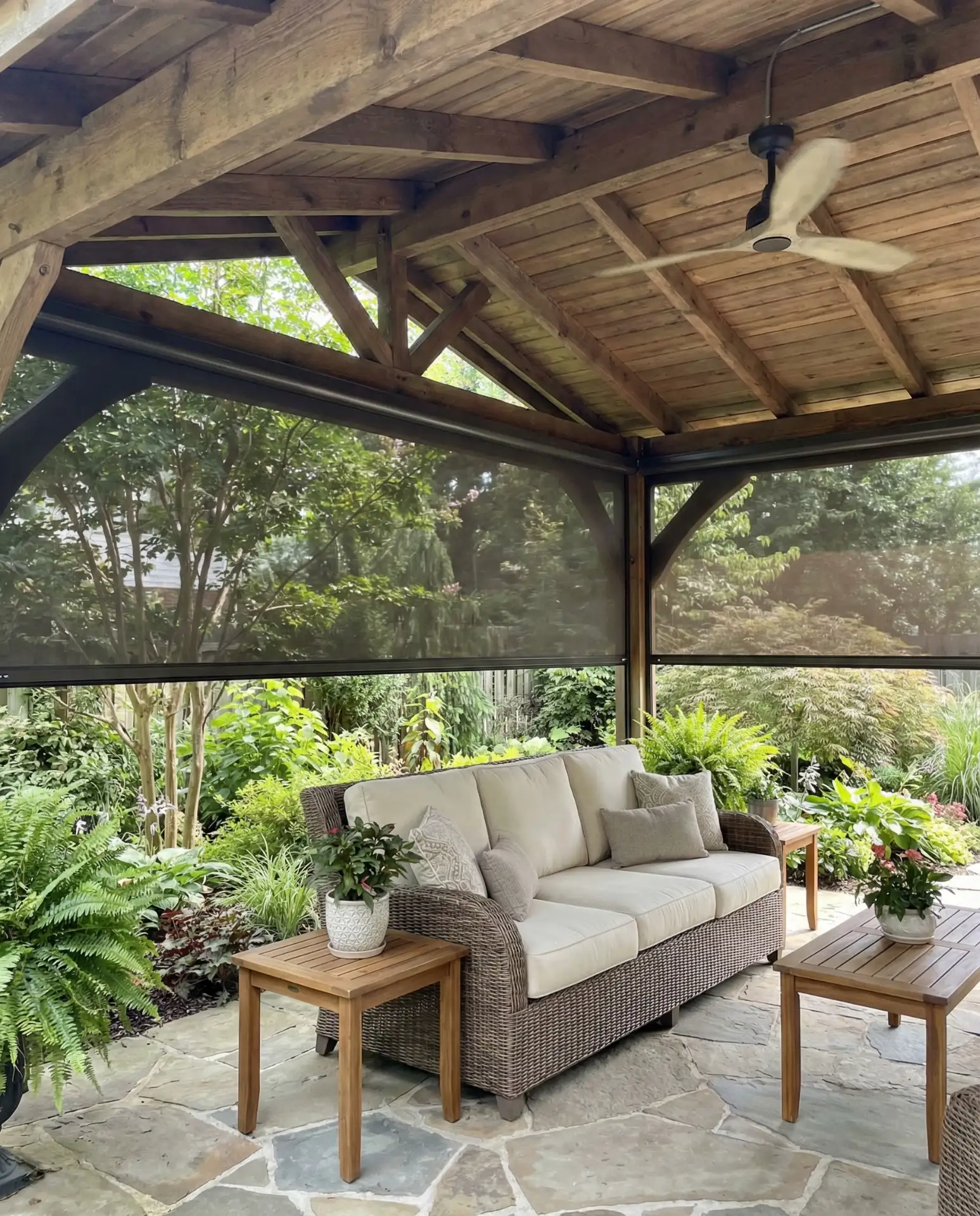
Common mistakes: Homeowners often overlook screen quality—cheap mesh tears easily and looks dated fast. Invest in durable fiberglass or aluminum screening, and make sure the retraction mechanism is smooth and well-maintained. Otherwise, screens become a hassle rather than a convenience.
7. Gazebo with Outdoor Kitchen and Bar
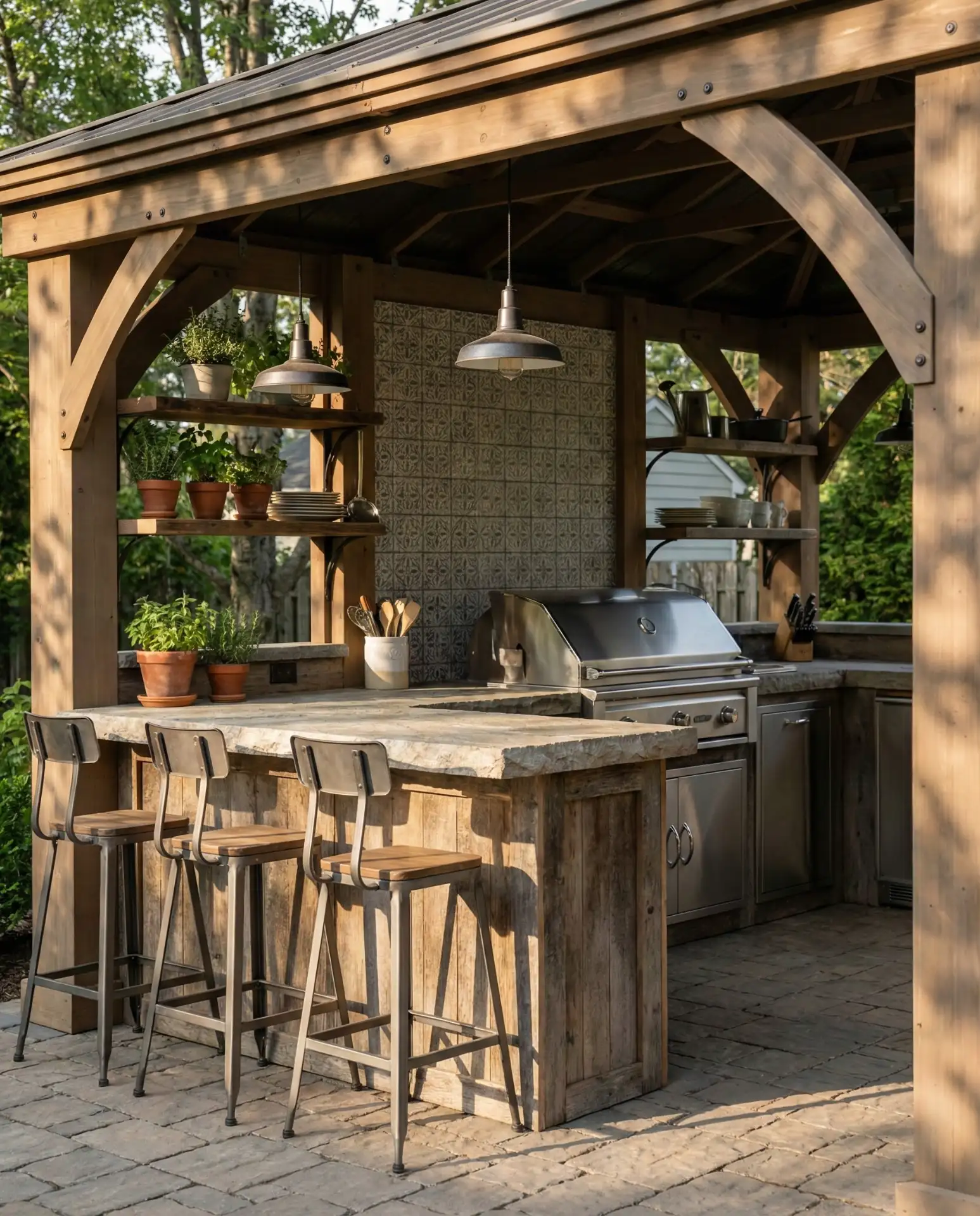
Combining a kitchen and bar inside your gazebo turns it into the ultimate entertaining hub. This layout typically includes a grill island, countertop space, a mini fridge, and bar seating—all sheltered under a permanent roof. It’s a setup that keeps the cook engaged with guests while keeping food prep, smoke, and mess contained in one zone. The result is a backyard that feels like an extension of your home’s living space. 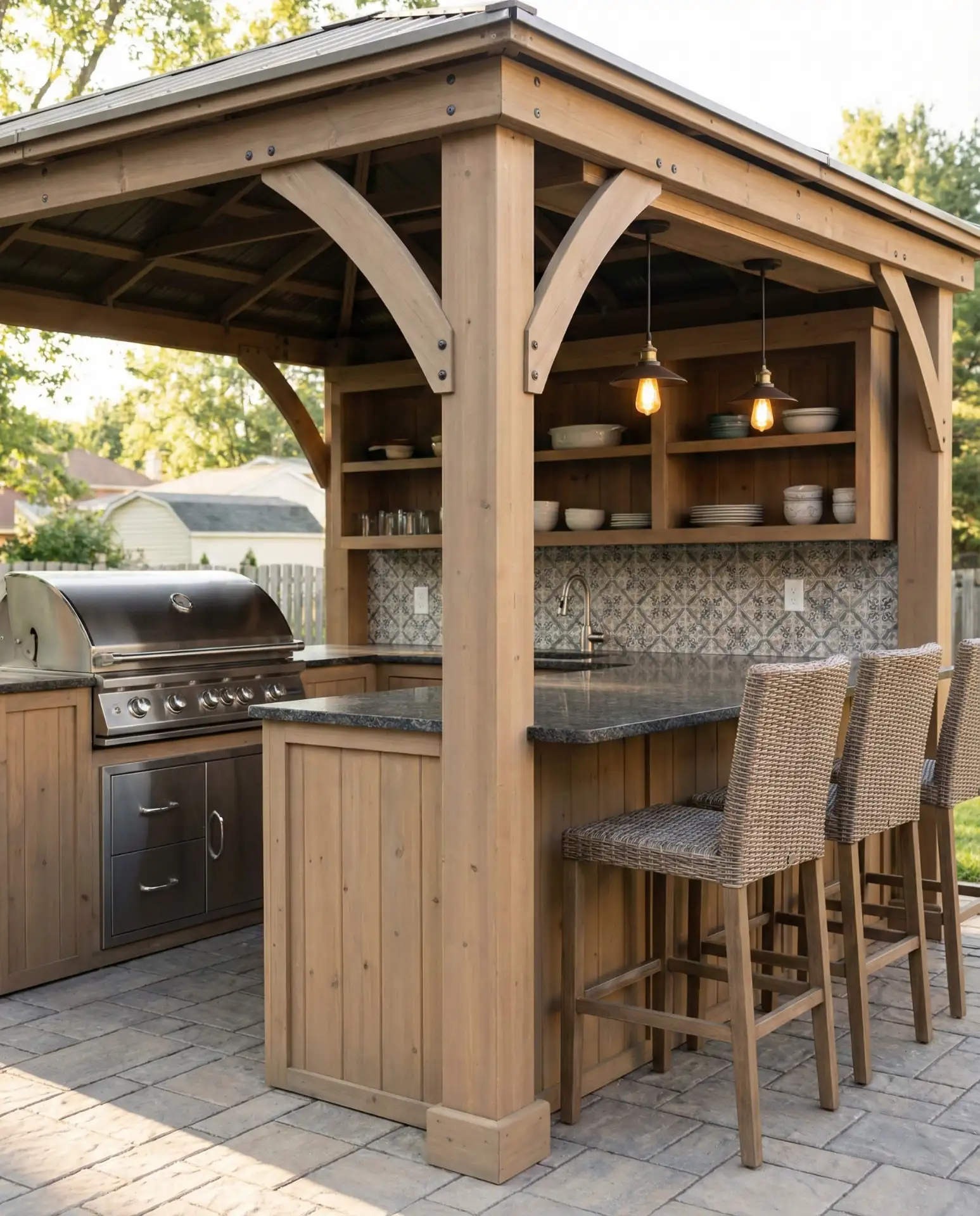
Expert-style commentary: Designers recommend placing the kitchen on the side of the gazebo that faces away from prevailing winds—this keeps smoke from drifting into seating areas. Also, run plumbing and gas lines during the build phase; retrofitting these utilities later is expensive and disruptive.
8. Gazebo Deck with Multi-Level Seating
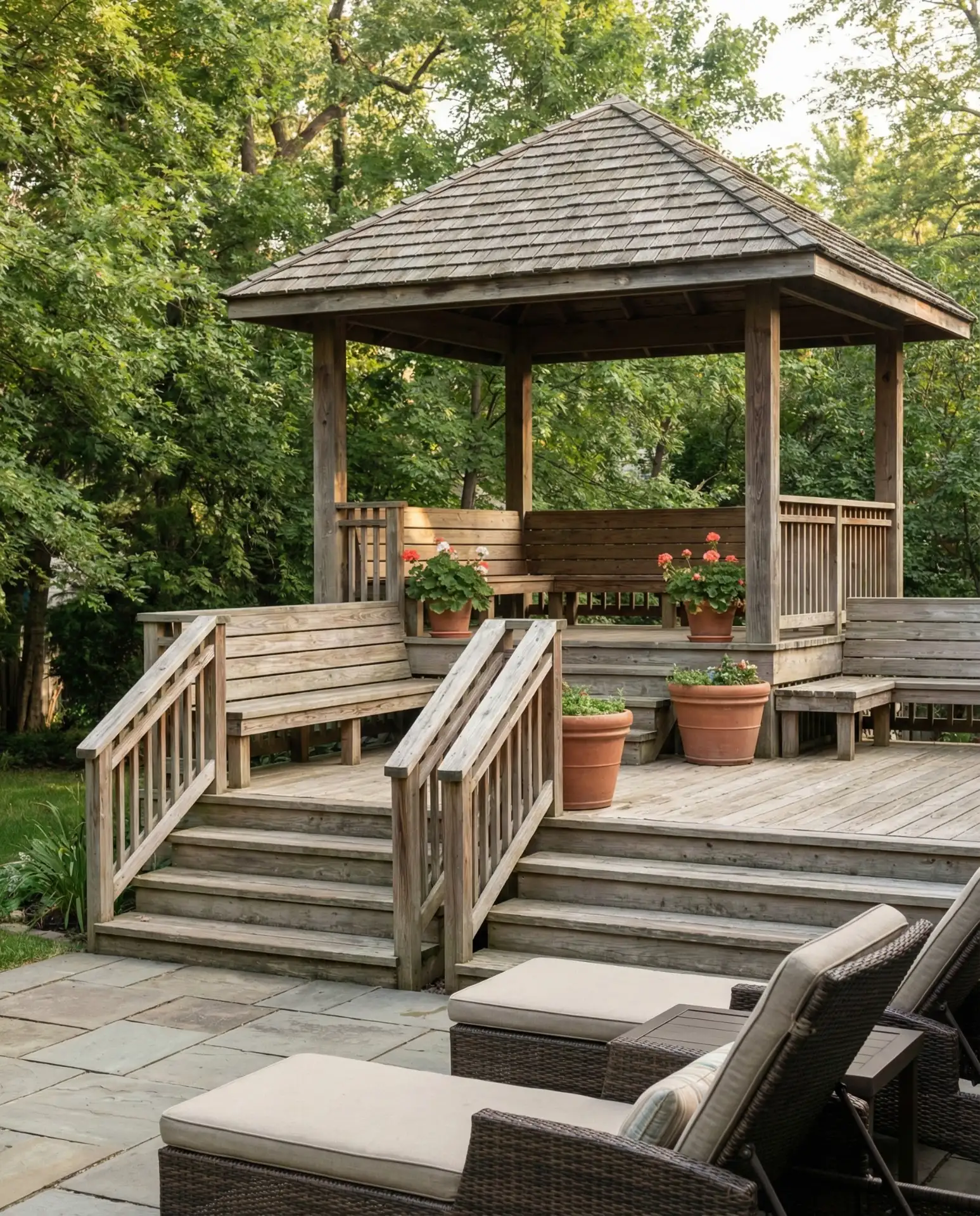
A gazebo built into a multi-level decor deck adds visual interest and functional zones to your outdoor space. The upper tier might host dining or a lounge area under the gazebo roof, while the lower level offers open sun space for planters, loungers, or a fire pit. This tiered approach works especially well on sloped properties, where the gazebo can anchor the upper platform and create a defined destination. The transition between levels becomes part of the design story. 
Micro anecdote: A couple in Colorado installed a two-tier deck gazebo to take advantage of mountain views from the higher level while keeping a shaded play area for kids below. The elevation difference was only three feet, but it created distinct spaces that felt intentional and well-planned.
9. Gazebo with Outdoor TV Lounge
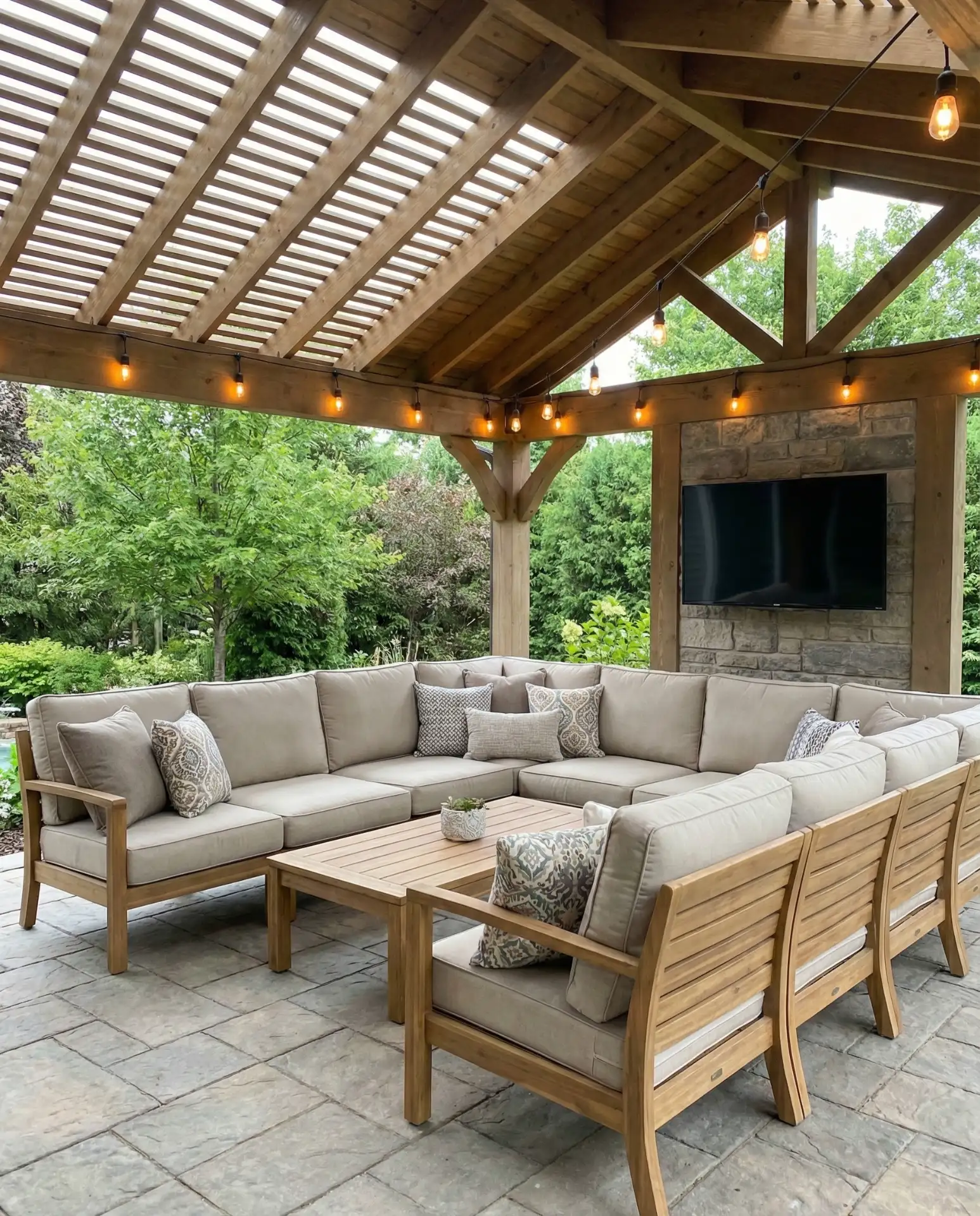
An outdoor TV lounge inside a gazebo brings movie nights and game days into the fresh air. Mount a weatherproof screen on one side of the structure, arrange comfortable seating facing it, and add a sound system for the full experience. This setup has gained traction in warmer states where outdoor living extends through fall and winter. The gazebo roof protects electronics from rain and direct sun, prolonging their lifespan and improving screen visibility. 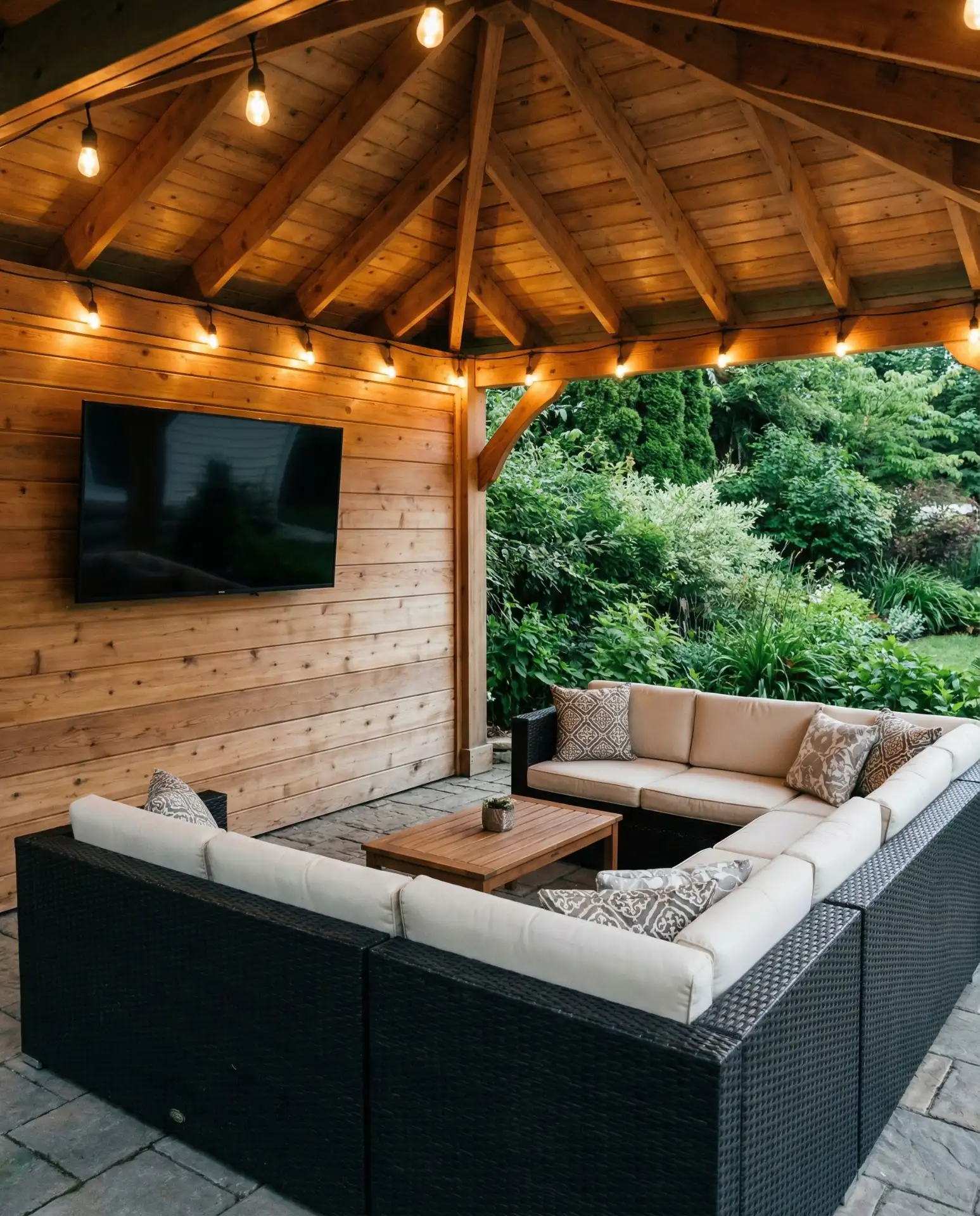
Budget angle: Outdoor-rated TVs can cost $1,500 to $3,000, but a more affordable approach is using a standard TV with a weatherproof cabinet or cover. Just make sure electrical outlets are GFCI-protected and installed by a licensed electrician to meet code requirements.
10. Unique Hexagonal Gazebo with Vintage Charm
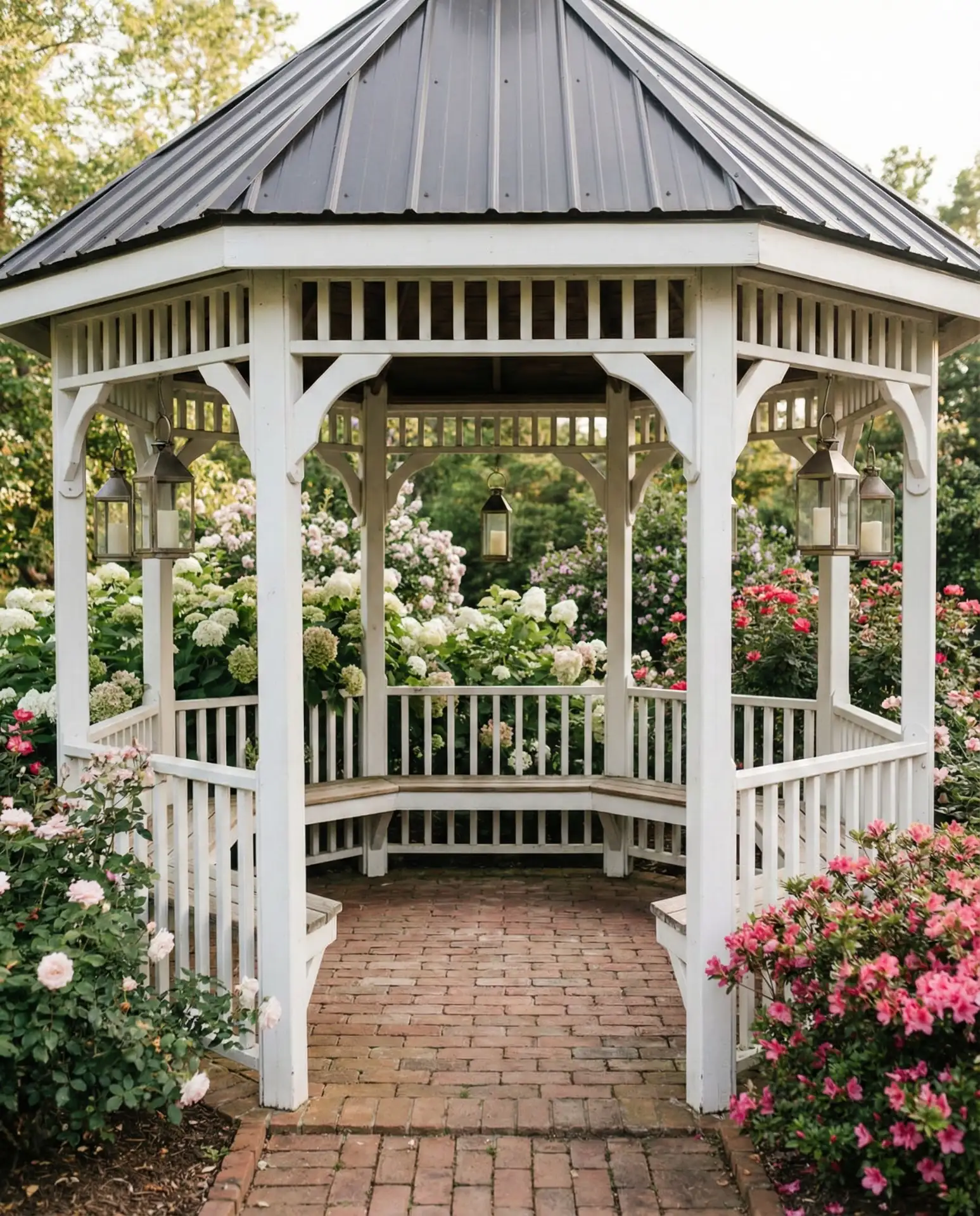
A unique hexagonal gazebo brings a classic, almost storybook quality to your yard. This traditional shape has been a backyard staple for generations, but modern updates—like metal roofing, Edison bulbs, or painted trim—give it fresh appeal. The six-sided design creates natural conversation zones and works beautifully in backyards beautiful garden settings, surrounded by perennials and climbing roses. It’s a style that feels timeless without being stuffy. 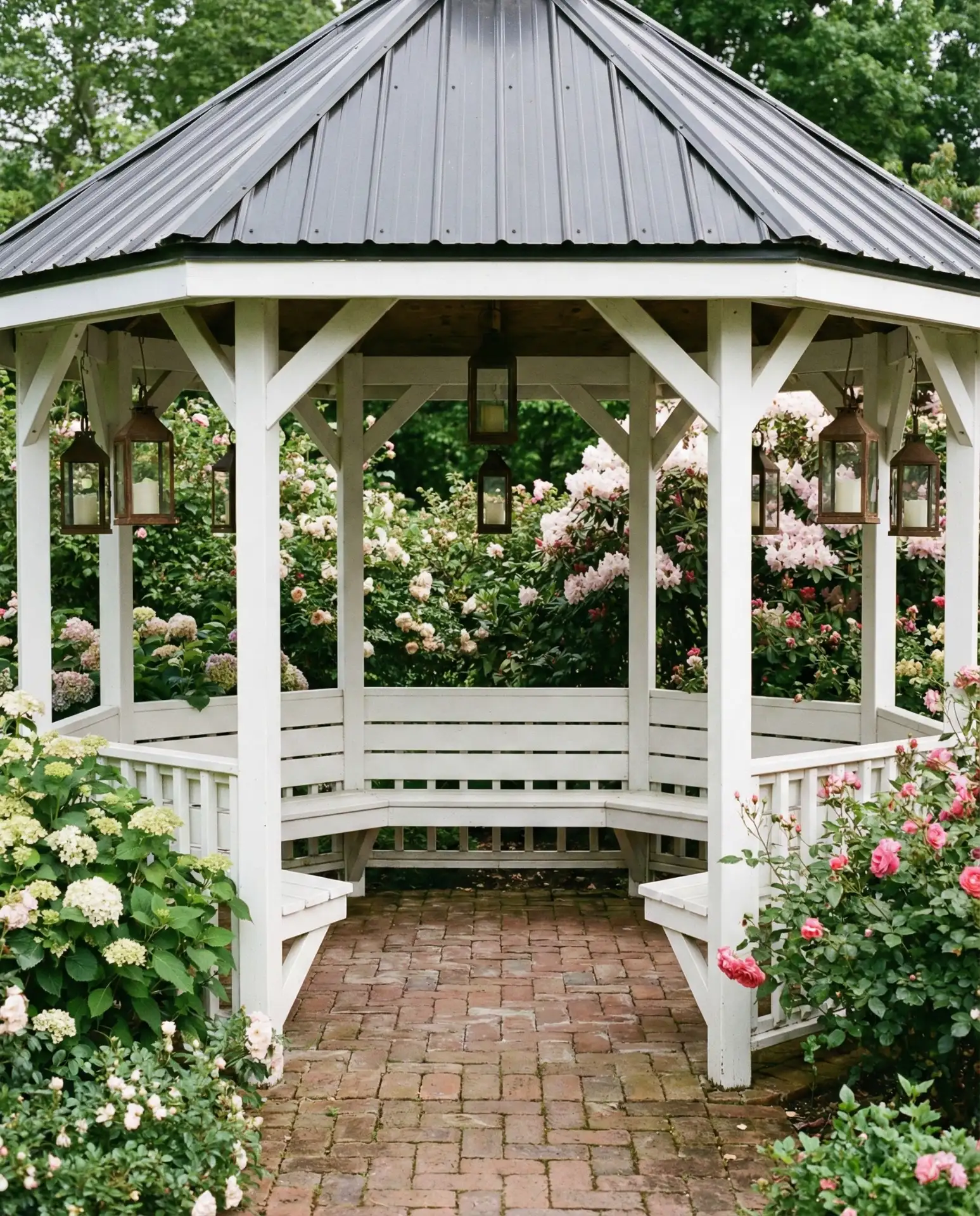
Real homeowner behavior: Many people position their hexagonal gazebos as garden centerpieces, using symmetrical pathways to lead the eye toward the structure. It becomes both a functional seating area and a visual anchor that organizes the landscape around it.
11. Gazebo with Hanging Daybed for Relaxation
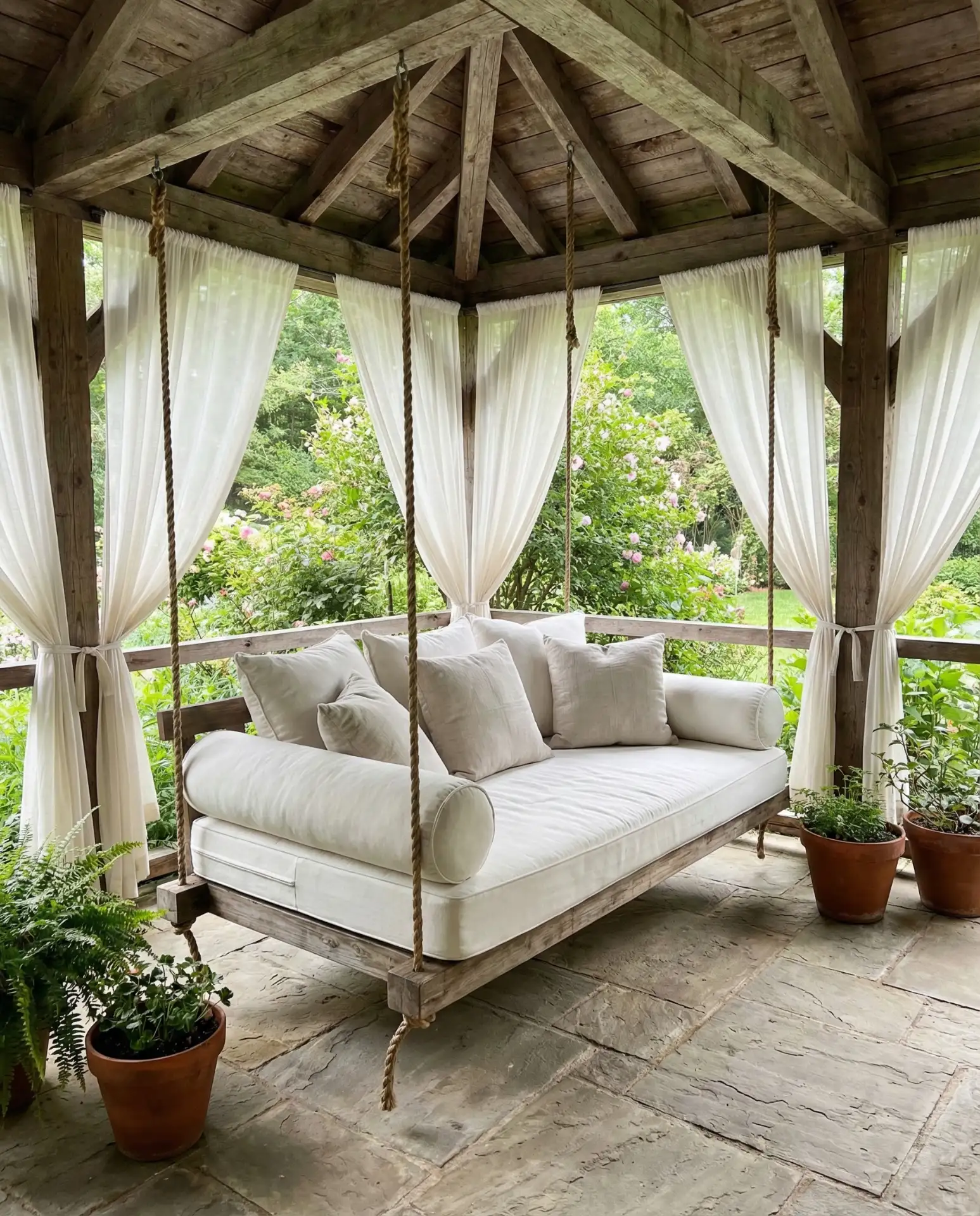
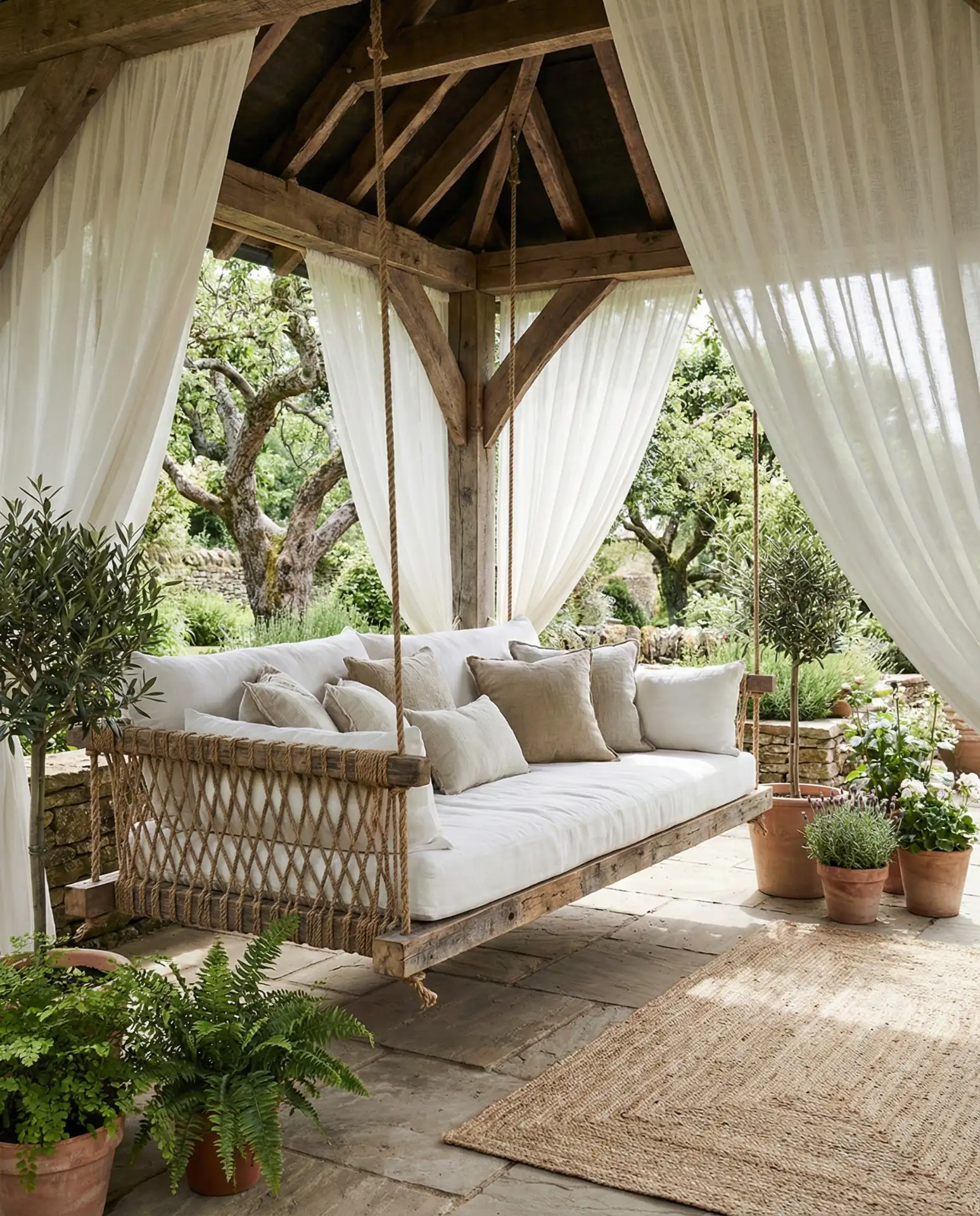
A hanging daybed suspended from sturdy gazebo beams turns your outdoor structure into a tranquil retreat. This design combines the gentle motion of a porch swing with the comfort of a full mattress, creating a space that invites afternoon naps, reading, or simply unwinding. It’s popular in backyards where relaxation takes priority over entertaining. Choose weather-resistant cushions and fabrics, and make sure the gazebo frame is engineered to handle the weight—daybeds with occupants can exceed 500 pounds. 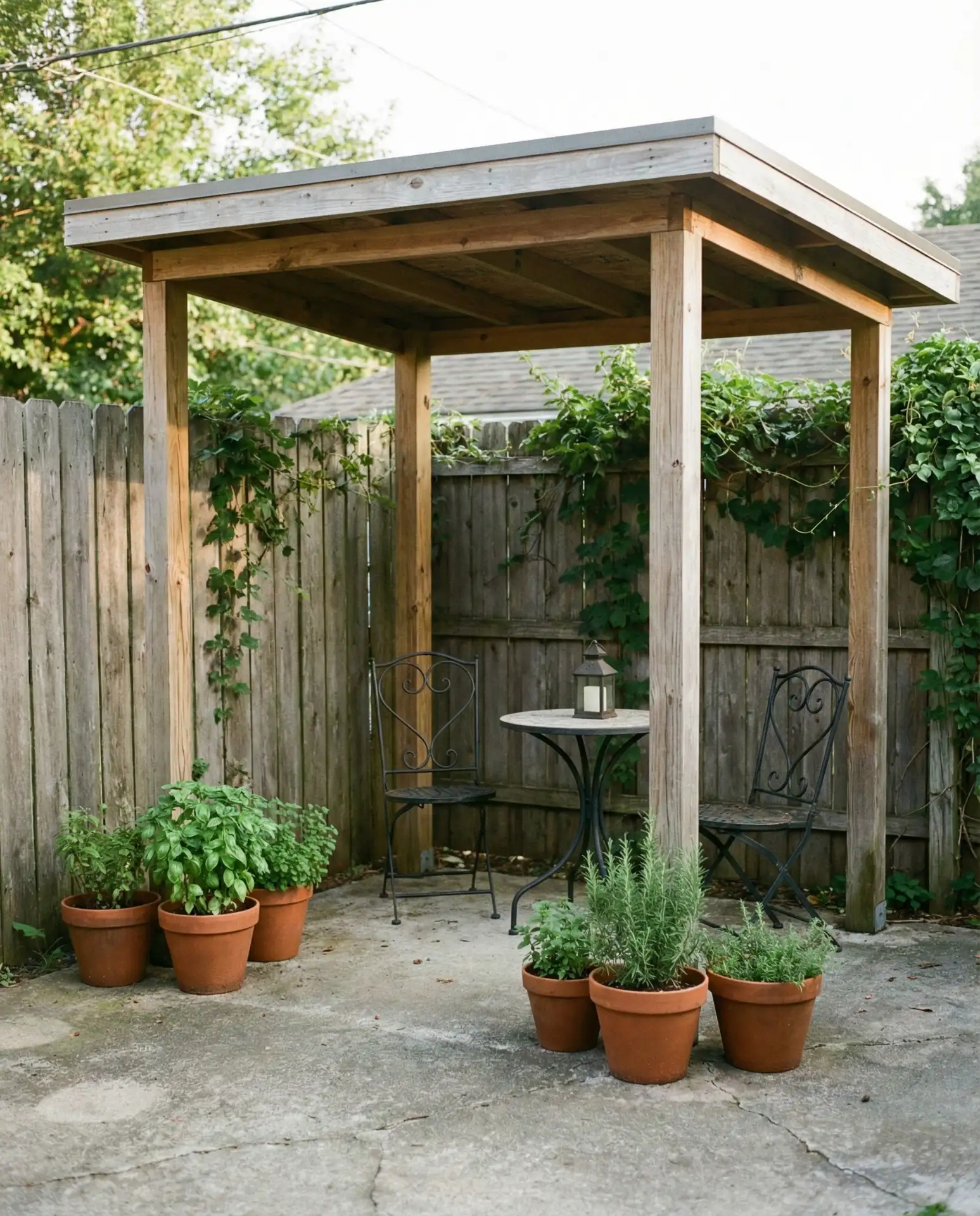
Where it works best: This setup thrives in shaded, quiet corners of larger properties—think alongside a pond, tucked into a wooded area, or at the far end of a long garden. The distance from the house reinforces the feeling of escape and solitude.
12. Simple Patio Gazebo with Bistro Seating
A simple gazebo positioned over a small decor patio creates an intimate spot for morning coffee or evening conversation. This no-frills approach focuses on function: a basic roof, four posts, and just enough space for a bistro table and two chairs. It’s ideal for homeowners who want shade and definition without a major investment. The simplicity also makes it a great starter project for DIYers, requiring only basic carpentry skills and a weekend of work. 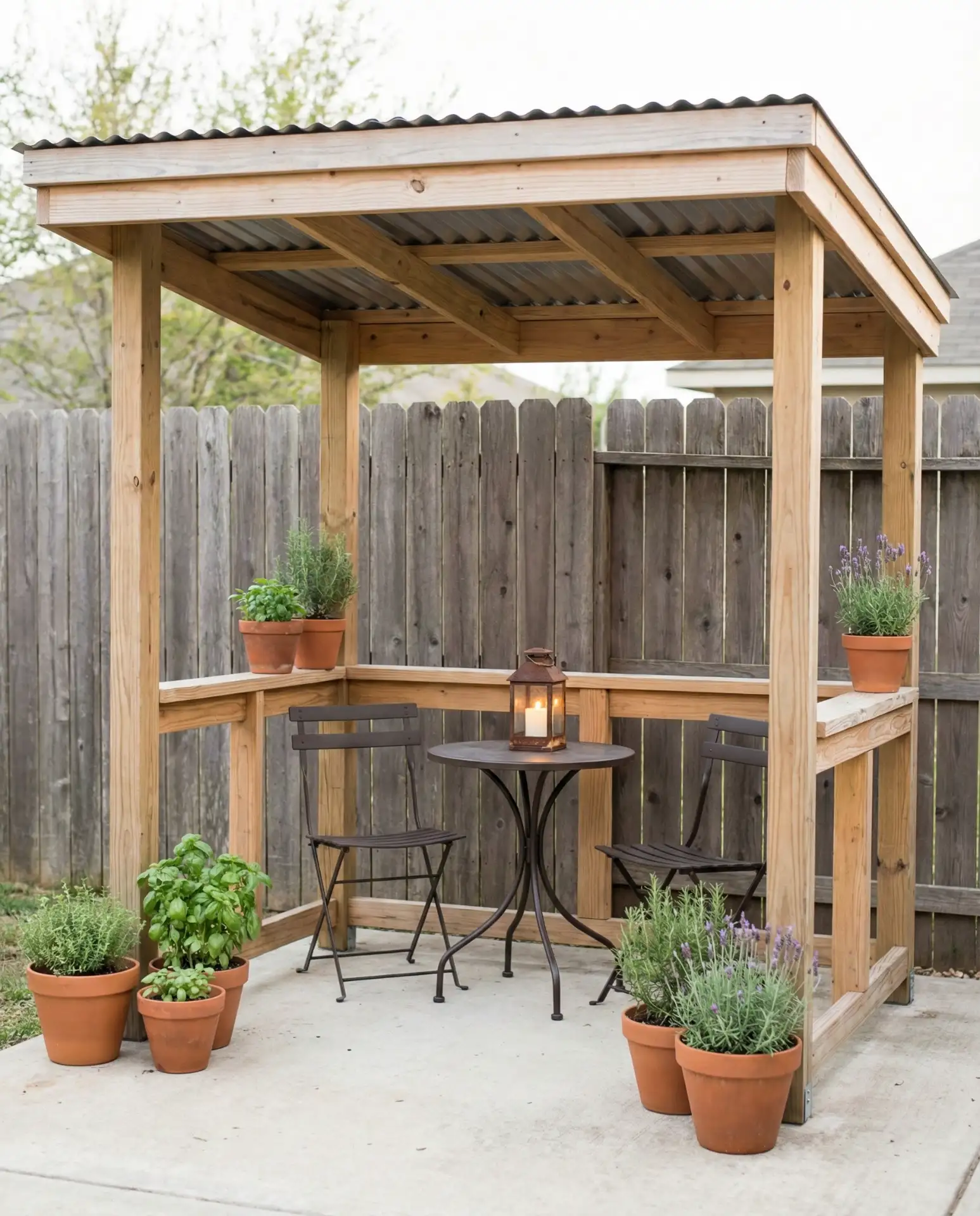
Budget angle: You can build a basic 8×8 gazebo like this for under $500 if you use pressure-treated lumber and a simple polycarbonate roof. Add another $100 to $200 for stain or paint, and you’ve got a fully functional outdoor room for less than the cost of most prefab kits.
13. Gazebo with Vertical Garden Walls
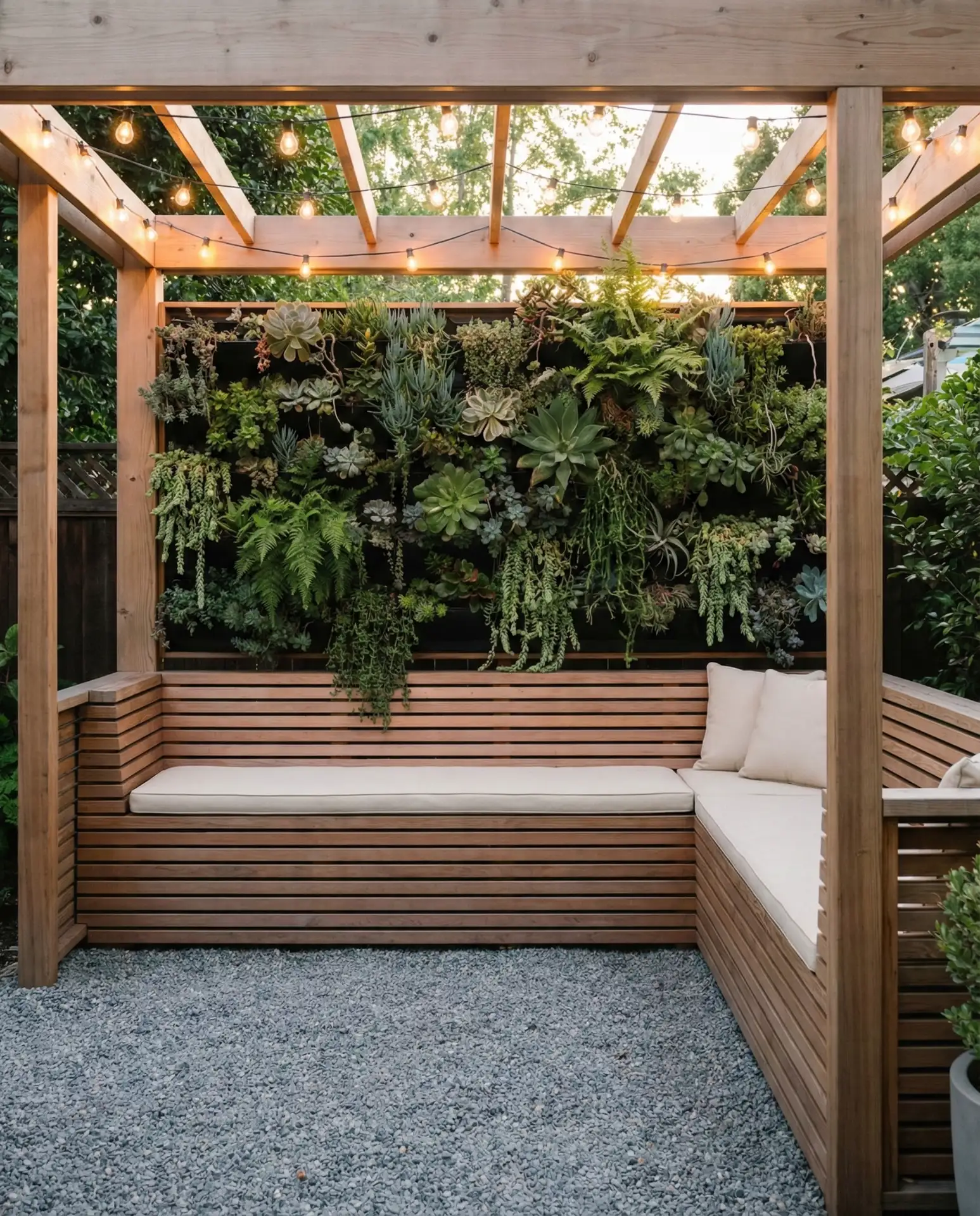
Integrating vertical gardens into your gazebo walls blends structure with nature in a way that feels alive and ever-changing. Modular planting pockets, wall-mounted planters, or trellises with climbing vines soften the hardscape and add privacy without blocking airflow. This approach is especially popular in urban backyards diy projects, where space is tight and greenery helps create a sense of enclosure. The plants also help filter dust and cool the air inside the gazebo. 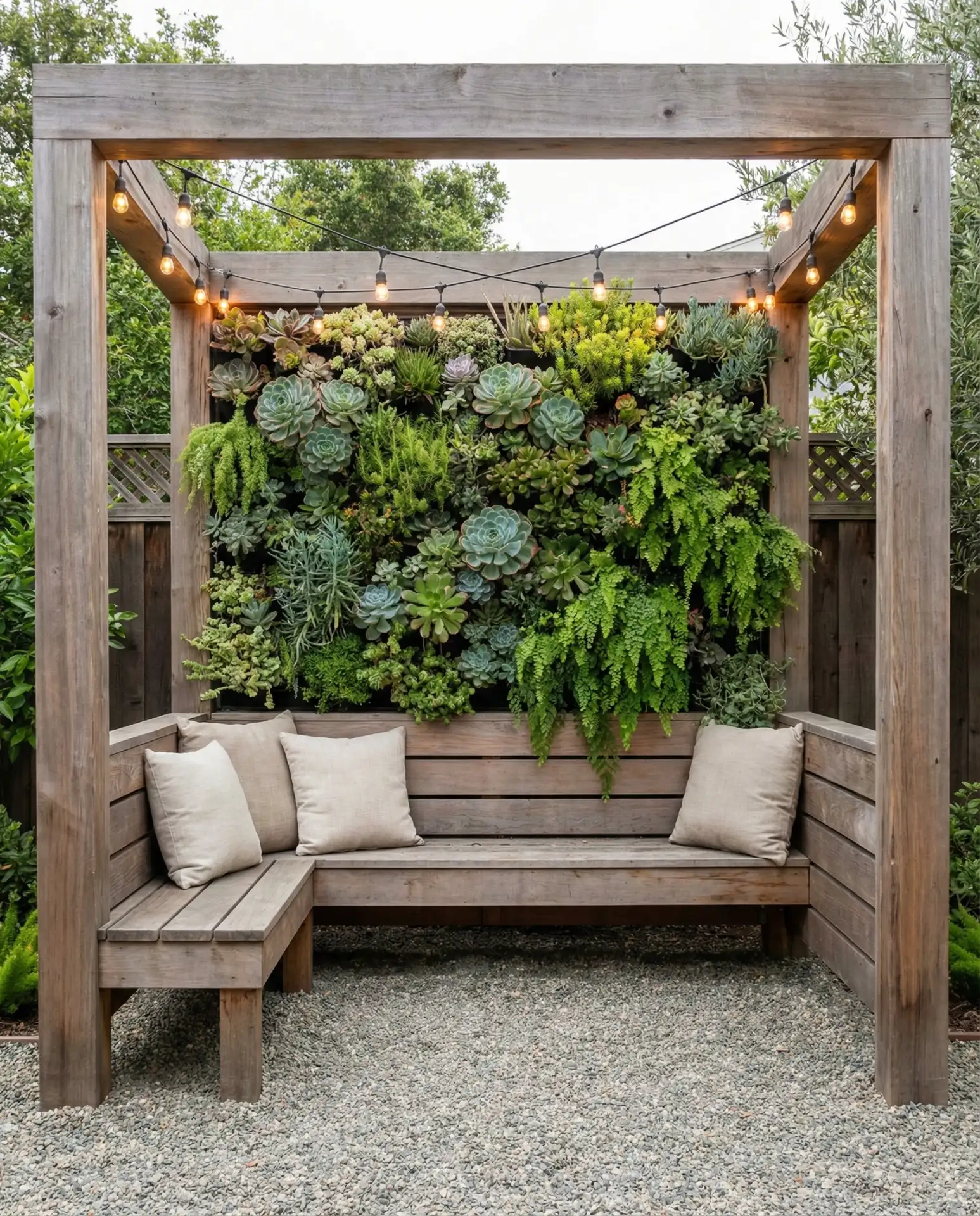
Practical insight: Choose plants suited to your local climate and the amount of sun your gazebo receives. In hot, dry regions, opt for drought-tolerant species like succulents or lavender. In humid areas, ferns and ivy thrive with minimal care. Install a drip irrigation system to keep maintenance simple.
14. Cheap Gazebo Makeover with Paint and Fabric
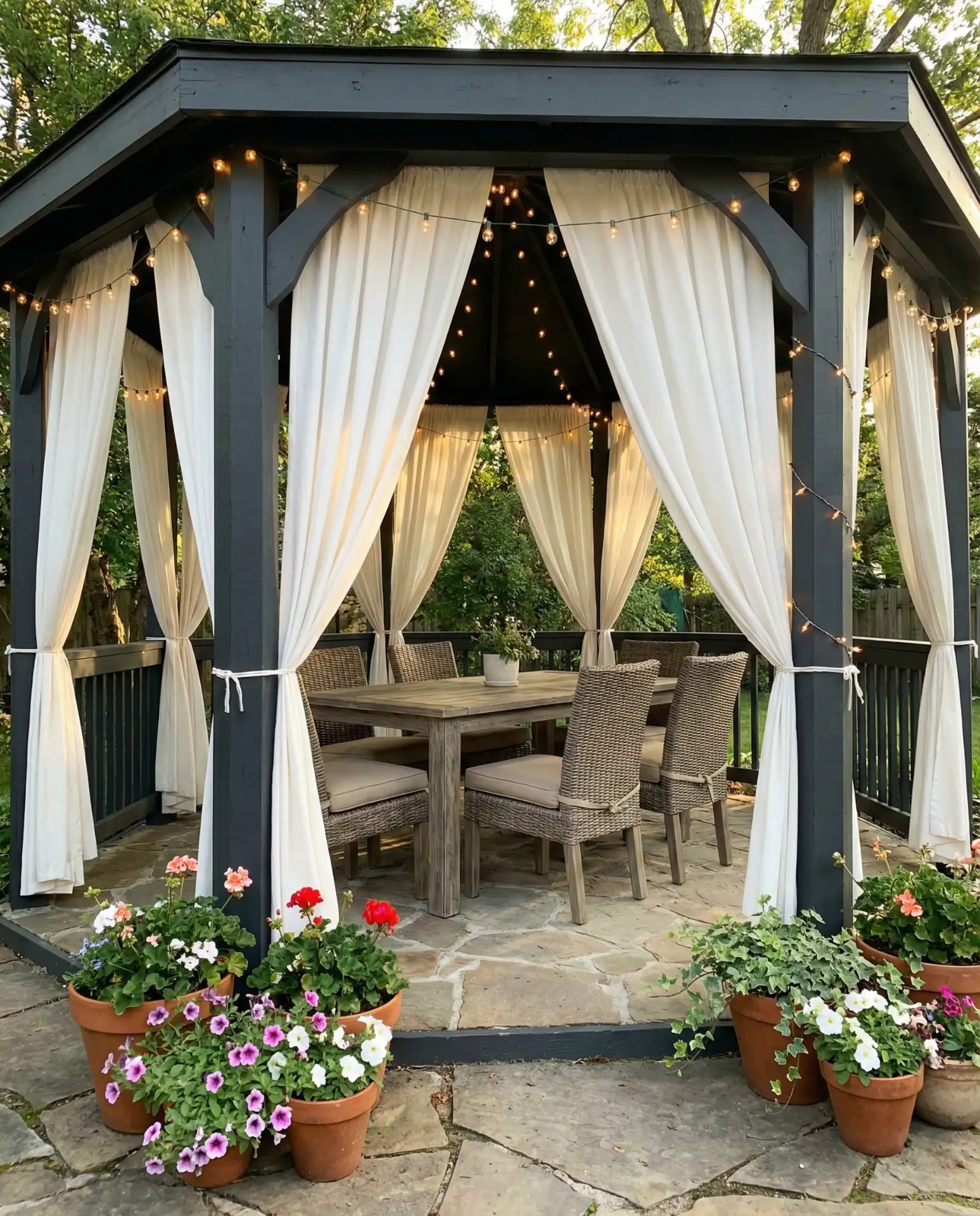
Transforming a tired or cheap prefab gazebo doesn’t require a full rebuild—sometimes paint, fabric, and a few strategic upgrades are enough. Start with a bold color on the frame (navy, charcoal, or forest green work well), then add outdoor curtains or shade cloth to the sides for privacy and style. Swap out basic hardware for decorative brackets, and finish with new lighting. The result feels custom without the custom price tag. 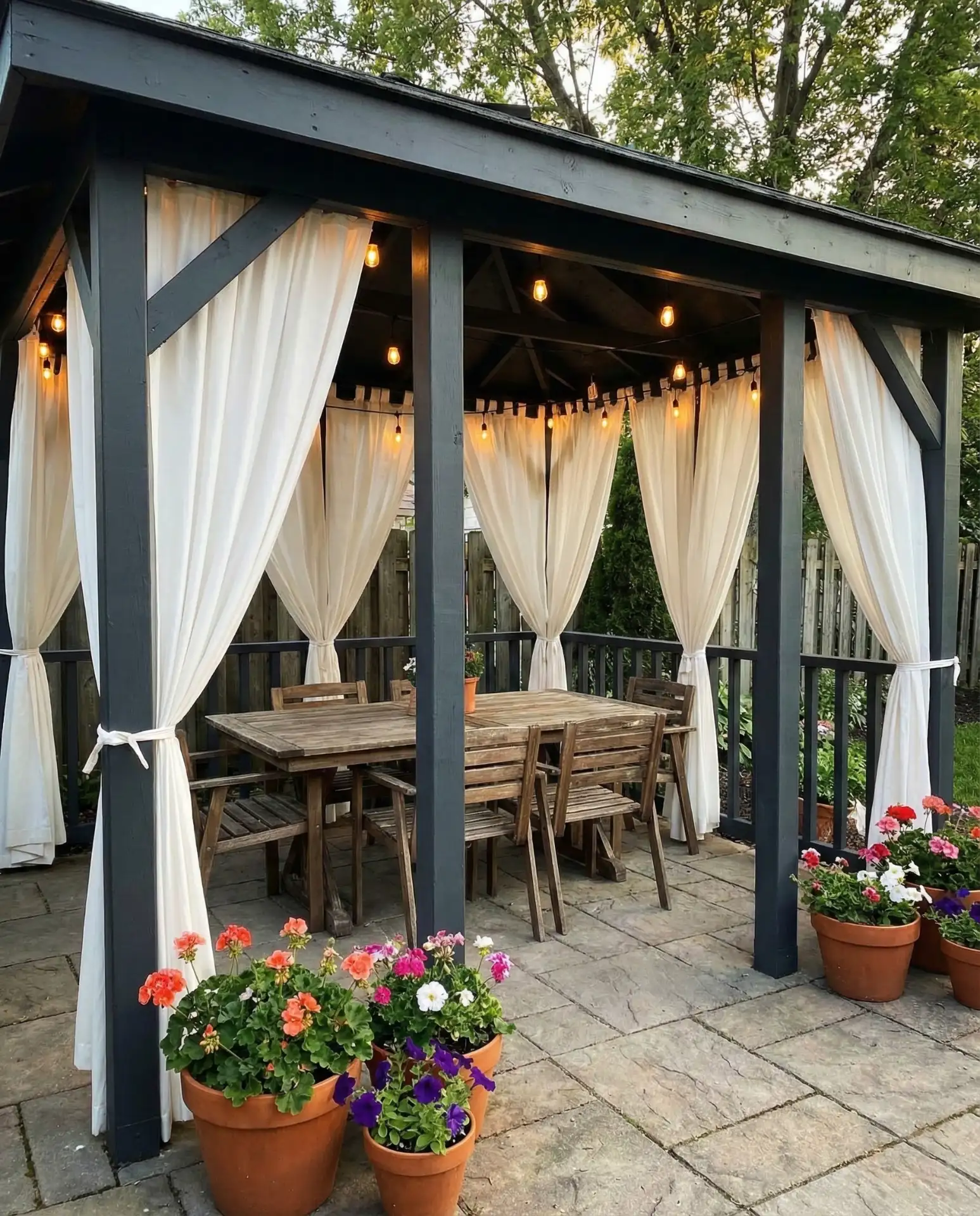
Micro anecdote: A homeowner in Arizona bought a $200 pop-up gazebo at a hardware store clearance sale, then spent another $150 on paint, outdoor fabric, and solar lights. The total investment was under $400, but guests regularly asked if the gazebo was custom-built.
15. Gazebo with Built-In Bench Seating
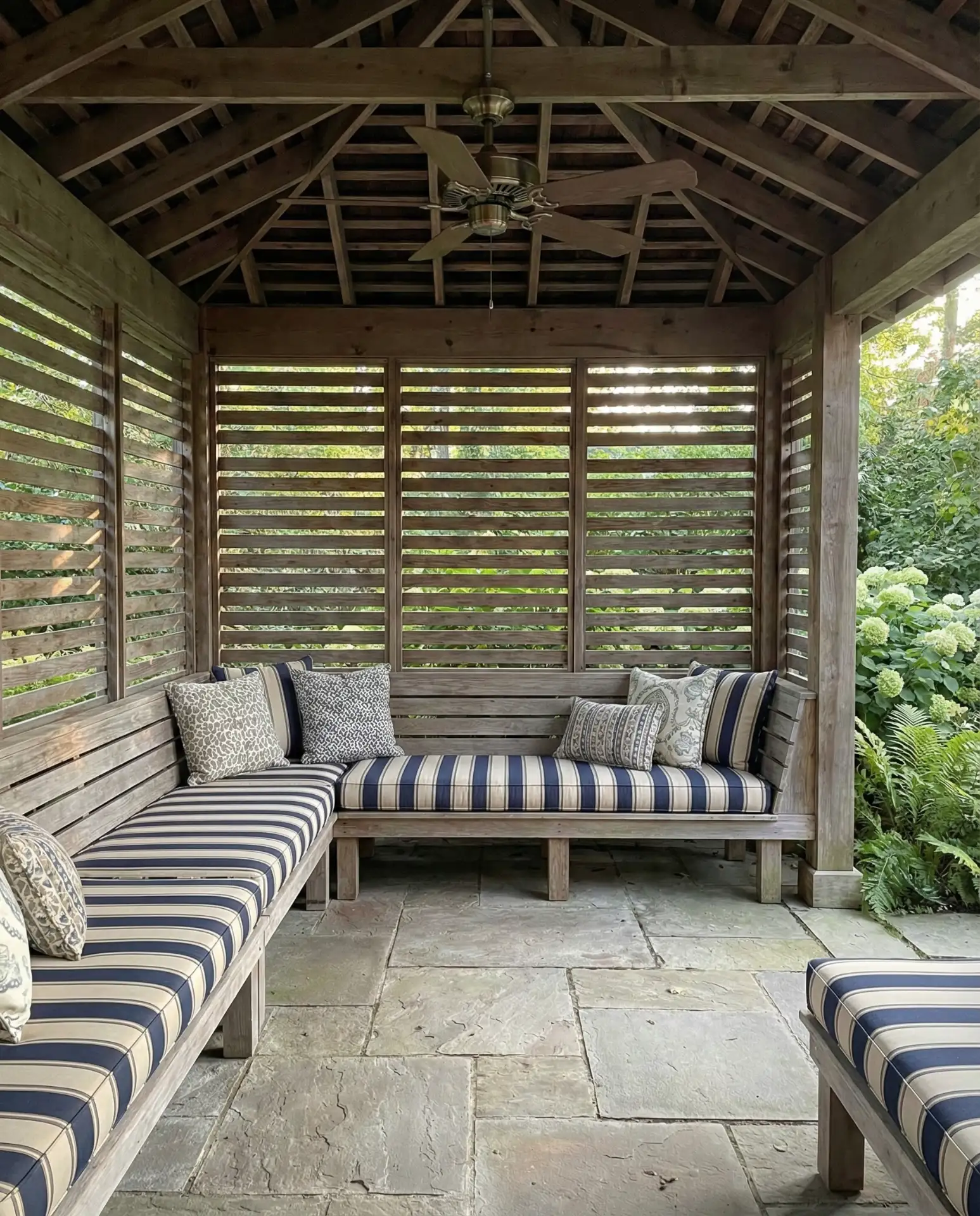
Built-in benches maximize seating in a compact footprint, making them ideal for decor seating areas where flexibility matters less than capacity. Wrap benches along two or three sides of the gazebo interior, add cushions for comfort, and you’ve created a space that accommodates groups without the clutter of movable furniture. This setup also simplifies maintenance—no chairs to store or blow away in storms. 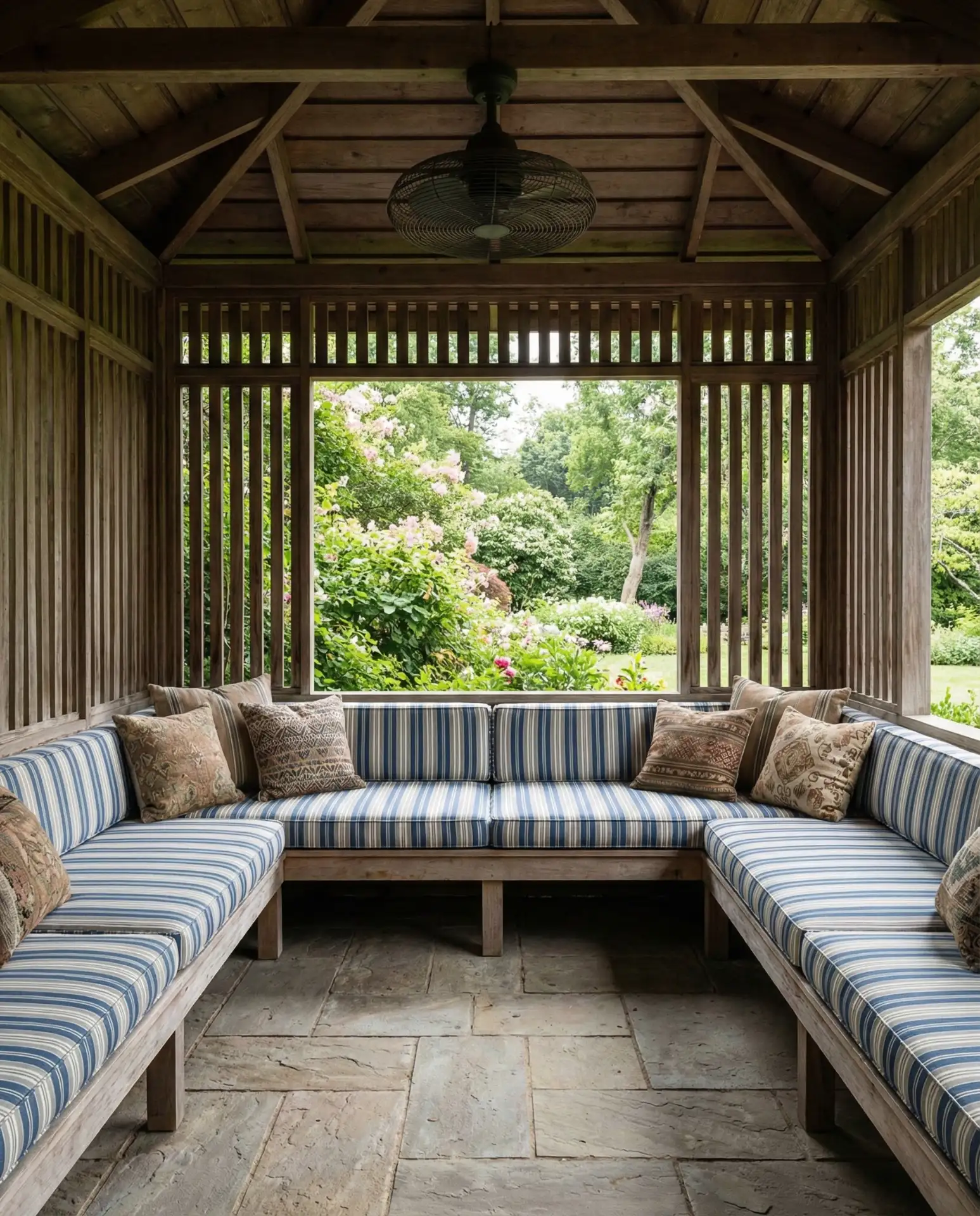
Expert-style commentary: Designers often suggest building benches at 18 inches high—the standard chair height—for comfort. Add storage underneath with hinged lids, and you’ve gained a practical place to stash cushions, garden tools, or kids’ toys when they’re not in use.
16. Gazebo with String Lights and Bohemian Decor
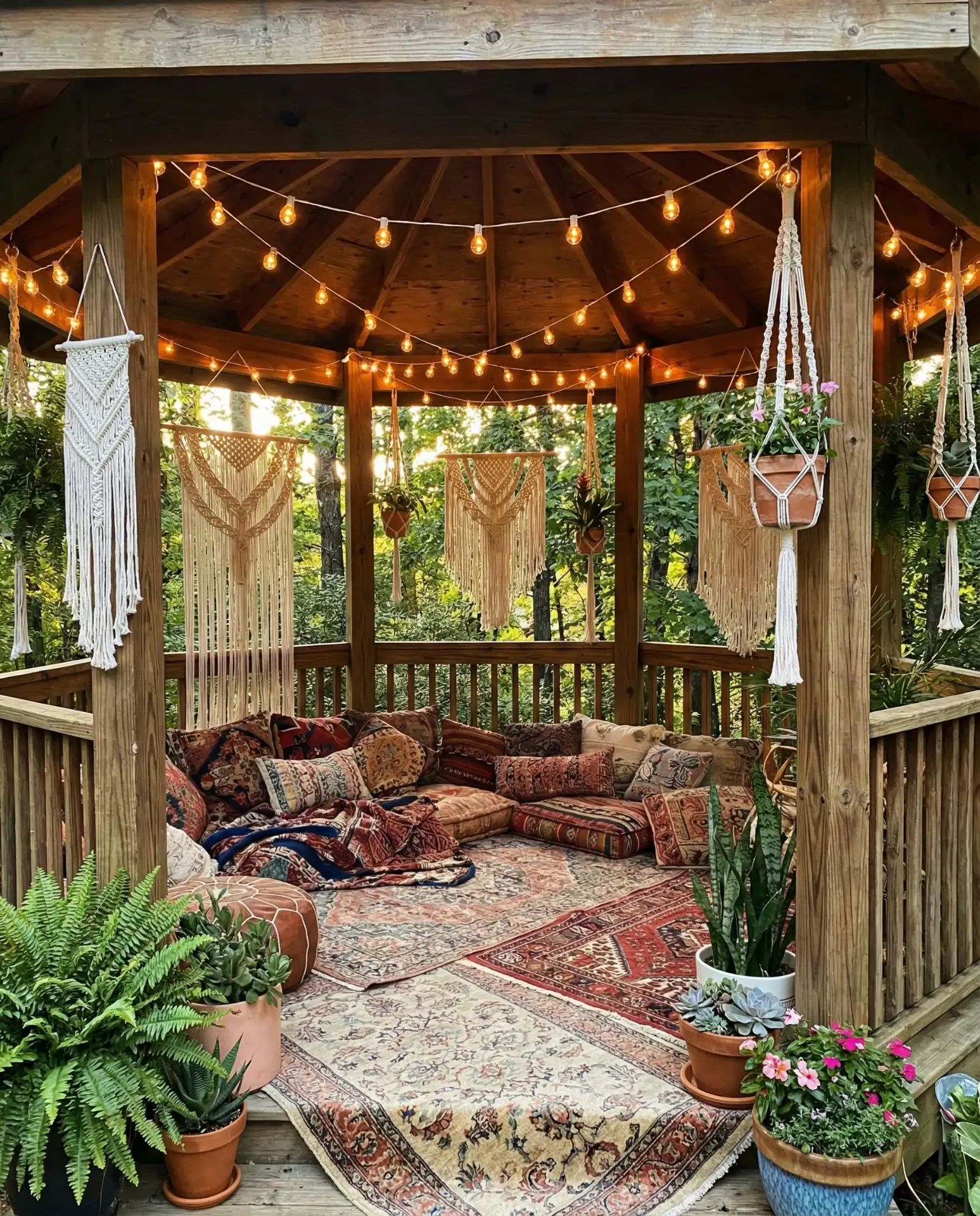
A bohemian-inspired gazebo layered with textiles, plants, and warm lighting feels like a global escape in your own backyards beautiful space. Drape string lights overhead, hang macramé planters, pile on patterned cushions, and scatter poufs or low seating on a woven rug. The vibe is relaxed, collected, and personal—nothing matches perfectly, but everything feels intentional. This style works especially well in gardens with wildflowers or informal plantings. 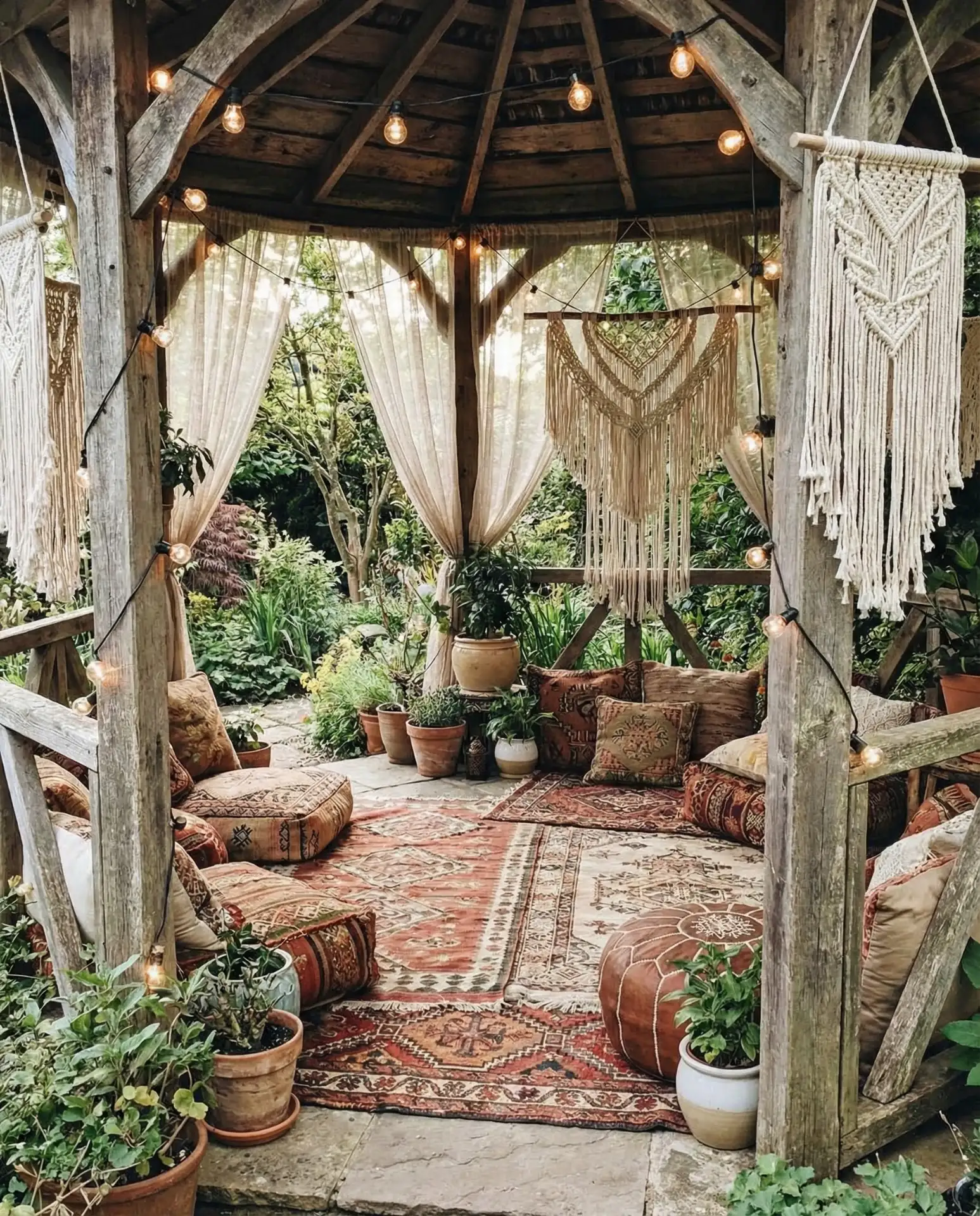
American lifestyle context: This aesthetic has found a strong following in the Southwest and California, where outdoor living blends with desert or coastal landscapes. The eclectic mix of textures and colors feels at home in climates where gazebos are used nearly year-round.
17. Gazebo with Sliding Glass Doors for Three-Season Use
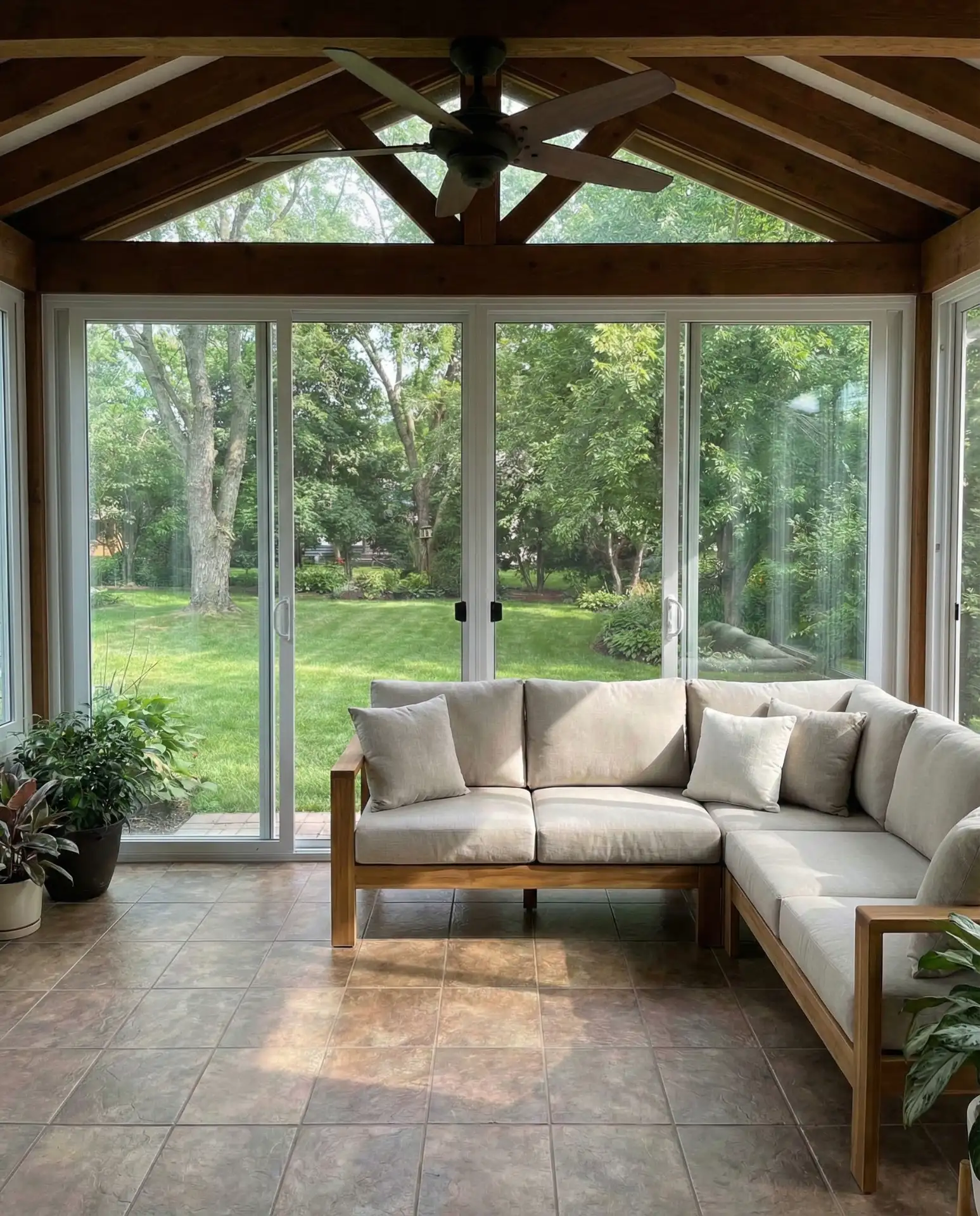
Adding sliding glass doors to your gazebo transforms it into a three-season room that stays usable even when temperatures drop. This design borrows from screened porches and sunrooms, offering protection from wind, rain, and bugs while maintaining views and natural light. It’s a popular upgrade in the Midwest and Northeast, where outdoor seasons are shorter and homeowners want to maximize their investment. The doors slide open fully in summer, then close to trap heat in spring and fall. 
Common mistakes: Homeowners sometimes underestimate the importance of insulation and ventilation in enclosed gazebos. Without proper airflow, condensation builds up on glass surfaces. Install roof vents or small exhaust fans to keep air circulating, and consider insulated glass if you plan to add a space heater.
18. Gazebo with Hammock for Casual Lounging
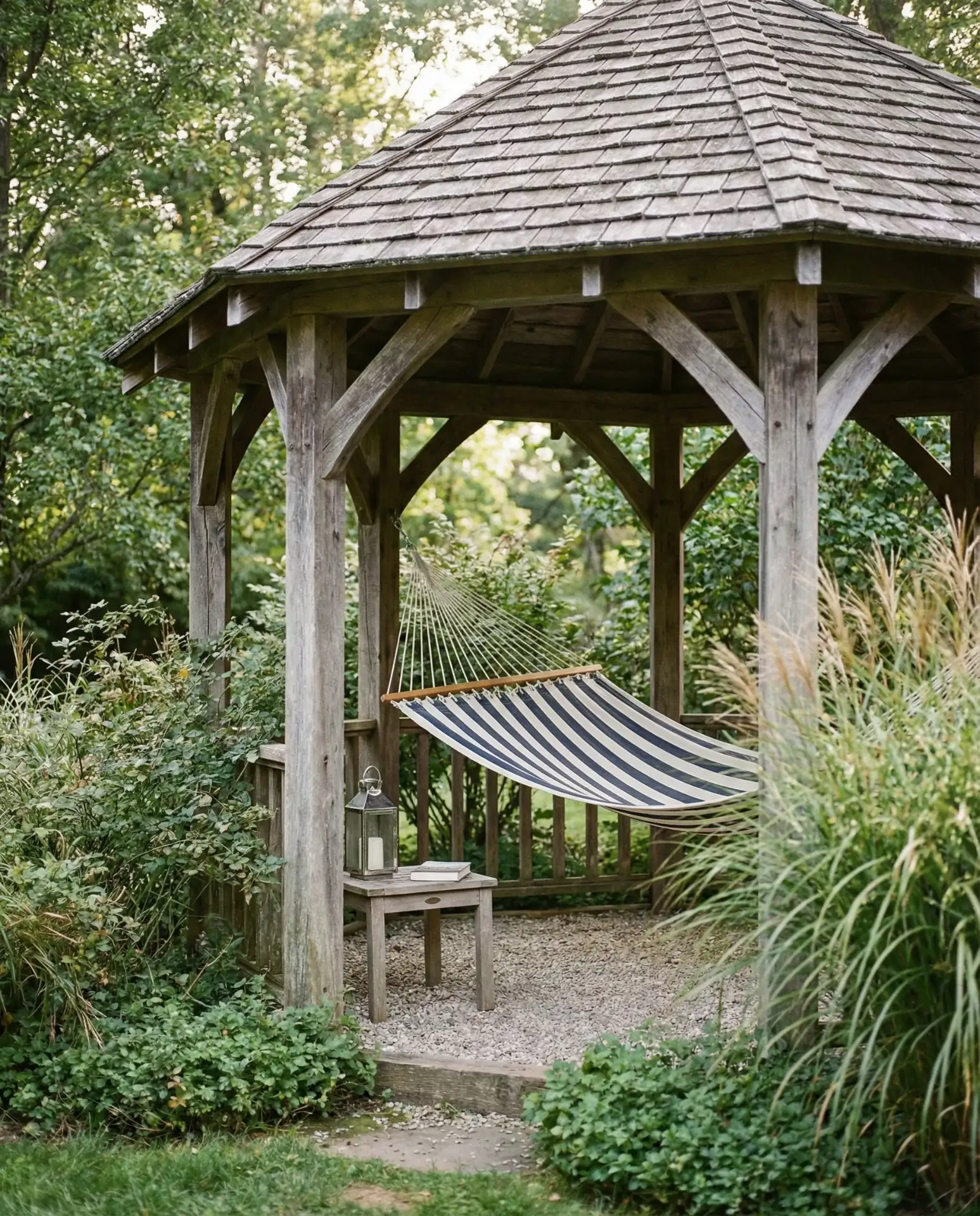
Hanging a hammock inside your gazebo creates an effortlessly laid-back spot for reading, napping, or simply watching the clouds. This setup requires sturdy posts or beams capable of supporting dynamic weight—hammocks with occupants can exert significant lateral force. It’s a favorite in backyards diy circles because installation is straightforward: heavy-duty eye bolts, carabiners, and a quality hammock are all you need. The result is a space that encourages slowing down. 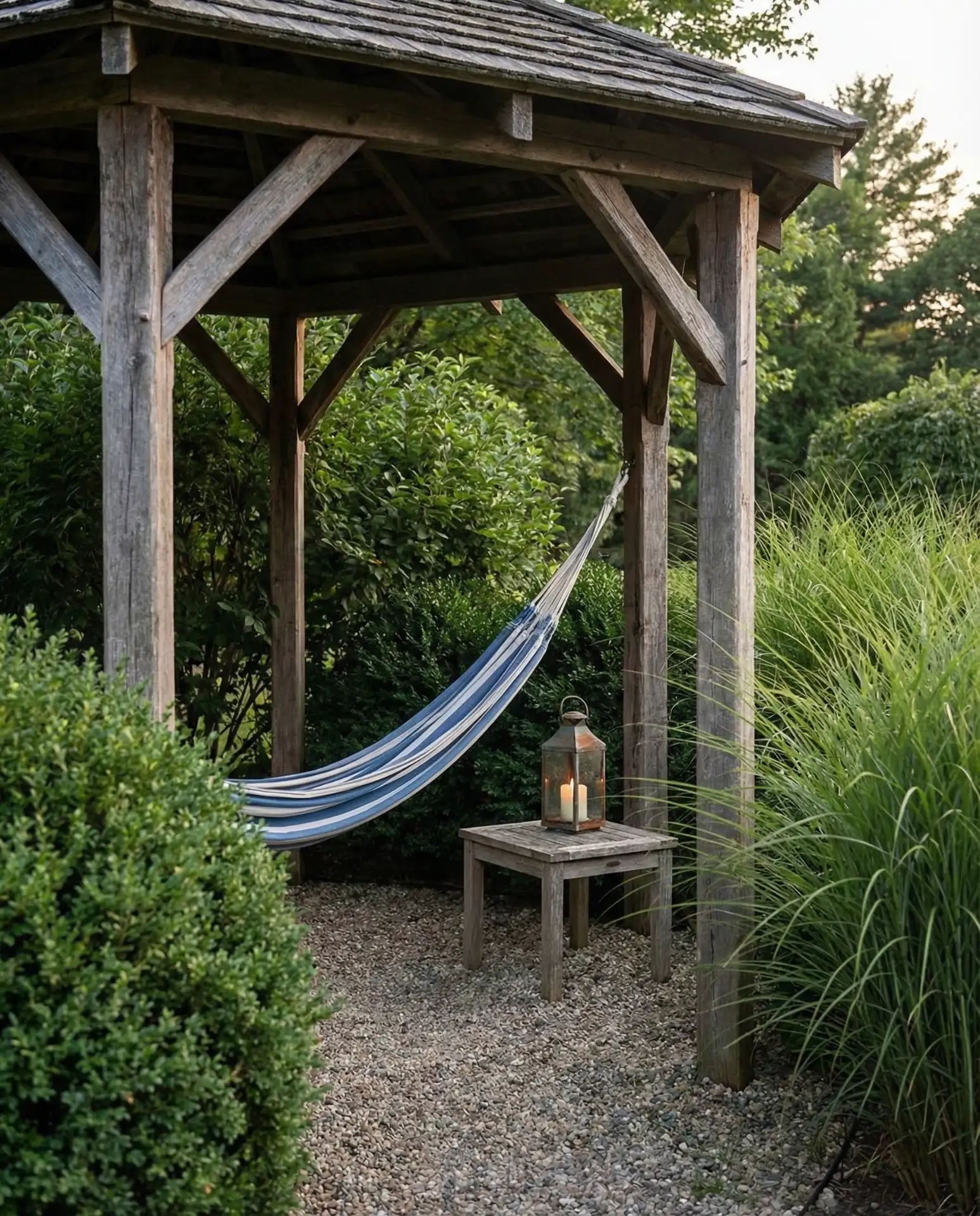
Where it works best: This approach shines in shaded, quiet areas where privacy and calm are priorities. It’s less about entertaining and more about creating a personal sanctuary—a place to disconnect from screens and obligations for a few hours.
19. Gazebo with Natural Stone Foundation and Rustic Beams
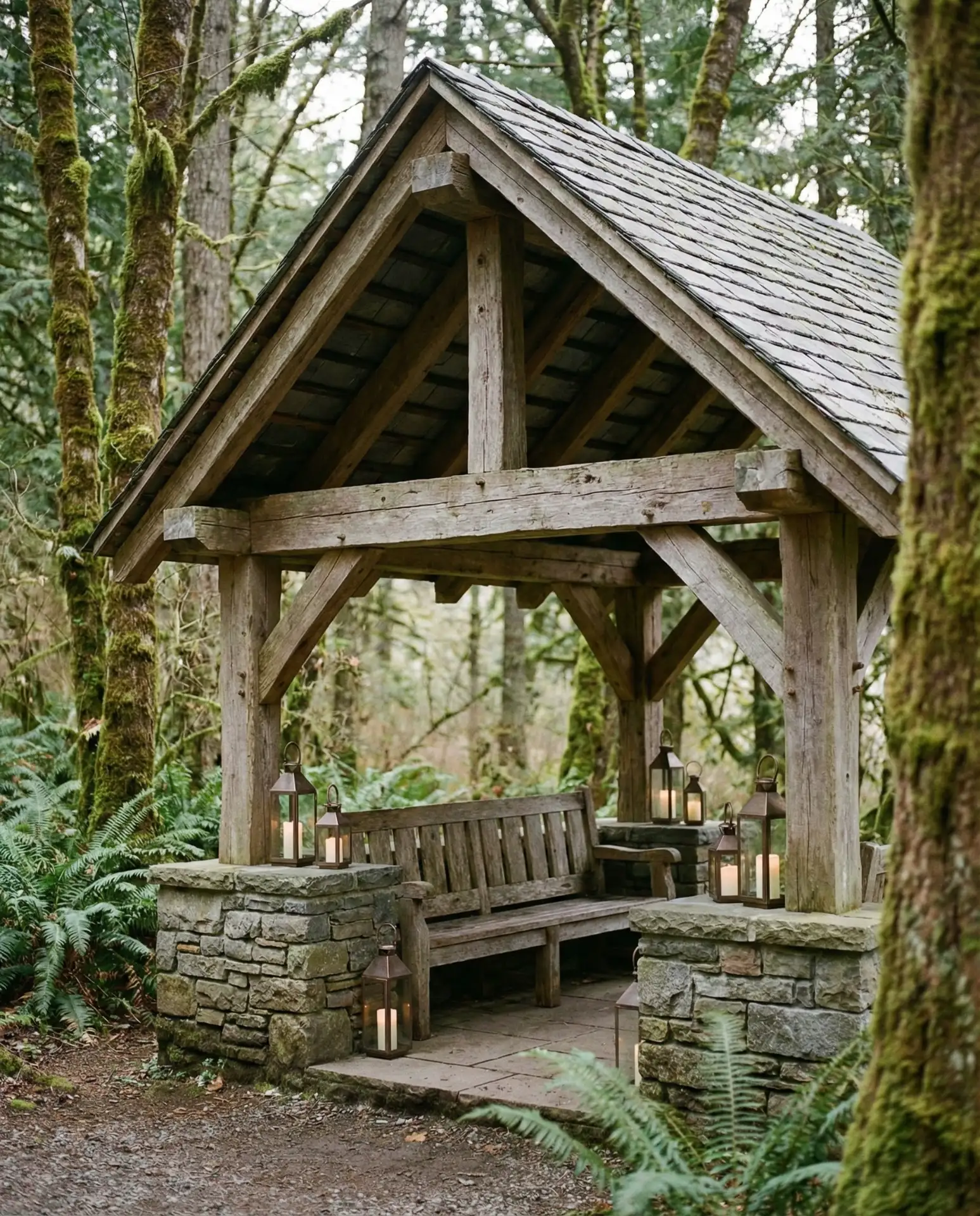
A gazebo anchored by natural stone walls or a stacked-stone foundation feels permanent and rooted in the landscape. Paired with rough-hewn timber beams, this design evokes mountain lodges and national parks, bringing a sense of rugged elegance to backyards diy projects wood. The stone provides thermal mass, staying cool in summer and retaining warmth in cooler months. It’s also low-maintenance—stone doesn’t rot, warp, or require repainting. 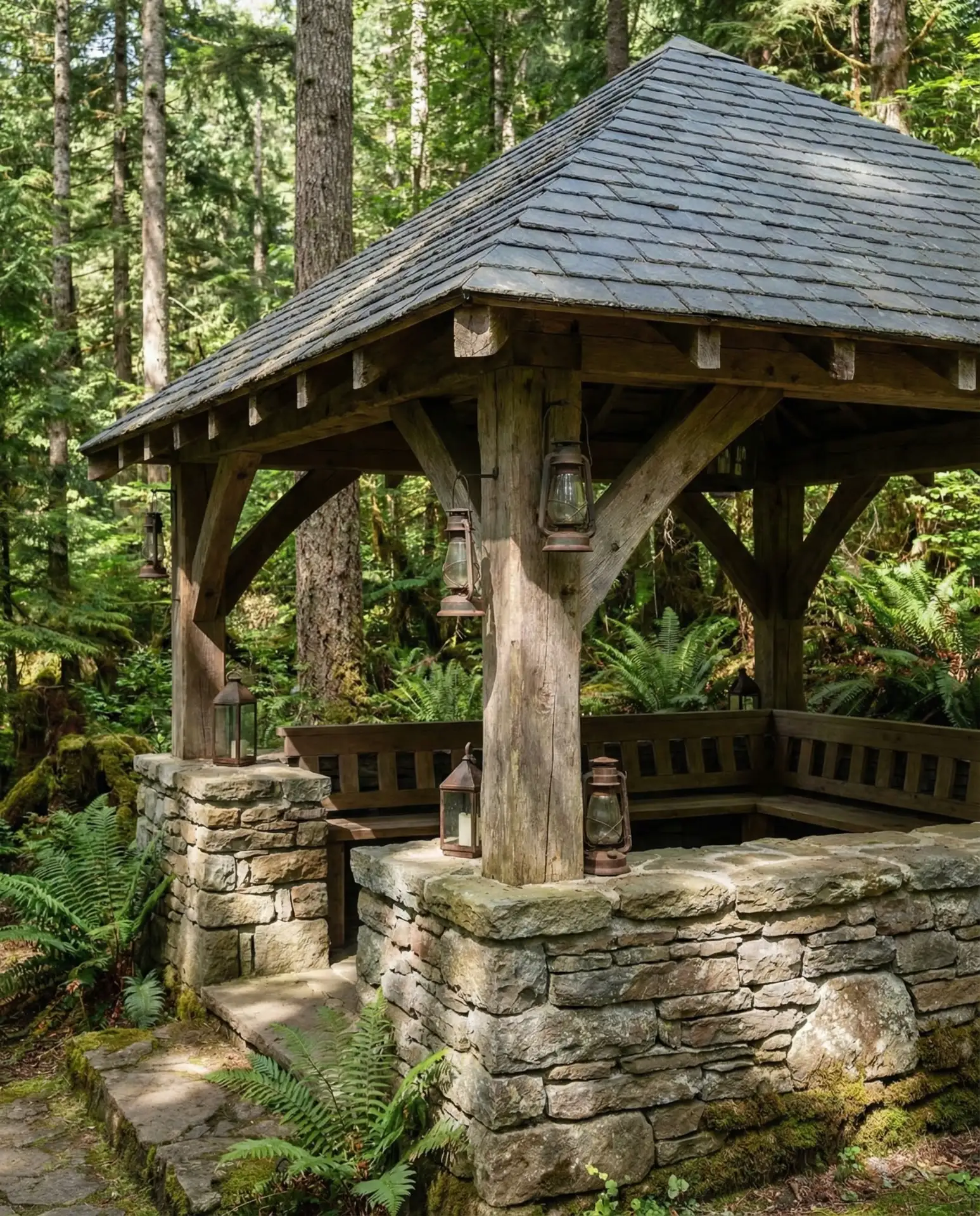
Budget angle: Natural stone is an investment—expect to pay $3,000 to $6,000 for materials alone on a modest gazebo, depending on stone type and location. However, the durability and timeless appeal often justify the cost, especially in areas where freeze-thaw cycles damage cheaper materials quickly.
20. Gazebo with Modern Metal Frame and Glass Roof
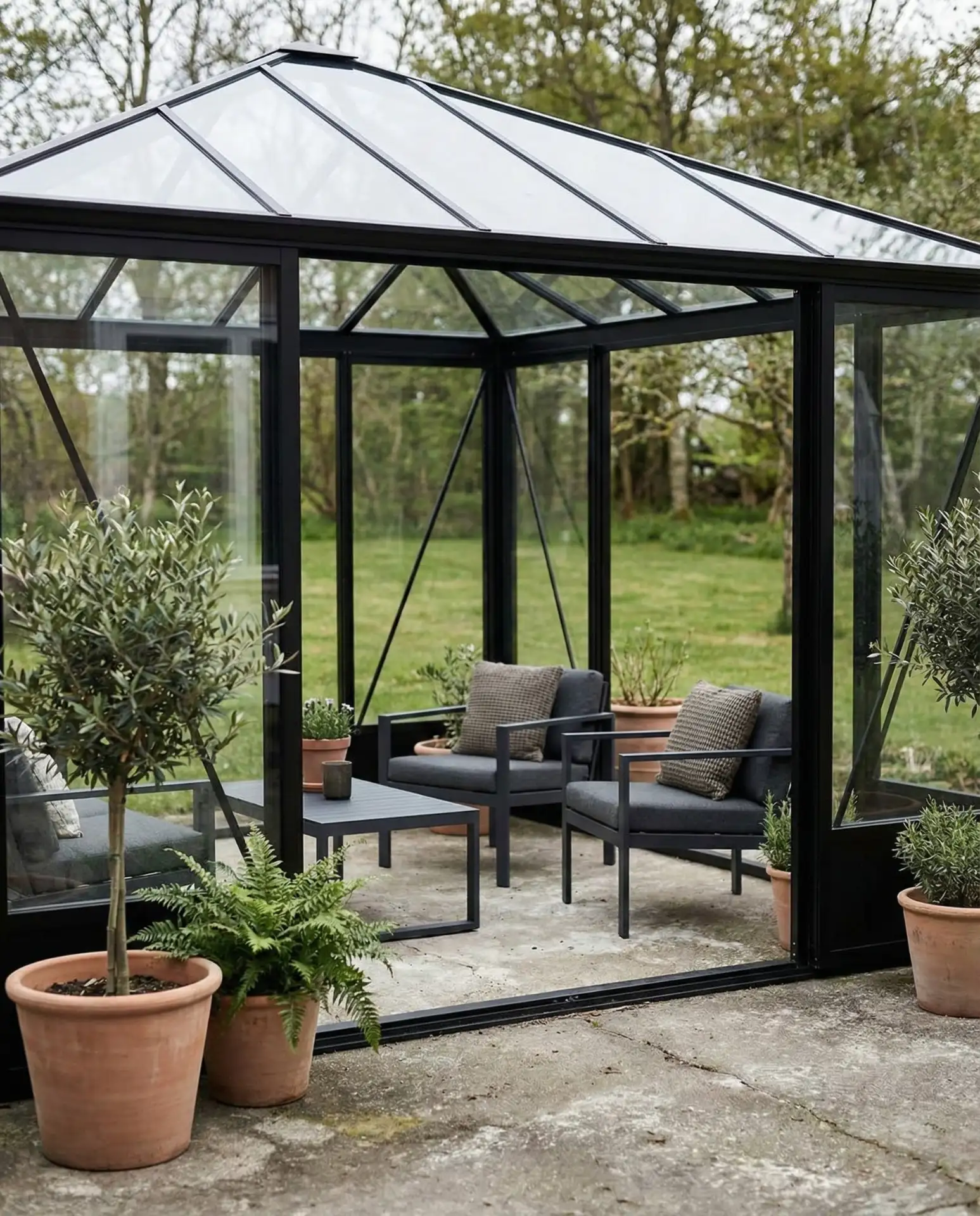
A sleek metal frame paired with a clear or tinted glass roof creates a gazebo that feels contemporary and sophisticated. This design lets in maximum natural light while providing shelter from rain, making it ideal for modern homes with architectural emphasis on transparency and clean lines. The glass can be tempered for safety, and some homeowners add retractable shading to control heat and glare. Steel or powder-coated aluminum frames resist rust and require minimal upkeep. 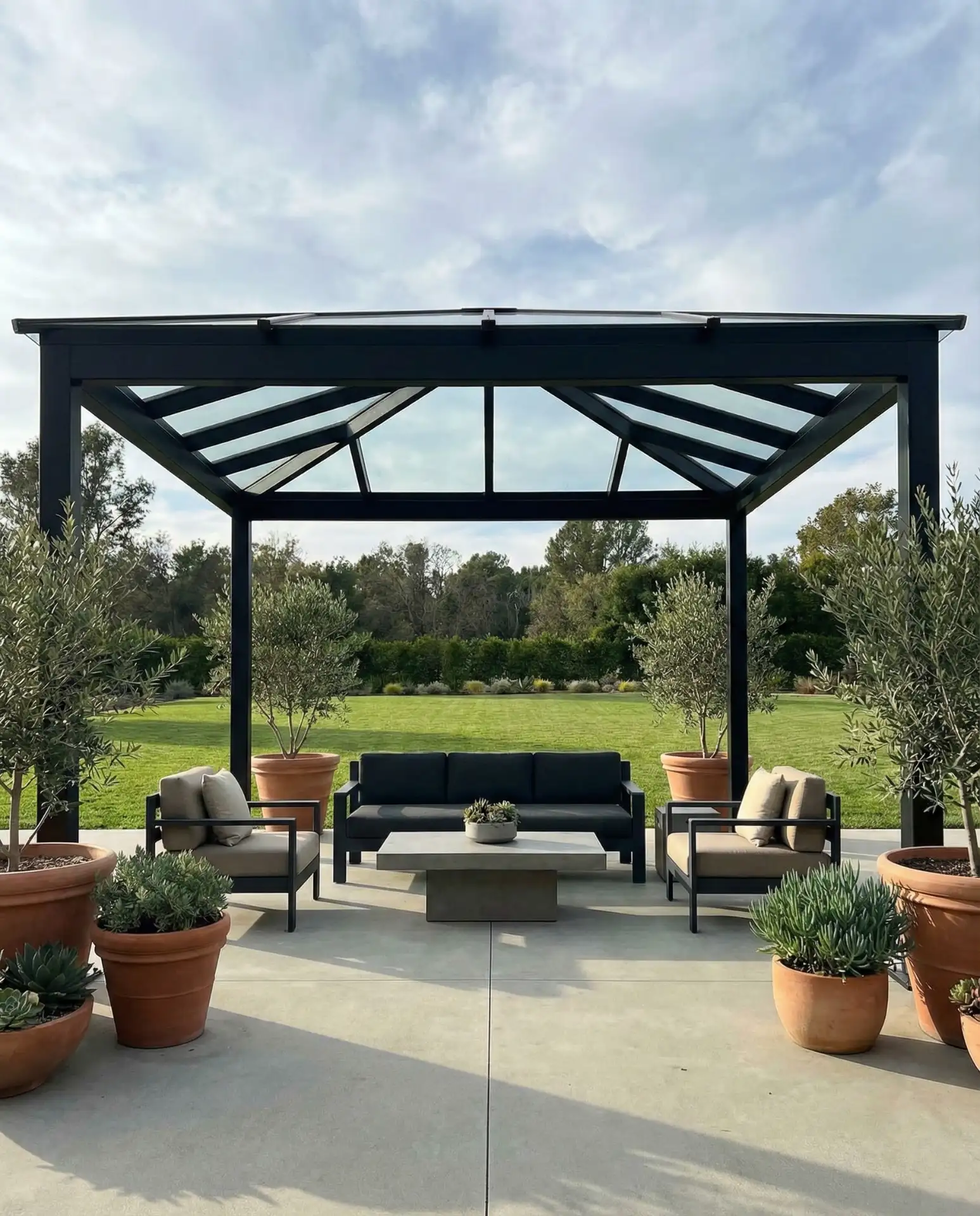
Real homeowner behavior: Many people add LED strip lighting to the underside of glass roofs for dramatic nighttime effects. The light reflects off the glass, creating a soft glow that highlights the structure’s geometry and makes the space feel larger after dark.
21. Gazebo with Pergola-Style Roof and Climbing Vines
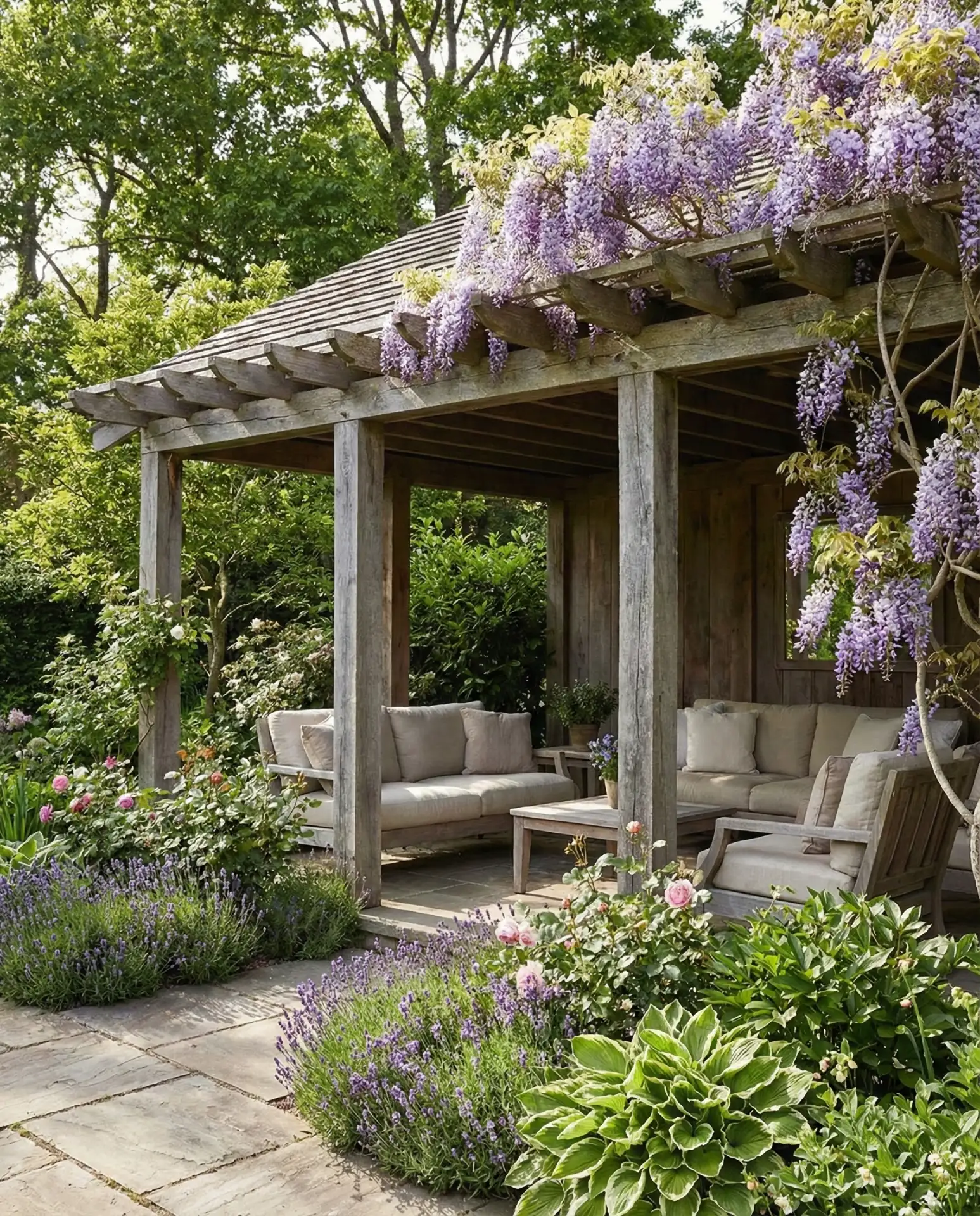
A gazebo topped with an open pergola-style roof invites climbing plants to create living shade over time. Wisteria, grapevines, or jasmine weave through the slats, offering dappled sunlight and seasonal blooms. This hybrid design bridges formal gazebo structure with the organic feel of a pergola, and it’s popular in backyards beautiful garden settings where plant life is central to the design. The vines also attract pollinators, adding movement and life to the space. 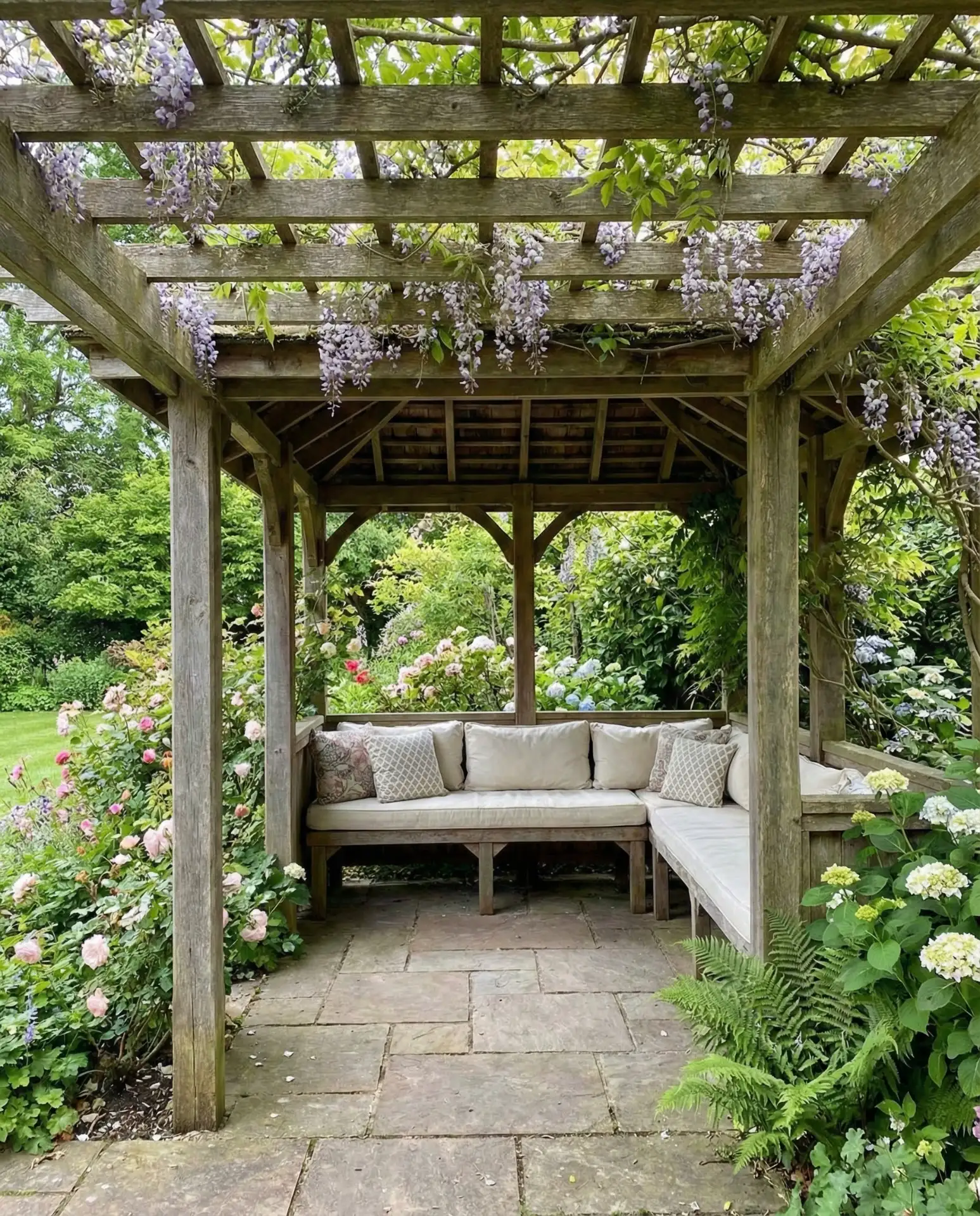
Practical insight: Plan for three to five years of growth before vines provide substantial shade. In the meantime, add a retractable canopy or shade cloth to the top for immediate relief. Once established, annual pruning keeps vines healthy and prevents them from overwhelming the structure.
22. Gazebo with Outdoor Shower for Pool Areas

Positioning a gazebo with an integrated outdoor shower near your pool or hot tub adds convenience and style. The gazebo provides privacy for rinsing off, while the roof keeps plumbing fixtures and tile surfaces protected from the elements. This setup is especially practical in warm climates where outdoor showers see year-round use. It also reduces the amount of chlorine, sand, or sunscreen tracked into the house, keeping interiors cleaner. 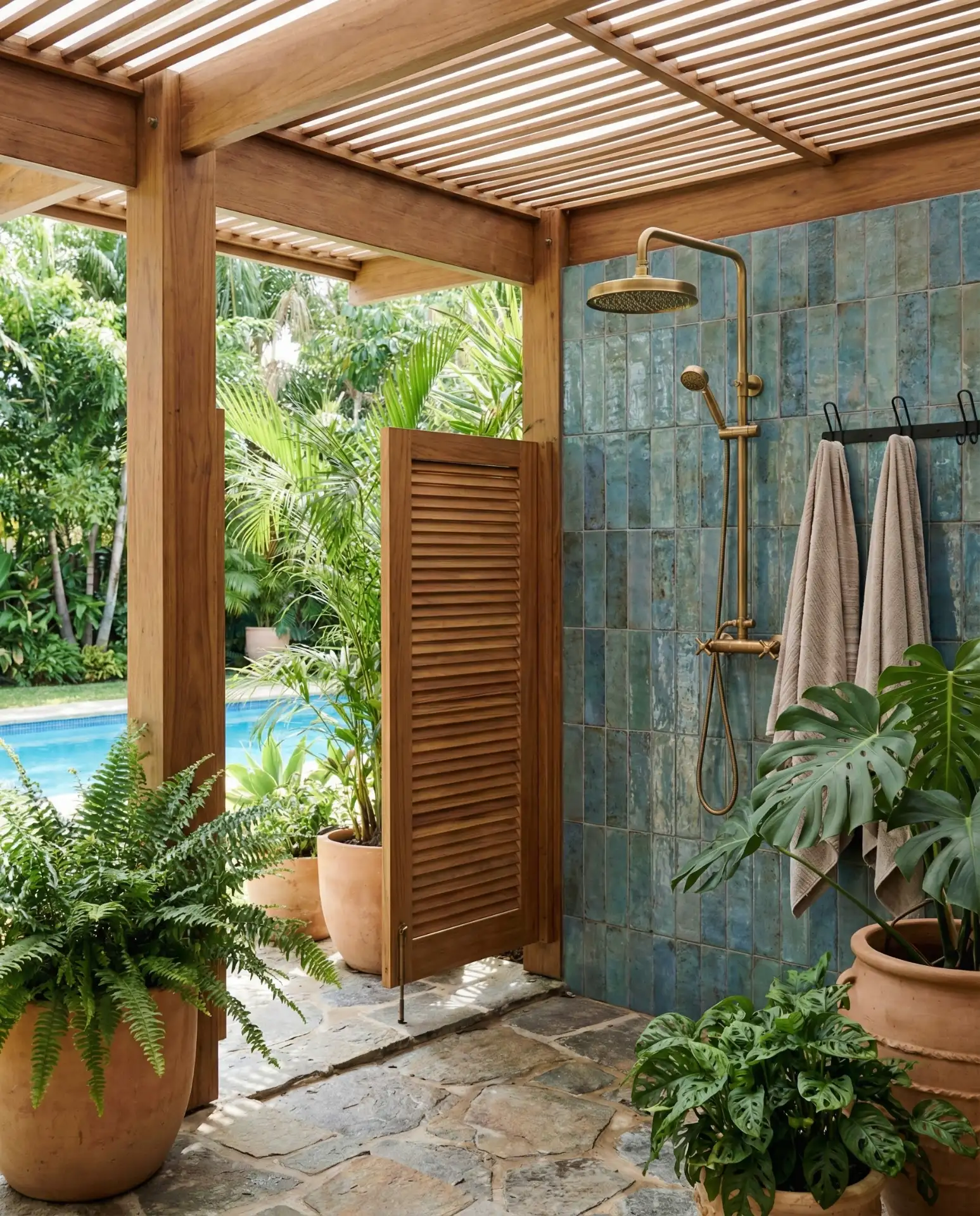
Expert-style commentary: Ensure proper drainage before installing an outdoor shower—standing water can damage foundations and create mosquito breeding grounds. A French drain or gravel pit beneath the shower area channels water away efficiently. Also, use marine-grade fixtures to resist corrosion from pool chemicals.
23. Gazebo with Solar Panels for Off-Grid Power
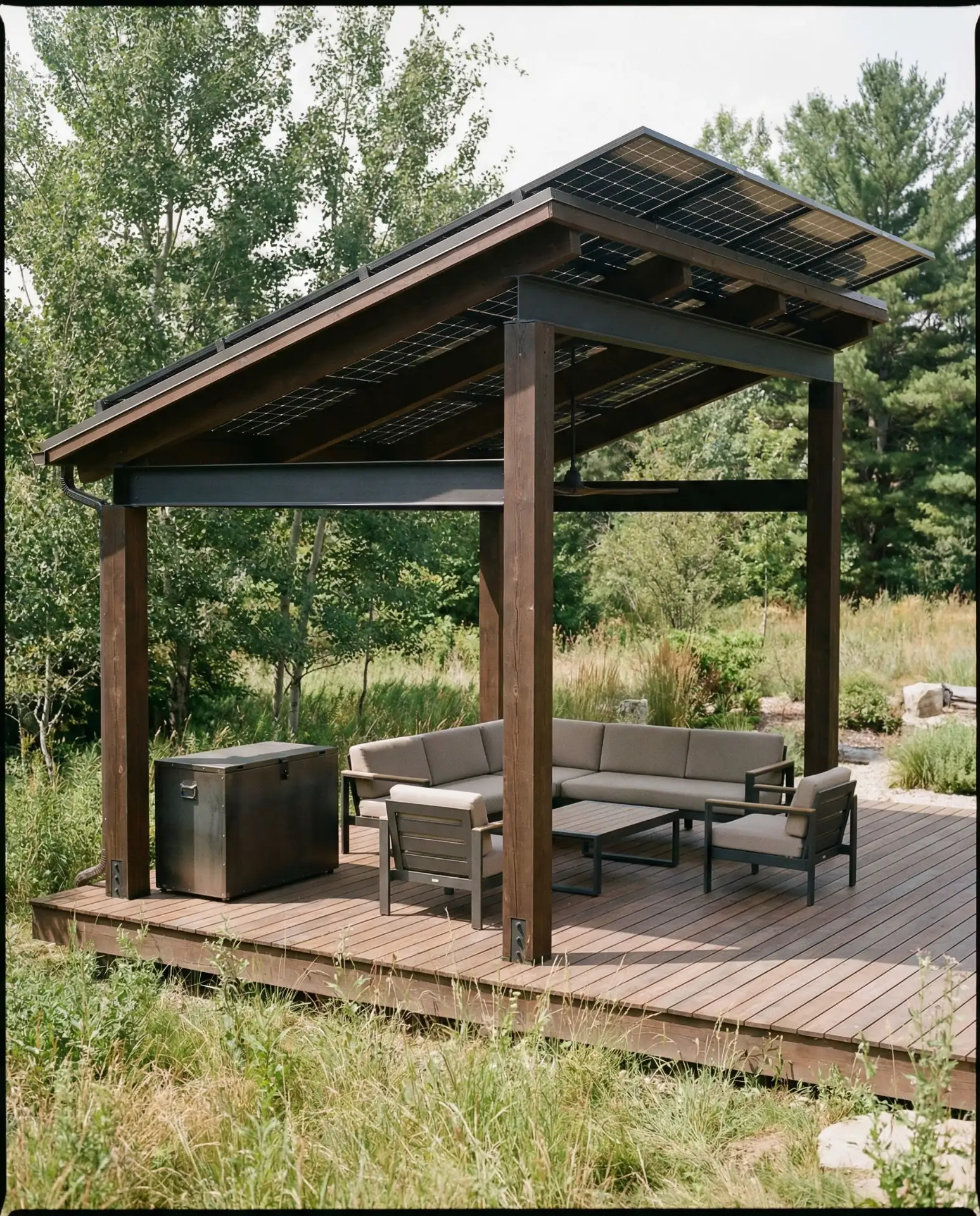
Topping your gazebo with solar panels makes it energy-independent, generating enough power for lights, fans, speakers, or even a small refrigerator. This approach appeals to eco-conscious homeowners and those with gazebos located far from the house where running electrical lines is impractical. The panels integrate into the roof design, and a battery bank stores excess energy for nighttime use. It’s a setup that combines sustainability with off-grid convenience in backyards diy projects backyard spaces. 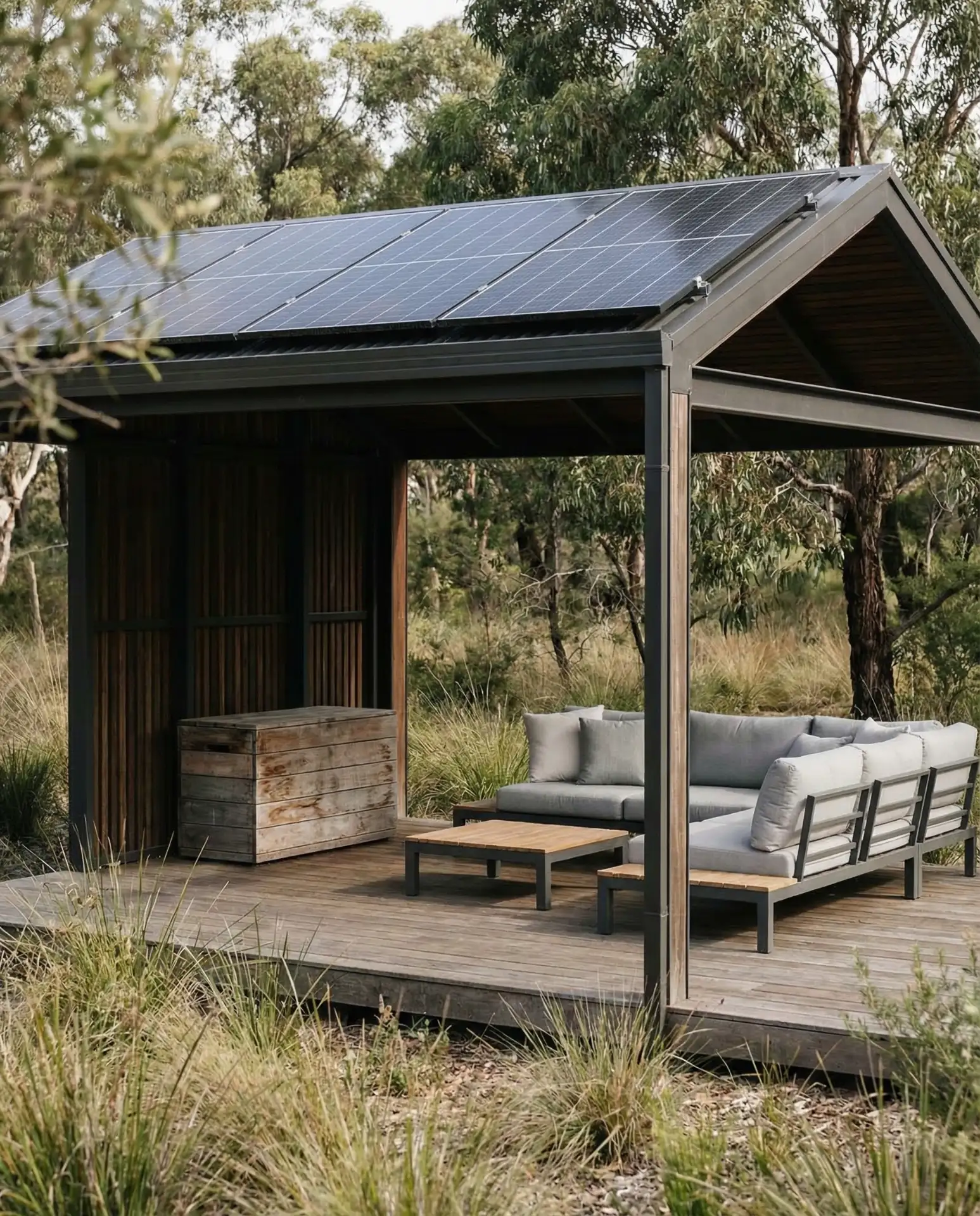
Common mistakes: Homeowners often overestimate how much power they’ll need or underestimate the upfront cost of solar equipment. A basic 400-watt system with battery storage runs $800 to $1,500, which is enough for LED lighting and a ceiling fan, but not for high-draw appliances. Size your system carefully based on actual usage, and consult a solar installer for guidance.
Conclusion
These gazebo ideas offer something for every style, budget, and backyard size—whether you’re drawn to rustic DIY builds, sleek modern designs, or cozy entertaining spaces. The beauty of a gazebo is that it becomes whatever you need it to be: a quiet retreat, a lively gathering spot, or a functional outdoor room. Now it’s your turn—which of these ideas resonates most with your vision? Share your thoughts, plans, or photos in the comments below, and let’s keep the conversation going.