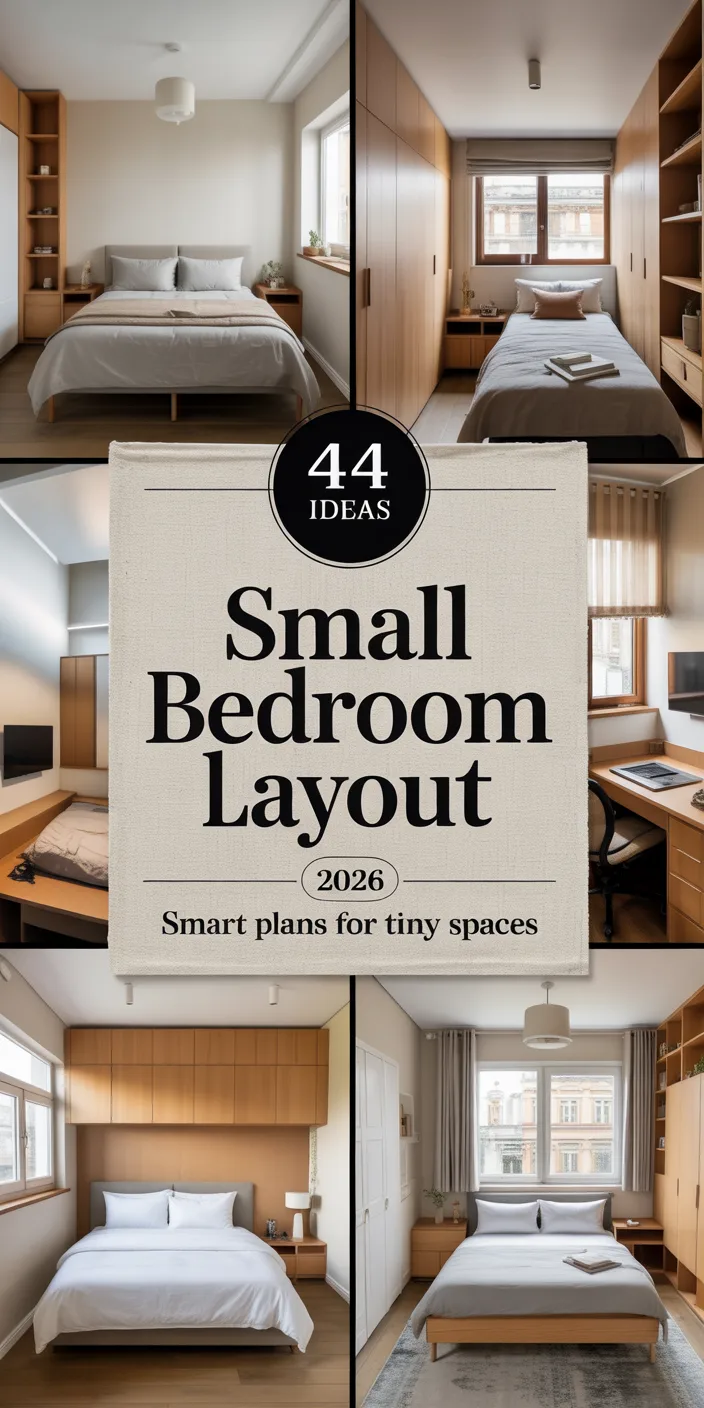
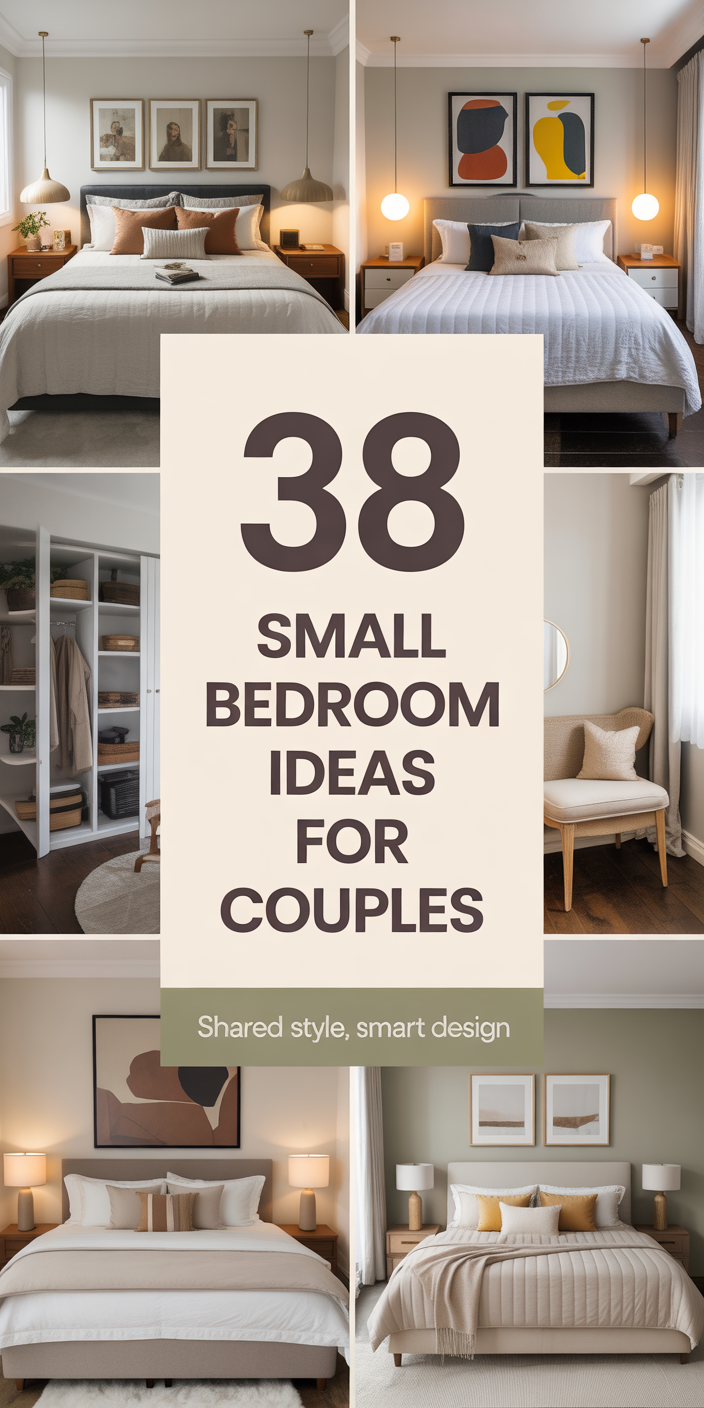
Bunk beds have come a long way from the utilitarian stacks of childhood sleepovers. In 2026, they’re showing up in small bedrooms, polished guest rooms, and even sun-drenched camper renovations—and Pinterest can’t stop pinning them. Whether you’re squeezing storage into a dorm room or designing a dreamy kids’ retreat, this year’s bunk bed ideas prove that vertical living is having a serious style moment. In this article, you’ll find real, actionable ideas—from built-in beauties to repurposed classics—that work across budgets, aesthetics, and square footages.
1. Floor-to-Ceiling Built-In Bunks with Integrated Shelving

There’s something undeniably satisfying about a bedroom where everything has a place—and built-in bunk beds with floor-to-ceiling shelving deliver exactly that. This design treats the entire wall as functional architecture, embedding the bunks directly into the structure so they feel intentional rather than added on. It’s a favorite solution for small rooms where square footage is precious and visual clutter is the enemy. When you eliminate the freestanding frame and replace it with custom millwork, you gain both sleeping space and serious storage without sacrificing a clean, composed look.

Budget-wise, true built-ins run anywhere from $2,000 to $8,000 depending on your region and the complexity of the millwork—but many families find the long-term value extraordinary. Unlike a freestanding unit you’ll eventually outgrow or resell at a loss, a built-in bunk wall becomes part of the home itself, often increasing resale appeal in family-friendly markets. If you’re in a rental or working with a tighter budget, several modular closet systems can mimic the look at a fraction of the cost, especially when painted to match the walls.
2. Aesthetic Loft Bed with a Study Nook Below

The loft bed format is one of those ideas that looks almost impossibly clever the first time you see it done well—a sleeping platform elevated just enough to tuck a full desk, bookshelf, or reading nook underneath. For a dorm room or a single-occupancy bedroom, this configuration essentially doubles your usable floor space without changing the room’s footprint by even an inch. The key to keeping it aesthetic rather than dorm-generic is in the details: warm wood tones, intentional lighting under the loft, and bedding that feels curated rather than thrown together.

Real homeowners who’ve lived with loft beds for a year or more tend to say the same thing: the study nook below becomes their favorite spot in the house. There’s something about the enclosed, cave-like quality of sitting under a platform—it’s naturally cozy and focused. For teenagers especially, having a defined workspace that feels separate from the sleeping area can genuinely support better study habits. String lights or a small clip-on lamp along the underside of the platform add warmth without requiring any electrical work.
3. IKEA Hack Bunk Bed with Custom Paint and Trim

The IKEA bunk bed hack community has exploded on Pinterest over the past few years, and it’s not hard to see why—a few hundred dollars in flat-pack furniture plus a weekend of paint and trim work can produce something that looks genuinely custom. The most popular base is the KURA reversible bed, which lends itself beautifully to transformation with added paneling, painted accent colors, and even tiny curtain rails to create a canopy effect. This approach is ideal for parents who want a cute, elevated look without commissioning built-ins, and it’s especially popular in the Pacific Northwest and Northeast, where DIY culture runs deep.

One common mistake people make with IKEA hacks is skipping the primer—especially when painting over the laminate finish. Without a good bonding primer, the paint chips within weeks, and the whole project looks worse than the original. Sand lightly, apply two coats of a shellac-based primer, and you’ll get a surface that holds up beautifully for years. Adding simple MDF trim around the frame edges elevates the look dramatically and takes maybe two hours if you’re comfortable with a brad nailer.
4. Cozy Twin-Over-Full Bunk for Shared Kids’ Rooms

The twin-over-full configuration is a quiet genius of the bunk bed world—it solves the sibling age-gap problem elegantly. The lower full-size mattress offers generous space for an older child or teenager who needs room to sprawl, while the twin up top suits a younger kid perfectly. In a cozy shared room, this layout feels balanced rather than cramped, especially when you use the same bedding palette on both bunks to create visual cohesion. It’s one of those setups that genuinely grows with the family, sometimes lasting through multiple stages of childhood.

Where this configuration works best is in rooms with at least 8-foot ceilings—the extra vertical clearance makes the upper bunk feel airy rather than claustrophobic. In rooms with lower ceilings, consider a low-profile mattress for the top bunk; many parents swear by a 6-inch option rather than the standard 8-inch, which gives the sleeper above a little more breathing room. It’s a small detail that makes a meaningful difference in everyday comfort.
5. Modern Minimalist Metal Bunk Bed

Clean lines, powder-coated steel, and an almost architectural restraint—the modern metal bunk bed is having a major moment in 2026. Unlike the clunky metal bunks of the 90s, today’s versions feature slim profiles, matte black or warm brass finishes, and open-frame construction that keeps rooms feeling light and spacious. This is the aesthetic choice for parents who want the kids’ room to feel like a considered part of the home’s overall design language rather than a toy-box explosion. It pairs beautifully with neutral plaster walls, natural fiber rugs, and simple linen bedding.

An interior designer who works primarily in Brooklyn and Los Angeles put it simply: “The metal frame bunk is where modern parents land when they realize their kids aren’t going to live in a fantasy-themed room forever. It’s the design that ages gracefully—you can restyle it with new bedding at every phase, and it never looks out of place.” The key, she adds, is choosing a finish that echoes other metal tones in the home, like cabinet hardware or light fixtures, so the bunk reads as intentional rather than utilitarian.
6. Triple Bunk Bed for Three Siblings

Families with three kids in a single bedroom know the puzzle well—how do you sleep everyone comfortably without turning the room into a warehouse of mattresses? The triple bunk is the answer, and in 2026, it’s looking far more refined than it once did. Modern triple configurations often use a staggered tower design with alternating bunk positions so each child has side access rather than one ladder leading to three tiers. It’s a practical solution for larger families, and it’s gaining serious traction in regions like the Mountain West and Midwest, where larger family homes are common but bedroom counts don’t always keep up.

A mom of three from Colorado shared her experience: after two years of negotiating whose sleeping bag went on the air mattress during sleepovers, they finally invested in a solid-wood triple bunk. “The morning arguments basically disappeared,” she said. “Everyone has their own space, their own little territory, and that matters more than I expected.” The practical insight here is to anchor the bunk to at least two wall studs—with three kids eventually using it, structural stability is non-negotiable.
7. Camper and RV Bunk Bed Design

The American love affair with road trips and weekend escapes has turned camper and RV interior design into a legitimate design genre—and bunk beds are central to making it work. A well-designed bunk setup in a camper is almost architectural in its precision: every inch matters, every material choice needs to be lightweight, and the structure needs to handle the constant vibration of travel without creaking or loosening. Pine or poplar framing with a thin plywood platform is the standard approach, and many RV renovators are now adding fold-up murphy-style bunks that disappear during the day to create a living area.

Where this works best is in Class C motorhomes and larger travel trailers with a dedicated rear bunk room—those rear layouts are essentially purpose-built for this and require only cosmetic renovation to look stunning. For smaller camper vans, the murphy-fold option is worth the extra build time. One critical tip from experienced RV renovators: always use L-brackets and barrel bolts rated for dynamic loads, not just static ones. A bed that’s perfectly solid in your driveway can develop a dangerous rattle at highway speeds if the fasteners weren’t chosen carefully.
8. Queen-Size Bunk Bed for Adults

Yes, queen bunk beds are real—and they’re solving a very specific American hospitality problem. Vacation rental owners, in particular, have discovered that a queen-over-queen bunk configuration can sleep two couples or a family of four in a single room without anyone feeling like they got the short end of the stick. This isn’t a college dorm setup—these are solid, architecturally designed structures often built from white oak or walnut, with full queen-size platforms and enough headroom between tiers that adults can sit up comfortably on the lower bunk. The Airbnb and VRBO market has made this category explode.
Vacation rental hosts who’ve invested in queen bunk rooms consistently report higher booking rates and better reviews. Guests mention the novelty factor—it feels like a treehouse for grown-ups—and the practicality of having a full-size sleeping surface. The construction cost is significant (expect $3,000–$7,000 for a quality build), but the return on investment in a busy rental market tends to be swift. The key is ceiling height: you need at least 9 feet, ideally 10, to make both bunks livable for adults.
9. Bloxburg and Minecraft-Inspired Fantasy Bunk Beds

For a generation of kids who’ve spent hours designing dream rooms in Bloxburg and Minecraft, the bedroom in real life can sometimes feel like a disappointment. That gap has inspired a whole category of themed bunk beds that translate the blocky, adventurous spirit of those games into physical spaces—think chunky wood framing, earthy terrain-inspired color palettes, and sleeping lofts that genuinely feel like a fortress or treehouse. It’s a delightfully specific niche, but it’s one of the most pinned children’s bedroom categories on Pinterest right now.

Here’s where real homeowner creativity shines: many parents are building these themed bunks themselves using rough-sawn lumber from local mills, which gives them exactly the chunky, textured look that reads as “Minecraft house” to any child under 14. Adding a simple rope ladder instead of a standard rung ladder amplifies the treehouse feel dramatically. One thing to keep in mind with themed rooms: design the bones to be timeless (natural wood, neutral walls) so the theme can be updated with accessories as kids’ interests inevitably evolve.
10. Bunk Bed with Stairs and Built-In Storage Drawer s

The staircase bunk bed is, objectively, the upgrade most parents eventually wish they’d chosen from the start. Instead of a vertical ladder that requires a bit of gymnastic confidence to navigate in the dark, a stair-access bunk provides a wide, safe climb—and every step is a drawer. In a small bedroom, this configuration is extraordinary: you essentially get a dresser, a toy chest, and a bunk bed in a single footprint. It’s especially popular in newer construction homes where bedroom sizes have crept downward, but parents still want a functional, beautiful kids’ space.

The staircase placement matters more than most people realize before purchasing. If the stairs are on the left, your right-side wall access is blocked; on the right, vice versa. Always map the exact configuration in your room with tape on the floor before ordering—the footprint is typically 20–30% larger than a standard ladder bunk, and discovering that conflict after delivery is a genuinely miserable experience that several Amazon reviewers have documented at considerable length.
11. Toca Boca-Inspired Colorful Bunk Room

The pastel, joyful, character-driven world of Toca Boca has become one of the most influential aesthetic references for children’s bedrooms in the early 2020s—and it’s still going strong in 2026. A Toca Boca-inspired bunk room leans into candy-bright but not overwhelming color: think coral, lilac, mint, and butter yellow used in deliberate doses rather than wall-to-wall saturation. The bunk bed itself is often a simple white or natural wood frame, with the color story coming through in bedding, pillows, curtains, and small accessories. It’s an approach that makes the room feel cute and playful without being chaotic.

American families in suburban areas, particularly in the South and Mid-Atlantic, have embraced this aesthetic heavily—it shows up constantly in home tour content from Nashville, Charlotte, and the D.C. suburbs. The practical insight for pulling it off well is to limit yourself to three accent colors maximum and repeat each one at least twice in the room. One coral pillow looks random; coral bedding, a coral lampshade, and a coral plant pot look intentional and cohesive.
12. Repurposed Pallet Bunk Bed

The repurposed pallet bunk bed is a DIY category unto itself—and when done carefully, it produces results that look genuinely rustic and considered rather than cobbled together. Heat-treated shipping pallets (look for the HT stamp, not MB which indicates chemical treatment) can be stacked, secured, and topped with a plywood platform to create a surprisingly solid bunk structure. The raw wood texture, natural variation in grain, and industrial-meets-farmhouse character of pallet lumber give these builds a warmth and personality that factory-made furniture rarely achieves at the same price point.

Budget angle: a complete pallet bunk can be built for under $150 in materials if you source pallets from local businesses (grocery stores, garden centers, and furniture retailers are your best bet—they often give them away). Add $50–$80 for sandpaper, sealant, and hardware, and you have a functional, character-rich piece for well under $250. Sand thoroughly—this is the step most people rush and later regret—and seal with a non-toxic finish if the bed is for children.
13. Guest Room Bunk Bed with Hotel-Worthy Bedding

The guest room bunk bed is one of the smartest investments a homeowner can make in their hosting life. A single guest room with a quality bunk bed can sleep four adults (with a queen or full on the bottom) or comfortably host a family of four without requiring an inflatable mattress in the hallway. The secret to making this feel like a hospitality experience rather than a children’s bedroom is in the bedding: hotel-weight percale cotton in white or soft gray, Euro shams, a folded throw at the foot of each bunk, and individual reading lights for each sleeper. These details communicate genuine care for your guests.

A designer based in Austin who specializes in vacation homes shared this insight: “The biggest mistake people make with guest bunk beds is buying a kids’ model and trying to make it work. The scale is wrong, the headroom is insufficient, and adults can feel it immediately. Invest in an adult-rated bunk with appropriate weight capacity and proper between-tier clearance, and your guests will actually want to come back.”
14. Small Bedroom Bunk Bed with Curtain Privacy Panels

Privacy within shared sleeping spaces has become a growing conversation in home design, especially in urban apartments and small bedroom situations where multiple family members share a room. The curtain-panel bunk addresses this directly: each sleeping berth gets a set of simple linen or velvet curtains that draw closed, creating a cocoon-like sleeping nook that shuts out light and signals “do not disturb” to roommates. It’s a concept borrowed from Japanese capsule hotels and train sleeper cars, and it translates beautifully into the American home when executed with quality fabric and simple tension rods or ceiling-mounted tracks.

This configuration works especially well in shared apartments, college co-living situations, and vacation homes where different schedules mean one person needs to sleep while another reads or works. The curtain also acts as a subtle temperature buffer—slightly warmer and more enclosed than an open bunk, which many sleepers find genuinely more restful. Blackout-lined curtains amplify this effect dramatically for light-sensitive sleepers.
15. Double Bunk Bed Wall for Large Families

When you need to sleep four or more kids in one room, the double bunk wall—two separate bunk units side by side along a single wall—is the most efficient and visually satisfying solution. Done right, it looks less like a dormitory and more like a custom installation, especially when both units share a continuous paint color, matching bedding sets, and a unified shelving strip running across the top of both frames. This is a setup beloved by large families across the American Southwest and rural Midwest, where homes are bigger and families often run to four or five children.

A simple but often-overlooked practical tip: when placing two bunk units side by side, leave at least 18 inches between them rather than pushing them flush together. That gap becomes a natural pathway for the middle-bunk climbers on both units and prevents the claustrophobic “sandwich” feeling that kids in center positions often complain about. It also gives you a sliver of space for a small lamp or charging station between the two beds.
16. Cozy Bunk Bed Nook with String Lights

There’s a specific magic to a cozy sleeping nook that glows with warm light—and adding string lights to a bunk bed setup is one of the easiest, most affordable ways to create that feeling. Whether draped along the safety rail of the upper bunk, woven through a headboard, or tucked behind a sheer canopy, soft twinkle lights transform a functional piece of furniture into something that feels like a private world. This is consistently one of the most-saved Pinterest ideas in the bunk bed category, and it translates directly to real rooms with minimal effort and roughly $15–$30 in materials.

One homeowner in Portland described redecorating her daughter’s room with nothing but string lights, new bedding, and a sheer curtain rod: “It cost me $60 and she cried because she loved it so much. That’s the power of this idea—it costs almost nothing, but it hits the exact emotional note kids respond to.” USB-powered LED string lights are the safest modern option; they run cool, are energy-efficient, and can be left on low all night as a gentle nightlight without any fire concern.
17. Bunk Bed with a Slide for Young Kids

There are few room upgrades that produce more immediate joy in a young child than a bunk bed with a slide. It turns the simple act of waking up in the morning into something genuinely fun—a tiny adventure before breakfast. Modern slides on bunk beds are far safer and better designed than the wobbly plastic chutes of older models: today’s versions are typically solid wood or powder-coated metal with gentle inclines, side rails, and a landing area that keeps energy directed outward rather than sideways. They work best in rooms with at least 10 feet of length to accommodate the slide run without blocking the door or closet.

This configuration works best for children ages 3–10 — after that, most kids decide the slide is either too babyish or genuinely inconvenient, and the novelty fades quickly. The savvier parents design around this by choosing a bunk with a removable slide bracket, so the slide can be detached and replaced with a standard ladder as kids age, preserving the core investment for years longer than a fixed-slide unit would allow.
18. Industrial Pipe Frame Bunk Bed

Black iron pipe fittings and raw wood planks have produced one of the most reliably stylish DIY furniture genres of the past decade, and the bunk bed version is a standout. An industrial pipe-frame bunk brings an urban loft sensibility into any bedroom—the visual weight of the black hardware contrasts beautifully against natural wood platforms, and the structure feels genuinely substantial and permanent. It suits modern interiors with exposed brick, concrete floors, or raw plank walls, and it’s also become a popular choice for teen bedrooms in suburban homes where parents want something that feels grown-up rather than juvenile.

The DIY version of this can be built for $300–$500 in pipe fittings, flanges, and lumber, using tutorials widely available online and at your local hardware store. The most important structural consideration is the pipe diameter: ¾-inch black iron pipe is the standard recommendation for furniture-grade strength, and all thread connections should be wrapped with pipe sealant tape and checked for tightness every six months. The visual payoff for this effort is genuinely extraordinary.
19. Bunk Bed with Reading Alcove and Integrated Bookshelf

Readers make up a passionate subset of the bunk bed design audience—specifically, the parents of readers, who want to create spaces where books are accessible, celebrated, and within arm’s reach at all times. The bunk bed with an integrated reading alcove addresses this beautifully: a shallow bookshelf runs along the outer face of the bunk structure, and a small lit nook within the side panel creates a perfect spot to reach for a book before sleep. It’s a design that makes reading feel like a ritual rather than a chore, which matters enormously in an age of competing screen-based entertainment.

This concept works best when the bookshelf side faces the room’s main open area rather than a wall—accessibility encourages use, and kids who can see their books from bed are far more likely to pick one up spontaneously. Face-out book display, rather than spine-out, further increases engagement; it’s a principle borrowed from school library design that translates directly to home settings with wonderful results.
20. Farmhouse Shiplap Bunk Bed Design

The American farmhouse aesthetic shows no signs of retreating in 2026, and nowhere does it feel more at home than in a kids’ bedroom built around a shiplap-paneled bunk bed. Adding horizontal shiplap panels to the sides and headboard of a standard bunk frame transforms it from generic furniture into architectural character—it reads as deliberate, considered, and rooted in a specific design tradition that resonates strongly with homeowners in Texas, Tennessee, Georgia, and across the rural South. Pair it with black hardware, painted white walls, and a vintage-inspired quilt, and you have a room that looks like it stepped out of a Joanna Gaines special.

Shiplap is one of those materials where the cost variance is enormous depending on the source. True reclaimed shiplap from an architectural salvage yard adds genuine texture and history, running $3–$7 per linear foot. New MDF shiplap trim from a big-box store runs as low as $0.80 per linear foot. For a kids’ bunk where the wood won’t be touched and examined closely the way a dining table might be, the big-box version is entirely acceptable—paint it and no one will ever know the difference.
21. Bunk Bed in a Closet Conversion

Walk-in closet conversions might be the most creative expression of small-room ingenuity in the bunk bed world right now. Particularly in urban apartments and older homes where the closet is a dead zone of underused space, homeowners are removing the rod-and-shelf system and replacing it with a custom bunk bed built directly into the cavity. The result is a sleeping nook that feels utterly private and special—walls on three sides, a low ceiling, and complete enclosure that appeals powerfully to children who love the feeling of a hideaway. It is, essentially, a built-in fort.

Ventilation is the one detail that cannot be overlooked with this concept—enclosed sleeping spaces need adequate airflow, especially for children. A small through-wall vent or the addition of a ceiling-mounted circulation fan keeps air moving without compromising the enclosed aesthetic. This is worth consulting a contractor about before you invest in the build, as the solution varies considerably depending on the closet’s location and adjacent wall structure.
22. Modern Bunk Bed for a Teenage Aesthetic Room

Teenagers have strong opinions about their spaces—and a standard bunk bed that looks like it belongs in a nursery isn’t going to cut it. The teen-oriented aesthetic bunk in 2026 trends toward muted palettes (clay, sage, warm charcoal, and dusty mauve), modern clean-lined frames, and personalization through texture and layering rather than bright color or juvenile motifs. The upper bunk often functions as a loft-style retreat with privacy curtains or a canopy, while the lower bunk doubles as a daybed during waking hours. It’s a bedroom design that communicates respect for the occupant’s growing need for an adult-feeling space.

Here’s what real teen homeowners—or rather, the teens consulted in the design process—consistently prioritize: the ability to claim the space as their own through customization. A bunk bed with a neutral finish is a blank canvas; a bright red bunk bed is already a statement that limits what can grow around it. Involving teenagers in the initial material and color decisions dramatically increases how long they’ll stay happy with the room, often by several years, which is worth the extra conversation at the planning stage.
23. Bunk Bed Designed for Dorm Room Maximalism

The dorm room is a design constraint unlike any other: you don’t own the space, you can’t drill into walls, and your entire identity-expression budget is maybe $300. And yet, the elevated institutional dorm bunk—taken to its maximalist extreme—has become one of Pinterest’s most-searched decorating categories, especially in late August when freshmen nationwide start planning their 12×12 sanctuaries. The key to making a dorm bunk feel like a curated space rather than a default is attacking every surface you can actually touch: bed riser height, under-bed storage, curtain panels hung from tension rods, and a gallery wall assembled with command strips.

The under-bed zone in a dorm is some of the most valuable real estate in the entire room—especially if you use bed risers to gain an extra 6 to 8 inches of clearance. Rolling bins from IKEA or Target in matching colors keep the visual noise manageable while maximizing what you can store down there. A common mistake is buying oversized bins that you can’t actually pull out fully; measure your riser height first and choose bins with about 2 inches of clearance, so they slide smoothly every time.
Conclusion
Whether you’re reimagining a small bedroom, outfitting a camper for a road-tripping family, or building something truly special for a kid who dreams in Bloxburg, there has never been a better time to go vertical. Which of these 24 bunk bed ideas spoke to you most? Drop your favorites—and any builds you’ve tackled yourself—in the comments below. We’d love to see what you’re creating.