Kitchen renovations have always been a cornerstone of the American home dream, but something is shifting in 2026. Homeowners are moving away from generic showroom looks and leaning hard into spaces that feel personal, functional, and unapologetically them. Whether you’re scrolling Pinterest at midnight dreaming of new cabinets or you’ve already ripped out the old tile and you’re ready to rebuild, this list was made for you. From budget-friendly upgrades that won’t wreck your savings to full-scale transformations with custom islands and midcentury flair, these kitchen remodel ideas cover the full spectrum of what’s inspiring right now. Pull up a chair—there’s a lot of good stuff ahead.
1. The White Cabinet Reset That Never Goes Out of Style
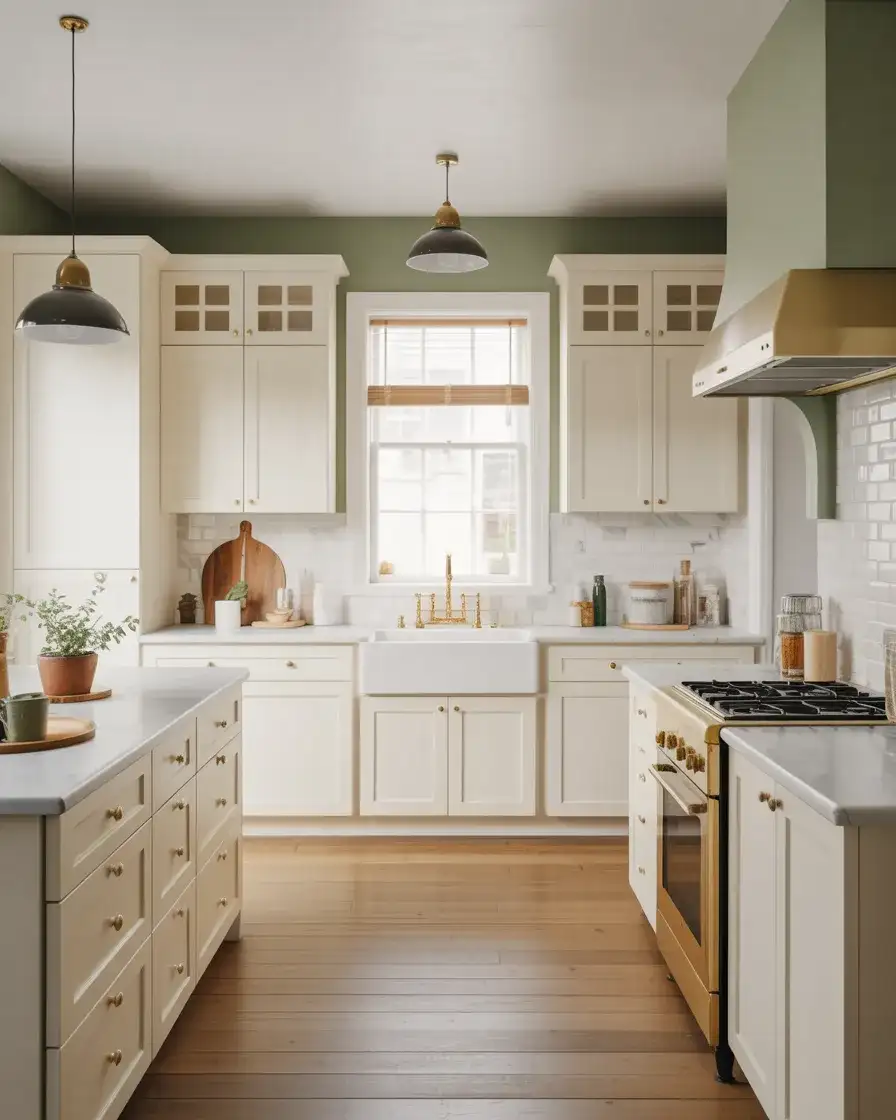
There’s a reason white cabinets have dominated kitchen design for decades—they expand a room visually, adapt to any color palette, and photograph beautifully for every season’s worth of Pinterest boards. In 2026, the trend isn’t white for white’s sake; it’s about pairing bright cabinetry with warmer undertones in the walls, hardware, and counters to keep things from feeling sterile. Think creamy shaker doors with unlacquered brass pulls, a slab of honed Calacatta marble, and maybe one wall in a deep sage. It’s classic, but it breathes.
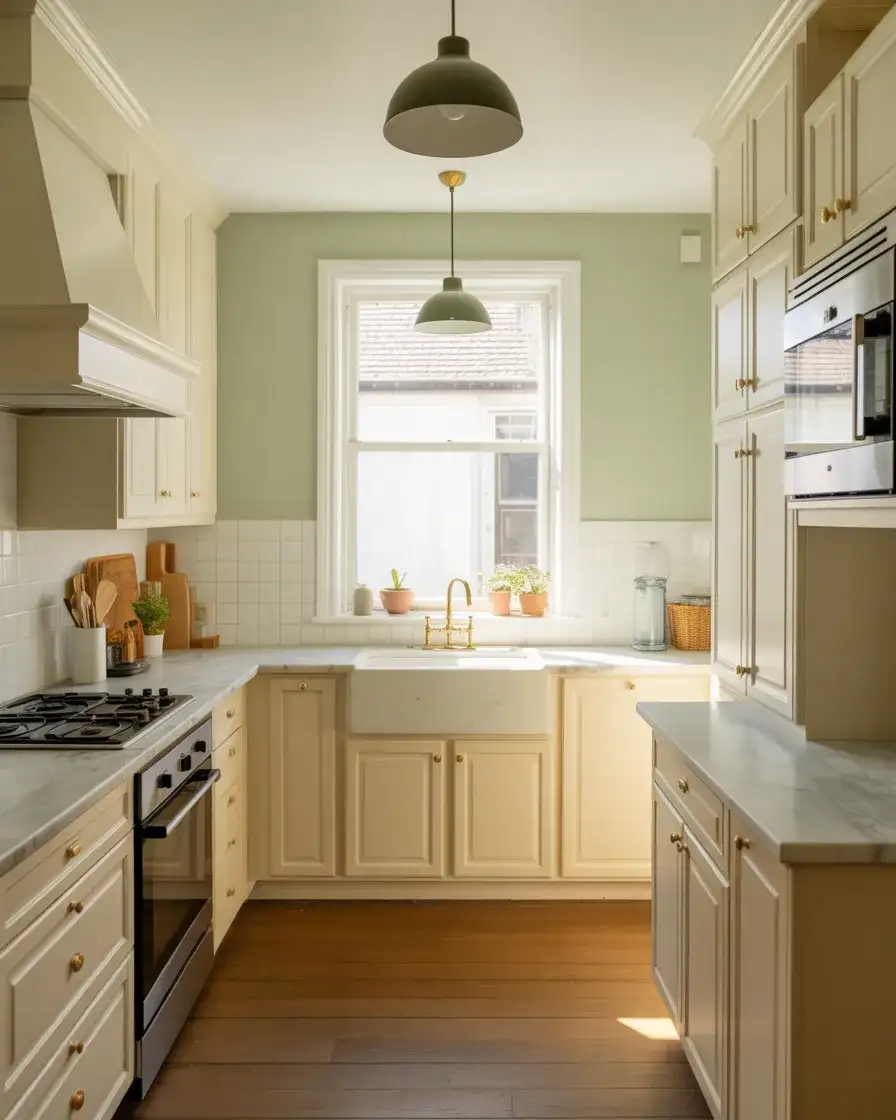
One of the most common mistakes homeowners make with all-white kitchens is choosing a pure blue-based white for the cabinets and then wondering why everything feels cold and clinical. The fix is simple: test your cabinet color next to your flooring and countertop samples before committing. A warm white like Benjamin Moore’s White Dove or Chantilly Lace reads completely differently than a stark, brilliant white—and that difference is everything when you’re living with it every single day.
2. Galley Kitchen Glow-Up for City Apartments
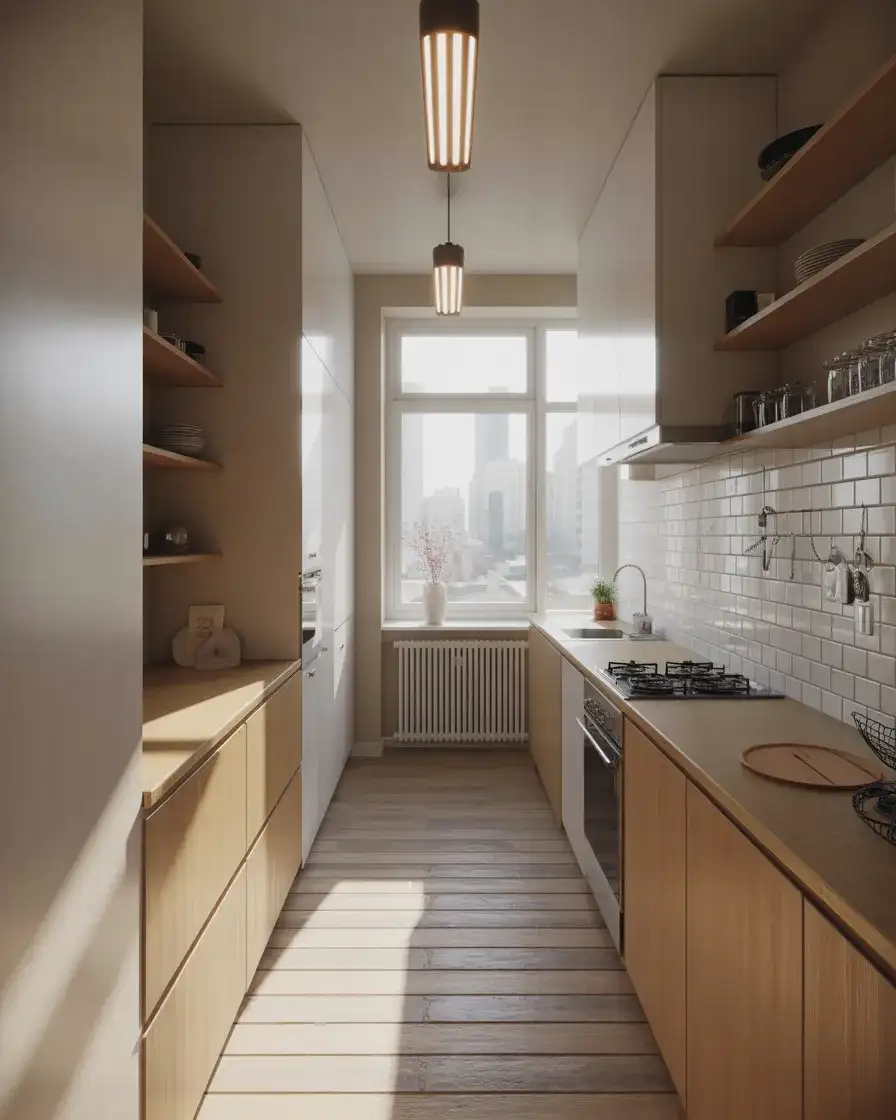
The galley layout has a reputation problem it doesn’t deserve. Yes, it’s long and narrow, but when designed with intention, a galley kitchen is one of the most efficient cooking environments you can build—everything is within arm’s reach, the workflow is linear, and storage can be maximized floor to ceiling on both walls. For condo dwellers in Chicago, Brooklyn, or Austin, a small galley refresh can completely transform how the space lives. The key is keeping upper cabinets light-toned or open-shelved on at least one side to prevent the tunnel effect.
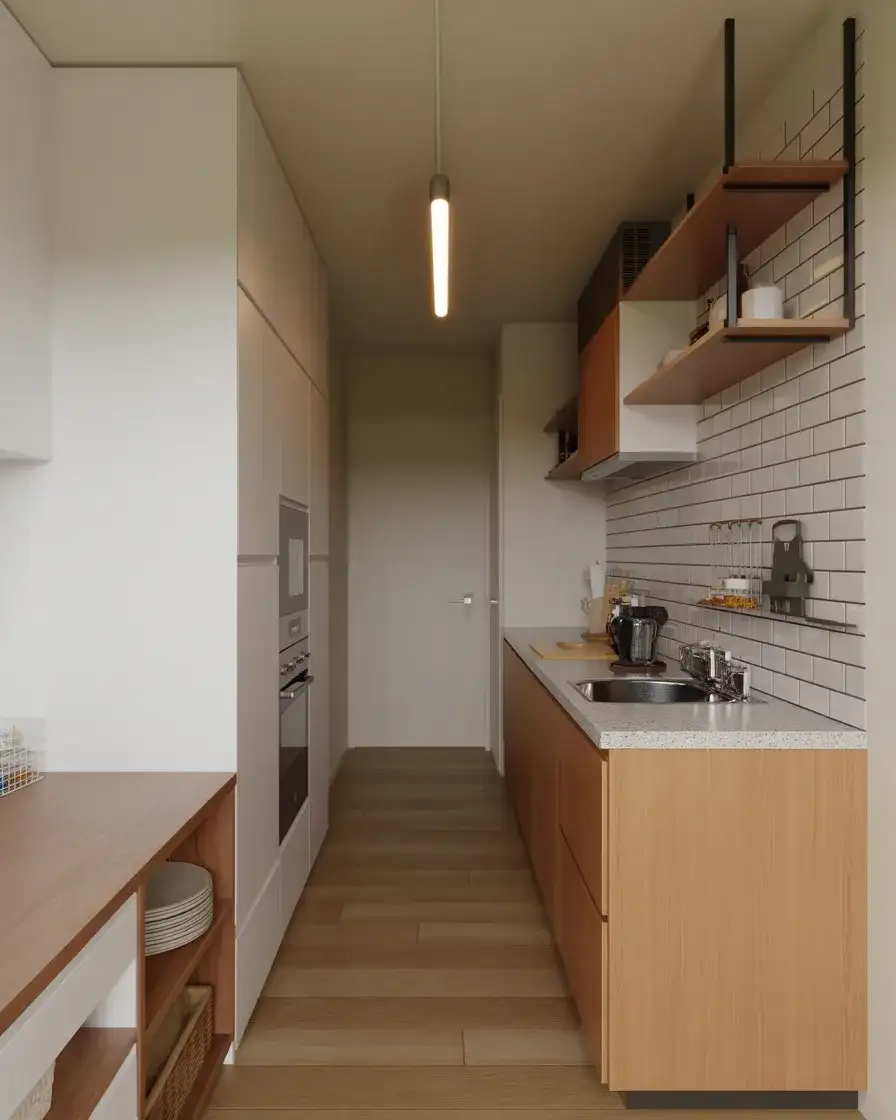
In dense urban markets, the galley kitchen is practically the default—which means renters and buyers who understand how to work with it gain a serious advantage. If you’re in a rental and can’t demo anything, try this: swap out cabinet hardware for something more intentional (matte black or brushed nickel), line one wall with floating shelves for everyday dishes, and add an under-counter cart for extra prep space. You’d be surprised how much those three moves can change the energy of the entire room.
3. Midcentury Modern Kitchen With Warm Wood Tones
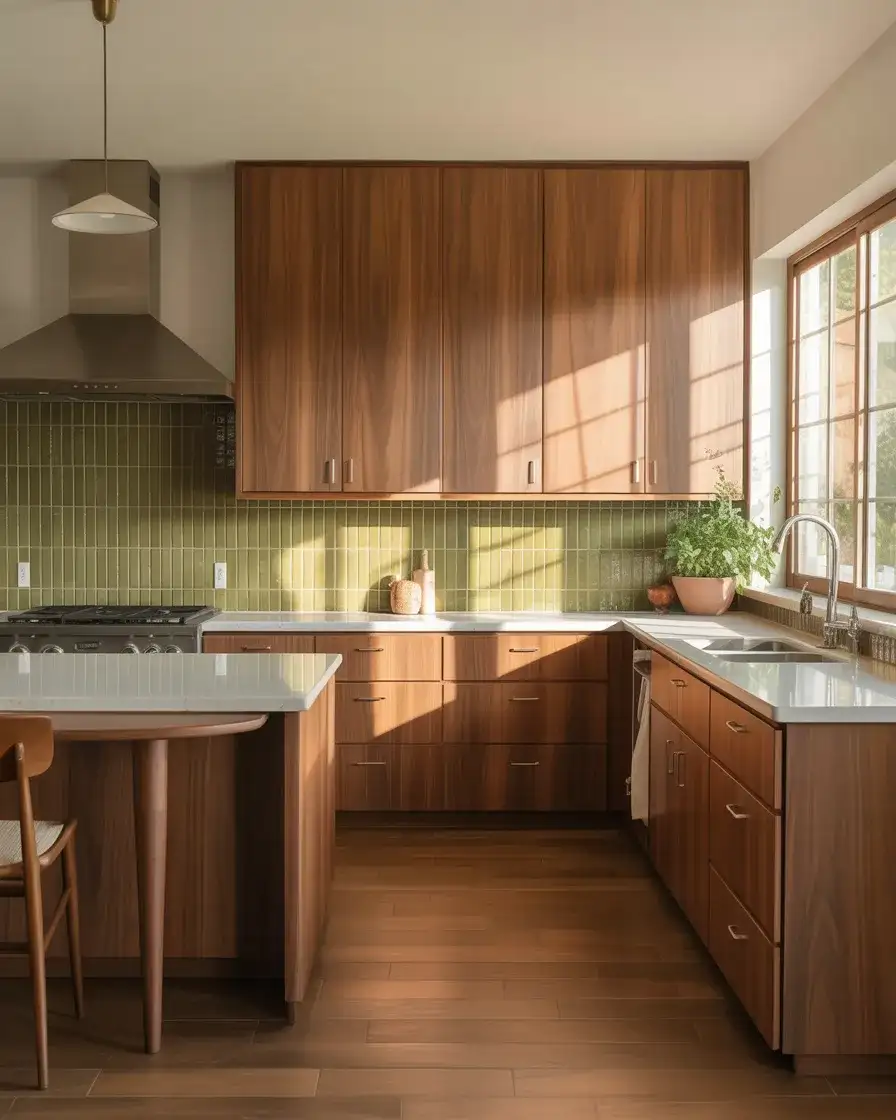
The mid-century modern kitchen is having a serious resurgence right now—and not just because every third ranch house in the suburbs has original terrazzo under the linoleum. The MCM aesthetic translates beautifully into 2026 kitchen design: flat-front cabinet doors in walnut or teak-look laminate, tapered legs on a kitchen island or peninsula, and hardware that leans toward minimalist brushed chrome or warm bronze. Pair those elements with a bold backsplash—think graphic zellige tile or deep olive green—and the result feels genuinely vintage-inspired without being a museum replica.
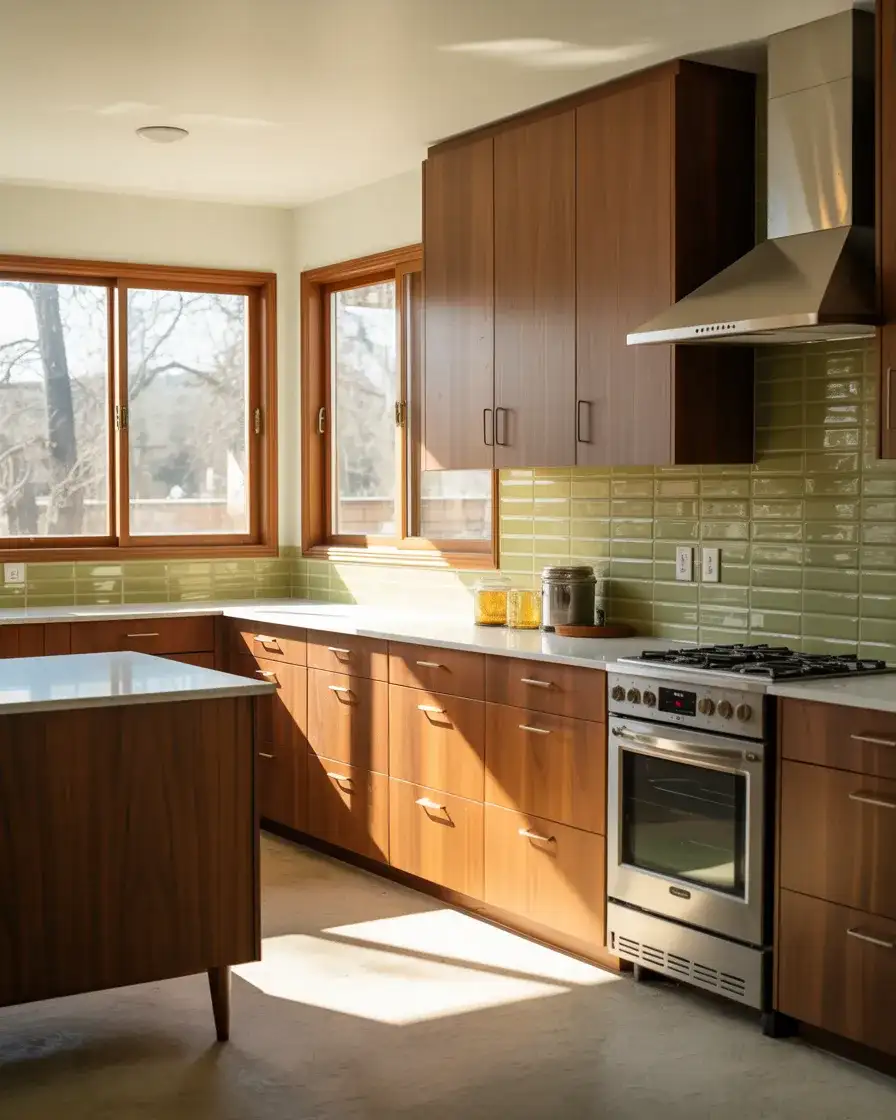
What makes midcentury kitchens so appealing to American homeowners right now is the feeling they give: optimistic, well-crafted, and grounded. Design experts note that the best MCM kitchens avoid the temptation to overcrowd surfaces—the style was born from a “less is more” philosophy that’s still deeply relevant. If you’re starting a remodel in a ranch or split-level home, lean into the original bones rather than fighting them. Exposed ceiling beams, original terrazzo, and vintage-style pendants can all become features rather than problems.
4. Budget Kitchen Remodel That Looks Like a Million Bucks
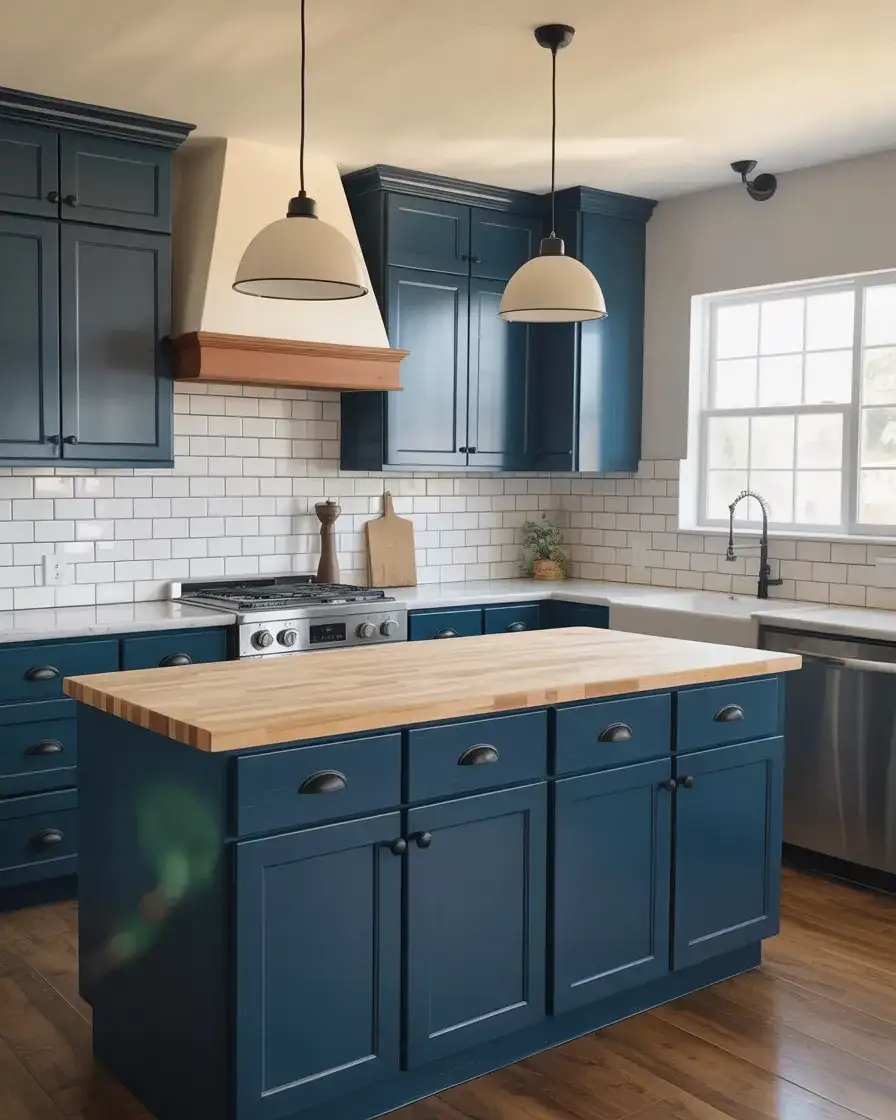
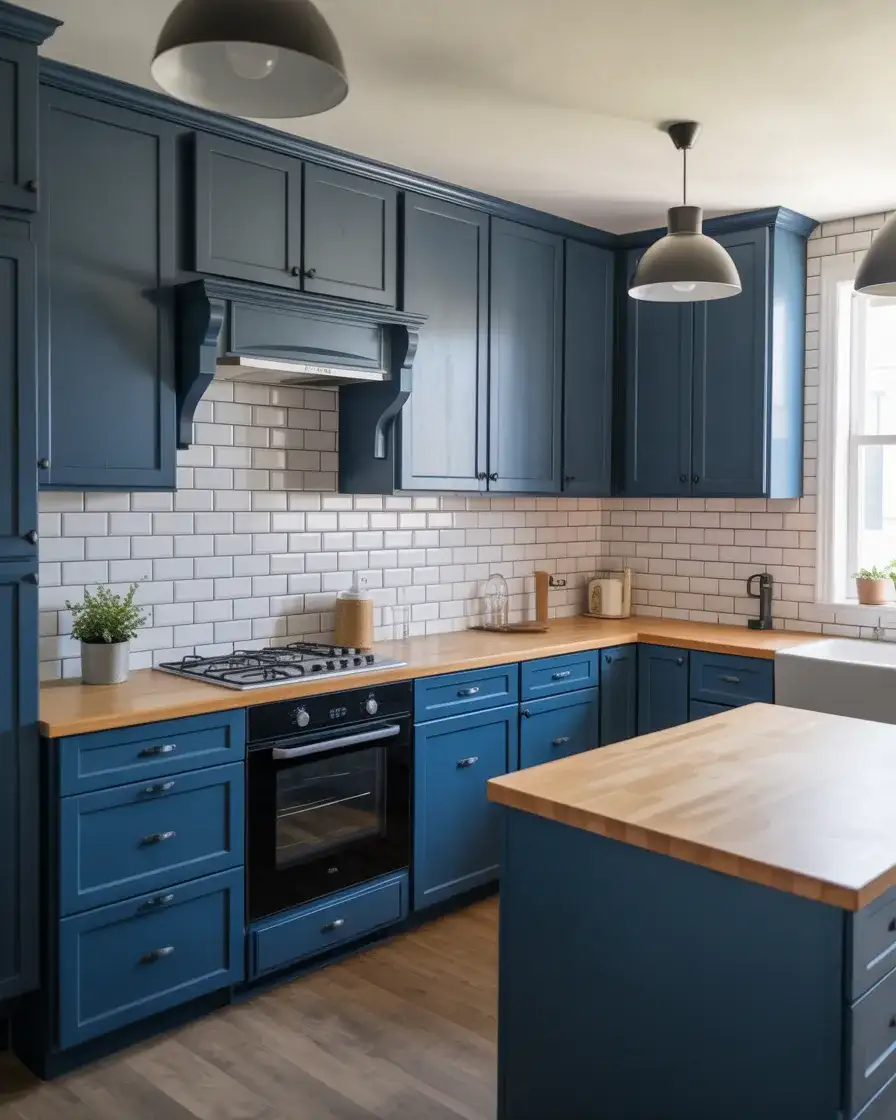
Not every kitchen renovation needs a contractor, a six-figure budget, and six months of dust. Some of the most dramatic transformations happening right now are cheap in the best possible way—resourceful, clever, and focused on maximum visual impact for minimum spend. Painting existing cabinets a deep navy or forest green, replacing a builder-grade faucet, swapping laminate counters for butcher block, and adding peel-and-stick backsplash tile can all be done over a long weekend. The budget doesn’t have to be a limitation; sometimes it’s the creative constraint that leads to the best decisions.
 .
.
Homeowners in the Midwest and Southeast are getting particularly savvy about this. In Facebook groups and Reddit threads dedicated to home improvement, you’ll find people sharing full kitchen refreshes they completed for under $2,000 — sometimes far under. The secret? Prioritize the things your eyes land on first: cabinet color, hardware, and lighting. These three changes cost a fraction of a full renovation but deliver most of the visual impact. Save the countertop upgrade for round two when the savings are there.
5. Small Kitchen With a Big Island Energy
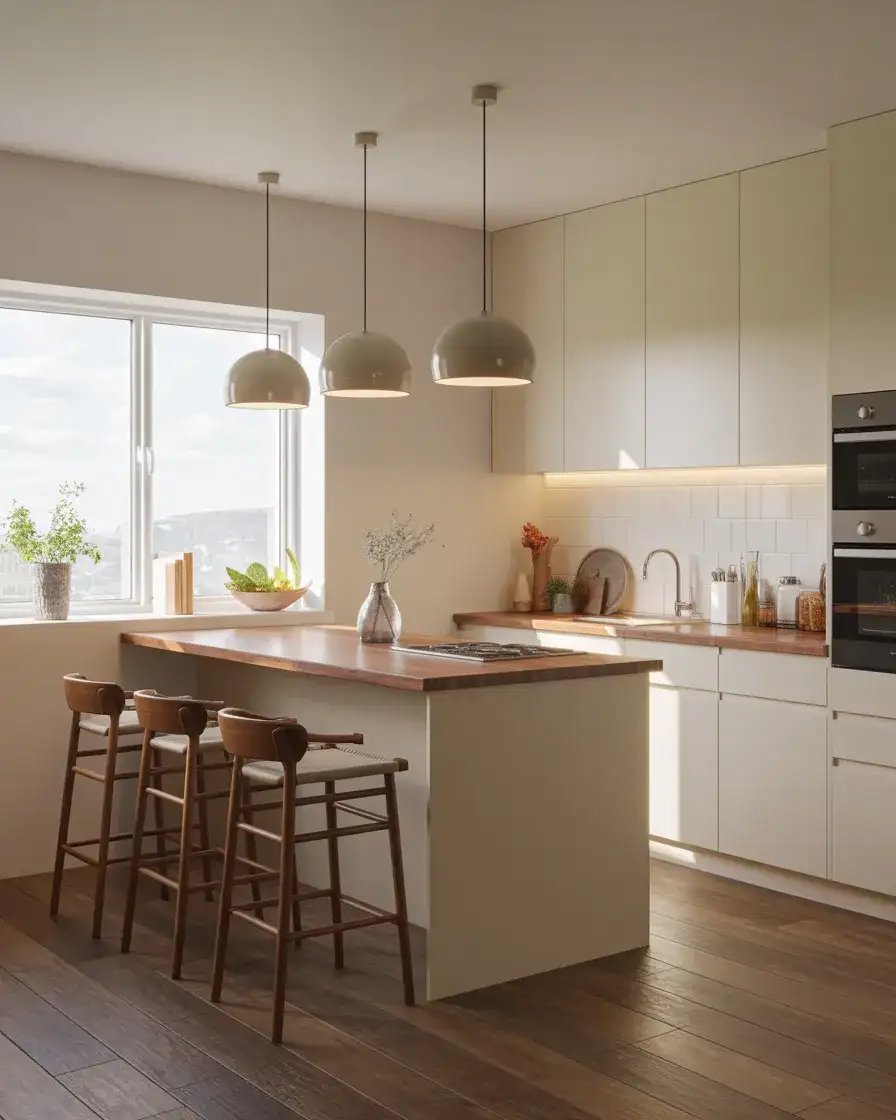
One of the most searched kitchen layouts on Pinterest right now is ideas with an island in small spaces—because everyone wants that open-kitchen-island dream, but not everyone has a 400-square-foot kitchen to work with. The good news: a well-proportioned island in a smaller kitchen actually works beautifully as long as you’re thoughtful about clearance (a minimum of 42 inches on each side) and choose a piece that pulls double duty. A rolling butcher-block cart, a narrow waterfall island with seating on one end, or a peninsula with pendant lights can all deliver that coveted island experience without overwhelming the room.
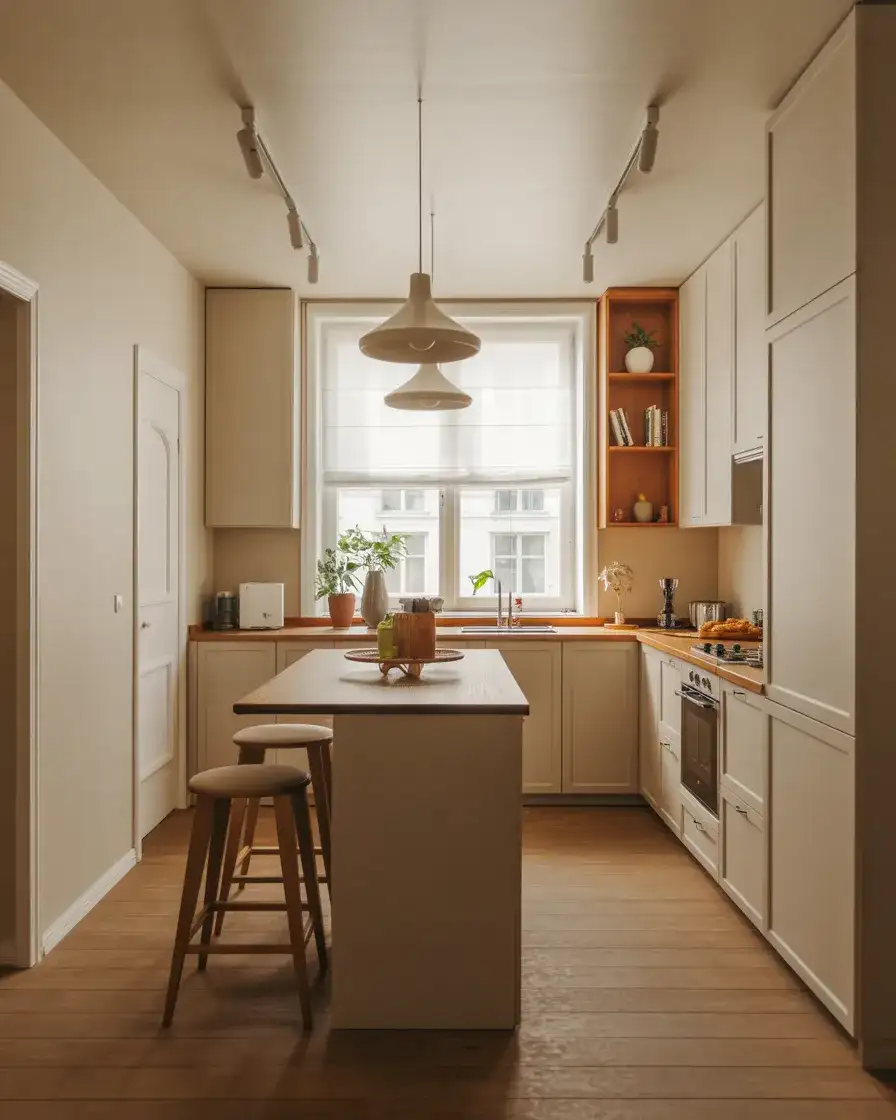
The island conversation always comes back to one thing: flow. A kitchen that works well is one where you can move naturally between the refrigerator, prep area, cooking zone, and cleanup zone without bumping into furniture. For smaller homes—think starter homes, townhomes, or older Cape Cods—a fixed island often isn’t the answer. A rolling island gives you the flexibility to have prep space when you need it and open floor space when you’re entertaining. It’s the kind of practical move that real homeowners swear by once they’ve tried it.
6. Split-Level Kitchen That Connects Two Worlds
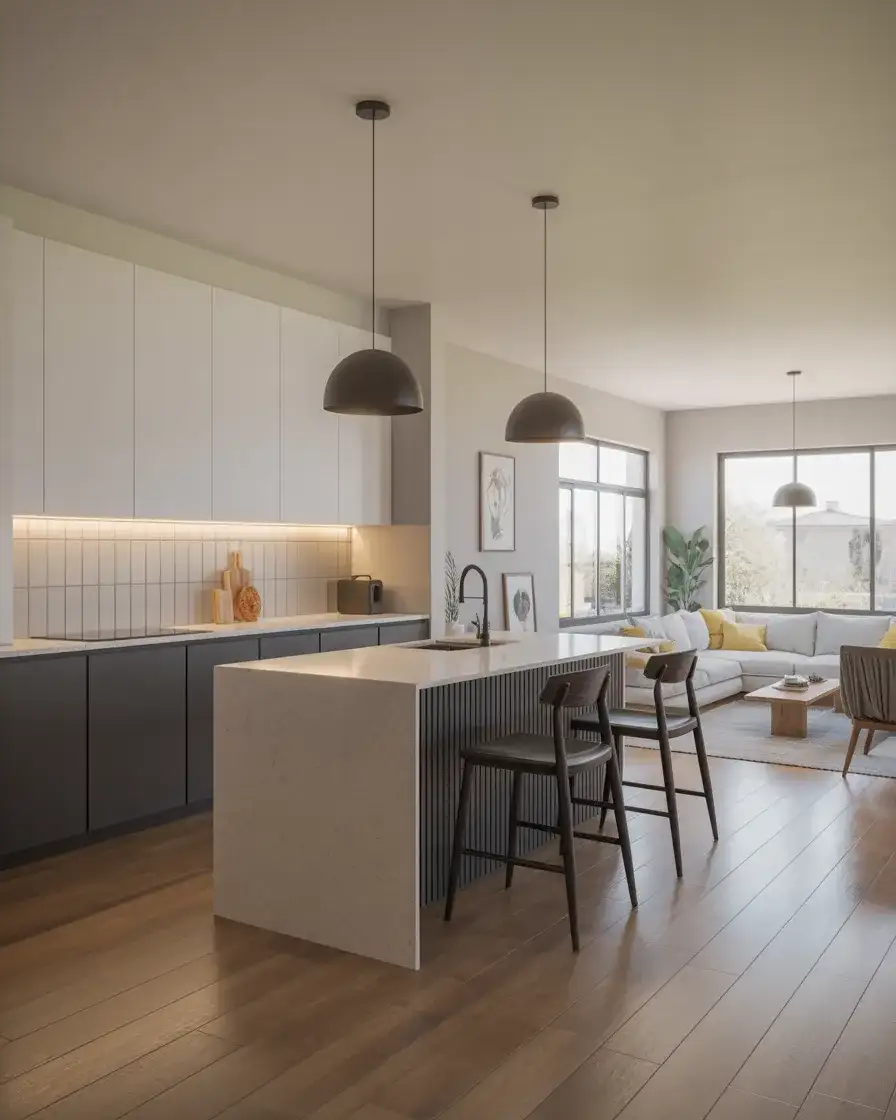
The split-level home is one of America’s most underappreciated architectural gifts—and the kitchen in a split-level often sits at the center of the whole visual drama. When you’re cooking at a slightly different elevation from the living or dining room, you get a natural stage effect that can be leveraged beautifully in a remodel. Open shelving that faces the lower level becomes a display opportunity. A peninsula railing replaced with a clean quartz half-wall creates a visual connection while maintaining the separation. This is one of those remodels where working with the architecture rather than against it pays off enormously.
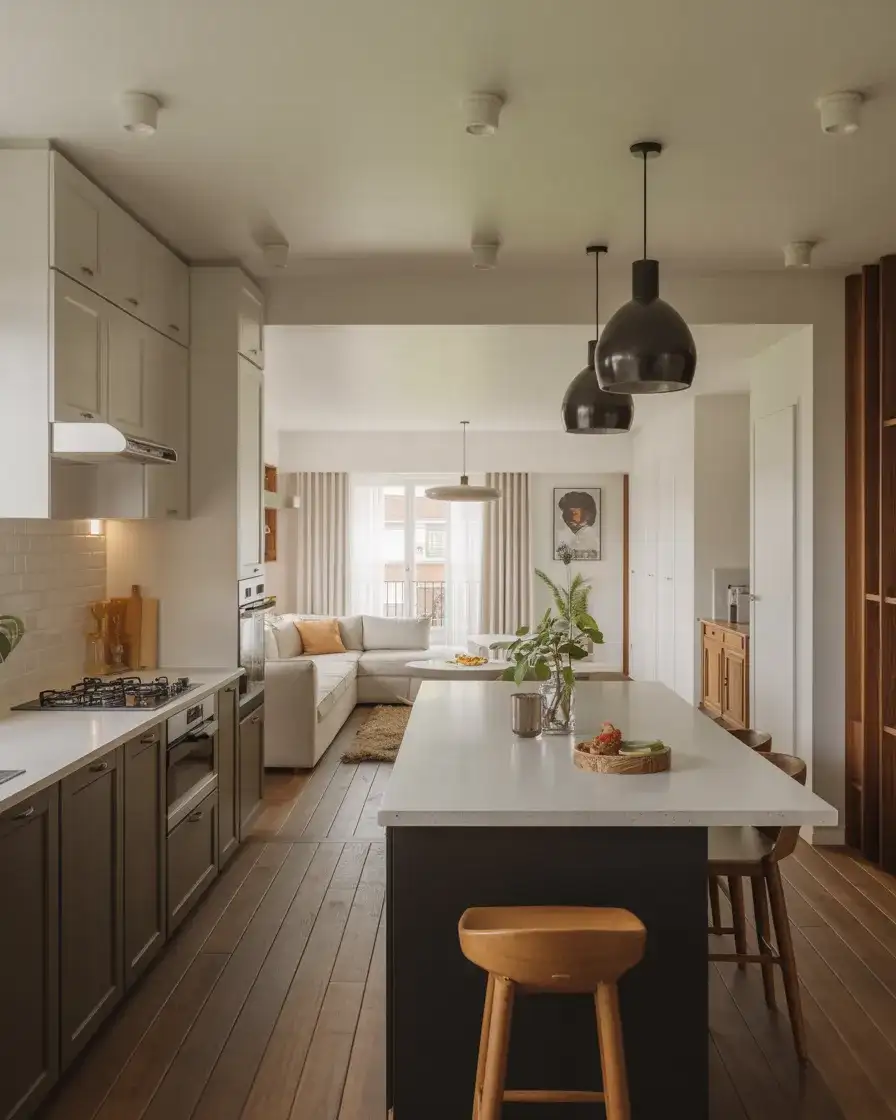
Split-level kitchens are a particularly common feature in homes built between the late 1950s and early 1980s, especially across the Midwest and Pacific Northwest. The homeowners who love their split-level renovations most are the ones who resisted the urge to “modernize” the level change away. Keeping the step but adding cohesive flooring throughout—say, wide-plank white oak—that flows from the upper kitchen to the lower dining area creates a sense of intentional design rather than architectural accident. The elevation change becomes a feature, not a flaw.
7. DIY Kitchen Refresh Over a Long Weekend
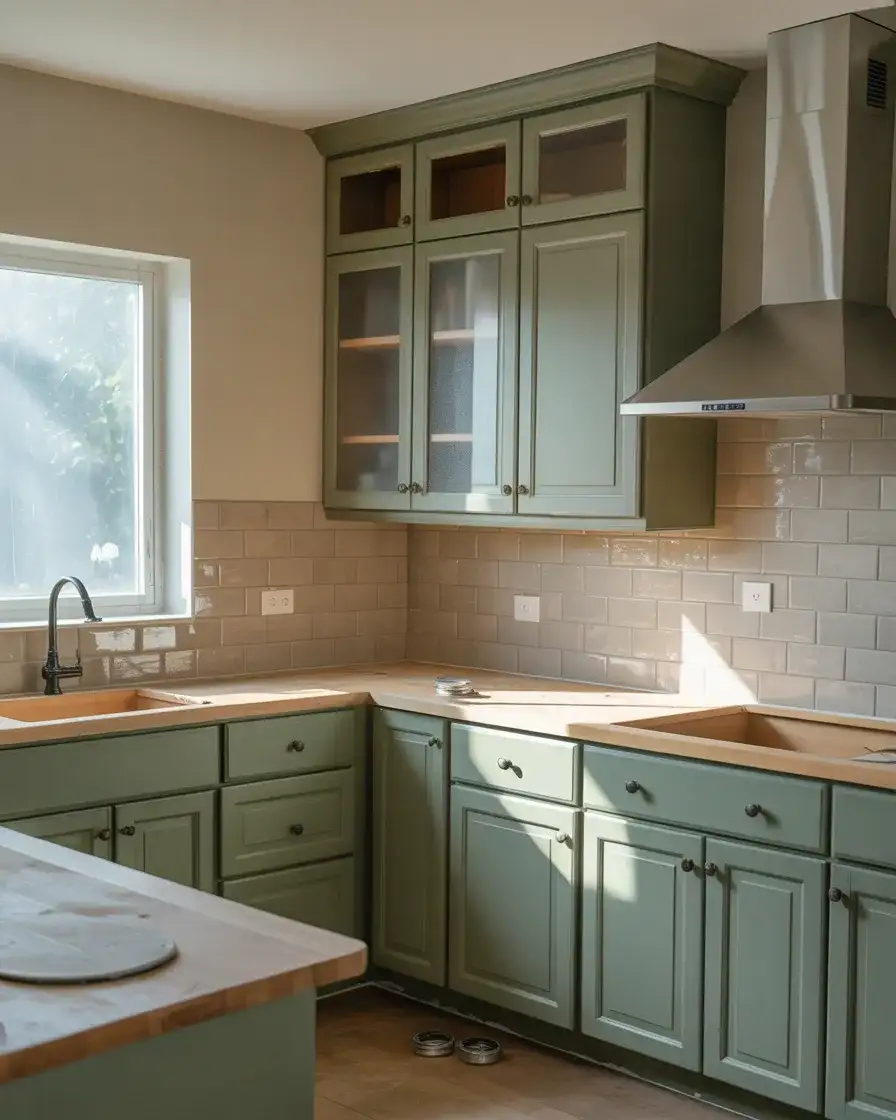
The DIY kitchen refresh is having a real moment right now—and not just because of the economy. There’s a growing community of homeowners who genuinely enjoy the process of making their space their own with their own hands. From painting cabinet boxes and installing new hardware to laying peel-and-stick tile over existing flooring and adding crown molding to flat cabinet doors, the range of achievable weekend projects is wider than ever. YouTube and TikTok have made once-intimidating tasks like grouting backsplash tile or installing under-cabinet lighting feel genuinely doable for a motivated amateur.
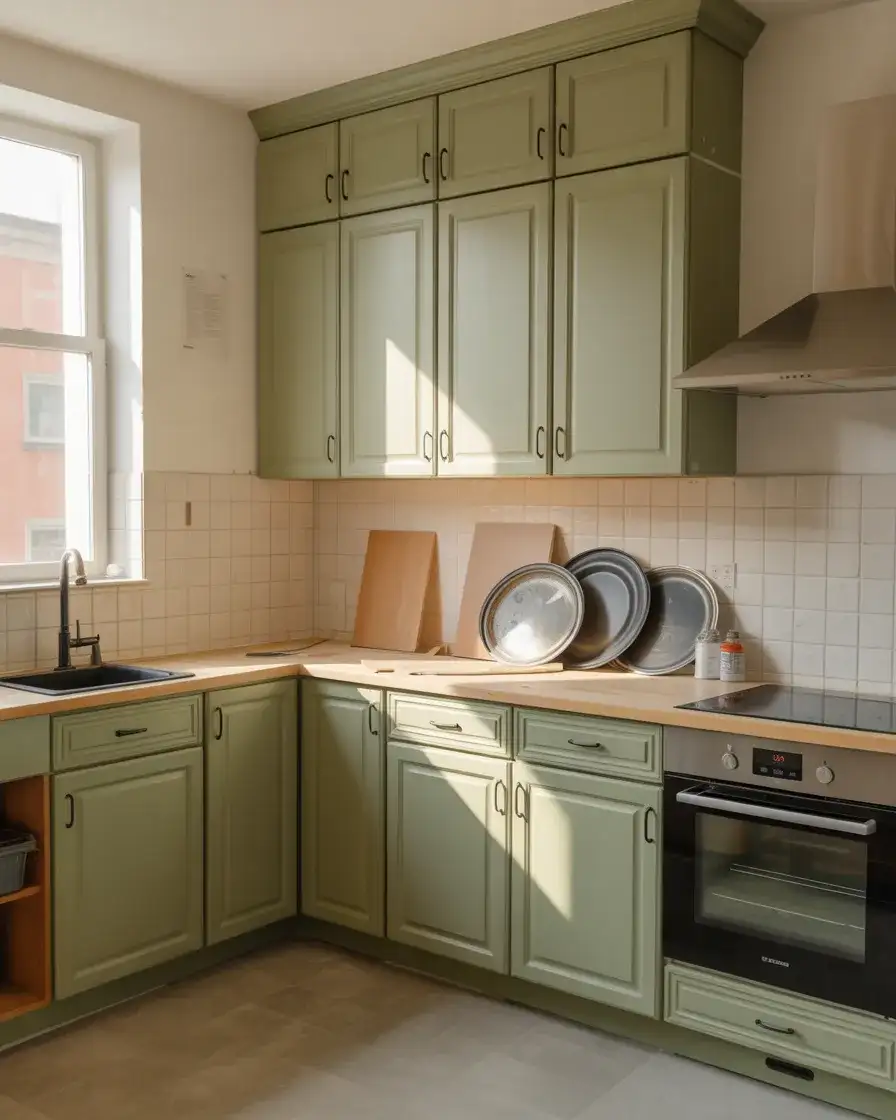
One couple in Nashville documented their entire kitchen refresh on Instagram—and what started as a simple cabinet painting project turned into a full weekend overhaul that included new open shelves, a resurfaced island, and a custom-painted vent hood. Total cost: just under $800. The most important lesson from their process? Don’t skip the prep work. Sanding, cleaning with TSP substitute, and using a quality bonding primer are the steps that separate a kitchen refresh that lasts from one that chips and peels within a year. The prep is the project.
8. Tiny Kitchen That Lives Larger Than Its Square Footage
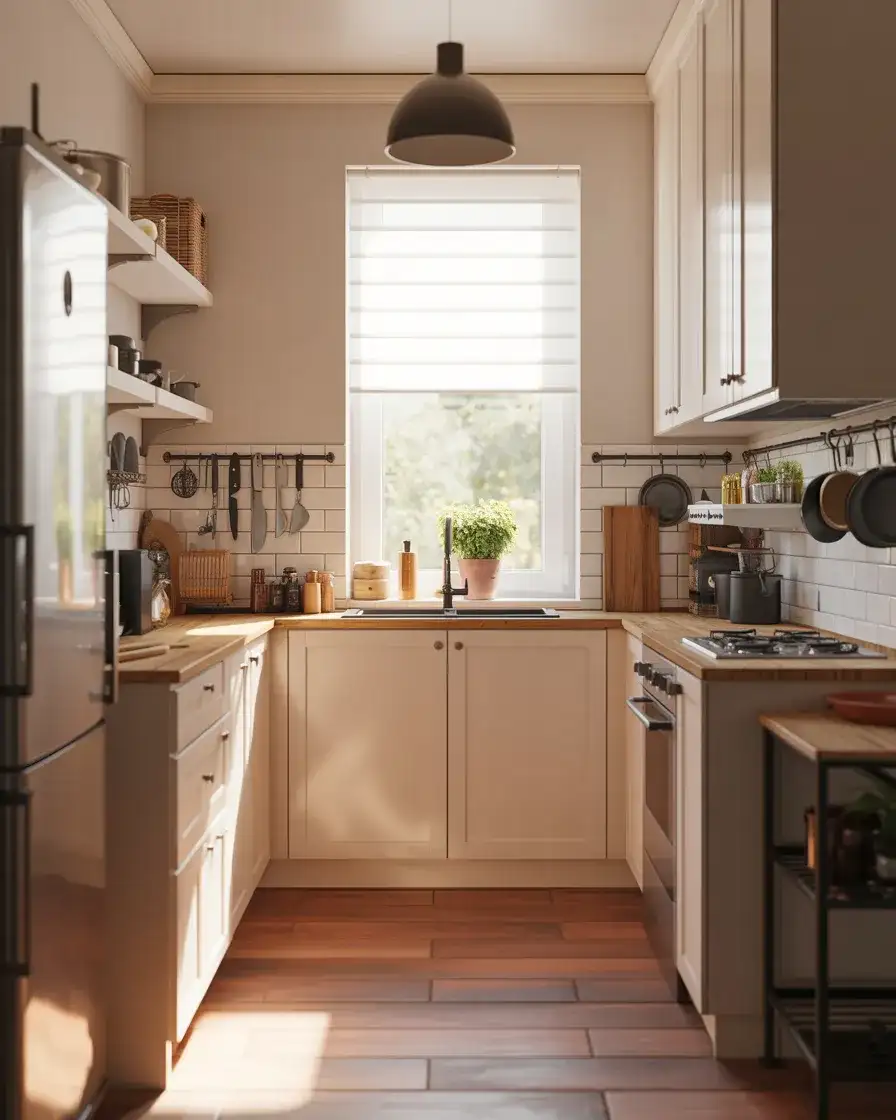
Designing a tiny kitchen well is one of the more underrated skills in residential design. When square footage is the constraint, every inch must be intentional—a deep drawer instead of a cabinet, a pot-filler faucet that eliminates trips to the sink, and magnetic knife strips instead of a block taking up counter real estate. In compact homes and apartments, the kitchen that functions best is the one that has been engineered rather than simply decorated. Ideas for small spaces often come down to vertical thinking: get storage off the counters, up the walls, and even onto the insides of cabinet doors.
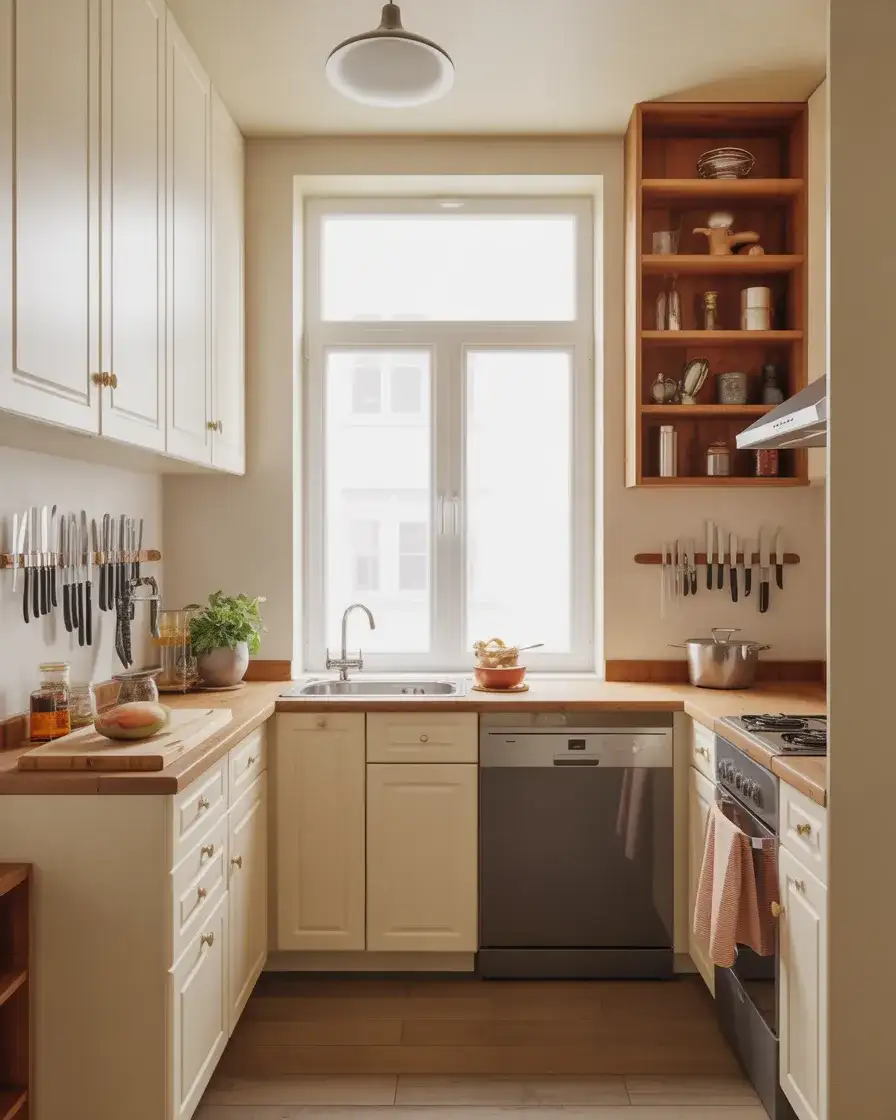
Where this approach works best is in urban apartments, accessory dwelling units, cottage-style homes, and any space under 100 square feet of kitchen floor plan. The practical insight that most designers give clients in these situations is counterintuitive: don’t make everything smaller. Instead, choose fewer, better pieces. One large farmhouse sink instead of a divided double sink. A single run of deep countertop instead of wrapping into a tight corner. Simplicity is the organizing principle, and the result almost always feels more spacious—not less—than a kitchen crammed with scaled-down versions of everything.
9. Mobile Home Kitchen With a Custom Renovation Attitude
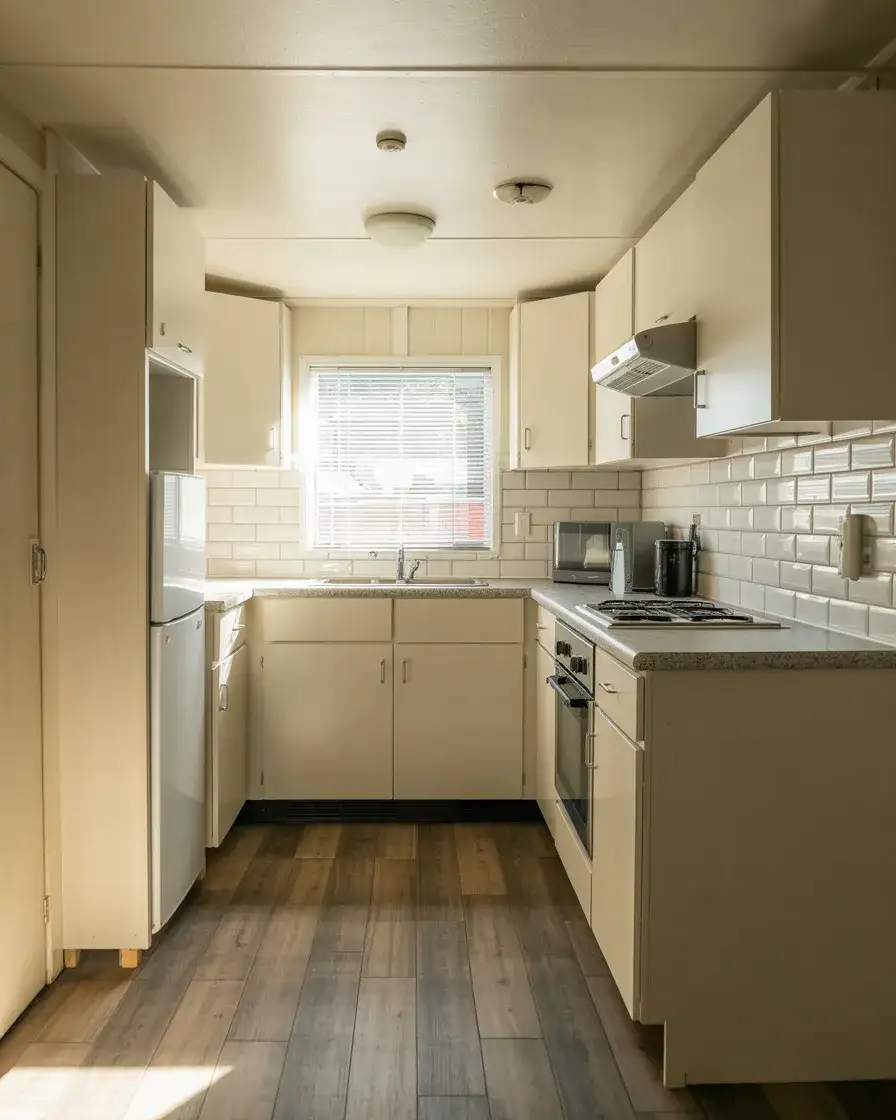
The mobile home kitchen renovation community is quietly one of the most creative and resourceful corners of the DIY design world. These spaces have specific challenges—narrower dimensions, lighter-duty wall construction, and standard dimensions that don’t always align with big-box store cabinetry—but they also have incredible potential for transformation. Homeowners are pulling out original cabinetry and replacing it with IKEA flat-pack systems trimmed to fit, installing vinyl plank flooring over the original subfloor, and adding tile backsplashes that make the whole kitchen look like it was custom-built.
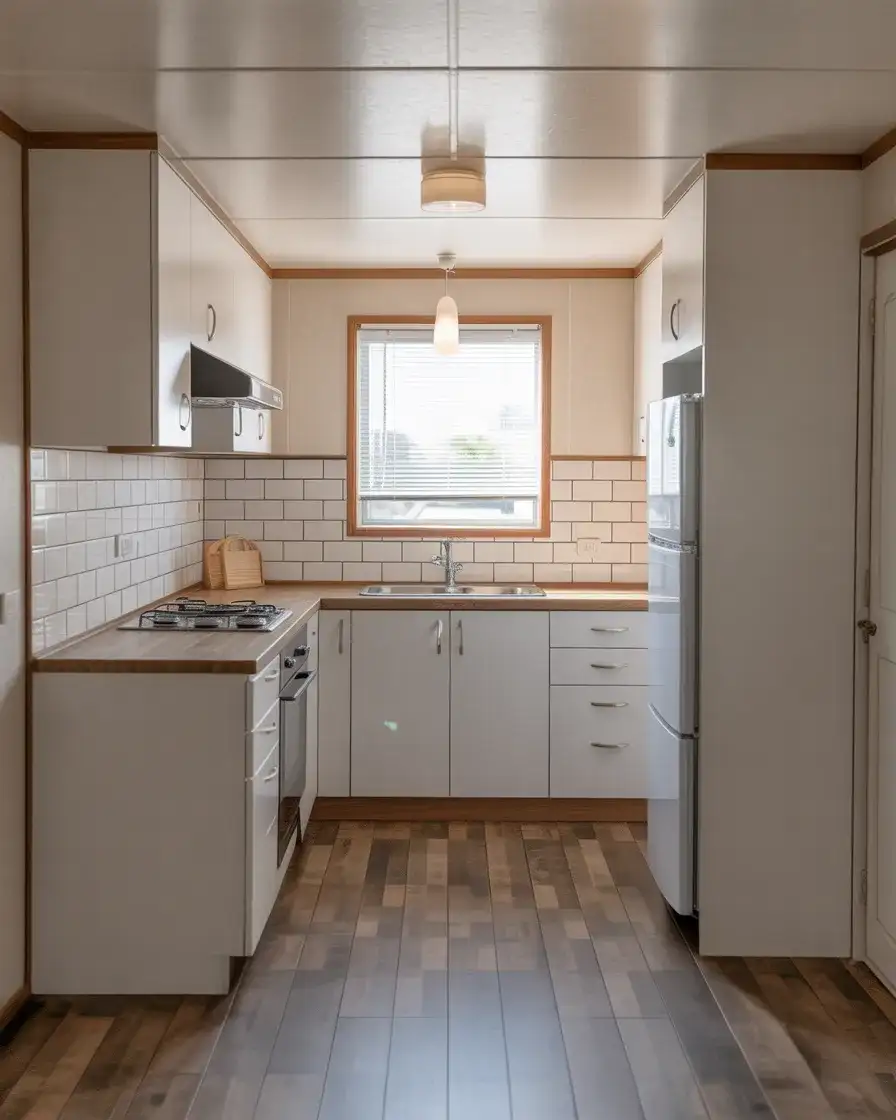
Across states like Texas, Florida, and the Carolinas, mobile and manufactured homes represent a significant slice of the housing market—and the owners of these homes are investing in them with the same care and pride as any traditional homeowner. One of the best financial moves in this renovation category is addressing the structural elements first: making sure cabinet mounting walls are reinforced, checking that flooring is level, and sealing around windows before cosmetics. A beautiful backsplash on a crooked wall will always read as off. The foundation of a great renovation—mobile home or otherwise—is always the underlying structure.
10. Double-Wide Kitchen Opened Up Into a Real Showpiece
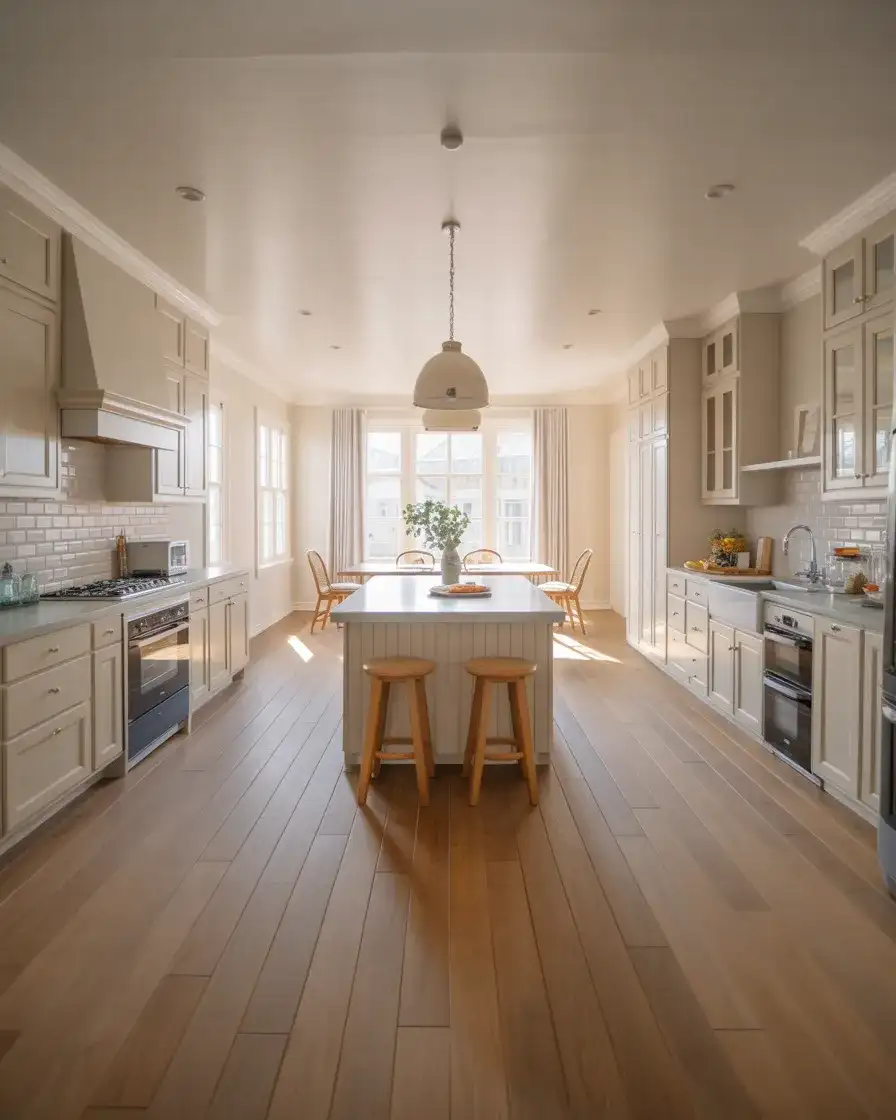
The double-wide manufactured home offers something that many traditional homes can’t: an abundance of floor-plan flexibility and often wider rooms than the name suggests. When the kitchen in a double-wide is opened up by removing a wall that once separated it from the dining area, the result can be genuinely stunning—a wide-open cooking and gathering space that rivals the open-plan kitchens you’d find in a custom-built suburban home. Inspiration for this kind of transformation is all over Pinterest, with homeowners documenting before-and-after shots that are sometimes impossible to believe.
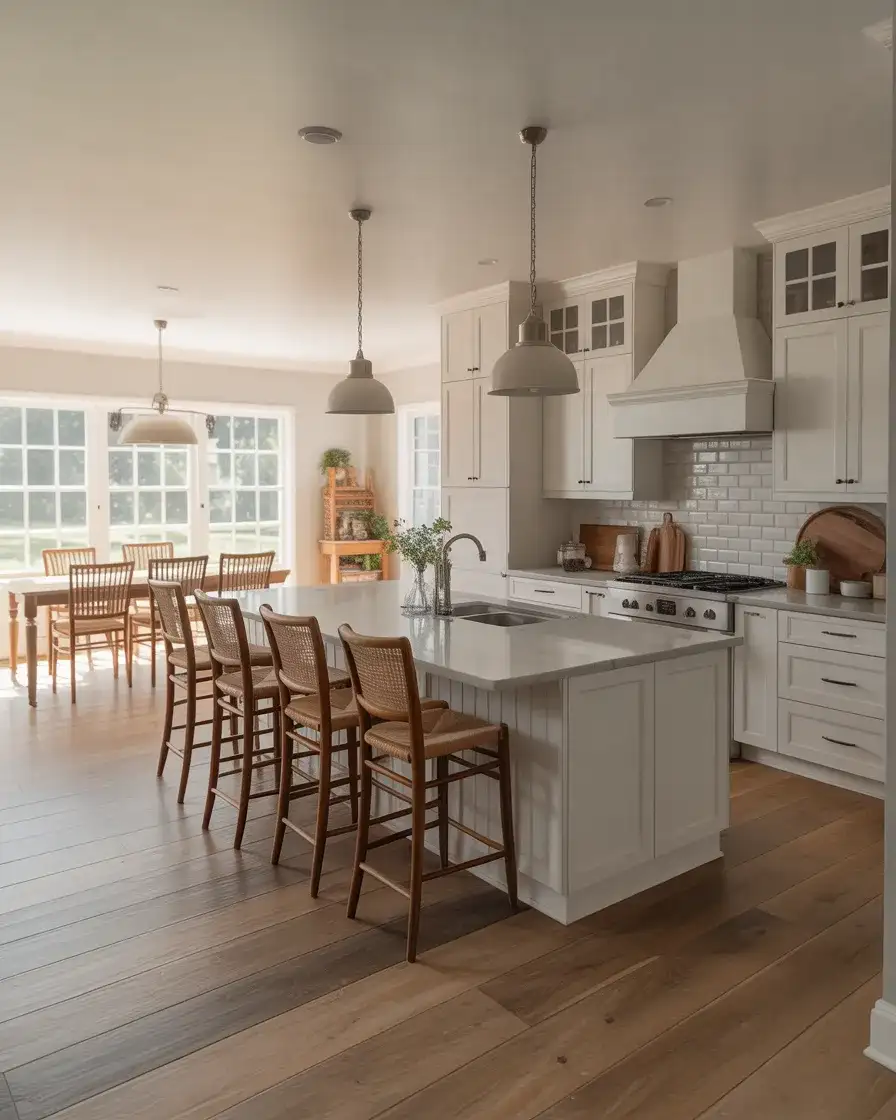
Budget is worth thinking about carefully here. Removing a wall in a manufactured home is possible but requires verifying whether it’s a load-bearing element in the chassis design—it’s not always the same as stick-built construction. That structural consultation (usually a few hundred dollars with a licensed contractor) is money very well spent before you put a sledgehammer through anything. Once that’s cleared, though, the kitchen transformation you can achieve with flat-front cabinetry, quartz counters, and a well-positioned island is genuinely remarkable—and typically achievable for $10,000–$20,000 all in, materials and labor.
11. Camper Kitchen Remodel That Elevates the Road Life
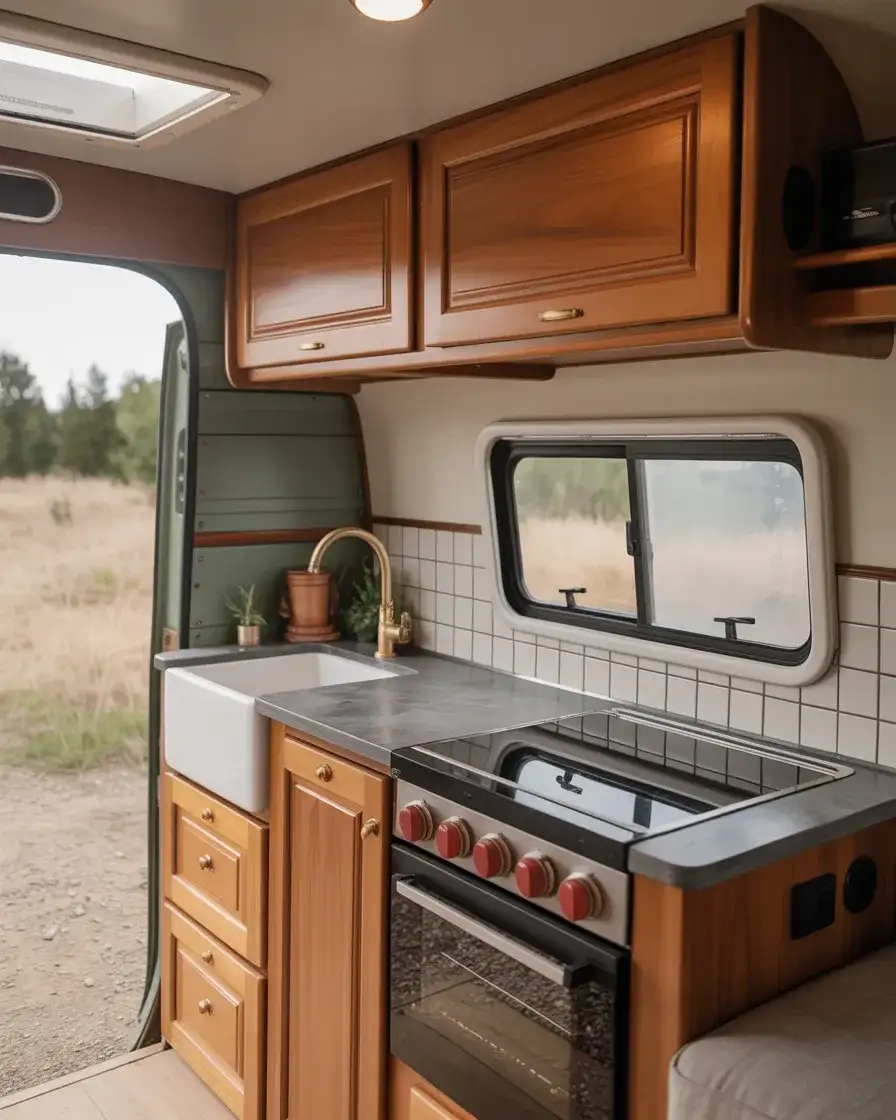
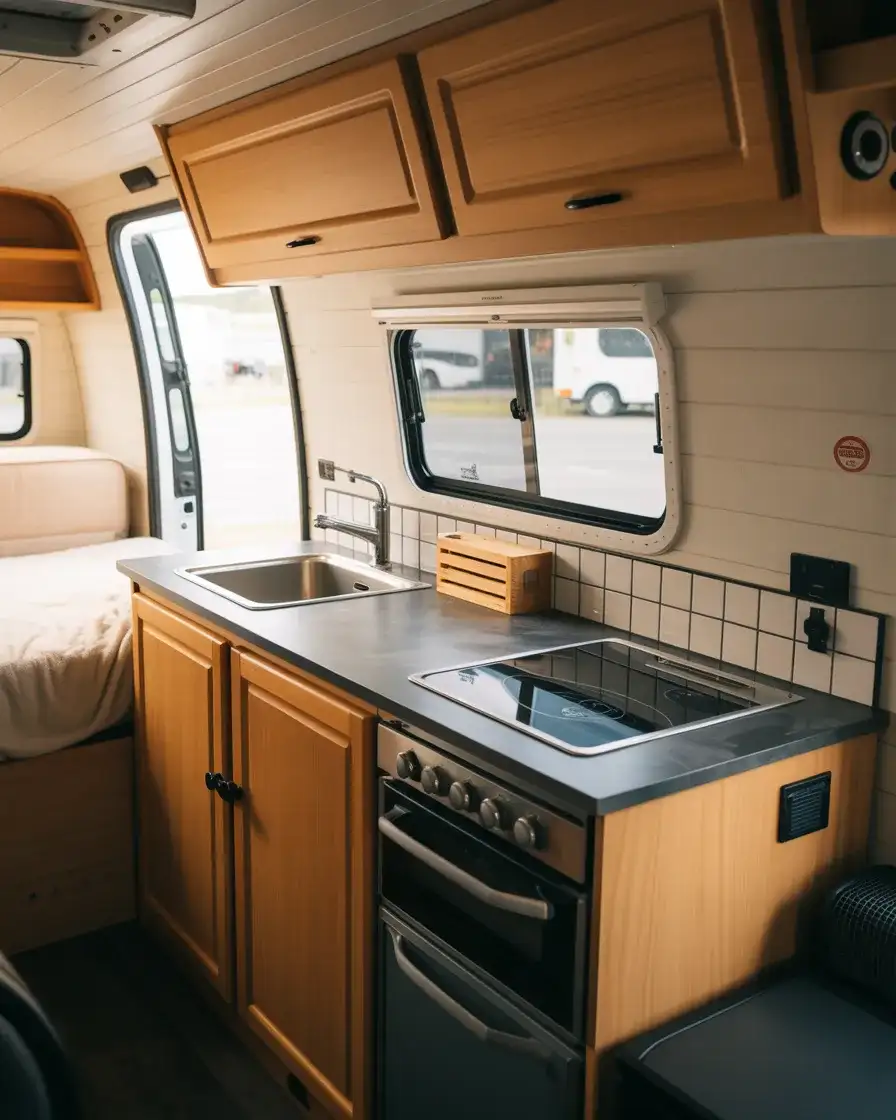
The camper kitchen renovation is its own genre—one that demands extreme ingenuity in a space that’s often no bigger than a coat closet laid on its side. But what’s happening in the van life and travel trailer design world right now is genuinely impressive: homeowners are ripping out original factory finishes and installing custom cabinetry, composite stone counters, induction cooktops, and tile backsplashes in spaces measured in inches rather than feet. The aesthetic cohesion in the best of these renovations rivals what you’d find in a high-end tiny home.
 .
.
Weight is the constraint nobody talks about enough in camper kitchen renovations. Every pound you add to a travel trailer affects towing capacity and fuel efficiency. This is why experienced renovators in this space choose lightweight composite counters over quartz slab, plywood box construction over solid wood, and forgo a full tile backsplash in favor of peel-and-stick alternatives that shave significant pounds. The best camper kitchens aren’t just beautiful—they’re engineered. The aesthetic is the reward for solving the engineering problem first.
12. RV Kitchen Upgrade for Full-Time Living
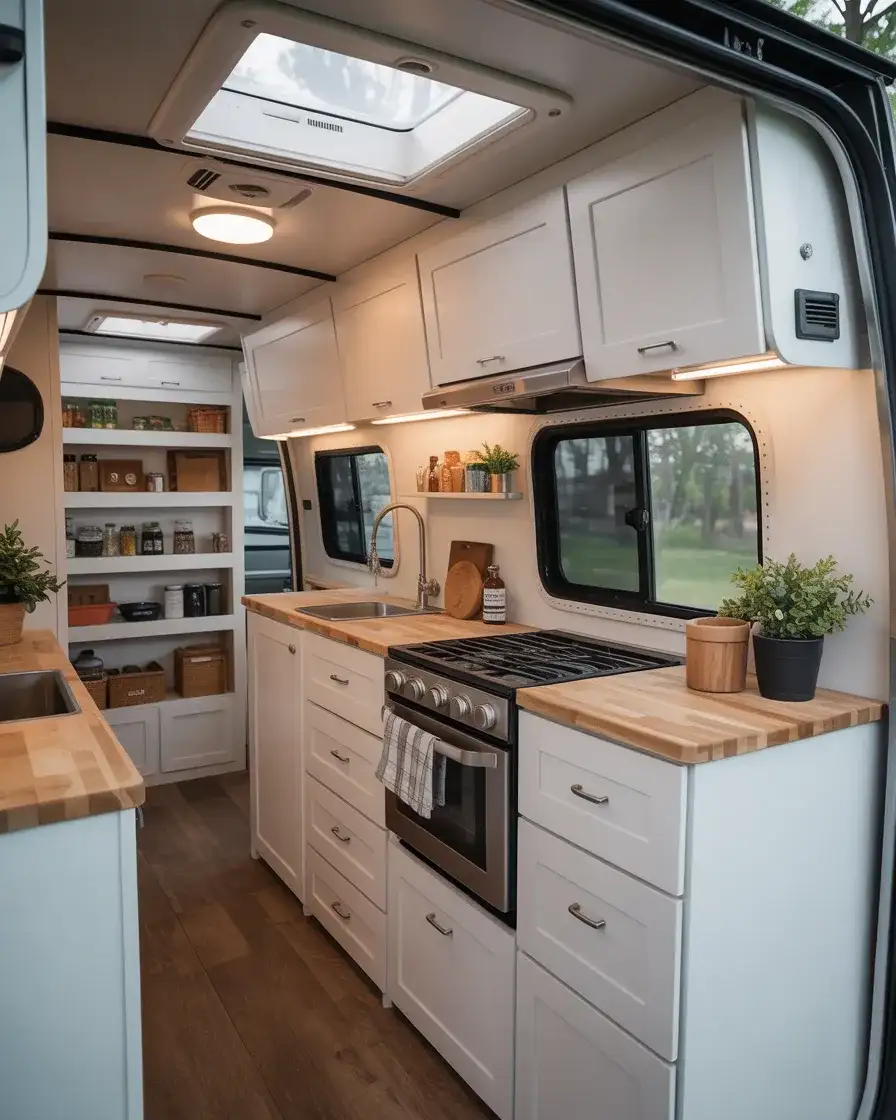
Designing a kitchen for full-time RV living is a completely different conversation from designing one for weekend camping trips. When the RV is your primary residence, the kitchen needs to perform at the level of a real home kitchen—which means storage for a full pantry’s worth of goods, appliances that can handle daily cooking, and a workspace that doesn’t make you feel claustrophobic after week three. The most dramatic RV kitchen transformations involve replacing factory-installed particleboard cabinets with custom plywood builds, upgrading the cooktop and range, and adding a real countertop surface instead of the laminate original.
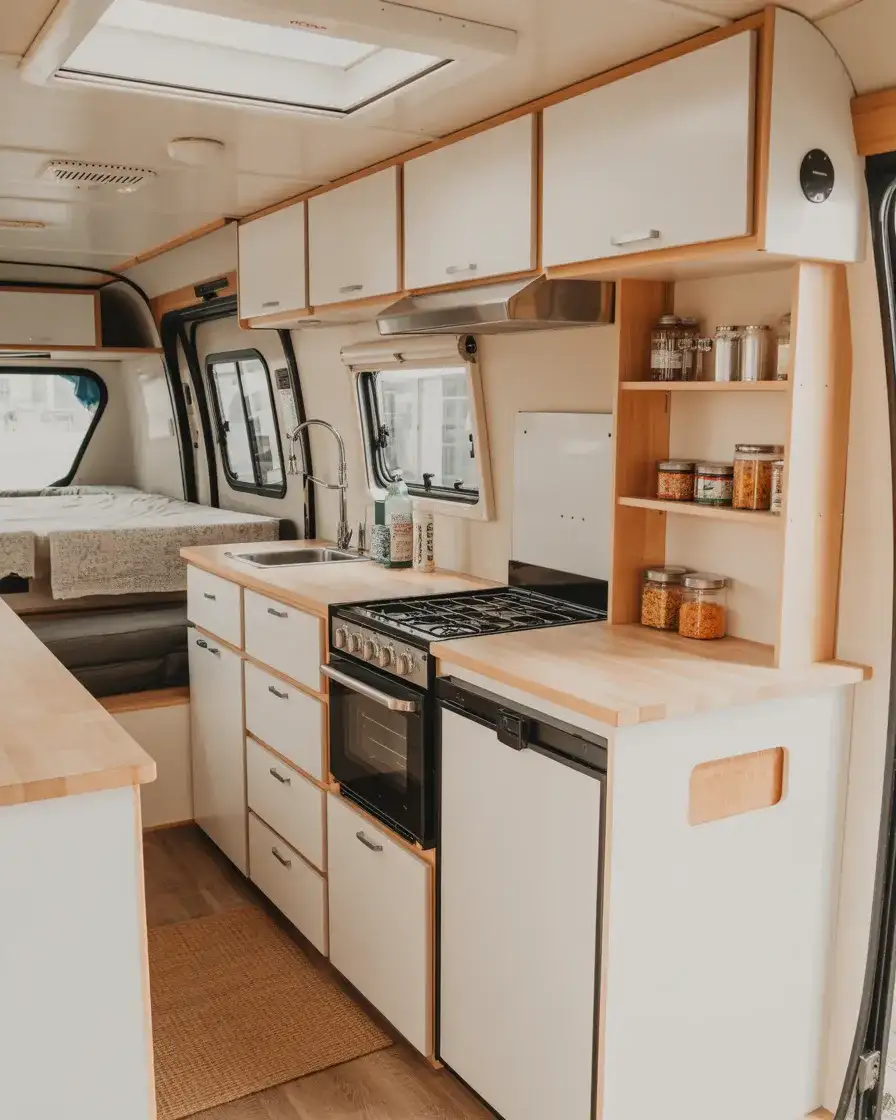
The full-time RV lifestyle has exploded as remote work made location independence genuinely viable for millions of Americans. And where the kitchen once felt like a compromise, the community has figured out how to make it work properly. Expert tip from experienced full-timers: install a proper ventilation hood—not just the recirculating filter that comes factory-installed. A ducted vent to the exterior makes a profound difference in air quality when you’re cooking daily in a sealed environment, especially in warm climates where windows stay shut for the air conditioning.
13. Affordable Kitchen Remodel With Designer-Level Results
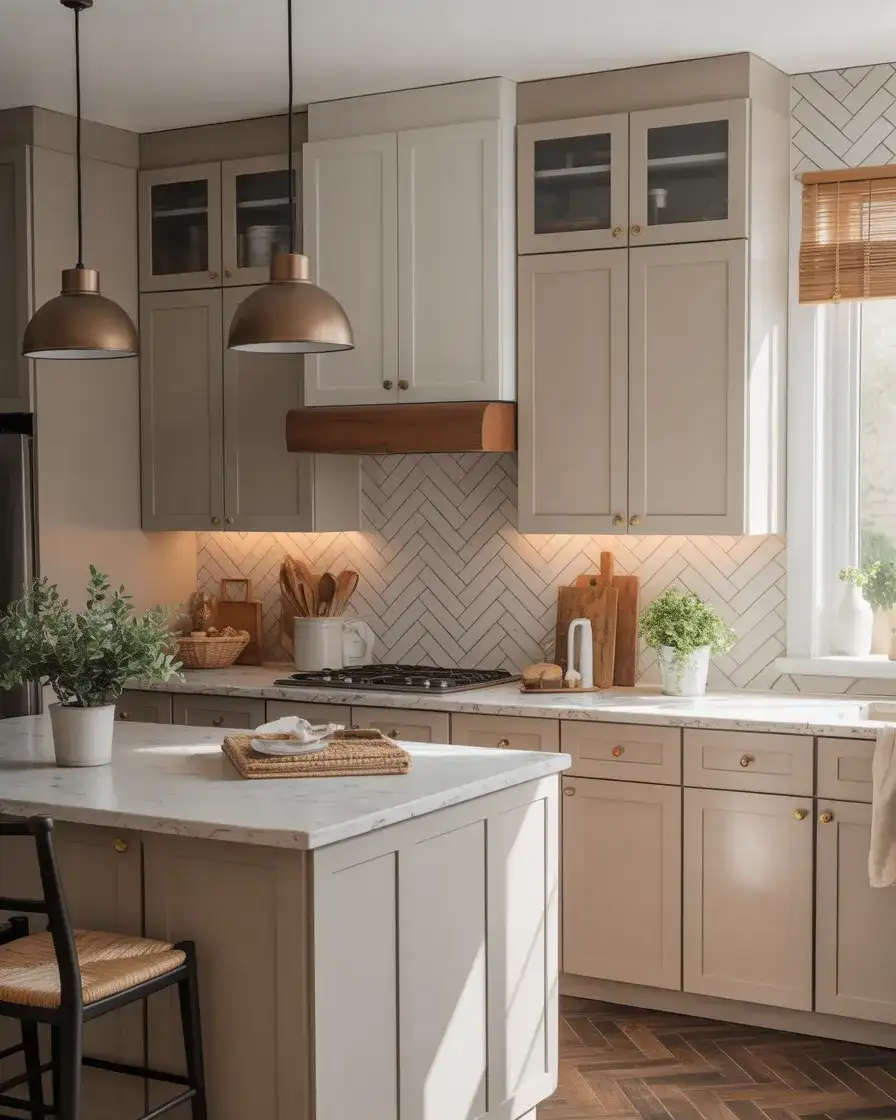
The word “affordable” gets thrown around a lot in home renovation content, but let’s be specific: a genuinely budget-friendly kitchen remodel is one that delivers visible transformation without blowing through your emergency fund. In 2026, the most effective strategies lean on the gap between what things look like and what they actually cost. Dekton and sintered stone countertops now come in large-format tiles that a motivated DIYer can install over existing counters. Cabinet refacing—replacing just the doors and hardware while keeping the existing boxes—can cost one-third of new cabinet installation while delivering most of the visual impact.
Americans are increasingly savvy about where spending delivers real value versus where it’s pure aesthetics. The data from home renovation surveys consistently shows that kitchens return the highest resale value of any room in the house—but the return doesn’t scale proportionally with what you spend. A $15,000 kitchen refresh in a mid-range home market often returns as much at resale as a $60,000 gut renovation because buyers see “updated kitchen,” not “how updated.” Spend where it shows, save where it doesn’t, and you’ll come out ahead every time.
14. Kitchen Inspiration for 2026 Straight Off the Mood Board
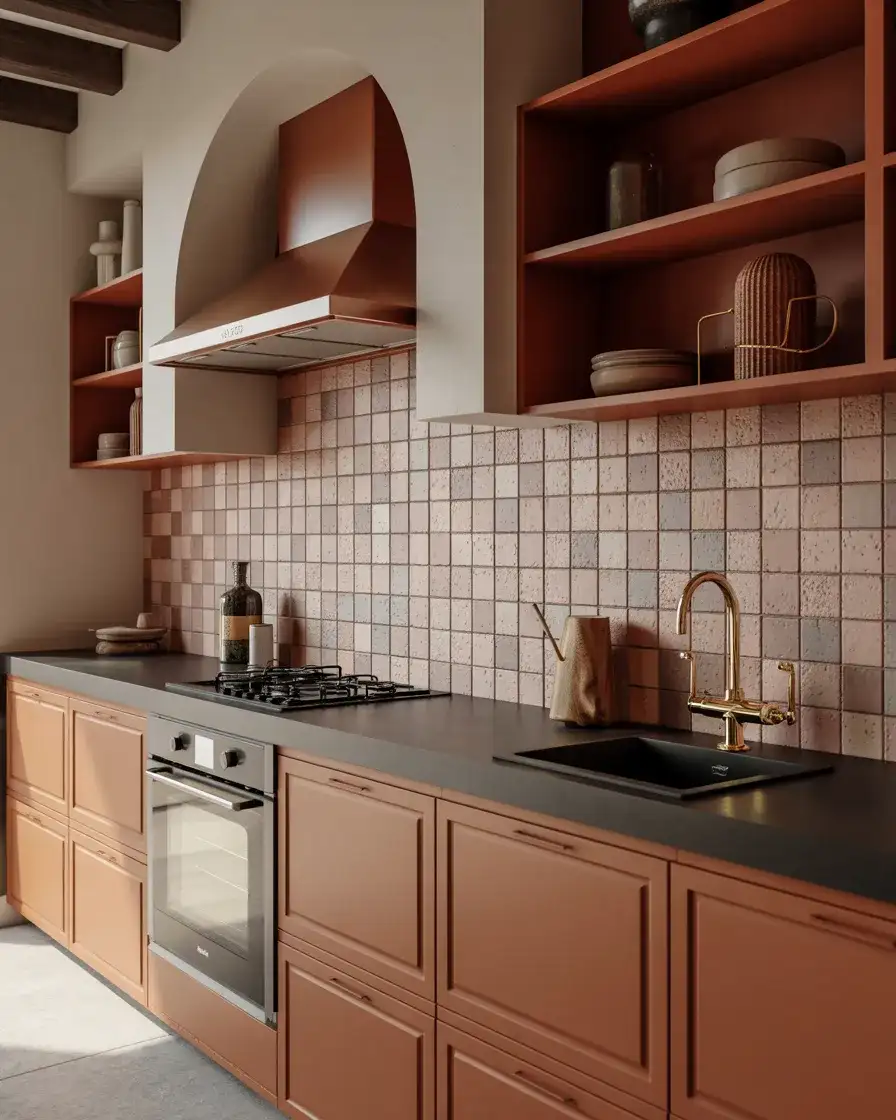
If you’ve spent any time pinning inspiration for 2025 and 2026 kitchen content, a few clear themes emerge: warm earthy tones are replacing cold gray, arched cabinet openings are showing up in the most-saved designs, and the era of matching everything is officially over. The best kitchen mood boards right now mix textures confidently—honed stone next to rough-grain wood next to polished brass next to handmade ceramic tile. It’s a layered, collected look that reads as genuinely personal rather than showroom-assembled. The inspiration is out there; the challenge is editing it down into something cohesive.
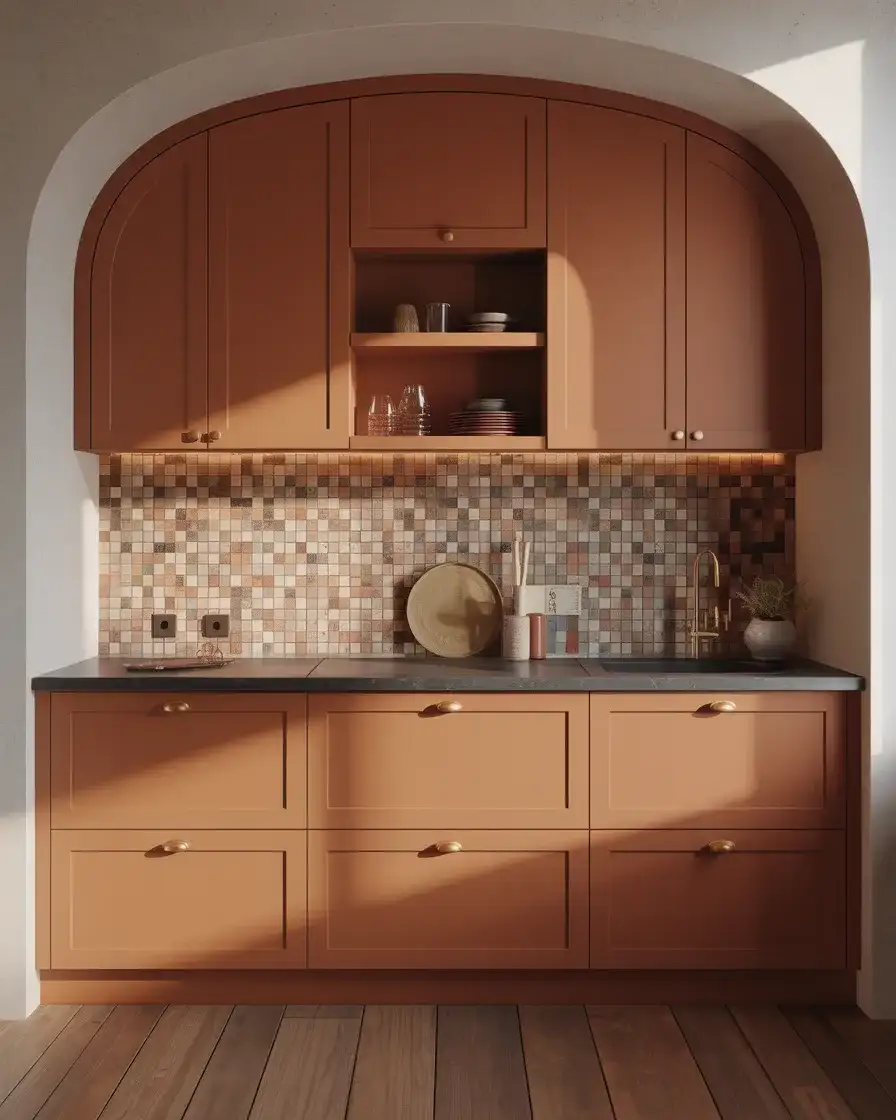
The most valuable exercise before starting any kitchen remodel is building a physical or digital mood board—and then being ruthless about editing it. Interior designers often advise clients to pick three materials maximum for a kitchen surface palette: one for the cabinets, one for the countertops, and one for the backsplash. Every additional material competes for attention and makes the room feel busier. Once you have your three, everything else—hardware finish, faucet style, lighting—should support those choices rather than introduce new ones. Restraint is the mark of a truly well-designed kitchen.
15. Midcentury Kitchen Remodel in a Ranch-Style Home
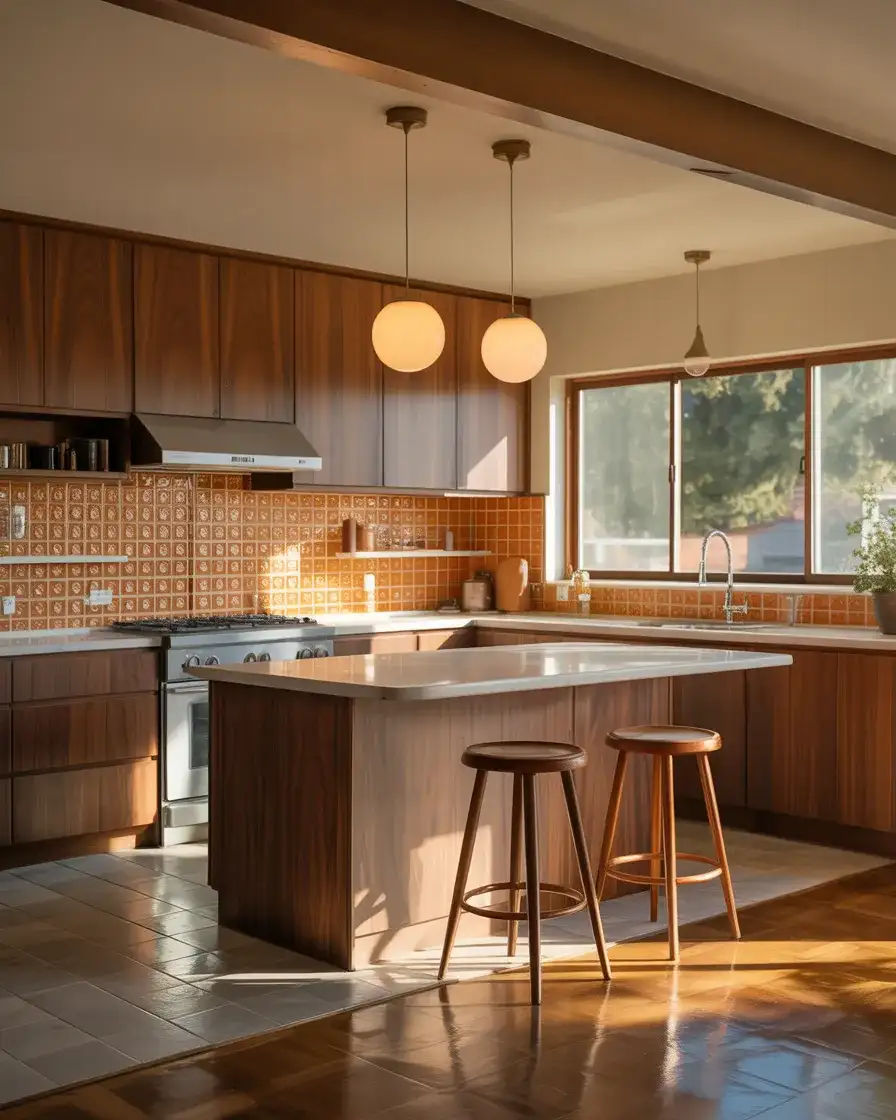
Ranch homes from the 1950s through 1970s are perhaps the most natural canvas for a midcentury kitchen remodel—the architecture already speaks the language. Low ceilings, wide windows, and open connections to the dining area mean that a thoughtful kitchen update can feel like an act of restoration rather than renovation. The most authentic takes lean on period-appropriate details: slab-front cabinet doors in warm walnut or teak laminate, a peninsula with a cantilevered overhang for seating, a graphic tile backsplash in burnt orange or avocado, and pendant lights with an unmistakably retro profile.
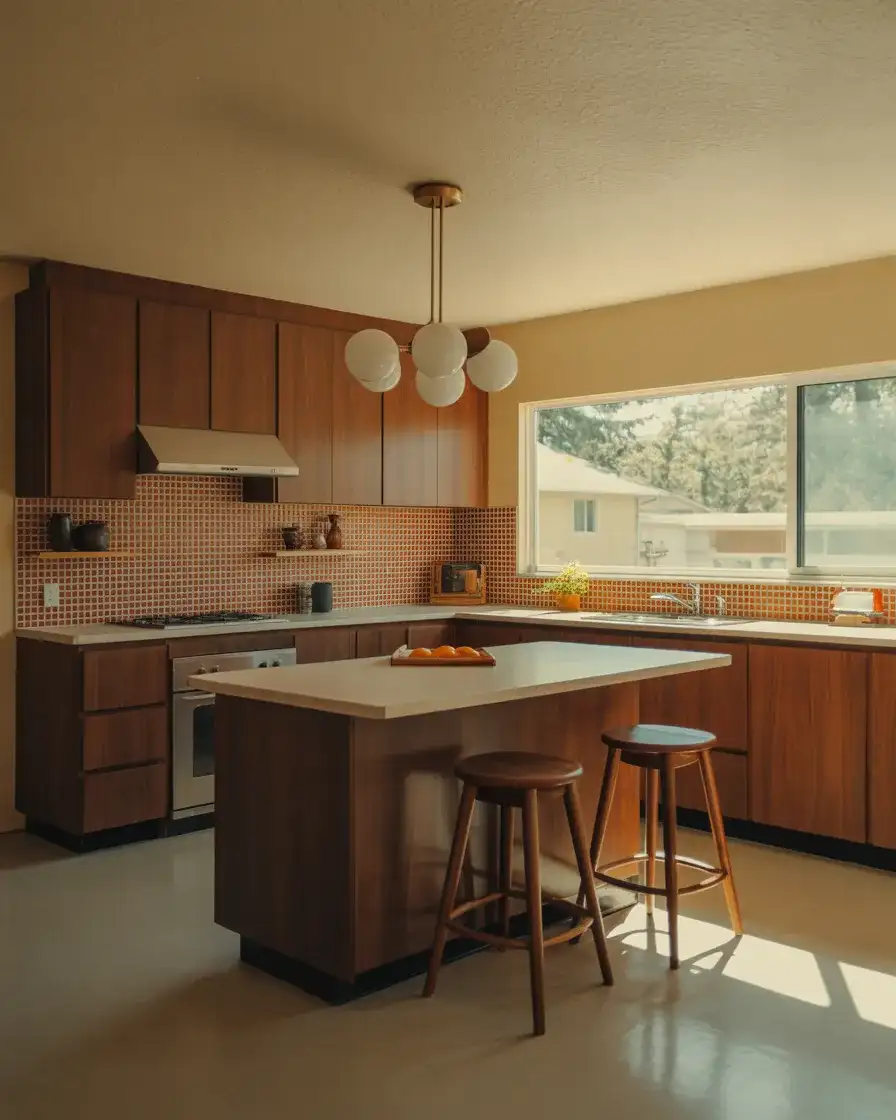
What’s worth noting about the MCM ranch kitchen revival is how it tends to ripple through the whole house. Once the kitchen looks deliberately midcentury, homeowners often find themselves removing the fussy window treatments and carpeting in adjacent rooms to let the original hardwood and clean architectural lines speak. There’s a domino effect to getting one room right. Homeowners in Phoenix, Sacramento, and Denver—cities with significant postwar ranch home stock—are driving a lot of this renovation activity, and the results they’re documenting online are consistently stunning.
16. Condo Kitchen Remodel That Maximizes Every Inch
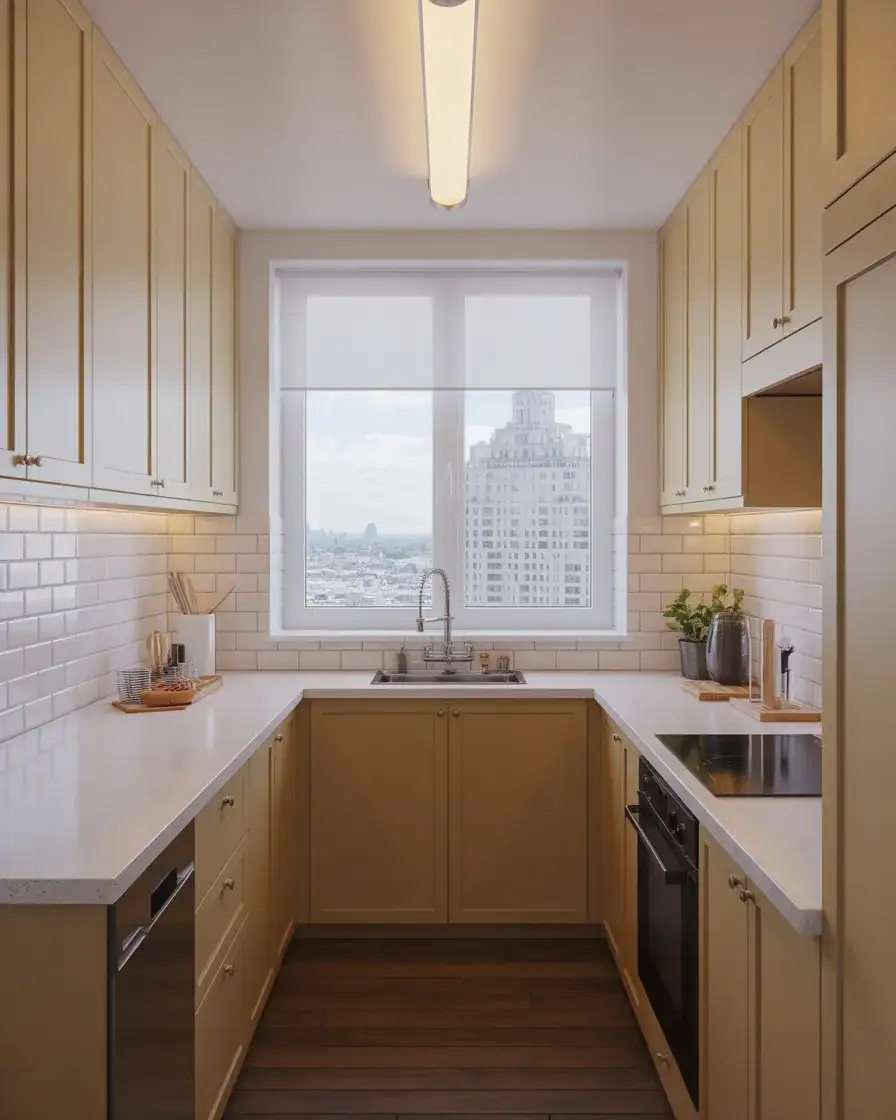
The condo kitchen comes with its own unique set of constraints that a freestanding home renovation simply doesn’t: building approval requirements, noise restrictions for contractors, limits on structural modifications, and the ever-present challenge of a footprint that was designed by a developer who prioritized unit count over livability. But within those constraints, the range of what’s possible is genuinely exciting. Replacing laminate counters with quartz, swapping hollow-core cabinet doors for solid shaker-style replacements, and adding under-cabinet LED lighting are all modifications that typically don’t require HOA approval and can be completed in a single weekend.
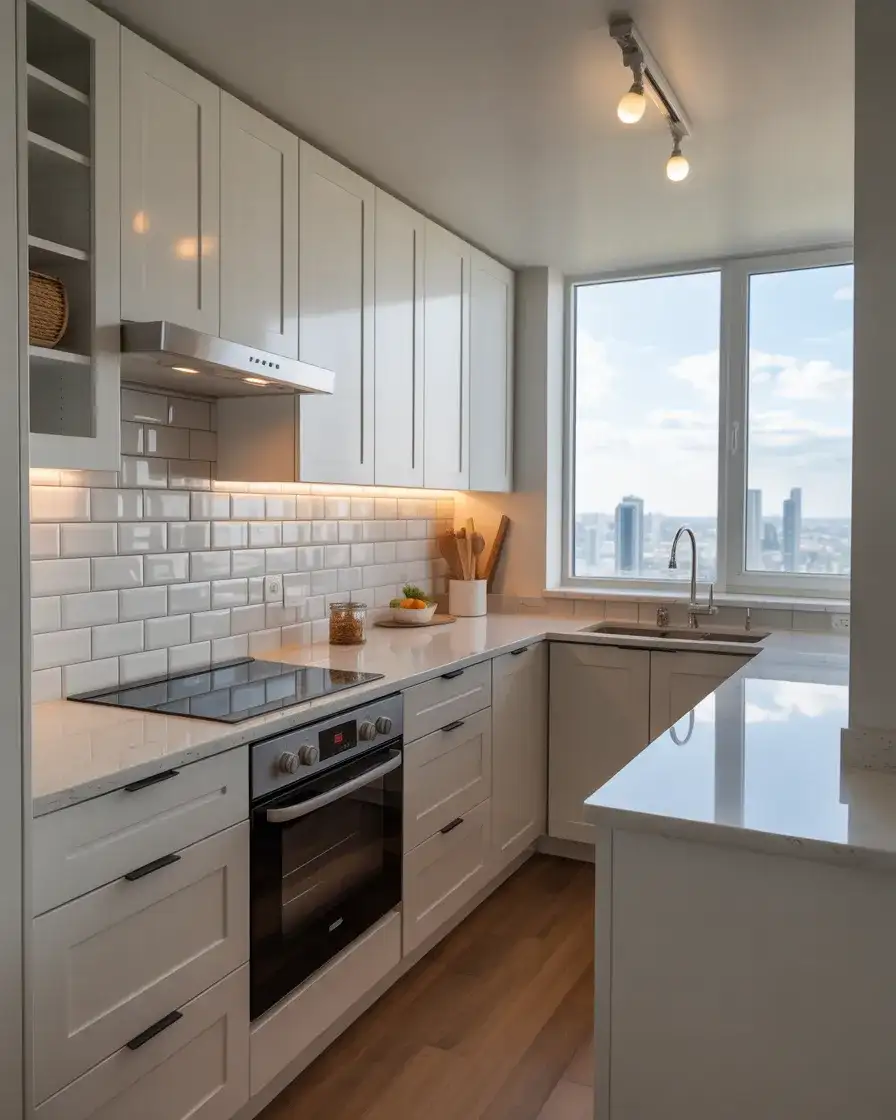
One practical insight worth sharing for condo renovators: before you spend a dollar on the kitchen, read your HOA rules and building bylaws carefully. Some buildings require specific contractors for plumbing and electrical work, require notification before any renovation begins, and restrict working hours for noisy tasks. None of this makes the renovation impossible—it just means your planning timeline needs to account for approval processes that can take two to six weeks. The homeowners who navigate condo renovations most smoothly are the ones who treat the building management as a collaborator rather than an obstacle.
17. L-Shaped Kitchen Design That Actually Flows
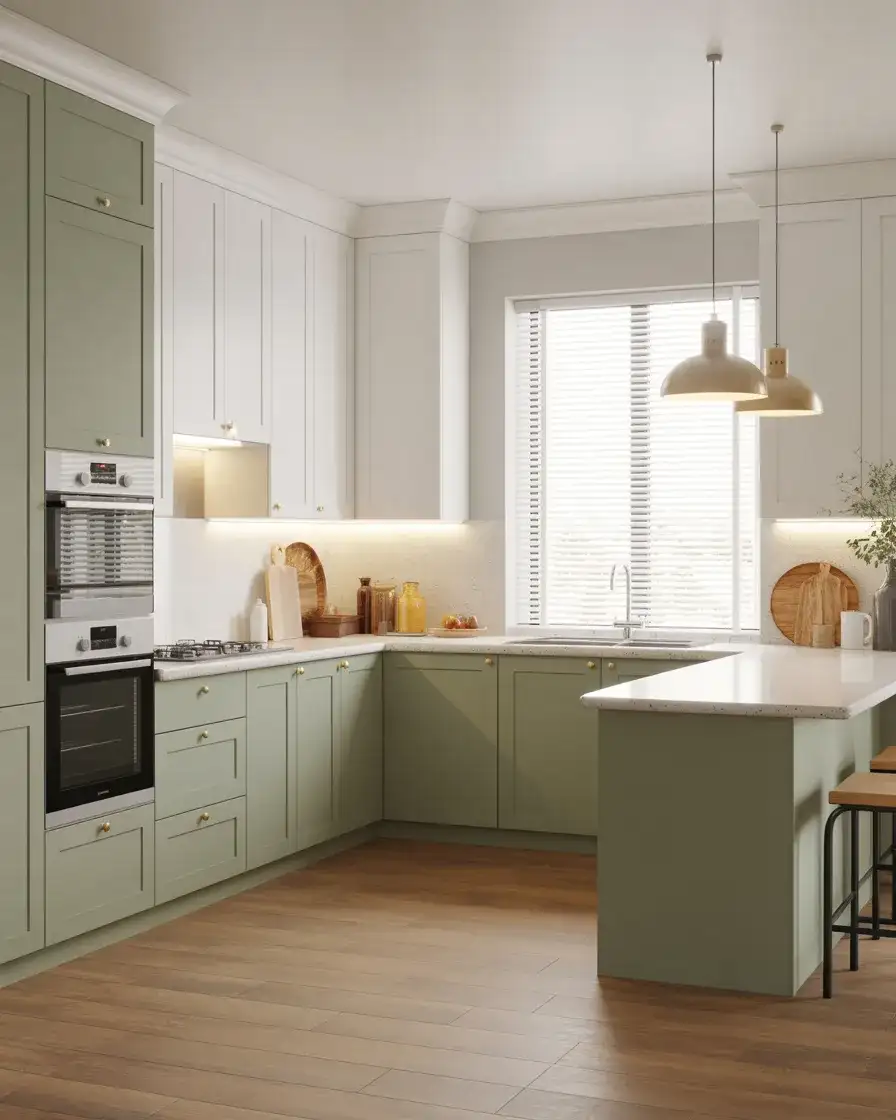
The L-shaped kitchen layout is one of the most versatile configurations in residential design—it works in a surprisingly wide range of square footages and lends itself naturally to an island addition when the space allows. The key to making an L-shaped kitchen feel intentional rather than accidental is treating the corner carefully: lazy Susans are the obvious solution but rarely the best one. Blind corner pull-outs, magic corner hardware systems, or simply designing the corner as a shallow display space can all outperform the traditional spinning solution in terms of both storage efficiency and satisfaction of use.
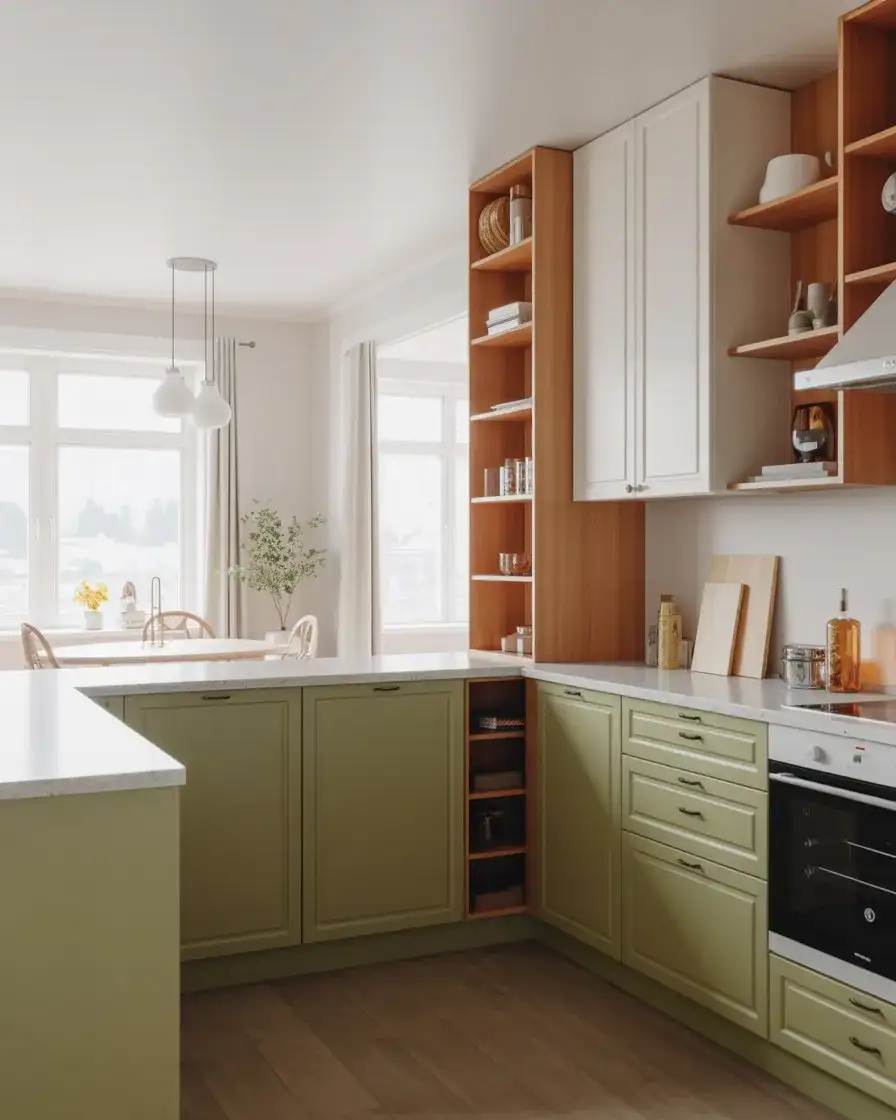
The L-shaped kitchen works best in open-plan layouts where it anchors one corner of a larger living-dining-kitchen space. In these configurations, the L creates a natural “kitchen zone” without requiring walls to define it. American homeowners in particular gravitate toward this layout because it supports the way families actually cook and socialize—one person can be at the stove while someone else sits at the island or peninsula and talks to them without anyone being cut off in a separate room. It’s a layout that was designed for the way American family life actually happens.
18. Small Galley Kitchen Made Beautiful With Smart Choices
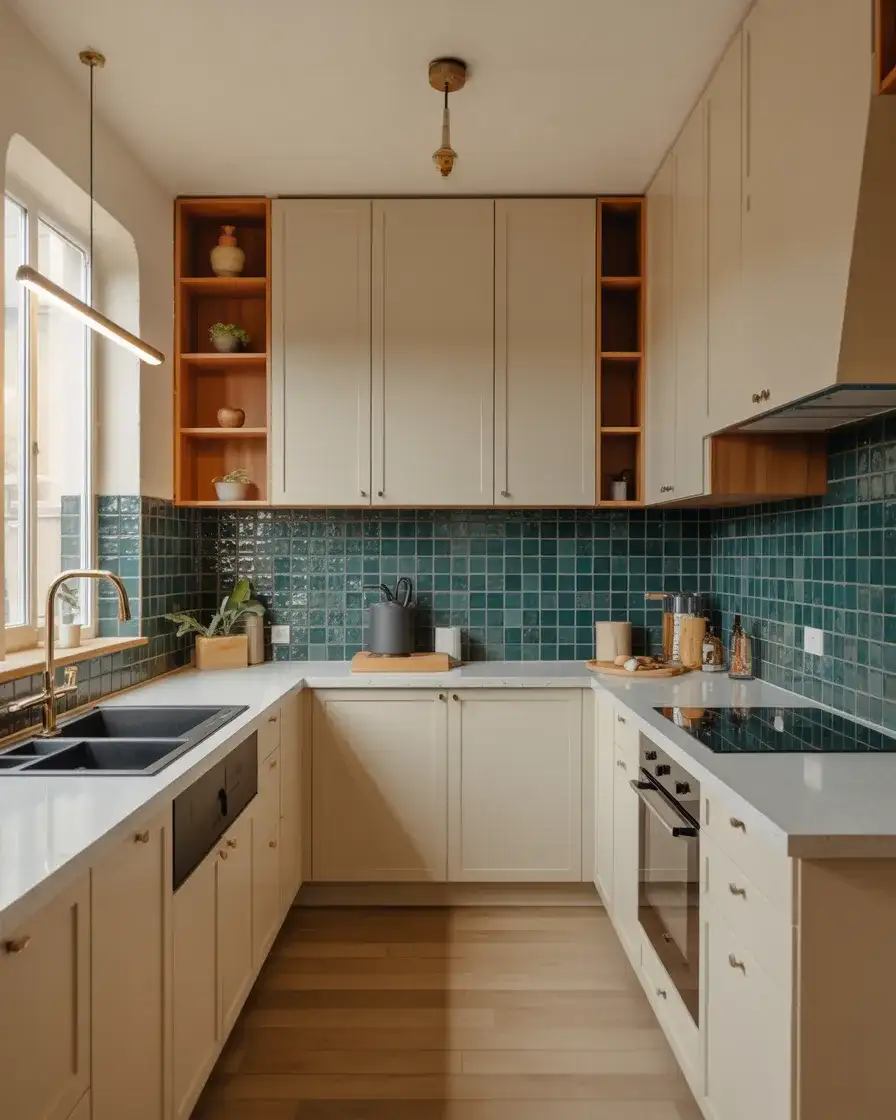
A small galley kitchen in a starter home or older apartment can feel limiting—until you start working with it. The truth is that the constraints of the galley format are also its strengths: the workflow is efficient, the two-wall storage potential is excellent, and because the space is compact, even modest material upgrades make a significant visual impact. Replacing the countertop alone in a galley kitchen changes the entire feel of the room because the counter-to-floor-area ratio is higher than in a larger kitchen. The same logic applies to the backsplash: a full-height tile treatment in a galley reads as dramatic and intentional in a way that would require much more tile in a larger space.
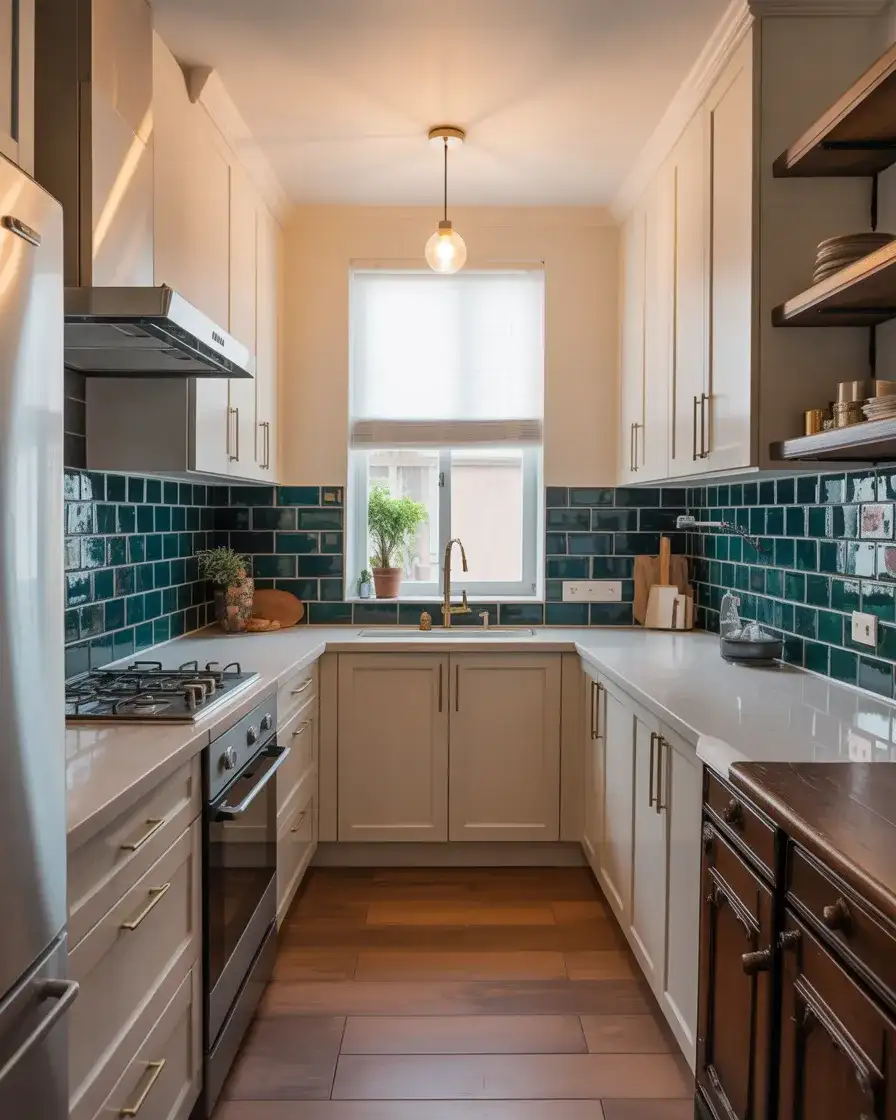
A real homeowner transformation worth mentioning: a woman in a 1960s Philadelphia rowhouse documented her 8-foot galley kitchen refresh, and the before-and-after photos went genuinely viral on Pinterest. She kept every original cabinet box, had them painted in a deep forest green, replaced the Formica counter with a remnant piece of quartzite she found at a stone yard for a fraction of full-slab pricing, and installed a full-height handmade tile backsplash herself over a long holiday weekend. The total spend was just over $1,100 — and it looked like a high-end renovation. Remnant counters are genuinely one of the best-kept secrets in kitchen remodeling.
19. Kitchen Remodel Ideas That Nail the 2026 Color Story
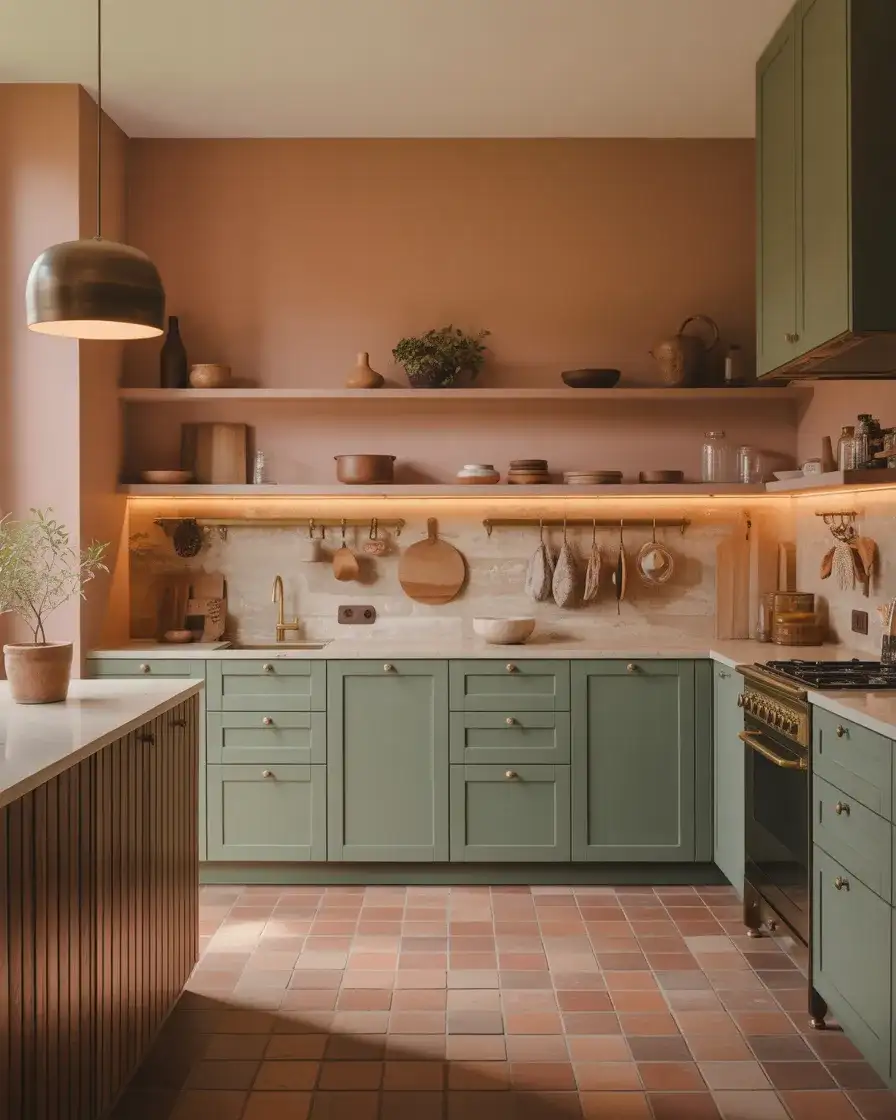
Color is the fastest, most impactful variable in a kitchen remodel—and the palette conversation in 2026 is a fascinating one. The cool gray era is definitively over. In its place: warm creams, soft putties, complex greens ranging from sage to forest to eucalyptus, terracotta in both the tile and the cabinet, and deep blues that have more warmth than their predecessors. These aren’t just design trends for trends’ sake—they reflect a broader cultural shift toward coziness, warmth, and a rejection of the cold-minimalist aesthetic that dominated the past decade. These are kitchen remodel ideas built around creating spaces you actually want to be in.
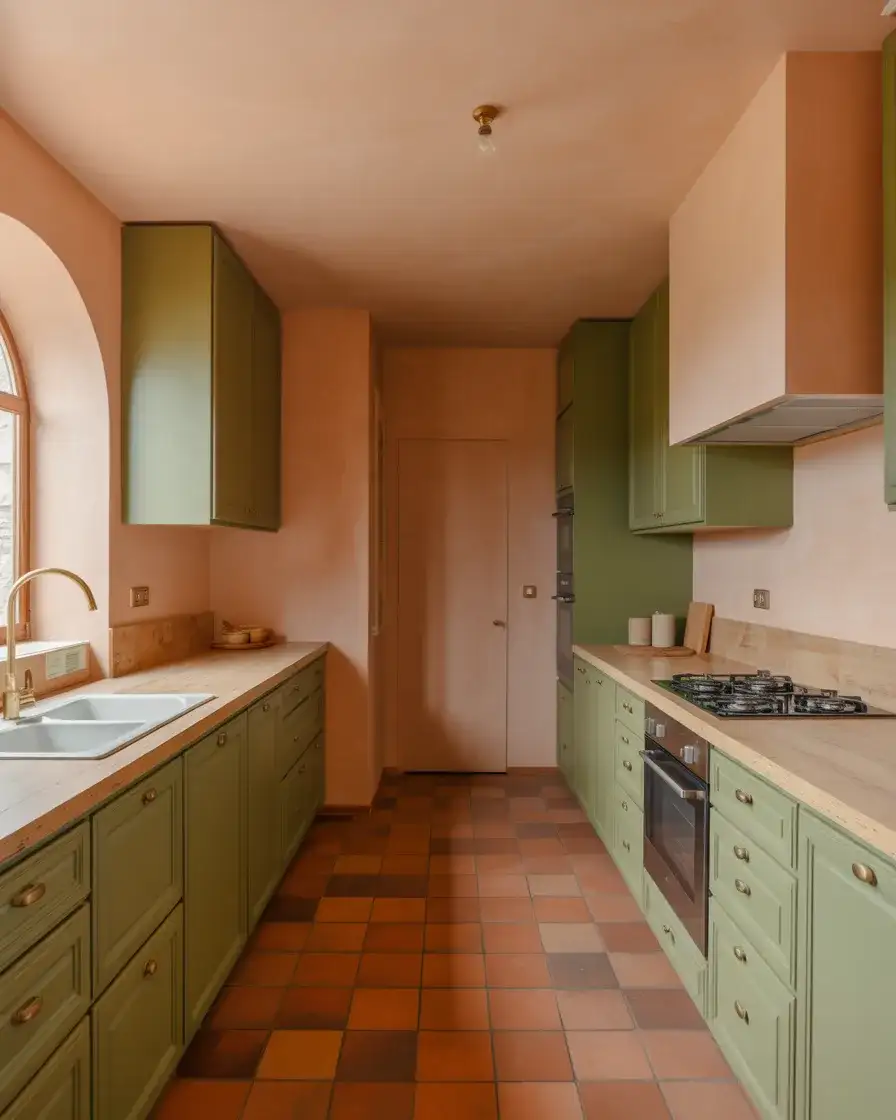
The most common mistake with color in kitchens is making the decision from a paint chip under fluorescent lighting at a home improvement store. Cabinet colors and paint colors look radically different under warm incandescent light, cool LED light, and natural daylight. The smart move is to order a large sample, paint a 12×12 inch square on the actual wall or cabinet door you’re considering, and live with it for a full week—seeing it in morning light, afternoon light, and at night with your overhead fixtures on. That week of observation will tell you more than an hour of deliberating under a store’s lighting ever could.
20. Open Plan Kitchen That Earns Its Island
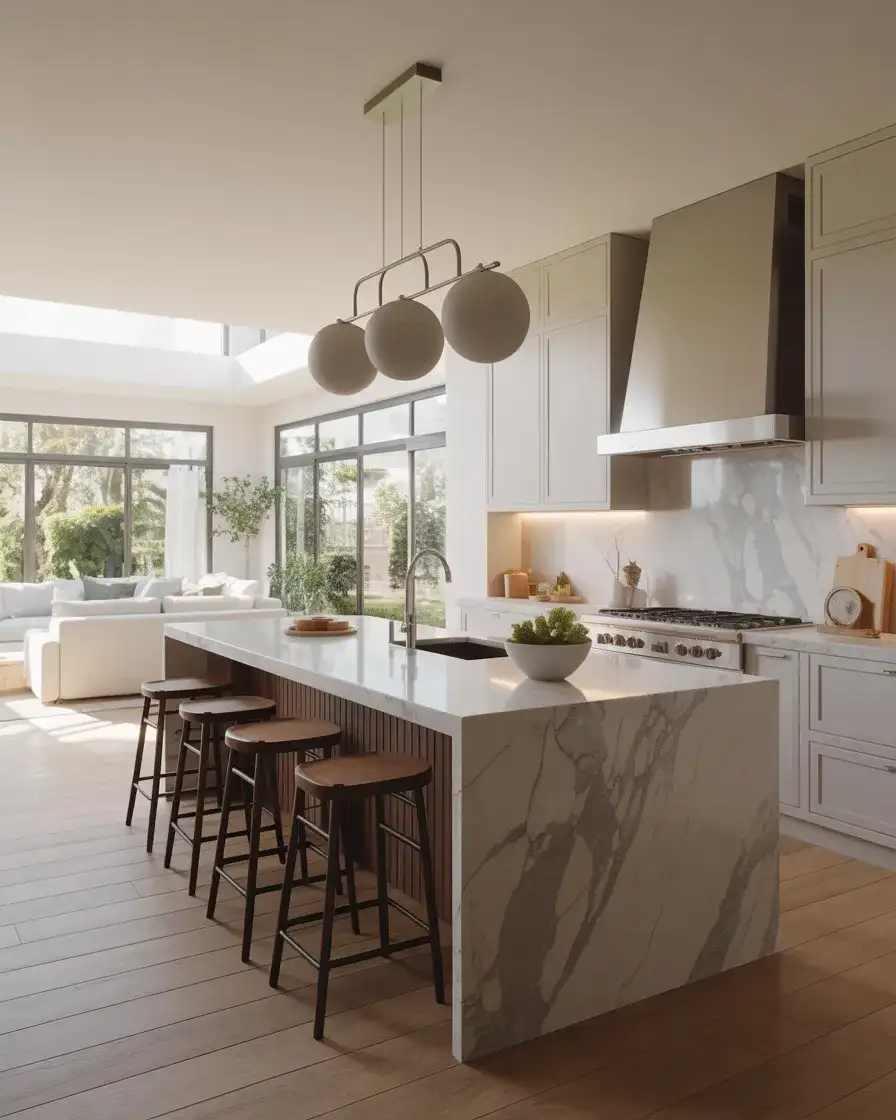
There’s a particular kind of kitchen that defines a certain generation of American home aspiration—open plan, centered on a large island, connected to the living and dining spaces, flowing outward. It’s the kitchen that launched a thousand renovation shows. In 2026, the aesthetic is evolving: the island is still central but now more considered, often with a different material or color treatment from the perimeter cabinetry. Waterfall edges in bookmatched stone, thick quartz slabs, or live-edge wood tops are turning islands into genuine furniture pieces. The concept of the island as sculpture rather than just workspace is very much the direction things are heading.
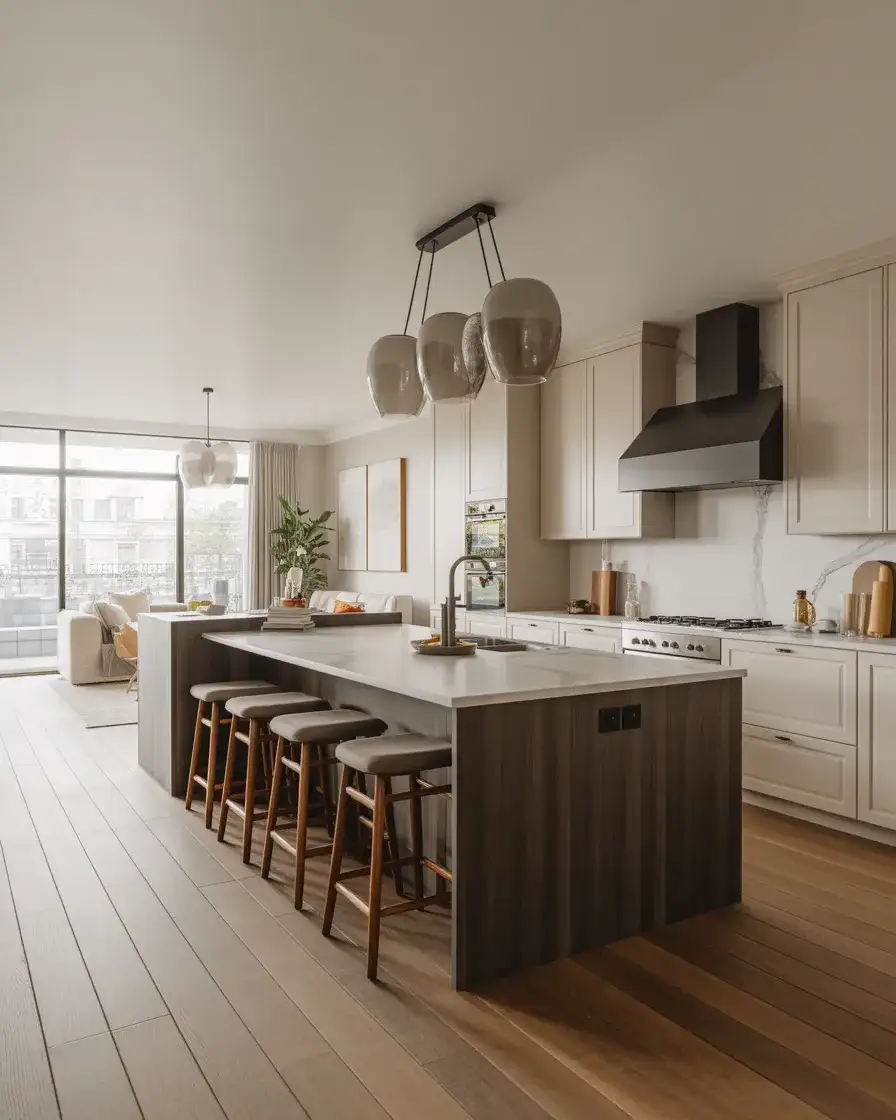
The island-centric kitchen works best in homes where the square footage genuinely supports it—ideally 200 square feet of kitchen floor space or more. In spaces smaller than that, the island risks blocking traffic flow and making the kitchen feel congested during gatherings. An experienced kitchen designer once put it memorably: “An island is a conversation piece or a problem, and which one it is depends entirely on whether you have the room for the conversation.” If the square footage isn’t there, a well-positioned peninsula achieves 80 percent of the function and visual impact at a fraction of the disruption.
21. Bold Backsplash as the Star of the Remodel
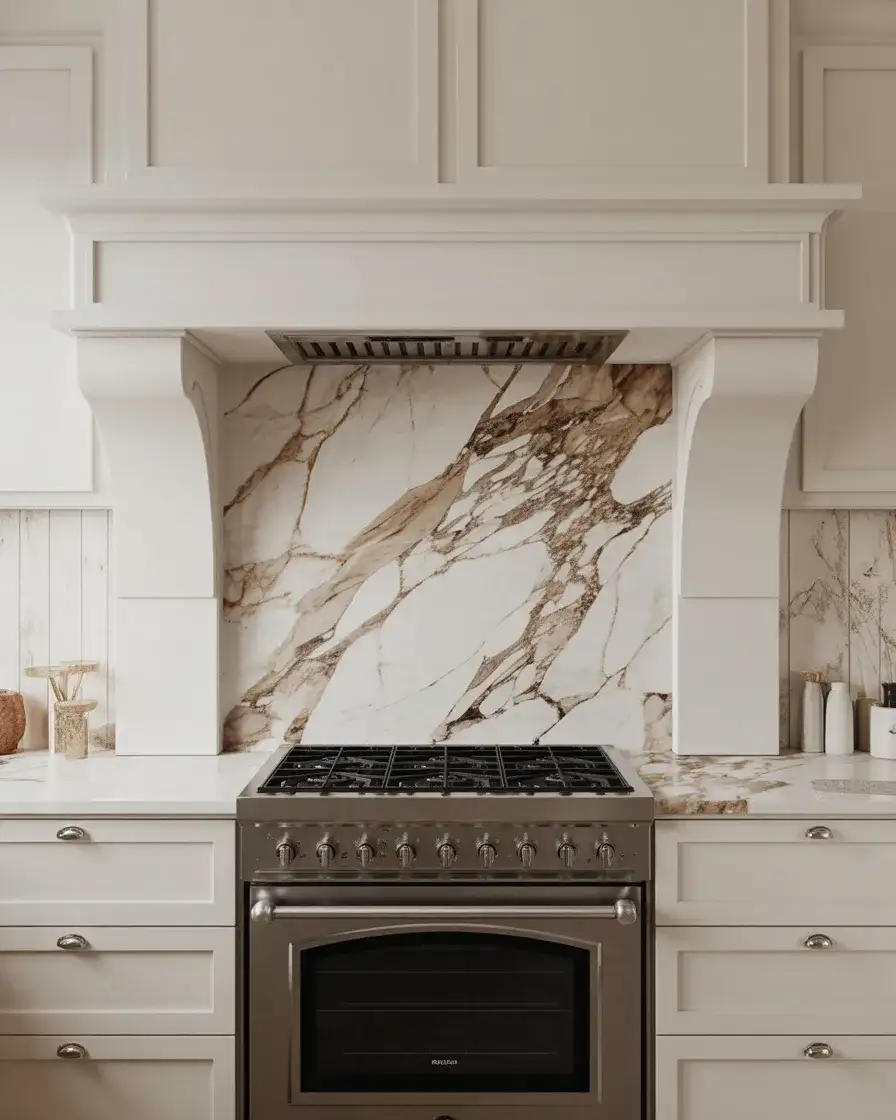
The backsplash is arguably the most underspent line item in the average American kitchen remodel—and one of the highest-impact ones when handled boldly. A full-height slab of book-matched stone behind the range, a hand-painted Talavera tile wall above the counter, or a single material like fluted terracotta tile taken all the way to the ceiling can absolutely transform a kitchen with relatively modest material cost. The move in 2026 is going full commitment: taking the backsplash higher, bolder, and more specific than feels comfortable at first. The cheap path is a 4-inch subway tile. The inspired path is something that stops guests mid-sentence.
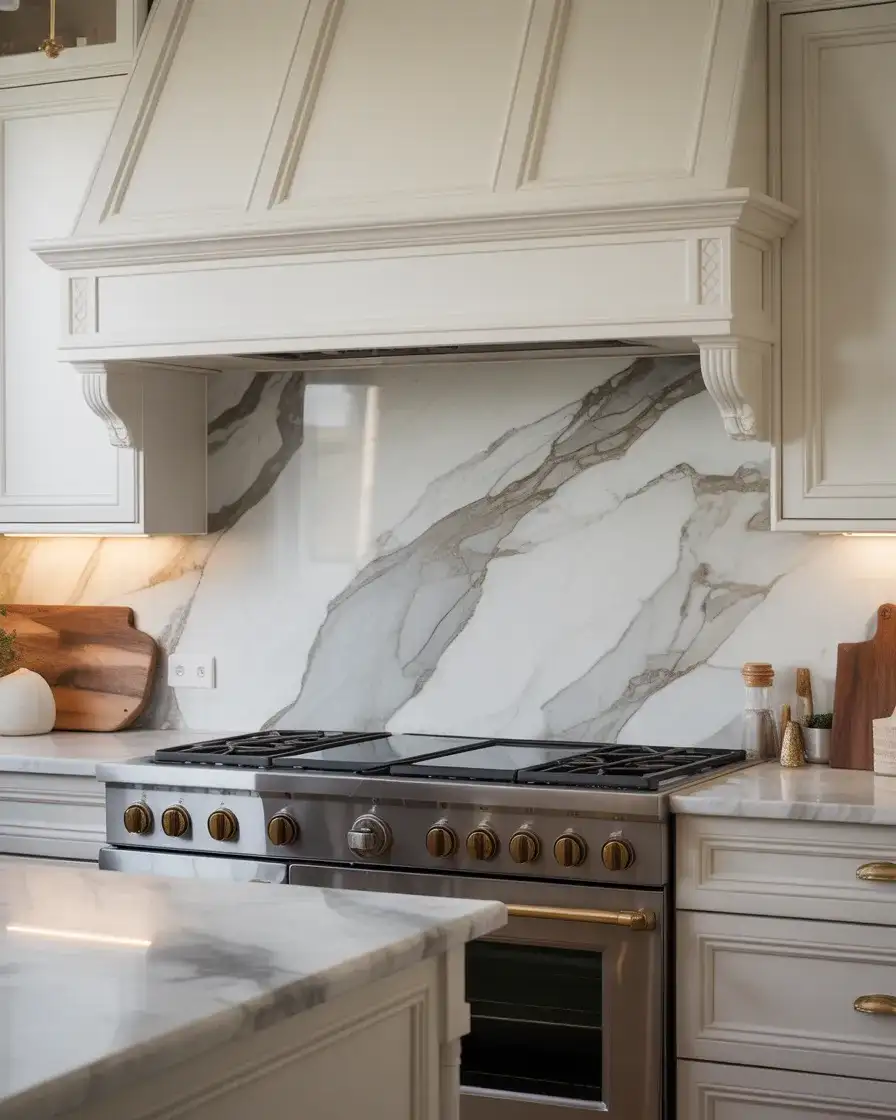
The regional context matters here: backsplash boldness has different flavors depending on where you are. In the Southwest and California, hand-painted Talavera and saltillo-inspired tile feels completely native. In the Northeast, subway tile in unusual colors—dusty rose, deep burgundy, and warm sage—is having a serious moment. In the Pacific Northwest, natural stone and hand-thrown ceramic tiles with organic variation are dominating kitchen remodel inspiration boards. The backsplash is where geography and personal taste converge most expressively, and the best ones always feel specific to the home and the person who lives in it.
22. Kitchen Remodel That Thinks About Resale Without Sacrificing Soul
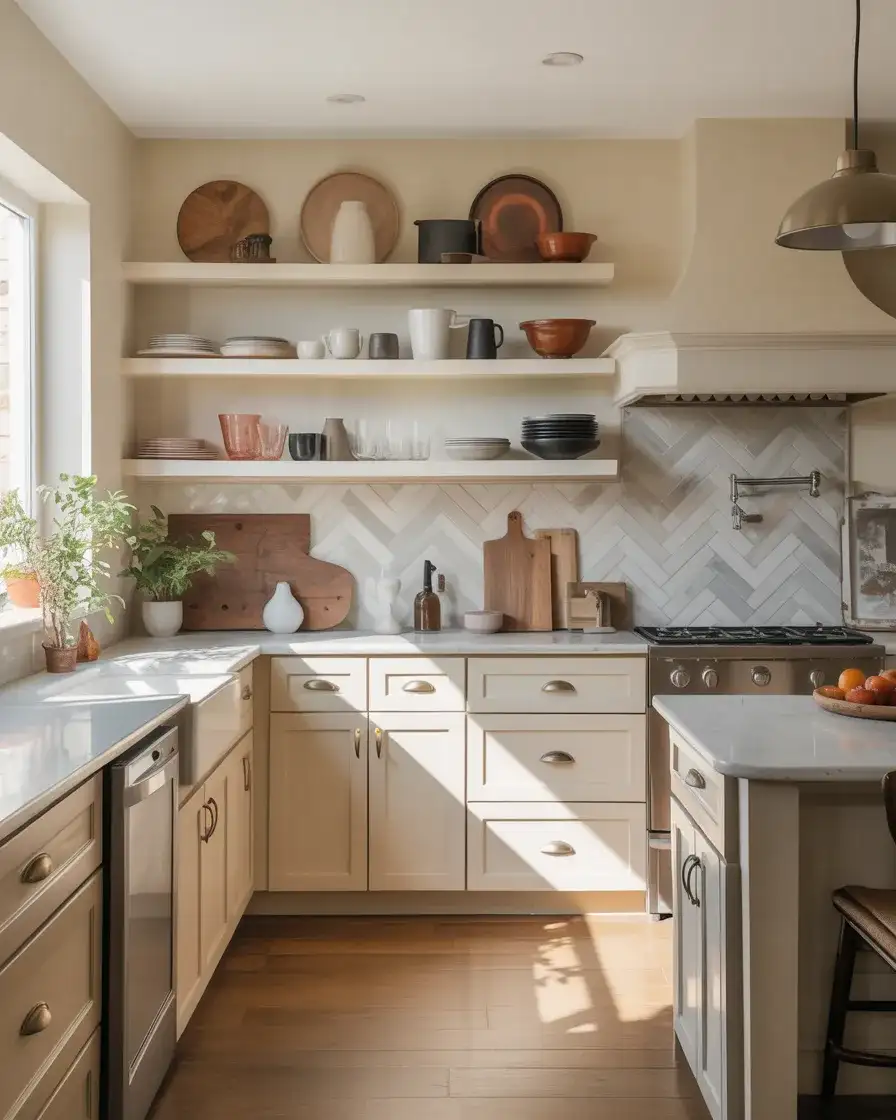
The tension between designing for resale and designing for living is one of the most honest conversations in home renovation. The advice to keep everything neutral for future buyers is sensible but soul-crushing—and also increasingly outdated. Research from the National Association of Realtors consistently shows that updated kitchens sell homes faster and at higher prices, but the specific aesthetic matters far less than the quality of execution and condition of the finishes. A well-executed kitchen with a bold color choice will outperform a poorly executed neutral kitchen every time. The answer isn’t beige for safety—it’s quality materials and clean craftsmanship in whatever palette makes you happy to be home.
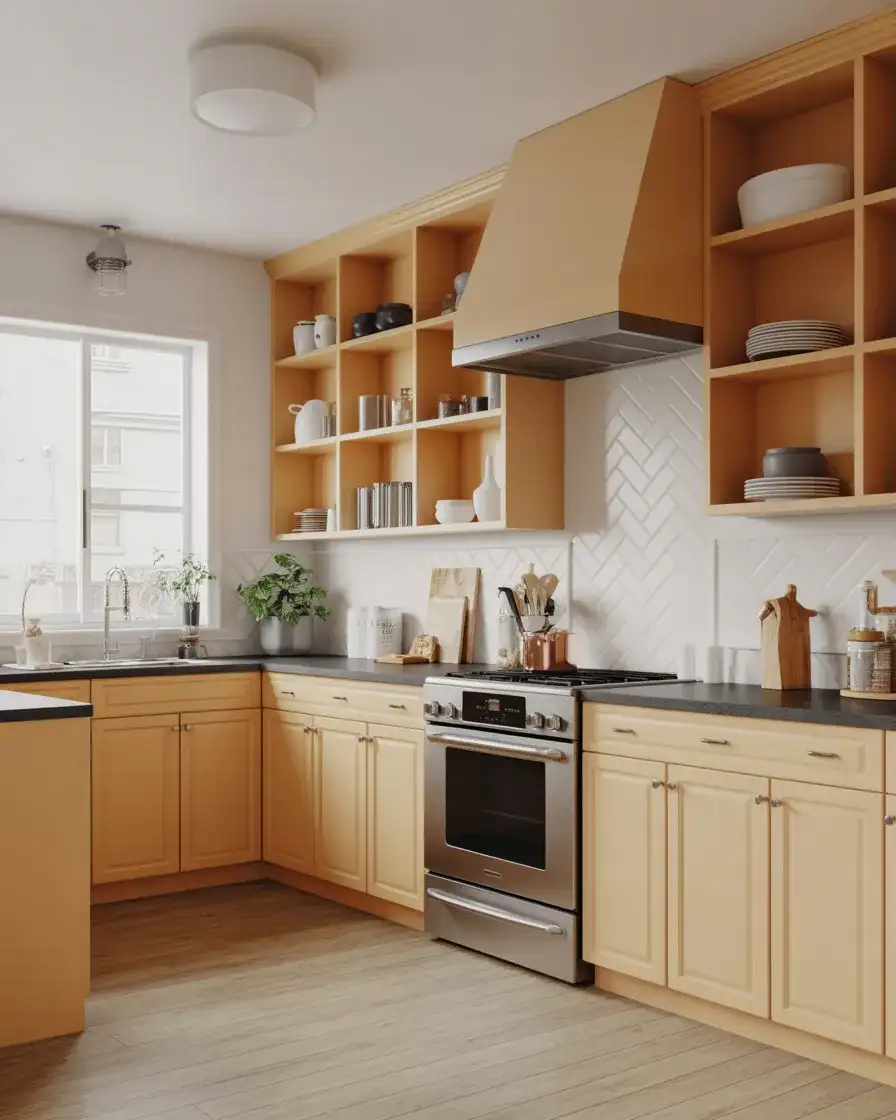
The smart compromise, if you feel you need one, is to go bold where it’s easy to change and invest in quality where it’s not. Paint your island a deep burgundy—it can be repainted for $200. But invest in solid wood or plywood cabinet boxes rather than particleboard, because those bones will outlast three or four cosmetic refreshes. Choose a timeless countertop material over a trendy one. Install quality hardware—it’s cheap to swap, but cheap hardware communicates cheapness throughout. The kitchen that wins at resale is the one where everything feels considered and nothing feels rushed.
Conclusion
Whether you’re planning a full gut renovation or just starting to daydream about what your kitchen could become, the most important first step is giving yourself permission to imagine it—really imagine it, without immediately talking yourself out of things. The ideas here are a starting point, not a prescription. Drop a comment below and tell us which direction is speaking to you: are you leaning toward a bold backsplash statement, a midcentury revival, or a budget-friendly weekend refresh? We’d love to hear what your kitchen is about to become.