If your garage door has been flying under the radar for years, you’re not alone—but that’s exactly what’s changing in 2026. American homeowners are waking up to the fact that a garage door covers nearly a third of a home’s front facade, making it one of the highest-impact upgrades you can tackle for curb appeal. Pinterest searches for garage door makeovers have been climbing steadily, with people craving everything from moody painted finishes and glass panel designs to farmhouse charm and mid-century modern lines. Whether you’re building new, renovating, or just dreaming, this guide walks you through 22 of the freshest, most inspiring garage door ideas of the year.
1. Modern Black Garage Door with Glass Panels
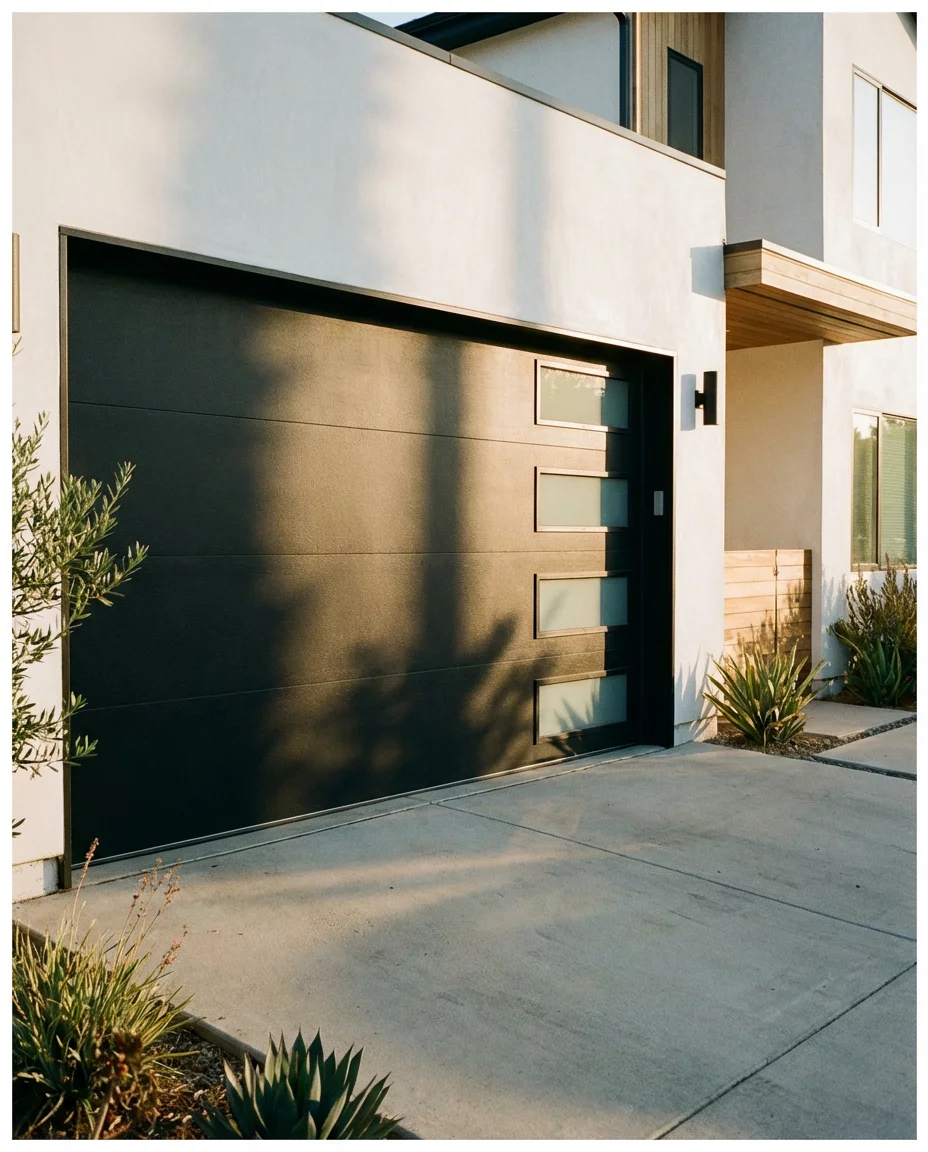
There’s a reason the black garage door with glass panel inserts has become the defining look of the decade. Clean, graphic, and undeniably bold, this combination works especially well on modern homes where the facade leans into contrast and minimalism. The slim aluminum frames and horizontal window strips bring an industrial-chic edge that reads as both sophisticated and approachable—a surprisingly hard balance to strike in exterior design.
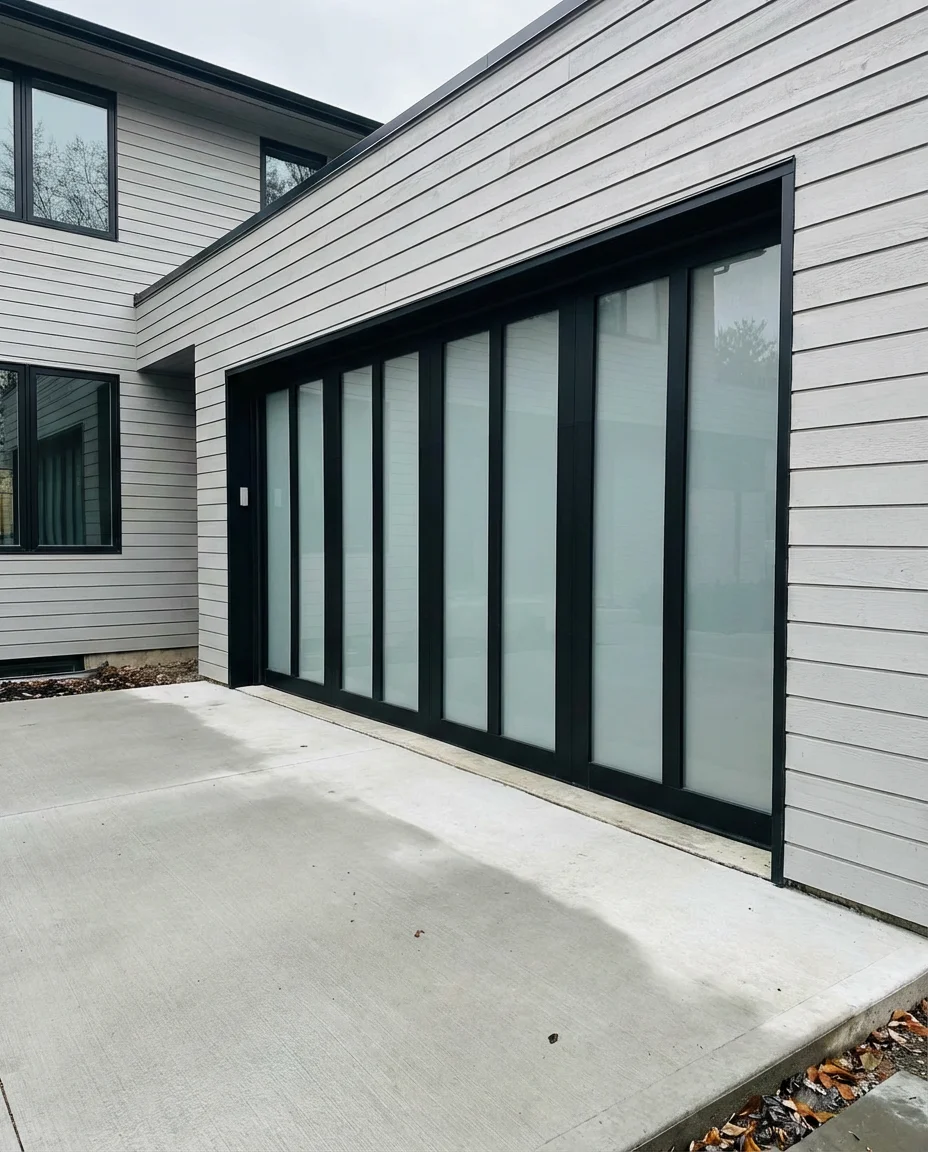
If you’ve been hesitant about going dark on such a large surface, consider this: a matte black finish actually recedes visually, making it feel less aggressive than a glossy version. Natural light filtering through frosted glass strips softens the whole effect. For a double garage on a stucco or fiber cement home, this pairing is almost foolproof—and it photographs beautifully for Pinterest, which explains why it keeps dominating inspiration boards year after year.
2. Farmhouse-Style Wooden Garage Door
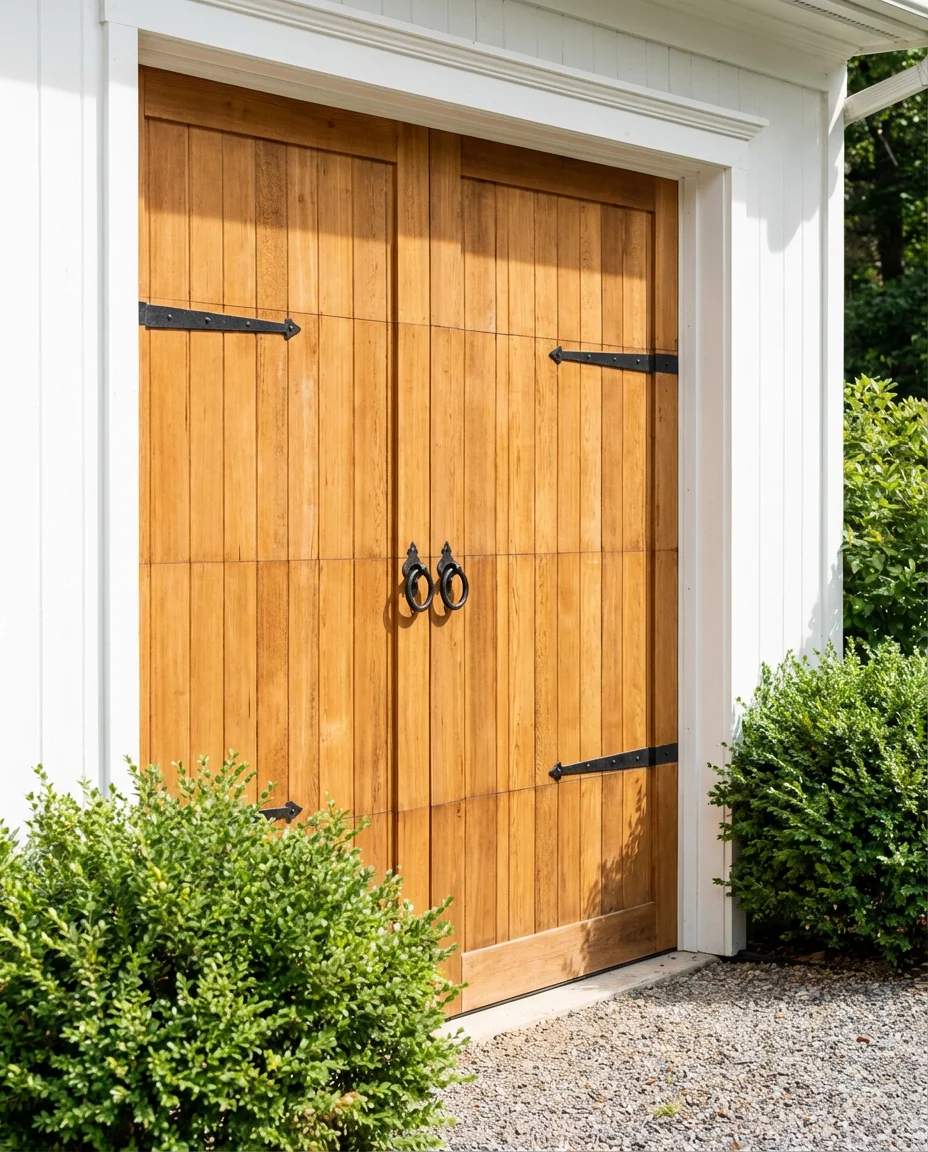
Nothing says weekend-in-the-country quite like a farmhouse garage door in warm wooden tones. Whether it’s real cedar planks or a convincing composite that mimics the grain, this style transforms a standard two-car garage into something that feels like it belongs on a sprawling property with a porch swing out front. Carriage-house hardware—think black strap hinges and ring pulls—completes the look without looking costume-y.
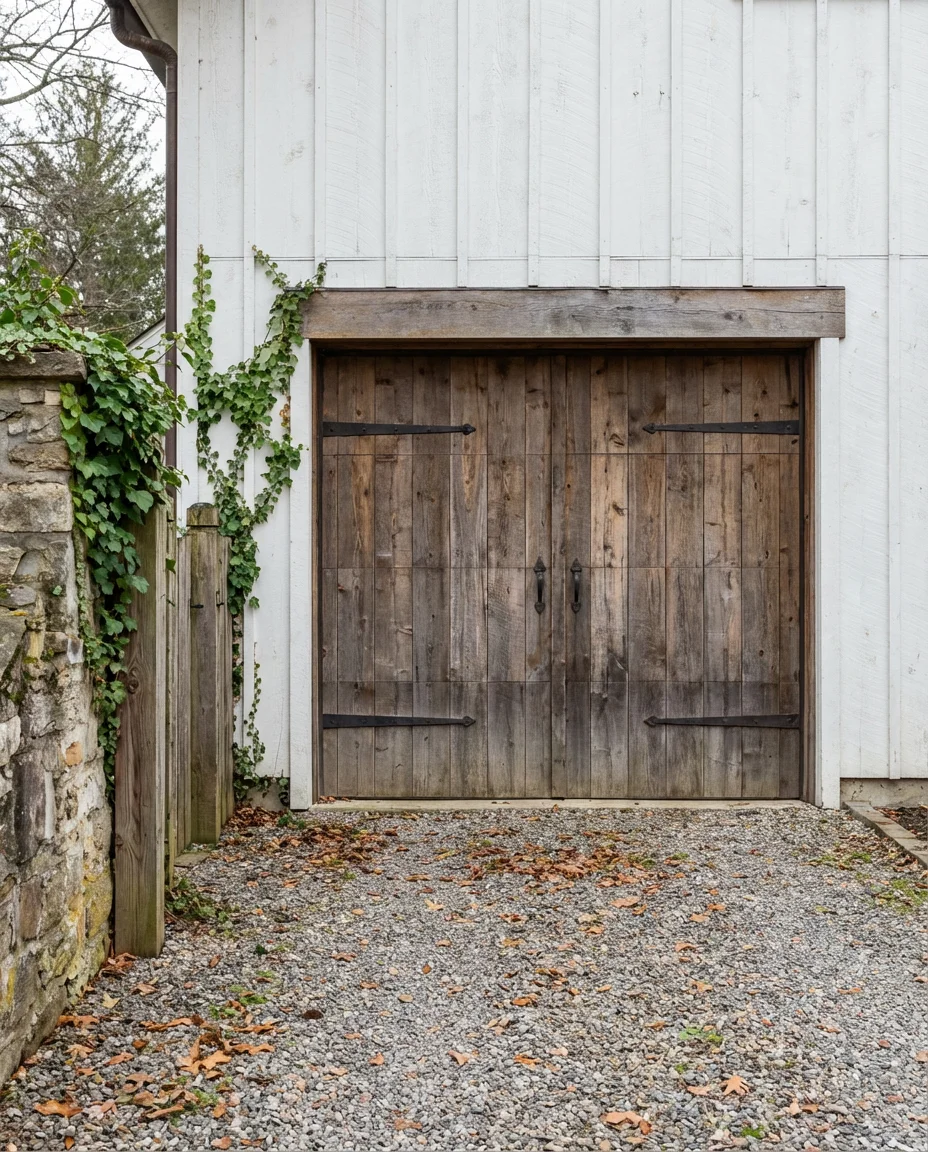
Farmhouse garage doors work best on homes with board-and-batten siding, shiplap accents, or a classic gable roof—essentially anywhere the rustic aesthetic already has a foothold. One thing to keep in mind if you go the real wood route: staining and sealing every two to three years is non-negotiable in humid climates. Skipping maintenance is the most common mistake homeowners make, and it leads to warping and cracking that’s expensive to reverse. Composite wood-look panels sidestep that headache entirely.
3. Brown Carriage House Garage Door
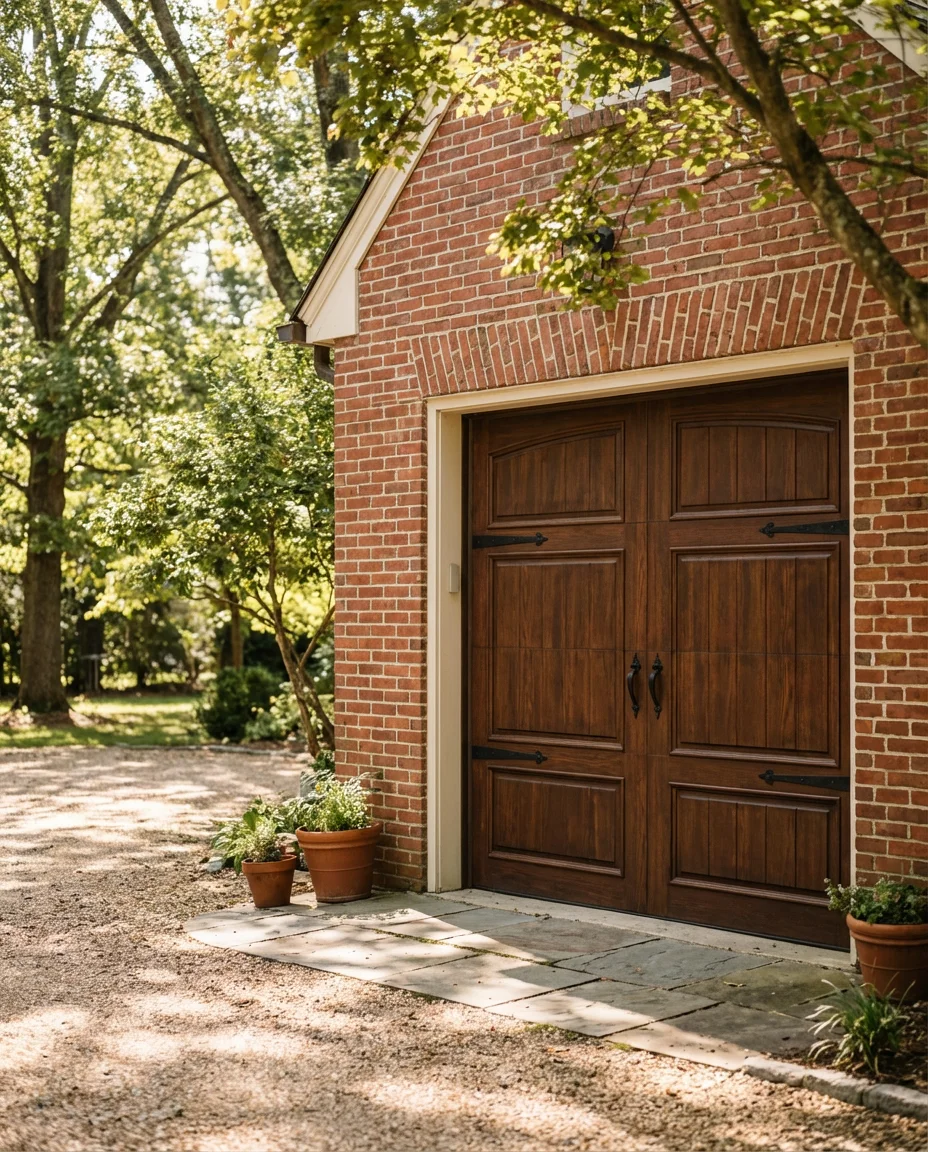
A rich brown garage door in a carriage house style threads the needle between traditional elegance and everyday livability. Deep walnut, chocolate, and espresso tones pair beautifully with brick, stone veneer, and warm-toned stucco—materials that are everywhere in Midwestern and Southern suburbs. The paneled sections and decorative hardware reference an era when horses were parked here instead of Hondas, but the look translates effortlessly into contemporary curb appeal.
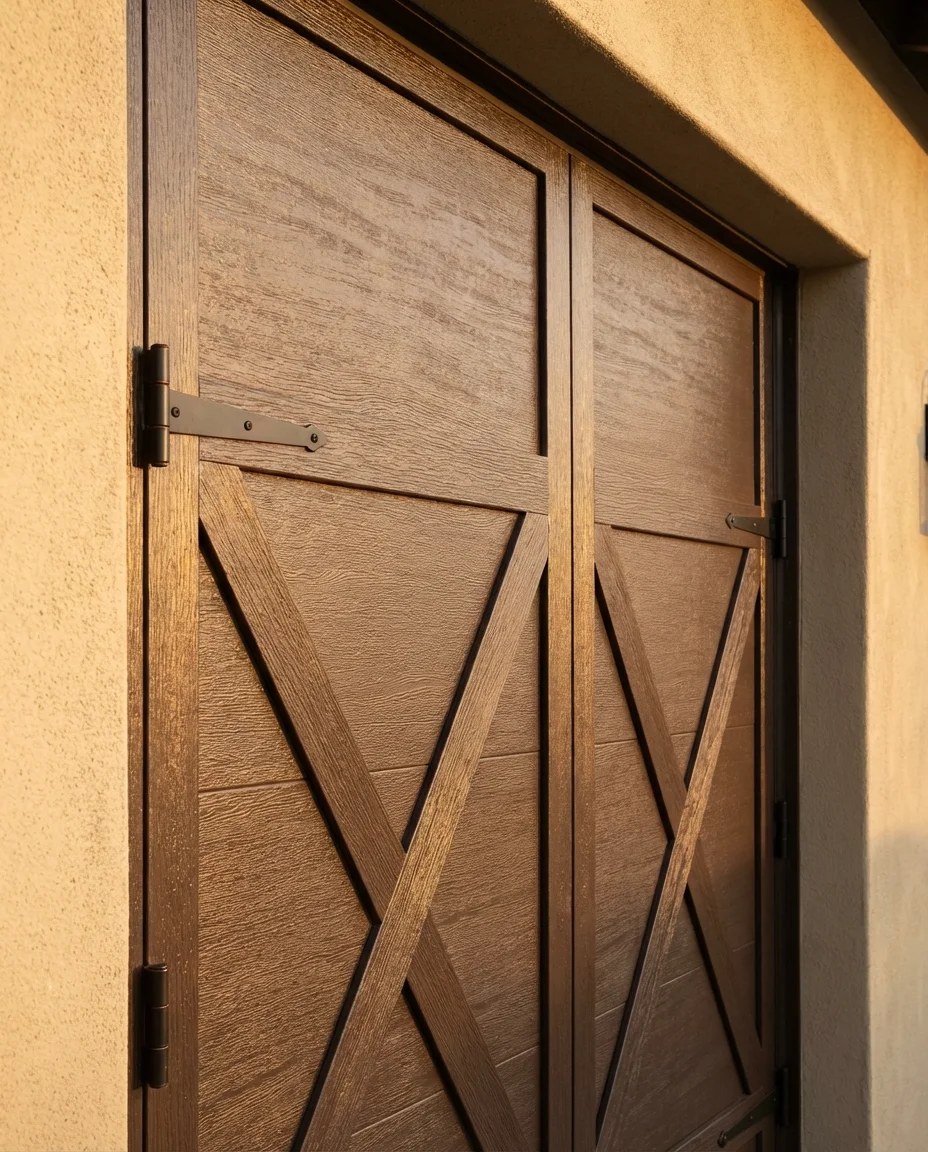
Budget-wise, steel doors with an embossed carriage house pattern run significantly less than authentic wood—typically $800 to $1,500 installed for a standard double door, compared to $3,000 or more for real wood. For most neighborhoods, the steel version looks just as good from the street, especially once you add matching hardware. If you’re eyeing a full exterior refresh, a brown carriage door pairs naturally with a sage or cream front door for a layered, considered look.
4. Mid-Century Modern Garage Door
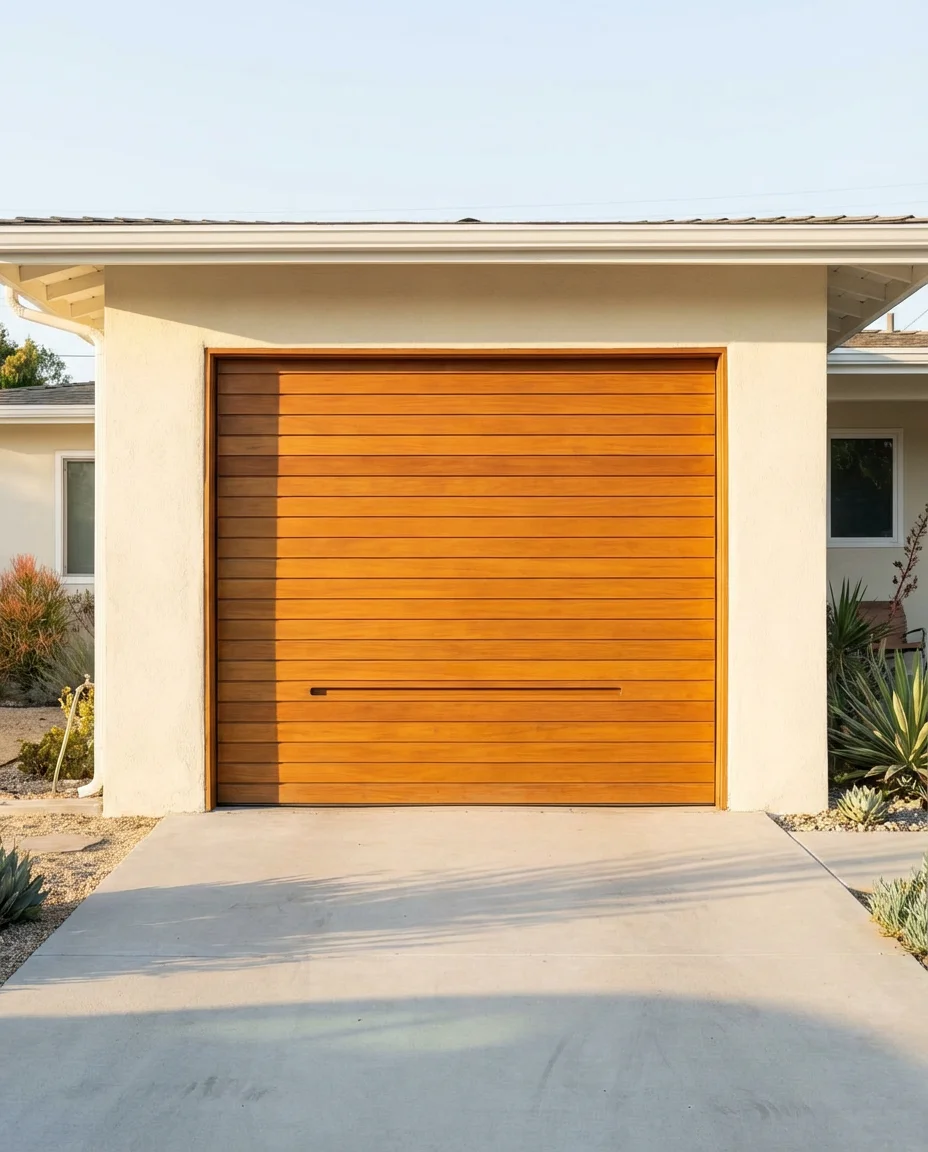
The mid-century modern revival shows no signs of slowing, and the garage door is one of the last frontiers homeowners are finally getting right. Horizontal wood slats in teak or stained pine, minimal ornamentation, and a low-profile silhouette define this look. It fits perfectly on split-levels, ranch homes, and those post-war bungalows that pepper California, Arizona, and the Pacific Northwest. The whole idea is clean geometry that lets materials speak for themselves.
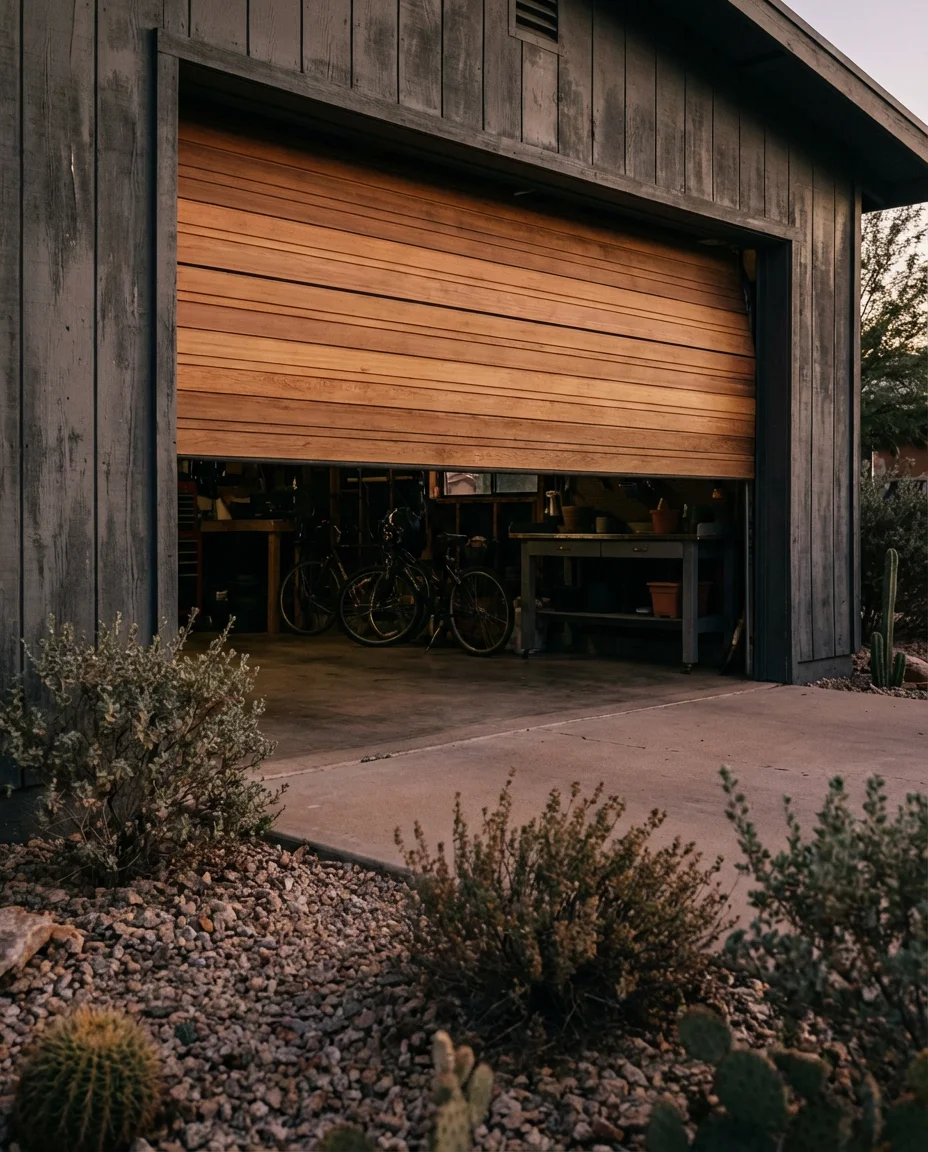
One homeowner in Pasadena described replacing her original aluminum door with a horizontal slatted cedar version as “the single best upgrade I’ve done in ten years of owning this house.” The neighbors stopped to compliment it before she’d even swept up the installation dust. That kind of street-level reaction is exactly what mid-century design delivers—it’s understated but unmistakably intentional, the kind of upgrade that impresses people who don’t even know why they’re impressed.
5. Painted Garage Door for Instant Curb Appeal
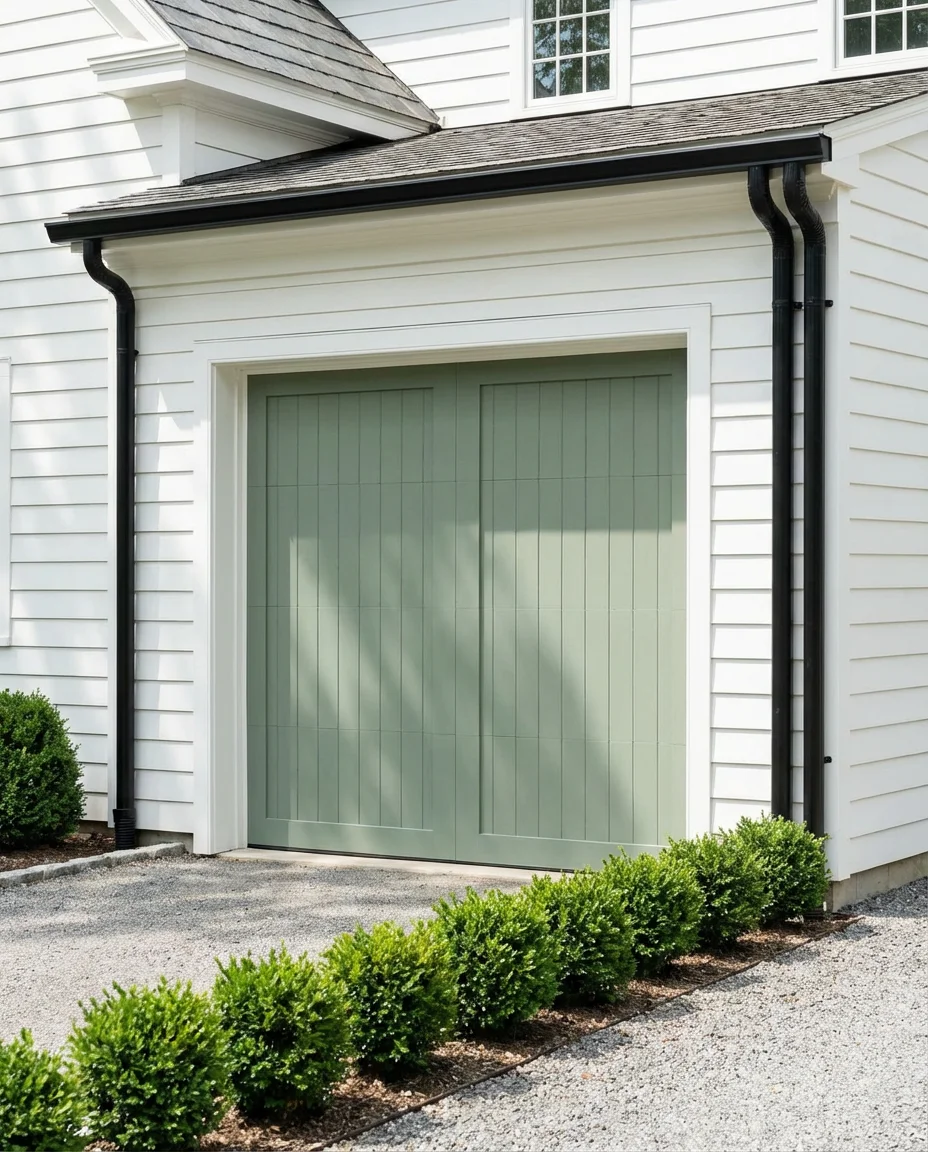
If you want maximum curb appeal on a tight budget, a freshly painted garage door might be the smartest afternoon you’ll ever spend. Color can completely transform the relationship between the garage and the rest of the facade—a dusty sage, navy, or even a warm terracotta can turn a forgettable builder-grade door into a genuine focal point. The key is choosing a shade that either coordinates with your trim or creates a deliberate, confident contrast.
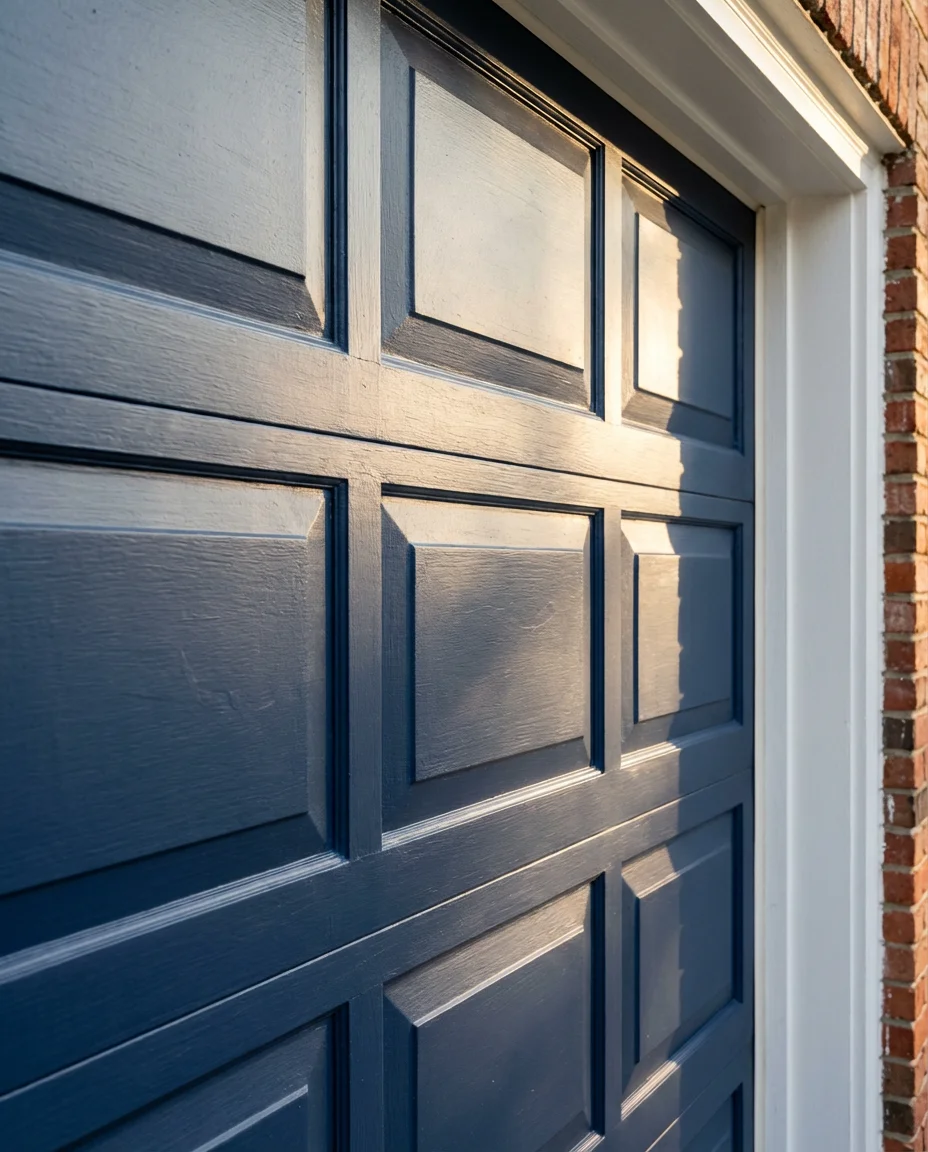
Exterior paint rated for metal or wood (depending on your door material) and a foam roller give you a surprisingly smooth finish without brush marks. The whole project typically costs under $100 in materials, making it one of the highest-return DIY upgrades in home improvement. Real estate agents who specialize in curb appeal consistently rank a freshly painted front-facing garage among the top five details that help a home sell faster—and at a slightly better price—in competitive markets.
6. Roll-Up Garage Door for the Modern Home
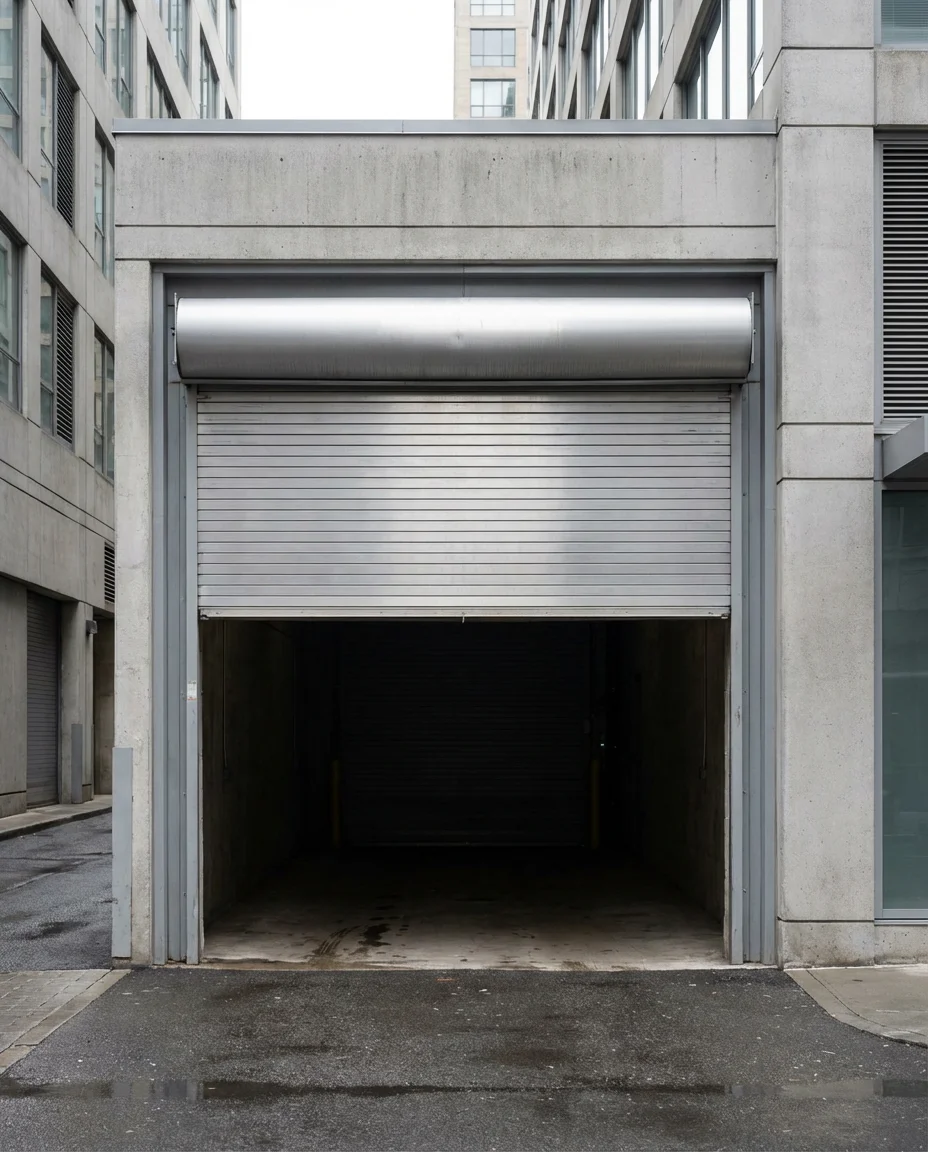
The roll-up garage door is having a genuine design moment, moving well beyond its commercial-building roots into sleek residential applications. Unlike sectional doors that swing up and back on a track, roll-up doors coil into a drum above the opening, freeing up ceiling space inside and delivering a cleaner exterior profile. They suit narrow urban garages, alley-access lots, and contemporary homes where every inch of ceiling height matters.
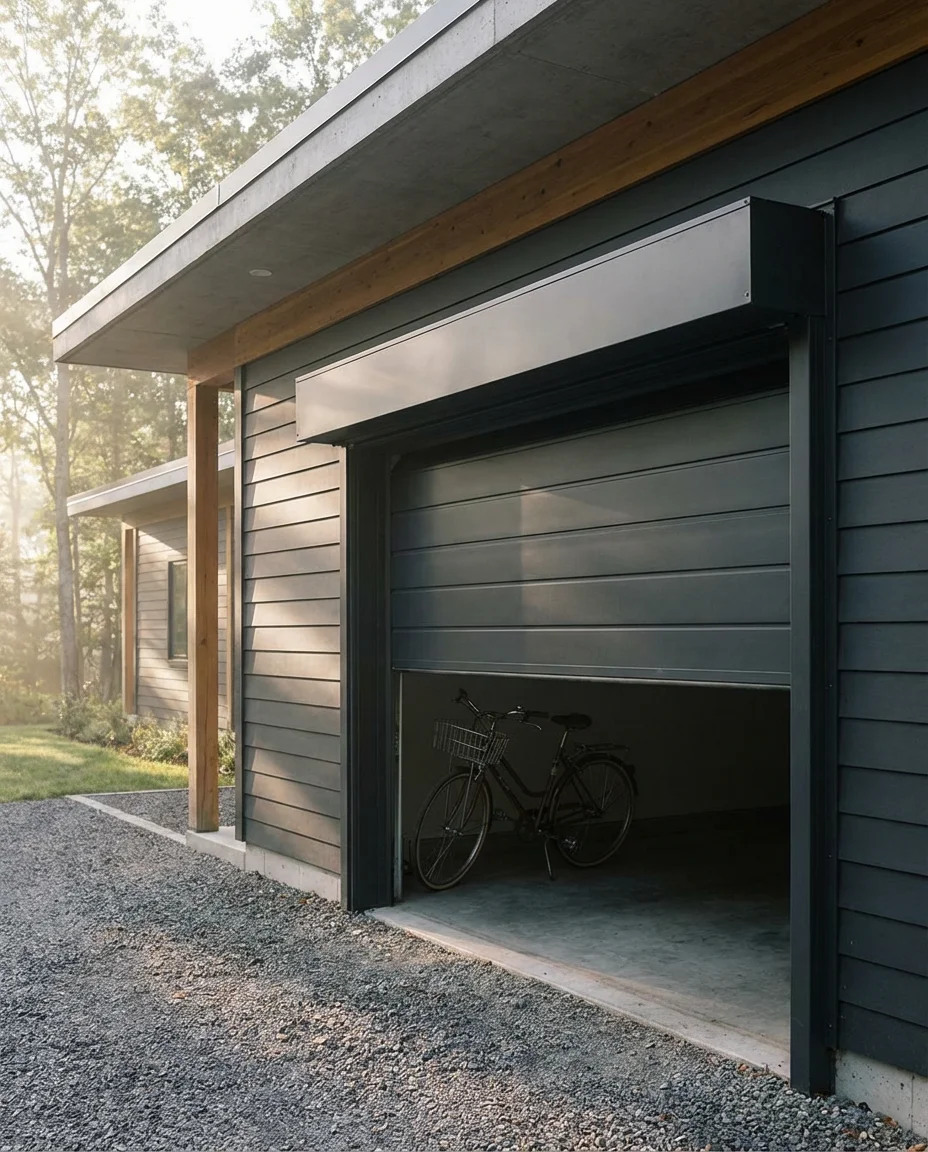
Where roll-up doors really shine is in tight urban lots common in cities like Chicago, Denver, and Seattle, where alley garages are standard. The space freed up overhead means you can hang bikes, install overhead storage, or simply enjoy a less cluttered interior. Steel and aluminum are the dominant materials, and powder-coat finishes now come in dozens of colors. If you’re converting a garage into a workshop or studio, a roll-up door also makes the space feel more open and accessible when lifted.
7. Double Garage Door in White with Black Hardware
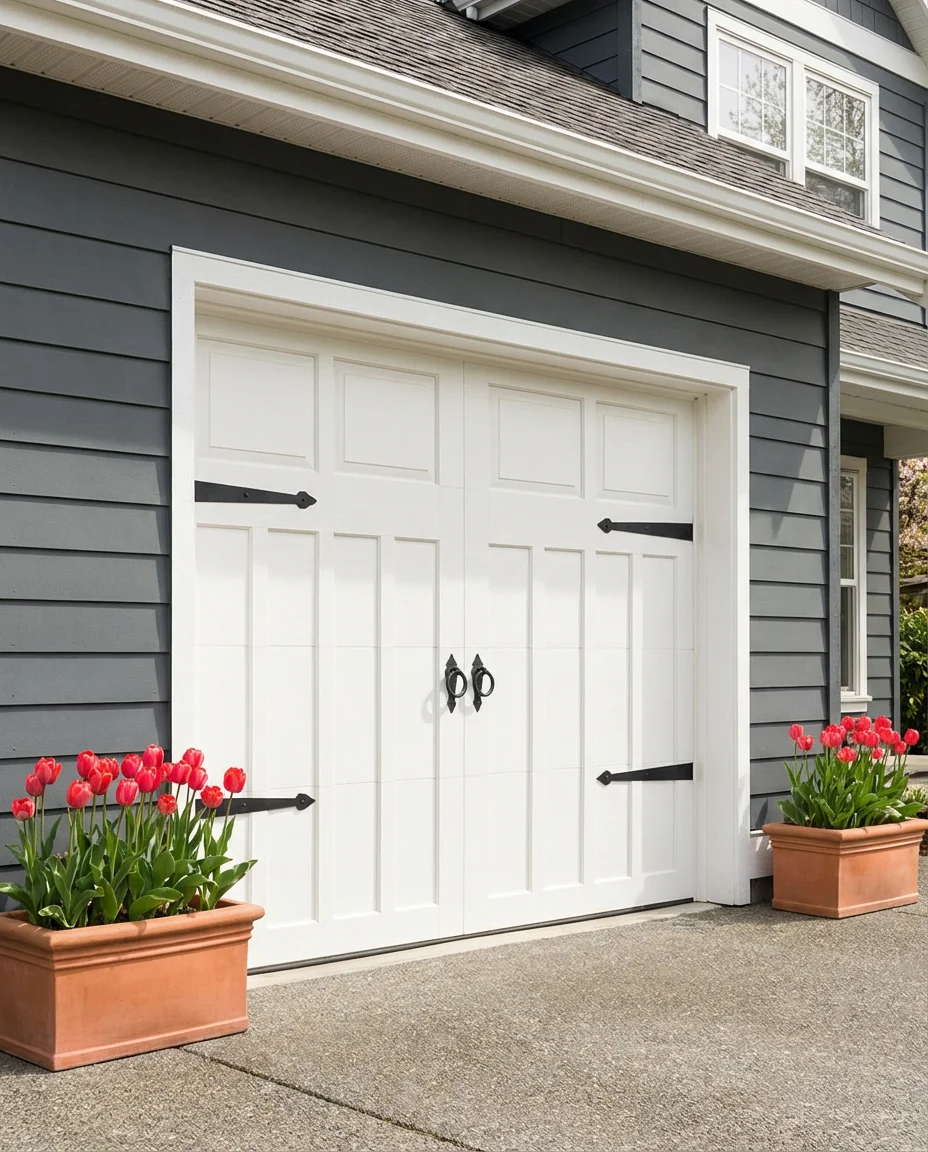
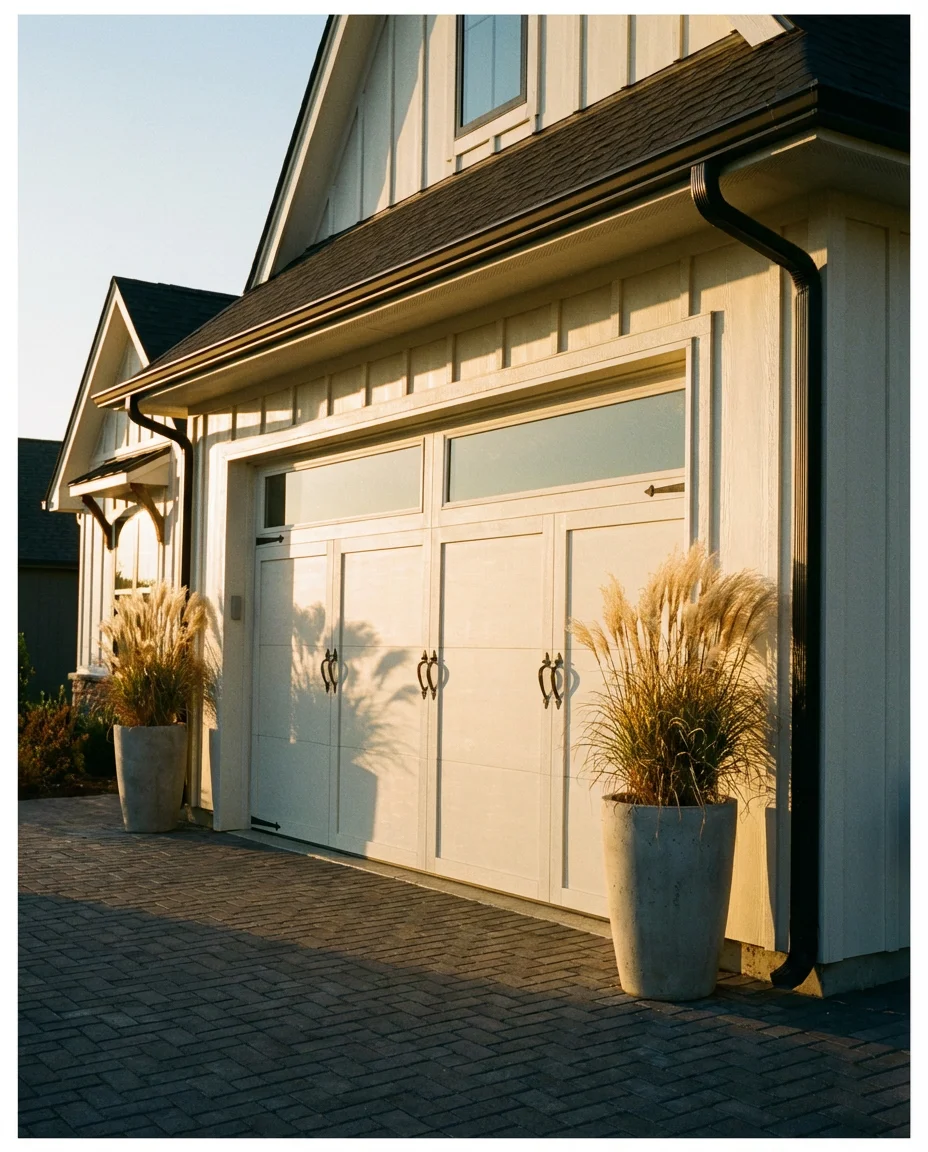
A crisp white double garage door with matte black hardware is the kind of classic combination that feels simultaneously timeless and totally current. The contrast pops against both light and dark exteriors—white on white reads as airy and refined, while white against charcoal or navy siding creates a graphic punch that photographs exceptionally well. Decorative hinges and handles reinforce the carriage house vibe without veering into pastiche territory.
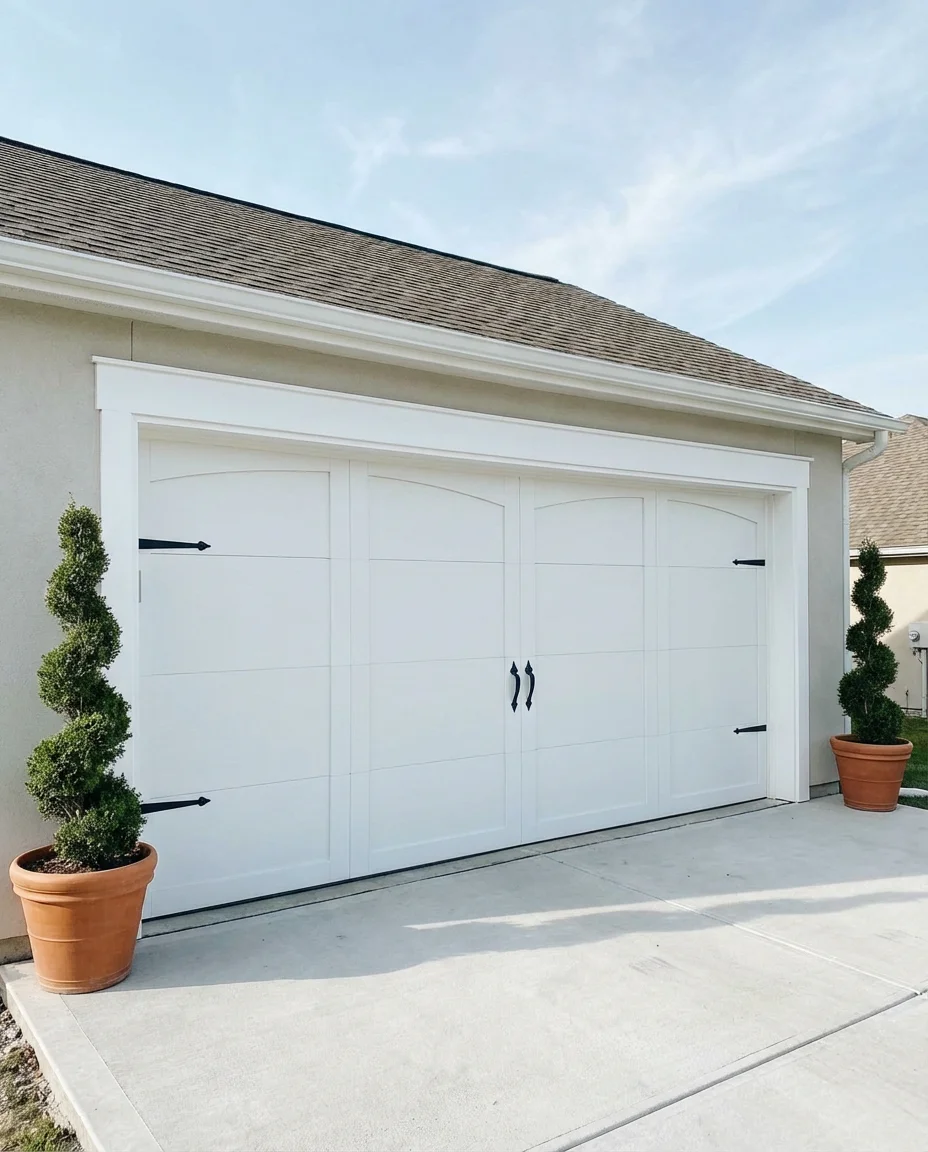
The practical insight here is about maintenance: white doors show dirt, pollen, and water stains more readily than darker shades, especially in the South and Midwest, where seasons bring everything from cottonwood fluff to road salt. A quick annual wash with a garden hose and mild detergent keeps things looking sharp. Choosing a smooth finish over a raised panel also means fewer nooks for grime to collect—a small decision that makes a big difference in how fresh the door looks year-round.
8. Interior Garage Door Ideas That Actually Work
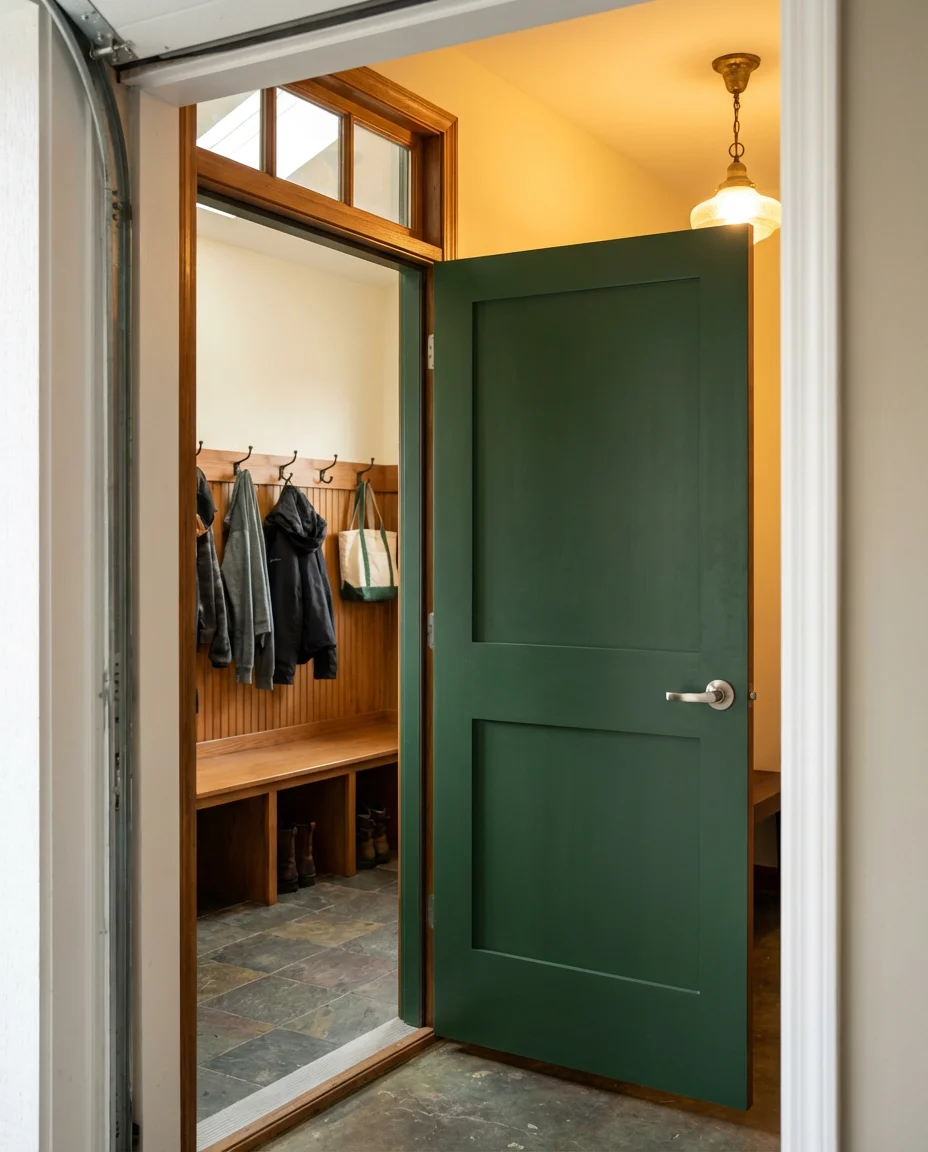
The door connecting your garage to your home’s interior gets almost no design attention—which is a missed opportunity. Whether it opens into a mudroom, a hallway, or directly into the kitchen, this door sets a tone. Swapping a hollow-core builder door for something with real presence—a solid-core panel door, a Dutch door, or even a glass-insert style—adds character and can subtly shift how the whole interior flow feels when you walk in from the garage every day.
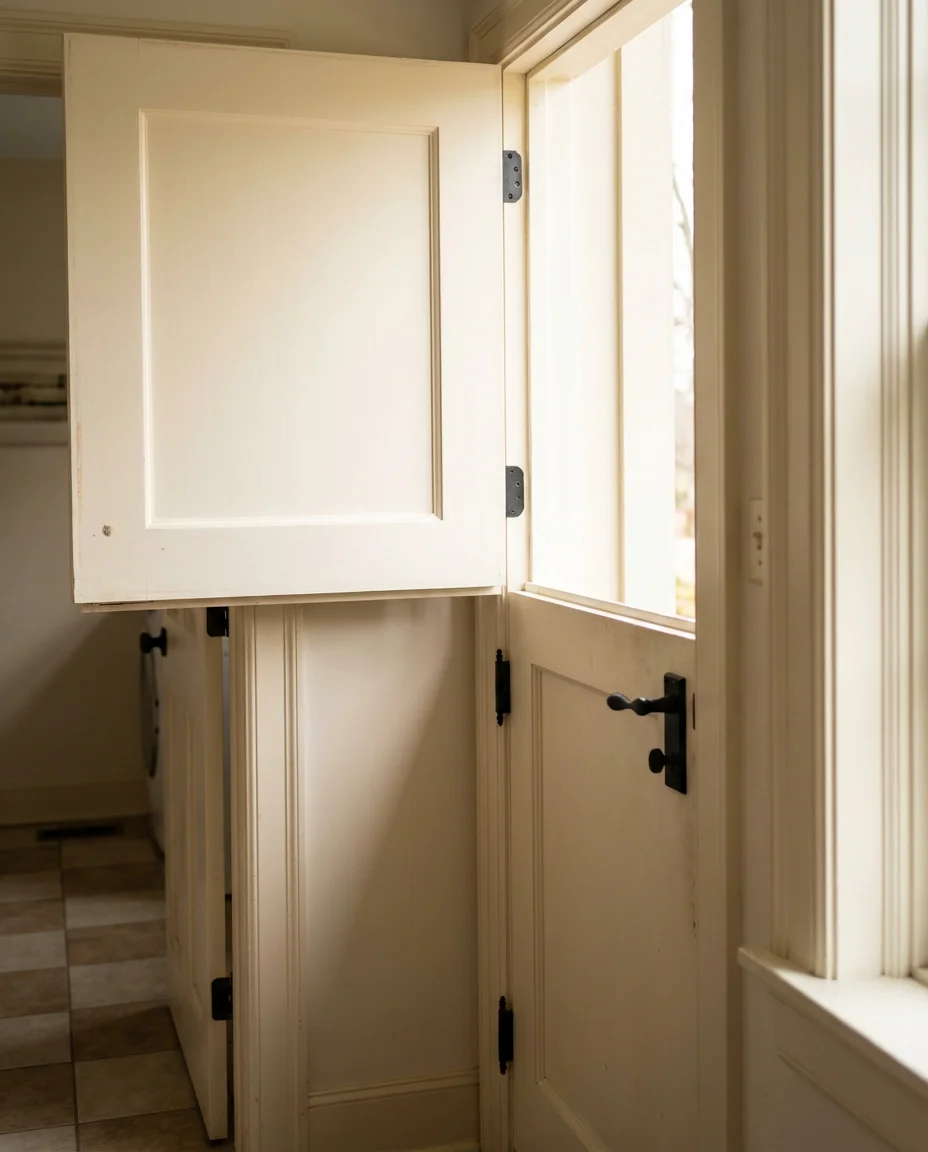
From a safety standpoint, fire codes in most states require a fire-rated door between an attached garage and living space—typically a 20-minute rated solid wood or steel door with self-closing hardware. That’s a requirement, not a suggestion. But within those parameters, there’s plenty of room to be intentional. Painting it a bold accent color, adding simple panel molding, or upgrading the hardware knob to a lever in a brushed nickel or matte black finish can make a disproportionate impact on that daily transition from car to home.
9. Kitchen to Garage Conversion Done Right
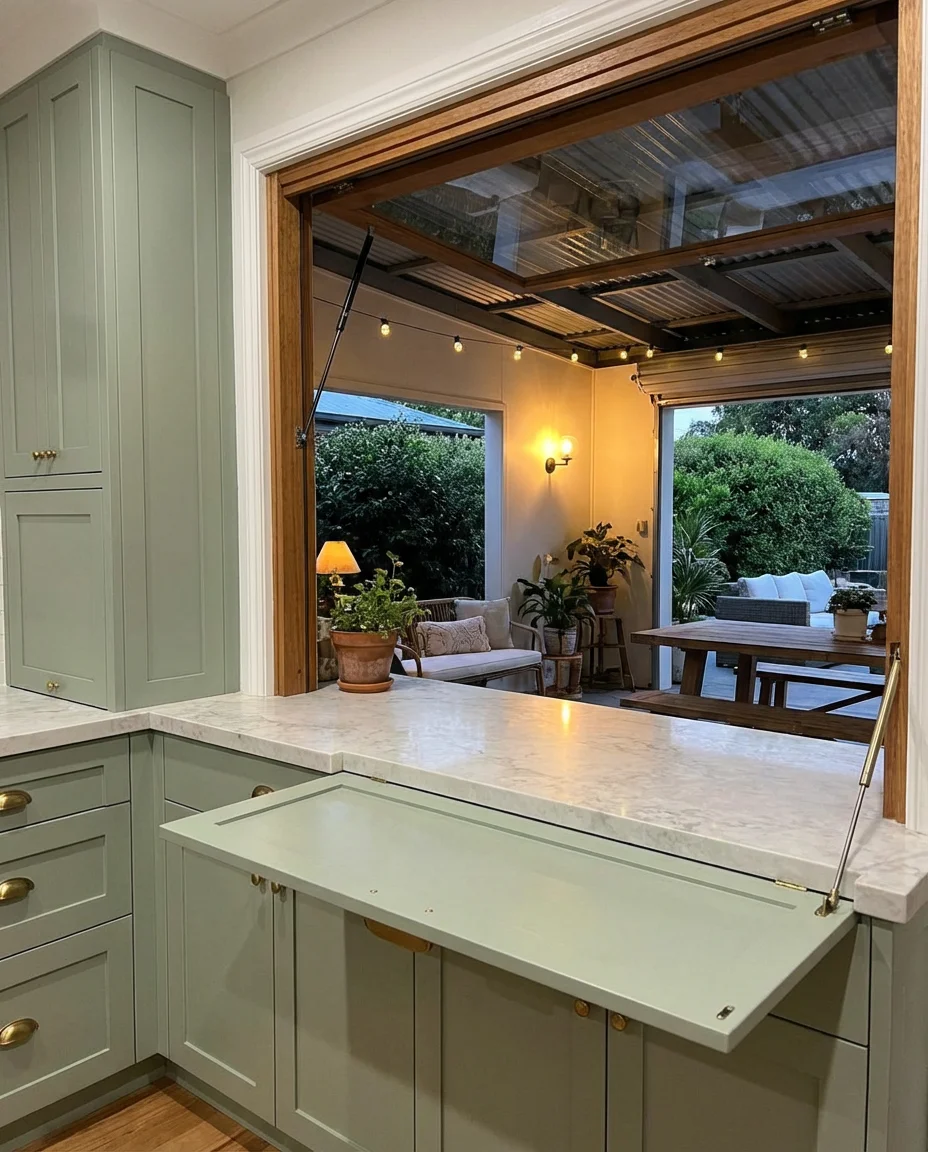
The kitchen-to-garage passthrough trend is gaining real traction in 2026, especially among homeowners who entertain outdoors. Think of it as an indoor-outdoor service window: a counter-height pass-through between the kitchen and the garage (or side patio) that lets you hand out drinks and snacks without the back-and-forth. Done well, it blurs the line between indoor prep and outdoor living in a way that makes summer entertaining feel effortless and genuinely simple.
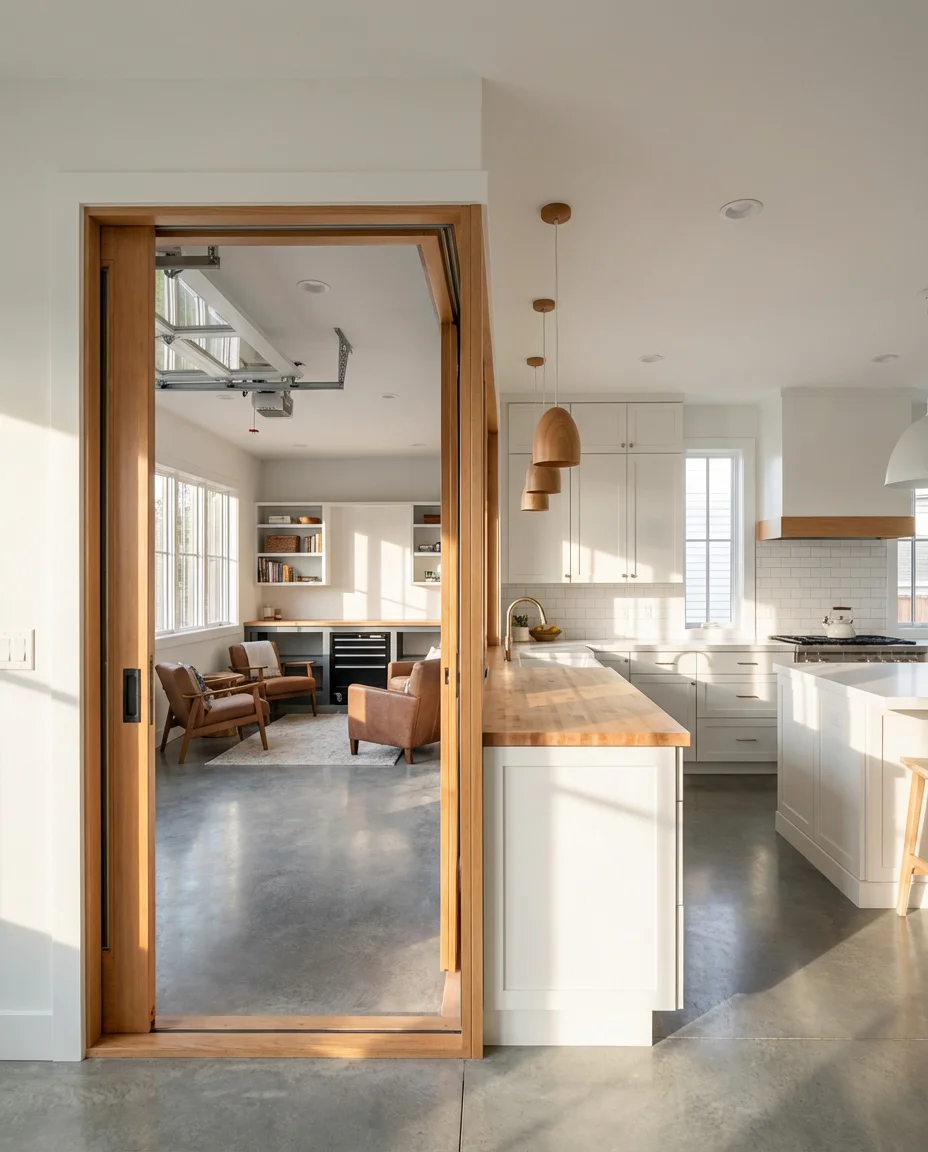
This kind of project works best in homes where the kitchen sits on the same wall as the garage or side yard, making the structural changes minimal. A sliding or fold-down window panel above a countertop opens things up beautifully. Families in warmer climates—think Texas, Florida, and Southern California—have been doing this for years, treating the garage as a fully functional extension of the home’s social space. The key design detail is continuity: matching countertop material or cabinet color across the transition keeps it feeling intentional rather than patched together.
10. Closing In a Carport to Create a Real Garage
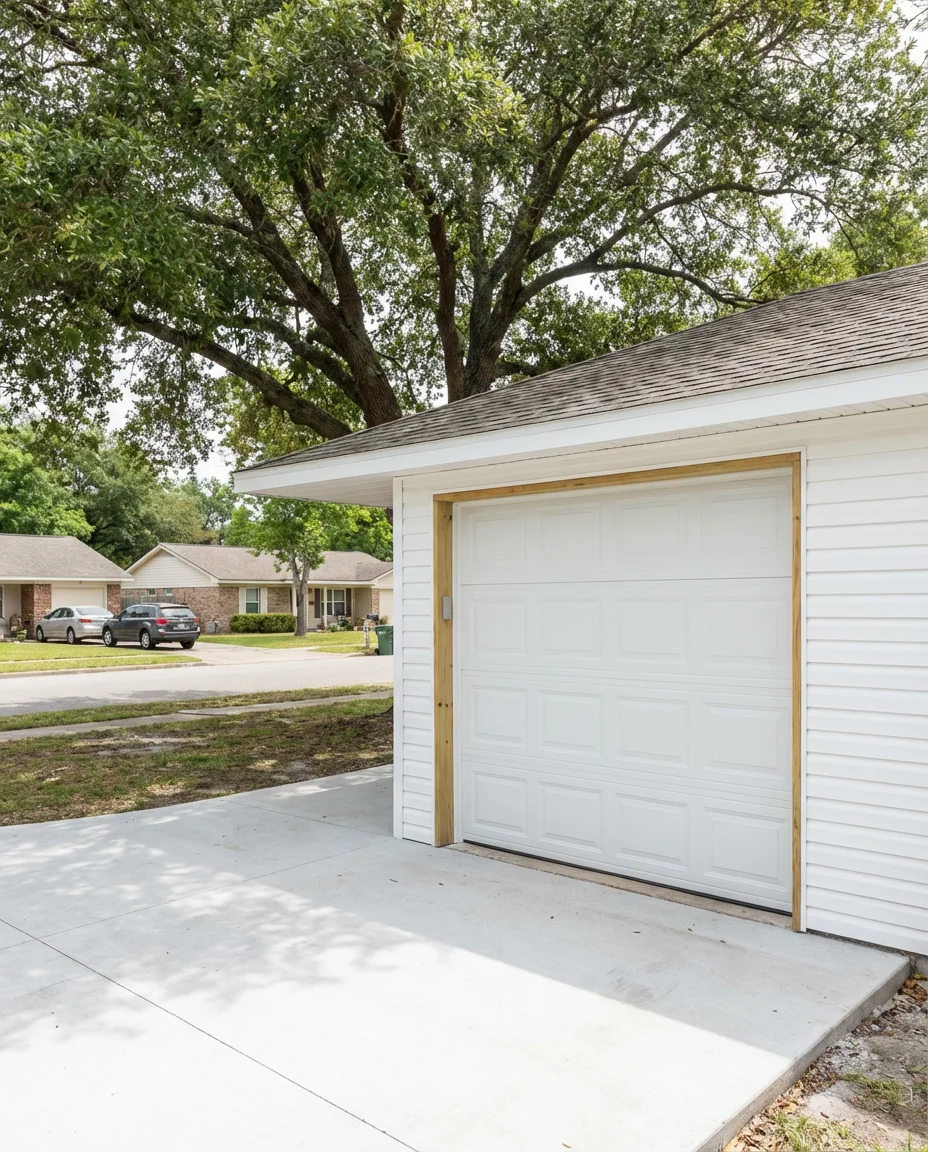
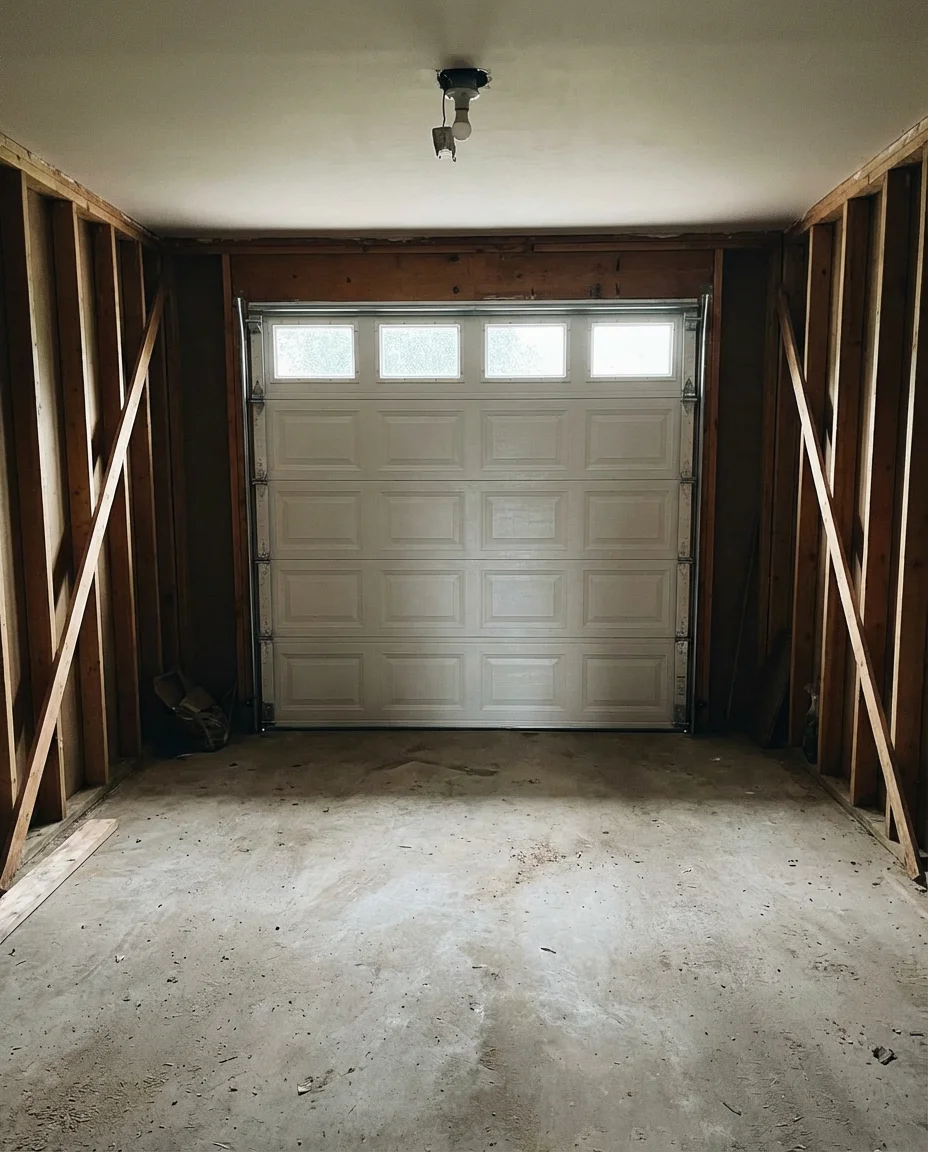
If your home came with an open carport, closing in that structure to create an enclosed garage is one of the more dramatic value-adds you can make to a property. It delivers security, weather protection, and—depending on your market—meaningful square footage that appraisers recognize. The conversion typically involves framing in walls, installing a garage door opening, and tying into the existing roof, which is often simpler than it sounds since the structural bones are already there.
Regionally, this project is especially popular in the Southeast and Southwest, where carports were standard on homes built in the 1960s and 70s. Homeowners in these areas have found that enclosing the space can add $10,000 to $30,000 in appraised value depending on the market—a return that often outpaces the project cost. Picking a garage door that complements the existing siding and roofline is the finishing touch that ties it all together, making the conversion look original rather than tacked on.
11. Closing Off the Garage for a Home Studio or Gym
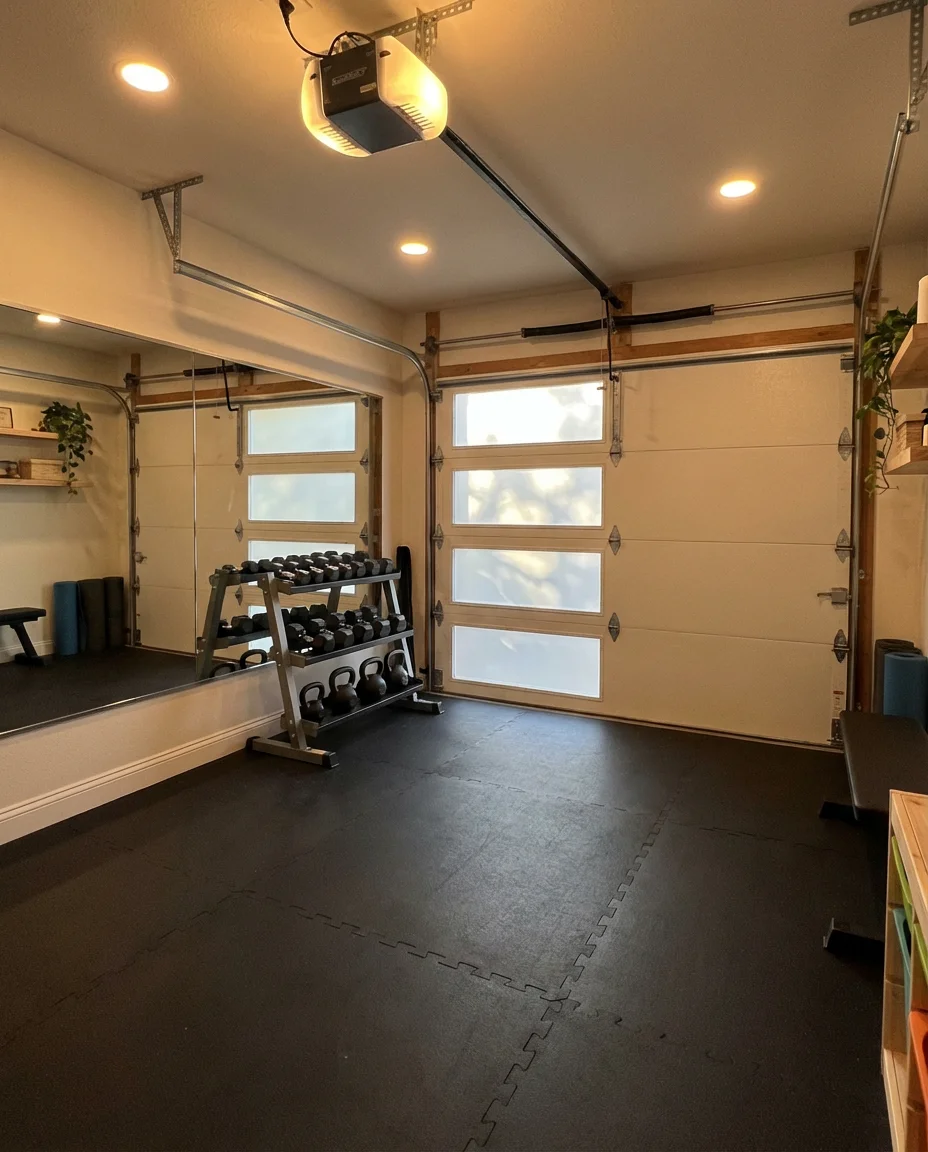
The idea of closing off a garage entirely—not for cars but for living—has exploded post-pandemic, and it’s still going strong. Converting the space into a home gym, music studio, workshop, or office requires thinking carefully about the garage door itself. Many homeowners opt to leave a functioning door in place (for ventilation and light) while insulating and finishing the interior walls, creating a hybrid space that’s flexible without being permanent.
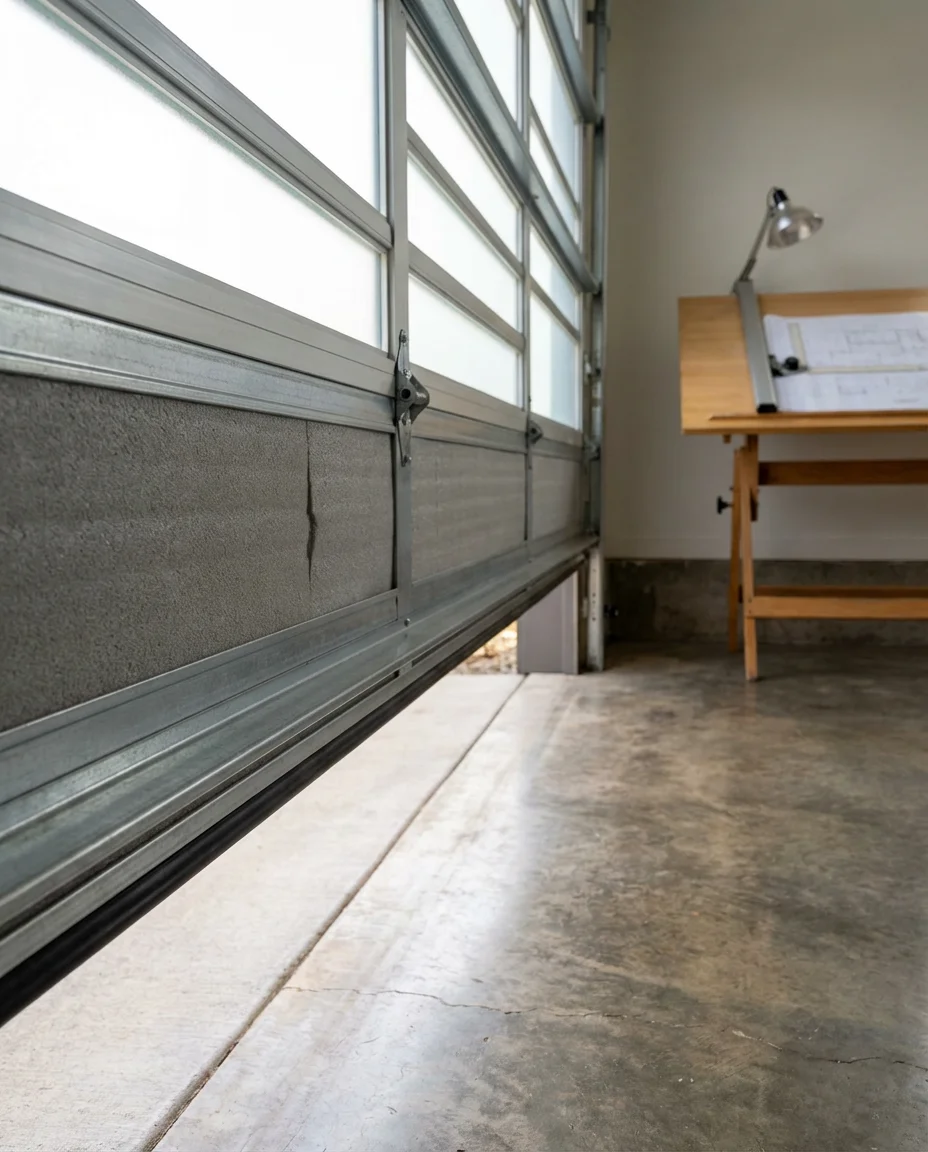
An expert in garage conversions would tell you that the most overlooked step is insulation—specifically the door itself. A standard non-insulated steel door is basically a giant heat sink in summer and a cold radiator in winter. Upgrading to an insulated door (R-12 or higher) before you invest in flooring, drywall, or equipment makes every other comfort upgrade work better. It’s not the exciting part of the project, but it’s the part that determines whether you actually use the space year-round or abandon it by February.
12. Halloween Garage Door Decorations That Impress
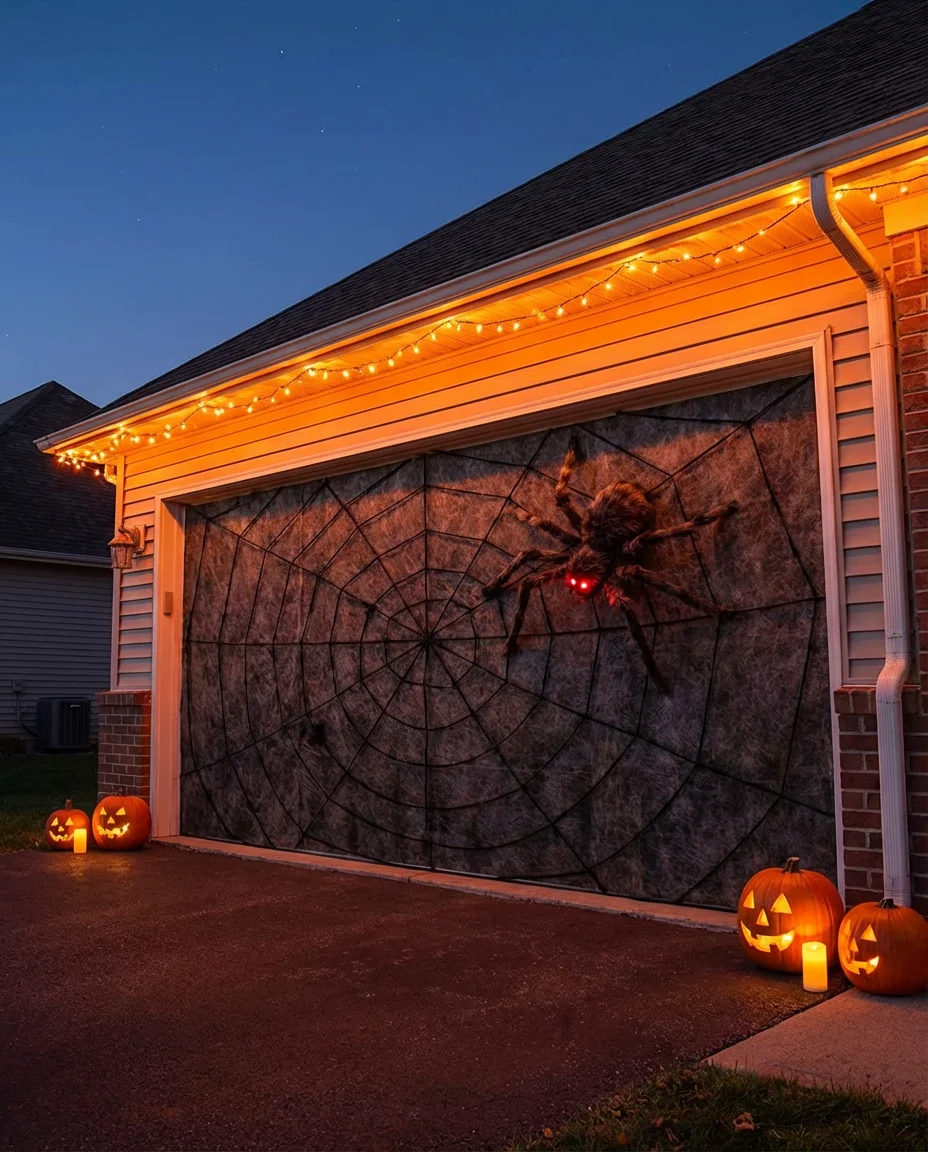
Every October, American neighborhoods transform block by block—and the garage door has quietly become one of the best canvases for Halloween decorating. Large magnetic or adhesive panels turn a standard door into a haunted mansion facade, a spider web, or a giant jack-o’-lantern grin. The curb appeal impact is immediate and dramatic, and the whole thing goes up in under an hour without a single nail or drill hole in the actual door.

The most popular approach right now involves printed vinyl murals—full-scale haunted house scenes, monster faces, or skeletal tableaus that make your two-car garage look like something out of a horror movie. They’re available on Amazon and Etsy for $25 to $80 and store flat in a closet. Families who go all-out report that the garage door decoration alone draws more compliments—and more trick-or-treaters—than all other yard decorations combined. It’s become its own kind of neighborhood theater, one panel at a time.
13. Christmas Garage Door Decorations for the Holidays
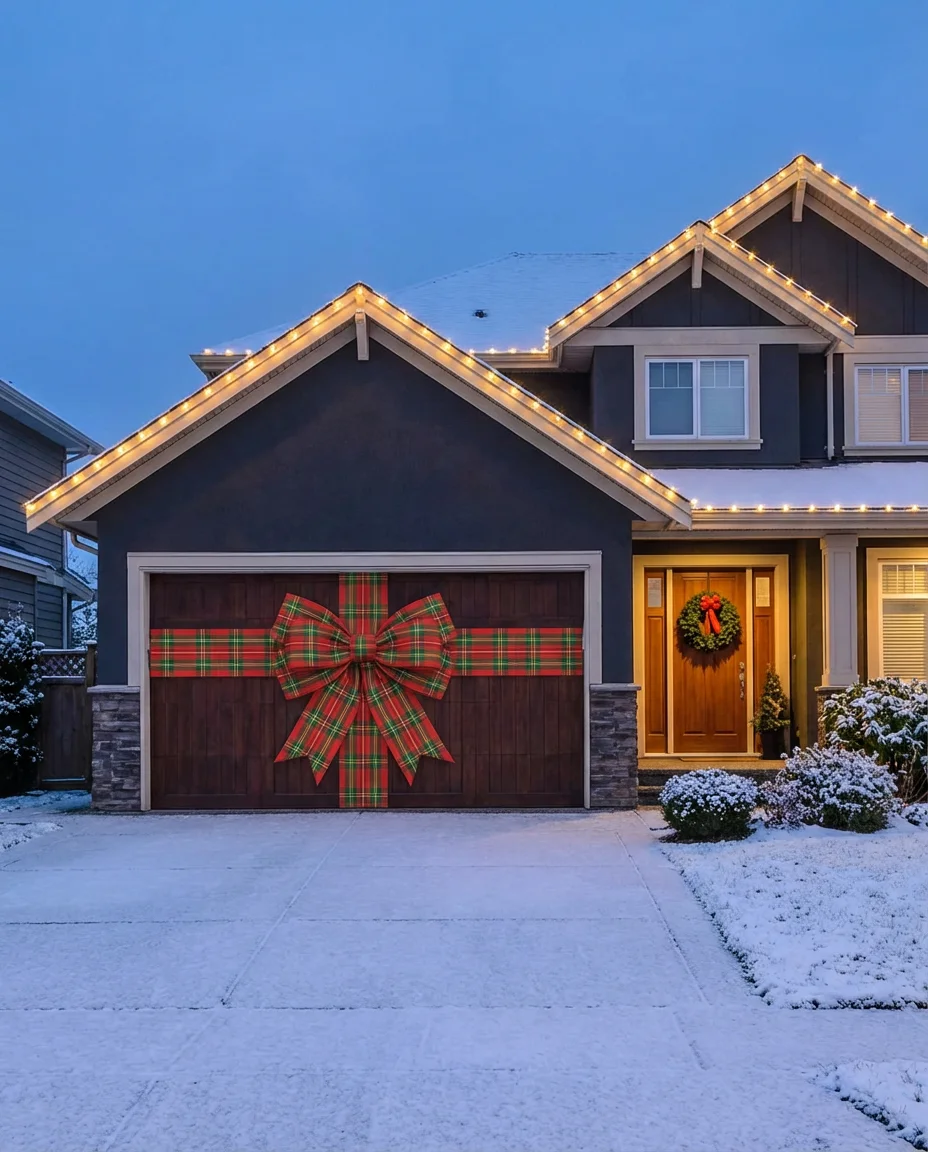
The garage door gets a seasonal wardrobe too, and Christmas is where homeowners go biggest. Magnetic holiday panels—oversized bows, gift-wrapped door covers, fireplace scenes, snowflake grids—have become a holiday staple across American suburbs. Paired with warm white string lights and a wreath centered on the door, the effect is immediately festive without looking chaotic. The double-door format actually has an advantage here: the wide canvas allows for more ambitious scenes.
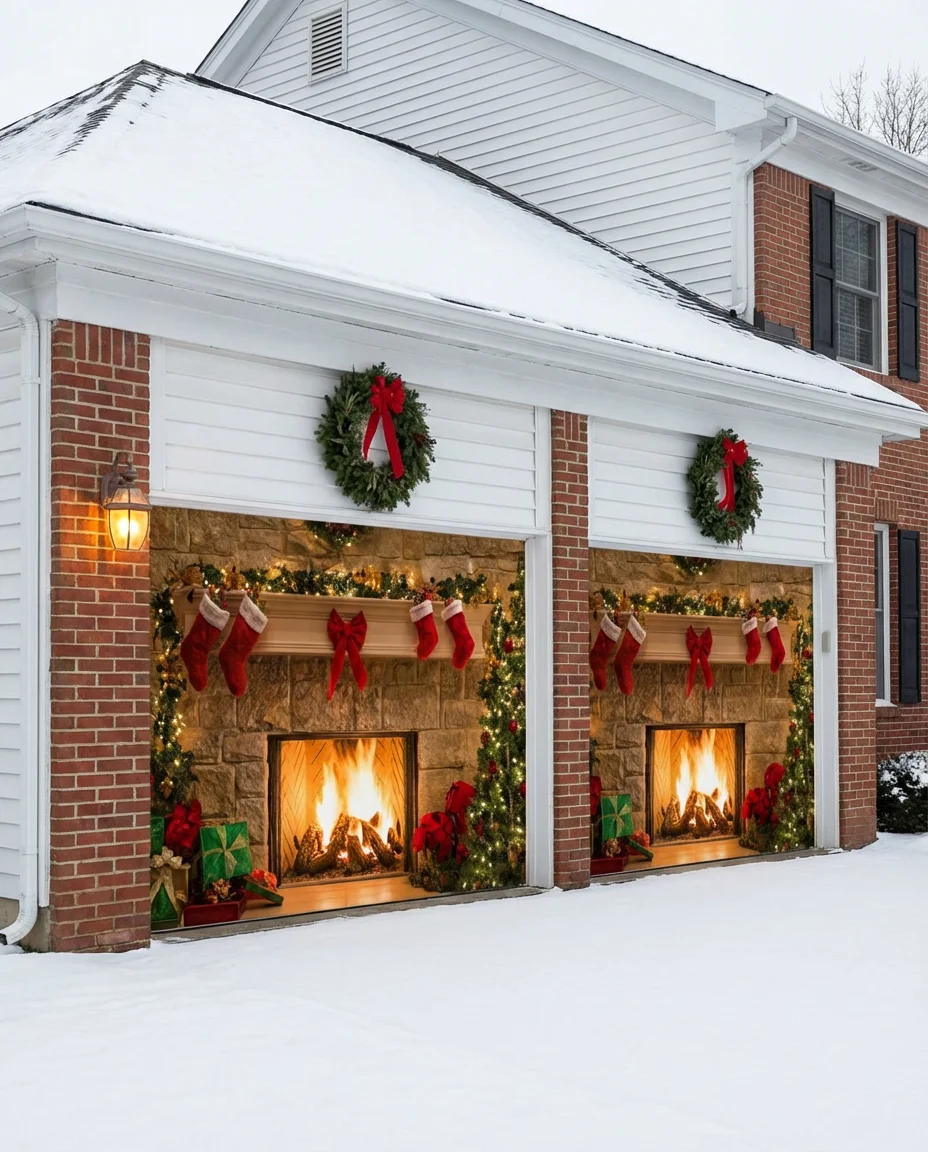
One real homeowner behavior worth noting: people who invest in a high-quality magnetic panel set—rather than the cheapest option—end up reusing them for five to seven years, making the per-season cost negligible. The difference shows in material thickness (thinner panels curl at the corners in cold weather) and print quality, which fades faster on budget versions. Spending $60 to $100 on a good set once beats spending $30 every other year on something that looks sad by New Year’s.
14. Alternative Garage Door Materials Worth Considering
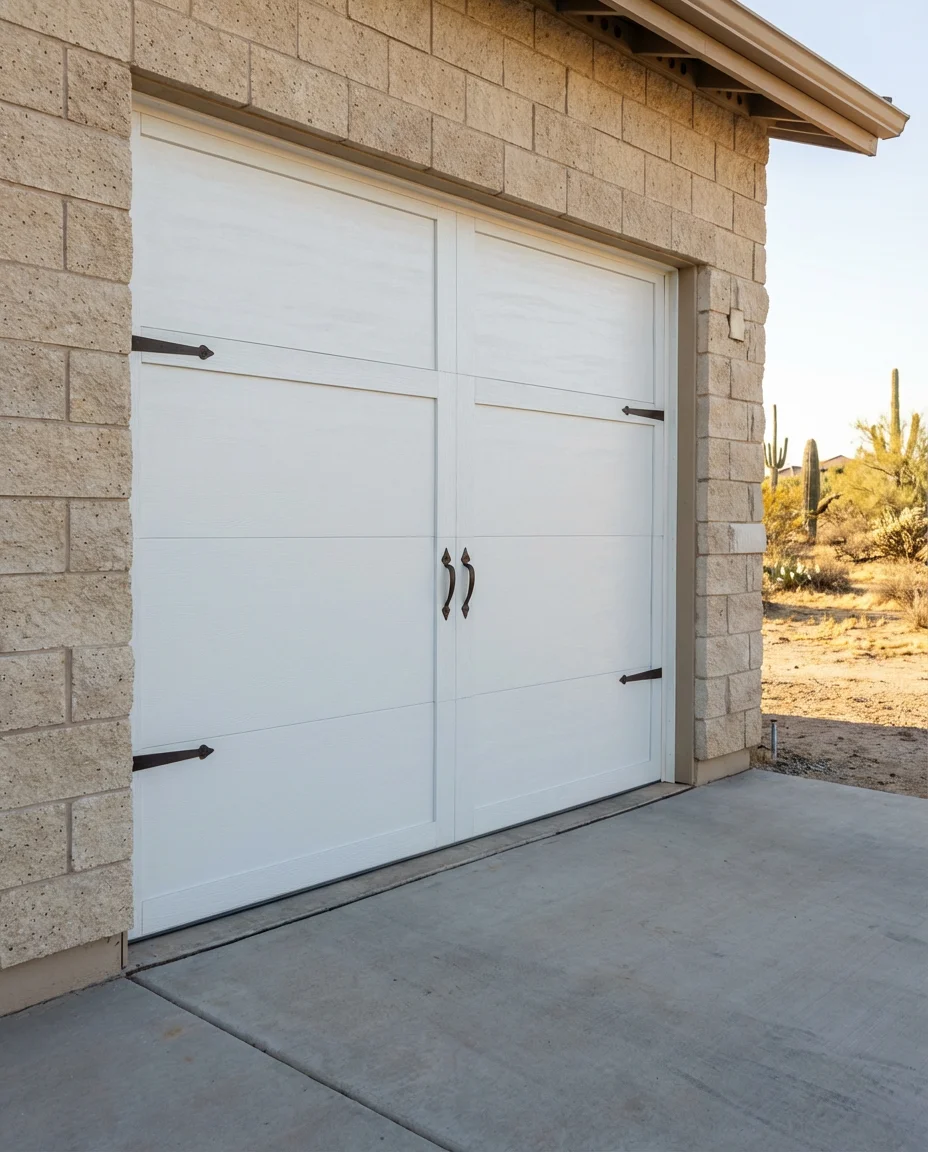
Beyond steel and wood, the world of alternative garage door materials has gotten genuinely interesting. Fiberglass and composite doors mimic the texture of natural wood without the warping or rotting. Aluminum with custom powder coating delivers a lightweight, rust-free option in virtually any color. Polycarbonate panels—translucent and tough—are showing up on ultra-modern homes where diffused natural light in the garage is actually a priority. Each material comes with its own maintenance profile and price range.
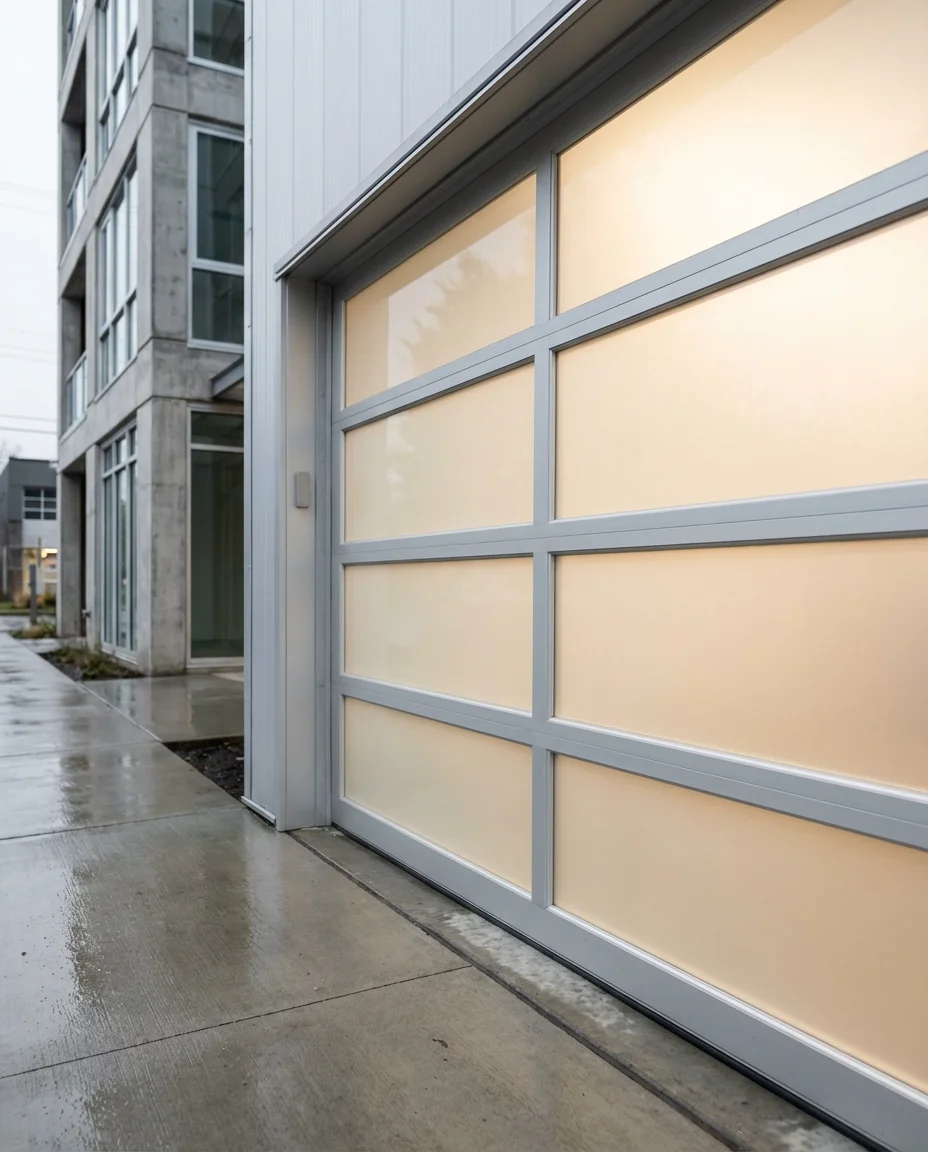
Fiberglass is particularly worth a look for coastal homes in Florida, the Carolinas, or the Pacific coast, where salt air eats through steel finishes over time. It doesn’t corrode, holds paint well, and insulates reasonably well with a foam core. The trade-off is impact resistance—fiberglass can crack if hit hard, while steel just dents. Homeowners in hail-prone areas like Colorado and Oklahoma tend to stick with steel for that reason. Knowing your climate is honestly the first filter to apply before anything else.
15. Three Car Garage Door Design Ideas
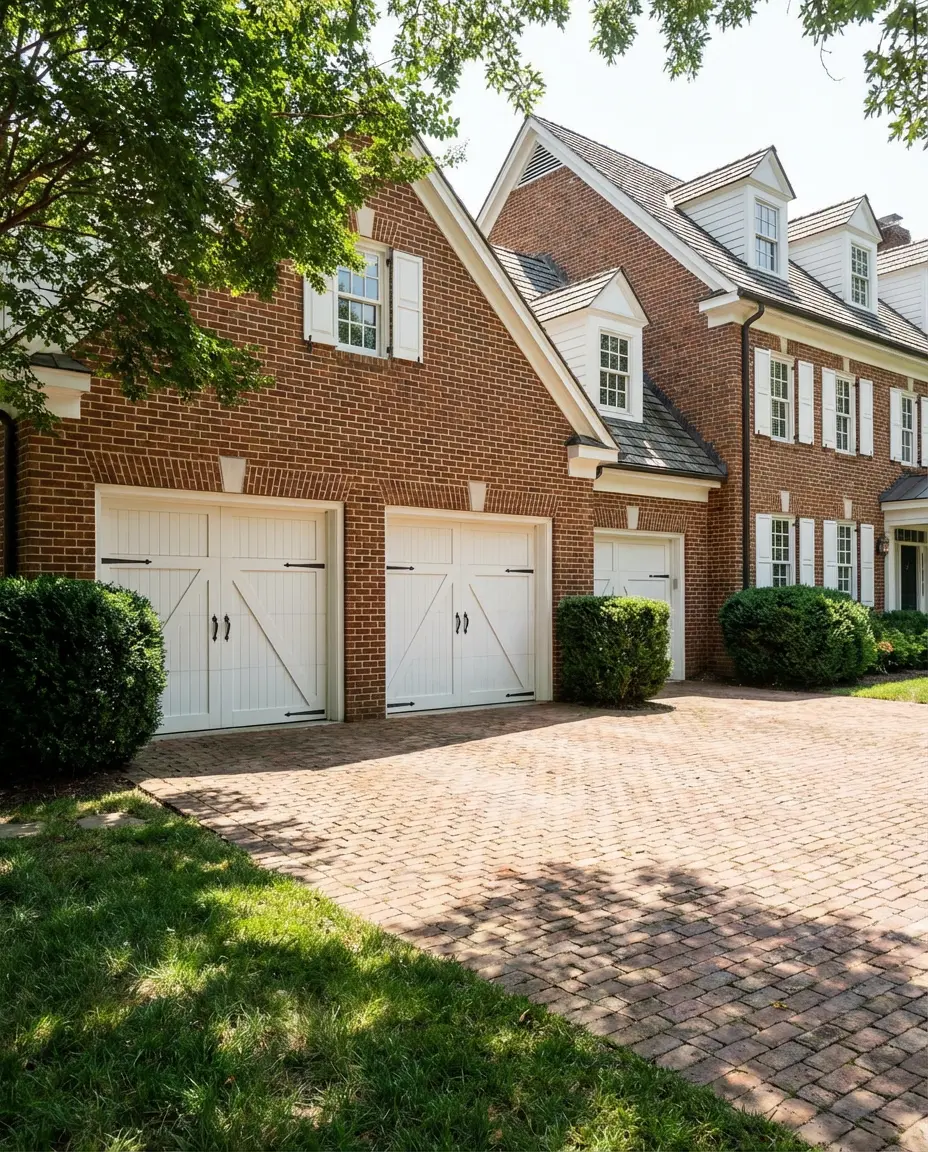
A 3-car garage brings a scale challenge that single- and double-door homes never face: how do you keep that much horizontal door from visually overwhelming the facade? The solution almost always comes down to breaking it up. Two matching doors plus a narrower single create rhythm and hierarchy. Alternatively, a single wide door with matching panel proportions and inset glass strips pulls the whole run together into something that reads as intentional rather than just enormous.
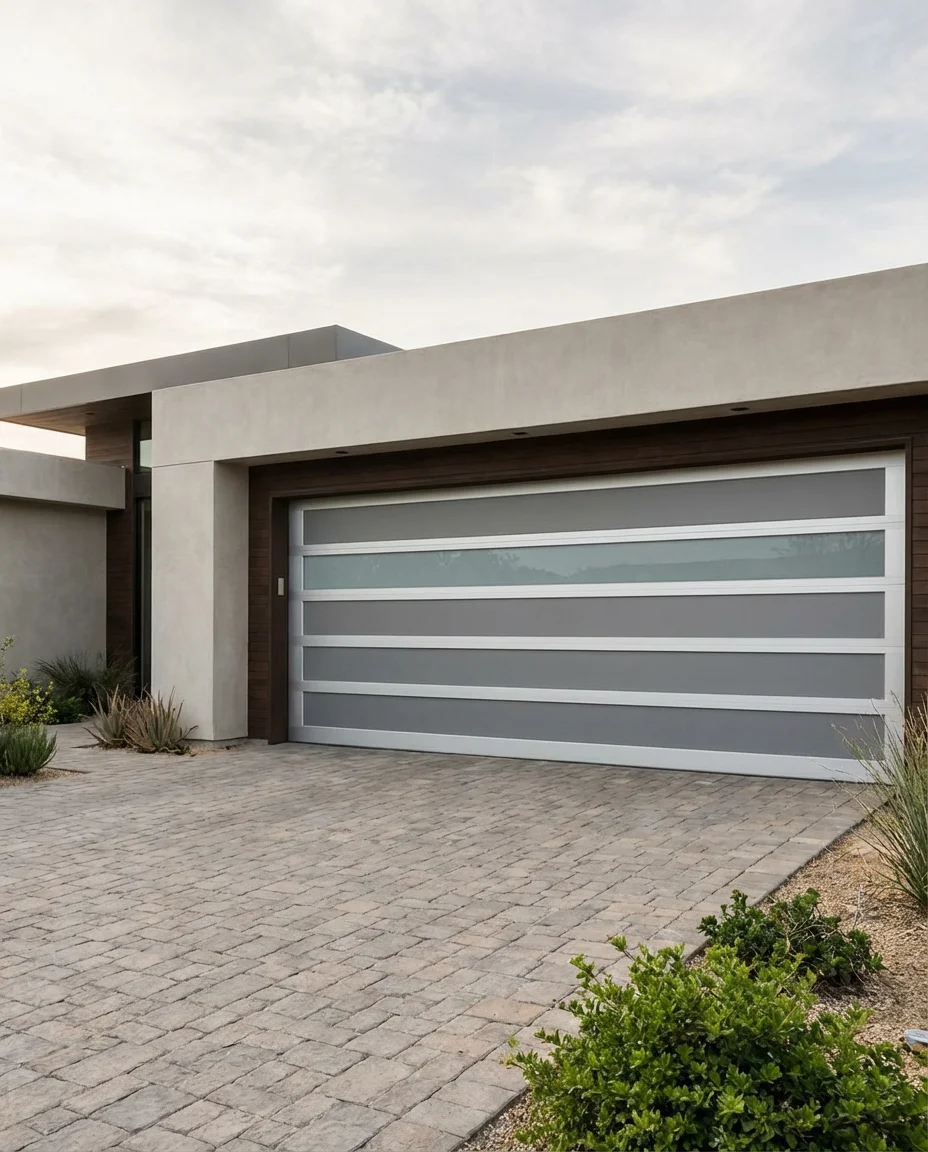
Where this works best is on larger homes—colonials, Craftsman estates, and contemporary suburban builds—where the architectural mass can absorb the scale without feeling top-heavy. Landscaping plays a supporting role too: low shrubs, flanking trees, or a long driveway with pavers all help ground a wide garage front. Design professionals working on higher-end homes often suggest matching the garage door color precisely to the siding (not just close—exact) so the door disappears slightly and lets the front entry take the visual lead.
16. Fake Garage Door Panels for a Clean Look
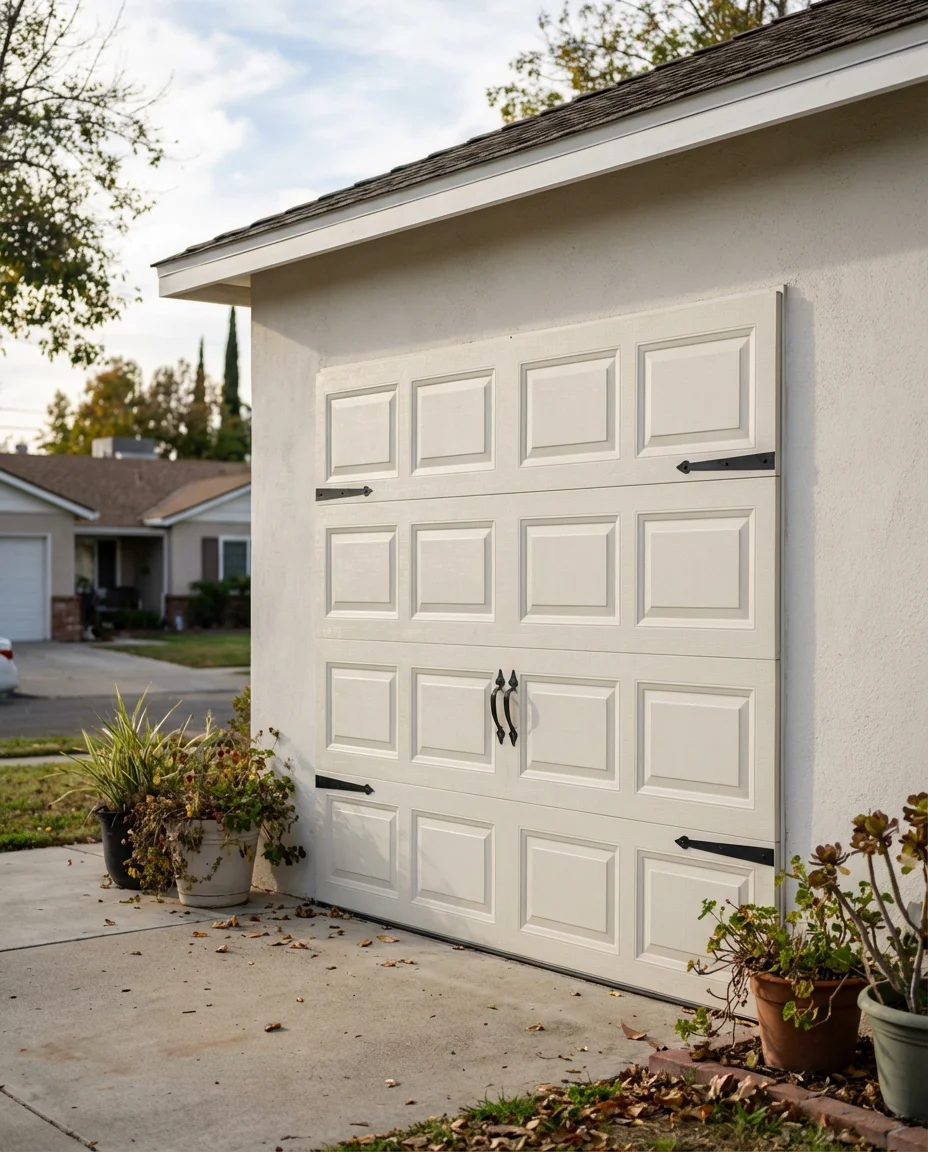
When a garage has been converted to living space, the exterior opening is sometimes bricked up or drywalled over—leaving a blank wall where a door once was. That visual gap reads as strange and unfinished. Enter the fake garage door panel: a surface-mounted decorative element that mimics the look of a real door from the street. It’s a clever workaround that restores the architectural symmetry of the facade without the cost of a functioning door installation.
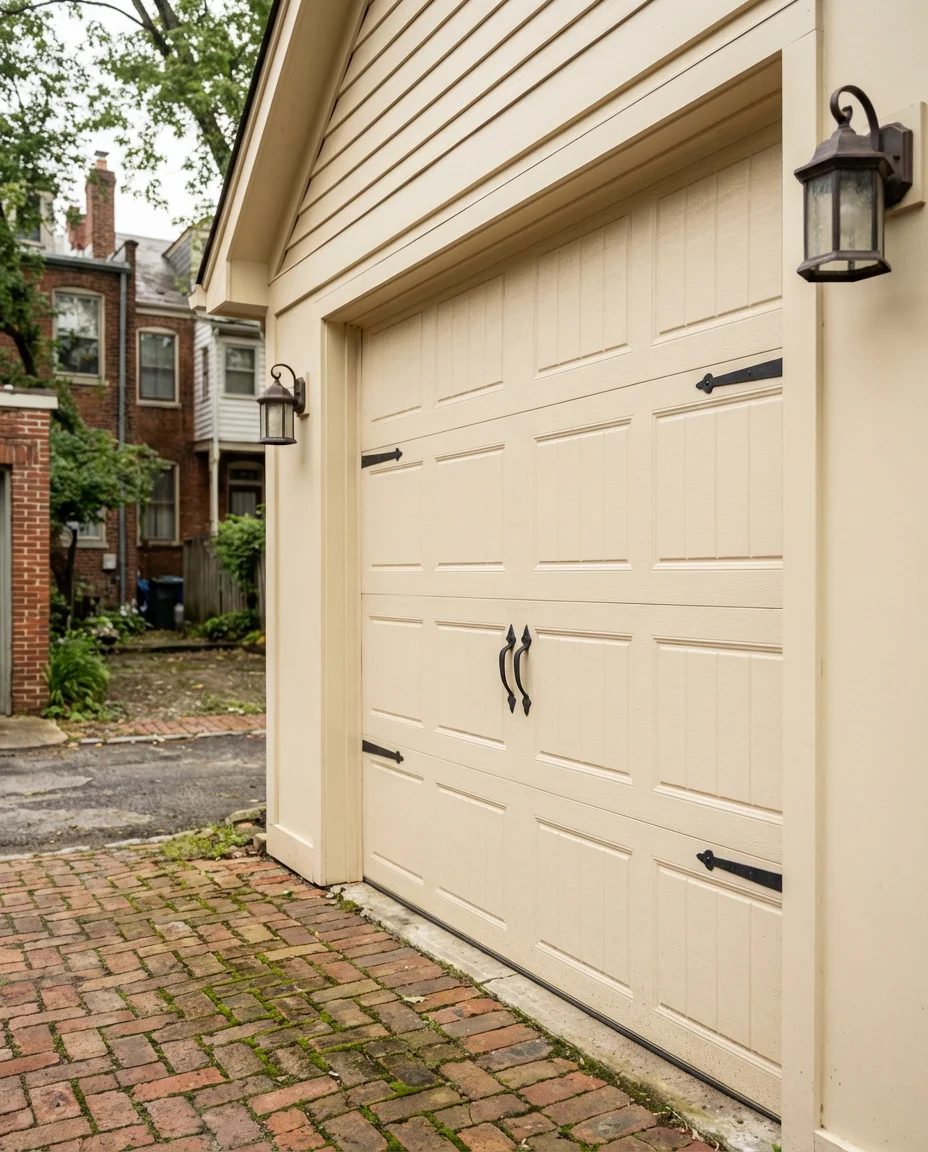
These panels are typically made from PVC or composite and are painted to match the surrounding siding or the aesthetic you’re going for. From the street, they’re genuinely convincing—especially when hardware accents like hinges and handles are added. It’s a particularly common fix in urban neighborhoods where garages have been converted to ADUs (accessory dwelling units), a trend accelerating across California, Oregon, and Washington as housing density increases and zoning laws loosen up.
17 Simple Garage Door Upgrade Ideas on a Budget
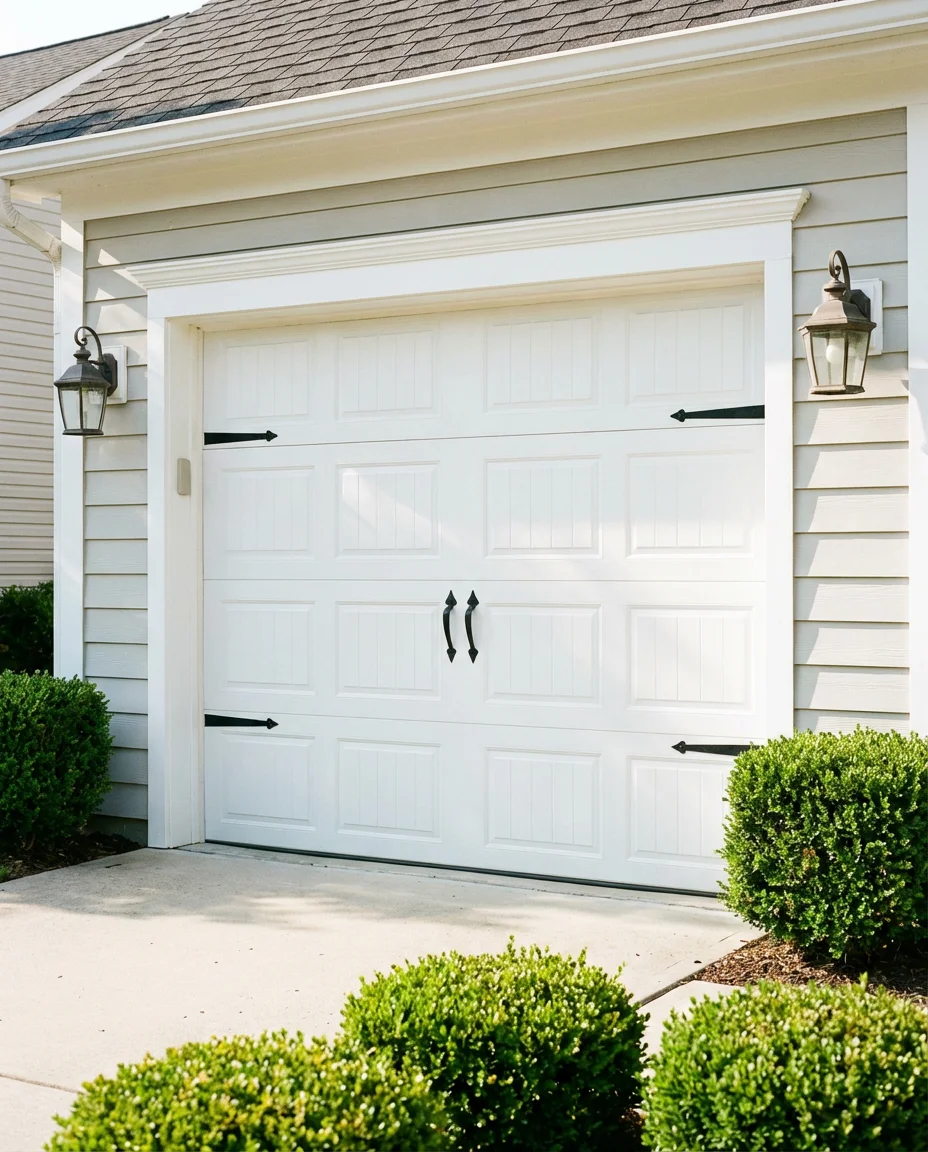
Not every improvement requires a full replacement. Some of the most effective garage door updates are beautifully simple: adding decorative hardware, replacing weatherstripping, applying new paint, or installing coach lights on either side of the door. Each of these changes costs under $200 and can be done in an afternoon. Combine them, and you get a door that looks like it had a professional refresh rather than a budget band-aid.
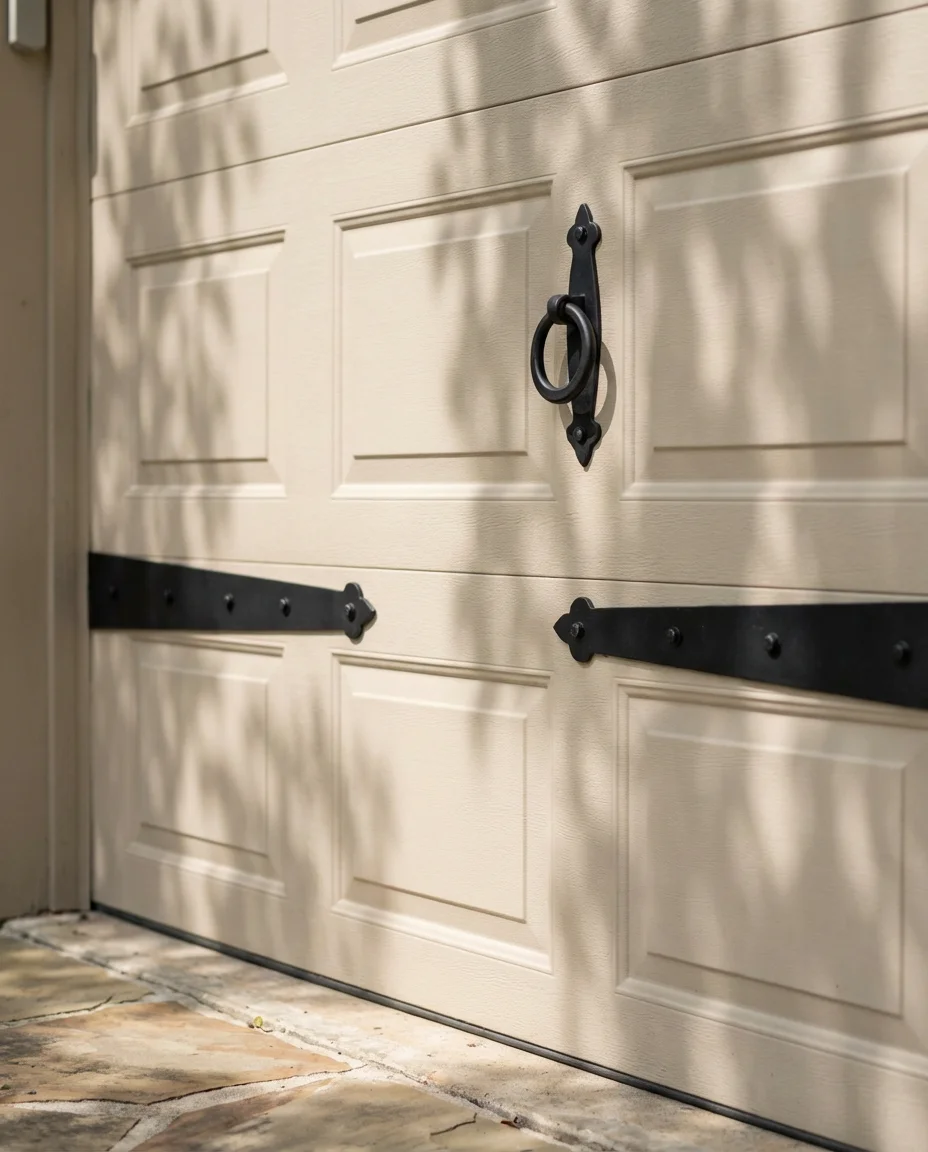
The biggest mistake homeowners make with budget upgrades is doing only one thing and calling it done. A freshly painted door with old, sagging weatherstripping still reads as neglected. A set of new hardware on a faded, dented door looks out of place. The magic is in doing three or four small things together—paint, hardware, lights, and clean landscaping edging along the driveway—so the cumulative effect reads as intentional, not piecemeal. The total investment is usually $300 to $500 for a transformation that looks like $3,000.
18. Patio Garage Door Conversion for Outdoor Living
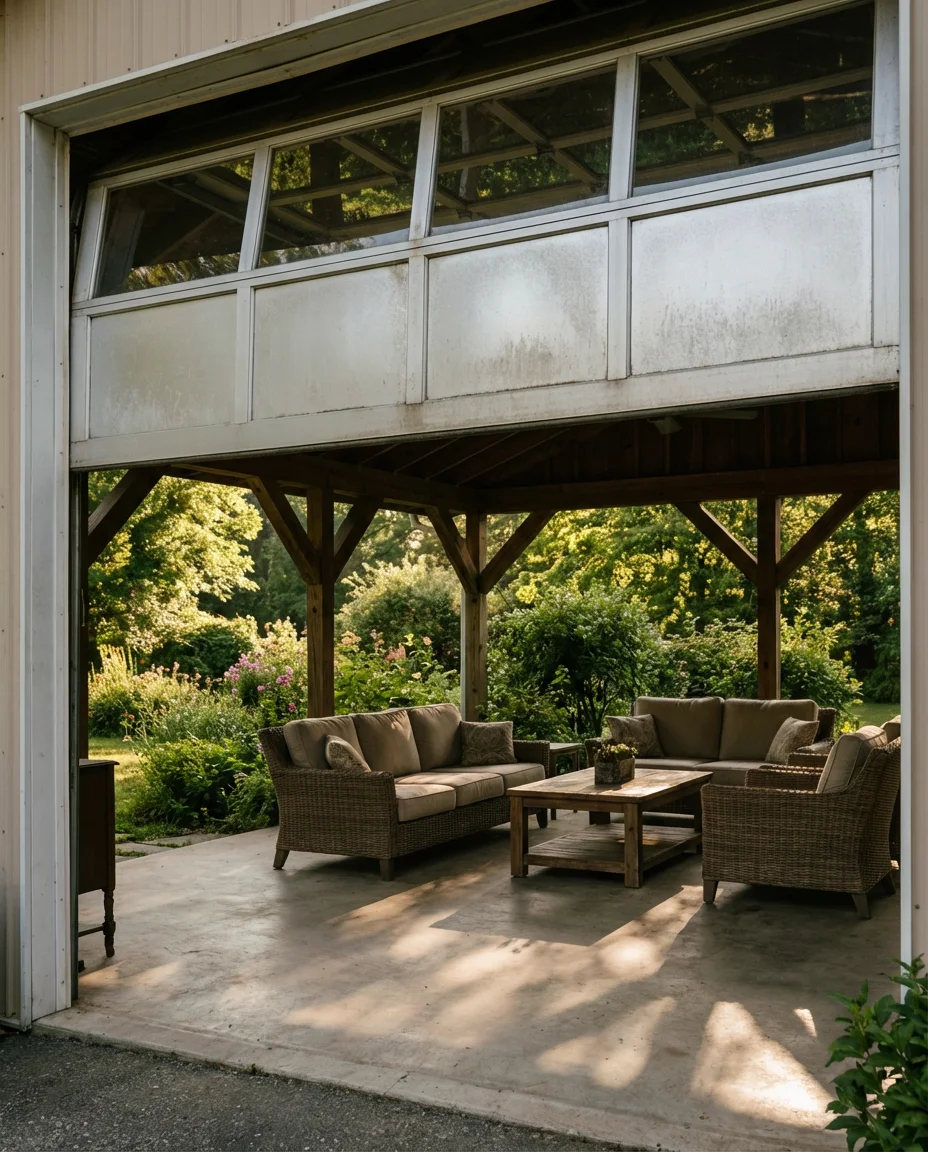
One of the most exciting ideas in residential design right now is using an oversized garage-style door on a patio or covered outdoor room—essentially treating the garage door as a wall that disappears. These large-format aluminum or steel doors fold or slide open fully, erasing the boundary between inside and out. It works brilliantly on covered patios, backyard pavilions, and pool houses where you want the breezy, open feel of a porch but the weather protection of a room.
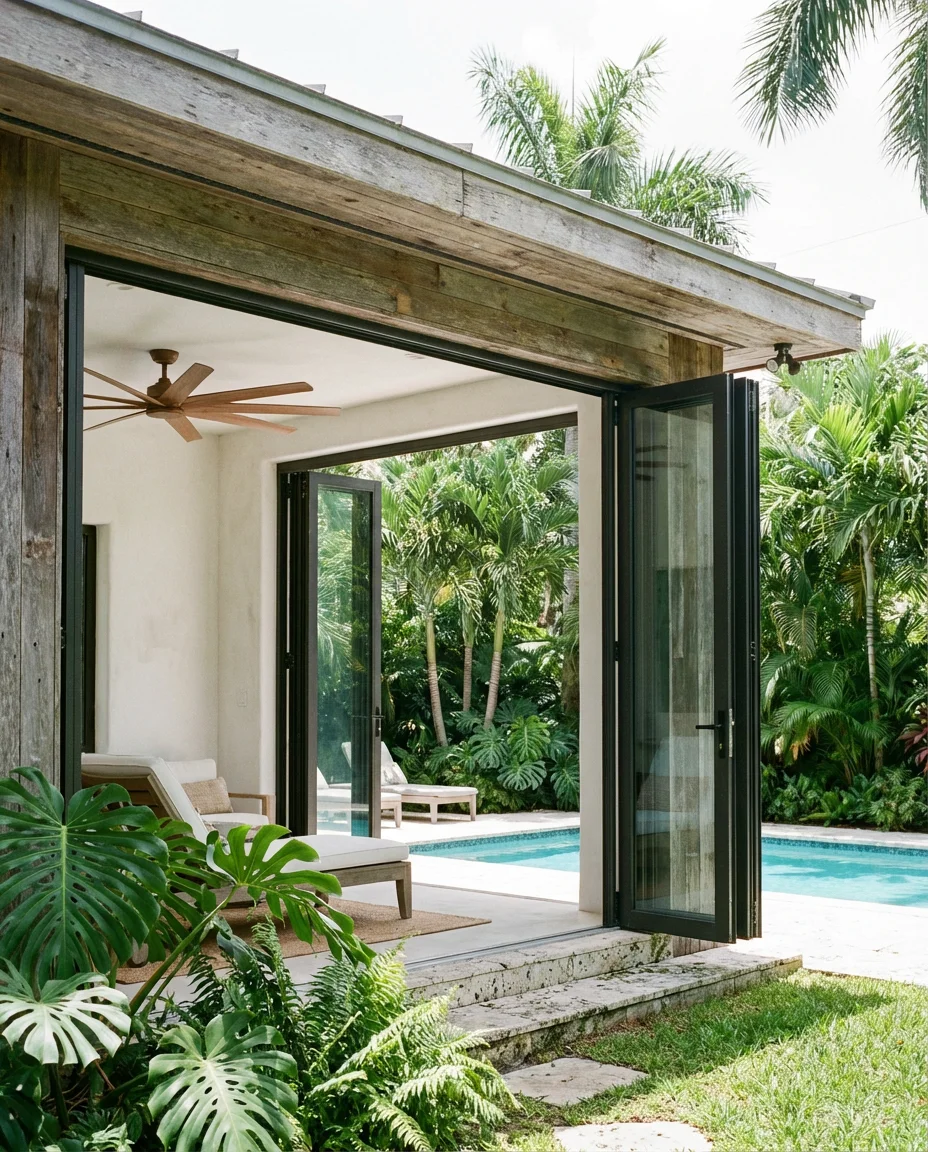
This application has deep roots in California and Florida, where indoor-outdoor living is a year-round lifestyle rather than a three-month luxury. Increasingly, though, homeowners in the Midwest and South are adopting it for three-season spaces—rooms that stay open from April through October and close up against the cold in winter. A screen version of the same format adds another layer of functionality, keeping bugs out while letting the breeze in during those perfect spring evenings when you don’t want walls at all.
19. Appliance Garage Inside the Kitchen—A Clever Storage Idea
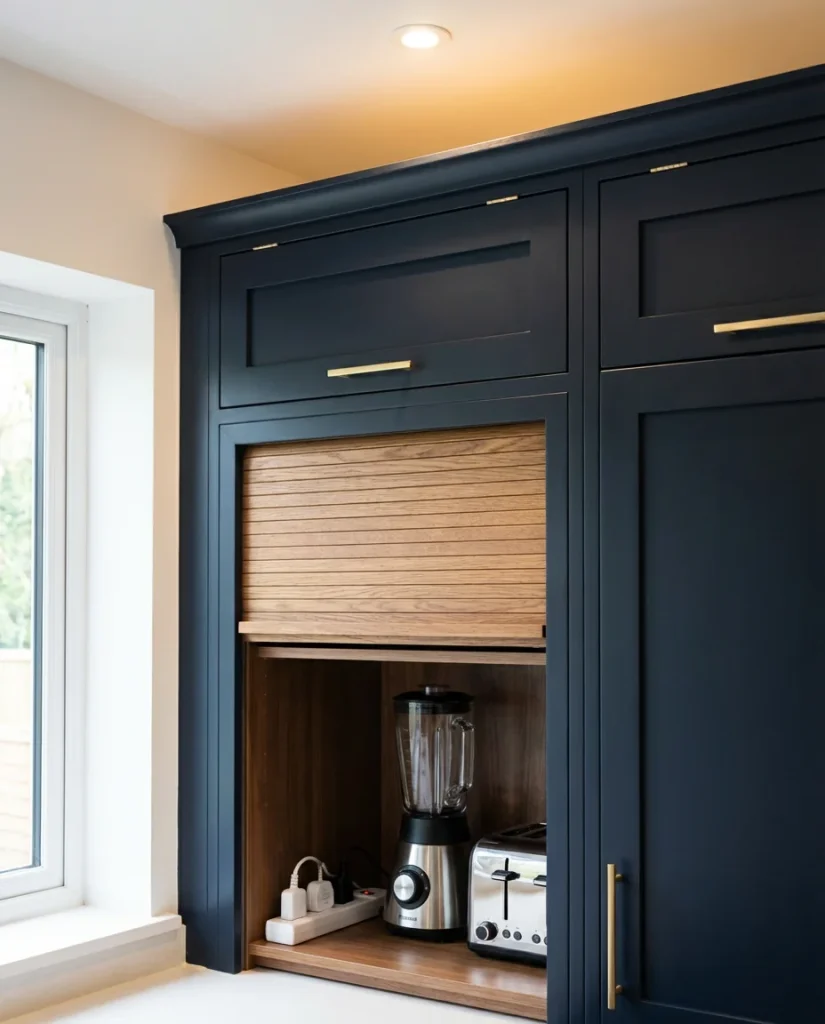
The appliance garage is one of those kitchen design ideas that sounds almost too simple until you live with one. It’s a cabinet section with a roll-up or tambour door that hides your toaster, coffee maker, blender, and other small appliances behind a clean panel. When you need something, the door rolls up in seconds. When you don’t, the counter looks spotless. For anyone who has fought a losing battle against kitchen clutter, this is genuinely life-changing.
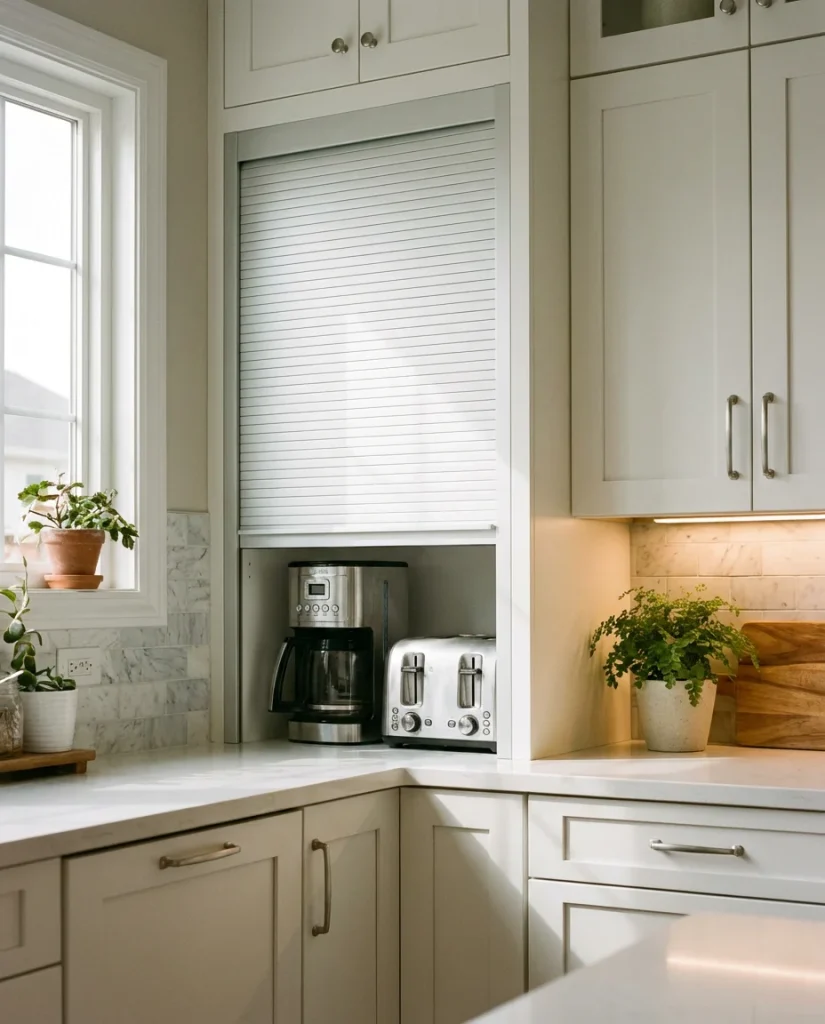
Appliance garages typically sit at counter height, tucked under wall cabinets in the corner or along a stretch of backsplash. The interior is usually outfitted with a power strip so appliances stay plugged in and ready—you never have to dig out a cord. Kitchen designers consistently rank appliance garages among their most requested features in remodels because they solve a universal problem elegantly. The tambour door mechanism is the detail to pay attention to: a well-made one glides smoothly for years; a cheap one starts sticking within months.
20. Glass Panel Garage Door for Natural Light
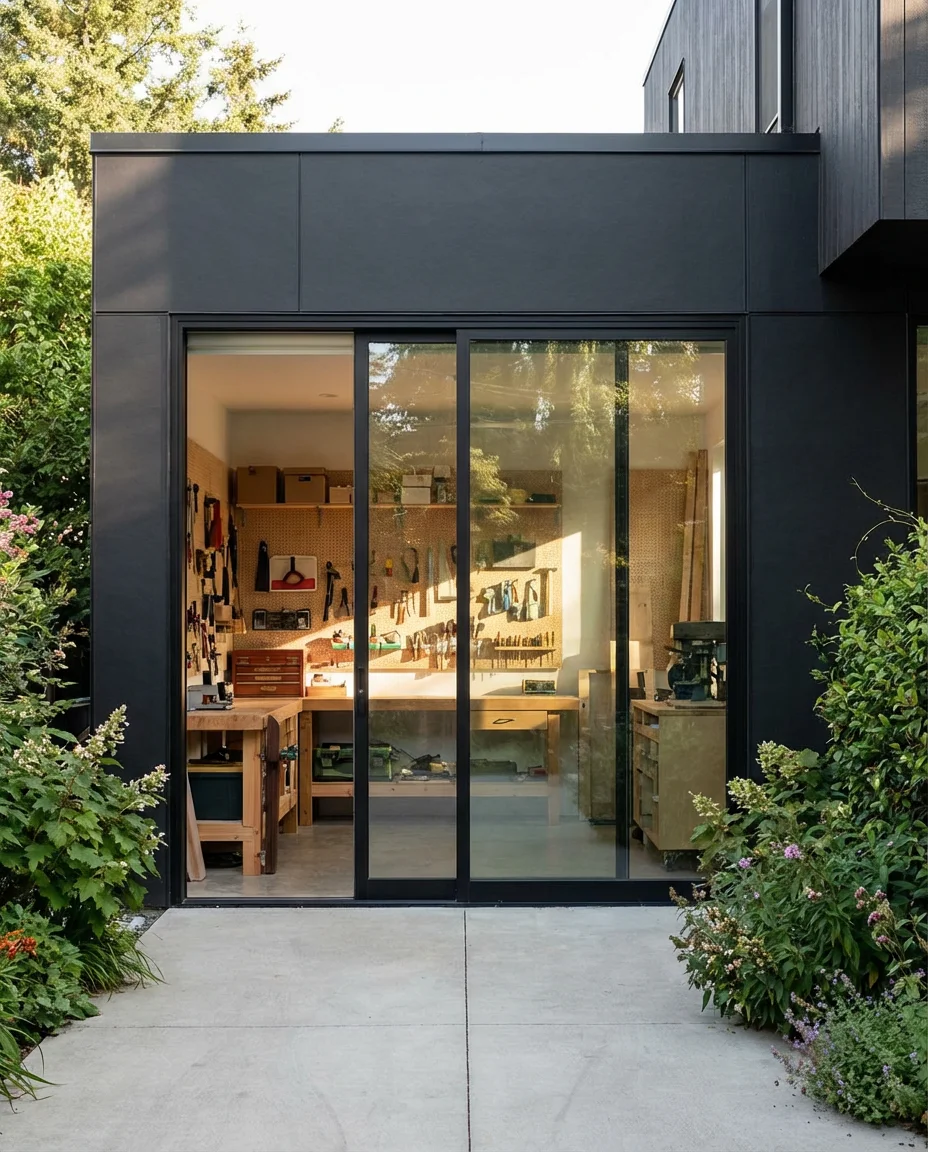
A full glass panel garage door—the kind where most or all of the door surface is glazed—is having a serious moment in residential design. Frameless or slim-frame versions in aluminum or steel let natural light flood an interior space, transforming what was once a dark, utilitarian box into something that feels almost like a room. The effect is especially stunning when the garage faces a garden, a tree line, or a view worth looking at every morning.
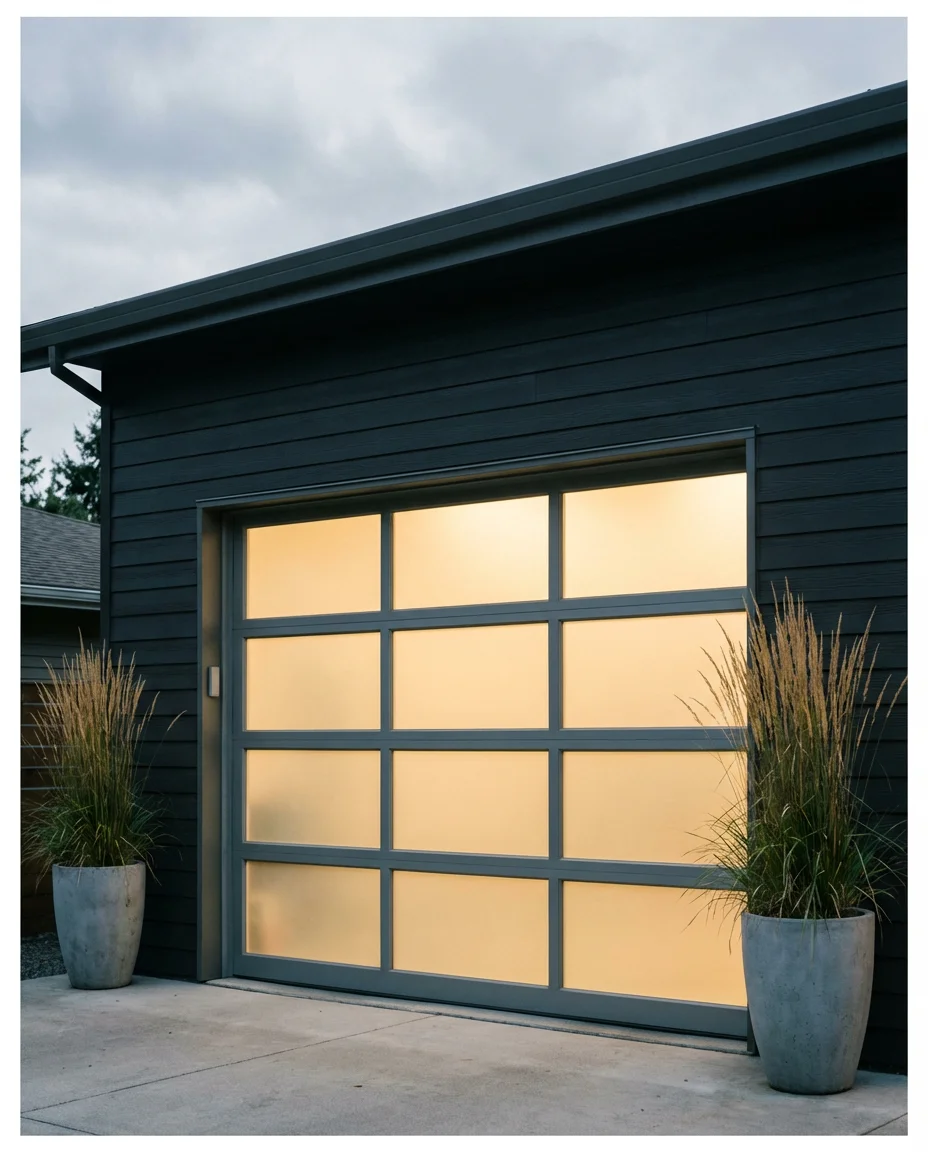
Frosted, tinted, or tempered clear glass all behave differently in terms of privacy and heat gain. For a garage that doubles as a workshop or studio, frosted panels let in diffused light without broadcasting your interior to the street. For a showcase garage or car enthusiast space, clear panels make a bold and intentional statement. In warm climates, low-e glass is worth the upgrade cost—it reduces solar heat gain significantly, keeping the space usable even in July without air conditioning running constantly.
21. Wooden Garage Door in a Natural Finish
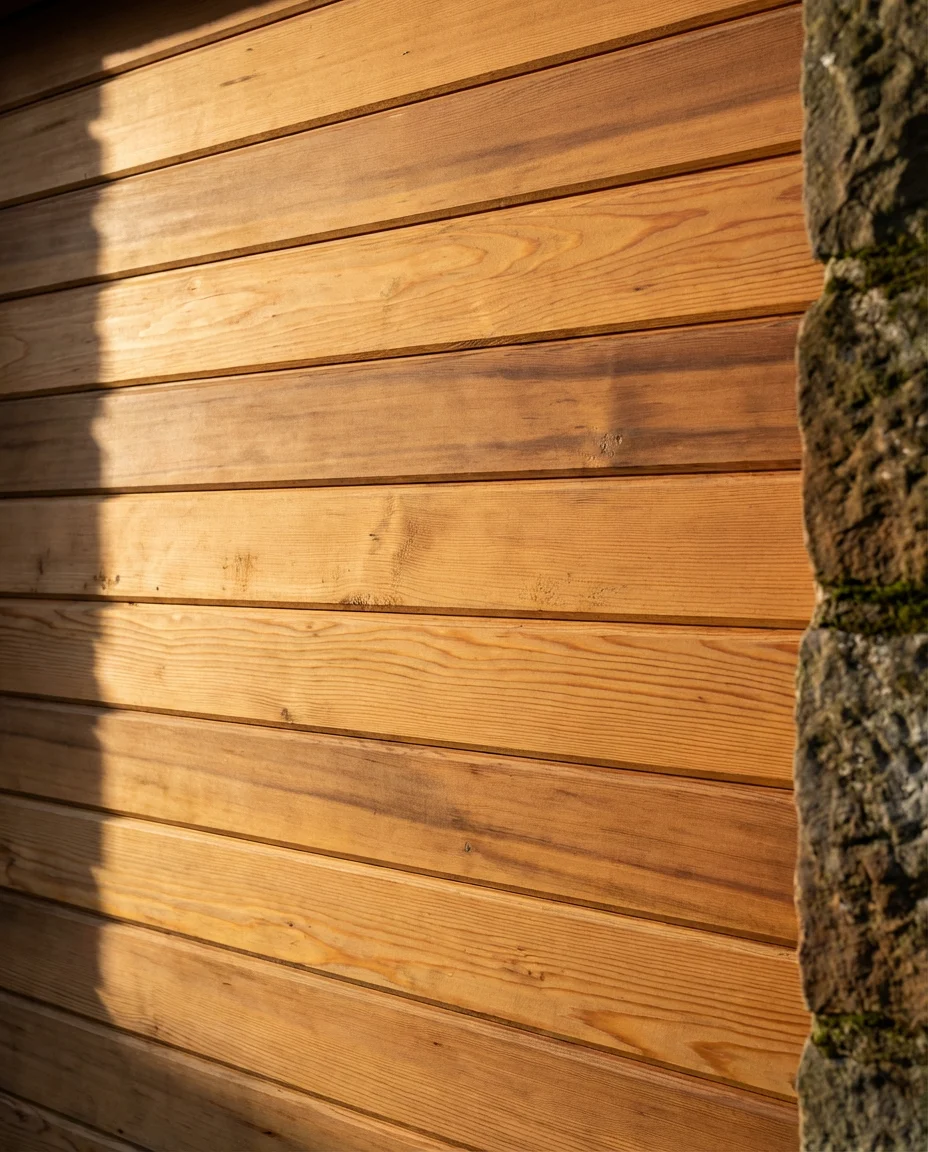
A wooden garage door in a natural, unstained finish—clear-coated to let the grain breathe—brings a warmth and texture that no painted surface can replicate. Cedar, redwood, and Douglas fir are the most common choices, each with its own color personality and grain character. The beauty is that no two doors look exactly alike: the natural variation in the wood means yours is genuinely one-of-a-kind. It pairs well with stone, raw concrete, and other natural materials.
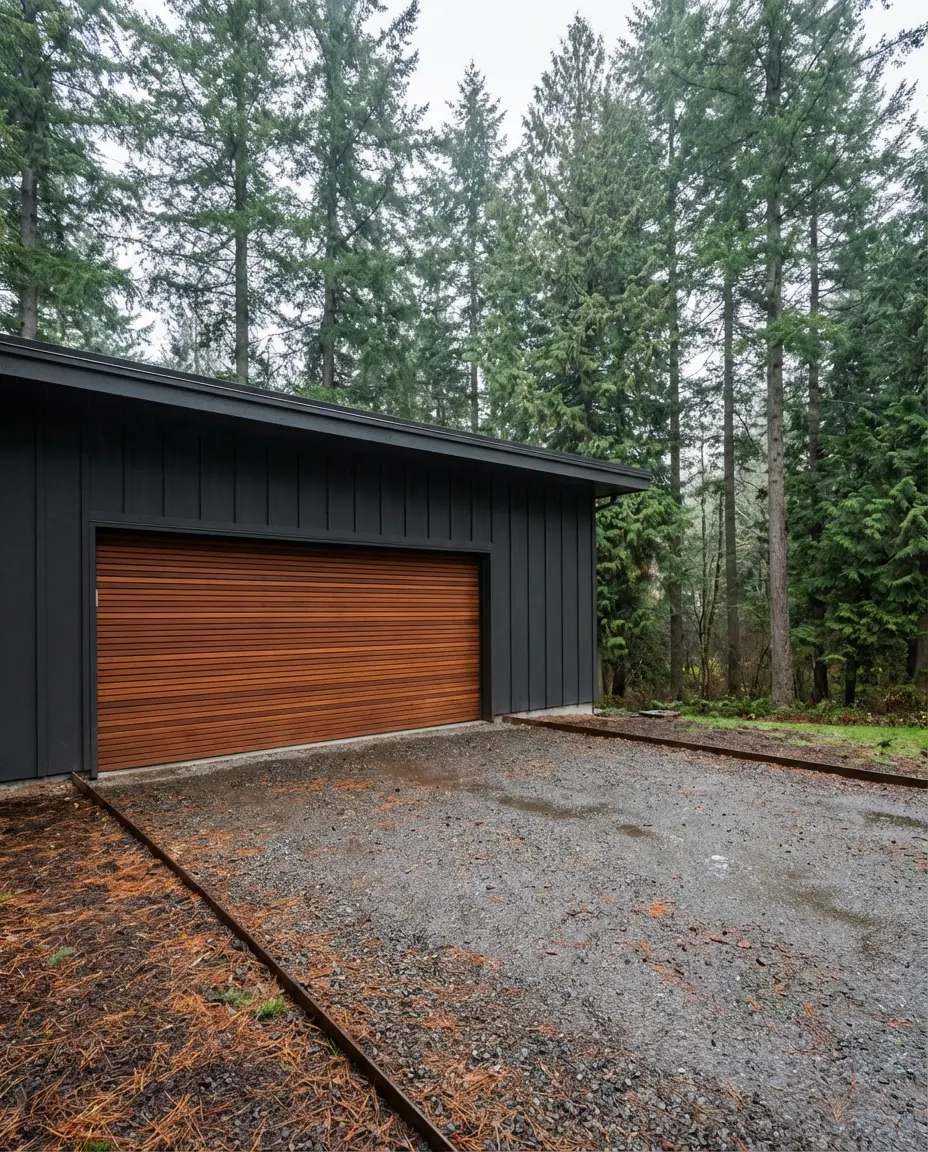
The American lifestyle angle here is worth mentioning: natural wood garage doors tend to appear more frequently in areas with strong craft and design cultures—the Pacific Northwest, New England, and the mountain West—where homeowners are drawn to materials that age authentically rather than trying to look perfect forever. There’s a philosophy embedded in the choice: this is a house that uses real things and isn’t afraid to show a little character over time. That ethos resonates deeply in certain communities and tells a story about the people inside.
22. Modern Farmhouse Garage Door with Black Trim
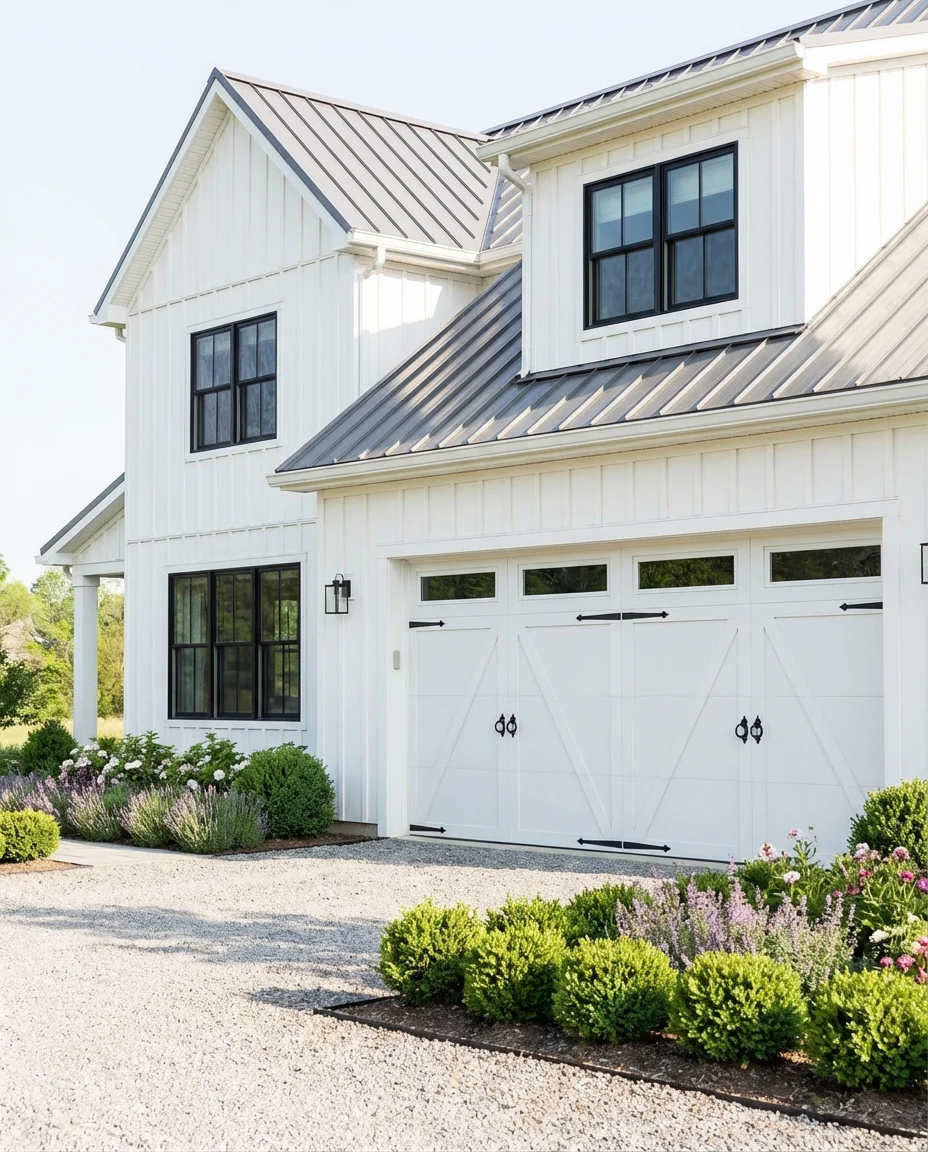
The modern farmhouse aesthetic continues to be one of the most searched home styles in America, and the garage door is where it gets to shine most dramatically. White or off-white paneled doors with bold black trim, handles, and hinges capture that crisp, graphic contrast that defines the style. Add a window row across the top third of the door, and you have something that feels current, welcoming, and deeply Pinterest-worthy all at once.
This look translates especially well on homes with white or light gray board-and-batten siding, black window frames, and a metal roof—the full modern farmhouse package that has dominated new construction in the suburbs of Nashville, Denver, Dallas, and Charlotte. It reads as elevated without being unapproachable, which might explain why it keeps outperforming other styles in resale appeal. If you’re getting ready to list your home, this combination is one of the safest, highest-return exterior choices you can make heading into the current market.
 Conclusion
The garage door is no longer an afterthought—it’s a genuine design decision with real consequences for your home’s personality, value, and everyday livability. Whether you’re swapping in a full glass panel door, painting what you have in a moody new shade, or finally converting that open carport into something enclosed and useful, the right choice is the one that fits your home, your climate, and your style. We’d love to hear what you’re planning—drop your ideas in the comments below, share photos of what you’ve done, or tell us which of these ideas you’re stealing for your own home.