As we step into 2026, American homeowners are reimagining their yards with fresh purpose and personal style. Whether you’re planning a welcoming entry, carving out space for play and relaxation, or working with tricky terrain, today’s landscaping trends blend beauty with livability. From Pinterest boards to real-world backyards, people are searching for ideas that feel authentic, sustainable, and suited to their climate. In this guide, you’ll find inspiring yard landscaping ideas that speak to every region, budget, and vision—so you can create an outdoor space that truly feels like home.
1. Coastal-Inspired Entry with Native Grasses
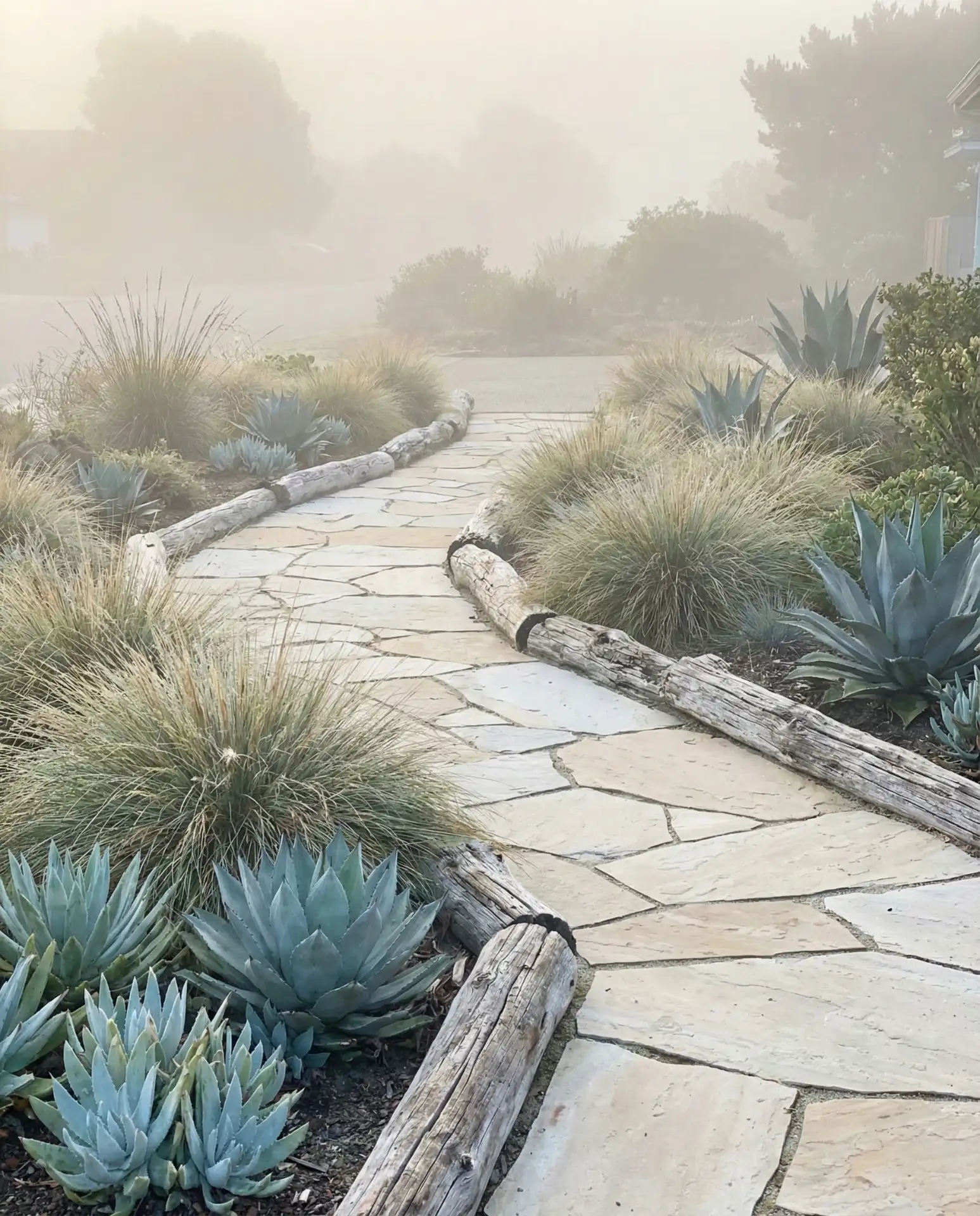
A coastal front yard doesn’t require an ocean view—it’s all about texture, movement, and resilience. Think windswept ornamental grasses, weathered stone pathways, and silvery foliage that catches the light. This approach works beautifully in Florida front yards or anywhere humidity and salt air demand low-maintenance plants. The palette stays soft and neutral, with driftwood accents and shell-lined beds that nod to the shore without feeling themed. 
Coastal yards perform best in sandy or well-drained soil, making them ideal for properties near water or in the Southeast. Homeowners love this look because it requires minimal irrigation and naturally resists wind damage. A common mistake is overplanting—coastal landscapes thrive on restraint. Let the grasses move, leave room for air to flow, and resist the urge to fill every inch. The result is a yard that feels effortless and alive, no matter the season.
2. Micro Meadow for Tiny Front Yards
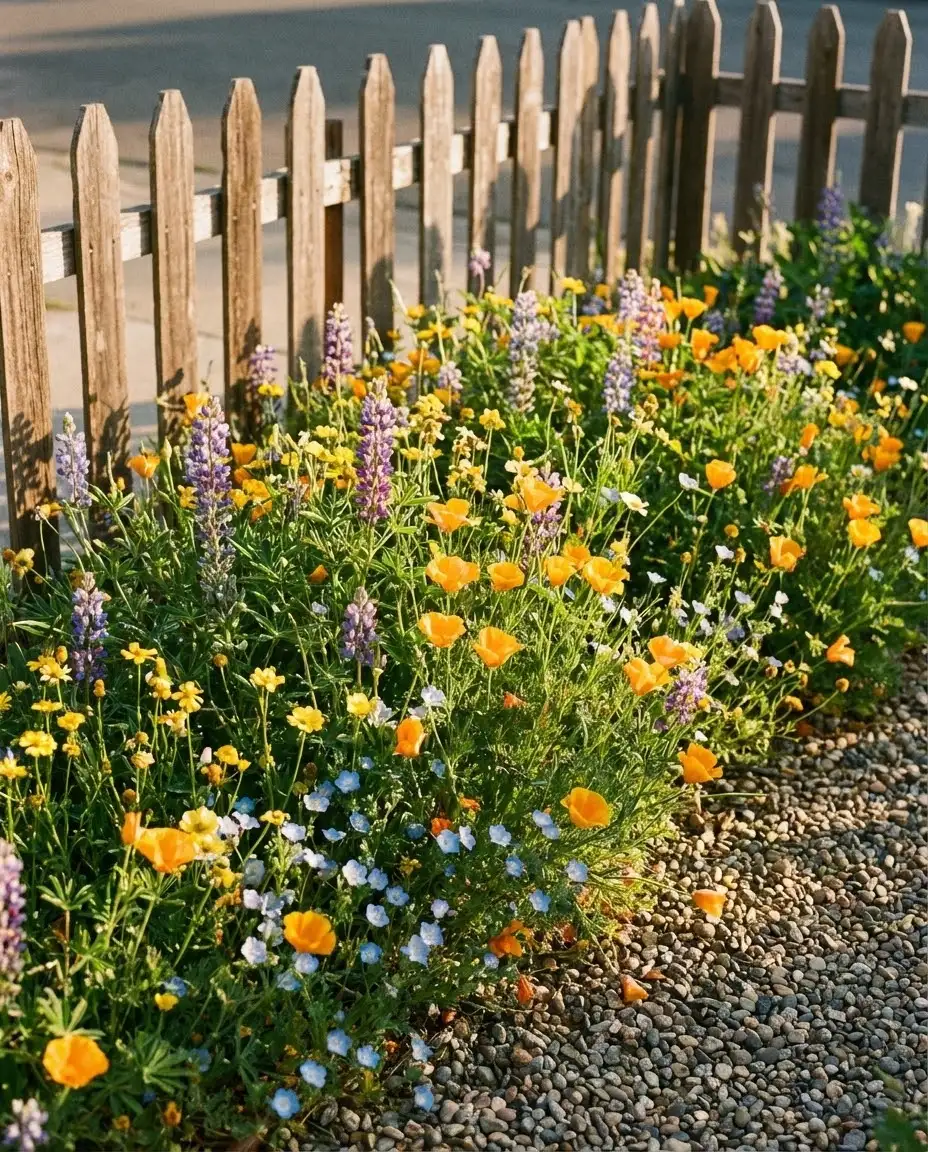
If you’re working with a tiny front yard, a wildflower micro meadow can pack serious visual impact into just a few square feet. Instead of traditional turf, plant a dense mix of native blooms—coneflowers, black-eyed Susans, and clover—that shift with the seasons. This style has taken off on Pinterest because it’s colorful, eco-friendly, and surprisingly easy to establish. Even narrow strips along driveways or between sidewalks can support a thriving pocket of biodiversity. 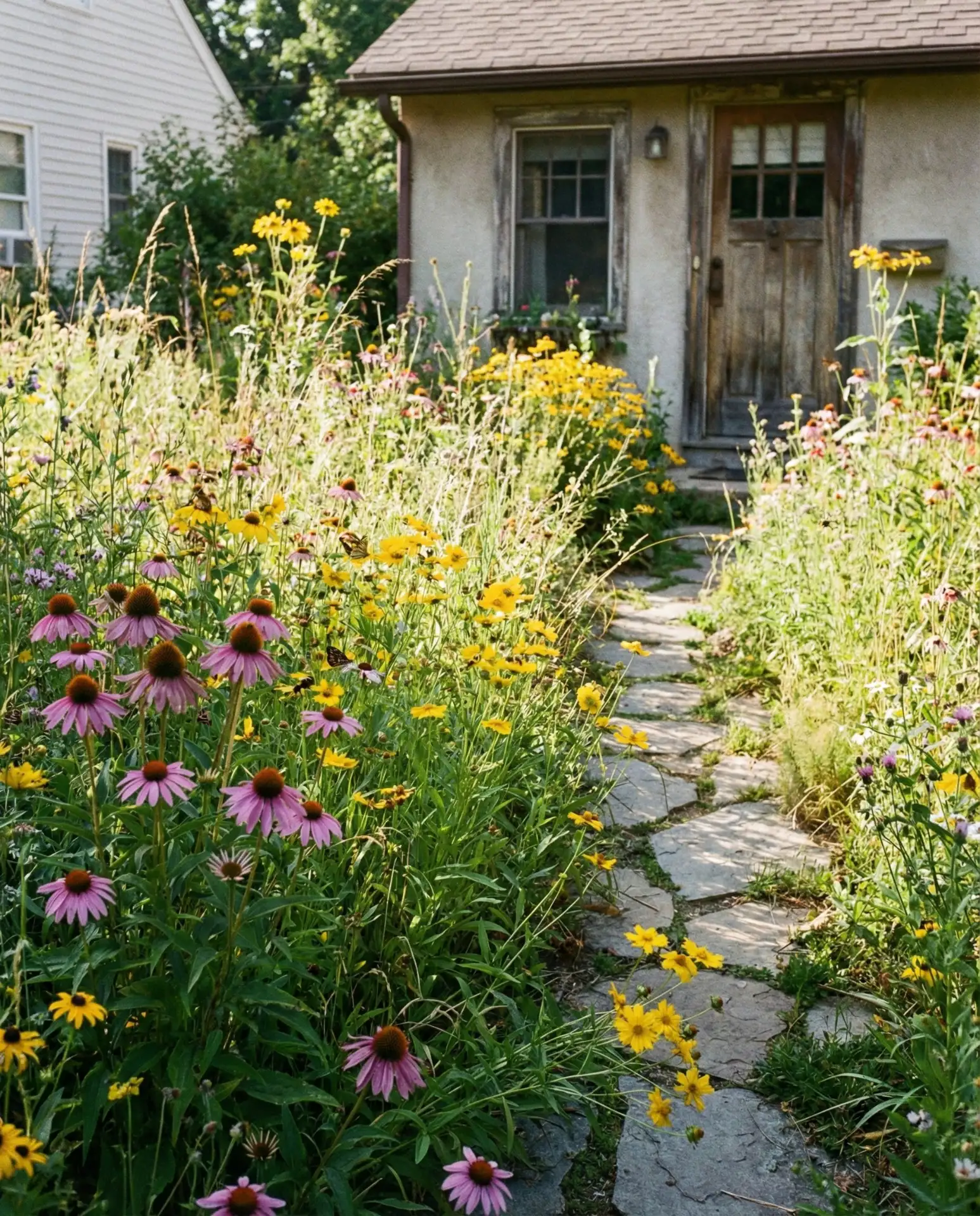
Many American homeowners are discovering that even a 10-by-10-foot patch can feel like a miniature prairie. Kids love spotting butterflies and bees, and neighbors often stop to ask what you planted. Budget-wise, a meadow costs less than sod and dramatically reduces water bills. Seed mixes tailored to your region are widely available, and once established, they need just one or two cuts per year. It’s a small change that signals a big shift in how we think about lawns.
3. Modern Minimalist with Clean Lines

A minimal front yard strips away clutter and lets architecture shine. Think geometric beds edged in steel or concrete, sculptural plants like agave or yucca, and expansive gravel or poured aggregate surfaces. This look is especially popular in contemporary front yards where the home’s design is already sleek and angular. The goal is visual calm—every element is intentional, and maintenance stays low because there’s simply less to tend. 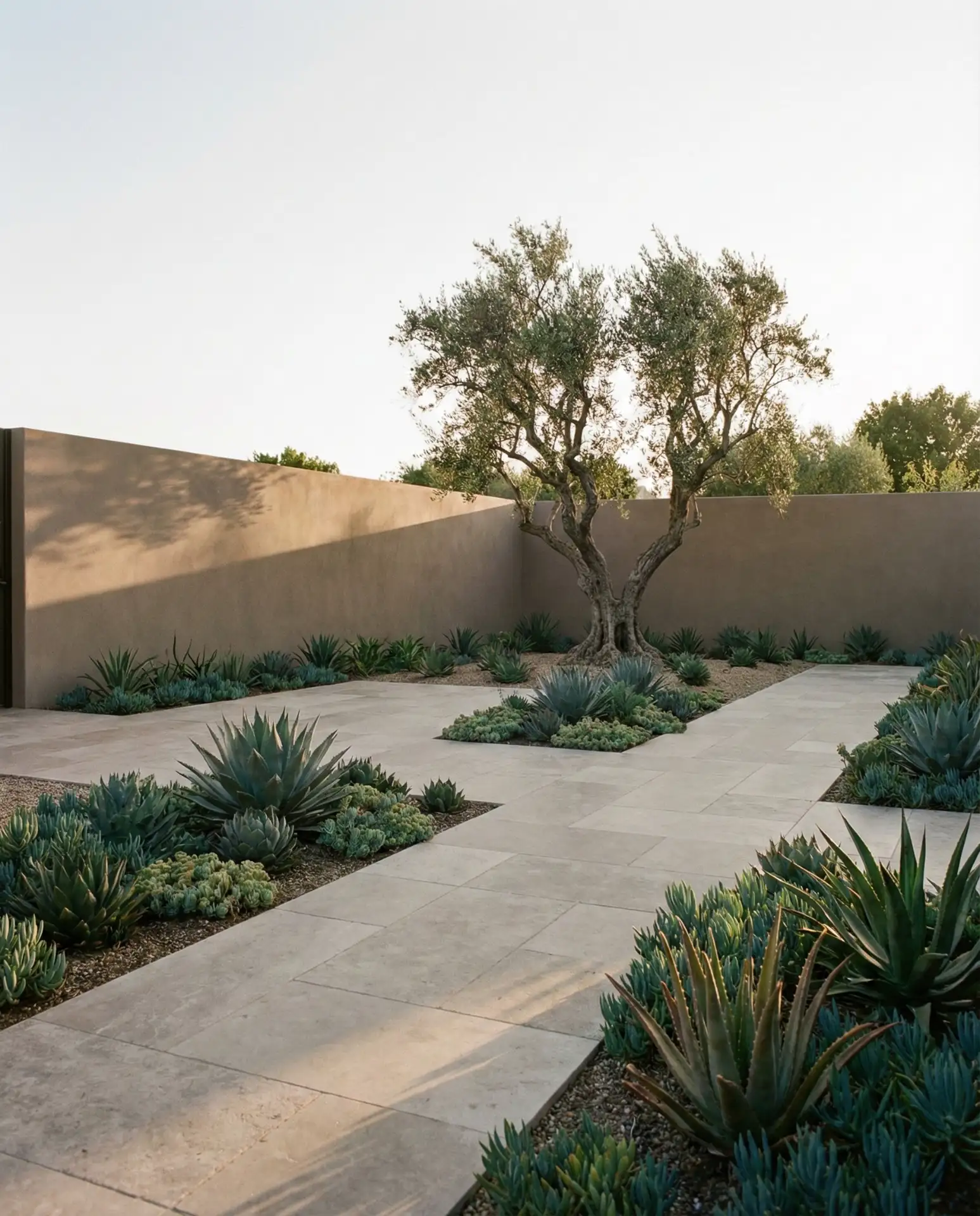
This style works best in dry climates or urban settings where water conservation is a priority. Homeowners often pair minimalist yards with smart irrigation systems that target specific zones. One practical insight: resist the temptation to add decorative rocks or too many plant varieties. The power of minimalism lies in repetition and restraint. A single type of groundcover, repeated across clean beds, creates far more drama than a jumble of textures ever could.
4. Farmhouse Front with Split-Rail Fencing
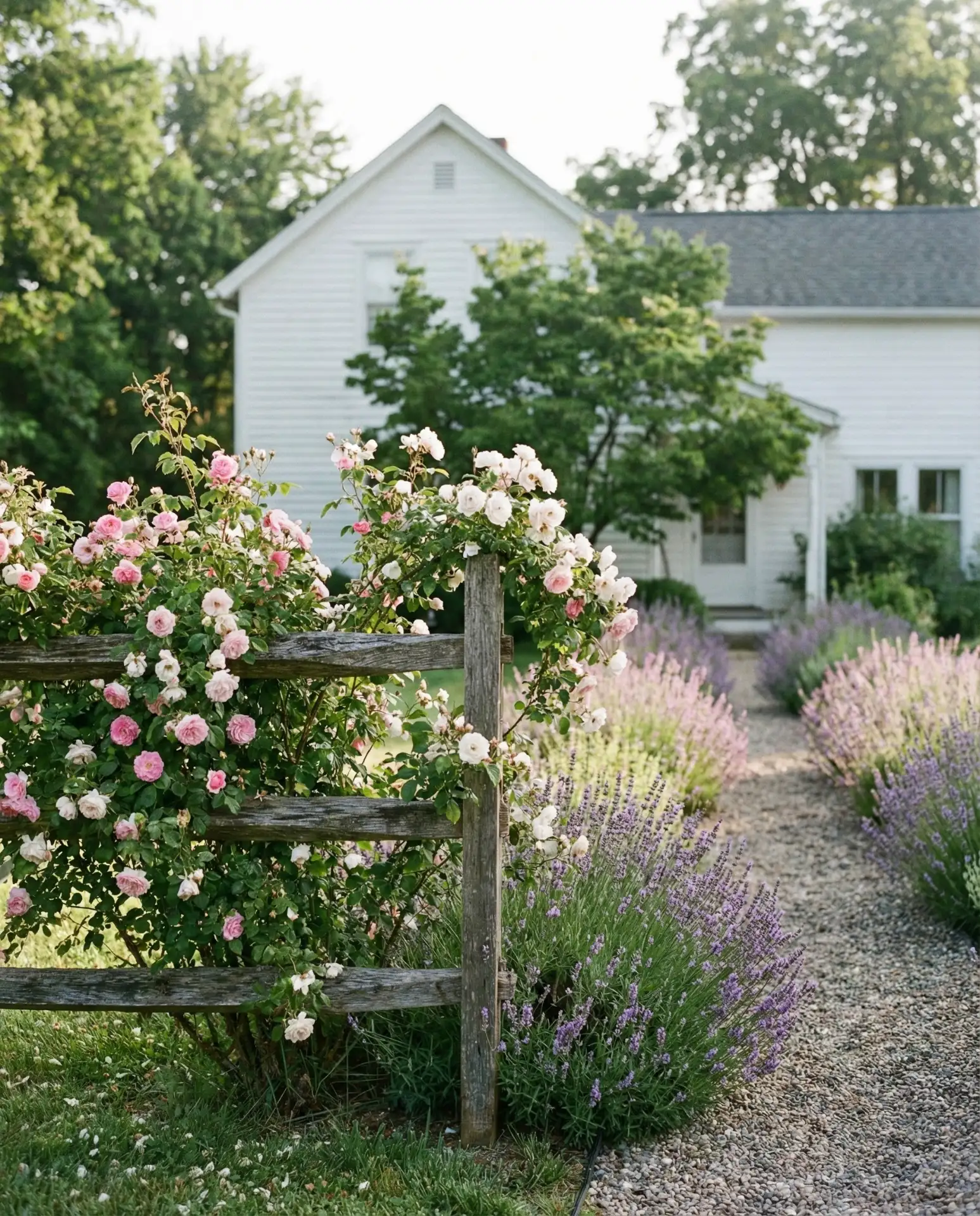
Nothing says farm charm like a weathered split-rail fence framing beds of roses, lavender, and boxwood. This classic look works in both rural and suburban settings, especially when you want a country feel without feeling too precious. The fence defines space without blocking views, and it’s sturdy enough to support climbing vines or morning glories. Pair it with a gravel or mulched path, and you’ve got an entry that feels timeless and inviting. 
Split-rail fencing is relatively affordable compared to wrought iron or vinyl, and it weathers beautifully over time. A friend in Virginia installed hers for under a thousand dollars and says it’s the detail that makes her whole property feel cohesive. The trick is to let plants spill over and soften the lines—don’t prune everything into tight balls. This style thrives on a little wildness, a little imperfection, and a lot of character.
5. Desert Xeriscape with Bold Succulents
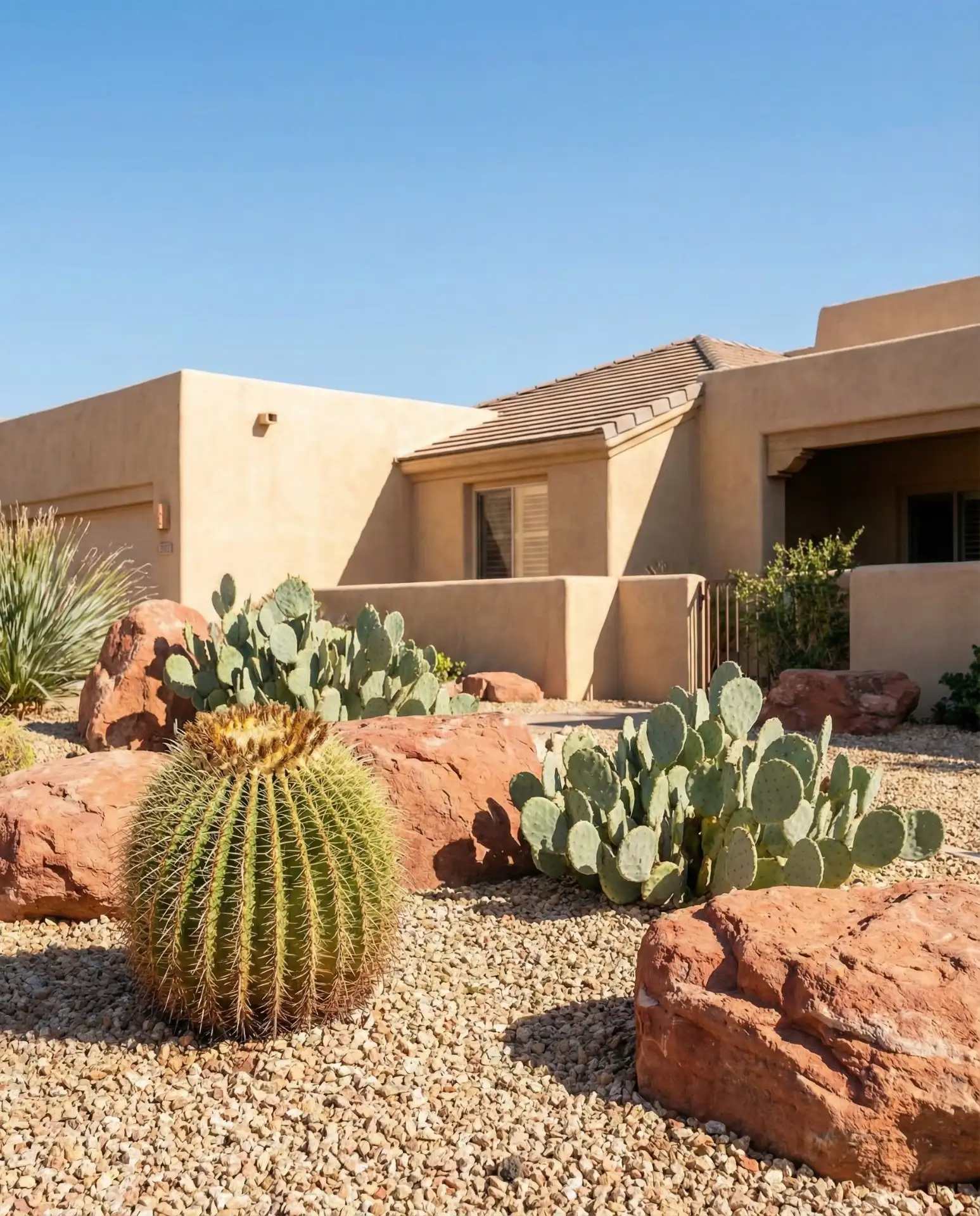
In a desert front yard, water is precious, and the landscape should celebrate that. Xeriscaping with succulent front beds, boulder accents, and crushed stone creates a dramatic, sculptural effect that’s perfectly suited to the Southwest. Think barrel cacti, paddle plants, and flowering aloe arranged in clusters that mimic natural desert formations. The color palette—dusty greens, terra cotta, and silver—feels warm and grounded, and the maintenance is almost nonexistent once plants are established. 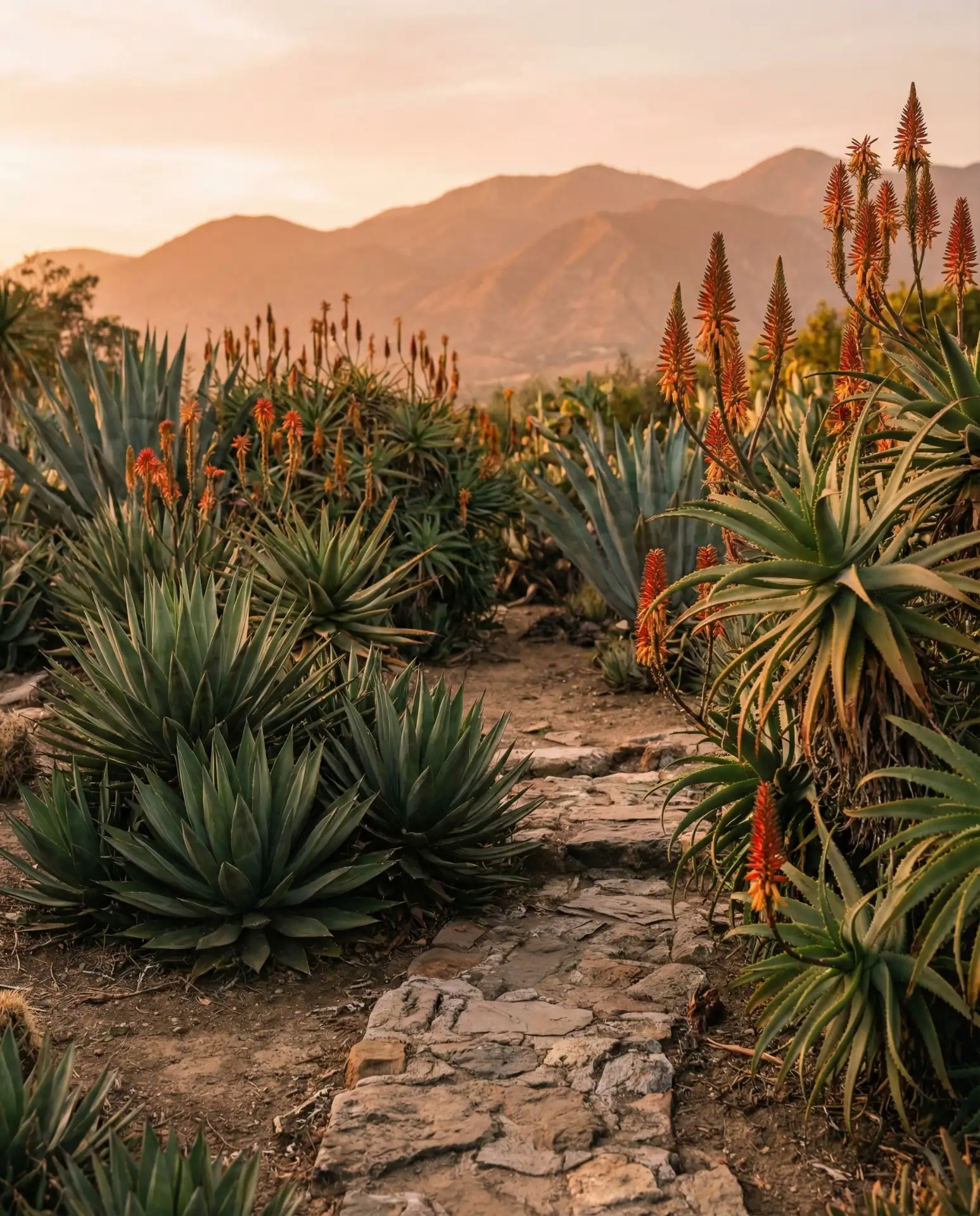
Xeriscaping works best in arid or semi-arid climates, but variations are possible in any region with hot, dry summers. Experts recommend grouping plants with similar water needs and using drip irrigation to avoid waste. A common mistake is thinking desert yards need to look sparse—done right, they’re lush in their own way, with layers of texture and surprising pops of color. The key is to embrace the climate, not fight it.
6. Tropical Oasis with Layered Palms
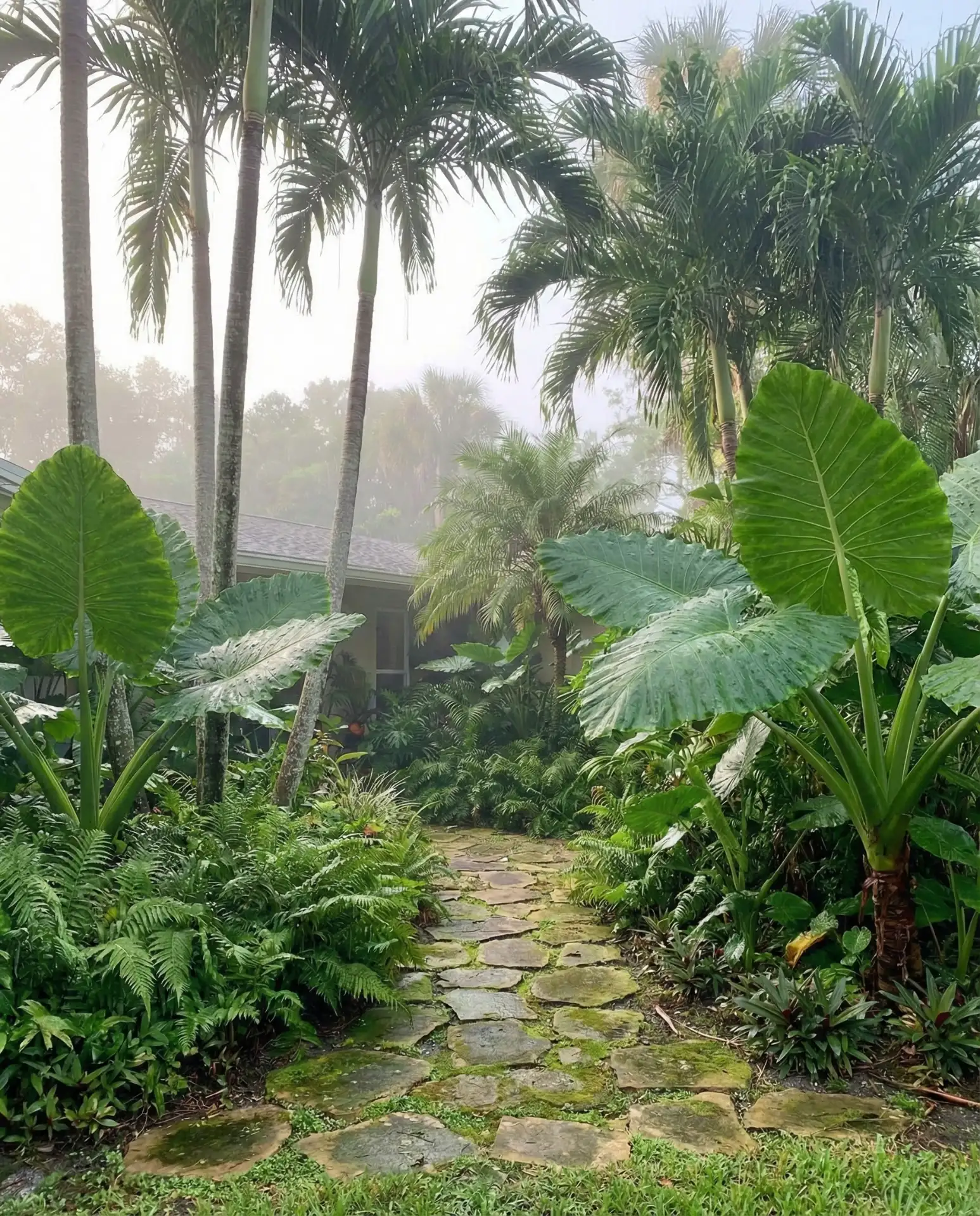
A tropical front yard transforms your entry into a lush, layered retreat. Think towering palms, broad-leafed elephant ears, and cascading ferns that create pockets of shade and privacy. This style thrives in humid, warm climates—Florida front yards are a natural fit—but can be adapted with container plantings in cooler zones. The goal is abundance: overlapping textures, bold leaf shapes, and a sense of immersion that makes you forget you’re in the suburbs. 
Where it works best: coastal areas, the Gulf Coast, Southern California, and anywhere frost is rare. Tropical landscapes need regular feeding and mulching to support fast growth, but the payoff is dramatic. Real homeowner behavior shows that people often start small—one palm, one hibiscus—and expand as they see how quickly the look comes together. The biggest joy is watching hummingbirds and butterflies move through the canopy you’ve created.
7. Sloped Entry with Terraced Stone Beds
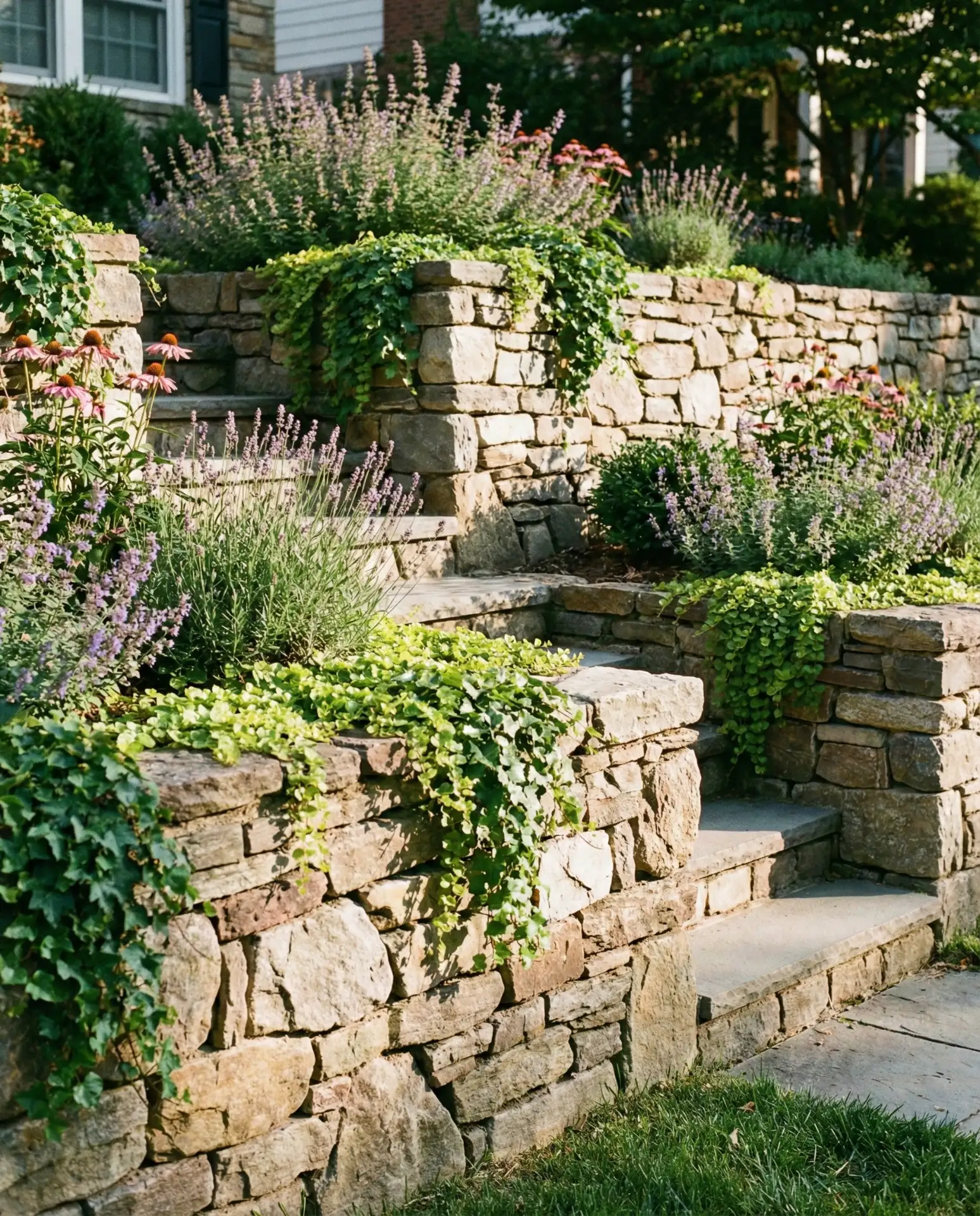
A sloped front yard can feel like a design challenge, but terracing turns it into an asset. By building tiered front beds with natural stone or timber retaining walls, you create level planting zones that prevent erosion and add architectural interest. Each tier can host different plants—ground-hugging thyme at the top, flowering perennials mid-slope, and shade lovers at the base. The result is a layered, dynamic landscape that draws the eye upward and makes the most of every inch. 
Terracing is an investment, but it pays off by stabilizing soil and reducing runoff. Budget-wise, DIY stone walls cost less than poured concrete but require more labor. Many homeowners start with one or two tiers and expand over time. The practical insight here is to ensure proper drainage behind each wall—a perforated pipe and gravel backfill prevent water from building up and pushing the wall forward. Done right, terracing turns a problem slope into a showpiece.
8. Low-Water Grass Alternative with Clover

If you want the softness of a grass front yard without the water bill, consider microclover or a clover-grass blend. Clover stays green through drought, fixes nitrogen in the soil, and feels plush underfoot. It’s become a Pinterest favorite because it looks like a traditional lawn but requires far less mowing and zero fertilizer. In many American neighborhoods, clover lawns are making a quiet comeback as people rethink what “green” really means. 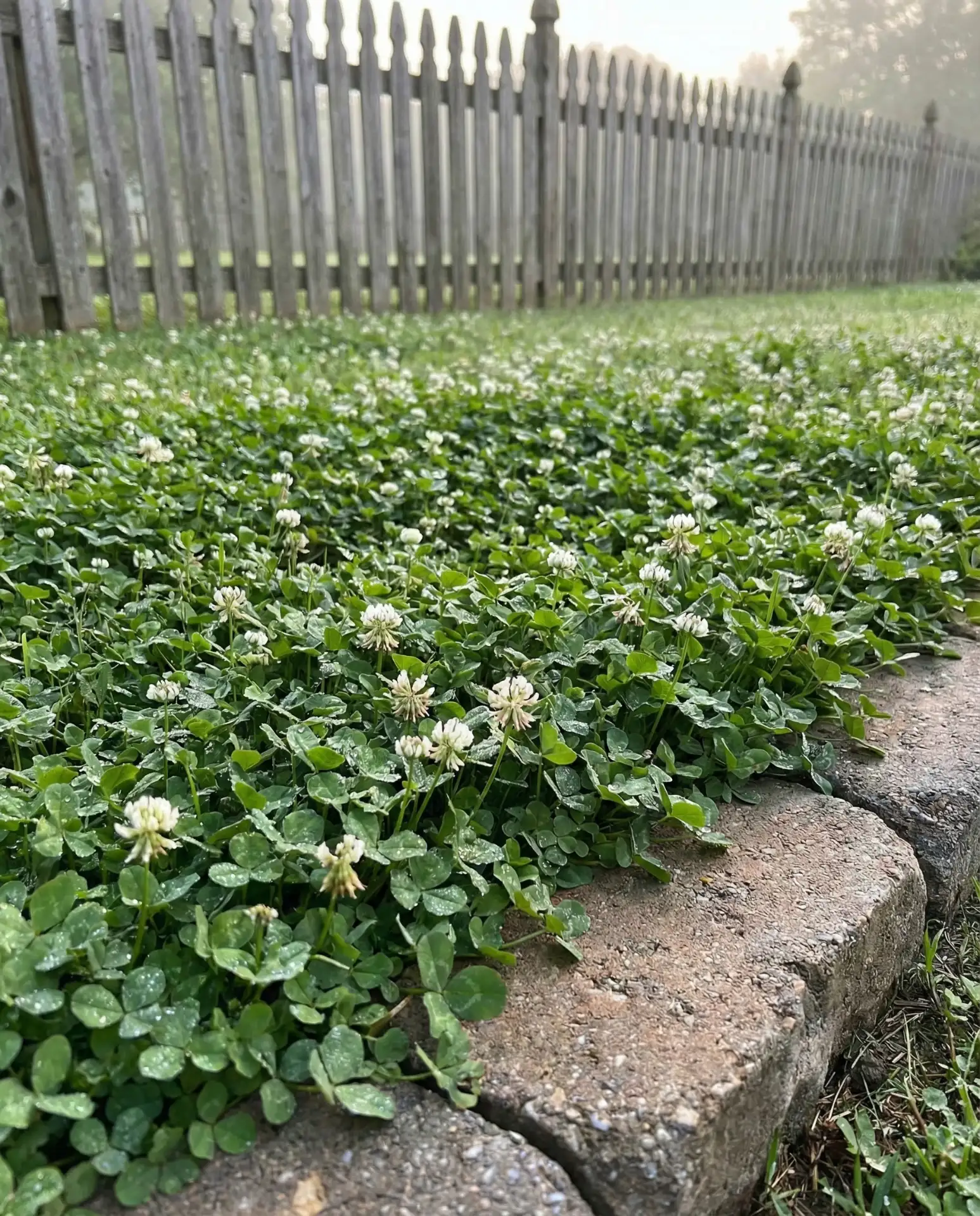
Clover lawns thrive in most climates except extreme heat or cold, and they naturally crowd out weeds. Real homeowner behavior shows that people are often surprised by how much they love the look—it’s less uniform than turf, but that slight unevenness feels organic and alive. Common mistakes include overseeding or expecting instant coverage. Give clover a season to establish, water lightly during dry spells, and you’ll have a lawn that practically takes care of itself.
9. Shady Woodland Entry with Ferns and Hostas
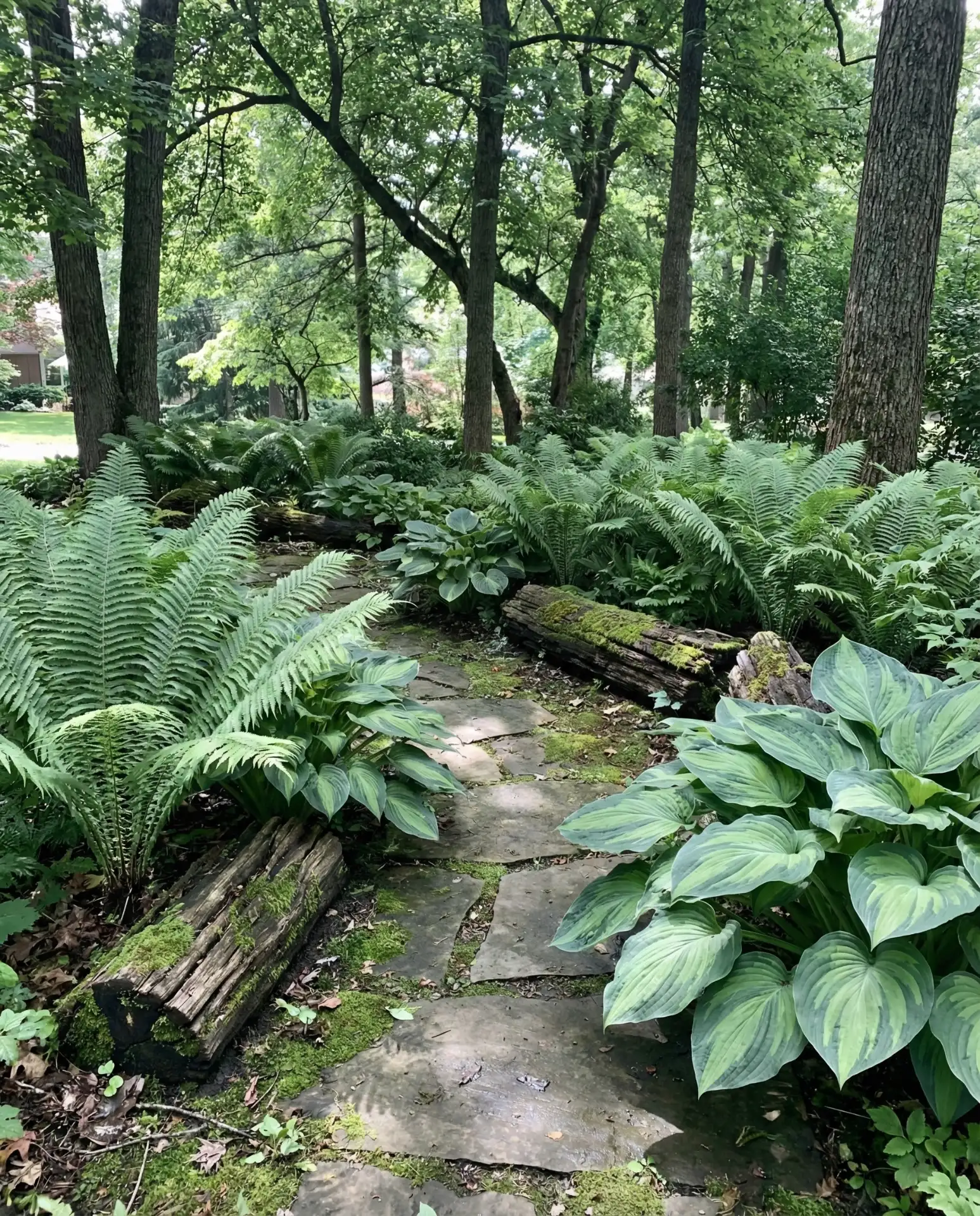
A shady front yard doesn’t have to be a problem—it’s an invitation to create a cool, serene woodland garden. Layer in ferns, hostas, and bleeding hearts under existing trees, and edge beds with moss-covered logs or river stone. This approach works beautifully in the Northeast and Midwest, where mature trees often dominate front yards. The palette stays soft and green, with splashes of white or pink blooms that brighten dim corners without demanding full sun. 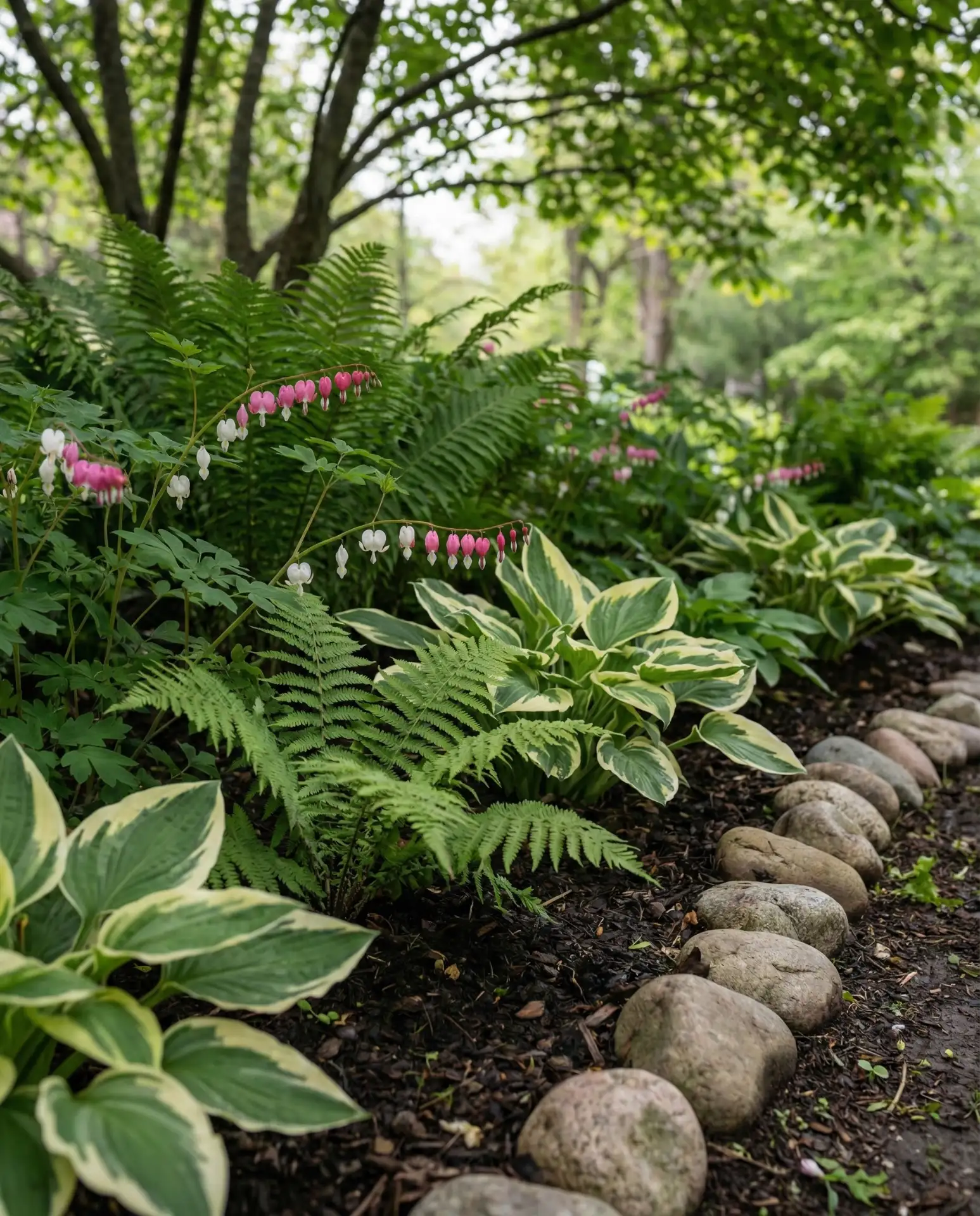
Shade gardening has a regional advantage: lower water needs and fewer pests. Experts recommend mulching heavily with shredded leaves or bark to mimic forest floor conditions. A common mistake is planting sun-lovers in the hope they’ll adapt—they won’t. Instead, embrace the shade and choose plants that thrive in it. The reward is a yard that stays lush and cool even in the heat of summer, a true retreat from the world outside.
10. Sun-Loving Perennial Border
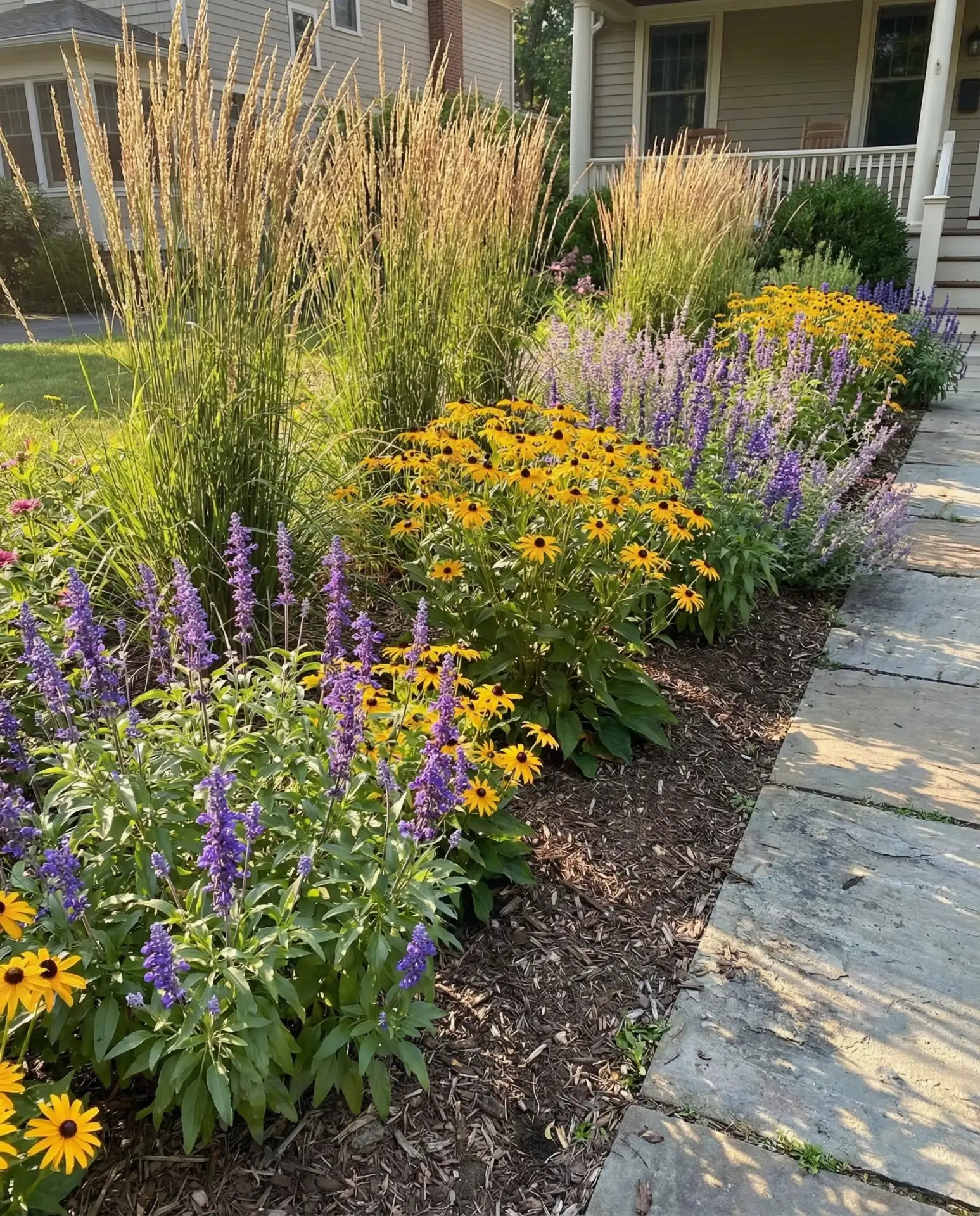
A full-sun front yard is the perfect canvas for a bold perennial border packed with color and movement. Think coneflowers, salvia, rudbeckia, and ornamental grasses that thrive in heat and bloom from late spring through fall. This style has exploded on Pinterest because it’s low-maintenance once established and delivers months of visual interest. Pollinators love it, neighbors notice it, and you’ll spend more time enjoying the show than weeding. 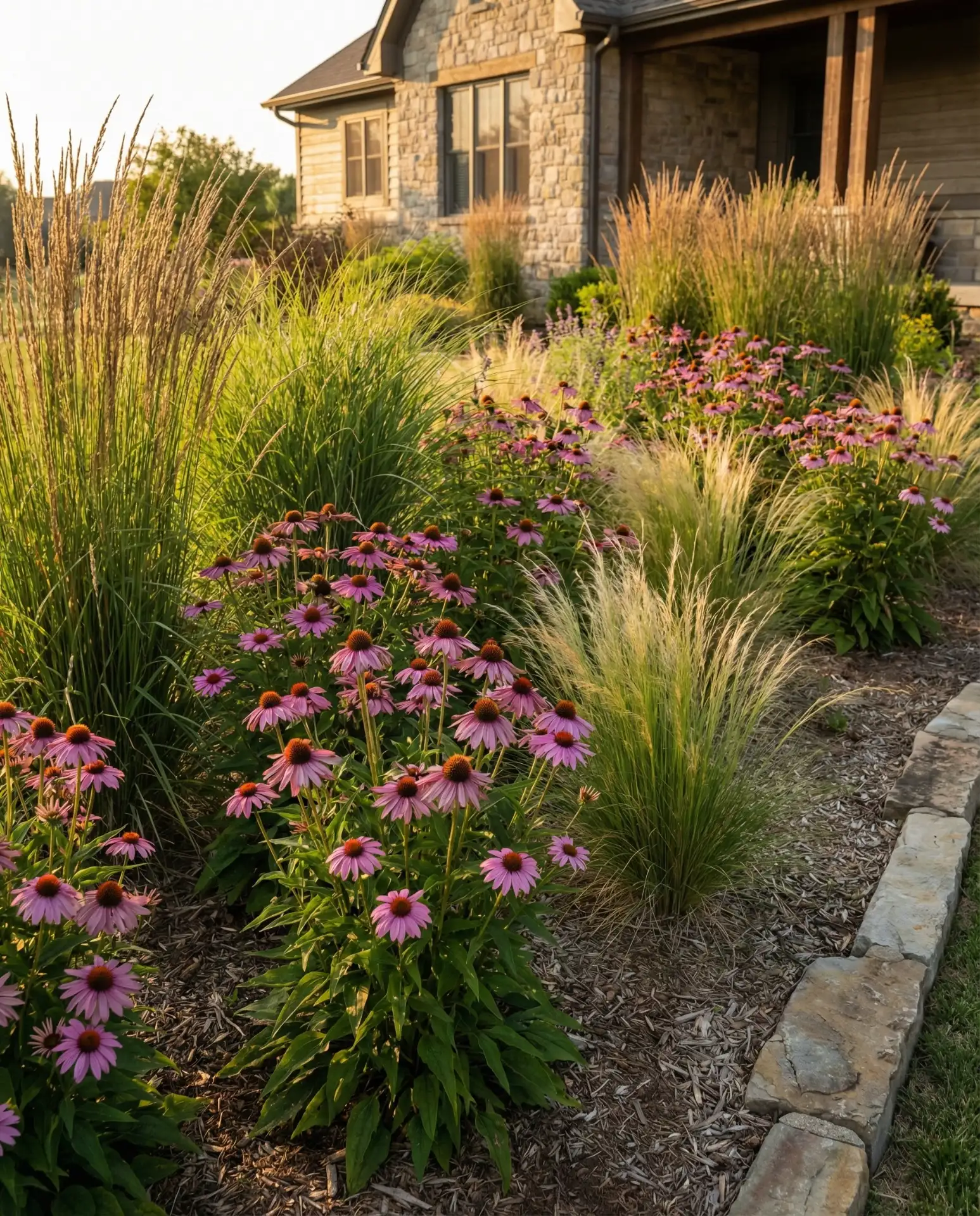
Where it works best: anywhere you get six or more hours of direct sun. Perennial borders need a year or two to fill in, but patience pays off. Budget-wise, buying small plugs or dividing plants from friends keeps costs low. Real homeowners report that the hardest part is editing—it’s tempting to cram in too many varieties. Stick to a simple palette of three to five plants, repeat them in drifts, and you’ll create a border that looks intentional, not chaotic.
11. Mediterranean Courtyard with Olive Trees

A Mediterranean front yard brings the warmth and ease of Southern Europe to your doorstep. Anchor the design with potted or planted olive trees, surround them with lavender, rosemary, and santolina, and surface pathways with gravel or terra cotta pavers. This look thrives in dry climates like California and the Southwest, where the plants require minimal water and the aesthetic feels effortlessly elegant. The palette stays earthy—silver, green, and clay tones—with pops of purple and yellow from blooming herbs. 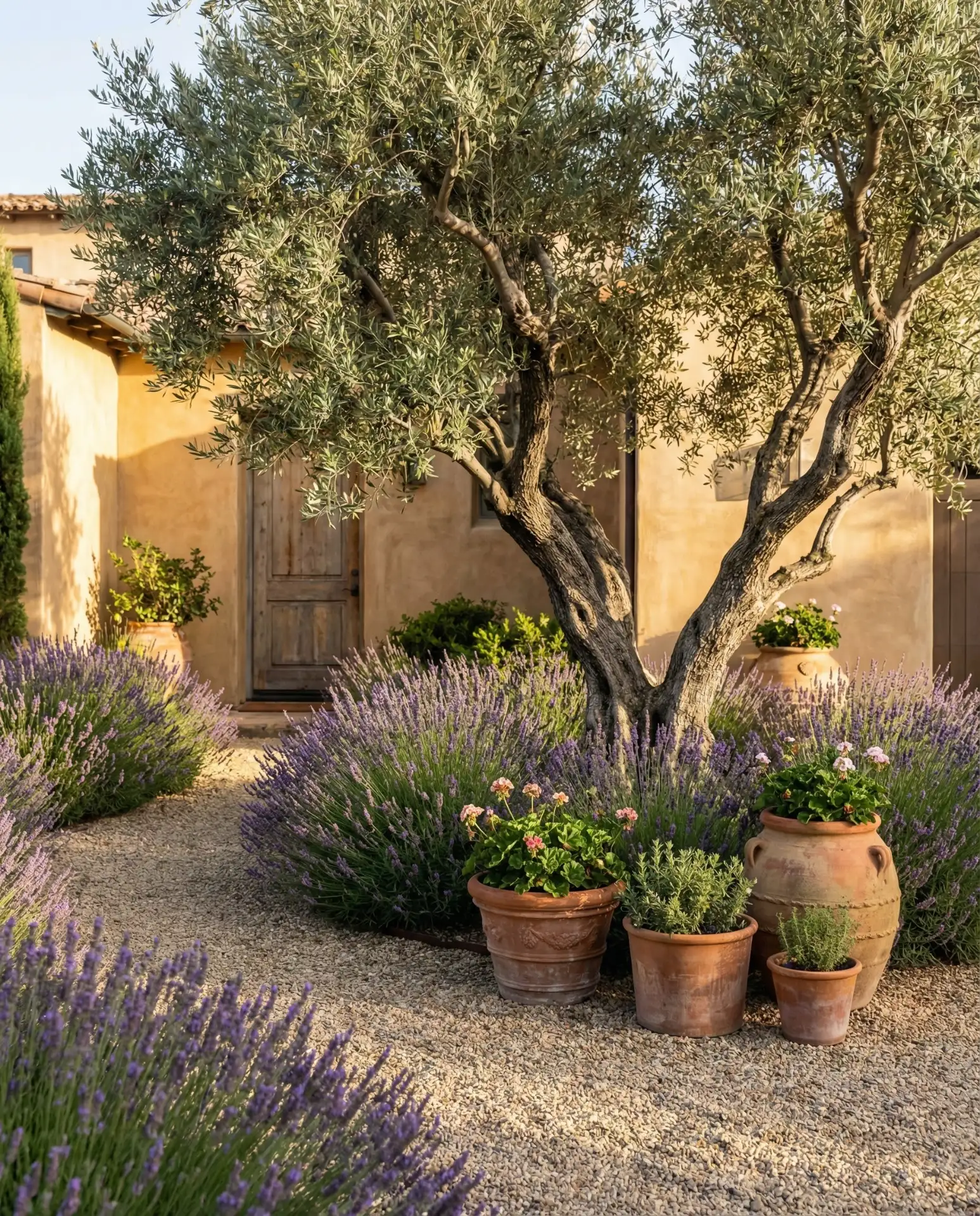
Mediterranean gardens are surprisingly affordable if you start with small plants and let them mature. Olive trees, in particular, grow slowly but live for decades, becoming more sculptural over time. Expert-style commentary suggests pairing them with drought-tolerant herbs that double as kitchen ingredients—rosemary for roasting, lavender for sachets. The result is a yard that’s both beautiful and functional, a space that invites you to slow down and savor the details.
12. English Cottage Garden with Rambling Roses
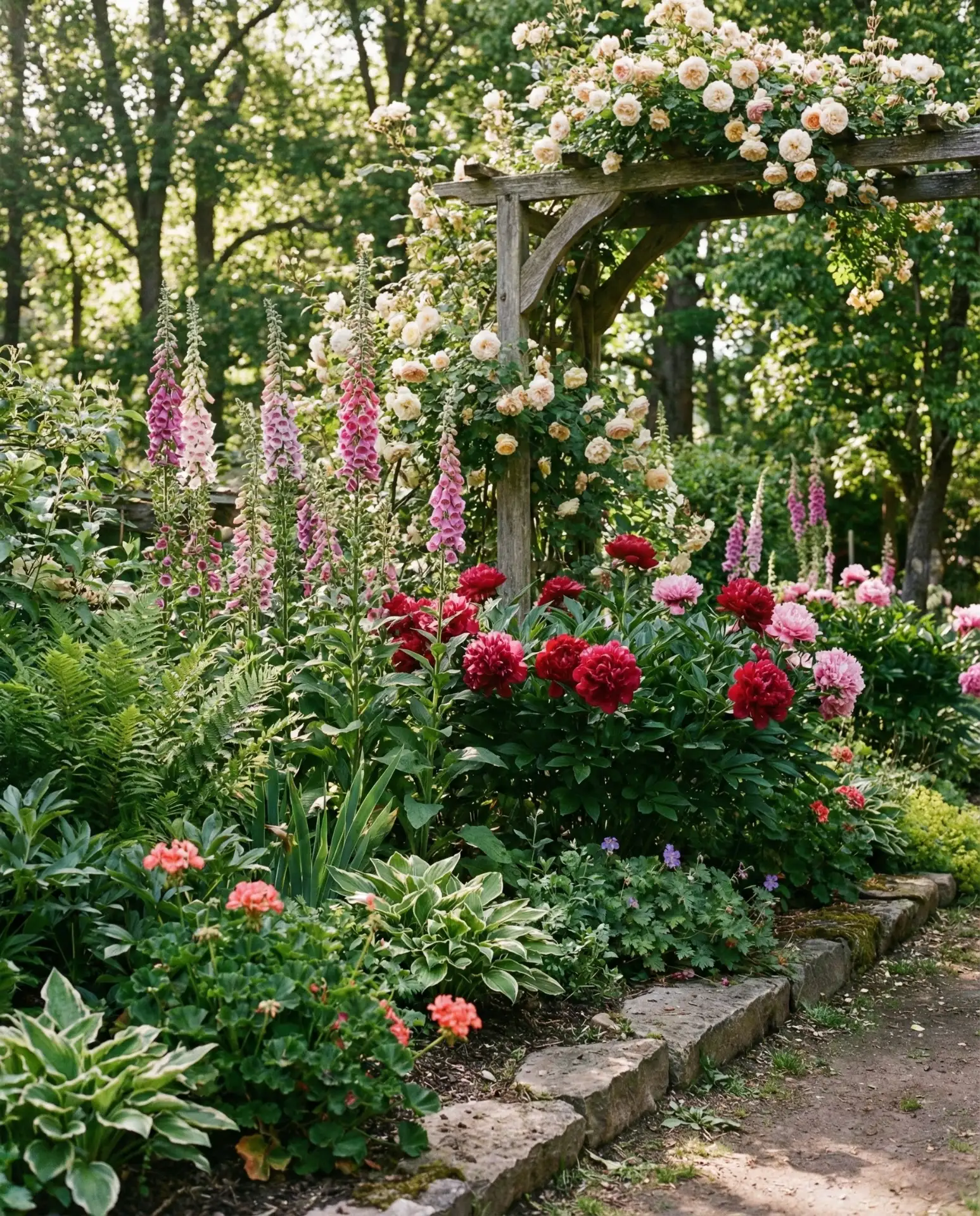
A cottage front yard is all about romantic abundance—rambling roses, delphiniums, foxgloves, and peonies spilling over picket fences and stone edges. This style has deep roots in English gardening but translates beautifully to American homes, especially in temperate zones. The key is layering: tall plants at the back, mid-height bloomers in the middle, and low sprawlers at the front. Nothing is too tidy, and that’s the charm—cottage gardens thrive on a little wildness and a lot of personality. 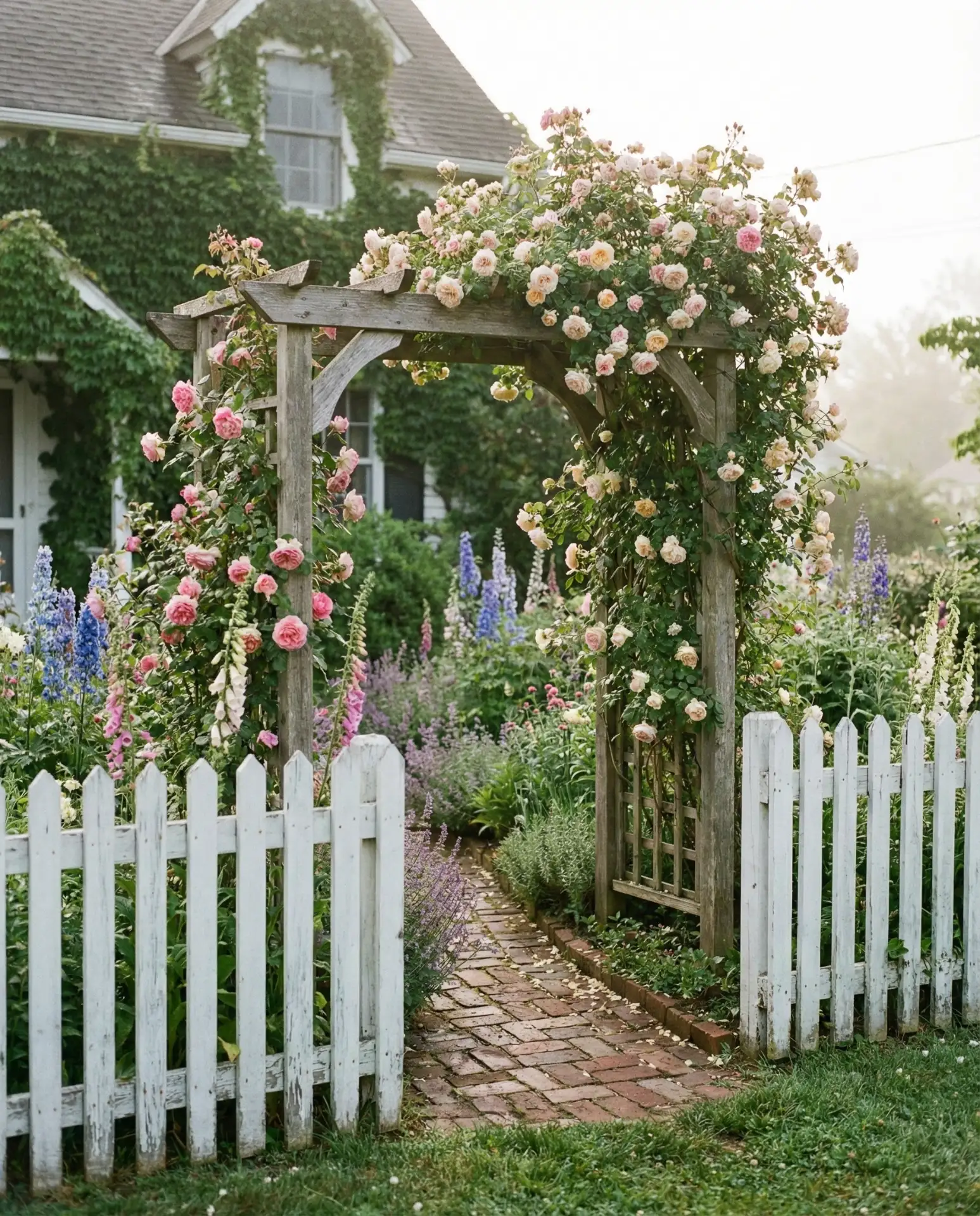
A neighbor of mine in Connecticut planted her cottage garden five years ago and says it’s become a gathering spot—people slow down to admire the blooms and ask for cuttings. The trick is to let plants self-seed and spread naturally, which keeps the look loose and unplanned. Budget-wise, cottage gardens reward patience; start with a few favorites, divide them over time, and trade with other gardeners. It’s a style that grows richer each year, much like the stories that come with it.
13. Simple Gravel Yard with Sculptural Accents
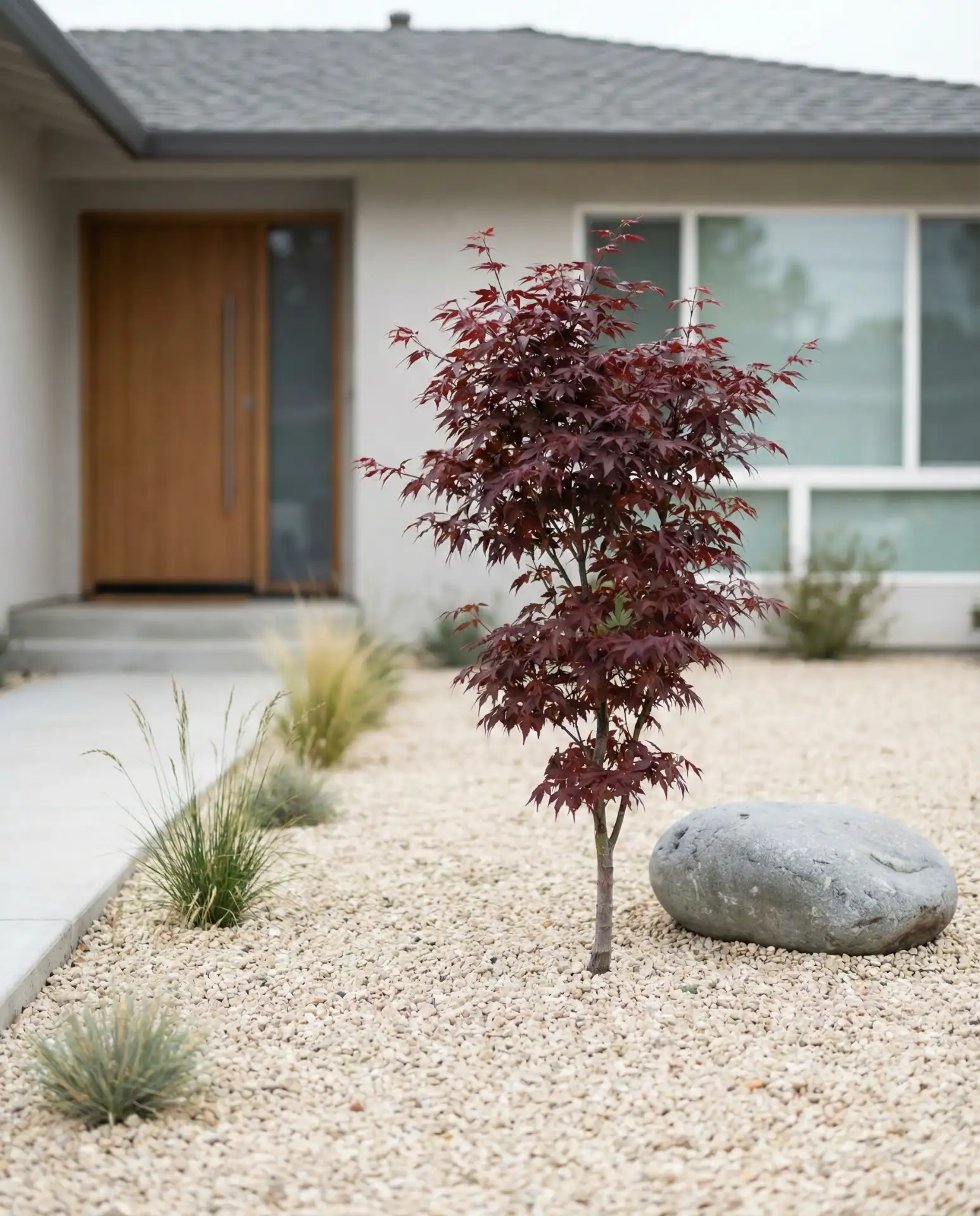
For a simple front yard that’s both modern and timeless, consider an expanse of pea gravel punctuated by a few sculptural plants or boulders. This approach is incredibly popular on Pinterest because it’s clean, budget-friendly, and requires almost no upkeep. Choose one or two statement plants—a Japanese maple, a clipped boxwood sphere, or a tall ornamental grass—and let the negative space do the rest. The simplicity is the statement. 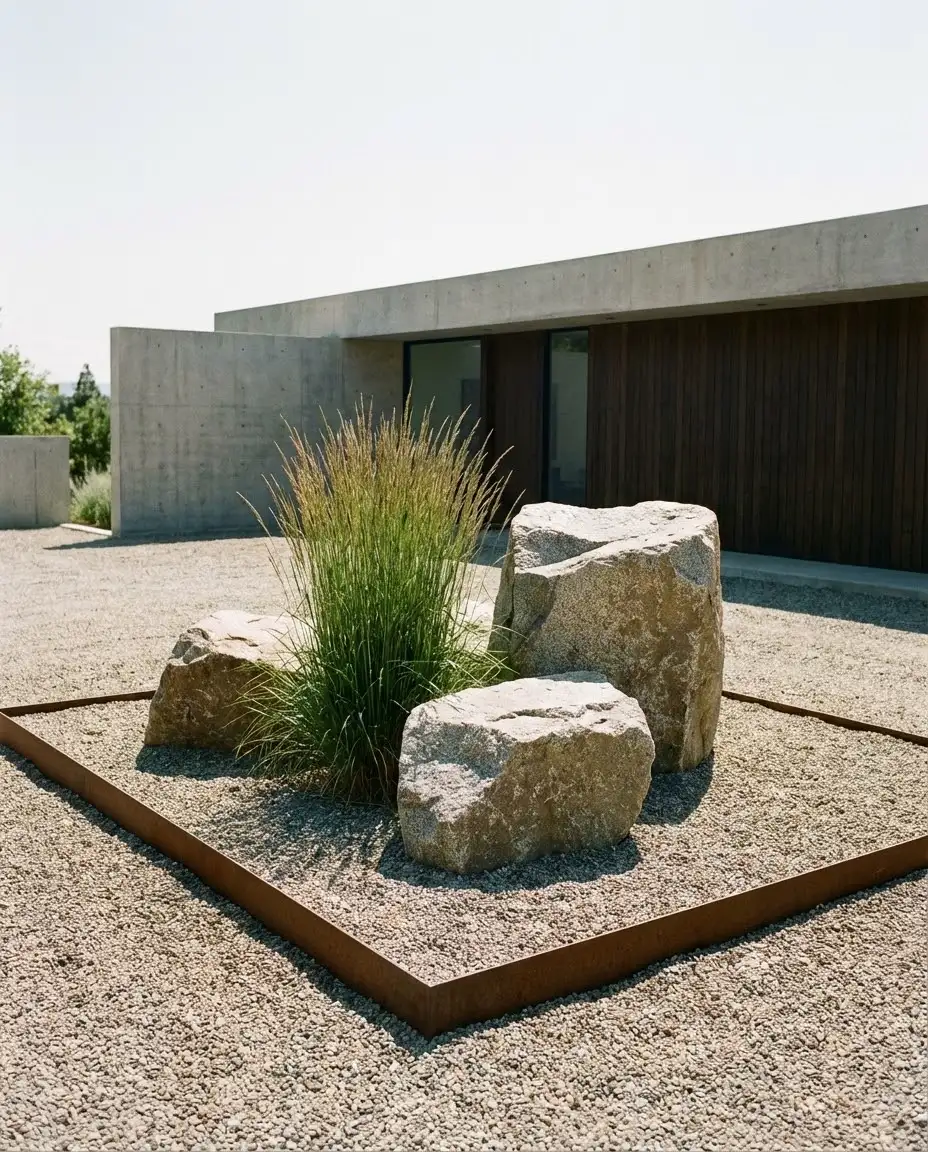
This style works best in arid or urban settings where water is scarce and the aesthetic leans contemporary. Gravel installation costs less than sod or pavers, and maintenance is a breeze—just rake occasionally to keep it looking crisp. A practical insight: lay down landscape fabric first to prevent weeds from pushing through. The biggest payoff is time—what you don’t spend watering, mowing, or pruning, you can spend actually enjoying your yard.
14. Rock Garden on a Budget
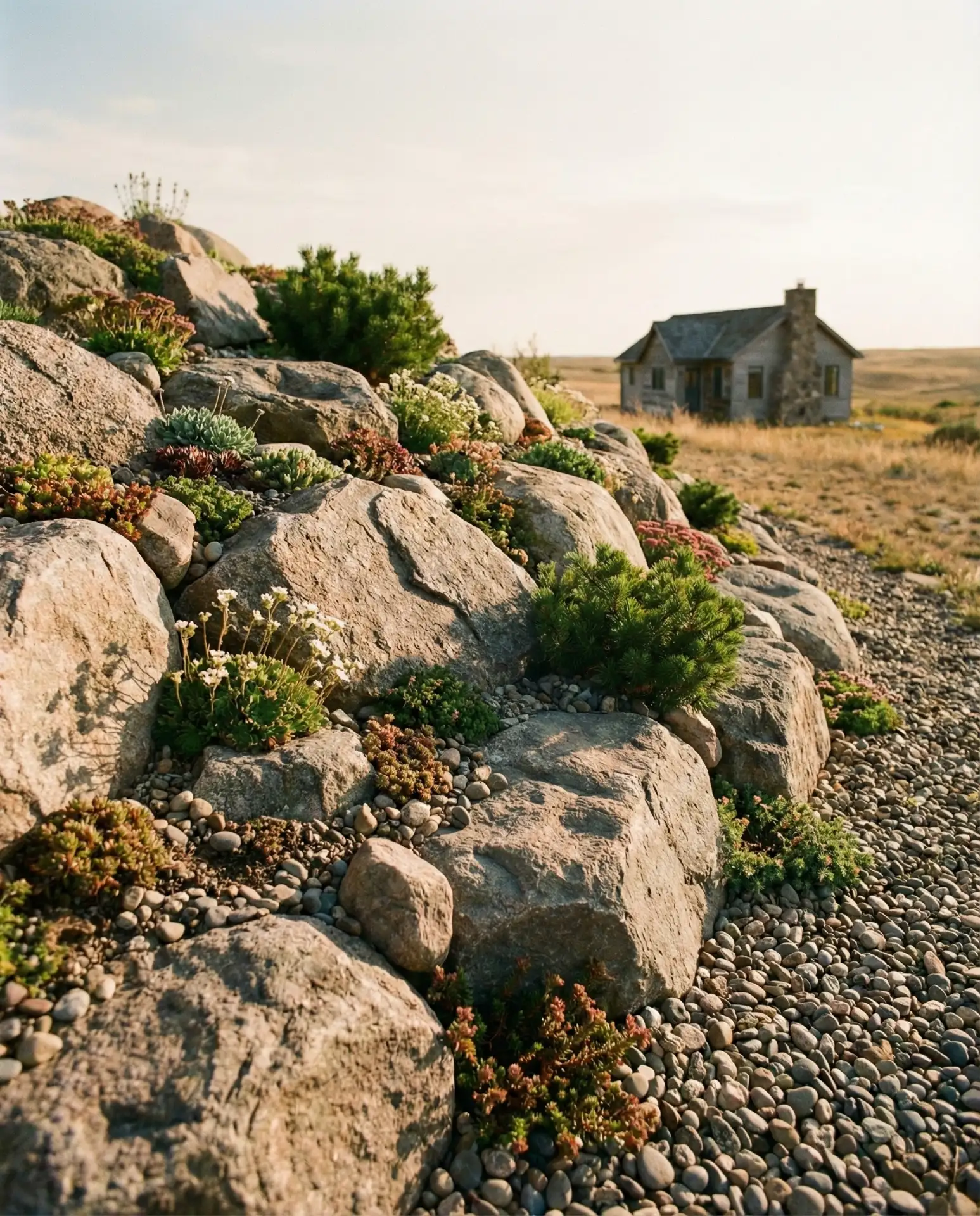
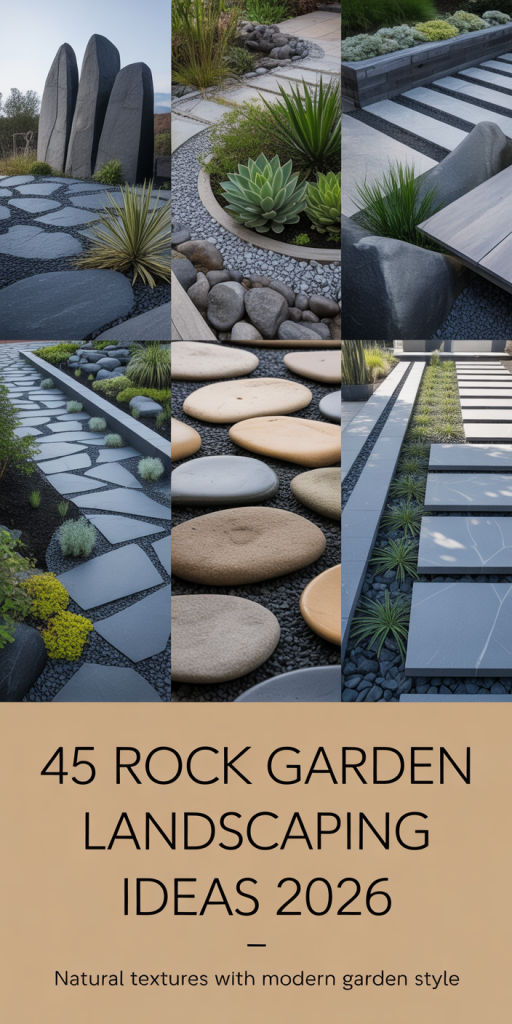
A rock front yard doesn’t have to break the bank. Start with locally sourced boulders or fieldstone—often free from construction sites or farms—and arrange them in natural-looking clusters. Plant drought-tolerant perennials and groundcovers in the crevices: sedum, creeping thyme, and alpine plants that thrive in lean soil. This style is perfect for slopes or areas where traditional planting is difficult, and it delivers big visual impact for minimal investment. 
Rock gardens are ideal for DIYers willing to move heavy stone and experiment with placement. Budget-wise, the only real cost is delivery if you can’t source rocks locally. Many American homeowners start with a single rock grouping and expand as they find more materials. A common mistake is making the arrangement too symmetrical—nature doesn’t do perfect triangles. Aim for staggered heights and varied sizes, and let plants soften the edges. The result is a low-cost, high-impact landscape that feels like it’s always been there.
15. Dog-Friendly Play Yard with Durable Groundcover
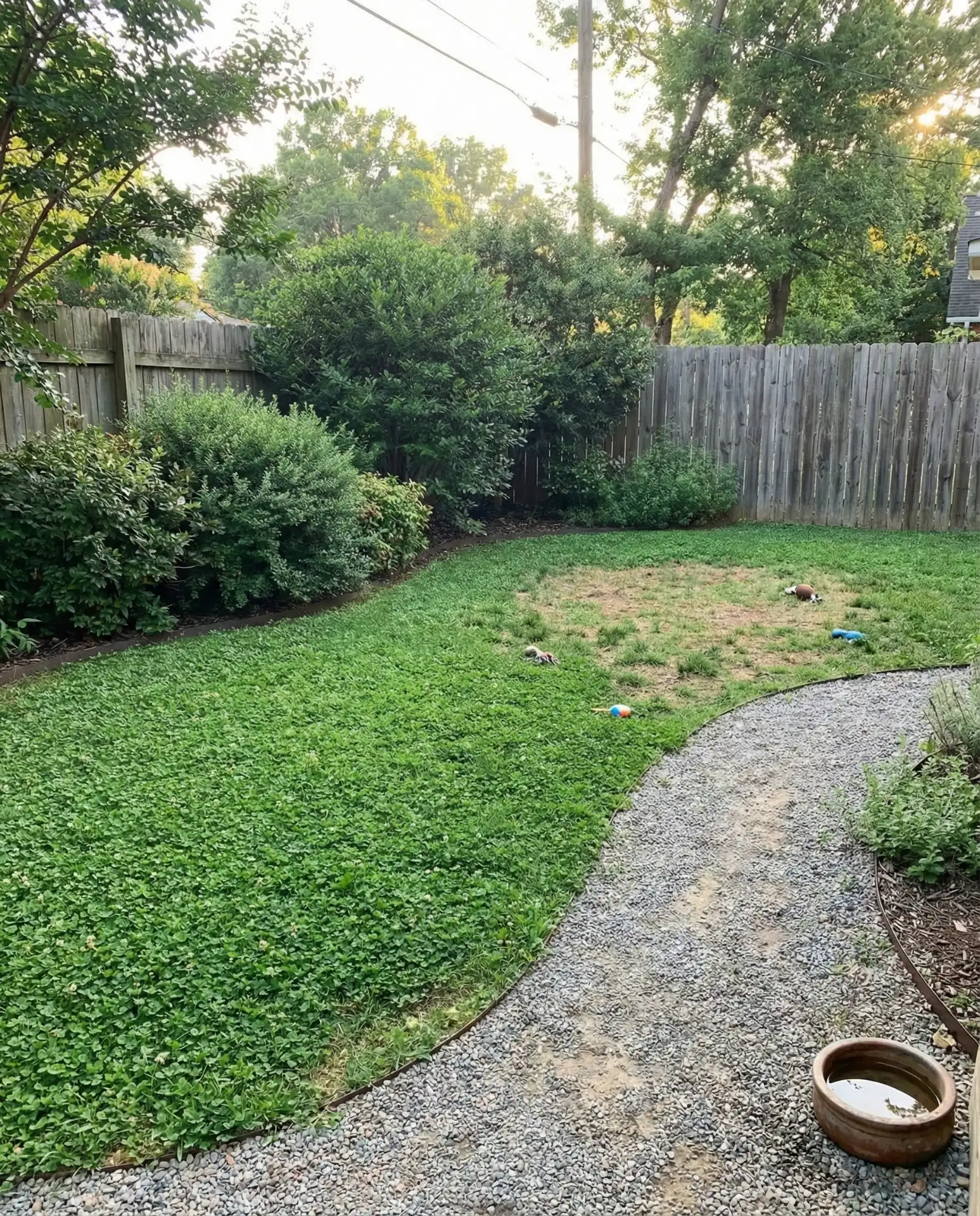
If you share your yard with a dog, you need a design that can handle paws, play, and the occasional digging session. Opt for tough groundcovers like clover or artificial turf in high-traffic zones, and border beds with sturdy plants like ornamental grasses or boxwood that won’t shred under investigation. Avoid toxic plants like azaleas or sago palms, and consider adding a designated digging spot filled with sand or mulch. A dog-friendly yard balances beauty with function, so both you and your pet can enjoy the space. 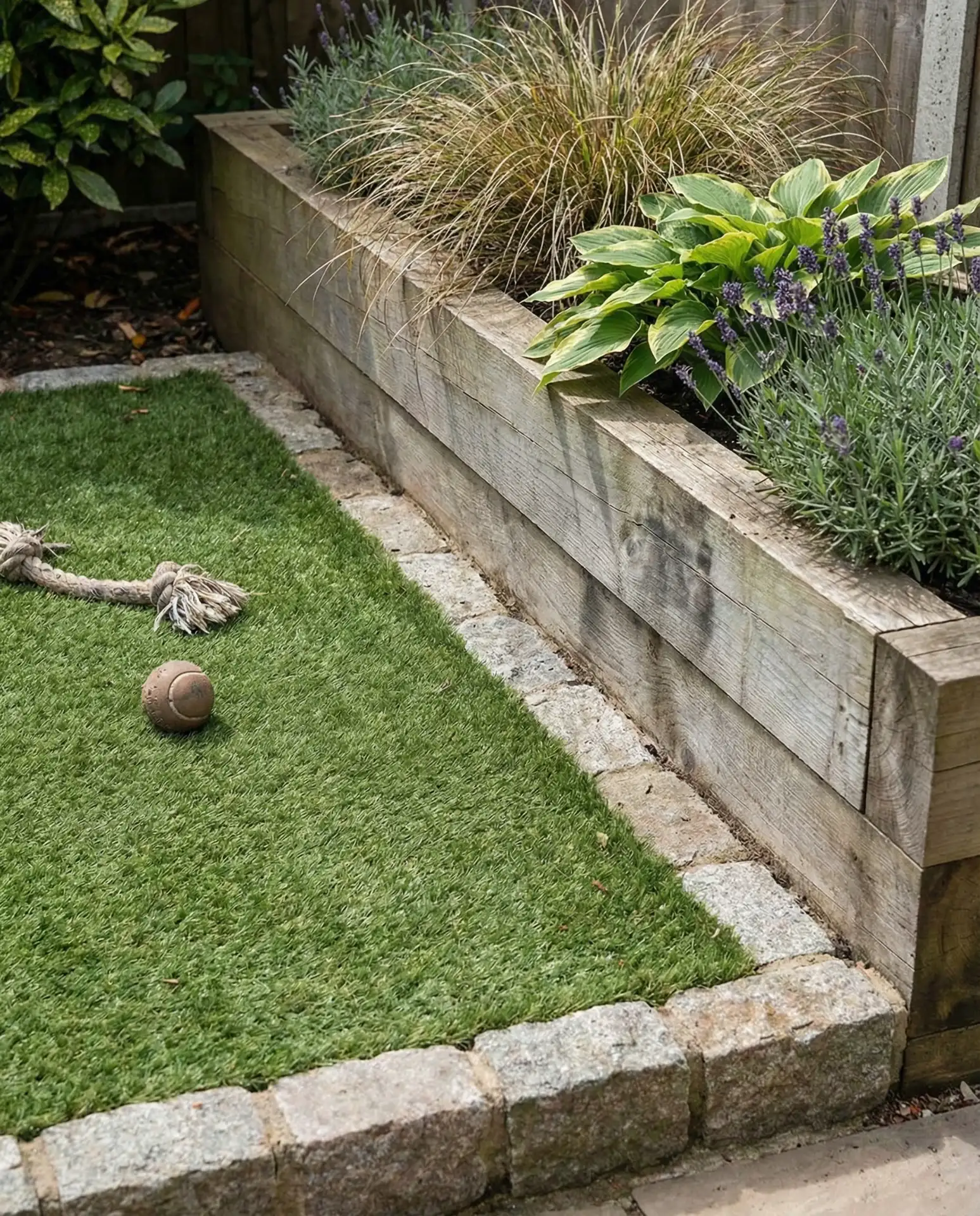
Real homeowner behavior shows that dog owners often prioritize ease over aesthetics at first, but with smart planning, you can have both. Where it works best: any yard where pets are part of the family, regardless of size or climate. Budget-conscious options include seeded clover and DIY fencing made from cedar or wire. The key is choosing plants and surfaces that can take a beating and bounce back. A well-designed dog yard means less stress for you and more freedom for your furry friend.
16. Compact Townhouse Entry with Vertical Plantings

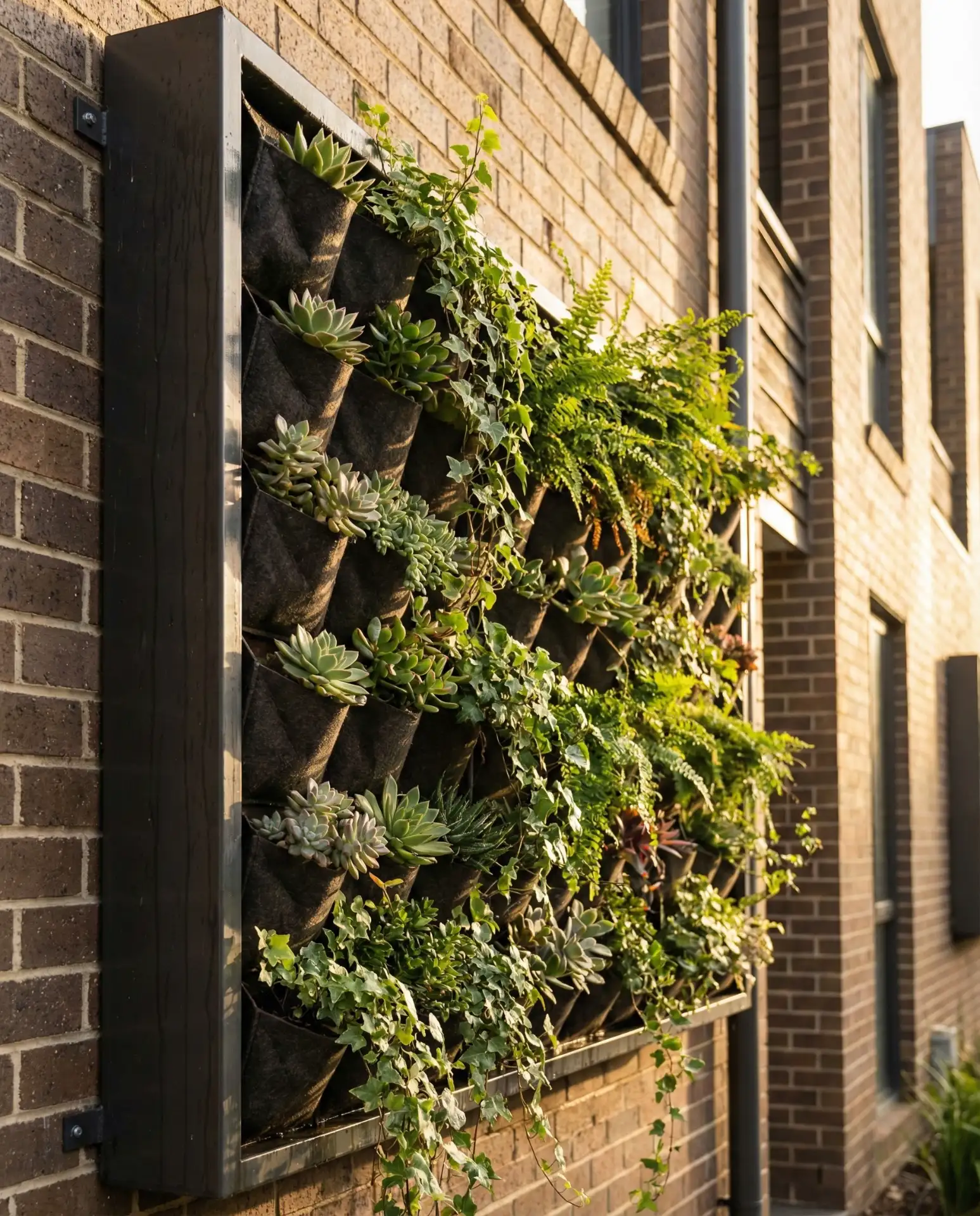
A townhouse front yard often means limited ground space, but that’s no reason to skip greenery. Go vertical with wall-mounted planters, trellises for climbing vines, or a living wall system filled with ferns and succulents. Even a narrow strip along the sidewalk can host a lush mix of textures when you think in layers. This approach is especially popular in cities, where every inch counts and curb appeal is a competitive sport. 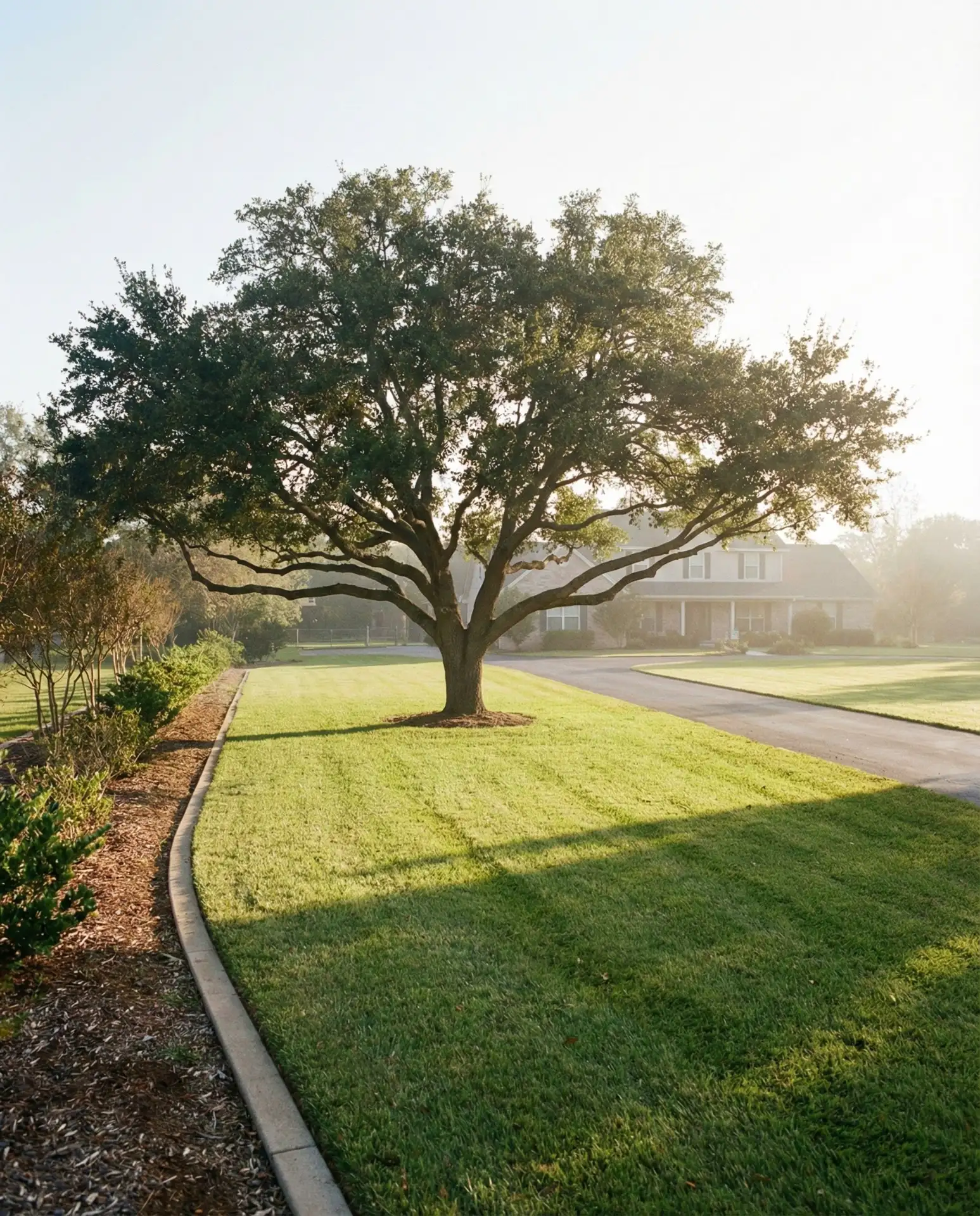
Vertical gardens work best in mild climates or with plants that tolerate container life. Budget-wise, DIY pallet planters or repurposed gutters cost almost nothing and add instant charm. A practical insight: make sure irrigation is easy—drip systems or self-watering planters save time and prevent the frustration of hauling watering cans up stairs. The payoff is a green facade that transforms a plain entrance into something memorable, even from a distance.
17. Expansive Lawn with Specimen Trees
If you’re lucky enough to have a large front yard, celebrate it with a sweeping lawn anchored by one or two specimen trees—a mature oak, a flowering dogwood, or a graceful birch. Keep the planting simple so the architecture of the tree becomes the focal point. This approach is classic American landscape design: generous, understated, and built to last. The lawn provides open space for play or gathering, while the tree offers shade and seasonal interest. 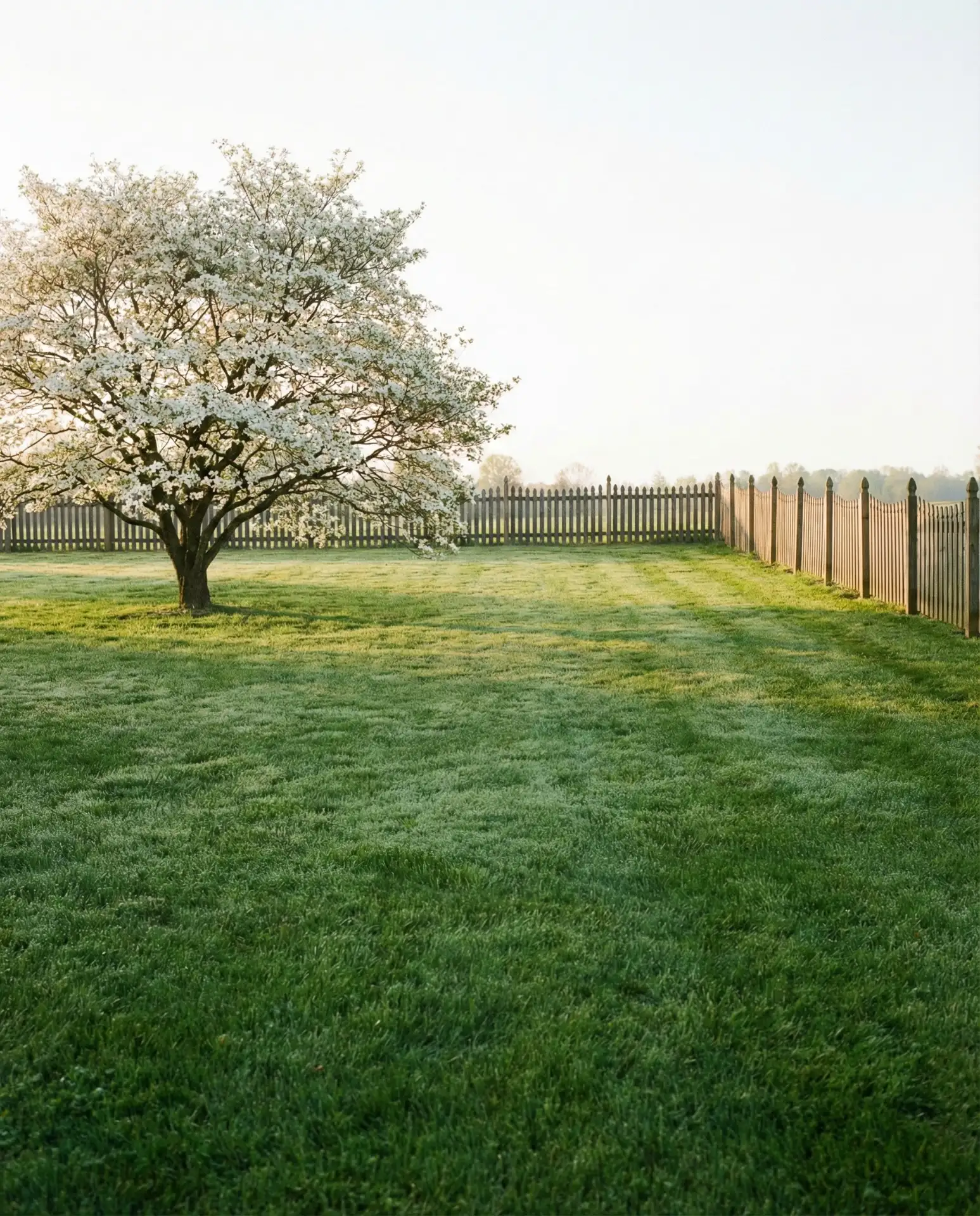
Large yards benefit from professional tree placement—get it right and you’ll enjoy decades of beauty. Budget-wise, young trees are affordable, but avoid planting too close to the house or driveway. Real homeowner behavior shows that people often underestimate how big a tree will grow. A common mistake is planting shade trees too near the foundation or under power lines. Check mature height and spread before digging, and you’ll avoid costly removals down the road.
18. Narrow Side Strip with Stepping Stones
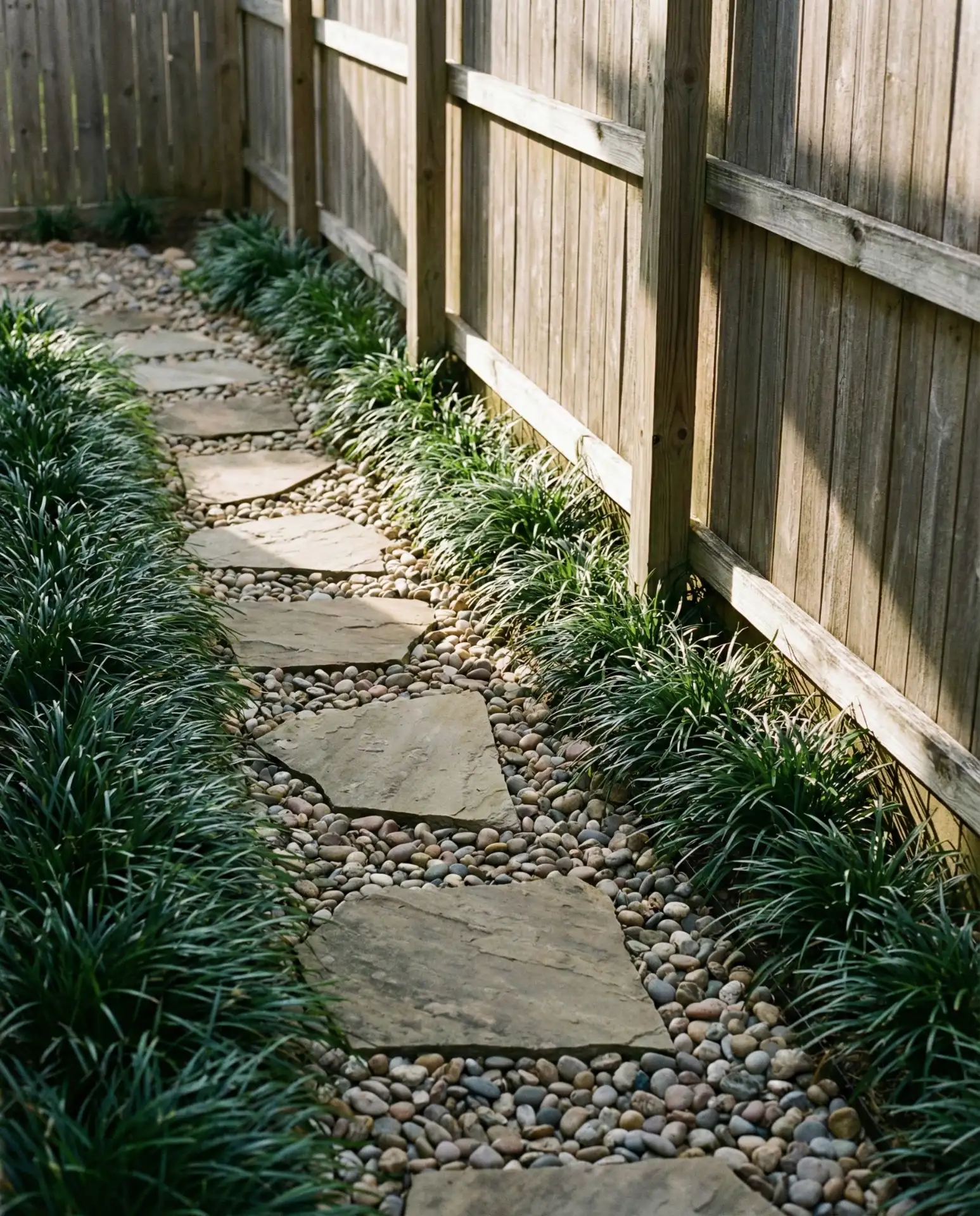
That awkward narrow strip between the sidewalk and your house? It’s the perfect spot for a simple stepping-stone path flanked by low-maintenance plantings. Use flat stones or pavers spaced at a comfortable stride, and edge them with creeping thyme, mondo grass, or dwarf sedge. This design maximizes usability without overwhelming the space, and it looks intentional rather than neglected—a small detail that elevates the entire front yard. 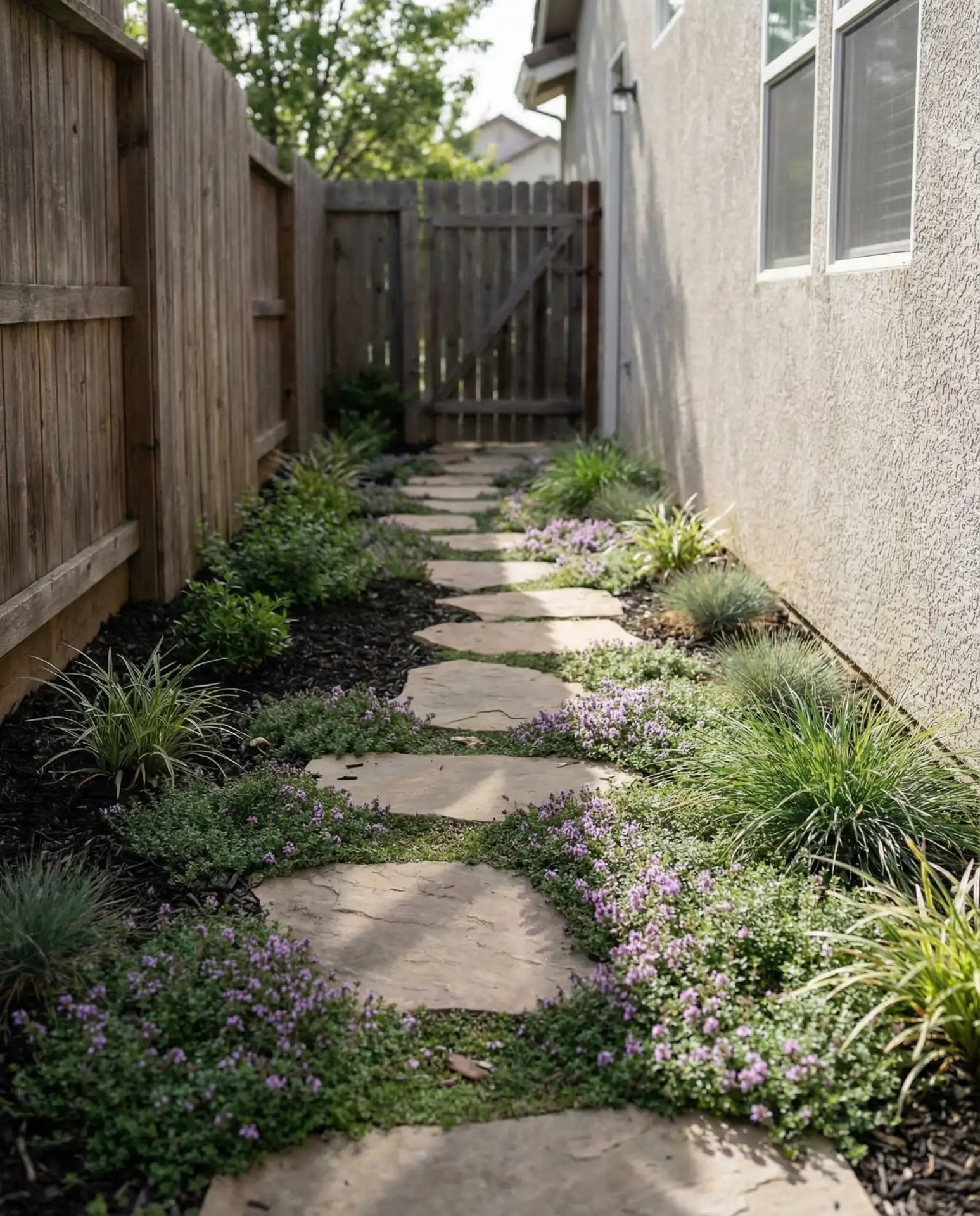
Narrow spaces work best with groundcovers that tolerate foot traffic and don’t require frequent mowing. Where it works best: urban lots, townhouses, or any property where side yards are underused. Budget-wise, stepping stones are cheap if you source them locally, and groundcovers fill in within a season. The practical insight is to avoid grass in these tight spots—it’s hard to mow and looks scraggly. Choose low, spreading plants that hug the ground, and you’ll have a tidy, functional path that requires almost no upkeep.
19. Wildflower Meadow with Mown Paths
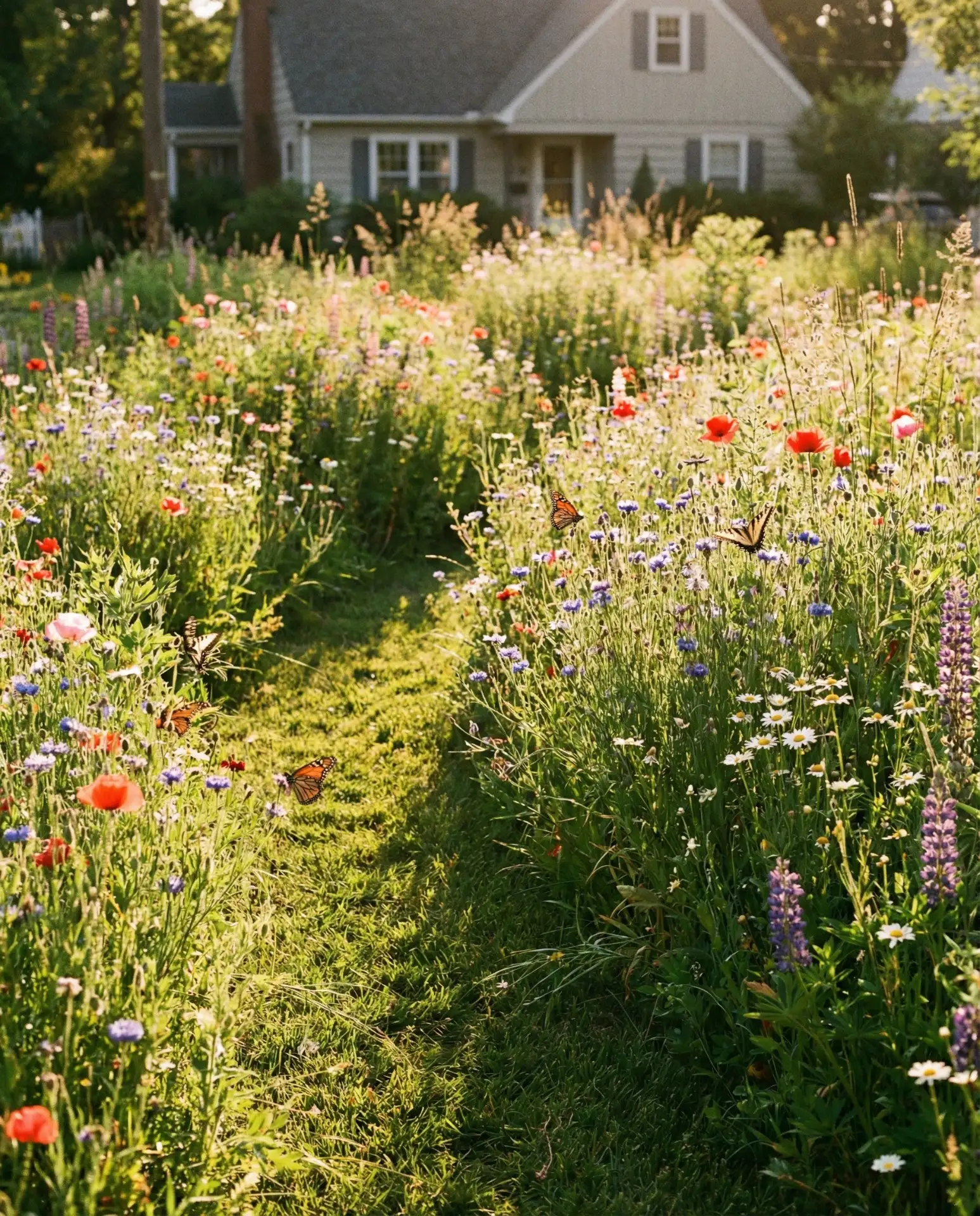
Transform your front yard into a wildflower front meadow that shifts with the seasons and attracts pollinators by the dozen. Leave most of the area unmowed and sow a native seed mix, but carve out mown paths that define circulation and keep the look intentional rather than abandoned. This style has taken off in American yards because it’s beautiful, sustainable, and requires far less water and fertilizer than traditional turf. It’s also a conversation starter—neighbors will want to know your secret. 
Expert-style commentary suggests cutting paths with a string trimmer every few weeks during the growing season to keep edges crisp. The meadow itself needs just one or two cuts per year—late fall or early spring. A common mistake is expecting instant results; meadows take a season to establish and peak in years two and three. But once mature, they’re largely self-sustaining and endlessly rewarding. Kids love running through the paths, and the blooms bring a sense of wildness back to the suburbs.
20. Country Picket Fence with Perennial Borders
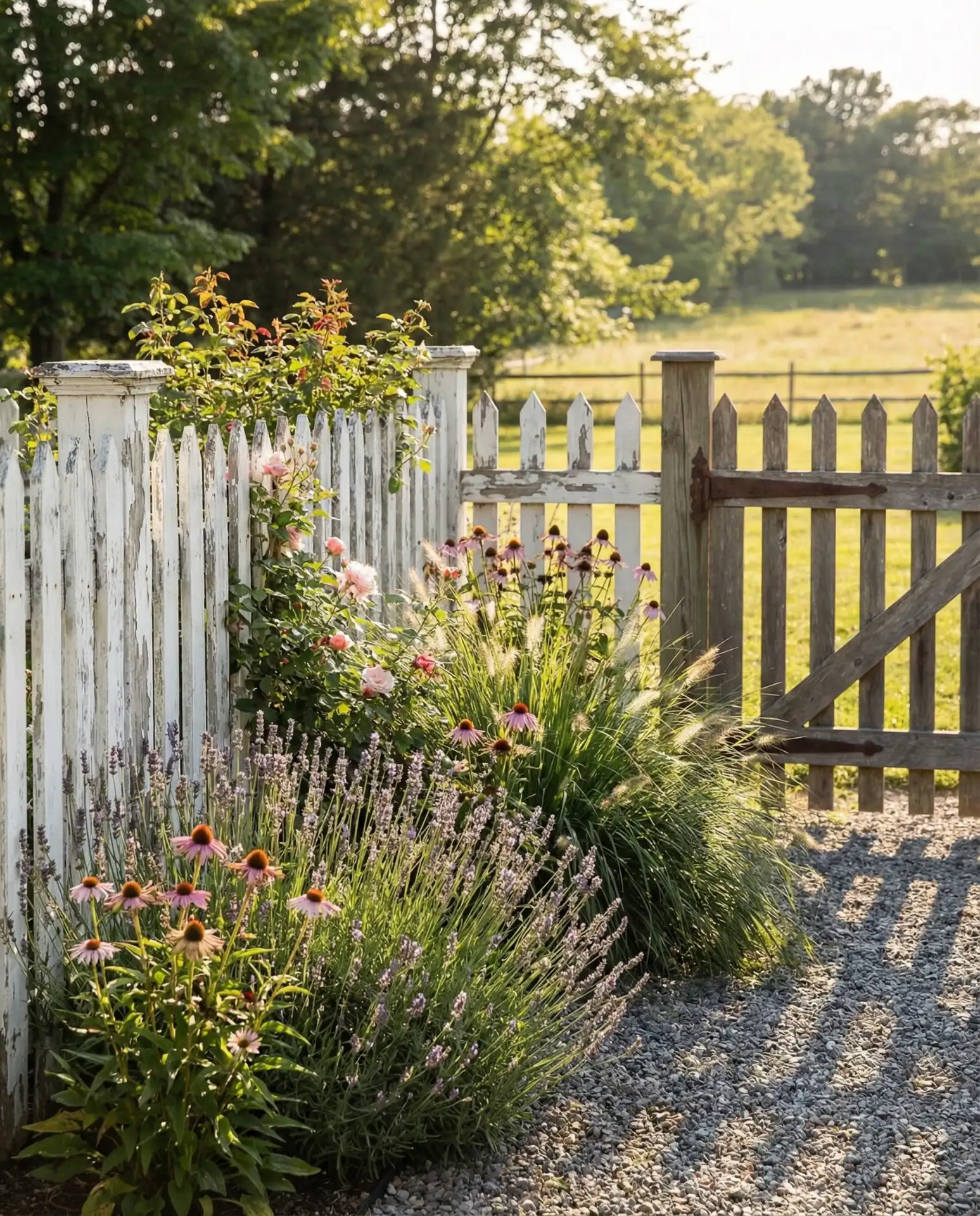
A classic white picket fence paired with overflowing perennial beds is pure country charm. Plant peonies, daylilies, and iris along the fence line, and let them spill over the rails in a casual, abundant way. This look works equally well in rural settings and suburban streets, where a little nostalgia goes a long way. The fence defines your property without feeling closed off, and the plantings soften the structure with color and movement. 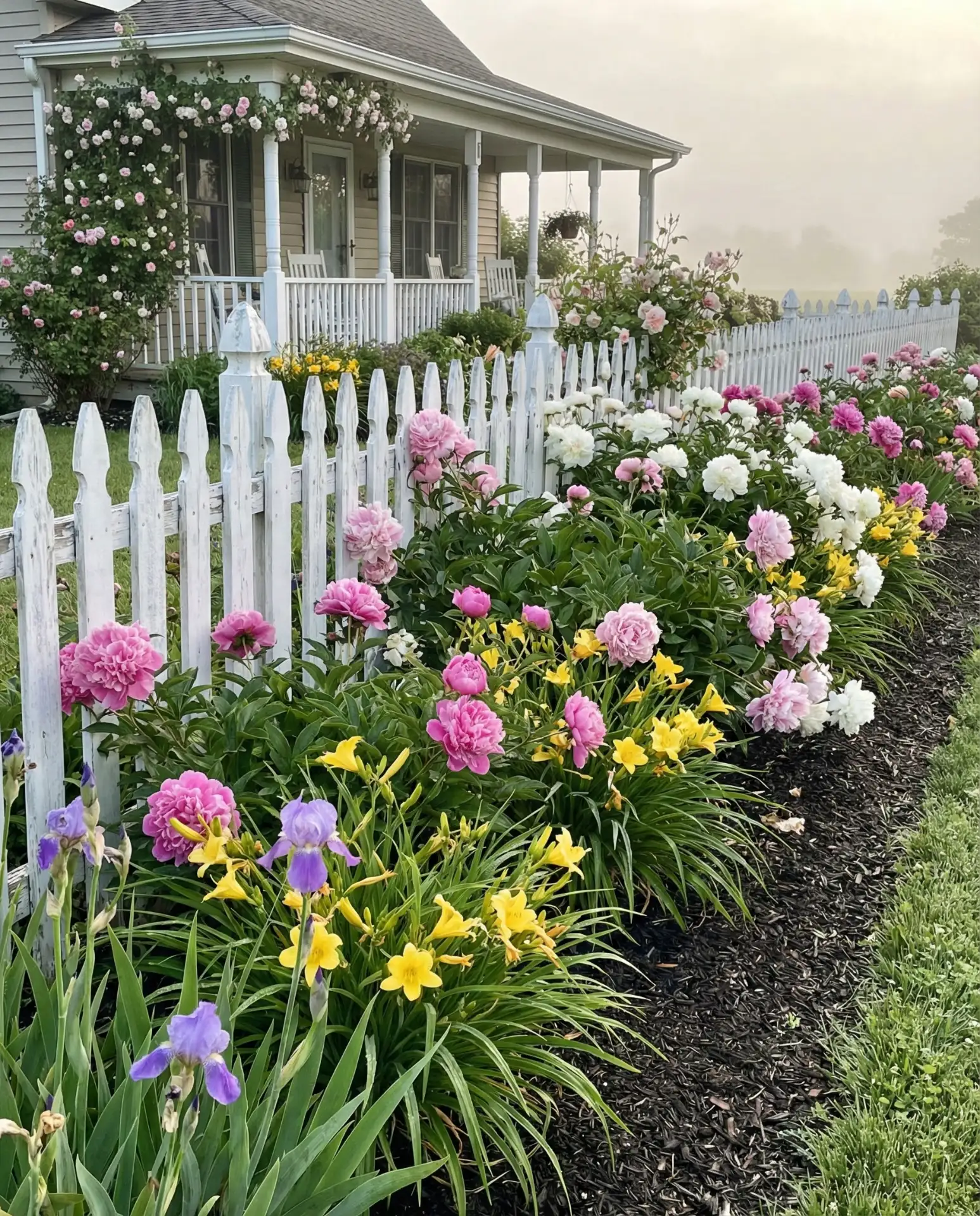
Picket fences are moderately priced compared to other options, and they last for years with occasional repainting. A friend in Vermont installed hers for about fifteen hundred dollars and says it instantly made her property feel more welcoming. The trick is to keep the fence low—three to four feet—so it frames the garden without blocking views. Real homeowners often report that the fence becomes the backbone of the design, giving structure to an otherwise loose planting style.
21. Modern Succulent Grid with Concrete Pavers
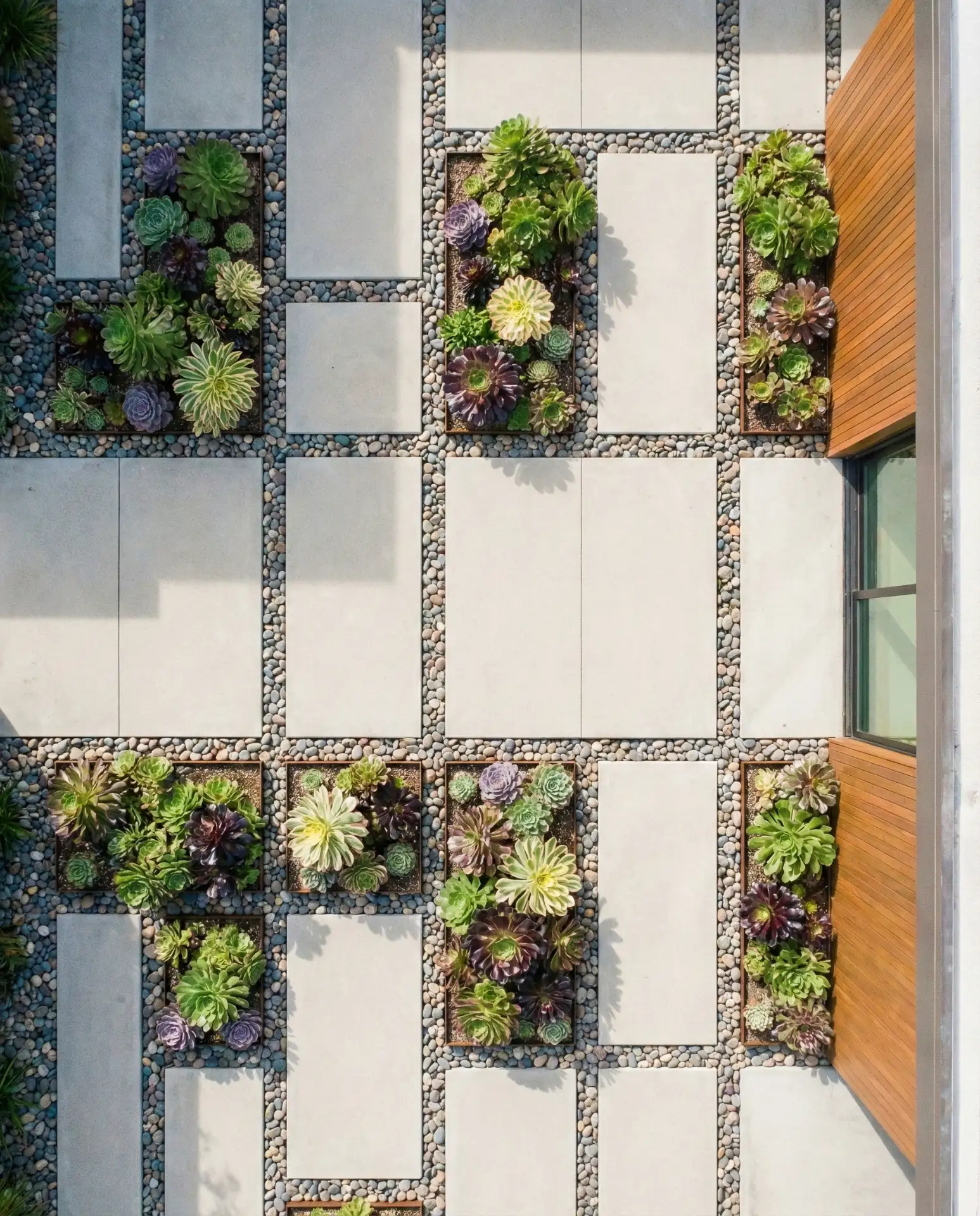
For a contemporary front yard that’s both sculptural and sustainable, arrange large concrete pavers in a grid and fill the spaces between with succulent front plantings. Think echeveria, sedum, and aeonium in repeating blocks that create a living patchwork. This style is Instagram-ready and Pinterest-perfect, combining the precision of modern design with the organic beauty of low-water plants. It works beautifully in dry climates and anywhere you want a bold, graphic statement. 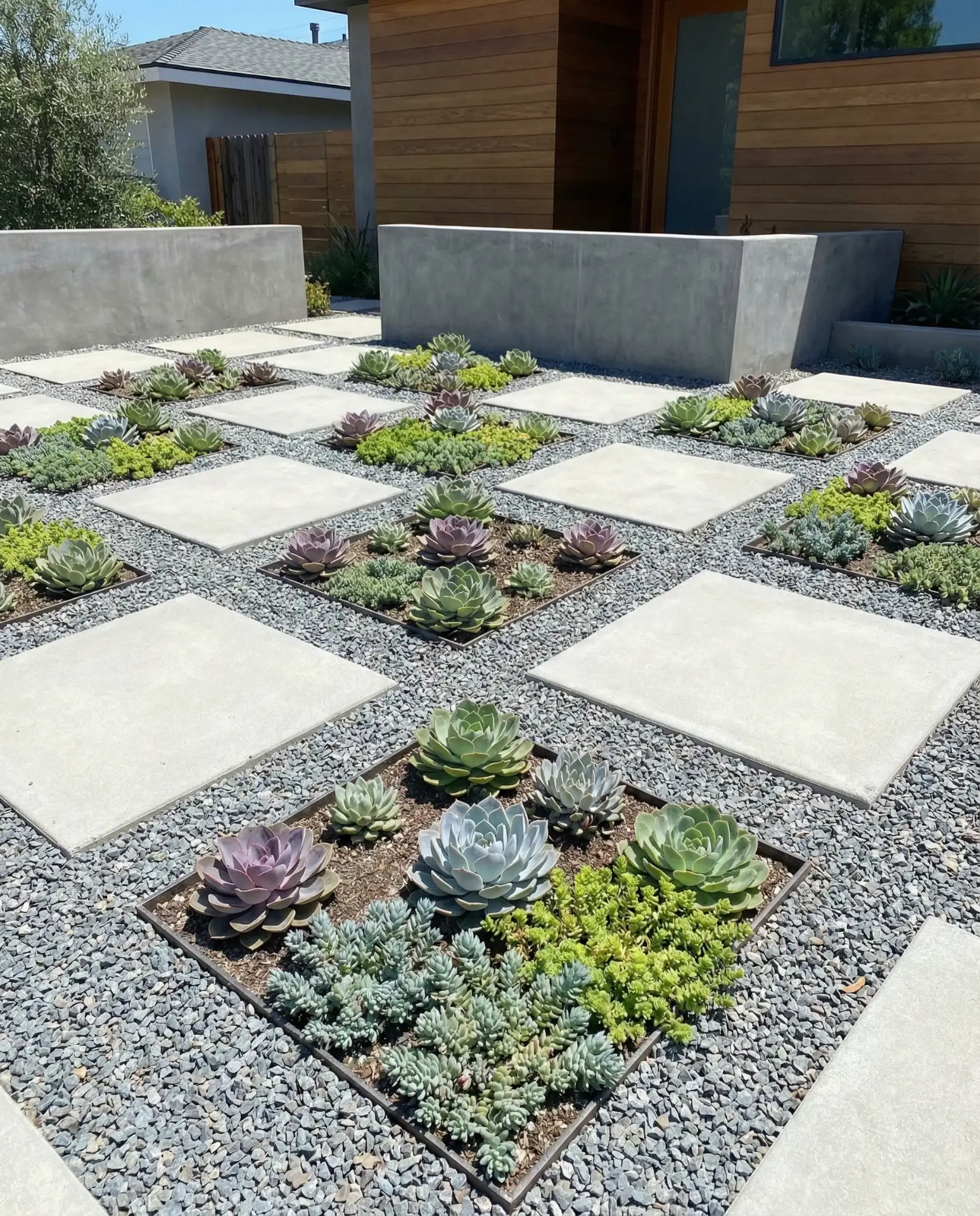
This design is budget-friendly if you pour your own pavers or use prefab slabs, and succulents multiply quickly, so you can start small and expand. A common mistake is underestimating drainage—succulents hate wet feet, so make sure the soil drains fast or use a sand-based mix. Real homeowner behavior shows that people love how this yard evolves over time, with succulents changing color and spreading to fill gaps. It’s a living installation that gets better with age, requiring almost no water and delivering maximum impact.
 Conclusion
Whether you’re drawn to the lush abundance of a tropical entry or the clean simplicity of a gravel yard, the best landscaping ideas are the ones that reflect your life, your climate, and your vision for home. These approaches offer a starting point, but the real magic happens when you adapt them to your own space and style. Take what inspires you, experiment with what works, and don’t be afraid to let your yard evolve over time. We’d love to hear which ideas resonate with you—drop a comment below and share your own front yard plans or projects.