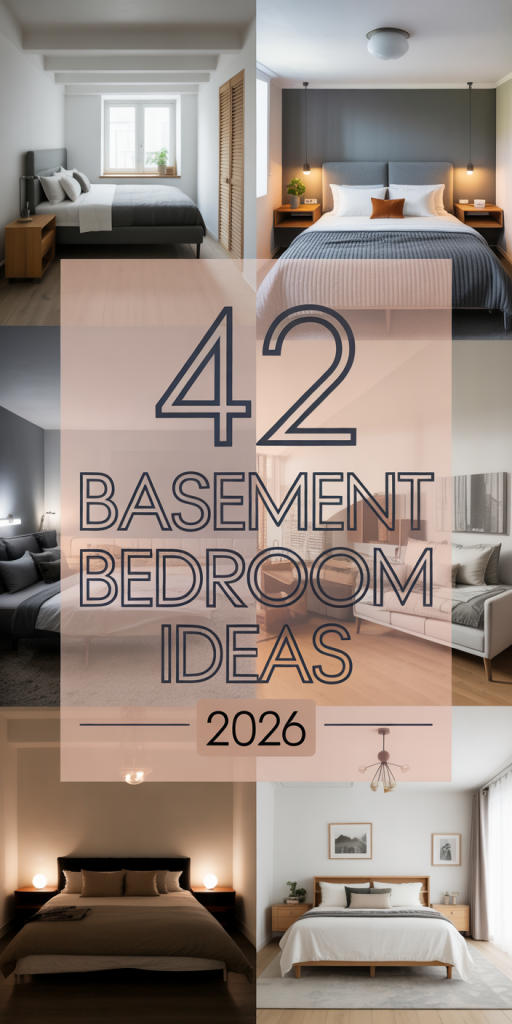
Basement bedrooms have become a practical solution for growing families, multigenerational living, and homeowners looking to maximize square footage without the cost of an addition. Whether you’re transforming an unfinished space into a cozy retreat or upgrading a dark corner into a stylish guest suite, the right design choices can turn below-grade square footage into one of the most inviting rooms in your home. Americans increasingly search Pinterest for basement bedroom inspiration because they want ideas that work around low ceilings, limited natural light, and tight budgets—challenges that require creativity, not compromise. In this guide, you’ll find thoughtfully curated ideas that blend style, function, and real-world practicality, from rustic retreats to sleek modern suites.
1. Embrace Natural Light with Strategic Window Treatments
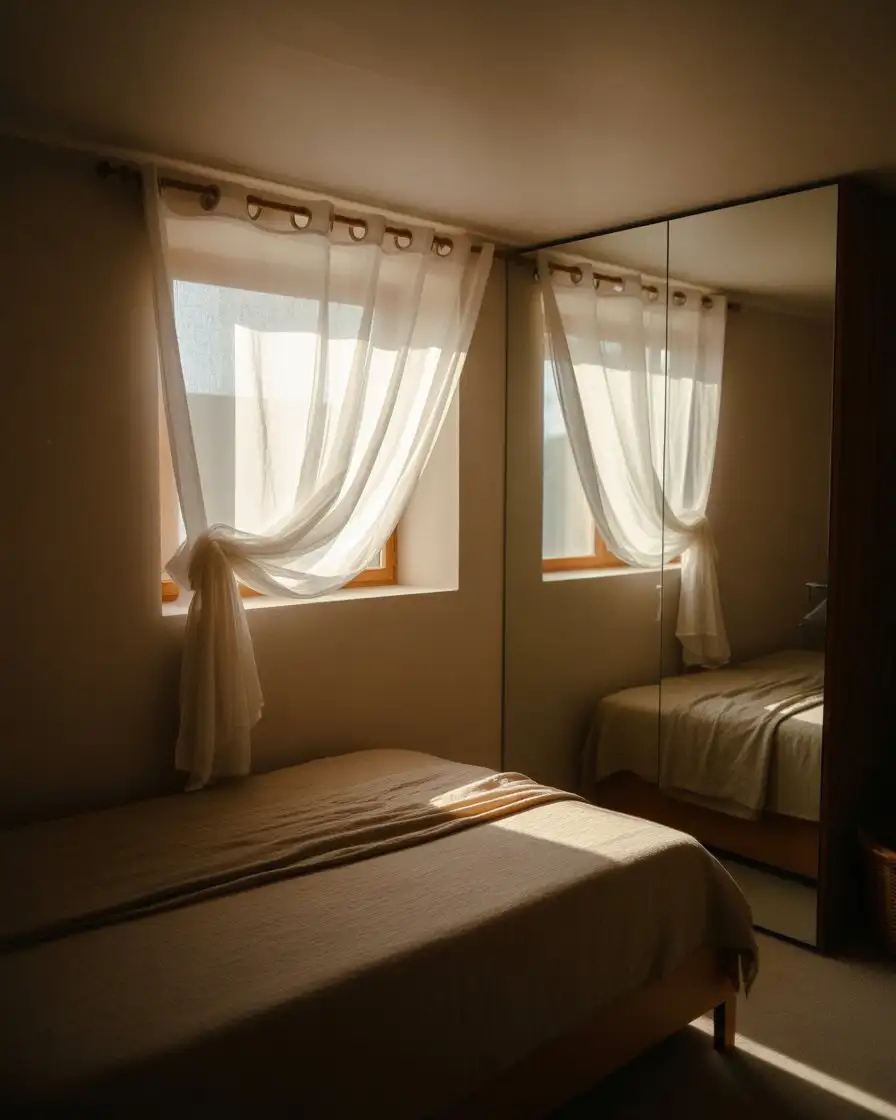
Maximizing every inch of available daylight is essential when working with basement bedrooms with windows, especially small windows that sit high on the wall. Sheer curtains, light-filtering shades, or even removing heavy drapes altogether can make a dramatic difference in how bright and open the space feels. Pair this with mirrors positioned opposite the window to bounce light deeper into the room, and consider painting window frames white to visually expand the opening. 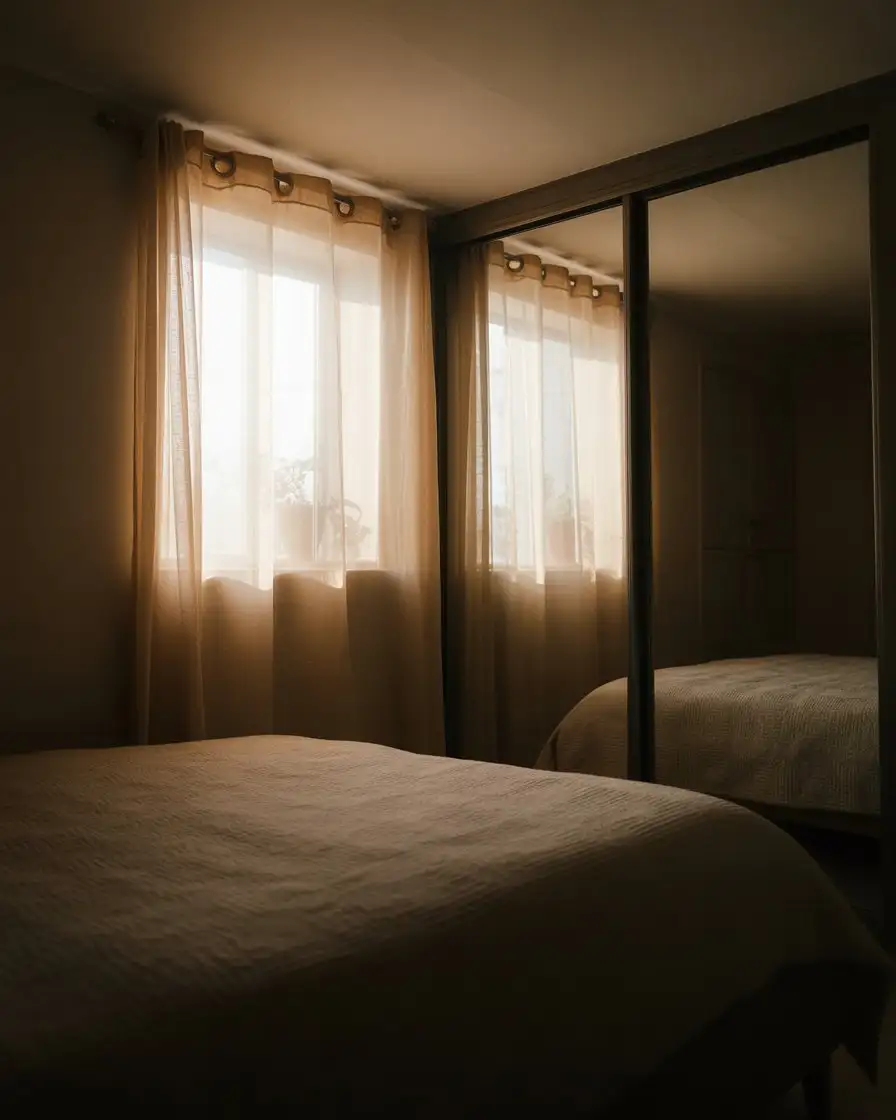
Many homeowners underestimate how much light control affects sleep quality—blackout liners can be added behind sheers for nighttime privacy without sacrificing daytime brightness. This layered approach works especially well in suburban basements where windows face neighboring yards. If you’re working with egress windows required by code, treat them as design assets rather than eyesores by building in window seats or framing them with reclaimed wood for a custom look that adds both charm and function.
2. Design a Moody Retreat with Dark Paint
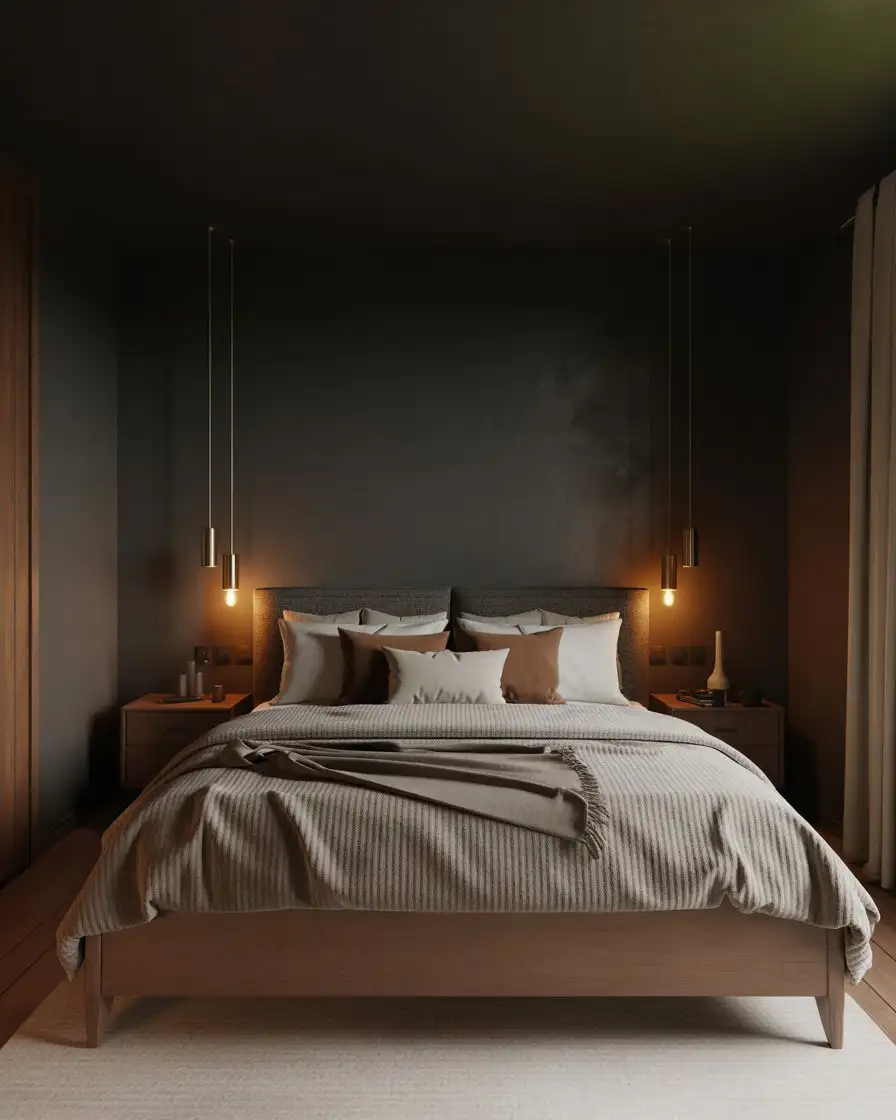
Conventional wisdom says to paint dark basements white, but leaning into deep, saturated colors can create a surprisingly cozy and intentional atmosphere. Charcoal, navy, forest green, or even black walls eliminate the struggle against poor lighting and instead embrace the room’s naturally dim conditions. The result feels more like a boutique hotel than a retrofitted afterthought, especially when paired with warm-toned wood furniture and layered lighting. 
This approach works best in basements with at least one small window or good artificial lighting, since complete darkness can feel oppressive rather than cozy. A common mistake is choosing dark paint but skipping the lighting upgrades—invest in dimmable overhead fixtures, bedside lamps, and even LED strip lighting behind headboards to keep the room functional. Matte finishes tend to look more sophisticated than glossy ones in below-grade spaces, where moisture can sometimes create a sheen on walls.
3. Install Luxury Vinyl Plank Flooring for Warmth and Durability
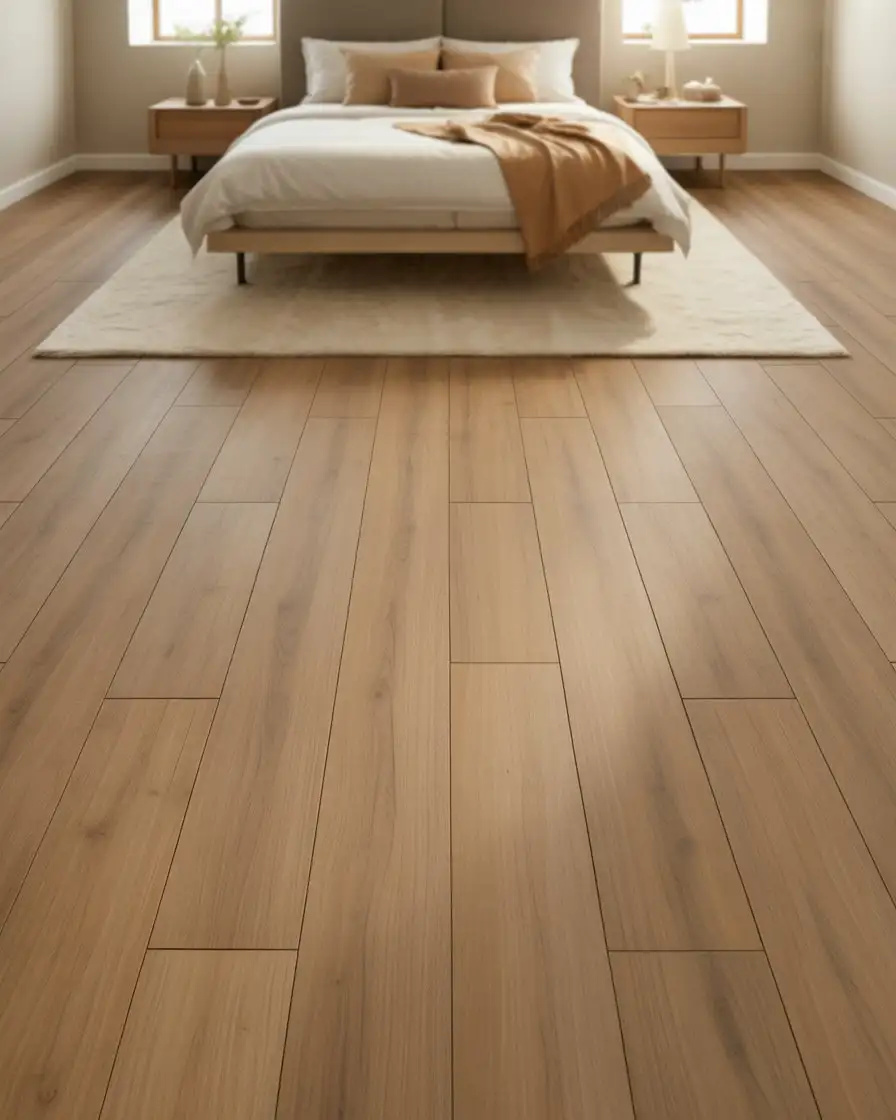
Cold concrete floors are one of the biggest comfort complaints in basement bedrooms on a budget, but luxury vinyl plank (LVP) offers a waterproof, warm-underfoot solution that looks remarkably like hardwood. Modern LVP comes in dozens of finishes—from weathered oak to sleek gray-wash—and can be installed as a DIY project over existing concrete with minimal tools. Underlayment with built-in moisture barriers adds an extra layer of protection against basement dampness. 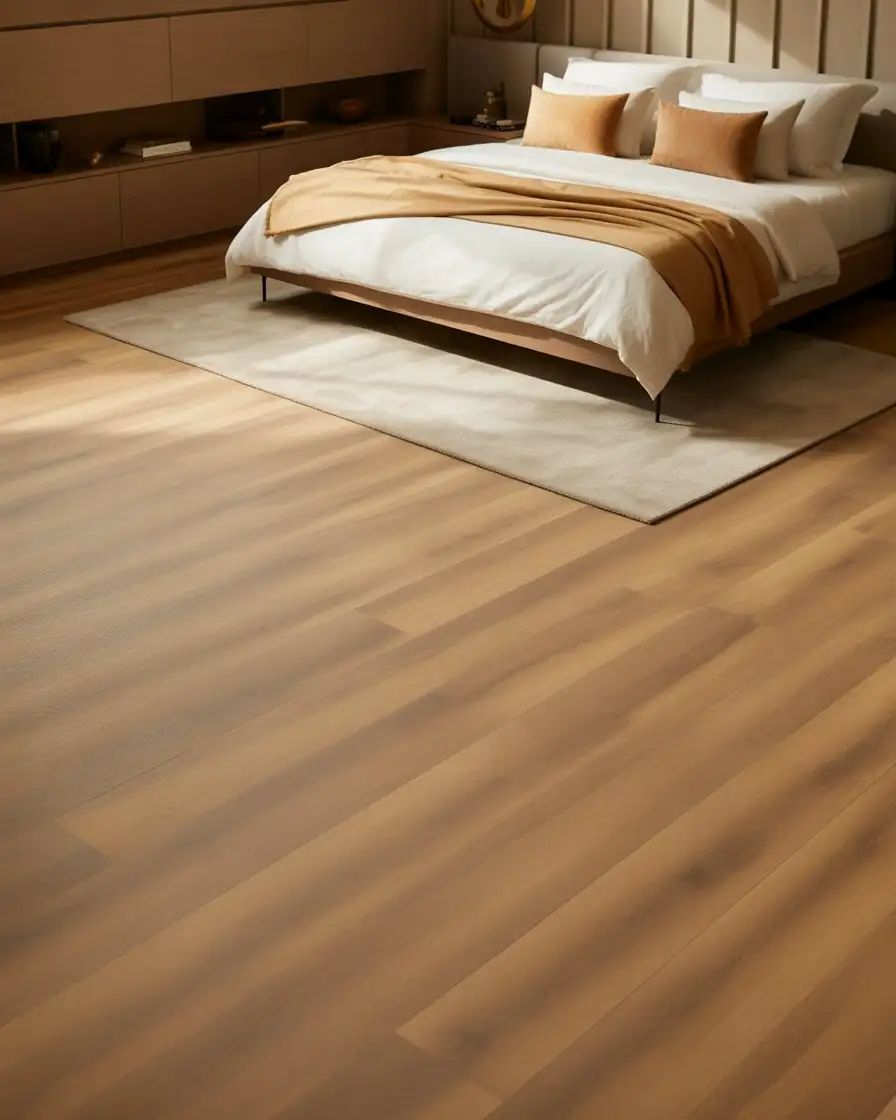
In the Midwest and Northeast, where freeze-thaw cycles can cause foundation shifting, LVP’s flexibility makes it more forgiving than tile or laminate, which may crack over time. Expect to spend $2–$4 per square foot for quality LVP, with installation pushing costs to $5–$7 if you hire a contractor. For true warmth, consider adding radiant heating mats beneath the flooring during installation—this upgrade is surprisingly affordable and transforms a cold basement into a year-round retreat.
4. Create Zones in an Open Layout Basement

An open basement layout offers flexibility but can feel undefined without intentional zoning. Use furniture placement, area rugs, and partial walls or curtains to carve out a distinct sleeping area within a large multi-purpose space. A bookshelf perpendicular to the wall, a folding screen, or even a half-height pony wall can provide visual separation without sacrificing the airy feel that makes open basements appealing. 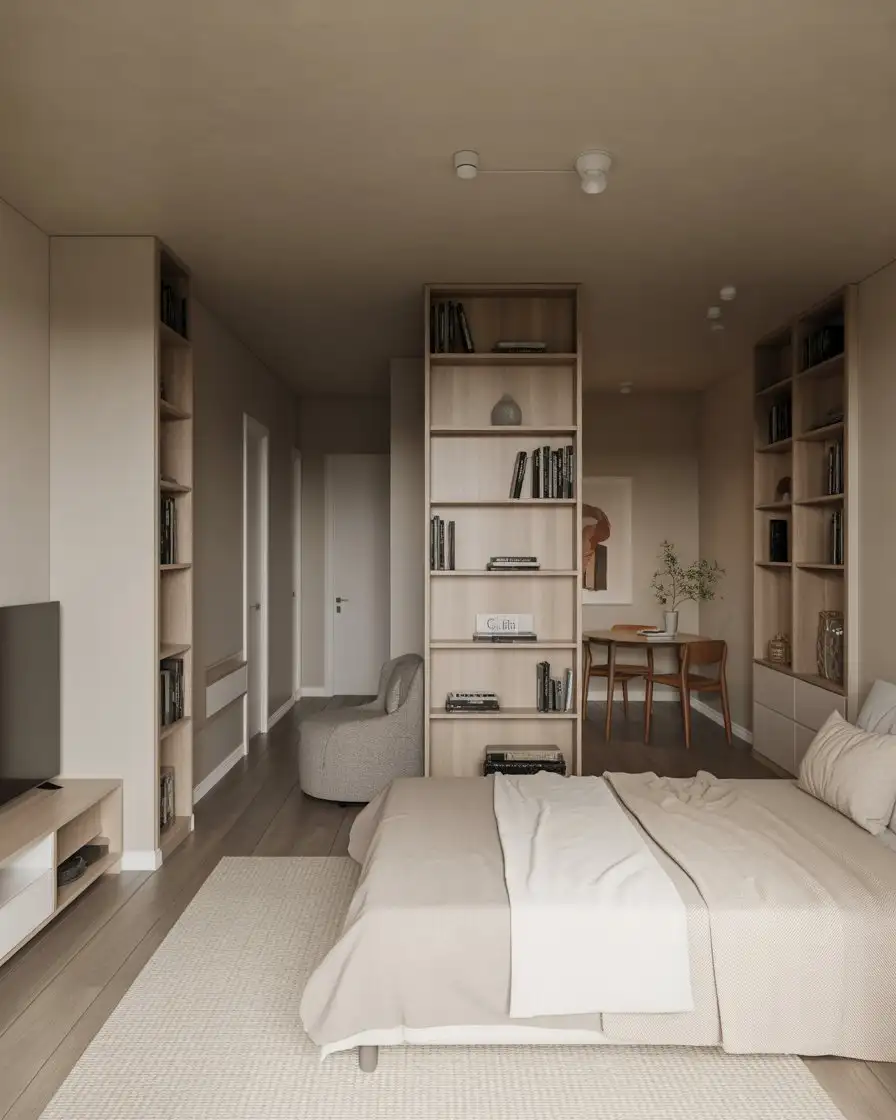
This layout works best in finished basements where heating, cooling, and soundproofing are already addressed—open plans in unfinished spaces can feel drafty and echoey. Hanging a ceiling-mounted curtain track allows for flexible privacy, perfect for guest rooms that double as home offices or workout areas. Many homeowners in newer construction homes with walk-out basements use this strategy to create a teen suite that feels independent but remains connected to the main living area.
5. Build Out a Master Suite with an Ensuite Bath
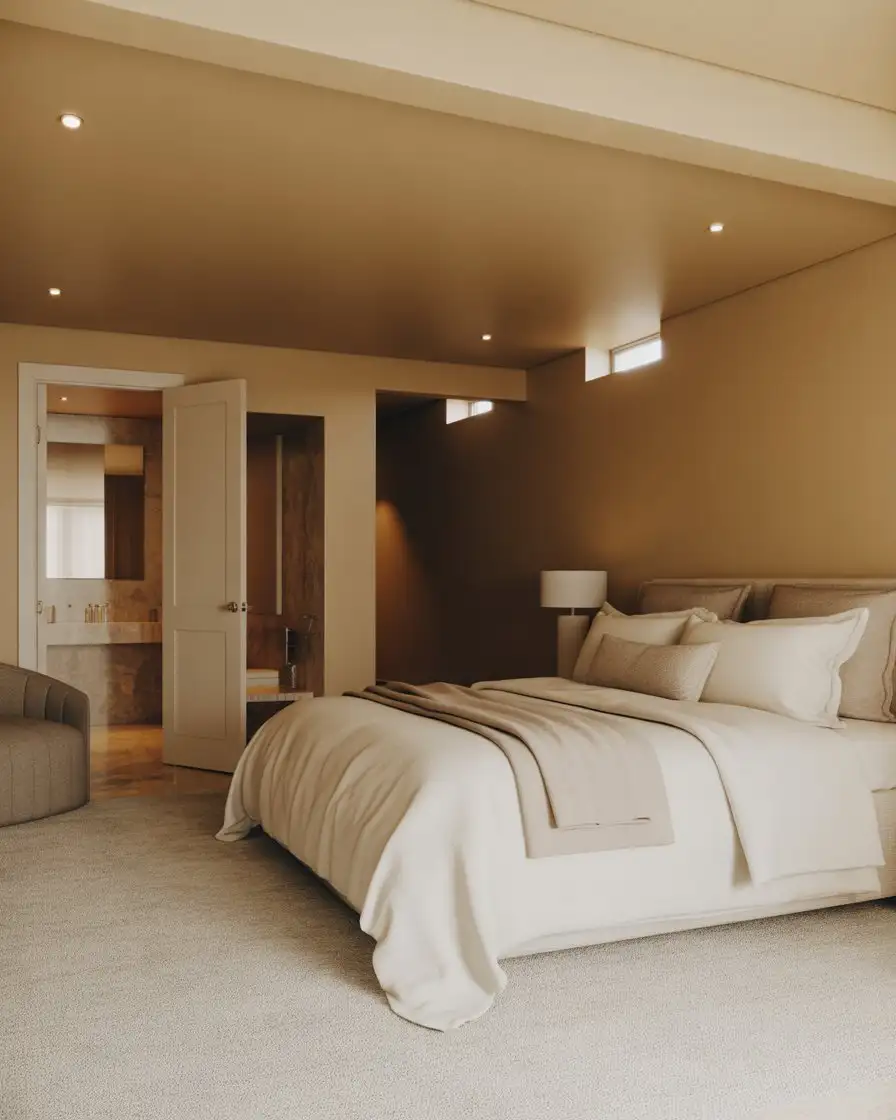
A master suite layout in the basement can be a game-changer for couples seeking privacy, especially in multigenerational homes or when aging parents move in. Prioritize a full bathroom with a walk-in shower, double vanity if space allows, and a separate closet area to make the suite feel truly self-contained. This setup also adds significant resale value, as buyers increasingly view basement suites as a flexible space for guests, in-laws, or adult children. 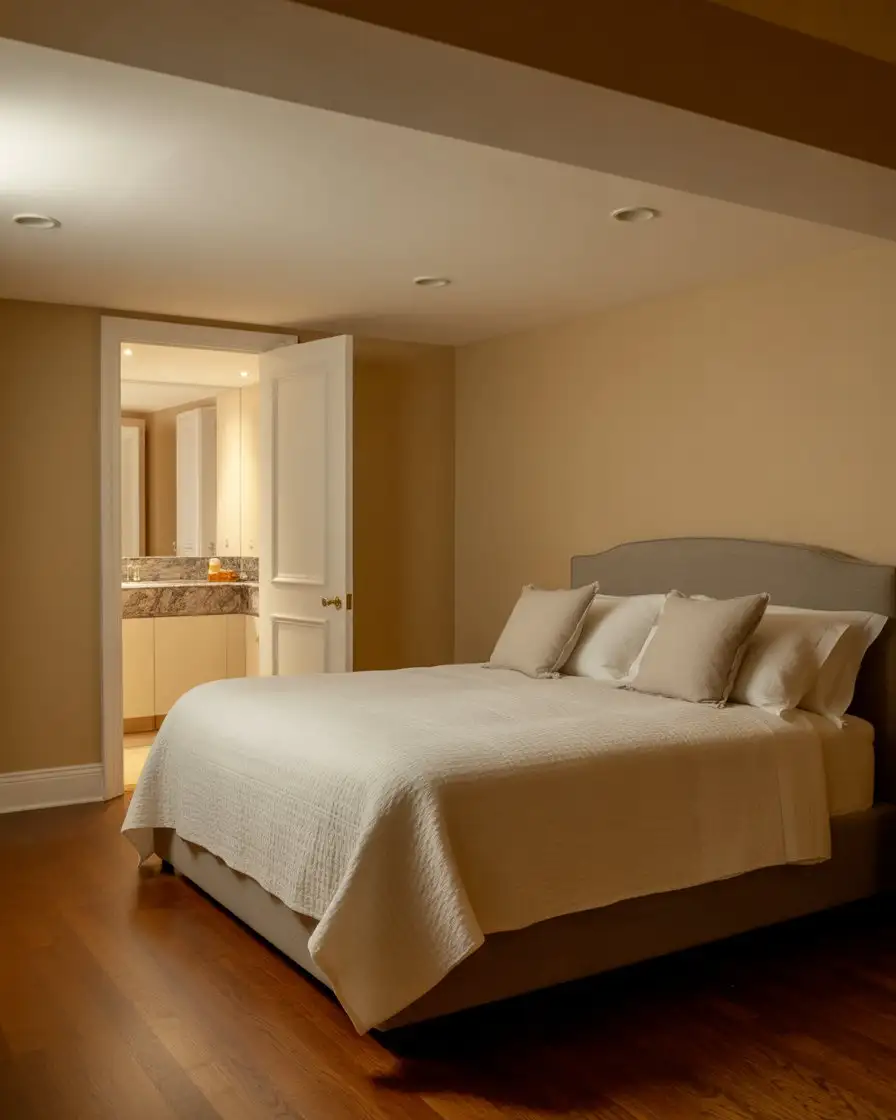
Plumbing is often the biggest expense here—running new drain lines in a concrete slab can cost $3,000–$8,000 depending on your home’s layout and local codes. A practical insight: if your basement already has a bathroom rough-in from the builder, you’ll save thousands. Position the bedroom to take advantage of any existing windows, and consider a glass-block partition for the bathroom to borrow light without sacrificing privacy. The best executions feel like a true primary suite, not an afterthought tucked into leftover space.
6. Add Exposed Beam Ceilings for Rustic Character
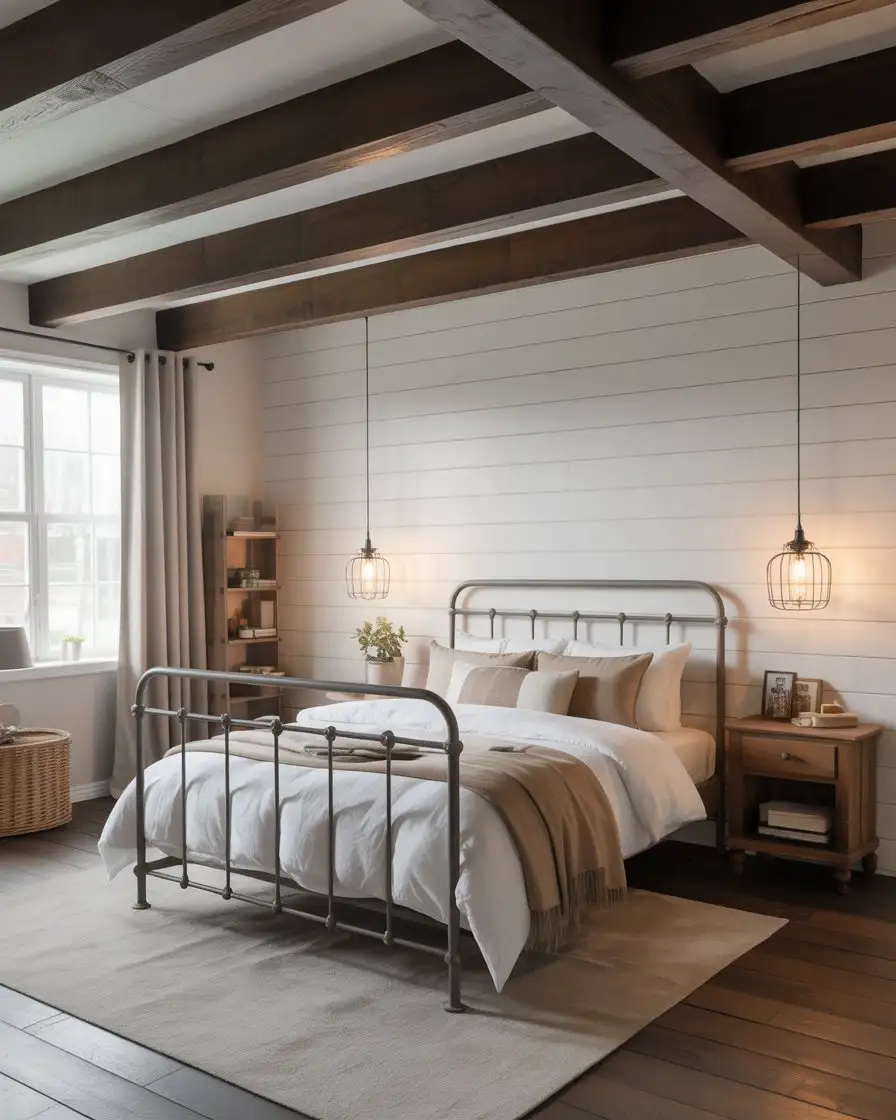
If you’re working with unfinished ceilings or want to add rustic warmth to a finished basement, exposed beams—whether real or faux—bring texture and visual interest overhead. Staining or painting existing joists, or adding reclaimed wood beams, draws the eye upward and distracts from low ceilings by creating intentional architectural detail. This style pairs beautifully with industrial lighting, shiplap accent walls, and vintage furnishings. 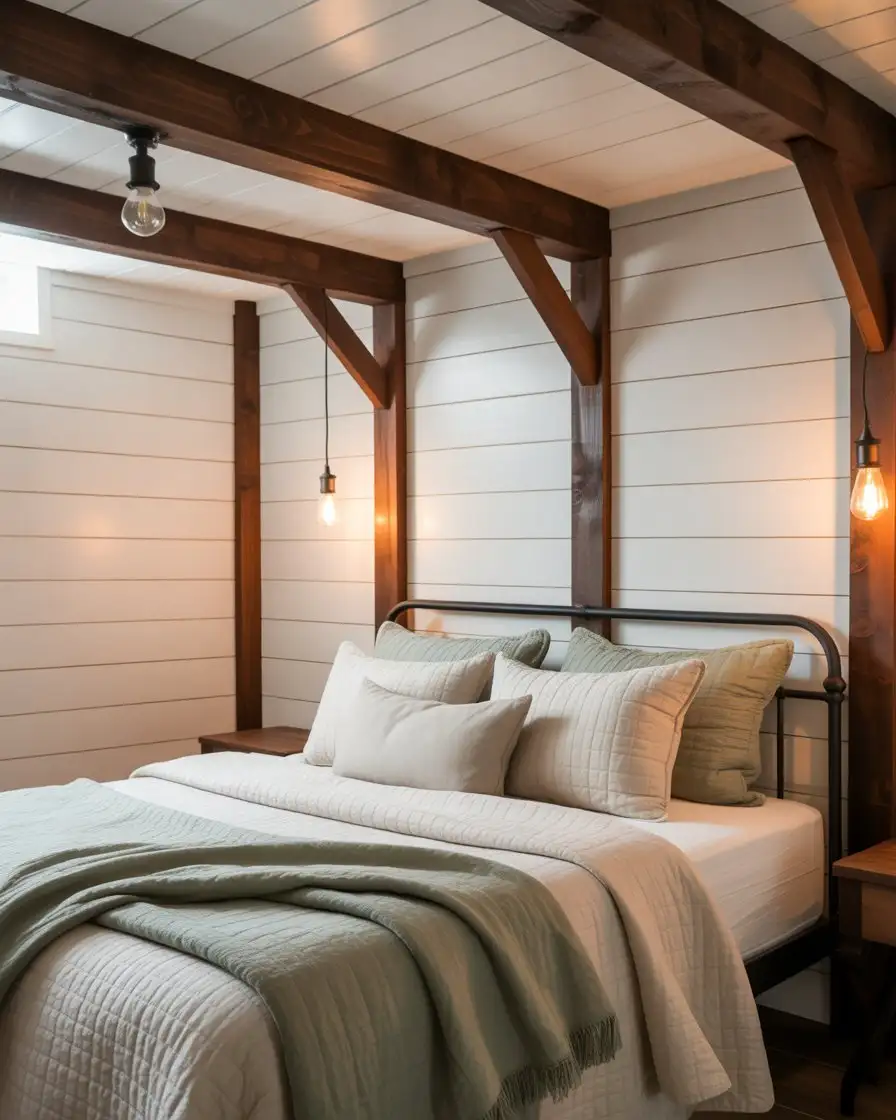
Across rural areas in the South and mountain regions of the West, this aesthetic resonates with homeowners who want their basement to feel like a cabin retreat rather than a sterile add-on. One common mistake is painting beams too dark in an already dim space—consider a lighter stain or whitewashed finish to keep things airy. Faux beams made from lightweight polyurethane are a budget-friendly alternative that install with construction adhesive and look convincing from ground level, costing about $30–$60 per eight-foot beam.
7. Design a Gender-Neutral Teen Retreat
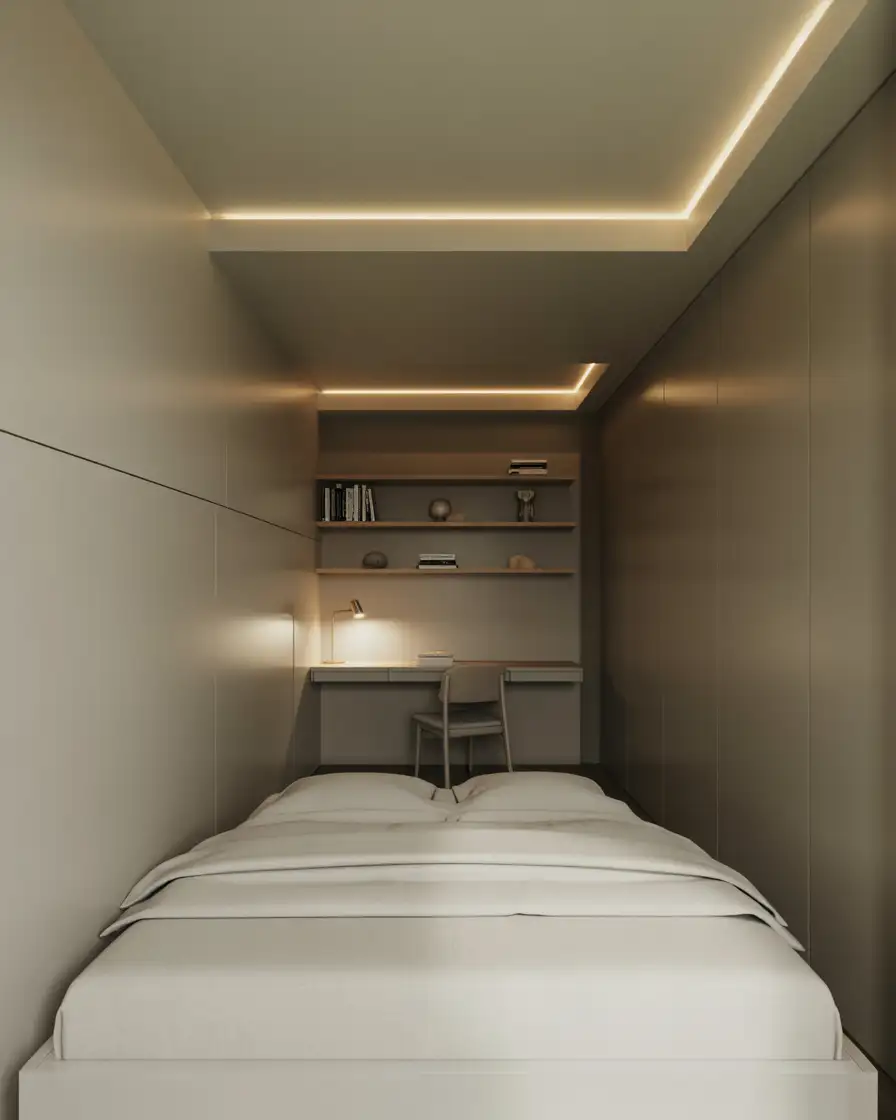
A teens bedroom in the basement benefits from a flexible, mature design that can evolve as tastes change. Skip overly themed decor in favor of clean lines, modular furniture, and a neutral base palette accented with removable elements like posters, LED strips, or swappable throw pillows. Include a desk for homework, a lounge chair for reading, and plenty of storage to keep the space functional and clutter-free. 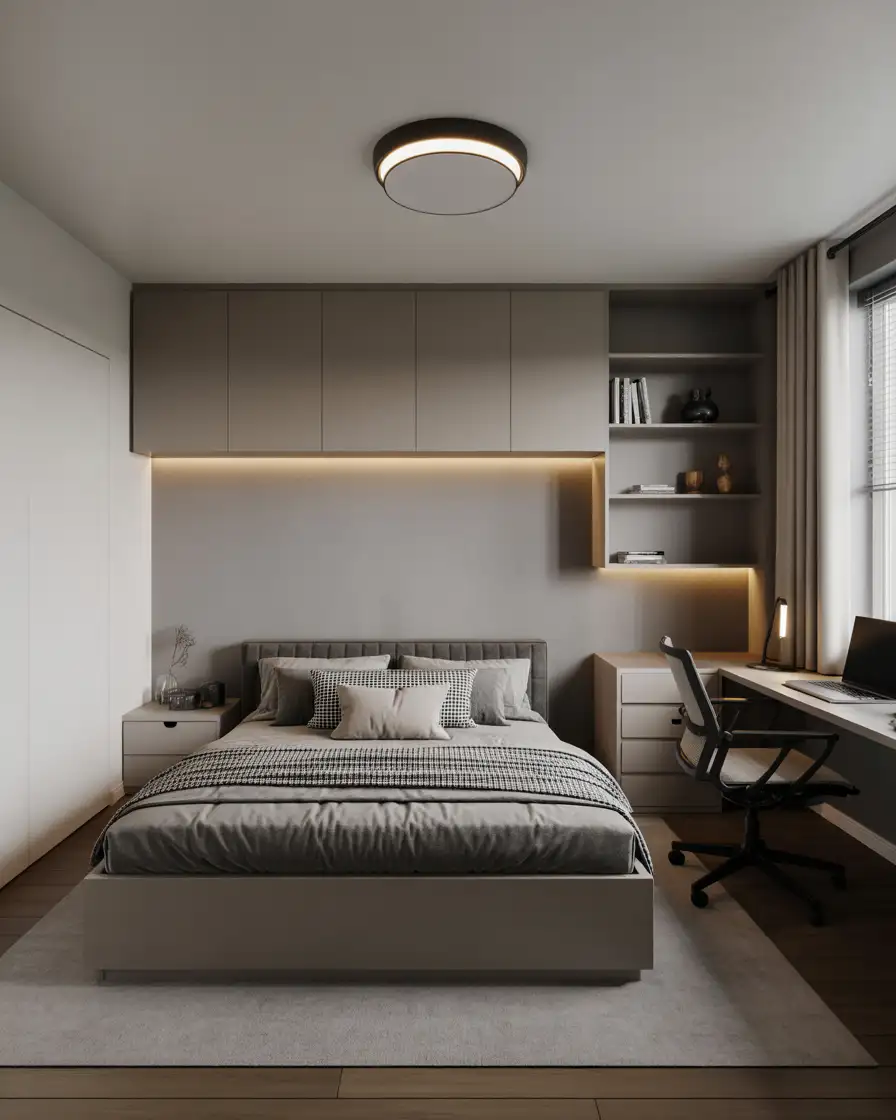
Where it works best: suburban homes where teens crave independence but parents want them close enough to monitor late-night activity. Prioritize soundproofing with insulation in walls and ceilings to contain music and gaming noise, and ensure egress windows meet local safety codes. Avoid the temptation to overfurnish—teens need room to sprawl, socialize, and express themselves, so leave some breathing room in the layout.
8. Use Vertical Shiplap to Heighten Low Ceilings
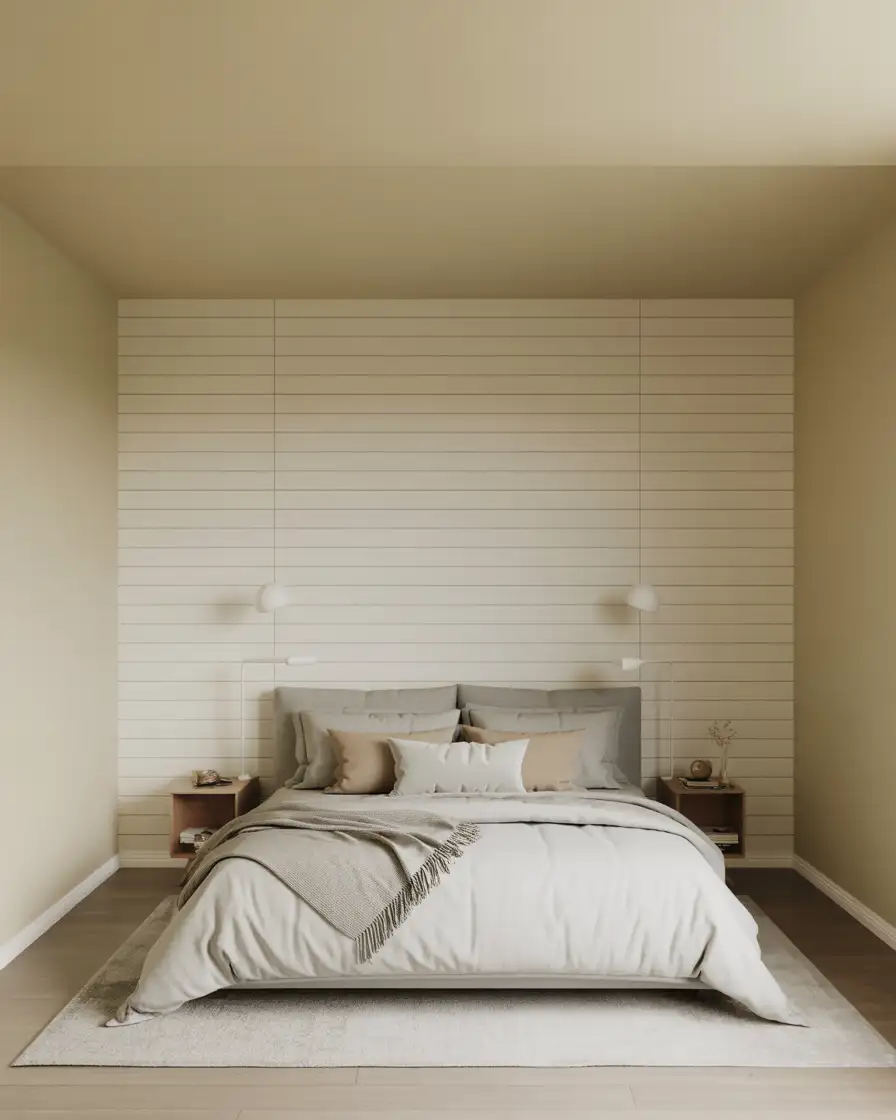
Vertical lines naturally draw the eye upward, making low ceiling basements feel taller than they are. Installing shiplap vertically instead of horizontally creates this illusion while adding texture and a modern farmhouse vibe that’s hugely popular on Pinterest. Paint it a crisp white or soft gray to maximize the effect, and continue the treatment all the way to the ceiling line without interruption. 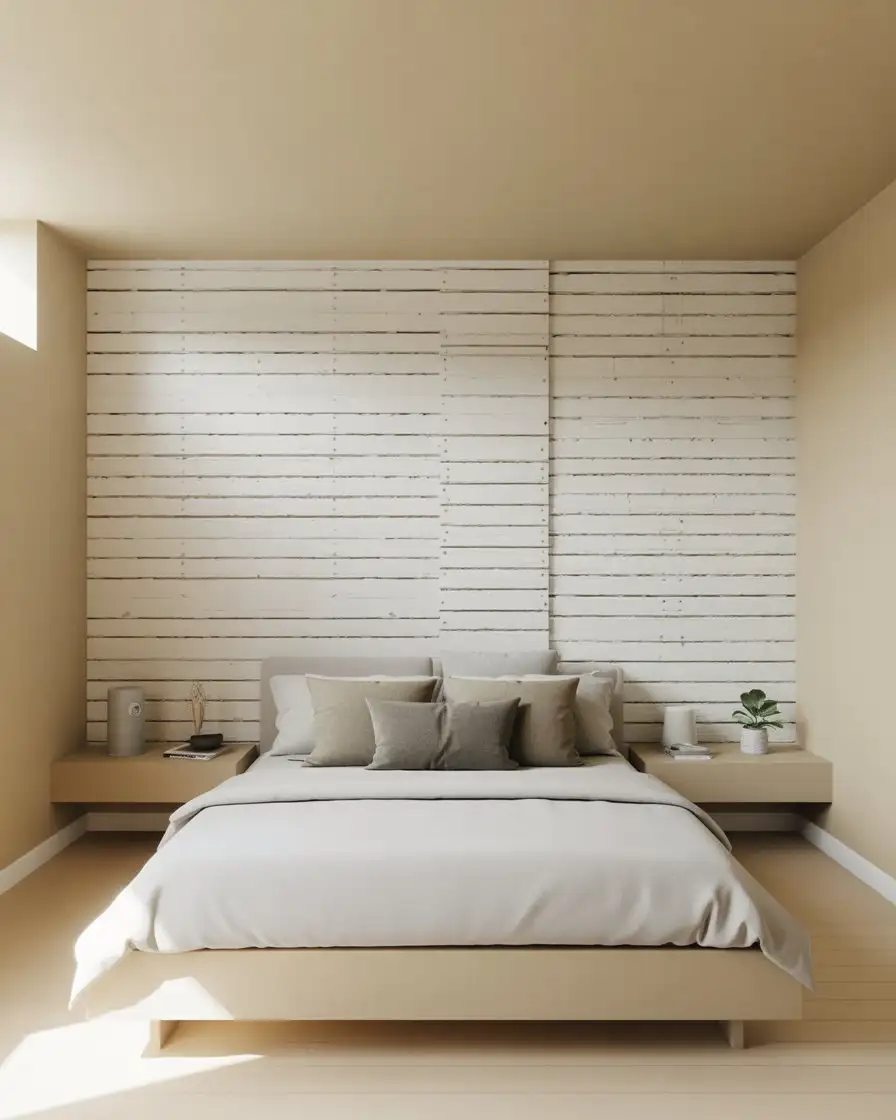
Real homeowners often pair this with recessed lighting instead of hanging fixtures to avoid further lowering the perceived ceiling height. A micro anecdote: one family in Ohio painted their basement ceiling the same color as the shiplap walls, effectively erasing the ceiling line and making the 7-foot space feel surprisingly open. Pre-primed MDF shiplap panels from big-box stores cost around $1–$2 per square foot and install easily with a nail gun, making this a manageable weekend DIY project.
9. Layer Textiles for a Cozy Aesthetic
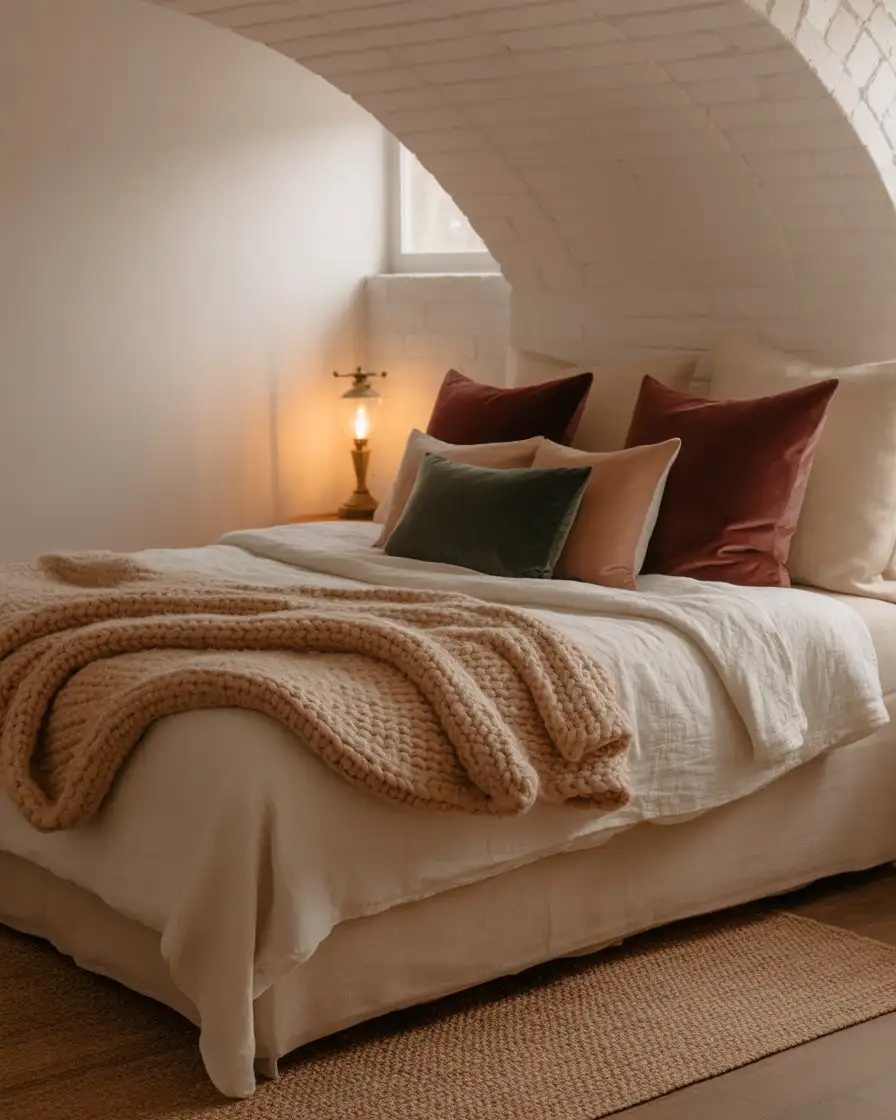
Basements can feel cold and impersonal, but layering textiles—chunky knit throws, linen duvet covers, wool area rugs, and velvet pillows—instantly makes the space cozy and aesthetic. The key is mixing textures rather than matching everything, which creates visual depth and warmth. Stick to a cohesive color story, like cream, camel, and charcoal, to keep the look intentional rather than cluttered. 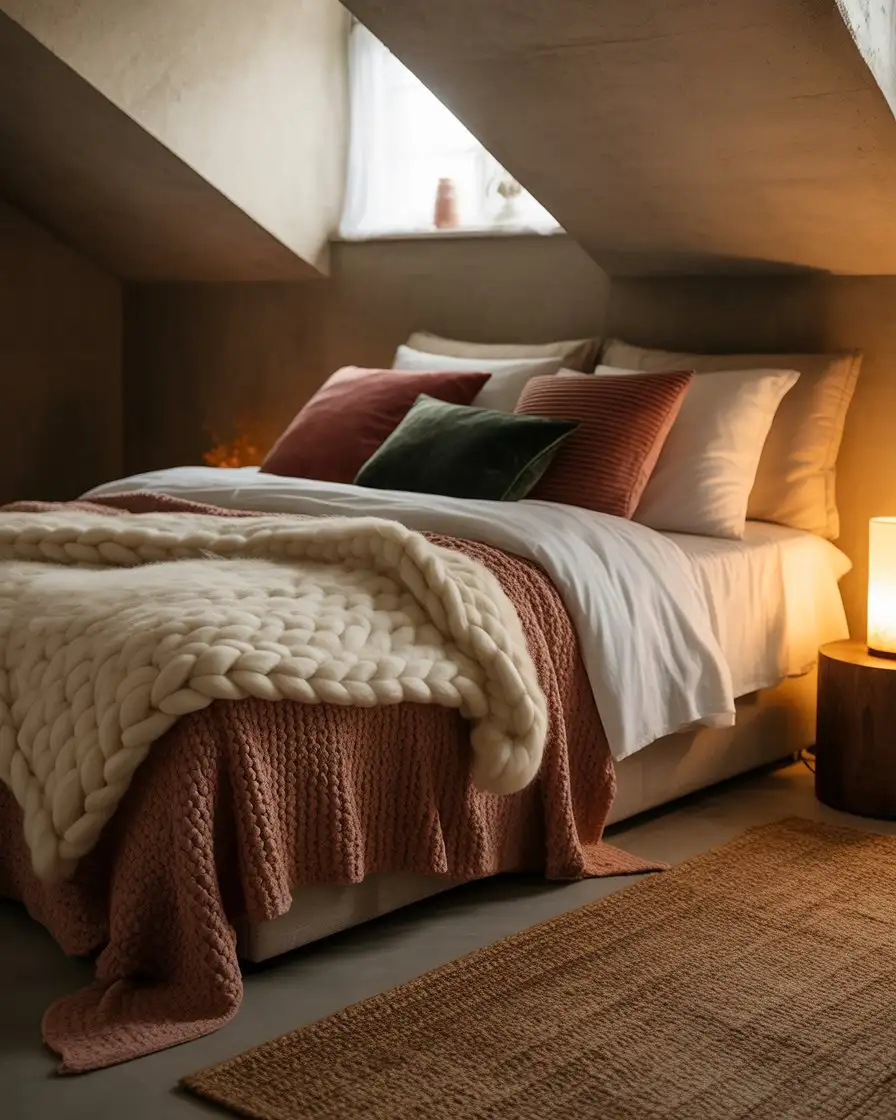
This strategy is especially effective in budget-conscious projects where you’re working with builder-grade finishes—textiles provide affordable personality and can be swapped seasonally. Look for secondhand finds at estate sales or thrift stores for unique pieces like vintage quilts or handwoven blankets. The tactile richness of layered fabrics compensates for the lack of natural light and architectural detail common in basement spaces, making the room feel curated and lived-in.
10. Install a Murphy Bed for Flexible Guest Space
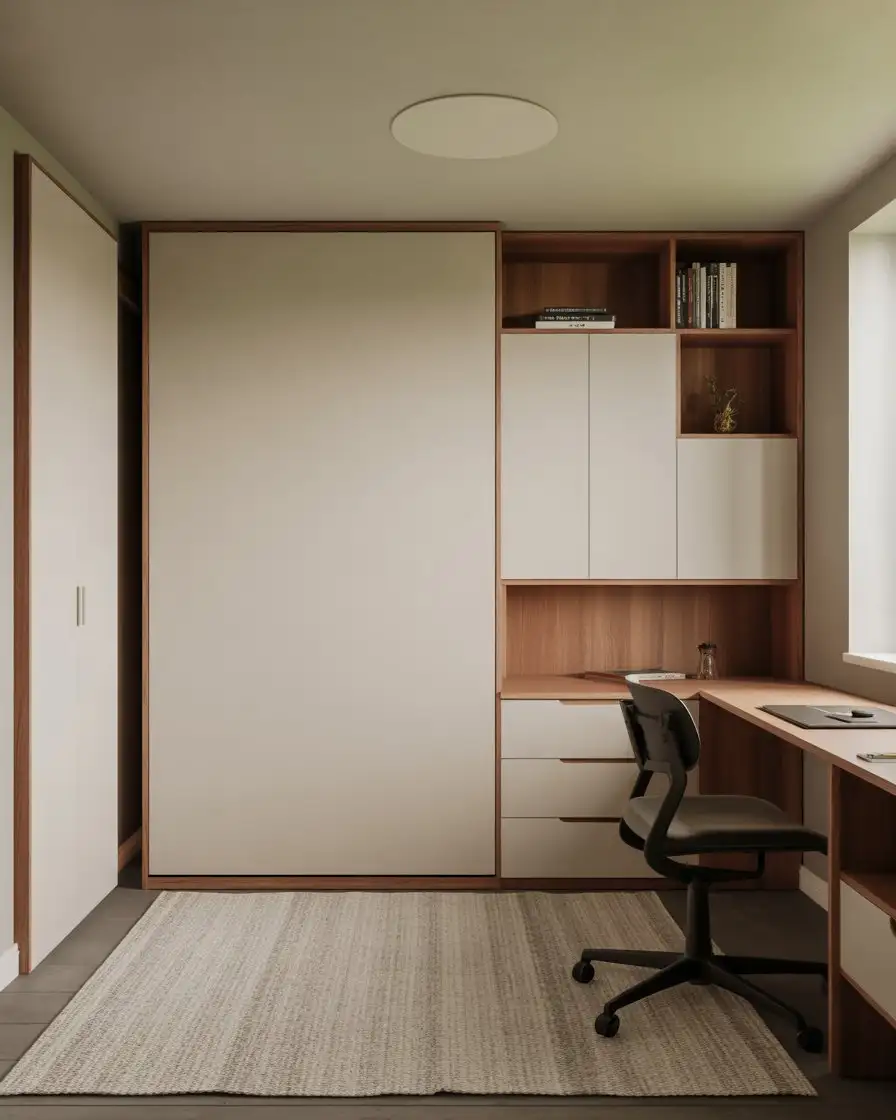
A guest-friendly basement bedroom that also functions as a multipurpose space benefits enormously from a Murphy bed. Modern versions fold seamlessly into wall units with built-in shelving or desks, transforming from a sleeping area to a home office, gym, or playroom in seconds. This is especially valuable in tiny basements where every square foot counts. 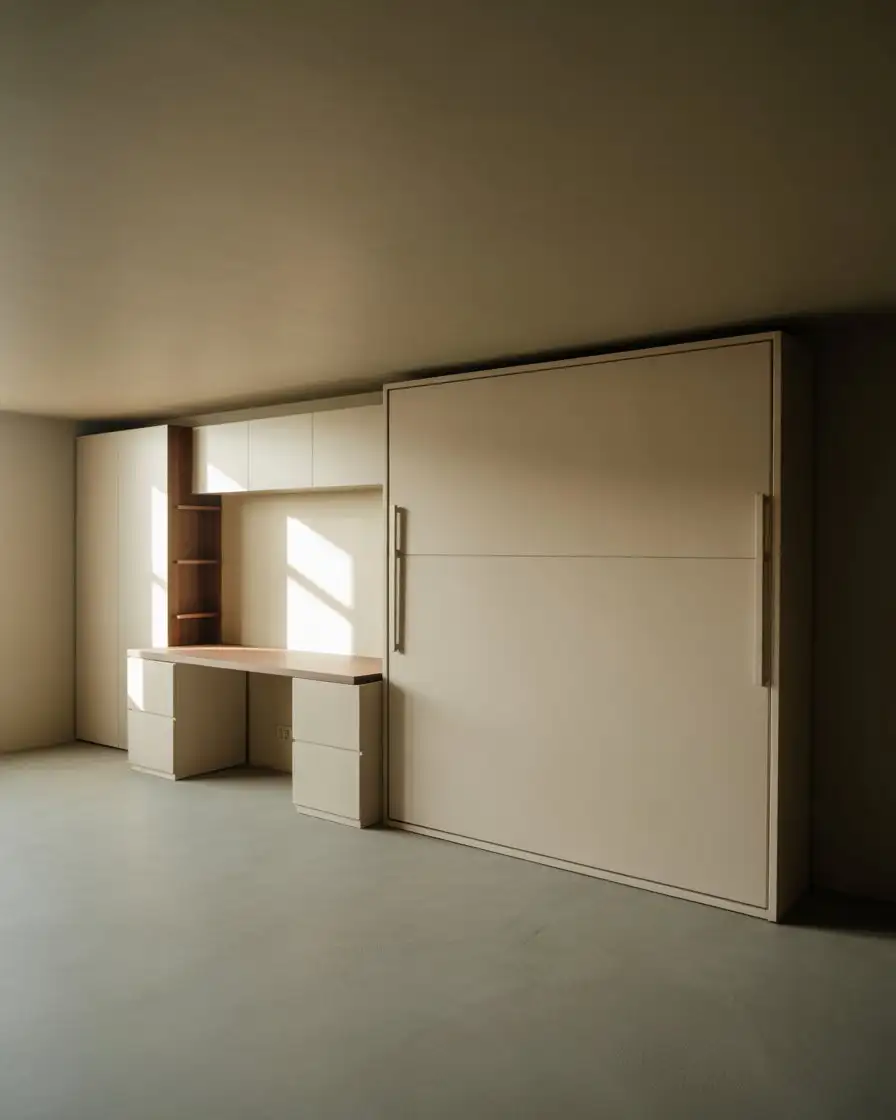
Expert-style commentary: spring for a quality mechanism—cheap Murphy beds are difficult to operate and wear out quickly, while well-made systems from companies like Resource Furniture or Lori Wall Beds last decades. Prices range from $1,500 for basic DIY kits to $5,000+ for custom built-ins with professional installation. Ensure the floor is level and the wall can support the weight (typically requiring mounting to studs or adding blocking). This solution is wildly popular in urban basements and smaller homes where flexibility trumps dedicated guest rooms.
11. Create a Teen Boys’ Man Cave
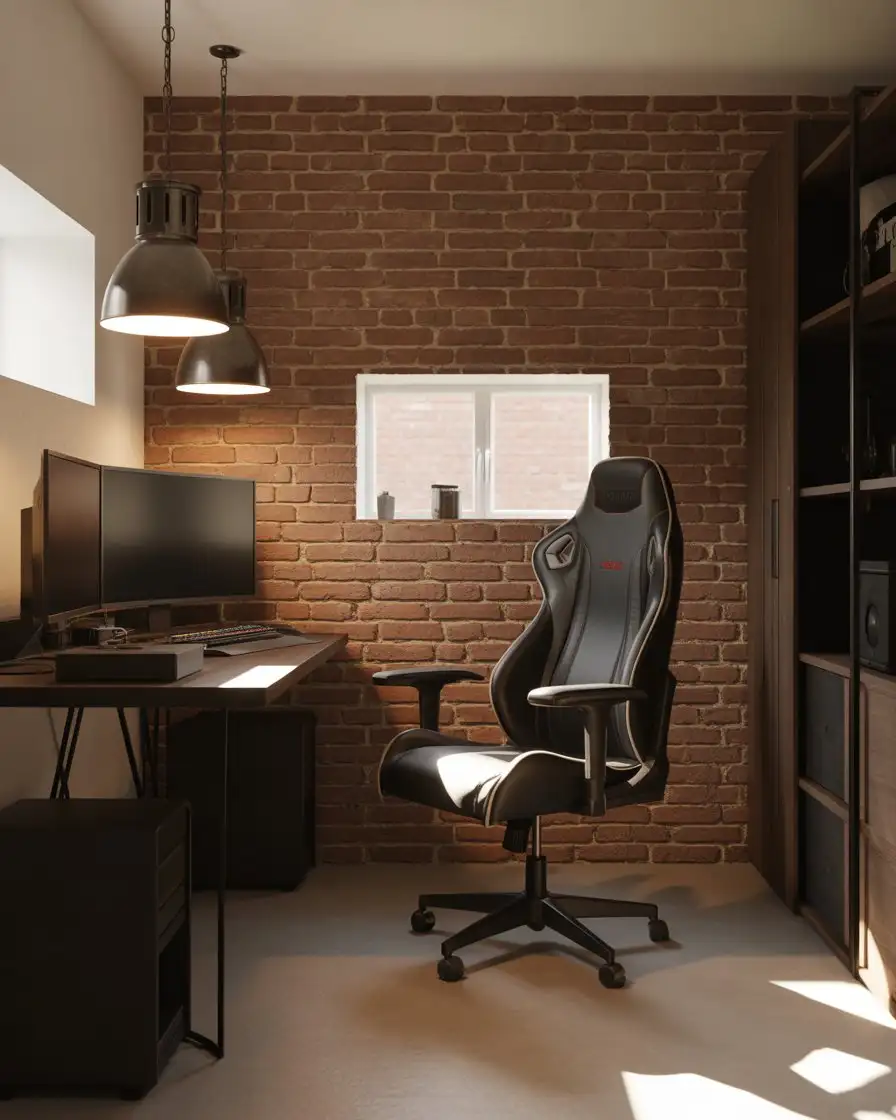
A teens boys man cave in the basement leans into darker colors, industrial materials, and tech-forward features like gaming setups, surround sound, and smart lighting. Think exposed brick or concrete walls, metal accents, leather seating, and bold graphic art. This space should feel distinctly different from the rest of the house—a retreat where gaming marathons and movie nights happen without disturbing anyone upstairs. 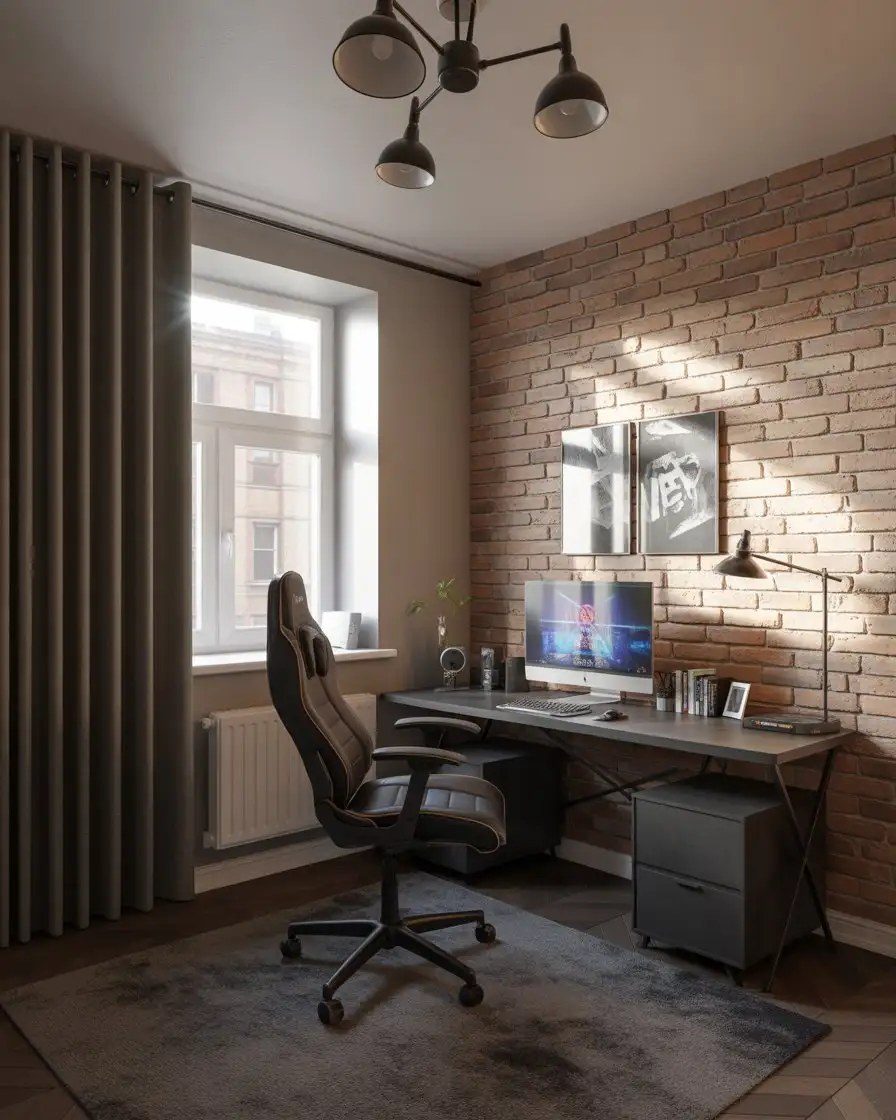
Where it works best: homes with teenagers who need space to decompress and entertain friends without taking over common areas. Include a mini fridge, plenty of outlets, and Ethernet ports for online gaming—wireless can lag during intense gameplay. Blackout curtains or shades are essential for screen glare control and sleep quality. A common mistake is skipping comfortable seating for guests; even a simple futon or oversized bean bags make the space more social and functional.
12. Go Minimalist with Simple Scandinavian Design
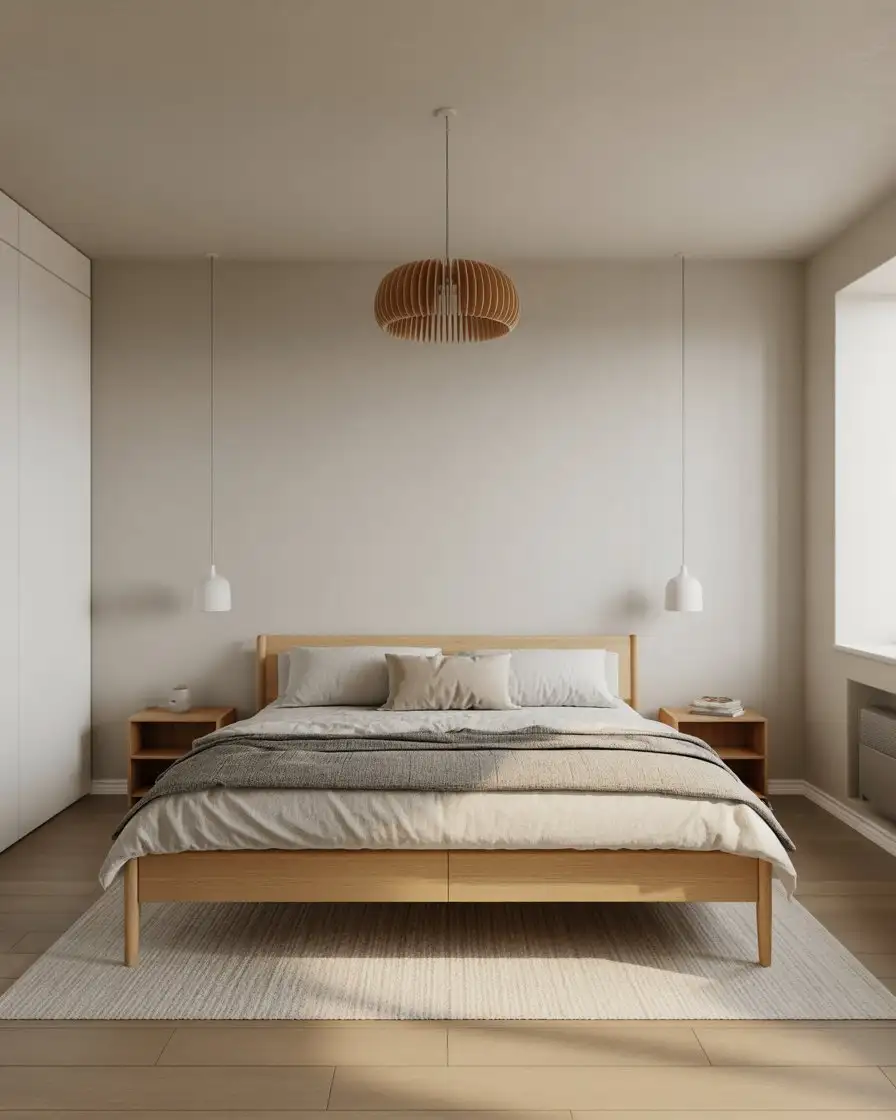
A simple Scandinavian approach works beautifully in basements where natural light is limited—crisp white walls, light wood furniture, and pared-back decor create a serene, breathable environment. Focus on quality over quantity: a well-made bed frame, a single statement light fixture, and a few carefully chosen textiles in soft neutrals or muted blues and greens. The restraint prevents the space from feeling cluttered or heavy. 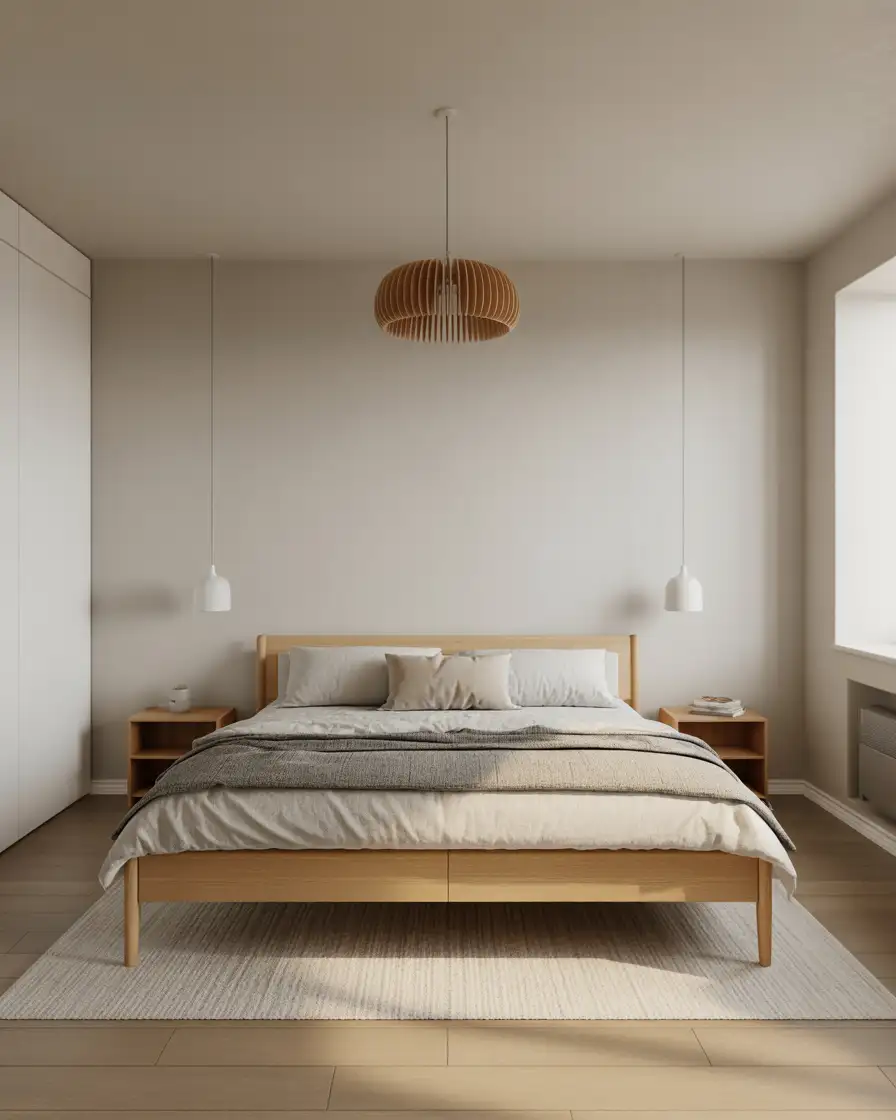
American homeowners, particularly millennials and Gen Z, gravitate toward this aesthetic because it feels calm and uncluttered—a refuge from overstimulation. Plants are a key component, even in low-light basements; pothos, snake plants, and ZZ plants thrive in dim conditions and bring life to the space. Avoid over-accessorizing—Scandinavian design celebrates negative space, so resist the urge to fill every surface. This approach also keeps costs down, as fewer items means fewer purchases.
13. Frame Out an Unfinished Space with Smart Lighting
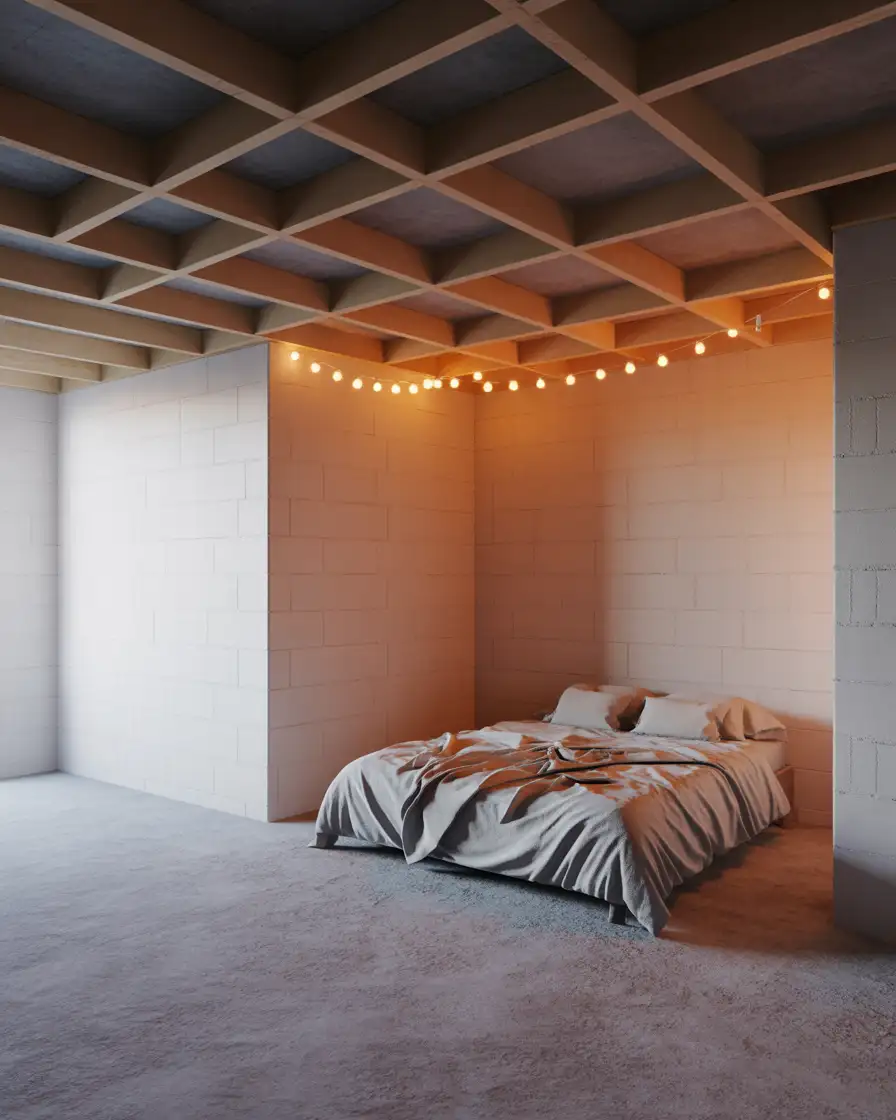
An unfinished basement bedroom doesn’t have to feel industrial in a bad way—strategic lighting can define zones, add warmth, and create ambiance even with exposed joists and concrete walls. String lights, plug-in sconces, and floor lamps provide layered illumination without requiring expensive electrical work. Use warm-toned bulbs (2700K–3000K) to soften the raw materials and make the space feel inviting. 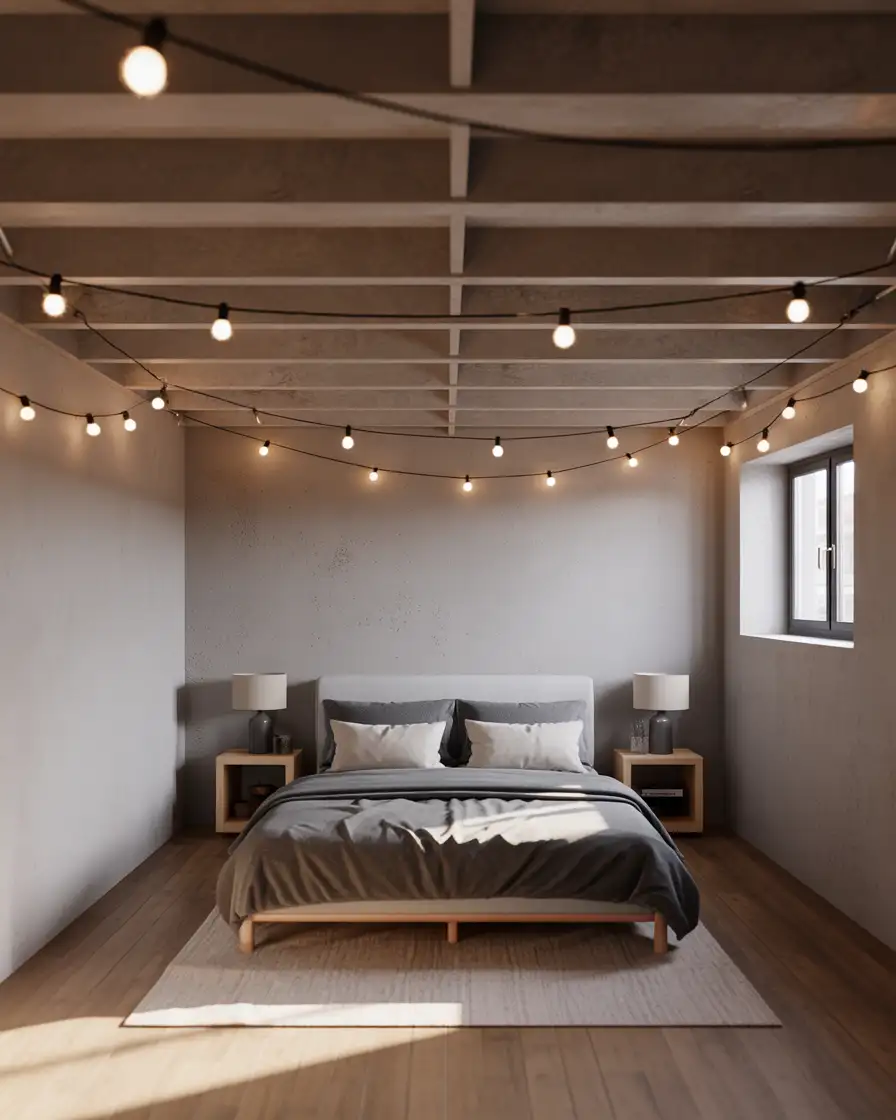
This setup is ideal for young adults or students renting basement rooms who can’t invest in permanent finishes. Paint the concrete walls and floor with specialized masonry paint in white or light gray to brighten things up without major renovation. Battery-operated LED puck lights can highlight specific areas like a reading nook or closet. The biggest pitfall is relying solely on overhead fluorescent shop lights—they’re harsh and uninviting. Instead, mix task, ambient, and accent lighting for a multidimensional effect.
14. Add a Statement Accent Wall

A single accent wall can anchor a basement bedroom and provide visual interest without overwhelming the space. Options include peel-and-stick wallpaper in bold patterns, reclaimed wood planks, painted geometric designs, or even a gallery wall of framed prints. This technique draws attention away from limitations like low ceilings or lack of windows by giving the eye a clear focal point. 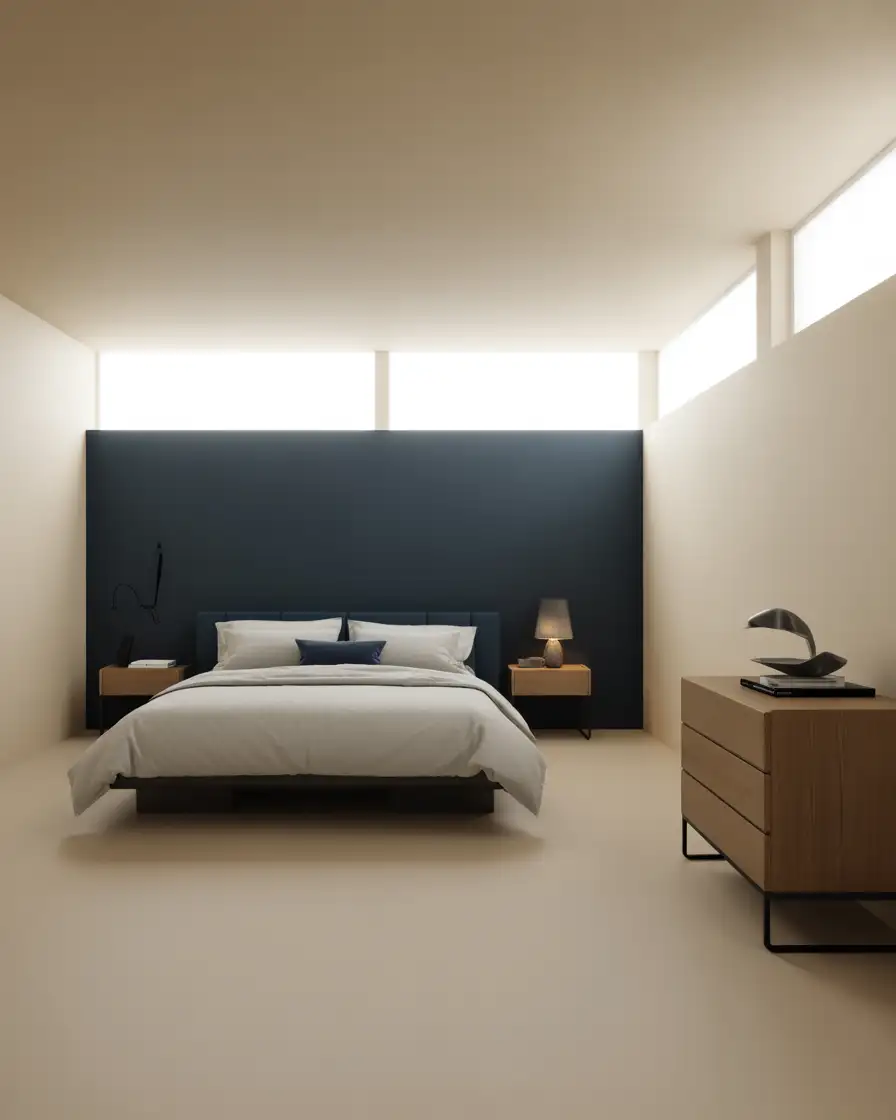
Budget angle: peel-and-stick wallpaper has improved dramatically in quality and runs $30–$80 per roll, with most accent walls requiring 2–3 rolls. It’s renter-friendly and can be removed without damage, making it ideal for basement apartments or teen rooms that will change over time. Real homeowners often choose the wall behind the headboard for maximum impact with minimal material. Avoid busy patterns in small spaces—large-scale prints or textured solids read better than tiny, intricate designs.
15. Incorporate Built-In Storage for Kid-Friendly Organization

A kid-friendly basement bedroom needs robust storage solutions to contain toys, clothes, books, and sports equipment. Built-in cubbies, under-bed drawers, and wall-mounted shelving keep clutter off the floor and teach kids organizational habits. Choose durable, easy-to-clean materials like melamine or painted MDF that can withstand rough treatment and be wiped down quickly. 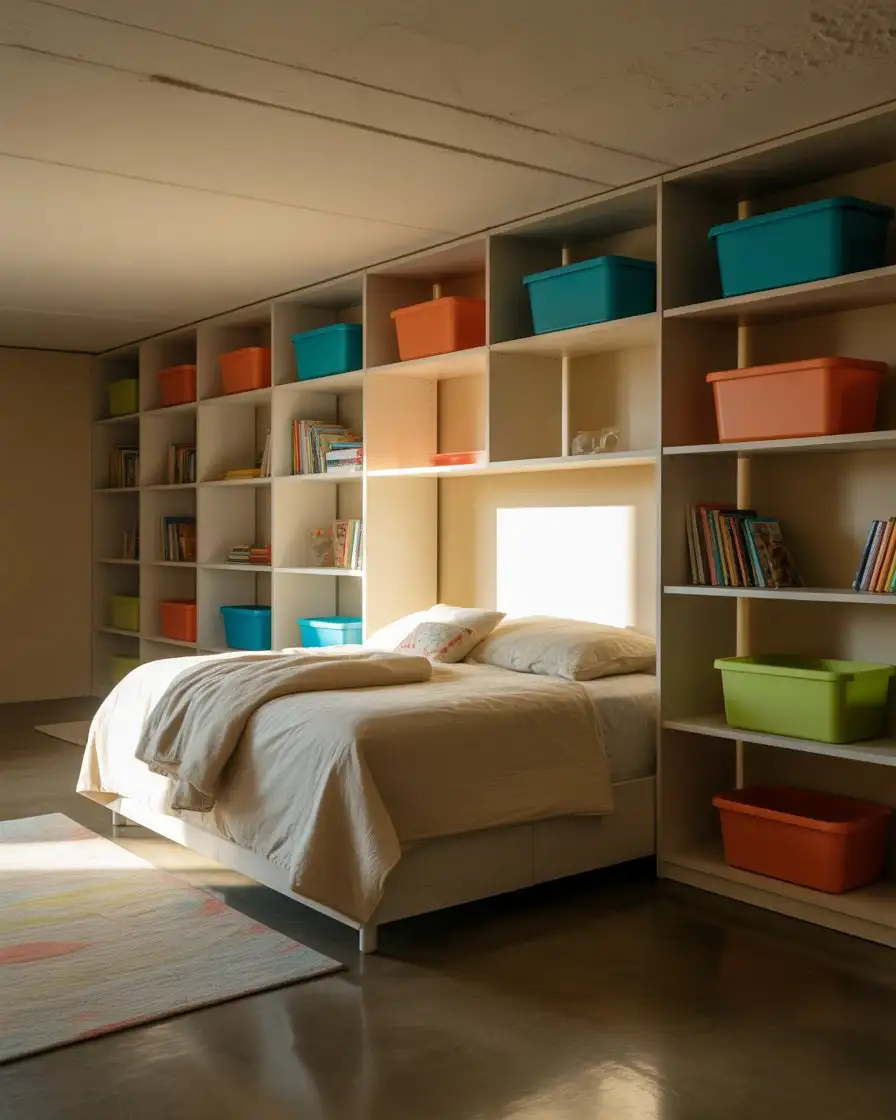
Real homeowner behavior shows that kids are far more likely to maintain tidy rooms when storage is intuitive and accessible—bins at floor level, hooks at child height, and open shelving for frequently used items all help. A common mistake is underestimating how much storage is needed; kids accumulate things rapidly, so build in 20–30% more capacity than you think necessary. In humid climates, avoid solid wood shelving in basements and opt for ventilated wire systems or plastic bins that resist moisture damage.
16. Design a Gender-Neutral Guest Retreat
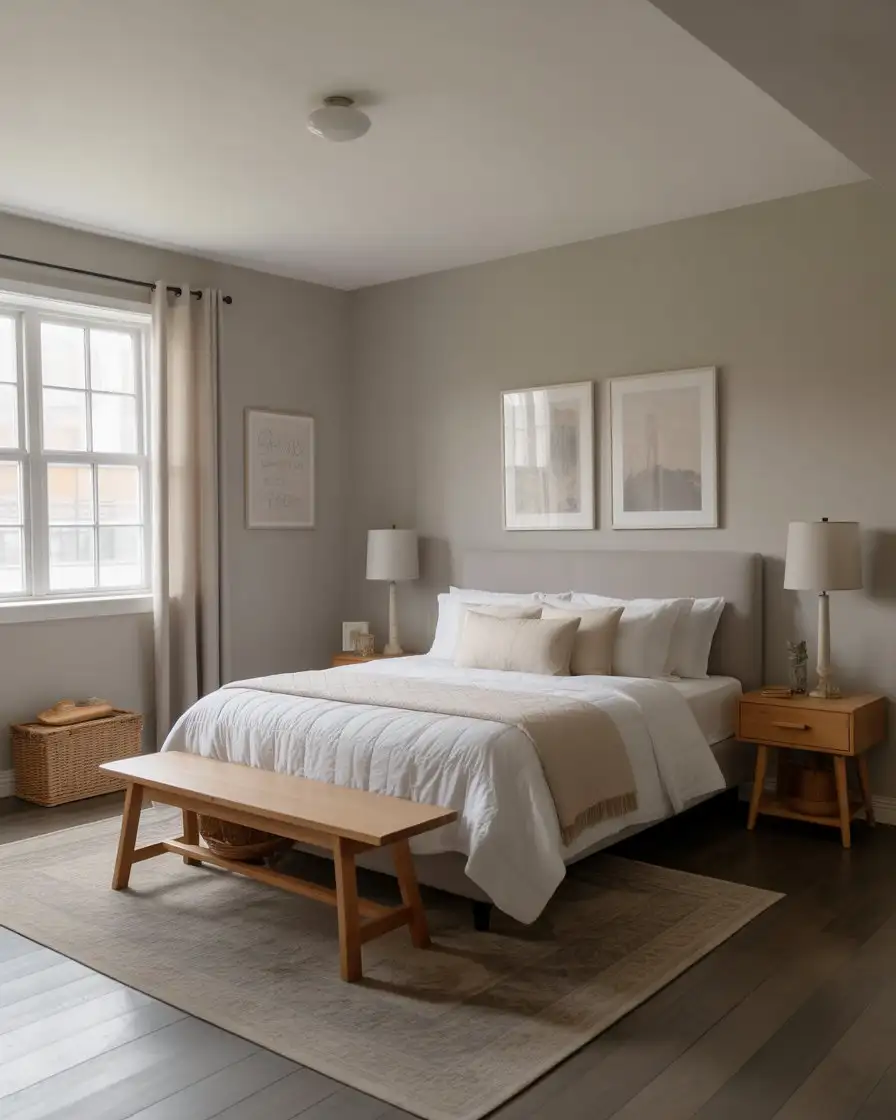
A guest bedroom in the basement should feel welcoming and neutral to accommodate a range of visitors. Stick with classic, timeless choices: a comfortable queen or full bed with quality linens, a bedside table with reading light, a luggage rack or bench, and a small closet or armoire for hanging clothes. Soft grays, warm whites, and natural wood tones create a hotel-like serenity that works for everyone. 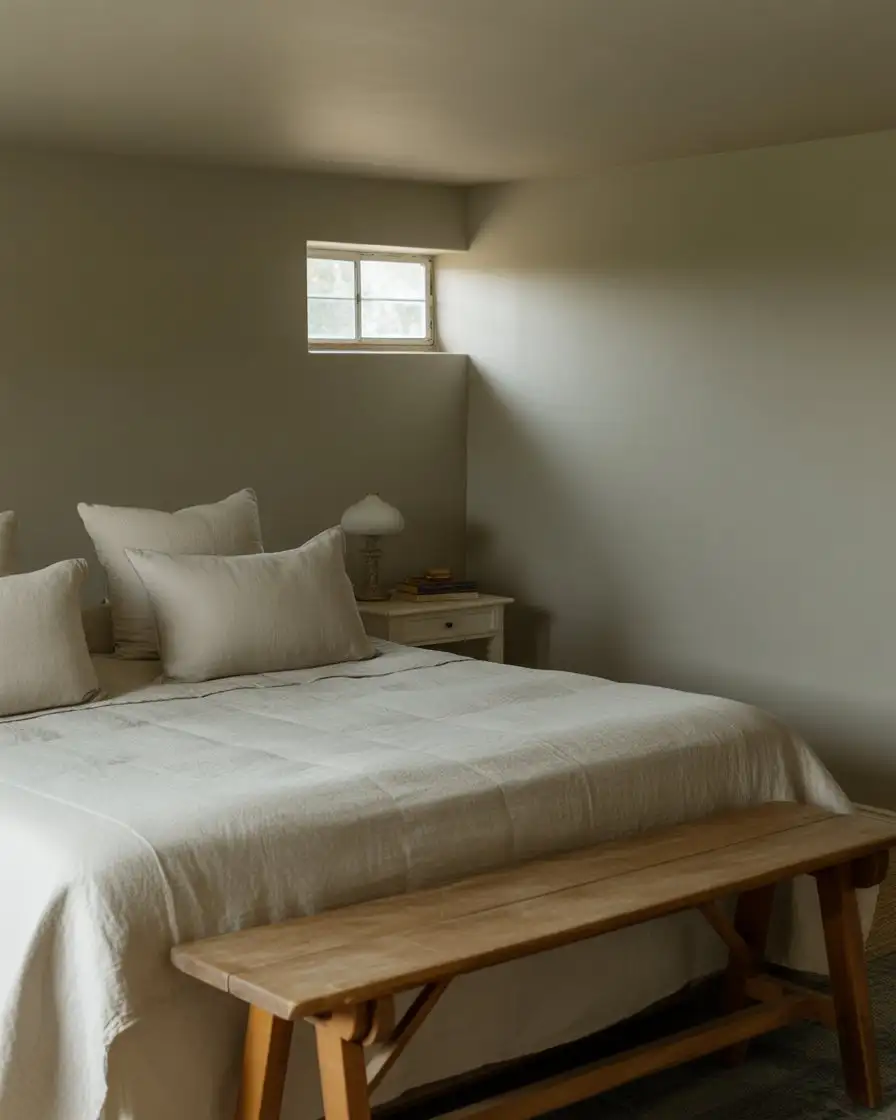
Practical insight: add thoughtful touches like a carafe of water, a white noise machine, and a basket of toiletries to make guests feel truly cared for. A full-length mirror and good task lighting for getting ready are often overlooked but greatly appreciated. If the basement has its own exterior entrance, a keypad lock lets guests come and go independently, which is especially appealing for extended visits or Airbnb rentals. Many homeowners find that investing in a quality mattress here—not a hand-me-down from upstairs—dramatically improves guest satisfaction.
17. Paint the Ceiling the Same Color as Walls
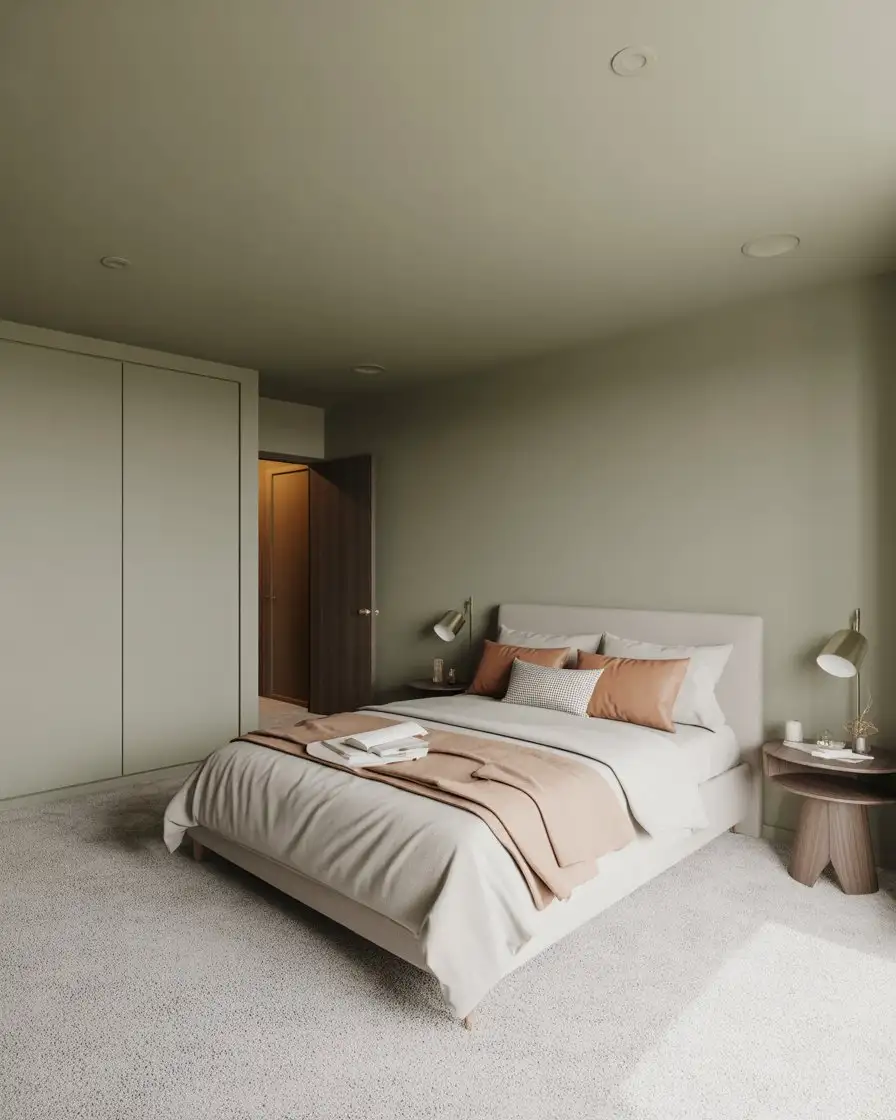
In basements with low ceilings, painting the ceiling the same color as the walls erases visual boundaries and makes the room feel larger and more cohesive. This technique, sometimes called a “color envelope,” works especially well with light, neutral tones but can also be striking in darker shades. The lack of contrast between surfaces tricks the eye into perceiving more vertical space. 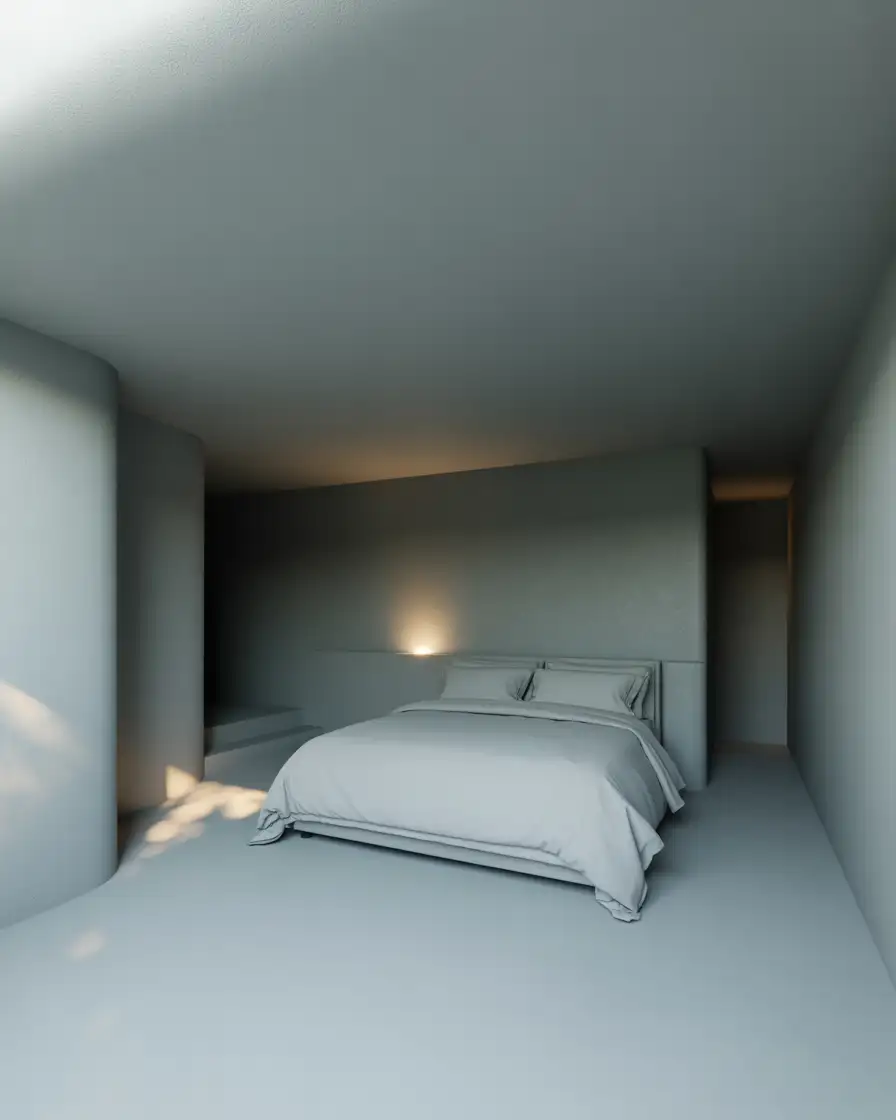
This approach is increasingly common in finished basements where homeowners want to move away from stark white ceilings that emphasize height limitations. Use a matte or eggshell finish on the ceiling to minimize imperfections and light bounce, and ensure recessed or flush-mount fixtures to avoid visual clutter. A micro anecdote: a couple in Colorado painted their 7-foot basement bedroom a warm greige on all surfaces and reported that visitors consistently overestimated the ceiling height by several inches.
18. Add a Daybed for a Multipurpose Layout
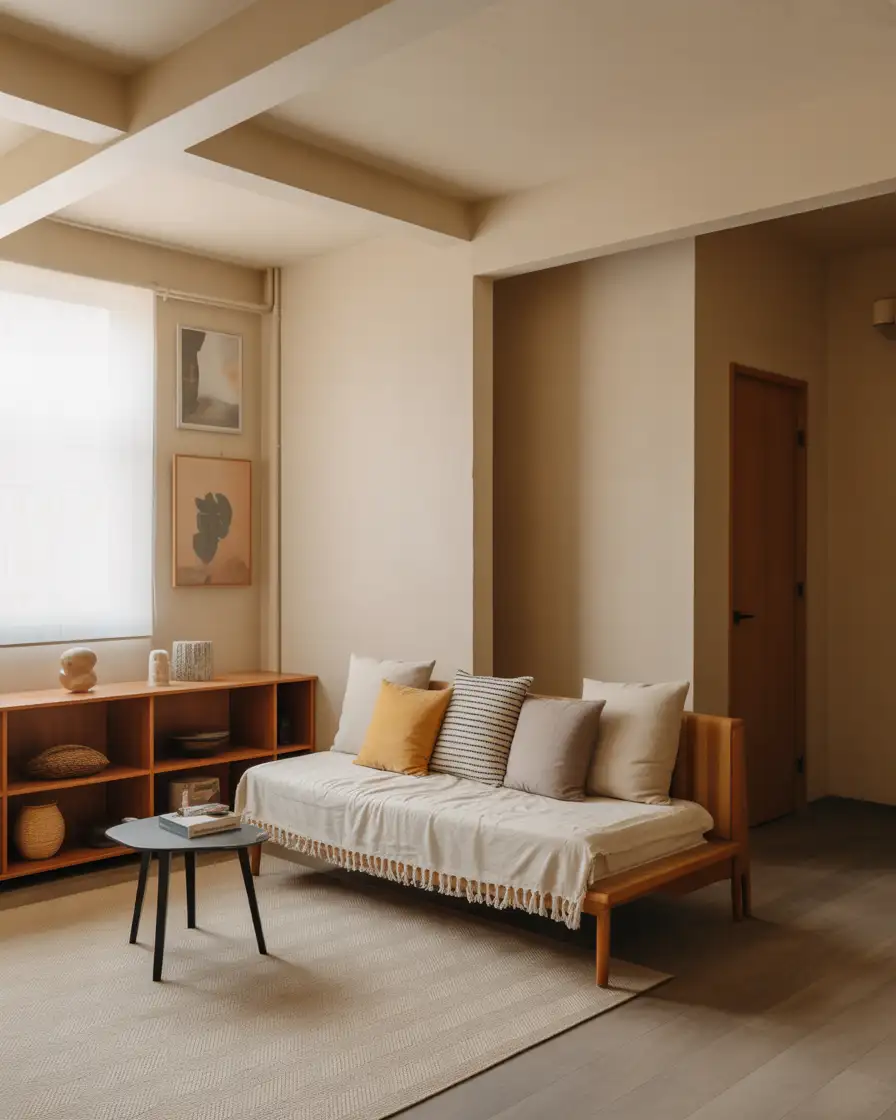
A daybed offers sleeping space for guests while functioning as a sofa during the day, making it perfect for basements that double as home offices, playrooms, or media rooms. Choose a style with a trundle underneath for additional sleeping capacity, or pair it with bolster pillows to emphasize its dual purpose. This furniture choice keeps the room from feeling like a dedicated bedroom, maintaining flexibility. 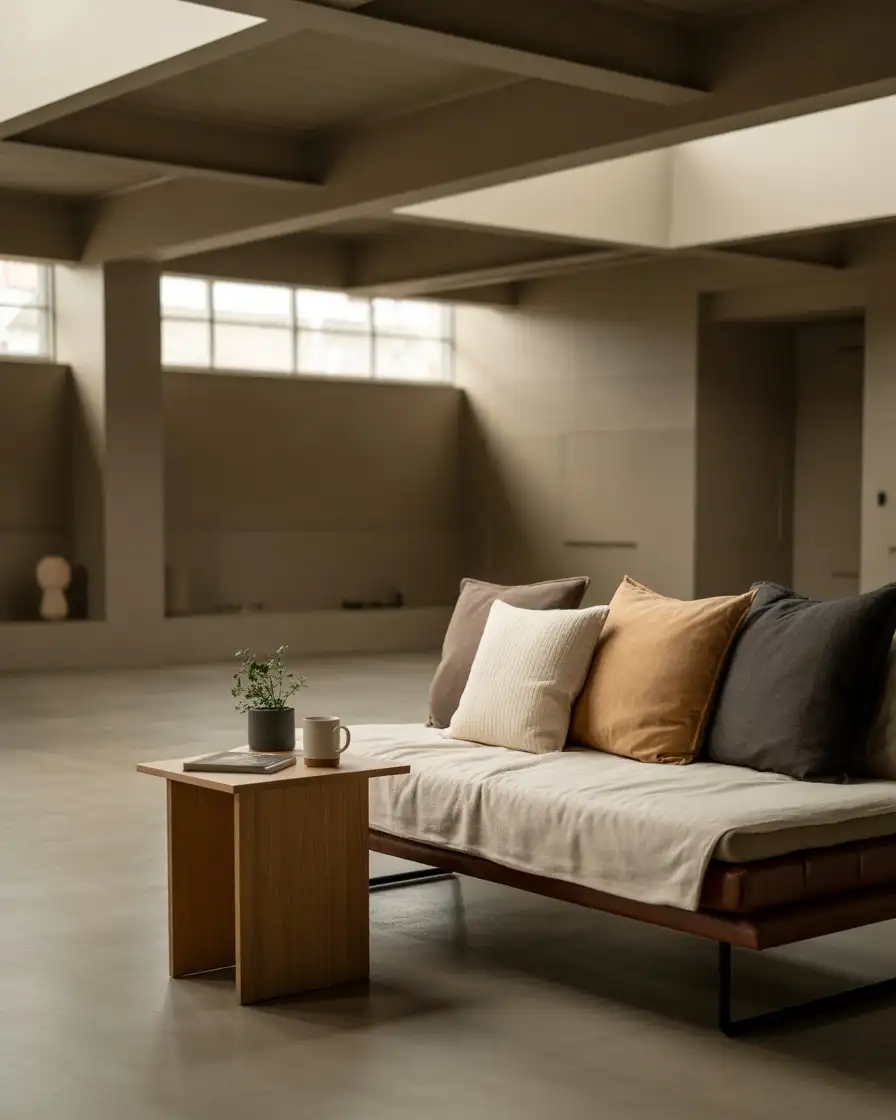
Where it works best: basements that see frequent but intermittent guest use, such as homes near major cities where out-of-town friends visit regularly. Invest in a supportive mattress rather than a thin futon pad—guests will notice the difference. Daybeds typically range from $300–$1,200 depending on materials and whether they include storage or trundles. Style them intentionally with throws and cushions so they read as furniture rather than an afterthought, which elevates the entire room’s aesthetic.
19. Use Area Rugs to Define and Warm the Space
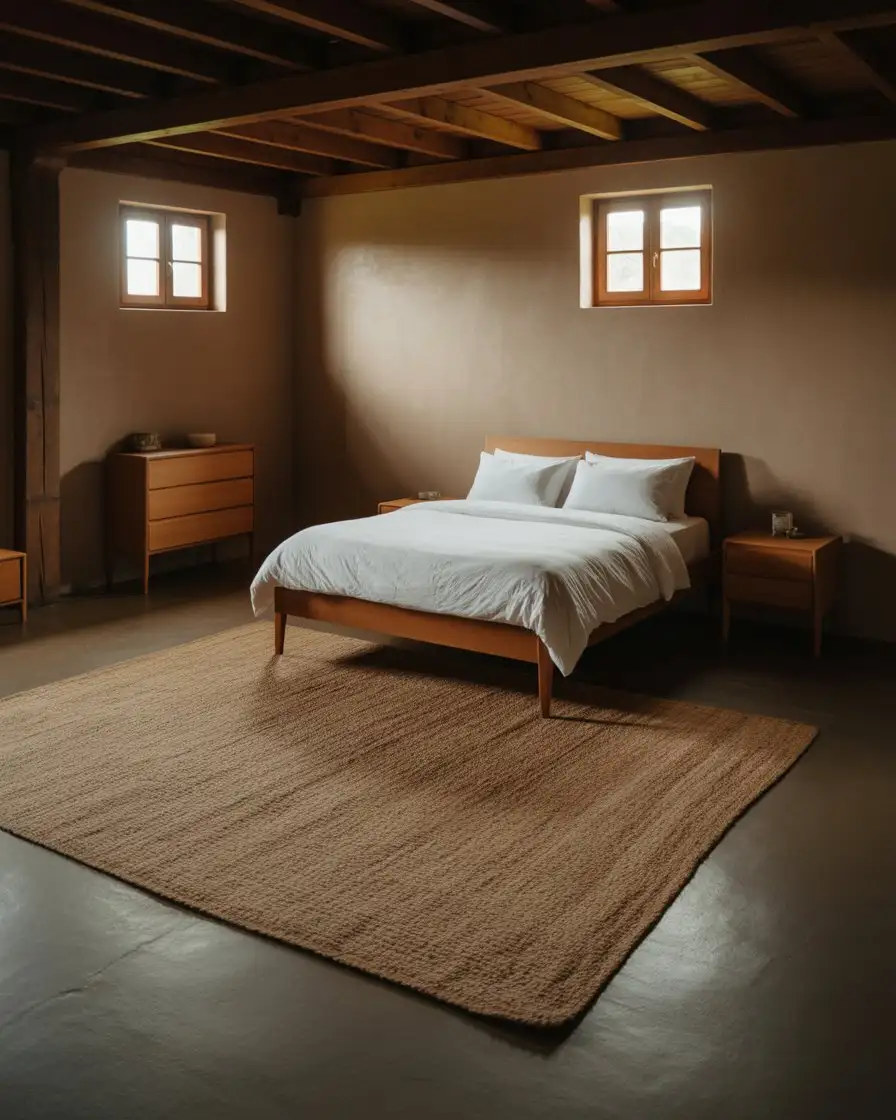
Cold concrete or laminate floors in a basement bedroom cry out for area rugs, which add warmth underfoot, dampen sound, and visually anchor furniture groupings. Choose rugs large enough to extend under the bed—ideally, the rug should be visible on three sides when you’re standing next to the bed. Natural fibers like wool or jute work well but may require rug pads in humid basements to prevent mold growth underneath. 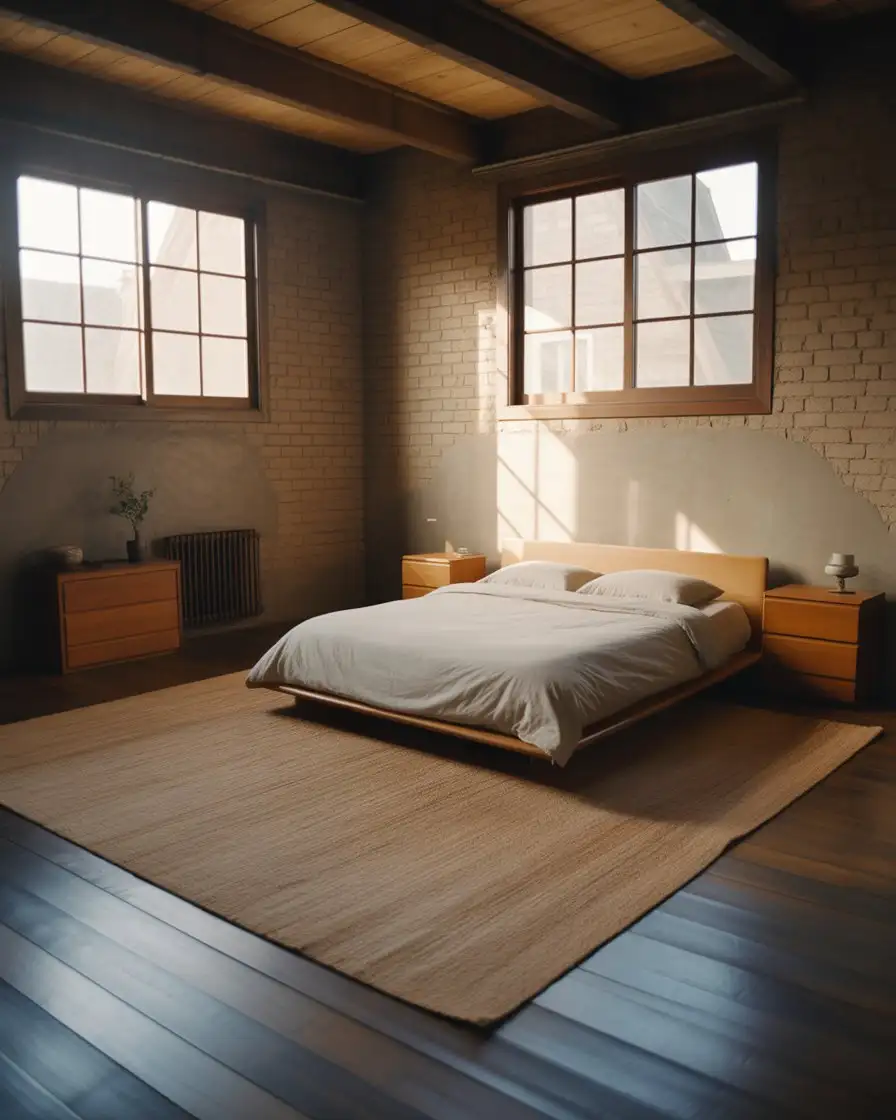
Common mistakes include choosing rugs that are too small—they end up looking like bath mats—or skipping rug pads, which cause slipping on smooth basement floors. Synthetic rugs made from polypropylene resist moisture and mildew better than natural fibers in damp climates, though they lack the tactile appeal. Expect to spend $200–$800 for a quality 8×10 rug, with vintage or secondhand options offering character at lower price points. Layering a smaller textured rug over a larger neutral one creates visual interest on a budget.
20. Install French Doors for Elegance and Light
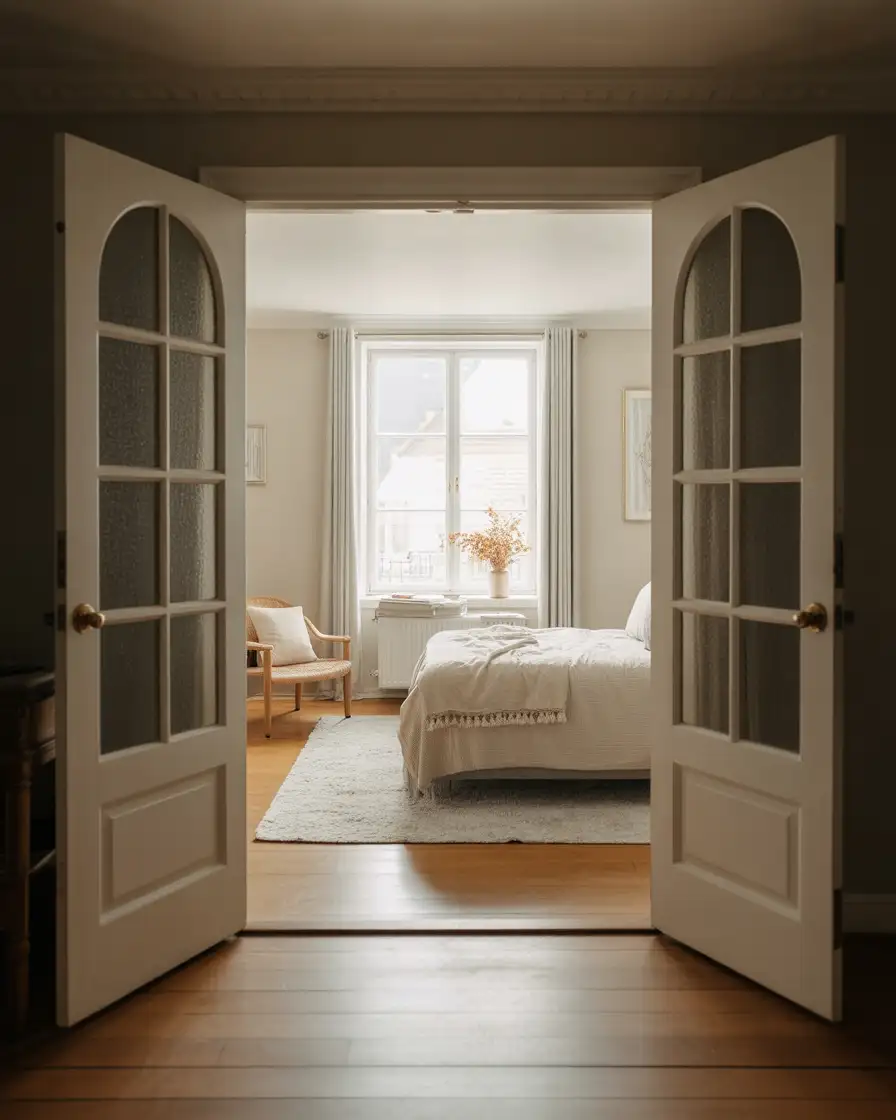
Swapping a standard slab door for French doors—either full glass or glass-paneled—allows natural light to flow into the basement bedroom from adjacent spaces. This is especially effective when the bedroom opens onto a finished basement living area with windows. Frosted or seeded glass provides privacy while still transmitting light, and the doors themselves lend an upscale, architectural detail to an otherwise utilitarian space. 
Budget angle: pre-hung interior French doors range from $400–$1,200 depending on quality and glass type, with installation adding $200–$500 if you hire a carpenter. This upgrade is particularly popular in basements where multiple rooms share a central hallway with an egress window at one end—the borrowed light travels much farther. Pair with sheer curtains on the inside for moments when full privacy is desired, and ensure the doors swing in a direction that doesn’t block furniture or flow.
21. Embrace an Industrial Aesthetic with Metal and Concrete
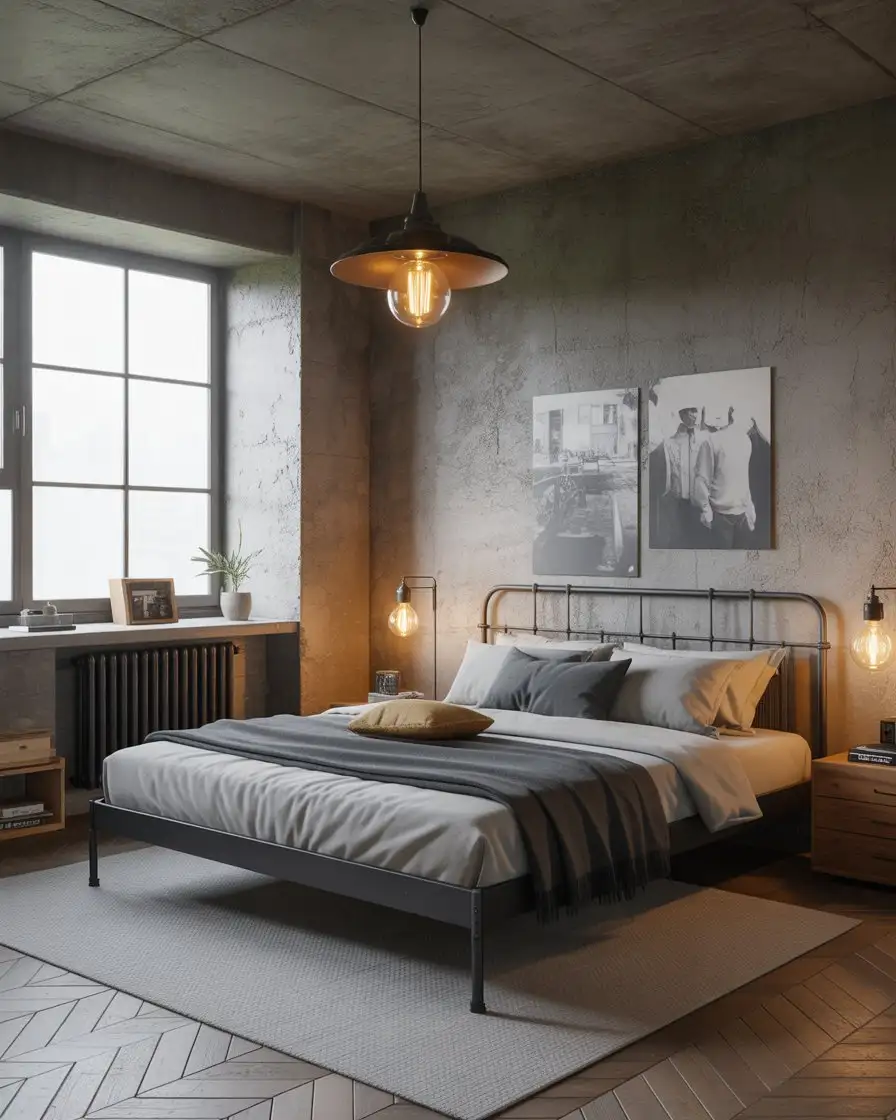
For a mens or young adult bedroom, an industrial aesthetic celebrates the basement’s inherent materials—concrete, exposed ductwork, steel beams—rather than fighting them. Add metal bed frames, wire shelving, Edison bulb fixtures, and leather accents for a cohesive, warehouse-inspired look. This style is unapologetically urban and works best when you lean fully into the theme rather than mixing it with softer elements. 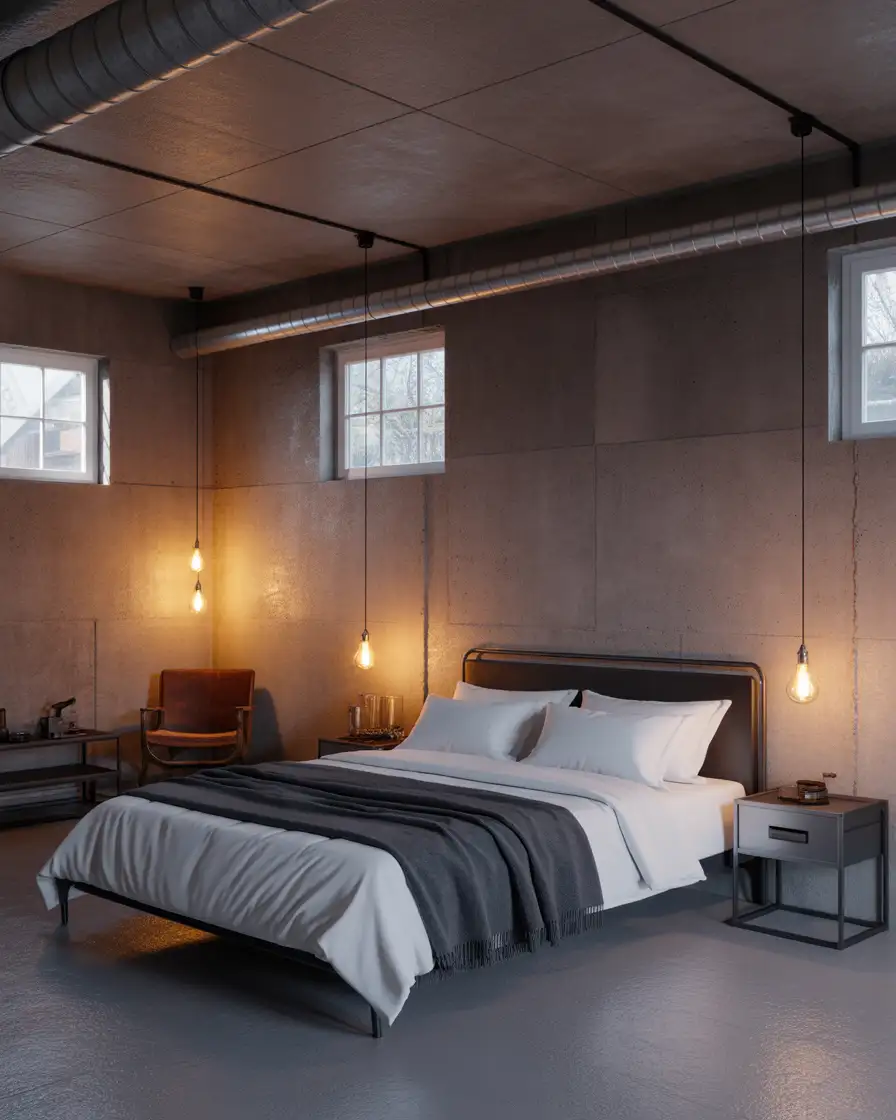
This approach has gained traction in cities with loft-style living, where basements in older buildings naturally suit the aesthetic. Soften the hard edges with textiles—flannel bedding, a leather bench, or a wool throw—to keep the space from feeling cold. Avoid the temptation to add too many decorative objects; industrial design relies on restraint and functionality. Costs can be kept low by sourcing furniture from online marketplaces or industrial supply stores repurposed for residential use.
22. Create a Reading Nook with Built-In Seating
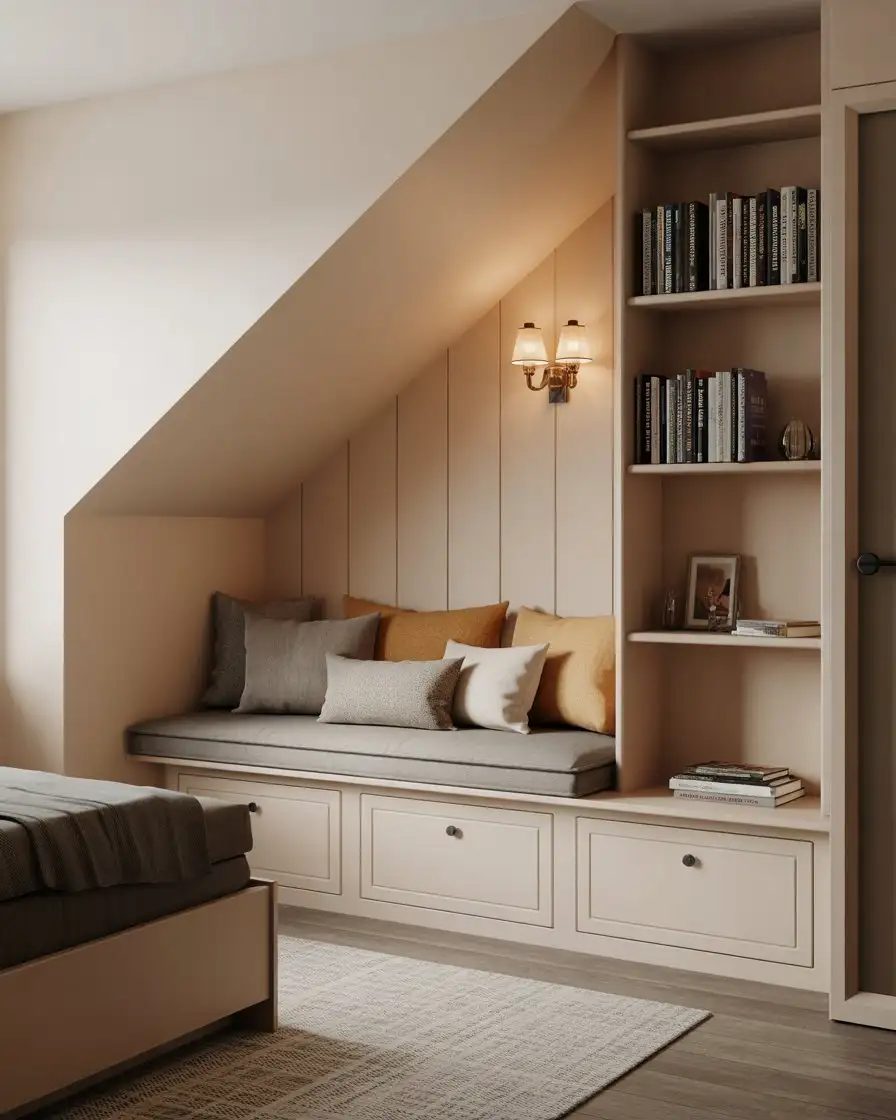
If your basement bedroom includes an awkward alcove or space beneath the stairs, transform it into a cozy reading nook with built-in bench seating, cushions, and dedicated task lighting. This adds functional square footage and gives the room a custom, designed feel that elevates it beyond basic sleeping quarters. Include storage drawers underneath the bench for books, blankets, or seasonal items. 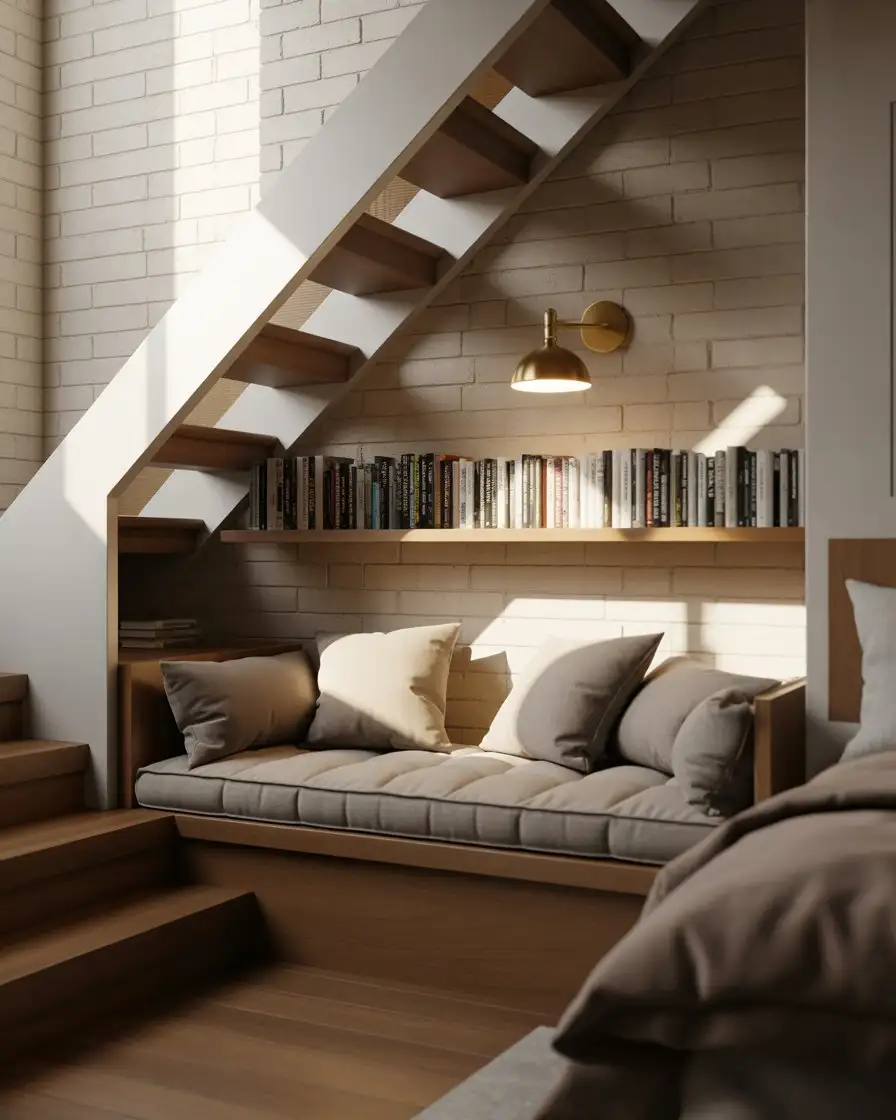
Expert-style commentary: custom built-ins can be done DIY with basic framing and cabinetry skills, or hired out for $1,000–$3,000 depending on complexity and finishes. Use the same paint or stain as other woodwork in the room to create visual continuity. Add a small shelf or ledge at elbow height for setting down a coffee mug or phone. This feature is especially appreciated in guest bedrooms, where it provides a private retreat within the retreat, and in teen bedrooms, where it offers a study or chill spot away from the bed.
23. Maximize Storage with Floor-to-Ceiling Closet Systems
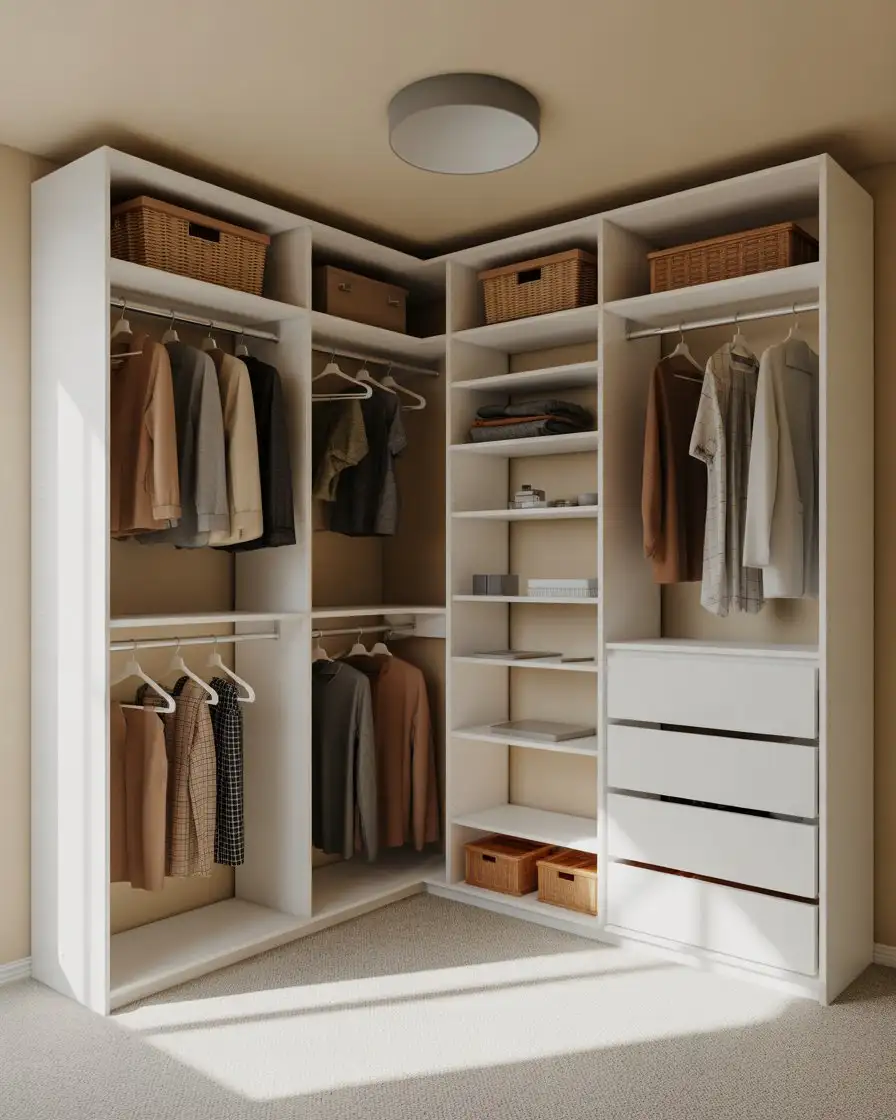
Basements rarely come with generous closet space, so installing a floor-to-ceiling closet system—either DIY wire shelving or a modular system from companies like Elfa or ClosetMaid—dramatically improves functionality. Utilize vertical space with double hang rods, high shelves for off-season items, and pull-out drawers for accessories. This is especially critical in master suite layouts or teens bedrooms where clothing and gear accumulate quickly. 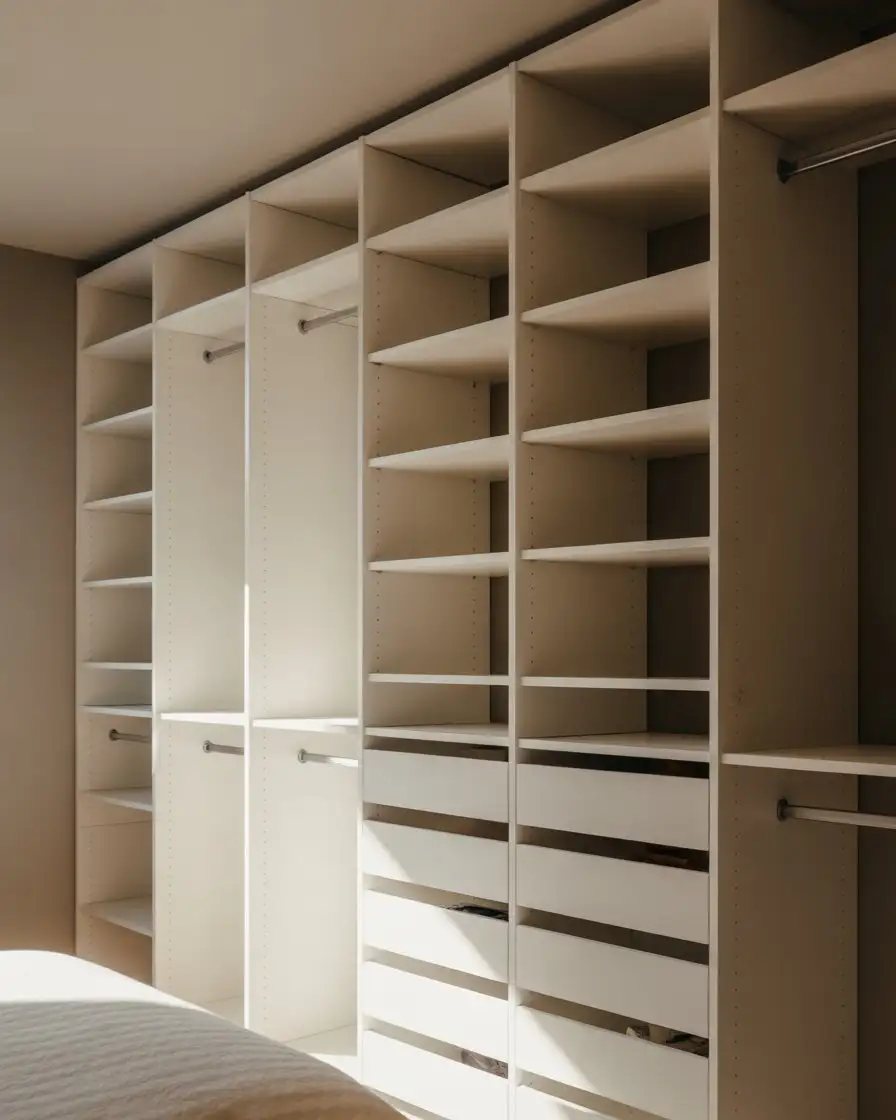
Practical insight: measure carefully before purchasing—many basement closets have odd dimensions or ductwork that interferes with standard configurations. Wire systems start around $200 for a basic reach-in closet and can be installed in a day, while custom wood systems run $1,000–$5,000 but provide a polished, furniture-like appearance. Add LED closet lighting to make the space functional even in a windowless basement. The return on investment is significant—organized storage makes any bedroom feel larger and more livable, and it’s one of the first things potential buyers notice.
Conclision
Your basement bedroom has the potential to be so much more than leftover square footage—it can be a peaceful guest retreat, a teen’s independent haven, or a sophisticated master suite that rivals anything upstairs. The key is working with the space’s unique qualities rather than against them, whether that means embracing low ceilings with smart design tricks or leaning into the cozy, cocoon-like atmosphere that basements naturally provide. Which of these ideas sparked something for your own space? Share your plans, progress photos, or questions in the comments—we’d love to see how you’re transforming your basement into a bedroom that feels like a true retreat.