Ah, the basement. For so many of us, it’s either a dusty dungeon of forgotten dreams or a glorified storage locker. But what if I told you your basement holds the secret to unlocking serious square footage and adding significant value to your home? We’re talking about turning that underutilized space into your favorite room in the house, a place that’s not just functional, but genuinely inspiring.
Get ready, because I’m spilling 31 game-changing basement remodel ideas for 2026 that will make you rethink everything you thought you knew about subterranean living. From cozy dens to full-blown guest suites, we’ve got options for every budget and style. And stay until the end — we’re breaking down the most common mistakes that can ruin these looks.
This article contains affiliate links. While I only recommend products I genuinely love, I may earn a small commission if you purchase through my links, at no extra cost to you.
1. Modern Industrial Basement Loft with Exposed Ceilings
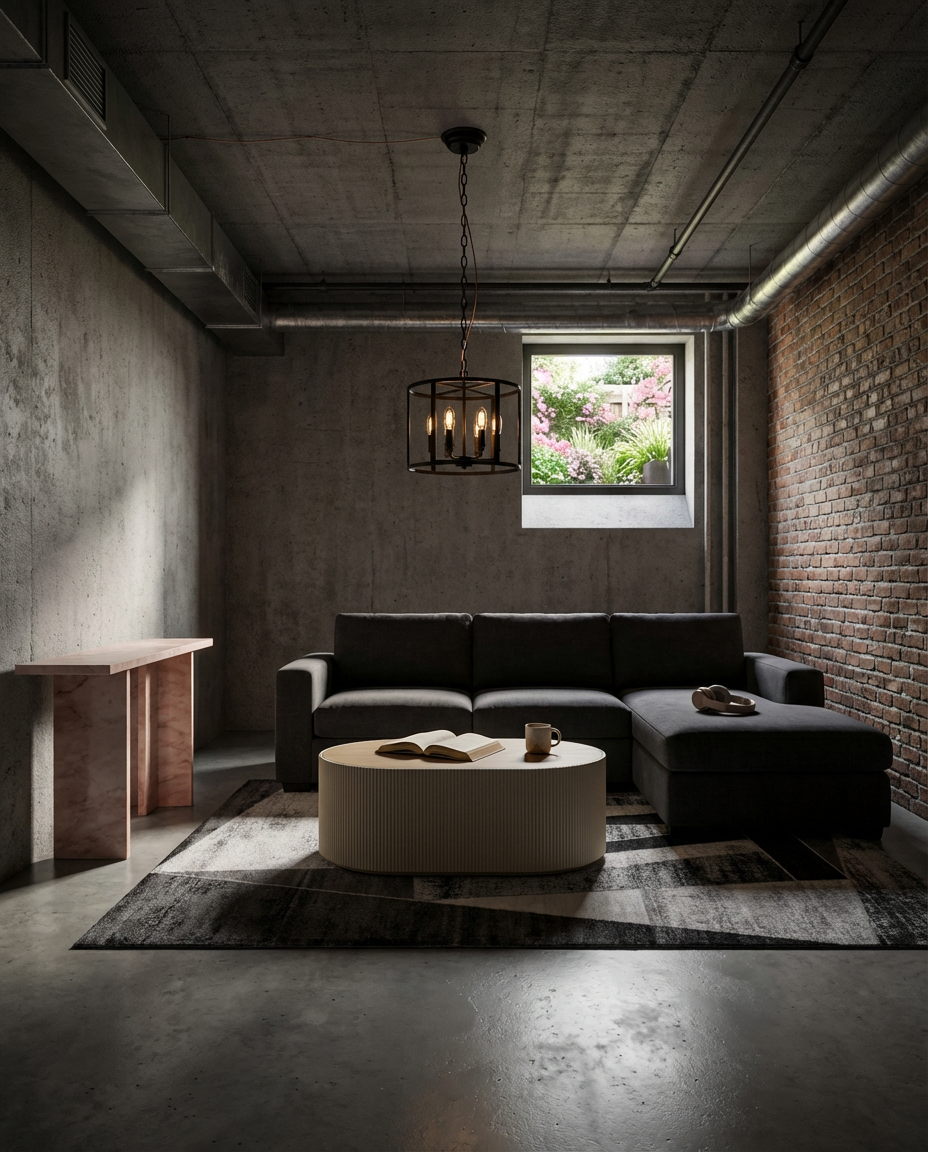
When you think basement, do you automatically think stuffy and dark? Well, the modern industrial loft look is here to flip that script. This style is all about embracing the raw beauty of your basement’s bones—think exposed ductwork, concrete floors, and brick walls. It’s not about hiding imperfections; it’s about celebrating them. Pair those raw elements with cozy textiles and warm lighting, and suddenly, your “unfinished” basement becomes the chicest spot in the house.
- Main Furniture (sectional, coffee table): $800 – $1,600
- Lighting (pendant light): $50 – $150
- Textiles (rug): $240 – $400
- Decor/Accessories: $100 – $300
- Paint/Wall Treatment (if adding accent walls): $50 – $200
- TOTAL: $1,240 – $2,650
- Budget alternative: Get similar vibe for 40-60% less ($496 – $1,325)
|
Alpine Rug Co. Chase Collection Grey/Black Distressed Abstract Shapes $237.99 |
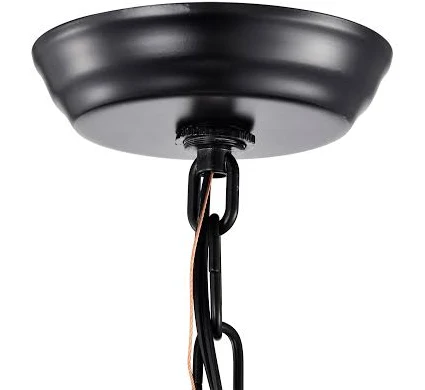
Edvivi Renzo 4-Light Matte Black Caged Pendant$53.42 |
Ashley Marleton 2-Piece Sectional with Chaise$799.98 |
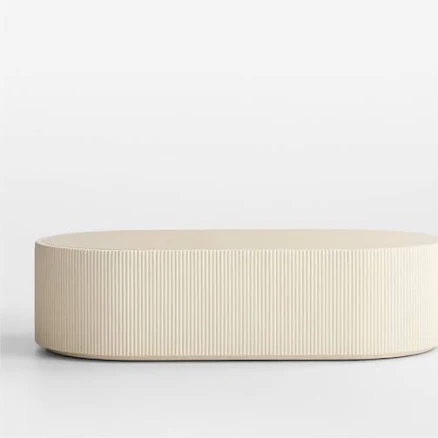
Crate & Barrel Kahn Cream Ribbed Concrete and Oak Wood Oval Coffee Tab$1,599.00 |

As an affiliate, we earn from qualifying purchases.
2. Budget-Friendly Basement Game Room with DIY Storage
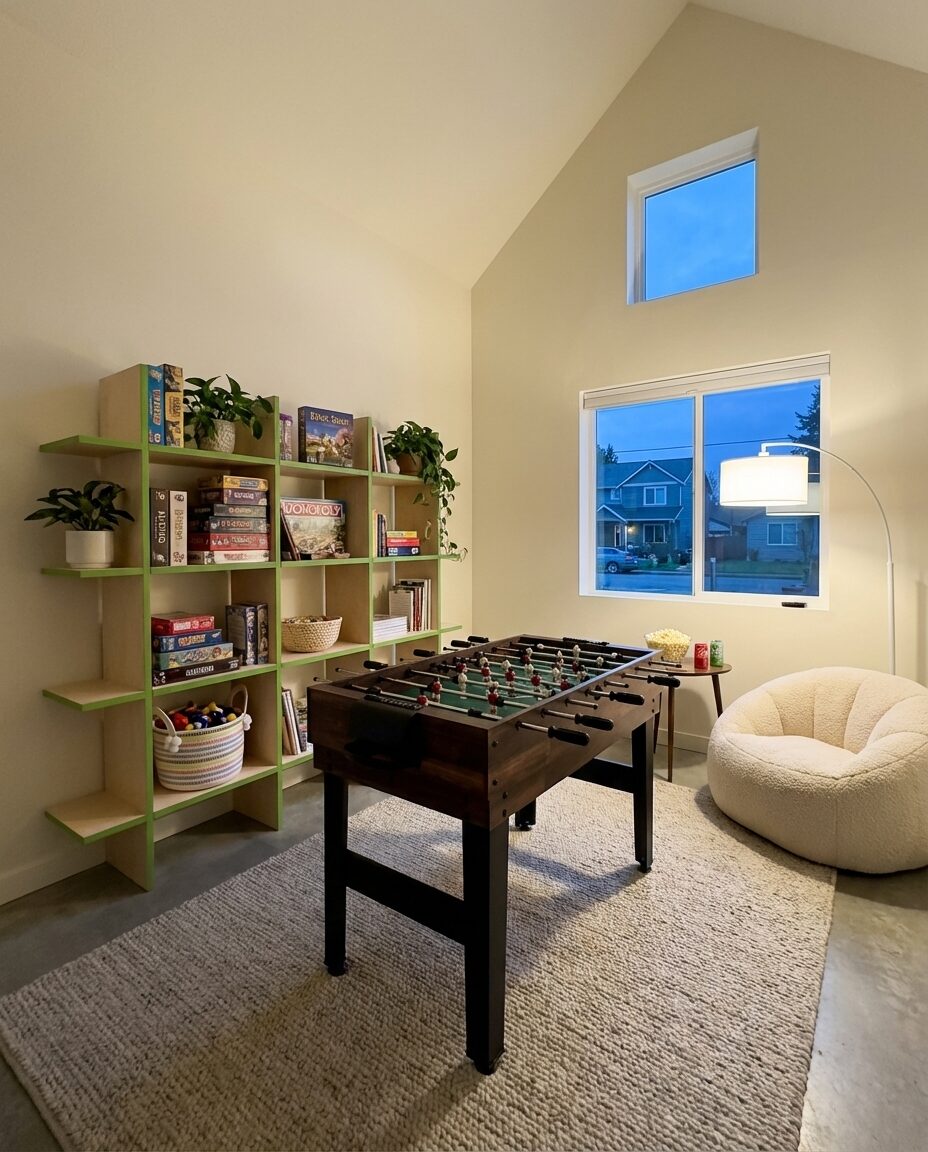
A basement game room doesn’t have to break the bank to be a total blast. This concept is all about smart design choices and a little DIY elbow grease. The key here is focusing on multi-functional furniture and clever storage solutions to maximize the fun in a smaller footprint. Think built-in benches with storage, foldable game tables, and modular shelving that can adapt as your family’s needs change.
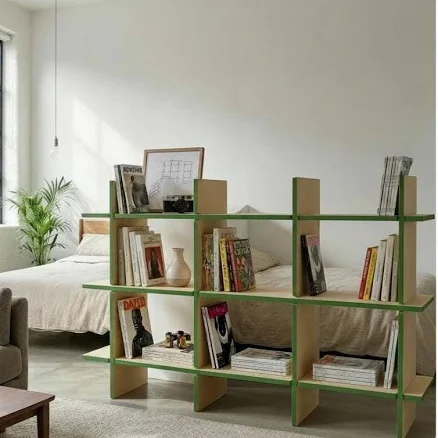
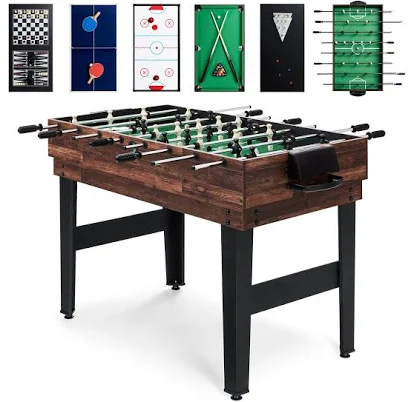
You absolutely don’t need a massive budget to create a super fun game room. Hit up IKEA or your local Target for affordable shelving units. Storage baskets like the ones from Hobby Lobby are fantastic for corralling toys or games, and they often go on sale. For an actual game table, look at Walmart for options like this Best Choice Products 10-in-1 combo table for under $140. For the bookshelf, consider looking for plans on Etsy to DIY a modular unit with plywood for under $10!
- Measure your space accurately, especially for game tables and seating.
- Consider noise levels. Are you okay with the sounds of intense board game battles echoing through the house?
- Think about existing outlets. Will you need extra power for consoles or lamps?
- Do you have any moisture issues that need to be addressed before bringing in furniture?
|
Rainbow Striped Woven Basket – Small$13.19 |
Plywood Modular Bookshelf Plans | Modern Open Shelf Furniture (Digital$8.40 |
Best Choice Products 2x4ft 10-in-1 Combo Game Table Set w/ Hockey$139.99 |
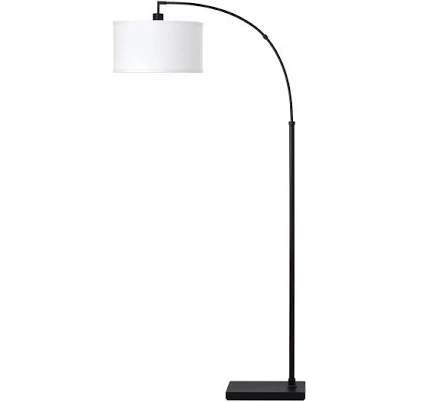
Better Homes Gardens Arc Floor Lamp$98.97 |

As an affiliate, we earn from qualifying purchases.
3. Cozy Split-Level Basement Den with Built-in Seating
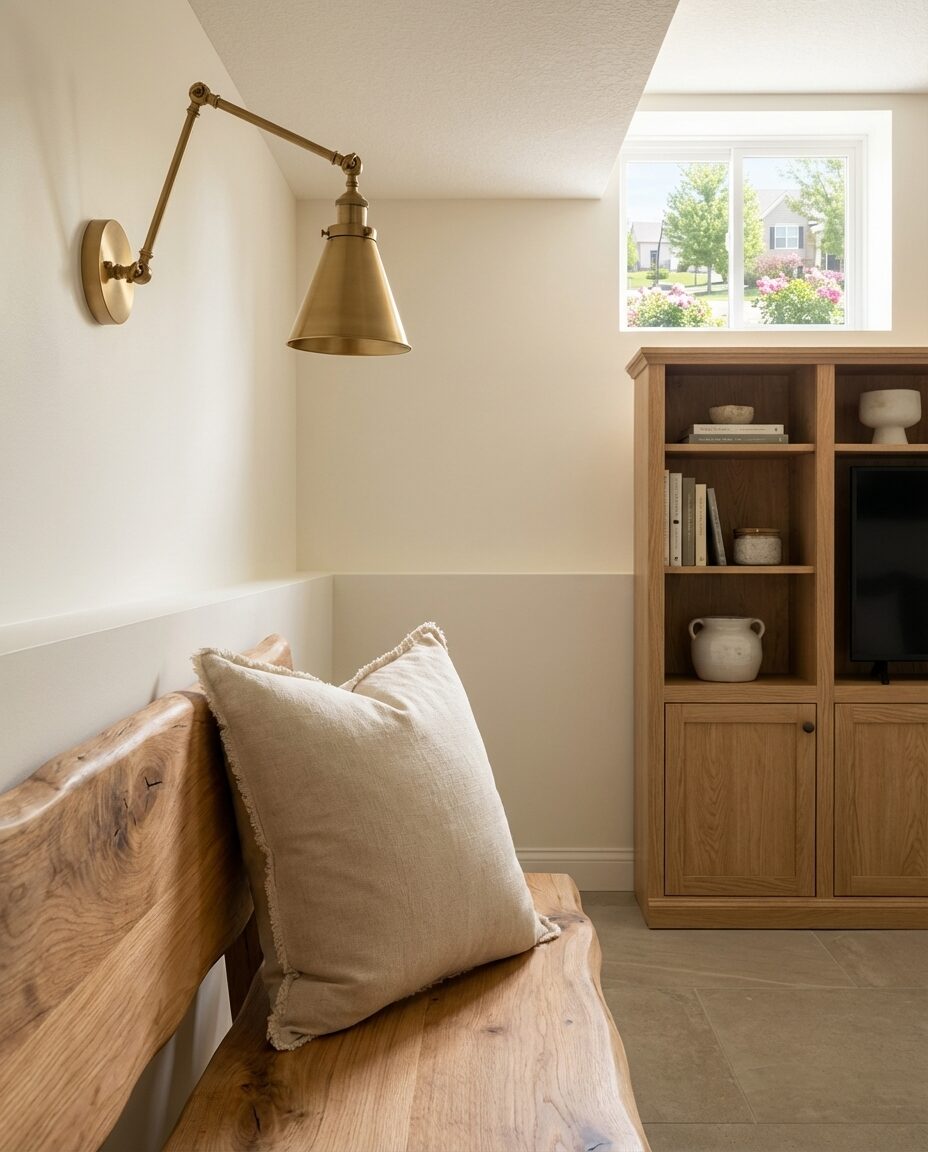
If you’ve got a split-level home, that lower level often feels a bit awkward. But instead of fighting it, embrace the coziness! This idea turns that unique layout into a charming den, perfect for intimate gatherings or a quiet reading spot. Built-in seating is a game-changer here, as it maximizes every inch and creates a seamless, custom feel that you just can’t get with freestanding furniture.
For split-level basements, my absolute favorite trick is to use built-in seating. This isn’t just about saving space; it’s about creating architectural interest and a custom, high-end feel. Design a simple bench along one wall, maybe with storage underneath, and then layer it with plush cushions and throw pillows. It instantly makes the space feel intentional and inviting, rather than an afterthought. If you’re handy, you can even DIY a simple bench structure and then commission custom cushions.
The built-in seating is truly the star here. Without it, you’d just have a regular room with a sofa shoved against a wall. The built-ins give it a purpose, define the space, and turn what could be a forgotten corner into a truly inviting sanctuary. It allows for a flow that standard furniture simply can’t achieve in a split-level’s often fragmented layout.
|
Threshold Oversized Reversible Linen Square Throw Pillow with Frayed E$30.00 |
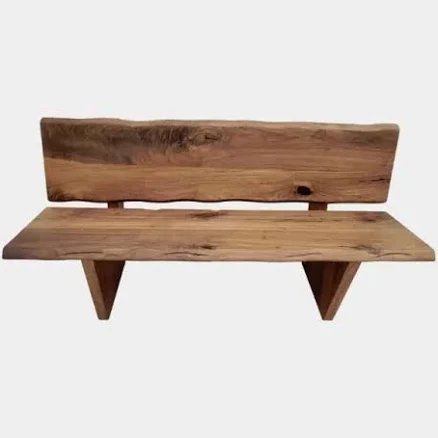
Custom Built Sculpted Live Edge Bench with Back$1,199.95 |
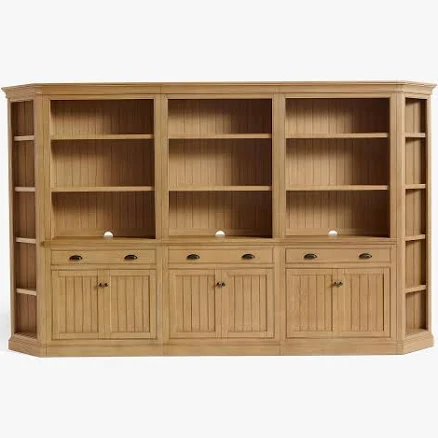
Pottery Barn Aubrey Wall Bookcase Storage Cabinet$5,797.00 |
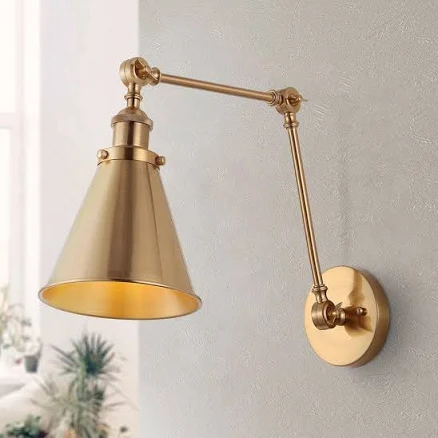
Jonathan Y Rover Adjustable Arm Metal LED Wall Sconce$64.94 |

As an affiliate, we earn from qualifying purchases.
4. Unfinished Basement Transformed into Home Gym & Spa
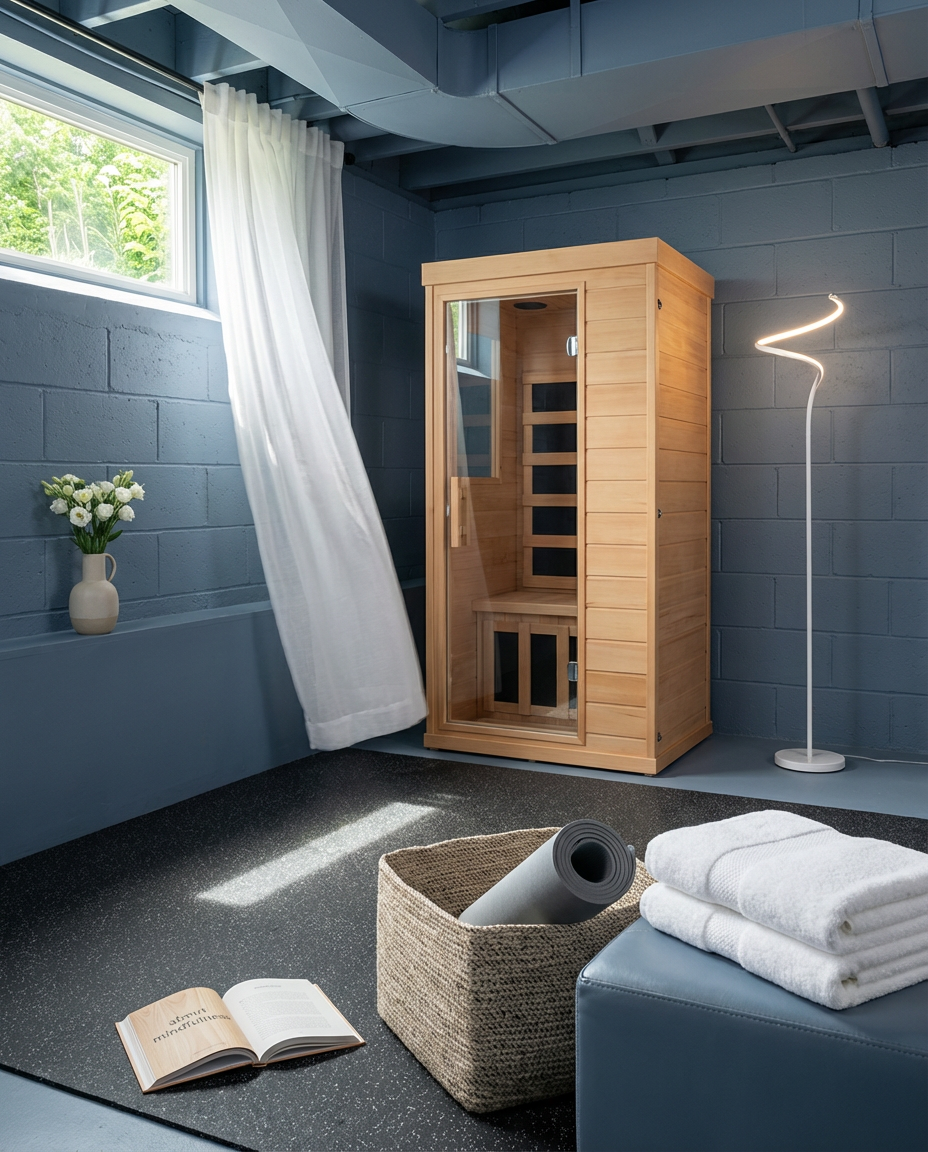
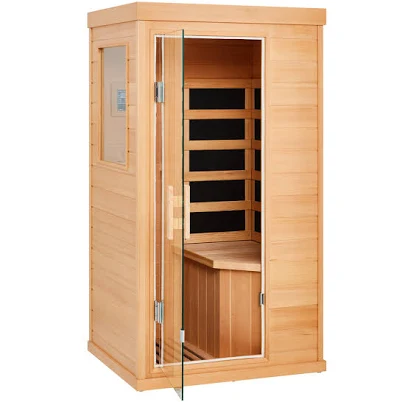
Who says your basement can’t be a sanctuary of wellness? Transforming an unfinished basement into a home gym and spa is all about smart planning and choosing materials that can stand up to moisture and heavy use. Imagine stepping off your treadmill and directly into your own personal sauna. It’s a luxurious escape that adds incredible value and functionality.
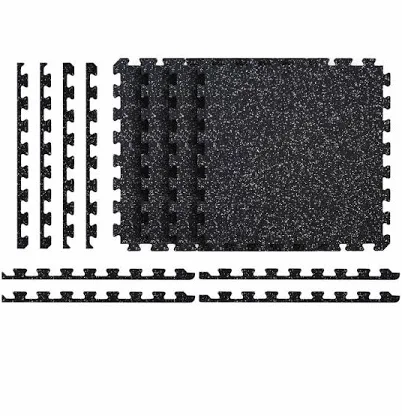
Okay, real talk for a moment: adding a sauna or extensive gym equipment to an unfinished basement is a significant undertaking, and you need to be prepared for the realities. First, ventilation is EVERYTHING. You absolutely need proper airflow to prevent mold and mildew, especially with a sauna. Second, the flooring needs to be incredibly durable and moisture-resistant. This isn’t the place for cheap laminate. Think rubber gym mats, luxury vinyl plank, or even sealed concrete. And finally, consider the electrical load for any high-powered equipment.
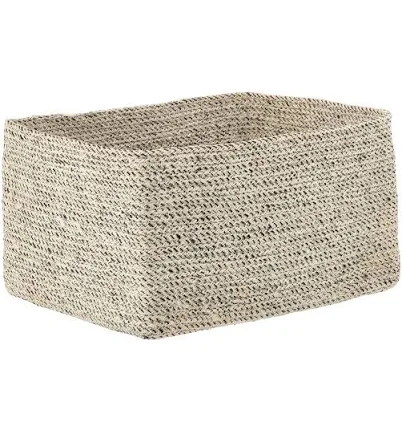
The formula for this serene space is fairly straightforward: 70% functional minimalism (gym equipment, sauna) + 20% natural textures (jute rug, woven baskets) + 10% soft lighting (floor lamp). The idea is to keep the base clean and uncluttered, then bring in warmth through organic elements. You could swap the jute for bamboo, or the woven baskets for natural wood storage, as long as you maintain that ratio of clean lines to earthy accents.
|
The Container Store Seine Woven Jute Storage Bin$24.74 |
EROMMY Natural Canadian Hemlock Mini Sauna$800.99 |
Norsk Rubber-Tec Reversible Gym Flooring$49.97 |
Elaineminimal 53 in. White Matte White Curvilinear S-curve Spiral Tube$119.99 |

As an affiliate, we earn from qualifying purchases.
5. Small Basement Bar Nook with Whiskey Cabinetry
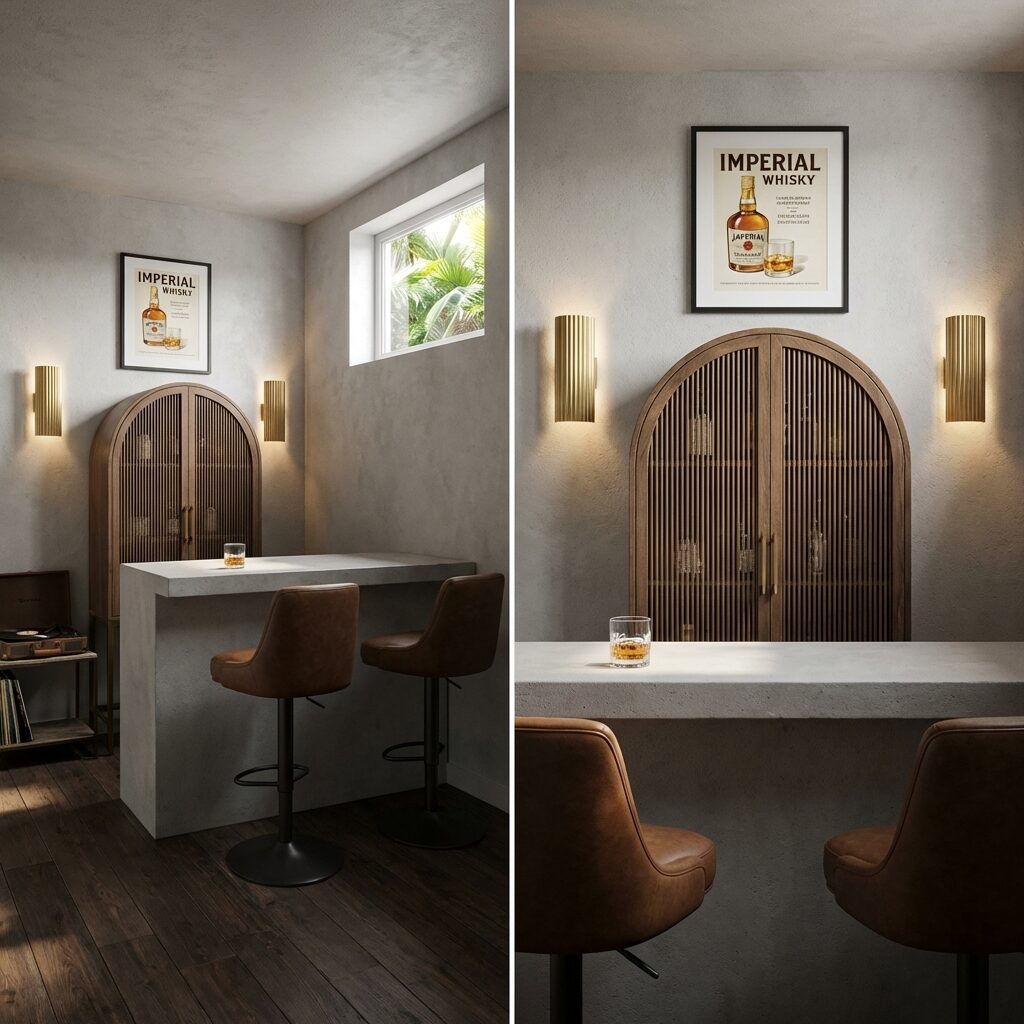
Even the smallest basement can house a dedicated bar area. This concept proves you don’t need a sprawling full-service bar to create a stylish and functional spot for mixing drinks. With a focus on quality over quantity, you can craft a sophisticated bar nook that feels incredibly intentional and full of character. Whiskey cabinets and well-curated art pieces are key to making it feel high-end, even if the footprint is small.
- Choose your nook: Find an unused corner or wall that’s at least 3-4 feet wide. (Time: 30 min, Cost: Free)
- Install a floating shelf: A sturdy wooden shelf at counter height (around 36-42 inches) will serve as your bar top. (Time: 1-2 hours, Cost: $30-$100)
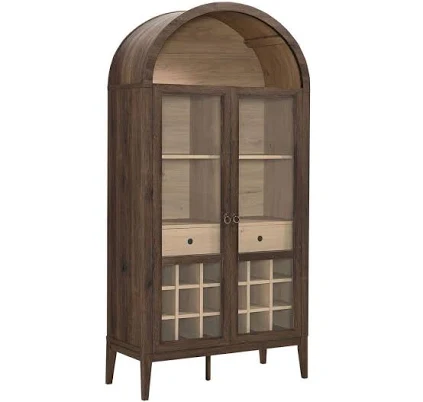
- Add a stylish cabinet: A slim bar cabinet underneath is perfect for storing bottles and glassware. Look for something like the Modway Nolan Arched Bar Cabinet. (Time: 30 min, Cost: $200-$700)
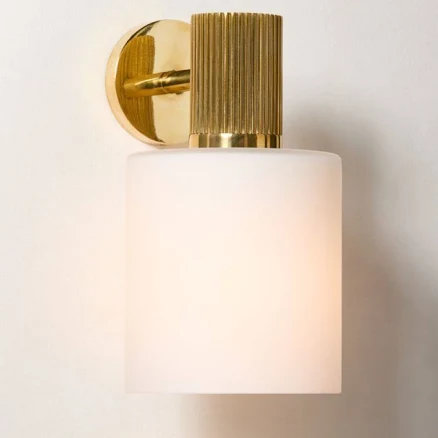
- Lighting is key: Install a wall sconce above the shelf to provide ambient lighting and highlight your bottles. The Mirabell Ribbed Sconce from CB2 is a great choice. (Time: 1-2 hours, Cost: $50-$200)
- Accessorize! Add a few bar tools, some interesting artwork (like the Imperial Whisky print from Great Big Canvas), and a couple of elegant bar stools. (Time: 1 hour, Cost: $100-$500)
For this specific look, the whiskey cabinetry is undeniably “the one thing.” It’s not just storage; it’s a statement piece that immediately communicates the intended function and rustic elegance of the space. Without it, you’d just have a shelf and some bottles, losing that crucial sense of established identity and sophisticated charm.
|
Great Big Canvas Imperial Whisky Magazine Advertisement Wall Art Print$74.99 |
Mirabell Ribbed Unlacquered Brass Wall Sconce – CB2$149.00 |
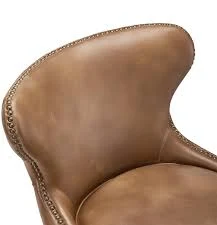
Caraline Leather Swivel Stool Counter Stool (26″ Seat Height) Wax Brow$499.00 |
Modway Nolan Arched Bar Cabinet$647.75 |

As an affiliate, we earn from qualifying purchases.
6. Low Ceiling Basement Media Room with Recessed Lighting
✨ Luxury Version
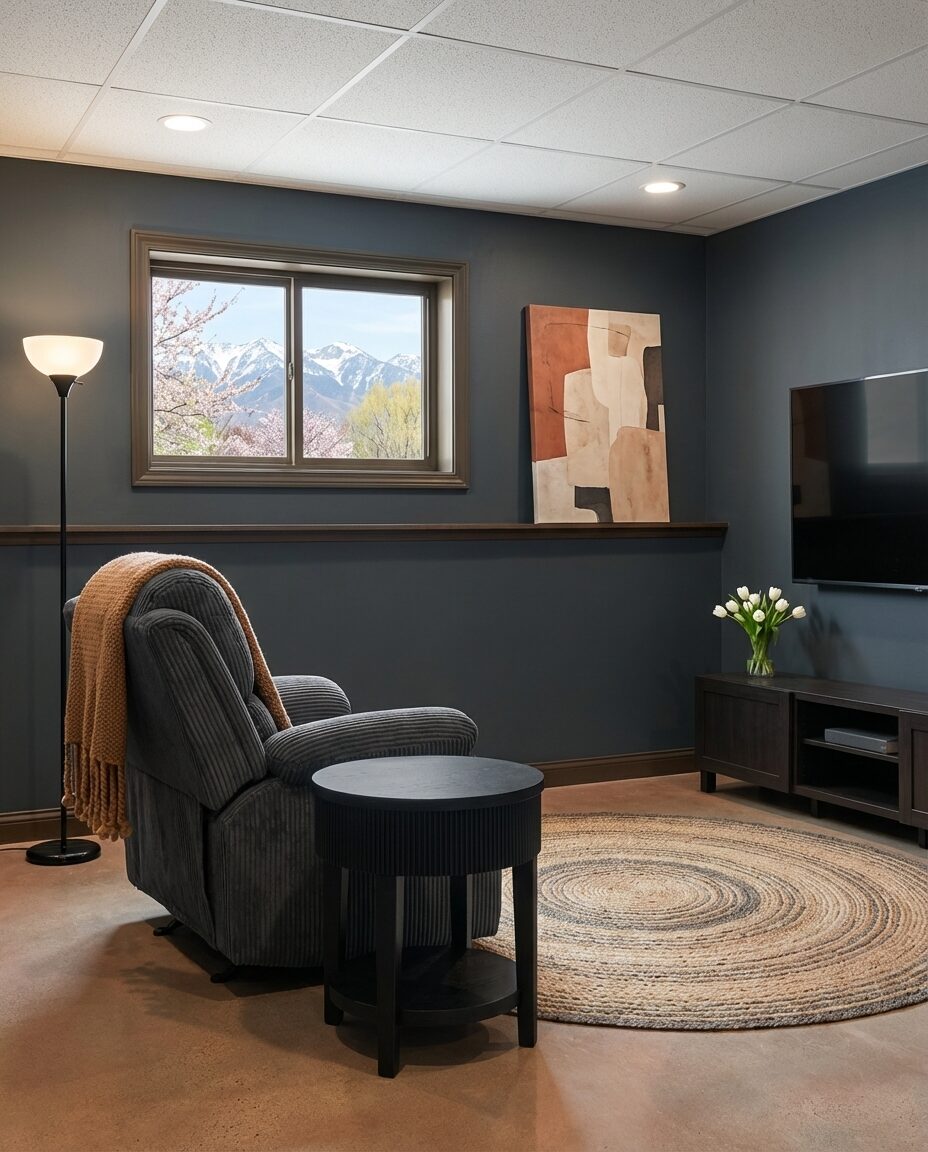
Low ceilings are a common basement challenge, but they absolutely don’t have to limit your design dreams. This media room concept proves that with clever lighting and strategic furniture placement, you can create a cozy, inviting space that feels intentional rather than cramped. Recessed lighting is your best friend here, delivering ample illumination without eating into precious vertical space.
💸 Budget Version
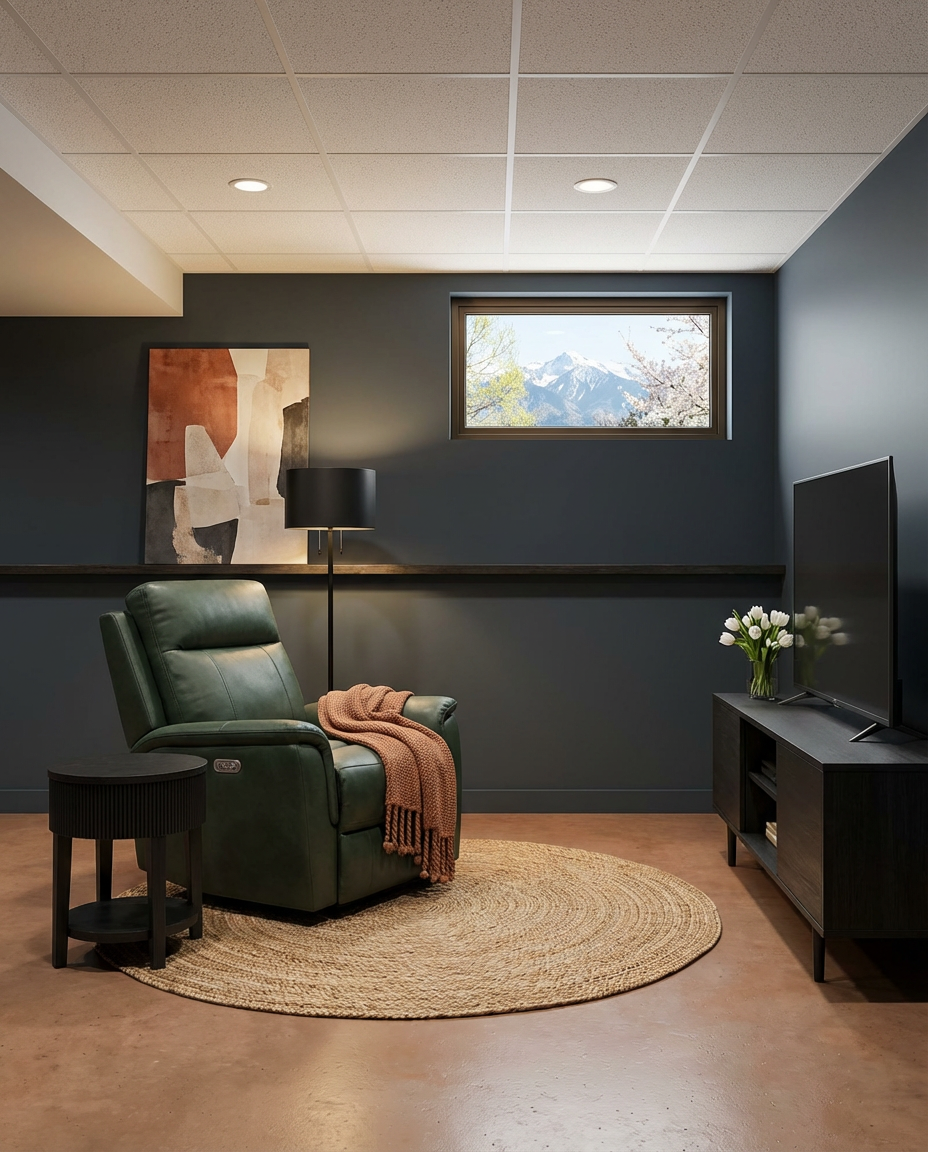
For rooms with low ceilings, the biggest mistake people make is choosing light fixtures that hang down too far. Ditch the chandeliers and even many pendant lights. Instead, lean heavily on recessed lighting, like can lights, or flush-mount fixtures. You can also incorporate wall sconces or floor lamps with an upward glow to bounce light off the ceiling, creating the illusion of height. Aim for at least 6-8 recessed lights in a 10×12 foot room to ensure even illumination without shadows.
This idea is practically tailor-made for basements with ceilings under 8 feet. For a truly immersive media experience, you want the room to feel intimate and cocoon-like, which low ceilings actually help achieve. If your room is particularly small (say, less than 10×12 feet), opt for smaller-scale furniture, like an armchair from Walmart rather than a massive sectional. For larger spaces, you can expand on the seating. If your room is super tiny, consider Idea #13 for more compact living solutions.
|
💰 Budget Pick
Mainstays Floor Lamp$13.63 |
💰 Budget Pick
Crate & Barrel Chunky Wool Fringe Knit Throw Blanket$69.97 |
✨ Luxury Pick
Mayeerty Power Recliner Chair Electric Leather Reclining Chair with Ad$169.99 |
✨ Luxury Pick
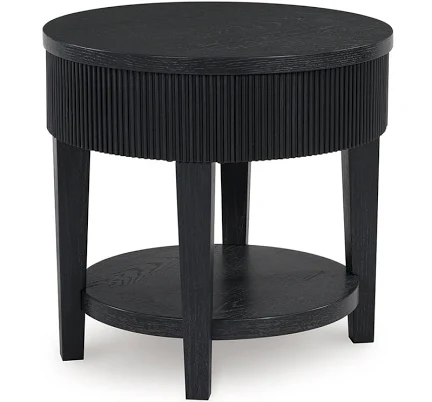
Ashley Furniture Marstream End Table$187.00 |

As an affiliate, we earn from qualifying purchases.
7. Michigan Basement Mudroom & Laundry Combo
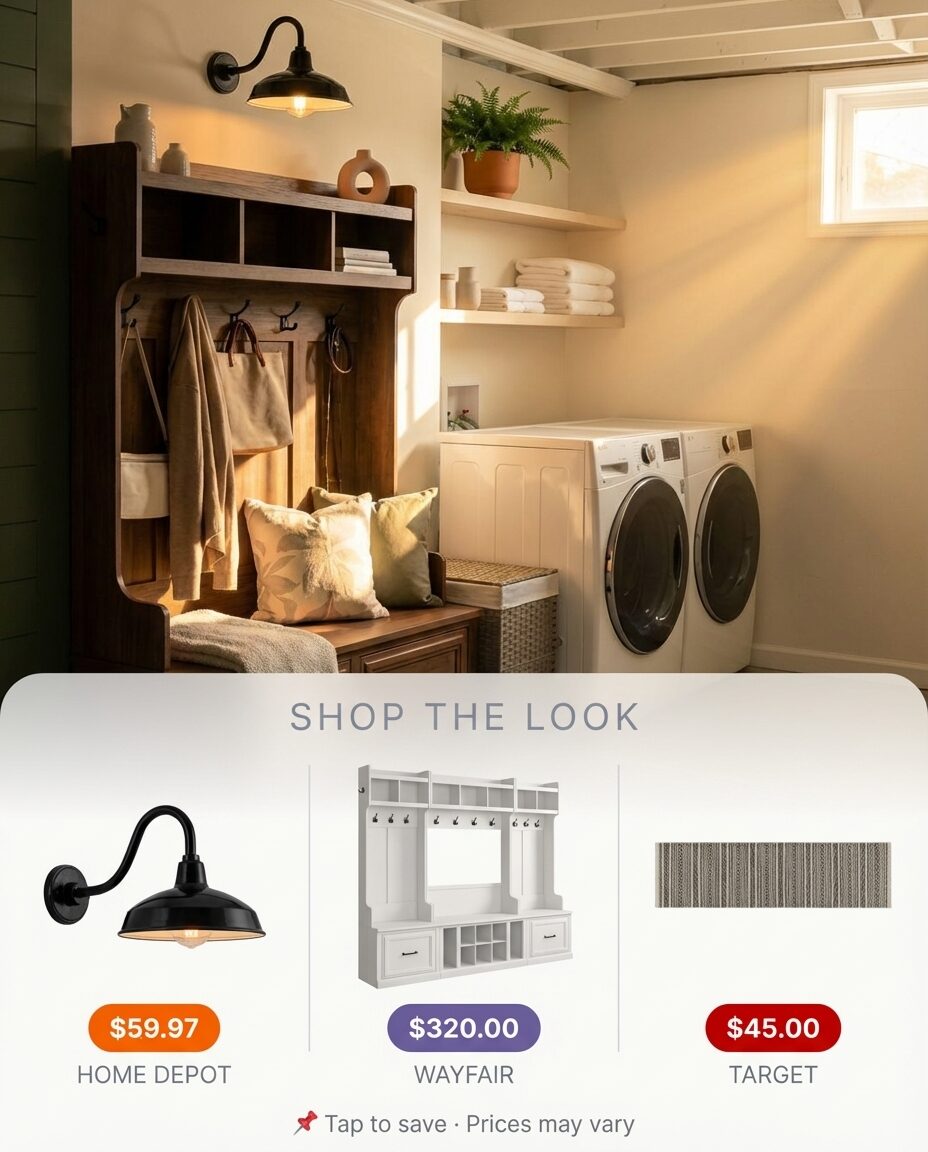
If you’re in Michigan (or any area with four distinct seasons and mud!), a dedicated mudroom and laundry combo in the basement is a lifesaver. This isn’t just about utility; it’s about preserving the cleanliness and sanity of the rest of your home. Everything has its place, from muddy boots to mountains of laundry, keeping the main living areas pristine. It truly makes daily routines so much smoother.
Building a combo mudroom and laundry space in a Michigan basement sounds like a dream, but you need to be realistic about the potential for dampness and moisture. Basements, especially older ones, can be prone to leaks or humidity fluctuations. Invest in a good dehumidifier, ensure proper ventilation for the dryer, and strongly consider water-resistant flooring like luxury vinyl plank (LVP) or ceramic tile. Nothing ruins a new mudroom faster than mildew from standing water!
This dual-purpose space works so well because it addresses two of a home’s messiest functions in one dedicated zone. By combining the mudroom (entry point for dirt) with the laundry room (where dirt gets cleaned), you’re containing the mess. The use of durable, easy-to-clean surfaces and ample storage, like the Laurel Foundry Hall Tree, keeps things organized and prevents dirt from migrating through the rest of the house. It’s a pragmatic solution that significantly enhances home efficiency.
8. Bright Basement Playroom with Creative Storage Solutions
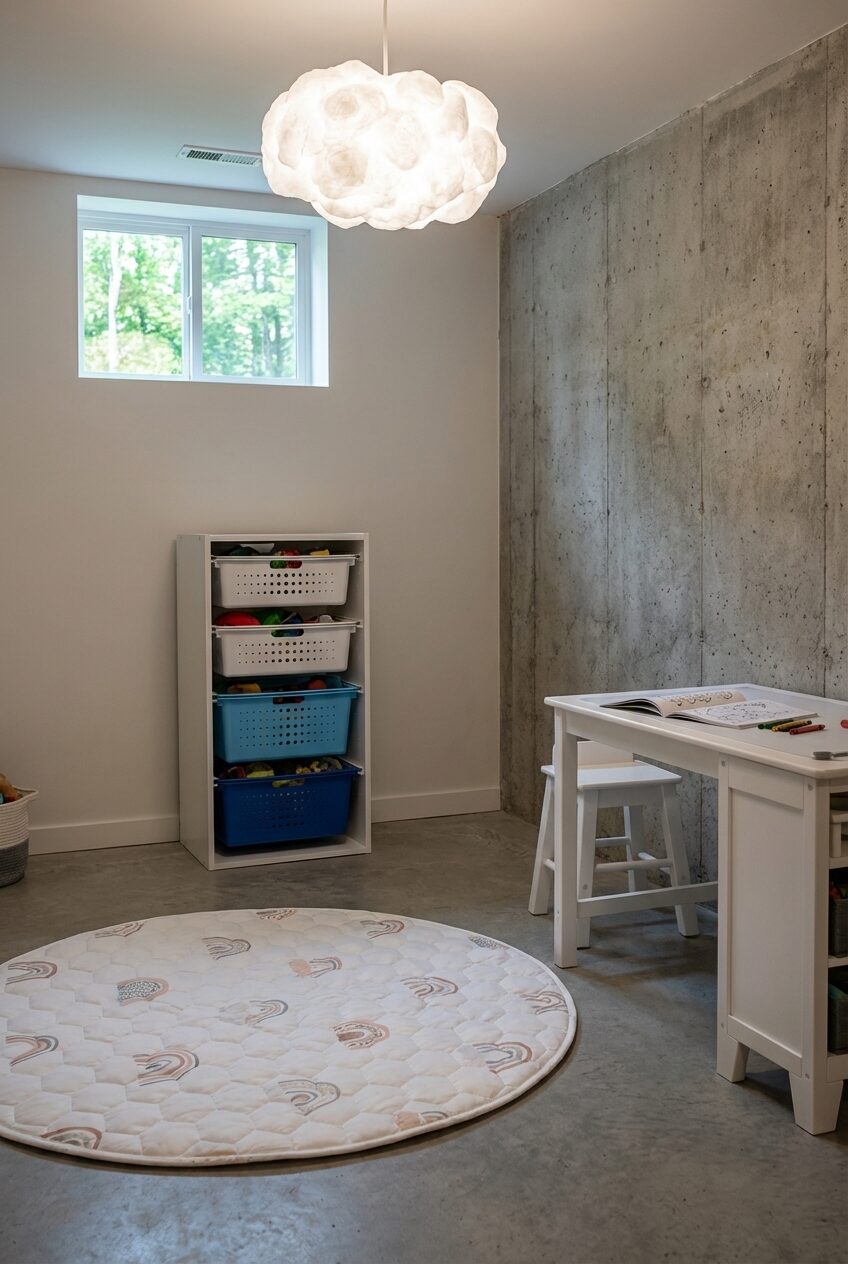
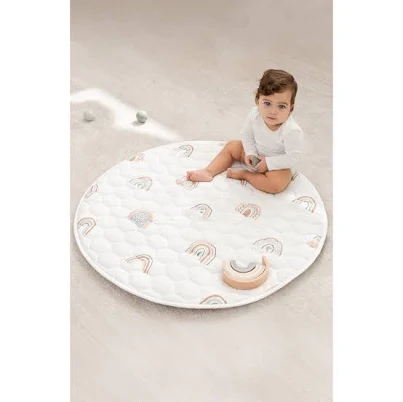
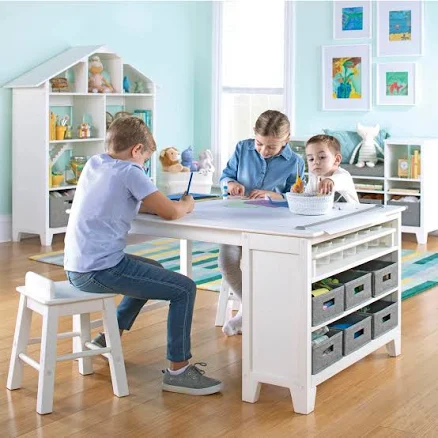
Say goodbye to toy explosions in your living room! This bright basement playroom concept is all about creating a dedicated, engaging space for kids that also manages to look good. The key here is a thoughtful approach to storage, making it easy for little ones to both access and put away their toys. Plus, infusing color and whimsical elements like a cloud pendant light from Pottery Barn Kids makes it feel truly magical.
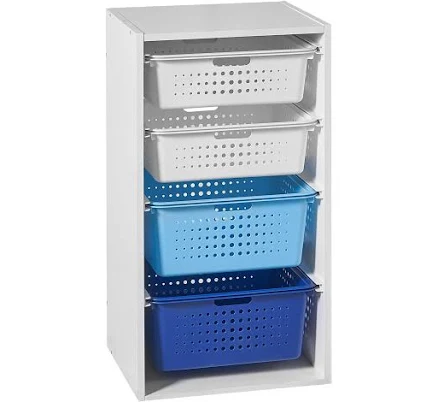
The unsung hero of this playroom is truly the smart, accessible storage. Without well-designed bins and low shelving (like the Your Zone Kids Sliding Bin Organizer), this vibrant space would quickly devolve into chaos. The storage isn’t just about tidiness; it empowers kids to be independent in their play and cleanup, which is a win for everyone. If you’re struggling with space for toys, focus your budget on this element.
Here’s the visual recipe for a playful basement: 50% neutral base (walls, larger furniture) + 30% primary or secondary accent colors (rug, storage bins, small furniture) + 20% whimsical elements (cloud light, fun artwork). The neutral base ensures the room doesn’t feel overwhelming, while the pops of color keep it energetic and child-friendly. You can easily swap out the accent color palette from primaries to pastels or even metallics without losing the overall playful vibe.
- Main Furniture (child desk, playmat): $35 – $400
- Lighting (pendant light): $200 – $300
- Textiles (rug): $35 – $100
- Storage (baskets, organizer): $15 – $100
- Paint/Wall Treatment: $50 – $200
- TOTAL: $325 – $1,100
- Budget alternative: Get similar vibe for 40-60% less ($130 – $550)
|
Your Zone Kids Sliding Bin Organizer$66.44 |
Comfy Cubs Premium Play Mat$34.99 |
Martha Stewart Kids’ Art Table and Stool Set$399.95 |
Fluffy Cloud Pendant$199.00 |

As an affiliate, we earn from qualifying purchases.
9. Luxury Basement Guest Suite with Spa Bathroom
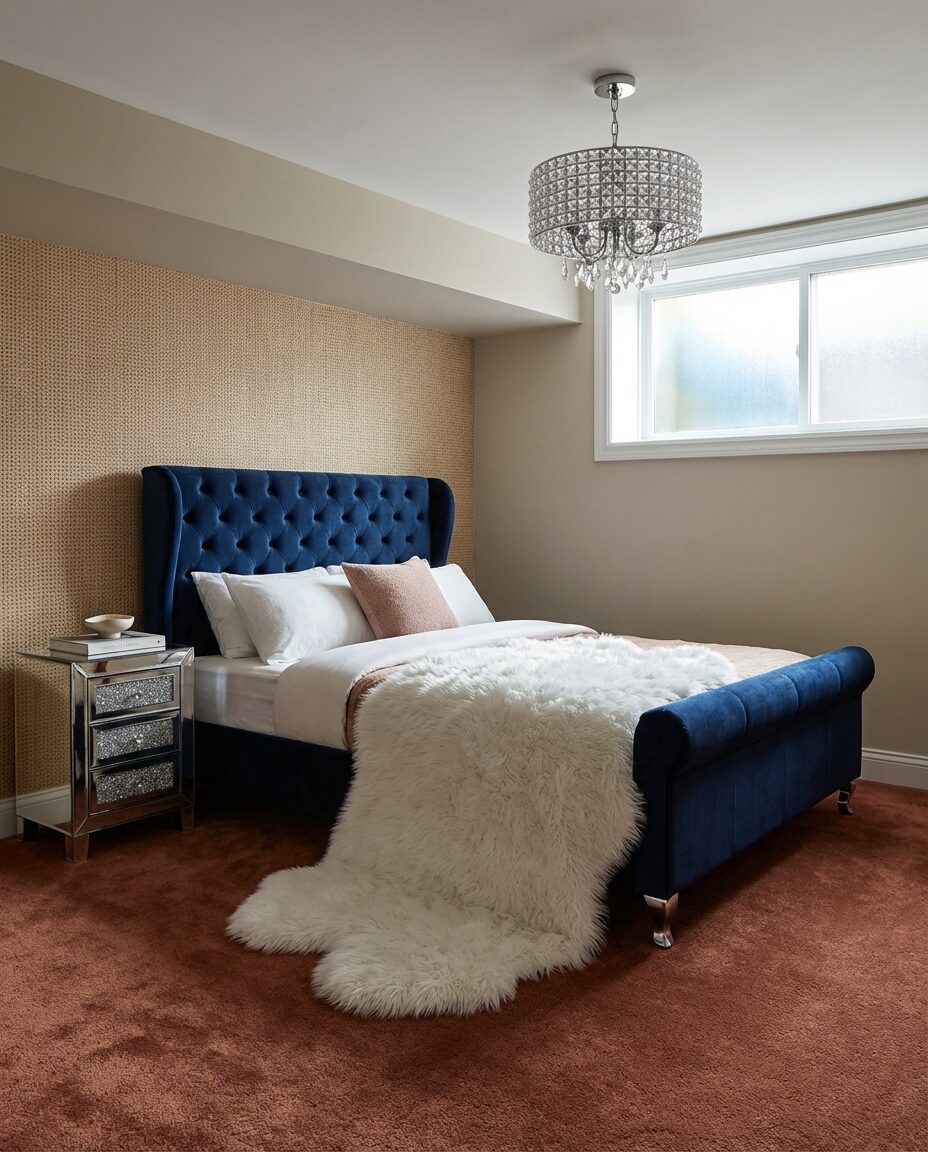
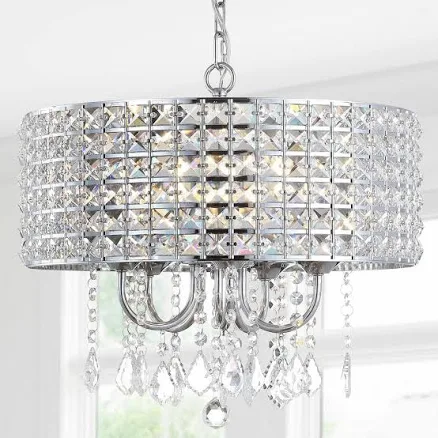
Who says basements can’t be glamorous? This luxury guest suite transforms your lower level into a five-star hotel experience for visitors. We’re talking plush bedding, mirrored furniture, and dazzling lighting like the JONATHAN Y Reese chandelier. It’s an investment, yes, but think of the joy (and convenience) it brings when family and friends come to stay. This is about making guests feel truly spoiled.
When designing a luxury guest suite in a basement, pay incredibly close attention to window treatments and lighting. Basements notoriously lack natural light, so you need to compensate. Layer your lighting: overhead (like a beautiful chandelier), task (a nightstand lamp), and accent (perhaps a small uplight or a lighted mirror). For window treatments, even if small, choose something substantial and lined to block any unwanted views and add a sense of luxury, even if they’re just decorative.
- Assess existing natural light. If minimal, plan for extensive artificial lighting.
- Check ceiling height. A chandelier needs enough clearance to not feel oppressive.
- Consider privacy. Will guests desire a separate entrance or soundproofing?
- Confirm plumbing hookups if adding a spa bathroom.
- Set a realistic budget for high-end finishes and fixtures.
|
Collinsworth Tufted Low Profile Sleigh Bed$549.99 |
Faux Sheepskin Indoor Rug iliebe Rug$79.00 |
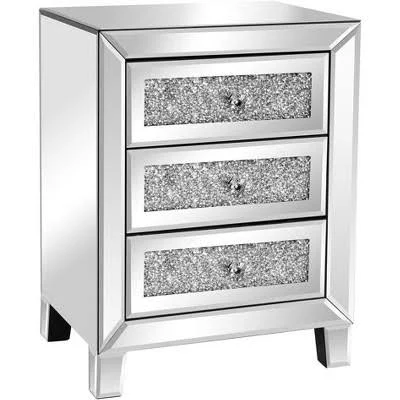
Vingli Mirrored Nightstand$179.99 |
JONATHAN Y Reese 17″ Metal/ Crystal LED Adjustable Drop Chandelier$130.97 |

As an affiliate, we earn from qualifying purchases.
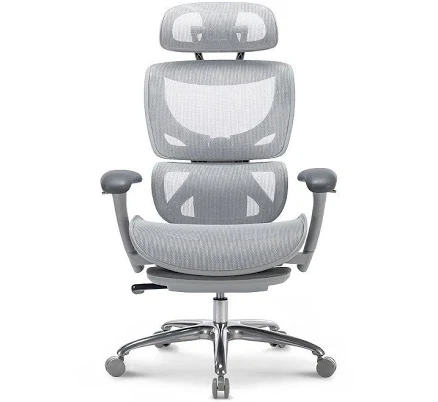
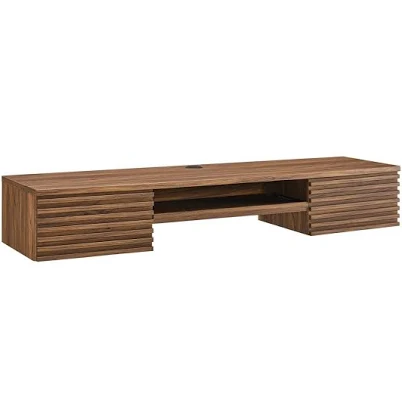
10. Contemporary Basement Home Office with Green Wall
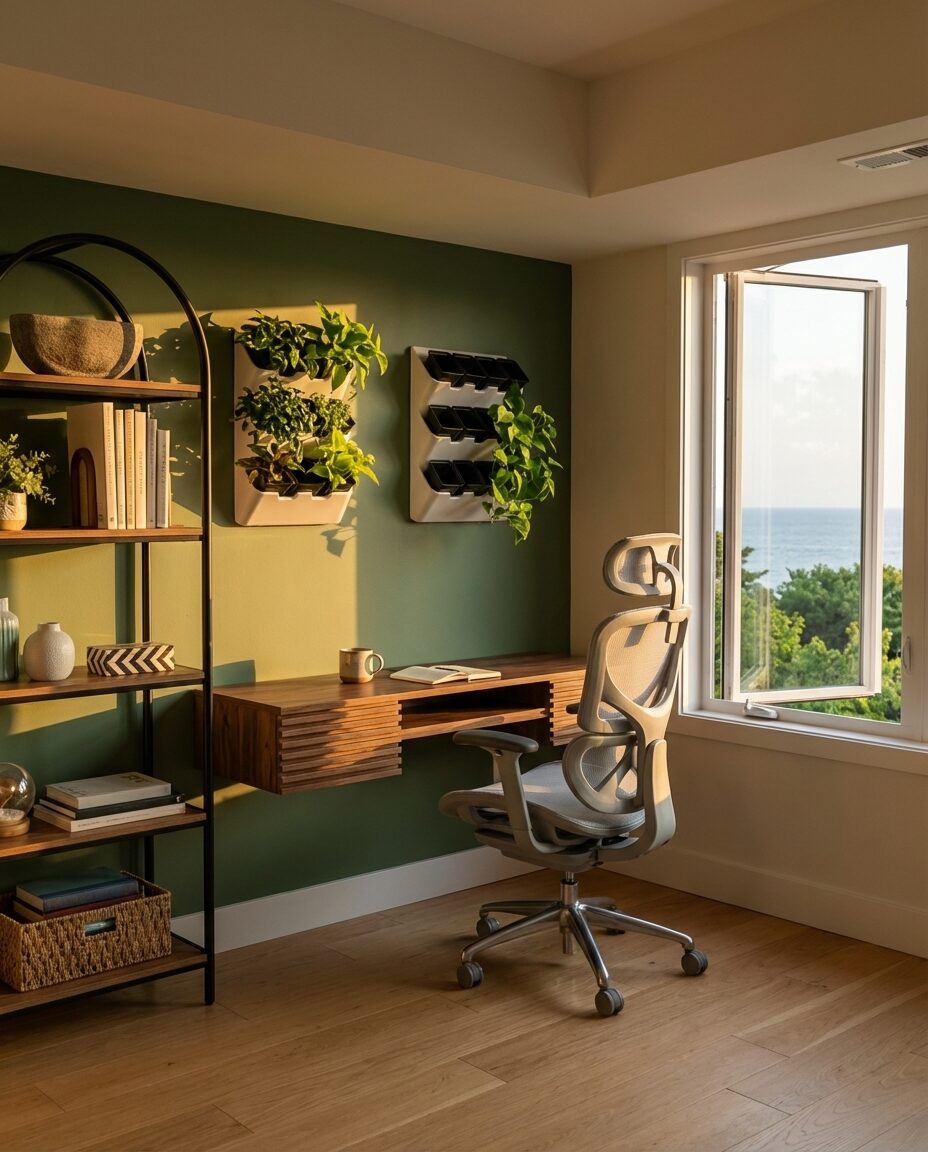
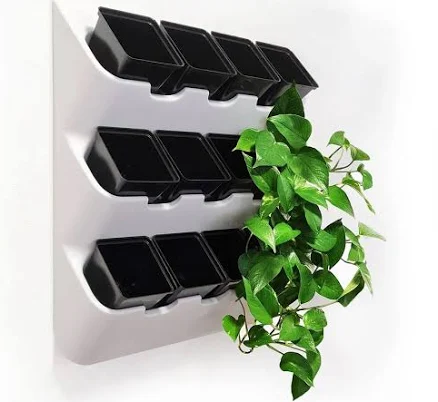
Working from home has become the new normal for so many of us, and a dedicated home office is no longer a luxury, but a necessity. This contemporary basement setup pairs sleek lines and functional furniture with an unexpected touch: a vibrant green wall of plants. It’s a space that inspires productivity while also providing a refreshing connection to nature, even when you’re underground. Perfect for Zoom calls that need a little extra visual interest!
Let’s have some real talk about that green wall: while stunning, it’s not a set-it-and-forget-it feature. Humidity levels are crucial for healthy plants, especially in a basement. You’ll need to monitor moisture, provide adequate light (which might mean grow lights if natural light is insufficient), and be prepared for regular watering and pruning. Don’t underestimate the time commitment of keeping a living wall truly vibrant.
The
|
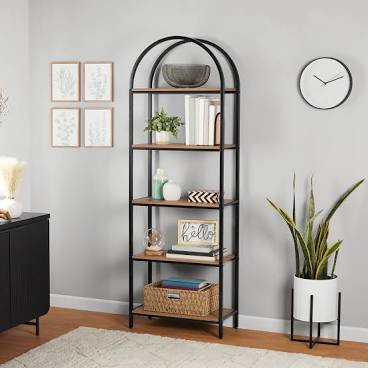
Mainstays 5-Shelf Open Bookcase$78.87 |
COLAMY Ergonomic Mesh Office Chair with Footrest$199.99 |
Modway Render Wall Mount Office Desk$259.78 |
BOXSAND-12 Vertical Planter$85.00 |
As an affiliate, we earn from qualifying purchases.
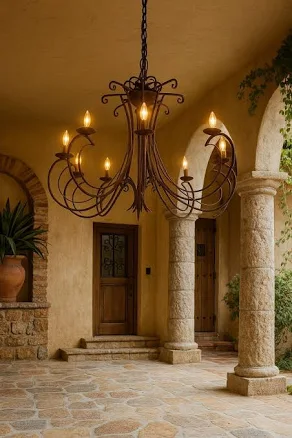
11. Rustic Basement Wine Cellar with Stone Walls
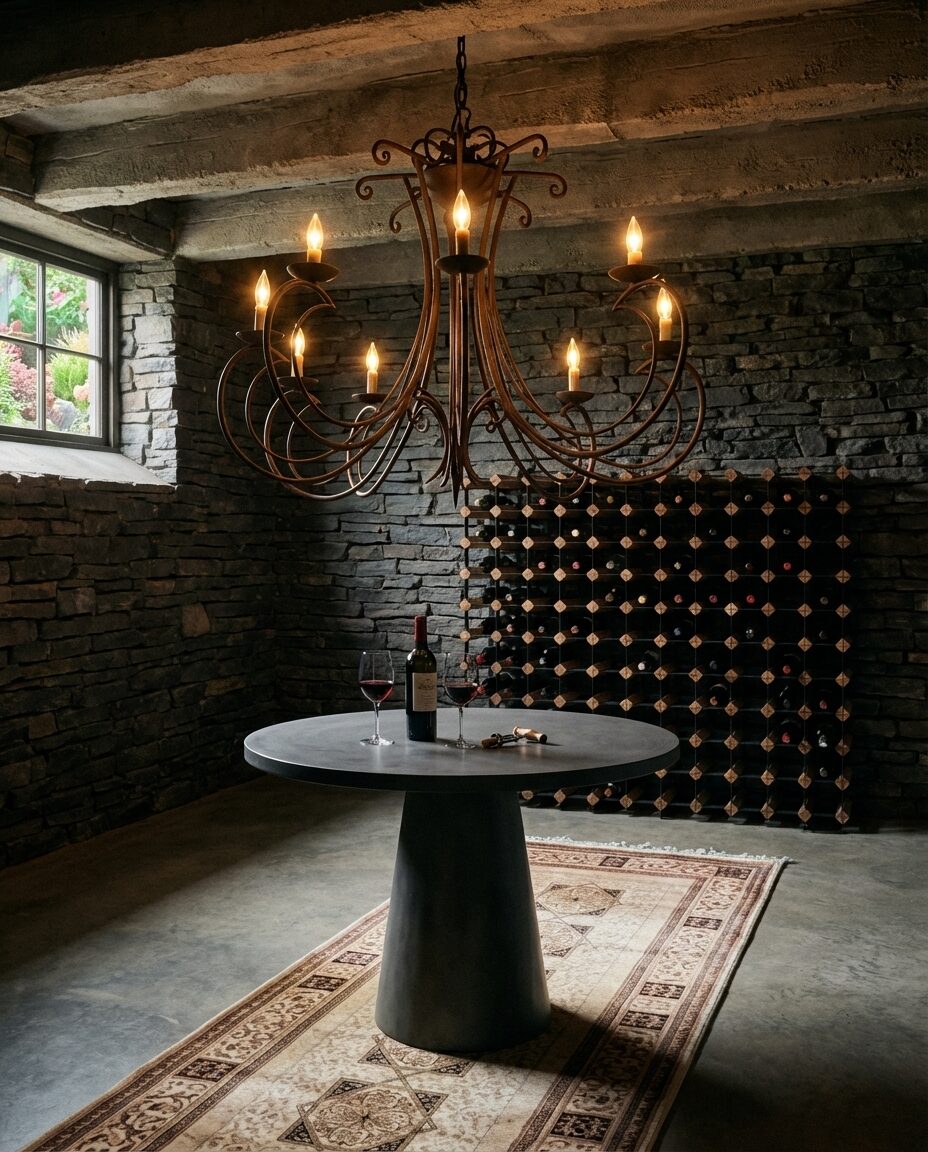
Wine cellars used to be reserved for sprawling estates, but the rustic basement wine cellar is bringing this luxury amenity to more homes than ever. With a focus on natural stone, reclaimed wood, and thoughtful lighting, it’s not just a storage space; it’s an experience. This trend is fueled by a desire for personalized luxury and a rediscovery of craftsmanship, and it’s something that will definitely stand the test of time, unlike some fleeting Pinterest fads.
- Assess your climate: Ensure your basement can maintain consistent cool temperatures and moderate humidity, ideal for wine storage. (Time: Ongoing monitoring, Cost: Free – $200 for hygrometer/thermometer)
- Install vapor barrier: Essential for preventing moisture from damaging your wine. (Time: 1-2 days, Cost: $100-$300)
- Choose your stone: Select a natural stone veneer for walls. Local quarries or stone suppliers can offer options like this Wrought Iron Scroll Chandelier. (Time: Consultation: 1-2 hrs, Installation: 3-5 days, Cost: $500 – $3000+)
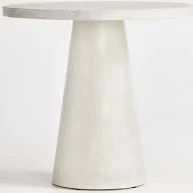
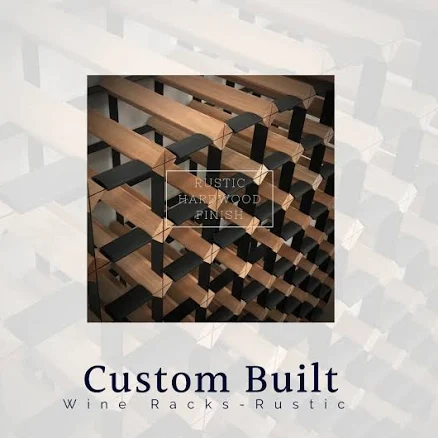
- Select rustic wood elements: Add a sturdy dining table (like the Leanne Ford Willy one from Crate & Barrel) and custom wine racks. (Time: 2-3 days, Cost: $500 – $2000+)
- Add atmospheric lighting: Soft, dimmable lighting is key. A wrought iron chandelier or wall sconces create the perfect mood. (Time: 1 day, Cost: $300 – $1000+)
|
Wrought Iron Scroll Arm Chandelier$3,000.00 |
Leanne Ford Willy 32″ Charcoal Round Pedestal Dining Table$999.00 |
Custom Built Wine Rack Rustic Hardwood | Pre-Assembled$35.94 |
Silky Persian Style Carpet Runners$74.99 |

As an affiliate, we earn from qualifying purchases.
12. DIY Basement Home Theater with Soundproofing
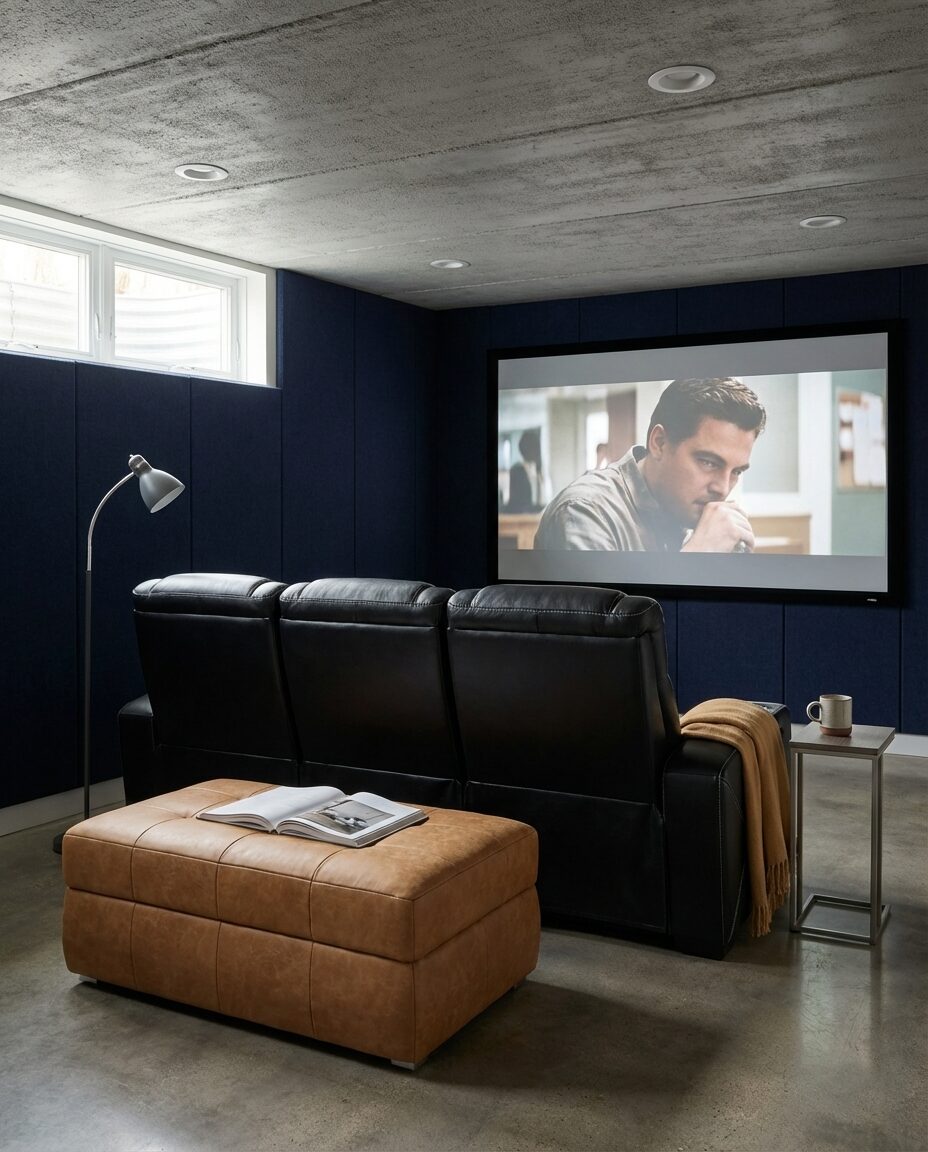
A DIY home theater in your basement? Absolutely! This isn’t about expensive tickets; it’s about cozy nights in, epic movie marathons, and a space designed purely for entertainment. With careful planning for soundproofing and smart seating choices, you can create a blockbuster experience right in your own home. Plus, tackling some of the work yourself leaves more budget for the important stuff: popcorn.
When planning a home theater, many DIYers forget about speaker placement. It’s not just about visual aesthetics. Mount your front left and right speakers at ear height when seated, and ensure the center channel is directly below or above the screen, aiming slightly down or up. For surround sound, position side speakers slightly behind and to the side of the main viewing area. This ensures optimal audio immersion, complementing your visual setup.
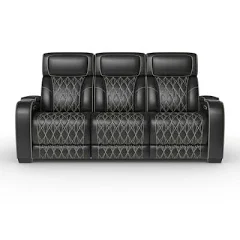
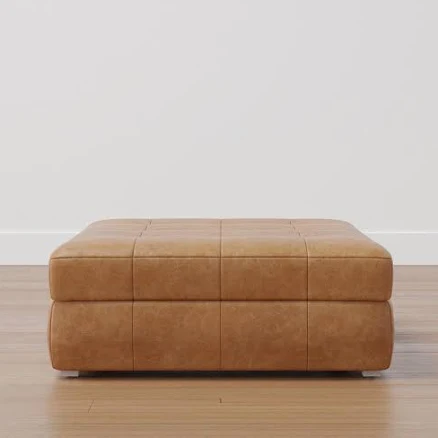
You can achieve a fantastic home theater vibe without emptying your savings. Instead of pricey acoustic panels, hang thick, plush drapes or tapestries on walls and use a deep-pile rug like the Napa Collection Shag Rug to absorb sound. For seating, look for comfortable, power-reclining sofas at Ashley, or check Facebook Marketplace for gently used sectionals. Throw pillows and blankets like the Baldwin Storage Ottoman from Pottery Barn Teen add comfort and texture, costing far less than built-in stadium seating.
|
Ashley Boyington Power Reclining Sofa$1,739.99 |
Baldwin Storage Ottoman$399.00 |
Relaxed Washed Organic Cotton Velvet 20″x20″ Throw Pillow Insert$49.95 |
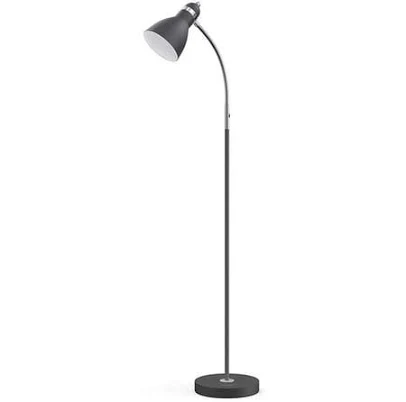
LEPOWER Adjustable Gooseneck Standing Floor Lamp$35.99 |

As an affiliate, we earn from qualifying purchases.
13. Small Basement Apartment with Compact Kitchenette
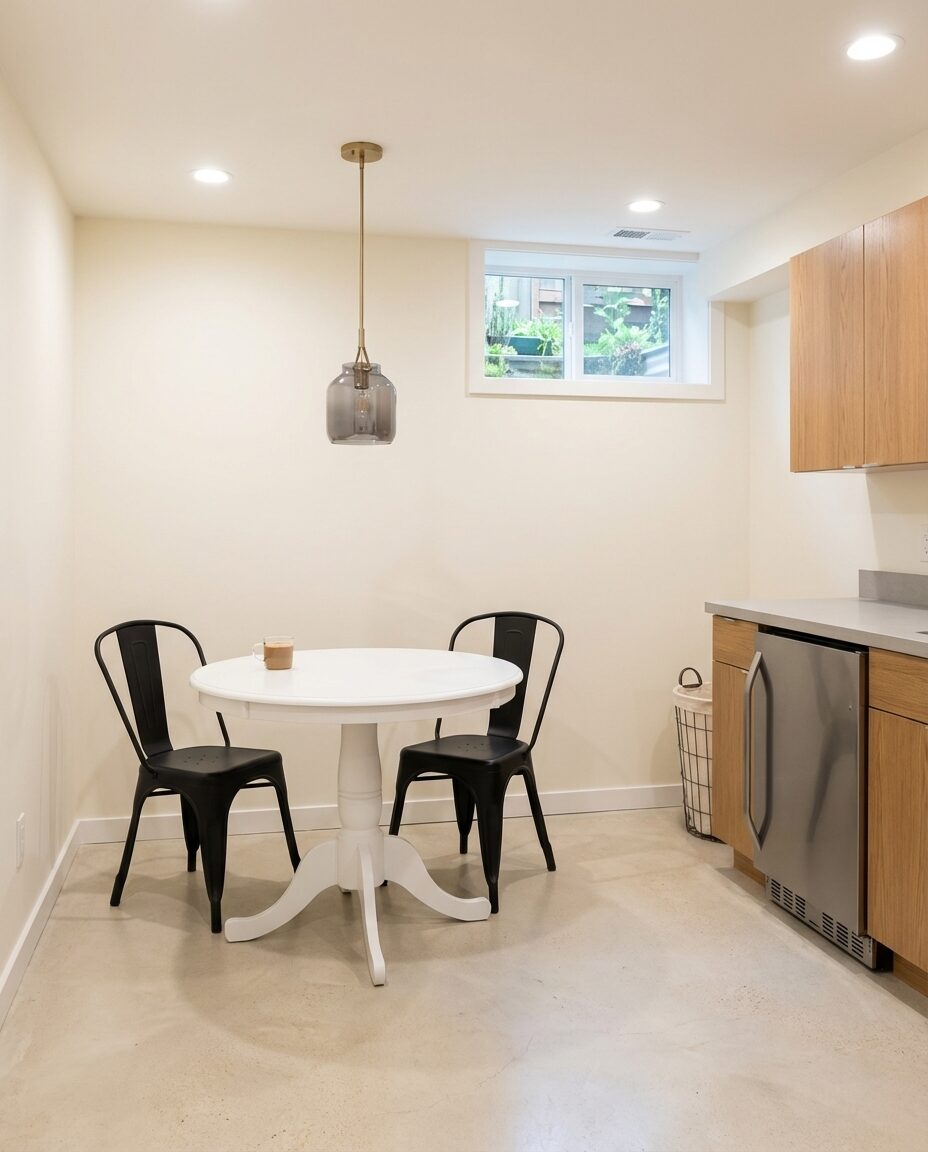
Even the smallest basements can be transformed into fully functional living spaces. This compact apartment concept proves that with clever layout ideas and multi-functional furniture, you can carve out a comfortable home. The kitchenette, though tiny, is designed for efficiency, and the dining area pulls double duty. It’s truly amazing what you can achieve when every inch is intentional.
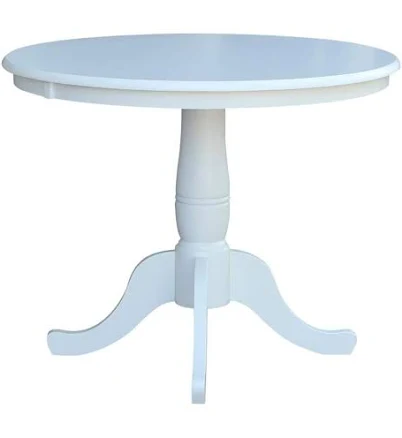
This idea thrives in basements that are on the smaller side—think anything from 300 to 700 square feet. The key is strict adherence to scale. Don’t try to fit a full-sized kitchen island or a massive sectional. Instead, opt for apartment-sized appliances, stackable dining chairs (like the 17 Stories Lilian Metal chairs), and a smaller round dining table from International Concepts, which takes up less visual space than a square one. If you have a larger basement, you might want to explore Idea #18 which focuses on open-concept living.
What makes this small apartment concept work so brilliantly is its absolute commitment to multi-functionality and scale. Every piece of furniture, from the compact kitchenette to the dining table that can double as a workspace, is chosen to serve more than one purpose. The use of lighter colors and streamlined designs also prevents the space from feeling cluttered or visually heavy, maximizing the perception of openness despite the limited footprint.
|
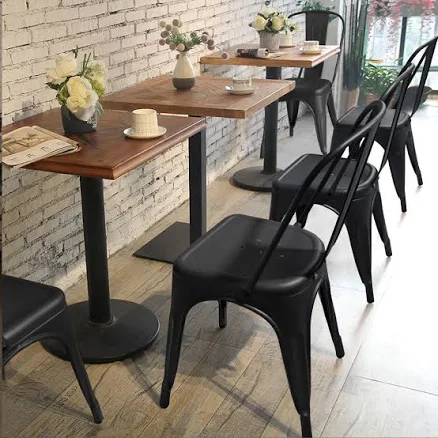
17 Stories Lilian Metal Stacking Side Chair$136.99 |
International Concepts 36″ Round Top Pedestal Dining Table$313.52 |
West Elm Henry Pendant$169.00 |
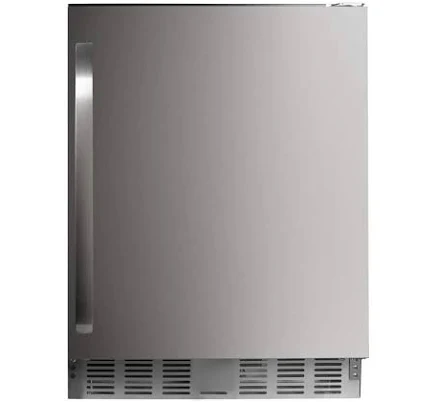
Frigidaire 20.1 in. 5.0 Cu. Ft. Built in Under Counter Mini Refrigerat$611.44 |
As an affiliate, we earn from qualifying purchases.
14. Bohemian Basement Lounge with Textured Decor
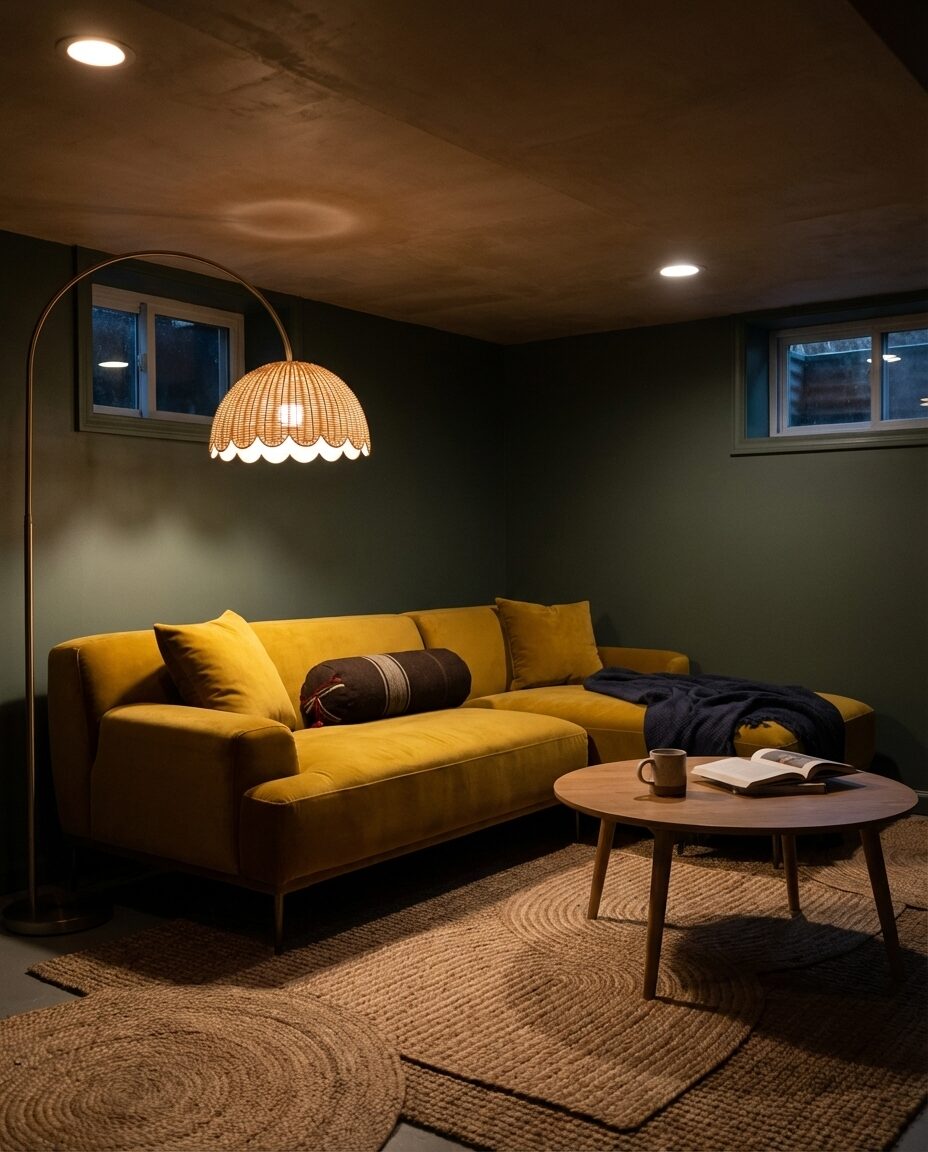
The bohemian aesthetic has been having a moment for a while now, and it’s perfect for a basement lounge. It’s all about creating a relaxed, free-spirited vibe with an abundance of textures, patterns, and natural elements. Think cozy floor cushions, macrame, and rattan lighting. This style is especially popular with the Pinterest crowd right now because it’s so inviting and feels genuinely lived-in and comfortable, making it a great choice for that hidden basement gem.
To truly nail the bohemian basement lounge look, don’t shy away from layering textures. This is what gives the style its depth and warmth. Start with a foundation rug (like the Drew Barrymore Beautiful Natural Braided Jute Rug), then layer smaller, decorative rugs on top. Combine different fabrics on your seating—think velvet throw pillows with fringe, linen cushions, and knitted blankets. The variations in texture create visual interest and a cozy, inviting feel that’s essential for boho spaces.
- Main Furniture (sectional sofa): $1,700 – $2,500
- Lighting (floor lamp): $300 – $500
- Textiles (rug, throw pillows): $50 – $200
- Decor/Accessories (plants, wall hangings): $100 – $300
- Paint/Wall Treatment: $50 – $200
- TOTAL: $2,200 – $3,700
- Budget alternative: Get similar vibe for 40-60% less ($880 – $1,850)
|
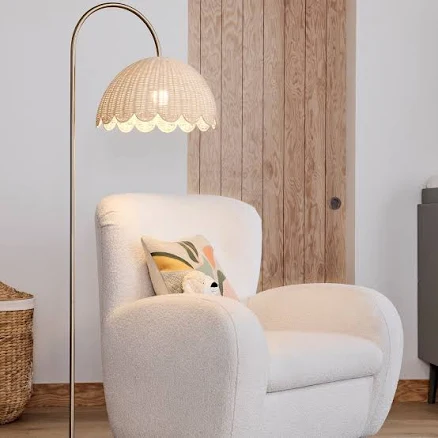
West Elm Bubble Rattan Floor Lamp$299.00 |
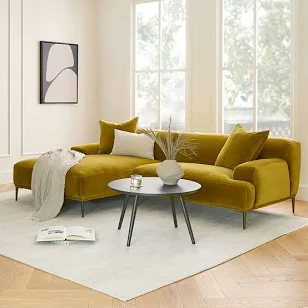
Article Chaise Sectional Sofa 94.5″W Metal Legs$1,699.00 |
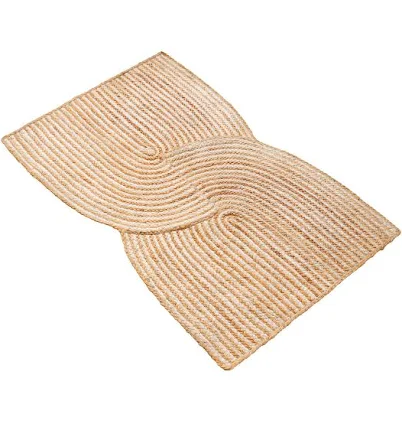
Drew Barrymore Beautiful Natural Braided Jute Indoor Scatter Rug$31.97 |
Bohemian Embroidered Wool Pillow, Beige & Brown Throw Pillow$13.80 |

As an affiliate, we earn from qualifying purchases.
15. Transitional Basement Guest Bedroom with Herringbone Flooring
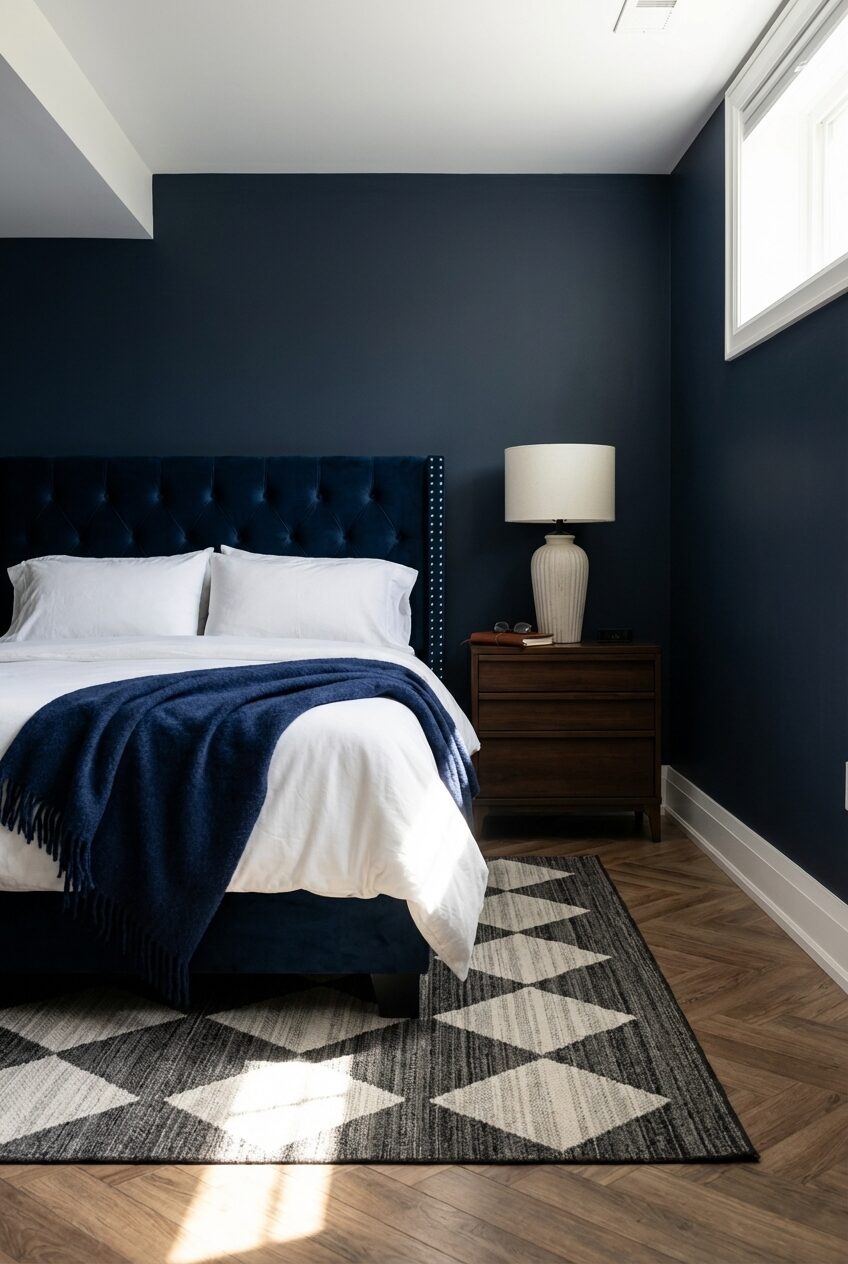
If you’re looking to elevate your basement guest bedroom beyond basic, consider this transitional style with herringbone flooring. It’s the perfect blend of classic elegance and modern comfort, creating a serene and welcoming space. The herringbone pattern adds a touch of sophistication and visual interest that immediately makes the room feel more intentional and high-end, transforming the bed from a mere sleeping spot to a true retreat.
Let’s be honest about herringbone flooring: it’s beautiful, but it’s a more challenging and often more expensive install than standard plank flooring. Whether you’re doing LVP or real wood, the precision required for the pattern means more waste and more labor. If you’re on a tight budget or considering a DIY project, make sure you factor in the added complexity and cost for this particular pattern. It’s worth it for the look, but don’t go into it naively!
For this bedroom, the herringbone flooring truly is
|
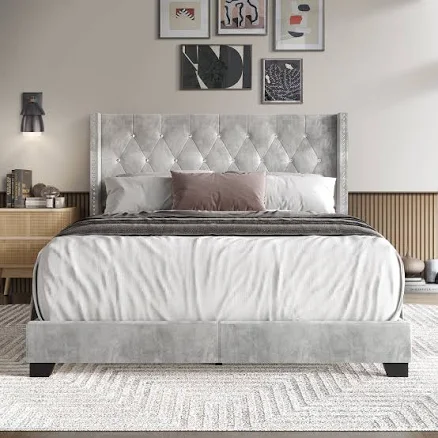
CraftPorch Glam Button Tufted Wingback Upholstered Bed$145.68 |
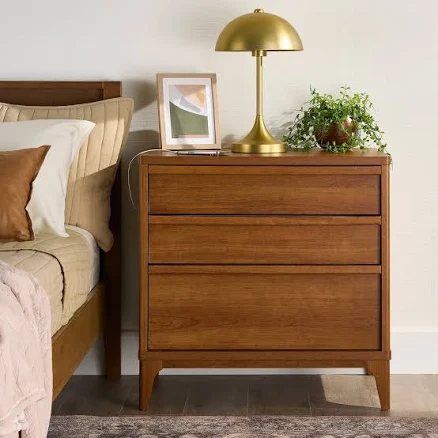
Better Homes & Gardens Greyson 3-Drawer Nightstand with USB$178.00 |
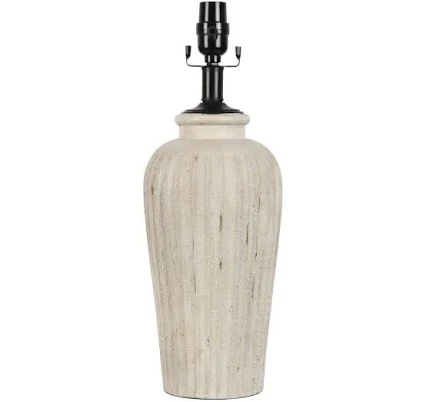
Bhg Large Ribbed Ceramic Table Lamp Base$39.98 |
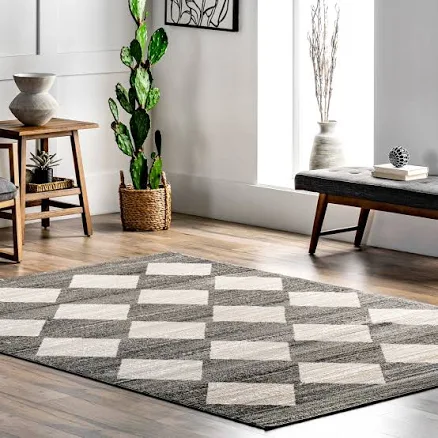
Nuloom Gianna Contemporary Geometric Checker Tile Area Rug$40.49 |
As an affiliate, we earn from qualifying purchases.
16. Unfinished Basement into a Budget-Friendly Laundry Room
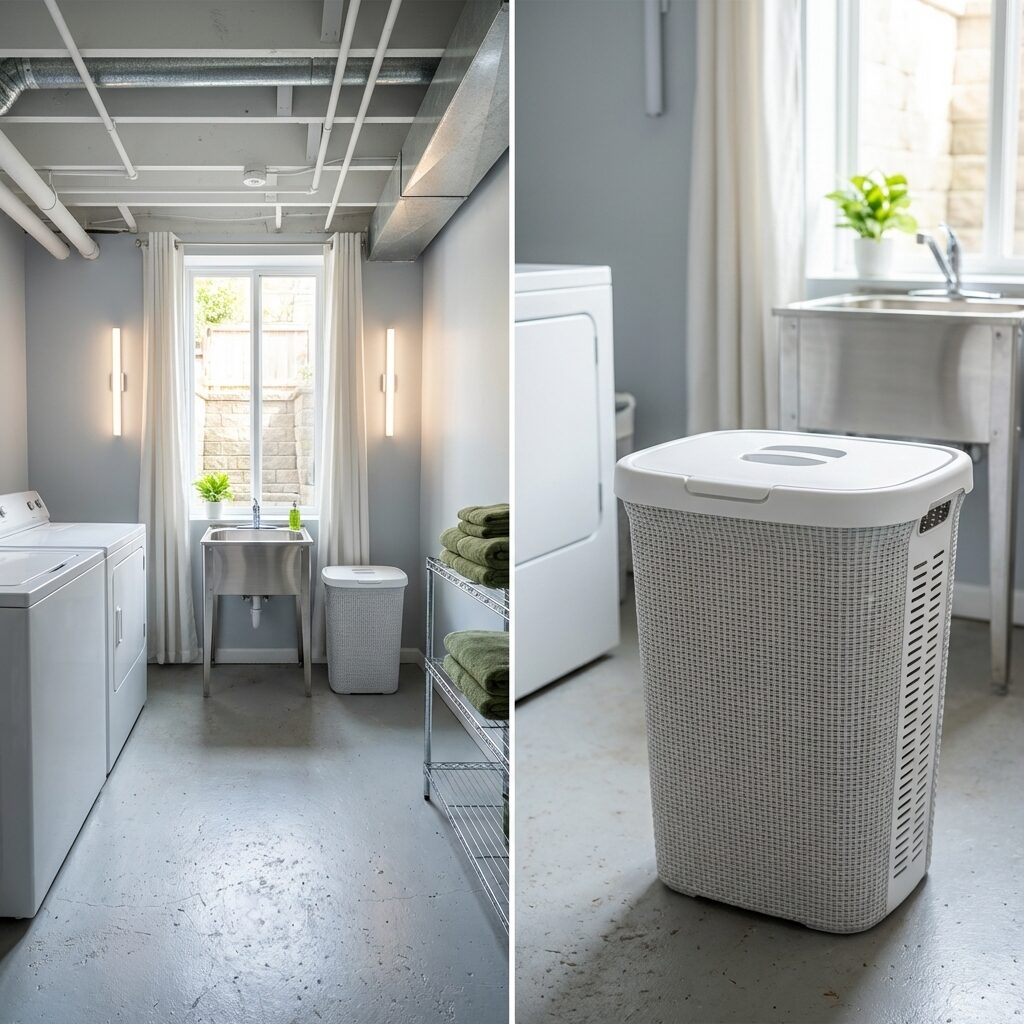
An unfinished basement doesn’t have to stay that way, especially when it comes to creating essential utility spaces. This idea focuses on transforming that dusty corner into a super-functional, budget-friendly laundry room. It’s all about making smart choices with durable, inexpensive materials and efficient layouts to get the job done effectively without breaking the bank.
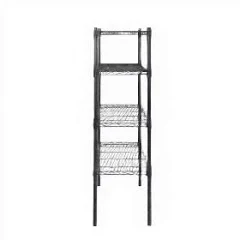
You can create a highly functional laundry room without a huge investment. For shelving, skip custom cabinets and opt for industrial-style wire shelving racks, like the Hyper Tough 3-Tier from Walmart, which cost less than $30. Ditch fancy lighting for simple, effective LED shop lights or an easy-to-install sconce like the Tzumi Easyglow Sconce. For laundry hampers, look for basic plastic bins or woven baskets at Walmart or your local dollar store instead of high-end options. This budget-friendly approach allows you to focus funds on crucial items like a good utility sink.
- Clear the area: Remove any debris, clean thoroughly, and prepare the floor. (Time: 2-4 hours, Cost: Free)
- Patch and paint walls: Use a mold-resistant primer and light-colored paint to brighten the space. (Time: 1-2 days, Cost: $50-$150)
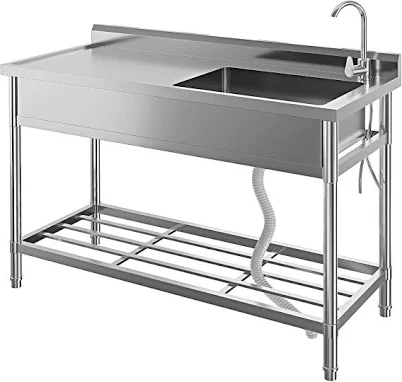
- Install utility sink: A must-have for soaking clothes or cleaning. The Garvee Stainless Steel Utility Sink is a sturdy option. (Time: 2-4 hours, Cost: $150-$400, consider plumber if no existing hookups)
- Add durable shelving: Simple wire racks or open shelving units are perfect for storing detergents and supplies. (Time: 1-2 hours, Cost: $30-$100)
- Improve lighting: Install bright, functional lighting like a simple wall sconce to make tasks easier. (Time: 1 hour, Cost: $30-$80)
- Are existing plumbing and electrical hook-ups in suitable locations?
- Is there proper ventilation for the dryer to prevent moisture buildup?
- Have you addressed any lingering dampness or mildew issues?
- Is the flooring chosen durable enough for spills and heavy foot traffic?
|
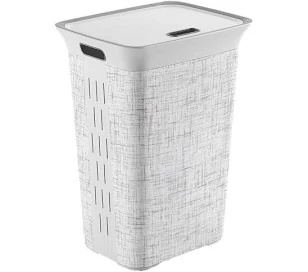
Curver White Resin Laundry Hamper with Lid and Handles 63.4 qt 24 x 17$91.87 |
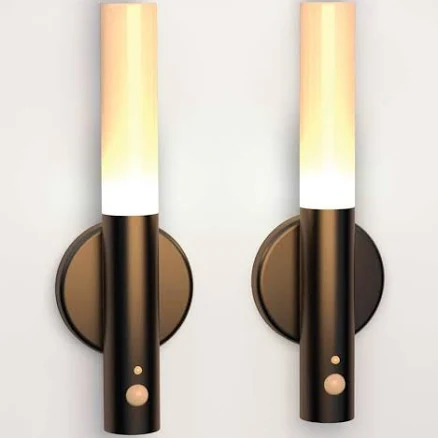
Tzumi Atmosphere Integrated LED Easyglow Sconce Light Stick 2-Pack$34.47 |
Hyper Tough 3-Tier Multipurpose Wire Shelving Rack$29.97 |
Garvee Stainless Steel Utility Sink$353.45 |
As an affiliate, we earn from qualifying purchases.
17. Sophisticated Basement Home Bar with Hidden Storage
✨ Luxury Version
Forget the dingy corner bar; this sophisticated basement home bar is a true showstopper. Inspired by Art Deco glamour, it’s all about luxurious materials, mirrored accents, and curated lighting. The genius here lies in clever hidden storage that keeps the space looking sleek and uncluttered, allowing those statement pieces to truly shine. It’s not just a place to grab a drink; it’s an experience.
💸 Budget Version
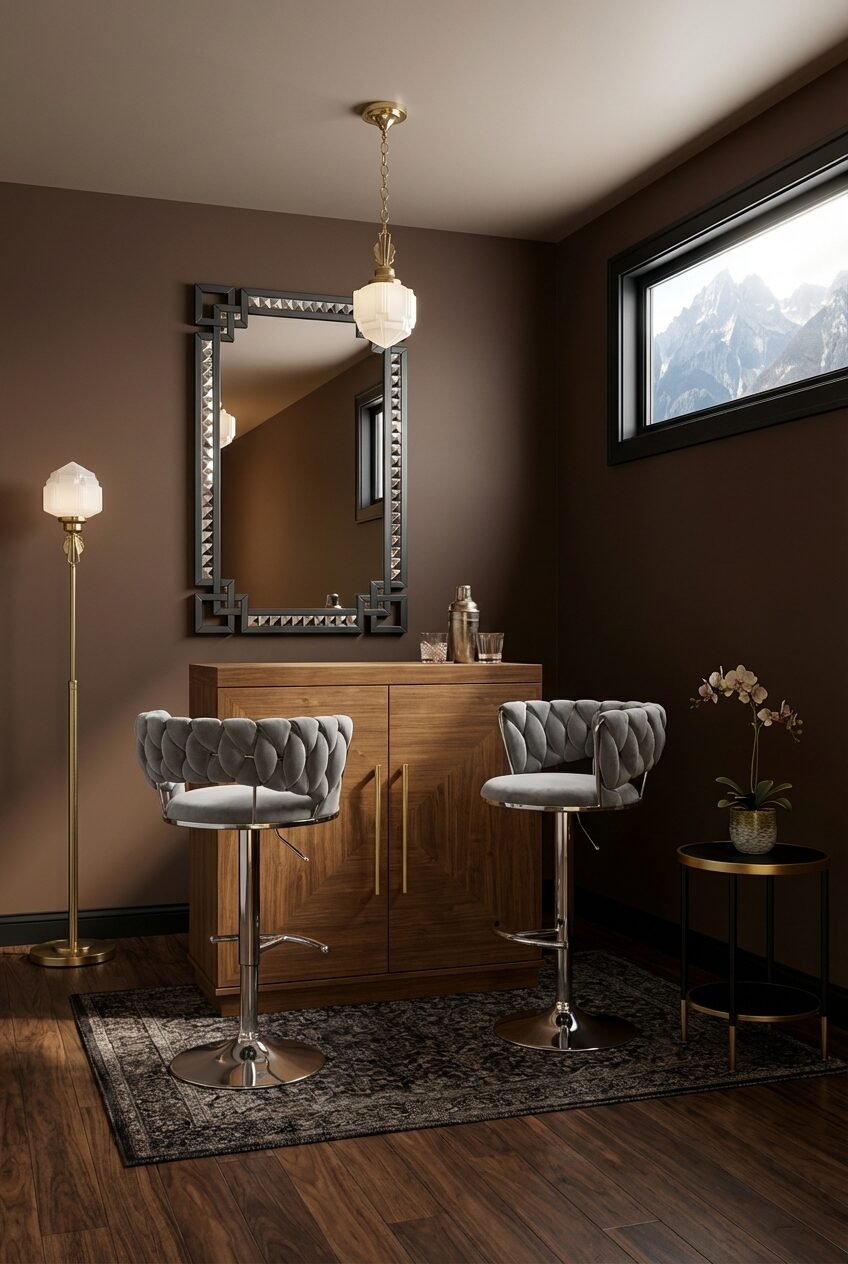
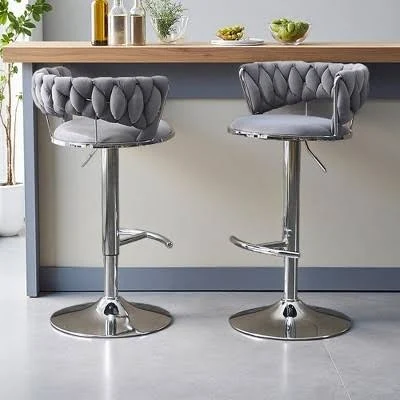
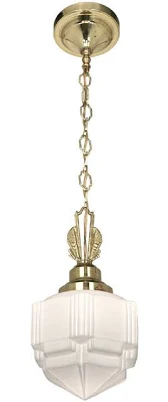
The visual formula for this Art Deco bar is precise: 60% bold, dark backdrop (cabinetry, wall color) + 30% reflective surfaces (mirrored accents, polished brass pendant light) + 10% plush textiles (velvet bar stools). This rich combination creates depth and a sense of luxury. You can easily swap the dark backdrop for a deep teal or emerald, or introduce more metallics like chrome or silver, as long as you maintain the emphasis on reflection and richness.
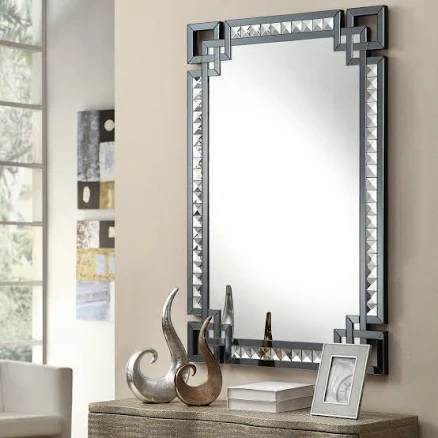
This look nails it because it plays on classic design principles of symmetry, luxury materials, and deliberate layering. The mirrored cabinets and the Rectangular Mirror from Katy Furniture bounce light around, making the space feel expansive and glamorous despite being in a basement. The Art Deco style itself evokes a sense of timeless sophistication, ensuring this bar won’t feel dated anytime soon. Every element is chosen to contribute to an upscale, curated experience.
|
💰 Budget Pick
Velvet Adjustable Bar Stools (Set of 2)$201.29 |
💰 Budget Pick
Rectangular Mirror with Smoked Glass Frame Border$299.99 |
✨ Luxury Pick
Polished Unlacquered Brass Art Deco School House Ceiling Pendant$355.00 |
✨ Luxury Pick
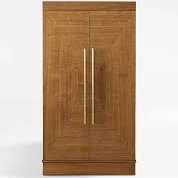
Crate & Barrel Maxine Large Walnut Wood Wine Bar Cabinet with Storage$2,799.00 |
As an affiliate, we earn from qualifying purchases.
18. Basement Layout Optimized for Open Concept Living
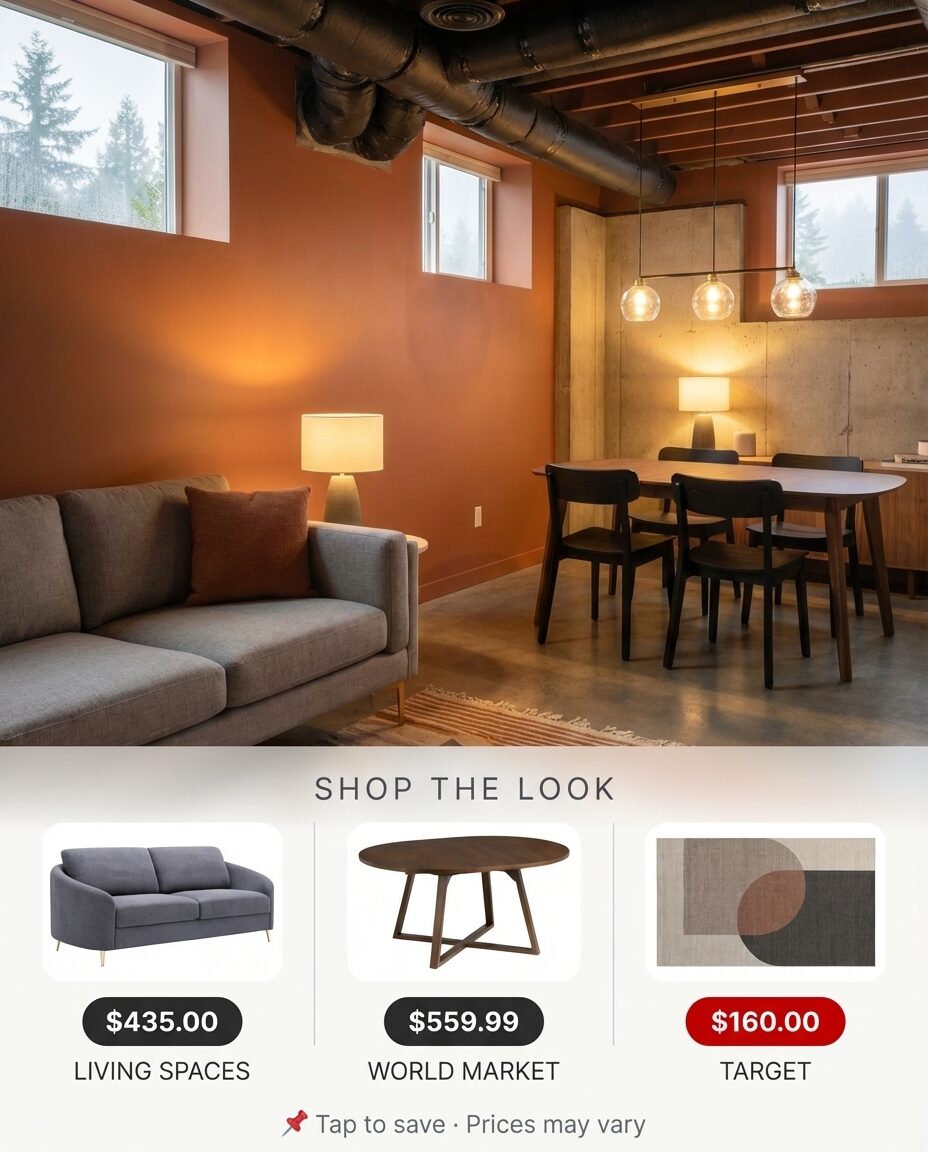
Breaking down walls in a basement might sound daunting, but an open-concept layout can radically transform a cramped, segmented space into a flowing, modern living area. This approach maximizes natural light (or the illusion of it) and creates a versatile environment perfect for entertaining or daily family life. It’s about opening up possibilities, not just space.
This open-concept layout is ideal for basements that are at least 800-1000 square feet, or those with existing structural elements that can be easily incorporated rather than removed. You need enough square footage to allow distinct zones (living, dining, perhaps a small office nook) to breathe without feeling crammed. If your basement is significantly smaller, consider a more defined multi-functional space, like Idea #12 for a compact apartment, or Idea #3 which utilizes built-ins in a split-level.
Achieving an open-concept look on a budget is absolutely possible. Instead of expensive built-ins, use strategically placed furniture to define zones, like the Mercer41 Yuina Gray Linen Sofa to delineate the living area, or the World Market Maliyah Wood Dining Table for the eating space. Instead of tearing down walls, consider half-walls or tall, open shelving units that allow light to pass through but still offer a sense of separation. Look for rugs like this Threshold Abstract Geometric Area Rug to ground each zone, costing far less than extensive structural changes.
19. Versatile Basement Craft Room with Extensive Storage
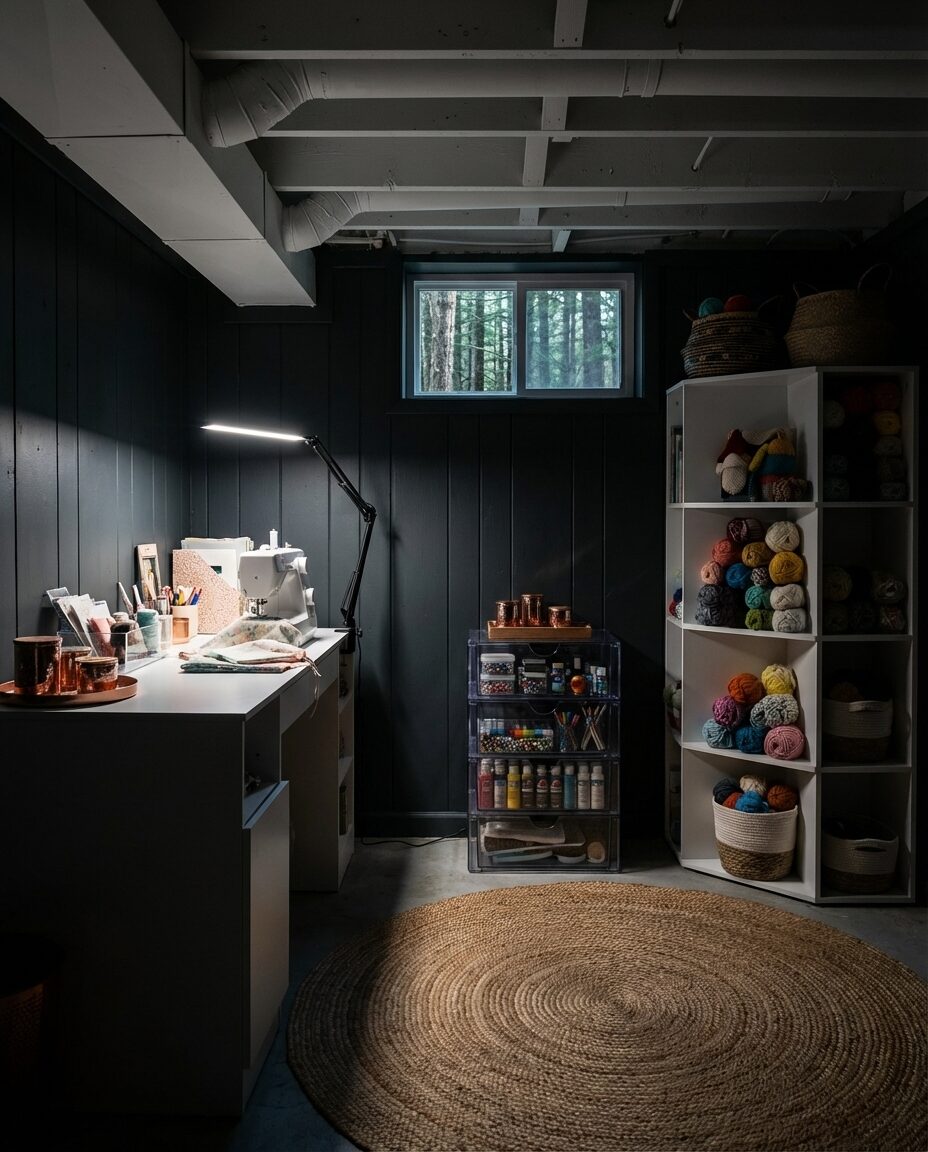
For the crafters, artists, and DIY enthusiasts, a dedicated basement craft room with extensive storage is pure gold. This isn’t just a place to make things; it’s a creative sanctuary designed for efficiency and inspiration. The focus on smart organization means less time searching for supplies and more time actually crafting. Plus, making it stylish ensures you’ll actually *want* to spend time down there.
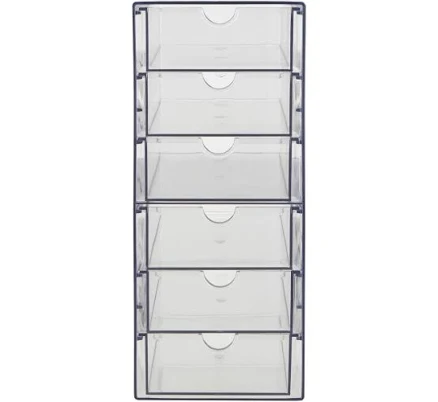
When designing a craft room, your biggest challenge will be managing small items. My pro tip? Embrace clear storage solutions. Clear containers, like the Simply Tidy 6-Piece Clear Storage Drawers from Michaels, allow you to see what’s inside at a glance, saving you countless minutes searching for that elusive glue stick or specific shade of thread. Label everything, even if it’s clear! This visual organization is a game-changer for creative pursuits.
The absolutely critical element for any craft room, and especially this one, is the extensive and *visible* storage. Without it, you’d quickly be buried under a mountain of fabric, beads, paints, and tools. The storage isn’t just functional; it’s part of the aesthetic, allowing you to easily survey your supplies and get inspired. It’s about making your creative process flow seamlessly.
- Declutter and categorize: Sort all your craft supplies into logical groups (yarn, paper, paint, tools, etc.). (Time: 2-4 hours, Cost: Free)
- Plan your zones: Designate areas for different activities (cutting, sewing, painting) and storage. (Time: 1 hour, Cost: Free)
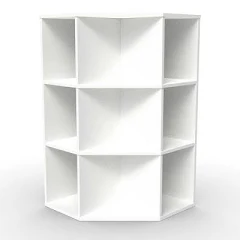
- Invest in modular shelving: Modular units like the Brightroom 9-Cube Corner Book Shelf are incredibly versatile and can grow with your collection. (Time: 1-2 hours, Cost: $50-$150)
- Utilize clear storage: Store smaller items in clear bins and drawers (like the Simply Tidy 6-Piece Clear Storage Drawers) for easy visibility. (Time: 1-2 hours, Cost: $20-$100)
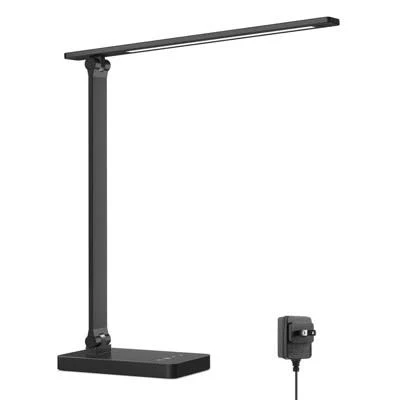
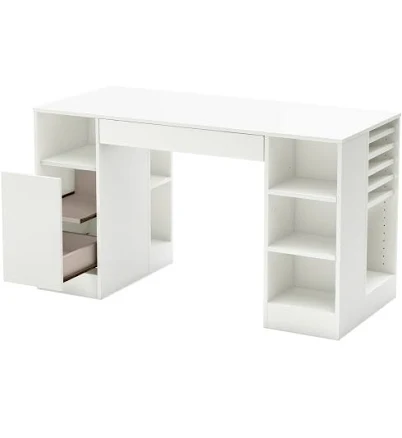
- Add a functional desk and task lighting: A large craft table like the South Shore Crea Craft Table and a good task lamp are essential. (Time: 1 hour, Cost: $100-$300)
|
Lepro LED Desk Lamp$39.99 |
South Shore Crea Craft Table$271.99 |
Simply Tidy 6-Piece Clear Storage Drawers$19.99 |
Brightroom 11″ 9 Cube Corner Book Shelf$65.00 |
As an affiliate, we earn from qualifying purchases.
20. Inviting Basement Family Room with Durable Flooring
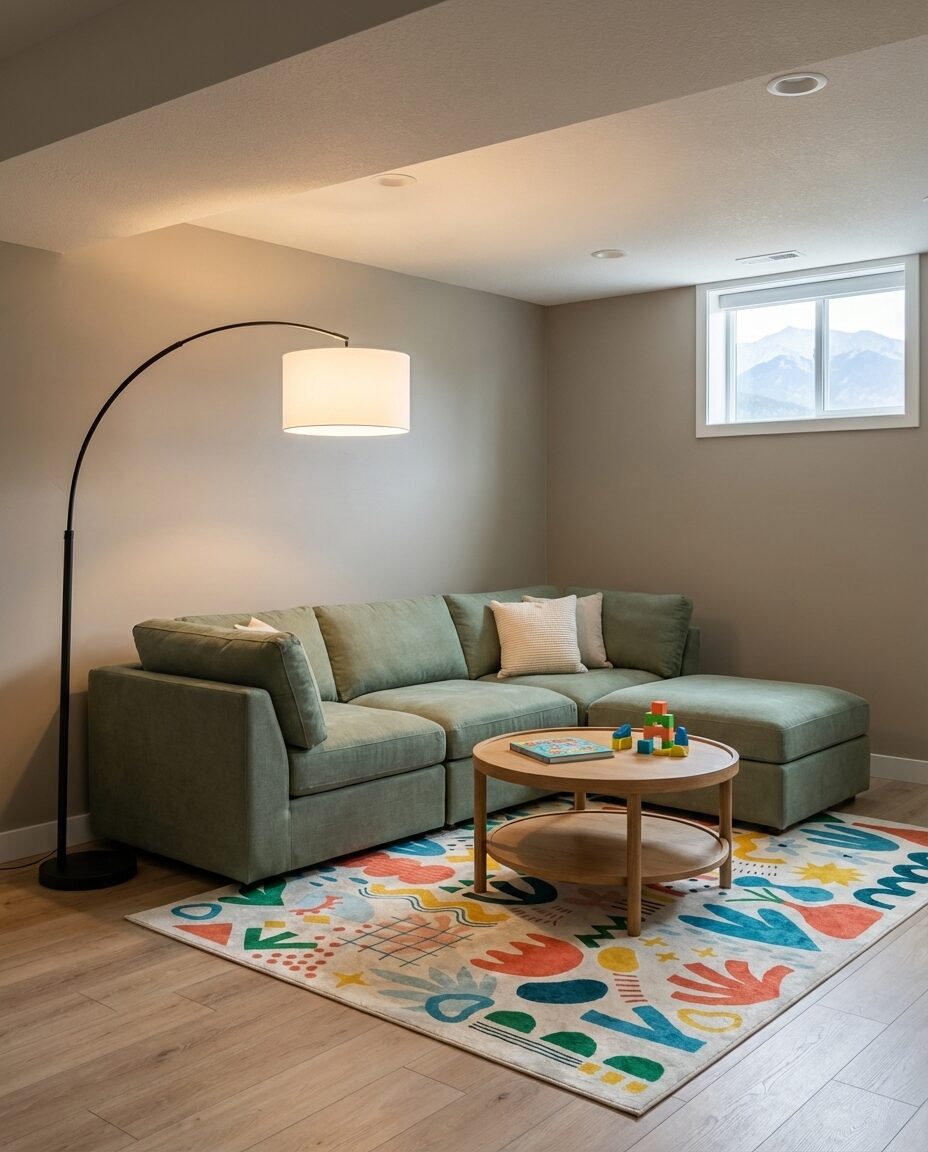
A basement family room should be just that: for the family! This inviting transitional space, centered around durable flooring, is designed to withstand the chaos of everyday life without sacrificing style. It’s a place where everyone can gather, relax, and make memories, all while feeling perfectly comfortable and cohesive with the rest of your home’s aesthetic.
Alright, let’s talk about
|
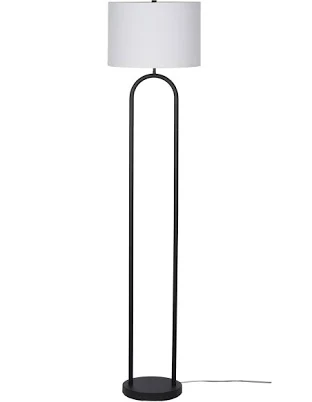
Mainstays 64″ Dual Pole Arch Floor Lamp$34.62 |
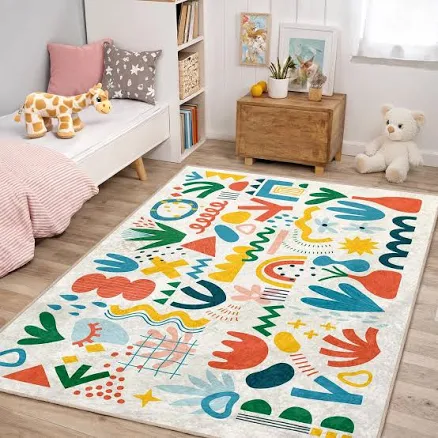
Abstract Shapes Kids Area Rug – Modern Geometric Nursery Carpet – Colo$59.90 |
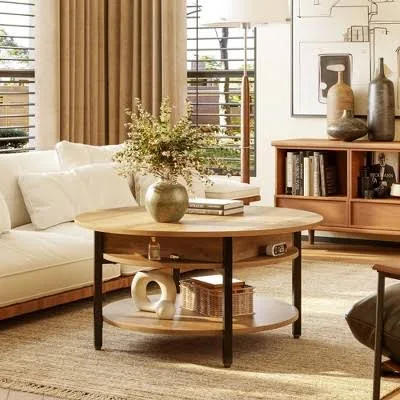
WOWLIVE 27″W Lift-Top Wood Coffee Table$89.69 |
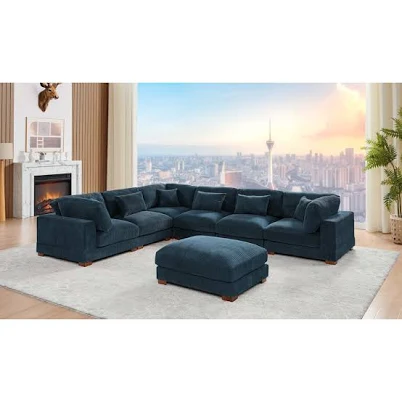
Arliz 7 Piece 144″ Wide Reversible Modular Corner Sectional with Ottom$1,299.99 |
As an affiliate, we earn from qualifying purchases.
21. Sleek Basement Library and Reading Nook
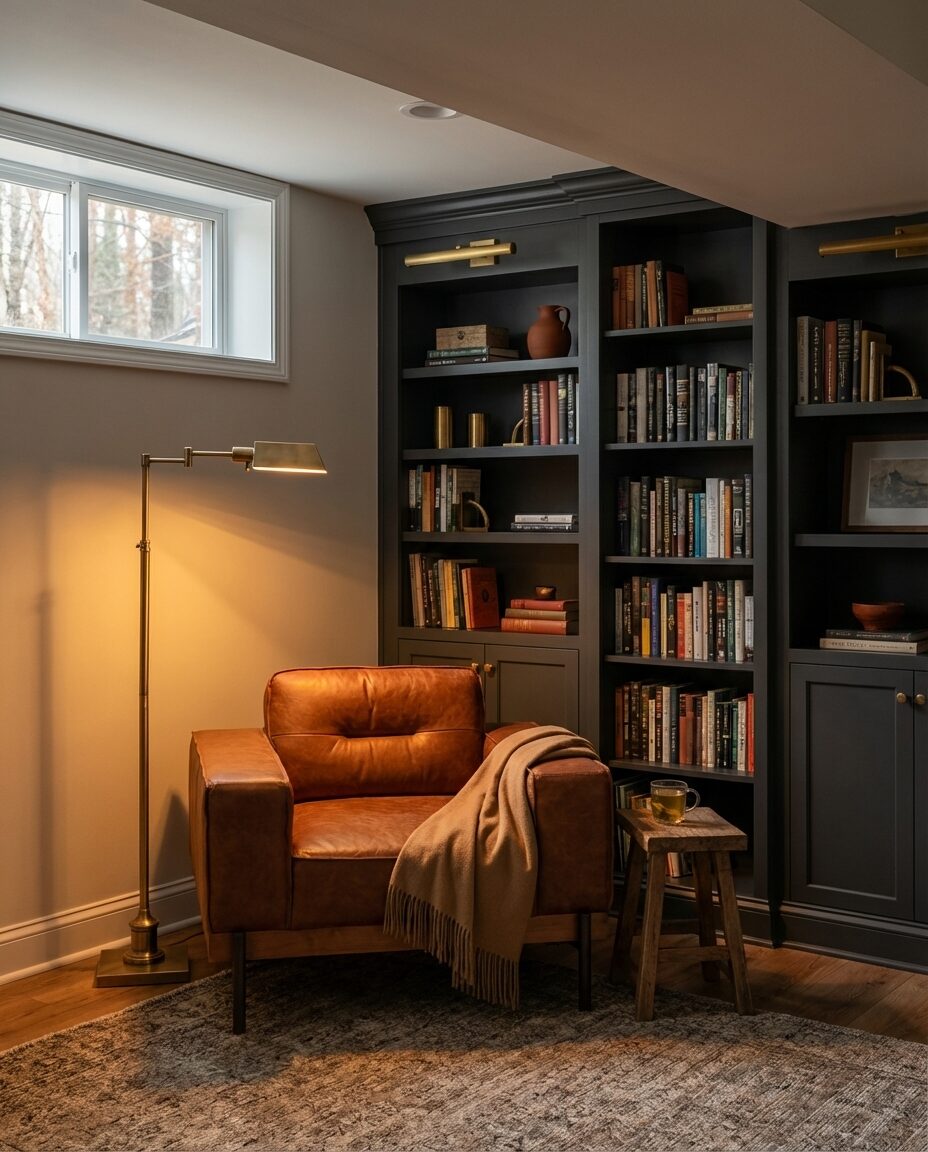
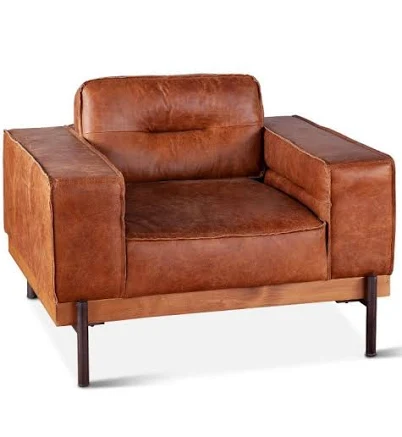
A basement library and reading nook might sound like a dream, but it’s entirely achievable! This sleek, modern take focuses on clean lines, comfortable seating, and, of course, ample storage for all your literary treasures. Imagine escaping the daily grind, sinking into a plush armchair like the World Interiors Chiavari Armchair, and getting lost in a good book. It’s an oasis of calm you’ll never want to leave.
This concept truly shines in basements of at least 150-200 square feet, allowing enough wall space for extensive shelving without overwhelming the room. If your basement is on the smaller side, you can still achieve a reading nook feel by using narrower bookcases (like the IKEA Billy Bookcase) and a smaller, armless chair. For expansive basements, you could create multiple reading zones or even incorporate a small desk area. If you’re challenged by a low ceiling, consider Idea #5 which offers specific tips for maximizing those spaces!
- Main Furniture (armchair, bookshelf): $600 – $2,700
- Lighting (floor lamp): $150 – $300
- Textiles (throw blanket): $100 – $200
- Decor/Accessories (bookends, plants): $50 – $150
- Paint/Wall Treatment: $50 – $200
- TOTAL: $950 – $3,550
- Budget alternative: Get similar vibe for 40-60% less ($380 – $1,775)
|
IKEA Billy Bookcase$59.00 |
World Interiors Chiavari Modern Cognac Leather Armchair$2,600.00 |
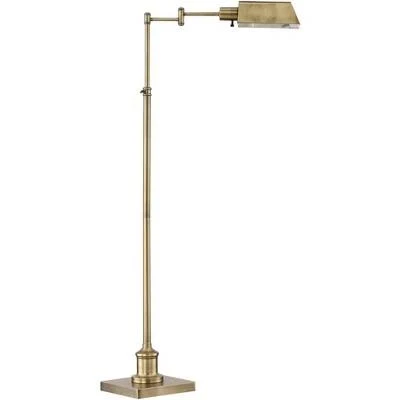
Regency Hill Jenson Adjustable Height Swing Arm Pharmacy Floor Lamp$149.99 |
Quince Mongolian Cashmere Throw$164.00 |

As an affiliate, we earn from qualifying purchases.
22. Zen Basement Meditation and Yoga Studio
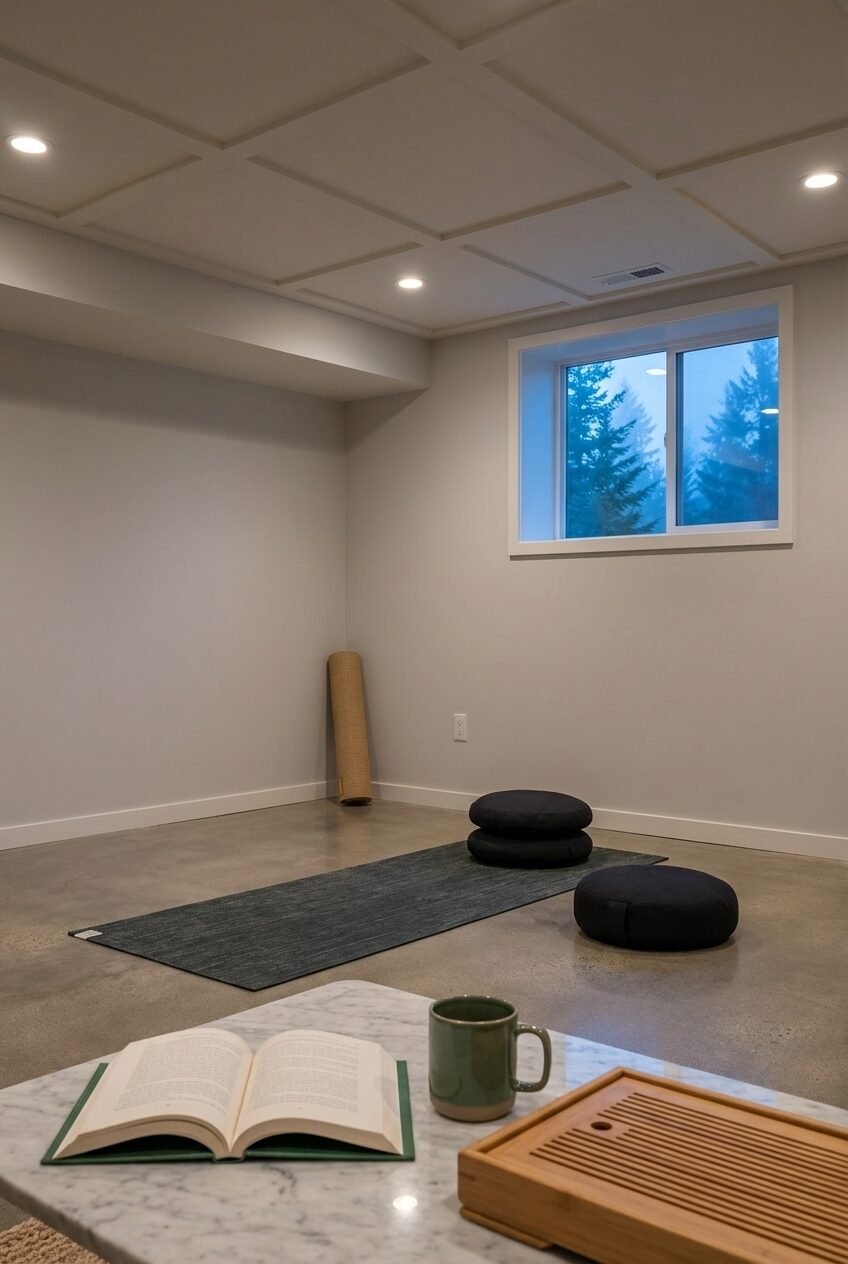
In our fast-paced world, a dedicated space for mindfulness is more important than ever. This Zen basement meditation and yoga studio transforms your lower level into a serene escape designed for peace and inner calm. With natural materials, soft lighting, and minimal distractions, it’s a sanctuary where you can truly unplug and reconnect with yourself. No more battling for space in your living room!
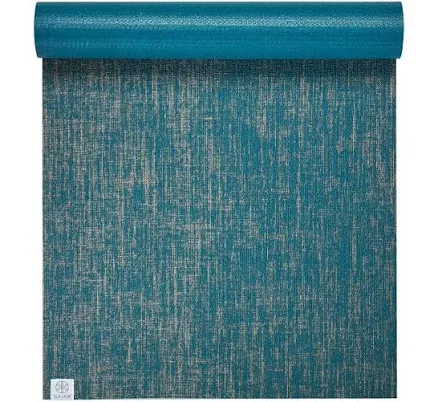
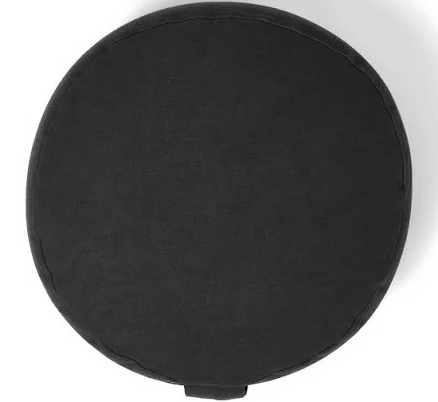
The absolute star of this space is the floor cushioning. Without comfortable mediation cushions (like the Reoflyup Round Throw Cushion or renoo Organic Round Meditation Cushion) and a soft, natural rug (such as the Gaiam Jute Yoga Mat), this room would just be an empty basement. These specific elements immediately communicate the room’s purpose and invite a sense of calm and physical comfort, essential for a successful meditation practice.
Given the focus on natural materials, regular cleaning is fairly straightforward. Jute yoga mats and rugs need frequent vacuuming and spot cleaning with mild soap and water. Floor cushions can often be machine washed or spot cleaned depending on the fabric. The biggest reality check here is humidity control; a damp basement will lead to musty smells and mildew on natural fibers. Invest in a good dehumidifier to keep things fresh. You don’t want your savasana to be interrupted by a mildew smell!
- Ensure the space is free from dampness and has good ventilation.
- Consider soundproofing for ultimate tranquility.
- Plan for soft, dimmable lighting options.
- Choose natural, comfortable flooring that can handle bare feet.
- Confirm any potential light sources (windows, doors) can be fully blocked for deep meditation.
|
💰 Budget Pick · Rug
Gaiam Jute Yoga Mat$32.00 |
✨ Luxury Pick · Rug
Hugger Mugger Sattva Jute Yoga Mat$64.00 |
💰 Budget Pick · Floor Cushion
Reoflyup Round Throw Cushion$15.58 |
✨ Luxury Pick · Floor Cushion
renoo Organic Round Meditation Cushion$70.00 |


As an affiliate, we earn from qualifying purchases.
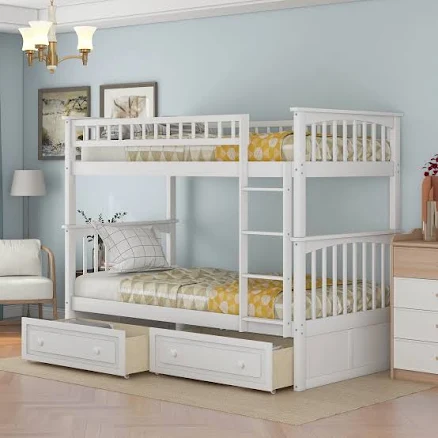
23. Kids’ Basement Bunk Room for Sleepovers
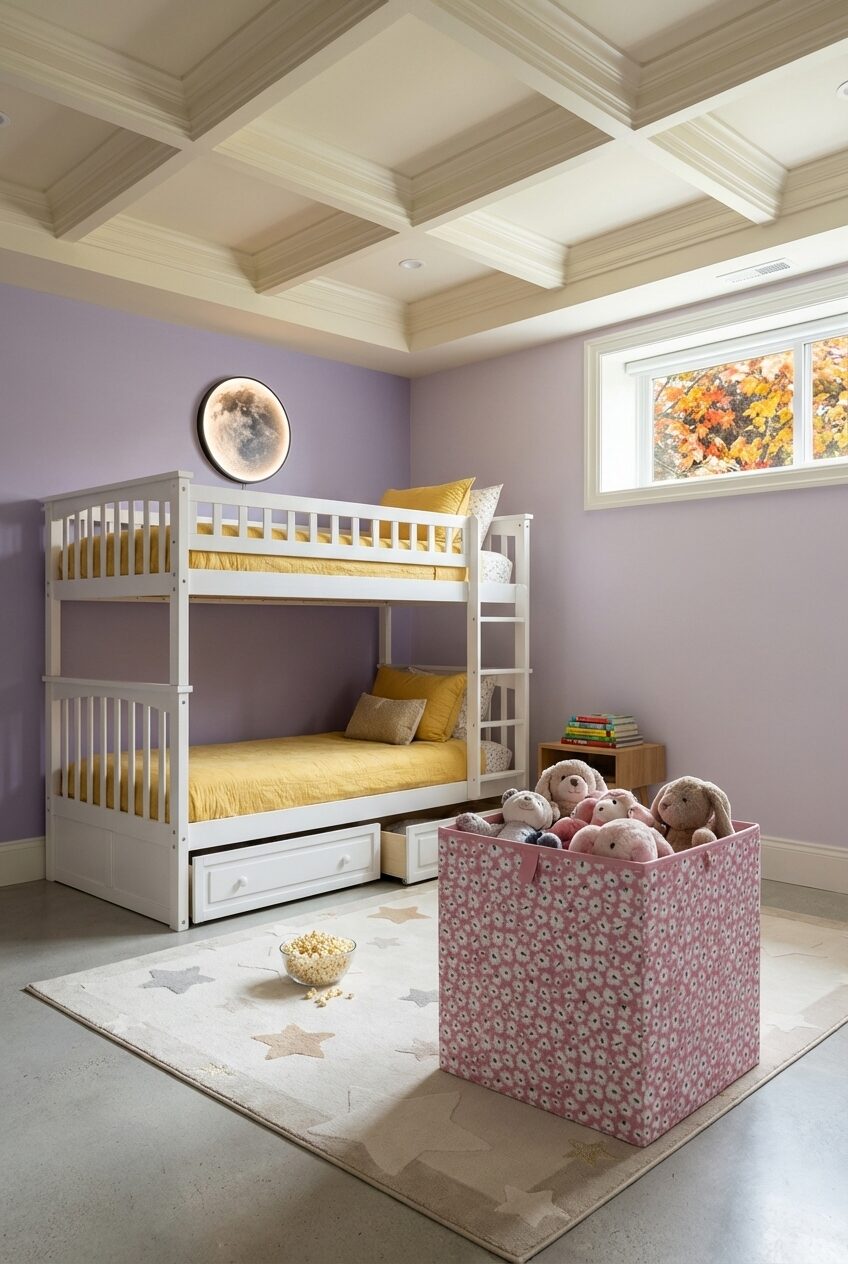
Sleepovers just got a major upgrade! This kids’ basement bunk room is a parent’s dream and a child’s fantasy come true. It’s designed for maximum fun and functionality, with clever sleeping arrangements and storage that keeps everything tidy. From the whimsical moon wall light to the sturdy bunk beds, every detail is aimed at creating an unforgettable space for little ones and their friends.
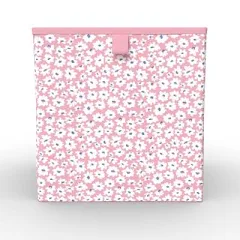
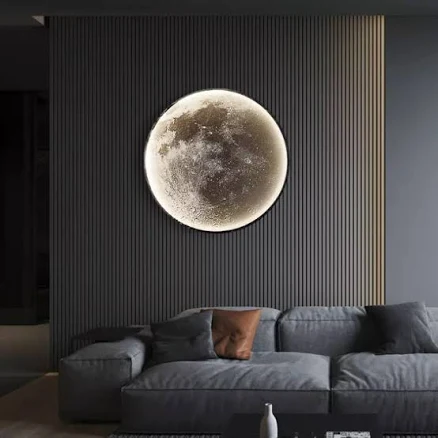
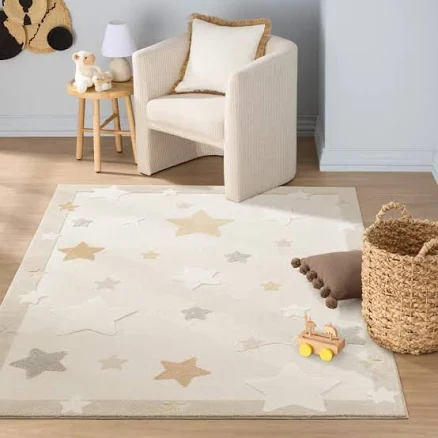
You can create a super fun bunk room without spending a fortune. Look for affordable bunk beds like the Euroco Twin Wood Bunk Bed with Drawers at Walmart, often under $300. For storage, basic fabric bins (like the Brightroom 11″ Fabric Bin from Target) are perfect for toys and books, costing just a few dollars each. Skip expensive custom lighting and opt for a playful, yet affordable, wall sconce like the Modrngy Nordic Moon Wall Light. These budget-friendly choices leave more room for fun decor like a galaxy rug!
Here’s the visual recipe for a playful and practical bunk room: 60% functional foundation (bunk beds, storage) + 30% playful theme (galaxy rug, moon light) + 10% personalized touches (bedding, artwork). The core is practical and durable, then infused with elements that spark imagination. You could easily swap the galaxy theme for a jungle adventure or a princess castle by changing the textiles and decorative elements, maintaining the same underlying structure and functionality.
|
Brightroom 11″ Fabric Bin$5.00 |
Modrngy Nordic Moon Wall Light$185.00 |
Euroco Twin Wood Bunk Bed with Drawers$289.99 |
Town & Country Play Super Star Galaxy Kids Area Rug$93.00 |
As an affiliate, we earn from qualifying purchases.
24. Classic Basement Home Office with Built-in Desk
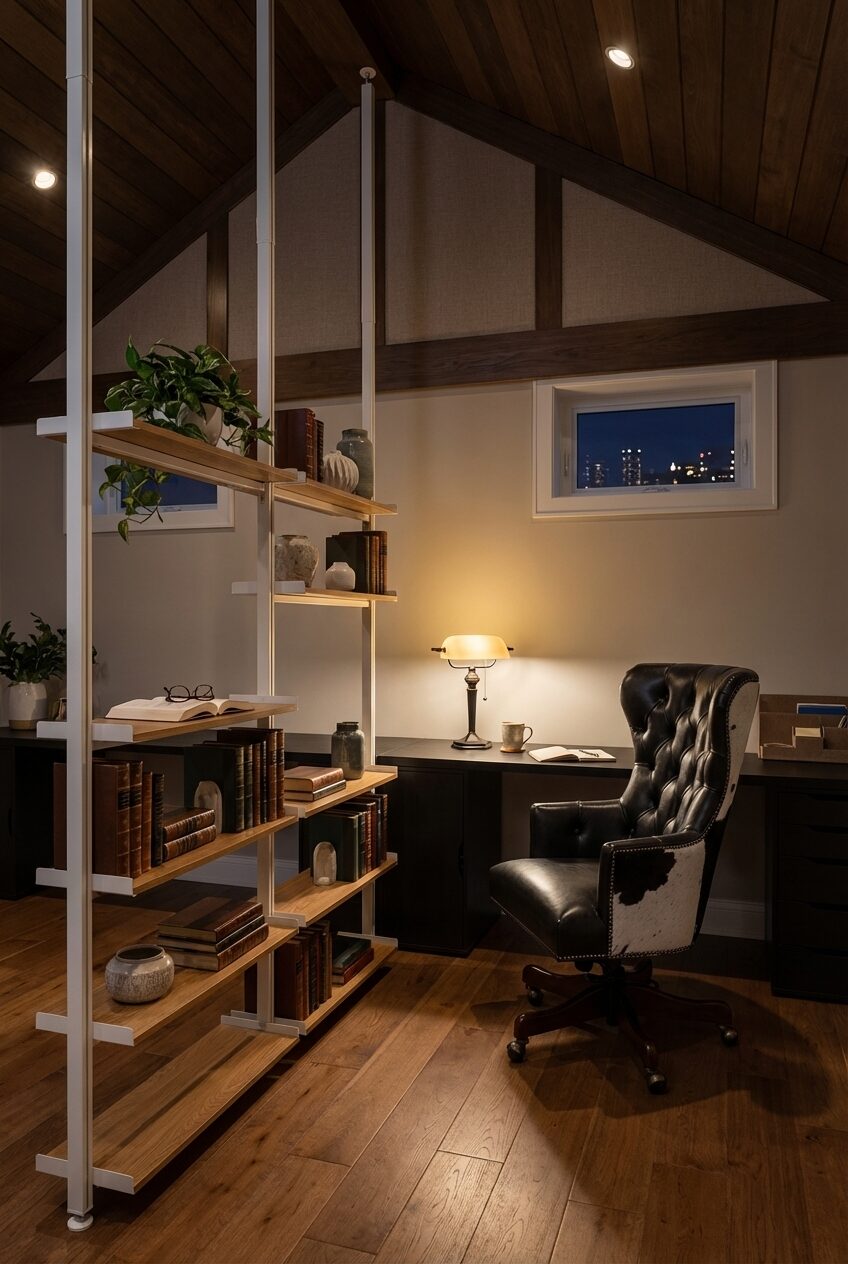
A classic home office in the basement can be the ultimate concentration zone. This design champions built-in desks and shelving, creating a seamless, uncluttered environment perfect for deep work. It’s about crafting a dedicated space that feels professional and refined, complete with thoughtful details like a traditional desk lamp and a comfortable, ergonomic chair that makes those long hours feel a little less taxing.
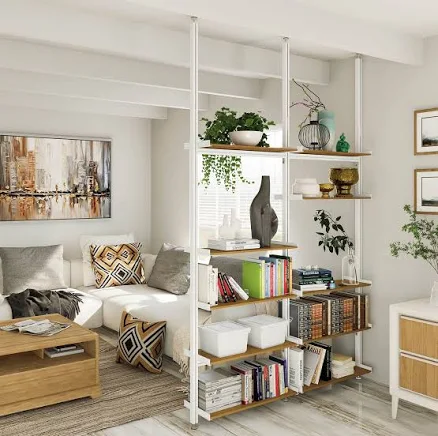
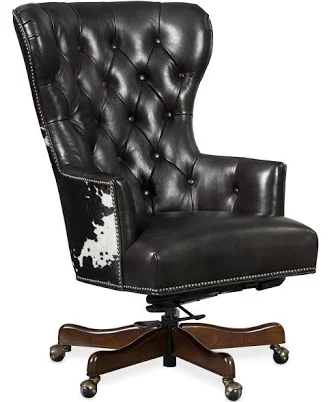
This office setup works because it expertly blends functionality with traditional aesthetics. The built-in desk and shelving (like the Aluminaire Floor to Ceiling Shelving) provide ample, integrated storage and workspace, which is crucial for organization. The choice of a comfortable, high-quality office chair (such as the Hooker Furniture Katherine Executive Swivel Tilt Chair) demonstrates an understanding that an office isn’t just about looks, but about supporting productivity and well-being during long working hours.
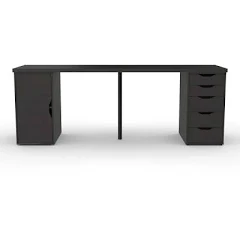
- Main Furniture (desk, office chair, bookshelf): $700 – $2,700
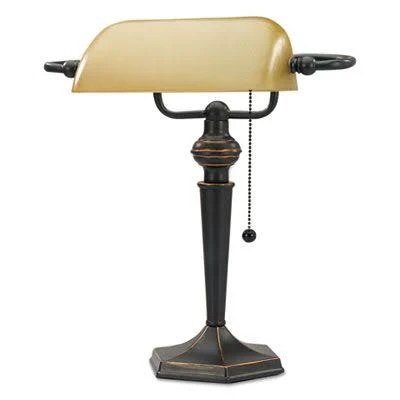
- Lighting (table lamp): $50 – $150
- Textiles (rug – if desired): $100 – $300
- Decor/Accessories: $50 – $150
- Paint/Wall Treatment: $50 – $200
- TOTAL: $950 – $3,500
- Budget alternative: Get similar vibe for 40-60% less ($380 – $1,750)
|
Aluminaire Wood Inspired Floor to Ceiling Shelving Room Divider$824.00 |
Alera Table Lamp LMP537BZ$45.33 |
IKEA LAGKAPTEN / ALEX desk$257.49 |
Hooker Furniture Katherine Executive Swivel Tilt Chair$1,838.00 |
As an affiliate, we earn from qualifying purchases.
25. Basement Storage Solutions with Smart Organization
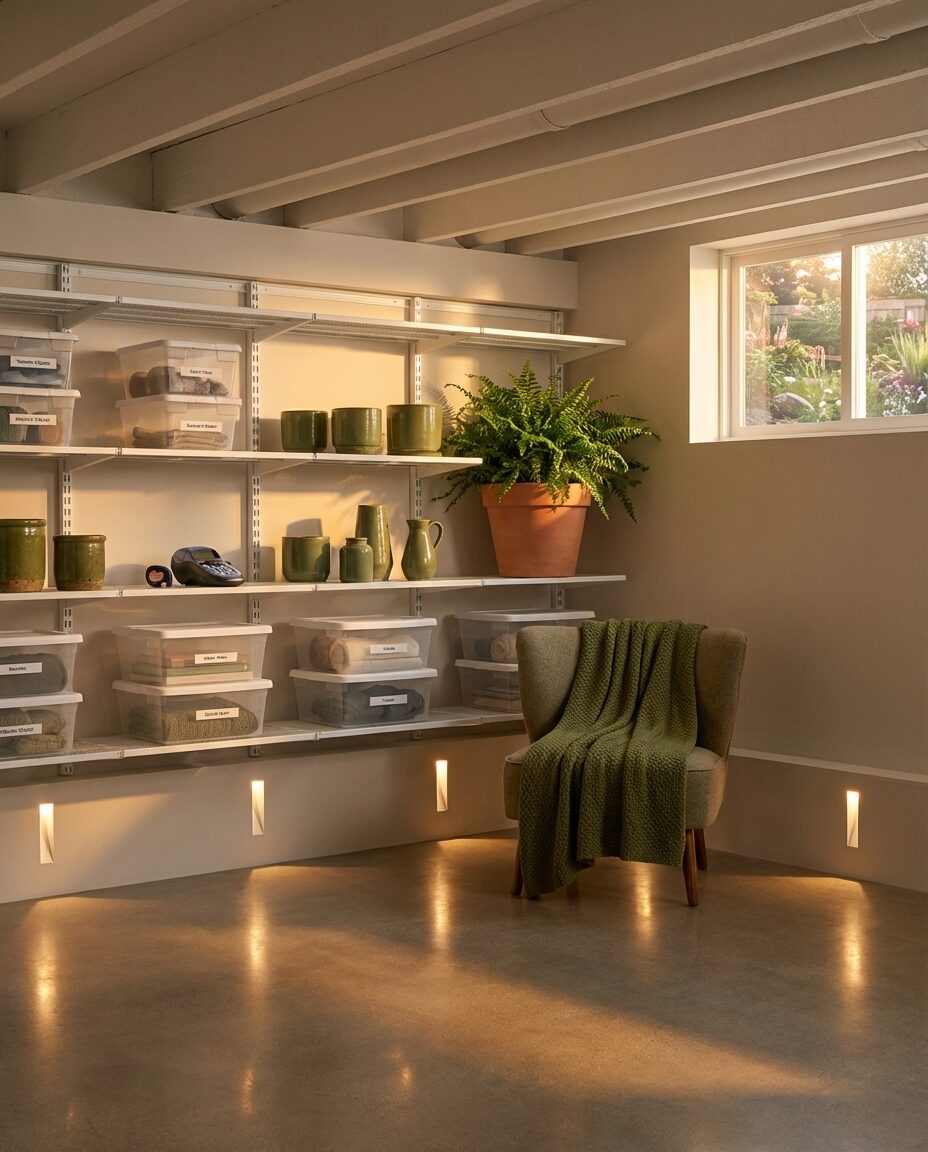
Let’s face it: basements can quickly become a dumping ground. But with smart organization solutions, your basement can be a paragon of order and efficiency. This idea is all about strategic storage, clear labeling, and maximizing every inch to keep your belongings neat, accessible, and protected. It’s truly amazing how a well-organized basement can reduce stress and free up space in the rest of your home. Imagine actually finding what you’re looking for!
The hero of this entire concept is the label maker (like a Dymo LetraTag). Without clear, consistent labeling, even the most beautifully organized storage system will quickly devolve into chaos. Labels are the key to maintaining order, making it easy to find items, and ensuring everyone in the household knows where things belong. Don’t skip this step!
- Declutter ruthlessly: Be honest about what you need to keep and what can go. (Time: 4-8 hours, Cost: Free)
- Categorize items: Group similar items together (holiday decor, sports equipment, sentimental items). (Time: 2-4 hours, Cost: Free)
- Choose appropriate storage: Opt for stackable, clear bins (like the Sterilite 6 Quart Storage Boxes) for smaller items and sturdy shelving (like the Everly Quinn White Metal Wall Shelf) for larger ones. (Time: 1-2 days, Cost: $100-$500)
- Utilize vertical space: Install shelving units that go as high as safely possible. (Time: 2-4 hours, Cost: $50-$200)
- Label everything: Use a label maker for clear, consistent labeling on all bins and shelves. (Time: 2-4 hours, Cost: $30-$50)
|
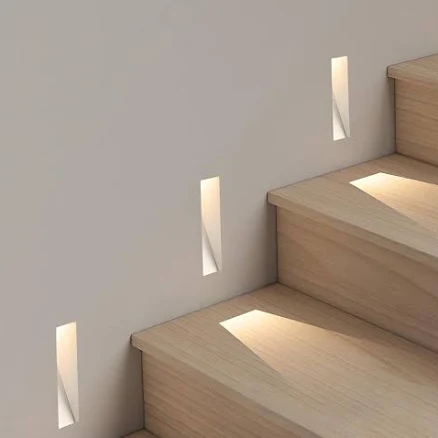
Minimalist Motion Sensor LED Recessed Wall Sconces Lighting Stairway L$83.99 |
Dymo LetraTag Label Maker$25.49 |
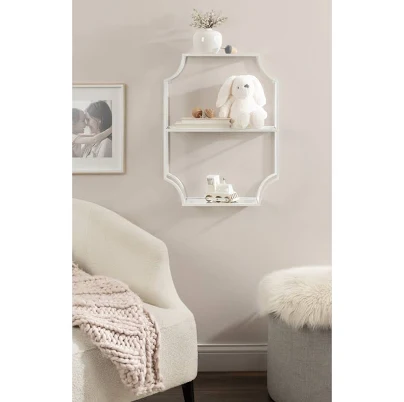
Everly Quinn White Metal Wall Shelf 18” Wide – 3 Tier Storage & Displ$82.99 |
Sterilite Set of 10 6 Quart Storage Boxes$10.98 |

As an affiliate, we earn from qualifying purchases.
26. Scandinavian Basement Living Room with Fireplace
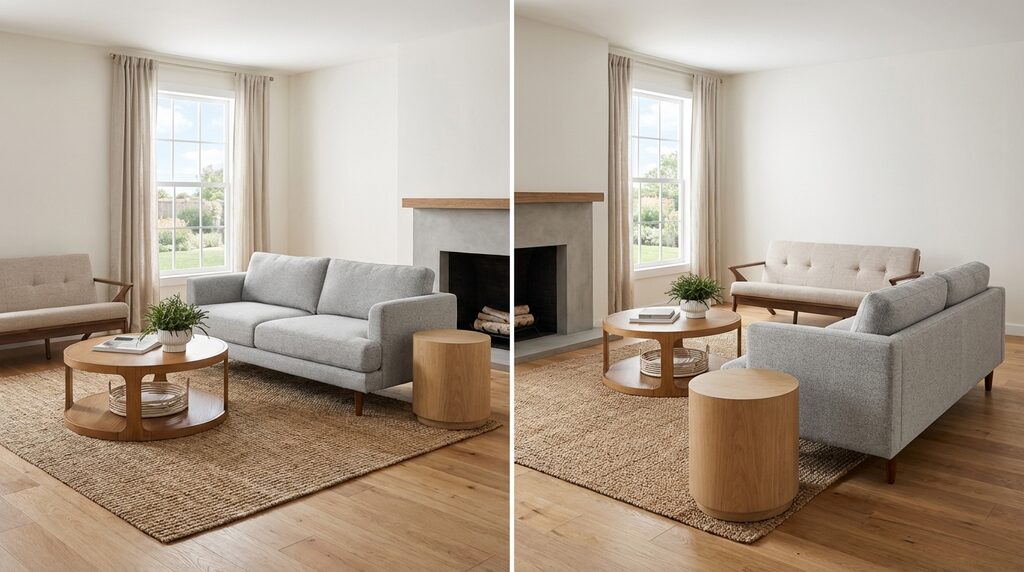
The Scandinavian aesthetic is synonymous with comfort, functionality, and clean lines, making it perfect for a basement living room. Add a fireplace, and you’ve got yourself a hygge-filled haven, designed for cozy evenings and relaxed gatherings. This look focuses on natural materials, neutral palettes, and thoughtful lighting to create a space that feels bright and welcoming, even below ground.
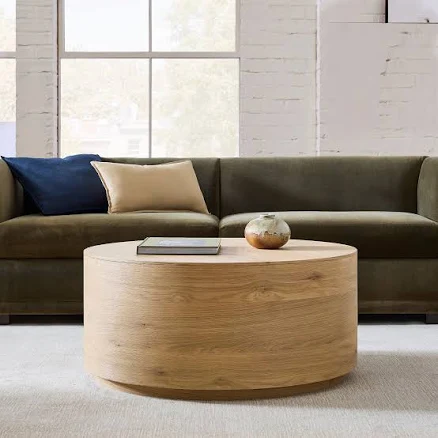
Okay, adding a fireplace to a basement is a big deal, and not just aesthetically. You need to consider ventilation, chimney requirements (if wood-burning), or gas/electrical lines (for gas or electric fireplaces). If it’s a true wood-burning fireplace, you’ll also need proper fire codes checked and potentially a heat-rated hearth. Don’t gloss over the structural and safety implications; consult with professionals before you commit! The West Elm Volume Drum Coffee Table might look great by a fire, but make sure the fire itself is safe.
The Scandinavian style is currently enjoying immense popularity, thanks to its emphasis on simplicity, natural light, and comfort (hygge!). Pinterest and Instagram are flooded with Scandi-inspired interiors, and for good reason: it’s a timeless, calming aesthetic that rarely feels dated. This basement application is genius because it helps counteract the common basement issues of darkness and stuffiness, bringing a breath of fresh, minimalist air to the lower level.
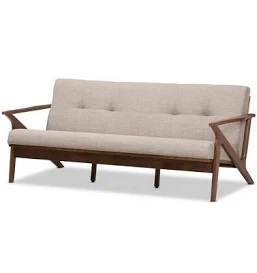
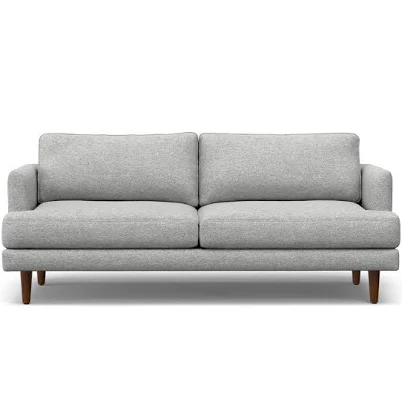
The formula for a Scandinavian basement is simple: 70% neutral base (white walls, light wood flooring like the Simpli Home Livingston Mid-Century Modern Sofa) + 20% natural textures (wool rug, knitted throw) + 10% black or dark gray accents (coffee table, fireplace surround). This dominant neutral palette keeps the space feeling airy and bright, while the natural textures add warmth and the dark accents provide grounding and definition. You can swap out the neutral base with very light grays or subtle pastels, and introduce different natural elements like sheepskin or linen.
|
💰 Budget Pick · Sofa
Baxton Studio Bianca Sofa$407.69 |
✨ Luxury Pick · Sofa
Simpli Home Livingston 76 inch Wide Mid-Century Modern Sofa$931.08 |
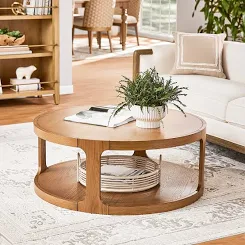
💰 Budget Pick · Coffee Table
My Texas House Haven Round Coffee Table$208.00 |
✨ Luxury Pick · Coffee Table
West Elm Volume Drum Coffee Table$699.00 |
As an affiliate, we earn from qualifying purchases.
27. Before & After: Unfinished Basement to Modern Living Area
✨ Luxury Version
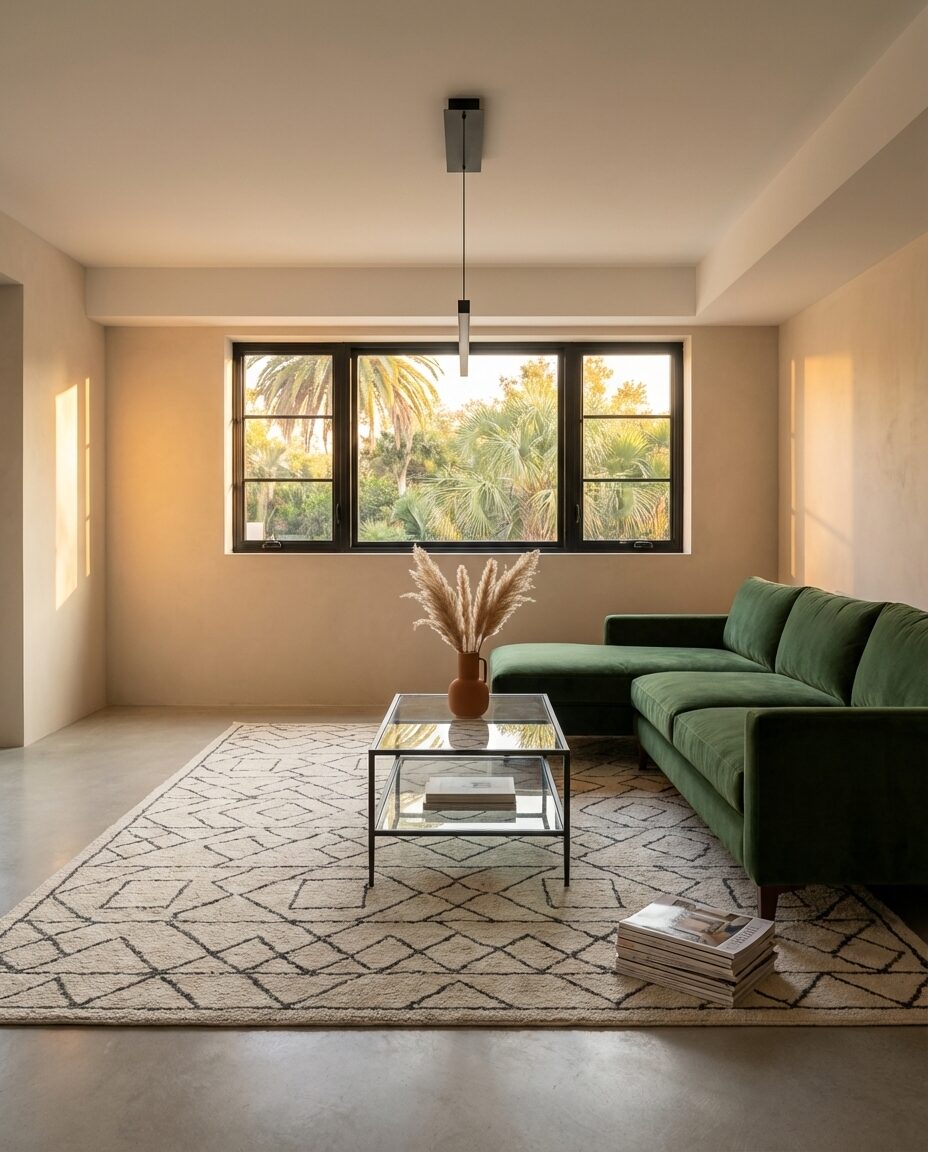
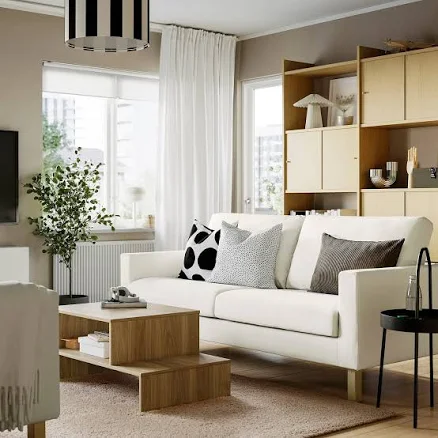
Everyone loves a good before & after, and an unfinished basement transforming into a modern living area is one of the most satisfying. This concept takes a raw, underutilized space and turns it into a sleek, functional extension of your home. It emphasizes clean lines, efficient lighting, and smart furniture choices to create a bright, contemporary environment perfect for relaxation or entertaining. It’s proof that what’s below can truly shine!
💸 Budget Version
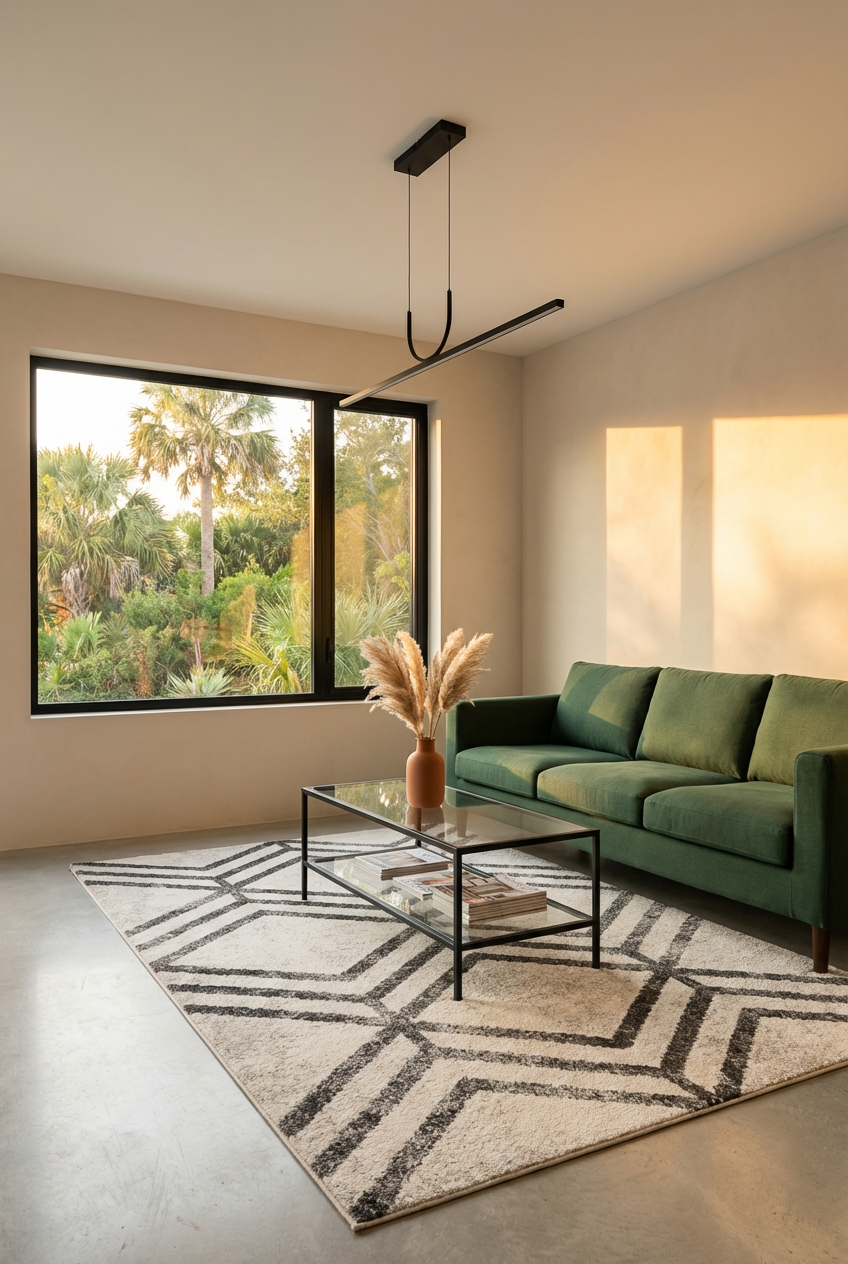
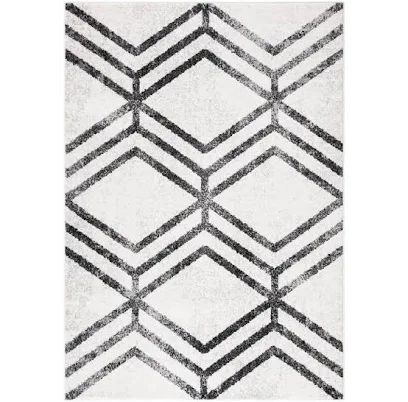
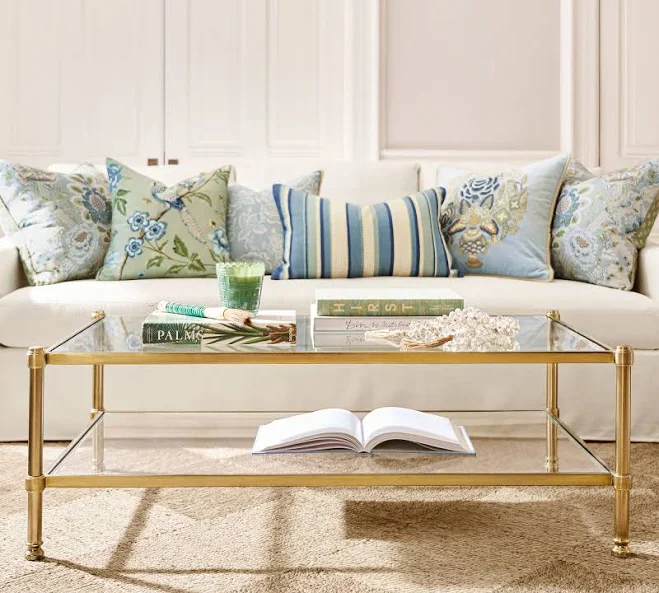
This transformation works because it embraces the inherent characteristics of a basement (sometimes industrial, often open) and elevates them. By choosing a modern aesthetic, it allows for exposed elements to feel intentional rather than unfinished. The key is in creating distinct zones within the open space using strategic furniture placement and rug definitions, like the Garfinkel Geometric Ivory/Charcoal Area Rug, rather than relying on walls. The IKEA SALTSJÖBADEN 3-seat sofa from IKEA helps define a comfortable seating area without overwhelming the space.
This type of modern renovation actually tends to be fairly low maintenance. The clean lines and minimalist approach mean less clutter to collect dust. Opt for luxury vinyl plank (LVP) or polished concrete flooring for easy cleaning. Furniture pieces like the IKEA SALTSJÖBADEN sofa are often designed for durability. Expect weekly vacuuming and dusting. If you choose an open-concept layout, keep cleaning supplies easily accessible to quickly wipe down surfaces and address spills, especially since there are fewer walls to contain messes.
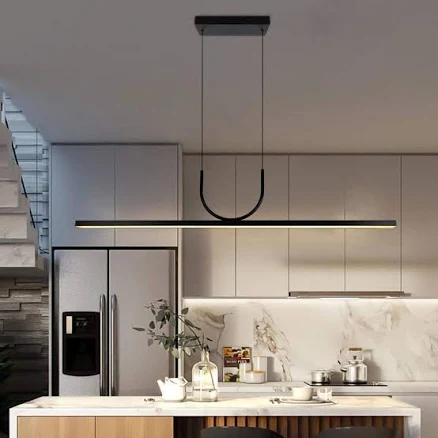
My top tip for a successful before & after basement remodel: always start with a comprehensive lighting plan. Basements often lack natural light, so you need to compensate with a layered approach. Combine general ambient lighting (like flush mounts or track lighting, or a pendant light like the JC Topa Contemporary Light) with task lighting for specific areas and accent lighting to highlight architectural features or artwork. This will prevent your newly finished basement from feeling like a cave, no matter how beautiful the decor.
|
💰 Budget Pick
Garfinkel Geometric Ivory/Charcoal Area Rug Union Rustic Rug Size: Rec$36.99 |
💰 Budget Pick
JC Topa Contemporary 42-Watt 1 Light Black Linear Design Dimmable LED $107.00 |
✨ Luxury Pick
IKEA SALTSJÖBADEN 3-seat sofa$499.00 |
✨ Luxury Pick
Pottery Barn Everson Rectangular Glass Coffee Table$799.00 |
As an affiliate, we earn from qualifying purchases.
28. Eclectic Basement Music Studio and Jam Room
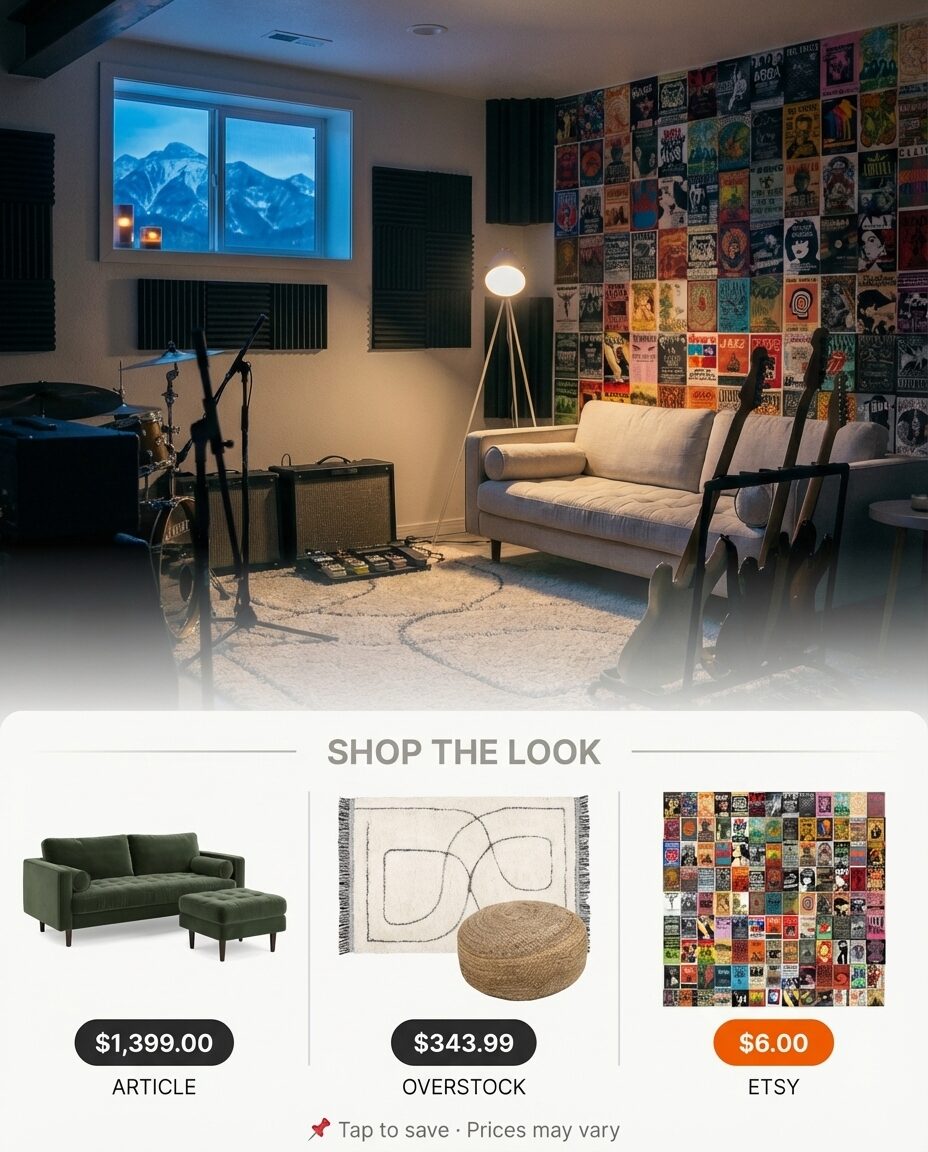
For the music lover, an eclectic basement music studio and jam room is nothing short of a dream. This space is about embracing creativity, personality, and, let’s be honest, a little bit of glorious noise. It combines comfortable seating like the Article Sven Tufted Sofa with funky art and practical elements like soundproofing, making it both a functional practice space and a chill hang-out zone.
Let’s be real about creating a music studio in your basement: soundproofing is probably more complex and expensive than you think. Hanging a few acoustic panels isn’t enough for serious sound isolation. You might need to consider double drywall with a sound-dampening compound, mass loaded vinyl, and specialized doors and windows. If you’re just looking for noise reduction for casual jamming, then acoustic panels and thick rugs (like the Napa Collection Cream Abstract Lines Shag Rug) are a good start, but manage your expectations for true sound isolation!
The soul of this room is ‘the vibe.’ It’s the eclectic mix of band posters, comfortable seating, and instruments that instantly tells you this is a place for creativity and good times. Without that curated collection of personal and artistic elements, it would just be a living room. The
29. Michigan Basement with Enhanced Waterproofing & Drainage
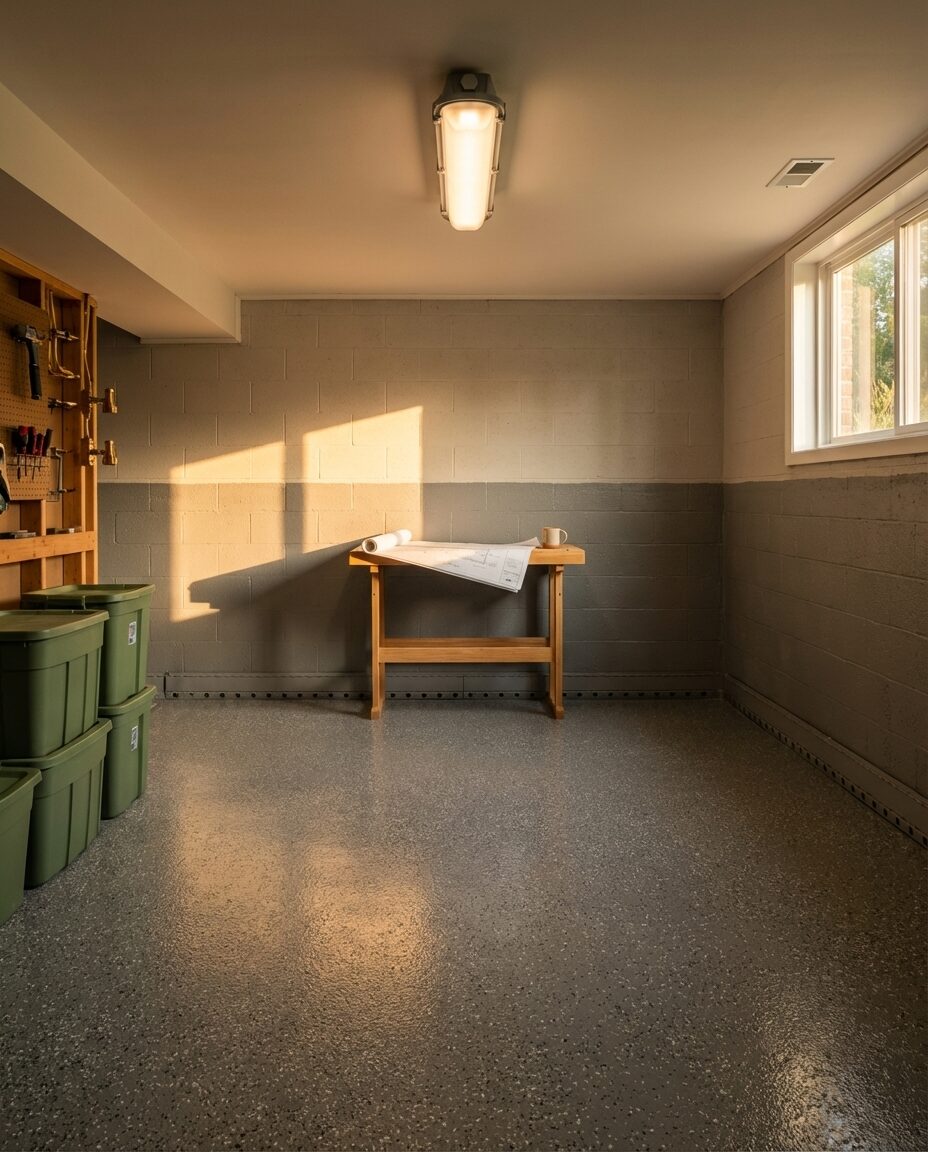
For homeowners in Michigan (or other damp climates), an enhanced waterproofing and drainage system in your basement isn’t glamorous, but it’s absolutely crucial. This functional approach focuses on protecting your investment and preventing costly damage down the line. It’s about laying a solid foundation (literally!) before you even think about aesthetics, ensuring your basement remains dry, healthy, and ready for whatever you want to build within it. This isn’t just an idea; it’s a smart investment.
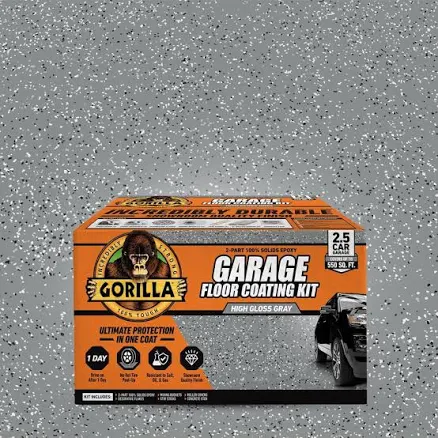
This idea works because it tackles the root cause of many basement woes: moisture. By proactively addressing waterproofing and drainage, you’re not just patching problems; you’re preventing them. The combination of interior drainage systems, waterproofing membranes, and proper flooring like the Gorilla Gray Garage Floor Epoxy Coating Kit creates a robust defense against water intrusion, ensuring the long-term integrity and usability of your basement space. It’s the ultimate “ounce of prevention” strategy.
- Inspect for moisture entry points: Check for cracks in foundation, leaky windows, or signs of efflorescence. (Time: 1-2 hours, Cost: Free / professional inspection: $200-$500)
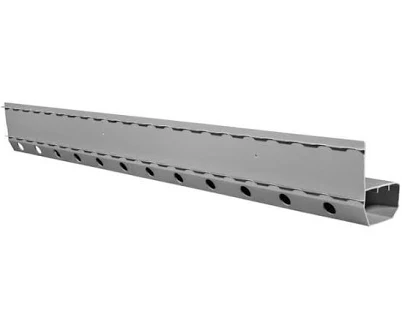
- Install interior drainage system: Systems like the Waterguard Basement Drainage Channel collect water before it reaches the floor. (Time: 2-3 days, Cost: $2,000 – $10,000+, professional installation recommended)
- Apply waterproofing membrane: Use a product like Laticrete Hydro Ban Waterproofing Membrane on walls and floors. (Time: 2-3 days, Cost: $100 – $500 for materials, DIY; $1,000 – $3,000 professional)
- Seal cracks: Repair any foundation cracks with epoxy or hydraulic cement. (Time: 1-2 hours, Cost: $20-$100)
- Consider exterior drainage: Address downspouts and grading around your home to direct water away. (Time: Varies, Cost: $100 – $2,000+)
- Have you had a professional assessment of your basement’s water issues?
- Are you prepared for the significant investment in proper drainage and waterproofing?
- Is your outdoor grading sufficient to direct water away from the foundation?
- Have you checked local building codes for required drainage systems?
|
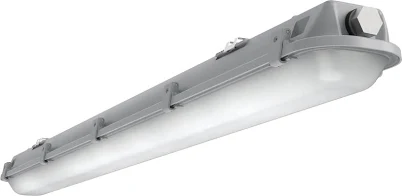
Lithonia Lighting Vapor Tight LED Fixture$204.99 |
Laticrete Hydro Ban Waterproofing Membrane$102.00 |
15 ft Waterguard Basement Drainage Channel 4 x 3ft 9″ lengths$246.00 |
Gorilla Gray Garage Floor Epoxy Coating Kit$381.60 |

As an affiliate, we earn from qualifying purchases.
30. Transitional Basement Home Theater with Plush Seating
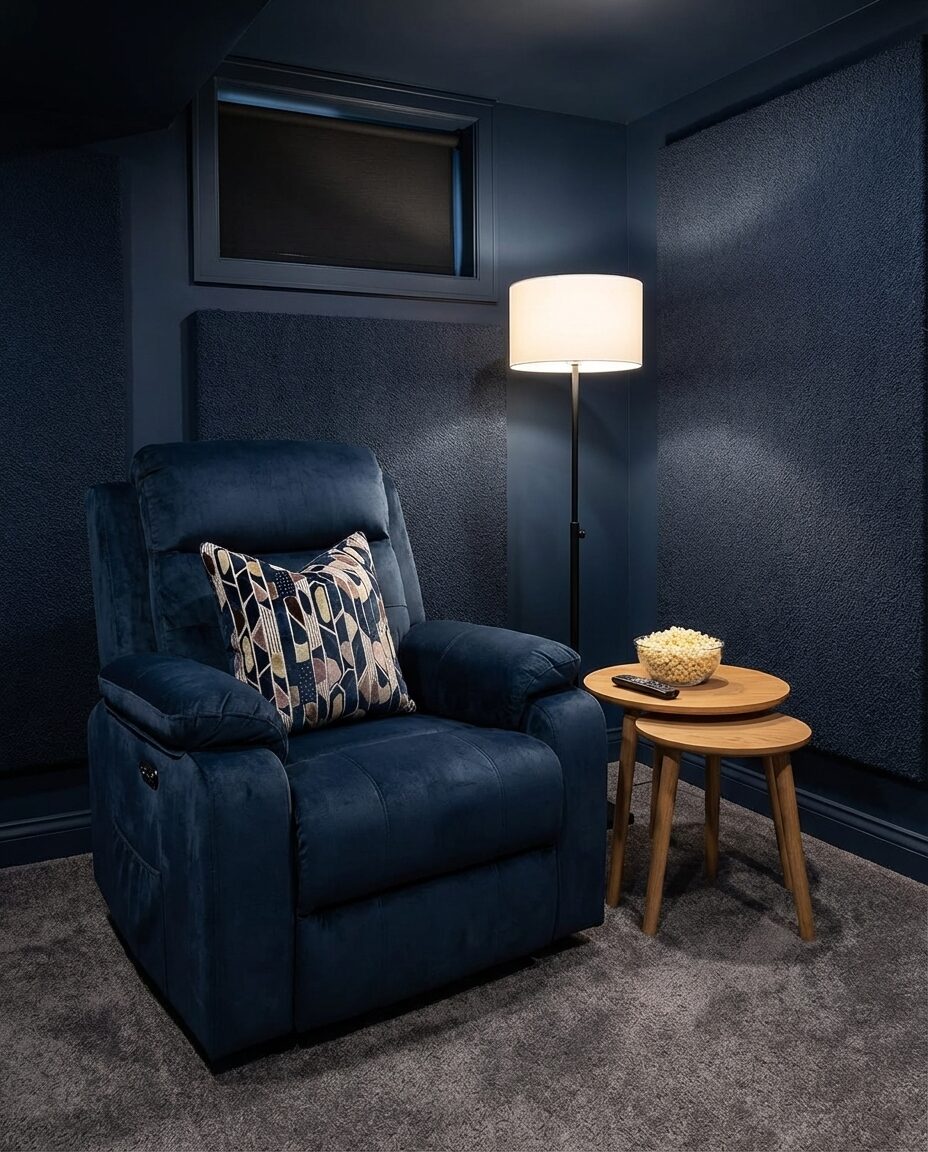
Transform your basement into a true cinematic escape with a transitional home theater featuring plush seating. This isn’t just about watching movies; it’s about creating a luxurious, comfortable experience that rivals any multiplex. Think deep sofas, soft throw pillows, and dimmable lighting to set the perfect mood. It’s an investment in family fun and ultimate relaxation that brings everyone together. 💡 Loving these dark walls? Before you commit, we break down 3 common mistakes at the end of this article that could save you a costly repaint.
Home theaters continue to be a top trend, especially as streaming services offer more high-quality content. People are investing in creating dedicated spaces that enhance the viewing experience at home. This transitional style works particularly well for basements because it balances the need for a cozy, dark environment with touches of elegance that make it feel like a sophisticated extension of your home, not just a dark cave. It’s a lasting trend that brings genuine value and enjoyment.
- Main Furniture (recliners, side tables): $800 – $2,000
- Lighting (floor lamps, recessed lights): $100 – $400
- Textiles (throw pillows, blankets): $50 – $200
- Decor/Accessories (artwork, shelving): $50 – $200
- Paint/Wall Treatment: $50 – $200
- TOTAL: $1,050 – $3,000
- Budget alternative: Get similar vibe for 40-60% less ($420 – $1,500)
|
aisword Enhanced Exclusive Oversized Velvet Power Lift Recliner Chair$657.45 |
Pottery Barn Hadley Round Nesting Accent Table$179.00 |
Belle Multicolored Geometric Velvet Throw Pillow$79.99 |
Threshold Knox Floor Lamp$115.00 |
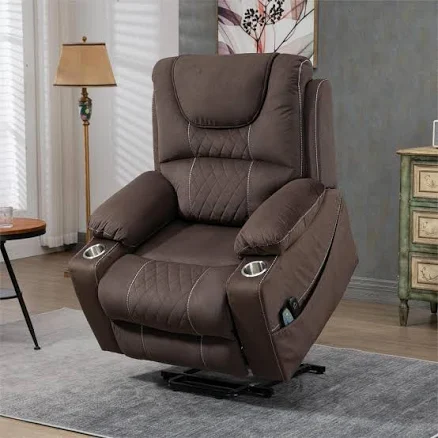
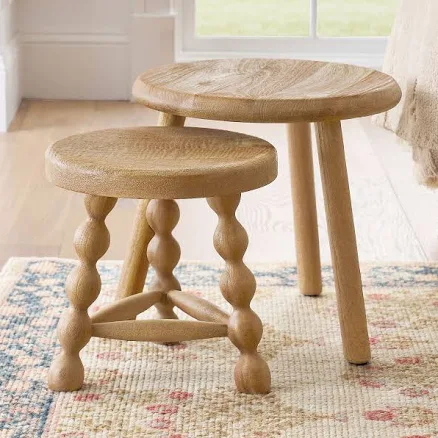

As an affiliate, we earn from qualifying purchases.
31. Modern Farmhouse Basement Living with LVP Flooring
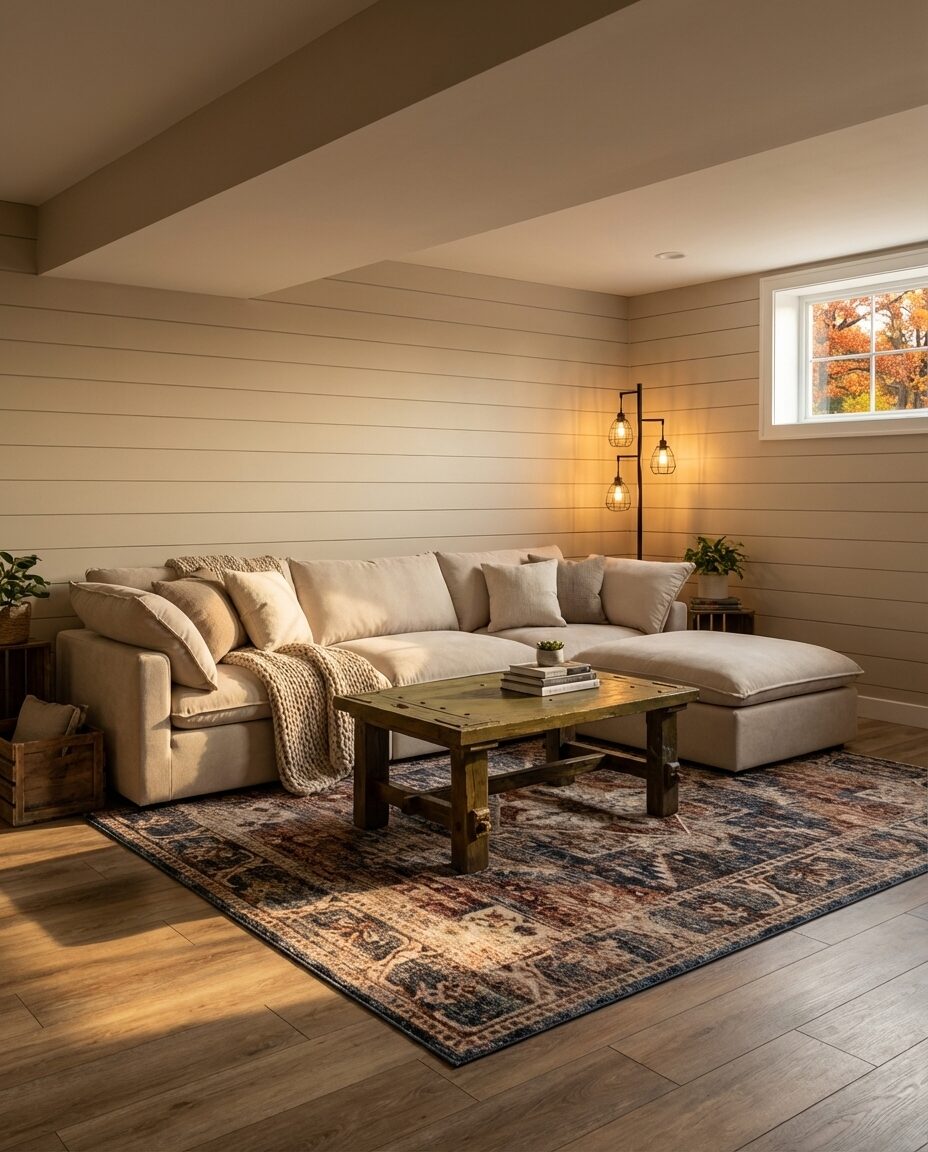
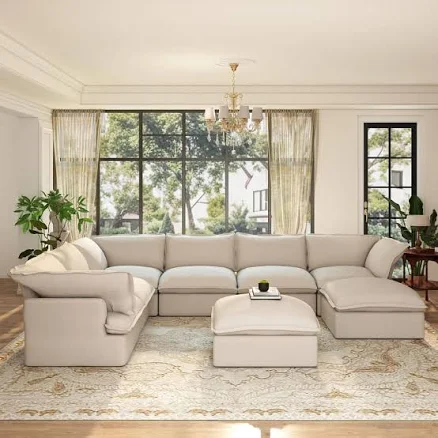
Bring the warmth and charm of modern farmhouse style to your basement living area, complete with durable LVP flooring. This look perfectly blends rustic elements with contemporary comforts, creating a relaxed yet refined space. Think cozy sectional sofas (like the Magic Home Cloud Sectional), natural wood accents, and practical flooring that can stand up to basement conditions. It’s inviting, stylish, and built to last.
This design absolutely shines in basements of almost any size. For smaller basements (under 500 square feet), focus on a scaled-down sectional or even a comfortable sofa combined with a couple of armchairs. For larger, open-concept basements, you can comfortably incorporate a large sectional like the Magic Home Cloud Sectional and define different zones, perhaps adding a dedicated play area or a gaming nook adjacent to the main living space. The flexibility of LVP flooring makes it adaptable to various layouts and traffic patterns.
This modern farmhouse look works so well in a basement because it introduces warmth and character that basements often lack. The use of natural textures (wood, woven rugs like the Halton Slate Rug) and a comfortable, relaxed aesthetic instantly makes the subterranean space feel elevated and inviting. Furthermore, the choice of LVP flooring is purely brilliant for basements; it’s beautiful, durable, and highly resistant to moisture, making it a practical and stylish foundation for the entire room.
|
Magic Home Cloud Sectional Sofa$2,411.92 |
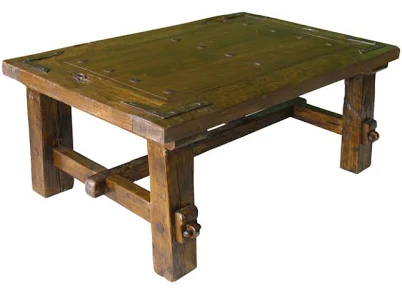
Rustic Block Coffee Table$1,375.00 |
at Home Halton Slate Rust Distressed Look Area Rug$149.99 |
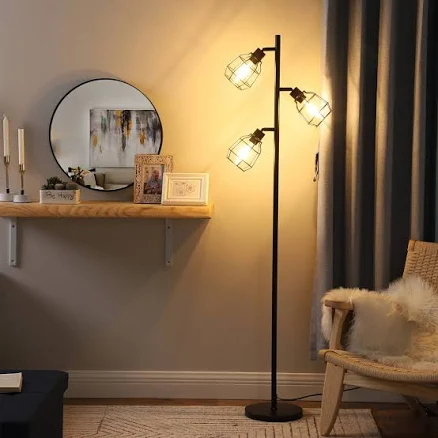
3-Light Tree Floor Lamp$68.99 |

As an affiliate, we earn from qualifying purchases.
🚫 Common Mistakes to Avoid
Now that you’ve seen what works — here’s what to watch out for. These mistakes are surprisingly common and can undermine even the best design intentions.
❌ Mistake #1: Ignoring Proper Insulation and Ventilation
A common pitfall is to jump straight to pretty finishes without addressing the functional necessities of a basement. Without proper insulation, your beautiful new space will be cold and damp, and your heating/cooling bills will skyrocket. Lack of adequate ventilation leads to stale air, moisture buildup, and potential mold issues, ruining your investment and creating an unhealthy environment.
The Fix: Prioritize insulation and ventilation from the start. Install appropriate moisture barriers, consider spray foam insulation for superior thermal protection, and ensure you have an HVAC system that adequately serves the basement, ideally with a dedicated return air duct.
❌ Mistake #2: Poor Lighting Design
Basements are often naturally dark, and relying on a single overhead light or just a few scattered lamps will leave your new space feeling gloomy and uninviting. This is a missed opportunity to create a bright, functional, and atmospheric room. Dim lighting makes a basement feel like, well, a basement, no matter how much effort you put into the decor.
The Fix: Implement a layered lighting plan. Combine ample recessed lighting for general illumination, task lighting for specific areas (like a reading nook or desk), and accent lighting to highlight features or create mood. Always include dimmers to control the ambiance.
❌ Mistake #3: Ignoring Ceiling Height Limitations
One of the most common mistakes in basement design is pretending low ceilings don’t exist. Choosing furniture that’s too tall, hanging light fixtures too low, or installing bulky elements can make an already limited vertical space feel even more oppressive and cramped. This not only looks bad but can also impact the functionality and comfort of the room.
The Fix: Embrace the ceiling height. Opt for low-profile furniture, use recessed or flush-mount lighting, and consider vertical wall decor that draws the eye upwards, rather than bulky floor-standing pieces. Keep colors on walls and ceilings lighter to visually expand the space.
Final Thoughts
See? Your basement isn’t just extra space; it’s a blank canvas waiting for your creative touch. With these 31 ideas, you’re armed with inspiration for every style and budget, from cozy retreats to family hubs. No matter your vision, remember patience and good planning are key to turning that forgotten space into your favorite floor.
Now go forth, get inspired by all the amazing basement remodels on Pinterest, and start dreaming up your own!